The Grand Narrative

Korean Gender Reader

Posted in Korean Gender Reader by James Turnbull on August 27, 2010
( Source )

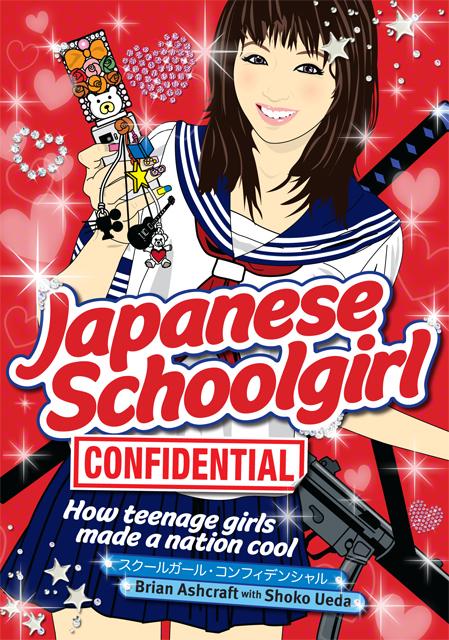
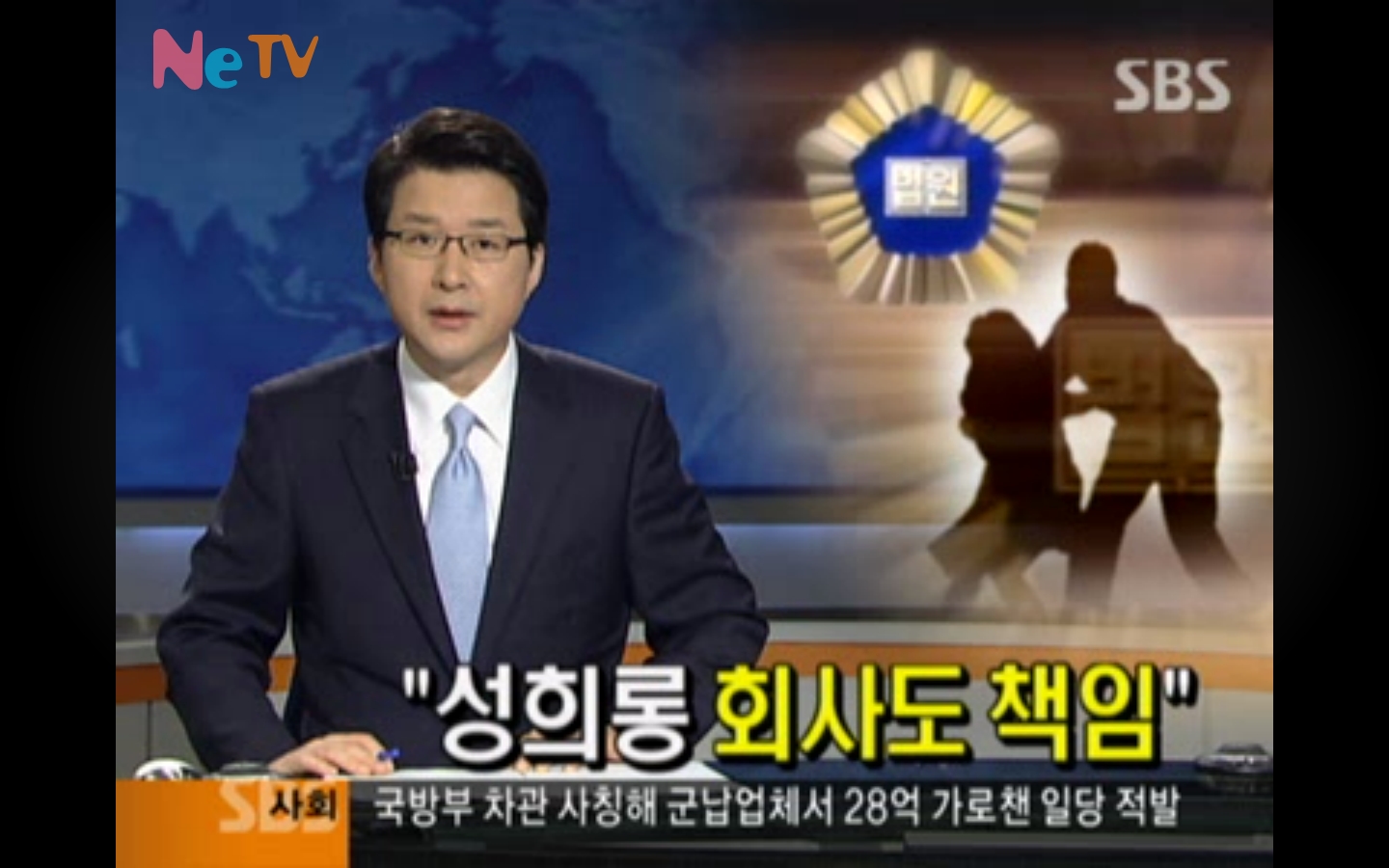
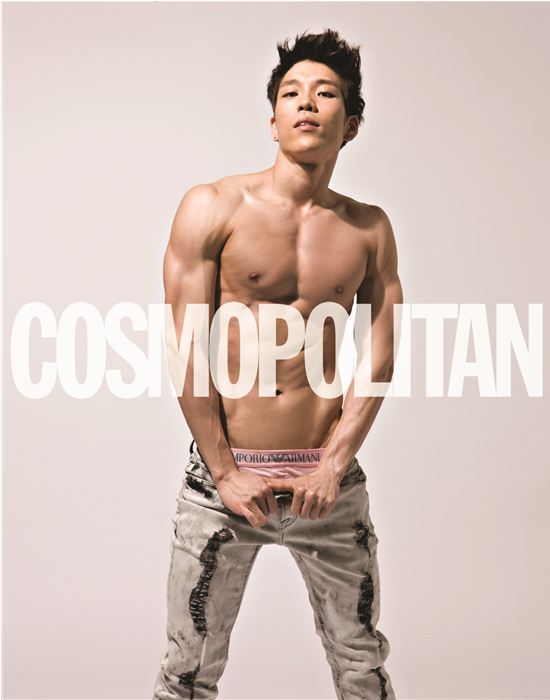
1) 60% of underage female entertainers pressured to expose as much skin as possible

Lest that sound like an exaggeration in light of other news articles that state that only 10% are, let me refer you to the relevant section in the Ministry of Gender Equality and Family’s (여성가족부; MOGEF) own report on its survey of 103 teenage entertainers and aspirants (53 males, 50 females), which specifically says:

19세 미만의 청소년 연예인(88명) 응답을 분석한 결과, 연예 활동 시 10.2%가 신체 부위(다리, 가슴, 엉덩이 등) 노출을 경험하였으며, 여성 청소년 연예인의 경우 60%가 강요에 의한 노출이라고 응답하였다.

Or that of the 88 male and female teenage entertainers interviewed (not aspirants), 10.2% said they had the experience of exposing parts of their bodies (legs, breasts, buttocks, and so on) while performing, whereas 60% of the female ones had been pressured to.

Which remains confusing, but I think it’s safe to assume that the 10.2% of cases of exposure by males and females referred to were accidental (albeit because of their clothing?), and that the 60% of females that were coerced to wear skimpy clothing were in little position to refuse. Whatever the true figures however, they belie recent claims that such fashions are somehow intrinsically empowering in a sexual and/or feminist sense, or that it’s the girls themselves that want to wear them (and recall that Girls’ Generation above, for one, was specifically created to appeal to 30 and 40-something men).

Meanwhile, they’re also pressured to go on diets and get cosmetic surgery and so on, and teenagers of both sexes miss out on schooling and work excessively long hours because – bizarrely – entertainers aren’t covered by child labor laws. See the above links and also Extra! Korea and JoongAng Daily for a summary of all the issues raised by the survey, and kudos to MOGEF for finally doing something within its limited budget (0.12% of the government total) that may nevertheless ultimately have a genuine impact on young women’s lives (unlike here, here, here, and here).

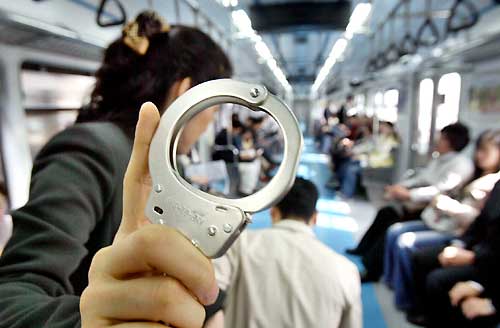
2) Subway groping on the rise

In Seoul at least. By coincidence, Busan Mike saw an incident in Busan last week too, although of course that doesn’t necessarily imply that it’s rising in Busan also.

3) THAT video

Yes, Mamma Mia by Narsha (나르샤) of the Brown Eyed Girls (브라운 아이드 걸스), which a dozen readers passed on to me because it’s so rare to see Korean female/Western male pairings in the Korea media. I can’t really add anything that Mellowyel hasn’t already covered in her own excellent analysis of it though (see here also), but you may be interested in this 2002 S.E.S (에스.이.에스) video that it instantly reminded me of, as the contrast in the treatment of the Western men in it couldn’t be greater:

Despite how it may appear though, Matt at Gusts of Popular Feeling argues that in fact they’re a substitute for Korean men, who wouldn’t have accepted being portrayed so negatively. Why not? See this *cough* 4500 word post of mine on that here, in which I place it into the context of Korean social and sexual norms in the late-1990s and early-2000s.

4) Number of female victims of sexual abuse is 8 times greater than actually reported

Unfortunately no details are given about its methodology, but according to a recent study by Korean Institute of Criminology, about 470 out of every 100,000 women were sexually abused in 2008, which is eight times more than the official figure of 58. Of those, 36 out of 100,000 were raped, 9.5 times the official number.

Like the reader who sent those on to me pointed out, of course it’s not news that most cases go unreported, but it is nice to see this fact getting some attention from the national news agency.

Update: Korea Beat has a little more information on it here, noting that “it has been the general understanding that many more sexual assaults occur than are reported, but this study is the first to produce relatively concrete figures” (my emphasis).

5) Korean Demographic Reader

As always, rather depressing news:

More interesting are two stories about Japan, with very similar problems (and for similar reasons). First, an article entitled “Families dictate Japan’s economic fate” from The Japan Times, which describes how one scholar:

…uses the cases of families collecting dead members’ pensions and the rise of “parasite singles” to point out how a rich, vital economy can sink so far it has no realistic chance of climbing back up. Low birthrate is a problem, but mainly as a consequence of Japan’s “failure to create jobs.” The Japanese media has not ignored this connection, but in general they still blame population contraction on social changes rather than economic ones, as if the two were somehow distinct. Men have become less aggressive, women too choosy; so they don’t marry and procreate.

Many Japanese still believe that the country’s economic and social problems can be solved by regaining so-called traditional values related to family and community…

And as it demonstrates, that is patently not the case. But as for more detail as to why, see the recently published Contemporary Japan: History, Politics and Social Change Since the 1980s by Jeff Kingston, reviewed here by the Economist:

THE modern image of Japan is built on shaky foundations. In the 1980s nearly all Japanese considered themselves middle class. Other abiding beliefs include companies looking after workers through lifetime employment and the yakuza, Japan’s mafia, being guardians of the lost samurai spirit. There is some truth in all this but, as with other national myths, their real importance is in what they reveal about those who hold them dear.

If the Japanese nurse old-fashioned conceptions about their national identity, so do foreigners. Throughout the 1980s Americans gobbled up books that painted a Japan that was poised to surpass the United States by dint of a superior education system, low crime rate, good labor relations, bureaucratic acumen, familial ties and (let it not be forgotten) racial purity. Most foreigners still see Japan in the rear-view mirror, as an egalitarian, socially cohesive society.

“Contemporary Japan” by Jeff Kingston, the director of Asian studies at Temple University in Japan, does sterling service in stripping away or qualifying many of these misconceptions…

( Source )

6) We married Koreans

Unfortunately for us, Diana of Going Places is now back in the US, but she’s still taken the time to write a review of We Married Koreans (2009), “a collection of 12 true stories of interracial, intercultural marriages between American women and Korean men in the 1960s”. A quick excerpt:

…It tells a fascinating history, both personal and cultural, of Korea as it struggled towards democracy (one woman’s husband was imprisoned for anti-government demonstrations in Korea) and America as it struggled towards racial equality (many of the women speak frankly about some of the racial epithets hurled at their children). The couples mostly met, married, and lived in America, but most lived for at least a short time in Korea and one missionary couple spent most of their marriage in the Korean expat community in Brazil. I feel like I just sat down and read 12 very good personal blogs about Korea.

Read the rest here. By coincidence, the World Federation of Korean Intermarried Women’s Association’s 6th annual conference, whose members are Korean women married to foreign men, was just held in Seattle, the first to be held outside of Korea.

7) Korea’s national motto is  “Just Bear It”?

Gord Sellar makes quite a convincing case:

Pretty much every time someone I know is doing something against his or her better judgment, something he or she clearly ought not to be doing — working a job he or she absolutely hates, coddling an abusive or infantile parent, turning down a once-in-a-lifetime opportunity, or studying a subject for which he or she feels no interest — you can usually find a number of people have told the person that it’s important to “just bear it” — ie. bear with it, put up with your dissatisfaction, ignore your instincts, and do the thing you know you shouldn’t.

( Source: unknown )

While I’m sure long-timers especially need little convincing, let me buttress that with the following from the Samsung Economic Research Institute in 2008 (my emphasis):

…In sum, Koreans still regard their jobs principally as a means of livelihood. This mirrors the reality here in Korea where work does little to enrich the life of the people.

Many workers still take it for granted that they have to tolerate anything in return for getting paid. This kind of job atmosphere produces a negative influence on both companies and employees alike. With this in mind, businesses need to make more efforts to develop new programs, aimed at bringing a higher sense of value of work and satisfaction to their employees.

And I can vouch that even my wife finds it surprisingly difficult to conceive of how one’s job can ever be anything but sheer drudgery, let alone something one can enjoy and/or find it fulfilling.

Focusing on the gender dimension here though, Gord was prompted towards the above by a recent encounter in a hospital with a family with an abusive husband and father, and while I concur with his assessment that the wife was at least partially responsible for her situation, his story does provide a very human face to the extreme financial difficulties middle-aged women, most of whom are housewives, have in leaving loveless and/or abusive marriages (although it’s amazing that the divorce rate is so high nevertheless).
( Source )

8) Civil service exams to be abolished

While that may sound trivial to Western readers, in Korea it is anything but, as over 200,000 young Koreans are studying for them at any one time.

Why so many? Because the civil service remains one of the few institutions after the Asian Financial Crisis of 1997 which still provides  “jobs for life”, unlike the rest of the Korean economy which now has the highest number of irregular workers in the OECD. Consequently, the various exams are extremely competitive, and indeed one of my own sisters-in-law spent over 4 years studying for hers before finally qualifying…for a series of grueling interviews, which many applicants still fail (including a friend of mine), but fortunately she made it through those as well.

Why this is a gender issue is because despite the difficulties, at least it is entirely meritocratic, and as such it has a disproportionate number of female applicants. Compare the private sector in contrast, where Gord Sellar’s partner was recently required to provide answers like the following in her application for a job at a major Korean company for instance:

  • list your brothers and sisters, and their places of employment
  • how old are your siblings?
  • what is your father’s job?
  • is your mother a housewife?
  • what is your height?
  • what is your weight?
  • what is your religion?
  • are you the descendant of a war veteran?

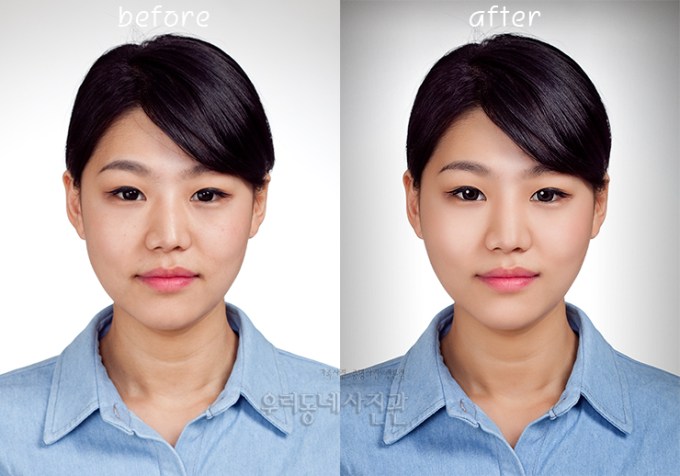
And don’t forget that a photo is also required, which as you can see above, has led to a flourishing photoshopping industry catering to job applicants.

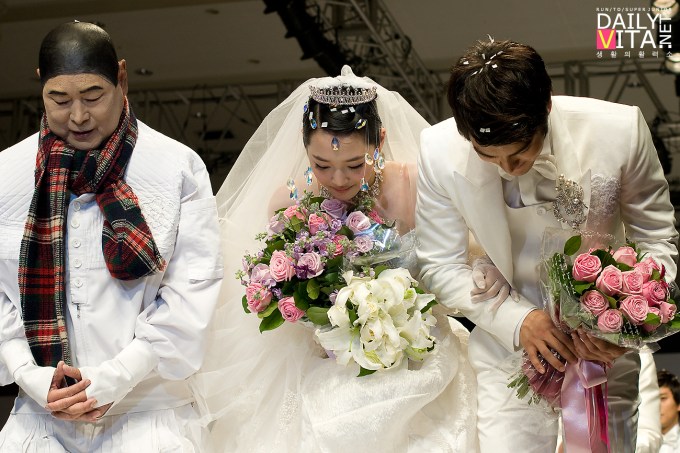
We Married Koreans, a collection of 12 true stories of interracial, intercultural marriages between American women and Korean men in the 1960s. The collection is edited by Gloria Goodwin Hurh, whose own story appears in Chapter 5.

Share

Men Can’t Get Raped in Korea? (Updated)

Posted in Korean Sexuality, LGBT, Manhwa, Rape, Sexual Abuse, Sexual Harassment by James Turnbull on August 25, 2010
( Source )

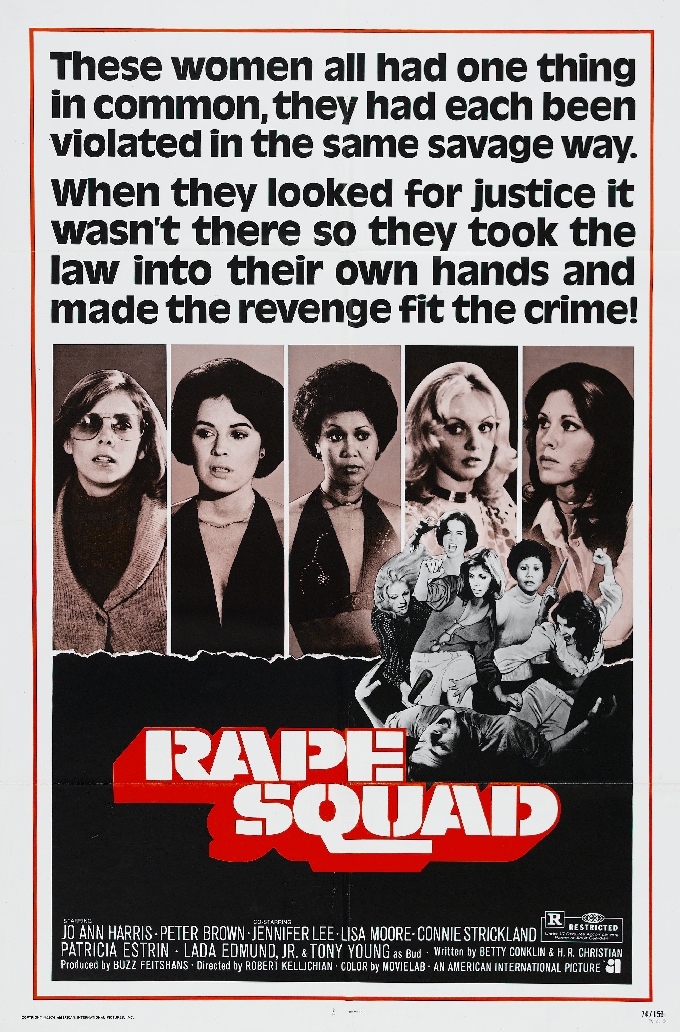
But in Korea at least, perhaps the most appropriate revenge would have been to inflict the same back on the rapists? For I’ve just been shocked to learn that legally speaking, men can’t actually be the victims of rape here.

In fairness however, Korea is by no means the only jurisdiction that strictly defines rape as non-consensual penile penetration of the vagina, so perhaps my reaction was quite naive. But still, recall that not only is spousal rape not a crime, and that the Korean Bar Association remains opposed to its criminalization, but that there is also endemic sexual violence within the military.  So it’s not like some decidedly archaic notions of sexual identity and rape don’t still exist both in theory and in practice in Korea.

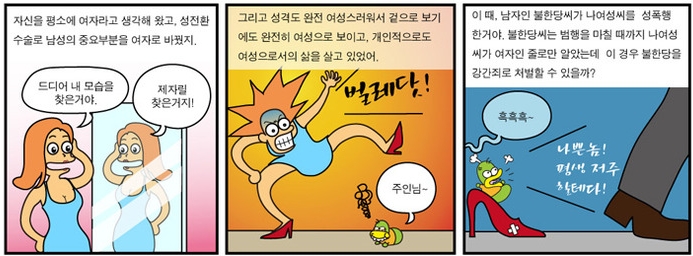
Accordingly, the fact that males can’t be raped is not so much highlighted as taken for granted in the webtoon Judge Byeon Hak-do’s Puzzling Law Questions (알쏭달쏭 변학도 판사의 법률이야기) below, instead focusing on the question of if a rapist of a male to female transsexual would be charged with rape or indecent assault instead, concluding that as the victims are not considered women in Korean society then it would be the latter. And indeed as of 2006, only 25 transsexuals had been successful (and 26 denied) in their applications to change their legal gender, easily the most famous being entertainer Harisu (하리수) and model Choi Han-bit (최한빛) below:

( Sources: T-L, T-R, B-L, B-R )

That figure was taken from “Hallyoo, Ballyhoo, and Harisu: Marketing and Representing the Transgendered in South Korea” in Complicated Currents: Media Flows, Soft Power, and East Asia (2010), which I highly recommend for those of you more interested in the current state of transgender and transexual rights in Korea (full disclosure: this blog is mentioned in it!). As for the webtoon itself, unfortunately it raises more questions than answers, and the last 2 panels in particular make little sense, and I think are supposed to be a joke. But I’m not going to write it off because of the medium (quite the opposite), and unlike the pig-ignorant, racist, and anti-Semitic comic history books that some of you may recall from 2007, the webtoon series as a whole does at least seem to be written by someone who knows the subject, probably even by a judge himself.

Below, I’ve literally translated all of it (including all the sounds!), adding notes where necessary. But as always, I welcome and appreciate any corrections:

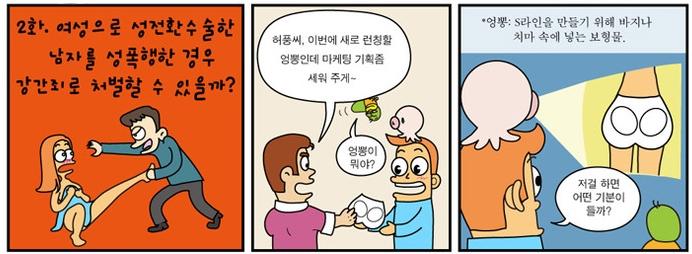
Comic #2. In the case of the rape of a man who has had a sex change operation to become a woman, does that [actually] carry the charge of rape?

Heo-poong, we are going to launch a product called “Eong-bbong”, and want you to come up with a marketing plan.

What’s an Eong-bbong?

Eong-bbong: a device to create an S-line by putting it under a skirt or pants.
How would wearing that feel?

“Eong-bbong” is actually quite a good name: it comes from a combination of the “eong” in eongdeongee (엉덩이), or bottom, and “bbong” (뽕), not unlike “boing” in English.

Meanwhile, when Heo-poong asks how wearing that would feel, he means literally or physically, not in the psychological sense of what it would be like to be a woman having her S-line ogled.

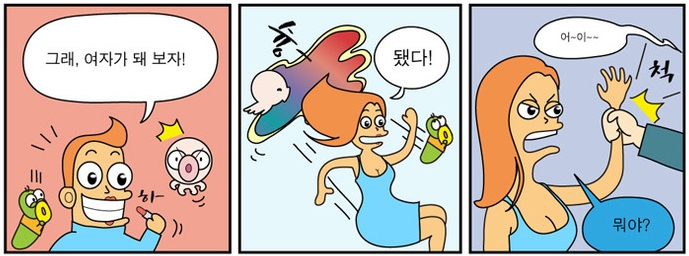
Okay then, let’s try becoming a woman!

Hee (Your guess is as good as mine)

Done/Changed!

Syoong! (a quick moving sound, in this case through a magic portal used in all the other stories)

Oh~Oh~~

Cheok! (a grabbing sound?)

What’s this?

Your bottom is so pretty…

Hweik! (used for something sudden and abrupt)

Jerk!

Yaaargh!

You bastard, you want to eat rice and beans (prison food) by raping someone?

Stop!

Beonjjok (Flash)

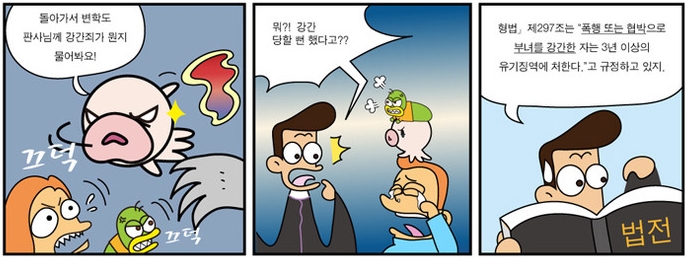
Go back to Judge Byeon Hag-do and try asking about what the crime of rape is!

GGudeok, ggdeok (Nod, Nod)

What? You say you almost got raped??

According to article 297 of the criminal code, a person who rapes a woman by violence or threat of violence gets a jail term of at least 3 years.

So in other words, the only people that can be raped are women?

Woman, then Syak! (quick swishing sound?)

If so, what are women?

Here in article 297, all females are referred to: adult women, teenagers and girls, married women, and unmarried women.

Who doesn’t know that?!! (lit. Where is someone that doesn’t know that?!!)

A man who dresses as a woman is only a woman on the surface. But for someone to be called [really be] a woman, they need to have the heart, mind, and body of a woman.

The Korean maum (마음) is often translated just as “mind” in English, but if you just ask Koreans where it is located then they’ll usually say the chest, let alone often use it in a “heart” sense. I don’t think there is any real distinction between them in Korean.

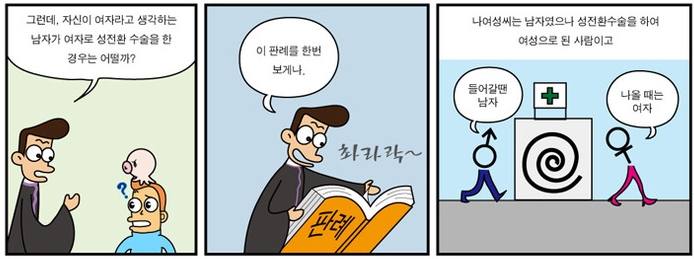
However, what about the case of a man who has had a sex change operation and thinks of himself as a woman?

Let’s have a look for any precedents.
Chwa-ra-rak~ (the sound of flicking through pages?)

If Miss “I am a woman” was a man and has a sex change operation…

When I go in I’m a man

When I come out I’m a woman

…through having her male “important parts” changed to a woman’s, she comes to think of herself as a woman.

Finally, I’ve found myself.

I’ve found where I belong!

And her personality is completely like a woman’s, and she also completely looks like a woman, and has lived as a woman…

A cockroach!

My master/mistress~

Then Mr. Evil rapes Miss “I am a woman”, all the while thinking she was born a woman, will he be charged with rape?

Sob sob sob~

You bastard! I will curse you forever!

“Mr Evil” may sound facetious, but actually boolhandang (불한당) is the usual term for a bad person, a little like the bogeyman in English (but more specifically a criminal of some sort). Meanwhile, jooinnim (주인님) is gender neutral, so I don’t know if the caterpillar(?) thinks of Heo-poong as a man or a woman sorry.

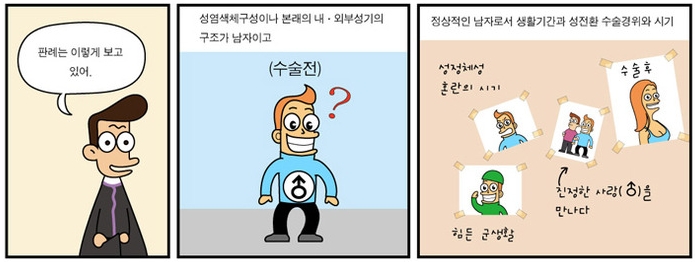
There is a precedent for this.

The sex chromosomes, internal physiology and external genitalia were all male…

(Before the operation)

He lived as normal man, but a time came when he wanted to have a sex change operation…

Feelings of confusion about if he was a man or woman.

A hard time doing his military service.

He met his true love, a man.

After the operation.

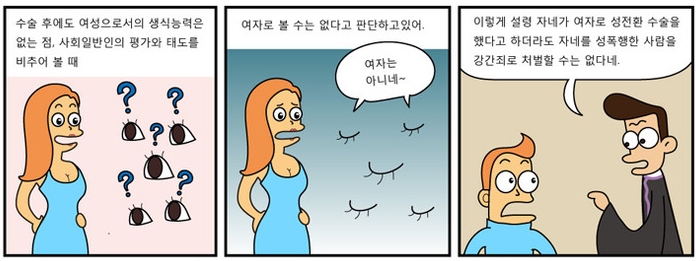
After the operation, she had no reproductive ability as a woman, so in the case of average people on the street’s assessments of and attitudes towards her…

They would decide that she couldn’t be called  a woman.

- Not a woman~

This way, even if you had had a sex change operation, someone who rapes you would not be charged with rape.

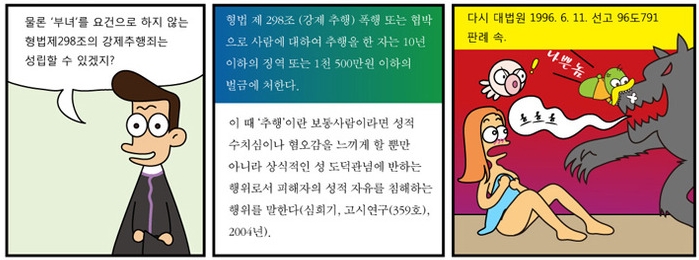
Of course, being a woman is not a prerequisite for charging the perpetrator with indecent assault under article 298 of the criminal code, yes?

According to article 298 of the criminal code (indecent assault), if someone assaults another through the threat of violence then he or she can go to jail for a maximum of 10 years or pay a maximum penalty of 15 million won.

In this case, “assault” means not just something which infringes on the victims’ sexual freedom and is in contradiction to normal sexual ethics, but also leaves them with a sense of sexual shame and disgust (Shim Hwae-gee, Official Law Studies (#359), 2004)

This was also established by the Supreme Court in their judgment on case 96.791 on June 11, 1996.

Your honor, do you think that Miss “I am a woman” is also included in the definition of woman for the charge of rape to apply?

What’s that got to do with anything? I just want to do whatever feels good~

Bbok (Bash?)

Master/Mistress, kill this bastard in self-defence!!

Sure!

Bbak! (Bash?)

That’s strange?? The contents of the Supreme Court’s judgment on case 96.791 on June 11, 1996 have been changed!!

Clearly, it was about rape, but here…

Gyaoodoong (??)

Now it’s about how far one is justified in inflicted violence in self-defense??

Save me~

Oodangtang (Thump! Stamp!)

Update: I completely forgot this article from The Korea Times, which I covered back in February last year (see#17 here):

A provincial court for the first time found a man in his 20s guilty of “raping” a transexual, Wednesday, challenging the current law that defines rape to when a man has forcible sex with a woman born a female. The victim’s legal gender still remains man.

The Busan District Court sentenced the man to three years in prison suspended for four years on charges of raping the 59-year-old transsexual. He was also ordered to participate in 120 hours of community service.

Judge Ko Jong-joo said in the ruling, “The victim has acted like woman since he was born. In 1974, when he turned 24, he underwent a gender reassignment program. He once also lived with a male partner for a decade. Given all of these, he can be seen as female.”

The judge added that although the victim was legally a man, but this did not take into account his sexual identity. “Thus, his sex in legal documents cannot be seen as his `ultimate’ gender,” he said.

The rapist invaded the victim’s home last August and raped her using a blunt weapon. The prosecution initially indicted the man on a “molestation” charge but changed it to “rape” later after considering the victim’s personal history. It sought a five-year prison term, Feb. 11.

Giving the unprecedented ruling, the judge set three criteria to define the precedent ― whether the victim had sex change surgery; how long he/she has lived with appearance of the opposite sex; and if he/she has no problems having sexual relations.

In a similar case in 1996, the Supreme Court did not acknowledge rape charge, citing the victim’s sexual chromosome identity as a male.

I wonder if that 1996 case is the one referred to in the cartoon?

judgment on case 96.791 on June 11, 1996.

Share

Korean Sociological Image #49: Lee Hyori has an Asian Bottom?

Well, bottom half of her body to be precise. But then she is Korean after all, so what on Earth does that make her top half?

Western, according to her. And while she’s quite happy with that at least, in contrast she’s dissatisfied with her Asian legs, claiming that she has to always wear high heels to compensate for them.

However, despite my original shock at hearing her describe herself in such terms, ironically I find myself defending her statements.
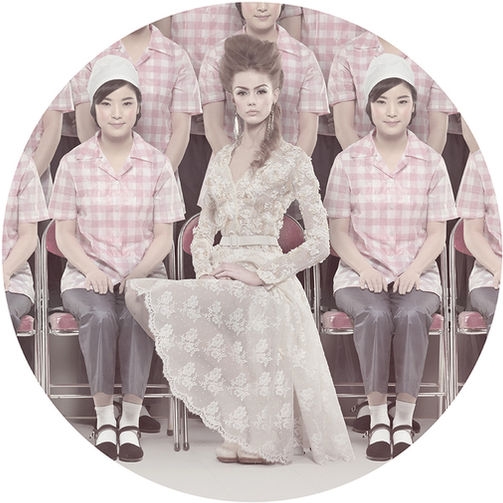
No, really.

But first, the context. From the Hankyung:

가수 이효리가 “상체는 서구적인 반면 하체는 동양적이다”라고 말해 눈길을 끌고 있다 (source, above).

Singer Lee Hyori is drawing lots of attention for saying “While I have a Western top half, on the other hand the bottom half of my body is Asian.”

지난 20일 방송된 MBC ‘섹션TV 연예통신’에 출연한 이효리는 서구적인 상체를 가지고 있는데 반면 “동양적인 하체를 가지고 있다”며 “하이힐은 생명과도 같다”고 말해 주위를 웃음바다로 만들었다.

Appearing on the MBC show “Section TV Entertainment Report” on the 20th of August, she then said that “High heels are as important as life itself!”, which turned the audience into a sea of laughter.

이날 이효리는 “샵에서 효리씨가 입어주면 옷이 잘 팔린다며 옷을 공짜로 준다”며 “옷을 잘 입는 방법은 얼마나 자신의 체형을 잘 커버하느냐인 것 같다”고 설명했다.

She also explained that “When I go into a shop, the owners give me clothes for free because they will sell well if I wear them”, and that “How well you wear clothes depends on how much of your body shape you cover up.”

이효리에게 ‘숨기고 싶은 신체적 단점’에 대해 질문하자 “상체는 서구적인 반면 하체는 동양적이다”라고 말했다.

When asked what were bad points about her body she wanted to hide, she replied that “I have a Western top half, but an Asian bottom half”.

이어 동양적인 하체를 커버하기 위한 해결책으로 “절대로 하이힐을 벗지 않는 것”이라고 강조하며 “10cm 이하 하이힐은 쳐다보지도 않고 잠을 잘 때도 하이힐은 신고 잔다”고 말해 주위를 폭소케 했다.

Accordingly, she emphasized that the solution for covering(?) her Asian bottom half was “never taking high heels off”, and that “not only will I not look at high heels with a heel less than 10cm high, but I even sleep in high heels”, producing hysterics in the audience.

( Source. Source below: unknown )

Apologies for the terrible quality of that “news report”, but as I type this unfortunately I’m only able to find minor variations of it on the Korean internet. But lots of them, albeit only because Korea’s top female sex-symbol is admitting to having (self-perceived) flaws, and definitely not because of her views on different races’ body shapes.

And why should they be news? Are they really as strange as they first sound?

In short, no, for 3 main reasons. Firstly, as some commenters at K-pop blogs allkpop and Omona! They Didn’t have pointed out, she probably merely meant that she had larger than average breasts and short legs instead, and was not necessarily denigrating women cursed with the latter, nor Asians in general. And that’s probably true.
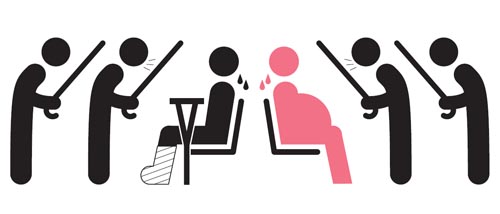
Still, why not just say that instead?

But would you? In English, we describe people by their races all the time; much less so, the specific features that make us characterize them as such. Moreover, I’ve certainly met many people with a blend of racial features too, let alone the 2 I’ve fathered myself!

So although it sounds extreme and even amusing in English, I’d be very surprised if Lee Hyori wasn’t indeed just referring to certain body feautures when she said she had a seogujeogin (서구적인) top half and dongyangjeogin (동양적인) bottom half. Indeed, and finally, it behooves non-native speakers like myself not to take the Korean language too literally.

I learned this lesson myself back in February, through trying to understand the 2009 buzzword cheongsoon-glaemor (청순글래머). Meaning “innocent” or “pure”, then cheongsoon at least was easy enough, but glaemor (글래머)? Naturally I assumed it meant the same as the English, but as several readers pointed out, it’s a false cognate, actually meaning “large breasts” instead. So cheongsoon-glaemor means “innocent and busty” in English.

Yes, that does indeed sound inane in any language, but the point is that it’s rather different to “innocent and pure-looking but while still having a rich and glamorous celebrity lifestyle”, which is what I originally thought. And just in light of a mistake like that alone, then surely Lee Hyori should be given the benefit of the doubt in this case, rather than instantly being accused of racism and/or – ironically – feelings of racial inferiority.

Still, after almost spitting out my coffee while reading about the story this morning, I admit I’m a little reluctant to let her entirely off the hook.

And indeed, just like the term glaemor originally came from a mistranslation by the Japanese, stemming from the well-endowed busts of glamorous Hollywood starlets in the 1950s, the notion that all Korean women should envy the large breasts and long legs of their Western counterparts seems simply absurd considering what their bodies are like 60 years later. So it is high time more Koreans challenged this stereotype, and pondered what sustains it nevertheless.

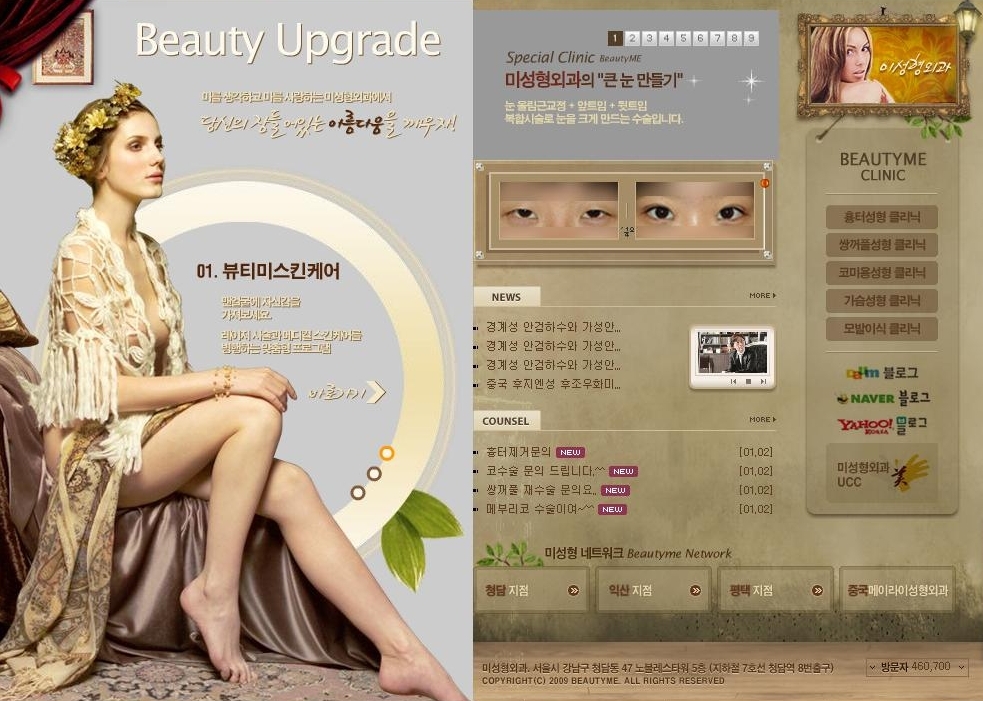
Perhaps a good place to start would be ubiquitous cosmetic-surgery advertisements, which seem to have an inordinate number of Caucasians in them? What do you think?

( Source: BeautyMe Cosmetic Surgery Clinic )

(For all posts in the Korean Sociological Images series, see here)

Share

Tagged with: ,