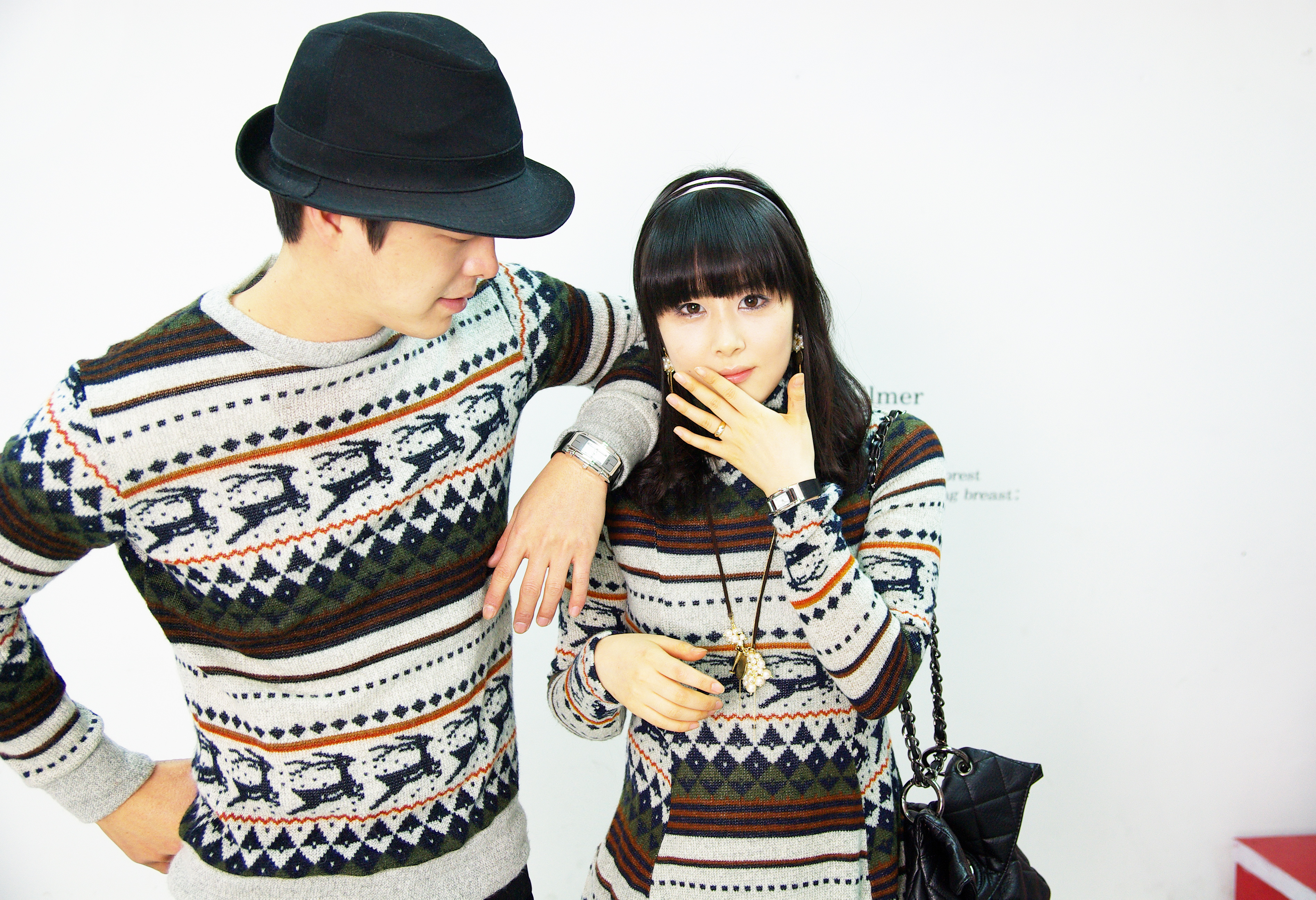
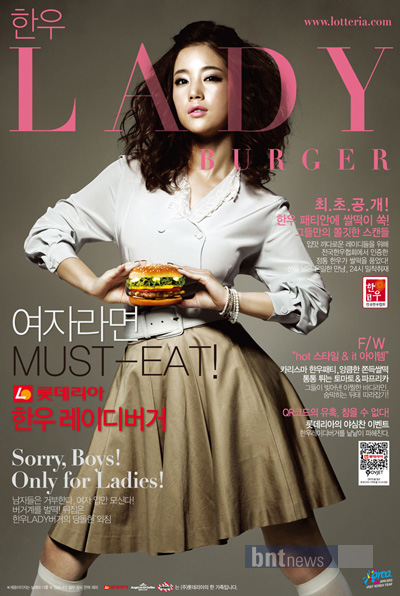
A photoshop disaster, or a deliberate satire of the way models are typically presented on women’s magazine covers?
Alas, given how difficult it is to find this particular version, then unfortunately probably the former. But with that face held fast between the “A” and the “D”, as if prepped for cosmetic surgery? That X-line? And especially that emaciated look of her skin? Then for her at least, Lotteria’s Hanwoo Lady Burger is a “must eat” indeed.
But much more interesting than the bad photoshopping though, or what the ad says about women’s body images in the media, is the explicit gendered marketing contained therein. After all, you can’t call something a “Lady Burger” – and not even allow men to buy it – without explaining what it is exactly that supposedly makes it only appropriate for women.
Yet there are no physiological reasons why men and women can’t and don’t enjoy the same foods and drinks, so branding is the only real reason many are still marketed to only one sex nevertheless. Woe betide the company that actually admits that though, and hence Lotteria’s public rationale for Lady Burgers below comes across as rather artificial.
As indeed, do Lotteria’s products themselves, and not for nothing have I completely avoided the chain for the last 5 years (source, above):
롯데리아, 女心잡는 ‘한우레이디버거’ 출시 Lotteria Launches the ‘Lady Burger’ to Catch Women’s Hearts
한우레이디버거는 100% 한우 패티에 국내산 쌀 떡이 첨가된 떡갈비 형태의 프리미엄 버거로, 여성들이 선호하는 파프리카, 토마토, 양상추 등의 야채로 뒷맛이 상큼하고 깔끔한다는게 회사측 설명이다. 특히 쌀떡의 쫄깃함과 한우의 고소함의 조화도 느낄수 있다고. 가격은 단품 4500원, 세트 6000원.
As the company explains, the Hanwoo Lady Burger is a premium burger made from 100% Korean beef patty with ricecake made from Korean rice added, giving the form of ddokgalbi [ribs with ricecake added]. To that is added what women prefer: paprika, tomato, and lettuce, making the vegetable aftertaste both fresh and clean, and in particular, the ricecake’s chewiness and the Korean beef’s sesame taste harmonize well. The price for one is 4500 won, and for a set 6000 won.
특히, 전국한우협회가 인정하는 100% 한우만을 사용, 매월 1회 DNA 판정 검사를 실시해 인증을 받고 있다.
In particular, only beef that has been approved as 100% Korean beef by the Hanwoo Association is used, and every month its DNA is examined in order to receive that certification.
롯데리아 관계자는 “‘한우레이디버거’는 철저한 고객 세분화 전략으로 여성의 입맛을 고려한 제품”이라며, “기존의 한우불고기와는 제품에서부터 차별화시켜, 여성을 위한 햄버거로 자리잡을 예정이다”라고 설명했다.
According to a Lotteria spokesperson, “after formulating a strategy based on the segmentalization of the market, the Hanwoo Lady Burger was considered a product appropriate for women’s tastes”, and that “this is a means to distinguish the product from existing barbecued Korean beef dishes, and we expect it to dominate the market for burgers aimed towards women”.
롯데리아는 출시기념으로 세트 구매 고객에게는 치즈스틱과 알뜰 디저트 쿠폰을 무료로 증정하는 행사를 11월30일까지 진행한다. 알뜰 디저트 쿠폰은 콜라, 콘샐러드, 포테이토 등 디저트 3종을 1000원에 구입 가능한 것으로, 해당쿠폰은 12월 말까지 사용 가능하다.
To commemorate the launching of this product, until the end of November customers that buy it will receive a free cheesestick and a “Thrifty Desert” coupon, allowing them to buy desserts of either cola, corn salad, or potato for the price of 1000 won. These coupons will be valid until the end of December (James: yes, those don’t sound like “desserts” to me either).
한편, 롯데리아 한우제품은 한우레이디버거와 한우불고기버거 등 총 2가지로, 일반 버거 대비 1.5배 사이즈인 한우 불고기 버거는 폭넓은 남성 선호층을 확보하고 있다.
This is the second Korean beef product sold by Lotteria, the first being the Hanwoo Bulgogi Burger. In order to make sure to appeal to men’s preferences, that is 1.5 times larger than normal burgers. (end)
And with translating that last, I suddenly remembered this segment about the financial rationale to gendered burger marketing from page 91 of Essentials of Contemporary Advertising, by William Arens and David Schaefer (2007 edition):
Sorry for the poor quality: it was difficult to fit into the scanner. By way of compensation then, I’ve managed to find the 2003 ad with model Cameron Richardson referred to:
See here, here, here, and here for more examples of Korean gendered marketing, and here for more posts in the Korean Photoshop Disasters series. Meanwhile, have any readers actually tried one of those Thickburgers of Hardees’? Only 1,410 calories!
Update 1: See here for a much better version of the original Lady Burger ad, taken of a poster in a Lotteria window.
Update 2:The Bobster also has an interesting post on the Lady Burger.
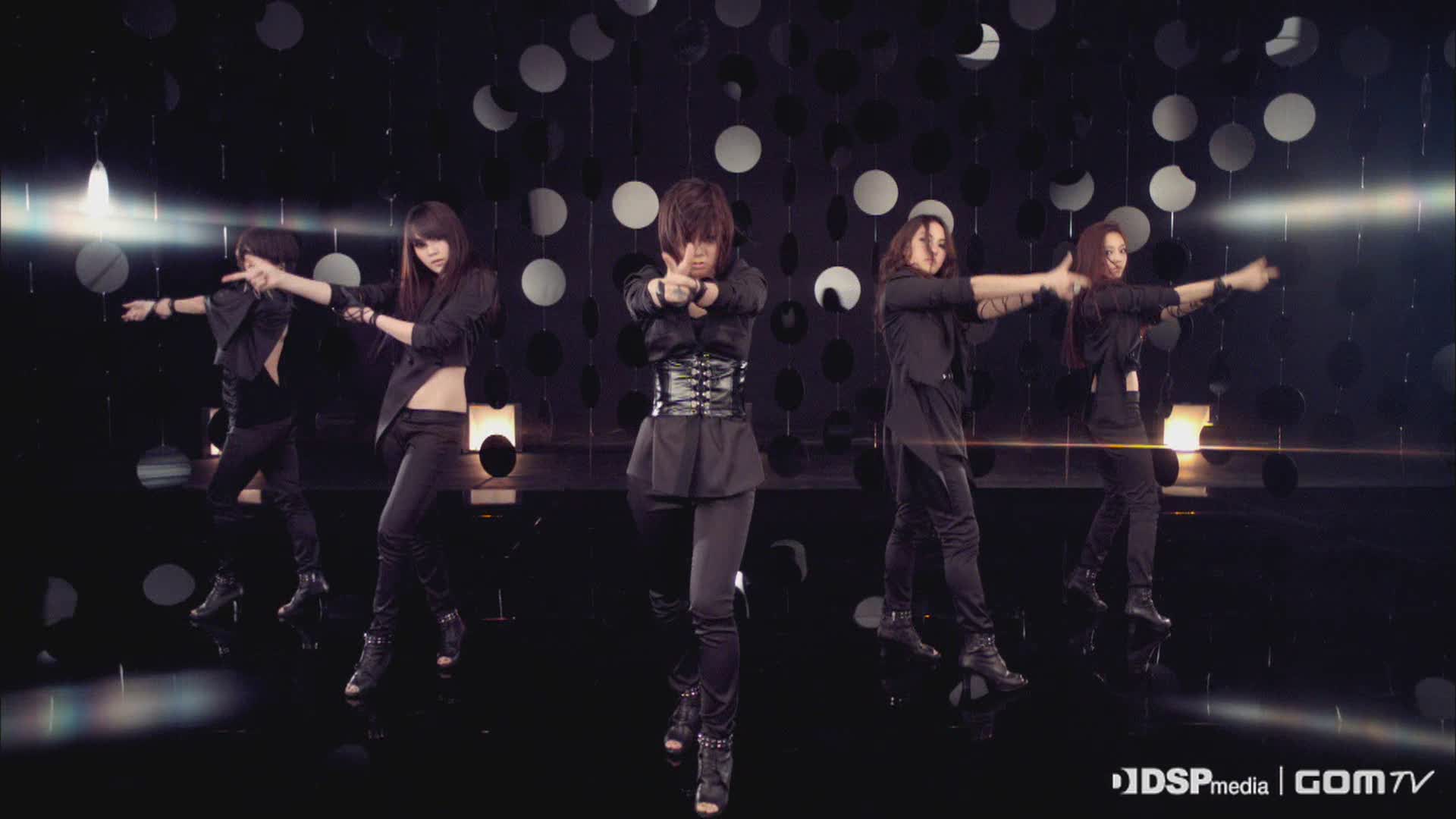
Now as you’re probably aware, I simply love this song, and must have listened to it well over a hundred times. And the music video is amazing too.
But now that I’ve actually studied the lyrics? Hell, but for the word “2010” at the beginning, I actually had no idea that so much of the song was in English.
On the positive side though, that’s given me a renewed appreciation for the difficulties many Koreans have in realizing that a (frustrated) foreigner is actually speaking Korean to them, albeit in a strange accent. And I don’t mind how nonsensical all the English in the song is either, as that’s quite normal for K-pop.
But unfortunately the Korean too seems literally thrown together in many places, which made it difficult for even my Korean wife to understand. And as you’ll soon see, the small amount of it below belies how much time and effort went into translating it.
And knowing all that about the song now? To be frank, it’s made it lose just a bit of its magic for me.
Lest the same happen to you, read on at your peril!
The first part obviously doesn’t need an explanation, although I’d be interested in learning what “la couture” means exactly:
Sing it with me now
2010, We bringing new love to the floor
Rocking what’s real la couture
We opening new doors new show new world new control
Most of that was pretty basic, provided you know that adding “보다” to the end of a verb, and conjugated in banmal (반말; informal speech) as “봐”, simply means try to do the verb. At the end of line 2, it’s added to “지켜보다” (to keep watch), hence the “지켜봐봐”.
But I don’t understand line 3 at all: “탐난다” means “be desirable” (not “burn” as given everywhereelse: that’s “타다”), which is simple enough, but then it’s given as indirect speech, as indicated by the “~ㄴ다고” ending. But who said what is desirable? And what’s the connection to “서두르다” (hurry) after that for that matter, and while we’re at it what’s the “ㄴ” doing at the end of that too?
To make sense of it then, I suggested to my wife that possibly something like “탐나더라도” was intended, the “더라더” being a grammar pattern meaning “no matter how much, even though, I don’t care if”, and so on, and she concurred.
Finally, line 4 is literally “flexibly act/behave-try-to”.
Next, there’s the main chorus. As you can see though, there’s just one Korean line in it, and its simply “Go/climb high, try to grab/take all the world”:
In Line 1 (of the Korean), “한눈” is literally “one eye”, and “팔다” sell, but hopefully it’s not too much of a jump to see that “selling one eye” means “look (or glance) away”, especially as the listener was already told to keep watch in the last verse.
Then, next to “기회” (chance, opportunity) there is the grammar pattern “조차”, which basically means “even, to boot, in addition”, as in “목이 아파서 밥은커녕 물한 잔조차 마실 수 없다” for example, or “My throat is so sore that I can’t even drink a glass of water, let alone eat rice”.
But with the next, “뱃기다” (be dispossessed of) plus the grammar pattern “버리다” added to it, which adds a sense of completely ruining or throwing away something, then in English the “even” seemed a bit awkward. So I came up with “If you so much as glance away, you’ll throw away your chance” instead.
Then line 2 is literally “who than- one step – first – approach try to”, so I think “You should take the first step and try to approach” gets the gist of that. And the “who” (or rather “they”) referred to is the “남들” in line 3, which I originally thought was an abbreviation for men (“남자” plus the plural marker “들”), but it turns out to mean “other people” instead. But note though, that that’s not in the sense that the male is used the default for both genders like in Spanish(?), as they’re different words: the “남” in “남들” has no hanja (Chinese character) root, whereas that for “남자” does, and indeed you’ll often see it – 男 – on doors to toilets and men’s changing rooms and so on (and while we’re on the topic, here’s the one for women {여} too: 女).
Finally, in line 3 “티내다” wasn’t in my electronic dictionary, but “티” can mean “an air”, and pulling a thick print dictionary from my bookcase with more examples of that usage confirmed it.
First up, in line 1, “차근차근” can mean “scrupulously”, “methodically”, “systematically”, and so on, but the final, more literal meaning of “step by step” seems most appropriate here. But then “Step out step by step” sounds awkward in English though, so I changed it to “slowly and carefully” instead. That does seem to contradict the carpe diem spirit of the song a little unfortunately, but I think that’s the fault of the original Korean!
Then you have “걸어나가다”, which was annoying for me as a beginner (Yet another word for “walk”?? And Koreans complain about learning English!), but is quite easy to understand really. You see, “걷다”, which is irregular and so conjugates as “걸어~”, is your basic “walk”. But then you can have things like “가다” and “오다” added to them, giving “걸어오다” and “걸어가다”, and which simply mean “walk” plus “come” and “go” respectively, or “walk towards [the speaker]” and “walk away from [the speaker]” in English. And with “걸어나가다” in the song, “나가다” simply means “go/step out”, giving “walk out”. Granted, it can also mean “walk towards, approach” according to the dictionary, (and don’t forget that “다가가다” from the last verse means “approach” too!), but “walk out” seems much more appropriate given the context of the previous verses.
Line 2 was very annoying though. Literally, it is “world – one by one – all parts/whole – full – fill/put in try to”, which can probably be translated many different ways (but not one by one as in separate worlds though), and “Try to fill in each and every part of the whole world” was the best I could do.
But that was a doddle compared to line 3. First up, “특별하다” means “to be special”, but then adding “기” at the end changes it to a noun, and then the “ㄹ” makes it the object. So, “specialness”, with the “원하다” being “want” plus the “니” at the end being an informal question form, and usually implying that the speaker places themself slightly higher than the listener – usually determined by age, as explained by Seamus Walsh in his comments to a translation of another song (a belated thanks for those by the way!). Which gives “Do you want specialness”, or “Do you want to be special?”.
Then you have “것이길 바라니”. “바라다” means “desire”, “hope for”, and “look forward to” (you’ll often see the formal form “바랍니다” at the end of signs on the subway and so on), and it includes the “니” form at the end as just explained. But “것이길”? I guess it’s “것” (thing) plus “이다” (to be) plus “기” to make it a noun, then “ㄹ” to make all that an object. So literally “your thing – the act of beingness – hope for”!
And that’s it, but for the 2nd half of the chorus again:
높이 올라 가 (Ye Ye Ye) 세상을 다 가져 봐 (Uh yeah)
Never back it up Back it it up (it it up)
Never turn it up Turn it it up (uh yeah, yeah!!)
As a reward for slogging your way through all that, let me present you with the DJ Amaya vs Groovebot Hard Club Edit, which reminds me a lot of what I used to dance to in clubs 10-15 years ago (wistful sigh):
Originally, this particular KARA fan didn’t like it much. But it rapidly grew on her, and you can see how she felt when it finally finished:
Much to my regret later, I never properly met any Koreans in New Zealand before I first came here.
But by coincidence, a Korean woman replaced me in my last flat after I left. And as my ex-flatmates soon gleefully reported, she was the perfect flatmate, paying her share of the rent without ever actually spending so much as a single night there.
Glee rapidly turned to genuine concern though, as she completely disappeared a week after moving her stuff in, not answering her cell-phone at all for 2 weeks.
Alas, once she was back from her trip home(!), she explained she was actually living with her Korean boyfriend at his place. But, lest she be caught with him by her parents back in Korea somehow, she needed a separate address and home phone number, and a pretend bedroom just in case they made a surprise visit.
And once they were in the loop, then naturally that was fine with her flatmates, and she would end up spending less than, say, 4-5 hours a week there for the next 6 months.
Of course, I’m sure she had good reasons for what she did. And even 10 years later, openly cohabiting is a big taboo in Korea, testament to which is the fact Korean portal sites like Naver require age verification for you to search for anything related to donggeo, “동거”, the Korean word for cohabitation, placing it on a par with pornography and so on.
Granted, along with pregnancy, couples are generally forgiven if they have already made arrangements to marry, or at least do so shortly after being discovered. But as a Seoul-based friend who wrote his MA thesis on them frequently lamented, that means it can be near impossible just to find cohabiting couples, let alone ones willing to talk about their experiences with a researcher.
Still, that’s not to say that they don’t exist, and fortunately amorous Yonsei University couples at least don’t seem to need to go to quite such extremes to hide their living arrangements, as the third of four articles on the “Sex and the University” theme from the Yonsei Chunchu (연세춘추) campus newspaper explains. Not really giving any background on the subject though, if you haven’t already then I recommend reading this short introductory article I wrote for the Korea Times before starting here, and it also has a list of links to many other related posts for anyone further interested.
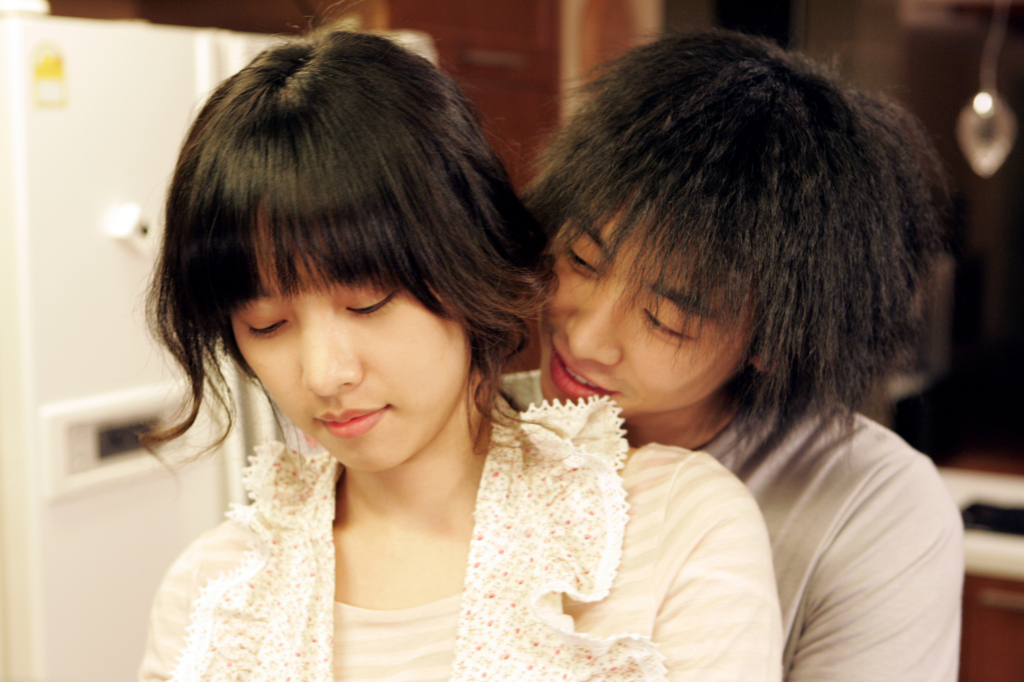
Update: Strangely, the internet searches work fine if you add an extra term, and hence there’s unrestricted access to info about the 2007 movieLive Together (donggeo-donglak; 동거동락) in the opening image for instance, which sounds great to watch in bed with your partner interesting. Anybody seen it already? It’s also known as Happy Together, and yes, that is indeed a dildo mosaiced out at 0:42.
And without any further ado, thanks again to Marilyn for translating the article:
지금 사랑하는 사람과 살고 있나요? Are you living with the person you love?
원주캠, 신촌캠, 신림동 고시촌…요즘 젊은 세대들의 동거문화를 엿보다
Wonju campus, Shinchon campus, Sillim-dong gosichon [area where there are many people studying for Civil Service or other exams] – a look at the young generation’s cohabitation culture
『개인의 취향』, 『풀하우스』, 『옥탑방 고양이』….
모두 미혼남녀의 동거를 소재로 한 드라마들이다. 이런 드라마들은 동거생활의 알콩달콩한 면면을 보여주며 화제를 불러일으켰다. 미디어의 영향일까. 동거를 바라보는 대학생들의 시선은 관대한 편이다. 실제로 성의식 설문에 응답한 우리대학교 학생 중 43.6%가 “동거를 할 의향이 있는가”를 묻는 문항에 “그렇다”고 답했다. 그러나 동거에 대해 긍정적으로 생각한다는 것과 진짜 동거를 하는 것은 다른 법. 직접 학생들을 만나 실제 대학생들의 동거생활과 이에 대한 인식을 들어봤다.
Personal Preference, Full House, Attic Cat – all dramas about unmarried men and women cohabiting. These dramas have caused a stir by portraying the cute side of cohabitation. Does the media have influence [on us]? University students’ views on cohabiting are on the tolerant side. When asked, “Are you interested in cohabiting with a partner?”, 43.6% of students at our university who participated in a survey about attitudes toward sexuality said “yes.” However, there is a difference between having positive views of cohabitation and actually cohabiting. We met students and heard about real students’ experiences and perception of cohabitation.
Cohabitation in Maejiri, known about even though they don’t talk about it
우리대학교 원주캠퍼스의 경우 학생 대부분이 타지방생이다. 그래서 통학생은 거의 없고 대부분 기숙사에 살거나 인근 지역인 ‘매지리’에서 자취한다. 상황이 이렇다보니 매지리에는 동거에 관해 다소 관대한 분위기가 형성돼 있다. 동거 사실을 공공연히 밝힐 정도는 아니지만 동거족이 많은 것은 알 사람들은 아는 사실이다. 실제로 매지리의 한 아파트에서 남자친구와 살고 있는 전아무개(23)씨는 친구들에게는 굳이 동거 사실을 숨기지 않는다고 말했다. 매지리에서 동거는 크게 문제시되는 사안이 아니기 때문이다. 그녀가 살고 있는 아파트에서 만난 김아무개(24) 커플은 완전한 동거 형태는 아니었지만 ‘거의’ 함께 살고 있다. 김씨는 기숙사생이지만 남자친구의 방에서 지내며 기숙사에는 거의 들어가지 않는다. 매지학사의 경우 기숙사비가 비싸지 않은 데다 집으로부터 의심을 피할 수 있기 때문에 들어가 살지 않더라도 일단 신청해두는 것이다. 김씨는 “이런 원주캠퍼스의 특징이 비교적 자유로운 동거 생활이 가능한 분위기를 조성하는 것 같다”고 말했다.
Most of the students at our university’s Wonju campus are from other areas. There are almost no students who commute from home, and most live in a dormitory or live independently in ’Maejiri’, a neighboring area. Because of that, an atmosphere of tolerance toward cohabitation has developed in Maejiri. It’s not to the point where people publicly reveal their cohabitation, but it is an open secret that many people are doing it. One Ms. Jeon (23), who actually lives in an apartment complex in Maejiri with her boyfriend, says that she doesn’t feel the need to hide the truth from her friends. She says it’s because in Maejiri living together is not a very problematic issue. In the same apartment complex, a Ms. Kim (24) and her partner are not quite in a cohabitation situation but are “almost” living together. Ms. Kim lives in a dormitory, but stays at her boyfriend’s place and hardly ever goes to the dorm. In the case of the Maeji school, a place where the dormitory fee is not expensive, students enter the dorm to avoid suspicion from home, so even though they don’t live there, it’s important to apply. Ms. Kim said, “One special feature of the Wonju campus is that it seems to create an atmosphere in which comparatively free cohabitation is possible.”
Sinchon, where it occurs but they care about others’ opinions
그렇다면 신촌캠퍼스의 상황은 어떠할까. 우리대학교 뿐 아니라 인근에 여러 대학이 밀집해있는 신촌의 경우 대학생들의 수 자체가 클 뿐 아니라 대학 간 커플도 종종 보인다. 그러나 동거를 대하는 학생들의 태도는 앞서 살펴본 매지리와는 사뭇 다르다. 신촌의 동거 커플들은 동거를 한다는 사실에 대해서는 크게 심각하게 받아들이지 않았다. 그러나 상대적으로 매지리에 비해 타인의 시선을 의식하고 있었다. 이아무개(22)씨는 여자친구와의 동거를 진지하게 고민해봤다고 했다. 그러나 그는 동거를 좋지 않게 보는 사람들의 시선이 신경 쓰여 망설이다 결국 단념했다. 지방에서 올라온 김아무개씨(21)는 그와는 조금 다른 경우로, 현재 신촌에서 여자친구와 함께 살고 있다. 김씨는 “처음엔 혼자 살았는데 어느 때부터 여자친구가 놀러오는 빈도가 잦아졌고 얼마 안가 동거를 제안하게 됐다”고 말했다. 그러나 둘 다 집에는 전혀 알리지 않았고 그것이 반드시 필요한 절차라고는 생각지 않는다고 했다.
So then how is it done in Sinchon? In Sinchon, where not only our university but several others are clustered, not only is there a large number of students, but also couples who go to university are often visible. However, the students’ attitude towards cohabitation is quite different than that seen in Maejiri above. Sinchon’s cohabitating couples don’t take living together very seriously. Compared to Maejiri, though, they were more conscious of others’ views. One Mr. Lee (22) has seriously considered cohabiting with his girlfriend. But because some of the people whose views he cares about think that cohabitation is not good, the plans fell apart and he finally gave up. A Mr. Kim (21), who came from outside of Seoul, was in a slightly different situation; he is currently living with his girlfriend in Sinchon. He said, “At first I lived alone but at some point my girlfriend started coming over a lot and not much later I asked her to move in with me.” However, he said the two have certainly not told their families, and he doesn’t think that it’s absolutely necessary to do so.
Sillim-dong, where there are many cohabitating couples who’ve made promises for the future [about marriage]
신림동 고시촌은 함께 살며 고시를 준비하는 동거족들이 많은 지역이다. 이진아(25)씨는 자신의 고시촌 입주 당시를 회상하며 “큰 문화적 충격에 휩싸였었다”고 말했다. 동거하고 있는 커플들이 생각보다 너무 많았기 때문이었다. 주위 몇 집만 둘러봐도 동거 중인 커플들을 쉽게 볼 수 있다는 것이다. 이씨는 “공부에 전념하느라 연애할 여력이 없을 것 같은데 의외의 현상이었다”고 말했다. 또 다른 고시촌 거주 고시생인 김지영(28)씨도 비슷한 얘기를 전했다. 김씨는 “결혼을 약속한 남자친구와 함께 살며 공부하는 친구가 있다”며 “고시공부로 인한 외로움을 달래고 경제적인 부담도 줄이려는 것”이라 말했다. 김씨는 “같이 고시를 준비하는 고시촌 동거 커플들은 특히 장래를 약속한 사이가 많은 것 같다”고 덧붙였다.
The Sillim-dong gosichon is an area where there are many people cohabiting while preparing for major exams. While recalling moving into the gosichon, Lee Jin Ah (25) said, “It was a big cultural shock.” It was because there were many more cohabiting couples than she had thought. It’s that looking around at just a few of the nearby houses, she can find many cohabiting couples. Ms. Lee said, “It seemed like they would be too busy studying to have energy for romantic relationships so it was an unexpected situation.” At another gosichon residence, Kim Ji Young (28), who is preparing for an exam, also had a similar story. She said, “I have friends who are studying while living with boyfriends they have promised to marry,” and “It soothes the loneliness caused by studying for a major exam, and lessens the financial burden too.” She added, “It seems that many of the couples cohabiting in the gosichon and preparing for a major exam together have made special promises about the future to each other [are engaged].”
A simply surreal video making the rounds at the moment. As explained by Lisa at Sociological Images, it:
…beautifully illustrates the socialization of children into particular kinds of worship. With hand motions, body movements, and facial expressions, this child is doing a wonderful job learning the culturally-specific rules guiding the performance of devotion.
Which led to a great deal of discussion at that site. But I’ll confine myself here to echoing Jason’s comment that it simply reminds him of his son picking up his own behaviors such as sweeping, and that the young girl:
…certainly isn’t worshiping here, but is just mimicking her parents and the other people around her. I can guarantee she has no concept of a deity.
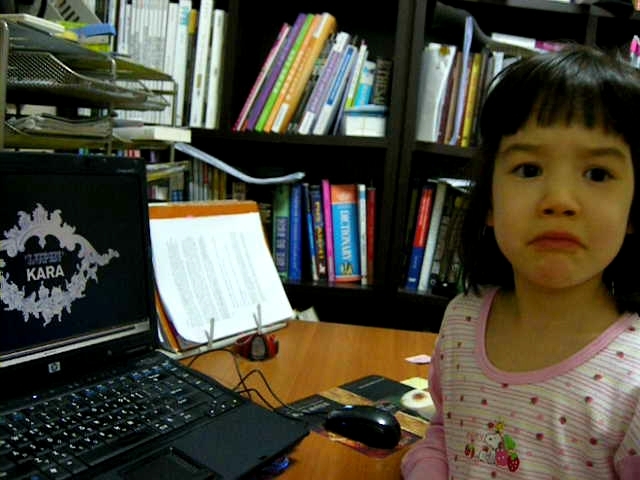
But what has all that got to do with K-pop, let alone Meenakshi Durham’s The Lolita Effect? Well, because after reading all that, it was very interesting comparing my daughters’ own reactions to KARA’sLupin just half an hour later. First, those of four and a half year-old Alice:
Then with her two and a half year-old sister Elizabeth:
Granted, perhaps you had to be there…and in which case I probably would have removed my dirty laundry from the floor first (sorry). But I didn’t notice it myself, because at the time I was simply transfixed.
You see, along with dozens of other K-pop music videos, Alice and Elizabeth must have watched and “danced” to Lupin at least 20 times before that night. But that was the first time that Alice at least seemed to demonstrate that she not only remembered it, but actually knew it very well, and was performing repetitive actions that were recognizably part of the same dance…which she’d demand to do seven more times before going to bed.
Unfortunately for my paternal pride though, in hindsight she was neither simply copying the music video nor giving her own original interpretation of it: as confirmed by her teacher later, she’s preparing for a Christmas performance at her kindergarten soon, and—yes—she’ll be dancing to Lupin.
So what’s the big deal? After all, while I’m still translating the lyrics myself (or at least I was until my “study” got invaded), they seem harmless enough:
But what if the kindergarten teachers had chosen Mister instead?
Or something by the Wondergirls perhaps? Two weeks from now, might I have looked on in abject horror as my 4 year-old kept thrusting her bottom out at me while singing I’m So Hot?
(See here for the video; the owner has disabled embedding)
No, because first, no matter how much WonderBaby’s appearances on national television could be construed as widespread public acceptance of that sort of thing, my wife confirms that many other Korean parents would also have complained well before then.
But second, and most importantly, actually Alice has already been thrusting her bottom out at me like the Wondergirls, for about three months now.
Seriously: several times a day, she’d suddenly run up to me giggling when I was at my desk, quickly thrust her bottom out at me a few times, then she’d run away in hysterics. Fortunately, she seems to have largely grown out of it now, but not through any discouragement on my part, which just seemed to make doing it all the more amusing for her.
Why did she start in the first place? I’ve no idea, as although she could have seen that dance move virtually anywhere, she wouldn’t have had any idea what it represented, or what adults would think of it. Perhaps one of her teachers overreacted to her or one of her classmates doing it or something, after which it became fun.
But whatever the reason, does that mean that it’s hypocritical to have any misgivings about Wonderbaby then?
Hell no. But to counter the argument that it’s just clean harmless fun, let’s be very specific about what the problems with her dancing to So Hot on national television are exactly. I can identify two main ones.
First, there’s the fact that Wonderbaby quite literally invites the viewer to view her as a sexual person. Of course, she probably has virtually no idea of the meanings of what she’s singing, let alone the consequences. In which case, one might already reasonably ask what she’s doing there in the first place, and in cases like this it is usually this naive, unknowing projection of sexuality that adults tend to be most concerned with. As explained by Durham in The Lolita Effect:
…the signals that girls send out about their sexuality, often naively, in response to the prevailing media and marketing trends, [are] signals that adults fear will attract harmful sexual attention. As the columnist Rosa Brooks lamented in the Los Angeles Times, “old fashioned American capitalism…is busy serving our children up to pedophiles on a corporate platter”….
….These charges open up quite a can of worms. Can marketers in fact “serve” children up to pedophiles? Is there any real danger in young girls wearing low-cut, skimpy, or “trashy” clothes, or is this just a harmless fashion trend designed to raise parental hackles, like so many others in the past? Could it even be seen as a feminist moves towards embracing a femininity or “girliness” scorned by previous generations and linking it to power rather than passivity? (p. 69)
I’ll return to the last point later. But before I do, from the outset I want to put paid to the notion that even children that young are completely neuter and/or are unaffected by sex in the media:
For children to take an interest in sex is not out-of-the-ordinary or scandalous. Even toddlers “play doctor” to explore each others’ bodies and mimic intercourse, though scholars are still debating what constitutes “normal” sexual behavior in young children. Sex is a part of life, so it is bound to surface in different ways at different developmental stages; it is not cause for alarm unless there is harm or abuse involved. Of course, sexuality needs to be dealt with in ways that are appropriate for the age and maturity of the child, the cultural and social context, and above all, the ethical implications of the situation, but sex per se cannot reasonably be viewed as harmful to minors. (p. 68)
And in particular:
The conventional wisdom is that interest in sex escalates as children approach adolescence; this is a biological viewpoint that connects the hormonal shifts and physical maturation of puberty with an increased interest in sex. But now sexuality marks preadolescence and childhood, too, and for many adults, this is justifiable cause for alarm. In today’s world, children as young as eight report worrying about being popular with the opposite sex; first graders describe being sexually-harassed by classmates; and by middle school, kids are steeped in sexual jargon, images, and exploration. Sex educator Deborah Roffman argues that little girls start wanting to look good for others at age four….(p. 65)
Very few—if any—cultures have found ways of adequately and appropriately dealing with the inconvenient fact of child sexuality (let alone the media) but surely Wonderbaby’s example doesn’t help. Nor do the music videos discussed below with slightly older girls either, but which I only realized thanks to Barry Raymond, a friend of mine that used to live in Korea (and now with 3 daughters himself):
No, that’s not them: rather, it’s a screenshot from the music video for Bang! (뱅!) by After School (애프터스쿨), which I translated back in June. One of my favorite Korean songs, I was originally a little miffed when Barry criticized it because the inclusion of the young girls, to which I replied on Facebook:
I’m usually quite wary of that too Barry, especially in Korea, where people are generally very reluctant to admit that things like that can be problematic. But in this particular case I think their presence is fine personally, because they’re gone within the first 20 seconds or so, and don’t perform any dance moves that can be considered remotely sexual. So they’re clearly supposed to be decorations at the beginning, considered quite separate to the grown-up (sexual) women of the group.
His response:
The lyrics and dancing that make up the song and video are all about sex. To place a child at the beginning of that exploits them in a sexual way. How would you feel about a child appearing at the beginning of Bad Romance or some other Lady Gaga song. It’s a girl group exploiting itself on the basis of sexuality, at least in this song. That is their choice, don’t force it upon the clearly underaged girls that appear in the video or try to make it appealing to an underage audience.
Me:
Hmmm, you may well have a point there, which I admit I wouldn’t have considered if you hadn’t brought up imagining the same in Bad Romance; I wonder if that shows just how used to that sort of thing I am here?
(15 year-old f(x) band member Sulli in Oh! Boy Magazine; source)
And finally, albeit admittedly after my asking if I could post it here at some point(!):
According to Wikipedia… See More’s typology of child pornography, the type described as posing involves (allow me to paraphrase) ‘deliberately posed pictures (video) of children fully clothed, partially clothed etc. where the context and/or organization suggests sexual interest’.
The”Bang” video places two clothed girls wearing the exact same attire as the older models at the beginning of the video. The girls dance alongside the older models where the older models are dancing in a sexually provocative manner (the younger girls are not in my opinion dancing in a sexually provocative manner). It should also be noted that while the girls wear the same outfits as the older models the fitting of their outfits is not alarmingly provocative although the same outfit on the older models is certainly sexually provocative. So we have a situation where several sexually provocative models are juxtaposed with what appears to be virtually identical under-aged girls. This to me would constitute a context of sexual interest where the line between the older models and the younger models is intentionally blurred.
Further to this context would be the lyrics….and the title of the song, “After School” along with the school oriented marching parade uniforms. To me this video is unambiguous contextualized sexual exploitation of children.
Is judging the Korean media and Korean music videos with an assessment system developed by the Paedophile Unit of the London Metropolitan Police merely imposing a Western value system on Korea? You decide, although I’d wager that in fact the Korean police have a very similar system.
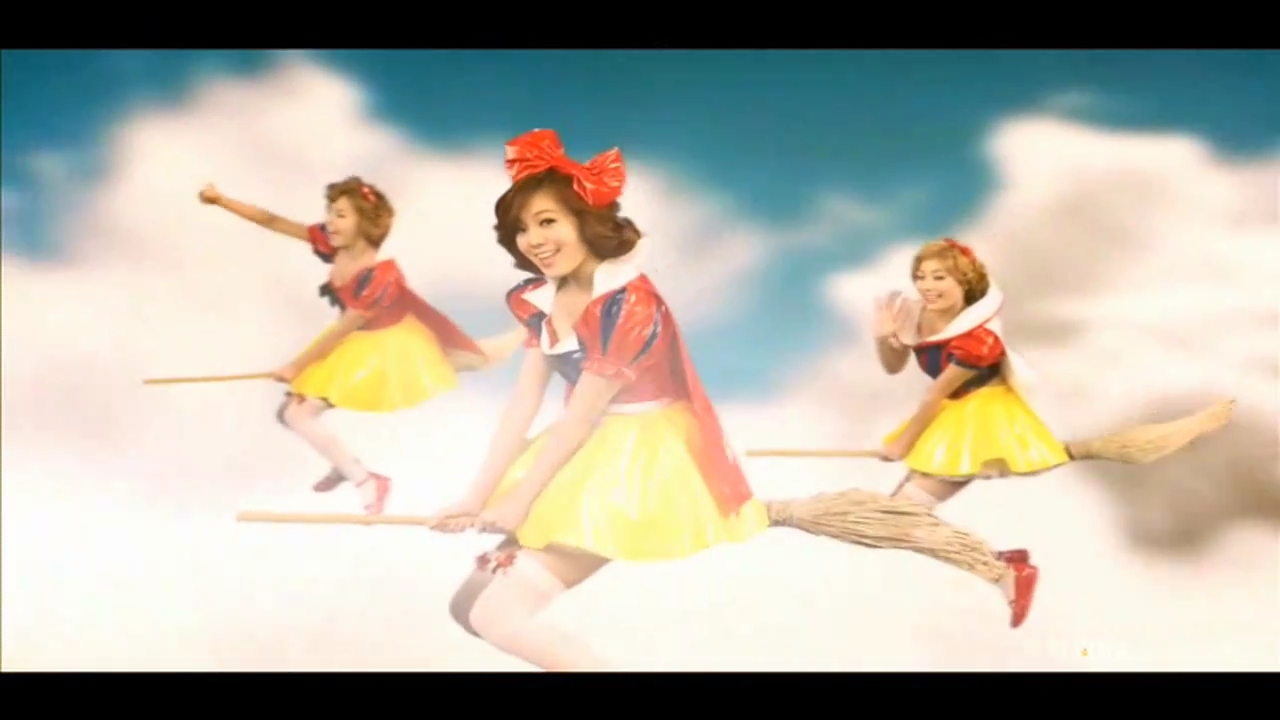
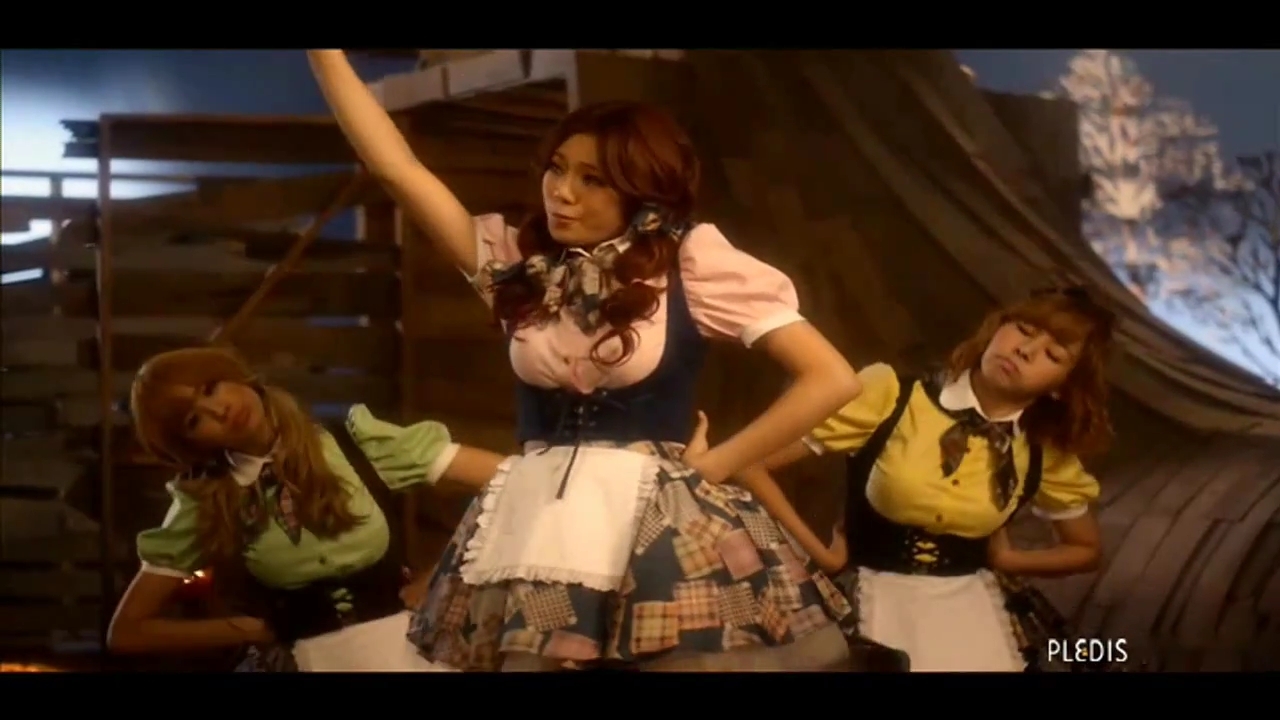
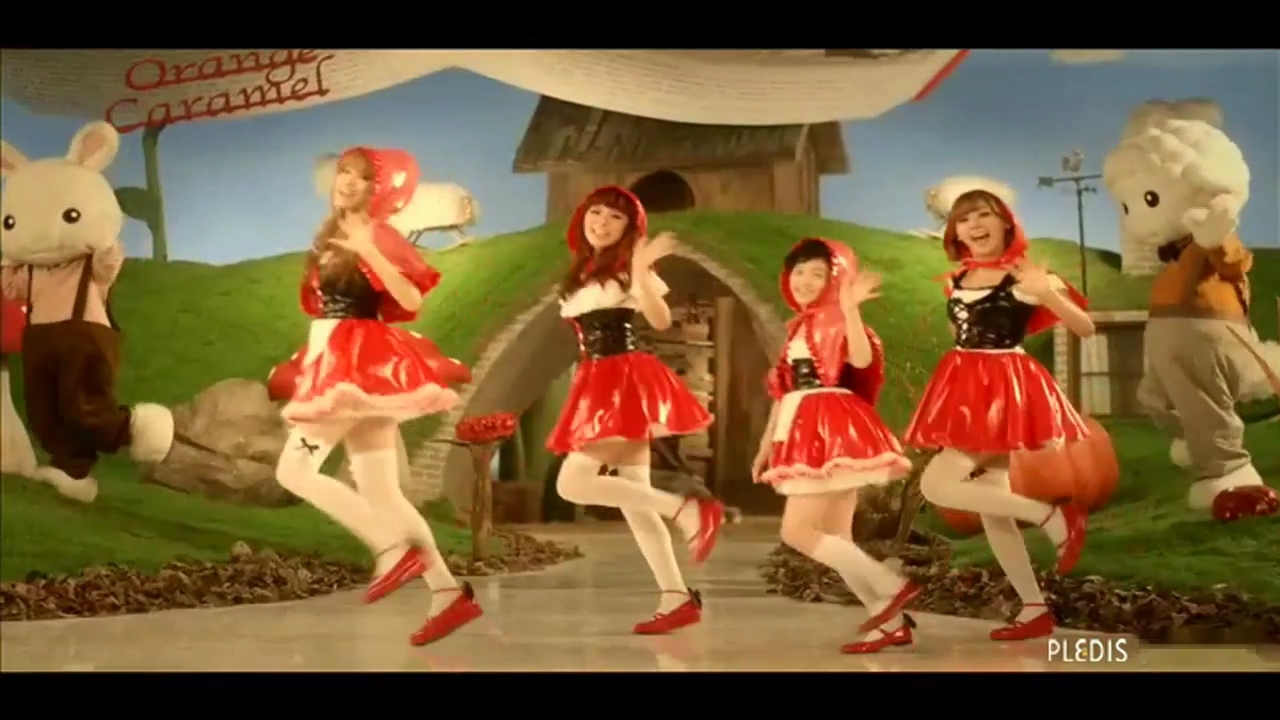
Either way, not much later one of After School’s subgroups – Orange Caramel – did the same again with their music video for A~ing (아잉):
For the sake of providing sufficient warning of the slightly NSFW image coming up in a moment, let me take the opportunity here to point out that it’s not so much the lyrics and dance moves that are the issue this time (see here for a video with them), but more having a child in a music video “sugar-coated with sexual undertones,” with an “obviously pedobaittastic tone,” and with “kinky cosplay lolita outfits”, all as noted by Johnelle at SeoulBeats. And so much so, that this next screenshot…
…instantly reminded of this next image, which I’ve had on my hard drive for years, from God knows where. Not looking very closely at the small print before then, I’d always assumed that it was the cover of an erotic fiction book, but it actually turns out to be a poster for a pornographic cartoon:
(Source: unknown)
Continuing with A~ing though, just in case you think Johnelle and I are exaggerating:
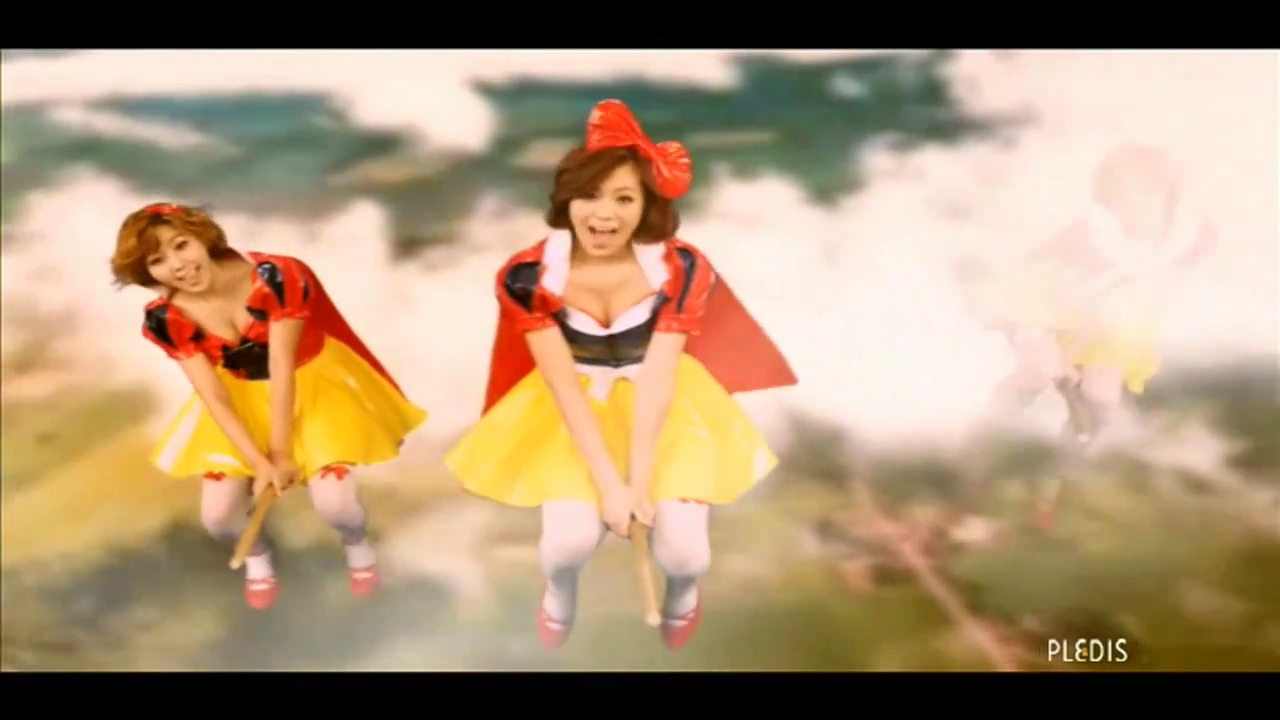
And in particular, these costumes, which—correct me if I’m wrong—seem to serve no other purpose than to have one’s breasts spill out of them:
All good wholesome stuff. So, like Johnelle notes, what’s with having a little girl dressed up in the same kind of vinyl red riding hood get-up as the women at the end?
So, does all the above mean I’m advocating that girls should never be allowed to appear in sexually-themed music videos (and so on) then? Yes, I guess so.
But how to set a minimum age for that? After all, the upshot of everything I’ve written so far that any age limit would be somewhat arbitrary and artificial.
If I did have to to set an age though (and it would be very unrealistic not to have one), then I’d say that the age of consent would be the most logical choice. Unfortunately however, in Korea that happens to be as low as 13 (see here and here), even though the age at which one can view and perform in sexually-related material and/or have reliable access to contraception is 18.
Yeah, I don’t see the reason for the huge discrepancy in age limits either…which is not quite the same as arguing that any of them should be 13.
But that’s a subject for another post. In the meantime, one argument against any age limit on appearances is that the average age at which girls begin to menstruate has been dropping steadily since 1850, so much so that – in developed countries at least – they now enter puberty between the ages of 8 and 13. It would be a pity to deny girls the right to express their ensuing sexuality in popular culture, especially with female sexuality in general being repressed and/or literally viewed as evil for so much of human history.
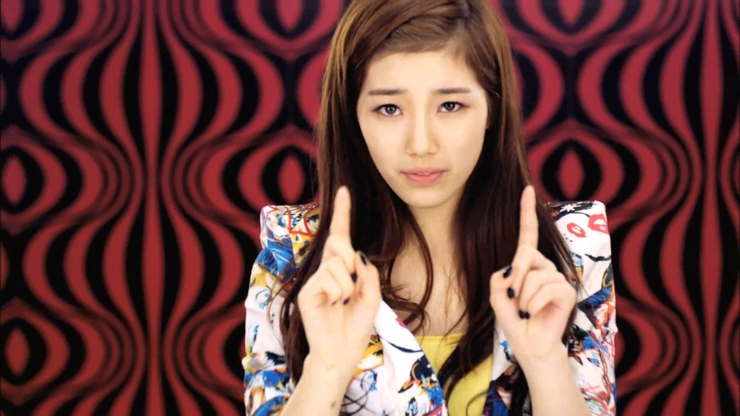
Yet the notion that the feminist sexual empowerment of girls and women is what primarily motivated the appearances of Wonderbaby, the girls in the After School videos, the tight pants of 15 year-old Sulli, and 16 year old Bae Su-ji’s pose above is simply absurd, and indeed there is solid evidence that most young female entertainers are in fact pressured to wear their supposedly empowering skimpy clothing (and dance provocatively) rather than doing so out of choice. But although such arguments have still been made in Korea nevertheless, the overwhelming public attitude is to stick one’s head in the sand and deny the existence of teenage sexuality at all (let alone child sexuality), as this Korean commentator complains himself.
And in a sense, this is the official Korean government position too, if the article “Swept up by Girl Groups” by Jeong Deok-hyun is anything to go by. You can find it on pages 44-48 of the March 2010 edition of Korea Magazine, the official magazine of the Korean Culture and Information Service (downloadable here), and about this specific part on page 48…
“The shadow of recession and nostalgia: Some are so surprised by the elder generations’ enthusiasm for girl groups that they cannot help but mention the Lolita complex. Nevertheless, that would be an example of an exaggerated principle that remains from the past authoritarian era. In the course of shifting from a masculine-dominated era to one of feminine equality, the imposing frames of age and gender are being slowly torn down. The time has come in pop culture where a man in his 40s can cheer for teenage girl groups without being looked at suspiciously.”
…my friend Dr. Stephen Epstein, Director of the Asian Studies Institute at Victoria University wrote to me:
The logic here is almost comical: the empowerment present is not that it brings young women to a heightened sense of their own possibilities in the world (which is mentioned nowhere in the piece), but rather that pop culture commodification of sexuality has reached the point that middle-aged men now have the privilege of ogling teenage girls in bands without fear of embarrassment. Now that’s what I call empowerment….
But again—and this bears repeating—its not girls’ sexuality itself that is the problem. Rather it is that:
…the expression of girls’ sexuality seems to be possible only within an extremely restrictive framework. Girls’ sexuality, it seems, has to comply with the markers of sexuality that we recognize, and it cannot be manifested, recognized, or mobilized in other, potentially more empowering and supportive, ways.
This is a form of mythmaking. When a concept as complicated, multilayered, and diverse as sex is reduced to expression through a single channel – the one involving lacy lingerie, skintight clothing, and the rest of what Ariel Levy calls “the caricature of female hotness” – it has to be seen as construction or a fabrication, in which the complexities of the subject are flattened into a single, authoritative dimension, and in which all other possibilities are erased.
So it is important to think about the ways in which girls are being coached to aspire to “hotness” by popular culture, and how the commercialized definitions of “hot” offer beguiling but problematic representations of sex that limit its vast and vital potential. (pp. 70-71, emphasis in original).
And that is the second major problem with WonderBaby’s appearance: how it already sets her on that path, and/or provides an example for others to follow. And while that is by no means a problem confined to Korea – Durham’s book alone is testament to that – it is taken to extremes here. As like I explain in Part 1, it is near impossible for a young aspiring female singer or actress to advance her career without doing “sexy dances” on numerous talk shows and entertainment programs:
And yet strangely, when 30-somethings (and above) do the same it is usually only as part of a big joke, as if they were suddenly neuter. Moreover, whenever a girl group’s music video features sexy dancing and lyrics that aren’t exclusively designed for a male gaze, then they have a very good chance of being banned from television, as anyone with even just a passing familiarity with K-pop can attest to.
But on a final note, one frequent complaint I have about most articles and blog posts on this subject is that they rarely explain why this is the case, nor why younger and younger women and girls are becoming more involved over time. And indeed, for all its popularity, even Durham isn’t as clear about this as I would like either, and I had to read her book several times to figure out what she actually means by “The Lolita Effect” exactly.
In short, it is the natural consequence of various industries’ (fashion, cosmetics, cosmetic surgery, diet-related, food, and so on) need to build, expand, and maintain markets for their products, which obviously they would do best by – with their symbiotic relationship with the media through advertising – creating the impression that one’s appearance and/or ability to perform for the male gaze is the most important criteria that one should be judged on. And the younger that girls learn that lesson and consume their products, the better.
Simplistic? You bet, and I’d be the last person to deny the role of a whole host of other factors, including – for one – the fact that basic biology makes women’s physical attractiveness a muchmore important factor in choosing a mate for men than vice-versa.
But do consider that: there is not a single country that did not also experience “housewifization” as a consequence of development; that in economic terms at least Korea is now officially the most consumerist country in the world, and much more so than the US (no, really); that comsumerism was explicitly conflated with national-security and anti-communism by the Park Chung-hee (박정희) regime of 1961-1979 (and very much still is); and finally that Korean women played a crucial role in that last, as that last link makes clear.
Given all that, then is anyone surprised that Korean women the thinnestin the developed world, yet actually consider themselves the fattest, and act and spend accordingly?
Correlation not always implying causation be dammed. And if nothing else, I hope I have at least persuaded you of that link with this long post!
With thanks to author Roald Maliangkay for the kind words about this blog in it, see here for his short and very readable article of that title in the latest International Institute for Asian Studies newsletter, which I also highly recommend taking 2 minutes to subscribe to. (Email me for a PDF if the link doesn’t work).
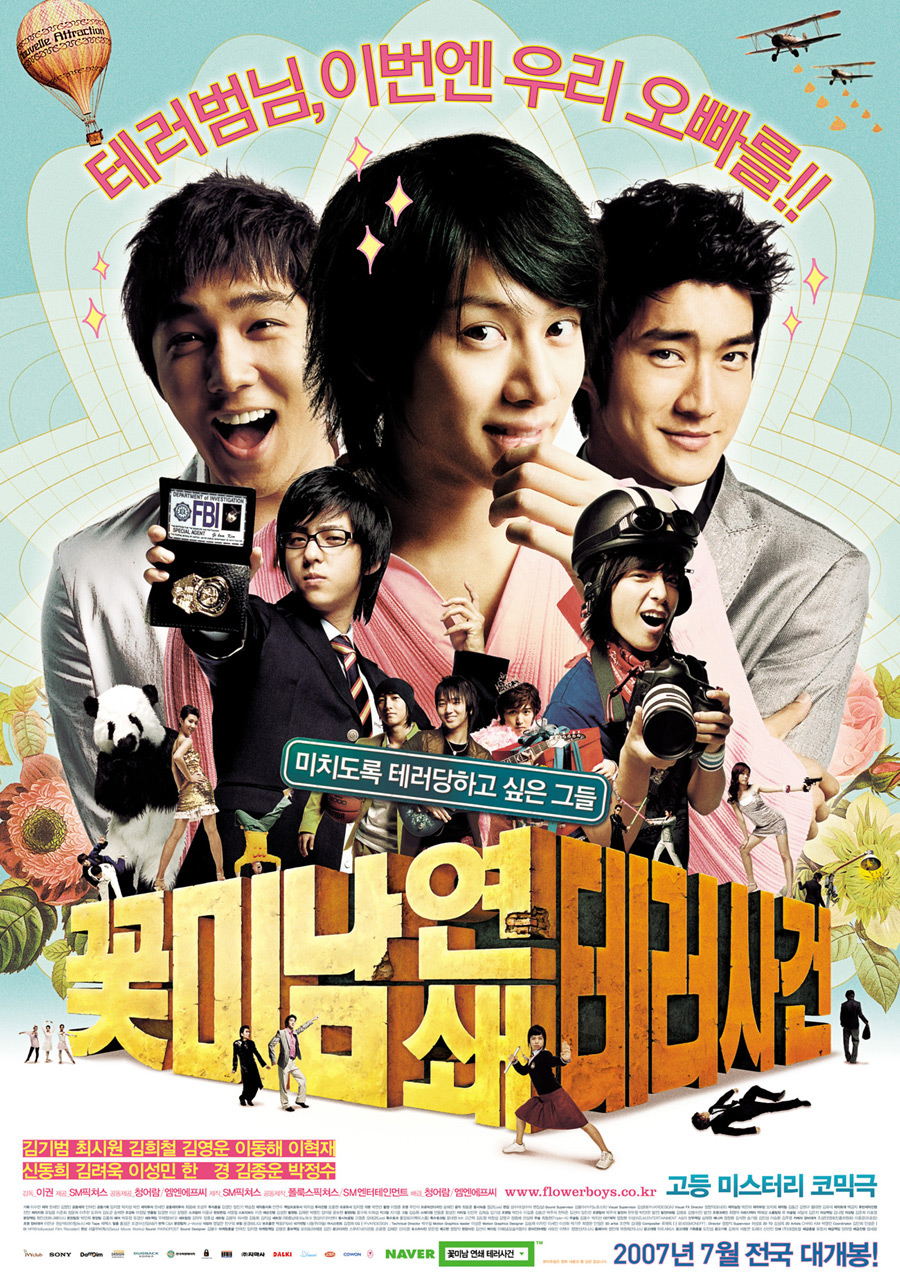
For the specific post of mine he refers to, and many more on the kkotminam (꽃미남) phenomenon in general (literally “flower-beautiful-man”), scroll down to the sidebar on the right until you come to the “My Constantly Evolving Thesis Topic” section.
(Update: that’s been removed after a change in theme. Please see here for a list of recommended posts instead)
True, he actually argues that the factors I cite are just some of many that were ultimately responsible for the emergence of that, but then my own views have considerably evolved since first writing about the subject over 2 years ago, and I think we’re in broad agreement really.
Alternatively, perhaps that just reflects how persuasive his own article is?^^ What do you think of it?
Like Bad Girl, Good Girl (배드걸 굿걸) translated last week, Miss A’s (미쓰에이) Breathe (브리드) is also a song which very quickly grows on you. But seeming to lack a real climax though, then ultimately it proves somewhat less satisfying…a double entendre you’d do well keep in mind if you’re likely to be shocked by all the panting and heavy-breathing in it, let alone Meng Jia’s (멍지아, 孟佳) helpful demonstration of what might cause her to do that at 2:47.
Hell, Korean may well lack the “th” sound, but even the Hangulization of the title actually sounds more like “breed” too.
You’d probably never suspect then, that its central narrative is actually one of complete passivity towards the desired guy, with the music video full of aegyo and childish impressions to boot. Indeed, in that sense it’s much more in the vein of, say, Girls’ Generation’s Oh, T-ara’s Like the First Time, and KARA’s Mister then anything you’d ever expect from the same group that just did Bad Girl, Good Girl.
Not that that’s necessarily bad of course, and may we all meet someone that makes us that weak at the knees. But it was certainly a slight disappointment after just becoming a fan of theirs for being so different.
Still, I do like it, and especially the music video. And not just because of the eye-candy either. Rather, because with the backgrounds and the women’s sometimes deliberately stilted dance movements, in fact it reminds me a little of the 1989 Fine Young Cannibals’ number 1 hit She Drives Me Crazy, which was nominated for best video at the MTV Music Video Awards that year:
Minor quibbles are the small size of the room with the stripes that you can see in the screenshot below, which makes the fantasy element to the video a little harder to sustain, and Wang Fei Fei’s (왕페이페이, 王霏霏) simply bizarre hairstyle in the segments in which she’s wearing a red top (you’ll soon see what I mean). But I can easily forgive those considering how easy the excessive repetition made translating the lyrics!
너 땜에 자꾸만 내 가슴이 (hot hot hot hot)
너 땜에 자꾸만 내 몸이 (hot hot hot hot)
니가 날 볼 때마다, 니 생각 할 때마다
너 땜에 자꾸만 내 가슴이
no oh no oh no oh oh, I can’t breathe
no oh no oh no oh oh, I can’t breathe
no oh no oh no oh oh, I can’t breathe
no oh no oh no oh no oh no oh
Because of you my chest [is] often (hot hot hot hot)
Because of you my body [is] often (hot hot hot hot)
Whenever you look at me
Whenever I think of you
Because of you my chest [is] often…
( Source: unknown )
In Line 1, “땜” is short for “때문에”, or “because”, and there’s a lot of contractions like that in this song.
Next “만” after “자꾸” in several lines could have been a little confusing, as it usually means “only,” which would give the stange “frequently only” in the text. But in songs especially, it’s also used just for emphasis, and it’s usually very easy to tell by context which meaning is intended. You’ll see it again later.
Finally, yes, “가슴” does indeed mean “breasts”, but outside of Naver image searches then it’s probably more commonly used as the gender-neutral “chest”.
In line 2, “어쩜” is short for “어쩌면”, which I was surprised wasn’t simply the verb “어쩌다” plus “면” (if) but was an entirely different word of its own, my dictionary giving:
(감탄사로; admiration, wonder, exclamation) what, how
(아마) possibly, maybe, perhaps
And I’m inordinately proud to say that while my Korean wife thought number 2 was correct, I argued that only number 1 made any sense, giving “Wow, you’re so cool.” And if so,then it must be him that pretends not to look at her.
In line 4, “구하다” means:
seek, look for, want, hunt
ask for, call for, solicit for
get, have, obtain, find (out), buy, purchase
But this time I did defer to my wife, who said that “save me” was much more accurate than my original “have me,” no matter how tempted I was to go with that instead because of all the heavy breathing.
Easy enough, but I’ve taken a few liberties to make it sound better in English. In line 2 for instance, “말을 해볼까” is literally “shall I try to talk,” and in line 5 “싫다면 어쩌나” would literally be “hate [me] – hypothetically speaking – if [you] – what would [I] do”.
Fellow Korean learners, give me a buzz if you’d like me to explain any of the grammar above, but otherwise, that in line 6 was most interesting for me. In particular, I wondered why “이렇게 기다리는것이 미치겠어” couldn’t be used instead, much easier for me because of how I learned Korean, and literally “this way – the act of waiting – crazy – will be.” But my wife says that that would mean more “it is crazy to wait like this”, not the song’s intended “waiting like this is driving me crazy”. Granted it may sound like a trivial difference, but there you have it.
For the sake of keeping track later, let’s call all that the chorus. For now though, next there’s the Korean half of the opening segment again, then after that:
This part was much harder to translate than I thought it would be!
First, for the grammar form “~고야 말다” in line 1, my trusty Korean Grammar for International Learners came to the rescue, saying that, first on page 181, the “~(이)야” grammar pattern it is part of means “only if it be, if it is just (no more than); when it comes to; taking ··· for granted; even, indeed.” Then it gets to “~고야 말다” specifically on the next page, saying:
The auxiliary particle can be used in conjunction with the pattern in ~고 in two different ways. The combination ~고야 means “only after ··· ing” or “only under the circumstance that / under the unique circumstance that.” ··· Added to the patter ~고 말다 meaning “finish up doing it, get it done, finally do it,” the ~이(야) in the resulting pattern in ~고야 말다 lends added emphasis to the finality inherent in the pattern.
Next, it’s important to realize that line 4 follows straight on from line 1, with the English in lines 2 and 3 being an aside really (otherwise the future tense form of indirect speech – “ㄹ 거라고” – at the end of line 1 makes no sense). Then the “다가” added to “생각하다” line 4 means “think, and then.” Immediately after that, the “도” should really be “더라도”, or “no matter how much,” then the “만” after that is just for emphasis again.
Finally all that makes “오늘은 난 꼭(꼭) 고백을 하고야 말 거라고 생각하다가도 너만 나타나면” become literally “today – I – definitely (definitely) – confess [finally] – think [will] [after] [no matter how much I] – you – show up [if],” with the grammar points in square brackets. I hope that all makes sense!
After the “if” section, then the “굳다” in line 5 means “become hard, stiffen” or “hard, solid” according to my dictionary, which I’ll confess certainly got my mind wandering, but “tense up” would be a better translation. Finally, the “버리다” after both that and the “forget” at the end would be in the sense of to one’s disappointment or regret (another grammar form), not literally throwing something away.
Then there’s the chorus again…then the entire opening segment again…then:
In line 1, I couldn’t really see any difference between “눈을 맞춰” from earlier and “눈이 마주치다” here, so note it could just be “whenever we make eye contact” again. Next, in line 2 “덮치다” is “to hold something down” or to “attack, assault, raid, strike,” so “I am struck with sadness” felt appropriate.
What probably wouldn’t have been appropriate though, would be “pant pant” just after that, even that that’s much closer to what Meng Jia was actually doing. But as that sounds awkward even for lyrics for English songs, then I erred on the side of the dictionary definition of “흑흑,” or “sob sob” instead.
In line 3, the grammar form “[verb] + 아/어/여 있다” usually just means the thing that has been acted on (by the verb) remains in that state, and only “[verb] + 아/어/여 두다” means that it’s been left in that state for a long time, but I’d argue that in English at least the latter is more natural for this situation, and so stuck with “my love that has been left trapped for so long.”
Finally, I confess to having no idea what that (to me) nonsensical “이” is doing in the middle of it though, but unfortunately it’s not a typo. Sigh.
After that, the opening segment, and then, well already that’s it!
As always, I’d be very interested in hearing what you thought of the song and/or aspects of the translation, and if you’d like to sing and read along at the same time then I suggest this video above. To be frank though, I haven’t looked at it myself for comparison’s sake yet, nor this admittedly much easier to read translation at Yeeun2Grace either, although I will.
It’s just that after an unplanned 2-3 hours of dancing to K-pop songs with my 2 and 4 year-old daughters tonight, simultaneously worrying about the effects of watching music videos like this on them…then, well, I’d just rather have it up rather than delay another day!
With thanks to reader Marilyn for translating it, here is the second of four articles on that theme that were recently published in the Yonsei Chunchu (연세춘추) campus newspaper:
대학생들, 신중하게 즐겨라, 섹스 칼럼니스트 박소현 인터뷰
University students, enjoy cautiously! Interview with sex columnist Park So Hyun
현재 「일간스포츠」에 ‘처녀들의 수다’라는 칼럼을 연재하고 있는 박소현 칼럼니스트의 원래 직업은 방송작가다. 연애칼럼으로 시작해 자연스레 섹스에 관련된 칼럼을 쓰고 있다. 저서로는 『쉿! She it!』『남자가 도망쳤다』가 있다. 섹스에 대해 거리낌없이 글을 쓰지만 보수적인 집안에서 자라 지금도 필명으로 활동하고 있다. 박 칼럼니스트에게 대학생들의 연애와 섹스에 대해 물어봤다.
Park So Hyun, whose column “Single Girls’ Talk” currently appears in ‘Ilgan Sports’, originally wrote for TV programs. After starting with a dating column, she now naturally writes a column related to sex. Shh! She it! and He Escaped are among her writings. Though she writes openly about sex, she grew up in a conservative household and so even now uses a pen-name. We asked Ms. Park about the love and sex lives of university students.
Q: In a study, considerable numbers of students said that sex is essential to dating. Do you think that sex is essential to dating?
A. 동의합니다. 그렇다고 사귀면 무조건 해야 된다는 이야기는 아니고, 상대에 대한 마음의 깊이에 따라 신중하게 결정하는 과정이 뒷받침돼야겠죠. 섹스를 원하는데 사회의 기준을 따르느라 ‘하면 안 된다’라고 생각하거나 이를 억지로 참는 건 좋지 않다고 생각해요. 하지만 20대 초중반에는 성욕과 사랑을 구분하는 게 어려울 수 있어 섹스가 관계를 그르치게 되는 경우가 많을 수 있어요. 그러니 연애가 성숙해지고 나서 신중하게 결정하는 것이 필요해요.
A: Yes, I think so. However, that’s not saying that it’s something you absolutely must do when dating, and it must be supported by a careful decision-making process according to the strength of your feelings toward your partner. I think wanting sex but following society’s norms and thinking “Having sex is not allowed”, or suppressing it forcefully, is not good. However, in our early to mid-20’s, separating sexual desire from love can be difficult so there can be many cases in which sex ruins a relationship. Therefore, dating requires making decisions carefully after becoming mature.
Q: Because of worries about sex, magazines are overflowing with information about sex that even goes as far as advice about technique. Do you think that this kind of information is helpful to university students?
A. 저도 가끔 의뢰가 들어오면 잡지에 글을 쓰기도 하는데, 그런 정보들에는 트렌드가 담겨있어요. 물론 테크닉이나 내 애인은 어떤 걸 좋아할지를 참고할 수는 있겠지만 결국 성적 문제는 자기 기준, 자기 인생관에 결부되는 문제예요. 트렌드보다 자신이 더 중요하죠.
A: If a commission comes in, I also sometimes write for magazines; that kind of information includes (is made up of?) trends. Of course, technique or what my partner will like can be taken into consideration, but in the end sexual problems are problems linked to personal standards and outlook. One’s self is more important than trends.
Q: When you’ve looked at the tendencies of young people today have there been any amazing or surprising points?
A. 정말 사회가 많이 개방적으로 변한 것 같다고 생각이 든 게, 혼전섹스나 동거 같은 것이 많이 자유로워진 것 같아요. 전 30대 후반인데 제가 학교 다닐 때만 해도 그런 얘기 자유롭게 못했었거든요. 놀라웠죠. 책임이 뒷받침돼야 한다는 사실만 기억한다면 괜찮다고 생각해요.
A: The thing that makes me think that society seems to have really become more open is that things like premarital sex and living together seem to have become much more natural. I’m in my late 30s and even just when I was going to school, we couldn’t speak freely about that kind of thing. It’s surprising. If you just remember the fact that responsibility needs to underlie it (it needs to be backed up by responsibility?), I think it’s okay.
Q: Is there any advice you would like to give to university students?
A. 제가 처음 칼럼을 쓰기 시작할 때는 예전에 실패했던 경험들을 반성하는 느낌으로 많이 썼어요. 20대는 정말 실수할 수밖에 없는 시기라고 생각해요. 제가 자주 하는 말 중에 “나쁜 섹스는 빨리 잊어라”라는 말이 있는데 연애나 성관계에서의 실수와 자기 인생을 너무 깊게 연관 짓지 않았으면 좋겠어요. 물론 실수를 통해 깨닫는 바는 있어야 하겠죠. 하지만 그 실수에 얽매이지 말고 털고 일어나라는 거예요. 그리고 다시 한번 말하자면, 신중해야 해요. 저도 한때 남자들과 많이 자봤다는 걸 자랑스럽게 생각한 적도 있지만 결혼하고 나서 돌이켜보니 그렇게까지 할 필요가 있었을까하는 생각이 들어요. 자기감정, 욕구에 솔직해 자유롭게 관계를 가지는 것도 좋지만 절제할 줄 아는 미덕도 있잖아요. 그때는 멋있어 보이고 즐거울 수 있지만 뭐든지 얻는 게 있으면 잃는 게 있기 마련이에요. 가벼운 생각으로 결정했을 때는 후회가 반드시 뒤따를 수 있다는 것을 명심했으면 좋겠어요.
A: When I first started to write my column, I often wrote with a feeling of self-reflection on my past failed experiences. I think that our 20s are a time when we really can’t help but make mistakes. “Forget bad sex fast” is among the things I often say, and I hope that they don’t make (feel?) a connection between their mistakes in dating or sexual relationships and their lives too strongly. Of course, through mistakes we have to come to some realizations. But don’t get tied up in the mistake, let it go and get back up. And to repeat myself, you have to be cautious. For a time I also thought with pride about the fact that I’d slept with many men, but after marriage, when I looked back, I wondered if going that far was necessary. Being honest about your personal feelings and desires and having relationships freely is good, but there is also the virtue of self-control. At that time I looked cool and could have a good time, but if there’s anything to gain there’s certain to be something to lose. I hope they keep in mind that if a decision is made without much thought, regret can certainly follow.
Apologies for the late notice, and also to Roboseyo for swiping his own post on the event:
December 4 is World AIDS Day. Starting at 9PM, in Hongdae, at Ting Tings, Club TA, Club FF and DGBD, you can attend parties at all four spots for a 15000 won cover. All the cover fees go to Hillcrest AIDS center in South Africa.

 A photoshop disaster, or a deliberate satire of the way models are typically presented on women’s magazine covers?






































 The Grand Narrative