It’s Official: UNDP Says Korea Now Feminist Paradise (NOT April 1 Joke!)
(Source: unknown)
If there was only one statistic that best sums up contemporary Korean society, then that would be its “Gender Empowerment Measure” (GEM). Calculated by the UNDP, it is:
…an indicator of women’s degree of participation in political and economic activity and the policy-making process, using for its evaluation factors such as the number of female legislators, the percentage of women in senior official and managerial positions, the percentage of women in professional and technical positions, and the income differential between men and women (source).
Or, to put it graphically (see here for more details):
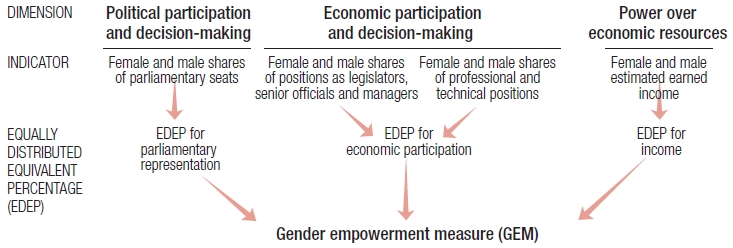
And why Korea’s GEM is so revealing is not just because of its abysmal ranking, which, at 68th out of 179 countries surveyed, is bested even by developing countries such as Kyrgyzstan, the Dominican Republic, the Philippines, Vietnam, Moldova, Botswana, and Nicaragua. Rather, it’s because that rank is so out of sync with its other rank of 25 in the Human Development Index (HDI), which measures a country’s standard of living. Surely, as I explained two years ago, there is no greater testament to the palpable gender apartheid here, than the fact that Korea does such a good job of educating and taking care of the health its citizens, only then to effectively exclude fully half of them from political and economic power?

(Source: unknown)
Mentioning this in a conference paper I’m writing on Korean girl groups however, as one does, earlier today my coauthor quite reasonably asked me if a more up to date ranking wasn’t available?
Alas, no. But there did appear to have been some recalculating of the 2008 figures done, with the first thing I saw from my search giving Korea a new ranking of, well, 20th best in the world:
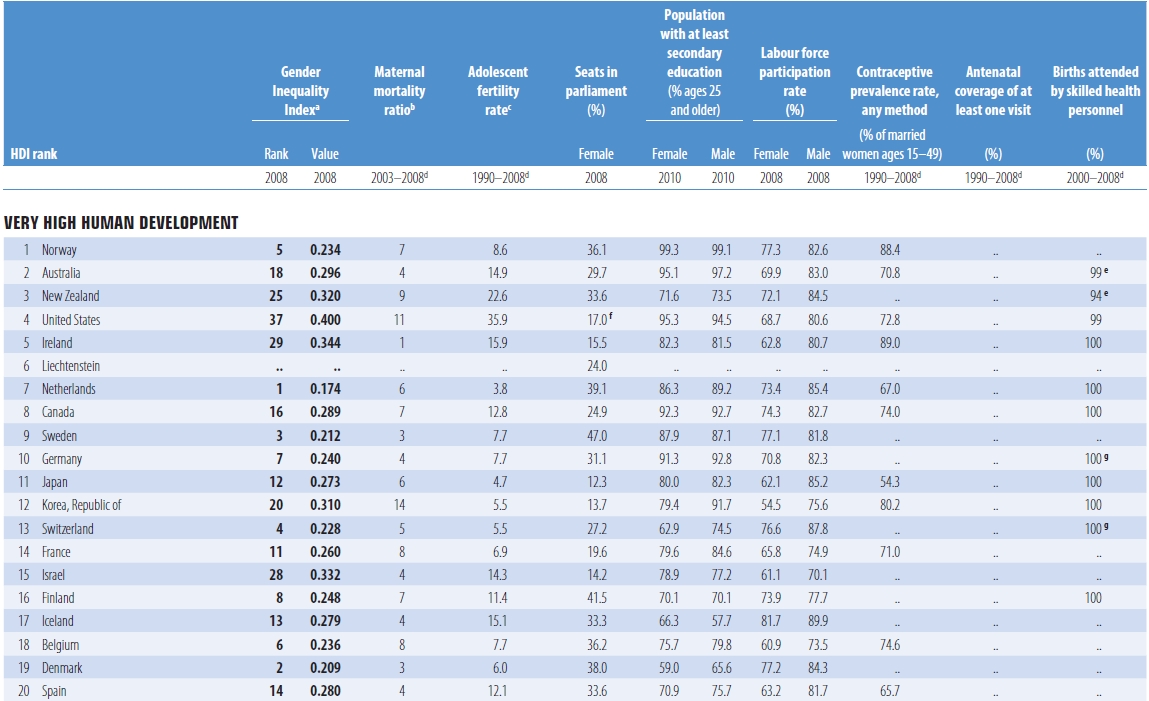
Needless to say, I did a double-take. And indeed, as most of you have probably already guessed, actually the GEM has been abolished. Instead, Korea now has a ranking of 20 in what’s called the “Gender Inequality Index” (GII), calculated according to the following criteria:
What to take away from this? Well first, if I do say so myself, that it’s a pretty interesting thing to end up with, having originated from a paragraph that just one line earlier discusses Girls’ Generation’s signature hot pants.
But more seriously, I do want to stress the incredible achievements that Korea has made in terms of affordable, quality healthcare, well-illustrated by a recent anecdote from Ask a Korean! on a Korean stroke victim in New York, who quite rationally choose to fly 13 hours back to Korea rather than be treated in a hospital there. And it’s also indicative of how dangerous it can still be for women to give birth in many parts of the world, with 1 in 16 new mothers dying in Sub-Saharan Africa for instance, that the UNDP has good reason to think that the Maternal Mortality Ratio needs to be considered in any worldwide measure of gender inequality.
Nevertheless, while budding Canadian politicians, for example, are already taking advantage of their country’s new ranking behind Japan (yet another new paragon of feminist virtue) to say it’s all the government’s fault, it’s probably Korea jumping from 68th to 20th that should be getting the most attention. After all, albeit with apologies to long-term readers for the frequent mention, it does have: among the lowest female workforce participation rates in the OECD; the lowest rate of employment for educated women in the OECD (in fact, Korea is the only country in the OECD where the more educated the woman, the less likely she is to be employed); the largest gender wage gap in the OECD; only 13.7% of its legislators women; and a President that encouraged the mass firing of women to get over the latest financial crisis.

(Source)
At the very least then, Korea’s example seriously questions the applicability of the GII to developed countries. But can readers can think of any other issues raised?
Sex and the University, Part 4: A Scared 19 Year-Old’s Ob-Gyn Experience
( Source: Dramabeans )
With thanks to Marilyn for translating it, allow me to present the fourth and final article in the Sex and the University series:
겁많은 스무살 기자의 산부인과 검진 체험기 / A scared 20 year-old reporter’s ob-gyn exam experience (19 in Western age)
대한산부인과학회는 지난 5월 ‘퍼플리본 캠페인’을 시작했다. 올해부터 매년 5월 셋째 주에 진행될 예정인 이 캠페인은 여성암 중 사망률 2위를 차지하고 있지만 비교적 잘 알려지지 않은 자궁경부암에 대해 알리고 검진율이 낮은 20~30대 여성들의 관심을 유도하기 위한 것이다. 김상운 사무총장은 “많은 여성질환들이 젊을 때부터 정기검진을 하면 예방효과가 크다”며 대학생들도 산부인과 검진을 받을 것을 권했다. 그러나 이러한 필요성에도 불구하고 많은 여대생들이 병원을 찾기를 꺼린다. 산부인과는 임신한 여성들만 찾는 다는 인식이 미혼 여성들로 하여금 산부인과 문턱을 넘는 일을 어렵게 만들기 때문이다.
Last May, the Korean Society of Obstetrics and Gynecology started the “purple ribbon” campaign. This purposes of this campaign, planned to take place during the third week of May from this year [2010] on, are to raise awareness of cervical cancer, which, though the second deadliest of cancers that only affect women, is not well known, and to increase interest among women in their 20s and 30s, who rarely get screenings. Secretary-general Kim Sang-woon said, “If many female patients get regular screenings from a young age, there will be great preventative effects,” and recommended that university students get ob-gyn exams as well. However, despite such necessity, many female college students are reluctant to visit a clinic. This is because the belief that only pregnant women go there makes entering the ob-gyn’s office difficult for unmarried women.
(Source)
이런 상황에 놓인 여대생들을 대표해 10학번 새내기 기자가 직접 산부인과를 방문해 검진을 받아보기로 했다. 미혼여성을 대상으로 한 가장 기본적인 검진은 초음파 검사와 혈액검사라고 한다. 기자는 인터넷을 통해 신촌의 산부인과를 수소문한 끝에 신촌역 근처 S산부인과로 결정했다. 방문 전 인터넷사이트의 예약 게시판에 평소 생리통이 심했던 기자의 고충을 적고 예약을 완료했다.
Representing college women put in this kind of situation, this freshman reporter, who entered university in 2010, agreed to personally visit an ob-gyn and get an exam. It is said that the most basic exam for unmarried women is an ultrasound and a blood test. After asking around about Sinchon-area obstetrician-gynecologists on the Internet, I chose ‘S’ Obstetrics-Gynecology, near Sinchon Station. Before going, I wrote on the appointment board on the clinic’s website that my problem was severe menstrual pain and booked my appointment.
예약한 날짜가 다가와 초조한 마음으로 병원을 찾았다. 산부인과와의 인연은 20년 전 태어나며 맺었던 것이 마지막이라 그곳에서 무슨 일이 생길지 도무지 감이 잡히지 않았다. 잠시 기다리자 접수대에서 이름이 호명됐고 전문의와 오늘 받을 검진의 기본적인 사항에 대한 이야기를 나눴다. 혈액검사는 난소암 유무를 가리기 위한 것이고, 초음파 검사는 자궁에 근종이나 난소에 혹이 있는지를 알아보기 위한 것인데 항문 또는 질을 통해 검사한다고 했다. 검진 받는 여성의 성관계 여부에 따라 추가적인 암 검사가 더해진다. 그렇게 접수를 마치고 이유 모를 공포에 휩싸여 호명되기를 기다렸다. 내 나이 꽃다운 스무살, 산부인과에 있다는 사실만으로도 이미 부인과 질병에 걸려버린 느낌이라 불안감은 점점 더 증폭됐다 (source, below).
The appointment date approached and I went to the clinic with an anxious heart. My last connection to the ob-gyn had been made when I was being born twenty years ago, so I had no clue what was about to happen there. After waiting a moment, my name was called by the front desk and I talked with the specialist [prob. the doctor] about the basics of the exam I would receive that day. The specialist said the blood test would detect ovarian cancer, and the ultrasound would check for uterine fibroids and ovarian cysts; the exam would be done through the anal passage or vagina. Contingent upon the sexual activity of the woman receiving the exam, additional cancer screenings are added. In that manner, I completed my registration and then, filled with fear without knowing why, I waited for my name to be called. I am a 20-year-old in the bloom of youth, but just the fact that I was at the ob-gyn gave me the feeling that I already had a gynecological disease, and my discomfort continued to increase.
먼저 초음파 검사를 받기 위해 탈의실로 가 아래를 모두 벗고 발목까지 오는 긴 치마를 입었다. 두려운 마음으로 검진실 문을 열자 특이한 모양의 의자가 보였다. 치과 의자처럼 생겼는데 다리를 벌려 고정하는 받침대가 추가된 형태였다. 좋지 않은 예감이 든다. 예감적중, 간호사가 의자에 누워 다리를 벌리라고 한다. 겁에 질려 검사가 아프냐고 묻자 간호사는 태연하게 “불편할 수 있어요”라고 대답한다.
First, in order to get the ultrasound exam, I went to a changing room, took off all of my lower-body clothing and put on a long skirt that reached to my ankles. Fearfully, I opened the exam room door and saw a specially-shaped chair. It looked like a dentist’s chair but with the addition of a rack to which spread legs could be fastened. I had a bad feeling about that. My feeling was right – the nurse told me to lay down on the chair and spread my legs. Scared, I asked if the exam would hurt; the nurse calmly answered, “It may be uncomfortable.”
이윽고 냉철한 표정의 여의사가 들어와 초음파 검사 도구를 항문에 집어넣는다. 간호사 말대로다. 아프지는 않지만 확실히 ‘불편’했다. 마치 배변을 보고 있는 듯한 느낌이 몰려왔다가 사라졌다. 윤활제를 바른 탓에 시원한 느낌이 들었다. 기분이 묘하다. 이 와중에 그나마 여의사라 다행이라는 생각을 한다.
(Sources: left, right)
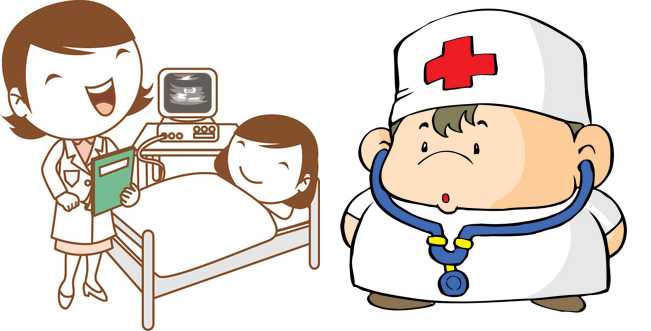
Before long, the female doctor entered with a dispassionate expression and put the ultrasound exam instrument in my anal passage. It was as the nurse had said. It didn’t hurt, but it was certainly uncomfortable. A strong feeling that I was about to have a bowel movement came and disappeared. Because of the lubricant spread [on the instrument], there was a cool sensation. I felt strange. At that time, I thought it was at least fortunate that it was a woman doctor.
누워서 눈앞의 스크린을 보자 나의 자궁과 난소가 보인다. 혹이나 다른 이상은 발견되지 않았다. 스크린을 보던 의사가 “생리하실 때 아플 것처럼 생긴 자궁이네요”라고 말했다. 산부인과에 온 목적이 해결되는 감동적인 순간, 내 몸에는 전혀 이상이 없으며 단지 ‘자궁 모양’ 문제였음을 깨닫는다. 산부인과에 진작 왔으면 불안에 떨지 않아도 되었을 것을. 며칠 뒤에는 “난소암 혈액검사 결과, 정상입니다”라는 간략한 문자가 도착했다. 모든 검사 종료, 이제야 안도했다.
(Source)
As I lay and looked at the screen in front of me, my cervix and ovaries were visible. No cysts or other irregularities were detected. The doctor, looking at the screen, said, “Your cervix looks like it would hurt during menstruation.” At this emotional moment in which my purpose for coming to the ob-gyn was resolved, I realized that there was nothing wrong with my body, only a problem with “cervix shape.” Also, that had I come to the ob-gyn earlier, I wouldn’t have needed to be anxious [about the pain]. A few days later, the brief text message, “Your ovarian cancer blood test results were normal” arrived. At the end of all the exams, I finally felt relieved.
스무살 기자에게 산부인과 검사는 약간의 수치와 6만원이라는 비용을 수반한다는 점에서 그리 유쾌한 경험은 아니었다. 하지만 자신의 몸을 위해 한 번은 가볼 필요가 있는 것 같다. 기자의 경우 마침 결과가 좋아 적어도 5년 동안은 다시 이 경험을 하지 않아도 되겠다 싶어 안심했다. 그러나 부인과 질병에 가족력이 있거나 성관계 경험이 있을 경우 1년에 한 번씩은 산부인과에 가는 것이 좋다고 하니, 참고하면 되겠다.
Considering the slight shame and the 60,000 Won fee, the ob-gyn exam was not a very pleasant experience for this 20 year-old reporter. However, it does seem that going once is necessary, for the sake of one’s body. I felt relieved that I wouldn’t have to have this experience again for at least five years because the results happened to be good in my case. Just know that if you have a family history of gynecological diseases or have sexual experience, though, they said that going to the ob-gyn once a year is good (end).
(Source)
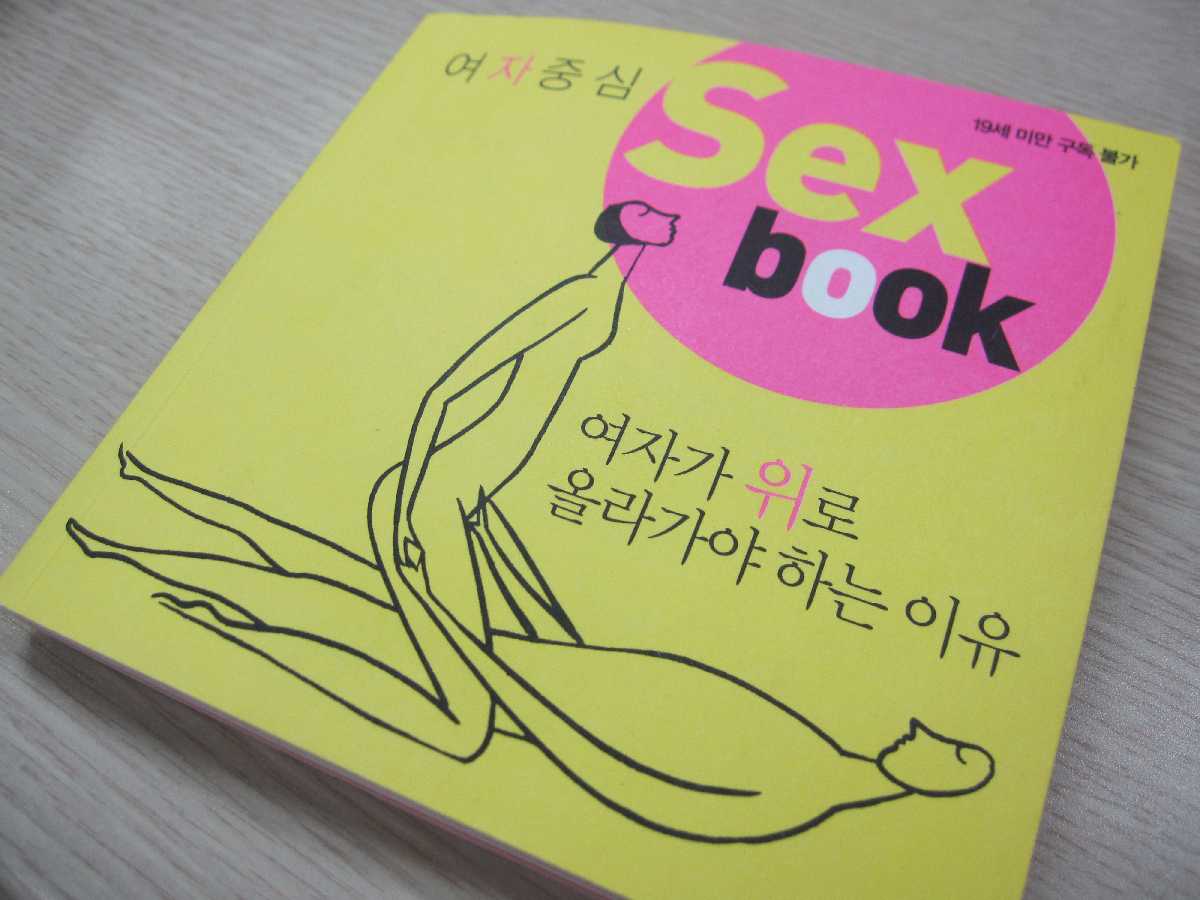
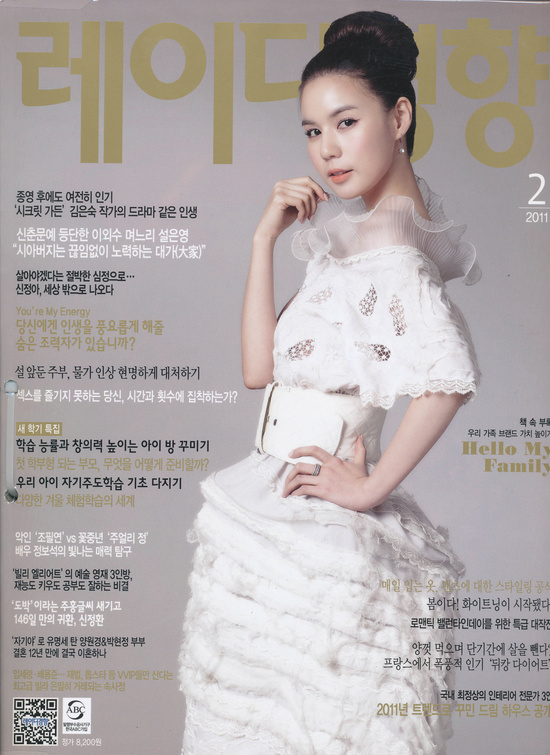
A little disappointed with the reporter’s plan not to lose her virginity in the next 5 year however, a genuine waste of one’s youth(!), then let me end on a rather more lecherous note via the above image, found in passing while preparing this post. Indeed, with a cover that says “Reasons Women Have To Get On Top“, the book sounds intriguing, and now I feel like doing some translating of my own next week!^^
(For more in the Sex and the University series, please see Parts 1-3 on students’ levels of sexual experience and activity, on an interview with a sex columnist, and on students’ cohabitation culture respectively)
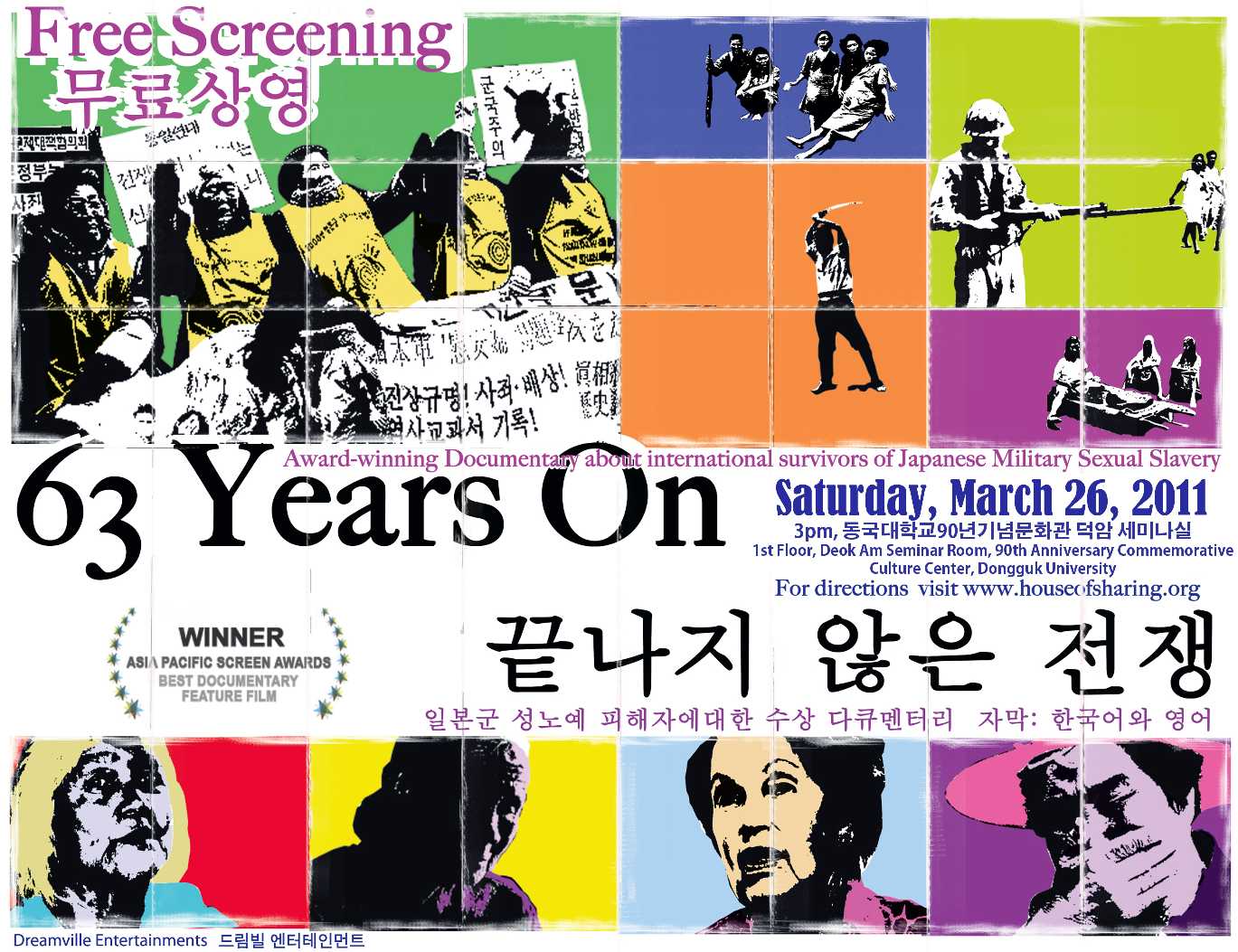
“63 Years On: The Story of the Comfort Women” Screening This Saturday
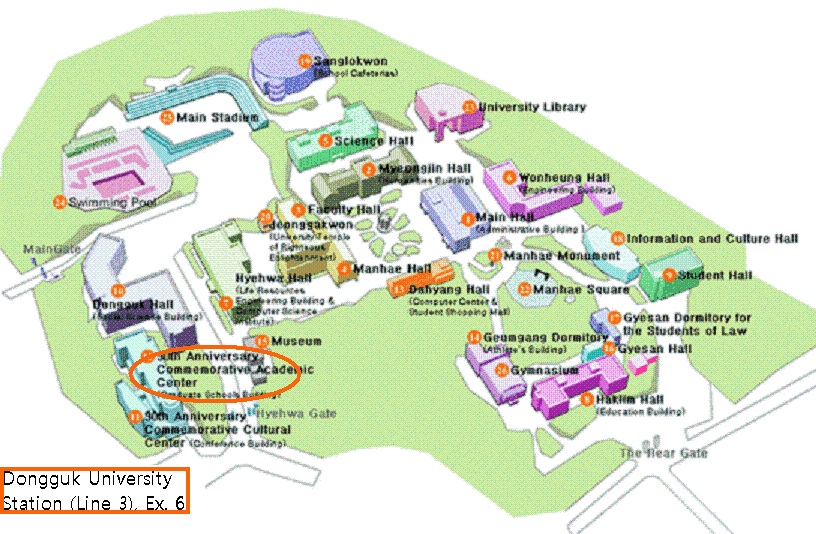
With thanks to Shannon Heit for passing it on, this Saturday at Dongguk University in Seoul there will be a free screening of “63 Years On”, a documentary about the Comfort Women. Starting at 3pm, see the Facebook event page or this press release for further details, and here for a campus map. Also, please note that it does have English subtitles.
Update 1: Ask a Korean! reports that, sadly, a former Comfort Woman just passed away today. That leaves only 73 registered ones still alive.
Update 2: For anyone further interested in the topic of Comfort Women, consider also grabbing a copy of Behind Forgotten Eyes, an award-winning 2007 documentary (via @ornamentity).


13 comments