I know, I know: trust me to nitpick about something as universally popular and adorable as Pororo. However, just like the classic How to Read Donald Duck (1972) revealed a pervasive imperialist ideology then propagated by Disney in that universally popular and adorable cartoon, so too does Pororo begin reveal some issues once you’re prepared to look past the cuteness. In this case, because of the stereotypical gender roles contained therein.
Just ask any parent in Korea, one of whom *ahem* first noticed these problems with the show *cough* over two years ago. But, with thanks to Marilyn for translating this article at Ildaro Women’s Journal, it’s always good to have a reliable Korean source, especially when one critiques something that usually only attracts glowing reports about its success overseas:
“뽀롱뽀롱 뽀로로”에서 루피의 역할은? 애니메이션 속 전형적인 남녀캐릭터 설정 아쉬워
Loopy’s role in “Pororo The Little Penguin”? The set-ups of typical male and female characters in the cartoon is a shame
모 방송사의 예능 프로그램에서 강호동씨가 미션으로 곰인형 100개의 눈을 붙이는 장면이 나왔다. 담당VJ는 그에게 집에서 아이들과 잘 놀아 주냐고 질문했다. “나보다 뽀통령을 더 좋아해. 뽀통령 있으면 아빠 아는 체도 안 해.” 강호동씨의 답변에서 알 수 있듯이 지금 아이들 사이에서는 뽀로로가 최고의 인기 캐릭터이다.
On X network’s entertainer program, there was a scene in which Kang Ho-dong had a mission to attach 100 bear dolls’ eyes. The VJ asked if he was good about playing with his children at home. “They like President Po more than me. If President Po is there, they don’t even acknowledge Dad.” What we can know from Kang Ho-dong’s answer is that Pororo is the most popular character among children now.
아이들 세계를 지배하는 뽀로로의 영향력 / The influence of Pororo, who rules the world of children
<뽀롱뽀롱 뽀로로>는 2003년 (주)아이코닉스 엔터테인먼트에서 탄생하여, 교육방송 EBS를 통해 아이들에게 알려지기 시작했다. 12개월부터 미취학 아동 대상으로 방영된다. 현재는 3탄까지 제작됐으며 앞으로 4탄이 방송을 탈 날을 기다리고 있다. 1탄부터 3탄까지 전 시리즈는 세계 82개국에 수출됐으며, 특히 프랑스에서는 시청률 57.2%라는 놀라운 기록을 세웠다고 한다.
“Pororo The Little Penguin” was born at Iconix Entertainment in 2003 and began to become known among children through the educational channel EBS. It was broadcast to a target audience of preschoolers from the age of 12 months. Currently, the third season has been produced [aired] and the day the fourth will be aired is awaited. The first through third series have been exported to 82 countries around the world, and are said to have set a surprising record in France, especially, of 57.2% viewership.
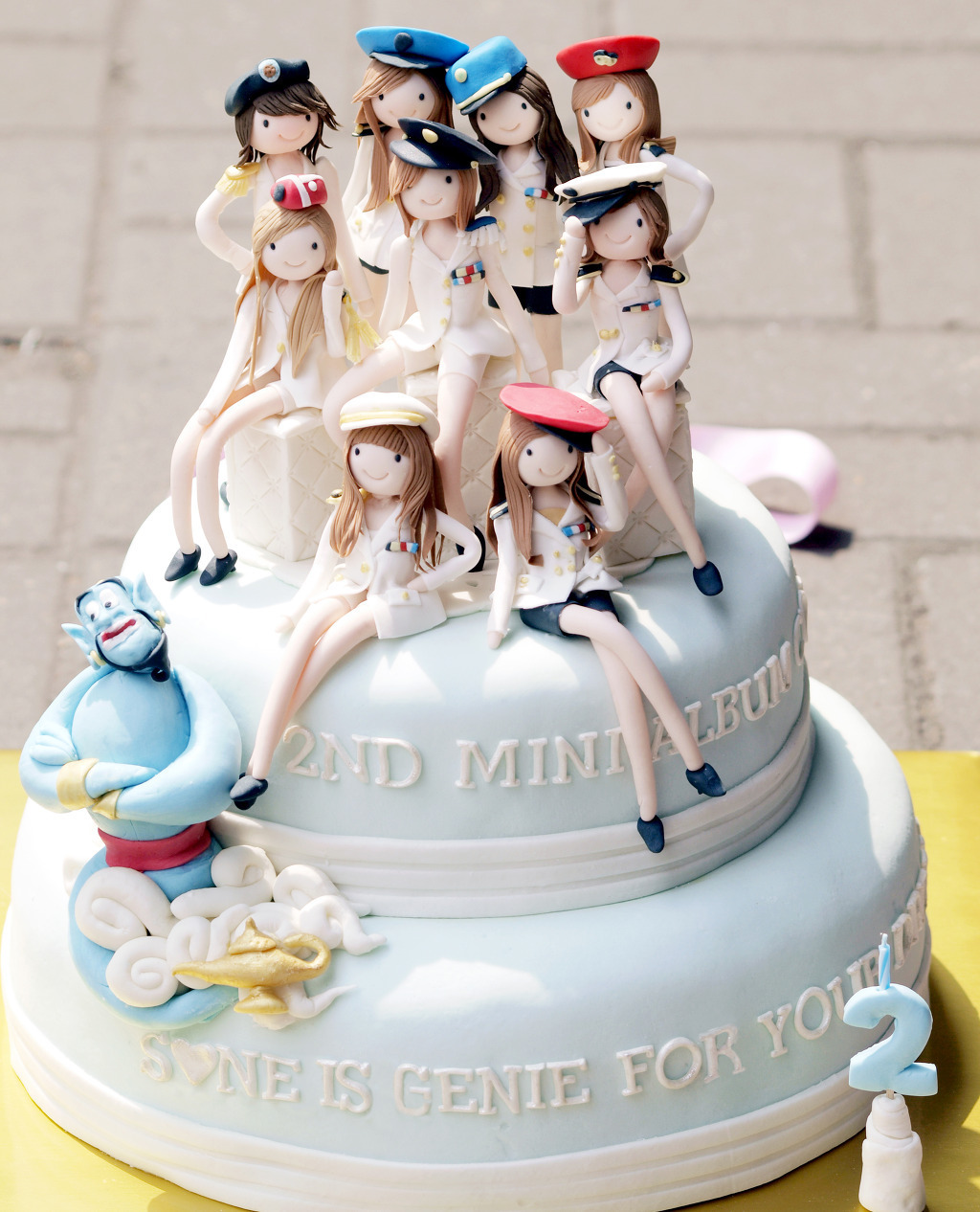
뽀로로 캐릭터 상품으로 연간 벌어들이는 수입은 추신수 선수의 3배, 박지성 선수의 2배에 달하며, 2010년까지 누적합계 8천3백억 원에 달하는 것으로 알려졌다. 현재 소녀시대를 누르고 음반판매율 1위를 지키고 있는 것도 뽀로로이다.
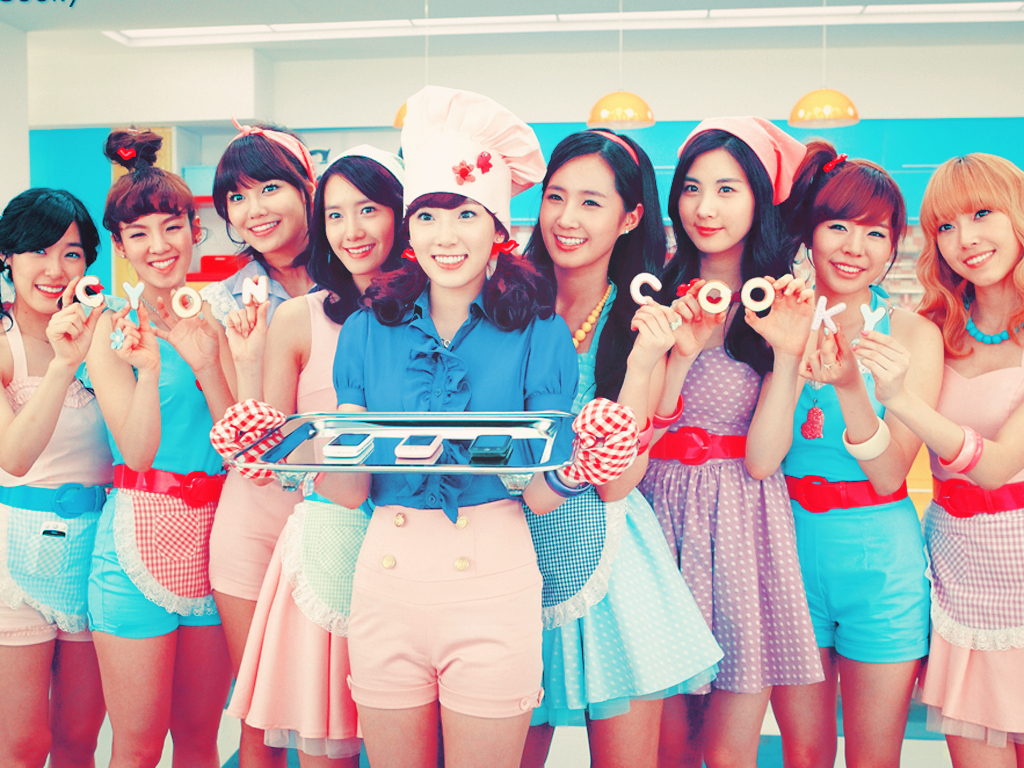
The yearly income of Pororo the character as a product is three times that of [baseball] player Choo Shin-soo and reaches twice that of Park Ji-Sung, and it has become known that his accumulated earnings as of 2010 come to 830 billion Won [about $790 mil.]. The one currently defeating Girls’ Generation to remain number one in album sales is also Pororo.
어린이가 다쳐서 울 때 뽀로로 밴드를 붙여주면 울음 끝, 치아 닦기 싫어하는 아이에겐 뽀로로 치약 한 번 올려주면 반짝반짝 이를 닦는다. 이렇게 유아들의 세계를 지배하는 뽀로로의 영향력은 대단하다.
If a child who is hurt and crying is given Pororo bandage, the crying stops, and if a child who hates brushing her teeth is given Pororo toothpaste, she will brush until her teeth sparkle. The influence of Pororo, who rules the world of small children like this, is enormous.
성역할 고정관념 드러내는 등장인물들 / Characters who reveal gender-role stereotypes
하지만 <뽀롱뽀롱 뽀로로> 애니메이션 속에선 한 가지 아쉬운 점이 발견된다. 바로 만화에 등장하는 캐릭터의 특징이다.
However, there is one way in which the animated program “Pororo The Little Penguin” is discovered to be lacking. It is the characteristics of the characters who appear in the cartoon.
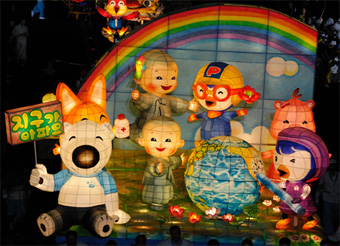 연등회에 등장한 뽀로로 캐릭터들. 뽀로로의 국민적 인기를 실감케 한다.
Caption, right: Pororo characters who appeared in the Lantern Festival. One can feel the national popularity of Pororo.
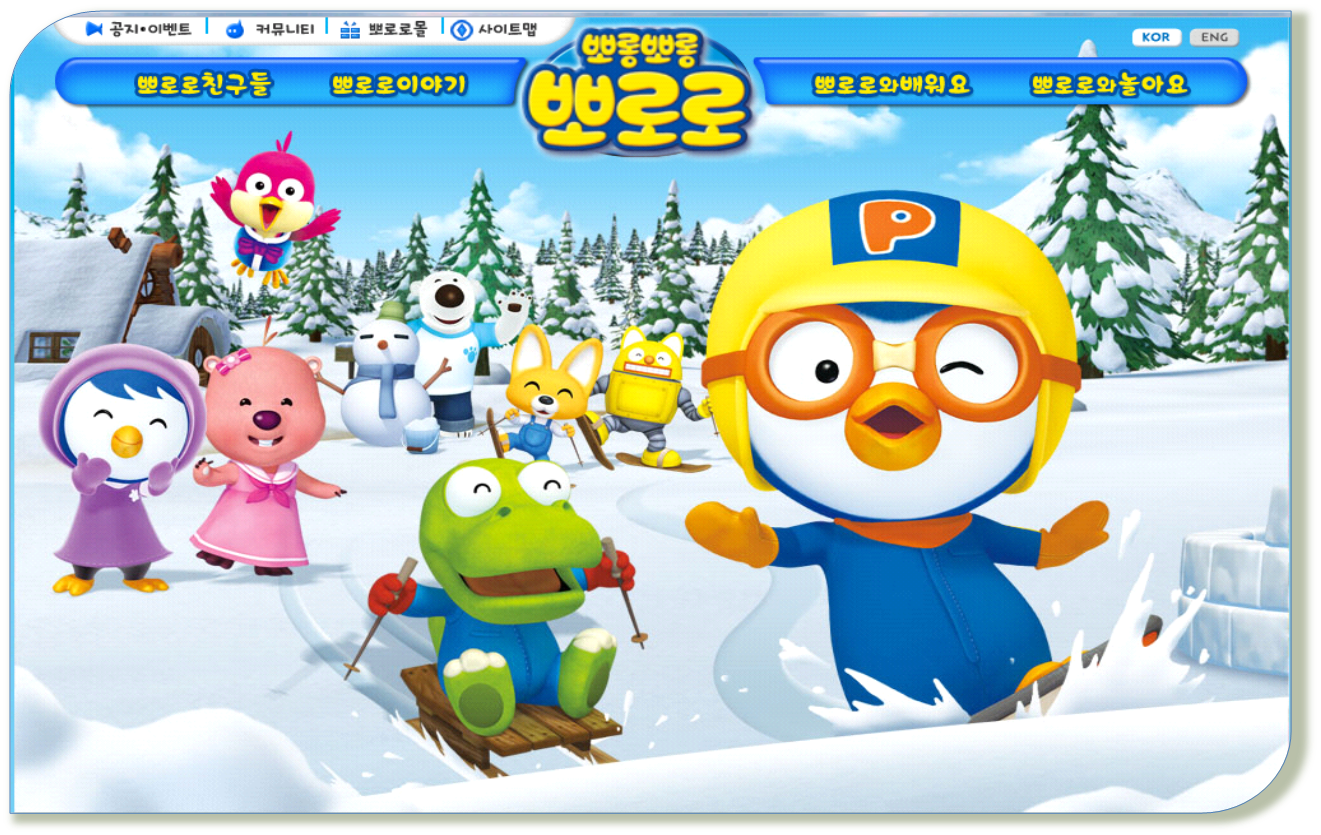
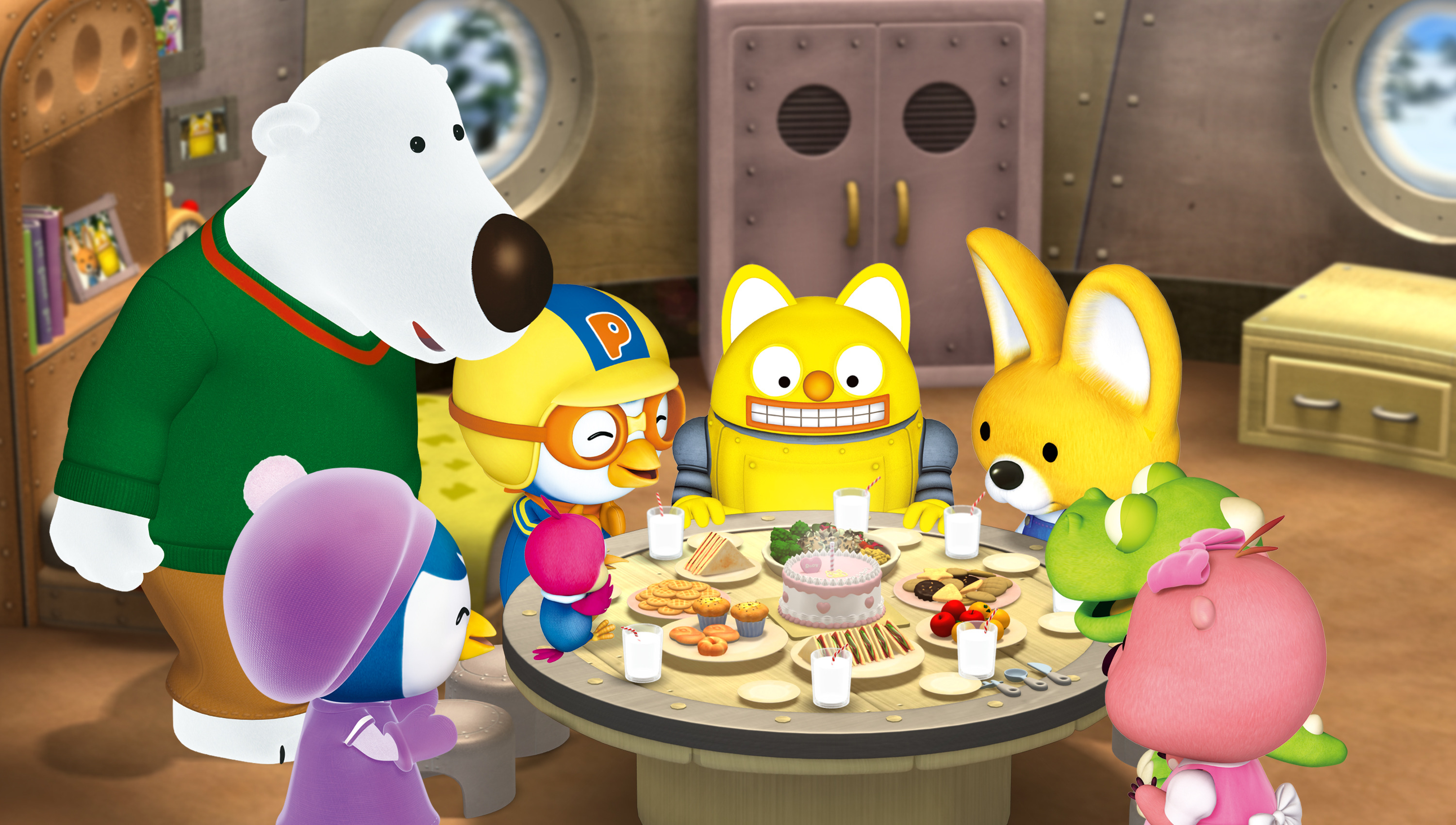
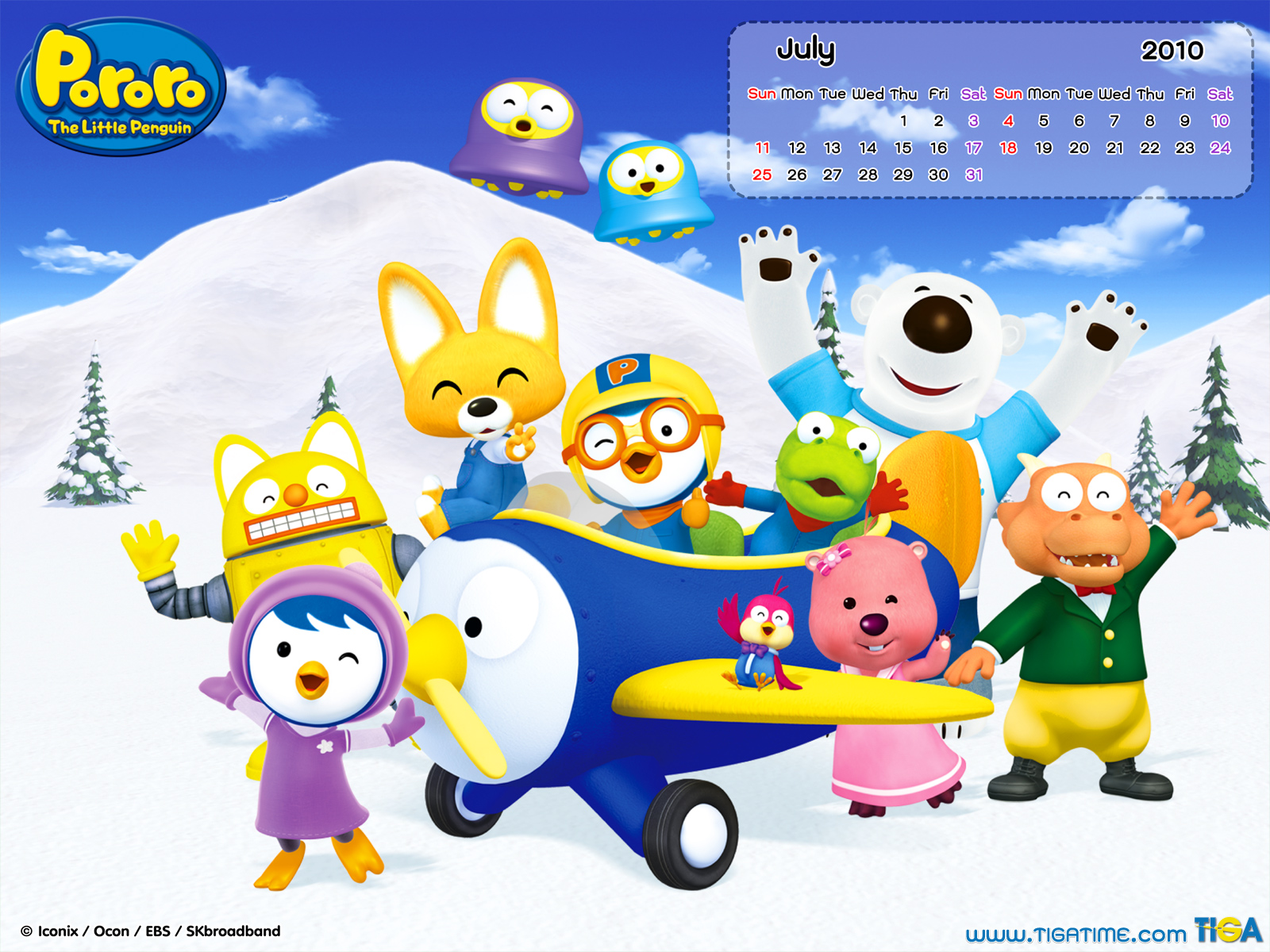
뽀로로, 에디, 포비, 크롱은 남성캐릭터이다. 루피와 패티는 여성캐릭터이다. 주인공 뽀로로는 궁금한 걸 못 참고, 도전과 모험에 앞장서는 호기심 많은 펭귄이다. 에디는 발명가를 꿈꾸는 꼬마여우이고, 포비는 마음 넓게 항상 다른 이를 도와주는 화가를 꿈꾸는 착한 곰이다. 패티는 명랑 활달하고 운동을 좋아하는 털털한 펭귄이며, 루피는 수줍은 많고 여성스럽고 요리 솜씨가 뛰어난 비버소녀이다.
Pororo, Eddy, Poby, and Crong are male characters. Loopy and Petty are female characters. The main character Pororo is a penguin who can’t stand not knowing something, who leads the way into challenges and adventures, and is very curious. Eddy is a little boy fox who dreams of being an inventor, and Poby is a friendly bear who always generously helps others and dreams of being an artist. Patty is an easy-going penguin who is bright, outgoing, and likes exercise, and Loopy is a very shy, feminine little beaver girl with excellent cooking skills.
<뽀롱뽀롱 뽀로로> 만화에 등장하는 남성캐릭터들은 ‘꿈꾸는 이상’이 있다. 모험가, 과학자, 화가를 꿈꾸며 노력하는 모습을 보인다. 타고 난 재능도 가지고 있다. 그러나 여성캐릭터인 루피와 패티는 앞치마를 두르고 맛있는 쿠키를 구워서 친구들에게 대접하는 꿈을 꾼다. 여성캐릭터를 꼭 ‘요리’와 연결시키는 이유는 무엇일까?
The male characters have “something more that they dream of.” They present themselves as working hard [to achieve] their dreams of being adventurers, scientists, and artists. They also have natural gifts. However, the female characters Loopy and Patty dream of putting on aprons and making delicious cookies to serve to their friends. Why must female characters be connected to “cooking”?
21세기의 여자아이들은 더 이상 부엌에서 요리하고, 다소곳이 앉아 바느질하는 것을 강요받는 사회에서 자라지 않는다. 남자아이와 동등한 자격으로 공부하고, 자신의 뜻을 펼칠 수 있다고 교육 받는다. 그러나 사회에서 요구하는 현실은 여전히 만화 속에 등장하는 전형적인 여성캐릭터인 것일까? 이런 애니메이션을 보고 자란 남자아이들은 당연히 여성이 요리를 해줄 거라고 기대할 것이고, 여자아이들은 그 모습에 자신의 모습을 비추어보며 살게 될 수도 있을 것이다.
21st century girls no longer grow up in a society that forces them to cook in the kitchen or sit modestly and sew. They study on equal terms with boys and are taught to speak their minds. But is the reality that is demanded by society still the one portrayed by the typical female characters in cartoons? Boys who grow up watching this kind of animation will naturally expect females to cook for them, and girls might grow up to reflect that image.
이런 캐릭터 설정은 어린 시절부터 성역할 고정관념을 아이들에게 심어줄 수 있다. 특히 만화 속 패티와 루피는 서로에게 질투를 느끼거나 오해를 해서 감정싸움을 만들기도 한다. 물론 실제로 아이들이 그런 감정에 빠질 수도 있다. 그러나 어린이들이 보는 프로에서 꼭 여성캐릭터 간의 감정싸움을 부각시켜 보여주면서 어릴 때부터 성별에 관한 편견을 가지게 할 필요는 없지 않을까.
The settings [of characteristics] of this kind of character can indoctrinate children into gender role stereotypes from a young age. In the cartoon, Patty and Loopy especially feel jealous of or misunderstand each other and so start emotional battles. Of course, in reality children can have those feelings. However, is there really a need for programs that children watch to make them have prejudices about gender from a young age by playing up and showing emotional battles between female characters?
미취학아동들은 그나마 사회시스템 속에서 길들여지는 고정관념으로부터 비교적 자유로운 시기이다. 그런데 만화에서 뽀로로는 항상 용감하게 도전하고, 에디는 우주선을 만들고 외계인을 만날 때, 루피는 예쁜 머리핀을 자랑하고 싶어 하고, 백설공주와 같이 되길 꿈꾸며 사과를 먹어야 할까?
Pre-schoolers are at least at an age that is relatively free from the taming stereotypes of the social system. But in the cartoon, while Pororo is always bravely challenging and Eddy makes a spaceship and meets an alien, does Loopy have to want to boast about a pretty hairpin and dream of becoming like Snow White while eating an apple?
아이들이 TV 속 뽀로로에게 열광할 때 나는 한편으로 걱정이 된다. 내 딸에게서 “엄마, 난 뽀로로 같은 용기 있는 남자와 결혼해서 맛있는 쿠키를 구울 거야.” 라는 말을 듣게 될까봐.
Part of me is worried when I see kids going crazy over TV’s Pororo. Worried that I may hear, “Mom, I’m going to marry a brave man like Pororo and make delicious cookies!” from my daughter. (end)
After revealing in my introduction that there’s more to Pororo than meets the eye, it was extremely tempting at that point to go on to discuss how what is actually a multi-million dollar industry has some curious, if superficial, parallels to some elements of K-pop. Wisely I demurred, but if you’ll indulge me here instead for a moment, then, with it being exported to over 110 countries, it is arguably just as much a part of the “second Korean Wave” as say, KARA or Girls’ Generation. Moreover, just like those groups are redoing most of their songs into Japanese for the sake of better marketability, diluting what Koichi Iwabuchi deftly calls their products’ “cultural odor” in the process, so too does the creator of Pororo refuse to incorporate more Korean elements into the cartoon, lest foreign audiences be put off. On top of that, there are even glowing accounts of Pororo’s popularity amongst overseas Koreans too, which—correct me if I’m wrong—were often considered (or at least portrayed) as important precursors to and/or agents in K-pop’s subsequent popularity amongst non-ethnic Koreans.
And having raised all those tangents, then it behooves me to also mention Pororo’s North Korean connections for anyone interested, which you can read about here and here. Also, in the interests of full disclosure, I should point out that a friend’s friend’s wife provides the voice of Harry, the humming-bird sitting on the wing above. Apologies for the ensuing lack of objectivity in the post!
(For all posts in the Korean Sociological Image series, see here)

If you reside in South Korea, you can donate via wire transfer: Turnbull James Edward (Kookmin Bank/국민은행, 563401-01-214324)

 (Source)






















 The Grand Narrative