
Today I learned that Vitamin-D, produced in the skin through exposure to sunlight, is vital for staving off depression. But various lifestyle and physiological changes complicate the effects of supplements on postmenopausal women, let alone applying recommendations from studies based on men.
 Estimated reading time: 5 minutes. Photo by Alonso Reyes on Unsplash.

Oh, the photo? Well, free-to-use images of Korean women avoiding the sun seem surprisingly hard to come by. Which is ironic, considering how many I can see doing so at I type this, assiduously touching up their SPF makeup as they wait for the crosswalk lights. (My apartment overlooks a busy intersection.) Some will even spend 1-2 minutes fiddling with awkward parasols at each side of the road too, all for the sake of avoiding 10 seconds of sun exposure as they cross it.
Why they do, I totally get. But, not going to lie, the amount of time and effort spent seems a little disproportionate sometimes. And I am not exaggerating about its excesses either, as American journalist Elisu Hu‘s own observations in her 2023 book, Flawless: Lessons in Looks and Culture from the K Beauty Capital, make clear (page 78):
“Skincare as self-care starts with skin protection and preventative maintenance. Koreans take sunscreen more seriously than do people in any other place I’ve ever been on earth. ‘The people of the entire nation wear sunscreen all year round with a devotion bordering on religious fervor,’ writes Korean dermatologist Hae Shin Chung. On average, 90 per¬cent of Korean women and 56 percent of men apply sun¬screen at all times, compared to the 30 percent of women and 14 percent of men who wear sunscreen in the United States. Chung came to the United States to advance her experience specifically because it’s rare to encounter skin cancer patients in Korea. In the U.S., skincare—compared to makeup or haircare—accounts for 20 percent of the beauty market; in Korea, it’s 50 percent of the market. And prevention—in the form of sunscreen and its various form factors—is the biggest segment.”
“It’s not unusual to see men and women carry sun umbrellas to shield themselves from the sun on bright days. Staying out of direct sunlight is culturally and even governmentally supported. During the muggy, sun-drenched summers in Seoul, the city puts up giant umbrellas or erects sun shade sails over the sidewalks at intersections, helping block pedestrians from being in the sun while awaiting a traffic light change. Going to outdoor pools felt like entering a weird vortex, because no one seemed to wear swimsuits to swim. Koreans covered their bodies by wearing rash guards as swimsuits, sometimes with full-length pants, giant sun visors, and a thick coating of pasty white sunscreen.”
So, when my image search led me to a Korean model looking just fabulous in the Mexican sun instead, I didn’t need to think twice. Less obviously out of place though, is that my clickbait statistic actually comes from 2006 (sorry), which my 17 year-old daughter especially likes to remind me wasn’t “just a few years ago.” Yet a whole decade later, it didn’t seem out of place to the authors of the source I actually found it from. And in 2021 too, another study found Vitamin D deficiencies in a very similar 89% of 20-45 year-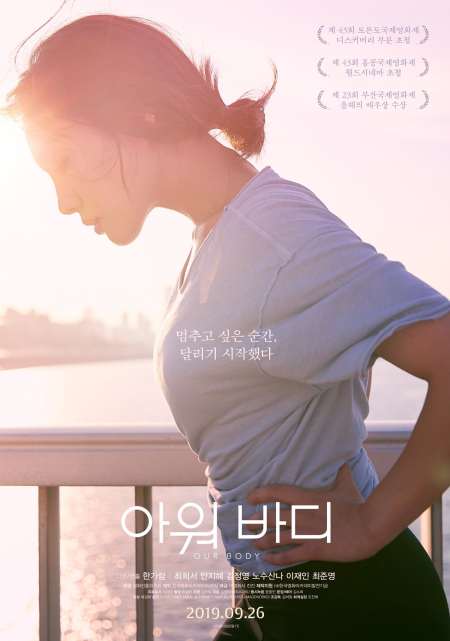 old Korean, female nurses specifically. I’ll wager that today then, although one or two other countries may well have surpassed Korea in terms of female vitamin-D deficiency rates, not least because the Korean Wave has been so successful in promoting Korean beauty ideals overseas, that unfortunately Korea will almost definitely remain in the top 3. (Photo, right: Movie Review: Our Body/아워 바디, 2019.)
Still, until the 2023 article “The Difference between Serum Vitamin D Level and Depressive Symptoms in Korean Adult Women before and after Menopause: The 5th (2010–2012) Korean National Health and Nutrition Examination Survey” by Sumi Lee et. al. (Korean J Health Promot 2023;23(1):18-27) randomly appeared in my feeds, the link between vitamin-D levels and depression hadn’t really registered, frankly.
(Because, yes, there may well be 1.8x more female than male patients being treated for it in Korea at the moment. But there’s many, good, non vitamin-D related reasons for that.)
Open-access, and just 10 pages, I highly encourage interested readers to download the article for yourself. But for those of you too busy to, I’ll pass on the most relevant passages:
“When dividing all adult women based on their menopausal status, premenopausal women tended to show decreased rates of depressive symptoms experience as serum vitamin D levels increased; however, it was not the same case in postmenopausal women. After confirming this trend, all female participants were divided into two groups; and the relationship between serum vitamin D concentration and experience of depressive symptoms was analyzed using multivariate logistic regression.”
“As a result, in premenopausal women, the increase in serum vitamin D was associated with the reduced prevalence of depressive symptoms. On the contrary, in postmenopausal women, the increase in serum vitamin D was associated with the increased prevalence of depressive symptoms….”
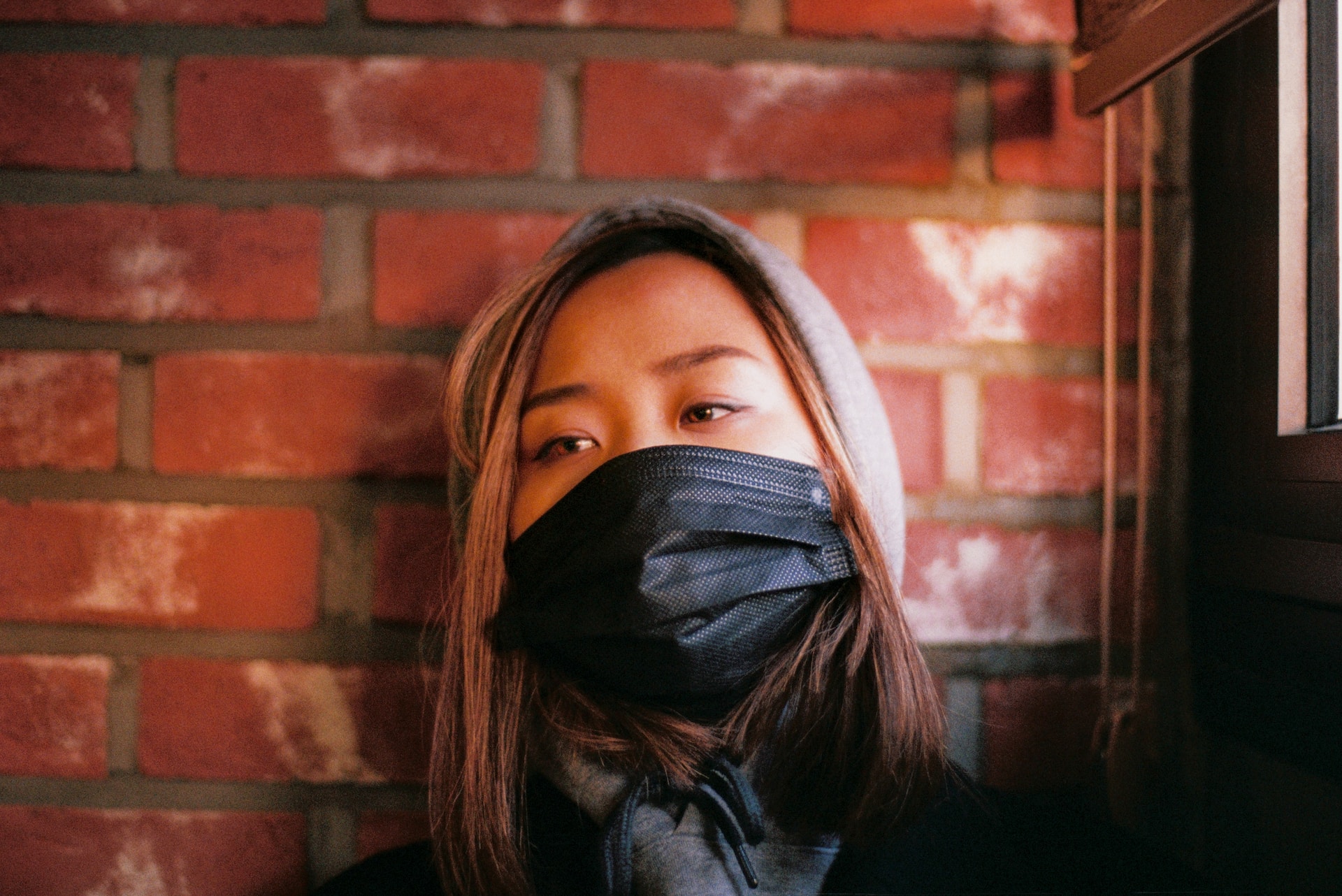
 Photo by Portuguese Gravity at Unsplash.
This division is significant and useful because it’s the first such age-differentiated study of its kind of Korean women. And, alluding to my mention of men in the lede, seeing how of course that division is not experienced by them (who just show a direct, inverse relationship between vitamin-D and depression symptoms, across all age levels), this points to a much narrower applicability of studies of men than researchers may have previously realized.
As for possible explanations of the division, the authors mention the wide variety of effects of decreased estrogen levels among older women, including a decreased ability to produce vitamin-D:
“Postmenopausal women show a major characteristic of decreased estrogen, which causes 80% of women to undergo physical, hormonal and mental changes. Several studies have shown that estrogen is strongly related to the pathogenesis of mental illness, including emotion and behavior control especially in older women, when they reach menopause….”
“Decrease in estrogen is also related to a decrease in serum vitamin D. During menopause, women experience thinner skin and lower ability to produce vitamin-D, in addition to reduced intestinal absorption of vitamin D and decreased vitamin D hydroxylation in the liver and kidneys. Vitamin-D reportedly reduces depressive symptoms in postmenopausal women by controlling the concentration of the neurotransmitter, serotonin, which increases the production of sex hormones and reduces the frequency of depression-associated receptors, within the pituitary gland in the brain….”
 The combinations of various supplements used to counter those further complicate matters. Including—I think implied—an excess of vitamin-D:
“Postmenopausal women with low serum vitamin D may have experienced related symptoms, which could have increased the use of dietary supplements, including vitamin-D, or treatments for depression. This tendency may have disturbed the association between serum vitamin-D concentration and depressive symptoms, and eventually showed a different trend in premenopausal women.”
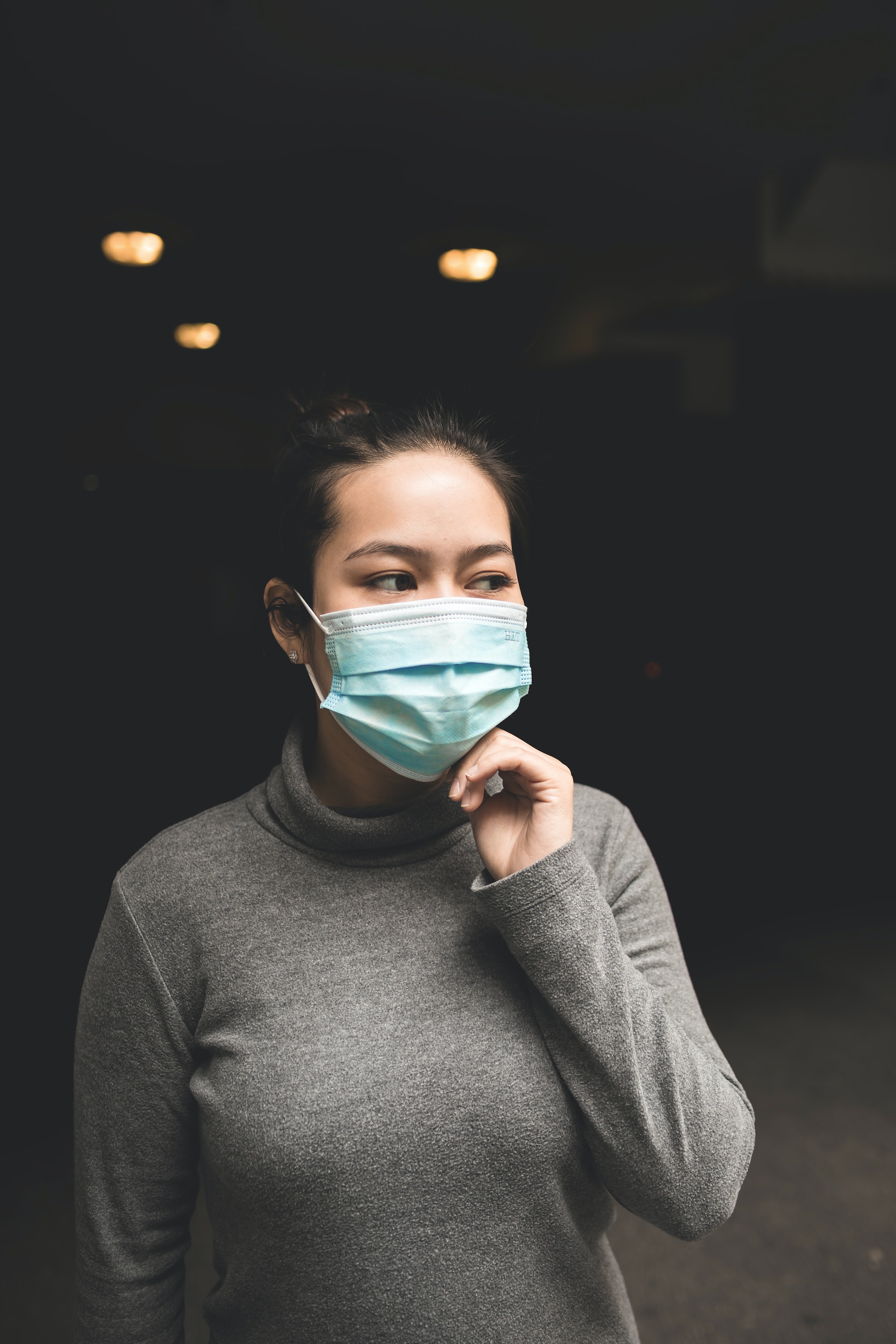
Finally, now in my late-40s myself, I can confirm that the changes my own body is undergoing are no joke (photo, right, by Michael Amadeus on Unsplash). But Korean society’s negative judgments and stereotypes about my particular demographic group pale compared to those reserved for ajumma, which have a palpable effect on their levels of depression:
“Postmenopausal women had a higher mean age; therefore, they had a high percentage of underlying chronic diseases, and were likely to belong to low-activity groups. Depressive symptoms are subjective problems affected by various physical and social factors, which can cause emotional instability combined with stress of chronic diseases, lack of confidence due to social and environmental changes, and reduced activity due to physical changes. These conditions in postmenopausal women were found to affect the rate of depression experience and have a greater impact than serum vitamin D concentration, resulting in different results from other groups in postmenopausal women. In this study, we tried to adjust for these factors by using social characteristics, underlying chronic disease and exercise and activity data.”
Related Posts:
- “Cleavage out, Legs in” — The Key to Understanding Ajosshi Fandom?
- Those Damned Double Eyelids…
- Why do so Many Korean Children Wear Glasses?
- Researchers Announce “Asian” and “Western” Beauty Ideals Based on 3D Photos of Miss Korea and Miss Paraguay Contestants—Get Repeated Uncritically by Korean Media
- The Gilded Cage of the “EyeBody” Trend?
- Korean High School Girls Complain They Can Barely Breathe in Uniforms Smaller Than Clothes for 8-Year-Olds.

If you reside in South Korea, you can donate via wire transfer: Turnbull James Edward (Kookmin Bank/국민은행, 563401-01-214324)
 The Grand Narrative