
They just KEEP coming. Grrr…
 Reading time: 3 minutes. Photo by Fausto García-Menéndez on Unsplash.
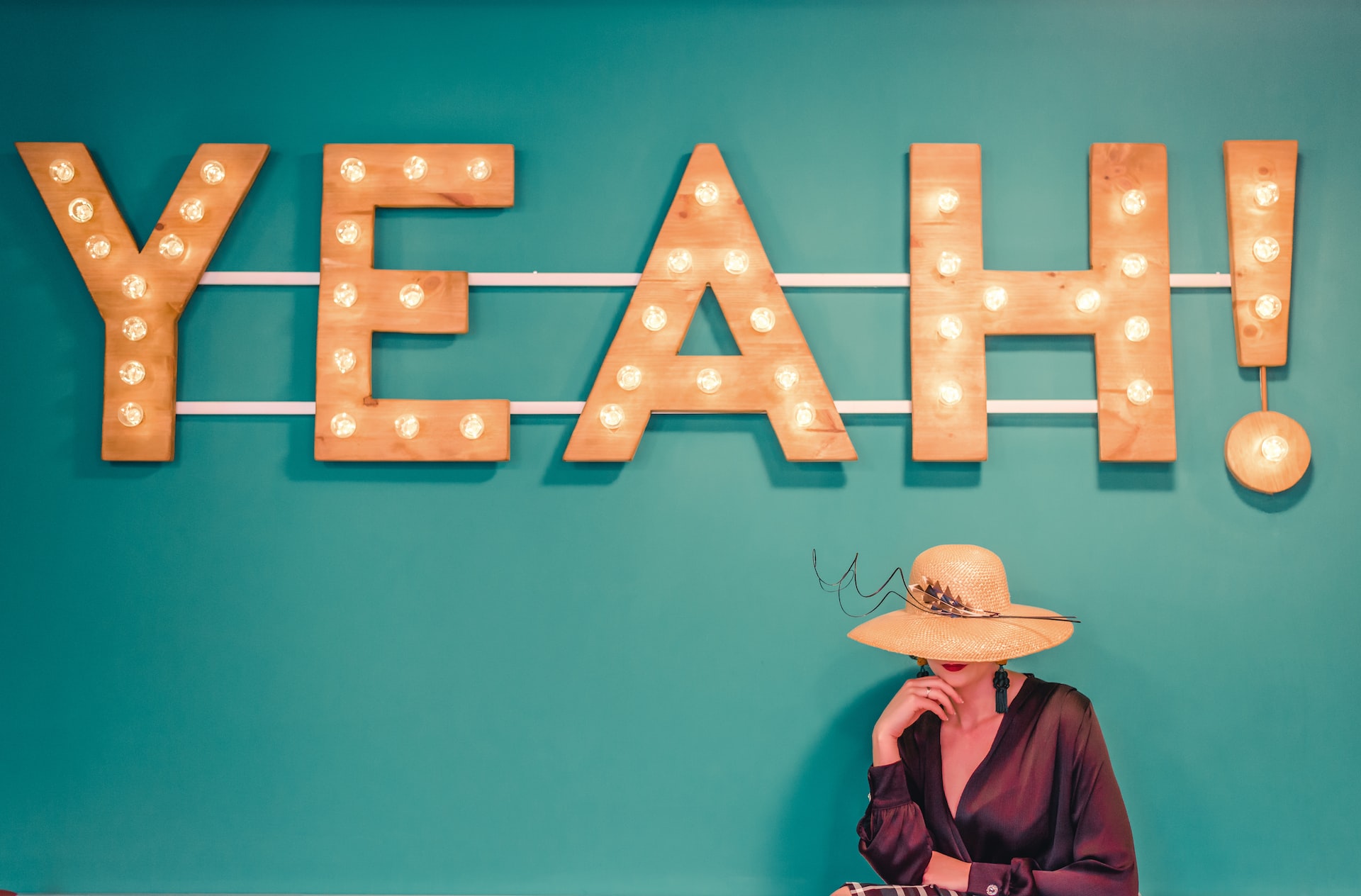
First, on Friday 6 October at 09:00 Korean Time, Professor Sarah Mellors Rodriguez (Missouri State University) will discuss research from her new book, Reproductive Realities in Modern China: Birth Control and Abortion, 1911-2021 (Cambridge University Press, 2023):
 At an annual rate of 49 abortions per 1,000 reproductive-aged women, China has one of the highest abortion rates in the world. This phenomenon is often attributed to the One Child Policy (1979-2015), yet even when abortion was illegal in the early twentieth century, it was already commonplace. This talk traces the history of contraception and abortion in China from the fall of the Qing dynasty in 1911 to the present. Rodriguez demonstrates how inconsistent state policies and patriarchal norms have historically worked in concert to normalize abortion as birth control.
More information and registration are available here and here. Also, check out an interview of her about her book at Made in China Journal, and a long podcast interview at New Books Network.
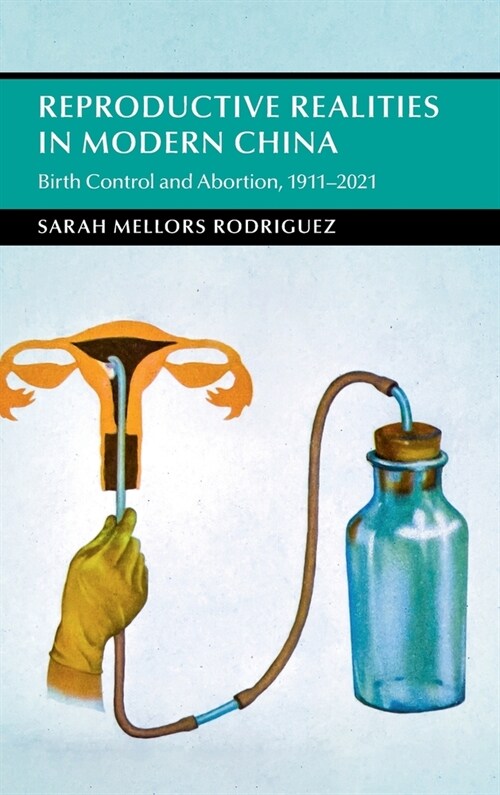
Next, and finally for today, on Thursday 12 October, from 07-08:30 Korean Time, Dr. Kyunghee Eo, assistant professor of East Asian languages and literatures at Yale University, will give a virtual talk entitled “Politics of Purity: The Making of the South Korean Sonyŏ Sensibility”:
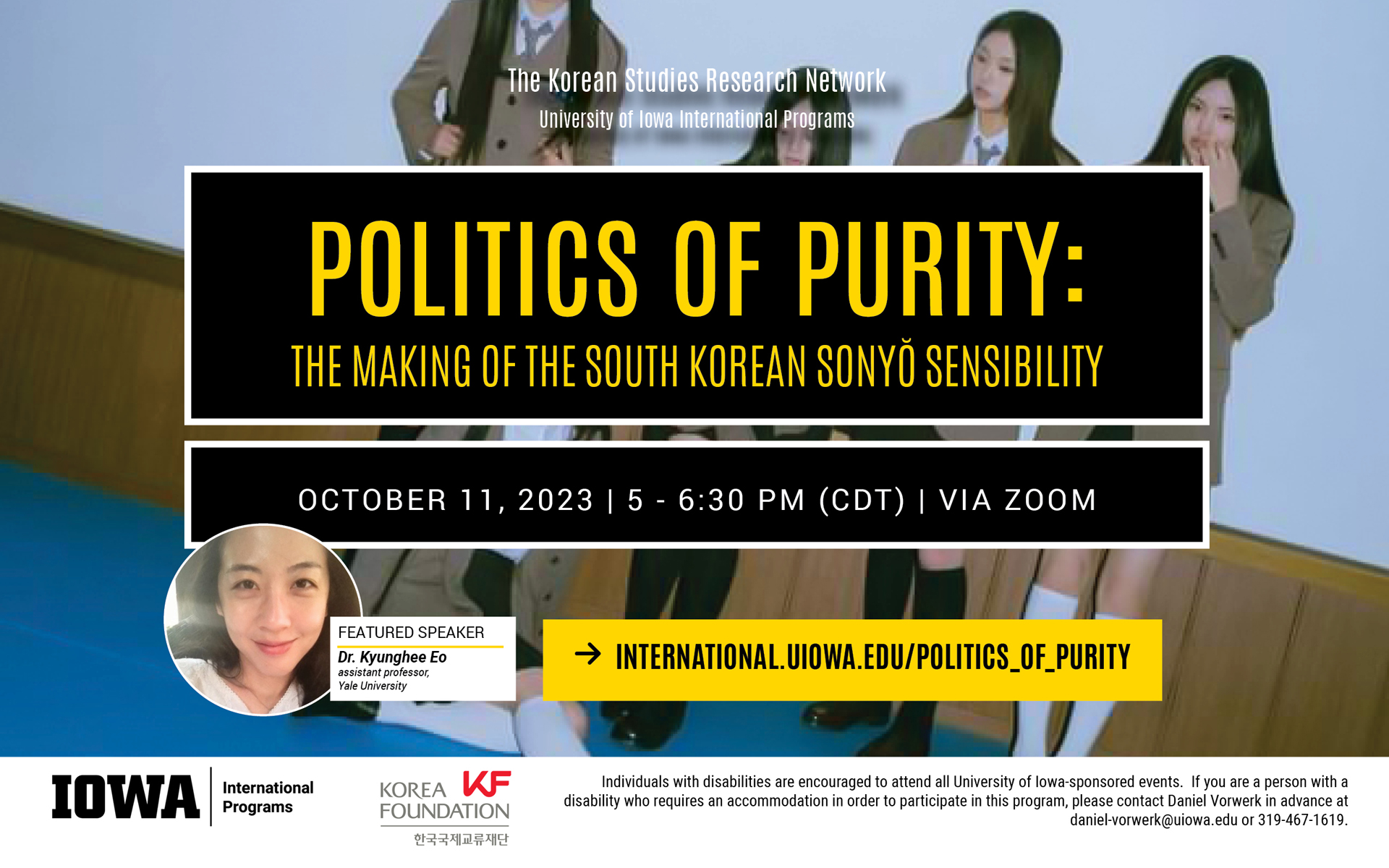
Eo will demonstrate how we can enrich our understanding of Korean culture and society through a critical engagement with the figure of the girl (sonyŏ), a subject position that seldom takes center stage in official narratives of history. Using an interdisciplinary methodology, Eo will trace how girls were represented in various types of cultural texts, from canonical literature and popular magazines of the postwar period to the contemporary K-pop industry. By doing so, Eo will show how the unique girl sensibility (sonyŏ kamsŏng) that we see in South Korean cultural production today is not just a byproduct of hetero-patriarchal discourse, but rather, a cultural form that has articulated the desires, erotic fantasies, and political aspirations of women and girls in Korea over the past century.
See here and here for more information and registration. Also, make sure to check out last week’s post for information about two more upcoming Zoom presentations—one about the exhibition Only the Young: Experimental Art in Korea, 1960s-1970s, the other on Househusbands and Breadwinning Mothers: (Un)doing, Displaying and Challenging Gender in Japan—which will also take place next week.

If you reside in South Korea, you can donate via wire transfer: Turnbull James Edward (Kookmin Bank/국민은행, 563401-01-214324)
 The Grand Narrative