
 Estimated reading time: 4 minutes.
Maybe it’s just the Jim Beam talking. But fuck, do I contain multitudes. And I’m so regretting confining them only to my closest friends and bullet journals all these years.
Because if anyone, it’s you I should have been sharing them with most of all. My closest friends, bless their hearts, often seem to be only indulging my rants and fixations and passions of the moment. Whereas you stick around for nothing less.
Thank you.
So, for reasons, which I may divulge one day (if you ask), I’ll be posting as often as I can from now on. In other words, many, many short items of interest, while I’m working on the longer ones.
Starting with the following from an interesting author interview I recently listened to. Which, just from its description below, I knew would dovetail nicely with the lecture on bodylines I gave to my “Introduction to Korean Gender Issues” class a few days ago:
(That said, please, please, please don’t tell my students that some of the PPT slides they saw were virtually unchanged from this 2014 post of mine…)
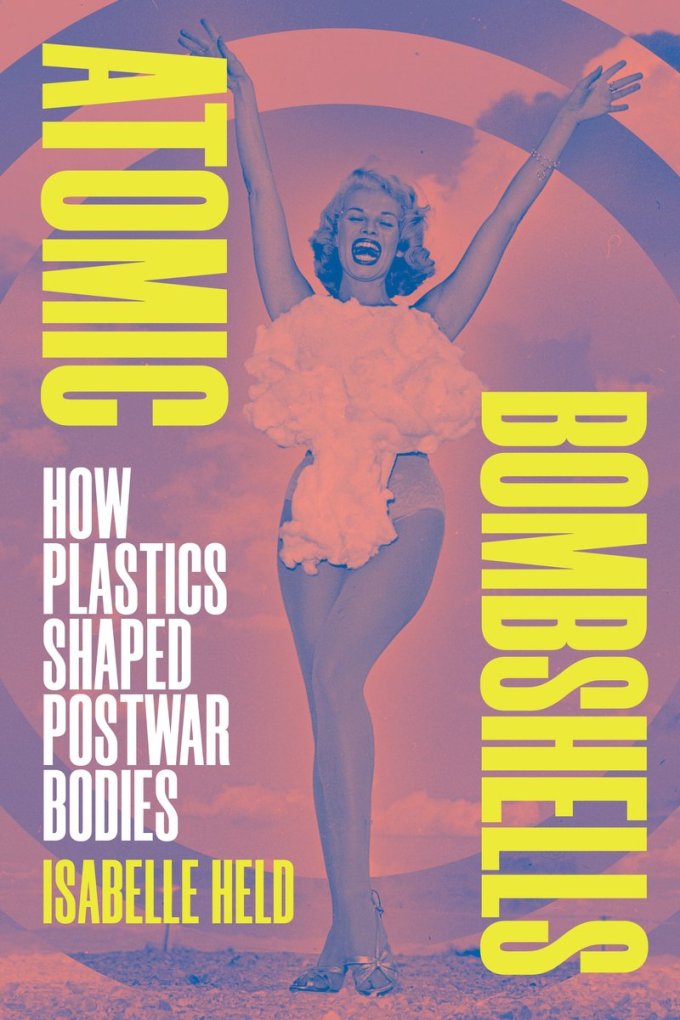
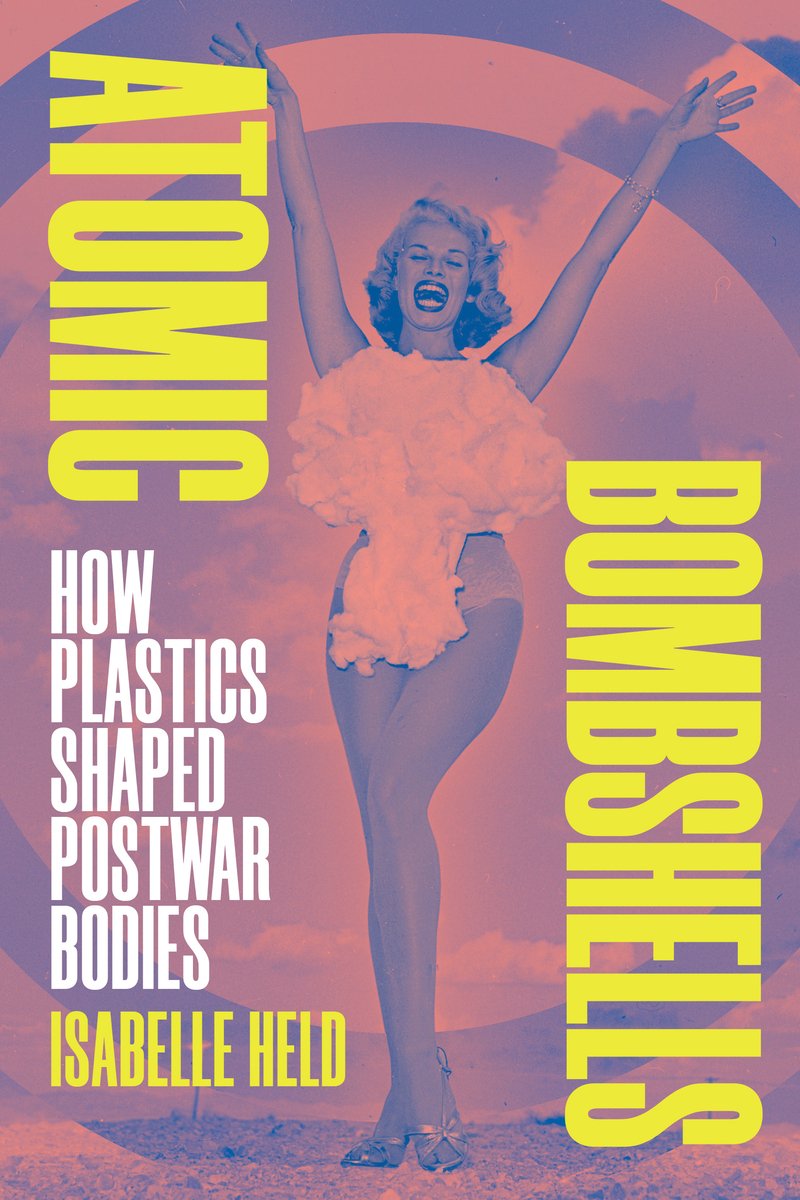
Bullet bras, bazookas, bombshells, bikinis. In Atomic Bombshells: How Plastics Shaped Postwar Bodies (Aladin), Dr. Isabelle Held (homepage, Linkedin) challenges the usual narratives of how war technologies enter domestic use by following plastics on their journey into women’s bodies. Dr. Held explores the effects of military-industrial science and the emergence of nylon, silicone, and plastic foams on embodied and expressive configurations of gender, sexuality, and race. She focuses on the United States between the late 1930s with the launch of nylon—whose potential was widely celebrated as the world’s first fully synthetic fiber and the ideal replacement for silk stockings—and the late 1970s, when policies began addressing the dangerous health consequences of implantable plastics.
Dr. Held untangles the complex relationships between chemical companies, the US military, the Federal Drug Administration, plastic surgeons, advertising agencies, the Hollywood star system, go-go dancers, drag queens, and fashion and industrial designers. Using feminist, queer, and trans lenses, she shows that there was never just one bombshell identity. In so doing, Dr. Held complicates typical understandings of the shaping and reshaping of gender.

And, what I wanted to share with you from that specifically, was the question posed by long-standing New Books Network host, Dr. Miranda Melcher at 22:30:
…I want to keep this thread alive about language as well, right? Because throughout all the answers you’ve given us, popular culture has been a huge part of this, right? The images of these things, the talking about them, the different media involved. Something however that is really striking about it, is that you mentioned the items themselves are being described in ways that kind of relate them for example to war, right? You know, this bra is improved by wartime, whatever. Fine. That’s strange in and of itself. But the bodies, women’s bodies, are also being described and compared to weapons. We’ve talked about the bullet bra. Also, car references show up a lot around now(??!). So, what is going on with that linguistic slippage at this point?
Or rather, Dr. Held’s response at 23:18:
…So, you know, I think it’s really important to stress that human bodies have long been compared to technology, machinery. But what’s interesting about this particular period is that women’s bodies were positioned as something, you know, sexually explosive and dangerous, essentially, at the same time there are efforts by government messaging and social norms to make women, so mostly white, middle-class women, return to the home. And the unmarried, sexually explosive bombshell was seen as a threat to the established social order. And so her power, essentially this explosive power potential, had to, you know, “be put to good use.” And that could be, you know, homemaking or reproductive capacity for example. So in this period women’s bodies are used as a way of also domesticating and softening materials, I would argue.
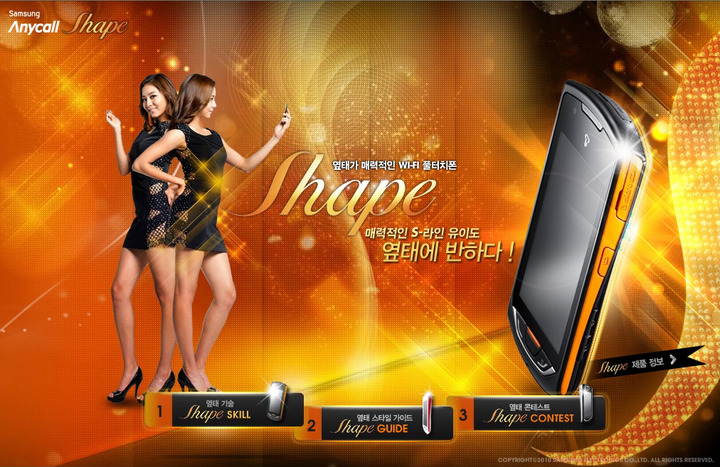
Truth be told, I first heard this interview when it first came out over a month ago. Which is perhaps why I made sure to include an example of Korean women’s bodies being compared to technology in my lecture on Wednesday:
As always, I encourage you to listen to the interview in full—especially as the book itself is a little pricey.
Do not then, if you’re still reading this far, and lamenting it would just be too much of an indulgence, click on its list of contents…
Related Posts:
- Korean Sociological Image #66 – Inventing Labels for Women’s Bodies
- Revealing the Korean Body Politic, Part 7: Keeping abreast of Korean bodylines
- So, I Finally Bought This Damned Vagina Book!
- Follow These Two Blogs for Up-to-date Statistics and Commentary on Social Trends in South Korea!
- Smile Like You Have Laser Tits!
- Thinking Sociologically About Modern Korean Female Body Ideals

If you reside in South Korea, you can donate via wire transfer: Turnbull James Edward (Kookmin Bank/국민은행, 563401-01-214324)

