
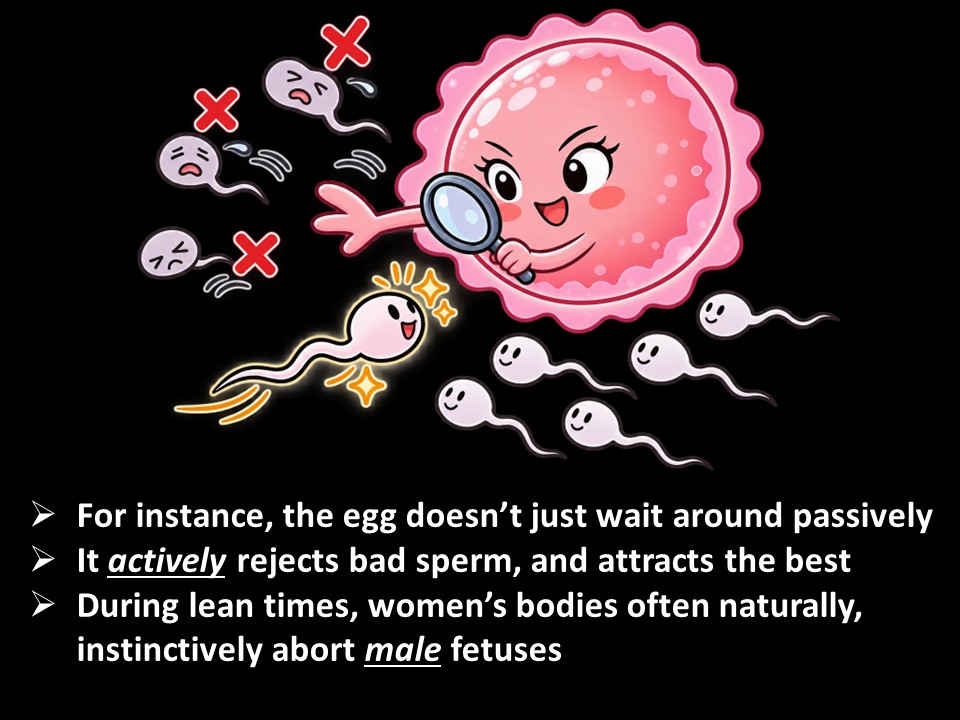
There are many choice ways my students have described me over the years. But after playing a can-can dancing human egg in one lecture, strutting my stuff to make sure I caught the eye of the sperm I chose, surely “lacking in passion” is no longer one of them…
 Estimated reading time: 10 minutes. Image source: Daniel’s Richard @pexels.
Softly, softly, let’s feel my way back into writing
Maybe one day, I’ll introduce you to the menagerie of personal demons who’ve been keeping me these last six months. Explain why their accusations felt like such a cacophony, ringing through my head whenever I opened this blog. Why my imposter syndrome proved so overwhelming, each and every time I did.
I don’t mean to sound so histrionic. But this year has been such a fever dream.
Things finally began to clear with the new semester. Previous years, I’d been sensing, students could tell I’d lost all passion for my subjects. That I’d just been coasting on my reputation as the Korean Gender Guy,™ confidently making sweeping pronouncements about Korean society that I could barely remember what I was basing them on, and suspected were no longer true anyway.
No-one ever called my bluff mind you—the Korean education system knocks such urges out of students’ systems well before they enter university. But still.
I just couldn’t continue teaching like I had been.
I won’t say why then, because there was no “then.” There was no epiphany, no overnight resolution. If I were pressed for an explanation though, maybe it was because I turned half a century this year. Which, among other things, meant I just didn’t have the time or energy to tolerate bullshit from anyone anymore. Least of all, from myself.
So, unlike last semester, I started fact-checking here, swapping out slides about Girl’s Generation to Black Pink there, and sell my soul to ChatGPT. One extra hour one night, would become three the next week. Before I knew it, I was spending many evenings prepping each lecture right up to when I delivered it…and needing to recover for days afterwards.
Okay, maybe there was a then.
Things came to a head as I was heading to bed one night in October. Feeling all validated and smug because tomorrow’s lecture was all prepped, but wanting to check it really was up-to-date, I suddenly learned its main argument was wrong. Utterly, utterly wrong. Like the last ten years I’d been teaching, all wrong.
Sure, I could have gone ahead as planned, fixing things for next semester’s lecture at my leisure over the winter, and my students this semester would have been none the wiser. But I would have known. I would have known what I was teaching wasn’t really true. Professionally and ethically, I just couldn’t do nothing. And it was entirely my fault I was discovering the night before, not weeks or months earlier.
So, I worked straight through to 5am, basically rewriting my PPT from scratch.
The next time it happened, a few weeks later, till sunrise at 7am.
I have receipts.
Fortunately, there’s been no more all-nighters since. But the hard work continued. The difference with a year ago, when I was just dialing it in, to today, when I’m so fucking proud of what I present to my students…is that now I want to tell you about all the new things I’ve learned too.
But first, I kind of promised to tell you the time I pretended to be a human egg…
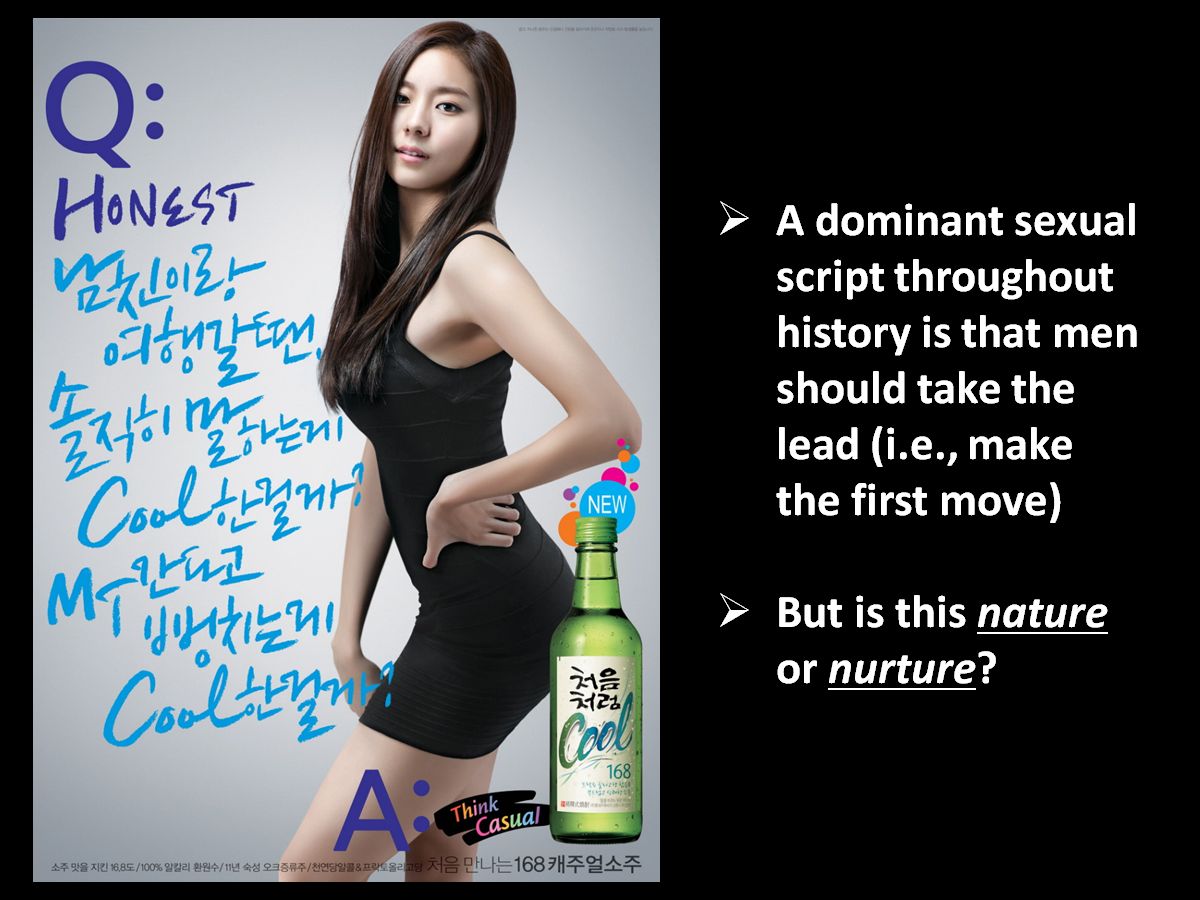
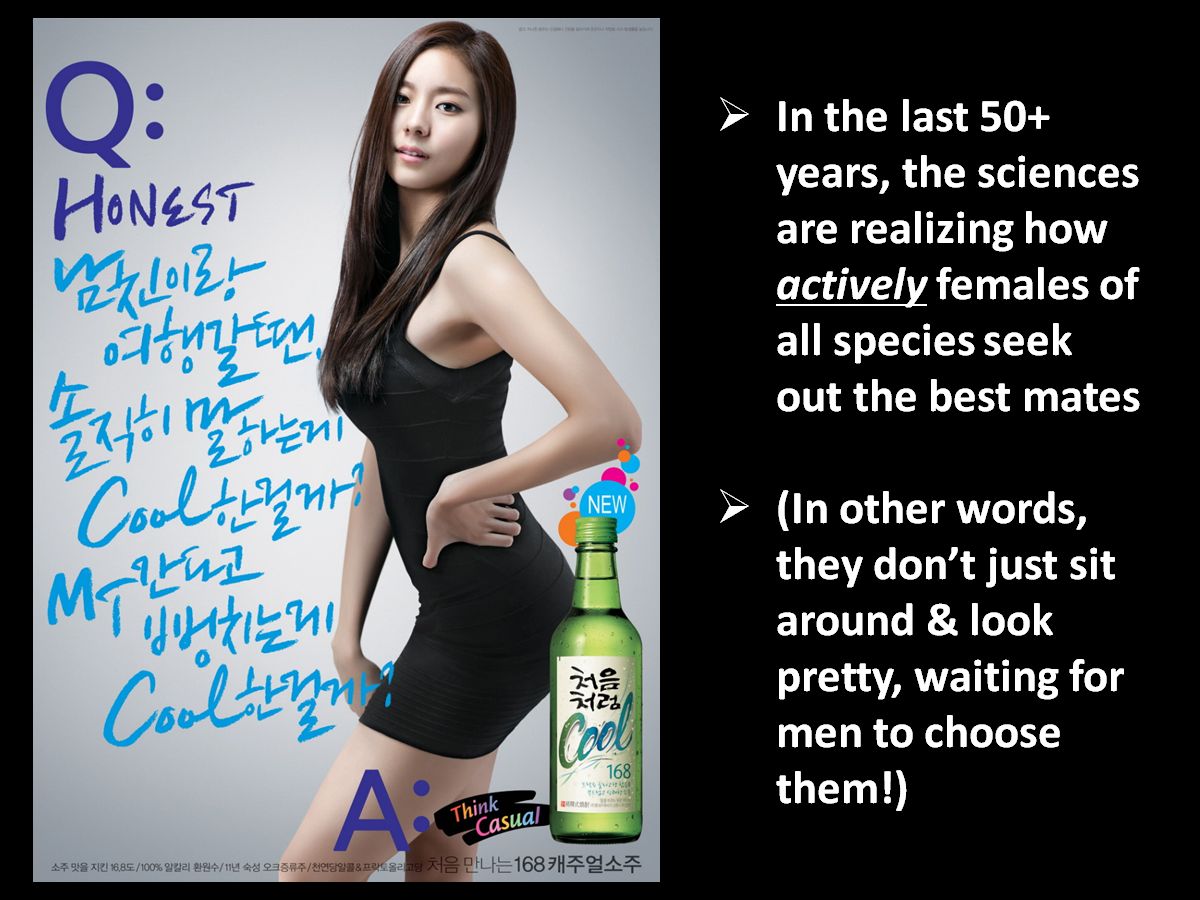
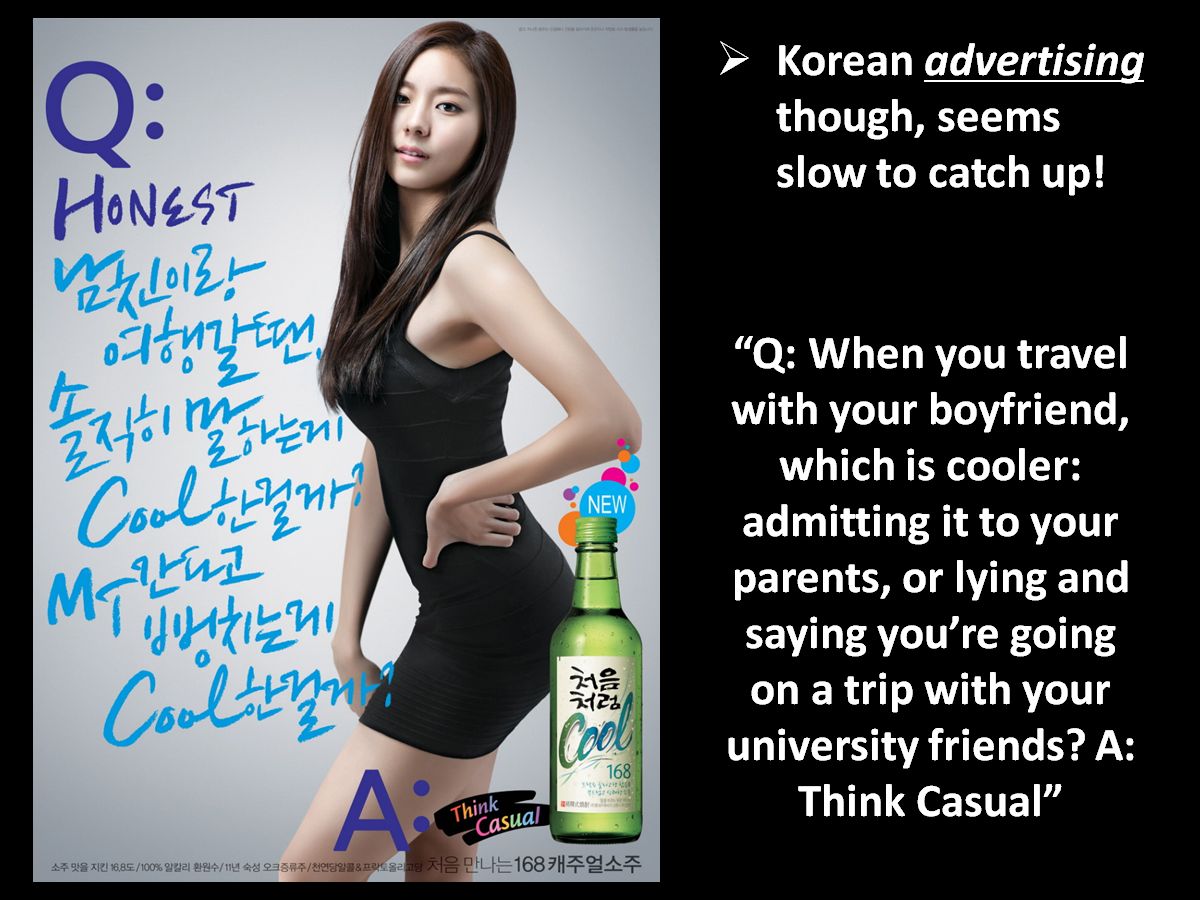
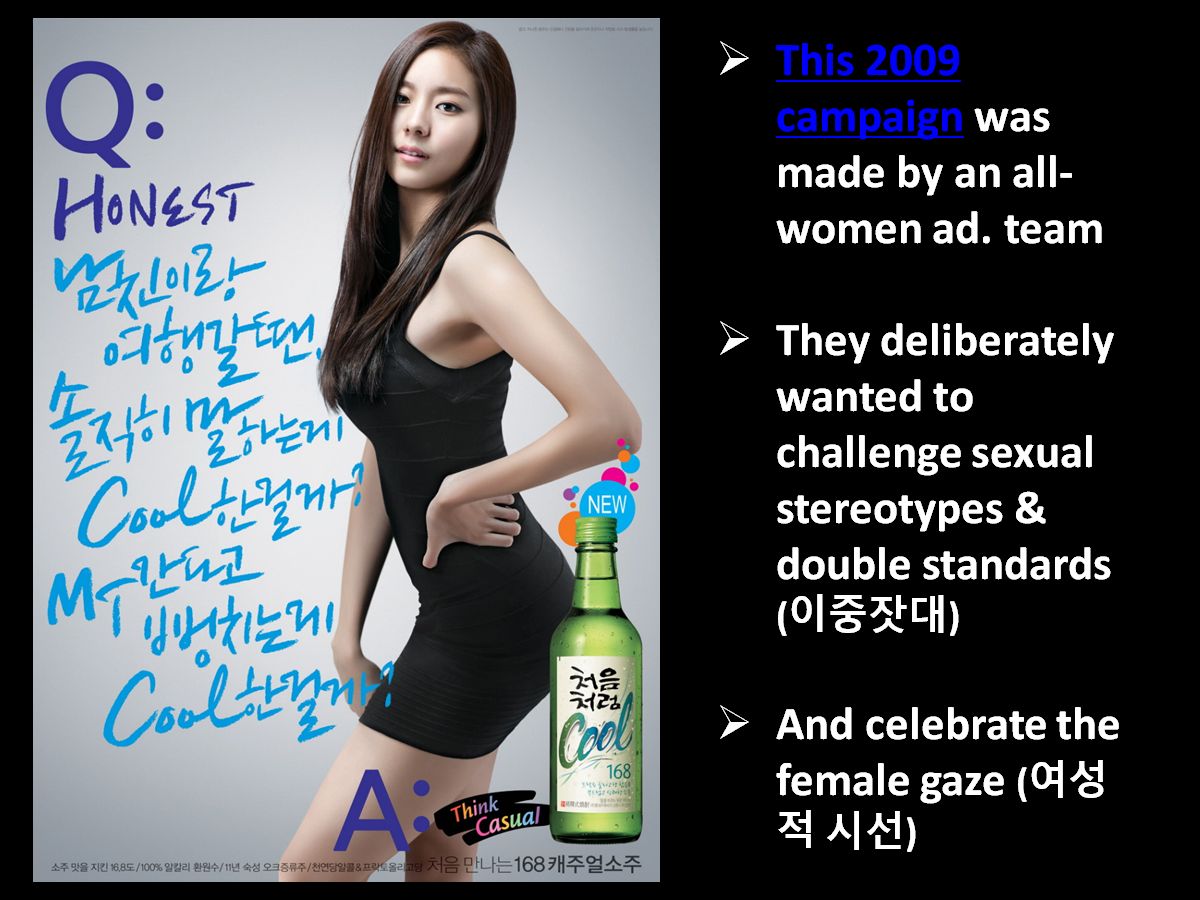
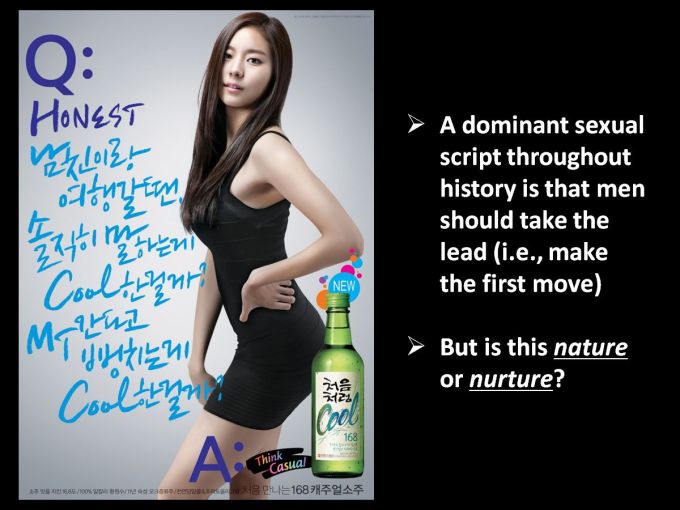 (Yes, these slides seem a bit simplistic—but please bear in mind this particular course is a very introductory “Sociology through Science Fiction,” and that most of my students can barely speak English. And yes, using a favorite ad campaign from when my students were toddlers somewhat contradicts my claim to be updating my lectures for 2026. But the point was how rare ads featuring female sexual experience, agency, and initiative are even today.)
Let’s focus on writing something at all first though, if I’m going to reignite that passion in this blog too.
Something light then. In my more focused course, An Introduction to Korean Gender Issues, I wondered how to approach such a loaded subject as Korea’s “Gender War,’ given how many students might have strong opinions on it.
An impromptu can-can dance would surely have been memorable, yes. Alas, not for the pedagogical reasons I sought.
I settled on a theme of wanting them to consider what they “just knew” about the opposite sex, and where they’d learned such “facts” from, through showing various examples from 2025, 2023, 2019, 2016, and 2011 of the Korean media blatantly lying to them about “femis.” (Yes, “opposite sex” is a lazy term—that was a later lecture.) Yes, I’d figured they’d have no idea about the ones from when they were kids. (Hell—as I’d later learn, they hadn’t even heard of the examples from last year either.) But they had heard of dating apps, I figured…so why not utterly embarrass myself by telling them what I’d briefly believed about Busan women simply because of what dating apps showed me?
Yeah, something utterly cringe to hear about your professor, I know. But that way, the students might at least remember the lecture for a change, right?
Here’s some of the introductory slides from that section of the lecture then, with a print column about it I ended up writing for my in-house university magazine (hey, it pays!). Yes, it’s a messy combination, consequence of many of my students barely speaking English, and only having “roughly 1000 words” to squeeze in the several thousand I wanted to say with my slides. But I do throw in an amazing Korean book, and factoid, to make reading worth your while…
The Gender Wars: What if Everything We Think We Know is Wrong?
In January 2024, the Financial Times (FT) described a “yawning chasm between young men and women” in South Korea. Columnist John Burn-Murdoch explained that worldwide, young men have been increasingly voting right-wing and conservative over the last decade; young women, left-wing and progressive. The FT reported gaps of 30 percentage points in the US and Germany, and 25 in the UK. But in South Korea, the gap was a world-high 50 percentage points.
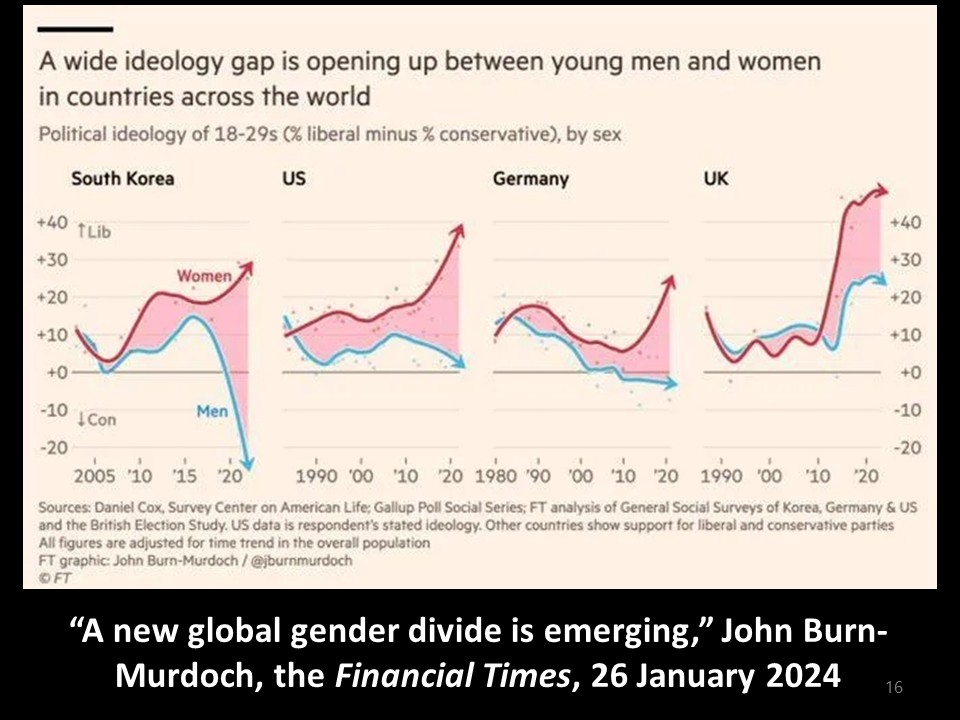
The Korean media questioned the FT’s high figures. But more important is that the gap exists at all. Anywhere. Because for as long as men and women have had the right to vote, they’ve generally voted the same. People were divided by age, region, occupation, religion, education, and so on—not so much by sex.
What shifted?
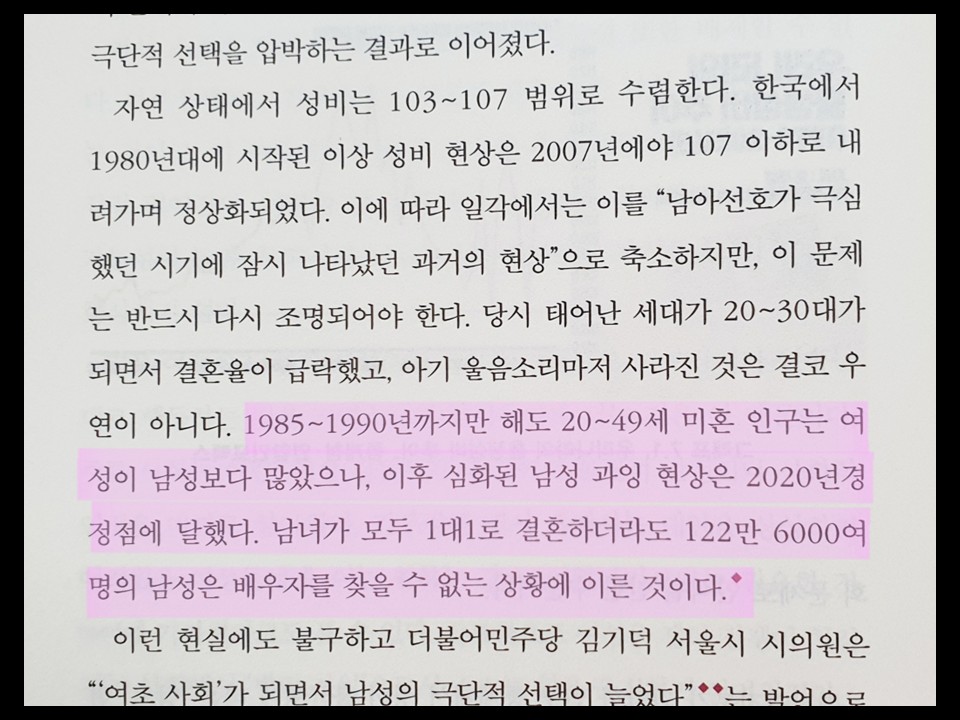
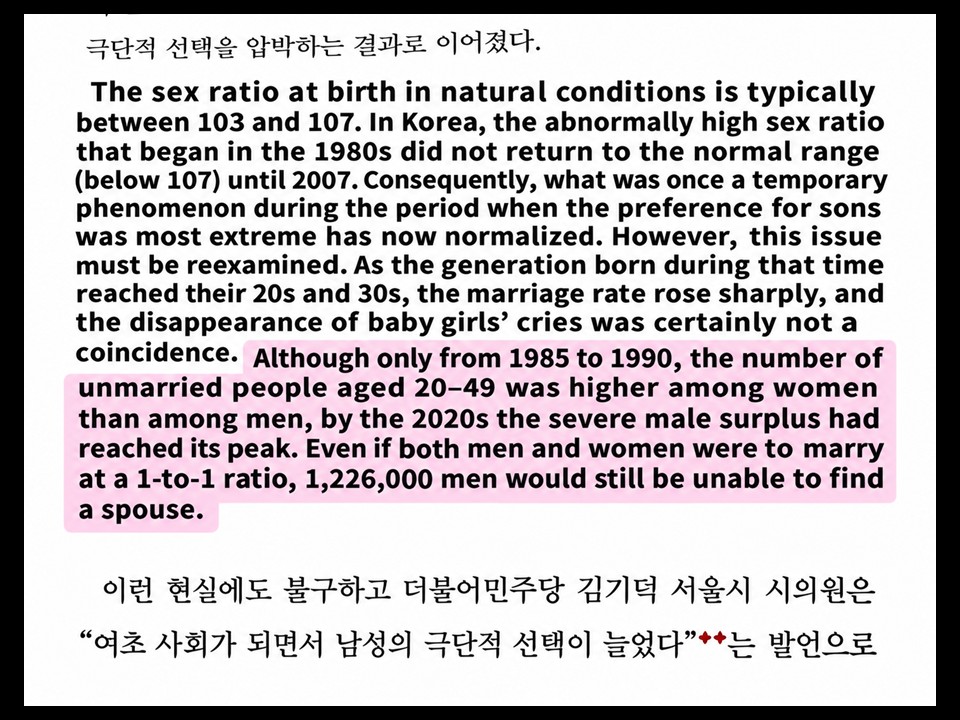
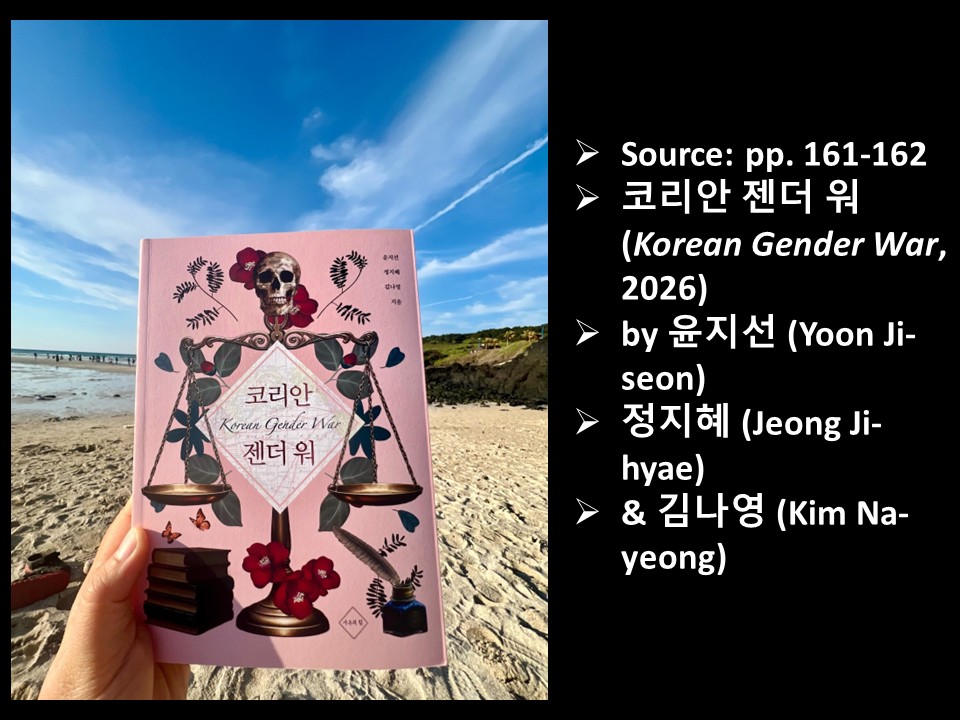
When you hear about Korea’s own “gender war,” mandatory military service for men is often blamed, alongside outdated Confucian gender roles. But those aren’t new. Korea’s former preference for sons also left an estimated 1,226,000 excess men aged 20–49, a figure given in 『코리안 젠더 전쟁』(“Korean Gender War,” 2026) by Yun Ji-seon, Jeong Ji-hye, and Kim Na-yeong. Korea may only now be feeling the full impact of that imbalance. Yet other countries lack all these factors, and still experience the same gender conflict.
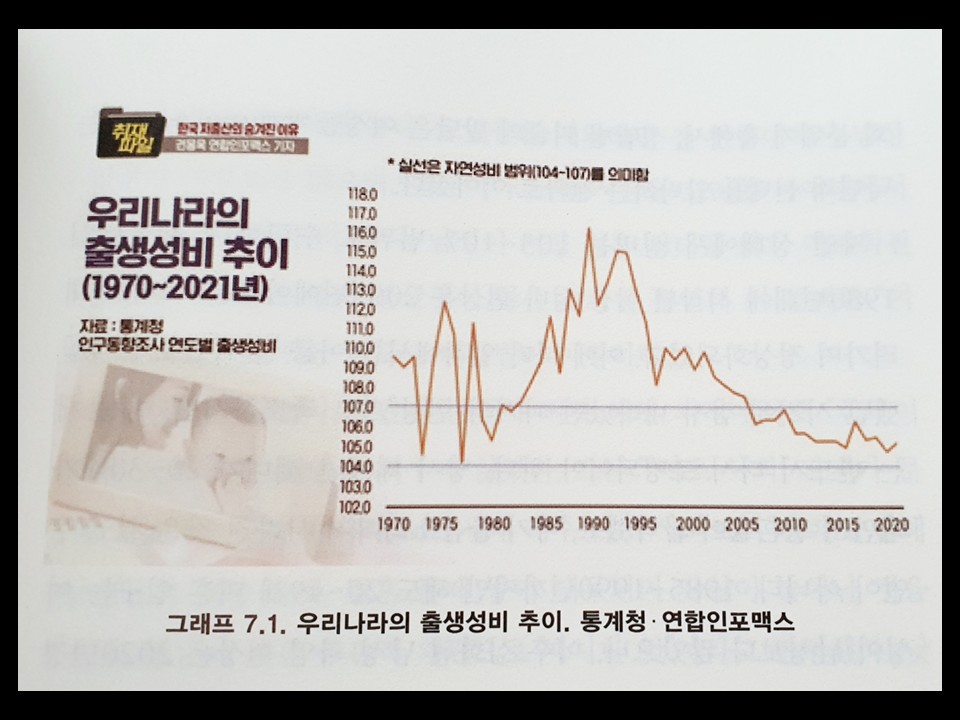
Still, Korea’s demographics got me thinking. Another huge development is that Korea now has as high a proportion of single households as in other developed countries—or even higher. In Korea too then, traditional spaces and systems for meeting romantic partners and spouses have fallen by the wayside. In their place, people, especially young people, are turning online for love instead.
Of all the influences shaping our perceptions of the opposite sex, one of the two most consequential is our formative experience of dating and romantic relationships. Increasingly, these relationships begin on dating apps—which lose your business once they find you a partner.
Let that sink in for a moment.
I experienced this contradiction personally. Without giving too much information, I got divorced in 2022, after 18 years of marriage. It was very tough learning to date again at 46. What’s more, few 40-somethings I met in real life were available. So, inevitably, I turned to the apps. They sounded perfect—at least the women on those would be single. Dating subreddits assured me that if I just chose my photos wisely, if I created the perfect combination of humor and sophistication in my profile, and if I treated women respectfully in DMs, I would surely meet the sporty film and book geek of my dreams.
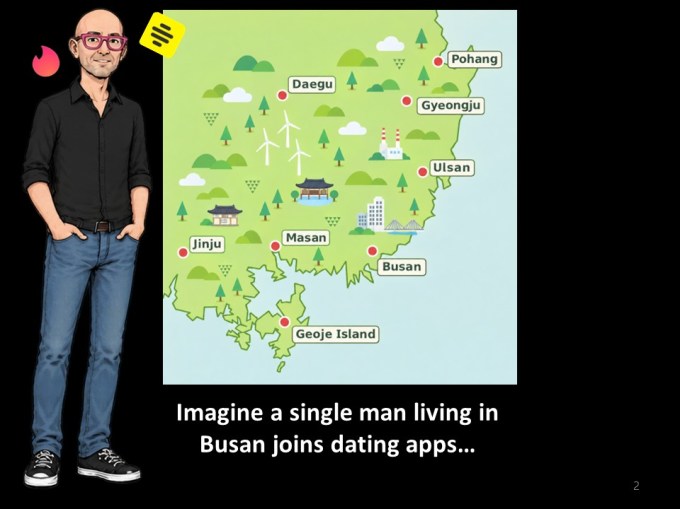 Yes, I was a little unsettled that ChatGPT made me look like Moby too…
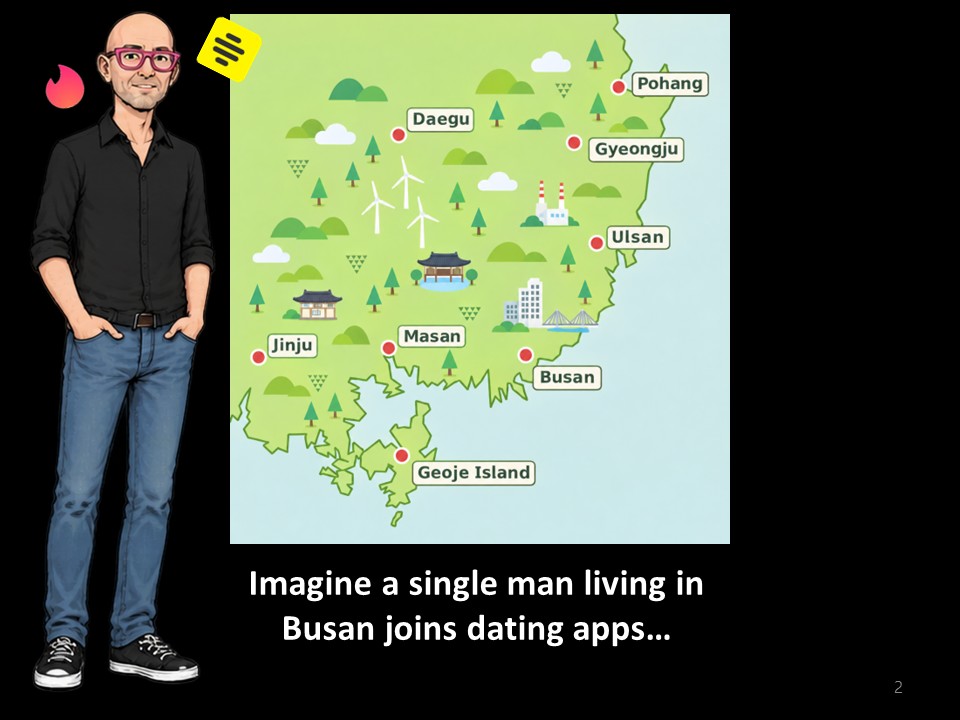
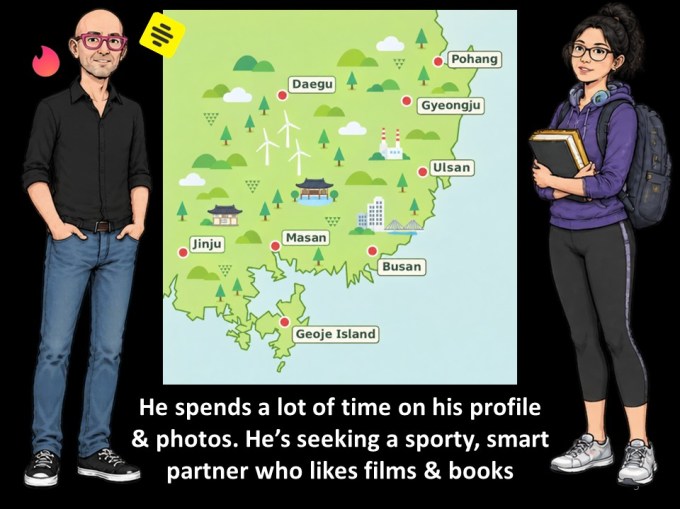 …especially given how much younger it made my ideal partner look (which resembles his own dating history).
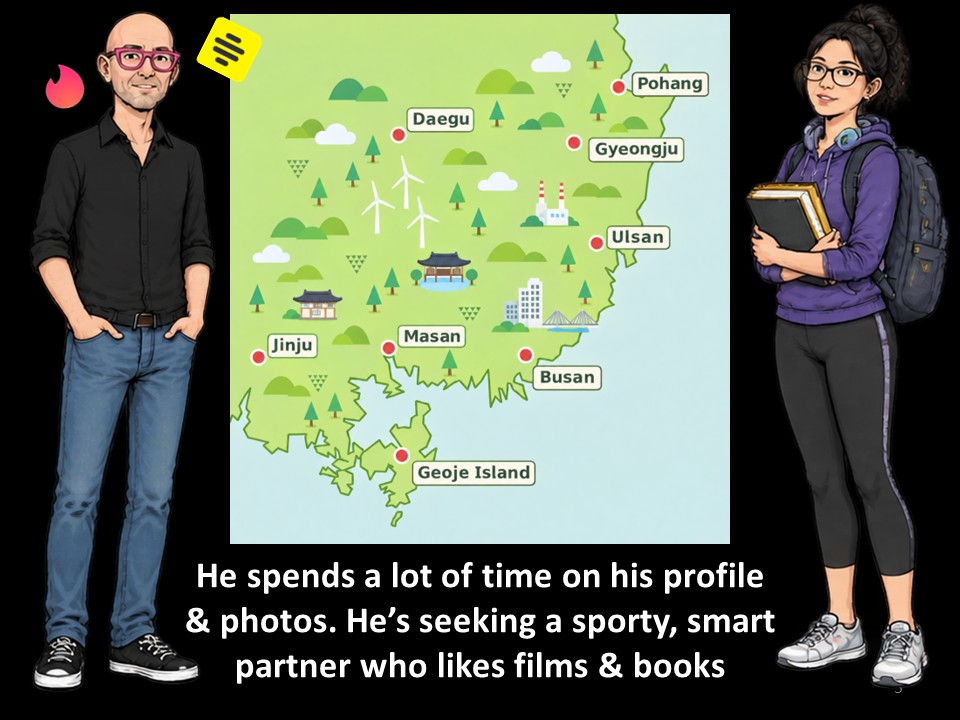
Sure enough, I saw plenty of such profiles at first. But then something strange happened: I no longer saw any such women in Busan. Instead, I was shown tourists, smokers, jet-setting executives, women who couldn’t speak English—no one my type. Yet I still encountered profiles of sporty film and book geeks in surrounding cities, like Gyeongju, Jinju, and Ulsan.
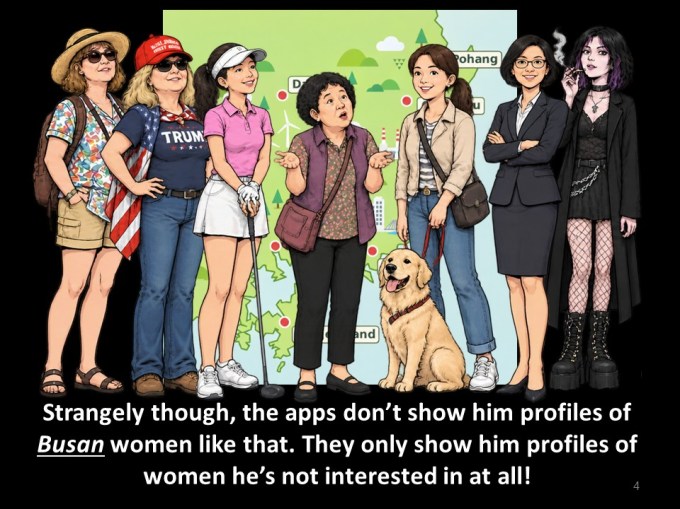 From left to right: a tourist; a MAGA supporter; a golfer (just not interested sorry); a woman who can’t speak any English at all (and, not that I asked for the combo, but I’m a bit too young for the whole halmeoni vibe too); a dog person (THE WORST OF ALL); a jet-setting executive type (whom I’d totally respect and would not reject at all—just don’t think they’d give me the time of day); and a chain-smoking goth.
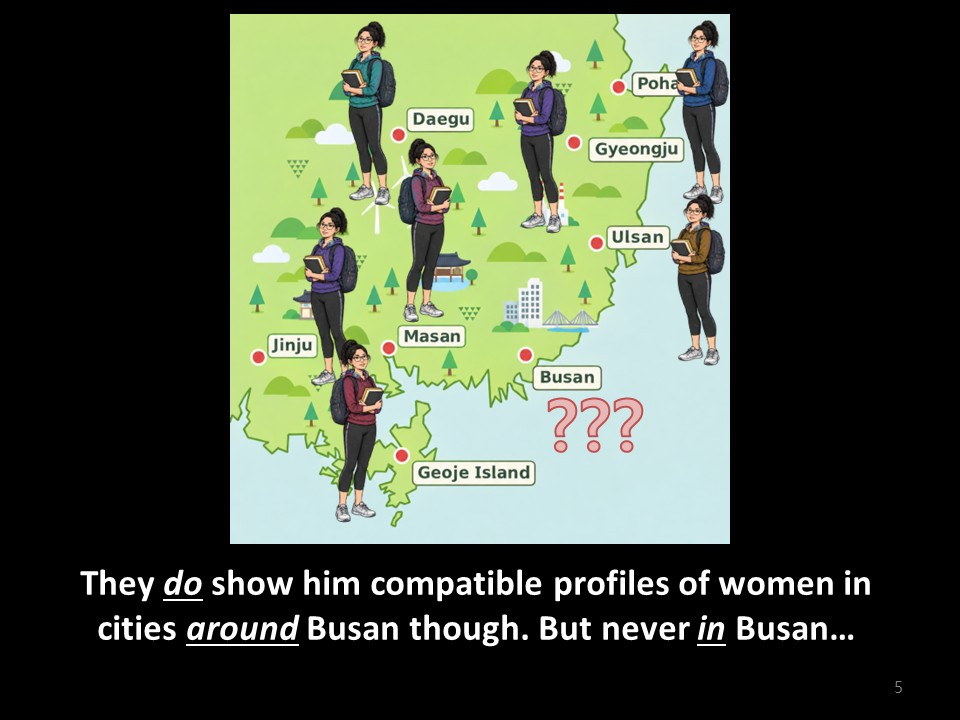
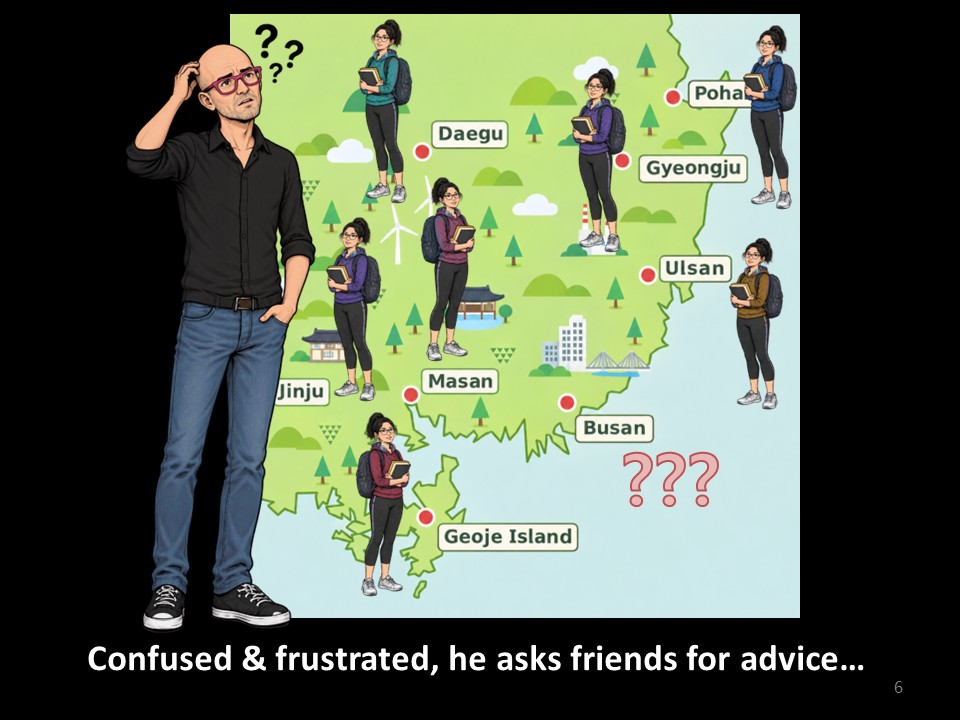
“Where are all the geeks in Busan?” I lamented to my friends after splitting up with one match living in Daegu. “Go to Seoul for women like that,” one replied. “Gyeongsang women just aren’t that smart and sophisticated,” my best friend added. She, who was born in Busan herself, and is one of the smartest and most sophisticated people I’ve ever known.
Let that contradiction sink in too.
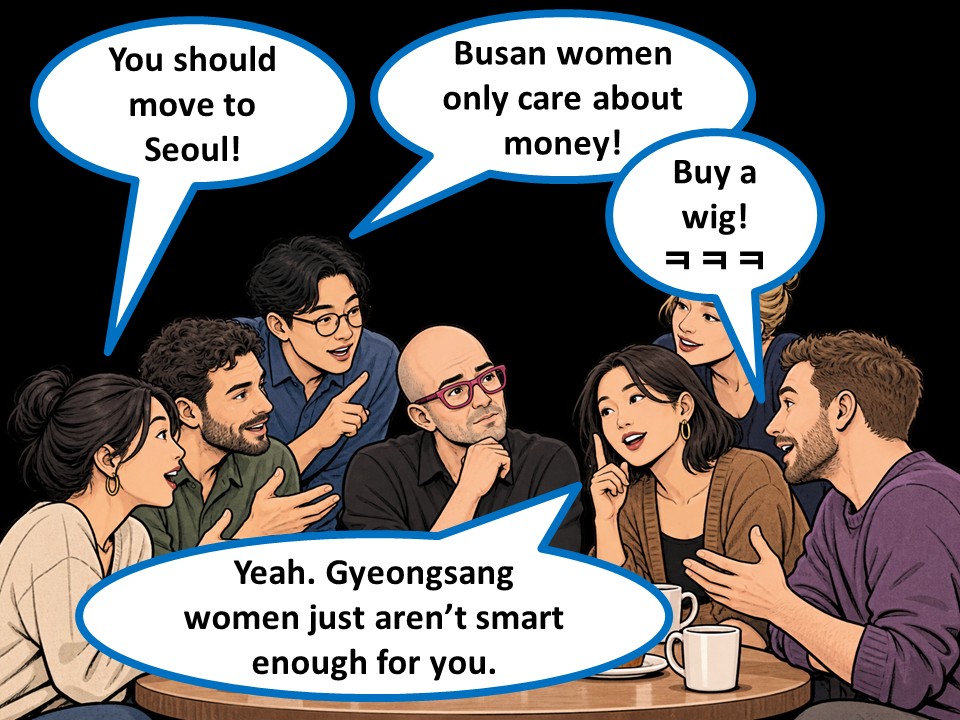
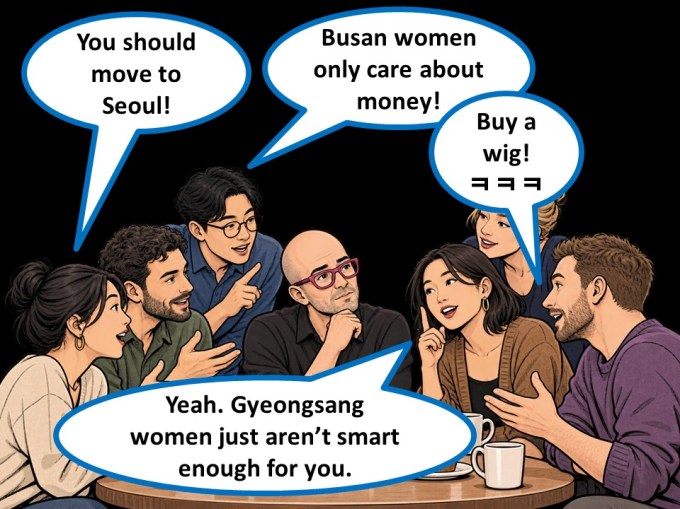 If only I had such a group of friends in real-life…ㅠㅠ
Confused, I thought maybe the geek of my dreams and I were just missing each other among the hundreds of other profiles on the apps. So, I paid extra to stand out, and things seemed to improve for a time. But then the same problem just happened again. Maybe my friends were right about how shallow local women were, I wondered. Or, maybe I was just too bald and ugly for them.
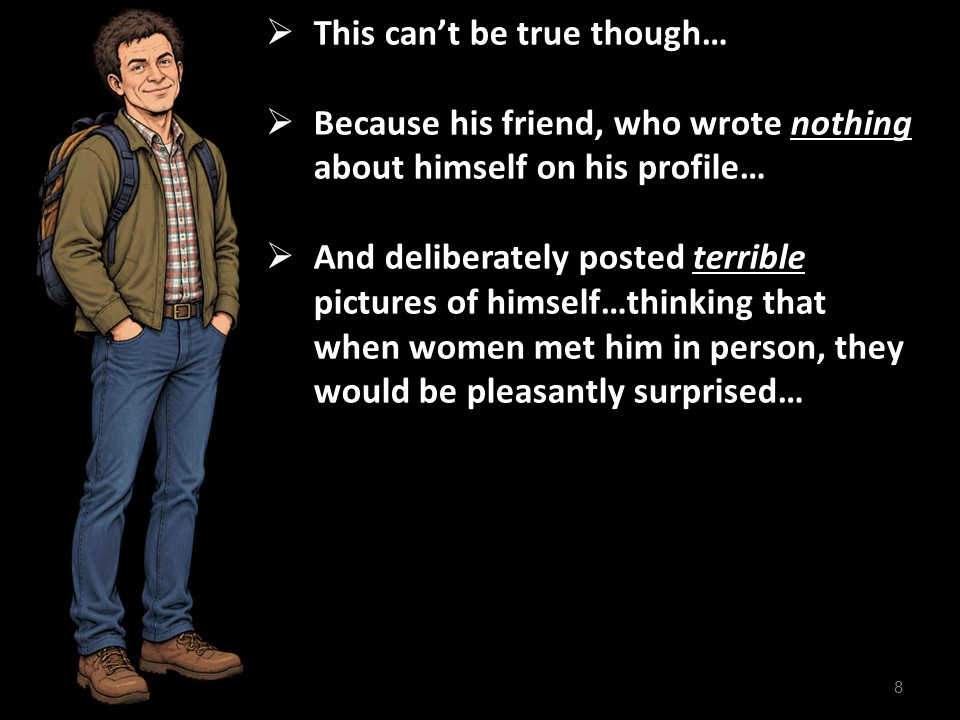
I’d still be thinking both, were it not for my friend who was on the same apps. Unlike me, he deliberately posted terrible pictures and wrote almost nothing on his profile, under the bizarre logic that when women did meet him in person, they would be pleasantly surprised. But you know what? It worked. He was constantly shown numerous profiles of the sporty film and book geeks in Busan I sought. Whereas I wasn’t shown any at all.
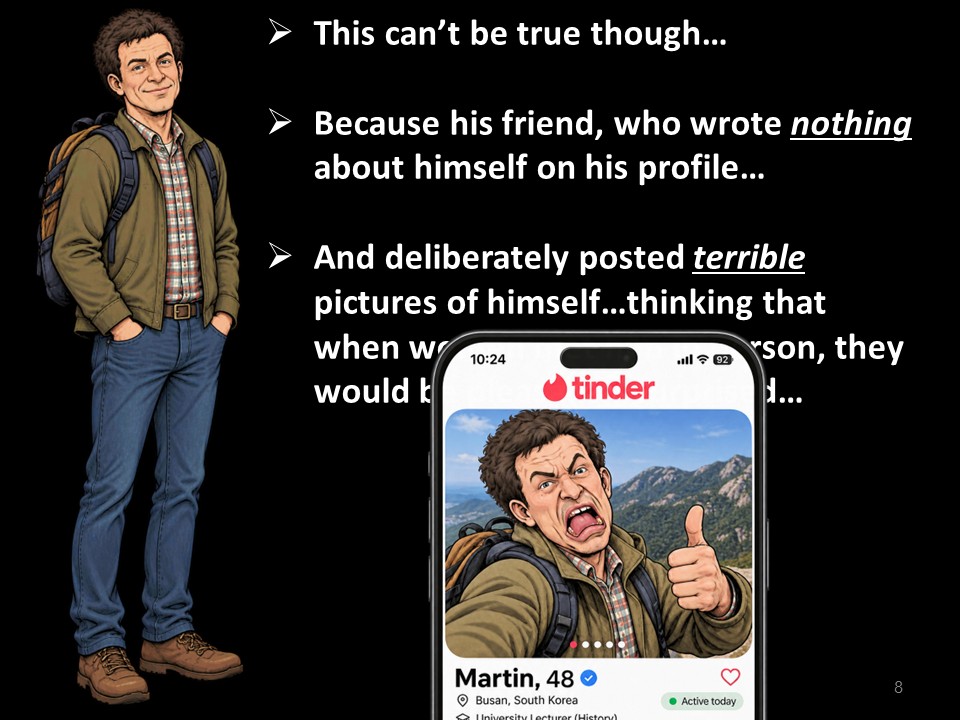
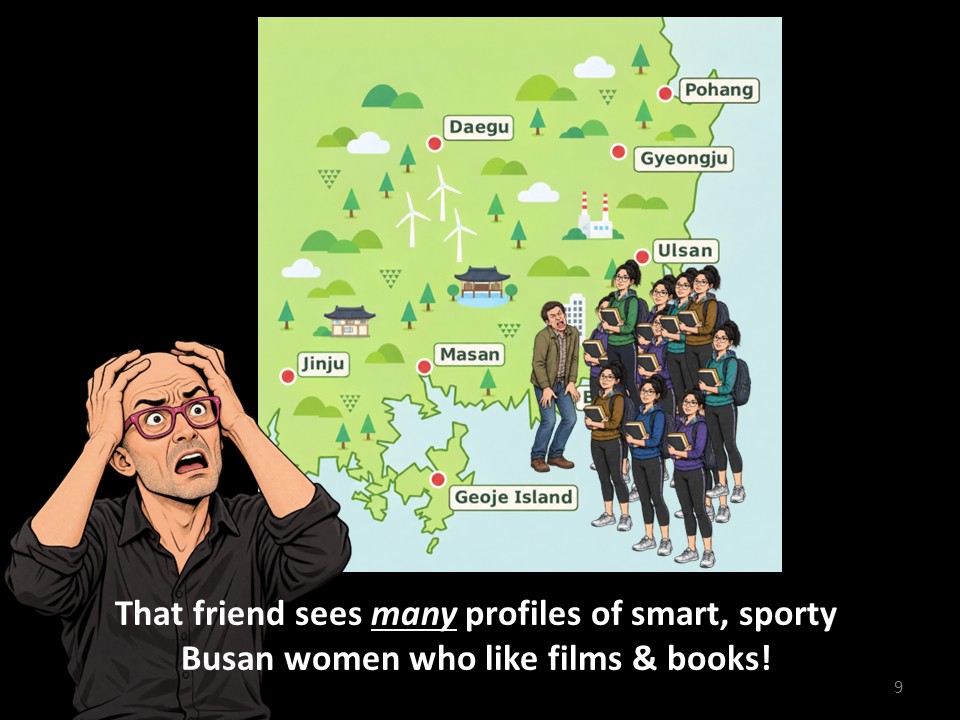
Utterly bewildered by this stage, I encountered someone who claimed to be a former employee of Bumble, writing on Reddit that the more information you reveal, the more the apps know which profiles to hide from you. Not show—hide. Because if they had shown me the sporty film and book geeks living in Busan, I would never have paid for those premium services, right?
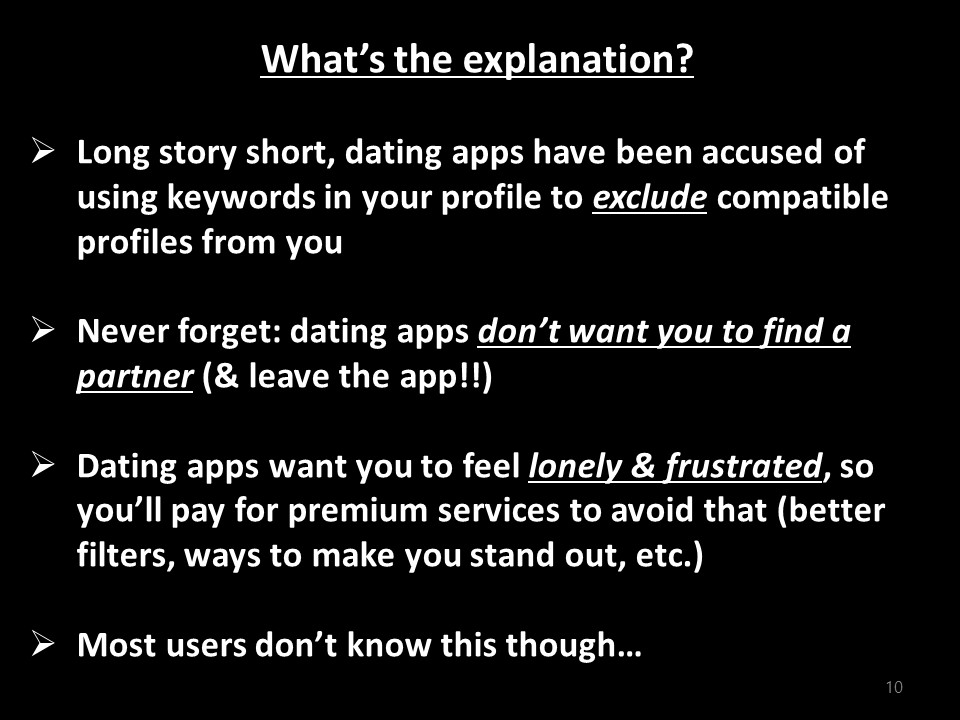
Yes, that Redditor provided no credentials, and deleted their post suspiciously quickly. Yes, the algorithms are a little more complicated in practice, and do have to breadcrumb users at least a little. And yes, your own experiences on apps may not match at all. But, as an explanation for mine, that made a lot of sense.
So, I deleted the apps, cringing at my naivety for tethering my happiness to something I realized was actually designed to keep me lonely and miserable. The relief was immense. And now, I’m happy to say, I meet single, sporty film and book geeks in real life all the time—who of course exist among the 3.3 million population of Busan.
There’s something called the ‘just-world fallacy,’ referring to our tendency to assume the world is fundamentally fair, and so people’s successes and misfortunes mostly reflect their own actions, choices, or character. It helps explain why many blame poor people for being lazy, or victims of sexual assault for their clothing…or ourselves for not getting a date on the apps, like I did. Or all Gyeongsang women, like my otherwise super-intelligent female friend born and bred in Busan did. Because that’s much more comfortable than admitting that, in some ways, we have far less control over our lives than we think, and that other people, companies, and organizations have more than we realize—and don’t always have our best interests at heart.
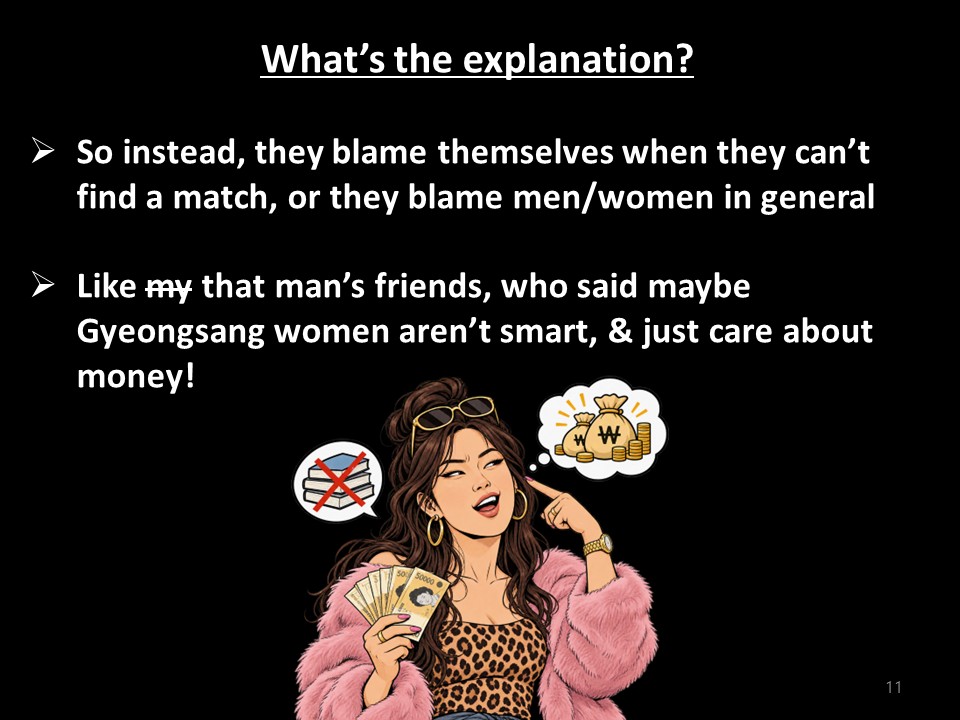
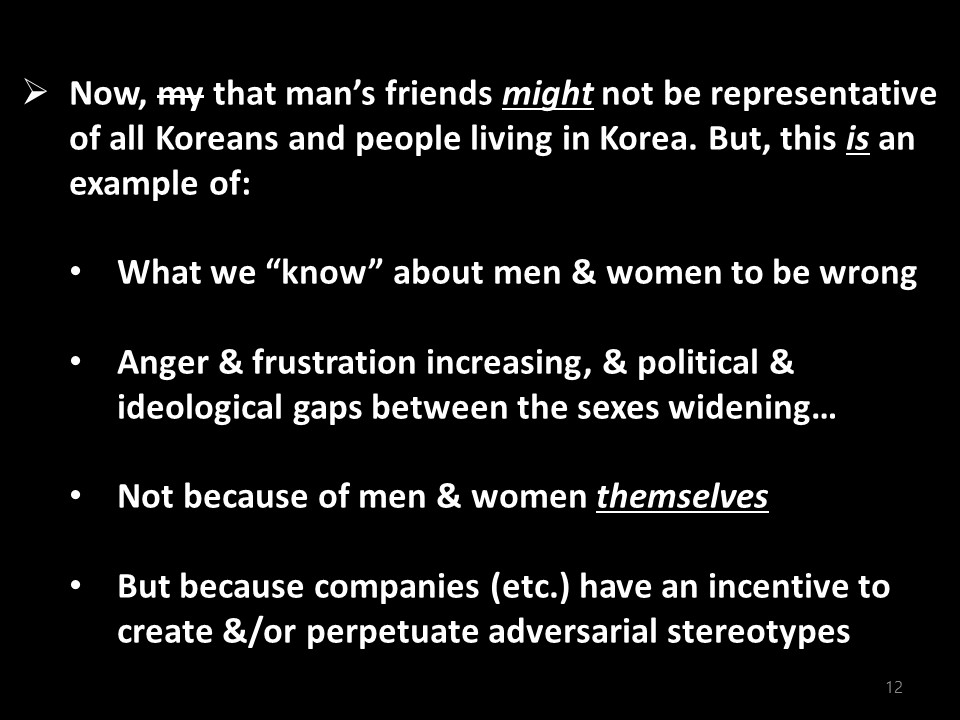
On that note, to deescalate the gender wars, let’s think twice about what we “just know” about the opposite sex from now on—or, to be more precise, what we think we know. Are all men, or all women, “just like that” because a dating app encourages those stereotypes? Did a feminist organization really complain about something that sounds utterly trivial to you? Did a gamer really say something so wildly, blatantly misogynistic on his Twitch channel as it sounds? How do you know? Because the media said so? The media, after all, being the other great influence shaping our perceptions of the opposite sex—and one fueled by our outrage.
Something to think about!
Related Posts:
- Life is Immense 인생은 광대해
- “Work hard. Know your shit. Show your shit. And then feel entitled”
- Smile Like You Have Laser Tits!
- Why Feminism? Because Stalking Victims Need Protection, the Gender Pension Gap Needs Fixing, and Enough Jokes Already About Big Boobs?
- “Sex, Sass, and Sensibility in South Korea” 뭐야?
- “Devotion to anything, if you were female, could make you ridiculous”

If you reside in South Korea, you can donate via wire transfer: Turnbull James Edward (Kookmin Bank/국민은행, 563401-01-214324)

