
Korea’s #MeToo movement was much more successful than Japan’s. This must-read 2025 interview from Asia-Pacific Journal: Japan Focus suggests some of the differences responsible.
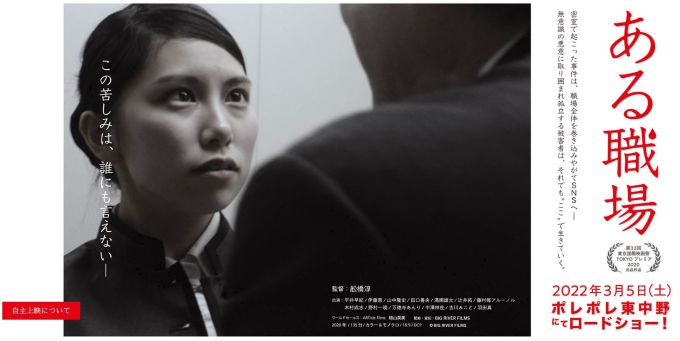 Estimated reading time: 5 minutes. Screenshot, Company Retreat homepage.
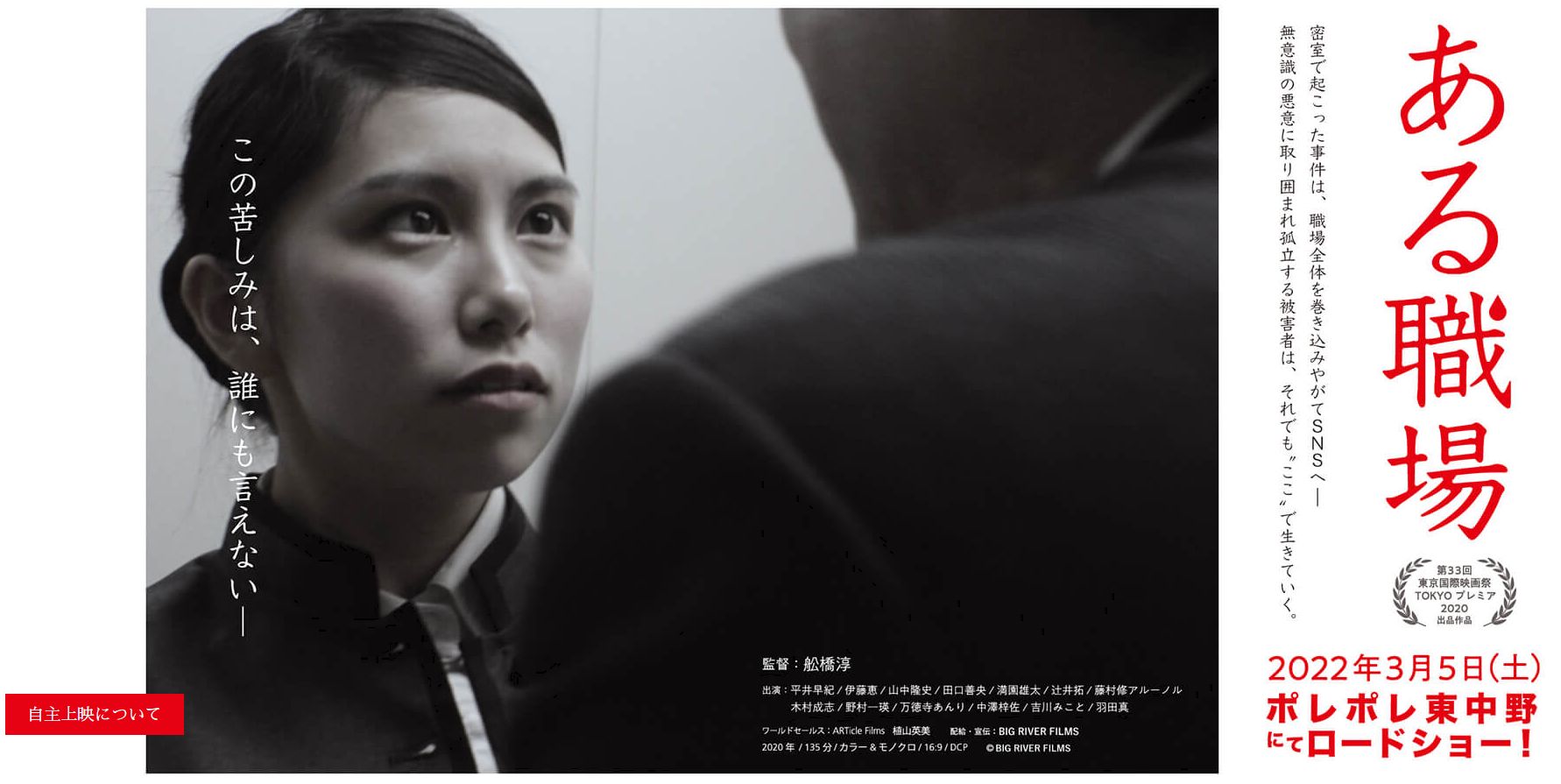
It’s such a relief to have made the decision to share things that are simply of interest from now on, feeling no shame if I’m unable to substantially add to them. While I’m still definitely working on my own original posts, that means in the meantime I have years’ worth of links to pass on.
With apologies to the Asia-Pacific Journal: Japan Focus for the large copy and paste below then, what I’m sharing today is actually just a short excerpt of art historian Asato Ikeda’s lengthy, November 2025 interview there of film director Atsushi Funahashi about his 2022 film Company Retreat, a fictional #MeToo scenario based on a true story. In it, they cover much about the pernicious effects of a culture that strongly discourages challenging superiors, asking questions in Japanese schools, and how paying special attention to reading the room (a.k.a., not ruffling feathers) has significantly hindered the progress of Japan’s #MeToo movement. Indeed, “this basic inability to have debate” about uncomfortable, thorny problems has previously been cited as why the “comfort women issue still remains unresolved in Japan—and East Asia—nearly a century later.
Those familiar with Korean society will find much to recognize here. But don’t worry—this is no essentializing screed, which I highlight only because it confirms my own Orientalist stereotypes about collectivist Asians and their fixation with saving face.
Rather, recall that Korea’s #MeToo movement was much more successful than Japan’s? Meaning that the differences are more important.
To get a sense of those then, I encourage you to read the excerpts below if you’re pressed for time, or the entire interview if you’re not.
What are you waiting for? ;)
(I do have one, very familiar complaint about Company Retreat though—like much pop culture produced in Japan, it’s unavailable outside of it. Grrr.)
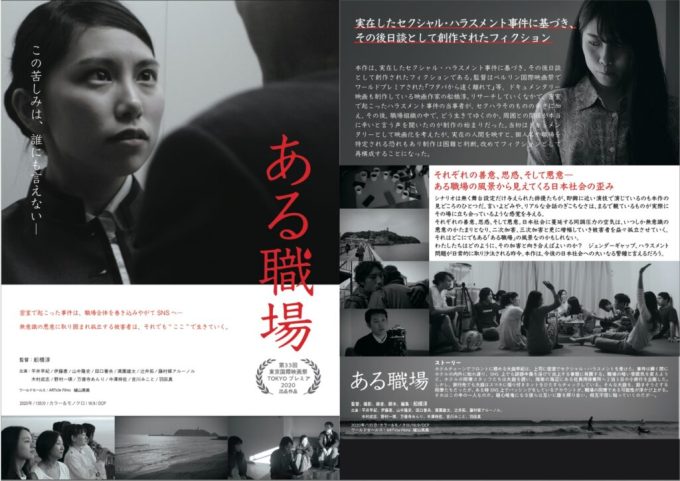 Source: Asia-Pacific Journal: Japan Focus
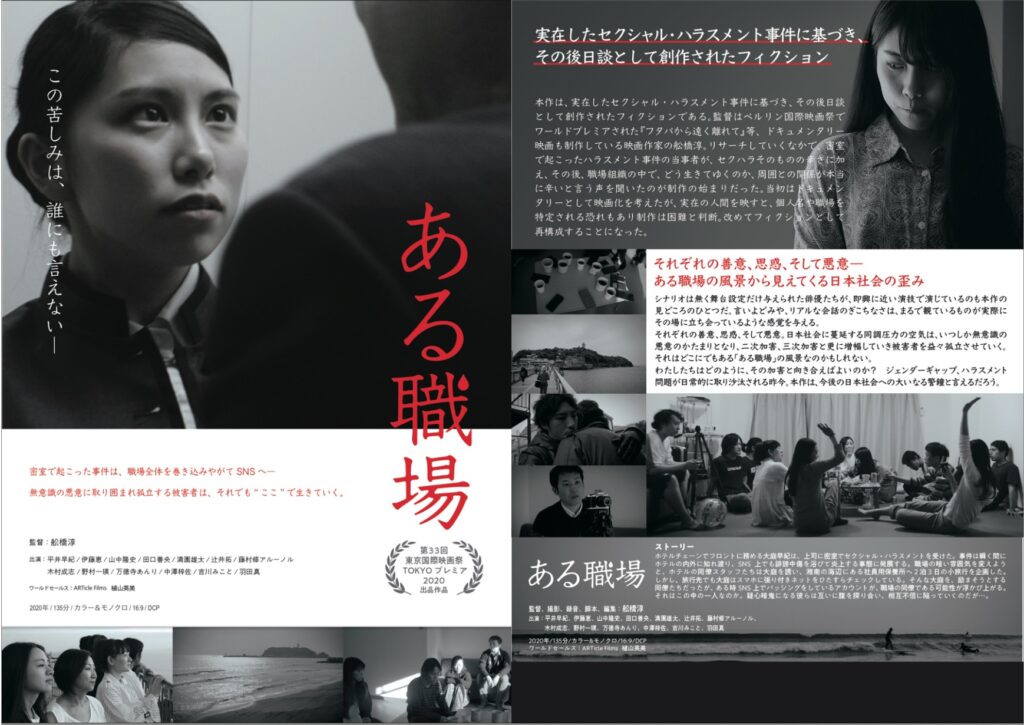
Ikeda: Thank you for making the time for this today. I re-watched Company Retreat for this interview a few days ago, and I’m still struck by how uncomfortable the film made me. As somebody who grew up in Japan, I remember how human relationships there can be convoluted in a particular way. There are certain very abstract phrases that are often used in Japan, such as “you are relying too much on other people” (amaeteiru), “you must work hard” (ganbatte), “we are a team” (nakama dakara),” or “don’t run away” (nigenaide). I am working on collaborative research on NHK data regarding sexual violence and consent with other researchers, but the survivors’ voices there are isolated from the cultural context.2 I thought your film did a great job presenting that context—the dark aspects of Japanese culture—though I am having a hard time articulating exactly what they are. Perhaps narrow-mindedness and herd/village mentality? I know you talked about the goal of your filmmaking as capturing the “unconsciousness of the times” (jidai no muishiki), which might be relevant here. Would you like to elaborate on this?
Funahashi: There might be many answers to this question, but I often talk about how there is no education in Japan that allows people to have debate. They cannot debate. I think they take things personally. In our East Asian culture, the hierarchical thinking—the idea that we cannot challenge somebody in a higher position—is deeply ingrained in our unconscious. There are cultural codes about how we are expected to behave toward our boss (jōshi), the senior (senpai), and the junior (buka) and to be mindful about that relationality. When somebody “lower” than you speaks in a certain way, you get to think “how dare you talk like that” and that emotional reaction comes first. That cultural code prevents us from having a frank “debate” about something on an equal level. You are supposed to “read the air”—the hierarchy among people.
When I was in New York and I worked on the NHK production team for a show called “New Yorkers.” For a special episode on American education, I went to an elementary school in Brooklyn. Everybody raises their hands when their teachers ask if there are any questions and they grow up like that. When I went to a Japanese elementary school, first and second graders usually raise their hands, but around third and fourth grades, the students stop raising their hands. They will start looking around and see if it is okay to raise their hands or speak up and say certain things. For fifth and six grades, nobody raises their hand and there is only silence. That moment of silence where everybody is looking around trying to “read the air” is quite unique to Japan, I think. It is the culture of “hirame-kyorome,” referring to somebody who only looks upwards at “superiors” and sideways at “equals,” not caring to see people “below” or “inferiors.”
The underlying problem regarding sexual violence in Japan is this basic inability to have debate. When sexual harassment happens, there is no clear debate about what caused it. In addition to the lack of practice of debate, sexuality is a complex and sensitive issue to begin with, and sexual violence becomes a topic that people cannot discuss for multi-layered reasons. So consequences or narratives of sexual harassment get decided by people on “the top” and everybody else has to follow them without questioning. And often the understanding of sexual violence or harassment by those people in senior management positions has not been updated, so I can see how this could easily become a problem.
 Read the rest here.
Related Posts:
- In Just Two Minutes, My Eyes Were Opened to Why Resolving the Comfort Women Issue is so Necessary for Japan’s #MeToo
- Was 21 Year-old Jeon In-hwa *Forced* to Appear on TV in a Swimsuit?
- “당신의 얼굴 괜찮습니까?/Is Your Face Okay?” Anti Deepfake Poster Misses the Mark
- Hashtag activism found in translation: Unpacking the reformulation of #MeToo in Japan
- Why #MeToo Failed in Japan (Trinity Women & Gender Minorities Review)
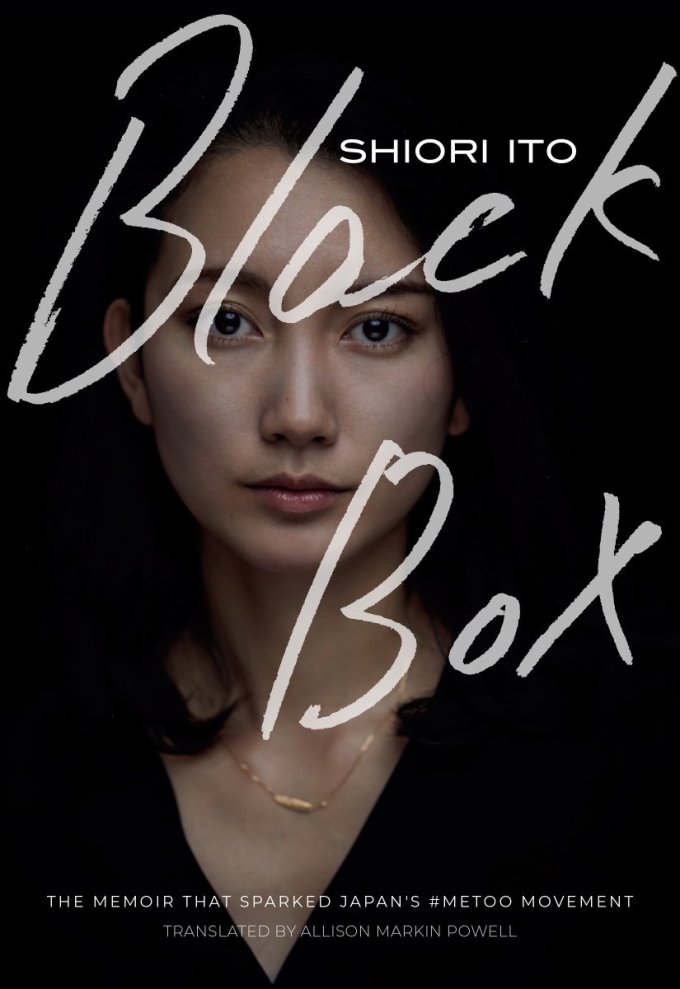
- Black Box: The Memoir That Sparked Japan’s #MeToo Movement (Unseen Japan)

If you reside in South Korea, you can donate via wire transfer: Turnbull James Edward (Kookmin Bank/국민은행, 563401-01-214324)

