
 ( Source: left, right )
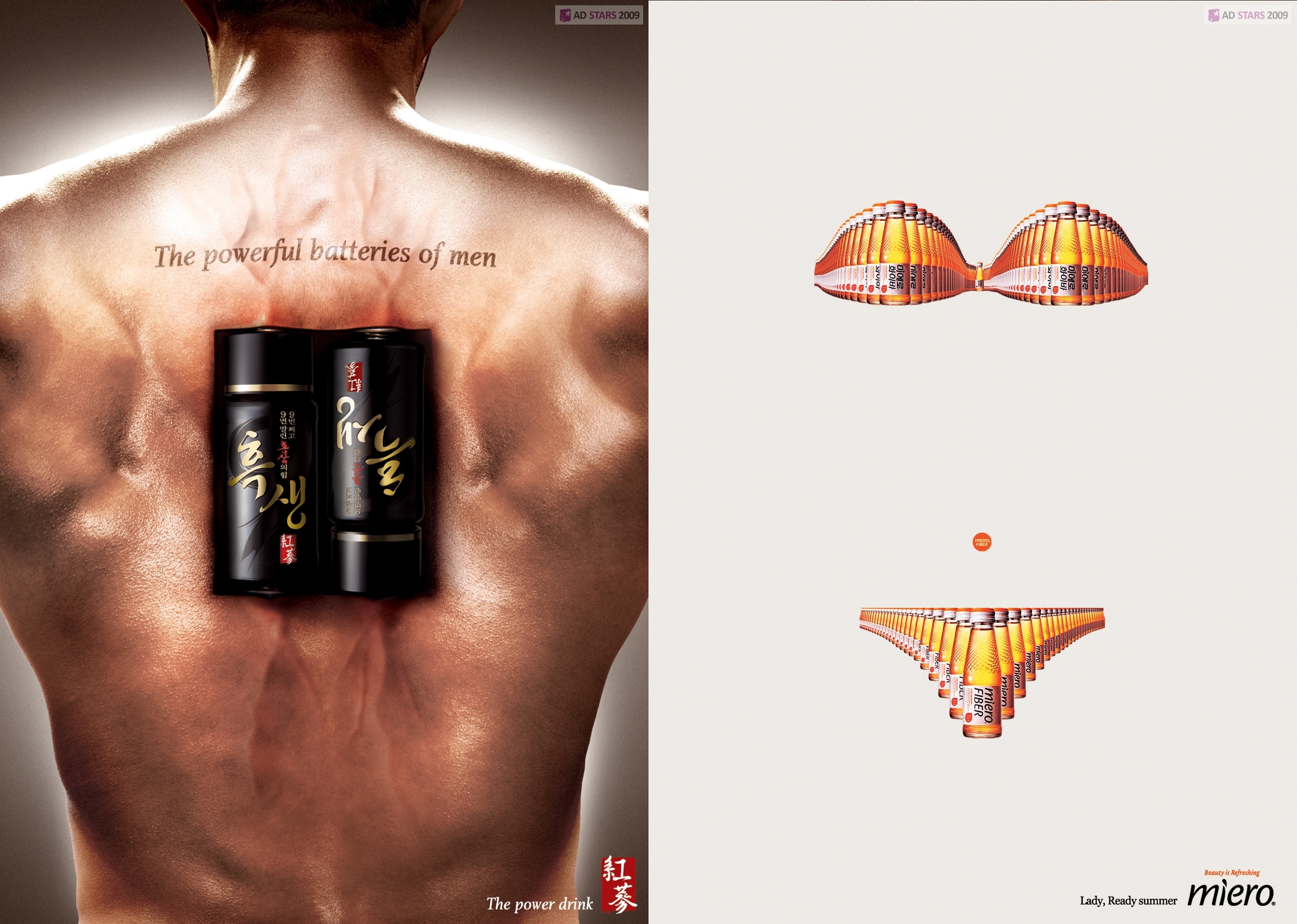
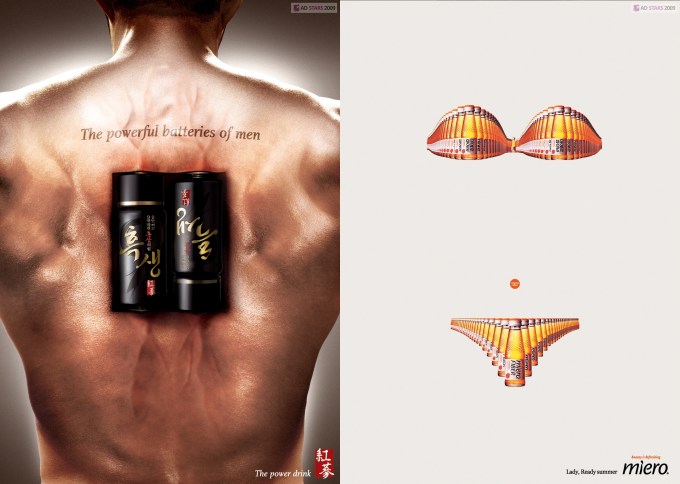
What is the first thing that goes through your mind when you hear of a “power drink” for men?
If you live in Korea, then I’d wager some form of aphrodisiac, testament to the large number of drinks claiming to improve “men’s power” or “men’s stamina” that are available here. In the particular case of the advertisement on the left though, that would be quite wrong, as Huksaeng (흑생) is the name of a health drink from Hyundai Pharm (현대약품) made with huksam (흑삼), or black-red ginseng (흑삼), and it has no prior history of being marketed to men specifically. Here you can see a women’s taekwondo team extolling its virtues for instance, albeit that of a different company.
But compare that with Hyundai Pharm’s other product Miero Fiber (미에로화이바) on the right, which in its 20-year history has only ever been marketed towards women. Currently placed alongside each other at the Busan Ad Stars 2009 website, the accidental juxtaposition of the two advertisements provides an interesting contrast. And given Koreans’ overwhelming preference for health drinks over multivitamin pills also, then the insights to be gained have more relevance to Koreans’ body images than may at first appear to overseas observers.
My own first reaction was that I was at a loss to think of an Korean advertisement for a health drink aimed at women that uses the analogy of recharging one’s batteries. This is a minor point though, and by no means do I have an encyclopedic knowledge of Korean advertisements, so I would be grateful if readers could pass on any examples that I may have missed. But with the proviso that Huksaeng is supposed to provide more of a mental and general health boost rather than improving one’s body per se, both that and any counter-examples from readers would not detract from the obvious and correct inference that Korean advertisements for “men’s drinks” generally feature men as sporty, active participants in the process of achieving that perfect body and/or losing weight. With those for women however, it’s genuinely difficult to find any that don’t promote the idea that drinking the product is the only step required.
 ( Source )

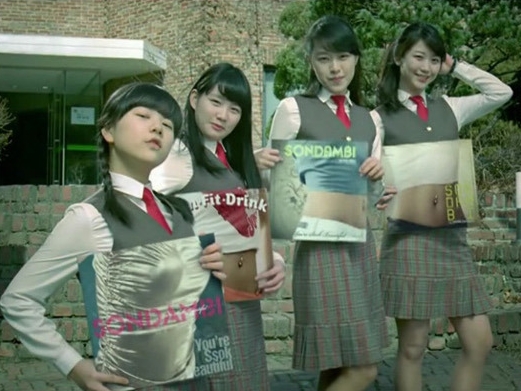
Don’t just take my word for it though. Consider recent popular commercials with girl-group Girls’ Generation (소녀시대) for Miero Beauty N (미에로뷰티엔) here and here for instance, and more importantly the evidence provided by the journal article “Content Analysis of Diet Advertisements: A Cross-National Comparison of Korean and U.S. Women’s Magazines” (Clothing and Textiles Research Journal, October 2006), by Minjeong Kim and Sharron Lennon, which I discuss in great detail in parts One, Two, and Three of my series on Korean women’s body images from last year. More recently, I discuss it in passing in this post about an advertisement for a diet clinic and this one about the advertisement below for a slimming tea-drink also:
Unfortunately the article is no longer freely available at the link above, and I’ve long since lost my own copy of the original PDF file. I can scan my copy if anybody requests it though, but in the meantime hopefully the abstract will suffice:
Content analysis of diet advertisements was performed to examine how diet advertisements portray the Western ideal of feminine beauty and promote dieting in Korean women’s magazines in comparison with U.S. women’s magazines. Results showed that the Western cultural ideal of feminine beauty and dieting were prevalent in Korean women’s magazines. Diet advertisements in Korean magazines appear to promote more passive dieting methods (e.g., diet pills, aroma therapy, diet crème, or diet drinks) than active dieting methods (e.g., exercise). Results further indicated that women may be misled to believe that dieting is simple, easy, quick, and effective without pain, if they consume the advertised product. This study suggests that there is an urgent need to establish government regulations or policies about diet products and their claims in Korea. Magazine publishers also need to recognize their role in societal well-being and accept some responsibility for advertisements in their magazines.
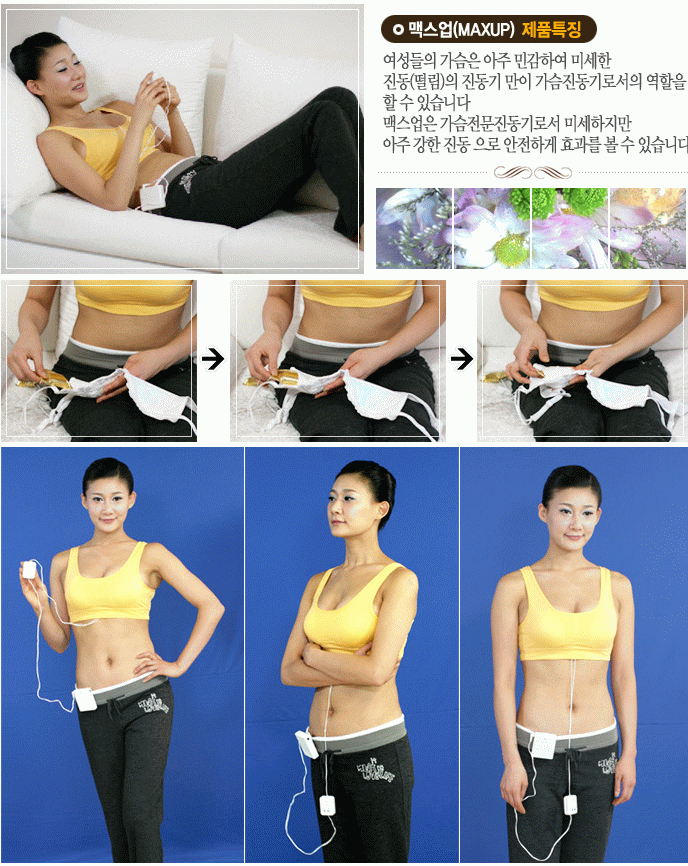
In especially part Two of that series above I discuss that passivity in more detail and extend it to Korean exercise culture, further continued in this recent post about a device that electrically massages breasts in order to make them grow bigger. No, really:

Let me also pass on this post at Sociological Images about the similar gendering of energy drinks in the US, with more of a focus on those targeted towards men, and this one at Feministing about the fact that laxatives there are almost exclusively marketed towards women, with the implicit purposes of losing weight. To which I’d add that their Korean equivalents are both ubiquitous and completely lacking of the usual euphemisms, instead providing computer graphics of bowel movements that leave little to the imagination. Rather than continuing in that vein though(!), let me close with a question prompted by the latter post: what is the reason that products like these are marketed specifically towards women?
(For all posts in the “Korean Sociological Image” series, see here)



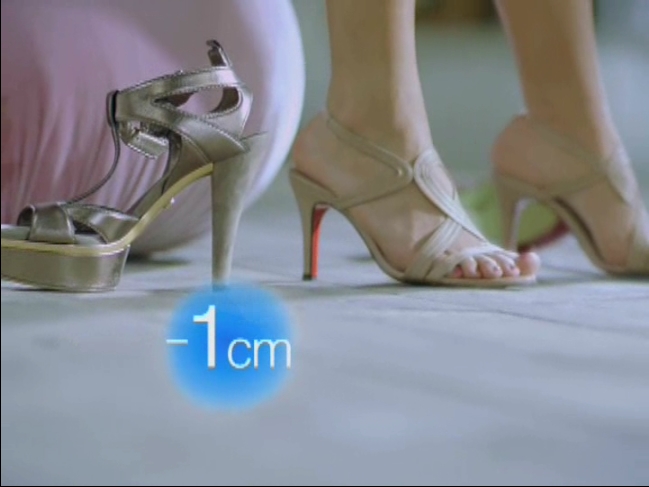





 (Source:
 And here’s
 The Grand Narrative