
“Musicians’ experiences of dis/comfort, im/mobility, security and threat, as well as their coping strategies, are all gendered.”
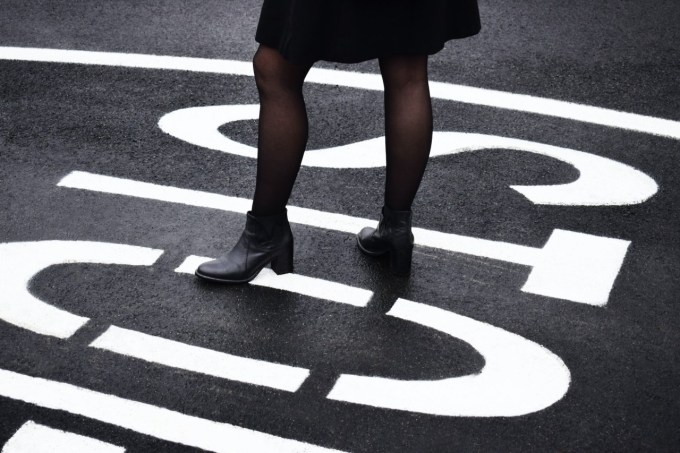 Estimated reading time: 5 minutes. Photo by Chris Barbalis on Unsplash.
My TBR pile is glorious, and it is teetering. So, I really should have known better than to even glance at the New Book Networks feed…
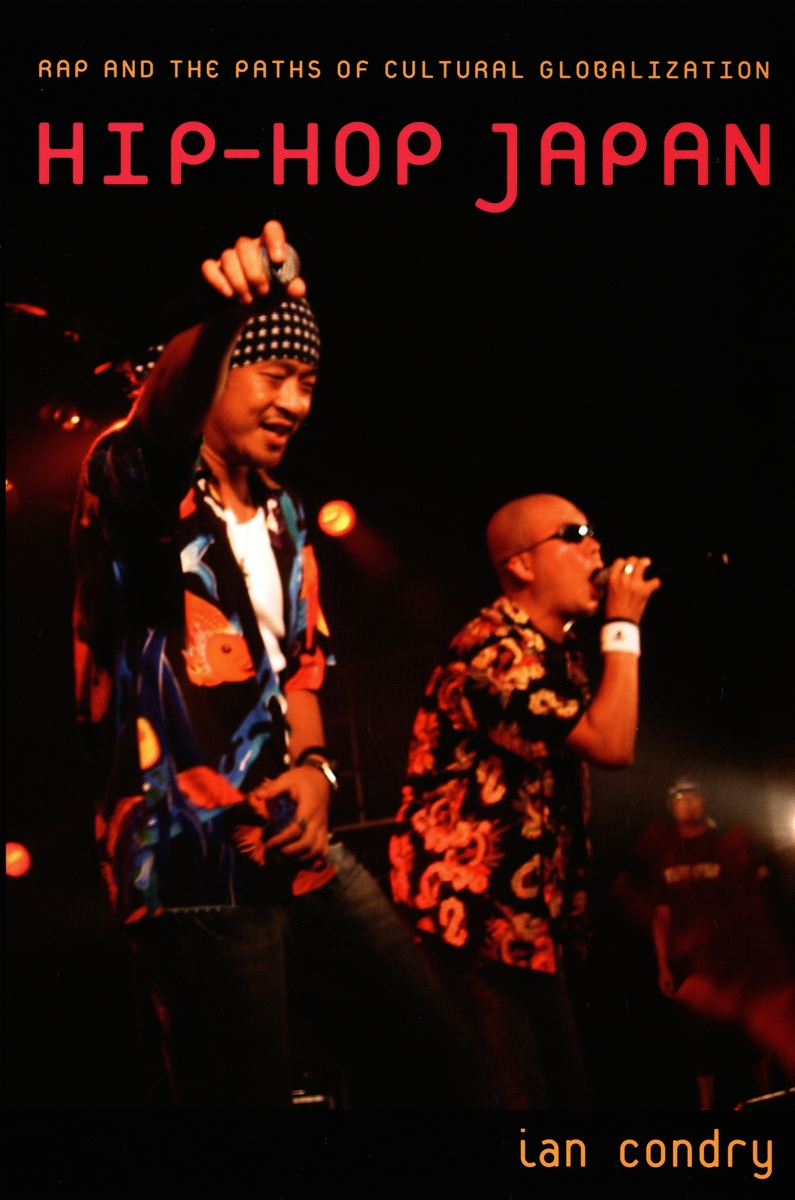
Assuming I can actually find the space then, this latest, slightly pricey candidate is all due to Tuesday’s interview of Dr. Gitte Marianne Hansen and Dr. Fabio Gygi, editors of The Work of Gender: Service, Performance and Fantasy in Contemporary Japan (NIAS Press, 2022). Specifically, the section from 28:35-31:10 where Dr. Gygi talks about Chapter 6, in which his 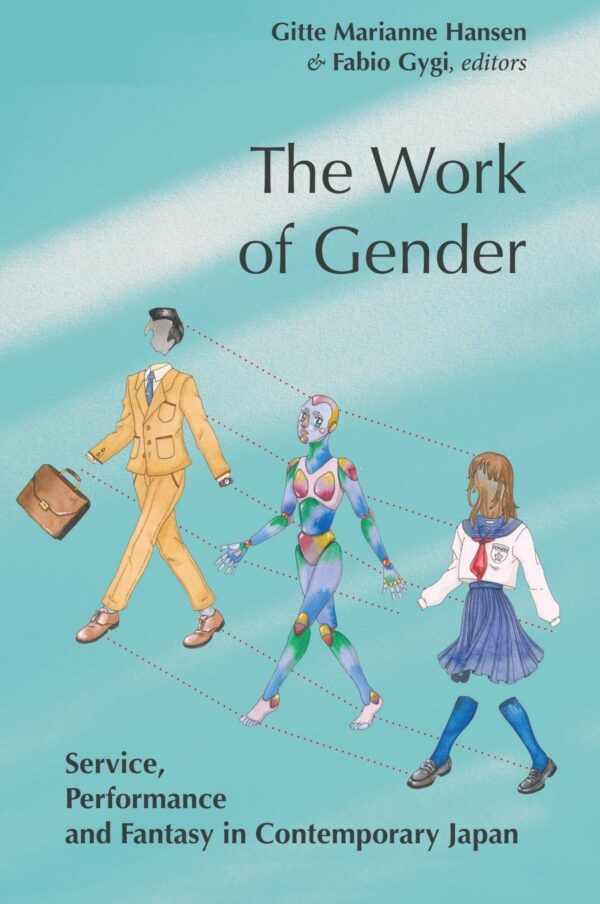 colleague, Dr. R. J. Simpkins, shares his findings from months of observing and talking to buskers and street performers near a Tokyo train station. Like me, listening will probably immediately remind you too, my beloved tribe (*hugs*), of Feminist City: Claiming Space in a Man-made World by Leslie Kern (Verso, 2020; see my review here). You also get how tempted I am right now then, as I almost seem to hear the soft serenade of “지금 택배로 주문하면 11월 24일 출고” sweetly whispered into my ear…Oh! Aladin, you tease…
Ahem.
With no further ado then, sorry for any mistakes in my transcript of that section of the podcast below. And please don’t worry about giving offense if you’d rather jump ahead to a reviewer’s excellent summary below that instead!
“Well, I think this is a wonderful chapter, because Rob, the author, was actually playing as a street musician himself, and that’s how he entered the field, and he’s been there for quite a long time, and it’s a wonderful ethnography, and very detailed. But towards the end he realized, ‘Well, I’m only talking to men. I know a few female performers but it seems to be a very different experience for them.’ So he started to focus a little bit more on the differences, and one of the things that he really found was that it’s all about space-making.”
“So, it’s a public space, you’re exposed to the gaze of the passers-by, but as a musician or performer you have to create…you have to take this public space and turn it into something else, like a concert venue or a venue for self-expression. And this of course takes on a very strong gender dimension. So men felt very much at ease, you know…especially the more rock-type musicians who would just start to play…there would be a good vibration and people would sort of assemble. But women working as performers felt very much exposed in a very different way. Now, you have to imagine, during commuter rush hour it’s mostly men…it’s salarymen who come back from work, often in a state of inebriation, and there would be a lot of sexual harassment, there would be a lot of unwanted attention, or rather boundary-breaking attention, so people would come, they would listen to a song, and then they would try to chat you up or get close or break the sort-of boundaries that you have created. And so there was a much greater sense of vulnerability, and what he sort-of concluded from that is a public space is also to a strong degree male-coded, it’s the male gaze that defines what is happening.”
“So if you expose yourself to that, you have to be aware of the gendered dynamics of the space and so his artists chose very different and very creative strategies [to deal with those]…Reyna(?) for example performed in a mask to deflect from the fact that she was a female performer, and so it is very important to understand that this public sphere itself is gendered…not something we would normally, you know, have a good understanding of.”
These difficulties and dangers are underscored by co-editor Dr. Hansen then going on to note that this was the most difficult subject in the book for any of the contributors to research. Because, unlike with other venues and performances, the rules of engagement (and enforcement) were not set. My personal additional takeaway from that being, those rules were also more open to exploitation and abuse by those with (male) privilege.
 Photo by Victoriano Izquierdoh Barbalis on Unsplash.

For the busier feminist book geek among you though, as promised here is an excellent summary of Dr. Simpkins’ chapter by Dr. Kai E. Tsao, taken from her review in Feminist Encounters:
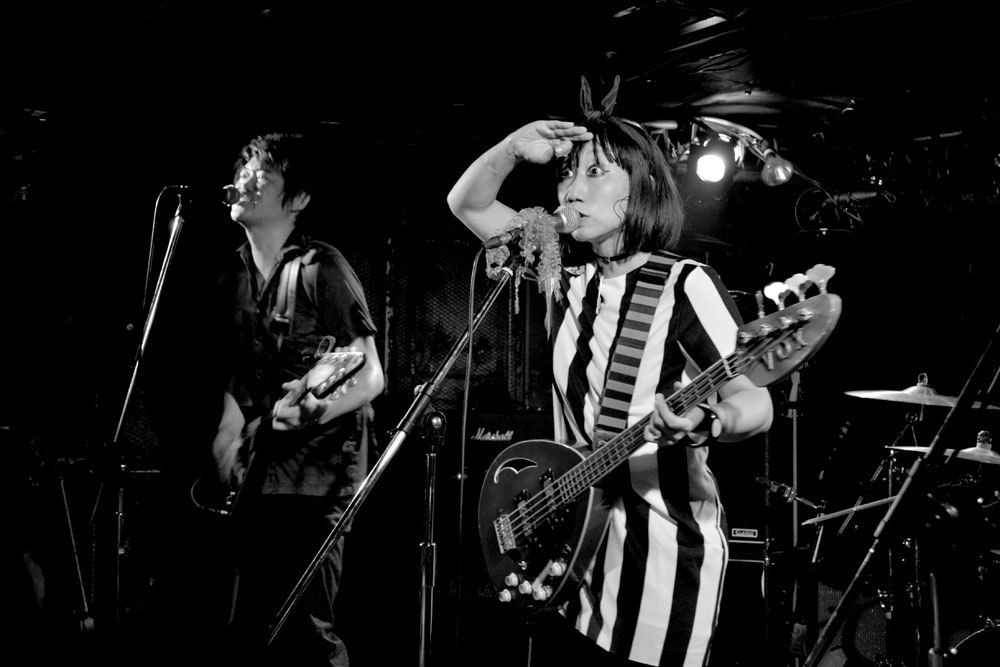
“Simpkins observed and interviewed music performers at a Tokyo station, and his chapter demonstrates that the musicians’ experiences of dis/comfort, im/mobility, security and threat, as well as their coping strategies, are all gendered. Male musicians considered their experience, occupying and transgressing in public space, as performing their authentic self and self-realisation. This sentiment was not shared by the female musicians. Instead, they performed ‘charm’ and created a ‘non-threatening atmosphere’ to navigate social interactions in a station space with a predominantly male presence. Public space around the station is coded: compared to their male counterparts who ‘naturally’ hung around to interact with their supporters, female musicians were much more cautious about the risks of inviting passers-by to take an interest in their performance. This makes me wonder: how is the performance of invitation gendered? How might female musicians be perceived if they invited an audience in a space where they were ‘not supposed to be’?”
And which also makes me wonder, what are the Korean parallels? Where are those spaces?
Frankly, I can’t really think of any. In fact, the only place I ever encounter buskers and street performers at all is the main drag of Gwangalli Beach close to where I live, which ironically I don’t visit very often because it’s always jam-packed with happy, 20-something, heterosexual couples (sigh). That very different audience composition to a busy Tokyo subway station then, as well as the very public and open setting, would likely mean performances there were almost completely devoid of the (negative) gendered dynamics described above.
Maybe various Korean laws are responsible for making them much less common than in Japan?
Or maybe not? Are there buskers in, say, Hongdae in Seoul? In Nampo-dong here in Busan, which I haven’t visited for years? Performers in busy Seoul subway stations? Please do let me know then, if know of any similar Korean spaces to what Dr. Simpkins outlines in Tokyo, and your experiences of them. And how do think the gender dynamics play out in those?
Related Posts:
- When “How to Own the Room” is Really Just a Lesson in Male Privilege
- Why You’re NOT Living in a Feminist City: Two must-reads on living as a single woman in Korea and overseas
- Single Korean Women Already Have to Pay Extra to Stay Safe in Their Homes. They Don’t Need to be Infantilized in the Process.
- The Hidden Roots of Korea’s Gender Wars
- Revealing the Korean Body Politic, Part 10: “An epic battle between feminism and deep-seated misogyny is under way in South Korea”
- Revealing the Korean Body Politic, Part 9: To Understand Modern Korean Misogyny, Look to the Modern Girls of the 1930s

If you reside in South Korea, you can donate via wire transfer: Turnbull James Edward (Kookmin Bank/국민은행, 563401-01-214324)







 The Grand Narrative