The Grand Narrative

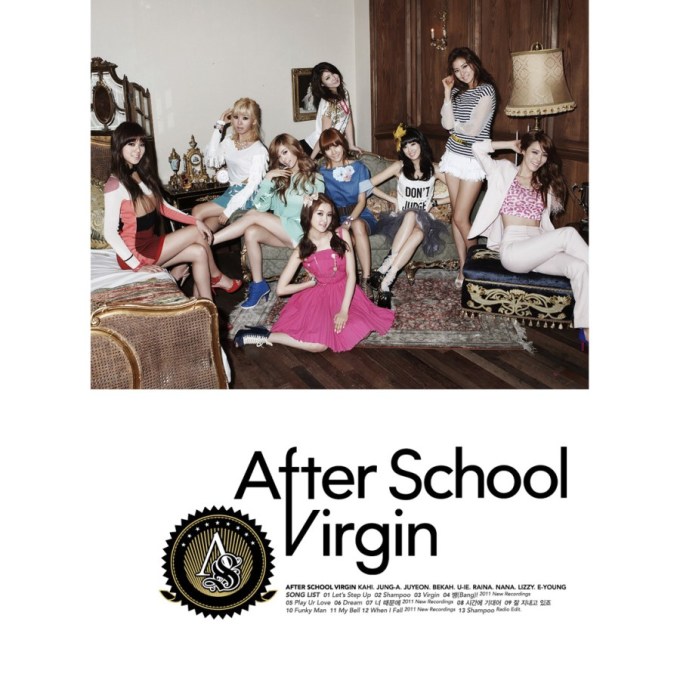
Funky Man (펑키맨) by After School (애프터수쿨) — Lyrics, Translation and…Critically Examining the Evidence for Double Standards in K-pop

(Source)

Do Korean censors disproportionately target female singers?

No, not just those shameless hussies that sing about what they’d actually like to do with their love-interests I mean, and/or dance and show some skin to that effect. Because despite some obvious exceptions, I’d wager that Korean censors are generally equal-opportunity prudes.

Rather, I also mean those female singers that promote such harmful ideas as, say, that romance involves more than just sitting around looking pretty, waiting for a guy to notice you. Or that when you’re angry with your partner, you should say so. As whatever the actual rationales given for the banning of their work, be they indirect advertising, mention of alcohol, not wearing seatbelts while driving, or alleged double entendres in what are actually completely innocuous English phrases, somehow it seems to happen to women’s songs much more than it does to guys’.

Or maybe I just get that impression because I only ever pay attention to the women’s songs.

So, starting today, and hopefully finishing over the summer break, I’m going to painstakingly go over every banned song and music video from January 1 2011, noting the whos, hows, and whys, then moving on to the next…all the way until December 31. As I finish each month, I’ll write up the results and my analysis here.

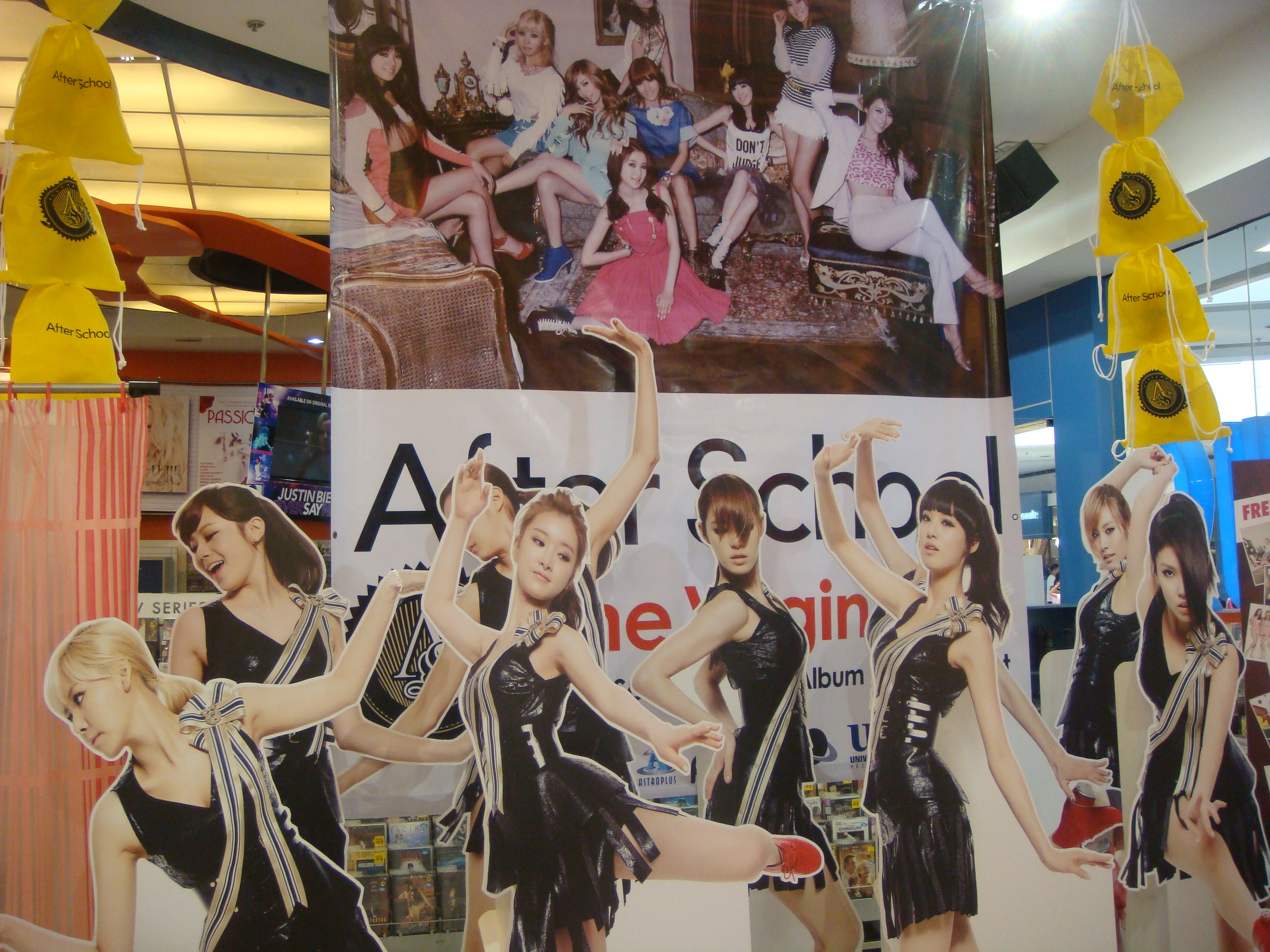
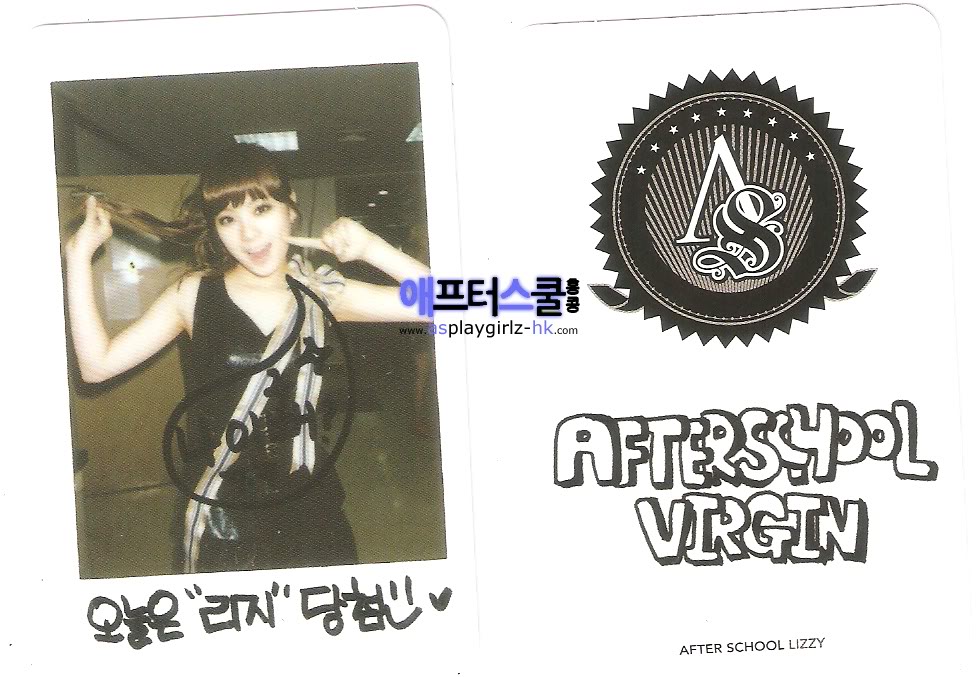
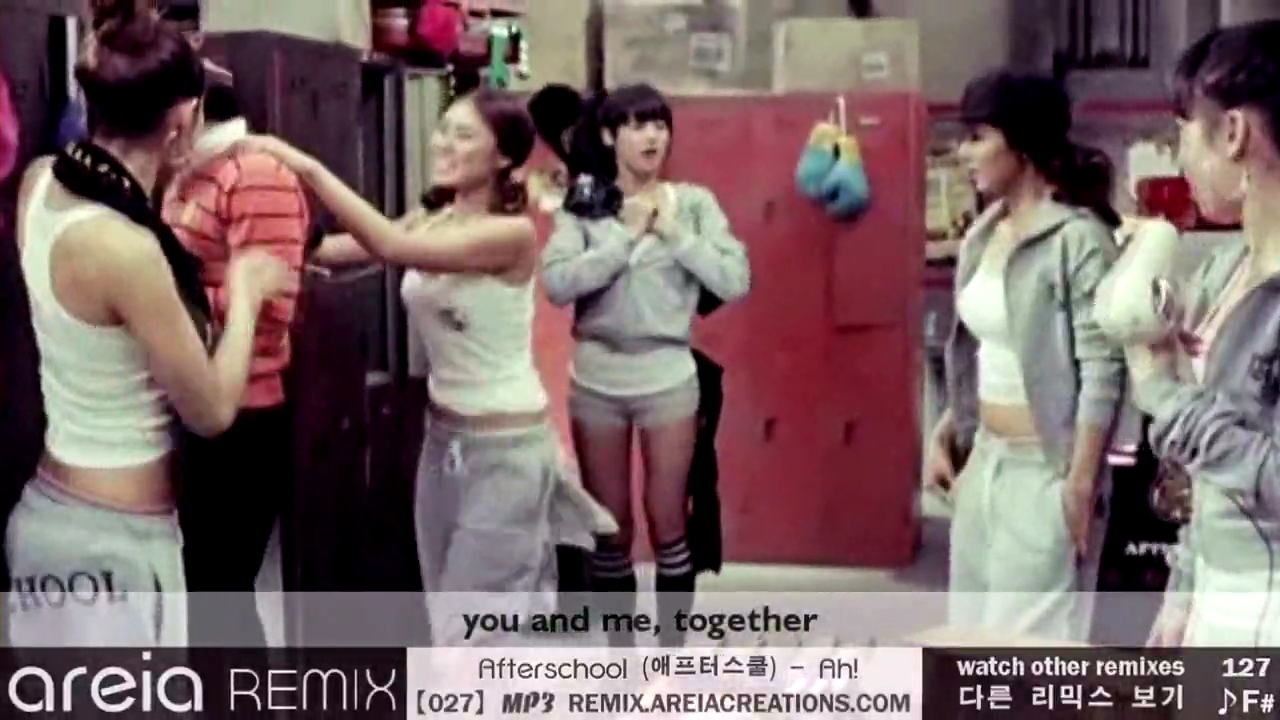
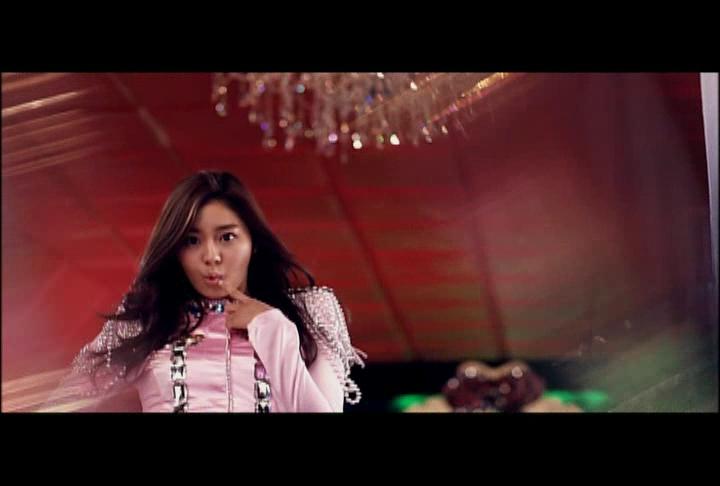
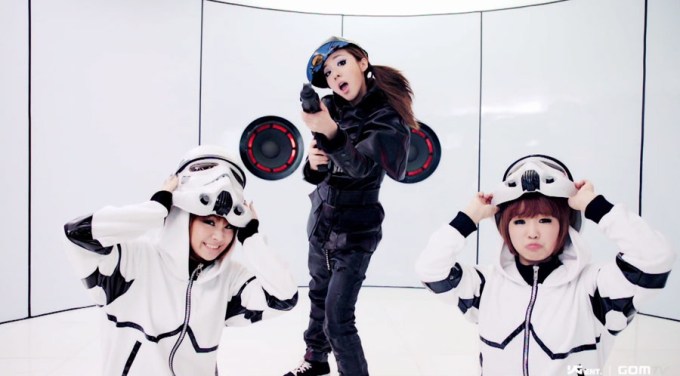
I guess the next songs I’ll be looking at will be G-Dragon (지-드래곤) and T.O.P.’s (탑) Knockout and Don’t Go Home then, banned on the 4th and 5th of January respectively (with the latter banned a second time on the 12th!). But before I do, let’s jump ahead to July, when the Youth Protection Commission (청소년보호위원회) of the Ministry of Gender Equality and Family (MOGEF; 여성가족부) banned After School’s (애프터수쿨) Funky Man (펑키맨) for its “sexually suggestive” lyrics.

Not just because I’m a big After School fan, or because the recent news that it’s been unbanned is what finally inspired me to do this little project. But also because the muddled way the banned lyrics are being reported on Soompi (and just about everywhere else) clouds the slight girl-power theme of the song as a whole, and in turn possible — but I stress, only possible — alternate reasons for its banning.

Let me explain:

(Source)

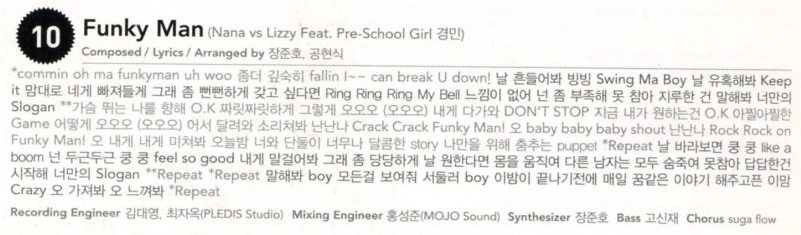
애프터스쿨 – Funky Man by Nana/나나 and Lizzie/리지; also featuring Kyung-min/경민 of Pre-School Girl

commin oh ma funkyman uh woo 좀더 깊숙히

fallin I I I I I can break U down!

날 흔들어봐 빙빙 Swing Ma Boy

날 유혹해봐 Keep it 맘대로

네게 빠져들게

그래 좀 뻔뻔하게

갖고 싶다면 Ring Ring Ring My Bell

느낌이 없어 넌 좀 부족해

못 참아 지루한 건

말해봐 너만의 Slogan

Commin, oh ma funky man, uh woo deeper

Fallin, I I I I I  can break u down!

Shake me round and round, Swing ma boy

Try to seduce me, Keep it as you want so that I will fall for you

That’s right, shamelessly

If you want to have me ring, ring, ring my bell

I feel nothing, this isn’t enough

I can’t stand this boredom

Tell me your own slogan

(Source)

Originally, I copied and pasted the lyrics from Naver here, which still requires ID despite the unbanning. Realizing I was struggling with the translation because of the essentially arbitrary choice of line breaks made in that though, I decided to reformat them all, to better fit how they’re actually sung. And once I did, then in particular the question of who wants to have whom in line 8 — 갖고 싶다면 — suddenly made sense: if he wants to have her, the singer, then he has to ring ring ring her bell.

Also, if that “ring ring ring my bell”  is just not the random, unrelated Konglish that it first appears, but actually an integral part of the song, then that opens the possibility that some of the other Konglish may be important too. Bearing that in mind, then the “slogan” in the last line for instance, isn’t so much lame as a handy rhyming device for the “건/geon” at the end of the line that precedes it.

But in that case, what exactly does the the “try to seduce me, keep it as you want so that I will fall for you” of line 4 mean? Does it mean that, very very literally, being shamelessly dominated is what is going to ring ring ring her bell, my surprising ultimate reading of the first verse?

You can imagine that it was with some trepidation then, that I turned my attention to the chorus…
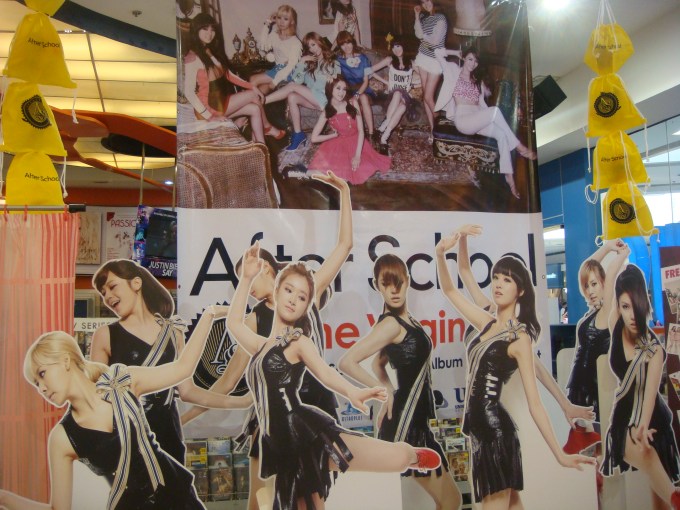
(Source)

가슴 뛰는 나를 향해

O.K 짜릿짜릿하게

그렇게 오오오 (오오오) 내게 다가와 DON`T STOP

지금 내가 원하는건

O.K 아찔아찔한 Game (어떻게)

오오오 (오오오) 어서 달려와, 소리쳐봐

난난나 Crack Crack Funky Man! 오 baby baby baby shout

난난나 Rock Rock on Funky Man! 오 내게 내게 미쳐봐

오늘밤 너와 단둘이, 너무나 달콤한 story

나만을 위해 춤추는 puppet

My heart is thumping, come to me

OK thrillingly

Like that oh oh oh (oh oh oh), come to me DON’T STOP

What I want now

OK, a dizzy game (how?)

Oh oh oh (oh oh oh), hurry to me and shout

Na-na-na crack crack funky man! Oh baby baby baby shout

Na-na-na rock rock on funky man! Oh, try to be crazy about me me

Tonight, just the two of us

[It'll] be such a sweet story

You are just a dancing puppet for me
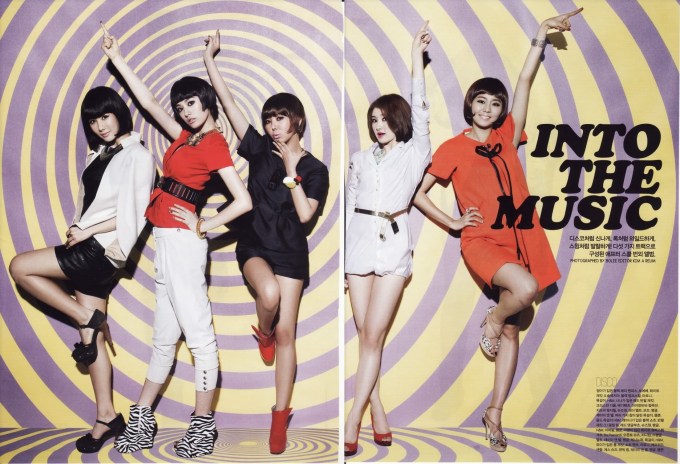
(Source)

Great — that was the very opposite message in fact, and one which is continued in the the rest of the song too. But first, consider the way the banned lyrics are being described on Soompi:

The controversy was caused over the following lyrics from “Funky Man”:

“Oooh Ooh, a little deeper / shake me around / try and seduce me / for my chest that is pumping / OK make me tingle like that oh oh oh”

What do you think? Are the lyrics explicit?

Now that we’ve covered all of those particular lyrics, then you can see that they’re actually cobbled together from verse 1 and the chorus, whereas Soompi makes them look like a direct quotation of just two lines*. Why this difference is important, is because already they’re clearly not the only “sexually suggestive” lyrics throughout the song, which raises the question of why only those ones above were singled out by MOGEF. Let alone why this song was banned when others with equally or even more explicit lyrics weren’t.

Could the censors at MOGEF, perchance, have had different, unspoken motivations? Were they, in fact, just annoyed at how “You are just a dancing puppet for me” belittled men, and so banned it using the sexually suggestive lyrics as an excuse? Or alternatively, were they perhaps a little unsettled by what turns out to be a song not about a woman who wants to be dominated, but rather one very much on top?

Alas, all that is mere speculation at this stage, and arguably reading far too much into it — indeed, there’s been at least one occasion when MOGEF was actually quite explicit about banning a song for belittling men. Also, how much of an alpha girl does the woman in this song really come across as? Not just because of that first verse, but also because, whatever the song, being assertive and confident doesn’t necessarily mean that the woman demands that the guy come to her. Rather, shouldn’t she really be going after him herself?

*I translated “OK 짜릿짜릿하게” as “Ok, thrillingly”, rather than “OK make me tingle like that”, as quoted at Soompi. But I can’t tell if it’s an adverb or a causative, so either is possible.

(Source)

commin oh ma funkyman uh woo 좀더 깊숙히

fallin I I I I I can break U down!

날 바라보면 쿵 쿵 like a boom

넌 두근두근 쿵 쿵 feel so good

내게 말걸어봐

그래 좀 당당하게

날 원한다면 몸을 움직여

다른 남자는 모두 숨죽여

못참아 답답한건

시작해 너만의 Slogan

Commin, oh ma funky man, uh woo deeper

Fallin, I I I I I  can break u down!

If you watch me your heart will pound like a boom

You throb and beat, boom boom feel so good

Try to talk to me,

Yes, like that, confident and commanding

If you want me move your body

Other men hold their breaths

I can’t stand it, this frustration

Start, your own slogan
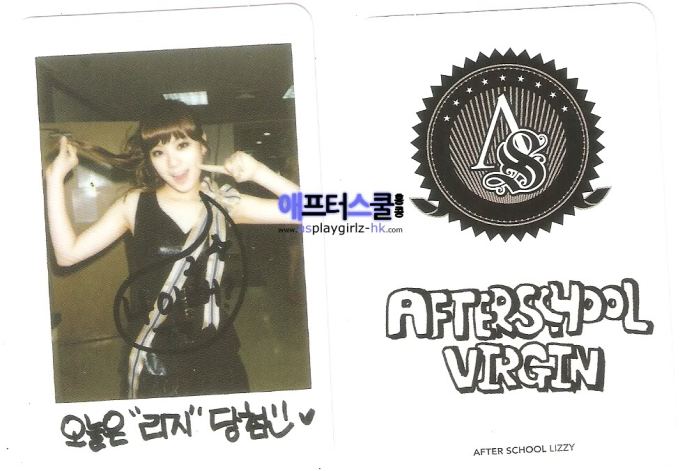
(Source)

Finally, there’s the chorus, the first two lines of the first verse, the third verse, then the first two lines of the first verse again. To make it easier to follow along, I’ll put them all together:

commin oh ma funkyman uh woo 좀더 깊숙히

fallin I I I I I can break U down!

가슴 뛰는 나를 향해

O.K 짜릿짜릿하게

그렇게 오오오 (오오오) 내게 다가와 DON`T STOP

지금 내가 원하는건

O.K 아찔아찔한 Game (어떻게)

오오오 (오오오) 어서 달려와, 소리쳐봐

난난나 Crack Crack Funky Man! 오 baby baby baby shout

난난나 Rock Rock on Funky Man! 오 내게 내게 미쳐봐

오늘밤 너와 단둘이, 너무나 달콤한 story

나만을 위해 춤추는 puppet

말해봐 boy

모든걸 보여줘

서둘러 boy

이밤이 끝나기전에

매일 꿈같은 이야기

해주고픈 이맘 Crazy

오 가져봐

오 느껴봐

commin oh ma funkyman uh woo 좀더 깊숙히

fallin I I I I I can break U down!

Commin, oh ma funky man, uh woo deeper

Fallin, I I I I I  can break u down!
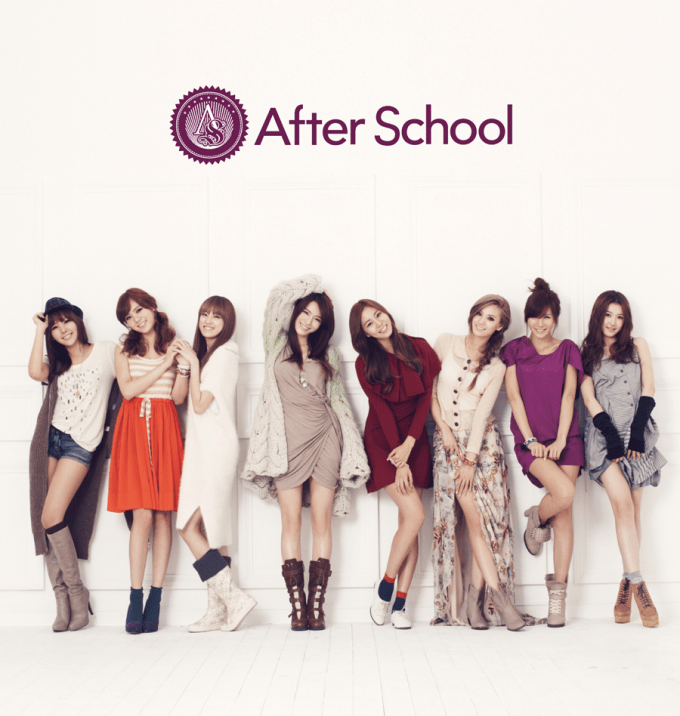
My heart is thumping, come to me

OK thrillingly

Like that oh oh oh (oh oh oh), come to me DON’T STOP

What I want now

OK, a dizzy game (how?)

Oh oh oh (oh oh oh), hurry to me and shout

Na-na-na crack crack funky man! Oh baby baby baby shout

Na-na-na rock rock on funky man! Oh, try to be crazy about me me

Tonight, just the two of us

[It'll] be such a sweet story

You are just a dancing puppet for me

Try to speak boy

Show me everything

Hurry boy

Before this night ends

Everyday, a story like a dream

This heart which wants to do [that] is crazy

Oh, try to have [me]

Oh, try to feel [me?]

Commin, oh ma funky man, uh woo deeper

Fallin, I I I I I  can break u down!

(Source)

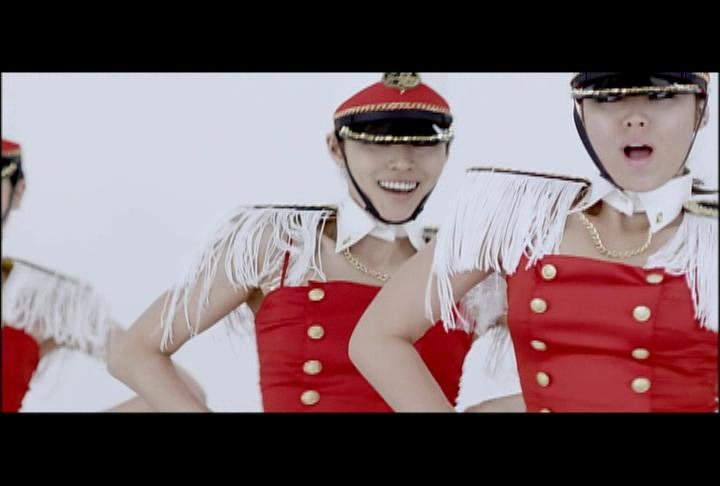
Did anyone else guess that the song’s actually about cheerleaders? No, me neither. And seeing as how management company Pledis Entertainment also claimed that there’s nothing sexual in the lyrics at all, then I’m not going to give much credence to that!

What I do take away from the song though, is a lack of substance and logic to the official reasons for its banning, which at least opens the possibility that the official reasons are not the real ones. And while mere possibilities are not evidence of course, if the biggest gaps between official denunciations of songs and their reality consistently occur in those about assertive females (sexually or otherwise), then, well, maybe that’s something.

Yes, I realize that that’s a little subjective, so I welcome alternative suggestions for judging this sort of thing. But either way, there’ll be far too many songs to cover to do much analysis. Instead, my aim is that all of the evidence I’ll present over the next few months will enable you to decide for yourselves.

Honestly though, as I type this I’m no longer so sure that the double-standards are quite as big as many people assume, not least myself. What do you think?

Korean Sociological Image #66 – Inventing Labels for Women’s Bodies

(Source)

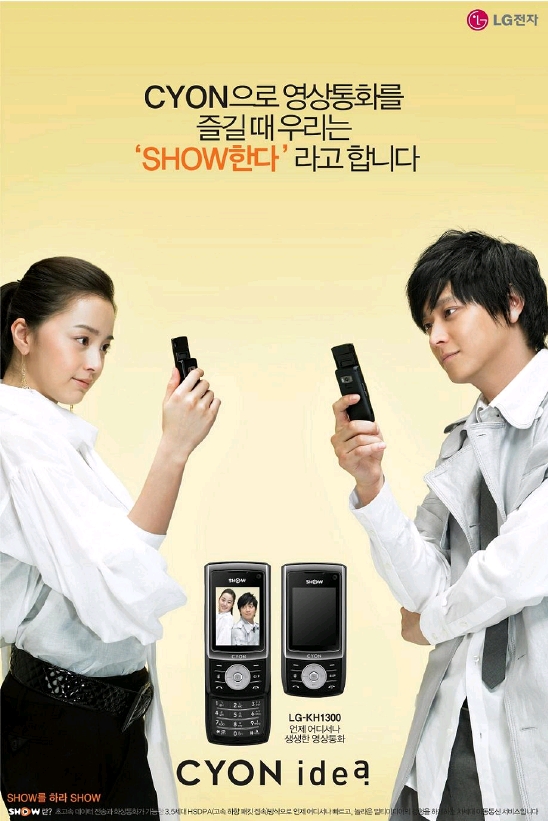
Introduction – Objectification Done Right

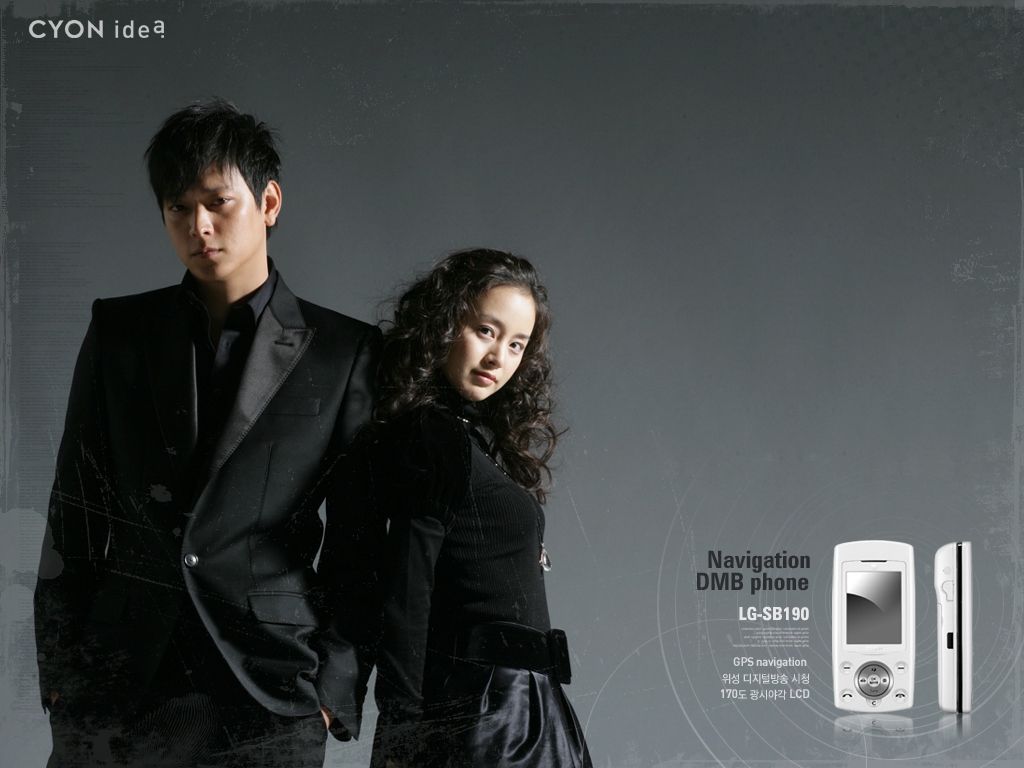
This may be an old ad, but it’s just a great introduction to my Gender Advertisements in the Korean Context lecture. I’ll probably still be using it 10 years from now.

First, because it shows the value in spending a couple of extra seconds to really look at an ad. Most readers probably immediately notice the faux scratches and blotches on it, reminiscent of a phone screen overlay, but it’s easy to overlook that Kang Dong-Won (강동원) and Kim Tae-hee (김태희) themselves are also supposed to resemble the advertised phone. Once you notice that his collar resembles the reflection on the screen though, then you’ll quickly realize that his grey button represents the dial, and that her black belt buckle matches the cover of the entry port, the curve of her breasts the back of the phone at the top. It’s really quite clever.

But still: if they’re supposed to resemble the phone(s), then why weren’t models of equal heights used? Or why wasn’t the layout of the ad rearranged and/or Kim Tae-hee photoshopped to make her look as tall as Kang Dong-won? Either would have been quite easy, as this second phone ad with the two of them makes clear (source).

To explain, I raise Erving Goffman’s concept of “Relative Size”, or the fact that, if random men and women are paired off together, then in 1 in 6 cases the woman would be taller than the man, whereas in advertisements it’s as low as 1 in 200. Later, I consider the obvious rejoinder that Kang Don-won and Kim Tae-hee were primarily chosen for their celebrity status, discussing why 65% of Korean advertisements feature celebrities, whereas it’s only 10% in most other developed countries. Finally, there’s also the concept of “Licensed Withdrawal” to mention, one aspect of which is how men are often shown providing virtual shields for women.

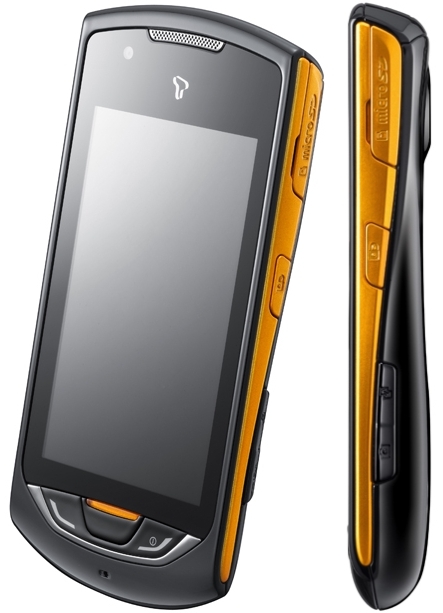
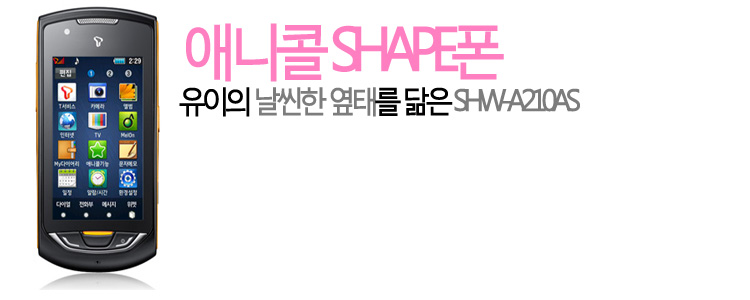
Bearing all that in mind, what does this Samsung SHW-A210S Shape Phone on the right remind you of (source), released back in November 2010? Specifically, the side, which according to Samsung is a particularly attractive feature of the model?

S-lines Will Sell Anything

What? You didn’t guess Uee (유이) of the girl-group After School (애프터스쿨)? Well, clearly that must be your own fault, as Samsung not only said it’s specifically designed to look like her profile (source), but this and this blogger agree.

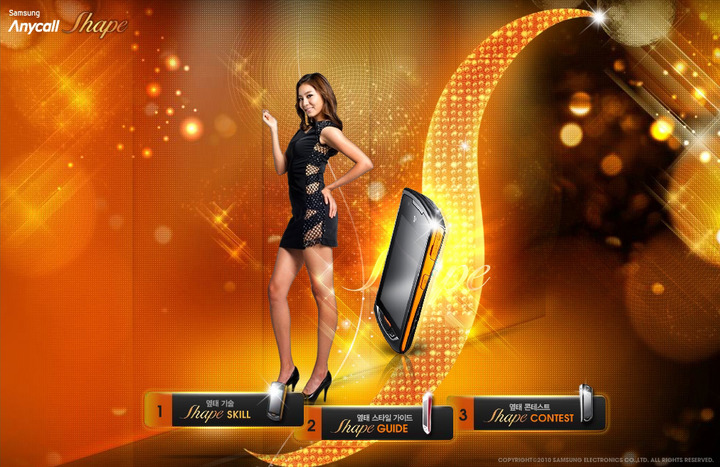
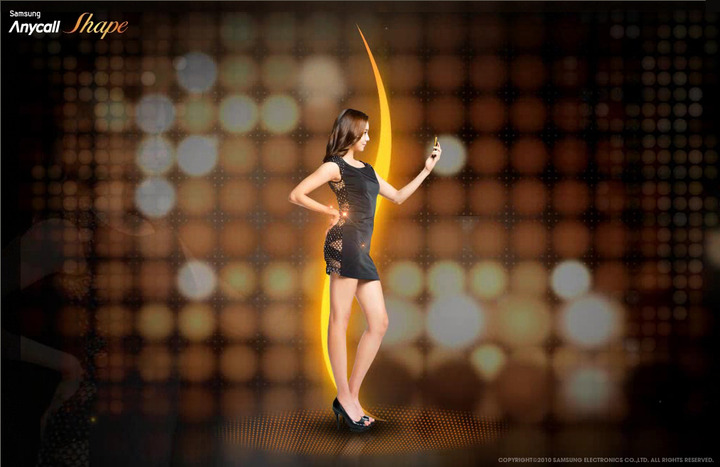
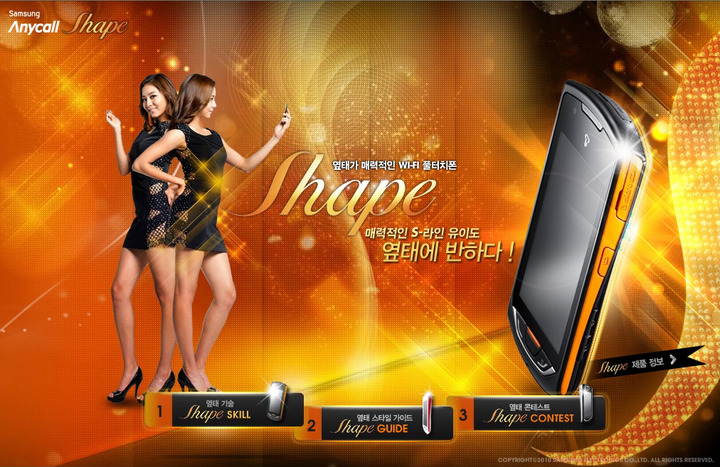
Perhaps these screenshots from the phone’s promotional website will help:

(source)

Alas, Samsung was really just attempting to capitalize on Uee’s star power, and on men’s interest in seeing and women’s interest in having an “S-line” (again, the copy makes that explicit). Lest we forget though, that actually means a great set of tits and ass, and it’s testament to the saturation of the term in Korean advertising and popular-culture that Samsung could get away with linking it to a completely unrelated inanimate object.

But that’s not the main reason I’m highlighting the phone here – after all, it’s by no means the first time the S-line has been used to sell one. The Wondergirls (원더걸스), for instance, did so back in 2008:

Instead, what makes this advertising campaign stand out is because on the one hand, Samsung is taking advantage of one body label to sell something, but on the other it’s attempting to replace that label a new one of its own creation – the yoptae (옆태), or “profile”.

The Invention Process

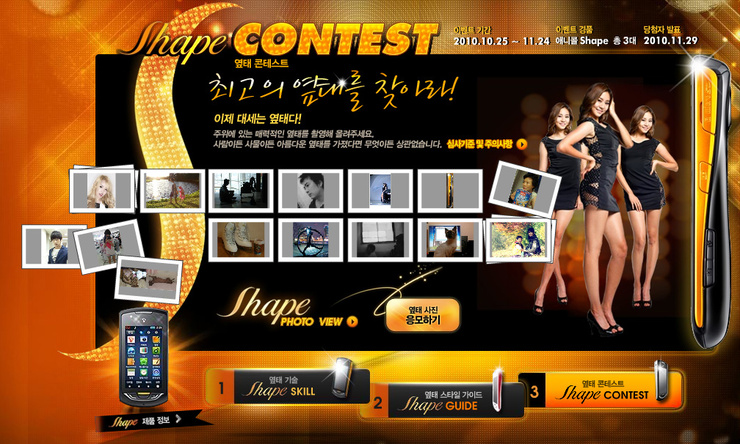
Actually, the campaign starts quite innocently, with Uee simply sketching profiles of things, finishing by announcing that it’s now “The Age of the Profile”. Later on in the campaign, visitors to the website would be encouraged to submit their own sketches and photographs in a competition:

(Source)

But not before viewers were show which kind of profile the campaign was really focused on. Skip ahead to 0:40 for fashion tips on how to show it off:

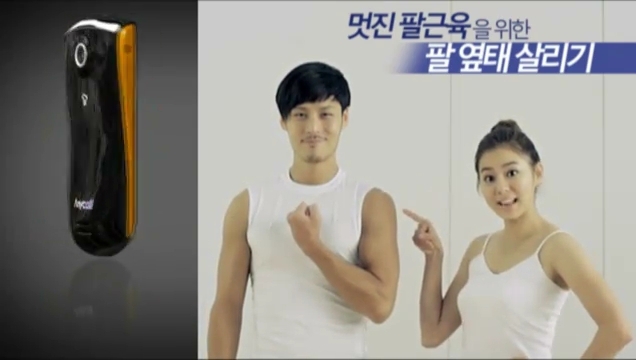
Next, Men’s Health cover model (source) and fledgling drama star (and friend of Rain!) Jung Sueng-kyo (정승교) is shown working on his own profile. And you’ve just got to hand it to Samsung for thinking of something that can be applied equally to men and women:

Instead of running with that equally-opportunity objectification though, we’re quickly back to women’s profiles. It’s difficult not to wonder if advertisers are just a little too used to using women’s bodies sometimes:

Context – The Profit Motive

Usually, when Korean body terms are explained to non-Korean audiences, then they’re made out as simple equivalents of English ones, the S-line and now profile substituting for the “hourglass figure” for example. But unlike that term, which I’d wager goes back to at least the infatuation with corsets in the 1800s, the S-line wasn’t even around when I came to Korea in 2000: jjookjjook-bbangbbang (쭉쭉빵빵) was used instead. Moreover, not only are so many invented these days that it’s difficult to keep track, but the pace and especially audaciousness with which this is done in Korea is nothing short of outstanding (source, below right).

(Update:  I may be mistaken about how old the hourglass term is -  Stuart and Elizabeth Ewen, for example, only mention the “Grecian Bend” in Channels of Desire: Mass Images and the Shaping of American Consciousness {1992; p. 75}. But surely it dates back to at least the 1950s?)

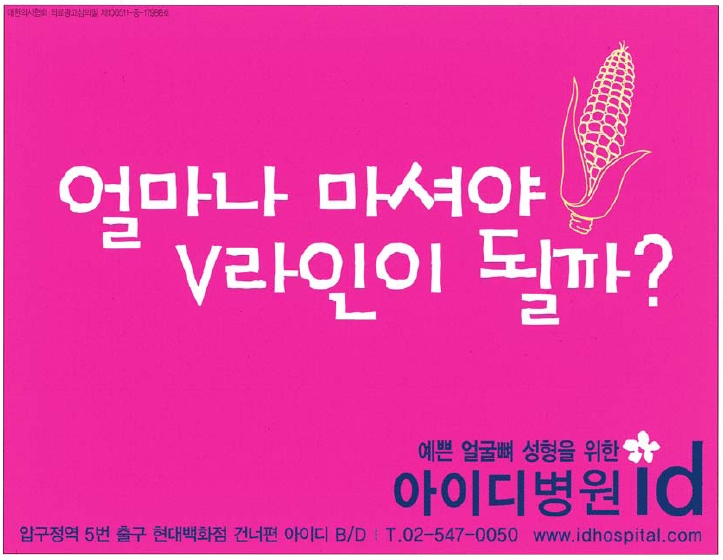
You are probably already familiar with the unbelievable example of the X-line for instance, which is literally only possible in Photoshop, but you may be surprised to also learn that companies are also constantly trying to get the public to redefine “established” terms too, lingerie company Vivian (비비안) hoping to make the V-line better known as the line between a women’s breasts rather than a triangular jaw (which Kwangdong Pharmaceutical sells – yes really -  “Corn Silk Tea” to help you obtain). On top of that, Yes’ (예스) lingerie company and W Magazine would rather have that area of a woman’s body known as a Y-line and W-line respectively…while in turn other companies still would rather have the Y-line mean a woman’s back.

And that alphabet soup is just the tip of the iceberg when it comes to that competition for buzzwords and (re)definitions that will stick with consumers. But unfortunately there’s only so much I could fit on a Powerpoint slide!

Media Promotion

Of course, the media and Korean public are well aware of this – the combined image on the left of that slide is testament to that. But in my own experience, usually the latter finds the situation more humorous than concerning (a generalization I’d be very happy – but don’t expect – to be proven wrong), while the former merely “reports” on the new body labels (and others like “Gold Misses” – more abstract perhaps, but still very much designed to get women to buy things), only very rarely criticizing the process and/or its effects. In so doing, it serves to simply promote the term, whether that’s in direct collusion with the companies or otherwise.

Take, finally, this inane example from Star News, a transcript of which (from here) I’ve translated below. If you get confused by some of the dates mentioned in it, please note it was aired in November 2011:

스타 노출의 변화, 옆태가 뜬다? The way stars show off their bodies is changing, the “profile” look is now booming

[Y-Star] 스타들의 노출이 많아지면서 섹시한 앞태는 물론이고 일명 숨 막히는 뒷태라 불리며 신체의 뒤 라인이 주목을 받고는 했었는데요 이제 노출의 키워드는 바로 옆태가 됐다고 합니다. 새로운 섹시함의 상징, 옆태에 대해 <스타뉴스>가 알아봤습니다.

While stars have been showing a lot of skin recently, and of course people’s focus is on their sexy “front figures”, and most recently on their so-called breathtaking “back figures”, now a new body-revealing keyword is emerging – the profile. A new symbol of sexiness, Star News has investigated.

드라마 <브레인>를 통해 1년6개월여 만에 컴백을 알려 화제가 된 최정원.오랜만의 제작발표회에서 모습을 드러낸 것보다 더 화제가 된 것이 있습니다. 바로 옆태가 훤히 드러나는 파격 시스루 의상인데요

A year and half since her last acting role, Choi Jung-won has recently made a comeback in the drama Brain. At a press conference about it, the topic of how she looked was much more interesting than the drama itself, as she wore a striking see-through dress that was very revealing in profile.

[현장음: 최정원] 안녕하세요 <브레인>에서 지혜 역을 맡은 최정원입니다

[Choi Jung-won]: Hello everyone, I’m Choi Jung-won, and play the role of Ji-hyae in this drama.

(Source)

이날 최정원은 이번 시즌 트렌드인 토트 무늬가 가미된 블랙 원피스에 은빛의 과감한 킬힐과 우아한 헤어스타일을 더해 한층 성숙해진 매력을 과시했는데요

On the day of the press conference, Choi Jong-won showed off this season’s trend of a black one-piece with a jigsaw-like design; silvery, bold killer-heels; and had an elegant hairstyle, all of which combined to make to make her attractiveness all the more mature.

특히 옆태가 훤히 보이는 파격 시스루 원피스는 주위 시선을 사로잡으며 집중 플레쉬 세례를 받기도 했습니다

In particular, her profile, visible through her striking one-piece dress, received a lot of attention, getting lots of camera flashes.

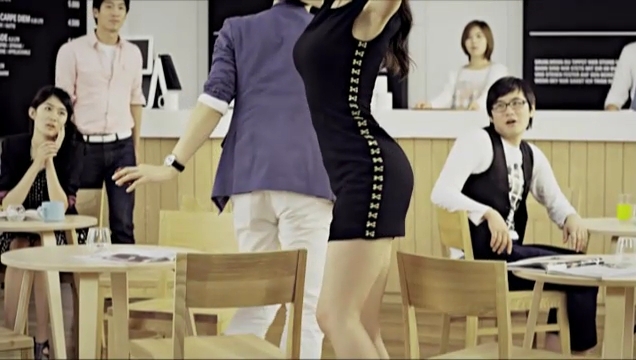
이 아찔한 옆태노출패션은 작년 11월, 애프터스쿨의 유이가 선보이기도 했었는데요 일명 옆태폰이라 불리는 한 휴대폰 광고에서 보일 듯 말듯 옆태라인을 노출한 미니 드레스를 입고 옆태 댄스를 선보이기도 했었습니다

This dizzy profile-revealing fashion was also shown off by After School’s Uee last November, in a dance wearing a now-you-see-it-now-you-don’t revealing mini-skirt in a commercial for the so-called “Profile Phone” (source).

그리고 월드컵 축하공연을 위해 무대에 올랐던 포미닛의 현아는 붉은 악마 티셔츠의 옆 라인을 과감하게 자른 의상으로 파격적인 노출을 해서 화제가 되기도 했죠

Also, in a public performance to congratulate soccer World Cup players, 4Minute’s Hyuna appeared on stage in a Red Devil t-shirt with the side cut away,  so revealing that it became a hot topic (see below).

지난해 유이와 현아에 이어 올해는 최정원 뿐만 아니라 많은 여배우들이 옆태를 내세운 몸매로 시선을 끌기도 했습니다

Following Uee and Hyuna last year, many actresses have drawn attention to their bodies by showing off their profiles, not just Choi Yong-won.

지난 10월 6일 개막한 부산국제영화제에서 파격적인 노출 패션으로 화제를 모았던 신인배우 오인혜.

This October the 6th, new actress Oh In-hye’s exceptionally revealing dress at the opening ceremony of the Busan International Film Festival also became a hot issue.

어깨는 물론 가슴을 거의 드러낸 오렌지 빛 드레스를 입은 그녀는 가슴라인과 등 라인을 노출한 것은 물론이고 아슬아슬하게 비춰지는 옆 라인은 보는 이들의 입을 딱 벌어지게 하기도 했습니다

Of course the orange dress showed off her shoulders, and almost completely exposed her breasts, but it was how dangerous she looked in profile [James - i.e., how close it was to also showing her nipples] that had people’s mouths agape.

그런가하면 지난 7월 14일 열렸던 부천 국제 판타스틱영화제 개막식 현장에서 가장 화제가 됐던 배우 곽지민은 앞트임, 뒤트임에 이어 옆트임까지 노출 포인트를 모두 갖춘 무한 노출 패션을 선보였는데요

(Source)

Also, at the opening ceremony of the Bucheon Fantastic Film Festival on July 14th, the hottest topic was actress Kwak Ji-min’s outfit, which, being open at the front, back, and the side, revealed almost everything.

[인터뷰: 곽지민] 반응이 그렇게 뜨겁게 될 지는 상상도 못했어요. 학교에서 특히 반응이 굉장히 뜨겁더라고요

[Kwak Ji-min]: I could never have imagined the reaction would have been so intense. It was especially heated at [the?] school. [Kwak Ji-min is 27, so I don't know what school she's referring to. Is she referring to a festival venue? - James]

드라마<내 마음이 들리니>에서 발랄한 캔디녀로 사랑을 받았던 황정음. 지난 5월 공개했던 섹시화보 제작발표회에서 언뜻 보면 평범해 보이지만 옆라인에 반전이 있는 의상을 입어 눈길을 끌었는데요 슬쩍 보이는 상체 라인이 더 아찔했다는 평가를 받았습니다

Hwang Jung-eum has received much love for her role as a vibrant and active candygirl [James - I'm told this means a young woman who's cheerful and extroverted, especially someone who overcomes some kind of adversity] in the drama Can You Hear my Heart.  In May, at a press conference for her new sexy photobook, at a glance she appeared to be wearing ordinary clothes, but if you looked closer you saw that she was wearing eye-catching ones that showed off her profile, making you think of her upper body in a new light [James - see here for my translation of a blogger's thoughts on how such "exposure" affects her career].

이어 지난 7월 한 패션매거진 화보를 공개한 윤은혜는 옆 라인을 살려 상의를 탈의하고 손으로 가슴부위를 감싸 안은 파격적인 포즈로 화제가 되었죠 그리고 상체 위주의 옆태 라인을 강조하던 다른 스타와는 달리 하체 옆 라인을 과시하며 아찔한 각선미를 보여 주기도 했습니다

In July, Yoon Eun-hye became a hot topic by showing off her profile in a photoshoot for a fashion magazine, undressing her upper body and embracing herself, covering her breast with her hand. Unlike other stars that emphasize the top half of their profiles, Yoon Eun-hye mostly shows off the bottom half of hers.

이렇게 과감하게 옆 라인을 노출해 제대로 된 S라인을 뽐내는 스타들이 많았는데요 새롭게 떠오른 노출의 키워드 옆태! 적정한 선을 지킨 옆태 노출로 진정한 아름다움을 뽐내길 바랍니다.

There are now many stars that have been showing off their well-made S-lines through boldly exposing their profiles like this, making “profile” the new exposure keyword! But let us hope that nobody overdoes it, only showing off sincere beauty by exposing their profiles (end).

(Source)

If you were confused by the second to last paragraph, then you weren’t the only one: as is clear from the image above (seen in the video), Yoon Eun-hye’s photoshoot was actually in October, and the other pictures can only be said to emphasize the bottom half of her profile (alas, not her bottom itself) in that her legs are physically longer than the upper half of her body. But speaking of Yoon Eun-hye, and to end on a positive note, by no means does all the above imply that Korean celebrities feel compelled to show off every new body term out there, nor – if they do decide to – that they can’t exploit them for their own ends, and/or simply to feel sexy. For much more on that, please see here!

(For all posts in the “Korean Sociological Image” series, see here)

Newsflash: Korean Idol NOT Starving Herself!

Posted in Body Image, Dieting, Exercise, Gender Socialization, Girl Groups, Korean Music by James Turnbull on July 25, 2011

It’s said that the fashion industry has favored skinnier and skinnier female models over the years because it’s dominated by gay men, right?

But since when are all, or even most gay men attracted to such androgynous figures? In reality, their tastes are just as diverse as heterosexuals’, and you don’t need my experience of living with gay prostitutes to know that. Or that one’s sexuality doesn’t preclude an aesthetic appreciation of healthy curves either.

On the other hand, it’s also true that there’s a price to be paid for challenging the waiflike norms for models in the fashion industry, the corollary of which would be that it attracts people who share those norms. But how did those norms arise in the first place? And again: why the trend towards thin?

Taking for granted a symbiotic relationship between fashion and consumerism, then a better explanation for both is the constant financial imperative of related cosmetics, clothing, and dieting companies to create false needs in the minds of consumers, all the better to sell new products to them that (supposedly) help them fulfill those needs.

(Source)

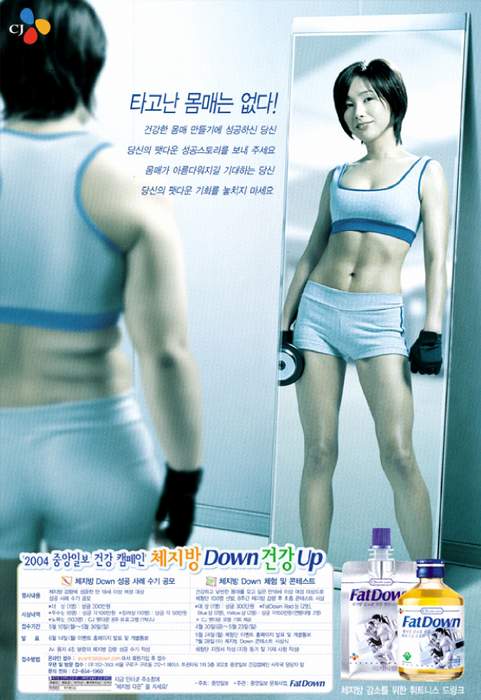
I concede that that may sound simplistic, even conspiratorial. But take the classic Korean example of the “X-line” for instance: a body-shape completely impossible outside of Photoshop, but which creators Amore-Pacific will sell products to help you attain nevertheless, aided by articles like this from the Korea Times that cheerfully reported that the X-line was hugely popular among young Korean women.

Despite the only “evidence” for that coming from Amore-Pacific itself.

Also, the thinner models are, then all the more dieting products and services that are needed to reach their weights. Which is not to say that Korean consumers are any more or less likely to follow anonymous models’ examples than you or I are, but when 75% of Korean advertisements feature celebrities, with a demonstrable influence on media narratives about body ideals, then the potential is certainly there.

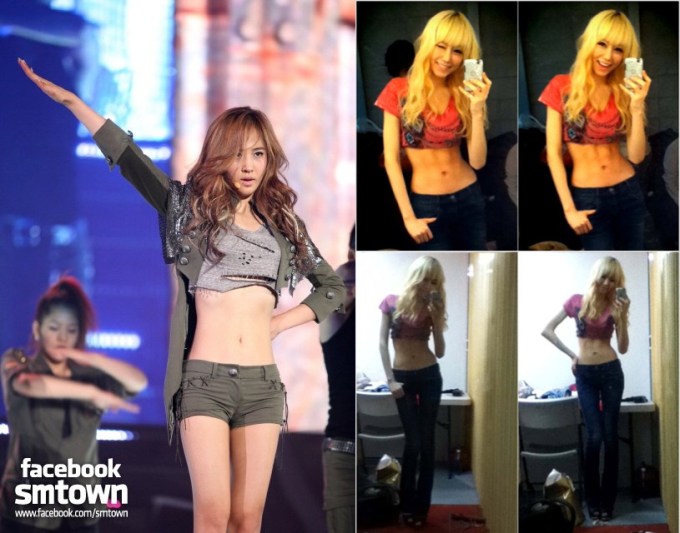
(Sources: left, right)

Enter Girls’ Generation, who have 1200-1500 calorie a day diets despite one member being 9kg underweight, and probably Yuri on the left above too (Brave Girls‘ Seo Ah’s pictures on the right speak for themselves). Or T-ara’s Hyomin being anorexic and weak, yet repeatedly showing off her body to endorse a swimming resort. Or actor Jeong Ryeo-won endorsing Giordano while looking like this. And so on.

Are these women both personification and culmination of the trends mentioned above? It’s certainly tempting to think so (and just between you and me, I do). But it’s also true that while Girl’s Generation, for instance, have indeed endorsed beauty products, even going so far as to prominently display one in a music video, they’ve also endorsed pizzas and fried chicken. So if there is a relationship between those celebrities’ weights and consumerism, in Korea it’s clouded by management companies relying heavily on endorsements – any endorsements – to make profits.

In the meantime, Korean women are already the slimmest in the developed world, to the extent that 1 in 5 are undernourished, and fully half of teenage girls are too anemic and malnourished to donate blood. If you’ll forgive the pun, such exacting standards for women don’t magically appear out of thin air.

Nor are they often challenged, let alone by celebrities themselves.

Which is why it was so exceptional last week for Uee of After School to not only reveal that she was eating enough, but to also pass on the common-sense that:

Many people starve themselves when they are on a diet, but that doesn’t help. You have to eat well in order to lose weight more easily.

(Source)

Seriously, I’m at a loss to recall anyone else in K-pop making such a, well, revolutionary statement(!), so I’ll certainly forgive her complicity in the objectification of her body by the media (it does go with the job after all). Korean speakers, see roughly 4:30 of this Youtube video to hear her for yourself, or the Dailymotion video if you find that unavailable in Korea for copyright reasons (I’ve saved it for posterity).

And on that note, hopefully you can appreciate why I felt some context was necessary before passing on the news (UEE EATS FOOD! READ ALL ABOUT IT!). But is she indeed the first celebrity to speak out like that? Or can any readers think of any others? By all means, please prove me wrong!

Update 1 – While she’s not quite as well-known, I forgot about the example set by Koyote’s Shin-ji last year (see #7 here).

Update 2 - With thanks to xtristessa for passing it on, R&B singer Hwayobi recently confessed to having suffered from bulimia.

Update 3 – And to Seri, for mentioning Hwang Jung-eum. She’s not exactly my favorite celebrity, as she’s endorsed Sketcher’s completely useless  “Shape-ups”, but I suppose that’s no worse than UEE reveling in the attention given to her “honey thighs”.

Update 4 – YG Entertainment’s exclusive trainer, Hwang Sung Chan, briefly discusses Park Bom’s diet here. While it’s good that he mentions how the media often distorts information about celebrities’ diets, widely reporting that she only ate watermelon rather than a lot of watermelon for instance, unfortunately he doesn’t give any details about what she does eat.

Share