Maverick Film Reviewer Confirms all my Biases about the Orientalism in Past Lives (2023). Is He Right?

“There’s a word in Korean—inyeon (인연). It means providence, or fate.” Well so what?

Estimated reading time: 4 minutes. Image source: Naver.

To be clear, I haven’t actually seen Past Lives yet. In most of the world, everyone was able to watch it last summer; in Korea, it’s only finally coming out this March. But that opening line in the trailer is a huge red flag:

I realize I’m completely projecting, my title necessarily provocative. It’s just one line, devoid of context. I don’t know if its Orientalist undertone is the exception, or if it suffuses the whole film. But ugh.

Because why say something like that at all, if not to then stress some fundamental difference between the English and Korean concepts? It already feels like right up there with gatekeeping, essentializing discussions of how han, or jeong, or nunchi are timeless, immutable, untranslatable qualities that define all Koreans, which Westerners just could never fully understand:

Source left: Absolutely not going to give this book any traffic. Source right: @RachelMinhee.
Source: Stolen from a Korean Facebook friend.

And definitely make sure to read about how the concept of “saving face” is a complete Western invention, and Minsoo Kang’s “The problem with ‘han’ 한 恨” article at Aeon:

Some people insist that han is a uniquely Korean idea that only Koreans can truly grasp. Yet it is about as useful at explaining everything Korean as the term ‘rugged individualism’ is at explaining everything American or the ‘Samurai’ is in capturing all that is Japanese. It is true that all the calamities and traumas of the modern era have provided Koreans with a great well of powerful emotional experiences from which to draw. But intense emotionality is hardly unique to Korean narratives, and the notion of a specific kind of sorrow/regret/frustration/rage that only Koreans can feel is absurd.

Despite the film’s almost universal acclaim then, and smart overseas friends’ glowing reviews, I was already feeling ambivalent about eventually watching it. I have to admit I’m just a natural contrarian too, especially when it comes to Korean and Korea-related films. Not at all because I think I know better than everyone somehow, but because it seems the more people that sing their praises, the more likely those films are to tick various boxes that turn me off. And, once I do voice any negativity, that my friends will become completely insufferable too, writing me off as a plebeian rather than admit their latest bestest film ever might be anything less than perfect.

Elaine knows exactly what I mean:

So, not going to lie, I felt vindicated over the winter as more and more Asian-American friends in particular also expressed their misgivings about the film. Then, finally, one linked to maverick Ian Wang‘s provocatively-titled “The Critics Are Wrong About ‘Past Lives” at ArtReview, its introduction alone confirming all my suspicions:

You’re watching a contemporary drama about East Asians who’ve immigrated to the West. The narrative can vary, but often depicts a conflict between an older first generation (stern, repressed) and a younger second generation (independent, rebellious). Its characters are honourable and decent. Despite their disagreements, you get the sense that the film doesn’t want you to think any of them have done anything wrong. In fact, they can feel less like real people and more like proxies for certain ‘types’: the tiger mother, the Westernised child. Peppered throughout are glib ethnic signifiers: lingering shots of kimchi-jjigae or jiaozi, a hackneyed reference to not wearing shoes in the house. You can feel the director ticking off boxes as they go, soliciting high relatability with low effort. It is a polite, earnest film, one that will surely receive awards attention. And yet you can’t help but walk away feeling dissatisfied – this was sold to you as a complex, nuanced story about immigration, so why does its view of immigrant life feel so shallow?

I’m tempted to say I rest my case. But on the contrary—unlike most of my film snob, probably soon to be ex-friends, I’m not going to dismiss anyone’s continued love for this film as some irredeemable intellectual failing on their part. So, whether you want to send me a rant or a rave, thanks in advance to those of you who have seen the film and who do take the time to share their thoughts on Yang’s critique. For who knows? I’m already inclined to see the film anyway, just to make up my own mind about it—and being able to debate you afterwards may be all the final persuasion I need!

Related Posts:

If you reside in South Korea, you can donate via wire transfer: Turnbull James Edward (Kookmin Bank/국민은행, 563401-01-214324)

Why Feminism? Because Stalking Victims Need Protection, the Gender Pension Gap Needs Fixing, and Enough Jokes Already About Big Boobs?

Well, yes. Those would be a pretty decent start towards explaining why actually.

Here’s why I’m deliberately developing a ‘feminist toolkit,’ and seeking out short talking points like these to add to it.

Estimated reading time: 9 minutes. Photo by Cristine Enero on Unsplash.

A few years ago, at a department dinner at my university, a coworker asked me what feminism was, and why it was even needed.

Honestly, I was just too stunned to answer.

Not because I didn’t have an answer. I’m used to giving catchy one-liners to curious teens, or trading barbs with men’s rights activists who are really just sealioning.

But because he was genuinely asking.

Once I realized that, I was just at a loss. I just could not understand why someone in their late-50s, and so well-educated, would need to at all.

Stammering to come up with any sort of reply at all then, I was saved by our meals arriving, our conversation mutually forgotten. Still, later I regretted how a real opportunity for education had been missed. As someone who proudly mentions the f-word in their elevator pitch (no, not that f-word!), expressly wanting people to ask me more about it, I really should have had some responses already prepared for that kind of encounter.

So, I remembered our conversation again last summer while casually listening to a random episode of the BBC Woman’s Hour podcast, realizing any one of its short segments on those title topics would have sufficed to start explaining “why.” Ever since, I’ve been mentally storing and seeking out these and many anecdotes, factoids, and stories like them, every day finding both more of a need for them and more of a responsibility to use them.

The need is because I’ve been really putting myself out there professionally, socially, and romantically in the past two years. Mostly, I’ve been loving it. But this sort of thing keeps happening:

In his work in the city Sammy found himself among Republicans for the first time in his life. Nothing in his background or higher education had conditioned him to expect that anyone but a bandit, sociopath, or ignoramus would ever want to be a Republican. But these coworkers weren’t ignorant, and they were not bandits or sociopaths.

Chapter 8, “Time,” in Closing Time by Jospeh Heller (1994)

The responsibility is because, as mentioned in my last post, the Korean manosphere, for one, has a very real and growing influence. Ignoring them, dismissing them, writing blogposts that they won’t read, aren’t exactly helping to counter that. Rather, a political gender divide continues to grow globally, and is especially wide in Korea.

I also feel a responsibility because I recently listened to a (2017) podcast episode about conservative intellectuals by The Point Magazine, in which co-editor Jon Baskin stresses the need for engagement:

“…where[as] on the left, they think these aren’t real ideas, they’re so obviously ridiculous that no-one can even believe them…they must just be there to bale power, you know, power dynamics or privilege. And you know, I think we take it as…besides just a matter of sort of honesty, intellectual honesty, we take it as a matter of political responsibility to try and actually meet these ideas. It seems to me the more politically responsible thing to do is to actually meet these ideas which obviously are convincing to many people, and take them as arguments and treat them as such.”

(From 6:50.)

And I feel even more of a responsibility because I’ve mingled and networked enough that I’ve reached a tipping point. That now, I don’t just abstractly know, but also feel in my gut and see right in front of my eyes how my wide range of privileges—male, cishet, White, native English-speaking, middle-aged—work to ensure I’m more likely to be listened to. And, crucially, much more likely to be listened to over a drink in a bar, with someone with shared interested or some other connection, than randomly read by them.

No, it’s not like I’m going to take advantage to proselytize at every cocktail party I’m invited to. Nor be taken advantage of by people who had no intention of listening. But when opportunities for genuine dialog are offered, how to make the most of them?

“Okay, but this 2023 study of Norwegians found no sexual double-standards for long-term relationships.”
“…”
“And that Insta had links to 4 more studies that came to similar conclusions.”
“Interesting. I’ll have to read them. But although there’s absolutely no excuse for anyone slut-shaming anyone, you know there used to be legit evolutionary reasons for both men and especially women to want to restrain female promiscuity, right? And, just got to say, Korean women are still too scared to go to gynecologists for vital health checks for fear being labelled sexually active. And in 20+ years, there’s only been a handful of ads in Korea that portray women as sexually assertive too. And looking for those is kinda my thing. So, yeah, for sure, I will read those studies, I swear. But not going to lie, I’m already a little dubious about their methodology and results.
“Huh, I guess you have you have a point about the gynecologists. I walked into a skincare clinic once, and ended up in a gyno hidden inside instead, and got kicked out. Crazy!”
“I know, right? Hey, cool jacket by the way. Where’d you get it?”
Woman texting friend on her phone: “WTF did I just listen to???”
(Hey, I can dream.) Photo by Antenna on Unsplash.

Well, you know how one of the first pieces of advice about networking is to keep introductions and pitches short and to the point? To prepare for meeting lots of people, to have a maximum 10-second spiel prepared that says who you are, what you do, and what makes you worth remembering? It’s all about just extending that skill really.

(And intersects with improving my writing skills too. You may scoff, but you should see what I cut these days!)

So, I’m taking notes from good communicators I know on social media, especially those who make reels. Off the top of my head, here’s some of those who post (mostly) sexuality, feminism, and/or Korea-related content specifically, whose insights I very much rely on to be able to write about those subjects at all here:

Professor Neil — Excellent at responding to the sort of ‘self-evident’ truths about women and so on presented by the manosphere, and quickly ripping them to shreds.

Will Hitchins — Like Professor Neil, but funnier and in Australian ;)

Jae-Ha Kim 김재하As well as her must-read commentary on Korean social issues on Twitter, she has such biting critiques of sexism in Korean pop-culture, and recommendations of what dramas do well, that you can’t not follow her. Make sure to subscribe to her Substack newsletter especially.

CedarBough Saeji — I’m very biased because “The K-pop Prof” is a personal friend, lives 5 minutes away, and is the only one in this list I’ve met personally, but still: it’s an objective fact that much of what I say above Jae-Ha Kim, I could also say of CedarBough. Alas, her focus is more on music and K-pop, and her academic writing leaves little time for a Substack ㅠㅠ

Macken Murphy —“Macken Murphy is able to condense vast chunks of information into engaging and digestible episodes.” (The New York Times) Focusing on dating advice, attractiveness, and relationships through an evolutionary perspective, ironically Murphy first came to my attention through his poor communication skills though, my jaw dropping during an episode of the Sisyphus 55 podcast at how eerily similar his speaking style was to my own, and realizing just how convoluted I can sound. But he’s vastly improved since then, making him a perfect role model for me personally. And he’s especially good at shutting down the incels etc. that unfortunately gravitate towards science-based speakers like himself, who selectively go through their work to find supposed rational, ‘scientific’ justifications for their misogyny.

Follow the River North, formerly based in Korea at I’m no Picasso — E. the baker in rural Texas may be very surprised to be included here. But feminism suffuses whatever she writes, and, just in case she doesn’t already know, I also consider her to be one of the most frugal and direct yet also most moving writers I’ve ever encountered—whatever she writes about, she always packs a punch. If you haven’t already, again make sure you all subscribe to her SubStack newsletter.

Alexander — Description: “MSc Cognitive and Behavioral Neuroscience. Research interests in attractiveness & dating. YT – alex.datepsych.” Pinned post: “Redpillers and blackpillers seething as some of their golden cows get knocked down with data. Had a very good interview with Connor Tomlinson here.” Enough said.

Ibagua Kihanovief — In my own words, discovered through her “handy riposte to anyone who claims that feminism is unnecessary in Korea,” whom I’ve already sung the praises of here. All of her work is in Korean, but she often includes English translations.

Professor Michael Flood “Researcher on men, masculinities, gender, and violence prevention. Educator and advocate. Tweets my own. I strive for content-rich and evidence-based tweeting,” and great at respectfully responding to, interacting with, and ultimately shutting down the sorts of people and opinions I’m increasingly encountering myself.

thetinmen — “”Widening perspectives around men. Uncomfortable conversations and ugly truths; the unpopular other half of gender equality, and men’s mental health.” The old me would hesitate to include them, as most of what they post I disagree with. But like Sammy said in Closing Time, they’re really not all the “bandits, sociopaths, or ignoramuses” you might expect. And while I think many of their messages are indeed ultimately flawed, they aren’t easily dismissed, and are well-presented and put together.

Brazenly learning tips and tricks from them to win alt-right friends and influence incels may sound a little calculating, especially if said alt-right friends and incels read this later, but to me it’s still fundamentally all about just learning communication skills. And besides which, strategizing and weaponizing those skills is what the alt-right already does:

And after all that, here finally are the descriptions and times of those segments of that BBC Woman’s Hour episode. Sorry not sorry that just posting a link seemed seemed insufficient, and I hope you and your future conversation partner likewise get inspired and talking by them, wherever you are on the political spectrum. Enjoy!

From 1:20-19:25:

“A woman who was stalked by her husband and then placed into witness protection with a new identity to escape him, says she feels like she’s the one being punished. She’s complained to the police about the way her case was handled after being told she failed an assessment and was no longer being supported by them in her new life. She spoke to our reporter Melanie Abbott, and says she felt completely cut adrift. We hear her story of how she had to uproot her two children and start a new life with a new job in a new town, while her husband is free to live wherever he likes. Academic Rachael Wheatley from the university of Derby tells Anita how she is training police to be better at dealing with stalkers and how victims need better support.”

From 19:25-29:35:

“A new report by the Trade Union Congress has highlighted a gender pension gap between what men and women are living on in retirement. The estimate it’s currently running at 40.5%, which is more than double the current gender pay gap. Nuala talks to Nikki Pound from the TUC and financial expert Sarah Pennells Consumer finance specialist at Royal London – pensions insurance provider about the issues facing women and possible solutions.”

And from 35:15 to 45:50:

“Writer and Podcaster Jackie Adedeji speaks to Nuala about her new Channel 4 documentary UNTOLD: My Big Boobs, a look into the impacts of having big boobs and the rise in breast reduction surgery. Sarah Ditum also joins to discuss the cultural trends of breasts through the years.”

(Alas, the linked video can’t be watched in Korea. Sigh. But for a change, it’s not the Korean government’s fault—the video is only available in the UK.)

Related Posts:

If you reside in South Korea, you can donate via wire transfer: Turnbull James Edward (Kookmin Bank/국민은행, 563401-01-214324)

Manufacturing Outrage Against Korean Feminists: Could it GET any more obvious?

“It was there for literally 0.1 seconds! And drawn by a guy! And…and…WHY THE HELL DO YOU FEEL SO THREATENED BY IT ANYWAY??”

Estimated reading time: 12 minutes. Photo by Timur Weber @Pexels.

It’s always heartwarming when a columnist literally calls bullshit on the Korean manosphere.

For that sass alone, in a moment I’ll gladly pass on to you my full translation of Hankyoreh Gender Team Leader Jang Su-gyeong’s accusation, written in December 2023 about the MapleStory controversy of the previous month.

But for all her flair, I think it was a little misdirected.

“I am very interested and concerned about hatred and discrimination, which hang as prevalent and thick in Korean society as air.”

Basically, she criticizes the controversy for being only the latest example of the ‘feminist check’ tactic the Korean manosphere engages in these days. Whereby they: go bananas over any alleged instance of a small penis finger gesture; dig deep to find evidence that those responsible have even the slightest of feminist leanings; then shrilly demand the company responsible fire them and remove the offending gesture.

This is more pernicious and impactful than it may sound to outside observers. Emboldened by the term “feminism/페미니즘/女性主義” more accurately meaning radical feminism in Korean, to most men and women alike, virtually anyone even only indirectly advocating for sexual equality can get tarred with that brush. And when that happens, say, for wearing t-shirts incels don’t like, companies are only too eager to throw those real or alleged “femis/페미” under the bus, all for the sake of appeasing the manosphere.

Source: John Marcotte.

So I share her ire, and don’t want to get too hung up on semantics. It’s just that, precisely because the manosphere can be so loud and proud about what they doing, why they’re doing it, and who they’re hurting, with absolutely no subterfuge necessary, perhaps “bullshitting” isn’t the best way to describe the process.

Or, perhaps I only say that with the benefit of hindsight.

Because as if to prove her point, an even more bullshit controversy, over nonexistent government plans to switch the genders of emergency exit signs, is emerging as I type this a month later.

As you’ll see after her column, it’s a much more blatant example of what she describes. Especially when you contrast it with a real example, which there was a clear need for, made nationwide to the caregiver figures in subway escalator signs in the late-2000s. And which, to the best of my knowledge, did not result in any harm to anyone’s sense of manhood—no matter how deeply the Korean manosphere seems to feel threatened if the same ‘concessions’ were made today.

Left: the offending gesture, which is visible for precisely 0.1 second. Full screenshot source: 원정상 @YouTube. (For the record, I just thought it was too good a screenshot not to steal—I don’t know the YouTuber’s stance on the controversy.)

너 페미니? Are You a Femi?

장수경/Jang Su-gyeong, 2023-12-17 (flying710@hani.co.kr/@jsggija)

“너는 페미니스트야?”

“Are you a feminist?”

몇달 전 대학 때 친하게 지낸 남자 동기를 만나 들은 질문이다. 질문을 받은 뒤 처음 느낀 감정은 당황스러움이었다. 그동안 받아본 적 없는 질문이었기 때문이다. 페미니스트냐 아니냐를 따지는 게 무의미할 정도로, 나는 스스로 페미니스트가 아니라는 생각을 해본 적이 없던 터였다.

This is a question I was asked a few months ago, when I met a male classmate with whom I was close to in university. My first reaction was embarrassment. Because it was a question I’d never been asked before. I’d never thought of myself as *not* a feminist, to the point where it was meaningless to consider whether I was one or not.

“나는 페미니스트지.”

“Yea, I am a feminist.”

“왜 너 자신을 그렇게 규정해? 네가 생각하는 페미니즘이 뭐야?”

“Why do you define yourself like that? What do you think feminism is?”

“여성과 남성은 동등하고, 성별에서 오는 각종 차별을 없애야 한다는 거지.”

“I think it means women and men are equal, and so all kinds of sexual discrimination must be eliminated.”

“그건 인권 차원에서 당연한 거 아니야?”

“Isn’t that only natural from just from a human rights perspective though [So a feminist one isn’t necessary]?”

친구는 페미니즘의 방향에는 동의하면서도 페미니스트에 대해서는 부정적 생각을 가진 듯했다. 친구는 내게 “너의 정체성을 어느 하나로 규정하지 않길 바란다” “역차별당하고 있다고 주장하는 2030 남성들의 이야기도 귀담아들어달라”는 말을 남겼다.

Although my friend agreed with the general direction of feminism, he seemed to harbor negative thoughts about feminists themselves. He continued, “I hope you don’t define your identity as just this one thing,” and “Please listen to the stories of men in their 20s and 30s who claim they are being reverse discriminated.”

최근 게임 업계에서 일하는 여성 작가들을 향해 잇따르고 있는 ‘페미니즘 사상 검증’ 사태를 지켜보면서 당시 대화를 떠올린 건, 페미니스트를 옥죄는 사회 분위기가 전방위적이라는 생각 때문이었다. 친구의 질문 의도가 ‘사상 검증’일 것이라곤 생각하지 않는다. 다만, 이런 질문이 나와 동등한 위치에 선 사람의 ‘순수한 궁금증’에서 비롯된 것이 아니라 누군가를 검열하고, 억누르고, 일자리를 겨냥하고 있다면 말은 달라진다.

While watching the recent ‘feminist check’ [lit., ‘verification of feminist ideology’] that has been taking place against female writers working in the game industry, I remembered the conversation at that time because I thought that the social atmosphere that oppresses feminists is omnipresent. I don’t think the intention of my friend’s question [was malicious], to confirm that I was a feminist [and then target me on that basis]. However, if these questions do not arise from a place of genuine curiosity [and willingness to engage in dialogue] expressed by a person standing on equal footing with me, but instead is a form of sealioning aimed at censoring, suppressing, or targeting someone’s job, the story is different.

지난달 말 남초 사이트와 게임 업체 넥슨이 한 행동은 전형적인 ‘사상 검증’이었다. 남초 커뮤니티는 넥슨의 게임 ‘메이플스토리’ 홍보 영상에 등장하는 캐릭터의 손가락 모양을 두고 ‘남성 혐오’라고 주장했다. 근거는 빈약했다. 해당 영상을 작업한 하청 업체의 한 여성 직원이 자신의 사회관계망서비스 계정에 올린 페미니즘 옹호 발언이 전부였다. 전형적인 확증 편향이었지만 넥슨은 별다른 사실관계 확인 없이 해당 영상을 비공개하고 업체 쪽에 법적 대응을 예고했다.

At the end of last month, the actions taken by the manosphere sites and forums, and then the game company Nexon’s responses, were a typical example of the feminist check process. The manosphere claimed that the shape of the finger of the character appearing in the promotional video for Nexon’s game *MapleStory* was ‘man-hating.’ But the evidence was actually quite weak. A female employee of the subcontractor who worked on the video uploaded it to her social networking service account, and all she said was her defense of feminism. It was a typical confirmation bias, but Nexon made the video private without verifying the facts and announced legal action against the subcontractor she worked for?

이후 해당 작업물을 그린 이는 40대 남성 애니메이터라는 사실이 보도됐다. 주장의 근거가 사라졌으니, 남초 커뮤니티가 사과했을까. 아니다. 애초 사실 여부는 중요하지 않다는 듯, ‘언론의 보도가 거짓’이라거나 ‘남페미는 문제가 아니냐’며 방향을 틀었다. 그사이 해당 여성 직원은 개인 신상 정보가 털리고 온갖 욕설을 듣는 등 사이버불링을 당했다.

However, it was later reported that the person who drew the work was actually a male animator in his 40s. Now that the basis for the claim has disappeared, did the manosphere apologize? Not at all. In the first place, it seemed as if it didn’t matter whether it was true or not. And then they changed direction by saying, “The media’s reports were false,” or “Aren’t male feminists the real problem here?” Meanwhile, the female employee suffered cyberbullying, including having her personal information stolen and receiving all kinds of abusive language.

퓰리처상을 받은 영국의 저널리스트 제임스 볼은 책 ‘개소리는 어떻게 세상을 정복했는가’에서 ‘진실이든 거짓이든 신경 쓰지 않는 사람들이 만들어내는 그럴싸한 허구의 담론’을 ‘개소리’(bullshit)라고 말했다. 개소리꾼의 개소리는 거짓말과 달리 자신이 원하는 결과를 얻기 위해 최소한의 진실조차 중요하지 않기에 거짓말보다 해롭고, 팩트로 대응해도 힘을 잃지 않는다고 했다.

In his book Post-Truth: How Bullshit Conquered the World (2021), Pulitzer Prize-winning British journalist James Ball said that ‘bullshit’ is “a specious fictional discourse created by people who do not care whether it is true or false.” He said that unlike lies, this, the most bullshit of bullshits, is more harmful than lies because even the minimum amount of truth is not important to achieve the results one wants, and it does not lose its power even if it is responded to with facts.

“업장에서 왜 사회운동을 하냐”(허은아 국민의힘 의원), “악질적인 점은 실수가 아니라 의도적이라는 데 있다”(이상헌 더불어민주당 의원), “의도를 가지고 넣었다면 조롱”(류호정 정의당 의원)이라는 정치인들의 반응은 ‘개소리’ 기세를 더 강화할 뿐이었다. 정치권의 메시지는 ‘사상 검증을 하지 말라’ ‘페미니스트가 뭐가 문제냐’여야 했다. 기업은 개소리꾼의 개소리를 수용할 것이 아니라 무시해야 했다. 언론은 ‘집게손 논란’이라는 제목으로 개소리를 앞다퉈 보도하지 말아야 했다.

The politicians’ responses—“Why are you engaging in social movements at your workplace?” (People Power Party Rep. Heo Eun-ah), “The malicious point is not that it was a mistake, but that it was intentional” (Democratic Party Rep. Lee Sang-heon), “If it was put in with intention, it would be ridiculed” (Justice Party Rep. Ryu Ho-jeong)—only added to the bullshit’s momentum. Instead, the message from the political world should have been, “Don’t engage in a feminist check,” and “What’s the problem with feminists anyway?” Companies should have ignored this bullshit of bullshits, not blindly accepted it, and the media should not have rushed to report it under the title ‘Claw Hand Controversy.’

‘페미니스트는 남성 혐오론자이기 때문에 그런 집게손가락 모양을 넣었을 것’이라는 ‘개소리 담론’에 기업, 정치인, 언론 등이 동조한 결과는 ‘일터를 잃는 노동자’다. 2016년 ‘소녀에게 왕자는 필요 없다’는 글이 쓰인 티셔츠를 입었다는 이유로 교체된 성우처럼, 과거 에스엔에스에 페미니즘 관련 글을 올렸다는 이유로 2023년에 계약 해지된 게임 ‘림버스 컴퍼니’의 그림작가처럼 말이다.

Source: Twitter/@KNKNOKU via BBC.

The result of companies, politicians, media, and so on agreeing with the bullshit discourse, that “feminists must have put that index finger symbol because they are male haters,” is workers losing their jobs. Just like the voice actor who was replaced in 2016 for wearing a T-shirt with the words “Girls do not need a prince” written on it, the illustrator of the game Limbus Company whose contract was terminated in 2023 for [retweeting tweets that used derogatory terms for men].

개소리를 하며 ‘사상 검증’을 정당화하는 이들에게 말해주자. 너희 주장은 개소리라고. 페미니즘이 뭐가 문제냐고. 너희들이 페미니즘을 알긴 아느냐고.

Let’s tell those who spew bullshit in the name of feminist checks: Your arguments are bullshit. What’s the problem with feminism anyway? Do you guys even know *anything* about feminism? (END)

(For more information, in chronological order over November to December, including the response of the Nexon Union, please see the Korea JoongAng Daily, this Reddit thread, Korea Bizwire, the Korea Times, and again the Korea JoongAng Daily.)

Now fast forward to mid-January 2024, when multiple media outlets reported that in the name of gender equality, the government was immediately replacing the ‘male’ pictogram in some of the emergency exit signs nationwide with more obviously ‘female’ ones. Some outlets added that it was at the behest of women’s groups.

I’m sure I don’t need to outline the absurdities of such a plan. Nor that (most of) the multiple, eminently justifiable criticisms, did not necessarily stem from misogyny.

But more often than not, feminists became the target anyway.

Because at best, the new design was actually just one of many possibilities considered for updating the signs, to replace the existing ones only as per needed (so, no extra cost at all). Whereas at worst—and it’s unclear which applies, frankly—it was a complete fabrication of the media.

As were the supposed women’s groups that were demanding it:

직장인 A씨(29)는 “새 픽토그램을 보니 긴 머리에 치마를 입고 가슴 부분이 튀어나와 있었다”며 “여성 중에 이런 기호를 원하는 사람이 실제로 얼마나 되겠냐. 오히려 여성을 희화화한 듯하다”라고 말했다. 한 누리꾼은 “누군가 일부러 논란을 만들었다고 생각될 정도”라고 했다.

한 여성단체 관계자는 “어떤 기사에선 ‘여성단체 등이 요구해왔기 때문’이란 식으로 설명했던데, 그런 요구를 한 단체가 어디에 있나. 괴담 수준의 터무니없는 얘기”라며 “오히려 성 고정관념을 고착화하는 그림이다”라고 비판했다. (Kyunghyang Shinmun)

Office worker A (29) said, “When I looked at the new pictogram, I saw her with long hair and a skirt and her breasts sticking out,” adding, “How many women actually want this symbol? “In fact, it seems like a caricature of women.” One netizen said, “It almost makes you think someone created controversy on purpose.”

An official from a women’s group said, “In some articles, it was explained as ‘because women’s groups have been making demands,’ but where is the group that made such demands?” “It is an absurd story at the level of a ghost story,” he criticized, adding, “Rather, it is a picture that perpetuates gender stereotypes.”

And from the Dailian:

…”이런 것도 성별 갈라치기 소재로 쓰냐” 라는 등 비판 의견이 쏟아졌다.

…[Netizens] said “Is this just another thing that can be used to divide the sexes?”

Image sources: 스포츠하국, Pixabay (edited).

Now, you could rightfully argue that the media was responsible in that case, not technically the manosphere.

Only, there’s a great deal of synergy between the two.

Crucial context is that the notoriously clickbaity Korean media is one of the least trusted in the (developed) world, and that it is heavily male-dominated. Add that Korea is a deeply patriarchal country, currently in the midst of a polarizing “gender war,” then a constant backlash of ‘journalists’ scapegoating feminists for all Korea’s ills is all too predictable.

The deceit involved can be staggeringly blatant and obvious. I’ve even caught out with one bullshit story myself. When, after ‘reporting’ on a literally non-existent controversy over Berry Good member Johyun‘s cosplay above, then getting the sought-after inflamed response from the manosphere, the media added insult to injury by blaming the entire controversy on the reports of a single female reporter, who criticized Johyun for her overexposure despite praising male nudity in previous articles.

Only, her article on Johyun wasn’t published until several hours after news about about the controversy first appeared. (And ironically, her article wasn’t at all like it was described; in fact, they it was just as clickbaity as everyone else’s, and provided no basis to label her a feminist.)

Sources: MLBPark (1; since deleted); 2)

But still: these three cases alone are insufficient evidence of systematic misogyny by Korean journalists and the media. I do strongly suspect though, that a thorough investigation by academics, media-watchdogs, and/or feminist groups will undoubtedly reveal that such an agenda exists. Likely, many such investigations have already been conducted, so I’ll follow this post up with those at a later date.

In the meantime, Korean or otherwise, I will never, ever trust any news source that makes claims about unnamed women’s and feminist groups.

As part of my own 2024 agenda though, I try to highlight the positive where I can, and can’t end on that note.

So, with my apologies for the crappy quality of my digital camera back in the late-2000s, finally let me remind you of when, in a bid to challenge antiquated gender roles and encourage more equitable childcare between parents, subway-caregiver signs with a female figure were gradually replaced with an androgynous one. They were only replaced as per needed, so they didn’t cost extra money, leaving even the most vitriolic of incels struggling to oppose them without exposing their misogyny. Which is probably why I haven’t actually seen one with a female caregiver ever since.

Only, doing my due diligence, I’m sorry to report that today I learned my experience isn’t at all universal (let alone my nonexistent experience of female spaces). That the initiative stalled, and that as of 2019, many Seoul subway stations still have almost entirely female caregivers in their signs. Most ironically and symbolically perhaps, in Gangnam Station, where 100% of them are of women:

Source: Hankook Ilbo.

So, the fight continues, even over the little things. But it does continue.

Related Posts:

If you reside in South Korea, you can donate via wire transfer: Turnbull James Edward (Kookmin Bank/국민은행, 563401-01-214324)

How my boyfriend CHEATED with another Asian girl

Finally, this segment of her show gives me just the excuse I need to let The Grand Narrative readers about my favorite Chinese-Australian comedian Jenny Tian!

Especially when you realize “Alex” is probably the same guy she mentions in her interview at Being Asian Australian, about Yellow Fever and dating as an Asian-Australian woman

Not going to lie—I’m especially fond of her because much of her humor is Australia-related, which resonates because I lived in Australia and New Zealand for 13 years, but might be off-putting for you. But never fear, non-Antipodeans! As you’ll quickly realize from her Instagram, most of her content is universal, and particularly funny to East Asian diaspora anywhere:

Enjoy!

Related Posts:

If you reside in South Korea, you can donate via wire transfer: Turnbull James Edward (Kookmin Bank/국민은행, 563401-01-214324)

“This may be the first time I’ve encountered a Black man in fiction stepping up when the women in his life have checked out.”

Estimated reading time: 3 minutes. Photo by Muhammad-taha Ibrahim on Unsplash.

By virtue of what I research and write about, I’d say roughly 2/3rds of the books I read are by women, split evenly between white women and women of color. And of the latter, probably almost all of them are Koreans and Asian-Americans.

So, it’s been a real pleasure and eye-opener this week to read Girl, Woman, Other by Bernadine Evaristo (2019), which has 12 short stories about the linked lives of (mostly) black British women.

Most of it is very metropolitan, so you don’t have to be at all familiar with London or the UK to enjoy it. But I have to admit I’m especially enjoying the later stories set in Newcastle and Northumberland by the Scottish border, where I’m originally from.

Intrigued then, now I’m thinking the next one about black women I’ll read will be Mama Said: Stories by Kristen Gentry (2023), also a collection of linked short stories about mostly black women, this time set in Louisville, Kentucky. Which to be sure, is quite a leap from the UK. But what instantly sold me was actually her depiction of black men, as explained by Deesha Philyaw in her recommendation at Electric Literature. Specifically of Parker, the point of view character in the story “A New World”:

“Despite carrying the weight of several worlds on his shoulders, Parker’s brand of masculinity never disappoints. This may be the first time I’ve encountered a Black man in fiction stepping up when the women in his life have checked out. Further, Parker isn’t a Black man looking for praise or credit for doing the shit he’s supposed to do, to paraphrase a classic Chris Rock stand-up bit. Parker doesn’t want to be a hero. He just doesn’t want to be a coward.”

Please read the rest of Philyaw’s recommendation there, which also has the full story.

Related Posts:

If you reside in South Korea, you can donate via wire transfer: Turnbull James Edward (Kookmin Bank/국민은행, 563401-01-214324)

“당신의 얼굴 괜찮습니까?/Is Your Face Okay?” Anti Deepfake Poster Misses the Mark

Estimated reading time: 3 minutes.

An ad at my local Busan subway station, which I’d never given a second thought to until today. I had no reason to—with a title and image like that, I’d assumed it was for some kind of beauty app or filter.

Then my aging eyes finally noticed the “딥페이크/Deepfake,” and I did a double-take:

It reads:

당신의 얼굴 괜찮습니까?

딥페이크로 인한 성 범죄가 매년 증가하고 있습니다. 성폭력처벌법 제14조의 2에 의거해 타인의 얼굴이나 신체 등을 허위 영상물로 만들거나 배포하면 5년 이하 징역 또는 5천만 원 인하의 벌금에 처하게 됩니다.

Is Your Face Okay?

Sex crimes caused by deepfakes are increasing every year. Pursuant to Article 14-2 of the Sexual Violence Punishment Act, anyone who creates or distributes a false video of another person’s face or body is subject to imprisonment for up to 5 years or a fine of up to 50 million won.

This text, a bland rehashing of the law, feels like a real missed opportunity.

The issue is who this ad is aimed at. The “Is Your Face Okay?” headline seems aimed addressed to victims, and indeed a Korean friend assures me that it is. However, surely most victims aren’t unaware that deepfakes are illegal? Surely, more of a concern would likely be feelings of embarrassment, shame, that they themselves were to blame for them in some way, and/or worries about the impact on their jobs and livelihoods? So, the priority should be giving victims assurances that these are not at all the case, and that they could receive all the help, support, lack of judgement, and legal aid they needed at the Center.

In their absence, a more creative alternative is that the headline is a double entendre intended to mean “Aren’t You Red-faced/Ashamed?” to potential perpetrators, then letting them know what might happen if they get caught.

Which applies? Unfortunately, there’s no further information about it on the Busan Gender-based Violence Prevention Center’s website, nor does Googling/Navering yield any results.

So, without disputing the Center’s good intentions for a moment, again I’m forced to defer to my friend’s judgement. In which case, I think the poster really misses the mark.

What do you think?

Related Posts:

If you reside in South Korea, you can donate via wire transfer: Turnbull James Edward (Kookmin Bank/국민은행, 563401-01-214324)

WOMEN WE LOVE Bookclub Event—Sunday, February 11, 2-4pm

Estimated reading time: 2 minutes.

Just a heads-up to let you all know about this upcoming event, to give you time to order and read the excellent Women We Love: Femininities and the Korean Wave (2023) before we zoom!

(My copy arrives tomorrow! Squeeeee~)

Organized again by Rhea Metituk (rhealm@gmail.com) of the KOTESOL Women and Gender Equality Special Interest Group, at the moment there’s absolutely no agenda other than everyone being welcome to join, that it won’t be recorded, and that you can rest assured that Rhea will be graciously but ruthlessly ensuring the KOTESOL Code of Conduct is followed by all participants. So please do get in touch with myself or Rhea if you’d like to be on the list to receive the private Zoom link closer to the event, and we’d appreciate any ideas for discussion questions before the day. Thanks!

See you there!

If you reside in South Korea, you can donate via wire transfer: Turnbull James Edward (Kookmin Bank/국민은행, 563401-01-214324)

The Not So Korean Podcast, Ep. 38: James Turnbull (INTERVIEW) – Sexuality, Feminism, Translation, Cats & More

Podcast Running Time: 1 hour 12 minutes.

Apologies all, for any distress caused at suddenly discovering I’m not a 20-something Korean-American woman (no, seriously—it happens a lot!), and thanks very much to Jay and Tim of the Not So Korean Podcast Team for all their hard work in putting this interview together. And to my cats Albert and Elliot too, who insisted on making their own contributions to the episode.

Please visit YouTube or Spotify for the full interview, which was recorded in October 2022. Please also make sure to visit the Not So Korean Podcast’s Instagram too, to get a quick taste of the huge variety of other topics and people Jay and Tim have covered. As you’ll soon see, their other interviewees are all far more interesting and knowledgeable than me!
If you reside in South Korea, you can donate via wire transfer: Turnbull James Edward (Kookmin Bank/국민은행, 563401-01-214324)

Today, I Learned That 3x More Korean Women in Their 20s Attempt Suicide Than Men.
For sure, the patriarchy harms men just as much as women, and 3x more Korean men than women attempt suicide overall. But this dramatic reversal among Korean 20-somethings is truly shocking.

Estimated reading time: 5 minutes. Photo by Brandon Wong on Unsplash.

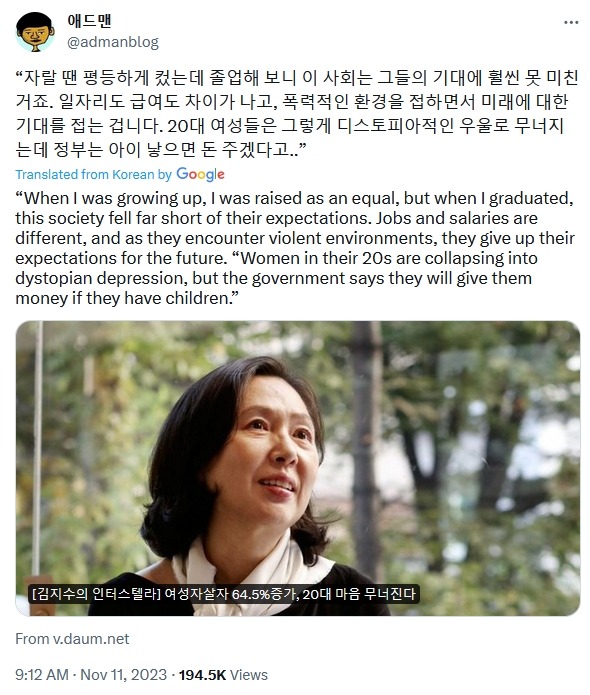
Not going to lie—when first reading the following tweet, this old Korea book geek felt a frisson of recognition. That warm feeling, and wanting to quickly joke about my overwhelming confirmation bias, is what initially made me want to share. Thinking about the horrifying content only came later:

Source: 나도계란/@aravis12
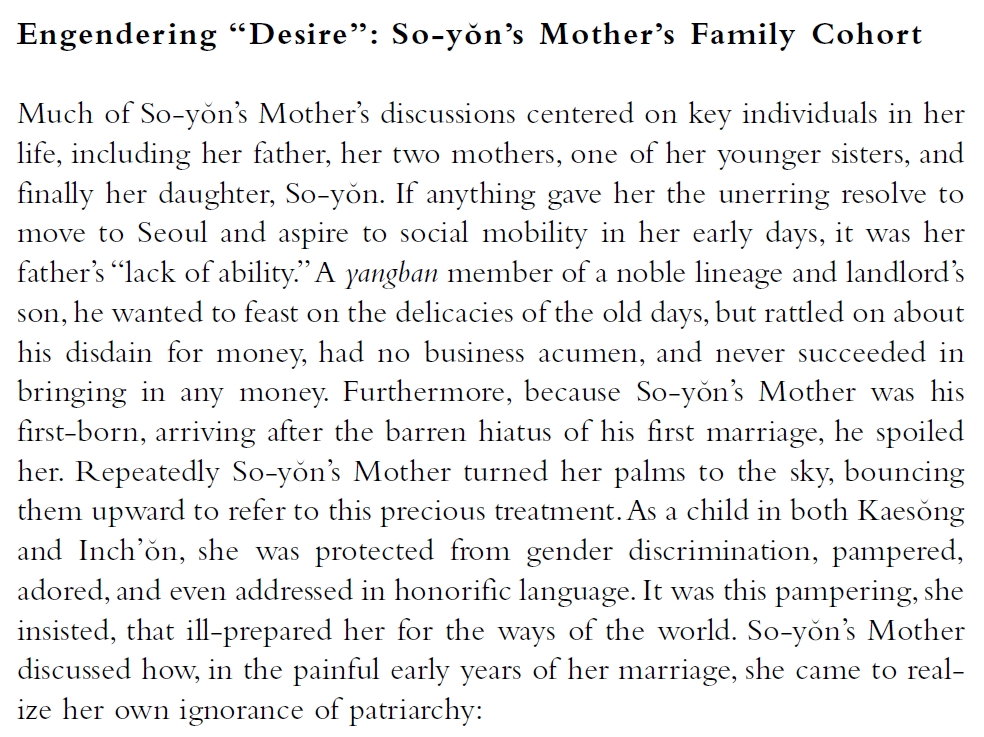
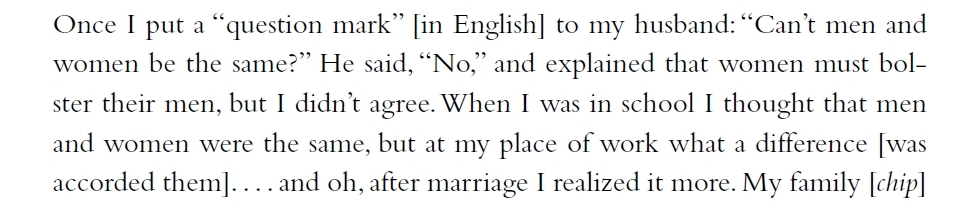
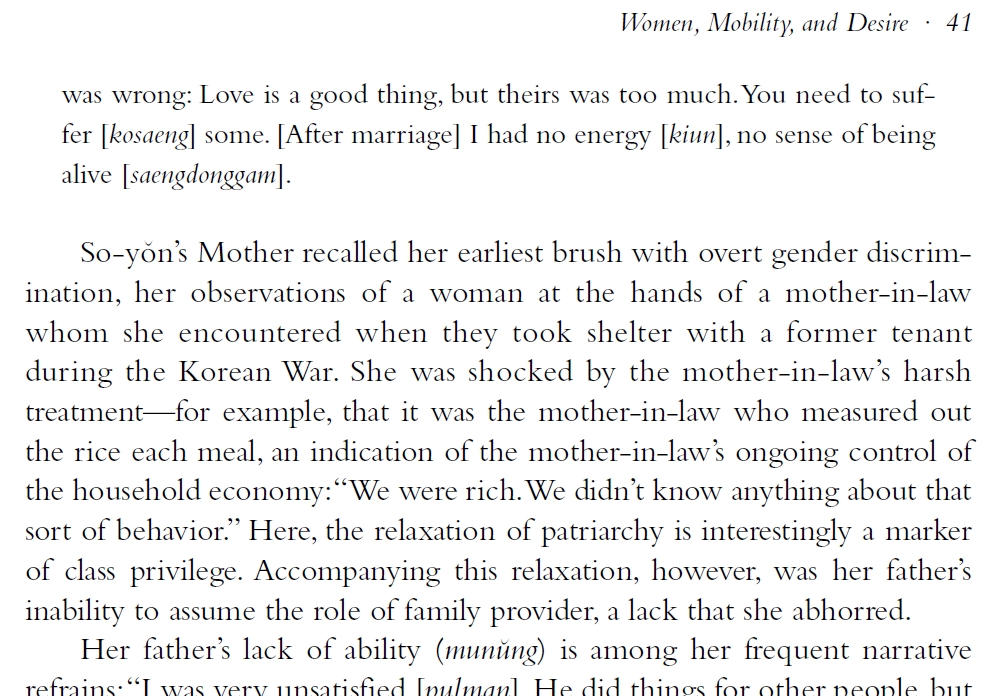
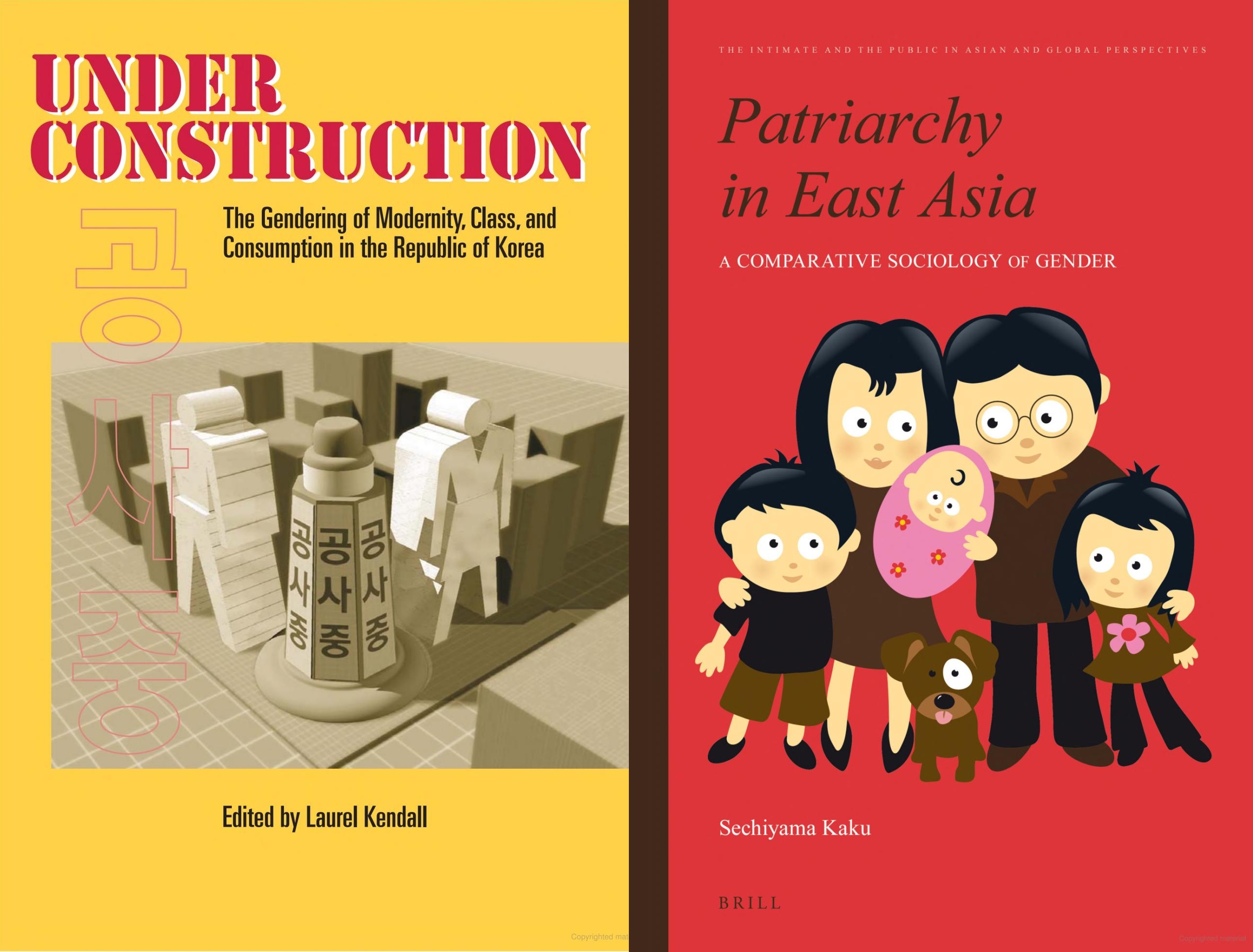
Its similarity is to the following from Chapter 2, “Women, Mobility, and Desire: Narrating Class and Gender in South Korea” by the late Nancy Abelmann, in Under Construction: The Gendering of Modernity, Class, and Consumption in the Republic of Korea, edited by Laurel Kendall (2002):

Feeding into what I would learn from Under Construction and other sources about the strength of egalitarian and democratic ideals in Korea, which the education system promoted even during the height of its various military dictatorships, that point really stuck with me 20 years ago. It’s been in the back of my mind when thinking about Korean workplaces and marriages ever since.

Then I read the tweet again, and it finally hit me what so little change in two decades actually meant—”Women in their 20s are collapsing into dystopian depression.”

Also highly recommended: Patriarchy in East Asia: A Comparative Sociology of Gender by Kaku Sechiyama (2013)

That’s from what the link was to—an interview of Professor Kim Hyeon-ah (김현아) of Hallym University Sacred Heart Hospital, author of My Daughter Was Quietly Falling Apart (딸이 조용히 무너져 있었다; 2023), about her struggles with her bipolar daughter who self-harmed and attempted suicide.

Through it, I learned that although men still comprise the bulk—three quarters—of Korean suicides overall, as myself and probably everyone reading would expect, the (translation) “number of female suicides has increased by 64.5% since 2015, compared to 19.7% for men. Also, that as of 2020, mood disorders such as depression were twice as common among women as among men, and were especially prevalent among those in their 20s.”

Only, those suicide statistics, by being generalized to all women, annoyed more than clarified.

You see, by coincidence I’d read yesterday that the smoking rate for Korean women was now 4.5%. Which was a huge red flag. Because as I demonstrated in my series on that a decade ago, the taboos surrounding female smoking in Korea meant rates varied hugely by age, with the rate for 19-29 year-olds then coming to 23.1%, and rising quickly. So quickly in fact, I’d estimate that their rate is now closer to 33%, and will try to confirm that in a much-needed follow-up to that series for you soon.

With that in mind, while a 64.5% rise in suicide rates for Korean women is of course terrible, as is a 19.7% rise for men, it doesn’t sound so dramatic considering the much, much lower figures for women overall. With not unlimited funds available for suicide prevention measures, it’s not unreasonable to suppose that, put that way, both policymakers and the public might be swayed into downplaying the changing gender dynamics of the problem. That perhaps specific age and sex-based policies aren’t necessarily the best use of resources.

I’m absolutely not blaming the reporter here, or claiming any sort of agenda over a few statistics that should have been presented differently. But it did mean an age-based breakdown of those suicide statistics was absolutely necessary, which I found in The Korea Bizwire:

When analyzed by gender, the highest rate [of self harm and suicide attempts] among males was among those over 80 years old (125.9 per 100,000), followed by those in their twenties (105.4), teenagers (69.1), and those in their thirties (65).

Among females, the highest rate was in those in their twenties (284.8 per 100,000), followed by teenagers (257.8), those in their thirties (119.9), and those in their forties (86.3).

And on that note, my apologies. This was supposed to be a light post, expressing my joy at finding something so similar to something meaningful that I once read 20 years ago. Then, joking at this curmudgeon’s ever-growing confirmation bias, and admonishing him to constantly seek sources that challenge his outdated views. Only now having done precisely that…I simply don’t know what to say.

Most suicide victims worldwide being men, I am just too shocked. Not just that the rate for Korean women in their 20s is higher than than that for men at all, but that also it’s almost triple. For the first time ever, this issue makes me genuinely scared for my daughters, whom I don’t live with any longer and don’t see day to day, and one of whom will be doing the university entrance exam this year.

What do you think needs to be said?

Related Posts:

If you reside in South Korea, you can donate via wire transfer: Turnbull James Edward (Kookmin Bank/국민은행, 563401-01-214324)

The 66 Books I Read in 2023

Estimated reading time: 4 minutes. Photo by Aziz Acharki on Unsplash.

It’s good to be writing again. And I can’t think of a better topic to start with than books!

Honestly I’m so enthused, that in 2024 I aim to read 100 of them, and to write quick reviews of each as I do.

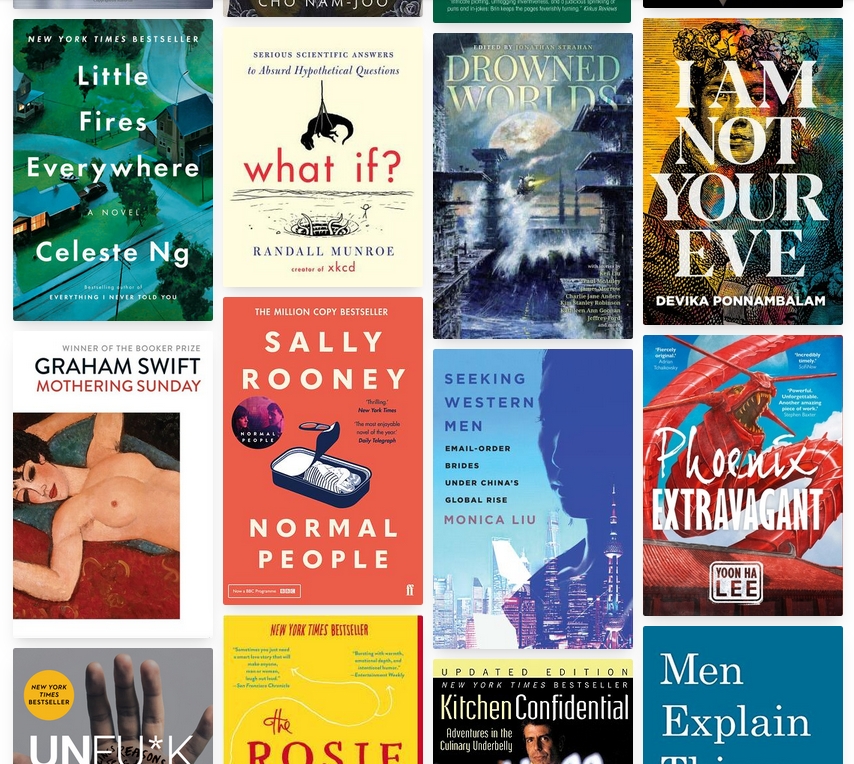
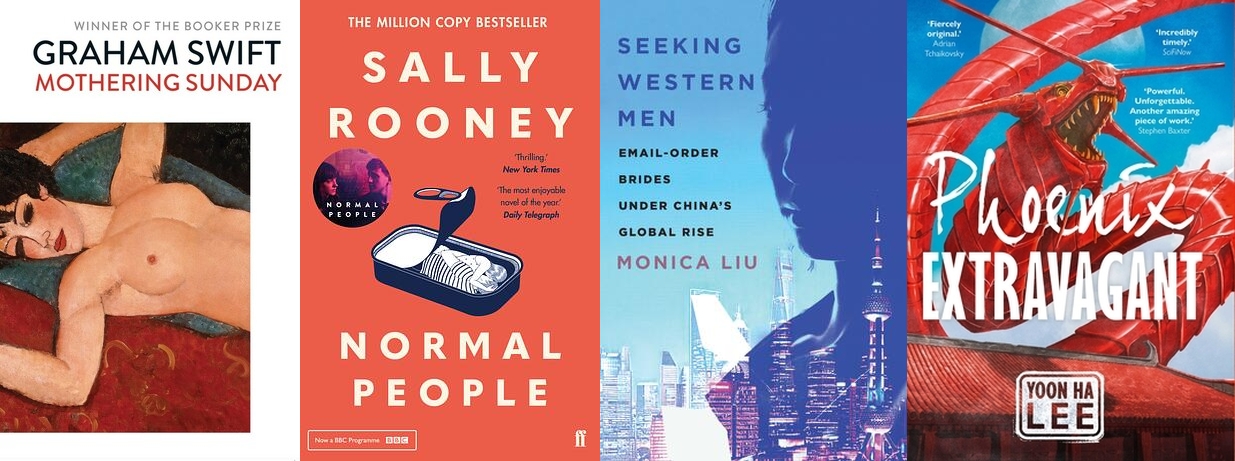
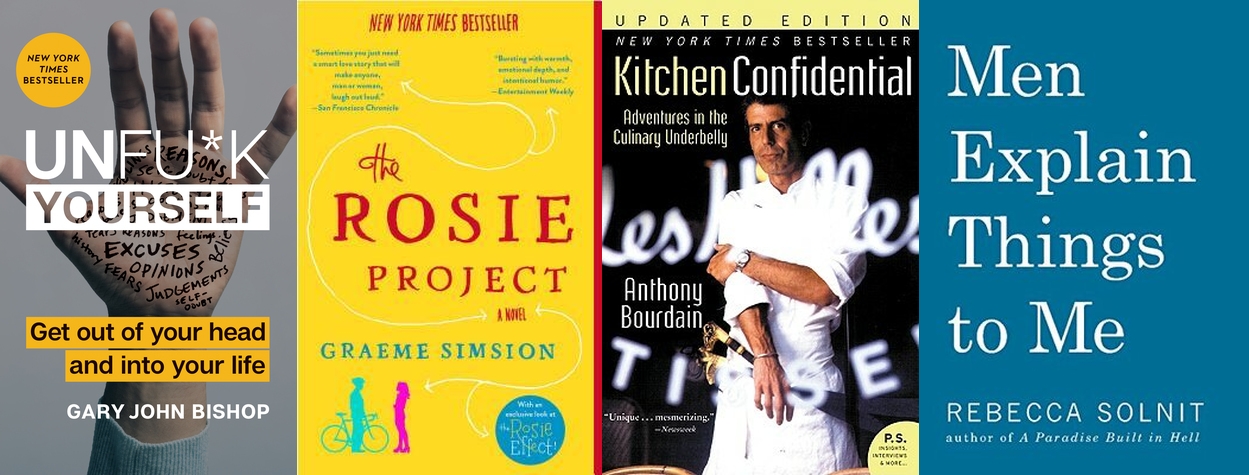
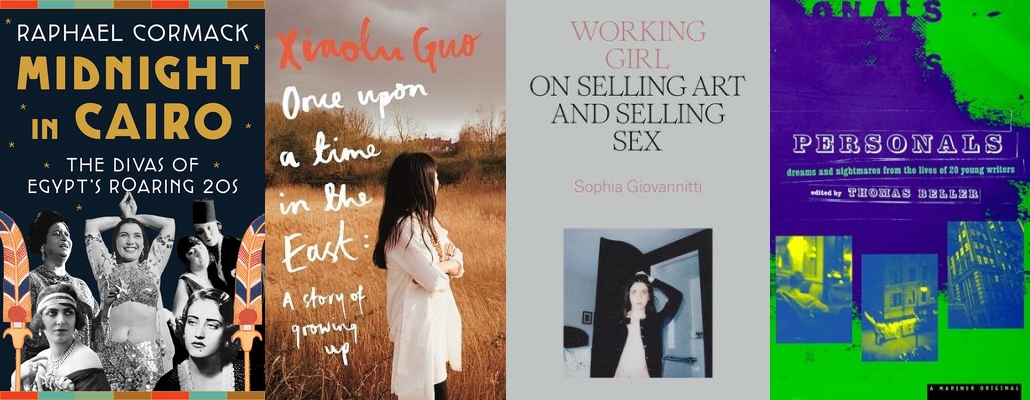
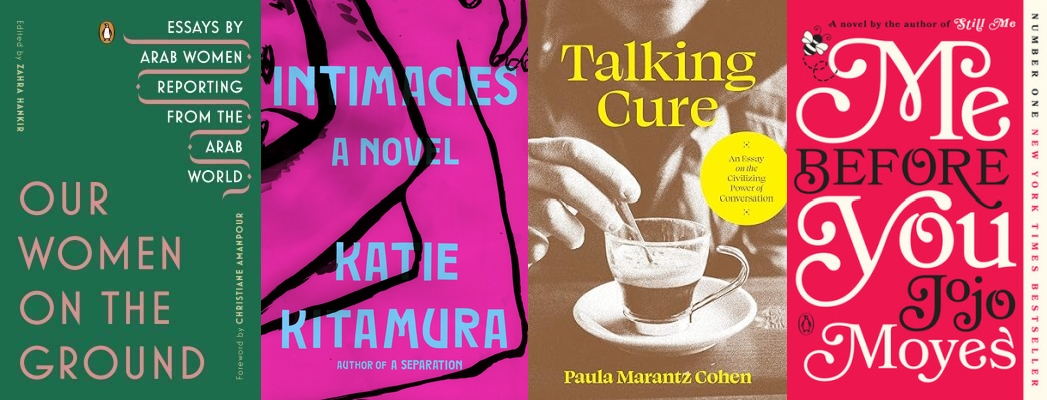
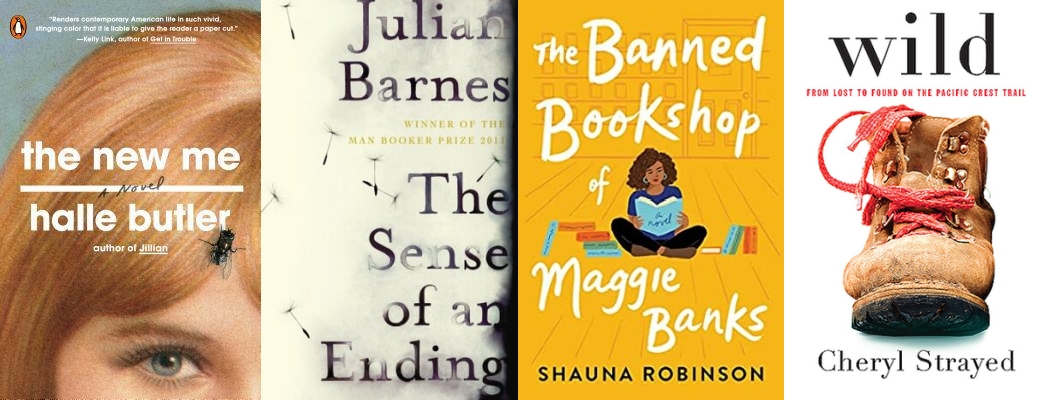
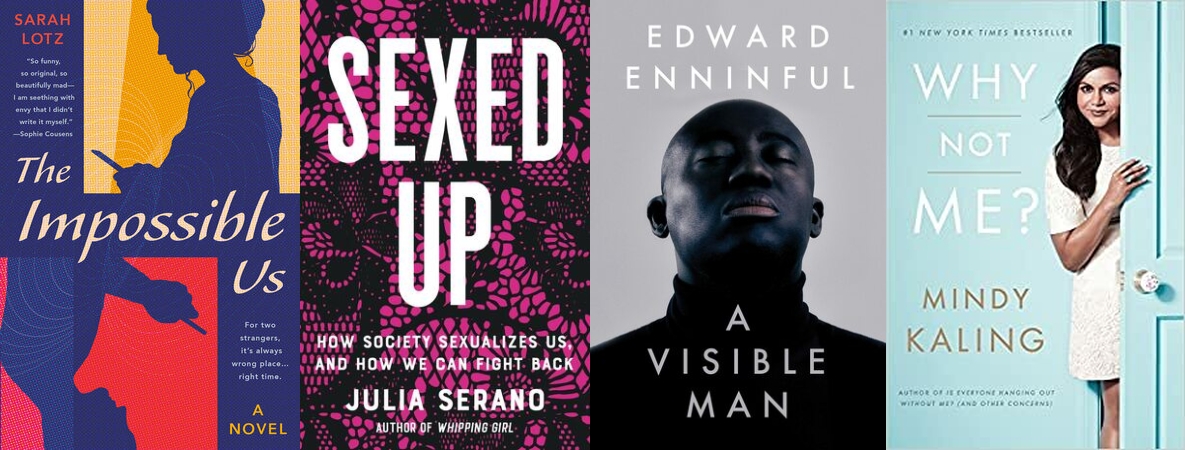
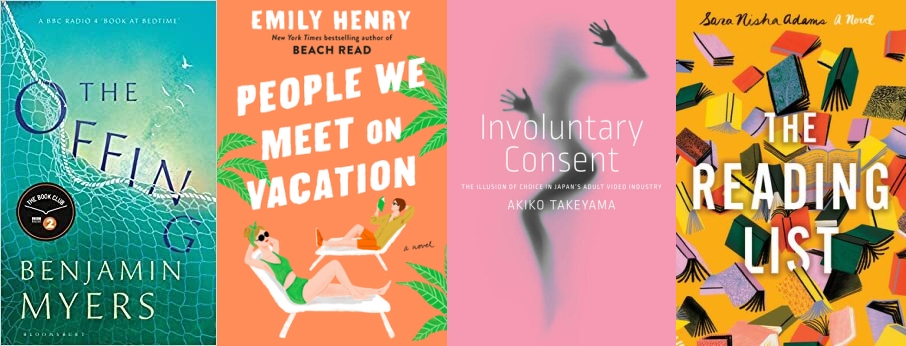
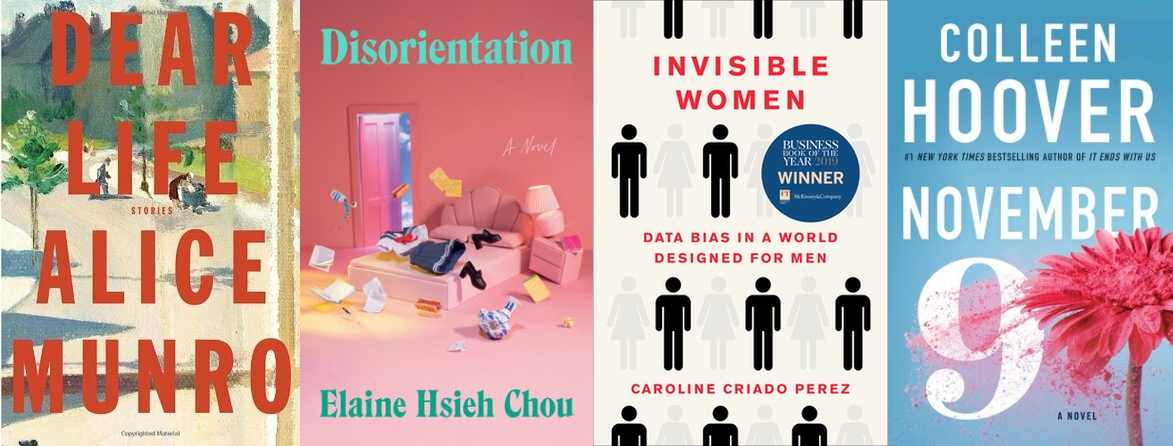
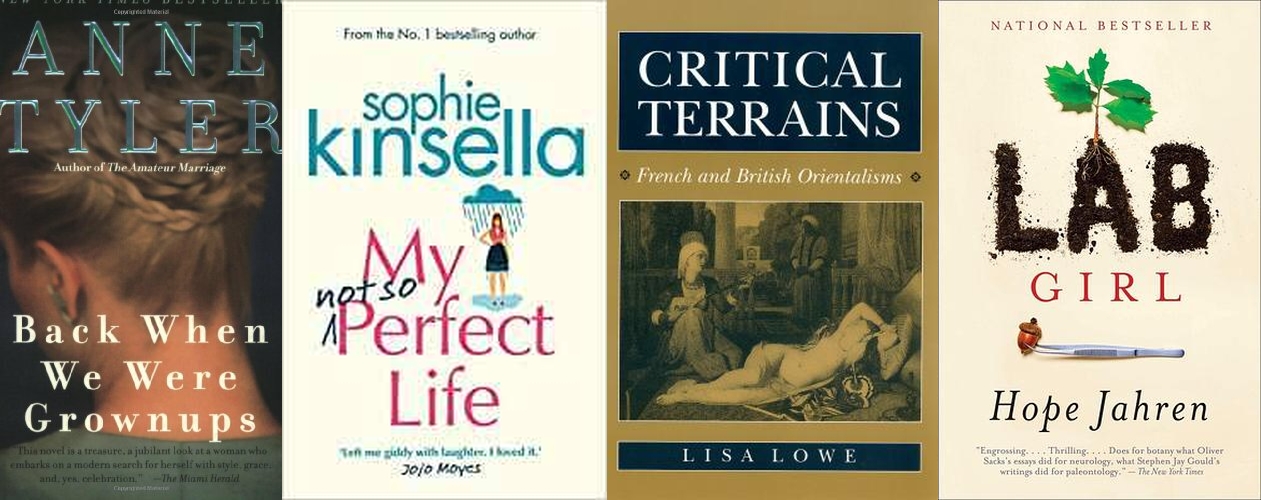
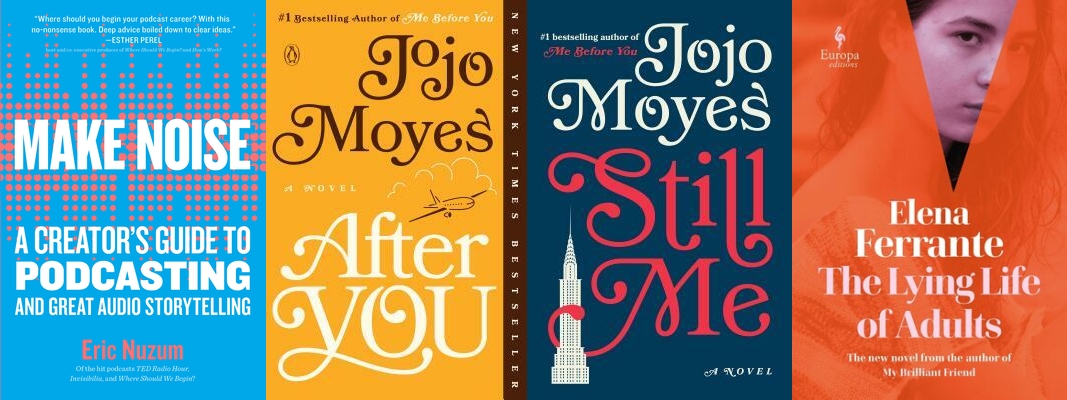
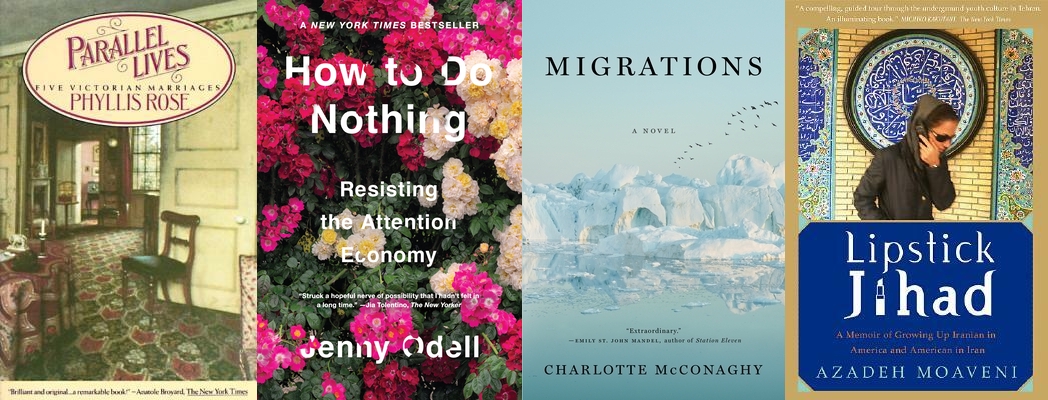
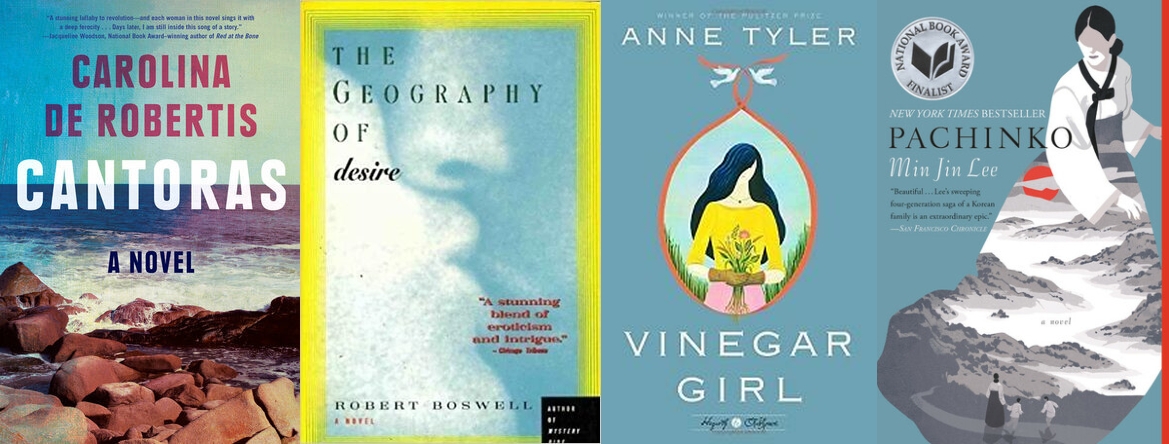
Or at least, of those I think you’d find interesting. As you’ll see from the covers of those I read in 2023, my tastes are pretty eclectic.

Other reasons to write reviews include expanding my writing skills, and to cover a glaring absence—in hindsight, it’s just bizarre how few reviews I have actually written here over the years, despite talking about books so often. There’s also my wanting to better connect with fellow bibliophiles, and my desperate need to appear smart and know big words and stuff.

Suddenly writing sixty-six reviews at the end of 2023 was beyond even my enthusiasm though, and not just because I had a broken finger. So, I’ll wisely focus on my TBR pile instead.

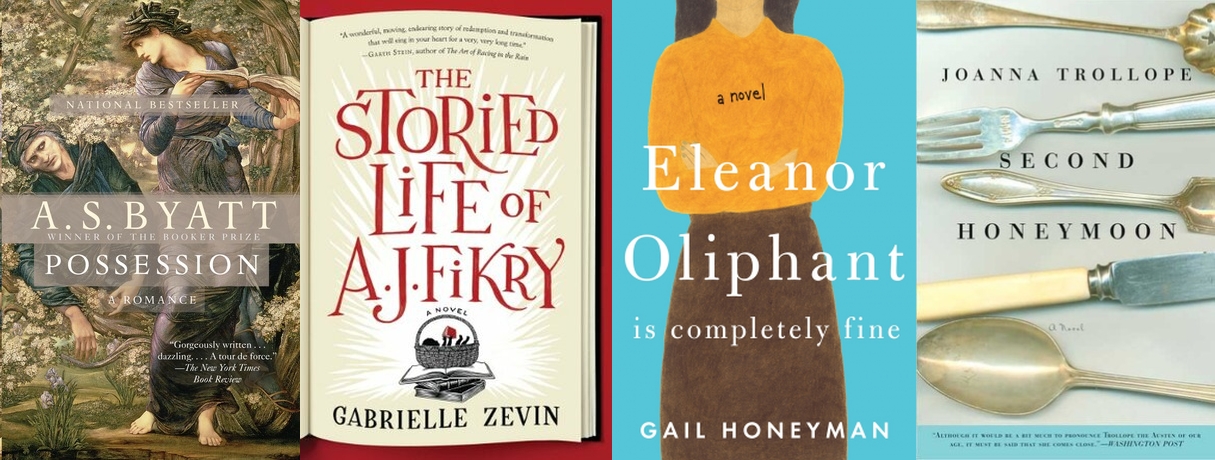
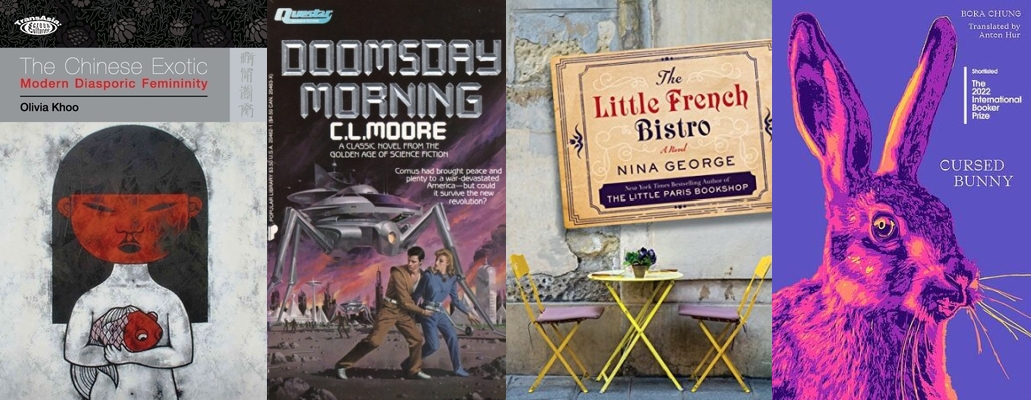
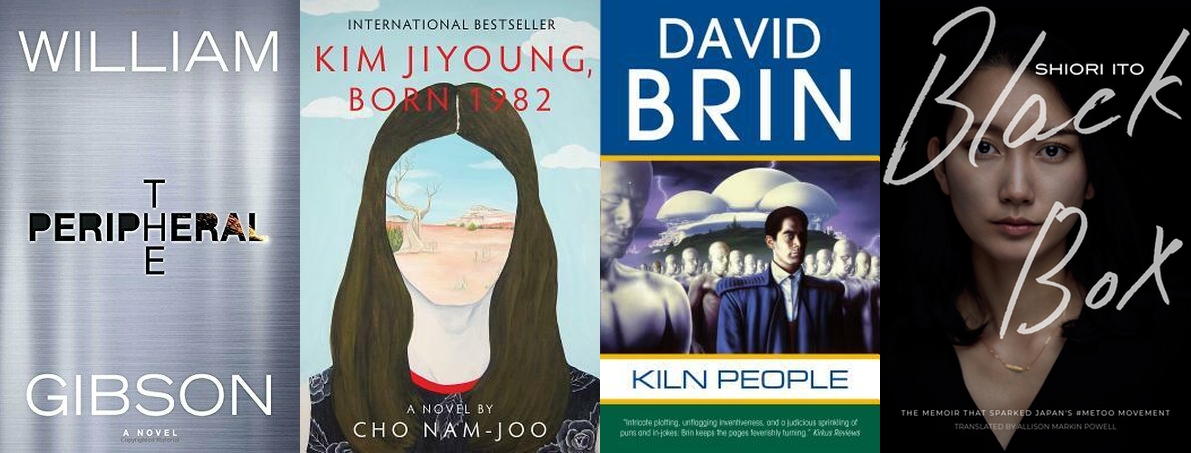
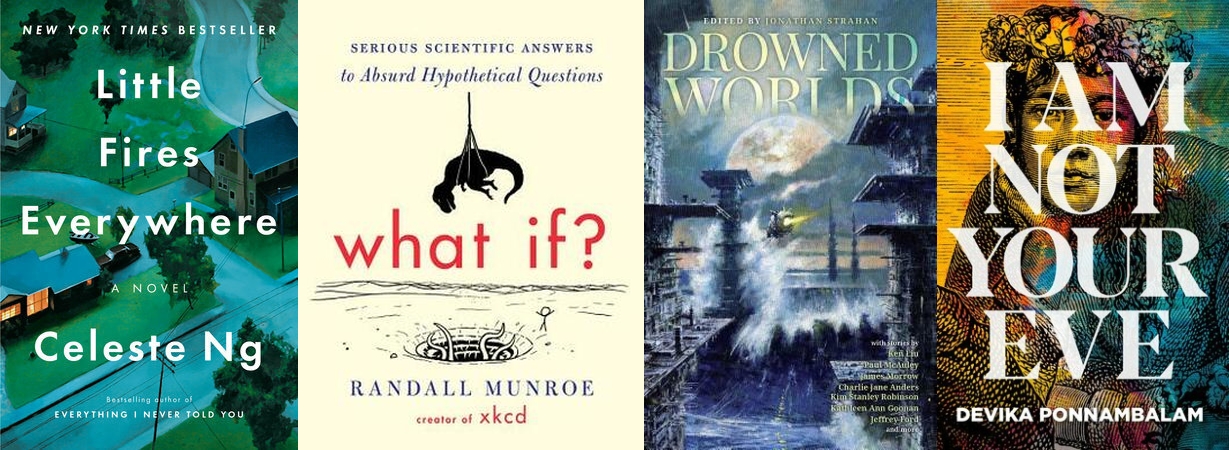
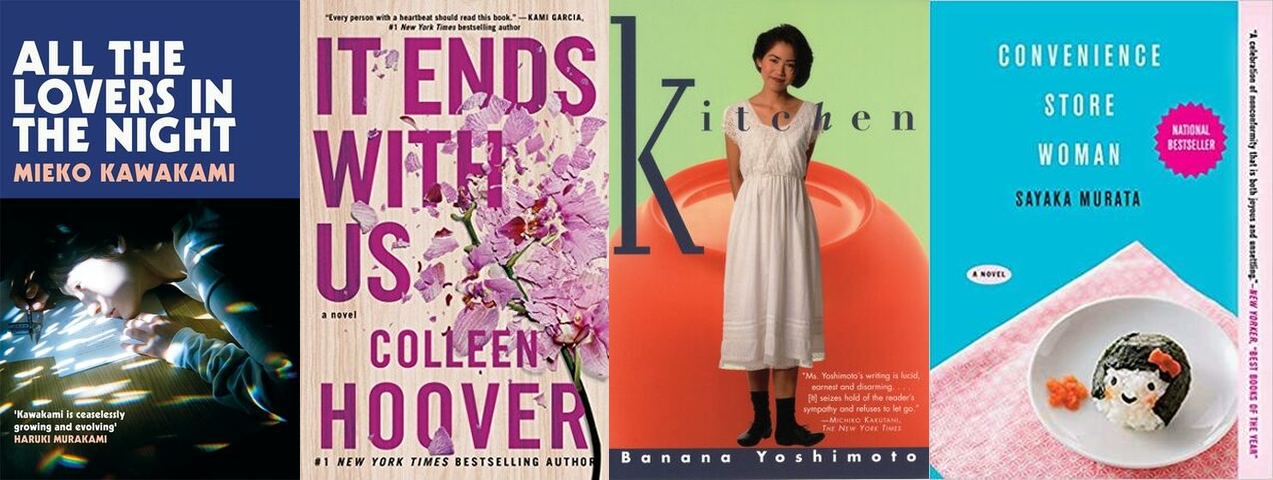
As I go through it then, in the meantime here are the covers of those sixty-six books from 2023 to flex for your interest. And if any do look worth a read, please go to my 2023 Reading Wrap-Up at The StoryGraph (I include the link in the numbers in bold too), quickly scroll down to “2023 at a glance” at the bottom, and you can click on the covers for their details there. Which is admittedly not very tech-savvy sounding of me sorry, but frankly the 5 seconds that will take you is a much better use of our time than my creating 66 separate titles and links is (which few people would click on anyway)!

If you do take the time though, and would even like to talk about any of the titles below, please be warned I will rant or (mostly) rave about them for hours them in gratitude. If that prospect doesn’t faze you, then absolutely please do get in touch, either in the comments or via my social media! (Facebook Page, Twitter, Linkedin, Threads, Bluesky, Post, Instagram)

Happy New Year! 🤓

1-4:

5-8:

9-12:

13-16:

17-20:

21-24:

25-28:

29-32:

33-36:

37-40:

41-44:

45-48:

49-52:

53-56:

57-60:

61-64:

65-66, and, for good measure, 1-2 of 2024!

If you reside in South Korea, you can donate via wire transfer: Turnbull James Edward (Kookmin Bank/국민은행, 563401-01-214324)