Sorry that I’ve been so neglectful and absent these past few weeks.
One excuse is just being very busy settling into the new semester.
The other is that I seem to be just inundated with interesting events to attend and people to meet these days.
For reasons, this is a very novel experience for me. So, lets just say the abstract concept of declining invitations, because it turns out I do still need to write, pay the bills, and sleep, has been slow to sink in.
Forced to be very selective from now on then, here are five events in Busan this month I’d still absolutely attend if I could. Unfortunately I’ll only manage three though, because two clash, and another is being held somewhere I already go to very often. For that one, I’m going to be a gentleman and leave a spot open for you instead!
First up, just yesterday I discovered Cacophony, the very sensual performer in the opening image (homepage, YouTube, Instagram), who’s having a concert on Friday the 26th at Ovantgarde, in the Kyungsung University–Pukyong National University neighborhood. Still very much in the totally smitten and infatuated phase, I’ve only just begun processing her work frankly, and haven’t seen anything about her in English yet sorry. But, based just on that MV alone, I had no hesitation in dropping 30,000 won on a prepaid ticket!
Next, at the Art Lee Chae Gallery Cafe, located between exits 2 & 4 of my old neighborhood of Namcheon subway station (one stop over from Ovantgarde), local artist Jemma Pallett is currently holding an exhibition of her work until April 23. Open from 9am to 6:30pm every day, Jemma herself will be there to meet and talk about her paintings on Wednesday the 10th and 17th from 11 to 11:30am. (I’ll attend at least one of those sessions.)
Next, this Saturday, April 13 from 2-4pm, Union Station, in collaboration with Tell Me Busan, is having a traditional Korean alcohol tasting event. Union Station, one of my favorite places in Busan, is a recently opened makgeolli bar in Millak-dong, just an easy 5 minute walk from the North/top/far end of Gwangalli beach. Perfect for a quiet, intimate, and easily accessible alternative to the crowded restaurants and and bars on the beach, it’s owned and operated by the incredibly smart and sophisticated Michelle Lee, who has a PhD in Psychology in addition to brewing her own makgeolli. In other words, the perfect host!
Honestly, I don’t even particularly like makgeolli. Despite that, I will happily drink hers, and those she suggests—it’s that good a place (her anju are great too).
Alas, I won’t be attending this particular event sorry. Partially, because I already attend the Busan Chess Club there once a week, and partially because I already drag friends and dates there on top of that. (To the bar I mean—not to the chess club.) But mainly, because of a clash:
Hosted by one of my other favorite places in Busan, Naughty Muse Studios in Songjeong Beach, which is owned and operated by the incredibly smart and sophisticated Anna Bodorenko (yes, I’m beginning to notice a certain theme too), I can not stress just how much amazing art is continually going on there, what a creative community is centered around it, and how many talented people I’ve met through Anna. While I sadly had to give up on attending classes there myself, never being able to find the time to work on my skills in between sessions, I still try to attend as many events there as I can (especially the movie nights):
Finally, great minds thinking alike, Michelle from Union Station and Anna from Naughty Muse Studios are collaborating on a combined watercolor painting and makgeolli-tasting event at the former, at 7pm on Friday April 19. Only just finishing work about then and already spending too much time at Union Station though, this is the event I’ll step aside from for the sake of any interested readers securing a spot. Not at all because I used to win prizes for my sketches as a teenager, only to completely ruin them whenever I tried to combine them with watercolor painting…
If you can make any of these events, then Yay! And please say hi!^^
A reading list for everything you ever wanted to know about the sexualization of minors in K-pop
Estimated reading time: 3 minutes.
The best thing you can read to make sense of it, actually, is Haley Yang’s article in Tuesday’s Korea JoongAng Daily, which is an excellent primer—and a model example of how to convey a great deal of information in just a few hundred words.
Also highly recommended is Choi Yoon-ah’s short article in the Hankyoreh, about the sexual exploitation of minors in the industry.
If you do have the luxury of time however, and a feeling that all of this sounds very familiar, then please allow me present some of my own longform posts (and book chapter) on the same topics, going back all the way to 2010:
Next, for some context on the farce that is ADOR’s denialof anysexual overtones to Cookie whatsoever, check out the collective mania surrounding 4Minutes’ “leg spread dance” in Mirror Mirror when it was released in 2011.
Finally, my apologies that these links are so old; K-pop no longer being to my taste from about 10 years ago, I could no longer sustain the motivation and hard work required to speak with any sort of authority on it—and have a huge amount of respect and admiration for those that still do. For the same reason, I’m very much behind on my own reading. So, I plan to rectify that, starting with From Factory Girls to K-Pop Idol Girls: Cultural Politics of Developmentalism, Patriarchy, and Neoliberalism in South Korea’s Popular Music Industry by Gooyong Kim (2018). Anyone already read it? What did you think? Any other recommendations? Please let me know in the comments!
If you reside in South Korea, you can donate via wire transfer: Turnbull James Edward (Kookmin Bank/국민은행, 563401-01-214324)
It’s all very cute and charming until you realize how rarely you see it used on men. Why is that?
Estimated reading time: 7 minutes. Right: So-hee of the Wonder Girls.
Yeah, Rosédoes look very cute and charming in that poster. So it’s not like I’m about to boycott my local Homeplus over it. I have absolutely nothing against her either, who likely had little to no input in the direction of their advertising campaign. But when you realize that peach on her head effectively sabotages the whole concept behind that campaign, despite all the planning, preparation, and financial risks involved in hiring one of the hottest and most expensive stars in the world to help create that concept in the first place, then you really do have to ask why.
The poster, one of two of her that that nowfeature prominently at Homeplus stores (and online), is part of the chain’s “25 Years: A Fresh Way of Thinking” rebranding campaign to mark its 25th anniversary and launch of its new one hour delivery service. But critics were non-plussed by Rosé’s first, very different commercial for the campaign in February below, only grading it only a 2.6 out of 5. One of them thought the dancing and focus on Rosé’s face and body in the first half rendered the commercial more like one for Yves Saint Laurent, for whom Rosé already works as an ‘ambassador.’ Many others, that the luxurious, almost mature tone and atmosphere would only cause confusion among consumers when the logo for the homely supermarket chain then suddenly appeared. Also, that people’s attentions would be concentrated more on Rosé rather than on the service being advertised, and that stressing that she was 25 was unnecessarily ageist and alienating. (Actor Yeo Jin-goo was also hired as an endorser for being 25, with his own commercial rightly focused on high quality food. But the limelight has firmly been on Rosé.)
I tended to agree, especially about the unnecessary alienation of the bulk of its much older customers. Because well before I saw that commercial, I’d already noticed Rosé’s and Yeo Jin-goo’s glamorous visages in the giant banners below at my own local Homeplus, their eyes seeming to follow me as I perused the toiletries aisle, pondering which toilet paper best represented me as a person. Their purpose just baffled me. Neither of them offered any hint of any particular new Homeplus product or service, with both just saying (lit.) “Why? I have this fresh thinking because I’m 25.” Was Homeplus trying to remind me I’m almost twice as old? That just like when I used to run into my horrified students in bars, could I please just stop embarrassing them and leave?
Shockingly however, younger Koreans didn’t seem to care less about any of their elders and betters thought of the campaign. By April, there were 30 percent more visitors to brick-and-mortar stores in that age group than a year previously; of 20-24 year-olds specifically, a whopping 60 percent. Meanwhile, online customers in the 20s and 30s combined also increased by 60 percent.
Which still doesn’t mean it was a good commercial. It wasn’t. But the next one, which came out on July 14, was. It refined the concept, presenting the perfect combination of the millennial dream of living in own’s one place in the heart of Seoul, of having the free time to luxuriate over the exquisite-looking grapes, and of having such a convenient fast delivery service for them available. And, lest I forget: that it was want-her or want-to-be-her Rosé showing us all of this too:
Which is why I’m so annoyed by the laziness of the two accompanying banner posters, which have since replaced those for the first commercial in stores (poor Yeo Jin-goo is nowhere to be seen):
This first one, ironically used as the YouTube thumbnail, is simply poorly executed: as it happens, I consider myself a more sensual person than most (just throwing that out there), but even I can’t picture anyone so enjoying the texture of grapes that they’d ever want to rub them against their face. But let’s say I do suspend my disbelief for a moment. Even then, I’m still not getting the feeling from this poster that Rosé was, say, really, really enjoying the grapes just a moment ago, but has suddenly just noticed me and is about to invite me to join. Instead, the poster simply shows what actually happened: she was instructed to put the grapes to her face, so she obliged. Not to pretend to be interested in them too, as she was asked and did so well in the commercial.
By all means, the grapes do add an aesthetically pleasing splash of green, and vaguely fit in with the headline of “As fresh as you see.” Her mesmerizing gaze back at the viewer? It quashes all doubts of why she’s a superstar. And perhaps—okay, I see it now—the taut, tight skin of the grapes is meant to vibe with Rosé’s own. Again, symbolizing that freshness concept. (But so too, illustrating the huge potential for any celebrity endorser to completely overshadow the advertised service or product.) But surely it was possible to do so without losing the sensuality of the original commercial?
Just see for yourself. Compare this first of two additional images Homeplus released on its Instagram on July 15, but neither of which seem to be displayed in stores. (Yes, I’ve visited four in the last two weeks to check, feverishly snapping away at Rosé; by now, the security staff have probably flagged me as a pervertedsamcheon fan.) This one isn’t perfect by any means, but it at least retains some of the sensuality of the commercial, by reminding consumers that delicious-looking grapes are best enjoyed by actually eating them. And again, even if making a link to her youthful skin was considered just as or even more important (because Korea), why not combine both motifs?
This next, much cuter and more playful Instagram one, is very difficult to dislike (notice a recurring theme?). But it too represents a big step away from the sensual concept of the commercial, and of the commercial before that as well. And yet, still it would have been a far better choice than the second poster actually chosen for the stores and homepage:
There’s three big reasons not to like it. No, really.
First, in the second, very aspirational TV commercial it’s ostensibly tied to, we were supposed to pretend Rosé was just like you and (much younger) me, only with a nicer apartment and more carefree lifestyle. Which worked. To a greater or lesser extent, you could still roll with that vibe in all of the other images with the grapes above too. Whereas this one just casually tosses that carefully crafted fantasy aside. As playing with the product by putting it on your head, combined with her looking not at you, but at a more important, separate person/photographer instead, instantly identifies her as a glamorous model or celebrity. Ergo, not at all like you or me.
Second, just in case I haven’t stressed it often enough: the whole concept of the entire campaign, best expressed in the second commercial, was all about Homeplus gratifying your senses. Being able to get your fresh fruit quickly through its new delivery service, then enjoying, perversely lingering on and luxuriating in its look, taste, smell, feel, and—if you try hard enough—sound too. There was a strongly implied erotic potential as well. But here? What I actually see when my raging alcoholism drives me to head out to my local store for a cheap bottle of whiskey? That would be placing a peach on your head. As in, Homeplus no longer cared what I think of how that peach looks, tastes, smells, and feels like, the whole ostensible reason for signing on its to new, trendy, one-hour delivery service in the first place (what, you too had forgotten this is what the campaign was selling?). Rather, the peach has become instead just a prop, a toy even, which ultimately could be replaced by just about anything Homeplus sells and still have the same effect. Say, even that toilet paper I eventually did choose.
So, being generous, at best it’s lazy. It’s unoriginal. You could say the peach on her head loosely matches the headline of (lit.) “Whenever, with no burden, lightly,” but it’s tenuous. More likely, the advertisers asked Rosé for that pose because again, it simply makes her look cute and carefree, campaign concept be damned. And also because third, finally, and more likely still, that’s just what advertisers do with young female models.
“Look at these images. What do they suggest to you about these men? Do they seem silly?”
“What about these images?”
“Most viewers find the images of the men odd or laughable. But the images of the women seem charming and attractive…Why should it seem funny to see a picture of adult men striking a pose when the same pose seems normal or charming to us in pictures of adult women?”
Or, to conclude by going back to where we started: no matter how cute and charming Rosé may appear in the last poster, the campaign’s concepts of sensuality, luxury, and convenience are frequently confused by focusing on her looks, skin, and cute personality instead. Had they been the focus from the get-go, that would have been fine, and I wouldn’t have been annoyed at all.
I really do have better things to do with my time than write about this shit.
Instead, I’m reminded that it’s just so normal and unremarkable to infantilize grown women in ads, and that advertisers just can’t help themselves.
Because in addition to the aforementioned gender imbalance (which is the real issue; there’s absolutely nothing wrong with being cute), let me leave you with two pages from the classic Gender Advertisements by sociologist Erving Goffman, first produced the same year as me—1976. Sometimes, as you’ll see, it’s astounding to realize how little has changed in the 46 years since then.
But first, let me extend my warm thanks to Professor CedarBough Saeji (a.k.a. @TheKpopProf) for her invitation to talk on this topic to her class last week. Next, to her students also for their many interesting questions and observations, given to me both in person and as they live-tweeted the event!
As there were too many tweets to respond to individually afterwards however, and because most were related to some key points I’d ended up having to rush over because I’d wasted far too much time showing videos of time constraints, I decided to clarify them in a long thread instead. Please click to read, and, because the more in the discussion the merrier, please feel free to respond yourself, either on Twitter or in the comments section below.
Finally, seeing as we’re on the subject of talks, let me also remind everyone that if you too would like me to give one to your own class or organization, whether in person or via Zoom, then I’ll probably jump at the chance if our schedules work out. So please get in touch! :)
If you reside in South Korea, you can donate via wire transfer: Turnbull James Edward (Kookmin Bank/국민은행, 563401-01-214324)
Turning Boys Into Men? Girl-groups and the Performance of Gender for South Korean Conscripts, Part 7
Estimated reading time: 9 minutes. Source, right (cropped): Streetwindy via Pexels.
The contents of Everyday Sexism (2014) by Laura Bates, a UK-focused collection of public submissions and statistics on the myriad of ways women experience sexism on a daily basis, will be depressingly familiar to anyone who already considers themselves a feminist. Having accidentally ordered the book though, I could hardly not read it. Besides, I reasoned, what cishet middle-aged white guy wouldn’t still have a lot to learn about the topic?
So I persevered. And sure enough, there were many things which gave me pause, especially the accounts of sexual harassment experienced by female university students. Partially, because I’d been blissfully unaware of that sort of thing when I was a student myself. Primarily though, because they strongly reminded me of an incident at the “morale-raising” YG Military Festival held in Yanggu County in Gangwon Province on 5 October 2019, at which the female university students hired to be doumi (lit. “help-elegant-beauties”) were forced to wear revealing clothes for the soldiers. From the news reports below, which discuss that in the context of how routine it is to provide sexualized performances by professional performers and/or K-pop girl-groups at such events, it’s easy to see how choices like these can encourage a somewhat objectified, servile view of women among the (usually) very young, impressionable Korean men that go through the male conscription system. Many do overcome that socialization experience, of course. But the consequences for all Koreans of those that don’t would fill many, many chapters in a Korean version of the Everyday Sexism book.
The festival has been held since [2018] by Yanggu-gun to boost morale among soldiers, featuring competitive games, VR experiences, food stalls, and performances by singers and girl groups. There are also “experience booths” [really stalls/tables] for nail care, skin care, and tarot readings. This year, about 2,300 soldiers from the 2nd and 21st Divisions attended the festival.
논란은체험부스에서일어났다. 머니투데이에따르면행사대행업체측이행사장으로가는버스안에서여자알바생들에게흰색짧은테니스치마와몸에달라붙고가슴부분이파인옷을제공했다. 알바생들은 “속옷이비치고노출이심한옷이었다“, “조금만움직여도가슴이훤히드러났다“라고전했다. 이어 “행사담당자는 ‘군인들이쑥스러워하니직접데려오라‘, ‘군인들에게적극적으로대하라‘고지시했다“라는말도덧붙였다. 이들은피부관리부스에서군인들에게직접마스크팩을붙여주는일을했다.
The controversy took place over the experience booths. According to Money Today, on the bus going to the venue the event agency provided the female part-time workers with only short white tennis skirts and tight-fitting, lowcut tops to wear. The women complained, “They were so tight you can see my underwear through them,” and “Even if I moved only a little, my chest would be completely exposed.” They added, “The event manager instructed, ‘As the soldiers will be embarrassed, [especially those wanting you to put [skincare-type] facemasks on them], please approach them proactively and encourage them as you escort them into the booths.”
Some additional information from that report by Money Today:
One part-time worker complained that, “The clothes were much shorter and tighter than what we were told about, exposing my stomach even if I moved just a little,” and that “Even though we asked for sleeveless t-shirts because our underwear was visible, nothing was done about it.” It is said that some of the workers wore a separate coat over the clothes because of embarrassment.
A person from the event agency responsible for the clothes said, “It was just a tennis skirt like many students wear these days,” and that “We did not provide any clothes deliberately designed to overexpose the workers’ bodies.” They further explained that 25 women and 15 men were hired, but that “It’s customary that men have to do a lot of hard work, whereas women just have to be helpers and do things like pouring tea.”
Confusingly, in the video of the event above, many doumi can be seen wearing other clothing, which is not addressed by the anchors in the brief SBS News segment below that. Yet why should they? Whether through chance, smarts, and/or previous experience with doumi companies, that some of the women had alternate clothes on hand doesn’t negate the fact that those without had no other options.
Professional entertainment group Waveya (not a K-pop group) performing at a middle school in 2012.
On the other hand, if it’s the norm to hire young women in high-waisted skirts and low-cut tops for just about anything in Korea, including performances at schools, then the comment about no additional exposure being intended may well be true, if somewhat obtuse. That being said, I’m just as confused as you as are as to how men putting up tables and chairs somehow justifies forcing women to wear revealing clothes while serving tea. It’s also frustrating that the reporter didn’t challenge that non-explanation.
I see reason for optimism though, in that the issue of consent was the hook that made the incident newsworthy, especially given that this must-read by a professional doumi gives the strong impression that such incidents are routine. Had I been writing a news report myself, I might have continued by comparing students’ own festivals and events, which also regularly create controversy for their sexual overtones, but, crucially, at which the offending clothes are worn by choice. (Or perhaps not necessarily; the ensuing sensationalist reports are hardly deep, and now Everyday Sexism compels me to reconsider them.) However, the main reason for the news reports was more likely the harm caused to the military’s image, Asiae raising in their own report another controversial incident that occurred at a different military festival the year before:
On August 14 [2018], a video titled “Fitness Model @ Military Consolation Performance” was posted on YouTube by the military. The model’s dance was quite sexualized, involving showing off body parts like her legs. At one point, she proclaimed “I will show you four basic poses now,” turning around to thrust her buttocks at the audience with her head down, her face visible underneath. To the cheers of the men watching, she answered “I’m 21!” when they loudly asked her age.
Netizens who saw the video on YouTube were angered, commenting that “The sexual objectification of the woman was excessive,” and questioning if such sexualized dances “were really the only way morale boosting performances could be done?”. Later, citing the video, a petition to abolish precisely those was posted on the Blue House’s public petition bulletin board [which the government has to respond to if it receives more than 200,000 signatures].
파문이커지자해당부대는영상을삭제조치했다. 부대는 “당시공연은민간단체에서주최하고후원한것으로부대측에서는공연인원과내용에대해사전에알수없었으나, 이번공연으로인해 ‘성상품화논란‘이일어난데대해사과의말씀을드린다“고했다.
As the controversy grew, the military unit that uploaded it deleted the video. A spokesperson said, “As the performance was organized and provided by a private company, we could not have known what the contents would be. Nonetheless, we apologize for the “controversy over sexual objectification” this performance has caused. They added, “To prevent recurrences in future, we will check the contents of performances provided by external organizations in advance.”
Here’s part of the offending video, a blurred news report about it and other similar performances, and an unblurred compilation:
Given how family-friendly the atmosphere appears in the video of the 2019 YG Military Festival earlier, reporters raising that “fitness” performance may seem unfair, let alone my adding the compilation video in which other performers quite literally spread their legs in soldiers’ faces (I’ll let you find those scenes yourself). Similarly, in light of recent news about how important performing for the military years ago wasfor thesuddenpopularity of K-pop girl-group Brave Girls, and how devastatingthe loss of such opportunities due to the pandemic have been for other girl-groups, then it may seem that only a stereotypical feminist spoilsport could find any fault with that mutually-beneficial system, especially considering how tame most of the K-pop girl-groups’ performances are.
Actually, so long as universal male conscription continues, I’m not at all against performances—which is not to say there aren’t some issues that still need to be addressed with them, as examined in previouspostsinthisseries. And yet, note that the family-friendly video is just one perspective produced by the local county government, which isn’t going to linger on the women’s bodies; unlike, say, the fancam below of New Heart, a professional cheerleading/dance team hired to perform at the 2018 festival. Also, just because this particular festival was relatively tame, that doesn’t mean something that raises more than just eyebrows may feature at the next one, let alone at more private performances on bases.
Indeed, a distinction needs to be made between performances by girl-groups and those by cheerleaders, fitness models, and so on. The former are more likely to perform in larger, more public venues; to be filmed; and to have reputations their management companies have to consider—considerations which don’t apply to private entertainers. Moreover, considering what we’ve seen of private entertainers’ performances so far, you do have to wonder what happens when no-one’s filming.
Ergo, this is no one-off. Engendering a sexually-objectified and servile view of women is fundamental to the Korean universal male conscription system. Don’t believe me? Just take the word of that military spokesperson. Not only does their feigned surprise, patronizing, disingenuous claim of ignorance, and passing of blame feel very, very familiar, but it’s surely revealing—pun intended—that their concern is over the controversy generated. Not the coercion, nor the revealing clothes.
The issue of the sexual suggestiveness of morale-raising performances for the military has also been raised at the state administration. On October 26, 2018, the [since dissolved] Barunmirae Party [now former] lawmaker Chae Yi-bae pointed out the problem and demanded that guidelines be prepared during an audit of the military court of the National Assembly Legislative Judicial Committee.
Representative Chae said, “There has also been a petition from the Blue House to abolish morale-raising performances that sexually objectify women. I apologize for them and promise to work to prevent similar cases. But it is doubtful if this is possible, as there are no relevant guidelines or procedures in place.”
However, in response to the controversy, the military announced that from January 2019 it would set up a deliberation committee for each unit to ascertain the contents of performances in advance when provided by outside companies and organizations.
If only that had extended to all companies and organizations involved, not just those providing performances. But, to finish with Money Today’s conclusions about the original incident—which may have sounded like hyperbole in isolation, whereas now:
…전문가들은군인사기증진을위해여성을성적대상화하는인식을바꿔야한다고지적했다.
Experts pointed out that in order to increase military morale, the perception of sexual objectification of women should be changed.
Yoon Kim Ji-young, a professor at Konkuk University’s Institute of Body & Culture, said, “It is an anachronistic and sexist idea to consider that the morale of male soldiers is enhanced only by putting women as an eye-catching and comforting object.” She criticized it as a masculine perspective.
Heo Min-sook, a legislative investigator of the Health and Welfare Women’s Team at the National Assembly Legislative Investigation Department, said, “It is highly likely that military soldiers are also uncomfortable and reluctant.” I am sorry for that,” he pointed out.
For further reading, I highly recommend Sex Among Allies: Military Prositution in U.S.-Korea Relations (1997) by Katherine Moon and Militarized Modernity and Gendered Citizenship in South Korea (2005) by Seungsook Moon. The former, for the obvious links to the long history of girl-groups entertaining foreign and then Korean troops; and the latter, on how the gender roles and rigid hierarchy learned during military service utterly pervade Korean institutions from schools to workplaces, frequently reducing well-educated and capable women in the latter to making coffee and cleaning tables.
That doumi exist at all I’d argue, and in such great numbers, are a partial cause and effect of that last. So for the sake of completeness, in my next post, I’ll provide a full translation of an article about their origins (from 2006, I don’t think anybody will be worried about the copyright!).
Meanwhile, pondering what a Korean version of Everyday Sexism would look like is what led me to writing this post. For the sake of more like it, what other issues specific to Korea do think should be covered, which wouldn’t be in the original UK version? Please let me know in the comments!
Turning Boys Into Men? Girl-groups and the Performance of Gender for South Korean Conscripts:
Ten years since I first wrote about it, I’m still astounded that K-pop stars can endorse school uniforms. Surely, much of the blame for Korea’s notorious issues with female body image can be laid squarely on K-pop and school uniform companies’ shoulders? Those same companies that tell 12-year-old girls entering middle school that their new uniforms will help them show off their tits and ass to boys?
Left: Victoria Song of f(x) showing off her ‘S-line’ in 2009 (Source unknown). Right: Eun-ha of GFriend in 2016; middle caption says “The ‘Tulip Line’ skirt that will immediately capture men’s hearts” (Source: MLBPARK).
But things may not be so one-sided as they may seem. At the end of her must-read March 2017 post “Time to Stop Skirting the Issue: Sexualization of School Uniforms in South Korea,” Haeryun Kang noted in Korea Exposé that:
Tighter uniforms have been popular among boys and girls for years. A recent survey of over 9,000 teenagers showed that students from elementary to high school generally preferred uniforms that were slightly tighter and shorter. In the debate surrounding the sexualization of teen uniforms, the voices of teenagers themselves is conspicuously absent.
In my own post “How Slut-Shaming and Victim-Blaming Begin in Korean Schools” too, published on the same day (hey, great minds think alike), I noted that being able to wear more fashionable clothes had also been directly tied to the liberalization of students’rights. Plus, students the world over have generally always wanted to improve upon their drab uniforms. Once the sexualization of their uniforms began in earnest here a decade ago then, there would undoubtedly have been many girls who genuinely wanted to wear the tight, figure-hugging styles promoted by K-pop stars, and probably often despite the objections of their parents and teachers too. To assume they were simply dupes of the uniform companies instead would be incredibly naive and misguided, let alone patronizing.
Alas, the survey mentioned by Kang is likely unreliable, as it was conducted by a school uniform company itself. But her conclusion still stands: listen to teenagers themselves. Don’t assume.
When you do, you discover what girls are saying these days is that they can’t breathe in their uniforms. That they hate them. That wearing them is having serious effects on their learning, well-being, and physical health. That they’re angry. That rather than being a reflection of their wishes, having such limited clothing choices imposed on them is actually an infringement of their rights.
In other words, generally the complete opposite of what the schools and the uniform companies would like them to. Wow—teens don’t like being told what to do. Who’d have thought?
Let’s hear from some of those teens, starting with those interviewed in the following June 2018 MBC News Today report. Appropriately enough, it’s opened by everyone’s favorite news anchor Lim Hyeon-ju, who also didn’t like being told what to do—in March that year she’d become the first Korean female news anchor to wear glasses on the job, and later would go on to be the first to appear without a bra:
My translation of the transcript:
숨도못쉬는여학생교복…”인권침해수준” Uniforms Girls Can’t Breathe in…”An Infringement on my Human Rights.”
Anchor
여자는 치마에 블라우스, 남자는 바지에 셔츠. 중·고등학교 교복에 적용되는 흔한 규정인데요. 그런데 요즘 여학생들 사이에서는 치마 대신 바지를, 블라우스 대신 편한 셔츠를 입게 해달라는 요구가 끊이지 않고 있습니다. 그 속사정을 서유정 기자가 취재했습니다.
Girls wear a skirt and a blouse, boys wear pants and a shirt. This is a common rule regarding middle and high school uniforms. Nowadays however, there are constant calls from girls to likewise be able to wear more comfortable shirts and pants. Reporter Seo Yoo-jeong covers the story.
Reporter
단추도 채워지지 않는 블라우스, 숨 쉬는 게 힘겨울 정도로 꽉 조여진 허리라인. 20대 여성들이 카메라 앞에서 중·고등학교 교복을 입고 힘겨워합니다.
Blouses so tight that all the buttons can’t be done up, waistlines that make it difficult to breathe. In front of the camera, women in their 20s are struggling to wear middle and high school uniforms.
[김서윤] “숨을 못 쉬겠어요. 단추를 하나만 더 풀게요.”
[Kim Seo-yoon] “I can’t breathe. I’ll just undo one more button.”
[정겨운] “이런 걸 입고 하루에 12시간 이상을 산단 말이에요? 이건 진짜 인권 침해인데.”
[Jeong Gyeo-woon] “You mean you have to live wearing these things for more than 12 hours a day? This is a real human rights violation!”
요즘 여학생들의 교복 블라우스가 얼마나 작고 불편한지를 눈으로 보여준 이 영상은 조회수 20만 건을 넘기며 인터넷을 뜨겁게 달궜습니다.
This video, which shows how small and uncomfortable girls’ school uniform blouses are these days, has already received more than 200,000 views. [James—Its contents will be covered in more detail later below.]
요즘처럼 날이 더워질수록 교복에 대한 여학생들의 불만은 더해갑니다.
As the days get hotter with the summer, girls’ complaints about their school uniforms will only increase.
기자가 입어보니, 기성복으로 나온 교복을 줄이지 않고 입었는데도 블라우스는 치마 허리선을 아슬아슬하게 덮을 정도로 짧습니다. 손을 들면 맨살이 그대로 드러날 정도입니다. 통은 더 좁게, 길이는 더 짧게.
This reporter tried on an off-the-shelf uniform. Yet even though it was not shortened, the blouse only barely covered the waistline of the skirt. When I raised my hand, the bare skin of my waist was exposed. [Compared to the uniforms I wore as a girl], the waist is narrower and the length is shorter.
학교에서 정한 대로 교복업체는 디자인을 맞춰줄 뿐이라고 합니다. [◇◇교복 업체 관계자] “학교의 원래 원칙은 짧아서 이게(허리선이) 보여야 했어요. 그걸 저희가 이번에 길게 뺀 거예요.”
It is said that school uniform manufacturers [generally] only produce designs as determined by the schools. [Anonymous school uniform manufacturer] “Even though your midriff got exposed when you raised your hand, in fact the original school’s design for this blouse was even shorter. We lengthened it.” [James—Consider the implications for sexuality equality in classroom interactions and discussions when the girls’ clothes alone ensure they’re too embarrassed to even raise their hands!]
“이런 불만은 ‘교복을 없애달라’, ‘여학생들도 바지나 남자 셔츠를 입게 해달라’는 국민청원으로까지 이어지고 있는 상황. 이런 요구를 받아들여 남녀구분 없이 ‘편한 교복’을 입게 하는 학교들도 조금씩 생겨나고 있습니다.
The ensuing dissatisfaction is leading to national petitions calling for girls to be able to wear boy’s uniforms, or to do away with school uniforms entirely. Schools that accept these demands and have allowed boys and girls to wear ‘comfortable uniforms’ are also slowly emerging.
서울의 한 고등학교는 봄 가을엔 헐렁한 후드 티를, 더운 여름엔 반바지와 면 티셔츠를 교복으로 입습니다. [김현수/고등학교 1학년] “팔도 더 잘 올라가고 그러니까 생활하기도 더 편해요. 집중하기 더 편한 것 같아요.”
[Kim Hyeon-su, first year student at this high school] “I can raise and move my arms much more easily, so I have a better quality of life. I think it’s easier to for me to concentrate too.” One high school in Seoul allows baggy hoodies to be worn in the spring and autumn, and shorts and cotton t-shirts in the hot summer.
옷값을 줄이고, 공동체 의식을 갖게 하는 교복의 긍정적인 기능은 살리되, 성별에 따라 복장을 규정하고 움직임에 불편을 주는 폐단은 버리자는 취지입니다/
With these comfortable uniforms, the school’s goal is to retain the good points of school uniforms such as the reduction in the cost of clothes and the fostering of a sense of school community, while also doing away with defining uniforms by sex and removing any features that make it difficult to move freely. (End)
Next, adding to the point about exposed waists especially, here are some segments from a March 2018 CBS No Cut News report by Gwon Hee-eun:
“슬림핏교복두려워요” 여학생들교복공포증 “I’m afraid of slim fit school uniforms”: Girls’ School Uniform Fears
…여학생들이 입는 하복 셔츠는 짧은 기장 탓에 책상에 엎드리면 셔츠가 훤히 올라가 맨살이 드러나는 것은 물론, 가만히 있어도 속옷이 비칠 정도로 얇다.
…Because of the short length of the summer blouses, they rise up and reveal girls’ skin when they bend forward while sitting at their desks. They are also thin enough to reveal the outlines of underwear even while the girls are sitting still.
이때문에 보통 하복 셔츠 안에 민소매나 반팔 티셔츠를 덧대어 입는 것이 일반적이다. 어떤 학교에서는 이를 ‘교칙’으로 지정해두기도 할 정도다. 더 단정해 보인다는 이유에서다.
For this reason, it is common to wear a sleeveless or short-sleeved T-shirt underneath a summer blouse. Some schools have even incorporated this into their uniform codes, believing it looks neater. [James—Assuming this rule only applies to girls, this means they would swelter under blouses, bras, and t-shirts in summer classrooms, compared to boys enjoying just one layer. See my earlier post to learn more about many more discriminatory rules like this.]
여학생들의 교복이 과하게 짧고 작아 불편을 초래한다는 사실은 여러 차례 지적돼 왔다. 그러나 교복업체들은 여전히 날씬해보이는 ‘슬림핏’을 마케팅 포인트로 내세운다.
It has often been pointed out that girls’ uniforms are uncomfortable and inconvenient because of their small size and short length. However, promoting this ‘slim fit’ is at the heart of school uniform companies’ marketing strategies.
교복 광고 속 날씬한 여자 아이돌들은 타이트한 자켓과 짧은 치마를 완벽하게 소화해낸다. 하루에 열시간 넘게 교복을 입는 학생들에게는 그런 완벽한 ‘슬림핏’이 불편하다.
In school uniform advertisements, slim female K-pop idols perfectly fit into their tight jackets and short skirts. However, they are uncomfortable for [real-life] students [with a much wider range of body types] who have to wear them for more than 10 hours a day.
최근 유튜브에서 눈길을 끈 ‘교복입원프로젝트’ 영상을 보면 이런 문제는 더 적나라하게 드러난다.
The extent of the problem becomes readily apparent when you see the following video from the ‘School Uniform Hospitalization Project,’ which has recently attracted attention on YouTube [as seen in the first report].
(Not by FemiAction, but this later video by RealCafe of boys trying on girls’ uniforms is also interesting and amusing)
‘불꽃페미액션’이 제작한 이 영상에는 여섯명의 여성이 등장해 실제 여학생 교복 상의와 아동복 사이즈를 비교하고, 직접 착용해보기도 한다.
In this video, produced by Fireworks FemiAction, six women appear, compare the sizes of actual school uniform tops and children’s clothes, and try them on.
여학생용 교복셔츠와 남학생용 교복셔츠를 비교해봤더니, 여학생용 교복셔츠가 훨씬 비침이 심했다. 여학생용은 글씨 위에 셔츠를 겹쳐도 글씨를 바로 알아볼 수 있는 반면, 남학생용은 다소 시간이 걸렸다.
When the boys’ shirts were compared with the girls’ blouses, the uniform shirts for girls were much more see-through. For girls’ blouses, things with writing on them hidden underneath were immediately able to be made out. Whereas with boys’ shirts, it took some time.
키 170cm, 가슴둘레 94cm 기준인 여학생 교복 셔츠와 7~8세용 15호 아동복 사이즈를 비교해보니 가로 폭은 별 차이가 없었고, 기장은 아동복보다 훨씬 짧았다.
When comparing the size of a school uniform blouse for girls with a height of 170cm and a chest circumference of 94cm to a casual size 15 t-shirt intended for girls between 7-8 years old, there was no difference in width, and the length was much shorter than that of the t-shirt.
활동성이 전혀 고려되지 않은 사이즈로 만들어졌다 보니, 머리를 묶거나 팔을 뻗는 등의 동작도 하기 어렵다.
Blouses of this size don’t take any activity or movement into account, so it’s difficult to tie your hair or stretch your arms.
이렇듯 많은 학생들이 아동복보다 작은 교복으로 불편함을 겪고 있지만, 학교 내에서 체육복 등 편한 옷으로 갈아입고 있는 것도 허용되지 않는다.
…[The article continues by saying that students would prefer changing into their more comfortable gym uniforms, but this is generally only allowed in exceptional circumstances such when their regular uniform is torn or has food spilt on it.]…
(Update: As reported by The Korea Bizwire in June 2020, an ironic side-benefit of the Covid-19 Pandemic has been that schools have become more relaxed about this, allowing students to wear their gym uniforms on days they have physical education classes at school. The logic is that allowing them to wear them for the entire day reduces physical contact with other students while changing.)
실생활에서 불편함을 느끼는 학생들이 꾸준히 문제제기를 하고 있지만, 교복 판매업체의 정책과 각 학교의 교칙 등 여러 가지가 얽혀있는 사안이라 명확한 해결책이 나오지 않고 있다.
Students who feel uncomfortable in real life are constantly raising problems, but there are no clear solutions due to issues that are intertwined with the policies of school uniform vendors and school rules of each school. (End)
Finally, some segments of a July 2017 report by Son Ho-yeong for The Chosun Ilbo:
여고생에 ‘8세 사이즈’ 입어라… 숨쉬기 힘든 S라인 교복 Uniforms for High School Girls are Smaller than Clothes for 8 Year-Olds…S-line Uniforms that Make Breathing Difficult
서울 양천구의 한 여고에선 교복 블라우스를 ‘배꼽티’라고 부른다.… 이 학교 정모(17)양은 “교복에 몸이 갇힌 느낌”이라고 했다.
In one girls’ high school in Yangcheon-gu, Seoul, school uniform blouses are called ‘crop tops’….One 17-year-old student there said, “I feel trapped in my school uniform.”
…상당수 학교가 맵시를 강조하면서 허리선을 잘록하게, 길이는 짧게 디자인한 교복을 채택하고 있다. 보통 몸매인 학생들도 조금만 움직이면 속옷과 맨살이 훤히 드러나 제대로 활동하기 어렵다. 체형이 통통한 학생은 꽉 끼는 교복 때문에 수치심을 느끼는 경우도 있다. “교복 때문에 학생들의 인권이 침해받는다”는 소리가 나올 정도다.
…Many schools have adopted school uniforms designed to be short and with narrow waistlines, while emphasizing style. Yet their tightness means that students with average bodies find it difficult to study properly because their underwear and bare skin are exposed if they move a little, with larger than average students feeling even more anxious. [Indeed], you could go so far as to say school uniforms are violating their human rights.
예전 교복은 활동성을 고려해 펑퍼짐한 스타일이 많았다. 학생 일부가 멋을 내느라 치마 길이를 줄이고, 허리선을 강조하는 식으로 수선했다. 요즘은 처음부터 교복이 몸에 달라붙게 나온다. 늘이기는 어려운 디자인이다. 자신의 실제 몸 치수보다 큰 것을 사도 사정은 다르지 않다. 서울 종로구의 한 여고생은 “겨울 교복보다 두 치수나 큰 여름 교복을 샀는데도 허리의 ‘S라인’이 지나치게 들어가 밥을 먹고 나면 옷이 끼어 거북하다”고 했다.
With older school uniforms, there were many styles that were both flattering and didn’t hamper movement. [Naturally however,] some girls would shorten their skirts and emphasize their waistlines to look more attractive. Yet these days, school uniforms cling to the body from the beginning, and are difficult to stretch. Compensating by buying larger sizes may not even help either. One high school girl in Jongno-gu, Seoul said, “I bought a summer school uniform that is two sizes larger than my winter school uniform. But the ‘S-line’ on the waist is too overdone, and after I eat my clothes still start clinging to my body.”
A 2003-2005 school uniform advertisement featuring BoA; I’m unsure who the boy/man is sorry. See many more examples from then here.
날씬한 맵시만 강조하다 보니 여고생 교복 치수가 8세 아동복 수준이 되기도 한다. 서울 강북구의 한 인문계 여고 교복 상의(키 160㎝·88 사이즈)와 시중에 판매 중인 7~8세 여아용 티셔츠(130 사이즈)를 비교했더니 크기 차이가 거의 없었다.
As they emphasize only slim fit styles, the size of school uniforms for high school girls is the same as casual clothes for 8-year-olds. There was little difference in size when comparing a school uniform top (160cm tall, size 88) for girls in a school in Gangbuk-gu, Seoul and a t-shirt for girls aged 7-8 years old (size 130) sold at the local market.
2016년 기준 우리나라 여고생의 평균 키는 160.6㎝, 8세인 초등학교 1학년 여아 평균 키는 120.5㎝이다.
As of 2016, the average height of high school girls in Korea was 160.6 cm, and the average height of a 8-year-old girl entering elementary school was 120.5 cm.
교복은 기성복과도 차이가 있다. 한국산업표준(KS)에 따르면 키 160㎝인 여성 청소년의 ‘보통 체형’용 기성복 상의(블라우스 기준)는 가슴둘레 88㎝, 허리둘레 72.8㎝이다. 본지가 구한 여고 교복 상의의 가슴둘레는 78㎝, 허리둘레는 68㎝였다. 교복이 기성복 가이드라인보다 가슴둘레 10㎝, 허리둘레는 5㎝가량 작다.
School uniforms are also different from ready-made clothes. According to the Korean Industrial Standard, a 160cm tall female adolescent’s non-uniform, off the shelf, blouse-like top for a ‘normal’ body type has an 88cm chest and 72.8cm waist. Yet the waist circumference of a girls’ high school uniform blouse obtained for this report had an 78 cm and a 68cm waist, meaning that school uniforms are about 10 cm shorter in chest circumference and 5 cm in waist than required by the standards for off the shelf clothes.
일부 여학생은 교사의 단속을 피해 남학생용 교복을 사서 입기도 한다. 대전 서구의 한 남녀공학 고교에 다니는 이모(16)양은 “남학생용 교복은 라인이 없어 편하다. 학생주임 선생님이 남자 교복을 입지 못하게 수시로 단속하지만 몰래 입는 친구가 많다”고 했다.
For the sake of comfort and to avoid unfair school rules regarding girls’ uniforms, some wear boys’ school uniforms instead. One 16-year-old girl who attends a coeducational high school in Seo-gu, Daejeon, said, “The school uniform for boys is comfortable because there is no figure-hugging ‘line’ built into them. Although our teachers regularly crack down on this, many of my female classmates secretly wear them.”
교복 브랜드의 ‘슬림 라인’ 전쟁은 2000년대 초부터 시작됐다. 멋을 위해 교복을 줄이는 학생들이 늘면서 교복 제조업체들이 허리가 쏙 들어가고 길이가 짧은 디자인의 교복을 내놓기 시작했다. ‘재킷으로 조여라, 코르셋 재킷’ 같은 광고 문구를 내세웠다.
The ‘Slim Line’ war of school uniform brands began in the 2000s. As more and more students want more fashionable uniforms, manufacturers have responded by offering short designs with tight waists. In their advertising, they use phrases such as ‘Tighten with a jacket, corset jacket.’
…교복 업체가 사람마다 다른 체형을 고려하지 않는 것도 문제다. 한 업체는 체형 데이터를 바탕으로 청소년 ‘대표 체형’을 뽑아내 이를 기준으로 교복을 만든다고 광고한다. 하지만 이는 ‘보기 좋은 체형’일 뿐 해마다 몸이 변하는 청소년들에게 일률적으로 제시하는 것은 무리다.
Another problem is that school uniform companies do not cater to different body types. One company advertises that it makes a school uniform based on the ‘representative body type’ based on data collected about young people’s physiques. However, this supposedly representative type is really only a stereotypical ‘good looking body type’ [like that of the K-pop stars in the ads], nor does a single type take into account the fact that adolescents’ bodies are constantly changing. (End)
Thoughts? Still not enough? If so, I recommend also watching Dr. Kyunghee Pyun’s (Fashion Institute of Technology, State University of New York) presentation for the UBC Centre for Korean Research on “Impression Management of School Uniform Culture in Korea,” which I was able to attend on Zoom a few days ago. While it’s only loosely related, and covers much earlier time periods, it does provide some useful context:
Also, and finally, for a more recent and in-depth look, here is an 8-minute, November 2020 report by my local Busan MBC, ironically at one point filmed where I took this related, well-discussed picture. Unfortunately, producing a transcript and translation would be a bit prohibitive sorry, but the English CC seems to provide the gist. Enjoy!
If you reside in South Korea, you can donate via wire transfer: Turnbull James Edward (Kookmin Bank/국민은행, 563401-01-214324)
Estimated reading time: 5 minutes. All screenshots: MV via Visualazn.
The “Queen of Charisma” deserves so much better than an 18MB, 240p MV for Tum, one of her classic hits:
To remedy that, go to Visualazn for a 428MB, 720p version to download posthaste. (I’d upload it myself, weren’t YouTube to instantly ban the copyright violation.) Watch that once, then come back here.
(If you’re pressed for time, this 1080p MBC Music Camp performance will have to suffice, which has some clips from the MV. But if it’s your first time especially, I really do recommend experiencing it through the high quality MV.)
I’m only so demanding, because to understand how people really feel about their pop culture, you need to appreciate the circumstances in which they consume it. Especially of when they first encountered it, and the technology that was used.
With Tum (a.k.a. Teum, Crack, Gap), for me it was late-2000, in the small southern city of Jinju. I had no cable or satellite TV, so I was reliant on free-to-air channels. It would still be a year before I had internet on my home computer for the first time, and five more before YouTube even existed. Trance music, my first love, was literally unheard of outside of far distant Seoul. I didn’t even have a radio, feeling there’d be no point given Korea’s surprisingly few genre-specific stations. So, in terms of discovering any new music at all, it felt like I was a child in the U.K. again, frustrated at the long, weekly waits for Thursday night’s Top of the Pops.
Then one night while casually surfing those few channels, out of nowhere Uhm Jung-hwa dancing to her riff starting at 1:53/1:05 appeared, and my terrible, sleepless first year in Korea was instantly transformed into the stuff of fantasy again.
Of course the showcasing of Uhm Jung-hwa’s voluptuous body was integral to that. That’s why the CD I quickly purchased just didn’t cut it. It wasn’t like today, when you’re always just a click away from replaying your own favorite combination of amazing music sung and performed by incredibly attractive people. Back then, even with cable, a second viewing would have involved many tedious hours of watching music channels for those few precious minutes; without it, it was next to impossible. Instead, I had to content myself with the song alone, and accept that once the it left the charts and the music shows on the free-to-air channels, I’d likely never see the MV again.
That’s simply how it was with much of popular culture before the internet, no matter how meaningful it may have been to you. You just had to learn to live with it.*
Yet I don’t mean to elevate or privilege my outdated, distance-makes-the-heart-grow-fonder perspective. It’s neither superior, nor somehow more authentic than that of anyone encountering it for the first time today. It’s just mine, and part of my motivation for writing.
Indeed, the fresh perspective YouTube offers only motivated me further.
This was unexpected. Typically, the replay button is cruel to our most cherished pop-culture memories, and I didn’t expect scrutiny of Tum to be any kinder. Take the above scene from 3:51-3:54 (2:28-2:31 in the performance video) for instance. For the last 20 years, that moment of Uhm Jung-hwa looking glamorous as fuck while being mistress of all she surveys, has been indelibly burned into my brain. Only now though, can I take the time to notice all the hair in her face, which would have obscured her vision. The spell of my willing disbelief has been irrevocably broken—let alone totally ruining my long sought after screenshot.
Yet, truthfully, I’m genuinely stumped at locating any other similar oversights in the MV. It’s not perfect—the pauses are unnecessary and long, and the King Kong theme is only loosely tied to the lyrics—but there are many other objectively charismatic moments of Uhm Jung-hwa moments remaining to latch on to. If anything, being able to see it in such detail now has only further convinced me of how it much holds up after 20 years, and it’s this renewed appreciation that compels me to write. For it deserves far greater recognition as the classic it is, many more dance remixes than the single, terrible one I refuse to link to, and, again, at the very least, a decent quality video on YouTube.
Alas, that last I can’t provide. But I did put several days into finding that download for you. And I can give what is, as far as I know, the world’s very first English translation of the lyrics:
Uhm Jung-hwa—Tum
Track 2, Queen of Charisma, released November 2000.
I waited for you like you thought I would, I only had eyes for you
Don’t leave me alone for a long time for just no reason, I can’t take it anymore
Didn’t you have any feelings for me as I was changing?
Even if there were a lot of different reasons for doing what you did, it is so frustrating to think about you
Chorus:
제발 이젠 내게 말해줘 너의 힘없는 얼굴이 내 생각엔
아무런 느낌 없는 너처럼 그저 희미해질 뿐이야 난 이제
더 이상 기다리지 않아 나를 언제나 바라본 널 이렇게
아무런 감동 없는 나처럼 매일 같은 날 일 뿐이야 오 제발
Please tell me now; your powerless face, I think,
is fading away, as if you have no feelings for me
I’m not waiting anymore, as you have always looked at me like this
Every day is just the same, emotionless like me, oh please
그렇게 말도 없이 나만을 쳐다보면 너무나 힘이 들어 이렇게 우린
오래도록 지쳐있긴 하지만 언젠가 끝낼 수 있는 날 있잖아
이젠 모든 걸 버리고 우리만의 기억을 생각해봐
너와 나의 사인 아주 가까웠지만 언제부터 이렇게 멀어졌니?
Gazing at me without saying a word leaves me feeling so tired, we’ve
been so frustrated for a long time— there are so many times when I want to just end things
Please put everything aside and focus only on our shared memories
You and I were once very close, when did you drift away?
(Chorus repeats and end)
I appreciate any corrections—while these lyrics were quite simple, you’ll notice I didn’t provide literal translations, as I felt that would diminish from their intended meaning. Please also do tell me your own rants or raves about Tum, or about any other of Uhm Jung-hwa’s songs (Festival is another favorite of mine!), whenever or however you first encountered them :)
*VCRs were a possibility of course, but their bulk and expense meant few 20-somethings had them.
If you reside in South Korea, you can donate via wire transfer: Turnbull James Edward (Kookmin Bank/국민은행, 563401-01-214324)
If queer women say they love the MV to Anda’s Touch, this cishet man is going to listen. Not to self-appointed gatekeepers who insist women are only about the feels.
Estimated reading time: 20 minutes. Source, all screenshots: YouTube
Face-sitting. A woman’s point-of-view shot as Anda kneels in front of her crotch. Women making out in the background. Anda admiring another woman’s vagina, beaming at the viewer in anticipation. The complete absence of any men. Anda lying in bed as another woman appears on top of her. Spinning the bottle. Anda loving all of it, as the MV to Touch relentlessly serves-up its women to its sensual, strikingly objectifying queer female gaze.*
Yet as any lesbian perusing heterosexual porn can attest, simply replacing the sex of an objectifier does not necessarily a queer female anthem make. To many seekers of queer content, authenticity is more important, and in this respect the MV seems lacking. The lyrics are gender-neutral. Live performances lacked any sapphic elements. Before it came out, none of Anda’s other songs or MVs had any queer themes, nor have any since. If she is queer, then she’s yet to come out publicly, nor given any other indication of that beyond this MV.
In short, it may have been nothing more than a gimmick, aimed at drawing attention to a catchy but otherwise lackluster song.
I can appreciate that desire for authenticity. In spite of that, Touch is still for queer women’s gazes.
Why? Because queer women said so.
Touch would be no hit. But the reaction from queer women, of which the above represents just the tip of the iceberg, was overwhelmingly positive. Whereas any haters were remarkably silent for the internet.
That doesn’t mean queer women seeing it for the first time have to like it. It’s sweaty, it’s crude, it’s bush league compared to guaranteed queer female film classics like Carol and A Portrait of a Lady on Fire. But as a cishet man, I don’t need to think twice about prioritizing the feelings and reactions of the queer women who have actually opined on it. So, no matter however shallow it may be, it is still on the same spectrum as those. It’s there.
I wasn’t content with simply relying on fan reactions to determine if any future queer-looking media text spoke to the queer female gaze or not though. I wanted some sort of framework anyone could apply, or a list of questions to ask. So, I googled.
I wasn’t completely naive when I did that. I did expect there to be much less out there than for the heterosexual male gaze (henceforth, “male gaze”).
I definitely didn’t expect that discussions about the heterosexual female gaze (henceforth, “female gaze”) had only really taken off in the lastfew years though, not that on the queer female gaze (or lesbian gaze) still barely at all. That over forty years after Laura Mulvey got the ball rolling with the men, that writer and director Jill Solowaycould plausibly claim that “[M]edia that operates from the nexus of a woman’s desire is still so rare. We’re essentially inventing the female gaze right now” (my emphasis). And especially not that, during that process of invention, Soloway and just about every other commentator on the female gazes would be so concerned about stressing that women are all about the feels, that they would forget that women do also like looking too, whether at men or at women. Let alone that men who look at women can also have feelings too.
If only I was exaggerating. Ultimately, I had to come up with those questions myself. (Skip to the end if you’d like to read them now.)
*Update: It’s been pointed out to me that my notion of the term ‘queer female gaze’ perhaps has some issues. To clarify then, my specific meaning by it is “the gaze of all people who identify as women, who are (not necessarily exclusively) sexually attracted to people who also identify as women.” I hope that clears up those issues, but am happy to be educated as to if any remain, or if my clarification has inadvertently raised new ones.
Extraordinary claims require extraordinary evidence, and I’ll provide truckloads throughout this series. But what am I claiming exactly? So that there’s no confusion, let me devote this opening post to outlining the gist of my arguments, and provide some definitions.
In so doing, I repeatedly accuse commentators on the female gazes for making sweeping generalizations…only to lay myself wide open to the charge that I’m doing exactly the same about them. So, I will provide some examples here as I go along, which may mean some some repetition in later posts. But that’s no biggie: I encourage readers to take absolutely nothing of what I say at face value, and I am happy to provide dozens of links in the comments now for anyone who doesn’t want to wait for them until later posts.
First, it can be a surprise to learn that commentators on the female gazes often devote a lot of time to the male gaze first. But it makes sense: the male gaze is much better known, and it helps in forming a contrast. Unfortunately, that also means there’s already a natural tendency to stress differences rather than similarities.
Next, it turns out there’s actually two male gazes evident in many of those discussions.
First, there’s the literal male gaze, which refers to how cishet men look sexually at women, and the perspective which is prioritized to the exclusion of almost all others in the media. In my experience, this is what the overwhelming majority of people think of as the male gaze, unless they’re educators or writers, and is the definition of male gaze I’ll overwhelmingly be using too.
Next, there’s the abstract, academic male gaze (henceforth, “Male Gaze”). To explain what it means, consider the source: Mulvey’s book chapter “Visual Pleasure and Narrative Cinema” in 1975, which I’m sure you’re all of aware of and many of you may even have read too.
But, if you are one of those who’ve read it, then I’ll wager…only once or twice perhaps? As a freshman, many years ago?
Because even if I’m really only just projecting, please do check out it again now, and admit it—it’s dense. Despite what it’s best known for, it’s mostly devoted to extremely esoteric, psychological topics like ‘phallocentricism’ and ‘fetishistic scopophilia.’ Colleagues of mine, who’ve assigned it as tutorial readings at the beginnings of their careers, have learned the hard way from their student evaluations to avoid it later.
Frankly, most of it is entirely above my head, as is much of the voluminous scholarship it’s given rise to.
That is not necessarily a criticism, or even a problem—we all use many concepts to understand the world without understanding all their nuts and bolts. As Lindsay Ellis diplomatically puts it below (2:44), the chapter really shouldn’t be considered “so much as a holy text as a jumping-off point.”
However, it does mean there’s a very abstract, academic Male Gaze of all that scholarship out there. And in my experience, one that’s frequently used interchangeably with the literal male gaze by non-academic writers. This leads to a lot of confusion, and, given the authority with which the Male Gaze comes, can easily come to dominate our understanding of the former.
Or, in other words, something about the abstract concept that may sound—and indeed be—perfectly reasonable in a Film or Gender Studies journal, but absurd if it was spoken of in a non-academic context about living, breathing, flesh and blood cishet men, nonetheless easily can and often does get done so anyway.
Take queer feminist critic Rowan Ellis‘s very first line on the subject in Bitch Flicks for instance, that it means “(t)he sexual objectification of passive female characters.” She doesn’t follow my m/M convention, so which gaze was she referring to? If her comment is about the Male Gaze, then that sounds very plausible—it sounds very much like something a Gender Studies scholar would say, and which I’m not knowledgeable enough to critique. But was that the type of gaze Ellis was referring to? Only by specifically asking ourselves that question and looking can we determine, indirectly through her saying the concept under discussion “can be seen literally as a gaze,” can we resolve that she was indeed referring to the Male Gaze—and realize just how easy it would be to take away from her original comment that men’s literal sexual gaze is inherently objectifying.
Or take the panel above from M.Slade‘s cartoon in Everyday Feminism entitled “Am I a Queer Woman Looking Through the Male Gaze?”. Again, I think it’s the Male Gaze, but it’s much more unclear this time.
Either way, it’s true that perhaps most readers wouldn’t need reminding of Suzannah Weiss‘s rare caveat, also in Everyday Feminism, that the Male Gaze “is not necessarily the perspective of most men, but rather, society’s notion of a ‘normal’ man’s perspective” (my emphases), and it’s patronizing of me to imply they would. I hope so. Given my professed ignorance, I’m not going to claim that Ellis or Slade are necessarily wrong about the Male Gaze either, or that a hell of a lot of men do indeed negatively objectify women. And yet somehow, a hell of a lot of commentators on the female gazes genuinely do seem to believe that cishet male desire is nothing but that overwhelming urge to objectify. The Male Gaze is the male gaze as it were. And again, because as I’ll demonstrate, I’m only confident in making that accusation because they literally say so. And/or, indirectly by outright denying that women can objectify too.
Perhaps they arrive at that position because, as Alina Cohen explains in The Nation, much like ‘white privilege’ and ‘heteronormative,’ the term ‘male gaze’ is “utilized mostly by those who seek to destroy the phenomenon it identifies.” I’d put it even stronger: absolutely no-one reading this has ever used it in a positive or even neutral sense until now, myself included. Indeed, it comes across as so utterly tainted in my readings, that I completely understand why commentators would feel compelled to distance female desire from it—and to ignore, dismiss, or vilify those women who exhibit the “male” traits they associate with it, as I’ll give an example of a little later below.
Absolutely Everything a Woman Creates is the Female Gaze
À la The Onion’sclassic article about “empowerment,” further adding to all the confusion is that the female gaze has recently become somewhat of a catch-all buzzword. As Cohen puts it, the term “simply functions according to its users’ needs,” to the extent “when women direct films, take photographs, make sculpture, and even write books or articles, they’re often said to be harnessing [it].”
Just about every link in this post leads to many examples of the many fruits of all the discussions now being had about what difference the sex of the person behind the lens makes. Important and overdue questions are being raised about what it means to be a male artist of the female nude in the #MeToo era too. But all these conversations are diminished by numerous touteddefinitive female gazephoto collections sharing no more commonality than having been taken by women, and with few obvious differences with how men would have approached their subjects either.
Even photo collections by men have been exhibited as examples of the female gaze too. Which actually isn’t as absurd as it sounds—another topic to be raised in this series is to what extent men, with sufficient input from women, can create content for the female gaze, as well as cishet people for queer content—but it does go to show how the term can mean just about anything.
On top of that, in the last two years especially, it seems that every other commentator on the female gazes—and almost every reviewer of Lady on Fire(!)—uses the terms not just in a literal sense, but also to describe the movement to challenge the aforementioned erasure of women in general, WOC, queer women, and so on in popular culture, and especially their under-representation in its production. (The “Female Gaze,” I’ll call it.) I’m 100 percent on board with that, but it doesn’t help when that meaning is used interchangeably with its literal one.
To better understand why commentators on the female gazes (and hence male gaze) make the calls they do, I’ve really tried hard to place myself in their shoes. I’ve noticed over 99 out of 100 of them identify as women (prove me wrong). That they’re justifiably outraged about the under-representation of women, their stories, and their ways of seeing the world in popular culture. That they’re sick and tired of the camera encouraging both men and women to look at the latter through an objectifying, domineering, leering lens.
But now, they have a chance to do something about that by writing or talking about the female gazes, or even by making their own media texts themselves.
Sources left and below: unknown. Source right: @maryneelahaye.
They have very limited time or space to do so though. People will surely understand if they make some necessary generalizations about men in the process, who are not even their focus.
Unfortunately, sometimes those generalizations really do go too far. Time and time again, confident, matter-of-fact declarations about all cishet men and male desire get provided that are often no more than caricatures.
To complain about that may seem like I’m just making a typical, unhelpful “not all men” retort. But I’m really not. Its not deflecting the conversation, because the women themselves are already talking about men. Also, it’s not missing the point, because like them, I only talk about men with the aim of better understanding the female gazes. For if those are defined largely in opposition to stereotypes of men, then those of women are surely going to be just as crude and useless, utterly failing to account for the likes of awkward, lascivious Touch fans.
It’s time to start pointing fingers.
The Burden of Proof
Re-enter Soloway, whose keynote address on the female gaze at the 2016 Toronto International Film Festival occupied the top spot in google searches until articles about Lady on Fire recently displaced it. Soloway, who “now identifies as a gender non-conforming queer person,” and is the award-winning creator of the immensely popular Transparent TV series, which has been “a major force in bringing discussions of trans rights to the mainstream,” was clearly a well-liked, very motivating speaker at the festival. This, despite shitting on so many women so quickly into her address (5:15-6:55):
The opposite of the male gaze, if taken literally, would mean visual arts and literature depicting the world and men from a feminine point of view, presenting men as objects of female pleasure.
So, okay, I guess in it’s most simple that would be like, Magic Mike if it were written, directed and produced by a woman.
I remember when they tried to sell us that, thirty years ago culture was all WOMEN! HERE’S PLAYGIRL AND CHIPPENDALES!!!???
And so many women were so happy to have anything, something, that they dutifully bought Playgirl—hairy man laying across the centerfold, soft penis, ooooooh.
Groups of women, going to Chippendales, screaming, laughing hooting….
Anyway okay that’s one version of the female gaze that we have been offered:
“Hey ladies! Here’s your fuckin’ fireman calendar!” But it’s kinda –- naaaahhh. Pass. We don’t want that. NOT BUYING IT.
Unfortunately for Soloway’s breezy narrative, at one point 2 million women were buying Playgirl every month, and readership only dropped in the wake of the conservatism of the 1980s (as did that of men’s adult magazines). If she was so quick to just write them all off as desperate, as well as fans of Magic Mike and the Chippendales, I don’t need to ask what she would make of Touch fans.
Was she unaware? Unlikely, given her expertise. Why then, would she make such insulting claims? Why did no-one in the Q&A call her out on them?
K-pop can be pretty bawdy sometimes, and that’s precisely why some fans like it. But ogling isn’t mutually exclusive with enjoying it for more ‘noble’ reasons, nor does it preclude other fans genuinely only liking it for the music. Source: lalalalyssaa
As a sometime guest lecturer myself (invite me to your campus!), I’m painfully aware of how presentations encourage overgeneralizations and hyperbole that speakers may regret later. Also, with the benefit of hindsight, her talk—much of which actually consists of the reading of a poem—is very much an example of the call to arms-type Female Gaze. So, I can completely understand the emotional reaction of the audience, and normally I’d very much give her the benefit of the doubt.
Not Soloway. Again, there’s her prominence to consider, and her ensuing position as the very first person many people listen to about the subject. There’s her own invitation to scrutinize her, by virtue of how earlier in that keynote address, she wasn’t shy about her hope that it would anchor her name to the female gazes, like Laura Mulvey’s is to the men’s. There’s the stream of consciousness-like feel to her talk that emerges from such scrutiny, so replete is it with bizarre, dubious claims, including such sophistry as “I mean, what is gang rape? It is men wanting to have sex in the same room as one another, but using [a slut] so they don’t have to name and own their own desire for each other.” But most of all, and ultimately the only reason I’m so focused on her instead of ignoring her entirely, there’s the fact that most other commentators on the female gazes generally agree with her that women don’t ogle or objectify—and share the utter bullshit she spouts about men’s gazes and sexuality that’s required to take that position.
I realize that’s quite a statement to leave you hanging on. My apologies. Those commentators will be covered in later posts. For now, I invite you to watch Soloway’s talk for yourself (or even better and quicker, the stark transcript), and ask you what actual evidence she presents for her many confident comments about “chismales.” Or, what proof Ellis provides for this one:
As a queer woman it might seem to any men who are attracted to women, that I would love images of half naked oiled up women, because they do. But while they may just see the object of their desire, I have to also see myself. So when I see sexualized women on screen who are given no agency, plot or power, I don’t get anything positive from that. It feels unbelievably naive and worrying that someone who is for all intents and purposes a pliant sexual object could be genuinely and maturely desirable.
Er…I don’t love images of half-naked oiled-up women. I didn’t when I was still a virgin. Alas, since then I’ve actually never encountered any half-naked, oiled-up women to help change my mind. (Sigh.) But my experience has taught me that a good grip is needed for most positions. That lotions, cosmetics, perfumes, and (within reason!) even showers can be a turn-off too, because they stop women feeling and smelling like women (yes, perish the thought—smell and touch can be important to men too). So, I’m going to take a wild guess that oiling women up wouldn’t help with either.
Image: ‘Effy in Beijing (for American Apparel),’ 2014, by Monika Mogi. Another example of the female gaze from Girl on Girl, but which inexplicably aligns exactly with my own tastes. Source: Maiden Noir.
Nor do I get anything positive from sexualized women on screen who are given no agency, plot, or power—my fetish is for the exact opposite. For sure, if I was single, and encountered a nubile and willing “pliant sexual object,” then I probably wouldn’t kick her out of bed. But I’d much prefer an assertive and confident woman who took some initiative—which is why I married one.
Do all cishet men share my tastes? Absolutely not. But I’d venture I know a hell of lot more about their desires than Ellis does. Because I’m a cishet man? Yes, of course, but absolutely not only. Rather, because I’ve actually asked other men about their tastes too. A lot. Whereas Ellis gives no indication of having asked so much as one.
Can you imagine what social media would do to me if I said something so crude and stereotypical? That fat wallets say, turned absolutely all women on—and without having asked even a single one of them?
I may have said a lot of controversial stuff so far, but nothing remotely as absurd or disingenuous. All I’ve said about women’s tastes specifically is that they like looking too, and even that—which shouldn’t even be controversial—has been based only on what women have said themselves. I’ve been very careful about that.
Why do Ellis and her colleagues not realize their own hypocrisy? Where does their confidence and certainly about what men want come from? Where, for that matter, does yours?
To make the revolutionary claim that women do ogle men and/or each other however, doesn’t necessarily mean they do so in the same ways as cishet men, or to the same degrees. For example, in 2015 Esther Yu, Editor in Chief of the feminist site Arco Collective, wrote in one of the rare more nuanced takes on the female gazes out there, that:
“…there are no ‘tits or ass’ for hetero women—no single feature on the male body that concentrates desire with as much intensity and density as the woman’s breast does for the hetero man. There are, of course, lots of sexually charged zones on men’s bodies, but it’s nearly impossible to point to a part of the anatomy that both excites desire and stands in as a marker of that desire as efficiently as the breast. Its presence means sex, even if any given instance of its image does not itself incite desire. It is culturally iconic—an icon of sex and of male sexual pleasure.
What women find sexy about men’s bodies is more diffuse. The hands, the naked back and chest, the eyes, and the forearm are all usual suspects. But men’s bodies don’t seem to be accessible for female desire in the same way. Even the penis doesn’t signify properly as a locus for female desire because it is at least as iconic of men’s sexual aggression as it is of the possibility for female pleasure.”
Indeed, in this series I’ll also discuss transmen’s and transwomen’s experiences of changing libidos, sexualities, and desires in their new bodies, which strongly suggest that these differences are fundamental. Still, let me say it again for those in the back—that there are differences between women and men, possibly big differences, that still doesn’t mean that women don’t ogle, a lot. Or wouldn’t ogle, were they not socially sanctioned for doing do.
Questions to Ask if Something Qualifies for the Female Gaze(s)
For understanding the female gazes, all these issues raised would seem to present quite the conundrum. They don’t, really. Queer fans of Touch, or other MVs like it, aren’t going to stop loving them simply because gatekeepers think they can’t or shouldn’t. That said, this series is about finding the female gazes. It’s about being proactive, not simply waiting around to hear whatever Twitter has to say about any given media text. Specifically, it’s about formulating a series of questions with which to judge if something is aimed at cishet women, queer women, or neither. By all means, if anyone who is neither a cishet woman or a queer woman makes a determination based on those questions, but members of those groups overwhelmingly decide otherwise, then that person should do a major rethink. But the point remains that anyone can ask those questions.
If that accessibility sounds like the height of cishet male privilege, then, again, I feel that’s more than a little hypocritical: over 99 percent of commenters on something being male-gazey identify as women, and no-one seems to have a problem with that. No, I’m not being defensive, you’re being defensive. And yes, there’s a lot more uncomfortable truths like that to come in this series. All for the sake of challenging what you and I thought we knew about male and female desire.
Did I say “finding” the female gazes though? I lie. I think I’ve already found the necessary questions, which really aren’t that complicated:
Does the text present (wo)men in a sexualized manner?
Does it present an authentic, believable (queer) relationship between characters, and/or “humanize” them?
Is it produced by and/or explicitly for (queer) women?
I know—many of you may be already be ROTFL at the first. So let me clarify:
The brackets are for the queer female gaze; without them they’re for the female gaze.
The questions are in order of importance.
The first question is a necessary condition to qualify for the female gazes. Certainly, as discussed, some commentators argue that the terms can just refer to sorely underrepresented, female ways of seeing the world in general (the Female Gaze) not just of other men or women in a sexual sense, and I greatly respect that. But consider that most people familiar with the term “male gaze” consider it to be nothing but sexual. So, not to also include a sexual component in the equivalent female concepts would be unnecessarily confusing and hypocritical. (And again, it is very telling about their notions of male and female sexuality that so many commentators are just fine with that.)
“Sexualization” is a broad, amorphous term, and its manifestations are hardly confined to tight clothes, sexual poses, shirtless guys, and gratuitous skin. Any situation, body part, or object can be sexualized. This glance at 0:21 is. The reading of this note in Atonement was too. The smell of my wife. (You get the idea.) Touch, meanwhile, is sexualized in a “traditional” sense. But the infamous armpit scene in Lady on Fire is hardly subtle either, no matter how deep and meaningful is the relationship of the characters involved.
But to claim sexualization is a necessary component of the gaze is not to claim that all those texts are equally queer. Nor that—let me nip this asinine notion in the bud immediately—pornography aimed at heterosexual men say, is somehow queer simply by virtue of sexualizing women. (Which is not to say that some lesbians can’t or don’t like some male-gazey heterosexual pornography.)
These questions are only a guide!!
This series is about justifying those questions, exploring their implications, and finally applying them to Touch and other texts in the future. Part Two, which will hopefully up next week (but probably not frankly, considering this one took me two years!), will be about those many more claims that men are all about looks and women are all about feels, and why they’re wrong.
Until then, if I’m wrong about anything above, which is entirely possible for a cishet man writing about these subjects, then please do let me know!
If you reside in South Korea, you can donate via wire transfer: Turnbull James Edward (Kookmin Bank/국민은행, 563401-01-214324)
It’s a dirty job, publicly shaming yourself into finally writing about a subject that you’re passionate about and have been working on for years. But someone has to do it!
The MV for Touch by Anda, released in 2015, is as queer and objectifying as they come. Naturally, I fell in love at first sight, and just had to review it.
I’m not a woman though—neither a lesbian, a heterosexual, nor any other on the glorious spectrum. So, before I got started, I needed to hit the books. But no sweat, I reasoned. The concept of the male gaze has been around since 1975. It’s well-known enough that no-one who’s already woke has to explain it to another. Surely over forty years later, I thought, there would be just as extensive a literature on what women want? With helpful lists of clear criteria to guide even the most hapless of cishet male reviewers?
You can already guess the answers. But, absorbing what was out there proved addictive. And, as some of you may recall, I did eventually feel that I had enough of a handle on it to write a review.
Only to delete it in consternation as I realized the queer female gaze was a much broader, much more contentious subject than I’d first imagined. In fact, one requiring an epic series to do it justice. Humbled, I resolved to keep researching and gathering all the information that would be necessary, not putting pen to paper again until I was absolutely certain I’d covered all my bases. I duly created a second “Anda + Queer Female Gaze” folder on my Firefox toolbar, and set to work.
That was over two years ago.
That folder now has three hundred bookmarks in it, with thirty more bookmarks added today in the wake of the recent release of Portrait of a Lady on Fire.
All of a sudden, adding to that morass finally made me realize what a fool I’ve been. All this time, the effortless collecting and reading of articles has been an albatross around my neck, providing an easy out from the harder work of actually writing.
And, if I wasn’t going to start just as soon as I had that epiphany, then when? And if making such a public commitment wasn’t motivation enough to actually see it through too, then what would be?
I admit, a strange post. But if it gets the job done. I also felt it would be more helpful to explain than just ghosting you until the 27th, chosen for when I’ll hopefully no longer be teaching from home.
Thank you very much for indulging me then, and I’ll be back here soon. And please stay safe!
(p.s. If you can’t wait, you can still catch me on Twitter or Facebook!)
Update 1, Monday, April 27: All completed, but it needs some ruthless editing after a good night’s sleep, so I’ve postponed publication until Wednesday. Sorry for the slight delay!
Update 2, Wednesday, April 29: Arrrgh! Sorry *again*, but real life has intervened in the form of sudden urgent editing projects from my boss, and my post still needs a *lot* more work than I thought it did on Monday.
TBH, I think it’s going to be controversial—I really want to challenge people’s assumptions about the male & female gazes—so I really want to make sure I get it right. Let me just call it for *next* Mon then, with my promise to do my best to make it worth the wait. Thanks!
If you reside in South Korea, you can donate via wire transfer: Turnbull James Edward (Kookmin Bank/국민은행, 563401-01-214324)
I read trashy entertainment news stories about women in cosplay and half-naked men, so that you don’t have to. But when they’re all that’s available, it’s netizens with agendas that get to determine what we take away from them.
Surely it’s a bot that pumps out all these “Controversy Erupts Over K-pop Star’s Provocative Outfit” articles by now?
I’m almost serious. The names and details in the intros may change, but otherwise the articles follow the same pattern. First, you’re told about the throngs of netizens, feminists, and women’s groups who’ve criticized the sexual objectification, who are so great in number that actual names and links are usually deemed unnecessary. Next, responses from organizers of the show or event or from representatives of the star’s entertainment company are given, all of whom are men, and all of whom are stunned by the criticisms. After they recover, they’ll loudly defend her from the prudes, and join fans in praising her creative expression, sexual empowerment, and confidence and pride in her body. Finally, if we’re really lucky, we might even hear from the actual woman herself, providing a vague, suspiciously demure semi-defense or apology, which feels entirely scripted by the same men waxing lyrical about her grrrl-power.
Since Johyun of girl-group Berry Good appeared in cosplay at a gaming event on Monday June 17, “news” articles like this have appeared in the hundreds. Usually, I’d ignore them—give it a few weeks, and there’ll just be hundreds of similar articles about another immodest K-pop star to peruse, with the endless, national hand-wringingover Sulli notwearing a bra being relied upon to fill pages until then. But there’s a story about these stories which made Johyun’s case different.
I’ll let Danny Kim and David Kim of Youtube Channel DKDKTV explain, who covered the responses to her cosplay in their K-pop news video the next day (from 0:49 to 5:19):
Specifically:
Danny (in purple), (from 1:38): “Basically, this caused an alleged uproar led by a journalist, who called her out for promoting sexual objectification….And you know the funny thing was? She also happened to write an article about, like, how hot these male idols abs and boobs were about two years ago. Basically this one journalist wrote an article calling her out, and then all these different news outlets started covering this alleged ‘controversy’…but the weird part is it’s just that one journalist, and no-one really gives a shit. But I feel that this is like, what we call media play.”
David (in blue): “So what you’re saying is that there was one news article from that journalist, and the news just kept kinda reproducing—”
Danny: “Maybe she was, maybe the original article was allegedly offended by this outfit, but afterwards, all this like, a constant cycle of this controversy being covered when it’s not even a controversy, I think got media play. But anyway succeeded…”
David, (a little later, from 3:40): I saw the internet community reacting to her, and they were saying, like the headline was, ‘Do You Think it’s the Chosun Era?‘…Have you looked at the comments? Because, like, the most voted comment, for every article I’ve checked, is saying like, ‘Oh, it was all empowerment and strong for Hwasa [of MAMAMOO] and now you come for her, and which is all like ‘Provocative!’ and ‘Sexually objectifying!’…The comments are allegedly calling the journalist or the people who are criticizing [Johyun], like, radical feminists, because when they’re saying when like Hwasa did it, it was all fine, it was all like powerful and you know, all that stuff. But when a relatively Korean standard beauty person doing it, now, they’re like ‘OMG! She’s selling herself! OMG! That’s sexual objectification!’ Those are like double standards [too].
To summarize the charges: there was never any real controversy; the catalyst for the alleged controversy was one female journalist’s critical article; and that she hypocritically sung the praises of topless male actors in her previous articles. Let’s examine each in turn.
The first can be confirmed almost immediately. While absence of evidence is not necessarily evidence of absence, I’ve read dozens of articles that simply quote anonymous critics as discussed, and I’m not going to read dozens more in the vain hope that—heaven forbid!—one journalist actually does back up what they say. If that evidence of feminist outrage exists then, the onus is on believers to provide it. And they haven’t been doing a very convincing job so far:
The second charge that a female journalist’s critical article sparked the whole media play though, is completely wrong. And that’s also very easy to prove.
The article in question, which I’ll give my translation of in a moment, was “‘Perfection vs. Unpleasantness.’ In the Aftermath of Johyun’s Exposure of Her Body, Can We Say the Intention Was Innocent?” / “‘완벽vs불쾌’ 조현 노출 후폭풍, 의도는 정녕 순수했을까”, written by Jo Yeon-gyeong (조연경) for Ilgan Sports (일간스포츠) and published at 8:37pm on Monday the 17th; from there, it was syndicated to Daum, where it currently has 1700 comments. The timing is crucial: do a search with the words “Johyun,” “Berry Good,” and “Controversy” on Naver, Korea’s biggest portal site, and it’s evident that numerous articles with that key final search term were published throughout the day, well before Yeon-gyeong’s in the evening. Moreover, that search is just of Naver and just with the word “controversy” attached to Johyun’s name; there’s also some earlier ones that mention, say, “sexual objectification,” with or without the specific word “controversy” too. Hell, even if you don’t speak Korean, just by clicking on the links to the four articles Netizenbuzz covered you can see that all of those preceded it as well.
To point out Danny and David’s mistake isn’t intended to imply anything: they’re busy YouTubers pumping out three videos a week, of which this story was just one short segment of one. Also, I appreciated their comments that Johyun’s smiling and easy demeanor at the event in no way implies her consent with the outfit chosen for her, which speaks to the difficulties in judging exploitation within and reporting on the notoriously controlling K-pop industry, a topic I’ve coveredin depthelsewhere.
That said, their sloppy mistake, however inadvertent and lacking in malice, does perpetuate the stereotype of the interfering feminist, outraged over trifles that normal people couldn’t care less about. To understand why that version of events came about, and snowballed to the extent that that’s the one Danny and David took notice of, let’s examine what the journalist actually said:
“Perfection vs. Unpleasantness.” In the Aftermath of Johyun’s Exposure of Her Body, Can We Say the Intention Was Innocent? “완벽vs불쾌” 조현 노출 후폭풍, 의도는 정녕 순수했을까
Jo Yeon-gyeong, Ilgan Sports, 2019.06.17 20:37
이쯤되면 입힌 사람도, 입은 사람도 잘못이다. 반짝 이슈에 이미지를 홀라당 날려 버렸다. 응원하는 이들만큼 불쾌감 섞인 비난도 뒤따른다. 후폭풍을 전혀 예상하지 못했을까. 그 또한 패착이다.
Whether Johyun chose the outfit, or whether it was chosen for her, we cannot say. Either way, the hot issue that suddenly arose from it is the question of if she has ruined her image. There are as many people supporting her as there are critics or those made to feel uncomfortable by her outfit. We can not know yet what to make of the aftermath. Or if the choice was misguided.
베리굿 조현이 노출 논란에 휩싸였다. 과감한 코스프레 의상이 문제였다.
Because of her daring, provocative outfit, Johyun has been engulfed in controversy.
조현은 17일 서울 상암동 에스플렉스 센터OGN e스타디움에서 열린 ‘게임돌림픽2019 : 골든카드’ 행사에 참석했다. ‘게임돌림픽2019 : 골든카드’는 게임을 즐겨하는 아이돌 스타들이 게임 실력을 겨루는 아이돌 e스포츠 대회로, 이날 행사에는 약 40명의 아이돌 스타들이 참석했다.
On Monday the 17th, Johyun participated in OGN’s Game Dolympic 2019: Golden Card event at the Seoul OGN e-STADIUM in Samam-dong, along with approximately 40 other idols. As part of the event, idols showed off their skills competing against each other at e-games.
조현은 ‘리그 오브 레전드’의 구미호 캐릭터 아리 코스프레 의상을 차려입고 카메라 앞에 섰다. 게임 행사인 만큼 게임 속 캐릭터 의상을 착용한 자체는 문제가 되지 않는다. 하지만 가슴과 엉덩이가 훤히 드러나는 의상은 분명 과했다. 떨어지는 퀄리티에 스타킹 라인도 고스란히 노출됐다.
Johyun cosplayed as the nine-tailed fox character Ahri from League of Legends, and stood in front of the cameras [on the red carpet]. That she cosplayed is not a problem. However, her choice of clothing clearly exposed her breasts and bottom to an excessive degree. The outfit was poor quality too, and fully revealed her suspenders. (Source, right: Bias Wrecker.)
섹시와 저렴은 한끗차이다. 조현은 의도했든 의도하지 않았든 스스로 목적 뚜렷한 눈요깃거리가 됐고, 조롱의 대상이 됐다.
There’s a fine line between sexiness and looking cheap. Whatever Jo-hyun’s intentions were, she’s plainly just there as eye-candy, and is now an object of mockery.
물론 ‘완벽한 코스프레’라 극찬하는 이들도 있다. ‘코스프레일 뿐인데 왜 난리냐’ ‘하다하다 별걸 다 갖고 논란. 예쁘기만 하다’ ‘뭐가 과하고 뭐가 야하다는건지 모르겠다. 코스프레 무식자들’ ‘캐릭터 의상이 원래 저런데 어쩌라고’ ‘잘 입었다. 칭찬해 주고 싶다’ 등 옹호 반응도 쏟아지고 있다.
Of course, there are people who speak highly of this “perfect cosplay.” Those rushing to her support have made such arguments as “It’s just cosplay. What’s all the fuss?”, “Whatever she does, there’s controversy. Can’t you just acknowledge she’s pretty?”, “I really don’t know what’s revealing or excessive about her outfit. Only people who know nothing about cosplay would say such things”, and “She’s just dressed like the original character is dressed. I want to compliment her for that.”
특히 조현이 입은 의상은 주최 측과 사전 상의한 결과였다. 취지에 어긋나지 않고, 자리를 빛내기 위한 선택이었다는 것.
Crucially however, the choice of outfit was in made in prior consultation with the organizers and hosts of the event. It was not inappropriate for the event, and was chosen to lighten it up.
소속사 제이티지엔터테인먼트 측은 “평소 게임을 좋아하는 조현이 게임 행사에 참여하게 됐고, 주최 측과 협의 후 코스프레를 완벽히 소화하기 위해 준비한 의상을 착용했다”며 “조현이 평소 게임을 좋아하기 때문에 팬들과 더 많이 소통하고 싶어 했다”고 전했다.
A source from her entertainment company JTG Entertainment [further clarified] that “Johyun is a big fan of games, and that is how she came to participate in the event; the outfit that was chosen in consultation with the event hosts worked out for her beautifully. Also, that “Through wearing the outfit, Johyun hoped to better communicate her love of games to her fans.”
그럼에도 불구하고 ‘성상품화를 자처했다’는 목소리가 더 높은 실정이다. 이에 따른 네티즌들의 갑론을박도 점점 더 격렬해지고 있다. 의도가 무엇이었든 단발성 이슈 몰이에는 성공한 모양새다. 이후 조현이 보여 줄 행보가 그녀의 진정한 이미지를 결정짓게 만들 것으로 보인다.
Despite this, the accusations that she was sexually objectified have grown in number, and netizens have intensely debated the pros and cons of her choice of outfit—whatever her intentions [James—or those of JTG Entertainment], she’s certainly been successful in becoming the issue of the week. After it dies down, her true image will be determined by the paths she takes in the future. [End]
Whatever you make of Jo Yeong-gyeong’s opinion piece, it’s only slightly harsher than those by many other journalists. Yet it’s her that has been made the figurehead for feminist outrage and overreaction by the more tabloidish and alt-right corners of the Korean internet, buttressed by her alleged hypocrisy and double-standards:
Her haters generally provide five of her previous articles as evidence. I won’t translate them fully sorry (my first one above probably already pushes the limits of fair use), just those parts about “how hot those male idols abs and boobs were.”
First, one from October 2016, about a scene from the drama Sweet Stranger and Me, in which Kim Young-kwang appears wearing only an apron on top in front of Park Soo-ae:
주목할 것은 김영광의 차림이다. 상의는 입지 않은 채 빨간 앞치마만 걸치고 있는 그의 모습은 궁금증을 유발하기 충분하다.
특히 김영광의 태평양 어깨와 힐끗 보이는 잔근육, 팔의 힘줄은 시선을 압도, 여심을 흔들게 할 전망이다.
또 수애 앞에 바짝 다가선 김영광은 남성미를 폭발시켜 미묘한 긴장감을 형성한다. 이에 앞으로 두 사람에게 무슨 일이 생길지 기대감을 높인다.
Man of the drama title Kim Young-kwang is getting a lot of attention for a scene in which he’s topless but for a red kitchen apron.
In particular, he’s aroused the interest of women with his broad shoulders and the veins on his bulging muscles. Also, as he approaches Park Soo-ae, we suddenly become aware of his masculine beauty, and the building tension between them. With bated breaths, we wait to see what will happen next.
이에 따라 예상치 못하게 병만족의 숨겨왔던 초콜릿 복근도 공개됐다. 상의를 벗은 병만족은 함께 목욕탕에 온 것처럼 서로의 등을 밀어주기도 하고 장난도 치며 돈독한 우정을 다졌다. 다들 “자연인이 된 것 같아”, “진짜 시원하다. 대박이에요.” 등의 반응을 보이며 행복해했다고.
그 모습을 멀리서 지켜보던 홍일점 경리는 “나도 같이 벗고 싶었다. 그러나 여자라 참았다”며 알몸 샤워하는 남자 병만족을 부러워했다는 후문이다.
As they took off their tops, the “chocolate abs” of [host] Kim Byung-man‘s “tribe” were revealed, and the men began massaging each other’s backs and getting friendly as if they were in a bathhouse back at home. They were very happy, saying things like “It’s great to get so close to nature,” “This is so refreshing. It’s just the best!”
Watching from a distance, the only female member of the tribe, Nine Muses’s Park Kyung-ri, later revealed, “I really wanted to take off my clothes too. But because I was the only woman, I just had to put up with it. I was really jealous of the men being able to shower half-nude.”
Source: @EXOXiuminTurkey; all other images from their original articles.
물놀이를 해본 지가 언제인지 까마득한 집돌이들은 계속 한참을 머뭇거리다 수영장에 들어갔는데, 이후에도 무엇을 해야 할지 몰라 하며 당황하는 모습을 보였다. 하지만 곧 자신들만의 물놀이에 빠져들어 상의 탈의를 감행, 그동안 그들이 소중하게 간직하고 있던 근육까지 공개하는 열의를 보이며 열띤 시간을 보냈다는 후문에 기대감을 증폭 시키고 있다.
At first the homebodies hesitated to get into the water, not having been in the swimming pool for a while. And once they did get in, it was like they didn’t know what to do. But in the end, they got so energized by the water that they took off their tops and showed off their hidden muscles with alacrity. Viewers’ expectations for the episode [which had then yet to be aired] will be high!
유겸의 상남자 매력은 다음날 과일 탐사에서도 어김없이 빛났다. 이틀 만에 소금기 없는 민물을 발견한 유겸은 거침없이 상의를 벗어 던지고 물속에 몸을 내던져 정글에서의 첫 샤워를 즐겼다. 이를 본 김윤상 아나운서는 “역시 아이돌이라서 그런지 몸매가 훈훈하다”며 눈을 떼지 못했다.
[After catching a fish with his bare hands the day before], Yu-gyeom’s masculine beauty was on his display while fruitpicking. In just two days, he found a fresh water source, threw off his clothes to dive into some water, and enjoyed a shower in the jungle. Kim Yun-sang [James—a cishet guy, in case of any confusion!] couldn’t keep his eyes off him, explaining his figure was just so admirable.
방송 전 공개된 사진 속 문성민 아빠와 시호는 목욕탕에서 신나는 시간을 보내고 있다. 만점 비주얼의 문성민 아빠의 훈훈한 미소와 완벽한 초콜릿 복근은 심쿵을 유발한다. 시호의 깜찍한 웃음은 매우 사랑스럽다.
이날 시호·리호는 배구선수인 문성민 아빠의 직장에 방문했다. 그곳에서 시호는 문성민 아빠와 공놀이를 하며 즐거운 시간을 보냈다고. 운동을 끝낸 두 사람은 흘린 땀을 씻기 위해 목욕탕으로 향했다. 목욕탕에 등장한 문성민-시호 부자에 모두가 심쿵했다는 전언이다. 문성민 아빠가 완벽한 식스팩을 자랑하며 모습을 드러냈기 때문.
…Moon Sung-min captured the audience’s attention by showing off his perfect body in the bathhouse.
Shi-ho and Sung-min had an enjoyable time there. Sung-min got hearts racing with his perfect visuals, charming smile, and perfect chocolate abs. Shi-ho’s cute laughing was very lovable too.
After having an enjoyable time at Sung-min’s workplace, the two of them went to the bathhouse to wash off their sweat. It was said that all the other patrons of the bathhouse almost stopped in their tracks at the sight of Sung-min showing off his perfect six-pack.
Making the big assumption that it’s not actually her editor that chooses the slant of all of her articles, perhaps from those you could indeed argue that Danny and David Kim’s third charge is correct: she was being hypocritical about Johyun. Against that however, you could respond that much of her concern about Johyun’s image stems from how unusual the cosplay was for her, in contrast to the male actors and boy-band members for whom taking their tops off for the cameras is a matter of routine. To which you could counter that, whether through choice or coercion, Johyun is actually very used to being objectified, as are the other members of Berry Good. And so on.
But to engage in that debate means not seeing the forest for the trees. Because if even we do concede the double-standards, all these articles are still just trashy entertainment news. Those short excerpts above? They’re actually half or more of the entire “news articles” in some cases. That’s not to single Jo Yeon-gyeong out, or imply that she’s bad at her job. Quite the opposite—it’s to point out that as a producer of quick, throwaway clickbait (hey, she makes more money from writing than I do), that in each case above, everything she said about the man boobs and chocolate abs was also made by dozens or even more other journalists like her. Many of who might even be men.
Forgive my own hypocrisy in not providing links to them; frankly, as I type this I’m just exhausted after a week of unpaid research, translation, and 3200 words on this myself. So, if you do have your doubts on that last, please indulge me with the two minutes of googling necessary to confirm.
That’s something the paid journalists were not prepared to do. Instead, we were asked just take to their word for it that Johyun’s cosplay was controversial.
Is it any wonder that people would form their own narratives instead?
Or that the version of events by the group with the biggest axe to grind would come to dominate the story?
For make no mistake: singling out a female journalist for articles that she may have had no choice over, which were replicated by many other male and female colleagues, is as misogynistic as they come.
Precious few songwriters and MV directors present female K-pop stars as grown women with sexual experience, agency, and desire. But these assigned gender roles can quickly crumble under revelations that they’re actually in relationships, as can as the business models that depend on them.
Estimated combined reading time: 8 minutes. Photo by Zun Zun from Pexels.
Recently, I was email-interviewed by James Griffiths at CNN about Cube Entertainment firing HyunA and E’Dawn for dating. My contribution to the final article is necessarily brief though, so here’s my original longer response to his question about just why K-pop labels are so sensitive about their stars’ love lives:
That some fans feel they have a strong personal bond with their idols, and then feel betrayed when those idols are revealed to be in a relationship, is a problem hardly confined to K-pop fandom. But it is amplified by three characteristic features of Korean popular culture.
First, there is the overexposure of its celebrities. Flick through the channels, and it is entirely possible to see the same K-pop star in an MV, a talkshow, a commercial, and a drama. And for each, they’ll generally be expected to maintain the persona for which they’re best known.
Next, as a broad rule, virginal personas are overwhelmingly preferred for unmarried female K-pop stars. Precious few songwriters and MV directors are prepared to present them as grown women with sexual experience, agency, and desire, as a decade’s experience with censors has taught that their work will generally get banned if they do.
Consequently, in K-pop, most women are presented as scantily-clad, passive objects for the male gaze, regardless of the actual make-up of a girl-group’s fandom. Again, this centralizing of supposed cishet male tastes as the norm isn’t unique to Korea. But the third and final feature is that the Korean media has tended to downplay their criticisms of this, so as—among other reasons—not to jeopardize the success of the Korean Wave overseas. This deliberate myopia however, has contributed to such phenomena as the rise of middle-age “uncle fans,” who are defined by supposedly only possessing a harmless avuncular love for teenage girl-groups in hot pants—and a lot of money to spend on them.
Clearly, revelations of K-pop stars dating challenge all these tenets of Korean pop-culture, and their fundamentally gendered nature explains why the negative reactions have overwhelmingly been directed at the women in those relationships, who simultaneously get slut-shamed by both their entitled male fans and the female fans of their partners.
Those last two paragraphs link up to my answer to another question of James’s, about to what extent it’s fans or labels that are driving these attitudes to stars dating. And you can guess which way I went in light of this recent breakdown of the top 3 labels’ revenues:
Source: Jenna Gibson, Korea Economic Institute and The Korea Society @YouTube (3:50).
But I’ll cover the significance of those numbers in a forthcoming post. In the meantime, there are many huge generalizations in my answer to James’s first question of course, and it’s also entirely possible that I still look at K-pop through the prism of when I got into it back in 2010, and have had terrible confirmation bias ever since. If so, and you feel the gist of any of my generalizations are outdated, then please do let me know. I would just love the excuse to crack open some new K-pop books and journal articles I’ve been hoarding, and to get back into writing more about the subject here.
No really—please rip my email to shreds! I beg you! ;)
If you reside in South Korea, you can donate via wire transfer: Turnbull James Edward (Kookmin Bank/국민은행, 563401-01-214324)
I’m going to let my hair down this week. And I do enjoy covering Korean artists or groups who deserve to be much better known by English speakers. Even if they reward me by disbanding as I type this, or by never replying to my tweets.
Here’s hoping I get a different reaction from Na-mi, probably the coolest ajumma you’re ever going to meet. Allow me to present her dance/club anthem Voyeur, released in November 2013:
One of the most popular and famous disco singers of the 1980s, if you’ve spent longer than a month in Korea you will undoubtedly have heard one of her songs. Most likely, this one:
Naturally, I first heard it myself via Lee Hyo-ri:
T-ara did a version in 2012 too:
For Korean speakers, here’s a quick taste of her history:
Before Voyeur, Na-mi last performed live in 1992, and last released any new music in 1996. So you’d have imagined her comeback would have been a verybigdeal indeed. Unfortunately though, Voyeur just didn’t take off. Na-mi has faded back into obscurity since, closing her Twitter account and rarely updating her YouTube channel.
In hindsight, Euro-dance-pop was unlikely to appeal to her middle-aged fans. And you need more than one song and a remix to sustain the interest of any youthful converts.
Still, it’s my party, and I’ll dance to the coolest 58-year-old I know if I want to. If you want to join in, here’s my translation of the lyrics to help you sing along:
나미—보여 (Voyeur)
아련히, 너 한동안은 없었어
다 잊었다고 생각한,널 보고 있었어
Looking back nostalgically, you weren’t here for a while
I thought I’d gotten over you completely, but really I was still watching you
Chorus:
외로이, 혼자 있는 그림자
잘못 본 게 아닐까, 다시 찾아왔어 난
I’m your voyeur 보여, 너밖에 없잖아
I’m your voyeur 보여, 내겐 너뿐이야
보여 보여 보여, 날 찾아 왔잖아
보여 보여, 이젠 날 놓지마
I was lonely, I saw your shadow everywhere
Maybe it was just my imagination, but I came to find you again
I’m your voyeur, voyeur, I have only you
I’m your voyeur, voyeur, you’re the only one for me
Voyeur, voyeur, voyeur, you came to find me
Voyeur, voyeur, don’t let go of me now
아직도, 날 떠난 네가 그리,워
흔들린 너의 표정이 내 마음을 움직여
Even now, even though you left me, I miss you
Your shaking expression moved my heart
(Chorus)
보여 보여 보여 보여 보여 보여
Voyeur, voyeur, voyeur, voyeur, voyeur, voyeur
(Chorus)
♥
And as an extra bonus, these videos too:
The Remix:
Behind the scenes:
The dance routine:
If readers know of any other singers, groups, or songs that deserve more attention, especially if they seem a little yahae, then please let me know in the comments. I can’t guarantee I will cover them sorry—a weekly posting schedule leaves little room for maneuver—but if I like them then I will definitely try!
Spring Girls, by singer-songwriter SunwooJung-a, is literally dripping with sex.
For starters, take the word cheonyeo (처녀) in its Korean title. Many sources do give “young unmarried woman” as one meaning, so “girls” seems fine for the English. (When they’re obvious, Korean usually omits plurals.) But most translate it as “virgin” first.
Why would Sunwoo choose something so loaded? The neutral term agasshi (아가씨) is far more common.
Possibly, she simply hoped to capitalize on the name-recognition, as she acknowledges being inspired by a well-known folk song of the same title. It’s also true that the lyrics are really quite chaste.
Possibly, I just have a dirty mind.
But then there’s the MV. Watch it, and by its end you’ll have a dirty mind too. Add that there’s no connection to the folk-song whatsoever, and it’s difficult not to think that Sunwoo deliberately primed Korean listeners with a blatant double entendre:
In that vein, I’m tempted to describe the MV as a continuation of this cultivated ambiguity. But that would be to underplay its sheer spunk, and to detract from how refreshing that feels compared to the bland, repetitive, profoundly unarousing “sexy concepts” of most K-pop. For suggestive and full of symbolism it is, but “ambiguous” those symbols are not. Add the frequent shots of partially-exposed breasts, the luscious lips, and the hands pulling up skirts and dresses, then I’d be hard-pressed to think of such a striking and shocking depiction of female bodies and sexuality since Bloomby Ga-in (2012).
To pretend otherwise is to willingly ignore the obvious. Like Arirang TV once did for instance, with hilarious results:
But audacity aside, are scenes like that something to celebrate? Perhaps as much as a third of the MV is of headless women (especially if you count scenes that only go up to models’ mouths), the camera by definition focusing on their body parts. Which, you don’t need me to explain, is widelyconsideredone of the most basic and common forms of dehumanizing, sexual objectification.
On the face of it then, shouldn’t it be criticized, rather than applauded?
미국 코미디언 벨스키는 SNS 프로젝트 ‘할리우드의 머리 없는 여성들’을 시작했다. “얼굴이 잘린 채 등장한 여성은 남성의 시선에서 수동적인 대상, 익명의 존재가 돼버리고 남성에 대한 성적 어필만으로 표현된다”https://t.co/JQKrZLibQB
각색각양 다가오는 몸짓 Gestures are coming in all kinds of colors and shapes
가지가지 처치곤란한 밤 Nights are hard in so many ways
뒤죽박죽 도시의 봄이라 This city’s spring is so mixed
(hmm hmm hmm hmm hmm)
(0:49)
볼엔 진달래 An azalea on the cheek
눈은 민들레 A dandelion on the eye
입술은 쭉 철쭉 A rhododendron on the lips
(hmm hmm hmm hmm hmm)
목련 파우더 Magnolia powder
라일락 칙칙 A spray of lilac
마무리는 에이취 Rounding off with “H”~ [I don’t get this part sorry!]
(hmm hmm hmm hmm hmm)
속눈썹 위로 봄바람 A spring wind over eyelashes
머리카락에 봄바람 A spring wind in your hair
옷깃을 펼쳐 봄바람 A spring wind with collars opening
걸음은 좀 더 가볍게 (x3) Our steps become lighter
(3:11)
Chorus (x2)
♥
Next, another crucial part of that context would be some background provided by its songwriter, lyricist, arranger, guitarist, and mixer Sunwoo Jung-a, who very much owns the room in the MV too. But very few interviewers ever ask her about Spring Girls specifically. In fact, surprisingly little about it has been said about it at all, in Korean let alone in English, and much of what does exist only focuses on the fact of Sandara Park’sparticipation inthe MV.
That said, there is one more common theme to what I have found. That is, whenever it is featured or discussed, it seems to gets stripped of all meaning:
For non-Korean speakers, what Sunwoo was actually doing there was promoting Earth Day last spring, as well as an environmentally-themed music event she was to perform in. But the only connection whatsoever was the song title. And, perhaps learning from Arirang’s mistake three weeks earlier, KTV made sure to avoid showing the naughty bits of the MV too.
I don’t bemoan Sunwoo taking advantage of the opportunity for more publicity. Yet even in her very own self-interview, featured on her YouTube channel and Facebook page, she only really discusses the lyrics to the song. Which as you’ve already seen, are quite chaste compared to the MV:
Apologies for lacking the time to provide and translate a transcript, but I find she adds little there to, say, Rachel’s brief description of the song already at Seoulbeats:
Spring Girls is just a cool song, plain and simple. It’s got sass, a little jazz, and a dash of funk thrown in, feeling both old and new at the same time…The lyrics talk about seeing and being seen as the girls of spring come out “dressed in fresh new clothes.” Variety is really emphasized in the lyrics, with four Korean synonyms for “all kinds” being used to describe the flood of different spring girls in the “mixed-up” city. Each girl has her own charm which can light a spark. Like the song, the video also feels old yet new at the same time. It has some different spring girls, each with her own style, personality, and flower.
“BUT WHAT ABOUT ALL THE TITS??” I want to tweet at Sunwoo, but wisely I started by asking her if she has a link to an interview about the MV instead, and I’ll update you if she responds. In the meantime, my eyes briefly lit up at the “instinctive” in the (awkward) title of this Genie article—”Sunwoo Jung-a’s Spring Girls Taps the Beat of Women’s Instinctive Spring” (여자들의 본능적인 봄을 두드리는, 선우정아 ‘봄처녀’)—but it too waxes lyrical about banalities. Desperate, I turned to Sportsworld, a tabloid that is not exactly shy about discussing female body parts, and indeed it did prove to have the most substantial interview of her I’ve found so far. Alas, yet again with no real mention of the MV.
Still, it does give some extra background. She at least hints at the tone of the MV. And frankly, it’s only through this interview at all that I learned there’s a very well-known folk song of the same name:
…현대적이라고 표현하는, 그런 봄의 여자들을 보이고 싶었다. 이 노래는 되게 현대적이다. 비트나 사운드도 일렉의 느낌이 느껴진다. 시종일관 여기 저기서 ‘모던’을 찾았다. 자칫 방심하면 구수해질 수 있어서 회의 때도, 편곡 때도 계속 ‘모던’ 타령을 했다. 정말 세련된 한국팝의 느낌을 보여드리고 싶었다.
…I wanted to show spring women who express modernity. This song is very modern. You can really feel that the beat and sounds are electronic. In every aspect of it, I tried to insert an element of modernity. If we hadn’t taken great care with it, it could have sounded old, so I made sure to mention the “modern” constantly while we were working on it. I really wanted to show a new, very sophisticated version of K-pop.
Q) ‘봄처녀’를 만들게 된 계기가 있나? What was your motive in making the song?
A) 어린 시절부터 좋아하는 곡이었다. 그때부터 클래식 피아노를 쳤는데 악보 보는 걸 좋아했다. 남들이 만화책 볼 때 나는 악보를 보면서 곡을 재생해보는 취미가 있었던 것 같다. 그러던 중 어머니의 가곡집을 보게 됐다. 클래식보다 간단한데 가사가 있어서 재밌었다. 특히 ‘봄처녀’는 가사가 정말 예뻤다. 그러다 어른이 되고 기타치고 놀다가 비트를 만들고 ‘음음’ 까지 붙인 곡이 만들어졌다. 야하기도 하고 귀엽기도 하고 여자의 걸음걸이가 생각나면서 문득 ‘봄처녀’ 가사가 생각이 났다. 다행히 써도 된다고 허락을 해주셔서 ‘봄처녀’가 탄생됐다.
This is an old folk song that I’ve liked ever since my childhood. That’s when I started learning to play the piano and read music. When other children were reading comic books, I read music—that was my hobby. During that time, I once find my mother’s book of folk songs. Compared to learning classic music, the songs in it were much more fun because they had lyrics. In particular, Spring Girls had pretty ones.
Later, when I grew up, one day I just sort of played with the beat of the song on my guitar; as I did, I added some “hmmm”s as I did, and one thing led to another. Later still, I got thinking about women walking in a sexy and cute style, and that’s what led to the lyrics. Fortunately, the composer of the original song said it was okay to use the same title [and a couple of words in the lyrics]
If readers scoff at my perennial struggles with searching for substantive Korean articles about the MV, and can instantly provide a dozen to show just how pathetic my skills are, then nothing could make me happier. Until then though, or until Sunwoo replies to my tweet, we’ll just have to settle for the further context of the rest of the MV.
♥
Let’s start with a collage of the models’ faces and names, to make scenes easier to discuss:
(Women appearing in the MV, clockwise from top-left: Model Lee-seon/이선, Model Su-hyeon/수현, Tattooist Nini/니니, 2NE1 Member Sandara Park/산다라박, Model Ji-eun/지은, Model Jaejae/제제. Not shown: Sonwoo Jung-a. Source of names: By. Yeees.)
But really, most of that context is obvious, and already semi-covered through the numerous screenshots provided above. So I’ll just provide highlights here, as well as point out some things that readers with less dirty minds who haven’t watched the MV 30 times may have missed:
(0.01)
1) First, the identity of this model stumped me for a looong time. I thought it might even be a secret cameo of half African-American Insooni, known for looking much more youthful than her age.
It turns out to be Jaejae, seen wearing that black mesh top and gold earrings for just for a (very easily-missed) split second later:
(0.49)
2) Poor Ji-eun barely appears, literally getting no facetime at all:
(1.58)
3) This flower is a vulva, and gets ejaculated on. What, you didn’t see that? Don’t worry, you will now. Like I said, literally dripping with sex:
(0:45)
4) This flower though, almost seeming to pulse when shown, doesn’t look all that yonic…
(2:01)
Especially in light of all those bowling pins earlier, standing tall and proud…
(1:02)
As well as the phallic-looking, rapidly-engorging shadow of a statue of a (headless!) nude woman, with the breasts conveniently highlighted:
(1:42)
(1:43)
Not to mention that Su-hyeon gets her mouth covered in white icing sugar or flour in between those shots (and don’t forget Nini’s lollipop-sucking either):
(1:42)
5) I’ll address a potential criticism of that in #7. But, not unrelated, a potential criticism of all of the skin-exposure in the MV is qualified by the fact that almost all of it is actually done by just one person:
(One NSFW image appearing after this one.)
(1:30)
Certainly, you could argue that Nini has been brainwashed, and internalized the values of the patriarchy. You could also argue that she wears so little in the MV simply because she has the largest breasts of all the models, just like what happened with Yang Ji-won of Spica in their MV for Tonight.
But you shouldn’t, because Nini is atattoo artist who dresses much the same way in real life, and especially in all her magazine photoshoots. Her tattoo designs tend towards the revealing too:
By all means, her brand may just be a persona, carefully-crafted on Instagram. But it’s a much more consistent, much more convincing one than that of the K-pop stars usually presented as girl-power icons. It’s also very, very difficult to believe that Sunwoo or MV director Lee Sang-deok is forcing her to wear clothes that are more revealing that she’d like, which is something that happens to girl-group members all the time.
6) Yet while Nini stands out, that is not to say that the other models aren’t just as haughty in the MV. Jaejae for example:
(1:05)
7) Finally, whether in defiance, whether they’re caught up in the joy of spring, and/or whether they’re relishing the attention, crucially all the models (but Ji-eun) return the gaze at many points:
(3:18)
Lee-seon in particular, seems determined to confront the viewer (again, there’s many more examples above):
(1:22)
(2:05)
(2:08)
I’m so impressed, I’m tempted to veer into hyperbole and cliches at this point—that these models “own the gaze,” and so on. (Although they totally do.)
But I want to avoid that, because we all bring a lot of baggage to the concept of the male gaze, which can make for a lot of misunderstandings and talking past each other.
Instead, let me be very specific with my praise, and why.
Whenever *I* talk about the male gaze, I simply mean the way heterosexual men tend to look at women. That way is, of course, vastly overrepresented in just about all forms of media, and those representations of the male gaze usually degrade and diminish the sexualities of both the viewer and the viewed—let alone vastly underrepesent people of different body types, ethnicities, sexual orientations, and ages. And, because of those problems, for many commentators the term “male gaze” has become a pejorative for all sexism and objectification in the media.
But the mere act of heterosexual men looking at women is not responsible for those problems—the people in those industries are. Rather, it is a integral feature of human (hetero)sexuality, and one that can be represented while retaining complete respect for the viewed, recognizing them as sexual subjects just as much as objects.
Spring Girls does that.
♥
And, to reinforce that point, but also raise some uncomfortable and inconvenient questions, let me conclude by briefly contrasting the MV with the similar “Double Exposure” series of paintings by Korean artist Horyon Lee (이호련):
Originally, my intention for this post was to give equal attention to Sunwoo and Lee. But Spring Girls rapidly proved to be a more deserving subject, and not just because Lee’s work has had enough written about it to fill volumes, both in English (#1, #2, #3, #4), and in Korean (#1, #2, #3, #4, #5, #6, #7, #8, #9). Rather, it’s because whereas individual paintings of his may strongly resemble some screenshots from the MV, a crucial difference is that Lee has made a whole series (NSFW) of almost nothing but such headless images of women, most of which are much more sexually explicit than the examples given here. Whats more, and very unusually for an artist, Lee provides no titles or descriptions of those paintings either, as if to even further stress the dehumanization and objectification of the women in his work.
Fred McCoy, a rare critic of Lee’s, has written at CF Magazine about the artificial andharmful distinctions the art world maintains between erotica and pornography that he feels Lee exploits, which I recommend reading. Especially damming is his discussion of the similarities between one of Lee’s painting and one of American Apparel’s (many) notorious ads:
What stands out is the purposeful removal of the female’s face in both the advertisements and paintings. If you were to include the face, you would then place the viewer in a precarious spot where they would have to make a conscious decision as to whether or not they wanted to objectify the woman. By removing the face, as well as any emotion it might carry, objectification becomes easy. We are simply looking at a dressed up piece of flesh and bear no responsibility in how we choose to engage it.
Yet without disagreeing with the sentiment, it is more correct to say it is easier. As I discussed at length in my review of Tonight, removing a face does not make negative objectification and disrespect of that person inevitable, nor does including a face automatically ward off both. In Spring Girls, objectification is certainly occurring, but it is not negative objectification because of the context of the rest of the MV. And, because so many screenshots from that MV so closely resemble Lee’s paintings, I can’t prima facie proclaim all the latter to be “disgusting,” as McCoy and his colleague do:
“[His Work] is dirty and uncomfortable [as well as] is grotesque and demeaning. I think what makes it worse than just portraying women as a piece of meat is that he felt the need to make an entire series out of it.”
(Zola Paulse)
“Dirty”? “Grotesque”? “Piece of Meat”? This too is hyperbole. His work is repetitive, certainly. It is baffling that he never paints pictures of women with faces, and he may well do so because he really does think of women as sex objects.
Yet compare that painting of a woman in red above for example, with this (NSFW) photograph of a real woman in a very similar pose. Evidently, the latter is very happy with her sexualization.
I don’t need to ask which one you prefer, whatever your sex or sexuality. You don’t need to hear about why I love it so much either.
But to dismiss the other one as disgusting, because it lacks a face? That feels much too simplistic.
On the other hand, perhaps I’m just creating strawmen here. Also, if I’m arguing that we can judge similar screenshots from Spring Girls by looking at the context of the rest of the MV, then surely we can judge a painting of Lee’s by the context provided by his series as a whole. In which case, he abjectly fails his test.
So far so good. Yet still, somehow I can’t bring myself to outrage.
How about you? If you can, why?
I admit I feel hypocritical. And I do find it troubling that Lee’s received so many accolades, and so many invitations to exhibit. Again, McCoy is a good read on what that implies about the art world.
I’m strongly reminded of my series and lectures on GenderAdvertisements too, in which I’ve often pointed out that it’s the trends towards sexism and gender stereotyping in advertising that are problematic. Those trends should be called out. With individual ads though? Unless they’re really egregious examples, especially of unnecessary (and negative) sexual objectification, often it’s simply incorrect to label them as sexist, and unhelpful to do so.
(It is harmful that men tend to be depicted more actively than women in advertisements, and that Caucasians are given such prominence over POC. But it’s implausible to describe these individual examples as sexist and racist respectively.)
But I’ve spent many years on Gender Advertisements. Perhaps too long, and it’s high time I learned more about other conceptual approaches, especially of different media like music videos and art (I’d appreciate suggestions and recommendations). Alternatively, perhaps I’m untroubled by Lee because it’s “just” esoteric art we’re talking about, so a painting of his would never have the impact that a similar ad would.
What do you think? Of my dilemma, or about any other interesting questions raised by Sunwoo and Lee? Please let me know in the comments!
♥
Song Credits
Songwriter, Lyricist, Arranger: Sunwoo Jung-a; Guitar: Sunwoo Jung-a; Bass: Baek Gyeong-jin; Mixing: Brad Wheeler, Sunwoo Jung-a @ Union studio; Mastering: bk! of Astro Bits @ AB room; Special thanks to: The Barberettes, realmeee, chch.
Music Video Credits
Director: Lee Sang-deok; Assistant Director: Kim Hoon; Director of Cinematography: Lee Han-gyeol; Cinematography Team: Park Chi-hwa, Oh Min-shik, Im Hee-joo; Lighting Director: Lee Jung-ook; Lighting Team: Lee Ji-min, Ji Hyeon-jong; Colorist: Jo Hye-rim; 2D: Lee Sung-hoon; Art Directing/styling: Gu Song-ee; Photography: Rie; Design: Seo-ro; Marketing: Jo Eun-bi, An Seong-moon.
Sources: Left, Big Forehead Kisses; Right, 병무청 Twitter. The heading reads, “Thank you for choosing [to join] the military [early],” the subheading, “You are Korea’s real men.”
What could be more Korean than girl-group members in high heels and camo one-pieces, blossoming with aegyo for their big, strong oppas doing their military service?
What else but seeking out the cutest, most virginal group possible, then making them representatives for your entire military?
Last March, I learned that Apink had been selected as the first female PR “ambassadors” for the Military Manpower Administration (MMA), which administers Korea’s conscripts. Despite everything, it still felt jarring: what was a girl-group—any girl group—doing representing such a male-dominated (and notoriously sexist) institution?
Not realizing that appointments like theirs actually had a long precedent as I’ll explain, my first thought was to compare their recruitment posters to some of their (Allied) World War Two equivalents. I expected that most that featured women would present sexual access to them as a motivation for fighting (PDF download) and/or the denial of that access to the rapacious enemy. But to my surprise, most of the posters with women were actually for women, with the purpose of recruiting them for ancillary organizations and factory work. Borrowing “the seductiveness, sass, and self-assurance” of pin-up girls, Maria Elena Buszek explains in Pin-Up Grrrls: Feminism, Sexuality, Popular Culture(2006), they reminded women of their choices among active, formerly “masculine” paths in the public sphere, “in what must have felt like an abundance of subversive opportunities.” And the contrast with Apink’s roles in the MMA’s campaign for men was striking.
For Apink were not just some random girl-group. When they debuted in 2011, only one member was over 18, with another was as young as 14. So, whereas most entertainment companies relied on ever moreprovocative“sexy concepts” to get their groups noticed, Cube Entertainment chose to emphasize Apink’s cuteness and innocence instead. Those personas came across strongly in the campaign, indicating they likely played a big role in why Apink was chosen.
And that’s where it became problematic.
Not because I’m a grouch who thinks aegyo should only be enjoyed in moderation. But because the Apink members themselves, by then almost all grown women, increasingly complained about literally not being allowed to mature. Also, because it was disingenuous, those personas being very much at odds with the sexualized manner in which girl-groups are (naturally) viewed by conscripts, and are presented to them in practice. But most of all, because dig past the many, many layers of bullshit that can and probably will be used to disguise and/or justify this instance of Korea’s pervasive “lolita nationalism” (a.k.a., samcheon fandom for a cause), then what you’re left with is one damned patronizing, infantilizing vision of female gender roles and sexuality deliberately being promoted to the 250,000 young Korean men conscripted every year.
For yearsI’vedescribed Korea’s universal, mandatory male conscription as a profound socialization experience, which practically—and to anextentevenlegally—has or still excludes a great many groups from effective participation in Koreaneconomicand political life, most notably LGBTindividuals, the disabled, mixed-race children, and, of course, women. But sorry—it’s been a while since I’ve given an actual example of how that works in practice. Also, while it’s a still a must-read, it’s been ten years now since Seungsook Moon’s Militarized Modernity and Gendered Citizenship in South Korea came out, and, in hindsight, she barely mentioned the role of popular culture in supporting and propagating the ideologies outlined therein. So, to compensate for both, here’s Part 1 of a #verylongread below, and one which I hope Apink fans will realize has nothing against Apink themselves…
There are many reasons no-one should be surprised by the appointment of a girl-group to represent the MMA. If anything, it’s stranger that it didn’t happen much sooner, because:
Also, there is the elephant in the room that is the historical role of prostitutesaround US bases, originally with official approval. That’s a far cry from K-pop performances of course. But, if nothing else, it’s indicative of the Korean state’s long-standing, very collusive, and very objectifying view of women vis-à-vis the military.
Here’s Apink performing on a base themselves, shortly after they debuted in 2011:
(Watching the conscripts, no-one can blame them for their over-the-top reactions to, well, female humans. But it all comes across as a little creepy when you realize they’re professing their love for middle-school girls, and begs the question of what such a young group was doing there.)
2) Just a cursory examination reveals a host of regular, albeit usually temporary “honorary ambassadorships” by girl-groups and female performers for a range of organizations. Examples include the Ministry of National Defense appointing 4Minute as ambassadors for its Korea Armed Forces’ 29 Seconds Film Festival; the appointment of Hello Venus to make the music video/dance/song Soldier for the recent 6th CISM Military World Games;
…and the appointment and later promotion of IU as an honorary police officer by the national police agency. Indeed, that was over a year before the appointment of Apink by the MMA, which makes me wonder how far back using women to advertise and promote still overwhelmingly male organizations goes?
I’m thinking probably quite far, given what I’ve just been learning about regular girl-group performances for the police. Which gives me a chance to totally stan this amazing 2NE1 video by way of example:
One memorable example is the National Election Commission’s choice of The Wondergirls to encourage voting in local elections in April 2008, which was somehow best achieved by outfitting them in faux, tight-fitting school uniforms, and despite—notice a trend here?—two members still being of middle-school age (15):
At Korea’s 2010 national election, the most famous girl idol group, Girls’ Generation was recruited for the campaign to promote citizens’ participation in the vote. Girls’ Generation released a single, album and music video of the campaign song titled ‘LaLaLa’. Girls’ Generation also appeared on TV campaigns in which each girl member was visualized as a Tinkerbell-like mini-sized icon, while the citizen voters were represented by male citizens. Girl idols are equally utilized for important international events; for instance, Girls’ Generation were appointed as Customs Promotion Ambassadors in preparation for the G20 Summit Conference in 2010 in Seoul. The girl idols are, at least in appearance, presented as agents who have the power of motivating, seducing or interpellating citizens to become involved in the project of global nation building.
Also, to get yet another elephant in the room out of the way early on. (With K-pop, they tend to come in herds.) Yes, a lot of the things described in this post were modeled on Japan:
“Here’s a cheerleader telling you everything you need to know about Japan’s population trend: Old people up, young people down.” Source: Fusion.
5) The Korean military currently has one hell of a PR problem. In short, because it is still very much stuck in the 1970s. Let me explain.
Seventy-five percent of Korean soldiers are conscripts, who are paid minimal wages, and have to endure “abysmal living conditions.” Essentially, they’re a huge, convenient slave labor force, who not only “have to pave roads in the mountains or dig up snow” for the government, but have to do even the most menial of tasks too—”such as cleaning the pool of the general’s house.” This discourages expensive mechanization and modernization, as well illustrated by the following anecdote given by Ask a Korean!:
…the Korean has a friend who spent his military years in the eastern mountain range in Korea. One day, the general decided that he would have fresh sashimi for his guest. The Korean’s friend and his squad mate drove in a truck for two hours to the shore, and managed to acquire fresh, live fish. But how to bring them home fresh and alive?
A normal person’s answer would be, “Rent a truck with equipped with a tank and an air compressor, the kind that would deliver live fish to sushi restaurants.” But remember, this is the Korean military. It does not have the money to rent such a truck, but it does have the manpower of two soldiers.
So what did the Korean’s friend do? He sat in the back of the truck, churning the water in the tub so that air would go in and the fish would be kept alive. (His squad mate got to drive the truck because he joined the military a few months ahead of the Korean’s friend, therefore outranking him.) This was in the middle of winter, and the truck bed was exposed to the freezing wind as the truck drove into the mountains. The Korean’s friend nearly froze to death, but the fish were alive until they were served on a plate that evening.
Stories of this type, coming out of Korean military, are dime a dozen.
What’s more, this unprecedented media scrutiny comes at a moment when it’s increasingly struggling to maintain its numbers, as Korea’s low birth rate begins to make its impact felt. Probably then, the military is now very concerned about softening its image.
The male is called “Podori,” the female “Ponsuni.” Yes, that’s really Podori in his riot gear on the right. Source, left: Chuing. Right: unknown.
Did I say I was surprised to see a girl-group in camo? I didn’t say that, someone else must have. Because anyone up to speed on K-pop and the Korean media could have seen the time was ripe for a girl-group to represent the MMA. The cutesier, the better.
To many of you reading, who are already aware of Apink’s reputation, probably I’ve already answered that question. However, you could argue that Apink was chosen simply because of their popularity at the time. You’d be wrong, but I admit it’s a plausible first explanation. For instance:
Technically though, all of those were after their appointment in March (although they’re still indicative). Possibly more influential then, was their winning the military charts in January, which apparently are a thing. Here’s a video about that and some screenshots of their reactions to the news, which give strong hints of the sorts of roles they’d be performing for the MMA campaign two months later:
Jung Eun-ji: We are like [the soldiers’] little sisters next door…
…We will try to sing a lot to help keep your spirits up…
…Cheer up! We love you!
Further adding to the notion that Apink was chosen simply for their popularity, in the year and a half since their appointment the MMA has been happy to have a range of girl-groups pass on cutesie messages or songs to cheer the troops up. Regardless of where their reputations fell on the virginal-cutesie-aegyo to slutty-sexy-concepts scale:
For example, from 9Muses this September:
From two members of SISTAR (I can’t identify the male rapper sorry):
From EXID in July:
From Hyeri of Girl’s Day:
From GFriend:
Indeed, check out the video history of the MMA Youtube channel, and barely a month goes by without some girl-group making an appearance. Here’s 4Minute in September 2014:
And here’s Ladies’ Code in a video uploaded in December 2014. Somewhat strangely and tactlessly, that was actually two months after two members (2nd and 4th from the left) had died in a traffic accident:
Add that Apink’s popularity rapidly moved on to othergroups, the implication of these examples is that any girl-group would have done really, and may well have been chosen if they’d been more popular at the time. And sure, why not? After all, despite the constant bullshit about girl-power from the Korean media, the Korean government, and Korean entertainment companies, most supposedly “sexy” and “mature” girl-groups seem to combine their revealing costumes and erotic dances with off-stage personas that are just as saccharine as their “cute,” “innocent” counterparts.
As one might expect with, usually, everyone but the women themselves telling us how grown-up and independent they are.
But with sexy groups, there is always the danger that their provocative costumes and choreography will overstep the limits of favorable netizen and public opinion. Also, and in particular, at about the same time Apink were appointed, many K-pop groups were beginning to suffer from dating “scandals”—that is, being revealed to be in relationships at all—with the women receiving the brunt of fans’ anger (from female fans for dating “their” male idol, from male fans for not “waiting” for them instead). Without condoning the double-standards behind that backlash, and indeed deploring those fans whose liking of a celebrity is contingent on his or her sexual history, I can appreciate why relationships are a sensitive subject for conscripts, many of whom either split up with their girlfriend before enlisting, or constantly fear that she’s cheating on him while he’s serving. (See the 2008 movie Crazy Waiting for an exploration of this.)
(That being said, the girlfriends have equal cause for concern, as it’s not uncommon for conscripts to visit sex workers.)
So if a cute, innocent, non-dating girl-group was required, why not select the group with the strongest reputation as such, and the least likely to radically change?
Indeed, one so strong as to be blatantly contrived for ajosshi/samhcheon fans? For instance:
While promoting their third mini-album in July 2013, Apink told an interviewer that Cube Entertainment suggested that they transition to more mature concepts, but they wanted to maintain an innocent one. They also pointed that several members were underage, preventing the group from doing those sexy concepts. (Although only one—Oh Ha-young—still was as of March 2014, and she turned 18 that July.)
In April 2014, it was revealed that 20 year-old So Na-eun had never dated. Yes, technically after they’d been hired by the MMA, but again it’s indicative (I’m sure I could dig up earlier examples).
Also in April 2014, and in particular, they claimed that as no members had ever even kissed, then “they [had to think] of their fans while dancing the key choreography moves for Mr. Chu.“
That was because they described it as “a pop dance song about a first kiss shared with a loved one, featuring Apink’s bolder but still shy way of confessing love.” But not so bold though, as to further stress the sensibilities of delicate fans, who had been concerned about a possible concept change ever since they saw the members wearing—wait for it—red lipstick on the album cover.
That is to say, the Korean media made that last claim, which is never shy of putting the concerns of ajosshi/samcheon fans front and center; click on the GIF above to see what (generally quite knowledgeable) Omona! They Didn’t! commenters thought of all that, and for more examples of the Lolitaesque subtext to Apink’s repeated claims of innocence. I’ll return to those in later posts, as I will the third elephant of the herd: that, all that time, the Apink members may have just been parroting the lines provided to them by Cube Entertainment, as indeed they may have been later when they started expressing their frustrations with their continued infantilization—an issue at the heart of how we judge K-pop, yet something that we usually just don’t know.
But we do know that, whether speaking for themselves and/or their employers, the change in tone is significant, and, having just made a deal with the MMA, not exactly in the latter’s interests. We also know that, even just judging by the campaign alone, that a cute, innocent group was indeed required for it, and obviously so:
The MMA’s tweet reads (the poster is about the same thing):
If you write a letter, you will receive a mobile voucher [you can spend at coffee shops etc.] #MMA So let’s write a letter to the soldiers! #Apink #Nam-ju wrote a letter too!
And Kim Nam-ju’s own “letter” reads (see here, here, here, here, and here for similarly-themed messages in the series from other members):
Hello, this is Nam-ju from Apink! You are having a hard time, right? Aww…But I want you to always cheer up and find strength. Hee-hee. While listening to our songs, always cheer up and eat well and plentifully…I hope you get stronger. Ha ha ha…since friends the same age as me (in our 20s) are also doing their military service I worry more and more (cry cry). Always cheer up! If you laugh, you’ll be happy! Smile! I love you Korean soldiers! (Salute!)
Rest assured, there’s much more where that came from.
But why didn’t I just lead with all these examples? Why have I so labored the point that Apink was so well suited to the cutesie MMA campaign, when probably nobody, not even the most dedicated of Apink fans, needed convincing in the first place?
Good questions.
The main reason is that to critique the MMA campaign, and specifically to demonstrate that it was disingenuous, you need to show the disconnect between the intent and the reality. But I can’t definitively claim that Apink wasn’t just chosen for their popularity in early-2014 of course. Or, for that matter, that they weren’t just chosen because of some special financial arrangements between the MMA and Cube Entertainment, that simply weren’t offered to and/or possible with other entertainment companies for their own groups. Again, we just don’t know.
What we can say though, is that entertainment companies and the military are joined at the hip. That away from the performances on bases that get most of the media’s attention, girl-groups of all stripes are constantly presenting the same sorts of cutesie messages to conscripts, and acting like children in front of them. That, even if Apink wasn’t necessarily the only group able to fulfill that role on a permanent basis, that it was the most reliable choice to do so. And, lest we forget, that the companies or institutions doing the hiring of K-pop groups that call the shots, and that entertainment companies are only too willing to compromise their groups’ brand images or concepts for the sake of the hard income their advertising campaigns provide. A lesson I personally learned from DSP Media, who quite literally presented a new, very womanly side to KARA through the choreography to Mister back in the winter of 2009, only then to have them acting like my children in a commercial for Pepero by the following spring:
Ergo, the MMA wanted a cutesie, virginal girl-group, and that’s what they got. But how about the conscripts themselves?
I’m sure you can guess. But it’s always best to get first-person accounts, so I’ll providetwo in a later post (update: in Part 3). Then, because not all of you may share my instinctive distrust of all things aegyo, in another I’ll consider an interesting perspective on Apink’s from May 2012, which—dare I say it?—demonstrates it can have some positives when done willinglyby and for teenage girls…but which makes the negatives of young women performing it unwillingly for men in 2015 all the clearer. Finally, I’ll discuss the alternative gender roles the MMA could have presented in their campaign, as suggested by those World War Two recruitment posters.
I really don’t like making the split, as frankly this post has been a real labor of love for the past *cough* three months, which I feel works best at a whole. But at a combined total of over 10,000 words, it’s a necessary, reluctant concession to reality. Please help me make the best of it then, by adding your own thoughts in the comments, which I’ll consider and maybe incorporate as I finalize the remaining post(s). Thanks!
(Update) This post and the intended follow-ups ultimately became an ongoing series:
From the accompanying email (slightly edited by me):
…I am emailing on behalf of WAHS to inform you of an upcoming international conference in Dubai on Hallyu Studies. The conference, World Congress on Hallyu, is the third of its kind and aims to bring together academics, students, and organizations who have an interest in the phenomenon of the Korean wave, known as Hallyu. Currently, we have branches of research in the Middle East, Southeast Asia, North America, and Europe.
I have a attached a flyer for an official “call for papers” for undergraduate and graduate students. I hope that you can pass it along to students who would be interested in submitting to the conference or contest. The undergraduate student essay winners are eligible to win a cash prize for their research, while graduate students are eligible for free airfare and accommodation to the conference to present their research. Graduate students seriously interested in attending are urged to sign up for a WAHS membership to receive a discount conference entrance fee and possible stipends for our future spring conference.
And I’m still quite fond of K-pop, although we’ve long since agreed to see other people. But, thinking about old flames over a drink last night, one thing led to another, and soon the whole family would be dancing to My Ear’s Pig, a parody performed with comedian Gang Ho-dong on the February 21, 2010 episode of 1 Night 2 Days. With lines like “My ear’s pig, number 1 rated wild pig…put it on top of lettuce”, it’s the perfect antidote to a rainy Monday (especially the guy at 1:48), 100% guaranteed to leave you grinning from ear to ear:
Here’s a longer version, which includes scenes from Gang-ho Dong’s month-long preparation for the performance:
But then I saw a 2014 version with fellow comedian Lee Guk-joo, and quickly sobered up:
Why? Because while Gang-ho Dong is often the butt of jokes because of his weight and size, he is also a former ssireumchampion, and retains an image as a genuinely strong ex-wrestler…
…whereas Lee Guk-joo is overweight, in a country where a lot of television humor revolves around female comedians’ supposed ugliness and obesity. So, not knowing anything about her, and watching her perform for the first time above, it suddenly felt like I was joining in that all too common chorus of laughing at the fat girl; My Ear’s Pig, suddenly rendered a guilty pleasure at best, until I see Baek Ji-young perform it with people of a range of body types.*
But first impressions can be mistaken. Because Lee Guk-joo, it turns out, is the very last person in need of my pity:
To learn why, read more about her cosmetic endorsements, her other cover songs, and her general, all-round spunkiness at Seoulbeats, in a post which I can’t possibly do justice to here. Sorry for the abrupt ending, but it’s true.
To further persuade you (my emphasis):
…She is not allowing her weight to pigeonhole her personality, which she has expressed in an interview. Unlike what some would have you believe, she is fully capable of expressing her true self without apology and refuses to be discriminated for superficial reasons. Her physical makeup will neither hinder nor propel her for the simple fact that she has made up her mind not to be marketed through purely visceral means.
Having someone like this come into the market as a new role model for women is a welcome change in Korean entertainment. Lee Gook-joo doesn’t shy away from the spotlight because others would deem her unworthy, but rather she exhibits a glowing confidence that isn’t to be underestimated. She is a role model for those of us who appreciate a fun, outspoken woman who isn’t afraid to work her way to the top…
I’ve never been so happy to be so mistaken.
And how was your Monday? ;)
Related Posts:
Are Gorgeous Comediennes Really That Rare? Your Thoughts (The Atlantic)
What Donald Duck, Hani, and Big Tits Taught Me About Body-Image in Korean Comedy (The Grand Narrative)
“I am a plus sized girl living in Korea and I feel so unattractive.” (Life)
*The lyrics do require meat-lovers, but not necessarily those with the girth to match. And that applies to Baek Ji-young’s lines just as much as her partner(s)’.
I’m going to start with 여신왕쥬 (Goddess Wang-ju), who doesn’t mince words about what impact they’ve had on her. Or, more precisely, about what impact they’ve had on Korean men, who constantly compare her to slim, big-busted K-pop stars.
That’s a sweeping generalization about the men of course (my apologies), but you’ll soon understand her need to rant once you listen. NSFW warning for the Korean swearing:
Wang-ju is a little difficult to pin down: she’s made hundreds of videos, on a wide variety of subjects. Generally though, she seems refreshingly outspoken, and funny, a combination which has won her hundreds of thousands of subscribers on YouTube, Facebook, and Afreeca TV.
Unfortunately, this video seems to be the only one a fan has added English subtitles to, so I’ll have to let readers know if I find any more (or please let me know!). In the meantime, for Korean speakers, here’s her most recent one on body-image, from two days ago:
The reason I’ve been so busy in recent weeks, and unable to properly reply to all your comments and tweets sorry. But, I’m happy to finally announce I’ll be presenting in the 2014 Situations International Conference, “Culture and Commerce in the Traditional, Modern and Contemporary Asian Music Industries” this Friday at 3pm, and I’d be delighted if any readers could make it.
If you can’t make Friday though, never fear, for there’s a host of much more interesting presentations than mine on Saturday, and I’m happy to meet up after the conference on Sunday too. Please just say hi there, or give me a buzz here or on Facebook or Twitter.
As for my topic, consider it a direct extension of this post. I look forward to your questions and comments!
Former National Assembly Speaker Park Hee-tae is to be questioned over allegations of molesting a golf caddie, police said Saturday…
…Park admitted that there had been some physical contact, but maintained that he did not “cross a line.” He told a local daily that he poked the woman’s breasts with a finger once, adding that it was an act of adoration because she “felt like his granddaughter.” (My emphasis)
Read the link for more details, or The Korea Times. I mention it because a friend pointed out that they’ve heard that excuse on more than a few occasions in Korea, which rang a definite bell. Sure enough, a few years ago I translated an article by Ilda Women’s Journal writer Park Hee-jeong, who said exactly that in relation to the following commercial back in 2005:
“I touched her because she’s like my daughter”
여성들이 이 광고를 보면서 느끼는 불편함의 한 켠은 ‘몸을 만지는’ 행위에 있다. 우리 사회에서는 가족이라든가 친하다는 이유로 타인의 몸에 손을 대는 행위가 쉽게 용납이 되는 경향이 있다. 나이 지긋한 분이 성희롱 가해자로 지목되면 “딸 같아서 만진 건데 잘못이냐?”는 변명(?)이 나오는 것도 그런 이유다…
One reason women feel uncomfortable watching this ad is because of the act of the daughter’s body being touched. That is because our society approves of and/or grants permission to men touching them in a friendly manner, like they would their own family members. Indeed, when an older male is accused of sexual harassment, often he fastens on to the excuse that “Can’t I affectionately touch someone like my own daughter?”…
…“딸 같아서 만진다”는 말이 통용되는 사회에서 삼성생명의 광고는 많은 여성들에게 불편한 기억을 환기시킨다. 광고 속에서는 의도된 스킨십이 아니었지만, 불편해하는 딸의 모습을 아름답게 바라보는 시점 자체가 이미 여성들을 불편하게 만들고 있는 것이다.
…“I just touched her like I would my daughter” is an excuse used so much in Korean society, that this Samsung Life Insurance commercial evokes many uncomfortable memories in women. In particular, having something that would in reality be so uncomfortable for the daughter, to be just cutely dismissed instead, already makes women feel uncomfortable. Even though the father’s intention was not skinship. (My emphasis)
See my 2011 post for the full article and translation. Like I argued there, the prevalence of such attitudes in 2005 still goes a long way towards explaining the rise of “ajosshi-” or “uncle-fandom” just a few years later. Or, more specifically, why the media so quickly framed and celebrated middle-aged men’s interest in (then) underage female-performers as purely paternal or avuncular, despite the girls’ increasingly sexualized performances.
But that’s a very familiar topic with readers, so I’ll wisely stop there, and later this month I’ll make sure to write a follow-up post on the important challenges to those media narratives that have arisen since (suggestions as to what to add would be welcome). Also, boys’ performances have likewise become problematic, so it’ll be interesting to explore similar permissive media narratives about “ajumma-fandom“—or curious lack thereof.
Until then, what do you think? Do you feel older Korean men still have a palpable sense of entitlement to women’s bodies, however much it is rationalized as affection? Or is Park Hee-tae’s case an unfortunate exception?
Update: By coincidence, this issue has just been raised in a posting at Reddit’s TwoXChromosomes. An excerpt:
But [my Korean father] would act strangely at times. He commented in public and in private how large my breasts were, and how I could have grown up without him there, how the last time he’d seen me I was so small. He would often say teasingly that he wanted to feel my boobs and he would constantly try but I would be very self conscious and embarrassed and turn away.
I asked him to please stop and get angry. I even cried once because he was making me feel bad and humiliated. He also kept trying to sneak in when I was bathing and kept implying that he wanted to bathe me like when I was young. He would often try to see me when I was changing. I felt very conflicted and always refused. I felt revolted by the whole thing.
Anyway, I admitted to my grandmother that I had felt strange, and kind of traumatized by this behavior. She immediately responded with, “You’re wrong about this. This is normal behavior in South Korea, and you’re just seeing this in the wrong light because you’re American. Your father has a temper problem, but he’s a pure person. I’m one hundred percent sure that he just was being a loving father.”
Read the rest there, as well as the numerous comments. Again, there’s quite a debate as to how common such excuses and rationalizations are in Korea (or not).
Update 2: Clearing out my archives, I came across the following case from October 2007:
An appellate court gave the “not guilty” verdict to a father who had touched his 11-year-old stepdaughter’s breasts, saying it was a “sign of affection.”
Kim, 43, was married in 1996. He became the stepfather of his wife’s daughter, whom he treated as his own child. He had often showed her affection through touching, which the girl did not used to consider as unpleasant…
…However, the Seoul High Court only acknowledged the domestic abuse [of his wife]. He was given a two-year suspended jail term and 160 hours of community service. It ruled: “Kim’s act was a rather excessive sign of affection spurred by alcohol.”
The court made this decision based on the fact that the girl had not reached puberty yet and previously had not felt uncomfortable about such acts as sleeping next to her and touching her hips.
You’d never think it took a month to research and write, and that I consider it one of my proudest blogging achievements.
Ironically for the frustration that causes now though, it too was born out of the frustration of two weeks of watching interviews of SISTAR members, naively hoping that they would reveal something about the extent to which they consented to—indeed, hopefully played an active role in choosing—the sexualized costumes, choreography, and so on provided by their management company. Instead, I was left with nothing more substantial than learning their favorite flavors of ice-creams, and a firm resolve never to watch any more of the crap that counts as most K-pop entertainment.
But finally, nearly a year later, I’ve just learned of two interviews where girl-group members were able to talk about their jobs like actual human beings.
The first, on the new showThe Spokespeople (대변인들), where Rainbow’s Jisook, Stellar’s Gayoung, and Dal Shabet’s Subin, from roughly 8:00 to 26:00 (it’s—grr—unavailable in Korea; click here to overcome that) discussed their recent ‘sexy concepts.’ It’s a still a little frustrating in places, the MCs being “spokespeople” for the “weaker people who can’t speak out” apparently meaning that guests should shut up while the MCs speak for them instead, with poor Subin barely getting a chance to speak at all. But when they did, all three sounded quite genuine:
Ex-TAHITI member Sarah Wolfgang (Hanhee) did an AMA on Reddit recently, where she answered questions on everything from a group member smelling like shit to eating disorders.
And you can read a breakdown of the interview there, including those eating disorders, her complete lack of input into her image, and the debts members are sometimes left with.
Finally, it’s not a recent interview, but The Learned Fangirl just did a review of Nine Muses of Star Empire (2012), which I also covered in last year’s post. While that documovie may sound dated by K-pop standards, it easily remains the most revealing look inside the industry, and I completely agree with the authors’ conclusion:
Interestingly, Billboard‘s Jeff Benjamin had a very different take than us on the documentary, calling it a film that would cause “k-pop haters [to] completely shift their paradigm.” We doubt that — instead it will make a manufactured music form seem manufactured. It’s a warts-and-all look behind the curtain of music industry, and is an unsentimental look at what it takes to create pop star fantasy.

 Estimated reading time: 4 minutes. Source: iamcacophony.


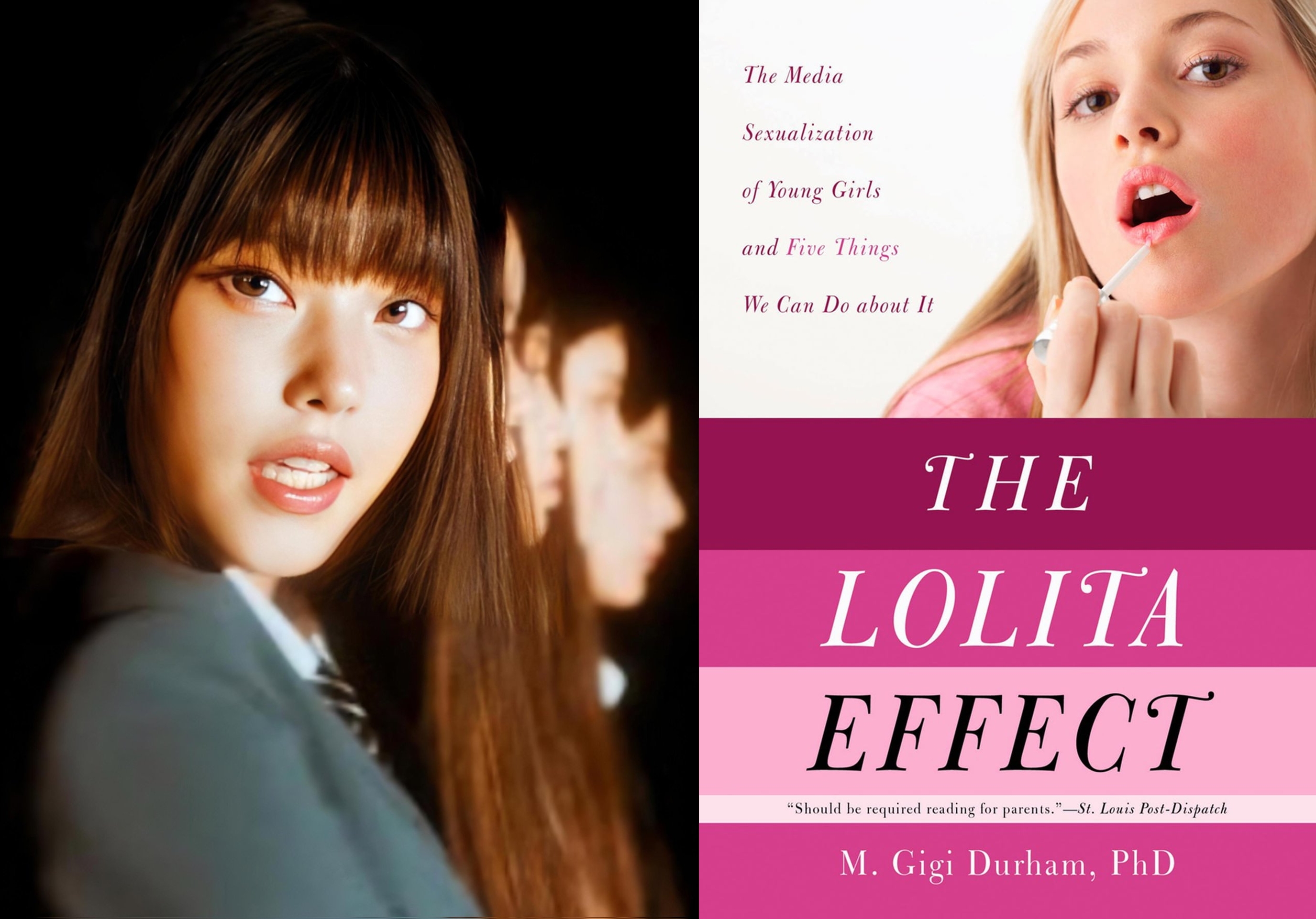

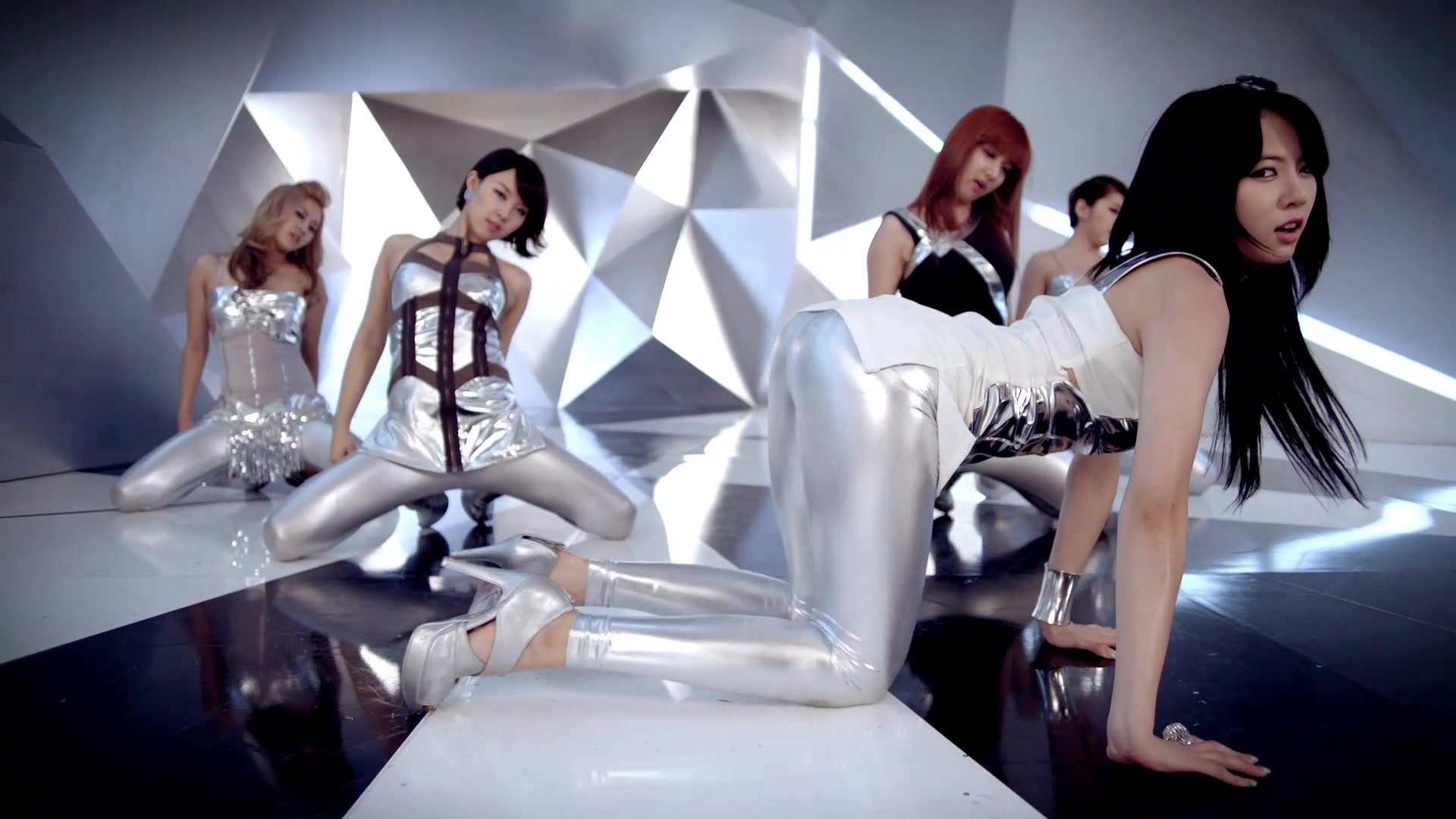

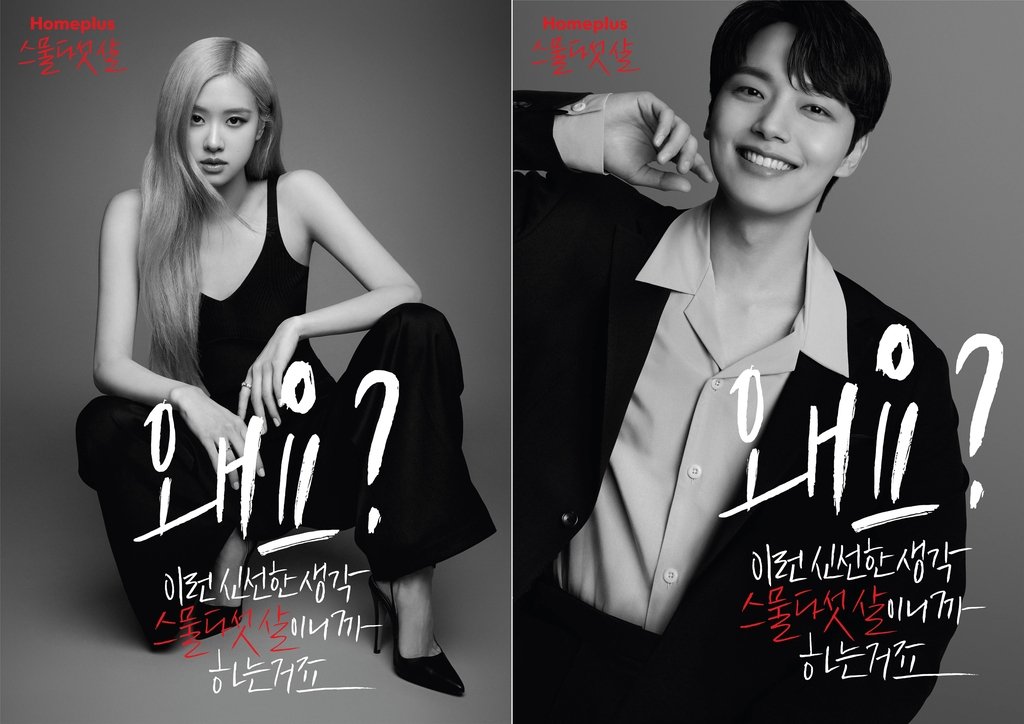
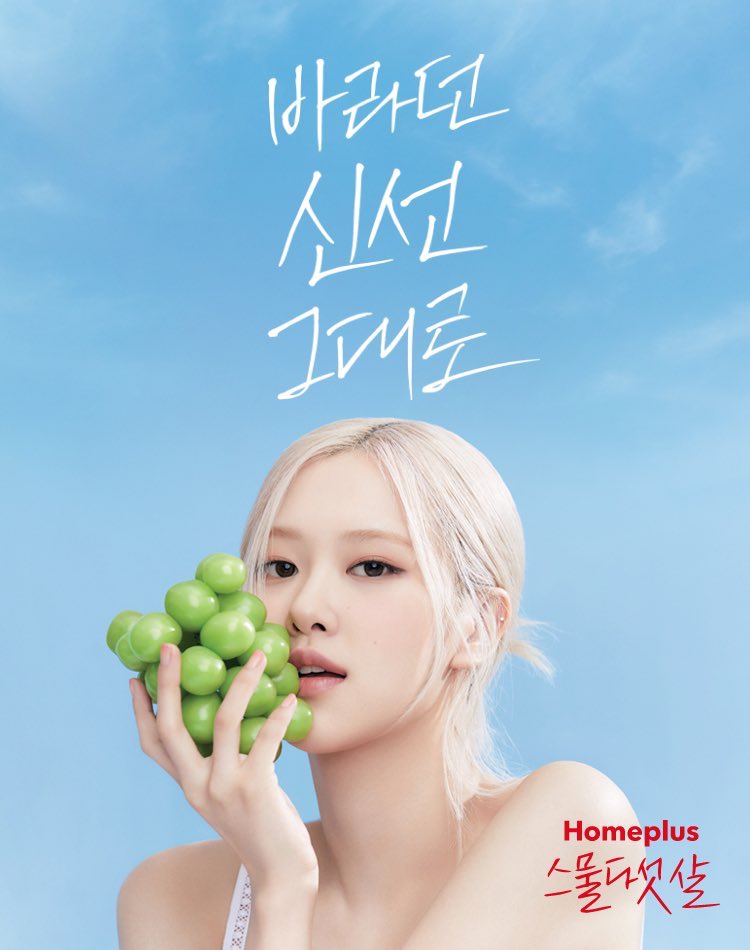
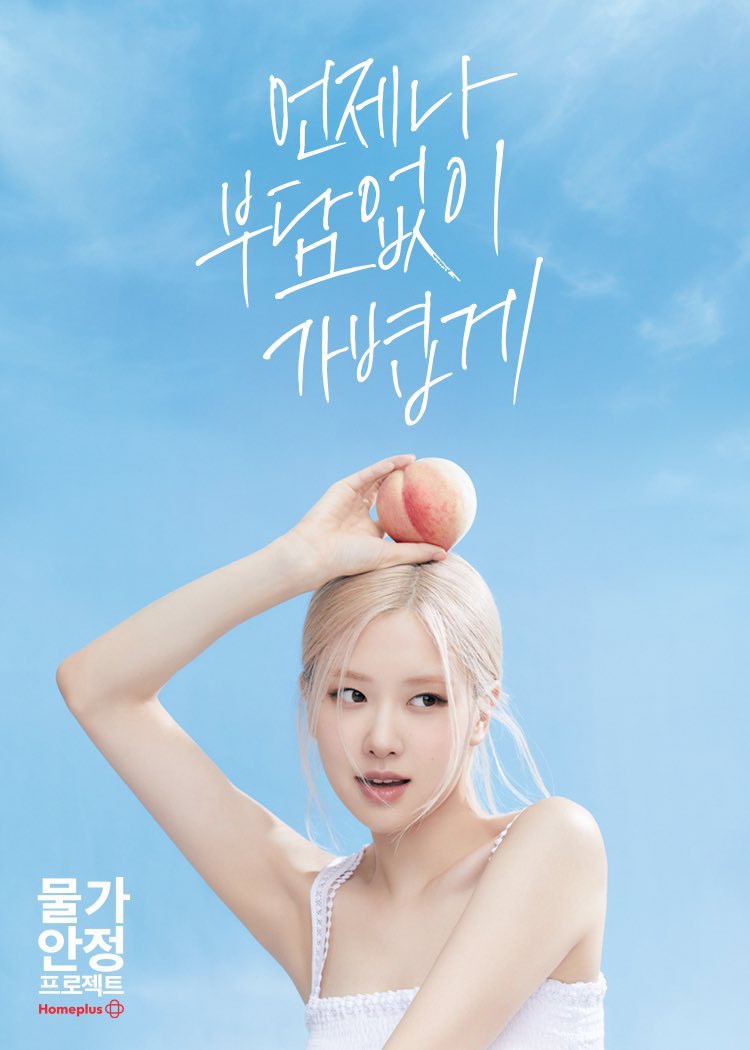


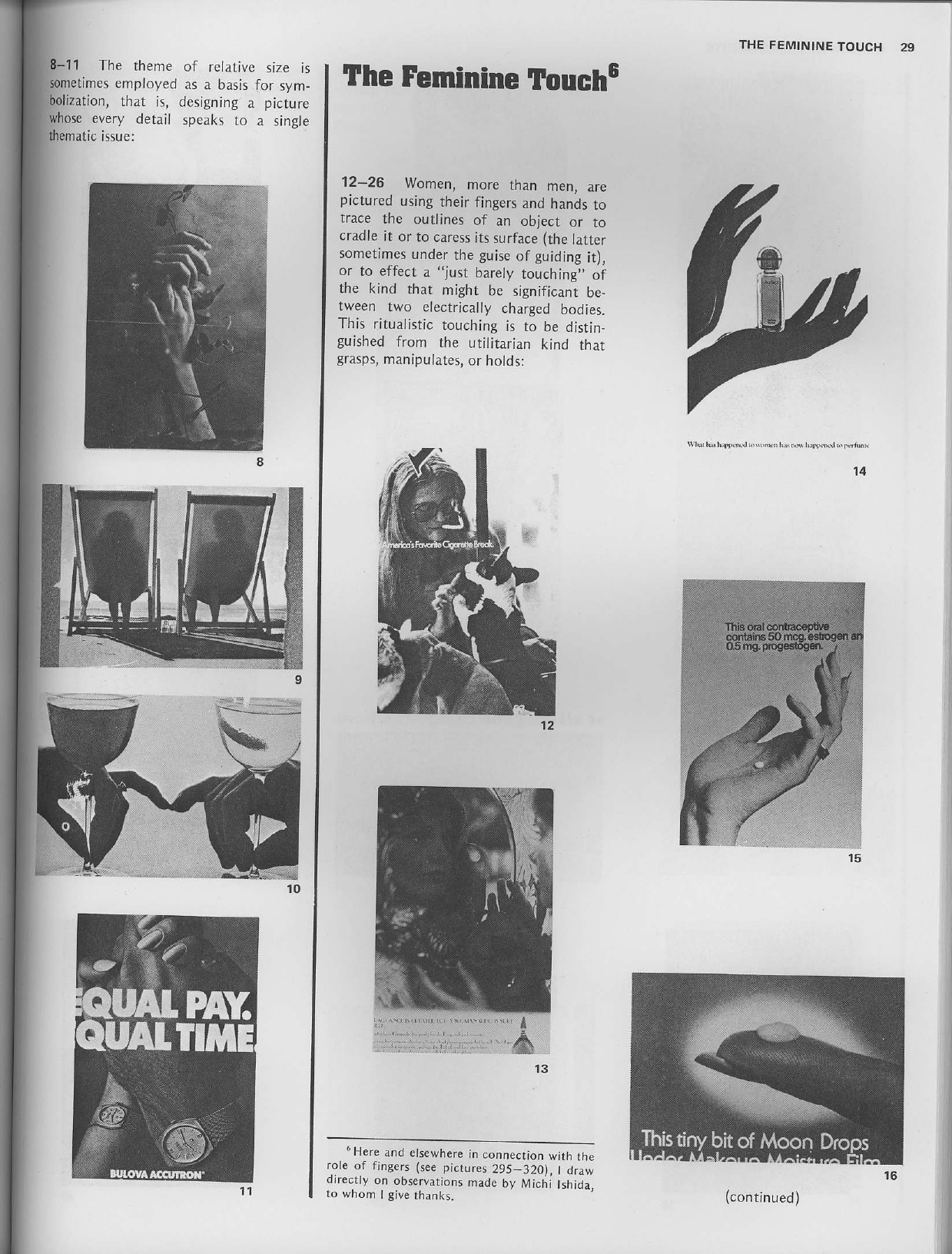
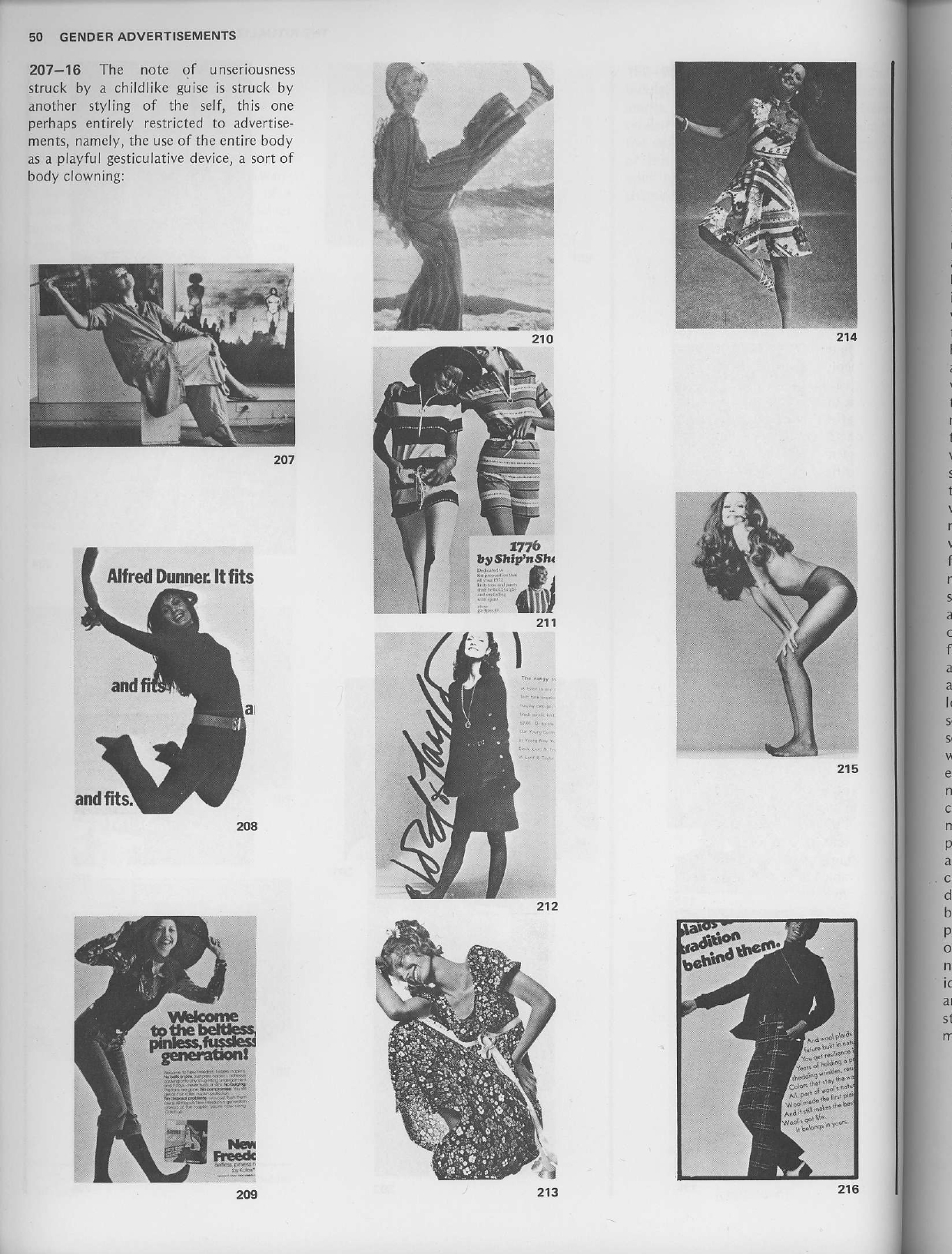

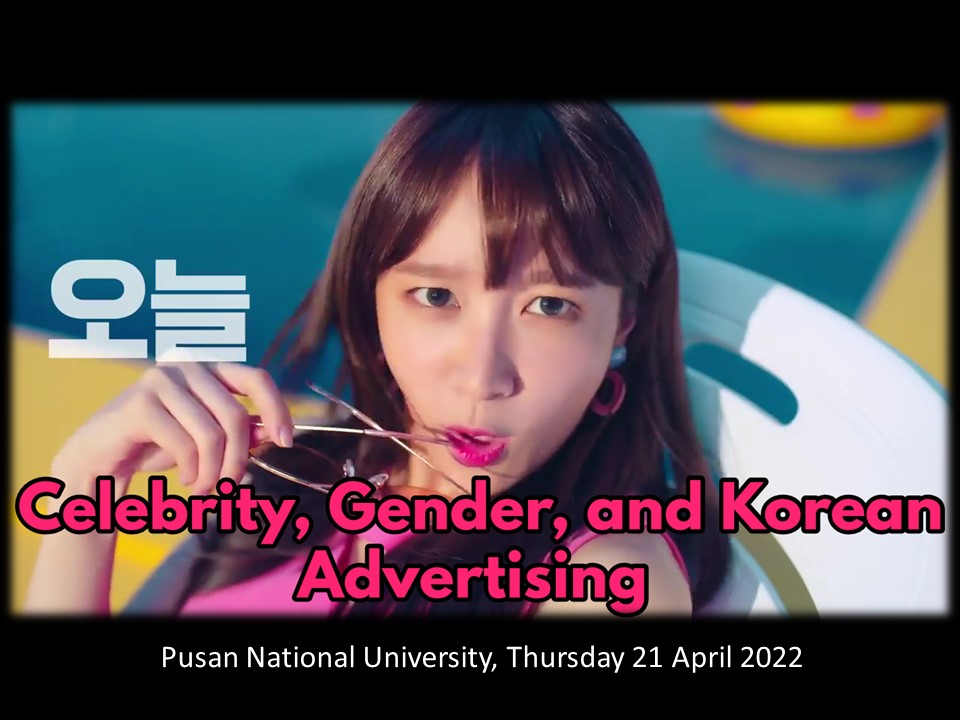
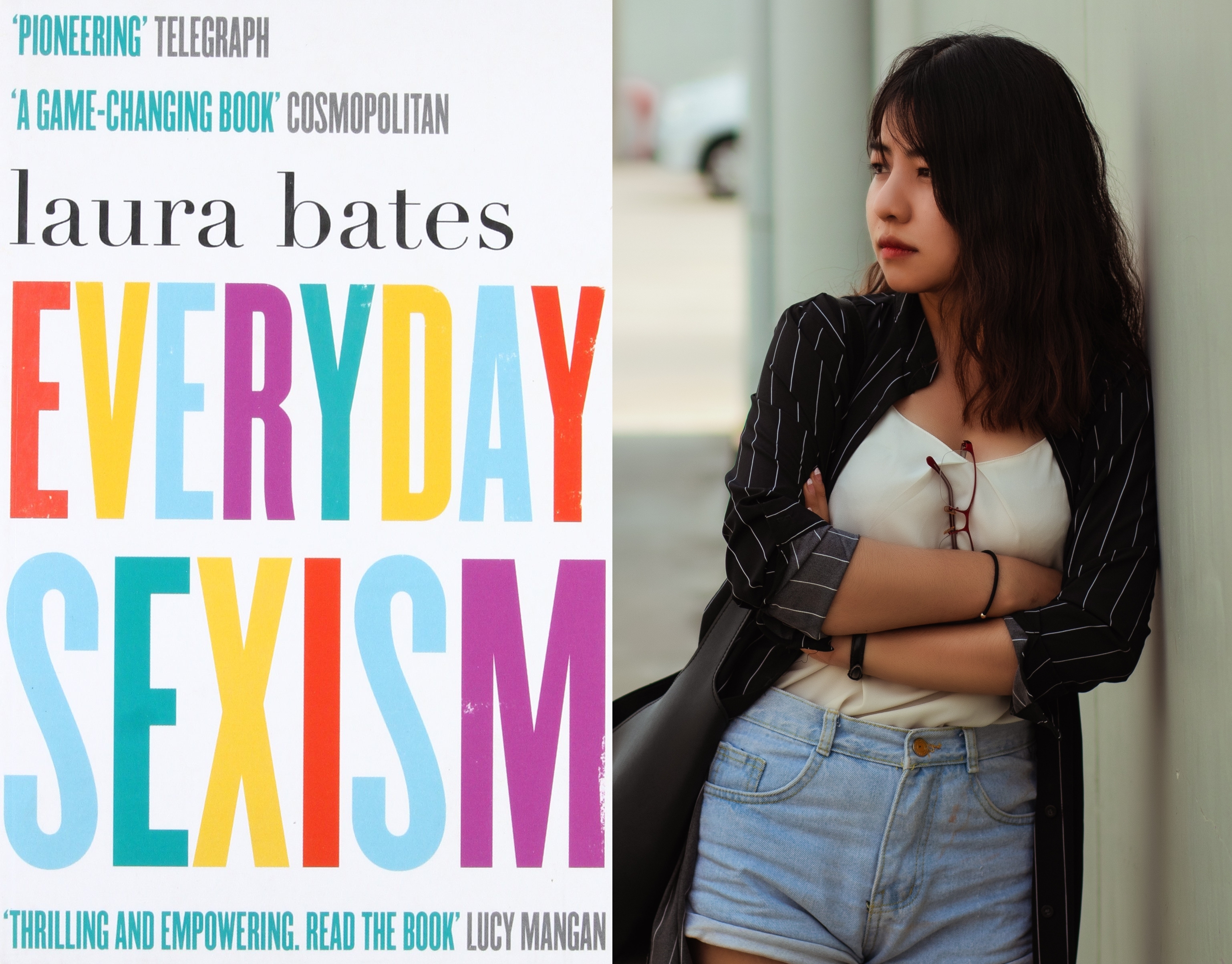
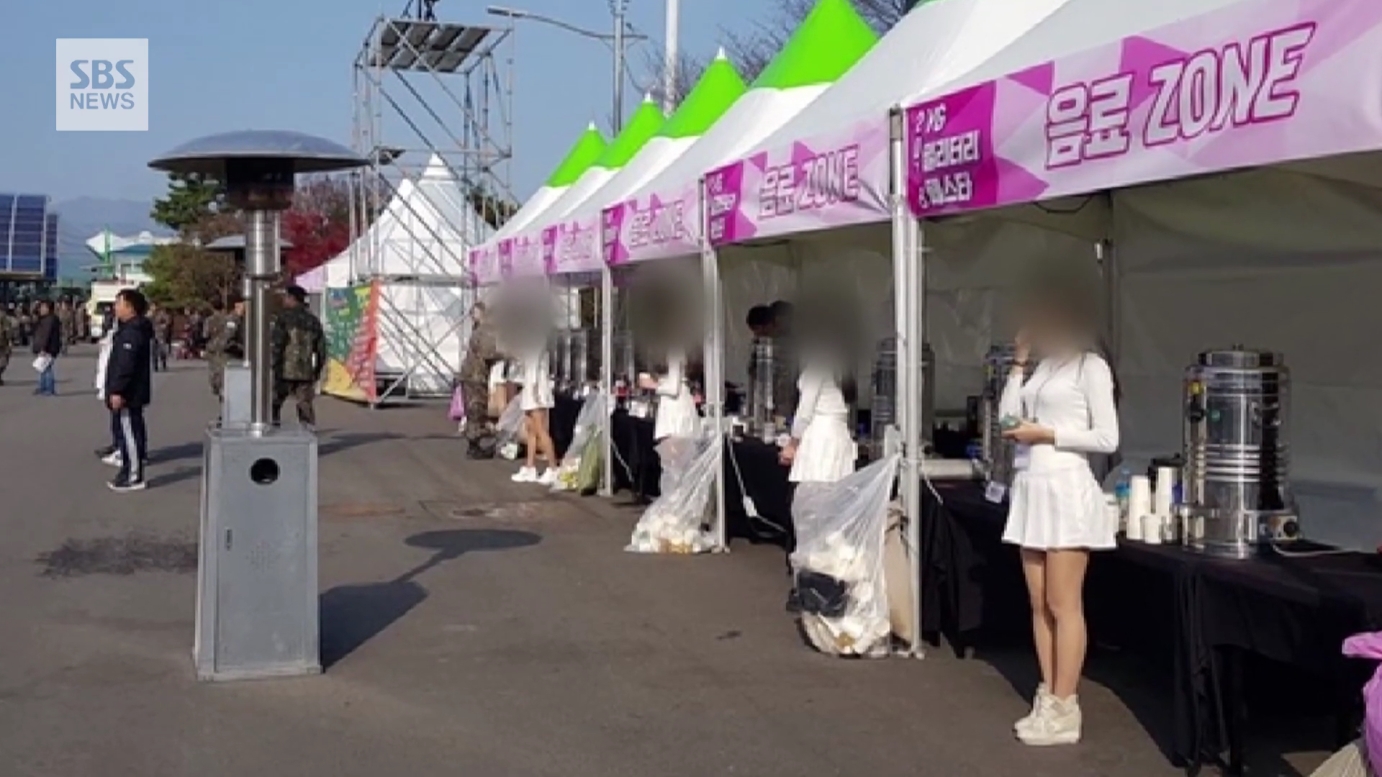
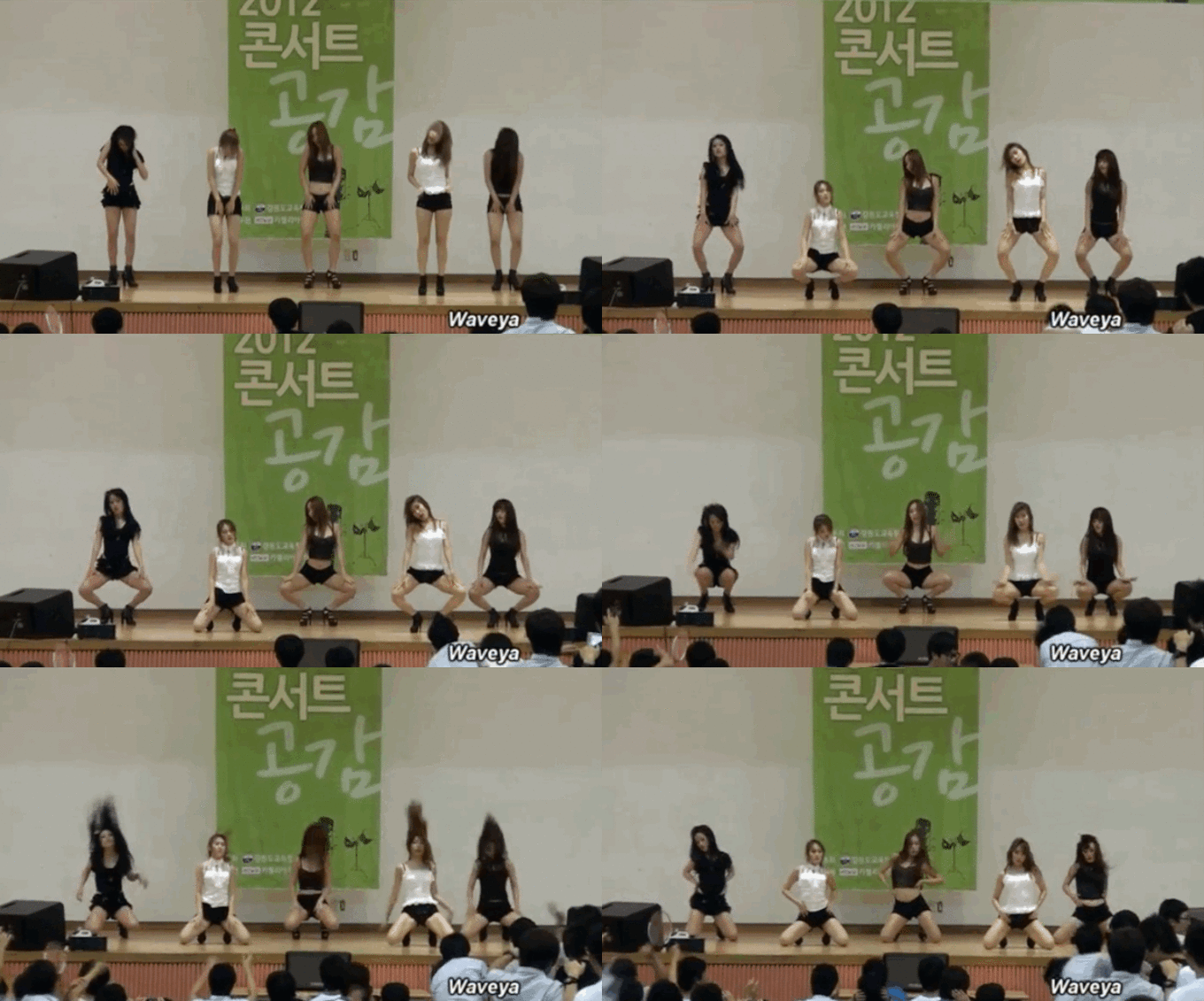

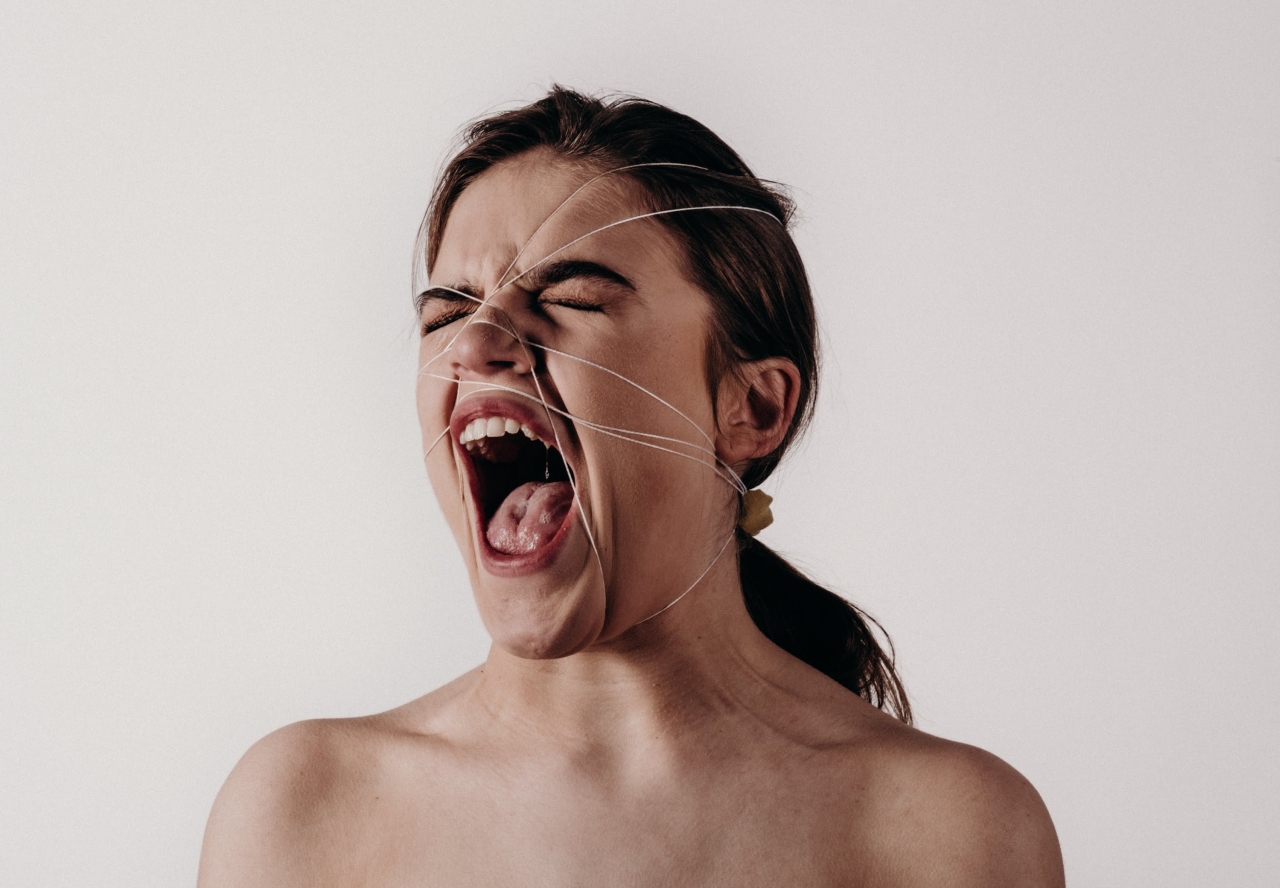


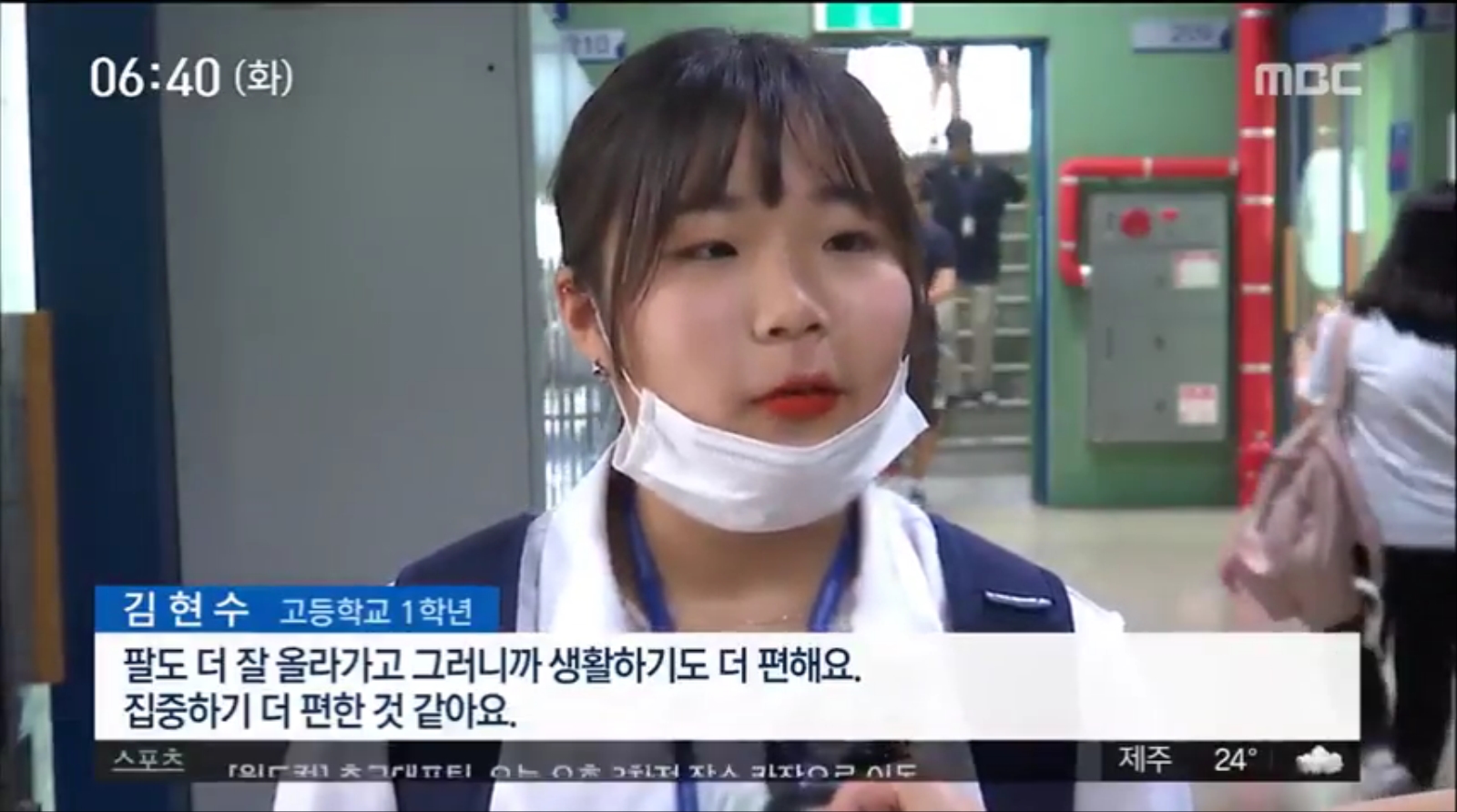
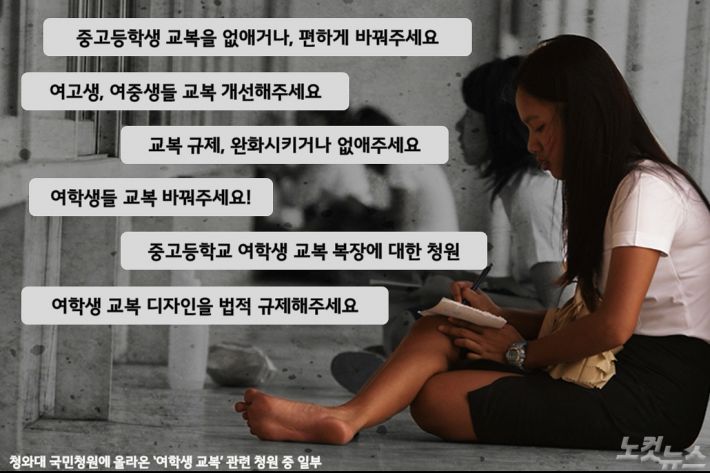
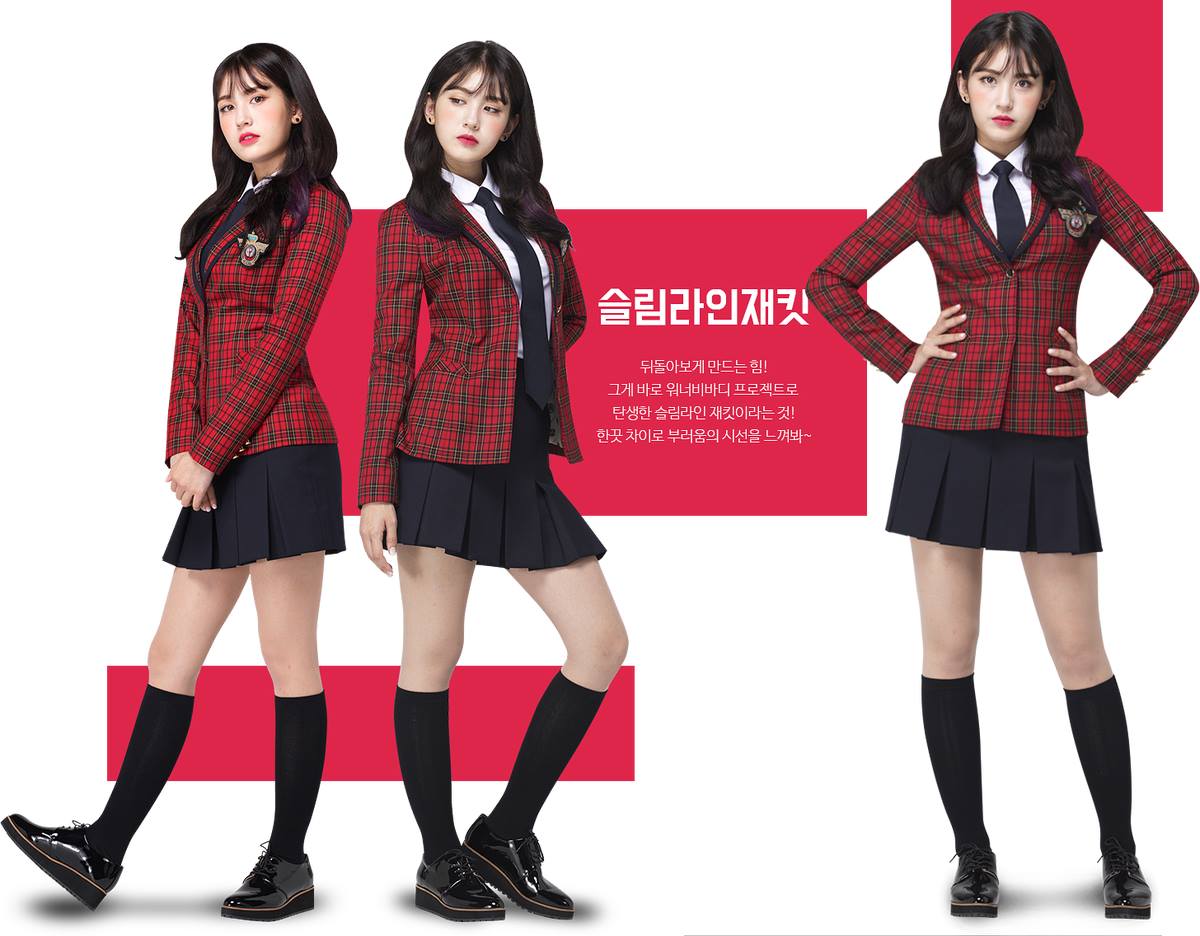
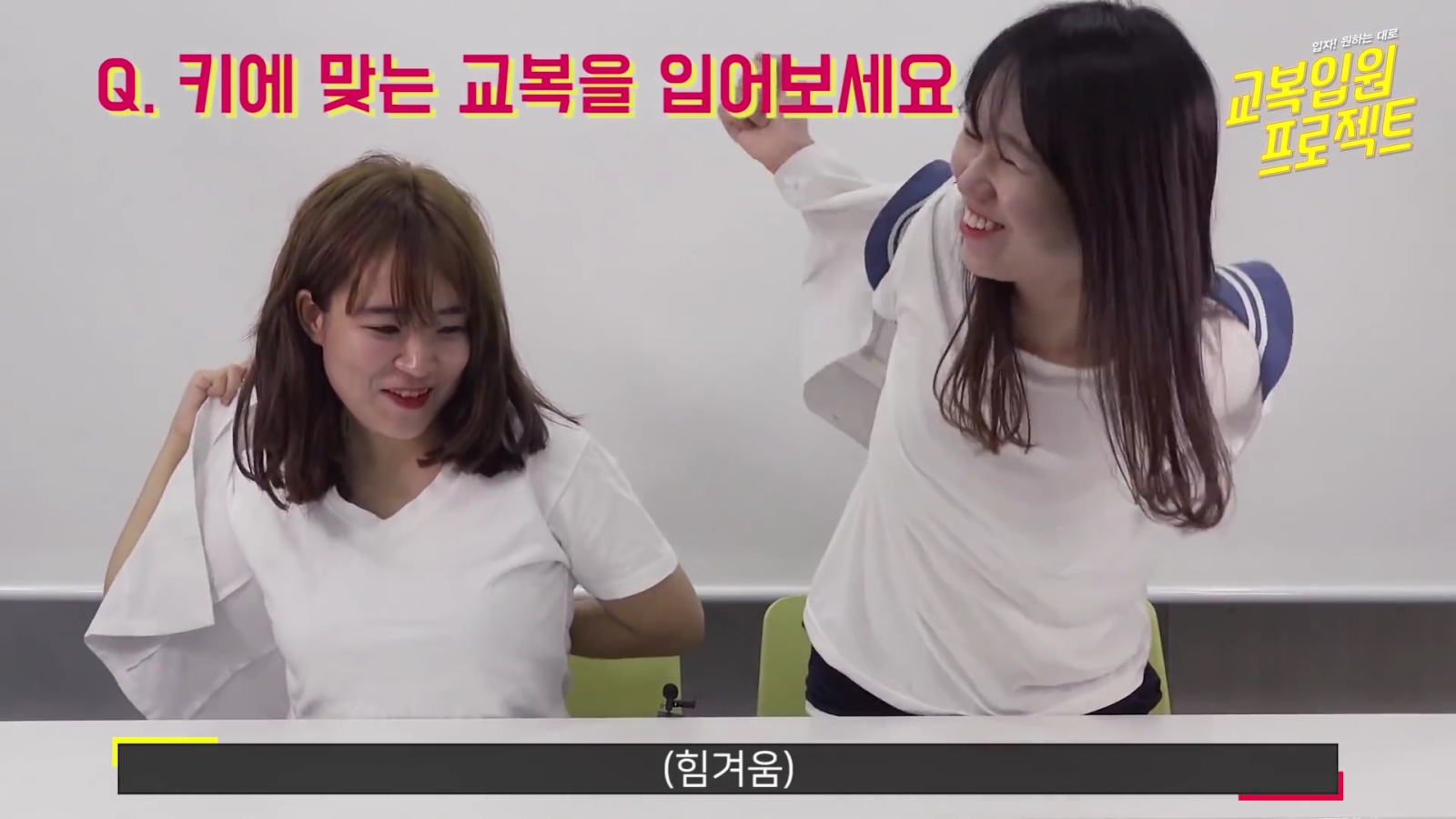
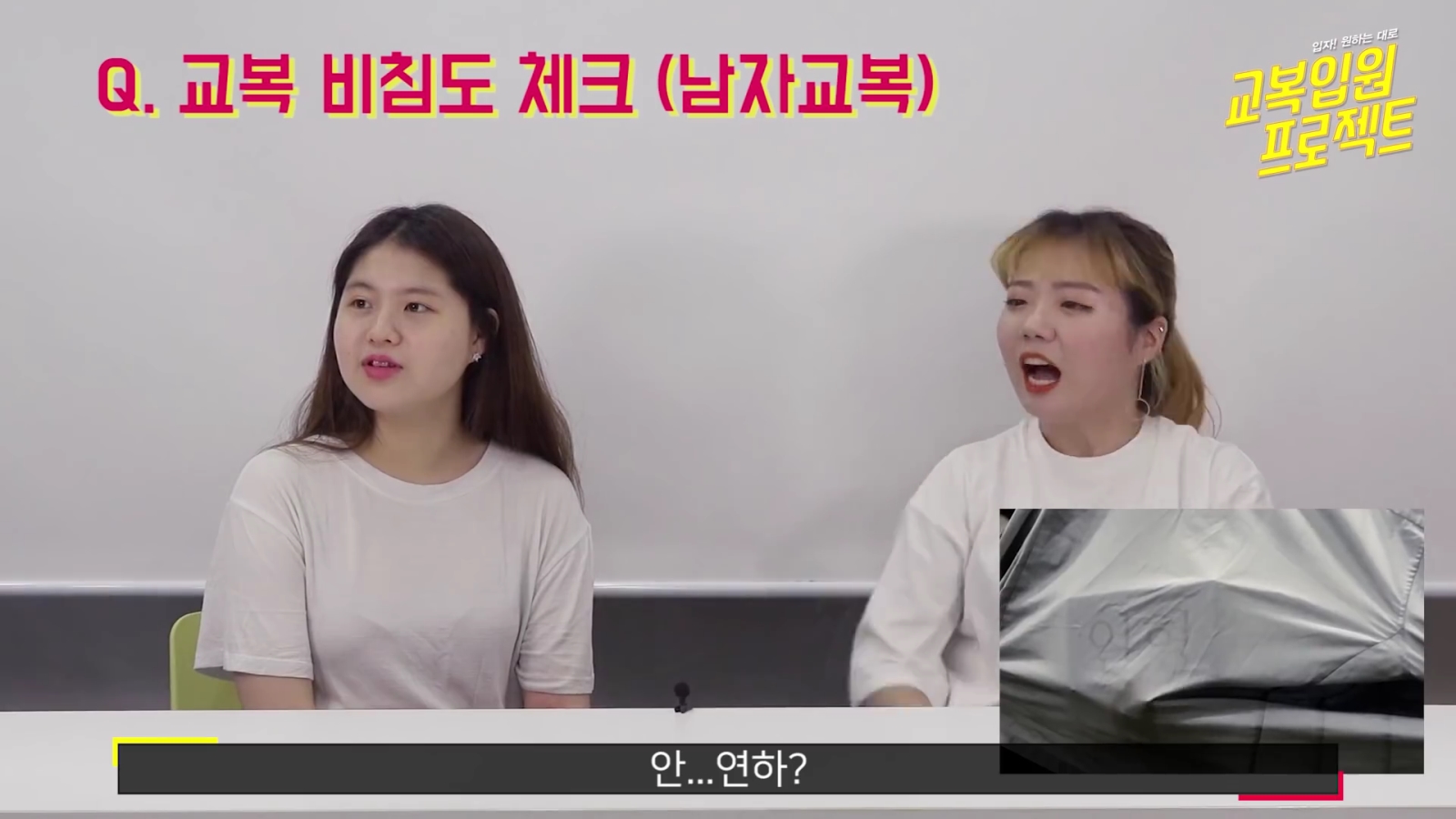
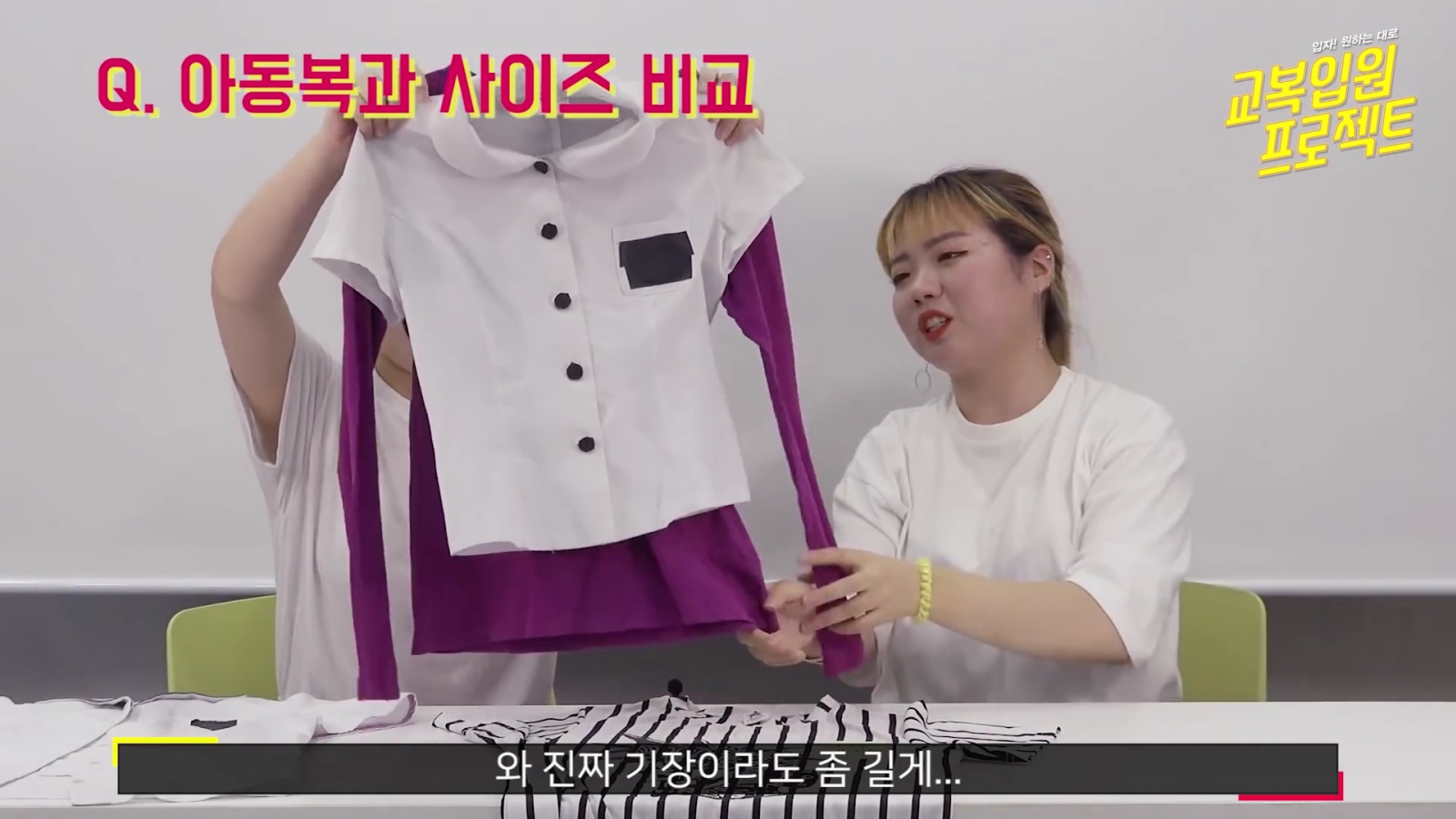
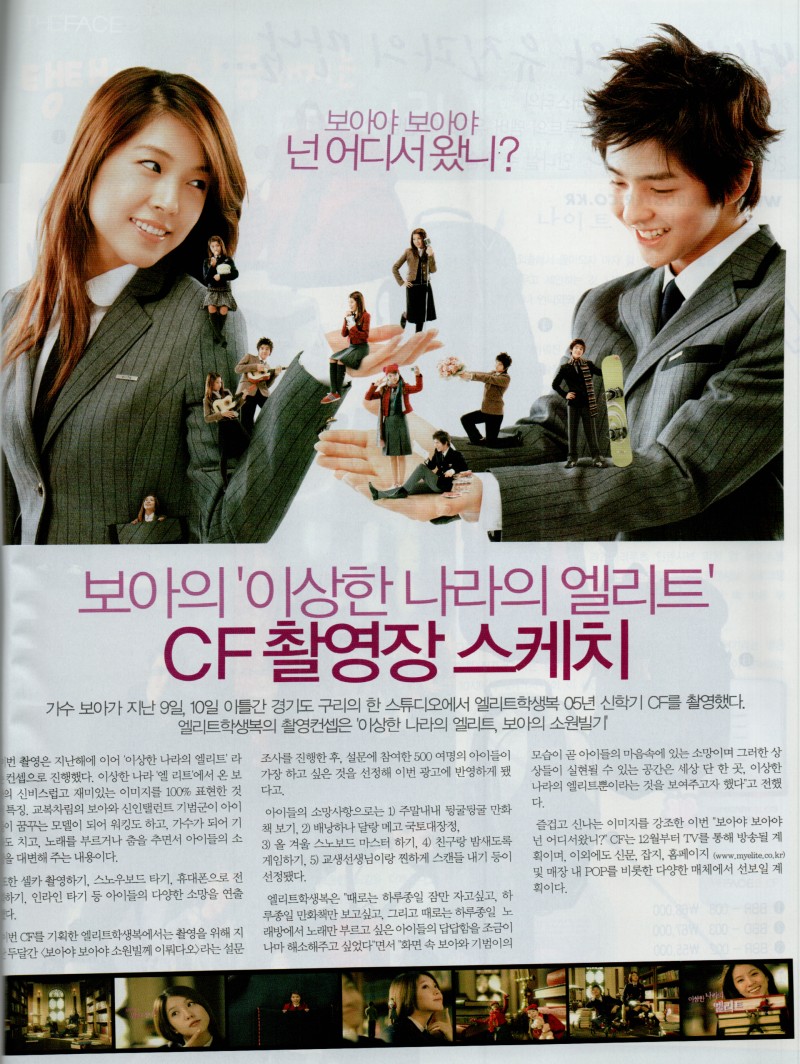
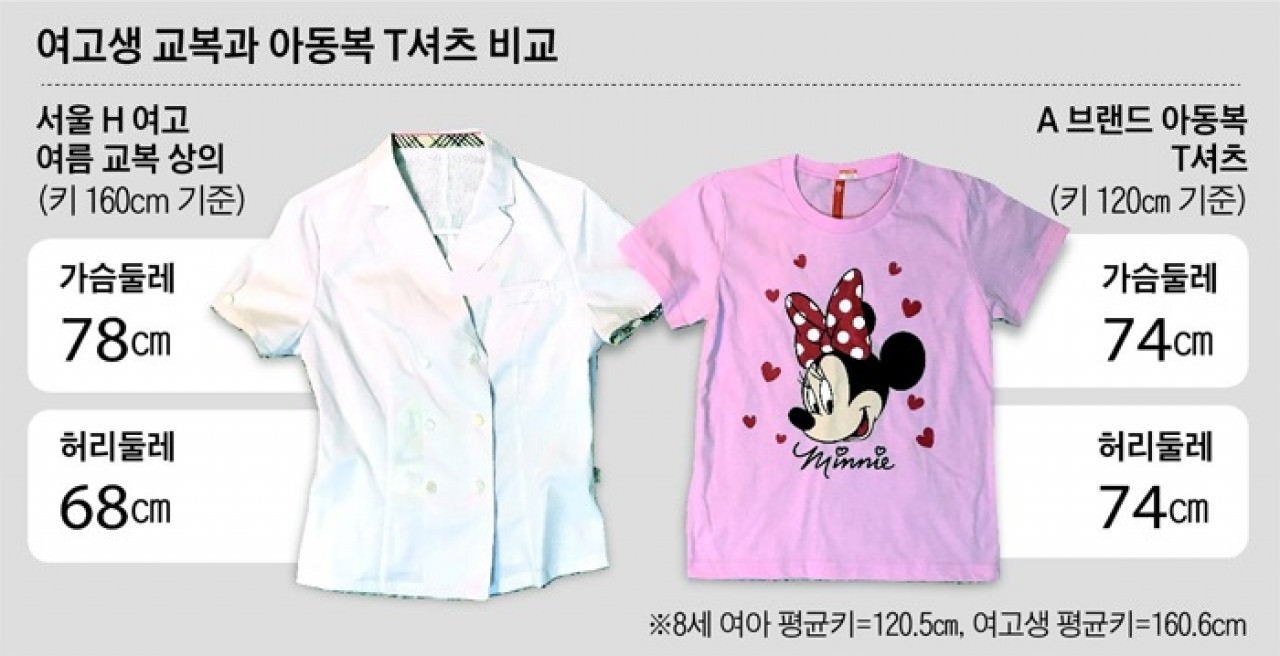
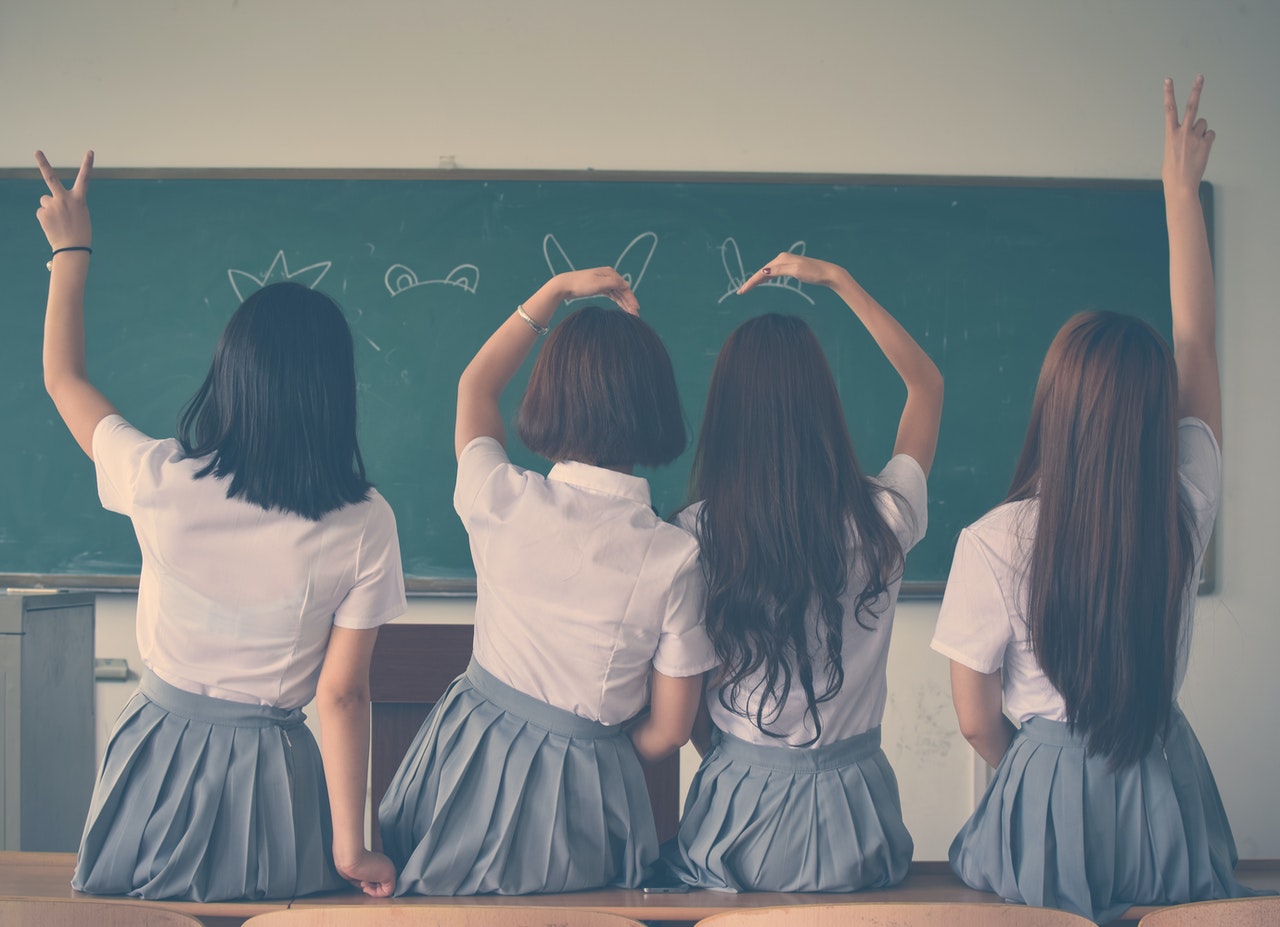
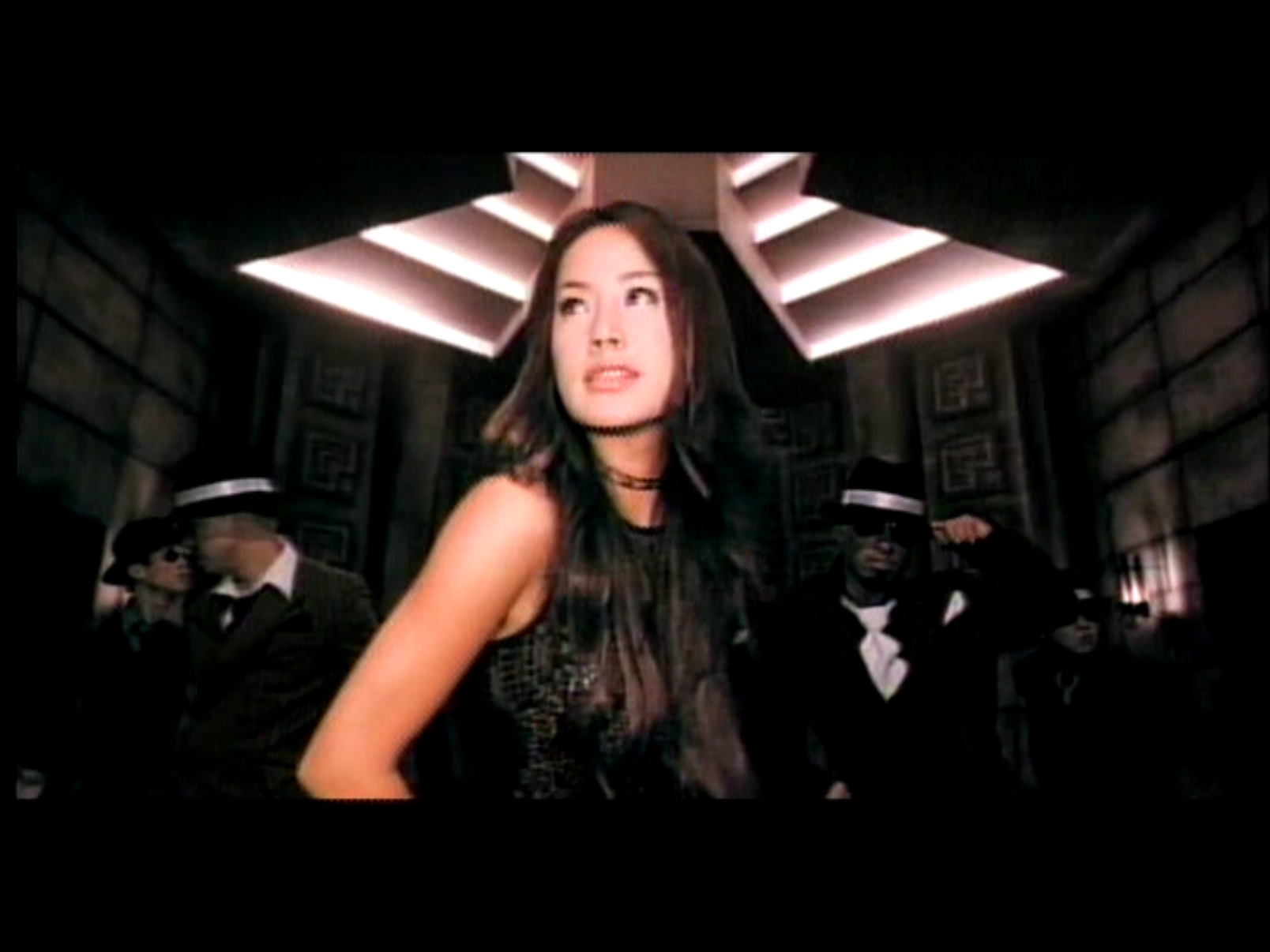
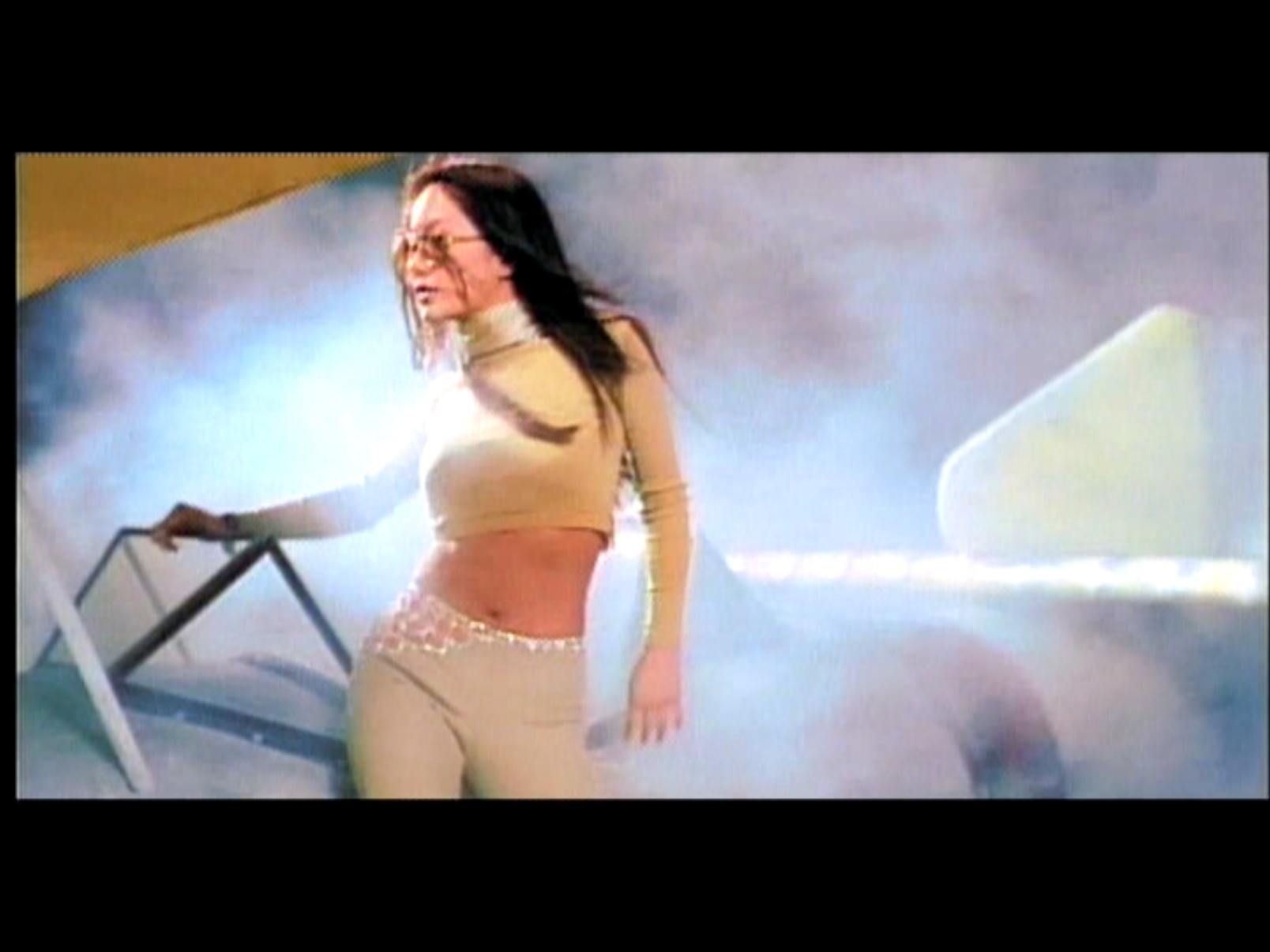
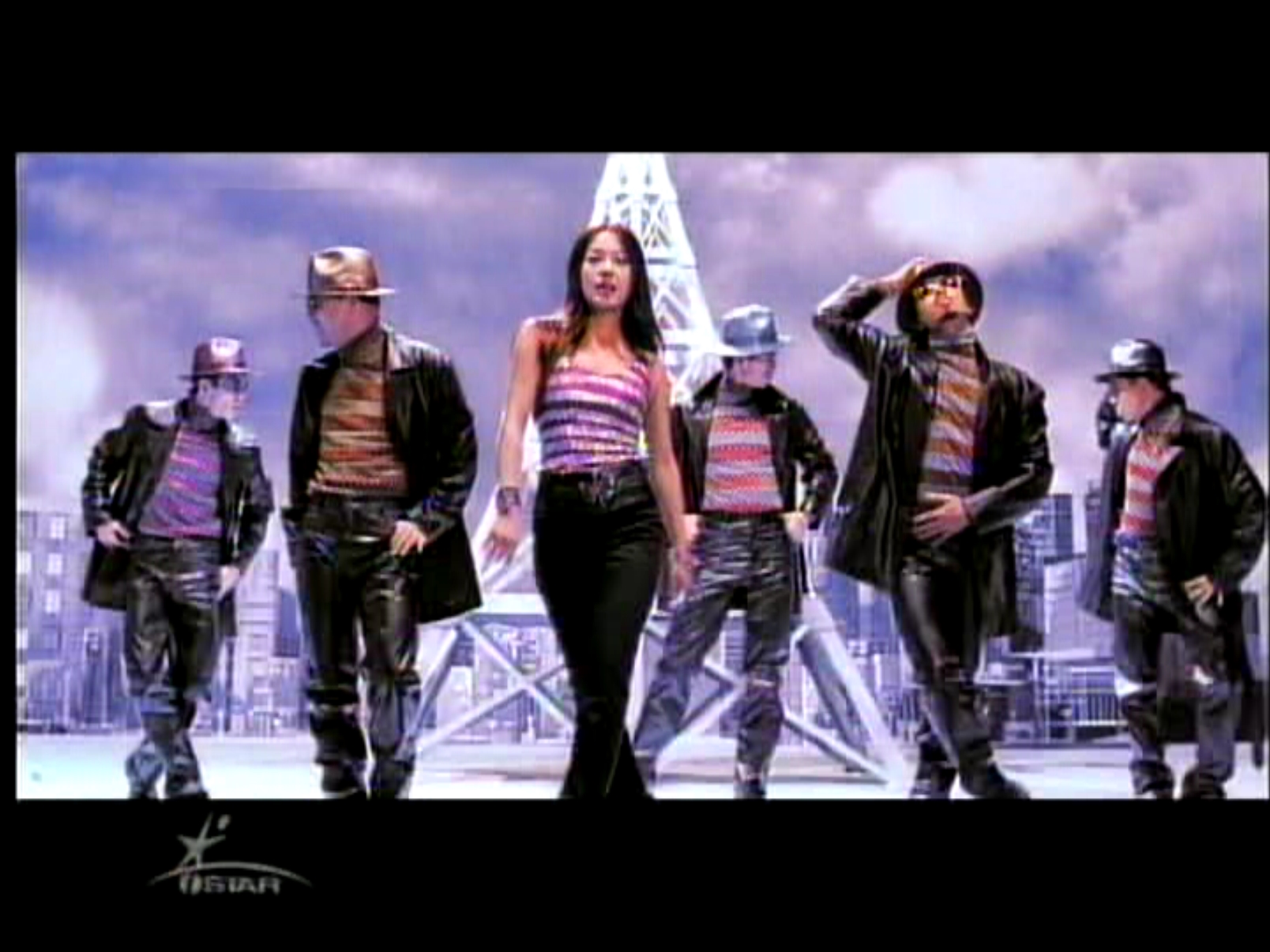
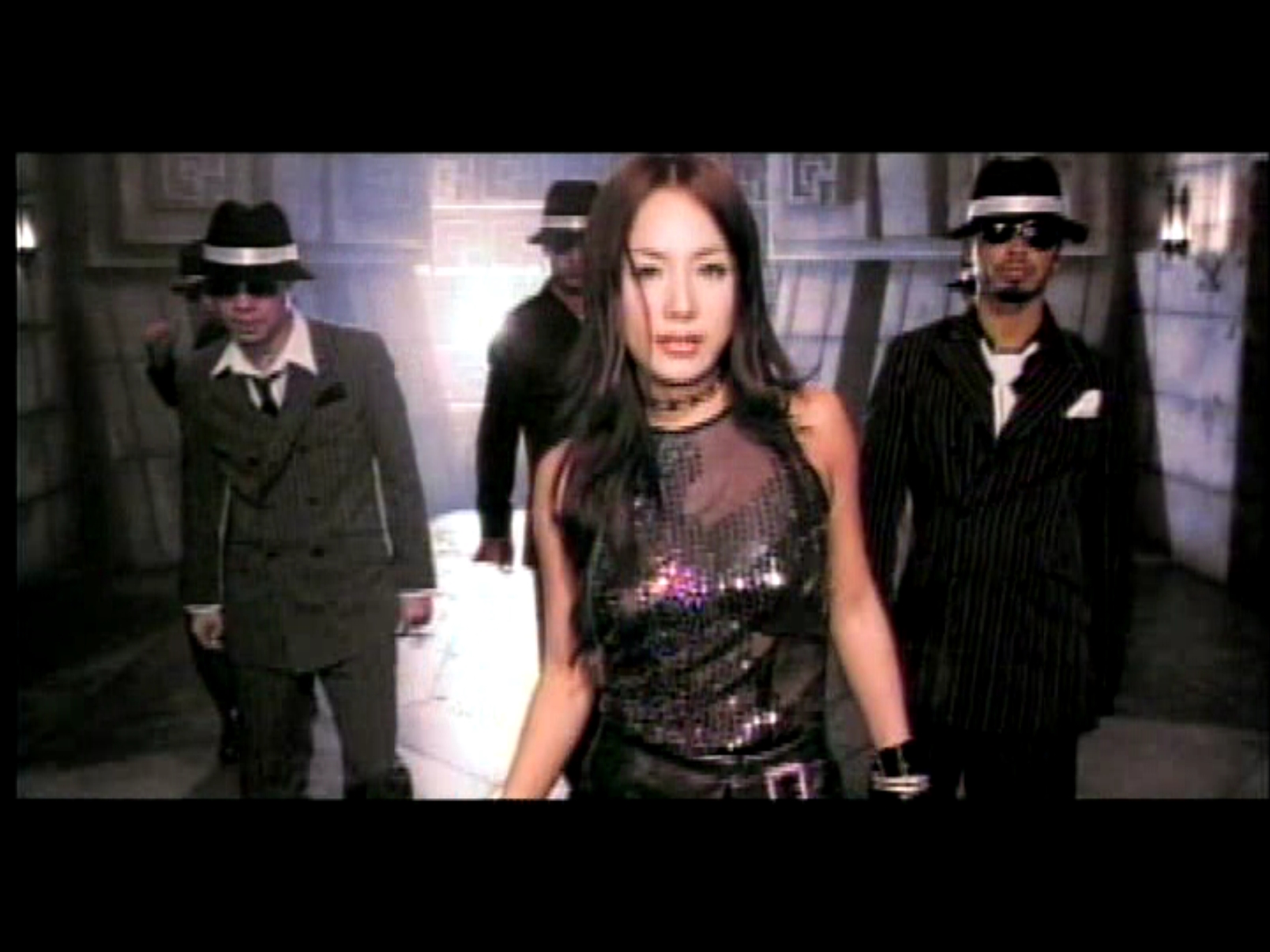
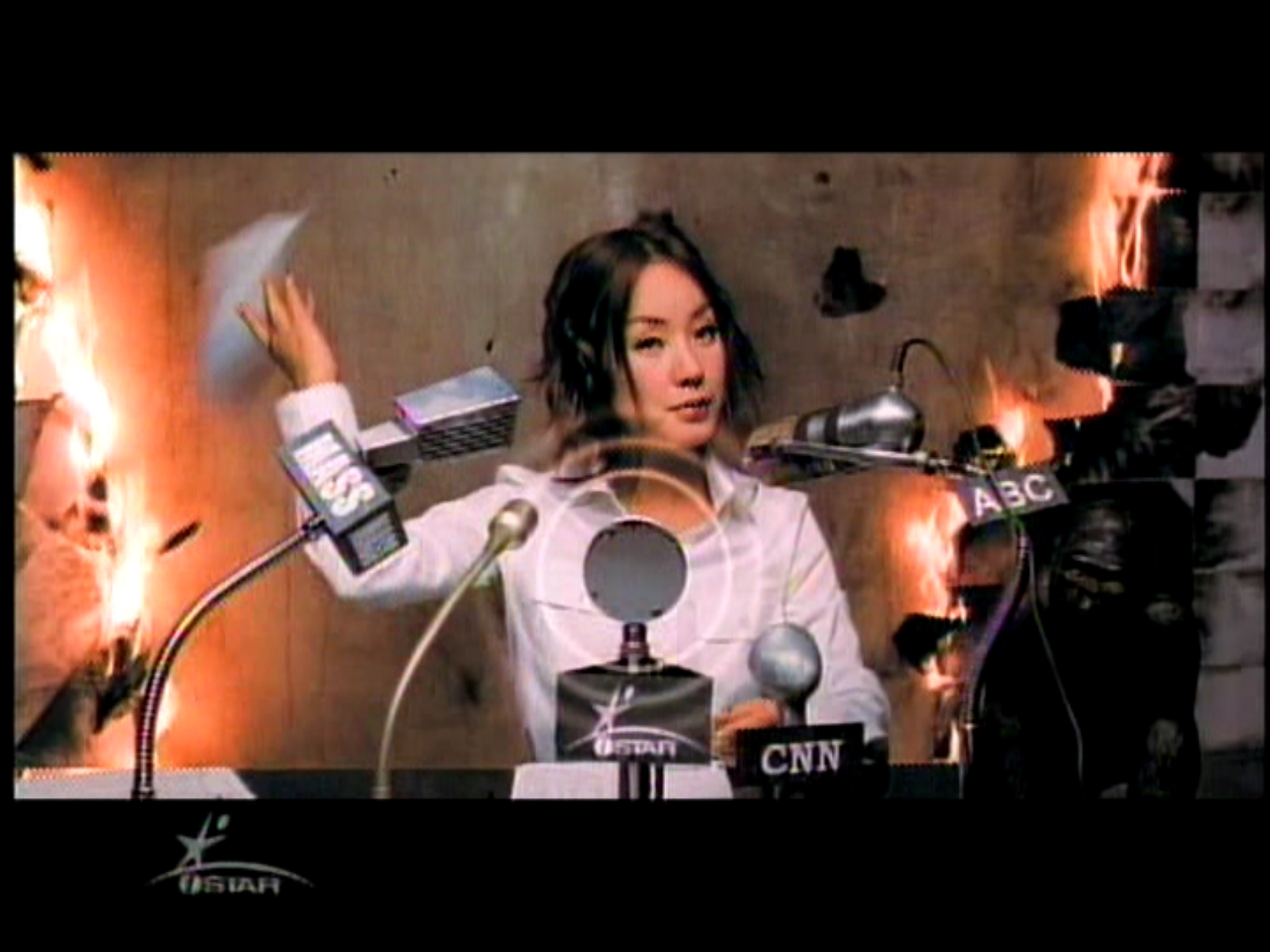
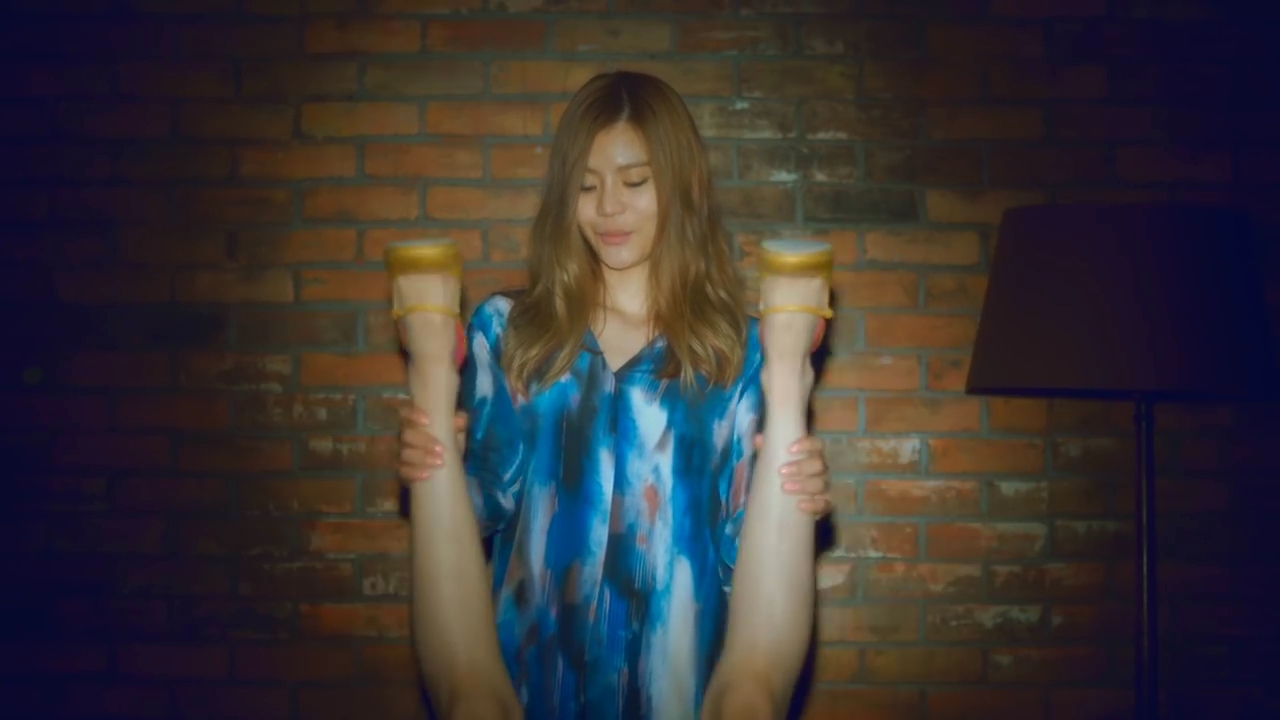
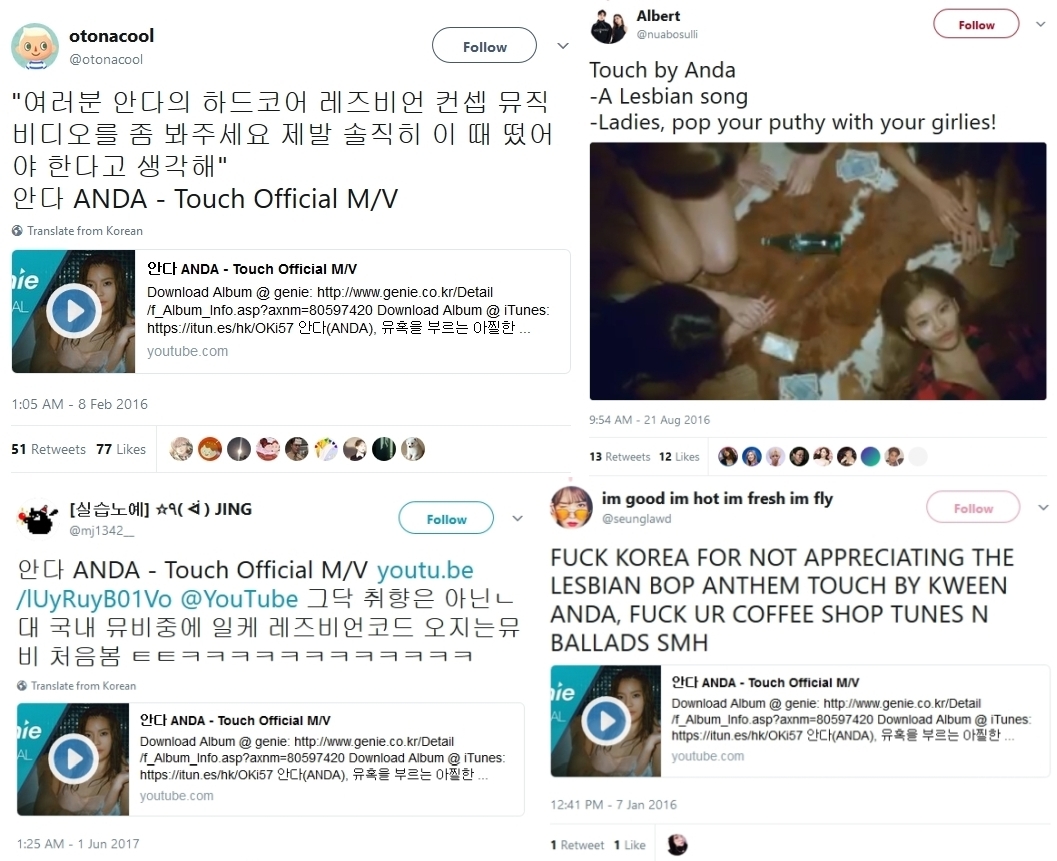
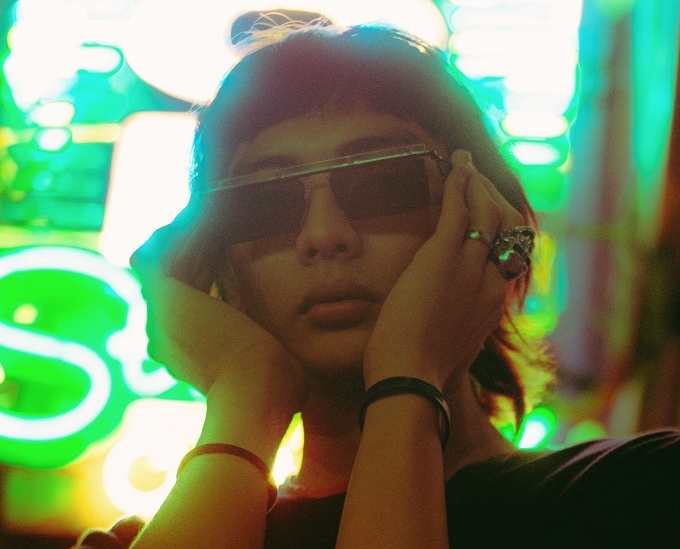
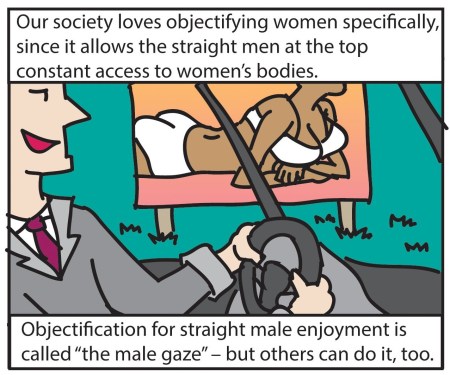
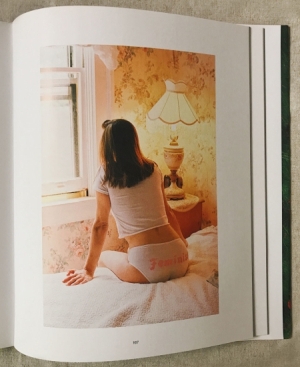 (In
(In 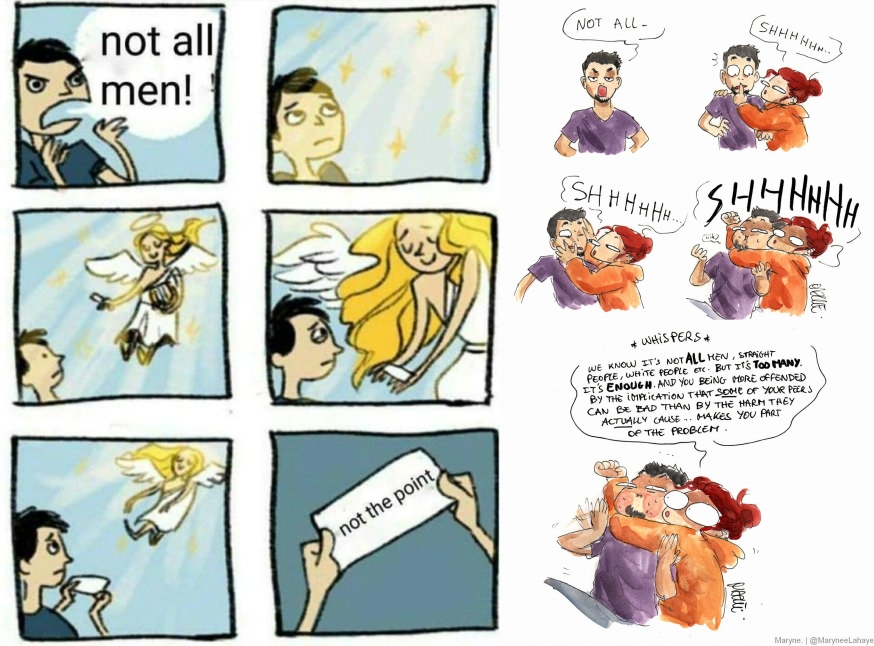
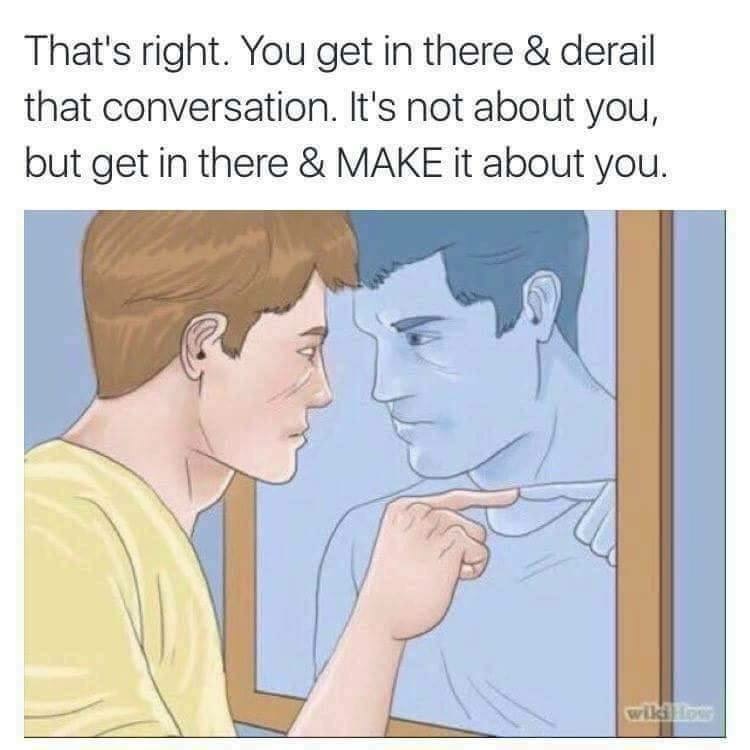
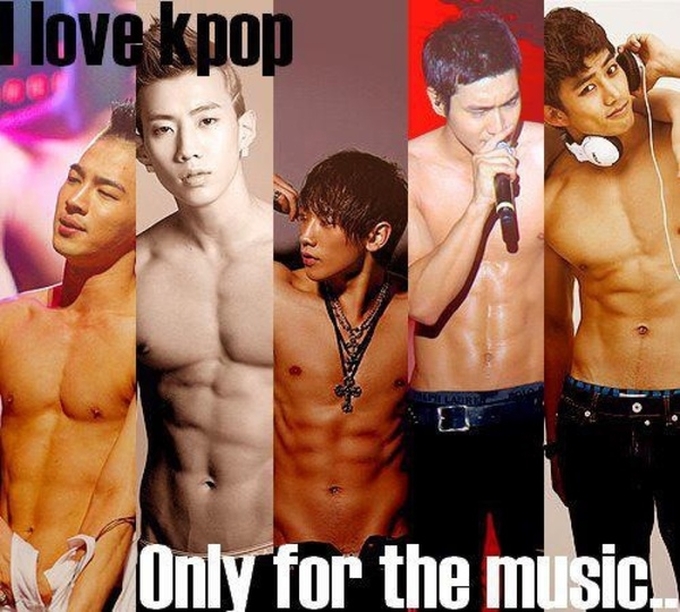
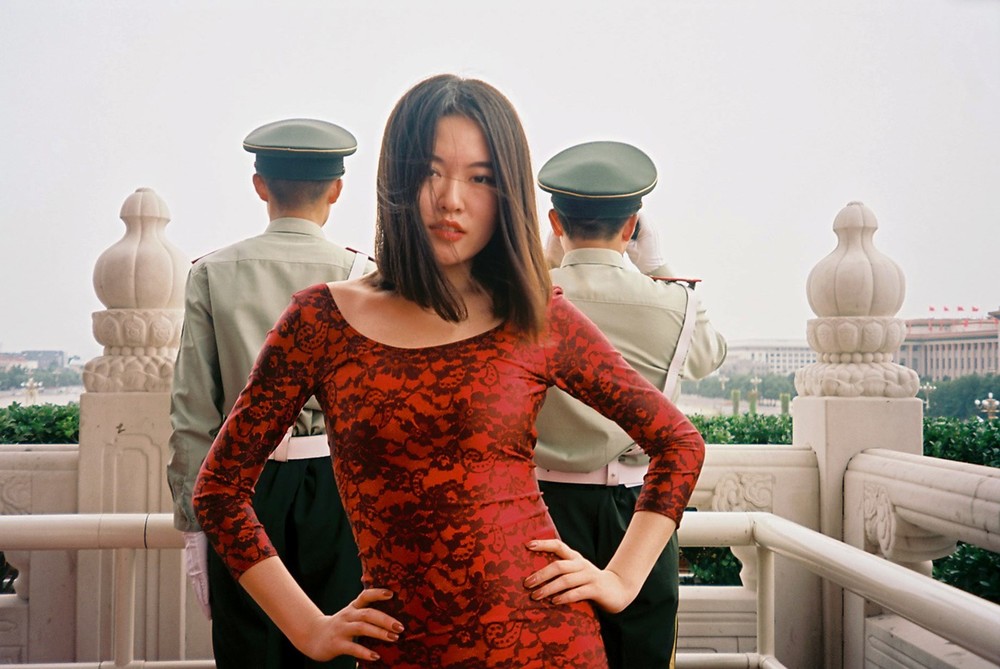
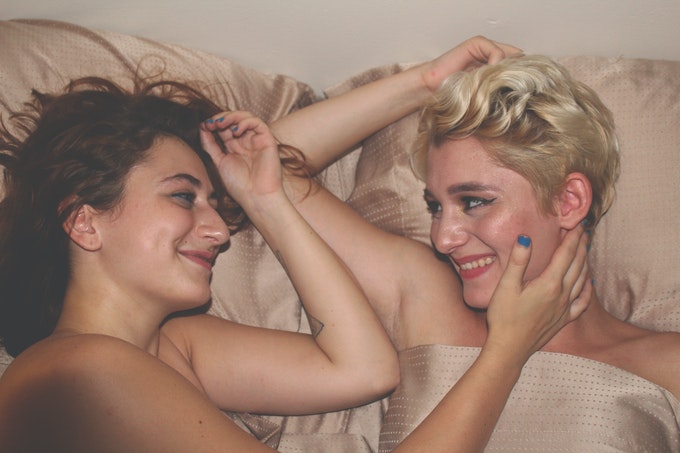

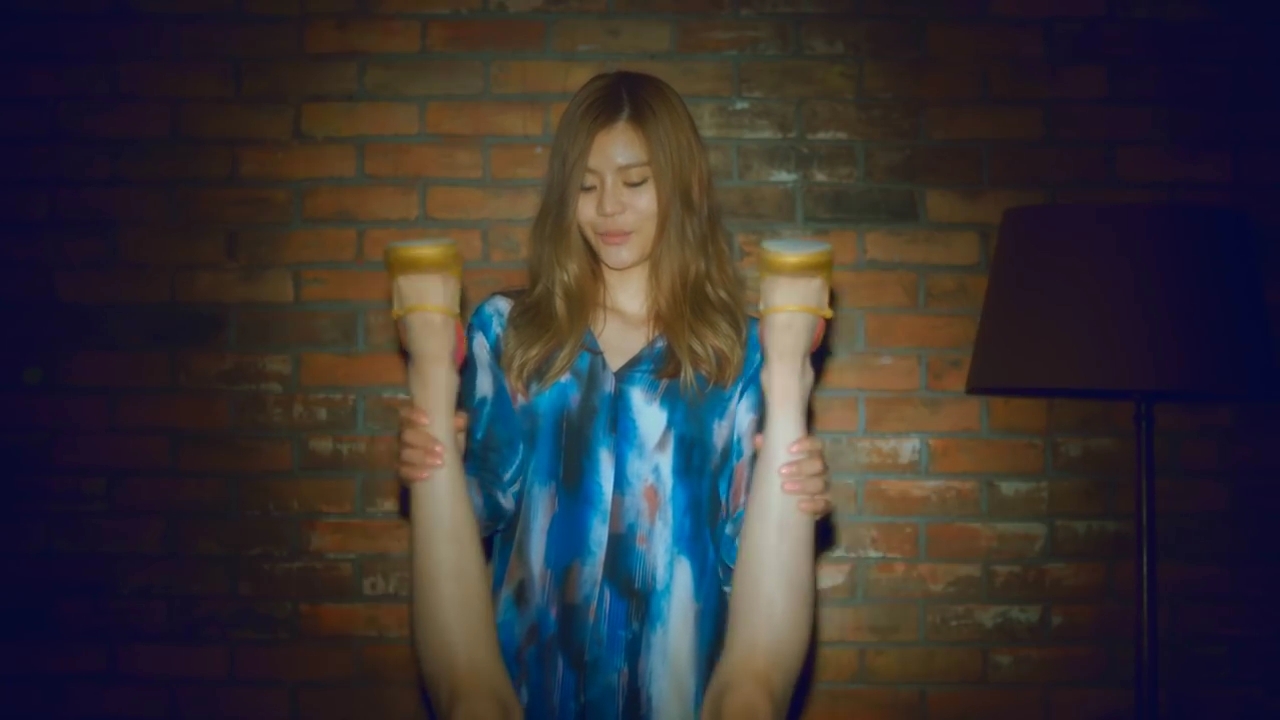
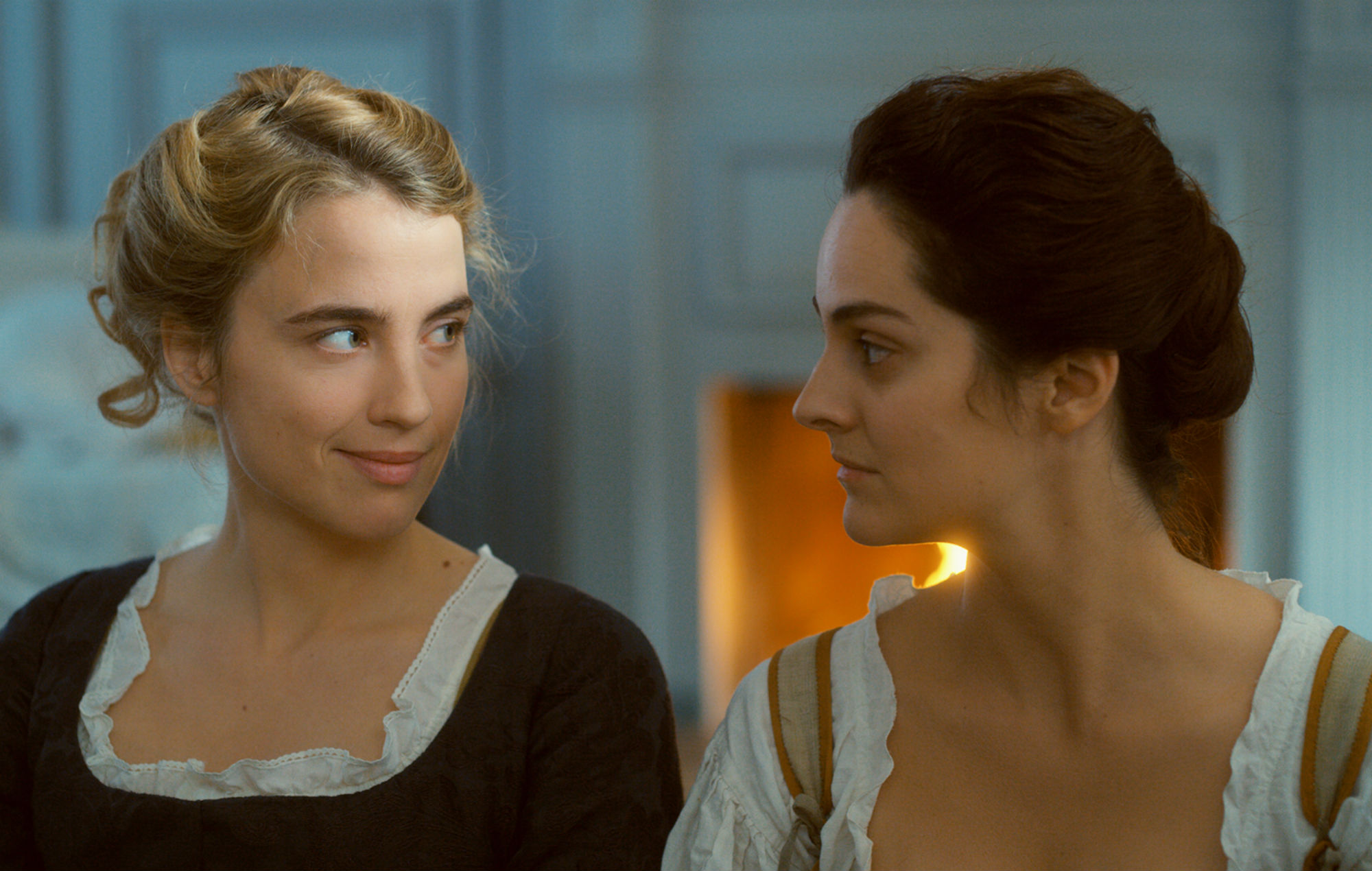




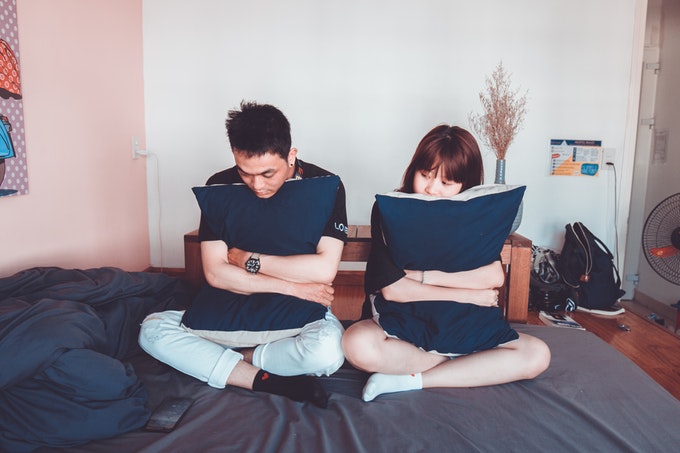
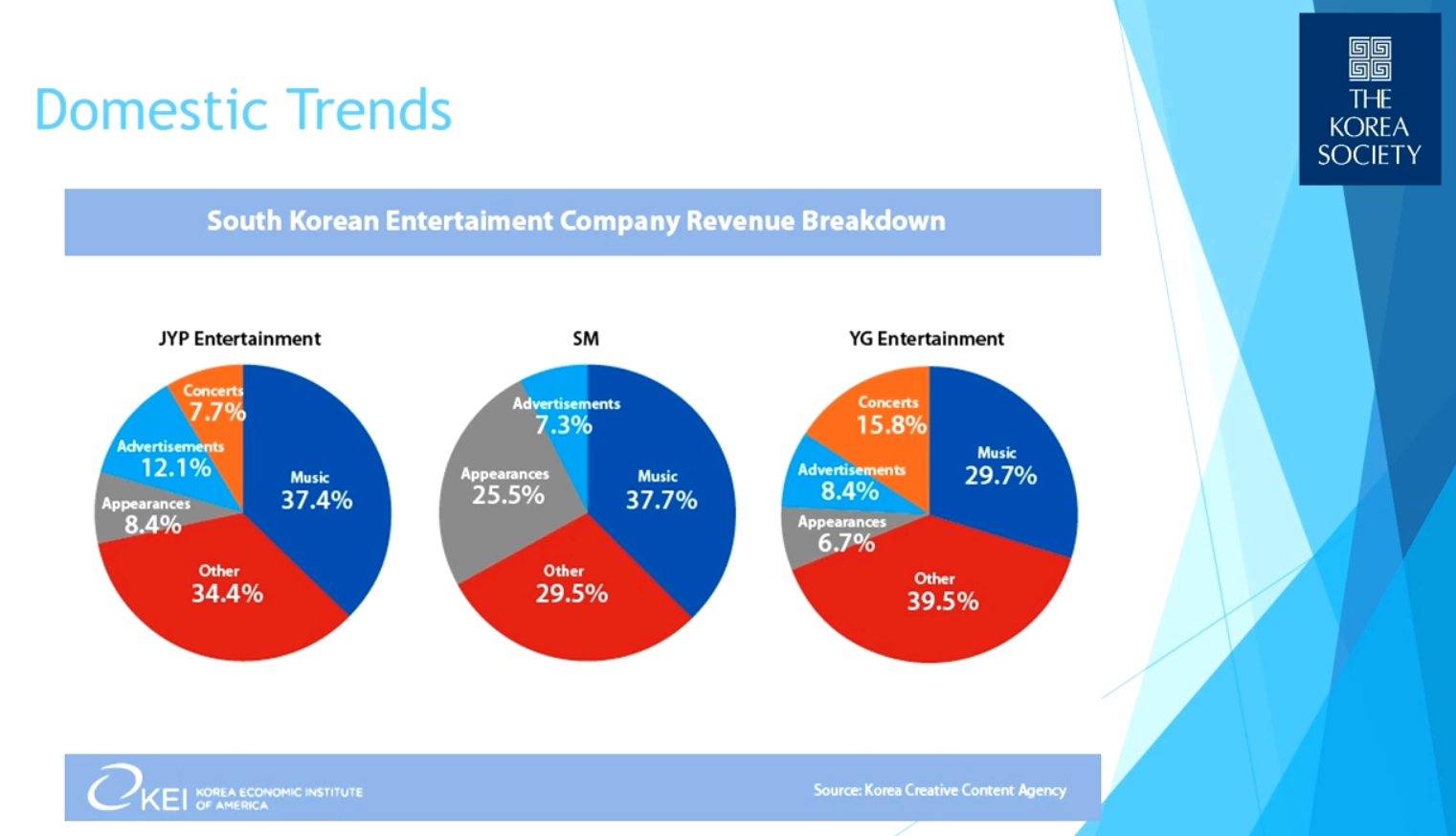
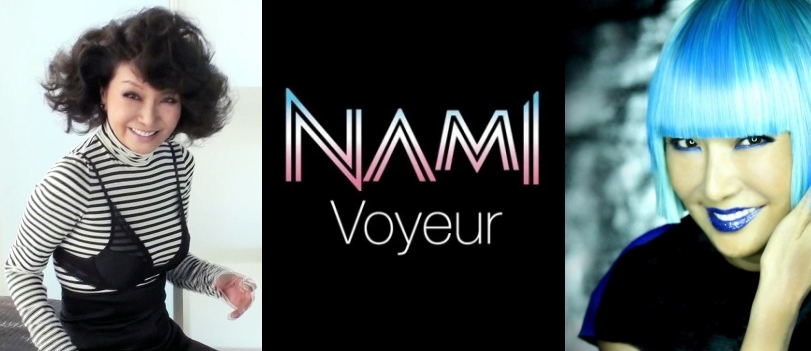

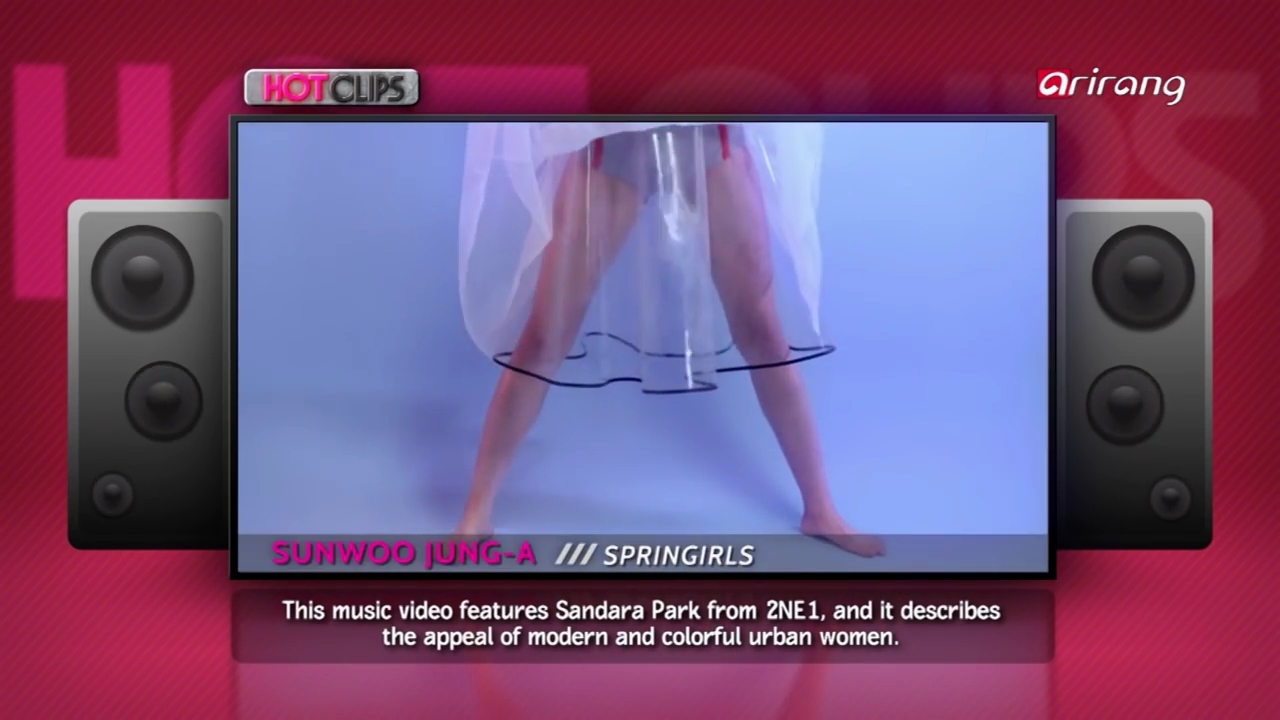
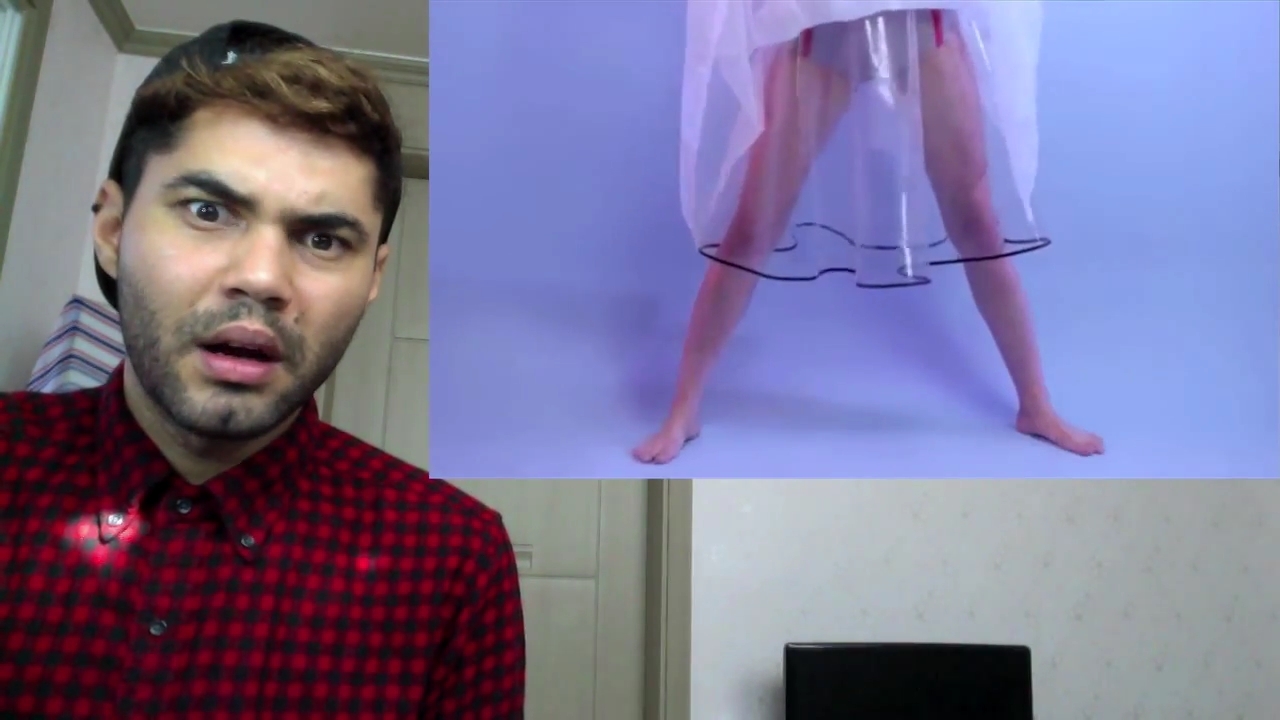
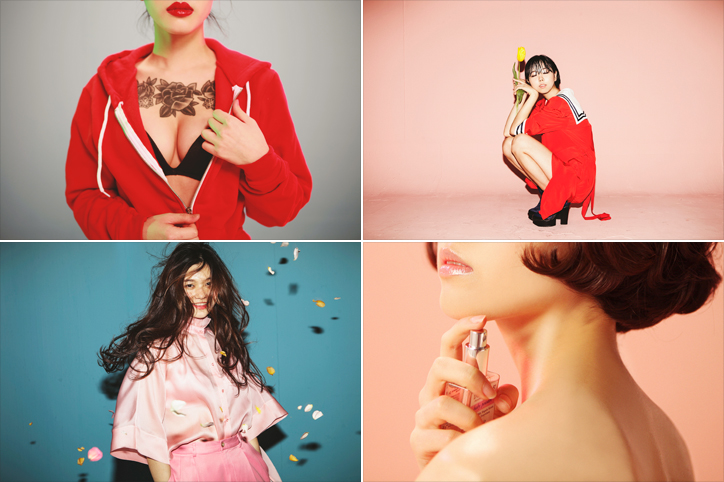
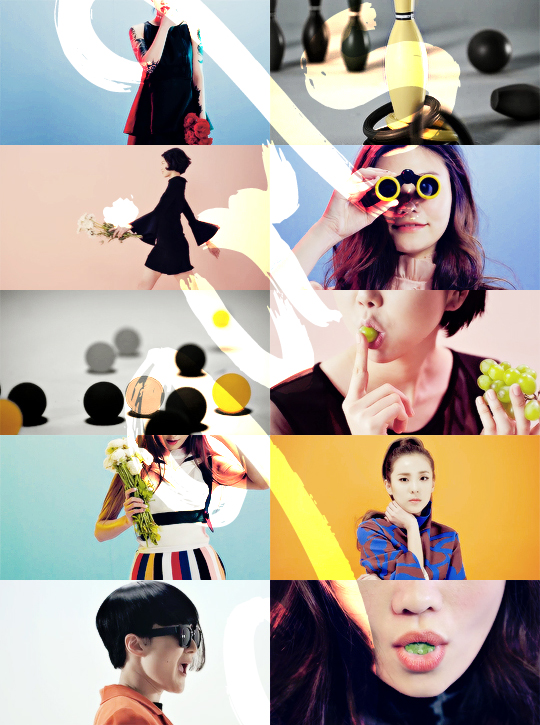
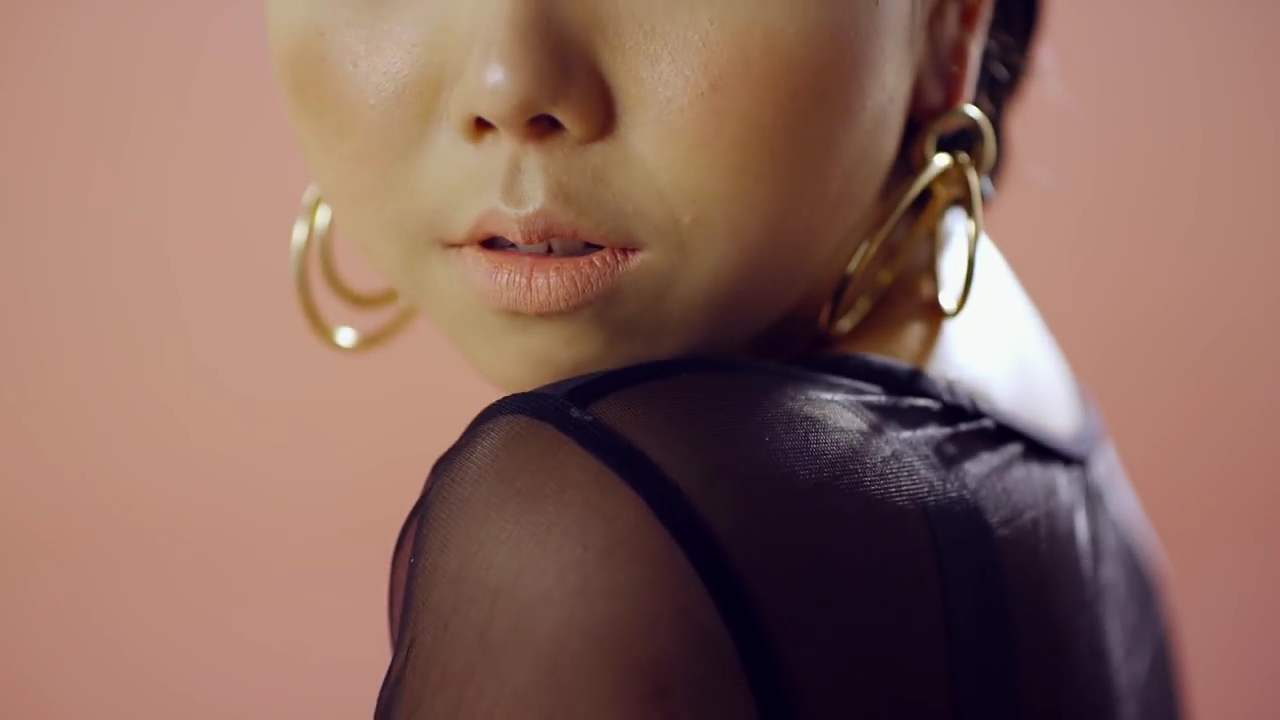
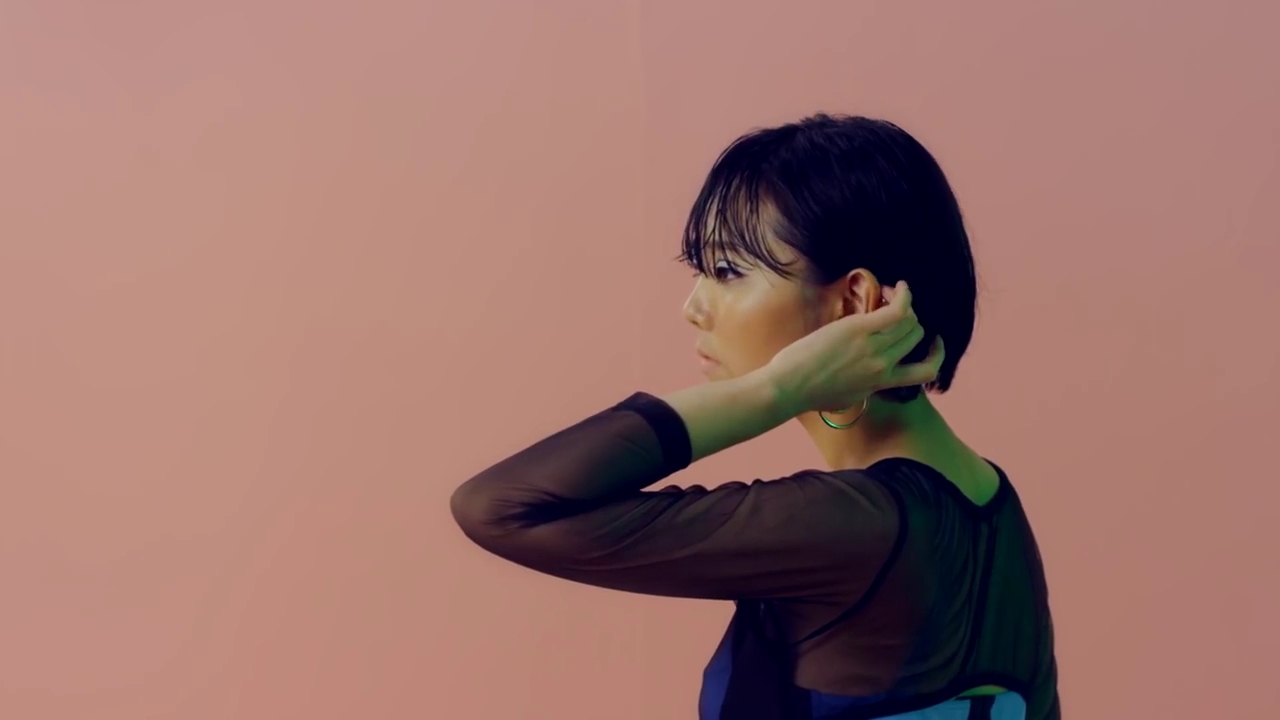
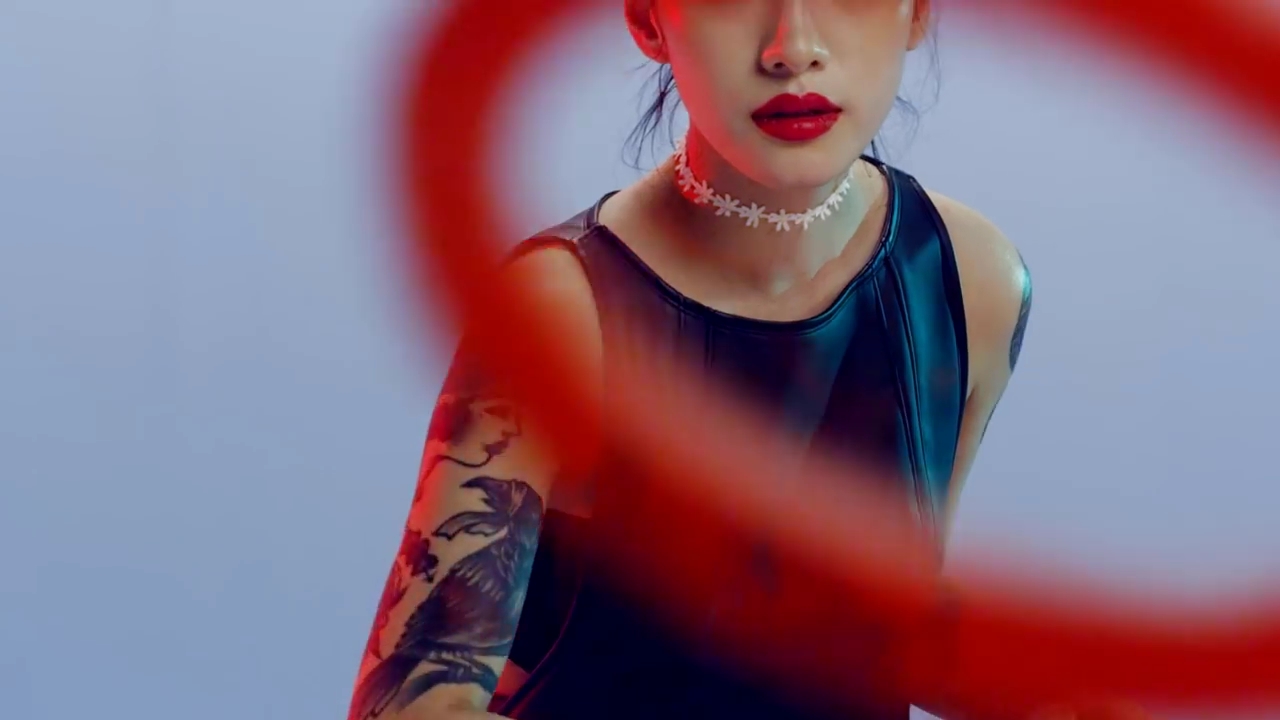
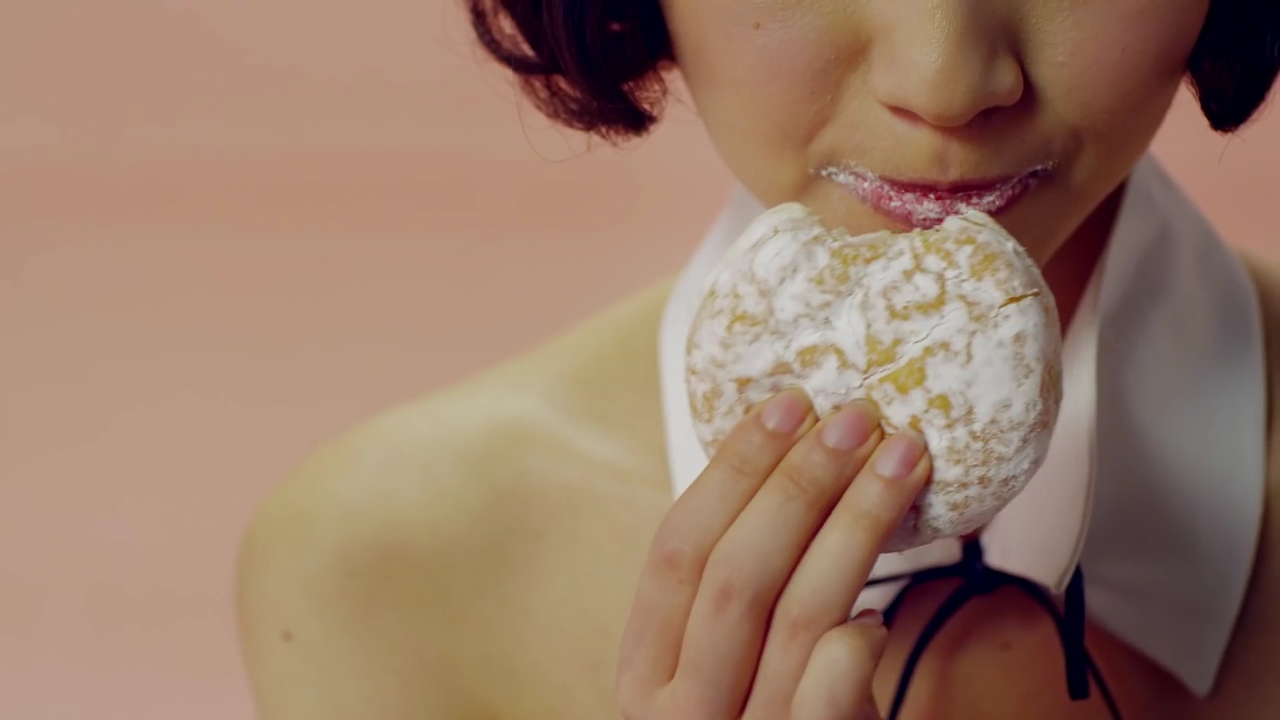
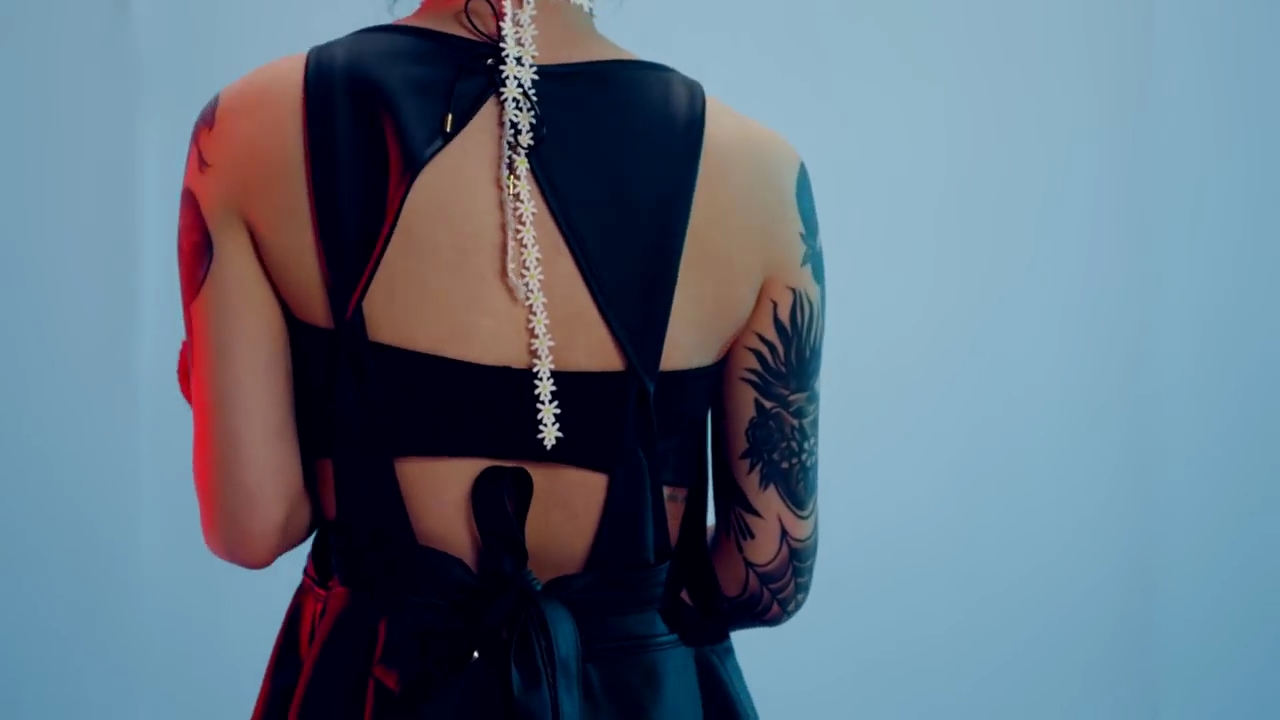

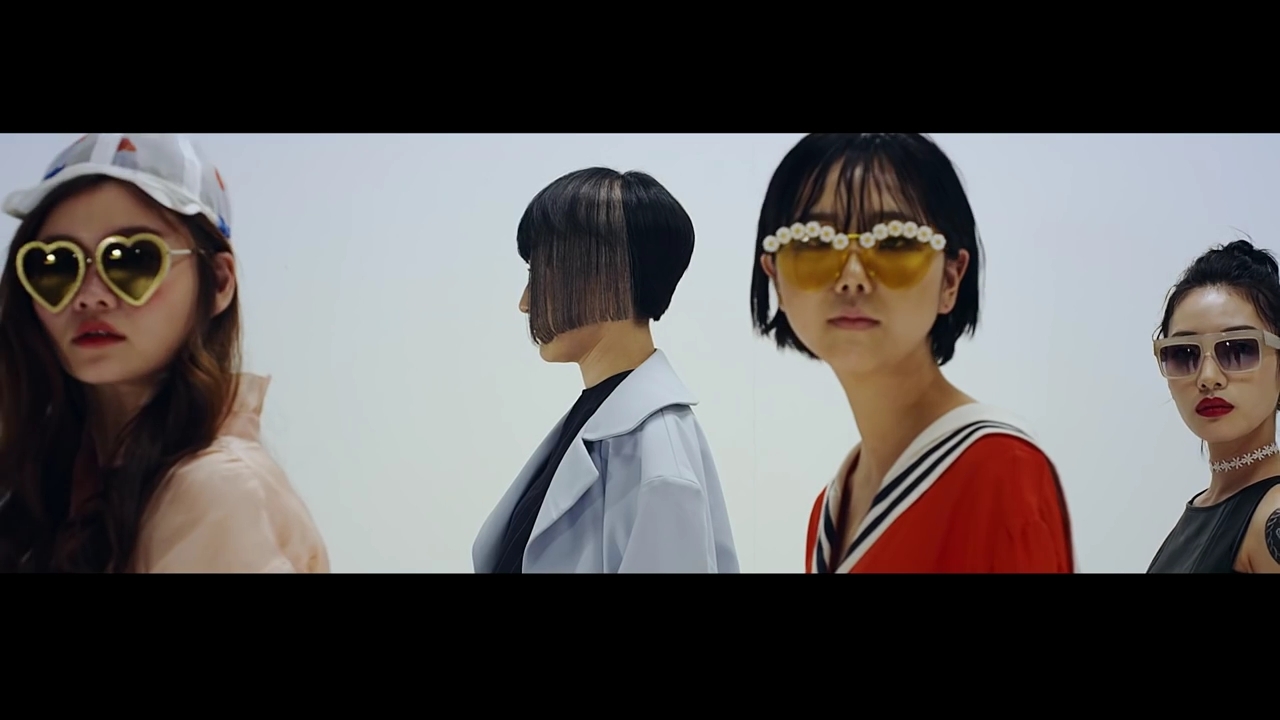
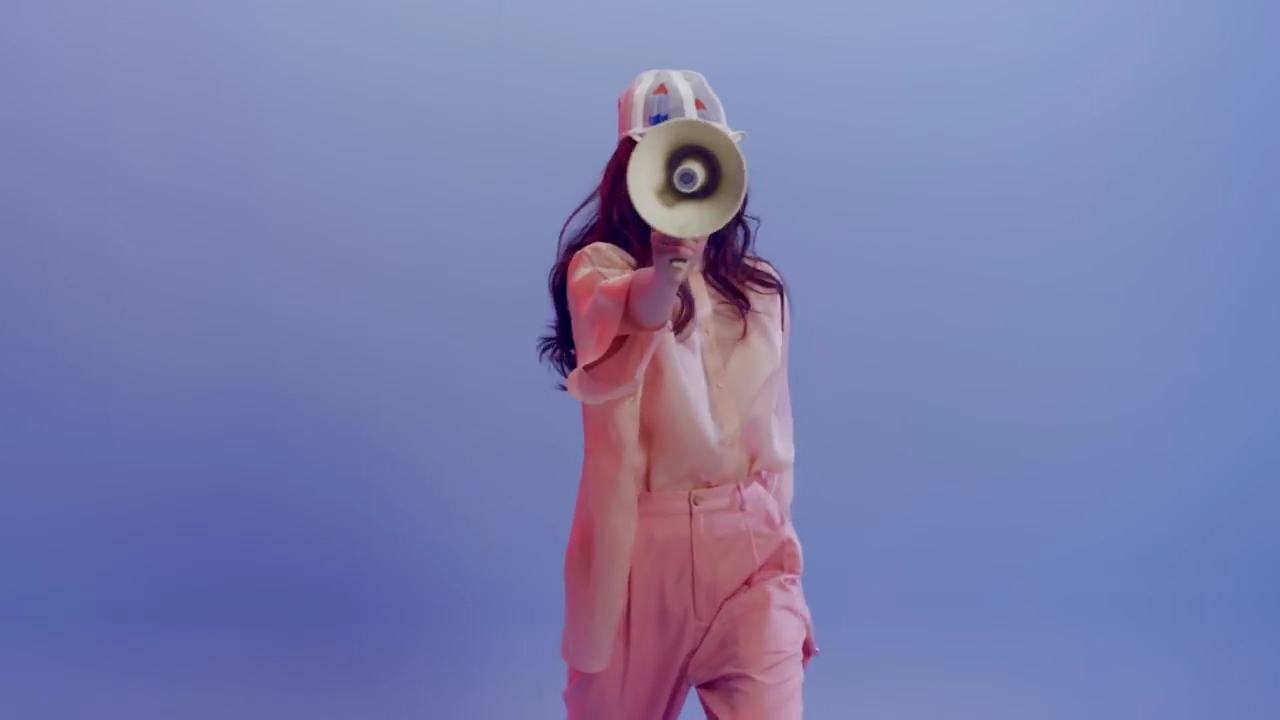
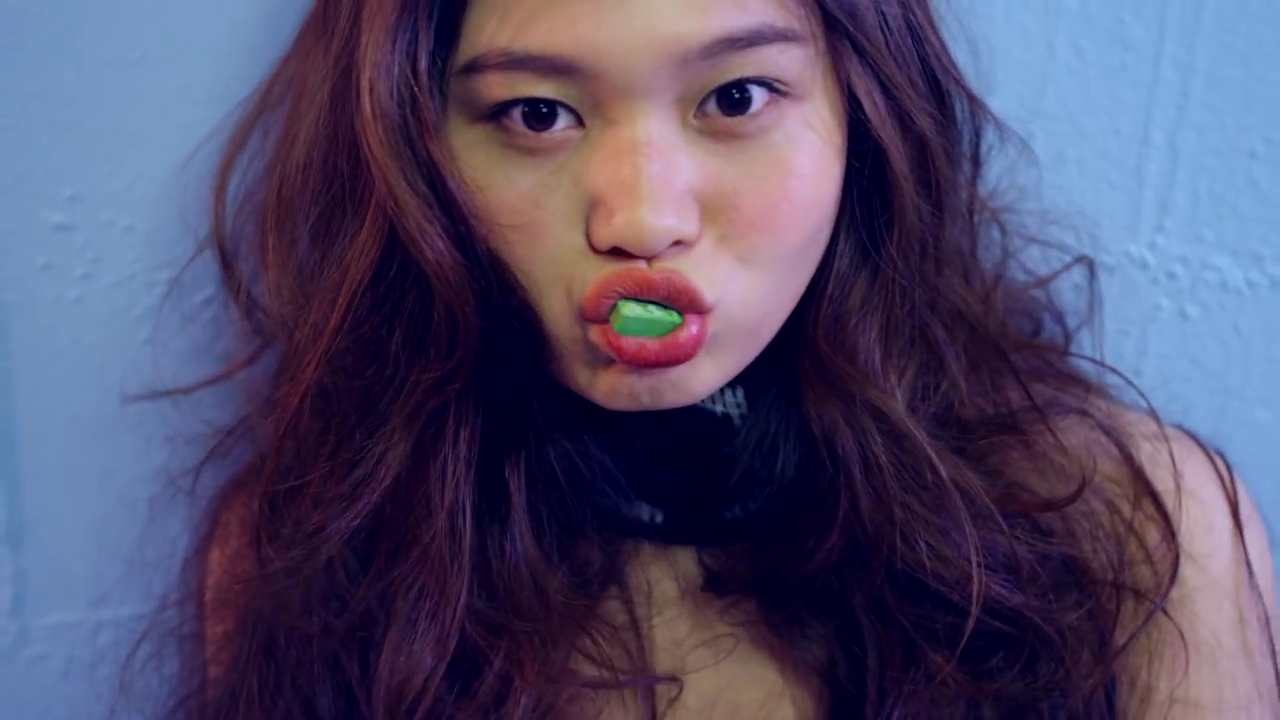
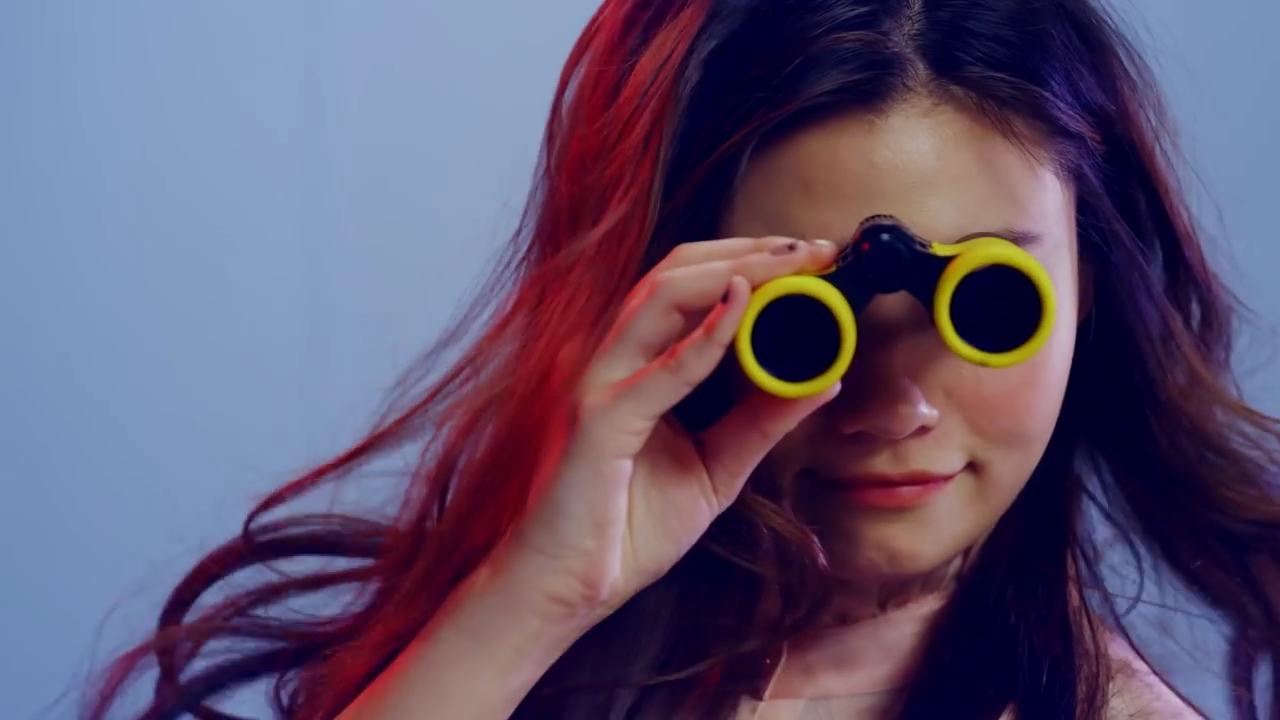
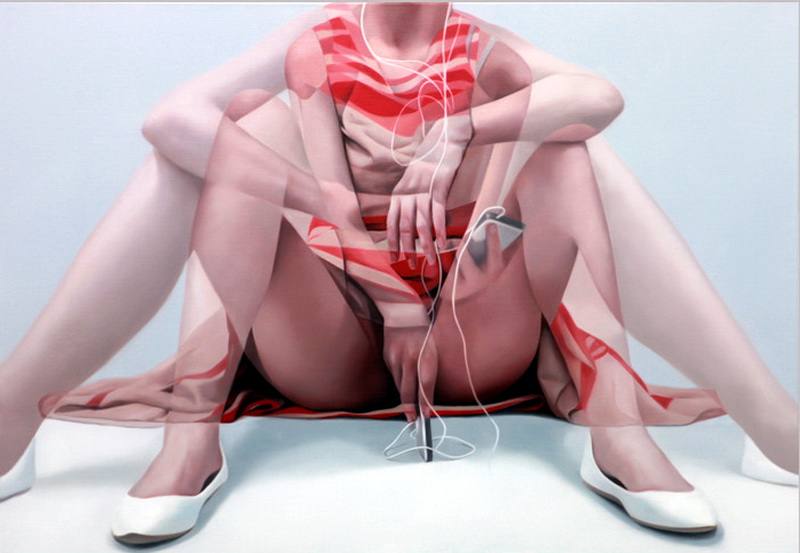
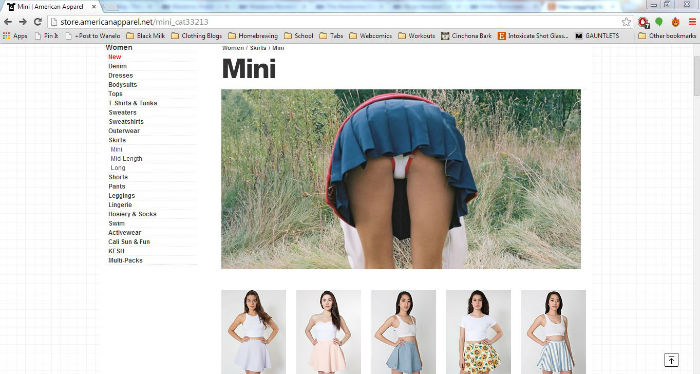
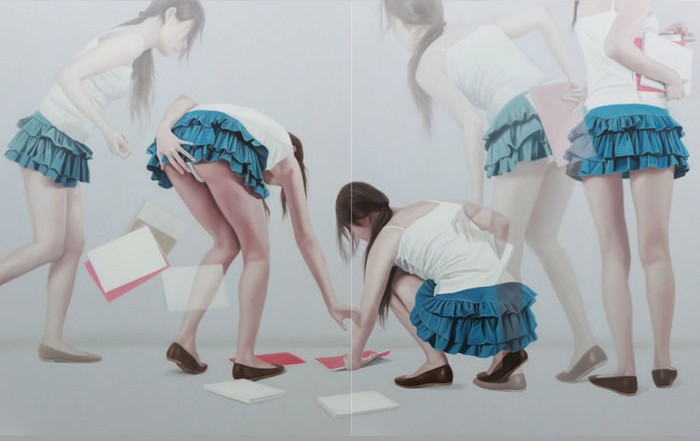

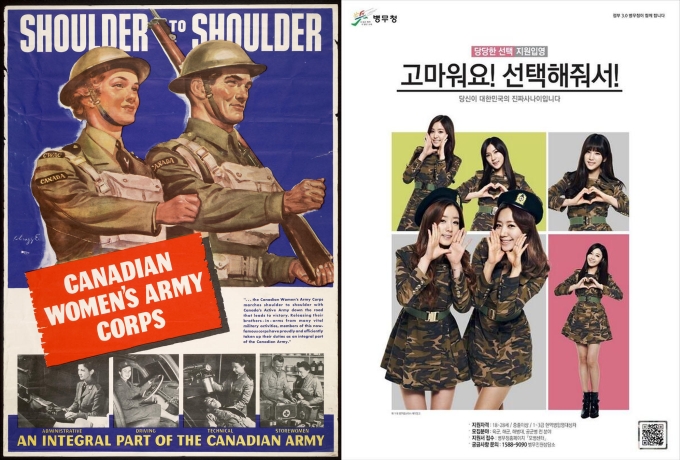
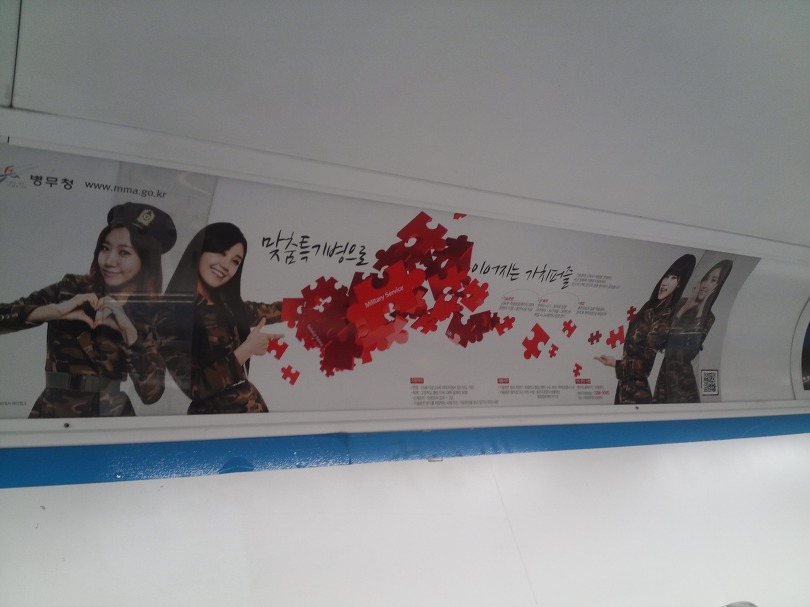
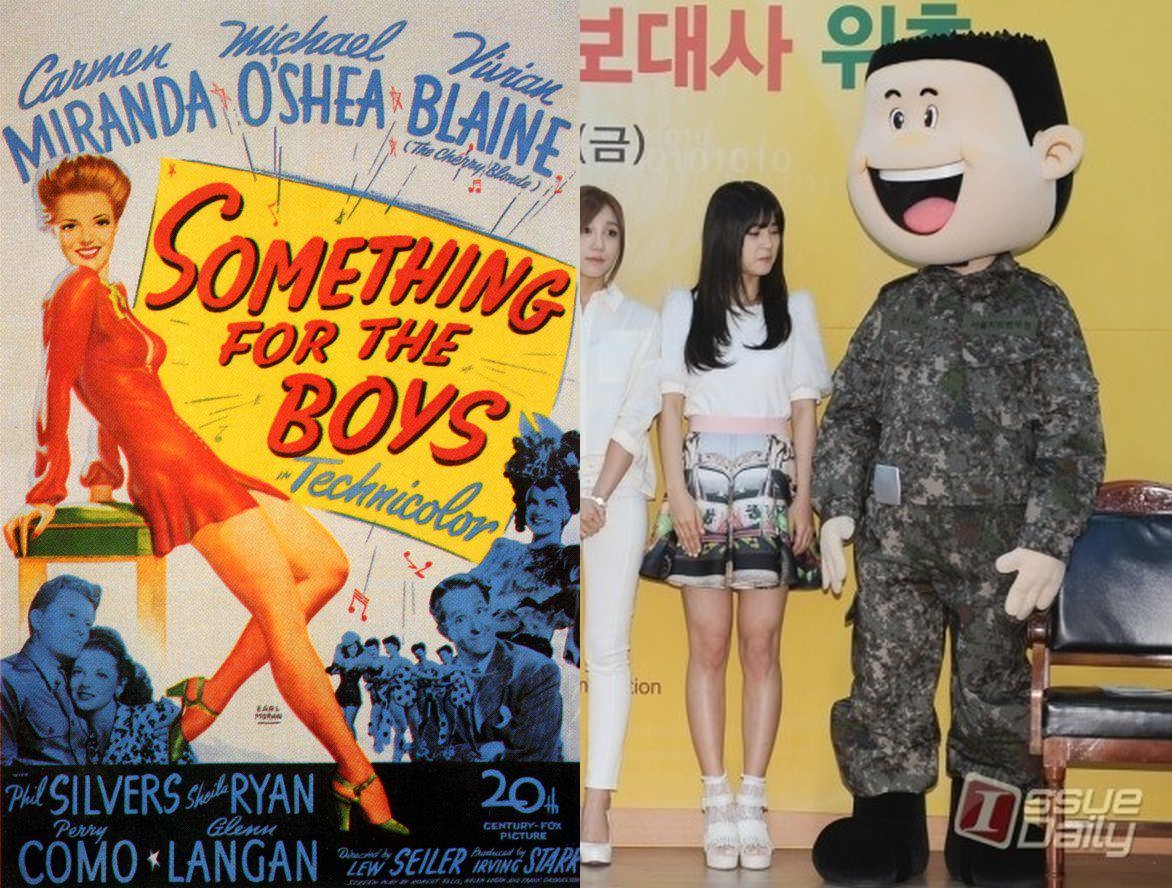








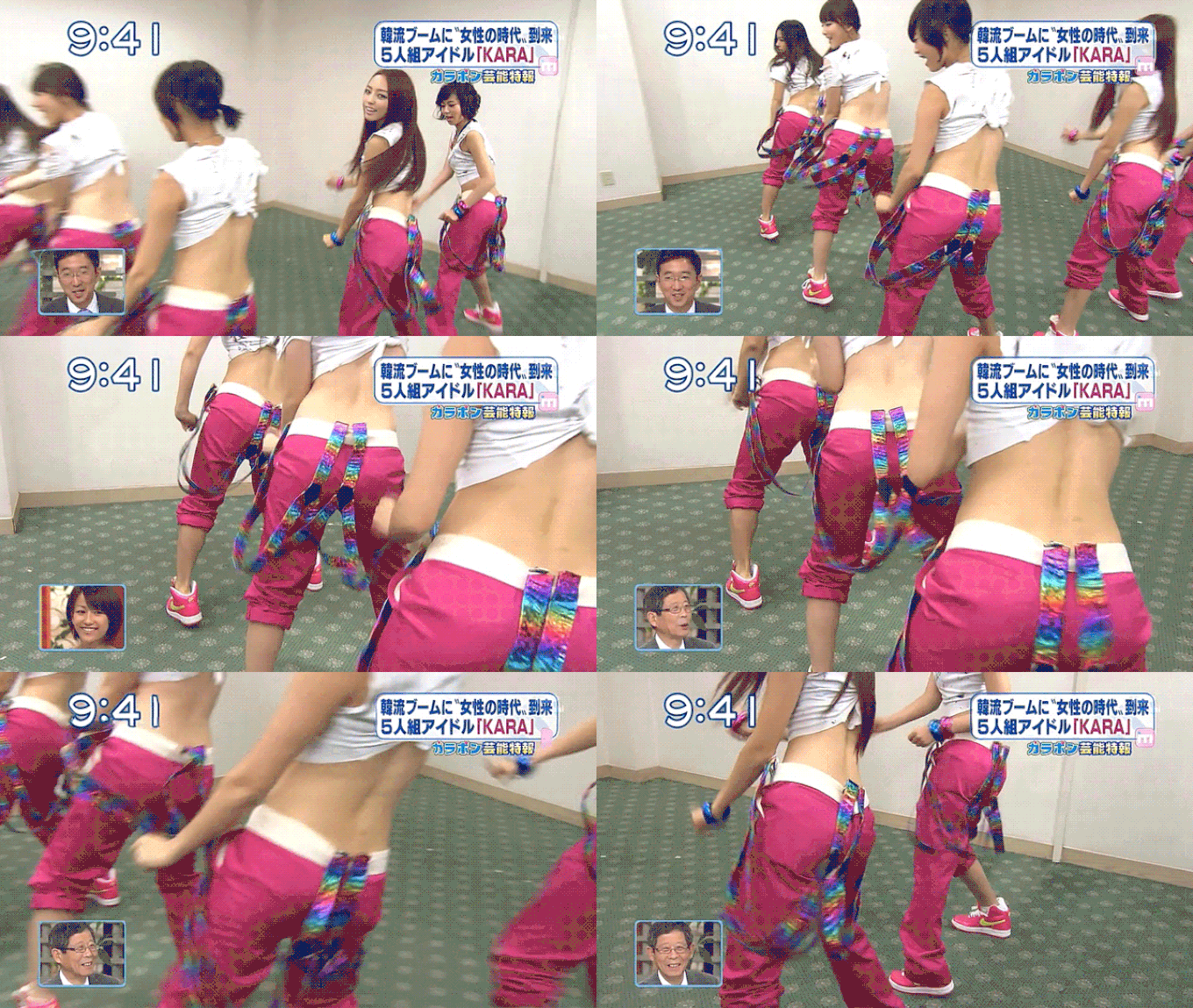





 The Grand Narrative