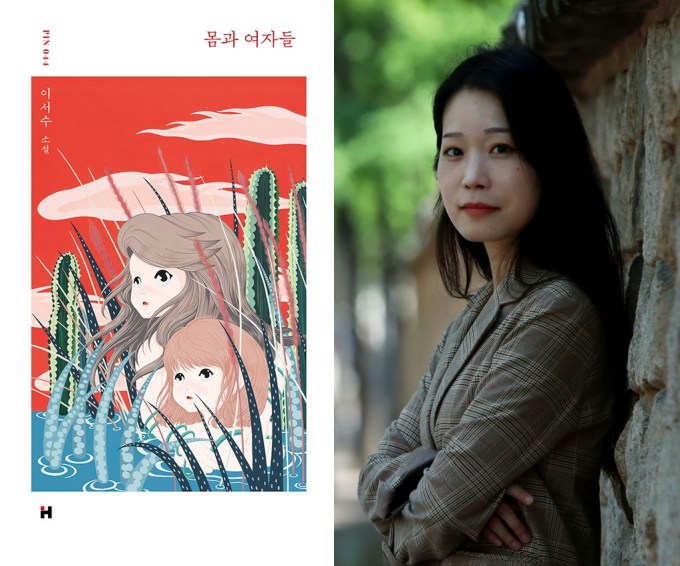
“저의 몸과 저의 섹슈얼리티에 대한 이야기를 해보려고 합니다. 이것은 실로 부끄러운 고백이어서 저는 단 한 번밖에 말하지 못할 것 같습니다. 그러니 가만히 들어주세요.”

Estimated reading time: 4 minutes. Image sources: Aladin, NamuWiki.

I want to tell you a story about my body and my sexuality. But it’s going to be so revealing and embarrassing for me, that I can say it only once. So please listen carefully.”

If you can please indulge me, I just want to say I’m very proud of myself for ordering Bodies and Women ‘몸과 여자들’ by Lee Seo-su. It will be the first novel I’ll have read entirely in Korean!

I was instantly sold on it by reviews that mention its intimate coverage of beauty ideals, gender socialization and body-shaming in schools, sexual assault, pregnancy, sex in marriage, pervasive sexual objectification, and the male gaze.

However, there’s also the matter of the other members in The Grand Narrative Book Club,* who are much more knowledgeable and well-read than myself, and have often already read the original Korean versions of the translated novels we discuss. Because while I count myself lucky that I’m never the most interesting person in the (Zoom) room, does the fact I’m the dumbest really need to be so obvious?

In 2023 then, I want to work on disguising that. Starting by getting into the habit of reading novels in their original Korean myself.

Unfortunately, Bodies and Women will not be turning up in the club anytime soon. Lee Seo-su seems to be a relatively new writer, with a discussion in Korean Literature Now about of one of her short stories being all I could find out about her in English. So, although I could translate those persuasive reviews for you here, really any translation add-on for your favorite browser should more than suffice. Instead, hopefully I will find many interesting things in the book itself to pass on later.

Sorry. I did say this post was an indulgence!

However, with that my writer’s block does seem to be cured now too, so it served its purpose. Let me offer some humor too, as a parting gift—but also, a reminder of precisely why those reviews were so persuasive, and books like it so necessary. For I shit you not: these two sponsored ads on Facebook, I saw back to back after googling “몸과 여자들” the hour previously:
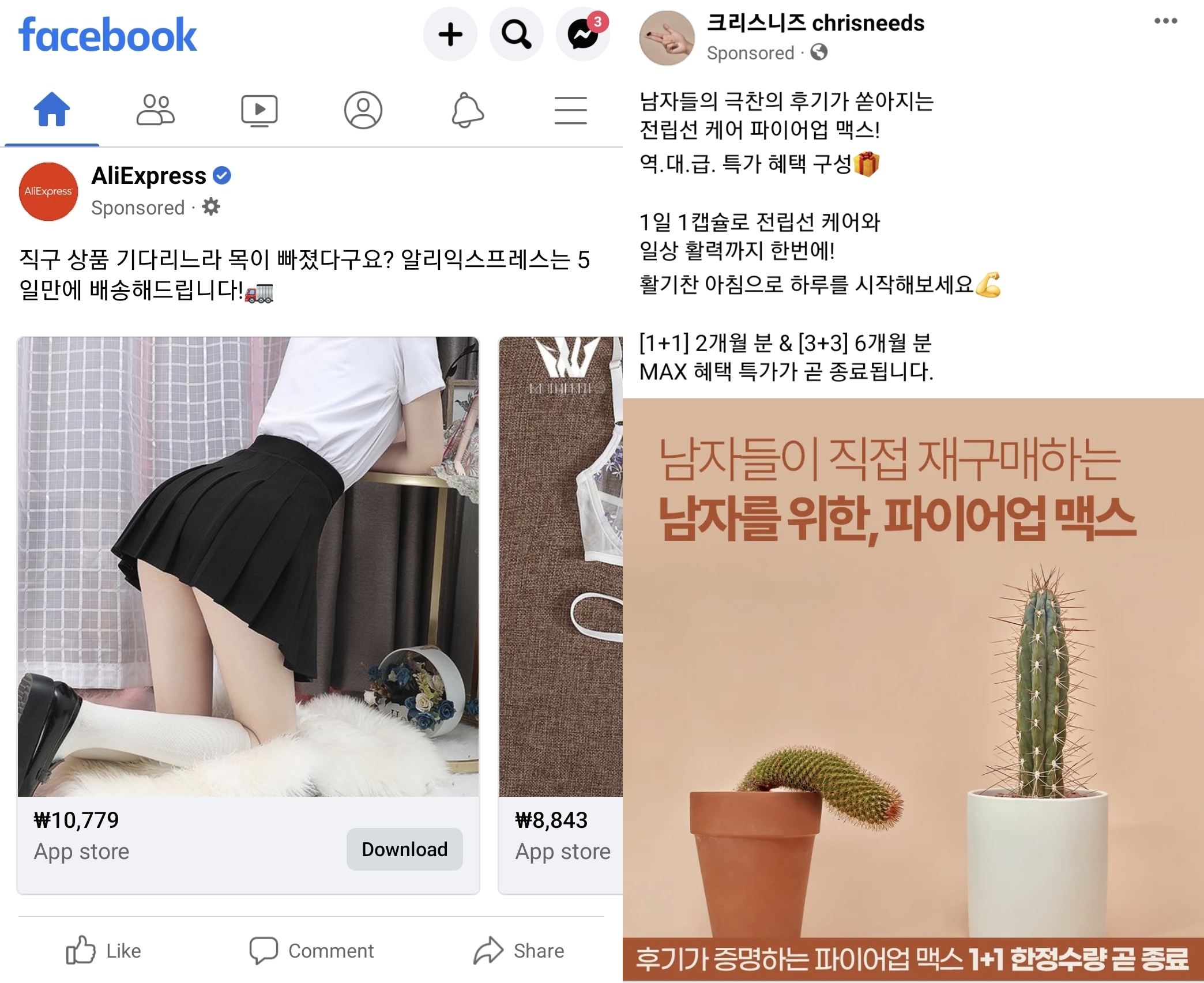
Again frankly, probably the juxtaposition is a complete coincidence. After the book itself, googling “몸과 여자들” in fact mostly brings up images of women perusing fine male specimens. But more to the point, during the evening rush hour, Korean advertisers on Facebook deliberately target men with ads for lingerie etc., which they won’t buy, but which do persuade them to swipe left to be rewarded with more lingerie models, then with ads for oh-so-masculine power tools and gaming equipment which they might.

Also, ever since I hit my mid-40s I’ve been inundated with ads for libido and erectile dysfunction treatments, and doubt it’s just me. I don’t mean to laugh at anyone or their partners who actually need to avail themselves of such products, especially since I’ll probably be joining their ranks sooner rather than later (sigh). But many prove just as creepy as campy. For instance, this one where the model’s head was cut off, in stark contrast to when a different advertiser used the same stock photos of her to advertise diet products to women:

Then there’s these screenshots from yet another ad in my feed today, from which I’ll let you form your own conclusion to this post to!

*Finally, the book for January’s meeting on Wednesday the 18th is Cursed Bunny by Bora Chung (2017), translated by Anton Hur (2021); I’ll put up an official notice soon. Sorry for not doing so earlier, which is my fault for not realizing that I may not be the only person out there who hasn’t actually read it yet!

Related Posts:

If you reside in South Korea, you can donate via wire transfer: Turnbull James Edward (Kookmin Bank/국민은행, 563401-01-214324)

EVEN MORE Upcoming Zoom Lectures and Webinars You Should Totally Register for ASAP

I swear original posts ARE coming. If only there weren’t all these distractions…

Reading time: 4 minutes. Image source: Photo by Fausto García-Menéndez on Unsplash

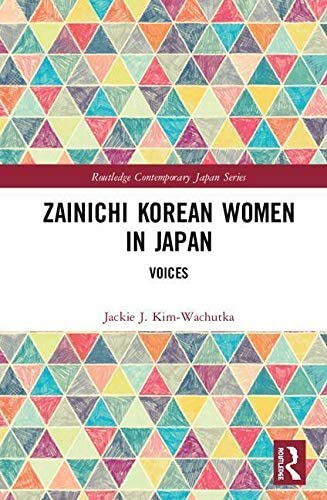
First, on Thursday 8 December at 10:00 Korean Time, Jackie Kim-Wachutka (Ritsumeikan University) will be talking about her book Zainichi Korean Women in Japan: Voices. More information and registration available here and here:

Presenting the voices of a unique group within contemporary Japanese society—Zainichi women—this book provides a fresh insight into their experiences of oppression and marginalization that over time have led to liberation and empowerment. Often viewed as unimportant and inconsequential, these women’s stories and activism are now proving to be an integral part of both the Zainichi Korean community and Japanese society.

Featuring in-depth interviews from 1994 to the present, three generations of Zainichi Korean women—those who migrated from colonial Korea before or during WWII and the Asia-Pacific War and their Japan-born descendants—share their version of history, revealing their lives as members of an ethnic minority. Discovering voices within constricting patriarchal traditions, the women in this book are now able to tell their history. Ethnography, interviews, and the women’s personal and creative writings offer an in-depth look into their intergenerational dynamics and provide a new way of exploring the hidden inner world of migrant women and the different ways displacement affects subsequent generations.

This book goes beyond existing Anglophone and Japanese literatures, to explore the lives of Zainichi Korean women in Japan.

Next, also on Thursday 8 December, at 19:00 Korean Time, Gavin Campbell (Doshisha University) will present a Modern Japan History Workshop titled Modern Girl, Modern Geisha: Interwar Popular Entertainment and the Geisha of Kyoto. The Zoom link is https://u-tokyo-ac-jp.zoom.us/j/82336610079, and the password will be available here from December 5:

In 1927 a new building cast long shadows over the tiled roofs and narrow alleys of Kyoto’s Pontocho geisha district. Four stories framed by steel girders and clad with fashionable yellow bricks, the building dwarfed tea houses of wood, tile and paper. Inspecting it from across the river, an observer would have quite naturally wondered how much longer Pontocho’s narrow streets would echo the shamisen’s twang, the geisha’s song, and the quiet rustling of kimono over candle-lit tatami mats.

But in fact Pontocho geisha were thrilled. After all, they were the ones who had built this startlingly modern kaburenjo as a multi-purpose entertainment hall. It housed a large theater to showcase their district’s annual “Kamogawa odori,” it gave geisha and their maiko apprentices space for classrooms, and it boasted a large hall the public could rent out for dances, banquets or other fun. This new kaburenjo, then, was one prominent way Pontocho’s geisha adapted to a rapidly changing popular entertainment landscape.

Scholars of interwar Japanese culture have largely overlooked geisha in favor of department stores, cafes, and movie palaces, and the cabaret dancers, actresses and “modern girls” that all seemed to be making the geisha obsolete. Focusing on Kyoto’s Pontocho geisha district, this paper instead argues that geisha creatively adapted to new forms of mass spectacle and popular entertainment. Geisha are, in short, a fascinating and overlooked constituent in the emergence of “the modern.”

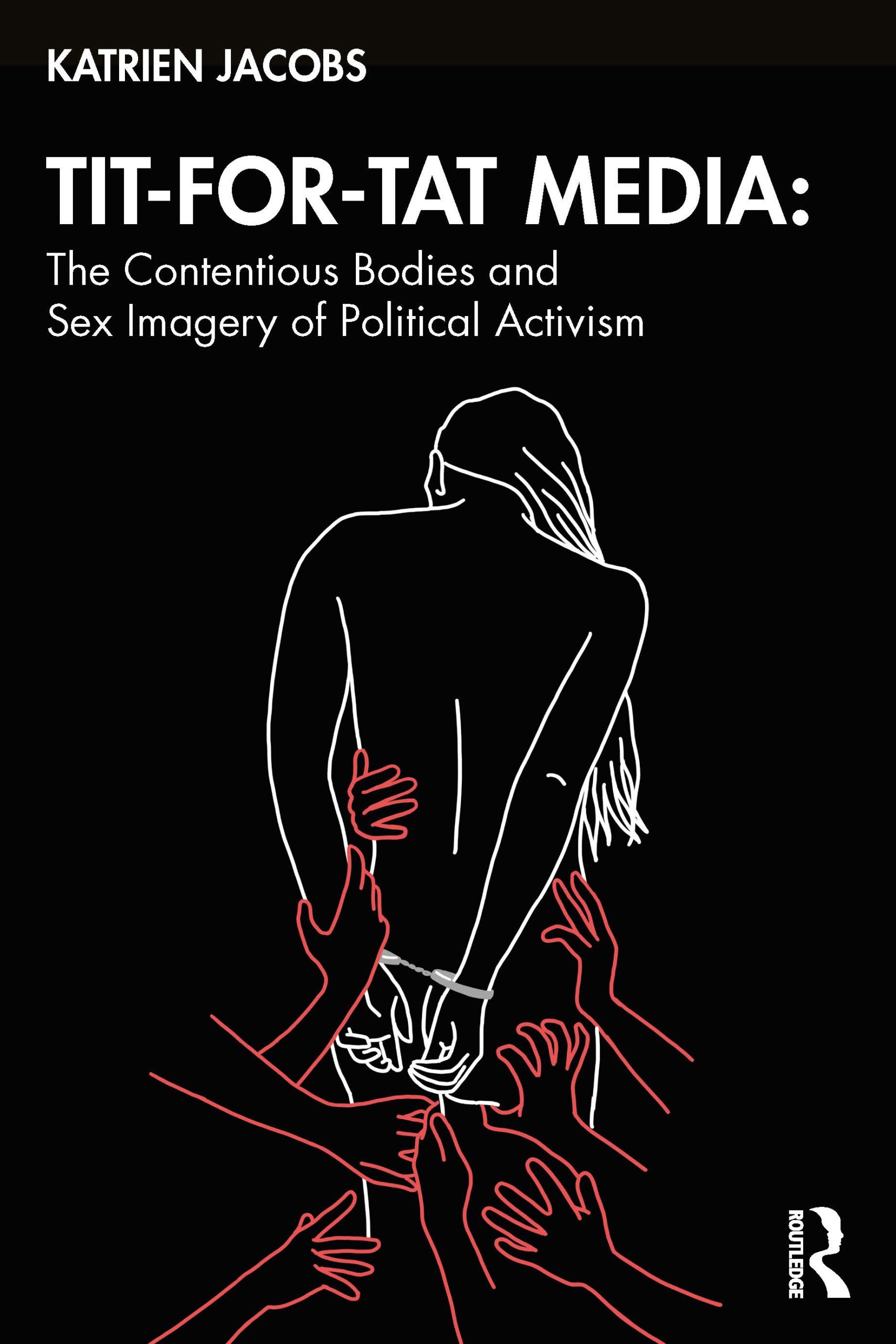
Then, on Monday 12 December from 20:00 to 21:30 Korean Time, Katrien Jacobs (Chinese University of Hong Kong and Ghent University) will lead a Centre for Research on Culture and Gender lunch seminar titled Tit-for-Tat Media and the Hong Kong Meltdown, (register and more info; Facebook event) in which she will discuss:

…a polarization in social media discourses and sexual politics in the field of online activism. Political activists across the political spectrum are using online visual cultures as “extreme speech” to target each other and as a mechanism of emotional release and social cohesion. The talk will zoom in on the role of sex-focused visuals used during the Hong Kong Anti-Extradition movement of 2019 and coinciding with “a highly radicalized “laam chau” doctrine. (“If we burn, you will burn with us”). It will outline the wider techno-political contexts of these visuals and also make a plea for archiving and studying them despite their highly contentious and “rubbish-like” nature. It will discuss research methods of “historicizing” and “humanizing” this imagery by positioning them as catalysts for radicalized movements, geo-political transformations and sexual well-being. At the same time, it will ponder a shift in a researcher’s methods of online ethnography from open and affective encounters or observations towards a cautious handling of highly polarized and politicized materials.

Finally, on Friday 16 December from 17:30 to 19:00 Korean Time, Dr. Alisa Freedman (University of Oregon) will give a talk titled  Japan on American TV: An Alternate History of US Fascinations and Fears of Japan. More information and registration available here and here:

This talk explores political, economic, and cultural issues underlying depictions of Japan on US television comedies and the programs they have inspired. Since the start of regular broadcasting in the 1950s, US television programs have taken the role of “curators” of Japan, displaying and explaining selected aspects for viewers. Beliefs in US hegemony over Japan underpin this curation process. Drawing from my book  Japan on American TV, I will take a historical perspective to understand the diversity of TV parodies about Japan and show how these programs reflect changing patterns of cultural globalization and perpetuate national stereotypes while verifying Japan’s international influence. I will suggest strategies for using TV comedies as research and teaching tools to gently approach racism, cultural essentialism, cultural appropriation, and other issues otherwise difficult discuss. Television presents an alternative history of American fascinations with and fears of Japan.

If you reside in South Korea, you can donate via wire transfer: Turnbull James Edward (Kookmin Bank/국민은행, 563401-01-214324)
Why is Korea’s Largest Marriage Agency Only Targeting Women?

Potential customers are put off by unequal sex ratios, and Duo already has more female customers than male ones. So what gives?

Estimated reading time: 4 minutes.

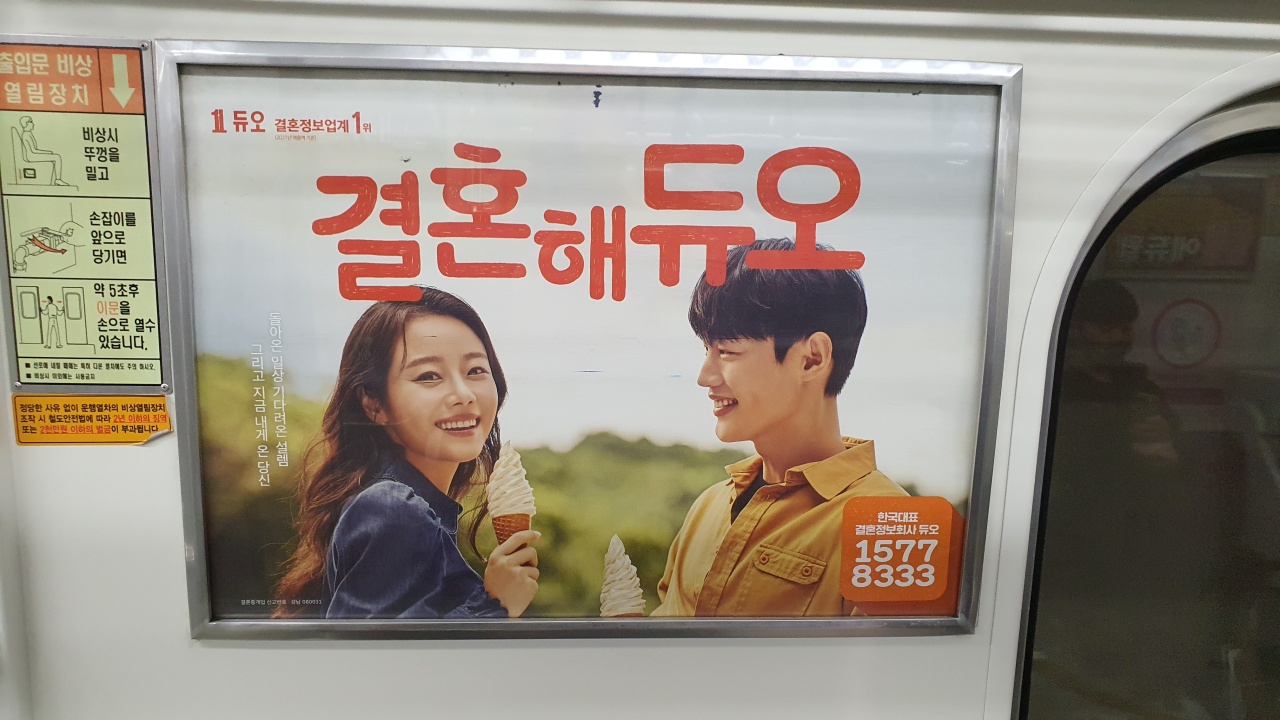
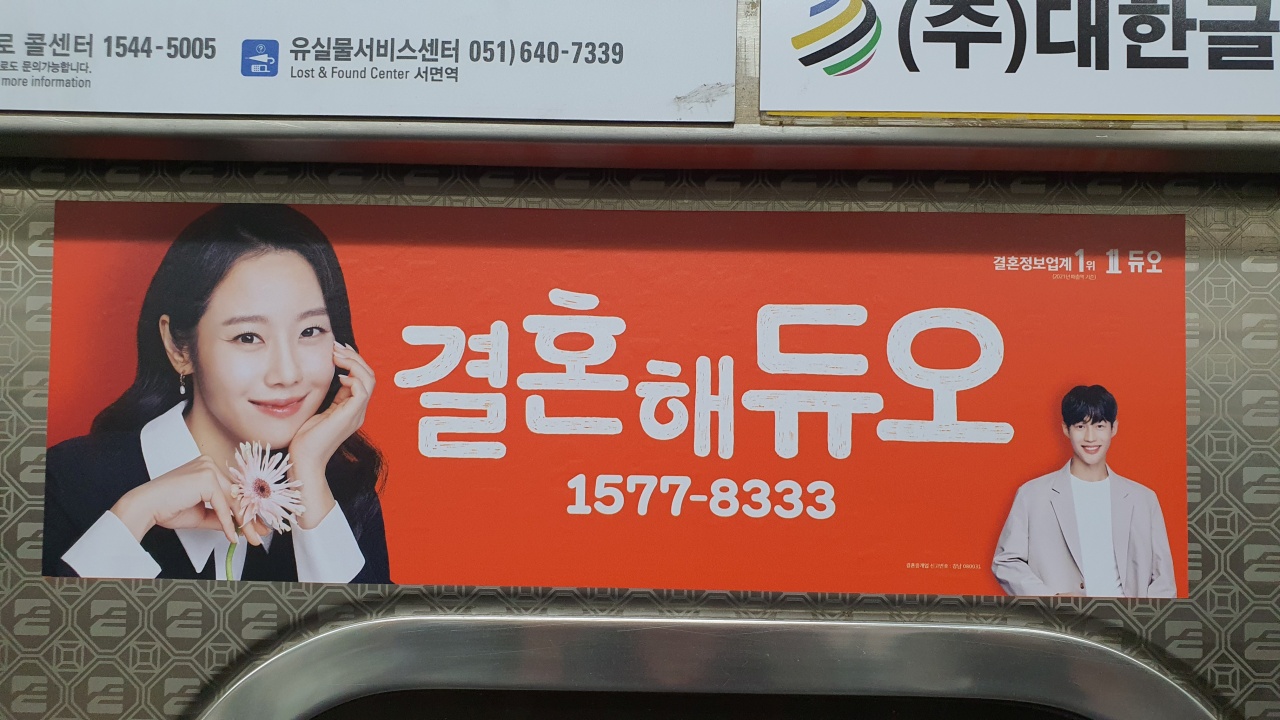
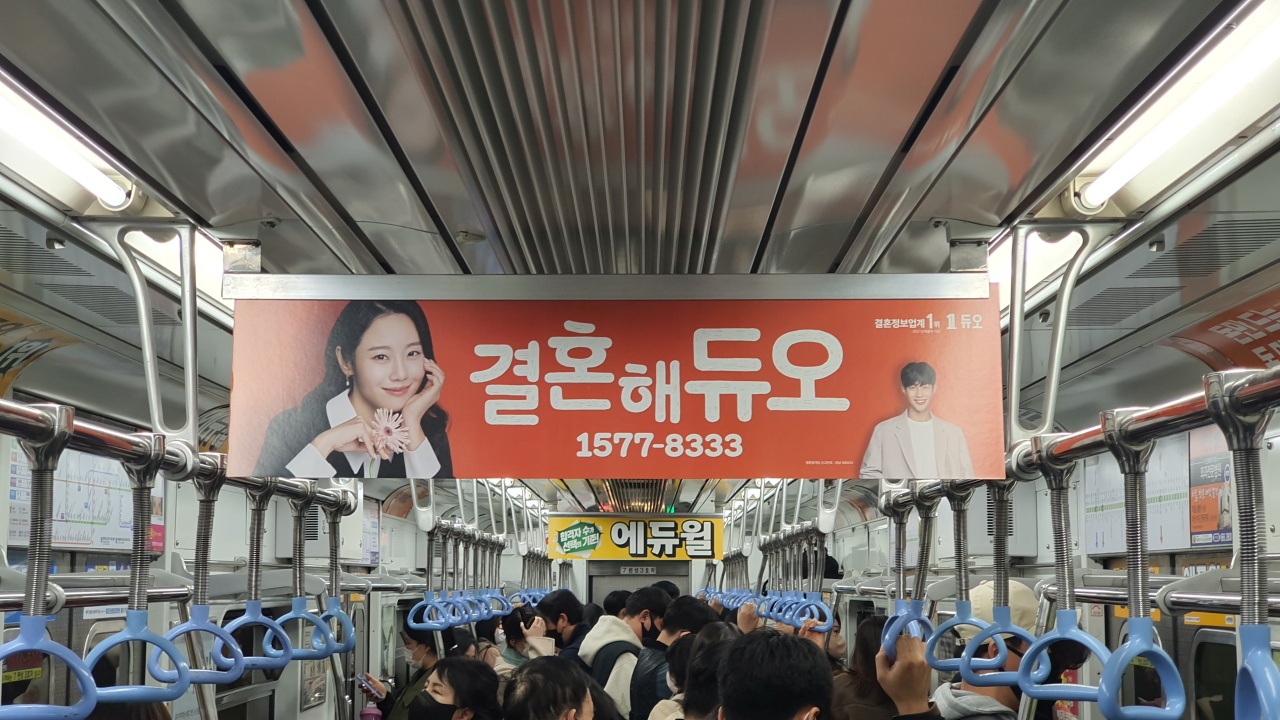
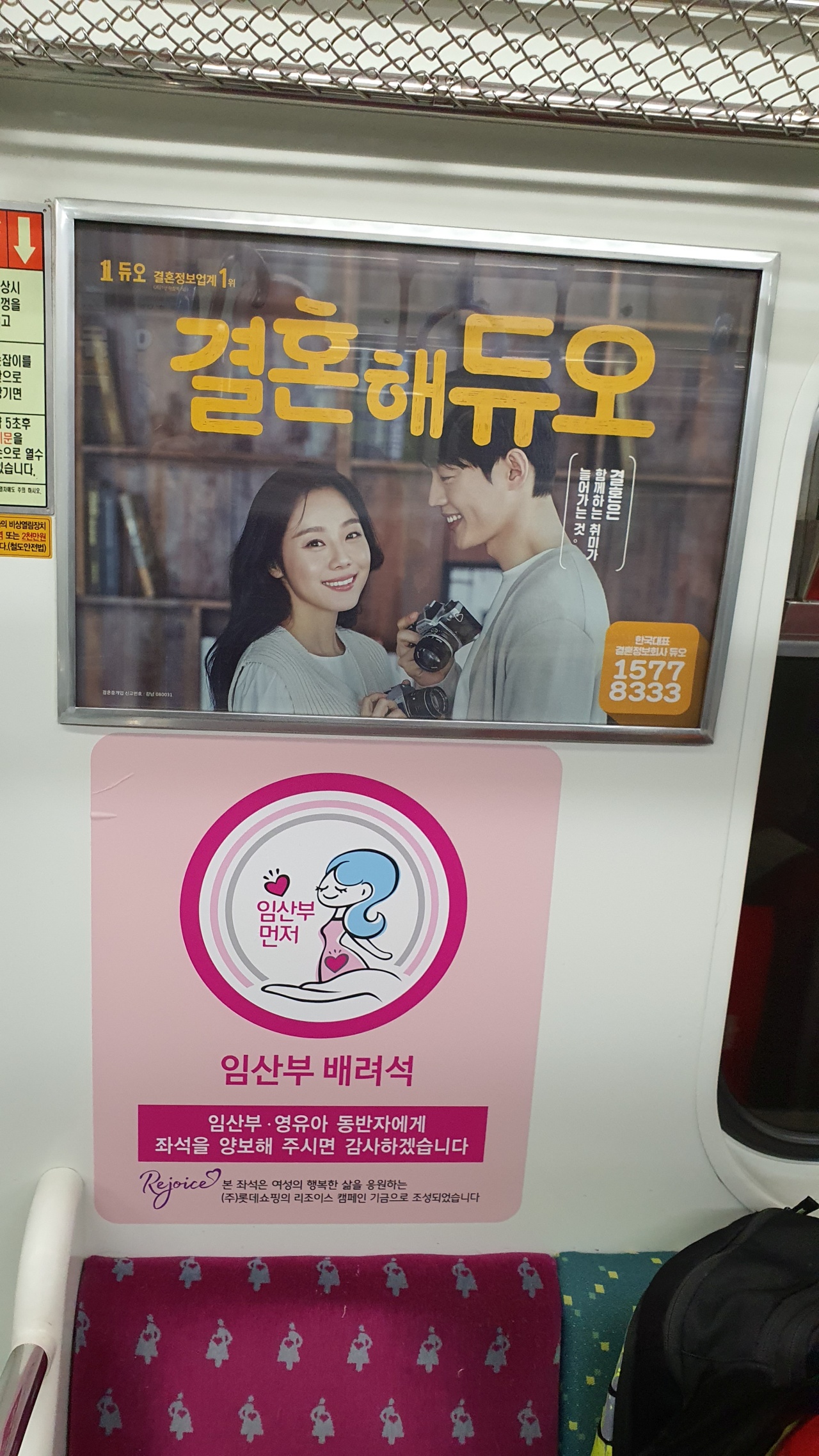
I know, I know—I’m not even divorced yet, and I’m already looking at marriage agencies. But the reality is that Duo’s latest campaign ads are just impossible to avoid on Korean public transport at the moment. And the obvious emphasis on attracting female customers in them, for a service ostensibly about providing those women with as many romantic encounters with male suitors as their finances allow, should give everyone misgivings. For it’s not like correcting an excess of male customers is the motivation.

This concern may still sound odd. “Sweet,” I’d wager, is what usually comes to mind when most people see Duo ads. Indeed, I only did a double-take at this one at all because I happened to be reviewing my translations of a lavishly-illustrated, feminist Korean book about paintings of nude women (as any normal person does on the subway), and, glancing up, was immediately struck by how unlike those paintings the ad was. For actor Lee Shi-won/이시원‘s look back at the viewer doesn’t exactly scream pandering to the male gaze. Nor did all the other Duo ads on the subway carriage I could see from my seat, some of which just had Lee alone, and only one of which had model Noh Seong-Su/노성수 looking back with her.

Source: Duo.

Then my stop was coming up. And you don’t exactly need to have read Erving Goffman’s Gender Advertisements to be realize what the ‘relative sizes‘ of Lee and Noh in these ads signify in the ads I saw once I stood up:

But so what? What is the issue exactly, about Duo prioritizing women?

Well, the last time I checked in 2020, Duo had more female than male customers then, at a ratio of something like 6 to 4 or 5.5 to 4.5.

I don’t know if this ratio was affected by the pandemic. But regardless, more women competing for fewer men clearly disadvantages them. That extra level of competition also incentivizes charging women more for the same services offered men. Which indeed Duo, and most of the over 1000 other registered agencies out there, do so with a gusto.

Moreover, Duo, already experiencing massive drops in sales in the mid and late-2010s, almost made none at all in 2021 thanks to the pandemic, as marriages and childbirths, still inexorably tied together in Korea, dropped precipitously. Which, once again, was something the subway carriage wasn’t subtle about reminding me:

So, although Duo clearly retains the financial resources for its latest massive campaign, I speculate that it may actually represent a doubling-down on financially discriminating against young women. And, given Duo’s position as a industry leader and model, I have concerns about what this will have on Korean dating, gender roles, and marriage norms.

Not convinced? Really, it’s only a matter of degree. Please see my in-depth investigation from 2020 for a plethora of evidence on how that sexual discrimination has in fact been occurring for decades. And don’t let me forget the influence on body-image either: just a few months ago, one agency focusing on wealthy clients, with nearly half a million customers, came under fire for its strict financial criteria for admitting men, but only requiring a members’ vote of 3.6/5 on appearance alone to admit women. I also invite readers to consider that demanding women pay more to date men than vice-versa,* and deliberately skewing their customers’ sex ratios to justify this, is surely yet another form of “pink tax” that perpetuates the gender gap.

*(I realize that the norm in Korea is for men to pay on dates; no social issue that is interesting isn’t complicated!)

RELATED POSTS

If you reside in South Korea, you can donate via wire transfer: Turnbull James Edward (Kookmin Bank/국민은행, 563401-01-214324)

MORE Upcoming Zoom Lectures and Webinars You Should Totally Register for ASAP

Reading time: 4 minutes. Image source: Photo by Fausto García-Menéndez on Unsplash

Am really far too busy…must resist…but neither spirit…nor flesh…is willing…

So, let’s just make letting you know about interesting online presentations and webinars I’m attending a regular thing from now on.

In chronological order then, with the first one starting just tomorrow (hey, I only just found out about it myself!):

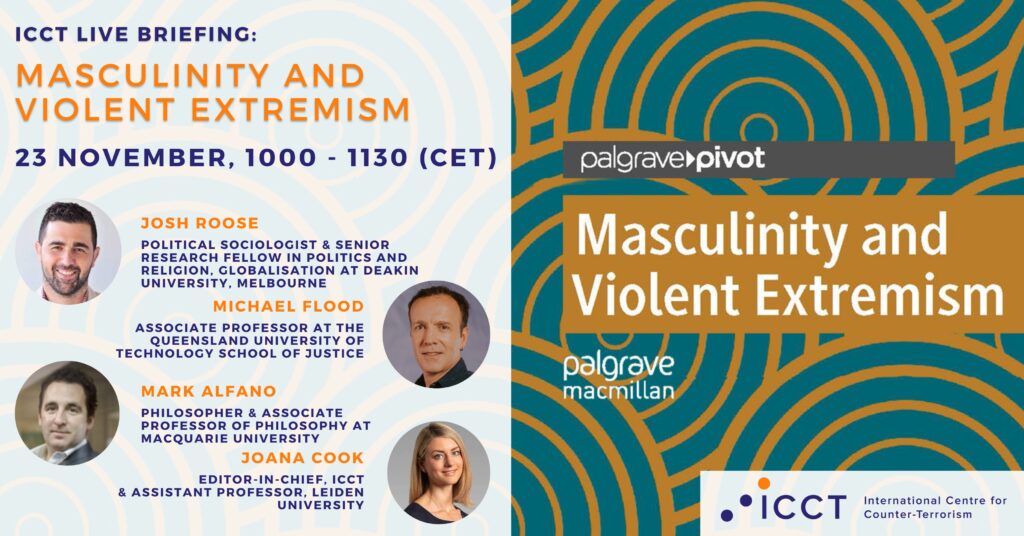
On Wednesday 23 November, 18:00-19:30 Korean Time / 10:00-11:30 CET, the International Centre for Counter-Terrorism will host a live briefing for the release of the book Masculinity and Violent Extremism. More information and registration here:

Update: Here’s a recording of the webinar. One of the presenters, Professor Michael Flood, told me it’s going to be made into an open-access book soon too. I’ll keep you posted! :)

Next, on Tuesday 29 November, 12:00 Korean Time, Chuyun Oh (San Diego State Univ.) will give a talk about her book K-pop Dance: Fandoming on Social Media. More information and registration here and here:

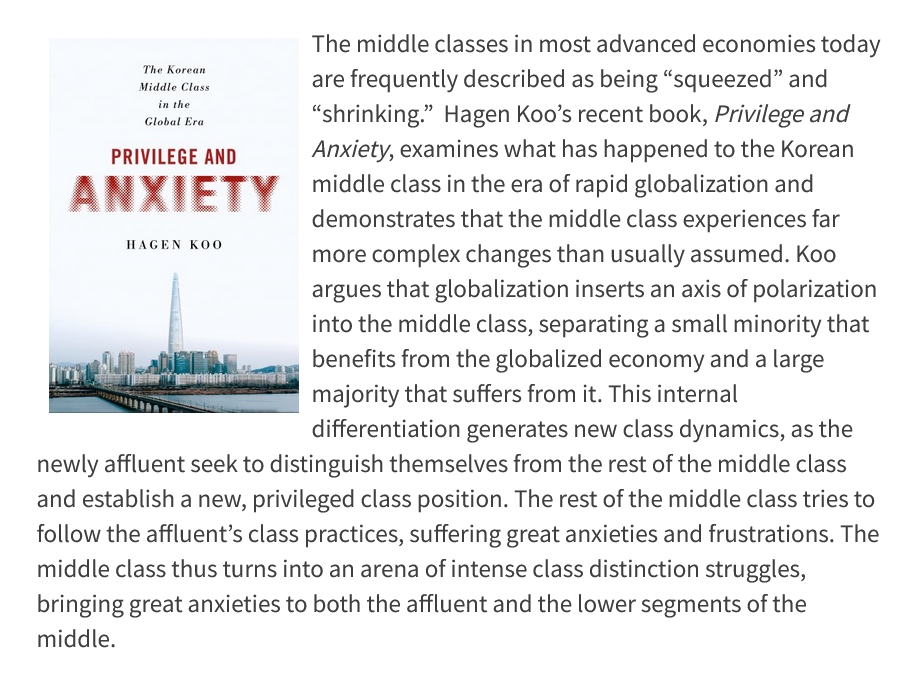
Then on Friday 02 December, 09:00-10:00 Korean time / Thursday, December 1, 16:00-17:00 (Pacific), Hagen Koo will talk about his book Privilege and Anxiety: The Korean Middle Class in the Global Era. More information and registration here and here:

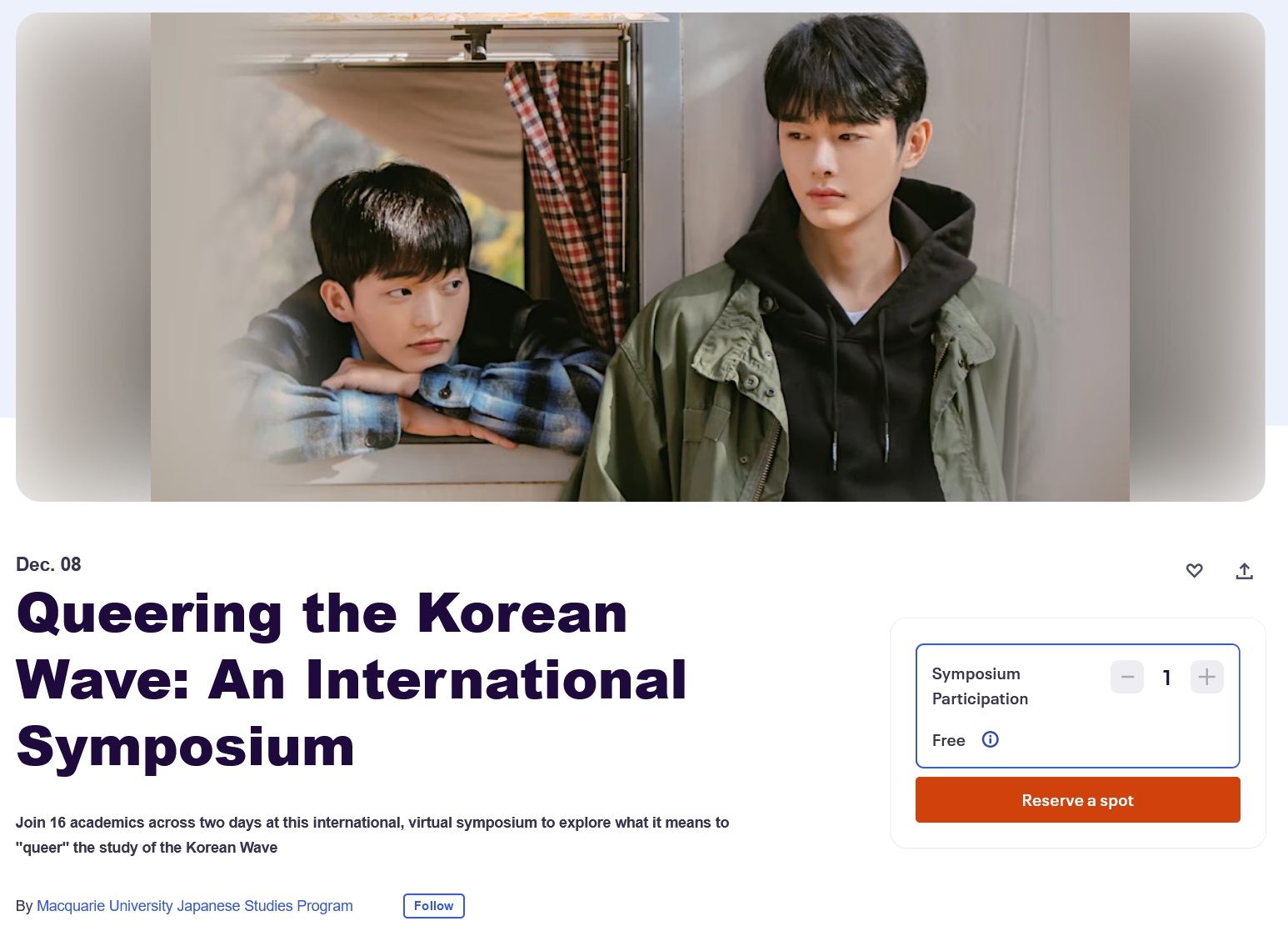
Finally, on Thursday and Friday, 08 and 09 December, 11:30-19:00 Korean time, 13:30-21:00 AEDT, the jam-packed Queering the Korean Wave: An International Symposium will be held, with multiple presentations spread over the two days. See here for more information and registration:

What are you waiting for? ;)

If you reside in South Korea, you can donate via wire transfer: Turnbull James Edward (Kookmin Bank/국민은행, 563401-01-214324)
There are More Entry-level Korean Women Journalists than Men These Days. So Why do Most Leave the Industry in Less Than 10 Years?

It’s not as simple as just increased childcare responsibilities—Korea already has a record-low birthrate, and women journalists the world over have less children than women in most other professions. So what gives?

Estimated reading time: 5 minutes. Photo (cropped) by Dynamic Wang on Unsplash.

It is a truth universally acknowledged, I like to think, that a single industry so possessed by one sex, must be in want of dramatic reform.

Okay, I did force that Austen-like opener somewhat.

But when you realize that the entry number of Korean women journalists has started to exceed that of men in recent years, only for most women to leave the industry in less than 10 years? Also, that the ensuing absence of women mentors, and continued domination of newsrooms by masculine culture are, ipso facto, some of the main causes of that?

Perhaps awkward forced changes, such as quotas for board members of news organizations, are precisely what the industry needs.

I can’t pretend to possess insider knowledge in that regard, nor detailed solutions. But from now on, I can at least share everything I’ve collected about sexism and bias in the Korean media industry over the years to spread awareness, as well as anything new as it comes up. In particular, such a gold mine of information as Na Yeon Lee and Changsook Kim’s “Why Are Women Journalists Leaving the Newsroom in South Korea? Gendered and Emerging Factors that Influence the Intention to Leave” just published last month in Journalism Practice.

If your interest isn’t piqued just by the title alone, let me leave you with some telling quotes that demonstrate why it really should be,* and please get in touch if you don’t have access to a copy.

*Apologies for removing the numerous sources mentioned for the sake of readability. Please consult the original for those, many of which sound just as interesting and informative as this one!

Just four years, ago MBC anchorwoman Lim Hyeon-ju caused a sensation by defying the rule that female news anchors weren’t allowed to wear glasses on the job.

First, on why I think quotas are absolutely necessary:

…in South Korea in 1996, JoongAng Daily, one of the largest South Korean newspapers, employed only 24 women journalists out of a total of 402 journalists. Soon after, the percentage of women journalists began to surge so that by 2020 women accounted for about 32.8% of the total number of journalists. However, most women journalists were younger and about 10% of women journalists were in top-management positions.

And:

In South Korea in recent years, although the entry number of women journalists has exceeded that of men journalists , there were only 7 women out of 138 (5.07%) board members among the 29 major news organizations.

Next, on why a gender balance in news media is so important:

The under-representation of women journalists in newsrooms is regarded as problematic based on findings of previous studies that the gender of journalists influences their reporting practices as well as the content of news coverage. For example, a recent study found that news organizations where women journalists occupy positions at editorial levels were more likely to have covered the “#Me Too Movement” than organizations without women editors in high positions. In fact, previous studies have repeatedly reported that with fewer women journalists, portrayals of women as well as marginalization of women’s concerns are themes often overlooked in news stories. Therefore, if women journalists consistently exit the news industry, their voices in covering newsworthy topics will likely disappear along with recommendations for improved newsroom policies and culture.

Moreover, in the absence of upper-level women journalists…

…several studies have shown that while the number of women journalists has increased, characteristics of newsrooms as masculine domains remain entrenched. In fact…“Young women journalists decided to resign because of men-centered culture and they felt they had less attention than men journalists from their organizations.” [Also], although there has been an increase in the number of Korean women journalists in recent decades, the traditional model of newsrooms based on a male model that expects strong work commitment and unusually long hours has not substantially changed. In addition, in South Korea, women journalists often face work-family conflicts after marriage due to society’s concepts of the traditional gender role of women, influenced by Korean cultural standards.

Photo by Anh Tuan To on Unsplash.

And finally, in conclusion:

…the results of this study show that the three most important factors in women journalists’ leaving the newsroom are (1) the weakening of social status, (2) a newsroom dominated by masculine culture, and (3) additional online workloads.

…although more and more women journalists have entered the news industry, the masculine newsroom culture has not changed because most of high-level positions in news media organizations are still held by men journalists. Interestingly, in-depth interviews, conducted…with nine young women journalists who resigned with less than 10 years of experience, revealed they had voluntarily left because they were unable to “find a role model who overcame the male-centered culture of a journalist society and the organizational culture of newspaper companies.” Their responses indicate that women journalists in South Korea continue to be perceived as “often excluded from the internal networks established by men.” Also, they are less likely than men to have the benefit of mentors.

RELATED POSTS

If you reside in South Korea, you can donate via wire transfer: Turnbull James Edward (Kookmin Bank/국민은행, 563401-01-214324)

Upcoming Zoom Lectures You Should Totally Register for ASAP

Reading time: 3 minutes. Image source: Photo by Fausto García-Menéndez on Unsplash

It’s been a while, I know. Sorry. Please rest assured many posts are coming soon, and many more ideas are being worked on.

However, time and tide wait for no (wo)man. Nor, indeed, do the registration periods for Zoom lectures care much for what bloggers have got going on in their lives.

So, while of course I can’t post about every interesting-sounding Zoom lecture and webinar out there, I will always try to at least let you know about the ones I’m personally attending.

If you are able to make it to any of them, that’s just great, I hope you enjoy them, and please feel free to say hi in the private chat any time!

(But please do register soon!)

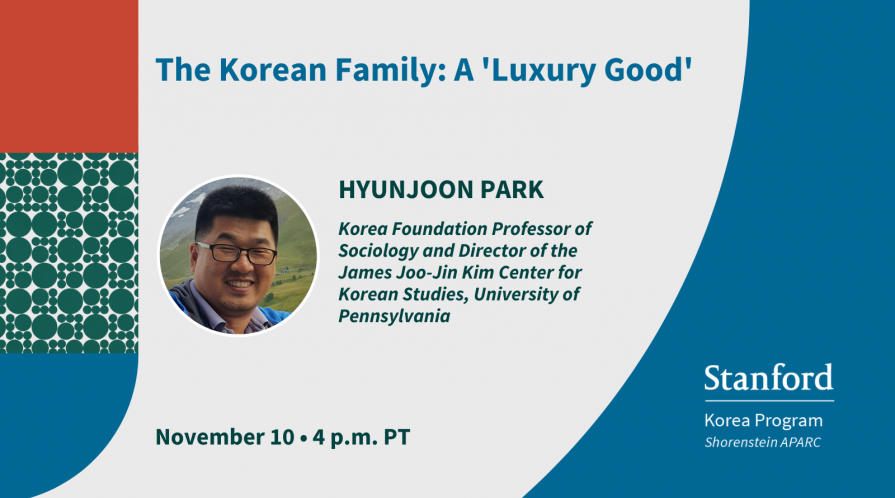
First up, at 9am Friday 11 November Korean time:

As described at the Stanford website (register):

In this talk, Hyunjoon Park will give a brief overview of how Korean families have changed over the last three decades in various family behaviors. Although the trends of falling marriage rates and rising divorce rates, along with the increase in the population living alone, are well known, less known is divergence in those family behaviors between the more and less educated. Tracing family changes differently for those at higher and lower ends of the educational hierarchy highlights growing educational differentials in family life. Compared to their college-educated counterparts, it is increasingly difficult for those without a college degree to form and maintain a family in Korea, making the Korean family a ‘luxury good.’

Next, literally as soon as that finishes, at 10am Friday 11 November Korean time:

As per the Facebook page of the SNU International Center of Korean Studies (register):

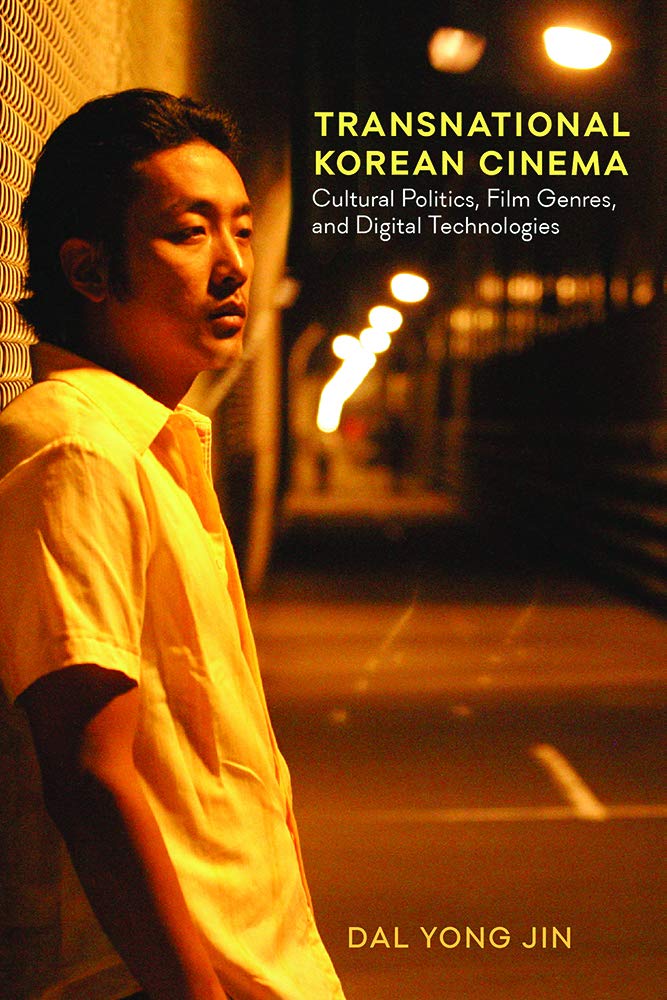
The International Center for Korean Studies of the Kyujanggak Institute is hosting a Book Talk series, introducing Dal Yong Jin’s Transnational Korean Cinema: Cultural Politics, Film Genres, and Digital Technologies.

Title: Transnational Korean Cinema: Cultural Politics, Film Genres, and Digital Technologies

Date: November 11 (Friday) 10:00 – 12:00 (Seoul)

Author: Dal Yong Jin (Simon Fraser University)

Moderator: Seok-kyeong Hong (Seoul National University)

Discussants: Jihoon Kim (Chung-Ang University), Chung-kang Kim (Hanyang University)

The event will be held online via Zoom. The link for Zoom meeting will be sent a day before the event after your registration is confirmed.

Please contact icks@snu.ac.kr (Tel. 02-880-9378) for more information.

Finally, at 10am Thursday 17 November Korean time:

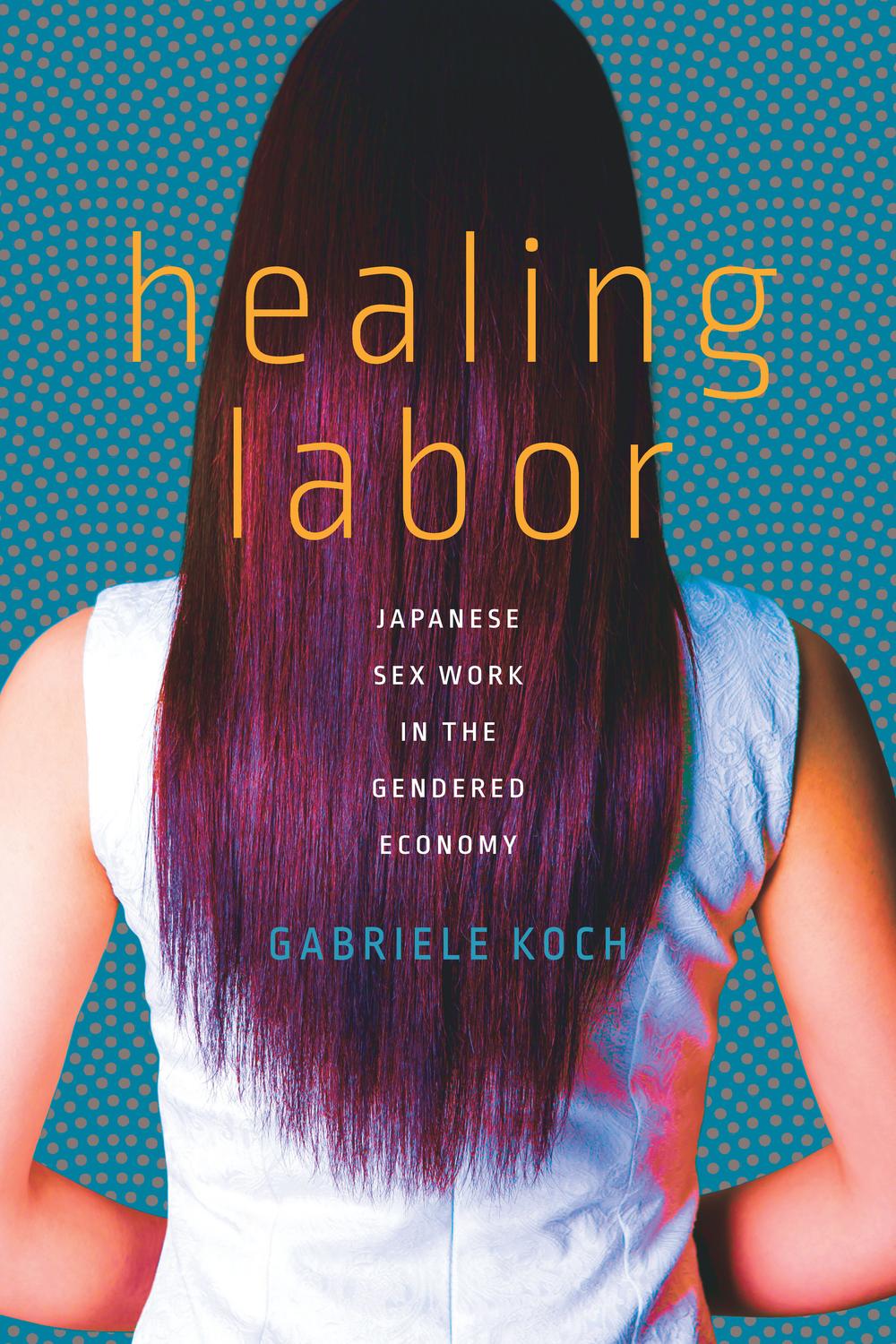
Spurred by this review at The Japan Times, I read the book last December and thoroughly enjoyed it, rating it 5 out of 5. So please do be warned that if you click that link, you’ll doubtless end up ordering a copy too ;)

As for the webinar, USCDornsife explains (register):

Gabriele Koch is an Assistant Professor of Anthropology at Yale-NUS College in Singapore. Gabriele is a sociocultural anthropologist whose research focuses on the social meanings and consequences of care in contemporary Japan. Her first book, Healing Labor: Japanese Sex Work in the Gendered Economy (Stanford University Press, 2020), explores the relationship between how adult Japanese women working in Tokyo’s sex industry think about what sex is and the political-economic roles and possibilities that they imagine for themselves. The book examines how Japanese sex workers regard their services as a form of socially necessary care and highlights the gendered interdependencies and inequalities that shape women’s work in the Japanese economy more generally.

See you there!

If you reside in South Korea, you can donate via wire transfer: Turnbull James Edward (Kookmin Bank/국민은행, 563401-01-214324)

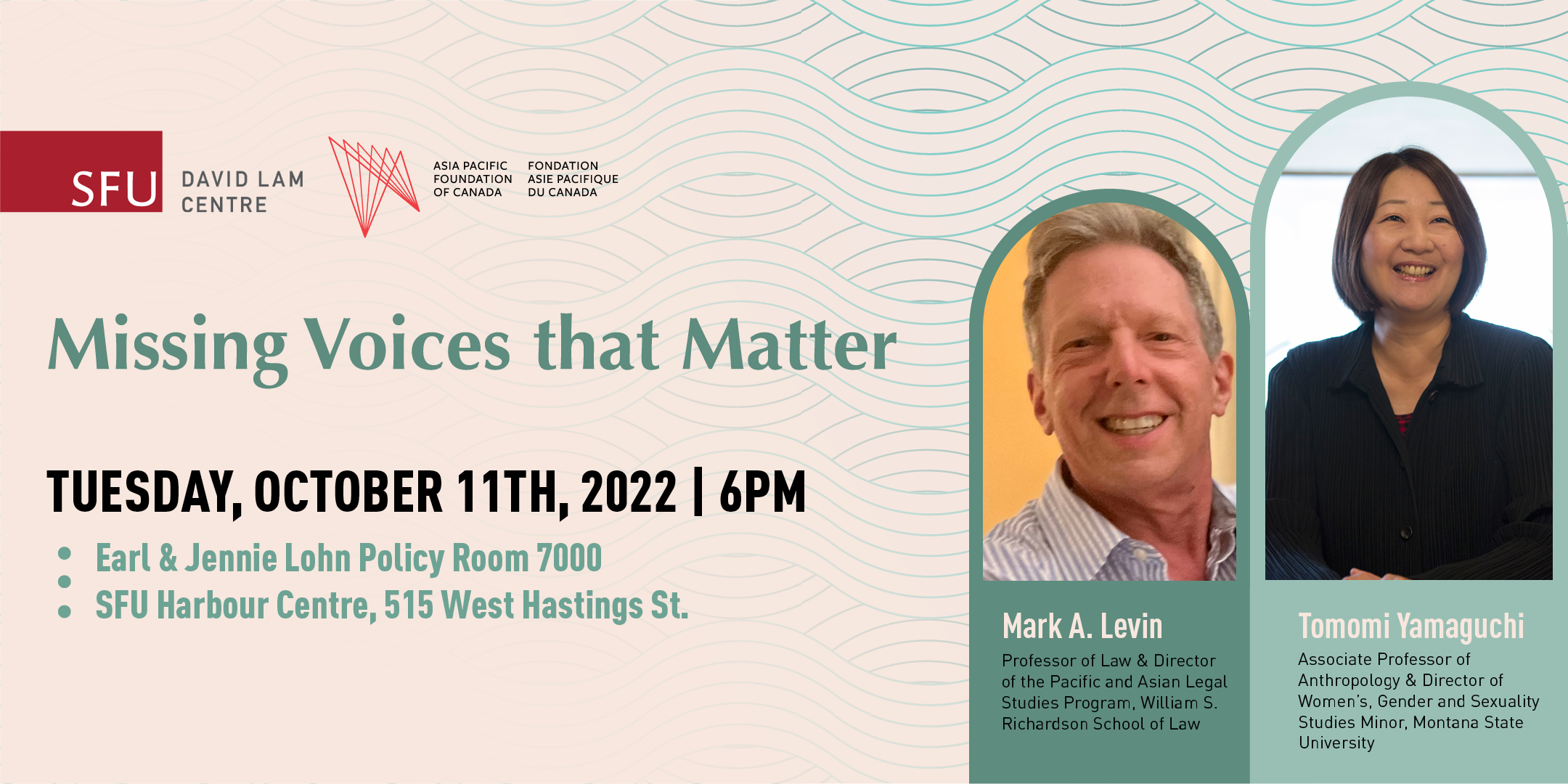
ZOOM TALK: “Missing Voices that Matter: a history of Japanese women law professorial pioneers, considering the social impact of their scarcity,” Tue 11 October 6pm (PDT)/ Wed 12 October 10am (KST)

Pervasive sexual inequality can feel like death from a thousand cuts. No one source of pain or minor irritation isn’t possible to dismiss or play down in favor of other, more visceral struggles against the patriarchy. But as it turns out, women’s relative absence from the legal profession has cascading effects across all society.

Estimated reading time: 6 minutes. Photo by cottonbro at Pexels.

When young Korean men return to university after doing their military service, they’re generally two to three years older than their female classmates. In a society where age really, really matters, this gap can grant those men a great deal of privilege. For example, by being able to avoid various mundane tasks periodically required of students by the university, as these get foisted onto the young(er) women instead. Like during this coming December after the university entrance exams, when some of my female students will be expected to “volunteer” to waste a precious day before their tests by bowing in the freezing cold to visiting high-schoolers as they arrive on the bus, while my male students study from the warmth comfort of the library.

Damn right, do I see a direct link to why so many talented and highly educated women are wasted answering the phones and making the coffee at Korean workplaces.

All of which may feel like an odd introduction to announce an upcoming hybrid talk (register) by Mark A. Levin and Tomomi Yamaguchi at the David Lam Centre of Simon Fraser University, which is not actually about Korea at all. But, based on its description below, it still feels intimately useful and relevant nonetheless. Specifically, I’m wagering it will reveal many more instances of how something seemingly innocuous like a slight age gap can have surprisingly wide implications for sexual equality, offering many similar possibilities to explore—and combat—in the Korean context:

“While the U.S. and Japan’s earliest generation of female legal scholars showed roughly similar numbers, their paths soon diverged dramatically. The number of women in the two legal academies in the 1950s to about 1960 were not all that different. Both nations counted phenomenally low numbers similarly. The U.S. took an early lead, but not by all that much. One report counted five women in tenure track positions in the U.S. in 1950 and another counted fourteen women before 1960. Japan could count five women by 1956 and eight women by 1958. Neither fifteen women in the U.S. nor eight women in Japan represent even token counts among individuals who made up the two countries’ legal academy professoriate in those times.”

“The difference then is in what followed. In the U.S., we crossed a count of 100 women around 1970 and then accelerated to 516 women by 1979, while Japan’s count essentially flatlined. From 1958 in Japan, there were no new women entrants for about ten years and then the next uptick in Japan was just five women entering the field in the late 1960s through 1974. After a second near hiatus of about eight years, Japan then saw some modest growth to have a total of twenty-two women who had entered law teaching by 1988. Our next found data point is 402 women in 2004.”

“The profound scarcity of voices of women academics as leaders, teachers, and scholars in Japanʻs legal academy for several decades remains significantly detrimental for Japanʻs gender circumstances today. The story demonstrates how crucial womenʻs and other feminist voices are in addressing gender gaps and dismantling patriarchy in a society. In particular, having women and feminist allies in the legal academy is essential for feminism to advance in a society. Conversely, deficits regarding women and feminist allies in the legal academy will invariably impact the overall society’s gender circumstances for the worse. And so, just as feminist legal theorists would suggest, it seems essential to assess those circumstances in Japan with the idea that gender gap deficits in Japan’s legal academy must be at least a contributing factor to the nation’s profound and distressing gender gap situation more generally that continue to the present day.”

“This talk aims to explore not only how, but why the two paths diverged so significantly. With time allowing, some effort will be made to draw upon Canada’s circumstances to add another historical sequence into the telling here.”

Truthfully though, it was not those possibilities that first convinced me to sign up. Rather, it was the disjuncture the blurb noted between Japan’s postwar democratic, egalitarian ideals and the actual practice in Japanese women’s personal and professional lives. For it all sounded very familiar (as it probably did to many of you too), having already read much the same in a chapter from a classic Korean studies book: “The Concept of Female Sexuality in Korean Popular Culture” by So-hee Lee (pp. 141-164) in Under Construction: The Gendering of Modernity, Class and Consumption in the Republic of Korea (ed. by Laruel Kendell, 2002). To refresh your memories from page 144, with my emphases:

“[Korean women in their early-30s {now early-60s}]…were the first female generation to go to school en masse, side by side with their brothers. As Wonmo Dong (1988) argues, they learned democracy and its fundamental principles of liberty and equality as an academic subject, not as something to practice in everyday life. From the beginning of their university days, around 1980, they were pushed into the whirl of extremely violent demonstrations to demand national political democratization. Although political protests had long been a part of Korean student life, there was something about the culture of protest that emerged in the 1980s that was different from what had gone before; student activism became an all-pervasive and all-defining experience. In those days, various slogans and ideologies relating to the struggle for democracy were strongly imprinted on the consciousness of this generation as a metadiscourse. However, the students of the 1980s never examined these democratic values in the context of their own everyday lives.”

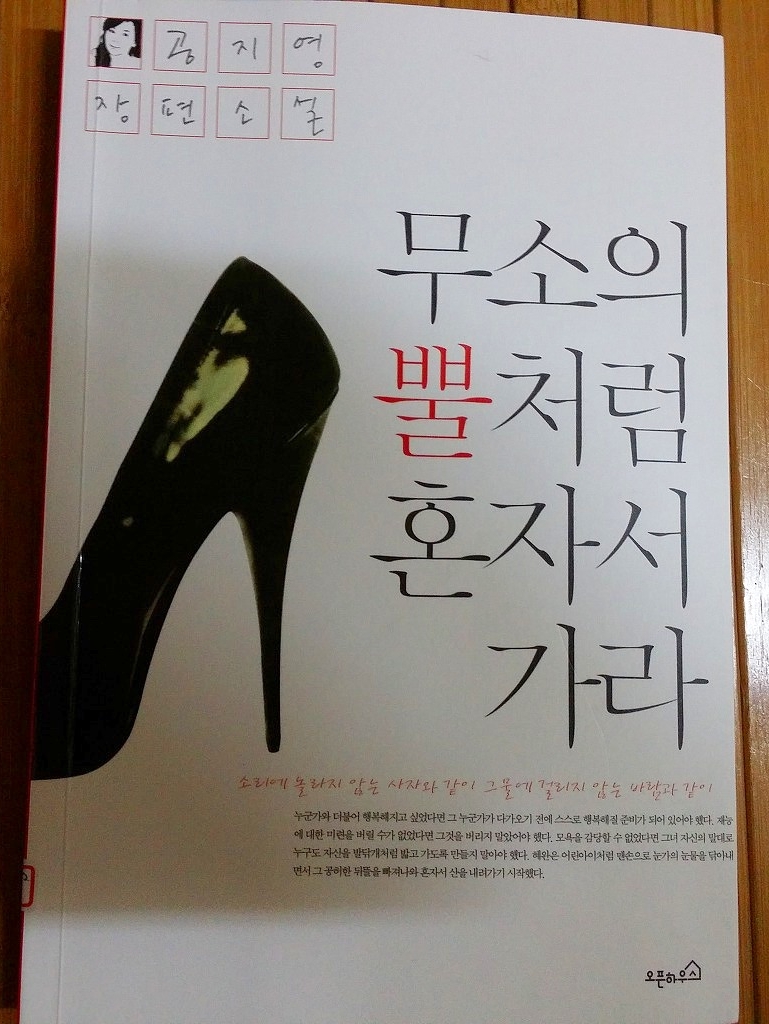
“Go Alone Like the Rhinoceros’s Horn (Source, left: Whitedevil) illustrates the bifurcation between theory and practice. Looking at their mothers’ lives, Korean women in their early thirties believed that their marriages would be different. Because the Korean standard of living and patterns of material life changed very quickly, they believed that Korean ways of thinking had been transformed with the same speed. This is where their tragedy begins. As Hye-Wan in the novel says, mothers “teach daughters to live differently from themselves but teach sons to live like their fathers” (Kong 1993, 83–84). As a result, the daughters’ generation experiences an enormous conflict between the real and the ideal. During sixteen years of schooling, they have learned that equality is an important democratic value, but nowhere have they been taught that women experience the institution of marriage as a condition of inequality. Many married women of this generation have experienced a process of self-awakening similar to that of Yông- Sôn, who early in the novel tries to kill herself. She says,“Where have I been during the last eight years of my marriage?” and concludes,“Though I don’t want to accept it, I’ve been a sincere and faithful maid who must carry out his every request” (109). Korean wives in their thirties cannot envisage a real-life alternative to the self-sacrifices of their mothers’ generation.”

See “Women Getting on Top: Korean Sexuality in Flux in the 1990s” for a further discussion of Lee’s chapter. And, please feel free to say hi in the private chat if you are able to attend the talk! ;)

(But if you can’t make it, hopefully the talk will be made available on the Centre’s YouTube channel later.)

Update—Indeed it was. There seem to be technical difficulties embedding it here however, so if the video below doesn’t work please watch it on YouTube:


Related Posts

If you reside in South Korea, you can donate via wire transfer: Turnbull James Edward (Kookmin Bank/국민은행, 563401-01-214324)
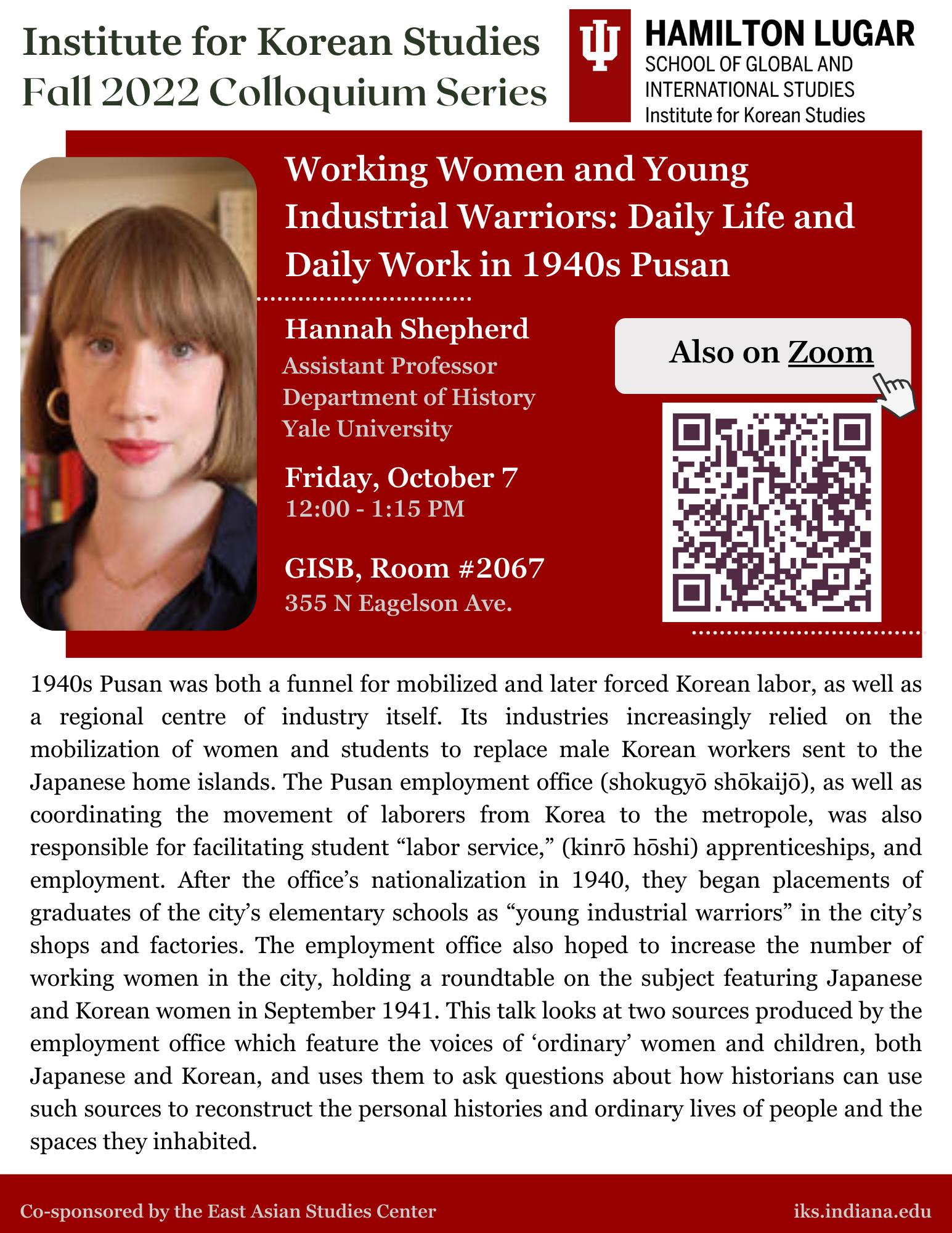
ZOOM TALK: “Working Women and Young Industrial Warriors: Daily Life and Daily Work in 1940s Pusan,” Fri 7 October 7pm (EST)/Sat 8 October 1am (KST)

Estimated reading time: 2 minutes. Source: Institute for Korean Studies at Indiana University @Facebook.

(Please see the Institute for Korean Studies for further information, contact details, and registration link.)

From now on, I’ll be posting information here about every upcoming Zoom talk I’ll be attending personally. And this particular one, how could I not shout from the rooftops about it, despite its horrible hour? Not only is it a rare one for focusing on Busan, my home for two decades, but it also covers wartime Korea. Which in hindsight, is a period I’ve severely neglected, sandwiched as it were between the Modern Girls and New Women of the 1920s and 1930s and the birth of Modern Korea.

Meanwhile, for information about any further upcoming Korea and East Asia-related public Zoom talks, I have to recommend Pusan National University professor CedarBough Saeji, who makes a real effort to inform everyone about as many as she can through her Twitter account. To make sure you don’t miss out, please follow her there @TheKpopProf.

Related Posts:

If you reside in South Korea, you can donate via wire transfer: Turnbull James Edward (Kookmin Bank/국민은행, 563401-01-214324)
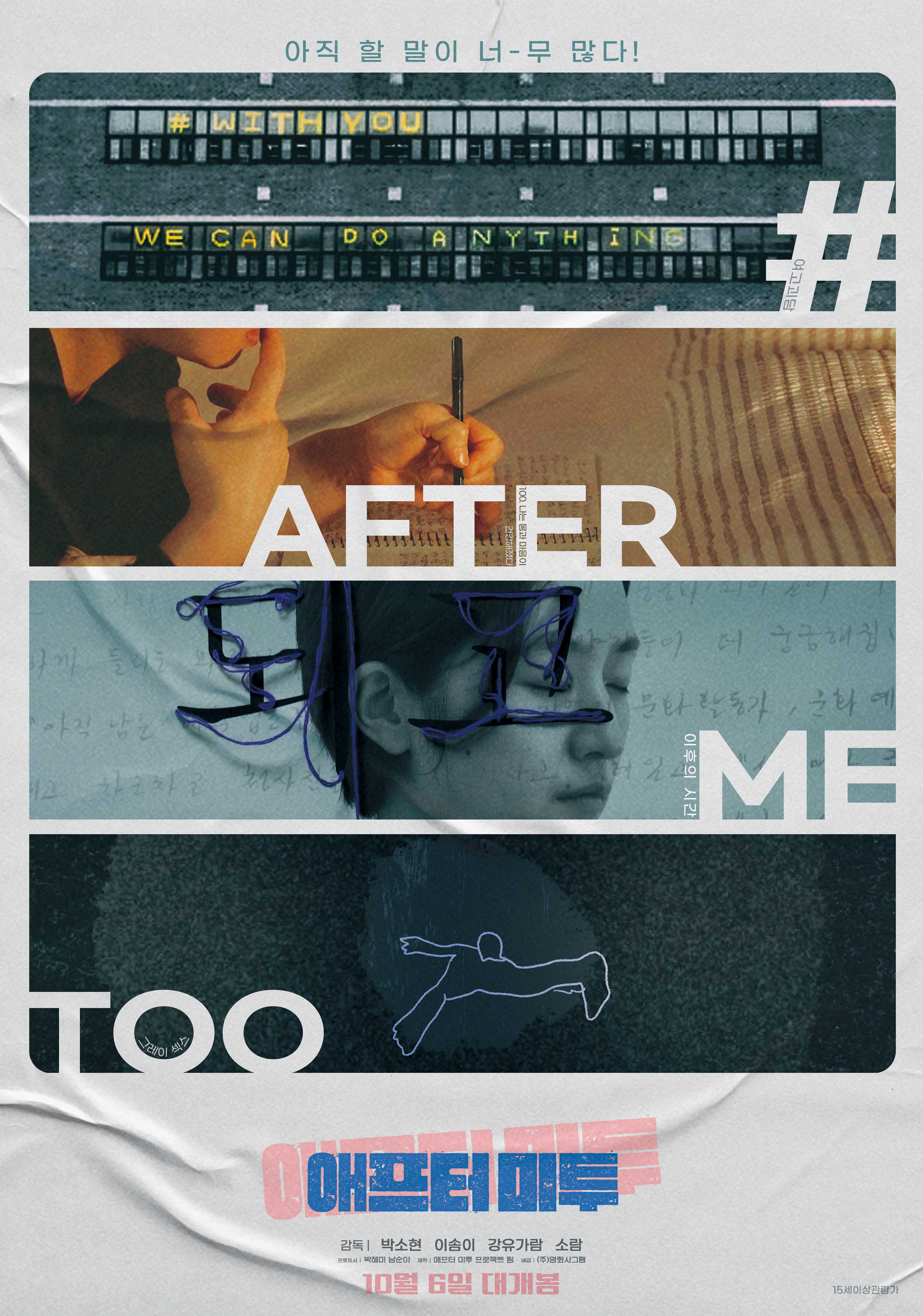
If You Understand Korean, Please Don’t Miss Out: “After Me Too” (애프터 미투, 2021) is Screening October 6-9!

Estimated reading time: 3 minutes.

The clincher:

가장 도발적인 작품은 소람 감독의 ‘그레이 섹스’다. 흑백으로 구분할 수 없는 회색지대처럼 성폭력은 아니지만 그렇다고 즐거운 섹스도 아닌 성 경험을 말한다. 여성의 성적 욕망 자체에 조명을 비추는 작품이기도 하다. 내가 무엇을 원하는지 정확히 알아야, 피해 아니면 가해라는 이분법의 언어를 벗어나 자신이 느끼는 혼란과 모호함의 정체를 붙들 수 있다고 말하는 듯 하다. ‘미투’ 운동에 대한 다큐멘터리라기보단 말 그대로 ‘미투 그 이후’, 새로운 장으로 넘어가기 위한 고민이다. 네 작품 중 가장 마지막으로 배치됐지만, 매끈한 결론 대신 오히려 생각할 거리를 안고 극장을 나서게 한다.

“The most provocative [of the four mini-documentaries] is director Soram’s Grey Sex. It refers to sexual experiences that can be considered to be in a grey area—not outright sexual assault, but not exactly pleasurable, enjoyable sex either. It is also a work that shines on a light on the nature of women’s sexual desire itself. It seems to be saying that if you know exactly what you want, you can break free of the binary, dichotomous language of victim and aggressor, thereby taking control of and overcoming any confusion and ambiguity you may feel. Rather than a documentary about the ‘Me Too’ movement per se [like the previous mini-documentaries], it’s literally ‘After #MeToo,’ illuminating a path on how to move on to a new chapter. By being placed last of the four, rather than providing a smooth conclusion to the documentary as a whole, it give viewers something to think about as they leave the theater.”

See here for more information about this documentary as a whole, or these two trailers:

Not going to lie, I’m expecting a few curious looks when I attend myself later this week. Will I be the only non-Korean person in the theater? The only man?*

What if that curiosity leads to—horror of horrors—someone actually striking up a conversation afterwards, forcing me to brush off my rusty spoken Korean skills as I explain why I came?

The peculiarities of my glorious visage aside, it would seem odd I was there. After all, my job is actually almost entirely devoid of office politics, because of reasons. True, there’s interacting with my young Korean students, which I admit will indeed always be overshadowed by my privilege of being a middle-aged cishet white man, not to mention the power over them which comes with conferring grades. Yet if you really knew anything my utterly lowly job, you’d laugh at the notion that such power was sufficient to seriously consider abusing it.

(Update—In hindsight, I realize my privilege in being a middle-aged cishet white man may have clouded my judgement about the lack of office politics. Sigh.)

Then there’s dating (etc.), which I’ve recently become painfully aware I haven’t pursued in nearly 22 years. Those few genuine offers I’ve received in all that time, that I like to pretend weren’t entirely just wishful thinking on my part (but do know I always turned down with nothing but grace and respect), don’t provide much of a foundation to navigate the choppy sexual politics of dating in the 2020s.

Gaining one then, is one good enough reason alone to watch this documentary. As is learning about the subject in general. There’s also simply showing financial (and moral) support for a worthy cause, which not everyone who feels the same way has the privilege to bestow. And finally, there’s reading that paragraph at the start of this post, through which I discovered that one of four mini-documentaries contained within speaks so profoundly to what I’ve read recently about #Metoo in these two excellent books, which I’ll be discussing at a later date:

I completely share your frustrations though, that in Busan at least, Korea’s second-biggest city, in CGV cinemas it will only play for a total of 12 times over 4 days, As in, literally only a single theater, let alone having no subtitles available.** Still, for those of you with the Korean ability and time, I do hope you consider supporting it by attending.

Who knows, maybe I’ll see you in Seomyeon? ;)

*(To my surprise, as I type this there’s only a 56%-44% women to men split among people who’ve pre-purchased tickets at CGV. Finally, this feature of Korean cinema websites actually proved interesting!)

**Update—Actually, it screened for much longer than expected, and did include Korean subtitles. Both of which were great of course, but it still seems odd not to mention the subtitles on the movie’s information page.

If you reside in South Korea, you can donate via wire transfer: Turnbull James Edward (Kookmin Bank/국민은행, 563401-01-214324)
Announcing a New Series: My Vignettes 

Wherein I stumble upon a surprisingly effective method of overcoming writer’s block

Estimated reading time: 3 minutes. Photo by Marga Santoso on Unsplash.

So, I’m getting divorced.

Don’t worry—I’ll spare you the details.

I find myself only mentioning my private life at all, because I wanted to explain my sporadic writing as of late. Only once I got started, I just couldn’t bring myself to roll out the same old platitudes about the stress of the new semester, or simply being too busy.

Actually, the start of the new semester was very stressful. I have been busy. But the truth is, neither compare to the hell I’ve been going through these last few years, especially this past summer. Or how it’s just been so exhausting pretending everything’s okay.

Sorry to be so dramatic, and so cryptic. But simply making it “official” is helping me to move on, by forcing me to write about it. For just these few lines alone, knowing thousands of strangers are going to be reading them, reflect many hours of grappling with my demons. Let alone the thousands more I’ve only written to myself.

It’s in the same spirit of candor, and of writing as a process, of both informing and learning, that I want to apologize for being unable to produce the long, well-researched posts—à la The Grand Narrative—which I know most of you prefer. My head just hasn’t been in the right place, and now you know why.

But now, I realize know how desperately I need to write anyway.

So what to do?

Just write of course. But that’s easier said than done, when writing is both the solution and the problem.

Well, for the time being, avoid those long posts. Just write whatever brings you joy instead. Whether that is: informing people of an interesting-looking Korean documentary on #Metoo that you’re going to make an effort to see, despite the lack of subtitles; sharing a paragraph on the gender politics of Japanese fitness clubs that made you buy the book on the spot; waxing lyrical over a sculptor’s unique skills, even if you did only find out about their two week-long exhibition half an hour after it had ended; gushing over how good it feels to be reading and understanding a Korean language book about feminism and the Korean entertainment industry, whilst also ruing how its contents seem so resistant to being shoehorned into any post here; venting your frustrations about how almost all the novels you’ve recently been reading on the promise they would deeply explore the female gaze and sexual desire, just haven’t hit the spot, and asking readers for recommendations; letting everyone know about an upcoming Zoom lecture on the 1940as wartime mobilization of Busan women into factories,* which sounds interesting enough to stay up all night for; or admitting your concerns about how many of your posts—and likely your views—on various aspects of Korean sexuality are likely very outdated, and how you’ll go about addressing those.

It doesn’t matter if you’re not an expert on many of these topics, or even know barely anything at all about them. Sharing and talking about them with smart people like your learned selves, is how we all become more knowledgeable.

So, provided they all prove worthy once I put pen to paper, all of those posts will all go up in the next few weeks. They also represent just the tip of the iceberg, which I’m glad to have finally given myself permission to reveal, and excited and anxious to begin breaking apart.

On which note, on Monday I’ll bring you the first of what I’m calling My Vignettes. And all, like their namesake, very much still belonging to the same Grand Narrative.

*(The lecture is at 1am, Saturday October 8 Korean time, 12pm Friday October 7 Eastern Standard Time. So if you’re also interested, please don’t wait for my post about it to register!)

If you reside in South Korea, you can donate via wire transfer: Turnbull James Edward (Kookmin Bank/국민은행, 563401-01-214324)