How “Cast Away” Helped Me Better Understand “The Girl with Seven Names” and Potential Survivorship Bias in North Korean Escapee Stories. No, Really.

Smart people tend to make more logical, more directly-related parallels and connections between the news and the pop culture they consume. So, my niche has to be providing the wilder and more bizarre ones instead.

Estimated reading time: 4 minutes. Image sources: University of Minnesota Retirees Association and Amblin.

Last week, our Busan Book Club covered The Girl with Seven Names by Hyeonseo Lee (2014—The StoryGraph, LibraryThing, GoodReads). A tale of her escape from North to South Korea via a decade spent in China, and later her returning to the border to help her mother and brother also escape, generally we found it very informative and moving. But, we were also struck by her incredible naivety, and sheer luck. In particular, without her family’s high status within North Korea, and without being able to rely on wealthy connections and generous benefactors at the last moments, there would have been no story to tell at all.

The smart takeaway is how, by coincidence, those last two points dovetailed with one about North Korean representation made a few days later by my Donsgeo University colleague, B. R. Myers, as part of a presentation he gave at Seoul City Hall at the Seoul Forum on North Korean Human Rights 2024. From his blog, Sthele Press:

“….This brings me to the escapee issue. These days talk of the grim punishment awaiting repatriated escapees is often contradicted in the same breath by reference to how so-and-so just saved up enough money for a second escape. The sum needed just before the pandemic—if my sources are correct—was over $5000, and let’s face it, that’s more than the average American has in the bank, so I worry that if we continue to present these people as representative, we’ll be creating confusion about what living standards in North Korea are really like. I’m not downplaying the ordeals that they all go through, especially the women who are trafficked across the river, but it’s time, I believe, that we concentrated on the great mass of people inside North Korea.”

“That goes also for the issue of North Korean workers in China and Russia. If you spread the blame between three regimes, Kim gets off lightly. Just how bad are conditions at home, that people compete to get treated like slaves in foreign countries? I think that’s what we should focus on.”

Read the rest of Myers’s presentation there. While my own thoughts may seem flippant by comparison, especially given the gravity of those conditions in North Korea, that is absolutely not my intention. Rather, I feel they only help underline his point about representation all the more.

Specifically, reflecting on Lee’s incredible run of good luck while I was reading her book, I couldn’t help but constantly be immediately reminded of a free-talking activity I’ve been using for the last 20+ years with my ESL students, about what supplies to prioritize in the event of a plane crash in the Pacific Ocean. (I call it Cast Away after the 2000 movie, but these days most students have never heard of it.). Which I grant does indeed sound bizarre, but the connection is there:

You see, most students, and me too if I didn’t already know better, rank obvious things like the fishing line and hooks very highly. Only, as I think it was the US Coast Guard that explained things in the version I originally got this from, in fact both those and 12 other things on this list are completely useless.

The reason being, quite unlike in movies like Cast Away, where the main character quickly paddles to a deserted island to survive on, in most oceans 99 per cent of plane crash survivors simply wouldn’t. So, unless they were found within 2-3 days, they’d die of thirst and sun exposure.

Which generally doesn’t make for riveting viewing.

That means we only get movies about the 1 per cent that do make it to land instead. Leading my students to prioritize hooks, matches, and so on. Whereas really, the only genuinely useful things are the flare gun to help rescuers find you, and the bottles of water to give them an extra day or so to do so while you’re still capable of firing it:

(Let me know if you’d like a copy of my PPT, and the rationale behind the specific ranking).

Wisely, I spared the other book club members this huge segue in our meeting in the coffee shop. But, now that I’ve put pen to paper here, I am indeed intrigued at how this—unfortunately named—’survivorship bias‘ potentially colors narratives about North Korean and its escapees.

And also intrigued whether Lee is asked about her incredible luck in this 1.5 hour interview. I’ll let you know!

Related Posts:

If you reside in South Korea, you can donate via wire transfer: Turnbull James Edward (Kookmin Bank/국민은행, 563401-01-214324)

“Blue Is the Warmest Colour” (가장 따뜻한 색, 블루)—10th Anniversary Screening

Estimated reading time: 3 minutes.

Hello everyone!

Sorry for the long, unexpected hiatus.

Suffice to say, I was feeling a deep, stultifying sense of ennui leading up to this blog’s recent 17-year anniversary, frankly. In hindsight, I really needed a break.

But simply opening up this page and just writing is already doing wonders for getting that spark back. And if it happens to be posting about this film screening that enables this soft restart, with more regular and longer posts soon to follow, then I’ll gladly take advantage!

This announcement is not just a means to that end though!

If you’re reading this, you’re probably already familiar with Blue Is the Warmest Colour (2013, but released in 2014 in Korea). You’ll know it’s controversial, for reasons well covered by Manohla Dargis in a 2013 article in The New York Times (free registration required). You may have strong opinions of your own too, which I’d be very interested to hear.

Because while I’ve read so much about it these past 10 years, I haven’t actually watched it myself yet.

Okay, that’s not technically true. Yes, I am indeed a cishet male. I won’t insult your intelligence pretending I haven’t perused certain scenes on Netflix. But, unlike watching it on Netflix, with all the distractions of home, in the cinema I’ll be forced to watch it in its entirety for its full 3 hours. Giving me lots of time to judge its problematic elements for myself.

Which is why I’m so excited to watch it at Corner Theater / 모퉁이극장 here in Busan next week, as it’ll probably be my first and last opportunity.

And even without this particular screening, I must really give a shoutout to Corner Theater itself too. With its constant line-up of arthouse and classic films, for half the price of regular cinemas, an uncomplicated online booking process (no downloads!), and the staff showering you with free film posters, let’s just say it’s not just been ennui that’s been preventing me from writing these last few months!

Thoughts on the film? See you there? ;)

Source: @corner_theater.

If you reside in South Korea, you can donate via wire transfer: Turnbull James Edward (Kookmin Bank/국민은행, 563401-01-214324)

Some Smart, Sophisticated Events for Smart, Sophisticated Busanites (And Me Too!)

Busan is GOOD! 부산이라 좋다!

Estimated reading time: 4 minutes. Source: iamcacophony.

Sorry that I’ve been so neglectful and absent these past few weeks.

One excuse is just being very busy settling into the new semester.

The other is that I seem to be just inundated with interesting events to attend and people to meet these days.

For reasons, this is a very novel experience for me. So, lets just say the abstract concept of declining invitations, because it turns out I do still need to write, pay the bills, and sleep, has been slow to sink in.

Forced to be very selective from now on then, here are five events in Busan this month I’d still absolutely attend if I could. Unfortunately I’ll only manage three though, because two clash, and another is being held somewhere I already go to very often. For that one, I’m going to be a gentleman and leave a spot open for you instead!

First up, just yesterday I discovered Cacophony, the very sensual performer in the opening image (homepage, YouTube, Instagram), who’s having a concert on Friday the 26th at Ovantgarde, in the Kyungsung University–Pukyong National University neighborhood. Still very much in the totally smitten and infatuated phase, I’ve only just begun processing her work frankly, and haven’t seen anything about her in English yet sorry. But, based just on that MV alone, I had no hesitation in dropping 30,000 won on a prepaid ticket!

Next, at the Art Lee Chae Gallery Cafe, located between exits 2 & 4 of my old neighborhood of Namcheon subway station (one stop over from Ovantgarde), local artist Jemma Pallett is currently holding an exhibition of her work until April 23. Open from 9am to 6:30pm every day, Jemma herself will be there to meet and talk about her paintings on Wednesday the 10th and 17th from 11 to 11:30am. (I’ll attend at least one of those sessions.)

Next, this Saturday, April 13 from 2-4pm, Union Station, in collaboration with Tell Me Busan, is having a traditional Korean alcohol tasting event. Union Station, one of my favorite places in Busan, is a recently opened makgeolli bar in Millak-dong, just an easy 5 minute walk from the North/top/far end of Gwangalli beach. Perfect for a quiet, intimate, and easily accessible alternative to the crowded restaurants and and bars on the beach, it’s owned and operated by the incredibly smart and sophisticated Michelle Lee, who has a PhD in Psychology in addition to brewing her own makgeolli. In other words, the perfect host!

Honestly, I don’t even particularly like makgeolli. Despite that, I will happily drink hers, and those she suggests—it’s that good a place (her anju are great too).

Alas, I won’t be attending this particular event sorry. Partially, because I already attend the Busan Chess Club there once a week, and partially because I already drag friends and dates there on top of that. (To the bar I mean—not to the chess club.) But mainly, because of a clash:

Hosted by one of my other favorite places in Busan, Naughty Muse Studios in Songjeong Beach, which is owned and operated by the incredibly smart and sophisticated Anna Bodorenko (yes, I’m beginning to notice a certain theme too), I can not stress just how much amazing art is continually going on there, what a creative community is centered around it, and how many talented people I’ve met through Anna. While I sadly had to give up on attending classes there myself, never being able to find the time to work on my skills in between sessions, I still try to attend as many events there as I can (especially the movie nights):

Finally, great minds thinking alike, Michelle from Union Station and Anna from Naughty Muse Studios are collaborating on a combined watercolor painting and makgeolli-tasting event at the former, at 7pm on Friday April 19. Only just finishing work about then and already spending too much time at Union Station though, this is the event I’ll step aside from for the sake of any interested readers securing a spot. Not at all because I used to win prizes for my sketches as a teenager, only to completely ruin them whenever I tried to combine them with watercolor painting…

If you can make any of these events, then Yay! And please say hi!^^

Related Posts:

If you reside in South Korea, you can donate via wire transfer: Turnbull James Edward (Kookmin Bank/국민은행, 563401-01-214324)

“당신의 얼굴 괜찮습니까?/Is Your Face Okay?” Anti Deepfake Poster Misses the Mark

Estimated reading time: 3 minutes.

An ad at my local Busan subway station, which I’d never given a second thought to until today. I had no reason to—with a title and image like that, I’d assumed it was for some kind of beauty app or filter.

Then my aging eyes finally noticed the “딥페이크/Deepfake,” and I did a double-take:

It reads:

당신의 얼굴 괜찮습니까?

딥페이크로 인한 성 범죄가 매년 증가하고 있습니다. 성폭력처벌법 제14조의 2에 의거해 타인의 얼굴이나 신체 등을 허위 영상물로 만들거나 배포하면 5년 이하 징역 또는 5천만 원 인하의 벌금에 처하게 됩니다.

Is Your Face Okay?

Sex crimes caused by deepfakes are increasing every year. Pursuant to Article 14-2 of the Sexual Violence Punishment Act, anyone who creates or distributes a false video of another person’s face or body is subject to imprisonment for up to 5 years or a fine of up to 50 million won.

This text, a bland rehashing of the law, feels like a real missed opportunity.

The issue is who this ad is aimed at. The “Is Your Face Okay?” headline seems aimed addressed to victims, and indeed a Korean friend assures me that it is. However, surely most victims aren’t unaware that deepfakes are illegal? Surely, more of a concern would likely be feelings of embarrassment, shame, that they themselves were to blame for them in some way, and/or worries about the impact on their jobs and livelihoods? So, the priority should be giving victims assurances that these are not at all the case, and that they could receive all the help, support, lack of judgement, and legal aid they needed at the Center.

In their absence, a more creative alternative is that the headline is a double entendre intended to mean “Aren’t You Red-faced/Ashamed?” to potential perpetrators, then letting them know what might happen if they get caught.

Which applies? Unfortunately, there’s no further information about it on the Busan Gender-based Violence Prevention Center’s website, nor does Googling/Navering yield any results.

So, without disputing the Center’s good intentions for a moment, again I’m forced to defer to my friend’s judgement. In which case, I think the poster really misses the mark.

What do you think?

Related Posts:

If you reside in South Korea, you can donate via wire transfer: Turnbull James Edward (Kookmin Bank/국민은행, 563401-01-214324)

The Not So Korean Podcast, Ep. 38: James Turnbull (INTERVIEW) – Sexuality, Feminism, Translation, Cats & More

Podcast Running Time: 1 hour 12 minutes.

Apologies all, for any distress caused at suddenly discovering I’m not a 20-something Korean-American woman (no, seriously—it happens a lot!), and thanks very much to Jay and Tim of the Not So Korean Podcast Team for all their hard work in putting this interview together. And to my cats Albert and Elliot too, who insisted on making their own contributions to the episode.

Please visit YouTube or Spotify for the full interview, which was recorded in October 2022. Please also make sure to visit the Not So Korean Podcast’s Instagram too, to get a quick taste of the huge variety of other topics and people Jay and Tim have covered. As you’ll soon see, their other interviewees are all far more interesting and knowledgeable than me!

If you reside in South Korea, you can donate via wire transfer: Turnbull James Edward (Kookmin Bank/국민은행, 563401-01-214324)

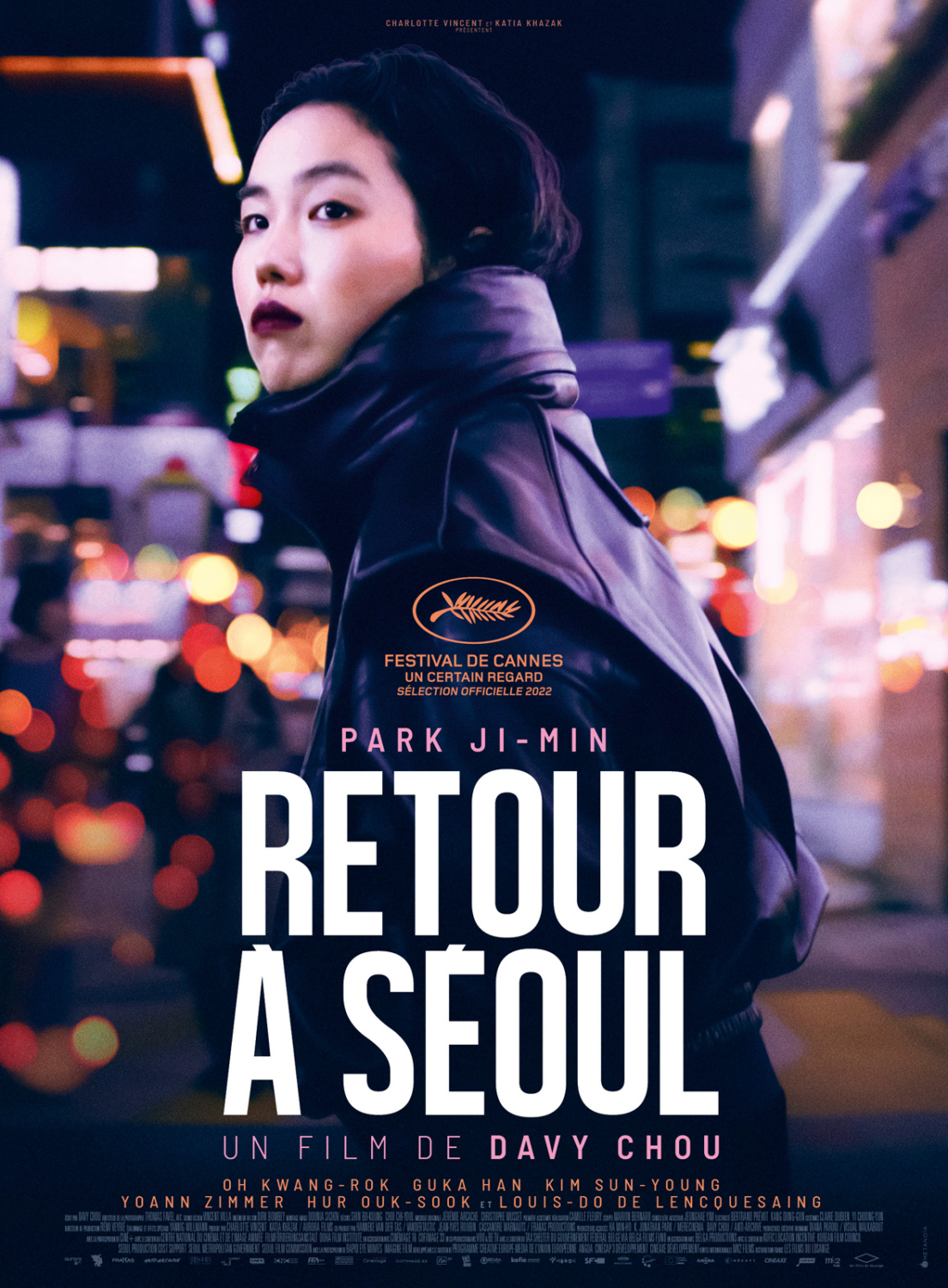
“Return to Seoul” (리턴 투 서울, Retour à Séoul) Now Playing in Korean Cinemas

Estimated reading & viewing time: 5 minutes.

Now, the most important thing to take away from this post is to appreciate what good taste I have. For *I* decided I liked this film, and booked a ticket, weeks before it became cool.

Next most important is the secret of how I learned of it: by subscribing to the YouTube channel 문다무비. Focusing on trailers of arthouse films with limited runs, and/or of repeat screenings of popular movies, if you live in Korea then it’s an absolute must.* How else, after all, can you persuade your dates that you’re smart and sophisticated? Other than by showing them selfies of you in empty theaters that is?

Unfortunately for my otherwise carefully-crafted persona, I am an alcoholic, so was much too busy to post about the film while it was still under most people’s radar. Fortunately for you though, it’s only just been released, so there’s still a week or so to see it. Also, in addition to glowing reviews by overseas critics, as well as a surprising amount of coverage in the Korean media, there’s Jia H. Jung’s Korea Times interview of Korean French adoptee Laure Badufle, co-writer and inspiration and inspiration for the film, which will do a much better job of persuading you to watch the film than I ever could have.

Especially when I haven’t actually mentioned the trifling detail of what the film is actually about yet:

Again unfortunately for my persona, I can’t hide how giddy with excitement I am to learn that Laure Badufle was born in the small town of Sacheon in South Gyeongsang Province before she was adopted, where I taught from 2001-2003; that will likely feature in the film, while neighboring Jinju, where I lived, definitely will. Also, because of the mixture of English, French, and Korean used, I’m relieved to see that Korean subtitles will be used, which will frankly make watching it much easier for me (I don’t know of anywhere with English subtitles sorry).

Yet despite all the recent attention, there’s still only 6 CGVs screening the film in Seoul, only 1 in Busan, and, ironically, none at all in Jinju. My fellow sophisticated Busanites at least though, will appreciate the perks that come with their fine tastes—in the form of an exclusive 44-person theater, with luxury armchairs!

*Update: I’ve just discovered artninecinema/아트나인 (Twitter, Instagram, Facebook), which is even more focused on arthouse films, and also hosts various related events. Unfortunately most for Return to Seoul are already over, but on Tuesday the 16th there’s a screening with critic Jeong Seong-il in Seoul.

Related Posts:

If you reside in South Korea, you can donate via wire transfer: Turnbull James Edward (Kookmin Bank/국민은행, 563401-01-214324)

“Yoni Garden” Exhibition Opens in Gwangalli Tonight!

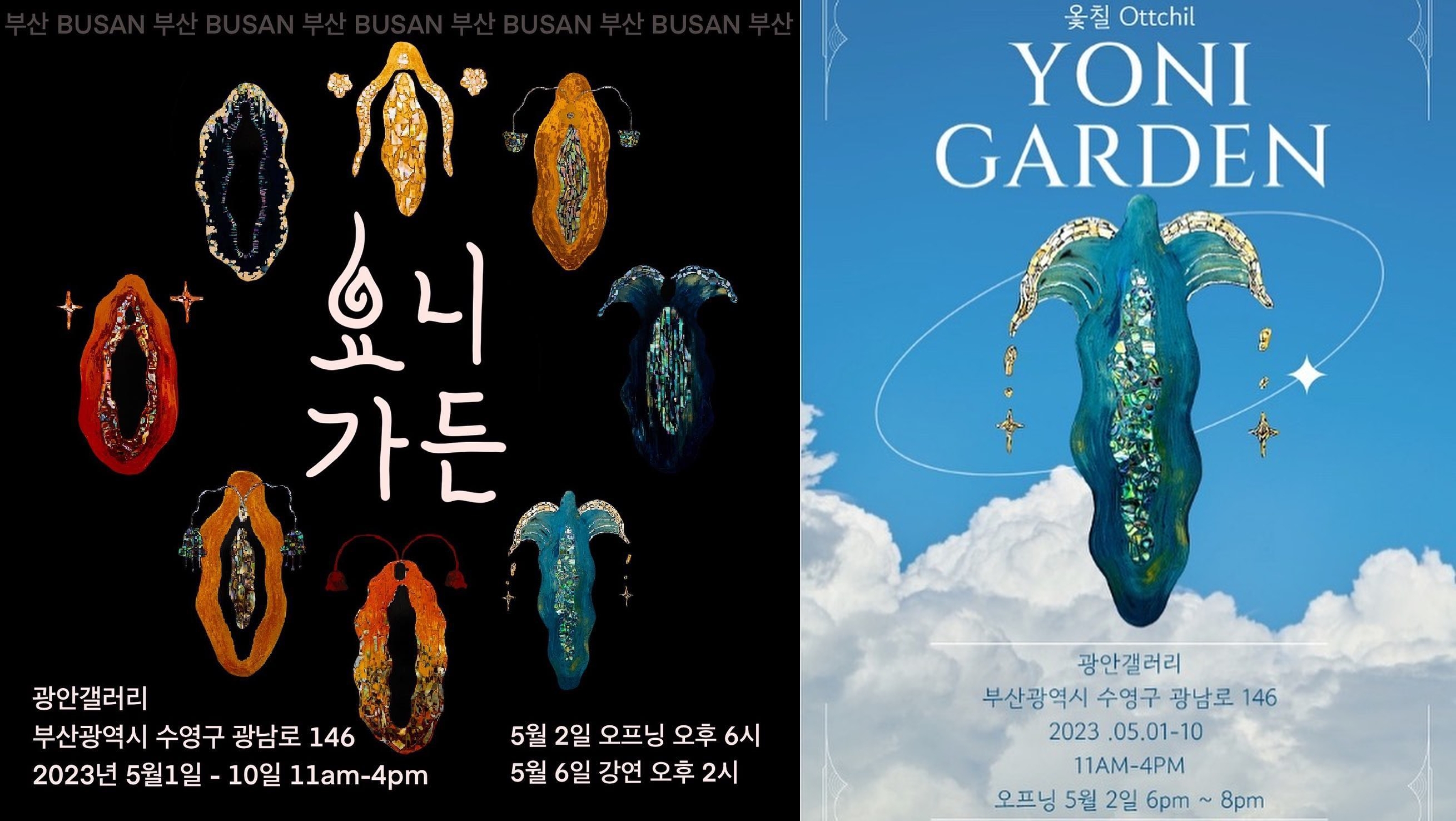
Estimated reading time: 2 minutes. Image sources: (@gallery_gwangan) left, right.

Sorry for the last-minute notice for tonight’s opening from 6 to 8pm. But fortunately the exhibition itself, about “women’s sexuality and life stories reinterpreted through traditional Buddhist lacquer (통 옻칠로 재해석 된 여성의 성 그리고 삶 이야기),” will be held at @gallery_gwangan until Wednesday May 10. All are welcome, and tonight will also feature free wine and food!

Unfortunately, I’ve been having trouble finding any more information about artist Gabby Chu (가비추) and her work.* But presumably she’ll be there tonight, and she will also be present at the gallery for the entire exhibition (note the opening hours in the blue poster). On Saturday the 6th, she will be giving a talk (in Korean) about exhibiting overseas too.

See you there!

*Update: Gabby’s Instagram can be found at gabby_chu_ottchil, and her personal website at Gabbychu.com. I can also confirm she’s every bit as amazing and creative as I expected, and is very happy for you to visit and chat in English or Korean about art, feminism, and/or sexuality :)

Related Posts:

If you reside in South Korea, you can donate via wire transfer: Turnbull James Edward (Kookmin Bank/국민은행, 563401-01-214324)

For the Sophisticated Busanite Looking for Something to do Indoors This Rainy Weekend…

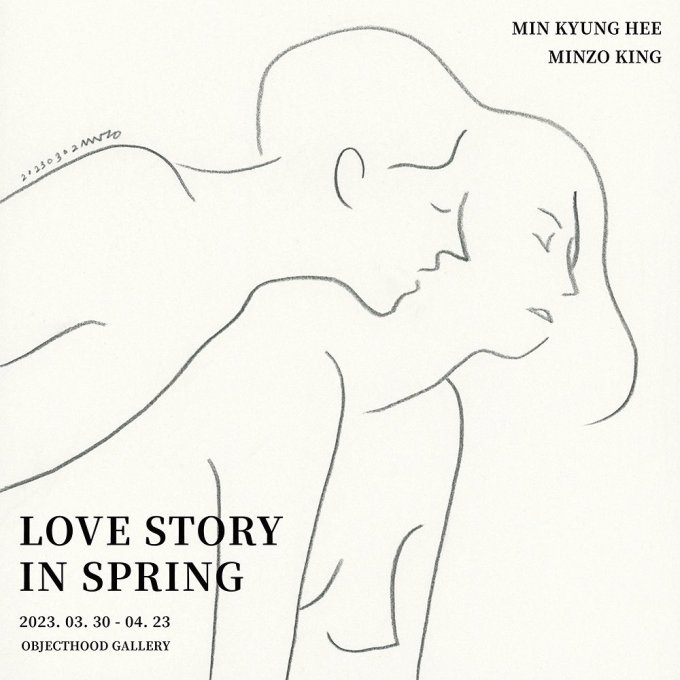
Estimated reading time: 2 minutes. Image source: object_hood.

…Allow me to recommend the “Love Story in Spring” art exhibition at Objecthood (오브제후드), a small gallery in Mangmi/Suyeong-dong, which unfortunately finishes on Sunday (not the 23rd like the website suggests).

Please see the exhibition description for more information (scroll down for English), the about page for a map, and here, here, and here for Objecthood’s Instagram and those of featured artists Kyung Hee Min (민경희) and Minzo King (민조킹).

Perhaps I’ll see you there on Saturday? If so, then please make sure to say hi—rest assured, the surroundings won’t at all make me feel too shy or embarrassed to talk! ;)

If you reside in South Korea, you can donate via wire transfer: Turnbull James Edward (Kookmin Bank/국민은행, 563401-01-214324)

Manufacturing Consent?: Socializing Migrant Brides to Korea into Becoming Docile, Obedient ‘Baby-Making Machines’

“Women in South Korea are on Strike Against Being ‘Baby-Making Machines’” headlines a must-read article by Hawon Jung in last week’s New York Times, a role migrant women are expected to perform most of all. Here are two insidious ways in which they are socialized into doing so.

Estimated reading time: 7 minutes. Image source: YouTube.

My neighborhood of Gwangalli Beach is one of the most popular and internationally famous tourist spots in Korea. It is also one of Busan’s busiest nightlife areas. It is not, in my general experience, positively teeming with middle-aged, male farmers, the main customers of international marriage brokers. So why do they bother posting their ads here?

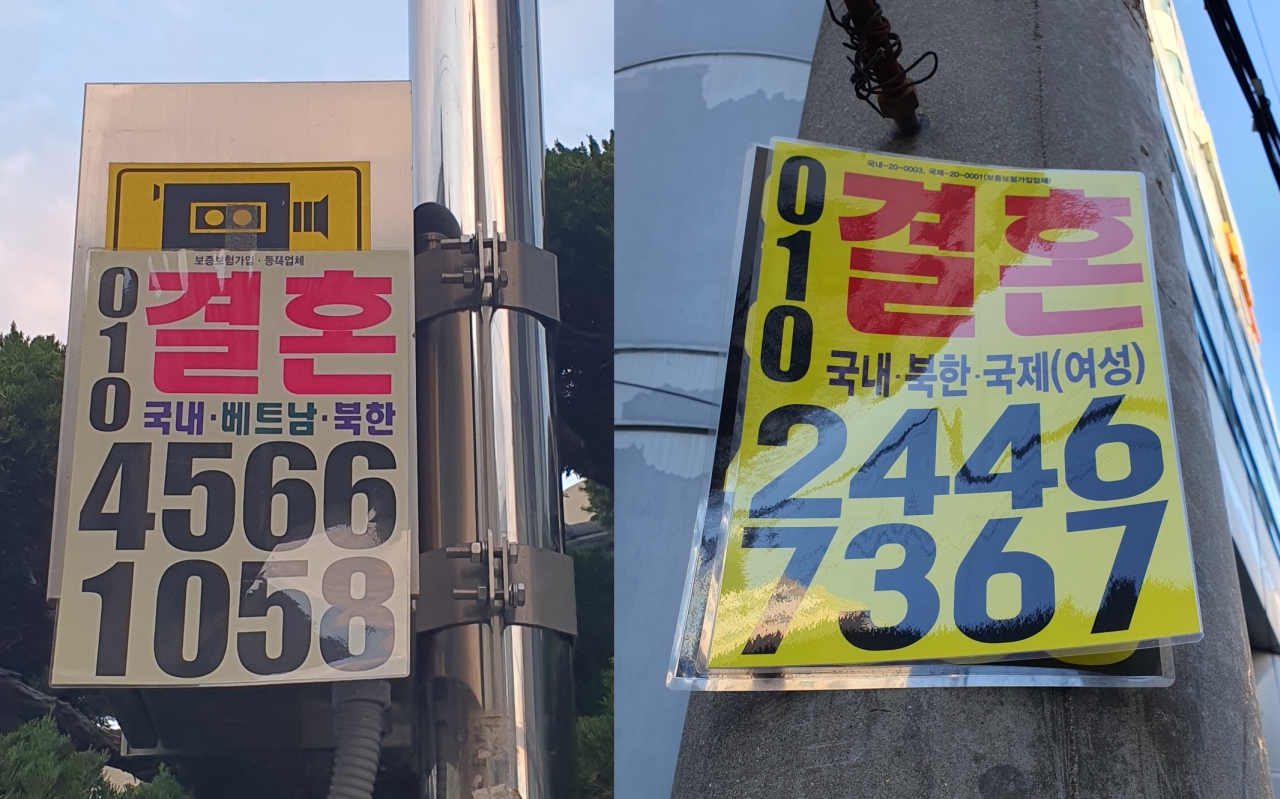
I realize the placement has got nothing to do with Gwangalli really—the ads get spammed just about everywhere in Korea. It’s just that whenever I see them a few blocks behind its trendy bars and nightclubs, I can’t help but laugh at the incongruity with their surroundings. Then pause as I remember the frequent abuse of those overseas brides by either the brokers and/or their new spouses and families, and feel guilty. The metaphor for the harmless-sounding, but ultimately racist, sexist, and objectifying “gendered nationalism” and “gendered multiculturalism” that lurks just behind the glitz and glamour of the Korean Wave, almost suggests itself.

That’s not quite why I paused when I saw the ad on the left in October 2021 though. It was because it was the first I’d ever seen that mentioned “Domestic” (국내) and “North Korean (refugees)” (북한) options in addition to the usual “Vietnam(ese)” (베트남) ones. Possibly, I’d stumbled on an ad for a rare international marriage broker which had also arranged marriages between ethnic Koreans before the pandemic (note that over 70 percent of North Korean refugees are women). But it’s much more likely it was a recent development, forced by international travel restrictions.

Then I paused again a few days ago when I saw that new version on the right, for three reasons.

First, because of the “Women” (여성) that had been tacked on to the new, but also quite usual “International” (국제). Not because it was a surprise that international marriage brokers only supplied brides from overseas, but because of what the “Women” being omitted from “Domestic” and “North Korean” implied: that the same brokers were now also in the business of finding North Korean grooms. Which again implied desperation, considering how neglected they’d been up to that point: as of mid-2020, there were 20-30 agencies that specialized in supplying North Korean brides, against none that specialized in supplying their male counterparts.

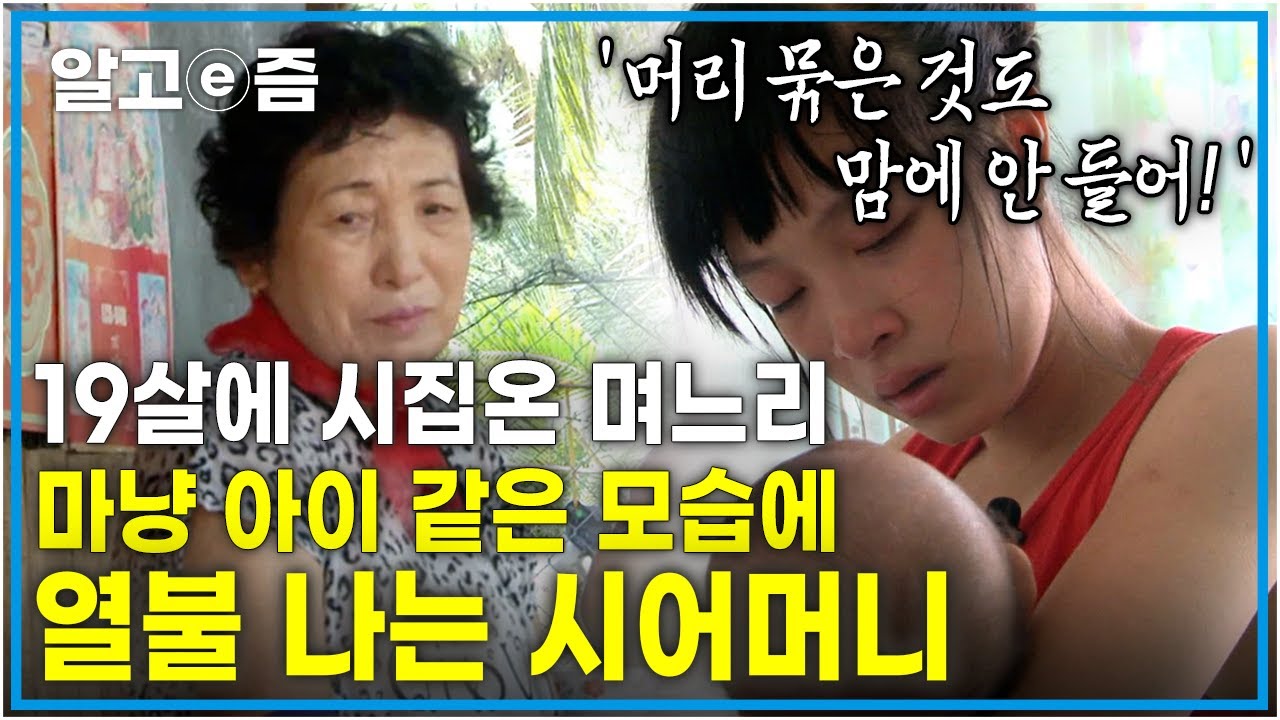
And I do mean “supply.” Because next, I’d actually already noticed an ad exactly like it back in May 2022. (With a different number; sorry that I don’t know how many brokers are behind these ads.) Only this time, I was seeing it again after just learning of a problematic episode of the documentary program Algorithm (알고e즘) that screened earlier in January, which featured a 34 year-old Korean husband’s (and parents’) relationship with his 21 year-old Vietnamese wife:

As Professor Michael Hurt of the Korea National University of Arts described it, it was “stealthily ideological.” Specifically (quoted with permission):

If this ain’t human trafficking, I don’t know what is. All the cutesy piano music and pizzacato plucking can’t shoehorn this episode into anything looking like a heartwarming narrative. The closer you look and the more questions are asked, the more this looks like outright human trafficking. Of course this “daughter-in-law“ who is 21 married to a man obviously [much older] isn’t adjusting well to life in a poor Korean household. And they keep trying to frame things as normal mom and daughter-in-law friction, but the real answer to every single conflict in the show—especially when they make a quite performative trip to Vietnam, with mom in tow—is the obvious fact that she looks like a human trafficking victim. Because that’s what she is.

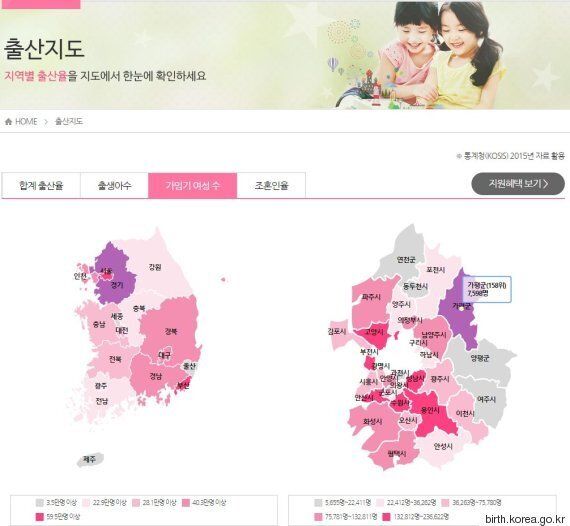
Going further, I’d argue that framing is also about putting migrant wives in their place—as docile, obedient ‘baby-making machines’ for the Korean state. Please hear me out. Combating Korea’s world-low birthrate, most acute in rural areas, is precisely why the international marriage agency was encouraged to develop in the first place. Next, recall that Korean women are already well aware that’s how the Korean state regards them themselves; with migrant brides from much poorer countries, there’s even less pussyfooting about their designated role. Indeed, this mentality even pervades government programs designed to help their integration. Consider as evidence the following abstracts to two academic articles on the topic, and their eerie similarity to what was occurring in the documentary (Right: “Women of Childbearing Age Map” briefly released on Korean government website in December 2016, before being withdrawn due to controversy):

This paper focuses on the role of Multicultural Family Support Centers (MFSCs) to explain the gender, race and cultural hierarchies inherent in South Korea’s system of multiculturalism. Since the 1990s the South Korean state has played an active role in facilitating marriage migration and influencing the reproductive and caregiving decisions of female marriage immigrants. This is reflected in immigration and welfare policies that incentivize migrant wives to have children and provide disproportionate power to Korean husbands. Over the past decade the Korean government has invested heavily in MFSCs. These centers cater exclusively to migrant wives with courses focused on the acquisition of the Korean language and culture. The teachers are generally older Korean women while students are migrant wives from developing countries. The version of Korean culture taught to migrant wives emphasizes traditional Confucian family roles and that a wives’ role is to focus on managing the home and supporting her husband and children. I present two case studies of cultural and cooking classes provided by a MFSC where I volunteered. The classes illustrate that multiculturalism in South Korea is focused on assimilation with limited expectation that Korean husbands and in-law families should adapt to migrant wives. Instead, migrant wives are expected to acquire a strong understanding of how to behave and understand their place in a traditional Korean family structure. I provide migrant wives’ perspectives on these classes and explain why they have limited opportunity to influence or respond to the expectations of the Korean state and in-law families.

“Multiculturalism in South Korea: putting migrant wives in their place” by Stella Jang in Social Identities, September 2022 (my emphases).

Next (for a summary article, see the Gender & Society blog):

In this article, I investigate how gendered nationalism is articulated through everyday practices in relation to immigrant integration policy and the intersectional production of inequality in South Korea. By using ethnographic data collected at community centers created to implement national “multicultural” policy, I examine the individual perspectives and experiences of Korean staff and targeted recipients (marriage migrants). To defend their own “native” privileges, the Korean staff stressed the gendered caretaking roles of marriage migrants and their contribution to the nation as justification for state support. The migrants, while critical of the familial responsibilities imposed on them in Korea, underscored their gendered value to the nation (as mothers to “Korean” children) to offset their subjugated position. The diverging perspectives of the two groups are informed by “everyday” nationalism, generated through constantly gendered terms and effects. Bringing together the literature on nationalism and migration through a focus on reproductive labor, I expose how national boundaries are drawn through quotidian practices of gendered nationalism, with significant implications for gender and ethnic hierarchies.

“Gendered Nationalism in Practice: An Intersectional Analysis of Migrant Integration Policy in South Korea” by Sojin Yu in Gender & Society, November 2020 (my emphasis).

Finally, while admittedly only indirectly related to socialization, an interesting third reason I paid attention to the ad was because the Algorithm documentary reminded me of an episode of Marriage Hell (결혼 지옥) on MBC the month before. In that, the show’s producers and hosts were widely criticized for including scenes of domestic abuse as well as the sexual harassment of a minor, and for failing to intervene in either. Their inaction also revealed a gap in legislation regarding the use of minors in the entertainment industry, as whereas child actors are covered by long-standing legislation regarding their mental and physical well-being, those same protections do not extend to non-(child) actors in their brief appearances on reality programs.

Source: MBC.

Frankly, as MBC is notoriously racist and trashy, at first I thought that just like Marriage Hell, Algorithm was also produced by that channel. Actually, it was produced by educational channel EBS, that turns out to not at all be as tied to the government as I first thought: according to Wikipedia, “though nominally a public broadcasting entity, it gets most of its yearly budget from advertisements and sales revenue”—which may explain the tone of that program. Either way, I wonder if a better quality documentary on migrant women’s experiences might have been produced by an actual public/national broadcaster like KBS? One in the which the documentary makers didn’t just sit back and deliberately highlight 21 year-old Jjeonti Huin’s (쩐티후인느) complete isolation, but actively helped her to overcome it?

What do you think?

Related Posts:

If you reside in South Korea, you can donate via wire transfer: Turnbull James Edward (Kookmin Bank/국민은행, 563401-01-214324)

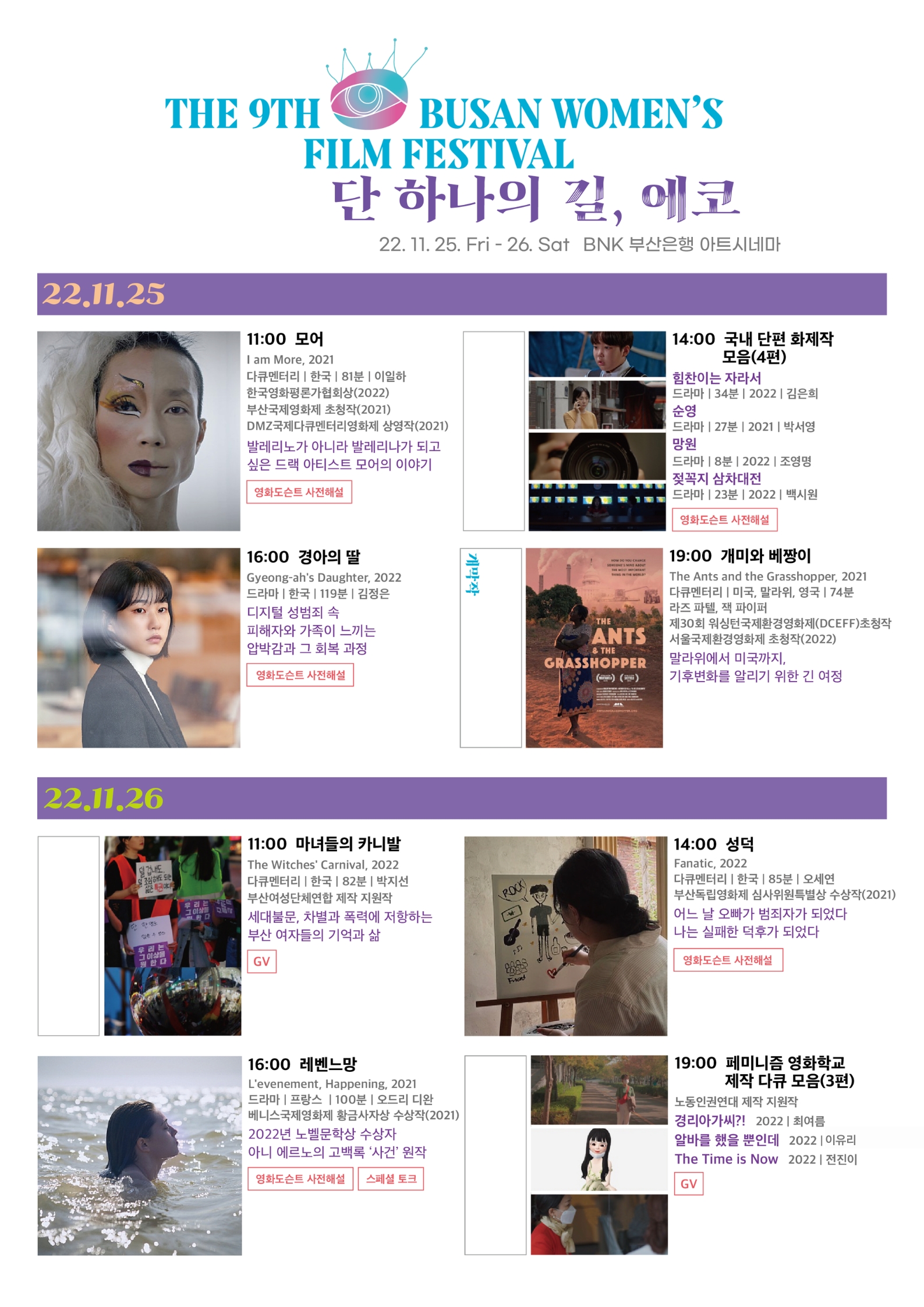
9th Busan Women’s Film Festival to be Held This Friday and Saturday

Estimated reading time: 2 minutes.

Curiously unconcerned about consulting with me first (I know, right?), the organizers of the Busan Women’s Film Festival scheduled this year’s event to open on the day of my divorce hearing.

This somewhat complicates my own attendance. But don’t let that stop you!

Obviously if your Korean is good, then you’re spoilt for choice. As for non-Korean speakers though, unfortunately I’ve yet to hear if any of the Korean films will have English (or even hangul) subtitles available, and frankly doubt there will be. (Update: The organizers have confirmed only the two foreign films will have subtitles.)

However, there is the English-language The Ants and the Grasshopper screening on Friday night, and the French-language L’événement on Saturday afternoon. With translation apps or plugins, reserving tickets for either and arranging the bank transfers seem pretty straightforward.

So what are you waiting for? ;)

If you reside in South Korea, you can donate via wire transfer: Turnbull James Edward (Kookmin Bank/국민은행, 563401-01-214324)

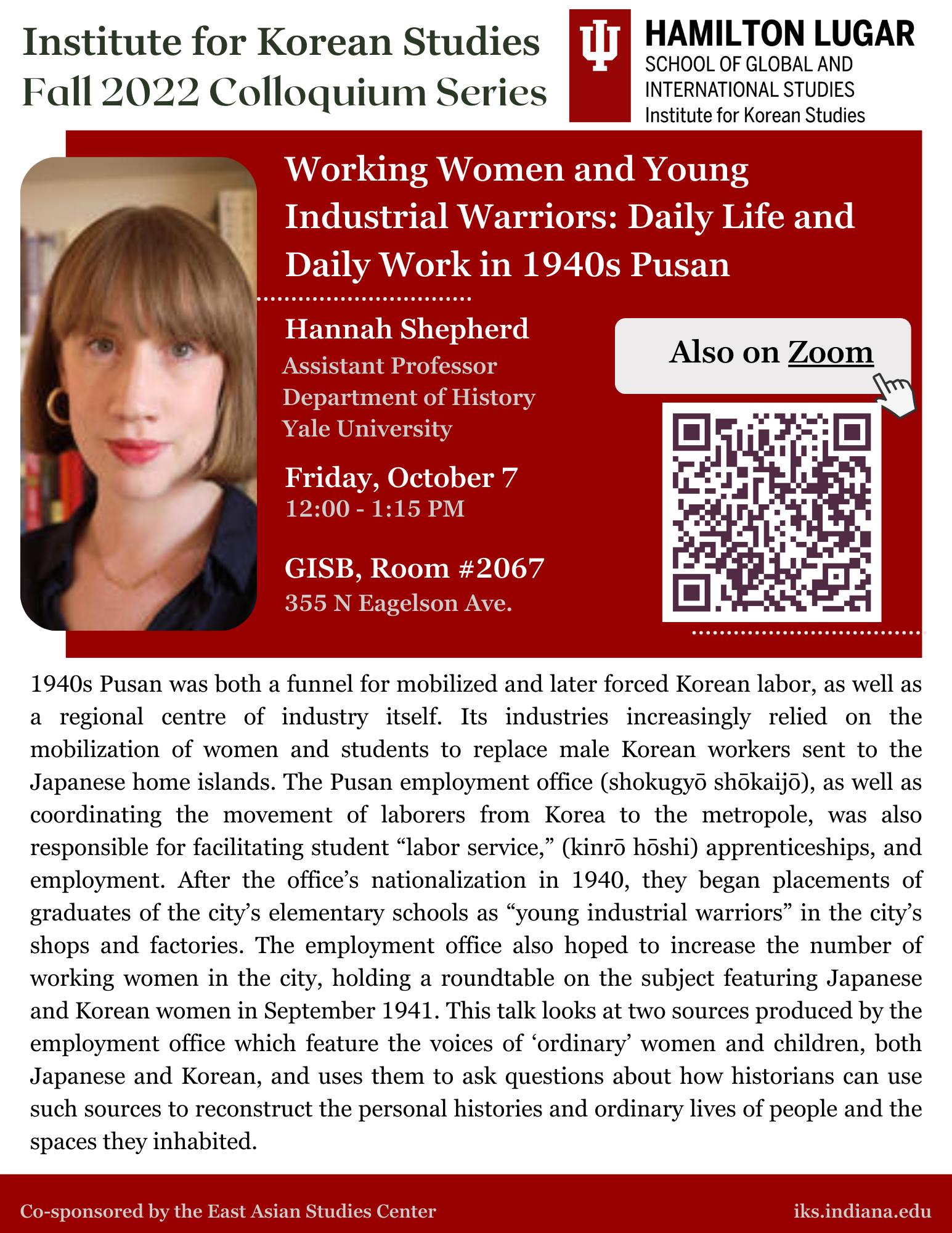
ZOOM TALK: “Working Women and Young Industrial Warriors: Daily Life and Daily Work in 1940s Pusan,” Fri 7 October 7pm (EST)/Sat 8 October 1am (KST)

Estimated reading time: 2 minutes. Source: Institute for Korean Studies at Indiana University @Facebook.

(Please see the Institute for Korean Studies for further information, contact details, and registration link.)

From now on, I’ll be posting information here about every upcoming Zoom talk I’ll be attending personally. And this particular one, how could I not shout from the rooftops about it, despite its horrible hour? Not only is it a rare one for focusing on Busan, my home for two decades, but it also covers wartime Korea. Which in hindsight, is a period I’ve severely neglected, sandwiched as it were between the Modern Girls and New Women of the 1920s and 1930s and the birth of Modern Korea.

Meanwhile, for information about any further upcoming Korea and East Asia-related public Zoom talks, I have to recommend Pusan National University professor CedarBough Saeji, who makes a real effort to inform everyone about as many as she can through her Twitter account. To make sure you don’t miss out, please follow her there @TheKpopProf.

Related Posts:

If you reside in South Korea, you can donate via wire transfer: Turnbull James Edward (Kookmin Bank/국민은행, 563401-01-214324)

Why You’re NOT Living in a Feminist City: Two must-reads on living as a single woman in Korea and overseas

Estimated reading time: 6 minutes. Image (cropped) by Sara Aho on Unsplash.

Daily reports of stalking sharply increase after implementation of anti-stalking law“—The Korea Herald, 18/11/2021.

When I read that, I happened to be in a coffee shop next to Remark VILL, an expensive serviced apartment building in Busan. Last year, I highlighted the owner’s sexist, infantilizing advertising campaign, which featured then 32 year-old actor Im Se-mi enthusing about being able to rely on maintenance staff to change her lightbulbs and unblock her toilet instead of her father, as well as showing us how eager she was to lose her virginity to the male guests she could now invite. (Yes, really. Maybe there’s a good reason those commercials are no longer available.) But while I did have to acknowledge the attraction of and dire need for the security services Remark VILL’s buildings offered their female residents, I also pointed out they represented yet anotherpink tax,” which most single women simply couldn’t afford. And I have to highlight them again today too, for the exquisite coincidence of what I then read next in Feminist City: Claiming Space in a Man-made World by Leslie Kern (2020, pp. 164-165), which I’d gone to that coffee shop to finish:

“In my research on gender and condominium development in Toronto, I found that developers and real estate agents enthusiastically marketed condos to women with the idea that the 24-hour concierge and security staff, as well as technical features such as handprint locks, CCTV, and alarm systems, made condos the safest option for women living downtown. These features were highly touted when condos were arriving in ‘up and coming’ neighbourhoods that had previously been stigmatized or seen as abandoned, industrial areas. I argued then that by making condos ‘safe’ for women, developers were smoothing their path to expansion into neighbourhoods that might otherwise have been risky real estate investments. This expansion certainly wasn’t going to make life any safer for the women who would be displaced by this form of gentrification. Nor does it tackle domestic violence in any way. Furthermore, asking women to ‘buy’ their safety through condo ownership contributes to the trend of privatization, where people are held responsible for their own well-being, even their safety from crime. Making safety a private commodity in the city means that it becomes less and less available to those who lack the economic means to secure themselves. This is certainly a long way from an intersectional feminist vision of a safer city for women.”

“We may not know exactly what a safe city looks like, but we know that it won’t involve private safety measures. It won’t rely on the police to prevent or adequately investigate crimes. It won’t throw sex workers, people of colour, youth, or immigrants under the bus to create the appearance of safety. It won’t be centred on the needs and desires of privileged white women. And it won’t expect physical changes to undo patriarchal dominance.”

My apologies for the white lie of the post title: by no means is Kern only or even mainly concerned with single women in her book, with Korea—as in Seoul—only getting a total five lines in it. Critics also tend to agree on two glaring flaws: her focus on the Global North, and her lack of solutions to the many problems she outlines. Yet her narrow focus can also be considered a strength: personally, I enjoyed that her book is so firmly rooted in her own experiences in Canada and the UK as, variously, a girl, university student, mother, divorcee, single-parent, and feminist geographer, for she brings a lot of wit, personal anecdotes, and insights to those experiences that you sense would be lacking about subjects less close to home. In addition, she is at great pains throughout to point out that her cishet, middle-class, and white privilege mean ethnic, racial, and sexual minorities can have very different experiences to her, as well as to expand upon those.

Even without the coincidence at the coffee shop that threw my own objectivity out the window, it’s an easy, eye-opening, and thoroughly enjoyable read overall, which would appeal to both newcomers to the dreaded F-word and diehard urban activists alike. It should also be required reading for the (overwhelmingly) male architects, urban planners, and city councilors who generally take their own urban lives as the default norm—and so have no idea how inconvenient, difficult, ill-suited, and even dangerous their policies can be for the very different lives of female residents of their towns and cities.

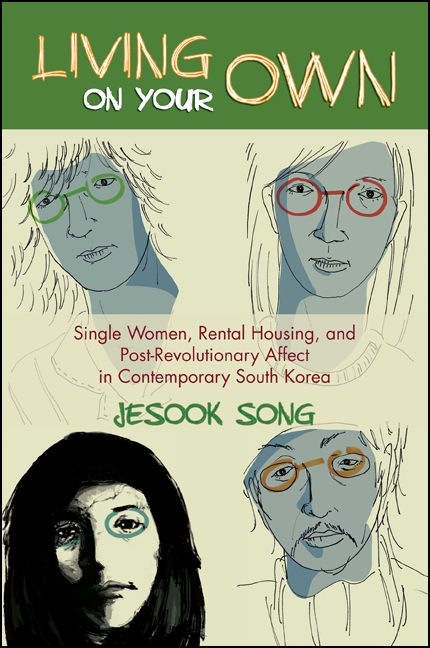
If you would like something more specifically about single Korean women though, then consider Living on Your Own: Single Women, Rental Housing, and Post-Revolutionary Affect in Contemporary South Korea by Jesook Song (2014), based on interviews of 35 single women in late-20s to late-30s.

Actually, this may be a tough sell once you realize those interviews were conducted in 2005-2007; since then, Korea’s single household rate has skyrocketed, a massive demographic shift that has potentially radically transformed many of the issues that Song describes. The book is also especially frustrating for being, well, just too damn short, with less than a hundred pages of actual chapters. In particular, it lacks one on navigating sex and relationships outside of marriage, which would have been invaluable in an era when, thanks to the stigma and fear of being caught engaging in either, other academic researchers had difficulty finding any interviewees at all. Another valid criticism is that her interviewees are unrepresentative, all of them being self-selecting, all remaining unmarried by choice rather than because they lacked the means, 90 percent of them being former activists, and with a significant minority identifying as lesbian. Hence, when compared to their contemporaries, there’s the uncharacteristic strength of their shared wherewithal and inclination to brave living alone at a time when that often led to being ostracized—which Song herself recognizes.

However, she does cover sex and relationships in passing. In addition, given how “stubbornly” unmarried 30-something women are generally considered “difficult” by their families, society, and policymakers alike, with their wants and needs easy to ignore, that Song has provided material on a group so often rendered voiceless and marginalized is reason alone to order the book in my view. But its main strength is how, by (explicitly) providing such a rare examination of what a hitherto abstract concept like “developmental state” means for ordinary people on the ground, she demonstrates how the Korean state’s goals, filtered through the lenses of familial and societal patriarchy, resulted in pervasive financial discrimination against women. So convincing is she of its huge scale in fact, that actually I’m not at all convinced that aspect of single Korean women’s lives has “radically transformed” at all in the 15 years since Song’s interviewees told her about its impacts on them.

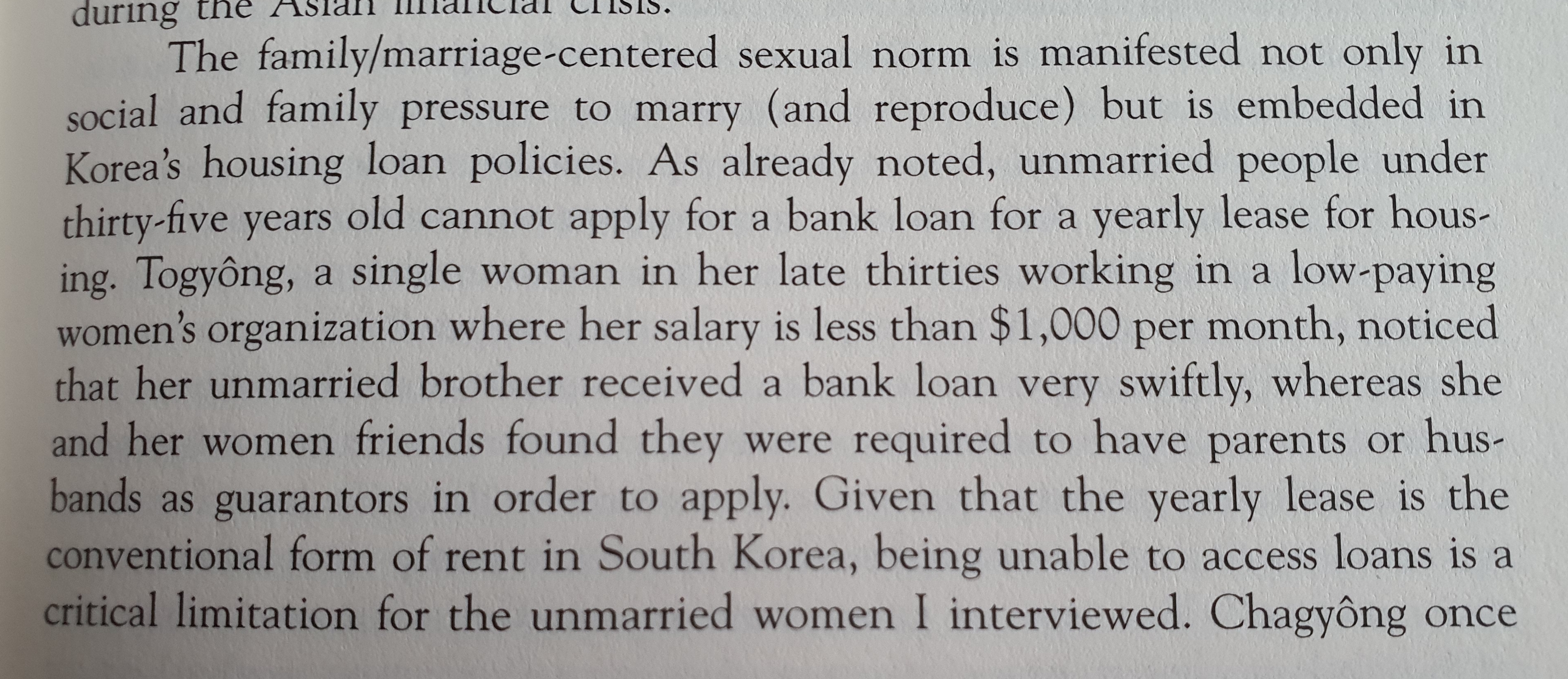
Let me finish with some examples from pages 43-44 of the second chapter, described by one recent reviewer as “discuss[ing] the economic structure that marginalizes single women in trying to finance the lump sum required to secure decent housing. Young single women were excluded not only from official financing measures, driven by neoliberal restructuring, but also conventional informal financing. She also illustrates how cultural gender norms are reflected in loan conditions that only cater for heterosexual married couples, making securing housing even harder for single women”:

Sorry (not sorry) for not having an e-book to copy and paste from, but those are available. Meanwhile, I bought my physical copy from Aladdin in Korea, for about the same price as from publisher Suny Press.

Related Posts:

If you reside in South Korea, you can donate via wire transfer: Turnbull James Edward (Kookmin Bank/국민은행, 563401-01-214324)

Roundtable Discussion: “Anthropology, Feminism, Korea.” Busan National University, Friday, 2-3:30pm.

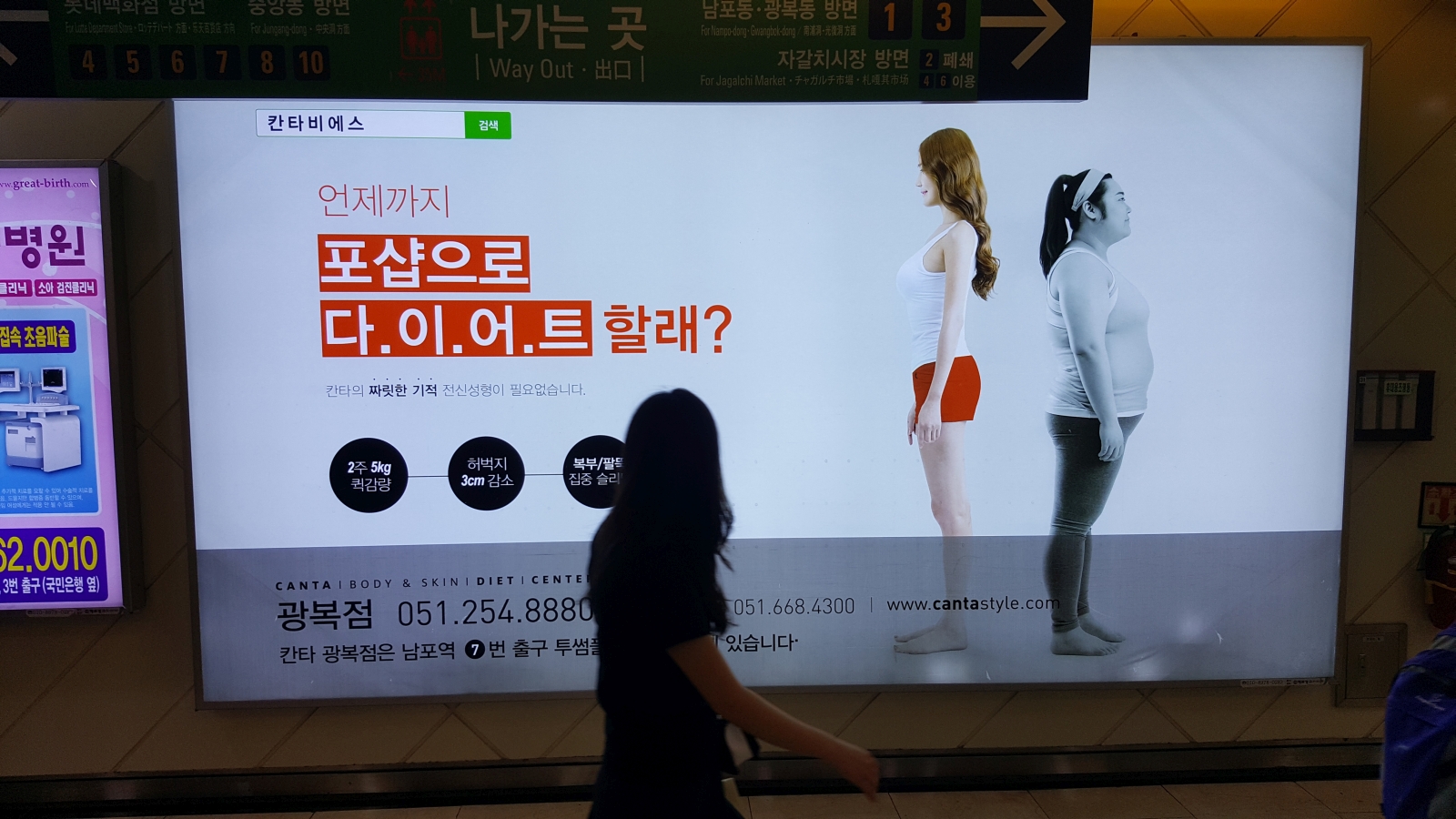
korean-diet-clinic-advertisement-nampo-dong-busan-august-7-2016(Nampo-dong, Busan, August 2016)

Sorry for the slow posting everyone. It’s been a tough semester, I’ve had many colds, and my daughters have been demanding to play Stardew Valley on my computer most evenings. But my students did their final exams today, which means I just have grading and some paperwork to complete now. So, I’m about to get stuck-in to a backlog of roughly 20-30 blogposts.

First though, I absolutely have to attend Friday’s workshop at Busan National University, with special guests Olga Fedorenko and Bonnie Tilland. Frankly I’m unfamiliar with Bonnie’s work, but I intend to remedy that before the event, and am looking forward to meeting her, as well as many other Korea-Studies figures I’ve only ever met online. Olga probably needs no introduction to readers of this blog however, and you may also recognize her as the writer of the recent “Open Letter to the Student Who Harassed Me” too.

Please see the Facebook event page for further details. And say Hi if you see me on Friday! :)

“She Accused Me With Her Eyes”: The Sexual Politics of Skirt Length on Korean Subways

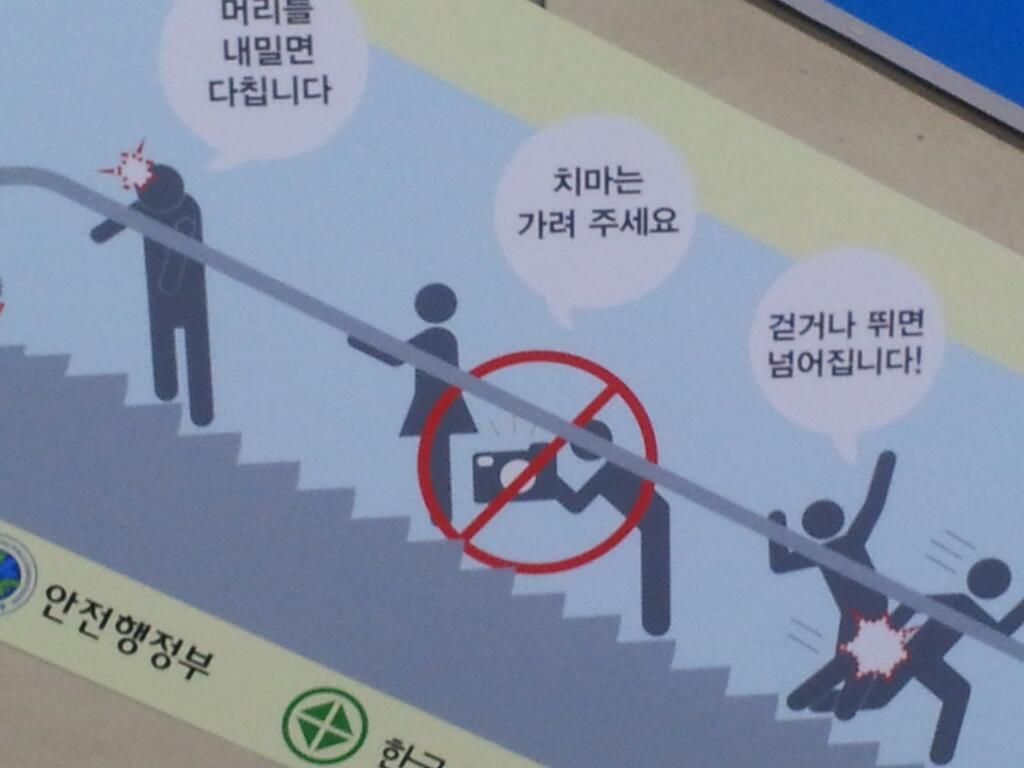
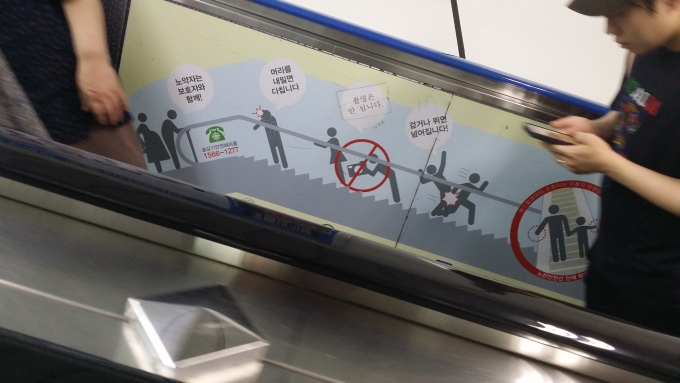
Remember this picture from a Seoul subway escalator, from last year?

치마는 가려 주세요Source: 허지은@limpidlimpid

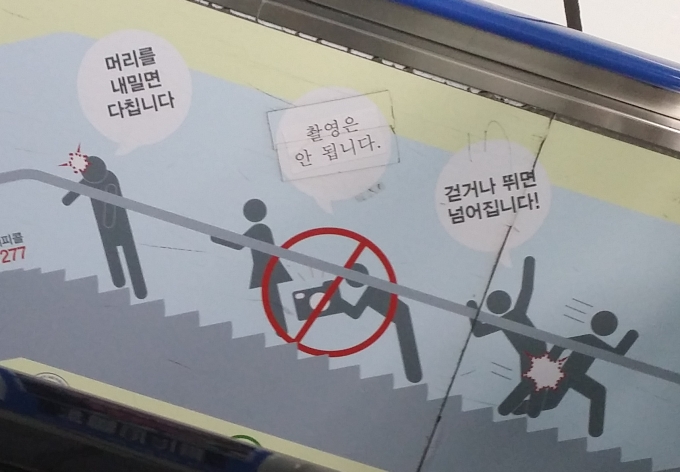
For those of you who can’t read Korean, the text accompanying the center image read “Please cover your skirt.” Which seemed to blame the victims of upskirt photos, rather than those who took them.

What’s more, even covering up can be a problem too. Because, as Hwang So-yeon of OhmyNews explained in March, apparently that can really upset some men’s delicate sensibilities:

…백번 양보해 범죄예방 차원에서 치마를 가린다고 해도 또 다른 문제에 봉착한다. ‘마치 뒤에서 올라가는 사람을 치한·변태·성범죄자 취급한다’는 사회적(?) 압박에서 자유로울 수 없기 때문이다.

…even if for the sake of argument, we allow that women do have cover up their skirts, they still face the constant fear that the men following behind them may be deviants or rapists.

치마를 주로 입는 여성들에게 씌워지는 잣대 역시 문제가 된다. “아니, 저 사람은 치마를 입고도 가리질 않네, 경박해라”와 “아니, 왜 내가 뒤에 있는데 치마를 가려? 나를 치한으로 보는 거야 뭐야?” 등의 시선이 동시에 여성을 옭아맨다. 치마를 입은 사람들이 뒷모습을 가리는 것이 아무렇지 않게 받아들여지는 것은 기대하기 어렵다. 가리지 않는 것도 마찬가지다.

Yet while women who wear short skirts are also pressured by people saying things like “That woman isn’t covering up, how trashy”, at the same time they face accusations like “Why is she looking at me like that, for standing behind her? Does she think I’m a pervert?”. It’s hard for women to live up to such conflicting standards and expectations.

이는 온라인에서 이미 오래된 논란 중 하나다. “나를 치한이나 변태·범죄자로 보는 기분”이라며 불쾌해하는 사람들이 많다. 물론 앞에 가는 사람이 뒷사람을 치한 취급하는 듯한 말을 한다면 기분 나쁜 건 당연하고, 나아가 항의도 할 수 있다. 그러나 정말 치마를 가리는 게 뒷사람을 모욕하는 일일까. 대화도 아닌, 단지 행위만으로 ‘일면식 없는 사람들을 무안주는 일’이라고 판단할 수 있는 근거는 어디에 있는지 의문이다.

This has been a long-standing point of controversy online, as some men feel uncomfortable by women covering themselves up in front of them. Of course, if women do treat the men around them as such, and go so far as to verbally accuse them of being perverts, then the men will be upset and complain. However, is just the act of women covering up really so offensive? You really have to ask why something so innocuous could make some men so angry.

나 역시 이 도식을 보고 치마를 가려야 하는 것 아닌가라고 판단했다. 그러나 곧 내 잘못도 아닌데 왜 치마를 가려야 하며, 더 나아가 ‘치마를 가리든 말든 무슨 상관인가’라고 생각했다. 둘 모두 개인의 선택이며, 모두 누군가에게 피해를 주는 행동이 아니다. 애초에 ‘어그로'(짜증 나는 행위를 하는 상대방에게 위협수준을 높인다는 뜻의 인터넷 용어)가 되지 말아야 할 이야깃거리가 바로 ‘치마 가리기’다.

At first, [when I considered this sign], I thought women should indeed cover up. But then I started thinking, “[People’s problems with it] are not my fault, so why should I?”. And, furthermore, “Who cares if women cover up or not? It’s a personal choice, and, whatever they decide, neither choice harms anyone.” So, really, this shouldn’t be an issue at all.

여성이 경험하는 이런 동시성은 에스컬레이터 벽에 붙은 문구와 다르지 않다. ‘치마 속을 촬영하는 것은 범죄지만, 일단 치마를 입은 사람이 나서서 가려야 한다’는 논리가 그렇다. 치마를 가리는 여성에 대한 왜곡된 시선은 ‘범죄는 스스로 예방해야 하지만 내 기분 나쁘지 않게 치마는 적당히 가려달라’는 어투의 연장선이다. 치마를 가리는 일도 어렵지만, 이 모순된 시각 속에서 행동을 결정해야 하는 과정은 더욱 어렵다.

These conflicting standards women are faced with are no different to those underlying the controversy surrounding this sign. So, while it’s a crime to take upskirt pictures, it’s women who are wearing skirts that should cover up? That’s part of the same view that women who don’t cover up are trashy, yet at the same time should never cover up so as to make a man feel accused as they do so.

Covering up can be certainly be uncomfortable and inconvenient. But it can be even more so just trying to figure out what is right to do! (end)

치마는 가려 주세요 A4Source: Olive@spinach_olive

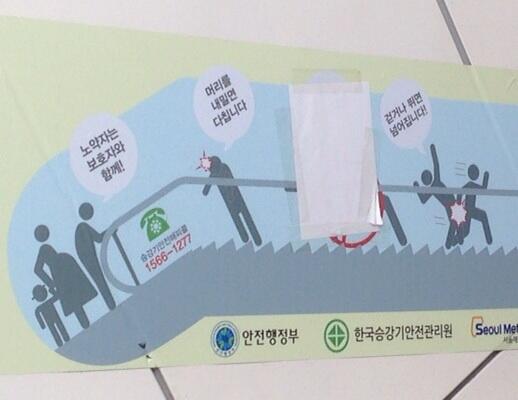
Meanwhile, for those of you who were wondering what happened to them, a couple of months later the Segye Ilbo explained that in most Seoul subway stations the offending image and text had been covered with A4 paper. It also added that:

…이에 대해 안행부 관계자는 “에스컬레이터 안전 홍보물을 제작하면서 불법적인 촬영을 하지 말라는 취지로 만든 것인데 표현이 부적절했다”며 “문구가 잘못됐다는 것을 인지하고 ‘촬영은 안 됩니다’로 수정하기 위해 잘못된 부분만 따로 다시 제작하고 있다. 며칠 내로 수정하겠다”고 해명했다.

…An official from the Ministry of Government Administration and Home Affairs said, “Our intention was to make people aware that it is illegal to take upskirt pictures, but the accompanying text was unwisely chosen. The signs will be changed to ‘No pictures allowed’ in a few days.”

안행부에 따르면 이 홍보물은 지난해 12월 산하기관인 승강기안전관리원이 200장 가량을 제작했다. 이후 지하철을 운행하는 전국 광역도시 지하철공사에 배부해 주요 에스컬레이터 벽면에 부착했다.

According to the Ministry, 200 copies of the sign were made in December 2013 by the Korea Elevator Safety Institute, and distributed to cities with subways all over Korea. (end)

Don't Take Upskirt Photos Busan SubwayAnd which brings me to why I’m suddenly talking about this sign over a year later: I was leaving Seomyeon station in Busan recently (Exit #9, if you’re curious), and noticed the changed version above. It was actually the first time I’d seen the sign in person, which I’d assumed had only been distributed around Seoul.

Don't Take Upskirt Photos Busan Subway -- Close-upHave any readers also noticed the changed signs? Or originals that subway staff didn’t get around to? Please let me know in the comments. I’m also curious if men being offended by women covering up in front of them is really a thing, or if you feel that Hwang So-yeon was exaggerating. Have any of you ever encountered such attitudes in Korea, or elsewhere?

Update: To clarify, I’m not talking about simple misinterpretations of men’s gazes by women, which of course do happen, and which, like me, I’ll assume most guys just shrug off. If (some? many?) Korean women are so worried as to not want to offend men by covering up in front of them however, as Hwang So-yeon claims, then I’m guessing that a vocal minority of Korean men aren’t shy about complaining about false accusations of ogling, nor in exaggerating their frequency.

Either way, note that the sign was still well-motivated, as the numbers of cases in Seoul have been increasing rapidly in recent years, as explained by Hwang So-yeon below; also, subway sex crimes in general, of which these upskirt photos make up about a third. However, the increase may also reflect greater policing, awareness, and willingness for victims to come forward:

…서울지하철이 걱정해야 할 정도로 치마는 위험한 옷차림일까. 계단이나 에스컬레이터 아래에서 카메라로 촬영하는 사람들이 당국의 골칫거리이긴 한가 보다. 지하철 역사 내 ‘도촬’ 범죄는 증가 추세에 놓여 있다. 몰래 카메라 성범죄 발생 건수는 2009년부터 807건(검거 인원 716명)에서 2010년 1134건(1051명), 2011년 1523건(1343명), 2012년 2400건(1816명)으로 꾸준히 증가했다. 지난해 8월 말 기준으로는 2766건(1816명)의 몰래카메라 촬영 성범죄가 발생했다.

…Are short skirts so provocative and dangerous that Seoul subway companies have to worry about? It is true that people taking upskirt pictures on escalators and stairs are an increasing source of concern for authorities. The numbers of people being caught for it have been steadily increasing. In 2009, there were 807 cases perpetrated by 716 people; in 2010, 1134 by 1051; in 2011, 1523 by 1343; in 2012, 2400 by 1816; and; up to August 2013,  2766 by 1816.

(Hat tip to Suzy Chung, whose tweet about the original sign first alerted me to the controversy last year.)

Update: The Economist covers a similar case on the Beijing subway in June 2012.

If you reside in South Korea, you can donate via wire transfer: Turnbull James Edward (Kookmin Bank/국민은행, 563401-01-214324)
Busan Drag Prom This Saturday!

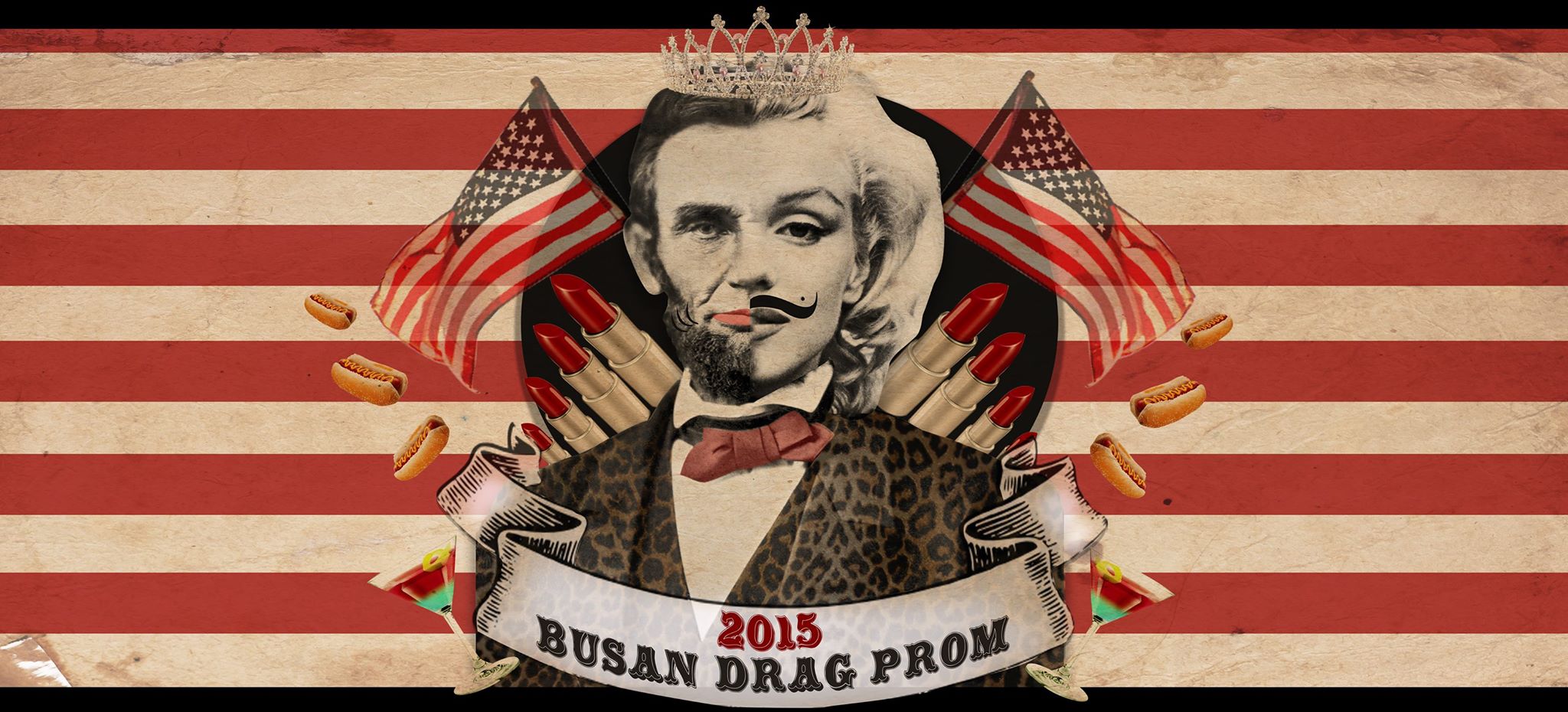
2015 Busan Drag PromSee the Facebook event page or community page for the details (English and Korean). All proceeds to go to ISHAP, an amazing human rights group who provide anonymous and free HIV, AIDS and STI testing; and Queer in PNU, Busan’s first university founded LGBT human rights group, who strive to make the city a safer and brighter place for at-risk gay youth.

I’ll be there again, and mingling. So please make sure to say hi! ;)
Searching for Storytellers for Naughty Storytelling Event

bawdy storytelling(Sources, edited: Left, “Meet Again” by Kimiaki Yaegashi, available at Thumbtack Press; Right, This Danielle Brown Page)

I’ve been asked to pass on the following:

Searching for Storytellers for Naughty Storytelling Event

Are your friends always telling you how they look forward to hearing your crazy stories? Are you a fan of The Moth or Risk and have always wanted to get up on stage and tell a true story? Now’s your chance! In mid-October, I’m hosting a naughty storytelling event called The Naughty Yarn at HQ Bar in the Kyungsung area of Busan. I’m looking for people to tell true stories themed around sexuality or dating. Naughty storytelling is a sex-positive event and meant to embrace and playfully examine the ways we navigate our sexual lives. This show is not an open mic; I’m taking story pitches and am looking for eight to ten performers for the evening. If you’re interested, your story must:
*
  • Be true (this is storytelling, not erotica!)
  • Have a narrative arc (no rambling or anecdotes!)
  • Be eight minutes long at the maximum
If you think this is something you’d like to do, please send a short paragraph or two giving a summary of your story to thenaughtyyarn@gmail.com. Thanks!
*

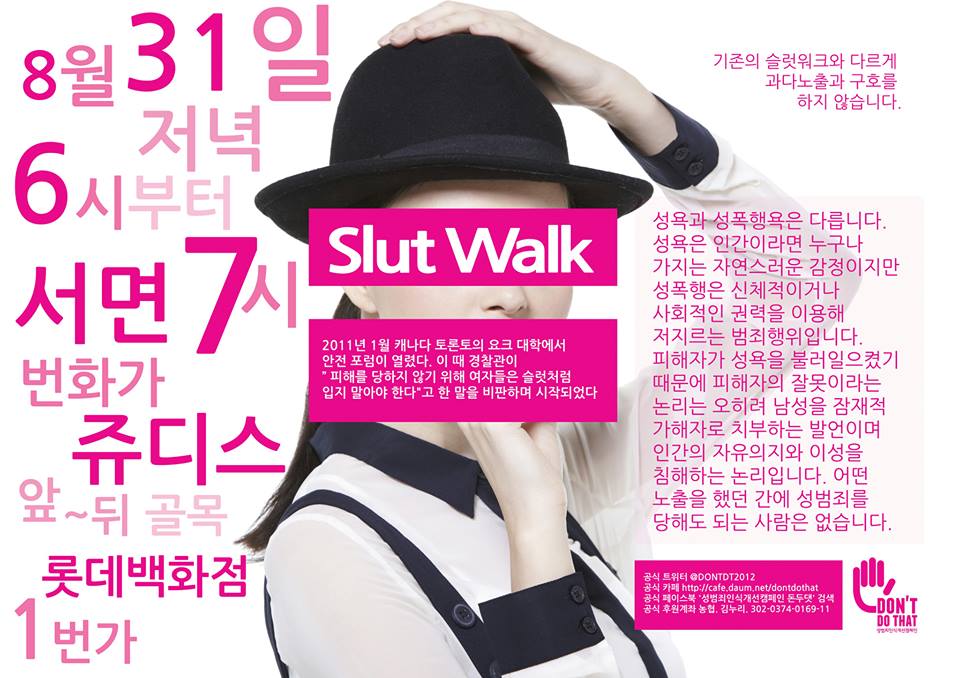
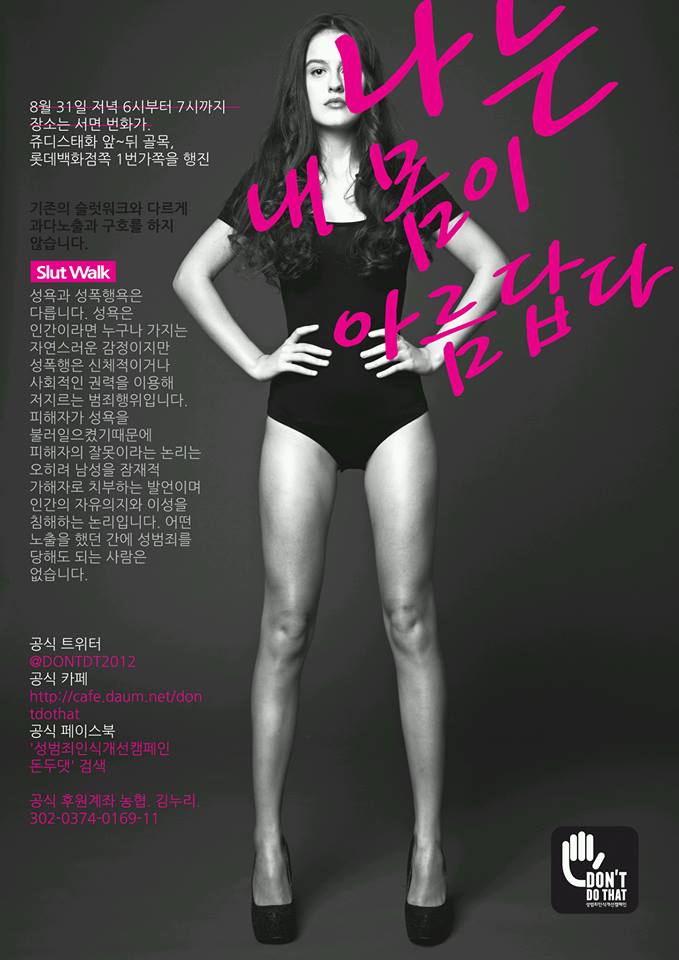
Busan Slutwalk, Sat Aug 31, 6-7PM, hosted by Don’t Do That

Busan Slutwalk 2013 Flyer 1

Update: I’ve just been informed that Slutwalk Korea and Don’t Do That are very different organizations, and that the latter — the organizers of Saturday’s event — advocate wearing more conservative dress than in regular slutwalks, arguing that participants who wear racier costumes run the risk of being charged with indecent exposure, and that toning things down would be more appropriate for a first event in Busan. Nevertheless, they accept short miniskirts, hotpants, croptops, and whatever slogans participants wish to write on placards.

Apologies if I’ve inadvertently misrepresented either organization, and I’ll update readers if any new information becomes available. Alternatively, please also check Korean Gender Café or Don’t Do That’s (Korean) Twitter feed.

Update 2: The Korea Times discusses the disagreements between the two organizations here, saying Slutwalk Korea has accused Don’t Do That of slut-shaming itself in its emphasis on conservative dress. I don’t know enough about either organization to comment sorry, but wager that any such accusation will have been greatly exaggerated to better fit the snarky tone of the article.

Original Post:

Reblogged with permission from Korean Gender Café:

Don’t Do That Campaign welcomes you to participate in a slut walk

I had a great chat today with organizers of Don’t Do That (성범죄인식개선캠페인 돈두댓), a campaign to change mindsets about sex crimes. The group is organizing a slut walk campaign in Busan and Seoul. I translated the information below and hope that readers will share it widely.

Don’t Do That is a voluntary group that comes together to raise awareness about sex crimes. Their site offers a lot of information and is a great resource.

Event in Busan:

On Saturday, August 31, 2013, 6PM ~7PM there will be a slutwalk hosted by the Don’t Do That (성범죄인식개선캠페인 돈두댓) Busan Team.

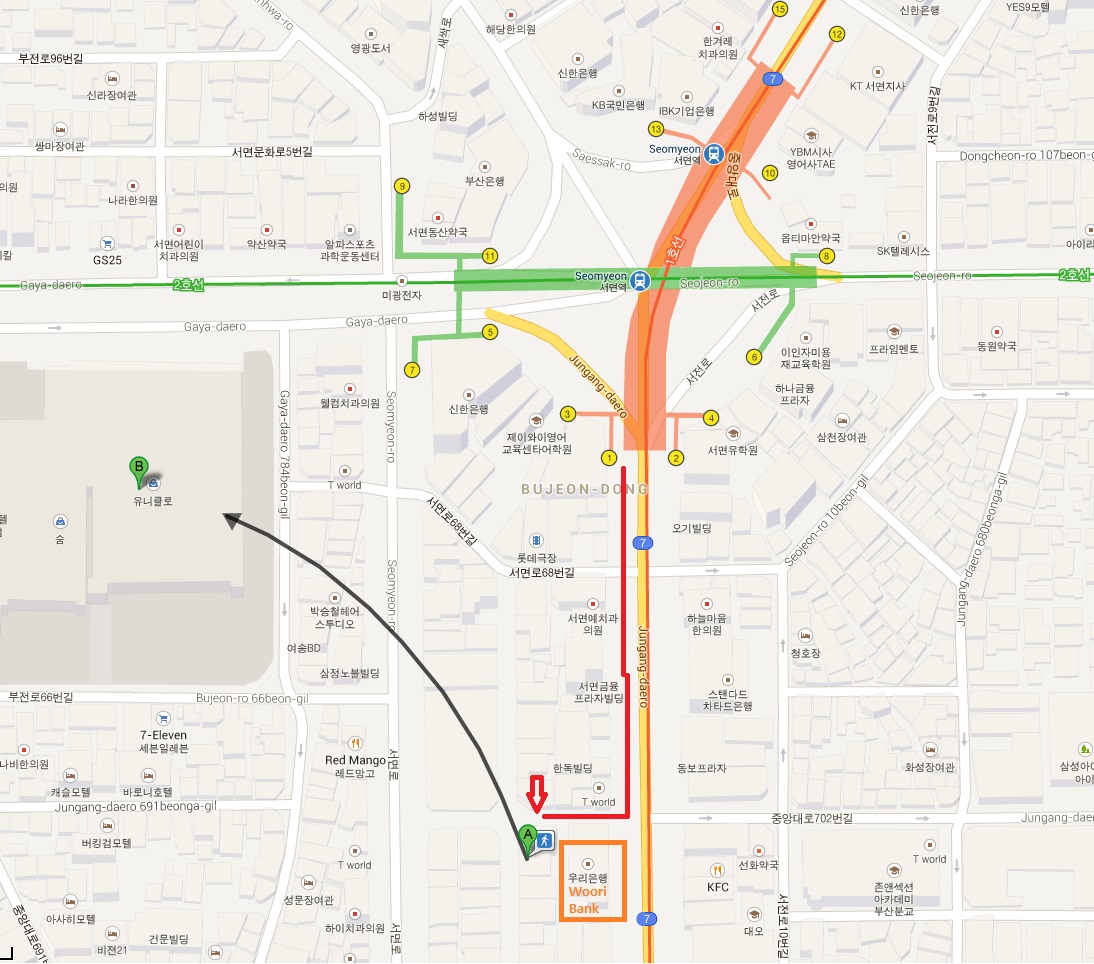
The walk will take place near Bujeon-dong, Seomyeon Subway Station (Line 1 & 2), Exit 1.

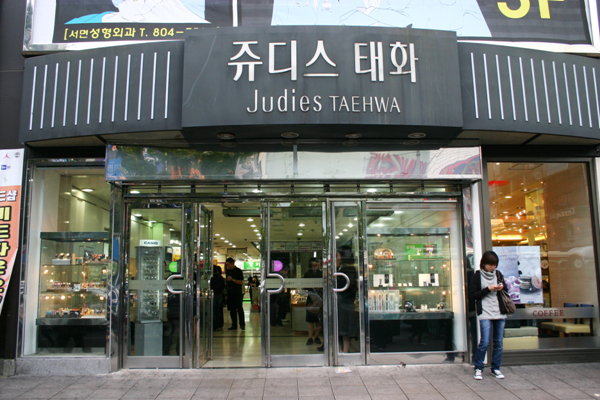
Participants will meet at the ally next to Judies Taehwa and march toward Lotte Department store. Please see the map below and spread the word~

For additional information about this event, please contact organizers via KakaoTalk ID jinamarna or via Facebook.

Here is a little map I made of the area in Busan where the slut walk will take place:

Busan Slutwalk 2013 MapThis is an image I found of Judies Taehwa storefront, participants will meet nearby at 6PM:

Judies Taehwa BusanFor more information about Don’t do that (성범죄인식개선캠페인 돈두댓) please check them out on Facebook, Twitter, and Daum Café.

Please share the flyers below (James — I included one as the opening image):

Busan Slutwalk 2013 6PM Flyer 2

Busan readers, if you attend the event, I would really love to hear about it~ I wish I could make it out this time, but I can’t. Please share this event and support the cause.

Readers in Seoul, I will be sure to provide similar translation/map when I hear from the Don’t Do That Seoul Team.

Another group that may interest readers is Slutwalk Korea. Slutwalk Korea organized the first slutwalk movement in Asia in early 2011. They launched a number of events in global solidarity with the slutwalks that started in Toronto and all over the world that year. They have also hosted global solidarity events for Pussy Riot and on March 8, 2013 for International Women’s Day. They have a great Twitter feed and regularly post information related to sexual violence or slutwalk-type events in Korea ( I learned about Don’t Do That from a Slutwalk Korea Twitter post).

Posted by

(See here for a write-up of the 2011 Seoul event by Roboseyo, or the “잡년행진” tag and “Rape” and “Sexual Harassment” categories for related posts on this blog)

Update 3: Here’s a report of the event, written by one of the participants.

Radio Interview on Gay Marriage Tonight, 7pm

Cyndi Lauper 2010(Source)

In a few hours I’ll be on Busan e-FM’s Let’s Talk Busan again, this time talking about gay marriage. You can listen on the radio at 90.5, online here (please note that you’ll have to download Windows Media Player 10 first), or via an archived version here later in the week.

For any readers who didn’t already know, I’m all for it, although I’m not very confident about seeing the issue on the political radar in Korea for at least another 15 years, and actual law changes not for another 15 after that. But I’ve often noted the extraordinary pace of change in Korean society too, so here’s hoping I’m proven wrong!

Have a Queer Weekend~!

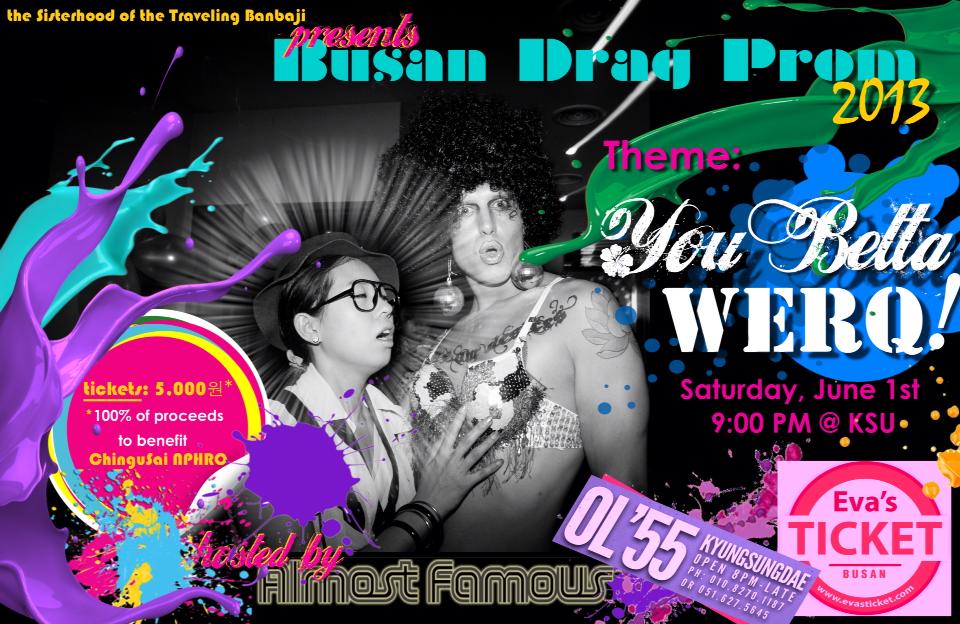
Busan Drag Prom 2013(Source)

To those of you in the south of the country, I hope to see you all at Busan’s Second Annual Drag Prom this Saturday night, which promises to be a much bigger event — at 3 locations instead of just 1! — than last year’s. (Seriously, please say hi!) Check out Busan Haps or the Facebook event page for further details, and please note that you absolutely don’t have to wear costumes to attend!

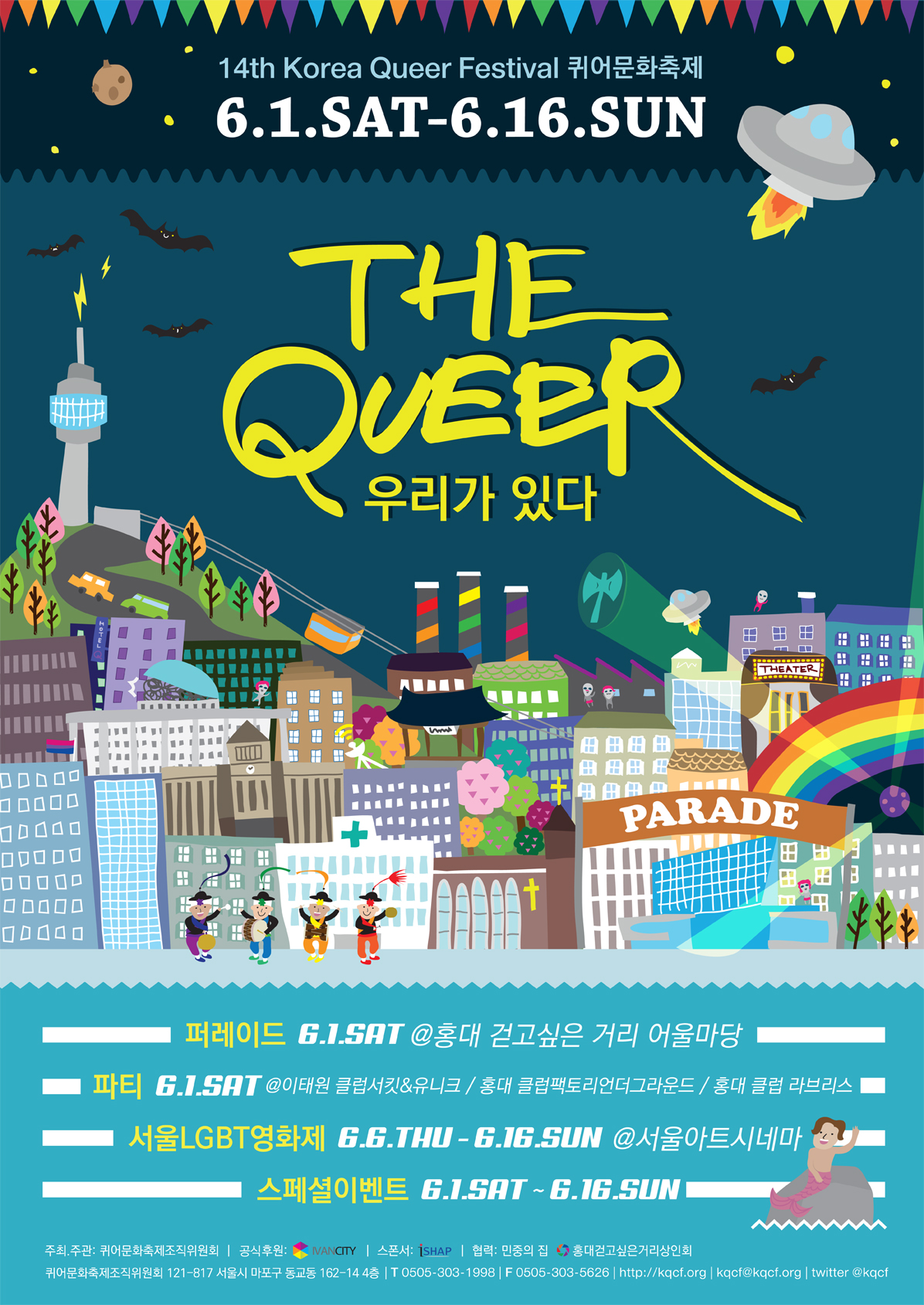
(Source)

Meanwhile, for those of you up north, the 14th Korean Queer Festival also starts this weekend, with various events spread over the next 2 weeks, including a parade on Saturday and the Seoul LGBT Film Festival starting on Thursday. See 10 Magazine, the Facebook event page, or the Korean Queer Festival website for further details.

Taeyeon Drag Queens(Source)

Speaking entirely too frankly, I’d just *ahem* love to dress like this at the drag prom, especially like him/her on the far left. But, alas, I’m just too attached to my goatee to shave it off, and besides which don’t have any wigs (nor, indeed, a mini-skirt)…

Radio Interview on Korean Cosmetic Surgery Tonight, 7pm

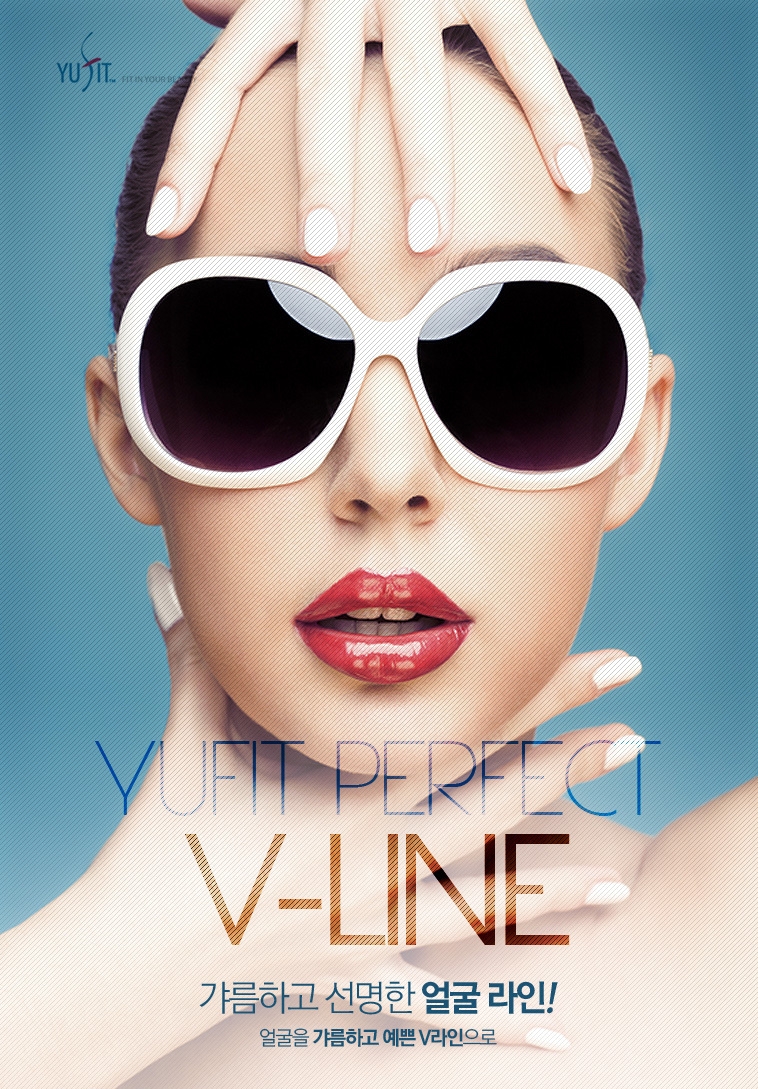
(Source)

Tonight at 7pm I’ll be on Busan e-FM’s Let’s Talk Busan again, this time talking about Korean beauty standards and cosmetic surgery. You can listen on the radio at 90.5, or online here (please note that you’ll have to download Windows Media Player 10 first), and I’ll add a link to the archived version once it becomes available.

Sorry to those of you who tuned in 2 weeks ago, only to hear me speak for just a couple of minutes in total: 7 guests was far too many. But I’m happy to report that there’ll just be 3 of us this time!