For those of you who can’t read Korean, the text accompanying the center image read “Please cover your skirt.” Which seemed to blame the victims of upskirt photos, rather than those who took them.
What’s more, even covering up can be a problem too. Because, as Hwang So-yeon of OhmyNews explained in March, apparently that can really upset some men’s delicate sensibilities:
…백번 양보해 범죄예방 차원에서 치마를 가린다고 해도 또 다른 문제에 봉착한다. ‘마치 뒤에서 올라가는 사람을 치한·변태·성범죄자 취급한다’는 사회적(?) 압박에서 자유로울 수 없기 때문이다.
…even if for the sake of argument, we allow that women do have cover up their skirts, they still face the constant fear that the men following behind them may be deviants or rapists.
치마를 주로 입는 여성들에게 씌워지는 잣대 역시 문제가 된다. “아니, 저 사람은 치마를 입고도 가리질 않네, 경박해라”와 “아니, 왜 내가 뒤에 있는데 치마를 가려? 나를 치한으로 보는 거야 뭐야?” 등의 시선이 동시에 여성을 옭아맨다. 치마를 입은 사람들이 뒷모습을 가리는 것이 아무렇지 않게 받아들여지는 것은 기대하기 어렵다. 가리지 않는 것도 마찬가지다.
Yet while women who wear short skirts are also pressured by people saying things like “That woman isn’t covering up, how trashy”, at the same time they face accusations like “Why is she looking at me like that, for standing behind her? Does she think I’m a pervert?”. It’s hard for women to live up to such conflicting standards and expectations.
이는 온라인에서 이미 오래된 논란 중 하나다. “나를 치한이나 변태·범죄자로 보는 기분”이라며 불쾌해하는 사람들이 많다. 물론 앞에 가는 사람이 뒷사람을 치한 취급하는 듯한 말을 한다면 기분 나쁜 건 당연하고, 나아가 항의도 할 수 있다. 그러나 정말 치마를 가리는 게 뒷사람을 모욕하는 일일까. 대화도 아닌, 단지 행위만으로 ‘일면식 없는 사람들을 무안주는 일’이라고 판단할 수 있는 근거는 어디에 있는지 의문이다.
This has been a long-standing point of controversy online, as some men feel uncomfortable by women covering themselves up in front of them. Of course, if women do treat the men around them as such, and go so far as to verbally accuse them of being perverts, then the men will be upset and complain. However, is just the act of women covering up really so offensive? You really have to ask why something so innocuous could make some men so angry.
나 역시 이 도식을 보고 치마를 가려야 하는 것 아닌가라고 판단했다. 그러나 곧 내 잘못도 아닌데 왜 치마를 가려야 하며, 더 나아가 ‘치마를 가리든 말든 무슨 상관인가’라고 생각했다. 둘 모두 개인의 선택이며, 모두 누군가에게 피해를 주는 행동이 아니다. 애초에 ‘어그로'(짜증 나는 행위를 하는 상대방에게 위협수준을 높인다는 뜻의 인터넷 용어)가 되지 말아야 할 이야깃거리가 바로 ‘치마 가리기’다.
At first, [when I considered this sign], I thought women should indeed cover up. But then I started thinking, “[People’s problems with it] are not my fault, so why should I?”. And, furthermore, “Who cares if women cover up or not? It’s a personal choice, and, whatever they decide, neither choice harms anyone.” So, really, this shouldn’t be an issue at all.
여성이 경험하는 이런 동시성은 에스컬레이터 벽에 붙은 문구와 다르지 않다. ‘치마 속을 촬영하는 것은 범죄지만, 일단 치마를 입은 사람이 나서서 가려야 한다’는 논리가 그렇다. 치마를 가리는 여성에 대한 왜곡된 시선은 ‘범죄는 스스로 예방해야 하지만 내 기분 나쁘지 않게 치마는 적당히 가려달라’는 어투의 연장선이다. 치마를 가리는 일도 어렵지만, 이 모순된 시각 속에서 행동을 결정해야 하는 과정은 더욱 어렵다.
These conflicting standards women are faced with are no different to those underlying the controversy surrounding this sign. So, while it’s a crime to take upskirt pictures, it’s women who are wearing skirts that should cover up? That’s part of the same view that women who don’t cover up are trashy, yet at the same time should never cover up so as to make a man feel accused as they do so.
Covering up can be certainly be uncomfortable and inconvenient. But it can be even more so just trying to figure out what is right to do! (end)
Meanwhile, for those of you who were wondering what happened to them, a couple of months later the Segye Ilbo explained that in most Seoul subway stations the offending image and text had been covered with A4 paper. It also added that:
…이에 대해 안행부 관계자는 “에스컬레이터 안전 홍보물을 제작하면서 불법적인 촬영을 하지 말라는 취지로 만든 것인데 표현이 부적절했다”며 “문구가 잘못됐다는 것을 인지하고 ‘촬영은 안 됩니다’로 수정하기 위해 잘못된 부분만 따로 다시 제작하고 있다. 며칠 내로 수정하겠다”고 해명했다.
…An official from the Ministry of Government Administration and Home Affairs said, “Our intention was to make people aware that it is illegal to take upskirt pictures, but the accompanying text was unwisely chosen. The signs will be changed to ‘No pictures allowed’ in a few days.”
안행부에 따르면 이 홍보물은 지난해 12월 산하기관인 승강기안전관리원이 200장 가량을 제작했다. 이후 지하철을 운행하는 전국 광역도시 지하철공사에 배부해 주요 에스컬레이터 벽면에 부착했다.
According to the Ministry, 200 copies of the sign were made in December 2013 by the Korea Elevator Safety Institute, and distributed to cities with subways all over Korea. (end)
And which brings me to why I’m suddenly talking about this sign over a year later: I was leaving Seomyeon station in Busan recently (Exit #9, if you’re curious), and noticed the changed version above. It was actually the first time I’d seen the sign in person, which I’d assumed had only been distributed around Seoul.
Have any readers also noticed the changed signs? Or originals that subway staff didn’t get around to? Please let me know in the comments. I’m also curious if men being offended by women covering up in front of them is really a thing, or if you feel that Hwang So-yeon was exaggerating. Have any of you ever encountered such attitudes in Korea, or elsewhere?
Update: To clarify, I’m not talking about simple misinterpretations of men’s gazes by women, which of course do happen, and which, like me, I’ll assume most guys just shrug off. If (some? many?) Korean women are so worried as to not want to offend men by covering up in front of them however, as Hwang So-yeon claims, then I’m guessing that a vocal minority of Korean men aren’t shy about complaining about false accusations of ogling, nor in exaggerating their frequency.
Either way, note that the sign was still well-motivated, as the numbers of cases in Seoul have been increasing rapidly in recent years, as explained by Hwang So-yeon below; also, subway sexcrimesin general, of which these upskirt photos make up about a third. However, the increase may also reflect greater policing, awareness, and willingness for victims to come forward:
…서울지하철이 걱정해야 할 정도로 치마는 위험한 옷차림일까. 계단이나 에스컬레이터 아래에서 카메라로 촬영하는 사람들이 당국의 골칫거리이긴 한가 보다. 지하철 역사 내 ‘도촬’ 범죄는 증가 추세에 놓여 있다. 몰래 카메라 성범죄 발생 건수는 2009년부터 807건(검거 인원 716명)에서 2010년 1134건(1051명), 2011년 1523건(1343명), 2012년 2400건(1816명)으로 꾸준히 증가했다. 지난해 8월 말 기준으로는 2766건(1816명)의 몰래카메라 촬영 성범죄가 발생했다.
…Are short skirts so provocative and dangerous that Seoul subway companies have to worry about? It is true that people taking upskirt pictures on escalators and stairs are an increasing source of concern for authorities. The numbers of people being caught for it have been steadily increasing. In 2009, there were 807 cases perpetrated by 716 people; in 2010, 1134 by 1051; in 2011, 1523 by 1343; in 2012, 2400 by 1816; and; up to August 2013, 2766 by 1816.
First up, I wouldn’t usually make an announcement about an event in far-off New York, but I have no hesitation in making an exception for friend and fellow Korean Popular Culture Reader contributor Dr. Olga Fedorenko, who’s lecturing at the Korea Society on Tuesday evening. As the FB event page and Korea Society website explain:
Advertising in South Korea is often referred to as a “flower of capitalism.” Rather than calling attention to the inherent links between commercial advertising and capitalism, this clichéd metaphor presents advertising as a wholesome, creative medium of public good and positive contribution to society. South Korean’s consume advertising as a product of popular culture and celebrate it for the humanist societal ideals it often promotes, instead of viewing it as an intrusive commercial message. Dr. Fedorenko explores the origins of such attitudes toward advertising through some notable contemporary examples, and considers challenges of using advertising for public good in the twenty-first century South Korea.
As I type this I’m unsure if her lecture will be recorded unfortunately, but it probably will—most Korea Society lectures are made into podcasts, and increasingly online videos are provided too. Either way, I’ll provide a link once her’s is/are ready later this week.
Update: Here is the video. It is also available as a podcast here or here.
Many smart peopleloathe the word “problematic.” Others, because it’s “frequently used in progressive political settings among White People of a Certain Education,” or because they think they’re the best judges of what the rest of us should concern ourselves with. And maybe they have a point. I do often use the word; I am indeed White; I’ve had a “certain education” I guess; and, if it’s both “progressive” and perverse for someone like me to be troubled about body-image in Korea, then guilty as charged.
That is to say, I couldn’t give a rat’s ass about the dictates of any self-appointed arbiters of cultural criticism. So let me shout it from the rooftops, loud and proud: Korean comedy’s body-policing is damned problematic sometimes. This post, very much a #longread, is about several recent cases in point.
But before I got to work on what was all set to be my usual diatribe, I came across some comments made by Lizzie Parker of Beyond Hallyu, someoneI do pay attention to. Learning that she too dislikes the word, I realized with that great power of not giving a rat’s ass, comes great responsibility:
It’s such a cop out…problematic is just lazy-speak for ‘there is something bad about this and I can’t be bothered to figure out what’. It’s bad writing.
Lizzie’s comment was made in a different context, but it resonated with what I’d just been reading in Cultural Imperialism: A Critical Introduction by John Tomlinson (1991), and I’ll take my muses in whatever guises they appear, thank you very much. Specifically, it clicked because Tomlinson discussed scholars’ tendency to assume the nefarious impacts of Western consumer products on local cultures, but reluctance to explain the actual means by which those products (allegedly) do so. If I just confine myself to one illustrative example from the book here, about How to Read Donald Duck: Imperialist Ideology in the Disney Comic by Ariel Dorfman and Armand Mattelart (English ed.,1975; quoted in italics):
To service our ‘monoproduct’ economies and provide urban paraphernalia, we send copper, and they send the machines to extract copper and, of course, Coca Cola. Behind the Coca Cola stands a whole superstructure of expectations and models of behavior, and with it, a particular kind of present and future society and an interpretation of the past. (p. 97.)
So, imported cultural goods — Coke, Disney — somehow ‘contain’ the values of American consumer capitalism and offer an implicit interpretation of the good life. Still, we have yet to see how these cultural goods are supposed to transmit the values they contain and the social vision they ‘offer’. When the explanation comes, it is frankly disappointing:
The housewife in the slums is incited to buy the latest refrigerator or washing machine; the impoverished industrial worker lives bombarded with the images of the Fiat 125. [in the same way]….Underdeveloped peoples take the comics at second hand, as instruction in the way they are supposed to live and relate to the foreign power center. (p. 98)
When it comes to the crucial question of ideological effects, Dorfman and Mattelart can only offer an unproblematized notion of the manipulative power of the media text. They simply assume that reading American comics, seeing adverts, watching pictures of the affluent yanquí lifestyle has a direct pedagogic effect. (p. 44.)
Tomlinson may well be another White Person of a Certain Education, but his book is easily one of the most enlightening and well-explained cultural studies texts I’ve read in years, and provides an obvious solution to the challenge presented by Lizzie. Yet in my bid to look smart, I quote him at my peril. For now I’m obliged to demonstrate just how exactly Korean comedy teaches such harmful messages about body image, and why its constant, egregious examples can’t be dismissed as just harmless fun—all without patronizing Korean audiences in the process.
It’s a tall order. So, to set the stage, let’s see what happened when long-limbed Hani recently stepped onto that of Vitamin, a health-cum-variety show on KBS:
큰 키의 미녀가 한 계단 위에 올라서 있는 키 작고 통통한 여성들과 비교대상이 된다. 그리고 ‘못난이 삼형제’라는 자막이 버젓이 표시된다. 비웃는 패널들의 표정은 덤이다. 미스코리아 선발대회의 한 장면이 아니다. KBS 건강 프로그램 <비타민>에서 등장한 장면이다.
A tall beauty stands to the side; some short, tubby women stand on a step next to her to be compared. “The 3 Ugly Sisters” appears in the captions, with a shot of [the beauty’s?] fans laughing thrown in too. But this is not a scene from the Miss Korea contest. It’s from Vitamin, a health program on KBS.
미녀로 등장한 것은 대세로 떠오른 그룹 EXID의 하니이고, 못난이로 묶인 연예인들은 신봉선, 김숙, 김영희, 조혜련 등 개그우먼이다.
개그맨들의 단골 소재도 외모에 관한 것이다. 외모가 개성적이거나 뚱뚱한 개그맨은 자신의 얼굴이나 몸을 희화화해서 웃기기 일쑤다. 이런 현상은 예능에서 쉽게 찾아볼 수 있다. 예쁜 게스트들이 나오면 환호하고 상대적으로 외모가 떨어지는 개그맨들과 비교선상에 놓는다. 남자고 여자고 할 것 없이 같은 취급을 받는 것이다.
Comedians regularly use the subject of appearance for joke material. They will routinely make fun of their own bodies and faces if they are tubby, or in any way unique; examples are very easy to find in entertainment programs. So, if an attractive guest appears on their show, the guest will be cheered by the audience, and their bodies will be compared to the inferior ones of the comedians. This is done to both men and women.
<비타민>의 한 장면, 여성들의 키와 몸매가 비교당하는 장면이 공중파에서 버젓이 방영되고 있다 In a scene from Vitamin, women’s heights and bodies are openly compared on air.
외모에 관한 차별은 우리 사회에 뿌리 깊게 박혀 있다. 예쁘면 좋고, 못생기면 나쁘다는 식의 고정관념은 단순히 성형외과 광고에만 있지 않다. 이미 2015년 현재 TV속에서 벌어지고 있는 현실이다.
Discriminating against people on the basis of looks is something deeply rooted in our society. The notion that if you’re attractive, you’re good, and if you’re ugly, you’re bad, is not something that you only find expressed in advertisements for cosmetic surgery clinics. Rather, it is the reality of our television screens in 2015.
작년 여름 <1박2일>에서도 난데없는 외모 차별 논란이 일었다. 예쁜 여성들과 데이트하는 ‘상’과는 반대로 개그우먼들과 데이트해야 하는 ‘벌’이 주어졌기 때문이다. 많은 사람들은 이 장면을 두고 갑론을박을 벌였다. ‘분명한 외모 차별’ ‘여성의 성 상품화’라는 이야기부터 ‘외모가 부족한 남성 패널들이 같은 취급을 당하는 것은 왜 묵과하느냐’ ‘이정도는 용인 될 수준’이라는 이야기까지 설전이 벌어졌지만 결국 명확한 결론은 나지 않았다.
Last summer, some controversy arose over the body discrimination displayed on the show 1 Night, 2 Days. In one episode [aired July 27th; a clip is below — James], dates with attractive women were offered as prizes [to the all male cast] while dates with female comedians were provided as punishments, leading to charges that this was a clear case of both body discrimination and sexual objectification of women, as well as a double-standard in that the less desirable male comedians on the show weren’t treated in the same manner as the female ones were. This provoked a lot of heated discussion, but no clear conclusions.
그러나 이런 논란이 일어나는 것 자체가 아직까지 한국에서 외모를 두고 비난할 수 있는 환경이 얼마나 자연스럽게 이루어지고 있는지를 보여준다. 예능 프로그램에서 이영자나 이국주는 단순히 ‘잘 먹는’ 캐릭터가 아니라 ‘뚱땡이’ ‘과체중’이라는 캐릭터로 각인되어 있고 상대적으로 외모가 부족한 여성들은 예쁜 연예인들과 비교 선상에 놓이고 무시당해도 당연하게 받아들여야 한다. 그렇지 못하면 쿨하지 못한 것이 되기 때문이다.
The fact that this incident occurred shows that openly criticizing people on the basis of appearance is seen as natural in Korea. On entertainment programs, the comedians Lee Young-ja and Lee Guk-ju are not recognized simply as ‘characters that eat well,’ but are instead known as ‘fatties’ and for being overweight. [Also,] ordinary women that appear on the shows are unfavorably compared to pretty entertainers, and are expected to just roll with the criticisms and disrespect, lest they be considered uncool [and putting a damper on things].
이 같은 현상은 공개 코미디에서 더욱 심화되어 나타난다. 개성적인 외모가 주를 이루는 개그맨들은 외모를 무기로 코미디를 하려는 경향이 강하다 보니 이런 패턴에서 벗어나기가 쉽지 않다. 특히 개성적인 외모와 과체중의 소유자라면 그런 경향은 반복된다.
This trend is most evident in comedy programs. On them, it is the norm for comedians to take advantage of some very obvious bodily feature or aspect of their appearance to make jokes, and it is not easy to break out of this trend.
현재 <개그콘서트>에서도 ‘크레이지 러브’나 ‘속상해’ 같은 코너는 외모의 비교라는 전제를 두고 진행된다. ‘크레이지 러브’는 이 공식을 살짝 비틀긴 했지만 여전히 웃음 포인트는 박지선이 김나희에게 못생겼다고 독설을 퍼붓는 역설적인 형식으로 표현된다. ‘속상해’는 이 희화화의 대상을 여성에서 여장을 한 남자 정태호로 바꾸기는 했지만 외모 때문에 무시 당하는 노처녀라는 설정은 이전과 크게 다르지 않다.
One example on TV screens at the moment is Gag Concert, which has two regular skits called ‘Crazy Love’ and ‘I’m Hurt’ that are both based on comparing people’s appearances. In the former, the humor revolves around Park Ji-song berating Kim Na-hee for her ugliness, despite Park actually being the uglier of the two; while in the latter it’s about Jeong Tae-ho dressing as an old maid, who’s always ignored by suitors because of her ugliness.
이제까지 <개그콘서트>에서는 이런 코미디가 반복돼왔다. 단순히 못생긴 여성이 무시당한다는 설정보다 더 심각한 문제는 외모가 부족한 여성들이 잘생긴 남성에게 집착하며 눈치도 없어 남성들에게 쉽게 여겨지고 비아냥을 당해도 좋은 여성으로 묘사된다는 점이다.
This comedic theme is normal for Gag Concert. But more serious than unattractive women getting ignored, is the notion that if they obsess over attractive men, they can be treated tactlessly and thought little of, as if their only value is their potential for sarcasm and ridicule.
이는 코미디의 소재 부족을 여실히 느끼게 한다. 현재 <개그콘서트>는 예전에 비해 히트작이 나오지 못하고 있다. 코미디의 패턴이 반복되고 있는 와중에 그들의 웃음 포인트가 단순히 외모나 분장을 활용하는 것 이상으로 흐르지 못하고 있기 때문이다. 통렬한 풍자나 패러디는 물 건너 간지 오래다. 대표 코미디 프로그램인 <개그콘서트>가 이 정도면 다른 프로그램들은 더욱 심각하다. 단순한 패턴도 지겨워지는데 외모적인 특징으로 하는 1차원적인 개그는 어느 순간 불편한 지경에까지 이르렀다. 그들의 개성적인 외모가 개그맨이는 새로운 길을 열어주었을지는 모르지만 그 외모로 발산하는 에너지가 긍정적이지 못하다면 그들의 코미디에 마음 놓고 웃을 수는 없는 노릇이다.
This dramatically shows how lacking comedy is these days. Compared to the past, Gag Concert no longer has any really popular skits. Its humor is repetitive, relying on little more than laughing at costumes or appearance. It no longer has any biting satire or parody. [What’s more,] if a representative comedy program like Gag Concert is like this, you can imagine what other comedy programs are like. Their simplistic patterns are getting tedious, and the gags poking fun at some special aspect of people’s appearance have become uncomfortable and embarrassing. While that focus can open the door for comedians, as an audience it feels insincere to still laugh at such things.
외모가 예쁘면 물론 좋다. 그러나 누구나 다 예쁘게 태어나지는 않는다. 외모의 다양성과 개성을 존중하지 않고 단순히 ‘이렇게 생겨야 한다’는 고정관념 속에서 사람들은 지쳐간다. ‘강남 미인도’ 같은 풍자가 나오는 것이 이런 분위기와 무관하지 않다. 그러나 여전히 대한민국은 지금 ‘외모’ 하나만으로 사람을 판단하는 경향이 강하다. 단순히 못생긴 얼굴을 무시하는 경향이 문제가 아니다. 예쁜 얼굴이라 할지라도 ‘자연미인’이냐는 시험대에 놓인다. 예쁜 것을 원하면서도 성형을 한 얼굴이나 화장으로 달라진 얼굴에 뭔가 하자가 있는 것처럼 묘사되는 것은 아이러니다.
[Of course,] it’s good to look pretty. But not everybody is born that way. There is a great deal of variety among people really, and we are exhausted by strong prejudices in Korea against those that don’t live up to the ideal, which is partially related to the ‘Gangnam beauty’ stereotype. [See here for a classic satire of that by SNL Korea— James]. This is not just a problem of people being ignored if they have an ugly face though, because even if you’re pretty, you’ll always be on the judgement table over whether you’re a ‘natural beauty’ or not—it is such an irony that, even while judging people based on their appearance, we’ll criticize them if they use cosmetic surgery or cosmetics to look prettier.
단순히 못생긴 여성이나 남성에 대한 무시뿐 아니라 자연적으로 예쁘게 태어난 여성이나 남성에 대한 지나친 환호 역시 우리 사회가 외모 지상주의에 멍드는 현실을 여실히 나타내 준다.
The issue here is not just that ugly women and men are ignored, but that we so loudly cheer those of us that are naturally born attractive, showing how broken our present society is.
외모는 타고 난다. 성형한 외모가 아무 노력없이 얻은 것이라 비판할 수 있다면 자연미인 역시 그 외모를 가지려고 노력한 것은 아니다. ‘뚱땡이’ ‘못난이’ 등의 캐릭터가 버젓이 TV에서 통하고 그 외모로 사람을 평가하는 분위기는 김치와 한국인을 비하했다는 할리우드 영화 <버드맨>보다 훨씬 더 심각하게 생각해야 할 문제가 아닐까.
Our appearance is something that we’re born with. But if you criticize those who get cosmetic surgery to look attractive as doing it without any hardship or effort, [then you’re being hypocritical,] for natural Beauties didn’t expend any effort also. Surely the characters like ‘fatties’ and ‘uglies’ that appear on TV shows, and the atmosphere created by judging people so harshly on their appearance, are some things much more important to think about and criticize, than a character in a Hollywood movie saying that kimchi smells? (End.)
Ajummification
Woo Dong-gyoon’s article starts well with its raising of an important issue, but disappoints with its repetitive platitudes. Also, in a mental note not to repeat the same mistake myself, he probably makes few converts among Korean comedy fans with his sweeping denunciations of the entire genre. (Edit: In fairness, it’s more of an op-ed than an article really.)
His greatest and most surprising sins though, were ones of omission. First, what of the comedians jokingly imitating Hani’s (now famous)dance move?
Yes, in isolation it was all good fun, and yes, even Hani herself comes across as pretty goofy here, and shy and endearing on the episode overall. (The contrast with her on-stage presence is really quite remarkable.) In the context of body-shaming the comedians because they don’t match the very narrow height and weight range of typical girl-group members however, it adds insult to injury by suggesting that women of their ages and body-types couldn’t possibly be sexy either, the notion that they could get their groove on being self-evidently absurd.
If all this sounds familiar, that may be because I wrote about a very similar example nearly five years ago, in which Hyuna of 4Minute performed her own ‘sexy pelvic dance’ on the MBC variety show Quiz That Changes The World.Unfortunately, I’ve long since deleted the post sorry, and remaining copies of the full episode (#62, 10 July 2010) are behind paywalls, but I can tell you that after Hyuna performed:
First, then 51 year-old male singer KIm Heung-gook would get up and parody her:
(Source: KBS Conting. Technically, this is from an earlier part of the show, but you get the idea.)
(Update: I was able to find a low resolution copy of the episode here, from which I took the above screenshot.)
Then finally the 12 year-old daughter of retired footballer Yoo Sang-chul, the guest in the yellow t-shirt (the “13” in the video was likely her ‘Korean age’):
As you might expect, the episode quickly generated a lot of controversy for its sexualization of an adolescent girl. Alas, that ‘girl’ would actually be 18 year-old Hyuna, a bizarre blind spot that I went on to explore in my Reading the Lolita Effect in Korea series. More to the point here though, if viewers had few qualms about laughing to a 12 year-old thrusting her crotch in their faces, then presumably they’d have even less about the stereotypes of asexual, unattractive ajummas perpetuated by almost always only having 20-something women doing the sexy dances on such shows, every 30+ woman only the goofy parodies.
Rather than outrage though, I was strongly reminded of a (very) old skit by the UK comedian Ben Elton instead, in which he laments he can never be a great comedian because he lacks…
Big Tits
And it’s worth quoting him at length, because replace all the “big tits” below with “he/she’s fat/ugly/unsexy/too old” jokes, then I feel exactly the same way about the Korean comedy programs I’ve just described. From An Approach to Traditions of British Stand-up Comedy by Oliver John Double (PhD thesis, University of Sheffield, 1991, pp. 298-299):
In another of his routines, Elton makes a more political attack on clichéd comic style, satirizing the British tradition of smutty humor. A hypothetical situation comedy is described, which contains a number of covert references to breasts. Elton deconstructs these jokes, and adds ironic laughter:
I saw this sitcom, working title: Can You Show Me the Way to Oldham?. That was the first laugh: Oldham sounds a bit like “hold ’em” doesn’t it, very very funny, well done BBC, well worth sixty five quid a year license money I don’t think. I watched ’em all, Benny Hill…laugh? I nearly did, fantastic. And in this sitcom, there was Gloria, behind the bar, she’s a big woman, bring in the camera, steam up the lens, everybody loves it, big tits, best gag in the world, that’s the one for the British punter. In comes Tom, he’s an amicable northern stereotype, ‘e says, “By ‘eck, you don’t get many of those to the pound”, ‘e gets a laaauuuugh!! Nice one Tom, ‘cos she’s got big tits, oh ho ho ho ho! ‘E says, ‘By ‘eck, I wish I were her doctor’, yes Tom, second laugh, same pair o’ tits, I couldn’t believe it, it’s happening in front of me. ‘E says, “By ‘eck, no wonder they built the extension,” go on Tom, you’re winning, ‘e says, “By ‘eck, that’s the loveliest pair of…eyes I ever saw!”. Oh, amazing Tom, we thought he was gonna say “tits'” didn’t we? Faaantastic!
After ridiculing the simplicity of the joke-structures of breast innuendo humor, Elton then tackles the root of the problem. Jokes which make covert references to breasts rely on the idea that breasts are rude, naughty objects of desire, which cannot be overtly mentioned. Elton destroys this conception, by reincorporating the jokes from his hypothetical situation comedy in the context of a woman’s getting dressed in the morning. This robs the breasts of their naughty connotations, restoring their status as ordinary physiological features, and thus making the jokes laughably unfunny:
Come on girls, how do you get dressed in the morning, dear me ladies, you must die!! Bathroom mirror, up with the nightie, there’s my tits! Fuckin”ell, these are funny!! I’ll ‘ave a good laugh at my tits while I’m brushing my teeth! Ooh, I wish I were my doctor, ho ha ho ho ho!! I’m glad I built the extension, tee hee. These are the loveliest pair of… eyes I ever saw…! Fuck me, I nearly said I ‘ad big tits!!
Update — I was able to find a video of that first performance from 1981, but have to admit that it hasn’t aged well, partially because his delivery was much too fast (in fairness, he was only 22; he improved as he got older):
Elton’s skit clicked with me because in my experience, Korean comedy is very physical and slapstick, and seems to repeat many of the same childish jokes, as described above. Friends and colleagues I’ve discussed this with though, chosen because they’ve watched much more Korean comedy than me, say that my characterization is unfair, with sitcoms like High Kick, for instance, being just as sophisticated as the likes of Friends. And they’re probably right. Rather than discussing Korean comedy then, which I’ve already stated that I can’t and shouldn’t generalize, I think it’s more correct to say that, as a whole, Korean television is very comical, primarily because it has an unusually large number of variety programs—which include shows like Vitamin and Quiz That Changes The World:
“Much of Japanese television content, including even what is aired during [prime time], consists of ‘infotainment’ on subjects that range from science and diet to current affairs and travel. Rather than being broadcast as straightforward factual television, these shows are often bifurcated into segments that involve a panel of celebrities who discuss and interpret the informational content in an entertaining way. By cutting back and forth between factual and entertaining content, celebrities remain central to Japanese televisual discourse. As opposed to a continuum defined by fact and fiction, Japanese variety TV generally alternates between fact and celebrity.”
Yes, that quote was actually about Japan. But if I was so desperate for sources that I still used it in my recent conference paper on the disproportionate role of celebrities in Korean popular culture, then I’m just going to go right ahead and extrapolate from it here too. Because seriously, it does sum up Korean television rather well, and serves to suggest that the compulsion for panels of celebrities to “interpret informational content in an entertaining way” is a strong one, for which crude body-shaming and physical, slapstick jokes would be easy methods to rely on. (Not tomention racistjokes.)
Moreover, whatever the explanation, I suspect that all these examples are just the tip of the iceberg. For instance, in the very next episode of Quiz That Changes the World, Ga-hee opined that because she was tall, she preferred to date men over 183cm, prompting her and fellow tall guest Juilen Kang to line up against much older and shorter hosts Kim Gu-ra and Jo Hyung-gi. (Never fear: afterwards, she did some completely spontaneous sexy dances to make them feel better.) Also, here’s three more examples from 2012; another from this February; another from March; and God knows how many more I’d find if I actually watched the damn things…
I Should Really Be Doing More Interviews by Now, Dammit…
But do such examples have “a direct pedagogic effect” on Korean girls and women watching though? Or on Korean boys, on Korean men, or on pretty much anyone that watches them for that matter? Or do they instead see them as merely harmless fun, are fully aware of their damaging messages about body-image and sexuality, and reject them completely? After all, the second main take-away point of Tomlinson’s book, and which should surely be a mantra for all cultural-studies students, is the question of “who speaks?”, the necessity of acknowledging and analyzing (supposed) victims’ negotiation of ‘texts’ they’re confronted with being Tomlinson’s very next point:
Any advance in [an approach to cultural imperialism based on texts rather than institutions] is dependent on an analysis of the relationship between text and audience. This is something that, as Boyd-Barrett points out, few critiques of cultural imperialism have addressed (pp. 44-45):
The orthodox view of audiences in the West is now one that stresses the social context in which communications are received, and which stresses the individual’s capacity for active selection and selective retention. This view does not seem to have carried over sufficiently to Third World contexts….Individual capacity for psychological compartmentalization and rationalization is underestimated to an extraordinary degree. Much more attention needs to be given to the processes by which individuals and groups interpret, translate, and transform their experiences of foreign culture to relate to more familiar experiences.
(J.O. Boyd-Barrett “Cultural Dependency and the Mass Media”, in M. Gurevitch et al. (eds) Culture, Society, and the Media, London, Methuen, (1982, p. 193.)
In light of that, the second failing of Woo Dong-gyoon’s article on Hani and the 3 ugly sisters is that he doesn’t attempt this, not interviewing a single person. By extension though, it is also my own for relying on such articles, rather than scouring Korean academic journals and/or conducting my own ethnographic research, and consequently failing the challenge I set myself in the introduction. But this is just a blog sorry, academic Korean is tough, and the approximately $10 a year in donations I receive these days don’t allow for much fieldwork. (Yes, it does feel a little awkward and distasteful to mention that; but doing so could hardly lead to less donations, right?!) Given those constraints, I would be very interested in and grateful for readers’ own interpretations of any of the examples mentioned here, of what they know of Koreans’ interpretations of them, and/or for links or any other sources with more.
Also, necessity being the mother of invention, for your help in establishing a second means to fulfill the challenge. Because if Korean popular culture is actually just bursting with positive representations of non-skinny, non-tall, and/or 30+ women looking and feeling sexy, and rare proud girl-groups with larger than average members don’t feel compelled to slim down…then sure, maybe it’s all just harmless fun. If not though, then maybe, just maybe, those fat jokes are indeed—yes—problematic.
Ahem. But really, they’re just a very small part of my July interview with Colin Marshall for the Notebook on Cities and Culture podcast, where we also discuss:
…what Westerners find so unappealing about Korean plastic surgery; the associations of the “double eyelids” so often surgically created; why he used to believe that Koreans “want to look white”; the meaning of such mystifying terms as “V-line,” “S-line,” and “small face”; the uncommon seriousness about the Western-invented concept of the “thigh gap”; how corn tea became publicly associated with the shape of the drinker’s jaw; Korea’s status as the only OECD country with young women getting thinner, not fatter; Korean advertising culture and the extent of its involvement with the “minefield” of Korean irony; the prominence of celebrities in Korean ads, and why the advertisers don’t like it; how long it takes to get tired of the pop industry’s increasingly provocative “sexy concepts”; the result of Korea’s lack of Western-style reality television; how making-of documentaries about 15-second commercials make the viewers feel closer to the celebrities acting in them; why he doesn’t want his daughters internalizing the Korean sense of hierarchy; why an expat hates Korea one day and loves it the next; how much homework his daughters do versus how much homework he did; the true role of private academies in Korea, and what he learned when he taught at one himself; the issues with English education in Korea and the oft-heard calls for its reform; the parallels between English test scores and cosmetic surgery procedures; the incomprehension that greets students of the Korean language introduced to the concept of “pretending to be pretty”; and how to describe the way Korean superficiality differs from the Western variety.
Apologies in advance for not being much more succinct when I spoke (I’m, well…er..uhm…working on that), and by all means please feel free to ask me to clarify or elaborate on any of those topics.
Also note that Colin has interviewed over 30(?) other expats and Koreans, men and women, and Korea and overseas-based speakers for the Korean component of his series, all most of whom are much more articulate and entertaining than myself, so I strongly encourage you to browse his site. I myself was blown away by Brian Myers’ interview yesterday, which was full of insights and observations that all long-term expats will be able to relate to (and will be very useful listening for those thinking they may become one), and Bernio Cho’s is essential if you want to understand the Korean music industry better. And those are just the two I’ve listened to so far!
I was quoted in the Korea Times today, on “Korean primetime’s ‘lookism’ problem”. Due to my sloppy wording though, the fact that I was actually paraphrasing someone else(!) got lost in the final article. So, to give credit where credit’s due, and to use the opportunity to provide some helpful links to further reading, here’s my original email quote:
To be precise, it’s the 2nd half of the 2nd sentence (from “if what you’re watching” to “feeling ugly”) where I’m paraphrasing Sarah Grogan again (p. 112). But, without my making that clear, then it’s no wonder that reporter Kim Bo-eun didn’t realize, and so didn’t mention Grogran. My fault sorry, and, not just because I’m feeling guilty at the *cough* inadvertent plagiarism, naturally I highly recommend Grogans’ book, although frankly I’d wait to see if a third edition is coming out before you consider purchasing it yourself.
Next, my latest article for Busan Haps, where I debunk recent alarmist reports about—yes, really—a ‘Korean Obesity Epidemic’, especially among children. To quickly sum up my findings for you here, despite the definite improvements that can be made to Korean children’s health, they are actually only about average weight for the OECD (which I suppose is news for Korea), and Korean adults are still the 5th thinnest overall. Like with smoking however, it is both misguided and unhelpful to think in terms of overall rates rather than specific demographics, two extreme cases in point being young, urban women who are getting more underweight, and elderly, rural, poor women who do indeed tend to be (slightly) more obese than ‘average’. Something to consider the next time a columnist or show host lectures Korean women on eating less—which will probably be as soon as next week, in the run-up to Seolnal on the 18th (source, right: Entermedia).
Finally, another clarification. By “Korean television…really [standing] out with the sheer amount of programming time devoted to appearance and dieting”, I don’t mean shows explicitly devoted to those subjects as such (although I’m sure that, comparatively speaking, their numbers would still be quite high). Rather, it’s that those subjects pervade Korean programming content, with hosts on Korea’s disproportionately high number of variety and guest shows, for example, frequently commenting on especially female guests’ appearances, either by jokingly fat-shaming those that don’t fit the ideal, or by prompting ‘impromptu’ skits, dance performances, or testimonials about dieting and miracle fat-reduction products by those that do, to the extent that such body-policing becomes an integral component of the entertainment (Kim Bo-eun also mentions some examples in Korean comedy shows).
This is just my strong impression though, which I admit I can’t offer any content analysis to back-up, and which I doubt even exists anyway (would anyone like to do some with me?). If any readers have a different impression of Korean television then, and feel that I’m mistaken, by all means please tell me why!
When I think of my shoes, nothing repulses me more than imagining sticking them on my head.
When I think of ads and magazine photoshoots, nothing infuriates me more than seeing so many women sticking their shoes on their heads. I don’t care how clean they are.
(The shoes I mean, not the women).
Most cases, naturally enough, are by shoe manufacturers—or in magazines heavily influenced by the prerogatives of shoe manufacturers. Presumably, their motivation in having the models fondle the shoes, play with them, and generally put them anywhere but their feet, is to make the shoes appear as much more interesting, fetish-worthy objects than they really are. Which is all well and good.
But for every guy that gets a faceful of rubber, I’d wager there’s at least 10 women. Combine that gender difference with the playing, and it becomes one of a host of childish representations of women in advertising, so ubiquitous that we come to take such behavior as only natural. As explained in A Web Essay on the Male Gaze, Fashion Advertising, and the Pose:
“Look at these images. What do they suggest to you about these men? Do they seem silly?”
“What about these images?”
“Most viewers find the images of the men odd or laughable. But the images of the women seem charming and attractive…Why should it seem funny to see a picture of adult men striking a pose when the same pose seems normal or charming to us in pictures of adult women?”
It’s not all bad though. With the proviso that advertising is a very broad subject, with sometimes huge differences between different mediums, my own impression is that while sexualization has greatly increased in recent years (albeit by no means a uniform evil), it’s rare that I’ll find a glaring gender difference (à la Goffman) worthy of mention here. That’s what makes these ads stick out so much, and why they’re so infuriating. Cute, yes. But still infuriating.
Please tell me about any more examples you know of, of either sex, and I’ll post them here. Or, shoes on heads aside, what ads bug you the most these days? Please rant away!
Update: Hat tip to reader chocole, who found a variation on the theme with a guy:
It’s not a shoe of course, and it’s specifically the thought of putting a dirty, smelly shoe on one’s head that bugs me, and which prompted me to write this post. But I acknowledge that Hong Jung-hyun above looks equally childish, stupid, and/or cute (or whatever) as the women do in the other examples, and indeed in the photoshoot as a whole. This raises an important point mentioned in the comments to that old 2010 post of mine I linked to, which I began incorporating into my presentations:
“As noted, Korean men are increasingly shown semi-nude and/or with confident and assertive poses. But…”
“…they are more likely than Caucasian* men to be shown behaving cutely and childishly.”
*As is still the case today, it is very rare to see non-Caucasians among foreign models in Korean advertisements.
‘…more likely than Western men [and even Western women] to be associated with many female stereotypical behaviors such as self-touching, canting postures, smiling, and childlike and cute expressions. This might indicate that in contemporary society men are not immune to commercial and sexual objectification and this phenomenon was more evident in Korean advertising.'”
“They concluded that if young Koreans usually only see strong, confident, sexy, and assertive Caucasians, then they may feel that their examples don’t apply to them”.
But that’s based on an old study, so I’ve been working on getting more recent data. To quickly sum up my findings for you here (no link sorry; it’s in the process of being reviewed for a journal), through my tedious, mind-numbing examination of 2329 fricking ads in various selected months of Metro newspaper between 2007-2013, I determined that K-pop stars at were sexualized at about the same rates as Caucasians, and that both were sexualized at much higher rates than other celebrities, so there’s no longer so much of a gap between those two groups at least.
Unfortunately though, there were actually so few ads with either that it was difficult to draw any definite conclusions, not helped by Metro declining in page numbers and circulation over the period because of the advent of smartphones. Also, I didn’t specifically look for assertiveness and childishness and so on (not the focus of my study, which was more on the numbers of celebrities), and of course Metro is very different to Korean adolescent girls’ magazines too, so we should be very, very wary of making comparisons between them. Sorry!
“Korea’s entertainment industry has become extremely popular abroad and conveys the image of a modern and attractive country. Watch any K-Pop video and you see plenty of skin and sexiness; but look into Korean culture as a whole, and you witness the dominance of traditional values. Does the way women are depicted in Korean popular culture tell us something about gender politics in Korean society? How persistent are traditional gender roles? Does the entertainment industry empower women or does it merely represent the reality of gender patterns in Korea’s conservative society? To answer these questions and more, we sat down with media specialist James Turnbull in Busan.”
A big thank you to the good folks of Korea and the World, for being such pleasant podcast hosts back in November. Unfortunately though, frankly I had a terrible cold at the time, so apologies in advance if I sometimes sound a little incoherent during the interview!
Either way, make sure to also check out the interviews of Robert Kelly, Daniel Tudor, and Andrei Lankov, with many more to be added in coming weeks.
Update: If you’re interested in hearing more about K-pop specifically, also check out the first episode of Anonymous Said, a new podcast series in which the host aims to “talk to anonymous guests each week, and together…comment on recent events in Korea, and the experiences the guests have from behind-the-scenes of entertainment and life here.” This blog gets a brief mention at 21:50 (squee!).
Sorry that I haven’t posted for so long everyone. I was very busy with offline work for two weeks, then I caught a terrible cold which lasted another two weeks…which means now I’m busier than ever. But, I would like to get writing here again, and I can think of no better way to start than by offering a book giveaway!
For this first one, I’ve selected Labyrinth of the Past by Zhang Yiwei. It’s a good book, but frankly it was a frustrating read for me personally, because the publisher’s website gave me the wrong impression of what to expect. Know what it’s really about though, and you’ll enjoy it from the get-go.
Here’s the offending description, which has two big problems:
Labyrinth of the Past is a collection of short stories that explore the lives of young women raised by single mothers in China, a country that is unforgiving to unmarried women and their children.
A dark, yet engrossing look at the lives of these girls, each story examines their personal struggles with family and the greater world around them. Coping with the stigma of being the daughter of a single mother, most of these women can’t seem to form anything but dysfunctional relationships, from mothers to friends to lovers.
While often frank and terribly bleak, these stories provide a vivid and real view of the women who struggle against a history they can’t change, in a culture that has difficulty accepting them.
That stigma surrounding unwed mothers is very realinKorea, so I partially chose the book to gain some insights into what it was like living with it. You can imagine my surprise and disappointment then, when it never even came up. Primarily, because none of the mothers are “unmarried” in the sense of never having married, but are all divorcees or widows instead. Which, given China’s skyrocketing divorce rates since Deng’s reforms, probably doesn’t carry any stigma at all:
The number of divorces has risen steadily in the new millennium, with one in five marriages now ending in separation. In 2006, the divorce rate was about 1.4 per one thousand people—twice what it was in 1990, and more than three times what it was in 1982….The number of divorces in the first three months of 2011 increased 17.1% year-on-year….Beijing leads the country with nearly 40 per cent of marriages ending in divorce, followed closely by Shanghai.
I’m happy to be corrected by any readers raised by female divorcees or widows, and/or with more knowledge of China, who may be able to read between the lines and see the influence of a stigma on the characters where I can’t. But if so, it’s still a very peripheral theme at best, and should really be removed from the description on the website (fortunately, it’s not mentioned on the back cover, which I wish I’d read instead).
The second problem is that the book is about the lives of young women, yet two of the seven stories—”Scab Addiction” and “No Choosing Today”—are entirely about the characters’ childhoods. In particular, in the former the character-narrator is revealed to be still in high school, making it a terrible choice for an opening story. Had I picked up the book in a store, expecting it to delve straight into the lives of adult Chinese women, I would have rejected it on the spot.
Again, this is not a criticism of the book per se, and of course all the remaining stories are indeed from women’s perspectives, with “A Good Year”, “Love,” and “Summer Days” all covering dating, marriage, and/or sex. “I Really Don’t Want to Come” too, covering the narrator’s increasing disdain for kowtowing to ancestors as she grows older, and frustration with what the ceremony means for her split family, is something many Koreans (and their foreign partners) will surely relate to. (“Memory is the Slowest” though, I just found confusing—I’m still not really sure what it’s about). But it’s also a real pity, because, once I got over the disappointment of reading something very different to what I’d been sold, and was able to take a fresh look at the book, ironically I came to find Zhang Yiwei’s depictions of childhood to be one of its biggest strengths. Her ability to evoke its timelessness, the sense of children’s whole worlds confined to just a few streets and fields, and our fuzzy, malleable memories of that phase of our lives is really quite remarkable (frankly, it immediately reminded me of the magic realism of 100 Years of Solitude), and that should be highlighted in its marketing.
Another strong point is showing how profoundly the issue of housing impacts ordinary Chinese citizens’ lives. That may sound rather boring at first, but it looms large in a country with such breakneck development, huge internal migration, and consequent vast urban/rural and home-owning/renting divides, and accordingly it’s a constant concern for many of the characters in the book, some of whom are stuck in limbo because their property is in an absentee husband or father’s name. Indeed, as if to rub that in, recently the government manipulated the ownership laws in a bid to thwart the divorce rate, taking a great leap backward for women’s rights in the process:
…the Chinese government has expressed alarm at the soaring number of divorces and its threat to the traditional Chinese family. In 2011, China took controversial steps to discourage divorce, reinterpreting the marriage law so that residential property is no longer regarded as jointly owned and divided equally after a divorce. Instead, it will belong exclusively to the spouse who bought it or whose name is on the deed, which is usually the husband, even if the wife helped pay for the property. This means that upon divorce many women might find themselves homeless.
At a time of soaring property prices, real estate is often a couple’s most valuable possession, and the revised law has caused many women to consider more carefully whether they really want to get married. Chinese media reported that marriage registrants plummeted as much as 30 percent in some cities weeks after the revised law was announced in 2011.
The verdict? I can’t lie—despite its strengths, the cover price of $13.95 is a little steep for such a slim book (160 pages), especially with some of the stories being so frustratingly short. But it’s definitely worth the $10-ish or even cheaper on various websites it’s selling for at the moment, especially if you know what you’re in for.
But first, remember I have two free copies to give away! Please just leave a comment below, and a week from now I’ll pretend to select two of you at random to receive them (make sure your email address is correct!). Really though, if you’d like to get to the head of the queue, please do bribe me with interesting comments about single mothers and/or something China-related!
I have always associated Korean spas with my childhood, my family, and my Korean identity. As a kid, I would go to the spa with my dad. It was a cultural ritual; we would clean ourselves.
A few years ago, I discovered that Korean spas in Los Angeles are used as a space for underground gay sex. As a gay Korean-American man, this discovery felt strange, thrilling, and very wrong! It’s very easy for me to separate my identities. I can either be Korean or gay. But here is this place where I have to deal with my identities at the same time. I’m forced to be whole.
I knew immediately that a Korean spa would be the perfect setting for a film about a gay Korean-American identity. There aren’t enough films out there about Asian-Americans, let alone LGBTQ Asian-Americans. It’s important to me that I share this story so that people understand that we exist and that our community holds a diversity of people, voices, and experiences.
If this sounds like something you’d like to support, please do so soon: as I post this on Tuesday morning Korean time, unfortunately it’s still $7000 short of its $60,000 goal, with only 3 days left to go. See Kickstarter for further information, or the Facebook page.
Bras for a Cause (Seoul) is a fun event in November that raises money for the Korea Breast Cancer Foundation while promoting breast cancer awareness. According to the KBCF, breast cancer is the leading cause of cancer affecting Korean women.
Please contact the Korea Breast Cancer Foundation if you are aware of a breast cancer sufferer in your community who has been unable to receive surgery or treatment due to financial hardships. They offer funding for breast cancer surgery anticancer and radiation treatment after a patient undergoes evaluation. The Korea Breast Cancer Foundation is dedicated to helping encourage patients with breast cancer to continue treatment despite financial difficulties and to helping them escape the pain of breast cancer.
Have you been to Korea in the last year? Please respond to this important global survey on street (sexual, gendered, racial, homophobic) harassment. It takes about 10 minutes but contributes in a very important way to spreading awareness of this issue. Please spread widely.
Please participate in our global study of street harassment by following [this link]. We appreciate your participation!
See the links for more information, or here for my February story about Hollaback! Korea itself.
As always, if any readers also have any event, worthy cause, video, or just about anything else they’d like to promote, please just shoot me an email (but please add as many pictures and details as possible!) and I’ll add it in a later post.
My 8 year-old daughter Alice is really into comics these days, often hiding our home phone under her pillow to keep reading when she’s supposed to be asleep. To my chagrin, she couldn’t care less if the female characters have huge eyes though, and/or no noses. But yesterday, I noticed the above while she was watching the opening to the anime adaptation of Hidamari Sketch. It was a great opportunity to start teaching her about female characters’ typical poses too.
Cue 20 minutes of giggling at the bottoms in the Escher Girls blog, which ultimately had the whole family trying—and failing—to imitate some of the pictures (although I was pretty good myself actually). Naturally, we quickly skipped past some of the more inappropriate ones, and Alice still has no idea why female characters are so often drawn in a “boobs and butt” style. But at least she’s aware of the phenomenon now, and, with gentle prodding from me, will hopefully think more about it herself as she gets older.
For now though, she’s still very much a 8 year-old girl, and I can hardly fault her for that. Much of those 20 minutes were also spent by her and her 6 year-old sister Elizabeth saying “와! 예쁘다…” (Wow! They’re so pretty…), and today this post took a long time to write because she kept on stopping me to tell me all about the characters in Hidamari Sketch. Including Yoshinoya above, who’s supposedly a high school teacher (sigh)…
Two notebook covers, found by reader Stephanie Rosier at her local Kyobo bookstore. As she explains on the blog’s Facebook page, the left reads, “If I study for ten more minutes, my [future] wife’s face will change,” and the right, “If I study for ten more minutes, my [future] husband’s job will change.”
Of course they’re just notebooks, and just for fun (although I do hope it’s adults they’re aimed at!). But they’re also a reflection of how deeply “specs” (스펙) like certain jobs and physical standards dominate matchmaking discussions among Koreans these days. Whereas back in the 1980s, it was older family members or family friends that would size up children’s potential spouses for arranged 선 (seon) matches like this, nowadays hard economic times mean that young people can be just as pragmatic and calculating as their grandparents were.
Meanwhile, what’s “Just One 10 Minutes?” you ask? :D
Watching a news report about the controversial new dresscode for last week’s festival at Sookmyung Women’s University, I was surprised to hear that it was the student union that was responsible, and aghast to learn that it was under the assumption that wearing revealing clothes leads to more sex crimes against women.
Fortunately though, at least the report itself ended with a commentator from the Korean Institute for Gender Equality Promotion and Education, who pointed out the potential for victim-blaming from such misguided beliefs. As so few other reports mentioned that (I’ve only found one other), I thought it was worth highlighting here.
Alas, there were technical issues with the sound in the online video, and rather than fixing those MBN just decided to delete it. But the transcript is still available:
Anchor:
숙명여대 총학생회가 축제 기간에 입을 수 있는 복장 규정을 마련했는데, 치마 길이와 심한 노출 등을 규제하고 있습니다. 성 상품화에 젖은 대학문화를 자정하겠다는 취지인데 논란이 일고 있습니다.
주진희 기자입니다.
For the university festival period, the Sookmyung Women’s University student union has set rules for students’ dress, regulating the length of skirts and the amount of exposure. This attempt to regulate university culture, which is steeped in sexual objectification, has raised a lot of controversy.
Reporter, Ju Jin-hee:
친구 얼굴에 물풍선을 던지거나 인간 두더지 게임을 하며 학업 스트레스를 날립니다. 해가 지면 캠퍼스에 주점이 설치되고 축제 분위기는 무르익습니다. 주점마다 자극적인 문구와 공연으로 치열한 호객 행위가 벌어집니다. 여성 속옷인 가터벨트를 찬 가정부 그림을 이용한 홍보지부터 성적인 은유를 함축한 메뉴판까지. 노골적으로 성을 상품화한 축제로 변질될 우려가 일자, 축제 시작 전 숙명여대 학생회는 혹시 모를 불상사를 막자며 복장 규정을 강화했습니다. 허벅지의 절반을 드러내는 치마는 금지. 만일 입으려면 속바지를 착용하도록 했습니다. 가슴골이 보이거나 속살이 비치는 의상은 물론이고, 옆트임이 있는 치마도 금지했습니다. 만일 어겼다가 적발되면 벌금을 내도록 했습니다. 이해가 간다는 반응의 학생들도 많지만…
During the day, doing things like throwing water balloons at students’ faces and playing whack-a-mole with them is a way of relieving stress at festivals.
But once the sun goes down, the festival atmosphere takes a more adult turn, with students promoting their departments with eye-catching posters and performances and making money for them by selling alcohol [James: With flow-on benefits for their MTs and so on].
In this vein, [the Department of Art and Crafts] made a provocative poster with a maid wearing a garter belt, and a menu with suggestively-named foods.
Because of worries about such increasing sexual objectification in festivals, the student union set rules about clothing in order to avert any incidents.* These include: only being allowed to show 50% of the thigh; having to wear shorts under a mini-skirt; and mesh tops, dresses showing cleavage, and those with side-slits [James: Is that the right term?] all banned, with offenders being fined.
Many students responded that they understood these rules, but…
(James: It’s this line — “노골적으로 성을 상품화한 축제로 변질될 우려가 일자, 축제 시작 전 숙명여대 학생회는 혹시 모를 불상사를 막자며 복장 규정을 강화했습니다” — that sounds like victim-blaming. If better Korean speakers than I feel that’s a little extreme though, or a misinterpretation, I’d be very happy to be proven wrong!)
Interview: Sookmyung Women’s University Student:
“여대로써 많은 불상사가 생기지 않도록 엄격한 규제를 한 것에 대해서 찬성을 하고요. 그렇게 다 가리고 있는 건 아니잖아요.”
“Because this is a women’s university, I agree that regulations had to be made before an incident occurred. Students have been pretty blatant [about wearing revealing clothing and so on].
반면 비판 여론도 만만치 않습니다.
On the other hand, there were a lot of criticisms.
Interview, Kim Han-min, University Student:
“저는 솔직히 문란하다고 생각 안 하거든요. 그런 거 하나하나도 패션에 대한 자유가 될 수 있는데, 규제가 조금 심했다고 생각하고 있어요.”
“To be honest, I don’t think it’s lewd at all. This is about fashion and personal freedom, so I think the regulations are too harsh.”
전문가들은 여성의 짧은 치마가 문제될 수 있다는 사고방식 자체가 더 문제라는 지적입니다.
Experts pointed out that it’s the notion that women’s short skirts are problematic that is more of an issue:
Interview: Seong In-ja, Korean Institute for Gender Equality Promotion and Education
“고육지책으로 마련된 걸로 보이긴 하지만 또 한편에서의 우려는 성범죄 안에서 피해자에게 원인이 있다는 ‘피해자 유발론’으로….”
“These rules appear to be a desperate measure, and there is a genuine worry that they shift the blame of sexual crimes onto the victims…”
축제 문화를 자정하려는 취지에서 만들었지만, 좀 더 현실성있고 고민이 담긴 규정이 마련돼야한다는 목소리도 나오고 있습니다.
These rules appear aimed at regulating [excessively sexual] festival culture, but some voices are saying a much more realistic and nuanced approach is needed (end).
Of course, that only skims the surface of the issues raised by the dress code (see here, here, here, here, here, here, and here for the ensuing debate), and it would be good if it turned to be motivated less by supposed crime prevention than avoiding pictures of students later appearing on Ilbe and so on (although again, should that dictate what students are allowed to wear?). If anyone likes, I’d be happy do some more investigating and translating to learn more.
In the meantime, I wisely invested my time in interviewing Peter Daley instead, a professor at Sookmyung (and expert on Korean cults), to gauge the atmosphere and his students’ reactions. To his surprise, they felt it was a non-issue that had been blown all out of proportion:
“I only found out about the dress-code through the article in the Korea Times….[a female coworker of mine] felt it was a bit draconian. The students are adults, but weren’t being treated as such…she also mentioned that some students do have larger breasts…are they going to be penalized just because they can’t hide that part of their anatomy?
…Contrast that with what my students said, and that was a different reaction entirely…I expected that [raising it in class] would lead to some kind of debate and that students would be passionate about it, but they just kind of laughed it off…they said only guys were worried about the rules [because they’d see less]!
He hasn’t taught at Sookmyung long enough to attend previous festivals, but, whether because of the new dress-code or not, he didn’t see students wearing anything particularly risqué last Friday (“Certainly nothing too different from what young Korean women normally wear in the summer, or at other university festivals.”). Nor did the security guards seem to be tasked with measuring skirts with rulers, as if they were teachers at a high school.
But if someone had seen too much thigh? Sookymung isn’t a school, and the students are no longer children. The last time grown women were penalized for what they wore, it was by the fashion police of the 1970s, during the military dictatorship.
So yes, perhaps the students really should have been angrier.
But I’m not one of them, and can’t presume to know their needs and feelings better than they do. Also, Daley concedes that without this year’s dress code, fashions at previous festivals may well have been more extreme, and indeed fashion photographer and blogger Michael Hurt said on Facebook that things at his own school’s festival are “getting insane,” although again that banning isn’t the solution (reprinted with permission):
But I think [the message it sends, that girls’ worth is all in their looks] is precisely the point that this culture is struggling with right now. One of the reasons they dress this way, and this is even hinted at in the quotes lifted from the students for the [Korea Times] article, is that they have really come to commodify value themselves in terms of their sexuality, the expressions of which are primarily guided by over sexualized images in the media. I think something needs to be done to counteract this tendency, but this culture is lacking in terms of concrete strategies to do so besides banning or making rules. I think the same is true in the US to a lesser extent, but both cultures seem to have a problem dealing with where the line should be without having to litigate it.
I’d be grateful if readers could supply any more details about events at Sookmyung; for instance, although the student union came up with it, I’m sure that the dress code was actually at the behest of the university administration. Also, I’ve never attended any Korean university festival myself (I always have two young kids to look after, and teach at a very Christian university far from home), so I’d be very interested to hear what they’re like. What are your experiences and impressions? Have you heard of dress codes elsewhere? Do you think, even if you don’t agree with the ban, that something like it was inevitable?
Update 2) I realize the irony of only quoting two middle-aged men for this article, but, well, you get what you pay for sorry(!) that can’t be helped with my family and day job down here in Busan unfortunately. Most of the links do include input from the students though, and if readers would like me to investigate further then I’m happy to focus on finding a student’s perspective to translate (here’s a good candidate).
Former National Assembly Speaker Park Hee-tae is to be questioned over allegations of molesting a golf caddie, police said Saturday…
…Park admitted that there had been some physical contact, but maintained that he did not “cross a line.” He told a local daily that he poked the woman’s breasts with a finger once, adding that it was an act of adoration because she “felt like his granddaughter.” (My emphasis)
Read the link for more details, or The Korea Times. I mention it because a friend pointed out that they’ve heard that excuse on more than a few occasions in Korea, which rang a definite bell. Sure enough, a few years ago I translated an article by Ilda Women’s Journal writer Park Hee-jeong, who said exactly that in relation to the following commercial back in 2005:
“I touched her because she’s like my daughter”
여성들이 이 광고를 보면서 느끼는 불편함의 한 켠은 ‘몸을 만지는’ 행위에 있다. 우리 사회에서는 가족이라든가 친하다는 이유로 타인의 몸에 손을 대는 행위가 쉽게 용납이 되는 경향이 있다. 나이 지긋한 분이 성희롱 가해자로 지목되면 “딸 같아서 만진 건데 잘못이냐?”는 변명(?)이 나오는 것도 그런 이유다…
One reason women feel uncomfortable watching this ad is because of the act of the daughter’s body being touched. That is because our society approves of and/or grants permission to men touching them in a friendly manner, like they would their own family members. Indeed, when an older male is accused of sexual harassment, often he fastens on to the excuse that “Can’t I affectionately touch someone like my own daughter?”…
…“딸 같아서 만진다”는 말이 통용되는 사회에서 삼성생명의 광고는 많은 여성들에게 불편한 기억을 환기시킨다. 광고 속에서는 의도된 스킨십이 아니었지만, 불편해하는 딸의 모습을 아름답게 바라보는 시점 자체가 이미 여성들을 불편하게 만들고 있는 것이다.
…“I just touched her like I would my daughter” is an excuse used so much in Korean society, that this Samsung Life Insurance commercial evokes many uncomfortable memories in women. In particular, having something that would in reality be so uncomfortable for the daughter, to be just cutely dismissed instead, already makes women feel uncomfortable. Even though the father’s intention was not skinship. (My emphasis)
See my 2011 post for the full article and translation. Like I argued there, the prevalence of such attitudes in 2005 still goes a long way towards explaining the rise of “ajosshi-” or “uncle-fandom” just a few years later. Or, more specifically, why the media so quickly framed and celebrated middle-aged men’s interest in (then) underage female-performers as purely paternal or avuncular, despite the girls’ increasingly sexualized performances.
But that’s a very familiar topic with readers, so I’ll wisely stop there, and later this month I’ll make sure to write a follow-up post on the important challenges to those media narratives that have arisen since (suggestions as to what to add would be welcome). Also, boys’ performances have likewise become problematic, so it’ll be interesting to explore similar permissive media narratives about “ajumma-fandom“—or curious lack thereof.
Until then, what do you think? Do you feel older Korean men still have a palpable sense of entitlement to women’s bodies, however much it is rationalized as affection? Or is Park Hee-tae’s case an unfortunate exception?
Update: By coincidence, this issue has just been raised in a posting at Reddit’s TwoXChromosomes. An excerpt:
But [my Korean father] would act strangely at times. He commented in public and in private how large my breasts were, and how I could have grown up without him there, how the last time he’d seen me I was so small. He would often say teasingly that he wanted to feel my boobs and he would constantly try but I would be very self conscious and embarrassed and turn away.
I asked him to please stop and get angry. I even cried once because he was making me feel bad and humiliated. He also kept trying to sneak in when I was bathing and kept implying that he wanted to bathe me like when I was young. He would often try to see me when I was changing. I felt very conflicted and always refused. I felt revolted by the whole thing.
Anyway, I admitted to my grandmother that I had felt strange, and kind of traumatized by this behavior. She immediately responded with, “You’re wrong about this. This is normal behavior in South Korea, and you’re just seeing this in the wrong light because you’re American. Your father has a temper problem, but he’s a pure person. I’m one hundred percent sure that he just was being a loving father.”
Read the rest there, as well as the numerous comments. Again, there’s quite a debate as to how common such excuses and rationalizations are in Korea (or not).
Update 2: Clearing out my archives, I came across the following case from October 2007:
An appellate court gave the “not guilty” verdict to a father who had touched his 11-year-old stepdaughter’s breasts, saying it was a “sign of affection.”
Kim, 43, was married in 1996. He became the stepfather of his wife’s daughter, whom he treated as his own child. He had often showed her affection through touching, which the girl did not used to consider as unpleasant…
…However, the Seoul High Court only acknowledged the domestic abuse [of his wife]. He was given a two-year suspended jail term and 160 hours of community service. It ruled: “Kim’s act was a rather excessive sign of affection spurred by alcohol.”
The court made this decision based on the fact that the girl had not reached puberty yet and previously had not felt uncomfortable about such acts as sleeping next to her and touching her hips.
Seriously(?) though, there’s only so many times you can mention that young Korean women are chronically underweight, and the likely reasons for that. Better to highlight groups actually doing something about it instead.
One group is the Soongsil University Female Students’ Association, which recently encouraged women to stop excessive dieting by offering them free snacks, and passing on stickers and fans with messages like the one on the left above. It reads, “You’re different because you’re beautiful. Don’t feel bad or uncomfortable about your precious body based on other people’s stereotypes. Because you are you, you are beautiful. The 23rd Soongsil University Female Students’ Association: we are different, and we respect you.”
Those small efforts may seem futile in the face of the barrage of body-shaming messages women receive every day, but with three in five 19-24 year-old Korean women regularly skipping breakfast (nearly one in five, lunch and/or dinner too), then surely the growls in their stomachs at least got some questioning whether it was really worth it. As for the messages, body-image activist Minji Kim pointed out they’re surprisingly effective, and are now used by a number of organizations working on body-image issues:
“These messages create solidarity among people whose issues may have seemed daunting, because they were struggling alone. But when people share their stories and start talking about them? Then immediately they feel less lonely and empowered by knowing that there are other people like them out there and that they do have a support system.”
More specifically, Minji was talking about post-its like the one on the right, which reads “I would hate for you to lose even one gram in this world.” I’m unsure if it was placed there by the Soongsil students, by Korea Womenlink (remember their cool subway posters?), or if it was part of a collaborative effort, but the effect is the same!
Showing a woman bringing condoms to a date, I hailed Durex Korea for challenging popular, slut-shaming attitudes that women must feign sexual inexperience and naivety with new partners, with contraception widely considered only men’s responsibility.
But those would be the last condoms to grace Korean TV screens, by any company. Add Durex Korea’s recent, asinine marketing attempts, and that its Facebook page looks like it belongs to a lads’ mag, then the cynic in me lamented that last year’s efforts weren’t so much the start of a progressive, feminist campaign as simple, one-off copies of the original.
Then I discovered that there had been a similar, OMG-girls-like-sex-too commercial back in December, which played on various cable channels after 10pm:
Sounds awesome, right? Even if it was just a copy again.
My hopes raised, I began looking for more information, but was soon frustrated by the lack of mention on Durex Korea’s website, Facebook page, Twitter feed, and blog. What’s more, there proved to be only one low-res, IE-only version of it that is publicly available. (Another requires a paid subscription to this site.)
I began to suspect that some unspecified controversy spilling over from last year’s June commercials may have been responsible, as those videos are also no longer available on its FB page (although theposts are). But probably that’s just simple neglect; with a Facebook page, Twitter, and blog myself, I can confirm that it’s difficult finding the time or inclination to fix broken links in old, rarely-read posts. Better to create new content, and accordingly Korean companies rarely keep old ads on their websites, preferring that consumers focus on their recent most ones instead. Sure enough, Durex Korea’s reply to my tweet made me realize that it was actually private Youtube users that were originally responsible for (re)uploading and sharing their June commercials, without whom they too wouldn’t be publicly available today.
I guess the December commercial just wasn’t all that popular really—there was never any great patriarchal conspiracy to have it removed. But, popular or not, it shouldn’t have been such a struggle to find more information—any information—about a (relatively) groundbreaking campaign, let alone from the company responsible. So, again, I have to conclude that Durex Korea was never making any real effort to engage with female consumers and challenge double-standards. Sigh.
This summer then, it’s probably T-ara member Eun-jung’s recent “confession” to—shock! horror!—past sexual relationships that is most likely to have an impact on how the public views or discusses theirs. Or, alternatively, the news that matchmaking companies no longer assume that their female clients will pretend to be virgins before marriage…
That’s the takeaway message from this survey by two matchmaking companies, currently making the rounds of the Korean portals. Ostensibly, its message is actually that Korean women let men take the initiative when it comes to sexual relationships, and that previous experience with one partner makes a significant number of women—not men—much “more cautious” with their subsequent ones. Whichdoes appearto confirmprevious, morerigorous surveys, and hence the context about double-standards provided in the first half of this post.
But with no mention of the methodology, what exactly “more cautious” (etc.) means, and likely a self-selecting sample population? Then really, it confirms nothing at all. Please make of it what you will:
미혼女 34%, 애인과의 첫 성관계는 ‘술김에…’ 34% of unmarried woman need alcohol for their first time with a lover
성(性)에 대한 의식이 개방적으로 바뀌고 있지만 미혼여성들은 아직도 10명 중 6명 이상이 애인과 첫 관계를 가질 때 술의 힘을 빌린다던가 억지로 끌려가는 듯한 수동적 자세인 반면, 남성은 10명 중 7명 정도가 성관계를 주도하거나 적극적인 자세로 임하는 것으로 나타났다.
Awareness of and attitudes towards sex are changing these days, [but still traditional gender roles remain]. With a new lover, six out of ten women admit that they take advantage of alcohol to overcome their shyness or reluctance when having sex for the first time, and/or passively accept it when their partner is insistent, whereas seven out of ten men believe they have to take the initiative and assume an active role.
결혼정보회사 비에나래가 결혼정보업체 온리-유와 공동으로 미혼남녀 544명을 대상으로 ‘애인과 첫 성관계를 가질 때 본인의 자세’에 대한 설문조사를 실시했다.
Marriage matchmaking companies Bien Aller and Only You surveyed 544 male and female customers, asking them about their thoughts and feelings the first time they had sex with previous partners.
그결과 남성과 여성의 반응이 판이하게 달랐는데, 남성은 37.1%가 ‘주도적’, 33.5%는 ‘적극적’으로 답해 나란히 1, 2위를 차지했다. 즉 70.6%가 능동적이라는 것을 알 수 있다.
Men and women differed quite widely in their replies. Out of the men, 37.1% said they took the lead, and 33.5% that they were active in initiating sex, the top two replies. Altogether, 70.6% said they took an active role.
반면 여성은 34.2%가 ‘술의 힘을 빌린다’, 28.3%는 ‘억지로 끌려가듯 (응한다)’이라고 답해 상위 1, 2위에 올랐다. 성관계를 거부하지는 않지만 수동적인 자세가 62.5%이다.
In contrast, 34.2% of women said they need alcohol [to get over their shyness or reluctance], and 28.3% that their partner insisted, the top two replies. Altogether, 62.5% said they weren’t against a sexual relationship, but they assumed a passive role.
그 다음 세 번째로는 남녀 공히 4명 중 한 명꼴이 ‘자연스럽게 임한다'(남 26.1%, 여 24.6%)고 답했다.
With both men (26.1%) and women (24.6%), the third most common reply was that they “just behaved naturally.”
‘성 경험이 있는 상황에서 다른 애인과 성관계를 가질 때의 마음 상태’에 대해서도 남녀 간에 시각차를 보였다.
With the question of how previous their sexual experience impacted their feelings about sex with a new boyfriend or girlfriend, a big difference was visible in the replies from men and women.
남성은 ‘(마음이) 더 편해진다’가 54.7%로서 과반수를 차지했고, ‘변함없다'(33.5%)에 이어 ‘더 신중해 진다'(12.8%)가 뒤따랐으나, 여성은 ‘마음이 더 편해진다'(42.7%)는 대답이 가장 많기는 하나, 그 다음의 ‘더 신중해진다'(39.7%)와 큰 차이가 없었고(3.0%포인트), ‘변함없다’는 대답은 17.6%였다.
With men, more than half (54.7%) replied it would make them feel more comfortable; 33.5%, no change; and 12.6% that it would make them more cautious. While “more comfortable” was also the most popular reply with women (42.7%), 39.7% replied that it would make them more cautious, a gap of only 3%; 17.6% replied that it wouldn’t make any difference.
자세한 응답분포를 보면 남성은 ‘다소 편해진다'(37.5%) – ‘변함없다'(33.5%) – ‘훨씬 더 편해진다'(16.2%) – ‘다소 신중해진다'(12.8%) 등의 순이고, 여성은 ‘다소 편해진다'(31.3%) – ‘다소 신중해진다'(29.4%) – ‘변함없다'(17.6%) – ‘(훨씬 더 편해진다'(11.4%) – ‘훨씬 더 신중해 진다'(10.3%)의 순서이다 (source, right).
In detail, 37.5% of men replied that it would make them a little more comfortable; 33.5% no change; 16.2% a lot more comfortable; and 12.8% that it would make them a little more cautious. With women, 31.3% replied that it would make them a little more comfortable; 29.4% a little more cautious; 17.6%, no change; 11.4% a lot more comfortable; and 10.3% a lot more cautious. (END)
Yes, I know. Korean bodylines again. Surely, I really do have some kind of fetishistic obsession with them, as my trolls have long maintained.
Perhaps. Mainly, it’s because I’ve been very busy giving this presentation about them at Korean universities these past two months. Even, I’m very happy to report, getting invited back to some, and finally—squee!—making a small profit too. S-lines, I guess, are now very much my thing.
Instead of feeling top of my game though, frankly I’m wracked by self-doubt. I constantly worry about coming across a real fashion-history expert in the audience, who will quickly reveal me to be the rank amateur I really am.
So, to forestall that day for as long as possible, here is the first of many posts this summer correcting mistakes in my presentation I’ve found, and/or adding new things I’ve learned. But first, because it’s actually been over a year since I last wrote on this topic, let me remind you of the gist:
2) Fashion and—supposedly immutable and timeless—beauty ideals for women change rapidly when women suddenly enter the workforce in large numbers, and/or increasingly compete with men. World War Two and the 1970s-80s are examples of both in Western countries; 2002 to today, an example of the latter in Korea.
3) With the exception of World War Two though, when the reasons for the changes were explicit, correlation doesn’t imply causation. Noting that bodylines happened to appear during a time of rapid economic change in Korea does not explain why they came about.
Maybe, simply because there’s nothing more to explain, and we should be wary of assuming some vast patriarchal conspiracy to fill the gap, and/or projecting the arguments of Naomi Wolf’s The Beauty Myth (1990) and Susan Faludi’s Backlash (1991) to Korea. Indeed, arguably it’s mostly increased competition since the Asian Financial Crisis that has profoundly affected the demands on job-seekers’ appearances, ofbothsexes. Also, the financial demands of the K-pop industry go a long way towards explaining the increased sexual objectification in the media in the past decade.
Which brings me to today’s look at the evolving meaning of “glamour” in American English, which I use to illustrate the speed of those changes in World War Two:
These are necessary generalizations of course, whereas the reality was that contradictory and competing trends coexisted simultaneously, which you can read about in much greater depth back in Part 4. But this next slide was just plain wrong:With that slide, I went on to give a few more examples to demonstrate how glamour, then meaning large breasts, soon came to mean just about anything. But then I read Glamour: Women, History, Feminism by Carol Dyhouse (2010), and discovered that the word has always been very vague and malleable (albeit still always meaning bewitching and alluring). Moreover, to my surprise, “breasts”—the first thing I look for in new books these days—weren’t even mentioned in the index. Nor for that matter, “glamour” in Breasts: A Natural and Unnatural History by Florence Williams (2013) either. Given everything I’ve said and written about them, I feel they deserved more attention that that (although Dyhouse does cover them in the chapter “Princesses, Tarts, and Cheesecake” somewhat), but certainly there was only ever a strong association with glamour at best. Also, my timing was wrong, for that association began as early as the late-1920s, and didn’t peak until after the war. (See the introduction or from page 134 of the dissertation Hollywood Glamour: Sex, Power, and Photography, 1925–1939, by Liz Willis-Tropea, 2008.)
For instance, take this excerpt from Uplift: The Bra in America by Jane Farrell-Beck and Colleen Gau (2002, page 103; my emphasis):
The War Production Board severely restricted the use of chromium-plated wire for civilian-use products. Brassiere manufacturers improved fasteners, but renounced wiring. Besides, glamour was not what brassieres were about in 1941-45. Posture, health, fitness, and readiness for action constituted the only acceptable raisons d’être for undergarments-at-war, dubbed “Dutiful Brassieres” by the H & W Company.
Women adapted their appearance to the wartime look, which deemphasized physical differences between the sexes, but they did not completely abandon adornments symbolizing femininity. While some adjusted to the disappearance of silk and nylon by going barelegged, others used leg makeup and some even painted on a seam line. Women emphasized their lips by favoring dark colors. The focus on breasts did not peak until later, but the sweatergirl look, popularized by Lana Turner and other movie stars, had its origins in the war years, and women competed in Sweater Girl contests as early as 1943.
In short, the trend is still there, and, “much of women’s social history [being] embedded in clothes, cosmetics, and material culture” (Dyhouse, p. 7.), remains fascinating for how, as a product of the era when cinema first began to have a profound impact on fashion, it set the standard of slim waists and large breasts that largely remains in Western—and global—culture today.
But covering all that in a stand-alone presentation, which I’ve really struggled to get down to an hour a half? In hindsight, it’s a poor, unnecessarily complicated choice to get my point about rapid change across.
Then I discovered the Bagel Girl had a precedent in the “Lolita Egg” (롤리타 에그) of 2003, which, as the following advertorial explains, likewise emphasized the childish features of female celebrities then in their early-20s—who would surely have preferred being better known as adults instead. While I genuinely despair that its authors and interviewees actually got paid for their work (you’ll soon see why!), it does demonstrate the remarkable historical continuity to medical discourses about “Western” and “Asian” women’s bodies, and of the incessant drive to infantilize their owners.
‘롤리타-에그’ 얼굴 뜬다…2000년대 미인은 ‘어린소녀+계란형’ The “Lolita Egg” Face …Beauties of the 2000s have ‘Young girl + Egg Shape’
이승재기자 sjda@donga.com, 조경복기자 kathycho@donga.com / By Lee Sung-jae and Jo Gyeong-bok
‘롤리타-에그 (Lolita-Egg)’형 얼굴이 최근 뜨고 있다 The ‘Lolita Egg’ Face Trend Has Been Booming Recently
1990년대 성숙한 미인상으로 각광받던 ‘계란(Egg)’형 얼굴의 연장선상에 있으면서도, 길이가 짧은 콧등과 좁은 턱, 넓은 이마 등 어린 아이의 이미지로 ‘롤리타 콤플렉스’(어린 소녀에 대한 성적 충동·롤리타는 12세 소녀를 향한 중년 남자의 광적인 사랑을 담은 블라디미르 나보코프의 동명 소설에 등장하는 소녀 이름)를 자극하는 ‘이중적 얼굴’이 주목받고 있는 것.
While the 1990s trend for mature, beautiful women with egg-like faces continues, now it has combined with a short nose-bridge, narrow chin, and wide forehead, reminiscent of a child’s. This ‘double face’ stimulates the ‘Lolita Complex’, based on the Lolita novel by Vladimir Nabokov (1955), about a middle-aged man’s insane love and sexual urges for a 12 year-old girl of the same name.
‘롤리타-에그’형의 대표는 탤런트 송혜교(21)와 가수 이효리(24)다. 또 드라마 ‘선녀와 사기꾼’(SBS), ‘노란손수건’(KBS1)에 이어 SBS ‘때려’에 출연 중인 탤런트 소이현(19)과 영화 ‘최후에 만찬’에 비행(非行) 소녀 ‘재림’으로 나오는 신인 조윤희(21)도 닮은꼴이다.
Representative stars with the Lolita Egg face shape are talent Song Hye-Kyo (21; Western ages are given) and singer Lee Hyori (24). Other women that resemble them include: the drama talent So Yi-hyun (19), who has appeared in Fairy and Swindler (SBS), Yellow Handkerchief (KBS1), and is currently starring in Punch (SBS); and movie rookie Jo Yoon-hee (21), who played the character Jae-rim in The Last Supper (2003).
조용진 한서대 부설 얼굴연구소 소장은 “이 얼굴형은 자기중심적이면서도 콧대가 높지 않아 ‘만만한’ 여성상”이라며 “경제 불황이 장기화하면서 퇴폐적이면서 유아적인 여성상을 찾는 동시에 수렁에서 구원해 줄 강력하고 성숙한 여성상을 갈구하고 있다는 표시”라고 분석했다.
Jo Yong-jin, head of the Face Research Institute affiliated with Hanseo University, explained “While this face shape is self-centered, the nose bridge is not high, making it a manageable female symbol,” and that “While the recession prolongs, people long for a decadent but childlike female symbol, but at the same time also strongly long for a mature female symbol to save them from the depths.”
롤리타 에그’ 얼굴의 특징 Unique Points about the Lolita Egg Face
얼굴선은 갸름하지만 전체적으론 둥그스름하고 부드럽다. ‘롤리타 에그’형은 90년대 채시라와 최진실에서 보듯 갸름한 듯하면서도 약간 네모진 미인형에 비해 특징이 적다. ‘어디선가 본 듯한’ 느낌을 주어 대중성이 강하다.
The face-line is slender, but overall it is roundish and soft. As you can see from images of Chae Shi-ra and Choi Jin-sil, in the 1990s the Lolita Egg face shape also looked slender, but compared to slightly square-faced beauties didn’t have many characteristics. It was massively popular, because it gave the feeling of a face you could see anywhere (source, right).
얼굴의 포인트는 코. 채시라 등의 코는 높으면서도 콧등이 긴데 반해 이 얼굴형은 콧등이 낮고 그 길이가 짧아 ‘콧대가 높다’는 느낌이 없다. 다만 코끝이 버선코 모양으로 솟아올라 비순각(鼻脣角·코끝과 인중 사이의 벌어진 정도·그림)이 90도 이상인 것이 특징. 코가 짧은 동양적 특징과 비순각이 큰 서양적 특징(한국인은 평균 90도가 채 못 되나 최근 120도까지 끌어올리는 성형수술이 유행이다)이 동시에 나타난다.
The point of the face is the nose. Compared with the cases of Chae Shi-ra and so on, whose noses are high and have long nose bridges, the nose bridge of a Lolita Egg face is low and short, so it doesn’t give the feeling of a high nose bridge. However, the tip of the Lolita Egg nose is marked for resembling the tip of a bi-son (a traditional women’s sock), soaring upward, and the philtrum is more than 90 degrees (see picture). A Lolita Egg face has a combination of this philtrum, which is a Western trait (Koreans typically have one less than 90 degrees; however, the trend in cosmetic surgery is to get one between 90 and 120 degrees) and a short nose, which is an Asian trait.
미고 성형외과 이강원 원장은 “다소 나이 들어 보이고 노동을 즐기지 않는 듯한 느낌을 주는 긴 코에 비해 짧고 오뚝한 코는 귀엽고 애교 있으며 아이 같은 이미지를 준다”고 말했다. 이런 코는 이미연의 두텁고 귀티 나는 코가 주는 ‘접근하기 어려운’ 느낌에 비해 ‘만인이 사랑할 수 있을 것 같은’ 느낌을 유발한다.
Migo CosmeticSurgery Clinic head Won Chang-un said “A long nose gives an impression of age and that one doesn’t enjoy one’s work, whereas a short but high nose gives one of cuteness and aegyo. A thick but elegant nose like that of Lee Mi-yeon’s [James—below] gives a cold, stand-offish impression, but a Lolita Egg one gives off one that the woman can be loved by all.
턱은 앞으로 다소 돌출했지만 턱의 각도가 좁아 뾰족한 느낌도 든다. 이는 일본 여성의 얼굴에 많이 나타나는 특징. 28∼32개의 치아를 모두 담기엔 턱이 좁아 덧니가 있는 경우가 많다. 어금니가 상대적으로 약해 딱딱한 음식을 씹는 것에는 약한 편.
[However], while the jaw of the Lolita Egg protrudes forward, it is narrow, giving a pointy feeling. This is characteristic of many Japanese women [James—see #3 here]. But because 28-32 teeth are crammed into such narrow jaws, there are also many cases of snaggleteeth. The molars also tend to be weak, making it difficult to chew hard food.
눈과 눈썹은 끝이 살짝 치켜 올라가 90년 대 미인상과 유사하나, 눈의 모양은 다르다. 90년대 미인은 눈이 크면서도 가느다란 데 반해 이 얼굴형은 눈이 크고 동그래 눈동자가 완전 노출되는 것이 특징. 가느다란 눈에 비해 개방적이고 ‘성(性)을 알 것 같은’ 느낌을 준다.
The end of the eyes and eyebrows raise up slightly at the ends, resembling the style of 1990s beauties, but the shape is different. Compared to that large but slender style, the Lolita Egg eyes are rounder and more exposed. This gives a feeling of openness and greater sexual experience.
얼굴에 담긴 메시지 The Message in a Face
‘롤리타 에그’형의 여성들은 남성들의 ‘소유욕’을 자극하는 한편 여성들에게 ‘똑같이 되고 싶다’는 워너비(wannabe) 욕망을 갖게 한다. 예쁘면서도 도도한 인상을 주지 않아 많은 남성들이 따른다. 이로 인해 이런 여성들은 선택의 여지가 많아 독점적으로 상대를 고르는 듯한 인상을 주기도 한다.
On the one hand, the Lolita Egg stimulates men’s possessiveness, whereas to women it turns them into wannabees. It’s a pretty face shape, but doesn’t give off a haughty, arrogant impression, proving very popular with men. Women who have it can pick and choose from among their many male followers (source right: unknown).
인상전문가 주선희씨는 “낮은 코는 타협의 이미지를 주는 데 반해 선명한 입술 라인은 맺고 끊음이 분명한 이미지가 읽힌다”며 “이런 얼굴은 남성을 소유한 뒤 가차 없이 버릴 것 같은 느낌을 주기 때문에 여성들이 강한 대리만족을 얻게 된다”고 말했다.
Face-expression specialist Ju Seon-hee said “A low nose gives an impression that the owner will readily give-in and compromise, whereas the clear lipline of a Lolita Egg gives an image of decisiveness,” and that women with the latter can gain a strong sense of vicarious satisfaction through using (lit. possessing) and then discarding men.”
최근 인기 절정의 댄스곡인 이효리의 ‘10 Minutes’ 가사(나이트클럽에서 화장실에 간 여자 친구를 기다리는 남자를 유혹하는 내용)에서도 나타나듯 “겁먹지는 마. 너도 날 원해. 10분이면 돼”하고 욕망을 노골적으로 강력하게 드러내는 이미지라는 것이다.
Like the lyrics of Lee Hyori’s song 10 minutes say (about a woman who seduces a man at a nightclub while he is waiting for his girlfriend in the bathroom), currently at the height of its popularity, “Don’t be scared. You want me too. 10 minutes is all we need”, this a strong and nakedly desiring image. (End)
For more on the negative connotations of “Asian” bodily traits, perpetuated by cosmetic surgeons and the media, please see here (and don’t forget Lee Hyori’s Asian bottom!). As for the infantilization of women, let finish this post by passing on some observations by Dyhouse, from page 114 (source, right; emphasis):
Nabokov’s Lolita was published (in Paris) in 1955: the book caused great controversy and was banned in the USA and the UK until 1958. Baby Doll, the equally contentious film with a screenplay by Tennessee Williams, starring Carroll Baker in the role of its lubriciously regressive, thumbsucking heroine, appeared in 1956. The sexualisation of young girls in the culture of the 1950s had complex roots, but was probably at least in part a male reaction to stereotypes of idealized, adult femininity. Little girls were less scary than adult women, especially when the latter looked like the elegant Barbara Goalen and wielded sharp-pointed parasols. Images of ‘baby dolls’ in short, flimsy nightdresses infantilized and grossly objectified women: they segued into the image of the 1960s ‘dolly bird’, undercutting any assertiveness associated with women’s role in the ‘youthquake’ of the decade.
Sorry for the slow posting everyone: I recently had food-poisoning, some editing deadlines and my students’ end of semester exams are looming, and on my days off I’ve been on a mini-whirlwind tour of Korean universities giving presentations about body-image. But I hope to be posting again soon, and, until then, the latest issue of Groove Magazine will easily provide more than enough insights and new information to whet your appetites!
If you can’t get a physical copy, please click on the image above to read it at Issuu (a quick registration is required), or to download a PDF (click on “share” to get the link).
Update: I forgot to mention that I was interviewed for Annie Narae Lee’s article on page 58, but it may not appear online unfortunately. Also, I’m still too busy to listen myself, but Groove’srecent podcast on abortion in Korea sounds useful and interesting.
Ironically though, thebacklashin much of the 2000s wasnot due to women taking over “men’s jobs”. In fact, it was the other way round, with a significant number of men losing better paid, advancing, more secure, regular work and being forced to compete for the irregular jobs that were—and still are—primarily done by women. You can see this in following slides I used in my last presentation (see here for the source and a more detailed explanation).
First, here are graphs showing the percentage rates and numbers of all workers (both men and women) doing regular and irregular work over time:
To be clear, the above graphs give no indication that it was primarily men that lost those regular jobs, and were forced to take up irregular ones instead. However, unstated is the fact that women with regular work were already targeted for layoffs in the aftermath of the 1997 Asian Financial Crisis, with the result that they took up irregular work in droves before 2002. So it’s a safe assumption.
What’s more, there’s the next graph, which shows the the percentage rates and numbers of men and women doing irregular work. As women’s rates barely changed, the implication is that the regular jobs men lost weren’t taken over by women:
With rates settling in 2004 though, it’s a bit of a stretch to blame the ongoing backlash in 2014 on the shift (although it certainly echoes in popular culture, with today’s freshmen—of both sexes—espousing the negative stereotypes). Today’s generation of young, job-seeking men are much more used to the difficulties of finding regular work, and certainly have no objective reason to fear or resent working women.
Or do they? See my next slide, a screenshot from thisArirang news video:
What’s more, Yonhap just reported that the gap has continued to widen—in fact, that the crossover occurred as early as 2010. As translated by koreaBANG (my emphases):
The trend in the employment rate of female to male workers in their twenties over the last 4 years has made a historic reversal. Due to so-called ‘female power’, the gap is getting larger.
According to the National Statistics Office’s statements on the 19th, the employment rate of 20-something female workers last year was 57.8%. This is 2.1 percentage points higher than their male counterparts(56.8%)…
…Since 2010, the employment rate of female workers in their twenties has been higher than their male counterparts.
In 2010, the employment rate of female 20-something workers, at 58.3%, surpassed the rate of males by 0.1%. In 2011, the lead increased to 0.4%, and in 2012, as women lead by 1.5%, the gap continues to widen.
The rate of economic participation of female 20-somethings was 62.5% in 2011, then rose to 62.9% in 2012. Conversely, the men went from 64% down to 62.6%, being surpassed by the women for the first time by 0.3%.
The labor market is changing little by little as women obtain higher levels of education and more positions in the workplace.
In every part of society, the female tornado is blowing strong even in specialized careers, and women are making considerable advances.
A gap of 2.1% hardly sounds like a “tornado” of “female power” to me, and much more like natural variation. But I can understand how news of women’s “considerable advances” might rankle, especially in the context of Korea’s lowest twenty-something employment rates since 2000, and the numbers of students deferring graduation nearly doubling in the last two years. It’s not at all difficult to empathize with a male graduate stuck working at (say) a convenience store, frustrated at how some women he went to university have regular jobs because they gained skills and qualifications during the two years he was stuck in the military.
Still, likely that’s not the only reason he’s angry:
Put simply, most of Korea’s extra boys are now men, and many of them can’t find girlfriends and wives. Most likely, precisely those who lack the steady jobs and money to be considered good partners.
Yes, I know what you’re all thinking, so let’s not mince words. I mean they can’t get laid.
That may sound facetious, and/or that I’m laughing at them. I’m not. Because fourteen years ago, frankly I was in a very similar situation myself. After graduating, I too couldn’t find a good job, and had to work three part-time ones just to scrape by (when my Doc Martins got holes in them, I had to put cardboard in them every day until I could afford new ones; yes, really). Needless to say, I didn’t have much time for dating, and wouldn’t have been very successful if I did.
I felt trapped.
Fortunately, I had the privilege of being able to take up a well-paying job (for a 24 year-old) in Korea, and, desperate in more ways than one, I took advantage of that just six months after graduating. So, while I can definitely empathize with how my students must feel today, on the other hand I can only imagine what it must feel like to never have the option to escape that I had, with no prospect of a partner or steady job for your entire twenties or beyond.
Still, I wasn’t spewing hatred about New Zealand women back in 2000, and likewise most of Korea’s angry young men (or indeed, China and India’s) aren’t destined to be misogynists in 2014 either. Most do direct their anger at the government and chaebol that deserve it.
Unfortunately though, all too many seem to firmly believe in such charming stereotypes as ‘kimchi bitches‘ instead. Moreover, China and India’s own “angry young males” are already considered huge sources of instability, crime, and sexual violence in those countries. Why would Korea’s be any different?
Also, the data raises a simple but important question: do the statistics about twenty-something men and women’s economic participation rates take into account the fact that there’s actually far more twenty-something men than women out there? That while a greater proportion of women than men are working now, that more men than women may still be working overall?
If not, then that “tornado” of “female power” may prove to be nothing more than hot air. Which makes you wonder why the media seems so full of it…
Either way, of course I’m grossly overgeneralizing in this post, so please feel free to call me out on that, and add any important information I’ve overlooked (I acknowledge I’m no great statistician too, and would appreciate any additional sources of data). But I think these demographic realities do significantly add to the many, often quite legitimate reasons for many young Korean men’s sense of anxiety in post-crisis Korea (which is not to say that things are any rosier for young Korean women), and it’s also fair to say that anxiety seems to be manifesting itself in excessive, distorted, and/or caricatured critiques and stereotypes of women. So at the very least, I hope knowing about all the extra men out there provides some much-needed context to current employment statistics and women-blaming. In hindsight, it’s extraordinary that any discussions of either wouldn’t take them into account.
In a nationwide survey conducted by the Federation of Korean Industries in 2010, marriage was the leading cause for South Korean women to quit their jobs – not childrearing. According to the poll, females in general have a 37.8 percent higher chance to give up work after getting married than if they were single – a percentage that shoots up to 58.2 for those in their 20s. The likelihood, however, of married mothers to leave their jobs was only 2.9 percent higher than married women without children. The federation explains these statistics by saying it is due to the foundational social belief that females should be full-time homemakers…
…Despite these numbers, measures to change cultural expectations – that it is not only the woman’s responsibilityto carefor children – are being opposed. In January, the Ministry of Labor and the Ministry of Strategy and Finance rejected one of President Park’s campaign promises: mandatory paid paternity leave, or “Father’s Month.” Ministry officials quoted potential financial problems such as the depletion of employment reserve funding for the opposition against the bill. They added that they will work towards a resolution but are unsure how they will initiate it.
Click on the image to learn more, in my very first interview piece for Busan Haps.
If this is all you have time to read for now though, please note that they’re also having a discussion session on street harassment this Saturday in Seoul:
Join Hollaback! Korea in Seoul for a discussion about street harassment and how we can end it. Hollaback! Korea supporters will meet Saturday, February 8 from 2-4PM at Ben James coffee shop near Hapjeong station exit 5. Hollaback Site leaders from Seosan and Seoul will be present and welcome all members to participate in the discussion and/or share their stories for support. Hollaback! Korea supporters will strategize how to end street harassment in our communities.
Saturday, February 8, 2014 2:00pm until 4:00pm Cafe Ben James, Seoul Mapo-Gu, Hapjeong-Dong 411-5
Alternatively, see their website, Facebook page, or Twitter for more information, especially on the possibilities of setting up a Busan branch—one of the few cities which doesn’t have one yet!
Minji Kim, founder of the 몸매불문 나되기 / Real Beauty Doesn’t Hurt project, and whom many of you will remember from this post, is giving a presentation at Bar Carmen in Itaewon this Sunday. As explained at the Facebook event page:
Media has had a massive impact on ourselves and how we view and value ourselves. Even when we try to turn a blind eye or are fully aware of the internal system of “media” and all that it entails, the effects and subliminal messages are deeply massaged into our minds.
We live in a world that sends us all sorts of messages about the ‘perfect’ body. We are constantly receiving image related messages from different mediums, both within the media and our surrounding environments, indicating what society views as ‘beautiful’.
Naturally, instead of embracing and celebrating diversity in all body types, we concentrate on a dangerous notion of physical perfection.
While the media provide a necessary and valuable community service to society, the other reality is that media is responsible at times for misleading as well as perpetrating these ‘perfect’ images which are often than not digitally enhanced (airbrushed) and manipulated before final production.
Ladies, let’s join together to discuss how media has or hasn’t impacted your self-worth. Let’s also discuss the relationship(s) we have with our bodies, our relationships with others, etc.
There will be tea available (for free) and wine and beer for purchase (source, right).
Hope to share in this conversation/discussion with all of you~
And in Korean:
우리는 외형적 “완벽함”을 요구하는 사회에서 살고 있습니다. 미디어 외 여러 매체를 통해 우리 사회로부터 인정받는 전형적인 “미인”이 무엇인지, 나아가 여성으로서의 값어치를 외형으로 측정받는다는 메세지를 매일 일상 속에 끊임 없이 받고 있습니다.
이렇듯, 개개인이 가지고 있는 다양한 몸매를 존중하고 축복하지 못하고 우리는 미디어와 사회에서 제시하는 위험한 ‘완벽한 외모’를 쟁취하기 위해 힘을 쏟습니다.
미디어는 우리 사회에 여러 필요하고 가치있는 서비스 및 정보를 제공해주는 역할을 함과 동시에 포토샵 및 디지털 편집으로 왜곡된 “완벽한” 이미지들을 대중에게 강요하는 역할도 하고 있습니다.
여러분! 다른 여성들과 함께 <Media and Body Image> 에 대해 이야기 함께 나누면 좋겠습니다. 사회 속 미의 기준이 우리에게 어떻게 영향을 미쳤으며 미치고 있는지 나아가 우리의 미래를 위한 발걸음을 어떻게 나아갈 것인지 의논해봅시다.
See the link for further details, or alternatively the project’s blog or Facebook page (both in Korean).

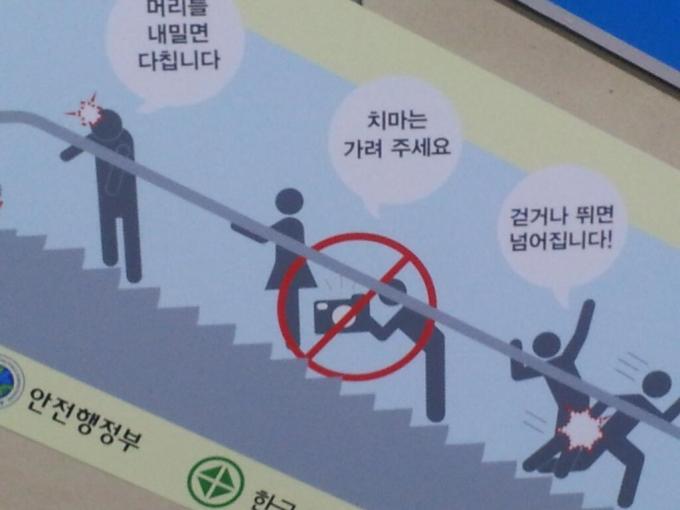 Source: 허지은@limpidlimpid
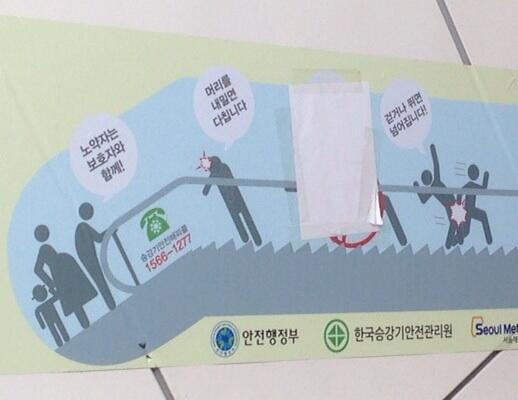 Source: Olive@spinach_olive
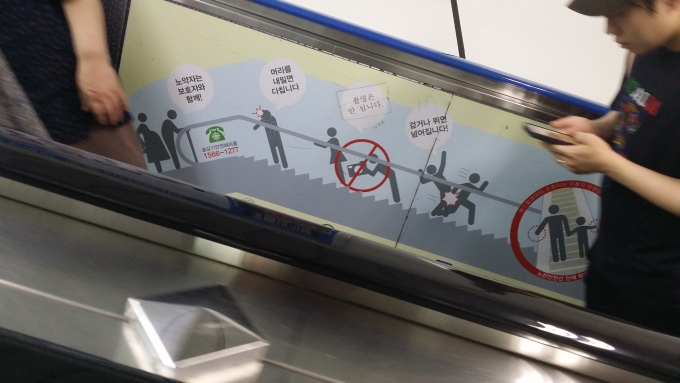 And which brings me to why I’m suddenly talking about this sign over a year later: I was leaving Seomyeon station in Busan recently (Exit #9, if you’re curious), and noticed the changed version above. It was actually the first time I’d seen the sign in person, which I’d assumed had only been distributed around Seoul.
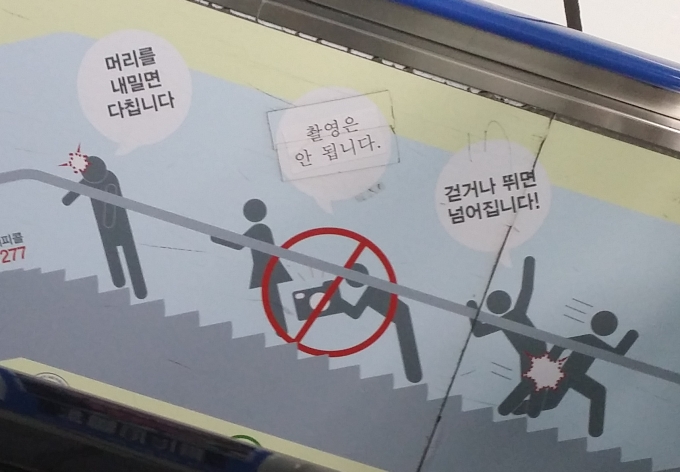 Have any readers also noticed the changed signs? Or originals that subway staff didn’t get around to? Please let me know in the comments. I’m also curious if men being offended by women covering up in front of them is really a thing, or if you feel that Hwang So-yeon was exaggerating. Have any of you ever encountered such attitudes in Korea, or elsewhere?
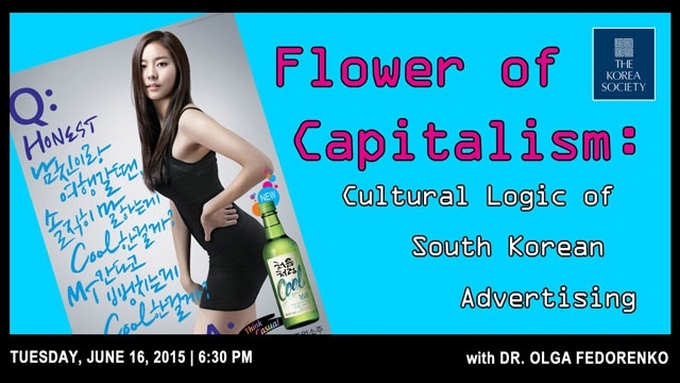
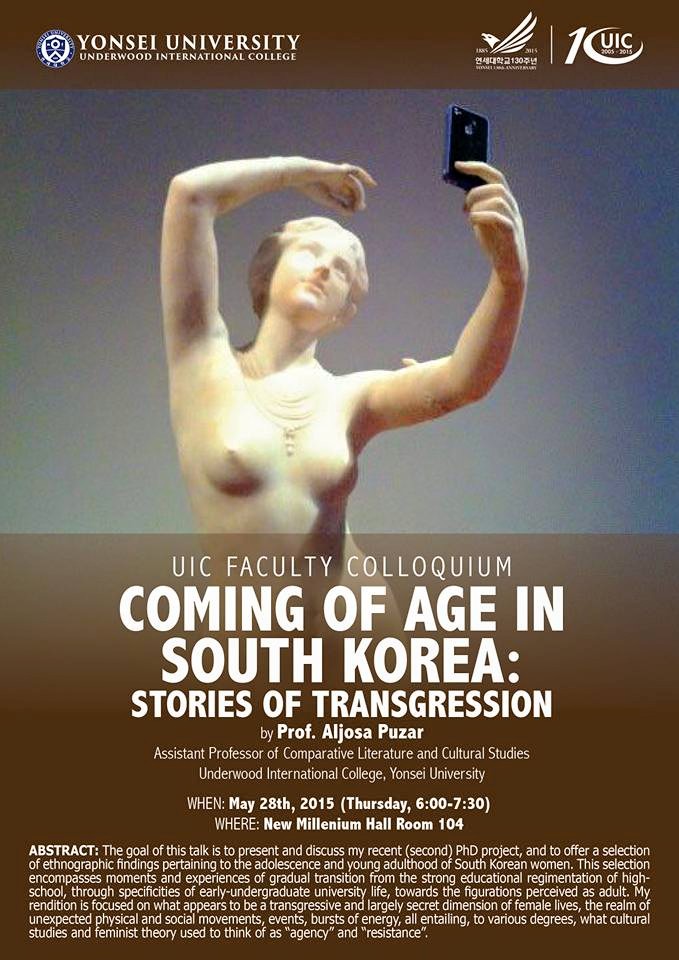
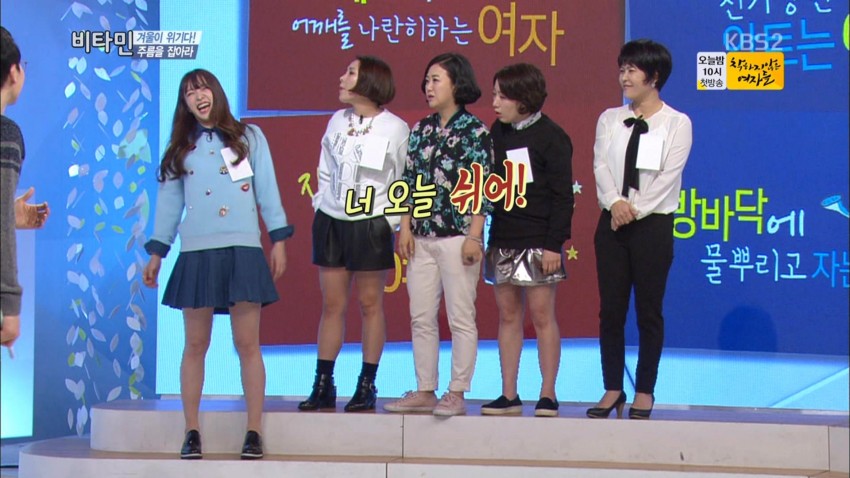
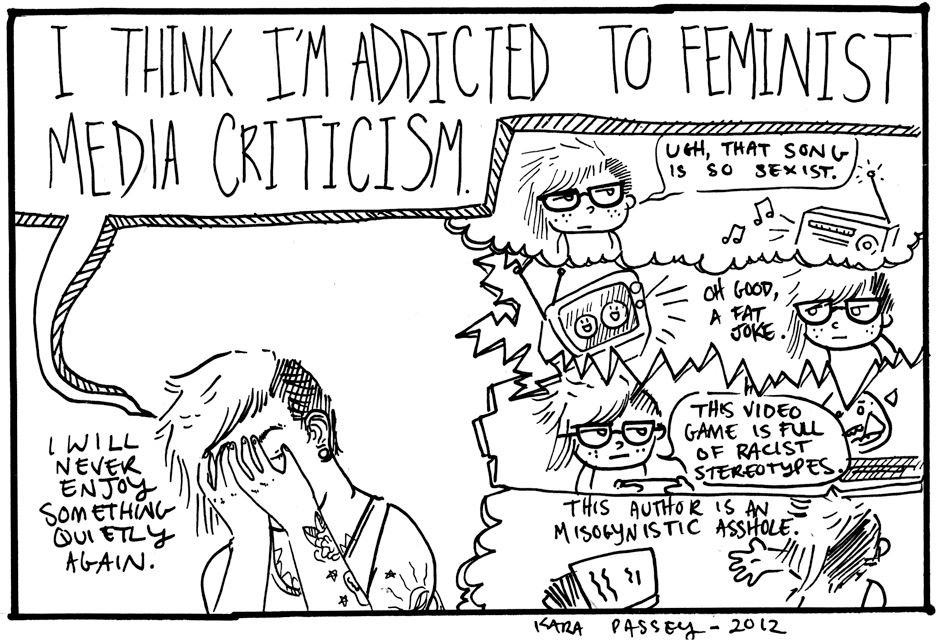
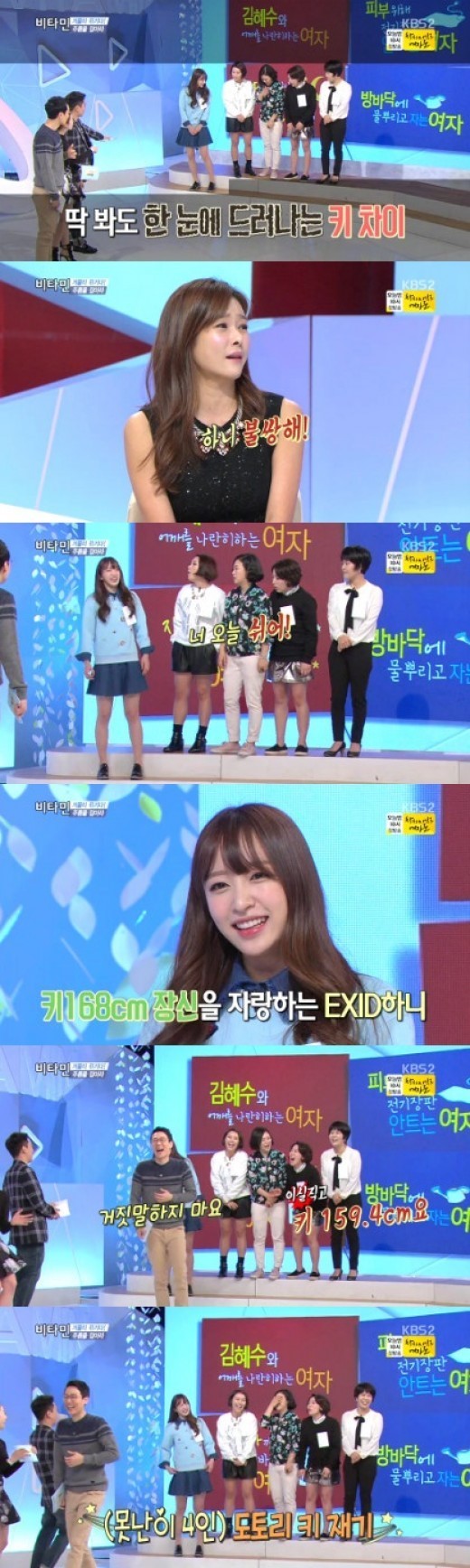
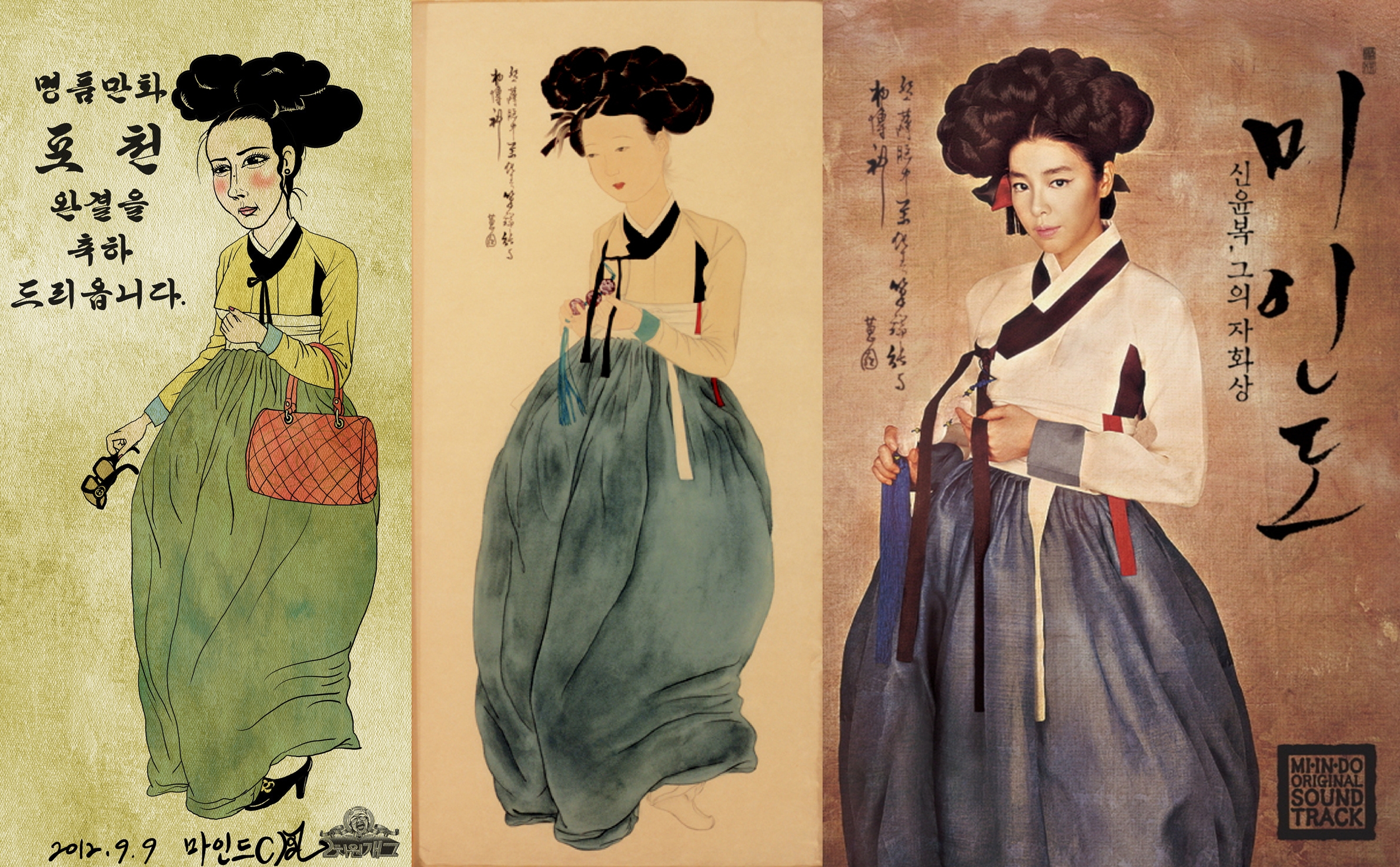
 same mistake myself, he probably makes few converts among Korean comedy fans with his sweeping denunciations of the entire genre. (Edit: In fairness, it’s more of an op-ed than an article really.)
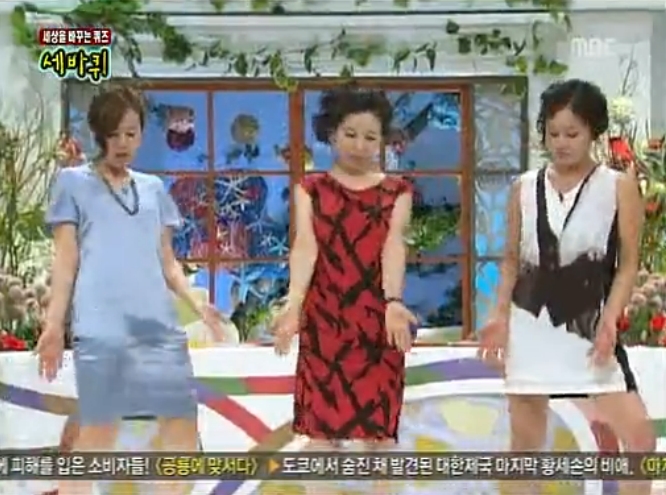

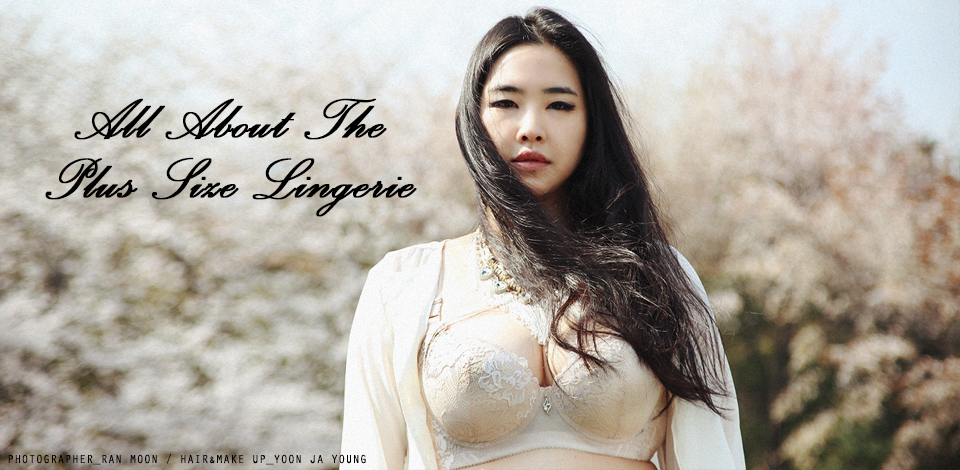

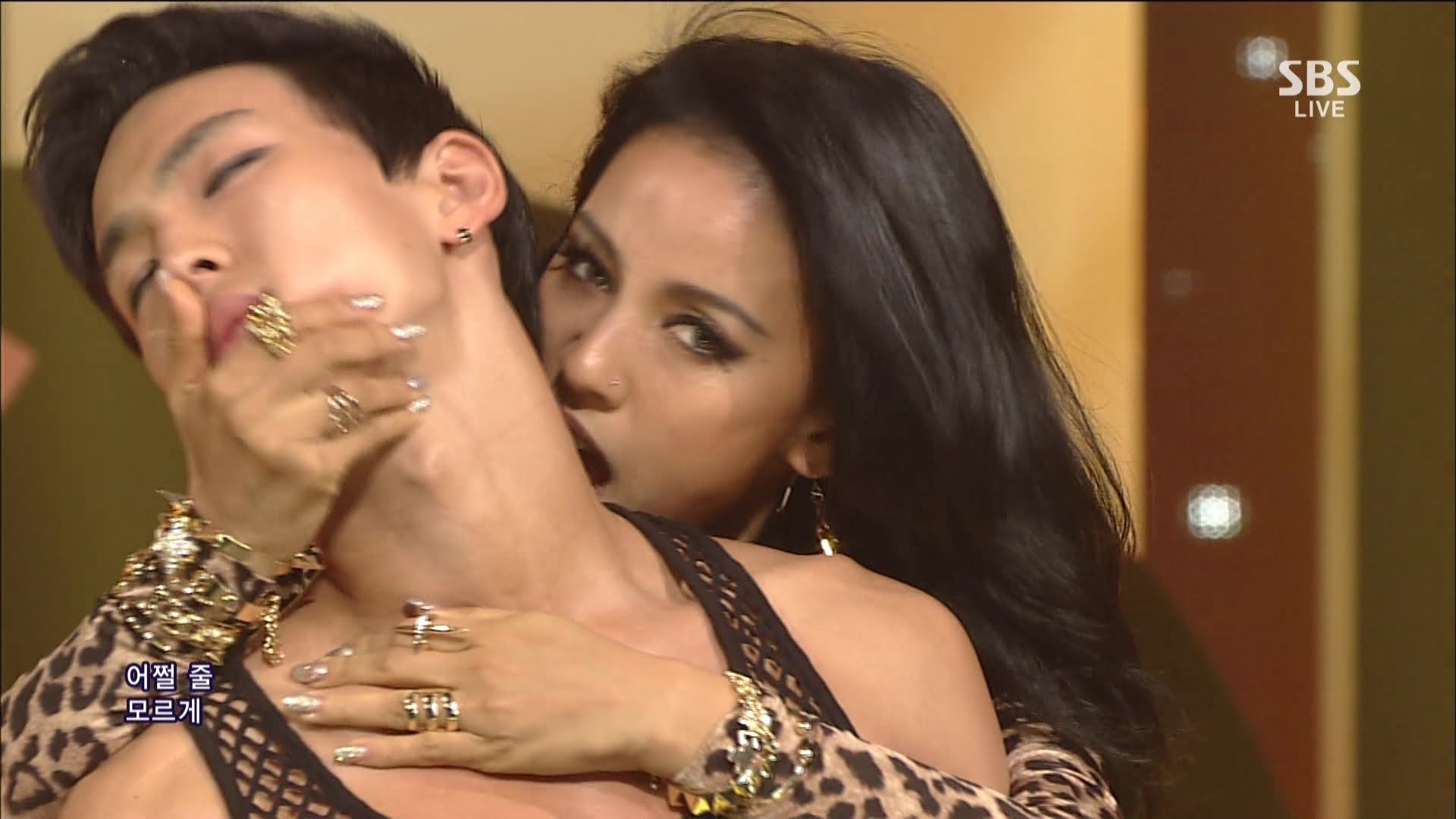

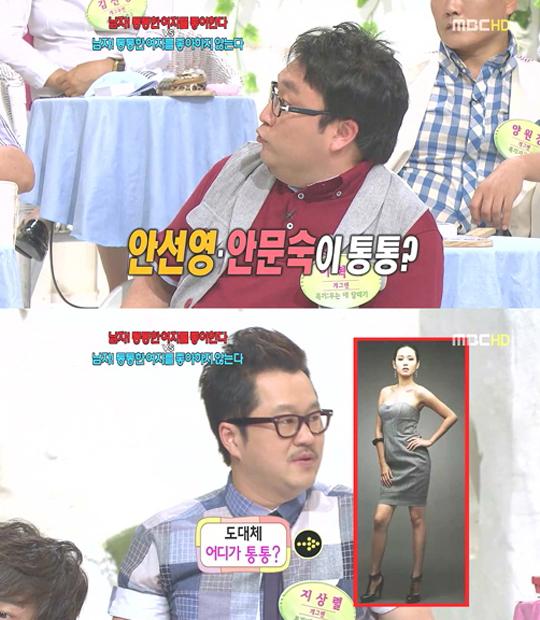


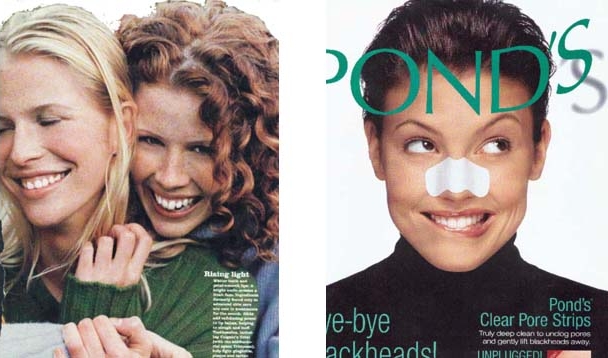



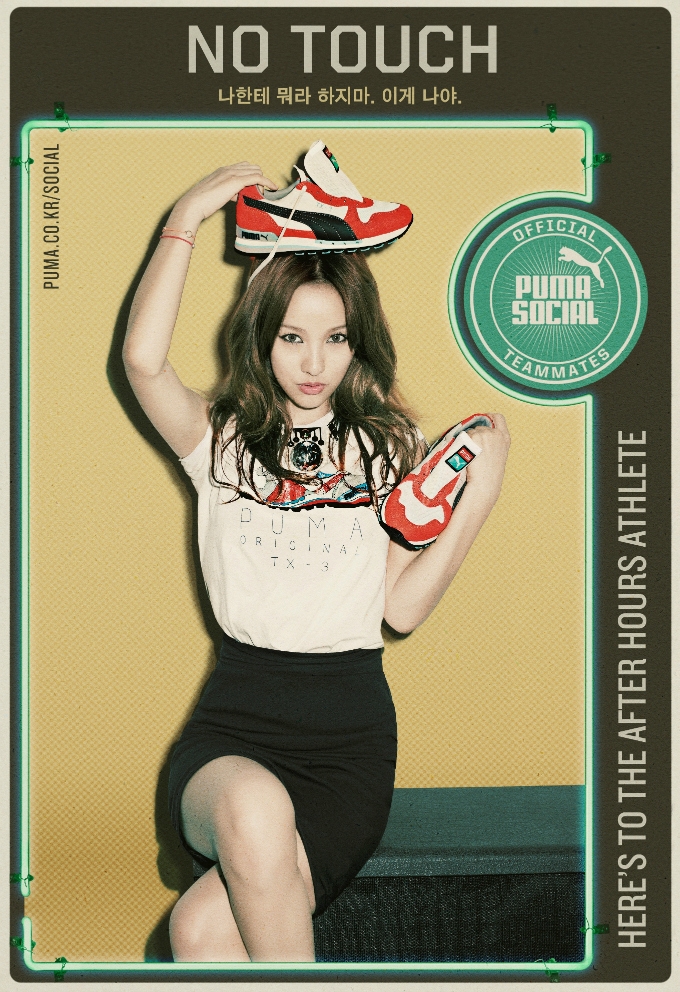



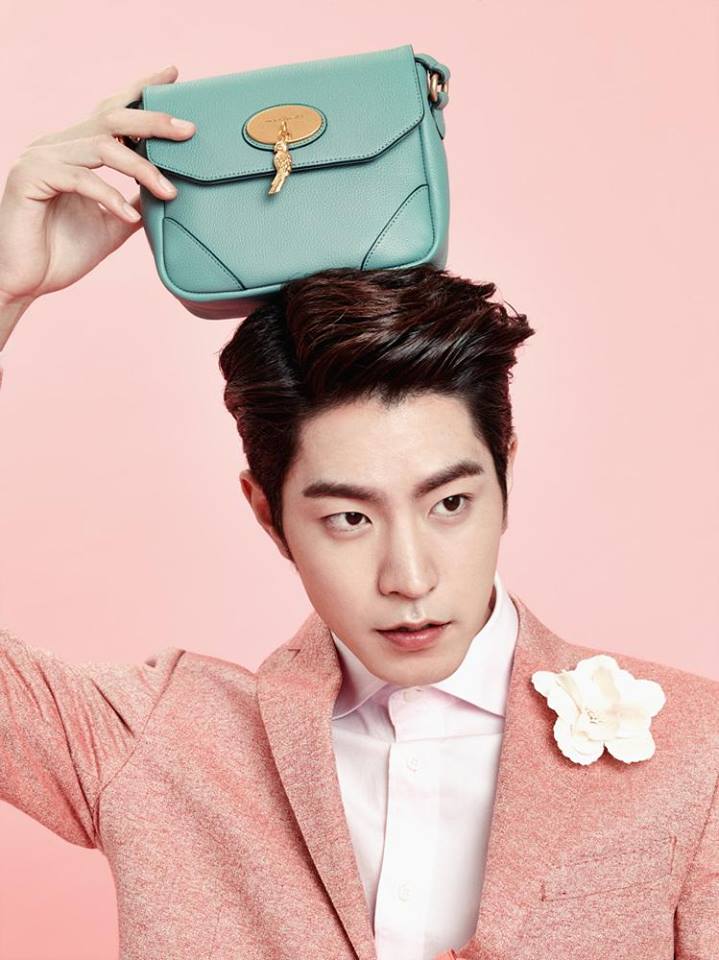


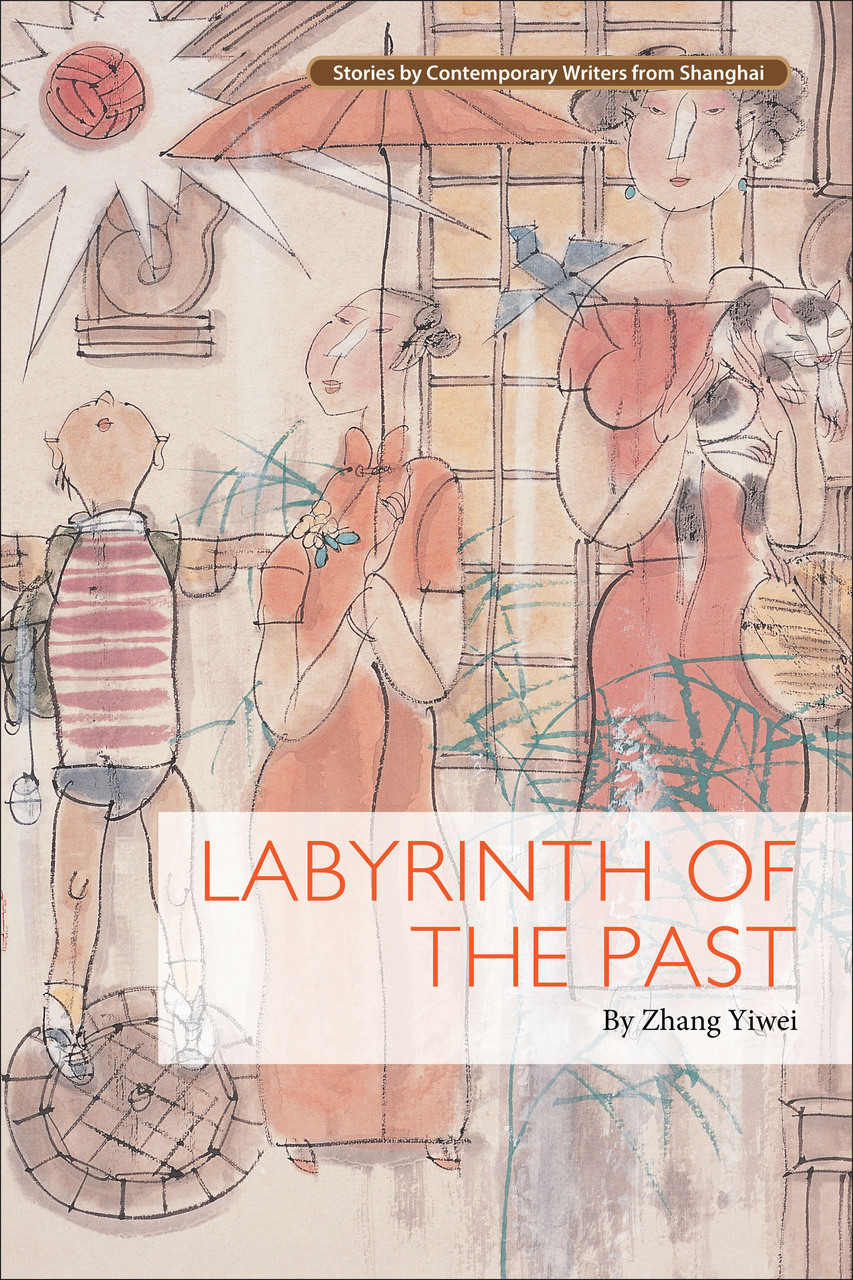



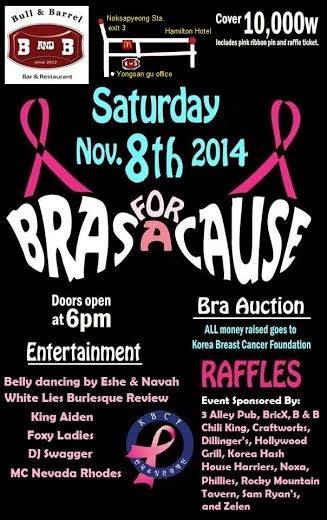
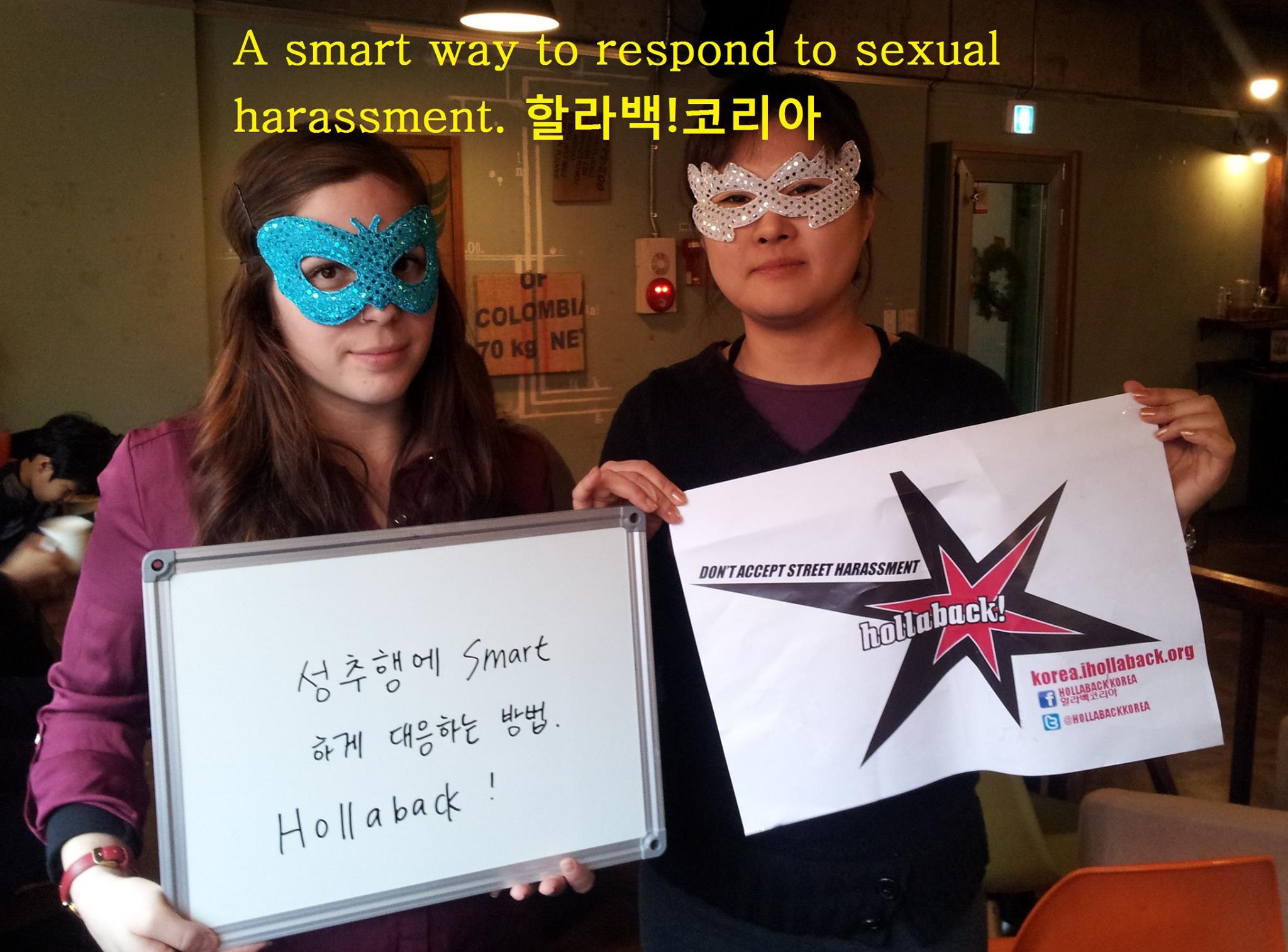


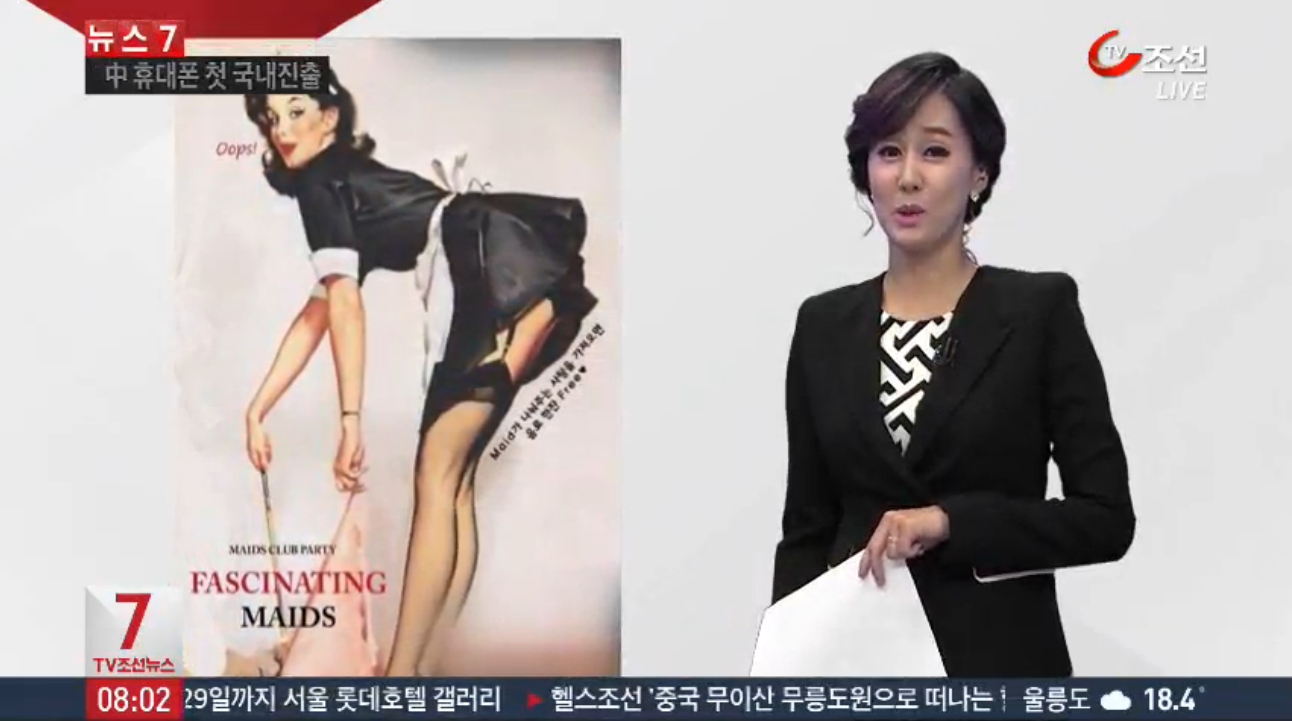
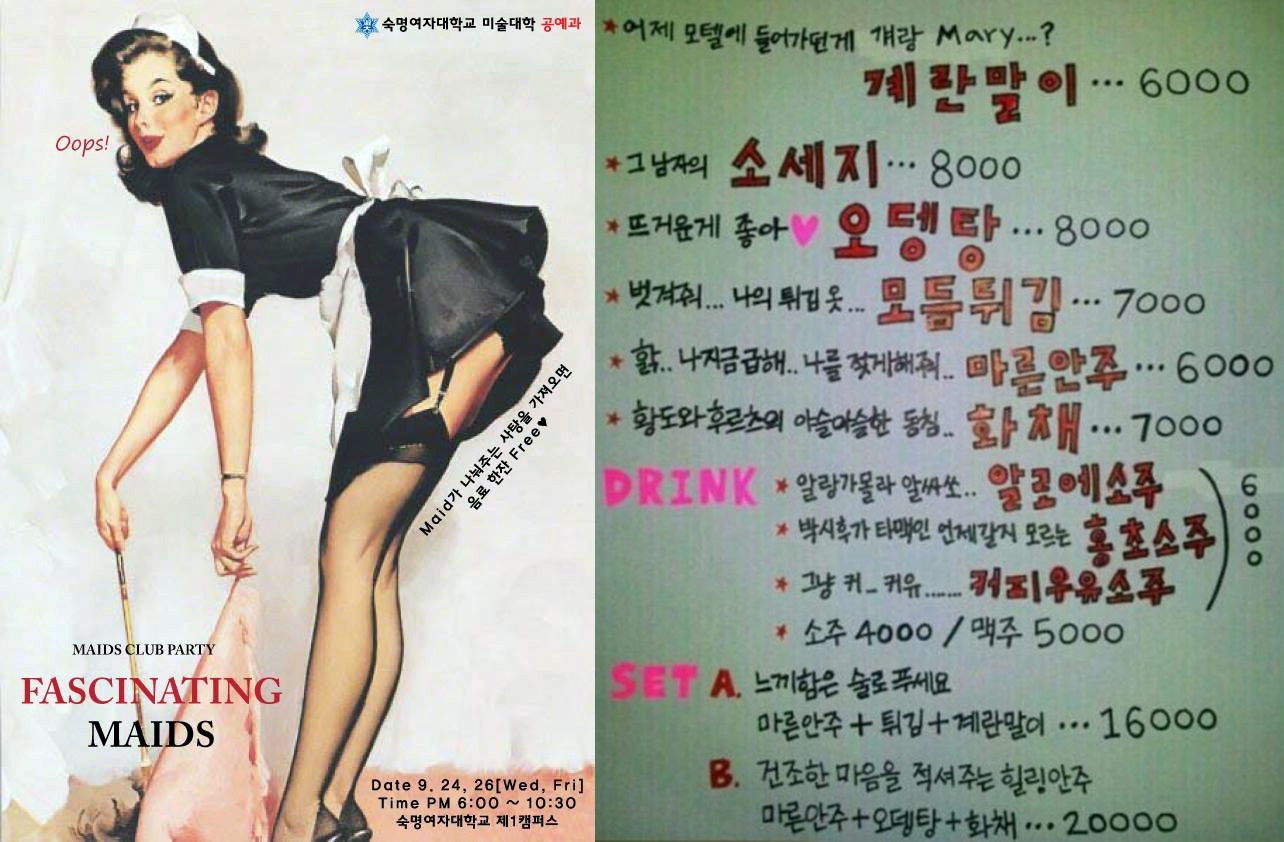
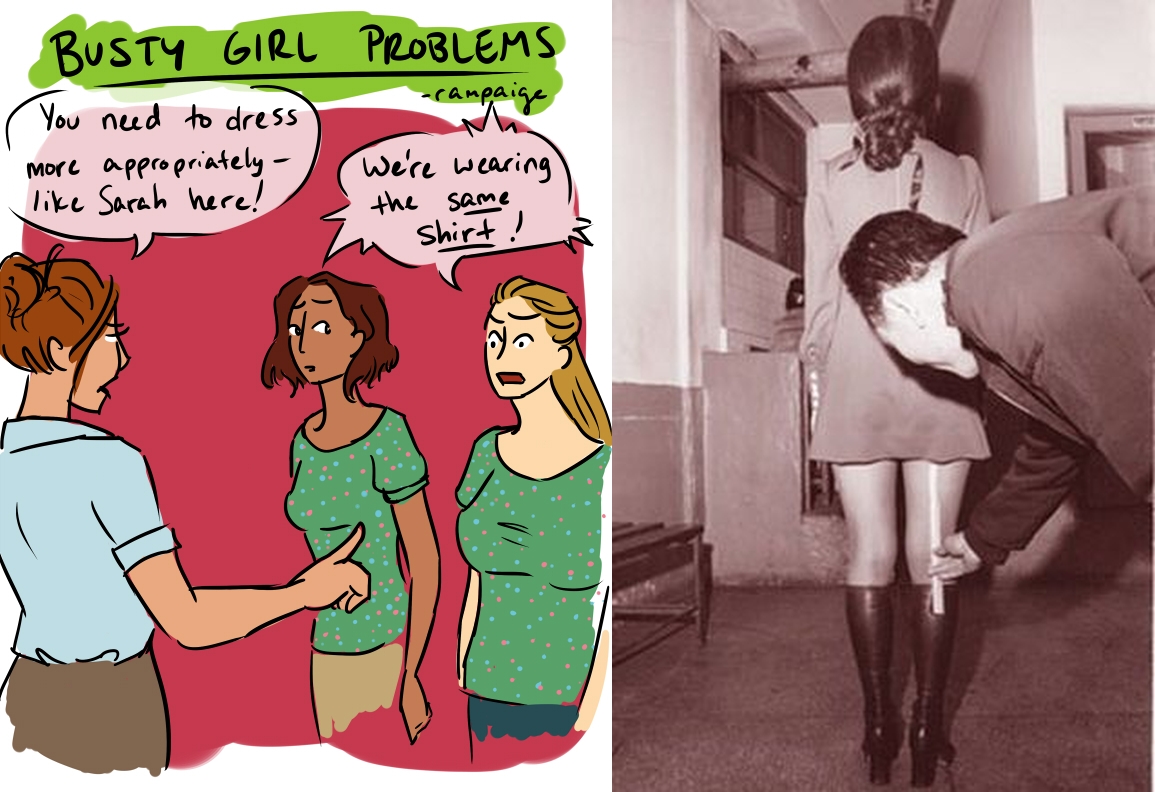

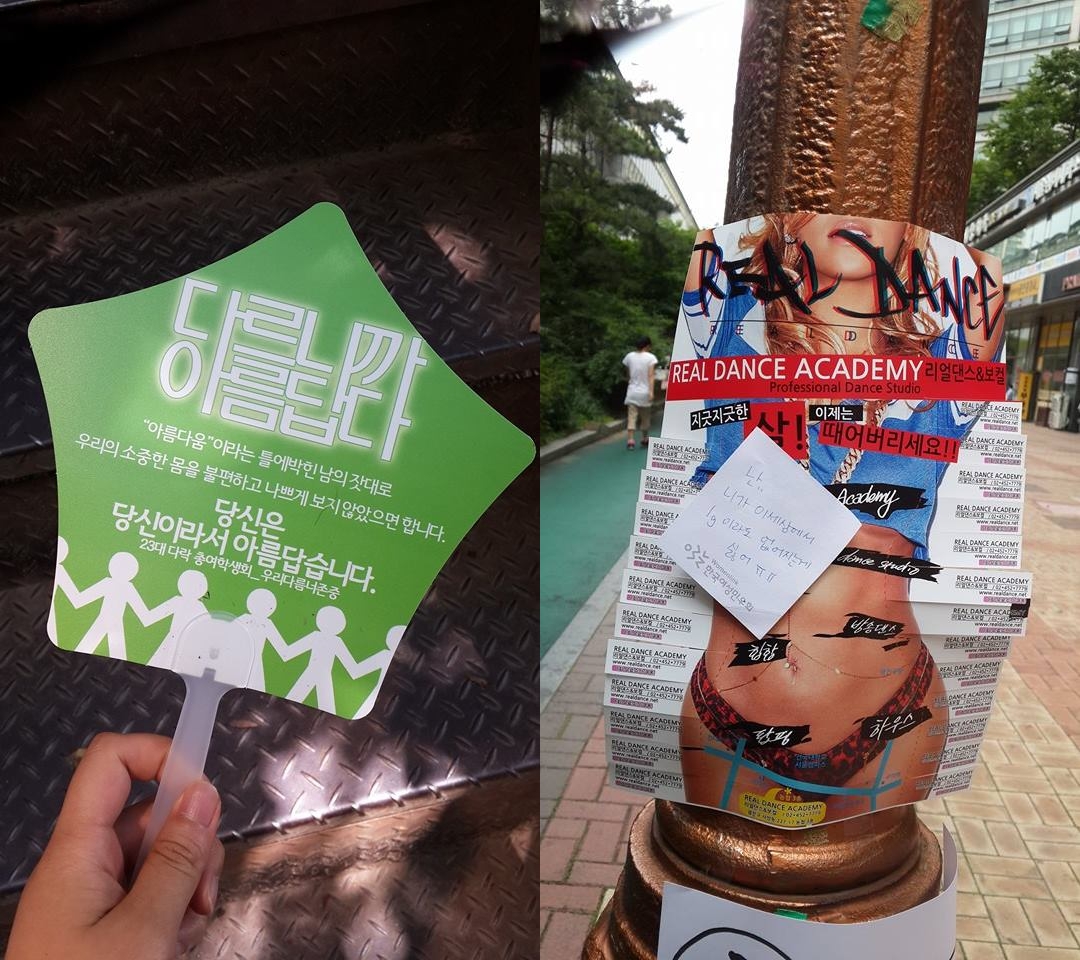
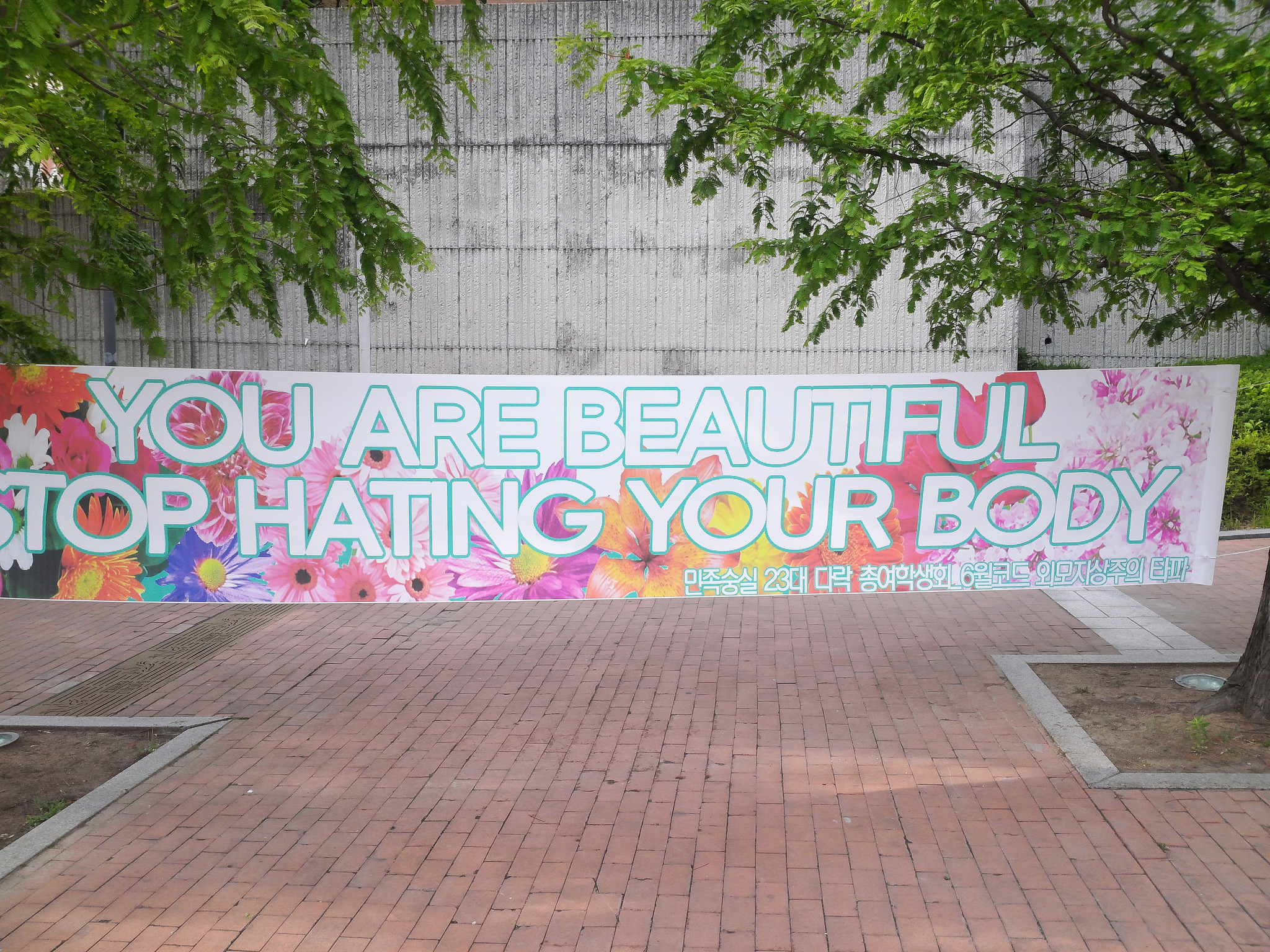
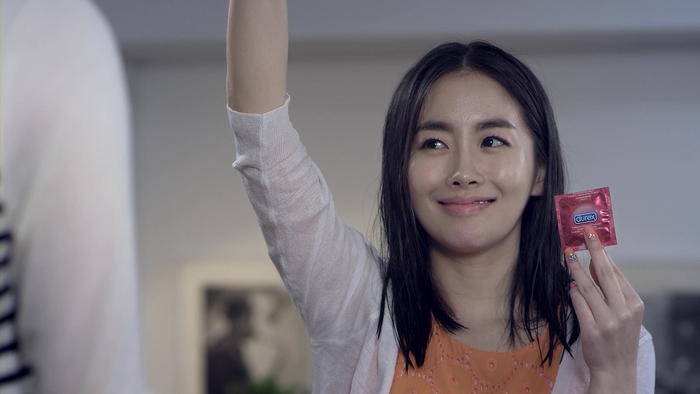
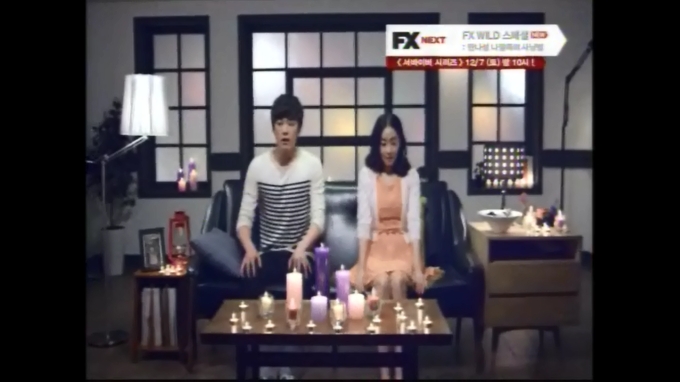

 the most popular reply with women (42.7%), 39.7% replied that it would make them more cautious, a gap of only 3%; 17.6% replied that it wouldn’t make any difference.

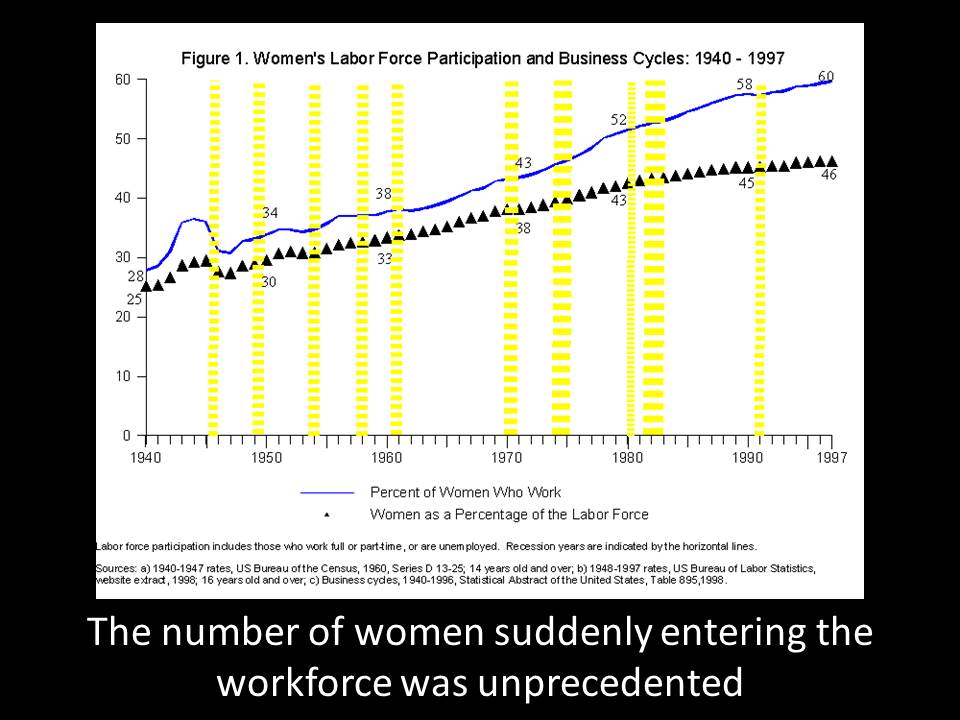
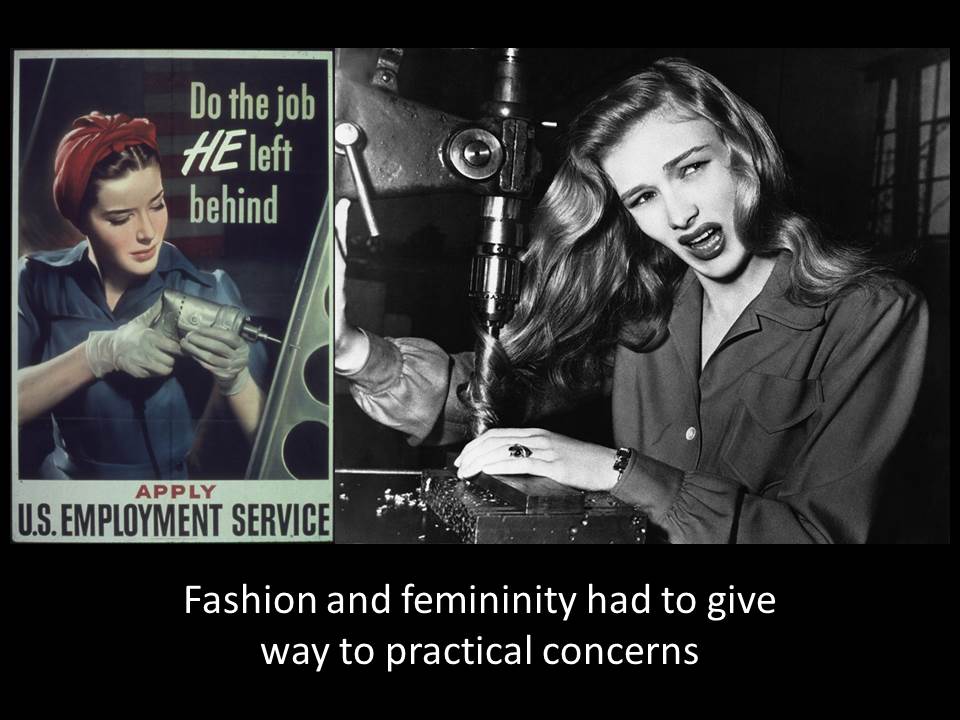
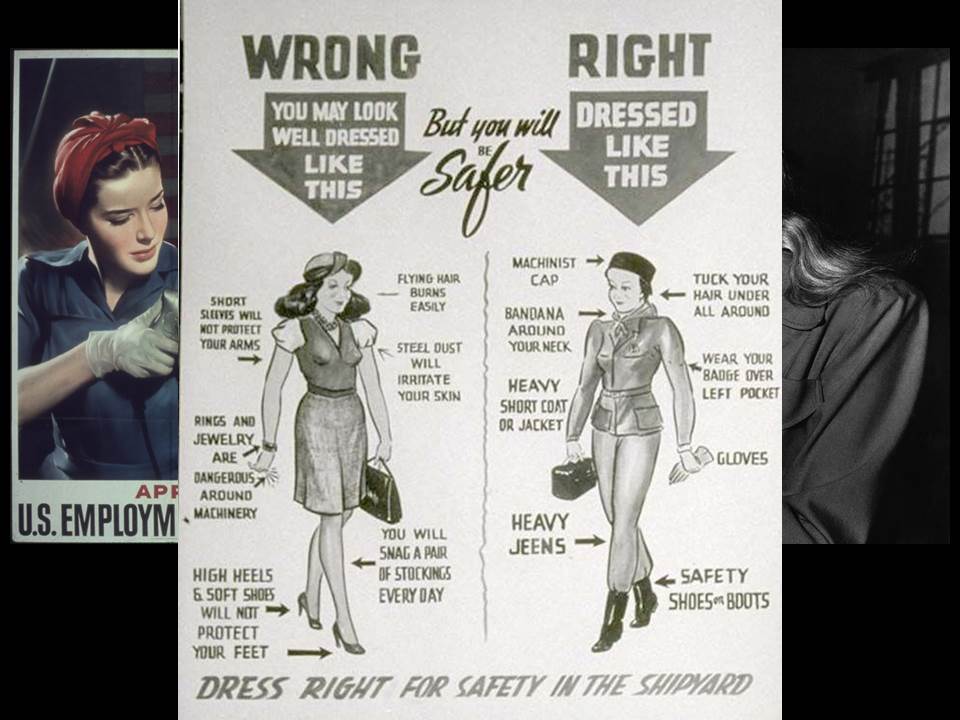
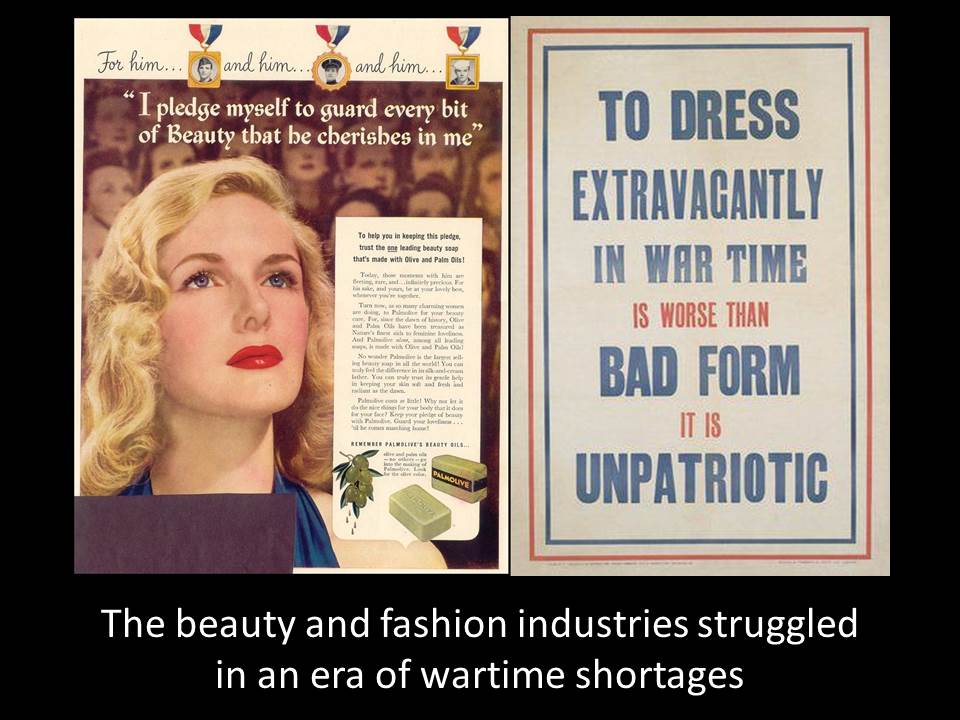
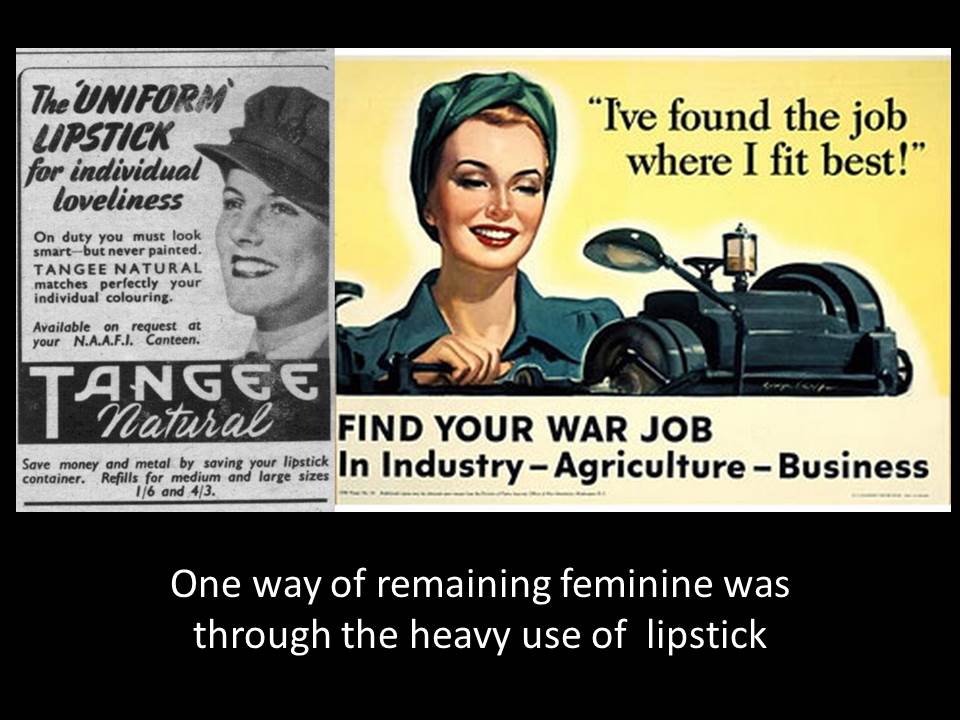

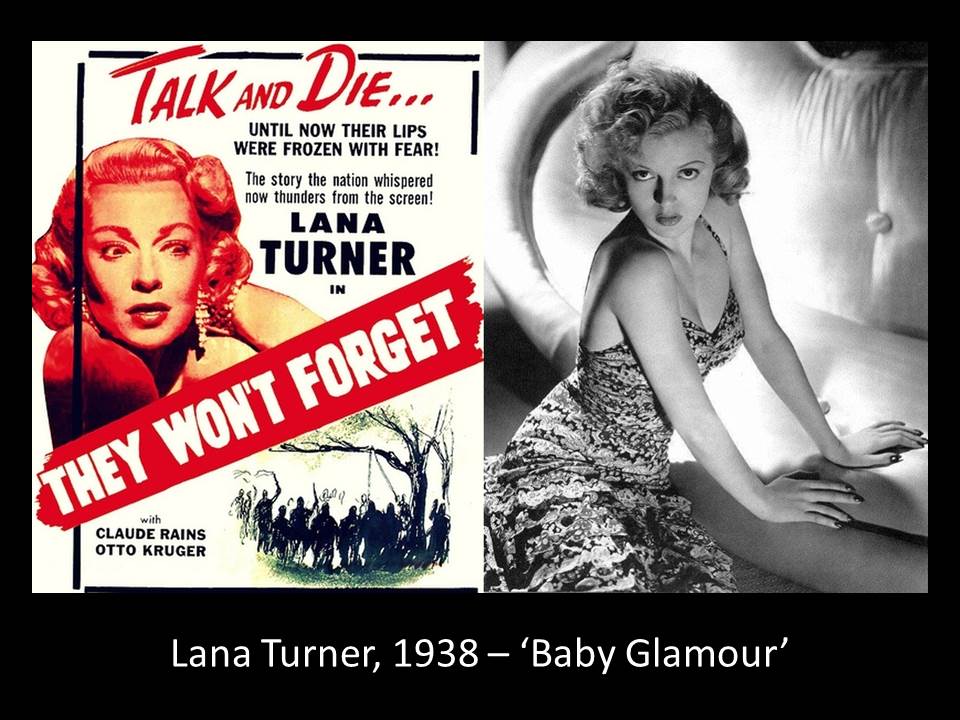
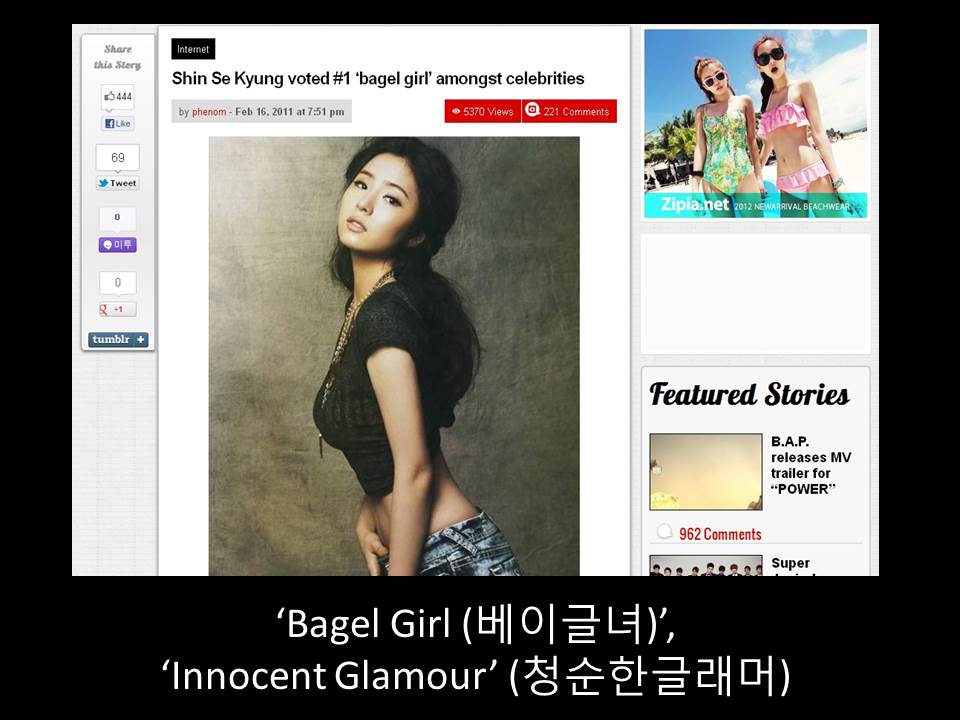
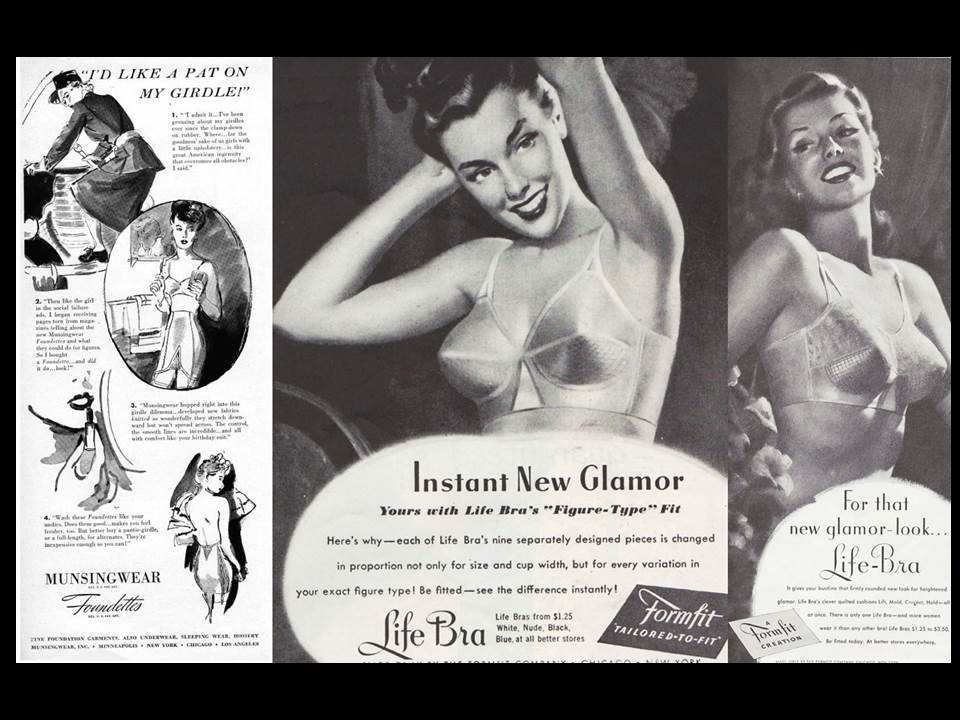
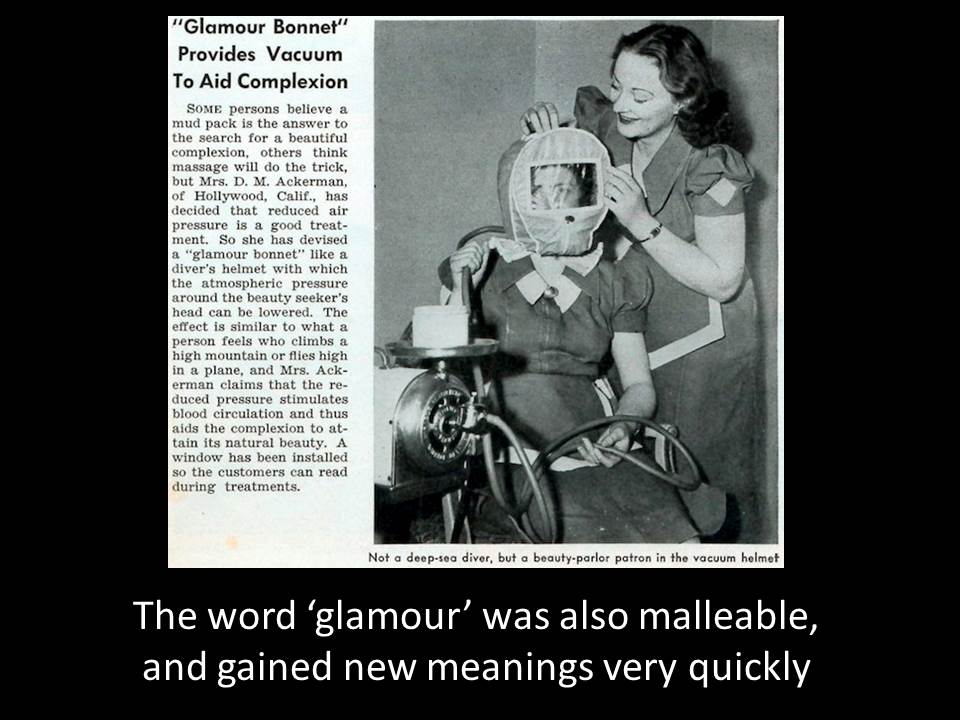


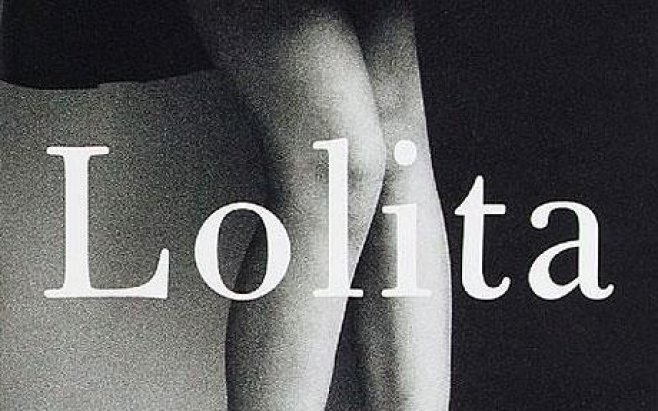
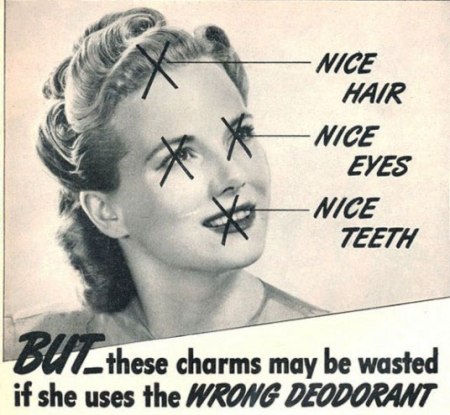 also looked slender, but compared to slightly square-faced beauties didn’t have many characteristics. It was massively popular, because it gave the feeling of a face you could see anywhere (
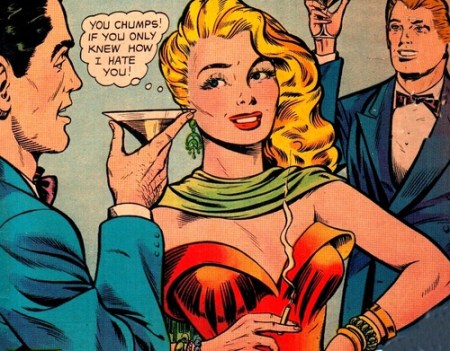 On the one hand, the Lolita Egg stimulates men’s possessiveness, whereas to women it turns them into wannabees. It’s a pretty face shape, but doesn’t give off a haughty, arrogant impression, proving very popular with men. Women who have it can pick and choose from among their many male followers (source right: unknown).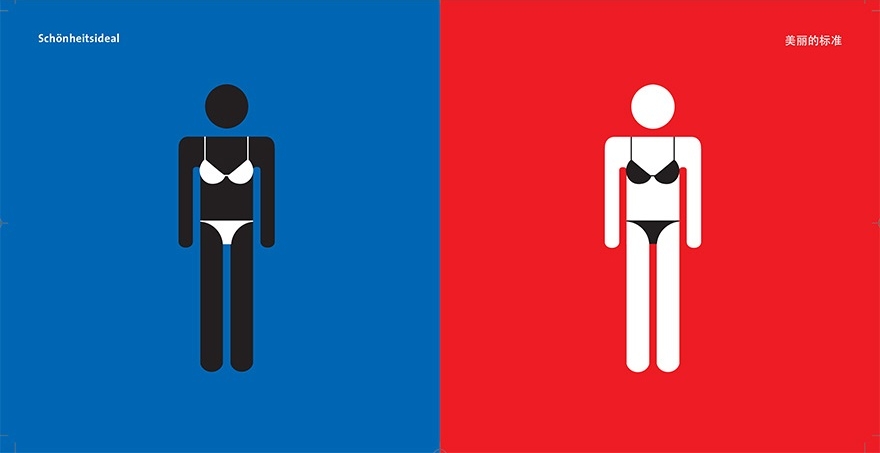

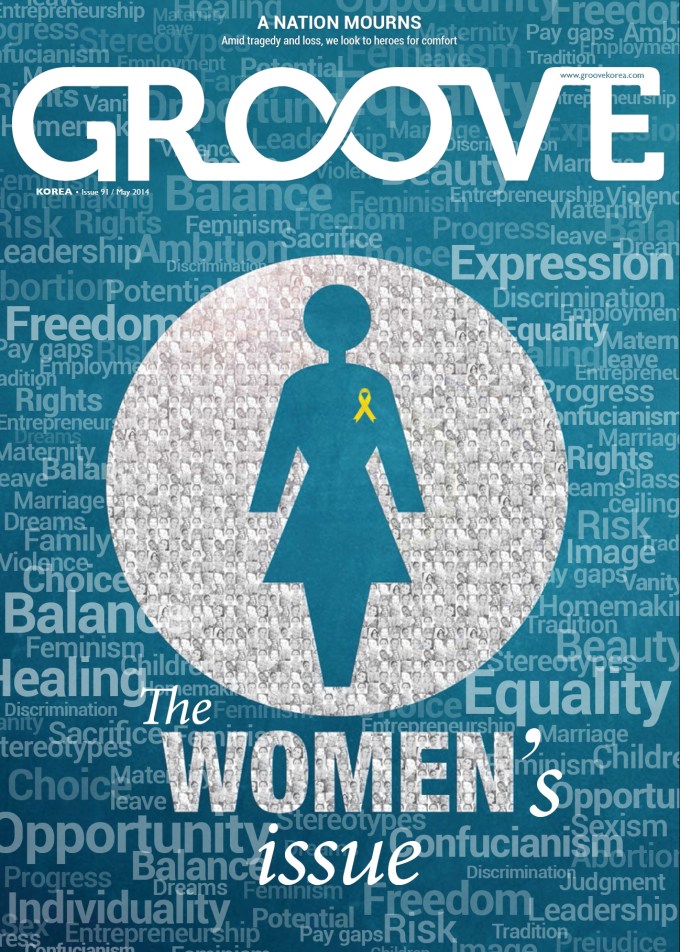


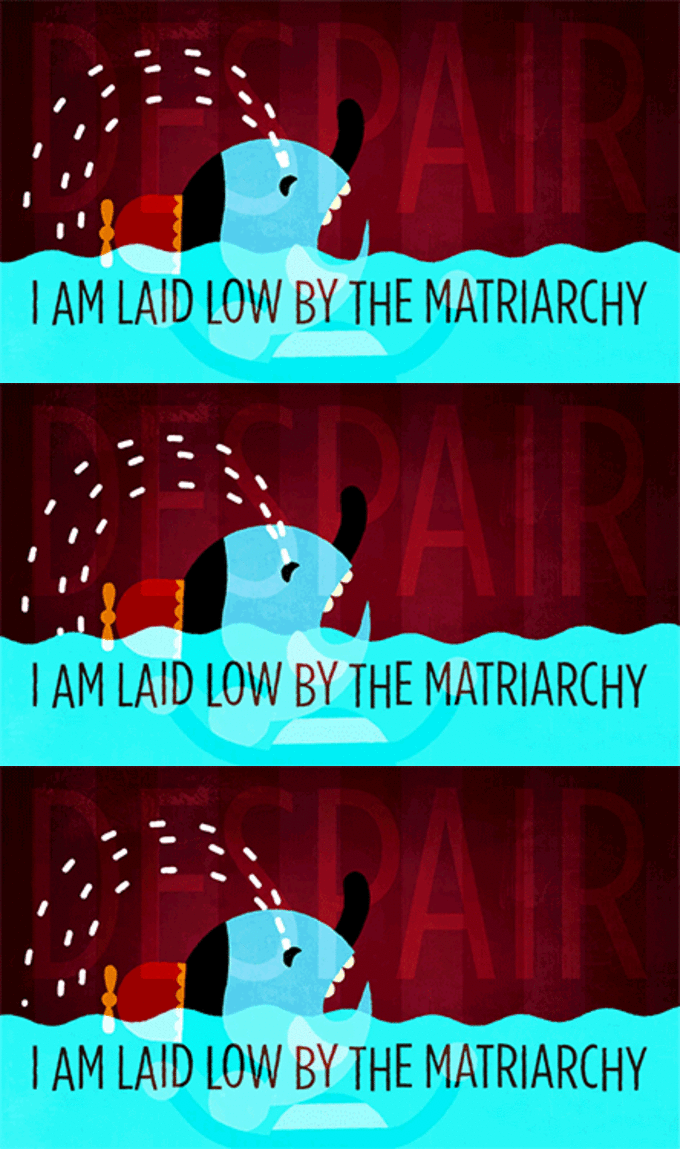
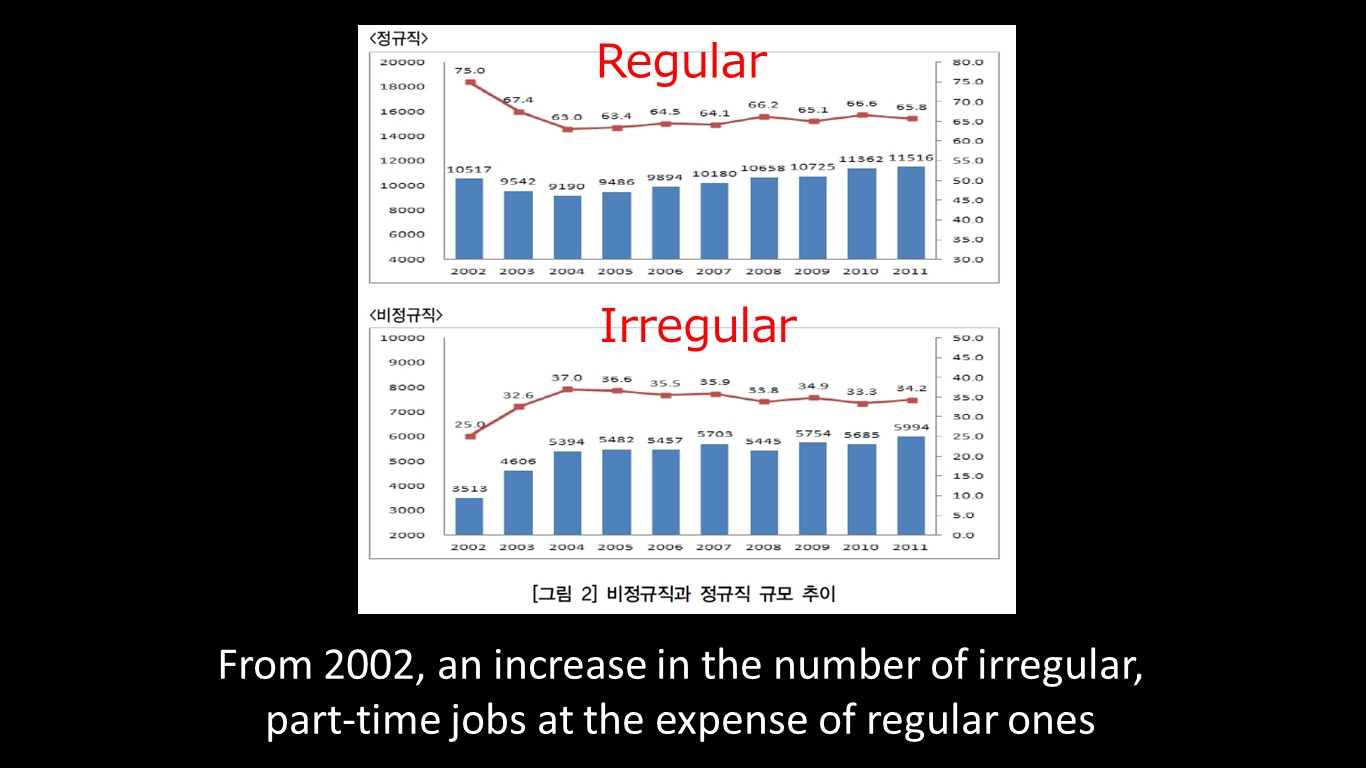
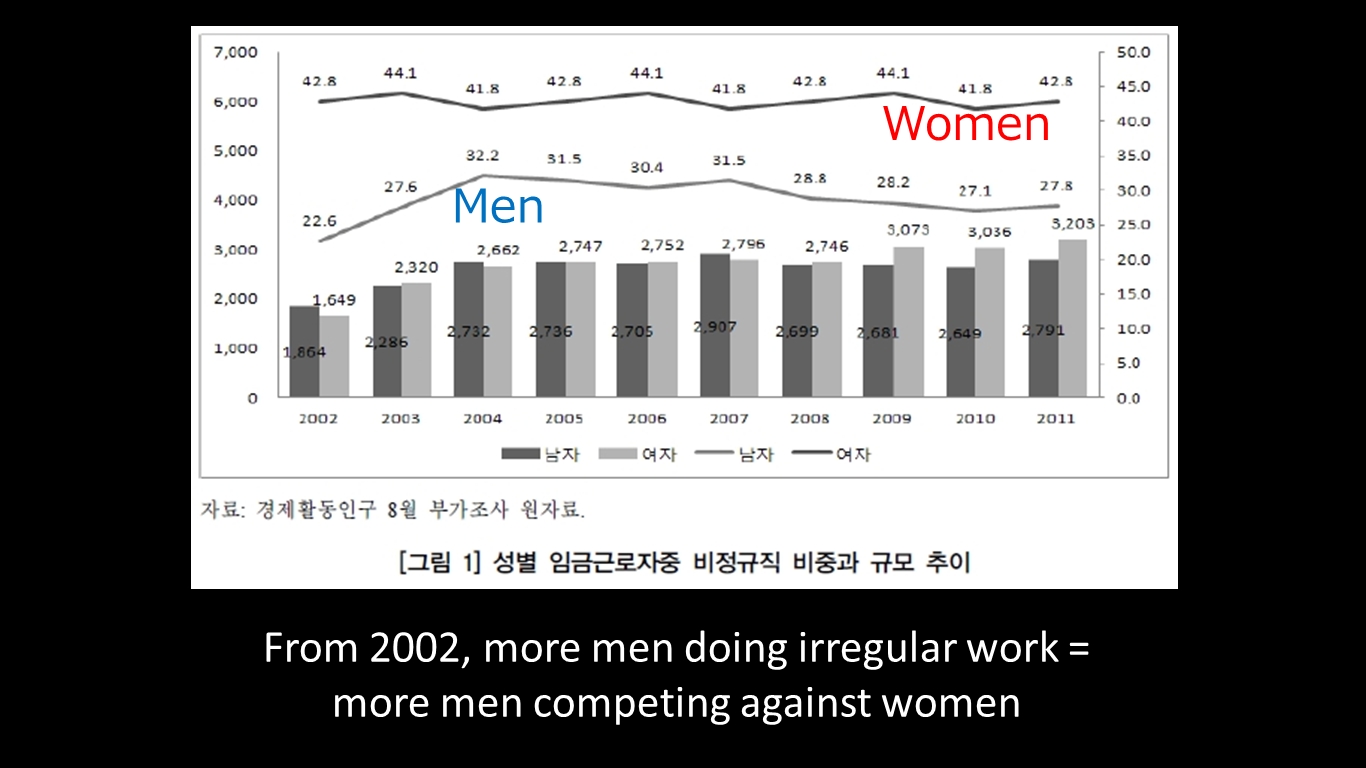
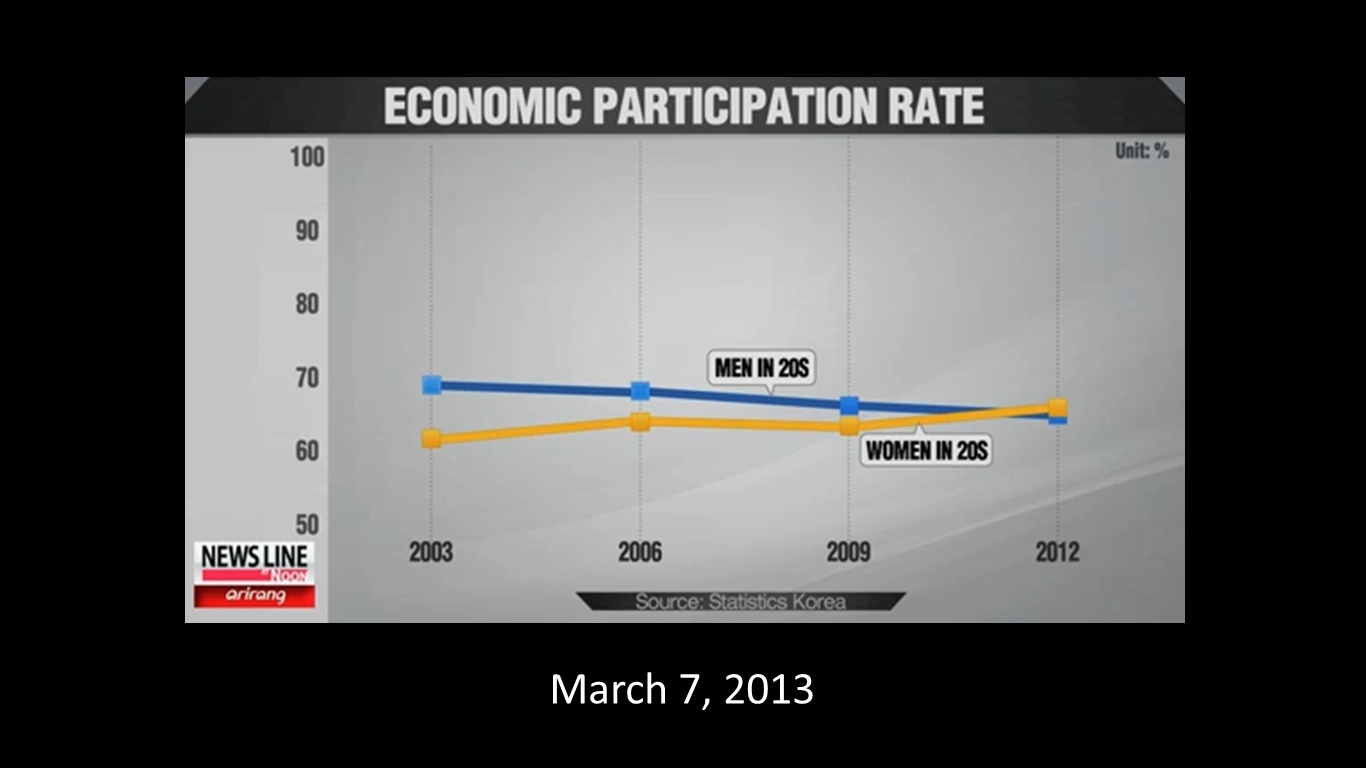
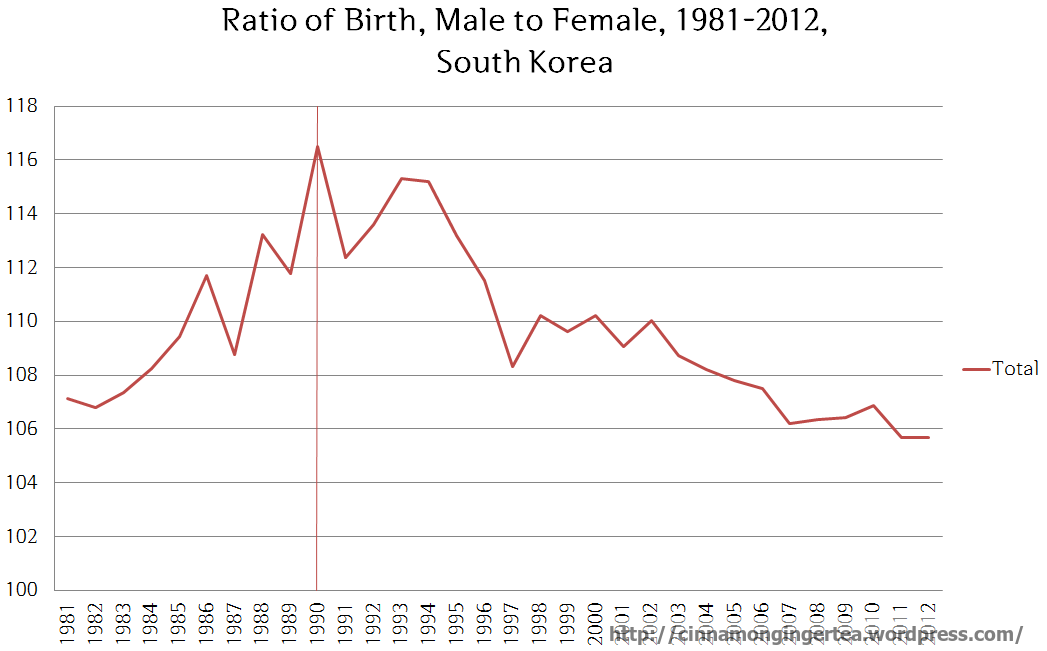
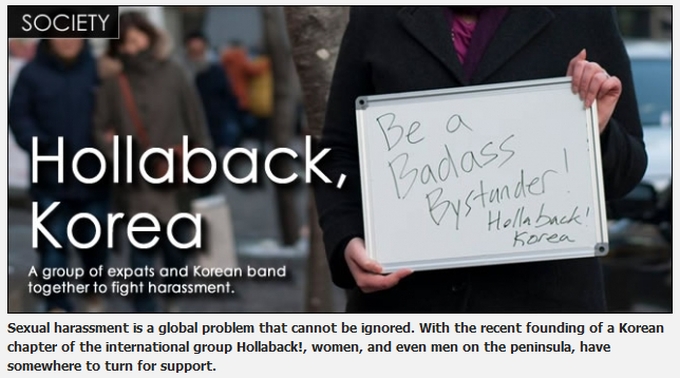


 The Grand Narrative