Follow These Two Blogs for Up-to-date Statistics and Commentary on Social Trends in South Korea!

It can be a real challenge sometimes finding the insider knowledge I use to pretend I’m smart, let alone knowing what to make of it. Fortunately, I can rely on these sources to provide both!

Estimated reading time: 5 minutes, plus 15-minute video. Photo by Andrew Neel on Unsplash.

Without any further ado, the first blog is Connecting the Data Dots by Ssen Kim, which has many excellent short posts in English.

Alas, there seems to be no information about the author. But I do know that in the very first post of theirs I read, “Has The M-shaped Curve Of South Korea’s Female Employment Rate Disappeared?“, they not only directly addressed a question I’ve long been worried about getting called out on, they’d even provided some handy graphs for me to distract my accusers with too.

So last winter, while preparing this semester’s Korean Gender Studies class, I realized I just had to use them. But as the day of this week’s lecture on the birthrate approached, a crisis loomed. While I found the topic very interesting, and you will when you read that post too, I started considereing it from the perspective of my already disengaged young students. Still scarred from growing up during COVID, and barely older than children themselves, would they find the topic of why Koreans aren’t having children completely irrelevant to them? Arcane even?

What to do?

Continue reading “Follow These Two Blogs for Up-to-date Statistics and Commentary on Social Trends in South Korea!”

Smile Like You Have Laser Tits!

Knowing the concepts of “Ambiguous Loss” and “Learned Helplessness” can be useful for understanding a personal or professional rut you’re in. But for actually getting out of one, smiling “like you have laser tits” is a simple, fun, and surprisingly effective method—and has helped me stave off a repeat of clinical depression for nearly 30 years too!

Estimated reading time: 15 minutes; if you haven’t already, please consider reading the introduction and Part 1 first. Photo by Conner Ching on Unsplash.

Only 10 a week.

Ten.

If I extend Bumble’s filters to neighboring cities, entailing weekend-only relationships, that’s about how many age-appropriate profiles I encounter in a good week, in a region of ten million people. And of those ten profiles, nine will include either tourists, scammers, MAGA or Yoon Seok-yeol cultists, women my age using using pictures from their 20s, chain-smokers, anti-vaxxers, those whose only book is the Bible, five or six with no bios or personal information whatsoever, “ethical non-monogamists,” and/or—shudder—dog people.

Yes, it’s always going to be tough wanting a fluent English speaker. Yes, heaven forbid that compatible hobbies and personalities aren’t enough either, and that I only swipe right on women I find attractive too. Yes, there’s other apps I could talk about. Or what I’ve been doing offline as well. Yes, there’s finally going to bars to consider, and maybe it’s about time I should. Yes, we could indeed dwell on my game, or supposed lack thereof.

But that would be boring for both of us. As I stressed in the introduction, my giving dating advice, or wanting to receive your tips, is absolutely not the point of this series.

What it is about, is “how to cope when life isn’t going the direction you expected, when you feel trapped, when nothing you do to escape seems to work, and you just feel like giving up.” So, although I personally learned the following lessons through trying and then giving up on seeking a long-term partner, and ultimately being all the happier for it, all of the advice below is centered on providing answers for when you find yourself in that kind of space too, whatever your own personal or professional goals may be.

Very much inspired by, mirroring, and further developing Atlantic staff writer Faith Hill‘s August 2024 article, “The People Who Quit Dating” though, first, in sections 3 and 4 below, I do really want to convey what the dating scene is actually like in 2025. Especially to well-meaning family members and friends already with partners and spouses, who tend to be, well, completely clueless and unsympathetic about that frankly. I want to empathize with any of my fellow singles too, who may also be struggling and disheartened like I was. In particular, by giving their feelings names in section 5, “ambiguous loss,” and “learned helplessness,” that show they’re not alone in suffering from them, and which have a whole host of associated therapies and solutions. Then finally in section 6, I’ll talk about my own experience of—yes—clinical depression in my early-20s, for the sake of imparting just how serious I am about my own solution of smiling “like you have laser tits”—which anybody can benefit from!

Photo by Mitsuo JR on Unsplash.

Continue reading “Smile Like You Have Laser Tits!”

“Work hard. Know your shit. Show your shit. And then feel entitled.”

Not everyone can see the pedagogical value of a film about finding the clitoris, let alone apply its lessons to power networking. So, if you do have a special skill set like that, then flaunt it baby—and these easy to learn methods will show you how.

Estimated reading time, 15 minutes; if you haven’t already, please consider reading the introduction first. Photo by Carl Jorgensen on Unsplash.

I have a confession to make.

The truth is, if you’re reading this because we talked recently at an exhibition of your art, a screening of your film, your band’s gig, your lecture on the Korean #MeToo Movement, an information session about your NGO’s work, and so on, our meeting was no coincidence.

Unbeknownst to you, I’d already been all over your website and social media. When I liked what I saw, I decided I just had to meet you in person. Same applies if the event wasn’t even about you, but I knew you were coming.

Indeed, if we met during this cold winter especially, you, and you alone, may have been the only reason I left my apartment at all that day.

If those stalker-like vibes don’t already have you reaching for a lighter to burn my business card with though, I fear also revealing I would still never have had the guts to approach you, had I not once watched a film about finding the clitoris, will have you burying the ashes too.

But seriously, there’s a lot to cover before we get to that point, and we’ll only arrive there once we’re both good and ready. So instead, let’s start on how, the fact is, now you’ve taken the time to look me up too. And not simply because you appreciated my interest in your work either, because of my knowing your shit as it were. (Which, being genuine, was a very easy trick to pull off.) More, it was because you thought I also seemed to be interesting, my having tricked you with just enough long words and wide hand gestures to make me seem just as knowledgeable and passionate about my work as you are yours.

In other words, that I seemed to know my shit too.

Which was a lot harder to pull off. And even just six months ago, probably not something I’d have been capable of convincing you of at all.

So how did I do it?

My recipe to success has three main steps, with ever fresher and more active ingredients added at each. And like most recipe books these days, it may seem like I’m obliged to annoy you with a long and rambling anecdote before getting to the meat of this first one. Only, the anecdote is the meat. When I was 21, I did suffer from clinical depression, my crippling social anxiety always preventing me from overcoming my chronic loneliness. The advice I heard as I was recovering, did have me dancing shirtless to Ecuador in nightclubs by the summer, moving in with drag queens and flamboyant gay sex workers, getting on a plane to Korea, and giving lectures to audiences of hundreds. That same advice did, seemingly by magic, render that awkward nerd you thought you saw in the corner one minute at that party this winter, playing with the host’s cat, to that suave and sophisticated guy beelining you to shake your hand the next.

Do you have your pots and pans ready?

Fresh Breeze by Gil Elvgren, 1960. Source: Amazon.

Continue reading ““Work hard. Know your shit. Show your shit. And then feel entitled.””

Life is Immense 인생은 광대해

In dark times, strategies for accepting and embracing the single life have much to offer anyone seeking a sense of agency and empowerment. Here’s announcing my deep dive into some that worked for me, which completely upend outdated stereotypes that your personality is set once you’re 30!

Estimated reading time: 5 minutes. Photo by pawel szvmanski on Unsplash.

“Straight men rarely write about the end of their marriages,” I happened to read shortly after the end of mine, and that traditional gender roles were to blame. Forced to defy those ever since everyone in New Zealand pegged me as gay in my early-20s though, I resolved right there and then it wouldn’t be a case of if I would ever take on that mantle, but when.

My naïve, happy mistake. Unfortunately for exploring that topic, I’m on much friendlier terms with my ex than when we left the courtroom three years ago. (It’s so annoying.) We’re both fully committed to amicably co-parenting our teenage daughters too. If I could still offer any genuine insights or advice about divorce without getting too personal about ours then, avoiding potentially embarrassing or hurting anyone involved, I would. But I just can’t see how.

Besides, I’m long since past moping. I’m single now, for the first time in over 20 years. Happy. Been dating even. Were I to talk about what I’ve learned from that transition instead, any second-hand embarrassment or judgments would be entirely on me.

I sense some of you already cringing in anticipation. But it’s not how it sounds. Actually, the advice which follows is barely about dating at all, and was prompted by the prospect of quitting it entirely, inspired by a August 2024 Atlantic article by staff writer Faith Hill on people who did just that. Reading her article right about when what had felt like a flood of likes, matches, and dates over the summer was starting to reduce to a trickle by autumn, and ultimately no dates at all since, she helped me realize I’m probably going to remain single for much, much longer than I expected (indefinitely even), for reasons largely beyond my control. In particular, she had such a rare, enormously helpful piece of actual practical advice from a therapist for coming to terms with all the angst and frustration I’d felt, rather than just offering the typical unhelpful cliches about all the fish in the sea and how great single life supposedly was (so shut up and stop complaining already), that I absolutely had to share for that alone.

Yet that advice was only about dating. (Or indeed, not dating.) And it only had the impact on me it did, because it dovetailed with so many other pieces of advice I’ve gathered over the years about how to cope when life isn’t going the direction you expected, when you feel trapped, when nothing you do to escape seems to work, and you just feel like giving up.

I realized by the winter too, that the validation from getting matches and dates had only been a crutch. Blinding me from the personal and professional rut I was in, and the need to do the hard work of actually putting that advice into practice.

Hence the long break sorry. Much has changed for me in the last five months, and periodically writing and rewriting this deep dive over that time has been a fundamental part of that process.

Now that I suddenly find it in a form I’m happy to share though, I’ll gladly take as a sign that my transformation, if not nearing completion, at least has enough momentum that I know I’ll see it through. I honestly do think too, that I’ve stumbled on some methods that completely upend outdated notions that our personalities are fixed by our 30s, and am very excited to share my secrets!

And once I do, I think I can give myself permission to resume my typical feminist overanalysis and critiques again ;)

“Life is Immense (인생은 광대해)” comes from the 1998 Italian, English-language film The Legend of 1900; I’ll explain in the conclusion! Image source: 페페.

Much too long for a single post though, in Part 1 of this series I’ll jump straight ahead to the most useful and universally applicable advice. (It’s centered around two quotes by Mary Schmich and Mindy Kaling, but the contexts I give them and my interpretations are very much my own.) Next, in Part 2, I’ll very briefly comment on Hill’s article, and how it mirrors my own experience. Rest assured though, talking about the hows and whys of my lack of dates would be just as boring for me to write as for you to read, so I’ll avoid those as much as possible. But how I handled the result is needed, as the advice I end with—wholly my own, and far more serious and useful than its subheading suggests—is very much rooted in that. Finally, Part 3 will be the conclusion, with links to many other pieces of advice that unfortunately would have been just too long to develop here.

(For ease of navigation, here are the three groups of posts in the series; I’ll add links to each as they go up.)

  • Part 1
    • 1. “Do one thing, every day, that scares you.”
    • 2a. “Chicks love confidence (sic).”
    • 2b. “Work hard. Know your shit. Show your shit. And then feel entitled.”
  • Part 2
    • 3. “Being single can be hard—but the search for love may be harder.”
    • 4. It’s Okay to be Lonely
    • 5. Use Insights from Psychology and Therapy
    • 6. Smile Like You Have Laser Tits
  • Part 3
    • 7. Make a Conscious Decision to Leave the Purgatory. Live Lewis’s Thought Exercise
    • 8. The Rest
    • 9. Life is Immense 인생은 광대해

See you next Monday then, for the first installment. It’s good to be back! And extremely annoying that, despite my best intentions, I actually had a great date last night—meeting her literally 24 hours before telling you all how great it’s been feeling not even looking for one. Grrrr.

If you reside in South Korea, you can donate via wire transfer: Turnbull James Edward (Kookmin Bank/국민은행, 563401-01-214324)

Transnational Sex Workers in Yokohama, and Migrant Integration and Multiculturalism in Korea—Today’s Must-See Zoom Presentations!

Estimated reading time: 3 minutes. Image by ArtHouse Studio @Pexels.

Apologies that this post comes so last-minute. I only just discovered I was free, and my policy with Zoom lectures is only to announce those I can attend myself. If I didn’t, this blog would be overwhelmed, turning into a lighter version of the Korean Studies Events Database!

(You should totally sign up for the Korean Studies Events Database.)

The first lecture, from 3:30–5:00 pm (all Korean time), is:

“Doing Ethnography in the Wake of the Displacement of Transnational Sex Workers in Yokohama: Sensuous Remembering” by Ayaka Yoshimize, author of a book of the same title. From the event page:

(Zoom participation: Pre-registration is not required. Please login with the Zoom Meeting ID: 923 4787 3527 and Passcode: KUMMC.)

This presentation reflects on the politics, poetics, and ethics of remembering the lives of migrant sex workers in a diasporic city of Yokohama, Japan. Drawing on her performative sensory ethnography, Yoshimizu will focus on the transnational space of mizushobai (water trade) in Yokohama’s historically marginalized neighbourhoods along the Ōoka River, where sexual services were performed by racialized migrant women. Since 2005 the city has sought to rebrand one of these neighbourhoods, Koganecho, evicting transnational migrant sex workers who had been integral to postindustrial development and erasing their past presence. Yoshimizu examines Yokohama’s dominant memoryscapes in the aftermath of displacement, examining the built environment, official historical narratives, films, and photographic works that obscure racialized migrants’ participation in the city’s place-making. She then seeks to create an alternative memoryscape based on her own fieldwork experience of becoming entangled with the local social relations, unexpectedly coming to perform social roles legible in the field, and, ultimately, having her relationship with the city refashioned anew. Yoshimizu writes the alternative memoryscape through the imagery of water in ways that are informed by the local usage and imaginations—the ocean, flowing rivers, swamps, humidity, alcohol, the fluidity of relationships, and transient lives. This talk will end by introducing her current multi-sited research on transpacific memories of karayuki-san in Yokohama, Nagasaki, and Western Canada.

Then immediately after, starting at 5pm:

“Current status and policy response to migrant integration and multiculturalism in Korea” by Prof. In-Jin Yoon” (Korea University)

Also from the event page (but please note the pre-registration link there is wrong; instead, go to https://uni-due.zoom.us/meeting/register/u50qdeCgqToqHtePLf6_S_NppjpA9Wk6vica#/registration):

The current status of migrant integration in Korea seems to be far from ideal. The human rights violations against migrants remain common in the workplace and everyday life. The public’s perception and attitudes toward migrants have changed from paternalism to apathy, and is deteriorating to the level of hatred toward certain groups. Korean adults’ multicultural acceptance increased from 2010 to 2015, but has continued to decline since then. The level of social integration of migrant workers and married immigrant women, which are representative groups of migrants in Korea, is not high in both material and psychological aspects. Migrant workers have a high employment rate, but they work long hours in low-skilled, low-wage work, are exposed to non-payment or delayed payment of wages and physical and verbal violence, and their labor rights are greatly restricted. They cannot bring their families, and their opportunities to acquire permanent residency and nationality are greatly limited, so they are not subject to social integration. Marriage migrant women tend to have low employment rates, employment stability, and income due to their low age and education level, ability to understand Korean language and culture, the large age and cultural gap with their husbands, and the burden of childbirth and childcare. They are also dependent on their husbands because they need their consent when applying for permanent residency and nationality. The language and culture of their home country are not respected and they are under strong pressure to assimilate into Korean culture.

See you there!

If you reside in South Korea, you can donate via wire transfer: Turnbull James Edward (Kookmin Bank/국민은행, 563401-01-214324)

“Blue Is the Warmest Colour” (가장 따뜻한 색, 블루)—10th Anniversary Screening

Estimated reading time: 3 minutes.

Hello everyone!

Sorry for the long, unexpected hiatus.

Suffice to say, I was feeling a deep, stultifying sense of ennui leading up to this blog’s recent 17-year anniversary, frankly. In hindsight, I really needed a break.

But simply opening up this page and just writing is already doing wonders for getting that spark back. And if it happens to be posting about this film screening that enables this soft restart, with more regular and longer posts soon to follow, then I’ll gladly take advantage!

This announcement is not just a means to that end though!

If you’re reading this, you’re probably already familiar with Blue Is the Warmest Colour (2013, but released in 2014 in Korea). You’ll know it’s controversial, for reasons well covered by Manohla Dargis in a 2013 article in The New York Times (free registration required). You may have strong opinions of your own too, which I’d be very interested to hear.

Because while I’ve read so much about it these past 10 years, I haven’t actually watched it myself yet.

Okay, that’s not technically true. Yes, I am indeed a cishet male. I won’t insult your intelligence pretending I haven’t perused certain scenes on Netflix. But, unlike watching it on Netflix, with all the distractions of home, in the cinema I’ll be forced to watch it in its entirety for its full 3 hours. Giving me lots of time to judge its problematic elements for myself.

Which is why I’m so excited to watch it at Corner Theater / 모퉁이극장 here in Busan next week, as it’ll probably be my first and last opportunity.

And even without this particular screening, I must really give a shoutout to Corner Theater itself too. With its constant line-up of arthouse and classic films, for half the price of regular cinemas, an uncomplicated online booking process (no downloads!), and the staff showering you with free film posters, let’s just say it’s not just been ennui that’s been preventing me from writing these last few months!

Thoughts on the film? See you there? ;)

Source: @corner_theater.

If you reside in South Korea, you can donate via wire transfer: Turnbull James Edward (Kookmin Bank/국민은행, 563401-01-214324)

New Books from Japan #6: “Women in Asia under the Japanese Empire,” Friday, May 31, 2024, 9:00-10:30 PM KST

Estimated reading time: 2 minutes. Photo by cottonbro studio @Pexels.

Sounds like another wild Friday night!

Tatsuya Kageki (Keio University) presenting the new book “Women in Asia Under the Japanese Empire” in conversation with Marnie Anderson (Smith College). Register for Zoom here: https://mjha.org/event-5684823

Presenter: 蔭木 達也 (Tatsuya Kageki, Keio University)

Discussant: Marnie Anderson (Smith College)

Contributors to this book provide an Asian women’s history from the perspective of gender analysis, assessing Japanese imperial policy and propaganda in its colonies and occupied territories and particularly its impact on women. Tackling topics including media, travel, migration, literature, and the perceptions of the empire by the colonized, the authors present an eclectic history, unified by the perspective of gender studies and the spatial and political lens of the Japanese Empire. They look at the lives of women in, Taiwan, Korea, Manchuria, Mainland China, Micronesia, and Okinawa, among others. These women were wives, mothers, writers, migrants, intellectuals and activists, and thus had a very broad range of views and experiences of Imperial Japan. Where women have tended in the past to be studied as objects of the imperial system, the contributors to this book study them as the subject of history, while also providing an outside-in perspective on the Japanese Empire by other Asians.

本書は、植民地と占領地における日本帝国の政策とプロパガンダ、特に女性への影響を評価し、ジェンダー分析の視点からアジアの女性史を提示する。メディア、旅行、移住、文学、被植民者による帝国に対する認識などのトピックを扱いながら、著者はジェンダー研究の視点と日本帝国の空間的・政治的レンズによって統一された折衷的な歴史を提示する。寄稿者たちは、台湾、朝鮮、満州、中国本土、ミクロネシア、沖縄などの女性の生き方を見ている。これらの女性たちは、妻であり、母であり、作家であり、移住者であり、知識人であり、活動家であったため、大日本帝国に対する非常に幅広い見方と経験を持っていた。これまで女性は帝国システムの対象として研究される傾向にあったが、本書の寄稿者たちは彼女たちを歴史の主体として研究し、同時に他のアジア人による大日本帝国へのアウトサイド・インな視点も提供している。

See you there! :D

Related Posts:

If you reside in South Korea, you can donate via wire transfer: Turnbull James Edward (Kookmin Bank/국민은행, 563401-01-214324)

WEBINAR—International Women’s Day Event: A Conversation with “Convenience Store Woman” Author Murata Sayaka, Monday 18 March, 5pm KST

Estimated reading time: 2 minutes.

From the event website:

To celebrate International Women’s Day this March, Tokyo College’s “Gender, Sexuality & Identity” collaborative research group will host a special webinar event with MURATA Sayaka, author and winner of the 155th Akutagawa Prize for her novel Convenience Store Woman (2016). Through discussing Murata’s writing, experiences, and inspirations, the event hopes to generate reflection on society’s gender and sexuality “norms” and how they shape our world.

Please register there.

Related Posts:

If you reside in South Korea, you can donate via wire transfer: Turnbull James Edward (Kookmin Bank/국민은행, 563401-01-214324)

Webinar: “What is ethical p*rn and what are its boundaries?” 11pm, Thursday March 14 KST

A conversation with Erotic Film Director Erika Lust, Performer & Intimacy Coordinator Maria Riot, and Sex Health Educator Tessy Vanderhaeghe.

Estimated reading time: 4 minutes. “Heldischer Tanz” performed by the Gisa Geert Group. Photo by Dora Kallmus (aka Madam D’Ora), Vienna 1924. “Heldischer Tanz” translates as “more heroic dance.” Source: un regard oblique.

Hey, I totally get why many women and feminists are vehemently opposed to pornography.

If my only exposure to it were mainstream sites like Pornhub, then I would be too. In fact, I’m just as disgusted and horrified as any ‘feminazi’ by the lessons about sex and body image the industry provides, and by its treatment of its workers. Cishet men’s tastes being just as diverse as any other demographic’s too, then I’m not even turned on by most of the content out there either, despite almost all of it supposedly being specifically tailored towards my male gaze.

But.

I also firmly believe that whatever the medium, most human beings will always be drawn to erotic imagery and depictions of sex between consenting adults. That because of that instinctive urge, it would be unrealistic and incredibly naive to ban it. That we shouldn’t ban it anyway, because it’s a good thing. And, in particular, that most if not all of opponents’ problems with it would be solved by actors being paid adequately (i.e., it shouldn’t be free), by intimacy coordinators being required by law, and by concerted efforts to appeal to all sexualities and body types.

In other words, “feminist pornography.” Which very much does exist, and is absolutely not the joke it’s often made out to be.

So much so, that I’ve actually been subscribing to one such site for several years. Make even more jokes about that if you want, but yeah—it really is one hell of a turn-on knowing that the performers are making a decent living, are genuinely enjoying their work, that my financial support goes towards films with a much wider range of body types and sexualities than just those that appeal to me personally, and that they’re all designed for a female partner’s enjoyment just as much as my own.

I know, right? How embarrassing! How could I ever live it down if this peccadillo of mine got out?

Or indeed, that feminist films are still a turn-on even though they tend to be designed much more for women actually? Especially if they’re by or on a site produced or operated by Erika Lust, whose webinar on Thursday night I’ll leave you with the details of now:

Via the eventbrite page:

Dive into the world of ethical p*rnography with acclaimed adult filmmaker Erika Lust, performer and intimacy coordinator Maria Riot, and sexual health educator Tessy Vanderhaeghe! Join us for an insightful online webinar as we explore the complexities of this genre alongside the release of Erika’s groundbreaking new film, “Kazumi’s Party.”

In celebration of Erika’s 20th anniversary in the industry, this webinar aims to explore the evolution and future trajectory of this genre of adult film and how the boundaries of ethical p*rnography are changing and evolving.

Our speakers will explore the central question: “What is ethical p*rn and where are the boundaries?”, while addressing topics suh as the empowerment of women through the adult cinema.

Join us for a 40-minute discussion followed by a 20-minute Q&A session, where you can engage directly with our speakers. Register now to secure your spot and be part of this thought-provoking conversation!

If you can’t make the webinar, please consider watching her (age-restricted) TED Talk from last year instead.

Ultimately, through efforts like hers, and public support, my hope is that one day there won’t any need to add the prefix “feminist” before “pornography” anymore, just like it already feels so awkward and completely unnecessary to use “female” before “doctor” say.

Or maybe I too am being naive and unrealistic?

“The reaction to having a woman in a condom ad is exactly why we need women in condom ads.”

Either way, supporting that cause with (what is now) US$119.40 on a yearly subscription seems a small price to find out. But, if you think that money is actually harming women, then please do read some more about Erika Lust, peruse some of her work, and let me know why. I mean that genuinely. While, not going to lie, I’m still very skeptical that anyone will be able to come up with any legitimate criticisms, I’m also on an explicit mission to respectfully consider alternative viewpoints in 2024, so I look forward to hearing yours. Cheers!

Related Posts:

If you reside in South Korea, you can donate via wire transfer: Turnbull James Edward (Kookmin Bank/국민은행, 563401-01-214324)

How my boyfriend CHEATED with another Asian girl

Finally, this segment of her show gives me just the excuse I need to let The Grand Narrative readers about my favorite Chinese-Australian comedian Jenny Tian!

Especially when you realize “Alex” is probably the same guy she mentions in her interview at Being Asian Australian, about Yellow Fever and dating as an Asian-Australian woman

Not going to lie—I’m especially fond of her because much of her humor is Australia-related, which resonates because I lived in Australia and New Zealand for 13 years, but might be off-putting for you. But never fear, non-Antipodeans! As you’ll quickly realize from her Instagram, most of her content is universal, and particularly funny to East Asian diaspora anywhere:

Enjoy!

Related Posts:

If you reside in South Korea, you can donate via wire transfer: Turnbull James Edward (Kookmin Bank/국민은행, 563401-01-214324)

WOMEN WE LOVE Bookclub Event—Sunday, February 11, 2-4pm

Estimated reading time: 2 minutes.

Just a heads-up to let you all know about this upcoming event, to give you time to order and read the excellent Women We Love: Femininities and the Korean Wave (2023) before we zoom!

(My copy arrives tomorrow! Squeeeee~)

Organized again by Rhea Metituk (rhealm@gmail.com) of the KOTESOL Women and Gender Equality Special Interest Group, at the moment there’s absolutely no agenda other than everyone being welcome to join, that it won’t be recorded, and that you can rest assured that Rhea will be graciously but ruthlessly ensuring the KOTESOL Code of Conduct is followed by all participants. So please do get in touch with myself or Rhea if you’d like to be on the list to receive the private Zoom link closer to the event, and we’d appreciate any ideas for discussion questions before the day. Thanks!

See you there!

If you reside in South Korea, you can donate via wire transfer: Turnbull James Edward (Kookmin Bank/국민은행, 563401-01-214324)

The Not So Korean Podcast, Ep. 38: James Turnbull (INTERVIEW) – Sexuality, Feminism, Translation, Cats & More

Podcast Running Time: 1 hour 12 minutes.

Apologies all, for any distress caused at suddenly discovering I’m not a 20-something Korean-American woman (no, seriously—it happens a lot!), and thanks very much to Jay and Tim of the Not So Korean Podcast Team for all their hard work in putting this interview together. And to my cats Albert and Elliot too, who insisted on making their own contributions to the episode.

Please visit YouTube or Spotify for the full interview, which was recorded in October 2022. Please also make sure to visit the Not So Korean Podcast’s Instagram too, to get a quick taste of the huge variety of other topics and people Jay and Tim have covered. As you’ll soon see, their other interviewees are all far more interesting and knowledgeable than me!

If you reside in South Korea, you can donate via wire transfer: Turnbull James Edward (Kookmin Bank/국민은행, 563401-01-214324)

“Sex, Sass, and Sensibility in South Korea” 뭐야?

Okay, this is far too long and honest, damnit.
Estimated reading time: 12 minutes. Image by Riki Ramdani at Unsplash (account since discontinued).

Sorry for being so inconsistent with my posting schedule.

That’s about to change, big-time.

In three months from today, I’ll be bringing the blog to a close on WordPress, then continuing it on Substack, or on another, more ethical newsletter platform like it. Or in other words, all my preexisting posts will remain here, and remain freely available to read, but all my new posts will exclusively be published on Substack from then on.

At first, all those new posts will also be freely available to read. But later, sometime in the next three months after making the move, most of them, or at least the full versions of them, will only be available to paying subscribers, for somewhere between $2-$5 a month.

Well, that was the plan. Turns out, Korean internet banking restrictions considerably complicate getting donations for work published on non-Korean platforms. But I’ll work it out by March 8 (probably an overseas bank account will be required). And, whatever platform I do settle on, crucially all the new content will only be about the price of a cup of coffee. For a whole month.

So, I like to think that many of you won’t need to think twice about signing up when the time comes. Still, to help even further persuade you, the delay is only because over the next three months I’ll be making all the lifestyle changes and sacrifices necessary for me to begin delivering content to you regularly.

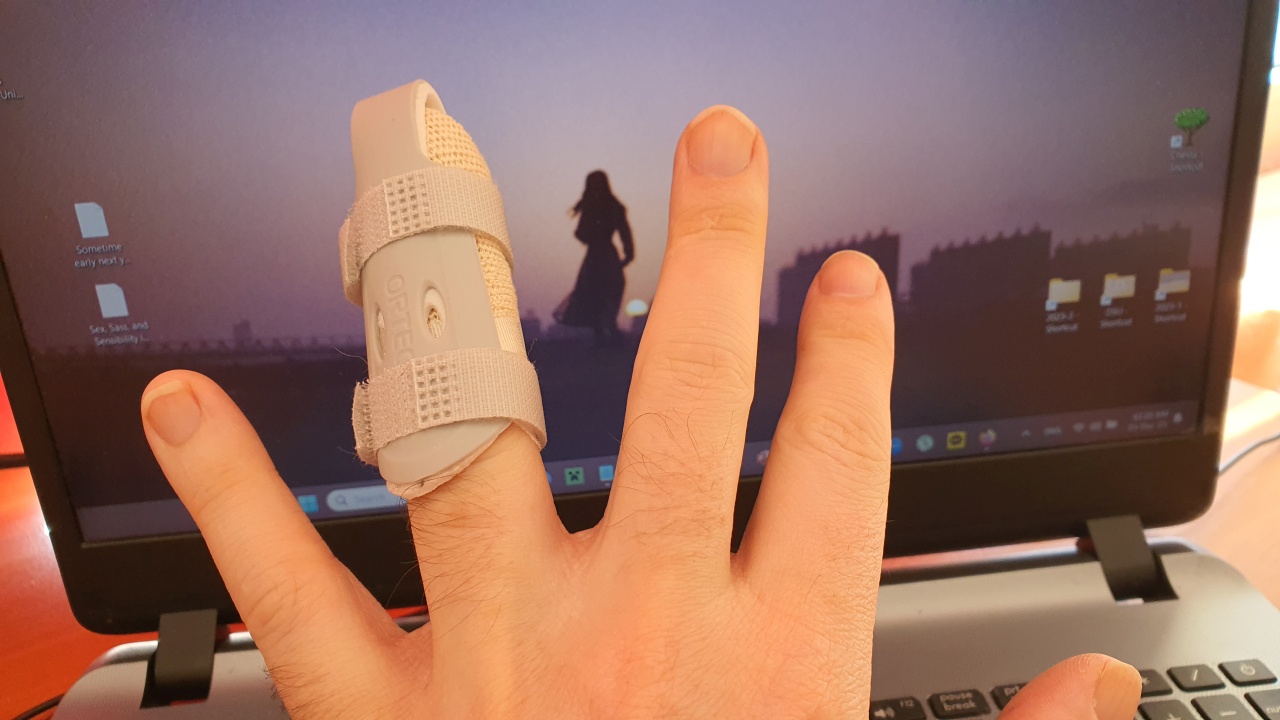
Starting by typing this with a broken finger!
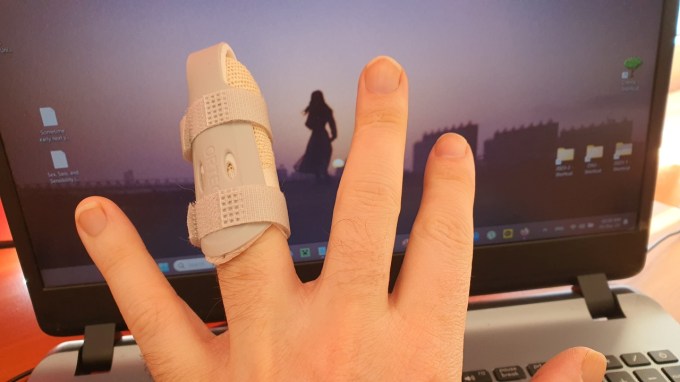
How regularly you callously ask, indifferent to my pain? Well, I can’t make any promises at this stage, as this is only the first day of seeing what I’m capable of. But I can guarantee that once you get used to regular, much more frequent posts, you will genuinely miss them one they’re no longer available for free.

Here, the old me would start talking about the myriad of reasons for making the move, including the problems with the old tagline of “Korean Feminism, Sexuality, and Popular Culture.” But really, most would only be of interest to aging bloggers. So I’ll confine myself to just two, bumped to the end because they’re both a little disheartening, frankly.

Better to lead with the positive—my new tagline. Which a lot of thought went into, and which I’m very excited and passionate about focusing on in 2024—the year this Dragon comes into his element. But what do I mean by it exactly?

“The reaction to having a woman in a condom ad is exactly why we need women in condom ads.”

First, the “Sex,” short for “A Feminist Take on Korean Sexuality” (but which just didn’t have the same bite, you know?), will be the least changed from before. The only difference will be that there will be many more posts on that from now on, prompted by a dire need to reexamine and update the many aspects of it that I haven’t covered in many years. Some, in over a decade.

I have good excuses for that inattention. Compared to a decade or even just five years ago, the quality of instant translation programs, and of English-language reporting about Korea in general, have improved dramatically. When I have wanted to make another deep dive into any Korean-language sources on sexuality then, it’s seemed almost pointless when any non-Korean speaker can get their gist with just a mouseclick. (Albeit with some Korean ability still necessary to find the mistakes, sentences the program inexplicably missed, and so on.)

And yet, despite so much about Korean sexuality having changed in that time, and despite it being a more fascinating, contemporary, and relevant subject than ever, I’m just not seeing the attention I would have expected. Beyond academia, English-language coverage seems overwhelmed by Me-too, molka, and the ongoing legal limbo of abortion. All vitally important issues for sure, but hardly the entirety of what’s been going on.

So, because I really have always seen it as part of my mission to make factual information about Korean sexuality—not rumors and stereotypes from K-dramas and dating TikToks—available to international audiences, it’s high time for someone to step up and fill in those gaps. Again.

“Fuse Seoul” Clothing Brand Subverts Gender Stereotypes, Offers Women Comfortable Clothing. What’s Not to Love?

Next, “Sass” will be the biggest change. Partially, it’s to counter valid criticisms that I focus too much on negative news stories sometimes, which can be a downer for me to write just as much as they can be for you to read. But more, I’m emphasizing it because by this, the week of my first divorce-anniversary (divorcary?), I’m freer than ever before, and like to think I’m even acquiring some semblance of a social life too. Put all that together, and I have much more of a capacity and desire to meet and write about cool, sassy people who share my convictions, who are working hard for the many social changes needed in Korea (especially those related to sexuality), who inspire others to do so, and who very much deserve absolutely all the publicity and support they can get.

(Also, I’m finally realizing how many such people are right here in Busan, a much-neglected population compared to Seoulites. So, sorry not sorry for what will may be a local bias!)

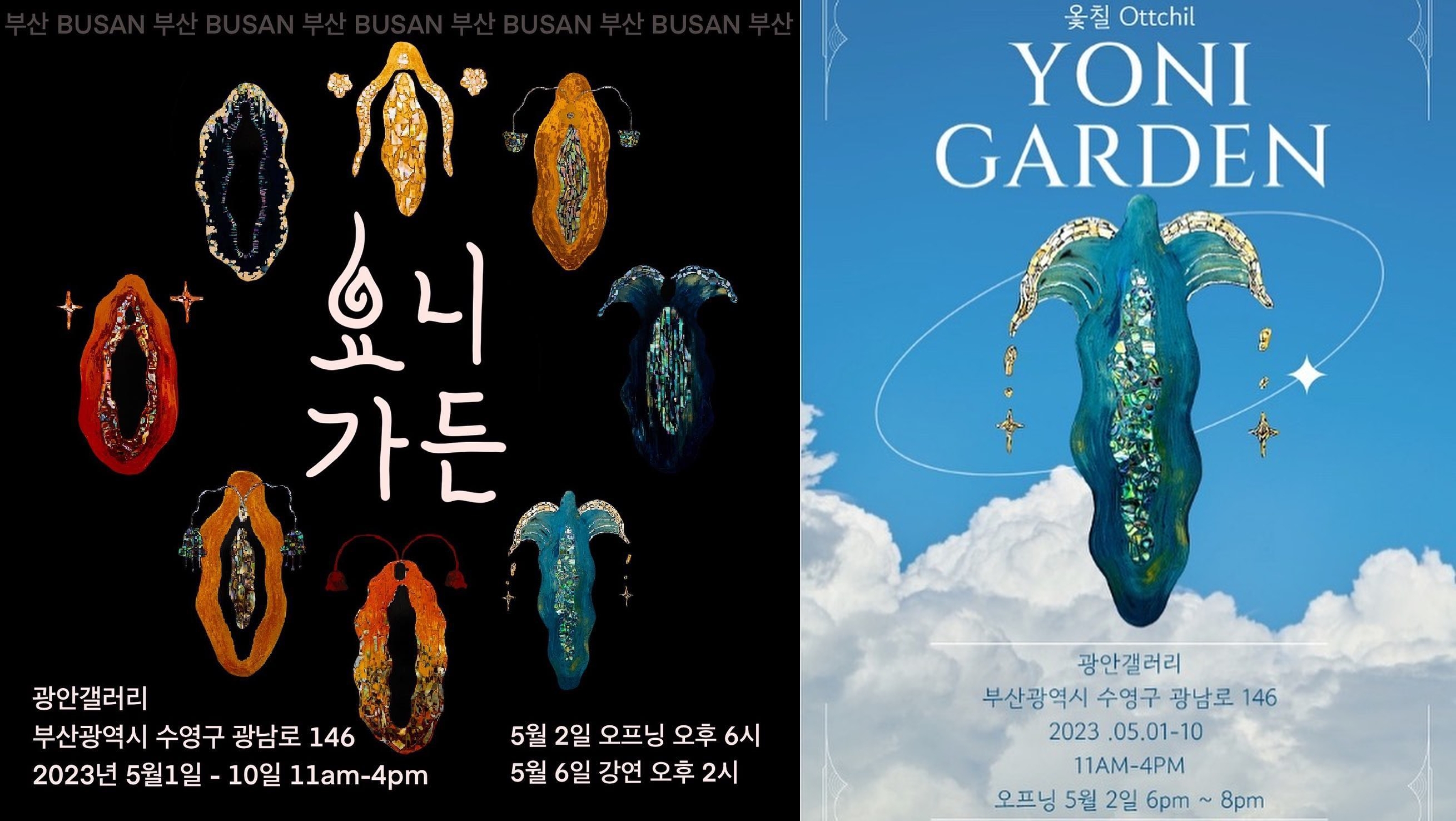
Posters for the “Yoni Garden” exhibition, held in Gwangalli Beach back in May.

Finally, there’s “Sensibility.” Which, not going to lie, I hope that mention alone will endear me to the huge, 99% overlapping demographic of feminists who are also Jane Austen fans, thereby instantly conveying my feminist credentials/allyship (take your pick! It’s all good!) despite the lack of an obvious place to insert “Feminism” or “Feminist” in the tagline. (Believe me, I tried!)

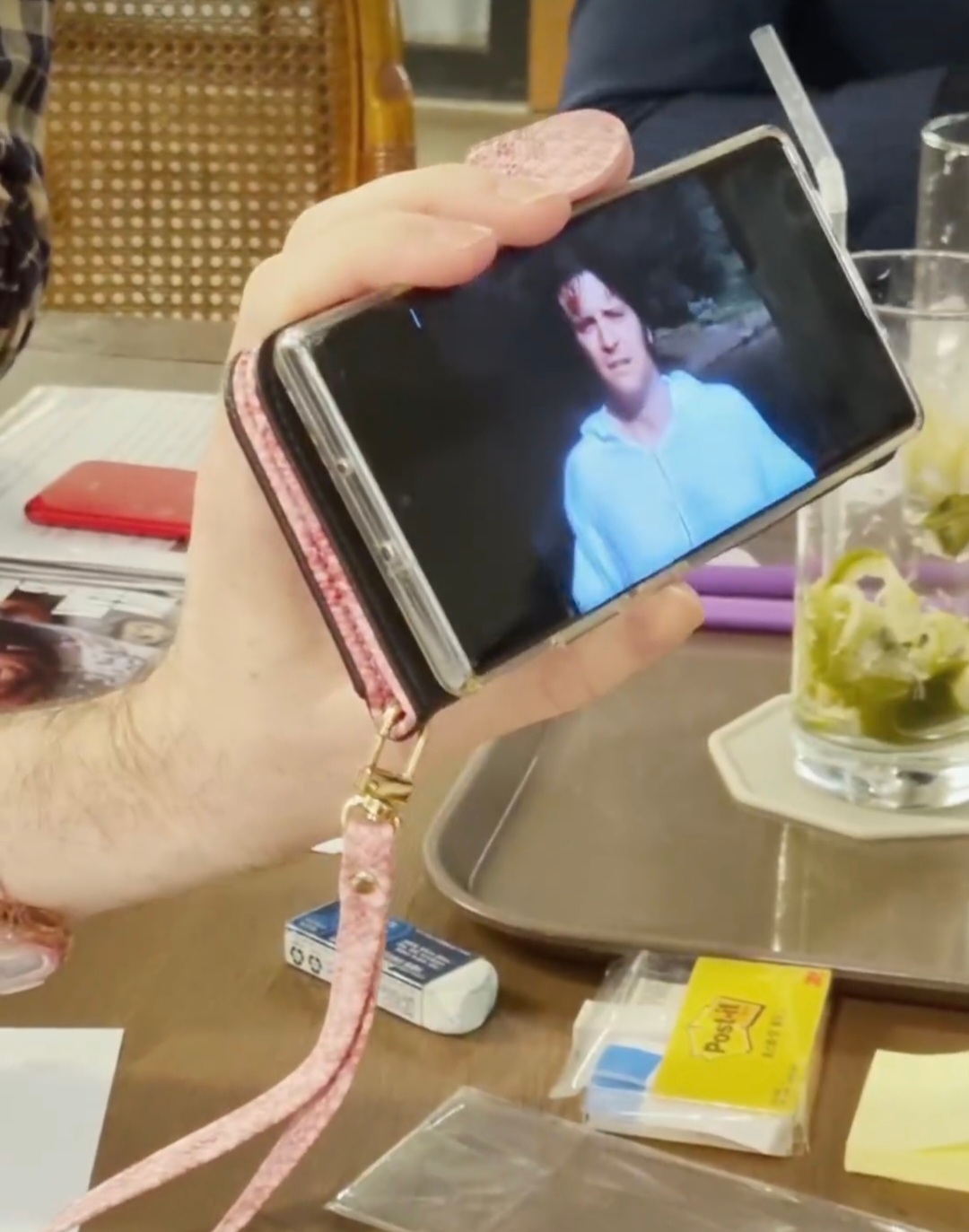
If not, then I could take a photo of my eight books by or about Jane Austen—but won’t, because no-one needs to know that three of those are actually three separate copies of Sense and Sensibility. Instead, let me offer the screenshot below, of me recently explaining “The Darcy Moment” to some sadly deprived female members of my bookclub (you know it’s me, because it’s a pink phone case). So we’re good?
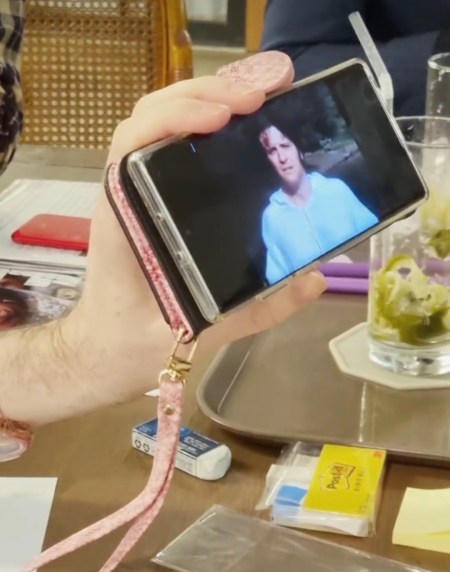
But of course, there’s much more to it than that (I’ve even read some of those eight books!). Google “sensibility,” and even the most diehard Austen fan will have to admit it turns out to be extremely vague, with multiple definitions, especially when applied outside of an Austenian context. I’ve no qualms at all then, in appropriating the term to mean things which bring me joy, which resonate with me, which appeal to my sensibility then, and which I share because I hope—nay, fully expect—you’ll feel the same way about them too.

Generally, there’ll be four kinds of them.

First, those about books (etc.) which may not even mention Korea, but will be about sexuality, feminism, and so on. Shared because they have such eye-opening lessons about and/or parallels to Korea, that not covering them because they’re not technically Korea-related would do every reader a grave disservice. Not to mention withholding an aspect of my life I’m extremely passionate about, am still searching for people in real life who feel the same way, and, if I couldn’t share it at least in writing, simply don’t know what I would do with myself. (Kill myself, I helpfully suggested in another recent bookclub meeting.)

A good example of this is what An Intimate Affair: Women, Lingerie, and Sexuality by Jill Fields (2007) revealed about the uncanny parallels between the corset industry in ‘Western’ countries—for want of a better term—in the 1920s and the “V-line” and “S-line” and other “bodyline” trends of the beauty industry in Korea 2000s-2010s, which have enmeshed themselves into Korean beauty ideals so successfully (see below) that they go almost completely unremarked upon today. All of a sudden while reading that book, how and why finally made sense.

And understanding is happiness.
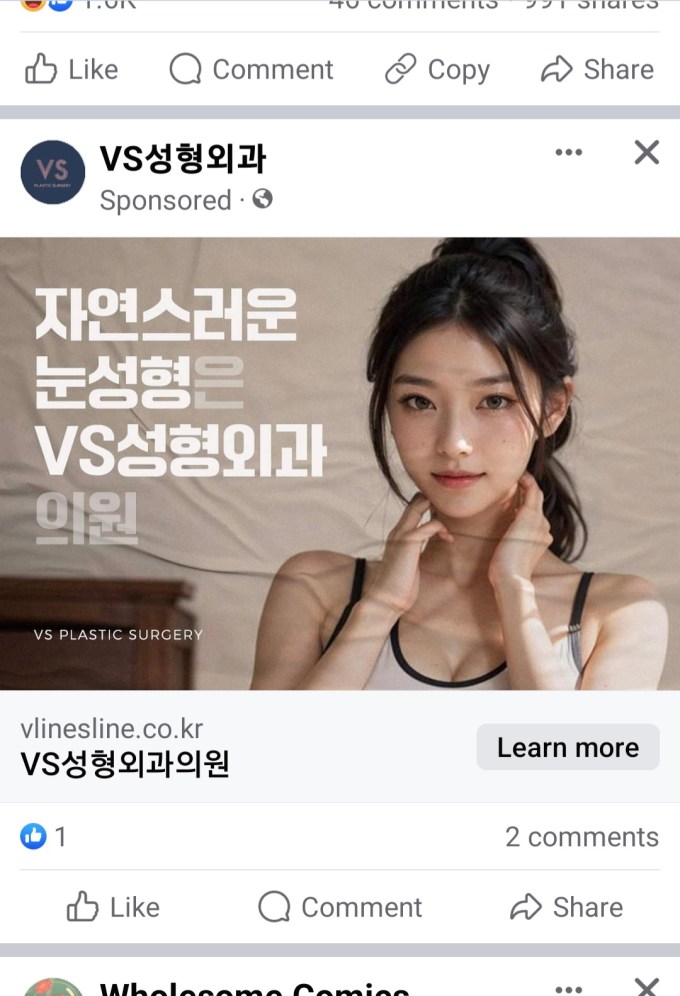
Dat name.

Next, there’s similar epiphanies to share even if there’s no link to Korea whatsoever. Like what I learned recently about how stereotypes about ‘appropriate’ gender roles and slight, natural biological sex differences in various abilities end up magnifying and perpetuating them, and how in practice many of them are easily overcome with just a little training, no matter how much they may or may not be ‘hardwired.’ Because remember my post on that, in which I describe how what I read in one book led to what I’d read in another, to another book, to another article, and to another book I’d read nearly 30 years ago, and upended beliefs I’ve held dearly for nearly as long? Originally that was supposed to be just a quick quote, posted only to sound smart. Instead, I just couldn’t pretend I wasn’t making the connections as I typed the quote out. Connections I felt were absolutely necessary to do the original topic justice, but which also required a lot of time and effort to fully explore, let alone explain.

That’s why so many of my posts end up so long, and why my posting is so irregular.

Because I do, absolutely, want to give the deep dives people have said they prefer. But they’re just so exhausting, and just take so much time.

That said, they absolutely will keep coming. For maybe I’ve finally read enough books to reach some sort of tipping point? Because while writing that post, I reveled in my ability to make those connections just as much as I did from learning from them. And coincidentally, not long after, someone who knows me well, whose own special ability is recognizing the qualities and uniqueness of others, and who’s really adept at working with her knowledge of those to bring people together and pull off numerous successful meetings, clubs, and group events, made the same observation about me. Ergo, for the first time ever, at the tender age of 47, someone else noticed I was good at something I alone have also long thought I was good at.

Perhaps only now because, finally, I know I’m good at it.

So what then, if those connections I make aren’t always about Korea?
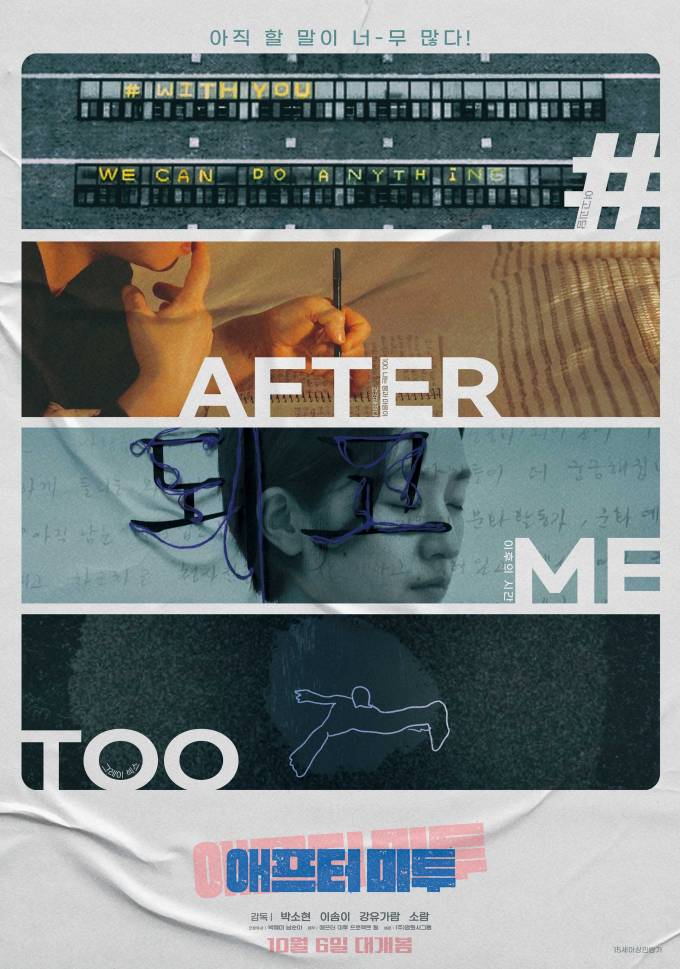
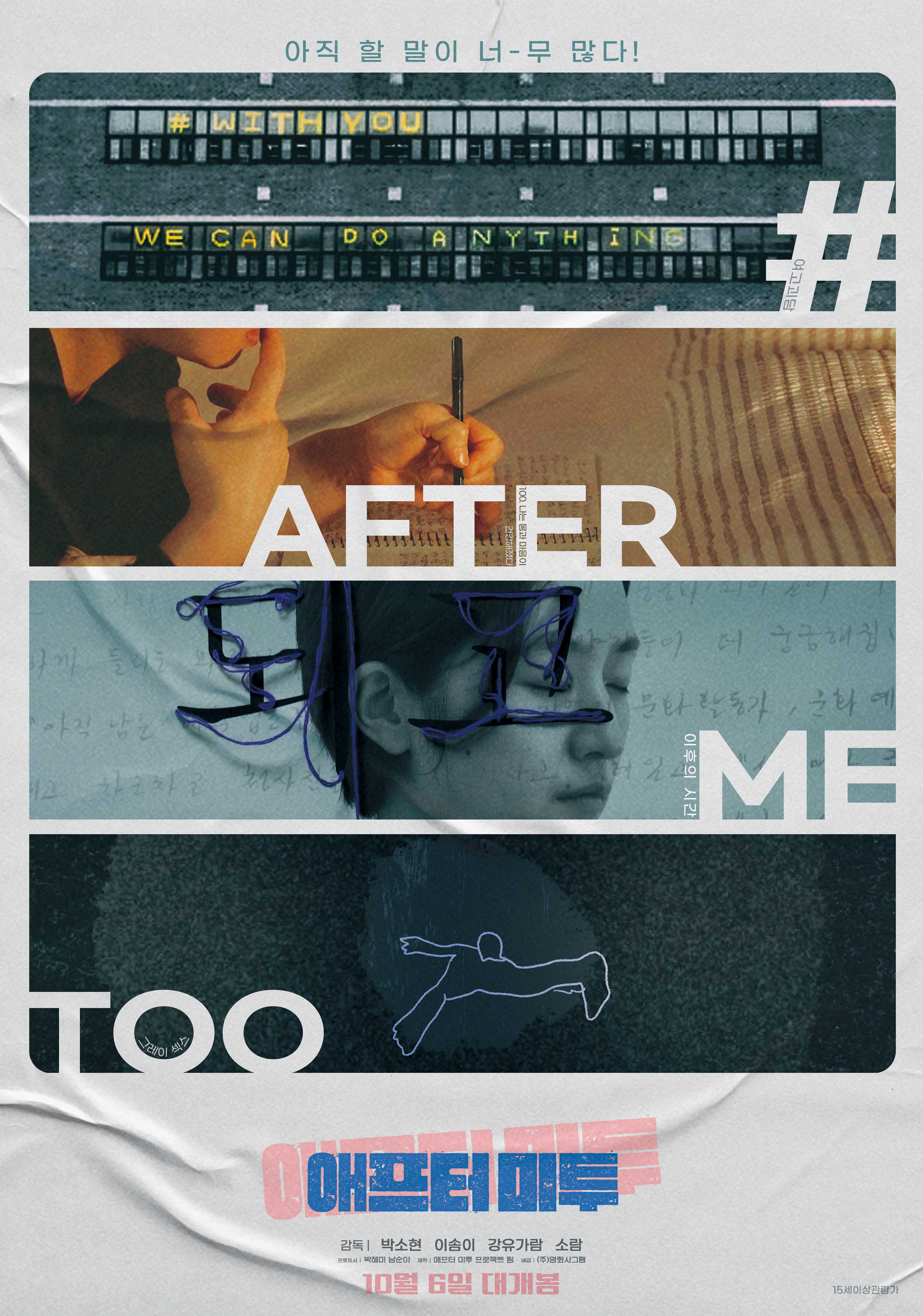
Third, there’s Korean popular culture. But almost always though, absolutely not mainstream movies, dramas, or K-pop. For various reasons, those have generally never appealed to me over the last ten years or so, and besides which they get more than enough coverage elsewhere. Instead, I want to share moments like when I went to see After Me Too last October, which I frankly attended more out of a sense of obligation than anything else, wanting to show my support but also expecting to find it dry and political, and that I would struggle with the Korean.

What actually happened though, was that I understood far more than I thought, and found the film surprisingly moving. And it sparked an interest in films like it I’ve ironically barely covered at all here.
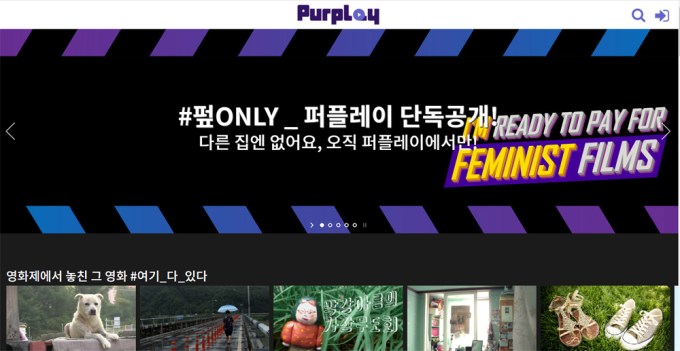
I was still so reticent though, because if I had shared that reaction here, readers might have just been left frustrated with how practically difficult or even impossible it would have been to see the film for themselves. But then, not sharing would hardly help rectify that situation, yes? And films do sometimes get shown again, if you know where to look. Just knowing about how good one was then, even if you missed it, helps you keep an eye out for others coming up by the same directors and/or featuring the same actors. Extend the same logic to other much neglected, indie films. To all the female-centered Korean short films I’ve been watching on Purplay with a vengeance since that moment of mine in the empty theater last year. To the Korean-language books I’ve read. To the feminist dances. All links which are just a drop in the ocean compared to what I want to experience, have experienced, and, despite everything I’ve just said, am wondering what on Earth was stopping me from sharing previously.
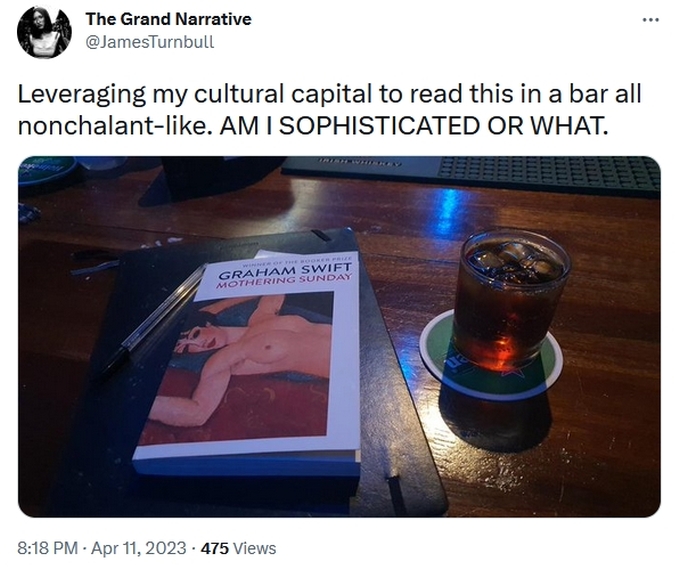
Finally, if you’re reading this far, it’s safe to assume we likely share many of same interests—and the same needs to delve into things completely unrelated to Korea sometimes, or even any of all the other things mentioned so far. So—yeah, it’s not just you detecting a theme here—why not talk about those too?

But with sooo much to talk about, and so much passion to do so, and desire to be heard, that begs the question of why I’ll be limiting myself to only doing so with paid subscribers eventually. Which brings me to conclude here with those two, disheartening reasons I alluded to for making that change.

First, because other than a small flurry of one-time donations when I wrote about blogging in June 2021, for several years before and since then I’ve only had one regular donor, who donates $2 a month. While I’ll always be eternally grateful to her (I love you MT!), that there’s only her after 16 years of blogging just underscores how long overdue a move to paid subscriptions really is, and how ridiculous it is that even now, I’m not fully making the leap for another six months.

Next, although I have over 10,000 followers between all my social media and email subscribers, in the last five years say, I’ve probably only ever interacted with less than 50 of you, and only a dozen or so often enough to know your names. Add that almost no-one leaves comments on blogs themselves these days, then the reality is that writing here is a pretty lonely and isolating experience most of the time. Much more so than I think most readers realize.

Photo by Tim Gouw on Unsplash.

By saying that, I absolutely don’t want anyone to feel guilty for not engaging with my content in the past, nor that future paying subscribers should at all feel obliged to. It’s completely my own choice to write at home alone, instead of doing something more sociable. But, having made that choice, which presumably you’d like me to continue making…it’s just hard sometimes, you know? The utter silence I usually receive in response to most posts, even after spending weeks pouring my heart and soul into some of them, can feel heartbreaking sometimes. Like I’m just screaming into the void.

Put all those reasons together, then I’d much rather have just ten people who are inclined to say hi sometimes, or who at least show they value my work through their renewed subscriptions, than 10,000 who don’t think I’m worth even a cup of coffee.

(More than ten people would be nice too though!)

And with that, to those of you who do want to say hi, let’s get to work on finally building our community, which I will do with my best attempts to keep you entertained, interested, and informed as I can.

So I’ll see you again very soon!

If you reside in South Korea, you can donate via wire transfer: Turnbull James Edward (Kookmin Bank/국민은행, 563401-01-214324)

Remedy, Mobility, and the Feminized Consumption of Beauty in Post-Authoritarian South Korea—Zoom Lecture, 8-9:30AM Thursday, November 16 in South Korea

Estimated reading time: 2 minutes.

Please register here, and see here for more details.

Here’s a quick summary from the latter:

[Dr. So-Rim Lee from the University of Pennsylvania] will discuss remedy (koch’ida), a term she uses to refer to changing one’s appearance through medical interventions—including plastic surgery, cosmetic injections, among others—to make life better. Remedy is much broader than medical discourse alone; Lee’s current book project contends that remedy is a critical cultural ethos, a teleological narrative, a social performance of subjectivity, and a material praxis of embodiment where state biopolitics and individual desire for belonging are inextricably entangled. From the postwar 1950s to the 1970s, remedying the body primarily signified rehabilitating disabled bodies; its grammar was integral to the narrative of nation-building under developmental dictatorship by way of remaking a healthy, re/productive national body marked by continued economic development. However, with the emergence of middle-class consumer culture and rapidly changing mass mediascape in the 1980s-1990s, remedying the body through plastic surgery became normalized in various print media as a gendered, individualized, and hyper-visible consumption practice undertaken by women for upward mobility. Perusing teen pictorials, feminist magazines, newspapers, and films, this work-in-progress talk explores how the consumerist discourse of remedy in post-authoritarian South Korea was keenly entwined with the discursive marginalization of different yet intersecting strata of women—specifically, housewives and working-class young women/teens.

See you there!

If you reside in South Korea, you can donate via wire transfer: Turnbull James Edward (Kookmin Bank/국민은행, 563401-01-214324)

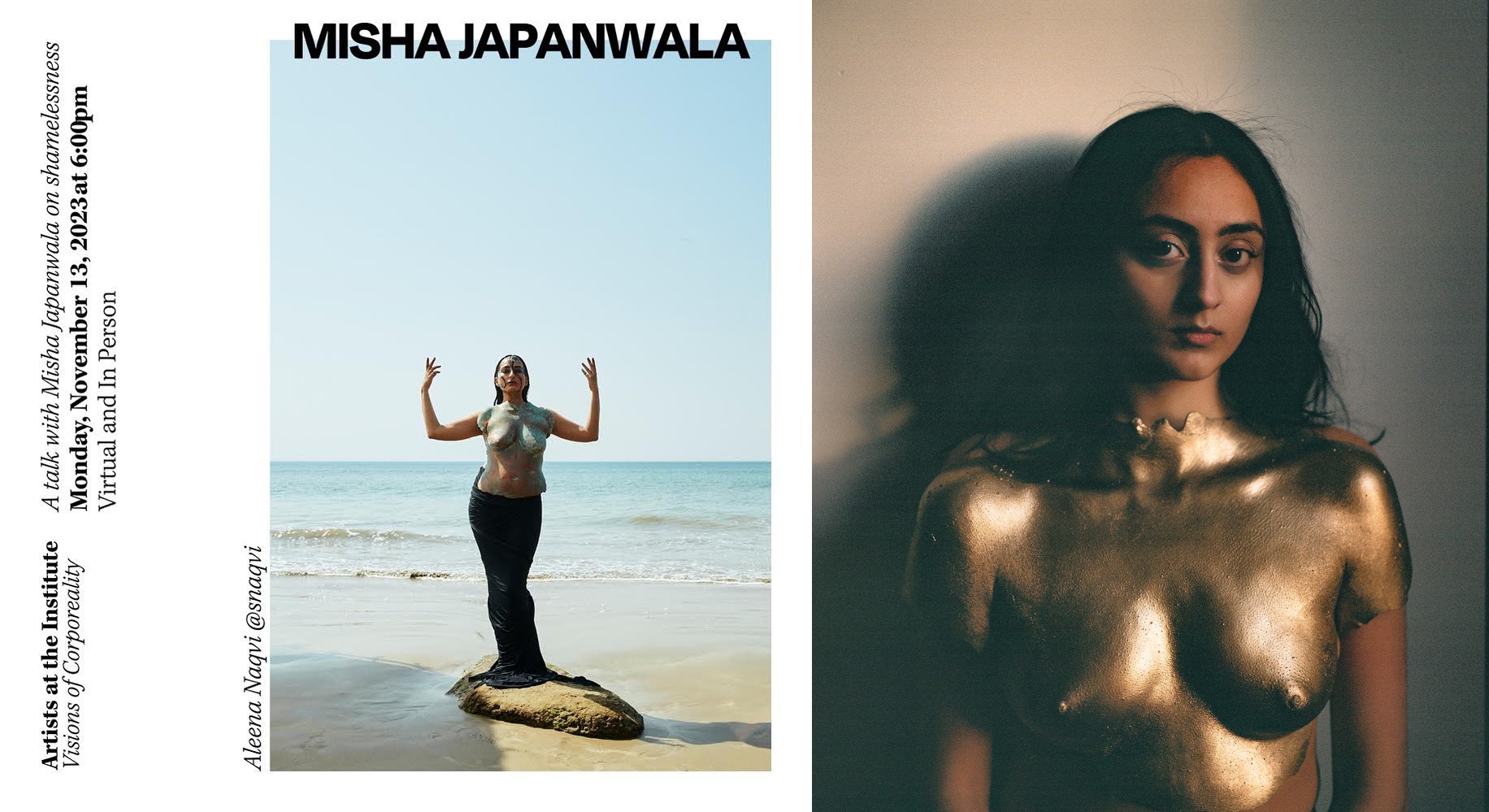
Visions of Corporeality | Artists at the Institute: Misha Japanwala—Webinar, 8AM Tuesday, November 14 in South Korea

(Also available as an in-person lecture at 6PM, Monday, November 13 at The Institute of Fine Arts, 1 East 78th Street, New York.)

Estimated reading time: 3 minutes. Image source (cropped): NYU The Institute of Fine Arts newsletter. NSFW images follow.

For the sake of shorter, more impactful and easy-to-remember announcements, I’m posting about notices about webinars and virtual lectures (that I’m able to attend) separately from now on.

Sorry that this one comes so last minute, but as far as I know registration for the webinar is available right up until the event itself:

“As part of the Institute of Fine Arts’ (Instagram, Facebook, Linkedin, X/Twitter) ongoing tradition of inviting contemporary artists to speak about their practices in the Duke House Lecture Hall, this year’s Artists at the Institute Lecture Series invites four artists who explore the body as a site of confrontation. The body is continuously subjected to political, social, and aesthetic judgments both within and outside of the art historical canon. Whether it be through the ongoing battle with reproductive rights or the modification of the body in digital and social media, this phenomena proves to be omnipresent. Contemporary artists are constantly grappling with conceptions of corporeality, and each artist brings a diverse approach to what this means to them. This year’s series is committed to uplifting the voices of women working in representational practices across a range of media, styles, and backgrounds. Through feminist, cross-cultural, and art historical methods, these artists challenge the contours of corporeal form, transcending the limitations and restrictions that have bound the female body to the canonical canvas, and imagining how such liberation might transform aesthetics.”

Sources: NYU Institute of Fine Arts Instagram & Newsletter.

“For our second installment of Artists at the Institute, Visions of Corporeality, lecture series we are excited to welcome Misha Japanwala. Misha Japanwala (b. 1995, London, England and raised in Karachi, Pakistan) is a Pakistani artist and fashion designer, whose work is rooted in the rejection and deconstruction of shame attached to one’s body, and discussion of themes such as bodily autonomy, gender based violence, moral policing, sexuality and censorship.” (Instagram, homepage.)

“In our second installment of this series, Misha will touch upon what it means to be a Pakistani woman familiar with the historical objectification, commodification and control exerted on marginalized bodies by societies and systems enveloped in patriarchy.”

(Join in-person / Join virtually.)

And as a reward for those you still reading, please click here to register for the next virtual lecture I’ll be announcing tomorrow: “Remedy, Mobility, and the Feminized Consumption of Beauty in Post-Authoritarian South Korea,” a virtual talk featuring So-Rim Lee from the University of Pennsylvania, and presented by the Korean Studies Research Network. In South Korean time, that event will be on Thursday, November 16, again at 8am.

See you there!

Related Posts:

If you reside in South Korea, you can donate via wire transfer: Turnbull James Edward (Kookmin Bank/국민은행, 563401-01-214324)

Please Help Some Struggling Students by Filling in Their Quick Surveys on Anime and Smoking!

Less than 20 years ago, Korean women could get assaulted for publicly smoking. Less than 2 days ago, a short-haired woman in Jinju did get assaulted for the same, real reason—openly defying restrictive gender norms.

Estimated reading time: 3 minutes. Image sources (adapted): @TheKpopProf on X/Twitter and @cottonbro at Pexels.

An academic friend has asked for help for her students, who are having trouble finding participants for surveys they need to conduct as part of their coursework.

If you’re eligible, both surveys are completely anonymous, and each should just take just a few minutes to complete.

The first is about how women feel about the way women and young girls are portrayed in anime/hentai. Your nationality is not important, but it is open to women and non-binary participants only.

The second is about smoking habits and perceptions of men and women smoking in Korea, and is open to all Korean smokers, although Korean ability is not required.

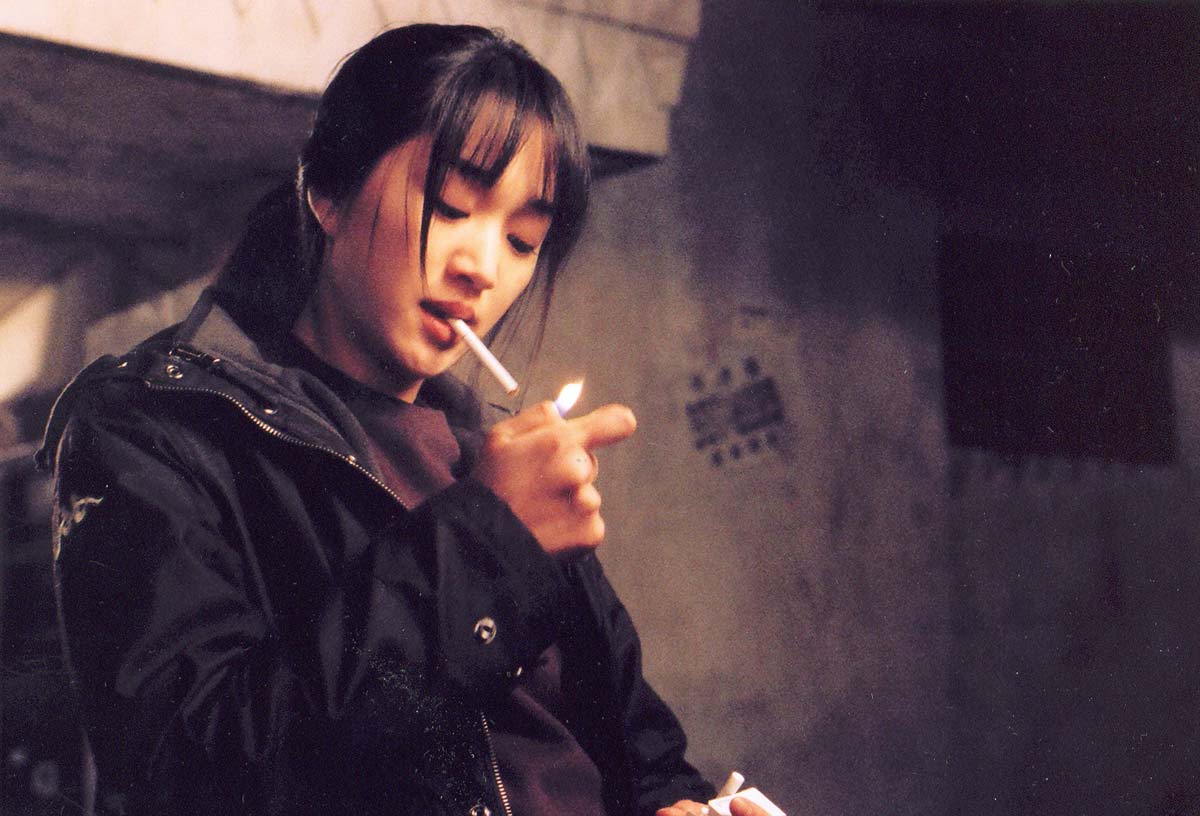
Park Soo-ae/박수에 in A Family/가족 (2004). Source.

Alas, I don’t think I’ve written anything much at all about anime. But back between 2010-2013, I did write the long series below about the gender politics of smoking in Korea, prompted by an incident in the news about a young woman getting physically attacked on the street for openly doing so. So I can certainly understand what prompted the line of questioning in that survey, and am very interested in learning from the students about how much things have changed in the last 10 years.

Fortunately, cases of women getting assaulted in Korea for smoking now seem like ancient history. But then it was never really about smoking, was it? The real reason female smokers were assaulted back then was for openly defying restrictive gender norms and roles. And, sadly, as more and more women are brave enough to do so in other aspects of Korean social life, it seems the rates of assault against them are only increasing in response. Most recently, with a woman in Jinju this week being attacked for having short hair.

I really didn’t intend to sound so cynical. And I’m not—preventing such crimes starts with undermining the attitudes behind them, and determining how prevalent they are helps towards that. So, thanks in advance for your help with the surveys, and please feel free to share them with your networks!

Related Posts:

If you reside in South Korea, you can donate via wire transfer: Turnbull James Edward (Kookmin Bank/국민은행, 563401-01-214324)

Upcoming Zoom Lectures and Webinars You Should Totally Register for ASAP

They just KEEP coming. Grrr…

Reading time: 3 minutes. Photo by Fausto García-Menéndez on Unsplash.
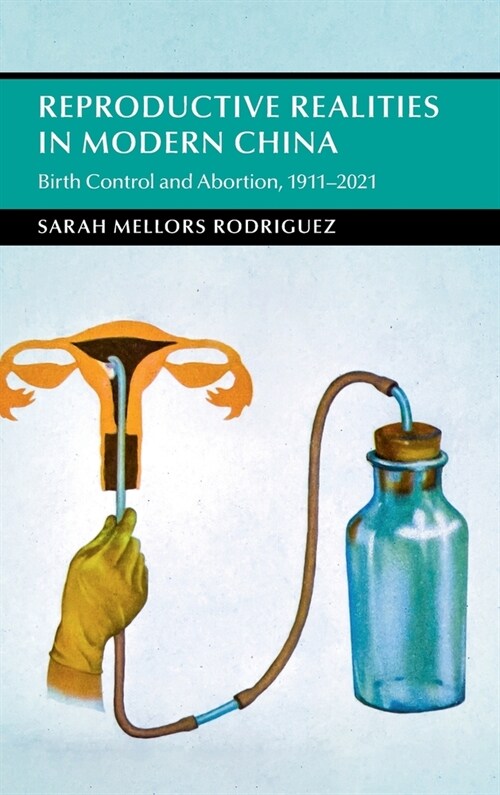
First, on Friday 6 October at 09:00 Korean Time, Professor Sarah Mellors Rodriguez (Missouri State University) will discuss research from her new book, Reproductive Realities in Modern China: Birth Control and Abortion, 1911-2021 (Cambridge University Press, 2023):

At an annual rate of 49 abortions per 1,000 reproductive-aged women, China has one of the highest abortion rates in the world. This phenomenon is often attributed to the One Child Policy (1979-2015), yet even when abortion was illegal in the early twentieth century, it was already commonplace. This talk traces the history of contraception and abortion in China from the fall of the Qing dynasty in 1911 to the present. Rodriguez demonstrates how inconsistent state policies and patriarchal norms have historically worked in concert to normalize abortion as birth control.

More information and registration are available here and here. Also, check out an interview of her about her book at Made in China Journal, and a long podcast interview at New Books Network.

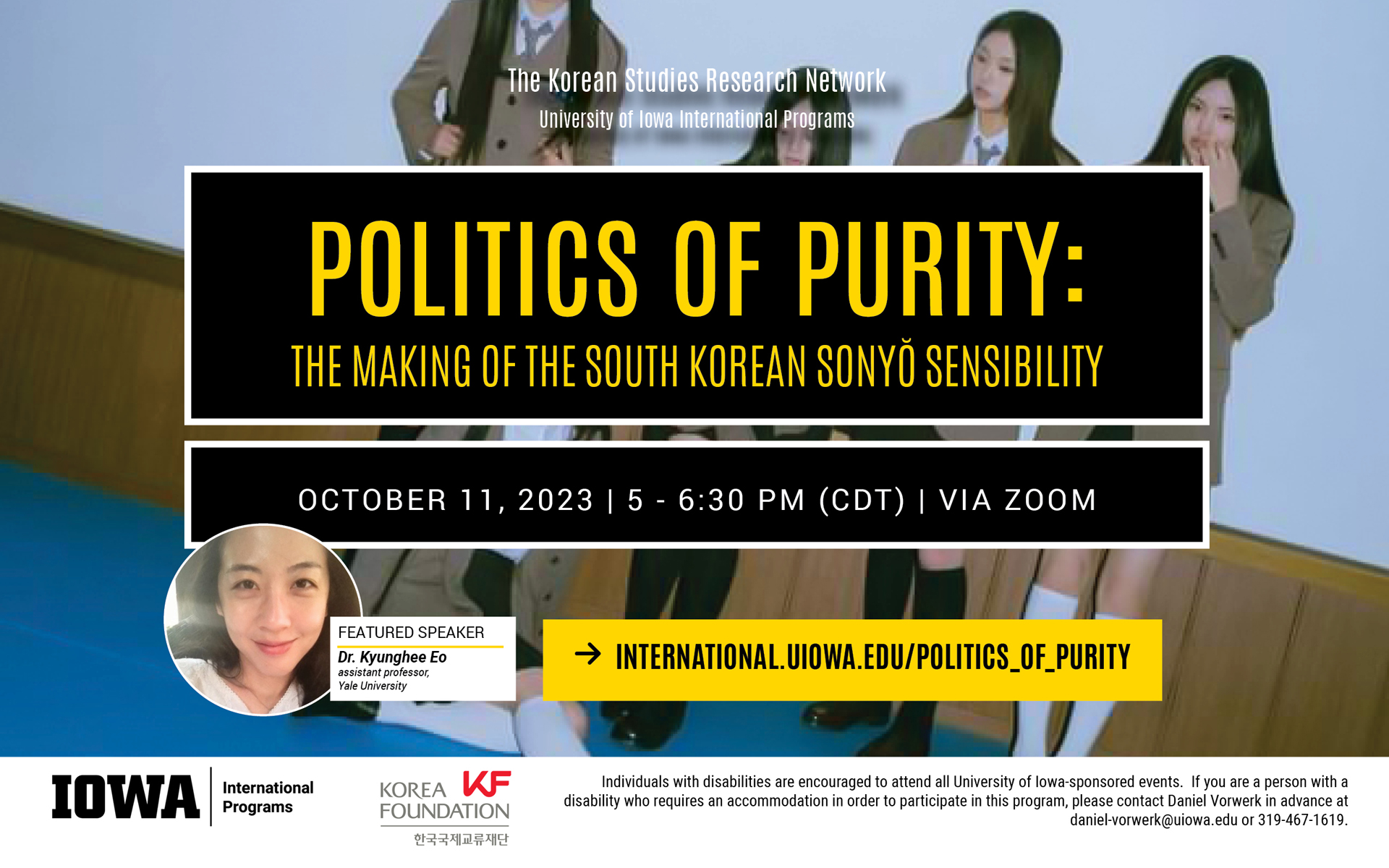
Next, and finally for today, on Thursday 12 October, from 07-08:30 Korean Time, Dr. Kyunghee Eo, assistant professor of East Asian languages and literatures at Yale University, will give a virtual talk entitled “Politics of Purity: The Making of the South Korean Sonyŏ Sensibility”:

Eo will demonstrate how we can enrich our understanding of Korean culture and society through a critical engagement with the figure of the girl (sonyŏ), a subject position that seldom takes center stage in official narratives of history. Using an interdisciplinary methodology, Eo will trace how girls were represented in various types of cultural texts, from canonical literature and popular magazines of the postwar period to the contemporary K-pop industry. By doing so, Eo will show how the unique girl sensibility (sonyŏ kamsŏng) that we see in South Korean cultural production today is not just a byproduct of hetero-patriarchal discourse, but rather, a cultural form that has articulated the desires, erotic fantasies, and political aspirations of women and girls in Korea over the past century.

See here and here for more information and registration. Also, make sure to check out last week’s post for information about two more upcoming Zoom presentations—one about the exhibition Only the Young: Experimental Art in Korea, 1960s-1970s, the other on Househusbands and Breadwinning Mothers: (Un)doing, Displaying and Challenging Gender in Japan—which will also take place next week.

If you reside in South Korea, you can donate via wire transfer: Turnbull James Edward (Kookmin Bank/국민은행, 563401-01-214324)

How to Persuade Many More Women to Think Daily About the Roman Empire! (And Men Too!)

Estimated reading time: 4 minutes. Photo (cropped) by Juliana Malta on Unsplash.

Without further ado, let me introduce Erica Stevenson of Moan Inc. (love the name), who “dives into the mythology, philosophy, [and] history [of] the ancient Greeks & Romans” through “videos uploaded every Tuesday & Thursday (sometimes Sunday).” Overall, she “aims to show [her] viewers that the ancient world isn’t as tough or complicated to study as one may think,” and seeks to act “as the middle man between the myths we are told as children and the university lecture space you all try to avoid.”

I highlight Erica’s YouTube channel for you here, because despite—as far as I know—never explicitly aiming to give ‘ancient modern’ women or goddesses their due, or analyzing the ancient Greek and Roman worlds through a feminist lens, in practice she seems to do a hell of a lot of both. She’s also funny, has an infectious enthusiasm for her subject, and invites a lot more female than male experts to appear in her videos, which I’m guessing from all the memes is quite unusual. For instance, she recently collaborated with one of yours and my favorite book reviewers, Willow Heath of Books and Bao:
What originally brought her to my attention though, was her enthusiasm for a recent biography on Plato, due to the author’s rare acknowledgement of the difficulties in making any definitive, factual statements about someone for whom so little information was actually available. Which, indirectly, mirrors some of the ways I compensate for my background in writing and researching the subjects that I do (8:51-10:57):

(Update, January 2024: To my chagrin, Erica Stevenson seems to have quietly deleted the original review video, possibly because she interviewed the author himself a few months later, which I include below. I’ve decided to keep this post up though, as the points she was making still stand!)

My transcript:

Moving into what I thought of the book itself…I loved it. Right, to keep this as short as possible, I thought it was absolutely fantastic, and the reason why I thought that this study was so good is because…something that I worry about when reading non-fiction, [and] something that I’ve heard a lot from non-fiction authors, is that publishing houses…push authors to write more definitively, and to write clearer. So, by that I mean, you know I spoke to Tim Whitmarsh about this, that with his book, about atheism in the ancient world, there were lots of sentences he wanted to keep very nuanced, that the publishers, the editors were kind of like, “You’re going to need to hammer that down.” To be a bit more clear, to be a bit more certain, because for a wider audience, they don’t want to have to read your silly “This might be…,” or “This could be interpreted…”. You know, they just want facts basically, to leave the book with a solid story, as opposed to you over-complicating it with so much nuance in there. And lots of other authors have mentioned that to me, so, whenever I go into non-fiction I’m always trying to see like “Errrr….How much did the editor have a say in this? How much did the publisher have a say in this? Are we going to get any real nuance here…what’s gonna haaappen?”. And with this book we did not have that problem, at all.

I don’t know who Robin Waterfield works with, but they allowed him to leave all of the questions in the book, right? He makes it very clear after any ‘facts’ he puts forward about Plato, that there’s no real way of knowing that, and the reasons why we can’t know those things. Or, what other people have latched onto in order to claim that that was a fact about Plato. So, it was really fantastically well-done. There are so many wider references, there’s a huge index sort of, you know, sort of thing at the back, which you can then check what ancient works he gets things from, what other scholars did he get things from. You know, all of that was just done so well, and that’s obviously so necessary for a study like this when absolutely nothing is certain.

And which would seem a strange place to end this post on. Sorry. But, well, in a previous version, three times as long, I went on to explain the epiphanies this led to when I first watched the video in July, the confidence that gave me, the exciting plans I have for my writing now, and how enthused I was about fulfilling those. Only then I realized I was actually sabotaging those plans, wasting the better part of a day writing about my least favorite subject instead—myself:

Ahem. So, lesson learned, I’ll wisely shoehorn this ending here. And have another post up for you up very soon!

If you reside in South Korea, you can donate via wire transfer: Turnbull James Edward (Kookmin Bank/국민은행, 563401-01-214324)

Upcoming Zoom Lectures and Webinars You Should Totally Register for ASAP!

Reading time: 4 minutes. Image source: Photo by Fausto García-Menéndez on Unsplash

First, on Friday September 29, from 09:00-10:15 Korean Time (Yes—very soon!). The University of San Francisco Center for Asia Pacific Studies welcomes Monica Liu (University of St. Thomas Minnesota) to share her latest research on why Chinese women seek Western men (details; registration):

China has undergone a striking transformation over the past four decades, growing from a poor country to the world’s second-largest economy. Despite its ascendance on the world stage, a significant number of women are still desperately seeking to marry Western men and immigrate abroad. To pursue their elusive dream, these women are turning to global internet dating agencies. From 2008 to 2019, Liu conducted research at three different transnational dating agencies in China, interviewing 61 Chinese female clients, the majority of whom were middle-aged and divorced. In this talk, she will address how emerging inequalities brought on by China’s transition from state socialism toward a global market economy shaped these women’s desires to leave their country. Ultimately, their desires to pursue marriage migration not only reveal their longing for a better life but also cast a revealing light on the pervasive gender, age, and class inequalities that continue to plague modern-day China.

Not at all about “yellow fever,” but actually more about why many of the Chinese women she interviewed concluded that Western men were neither rich nor sophisticated enough to marry, I’ve previously mentioned an interview of Monica Liu at New Books Network about her related book Seeking Western Men: Email-Order Brides Under China’s Global Rise (2022), and have no hesitations at all in thoroughly recommending it!

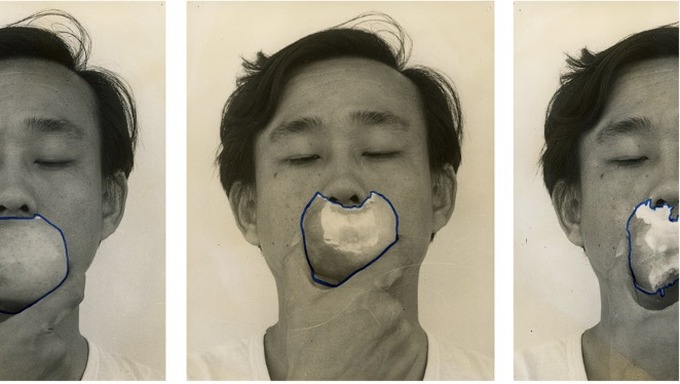
Next, on Wednesday October 11 at 07:30 Korean Time, IFA Contemporary Asia is presenting Happening Now: A Conversation with Kyung An and Sooran Choi, on the occasion of the exhibition Only the Young: Experimental Art in Korea, 1960s-1970s, on view at the Solomon R. Guggenheim Museum through January 7, 2024 (details; registration):

The air was fidgety in 1960s and 1970s South Korea. While the nation urgently anticipated new breakthroughs from the rapid socioeconomic transformations, Park Chung Hee’s dictatorial grip on the young republic tightened. In response, the new generation of young artists embarked on innovative and often provocative approaches to art making by experimenting with radical artistic concepts and a wide variety of mediums, including but not limited to video, installation, photography, and performance. Featuring approximately eighty works, Only the Young examines the works born out of both individual and collective experimentations, which were bounded not by a single aesthetic, but by their engagement with the dynamic social atmosphere of South Korea and the world beyond.

This discussion seeks to explore Experimental Korean art in the 60s and 70s as a unique moment in Korean history while situating it within the broader discourse of global art history, to question: How has the term “Experimental art” been forged and developed? How do we navigate between the artists’ local distinctiveness, yet avid engagement with concurrent global art movements? How does the exhibition engage with the current sociopolitical climate? The event will begin with a brief presentation and walkthrough by the exhibition curator, Kyung An, Associate Curator of Asian Art at the Guggenheim, followed by a conversation between her and Sooran Choi, Assistant Professor of Art and Art History in the School of the Arts at the University of Vermont, Burlington, VT.

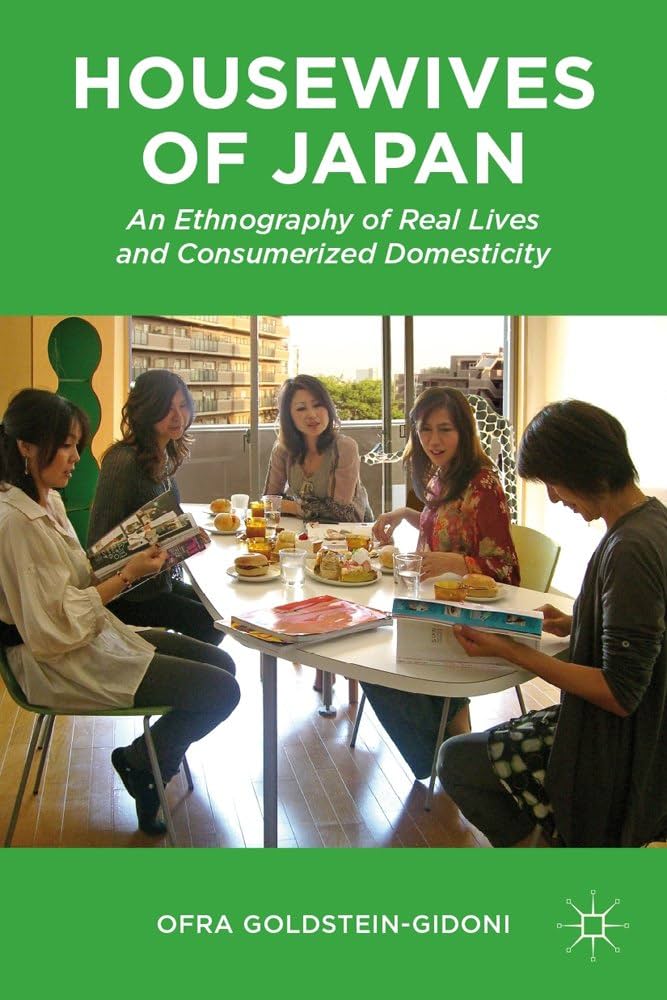
Finally, on Friday October 13, from 19:00 to 20:30 Korean Time, Ofra Goldstein-Gidoni (Professor, Tel Aviv University) will discuss her paper Househusbands and Breadwinning Mothers: (Un)doing, Displaying and Challenging Gender in Japan, which is:

…a study of Japanese heterosexual couples self-defined as “role-reversed couples” (fūfu gyakuten). As the term suggests, these couples are surely not representative of the normative gender division between work and care in Japan. In fact, in the Western Anglo-American context, role-reversed parenting has been recently described as “statistically rare,” but of growing practical and theoretical significance.

The paper will present these couples against a shifting background in Japan, which includes the growing participation of women in the workforce and an ongoing vibrant public discourse about re-defining the role of the father in the family, largely encapsulated in the popular neologism ikumen.

Examining couples who respond, challenge, confront, perform and even negate what they perceive as their ascribed “roles,” the paper will pose the question of doing and undoing gender at its focus, the presentation will aim to challenge or problematize the allegedly too-narrow binary opposition of doing/undoing.

See here and here for further details and registration. (Image, above-right: Ofra Goldstein-Gidoni’s latest book.)

If you reside in South Korea, you can donate via wire transfer: Turnbull James Edward (Kookmin Bank/국민은행, 563401-01-214324)

Why, oh Why, do we Need Mosaics on Women’s Nipples?

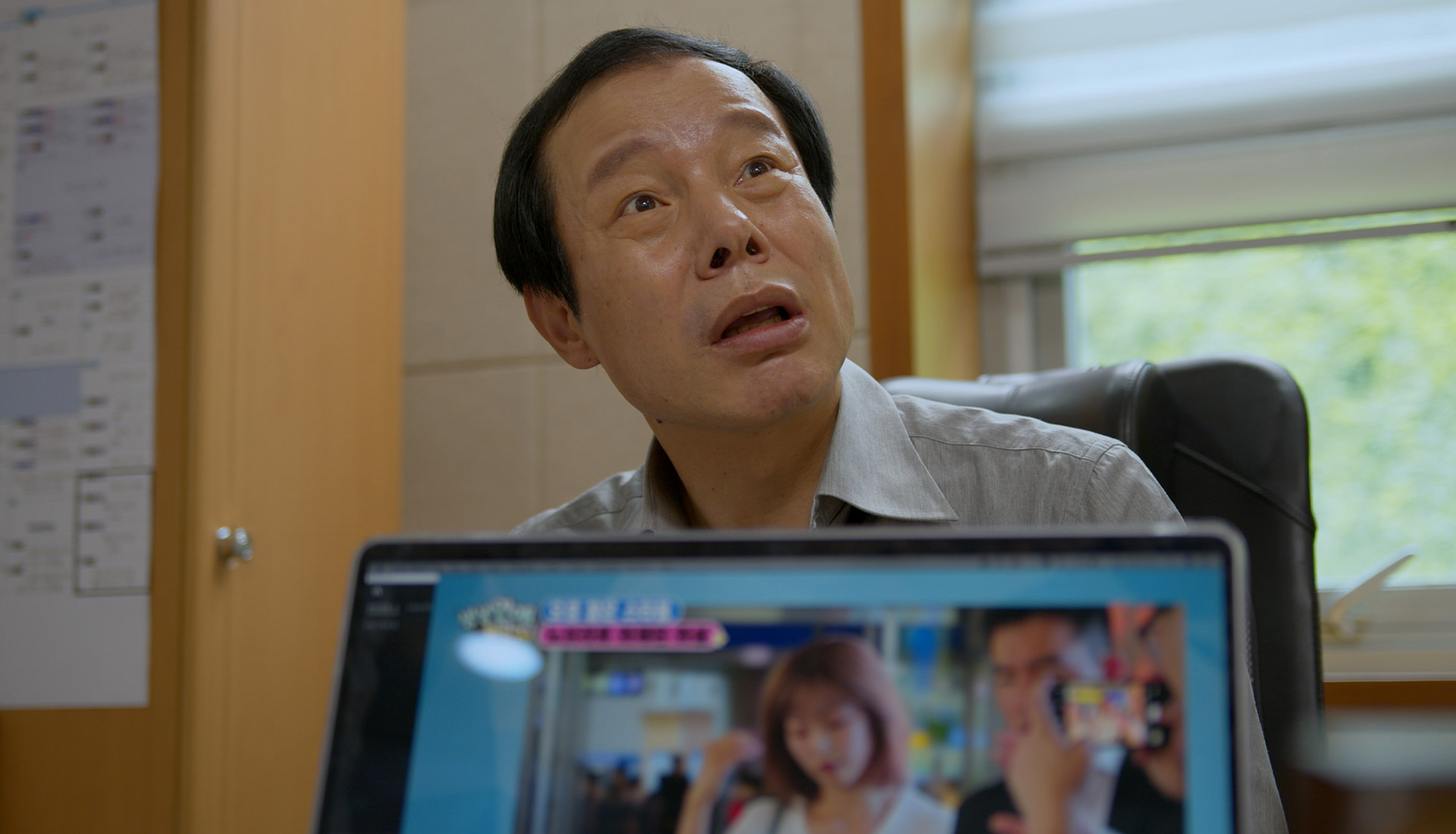
Well, we don’t, actually. But for those who want to learn more about why not, and laugh themselves silly in the process, Nipple War 3 (젖꼭지 3차대전) is available for streaming on indieground until July 30!

Estimated reading time: 5 minutes. Image source: indieground.

“Nipple World War 3″ it should really say, otherwise the “3” makes no sense. After appearances in over 30 film festivals though, the misguided English title has stuck, so I’ll roll with it.

It’s very crude and slapstick too. But I’m not complaining about that either.

For there’s nothing subtle about the absurd double standards regarding male and female nipple exposure, in Korea or anywhere else for that matter. But it’s only relatively recently it’s become a real issue here, as explained by Jo Yeong-joon in her column about the 2021 film yesterday at Oh My Star:

2019년쯤이었나. 여성 연예인들의 노브라가 사회적인 이슈가 된 적이 있었다. PD 출신인 백시원 감독도 당시 방송에서 이 문제를 다루는 방식을 놓고 상사와 의견을 나눈 적이 있었다고 한다. 당시에 상사는 두드러지는 여성의 젖꼭지에 모자이크를 처리하라고 했지만 취지에 옳지 않다고 생각한 감독은 극 중 인물처럼 적극적인 행동을 하지는 못했지만 속으로 불편함 감정을 느꼈다고 한다. 이 영화 <젖꼭지 3차 대전>은 그런 사실적 상황 속에서 태어나게 되었다. 코미디적 연출과 다양한 상황을 제시하기 위해 결과적으로 많은 부분이 각색되고 픽션화되기는 했지만 당시에 경험했던 사회에 만연해 있던 은근한 성차별에 대해 들여다보고자 한 것이다.

“Was it around 2019, when female celebrities not wearing bras in public became a social issue? [Theno-bramovement?] Director Baek Si-won, a former producer, said that the ‘problem’ of a woman not wearing a bra came up in a program she was working on at the time; after discussing with her boss about how to deal with it, she followed his instructions to use mosaics to cover the women’s prominent nipples. But she was uncomfortable with doing so, and, although she didn’t object quite as actively as the characters do in her short film, it was from that real example that Nipple War 3 came about. Indeed, although much of the film is heavily dramatized and fictionalized for the sake of comedic affect, and for presenting a wider variety of scenes and situations, the intention in doing so was to better highlight the subtle sexism and double standards that were—still are—experienced every day in Korean society.”

영화는 연예인의 젖꼭지가 도드라지는 방송 화면을 모자이크 하라는 마정도 부장(정인기 분)에 맞서 자신의 의견을 피력하는 용 피디(최성은 분)의 모습을 다루고 있다. 영화의 구조도 그리 복잡하지 않다. 서로 다른 의견을 가진 두 사람이 총 세 차례에 걸쳐 부딪히는 것이 뼈대의 전부다. 대신 각각의 지점이 (영화의 표현을 빌리자면 세 번의 대전) 던지는 문제의 화두는 모두 다르다. 갈등의 중심에 놓인 매개는 여성의 젖꼭지 하나이지만, 감독은 이 과정을 통해 여성의 특정한 신체 부위가 드러나는 것에 (실제로는 여성의 자유와 권리, 평등을 보장하는 일에) 반감을 가지는 이들의 주장이 얼마나 차별적이고 비합리적인지를 드러내고자 한다.

“[As can be seen the opening scene above, which has English subtitles], the movie deals with Producer Yong (played by Choi Seong-eun) who disagrees with her manager Ma Jeong-do (played by Jeong In-gi) when he asks her to mosaic out a female celebrity’s prominent nipples under her t-shirt. From then, the film is structured around people with different opinions having an argument (having a ‘battle,’ to borrow the parlance of the film) a total of three times, each on a different aspect of women’s nipples—the central characters if you will. Through this variety of situations and arguments, Director Baek wants to make that it clear that only allowing men to expose certain parts of their body is extremely discriminatory and irrational, and ultimately fundamentally undermines their guarantees of freedom, rights, and equality.” (My emphasis and slight embellishments—James)

Image source: indieground.

I’d just love to translate the full column. But unfortunately copyright is a thing, translation apps and plugins are more than adequate, and the reality is that if you don’t understand the Korean yourself, then you’ll struggle to make much sense of the film dialogue either, which has no Korean or English subtitles. (Sorry—I’m disappointed too.) I would like to highlight just a few more points from her column though, just in the remote case that you’re not already convinced to watch the film whenever and in whatever language you do get the chance:

  • Part of the the reason for Yong’s clash with her manager is because of the ambiguity of the Korea Communications Commission’s regulations. While they do say male and female genitalia [and pubic hair] are strictly forbidden, the criterion for excluding female nipples—and only female nipples—are far more open to interpretation. In the film, this is highlighting by showing a screenshot of topless African women from a previously-aired documentary, but one of Venus’s nipples in the famous Sandro Botticelli painting being mosaiced in another. Not only are—James here again—these examples probably real, but they also raise the element of racial hypocrisy and double standards, which are by no means confined to Korea.
  • Amidst all their handwringing about some women not wearing bras for their health and/or comfort, few self-appointed guardians of Korean morals seem to recall that even exposing navels on TV was technically banned when singer Park Ji-yoon‘s song Coming of Age Ceremony (성인식) was released in 2000, resulting in said body part sometimes getting mosaiced (or—James—I’m guessing, covered in a mesh, like in the second video below.) Similarly, singer Kim Wan-seon had the same problems with her ripped jeans in the late-1980s and early-1990s.

  • The film is absolutely not intended to inflame Korea’s “gender wars.” It’s a comedy. The men are not at all universally portrayed as dogmatic, conservative sexists, nor the women as universally progressive and beyond reproach. In particular, Ma is clearly very much in a bind, Yong is somewhat stubborn and self-righteous, and her male assistant is completely sympathetic and helpful to her cause.
Tired of feminazis pushing their nipples in your face? Don’t understand the big deal? Recall that female newsreaders couldn’t even wear glasses on Korean TV until 2018…

Honestly, with this topic I feel a personal connection to my first few years in Korea, in the early-2000s. Which I realize sounds…let’s generously say “somewhat odd.” But that’s when I was single just like now, but unlike now coming home after midnight a lot. And often when I did, I wouldn’t be sleepy, but would be somewhat at a loss with no computer, no 1500+ books, nor yet to be invented smartphone. So I’d turn on the TV to suddenly find…Las Vegas cabaret shows featuring topless dancers. Naturally, their breasts would be misted over. Only, there was so much dancing involved, so many breasts, and so many cuts between different dancers and different cameras, that the hapless censors (misters?) just couldn’t keep up. So, the misted circles would quite literally be chasing the dancers’ breasts across the TV.

If I’d had a cat, its eyes would have popped out of its head. But it’s probably best I didn’t then—I probably would have injured it, rolling around on the floor laughing too much. And, having just arrived from New Zealand, where I’d rarely had to think about censorship at all, I’ve continued laughing at its hypocrisy and ridiculousness ever since.

Much kudos to director Baek Si-won for continuing that tradition then, while also providing some much needed social commentary that won’t make any viewer feel like they’re being made fun of—or laughing too much to care even if they did.

Related Posts:

If you reside in South Korea, you can donate via wire transfer: Turnbull James Edward (Kookmin Bank/국민은행, 563401-01-214324)