Groove Magazine, the leading English ex-pat magazine here in Seoul, is putting together a sensitive story about abortion in Korea, the when/where/how, legality, and social issues. If you or someone you know has had an abortion in Korea and would be willing to tell the story, please contact us immediately. While all women would be welcome, we are particularly interested in hearing about a Korean woman’s experience!
Anonymity is guaranteed should you need it, and you will only ever be talking to one female writer, Shelley DeWees. Please consider assisting us in bringing this important issue to light!
If you’re interested, please contact Shelley at shelley.groovekorea@gmail.com
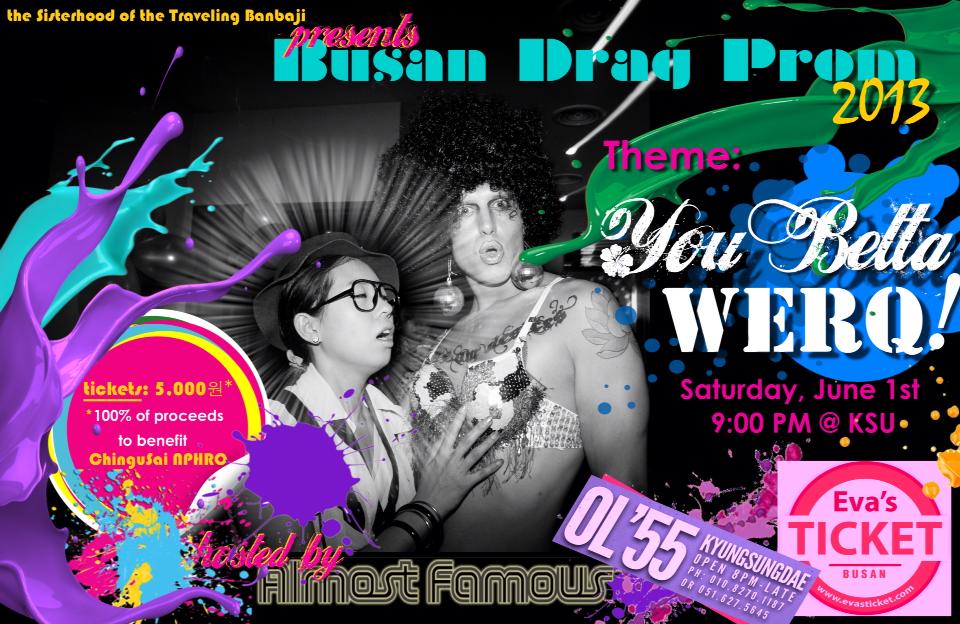
To those of you in the south of the country, I hope to see you all at Busan’s Second Annual Drag Prom this Saturday night, which promises to be a much bigger event — at 3 locations instead of just 1! — than last year’s. (Seriously, please say hi!) Check out Busan Haps or the Facebook event page for further details, and please note that you absolutely don’t have to wear costumes to attend!
Speaking entirely too frankly, I’d just *ahem* love to dress like this at the drag prom, especially like him/her on the far left. But, alas, I’m just too attached to my goatee to shave it off, and besides which don’t have any wigs (nor, indeed, a mini-skirt)…
Today, some information about two very worthy causes.
First, on ongoing volunteer opportunities for the Korean Unwed Mothers’ Families Association in Daegu and the 3rd Single Moms’ Day Conference this May. Then, on a Kickstarter campaign for a full length documentary film seeking to help preserve and spread knowledge of the shamanistic practices and shrine religion of Jeju Island:
I. The Korean Unwed Mothers’ Families Association (KUMFA) is an organization that works to promote children’s human rights while addressing systemic discrimination. KUMFA advocates for the human rights of unwed pregnant women, unwed mothers and their children in Korea. KUMFA’s goal is to enable Korean women to have sufficient resources and support to keep their babies if they choose, and thrive in Korean society.
The Daegu Branch of the Korean Unwed Mothers’ Families Association will hold meetings and provide classes for their members. KUMFA Daegu seeks volunteers to provide childcare during the classes. In the future other types of volunteer opportunities may arise. For additional details please visit the KUMFA Facebook Page or contact us directly at kumfa.volunteer@gmail dot com.
Seoul KUMFA Volunteer Opportunities (ongoing):
The Seoul Branch of Korean Unwed Mothers’ Families Association has ongoing volunteer and learning opportunities. Sign up by joining the Facebook group.
II. Seoul Conference (May 10-11, 2013): The 3rd Single Moms’ Day Conference:
SMD advocates for human rights in a number of important ways, in particularly by addressing systemic discrimination by “informing people inside and outside Korea about the factors that pressure unwed mothers to relinquish their children for adoption. Push factors include fathers’ child support obligations being unenforced; lack of adequate social welfare from the Korean government; social discrimination against unwed mothers and their children. Pull factors include the fact that more than half of unwed mothers in facilities are living in unwed mothers’ shelters that are owned and operated by adoption agencies; a money-driven international adoption system that does not conform to the UN CRC or the Hague Convention, i.e., it does not respect children’s humans rights.”
For more information or to make a donation, please visit the SMD event page. Here is some volunteer testimony:
“I have been involved with SMD and related projects for two years. I’ve learned a lot from this really inspiring collaboration of groups that fight for Korean children’s human rights, including: parents whose children were adopted by unethical means; unwed parents who are fighting workplace and social discrimination to raise their children; adult adoptees who campaign for ethical reforms to adoption laws; supporters and volunteers who work to bring policies into the framework of the United Nations Convention on the Rights of the Child.”
Next, on Jeju Documentarian Giuseppe Rositano’s Kickstarter campaign. Please do check the link for additional information, and on why your help is needed:
As a popular tourist destination in South Korea, Jeju Island has risen to fame predominantly for its natural wonders: hiking trails in abundance, scenic ocean views and South Korea’s highest mountain. It is possible to experience these in just a few short days, but staying on the island a bit longer or even making it a home provides the opportunities to get a deeper understanding and appreciation of some of the more interesting aspects of Jeju. Documentarian Giuseppe Rositano, Jeju Island resident of 7 years, explores some of these more interesting aspects of Jeju life, specifically the shamanistic beliefs and shrine religion of Jeju Island that is in danger due to the rapidly declining population of believers.
Spanning the course of 18 months and accumulating more than 500 hours of shamanistic ceremonies and traditional storytelling on film, Rositano captures the spiritual life of 5 villages through exploration of their native deities and traditional oral stories that have been passed down through generations. These stories, which describe the lives of Jeju’s extensive pantheon, are quickly disappearing. At Search is an attempt to preserve these unique indigenous beliefs.
Each village on Jeju Island has several shrines in which local deities specific to the island are ‘seated’. Each of these deities corresponds to a ‘bonpuli’ or oral myth. With an adventurous spirit, this documentary sets out to capture the retelling of these ‘bonpuli’ legends in the voice of what is likely the final generation of elders who received the stories from their parents and grandparents. Sadly, younger generations are seldom aware of these stories which serve as the cornerstones for their grandparents’ spiritual lives and cultural identity. With over 400 shrines on the island and a total of 18,000 gods on Jeju, that’s quite a loss to humanity’s cultural history!
Currently At Search for Spirits on the Island of Rocks, Wind and Women is in post-production. Rositano and team have launched a kickstarter campaign to raise funds to bring the project to completion and to get it out to film festivals around the world.
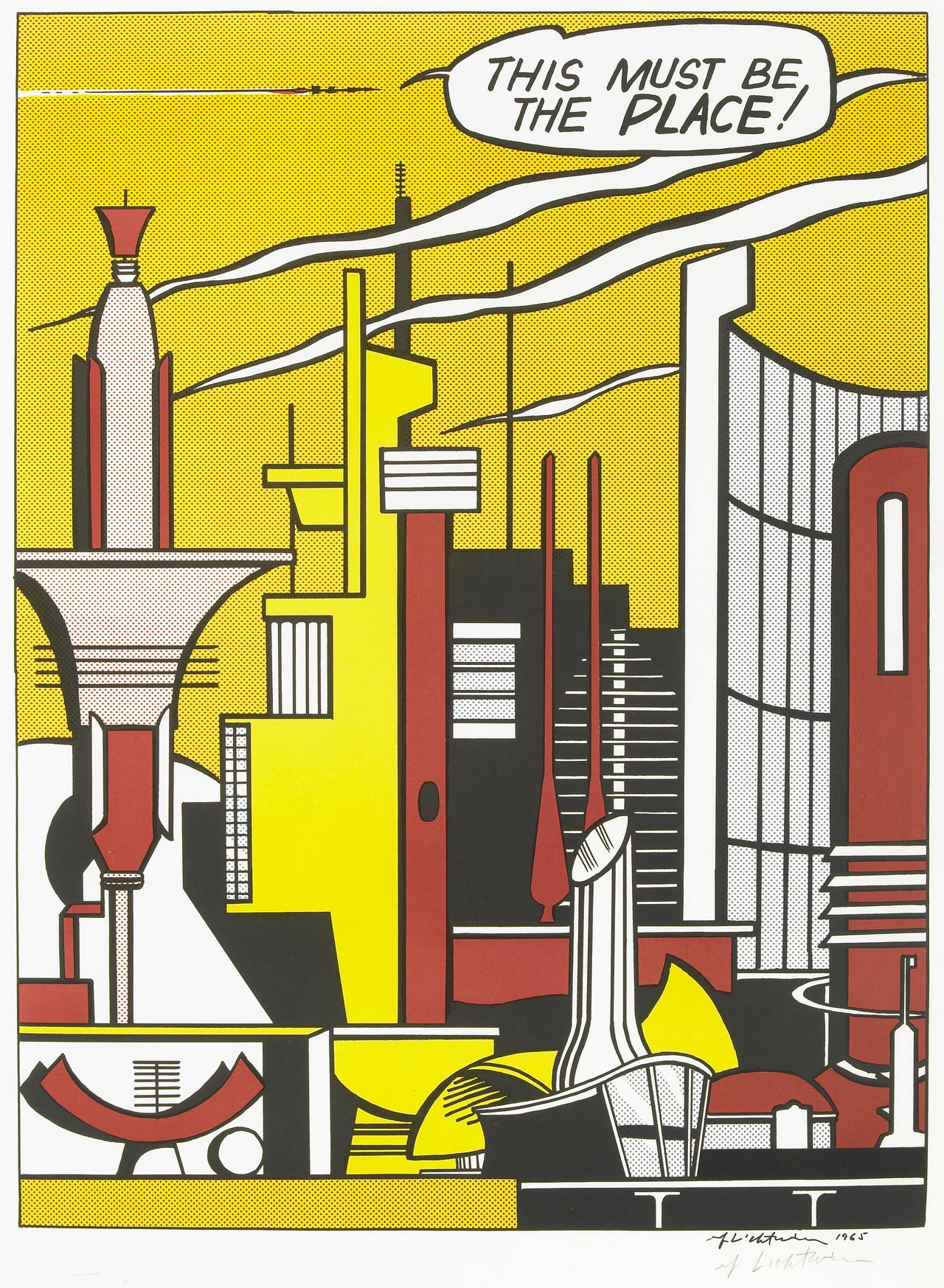
(This Must be the Place, Roy Lichtenstein, 1965. Source)
— First, the next 2 weekends are just jam-packed with V-day related events, culminating in the Vagina Monologues performances. See Busan Haps for those happening in Busan, and KoreaMaria for Gwangju.And if anyone knows of any more events being held in different cities, please let me know!
— Next, a request from Arianna Casarini (almostelse@gmail.com), who is looking for Korean or East Asian artists that reflect on cosmetic surgery and/or body-image. Unfortunately, I don’t know of any myself, so (with permission) I’m reprinting her email here:
I’m an Italian student of the University of Bologna, close to get my first degree.
Very little after I started getting deeper in the study of Korean culture, I discovered your blog and your illuminating articles, and thanks to it I became especially interested in the problem of the pervasiveness of cosmetic surgery in the South Korean reality.
Since I found the subject really deep and stimulating, I decided to make it the subject of my graduation thesis.
In my thesis, I want to focus on the connection between Art (especially Contemporary Art) and cosmetic surgery, both in Eastern and Western countries. I wish to focus on inspecting the interpretations and criticisms that Contemporary Art gives on the problem of cosmetic surgery, and on the mutual influence that Art and aesthetic plastic surgery have on each other, paying attention to all the psychological and sociological matters implied.
Even though I’m quite well informed on the side of contemporary Western artists whose artworks dwell on cosmetic surgery, I lack a deep knowledge of East Asian artists and I wondered if you could help me on this matter.
Could you indicate me Korean/East Asian artists that reflect on cosmetic surgery/body problems or some essay that treats this subjects?
Sadly I can’t read Korean, so I must specifically look for English sources.
I’m really glad I found your blog and that, thanks to it, I have been able to get to know your interesting work.
I thank you in advance for your attention,
— Finally, Ashley Turner is looking looking for people with experience in web design, visual/graphic arts and audio/video editing who may interested in assisting with a Hallyu project:
Our vision is to help bridge the cultural gap between America (and other Western countries) and Korea by bringing all enthusiasts of Korean culture in a social project that encourages cultural exchange between all fans; as well as making conversation about it accessible to everyone by integrating and welcoming international fans. It is about proving the power of cultural exchange to balance the connection between Korean and international fans and bringing culture outside the context of K-pop, as well as using K-pop as gateway to the rest of culture. The project will serve as a casual learning entry point that makes the Hallyu wave accessible, and allows people reflect on their own culture in relation to Korea’s….
….This project is a social media website being funded by the Korean Cultural Center Washington D.C. and KOFICE (Korea Foundation for International Culture Exchange).
The corresponding proposal [ask Ashley for a copy] has further information concerning the individual aspects of the project. Those with experience in web design, graphic arts, and audio/video editing are being actively scouted. This is primarily a volunteer opportunity with potential for compensation later in development. If you are interested in participating, please contact Ashley at ashley.trnr@gmail.com.
Any readers who also have requests and/or would like events publicized, please just email me and I’d be happy to post them on the blog (and apologies for the slight delays with these ones). To make it easier for me though, when you do please just send something I can quickly copy and paste. Thanks!
Sorry everyone, but this will be the last Korean Gender Reader.
It’s not the workload—this new format, decided upon a few months ago, is really quite light. I even enjoy collecting all the links now. And I do realize that many people look forward to these posts and rely on them.
Really, if I could keep doing them, I would.
The problem is that by their nature, they require a regular posting each week. Whereas partially because of my very limited free time, and partially because planned short posts often turn out to need weeks of extra research and writing, my natural posting style is anything but regular.
Try to combine the two? You’ve already been seeing the results—little but Korean Gender Reader posts filling in the gaps between the long ones. It doesn’t look good at all, and has an obvious solution.
And, frankly, it feels great to be able to post on what and whenever I like again, rather than constantly feeling pressured.
I could go on, including mentioning — no joke — developing repetitive strain injury in my right arm last month, but I’m sure you get the idea. Let me just say that it’s reminded me to only work on what I enjoy, while still doing my best to keep you entertained and informed in the process.
Meanwhile, I’ll continue to post links on Twitter (@JamesTurnbull) and on the blog’s FB page, so all the stories that would have been going up will still be quite accessible really. And I’ll still be very happy and grateful to receive ideas and leads from readers, and/or to post announcements of your upcoming events and so on.
SELF China is searching for Korean and/or Chinese women in their thirties and forties who have chosen the unmarried, single lifestyle by choice, and are willing to share their stories with our readers.
If interested in participating, please contact Jean at jean.coolhunt@gmail.com for more information.
Thanks very much to the 10 Magazine Book Club for being such a great — and forgiving! — audience last weekend. As promised,* here are the books I mentioned in it, as well as some of the websites.
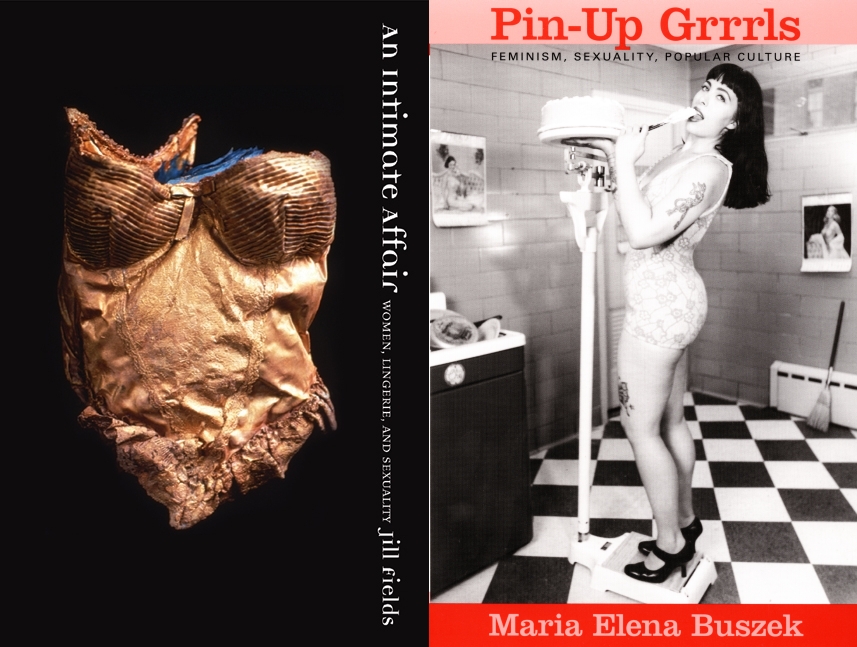
First, there was An Intimate Affair: Women, Lingerie, and Sexuality by Jill Fields (2007), then Pin-up Grrrls: Feminism, Sexuality, Popular Culture by Maria Buszek (2006, which I talk about in much greater depth in Parts 3 and 4 respectively of my Revealing the Korean Body Politic series (which, in turn, is an extended version of my presentation). Although at 375 and 444 pages each, they’re not for the faint-hearted, both are still very accessible, and definitely reward the effort put into studying them.
Of the two, Pin-up Grrrls was much the more eye-opening for me personally (note the ensuing tagline of my blog!), giving a unique perspective and context on US feminism in the 20th Century that deserves a lot more attention. For a taste, see here for a short essay cum summary of the book, and here, here, here, and here for my own Who are the Korean Pin-up Grrrls? series it inspired.
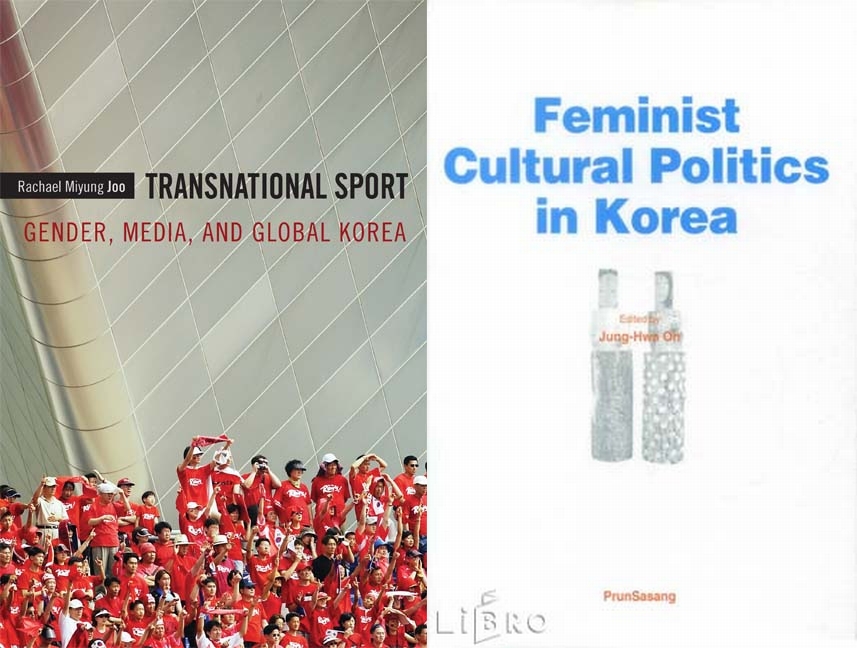
Next, I highly recommended “Feminization of the 2002 World Cup and Women’s Fandom” by Hyun-Mee Kim in Feminist Cultural Politics in Korea, ed. by Jung-Hwa Oh, 2005, pp. 228-243, for an understanding of the radical role the 2002 World Cup played in changing prevailing Korean attitudes to objectification and women’s sexual subjectivity. In hindsight though, that and most of the chapters in the book are a little dated now, so a better choice is probably Transnational Sport: Gender, Media, and Global Korea by Rachael Miyung Joo (2012) instead. I haven’t read it myself yet, but you can see here and here for reviews.
In the presentation, I used Kim’s chapter to argue that the intensely objectifying, body-centric nature of the current Korean Wave represented a confluence of commercial and governmental interests in exploiting women’s bodies, a precedent for which was set by the — for want a better way to describe it — patriarchal accommodation with and co-option of that feminization of the 2002 World Cup. This in turn was preceded by a long history of girl-groups entertaining foreign and then Korean troops, and at one point the exhortation by the Korean government for women to prostitute themselves to the USFK for the sake of acquiring then much-needed foreign exchange. For more on the former see here, and on the latter see Sex Among Allies: Military Prositution in U.S.-Korea Relations by Katherine Moon (1997).
Unfortunately, I don’t have Moon’s book, but I do have — and was blown away by — Militarized Modernity and Gendered Citizenship in South Korea by Seungsook Moon (2005; yes, a different Moon!), which provides a lot of context. In particular, it’s essential to know about the military regimes’ population control policies, which were every bit as draconian as China’s one-child policy, in order to understand modern Koreans’ attitudes to abortion and contraception. And, once you do read it, you realize that the language I used above was by no means simply hyperbole for the sake of making a point!
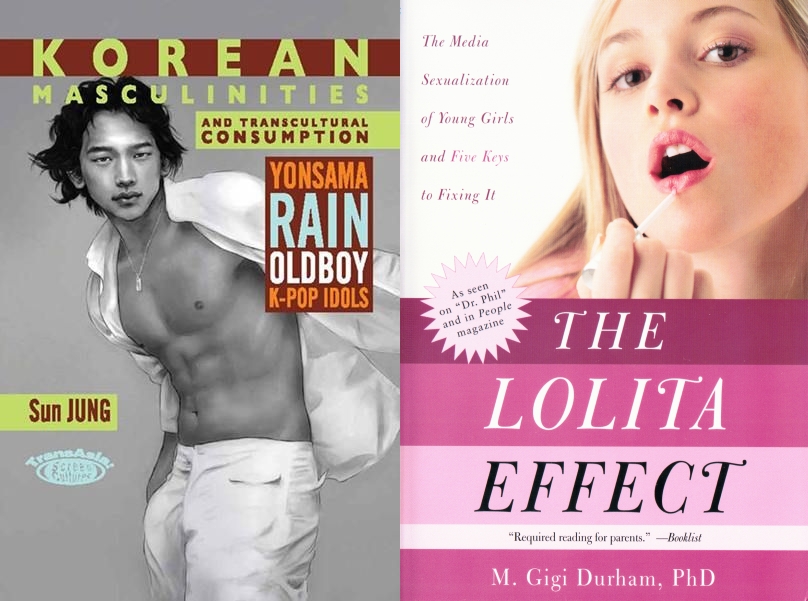
If you’re more interested in the surge in male objectification in the last decade though, see Korean Masculinities and Transnational Consumption by Sun Jung (2010), or for an online essay see Stephen Epstein’s and (again) Rachael Miyung Joo’s “Multiple Exposures: Korean Bodies and the Transnational Imagination” in The Asia-Pacific Journal last year. The latter also covers — no pun intended! — entertainment companies’ strategic exposure of girl-group members’ legs, and I discuss the role of that in the rise of ‘ajosshi fandom’ and ‘uncle fandom’ here.
Before moving on to women and girls again though, as one does, note that Sun Jung’s book is also essential for anyone further interested in the (very related) rise of kkotminam (꽃미남), which I did a lot of work on a few years ago here and here.
(Update: As mentioned in the presentation, also see Gusts of Popular Feelinghere for more on the perceived spate of sex crimes against children that led the public to seriously question previously uncritical media narratives of ajosshi fandom.)
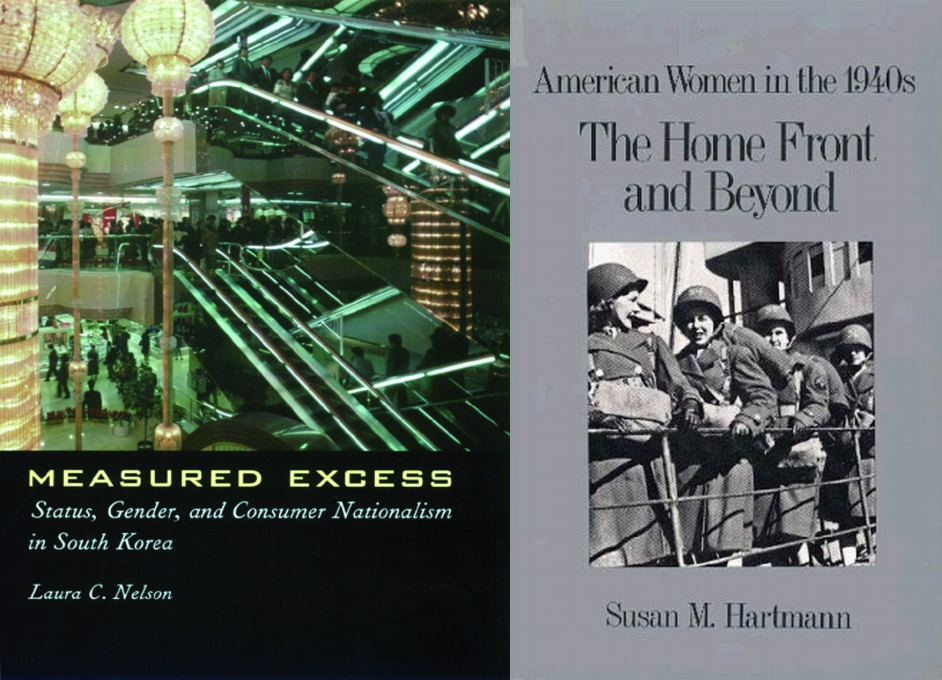
The next two books I mentioned were Measured Excess: Status, Gender, and Consumer Nationalism in South Korea by Laura Nelson (2000), then The Home Front & Beyond: American Women in the 1940s by Susan Hartmann (1983). The first is essential reading for anyone wanting to know more about the 1990s in Korea, and in particular the frequent government and media campaigns against over-consumption (in practice aimed almost exclusively at women, these were important precursors to the “beanpaste girl” stereotypes of the 2000s). Meanwhile, unfortunately Susan Hartmann’s book is difficult to get a hold of, but if you do you’ll find it’s a wonderful, very comprehensive introduction to the decade (I’d love to get those on the 1920s, ’30s, and ’50s also, albeit all by different authors). And, as I discuss here (and will expand upon in a later post), the minefield of contradictions presented to women as they were encouraged to remain “feminine” despite entering practical, “masculine” wartime industries in large numbers, yet also being criticized for being so wasteful, frivolous, and unpatriotic for beautifying themselves, is eerily reminiscent of the double-standards and backlash arising from women’s rapid entrance into the part-time workforce in the last decade in Korea also.
Finally, see the end of this post on male objectification for those scans of Stuart and Elizabeth Ewen’s prologue to their Channels of Desire: Mass Images and the Shaping of American Consciousness (1992), which should convince even the most die-hard skeptic of the genuine influence that advertising has on us, no matter how sophisticated and aware we like to all think we are.
If anyone would like more information and/or to discuss the books and websites mentioned above, and/or some specific part of the presentation, then please just let me know in the comments. Of course, they’re just a handful of what would be required for such a reading list really (4 of the 10 mentioned don’t even have anything to do with Korea!), so I’d be very happy — and grateful, frankly — if readers would rather recommend, seek information about, and/or discuss any Korea-related book instead really. After all, I’m sure it would useful to get new perspectives on those we’ve already read, and/or to get recommendations for good ones we haven’t! :)
*(Sorry for the long delay with this post, but unfortunately I have a very good — and somewhat graphic — excuse!)
See the Facebook page for further details, and thanks again to director Barri and cast member Rae for inviting me to sit in on a rehearsal last weekend (which was just AWESOME I might add). Also, I strongly recommend getting reservations, as people had to be turned away at the door last year!
These are pictures of classroom areas at the JangHeung Area Children’s Center, located in JangHeung Eup of JangHeung County, Jeollanamdo. Our Center serves 61 children from one of the 5 poorest counties in Korea. Currently we have 3 classrooms at our center. 2 are one-room classroom buildings. That is what you see above. One of the classroom buildings is 100% unusable, the 2nd classroom building is not good either.
Our Center operates on an educational budget of less than 1,200,000w per month, less than 20,000w per child. Our total budget is less than 80,000w per month for each child. This is less than 50% of the tuition for any one hagwon that I am familiar with.
All of the children in our program come to us through the local welfare office. As you might imagine finances are tight and we don’t have money for extra things. That includes replacing our 2 classroom buildings. To continue our mission of providing a quality education for the children in our program it is imperative that we acquire the necessary funds to meet this essential need and provide safe, usable classroom space for our children. We need your help to do that.
For More Information about us please visit our facebook group at JangHeung Area Children’s Center. Please join us today.
To make a donation of 20,000w, 30,000w, or 50,000w please send bank transfer to:
NongHyup Bank 657-01-074288 Fundraising Goal: 12,000,000w
Tomorrow at about 8:30am, there’ll be a brief interview of me in the “Morning Coffee” section of the 7-9am Morning Wave program on Busan e-FM. More about me than than anything Korean feminism, sexuality, or pop-culture related sorry(!), if you’re still interested you can listen in at 90.5 FM or online here, or catch it later in the archives.
The main change is that I’ll be completely redoing the format of the Korean Gender Reader posts. Because really, they’ve long been superseded by the blog’s Facebook page and Twitter feed where I first post the stories, and where they seem to generate much more discussion too. Also, although the posts may not look like much work, they actually involve 4-5 hours each week of tedious searching through RSS feeds, then copying and pasting them here. Frankly, I’ve long been tempted to simply stop writing them, but have kept at it for readers’ sakes.
I could also mention that I’d probably lose half of my readers if I stopped writing them too, but let’s not go there.
So, I’ve been looking at ways to automate the process somehow. Unfortunately, my options are very limited because this blog isn’t self-hosted, but one possibility is using paper.li instead, which produces “papers,” or digests of stories on a single webpage (which I could link to). Previously, I’d rejected it because those few examples I read always seemed to be very randomly-generated and unfocused, but I’ve since learned that it’s possible to be very selective with the stories you add, especially if — obvious, in hindsight — you choose your own Twitter feed as the only source.
After doing some experimenting, I’m quite happy with the results. It does have some minor issues, particularly with not being able to choose category names, or which stories go in which, but they’re still all easy to access. And, with excerpts and images thrown in to the mix too, it may well be an improvement.
I’ll roll it out next Friday Saturday, and will use the time saved to be a little more consistent in my production of longer, analytical pieces like this recent one, with translations thrown in here and there. And I have a lot more offline things I’m working on this year too, but I’ll let you know about those when they come up.
In short, my blogging plans for 2013 sound *ahem* suspiciously similar to those for 2012. But I’ll try really hard this time round!
It plays with the idea that a woman’s body is a canvas; a thing that is often viewed or regarded as a tool, an asset, a means to an end. Still. There’s the acknowledgment that we can choose how to construct our own image. However much anxiety is involved in the process.
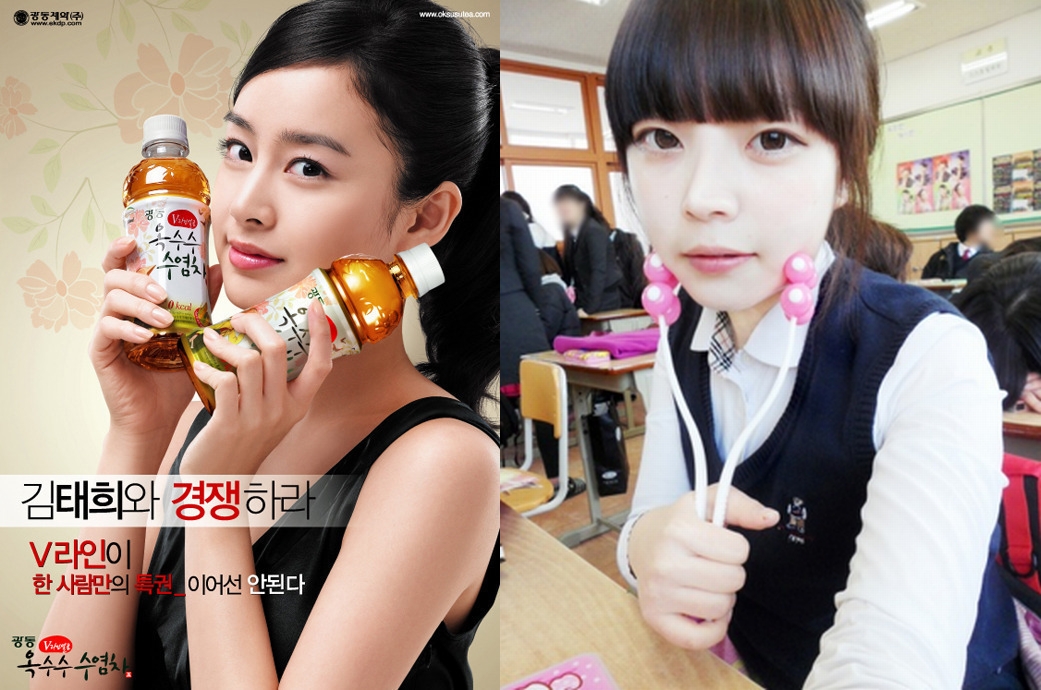
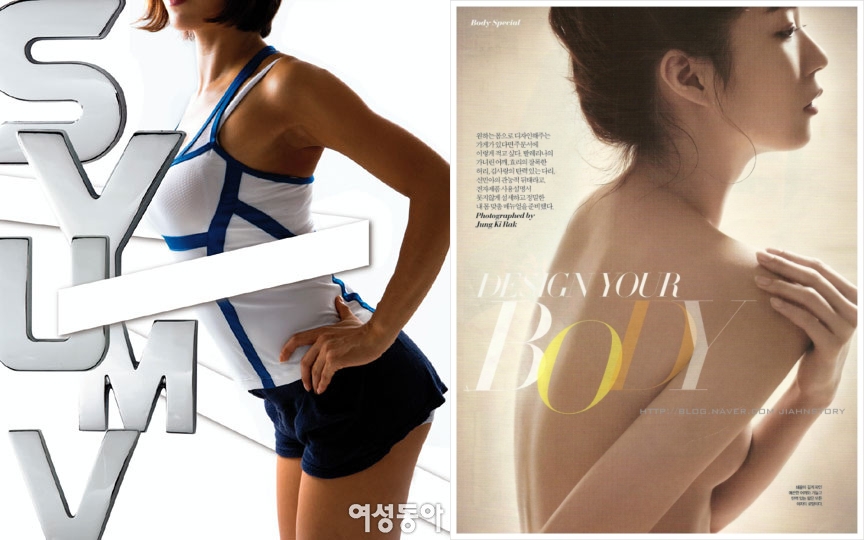
As often discussed on TGN, Korean beauty, dieting, and clothing companies are constantly promoting idealized body shapes for women to aspire to. And, although they’re just following the universal logic of creating new perceived wants and needs in the minds of consumers, their alacrity — and audacity — in doing so can still be nothing short of remarkable sometimes.
With new “lines” appearing almost as quickly as the girl-groups used to endorse the ensuing products or services though, it’s easy to lose sight of the utilitarian, utterly reductionist view of women that this alphabetization process relies on.
This post is about some recent stark reminders of both. Easy to dismiss as frivolous, or mere semantics, it’s also about what’s occurring in Korea today nevertheless has strong historical precedents in North America and Europe in the 1920s-1950s. Which, as Jill Fields explains in An Intimate Affair: Women, Lingerie, and Sexuality (2007, pp. 80-81), “not only affected women’s everyday experience of their bodies, but also transformed the construction of feminine identity,” sparking public discourses and expectations surrounding women’s bodies that endure to this day.
What’s more, not only is what’s best for women never the main concern —
There is ample feminist discussion about shifting cultural definitions of what the female form is supposed to look like in order to be the most appealing to a (predominately) male gaze….intimate apparel was often marketed as scientifically advantageous to women’s health, but the sexual function of breasts was always the bottom line. Binding them down, lifting them up, pushing them together – none of this had anything to do with encouraging the natural state of a woman’s breasts. No wonder women’s liberationists threw their bras in the trash can.
— but the Korean case also coincides with a rapid increase in (overwhelmingly female) objectification in popular culture; and highly visible, palpable resistance from men against (largely only perceived) increased economic competition from women. Bearing a striking resemblance to — à la The Beauty Myth (1991) — what occurred in North America and Europe in the 1980s, the combination proves as fascinating as it is alarming.
A Woman’s Body as a Canvas
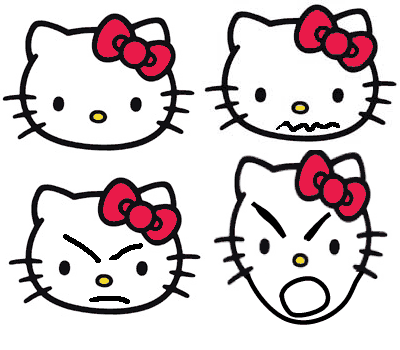
The first reminder comes from Rob Walkers’ discussion of what makes Hello Kitty so attractive to consumers, in his book Buying In: The secret dialogue between what we buy and who we are. Because however indirect, if you replace “Hello Kitty” with “women’s bodies,” and “consumers” with “advertisers,” an eerie — and disturbing — parallel emerges (2008 ed., p.18, emphases added; source, right):
A perceptive study of the Hello Kitty phenomenon by Tokyo-based cultural scholar Brian J.McVeigh suggests an interesting theory that is implied by his paper’s title: “How Hello Kitty Commodifies the Cute, Cool, and Camp.” While he notes factors like “accessibility” and consistency, the most compelling factor he isolates is “projectability.” Hello Kitty’s blank, “cryptic” simplicity, he argues, is among her great strengths; standing for nothing, she is “waiting to be interpreted,” and this is precisely how an “ambiguous”—and, let’s be frank: meaningless—symbol comes to stand for nostalgia to one person, fashionability to another, camp to a third, vague submissiveness to a fourth….Belson and Bremner return to this theme repeatedly in their book on he business of Hello Kitty. “What makes Hello Kitty so intriguing is that she projects entirely different meanings depending on the consumer,” they write. The cat is “an icon that allows viewers to assign whatever meaning to her that they want.”
If that parallel remains too indirect for some however, recall Dramabeans’ comment (#21 here) about the “Love Your W” event in 2008, “W” being one of the numerous letters used for women’s breasts. The similarities are obvious (emphases added):
…while this practice is seemingly frivolous on the surface, it actually belies much more pernicious trends in society at large, when you have celebrities vocally espousing their alphabet-lines and therefore actually objectifying themselves as a conglomeration of “perfect” body parts rather than as whole, genuine people. You wanna know why plastic surgery is such a big deal in Korea, why actresses don’t eat, why there’s an obsession with thin? It’s because we’re all just Latin letters waiting to be objectified as a beauty ideal rather than living, breathing people with flesh on our bones and brains in our heads.
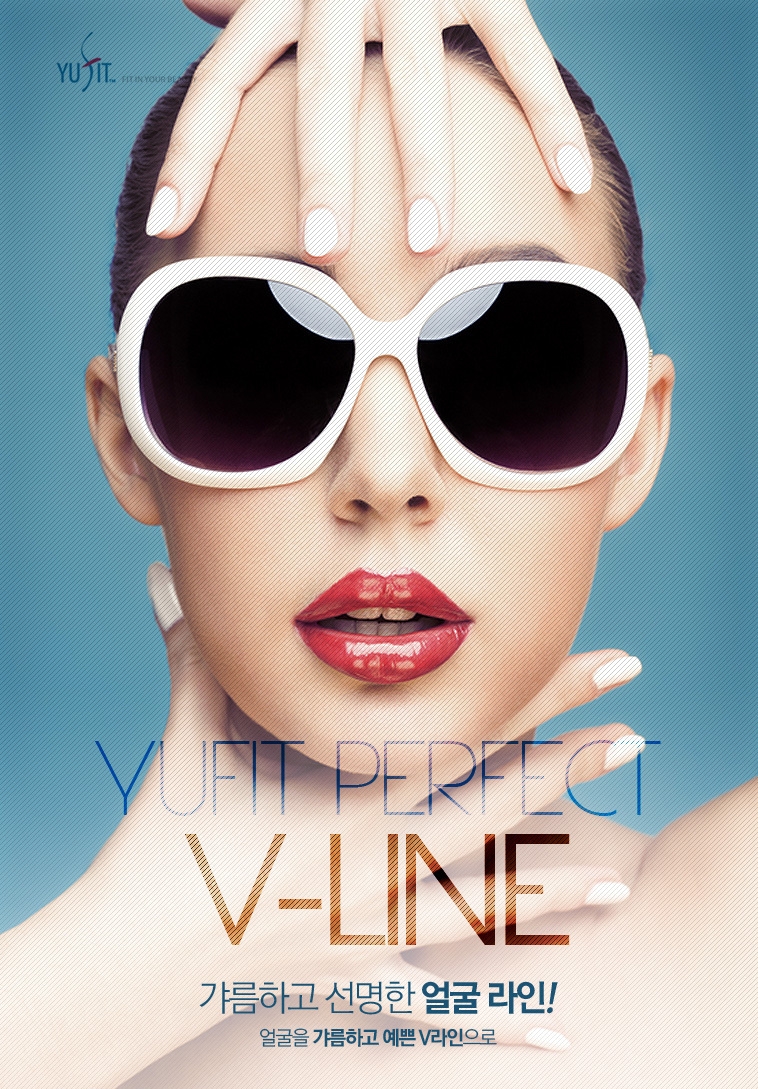
Why, Oh Why, Does it Need to be Called a “Y-line”?
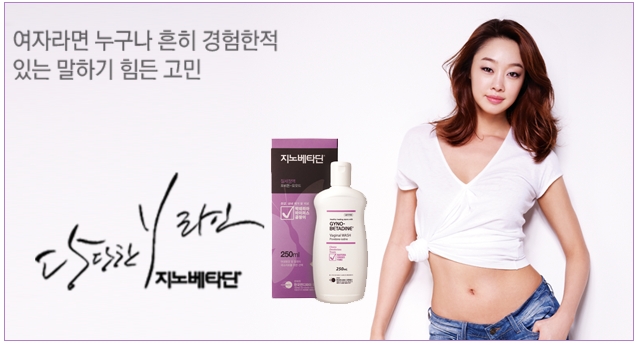
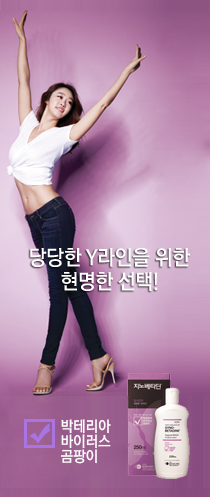
The next reminder (hat tip to @holterbarbour) was by learning of the simply absurd “Y-line,” via Mundipharma Korea’s ads for gynobetadine, a vaginal cleanser:
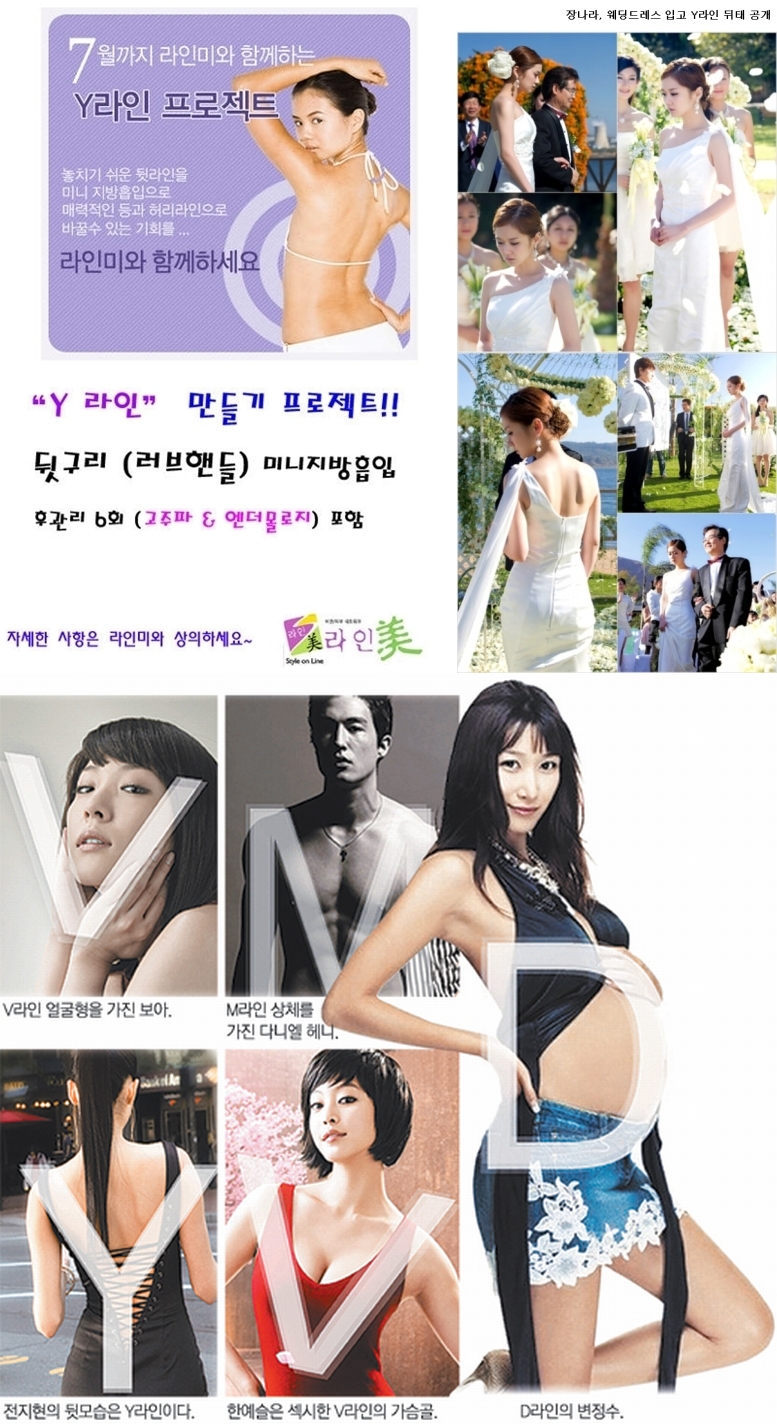
Mundipharma Korea are a little coy about what a Y-line is exactly, placing Choi Yeo-jin (최여진) in several Y-shaped poses, and with copy and advertorials speaking of bold, confident — “당당한” — Y-lines. But given the product, and that all those “Y”s center at her crotch, then it’s safe to say that, yes, the term does indeed refer to a vagina.
Which sounds like something from TheOnion.
But to play Devil’s advocate, is it merely a euphemism, rather than a line per se? The ad is, after all, just for a cleanser, not — thank God! — labiaplasty (NSFW) or anything like that. And if so, is it really all that different to similar terms and usage in, say, English-speaking countries? For, as recently explained in “The Myth of the Vajazzled Orgasm”at Nursing Clio (emphasis added):
The popular emphasis on the vagina is certainly on the rise. The explosive popularity of the Vagina Monologues, now regularly performed on college campuses, made many more comfortable with the V word. Social critic Naomi Wolf has recently argued for the existence of the “mind-vagina” connection. Commercials coyly refer to the letter V for various feminine products and sitcoms and singers laud their own embrace of the vajayjay as a way of indicating equal sexual footing with men. “Designer” vaginas are also part of this new emphasis. Cosmetogynecology is one of the fastest growing types of cosmetic surgery.
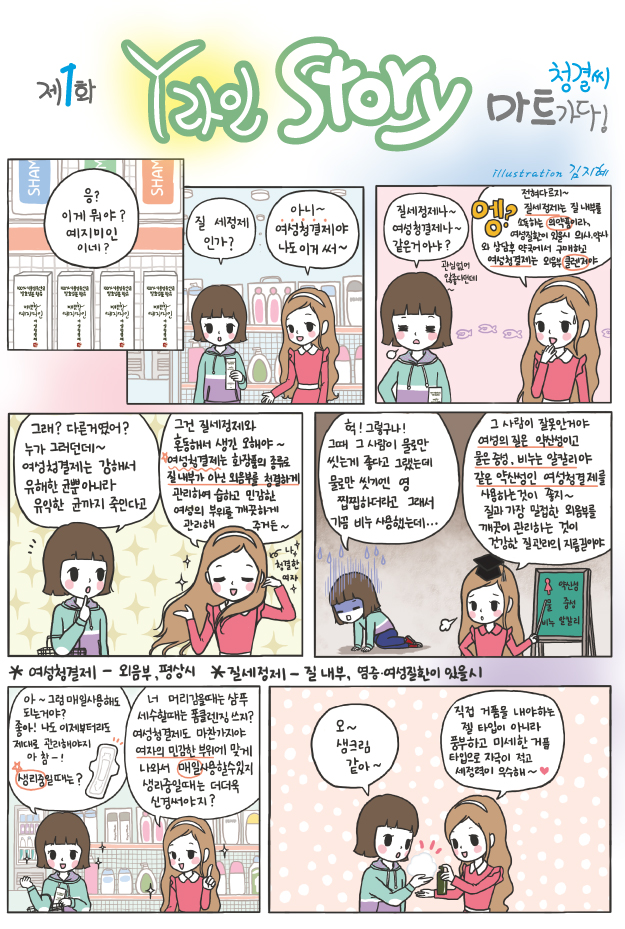
On top of that, the Y-line appears not to be an invention of Mundipharma Korea at all, as this cartoon (at least) predates its August ad campaign:
Yet while acknowledging those, you also have to acknowledge the context. Because whoever was ultimately responsible for the term, it’s safe to assume that they were influenced by the alphabetization trend. And it’s clearly in that commercially-driven, objectifying sense that the term is being used here.
Moreover, just like all the other lines, bear in mind that it’s just one version of the Y-line that has been co-opted by one company (and perhaps others) to sell its product, against which it must compete with other versions used by other companies to sell their own.
But which version — if any — will stick in consumers’ minds? And, like the “V-line,” will it ultimately become so normalized a part of popular culture, so accepted an expectation of women, that one day classrooms will be full of girls working on their own?
The contenders include, first, a Y-line lift promoted by a hospital specializing in the procedure (as either a compliment or alternative to the V-line — it’s a little confusing sorry):
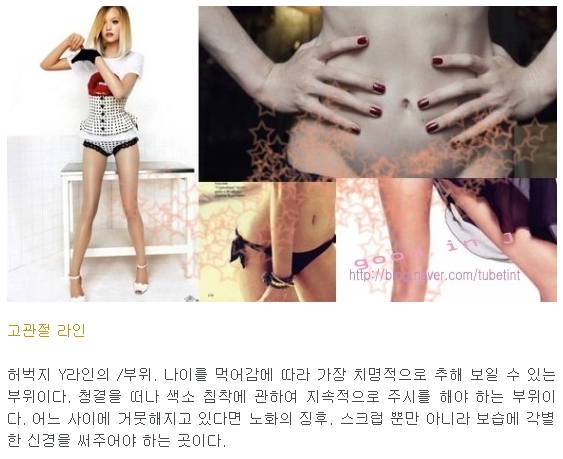
Next, as breasts, from the line between them. I’d previously assumed that it was invented by the lingerie company Yes’, but it’s also used by others, as well as by cosmetic surgeons:
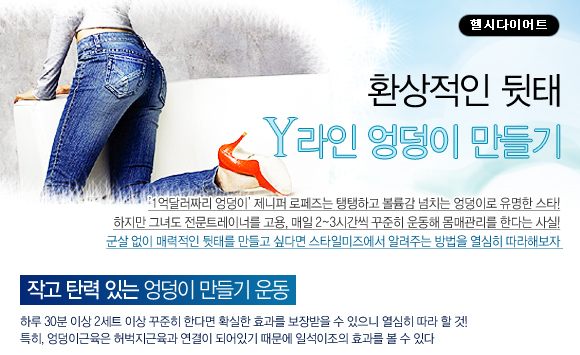
And finally(?) the buttocks.Now, forgive me if it sounds facetious, but I’ve examined many examples, and never once seen a “Y” in them. Again, you really have to wonder at the mindset of companies — and consumers — that do:
Did I say only two stark reminders of the absurdity and audacity of the Korean alphabetization trend? A third was discovering all those other ludicrous examples of Y-lines. Yet, however natural it may be to mentally assign something so absurd and asinine in another culture as distinctive to it, by no means is this trend only Korean, or even East Asian. Rather, as numerous examples from An Intimate Affair make clear, in fact they’re almost as old — and universal — as mass-production, mass-media, and marketing themselves.
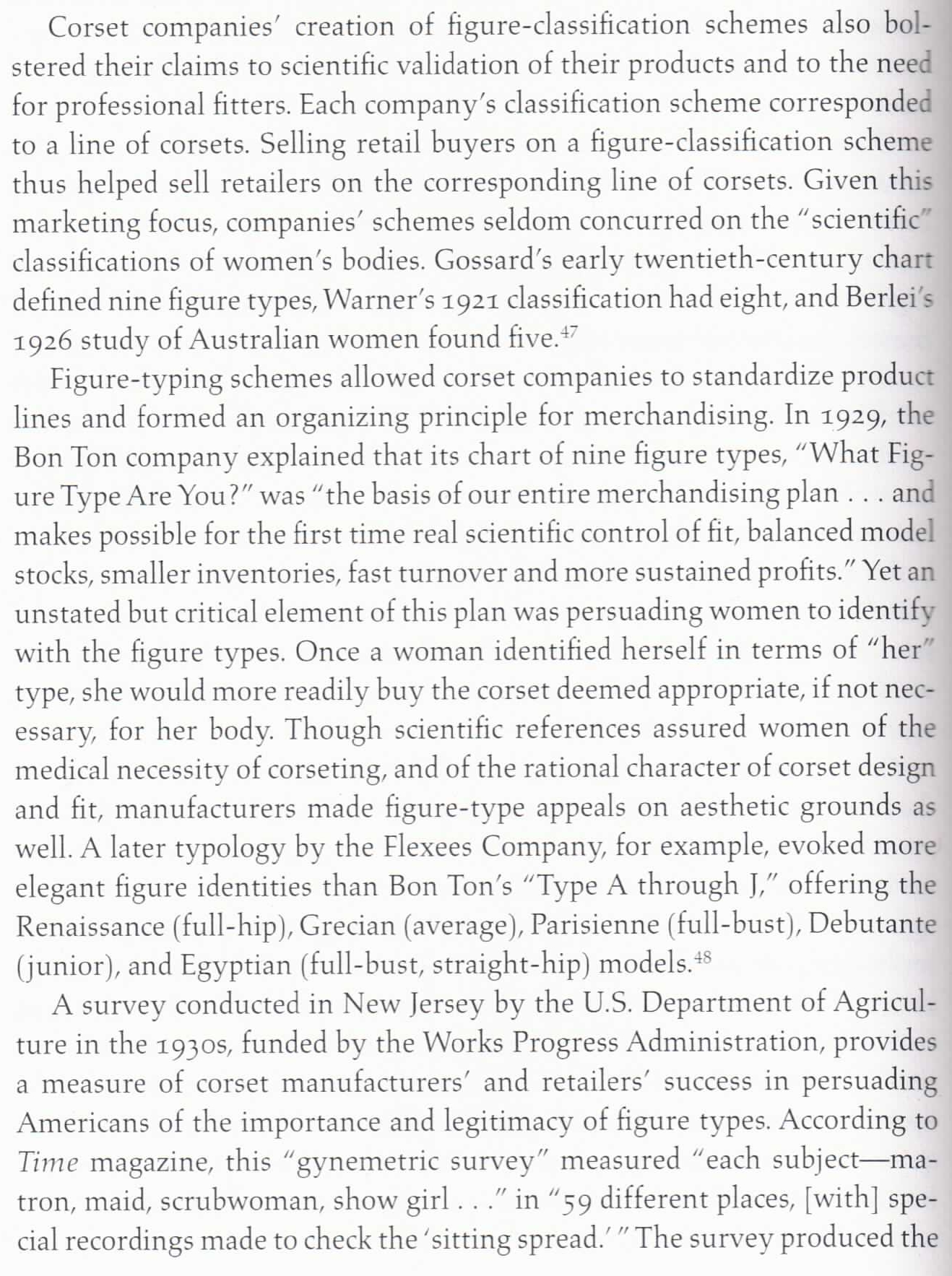
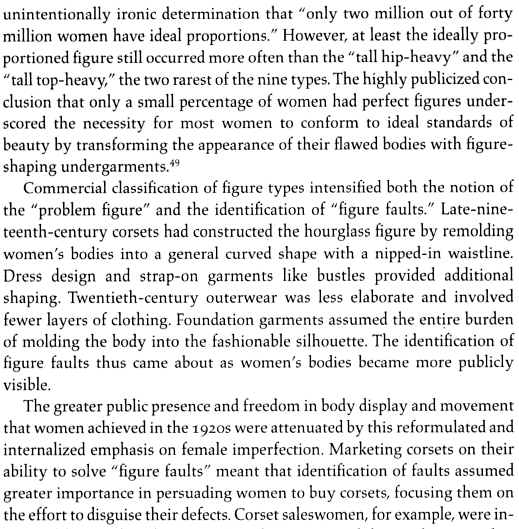
While I can’t begin to do justice to those examples here, two are particularly illustrative, and will hopefully encourage you to purchase your own copy of the book(!). First, the figure classification schemes invented by corset manufacturers in the 1920s (a scan; click to enlarge it):
Fortunately, the next page is available at Google Books:
This strongly reminded of the following video on how “pear”-shaped women should dress to look like they actually have hourglass-figures, spawning 159 comments at Sociological Images (also see here on subtle Korean encouragements through hourglass-shaped drink bottles):
In turn, that video gave me the impression that Western beauty, dieting, and clothing companies are more concerned with extorting women to conform to a narrow range of preexisting, publicly accepted body types rather than creating their own, then encouraging women to gain those instead. Can any overseas-based readers confirm? And/or recommend books and websites, so that a male reader, 13 years based in Korea, can find out?
(Update 1: Although it’s not specifically about women, or fashion, a reader suggests Our Aesthetic Categories: Zany, Cute, Interesting by Sianne Ngai, released last October. Based on the tworeviews I’ve read, it sounds fascinating).
(Update 2: See Glamor Daze for an illustrated guide to “dressing for your body shape” from a Spencer Corsetry catalogue).
Despite that particular, potential difference however, from the 1930s to the 1950s Hollywood, the fashion industry, and — to a lesser extent — economically-threatened men would all influence the second example of “glamour” for their own ends, with the ensuing popular notions of the concept displaying a malleability and responsiveness remarkably similar to that of modern Korean lines. Indeed, although the English definition of the term has continued to considerably evolve since, ironically it’s (the main) one of those from that era — glamour as large breasts — that would enter the Korean lexicon as “글래머,” from which the appalling, infantilizing term “Bagel Girl/베이글녀” derives.
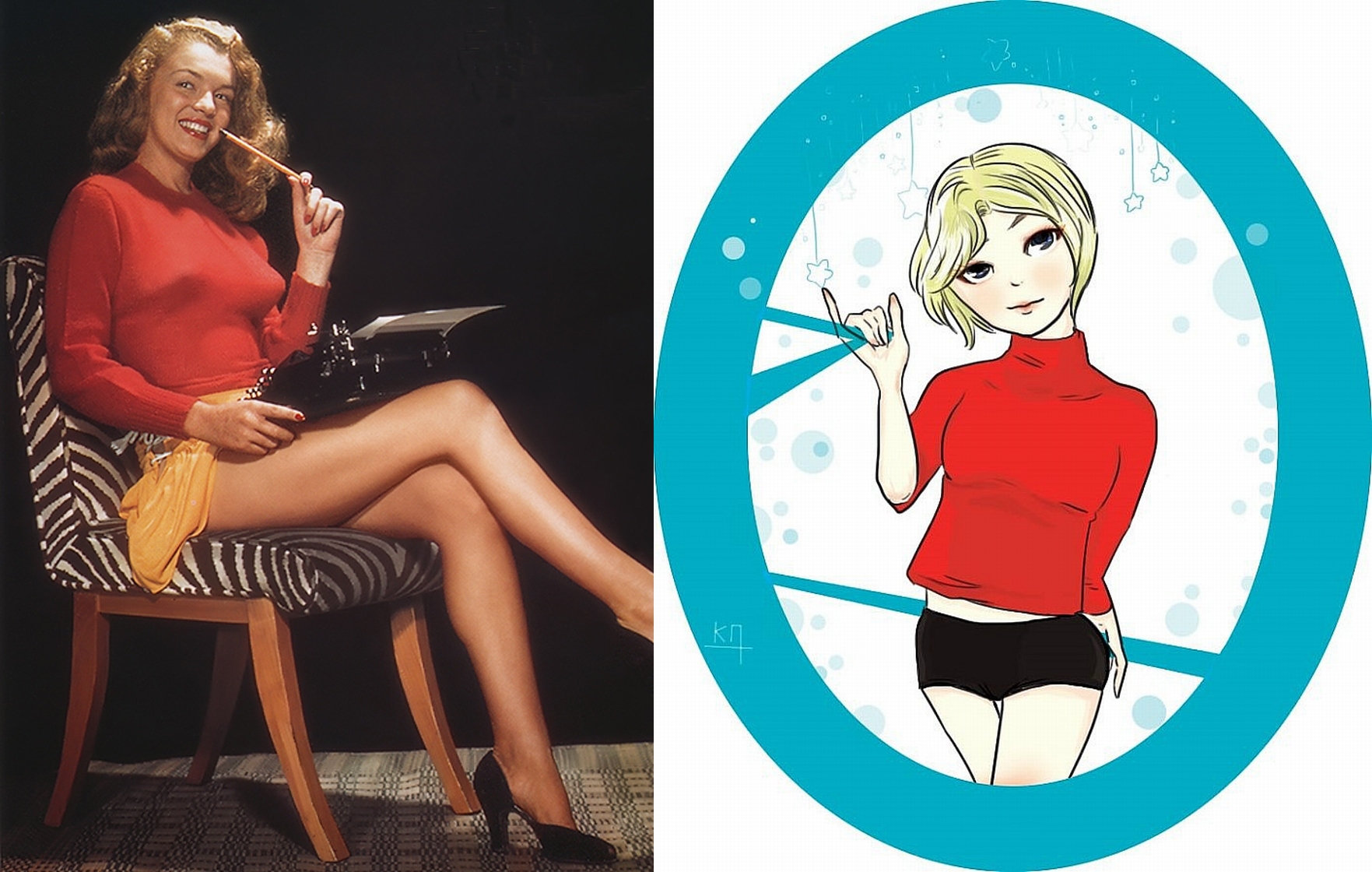
(Sources: left, right. Surely not a coincidence, does anybody know who chose Ga-in’s wardrobe for Bloom?)
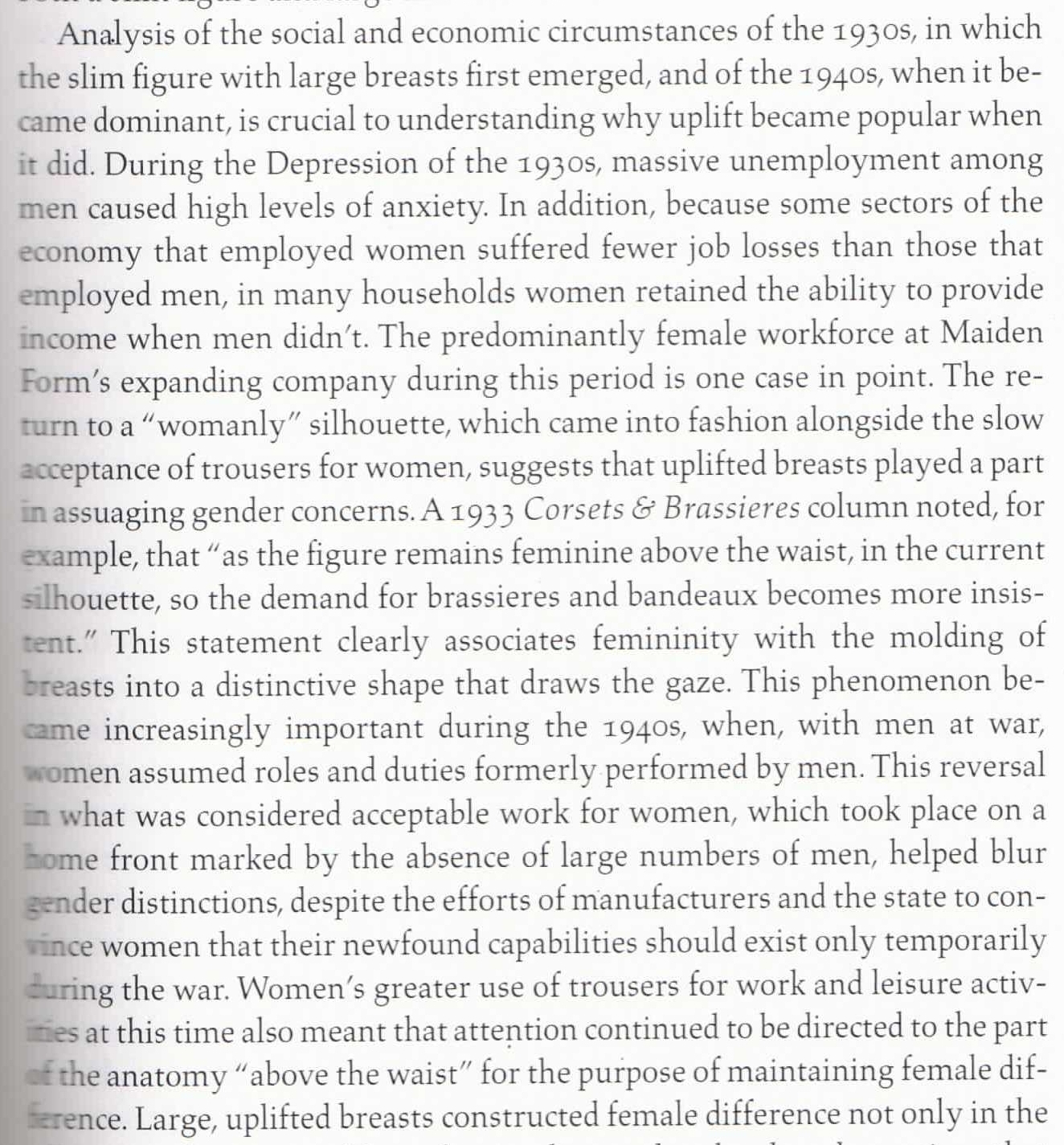
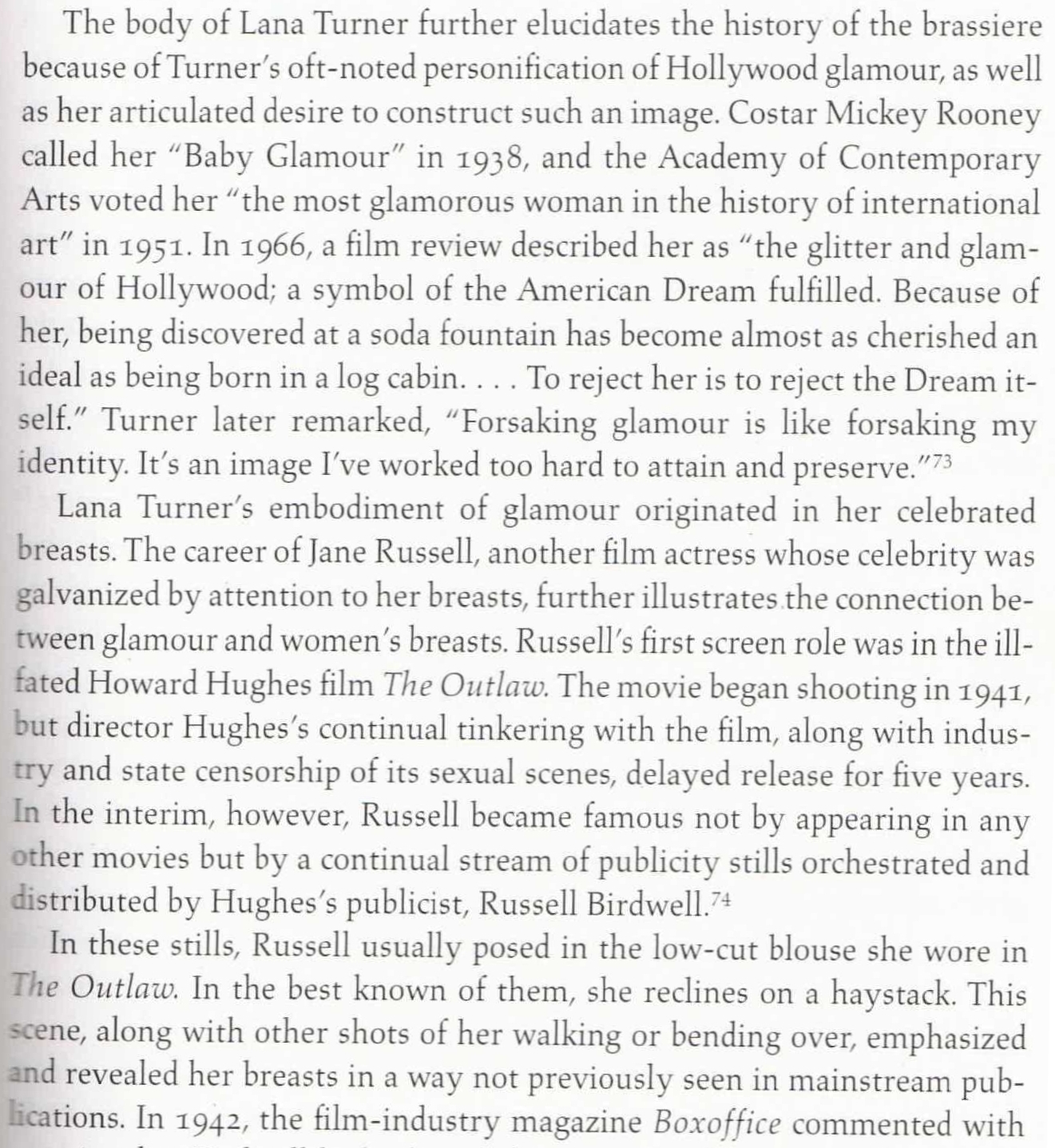
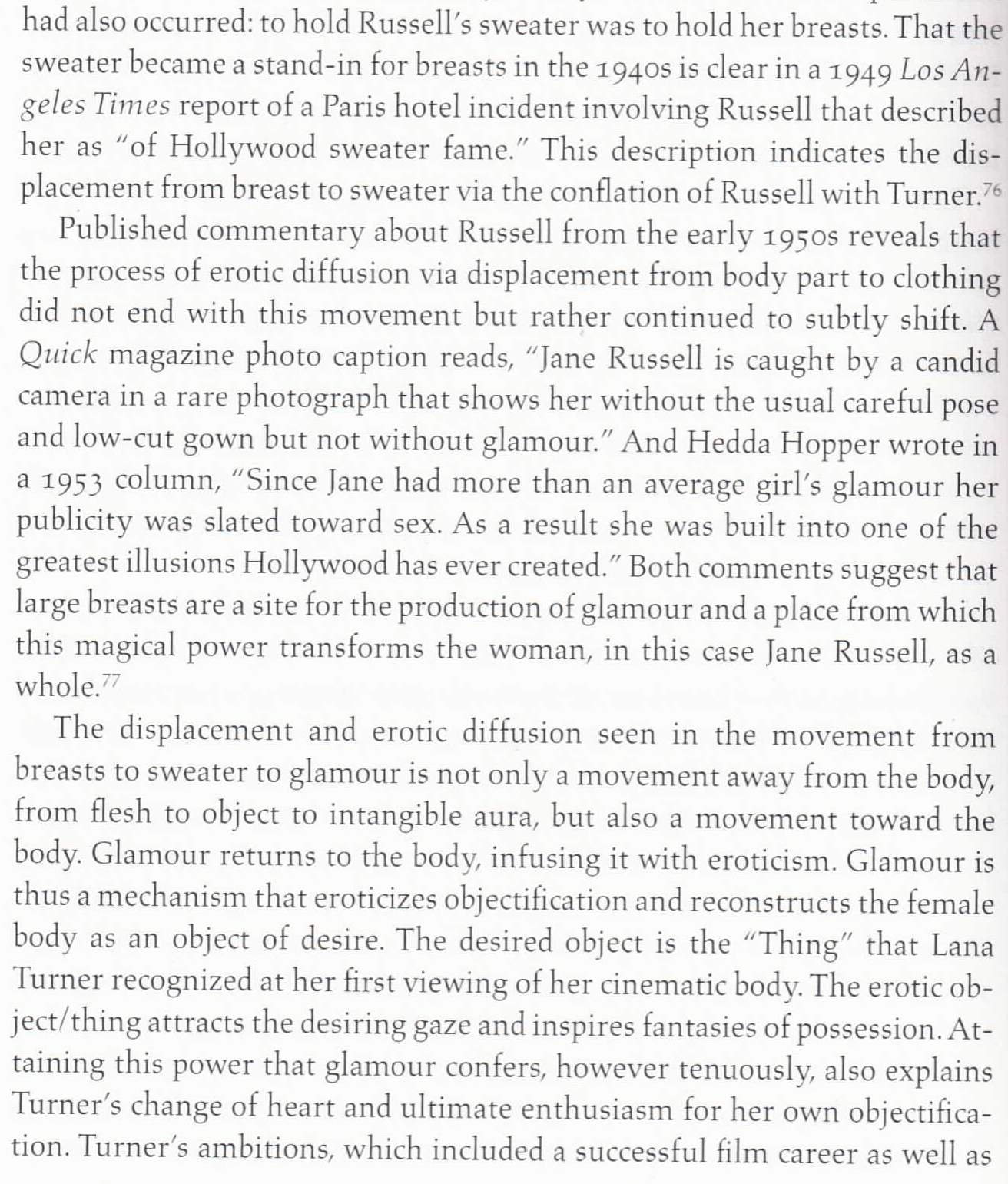
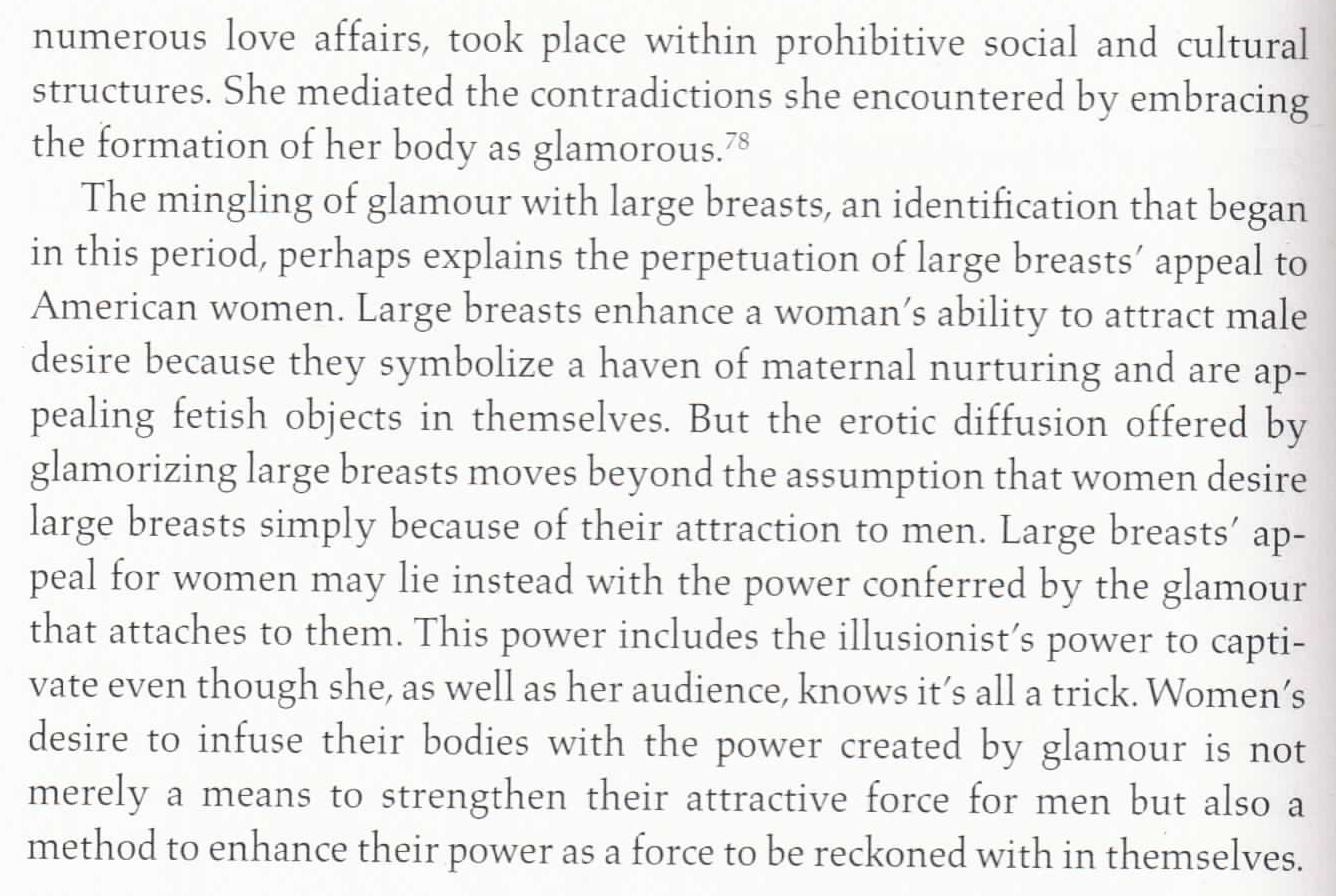
Again only snippets which can not do the book justice, but which probably already exceed what counts as fair use for a website nevertheless, here are some selected excerpts to give a hint of all that. First, from page 105, about the context of assuaging the fears of un(der)-employed men during the Depression, and then of soldiers during World War Two:Next, from page 109 on the quite literal embodiment of glamour in breasts (and why I mentioned Lana Turner in my recent Busan Haps article on Ga-in’s Bloom):
Next, although frankly I don’t fully understand the final paragraph here, hopefully page 110 gives you an impression of how glamour came to shift from body parts to inanimate items of clothing (hence “Sweater Girls“) and so on, as also revealed in the illustrations below:Update: Given my love for Maria Buszek’s Pin-up Grrrls (2006), it seemed a pity not to add the conclusion to the chapter on the next page (actually page 112) also:
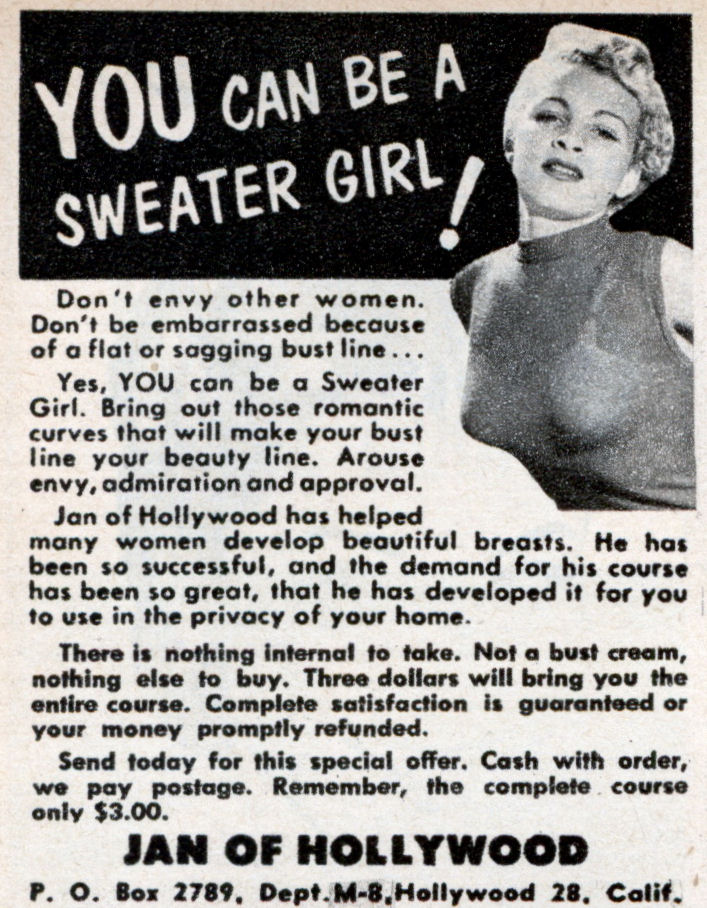
An advertisement for a Sweater Girl course(!) from 1954:
With my new copy of The Beauty Myth arriving at my door literally as just before I type this, I should wisely reacquaint myself with it before proceeding further. But, of course, others have already made the same connection(s) that I have, including Tess Hellgren in her (oft-quoted by me) 2011 Exposé piece “Explaining Underweight BMI and Body Dissatisfaction among Young Korean Women” (pp. 7-8):
…recent gendered shifts in Korean society offer another potent explanation for the trend in female body image. In the past thirty years, Korean society has undergone significant political and economic transformations, democratizing and industrializing at an incredible pace — and offering an extreme expansion of societal opportunities for women.19 Specifically since the 1980s, Korean women have seen an important increase in university attendance; today, 72% of South Korean women attend college, the highest rate of any country. According to feminist theory, this recent upsurge in female societal empowerment may be associated with an oppressive backlash in media portrayals of gender ideals. As explained in the work of Jaehee Jung and Gordon Forbes, historical data suggest that societal shifts toward gender equality are often accompanied by increased media portrayal of unrealistic gender norms as a reactive “tool of oppression” by mainstream society. Jung and Forbes cite the examples of both Europe and the United States: In the 1870s, it was during Europe’s industrialization and nascent women’s movement that accounts of anorexia nervosa first appeared, and the thinnest women in American fashion magazines appeared at the same time as momentum built for women’s rights in the 1920s and the 1970s. According to these scholars, the case of Korea is particularly striking due to the restrictive patriarchal nature of the country’s traditional Confucian culture, in which women’s familial and societal subordination is rigidly emphasized. Linking media portrayals to South Korea’s recent expansion of overall female opportunities, this feminist argument offers another potential explanation for the rise in body dissatisfaction and low BMI among Korean women in recent years.
Is something along these lines the only way to account for the combination of both an increased alphabetization/objectification of and backlash against women in the 2000s? Or is it that simply imposing a convenient narrative where none really exists?
Please let me know what you think. And, as a reward to Seoul-based readers who have read this entire post, let me give you advance notice of a presentation I’ll be giving on this topic for the 10 Magazine Book Clubon Sunday March 10, the weekend following International Women’s Day. As I type this there’s only 22 more seats available, so please put your name down if you’re (fairly) certain you’ll attend, and I look forward to carrying on this conversation with some of you there! :)
Just a quick note to apologize for the slow posting everyone. Actually, I’m not taking a holiday (although Christmas was a little busy), it’s just that my next post is taking longer than expected. But rest assured that it’ll be up on Monday sometime next week (update: forgot that my kids were off next week sorry!).
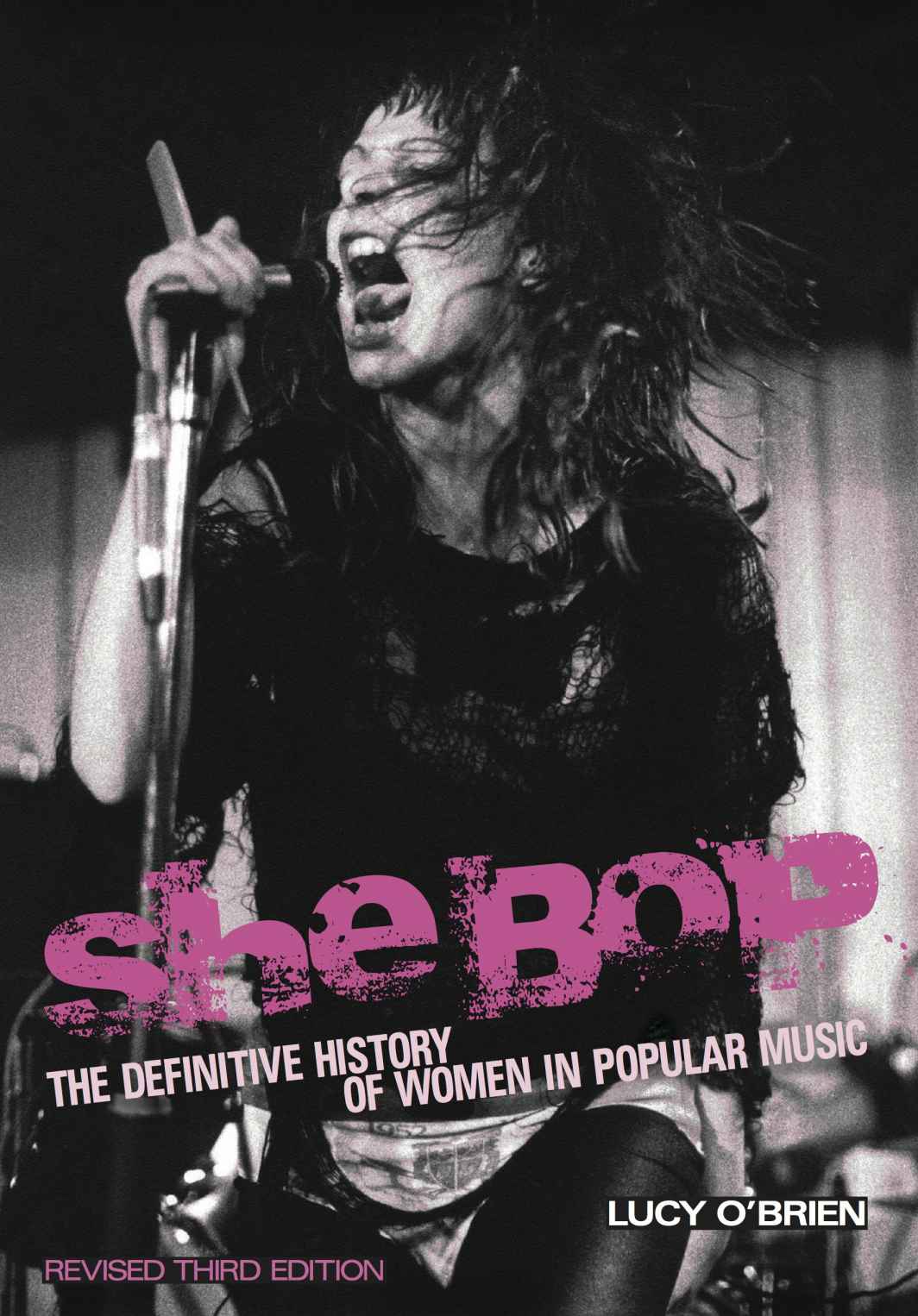
In the meantime, my latest article for Busan Haps, “K-girl Power: The emerging trend of empowerment and sexuality in K-pop,” is available here, a condensed version of this post. And, as a Christmas present to myself, I’ve just ordered — squeee! — the third edition of She Bop above, just released this month; The Beauty Myth, by Naomi Wolf (my other copy is in my mother’s spare room, and my friend’s gift of a PDF just isn’t cutting it!); Behind the Red Door: Sex in China, by Richard Burger; and finally, belatedly, Tune by Derek Kim.
If anyone’s read any of them, I’d love to hear your thoughts. And Happy New Year everybody!
It’s that time of year again. A time for family and friends. A time for gifts and giving. A time for the joys of Christmas.
The JeongNamJin Group Home is a place for children in need of care. Our Group Home currently has 11 children from age 3-18, Korean age. Our children come from various backgrounds: Some are orphans; some have family but no one able to care for them; others were rescued from abuse and neglect. All are wonderful children we greatly enjoy our time with.
Our goal is to give our children as normal a life as possible. This year marks our 3rd annual Christmas Wishes Program for the children. Due to the many wonderful people here in Korea this program has been a great success. We hope to make it successful again this year with your help.
Please read on (MS Word File) for more information on the children and how you can participate. I will tell you a little about them, and share with you their gift requests for Christmas 2012. When reading, please remember that all ages are given in Korean age. For Western age this would be minus 1 or 2 years depending on each child’s month of birth.
Please see the JeongNamJin Group Home Facebook page for more information, or you can also email John Wurth, the Christmas Program Coordinator, directly at wurthjt@yahoo.com.
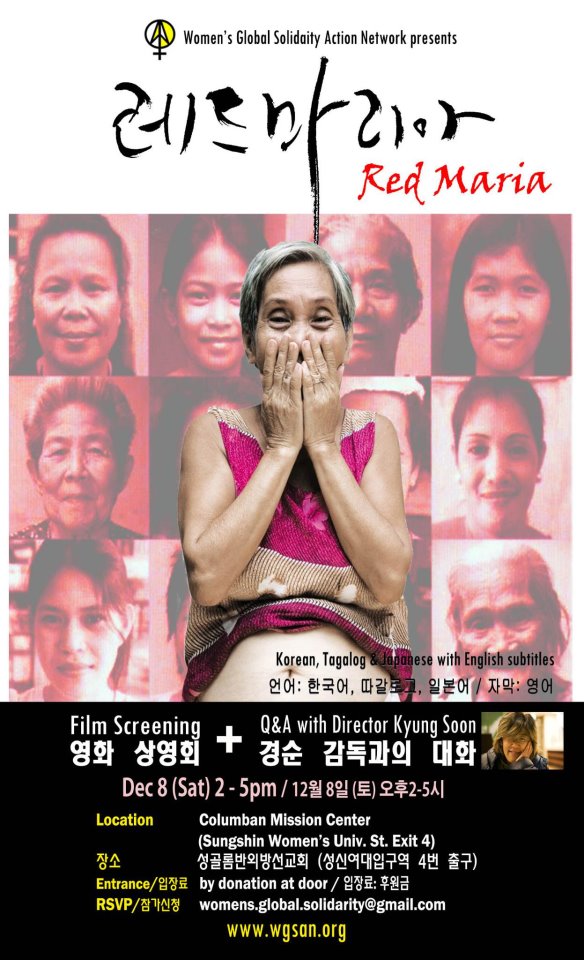
★ YOU MUST RSVP via Email: womens.global.solidarity@gmail.com ★
In Korea, Japan and The Philippines, there are many women with diverse jobs and her stories. Among them, this film focuses on women who are called housewives, sex workers, dispatched workers, migrant workers, comfort women, homeless and so on. The camera tracks them as they go about their everyday lives. These women have never met one another, and their lives look quite different from one another. However, their lives are connected across national borders by the one thing they have in common. That’s their bodies and labor. How can such different forms of labor be linked to the women’s bodies in such a similar way? As we search for answers to this question, we are forced to confront another question: ‘the meaning of labor’ as an ideology that is reproduced in society.
* Entrance Fee: by donation at the door
* Languages: Korean, Japanese, Tagalog and English with English subtitles
The screening will be held at the Colombian Mission Center.
Please note the center is very close to exit 4, and not on the University’s campus.
To get to the center:
1) Take line 4 to the Sungshin Women’s University Entrance 성신여자대학교입구) stop.
2) Go out exit 4 and a building with a traditional Korean roof (hanok) will be in front of you.
3) Go into the building and up to the second floor.
★ Due to a limited number of seats, you must RSVP to womens.global.solidarity@gmail.com and you will receive confirmation when your seat has been reserved.
The New York Times is looking to interview Koreans and Korean Americans who are currently engaged or married according to the “seon” arrangement. We’re working on a story about arranged marriage versus love marriages and how some arranged couples are finding more meaning in the pre-arranged set-up as opposed to free-range style dating and marrying.
Would love to know how much the parents were involved in the date selection, what the criteria or “specs” were, and whether you are happy that you chose to go more traditional in finding a spouse. I also heard from some Korean guys that these seon arrangements makes settling down easier since it takes some of the pressure off from dating. Do any of you agree? Couples, men, women are all encouraged to respond. Opinions from parents are especially wanted. Would love to get as many differing opinions as possible. Please be aware that if we choose to profile your experiences, we would need to use your first/last name and age.
Please send your feedback to lifestylereporter@gmail.com.
For more on specs and arranged marriages, please see here and here (especially the comments to the latter). And please do email The New York Times: I’m already looking forward to reading the final story, and the more interviews in it the better!
Tonight at 7pm I’ll be on Busan e-FM’sLet’s Talk Busan again, this time talking about Korean beauty standards and cosmetic surgery. You can listen on the radio at 90.5, or online here (please note that you’ll have to download Windows Media Player 10 first), and I’ll add a link to the archived version once it becomes available.
Sorry to those of you who tuned in 2 weeks ago, only to hear me speak for just a couple of minutes in total: 7 guests was far too many. But I’m happy to report that there’ll just be 3 of us this time!
Thanks to the students at Dongseo and Pusan National University for being such great audiences last week, and here is the presentation as promised. Sorry that the animations don’t work in the online version, but there weren’t too many.
For regular readers, unfortunately the slides may make little sense in themselves, but I’m happy to elaborate on any of them if you’re interested. The purpose of the first few, for instance, is not so much to illustrate the numerous subliminal sexual messages found in advertisements (although I certainly could spend an hour talking about those!), but more to make the point that nothing in an advertisement is accidental, and that it’s very naive to think otherwise. In turn, the picture of all the Korean churches is to provide a parallel to Normal Lewis’s point here, which is that if, say, my mother comes to Korea and notices all the neon crosses around, does that somehow make her a fundamentalist Christian? Or simply that there’s a lot of churches here? Likewise with noticing sexual themes in ads, no matter how perverted some people think that is.
Much better than me explaining here though, is for me to give a presentation at your own university or institution instead. Just give me a buzz — I’m pretty cheap!
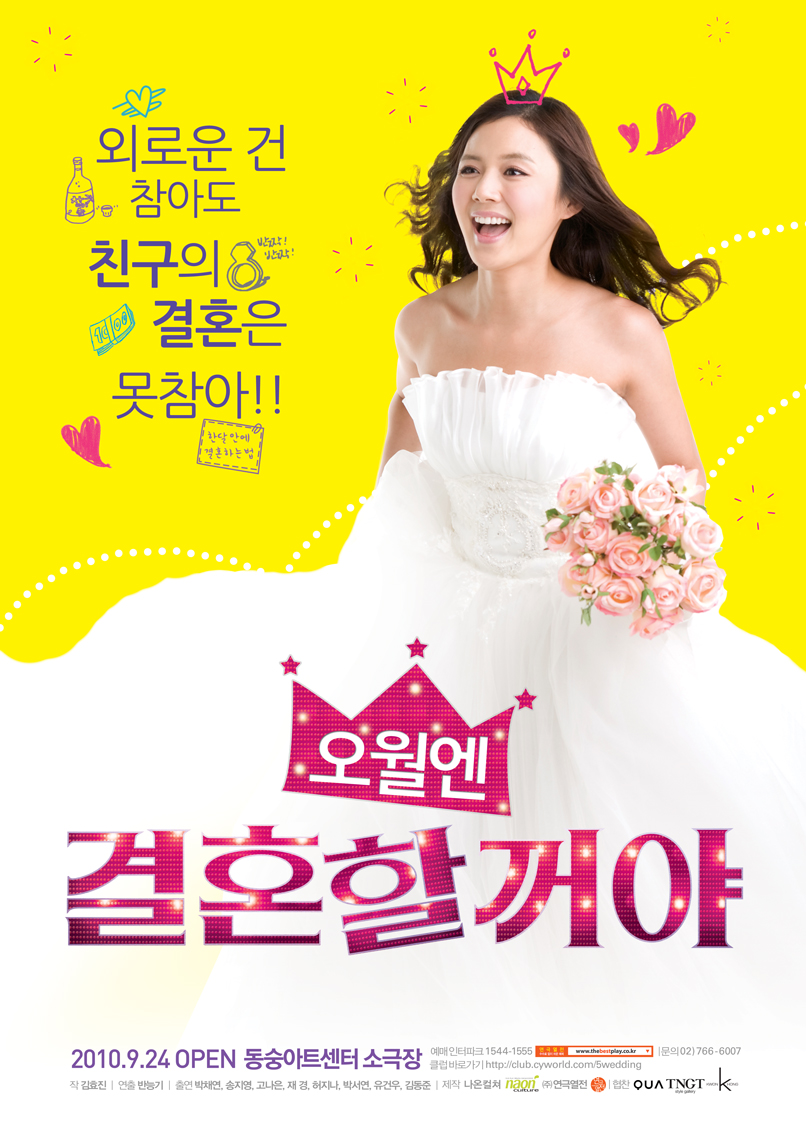
Tonight at 7pm I’ll be on Busan e-FM’sLet’s Talk Busanagain, this time talking about bans on alcohol consumption on Korean campuses, and then Korean weddings. You can listen on the radio at 90.5, or online here (please note that you’ll have to download Windows Media Player 10 first), and I’ll add a link to the archived version once it becomes available.
Sorry in advance for my voice (I’m still recovering from a cold), and I should finally be able to catch up with comments and emails tomorrow!
For any Polish speakers amongst you, I was interviewed about K-pop, sexual objectification, and — of course — Gangnam Style by Radiowa Trójka the weekend before last. Check me out in translation in section 3 here, and let me say again how nice it was to meet reporters Katarzyna Borowiecka and Marcin Pospiech, who look like they’ve produced quite a comprehensive show! :)

 (Source: Unknown)


















 The Grand Narrative