Apologies that this post comes so last-minute. I only just discovered I was free, and my policy with Zoom lectures is only to announce those I can attend myself. If I didn’t, this blog would be overwhelmed, turning into a lighter version of the Korean Studies Events Database!
(You should totally sign up for the Korean Studies Events Database.)
The first lecture, from 3:30–5:00 pm (all Korean time), is:
“Doing Ethnography in the Wake of the Displacement of Transnational Sex Workers in Yokohama: Sensuous Remembering” by Ayaka Yoshimize, author of a book of the same title. From the event page:
(Zoom participation: Pre-registration is not required. Please login with the Zoom Meeting ID: 923 4787 3527 and Passcode: KUMMC.)
This presentation reflects on the politics, poetics, and ethics of remembering the lives of migrant sex workers in a diasporic city of Yokohama, Japan. Drawing on her performative sensory ethnography, Yoshimizu will focus on the transnational space of mizushobai (water trade) in Yokohama’s historically marginalized neighbourhoods along the Ōoka River, where sexual services were performed by racialized migrant women. Since 2005 the city has sought to rebrand one of these neighbourhoods, Koganecho, evicting transnational migrant sex workers who had been integral to postindustrial development and erasing their past presence. Yoshimizu examines Yokohama’s dominant memoryscapes in the aftermath of displacement, examining the built environment, official historical narratives, films, and photographic works that obscure racialized migrants’ participation in the city’s place-making. She then seeks to create an alternative memoryscape based on her own fieldwork experience of becoming entangled with the local social relations, unexpectedly coming to perform social roles legible in the field, and, ultimately, having her relationship with the city refashioned anew. Yoshimizu writes the alternative memoryscape through the imagery of water in ways that are informed by the local usage and imaginations—the ocean, flowing rivers, swamps, humidity, alcohol, the fluidity of relationships, and transient lives. This talk will end by introducing her current multi-sited research on transpacific memories of karayuki-san in Yokohama, Nagasaki, and Western Canada.
Then immediately after, starting at 5pm:
“Current status and policy response to migrant integration and multiculturalism in Korea” by Prof. In-Jin Yoon” (Korea University)
The current status of migrant integration in Korea seems to be far from ideal. The human rights violations against migrants remain common in the workplace and everyday life. The public’s perception and attitudes toward migrants have changed from paternalism to apathy, and is deteriorating to the level of hatred toward certain groups. Korean adults’ multicultural acceptance increased from 2010 to 2015, but has continued to decline since then. The level of social integration of migrant workers and married immigrant women, which are representative groups of migrants in Korea, is not high in both material and psychological aspects. Migrant workers have a high employment rate, but they work long hours in low-skilled, low-wage work, are exposed to non-payment or delayed payment of wages and physical and verbal violence, and their labor rights are greatly restricted. They cannot bring their families, and their opportunities to acquire permanent residency and nationality are greatly limited, so they are not subject to social integration. Marriage migrant women tend to have low employment rates, employment stability, and income due to their low age and education level, ability to understand Korean language and culture, the large age and cultural gap with their husbands, and the burden of childbirth and childcare. They are also dependent on their husbands because they need their consent when applying for permanent residency and nationality. The language and culture of their home country are not respected and they are under strong pressure to assimilate into Korean culture.
See you there!
If you reside in South Korea, you can donate via wire transfer: Turnbull James Edward (Kookmin Bank/국민은행, 563401-01-214324)
Smart people tend to make more logical, more directly-related parallels and connections between the news and the pop culture they consume. So, my niche has to be providing the wilder and more bizarre ones instead.
Last week, our Busan Book Club covered The Girl with Seven Names by Hyeonseo Lee (2014—The StoryGraph, LibraryThing, GoodReads). A tale of her escape from North to South Korea via a decade spent in China, and later her returning to the border to help her mother and brother also escape, generally we found it very informative and moving. But, we were also struck by her incredible naivety, and sheer luck. In particular, without her family’s high status within North Korea, and without being able to rely on wealthy connections and generous benefactors at the last moments, there would have been no story to tell at all.
The smart takeaway is how, by coincidence, those last two points dovetailed with one about North Korean representation made a few days later by my Donsgeo University colleague, B. R. Myers, as part of a presentation he gave at Seoul City Hall at the Seoul Forum on North Korean Human Rights 2024. From his blog, Sthele Press:
“….This brings me to the escapee issue. These days talk of the grim punishment awaiting repatriated escapees is often contradicted in the same breath by reference to how so-and-so just saved up enough money for a second escape. The sum needed just before the pandemic—if my sources are correct—was over $5000, and let’s face it, that’s more than the average American has in the bank, so I worry that if we continue to present these people as representative, we’ll be creating confusion about what living standards in North Korea are really like. I’m not downplaying the ordeals that they all go through, especially the women who are trafficked across the river, but it’s time, I believe, that we concentrated on the great mass of people inside North Korea.”
“That goes also for the issue of North Korean workers in China and Russia. If you spread the blame between three regimes, Kim gets off lightly. Just how bad are conditions at home, that people compete to get treated like slaves in foreign countries? I think that’s what we should focus on.”
Read the rest of Myers’s presentation there. While my own thoughts may seem flippant by comparison, especially given the gravity of those conditions in North Korea, that is absolutely not my intention. Rather, I feel they only help underline his point about representation all the more.
Specifically, reflecting on Lee’s incredible run of good luck while I was reading her book, I couldn’t help but constantly be immediately reminded of a free-talking activity I’ve been using for the last 20+ years with my ESL students, about what supplies to prioritize in the event of a plane crash in the Pacific Ocean. (I call it Cast Away after the 2000 movie, but these days most students have never heard of it.). Which I grant does indeed sound bizarre, but the connection is there:
You see, most students, and me too if I didn’t already know better, rank obvious things like the fishing line and hooks very highly. Only, as I think it was the US Coast Guard that explained things in the version I originally got this from, in fact both those and 12 other things on this list are completely useless.
The reason being, quite unlike in movies like Cast Away, where the main character quickly paddles to a deserted island to survive on, in most oceans 99 per cent of plane crash survivors simply wouldn’t. So, unless they were found within 2-3 days, they’d die of thirst and sun exposure.
Which generally doesn’t make for riveting viewing.
That means we only get movies about the 1 per cent that do make it to land instead. Leading my students to prioritize hooks, matches, and so on. Whereas really, the only genuinely useful things are the flare gun to help rescuers find you, and the bottles of water to give them an extra day or so to do so while you’re still capable of firing it:
(Let me know if you’d like a copy of my PPT, and the rationale behind the specific ranking).
Wisely, I spared the other book club members this huge segue in our meeting in the coffee shop. But, now that I’ve put pen to paper here, I am indeed intrigued at how this—unfortunately named—’survivorship bias‘ potentially colors narratives about North Korean and its escapees.
And also intrigued whether Lee is asked about her incredible luck in this 1.5 hour interview. I’ll let you know!
Contributors to this book provide an Asian women’s history from the perspective of gender analysis, assessing Japanese imperial policy and propaganda in its colonies and occupied territories and particularly its impact on women. Tackling topics including media, travel, migration, literature, and the perceptions of the empire by the colonized, the authors present an eclectic history, unified by the perspective of gender studies and the spatial and political lens of the Japanese Empire. They look at the lives of women in, Taiwan, Korea, Manchuria, Mainland China, Micronesia, and Okinawa, among others. These women were wives, mothers, writers, migrants, intellectuals and activists, and thus had a very broad range of views and experiences of Imperial Japan. Where women have tended in the past to be studied as objects of the imperial system, the contributors to this book study them as the subject of history, while also providing an outside-in perspective on the Japanese Empire by other Asians.
To celebrate International Women’s Day this March, Tokyo College’s “Gender, Sexuality & Identity” collaborative research group will host a special webinar event with MURATA Sayaka, author and winner of the 155th Akutagawa Prize for her novel Convenience Store Woman (2016). Through discussing Murata’s writing, experiences, and inspirations, the event hopes to generate reflection on society’s gender and sexuality “norms” and how they shape our world.
Finally, this segment of her show gives me just the excuse I need to let The Grand Narrative readers about my favorite Chinese-Australian comedian Jenny Tian!
Not going to lie—I’m especially fond of her because much of her humor is Australia-related, which resonates because I lived in Australia and New Zealand for 13 years, but might be off-putting for you. But never fear, non-Antipodeans! As you’ll quickly realize from her Instagram, most of her content is universal, and particularly funny to East Asian diaspora anywhere:
Please register here, and see here for more details.
Here’s a quick summary from the latter:
[Dr. So-Rim Lee from the University of Pennsylvania] will discuss remedy (koch’ida), a term she uses to refer to changing one’s appearance through medical interventions—including plastic surgery, cosmetic injections, among others—to make life better. Remedy is much broader than medical discourse alone; Lee’s current book project contends that remedy is a critical cultural ethos, a teleological narrative, a social performance of subjectivity, and a material praxis of embodiment where state biopolitics and individual desire for belonging are inextricably entangled. From the postwar 1950s to the 1970s, remedying the body primarily signified rehabilitating disabled bodies; its grammar was integral to the narrative of nation-building under developmental dictatorship by way of remaking a healthy, re/productive national body marked by continued economic development. However, with the emergence of middle-class consumer culture and rapidly changing mass mediascape in the 1980s-1990s, remedying the body through plastic surgery became normalized in various print media as a gendered, individualized, and hyper-visible consumption practice undertaken by women for upward mobility. Perusing teen pictorials, feminist magazines, newspapers, and films, this work-in-progress talk explores how the consumerist discourse of remedy in post-authoritarian South Korea was keenly entwined with the discursive marginalization of different yet intersecting strata of women—specifically, housewives and working-class young women/teens.
See you there!
If you reside in South Korea, you can donate via wire transfer: Turnbull James Edward (Kookmin Bank/국민은행, 563401-01-214324)
My TBR pile is glorious, and it is teetering. So, I really should have known better than to even glance at the New Book Networks feed…
Assuming I can actually find the space then, this latest, slightly pricey candidate is all due to Tuesday’s interview of Dr. Gitte Marianne Hansen and Dr. Fabio Gygi, editors of The Work of Gender: Service, Performance and Fantasy in Contemporary Japan (NIAS Press, 2022). Specifically, the section from 28:35-31:10 where Dr. Gygi talks about Chapter 6, in which his colleague, Dr. R. J. Simpkins, shares his findings from months of observing and talking to buskers and street performers near a Tokyo train station. Like me, listening will probably immediately remind you too, my beloved tribe (*hugs*), of Feminist City: Claiming Space in a Man-made World by Leslie Kern (Verso, 2020; see my review here). You also get how tempted I am right now then, as I almost seem to hear the soft serenade of “지금 택배로 주문하면 11월 24일 출고” sweetly whispered into my ear…Oh! Aladin, you tease…
Ahem.
With no further ado then, sorry for any mistakes in my transcript of that section of the podcast below. And please don’t worry about giving offense if you’d rather jump ahead to a reviewer’s excellent summary below that instead!
“Well, I think this is a wonderful chapter, because Rob, the author, was actually playing as a street musician himself, and that’s how he entered the field, and he’s been there for quite a long time, and it’s a wonderful ethnography, and very detailed. But towards the end he realized, ‘Well, I’m only talking to men. I know a few female performers but it seems to be a very different experience for them.’ So he started to focus a little bit more on the differences, and one of the things that he really found was that it’s all about space-making.”
“So, it’s a public space, you’re exposed to the gaze of the passers-by, but as a musician or performer you have to create…you have to take this public space and turn it into something else, like a concert venue or a venue for self-expression. And this of course takes on a very strong gender dimension. So men felt very much at ease, you know…especially the more rock-type musicians who would just start to play…there would be a good vibration and people would sort of assemble. But women working as performers felt very much exposed in a very different way. Now, you have to imagine, during commuter rush hour it’s mostly men…it’s salarymen who come back from work, often in a state of inebriation, and there would be a lot of sexual harassment, there would be a lot of unwanted attention, or rather boundary-breaking attention, so people would come, they would listen to a song, and then they would try to chat you up or get close or break the sort-of boundaries that you have created. And so there was a much greater sense of vulnerability, and what he sort-of concluded from that is a public space is also to a strong degree male-coded, it’s the male gaze that defines what is happening.”
“So if you expose yourself to that, you have to be aware of the gendered dynamics of the space and so his artists chose very different and very creative strategies [to deal with those]…Reyna(?) for example performed in a mask to deflect from the fact that she was a female performer, and so it is very important to understand that this public sphere itself is gendered…not something we would normally, you know, have a good understanding of.”
These difficulties and dangers are underscored by co-editor Dr. Hansen then going on to note that this was the most difficult subject in the book for any of the contributors to research. Because, unlike with other venues and performances, the rules of engagement (and enforcement) were not set. My personal additional takeaway from that being, those rules were also more open to exploitation and abuse by those with (male) privilege.
For the busier feminist book geek among you though, as promised here is an excellent summary of Dr. Simpkins’ chapter by Dr. Kai E.Tsao, taken from her review in Feminist Encounters:
“Simpkins observed and interviewed music performers at a Tokyo station, and his chapter demonstrates that the musicians’ experiences of dis/comfort, im/mobility, security and threat, as well as their coping strategies, are all gendered. Male musicians considered their experience, occupying and transgressing in public space, as performing their authentic self and self-realisation. This sentiment was not shared by the female musicians. Instead, they performed ‘charm’ and created a ‘non-threatening atmosphere’ to navigate social interactions in a station space with a predominantly male presence. Public space around the station is coded: compared to their male counterparts who ‘naturally’ hung around to interact with their supporters, female musicians were much more cautious about the risks of inviting passers-by to take an interest in their performance. This makes me wonder: how is the performance of invitation gendered? How might female musicians be perceived if they invited an audience in a space where they were ‘not supposed to be’?”
And which also makes me wonder, what are the Korean parallels? Where are those spaces?
Frankly, I can’t really think of any. In fact, the only place I ever encounter buskers and street performers at all is the main drag of Gwangalli Beach close to where I live, which ironically I don’t visit very often because it’s always jam-packed with happy, 20-something, heterosexual couples (sigh). That very different audience composition to a busy Tokyo subway station then, as well as the very public and open setting, would likely mean performances there were almost completely devoid of the (negative) gendered dynamics described above.
Maybe various Korean laws are responsible for making them much less common than in Japan?
Or maybe not? Are there buskers in, say, Hongdae in Seoul? In Nampo-dong here in Busan, which I haven’t visited for years? Performers in busy Seoul subway stations? Please do let me know then, if know of any similar Korean spaces to what Dr. Simpkins outlines in Tokyo, and your experiences of them. And how do think the gender dynamics play out in those?
Lady Mary Wortley Montagu, an 18th Century woman of letters, had a keen eye for ignorant European male travel writers who projected their sexual fantasies onto Turkish women, and why they waxed lyrical about women’s suffering under barbarous Turkish men. Her skills at exposing hidden agendas, and at highlighting women’s shared experiences of misogyny, rather than stressing exoticism and difference, remain just as useful and necessary today.
Estimated reading time: 10 minutes. Photo, right, by Kazi Mizan on Unsplash.
Or not? Perish the thought. Still, while this particular tome does make its central point that orientalism “is profoundly heterogeneous,” I can concede it’s also very academic and literary and critical-theory heavy, requiring a lot of concentration. So, if you’re actually just trying to impress fellow bibliophiles and geeks on the subway in the mornings with it, or beat crippling insomnia in the evenings when that fails to elicit the companionship you seek, much of it will simply fail to stick.
But of the two parts that did stand out to me, which I’ll highlight in two separate posts, I wasn’t expecting the first to make me feel so…uncomfortable.
Specifically, it was the second chapter on Lady Mary Wortley Montagu’sTurkish Embassy Letters, a collection of her reflections on her travels through the Ottoman Empire between 1716 and 1718, published in 1763 just after her death. In those, she criticized European men’s writings about Turkish men and women for presenting the former as barbarous, and using the alleged civilized treatment of women in Christendom as evidence of that, compared to their supposed abject misery under Islam in Turkey. In other words, they presented a false dichotomy between a feminist West and patriarchal East that, well, you could probably see faint echoes of in my own first attempts writing about Korea nearly two decades ago.
Image: Young Woman Reading, 1880 by Osman Hamdi Bey (Turkish, 1842–1910).
Mercifully, the offending posts have long since been deleted. I don’t think I could ever have been accused of projecting my sexual fantasies onto Korean women like Montagu’s male contemporaries did Turkish women either, let alone doing so while acknowledging they had no knowledge on which to base those fantasies whatsoever, as we’ll see.
But that false dichotomy? Stressing the differences between the men and women ‘over there’ compared to ‘here,’ rather than emphasizing shared experiences and potential solutions to, say, overcoming the patriarchy?
That’s definitely something to be remain wary of. In particular, when so many negatives of women’s position in Korea are genuinely objectively worse than in the countries interested English-speaking readers tend to hail from, it’s deceptively easy for any Korea-related news to simply confirm one’s preexisting prejudices and stereotypes about Korean men and women, or to pander to those if you want your work to be read. And I’m just as open to temptation as anyone.
So, to help maintain that awareness, let me highlight the relevant passages from the second chapter of Critical Terrains for you here. Starting with the first mention of the letters on page 31:
Then on page 32, introducing the crucial additional theme that for all her proto-feminism, Montagu was also very elitist and aristocratic, both in her concerns and in the Turkish women she most interacted with. But for more on that, you will have to read the chapter for yourself sorry!
Then on page 38, on one of those European men waxing lyrical about what goes on in the fabled harems, despite never actually visiting one…
Continuing with yet another man doing the same:
Continuing past the page break into page 39:
Continuing:
Continuing:
Page 40, which I especially liked for its point about Turkish and European women’s shared experiences:
And finally from page 44 (NSFW image coming below):
If you’ll please bear with me a moment, Orientalism, I find, is a bit like the Theory of Relativity. (Hey, I did ask you.) As in, like my physics professor once pointed out back when I was studying to become a professional astronomer (it’s a long story), Einstein’s theory, for all the creativity, originality, and genius behind it, is actually quite simple to understand after a couple of lectures or good YouTube videos. Which is my somewhat arcane excuse for why, wanting to learn more about Lady Montagu, I consulted my other books exclusively devoted to Orientalism, and discovered to my horror and shame that I actually only had two: Culture and Imperialism by Edward Said (1993), and The Erotic Margin: Sexuality and Spatiality in Alterist Discourse by Irvin C. Schick (1999). Alas, Said didn’t mention Lady Montagu at all (perhaps it’s time to finally purchase Orientalism?). But Schick did…
…and then I finally noticed a certain similarity of cover theme with that of Critical Terrains. Potential accusations of hypocrisy by authors and/or publishers and a certain blogger aside though, and how much that extends to the genre as a whole or not (Culture and Imperialism actually has quite a bland cover), obviously both covers were used to sell more copies of both books. Or, to put it crudely, there was an agenda behind the choice to put naked Oriental women on both.
Which finally brings me to how, even 150 years after the publication of Montagu’s letters, Schick explains that the British public, industry, government, and press, for a wide variety of reasons and agendas, were all just too fundamentally committed to their own agendas—an alternative, collective ‘truth’ about the Orient so to speak—to really care less about what its men and women were actually like. Which is also why, sadly, Montagu’s letters ultimately made little impact:
Turning Boys Into Men? The Performance of Gender for South Korean Conscripts, Part 8
Estimated reading time: 4 minutes. Photo (cropped) by Jim Flores on Unsplash.
Am I just projecting when I say Koreans too? Or that it’s mostly Korean and Japanese women, and especially young women, that suffer from this “involuntary consent”?
But first, I want to acknowledge that, of course, everyone has had the experience of being asked by bosses, relatives, and/or professors for unseen, undervalued, and usually unpaid labor, which social pressure prevented them from refusing.
There’s nothing specifically Korean or Japanese about this. Nor is expecting it of women the exclusive purview of Korean or Japanese men.
Korean academia, for instance, remains notorious for all the verbal abuse, sexual harassment, and demands for personal errands professors inflict on their grad students. I want to convey my curious mix of relief and rage too, over learning that it’s not just me that notices it’s mostly female students that have to run those errands. And, as discussed in Part 2 of this series, I’ve already noticed the welcoming of prospective students that my female students are expected to do in the freezing cold every winter.
In Japanese society, where people are conventionally inclined to avoid conflict and prioritize social relationships over their own self-interest, the attitude that can lead to unforced but involuntary consent is ubiquitous. Japanese American anthropologist Dorinne Kondo has captured how Japanese people, especially women—herself included, as she became enmeshed in Japanese society as a “daughter” of her host family over the course of a two-year homestay in the 1980s—avoid saying no in their day-to-day lives. Similarly to the young Japanese women who become involved in AV, Kondo was not overtly coerced but nevertheless pressured to involuntarily agree to do things for others such as teaching English, fulfilling her duty as a filial “daughter,” and taking on the role of a ‘proper’ Japanese citizen. Her frustration grew as she felt herself becoming “trapped by social convention.” Kondo then realized that there was a profoundly different way of thinking about the self in Japan: individuality was valued only insofar as social relationships were not compromised. Under such circumstances, she “had no choice but to comply.” Kondo’s ethnographic moment vividly recaptures why [former AV actress Kozai Saki] could not say no or walk away when she faced her won dilemma. Her resistance would have deeply upset relational others at the filming site. Each time she convinced herself that everything would be fine if she would only yield to their demands.
(page 51; italics in originals)
But really, it released a cascade of thoughts. Next was that the biggest problem for vegetarians and vegans in Korea is not so much finding ingredients or suitable restaurants, but all the pressure bosses, coworkers, and family members will inflict on them to eat meat for the sake of avoiding causing awkwardness and inconvenience for everyone. And then, all the parallels with how to determine consent in the K-pop industry.
But if you’re still reading, I’m guessing it resonated with you too, right? If so, please do take a moment to let me know what it reminded you of, either in the comments or on social media. But I’ll be glad to have just gotten you thinking. And thanks for reading!
p.s. (My bad that the titular quote actually comes from a must-read interview of the author!).
The Turning Boys Into Men? Girl-groups and the Performance of Gender for South Korean Conscripts Series:
Via City Koh, an interesting recent addition to my TBR list—I had no idea there were such intimate connections between events in Korea and US immigration and racial policies a century ago. Enjoy!
The Allure of Empire traces how American ideas about race in the Pacific were made and remade on the imperial stage before World War II. Following the Russo-Japanese War, the United States cultivated an amicable relationship with Japan based on the belief that it was a “progressive” empire akin to its own. Even as the two nations competed for influence in Asia and clashed over immigration issues in the American West, the mutual respect for empire sustained their transpacific cooperation until Pearl Harbor, when both sides disavowed their history of collaboration and cast each other as incompatible enemies.
In recovering this lost history, Chris Suh reveals the surprising extent to which debates about Korea shaped the politics of interracial cooperation. American recognition of Japan as a suitable partner depended in part on a positive assessment of its colonial rule of Korea. It was not until news of Japan’s violent suppression of Koreans soured this perception that the exclusion of Japanese immigrants became possible in the United States. Central to these shifts in opinion was the cooperation of various Asian elites aspiring to inclusion in a “progressive” American empire. By examining how Korean, Japanese, and other nonwhite groups appealed to the United States, this book demonstrates that the imperial order sustained itself through a particular form of interracial collaboration that did not disturb the existing racial hierarchy.
Update: How could I have missed this interview of the author at New Books Network back in June??
If you reside in South Korea, you can donate via wire transfer: Turnbull James Edward (Kookmin Bank/국민은행, 563401-01-214324)
It’s tough impressing guests at my cocktail parties these days.
By definition, all of them are already bibliophiles—why else would I invite them? But that also means some guests don’t so much as bat an eyelid at my paltry 1500+ tomes, no matter how strategically I arrange their titles.
Hitherto my main trump card, and source of cultural capital, suddenly being exposed as neither smart nor well-read has become a real source of concern. And, when I do sense a guest’s moment of realization is finally arriving, my cats, trained to pose for Instagram, can only distract them for so long.
(From 28:10) “Into the Twentieth Century, I write about the culture of…Japanese modernism, as expressed in these two icons, the mobo and the moga, and the era of what’s called ‘Erotic Grotesque Nonsense.’ One of the arguments I make in the book, is that if you went to Japan in the 1910s, ‘20s, and ‘30s, you would recognize a lot of the forms of entertainment, because they were…at least originally, they came from other parts of the world, particularly North America and Europe. But they also looked different. Scholars call this ‘vernacular modernism.’ Where [something is] part of a global movement, but is articulated in very specific ways in specific places and for specific reasons. And so, even though these people look like flappers and dandies…and they evoke some of the same moral panic, they also were challenging very specifically Japanese norms and were fulfilling particular Japanese needs.”
I hear your thoughts, all half-dozen or so of you still reading: what grown adult only hears of vernacular modernism for the first time in their late-40s? How can I even call myself a man? Have I no shame at all??
“How could he string me along like that? I really thought he would have more books…(Sigh) Men can be such pigs…”. Photo (cropped) by Killian Pham on Unsplash.
But I’ll be way ahead of any guests voicing the same, already reaching for their raincoats and umbrellas. For I’ll use a cunning trick on them I’ve learned from a local book club I recently joined.
In those meetings, which are twice a week. we read our own books silently for an hour, then have a quick bathroom break, then go around in turns quickly summarizing our books, before finally posing a related question to the other members to answer. The ensuing discussions generally last until we’re kicked out of the various coffee shops. And—you guessed it—the most interesting and lively conversations tend to spring from questions that actually have no relationship to people’s books at all. So too, given how obvious my need for constant validation is, you can also guess that a not inconsiderable amount of my free time between meetings is spent preparing the most popular questions. Then, on procuring related books I can bring along to feign they just spontaneously came to me from my casual, cursory hour’s reading.
So, I will distract and impress my more discerning cocktail party guests not with big words, but by posing the first titular question: How were Korean new women and modern girls different…to their equivalents in other countries? Other than so many of their new fashions, beauty products, consumer goods, new education and employment opportunities, new beliefs about family life, sexuality, and women’s rights, being so closely associated with, forced by, enabled through, and/or utterly tainted by the Japanese colonial regime that is?
“Interesting questions James,” my guests will reply, stumped. “We misjudged you. Let’s bring your cats back for some more cute photos, then brainstorm some ideas. Oh, you already have a whiteboard and markers set up in the next room you say?”
Yes, I’m vastly overgeneralizing. But I know you too are intrigued by the prospect of learning the extent of the similarities and differences between Korean women and their Taiwanese and Manchurian counterparts in the 1920s and ’30s, let alone between those living in other colonial regimes. Indeed, the party will only just be getting started.
Left: “The various types of ‘girls’ in the 1920s to 1930s”; scan, 예쁜 여자 만들기, p. 245. Right: Actor Hideko Takamine, Japanese White Powder Foundation advertisement, 1930s; via The Flapper Girl.
Unfortunately, my desire to learn from my guests’ answers will be so genuine, that I’ll quickly forget all my pretensions to aloofness and sophistication. So, when we move on to the next question, I’ll be quite unable to restrain my joy at recently (re)discovering an exceptional background source, and wanting to repay by sharing. Namely, albeit again vastly overgeneralizing, one that elaborates on how Korean women’s rights were put on the backburner in the first half of the Twentieth Century for the sake of focusing on liberation from the Japanese, then in the second half for the sake of democratization—which has basically informed just about everything I’ve ever written about Korean feminism here for the last 16 years. That is, Colonial Modernity in Korea, edited by Gi-Wook Shin and Michael Robinson (1999), and more specifically Chapter 7. “The Price of Legitimacy: Women and the Kunuhoe Movement, 1927–1931” by Kenneth M. Wells. Fortunately, much of the chapter is available via Google Books, including the following four pages (192-193, and 203-204) that will surely persuade you to buy your own copy:
But only embarrassed by myself to myself, because clearly I’m already way past being worried about my reputation among you, my dear readers. And glad to have had the opportunity to recommend a book too you, or more generally to have shared something useful and/or interesting. Because no matter how long I sometimes take to get there, that, after all, is always the point.
“Pretty weird guy, but…yeah, that does sound like a good book. I must order it post haste.” Photo by Brooke Cagle on Unsplash.
On which note, so what if, technically speaking, I haven’t actually had a single guest in my home since moving in six months ago? Or that my toasting my cats with Pepsi lime zero and cheap whiskey every other evening for, say, not vomiting over my meager possessions that day, doesn’t exactly qualify as my hosting “lavish cocktail parties” either? These are mere minutiae in the pursuit of great art. Or, indeed, of great books!
Do any of you reading this in Korea volunteer for a local feminist organization?
As a Western male feminist, or feminist ally if that’s your jam, frankly I’ve never seriously considered it. I’ve always just assumed my presence would be more awkward and complicated than helpful, and probably quite rightly so. There’s visa restrictions against non-Koreans participating in “political” activity too, even for permanent residents.
But are my assumptions correct? Or are they really just excuses?
Because I’ve recently become more interested in contemporary Korean feminist activism than ever. Perhaps, the day I get off my armchair and test those assumptions will come sooner than I think.
If you do ever see my bald head pop up on mutual Instas we follow then, blame Ito Shiori’s Black Box: The Memoir That Sparked Japan’s #MeToo Movement. Not just because because it well deserves its seminal title, but because I was shocked to learn just a few weeks later of therelativefailure of that movement compared to South Korea’s. Why? What are the similarities and differences between #미투 and #KuToo? What mutual lessons do they offer for each other? I have to know.
In 2017, the MeToo hashtag spread across the globe. However, it showed limited success in the Japanese Twittersphere and instead inspired local initiatives such as #WeToo and #Furawādemo (“flower demo”). To understand this reformulation, we analyzed 15 interviews with Japanese social media users and 119 Japanese newspaper articles. The results corroborate the framework we label VTM (values, topics, media), suggesting that an intersection between perceived Japanese values, the topic’s gendered and sexual nature, and media affordances explain the movement’s local development. While perceived Japanese values clash against those associated with #MeToo, new formulations “soften” the protest by blending in values such as reserve and harmony. Overall, we show how perceptions of popular values rather than values as essential orientations shape activism. Finally, we discuss the study’s implications for understanding cultural variance in cyberactivism, highlighting how divergent notions of “safe space” shape such movements.
Saki Mizoroki is a doctoral student at the University of Tokyo and a visiting research fellow at the Hebrew University of Jerusalem, Israel. Her research focuses on feminist media studies, drawing on her extensive experience as a journalist. She holds a Bachelor of Arts from Sophia University and a Master of Public Policy from the University of California, Berkeley. She has worked as a journalist for a top-national Japanese newspaper, The Asahi, as well as internet media, BuzzFeed Japan.
This talk is organized by David H. Slater (Professor of Anthropology, FLA).
*Mizoroki, S., Shifman, L., & Hayashi, K. (2023). Hashtag activism found in translation: Unpacking the reformulation of #MeToo in Japan. New Media & Society, 0(0). https://doi.org/10.1177/14614448231153571
Don’t let my glorious laser tits deter you from an eye-opening interview, and a must-read!
Estimated reading time: 11 minutes.
First, a quick update to explain my absence this past month,
Basically, I’ve finally gotten my shit together.
I could count the ways. Instead, suffice to say I’m so enthused and energized that I’ve even started paying attention to my laser tits again.
You read that right. (You’ll thank me for passing on this “꿀팁” later.) Ten random notifications from a reminder app a day, I advise, is the sweet spot for perking you up before starting to get annoying:
Naturally then, life chose to reward my newfound drive by bookending those past four weeks with two debilitating colds. Repetitive strain injury has flared up in my right arm too,* leaving me in agony every time I want to do anything even remotely fun or pleasurable with my hand. Like, say, eating or sleeping (what did you think I meant?), let alone banging away at a keyboard.
With my resolve being so sorely tested, literally, my response is to push even harder through my huge backlog of writing, as well as my new plans to completely overhaul this blog and my social media use. What those plans actually are, I’m going to tend towards doing before explaining. But one I already announced back in October—more geeking out over things that bring me joy, no matter how obscure or academic. The difference now being, I realize life is just too short to worry about losing followers who don’t share my obscure passions, or curious, ribald sense of humor.
On that note, the New Book Network’s (NBN) recent podcast interview of Monica Liu, about her new book Seeking Western Men: Email-Order Brides Under China’s Global Rise (2022), is conspicuously bereft of laser tits, but is no less jaw-dropping for all that. Primarily, for Liu’s emphasis on the women’s perspectives and their sense of agency, which in hindsight I’ve much neglected in myowncoverage of migrant brides to Korea over the years (understandably, given how so many are exploited and abused, but a neglect nonetheless). Moreover, despite the title of the book, and NBN’s synopsis below, it quickly becomes clear while listening to the interview that Chinese seekers of marriage with Western men share many of the same issues and goals with those Chinese, Central Asian, Russian, and Southeast Asian women seeking Korean men.
Her study of China’s email-order bride industry offers stories of Chinese women who are primarily middle-aged, divorced, and proactively seeking spouses to fulfill their material and sexual needs. What they seek in their Western partners is tied to what they believe they’ve lost in the shifting global economy around them. Ranging from multimillionaire entrepreneurs or ex-wives and mistresses of wealthy Chinese businessmen, to contingent sector workers and struggling single mothers, these women, along with their translators and potential husbands from the US, Canada, and Australia, make up the actors in this multifaceted story. Set against the backdrop of China’s global economic ascendance and a relative decline of the West, this book asks: How does this reshape Chinese women’s perception of Western masculinity? Through the unique window of global internet dating, this book reveals the shifting relationships of race, class, gender, sex, and intimacy across borders.
I strongly recommend listening to the interview yourself; at 39 minutes long, it doesn’t at all drag on like, frankly, most other NBN interviews do. To encourage you to do so, here are several eye-opening excerpts, all lovingly, painstakingly transcribed by myself (my apologies for any minor errors).
(Too young, and too well-off?) Photo by bruce mars on Unsplash.
First, from 7:30-8:45, an important difference between Chinese women seeking Western men to migrant brides in Korea: the former tend to be much older and financially well-off. As we’ll see soon, this has big implications for the power dynamics between prospective partners:
Q) Why really did the Chinese women seek Western men?
A) For a couple of different reasons. Across the board, one main reason I saw was that the women felt aged out of their local dating market, because men of similar age and economic standing tended to prefer much younger, never-married women without children, and so women believed Western men were more open to dating women their age. And there’s also some differences based on the women’s socioeconomic class. A lot of women who are financially well-off have previously been married to very wealthy Chinese men that cheated on them and left them for younger women, and so think that Western men are going to be more loyal and more family-orientated—that being the primary reason. While women who struggled financially, have often divorced Chinese ex-husbands that lost their jobs and couldn’t support their families, and so these women are also seeking financial stability in their new marriages. Finally, there’s also a group of women who wish to send their kids to college in the US, to escape the very, very brutal college entrance exam in China, but they couldn’t do that as single moms that were financially struggling.
Next, from 10:20-11:20, on how Chinese dating marriage agencies both respond to and perpetuate Occidental stereotypes:
Q) Tell us about global financial crisis of 2008 when the men lost their jobs. Did this impact the dating scene?
A) Yes, this certainly impacted the dating scene. At the dating agencies, before the crisis there would be this idea that many of the men would possibly be financially well-off, but actually after the crisis a lot of women were actually discovering off-site that those men that they thought were financially well-off were not in that position, and as a result one of the tactics that the agencies used to promote these men to the women was that these men were loyal, devoted, and family-oriented, and thereby worth of marriage, even if they’re not particularly financially well-off.
Then from 13:28-15:11, on the racial hierarchies contained within those Occidental stereotypes. But already, Chinese women’s agency is evident in their readiness to reject or subvert these:
Q) You talked about the discrimination against Black men with the Chinese women, but not other racial groups. Tell us more.
A) When I stepped into the dating agency, I found that Chinese women were very reluctant to date Black men. And for that reason, the agencies actually had a policy to not entertain emails from Black men unless given special permission from the women, in order not to “offend” the women. I’m not exactly sure what their personal reasons were…but I do know China has a long-standing history of anti-Black prejudice where Blacks are stereotyped as savage, hypersexual, and violent.
However, the women didn’t seem to discriminate against other racial groups, and to them, interestingly, the term “Westerner” included not only Caucasians but also Latinos and Native Americans. And occasionally some women would actually refer to Western men of Northern- or Central-European ancestry as “pure white,” and Latin-American men, or men of South-European ancestry, for example Italian men, or Native American men, as “non-pure white.” However, being pure white didn’t seem to actually boost the men’s desirability in the women’s eyes, and in fact I saw that some women in fact preferred the non-pure white look and they found the darker hair and eye color to be more Asian-looking, and more familiar and more pleasing to their eye than someone who is, say, blond-haired and blue-eyed.
From 18:24-19:52, on the traditional, patriarchal values the Western men using international dating agencies often bring to their anticipated relationships with Chinese women. Obviously, by no means all (or even a majority) do. But just as obviously, it’s surely no coincidence that many Korean men do the same:
Q) Now give us the profile of the Western male seeking a Chinese woman.
A) The majority of the men enrolled tended to be older, divorced, and tend to come from lower-middle class or working class backgrounds, although some were middle class. I’ve seen a lot of truck drivers, lots of small business owners, and these men tend to feel left behind by globalization as agriculture, manufacturing, and small businesses started declining. So these men actually viewed this changing economic landscape as a threat to their masculinity.
Now a lot of sociologists’ studies show that marriage rates have declined among working class men, and poor men, because women within their own class find them to be too poor to be marriage worthy. So for these men, having slipped down the socioeconomic ladder, they really struggle to hold on to what privilege they have left by pursuing so-called “traditional” marriages, possibly with foreign brides, because they think this will allow them to exert some kind of dominance and control at home. And there’s also some middle class men who, despite being financially stable, they still feel left out of place within the new gender norms that have emerged in Western societies, [supposedly] dominated by feminists who they see as destroying the family and nation through their spoiled behavior and materialism.
And, reluctantly, a final excerpt from 23:21-25:10 (there were so many I wanted to highlight!), on the upending of global masculinity and racial ideals when women are empowered to reject those marriages:
Q) Let’s look now at some of the theories about Western masculinity. What did you find concerning race, class, gender, globalization, and migration?
A) First, I challenge readers to rethink the relationship between race and class…the question I ask is, does Western masculinity still command some degree of hegemonic power in China, despite China’s global rise—and I confirm that it does, by showing how Chinese dating agencies market their Western male clients as morally superior to Chinese men despite their lack or wealth. So the fact is that this portrayal still sells in China, and this reflects this continued superiority of Western culture within the Chinese women’s imagination.
However, in this book I also show a lot of moments when Western masculinity is starting to lose its hegemonic power, and this typically happens in the latter stages of the courtship process, when couples go offline and start meeting face-to-face. And in this book, I show how some of these women quickly rejected their working class, Western suitors, once they realized these men didn’t embody the type of elite masculinity that they were seeking in a partner, and instead these women would choose to continue having affairs with their local Chinese lovers, even if those men were married and not willing to leave their wives. And this is because [they] had these refined tastes, lifestyles, and sexual know-hows that a lot of their foreign suitors lacked.
Two final points of interest to round off. First, by coincidence, shortly after listening to this interview I got an alert that Kelsey the Korean was busy dismantling Western masculinity’s hegemonic power in Korea too:
This article analyzes “returnees from marriage migration” by focusing on Vietnamese women from Cần Thơ and Hai Phong who have been to South Korea for marriage migration. In contrast to prevalent concerns in South Korea about the possibility of “child abduction” by Vietnamese mothers/divorcees, the author found many “deserted” Korean Vietnamese children and their mothers in Vietnam through this research. There is also a growing number of Vietnamese “return marriage migrants,” women who came back to South Korea after their first divorce and return to Vietnam. The article emphasizes the complexities and multidirectional trajectories of marriage migration and highlights the agency of female migrants, whose contribution to family welfare and to “development” is often overshadowed by their status within the family.
Does it really matter that, technically, my copy of the book hasn’t actually arrived yet? If you’ve read this far, I hope you too will indulge yourself (38,170 won on Aladin!), and I look forward to hearing your thoughts.
*I first had repetitive strain injury about 10 years ago, consequence of having my keyboard too close to me, forcing me to bend my arms to type; fortunately, it resolved itself in a few weeks once I moved my computer just shy of arm’s length. This time round, it’s undoubtedly due to spending hours in bed on my phone, again bending my arms to use it; now that I’ve stopped, hopefully again the pain will go away just as quickly.
In the meantime, I can’t stress enough how much my arm can hurt at the moment, nor how debilitating it is to be literally too scared to use your right hand as a result. So, if you reading this, please do take a moment to consider how you physically use your devices, and for how long!
Estimated reading time: 5 minutes. Image by Jr Korpa on Unsplash.
For sixteen years, I’ve maintained a strict policy of never covering anything related to the “comfort women” issue. I already have my fair share of trolls, thank you very much, so don’t need to add Japanese and Korean ultra-nationalists to the mix.
With this convenient out-of-sight, out-of-mind attitude though, I recently realized I’ve been missing a crucial connection to present discourses about sexual violence today, especially in Japan.
“The fixation with depicting comfort women as fake victims has repercussions for survivors of sexual assault today. Even if victims of abuse are not aware of comfort women issues, they are aware of the danger of being labeled a higaisha-buru (“fake victim”), and in the book we show how the association of ideas between ex-comfort women, and fake victims, and contemporary women who report sexual assault, is still a factor in the silencing of women, who have a right to report sexual assault, but…they remain in the shadows.
And, I think a good illustration of how this is relevant still today, is something that happened in 2020. There were prominent members of the main political party, the LDP, and there was an event there on a program that was looking at (unintelligible Japanese term?) through comfort women issues, and when the issue was under discussion a member of the House of Representatives, Sugita Mio, she made the comment “Women can lie as much they want.” Now she did issue an apology later for saying [that], but she wasn’t censured by her party for the comment. They actually refused to receive a petition against her then, when it came to the LDP headquarters…she is still around—she continues to exert influence as a lawmaker in the Diet. And the comment [about the refusal?] was “Why do you report it?”, so it’s part of public discourse. So I think it indicated there’s a determination there amongst ultra-conservative groups to depict ex-comfort women as fake victims, to cast doubt on their oral evidence, and that will affect all sexual assault survivors. I think that’s an important question that we’re exploring in the book.”
(Robert O’Mochain speaking,16:24-18:33)
Unfortunately for those of you who likewise now want to get their hands on said book, I think I speak for most of us when I say US$160–$204 is slightly out of our price range ㅠㅠ. So too, even US$44–$50 for a copy of Voices from the Contemporary Japanese Feminist Movement edited by Emma Dalton and Caroline Norma (Palgrave Macmillan, 2022) that I’ve long had my eye on, when you realize it’s only 141 pages long!
I therefore recommend the podcast interview again then, for more on links to the relative failure of Japan’s #MeToo movement (also Lile Otaki Donohue’s article in Trinity Women& Gender Minorities Review for an excellent 8-page summary and comparison with other countries), and the Daiwa Foundation’s video below for short interviews of the contributors to Voices:
Finally, it’s my birthday next week on—yes, really—International Women’s Day(!), so I think one source on Japan’s #MeToo movement even Ican indulge myself on is the self-explanatory Black Box: The Memoir That Sparked Japan’s #MeToo Movement by Ito Shiori :)
Has anyone read any of those books? Or have any other recommendations? Can any Japanese speakers please help with the term I couldn’t make out in the podcast at 17:25? Thanks!
“Women in South Korea are on Strike Against Being ‘Baby-Making Machines’” headlines a must-read article by Hawon Jung in last week’s New York Times, a role migrant women are expected to perform most of all. Here are two insidious ways in which they are socialized into doing so.
My neighborhood of Gwangalli Beach is one of the most popular and internationally famous tourist spots in Korea. It is also one of Busan’s busiest nightlife areas. It is not, in my general experience, positively teeming with middle-aged, malefarmers, the main customers of international marriage brokers. So why do they bother posting their ads here?
I realize the placement has got nothing to do with Gwangalli really—the ads get spammed just about everywhere in Korea. It’s just that whenever I see them a few blocks behind its trendy bars and nightclubs, I can’t help but laugh at the incongruity with their surroundings. Then pause as I remember the frequentabuse of those overseas brides by either the brokers and/or their new spouses and families, and feel guilty. The metaphor for the harmless-sounding, but ultimately racist, sexist, and objectifying “gendered nationalism” and “gendered multiculturalism” that lurks just behind the glitz and glamour of the Korean Wave, almost suggests itself.
That’s not quite why I paused when I saw the ad on the left in October 2021 though. It was because it was the first I’d ever seen that mentioned “Domestic” (국내) and “North Korean (refugees)” (북한) options in addition to the usual “Vietnam(ese)” (베트남) ones. Possibly, I’d stumbled on an ad for a rare international marriage broker which had also arranged marriages between ethnic Koreans before the pandemic (note that over 70 percent of North Korean refugees are women). But it’s much more likely it was a recent development, forced by international travel restrictions.
Then I paused again a few days ago when I saw that new version on the right, for three reasons.
First, because of the “Women” (여성) that had been tacked on to the new, but also quite usual “International” (국제). Not because it was a surprise that international marriage brokers only supplied brides from overseas, but because of what the “Women” being omitted from “Domestic” and “North Korean” implied: that the same brokers were now also in the business of finding North Korean grooms. Which again implied desperation, considering how neglected they’d been up to that point: as of mid-2020, there were 20-30 agencies that specialized in supplying North Korean brides, against none that specialized in supplying their male counterparts.
And I do mean “supply.” Because next, I’d actually already noticed an ad exactly like it back in May 2022. (With a different number; sorry that I don’t know how many brokers are behind these ads.) Only this time, I was seeing it again after just learning of a problematic episode of the documentary program Algorithm (알고e즘) that screened earlier in January, which featured a 34 year-old Korean husband’s (and parents’) relationship with his 21 year-old Vietnamese wife:
As Professor Michael Hurt of the Korea National University of Artsdescribed it, it was “stealthily ideological.” Specifically (quoted with permission):
If this ain’t human trafficking, I don’t know what is. All the cutesy piano music and pizzacato plucking can’t shoehorn this episode into anything looking like a heartwarming narrative. The closer you look and the more questions are asked, the more this looks like outright human trafficking. Of course this “daughter-in-law“ who is 21 married to a man obviously [much older] isn’t adjusting well to life in a poor Korean household. And they keep trying to frame things as normal mom and daughter-in-law friction, but the real answer to every single conflict in the show—especially when they make a quite performative trip to Vietnam, with mom in tow—is the obvious fact that she looks like a human trafficking victim. Because that’s what she is.
Going further, I’d argue that framing is also about putting migrant wives in their place—as docile, obedient ‘baby-making machines’ for the Korean state. Please hear me out. Combating Korea’s world-low birthrate, most acute in rural areas, is precisely why the international marriage agency was encouraged to develop in the first place. Next, recall that Korean women are alreadywell aware that’s how the Korean state regards them themselves; with migrant brides from much poorer countries, there’s even less pussyfooting about their designated role. Indeed, this mentality even pervades government programs designed to help their integration. Consider as evidence the following abstracts to two academic articles on the topic, and their eerie similarity to what was occurring in the documentary (Right: “Women of Childbearing Age Map” briefly released on Korean government website in December 2016, before being withdrawn dueto controversy):
This paper focuses on the role of Multicultural Family Support Centers (MFSCs) to explain the gender, race and cultural hierarchies inherent in South Korea’s system of multiculturalism. Since the 1990s the South Korean state has played an active role in facilitating marriage migration and influencing the reproductive and caregiving decisions of female marriage immigrants. This is reflected in immigration and welfare policies that incentivize migrant wives to have children and provide disproportionate power to Korean husbands. Over the past decade the Korean government has invested heavily in MFSCs. These centers cater exclusively to migrant wives with courses focused on the acquisition of the Korean language and culture. The teachers are generally older Korean women while students are migrant wives from developing countries. The version of Korean culture taught to migrant wives emphasizes traditional Confucian family roles and that a wives’ role is to focus on managing the home and supporting her husband and children. I present two case studies of cultural and cooking classes provided by a MFSC where I volunteered. The classes illustrate that multiculturalism in South Korea is focused on assimilation with limited expectation that Korean husbands and in-law families should adapt to migrant wives. Instead, migrant wives are expected to acquire a strong understanding of how to behave and understand their place in a traditional Korean family structure. I provide migrant wives’ perspectives on these classes and explain why they have limited opportunity to influence or respond to the expectations of the Korean state and in-law families.
“Multiculturalism in South Korea: putting migrant wives in their place” by Stella Jang in Social Identities, September 2022 (my emphases).
In this article, I investigate how gendered nationalism is articulated through everyday practices in relation to immigrant integration policy and the intersectional production of inequality in South Korea. By using ethnographic data collected at community centers created to implement national “multicultural” policy, I examine the individual perspectives and experiences of Korean staff and targeted recipients (marriage migrants). To defend their own “native” privileges, the Korean staff stressed the gendered caretaking roles of marriage migrants and their contribution to the nation as justification for state support. The migrants, while critical of the familial responsibilities imposed on them in Korea, underscored their gendered value to the nation (as mothers to “Korean” children) to offset their subjugated position. The diverging perspectives of the two groups are informed by “everyday” nationalism, generated through constantly gendered terms and effects. Bringing together the literature on nationalism and migration through a focus on reproductive labor, I expose how national boundaries are drawn through quotidian practices of gendered nationalism, with significant implications for gender and ethnic hierarchies.
“Gendered Nationalism in Practice: An Intersectional Analysis of Migrant Integration Policy in South Korea” by Sojin Yu in Gender & Society, November 2020 (my emphasis).
Finally, while admittedly only indirectly related to socialization, an interesting third reason I paid attention to the ad was because the Algorithm documentary reminded me of an episode of Marriage Hell (결혼 지옥) on MBC the month before. In that, the show’s producers and hosts were widely criticized for including scenes of domestic abuse as well as the sexual harassment of a minor, and for failing to intervene in either. Their inaction also revealed a gap in legislation regarding the use of minors in the entertainment industry, as whereas child actors are covered by long-standing legislation regarding their mental and physical well-being, those same protections do not extend to non-(child) actors in their brief appearances on reality programs.
Frankly, as MBC is notoriously racistand trashy, at first I thought that just like Marriage Hell, Algorithm was also produced by that channel. Actually, it was produced by educational channel EBS, that turns out to not at all be as tied to the government as I first thought: according to Wikipedia, “though nominally a public broadcasting entity, it gets most of its yearly budget from advertisements and sales revenue”—which may explain the tone of that program. Either way, I wonder if a better quality documentary on migrant women’s experiences might have been produced by an actual public/national broadcaster like KBS? One in the which the documentary makers didn’t just sit back and deliberately highlight 21 year-old Jjeonti Huin’s (쩐티후인느) complete isolation, but actively helped her to overcome it?
Pervasive sexual inequality can feel like death from a thousand cuts. No one source of pain or minor irritation isn’t possible to dismiss or play down in favor of other, more visceral struggles against the patriarchy. But as it turns out, women’s relative absence from the legal profession has cascading effects across all society.
Estimated reading time: 6 minutes. Photo by cottonbro at Pexels.
When young Korean men return to university after doing their military service, they’re generally two to three years older than their female classmates. In a society where age really, really matters, this gap can grant those men a great deal of privilege. For example, by being able to avoid various mundane tasks periodically required of students by the university, as these get foisted onto the young(er) women instead. Like during this coming December after the university entrance exams, when some of my female students will be expected to “volunteer” to waste a precious day before their tests by bowing in the freezing cold to visiting high-schoolers as they arrive on the bus, while my male students study from the warmth comfort of the library.
Damn right, do I see a direct link to why so many talented and highly educated women are wasted answering the phones and making the coffee at Korean workplaces.
All of which may feel like an odd introduction to announce an upcoming hybrid talk (register) by Mark A. Levin and Tomomi Yamaguchi at the David Lam Centre of Simon Fraser University, which is not actually about Korea at all. But, based on its description below, it still feels intimately useful and relevant nonetheless. Specifically, I’m wagering it will reveal many more instances of how something seemingly innocuous like a slight age gap can have surprisingly wide implications for sexual equality, offering many similar possibilities to explore—and combat—in the Korean context:
“While the U.S. and Japan’s earliest generation of female legal scholars showed roughly similar numbers, their paths soon diverged dramatically. The number of women in the two legal academies in the 1950s to about 1960 were not all that different. Both nations counted phenomenally low numbers similarly. The U.S. took an early lead, but not by all that much. One report counted five women in tenure track positions in the U.S. in 1950 and another counted fourteen women before 1960. Japan could count five women by 1956 and eight women by 1958. Neither fifteen women in the U.S. nor eight women in Japan represent even token counts among individuals who made up the two countries’ legal academy professoriate in those times.”
“The difference then is in what followed. In the U.S., we crossed a count of 100 women around 1970 and then accelerated to 516 women by 1979, while Japan’s count essentially flatlined. From 1958 in Japan, there were no new women entrants for about ten years and then the next uptick in Japan was just five women entering the field in the late 1960s through 1974. After a second near hiatus of about eight years, Japan then saw some modest growth to have a total of twenty-two women who had entered law teaching by 1988. Our next found data point is 402 women in 2004.”
“The profound scarcity of voices of women academics as leaders, teachers, and scholars in Japanʻs legal academy for several decades remains significantly detrimental for Japanʻs gender circumstances today. The story demonstrates how crucial womenʻs and other feminist voices are in addressing gender gaps and dismantling patriarchy in a society. In particular, having women and feminist allies in the legal academy is essential for feminism to advance in a society. Conversely, deficits regarding women and feminist allies in the legal academy will invariably impact the overall society’s gender circumstances for the worse. And so, just as feminist legal theorists would suggest, it seems essential to assess those circumstances in Japan with the idea that gender gap deficits in Japan’s legal academy must be at least a contributing factor to the nation’s profound and distressing gender gap situation more generally that continue to the present day.”
“This talk aims to explore not only how, but why the two paths diverged so significantly. With time allowing, some effort will be made to draw upon Canada’s circumstances to add another historical sequence into the telling here.”
♥
Truthfully though, it was not those possibilities that first convinced me to sign up. Rather, it was the disjuncture the blurb noted between Japan’s postwar democratic, egalitarian ideals and the actual practice in Japanese women’s personal and professional lives. For it all sounded very familiar (as it probably did to many of you too), having already read much the same in a chapter from a classic Korean studies book: “The Concept of Female Sexuality in Korean Popular Culture” by So-hee Lee (pp. 141-164) in Under Construction: The Gendering of Modernity, Class and Consumption in the Republic of Korea (ed. by Laruel Kendell, 2002). To refresh your memories from page 144, with my emphases:
“[Korean women in their early-30s {now early-60s}]…were the first female generation to go to school en masse, side by side with their brothers. As Wonmo Dong (1988) argues, they learned democracy and its fundamental principles of liberty and equality as an academic subject, not as something to practice in everyday life. From the beginning of their university days, around 1980, they were pushed into the whirl of extremely violent demonstrations to demand national political democratization. Although political protests had long been a part of Korean student life, there was something about the culture of protest that emerged in the 1980s that was different from what had gone before; student activism became an all-pervasive and all-defining experience. In those days, various slogans and ideologies relating to the struggle for democracy were strongly imprinted on the consciousness of this generation as a metadiscourse. However, the students of the 1980s never examined these democratic values in the context of their own everyday lives.”
“Go Alone Like the Rhinoceros’s Horn (Source, left: Whitedevil) illustrates the bifurcation between theory and practice. Looking at their mothers’ lives,Korean women in their early thirties believed that their marriages would be different. Because the Korean standard of living and patterns of material life changed very quickly, they believed that Korean ways of thinking had been transformed with the same speed. This is where their tragedy begins. As Hye-Wan in the novel says, mothers “teach daughters to live differently from themselves but teach sons to live like their fathers” (Kong 1993, 83–84). As a result, the daughters’ generation experiences an enormous conflict between the real and the ideal. During sixteen years of schooling, they have learned that equality is an important democratic value, but nowhere have they been taught that women experience the institution of marriage as a condition of inequality. Many married women of this generation have experienced a process of self-awakening similar to that of Yông- Sôn, who early in the novel tries to kill herself. She says,“Where have I been during the last eight years of my marriage?” and concludes,“Though I don’t want to accept it, I’ve been a sincere and faithful maid who must carry out his every request” (109). Korean wives in their thirties cannot envisage a real-life alternative to the self-sacrifices of their mothers’ generation.”
Update—Indeed it was. There seem to be technical difficulties embedding it here however, so if the video below doesn’t work please watch it on YouTube:
From now on, I’ll be posting information here about every upcoming Zoom talk I’ll be attending personally. And this particular one, how could I not shout from the rooftops about it, despite its horrible hour? Not only is it a rare one for focusing on Busan, my home for two decades, but it also covers wartime Korea. Which in hindsight, is a period I’ve severely neglected, sandwiched as it were between the Modern Girls and New Women of the 1920s and 1930s and the birth of Modern Korea.
Meanwhile, for information about any further upcoming Korea and East Asia-related public Zoom talks, I have to recommend Pusan National University professor CedarBough Saeji, who makes a real effort to inform everyone about as many as she can through her Twitter account. To make sure you don’t miss out, please follow her there @TheKpopProf.
Estimated reading time: 2 minutes. Source: The Rodeo @Facebook.
I was intrigued by the title alone, frankly. But the song itself proved mesmerizing:
With “elements of indie and psych rock,” Coeur Kamikaze “is a song about loneliness, about missing someone deeply during the challenging times of the Covid pandemic,” by French-Vietnamese singer-musician “The Rodeo” (Instagram, Facebook, Twitter, Homepage) in collaboration with Taiwanese band “Huan Huan 緩緩” (Facebook, Youtube), and something I was really looking forward to seeing performed by the artist herself in Busan next week.
Meanwhile, to any fellow confused Gen-Xers out there—the song you’re probably thinking of, or at least the one which Coeur Kamikaze instantly reminded me of, is the ATB remix of It’s a Fine Day from the late-1990s:
Estimated reading time: 3 minutes. Original image source: The Chosun Ilbo, August 2015. For a discussion, see here.
It’s not often that one brief book chapter helps your whole degree make sense overnight. Even less often that someone will rescue a nearly 30 year-old, long since out of print tome from obscurity and offer that chapter as a free download.
Let me thank Shuyi Chua of the Education University of Hong Kong then, for providing a scan of Manuel Castells’ “Four Asian tigers With a Dragon Head: A comparative analysis of the state, economy, and society in the Asian Pacific Rim,” from R. Appelbaum & J. Henderson (eds.), States and development in the Asian Pacific Rim (1992). Not only did it give me one of my first genuine Eureka moments at university, but it’s still so relevant and helpful today that it took pride of place in my recent presentation above, and hence my finding Chua’s link.
(It’s probably still technically illegal to offer it publicly though, which is why I’ve never done so myself. So take advantage while you can!)
Let me also thank Professor Michael Free and his students at Kangwon National University, for the opportunity to wax lyrical about some of my favorite topics to them. If anyone reading would also like me to present to their students sometime in person or via Zoom, if for no other reason than to remind them that it’s not just you that gets excited about your subjects, please give me a buzz.
Finally, a big apology to everyone for not writing for so long. With so little physical social interaction over the summer, and with even what face-to-face contact I do get now almost entirely confined to my family and students, then frankly the weeks and months somewhat blurred into one another, making it difficult to pay much attention to the deadlines I set myself on the (always too many) posts I have in the pipeline. Inspired by my work on the presentation now though, I will try very hard to have one of my longer and more thought-provoking ones ready for you next week.
Until then!
If you reside in South Korea, you can donate via wire transfer: Turnbull James Edward (Kookmin Bank/국민은행, 563401-01-214324)
What is it with people ever talking about “Asian” and “Western” women’s bodies?
If the conversation is in Korean, usually only Korean and white women will actually be meant; the latter, as women of color that don’t present as Korean tend to be referred to by their race or nationality instead. But even reduced to just those two groups of women, how could the idealized figures described in those conversations possibly embody the mélange of real, flesh and bone Korean and white women’s body types and features? Let alone actually have something useful to say about them?
I get that the habit mostly boils down to the natural, human tendency to overgeneralize groups in everyday speech. We’re all guilty of that sometimes. But on this topic specifically, the usual common-sense and restraint seem to get thrown out of the window. For one, because women of color are usually not considered “Western” as mentioned, a subject we’ll return to in future posts. Then take the alacrity with which various bodily features are pigeonholed as Korean or white by Korean journalists from all levels of the Korean media, who regularly come up with such pearls of wisdom as: “the most notable trait of Kim Yuna’s “golden ratio body” is her long limbs, just like those of a Westerner’s“; that “Lee Hyo-ri has an Asian bottom [and a Western chest]“; and that “female idols with ‘Western type bodies’…get praised by foreign fans.” Or how there’s items of women’s clothing that Korean women’s bodies are widely considered simply unsuitable for, which can present somewhat of a challenge to Korean companies trying to sell them:
Left picture: I’ve watched Western women wearing leggings, and I’ve had heated discussions about leggings with Western friends. After a month of that, I’ve come to realize why it’s so difficult for Asian women to wear them.
Right picture: When Asian women don’t have wide pelvises, flaps of skin in their “Y-zones” get bunched together and exposed. “Embarrassing!” / Instead of your skin looking soft, it looks thin and lacking in firmness; the underside of your bottom looks flabby. “I’m ashamed!” / Compared to Westerners’ long and slender legs, Asian women’s legs are short and many Asian women have stout lower bodies. “It’s upsetting!”
Shopping in New York’s Chinatown can sometimes be a minefield too:
Me at new Asian cosmetics store me:what products do u recommend? pretty saleswoman: ....ur mixed? me: no w: oh,sorry, it's just that ur features are kind of.... me: hmm,really?what features? w:I guess your pores... me: ? woman: u have white-ppl sized nose pores but on Asian face
There is resistance to this line of thinking. In response to Temple Leggings’ sponsored tweets above for instance, one Twitter user (since made a private account) argued that Korean women’s reluctance to wear leggings actually has nothing to do with their perceived body shapes or supposed too short legs vis-a-vis Western women, but is more because of a culture of constant evaluation of their bodies and “gaze rape” (“동양여성들이 레깅스를 입기 힘든 이유는 동양 여성들의 체형때문이 아니라 여성몸매평가 문화와 시선강간 때문입니다…”) with commentators in the ensuing long thread often echoing sentiments about leggings raised in both sides of recentcontroversiesoverthemin the US. And probably she’s got a better handle than I do on why she doesn’t wear leggings, and has spoken to far more women about them too.
But Temple Leggings wouldn’t have mentioned Korean and Western bodies if they didn’t think it would resonate with their target market. And I have spoken to some Korean women on the subject of Asian and Western bodies specifically, and they’ve all been quite blasé about making such distinctions. I regularly hear women loudly doing so in coffee shops too, and my students aren’t shy about it either. Also, it may well just be confirmation bias, but it feels very telling that the very first result from my YouTube search for “동양몸매,” the “다이어트천재 동양몸매 vs 미친골반 서양몸매 구경하고 가세요” video (“Genius Asian body diet vs. crazy [wide?] pelvis Western body challenge”) that I couldn’t resist inserting the thumbnail from below, was titled and captioned thus without either woman ever actually mentioning Asian or Western bodies in it. Add journalists’ enthusiasm for raising the subject too, then I’m going to go right ahead and say this way of thinking is totally a thing.
But that gives absolutely no-one permission to engage in Orientalist eye-rolling at the habit. For the Western, English-language pop culture, media, cosmetic, and medical industries are equally guilty of perpetuating such cringeworthy distinctions. More so even, as they’re frequently underscored by racist assumptions that Asian women aren’t just fundamentally different, but actually yearn to look white too.
If that’s news, I recommend reading Professor Ruth Holliday’s (Leeds University) and Professor Joanna Elfving-Hwang’s (University of Western Australia) 2012 Body & Society article “Gender, Globalization and Aesthetic Surgery in South Korea” on the subject, in which they present numerous examples—and which read like a withering manifest of the intellectual baggage Western observers can’t help but bring to the subject. But read it even if it’s not news too, both for their critiques of other journal articles and especially for the stark clarity with which two strong themes of English-language discourses on the subject emerge from their discussion.
First, is the hypocrisy and absurdity of raising the subject of race and a supposed desire for “westernization” at all when discussing the motivations of say, Korean-American breast-augmentation patients in the US, but never doing so for their white counterparts, who are ascribed completely different reasons—again, perpetuating the notion that each group is fundamentally different, both physiologically and psychologically. And second, the fact that Korean-Americans in the US, they point out (let alone Koreans in Korea), are hardly immune to specifically Korean beauty ideals, whether they retain them when they come to the US, they are exposed to them through relatives and the wider Korean-American community, and/or they are encouraged to adopt them by following the examples of increasingly visible Korean celebrities. In fact, they may be motivated more by those ideals than whatever Western reporters, cosmetic surgeons, and academics insist they are instead (who’d have thought?), with “V-line”surgery, for instance, being very popular in Korea, but which cannot possibly be described as making Koreans look more white.
Put like that, it seems astounding that the narrative that Koreans just want to look white persists.
But it’s not that simple. Spend any amount of time in Korea, and actually you’ll quickly encounter overwhelming evidence that seems to support it, which few people have the inclination and time necessary to debunk. This is why the stereotype is so strong.
For starters, consider how many ostensible Western beauty ideals such as pale skin are indeed heavily valued in Korea, Holliday and Elfving-Hwang explain, albeit largely only because they “entered Korea fitting pre-existing notions of class and status.” Also, among many, many other potential sources of confirmation bias:
Few people are aware that the overwhelming reason was the stigma attached to lingerie modelling caused by moonlighting pornography stars, but which has since been effectively eliminated by K-pop stars.
The same reason applies to why Korean editions of international women’s magazines took so long to start featuring Korean cover models too. Often, cultural imperialism is invoked in such cases, but in fact it’s because “Western” cover models were greatly preferred by Korean readers in the late-1990s and 2000s—which does not at all imply they wanted to look like them.
And then there’s the overabundance of white models in revealing clothes in ads for your local nightclubs (NSFW example after tweet below), which is not necessarily because of stereotypes that they’re more promiscuous than pure, virginal Korean women.
(Although these stereotypes too, are definitelya thing. As a friend put it, “It also often has to be white peeps on pictures, cause ya know, wouldn’t…”).
(Update: Instead, it’s because they’re somewhat less likely to sue than Korean models, as once hilariously revealed by a nightclub owner that refused entrance to non-Koreans, despite featuring foreign women in the club’s posters. Indeed, as if to stress that it’s not always about white people, back in 2011 I thought the model in this poster for another club was Korean, and there was no reverse image-search available then; only now can she be revealed as the very white supermodel Miranda Kerr, photographed a few weeks previously by Seth Sebal. To the best of my knowledge, neither of their lawyers have gotten in touch with the nightclub yet.
Believing that Koreans want to look white then, does make a lot of sense. Right up the moment you read, or are personally informed through the clenched teeth of Koreans and colleagues, of how sick and tired they are of such assertions—and you suddenly realize that all this time you’ve been talking about Koreans rather than with Koreans, and can no longer rely on the convenient narratives you’ve being telling yourself to help understand the place.
By no means does this only apply to body image either: realizing how important it is to just STFU and listen is a very important process that every expat, observer, and commentator on every group or culture they are not native to must go through. And, if you didn’t personally need reminding of that, and feel I’ve actually been completely projecting all this time? With all the points mentioned so far reading like signposts in my own much too long journey through that process? Then you’re absolutely right.
You’ll appreciate then, my uncomfortable surprise when I recently read Professor Mei Mei Rado’s chapter “The Qipao and the Female Body in 1930s China” in Elegance in the Age of Crisis: Fashions of the 1930s (2014). In that, Professor Rado (Parsons School of Design, NY) explains that in China in the 1920s and 1930s, Kuomintang government officials and male intellectuals did explicitly view white women’s bodies as ideals for Chinese women to aspire to. Which not to say Chinese women necessarily did themselves, or even at all, but Professor Rado’s argument that it dominated discourses about women’s bodies at the time is very convincing.
This post was originally intended to be a discussion of the numerous questions that raises: what other scholars can confirm her arguments? What influence, if any did those discourses have not just in China, but also in Taiwan, Japan, and Korea? What did people in those countries think of foreign bodies and beauty ideals then?
Those questions proved to be far too much for one post, so now my answers will be spread over several in a series. Always hanging over covering this topic at all though, was the fact that I’m still basically a middle-aged, cishet, white guy explaining that (he was shocked to read that some) Asianwomen (once) want(ed) to look white (maybe). To avoid being lumped in with every other pig-ignorant Orientalist commentator that genuinely believes that then, all my own baggage as a Western commentator needed to be laid on the table first. And there was a lot to unpack.
With that out of the way, Part 2 will be a discussion of Professor Rado’s chapter and other sources on discourses about women’s bodies in 1920s-1930s China, while Part 3 will be on those in Taiwan, Japan, and Korea at the same time, extending to a Part 4 if necessary. Until then, is there anything else that I’ve missed or been misguided about, or you think needs an alternative perspective? Please let me know in the comments!
If you reside in South Korea, you can donate via wire transfer: Turnbull James Edward (Kookmin Bank/국민은행, 563401-01-214324)

 Estimated reading time: 3 minutes. Image by ArtHouse Studio @Pexels.


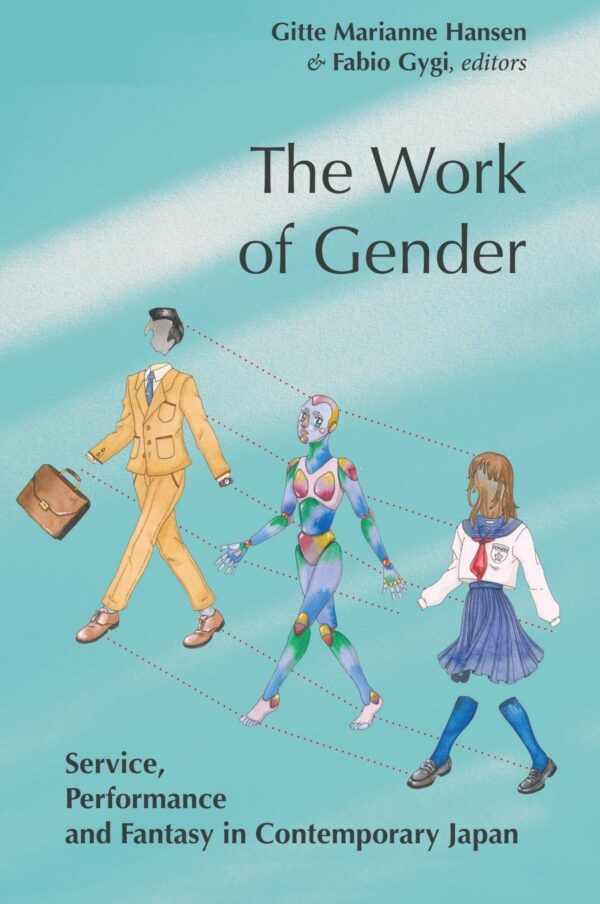


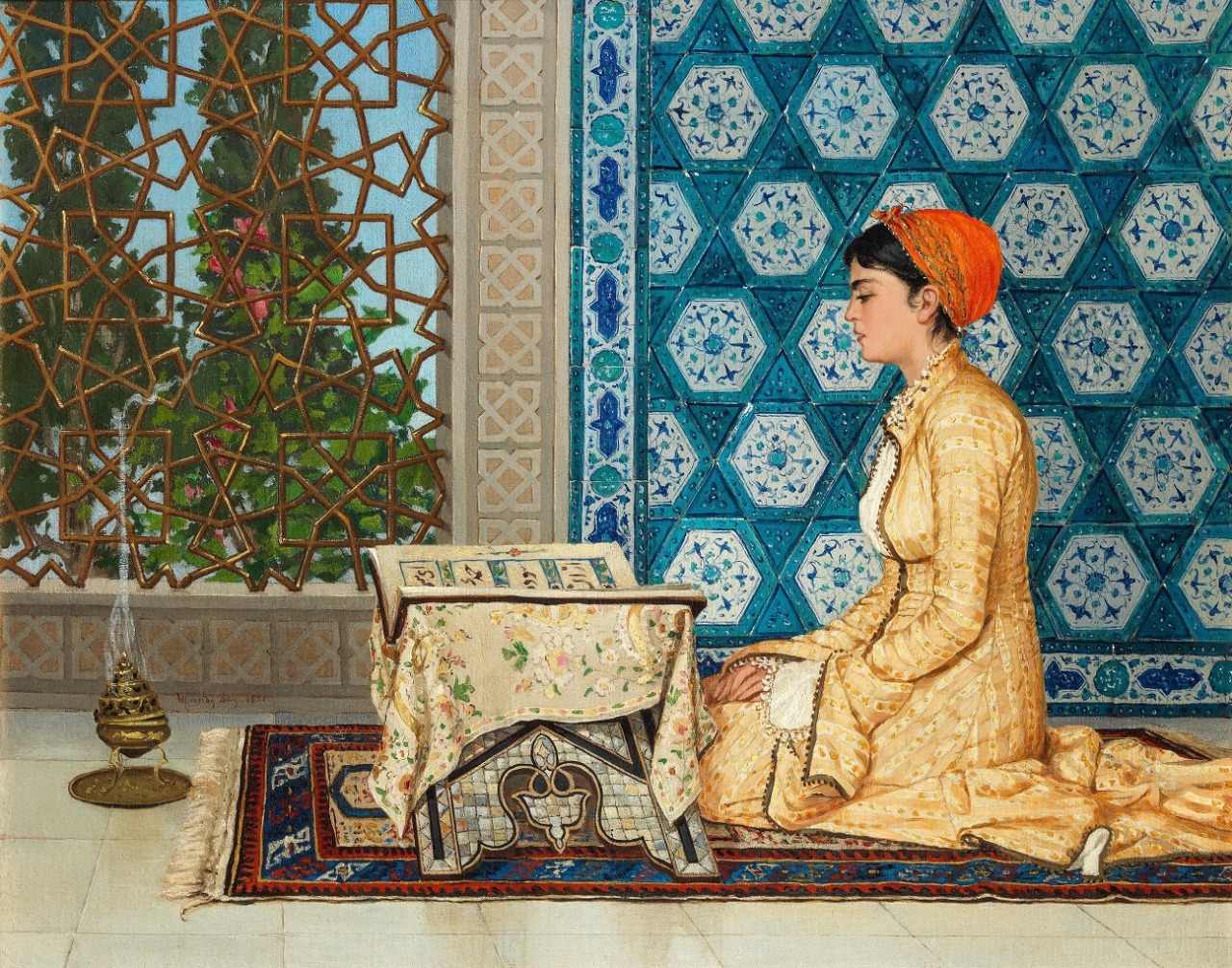

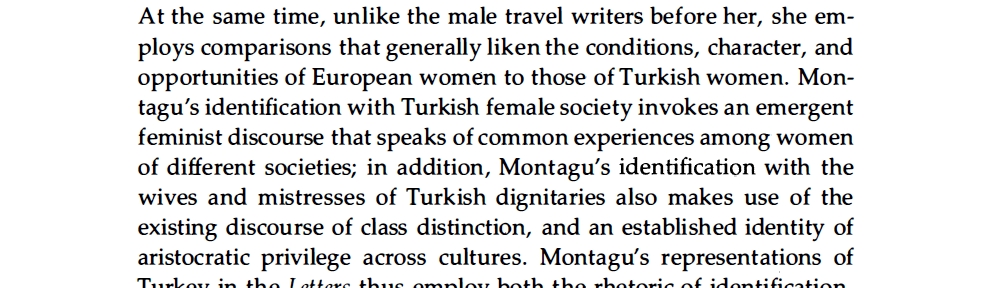
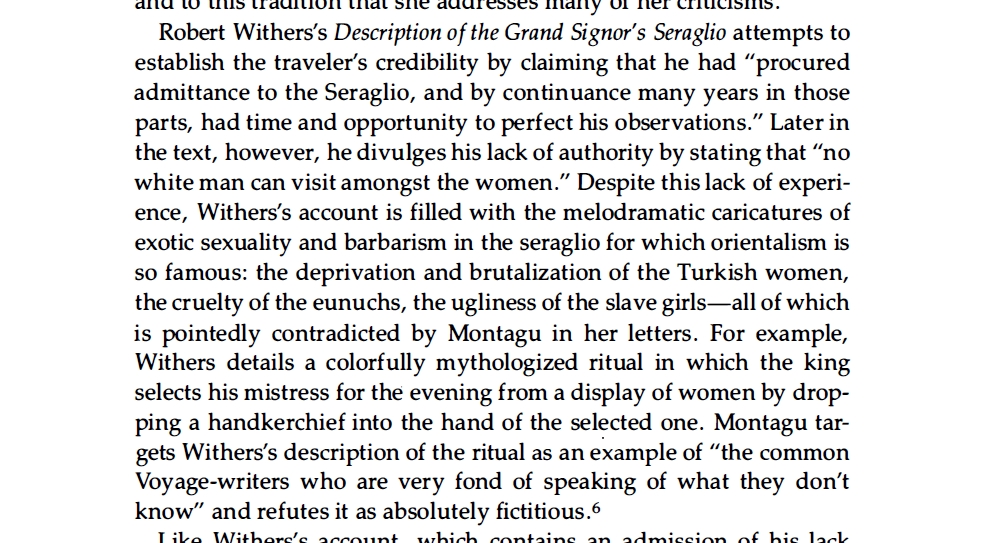


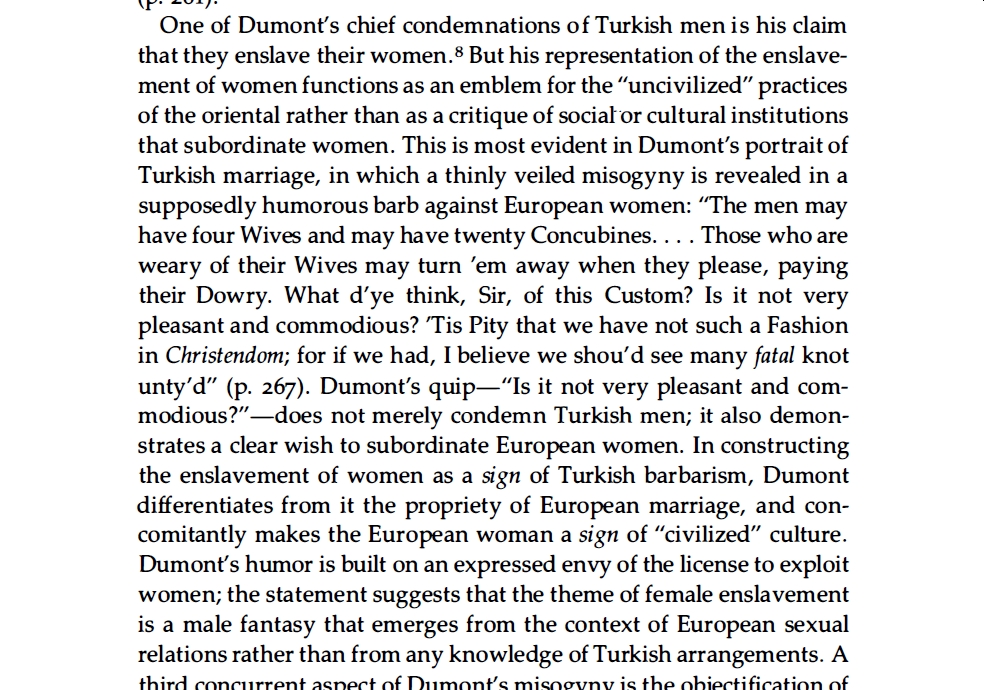
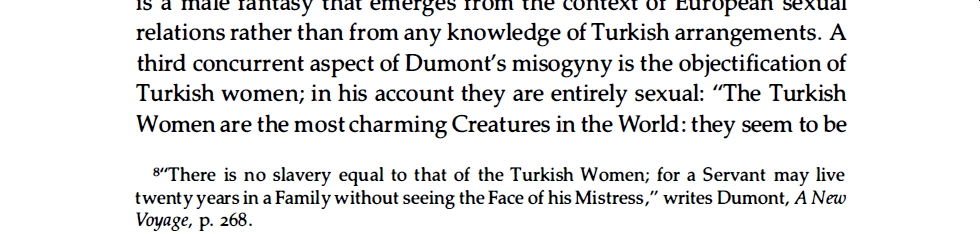

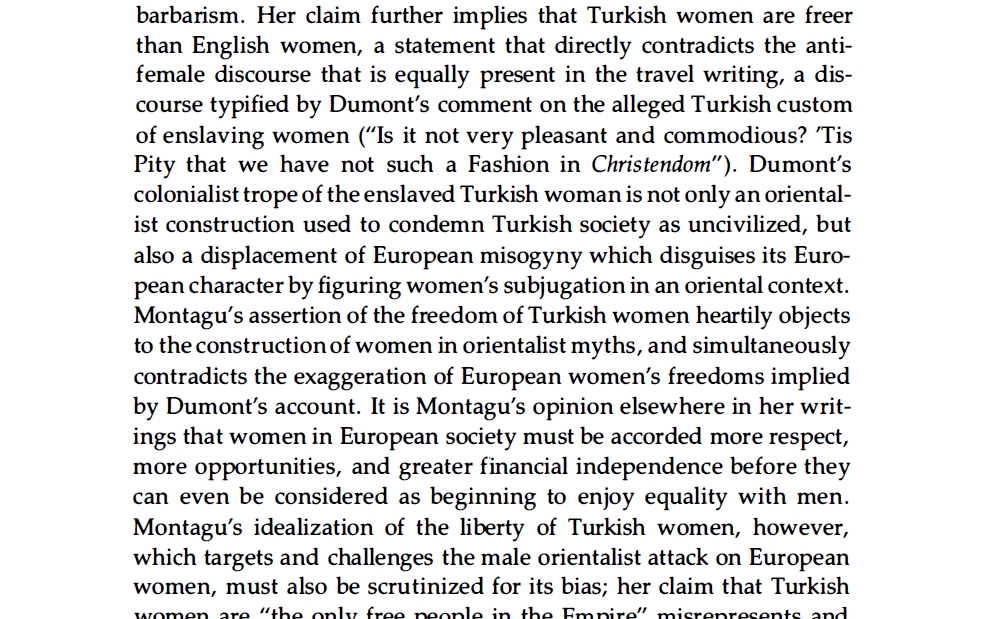
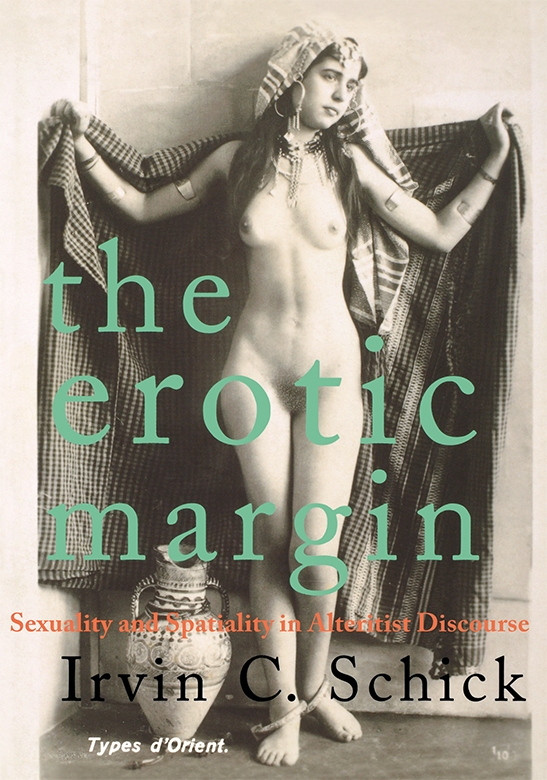



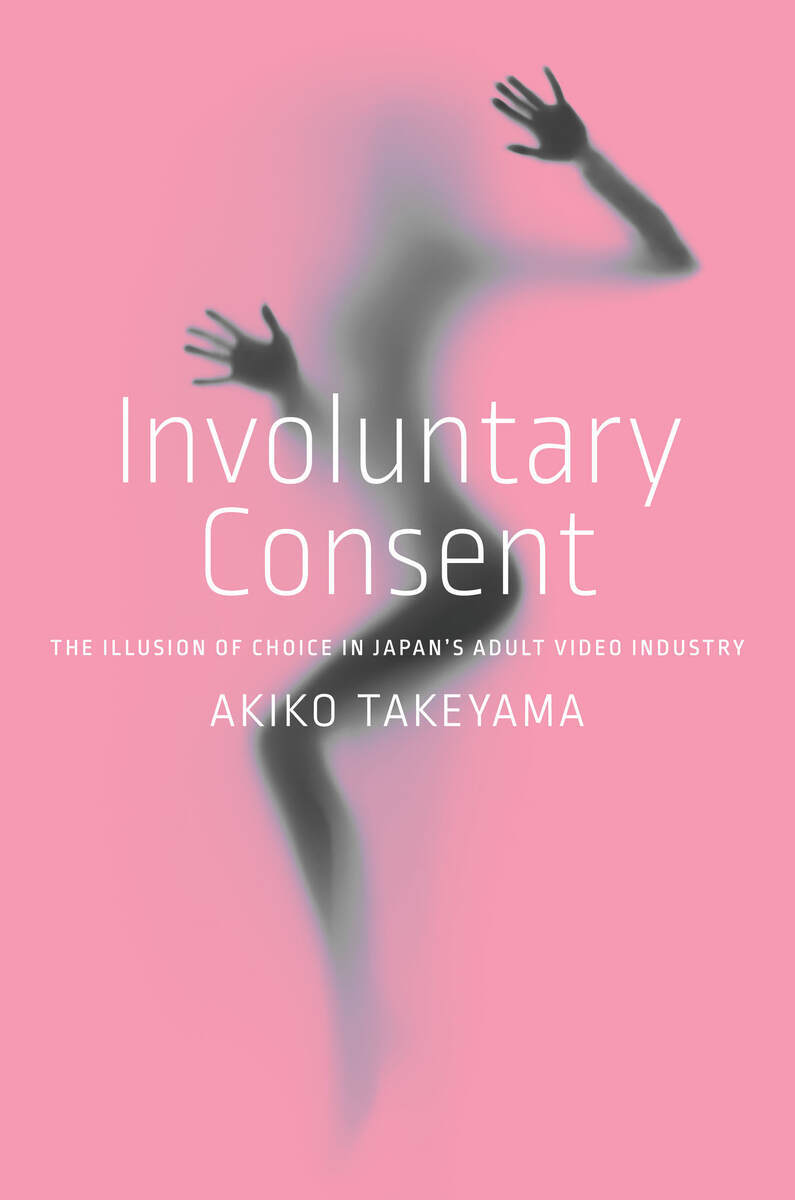

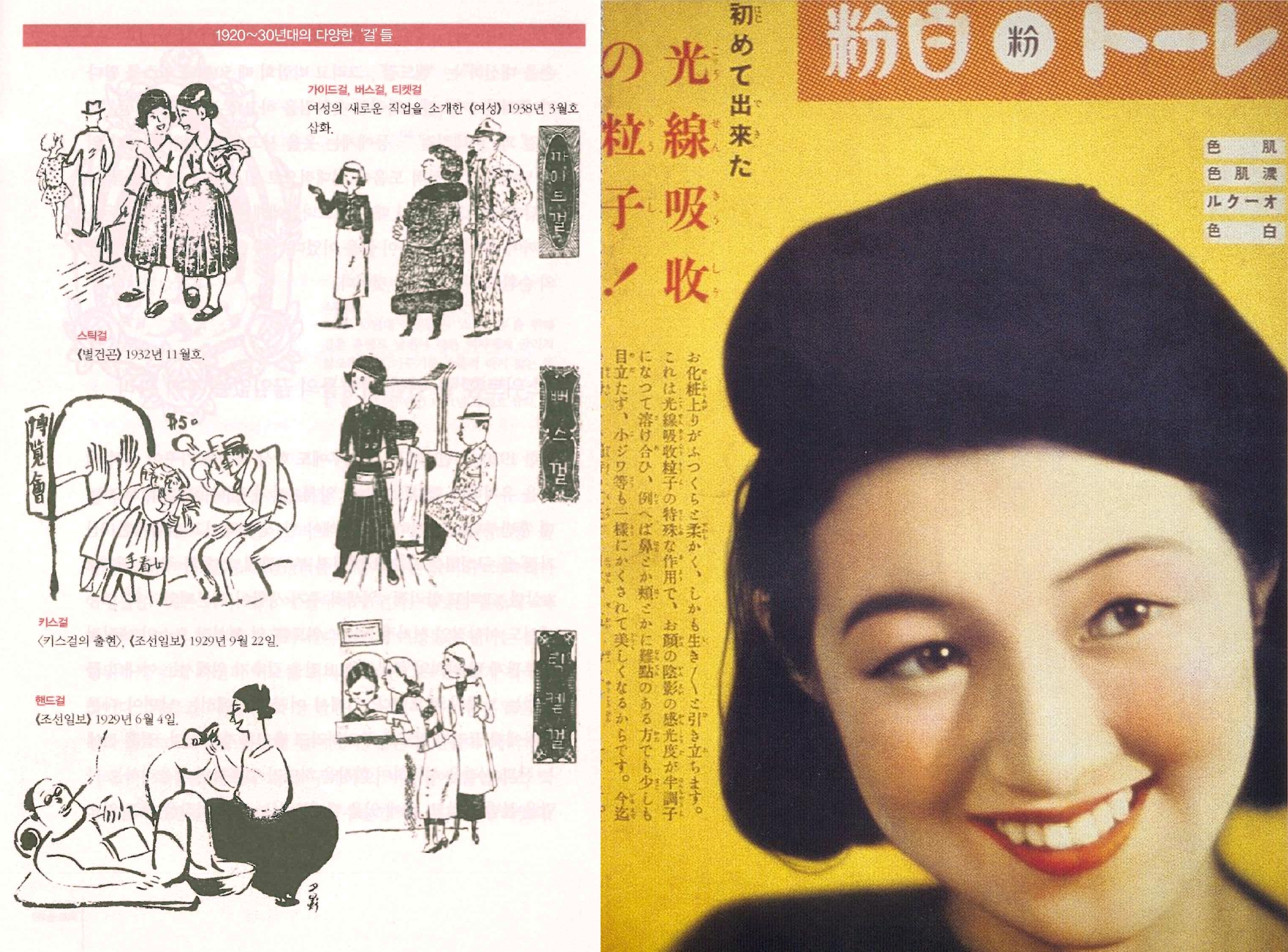
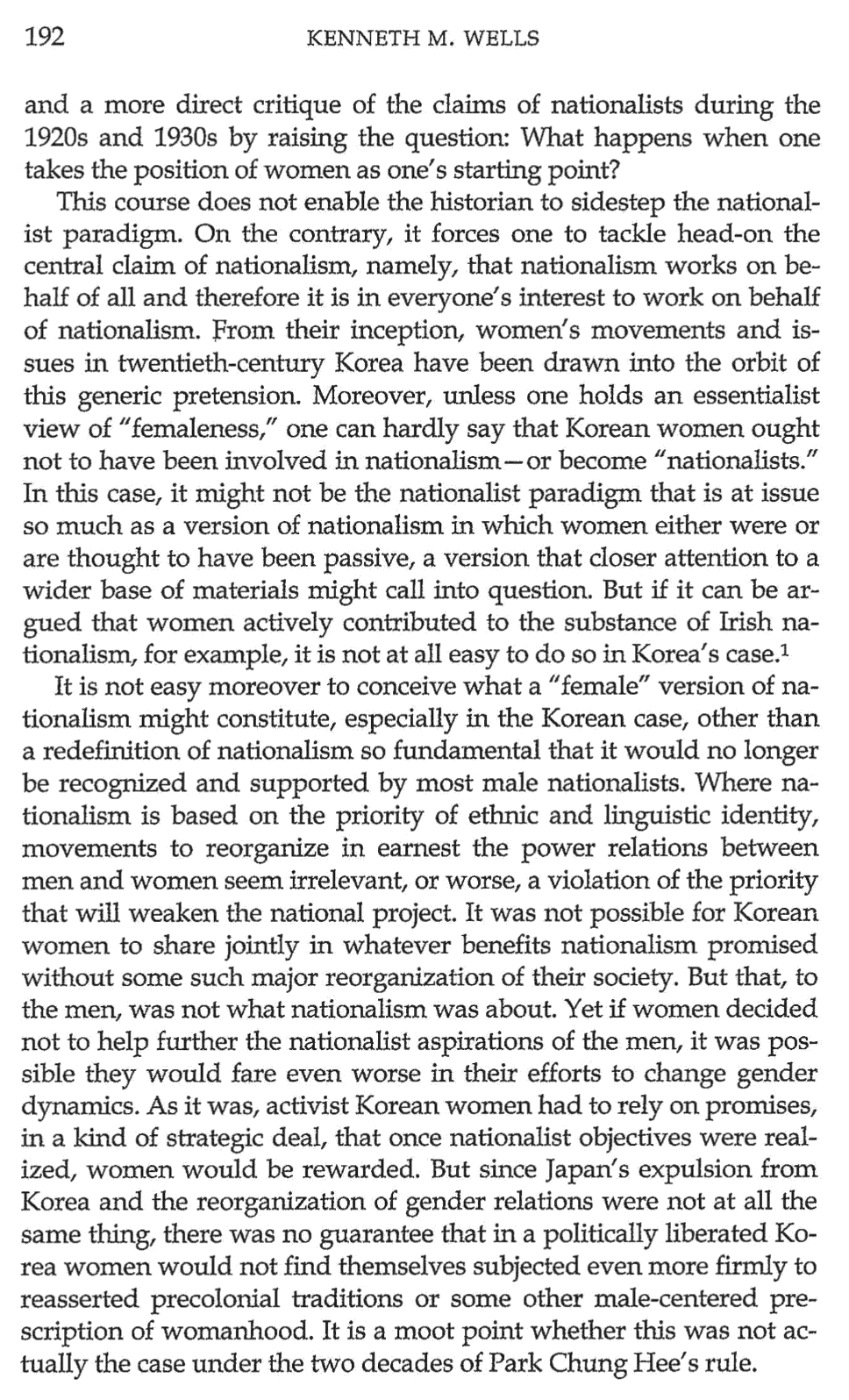
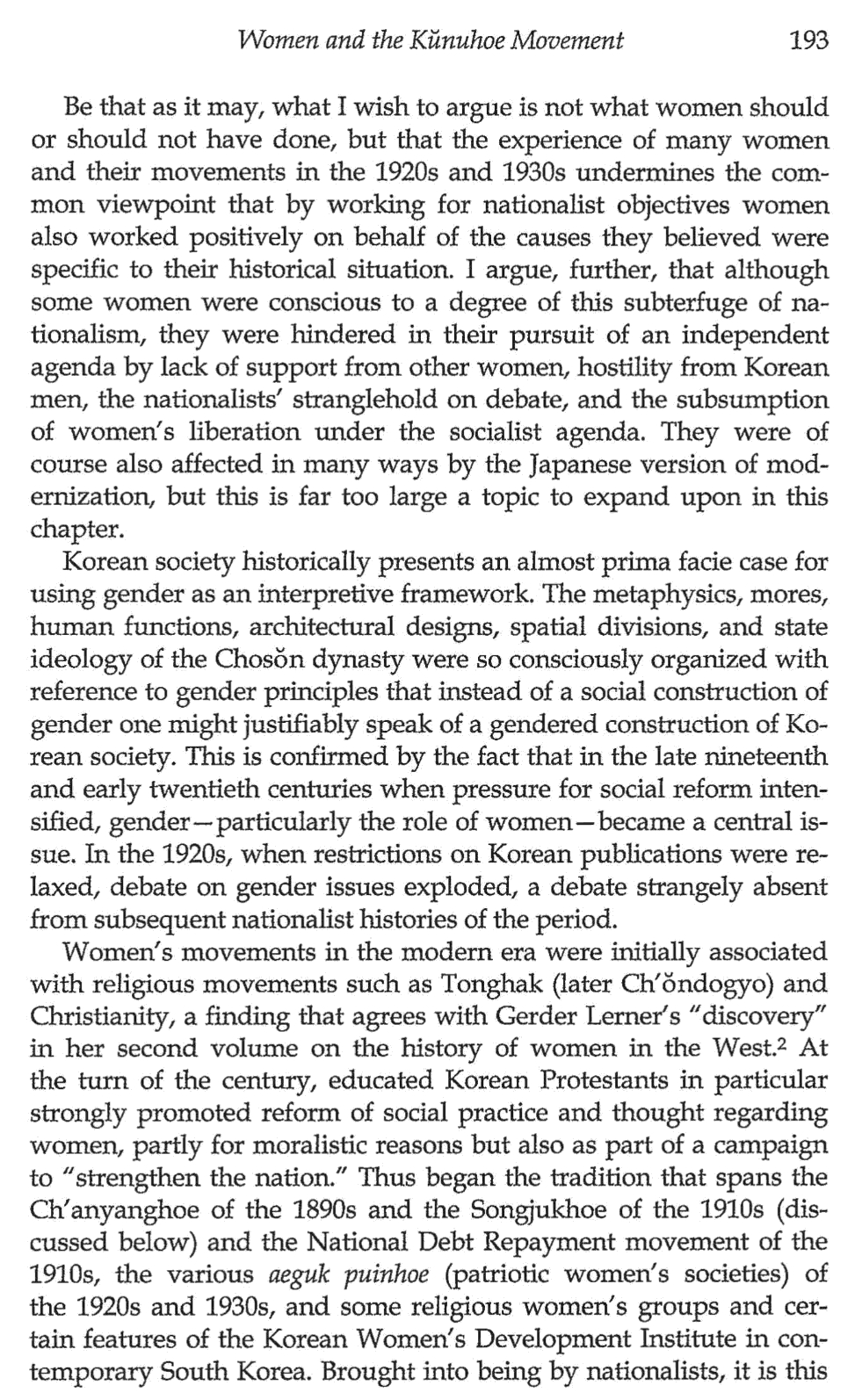
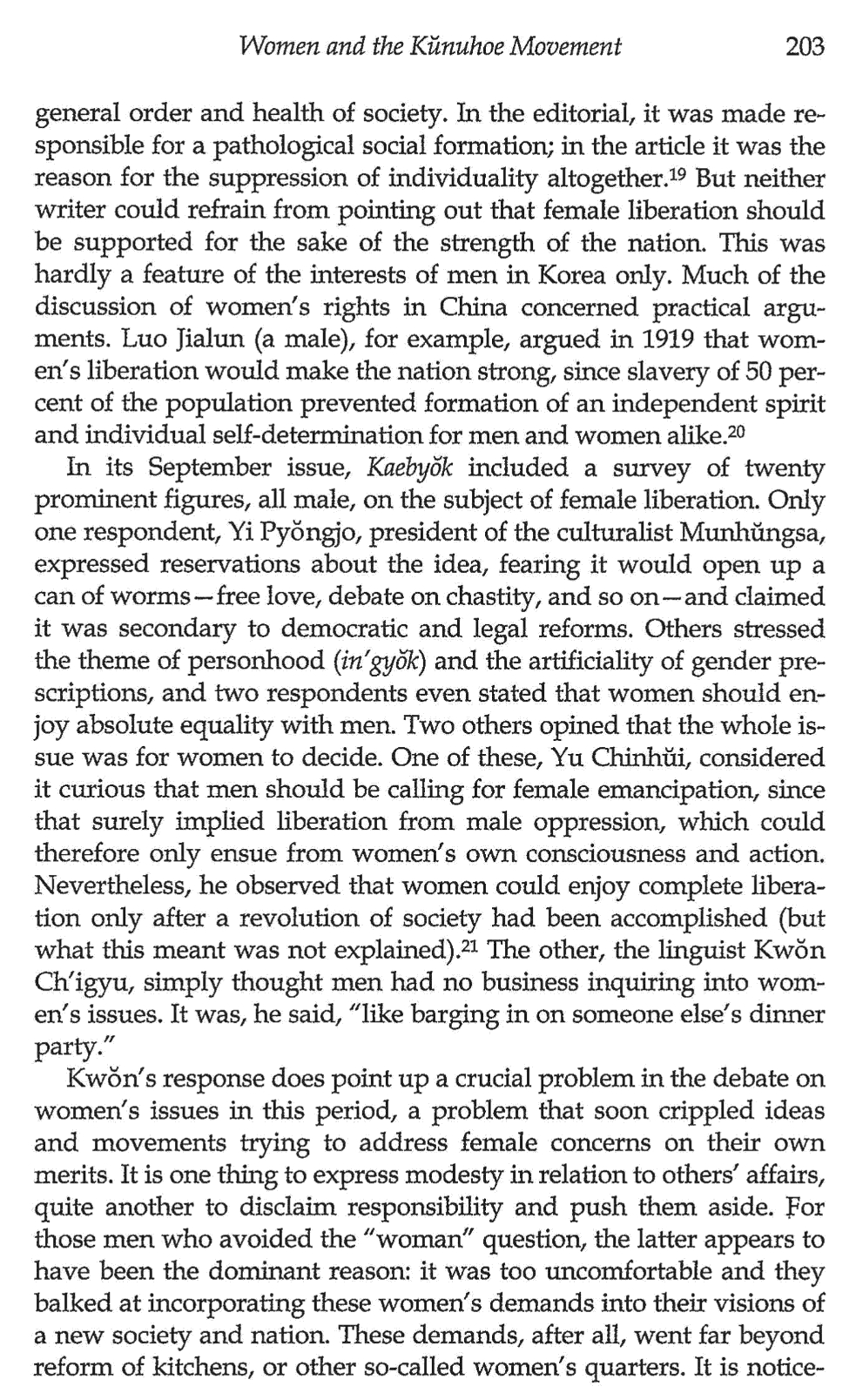
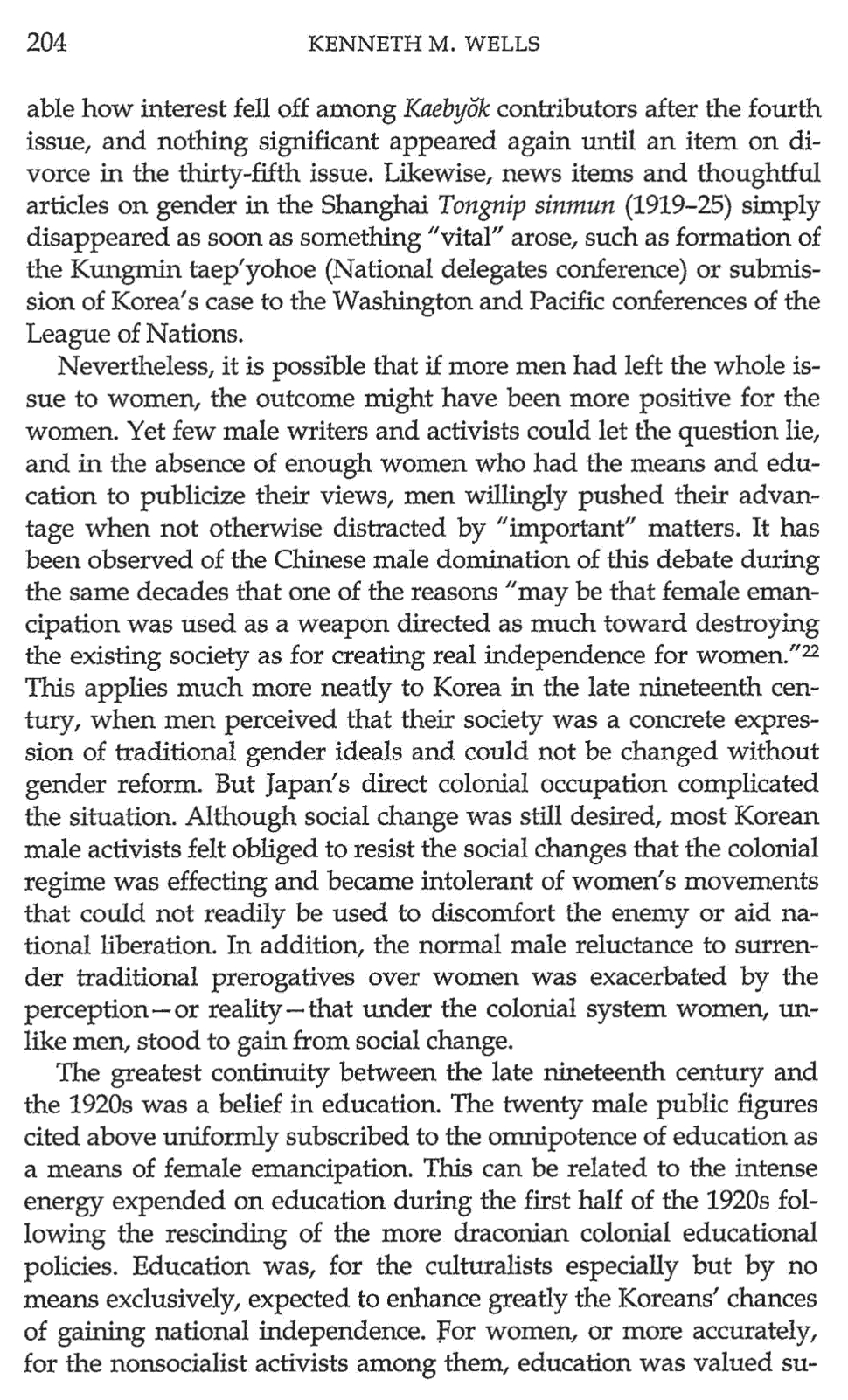


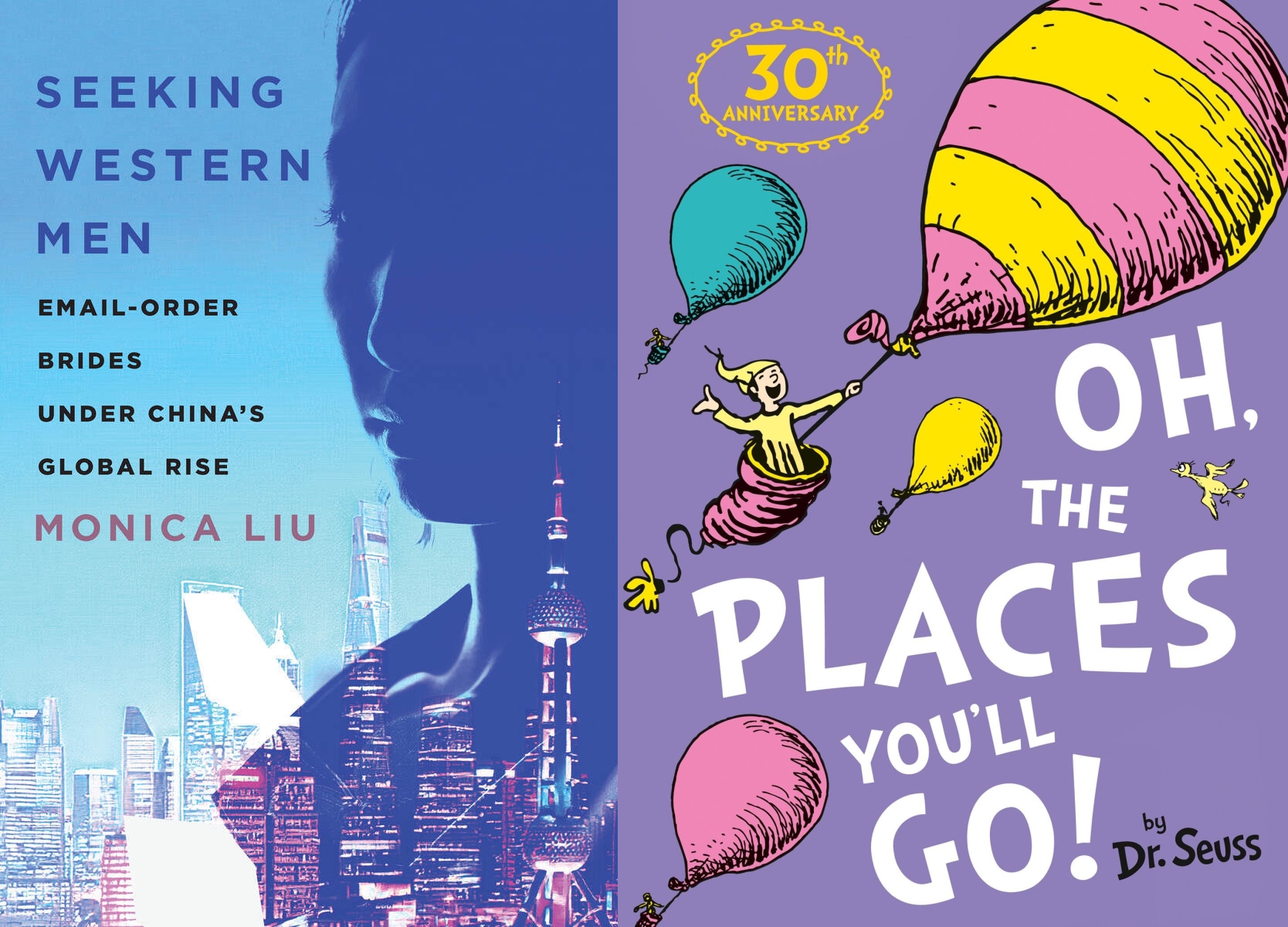
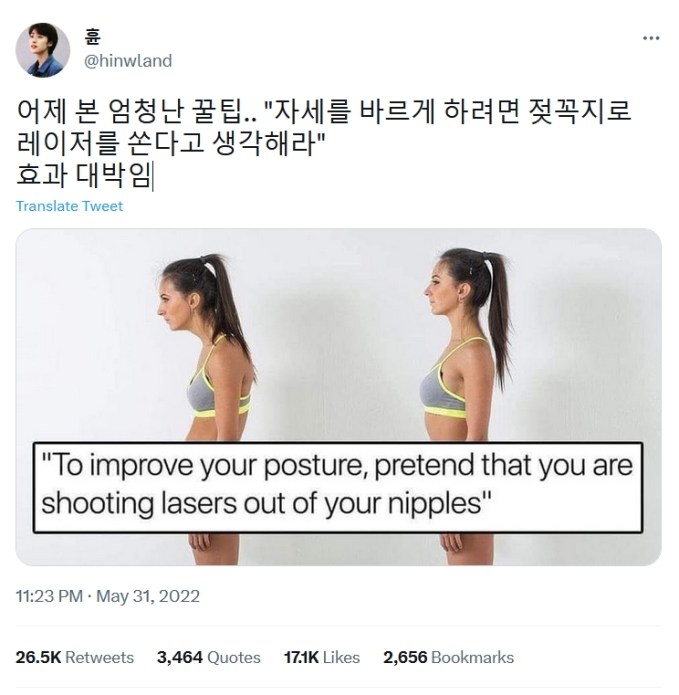



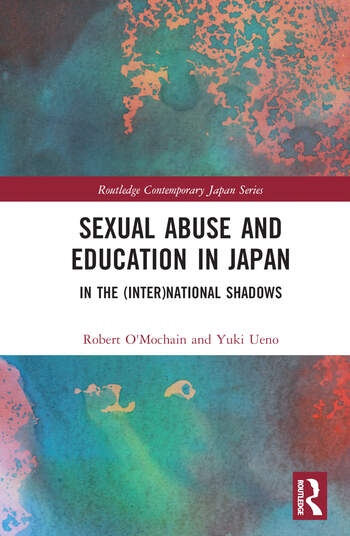

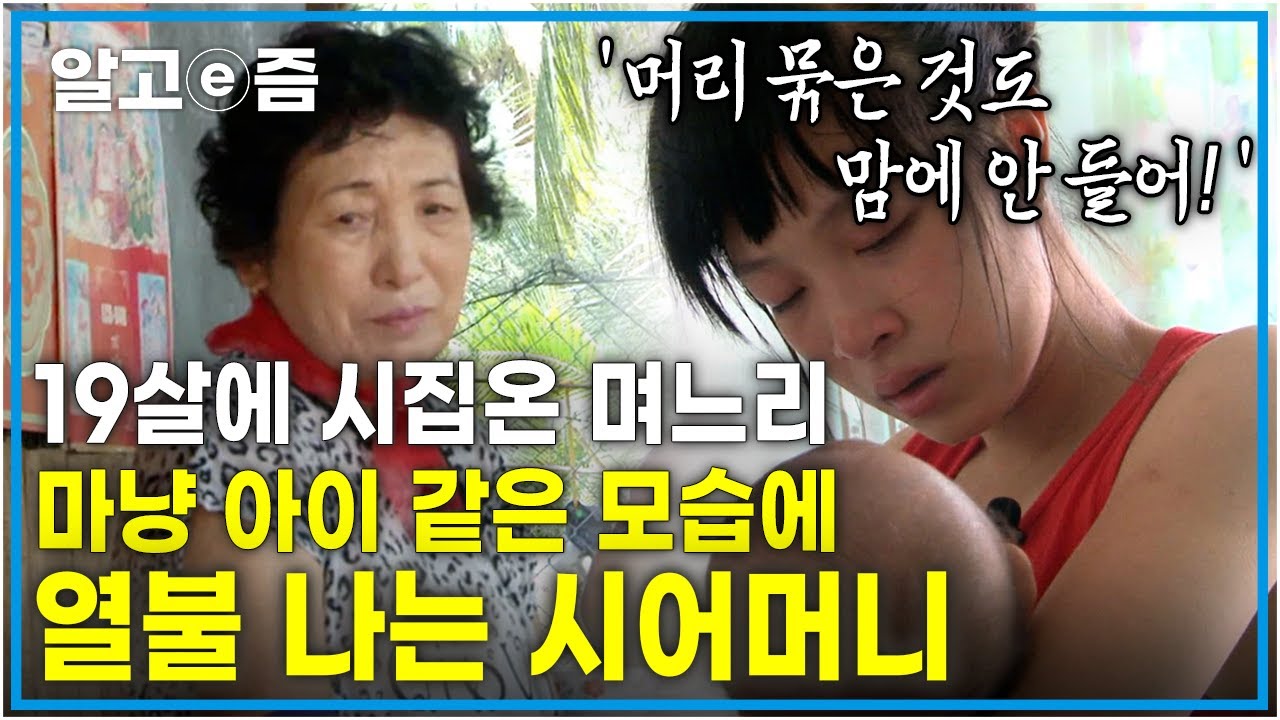
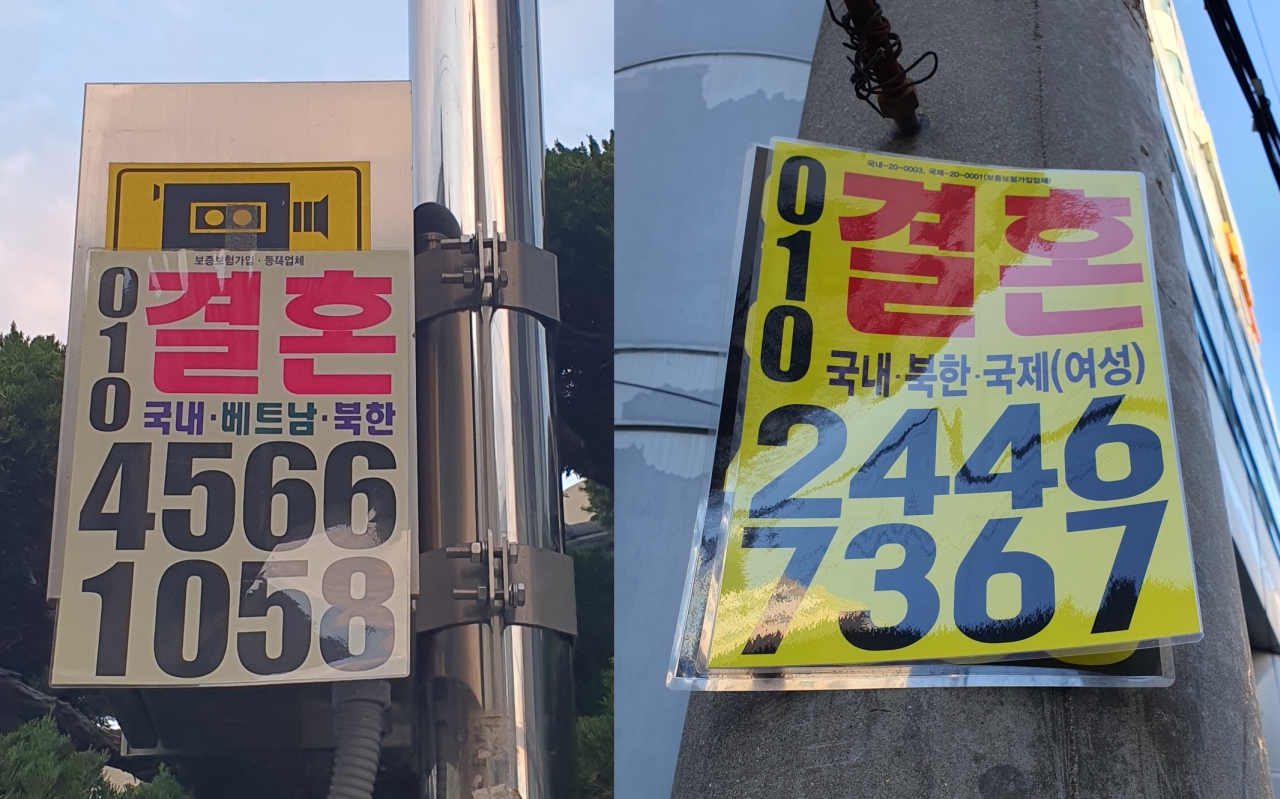
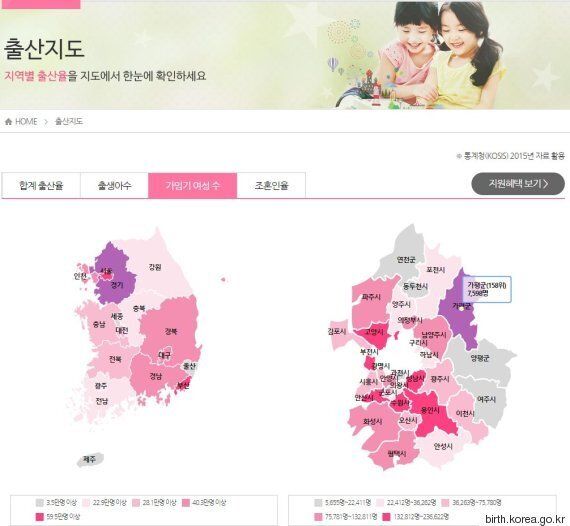
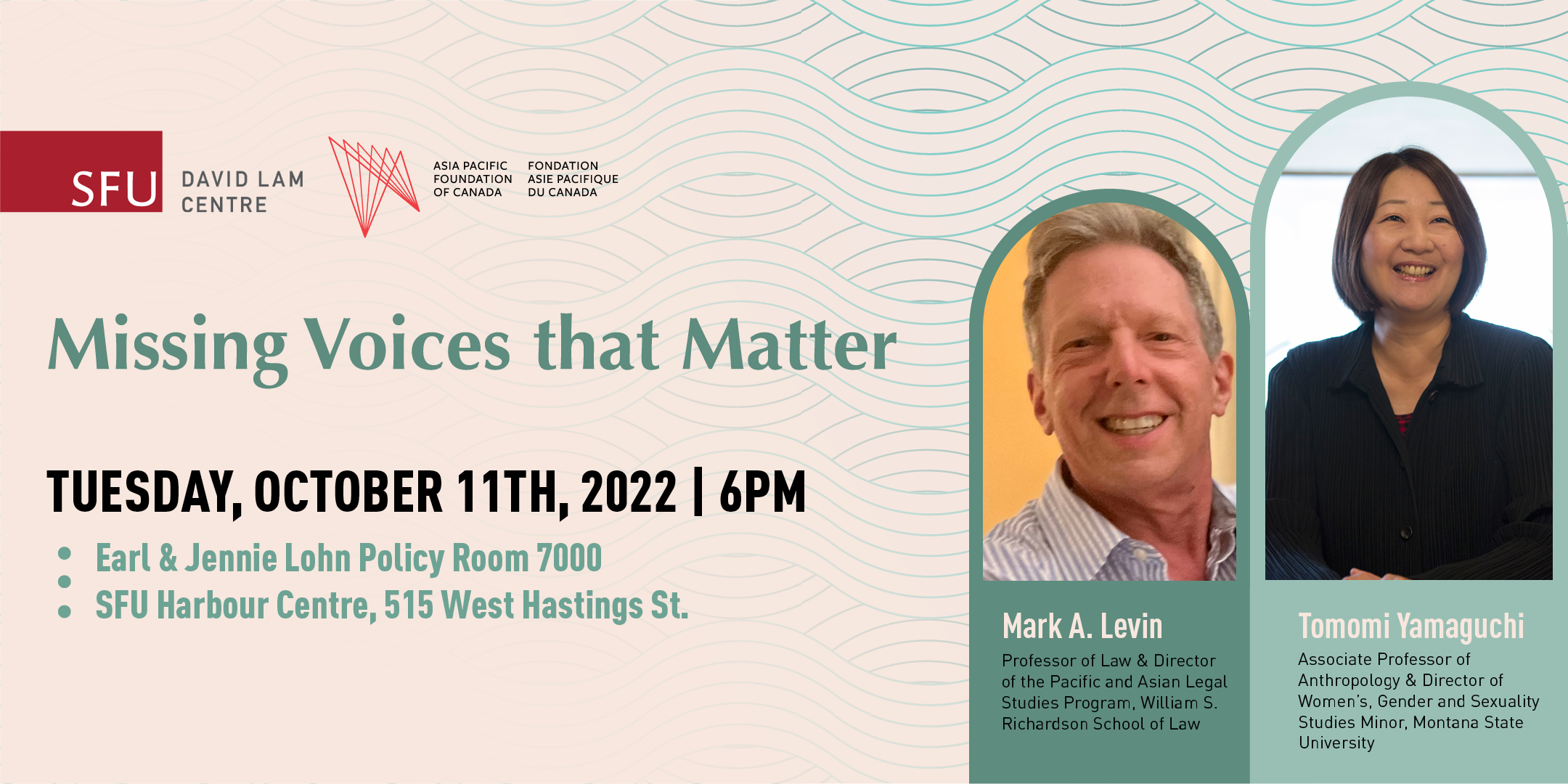

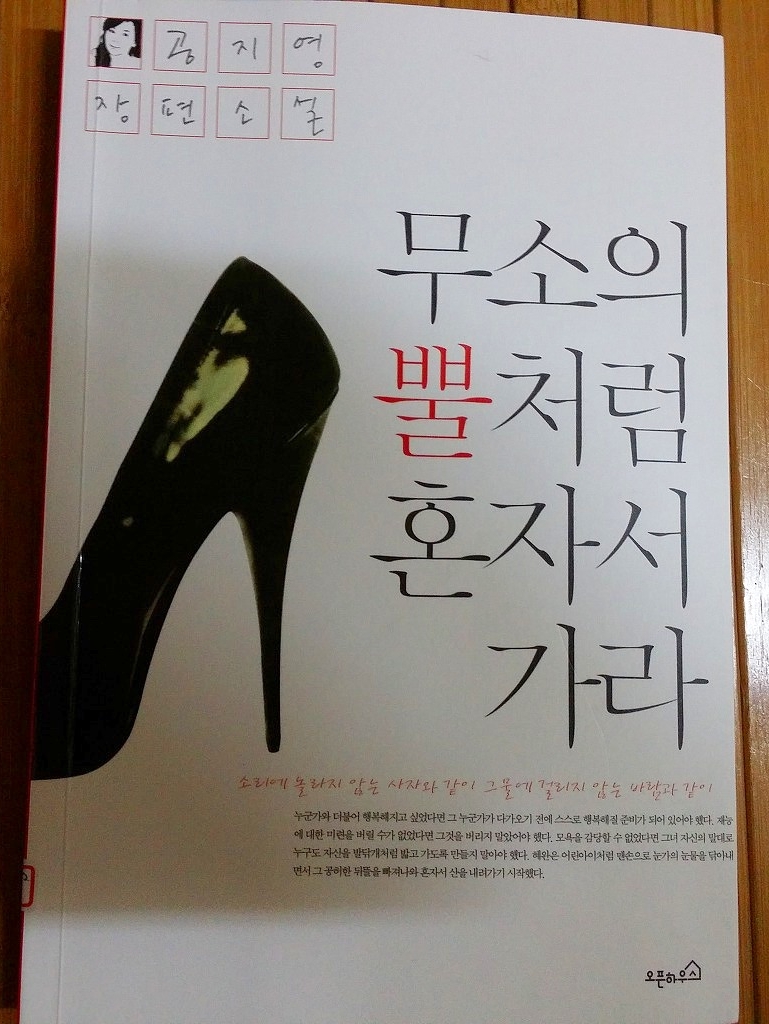
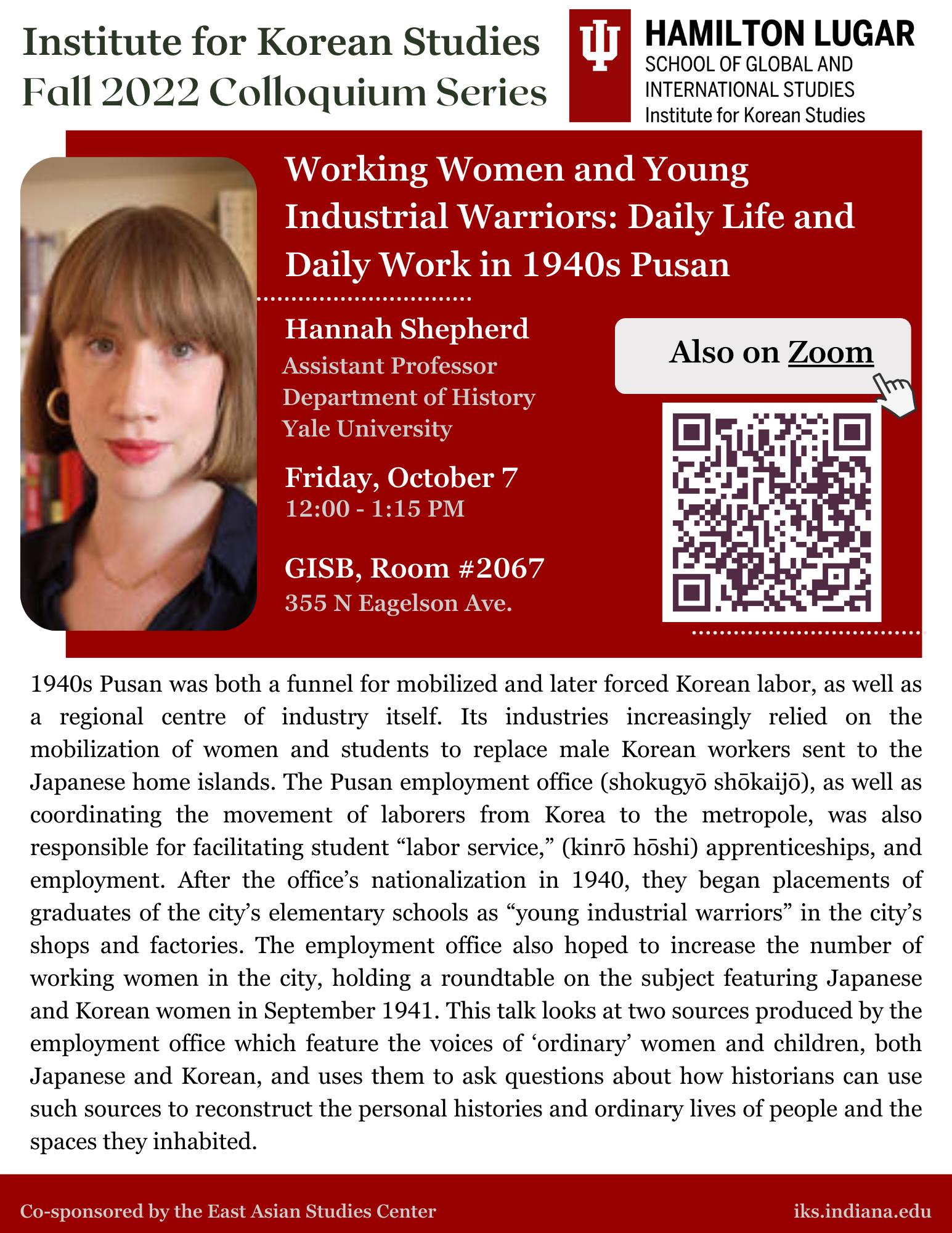




 The Grand Narrative


