It’s said that the fashion industry has favored skinnier and skinnier female models over the years because it’s dominated by gay men, right?
But since when are all, or even most gay men attracted to such androgynous figures? In reality, their tastes are just as diverse as heterosexuals’, and you don’t need my own experience of living with gay prostitutes to know that. Or that one’s sexuality doesn’t preclude an aesthetic appreciation of healthy curves either.
On the other hand, it’s also true that there’s a price to be paid for challenging the waiflike norms for models in the fashion industry, the corollary of which would be that it attracts people who share those norms. But how did those norms arise in the first place? And again: why the trend towards thin?
Taking for granted a symbiotic relationship between fashion and consumerism, then a better explanation for both is the constant financial imperative of related cosmetics, clothing, and dieting companies to create false needs in the minds of consumers, all the better to sell new products to them that (supposedly) help them fulfill those needs.
I concede that that may sound simplistic, even conspiratorial. But take the classic Korean example of the “X-line” for instance: a body-shape completely impossible outside of Photoshop, but which creators Amore-Pacific will sell products to help you attain nevertheless, aided by articles like this from the Korea Times that cheerfully reported that the X-line was hugely popular among young Korean women.
Despite the only “evidence” for that coming from Amore-Pacific itself.
Are these women both personification and culmination of the trends mentioned above? It’s certainly tempting to think so (and just between you and me, I do). But it’s also true that while Girl’s Generation, for instance, have indeed endorsed beauty products, even going so far as to prominently display one in a music video, they’ve also endorsed pizzas and fried chicken. So if there is a relationship between those celebrities’ weights and consumerism, in Korea it’s clouded by management companies relying heavily on endorsements – any endorsements – to make profits.
Nor are they often challenged, let alone by celebrities themselves.
Which is why it was so exceptional last week for Uee of After School to not only reveal that she was eating enough, but to also pass on the common-sense that:
Many people starve themselves when they are on a diet, but that doesn’t help. You have to eat well in order to lose weight more easily.
And on that note, hopefully you can appreciate why I felt some context was necessary before passing on the news (UEE EATS FOOD! READ ALL ABOUT IT!). But is she indeed the first celebrity to speak out like that? Or can any readers think of any others? By all means, please prove me wrong!
Update 1 – While she’s not quite as well-known, I forgot about the example set by Koyote’sShin-ji last year (see #7 here).
Update 3 – And to Seri, for mentioning Hwang Jung-eum. She’s not exactly my favorite celebrity, as she’s endorsed Sketcher’s completely useless “Shape-ups”, but I suppose that’s no worse than UEE reveling in the attention given to her “honey thighs”.
Update 4 – YG Entertainment’s exclusive trainer, Hwang Sung Chan, briefly discusses Park Bom’s diet here. While it’s good that he mentions how the media often distorts information about celebrities’ diets, widely reporting that she only ate watermelon rather than a lot of watermelon for instance, unfortunately he doesn’t give any details about what she does eat.
(15 year-old f(x) band member Sulli {최설리} in February 2010 Oh! Boy Magazine; source)
In short, “yes, but…”(!), as I explain in this opinion piece I recently penned for the Korea Herald. It’s pretty faithful to the original, for which I’m grateful, but unfortunately two crucial sentences on boy-bands got edited out at the beginning of paragraph 4. It should read:
This is why this discussion is overwhelmingly about girls. However, owners of boy-bands too have been affected by the ensuing pressure to make them stand out from their competitors. Add in Korea’s notoriously high levels of illegal downloading, ensuring that profits in the Korean music industry are overwhelmingly from concerts and commercial endorsements (and which explains why 75% of Korean commercials feature celebrities), then courting controversy with ever more provocative performances is a no-brainer really.
This translation of part of this Korean article follows directly from Part 1 and Part 2. If you haven’t already, please read those first, as the author didn’t intend for any section to be a stand-alone post:
‘비정규직 세대’의 이중착취 / The Double-Exploitation of the“Irregular Generation”
아이돌 바람을 일으킨 기획사 대표들에게는 몇 가지 공통점이 있다. 스스로 연예계에서 활동하며 발을 넓힌, 중장년층의 남자들이라는 것이다. 이들은 경제위기 이전에 사회에 진출해 상당한 부를 축적한 기성세대면서도, ‘비정규직 세대’와 취향을 공유할 수 있을 만큼 젊은 경우가 대부분이다.
The representatives of management companies that gave rise to the idol boom have many points in common. First, they are middle-aged men who developed their careers within the entertainment world by themselves, before the Asian Financial Crisis. Also, while they are an old generation with accumulated wealth, most are still young enough to share the tastes of the “irregular generation”.
다시 말해, 아이돌 기획자들은 무력한 남성들의 욕망을 이해할 만큼 젊고 영악한 ‘동료 남자’들인 동시에, 이 수요를 가공해 상품으로 내놓을 수 있을 만한 돈과 연줄을 지닌 사람들이다. 반면에 대다수 젊은 세대가 지닌 건 욕망과 (아르바이트로 모았을) ‘미니앨범’을 겨우 살 주머니 푼돈뿐이다.
In other words, management company representatives are young and shrewd enough to understand powerless men’s tastes, and have the money and connections to produce manufactured goods (idols) on demand. On the other hand, the thing which most of the young generation have is desire, but only enough pocket money (or money gained from part-time jobs) to buy mini-albums.
한국의 현재 청소년들은 꿈을 꿀 수 없는 불우한 세대다. 유치원 시절부터 학교, 학원, 과외로 이어지는 가혹한 경쟁체제 속에서 고통 받지만, 이들에게 준비된 미래는 없다. 소수의 ‘좋은’ 대학을 갈 경쟁력은 돈으로 길러지고, 운 좋게 입학 기회를 얻는다 해도 돈 없이는 학교에 다닐 수도 없고, 살인적인 ‘스펙’ 경쟁도 불가능하다. 졸업생을 기다리고 있는 것은 차별, 실업, 비정규직으로 이어지는 잔인한 현실이다.
Korean teenagers now are an generation of misfortune, which can’t have dreams. From when they’re in kindergarten, to attending school, hagwons, and receiving private tutoring, they suffer greatly from the competitive system into which they’re placed, yet despite that have no future to prepare for. They can use money to increase their chances of getting into one of the very few “good” universities, but even if they [are indeed] lucky enough to gain a place to one they may be unable to afford the fees, and [besides which] it would still be impossible to get killer “specs” [James – a good background]. Graduating students now face a merciless reality in which they have nothing but discrimination, unemployment, and/or irregular, unstable work to look forward to.
아이돌 그룹은 이 가엾은 세대에게 두 가지 의미의 ‘위안’을 준다. 하나는 암울한 현실을 잠시 잊을 수 있는 오락이고, 다른 하나는 ‘나도 아이돌이 될 수 있다’는 꿈이다. 하지만 이 ‘위안’은 기획사가 비정규직 세대를 피라미드형 착취구조로 이끄는 미끼에 지나지 않는다. 젊은 세대는 아이돌 음악을 사는 소비자인 동시에, 오디션에 참여해 ‘아이돌 예비군’인 연습생 자리를 채워주는 ‘인력풀’이다.
Idol groups give comfort to this hapless generation in two ways. One, is through giving some pleasure that allows them to forget their miserable reality for a moment, why the other is through fostering the belief that they too can become idols. But this “comfort” is nothing but bait for a pyramidal exploitation structure of them. [As] while the young generation purchase music as consumers, at the same time they also audition to become a labor pool of “idol reserves”.
이들은 기획사에 수익과 인력을 댈 뿐 아니라, 열광과 환호로 아이돌에게 매력적인 지위도 부여한다. 결국 ‘아이돌의 꿈’을 구성하는 부, 인기, 명성은 모두 비정규직 세대 자신들이 공급하는 것이다. 하지만 꿈의 주인공이 되는 것은 오직 기획사를 통해서만 가능하다.
While these idol reserves represent profit and a labor pool to the management companies however, to them themselves they are given an attractive position through widespread public adulation and passion for them. In the end, everything that an idols’ dreams are composed of – wealth, popularity, fame – are things that they provide for themselves. But although they are the central character in their dreams, these are still only possible through management companies.
Caption: 걸그룹 기획사가 가장 중요하게 여기는 것은 의도된 노출에 적합하고 손쉽게 대체될 수 있는 획일화된 신체다.
Image Caption: [When it comes to idols], The most important thing for management companies to consider are standardized bodies suitable for skin exposure and easily replaced (end).
James – My apologies in advance for any mistakes in the translation, which I admit that I (and then my long-suffering wife) struggled with much more than I did the first two parts. Much of my confusion though, stemmed from – to my mind – Kang’s abrupt shift here from talking about the “irregular generation” in the first half of the article (i.e. the target audience of girl groups), to the “young generation” that the girl-group members belong(ed) to in the second half. However, it does serve as a good introduction to Part 4’s discussion of their exploitation with the Korean music industry, which you can find here.
This translation of part of this Korean article follows directly from Part 1. If you haven’t already, please read that for the background:
An ‘Oppa Industry’ Founded on Powerless, Frustrated Men’s Desire / 무기력한 남자의 욕망에 기초한 ‘오빠 산업’
‘오빠’ 노래가 최근 처음 등장한 건 아니다. 하지만 여자 가수들이 약속이나 한 듯 동시에 ‘오빠’를 불러대는 모습은 과거에도 보기 드문 장면이었다. 대체 어떤 연유로 ‘오빠 강풍’이 불기 시작했을까?
This is not the first time that there have been Oppa songs. But, just as you’d expect, it was rare to find female singers [actually?] saying the word in past songs. [So] what on Earth was the origin of this Oppa Craze?
물론 ‘오빠’ 소리를 듣고 싶은 남자들이 많기 때문일 것이다. 걸그룹에 열광하는 남자팬들의 다수가 연애조차 하기 힘든 비정규직 세대라는 점을 기억할 필요가 있다. 이들이 걸그룹에 환호하는 이유는 소위 ‘초식남’이 만화주인공과 사랑에 빠지는 이유와 비슷하다. 그들에게 걸그룹은 ‘망가걸’의 실사판인 셈이다.
Of course, the reason is that there are many men that want to be called “Oppa”. We need to remember that the majority of enthusiastic male fans of girl-groups are a generation of men who work hard at irregular, [dead-end] jobs, and [so?] have difficulty even getting a date. The reason they cheer girl-groups is similar to the reason so-called “Herbivore Men” fall in love with the main characters in manhwa comic books: to them, girl groups members are like real-life versions of “Manga Girls”.
James: jumping ahead to a point I’ll make again in the conclusion, things like this mean we should be very wary of such sweeping statements about the demographics of K-pop fans, not least those made by myself. But I do find Kang’s arguments compelling overall.
한국 걸그룹이 외환위기 이후에 등장했다는 사실은 의미심장하다. 특히 한국 경제가 장기침체로 들어선 2000년대 후반 등장한 원더걸스나 소녀시대는 1990년대 후반의 에스이에스(S.E.S.)나 핑클 등의 ‘1세대 걸그룹’과 구별되는 특성을 보인다. 훨씬 어리고, 노출 정도가 크고, 몰개성적이며, ‘리드보컬’ 개념이 매우 약하거나 존재하지 않으며, 대규모 오디션과 ‘연습생’ 제도에 의존한다.
It is telling that Korean girl-groups first appeared after the Asian Financial Crisis of 1997-98. And [in turn] the Wondergirls and Girls’ Generation that appeared in the second half of the 2000s, after years of economic stagnation, can be distinguished from those “First Generation Girl-groups” such as S.E.S. and Fin.K.L. in several ways: they were way too young; they exposed their bodies a great deal more; they were de-indivualized, with the “lead vocal” concept not existing at all; and they depended on intensive audition-processes and practice and training-sessions.
James: Matt at Gusts of Popular Feeling has two great posts on the differences between the two generations of girl-groups here and here, and Mellowyel at Mixtapes and Liner Notes has an equally interesting post here that deals with those and other differences, including less stress on vocals by later groups. But while I certainly agree with all those differences, and would be the first to admit that many girl-group members are essentially faceless and interchangeable to all but their most ardent fans, nevertheless I think saying that they’re “de-individualized” puts it a little too strongly, masking an important point. Specifically, consider what Philip Vannini and Scott Myers wrote about manufactured Western bands a decade ago (in “Crazy About You: Reflections on the Meanings of Contemporary Teen Pop Music”, Electronic Journal of Sociology, available online here):
Producers’ control extends from songwriting to image-packaging and personality development. Any boy-band act is put together to appeal to various personalities and life outlooks of fans as each band includes a member portrayed as cute and sweet, one funny, one good-looking and mysterious, one creative and goofy, one talented and motivated, one dark and tough, and such. Bands are created with the consumers’ demand in mind…
Then compare what allkpop wrote about Korean girl-groups last year (the first source I could find sorry!):
Osen recently pointed out that cute members of female groups tend to generate widespread interest and bump up a group’s popularity singlehandedly. Every member has their own individual role in the group, and every group has a member in charge of being the ‘cute’ one. In Korea, fans call this certain member “Kui-yo-mi (귀요미),” meaning “the girl with the cute image (귀여운 이미지를 가진 이).” This member is in charge of garnering fanboy love with her cute/lovable/girly charm, which will result in a bigger fanbase for the group. In this report, Osen identified four girl group members that fit this role.
So sure, while many girl-groups are large, and some are getting larger all the time, who’s who in them does still have some relevance. (AKB48 they ain’t!)
Back to the article:
Caption: 한국 걸그룹은 ‘망가걸’의 실사판 이미지에 가깝다. 리본, 분홍, 천진한 표정이 드러내는 유아적 여성 이미지와 검은 눈썹에 금발을 한 인물의 탈국적성 등은 일본 만화캐릭터에서 보편적으로 발견되는 특성이다.
Caption: Korea girl-group members are close to being real-life Manga Girls. There’s the ribbon; the pink; and the naive, innocent expression, which combine to give an infantile image. Add black eyeliner and blond hair, and you’re left with an figure devoid of ethnicity, i.e. the universal Japanese manhwa character.
나머지는 ‘세대착취’ 부분에서 자세히 다루기로 하고, 우선 ‘어린 나이’와 ‘노출’에 대해 살펴보도록 하자. ‘롤리타 콤플렉스’라 불리는 소아성애는 약화된 남성성과 관련이 있다. 경제적 능력이 남성 권력의 토대인 가부장제 사회에서 경제력의 상실은 곧 남성성의 상실을 의미하게 된다.
I will talk more about the exploitation of this generation in detail later [in Parts 3-5]. First, let’s examine the issue of exposing the bodies of young people. [In short], there is a relationship between this pedophilia called the “Lolita Complex” and weakened male sexuality. And in a patriarchal society based on economic ability and male power, accordingly the loss of economic power equates with a weakening of male sexuality.
한국경제가 장기침체에 들어서며 어린 ‘2세대 걸그룹’이 등장했듯, 일본 역시 1980년대 경기침체를 겪으면서 ‘로리콘(ロリコン) 캐릭터’가 급부상했다. 한국 걸그룹과 일본의 ‘로리콘 캐릭터’의 속성은 동일하다. ‘어린 얼굴에 성인의 몸을 가진, 위협적이지 않은 성적 대상’이다. 약화된 남성들에게 성숙하고 당당한 여성은 감당할 수 없는 위협이기 때문이다.
When the Korean economy entered a period of long-term stagnation, the second generation of girl groups-appeared. Likewise, Japan also went through a period of long-term economic stagnation in the 1980s, and “Lolicon” characters quickly appeared. Korean girl-group [members] share many characteristics of these Lolicon characters. With childlike faces with adult bodies, they are non-threatening sex-objects. Because to weakened men, mature and confident women are too threatening.
<게으름뱅이 정신분석>의 저자 기시다 슈도 비슷한 맥락에서 성범죄를 분석한다. 그에 따르면, 성범죄자는 남성성이 넘치는 사람들이 아니다. 이들은 정상적인 교류상황에서는 성능력을 발휘할 수 없는 ‘고자’ 혹은 ‘불능남’이기 때문에, 여성을 위협해 무기력한 상태로 만들거나 아예 저항 능력이 없는 연소자나 장애인을 택해 범죄를 벌인다는 것이다.
Syu Kishida, author of “A Psychoanalysis of Lazy Bastards”, made similar lines of connection with sex-criminals. According to him [her?], sexual criminals are not [exactly] men overflowing with male sexuality. [Rather], because they are “eunuchs” or impotent men who can’t develop sexual ability through normal [life and] interaction, they prefer to threaten or make women powerless, or choose to commit sexual crimes against the young or disabled because those groups are unable to reject them.
스티븐 엡스타인과 제임스 턴블이 잘 정리했듯, 한국 걸그룹은 ‘순진’, ‘애교’, ‘수줍음’, ‘수동성’, ‘도발’ 등의 특성을 갖는다. 얼핏 보면 ‘순진’, ‘수줍음,’ ‘수동성’은 ‘(성적) 도발’과 대치되는 듯 보이지만, 사실은 모두 ‘도발’을 위한 장치일 뿐이다. 무기력한 남성을 도발하기 위해서는 순진하고, 여리고, 수동적인 여성 이미지가 필요하기 때문이다.
Stephen Epstein and James Turnbull summarized this well. Korean girl-groups’ shared characteristics are naivety, aegyo, shyness, passivity and sexual provocation. While at a glance those first personality traits seem to contradict the last, in fact all are simply a device for sexual provocation. To powerless men, a naive, weak, and passive image of women is required for this.
한국에 등장한 ‘꽃미남’, ‘화장하는 남자’, ‘초식남’은 일본이 앞서 경험한 현상이다. 그렇다면 한국 걸그룹이 해외에서 얻는 인기는 경기침체로 인한 ‘롤리타 콤플렉스’ 및 일본 ‘로리콘 캐릭터’의 보편화와 떼어 생각하기 어렵다.
Trends for men that have emerged in Korea, like “Flower-Beautiful-Men” (Kkotminam), “Cosmetics-wearing Men”, and “Herbivore Men” are all things that Japan has also experienced. On that basis, it’s very difficult not to think that there’s something in common with the popularity Korean girl-groups are gaining overseas [Japan surely?] and the popularity of the Lolita Complex and Lolicon characters there that arose with long-term economic stagnation (end).
James: I think Kang’s central point about the economic and consequent cultural parallels between Japan and Korea is valid, and that it’s certainly true that some Japanese men’s liking of the Lolita Complex and Lolicon characters would predispose them to also liking Korean girl-groups. But with this final paragraph, I think he extrapolates a little too much, for two or three reasons (source, right):
1) There are huge differences between Japanese Herbivore men and Korean Kkotminam (I’ve never heard of “Cosmetics-Wearing Men”), the latter of which would by no means be considered powerless. But I concede that Kang may simply have been pointing out yet more similarities with Japan here, rather than making a connection to those particular groups of men and male fans of Lolicon and Korean girl-groups per se.
2) More to the point then, has any actual research been done to confirm these alleged tastes in Lolicon and so on of Japanese male fans of Korean girl-groups? (While it does makes sense, like I said we should be very wary of taking it as a given, particularly considering the next point)
Which again demonstrates the need for more research into the demographics of Japanese K-pop fandom. Or perhaps it has already been done, and readers can point me in its direction? (Hint hint)^^ Meanwhile, see Part 3 on The “Irregular Generation’s” Double-Exploitation / ‘비정규직 세대’의 이중착취 to continue the discussion!
Caption: 일본 ‘로리콘’ 캐릭터. 1980년대 일본 경제침체가 심화되면서 ‘위협적이지 않은’ 어린 소녀를 성적 대상화하는 현상이 두드러졌다. ‘롤리타 콤플렉스’는 무기력한 남성의 정체성을 반영한다. 외환위기 이후 등장한 한국의 걸그룹 현상도 같은 맥락으로 볼 수 있다.
Caption: Japanese “Lolicon” characters. With the deepening economic stagnation in Japan in the 1980s [1990s?], the sexual objectification of unthreatening young girls became noticeable. This Lolita Complex reflected the identity of powerless men, as does the rise of Korean girl-groups.
If so, then let me direct you to an interview I gave last week for Deutschlandradio, on the economic factors behind the sexualization of minors in K-pop (I’m on at about 3:05).
Meanwhile, English speakers never fear(!), for I should have a newspaper article on the same subject coming out either this week or the next. And Part 2 of my translation of the “What did Depraved Oppas do to Girls’ Generation” article will be up tomorrow.
Update – With special thanks to Curtis for translating it, here is the short article that accompanied the radio report:
Economic Factors: Girlbands
Report by Malte Kollenberg and Fabian Kretschmer
(Girl- and boybands are an important part of the economy in South Korea. Source: plynoi)
South Korean boy- and girlbands are also internationally successful. A general music- and dance-style concept is created and from this concept a look is agreed upon. To acheive this look, the young band members go under the knife ever more frequently.
Pop music in South Korea is a major economic factor for the country. In 2009 the industry earned 30 million dollars, and according to government statistics, this number doubled in 2010. The most important market is the country itself, but Japan and the USA are also markets of interest. Korea’s largest record label, S.M. Entertainment, currently tours around the world with different bands in a Global-Audition-Tour.
Lavish Choreography
Girl- and boybands who present lavish choreography in large shows are typical for K-Pop – for example, the 13-member boyband Super Junior and Wondergirls. As is usual in the international music market, the bands are cast, and the musical style and looks of the artists are decided by the record label. Plastic surgery is generally accepted by South Korean society and is a standard in K-pop. From this arise greatly deliberated and perfectly coordinated images.
Yes, the Korean title to the article does indeed say “depraved” oppas, with exactly the same sexual connotations in both languages. But if it’s news of some potential K-pop scandal that drew you here though, then I fear you’ll be disappointed!
Instead, it’s actually about the negatives of the girl-group phenomenon. And, rather than by some sleazy tabloid journalist, in fact it’s written by academic Kang In-kyu, who spoke on Korean internet culture at a recent Korea Pop Culture conference at UC Irvine, which also included Stephen Epstein’s and my own presentation on girl-groups. Sure enough, Kang later refers to — and is clearly heavily influenced by — our work, but he also very much builds upon it, and we’re very happy to learn that the issue is beginning to get an airing in the Korean media.
Practically speaking however, unfortunately the article is also a little long, so I’ve split it into five parts to be put up over the next week or so (please consider this one just the introduction). But for the odd addition of my own words here and here though (indicated by square brackets), I’m afraid that also means I don’t really have the time to work on the style of the translation!
음흉한 ‘오빠들’, 소녀시대에 무슨 짓 한 건가 / What did Depraved Oppas do to Girls’ Generation?
아이돌, 착취사회의 경쾌한 합리화. 강인규 기자
Idols, the light-hearted rationalization of an exploitative society. By Kang In-kyu.
(‘순진’, ‘애교’, ‘수줍음’, ‘여림’ 등은 걸그룹의 주된 이미지 전략이다. ‘오빠’로 대표되는 수동적 여성성의 회귀는 무기력해진 남성의 욕망을 드러낸다. 사진은 소녀시대의 ‘오!’ 뮤직비디오의 한 장면)
(Opening image caption: Naivety, aegyo, timidity, fragility, and so on are girl-groups’ main image strategy. This representative Oppa phenomenon reveals men’s desire for a passive, regressive, and powerless women’s sexuality. Photo: scene from music video to Oh!, by Girls’ Generation)
참 이상한 일이었다. 한국 성평등 지수가 세계 최하위 수준이라는 사실을 몰라서가 아니다. 2010년 세계성평등도 조사에서 한국은 134개국 가운데 104위를 했다. 20대 여성 자살률은 경제협력개발기구(OECD) 평균의 두 배가 넘고, 50대 여성 행복지수는 세계에서 가장 낮다. 한국에서 여자로 태어나는 순간 차별과 불행을 피할 수 없다.
Something a little strange happened [recently]. [I mean, it’s] not that I didn’t already know that Korea has one of the lowest scores in the world for sexual equality. In 2010 [for instance], a survey found that of 134 countries examined, Korea came in 104th. It also had over twice the OECD average for suicides of 20-something women, and its 50-something women were the unhappiest in the world. Indeed, surely to be born female in Korea means it is impossible to avoid discrimination and bad luck.
그래도 이해할 수 없었다. 별안간 ‘오빠’ 바람이라니. ‘오빠 나 좀 봐’, ‘너무 부끄러워’, ‘몰라몰라’, ‘처음이야’, ‘떨려와요’, ‘동생으로만 생각하진 말아’, ‘난 울지도 몰라’, ‘나는 바본가 봐요’, ‘난 다 믿었어’. 아니, 믿을 사람을 믿어야지, 가정에서는 폭력, 사회에서는 차별을 재생산해 온 오빠를 믿는다니. 이 척박한 야만의 땅에서 한국 여성들은 차별과 고정관념에 맞서 끈질기게 싸워오지 않았던가. 내가 보기에, 이 난데없는 ‘오빠 바람’은 명백한 퇴행이었다.
Still, I didn’t understand. But then suddenly there was this “Oppa craze”. “Oppa, look at me”, “I’m so embarrassed”, “I don’t know, I don’t know”, “This is my first time”, “I’m light-headed”, “Don’t just think of me as a little sister”, “I don’t know if I’ll cry”, “I think I’m so foolish”,”I believe everything”. No, how dare you believe those oppas, who perpetuate sexual discrimination and domestic violence. Haven’t women been struggling tenaciously [for a long time] against prejudice and discrimination in this barren, barbarous land? In my opinion, this sudden Oppa craze is a clear regression.
(James – With thanks to the reader that made it and passed it on to me, above is a collection of segments from various girl-groups’ songs that show just how common the phrase “I don’t know” really is. Also, he poses the interesting question of if it’s usually the groups’ designated cute and innocent members that actually sing it)
대체 언제부터 오빠가 이렇게 믿음직스런 존재가 됐을까? 한국여성의전화 2009년 조사에 따르면, 데이트를 해 본 젊은 여학생 중 78%가 정서적 폭력을 경험한다. 결혼 후에는 절반이 남편, 즉 ‘옛 오빠’가 휘두르는 폭력과 학대를 겪는다는 게 2011년 여성가족부 ‘가정폭력실태조사’ 결과다(한국 남성이 아내에게 폭력을 행사하는 비율은 영국이나 일본의 다섯 배가 넘는다). 직장에서도 남성에 비해 38%나 적은 보수를 받아, OECD 평균 임금격차의 두 배를 훌쩍 넘는다(‘언니’들이 이런 차별을 지지하는 경우는 많지 않다). 복고가 유행하더니, 젊은 여성세대가 전통적인 ‘의존형’으로 회귀하기라도 한 것일까?
Since when (and how on Earth) did oppas suddenly become so trustworthy? According to a telephone survey of Korean women in 2009, of young [university?] students who had dated 78% had experienced emotional abuse. Also, according to the results of a 2011 “Domestic Violence Status Survey” by the Ministry of Gender Equality and Family (MOGEF), half of husbands had inflicted violence or abuse [on their wives] (this rate is 5 times higher those of Japan or the United Kingdom). And in the workplace too, women receive 38% lower wages then men, a gap more than twice as large as the OECD average (there are not many “Onnis” that support this!).
This trend of going back to the past, isn’t it just a regression, making a whole generation of young women dependent?
착각하지 말자. ‘오빠’ 바람이 보여주는 건 아저씨들의 욕망일 뿐이다. 어린 소녀들을 고용해 ‘오빠’ 노래를 부르게 하는 기획사 대표들 대다수가 남자고, 이 노래를 쓴 사람들 역시 예외 없이 남자다. 원더걸스의 대표곡 ‘텔미’와 ‘노바디’는 박진영이 곡과 가사를 썼고, 소녀시대의 히트곡 ‘소원을 말해봐,’ ‘오!’, ‘지(GEE)’, ‘훗’의 가사를 쓴 것도 유영진, 김정배, 김영후, 안명원/김영득, 이현규 등 모두 남자다.
Let’s not have any illusions here: the oppa craze just shows men’s desire. And [indeed], most of the entertainment company representatives who hire young girls to sing these oppa songs are men, as are – without exception – the writers. For instance, the iconic Wondergirls’ songs Tell Me and Nobody were written by JYP, and Girls’ Genertation’s hits Tell Me Your Wish, Oh!, Gee, and Hoot were written by Yu Yeong-jin, Kim Jeong-bae, Kim Yeong-woo, An Myeong-won, Kim Yeong-duk, and Lee Hyeon-gyu, who are all men.
물론 남자들이 여자 가수의 곡을 쓰는 경우는 흔하다. 여기서 지적하고 싶은 것은, 걸그룹이 외치는 ‘오빠’가 ‘동생’들의 욕망과 아무런 관계가 없다는 것이다. 그들은 중년 남자들이 쓴 남성적 욕망을 립싱크하고 있을 뿐이다. 하긴, 오빠만큼 오빠의 욕망을 잘 아는 사람이 또 있겠는가. 머리만한 리본을 달고 손으로 하트를 그리는, 얼굴은 아이고 몸은 어른인 반인반수 아니, ‘애교 소녀’. 남자들의 욕망은 이렇게 단순하다.
[But] of course, it’s not uncommon for men to write the lyrics to female singers’ songs. What I want to point out is that when girl-group members cry out “Oppa”, it has nothing to do with being a little sister; it is simply lip-synching men’s desire, as written by middle-aged men. [After all], nobody knows oppas’ desire better than oppas. And when girl-group members wear ribbons as big as their head, draw hearts with their hands, and have childlike-faces but the bodies of women, they are not some half girl-half women creature but instead “Aegyo Girl”. Men’s desires are that simple.
(걸그룹 기획사는 어린 멤버들의 신체를 거리낌 없이 사물화한다. ‘지(GEE)’ 뮤직비디오에서 소녀시대 멤버들은 쇼윈도의 마네킹으로 등장한다. 남자 출연자는 이 ‘인형들’을 보고, 만지고, 원하는 방식으로 재배치한다)
(Image caption above: Girl-group entertainment companies have no scruples about objectifying members’ bodies. Here in the music video to Gee, the members appear as mannequins in a shop window, while a male performer looks at them as if they were dolls, and moves them around and touches them however he wishes)
James – And on that note, Part 2 on An ‘Oppa Industry’ Founded on Powerless, Frustrated Men’s Desire / 무기력한 남자의 욕망에 기초한 ‘오빠 산업’ can be found here.
It’s a strange feeling, being disappointed by the release of a 2NE1 music video.
Perhaps the closest analogy would be a few weeks after you first leave home, when the excitement of non-stop partying wears off. Suddenly, you realize that it’s up to you to do the housework, take care of yourself, and somehow pay the bills. Maybe even—heaven forbid—go to bed at 10 like your parents did.
Likewise, Areia’s trance remixes of Follow Me (날 따라 해봐요) and especially Can’t Nobody are how I personally came to love 2NE1, and they’re such epics that I couldn’t help but be taken along for the ride. But, once the magic had worn off a little, I had to admit that their music videos made little sense really, placing the onus on YG Entertainment to produce something more original and coherent this time.
And in the same style as the above image, the teasers did make me hopeful, especially given the constant delays to its release. Like Ashley at Seoulbeats said:
Is it too much to hope for an entirely animated MV with with the girls clearing out a warehouse, Tomb Raider style? They’ve got guns!
But instead we got a veritable smorgasbord of images and props again:
Let’s see… CL the boxer (or wrestler, take your pick) and the mental patient in a straightjacket and later on with a kitten that looks suspiciously like one of my kittens; Bom in skintight leather and studs rocking the dominatrix look with a poodle; Dara in a sports car and later with a hat with two ice creams in metal; Minzi in armor (which reminds me of Joan of Arc) who shows off her nifty dance moves…and all the girls with guns shooting glass. Nice!
What can I say? Well, nothing much but yeah, the world is theirs to conquer.
Much as I’d like to deconstruct Bom’s BDSM side then, or ponder the symbolism of CL stroking her pussy, the incoherence of the video defies such efforts, so I’ll wisely just concentrate on the lyrics here. But don’t get me wrong: disappointment at missed opportunities aside, the video is still very addictive(!), and I love the song itself so much that it’s no less than my second ever MP3 purchase! (600won/US$0.55 from Naver, if you’re curious)
Update – My First Love Story puts my love-hate relationship with the video very well:
“I Am The Best” is the title of the new 2NE1 single. Fitting, as 2NE1 may in fact be the best girl group in the world at this very moment. And this is taking into account that the above video is rather typical 2NE1. It’s flashy, sleek, and professional, but it’s not like we haven’t seen this type of look-book video from them time and again. Thankfully, a typical 2NE1 video is still worlds better than an amazing video by approximately 99% of other girl groups in the game right now.
Update 2 – And Subi at Seoulbeats discusses the question of if this music video means that 2NE1 is really as original and unique as they seem.
You follow behind me, but I look ahead and race forward
I jump around on the table you sit at, I don’t care
If you touch me you won’t be able to bear it
Someone stop me before I go crazy
I’m surprised to learn that this is actually only the second 2NE1 song I’ve translated on the blog, and so will try to speed up the other 2 or 3 almost-completed ones I have floating around on my hard drive somewhere. Until then, please take my word for it that the brevity of their lyrics tends to belie their vagueness and contradictions, and in particular that subjects and objects are so often omitted in this song that—lest they make the translation unreadable—I decided to forgo all the extra square brackets to indicate my guesses (but I think I’ve got most of them right!).
That caveat aside, in line 4 “killing hot” is my wife’s literal translation, but which I’m sure you can make more natural-sounding in English (“looks to die for”? “looks that kill”?). Likewise, I thought the “a little” (좀) detracted from, maybe even flatly contradicted the point that she was very attractive, but as it’s in the original Korean then there you have it.
Fortunately the rest is just a matter of getting the dictionary out, as is the next verse, so I’ll pass it on without comment. But as always, please feel free to ask any questions about anything I don’t cover (and I’ll add my explanations in the corresponding sections of the post).
옷장을 열어 가장 상큼한 옷을 걸치고
거울에 비친 내 얼굴을 꼼꼼히 살피고
지금은 여덟 시 약속시간은 여덟 시 반
도도한 걸음으로 나선 이 밤
내가 제일 잘 나가 (x4)
I open my wardrobe and throw on my sweetest clothes, then
meticulously inspect my face shining in the mirror
Now it’s 8, my appointment is at half past
I leave this night with a proud, arrogant step
I am the best (x4)
내가 봐도 내가 좀 끝내주잖아
네가 나라도 이 몸이 부럽잖아
남자들은 날 돌아보고 여자들은 따라해
내가 앉은 이 자리를 매일 넘봐 피곤해
선수인척 폼만 잡는 어리버리한 Playa
넌 바람 빠진 타이어처럼 보기 좋게 차여
어떤 비교도 난 거부해 이건 겸손한 얘기
가치를 논하자면 나는 Billion dollar baby
뭘 쫌 아는 사람들은 다 알아서 알아봐
아무나 잡고 물어봐 누가 제일 잘 나가?
내가 제일 잘 나가 (x4)
Whoever sees me thinks my look is the end
Even if you were me, you would be envious of my body
Men turn their heads and look at me, women follow me
I am tired of people trying to take my place [as number one] everyday
A stupid, naive playa who only poses like one
Like a tire that’s had it’s air let out, you look well rejected
I don’t accept some comparison, this is my modest story
If you planned to guess my worth, then I’m a billion dollar baby
People who know about stuff, recognize all this by themselves
Grab anyone and ask: who is the best?
Lulled into a false sense of security by the previous verses, this one frankly had me wanting to rip my hair out. Fortunately, I don’t actually have any, but you get the idea!
In line 1, as you can probably guess “my look is the end” is a literal translation, but note that it means exactly the same thing as “I’m a little killing hot” in the corresponding line in Verse 1.
If you’re confused by line 2, because you think that if you were one of the 2NE1 members then surely you wouldn’t be jealous of their body because it was now yours, then you’re not alone. So please don’t shoot the messenger!
In line 3, don’t misread the “돌아보다” like I originally did: it’s not “돌보다”, which means “to look after”.
Line 4 is literally “athlete-pretend-form/pose[only]-grab[that]-stupid/naive-playa”…after reading which I seriously began to despair. But my wife telling me that “선수” (athlete) also means “playa” in many contexts helped, and our final “a stupid, naive playa who only poses like one” does make some sense: the guy referred to is a poser rather than a genuine playa perhaps?
Line 7 would be better translated to “Nobody compares to me” in English, but what’s up there is closer to the original Korean. No, I don’t think that that’s a “modest story” either.
Line 9 I couldn’t make any head or tail of, and so the translation is entirely my wife’s. I throw myself on the mercy of the court!
In compensation for the difficulty I had with all that though, fortunately the song is already almost over:
누가? 네가 나보다 더 잘 나가?
No no no no!
Na na na na! (x4)
Bam Ratatata Tatatatata (x4)
Oh my god
Who? You are better than me?
No no no no!
Na na na na! (x4)
Bam Ratatata Tatatatata (x4)
Oh my god
And on that note, apologies for the slight delay with this post. But for my severest critics demanding to get involved however, then it would have been up several hours ago:
Why open a post about music with a mascara ad? Good question, to which the simple answer would be that Girls on Top came out nearly 6 years ago, and high-quality, eye-catching images of BoA from back then are hard to find. But also, serendipitously, it helps focus our minds on just how unconventional the song is.
In particular, ponder how “sexy” she appears in it. With her exposed navel; navel piercing; hand thrust in jeans; tight clothes; confident gaze at the viewer; hole in her clothes deliberately revealing her chest; and long windswept hair, then she’s every inch the sexually-empowered and assertive female, or at least modern advertising’s definition of one.
But still, that slight bodycant does look a little awkward. And with her head raised back, accentuated by the BDSM-like clothing that covers her neck, then surely I’m not the only one reminded of poses you usually only see done by porn stars?
And just how sexy do those porn stars themselves feel doing them? Take Alex Arden for instance, a former Penthouse “Pet of the Month” (July 2001, if you’re curious):
When you get yourself into the really contortionist position that you’ve got to hold up and your back hurts and you’ve got to suck in your stomach, you’ve got to stick your hips out, you’ve got to arch your back and you’ve got to stick your butt out all at the same time and suck in and hold your breath, you don’t feel sexy. You feel pain. And you feel like you want to kill [the photographer].
Like Ariel Levy says in Female Chauvinist Pigs: Women and the Rise of Raunch Culture, from which that was taken (p. 42), “if sexy means passionate or invested in one’s own fantasies and sexual proclivities, then the pictorials [in Penthouse] don’t quite do it.” Nor, I’d wager, that ad.
Now compare the back and front covers of BoA’s Girls on Topalbum from 2005:
BoA reinvented her image on her fourth Korean album, My Name (2004); she left the “cute” and “youthful” style that had characterized previous years and presented herself as “sexy” and “sultry”.[7][19] The album was the beginning of a foray into the Chinese market and contained two songs sung in Mandarin Chinese.[19] The sales of BoA’s Korean albums began to decline: the album sold 191,000 units and became the eleventh-best-selling South Korean album of the year.[20] Her fifth Korean album, Girls on Top, continued her image change. The album portrayed the singer as more “mature and self-confident” and was a “declaration of war on male chauvinism”; the “bohemian” look of the cover photograph represented “freedom and depth”, while music videos and album photographs that portrayed BoA in traditional Korean dress brought the “idea of Korean womanhood” into her music. The album also continued BoA’s foray into the Chinese market and, like the previous album, contained Mandarin Chinese songs.[21] The album sold less than the previous album; it was the fourteenth-best-selling record of the year in South Korea with 113,000 units sold.[22]
Granted, the album covers don’t set out to present a sexy image of BoA per se. But if one considers the subjects themselves feeling sexy to be essential to them looking attractive (and hey, it’s important enough to affect the way women rate men at least), then those covers win by default (my weakness for smouldering stares notwithstanding).
Which leads me to the song itself, which I chose to look at because a reader sent me the following intriguing email:
…I have been following your girl group lyric translations but there’s one song I am really curious about, mostly because I’d like to know if it’s as overtly feminist as I suspect it is…
…It’s not only the gold lamé and skull ring that’s tough but the part at the end where she fake kicks her male dancers into submission in a Take Back the Night inspired bit of of pop choreography. I know you’re focusing mostly on girl groups, but I think this one’s interesting in the context of K-pop because it seems to fall outside the two ever present concepts of “sexy” and “cute.” I have tried to find the lyrics in English but most of them are poorly done. What I’ve gleaned so far is that she may be talking about the myriad conflicting expectations a modern girl must fulfill and might even be bemoaning the constant pressure to embody male views of sexiness (!). Or it could be a girl power-lite anthem conceived by greedy business men; but either way I’d like to hear your views.
Whereas the concept of “cute” really needs no explanation, it’s the mascara ad that helped me realize what version of “sexy” BoA might have been trying to avoid – and challenge – in Girls on Top (although I beg to differ on that being a “male view of [female] sexiness,” and would argue that it’s more a media one). Certainly the choreography and costumes give that impression:
As do the lyrics in this English version, although unfortunately they don’t at all match the Korean ones (and, call me picky, but that picture of her is actually from 2010!):
Or at least, what I think the Korean ones are. Maybe I’m just rusty, as it’s been 2 months since I last translated any song lyrics, but even my wife and sister-in-law really struggled with understanding some of these ones, let alone with what they might be in English. I apologize in advance for the numerous mistakes then, and would really appreciate any corrections:
모든게 나에게 여자가 여자다운 것을 강요해
날 바라보는 네 야릇한 시선들이 난 싫어
(약한 여자 사랑에 약한 여자)
내게 강요하지마 틀에 갇혀버릴 내가 아닌 걸
(내뜻대로) 전부 나의 뜻대로
Everything forces me to be feminine
I hate your strange stares as you gaze at me
(A woman that goes crazy in love, a woman that goes crazy in love)
Line 1 is literally “everything-to me-woman-womanly-thing-force”, which hopefully gives you an inkling of how open to interpretation these song lyrics are. Next, in line 2, “야릇하다” means “odd; queer; strange; peculiar; curious; mysterious” according to my electronic dictionary, but I’d be interested in hearing from someone who gets much more everyday speaking practice than me (probably most of you!) if it has connotations of “sleazy” or something like that, which sounds more appropriate for the song. Either way, in line 3 by “crazy in love” I mean someone who gets distracted and/or can’t think straight when in love rather than being deeply in love, and finally in line 4 “틀” is technically a “frame” that she’s confined to, but – after being distracted by the “think outside of the box” idiom for a while – I think “cage” works better in English.
Two things in this verse, I couldn’t have understood without a native speaker to help. The first in line 1 – “나는 나인걸”, literally “I am myself” – probably because my Korean isn’t remotely as good as I like to think, but “넘어가다” in line 2 has no less than 11 meanings, only the last of which “be swallowed; be choked down; be taken/got down; be drunk in” sounds remotely like the “let go [take/endure it]” that my wife said it means.
Yeah, I liked the “get it up” too, a barb very appropriate for the tone of this song, but the level of the Konglish in the rest of the song means it’s probably accidental. And any humor I found in it was soon ruined by trying to figure out those god-awful opening couple of lines, which I wish I’d realized much earlier (and have consequently presented as) were actually just the one.
In a nutshell, they say “sexy-quiet/calm-eternally-one-man only-know-boredom/weariness-that-directly-illusion-all-man’s-affair/interest”. After half an hour’s discussion between my wife, sister-in-law, and I (and – for good measure – my daughters trying to get us to talk about farting instead), we think that “The boring notion [that women] want forever to be with only one sexy, quiet man is a direct illusion that all men are under” is what is meant, but accept that – repeated distracting farting sounds aside – it doesn’t really make sense in the context of the song, and so are more than open to alternatives.
Meanwhile, it’s my significant other that says that “말이 되지 않잖아” means “doesn’t make sense”. And on that note – lest we’ve made mistakes with those also – that from “Get it up” to the final “맞게” was originally 3 lines, but I’ve rearranged them so that they make sense for you at least!
Next is the chorus again, then the next verse. But I don’t think there’s really anything to explain in it, although I’m quite happy to if anyone wants me to:
Spoken with the confidence of someone with 2 bilingual speakers helping him, but that was refreshingly easy!
First, in line 1 I wrote “say/think” because which one it is isn’t actually mentioned in the indirect speech (there’s nothing after “법칙이라고”). Then in line 3, “웃기시네” is slang for “Yeah, right” (with or without the “아주”), and finally in line 5 “눈이 멀어” literally means “eyes far”, but combined with “[something]에” then it means “only have eyes for [something]”.
Again I got a little distracted by the first line, originally thinking it was an allusion to Mao-Zedong’s quote that “women hold up half the sky”, but apart from that then there’s not much of note language-wise there. And with just the chorus after that, then now it’s time to ponder the original question of whether BoA is “talking about the myriad conflicting expectations a modern girl must fulfill, [maybe even] bemoaning the constant pressure to embody male views of sexiness”, or if the song is merely “a girl power-lite anthem conceived by greedy business men”?
What do you think?
The cynic in me says the latter, as it’s just too incoherent to justify the former, no matter how much I’d like to. But some things may well be be lost in translation, and as this is in fact the very first song of BoA’s I’ve ever really listened to — let alone translated — then I’ll give her the benefit of the doubt. Indeed, although frankly I don’t particularly like it, it’s definitely piqued my interest in both the development of her image over the last 10 years, especially in her American debut with Eat You Up in 2008 (covered extensively in “Playing the Race and Sexuality Cards in the Transnational Pop Game: Korean Music Videos for the US Market” by Eun-Young Jung in Journal of Popular Music Studies Volume 22, Issue 2, pages 219–236, June 2010; email me for a copy), and also in how female singers and girl groups use sexuality to rebrand themselves (and for more on that, see “‘What’s Your Definition of Dirty, Baby?’: Sex in Music Video” by Andsager, J. & Roe, K. in Sexuality and Culture, 2003, Vol 7; PART 3, pages 79-97; again, email me for a copy).
So, needless to say, I’ll be covering some more BoA songs this summer!^^
Of the two, Ariel Levy’s Female Chauvinist Pigs (2005) is by far the easier to read, taking just the trip home to finish. Feeling much more like a expanded version of the New Yorker article it was based on than a real in-depth examination of the subject though, unfortunately it has little that wasn’t much more thoroughly covered later in The Lolita Effect (2008) and Guyland (2008), and is not readily applicable to Korea. However, it will still be – ahem – a goldmine for pithy quotes, and for 16,500 won (US$15.19) a good choice for those who’ve never read a feminist text before.
In contrast, Maria Buszek’s Pin-Up Grrrls (2006) is a daunting 444 page tome, which in hindsight I am not surprised to have found second-hand for a mere 15,500 won (US$14.27): the cover and frequent photographs belie its rigorous academic approach. Moreover, as Korea lacks a tradition of pin-up girls (although perhaps it does still have a “pin-up culture” nonetheless?), then you’d think that it would be even less helpful than Levy’s book for gaining insights into Korean gender issues and popular culture.
But, reading the introduction in the bookstore, I was already intrigued as soon as page 4:
Contrary to the popular belief – held by many within, outside of, and even against the movement – that a “feminist pin-up” is an oxymoron, it is no more so than “feminist painting” of “feminist sculpture,” or “feminist porn” for that matter” these are all media and genres historically used and appreciated primarily by men, about which nothing is inherently sexist, but which have all been both kept from women and used to create images that inscribe, normalize, or bolster notion of women as inferior to men. While this fact has been recognized by many feminist thinkers – indeed, many such media and genres have been avoided by certain feminist artists for these very reasons – few would deny that the same have been and may be strategically used by women to subvert the sexism with which they have historically been associated. Yet the pin-up – because of its simultaneous ubiquity and invisibility, prurient appeal and prudery, artistry and commercialism – has not been so readily granted a feminist interpretation. The genre is a slippery one: it doesn’t represent sex so much as suggest it, and these politely suggestive qualities have as a result always lent it to a commercial culture of which feminists have justifiably been wary for its need to cultivate the kind of desire and dissatisfaction that leads to consumption.
And on my way to the checkout by page 6:
Freuh has articulated this desire succinctly in her writing on the relevance of sexuality to the feminist movement: “As long as I am an erotic subject, I am not averse to being an erotic object.” The problem with this conflation of subject/object is in constructing and representing a feminist identity that is both subversive and alluring….As Bell Hooks puts this conundrum: “It is has been a simply task for women to describe and criticize negative aspects of sexuality as it has been socially constructed in sexist society; to expose male objectification and dehumanization of women; to denounce rape, pornography, sexualized violence, incest etc. It has been a far more difficult task for women to envision new sexual paradigms to change the norms of sexuality.”
While acknowledging that it may indeed be a false dichotomy, nevertheless I too have long maintained that women being sexual objects in the media doesn’t necessarily preclude the models concerned from also being sexual subjects. But still, I simply had no idea how subversive pin-ups could be, or how, often used by the models for their own ends, they could indeed include flaunting their own sexuality.
In that vein, as Korean society continues to grapple with the issue of the increasingsexualization of young women and especially teenage girls in the media, it’s going to be very helpful to have examples of genuinely sexually-empowering images of women to inform critiques of that trend, or at least the intellectual tools to help better understand what constitutes such. Because frankly, for me personally it’s high time to move beyond simply repeatedly pointing out that what is often touted as female empowerment is in fact frequently forced upon unwilling participants, but without ever actually elaborating on what would be a positive alternative.
Meanwhile, has anybody already read either book, or any others by the same authors? Or do you already have some of your own ideas for images of women you’d like to see more of in the Korean media? For a quick introduction to my own thoughts, please see from slide #97 onwards in the lecture!
With apologies to the guinea pigs that were the first to receive it, but I’m constantly updating my public lecture on gender and Korean advertising as I get more practice with it—and indeed I’ve just realized I’ve been making a big oversight by not mentioning Koreans’ exceptionally tolerant attitudes towards photoshopping in it previously. Deciding to remedy that in the latest version then, naturally I decided to include one of the most notorious recent examples: singer G.Na‘s ubiquitous advertisements for “Juvis Professional Diet“, which I discussed here. Surely, I thought, there was no greater demonstration than making such an attractive woman look like a virtual alien (or at least her legs).
Then I opened today’s paper…
If you reside in South Korea, you can donate via wire transfer: Turnbull James Edward (Kookmin Bank/국민은행, 563401-01-214324)
Call me paranoid, but usually I quickly turn the page when I see newspaper ads like this on my commute. After all, as the only foreigner, I’ll already be the only guy on the subway carriage red-faced and sweating at this time of year. And I don’t want to fulfill stereotypes of oversexed Western males by blatantly staring at singer G.Na‘s legs either.
But, dammit, there’s something wrong with them here. Rather than hearing me harp on about unnecessary photoshopping though, it was with great relief that I found some rare critical Korean commentary on this ad. Or at least, so I thought before I began translating properly…
지나 신이내린 몸매, 포토샵을 거부한 아찔한 비주얼 G.Na’s God-given Body Doesn’t Need Photoshop
활발한 활동을 하고 있는 가수 지나가 하루가 다르게 예뻐지는 모습을 보이고 있습니다. 원조 베이글녀 이제니도 안 부러울 정도의 글래머스한 몸매를 가진 지나는 신세경에 이어 가장 매력적인 여성에 속하기도 한데요. 여기에 타고난 가창력은 더욱더 지나를 빛나게 하는 부분이 아닐까 합니다.
G.Na, a very active singer, is becoming prettier every day. Counted as one of the most attractive women [in Korea?] after Shin Se-kyung, with her glamorous body she has no need to be jealous of original Bagel Girl Jenny Lee. Add the singing ability she was born with too, and she shines all the more.
[James – for what a “Bagel Girl” is, see here. Also, bear in mind that “glamorous” actually means “voluptuous” in Korean. And say “Jeena”, not “Jee-en-ay” like I first did!]
현재는 인기를 끌었던 Black & White 활동을 마치고 자신의 가창력을 그대로 보여줄 수 있는 후속곡 ‘벌써 보고 싶어’로 활동 중인데요. 역시 댄스곡이나 발라드 곡 모두를 다 완벽히 소화해 내는 지나의 모습을 보면 정말 뛰어난 솔로 가스로서 능력을 타고난 가수가 아닐까 생각합니다. 그리고 이런 인기 덕분인지 지나는 프로농구 챔피언결정전 5차전에까지 초청받아 시구하는 등 나날이 달라지는 위상을 실감하고 있습니다.
Having just finished the song Black and White [above], which is gathering a lot of popularity, G.Na is continuing to demonstrate her singing ability with her next song, I Already Miss You. Able to adopt [new] styles like dance and ballad music perfectly, if you see [hear?] her you will have no doubt that she was destined to become a brilliant solo singer. Indeed, because of her popularity she was even invited to make the ceremonial opening pitch at a pro-baseball championship game [below], and her image is soaring.
그런데 이런 지나가 최근에 가장 완벽한 몸매를 드러낸 모습이 있어 화제가 되었죠. 그것도 무보정 몸매로 있는 그대로의 환상적인 모습을 보여줘 감탄사를 연발하게 만들었습니다. 이 사진은 일명 직찍 사진으로 광고촬영 중에 지나의 모습을 그대로 담아 낸 사진인데요. 지나의 완벽한 몸매에 정말 감탄사가 절로 나올 정도로 아찔함을 주는 모습이라고 할 수 있습니다.
By the way, showing her most perfect body has become a bit of an issue, right? So perfect that it needs no corrections, seeing her fantasy-like body makes people exclaim in rapid succession. And indeed in this everyday, unaltered picture of her doing her advertisement photoshoot, we just see her appearance how it is. But her body is so perfect and mesmerizing that she makes people automatically exclaim.
하지만, 이런 지나의 무보정 사진과 과연 정식으로 광고에 사용된 사진이 얼마나 다를까 궁금해지는데요. 최근에 지나의 모습이 공개되었는데 역시나 별반 다를 것 없는 모습에 또 한 번 놀라게 되고 말았습니다. 정말 포토샵을 거부한 몸매라고 받게 할 수 없는데요. 워낙 타고난 몸매 종결자이다 보니 실제로 쓰인 광고 사진과 별반 다를 게 없더군요.
But I was curious as to how much the photos used in the advertisement differed from the untouched ones. And again I was surprised at how they’re not particularly different…surely this can be called a body that rejects photoshop? As she was born with this “terminator” body, the final picture actually used in the advertisement doesn’t really have any differences.
[James – “Terminator”, as in a person, is some new Korean slang. I think by itself it means someone is so good that he or she is the final, “terminating” word on the issue. Update: with thanks to Milton at The Marmot’s Hole, a much better explanation is that “In slang, a 종결자 is some who is the absolute best at something. You can affix it to other words besides 몸매, like 색시종결자 In this case, it means that G.Na has the absolute best body.”]
일단 왼쪽 사진은 포토샵을 하지 않은 지나의 몸매 그대로 모습이고 오른쪽이 최종 사진 보정을 해서 공개된 사진 컷입니다. 보여지는 표정의 각도가 조금은 다른 스타일이지만 무보정 상태의 지나와 보정 상태의 지나가 별반 다를 게 없는 것을 확연히 느낄 수 있는데요. 왜 지나의 몸매가 찬사를 받는지 알 수 있는 부분이 아닐까 합니다.
On the right is a untouched picture of G.Na, on the left is the final one that was released, with photoshop corrections. The angle and her expression are a little different, but otherwise I get a definite feeling that there was little photoshopping done. Now we see why G.Na receives such praise for her body.
그러나 지나는 광고 촬영 외에는 주로 이런 스타일의 옷은 잘 입고 다니질 않죠. 몸매가 뛰어나지만, 사람들이 색안경을 끼고 몸으로만 승부한다는 비난을 하기 때문에 많은 상처를 받았기 때문인데요. 최근에 오락프로나 다른 방송에 나오는 지나의 모습을 보면 상체를 거의 노출한 적이 없을 정도입니다. 그래서 말이지만 지나가 글래머스한 몸매를 가지고 있다고 해서 왜 비난을 하는 일은 그만두었으면 하는데요. 이번 가창력도 어느 정도 인정받은 가수이기 때문에 이제는 실력으로 승부하는 지나의 모습으로 바라봐 주었으면 좋겠다는 생각입니다.
By the way, with the exception of this advertisement photoshoot, G.Na doesn’t really wear these kinds of clothes. Her body is amazing, but she has been hurt by many people having a prejudice about it, thinking that that is all she is good for. Because of this, whenever she appears on comedy shows or other programs, she always wears clothes that cover most of her upper body. So, I wish people would stop criticizing her for having a glamorous body, and think that as her singing abilities have been acknowledged, people should respect her as a singer (end).
Writing ability aside, the author does have a point about the Korean media’sobsession with G.Na’s breasts. Indeed, it strongly reminds me of journalist Amanda Hess’s classic article With Great Cleavage Comes Great Responsibility, in which she argues that ultimately it’s not really busty women’s clothes that people have a problem with. Rather, it’s large breasts themselves that are somehow considered “indecent”.
On the other hand, I beg to differ on the relative lack of photoshopping by Juvis (see here for a close-up of the last image if you’re still not convinced yourself). It speaks volumes about Koreans’ attitudes to photoshop, I’m tempted to say, that someone would consider that to be a sign of an attractive body, rather than simply one that required no photoshopping at all. Fortunately for such (over)generalizations however, actually many Korean netizens agree with me, or at least on G.Na and this particular photoshoot.
Meanwhile, does anybody else recall this ad from Juvis that I wrote about 2 years ago?
To those that still maintain I’m reading too much into things, I now rest my case!
Update: As a commenter on blogger Michael Hurt’s Facebook pointed out, the ad above is actually about:
…a special treatment program to fix bowed legs. The girl who endorses [it] was famous for her bowed legs as much as her pretty face, but seems ok now due to the treament. Many Korean girls are interested in this kind of program thank to the ‘girl group’ phenomenon since few years ago.
Technically speaking then, the ad isn’t advocating excessively skinny legs. On the other hand though, it’s hardly discouraging them either, and Juvis has a strong track record of doing so in other ads too. (Like the one with G.Na.)
Apologies for the slow posting and unanswered emails everyone, but as this post goes up I’ll be en route to the Korean Pop Culture Conference 2011 at the University of California, and preparing for the trip has taken a lot more work than I expected. But I’ll be back and blogging by Wednesday next week, and so until then I thought you might be interested in the abstract of co-author Stephen Epstein’s and my presentation topic, which – assuming no disasters – is likely to become a chapter in the forthcoming book The Korean Popular Culture Reader by Duke University Press:
Girls’ Generation? Gender, (Dis)Empowerment and K-pop
“The hottest phrase in Korea nowadays is undeniably ‘girl group.’ But girl group fever is more than just a trend: it’s symbolic of a cultural era that is embracing the expulsion of authoritarian ideology.” So reads the content blurb for a story on the rise of girl groups in the March 2010 issue of Korea, a public relations magazine published under the auspices of the Korean Culture and Information Service. Nonetheless, despite official, top-down promotion and cheerful assertions that this phenomenon is a liberating pop movement, a reading of the lyrics and visual codes of the music videos of popular contemporary Korea girl groups raises serious questions about the empowering nature of “Girl Group Fever.” In this paper, we will engage in a close analysis of the music and videos of groups such as the Wonder Girls, Girls’ Generation, KARA, T-ara and the discourse that has surrounded their rise to popularity in South Korea in order to deconstruct the notion that contemporary consumer society is making a radical break from more traditional, deeply embedded power structures.
We will argue that a set of recurrent tropes in the studied media and marketing presentation of Korean girl groups undercuts claims to a progressive ethos. In particular, as we hope to demonstrate, girl group videos and lyrics often fall into one of three categories: first of all, while girl group singers can express desire in potentially empowering fashion, the viewer is generally constructed as male, and expression of desire is accompanied by a coyness and feigned innocence that returns power to men (Girls’ Generation’s “Gee” and “Oh”; T-ara’s “Like the First Time”; KARA’s “Mister”). A second set of songs and videos suggests exertion of female power, but influence is wielded through recourse to the overwhelming force of feminine sexuality that either embarrasses (After School’s “AH!”, which adds the tease of a forbidden relationship between teacher and student) or renders males helpless in its midst (The Wonder Girls “So Hot”) and thus projects the message that narcissistic desirability is the route to redress power imbalance. Finally, a number of songs have lyrical and video narratives that depict female solidarity in wreaking revenge on callous boyfriends or threatening men (2NE1’s “I Don’t Care”, The Wonder Girls’ “Irony and “Tell Me”, the latter of which has lyrics that are at odds with its visual narrative), but in doing so continue to foster the discourse of a battle between the sexes. As we will show, in noteworthy contrast to J-pop girl group videos from the dominant entertainment group Hello! Project, which emphasize the expression of youthful energy without reference to a validating or polarizing male presence, Korean popular music’s engagement with larger discursive structures has yet to break free of ideologies that pit male and female against one another (end).
(Source: Screen Capture, “Magic Station”, Asahi-TV, 15 October 2010)
Update: Very much the lens through which I’ve been writing about Korean music for the last few months, nevertheless I should really have stressed that the abstract was written almost a year ago, and indeed developments in K-pop and J-pop since then have rendered much of it out of date, let alone the opinions of my co-author and myself growing and changing as we deepened the extent of our research. Also, word limits for the paper precluded necessary related discussions of boy-bands and J-pop, with 8000 words unfortunately barely being enough to even begin to scratch the surface of the subject.
Unfortunately then, in hindsight the abstract isn’t actually a very good guide to our current opinions on the subject and/or what we’ll be presenting on Friday(!), so please understand why it’s necessary to close this post to further comments. Instead, for now at least please accept the abstract simply as something to hopefully get you thinking about possible common themes in K-pop and why they exist, and if it becomes possible then I will definitely (re)open the discussion at a later date.
Finally, my special apologies to those who already commented, and frankly I didn’t expect such a wealth of expertise to be brought to bear on the abstract so quickly!
For about a year now, I’ve been tweeting about all the interesting Korean gender issues, advertising, and pop-culture stuff (and much more) that I don’t get a chance to blog about, but a lot of readers have suggested that it’s high time I created a Facebook page also. With apologies for the wait then, here it finally is, and I definitely hope to make it a site in its own right, not just a glorified RSS feed for the website proper.
To that end, I’ll not just be providing cool stuff that you won’t see here, and taking advantage of the opportunity to interact more with readers, but I plan to let my hair down and be a little less intellectual on Facebook too.
For instance, as a dispassionate critical commentator on Korean girl groups K-pop, normally I would never ever reveal that there’s something about Love Alone (러브얼론) above by Miss A (미스에이) that has me smiling radiantly almost every time I listen to it. Indeed, although I was initially very disappointed that there wasn’t a proper music video produced for it, now just seeing the members being themselves in it has me smiling all the more!
(2:29)
Granted, all of them being attractive women certainly helps, but I genuinely think that some unique combination of the music, voices, and lyrics makes this an incredibly warm song, especially for what can often be very tinny and artificial-sounding K-pop.
Any other fans?^^ Call me naive, but I’ll be investing 660won (US$0.61) in the MP3 as soon as I finish typing this!
Update: See here for some high quality screenshots of the video.
I have two daughters: Alice, born in June 2006, and Elizabeth, born in August 2008. Fortunately, Elizabeth at least is just fine in the girl-power department, and is “second-sex” to no-one. Rather, it’s my own sex-life that comes a far-distant second to catering to her demands 24/7, but let’s not go there.
Alice however, will regularly stroll down the toy aisle at the supermarket, and loudly proclaim that she doesn’t like the black and blue cars and trucks on one side because “they’re for boys”, to which I’ll have to gently remind her—yet again—that she actually has many she regularly plays with at home. She’s also started constantly posing and asking if she’s pretty, and it’s honestly starting to feel tiresome, almost pedantic to always reply “Yes, and strong and smart too!”.
This literally came to a head yesterday morning when she used those smarts to look for the clip-on earrings that her well-meaning but misguided kindergarten had given her for Children’s Day, eventually devising an elaborate system of stools and chairs to climb to the top of the chest of drawers and see if we’d hidden them there. Very proud of herself for finding them, she jumped on my face at 6:00am to wake me up and show them off (source, right).
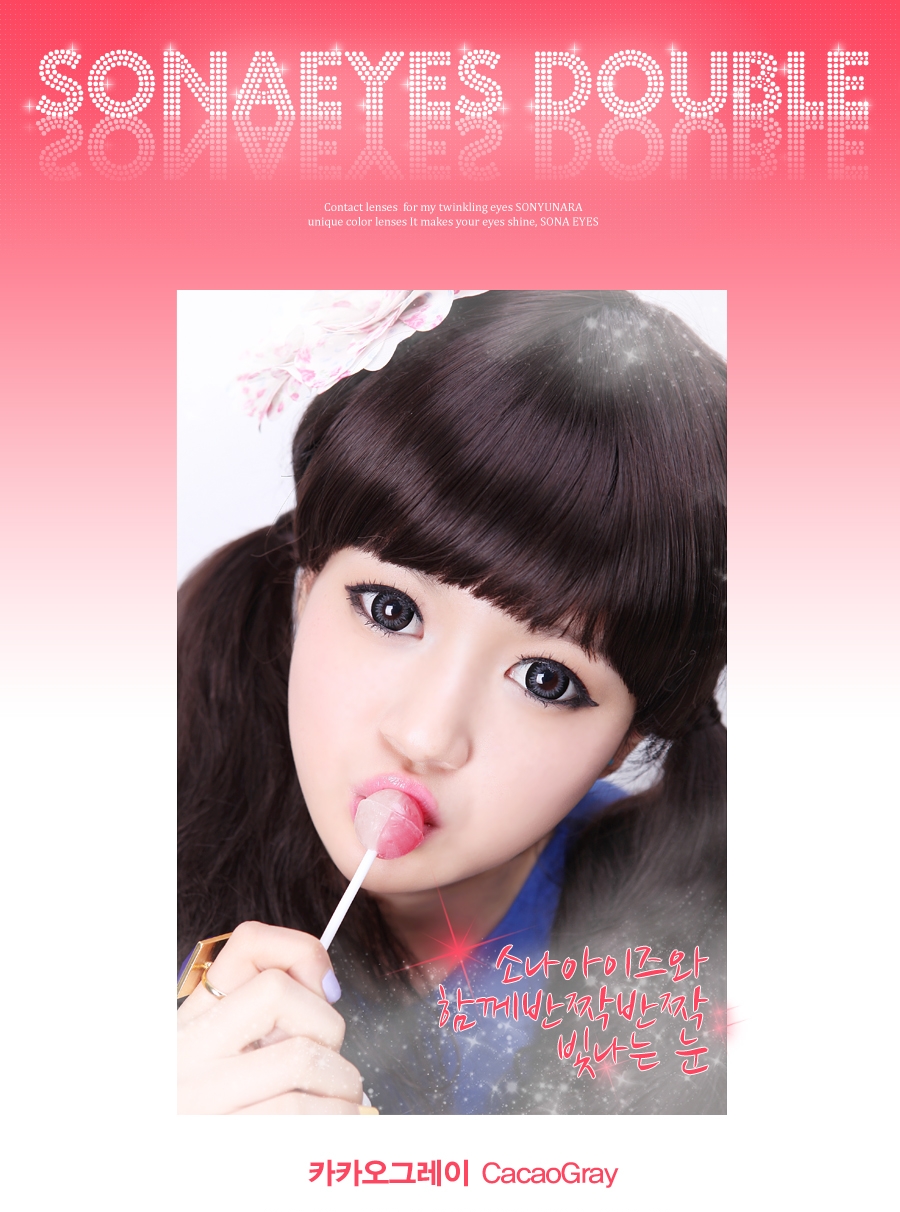
I didn’t scold her though (at least not for the earrings), as nothing could faze me after seeing what had been done to the poor girls that grace Sonyunara.com (소녀나라; “Maiden Country”), which I’d found the night before while researching this post. Seriously, just take a look for yourself.
But in just a few years, will Alice and then Elizabeth also be among the alleged wave of middle and even elementary school students spending 30 minutes a day applying makeup? Hell no. But will they want to? Probably. Is that a bad thing? That depends. And why are so many students doing it now in particular?
[Today’s World] Even Elementary Schools Raise Hands in Surrender at Wave of Students Using Make-up…
• 지나친 ‘얼짱 신드롬’… ‘걸그룹’들이 큰 영향 줘… 등교시간에도 30분씩 화장 / Excessive “Best-Face Syndrome”…Girl groups’ big influence…Even at school, spending 30 minutes at a time applying cosmetics
• 학칙 있으나마나… 화장하는 아이들 워낙 많아… 쉬는 시간 화장실은 파우더룸 / Whether or not there’s school regulations…Children are putting far too much on…In break times, the toilets become powder rooms
• 식약청의 경고… “어린이들은 피부 약해 트러블 생길 위험 크다”/ The Korean FDA warns…”Children’s skin is weak, and there is a big danger of problems developing”
• “그 틴트(입술에 색을 내는 화장품의 일종) 나도 발라 볼래” / “Let me put on that tint too (tint: a kind of cosmetic that gives color to lips)”
“와~오렌지색 되게 예쁘다” / “Wow~the orange is really pretty”
경 남지역 여자 중학교에 근무하는 국어교사 김모(34)씨는 며칠 전 교실에 들어서자마자 한숨이 나왔다. 학생들이 각자 화장품 파우치(작은 가방)를 꺼내놓고 ‘신제품 품평회’를 벌이고 있었다. 한 학생의 파우치 속엔 파우더, BB크림, 틴트, 아이라이너, 마스카라, 매니큐어 등이 가득 들어 있었다.
A few days ago, Kim Mo, a 34 year-old Korean teacher at a middle school in Gyeongsang Nam-do, walked into a classroom and saw something that took her breath away. In the classroom, there were children with a makeup pouch each (a small bag) and had taken everything out of them to have a “new makeup show”. In one student’s case, her pouch had been full of such things as powder, BB Cream, tint, eyeliner, mascara, and a manicure set.
화장한 학생들 얼굴도 제각각이었다. 어떤 학생은 파우더를 발라 얼굴이 뽀얗고, 어떤 학생은 액(液)을 발라 쌍꺼풀을 만들고 아이라인까지 그렸다. 틴트를 발라 입술이 빨간 학생들도 여러 명이었다.
Of the students who had put the makeup on, their faces were all different. Some had used powder to make their faces milky-white, while some had used a liquid to give themselves double-eyelids, even going so far as to use eyeliner. Several had also applied tint to their mouths and now had red lips.
쉬는 시간이면 이 학교 화장실은 ‘파우더룸’으로 변한다. 10여명의 학생들이 거울 앞에서 머리를 만지거나 화장을 한다. 서로 눈썹이나 아이라인을 그려주는 것도 흔한 모습이다.
If it’s break time, the toilets change into powder-rooms. Around 10 students will gather in front of the mirror and fix their hair or apply cosmetics. Drawing eyebrows on each other with eyeliner is a common scene.
김 교사도 처음엔 화장이 학칙에 위배되기 때문에 화장한 학생들이 눈에 띌 때마다 “화장을 하지 마라”고 했다. 클렌징폼을 건네주며 “당장 세수하고 오라”고 하기도 했다. 소지품을 검사해 화장품을 압수하기도 여러 번. 그래도 나아질 기미가 보이지 않자 요즘엔 “어린 나이에 화장하면 피부에 안 좋다”며 달래고 설득한다.
At first, Kim would tell students using cosmetics that they were against school rules, that they shouldn’t use them, and would immediately give them cleansing foam to clean the cosmetics off. She also checked to see if students had any cosmetics and would confiscate them if they did. As there was no sign of improvement however, then these days instead she tries to persuade them that “if you put on cosmetics when you’re young, then your skin won’t be good”.
김 교사는 “화장하는 애들이 워낙 많아 쫓아다니면서 일일이 지적하기도 힘들 정도”라며 “전쟁도 이런 전쟁이 없다”고 말했다.
Kim says “Chasing after students that use too much cosmetics while pointing out everything [that’s bad about using cosmetics?] to them is so exhausting”, and that “it’s such a battle”.
학생들은 백화점 화장품 코너에서도 주요 고객으로 떠올랐고, 화장품 회사들은 인기 캐릭터를 그린 상품을 쏟아내고 있다.
Students have risen to become the main customers at cosmetics corners at department stores, and cosmetics companies are having popular [manhwa?] characters on their products.
◆화장 붐에 두 손 든 교사들 / Teachers Raise Their Hands in Despair at Cosmetics Boom
교사들은 “화장하는 학생이 한 반에 몇 명이라고 세기 힘들 정도”라고 말한다.
Teachers say “there’s so many students using makeup in each class, it’s difficult to count them all”.
서울의 한 중학교 1학년 담임교사는 “학생들끼리 마스카라나 아이라이너를 생일 선물로 주고받을 정도로 화장에 대한 관심이 많다”며 “초등학생 때부터 화장을 시작해 피부가 어른처럼 엉망인 애들이 갈수록 많아진다”고 말했다.
One homeroom teacher for a first-grade middle-school class [for students roughly 13-14 years old] said “Students are interested enough in mascara and eyeliner to give them to each other for birthday presents”, and that “There are many students that, starting to wear makeup in elementary school, are ruining their skin like adults”.
학 부모들은 걱정이다. 중학교 2학년 자녀를 둔 김순옥씨는 작년부터 딸아이가 각종 화장품을 사 모으는 것을 보고 깜짝 놀랐다. 김씨의 딸은 바쁜 등교시간에도 30분씩 스킨·로션 등 기초 화장품부터 BB크림, 파우더까지 정성껏 바른다. 김씨가 야단을 치며 화장을 못하게 했더니 딸은 “화장을 안 하면 부끄러워서 학교에 못 가겠다”고 반항했다. 김씨는 “딸아이가 사춘기여서 그러려니 했지만 공부에 대한 집중력이 떨어지는 것 같아서 걱정”이라고 말했다.
Parents of students are worried. Kim Soon-ok, a mother of a 2nd grade middle school student [14 or 15 years old], has been very surprised at how her daughter has been buying and collecting all kinds of makeup since last year. Despite being busy, every school day she spends 30 minutes at a time applying everything from toner, lotion, and other basic cosmetics to BB cream and powder. Kim says that she scolded her daughter to make her stop using it, but her daughter resisted and replied that “If I don’t wear makeup, I’ll be embarrassed and won’t be able to go to school”. She added that “although this sort of thing is natural for a girl entering puberty, I worry that her ability to concentrate on her studies is decreasing”.
이처럼 학생들의 화장 문제가 심각해지자 얼마 전 식약청은 교육청과 학교에 색조 화장품 등의 사용을 자제하게 해달라는 요청문을 보내기도 했다. 식약청 화장품정책과 양준호 사무관은 “어린이들은 어른보다 피부가 약해 립스틱이나 매니큐어 등 색조 화장품을 사용하면 피부 트러블이 생길 수 있어 조심해야 한다”고 말했다.
Accordingly, the FDA sent schools and the Ministry of Education a letter requesting that they restrict student’s use of color make-up, and so on. Yang Jun-ho, and official within in the FDA’s Cosmetics Policy Department, said “Children’s skin is weaker than that of adults, and so if they use lipstick, manicures, or color makeup they have a [greater?] chance of skin problems developing, and should be careful”.
◆과도한 ‘얼짱 신드롬’ / Excessive “Best-Face Syndrome”
성적이 상위권이거나 모범적인 아이들이 화장하는 경우도 늘고 있다. 이처럼 학생들 사이에 화장이 널리 유행하는 현상에 대해 전문가들은 ‘얼짱 신드롬’과 10대 멤버들이 많은 ‘걸그룹’이 큰 영향을 미치고 있다고 분석한다. 건국대 이동혁 사범대 교수는 “요즘 10대들은 과거 세대보다 자신을 잘 포장해서 당당하게 드러내려고 하는 성향이 강하다”며 “그런 학생들의 특성이 외모를 중시하는 사회적 분위기와 어우러져 나타나는 현상 같다”고 말했다. 한국청소년활동진흥원 김용대 부장은 “예뻐지고 싶어하는 것은 사춘기 여학생들의 자연스러운 특징이지만 화장을 통해 자기만족을 추구하려는 청소년의 집단적 현상은 심각한 문제가 아닐 수 없다”고 말했다.
Even model students with high grades and rankings are increasingly using makeup. An expert on this phenomenon attributes this “beauty-face syndrome” to the influence of girl groups with members in their teens. Professor Lee Dong-hyuk of the Education Department of Konkuk University says “compared to past generations, these days social trends mean that teenagers attach a lot of importance to their appearance and want to show them off.” And Kim Young-dae, head of the Korea Youth Work Agency, says “it is a natural trait of female students entering adolescence to want to look pretty, but this mass of girls trying to find satisfaction and fulfillment through make up is a serious problem”.
While the headline clearly exaggerates a little by mentioning elementary school students, only then to talk about middle school ones, that’s probably one of the better articles I’ve read in the notoriously tabloid Korean media (update: apparently that same tabloid media has considerably lowered my standards!^^). Is the popularity of makeup among students as recent as the article suggests though? Let’s discuss that in a moment. First, let’s see what Meenakshi Durham has to say about cosmetics in The Lolita Effect itself, the book that inspired this ongoing series (p. 126):
Studies have suggested that little girls enjoy emulating fashion trends, using makeup, and attracting boy’s attention by wearing skimpy clothes. In social settings where girls are not going to be penalized or targeted for these behaviors, it’s easy to see how these things could be completely harmless, fun, or even empowering. Clothing and makeup aren’t problematic.
While I wasn’t joking earlier about what I saw on Sonyunara, reading that the night before was the real reason I didn’t (visibly) react negatively to seeing my daughter wearing earrings: children are always going to emulate what they see adults and/or other role models doing. Rather, it’s how we adults react to that that is the problem:
It’s the corollary assumption—that youth is sexy, that little girls are sexy, and that because of that they can be seen as having the same sexual awareness as adults—that’s of real concern. The problem is not with children, but with adults: with marketers who knowingly sell products and images with powerful sexual overtones to young girls, and with adults who then interpret girls’ bodies as sexually available. And there’s a larger, social problem, too, in that because of the increased sexualization of girlhood, children are engaging in sexual activity at younger and younger ages. This has fallout that is expensive both to the kids and to society as a whole.
At first, that probably sounds much more relevant to the US and other Western countries than it does to “sexually conservative” Korea. But you may be surprised. Not so much that Korean children too are engaging in sexual activity at younger and younger ages of course, albeit not quite at the rates of their US counterparts, but rather that the Korean age of consent is 13 (see here then here), and that Korea has a huge teenage–prostitutionproblem, known as wonjo gyojae (원조 교제).
Moreover, not only is this exacerbated by the extremely low age of consent ensuring that many clients are not prosecuted, let alone teachers that have sexual relationships with their students, but until very recently, the Korean public – with important exceptions such as music columnist Kim Bong-hyeon and Professor Sooh-ah Kim at Seoul National University (see abstract below) – was generally reluctant to acknowledge the increasing sexualization of particularly girl groups’ clothing and choreography in recent years, what effects that might have on teenagers, and, however indirectly and/or or marginally, on sustaining demand for the teenage-prostitution industry.
And if they were reluctant to discuss the music videos, then naturally there was a similar reluctance to discuss the same in ads featuring teenage members of girl groups:
As discussed elsewhere, Korean entertainment companies have strong incentives to sexualize both girl and boy’s groups clothing and choreography in order to help them stand out from other groups, and they also have financial incentives for groups to endorse as many products as possible; in a symbiotic relationship, this naturally combines well and perpetuates the Korean advertising industry’s heavy reliance on the use of celebrities. Consequently, not only does the number of ads featuring girl group members likely show a direct relationship to the proliferation of girl groups in recent years, but also they too are increasingly sexualized, and – crucially – naturally have messages that resonate with teenage girls. After all, this is the heart of the Lolita Effect: that especially cosmetic and fashion companies want younger and younger girls to embrace the notion that hypersexual body display and obtaining a narrowly defined physical ideal are at the core of – nay, the only things required for – social and romantic success, and that these can best be achieved through purchasing those companies’ products.
This logic, of course, is nothing new. But, if you can forgive my naivety, I’ll never cease to be amazed at the audacity at some of the ensuing advertisements. On the far left in the school uniform advertisement above for example (discussed in more detail here), Victoria of the group f(x) is praised for her height, thinness, and, well, large breasts and buttocks (all of which is contained in “쭉쭉빵빵”, the old term for “S-line“). Meanwhile, in another one further up the page (this one) fellow group member Sulli (17) says “Romance will start in a semester without pimples”, and in the video below that she proclaims the efficacy of using skincare products to get your man over other methods such as: getting cosmetic surgery to get double eyelids; working on getting shiny, billowing hair; or even getting an S-line.
Granted, correlation doesn’t mean causation, and one additional factor may be the considerable relaxing of many rules about school uniforms over the past decade (skirt lengths are 10-15cm shorter than in 2000 for example, which—sigh—the Korean Federation of Teachers Association says “can make students more vulnerable to crimes”). But…naah. Provided the report is accurate, then of course middle school girls are suddenly wearing make-up because all these girl groups are suddenly endorsing them. It would simply be a bizarre coincidence otherwise.
(Source: unknown)
What to do about it? Beyond educating children on the hows and whys of advertising and/or forcibly taking their cosmetics off them, I’m open to suggestions. One think I certainly don’t think will work though, is complaining to the companies themselves, which have a strong vested interest in making their products appeal to young girls as explained. Indeed, this was recently indirectly demonstrated by Iconix Entertainment, the producer of the very popular Korean cartoon Pororo the Little Penguin (뽀롱뽀롱 뽀로로) above, which, despite the pleas of Korean parents, besieged by their children demanding breads and cakes like those in the show, politely declined to depict the characters eating healthier meals (I believe the characters are also on all manner of junk foods). And God knows how they would have reacted to my own suggestion that pink Loopy above, the only female character in the first season, do something other than constantly make said breads and cakes for the boys.
For more on the trails and tribulations of being a feminist parent, then I recommend following Baby Gender Diary on Twitter here, in their own words “A Mother and Father. Tweeting about our 3 year old girl and 6 month old boy and how people treat them differently”, and/or purchasing Cinderalla Ate My Daughter by Peggy Orenstein, next in my own wishlist. Or, for more posts in the “Reading The Lolita Effect in Korea” series, please see below.
The “Reading the Lolita Effect in South Korea” series:
For many Korean girl groups, debuting a new song on a music program seems to follow a set script these days:
First, it will include some provocative lyrics, choreography, and/or outfits that deliberately push the envelope
Then, despite presumably knowing that well in advance, the producers of the program will still allow the song to be performed, only then to disassociate themselves from it and claim shock and surprise at the ensuing reaction
Next, those songs will be will be banned from future broadcasts unless changes to the offending parts are made
Equally absurdly, the performers themselves or their entertainment companies will claim shock and surprise that people find them sexually suggestive at all
Finally, despite those protestations, the groups will have modified versions of the song available to be used suspiciously quickly
It’s really quite a farcical process, and very patronizing to viewers.
Nevertheless, while nobody emerges unblemished from all that, it’s the entertainment companies that I’m most critical of. For rather than actually admitting to the sexuality in their groups’ performances, thereby placing the onus on the music program producers and public to explain just what is it that is so problematic about that exactly, instead they even force their own performers to be complicit in a long–held narrative of female virginity and innocence in K-pop.
Granted, they may lack the clout to challenge terrestrial broadcasters on that point, nor is there much evidence that they possess the feminist motivations to do so. However, even just for financial reasons one would expect more of a challenge to systematicdoublestandards in the Korean music industry, as the various restrictions on girl group performances can often be quite costly.
As for how that all recently played out with Mirror Mirror (거울아 거울아) by 4Minute (포미닛), see the links in the list above, while Mixtapes and Liner Notes has more on Rania’s (라니아) performance of Dr. Feel Good (닥터 필 굿) specifically. Two of the three controversial songs that debuted on Music Bank on April the 8th (the other was Do You Know/아나요 by the Brave Girls/브레이브 걸스), unfortunately Mirror Mirror is the only one of them I like enough to listen to – yes, sans eye-candy – on my MP3 player!
Yes, however crass, it does indeed sound like Hyuna is saying “4 minute slut” at the beginning. As for the translation, the vocabulary and grammar were relatively easy for a change, and the song mercifully short and repetitive too. But some unclear breaks between sentences and strange word orders definitely complicated things:
Let’s go
4minutes left 4minutes left Ah! Ah!
4minutes left 4minutes left Ah! Ah!
대체 왜 그땐 날 거들떠 보지 않고
매일 날 그대만 바라보게 만들고
오늘은 좀더 예쁘게 나 나 나 날 (오늘도)
보여줘 너무 멋진 너 너 너 너 너에게
거울아 거울아 이 세상에 누가 제일 예쁘니?
거울아 거울아 이 세상에 내가 제일 예쁘니?
오늘만은 내가 제일 예쁘다고 말해줘 봐
Let’s go
4minutes left 4minutes left Ah! Ah!
4minutes left 4minutes left Ah! Ah!
Why on Earth didn’t you notice me back then?
Everyday, you made me gaze only at you
Today, show me me me me a little more prettily (today too)
To very cool you you you you
Hey Mirror, hey Mirror, who is the prettiest in the world?
Hey Mirror, hey Mirror, am I the prettiest in the world?
Just for today, please try saying I’m the prettiest
Here, “대체” is short for “도대체” (on Earth), and a new one for me was “거들떠보다” (not even notice/look). Otherwise:
the “바라보게 만들다” in line 4 is a long causative, which there’s a lot of in this song (see p. 368 of Korean Grammar for International Learners [KGIL] for more information)
See Seamus Walsh’s comment here for more on the “니” ending in lines 7 and 8
And of course the last line is some simple indirect speech. Although it’s awkward in English, I include a “try” in it (and similar sentences in later verses) because technically, “보다” added to a verb stem does indeed mean “try to do [the verb]”
All basic stuff by this, my twelfth song translation for the blog. But lines 3 and 4 were a bit of a stumbling block until my wife pointed out that actually a break falls between “오늘은 좀더 예쁘게 나 나 나 날 (오늘도) 보여줘” and “너무 멋진 너 너 너 너 너에게”.
너를 생각하면 더 거울에 비친 내 모습은 마치
너무 예쁜데 너는 자꾸 왜 다른 생각만 하는지
왜 날 보지 않는건데
내 거울아 (거울아 거울아 거울아 거울아)
거울아 (거울아 거울아 거울아 거울아)
내 거울아 (거울아 거울아 거울아 거울아)
거울아 (거울아 거울아 거울아 거울아)
It’s as if my reflection becomes prettier the more I think of you
Why do you frequently think differently?
Why do you not look at me?
My mirror (Hey Mirror Hey Mirror Hey Mirror Hey Mirror)
Again, Lines 1 & 2 become much easier if you know there’s a break between “너를 생각하면 더 거울에 비친 내 모습은 마치 너무 예쁜데” and “너는 자꾸 왜 다른 생각만 하는지”, but this time the location of the “더” complicates things even further. Ideally, it should be placed before the “예쁜데” in line 2.
Update: With thanks to J.Goard for pointing out it, actually that pattern is perfectly acceptable in Korean, and quite common.
대체 왜 언제나 본 체 만 체만 하고
매일 밤 너는 날 가슴 뛰게 만들어
언제나 너무 멋진 너 너 너 너 너
내게로 다가오게 더 더 더 더 더 Ma boy
거울아 거울아 이 세상에 누가 제일 예쁘니?
거울아 거울아 이 세상에 내가 제일 예쁘니?
처음부터 마음에 들었다고 내게 말해줘 봐
Why on Earth do you always pretend not to see me, and
make my heart pound every night?
Always so cool you you you you you
Come more more more more and more closer to me Ma boy
Hey Mirror, hey Mirror, who is the prettiest in the world?
Hey Mirror, hey Mirror, am I the prettiest in the world?
Please try to say that from the beginning, I was the one for you
And here, again there’s a long causative in line 2 – “가슴 뛰게 만들어” – but the “날” before that (me [object]) is I think ungrammatical, and it should really say “내” (my) instead. Before that, the phrase “본 체 만 체” (pretend not to see; show indifference to; slight) was a new one on me, and it didn’t help that I forgot that “[verb] + (으)ㄴ/는 체하다” was the same as “[verb] + (으)ㄴ/는 척하다” (to pretend to [verb])”! (see p. 58 of KGIL)
Next, it’s just the chorus again.
너를 생각하면 더 거울에 비친 내 모습은 마치
너무 예쁜데 너는 자꾸 왜 다른 생각만 하는지
왜 날 보지 않는건데 예~
내 거울아 (거울아 거울아 거울아 거울아)
거울아 (거울아 거울아 거울아 거울아)
내 거울아 (거울아 거울아 거울아 거울아)
거울아 (거울아 거울아 거울아 거울아)
It’s as if my reflection becomes prettier the more I think of you
Why do you frequently think differently?
Why do you not look at me?
My mirror (Hey Mirror Hey Mirror Hey Mirror Hey Mirror)
Hey Mirror, hey Mirror, who is the prettiest in the world? It’s me
In line 5, I was confused by how “빠져들어” is different to “빠지다” (to fall into/for), and the best explanation my wife could provide was that it means “become fallen for”. Which is just fine with me, but it does sound a little awkward. Can anybody do any better?
Update: With thanks again to J.Goard, see here for a much fuller description of how they’re different exactly.
And suddenly it’s already the last verse:
좀더 너에게 다가가서 난 1,2 step 1,2 step 1,2 step
Let’s live it up Let’s make it up
나를 보면 니 마음 흔들릴수 있게
내 거울아 (거울아 거울아 거울아 거울아)
거울아 (거울아 거울아 거울아 거울아)
내 거울아 (거울아 거울아 거울아 거울아)
거울아 (거울아 거울아 거울아 거울아)
거울아 거울아 거울아 거울아
I’ll come a little closer to you, I 1,2 step 1,2 step 1,2 step
Let’s live it up Let’s make it up
If you see me I can make your heart shake
My mirror (Hey Mirror Hey Mirror Hey Mirror Hey Mirror)
And on that note, here is an alternate translation by Chris @4-minute.com, which you can use to follow-along with the video:
As you can see, fortunately our versions seem pretty much the same, although his(?) sounds rather better because he hasn’t been quite so literal with his choice of words!
Meanwhile, apologies to any readers that may have been expecting a promised(?) translation of Can’t Nobody by 2NE1 (투애니원) instead today, but unfortunately my finally getting tired of that after listening to it for probably the 100th time(!) coincided with me getting heavily into this one, and besides which I wanted to do something more recent for a change. Having said that, next I’ll actually be doing the 2005 song Girls on Top by BoA (보아), because a reader sent me the following intriguing email:
…I have been following your girl group lyric translations but there’s one song I am really curious about, mostly because I’d like to know if it’s as overtly feminist as I suspect it is. The song would be Boa’s “Girls on Top”…
…It’s not only the gold lamé and skull ring that’s tough but the part at the end where she fake kicks her male dancers into submission in a Take Back the Night inspired bit of of pop choreography. I know you’re focusing mostly on girl groups, but I think this one’s interesting in the context of K-pop because it seems to fall outside the two ever present concepts of “sexy” and “cute.” I have tried to find the lyrics in English but most of them are poorly done. What I’ve gleaned so far is that she may be talking about the myriad conflicting expectations a modern girl must fulfill and might even be bemoaning the constant pressure to embody male views of sexiness (!). Or it could be a girl power-lite anthem conceived by greedy business men; but either way I’d like to hear your views.
Until then, I hope you a good weekend, and as always I’d appreciate any feedback on the translation and/or your thoughts on the song!^^
Update: I’ve just found these profiles of the group members on korean lovers photoblog, and thought they might be useful for future reference:
(For more Korean song translations, please see here)
Followers of K-pop blogs will already be well aware of thislatest storm in a teacup of course, but it’s always interesting to see what ordinary Koreans themselves read about such things. Accordingly, here’s my (very literal) translation of an article from yesterday’s Metro newspaper, which millions would have read on their morning commute:
Restrictions Imposed on 18+ Controversial “Wide Leg Spread Dance”
Three groups with underage members all do suggestive dances as if they’d planned them together
Demands for a review of regulations on suggestive outfits and poses on music programs
While the three girl groups that are showing off their so called “wide leg spread dance” are being regulated by broadcasters, controversy has arisen about suggestive choreography.
Appearing on Music Bank on KBS2 on the 8th, 4Minute (making a comeback that night), RaNia, and the Brave Girls have become very controversial for the suggestiveness of their performances.
While performing their new song Mirror Mirror, 4Minute members get on the floor on their knees, spread their legs, and repeatedly open and close them:
With support from overseas producer Teddy Riley, new 7-member group RaNia debuted with Dr. Feel Good. Sporting a striking lingerie and garter belt look, one mesmerizing dance move involved only moving their legs and pelvises repeatedly. And Brave Brother-produced 5-member group Brave Girls gave off a similar sexual attractiveness with their debut song Do You Know:
(Update, August 2013:Unfortunately the Youtube videos have long since been deleted for copyright violations, but both the “Dr. Feel Good” and “Do You Know” performances can still be seen here and here respectively. In their place, above is RaNia’s original uncensored MV for the former)
Giving the same performances on 2 other broadcasters’ music programs last weekend, the controversy increased. In the end, Music Bank, SBS’s The Music Trend, and MBC’s Show! Music Core all demanded changes to the dances and outfits and imposed restrictions on them. The reason is that programs that a lot of teenagers watch can not have outfits which expose too much of the body, and/or dances that bring to mind sexual acts.
In particular, it is not just the nature of the outfits and the choreography that is the problem, but that many of the performers are underage. In 4Minute, Hyuna (18) and So-hyun (16); in RaNia, Di (19), Joy (20), T-ae (16), and Xia (16); and in Brave Girls, Yu-jin (?) and Hye-ran (?) are all underage.
(James: Most of the ages given in the article are wrong, whether using the Korean or the “international” system: instead, I’ve provided their international ages, with sources given in their links, although I’ve been unable to find any sources for the ages of the Brave Girls members. I remain confused about why some are described as “underage” though, because clearly many aren’t at all, even with the {incorrect} ages given in the original article)
The result of analysis reveals that this is the result of following the dance moves of sexy pop stars. Before there were national girl groups, it was Lady Gaga that garnered a lot of controversy for the wide spread leg dance and sexually suggestive choreography of her Born This Way music video:
About this, an [anonymous] person in the broadcasting industry said, “While people say that Lady Gaga’s dances and dance moves are unique and individual, they say that Korean singers aren’t like that” and that “it’s a pity that in this era of spreading K-pop to the world, we have such anachronistic rules” (end).
Like me, you’re probably aghast at the Metro’s low writing standards and sloppy fact-checking. But that’s quite normal for Korean tabloid newspapers (and, alas, many of their mainstream counterparts too), so much more of interest personally was the author’s point that “before there were national girl groups, it was Lady Gaga that garnered a lot of controversy”, indirectly confirming my own (and many others’) observation that although of course there have always been Korean girl-groups previously, it’s only been in the last 4 years or so that there’s been such a glut of them. And also that, following the model set by The Wondergirls (원더걸스), they’re generally much much racier than their predecessors were.
Other than that, I’m a little tired of references to Lady Gaga whenever a girl group comes up with a suggestive dance move, but that’s hardly unique to the Korean media. Also, it’s curious that the anonymous person in the broadcasting industry felt that Korean girl groups must follow her example to “spread K-pop to the world,” because although this does play to Occidentalist stereotypes of hypersexualWesternaudiences somewhat, it also marks the culmination of a 180-degree turn against what used to make K-pop appealing to East-Asian audiences, and which presumably influenced music producers. As Rowan Pease explains in her chapter “Korean Pop Music in China: Nationalism, Authenticity, and Gender” in Cultural Studies and Cultural Industries in Northeast Asia: What a Difference a Region Makes (2010):
In 2003, the Korean National Tourism Office [a major investor in the Korean wave] conducted a Hanliu tourism survey in China, Taiwan, and Hong Kong exploring attitudes to Korean culture, publishing the results online…
….It compared the impact of Korean culture with that of four “competitor” countries (the U.S., Japan, Taiwan, and Hong Kong), and in the process revealed much about Korea’s own political and nationalist concerns, particularly in relation to Japan and America. Six of the eleven options for respondents to the category “reasons I like Korean culture” reflect this preoccupation: “less sexual than Japanese culture,” “less sexual than American culture,” “less violent than Japanese popular culture,” “less violent than American popular culture,” “decreased interest in American culture,” and “decreased interest in Japanese culture.” One other echoes Straubhaar’s notion of cultural proximity: “similar in culture.” Certainly, Korea’s own music media censorship laws (which even in 1997 prohibited the displaying of body piercings, navels, tattoos, “outfits which might harm the sound emotional development of youth,” and banned violent or political lyrics), meant that Chinese TV stations could buy in Korean music videos and music TV shows knowing that they were unlikely to upset local censors. However, these questions also reflected a perception that Korea acts as a defender against excessive Westernization and as a guardian of Confucian values within East Asia. (pp. 155-156)
Which long-term readers may remember from my translation of the lyrics to Bad Girl, Good Girl (배드걸 굿걸) by Miss A (미쓰에이), probably the most erotic Korean girl group music video I’d ever seen until these latest ones came out:
Alternatively, the above view of Chinese, Taiwanese, and Hong Kong tastes may well be outdated, and “the world” in the newspaper article shouldn’t automatically be taken to mean Western audiences: after all, 2 members of Miss A are Chinese, and the group was originally designed to be overwhelmingly aimed at the Chinese market. What do you think?
Meanwhile, see here, here, here, and here for the latest developments in this “Wide Leg Spread Dance” controversy (yes, I love saying that too!). And today’s edition of the Metro newspaper also happens to have an interview of RaNia in which they discuss the dance, but I’m afraid I don’t have time to translate it at the moment sorry. Any takers?^^
(Update: as YouTube flags me for copyright violations if I post the video there, then please see here or here instead)
Thank you to everyone who’s emailed me about Japanese child star Ashida Mana dancing to KARA’sMister on a Japanese talk show. For anyone interested in some context, issues raised, and why I think it’s problematic, then please first read Part 2, all of which was written in response to my one of my own daughters doing something similar at her kindergarten. Frankly, it was eerie how much Ashia reminded me of her.
Meanwhile, here’s the “Butt Dance” (엉덩이 춤) being referred to, with handy English subtitles:
Next, assuming that you’re read that earlier post, then consider these additional observations from Meenakshi Durham’s The Lolita Effect, which seem particularly apt here:
…Increasingly, adult sexual motifs are overlapping with childhood — specifically girlhood, shaping an environment in which young girls are increasingly seen as valid participants in a public culture of sex.
In some ways, this is not a new idea: in the 1932 short film “Polly Tix in Washington”, a four year-old Shirley Temple played a pint-sized prostitute. Sashaying around in lacy lingerie and ropes of pearls, she announced “Boss Flint Eye sent me over to entertain you…but I’m expensive!”. Critics have commented on the overt lewdness of this and other films the toddler was case in as part of the “Baby Burlesks” series, which were designed for adult viewers and included frequent scenes of little girls in diapers aping the sexual behaviors and attitudes of much older women. In latter films too, Temple projected an “oddly precocious” sensuality, as the film historian Marianne Sinclair has observed — in fact, the acclaimed novelist Graham Greene was sued for commenting on it a film review. (pp. 115-116)
Indeed, Temple herself later described the series as a cynical exploitation of her childish innocence. Appearing from 3:16 below, you’ll soon see why:
But why is it deeply disturbing when 4 year-old Shirley Temple assumes sexual poses and all but blurts out that she’s interested in having sex with the “men”, whereas it’s supposedly as kawaii as hell for 6 year-old Ashida Mana to do, well, almost exactly the same thing? Granted, some actual kissing is involved in the former, but then I’d argue that the majority of viewers would still find the film at least a little concerning without it. In contrast, I’d wager most of us have much more mixed feelings about Ashida Mana, and I’m curious as to why.
With me, I think it’s through seeing my daughter Alice in Ashida, and knowing that she’s completely unaware of the implications of what she’s saying, instead simply having fun and/or fulfilling her natural urge to mimic the behavior of adults. But which is not quite the same as saying it would have been okay for her dance to the much more sexual Mister rather than Lupin at her kindergarten however, let alone for any child do it on national television simply for our titillation.
But other than that, I’ve pretty much said all I can myself in that earlier 3400(!) word post, so I’d really appreciate hearing your own thoughts!^^
The “Reading the Lolita Effect in South Korea” series:
It’s been a long time since I’ve thought much about the Wonder Girls (원더걸스).
To be precise, not since writing theseposts back in April 2008. And in which I was pretty critical of manager JYP’s (박진영) overly sexual marketing of them, and especially of the Korean public’s collective refusal to acknowledge that. After all, band member Ahn So-hee (안소희) was only 15 at the time.
Maybe too critical though, and since then I’ve written much more nuanced posts on the issues that that raised, partially in response to reading excellent alternative perspectives by Gord Sellar and Matt at Gusts of Popular Feeling. But still, I did feel vindicated when So Hot came out just a few weeks later, especially as it was advertised on mainstream Korean portal sites with GIFs of the music video like these on their front pages. One of which, like Matt wrote, comes from the same point (0:17) as a breathy “Oh! Oh!” in the track, and “if you looped it, you’d have a porn soundtrack.”
Feeling a little smug then, and not particularly liking any of their songs either – they’re generally much too slow for my tastes – I’ve deliberately avoided listening to the Wondergirls ever since. Yet nearly 3 years later, not only do I suddenly find that, like them or not, I have to research them, but literally just as I started MellowYel at Mixtapes and Linear Notes wrote a compelling post in which she argues that, basically, “most South Korean girl group concepts since 2007 have been determined by the Wonder Girls”, and that this points to JYP being simply “great at finding formulas that work”. And she’s by no means the first person to make those arguments to me either, although she is the first to pass on such convincing evidence.
So hey, while I’ll always consider JYP a sexist pig, I can still acknowledge his musical and marketing skills. And in light of those, then it’s high time for me to reconsider the Wondergirls, and I’d be very interested in and would appreciate hearing readers’ own takes on So Hot to start. Particularly on what you think it’s about really, as it seems so narcissistic that it may even be a satire, especially considering the comic elements in the video.
Having just praised JYP’s marketing skills though, then I’m really surprised at the poor quality of the official one available:
For the sake of getting the gist, here’s another one with subtitles, although there’s a few basic mistakes with the English:
Finally, the lyrics themselves, most of which are so easy that they could be featured in lower-intermediate Korean textbooks at least. Certainly they’d make for more interesting classes than discussions of temple visits and making kimchee that are the normal fare:
왜 자꾸 쳐다보니 왜에에
내가 그렇게 예쁘니 이이
아무리 그렇다고 그렇게 쳐다보면
내가 좀 쑥스럽잖니 이이
내가 지나갈 때 마다 아아
고갤 돌리는 남자들 을을
뒤에서 느껴지는 뜨거운 시선들
어떻게 하면 좋을지 이이
Why do you look at me so often? Why~?
Am I that pretty?
No matter how pretty I am, if you look at me like that
Here, the frequent “니” endings are a short, informal version of the very formal “~ㅁ니까” ones for asking questions, which is why I added a question mark to them in lines 1 and 2. Line 4 though, is a little more complicated, because there’s a “잖” (short for “잖아”) in the “쑥스럽다” (“embarrassed”), which is used a lot in daily speech when the listener (albeit only an equal or someone of lower status) already knows well – or should know well – what the speaker is saying, as explained in my scan of pages 130-131 from 한국어 문형 표현 100 below (a wonderful book, which teaches Korean learners the differences between 100 commonly confused grammar points). Having that in a question form though, sounds really strange, and so my wife and I think the nuance of the “잖니” ending is effectively that of a tag question, i.e. “지”. It also implies that she’s really talking to herself too.
Before that, in line 3 the “아무리 그렇다고” basically means “no matter [the previous sentences]”. Then in line 7, “고갤” (short for “고개를”) literally translates as “scruff off the neck”, which can be misleading in this video in particular because, in English, “to take something by the scruff of the neck” means to completely control it (i.e. precisely what the girls in the video seem to be doing of the men), whereas it really just means “head”.
Next, in line 8, the “지” in “좋을지” is very strange, and I’m not sure that it is a actually a tag question, as I first thought. Either way, my wife assures me that here at least it basically means “~ㄹ까”, an ending you use when you’re asking someone’s opinion, which means she’s literally asking “what is good?”. Hence my “what’s best to do?”.
Finally, although the chorus is very short and easy, I’ll add it separately below, just to make it easier to find. In it, I’ve translated “너무” as “so”, as even though the dictionary gives “too”, in my experience it’s used as “very” (or, indeed, “so”) just as often. I was a little confused by “너무 매력 있어” in line 2 though, because I’ve always learned that “매력” meant “attractiveness”, with “매력적이다” meaning “attractive”. By itself, “매력(이) 있어”, literately “attractiveness have” seems fine too, but what on Earth is the “very’ before that doing there? Is “매력” a noun, an adjective, or what?
It didn’t seem very important, so I gave up and just went with “I’m so attractive”!
First in line 3 – “익숙해 질 때도 된 것 같은데” – I confess I don’t know what the “도” (again? also? too?) is doing there exactly, and am open to suggestions, but meanwhile I was “cough” happy to notice the past tense marker “ㄴ” in “된”, giving, literally, “get useㅇ to it – time – 도? – has come – I guess”.
Next, in line 7, “나놨지” had me completely stumped, and no wonder: my wife explained it was a combination of “낳다” (to be born) and “놓다” (to be put). Knowing that, and with the mother mentioned at the beginning, then I think the intention was “Why did my mother make me like this”, as indeed most other translations have put it. That was really tempting, but then at the very least my awkward “Why did my mother give birth to me like this?” does sort of acknowledge the “born” element to the sentence for learners. And, who knows? Maybe the original Korean does indeed more mean she was born the way she was (due to genes), as opposed to being made a certain way (which in English, implies more one’s personality has).
Finally, line 8 is made easier if you know there’s an unspoken “모르겠다” at the end. And as for “피곤하게”, I identified it as a causative construction, as discussed by commenter dogdyedblack here.
Moving on then, next there’s just an extended version of the chorus again:
My beautiful legs [are a] little [like] Ha Ji-won’s
What should I do to make things good? I guess everybody loves me
Oh no, please leave me alone
All the boys be loving me, girls be hating me
They will never stop, cause they know I’m so hot hot
(Helpful picture of Go So-young’s “sexy eyes”. Source)
First up, in lines 1 & 2, I’m a little confused as to why “this spotlight” (이 스포트라이트), which is modified by the relative clause “that follows me” (날 따라 다니는), is later described as chasing her (쫓아오지, with the “지” probably being a tag question), which seems to be unnecessary repetition; but it’s there, so hence the awkward English.
Next, the “어야” ending at the end of line 3 had me stumped for a while, as while it’s clearly not the same as the “이야” described on page 181 of Korean Grammar for International Learners (KGIL), as discussed in the last song translation, I wasn’t entirely sure that it was the very basic “~어/아/야 하다” form, which means having to do something. Eventually though, I discovered something on pages 307-308, which not only doesn’t require a “하다”, but connects it much better to the next sentence:
Line 4 after that has the wonderful “이놈의”, which means “damn”, and the final “원” in it is rarely found in written form, but basically means “sigh”. The meaning of the “지” in “시그러들다” though (to wither), I confess left my wife and I completely stumped.
Finally, at first I though the “어쩌면” in line 7 was simply the dictionary definition of “어쩌다” (1 – occasionally; 2) accidentally, unexpectedly) plus “면” (usually “if”), but my wife told me that the full phrase “어쩌면 좋아” means “What should I do to make [it, things] good”, which makes it very similar to the “어쩌지” of the last song translation (see #3 here for more on that).
And but for one final round of the chorus, that’s that!
(Likewise, of one of Ha Ji-won’s “beautiful legs”. Source)
I′m so hot 난 너무 예뻐요
I′m so fine 난 너무 매력 있어
I′m so cool 난 너무 멋져
I’m so so so hot hot
I’m so hot, I’m so pretty
I’m so fine, I’m so attractive
I’m so cool, I’m so cool
I’m so so so hot hot
As always, thanks in advance for pointing out any mistakes, and or giving alternate translations – I really learn a lot from them. And with this particular song, like I said I’m a little stumped as to what its about really, so thanks also for any insights you can give me!
Apologies for not providing the lyrics for Girls’ Generation’s (소녀시대) 2010 hit Oh!(오!) as promised, but then I’m much too addicted to DJ Areia’s remix of this one at the moment. And just like that of Oh!, which instantly got me into mainstream K-pop despite a whole decade of simply loathing it, this one has rendered an otherwise mediocre song into, well, something magical for me.
Music quality aside though, a much more striking parallel with Oh!is its narrative of helplessness, passivity, and sexual desire but both inexperience and inability to act on it, in turn very similar to Like the First Time (처음처럼) by T-ara (티아라) and Breathe (비리드) by Miss A (미쓰에이) as already discussed in previous posts. Which is not to say that all songs by Girls’ Generation or those other groups are like that of course, and in particular I’ve heard that Run Devil Run and Hoot! are quite different. But still, jumping ahead to the conclusion of a project I’m working on at the moment, there does seem to be a definite paucity of song themes for popular Korean girl groups these days.
Alternatively, you could argue that this isn’t really an official song of theirs at all, but rather part of an Asia-wide marketing campaign for Intel’s 2nd Generation Core™ processors, and in which case it should possibly be viewed more as something aimed at a very techie audience, and therefore assumed to be a largely male one. If so, then that might also explain all the obvious double entendres in it, which although not surprising in themselves (Koreanadvertising and popularculture are full of them), are most definitely aimed at men here.
Either way, but for their regulation hot pants (which have less sexual connotations in Korea than they do in Western countries anyway), actually you might never have realized this from the music video itself, in which all 9 women appear even more cute and innocent than normal. Those of you who would still like to maintain that rather naive image of them then (and there’s an awful lot of you, both in Korea and in Western countries!), by all means feel free to watch the video with DJ Areia’s remix below, followed by the slow – nay, appalling – original under that, as well as all the screenshots provided courtesy of this 26MB(!) zip file from Red and Rosy. As for the lyrics though…well, read them at your peril!
Update: I’ve rewritten some of the lyrics in response to a commenter’s suggestions, many of which require a great deal of extra explanation. Rather than add those explanations to the post though (which would mean completely rewriting it), I’ve indicated the changes with an asterisk, with a number next to that to indicate what part of this comment to refer to for the explanation:
One Two Three Four, I want to tell you all my honest feelings, I want them to be discovered (*2)
Yes, oh, come come come to my sweet, moist lips
Tic Tac Toe, Oh, you make me hot and giddy…Despite myself, I’ve deeply fallen and melted for you (*4,6)
First up in what turns out to be the chorus, in line 1 the “게” in”짜릿하게” make the word look like an adverb, which would give…er….”tinglingly”, but following theadvice of commenters on the last translation then I’ve wisely tried to sever the mental link I’ve long had between “-게” forms and adverbs (especially as “짜릿하다” could just as well be “thrilling” say). Meanwhile, “어머나” is an expression of surprise that is almost exclusively used by women, the closest English equivalent I could think of being “Oh my!”, although in practice it’s usually said very quickly (and so just “Oh!” might be better).
Next, in line 3, “들켜버릴래” is a combination of “들키다” (to be found out, discovered, caught etc.), “버리다” (literally to throw away, but when added to another verb gives a sense of relief and/or completeness in finishing the act”, and then “~ㄹ래” (to want to do the verb). And so after all that, then, “I want to tell you all my honest feelings” seems more than sufficient, but nevertheless the Korean includes the superfluous “들려줄래”, or “I want them to be discovered”. Possibly it just makes the words flow better, and indeed there does seem to be a lot of nonsense words in the song as a whole for that reason.
Finally, line 5 – “Tic Tac Toe 오 아찔하게 네게 푹 빠져버린걸 녹아버린걸” – is literally “Tic Tac Toe – oh – dizzily – to you – fall + 버리다 + thing – melt + 버리다 + thing”. As you can see, I thought “dizzily” was fine in this case (although probably “I’m dizzy” is okay), but really don’t understand why the fall and melt parts were in the “~ㄴ걸” (thing) form.
This is the first time I’ve had this feeling My Deep Love Core
My face is getting hotter and hotter, and at this moment I can’t breathe. What should I do? (*3, 5)
I’m trembling
Boy boy boy boy bo bo bo boy boy boy boy
I don’t know what to do no matter how much I agonize (*see below)
No matter how I think through it over again and again, I’m just not sure. I truly have no idea, from just imagining [it], how to do my first kiss (*7)
Just wait a minute?
Boy boy boy boy bo bo bo boy boy boy boy
Don’t hesitate my love, get into my core
An awkward verse.
My first problem was with “어쩌지” in line 2, which I mistook for “어쩐지”. That means “so that’s why!”, which made no sense here. Once I realized my mistake though, “어쩌지” wasn’t in my dictionary, and so I turned to my long suffering wife, who said it means “what am I going to do?”.
Next was “고민고민 해봐도 모르겠어” in line 5, which, although I’m sure my translation of “Even though I worry and worry about this, I just can’t solve it” is fine, I was stuck on it for a while because it doesn’t seem to make much sense in the context of the song (learners, note there’s a missing “아무리” at the beginning).
*(Update: with thanks to commenter dogdyedblack, probably “I don’t know what to do no matter how much I agonize” is better).
Both were a doddle though, compared to line 6, “상상만으론 정말로 하나도 오 how to do my first kiss”, literally “imagination – only – through – as for – really – through – one more again – oh”. But my wife said that there should be a “모르겠다” after “하나도”, and that together “하다도 모르겠다” means “I really don’t know”, and with that knowledge and the context then we cobbled “I can’t really do it only in my imagination, I have to do for real, oh how to do my first kiss”. I admit that that might not be the final word though!
Finally, the English “just a minute” in line 7 seems very strange next to the “don’t hesitate” in line 9, but that is definitely what both say. Perhaps the English in line 7 is just something essentially random by the song writers, which happens all the time in K-pop, but then much of the English in the rest of the song suggests otherwise. Get into her core indeed…
Ahem. Anyway, next is the chorus again:
One Two Three Four 짜릿하게 어머나
One Two Three Four 너를 원해 이미 난
One Two Three Four 솔직한 내 맘을 다 들켜버릴래 다 들려줄래
촉촉촉 오 달콤한 내 입술에 Come Come Come 천천히 그래 다가와
Tic Tac Toe 오 아찔하게 네게 푹 빠져버린걸 녹아버린걸
One Two Three Four Oh, how exciting
One Two Three Four, I already want you
One Two Three Four, I want to tell you all my honest feelings, I want them to be discovered
Yes, oh, come come come to my sweet, moist lips
Tic Tac Toe, Oh, you make me hot and giddy…Despite myself, I’ve deeply fallen and melted for you
내 맘 속 visual 너무 완벽해
네 가지 고민 언제 어디서 무엇을 어떻게만 빼고 헤매고 있어
Core Core Core Core Co Co Co Core Core Core Core
우물쭈물 하단 놓칠지 몰라
망설임 the end 여길 봐 두근두근 pop pop 들리지 어때
Core of my love
Core Core Core Core Co Co Co Core Core Core Core
지금이야 바로 start! jump into love core
[When I imagine the scene of our first kiss in my mind, with images pulled from the movies, comics and TV programs I have watched ever since I was little] the visual images in my mind are so perfect (*9)
But for 4 kinds of things not to worry about – when, where, what and how – I’m puzzled
Core Core Core Core Co Co Co Core Core Core Core
If you keep hesitating, you might miss [lose] me
Hesitation, the end, look [listen] here: how is the throb throb pop pop sound [of my heart]?
Core of my love
Core Core Core Core Co Co Co Core Core Core Core
Yes, of course, start right now, jump into love core
The final verse already, unfortunately much of it is completely non-nonsensical. Starting with line 1: “내 맘 속 visual 너무 완벽해” which gives “Inside my heart the visuals are perfect”, which means…well, God knows, but probably alludes to the functions of the chip more than it continues the romantic narrative of the song. But anyway, note that “맘”, short for “마음”, really means something between heart and mind (a phrase difficult to sing well), and in my experience “너무” means “very” just as often as the dictionary definition of “too [much]”.
Next, my wife said that “가지” in line 2 is just another form of the counter word “게”, or “thing”, but I beg to differ: my dictionary gives “a kind, a sort; a variety”. But which is not to say that line 2 – “But for 4 kinds of things to worry about – when, where, what and how – I’m puzzled” – actually makes any sense of course.
After that, line 4 was really tough. But then my wife told me that “하단”, was short for “하다가는”, which fortunately was in KGIL. Which I’ll let you read for yourself (p.280):
As for the rest of line 4, naturally I’m assuming that it’s the object of the female narrator’s affections that shouldn’t hesitate rather than vice-versa, as clearly she doesn’t want to make the first move despite what she repeatedly says she wants him to do to her core. The same goes for line 5, although note that she does say “look here” (“여길 봐”) when “listen to this” would be better, with the “this” surely being her heart.
Finally, the “이야” in line 8 was interesting, which, seeing as I still have my KGIL next to me as I type this and have already cleared the junk off my scanner, I may as well give you page 181 of too (but sorry that I can never seem to get the book straight!):
Note that KGIL gives 4 more meanings for “이야” depending on what comes immediately after it by the way, but if you want to know those too, then buy the damn book yourself already fortunately none of those apply here.
Finally, there’s the chorus again, the first part of which is repeated twice, and with the addition of 3 extra English lines:
One Two Three Four 짜릿하게 어머나
One Two Three Four 너를 원해 이미 난
One Two Three Four 솔직한 내 맘을 다 들켜버릴래 다 들려줄래
Take you higher / oh my love ooh yeah
visual dreams / 느껴봐 beating of my heart
One Two Three Four 짜릿하게 어머나
One Two Three Four 너를 원해 이미 난
One Two Three Four 솔직한 내 맘을 다 들켜버릴래 다 들려줄래
촉촉촉 오 달콤한 내 입술에
Come Come Come 천천히 그래 다가와
Tic Tac Toe 오 아찔하게 네게 푹 빠져버린걸 녹아버린걸
ooh yeah visualize my love oh yeah
One Two Three Four Oh, how exciting
One Two Three Four, I already want you
One Two Three Four, I want to tell you all my honest feelings, I want them to be discovered
Take you higher / oh my love ooh yeah
visual dreams / try feeling the beating of my heart
One Two Three Four Oh, how exciting
One Two Three Four, I already want you
One Two Three Four, I want to tell you all my honest feelings, I want them to be discovered
Yes, oh, come come come to my sweet, moist lips
Tic Tac Toe, Oh, you make me hot and giddy…Despite myself, I’ve deeply fallen and melted for you
ooh yeah visualize my love oh yeah
Sigh: if only all song translations could be so quick and easy! Still, I have many more to do this month nevertheless, and so expect at least 2 or 3 a week in addition to other posts, starting with So Hot by the Wonder Girrls (원더걸스) on Wednesday or Thursday Sunday, followed by Can’t Nobody by 2NE1 (투애니원) on Friday next week.
Meanwhile, apologies to Girls’ Generation fans, but Oh! will have to wait until next week I’m afraid, as one Girls’ Generation song a week is probably more than enough for many people!
Has anyone been paying close attention to teenage girls’ legs recently?
If so, then please answer a question for me, as they’re the darnedest things to find once you actually have a legitimate reason to look: until their recent break, had female school students still been required to wear skirts this winter, while their male classmates got to wear pants? Or did Korean schools show some flexibility because of the unusually cold weather?
Mostly I ask because as my eldest daughter approaches school age, it’s just one of many things to consider as my wife and I decide whether to send our daughters to a Korean school, to homeschool them, or—in our dreams—to send them to an expensive international school. But whatever we ultimately decide, it’s interesting to compare attitudes towards uniforms in the U.K. for instance, where most schools have in practice allowed girls to wear pants for a long time now. On the other hand, they’ve only legally been required to do so as recently as lastyear, and only then because it was judged to violate the rights of transsexual students.
Next, to someone more interested in gender issues and social trends, they could be seen as something that both physically prepares girls for and/or socializes them into wearing skirts simply for the sake of being fashionable later. But considering that young U.S. women for instance, who don’t wear uniforms at school, still freeze to death outside nightclubs every winter just as readily as their U.K. and Korean counterparts, then that may be making too much of it.
I’m on much firmer ground though, when I say that school uniform advertisements at least, epitomize how Korean girls are socialized to be notoriously obsessive about their appearance:
(Source: unknown)
To be precise, it’s the fact that such advertisements exist at all. For unlike in the UK, Australia, and New Zealand where I went to school, and where parents buy—and can only buy—their children’s school uniforms directly from their schools, in Korea there has actually been a free market for them since 1983. Or in other words, for any specific school there’s a range of companies competing to sell their brand of its uniforms to students, complete with their own individual stores and with sometimes marked differences in quality and price.
One obvious problem with this is that it completely works against one of the major purposes of having a school uniform in the first place, which is to minimize the visible differences between wealthy and poor students.
Another is that school uniform advertisers naturally use the same methods as clothes companies do for most any kind of clothes: buy their brand, and you will be successful both among your peers and with the opposite sex.
Granted, that latter hardly sounds heinous. And just like everywhere else, many Korean girls will make their uniforms as revealing as possible if they’re too conservative for their liking. Moreover, in this excellent quick guide to the school uniform industry at An Acorn in the Dog’s Foodhere, Paul Bailey argued in January 2009:
Another thing I noticed from the English-language sites reporting on [this] is that they all feature an advertisement of celebrities promoting a particular line of school uniforms, and this ad always features a girl group. Looking through the first few pages of image results on Naver, it looks like there might actually be more advertisements featuring boy bands — but I guess a group like the Wonder Girls or Girls’ Generation is more recognizable to the average reader. In his write-up, James mentions that it was only by accident that he learned how students buy their uniforms through these retailers instead of through their school. Never having worn a school uniform, that was also my assumption before arriving in Korea, but upon exploring my neighborhood I turned up three school uniform vendors – Ivy Club, Smart and Skoolooks – located within four blocks of my apartment. Between those vendors, one featured posters of only boy bands and the other two advertise with both male and female celebrity models. Interesting, then, to see what images have been used online.
And I’ve no reason to disagree with any of his observations. But with the benefit of hindsight from several years of writing and lecturing about advertisements since, I’ve noticed that the majority of ads featuring boy-bands from back then clearly seemed to be aimed at girls rather than boys, as in the large pink example with boy-band Shinee and an unidentified female model above. Which again, is only natural…but then the ones featuring girl groups seemed to be aimed at girls too.
Take these recent ones with girl-group f(x) for example, in which the group members are almost always the most prominent models in them, even though the ad technically is also selling boys’ uniforms (update: this ad is a good comparison):
Sure, in Korea’s overwhelmingly celebrity-driven advertising culture, then of course they’re going to be the most prominent things in the ads. And I also concede that some of the ads in this post are among the most blatant, deliberately chosen to make a point. But whether the models in a uniform ad are exclusively male, exclusively female, or a mix of both, there seems to be a noticeable lack of comparable ads featuring boys getting the approving looks of female admirers. And which, when you think about it, is just plain bizarre really.
As long term readers will recall though, the practice of celebrities endorsing uniforms was actually banned by the Ministry of Educational Science and Technology (MEST) 2 years ago (see #7 here), and indeed I mentioned that a rare positive step in my recent lecture in Boston. I was very surprised and embarrassed then, to find that they’d started again almost literally the day I got back, which is what ultimately prompted this post. As it turns out, not only were they actually not banned at all, school uniform companies merely being asked to stop in order to decrease the burden on consumers during the economic crisis, but my hope that someone within MEST thinking that middle-school girls had better things than their S-lines to worry about now seems particularly naive.
And on that note, let me leave you with the facts on the original decision to temporarily cease star endorsements back in 2009, courtesy of Marilyn:
Idols stars in school uniform ads, now “take off the uniform”
새 학기가 시작되면서 강력한 호황을 누리는 의류업계가 있다. 바로 교복업계다. 마치 경쟁이라도 하듯 인기 아이돌 가수들을 광고 모델로 쓰며 학생 소비자들의 시선을 잡아 끄는 교복 광고는 그 동안 10대 팬들에겐 ‘오빠, 누나’의 브로마이드를 한 장이라도 더 받을 수 있는 통로였으며, 스타들에겐 아이돌의 이미지를 더욱 견고하게 할 수 있는 ‘꿈의 CF’였다.
As a new semester begins, there is a clothing industry that is thriving powerfully – the school uniform industry. As school uniform ads, which, as if they were competing, grab and lead the attention of student consumers while using popular idol singers as advertising models, have been a way for teenage fans to get even one more poster of their ‘oppa, noona’, to stars they have been “dream TV commercials” that could make an idol’s image even more solid.
그러나 최근 들어 TV 광고에서 교복을 입은 아이돌 스타들의 모습을 보기가 힘들어졌다. 어느 채널을 돌려도 이젠 긴 다리로 뛰어 다니며 십대답지 않은 ‘교복 간지’를 뿜어내는 아이돌들을 찾기는 힘들다.
However, it has recently become rare to see an idol star wearing a school uniform in TV commercials. No matter which channel you turn to, it is difficult to find an idol running around on their long legs while exuding ‘school uniform chic’ that is unlike a teenager.
바로 지난 달 1일 교육과학기술부(이하 교과부)와 교복 업체들 간에 이뤄진 간담회 결과, 교복 업체들은 ‘가격 인하 노력 전개’, ‘디자인 변경 자제’, ‘사회공헌 활동 강화’ 등과 더불어 ‘유명 연예인을 동원한 과도한 광고 및 판촉 활동 자제’의 지침을 지킬 것을 요구 받았기 때문이다.
It is because on the first of last month [Feb. ’09], the result of the discussion between the Ministry of Educational Science and Technology (MEST) and school uniform companies was that the uniform companies were asked to follow the guidelines of ‘a price reduction effort campaign’, ‘abstention from design change’, ‘strengthening of social contribution activities’, etc., along with ‘abstention from advertisements and promotional activities that excessively employ famous entertainers.’
이에 교복업체들은 현재 자율적인 협의를 거치고 향후 ‘스타 모델 기용’을 더 이상 지속하지 않기로 결정한 상황이다. 그렇다면 교과부가 ‘스타 모델 기용’을 반대하는 권고안을 내놓은 이유는 무엇이며, 이러한 권고를 수용한 교복업체들의 ‘스타 모델’에 대한 생각은 무엇일까? 또한 이번 교복업계의 결정에 따라 아이돌 스타들의 전유물로 여겨졌던 교복 광고 시장은 어떻게 변하게 되는 것일까?
Following that, school uniform companies recently underwent an autonomous discussion and decided that, from now, ‘star model employment’ will no longer continue. So, what is the reason that the MEST put forth a recommendation that opposes ‘star model employment’, and what might school uniform companies who accept this recommendation think about ‘star models’? Also, how might the school uniform advertising market, once considered monopolized by idol stars, change according to this decision by the school uniform industry? (Source, right)
교과부 “빅 모델이 교복값 부추긴다.” VS. 교복업계 “1000원 미만 정도”
MEST: “Famous models drive up school uniform prices” vs. school uniform industry: “Less than ₩1,000 or so”
교과부를 비롯해 다수의 고객들이 교복 빅 모델 사용을 반대하는 결정적인 이유는 하나다. 스타 모델 기용으로 인해 발생하게 되는 개런티가 교복값에 그대로 반영돼 교복값 상승을 더욱 부추긴다는 것. 그러나 이러한 일반적인 생각에 대해 교복업체들은 하나같이 ‘No’라고 대답하고 있다.
There is one deciding reason that the MEST and a majority of customers oppose the use of famous models for school uniforms: a star model’s fee is directly reflected in the price of school uniforms so it contributes to their further rise. However, school uniform companies, together as one, have answered “no” to this common thought.
최근 매일경제 스타투데이와의 전화 통화에서 업계관계자들이 주장한 ‘스타모델로 인해 추가되는 교복값’은 한 벌당 300원에서 1000원 정도. 그러나 현재 국내에는 제품원가와 관련해 심의를 담당하는 기관이 없기 때문에 그 정확한 비용적 수치를 알기는 어렵다.
Recently, in a phone call with Maeil Kyungjae Star Today, industry sources claimed that the ‘school uniform price additions caused by star models’ are about ₩300 to ₩1,000 per uniform. However, because there are currently no domestic organizations responsible for the review of the production costs of goods, it is difficult to know the exact figure.
업계 관계자들은 “다른 의류업체들이 스타들을 모델로 기용하는 것과 다를 것이 없고 또 실제로 스타 모델이 교복 가격에 미치는 영향도 미미하다”면서 “오히려 교복 가격을 1000원 정도 깎아주고 빅 모델들을 계속 쓰는 게 우리에게는 더 효과적”이라고 말한다. 브랜드 이미지를 강화하기 위해 스타 모델들을 쓰는 것 보다 더 좋은 방법을 찾기 힘들기 때문이다.
Industry sources said, “It is no different from other clothing industries using stars as models and also, actually, the influence caused by star models on school uniform prices is slight” and, “Instead, it’s more effective for us to discount the school uniform price by ₩1,000 and continue to use famous models.” This is because it is difficult to find a better way to strengthen a brand image than using star models.
Because of monopolies in the school uniform industry, using famous models is an important way of entry for new companies
그러나 스타모델에 대한 보다 구체적인 효과와 관련해선 교복업체들마다 조금 다른 의견을 보이고 있는 것도 사실이다.
It is also true, however, that each school uniform company expresses slightly different opinions concerning the more specific effects of star models.
1995년 송혜교를 시작으로 자사 광고에 스타들을 모델로 기용한 스마트는 “회사 내부적으로 빅 모델들 때문에 특별히 큰 효과를 본다고 생각지는 않는다”는 입장을 가지고 있다. 스마트 마케팅팀의 손정주 대리는 “스타 모델 사용의 목적은 직접적인 수익 창출이라기 보다 우리 브랜드의 이미지 형성을 위한 것”이라며 “또 워낙 스타 모델들을 쓰는 것이 일반화된 교복 광고계에서 타 경쟁 브랜드와의 차별성을 두고 스타와 브랜드 간의 연상작용을 위해 하는 측면이 크다”고 말했다. 예를 들어 샤이니를 보면 스마트를 연상케 하는 이미지적 과정을 중요한 마케팅 수단의 하나로 보는 것이다.
Smart, which started using stars as models in its advertisements with Song Hye-kyo in 1995, believes that, “Within our company, we don’t believe that we see especially big results because of famous models.” Smart marketing deputy section chief Sohn Jeong-joo said, “The goal of using star models, more than the direct creation of profit, is the development of our brand,” and added, “Also, using star models in a school uniform advertisement differentiates us from competitor brands, and the aspect of doing it for the association between the star and the brand is considerable.” For example, the visual process of being reminded of Smart when one sees Shinee is seen as an important marketing tool.
하지만 업계에 처음으로 발을 디디는 신생업체의 생각은 다르다. 교복업계에 진입한 지 4년여 만에 메이저 기업으로 성장한 스쿨룩스 측은 “사용하지 않는 것 보다는 훨씬 낫다”는 입장이다. 스쿨룩스의 한 관계자는 “물론 빅 모델 기용 이외에 다양한 영업, 마케팅 기법들이 혼합되면서 수익이 창출되는 것이므로 스타 모델이 수익적 성과를 결정한다고 단정지을 수는 없다”면서도 “브랜드 인지도를 높이는데 효과적인 것만큼은 사실이다”라는 의견을 밝혔다.
However, the opinion of a new business first entering in the industry is different. The position of School Looks, which has grown into a major business in the four years since it entered the school uniform industry, is that, “It’s a lot better than not using them.” A source from School Looks said, “Of course, because in addition to using famous models, diverse sales and marketing techniques are blended while creating profit, we can’t conclude that star models determine our revenue results,” but, “it’s a fact that it raises brand awareness enough to be effective.”
스쿨룩스는 업계에 처음 진입할 때부터 장근석, 유아인 등의 아이돌 스타들을 광고 모델로 썼고, 2007년부터 현재까지 빅뱅을 전속 모델로 쓰고 있다. 이와 관련해 스쿨룩스의 관계자는 “특히 빅뱅의 경우 대중들에게 잘 알려지지 않았던 데뷔 시절부터 써왔는데, 브랜드 이미지를 강화하려는 교복 광고주와 대중들에게 얼굴을 알려야 하는 아이돌들에게 교복 광고는 특히나 효과가 큰 윈윈전략의 하나로 통한다”고 말했다.
Since it entered the industry, School Looks has used idol stars like Jang Geun-seok and Yoo Ah-in as advertising models, and from 2007 to the present they have had the exclusive use of Big Bang as models. A School Looks source involved with this said, “Especially in Big Bang’s case, we’ve used them as models since their debut when they weren’t well-known to the public; a school uniform ad is known as an especially effective win-win tactic for a school uniform advertiser that wants to strengthen its brand image and idols who need to make their faces known.”
School uniforms companies “will conform to public sentiment”
그러나 결과적으로 교복 광고의 빅 모델들에 대한 국민 정서가 좋지 않고, 나라 경제가 전체적으로 악화되고 있는 상황에서 교복업체들은 교과부의 권고를 수용하고 스타 모델을 더 이상 쓰지 않는 방향으로 가닥을 잡을 예정이다. 실제로 지상파 교복 광고도 지난 달 들어 모두 중단됐으며 팬 사인회 등의 프로모션도 현재 끊겨있는 상태다.
However, in the end public opinion about famous models in school uniform ads is not good, and in a situation in which the country’s economy is worsening on the whole, school uniform companies plan to accommodate the MEST’s recommendation and move in the direction of no longer using star models. School uniform ads have actually ceased since last month, and promotions such as autograph signing parties are currently suspended.
그렇다면 학생들을 소비 계층으로 하는 교복의 특성상 아이돌 스타들이 광고료를 대폭 낮추고 광고를 찍을 수는 없을까? 이와 관련해 소속사들 측은 “아이돌의 이미지 상 교복광고를 긍정적으로 볼 수도 있겠지만, 결과적으로 수익을 창출해내는 한 기업의 광고라는 점에서 가격붕괴를 시키면 다른 광고에서 분명히 문제가 발생할 것”이라는 의견이다. 따라서 추후 광고 방법에 관련된 구체적인 논의는 업체별로 계속될 것으로 보인다.
So, because students are the main consumers of school uniforms can’t idol stars sharply lower their fees and shoot the commercials? About this, star management agencies’ opinion is, “We might have a positive view of school uniform ads as far as the idol’s image goes, but in the end, if we drop our advertising appearance fees for one business that needs to make a profit, there will obviously be a problem with other advertisements.” Thus, in the future we will continue to see detailed discussion in each company about advertisement methods.
이렇게 브랜드 교복 업체들의 주장대로 교복 한 벌에 들어가는 비용이 ‘단 몇 천원’에 불과하다 하더라도 몇 억대에 이르는 광고 모델료와 지상파 광고를 위해 지출되는 10억대에 이르는 거품이 사라질 수 있다면 서민들의 부담을 조금이라도 덜어줄 수 있다는 것만큼은 확실한 것이 아닐까? 교복광고와 관련된 권고안이 실행된 지 한 달 남짓, 시장의 자유 경쟁을 저해하고 교복 광고에만 유난히 날카로운 잣대를 들이댄다는 일부의 불평 속에서 사라질 스타 모델 교복 광고가 광고 시장과 교복 시장에 어떤 바람을 불러 일으킬 지는 더욱 두고 볼 일이다.
Even if the added cost to one uniform is ‘only a few thousand Won,’ as brand school uniform companies claim, if the advertisement model fees that reach a few hundred million and the extra billion spent on TV advertisements disappeared, isn’t it certain that would be enough to lift, in however small a way, the burden on ordinary people? Star model school uniform advertisements will disappear as a result of complaints like facing the hindrance of free market competition and especially strict standards just for school uniform advertisements. At over one month since the recommendations were carried out, it even more remains to be seen how this will affect the advertising market and school uniform market (end).
So, it looks like celebrity endorsements will continue. Do you think they have an influence on what we wear later in life? Was, or is, cost ever an issue to you or your parents? Alas, not having worn one since 1993, then I’ve had a lot of catching up to while writing this article, and so would really appreciate any more recent information!^^
(For more posts in the Korean Sociological Images series, see here)


 (Source)
 (Sources: left, right)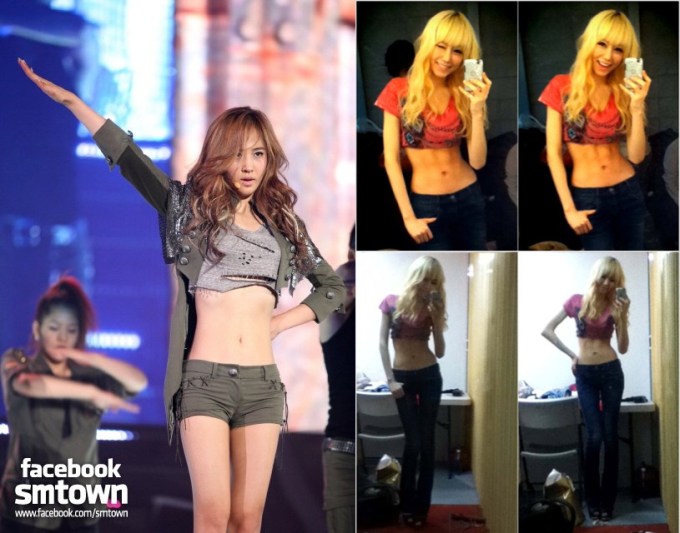
 (Source)

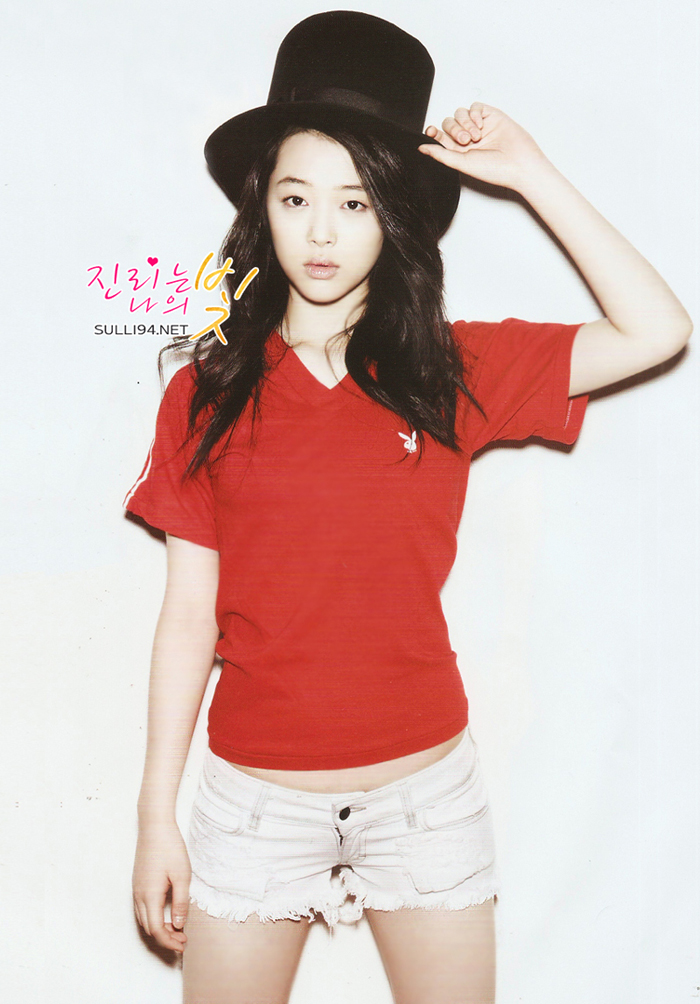
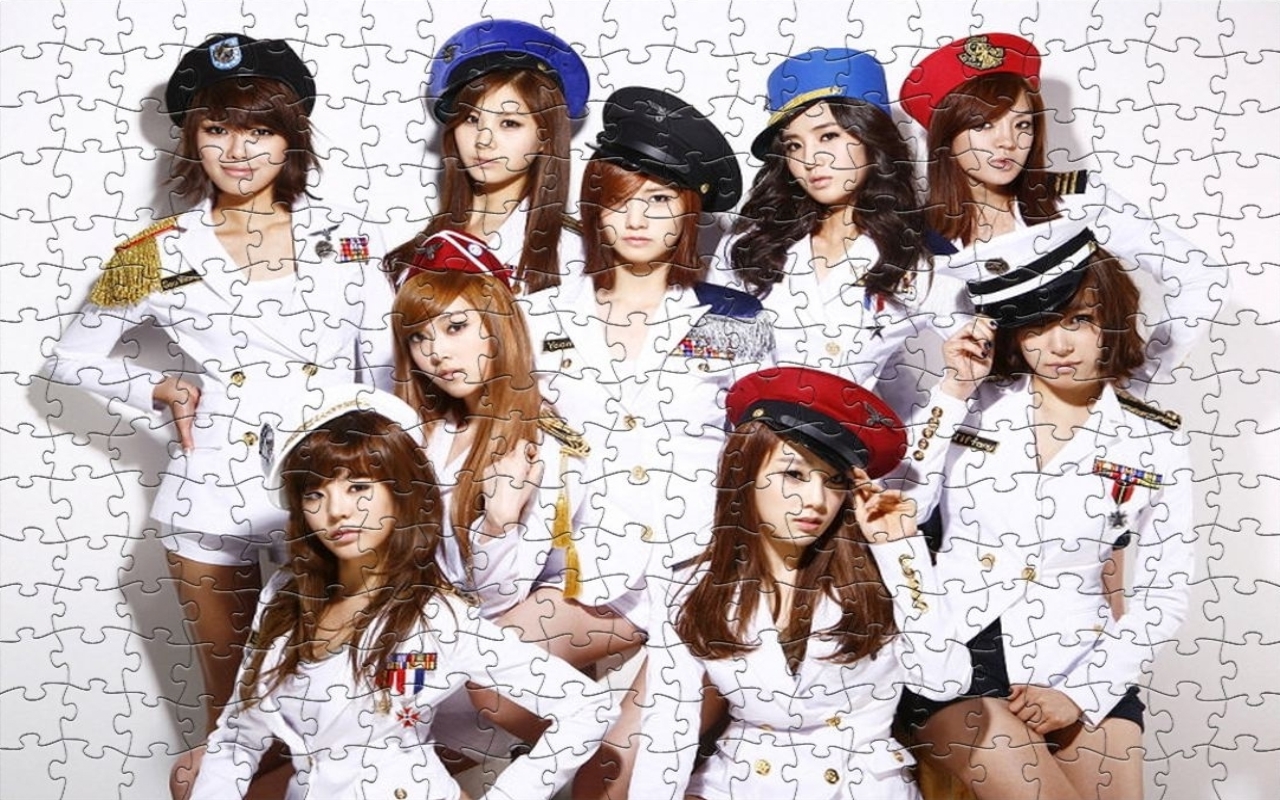

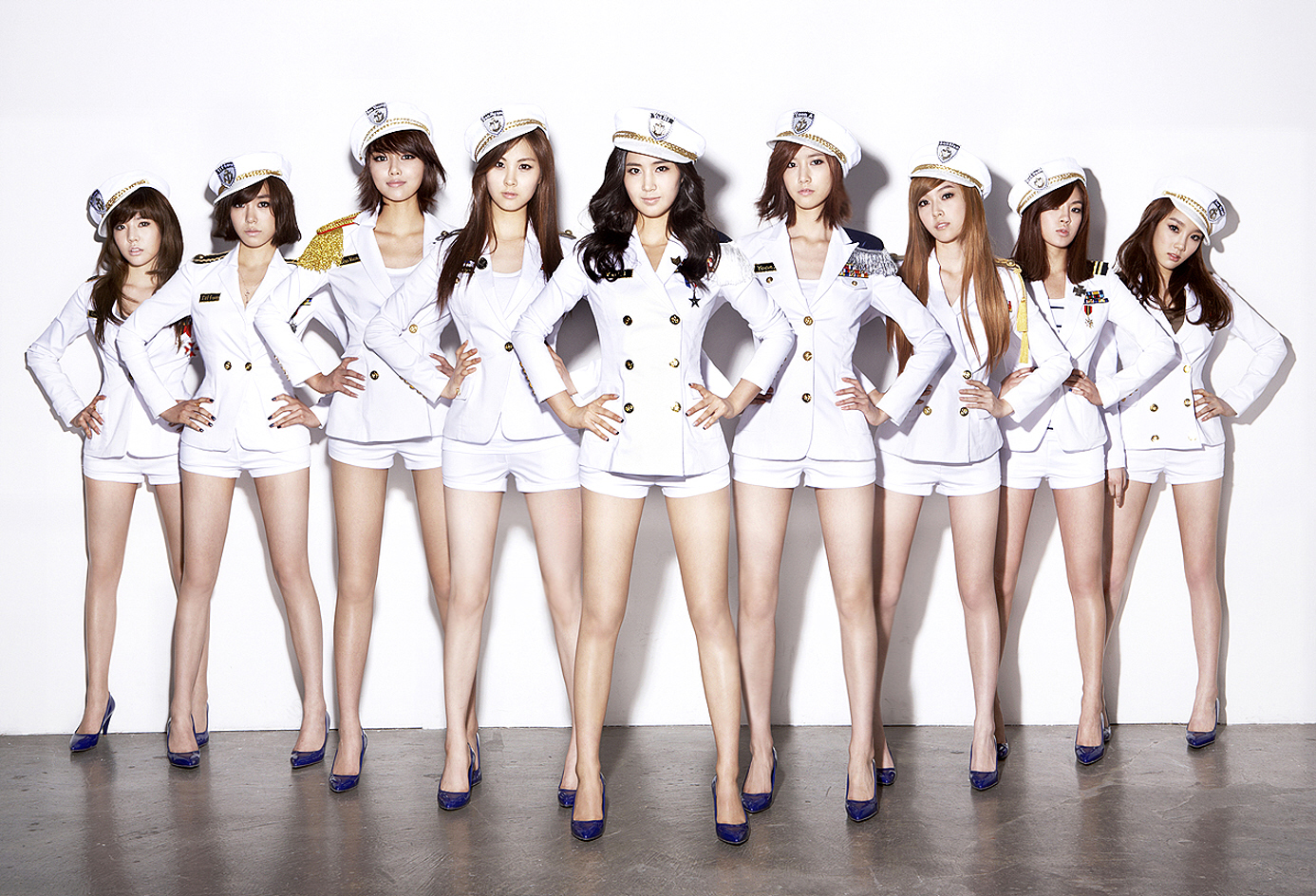



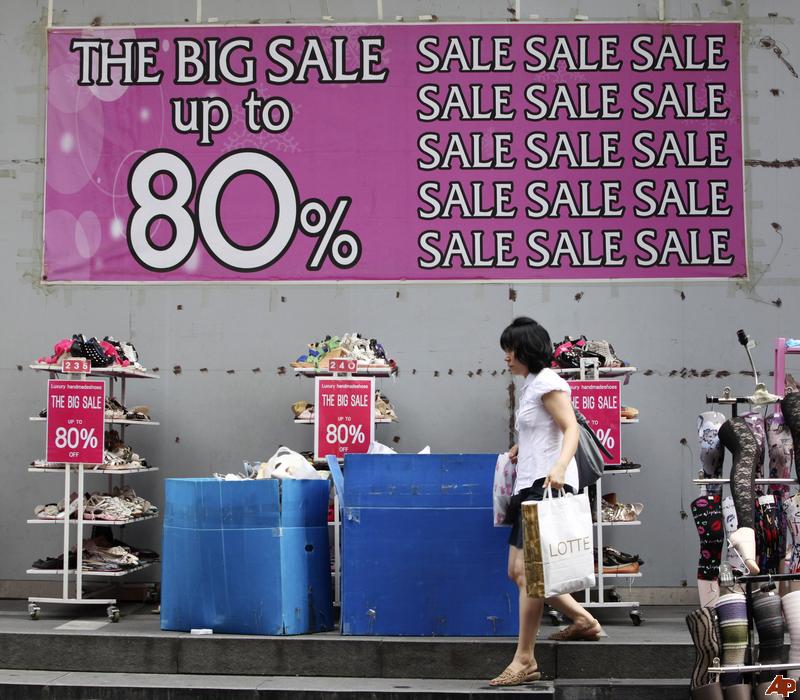


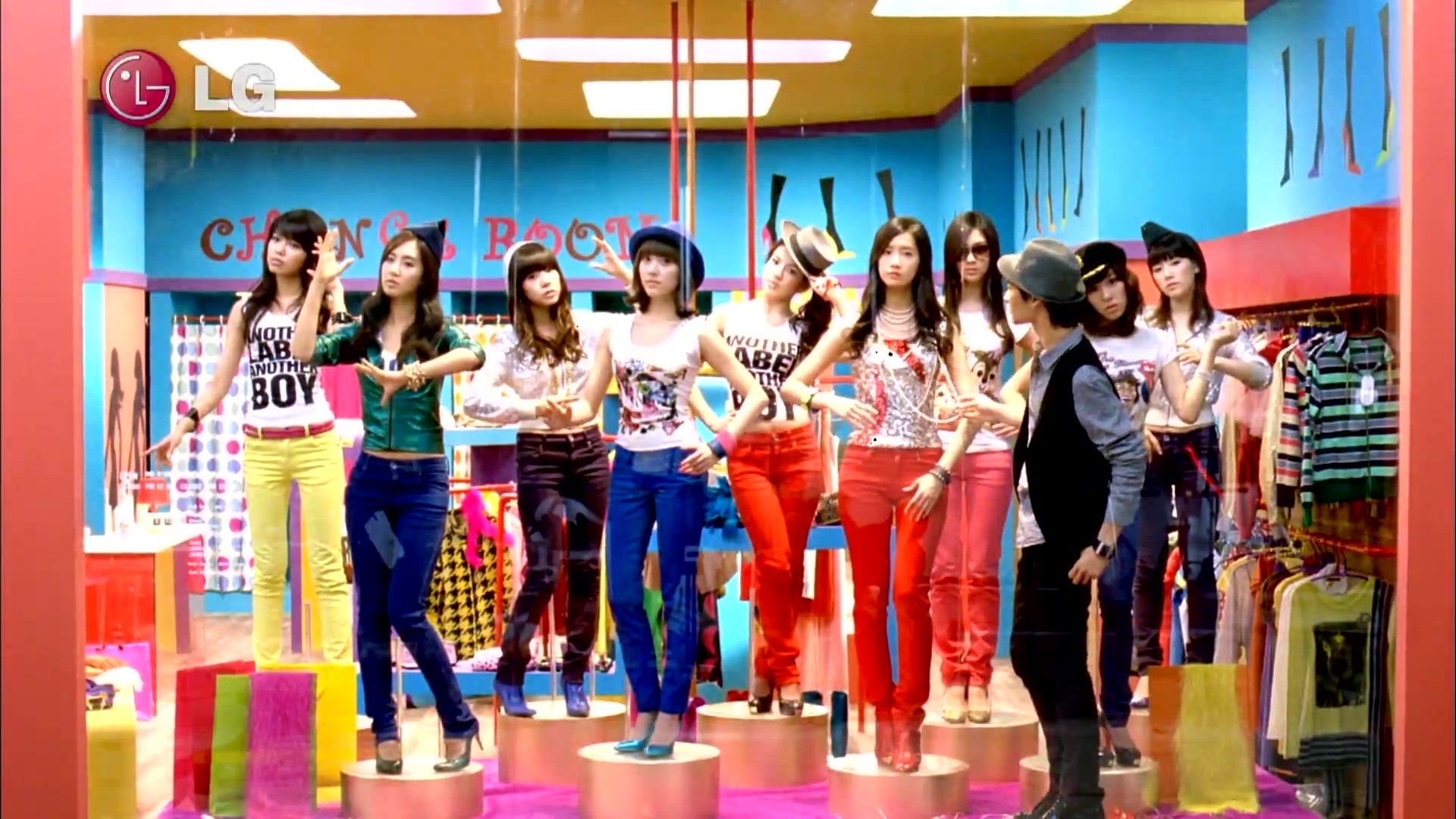


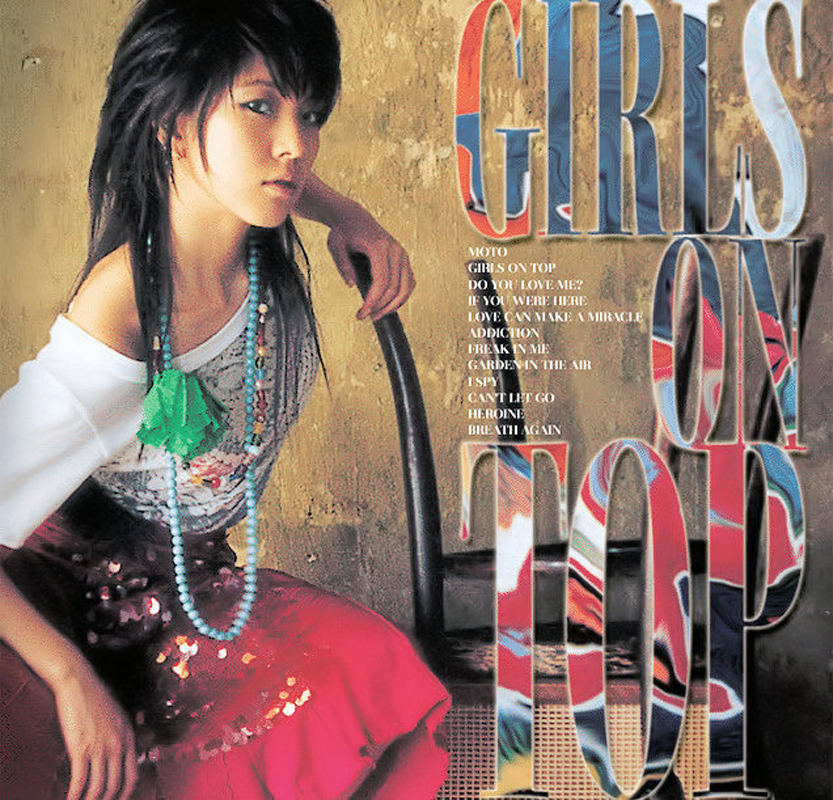

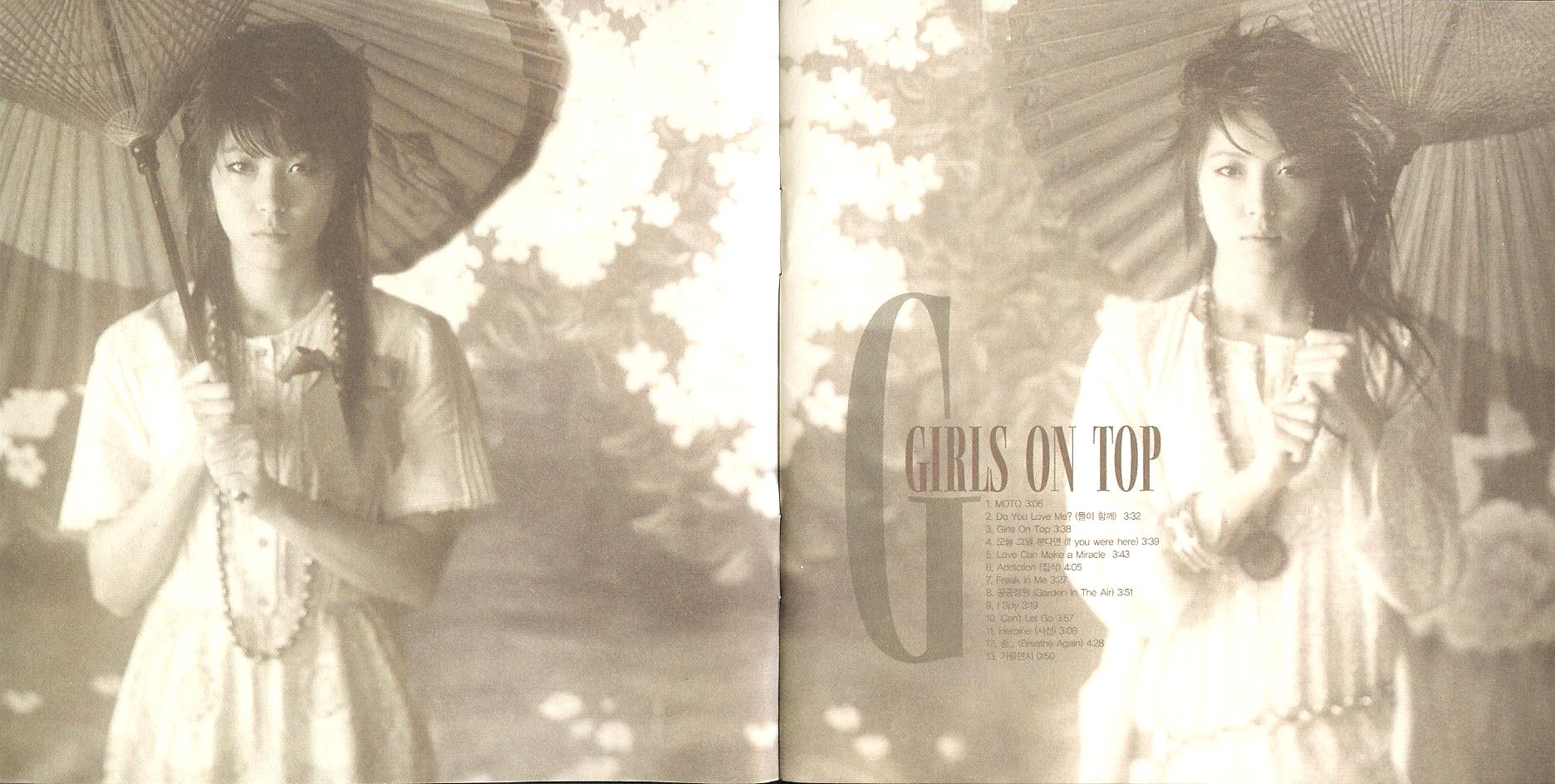
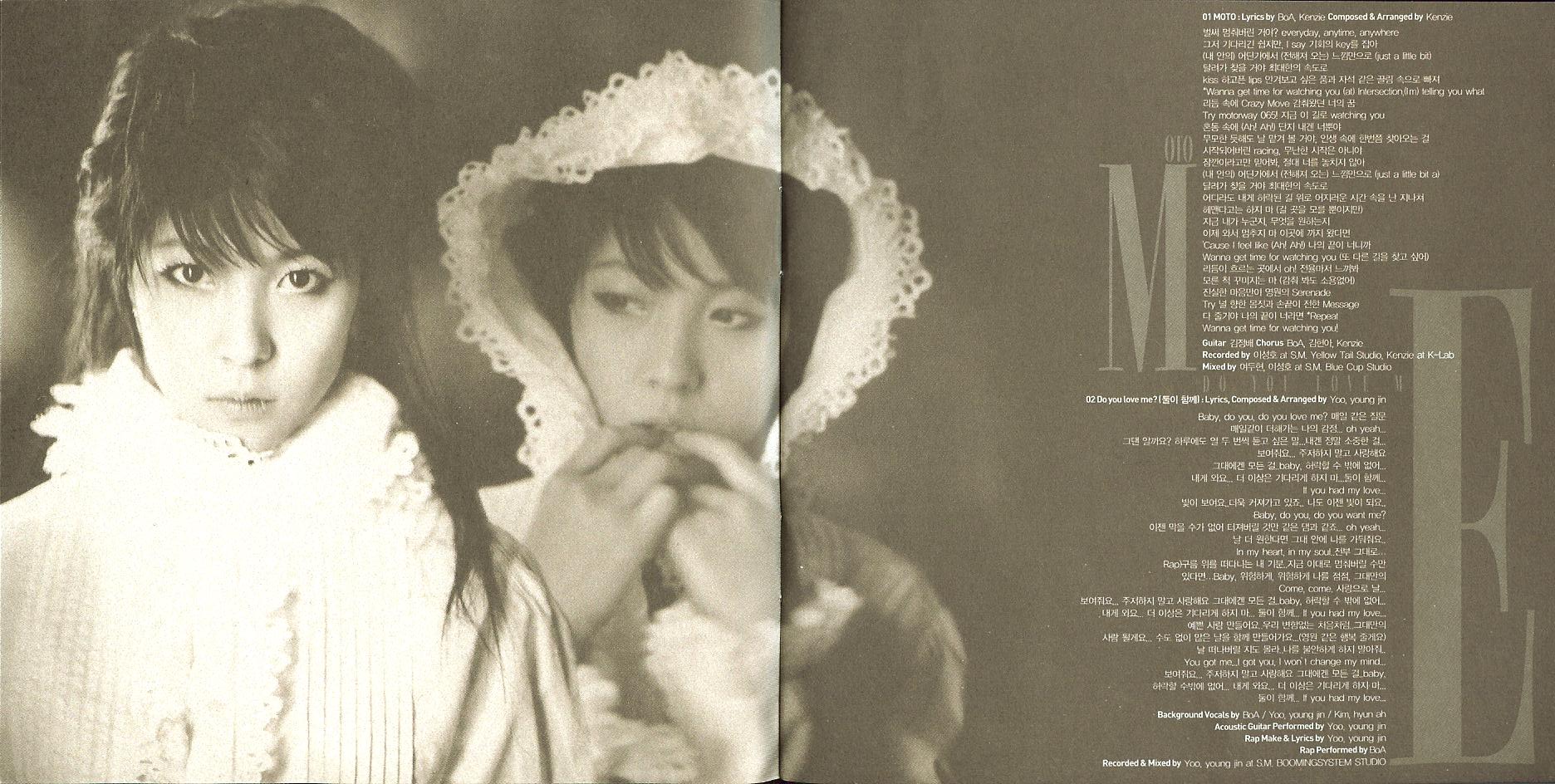


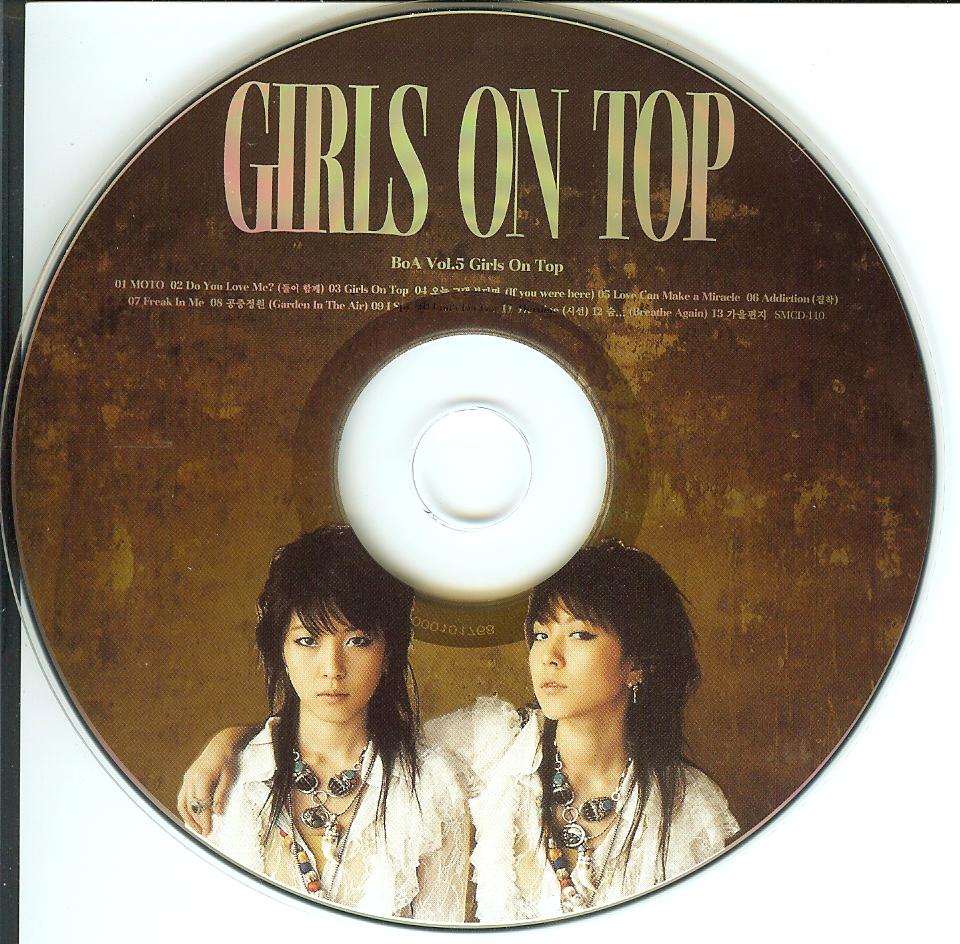
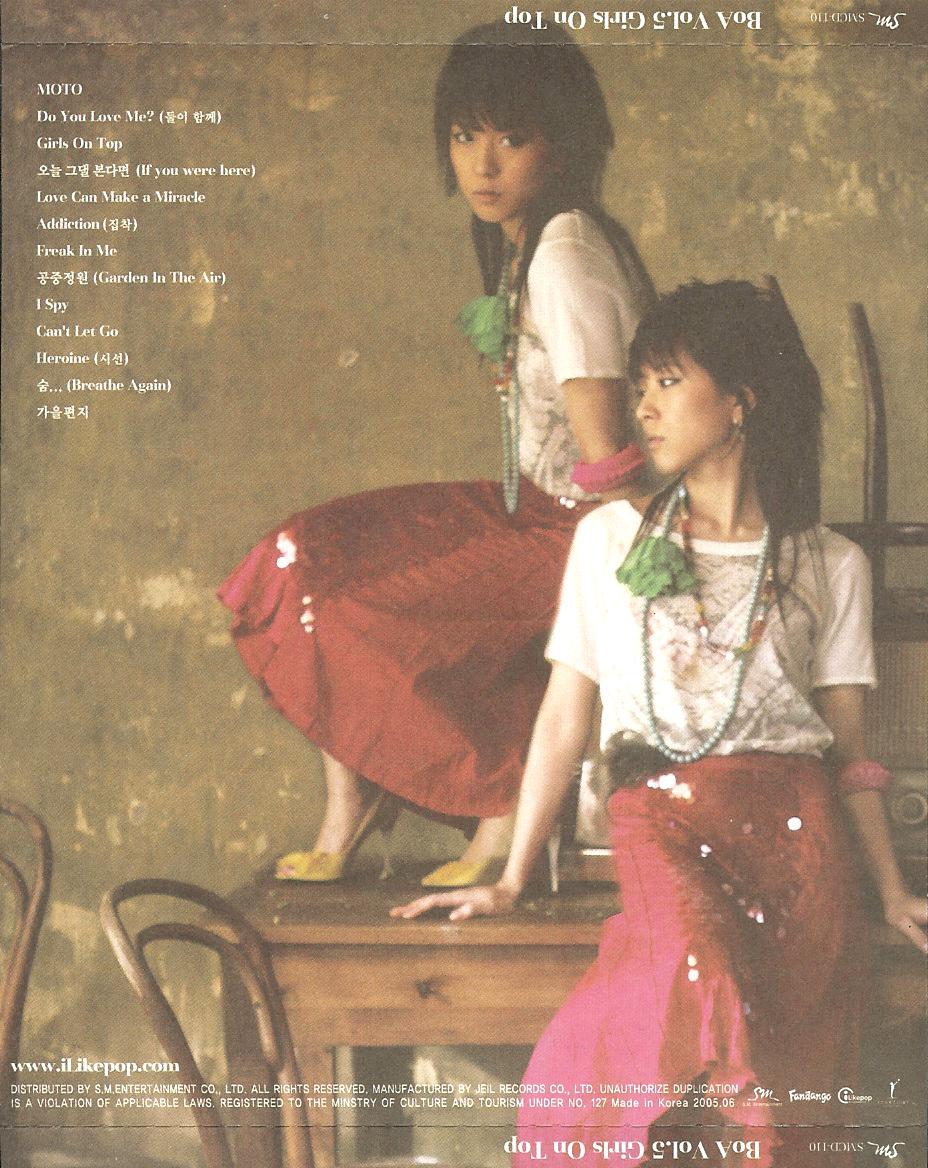

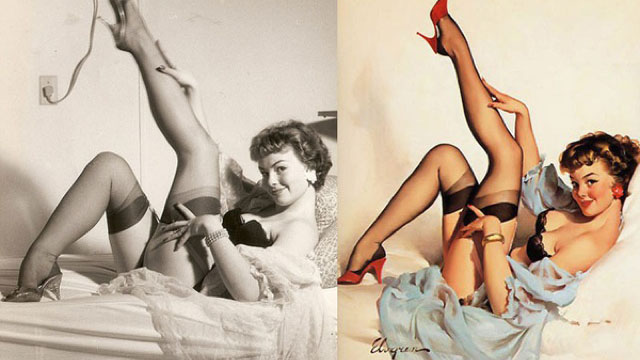
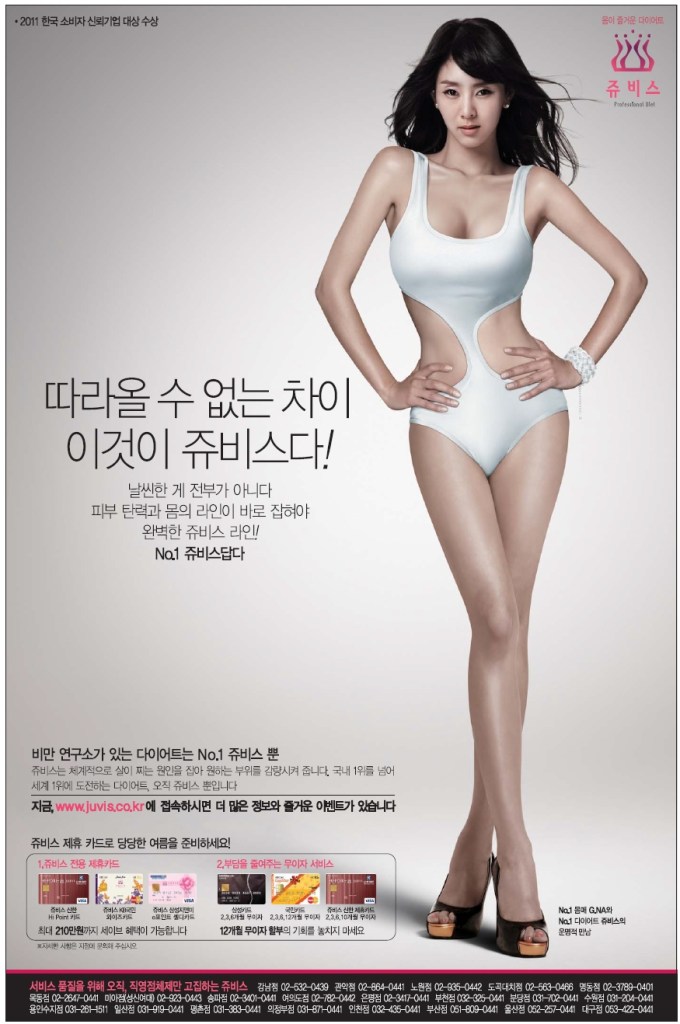

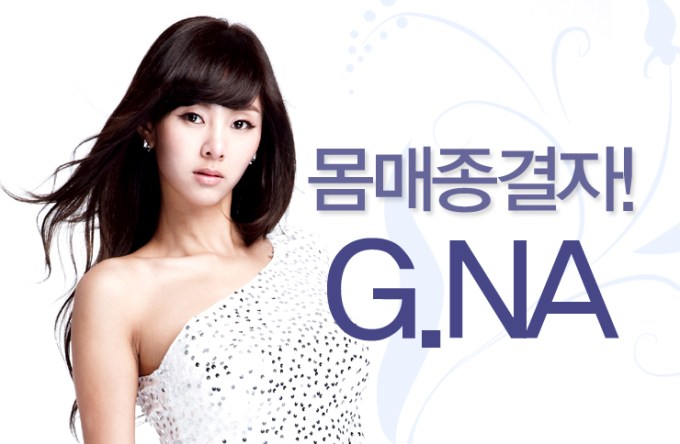

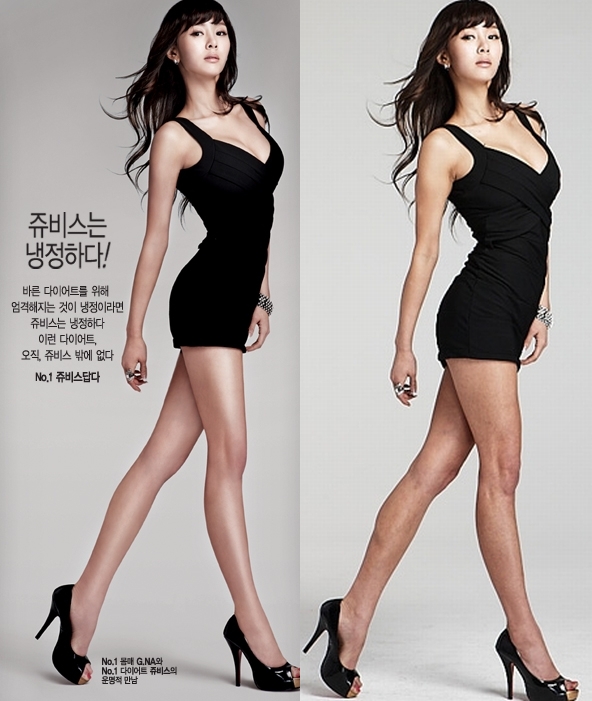

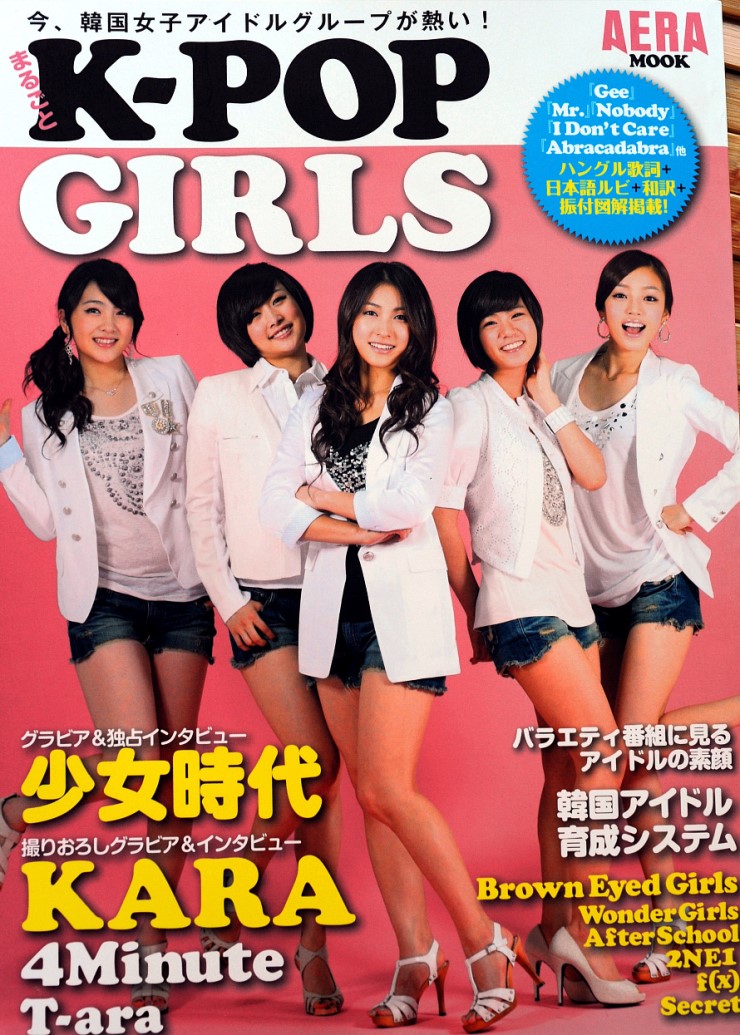



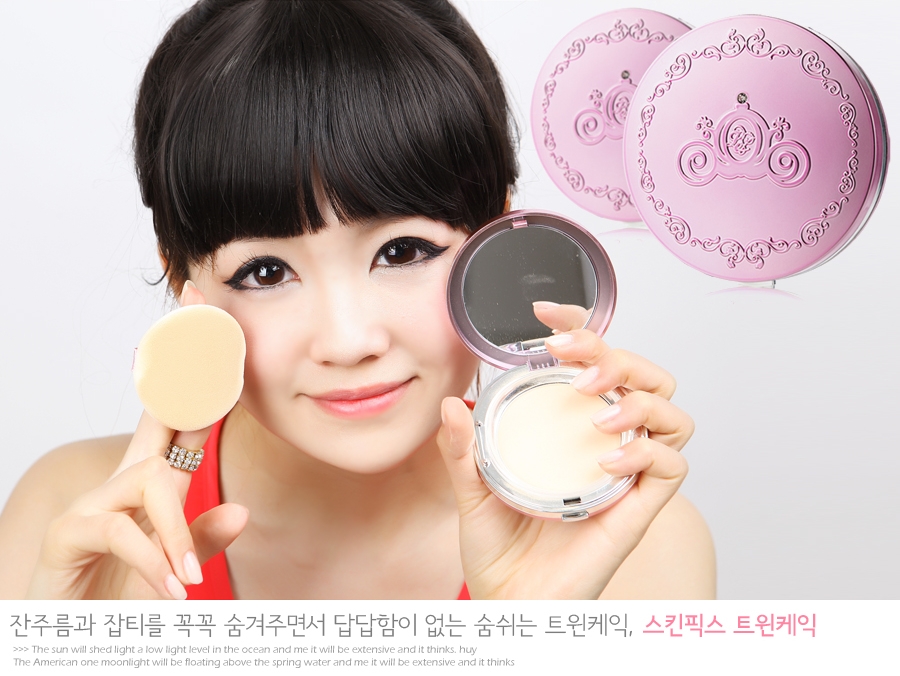
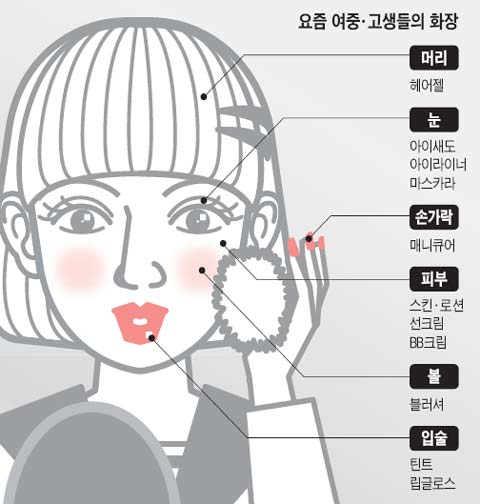
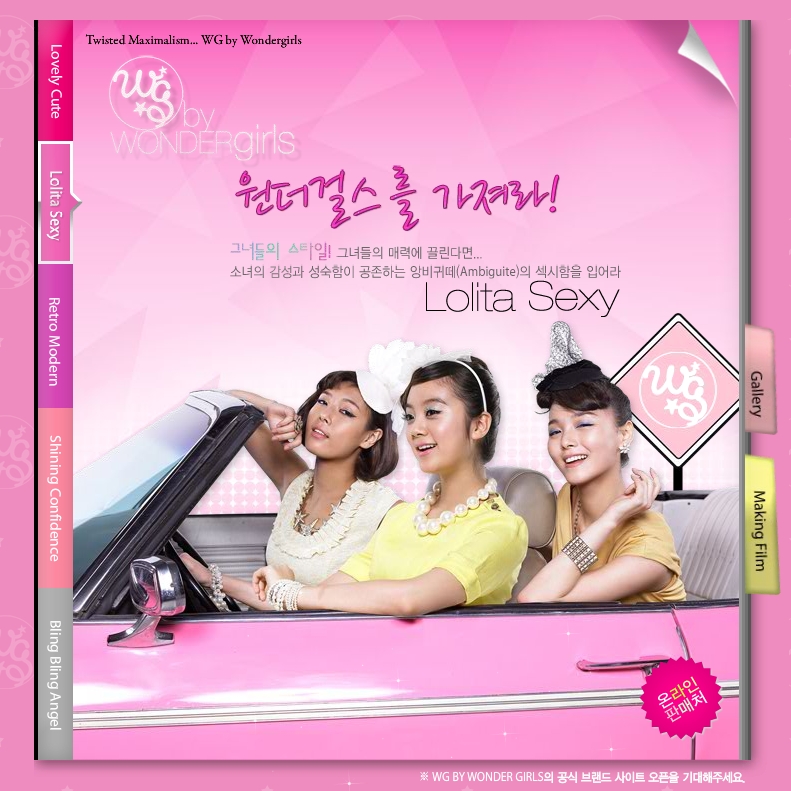







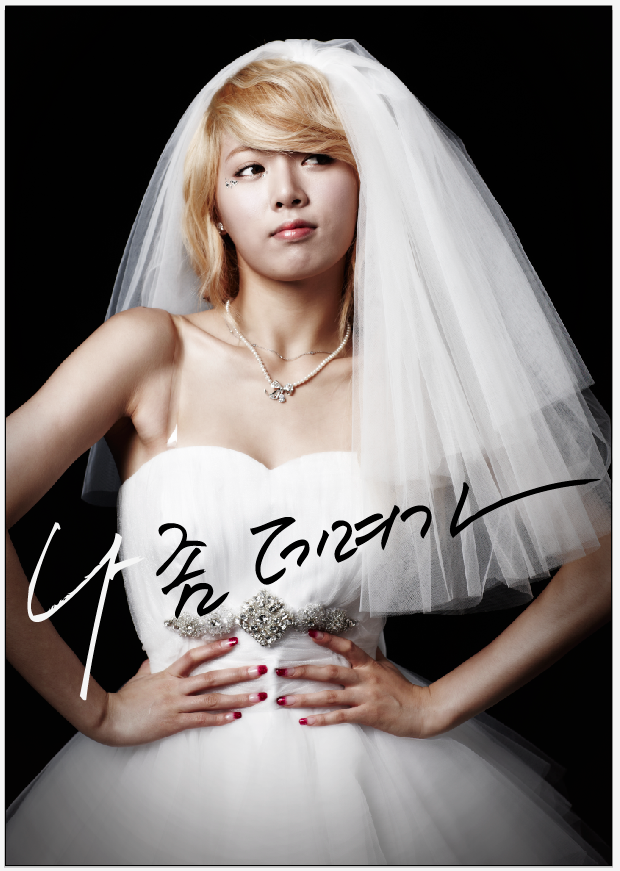

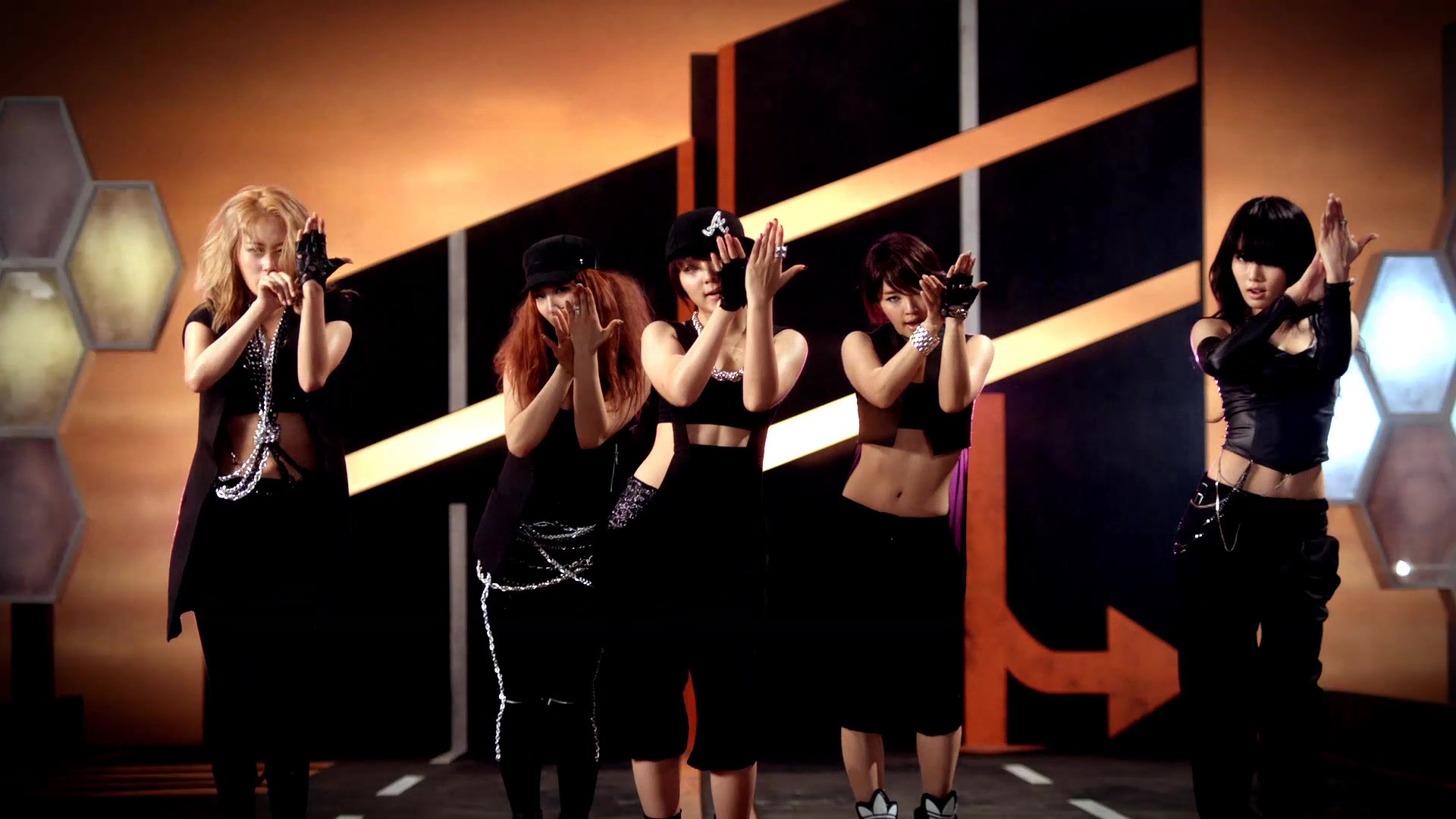
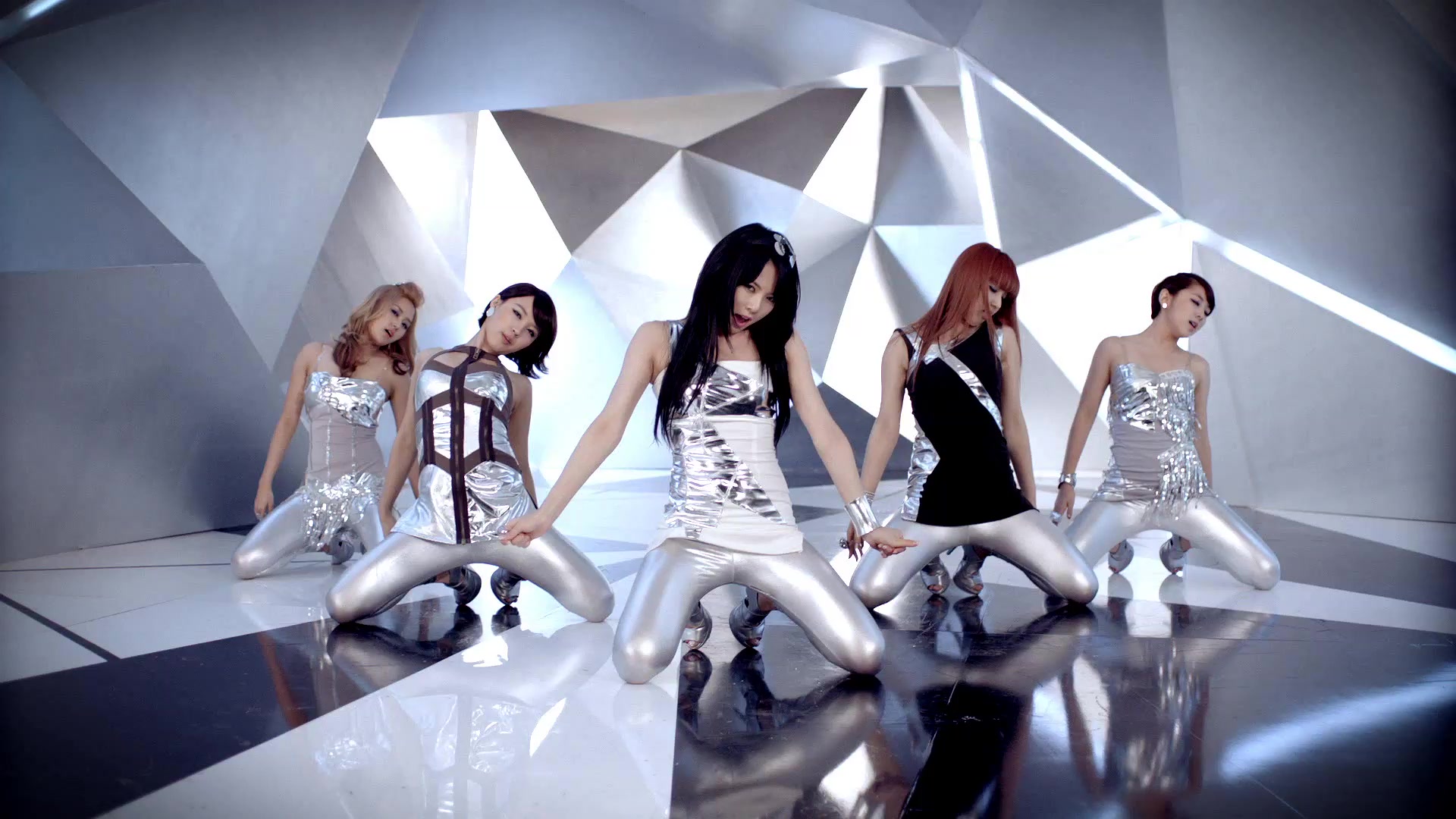



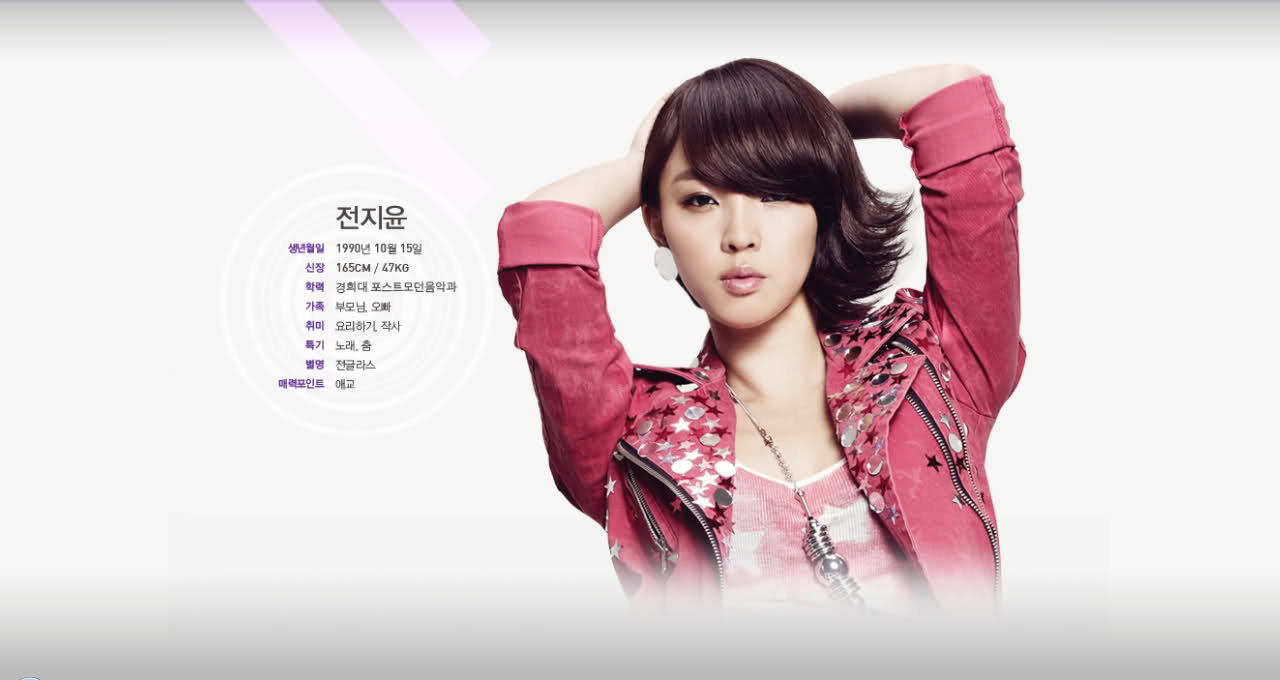
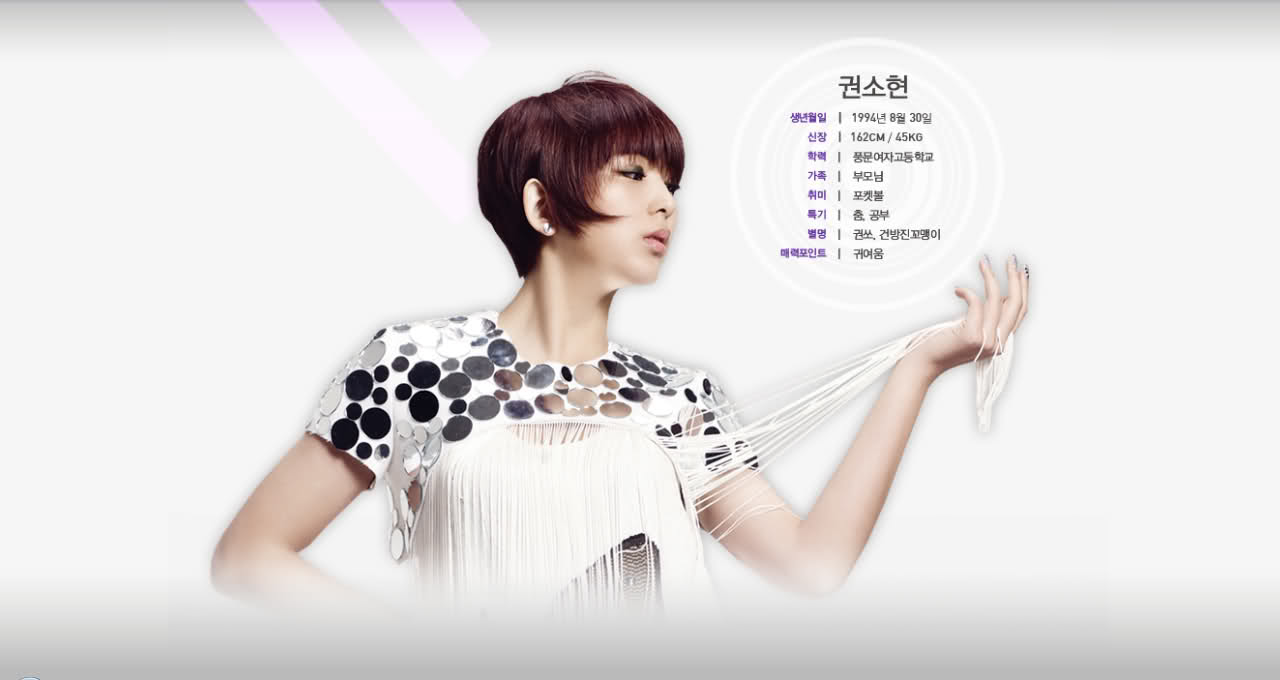







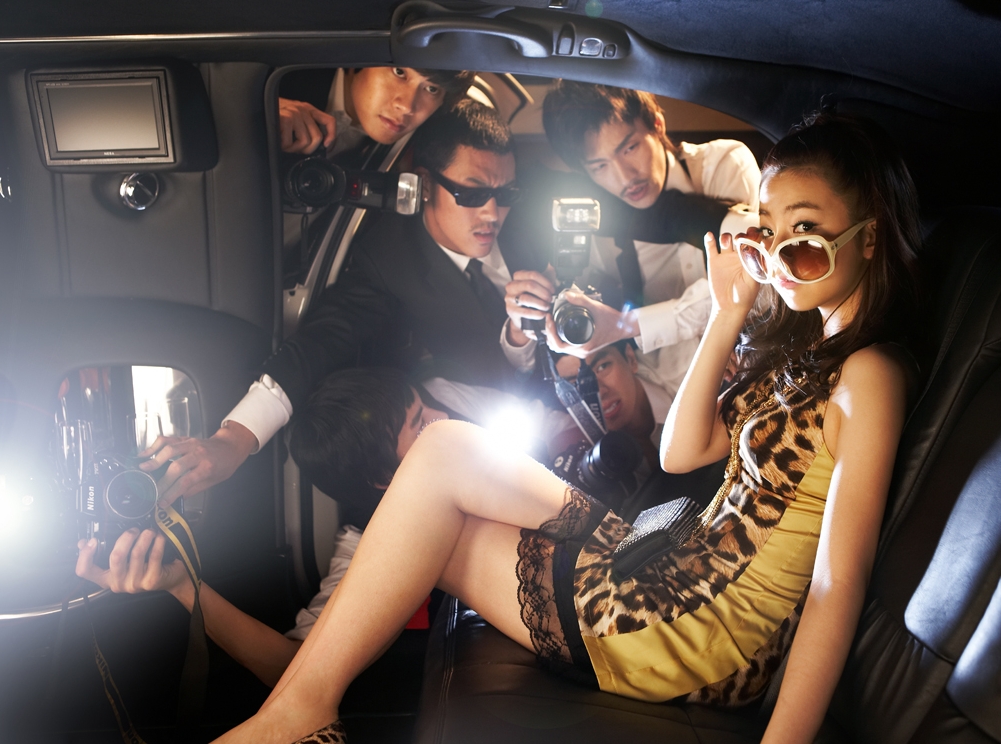
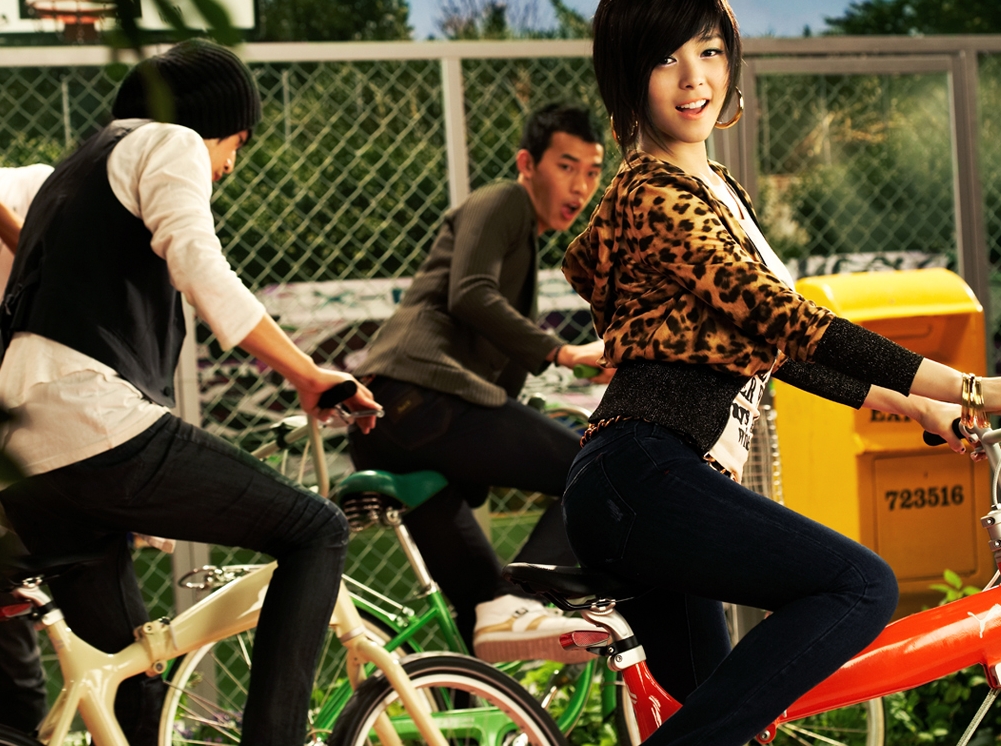

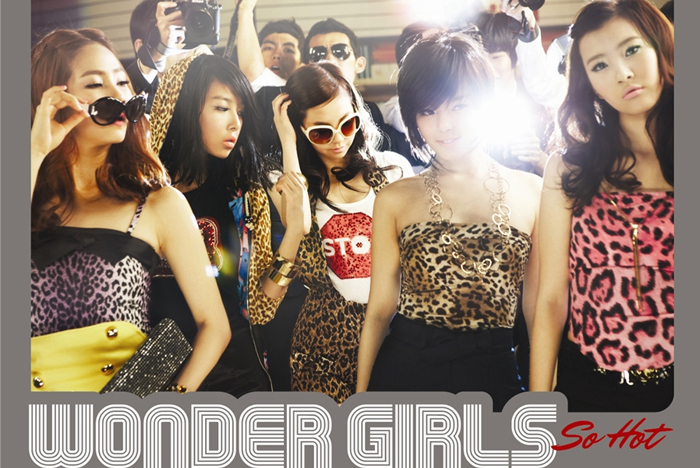





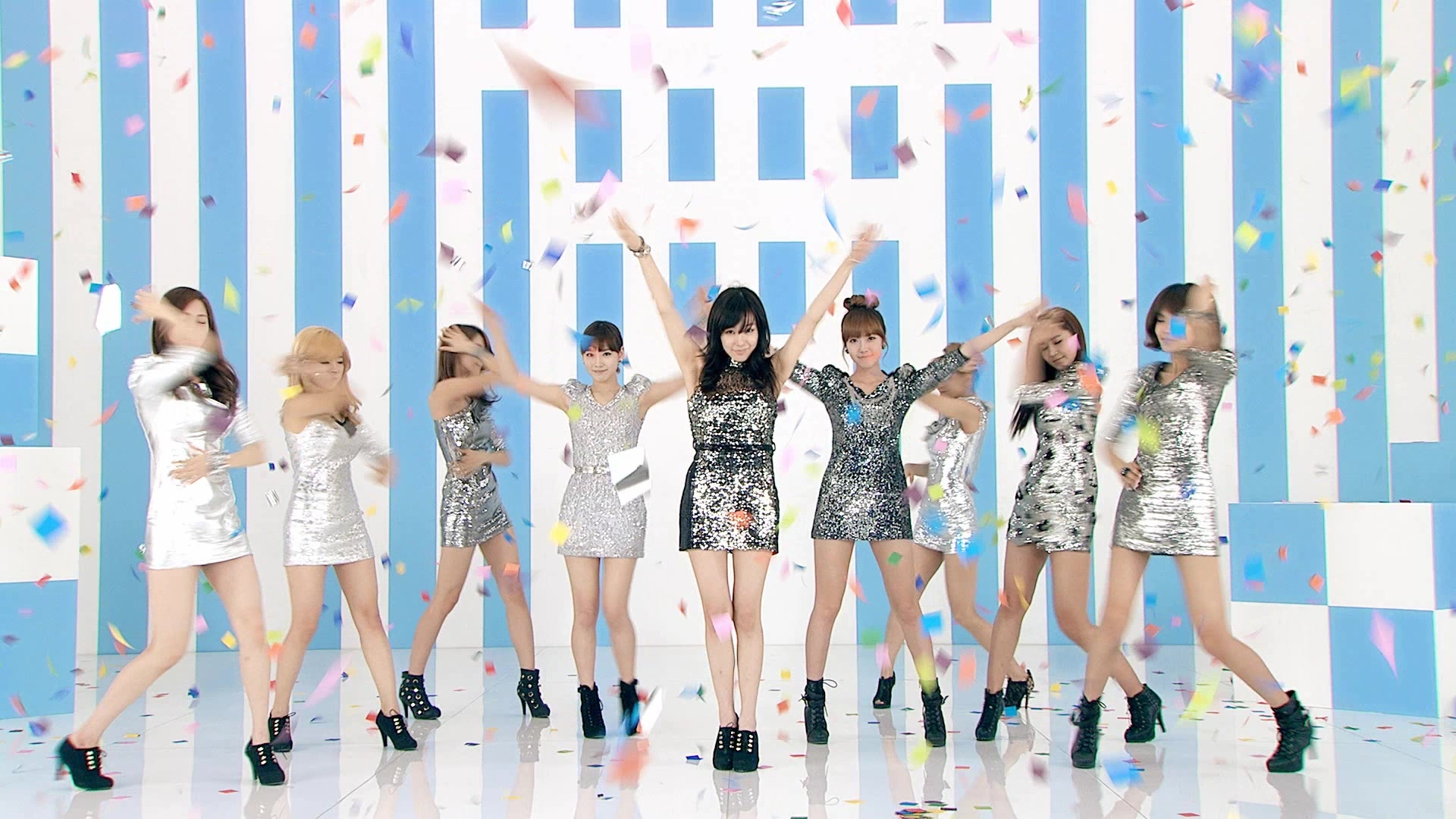






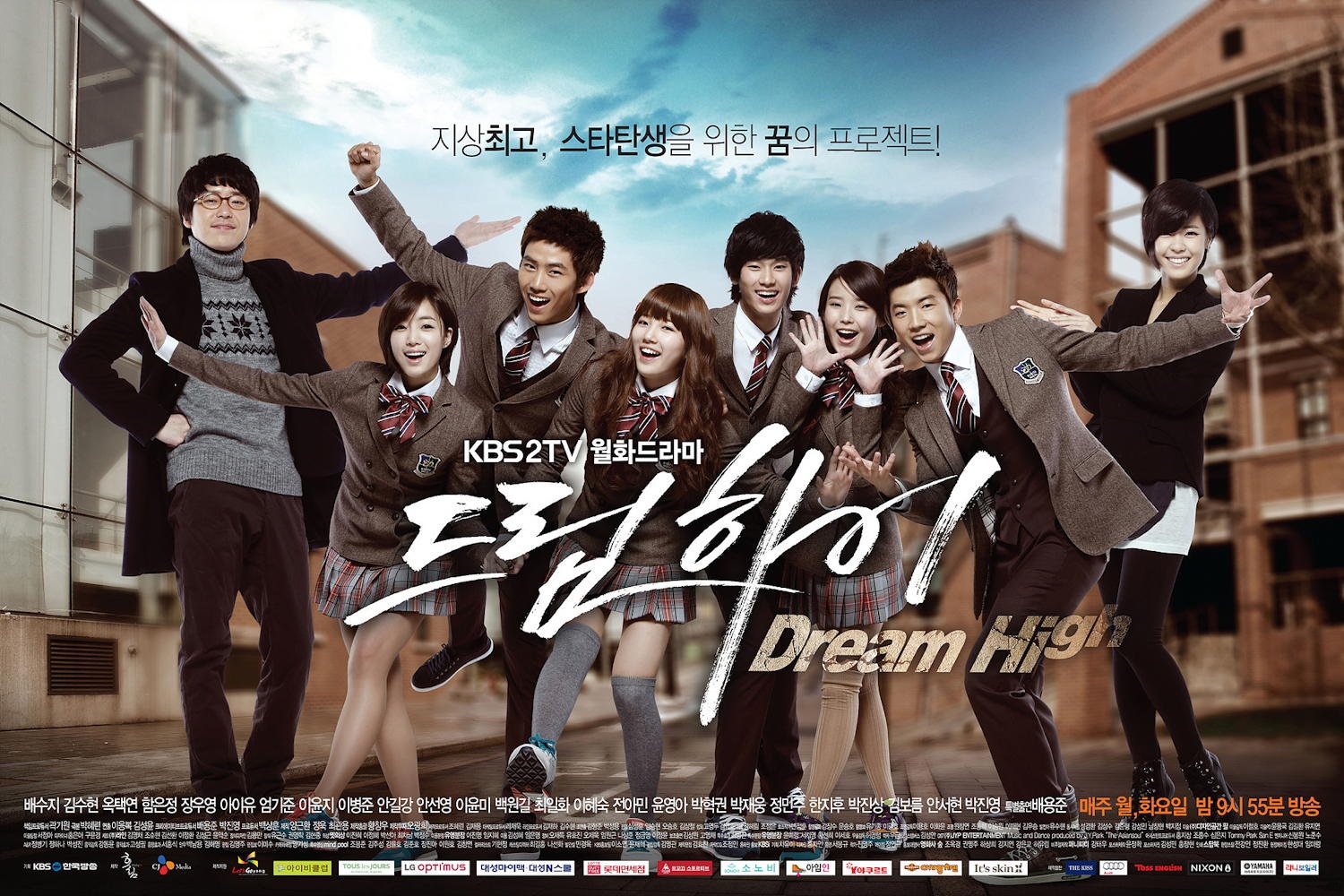
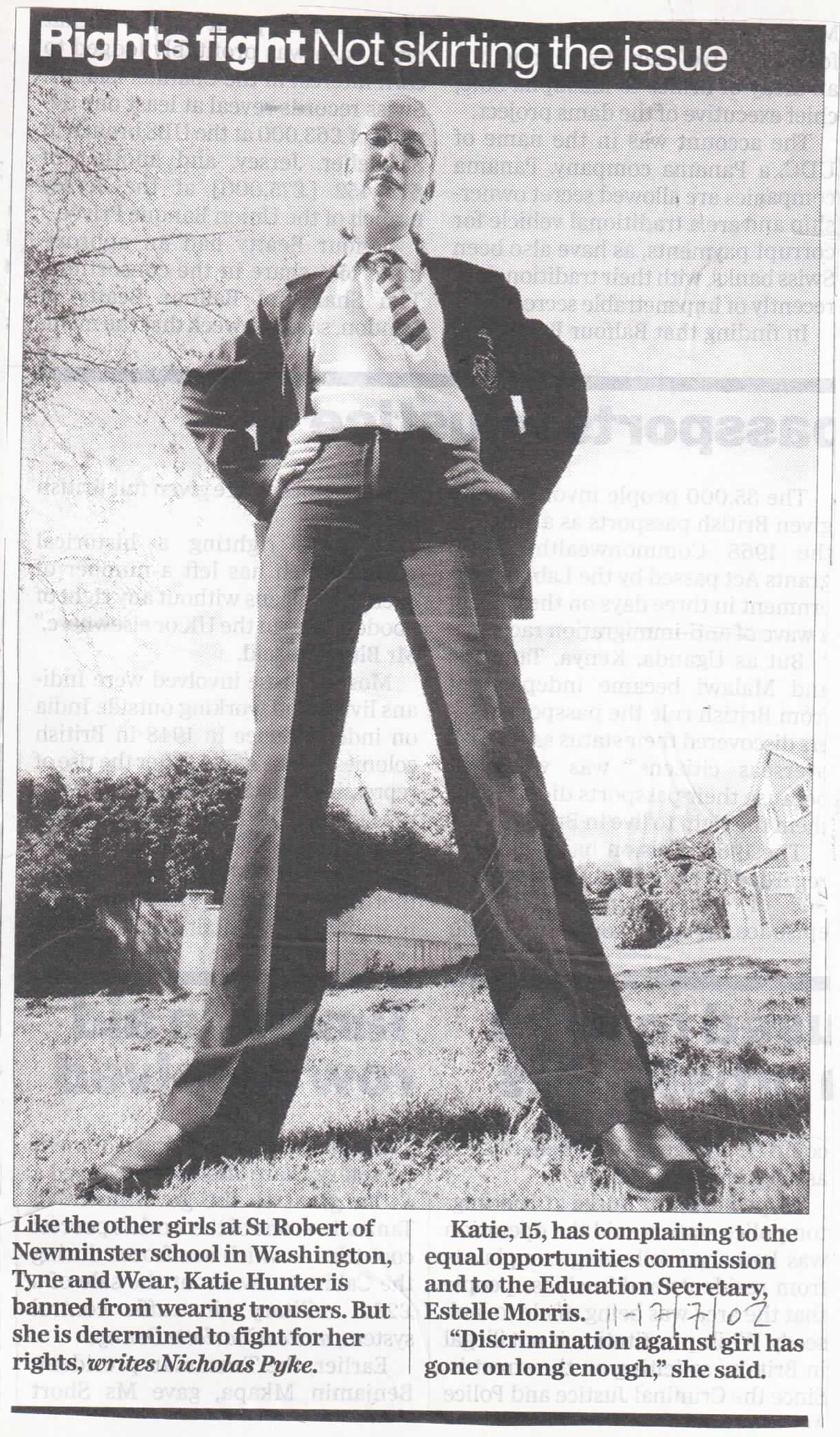

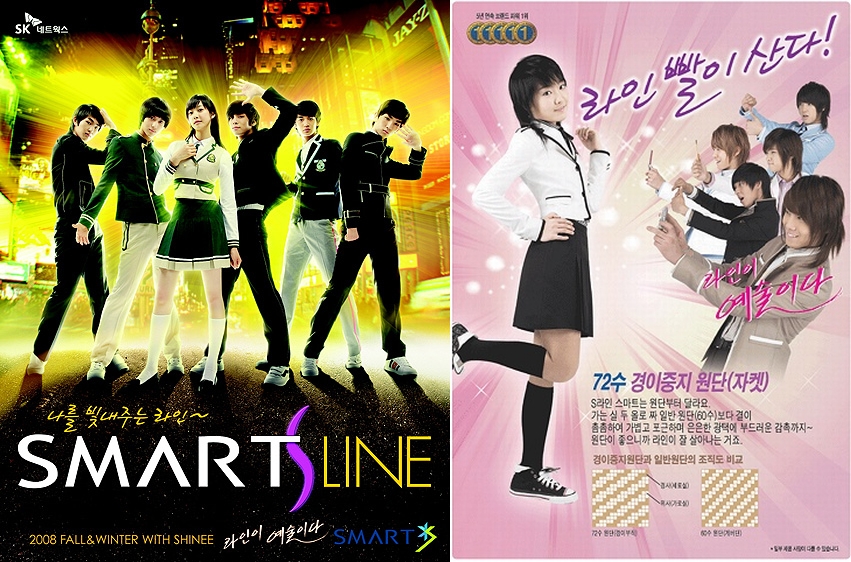
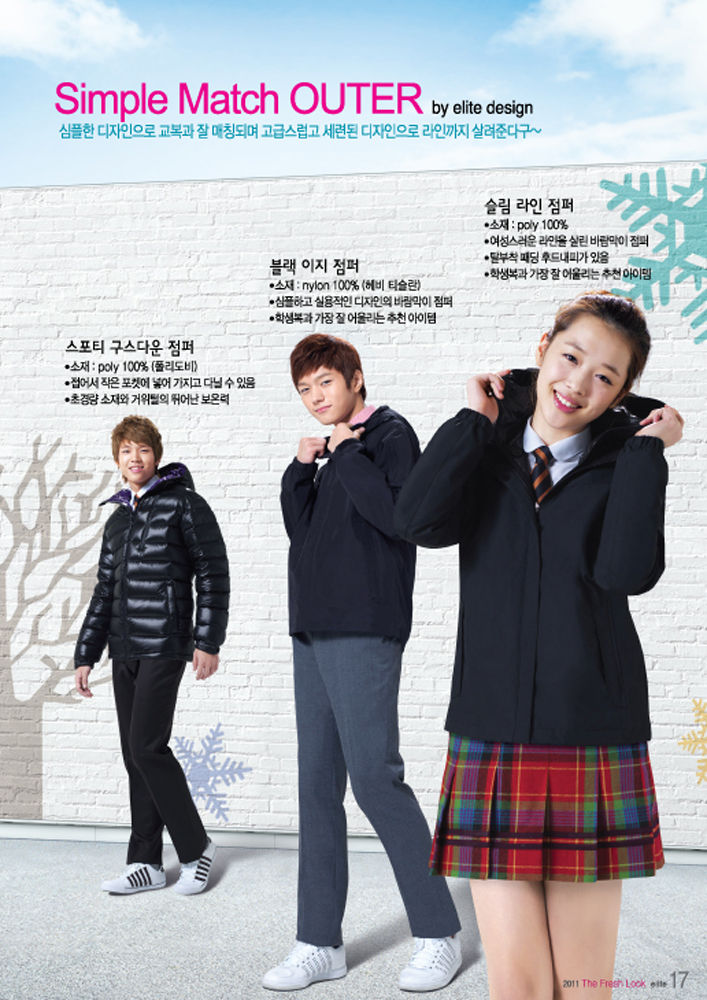

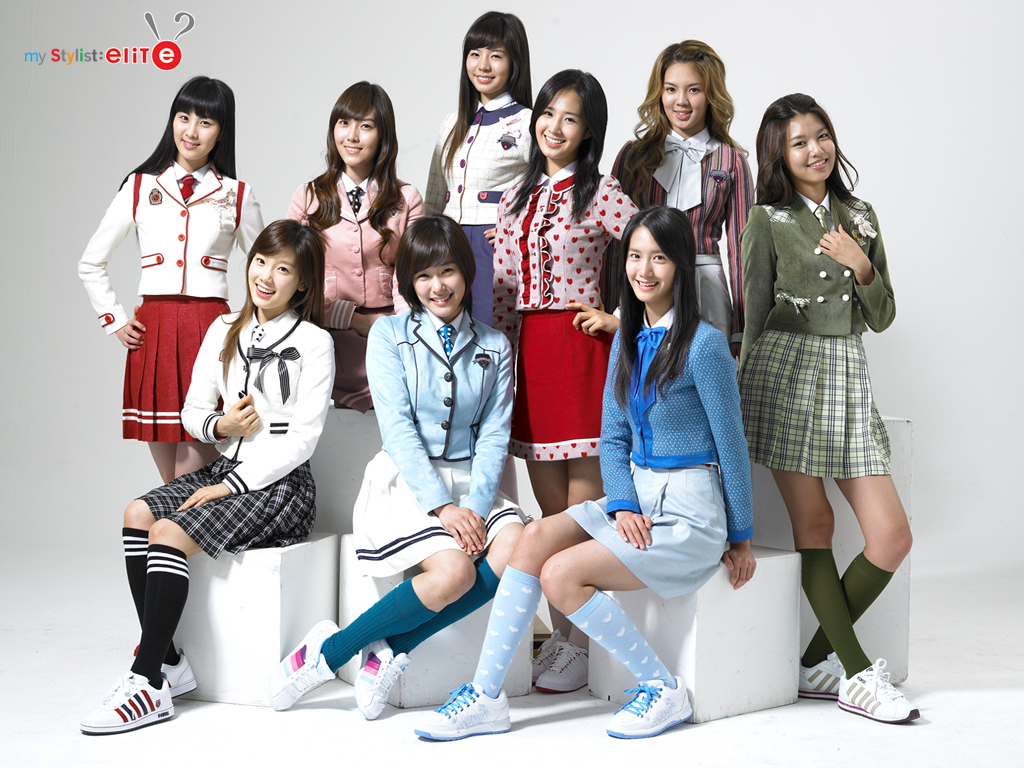
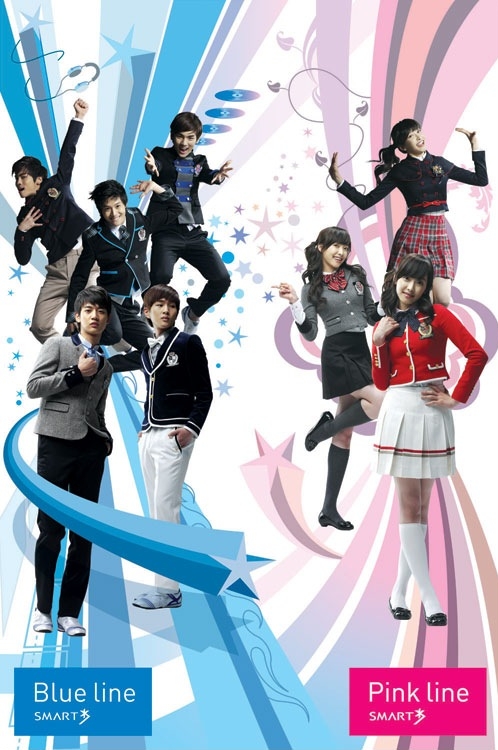


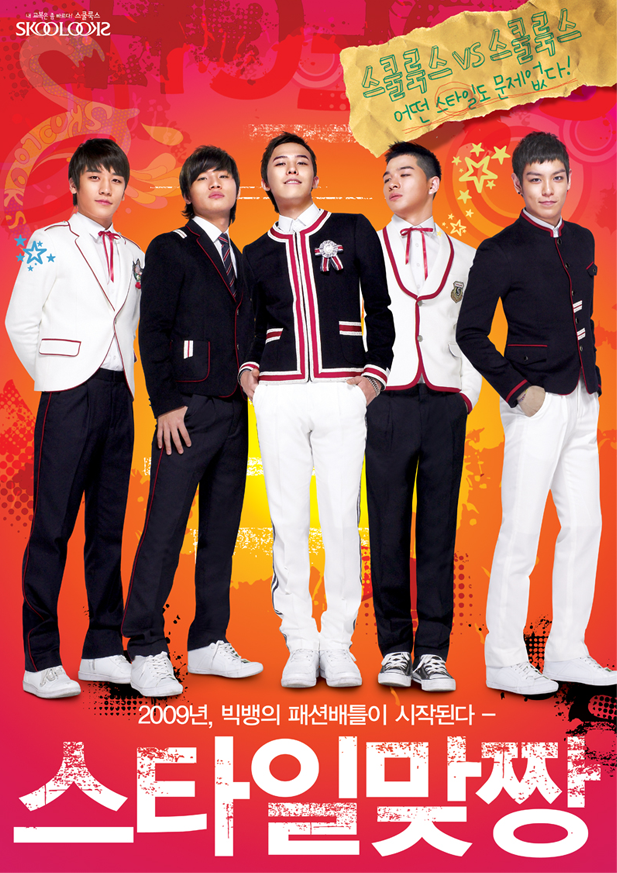

 The Grand Narrative