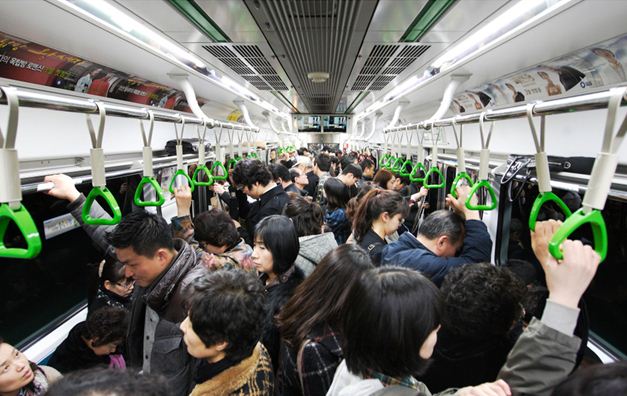
Line 2 [in Seoul] really disturbs me, I try to avoid it because I have too many weird experiences. I have also made interventions like the one in this video, to ask someone if they know another passenger or if they need help.
In one of the comments, 니애미종범 basically writes “she should have moved” which seems like a simple thing, but I can speak from my own personal experience. On three different occasions a stranger has sat uncomfortably close to me and I moved, and they FOLLOWED me. Two of those times I moved again and they left me alone. I was lucky that there were other passengers around because I just said to them to (politely) leave me alone. But in one of those cases, the guy CONTINUED to sit next to me and talk about my appearance, ask me questions, even though I kept politely declining conversation and then said directly that I do not like to talk to someone I do not know. At that point, I decided to get off the train with a larger group of people… I pretended to go toward the stairs but when out of view I dashed onto another car and walked through the train 3 more cars… I called my boyfriend and asked him to hurry and meet me at the station and described the guy to him and told him I needed him to meet me… I debated whether to try to call the police and how to describe the situation or ask if there was a security box at the station where I would exit… All this time, I thought I had been out of sight… but then he appeared at my side AGAIN… he had seen me and followed me further. At that point, there were no people standing to get off the train and I was really afraid to get off onto an empty train platform again, so I stood up in the middle of the car and just walked around and made light conversation with random people so that people would notice me… and he finally stopped, but when I exited the train I was looking behind my back.
This is besides the frequent (monthly?) ‘accidental’ butt groping on a crowded bus or subway that does not seem so ‘accidental.’ I have taken to wearing my backpack even though it would be more ‘convenient’ to other passengers if I stored it on the top shelf, because wearing my backpack creates a buffer between me and other people and creates a little bit of space so that it is not so easy to discreetly grope and pretend it is ‘by accident.’ Even so, I still have to often tell someone not to touch me.
There are also a number of posts that criticize the person who intervened. I think it is important to be supportive to other people in our community. I try hard to avoid sending a friend home alone, or drunk, but sometimes you can’t control that. So, I take photos of taxis or other things. If my friend has been drinking, I tell the taxi driver directly where she/he is supposed to go, that someone is waiting, and photograph the name plate in the front seat of their taxi that says their name and taxi ID, etc. as well as the plate #. I ask about how long it will take and how much it will be and verbally confirm to the passenger so taxi driver avoids arguing the bill, etc. I do this because I think it “discourages” the idea that my friend is vulnerable, but it isn’t enough because there are still predatory people, complex situations and laws, and we need to support each other in navigating these scenarios.
While she’d like to remain anonymous, she adds for the sake of context that she is a (Caucasian) foreigner, with intermediate Korean skills. Also, another issue is the perception that police will not help and that self-defense might be dangerous to legal liability and visa status, which unfortunately happened with two of her friends that were assaulted
As a non-Seoulite, I was aware that Line 1 was dangerous, but had no idea about Line 2 (although to a certain extent, traveling on any line can be anunpleasantexperience for non-Koreans and non-Caucasians). But as my friend tells me, apparently it’s a magnet for sexual harassers because “it connects a number of universities with stops like Gangnam, Sillim, Sadang and others that are very crowded.”
What are readers’ own experiences? How do you recommend dealing with harassers on the subway?
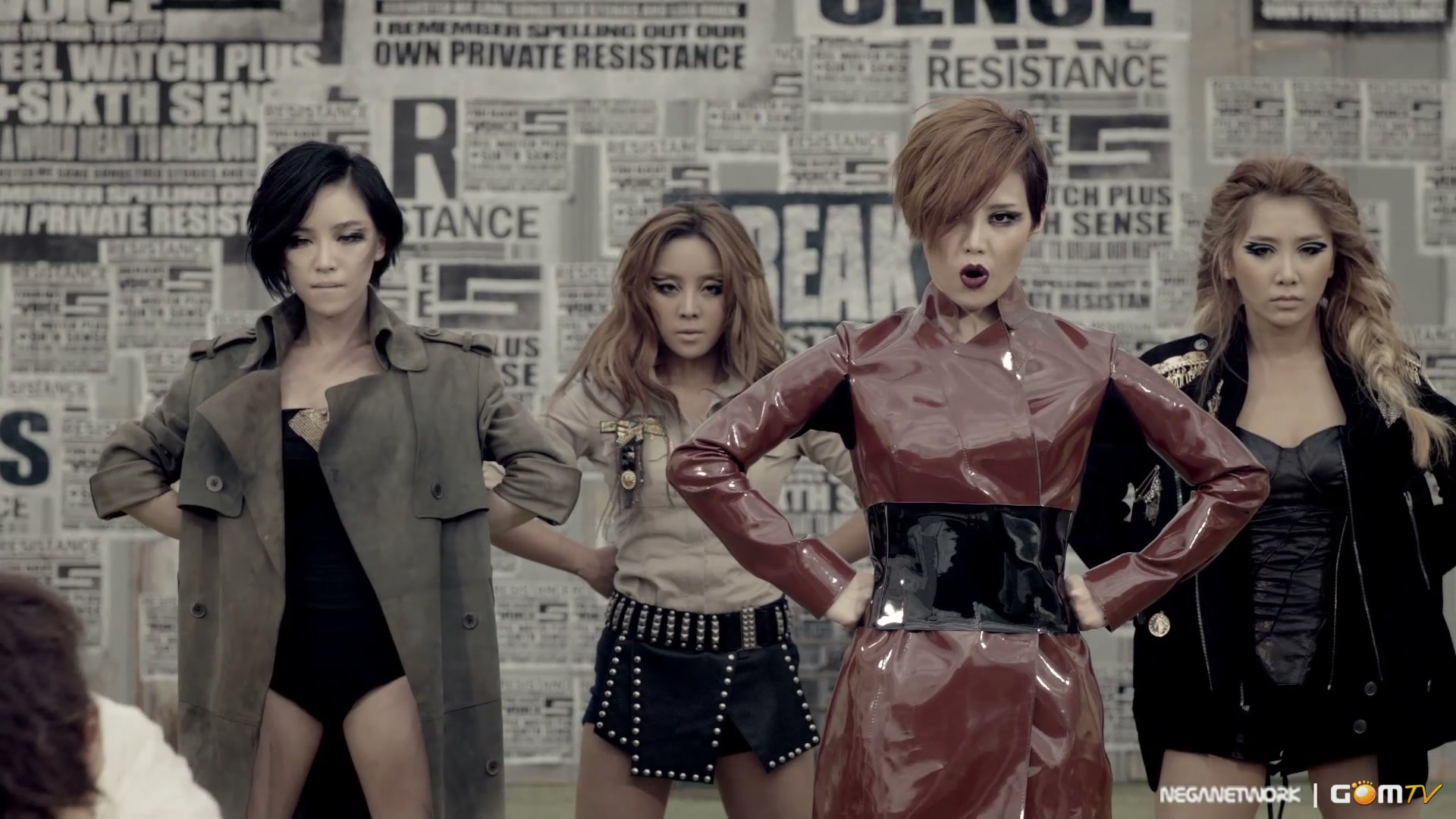
At 6 and 4, Alice and Elizabeth aren’t quite strong, confident “independent ladies” yet. But I’m going to try damn hard to make sure they will be, and I’m certain taking to heart some of the messages in Miss A‘s (미쓰에이) I Don’t Need a Man (남자 없이 잘 살아) will help.
Probably, I was much too harsh on the song in my last post. And their obvious enjoyment of the song has reminded me that nobody really has the right to tell any girl or woman what she should and shouldn’t find empowering. Not least, a fat, bald, middle-aged man like myself.
That aside, I think they’re both really good dancers too, even if that is just my parental pride speaking. Let me leave you with the original to compare, which may help explain some of their stranger-looking moves (like the finger on the lip at 3:24, and the bending on the floor at 3:40) to those of you that aren’t Miss A fans yourself (yet):
And to help, she watched adult videos from many different countries, finding “that the porn from third world countries fit the most with [her] personal tastes.” Accordingly, Bloom (피어나) has many bed scenes, and—yes really—features her masturbating on her kitchen floor.
In contrast, Miss A‘s (미쓰에이) I Don’t Need a Man (남자 없이 잘 살아) speaks for itself, and the video is so family-friendly that my daughters (demand to) dance to it several times a day.* So to many, it might seem like a much more appropriate, softly-softly feminist anthem for “sexually conservative” Korea. Not least, by those who think the pornification of the media has already gone far enough, and/or that imitating porn stars isn’t something that should be celebrated.
To the latter, I would suggest that they actually take a look at the music video. Because while it is certainly erotic, it is by no means mere sexual titillation masquerading as art, nor is it provided exclusively for the male gaze. On the contrary, as Dana D’Amelio explains in a must-read at Seoulbeats (see this follow-up also):
Essentially, what Ga-in does is take female sexual desire, wrest it from the men who have manipulated it to their own device, and put it back in female hands. Ga-in’s sexuality is something that women can get behind, and that’s something you can’t much say for the rest of K-pop; that she herself is portrayed as taking pleasure as much as she is giving it is unique, fresh, and deeply relatable to female viewers.
Dana and fellow Seoulbeats writer Mark both compare Bloom to Kim Hyuna’s (김현아) Ice Cream (아이스크림), which is just as sexually-explicit as Bloom, but wasn’t banned by the Ministry of Gender Equality and Family. Arguably, precisely because it didconform to the male gaze and pervasive double-standards of K-pop.
In light of those, the sooner songs like Bloom rock the K-pop boat, the better. And for that reason, I’m going to wager that Bloom will have much more longevity than not just (frankly) vacuous songs like Ice Cream, but also, as explained below, those ostensibly empowering ones like I Don’t Need a Man that actually seem to be about nothing but men. Yet which, unfortunately, now seem to be the dominant from in pop music worldwide:
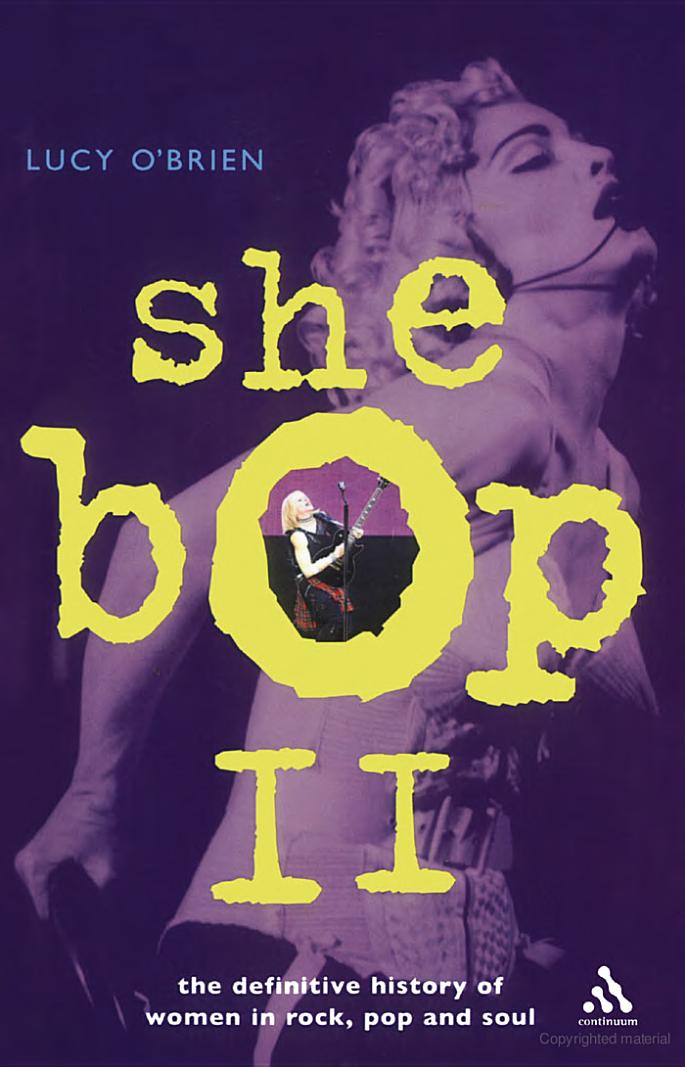
Lucy O’Brien, author of She-Bop: The Definitive History of Women in Rock, Pop and Soul, thinks the continuing importance of image and presentation is to blame. The key thing that ossified gender roles, she suggests, was MTV, which changed popular culture, leaving feminist punk bands such as the Slits and the Raincoats behind. “Image became the big thing, and angry women who didn’t care about it didn’t really fit that picture,” O’Brien says. There was a brief window of opportunity for women who didn’t fit the MTV template in the early 1990s, she suggests, a time when bestselling artists such as Sinead O’Connor ripped up pictures of the Pope on TV, and Tori Amos sang about her experiences of rape (though, equally, O’Connor’s greatest success came with her most MTV-friendly moment, Nothing Compares 2 U). But then came the Spice Girls, appropriating the vocabulary of riot grrrl, and proclaiming “Girl Power”, but within the conventional model of the pop group manufactured by men for young girls. “Everything became sophisticated and sanitised after that, and the industry has never got over it,” O’Brien says.
Which brings me to today’s translation, found via Lost in Traffic Lights. Here’s her summary of it (emphasis in original):
…the main difference is…while Bloom talks about how a woman views herself, free from social constructs and how people view her. However, while Miss A’s “I don’t need a man” looks like it’s gunning for female empowerment, at the end it’s still feeding into a discourse that men made for a “good girl” or a “sensible woman” in Korea.
I see this a lot actually. On the internet, there’s always a guy-or a male figure-who argues that “all women do is buy luxury bags and leech off men blah blah blah” and the women are like “but we don’t. A lot of us don’t. I am special because I’m not like those other girls. I don’t buy luxury bags, I pay for my own stuff” and so on. But at the end of the day though, isn’t that gunning for another gold star from the men who criticize us?
For much more on that theme, see Nabeela’s review of the song (and especially the comments), and — for starters! — here, here, here, here, here, here, and here for more information about the “beanpaste girl” (된장녀/dwenjang nyeo) and “ladygate” discourses being referred to.
As for the translation, frankly I and my long-suffering wife found it exhausting, and there were many parts we found difficult, so we apologize in advance for any mistakes. Also, there’s much to query in both the author’s generalizations and his details, starting with the confusion in the first part as to whether he’s talking about the music video (far above) or a stage performance (e.g. below, on SBS a few days before the article was published), and indeed although he mentions a part where she supposedly pretends to look into a mirror, I can’t find that in either video. But these don’t detract from the author’s main points, and I hope you’ll all agree that comparing Bloom with I Don’t Need a Man is very valuable and worthwhile.
가인이 피워낸 100%짜리 여자의 욕망 / 100% Women’s Desire Blooms With Ga-in
Naver News, October 17 2012; 강명석 칼럼 / Column by Gang Myeong-seog (two@10asia.co.kr; Twitter).
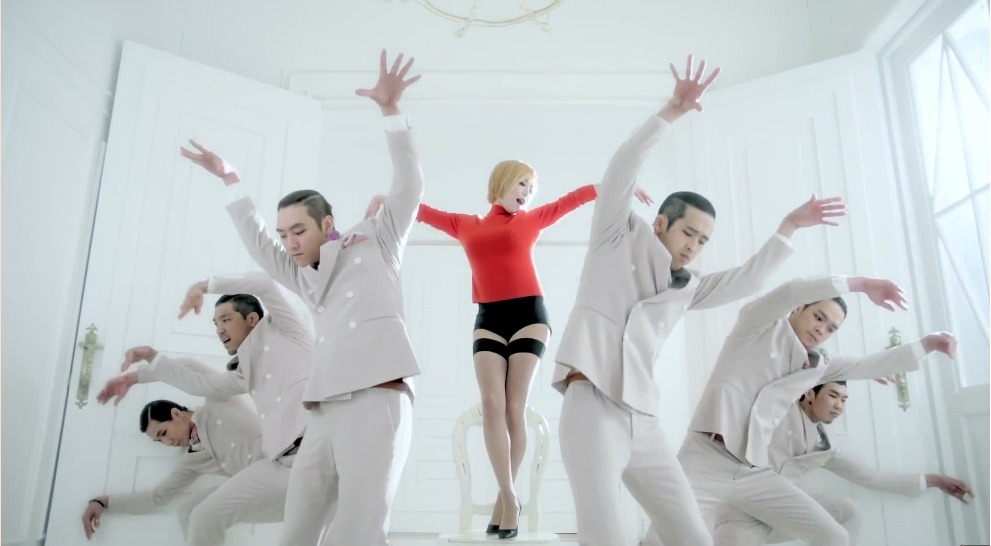
붉은빛 스웨터를 입는다. 다리에는 가터벨트를 착용한다. 혀 끝으로 입술을 핥는다. 가슴을 내민다. 의자에 앉은 채 허리를 뒤로 젖힌다. 손이 온 몸을 훑는다. 가인의 신곡 ‘피어나’의 무대는 남성들에게 온갖 야한 상상을 불러일으킨다. 그러나, 정작 무대 위의 남성 댄서들은 무표정하다. 그들은 로봇처럼 동작을 소화할 뿐 가인의 춤에 반응하지 않는다. 가인은 그들과 한 번도 정면으로 눈을 맞추지 않는다.
She wears a red sweater. On her legs she has a garter belt. She licks her lips with the tip of her tongue. She sticks her breasts out. She arches her back while sitting in a chair. She touches her whole body with her hands.
Ga-in’s new song “Bloom” provokes all sorts of bawdy male fantasies. But those men actually on the stage with her are expressionless, behaving like robots that don’t even notice her dance. She, in turn, never looks any of them in the eye.
대신 가인의 시선은 무대 정면을 향한다. 정면을 바라본 채, 가인은 다양한 포즈들을 취한다. ‘피어나’의 안무는 동작과 동작을 하나의 흐름으로 연결하지 않는다. 대신 섹시한 느낌을 주는 각각의 포즈들을 취할 수 있도록 구성됐다. 댄서들이 사라지고, 가인 혼자 정면을 바라보며 여러 포즈를 취하는 무대 후반의 구성은 가인의 시선이 누굴 향한 것인지 짐작케 한다. 남자들이 사라져도, 가인은 자신의 섹시함을 표현하는 것을 멈추지 않는다. 마치 거울 앞에 선 자신을 보는 것처럼.
Rather, Ga-in looks directly at us, while adopting various poses. In “Bloom,” the choreography isn’t seamless. Instead, each scene is defined by and constructed around a different pose, each providing a very sexy, sensual feeling.
Later in the performance, in which Ga-on looks ahead while continuing to do various poses, making people wonder who she is actually looking at. Then, the dancers disappear again, but Ga-in doesn’t stop expressing her sexiness. She continues as if she’s looking at herself in the mirror.
(Source: Unknown)
Caption: 가인은 남자들의 판타지를 자극하는 방식의 ‘피어나’를 통해 오히려 가장 주체적인 여성상을 그려낸다 / Rather than stimulate male fantasies, Ga-in provides a very independent symbol for women in “Bloom.”
가인, 타인이 아닌 나를 위한 섹시 / Ga-in: The Sexiness is For Me, Not For Others
거의 모든 여성 가수에게 섹시한 댄스는 타인의 시선을 끌기 위한 장치다. 걸그룹이 곡에서 악센트를 줘야할 부분마다 다리를 벌리는 춤을 추곤 하는 것이 그 예다. 섹시함이 콘셉트 그 자체라 해도 좋을 ‘피어나’도 당연히 시선을 끈다. 그러나, ‘피어나’는 특정 동작을 강조하며 시선을 끄는 포인트 춤이 없다. 대신 모델이 계속 포즈를 취하는 듯한 동작들이 이어진다.
Almost all female use a sex dance as a means to attract people’s attention. For example, girl-groups will often emphasize spreading their legs apart in their dance routines. Naturally, “Bloom” could also be seen in this vein. However, “Bloom” doesn’t have ‘point dances’ which are only used for the specific purpose of getting people’s attention; instead, the poses adopted are more similar to the ones real models use.
가인의 소속사 로엔엔터테인먼트 관계자에 따르면 ‘피어나’의 안무에도 원래 포인트 춤이 포함돼 있었지만, 그 포인트를 빼고 지금처럼 다양한 포즈 중심의 안무를 요구한 사람이 바로 가인이었다. 그 결과 ‘피어나’의 안무는 타인에게 어필하는 것이기도 하지만, 그 이전에 여성이 섹시한 표정과 포즈를 마음껏 해보는 구성이 됐다. 또한 ‘피어나’의 뮤직비디오는 황수아 감독이, 가사는 작사가 김이나가 맡았다. 두 여성은 그들의 시선에서 섹시함을 표현한다. 뮤직비디오에 가인의 베드신이 등장하지만, 가인과 관계를 갖는 남자의 얼굴도 제대로 안 나온다. 대신 카메라는 희열을 느끼는 가인의 표정을 잡는다. <김이나의 가사로 표현한다면, 남자는 ‘내가 선택한’ 존재고, 그가 사랑스러운 것은 나를 ‘high’하고 ‘fly’하도록 만들었기 때문이다. 남자가 어떤 매력을 가졌는지는 묘사하지 않는다. 중요한 것은 남성이든 섹시함이든 여성 자신의 욕망이 선택한 결과라는 점이다.
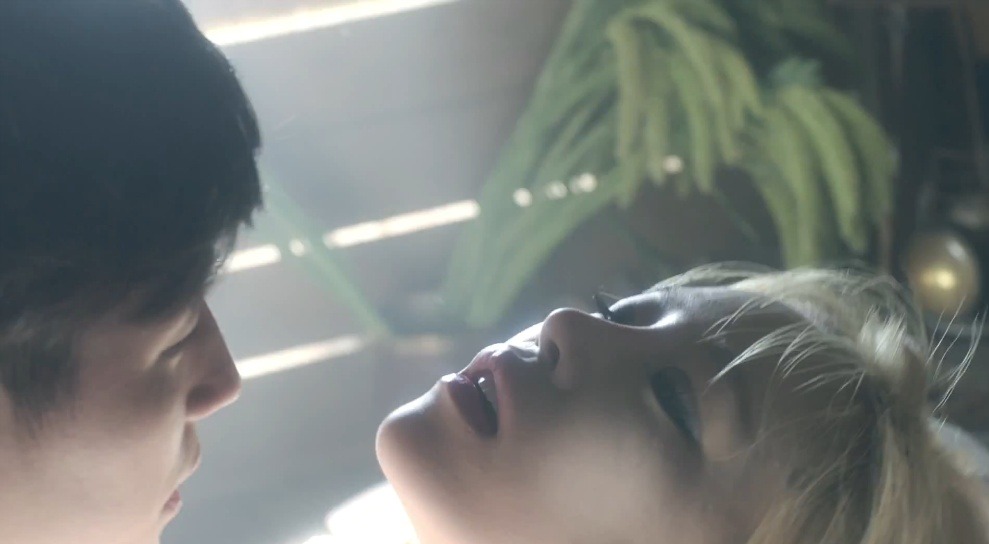
According to a representative of Loen Entertainment, originally the choreography did have point dances, but these were removed and replaced at Ga-in’s insistence. As a result, the choreography appeals not just to other people [men?], but has as many sexual poses and expressions as it could have too [James – That sentence sounds strange in Korean also]. Also, the director of the music video, Hwang Su-ah, and lyricist, Kim Ee-na [both women], express sexiness from their own perspectives. In the music there is Ga-in’s bed scene, but we can’t really see the face of the guy she’s with [James – The screenshot below would be the closest you get]. Instead the camera focuses on her expression of joy and ecstasy. According to Kim Ee-na’s lyrics, “This is the guy I chose,” and the reason is because he makes Ga-in “fly high.” Crucially, why she finds the man attractive is not described; rather, the important thing is that it’s her sexual desire that is paramount here.
전체적인 윤곽은 남성의 판타지를 충족시키지만, 그 디테일은 섹시함이 ‘(타인의)시선 따윈 알게 뭐니’라고 노래하는 여성의 욕망을 드러낸다. 이 절묘한 공존은 이 곡의 구성원들의 독특한 조합 때문일 것이다. 안무, 가사, 뮤직비디오는 여성이 주축이지만, 프로듀싱과 작곡은 각각 남성인 프로듀서 조영철과 작곡가 이민수가 맡았다. 이들 중 가인을 제외한 네 명의 남녀는 아이유와 브라운 아이드 걸스를 제작한 바 있다. 아이유는 귀여운 여성에 대한 남성 판타지의 극단이었고, 브라운 아이드 걸스는 섹시함에 터프함을 가미한 강한 여자들이었다.
While the whole character of this song fulfills men’s fantasies, contained in the details is a depiction of sexiness and women’s desire that poses the question, “Who cares about the gaze of others?”. This exquisite coexistence is the result of the unique combination of the people involved in its production: the choreographer and lyricist are women, but the producer, Jo Yeong-cheol, and the composer, Lee Min-su, are men [James – What happened to the director Hwang Sun-ah?]. Moreover, in addition to Ga-in’s songs, these men and women have produced songs for the IU and the Brown Eyed Girls. IU projects a cute image that is an extreme men’s fantasy [James – Actually, this cute image is exaggerated and/or very outdated], while the Brown Eyed Girls’ image is a mixture of tough and strong women.
가인은 이 네 남녀의 정확한 한가운데다. 남성들에게 확실히 어필할 수 있는 섹시한 콘셉트는 남성 스태프가 짠 틀일 것이다. 그러나 여성 스태프는 그들의 시선으로 섹시함을 표현했다. 여성도 성관계에서 오는 육체적, 정신적 쾌감에 대한 욕망이 있고, 그 욕망을 드러내자 가인은 가련한 소녀도, 남성의 시각적 만족만을 위한 쇼걸도 아닌 무대를 지배하는 주인공이 된다. ‘피어나’는 주체적인 여성에 대한 시각을 무엇을 보여주느냐가 아니라 어떻게 보여주느냐로, 바깥의 시선에서 내면의 욕망의 문제로 옮긴다.
Ga-in is positioned firmly in the center of these 4 men and women. Her sex appeal, which definitely appeals to men, would have come from the male staff; the women’s perspective on sexiness, from the female staff. Women too, find sexual relationships physically and mentally pleasurable, and here Ga-in owns the stage with that desire, rather than being turned into a miserable girl or a showgirl for the male gaze for it.
“Bloom” moves the question of what are independent women from not what they show, but how they show it. Or in other words, from outside appearances to inner perspectives.
미스에이, 타인이 만들어놓은 좋은 여자의 기준 / Miss A Conform to the Standards of Good Women Defined by Others
그래서, 미스에이의 ‘남자 없이 잘 살아’가 ‘피어나’와 완벽한 대비를 이루는 것은 흥미롭다. 박진영이 작사한 ‘남자 없이 잘 살아’의 여성은 ‘내 돈으로 방세 다 내’고, ‘내 차 내 옷 내가 벌어서 산’다. ‘남자 믿고 놀다 남자 떠나면 어떡할’거냐는 걱정을 하기 때문이다. 가사만 보면 ‘남자 없이 잘 살아’는 주체적이고 독립적인 여성을 칭송하는 것처럼 보인다. 그러나 남에게 폐 끼치지 않는 인생은 남자 역시 필요하다.
So, “Bloom” and “I Don’t Need a Man” provide a perfect, very interesting contrast. The lyrics to “I Don’t Need a Man”, written by JYP, say “I pay the rent with my own money,” “I bought this car and these clothes with my my own money,” and that “If you trust and fool around with a man and then he leaves, what will you do?”, which is a constant worry of women.
If you only look at the lyrics to the song, they do praise self-reliant and independent women. [Although] men, too, need a way of life that isn’t dependent on others.
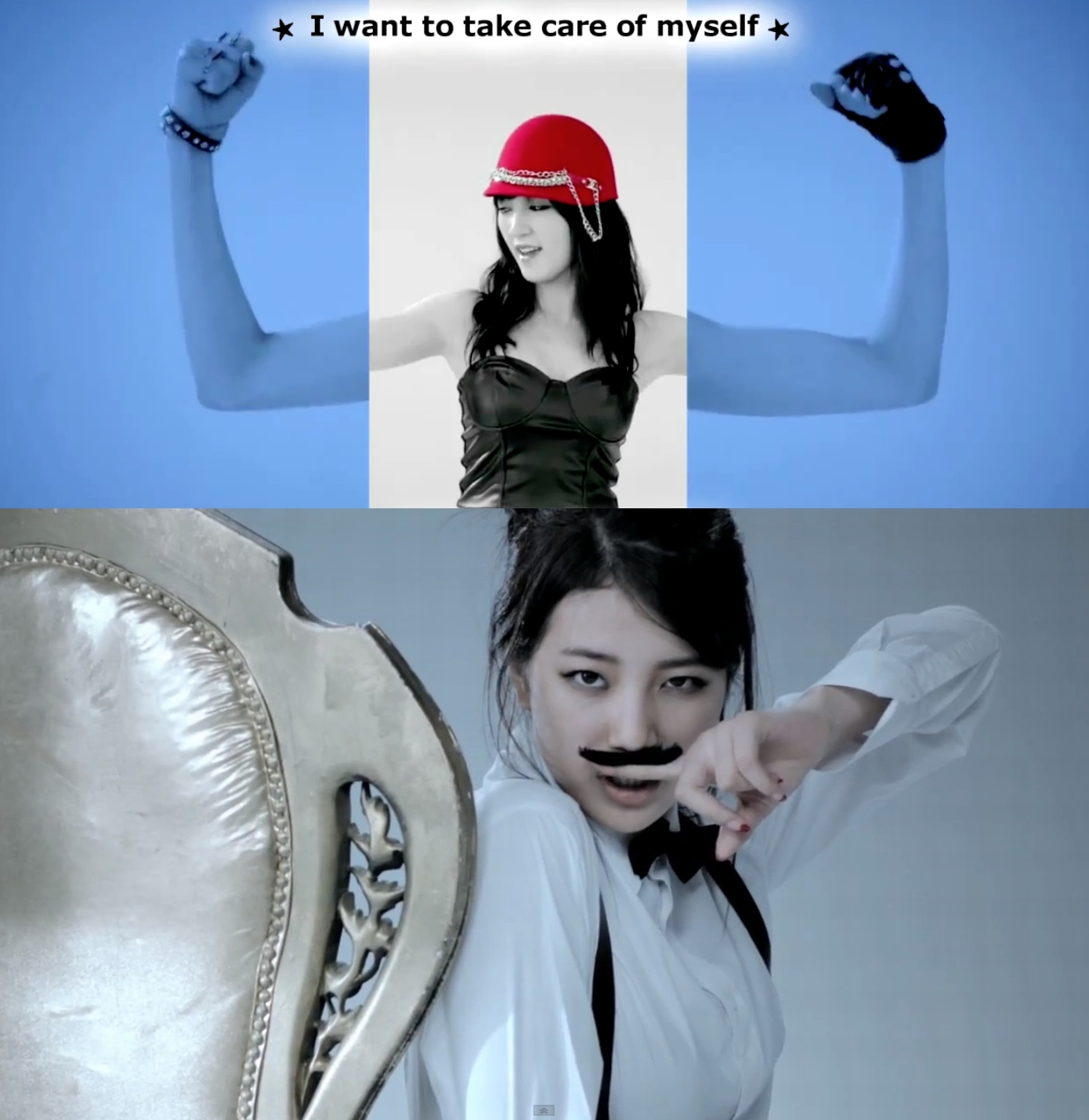
Caption: 반면 ‘남자 없이 못 살아’를 발표한 미스에이는 타인의 시선에 의해 결정되는 여성의 단면을 보여준다 / On the other hand, with “I Don’t Need a Man,” released by Miss A, they show a side of women defined by others
그리고, 이런 경제생활이 당당한 여성의 기준은 타인의 시선이다. ‘남자없이 잘 살아’의 뮤직비디오에서 멤버들이 콧수염을 붙여보거나, 이두박근을 강조하는 것은 우연이 아니다. 미스에이가 노래하는 독립적인 여성은 사실상 남성들이 요즘 ‘개념녀’라고 말하는 이상적인 여성이다. ‘피어나’가 남성들에게 어필하는 코드로 여성의 욕망을 말한다면, ‘남자 없이 잘 살아’는 당당한 여성을 어필하면서 ‘된장녀’와는 정반대인 ‘개념녀’라는 남성의 욕망을 말한다.
Also, these financially confident women are conforming to the standards of others. In “I Don’t Need a Man,” it is no accident that the members of Miss A stick on a fake mustache or emphasize their biceps. The independent women that they are singing about are actually the gaenyeomnyeo, or “good girls,” that men say are their perfect women these days.
While “Bloom” appeals to men while also articulating female desire, “I Don’t Need a Man” provides an image of confident women and also the good girl image that males desire, an opposite of the dwenjang-nyeo, or “bean-paste girl” one.
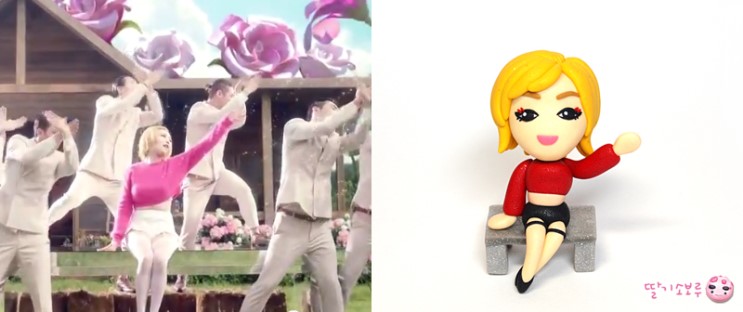
(“miss A I Don’t Need A Man Chibiby,” by jinsuke04)
‘피어나’는 타인의 시선 대신 내면의 욕망을 더 적극적으로 드러내는 여성의 목소리를 반영하고, ‘남자 없이 못 살아’는 남자, 또는 사회가 원하는 좋은 여성의 기준을 더욱 더 강화한다. 출산과 결혼을 선택하지 않는 여성에 대한 논의가 사회적 화두로 떠오르고, 인터넷에서는 남녀가 수많은 문제들로 논쟁을 하는 이 시점에서 두 곡의 등장은 어떤 징후처럼 보인다. 많은 남자들은 명품 백을 사느냐 마느냐에 따라, 결혼할 생각이 있느냐 없느냐에 따라 ‘개념녀’와 그렇지 않은 여성을 가른다.
Rather than emphasizing the male gaze, “Bloom” reflects more the inner desires and voices of women, whereas “I Don’t Need a Man” does more men and/or society’s standards for women. These two songs are a reflection of how many women choosing not to get married and/or have children has become a hot topic of debate in Korean society, and of the discussion, arguments, and problems as many men and women discuss that on the internet. In which many men are dividing women into good girls or beanpaste girls, or who want to get married or not, [simply] according to whether they buy brand-name bags or not.
반면 많은 여성들은 타인에게 폐 끼치지 않는 한 돈을 쓰고 싶은 곳에 욕먹지 않고 쓸 권리와 결혼과 출산을 하지 않을 자유에 대해 말한다. 주체적인 욕망과 타인의 시선이 정한 기준 안에 들어오는 것 사이의 대립. 남녀 모두 주체적인 여자에 대해 말하는 것 같지만, 그 층위는 전혀 다르다. ‘피어나’가 예상치 못했던 카운터펀치인 이유다. 인터넷에서 끝없이 반복되던 남녀의 가장 중요한 논쟁점이 흥미로운 방식으로 수면 위로 떠올랐다. 그것도 모두가 답 없는 논쟁을 할 때, 여성의 욕망을 놀라울 만큼 잘 드러내면서 남성도 즐길 수 있는 판타지의 접점을 만들면서 말이다.
But as long as women do not trouble others with their spending choices, then they have a right not to be sworn at and criticized by others, and the freedom not to choose marriage or children. [However], there is a contradiction between the desire for self-reliance and the standards set by the male gaze. Men are women are talking about the same self-reliant women, but the amount of what they say about them are totally different.
This is the reason why “Bloom” has a surprising counter-punch. The most important thing men and women are unceasingly arguing about on the internet [James – What is that?? Sex?] arose in an interesting and amusing way. That is, in an argument which has no answers, this song provides a rare point of contact in which women can enjoy their desires just as much as men have their fantasies fulfilled.
강하거나, 세거나, 독특한 여성 걸그룹들의 노래들이 하나의 흐름을 형성한 지금, ‘피어나’가 대중음악 시장에서 얻는 반응은 지금 이런 목소리에 대한 수요를 알 수 있는 척도가 될 수도 있을 것이다. 그것은 반대로 ‘남자없이 잘 살아’에 대한 반응도 마찬가지일 것이다. 지금 우리는 주류 대중음악, 또는 걸그룹으로 대표되는 아이돌 시장에서 여성을 표현하는 방식이 아주 조금은 달라진 순간을 보고 있다. 그게 결과적으로 누구의 목소리가 더 크게 멤돌지는 알 수 없지만 말이다.
Now, bold, strong, and unique girl-groups are forming a new trend, and how well “Bloom” does commercially will demonstrate how much of a demand there is for this new voice. The same goes for “I Don’t Need a Man.” Now, in popular music, we are seeing the beginning of a new phase in the way women express themselves. Ultimately, whose voice will be loudest? (end)
*Truth be told, I let my daughters watch Bloom as well, which isn’t that explicit at all really; they love the song and pastel colors, and at 4 and 6, they’re much too young to understand what’s really going on anyway. And I hope that their happy childhood memories of it spur a renewed interest in it much later, just like mine of She-Bop (1984) did for me!
Update: While I’m at it, see here for 10 more songs about female masturbation.
Update 2, November 2013: With the benefit of a year’s hindsight, Gang Myeong-seog and I were much too harsh in our critique of I Don’t Need a Man, which definitely has its merits. See here to learn more.
Update 3, March 2014:Here’s another article about more recent songs about female masturbation (or that mention it in passing).
It’s that time of year again. A time for family and friends. A time for gifts and giving. A time for the joys of Christmas.
The JeongNamJin Group Home is a place for children in need of care. Our Group Home currently has 11 children from age 3-18, Korean age. Our children come from various backgrounds: Some are orphans; some have family but no one able to care for them; others were rescued from abuse and neglect. All are wonderful children we greatly enjoy our time with.
Our goal is to give our children as normal a life as possible. This year marks our 3rd annual Christmas Wishes Program for the children. Due to the many wonderful people here in Korea this program has been a great success. We hope to make it successful again this year with your help.
Please read on (MS Word File) for more information on the children and how you can participate. I will tell you a little about them, and share with you their gift requests for Christmas 2012. When reading, please remember that all ages are given in Korean age. For Western age this would be minus 1 or 2 years depending on each child’s month of birth.
Please see the JeongNamJin Group Home Facebook page for more information, or you can also email John Wurth, the Christmas Program Coordinator, directly at wurthjt@yahoo.com.
Apologies to Psy’s die-hard fans, but I’ll be retiring the Gangnam Style section this week. After all, even my daughters are tired of it now, preferring to dance 10 times a weekend to Miss A’s I Don’t Need a Man instead…
Don’t blame me — they picked it up from their friends at kindergarten!
Out of all this week’s stories, up tomorrow in the Korean Gender Reader, probably one of the most important — but also the most under-appreciated — is the news that Lee Hyori (이효리) will no longer be doing any commercials for products that conflict with her animal rights, environmental, and/or vegetarian beliefs.
This excludes her from working with so many companies, that her agency had to clarify that she hadn’t given up modelling or endorsements altogether.
Certainly, she’s already well known — and liked — for being so outspoken and sassy, which is very rare for female celebrities here. But this is still a significant step, because it’s difficult to think of any other Korean celebrity explicitly rejecting the endorsement culture upon which their agencies so heavily depend. Let alone someone who was once the country’s biggest sex-symbol.
Moreover, while she’s open to charges of hypocrisy, as it’s undoubtedly much easier to take an ethical stance on endorsements after years of making millions from them, she did at least acknowledge this contradiction in a recent interview, and at only 33 could have continued to do them for decades. Also, with “We can’t help but be subjected to the power of the companies when we sign a contract. Hara, please don’t forget my words,” her tweet of advice to Goo Ha-ra (구하라), one of her replacements as a soju model, she indirectly criticized companies’ excessive power over their endorsers — recall Ivy (아이비) being sued for an completely non-existent sex-tape for instance, or Choi Jin-sil (최진실) being sued for going public about being a victim of domestic abuse, and then being sued againafter she committed suicide — and/or entertainment agencies’ willingness to enter into such arrangements regardless. And, albeit perhaps unfairly, has put the onus on much younger celebrities to be more discerning with their own choices (or, rather, to challenge their agencies’ choices).
Can anybody think of any other Korean celebrities that have made similar ethical stands and/or critiques of the media and entertainment industries? I admit I don’t have much time to follow Korean celebrity news, and would be happy to learn that Lee Hyori isn’t as exceptional as I thought!
(Update: Also, if anybody come across a Korean source that places Lee Hyori’s decision in that above context, that would also be appreciated. Unfortunately, apparently they’re just as rare!)
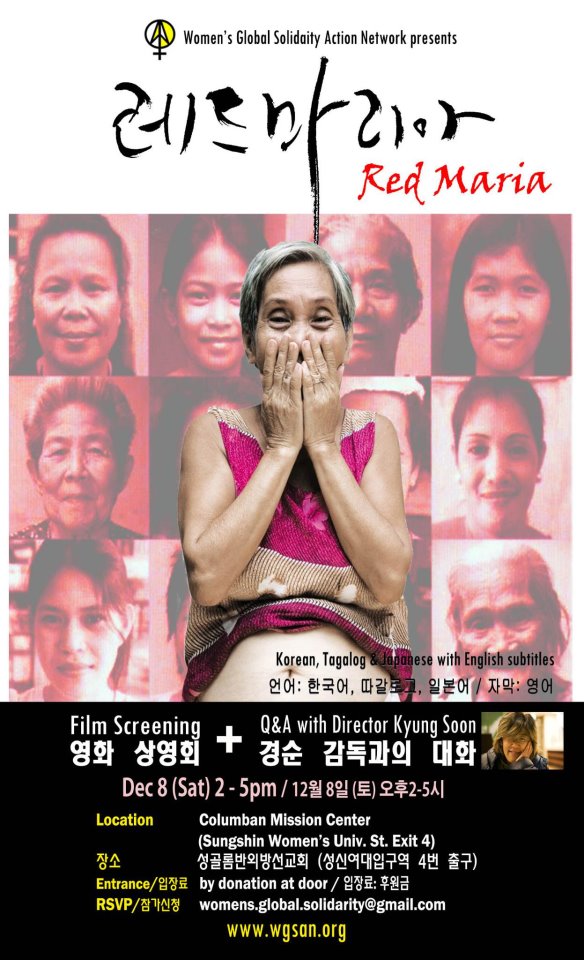
★ YOU MUST RSVP via Email: womens.global.solidarity@gmail.com ★
In Korea, Japan and The Philippines, there are many women with diverse jobs and her stories. Among them, this film focuses on women who are called housewives, sex workers, dispatched workers, migrant workers, comfort women, homeless and so on. The camera tracks them as they go about their everyday lives. These women have never met one another, and their lives look quite different from one another. However, their lives are connected across national borders by the one thing they have in common. That’s their bodies and labor. How can such different forms of labor be linked to the women’s bodies in such a similar way? As we search for answers to this question, we are forced to confront another question: ‘the meaning of labor’ as an ideology that is reproduced in society.
* Entrance Fee: by donation at the door
* Languages: Korean, Japanese, Tagalog and English with English subtitles
The screening will be held at the Colombian Mission Center.
Please note the center is very close to exit 4, and not on the University’s campus.
To get to the center:
1) Take line 4 to the Sungshin Women’s University Entrance 성신여자대학교입구) stop.
2) Go out exit 4 and a building with a traditional Korean roof (hanok) will be in front of you.
3) Go into the building and up to the second floor.
★ Due to a limited number of seats, you must RSVP to womens.global.solidarity@gmail.com and you will receive confirmation when your seat has been reserved.
Update:With thanks to reader Lily for pointing it out, the notice I received says not to post it on the internet, so I’ve replaced it with a screenshot of the Korean sex offender registry website, www.sexoffender.go.kr. Sorry that that makes the post and comments now difficult to follow.
Received in my letter box this morning. And, presumably, every other one in the neighborhood.
I don’t have time to translate the entire thing sorry, let alone the advice and information provided on the back. But here is the information about his crime:
In October 2011, in Haeundae-gu, XX-dong, this person attempted to rape a teenage girl, but failed. On May 17 2012, he was convicted according to the “Protection of Children and Juveniles from Sexual Abuse Act,” imprisoned for 2 years and 6 months, with 4 years’ probation, given 40 hours of sex violence treatment lectures, and required to have his personal information be made available to the public for 3 years.
Apologies for the confusion — has he just been released? If not, why is this notice being provided now? — and would appreciate it if anyone could clarify.
Meanwhile, regardless of the country, how would you react if you received something similar? Has it happened to any readers before?
Also, you may be interested in comparing this wanted notice sent to all Busan households in March 2010, after the rape and murder of a 13 year-old girl.
(For more posts in the Korean Sociological Image series, see here)
From back in June. Here’s the original US version, from April 2005:
This blog being what it is, my first thought was that many men people really do think that dealing with sexual harassment just requires a simple phone call to HR. So, however funny, ultimately these videos just perpetuate that dismissive stereotype.
But I already made that point last year, about a similar joke in a popular newspaper cartoon, so I don’t really need to repeat it here. Instead, it’s more interesting to compare the 2 versions of the video.
For instance, naturally the Korean version doesn’t begin with:
“…businesses are filled with working women, with corresponding breasts and vaginas. As a man, you want to have sex with ALL of them.”
And the US version, again just as naturally, doesn’t feature a scene in a women’s toilet.
What do you think of them? Any other (cultural) differences you can think of?
Sorry, but I just can’t help it: I get very excited when I see the words “성 상품화” (sexual objectification) and “걸그룹” (girl-group) together.
That’s because I struggled for years to find critical Korean commentary on either. Whereas now, I’m just inundated with articles to translate, with or without relying on my “성 상품화” Google News Alert. And, if nothing else, this recent column of Jo Woo-yeong’s I’ve translated below is testament to that greatly increased public interest and discussion.
Unfortunately though, frankly it says little that is new either, and provides no evidence for its numerous assertions. But on the plus side, I did learn of popular-music critic Kang Tae-gyu’s twitter and blog through it. What’s more, in the process of figuring out what on Earth Jo Woo-yeong meant when she talks about Gangnam Style in the 6th paragraph, I also learnt what apparently every Korean over 30 already knew: the word “horse” (말/mal) has sexual connotations.
No, I never thought to ask Korean friends their feelings about horses either. And yes, it’s more what the word reminds them of really: the movie Madame Aema (에무 부인; aema buin) to be precise, and/or its numerous sequels. As Andrei Lankov explains in The Korean Times:
In early 1982 Madam Ema, the most explicit of Korean movies ever made, hit the theaters. Not much can be said about its plot which is, for all practical purposes, absent. It was an erotic movie, often bordering on the pornographic….
….To everybody’s surprise, the censors did not ask too many questions. Actually, the only change they demanded was a change in the movie title. The title….was deliberately conceived in a way which hinted at Emmanuelle, the [French] erotic classic which was also a great hit in Korea of the late 1970s….
….Ema was a huge success. In March 1982 the movie was put on at an experimental late night show which attracted a huge crowd. The late night shows were another invention of the military regime which was preparing to lift a decades-old curfew….
….The pioneering Ema had 12 sequels, which were shot until the early 1990s. This makes it the longest series in the history of Korean cinema. It was very successful commercially as well ― the “first” Ema was seen by 310,000 people during the first year, and it became the box office champion of 1982. Some of the copycats were doing almost as well as the original.
(Update: After seven years in Korea, this Emma is a little tired of older Koreans explaining the connotations of her name to her!)
I’m a little confused by the censors’ ultimate title-change though (see the article and/or here for details), and would appreciate it if anybody could clarify. In return, for anyone further interested in sexuality and gender roles in Korean cinema in the period, Yu Gina of Duksung Women’s University mentions that (source, right):
The early 20th century, in the movie, <The Vow Make below the Moon, (1923)> the woman has the role of a good wife that rescues her husband from a gambling addiction. The woman dedicates to her husband, and this women’s character became the origin image of a ‘good wife.’ However, the heroin of <Sweet Dream-Lullaby of Death (1936)> is the opposite of that good wife. She resists her oppressive husband and her desire hits her daughter with a car and poisons herself because of the guilt. The ending contains the message that a woman who refuses to be a ‘good wife’ is going to be punished. This flow is maintained in other movies such as <The Ae-ma Woman and Madame Freedom>. These movies imply that women who pursue their desires are punished and vilified.
I’ve highlighted that last part because of its familiarity: as I explain in depth here, that dominant narrative wouldn’t be challenged until the mid to late-1990s, which proved to be a watershed in Korean cinema history. As might all the radical changes occurring today too, at least in terms of censorship, sexuality, and free speech.
And on that note, here’s the translation. Resolving to be more discerning with my choices in future though (even if this one did result in an interesting tangent), this will be the next one, which sounds very interesting according to Lost in Traffic Lights’ description!
점점 야해지는 걸(girl), 점점 식상해질 걸 / The More Risqué, The More Boring
Jo Woo-yeong, E Daily Star IN, 5 November 2012 (duplicated at Domin.com, 6 November; all images from these 2 sources)
‘란제리룩 의상을 입은 여성이 허벅지에 가터벨트를 착용한 채 봉춤을 춘다.’ 성인용 비디오물에 흔히 등장하는 장면이 아니다. 요즘 섹시 콘셉트를 내세운 일부 걸그룹의 단면을 모아놓으면 이런 모습이라는 얘기다.
Wearing a lingerie-style outfit and a garter belt on the thigh, then pole-dancing, is not a common scene in adult videos. But it has become routine for some girl-groups to do so as part of their “sexy concepts.”
점점 야해지고, 점점 섹시해지고 있다. 속살로 착각을 일으키는 살구색 천이 덧대인 시스루 스타일 의상은 ‘귀여운 꼼수’다. 핫팬츠를 입은 채 다리를 과도하게 벌리는 일명 ‘쩍벌춤’이나 야릇한 상상을 부추기는 교태 섞인 몸짓은 웬만한 걸그룹이 거쳐야 할 필수 코스가 된 지 오래다.
Things are getting sexier and more risqué. Wearing apricot-colored clothing that gives the illusion of skin normally hidden by clothing, faux see-through clothing as it were, is known as a new “cute tactic.” Also, adopting flirty sexual poses that stir up people’s lecherous imaginations, such as dancing with your legs wide open while wearing hot pants (known as the “spread-leg dance”), has long been a requirement of girl-groups.
심지어 남녀간 성 관계 체위를 연상케 하는 커플 댄스도 빼놓을 수 없는 퍼포먼스 아이템이다. 실제 본 무대는 그렇지 않더라도 활동에 앞서 공개하는 뮤직비디오 티저 영상이나 이미지에는 ‘19금’, ‘침대 셀카’, ‘키스’, ‘목욕신’, ‘파격 노출’ 등의 수식어 정도는 붙어줘야 한다.
Worst of all, couple dances with moves that look like sex positions are also performance items. And even if they’re not ultimately done on stage, teaser videos and images beforehand have to have descriptions like “R18,” “photographed in bed,” “kiss,” “bath scene,” “excessive exposure,” and so on attached to them.
애프터스쿨, 카라, 시크릿, 안다미로, 현아, 지나, 걸스데이, NS윤지 등 수많은 여가수가 올 하반기 한 번쯤 선정성 논란에 휘말렸거나 혹은 이를 자처했다. 걸그룹들의 과도한 노출•선정적인 춤에 대한 비판과 이에 맞서 표현의 자유를 부르짖는 목소리는 서로 메아리가 돼 잊을 만하면 돌아온다.
After School, Kara, Secret, Andamiro, Hyuna, G.Na, Girls’ Day, and NS Yoon-G are just some of the female singers and girl-groups that have been embroiled in controversy about their excessive exposure and/or sexual provocation at least once in the second half of this year, or have sought it. But if you criticize either, invariably the rejoinder is that it is merely freedom of expression.
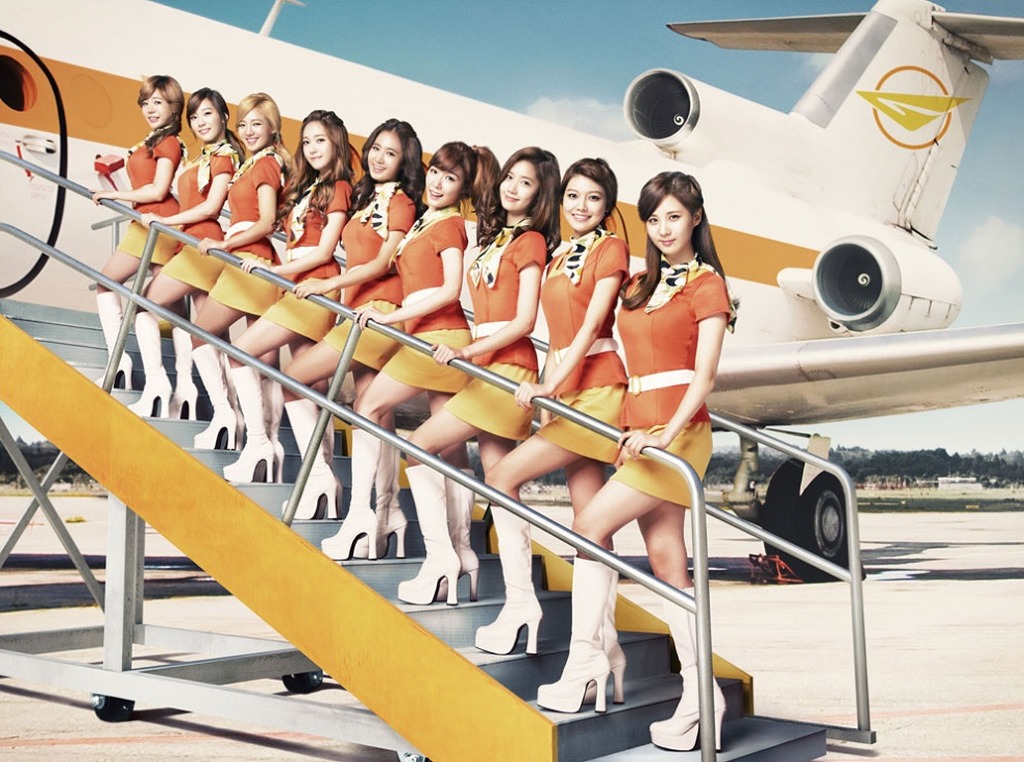
대중은 각박한 현실에서 판타지(Fantasy)적인 이야기와 동경의 대상을 찾기 마련이다. 대중은 일탈하고 싶고, 내가 하지 못하거나 할 수 없는 것들을 해내는 연예인을 보면서 대리만족, 카타르시스를 느끼기 때문이다. 앞서 소녀시대, 씨스타, 나인뮤지스 등은 특정 직업 ‘제복’ 같은 무대 의상으로 일종의 ‘타부(Taboo)’와 로망을 절묘히 배합해 대중의 욕망을 건드리기도 했다.
Wanting to escape from their harsh reality, it is natural that the public yearns for fantasies. So, while watching entertainers doing what they can’t do or won’t do, they gain a vicarious satisfaction and feeling of catharsis. Previously, groups like Girls’ Generation, Sistar, and Nine Muses did this by specializing in a uniform look, provoking the public’s desire with an exquisite combination of taboo [breaking?] and romance.
강태규 대중음악평론가는 “치열한 경쟁 속 대중의 이목을 끌기 위한 방송사나 연예기획사가 결국 대중의 판타지를 쫓고 있다”고 말했다. 스무 살도 안 된 미성년자 연예인을 ‘청순 글래머’, ‘베이글녀’ 등으로 성 상품화 하는 세태가 현실이다. 방송 카메라는 무대 아래서부터 위 방향으로 걸그룹 멤버의 몸을 훑고, 신체 특정 부위를 클로즈업해 촬영한다. 그는 “보다 자극적인 것을 요구하는 사회에서 시청률을 추구하는 방송과 ‘생존의 몸부림’ 치는 연예기획사가 성적 판타지를 쫓는 것은 당연한 수순일지 모른다”고 씁쓸해했다.
Kang Tae-gyu, a popular-music critic said, “In an intense war for the public’s attention, the media and entertainment agencies ultimately provide fantasies.” Yet it’s not just 20-somethings that are sexually-objectified with terms like “Innocent Glamor” and “Bagel Girl,” but even teens. Cameras will go over their bodies from bottom to top while girl-groups are on stage, lingering with close-ups on certain body parts. Kang continued, despairingly, Providing sexual fantasies may be natural with the media and entertainment agencies’ relentless pursuit of higher viewer rates.”
일부 매체 역시 어느덧 가수의 음악을 분석, 무대 전체를 평하기보다 그들의 선정적인 의상•퍼포먼스에 주목한다. 그게 쉽고 편해서다. 수요자(대중)와 공급자(방송•기획사)가 서로에게 원하는 것만을 주고 있는 ‘필요악’인 존재가 되어가고 있다.
But almost before we know it, we have some elements of the media not paying ever paying attention to singers’ music or what’s on stage, but only taking notice of sexually suggestive costumes or performances. This is because it is easy and convenient to do so. Both the public consumers and producers (both in broadcasting and in entertainment agencies) are only giving each other what they want, so in effect this is a necessary evil of the music industry.
역설적으로 코믹한 춤으로 세계적인 인기를 끌고 있는 싸이는 보는 음악뿐 아닌 듣는 즐거움까지 안겼다. 국내 가요계의 큰 수확이다. 하지만 싸이의 ‘말춤’ 역시 그 특유의 유쾌함으로 상쇄됐을 뿐 그 안에 ‘말’이라는 동물이 갖는 묘한 성적 상징성이 담겼다. 사실 ‘섹시한’ 매력은 남녀 누구나 갖고 싶은 본능이라 할 만하다.
Paradoxically though, Psy gained worldwide popularity [not by providing something sexual, but] by providing both a funny dance and listening pleasure, and the Korean music industry in general has benefited greatly from this popularity. Yet while Psy’s comedic “horse dance” is unique, ironically even the word “horse” has sexual connotations. Moreover, man or woman, who doesn’t want to be more sexually attractive?
대중음악 가수에게 순수예술을 바라서도 안 되고 그럴 필요도 없다. 퍼포먼스도 실력이고 잘 생기고 예쁜 외모도 개인이 가진 하나의 능력이다. 문제는 그들이 내세우는 ‘섹시’가 얼마만큼의 당위성과 명분을 갖느냐다. 단순히 눈길을 끌기 위해 속살을 드러내고 몸을 흔드는 것이라면 ‘예술’이 아닌 ‘외설’에 가깝다는 비판을 피하기 어렵다.
We cannot expect singers of popular music to only produce pure art, and not be influenced by commercial imperatives. Also, there is nothing wrong with performing well, and/or being physically attractive. The problem is when sexiness is presented where it is uncalled for, with no justification. Simply showing singers dancing in tight and/or faux nude clothes isn’t art but rather obscenity, and isn’t difficult to criticize.
성시권 대중음악평론가는 “국내 대중의 인식이 많이 변해가고 있으나 마돈나, 레이디 가가 등 유명 팝스타들과 지금 국내 걸그룹들을 비교 대상으로 삼기에는 무리가 있다”고 말했다. 음악과 퍼포먼스, 주객이 바뀐 경우가 많다는 게 그의 주장이다. 그는 “퍼포먼스는 음악에 담긴 메시지를 조금 더 잘 표현하기 위한 수단이어야 하는데 일부 걸그룹이나 여가수의 무대가 과연 그러한지 의문”이라며 “몇몇 그룹이 비슷하게 돌고 도는 섹시 콘셉트는 계속 양산되고 시장서 꾸준히 소모되겠지만, 갈수록 식상함이 더해져 그들 스스로를 가둘 것”이라고 평했다. 그는 “그들은 물론 더 나아가 K팝 발전을 위해 방송•언론•평단과 각 연예 기획사의 각자 역할에 대한 고민이 필요한 시점”이라고 말했다.
Song Shi-kwon, a popular-music critic, said “In Korea, perceptions are changing, but you still can’t really compare them to famous stars like Madonna or Lady Gaga.” But in many cases, girl-groups’ performances are now more important than their music. He continued, “Performance should be a tool to convey the message in the music a little better, but I have to wonder if some girl-groups and female-singers’ stages really do that,” and judged that “by all copying each other in providing a sexy concept, their music and performances will certainly be consumed in the market, but in the process people will becoming bored with it, and so the groups will come to limit each other’s’ development.” Ultimately, “For the further development of K-pop, broadcasters, the media, critics, and entertainment agencies need to seriously think about their own roles in it.”
Apologies for the lack of posts this week everyone, but I was in a bad car accident a few days ago, and had to be rushed into surgery. The car was a complete write-off too.
Fortunately through, the car in question was *cough* actually only a few centimeters long, left on my my bedroom floor by my daughters for me to slip on and nearly break my toe :D And I’m happy to report that my injuries are healing nicely, even if I am going to be hobbling around for next week or so!
The New York Times is looking to interview Koreans and Korean Americans who are currently engaged or married according to the “seon” arrangement. We’re working on a story about arranged marriage versus love marriages and how some arranged couples are finding more meaning in the pre-arranged set-up as opposed to free-range style dating and marrying.
Would love to know how much the parents were involved in the date selection, what the criteria or “specs” were, and whether you are happy that you chose to go more traditional in finding a spouse. I also heard from some Korean guys that these seon arrangements makes settling down easier since it takes some of the pressure off from dating. Do any of you agree? Couples, men, women are all encouraged to respond. Opinions from parents are especially wanted. Would love to get as many differing opinions as possible. Please be aware that if we choose to profile your experiences, we would need to use your first/last name and age.
Please send your feedback to lifestylereporter@gmail.com.
For more on specs and arranged marriages, please see here and here (especially the comments to the latter). And please do email The New York Times: I’m already looking forward to reading the final story, and the more interviews in it the better!
Young Korean women—not men—are the only demographic in the OECD that are getting moreunderweight than obese.
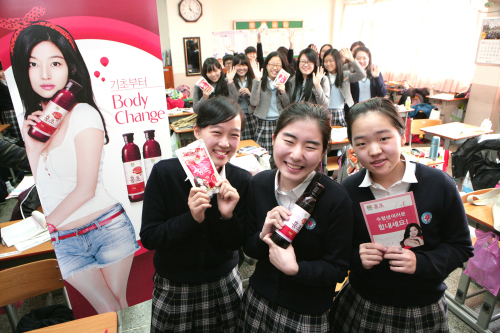
Call me making a mountain out of a molehill, but diet-drink companies being allowed to donate their product to teens, out of supposed concerns for their heath? And plastering their classrooms with ads of heavily photoshopped women in the process? Those may just have something to do with that:
청정원 홍초가 수험생 여러분을 응원합니다 / Chung Jung Won’s HongCho Cheers For Students Taking University Entrance Exams
by Kim Jong-hoon (김종훈), Asia Today, November 4 2012
대상은 자사의 브랜드인 ‘청정원’ 홍초가 수능시험을 앞둔 고3 수험생을 응원하기 위해 오는 7일까지 서울시내 20여개 학교를 찾아 다니며 홍초 2만여개를 무료로 나눠줄 계획이라고 4일 밝혔다.
On Sunday, Daesang’s brand Chung Jung Won [English website here] announced that to support 3rd year high school students about to take their university entrance exams, they would visit 20 high schools in Seoul before the 8th (the day of the exams) and donate 20,000 bottles of HongCho to students (source, right).
청정원측은 오랜 시험준비로 지친 수험생들이 좋은 컨디션으로 시험을 볼 수 있도록 응원하기 위한 마음으로 기획 된 행사라고 설명했다. 수능이 끝난 이후에도 홍초를 내세운 다양한 마케팅 활동으로 그간 고생이 많았던 수험생들을 지원할 계획이다.
Chung Jung Won explained that this is an event for tired students that have been preparing for the exams for such a long time, so that they can be in good condition on the exam day. Also, that even after the exams, the company plans to continue supporting those students that have suffered so much, through various HongCho marketing events.
한편, 홍초는 피로회복 등에 도움이 되는 기능성 원료인 콜라겐과 헛개나무 농축액, 그리고 식이섬유를 풍부하게 함유하고 있는 건강기능성 음용식초다.
HongCho is a healthy vinegar drink that includes collagen, liquids extracted from the Oriental Raisin Tree, and a lot of fiber, and is very helpful for recovering from tiredness. (end.)
Diet drinks: Include calorie-free and low-calorie versions of sodas, fruit drinks, energy drinks, sports drinks, and carbonated water, consistent with definitions reported by the National Cancer Institute and U.S. Food and Drug Administration food labeling guidelines. Diet drinks do not include 100% fruit juice or unsweetened teas or coffees.
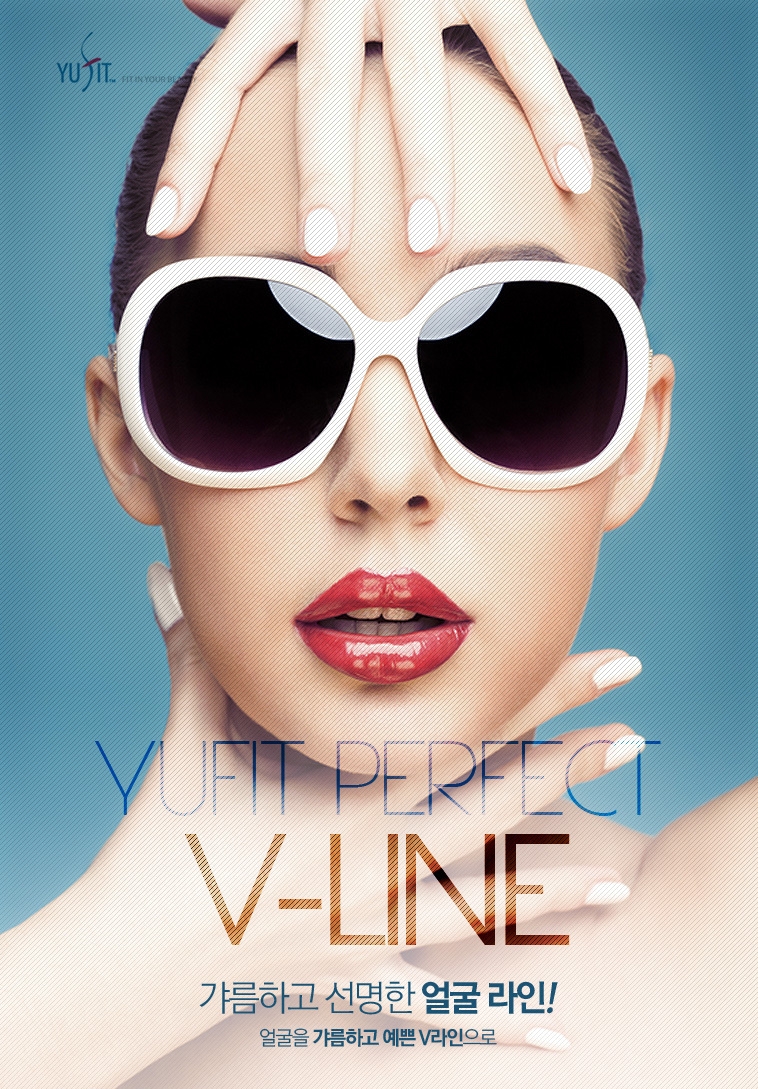
However, a quick perusal of the Chung Jung Won website demonstrates that it is explicitly being marketed as a “body-changing” drink, with—especially after photoshopping—exceptionally tall and skinny Jun Ji-hyun (전지현) endorsing it most recently (that’s Kim Hee-sun/김희선 from 2010 above). Also, the following website screenshot (from 2011) and commercial show that the body-changing theme is no mere Konglish accident:
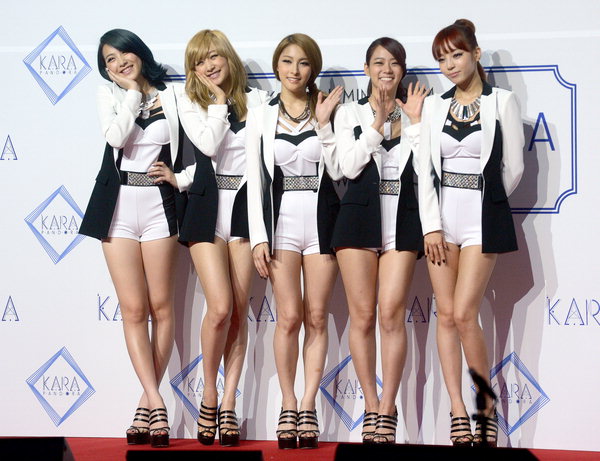
Meanwhile, girl-group Kara (카라) are promoting the drink in Japan, with much the same theme. Which is ironic, considering that these are the same women who admitted that they can’t even drink water on the (frequent) days that they’re required to wear revealing clothing:
What do you think? Have any Korea-based readers had similar promotions at their own schools? How about overseas? Are concerns and issues different there? I know that in the US for instance, it is more sodas that are considered a problem, and that if students drank HongCho instead that would probably be considered a blessing. From TIMEback in March (my emphasis):
If some public-health advocates have their way, sodas could become the cigarettes of food. Doctors already dislike the sugary drinks for their teeth-dissolving properties and for the role they may play in childhood obesity. There’s a constant struggle to get soda vending machines out of public schools, with administrators often forced to choose between losing sponsorship money from big soda companies and dealing with overcaffeinated, less healthy kids. Given the sheer size of the American soda industry—9.4 billion cases of soft drinks were sold in the U.S. in 2009—it’s not a war that will end anytime soon. Especially if a certain C word starts getting thrown around.
Update: From the picture, I got the impression that is was only girls’ schools that were targeted, but technically the advertorial (I can’t bring myself to call it a news report) only mentions 20 unnamed schools, and is repeated verbatim across newspapers.
Update 2: It’s not really related to the original post, but if you read that TIME magazine article above, you may also be interested in the recent findings that one of the main reasons for US children’s obesity is that they’re eating away from home so often, and (of course) that they’re mostly eating junk food when they do.
Tonight at 7pm I’ll be on Busan e-FM’sLet’s Talk Busan again, this time talking about Korean beauty standards and cosmetic surgery. You can listen on the radio at 90.5, or online here (please note that you’ll have to download Windows Media Player 10 first), and I’ll add a link to the archived version once it becomes available.
Sorry to those of you who tuned in 2 weeks ago, only to hear me speak for just a couple of minutes in total: 7 guests was far too many. But I’m happy to report that there’ll just be 3 of us this time!
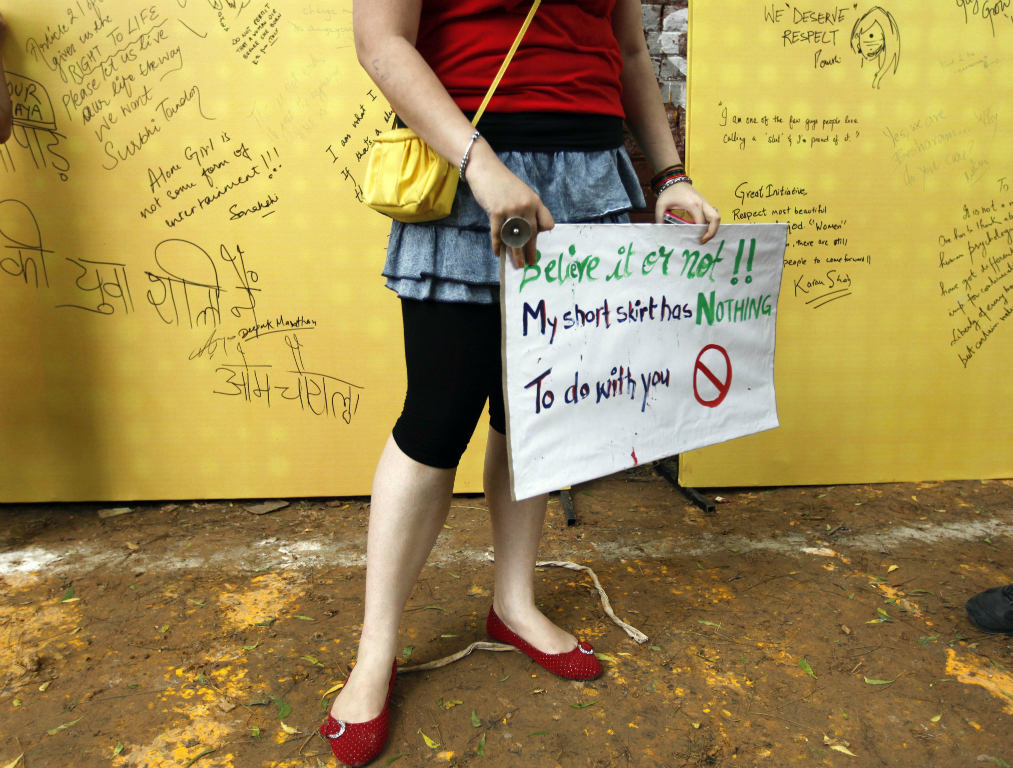
“Want to talk third wave feminism, you could cite Ariel Levy and the idea that women have internalized male oppression. Going to spring break at Fort Lauderdale, getting drunk, and flashing your breasts isn’t an act of personal empowerment. It’s you, so fashioned and programmed by the construct of patriarchal society that you no longer know what’s best for yourself. A damsel too dumb to even know she’s in distress.”
Via Genderly Speaking, a typically provocative quote from Palahnuik to ponder. Not least, when you’ve just translated today’s article, about a clothes company offering discounts to customers for wearing mini-skirts and hot-pants.
Cancelled for being too lewd, I think the event should have gone ahead, and not just because I wasn’t all that impressed by Levy’s Female Chauvinist Pigs (2005) either. Rather, it’s mainly because I completely reject the notion of any woman— or man—as a mere unthinking pawn of the patriarchy. Also, heavily promoted by the media, there’s already a huge demand for such revealing clothes, so this event stood out only for being more explicit than most.
While there are legitimate issues of sexual objectification that can be raised in light of that, another problem is that the writer of the article (or the parties involved—it’s unclear) implies that it was the “sexual provocation” or “sexual suggestiveness” (선정성) that was the greatest concern. Whether she was talking about the clothes or the event as a whole though, is a little vague, but if the former then I imagine that many women would take offense at the implication that they should never wear revealing clothes? (Source, right)
Had the event gone ahead as planned though, I do realize that it would have been just as empowering and tasteful as, say, a wet t-shirt competition. (Seriously, I’m wincing at the thought of lecherous cheering and the flash of cameras as customers are revealed to have over 30cm of skin showing above their knees.) Also, even if this did all happen a month before the first Slutwalk in Toronto, and 4 months before Korea’s own, it was still disappointing that the company representative only offered platitudes in defense of the event.
Is it hypocritical of me to intellectually support such an event, but — were they old enough to attend — hope that my own daughters would avoid it like the plague? Or merely honest? Or both?
Sigh. Like Peggy Orenstein explains in the first chapter of Cinderella Ate My Daughter (2011), sons sound so much easier to raise!
“벗는 만큼 세일” 의류업계 ‘막장’ / Just Typical For The Clothing Industry: “The less you wear, the bigger the discount”
코오롱인더스트리 이벤트 ‘성 상품화’ 논란…결국 행사 취소 / Kolon Industries event leads to sexual objectification controversy, is ultimately cancelled
Consumer Times, 9 March 2011, by Choi Min-hye (최미혜), choimh@consumertimes.net
코오롱인더스트리가 최근 치마길이에 따라 옷 값을 깎아주는 행사를 기획한 가운데 선정성 논란이 일자 다급히 취소하는 촌극을 벌여 소비자들의 눈살을 찌푸리게 하고 있다.
While planning an event in which customers would receive discounts depending on how high their mini-skirts were, Kolon Industries abruptly cancelled it in light of the controversy over its sexual provocation and the [anticipated] negative reaction from consumers.
참여자들의 과다 노출과 같은 부작용을 우려하는 목소리와 함께 ‘성상품화’라는 지적도 나와 행사를 예정대로 강행하기는 무리라는 업체 측의 판단이 작용했을 것이라는 분석이다.
As voices of worry were raised about the sexual objectification and such side effects as participants’ sexual objectification, the company judged that to go ahead with the event as planned would be unwise.
◆ 할인권 걸고 ‘여성 노출’ 부추겨? / Encouraging Women to Expose Their Bodies via Discount Coupons
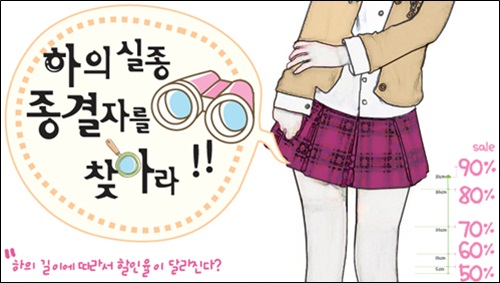
코오롱인더스트리는 오는 13일 자사 패션 브랜드 매장인 ‘조이코오롱’에서 길이가 짧은 하의를 입은 고객들에게 제품 할인권을 증정하는 ‘하의실종 종결자를 찾아라’ 이벤트를 진행키로 했다 돌연 취소했다.
Kolon Industries abruptly cancelled an event titled “Who has the shortest?” that was to be held on the 13th at one of their stores, in which customers would have been offered discounts on clothes like hot-pants or mini-skirts if they arrived already wearing really short ones.
연예계를 중심으로 유행처럼 번지고 있는, 하의 길이가 매우 짧은 이른바 ‘하의 실종’ 패션을 제품 할인이벤트에 접목시켰다 여론의 뭇매를 맞은 탓이다.
While the entertainment world has spread this so-called “Disappearing Lower Body” trend of wearing very short clothes, Kolon Industries was roundly criticized by the public for grafting a sales event onto it.
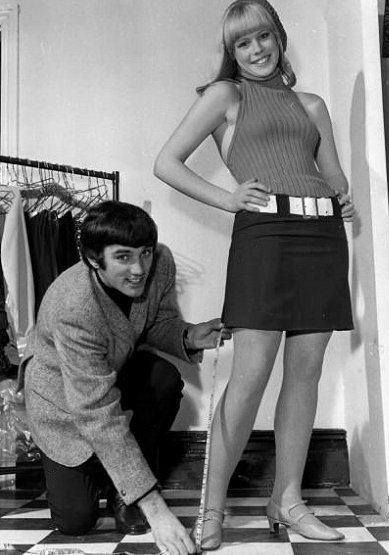
당초 이 업체는 행사에 참여한 고객의 무릎부터 하의까지의 길이를 재 5cm까지는 50%, 10cm까지는 60%, 20cm는 70%, 30cm가 넘으면 90% 할인 쿠폰을 제공하겠다는 계획이었다. 다리 노출을 많이 할수록 옷 값을 더욱 깎아준다는 얘기다.
The intention of the company was to offer customers a 50% discount on clothes if they arrived exposing 5cm of their legs (from their knees), 60% for 10cm, 70% for 20cm, and 90% for 30cm. Or in other words, the more they exposed their legs, the greater the discount.
행사에 참여키로 예정돼 있던 이 회사 의류 브랜드는 ‘헤드’, ‘쿠아’, ‘쿠론’ 등이다. 헤드는 스포츠브랜드지만 쿠아와 쿠론은 각각 여성복, 핸드백 등 액세서리 전문 브랜드다. 행사의 주요 타깃이 여성이라는 분석이 가능하다.
Clothing brands that planned to participate in the event were Head, Qua, Couronne, and so on. While Head is a sports brand, Qua and Couronne sell women’s clothes and handbags and accessories respectively. Women were clearly the target of the event.
일각에서는 국내 대표 의류업체가 할인권을 내세워 여성의 노출을 부추긴다는 곱지 않은 시선이 쏟아져 나왔다.
Some people are critical of the famous national company for planning an event that will encourage women to expose themselves.
코오롱인더스트리는 선정성 논란은 ‘기우’에 불과하다며 패션 트랜드를 반영한 행사라는 사실을 강조했다.
[But] Kolon Industries emphasized that to describe this event as sexual provocation is misguided, as it merely reflects current fashion trends.
이 회사 관계자는 “다른 업체에서 (하의실종 종결자 이벤트를) 하면 문제가 될 수 있겠지만 우리는 패션회사”라며 “패션업계에서 핫 이슈인 ‘하의 실종’ 패션을 깜짝 할인행사에 접목시킨 것”이라고 해명했다. 선정성 논란 등 행사의 부정적 효과는 이미 기획단계에서 내부적으로 논의됐다는 부연이다.
A company representative explained “If other [non-clothing] companies had hosted an event like this, it would have been a problem, but we are a fashion company.” Also, that “possible reactions like controversy about sexual provocation were anticipated and already taken into account before deciding to host the event.”
◆ “패션업계 ‘핫 이슈’ 행사에 접목 시킨 것”…결국 이벤트 취소 / In the end the event was cancelled
이어 이 관계자는 “평소 소비자들이 입고 다니는 반바지나 치마를 입어도 할인권을 받을 수 있다”며 “하의를 최대한 짧게 입고 오라는 취지는 아니다”라고 강조했다.
The representative added “Customers that wore normal-length shorts and skirts would also have been able to receive discounts, so the intention was not to encourage them to wear as short clothes as possible.”
“과열 경쟁 등으로 지나치게 노출이 심한 옷을 입은 참가자가 등장하면 문제가 되지 않겠냐”는 기자의 질문에는 “상황에 따라 대처하겠다”고 두루뭉술하게 답했다. 사진촬영도 막지 않겠다는 입장이어서 현장 단속이 사실상 전무한 것 아니냐는 추측이 나온다.
When asked by a reporter if people wearing too revealing clothing [in order to get a bigger discount] would be a problem, the representative replied “We don’t anticipate that, but will deal with any problems if and when they occur.” [However] it will be too difficult to police the event and prevent people from taking pictures.
이 관계자는 “기본적으로 신분증을 지참한 성인남녀만 참가할 수 있도록 했지만 행사 자체는 모두에게 공개된다”며 “(지나친 노출 등) 누가 봐도 문제가 될 상황이 발생하면 현장에서 해결할 것”이라고 말했다.
The representative also said that “the event will be open to the public, but only adults (we will check IDs) will be allowed to participate,” and again that “we will deal with any problems of excessive exposure if and when they occur.” (source, right)
업체 측의 해명에도 불구하고 ‘선정성 논란’은 수그러들지 않았다. 결국 이 업체는 문제의 행사를 열지 않기로 입장을 선회했다. 소비자들의 반응은 냉담했다.
Despite these explanations, the controversy about the sexual provocation didn’t die down. In the end, the company decided not to hold the event in question. But consumers’ feelings about it are still cool.
한 소비자는 “결국은 짧은 치마를 입고 와야 옷을 싸게 살 수 있다는 것 아니냐”며 “성 상품화에 대한 논란도 많은데 코오롱인더스트리가 꼭 이런 행사를 기획했어야 했는지 모르겠다”고 지적했다.
One consumer complained that “Why would we have to come to the store in high mini-skirts in order to receive the discount,” and wondered “why did Kolon Industries plan such event when sexual objectification is such a controversial issue?”
또 다른 소비자는 “의류업체에서 유행 아이템을 반영한 행사는 개최할 수 있다”면서도 “다만 행사 내용이 지나치게 선정적으로 비춰지면 소비자들이 거부감을 느끼지 않겠냐”고 말했다.
Another consumer said “A company can certainly hold an event that reflects current fashion trends,” but “if it is too sexually provocative, won’t people reject that?”
한편 코오롱그룹 모기업인 코오롱인더스트리는 ‘캠브리지멤버스’, ‘헤드’ 등의 브랜드로 유명한 패션 전문기업이다.
The Kolon Group, the parent company of Kolon Industries, is well known for fashion brands like Cambridge Members and Head (end).
Update — Via this blog, a video promoting the event:
Thanks to the students at Dongseo and Pusan National University for being such great audiences last week, and here is the presentation as promised. Sorry that the animations don’t work in the online version, but there weren’t too many.
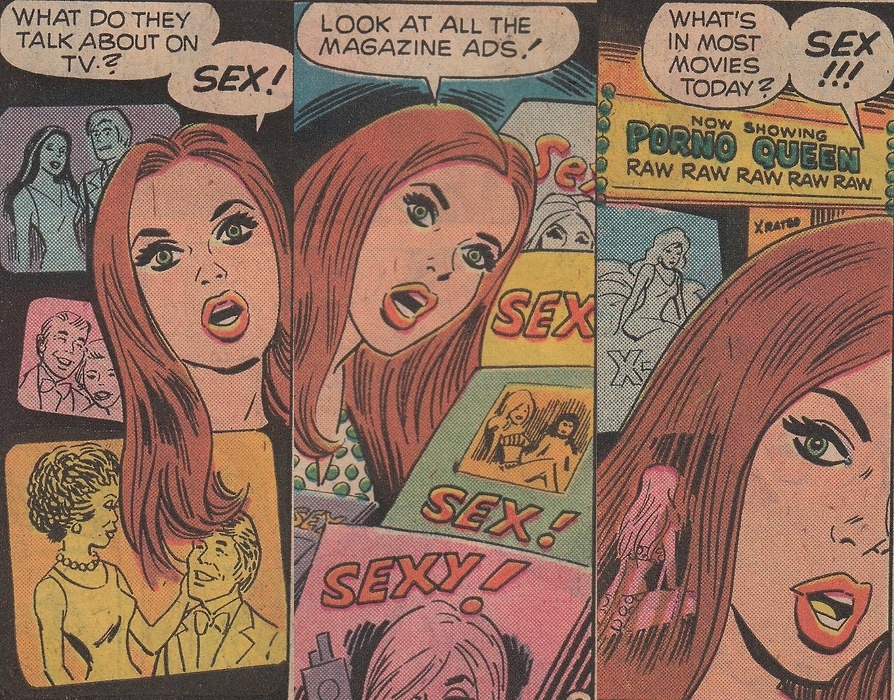
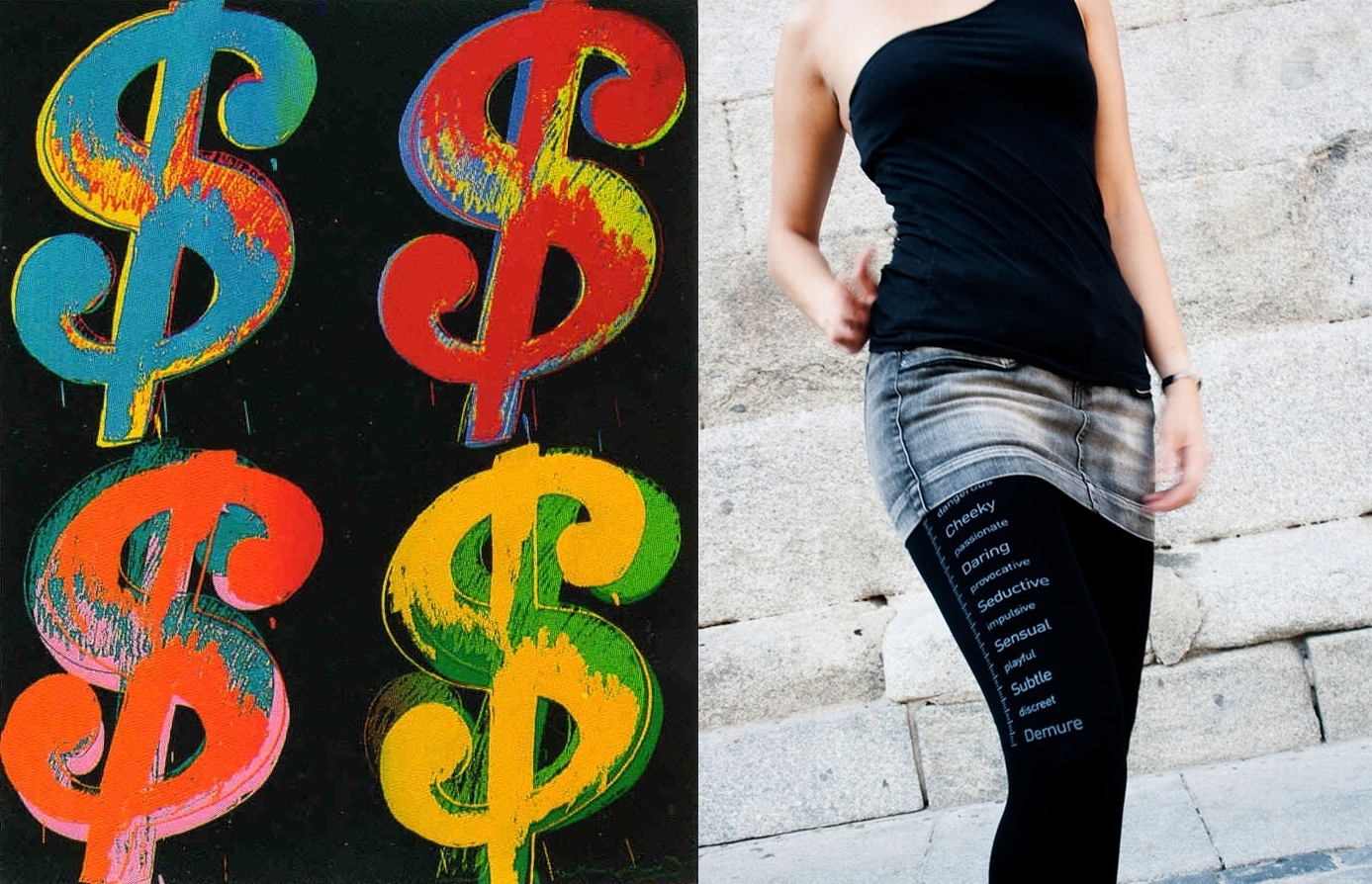
For regular readers, unfortunately the slides may make little sense in themselves, but I’m happy to elaborate on any of them if you’re interested. The purpose of the first few, for instance, is not so much to illustrate the numerous subliminal sexual messages found in advertisements (although I certainly could spend an hour talking about those!), but more to make the point that nothing in an advertisement is accidental, and that it’s very naive to think otherwise. In turn, the picture of all the Korean churches is to provide a parallel to Normal Lewis’s point here, which is that if, say, my mother comes to Korea and notices all the neon crosses around, does that somehow make her a fundamentalist Christian? Or simply that there’s a lot of churches here? Likewise with noticing sexual themes in ads, no matter how perverted some people think that is.
Much better than me explaining here though, is for me to give a presentation at your own university or institution instead. Just give me a buzz — I’m pretty cheap!

 (Source)
 (Source)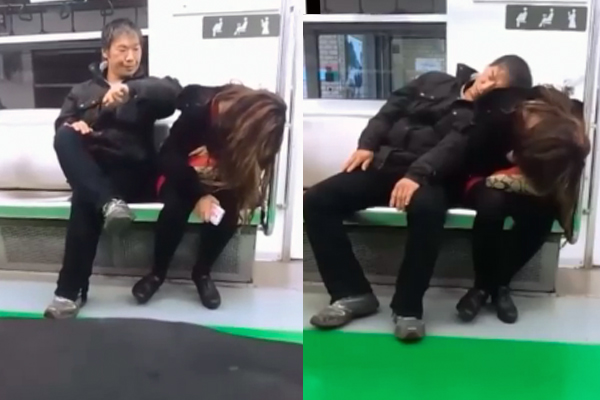





















 The Grand Narrative
