In Part 4 back in February, I mentioned that Korean women were getting less breast augmentation and more breast reduction procedures than their counterparts in the US and Brazil, despite having a genetic predisposition towards small(er) breasts. Add that North Koreans think busty women are “intentionally and lewdly stressing [their] femininity,” and that Wacoal’s ‘Bra That Makes Big Breasts Look Small’ would probably be just as popular in Korea as in Japan, then I wrote that all signs point to “a big disconnect between ordinary Koreans’ — and even models’ — attitudes to fashion, body image, and sexuality and what you may see on Korean TV.”
As Dr. Roald Maliangkay at the Australian National University points out however, it’s very much the same with men:
….The majority of men appearing on posters and billboards are celebrities. Although the wide use of cosmetic surgery is making men look increasingly similar, they are often associated not merely with a product, but also with a popular drama, and in some cases, a steamy bed or bathroom scene. That is not something the average worker would ever seek to emulate, nor be able to, as the nation’s corporate dress code remains conservative.
Next, in Part 4 I also discussed how official North Korean attitudes to women’s clothing have been changing in response to women increasingly becoming breadwinners, generally becoming more restrictive. For more on this “Female Face of North Korean Capitalism,” see Andrei Lankov’s recent lecture at the Royal Asiatic Society in Seoul:
…a great short clip instructing women workers newly employed in industrial factories during World War II on how to do their hair to maximize safety. It assumes both ignorance and vanity on the part of women and speaks to the lack of efficiency caused by efforts to remain attractive on the line.
As I pointed out in — yes, again — Part 4, those assumptions about vanity need to be placed in the context of wartime shortages, when attention to beauty and fashion were viewed as extravagant and unpatriotic. But despite that, women’s anxieties about both were still explicitly encouraged, preyed upon, and/or encouraged by industry, and actually even by the government itself. The ensuing contradictions, double-standards, hypocrisy, and backlash are very similar to what has been occurring in South Korea since the 2000s with women’s rapid entrance into the (part-time) workforce, and make comparisons very useful and compelling.
For more on the backlash in Korea specifically, see “The hate underlying the ‘__ Girl series’ and criticism of women’s organizations” at ILDA (in addition to all the links in previous posts in the series). Finally, for more on the wartime US case, first see “The Impact of War on 1940′s Fashion in the USA” at Glamor Daze for a primer on women’s fashions in the period; then, see Bored Panda for rare color photographs of women working in aircraft manufacturing plants in World War Two, taken by:
“Alfred T. Palmer who worked for the Office of War Information (responsible for promoting patriotism, war news management and women recruitment)” whose photos “had to lure young women into the factories by showing women workers as glamorous and even fashionable.” (My emphasis; see example on right).
Update: also see Kathryn M. Brown’s 2010 MA thesis Patriotic Support: The Girdle Pin-up of World War 2 (it can’t be directly linked sorry—type the title into the searchbar) for more on how malleable and adaptable — and, as explained, ultimately hypocritical and contradictory — the language, prevailing standards for, and attitudes towards beauty and fashion proved to be for the needs of government and industry (see Part 3 for modern Korean and earlier US parallels also).
Today, some information about two very worthy causes.
First, on ongoing volunteer opportunities for the Korean Unwed Mothers’ Families Association in Daegu and the 3rd Single Moms’ Day Conference this May. Then, on a Kickstarter campaign for a full length documentary film seeking to help preserve and spread knowledge of the shamanistic practices and shrine religion of Jeju Island:
I. The Korean Unwed Mothers’ Families Association (KUMFA) is an organization that works to promote children’s human rights while addressing systemic discrimination. KUMFA advocates for the human rights of unwed pregnant women, unwed mothers and their children in Korea. KUMFA’s goal is to enable Korean women to have sufficient resources and support to keep their babies if they choose, and thrive in Korean society.
The Daegu Branch of the Korean Unwed Mothers’ Families Association will hold meetings and provide classes for their members. KUMFA Daegu seeks volunteers to provide childcare during the classes. In the future other types of volunteer opportunities may arise. For additional details please visit the KUMFA Facebook Page or contact us directly at kumfa.volunteer@gmail dot com.
Seoul KUMFA Volunteer Opportunities (ongoing):
The Seoul Branch of Korean Unwed Mothers’ Families Association has ongoing volunteer and learning opportunities. Sign up by joining the Facebook group.
II. Seoul Conference (May 10-11, 2013): The 3rd Single Moms’ Day Conference:
SMD advocates for human rights in a number of important ways, in particularly by addressing systemic discrimination by “informing people inside and outside Korea about the factors that pressure unwed mothers to relinquish their children for adoption. Push factors include fathers’ child support obligations being unenforced; lack of adequate social welfare from the Korean government; social discrimination against unwed mothers and their children. Pull factors include the fact that more than half of unwed mothers in facilities are living in unwed mothers’ shelters that are owned and operated by adoption agencies; a money-driven international adoption system that does not conform to the UN CRC or the Hague Convention, i.e., it does not respect children’s humans rights.”
For more information or to make a donation, please visit the SMD event page. Here is some volunteer testimony:
“I have been involved with SMD and related projects for two years. I’ve learned a lot from this really inspiring collaboration of groups that fight for Korean children’s human rights, including: parents whose children were adopted by unethical means; unwed parents who are fighting workplace and social discrimination to raise their children; adult adoptees who campaign for ethical reforms to adoption laws; supporters and volunteers who work to bring policies into the framework of the United Nations Convention on the Rights of the Child.”
Next, on Jeju Documentarian Giuseppe Rositano’s Kickstarter campaign. Please do check the link for additional information, and on why your help is needed:
As a popular tourist destination in South Korea, Jeju Island has risen to fame predominantly for its natural wonders: hiking trails in abundance, scenic ocean views and South Korea’s highest mountain. It is possible to experience these in just a few short days, but staying on the island a bit longer or even making it a home provides the opportunities to get a deeper understanding and appreciation of some of the more interesting aspects of Jeju. Documentarian Giuseppe Rositano, Jeju Island resident of 7 years, explores some of these more interesting aspects of Jeju life, specifically the shamanistic beliefs and shrine religion of Jeju Island that is in danger due to the rapidly declining population of believers.
Spanning the course of 18 months and accumulating more than 500 hours of shamanistic ceremonies and traditional storytelling on film, Rositano captures the spiritual life of 5 villages through exploration of their native deities and traditional oral stories that have been passed down through generations. These stories, which describe the lives of Jeju’s extensive pantheon, are quickly disappearing. At Search is an attempt to preserve these unique indigenous beliefs.
Each village on Jeju Island has several shrines in which local deities specific to the island are ‘seated’. Each of these deities corresponds to a ‘bonpuli’ or oral myth. With an adventurous spirit, this documentary sets out to capture the retelling of these ‘bonpuli’ legends in the voice of what is likely the final generation of elders who received the stories from their parents and grandparents. Sadly, younger generations are seldom aware of these stories which serve as the cornerstones for their grandparents’ spiritual lives and cultural identity. With over 400 shrines on the island and a total of 18,000 gods on Jeju, that’s quite a loss to humanity’s cultural history!
Currently At Search for Spirits on the Island of Rocks, Wind and Women is in post-production. Rositano and team have launched a kickstarter campaign to raise funds to bring the project to completion and to get it out to film festivals around the world.
First, watch this short MBN news report about the play. Unfortunately, I can’t embed or save the video, but I can provide a transcript:
‘열녀춘향‘, 고전비틀기로성상품화고발 / 10 Girls ChoonHyang: A Twist on the Korean Classic to Critique Sexual Objectification
앵커멘트: 요즘 성폭력이 사회적으로 큰 골칫거리인데요. 이러한 풍조에 경종을 울리는 작품이 대학로의 한 소극장에서 공연되고 있습니다. 서주영 기잡니다.
Anchor: In recent days, sexual violence is becoming a very troubling social issue. One play in a theater on Daehangno (“College Street”) is ringing alarm bells about this trend. Seo Ju-yeong reports.
기자: 딱 붙는 셔츠와 핫팬츠를 입은 여성들이 소극장 무대에 잇따라 등장합니다. 어설픈 리듬체조와 몸을 사리지 않는 레슬링은 섹시함을 강조합니다. 지조와 절개의 상징인 춘향을 현대 남성들이 원하는 시선에 빗대 발칙하게 표현합니다.
Reporter: Women wearing tight t-shirts and hot-pants come out in succession onto the stage. Their awkward rhythmical gymnastics and reckless wrestling emphasizes their sexiness. Through ChoonHyang, a [classic] symbol of principles and fidelity, it savagely satirizes the modern male gaze.
인터뷰, 박현지 / ‘열녀춘향’ 강인한 춘향 역: “기본적으로는 춘향을 바라보는 시선 자체가 남성의 시선으로서 바라보는 거잖아요. 그러니까 그 욕망 자체가 그 안에 녹아져있다라는 설정하에서….”
Interview, Park Hyun-ji, ‘Strong ChoonHyang’ character: “Basically, to think about ChoonHyang is to ponder the male gaze. This desire is a strong theme of the play….”
바이올린 연주자를 훔쳐보는 남성들의 모습과 농염한 포즈로 고추전을 만드는 장면은 성상품화를 직접적으로 풍자합니다. 남녀 관객 모두 즐거운 표정이지만, 작품에 대한 시선은 조금 다릅니다.
Scenes in which men secretly watch a female violin player, and in which a women suggestively make pepper pancakes, are direct satires of sexual objectification.
All members of the audience seemed to enjoy the performance, but men and women had slightly different perspectives on it (source, right).
인터뷰 , 정영신 / 서울 성산동: “(너무) 노골적이지도 않고 아주 재미있게 잘 표현해낸 것 같아요.”
Interview, Jeong Yeong-shin, Seoul Seongsan-dong: “The subject wasn’t (too) blunt, and it was expressed well and interestingly,”
인터뷰, 이해림 / 서울 서초동: “남녀 간의 성관계를 주제로 했던 것 자체가 파격적이었어요.”
Interview, Lee Hye-rim, Seoul Seocho-dong: “It was very striking that the play’s theme was sexual relationships between men and women.”
무대에서 펼치는 고전의 비틀기가 성상품화라는 사회문제에 따끔하게 일침을 가하고 있습니다.
By giving a twist on a classic, this play offers stinging criticism of the social problem of sexual objectification (end; source, right).
The theater was the Guerrilla Theater (게릴라극장); the director, Kim Hyeon-tak (김현탁); and the theater group Seongbukdong Beedoolkee (성북동비둘기). Alas, the play actually ended at the end of last month sorry, but I’ll keep an eye out for any more interesting performances by them in the future. And I’m happy to translate much longer, more substantive reviews and/or articles on 10 Girls ChoonHyang if anyone expresses an interest in the comments!
Misuse feminist rhetoric, and it’s easy to come across as a prude.
The author of this music column, for instance, laments that SISTAR19 are mere victims, forced to objectify themselves by their management agency. But he never provides any evidence of that coercion, nor elaborates on how members Hyorin and Bora “cross a line” with their sexy dances and tight clothes exactly. By the end of his column, he comes across as a borderline slut-shamer.
Had he not also divulged that, “as a man,” he still likes the results, it would be easy to conclude that they really just made him uncomfortable somehow, his claims of objectification a mere rationalization.
As feminists are accused of all the time, regardless of their sex or sexual orientation.
Still, surely we’ve all been guilty of being too liberal with the ‘O’ word on occasion, and/or lost sight of the fact that it’s actually just as complicated as any ‘ism.’ To make sure everyone is on the same page in future discussions, it would be useful to have a list of its various forms to refer to.
After the translation of the column, I’ll provide two: the Sex Object Test (SOT) devised by Caroline Heldman at Sociological Images, then Evangelia Papadaki’s “Feminist Perspectives on Objectification” in The Stanford Encyclopedia of Philosophy (Winter 2002). As quickly becomes apparent from them, you may well call SISTAR19’s sexy costumes and choreography crude and unoriginal, but objectifying? They don’t register on those criteria at all. And, by extension, neither does a lot of K-pop.
[HStereo의 음악칼럼]씨스타19 있다 없으니까를 통해 본 여자 아이돌의 성 상품화(19금) / [HStereo’s Music Column] Female Idols are Objectified through SISTAR19’s Gone Not Around Any Longer
확실히 통했다. 씨스타19의 이번 있다 없으니까는 요즘 가장 인기있는 노래이고 공중파에서 1위를 차지하며 씨스타의 인기를 유닛그룹인 씨스타19(효린,보라)로도 계속해서 이어나가고 있다. 안타까운 것은, 씨스타 19를 통해 돌아본 대한민국 여자 아이돌 문화가 가면 갈수록 너무 성 상품화 되고 있는것이 아닌가하는 우려가 생기며 이번 칼럼을 쓰게 됬다. 그리고 이번 칼럼은 섹시컨셉의 글을 건드리는 부분인 만큼 19금으로 가게 될것이다. 사실, 필자도 남자인지라 이번 씨스타19, 너무 좋다. SNL의 이엉돈PD가 씨스타19를 본다면 “저도 참 좋아하는데요, 제가 한번..” 하는 섹드립을 치게 될법한 무대이다. 그만큼 섹시하다. 근데 진짜 솔직히 이 정도 선에서 섹시는 끝나야 한다. 사람들은 시간이 지날수록 더 자극적인걸 원하고 더 야한걸 원하게 된다. 어찌보면 이 시작은 섹시 아이돌이라고 하는 컨셉으로 나오는 여자 가수들의 공통적인 특징이고 “내가 더 야해” 라고 말하고 있는것같은 느낌까지 받게 된다.
It definitely worked: SISTAR19’s song Gone Not Around Any Longer is the most popular song these days, getting a number 1 ranking on the main public broadcast channels. This is having a knock-on effect on SISTAR’s own popularity. This is worrying — SISTAR19 has gotten me thinking about how, as time goes by, Korean female idol culture is becoming too full of sexual objectification.
Since this column is about sexual concepts, it is adults-only. And, because the writer is a man, he likes SISTAR19! Indeed, if Lee Yeong-don, the Production Director of SNL Korea saw them, he would make a sexual joke like “Oh, I really like them too. Can I just one time…” — they’re that sexy. [But] if I speak really honestly, they [still] cross a line.
As time goes by, people want to see more stimulating and revealing things. I get the feeling that, perhaps, this sexy idol concept is the start of female singers all having the common trait of announcing “I am more sexual and revealing [than other female singers].”
(씨스타19의 새앨범 타이틀곡 “있다 없으니까”의 MBC 음악중심 무대영상. 뮤직비디오보다 확실히 무대를 보는게 더 섹시를 강조했다. 특히 투명의자에서 추는 “착시댄스”는 보자마자 놀랠정도로 야했다)
(Caption: A video of SISTAR19 performing their new title song Gone Not Around Any Longer on MBC’s [February 2nd] “Music Core” show. It is much more sexual than the song’s actual music video. In particular, it was their ‘Illusion Dance’ performed on a transparent, perspex bench that immediately showed me how lewd it was.)
James: Here is the — choreography and costumes-wise — virtually identical music video:
물론 이들이 잘못했다는 건 아니다. 남자관점에서 보면 이렇게 섹시아이돌이 나와주는건 고마운(?) 일이다. 다만, 앞서 말했듯이 이제는 어느정도의 수위조절이 필요한것은 아닐까? 하는 생각이 들었다. 씨스타19의 효린같은 경우에는 이미 가창력으로도 인정을 받았어서 필자 개인적으로는 이들이 진정으로 “음악성”으로 승부해도 충분한 아이돌이 될텐데, 왜 자꾸 소속사에서는 옷을 못벗겨 안달이 난것마냥 상품화를 시켜버렸다는것이 좀 안타깝게 작용된다.
Of course, I’m not saying that they did anything wrong. From men’s perspective, we’re grateful for the sexy idols. However, as I said before, this level of exposure needs adjusting [reduced]. This is what I think: SISTAR19’s Hyorin has already been acknowledged for her singing ability; if it came to a contest over true musical talent, SISTAR19 would hold their own. Why then, is their agency so eager to make them constantly take their clothes off? I feel bad that they’re sexually-objectified like this.
(최근 논란이 된 소주브랜드 “처음처럼”의 19금 광고영상. 씨스타의 효린, 포미닛의 현아, 카라의 구하라, 이렇게 3명이 광고모델이 됬다. 논란이 된것은, 유튜브를 이용하여 소셜마케팅을 사용했는데, 조회수 공약으로 높아질수록 광고가 더 야해지는 기발한 S코드의 광고를 찍었다. 이를 보며 수많은 사람들은 여자 아이돌을 “벗기기”를 원하고 있고, 이에 계속 여성의 성 상품화가 적당선에서 계속 흔들거리며 위험수위에 오르지 않을까라는 생각이 들었다.)
(Caption: The controversial R18 commercial for the soju brand Like the First Time; SISTAR’s Hyorin, 4Minute’s Hyuna, and KARA’s Gu Hara are the models. The controversy comes from using the ‘Extraordinary S Code’ social marketing strategy of promising an even more revealing commercial the more hits gained on YouTube. Seeing this, many viewers call for female idols to wear less; if this continues, I fear the sexual objectification of women will overstep a line.)
반면, 현재 아이돌에서 가장 성 상품화 되있는 여자 가수는 누굴까? 누가 뭐래도 바로 현아라고 생각한다. 여자에겐 수치일수도, 자부심일수도 있지만, 그녀는 “패왕색기”라는 별명까지 붙어가며 섹시로 밀고 나가게 되었다. 사실 이는, 대중들이 만들어낸 문화적 코드이다. 안타까운건 아직 나이도 어린 그녀가 너무 “섹시”로만 밀고 나가며 정작 실력있는 뮤지션으로 인정받기가 힘들어질것 같다는 생각이 들었다. 사람이 한번 정해진 이미지는 쉽게 바꾸기 힘들기 때문이다.
Who is the most sexually objectified female singer these days? I’d wager most people would answer Hyuna. To [most] women, such a label could be seen as something shameful, or alternatively as a sign of arrogance. But to someone with the nickname of ‘The One and Only Supreme Queen’ however, this only further promotes her sexual image.
On the other hand, this is just the role the public has designated for her. Yet she is still quite young for it. I worry that if she continues to be labelled and promoted this way, she will never be acknowledged as a musician. It is difficult to change one’s image once it has been set in the public imagination.
(여자 아이돌중에 가장 상품화가 많이 된 아이돌은 단연 현아다. 사실 강남스타일에서 같이 나온 덕분에 외국에 많이 알려진 것도 있고 美빌보드 지에서는 현아를 전 세계 섹시한 여자아이돌 17위에 랭크시키며 세계시장 진출에 큰 가능성이 있는 아이돌이라고 극찬을 하였다.)
(Caption, right: Among female idols, the most sexually-objectified one is of course Hyuna. Thanks to Gangnam Style, she has received a lot of attention and praise overseas, ranking 17th in a list of “Sexist Female Idols” in the U.S. Billboard magazine. She now has a lot of potential to make it big internationally.)
헌데 세계적인 문화 코드로 봐서, 섹시컨셉은 결코 야하고 음란한것이 아닌, 대중문화의 한 큰 틀이 되었다. 그렇기에 빌보드에서도 현아를 세계적인 섹시 여가수 17위에 랭크시킨것은 아닐까? 넓게 보자니 세계문화속에 한국 아이돌이 어우러져 좋을수도 있지만 좁게 보자니 시간이 지날수록 도를 심하게 넘을까 우려되는 것도 어쩔수 없는 현상인듯 하다.
By the way, looking at the world cultural code, a sexy concept is [now] never a too risqué or lewd thing, but a fundamental part of popular culture. Isn’t that why Hyuna was [noticed] by Billboard magazine? Looking at the big picture, it is wonderful that Korean idols are integrating so harmoniously into world culture. But looking more narrowly, as time goes by I am also more and more worried by this phenomenon.
(한류로 인해 수많은 가수들이 일본이나 동남아, 미국으로 진출하고 있다. 그 예로 일본에서 최근 성황리에 활동중인 레인보우. 메이지식품의 “갈보” 초코렛의 광고 모델이 되었는데. 갈보가 일본어로는 “가루보”라고 발음이 되는데, 그게 중요한것이 아니라 왜 하필 한국에서는 정말 입에 담기 힘든 속어인 “갈보”초코렛의 모델이 왜 하필 또 한국 아이돌가수냐는 뜻이다. 그전에, 이들은 이 뜻을 알고는 찍은걸까?)
(Caption: Through Hallyu, many singers are being promoted in Japan, Southeast Asia, and the United States. Take Rainbow for example. Recently successful in Japan, they have become endorsers for Meiji Seika’s “Galbo” chocolate. Whereas in Japanese, it is pronounced “ga-roo-bo,” in Korean “galbo” is a slang word that I can not bring myself to say. Why on Earth are Korean idols endorsing this product? Didn’t they know beforehand?)
한류를 통해 수많은 가수들이 세계로 진출하고 있다. 위의 레인보우 예시처럼, 스스로를 저렇게 “갈보”라고 외칠수 있게 하는 이 대중문화 시장이 이상하게 여기는건 기분탓일수도 있지만, 엄연히 한국의 아이돌이고 갈보라는 뜻은 한국어로는 심하게 안좋은 뜻이다. (뜻을 모르는 사람들을 위해 대놓고 말해서 “걸레창녀”라고 이해하면 된다) 그런 뜻을 알고 이들은 광고를 찍은걸지도 의심되며 기획사 측에서는 파장이 커진다면 어떻게 될지도 생각을 해볼 문제로 판단된다. 문화적 코드로 자리잡은 “한류”에 스스로 먹칠을 가하게 되는 사건이 아닐지, 우려가 되기도 했다. 특히나 레인보우 같은 경우에도 “섹시컨셉”을 밀고 나가는 아이돌가수 아닌가? 이 광고가 과연 19금일까?
Through Hallyu, many singers are promoting themselves overseas. With the above example of Rainbow, it could just be my personal feelings that make me think it strange that the popular culture market makes them yell “galbo” at each other. But they are distinctively Korean idols, and that means something very bad in Korean (for those of you that don’t know, it means “hooker”). Actually, I suspect that they did do, and their agency will view this a problem if news about it spreads further. I also worry that, through such disgrace, they will ruin the established cultural code [image] of Hallyu. Especially in the case of Rainbow, who heavily promote their sexy concept. Is this ad ultimately R18?
(가장 요즘 핫한 댄스인 “착시댄스” 이보다 선을 넘는다면 아이돌에게는 이제 기회보단 위기로 다가올수도 있다)
(Caption: The hottest dance at the moment is this “illusion dance.” But if they cross the line any more, it will become more of a crisis for them than an opportunity [to get noticed])
한류가 계속해서 이어나가고 여자 아이돌 가수가 세계적 진출을 하기 위해선, 섹시컨셉을 버리라는 말은 절대 못하겠다. 허나, 어느정도 선을 유지시켜야 하는것이 맞다고 판단된다. 섹시의 기준을 넘어 싸보이게 가면 안된다는 뜻을 비추는 것이기 때문이다. 좀 심한말로, 섹스를 못해서 안달이 나게 보이면 그건 문제가 있다고 보기 때문이다. 기획사측에게 바라는 것 하나는, 적당한 선의 섹시컨셉과 실력으로 승부할수 있는 아이돌들을 발굴하고 만들어내주길 바랄뿐이다.
In order for Hallyu to continue, and to promote female idols and singers overseas, I can’t bring myself to say they should stop using sexy concepts. But I do think there should be limits: [because] if they overdo it, it emphasizes how cheap that can look. Speaking very harshly, I think it’s a problem if they look too sexually available. One thing I expect from agencies, is that they scout for people who can compete more on ability than on sexual appeal (end).
Whatever our opinion of the author, simply shouting “objectification” doesn’t settle an argument. Instead, he could have used the SOT from Sociological Images, which provides the following suggested criteria to check for (technically only for images, but clearly also applicable to music videos and performances):
1) Does the image show only part(s) of a sexualized person’s body?
2) Does the image present a sexualized person as a stand-in for an object?
3) Does the image show a sexualized person as interchangeable?
4) Does the image affirm the idea of violating the bodily integrity of a sexualized person that can’t consent?
5) Does the image suggest that sexual availability is the defining characteristic of the person?
6) Does the image show a sexualized person as a commodity (something that can be bought and sold)?
7) Does the image treat a sexualized person’s body as a canvas?
For examples and further discussions of each, see the original post, and I highly recommend also reading Parts 2, 3, and 4 on the harm caused by objectification, and the daily rituals to stop and start doing to avoid that respectively. Like GenderAdvertisements by Erving Goffman (1979), it’s one of those rare pieces that immediately changes your view of the world.
In my case, by allowing me to put my finger on how this Makgeollu ad objectifies Kang So-ra for instance, seen — I kid you not — less then 5 minutes after reading the SOT posts in my local Starbucks. It’s #5, by suggesting that sexual availability is her defining characteristic:
Yet however eye-opening, I’d be lying if I didn’t admit that the SOT ultimately only provides a short, really quite superficial introduction to the subject, commenters at Sociological Images questioning categories 3 and 7 in particular. In that vein, despite now further appreciating (via Part 2) that objectification as a whole is harmful, I’m yet to be convinced that this particular example is so, either for her or for viewers.
Instead, also knowing that the missionary position is the most commonly used sex position for heterosexual couples, and that women look sexually attractive lying on beds as a result (heightened here by the virginal white), then I see a simple case of sex being used to sell.
It would be excruciatingly inane not to expect that in ads.
On the other hand, it is hardly original. Or, through overuse, particularly effective either. And indeed, it is precisely these sorts of complaints about Gone Not Around Any Longer that have the most validity, not hollow, dogmatic rhetoric about victimization and objectification (although perhaps the masked background dancers do partially qualify under #3?).
As explained by Nicholas in his review of the song at Seoulbeats for instance (source, right):
The rest of the music video tended to play out like SISTAR videos past: cube-like neon-lighted sets, with army of back-up dancers (a duo group often equates to a lot of empty space) and emotive posturing next to random objects.
There’s also the SISTAR staple of sexy body waves. While the moves do appear overdone after a while, I’m going to stop ranting about them. After all, this brand of synthesised sexy has become very much a part of their identity. And maybe because of its frequent presences, I’ve become desensitised. As much as I’m numb to this, something must be said about the incongruence of a body wave in a song that talks of pining and loss. No?
As far as I know, that body wave (originally by Beyoncé) was first seen in K-pop in their Ma Boy video, released in April 2011. By the next year, that and ‘booty circles’ had become “two staple moves in the SISTAR arsenal”:
Fany Pack echoes Nicholas in finding it overused however:
It might just be because I don’t have a penis, but I’m getting a little bored with presenting Sistar members as just boobs and ass. I realize they have some of the best bods in kpop (esp. Bora and Hyorin), but come on. Can’t the girls do anything other than stand there and touch themselves? Give them something new to do. I don’t even care if they’re still touching themselves but, like, fighting crime in an action-y video. Or touching themselves while exploring new galaxies in some futuristic, space video. This latest song offers an MV with basically no plot, though.
Before the inevitable “But that’s what ‘Ma Boy’ was like. Why don’t you complain about that song?” response, I know “Ma Boy” had a video about sexy ladies being sexy with no plot. That song was better, though, and didn’t copy the main group’s latest hit so much.
The dance (If you can even call it a dance) was a very lazy dance. The choreographer this time around really ran out of ideas so he just threw a bunch of slow movements together to match the tempo. And when that failed, he recycled some old Sistar dances. Shame. Shame. The reason people loved Ma Boy was its odd blend of Cute and Sexy, the fun dance and the catchy song. They had over a year to come back with an equally great concept or better and failed. The editor couldn’t even do his job and edit out Bora’s wardorbe malfunction. I guess they thought if they gave us an overload of sexy, we wouldn’t catch the sloppy editing. This whole video just screams rushed.
Nevertheless, I love the song. The lyrics of the song are very powerful, and the melody is nice….
Finally, it behooves me to mention Dialectofmyown’s take on their above commercial too:
Sistar are the stars of a new Pelicana commercial advertising for chicken and LO AND BEHOLD, that choreographer for Sistar (whoever they are) went and choreo-ed something creative and completely out of the box: body waves. I know a huge shocker, I can’t think of a single other music video in which the majority of Sistar’s dance is composed of body waves and hip rolls and that’s all, well except for all of the music videos they are known for minus Shady Girl….
Without disputing those opinions, it should also be noted that the body waves and hip roles are ultimately no different to any other group’s overused signature move(s), of which there are many (and, seeing as we’re on the subject, here’s an analysis of Rihanna’s “five unique crotch-grabbing techniques” that just appeared in my Twitter feed). Moreover, their admittedly many wardrobemalfunctions aside, I can’t help but wonder if it’s really the double-standards surrounding (asexual) legs and (slutty) large cleavage that are one reason why Hyorin, for one, gets singled out for “sex-instrument talk [and/or] whore-bashing” by netizens “as soon as SISTAR puts out another music video.” Whereas Girls’ Generation, whose legs are so objectified (#1) that they’ve influenced fashion all over Asia, and spawned a medical tourism boom, don’t seem to attract quite the same opprobrium.
In addition, Sophie of J-Popping fame, writing at Selective Hearing, doesn’t think the choreography is as superfluous as it may seem, placing the music video on the same continuum as Ga-in’s Bloom. I think that’s overdrawn myself, but then I think Bloom is one of the most (sexually) radical K-pop songs of the last decade too, so I’m surely the last person that can accuse someone of reading too much into a music video:
I feel guilty for not saying more about the hyper-sexualization in the video. Certainly, it’s heavily influenced by Ga-in’s ”Bloom: from October 2012, and features sensual depictions of the duo’s sexual desire. There are blindfolded women, the striking contrast of black and white, and a sultry watery motif (It’s a metaphor! For renewal! or…sad!).
Ga-in’s video sparked a debate about whether or not it is empowering for women to be intimately expressing their desires. As “Bloom” was released almost contemporaneously with Hyuna’s “Ice Cream,” participants had to defend their point of view in lieu of a radically different but equally carnal expression of sexuality….
….In particular, the dance [in SISTAR19’s video] is captivatingly visceral. It’s clear from the precision that it’s been highly choreographed, but it’s executed with such emotion that it feels motivated from a place of real emotion. The live performance and dance practice videos have fewer distractions, and I highly recommend viewing them as well.
But we were talking about objectification. So, here are the criteria provided by Evangelia Papadaki in her essay “Feminist Perspectives on Objectification,” available online here:
Objectification is a notion central to feminist theory. It can be roughly defined as the seeing and/or treating a person, usually a woman, as an object. In this entry, the focus is primarily on sexual objectification, objectification occurring in the sexual realm. Martha Nussbaum (1995, p.257; opens PDF) has identified seven features that are involved in the idea of treating a person as an object (source, above-right):
instrumentality: the treatment of a person as a tool for the objectifier’s purposes;
denial of autonomy: the treatment of a person as lacking in autonomy and self-determination;
inertness: the treatment of a person as lacking in agency, and perhaps also in activity;
fungibility: the treatment of a person as interchangeable with other objects;
violability: the treatment of a person as lacking in boundary-integrity;
ownership: the treatment of a person as something that is owned by another (can be bought or sold);
denial of subjectivity: the treatment of a person as something whose experiences and feelings (if any) need not be taken into account.
Rae Langton (2009, pp.228–229; unavailable to view online, but here is a related essay) has added three more features to Nussbaum’s list:
reduction to body: the treatment of a person as identified with their body, or body parts;
reduction to appearance: the treatment of a person primarily in terms of how they look, or how they appear to the senses;
silencing: the treatment of a person as if they are silent, lacking the capacity to speak.
Papadaki’s essay is quite thorough and academic, so I’ll wisely leave discussion of it to interested readers in the comments But, to get that discussion started, I’d be grateful for your thoughts on a) if and/or how any of these new criteria apply to SISTAR19, and b) two final observations:
— No matter how trendy it may be to dismiss them these days, I don’t think the works of centuries-dead white guys have absolutely nothing to teach us about modern society. But still, I really do wonder why “Immanuel Kant’s (1724-1804) views on sexual objectification have been particularly influential for contemporary feminist discussions on this topic” especially as, in Papadaki’s words, he ultimately believed that “The only relationship in which two people can exercise their sexuality without the fear of reducing themselves to objects is monogamous marriage,” let alone is someone who wrote well before the development of photography and mass media (italics in original).
— I’m much more persuaded by Nussbaum’s work, especially by the following (my emphasis in bold):
According to Nussbaum, then: ‘In the matter of objectification context is everything. … in many if not all cases, the difference between an objectionable and a benign use of objectification will be made by the overall context of the human relationship (Nussbaum 1995, 271); ‘… objectification has features that may be either good or bad, depending upon the overall context’ (Nussbaum 1995, 251). Objectification is negative, when it takes place in a context where equality, respect and consent are absent. (Among the negative objectification cases she discusses in her article are Hankinson’s Isabelle and Veronique, the magazine Playboy, and James’s The Golden Bowl). And it is benign/positive, when it is compatible with equality, respect and consent. Nussbaum gives an example of benign objectification: ‘If I am lying around with my lover on the bed, and use his stomach as a pillow there seems to be nothing at all baneful about this, provided that I do so with his consent (or, if he is asleep, with a reasonable belief that he would not mind), and without causing him pain, provided as well, that I do so in the context of a relationship in which he is generally treated as more than a pillow’ (Nussbaum 1995, 265).
Thanks very much to the 10 Magazine Book Club for being such a great — and forgiving! — audience last weekend. As promised,* here are the books I mentioned in it, as well as some of the websites.
First, there was An Intimate Affair: Women, Lingerie, and Sexuality by Jill Fields (2007), then Pin-up Grrrls: Feminism, Sexuality, Popular Culture by Maria Buszek (2006, which I talk about in much greater depth in Parts 3 and 4 respectively of my Revealing the Korean Body Politic series (which, in turn, is an extended version of my presentation). Although at 375 and 444 pages each, they’re not for the faint-hearted, both are still very accessible, and definitely reward the effort put into studying them.
Of the two, Pin-up Grrrls was much the more eye-opening for me personally (note the ensuing tagline of my blog!), giving a unique perspective and context on US feminism in the 20th Century that deserves a lot more attention. For a taste, see here for a short essay cum summary of the book, and here, here, here, and here for my own Who are the Korean Pin-up Grrrls? series it inspired.
Next, I highly recommended “Feminization of the 2002 World Cup and Women’s Fandom” by Hyun-Mee Kim in Feminist Cultural Politics in Korea, ed. by Jung-Hwa Oh, 2005, pp. 228-243, for an understanding of the radical role the 2002 World Cup played in changing prevailing Korean attitudes to objectification and women’s sexual subjectivity. In hindsight though, that and most of the chapters in the book are a little dated now, so a better choice is probably Transnational Sport: Gender, Media, and Global Korea by Rachael Miyung Joo (2012) instead. I haven’t read it myself yet, but you can see here and here for reviews.
In the presentation, I used Kim’s chapter to argue that the intensely objectifying, body-centric nature of the current Korean Wave represented a confluence of commercial and governmental interests in exploiting women’s bodies, a precedent for which was set by the — for want a better way to describe it — patriarchal accommodation with and co-option of that feminization of the 2002 World Cup. This in turn was preceded by a long history of girl-groups entertaining foreign and then Korean troops, and at one point the exhortation by the Korean government for women to prostitute themselves to the USFK for the sake of acquiring then much-needed foreign exchange. For more on the former see here, and on the latter see Sex Among Allies: Military Prositution in U.S.-Korea Relations by Katherine Moon (1997).
Unfortunately, I don’t have Moon’s book, but I do have — and was blown away by — Militarized Modernity and Gendered Citizenship in South Korea by Seungsook Moon (2005; yes, a different Moon!), which provides a lot of context. In particular, it’s essential to know about the military regimes’ population control policies, which were every bit as draconian as China’s one-child policy, in order to understand modern Koreans’ attitudes to abortion and contraception. And, once you do read it, you realize that the language I used above was by no means simply hyperbole for the sake of making a point!
If you’re more interested in the surge in male objectification in the last decade though, see Korean Masculinities and Transnational Consumption by Sun Jung (2010), or for an online essay see Stephen Epstein’s and (again) Rachael Miyung Joo’s “Multiple Exposures: Korean Bodies and the Transnational Imagination” in The Asia-Pacific Journal last year. The latter also covers — no pun intended! — entertainment companies’ strategic exposure of girl-group members’ legs, and I discuss the role of that in the rise of ‘ajosshi fandom’ and ‘uncle fandom’ here.
Before moving on to women and girls again though, as one does, note that Sun Jung’s book is also essential for anyone further interested in the (very related) rise of kkotminam (꽃미남), which I did a lot of work on a few years ago here and here.
(Update: As mentioned in the presentation, also see Gusts of Popular Feelinghere for more on the perceived spate of sex crimes against children that led the public to seriously question previously uncritical media narratives of ajosshi fandom.)
The next two books I mentioned were Measured Excess: Status, Gender, and Consumer Nationalism in South Korea by Laura Nelson (2000), then The Home Front & Beyond: American Women in the 1940s by Susan Hartmann (1983). The first is essential reading for anyone wanting to know more about the 1990s in Korea, and in particular the frequent government and media campaigns against over-consumption (in practice aimed almost exclusively at women, these were important precursors to the “beanpaste girl” stereotypes of the 2000s). Meanwhile, unfortunately Susan Hartmann’s book is difficult to get a hold of, but if you do you’ll find it’s a wonderful, very comprehensive introduction to the decade (I’d love to get those on the 1920s, ’30s, and ’50s also, albeit all by different authors). And, as I discuss here (and will expand upon in a later post), the minefield of contradictions presented to women as they were encouraged to remain “feminine” despite entering practical, “masculine” wartime industries in large numbers, yet also being criticized for being so wasteful, frivolous, and unpatriotic for beautifying themselves, is eerily reminiscent of the double-standards and backlash arising from women’s rapid entrance into the part-time workforce in the last decade in Korea also.
Finally, see the end of this post on male objectification for those scans of Stuart and Elizabeth Ewen’s prologue to their Channels of Desire: Mass Images and the Shaping of American Consciousness (1992), which should convince even the most die-hard skeptic of the genuine influence that advertising has on us, no matter how sophisticated and aware we like to all think we are.
If anyone would like more information and/or to discuss the books and websites mentioned above, and/or some specific part of the presentation, then please just let me know in the comments. Of course, they’re just a handful of what would be required for such a reading list really (4 of the 10 mentioned don’t even have anything to do with Korea!), so I’d be very happy — and grateful, frankly — if readers would rather recommend, seek information about, and/or discuss any Korea-related book instead really. After all, I’m sure it would useful to get new perspectives on those we’ve already read, and/or to get recommendations for good ones we haven’t! :)
*(Sorry for the long delay with this post, but unfortunately I have a very good — and somewhat graphic — excuse!)
See the Facebook page for further details, and thanks again to director Barri and cast member Rae for inviting me to sit in on a rehearsal last weekend (which was just AWESOME I might add). Also, I strongly recommend getting reservations, as people had to be turned away at the door last year!
This is in marked contrast to the South, where a thin figure and big breasts have become symbols of beauty.
According to defectors, if a woman appears well-endowed in the North, people think she is intentionally and lewdly stressing her femininity, and she can easily come to be regarded as a slut. You have an atmosphere that doesn’t allow women to wear revealing clothing, and the North is still a male-dominated society.
One defector from Hoeryong said she had a work friend with large breasts who often ate chives because she’d heard they make your boobs smaller. She added that she was surprised upon learning that women in the South actually have operations to make their breasts bigger.”
Alas, The Joongang Ilbo provides nothing to verify those claims. But, I see no reason why the defectors would lie, and negativestereotypes of large-breasted women are by no means confined to North Korea. Also, who would ever question that “a thin figure and big breasts have become symbols of beauty” in the South?
Fortunately though, Liminality did, who in a must-read response shows that however much the Korean beauty industries and media promotesuch an ideal, and however much East Asian-women may have a genetic predisposition towards small breasts, cosmetic surgery patients at least hardly consider themselves lacking in that department. In fact, quite the opposite:
Per capita, far more breast surgery operations are performed in European and North and South American countries than in Korea (or Asia)
Despite having the highest per capita number of cosmetic surgery operations overall, Korea only came 22nd in the number of breast surgery operations performed per capita
Of those operations, Koreans had slightly less augmentation and lift operations than their counterparts in the US and Brazil, and slightly more reduction surgeries (source, above; reproduced with permission)
Similar attitudes may exist in Japan too, where even lingerie maker Wacoal was surprised by the number of women who told told them they wanted a bra that made their breasts look smaller, and then by the huge popularity of the—yes, really—’Bra That Makes Big Breasts Look Small’ design they developed in response. Also, Japanese mail order fashion magazine Bellemaison has developed a ‘Chest Line Cover’ (see second image below) that “promises to be a cool alternative to wearing a real camisole as Japan prepares for another hot summer made even hotter with another year of power rationing,” which I’m sure readers of both sexes can confirm would probably be just as big a hit in Korea.
But readers don’t need me to tell them that showing cleavage is still a big taboo in Korea, or that there’s a big disconnect between ordinary Koreans’—and even models’—attitudes to fashion, body image, and sexuality and what you may see on Korean TV. And I can’t claim any special expertise on ordinary North Koreans’ attitudes either.
However, when I read that original post at The Marmot’s Hole, by coincidence I’d also just finished The Home Front and Beyond: American Women in the 1940s by Susan M. Hartmann (1983), in which she explains that the massive social dislocations of that decade—in particular, women suddenly entering the workforce in large numbers—were responsible for big changes in women’s fashion there, as well as preferred breast sizes. And, as it happens, North Korea is also going through a very turbulent period at the moment, with power relations between the sexes undergoing especially dramatic change:
Imagine going to work every day and not getting paid. Then, one day, you’re told there’s no work to do — so you must pay the company for the privilege of not working.
This is the daily reality facing Mrs. Kim, a petite 52-year-old North Korean. Her husband’s job in a state-run steel factory requires him to build roads. She can’t remember the last time he received a monthly salary. When there are no roads to build, he has to pay his company around 20 times his paltry monthly salary, she says.
“He had to pay not to work for about six months of last year,” Mrs. Kim told NPR, sighing. “You have to pay, even if you can’t afford to eat. It’s mandatory.”
So she is the one who must keep the family alive, as her husband wrestles with this state-sanctioned extortion.
Welcome to the Orwellian world of work in North Korea. In this reclusive country, profound social change is happening beyond the view of the outside world. The demands of politics have dramatically redrawn gender roles, forcing women to become the breadwinners.
The NPR goes on to mention that one major consequence of that emasculation is skyrocketing domestic violence, against which speculating about ensuing changes in fashions can admittedly sound frivolous. But those have changed regardless—indeed, by government decree. First, in July last year:
Supreme leader Kim Jong-un appears to be loosening the government’s grip on how women dress by allowing them to wear pants, platform shoes and earrings, ABC News reported.
Previously, pants were only permitted as uniforms for females in the factories or the fields — and not for making a fashion statement.
“If caught, sometimes they would cut your pants right there in public to make it into a skirt,” Park Ye-Kyong, who defected to South Korea in 2004, told ABC News.
That doesn’t mean North Korean women don’t enjoy preening, Park added.
“Yes, we were hungry but desire to look beautiful lies in any woman,” she said.
In addition, the next month a 20 year-ban on women riding bicycles was lifted. Ostensibly imposed for women’s safety, numeroussources also mention its supposed incompatibility with juche, related educational television promoting “the idea of a woman wearing a skirt while riding a bicycle [being] contrary to socialist custom.” (See NK News{source, right} for more on North Korean ideals of women). Moreover, in 2009 Human Rights Watch also noted that:
…the ban on pants and bicycles for women is symptomatic of a range of other, often-overlooked, problems.
Across North Korea’s conservative, male-dominated society, there is discrimination against women, a knowing disregard for the consequences of such policies, and an opportunistic manipulation of power by police officers trying to make easy money by preying on an undervalued and underprivileged population.
In light of that, most likely the lifting of the bans was mainly simple populism on the part of a new leader, as well as — despite those state gender ideologies described above — a reluctant concession to the new realities of female breadwinners. Sure enough, in typical North Korean fashion (pun intended), just 5 months later the ban on women riding bicycles would actually bereinstated. Also, while technically they can still keep their pants on, in practice opportunities for women to beautify themselves remain limited, with both sexes punished for straying from officially-sanctioned hairstyles; sharp divisions in what is permissible for married and unmarried women; and a general lack of (beauty-related) resources overall, including such simple things as hairdryers.
Perhaps, things are not changing in North Korea as much as they first appear?
Yet in South Korea at least, it’s true that the last 15 years have seen a vast increase in the numbers of women competing with—and increasingly displacing—men for irregular and part-time work, despite the (extremely low) overall female workforce participation rate remaining unchanged. This has spawned quite a backlash, and—à la The Beauty Myth (1991)—a rapid increase in (overwhelmingly female) objectification in popular culture. So, while again I stress my ignorance and lack of knowledge with anything North-Korea related, it’s not unreasonable to suppose that, surely, the sudden large influx of women into the workforce may also be having some sort of impact there.
Either way, reading about similar experiences elsewhere can inform an understanding of what’s happening in both countries. So, with the obvious—but still necessary—caveat that of course both countries are very different to the US in the 1940s, for the remainder of this post let me try to pass on some of what I’ve learned about what happened there.
First, it’s important to get a sense of the numbers (pp. 77-8):
The female labor force grew by 6.5 million during the war
In 1944, 37% of all adult women were reported in the labor force, but nearly 50% of all women were actually employed at some time during that year
The greatest changes took place among married women
1 in 10 married women entered the work force during the war, representing over 3 million of those 6.5 million new female workers (3.7 million, according to Marilyn Yalom in A History of the Wife {2002; p. 320})
2.89 million were single, the rest widowed or divorced
So, for the first time in US history there were more married women than single women in the workforce.
Note however, that the war resulted in many more marriages than there would have been normally — approximately 1 million more, according to Yalom. Moreover, wives of absentee husbands were twice as likely to seek jobs, with half of all servicemen’s wives being in the labor force
The percentage of wives that worked grew from 13.9 in 1940 to 22.5 in 1944 (Yalom says 15 in 1940 to over 24 in 1945)
The percentage of women with children that worked grew from 7.8 in 1940 to 12.1 in 1944
By 1945, half of all working women were over 35; slightly more than 1 in 4 were 45 or older
The typical female worker had shifted from younger and single to older and married, a pattern which was maintained in the postwar years
As Hartmann elaborates throughout her book, these figures represent an ensuing era of relative opportunity and freedom for many women (including sexual freedom; see Pin-Up Grrrls {2006} by Maria Busnek, pp. 213-224; see below also), even if it was usually simple economic necessity that compelled them to work in the first place (and usually at tedious, menial, and unfulfilling work at that). Accordingly, it definitely set the stage for second-wave feminism in the 1950s and ’60s, and deserves the place it’s gained in the Western historical imagination.
However, it’s also true that despite the huge public and private need for women to enter the workforce, that need was still considerably tempered by both sexes’ preexisting gender and racial ideologies, with both official propaganda and popular culture glamorizing women’s work and stressing its patriotic importance on the one hand, yet emphasizing its strictly temporary nature on the other. Not least, to nervous male workers and servicemen, who: lacked our knowledge that the war would lift the US out of the Depression (source, right); were very much judged by their ability to provide for their families, in an era where many simply couldn’t (note that one big difference between the Depression and the current financial crisis is that many people were literally starving during the former); and who sometimes had genuine difficulties with employment after demobilization, particularly in the shrinking war industries in which the women had been recruited (Hartmann, p. 63).
Buszek summarizes the contradictions of this era well (pp. 214-5):
And in particular:
Despite the huge demand for workers, and the ultimate, relative flexibility both employers and male employees would demonstrate in incorporating Caucasian women into their midst, African-American women remained largely unwelcome (e.g., 10 months after Pearl Harbor, there were fewer than 100 out of 3000 women in Detroit war industries). So, while the numbers of them working did increase from 1.5 million in 1940 to 2.1 million in 1944, their share of the female labor force actually dipped from 13.8 to 12.5. By 1950, their employment patterns were very similar to those of 10 years earlier, albeit partially because by then their husbands were making more money. (Hartmann, pp. 60, 78-9)
Partially, the huge numbers of wives that entered the workforce is because there were previously bans against them by many companies, let alone being against social convention; even schools discriminated against them. It’s amazing how quickly bans were dropped once the need for labor arose though, with some previously hostile managers coming to express a “preference for married women as more stable and conscientious than their single sisters” (pp. 59-60). And this provides encouraging news for Korea, which unfortunately still largely retains those conventions, and where as recently as 2009 I was working for a company that — yes, really — fired women upon marriage (source, right).
Nevertheless, there remained extreme public and private ambivalence about working mothers. Officially seen as more of a social problem than something to be encouraged, officials did recognize “that financial need compelled some mothers to work and that in localities with severe labor shortages production goals would requite the employment of mothers,” and urged employers not to discriminate against them (p.58). But on the other hand, the government would also constantly remind them that homestay mothers were essential for children’s development; popular culture was full of stories of child neglect; and daycare provision, while expanded, was ultimately completely inadequate, paling behind that which was provided in the UK, and prompting frustrated managers of some defense plants to set up their own (Yalom, pp. 324-6).
But, lest we forget, this post is about breasts. And changes in women’s fashions which came with the contradictions involved with entering the workforce, with women having to confront rampant sexual harassment on the one hand, and often being blamed for the “distraction” they posed, but on the other relishing their newfound freedoms (Buszek, pp. 216-7):
However, the combination of war-time shortages and women’s entrance into the workforce meant that people suddenly became used to women in functional, masculine clothing and with more practical hairstyles, and that women’s fashions became more simplified, comfortable, less overtly sexual, and changed less frequently than before. So, when you learn that popular culture stressed the exact opposite, for example…
That female workers were still “glamorous” and feminine despite their new roles (Hartmann, p. 199)
As were female sport stars, women’s sports enjoying a lot of popularity while their male counterparts were occupied (p. 194)
Lingerie manufacturers coped with wartime shortages and new demand by producing much practical bras, yet these coincided with pinup photographs that emphasized their subjects’ breasts (Jill Fields, An Intimate Affair: Women, Lingerie and Sexuality, 2007, p. 106). As explained in Part 3 of this series, this ultimately led to the fashion for large and uplifted breasts that remains to this day.
…then it is very easy and natural — indeed, this is my very strong impression from the books discussed here, although exact page references are suddenly proving maddeningly elusive(!) — to argue that this alternate ideal was imposed by, for want of a better word, the patriarchy, to encourage women to enter the workforce yet at the same time remind them that their place there was unnatural and temporary. And, to be clear, not for a moment am I arguing that this wasn’t very much the case (source, right).
However, as Hartmann explains on p. 198 below (echoed by the other sources), it’s also true that women themselves were just as passionate about preserving their femininity (indeed, they would understandably revel in impractical but much more feminine fashions once war rationing ended):
In particular, and especially in light of the new opportunities open to them as mentioned, I think it’s both overly dogmatic and patronizing to dismiss choosing to use those feminine adornments as mere false consciousness and women’s own mindless incorporation of patriarchal values. Also, although it’s true that the period was rife with pop psychology theories (it was conveniently claimed that women like boring, monotonous work much more than men for instance) it’s very unlikely that men and women rationalized and articulated their choices and concerns in such patriarchal terms. Even if those did operate on a subconscious level, and patriarchy is still the only thread which can bring otherwise disparate developments in the period together, surely men did not think, for example, that if they saw more big-breasted women in popular culture, emphasizing the differences between the sexes as increased use of lipstick did in the workplace, that this would make them feel more secure in their jobs.
In addition, while changes in attitudes were certainly quick, they didn’t happen overnight, Jill Fields (p. 106) noting that “uplift” and “separation” trends in bras for instance, which accentuated the projection of the breast silhouette, had actually already started back in the 1930s. Finally, if you’re confused like I am, because I just noted above that bras actually became more practical during wartime, and am now stating that women could simultaneously be censured and praised for wearing distracting clothes, that’s because contradictory and competing trends coexisted simultaneously, the 1940s being just as messy, complicated, and contradictory as modern life.
And on that note, thank you very much for bearing with me in this admittedly equally messy, complicated, and contradictory post, the result of me personally trying to understand what patriarchy means in practice as well as theory. And, with the proviso that my relief — and frankly joy — at discovering historic parallels (and especially English-language historiography!) to modern North and South Korean developments should make me wary of projecting too much, and not blind me to the significant differences, I’m very happy to have pointers towards further study, and very much welcome readers’ own suggestions! (source, right)
Update: See Fit, Feminist, and (almost) Fifty for “the medical condemnations of women’s cycling [which are] fascinating for what they tell us about what people thought (and maybe still think?) about women’s athletic capabilities and potential.”
Update 2: “Saudi daily al-Yawm cited an unnamed official as saying women can now ride bikes in parks and recreational areas. According to the official, the ruling stipulated that women must wear a full-body abaya, be accompanied by a male relative, and stay within certain areas. They are allowed to bike for recreational purposes only, not as a primary mode of transportation.” (Aljazeera)
I’ve been asked by Jerry Liu, the maker of the “Cute Lines for Cute Girls” video featured 2 weeks ago, to ask what readers’ reactions are to the above video.
As explained by the makers of this one (Simple Pickup), “all the faces, we interacted with, which aren’t blurred were given consent forms because their reactions were too funny.”
With her permission, here is a reader’s email I recently received. While I don’t usually post things that aren’t specifically Korea-related, I thought I’d make an exception this time!
Dear Mr. Turnbull,
I thought you might be interested in this video since your blog is about gender studies (Apologies for the long e-mail, but I want to explain myself thoroughly).
One of my subscriptions posted a video called “Cute lines for Cute Girls” with the description “Everyone dreams of using corny but sweet pickup lines on random unsuspecting women. My friend and I show you the reactions we got :)” (My emphasis added)
I watched it and instead of making me smile, it just made me cringe. The video consists of him and his friend approaching random women in the street and in buildings with corny pickup lines. What made me uneasy is that I couldn’t help but see that some of the women did not seem to enjoy it. Sure, the background music makes it seem light-hearted and fun, but mute it and look at their body language. Some did have fun with it and laughed, but to me most 1) couldn’t walk away fast enough, 2) gave an uncomfortable laugh and smile (that “what the hell just happened” smile).
I think most people can see that whistling and making lewd comments are wrong. What complicates things and divides opinions is that these are “nice guys.” They are not your typical catcallers lurking in a doorway, but “regular, non-threatening” guys on the street. But does this make it ok? I would say not.
Perhaps I was wrong about the video, but his replies really disturbed me. Even if you do not agree with me about the video, the conversation we had was really telling about attitudes about street harassment today.
I don’t know if he’ll remove my comments or not, so I’ll paste the conversation here (my emphases throughout):
Me: I don’t know about this. I mean, you’re going after women you have no interest in other than to make a video so people can laugh at them. Most of them just laugh uncomfortably and walk away. This is like one step above cat-calling.
Him: Hey waterlily6782001, this is an exercise in overcoming false constraints that many individuals place on themselves. Also, many of these girls played along when they heard these lines because they were cool and fun girls who knew how to banter back. If anything, this is a great profile on the decent quality of women at University of Pennsylvania.
(Almost feels like he’s saying I’m not cool or fun or of decent quality because I do not like his “exercise”)
Me: Yes, I understand and I do like your other videos, but this one… From your videos, I don’t think you’re a mean person and I don’t think you ever intend to hurt anyone, so I wasn’t too upset. Yes, some of them bantered back, but can’t you see that some were also clearly uncomfortable? It’s just that when you have to deal with totally insincere guys chatting you up all the time as a dare or just to get a reaction, it goes from flattering to tiring.
Him: They could’ve been having a bad day; school could’ve been stressing them out. Even if our lines caused the discomfort, my friend and I were simply giving them compliments. If they can’t take a compliment, then their frame of mind needs work. For example, I love your constructive criticism. But I could easily have said, “This person is a hater. I should delete the comment.” But if I did that, we wouldn’t be having a great discussion. Frame life positively. You’ll be much happier =)
Me: Please read this, it explains it better than I ever could ^_^
I think what we have here is just that you, as a man, will never experience life as a woman. So it’s difficult to grasp that what you see as “compliments” can mean different things to different women. There’s just no way for me to make you fully understand, but I appreciate your replies and wish you the best. ^_^ (end)
He implies that I’m 1) a hater 2) pessimistic and 3) unhappy because I do not like his video. I’ve read hater comments before and I thought my commentary was pretty tame. I’m also pretty sure haters don’t promote your videos on their blogs as I’ve done with his in the past (He did a student documentary on Asian male and white female relationships).
It was clear that I couldn’t make him understand, and he implies that he made no one uncomfortable (“Even if our lines caused the discomfort”). But you can’t tell me that the girl at 0:53 is not uncomfortable while she’s speeding past, head down, eyes averted, walking around him, and not even stopping. The girl at 2:10 is also clearly not amused even though you can’t see her face. Listen to her voice! I also wonder if the girl at 2:30 was really having fun having a guy 1) corner her at work and 2) continue to talk to her even after she emphasizes TWICE that she has a boyfriend.
This in particular really disturbed me: Even if our lines caused the discomfort, my friend and I were simply giving them compliments. If they can’t take a compliment, then their frame of mind needs work.
…which is probably the #1 argument guys have for when girls don’t like their advances. It’s a COMPLIMENT and if you’re uncomfortable YOU need to change. So if I don’t like a guy following me along the sidewalk giving me an insincere “compliment” I need to change my attitude.
Do I hate compliments? No. I appreciate heart-felt compliments.
Do I hate jokes? No. I make them all the time.
Do I hate corny pick-up lines? No. In fact, they can be cute and are good ice-breakers.
What I do hate is a stranger who has absolutely no genuine or honest interest in me, and:
1) cutting in front of me
2) following me
3) giving me a completely fake compliment just to see my reaction,
4) walking away,
5) laughing
6) recording the whole thing, and
7) posting it on the internet.
So what do you think? Do these guys get a free pass because they aren’t dirty old men hanging on the street corner?
Thanks for reading this long e-mail and have a good day!
James: What do readers think? I’m in complete agreement myself!
Update 1, Feb. 3: Just for everyone’s interest, here’s something I stumbled across in a review of a book on the history of online dating:
Of course, single people have always had means to boost their odds. You can move to a city, where the population of as-yet-unclaimed hearts will be larger. You can lower your standards to broaden the radius of your dating pool. You can also just toss out game 24-7 with utter indiscretion. One acquaintance likes to tell random women on the street that he thinks they’re beautiful. “Like 1 in 5 will slow their roll a little and give me a smile,” he says. “And like 1 in 5 of those stop and talk to me and let me hand them my business card. And like 1 in 5 of those actually call me.” I would assume that at least 2 in 5 women he approaches think him a frightening skeezball. And I think, for better or worse, he’s OK with that ratio.
Starring: Son Yae-jin (Joo In-Ah), Kim Ju-Hyeok (Noh Deok-Hoon), and Joo Sang-Wook (Han Jae-Kyeong). Written by Song Hye-Jin (original novel by Park Hyun-Wook) and directed by Jeong Yoon-soo.119 minutes.
Before the mid-1990s, very few Korean movies featured a wife leaving an unhappy marriage. Of those that did, either she would ultimately return to her husband, tail between her legs, or she would face an untimely death, so great was the inevitable spiral into destitution and despair.
So, when Kim Tae-kyun (김태균) directed The Adventures of Mrs. Park (박봉곤 가출사건; 1996), who not just successfully pursued her lifelong dreams of becoming a singer, but found new romance with a second husband too, he softened the subversive social message by making the movie into a romantic comedy. But even then, he would later confess to Cine 21 magazine, he was extremely concerned at how audiences might react to such “an unexpected ending”.
Fast forward to 2008, and My Wife Got Married, about a woman who demands 2 husbands, was one of the most popular movies of the year, and even won Son Ye-jin the Blue Dragon Film Award for best actress. Not quite a comedy, and sparking minimal complaint or controversy (although women were careful not to publicly identify too closely with her character), it’s difficult not to see it as a sign of how quickly and irrevocably Korean attitudes had changed in the preceding decade. I’ve projected feminist empowerment onto it ever since.
It’s somewhat ironic then, that it turns out that the movie is *ahem* actually told exclusively from the perspective of the main male character, Noh Deok-Hoon…
*Minor spoliers follow*
Opening in Spring 2002 with Deok-Hoon bumping into Joo In-Ah on the subway, next they’re at a coffee shop, where he reminisces about missing his chance to ask her out back when they worked together, and speculating with his male coworkers about whether she wore a bra or not (as one does). Discovering a shared love of football, specifically the rivals Real Madrid (him) and FC Barcelona (her; expect many ensuing football/relationship metaphors in the movie), soon they’re having drinks, then sex at her place.
In a surprisingly erotic scene, Deok-Hoon has the best sex of his life, and instantly makes such an emotional, almost spiritual connection to In-Ah that it’s easy to see how wounded he would be by what audiences already know will come. But, by no means does she merely humor him in response. So, even without that benefit of hindsight, it’s no surprise that they do genuinely fall in love.
This is more important than it may sound. Because, before falling in love, first they are lovers (what an oxymoron!), with one scene in which she encourages him to very explicitly talk about his sexual fantasies — he struggles; she’s well aware of hers — hinting at her much greater sexual subjectivity, and willingness to act on it. Considering that just 13 minutes in, audiences were — à la Basic Instinct — reflexively craning their necks to get a better glimpse of her exposed(?) nipples, it would have been very natural and easy for writer Song Hye-Jin to have continued on that salacious, titillating basis, portraying In-Ah as a emotionally manipulative nymphomaniac that can’t be satisfied with just one man, with all the double standards that that implies.
Instead, as soon as we’re shown that they’re in love, In-Ah also says that despite that, she can’t guarantee that Deok-Hoon will be the only person she loves for her entire life. Her surprise at his umbrage with that seems both authentic and naive (a constant theme), as is her not realizing how he might feel at her continuing to drink and socialize until all hours as if she were still single.
Not that she can’t or shouldn’t mind you. Rather, it’s how secretive she is about it that is the problem, never answering her phone; it’s only when he eventually, desperately confronts her at her apartment after one such session that it seems to click. Only slightly drunk and still impeccably dressed, you sense maybe she is only testing him when she retorts that she was sleeping with someone. Either way, he leaves her.
After a month of moping around, he’s encouraged by a friend to forgive her, but also to ensure it doesn’t happen again by marrying her and then knocking her up. Surprised at his call, let alone his marriage proposal, she takes a lot of persuading, only finally acquiescing during a World Cup game.
Those that were here that magical summer, will surely understand.
Domestic bliss ensues, only briefly interrupted by her moving to a different city for 4 days a week for the sake of her job; after all, such arrangements are completelynormal for millions of Koreans. This movie being what is though, soon his world comes crashing down when she reveals that she’s not just fallen in love with a second man — Han Jae-Kyeong — there, but she would like him to also be her husband — not just boyfriend — just as Deok-Hoon is in Seoul. Angry, emotional, and this time also physical confrontations follow, with Deok-Hoon resolving not to let her to “win” by divorcing her.
Let’s pause for a moment here, as many viewers may well have needed to take a deep breath at this point in the movie. Because, victim or perpetrator, likely most would also been affected by cheating spouses, partners, or parents at least once in their lives. Equally likely, they resolved to never let it happen again, or to them. So, if Deok-Hoon returning to In-Ah the first time didn’t already, his acquiescing to this new arrangement surely brought many of those same feelings of rage, hurt, impotence, and frustration back to the surface.
Or perhaps I’m just projecting? Either way, frankly, if I wasn’t already committed to a review, I would have stopped watching at that point, for the same reasons I turn off most Korean dramas within 10 minutes: it’s difficult to be sympathetic to — or interested in — a character you constantly want to grab by the shoulders and just shake some damn sense into.
Yet, for a time, the trio — well, technically two duos — does seem to work, providing one takeaway message that polygamy (technically, polyandry) is neither as absurd nor as evil as it’s usually assumed to be. Moreover, in the process the movie pointedly questions many of Korean society’s double standards regarding marriage, especially how prostitutes and mistresses are tolerated for men while many wives languish at home, resigned to continuing their — by their own admission — loveless, sexless marriages out of financial dependence and fears they will lose custody of their children. Many reviewers erroneously claim these are shared by Deok-Hoon; however, but for sneaking glimpses of In-ah’s breasts at work, then complaining of her not wearing a bra in public (after sleeping together just one time!), he’s only guilty of firmly believing in monogamy. Indeed, he’s the one that repeatedly lashes out at his male friend’s hypocrisy, although it’s true that he could have done so with much greater gusto at his brother’s.
However, no matter how positively it portrays polyandry, the movie also demonstrates how unfeasible it is in a society where it’s both illegal and there’s strong social prejudices against it. And, coming from a movie which can be described as a romance only by default (to those reviewers that call it a comedy, I’m perplexed at what they laughed at), you’re left wondering what the point of the 2 hours was exactly.
Specifically, it’s the birth of a daughter that starkly demonstrates how the trio’s arrangement simply can’t be sustained in the face of family and official obligations. Questions of paternity aside (In-Ah wants him to love the child regardless of the who is the father, so never reveals that. Later, it’s Jae-Kyeong that reveals that they always used contraception when they were together), it soon becomes apparent that Deok-Hoon and Jae-Kyeong’s families are none the wiser.
This facade comes tumbling down when Deok-Hoon’s colleagues in Seoul see In-Ah, Jae-Kyeong, and daughter in a magazine article written by (unknowingly to them) the latter’s cousin, and assume that he’s secretly gotten a divorce. Fearing he’s slowly but surely losing both wife and daughter, and partially out of spite (really, he hasn’t felt in control of his life since the start of the movie), he responds by crashing the first birthday party Jae-Kyeong’s family has for “their” daughter.
In response, In-ah disappears with her daughter, and her two husbands — this is much more believable than it may sound — come to live together and even become friends; as they say, they have nowhere else to go. When a postcard from Spain arrives 5 months later, the movie ends with both of them joining her there to watch football games and live happily ever after, as if somehow questions of employment, visas, schooling, custody rights, and social prejudice didn’t also apply there.
*Spoilers End*
Was it too much to ask that the movie delved a little more into some of those questions? Do any movies know any Korean movies that do cover alternative living arrangements a little more realistically, but are still entertaining? Thanks!
Update, Feb. 3: By coincidence, today The Atlantic had an interesting article titled “When Taking Multiple Husbands Makes Sense,” with the byline “Historically, polyandry was much more common than we thought.”
Update, January 3 2014: And today, Salon one titled “My Two Husbands.”
Partially, that’s because many feminist criticisms of the discipline and its researchers — and vice-versa — are really just based on strawmen and stereotypes.
That said, it’s also true that evolutionary psychologists can indeed sometimes make outlandish, sexist claims based on little to no evidence.
Or at least, they can seem to. More often than not, it’s actually journalists that are doing that for them, who rarely have time for their caveats and qualifications. Also, journalists can sometimes simply make mistakes and/or misunderstand too, or evolutionary psychologists fail to clearly explain the purpose, methodology, and conclusions of their research.
These maxims are worth repeating, especially when you read a headline that brings an instant, smug satisfaction of being proven right. In this case, with “Why Dating Women With Slim Waists Lowers Men’s Risk for Erectile Dysfunction” by Christine Hsu in Medical Daily, which not only makes sense given everything else I’ve read about women with hourglass figures — that they’re significantlymore fertile than those with other body types, which likely plays a strong role in why that one is so popular amongst heterosexual men (to the extent that even congenitally blind men prefer them) — but, sharing that preference, also reminds me that I’ve got great taste in women too.
Just taking Hsu’s word for it though, would be nothing more than confirmation bias. So, starting with her introduction (my emphasis):
Possessing a ‘figure 8’ body has long been a trademark of feminine beauty, and now new research has revealed the reason why men tend to prefer women with a waspish waist.
The study also linked the middle proportion of a woman’s body to the likelihood of satisfaction and erectile dysfunction in her partner.
Researchers found that the slimmer a woman’s waist, the more satisfied her partner and the less likely he is to suffer impotence in the bedroom, according to the study published in the [December 2012 issue of the] journal Archives of Sexual Behavior.
That study is “Slimmer Women’s Waist is Associated with Better Erectile Function in Men Independent of Age” by Stuart Brody and Petr Weiss, and I’ve highlighted that last section because — admittedly in hindsight — it should already raise alarm bells: sexual satisfaction isn’t actually mentioned in the title of the article, nor the original study. That doesn’t necessarily mean that it’s not there, but the combination of the titles and the highlighted part does strongly imply that, somewhere within, the study will mention that female participants’ waists were measured and the sexual satisfaction and levels of impotence of their male partners.
At first glance, it appears to be done so in the abstract, (my emphasis; source, right):
….To assess the association of women’s waist size with a more tangible measure of perceived sexual attractiveness (as well as reward value for both sexes), we examined the association of women’s age and waist circumference with an index of men’s erectile function (IIEF-5 scores), frequency of penile-vaginal intercourse (PVI), and sexual satisfaction in a representative sample of Czechs (699 men and 715 women) aged 35–65 years. Multivariate analyses indicated that better erectile function scores were independently associated with younger age of self and partner and women’s slimmer waist. PVI frequency was independently associated with women’s younger age and women’s slimmer waist. Sexual satisfaction was independently associated with men’s younger age and slimmer waist for both sexes. Better erectile function, greater PVI frequency, and greater sexual satisfaction were associated with women’s slimmer waist, independently of both sexes’ ages….
But then I moved on to the methodology (the first 2 pages are available at the above link), which ends the section on how the participants were chosen with (my emphasis):
The rationale for using participants who were not both members of the same couple includes prioritizing a representative sample and decreasing risk of a couple comparing responses (Weiss & Brody, 2011). The 649 women who provided complete data had a mean (SD) age of 48.1 (8.6) years, and the 685men who provided complete data had a mean (SD) age of 49.6 (8.7) years.
Which begged the question of how on Earth, if data on the waist sizes and sexual satisfaction of both partners in a couple was not gathered (and erectile function of the male partner), it was determined that “the slimmer a woman’s waist, the more [sexually] satisfied her partner and the less likely he is to suffer impotence in the bedroom.” This in turn spawned an interesting all-day conversation on The Grand Narrative Facebook page, and ultimately led — thank you! — to my getting my hands on the full study itself.
As it’s only 8 pages long, I highly recommend that you read it for yourselves (please email me or let me know in the comments if you would like a copy) so let me just sum it up here. As it turns out, Hsu did indeed make some mistakes (source, right).
First, the methodology:
Page 3, paragraph 1, mentions that “The same wording for the IIEF-5” — the test of erectile function — “was used for both sexes with the added instruction that the woman should complete it on behalf of her partner.” Earlier, it also mentions that the test is very reliable, with men’s and their female partners’ assessment of the men’s erectile function being very similar (obviously, their female partners would know!).
Page 3, paragraph 2, mentions that only participants completed the survey on sexual satisfaction; and page 3, paragraph 3, that participants measured only their own waists. In short, it’s these points that already prove the error of Hsu’s link between male sexual satisfaction and female waist size that I highlighted in the introduction.
The younger the men and women, the less problems with erectile dysfunction the men (or the women’s male partners) had.
The slimmer the women’s waists, the less problems their male partners had with erectile dysfunction.
The slimmer the women’s waists, or the younger the women, the more often they had sexual intercourse.
The slimmer both sexes were, the more likely they were to have satisfying sex lives. The younger the men were (not the women) the more likely they were to have satisfying sex lives.
The more often men and women had sex, the less problems with erectile dysfunction they (or the women’s male partners) had; and the younger the men (not the women), the more likely they were to have satisfying sex lives.
Women with slimmer waists tended to have sex more often; their male partners had less problems with erectile dysfunction; and they (the women) were more likely to have satisfying sex lives.
And finally, crucially, “It was noteworthy that the association of women’s slimmer waist with all measures of sexual function was independent of both partners’ age” (from the end of page 6).
That’s a lot to take in, many points seem obvious and to follow naturally from each other, and there’s certainly the possibility that I’ve misunderstood and/or misrepresented some of them myself — if you think so, by all means please correct me. Also, I don’t mean to harshly criticize a reporter who undoubtedly had less time to spend on the study than the 3 days of my semester break(!) that I ultimately did. But, although it’s very very easy to take away the message that “the slimmer a woman’s waist, the more satisfied her partner” from it, with the conclusion stating —
The findings were generally in accord with evolutionary perspectives. Men’s erectile function scores were independently associated with younger age of self and partner, and women’s slimmer waist (all factors generally associated with greater reproductive fitness). Similarly, PVI frequency was independently associated with women’s younger age and women’s slimmer waist. Sexual satisfaction was independently associated with men’s younger age, and slimmer waist for both sexes. Better erectile function, greater PVI frequency, and greater sexual satisfaction were associated with women’s slimmer waist, independently of both sexes’ ages. Thus, capacity for potentially reproductive sexual behavior, frequency thereof, and a psychological response that might support pair-bonding were all linked to women’s slimmer waist.
— for instance, Hsu does appear to have misunderstood it, also mentioning that “researchers also recorded how often the 699 study participants — Czech men between the ages of 35 and 65 years old — had sexual intercourse,” whereas actually (page 2, paragraph 5) 699 men and 715 women were surveyed, and of those 685 men and 649 women provided complete data.
Either way, I can just imagine what many journalists and advertisers would — and probably will? — make of a study which seems to say that men with slimmer wives and partners have more satisfying sex lives!
I showed my (Korean) wife this thread. Her response:
“They think Koreans can’t talk about gay rights? How insulting. We’re more advanced than you think. Gay issues are talked about all the time on talk shows and in the media. [Those commenters] clearly do not understand Korean culture.”
I would have said more “ignorant” of Korean culture, but you get the idea. And, as if to prove her point, somehow the very next thing in my browser was the new Kim Soo-yong’s 19 [R18] Show, hosted by (obviously) comedian Kim Soo-Yong and announcer Kim Min-jin, and also starring psychologist Dr. Choi Chang-ho and comedian Yun Sok-ju.
Although this particular show may not have talked about LGBT issues (yet), it hit home because it provided a second healthy reminder that Koreans are frankly talking about sex at least, despite foreign stereotypes of their extreme sexual conservatism. Indeed, there’s actually been shows like this for many years now.
Out of feelings they share when they love each other, there’s some things they don’t understand, or they do understand but feel strange about, or they thought they understood but can be easily mistaken about.
From the first date, skinship, and sex to proposing and marriage, we need to something to clear the wish-washy, hidden, unspoken things between men and women.
For the hidden sex stories in your heart, to the secret urges of your partners whom you thought you knew well…
And fortunately for something that plays at 1:10am on weeknights, all of the 5 shows so far — and shorter segments of shows — are available on Youtube here. Here’s the full first episode to get you going:
Alas, language-wise, it’s not for the faint-hearted: the Korean subtitles are minimal, and there’s unlikely to ever be English ones available. Can anyone please recommend any similar shows that are more accessible for non-Korean speakers, and/or — seeing as they inspired this post — pass on any of those that have dealt specifically with LGBT issues? Thanks!
(Update: I should also mention the Talk on Sex podcast that I’ve been following on and off for years, but again that’s entirely in Korean).
Just a quick note to apologize for the slow posting everyone. Actually, I’m not taking a holiday (although Christmas was a little busy), it’s just that my next post is taking longer than expected. But rest assured that it’ll be up on Monday sometime next week (update: forgot that my kids were off next week sorry!).
In the meantime, my latest article for Busan Haps, “K-girl Power: The emerging trend of empowerment and sexuality in K-pop,” is available here, a condensed version of this post. And, as a Christmas present to myself, I’ve just ordered — squeee! — the third edition of She Bop above, just released this month; The Beauty Myth, by Naomi Wolf (my other copy is in my mother’s spare room, and my friend’s gift of a PDF just isn’t cutting it!); Behind the Red Door: Sex in China, by Richard Burger; and finally, belatedly, Tune by Derek Kim.
If anyone’s read any of them, I’d love to hear your thoughts. And Happy New Year everybody!
I make a brief appearance in the Korea Herald today, in an article by John Power on the recent government crackdown on pornography. With his permission, here are all of his original questions and my replies, with some links for further reading:
1. Do you foresee the Korean public becoming increasingly unhappy with the heavy censorship of pornography and other sexual content in the short term? Or do you think a largely conservative Korean public will remain happy with the status quo?
In all my 12 years in Korea, ordinary Koreans have loudly and consistently complained of being treated like children by censors. But the censorship of movies has been considerably relaxed in recent years (recall that the Korean Supreme Court overturned a ban on Shortbus for instance), and even the Ministry of Gender Equality and Family has beguntoacknowledge its own excesses with music videos. So this latest crackdown actually goes against recent trends, and I expect it to face a lot of opposition.
2. Often, censorship is justified to protect young people. Do you think there is a feasible way of protecting youth, while not controlling what adults wish to see?
Frankly I don’t, but this is a dilemma faced by every democracy. Most, however, don’t resort to the draconian restrictions imposed by the Korean government, yet somehow have equal or lower rates of sex crimes by and/or against minors nonetheless.
(“Because I’m a man / 남자기 때문에.” For English subtitles, click on “captions”)
3. A local site pornography site called Soranet had 600,000 subscribers before it was shut down in 2004, showing the widespread nature of its consumption. Do you think the government is fighting a losing battle in trying to ban such material?
If nothing else, banned sites will remain available via proxy servers, but I’m sure young, tech-savy Koreans won’t need to resort to using those. With the proviso that of course the government should continue to monitor the pornography industry as a whole, to prevent exploitation and the use of minors, you have to question the government’s zeal in attacking an otherwise victimless activity, and which there is clearly a huge demand for. Surely the time and resources could be better spent? Perhaps on more up-to-dateandeffective sex-education, so people could better judge the supposed harmful effects of pornography for themselves?
4. What do you think is the true motivation for censorship of adult content in Korea? Or, put another way, do you think there are sometimes hidden agendas at play?
As someone who notoriously devoted Seoul to God as mayor, and who believes that (re)criminalizingabortion is an effective method of raising the birth rate, clearly Lee Myung-bak’s conservative and religious beliefs are playing a big role here. That aside, blaming pornography for sex crimes, and censoring it on that basis, is also an easy way for the ruling party to appear to be doing something to address public concerns during its candidate’s presidential election campaign, yet without doing anything about their real causes whatsoever.
Line 2 [in Seoul] really disturbs me, I try to avoid it because I have too many weird experiences. I have also made interventions like the one in this video, to ask someone if they know another passenger or if they need help.
In one of the comments, 니애미종범 basically writes “she should have moved” which seems like a simple thing, but I can speak from my own personal experience. On three different occasions a stranger has sat uncomfortably close to me and I moved, and they FOLLOWED me. Two of those times I moved again and they left me alone. I was lucky that there were other passengers around because I just said to them to (politely) leave me alone. But in one of those cases, the guy CONTINUED to sit next to me and talk about my appearance, ask me questions, even though I kept politely declining conversation and then said directly that I do not like to talk to someone I do not know. At that point, I decided to get off the train with a larger group of people… I pretended to go toward the stairs but when out of view I dashed onto another car and walked through the train 3 more cars… I called my boyfriend and asked him to hurry and meet me at the station and described the guy to him and told him I needed him to meet me… I debated whether to try to call the police and how to describe the situation or ask if there was a security box at the station where I would exit… All this time, I thought I had been out of sight… but then he appeared at my side AGAIN… he had seen me and followed me further. At that point, there were no people standing to get off the train and I was really afraid to get off onto an empty train platform again, so I stood up in the middle of the car and just walked around and made light conversation with random people so that people would notice me… and he finally stopped, but when I exited the train I was looking behind my back.
This is besides the frequent (monthly?) ‘accidental’ butt groping on a crowded bus or subway that does not seem so ‘accidental.’ I have taken to wearing my backpack even though it would be more ‘convenient’ to other passengers if I stored it on the top shelf, because wearing my backpack creates a buffer between me and other people and creates a little bit of space so that it is not so easy to discreetly grope and pretend it is ‘by accident.’ Even so, I still have to often tell someone not to touch me.
There are also a number of posts that criticize the person who intervened. I think it is important to be supportive to other people in our community. I try hard to avoid sending a friend home alone, or drunk, but sometimes you can’t control that. So, I take photos of taxis or other things. If my friend has been drinking, I tell the taxi driver directly where she/he is supposed to go, that someone is waiting, and photograph the name plate in the front seat of their taxi that says their name and taxi ID, etc. as well as the plate #. I ask about how long it will take and how much it will be and verbally confirm to the passenger so taxi driver avoids arguing the bill, etc. I do this because I think it “discourages” the idea that my friend is vulnerable, but it isn’t enough because there are still predatory people, complex situations and laws, and we need to support each other in navigating these scenarios.
While she’d like to remain anonymous, she adds for the sake of context that she is a (Caucasian) foreigner, with intermediate Korean skills. Also, another issue is the perception that police will not help and that self-defense might be dangerous to legal liability and visa status, which unfortunately happened with two of her friends that were assaulted
As a non-Seoulite, I was aware that Line 1 was dangerous, but had no idea about Line 2 (although to a certain extent, traveling on any line can be anunpleasantexperience for non-Koreans and non-Caucasians). But as my friend tells me, apparently it’s a magnet for sexual harassers because “it connects a number of universities with stops like Gangnam, Sillim, Sadang and others that are very crowded.”
What are readers’ own experiences? How do you recommend dealing with harassers on the subway?
And to help, she watched adult videos from many different countries, finding “that the porn from third world countries fit the most with [her] personal tastes.” Accordingly, Bloom (피어나) has many bed scenes, and—yes really—features her masturbating on her kitchen floor.
In contrast, Miss A‘s (미쓰에이) I Don’t Need a Man (남자 없이 잘 살아) speaks for itself, and the video is so family-friendly that my daughters (demand to) dance to it several times a day.* So to many, it might seem like a much more appropriate, softly-softly feminist anthem for “sexually conservative” Korea. Not least, by those who think the pornification of the media has already gone far enough, and/or that imitating porn stars isn’t something that should be celebrated.
To the latter, I would suggest that they actually take a look at the music video. Because while it is certainly erotic, it is by no means mere sexual titillation masquerading as art, nor is it provided exclusively for the male gaze. On the contrary, as Dana D’Amelio explains in a must-read at Seoulbeats (see this follow-up also):
Essentially, what Ga-in does is take female sexual desire, wrest it from the men who have manipulated it to their own device, and put it back in female hands. Ga-in’s sexuality is something that women can get behind, and that’s something you can’t much say for the rest of K-pop; that she herself is portrayed as taking pleasure as much as she is giving it is unique, fresh, and deeply relatable to female viewers.
Dana and fellow Seoulbeats writer Mark both compare Bloom to Kim Hyuna’s (김현아) Ice Cream (아이스크림), which is just as sexually-explicit as Bloom, but wasn’t banned by the Ministry of Gender Equality and Family. Arguably, precisely because it didconform to the male gaze and pervasive double-standards of K-pop.
In light of those, the sooner songs like Bloom rock the K-pop boat, the better. And for that reason, I’m going to wager that Bloom will have much more longevity than not just (frankly) vacuous songs like Ice Cream, but also, as explained below, those ostensibly empowering ones like I Don’t Need a Man that actually seem to be about nothing but men. Yet which, unfortunately, now seem to be the dominant from in pop music worldwide:
Lucy O’Brien, author of She-Bop: The Definitive History of Women in Rock, Pop and Soul, thinks the continuing importance of image and presentation is to blame. The key thing that ossified gender roles, she suggests, was MTV, which changed popular culture, leaving feminist punk bands such as the Slits and the Raincoats behind. “Image became the big thing, and angry women who didn’t care about it didn’t really fit that picture,” O’Brien says. There was a brief window of opportunity for women who didn’t fit the MTV template in the early 1990s, she suggests, a time when bestselling artists such as Sinead O’Connor ripped up pictures of the Pope on TV, and Tori Amos sang about her experiences of rape (though, equally, O’Connor’s greatest success came with her most MTV-friendly moment, Nothing Compares 2 U). But then came the Spice Girls, appropriating the vocabulary of riot grrrl, and proclaiming “Girl Power”, but within the conventional model of the pop group manufactured by men for young girls. “Everything became sophisticated and sanitised after that, and the industry has never got over it,” O’Brien says.
Which brings me to today’s translation, found via Lost in Traffic Lights. Here’s her summary of it (emphasis in original):
…the main difference is…while Bloom talks about how a woman views herself, free from social constructs and how people view her. However, while Miss A’s “I don’t need a man” looks like it’s gunning for female empowerment, at the end it’s still feeding into a discourse that men made for a “good girl” or a “sensible woman” in Korea.
I see this a lot actually. On the internet, there’s always a guy-or a male figure-who argues that “all women do is buy luxury bags and leech off men blah blah blah” and the women are like “but we don’t. A lot of us don’t. I am special because I’m not like those other girls. I don’t buy luxury bags, I pay for my own stuff” and so on. But at the end of the day though, isn’t that gunning for another gold star from the men who criticize us?
For much more on that theme, see Nabeela’s review of the song (and especially the comments), and — for starters! — here, here, here, here, here, here, and here for more information about the “beanpaste girl” (된장녀/dwenjang nyeo) and “ladygate” discourses being referred to.
As for the translation, frankly I and my long-suffering wife found it exhausting, and there were many parts we found difficult, so we apologize in advance for any mistakes. Also, there’s much to query in both the author’s generalizations and his details, starting with the confusion in the first part as to whether he’s talking about the music video (far above) or a stage performance (e.g. below, on SBS a few days before the article was published), and indeed although he mentions a part where she supposedly pretends to look into a mirror, I can’t find that in either video. But these don’t detract from the author’s main points, and I hope you’ll all agree that comparing Bloom with I Don’t Need a Man is very valuable and worthwhile.
가인이 피워낸 100%짜리 여자의 욕망 / 100% Women’s Desire Blooms With Ga-in
Naver News, October 17 2012; 강명석 칼럼 / Column by Gang Myeong-seog (two@10asia.co.kr; Twitter).
붉은빛 스웨터를 입는다. 다리에는 가터벨트를 착용한다. 혀 끝으로 입술을 핥는다. 가슴을 내민다. 의자에 앉은 채 허리를 뒤로 젖힌다. 손이 온 몸을 훑는다. 가인의 신곡 ‘피어나’의 무대는 남성들에게 온갖 야한 상상을 불러일으킨다. 그러나, 정작 무대 위의 남성 댄서들은 무표정하다. 그들은 로봇처럼 동작을 소화할 뿐 가인의 춤에 반응하지 않는다. 가인은 그들과 한 번도 정면으로 눈을 맞추지 않는다.
She wears a red sweater. On her legs she has a garter belt. She licks her lips with the tip of her tongue. She sticks her breasts out. She arches her back while sitting in a chair. She touches her whole body with her hands.
Ga-in’s new song “Bloom” provokes all sorts of bawdy male fantasies. But those men actually on the stage with her are expressionless, behaving like robots that don’t even notice her dance. She, in turn, never looks any of them in the eye.
대신 가인의 시선은 무대 정면을 향한다. 정면을 바라본 채, 가인은 다양한 포즈들을 취한다. ‘피어나’의 안무는 동작과 동작을 하나의 흐름으로 연결하지 않는다. 대신 섹시한 느낌을 주는 각각의 포즈들을 취할 수 있도록 구성됐다. 댄서들이 사라지고, 가인 혼자 정면을 바라보며 여러 포즈를 취하는 무대 후반의 구성은 가인의 시선이 누굴 향한 것인지 짐작케 한다. 남자들이 사라져도, 가인은 자신의 섹시함을 표현하는 것을 멈추지 않는다. 마치 거울 앞에 선 자신을 보는 것처럼.
Rather, Ga-in looks directly at us, while adopting various poses. In “Bloom,” the choreography isn’t seamless. Instead, each scene is defined by and constructed around a different pose, each providing a very sexy, sensual feeling.
Later in the performance, in which Ga-on looks ahead while continuing to do various poses, making people wonder who she is actually looking at. Then, the dancers disappear again, but Ga-in doesn’t stop expressing her sexiness. She continues as if she’s looking at herself in the mirror.
(Source: Unknown)
Caption: 가인은 남자들의 판타지를 자극하는 방식의 ‘피어나’를 통해 오히려 가장 주체적인 여성상을 그려낸다 / Rather than stimulate male fantasies, Ga-in provides a very independent symbol for women in “Bloom.”
가인, 타인이 아닌 나를 위한 섹시 / Ga-in: The Sexiness is For Me, Not For Others
거의 모든 여성 가수에게 섹시한 댄스는 타인의 시선을 끌기 위한 장치다. 걸그룹이 곡에서 악센트를 줘야할 부분마다 다리를 벌리는 춤을 추곤 하는 것이 그 예다. 섹시함이 콘셉트 그 자체라 해도 좋을 ‘피어나’도 당연히 시선을 끈다. 그러나, ‘피어나’는 특정 동작을 강조하며 시선을 끄는 포인트 춤이 없다. 대신 모델이 계속 포즈를 취하는 듯한 동작들이 이어진다.
Almost all female use a sex dance as a means to attract people’s attention. For example, girl-groups will often emphasize spreading their legs apart in their dance routines. Naturally, “Bloom” could also be seen in this vein. However, “Bloom” doesn’t have ‘point dances’ which are only used for the specific purpose of getting people’s attention; instead, the poses adopted are more similar to the ones real models use.
가인의 소속사 로엔엔터테인먼트 관계자에 따르면 ‘피어나’의 안무에도 원래 포인트 춤이 포함돼 있었지만, 그 포인트를 빼고 지금처럼 다양한 포즈 중심의 안무를 요구한 사람이 바로 가인이었다. 그 결과 ‘피어나’의 안무는 타인에게 어필하는 것이기도 하지만, 그 이전에 여성이 섹시한 표정과 포즈를 마음껏 해보는 구성이 됐다. 또한 ‘피어나’의 뮤직비디오는 황수아 감독이, 가사는 작사가 김이나가 맡았다. 두 여성은 그들의 시선에서 섹시함을 표현한다. 뮤직비디오에 가인의 베드신이 등장하지만, 가인과 관계를 갖는 남자의 얼굴도 제대로 안 나온다. 대신 카메라는 희열을 느끼는 가인의 표정을 잡는다. <김이나의 가사로 표현한다면, 남자는 ‘내가 선택한’ 존재고, 그가 사랑스러운 것은 나를 ‘high’하고 ‘fly’하도록 만들었기 때문이다. 남자가 어떤 매력을 가졌는지는 묘사하지 않는다. 중요한 것은 남성이든 섹시함이든 여성 자신의 욕망이 선택한 결과라는 점이다.
According to a representative of Loen Entertainment, originally the choreography did have point dances, but these were removed and replaced at Ga-in’s insistence. As a result, the choreography appeals not just to other people [men?], but has as many sexual poses and expressions as it could have too [James – That sentence sounds strange in Korean also]. Also, the director of the music video, Hwang Su-ah, and lyricist, Kim Ee-na [both women], express sexiness from their own perspectives. In the music there is Ga-in’s bed scene, but we can’t really see the face of the guy she’s with [James – The screenshot below would be the closest you get]. Instead the camera focuses on her expression of joy and ecstasy. According to Kim Ee-na’s lyrics, “This is the guy I chose,” and the reason is because he makes Ga-in “fly high.” Crucially, why she finds the man attractive is not described; rather, the important thing is that it’s her sexual desire that is paramount here.
전체적인 윤곽은 남성의 판타지를 충족시키지만, 그 디테일은 섹시함이 ‘(타인의)시선 따윈 알게 뭐니’라고 노래하는 여성의 욕망을 드러낸다. 이 절묘한 공존은 이 곡의 구성원들의 독특한 조합 때문일 것이다. 안무, 가사, 뮤직비디오는 여성이 주축이지만, 프로듀싱과 작곡은 각각 남성인 프로듀서 조영철과 작곡가 이민수가 맡았다. 이들 중 가인을 제외한 네 명의 남녀는 아이유와 브라운 아이드 걸스를 제작한 바 있다. 아이유는 귀여운 여성에 대한 남성 판타지의 극단이었고, 브라운 아이드 걸스는 섹시함에 터프함을 가미한 강한 여자들이었다.
While the whole character of this song fulfills men’s fantasies, contained in the details is a depiction of sexiness and women’s desire that poses the question, “Who cares about the gaze of others?”. This exquisite coexistence is the result of the unique combination of the people involved in its production: the choreographer and lyricist are women, but the producer, Jo Yeong-cheol, and the composer, Lee Min-su, are men [James – What happened to the director Hwang Sun-ah?]. Moreover, in addition to Ga-in’s songs, these men and women have produced songs for the IU and the Brown Eyed Girls. IU projects a cute image that is an extreme men’s fantasy [James – Actually, this cute image is exaggerated and/or very outdated], while the Brown Eyed Girls’ image is a mixture of tough and strong women.
가인은 이 네 남녀의 정확한 한가운데다. 남성들에게 확실히 어필할 수 있는 섹시한 콘셉트는 남성 스태프가 짠 틀일 것이다. 그러나 여성 스태프는 그들의 시선으로 섹시함을 표현했다. 여성도 성관계에서 오는 육체적, 정신적 쾌감에 대한 욕망이 있고, 그 욕망을 드러내자 가인은 가련한 소녀도, 남성의 시각적 만족만을 위한 쇼걸도 아닌 무대를 지배하는 주인공이 된다. ‘피어나’는 주체적인 여성에 대한 시각을 무엇을 보여주느냐가 아니라 어떻게 보여주느냐로, 바깥의 시선에서 내면의 욕망의 문제로 옮긴다.
Ga-in is positioned firmly in the center of these 4 men and women. Her sex appeal, which definitely appeals to men, would have come from the male staff; the women’s perspective on sexiness, from the female staff. Women too, find sexual relationships physically and mentally pleasurable, and here Ga-in owns the stage with that desire, rather than being turned into a miserable girl or a showgirl for the male gaze for it.
“Bloom” moves the question of what are independent women from not what they show, but how they show it. Or in other words, from outside appearances to inner perspectives.
미스에이, 타인이 만들어놓은 좋은 여자의 기준 / Miss A Conform to the Standards of Good Women Defined by Others
그래서, 미스에이의 ‘남자 없이 잘 살아’가 ‘피어나’와 완벽한 대비를 이루는 것은 흥미롭다. 박진영이 작사한 ‘남자 없이 잘 살아’의 여성은 ‘내 돈으로 방세 다 내’고, ‘내 차 내 옷 내가 벌어서 산’다. ‘남자 믿고 놀다 남자 떠나면 어떡할’거냐는 걱정을 하기 때문이다. 가사만 보면 ‘남자 없이 잘 살아’는 주체적이고 독립적인 여성을 칭송하는 것처럼 보인다. 그러나 남에게 폐 끼치지 않는 인생은 남자 역시 필요하다.
So, “Bloom” and “I Don’t Need a Man” provide a perfect, very interesting contrast. The lyrics to “I Don’t Need a Man”, written by JYP, say “I pay the rent with my own money,” “I bought this car and these clothes with my my own money,” and that “If you trust and fool around with a man and then he leaves, what will you do?”, which is a constant worry of women.
If you only look at the lyrics to the song, they do praise self-reliant and independent women. [Although] men, too, need a way of life that isn’t dependent on others.
Caption: 반면 ‘남자 없이 못 살아’를 발표한 미스에이는 타인의 시선에 의해 결정되는 여성의 단면을 보여준다 / On the other hand, with “I Don’t Need a Man,” released by Miss A, they show a side of women defined by others
그리고, 이런 경제생활이 당당한 여성의 기준은 타인의 시선이다. ‘남자없이 잘 살아’의 뮤직비디오에서 멤버들이 콧수염을 붙여보거나, 이두박근을 강조하는 것은 우연이 아니다. 미스에이가 노래하는 독립적인 여성은 사실상 남성들이 요즘 ‘개념녀’라고 말하는 이상적인 여성이다. ‘피어나’가 남성들에게 어필하는 코드로 여성의 욕망을 말한다면, ‘남자 없이 잘 살아’는 당당한 여성을 어필하면서 ‘된장녀’와는 정반대인 ‘개념녀’라는 남성의 욕망을 말한다.
Also, these financially confident women are conforming to the standards of others. In “I Don’t Need a Man,” it is no accident that the members of Miss A stick on a fake mustache or emphasize their biceps. The independent women that they are singing about are actually the gaenyeomnyeo, or “good girls,” that men say are their perfect women these days.
While “Bloom” appeals to men while also articulating female desire, “I Don’t Need a Man” provides an image of confident women and also the good girl image that males desire, an opposite of the dwenjang-nyeo, or “bean-paste girl” one.
(“miss A I Don’t Need A Man Chibiby,” by jinsuke04)
‘피어나’는 타인의 시선 대신 내면의 욕망을 더 적극적으로 드러내는 여성의 목소리를 반영하고, ‘남자 없이 못 살아’는 남자, 또는 사회가 원하는 좋은 여성의 기준을 더욱 더 강화한다. 출산과 결혼을 선택하지 않는 여성에 대한 논의가 사회적 화두로 떠오르고, 인터넷에서는 남녀가 수많은 문제들로 논쟁을 하는 이 시점에서 두 곡의 등장은 어떤 징후처럼 보인다. 많은 남자들은 명품 백을 사느냐 마느냐에 따라, 결혼할 생각이 있느냐 없느냐에 따라 ‘개념녀’와 그렇지 않은 여성을 가른다.
Rather than emphasizing the male gaze, “Bloom” reflects more the inner desires and voices of women, whereas “I Don’t Need a Man” does more men and/or society’s standards for women. These two songs are a reflection of how many women choosing not to get married and/or have children has become a hot topic of debate in Korean society, and of the discussion, arguments, and problems as many men and women discuss that on the internet. In which many men are dividing women into good girls or beanpaste girls, or who want to get married or not, [simply] according to whether they buy brand-name bags or not.
반면 많은 여성들은 타인에게 폐 끼치지 않는 한 돈을 쓰고 싶은 곳에 욕먹지 않고 쓸 권리와 결혼과 출산을 하지 않을 자유에 대해 말한다. 주체적인 욕망과 타인의 시선이 정한 기준 안에 들어오는 것 사이의 대립. 남녀 모두 주체적인 여자에 대해 말하는 것 같지만, 그 층위는 전혀 다르다. ‘피어나’가 예상치 못했던 카운터펀치인 이유다. 인터넷에서 끝없이 반복되던 남녀의 가장 중요한 논쟁점이 흥미로운 방식으로 수면 위로 떠올랐다. 그것도 모두가 답 없는 논쟁을 할 때, 여성의 욕망을 놀라울 만큼 잘 드러내면서 남성도 즐길 수 있는 판타지의 접점을 만들면서 말이다.
But as long as women do not trouble others with their spending choices, then they have a right not to be sworn at and criticized by others, and the freedom not to choose marriage or children. [However], there is a contradiction between the desire for self-reliance and the standards set by the male gaze. Men are women are talking about the same self-reliant women, but the amount of what they say about them are totally different.
This is the reason why “Bloom” has a surprising counter-punch. The most important thing men and women are unceasingly arguing about on the internet [James – What is that?? Sex?] arose in an interesting and amusing way. That is, in an argument which has no answers, this song provides a rare point of contact in which women can enjoy their desires just as much as men have their fantasies fulfilled.
강하거나, 세거나, 독특한 여성 걸그룹들의 노래들이 하나의 흐름을 형성한 지금, ‘피어나’가 대중음악 시장에서 얻는 반응은 지금 이런 목소리에 대한 수요를 알 수 있는 척도가 될 수도 있을 것이다. 그것은 반대로 ‘남자없이 잘 살아’에 대한 반응도 마찬가지일 것이다. 지금 우리는 주류 대중음악, 또는 걸그룹으로 대표되는 아이돌 시장에서 여성을 표현하는 방식이 아주 조금은 달라진 순간을 보고 있다. 그게 결과적으로 누구의 목소리가 더 크게 멤돌지는 알 수 없지만 말이다.
Now, bold, strong, and unique girl-groups are forming a new trend, and how well “Bloom” does commercially will demonstrate how much of a demand there is for this new voice. The same goes for “I Don’t Need a Man.” Now, in popular music, we are seeing the beginning of a new phase in the way women express themselves. Ultimately, whose voice will be loudest? (end)
*Truth be told, I let my daughters watch Bloom as well, which isn’t that explicit at all really; they love the song and pastel colors, and at 4 and 6, they’re much too young to understand what’s really going on anyway. And I hope that their happy childhood memories of it spur a renewed interest in it much later, just like mine of She-Bop (1984) did for me!
Update: While I’m at it, see here for 10 more songs about female masturbation.
Update 2, November 2013: With the benefit of a year’s hindsight, Gang Myeong-seog and I were much too harsh in our critique of I Don’t Need a Man, which definitely has its merits. See here to learn more.
Update 3, March 2014:Here’s another article about more recent songs about female masturbation (or that mention it in passing).
★ YOU MUST RSVP via Email: womens.global.solidarity@gmail.com ★
In Korea, Japan and The Philippines, there are many women with diverse jobs and her stories. Among them, this film focuses on women who are called housewives, sex workers, dispatched workers, migrant workers, comfort women, homeless and so on. The camera tracks them as they go about their everyday lives. These women have never met one another, and their lives look quite different from one another. However, their lives are connected across national borders by the one thing they have in common. That’s their bodies and labor. How can such different forms of labor be linked to the women’s bodies in such a similar way? As we search for answers to this question, we are forced to confront another question: ‘the meaning of labor’ as an ideology that is reproduced in society.
* Entrance Fee: by donation at the door
* Languages: Korean, Japanese, Tagalog and English with English subtitles
The screening will be held at the Colombian Mission Center.
Please note the center is very close to exit 4, and not on the University’s campus.
To get to the center:
1) Take line 4 to the Sungshin Women’s University Entrance 성신여자대학교입구) stop.
2) Go out exit 4 and a building with a traditional Korean roof (hanok) will be in front of you.
3) Go into the building and up to the second floor.
★ Due to a limited number of seats, you must RSVP to womens.global.solidarity@gmail.com and you will receive confirmation when your seat has been reserved.
Update:With thanks to reader Lily for pointing it out, the notice I received says not to post it on the internet, so I’ve replaced it with a screenshot of the Korean sex offender registry website, www.sexoffender.go.kr. Sorry that that makes the post and comments now difficult to follow.
Received in my letter box this morning. And, presumably, every other one in the neighborhood.
I don’t have time to translate the entire thing sorry, let alone the advice and information provided on the back. But here is the information about his crime:
In October 2011, in Haeundae-gu, XX-dong, this person attempted to rape a teenage girl, but failed. On May 17 2012, he was convicted according to the “Protection of Children and Juveniles from Sexual Abuse Act,” imprisoned for 2 years and 6 months, with 4 years’ probation, given 40 hours of sex violence treatment lectures, and required to have his personal information be made available to the public for 3 years.
Apologies for the confusion — has he just been released? If not, why is this notice being provided now? — and would appreciate it if anyone could clarify.
Meanwhile, regardless of the country, how would you react if you received something similar? Has it happened to any readers before?
Also, you may be interested in comparing this wanted notice sent to all Busan households in March 2010, after the rape and murder of a 13 year-old girl.
(For more posts in the Korean Sociological Image series, see here)
Sorry, but I just can’t help it: I get very excited when I see the words “성 상품화” (sexual objectification) and “걸그룹” (girl-group) together.
That’s because I struggled for years to find critical Korean commentary on either. Whereas now, I’m just inundated with articles to translate, with or without relying on my “성 상품화” Google News Alert. And, if nothing else, this recent column of Jo Woo-yeong’s I’ve translated below is testament to that greatly increased public interest and discussion.
Unfortunately though, frankly it says little that is new either, and provides no evidence for its numerous assertions. But on the plus side, I did learn of popular-music critic Kang Tae-gyu’s twitter and blog through it. What’s more, in the process of figuring out what on Earth Jo Woo-yeong meant when she talks about Gangnam Style in the 6th paragraph, I also learnt what apparently every Korean over 30 already knew: the word “horse” (말/mal) has sexual connotations.
No, I never thought to ask Korean friends their feelings about horses either. And yes, it’s more what the word reminds them of really: the movie Madame Aema (에무 부인; aema buin) to be precise, and/or its numerous sequels. As Andrei Lankov explains in The Korean Times:
In early 1982 Madam Ema, the most explicit of Korean movies ever made, hit the theaters. Not much can be said about its plot which is, for all practical purposes, absent. It was an erotic movie, often bordering on the pornographic….
….To everybody’s surprise, the censors did not ask too many questions. Actually, the only change they demanded was a change in the movie title. The title….was deliberately conceived in a way which hinted at Emmanuelle, the [French] erotic classic which was also a great hit in Korea of the late 1970s….
….Ema was a huge success. In March 1982 the movie was put on at an experimental late night show which attracted a huge crowd. The late night shows were another invention of the military regime which was preparing to lift a decades-old curfew….
….The pioneering Ema had 12 sequels, which were shot until the early 1990s. This makes it the longest series in the history of Korean cinema. It was very successful commercially as well ― the “first” Ema was seen by 310,000 people during the first year, and it became the box office champion of 1982. Some of the copycats were doing almost as well as the original.
(Update: After seven years in Korea, this Emma is a little tired of older Koreans explaining the connotations of her name to her!)
I’m a little confused by the censors’ ultimate title-change though (see the article and/or here for details), and would appreciate it if anybody could clarify. In return, for anyone further interested in sexuality and gender roles in Korean cinema in the period, Yu Gina of Duksung Women’s University mentions that (source, right):
The early 20th century, in the movie, <The Vow Make below the Moon, (1923)> the woman has the role of a good wife that rescues her husband from a gambling addiction. The woman dedicates to her husband, and this women’s character became the origin image of a ‘good wife.’ However, the heroin of <Sweet Dream-Lullaby of Death (1936)> is the opposite of that good wife. She resists her oppressive husband and her desire hits her daughter with a car and poisons herself because of the guilt. The ending contains the message that a woman who refuses to be a ‘good wife’ is going to be punished. This flow is maintained in other movies such as <The Ae-ma Woman and Madame Freedom>. These movies imply that women who pursue their desires are punished and vilified.
I’ve highlighted that last part because of its familiarity: as I explain in depth here, that dominant narrative wouldn’t be challenged until the mid to late-1990s, which proved to be a watershed in Korean cinema history. As might all the radical changes occurring today too, at least in terms of censorship, sexuality, and free speech.
And on that note, here’s the translation. Resolving to be more discerning with my choices in future though (even if this one did result in an interesting tangent), this will be the next one, which sounds very interesting according to Lost in Traffic Lights’ description!
점점 야해지는 걸(girl), 점점 식상해질 걸 / The More Risqué, The More Boring
Jo Woo-yeong, E Daily Star IN, 5 November 2012 (duplicated at Domin.com, 6 November; all images from these 2 sources)
‘란제리룩 의상을 입은 여성이 허벅지에 가터벨트를 착용한 채 봉춤을 춘다.’ 성인용 비디오물에 흔히 등장하는 장면이 아니다. 요즘 섹시 콘셉트를 내세운 일부 걸그룹의 단면을 모아놓으면 이런 모습이라는 얘기다.
Wearing a lingerie-style outfit and a garter belt on the thigh, then pole-dancing, is not a common scene in adult videos. But it has become routine for some girl-groups to do so as part of their “sexy concepts.”
점점 야해지고, 점점 섹시해지고 있다. 속살로 착각을 일으키는 살구색 천이 덧대인 시스루 스타일 의상은 ‘귀여운 꼼수’다. 핫팬츠를 입은 채 다리를 과도하게 벌리는 일명 ‘쩍벌춤’이나 야릇한 상상을 부추기는 교태 섞인 몸짓은 웬만한 걸그룹이 거쳐야 할 필수 코스가 된 지 오래다.
Things are getting sexier and more risqué. Wearing apricot-colored clothing that gives the illusion of skin normally hidden by clothing, faux see-through clothing as it were, is known as a new “cute tactic.” Also, adopting flirty sexual poses that stir up people’s lecherous imaginations, such as dancing with your legs wide open while wearing hot pants (known as the “spread-leg dance”), has long been a requirement of girl-groups.
심지어 남녀간 성 관계 체위를 연상케 하는 커플 댄스도 빼놓을 수 없는 퍼포먼스 아이템이다. 실제 본 무대는 그렇지 않더라도 활동에 앞서 공개하는 뮤직비디오 티저 영상이나 이미지에는 ‘19금’, ‘침대 셀카’, ‘키스’, ‘목욕신’, ‘파격 노출’ 등의 수식어 정도는 붙어줘야 한다.
Worst of all, couple dances with moves that look like sex positions are also performance items. And even if they’re not ultimately done on stage, teaser videos and images beforehand have to have descriptions like “R18,” “photographed in bed,” “kiss,” “bath scene,” “excessive exposure,” and so on attached to them.
애프터스쿨, 카라, 시크릿, 안다미로, 현아, 지나, 걸스데이, NS윤지 등 수많은 여가수가 올 하반기 한 번쯤 선정성 논란에 휘말렸거나 혹은 이를 자처했다. 걸그룹들의 과도한 노출•선정적인 춤에 대한 비판과 이에 맞서 표현의 자유를 부르짖는 목소리는 서로 메아리가 돼 잊을 만하면 돌아온다.
After School, Kara, Secret, Andamiro, Hyuna, G.Na, Girls’ Day, and NS Yoon-G are just some of the female singers and girl-groups that have been embroiled in controversy about their excessive exposure and/or sexual provocation at least once in the second half of this year, or have sought it. But if you criticize either, invariably the rejoinder is that it is merely freedom of expression.
대중은 각박한 현실에서 판타지(Fantasy)적인 이야기와 동경의 대상을 찾기 마련이다. 대중은 일탈하고 싶고, 내가 하지 못하거나 할 수 없는 것들을 해내는 연예인을 보면서 대리만족, 카타르시스를 느끼기 때문이다. 앞서 소녀시대, 씨스타, 나인뮤지스 등은 특정 직업 ‘제복’ 같은 무대 의상으로 일종의 ‘타부(Taboo)’와 로망을 절묘히 배합해 대중의 욕망을 건드리기도 했다.
Wanting to escape from their harsh reality, it is natural that the public yearns for fantasies. So, while watching entertainers doing what they can’t do or won’t do, they gain a vicarious satisfaction and feeling of catharsis. Previously, groups like Girls’ Generation, Sistar, and Nine Muses did this by specializing in a uniform look, provoking the public’s desire with an exquisite combination of taboo [breaking?] and romance.
강태규 대중음악평론가는 “치열한 경쟁 속 대중의 이목을 끌기 위한 방송사나 연예기획사가 결국 대중의 판타지를 쫓고 있다”고 말했다. 스무 살도 안 된 미성년자 연예인을 ‘청순 글래머’, ‘베이글녀’ 등으로 성 상품화 하는 세태가 현실이다. 방송 카메라는 무대 아래서부터 위 방향으로 걸그룹 멤버의 몸을 훑고, 신체 특정 부위를 클로즈업해 촬영한다. 그는 “보다 자극적인 것을 요구하는 사회에서 시청률을 추구하는 방송과 ‘생존의 몸부림’ 치는 연예기획사가 성적 판타지를 쫓는 것은 당연한 수순일지 모른다”고 씁쓸해했다.
Kang Tae-gyu, a popular-music critic said, “In an intense war for the public’s attention, the media and entertainment agencies ultimately provide fantasies.” Yet it’s not just 20-somethings that are sexually-objectified with terms like “Innocent Glamor” and “Bagel Girl,” but even teens. Cameras will go over their bodies from bottom to top while girl-groups are on stage, lingering with close-ups on certain body parts. Kang continued, despairingly, Providing sexual fantasies may be natural with the media and entertainment agencies’ relentless pursuit of higher viewer rates.”
일부 매체 역시 어느덧 가수의 음악을 분석, 무대 전체를 평하기보다 그들의 선정적인 의상•퍼포먼스에 주목한다. 그게 쉽고 편해서다. 수요자(대중)와 공급자(방송•기획사)가 서로에게 원하는 것만을 주고 있는 ‘필요악’인 존재가 되어가고 있다.
But almost before we know it, we have some elements of the media not paying ever paying attention to singers’ music or what’s on stage, but only taking notice of sexually suggestive costumes or performances. This is because it is easy and convenient to do so. Both the public consumers and producers (both in broadcasting and in entertainment agencies) are only giving each other what they want, so in effect this is a necessary evil of the music industry.
역설적으로 코믹한 춤으로 세계적인 인기를 끌고 있는 싸이는 보는 음악뿐 아닌 듣는 즐거움까지 안겼다. 국내 가요계의 큰 수확이다. 하지만 싸이의 ‘말춤’ 역시 그 특유의 유쾌함으로 상쇄됐을 뿐 그 안에 ‘말’이라는 동물이 갖는 묘한 성적 상징성이 담겼다. 사실 ‘섹시한’ 매력은 남녀 누구나 갖고 싶은 본능이라 할 만하다.
Paradoxically though, Psy gained worldwide popularity [not by providing something sexual, but] by providing both a funny dance and listening pleasure, and the Korean music industry in general has benefited greatly from this popularity. Yet while Psy’s comedic “horse dance” is unique, ironically even the word “horse” has sexual connotations. Moreover, man or woman, who doesn’t want to be more sexually attractive?
대중음악 가수에게 순수예술을 바라서도 안 되고 그럴 필요도 없다. 퍼포먼스도 실력이고 잘 생기고 예쁜 외모도 개인이 가진 하나의 능력이다. 문제는 그들이 내세우는 ‘섹시’가 얼마만큼의 당위성과 명분을 갖느냐다. 단순히 눈길을 끌기 위해 속살을 드러내고 몸을 흔드는 것이라면 ‘예술’이 아닌 ‘외설’에 가깝다는 비판을 피하기 어렵다.
We cannot expect singers of popular music to only produce pure art, and not be influenced by commercial imperatives. Also, there is nothing wrong with performing well, and/or being physically attractive. The problem is when sexiness is presented where it is uncalled for, with no justification. Simply showing singers dancing in tight and/or faux nude clothes isn’t art but rather obscenity, and isn’t difficult to criticize.
성시권 대중음악평론가는 “국내 대중의 인식이 많이 변해가고 있으나 마돈나, 레이디 가가 등 유명 팝스타들과 지금 국내 걸그룹들을 비교 대상으로 삼기에는 무리가 있다”고 말했다. 음악과 퍼포먼스, 주객이 바뀐 경우가 많다는 게 그의 주장이다. 그는 “퍼포먼스는 음악에 담긴 메시지를 조금 더 잘 표현하기 위한 수단이어야 하는데 일부 걸그룹이나 여가수의 무대가 과연 그러한지 의문”이라며 “몇몇 그룹이 비슷하게 돌고 도는 섹시 콘셉트는 계속 양산되고 시장서 꾸준히 소모되겠지만, 갈수록 식상함이 더해져 그들 스스로를 가둘 것”이라고 평했다. 그는 “그들은 물론 더 나아가 K팝 발전을 위해 방송•언론•평단과 각 연예 기획사의 각자 역할에 대한 고민이 필요한 시점”이라고 말했다.
Song Shi-kwon, a popular-music critic, said “In Korea, perceptions are changing, but you still can’t really compare them to famous stars like Madonna or Lady Gaga.” But in many cases, girl-groups’ performances are now more important than their music. He continued, “Performance should be a tool to convey the message in the music a little better, but I have to wonder if some girl-groups and female-singers’ stages really do that,” and judged that “by all copying each other in providing a sexy concept, their music and performances will certainly be consumed in the market, but in the process people will becoming bored with it, and so the groups will come to limit each other’s’ development.” Ultimately, “For the further development of K-pop, broadcasters, the media, critics, and entertainment agencies need to seriously think about their own roles in it.”
The New York Times is looking to interview Koreans and Korean Americans who are currently engaged or married according to the “seon” arrangement. We’re working on a story about arranged marriage versus love marriages and how some arranged couples are finding more meaning in the pre-arranged set-up as opposed to free-range style dating and marrying.
Would love to know how much the parents were involved in the date selection, what the criteria or “specs” were, and whether you are happy that you chose to go more traditional in finding a spouse. I also heard from some Korean guys that these seon arrangements makes settling down easier since it takes some of the pressure off from dating. Do any of you agree? Couples, men, women are all encouraged to respond. Opinions from parents are especially wanted. Would love to get as many differing opinions as possible. Please be aware that if we choose to profile your experiences, we would need to use your first/last name and age.
Please send your feedback to lifestylereporter@gmail.com.
For more on specs and arranged marriages, please see here and here (especially the comments to the latter). And please do email The New York Times: I’m already looking forward to reading the final story, and the more interviews in it the better!

 (Source: Vivien)
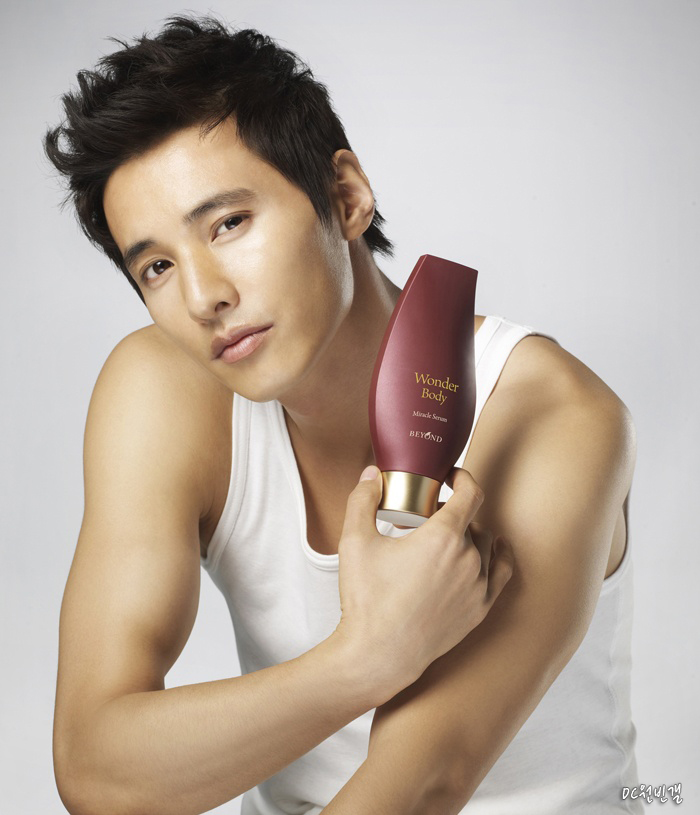 As Dr. Roald Maliangkay at the Australian National University points out however, it’s very much the same with men:
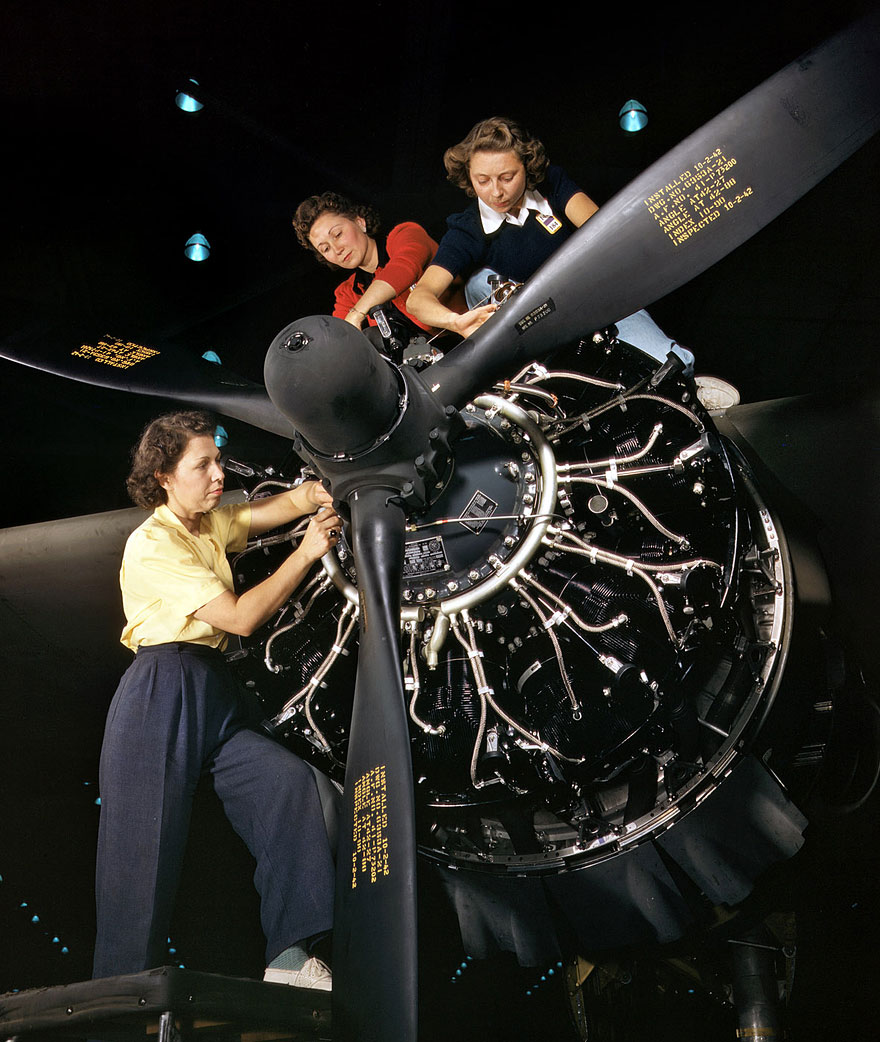 For more on the backlash in Korea specifically, see “The hate underlying the ‘__ Girl series’ and criticism of women’s organizations” at ILDA (in addition to all the links in previous posts in the series). Finally, for more on the wartime US case, first see “The Impact of War on 1940′s Fashion in the USA” at Glamor Daze for a primer on women’s fashions in the period; then, see Bored Panda for rare color photographs of women working in aircraft manufacturing plants in World War Two, taken by:


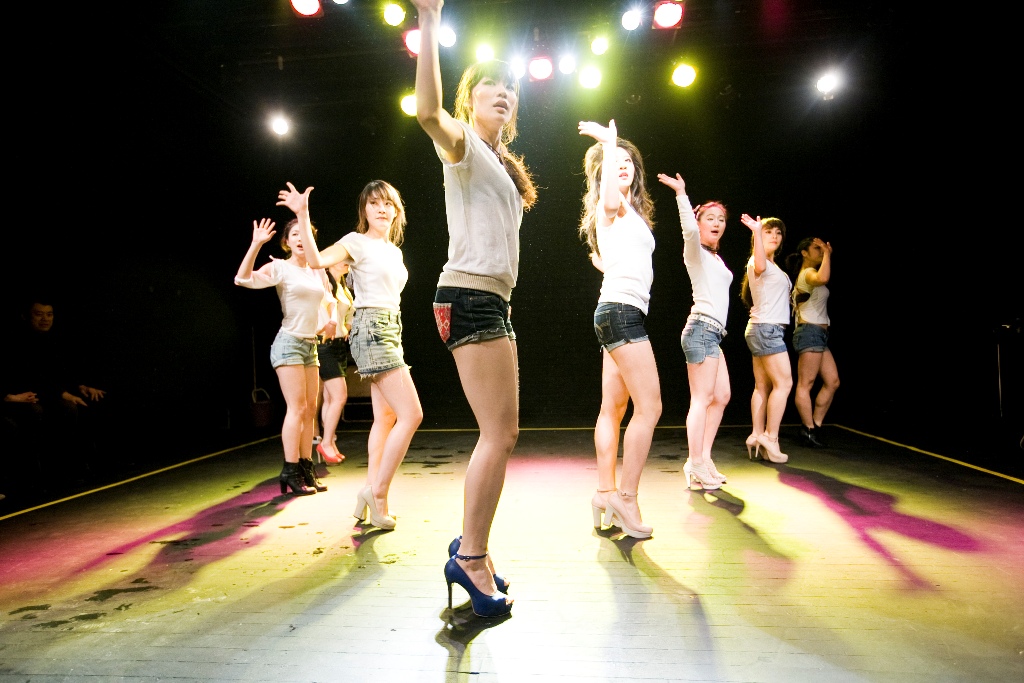
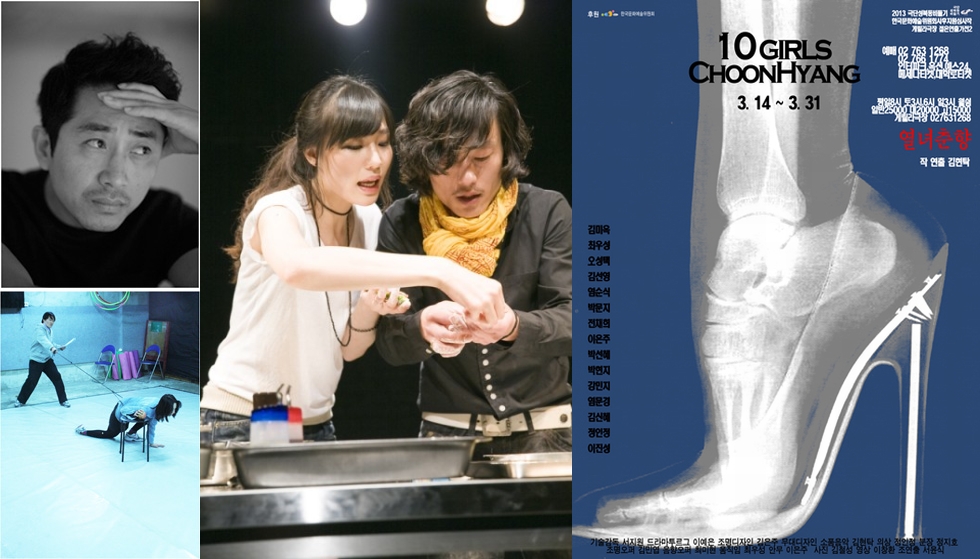
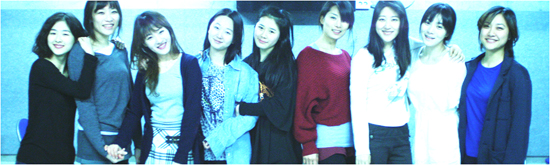

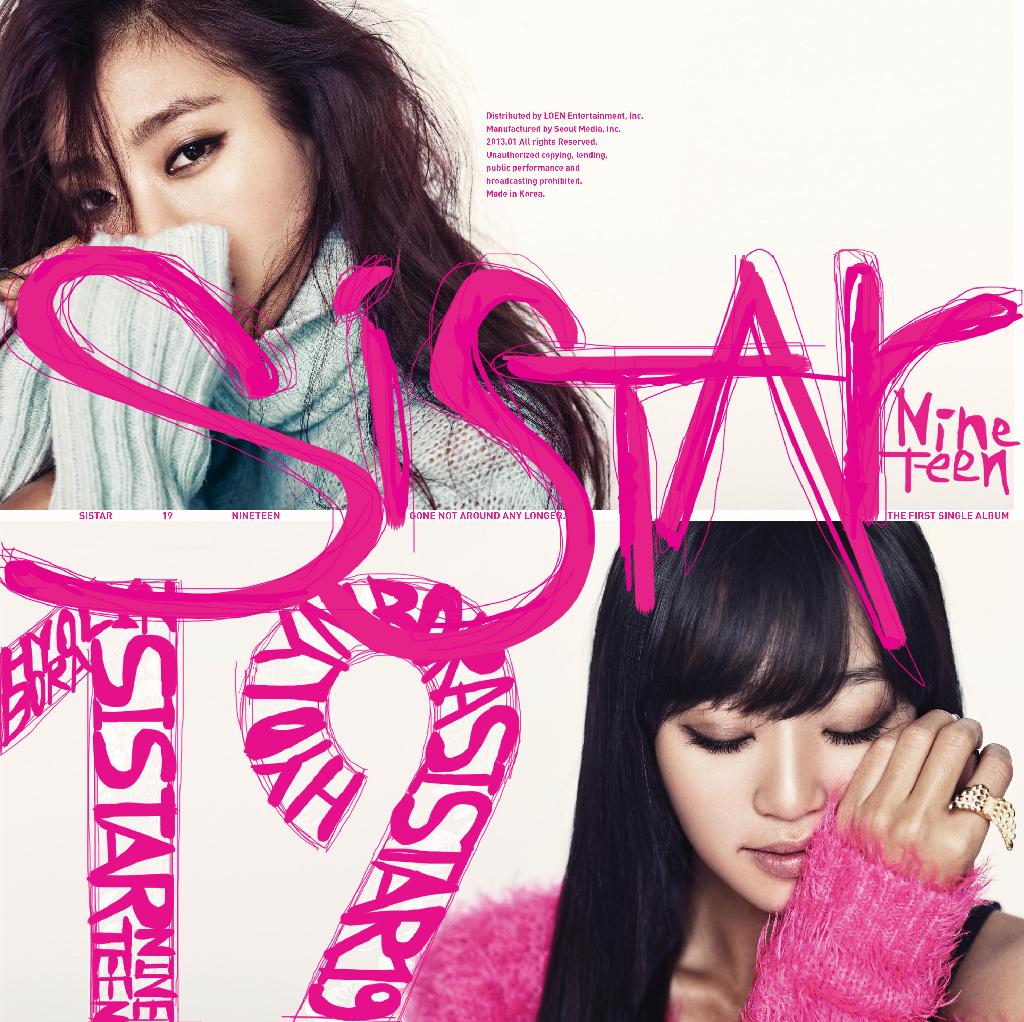

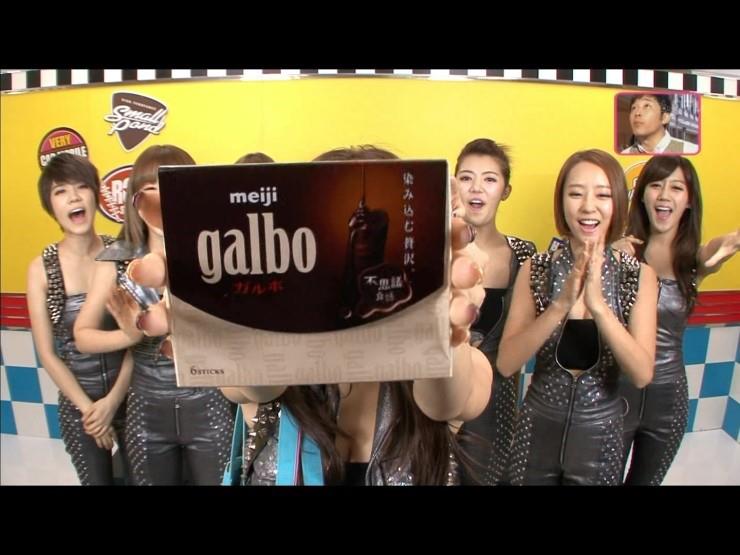

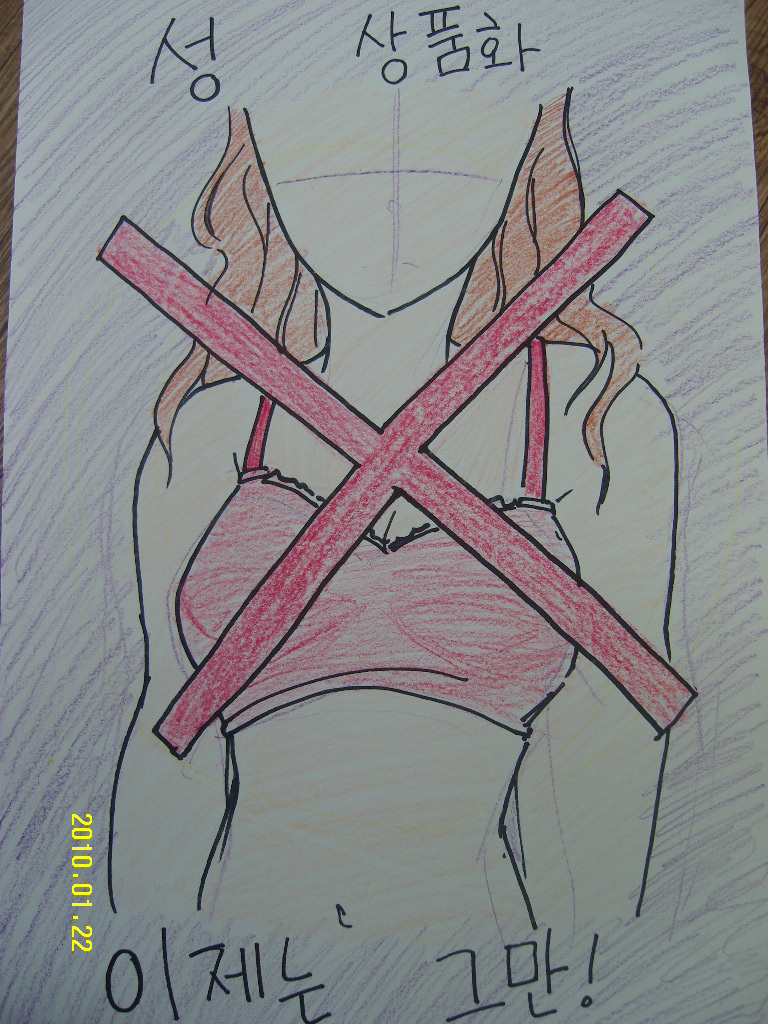

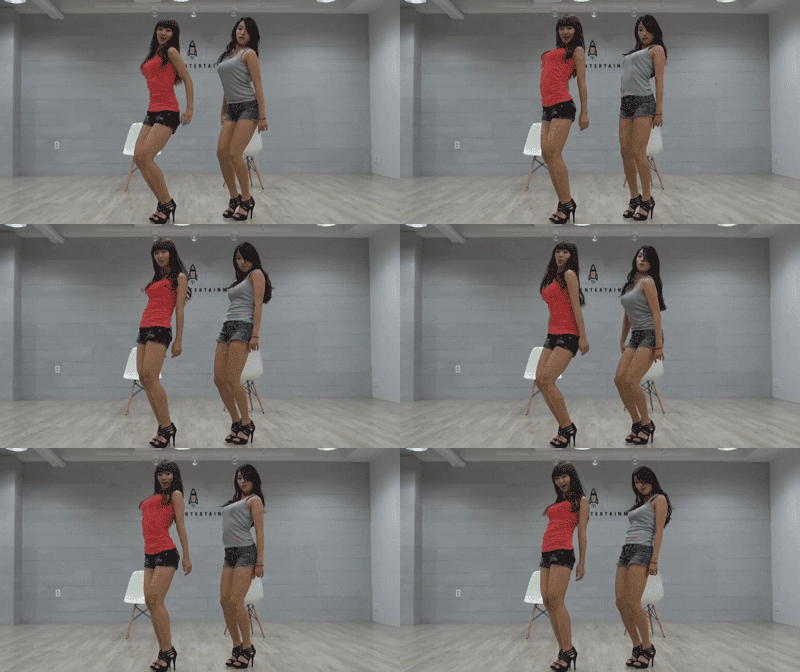

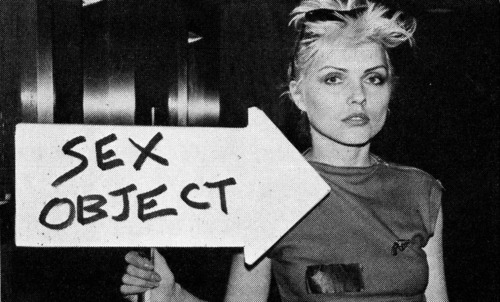
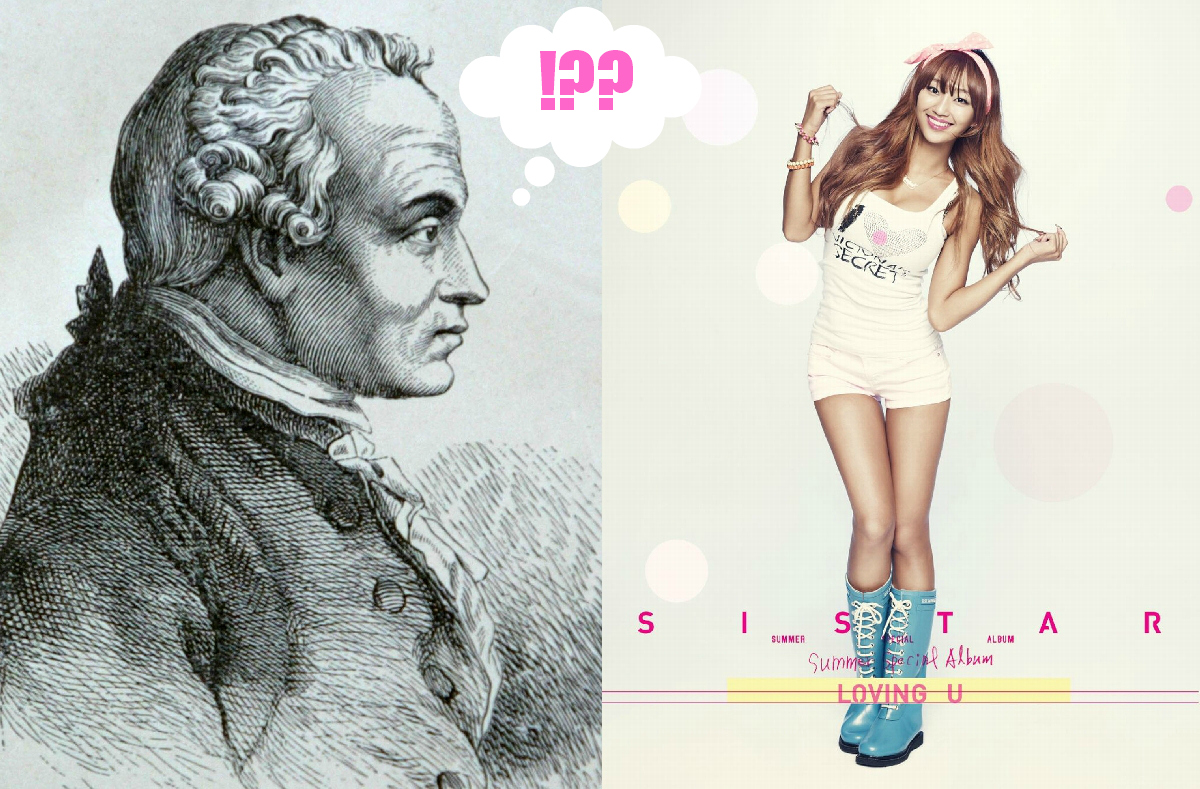
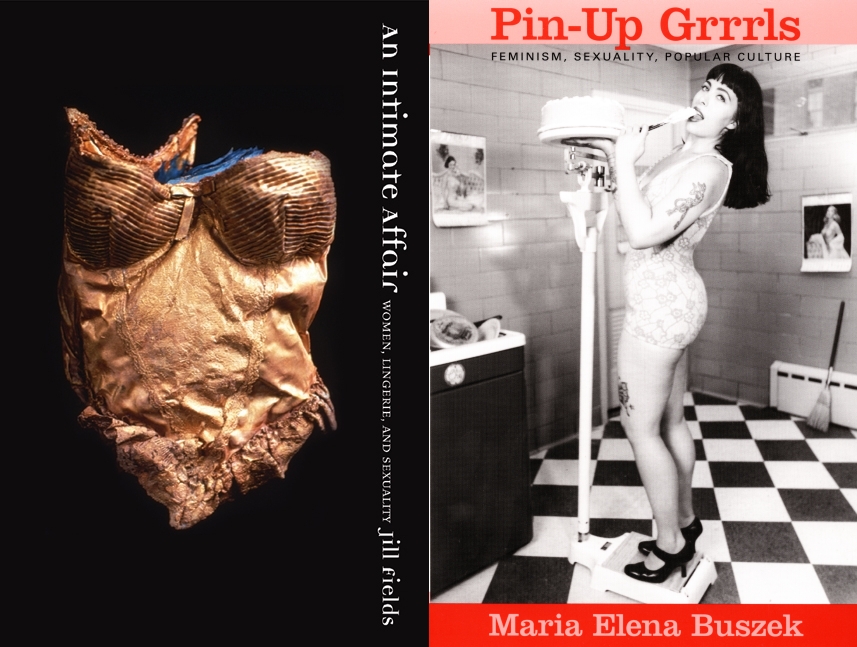
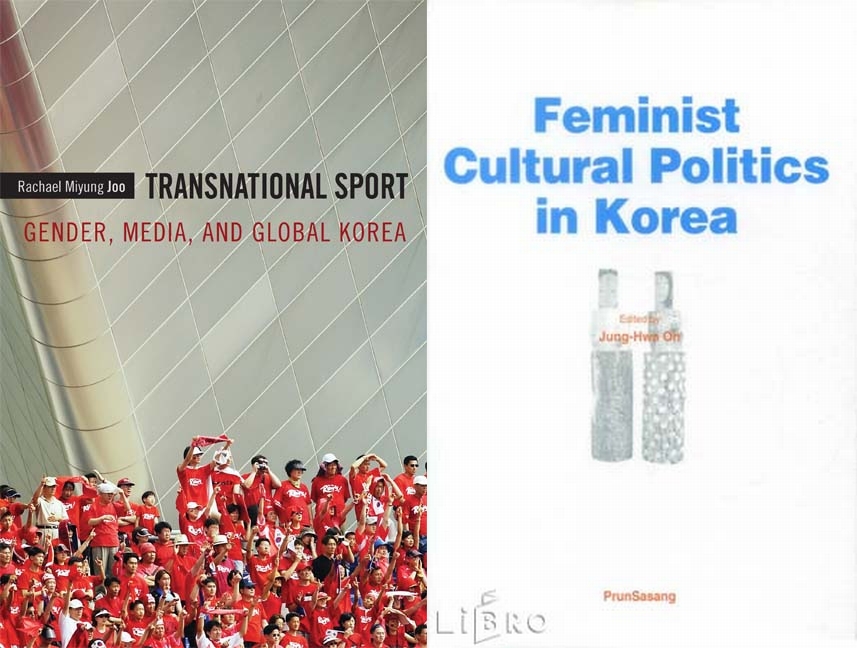

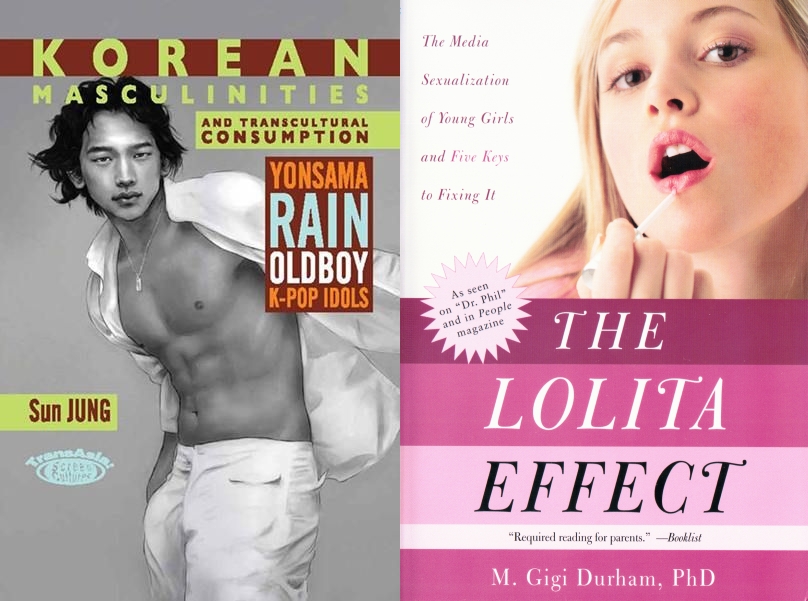
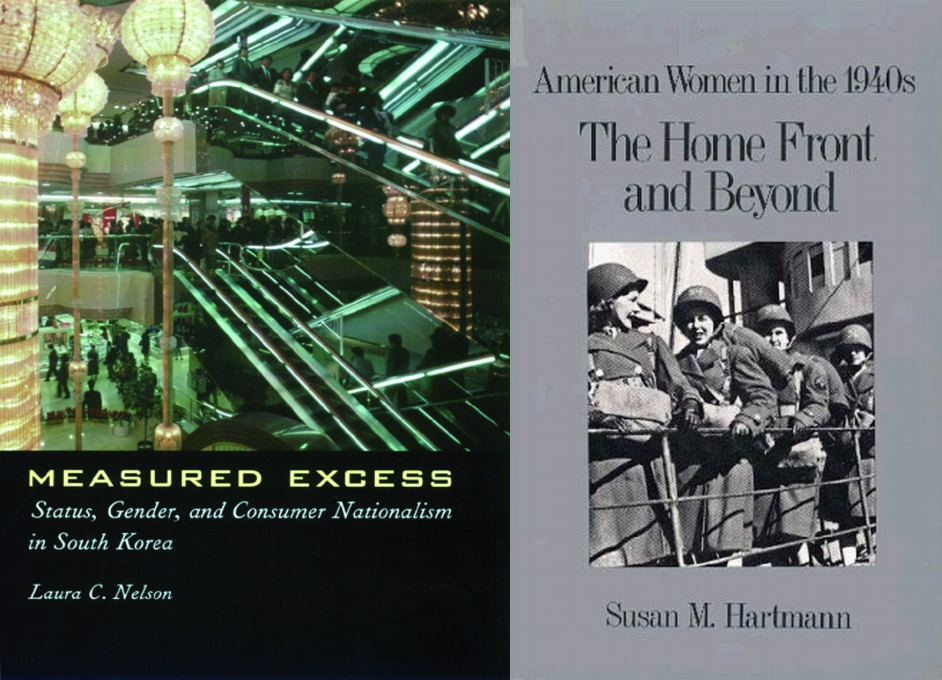


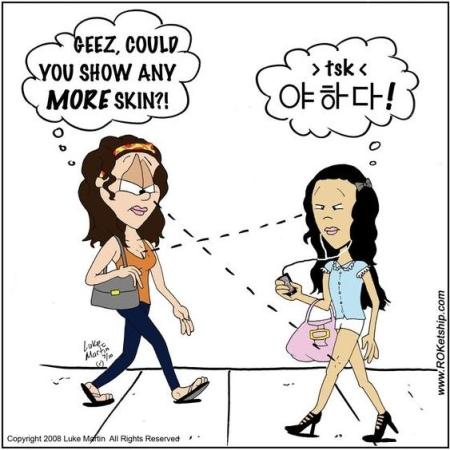
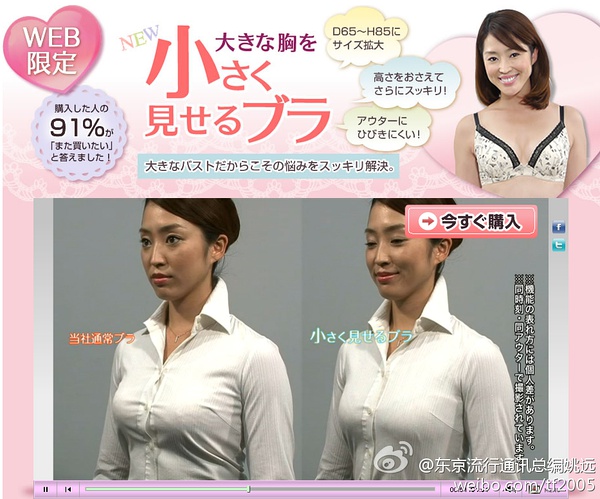
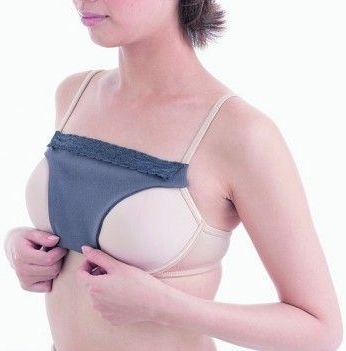
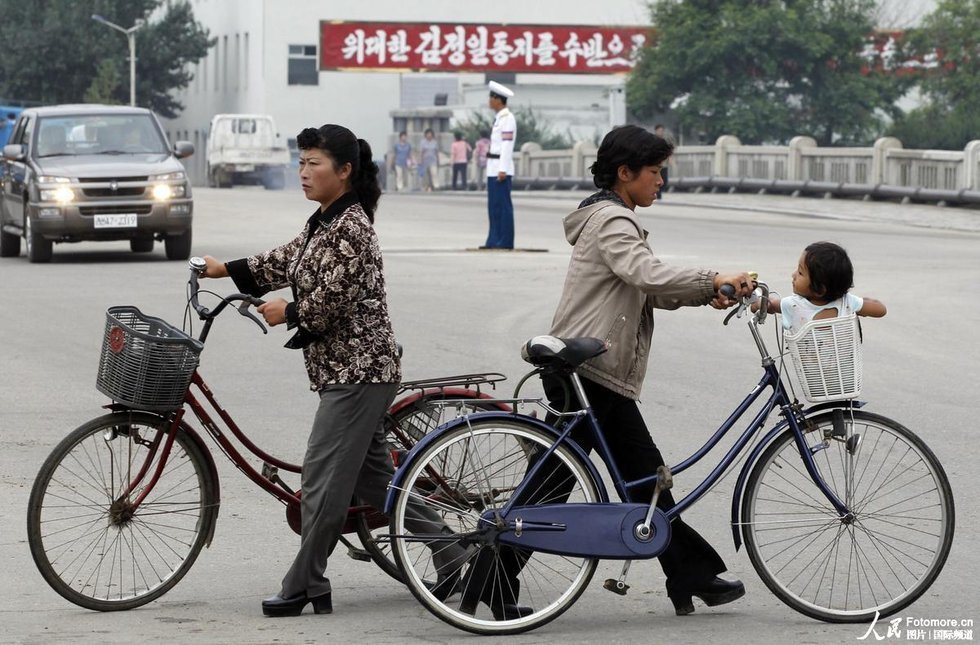
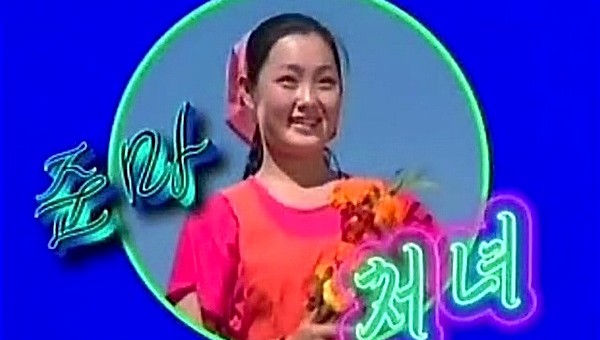
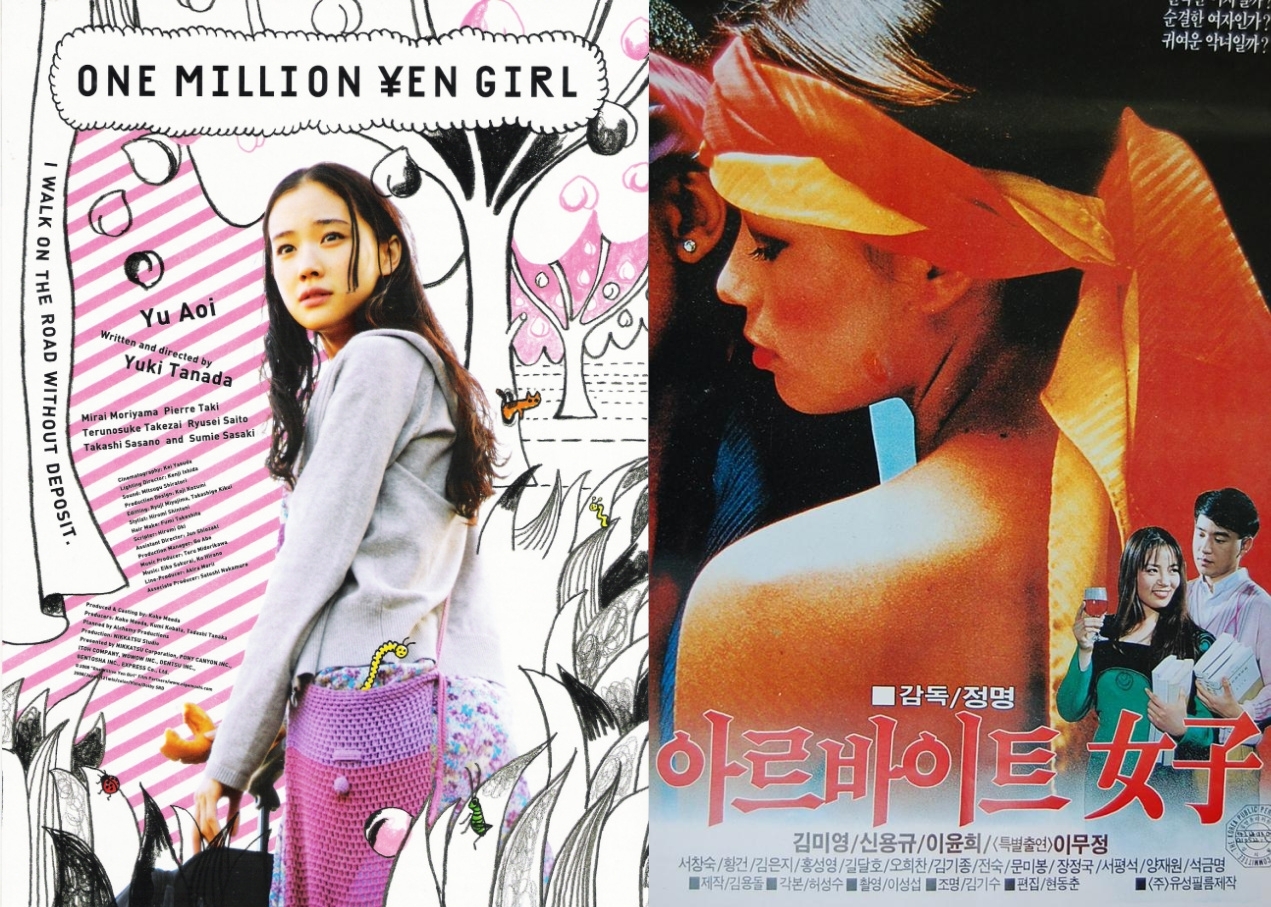
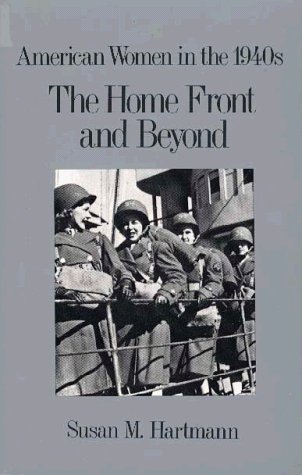
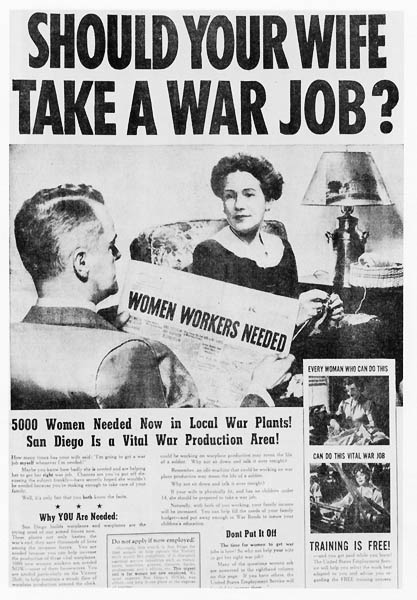
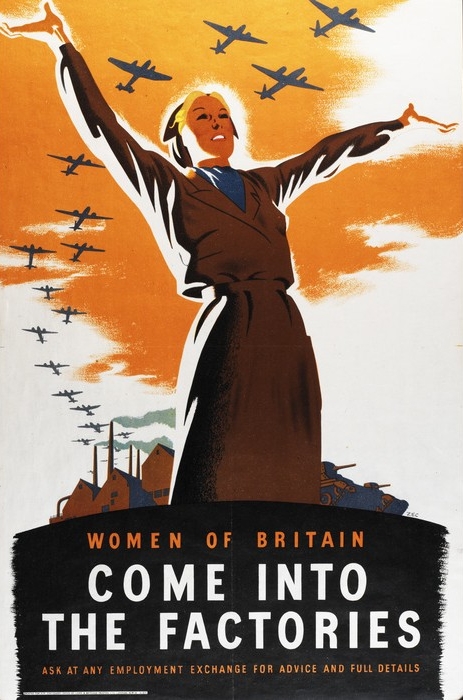

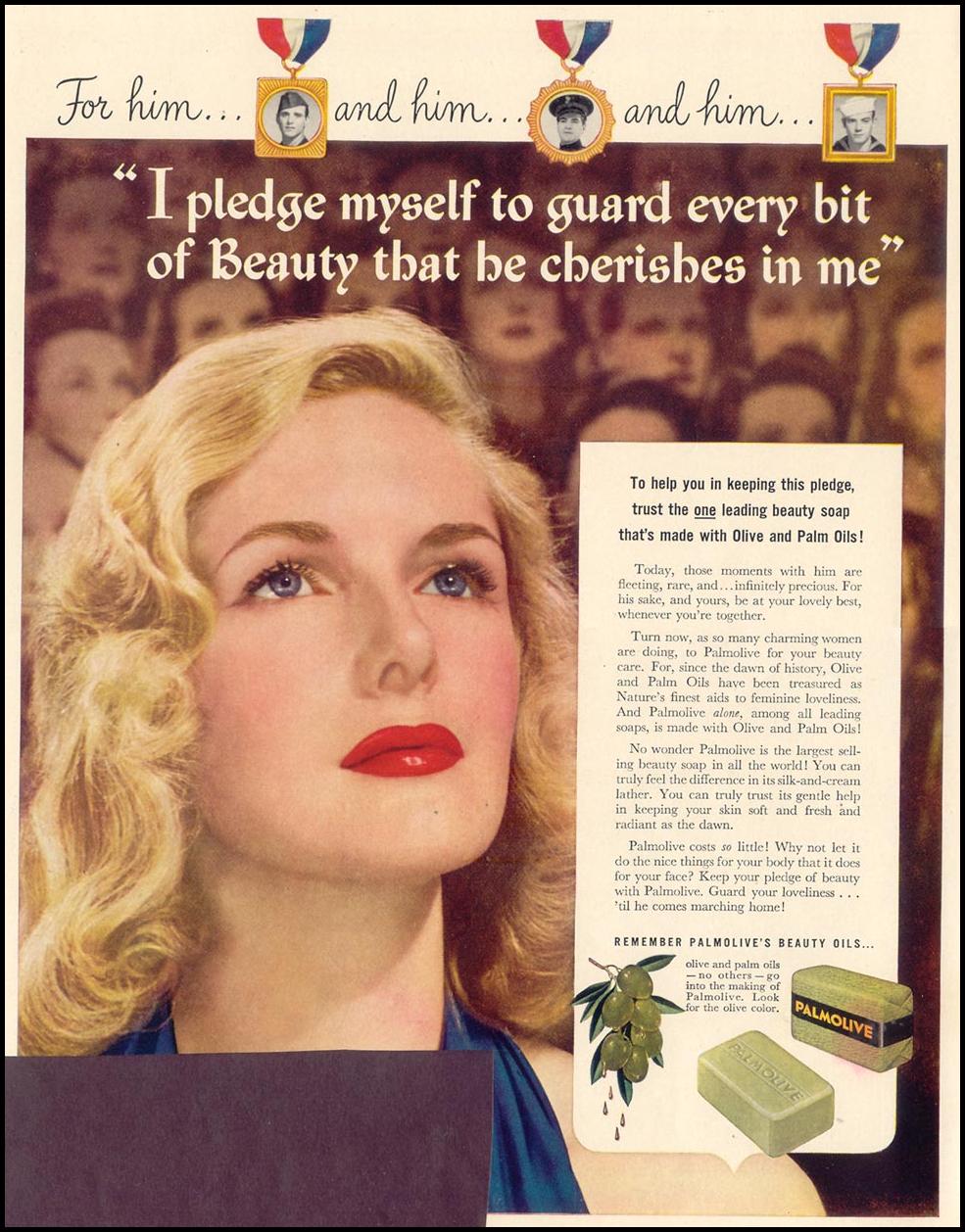
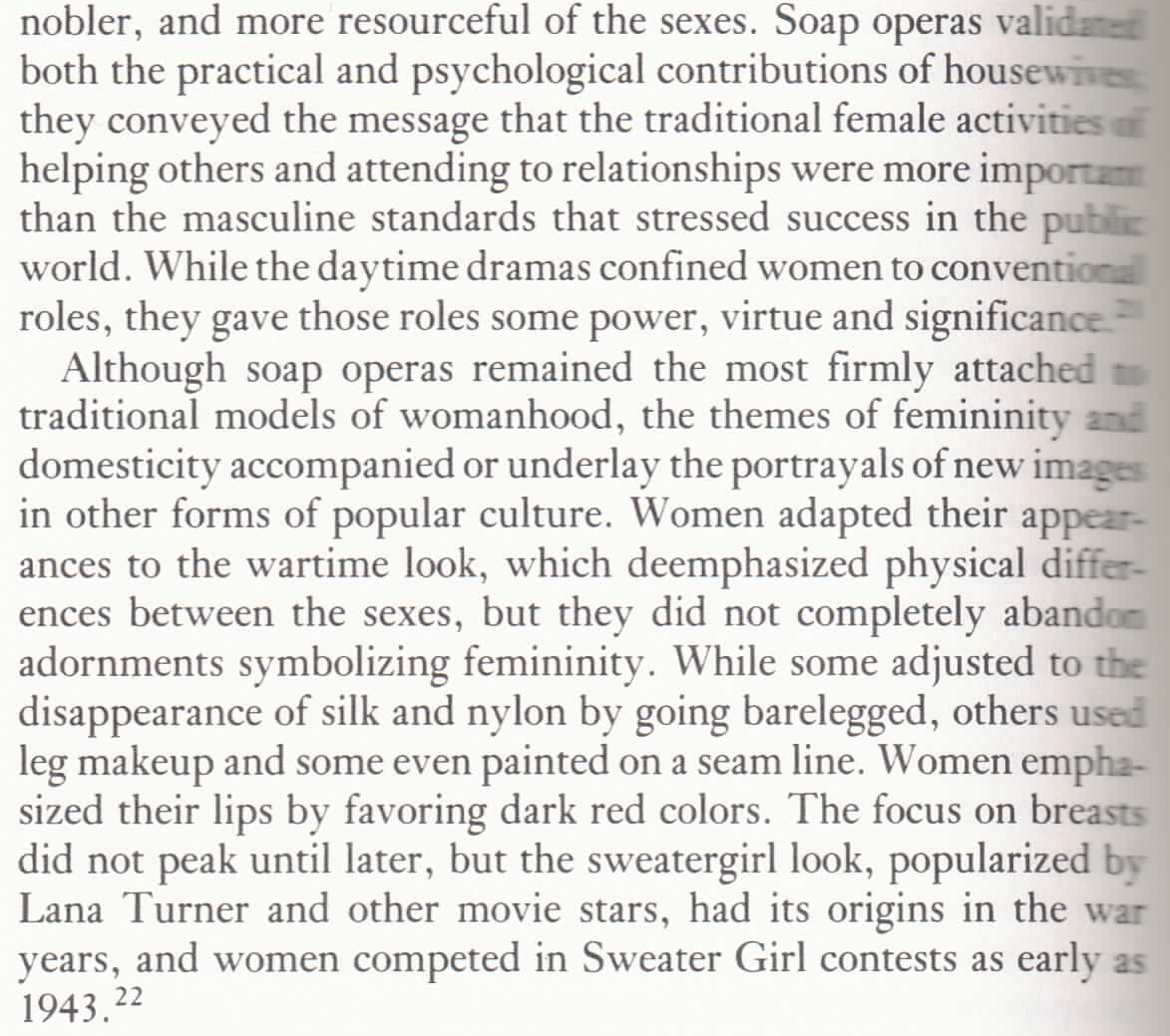
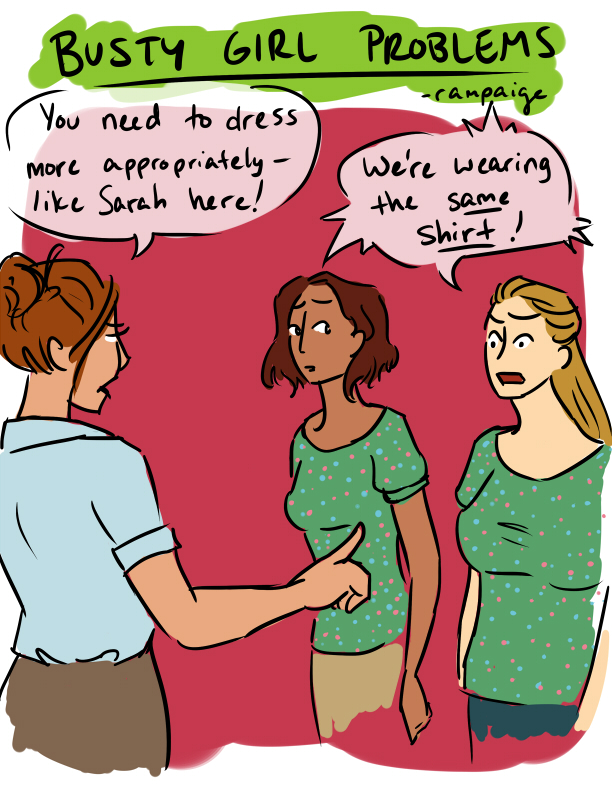



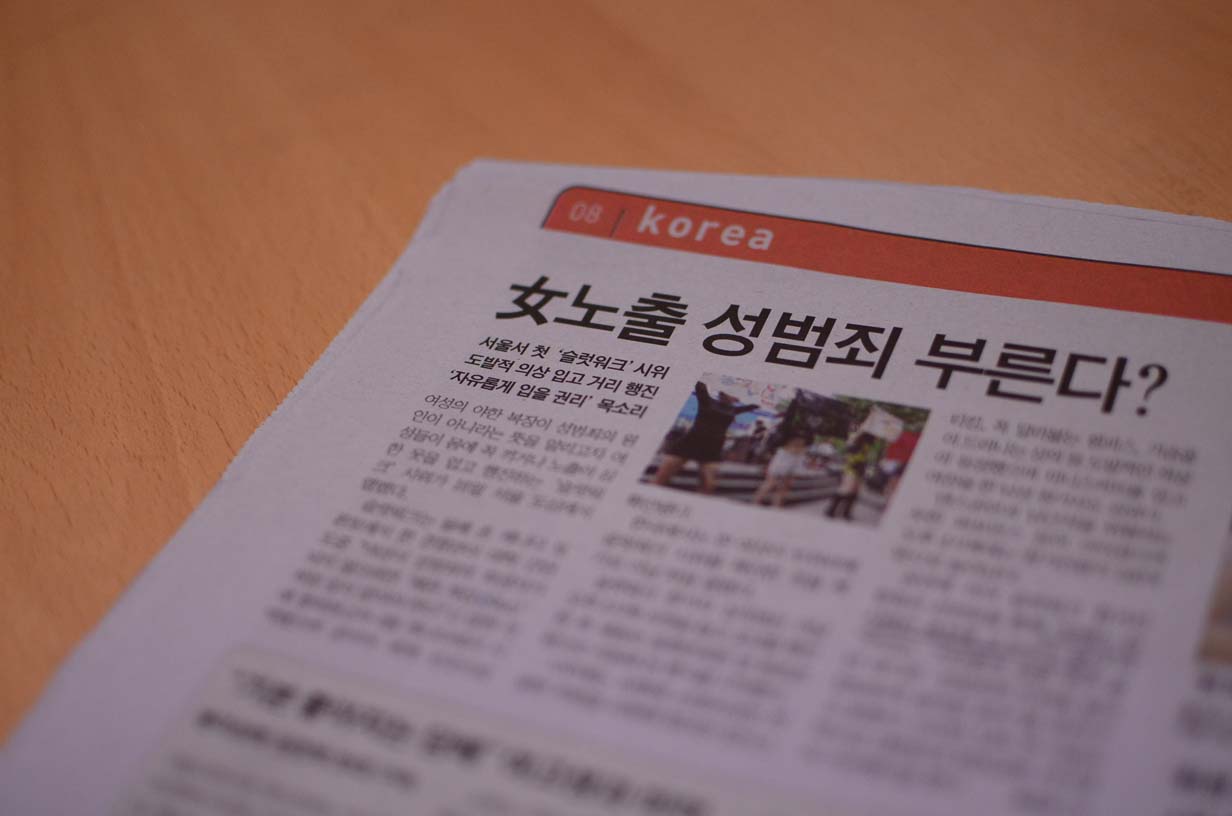






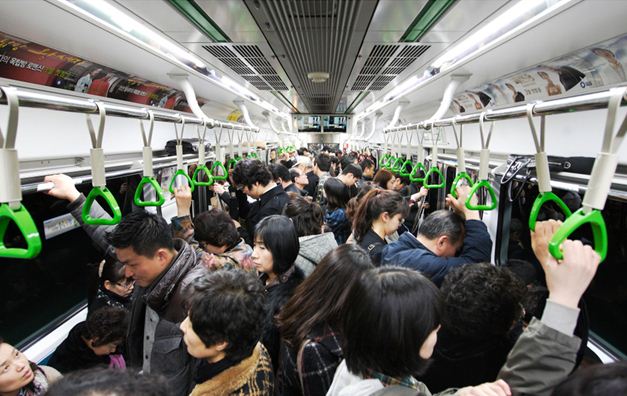
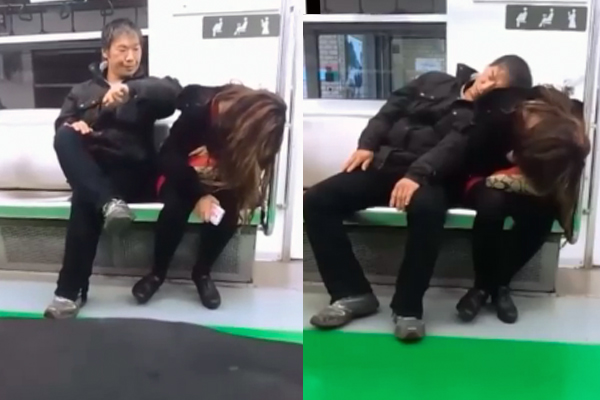

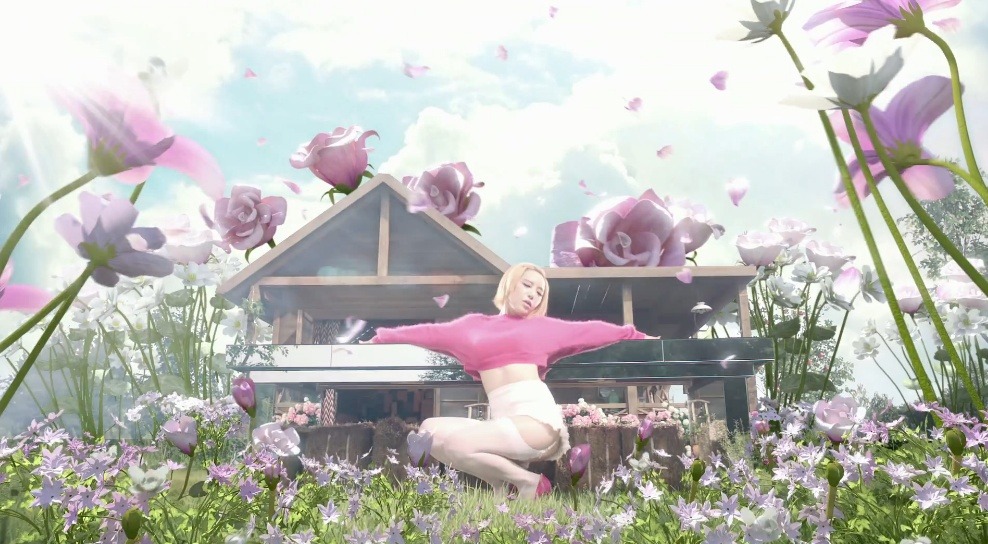


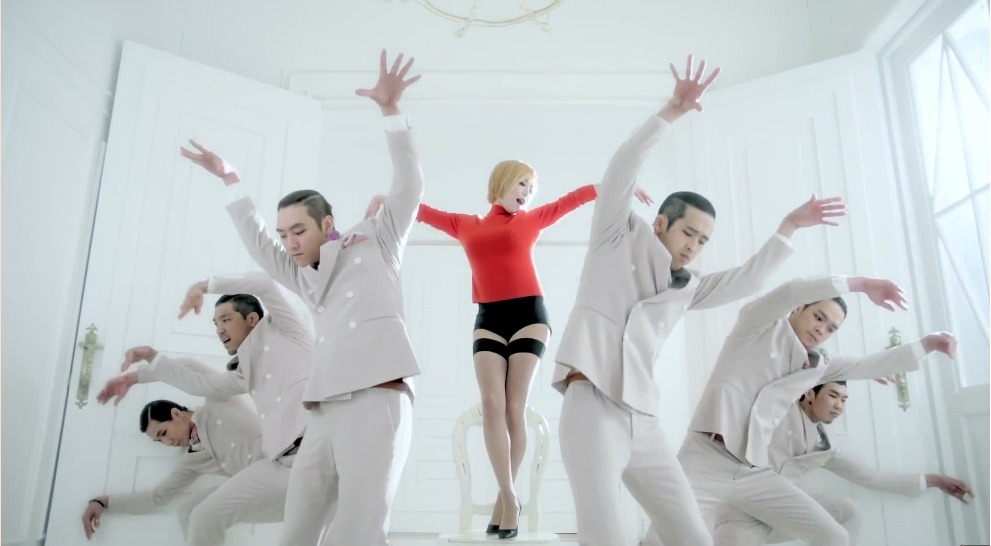






 The Grand Narrative
