What’s the first thing that goes through your mind, when you hear that over 3000 people at a time are attending concerts performed by a hologram?
If you’re a fellow science-fiction fan, then possibly this scene from chapter sixty-nine of Snow Crash (1992), Neal Stephenson’s cyperpunk classic (and where we get the word “avatar” from):
…[the light show] begins to simplify itself and narrow into a single bright column of light. By this point, it is the music that is carrying the show: a pounding bass beat and a deep threatening ostinato that tells everyone to keep watching, the best is yet to come. And everyone does watch. Religiously.
The column of light begins to flow up and down and resolve itself into a human form. Actually, it is four human forms, female nudes standing shoulder to shoulder, facing outward, like caryatids. Each of them is carrying a something long and slender in her hands: a pair of tubes.
A third of a million hackers stare at the women, towering above the stage, as they raise their arms above their heads and unroll the four scrolls, turning each one them into a flat television screen the size of a football field…
The reality however, is rather different. But Hatsune Miku (初音ミク) is no less impressive for all that:
Or rather, the technology behind “her” is. As the notes to that video put it:
Japan’s newest singing sensation is a… Hologram. No, that’s not a typo! It’s amazing where technology is headed these days! Over in Japan Cryton Future Media is actually starting projector concerts using a actual live band to compliment their virtual vocaloid idols like Hatsune Miku. Regardless of being a Hatsune Miku fan or not, just seeing what technology can accomplish is just amazing. While this technically isn’t a ‘true’ hologram (one where light actually takes up volumetric space rather than just a planar surface) like the one we’ve all seen of in Star Wars, it is still nevertheless quite impressive how real this appears!
Still, as author of this blog(!), it behooves me to ponder some of the negative social consequences as the technology improves, especially once the virtual idols become photo-realistic. Indeed, Hatsune Miku aside, it’s already entirely possible that when my daughters are in their late-teens or early-twenties, they’ll feel compelled to compare their bodies with – and be compared to – impossibly perfect computer-generated body shapes. But if those happen belong to the hottest (virtual) girl-groups in K-pop too?
But wait a minute…women being encouraged to aspire to body-shapes that it’s physically impossible for human females to achieve? Hell, that’s already happening!
Update 1 –Edurne mentions that the movie S1m0ne explored these themes way back in 2002:
Update 2 – As it turns out, a photo-realistic member of a (Japanese) girl-group was actually created back in June!
(Update: as YouTube flags me for copyright violations if I post the video there, then please see here or here instead)
Thank you to everyone who’s emailed me about Japanese child star Ashida Mana dancing to KARA’sMister on a Japanese talk show. For anyone interested in some context, issues raised, and why I think it’s problematic, then please first read Part 2, all of which was written in response to my one of my own daughters doing something similar at her kindergarten. Frankly, it was eerie how much Ashia reminded me of her.
Meanwhile, here’s the “Butt Dance” (엉덩이 춤) being referred to, with handy English subtitles:
Next, assuming that you’re read that earlier post, then consider these additional observations from Meenakshi Durham’s The Lolita Effect, which seem particularly apt here:
…Increasingly, adult sexual motifs are overlapping with childhood — specifically girlhood, shaping an environment in which young girls are increasingly seen as valid participants in a public culture of sex.
In some ways, this is not a new idea: in the 1932 short film “Polly Tix in Washington”, a four year-old Shirley Temple played a pint-sized prostitute. Sashaying around in lacy lingerie and ropes of pearls, she announced “Boss Flint Eye sent me over to entertain you…but I’m expensive!”. Critics have commented on the overt lewdness of this and other films the toddler was case in as part of the “Baby Burlesks” series, which were designed for adult viewers and included frequent scenes of little girls in diapers aping the sexual behaviors and attitudes of much older women. In latter films too, Temple projected an “oddly precocious” sensuality, as the film historian Marianne Sinclair has observed — in fact, the acclaimed novelist Graham Greene was sued for commenting on it a film review. (pp. 115-116)
Indeed, Temple herself later described the series as a cynical exploitation of her childish innocence. Appearing from 3:16 below, you’ll soon see why:
But why is it deeply disturbing when 4 year-old Shirley Temple assumes sexual poses and all but blurts out that she’s interested in having sex with the “men”, whereas it’s supposedly as kawaii as hell for 6 year-old Ashida Mana to do, well, almost exactly the same thing? Granted, some actual kissing is involved in the former, but then I’d argue that the majority of viewers would still find the film at least a little concerning without it. In contrast, I’d wager most of us have much more mixed feelings about Ashida Mana, and I’m curious as to why.
With me, I think it’s through seeing my daughter Alice in Ashida, and knowing that she’s completely unaware of the implications of what she’s saying, instead simply having fun and/or fulfilling her natural urge to mimic the behavior of adults. But which is not quite the same as saying it would have been okay for her dance to the much more sexual Mister rather than Lupin at her kindergarten however, let alone for any child do it on national television simply for our titillation.
But other than that, I’ve pretty much said all I can myself in that earlier 3400(!) word post, so I’d really appreciate hearing your own thoughts!^^
The “Reading the Lolita Effect in South Korea” series:
If there was only one statistic that best sums up contemporary Korean society, then that would be its “Gender Empowerment Measure” (GEM). Calculated by the UNDP, it is:
…an indicator of women’s degree of participation in political and economic activity and the policy-making process, using for its evaluation factors such as the number of female legislators, the percentage of women in senior official and managerial positions, the percentage of women in professional and technical positions, and the income differential between men and women (source).
Or, to put it graphically (see here for more details):
And why Korea’s GEM is so revealing is not just because of its abysmal ranking, which, at 68th out of 179 countries surveyed, is bested even by developing countries such as Kyrgyzstan, the Dominican Republic, the Philippines, Vietnam, Moldova, Botswana, and Nicaragua. Rather, it’s because that rank is so out of sync with its other rank of 25 in the Human Development Index (HDI), which measures a country’s standard of living. Surely, as I explained two years ago, there is no greater testament to the palpable gender apartheid here, than the fact that Korea does such a good job of educating and taking care of the health its citizens, only then to effectively exclude fully half of them from political and economic power?
(Source: unknown)
Mentioning this in a conference paper I’m writing on Korean girl groups however, as one does, earlier today my coauthor quite reasonably asked me if a more up to date ranking wasn’t available?
Alas, no. But there did appear to have been some recalculating of the 2008 figures done, with the first thing I saw from my search giving Korea a new ranking of, well, 20th best in the world:
Needless to say, I did a double-take. And indeed, as most of you have probably already guessed, actually the GEM has been abolished. Instead, Korea now has a ranking of 20 in what’s called the “Gender Inequality Index” (GII), calculated according to the following criteria:
What to take away from this? Well first, if I do say so myself, that it’s a pretty interesting thing to end up with, having originated from a paragraph that just one line earlier discusses Girls’ Generation’s signature hot pants.
But more seriously, I do want to stress the incredible achievements that Korea has made in terms of affordable, quality healthcare, well-illustrated by a recent anecdote from Ask a Korean! on a Korean stroke victim in New York, who quite rationally choose to fly 13 hours back to Korea rather than be treated in a hospital there. And it’s also indicative of how dangerous it can still be for women to give birth in many parts of the world, with 1 in 16 new mothers dying in Sub-Saharan Africa for instance, that the UNDP has good reason to think that the Maternal Mortality Ratio needs to be considered in any worldwide measure of gender inequality.
Nevertheless, while budding Canadian politicians, for example, are already taking advantage of their country’s new ranking behind Japan (yet another new paragon of feminist virtue) to say it’s all the government’s fault, it’s probably Korea jumping from 68th to 20th that should be getting the most attention. After all, albeit with apologies to long-term readers for the frequent mention, it does have: among the lowestfemale workforce participation rates in the OECD; the lowest rate of employment for educated women in the OECD (in fact, Korea is the only country in the OECD where the more educated the woman, the less likely she is to be employed); the largest gender wage gap in the OECD; only 13.7% of its legislators women; and a President that encouraged the mass firing of women to get over the latest financial crisis.
At the very least then, Korea’s example seriously questions the applicability of the GII to developed countries. But can readers can think of any other issues raised?
With thanks to Shannon Heit for passing it on, this Saturday at Dongguk University in Seoul there will be a free screening of “63 Years On”, a documentary about the Comfort Women. Starting at 3pm, see the Facebook event page or this press release for further details, and here for a campus map. Also, please note that it does have English subtitles.
Update 1:Ask a Korean! reports that, sadly, a former Comfort Woman just passed away today. That leaves only 73 registered ones still alive.
Update 2: For anyone further interested in the topic of Comfort Women, consider also grabbing a copy of Behind Forgotten Eyes, an award-winning 2007 documentary (via @ornamentity).
I don’t often post Chinese art on this blog, but still: there needs to be more acknowledgment of AXA Direct’s (AXA 다이렉트) debt to Chinese artist Liu Bolin for their recent ad. Hell, it even has old-style British telephone boxes too:
Update: see here for the making-of an upcoming female version of the ad, and this next picture probably gives a much better impression of Liu Bolin’s skills:
And for more on many elderly men’s reliance on prostitution, the Korean public’s attitudes to elderly sexuality, and depictions of that in popular culture, see here.
As explained at The Wall Street Journal, that has prompted a lively debate on maternity issues there, as:
Despite Japan’s embrace of innovative medical technologies, egg donation is virtually banned, and the practice of using a surrogate mother is forbidden by the Japan Society of Obstetrics and Gynecology, an official doctors organization. However, artificial reproduction using sperm donation is allowed.
In comparison, laws in Korea are probably much more liberal, as the notorious case of Hwang Woo-suk’s (황우석) faked stem-cell research illustrates.
Like Brian in Jeollanamdo says, examples like this show why “don’t interfere” is an unfortunate necessity of living in Korea, and which is ultimately self-destructive for Korean society.
Fortunately though, the 2 year sentence was suspended, so the bus driver will not actually go to jail.
To put it mildly, and it doesn’t help that the same-sounding Korean word (플레이보이) literally only means a guy who has many girlfriends.
In fairness though, I’ve heard that the Playbody bunny logo is popular across much of the rest of Asia, so this isn’t just a Korean thing. But still, I’ve been amazed at the numbers of women sporting the bunny ears on Korean TV recently, and was about to write a post about it myself before this came up.
As explained by John Glionna at The Los Angeles Times, nearly 2 years since the suicdie of Jang Ja-yeon (장자연) for being forced to prostitute herself by her managers, unfortunately:
…little has changed in the cutthroat “Korean Wave” of TV, film and music that each year draws thousands of young hopefuls ready to endure whatever it takes — including sexual abuse and exploitation — to make it big.
And in particular:
An April 2010 survey conducted by a human rights group here found that 60% of South Korean actresses polled said they had been pressured to have sex to further their careers. In interviews with 111 actresses and 240 aspiring actresses, one in five said they were “forced or requested” by their agents to provide sexual favors, nearly half said they were forced to drink with influential figures, and a third said they experienced unwanted physical contact or sexual harassment.
10) New girl-group “Piggy Dolls” (피기돌스) debuts with Trend (트렌드)
And so unusual is it for members of girl groups to be anything but skinny, there has already been a lot written about his group. But for the basic details, then I’d recommend allkpop or Popseoul!, and then I’d suggest Seoulbeats for more commentary and analysis (and extra clips). Last but not least, I’d share Mellowyel’s critique of their marketing at Mixtapes and Liner Notes, and am happy to report that, as she hoped, the news report in it is indeed (sort of) about young girls feeling alienated because of their weight, and that the song as a whole is about them breaking stereotypes. See for yourself by clicking on the video above and accessing the subtitles over at Youtube.
Meanwhile, thanks to reader @izzysangtae for first passing the news of them on!
Once again, Korea has gotten the lowest score of all high-income countries in a recent survey of gender-equality worldwide. And, at 104th out of 131 countries surveyed, it was bested by numerous much poorer countries at that.
Given that record, then it’s very easy to focus on Korea’s shortcomings when talking about gender issues. But that can mean that we can easily miss the positive developments that are occurring though, and sometimes right in front of our very noses.
Take what this humble-looking subway ad for instance, and what it ultimately represents. First, a translation:
부산 해바라기 여성 • 아동센터
Busan Sunflower Women & Children’s Center
여성 성폭력 피해자와 가정폭력 피해자, 학교폭력 피해자들을 돕고 있는 부산 원스톱 지원센터와 아동과 지적장애인 성폭력 피해자 전담센터인 부산 해바라기 아동센터가 2010년 1월 1일부터 부산 해바라기 여성 • 아동센터로 통합되었습니다.
From January 1, the Busan One-Stop Support Center, which helps female victims of sexual abuse, victims of family abuse, and victims of physical abuse at schools, and the Busan Sunflower Children’s Center, which helps children and mentally handicapped victims of sexual abuse, have joined together and become the Busan Sunflower Women & Children’s Center.
여성부, 부산광역시, 부산지방경찰청에서 지원하고 동아대학교병원에서 수탁운영하는 여성 • 아동 폭력피해자 전담센터입니다.
With support from the Ministry of Gender Equality, the Busan Metropolitan City Council, and the Busan Metropolitan Police Agency, Dong-a University Hospital has been given the responsibility of operating the center, which provides consultations for female and child victims of abuse.
가족폭력, 성매매, 학교폭력, 성폭력 피해를 입은 여성과 아동을 보호하고 지원하고 치료합니다.
Women and children who are the victims of family violence, sex trafficking, school violence, and sexual abuse can receive protection and treatment at the center.
의사, 간호사, 임상심리사, 심리치료사, 성폭력 • 가정폭력 전문상담원, 여성 경찰관 등 각 분야 전문가들이 상주하고 있어 위기상황에서 가장 전문적이고 질 높은 상담, 의료, 심리치료, 수사, 법률 서비스를 무상으로 제공합니다.
Experts in many fields such as doctors, nurses, clinical psychologists, psychological therapists, family and sexual violence consultants, and female police officers and so on will be permanently stationed at the center, and when you are in a crisis you can receive the best professional and highest quality consultations, medical treatment, psychological counseling, legal advice, and assistance with launching criminal investigations. All these services are provided free of charge. (end)
In my experience, usually the amalgamation of two government institutions in any country is in response to cost-cutting. Fortunately however, there’s a great deal of indirect evidence to suggest that that isn’t the case here.
First, note that the ad is actually quite dated, mentioning that the amalgamation was effective from January the 1st for instance (although the center didn’t officially open until February the 9th), and in particular that the Ministry of Gender Equality has a supporting role in it, whereas the Ministry actually reconverted back to the Ministry of Gender Equality and Family Affairs (여성가족부/MOGEF) back in March. Presumably then, the ad has already been posted on Busan subway trains once before, probably late last year or early this one.
Why suddenly post the same ones again in late September then? What has changed to prompt that?
As Matt at Gusts of Popular Feeling has well-documented, what has changed is the public perception that there has been a sudden and dramatic increase in the numbers of sex crimes against children, whereas in fact they have remained steady (but appallingly high) for years:
There is not a “recent series” of such sexual crimes – this is always happening. It’s just that the media has decided – as it does whenever a particular case angers people – to highlight these cases, which would usually either not be covered or covered by perhaps only one or two media outlets, and which are now linked together in articles in order to point to a great problem that exists. To be sure, there have been several laws passed since the murder of Lee Yu-ri in March (and the Yeongdeungpo case in June), and it’s great that the issue has finally gotten enough attention to get things moving (see here for a brief history of the slow pace of change since 2006). I’m not entirely sure that the solutions being offered are always the best ideas, however, and public fury (and worry) whipped up by this media coverage may be putting pressure on politicians to act first and think later.
And see past Korean Gender Reader posts for more details of those and other sexual crimes. By coincidence, one of the most notorious of those – the murder of Lee Yu-ri – also occurred in Busan, and several of my coworkers here have reported seeing rooms like that on the right pop up in Busan public schools they teach at in the months since, although unfortunately they have no information on the quality of their staffing or how often they are utilized. Have any readers also noticed them, in Busan or elsewhere?
(Note that the English translation on it may be a little misleading though: a better one would be “Consultation Room [for] Mental Anguish [caused by] Sexual Harassment or Sexual Violence”)
Regardless, the point is that given the current climate then it would be wise for the government to highlight all it is doing to prevent sexual violence, let alone to continue or even increase funding to women and children’s centers. And however cynical and reactionary the motives, this is to be applauded.
Granted, the amalgamation was decided and instituted well before the public outcry over the supposed recent spate of sexual crimes against children. But that doesn’t necessarily imply it was the result of a reduction of funding: although it may receive little if any funding from MOGEF for instance, I find it significant that the Ministry’s assumption of old responsibilities came with a big increase in staff and 4 times larger budget (albeit from a base of 0.03% of the government total), so when the plans for the change were announced late last year there was already a political climate conducive to more funding for feminist causes. Signs of a change of heart from President Lee Myung-bak also perhaps, who originally promised to abolish it before his election, only to back down and merely considerably downsize it in response to protests afterwards?
Alas, quite the opposite: in fact, he is using MOGEF to raise the dire birth rate by – wait for it – criminalizing abortion, as I explain in detail here. But to play devils’ advocate however, perhaps this blinds us to some of the positives that it has achieved?
One is its survey of teenage entertainers in August, which – among other things – revealed that many were pressured by their managers to wear revealing costumes, and which ultimately resulted in the National Assembly’s setting up of a committee (albeit under a different ministry) to further investigate MOGEF’s findings. And which after hearing evidence from entertainment company CEOs has just laid down new regulations for the treatment of minors in the entertainment industry (see here and here also for more background).
And finally, take the recent video produced by MOGEF below, which encourages people to pay more attention to the needs of immigrant women. Granted, it’s just a video, and again it may be just be in response to the recent murder of a Vietnamese bride by her husband after only 8 days in the country (see #13 here), but then it’s not like such efforts started only recently. One thing that instantly comes to mind for instance, is the above survey that was sent to all foreign spouses in Korea in August last year (see #3 here), in an attempt to better find out their specific needs.
Vodpod videos no longer available.
Any other positives readers can think of, however minor, then please pass them on!^^
Update: As per request, here is what the voiceover in the video is saying (and I’ve put the additional text in brackets as it came up):
이주여성들을 힘들게 하는건 (부부갈등 상담 8, 452건)
The things that make it difficult for migrant women… (8, 452 consultations for married couples having difficulties)
어려운 한국어와 (가정폭력 상담 4205 건 [2009년 이주여성 긴급지원센터 상담통계)
…are difficult Korean… (4205 consultations over family violence/abuse [2009 Statistics from Migrant Urgent Help & Consultation Centers])
낯선 환경, 다른 문화
…the strange environment, the different culture…
그리고 우리의 무관심입니다. (국제결혼 이주여성 16만여명)
…and our indifference. (lit. international marriage migrant women 160,000 women [James: just in 2009?])
이주여성들에게 작은 관심은 큰 힘이 됩니다.
Just a little help and support helps migrant women a great deal (same in the text)
이주여성들의 힘이 되어주세요.
Please be strong and supportive to them.
이캠폐인은 여성가족부와 복권위원회가 함께 합니다. (이주여성긴급지원센터, 1577-1336)
This campaign is brought to you by MOGEF and The Lottery Commission. (Migrant Women’s Urgent Help & Consultation Centers: 1577-1366)
And by coincidence, something else positive that MOGEF has some role in: a seminar about women’s career development at my university tomorrow (stalkers, take note of which one). Things like this seem to go on there at least once a month or so.
Maybe this has something to do with that, which I only just noticed today:
Please let me know if anyone would like a translation of the first poster. Meanwhile, do any other Korea-based readers have anything similar at their own universities?
Are commercials for this product really the same the world over? Put that to the test by quickly trying to guess what is being advertised above, before all is revealed at o:10.
For non-Korean speakers, the powder shown is a combination of ganghwa-yagssoog (강화약쑥), or “medicinally strengthening” mugwort, and hongsam-paoodeo (홍삼파우더), or red ginseng powder. And surely there is no greater testament to believing in its health benefits than by being prepared to use it in the most intimate of places?
Lest my bashful euphemism for VAGINAS detract from that point however, do recall that during the 2008 protests against US beef imports for instance, many Koreans genuinely believed baseless rumors that Mad Cow Disease could be caught via the gelatin used in sanitary napkins. So it makes perfect sense for aptly-named manufacturer Body Fit (바디피트) to capitalize on the belief that what’s inside sanitary napkins can have direct effects on the wearer’s health.
Still, you could also argue that it actually smacks of desperation by ginseng producers. For – with apologies for the inadvertent pun – one of the first things the commercial reminded me of was the fact that:
…once a market is saturated, I learned at university in New Zealand, there is a inherent tendency for a company’s rate of profit to fall. But this can be offset by re-marketing and/or making new varieties of the original product, and accordingly my lecturer posited the plethora of varieties of Coca-Cola available in the U.S. as a reflection of the greater capitalistic development of its economy (read: saturation of its domestic market) compared to New Zealand’s, which then only had two. Indeed, advertising culture in New Zealand in the late-1990s, he suggested, was only akin to that of the US in the 1950s in its scale and intensity, no matter how brash and “American” New Zealanders regarded it.
( Source: unknown )
And the second was either a Metro or Focus newspaper cartoon I remember from 2005, a satire of the “well being” (웰빙) craze that showed that simply adding a sprinkle of green tea powder to a product seemed to give it health benefits in consumers’ minds, and for which they were prepared to pay a premium for. In particular, the last panel had me laughing out loud on a crowded subway car, for its ads for extremely expensive “Well Being Apartments” built with green tea concrete really hit the spot.
And which just goes to show that not all Korean consumers are gullible as the mad cow disease connection above suggests. And – seeing as we’re talking about vaginas after all – then the latest Western craze for “labiaplasties” for instance, sounds far far worse (see a NSFW video here too).
But hey, if a misguided belief in the health benefits of a product exists, then you can guarantee that companies will exploit it and/or encourage it. And so it seems very strange then, that actually neither sexual potency or health benefits are the stated logic of the commercial, which is rather that the combination of mugwort and red ginseng would eliminate odor. And which my wife assures me is a genuine concern for women, and not an invented concern as I first thought.
But still, would they really be the most appropriate substances for doing so? How about green tea powder, which – you guessed it – is also found in feminine hygiene products in Korea?
Let’s just say I have my doubts. Meanwhile, can anyone also think of any red ginseng (or green tea) products specifically aimed at men? Or, aphrodisiac-wise, is red ginseng actually only supposed to work on men anyway?
Update:Here’s a collection of amusing and/or bizarre “care down there” ads from around the world. Enjoy!
(For all posts in the Korean Sociological Images series, see here)
Well, bottom half of her body to be precise. But then she is Korean after all, so what on Earth does that make her top half?
“Western,” according to her. And while she’s quite happy with that at least, in contrast she’s dissatisfied with her “Asian” legs, claiming that she has to always wear high heels to compensate for them (source, right).
However, despite my original shock at hearing her describe herself in such terms, ironically I find myself defending her statements.
Singer Lee Hyori is drawing lots of attention for saying “While I have a Western top half, on the other hand the bottom half of my body is Asian.”
지난 20일 방송된 MBC ‘섹션TV 연예통신’에 출연한 이효리는 서구적인 상체를 가지고 있는데 반면 “동양적인 하체를 가지고 있다”며 “하이힐은 생명과도 같다”고 말해 주위를 웃음바다로 만들었다.
Appearing on the MBC show “Section TV Entertainment Report” on the 20th of August, she then said that “High heels are as important as life itself!”, which turned the audience into a sea of laughter.
이날 이효리는 “샵에서 효리씨가 입어주면 옷이 잘 팔린다며 옷을 공짜로 준다”며 “옷을 잘 입는 방법은 얼마나 자신의 체형을 잘 커버하느냐인 것 같다”고 설명했다.
She also explained that “When I go into a shop, the owners give me clothes for free because they will sell well if I wear them”, and that “How well you wear clothes depends on how much of your body shape you cover up.”
이효리에게 ‘숨기고 싶은 신체적 단점’에 대해 질문하자 “상체는 서구적인 반면 하체는 동양적이다”라고 말했다.
When asked what were bad points about her body she wanted to hide, she replied that “I have a Western top half, but an Asian bottom half”.
이어 동양적인 하체를 커버하기 위한 해결책으로 “절대로 하이힐을 벗지 않는 것”이라고 강조하며 “10cm 이하 하이힐은 쳐다보지도 않고 잠을 잘 때도 하이힐은 신고 잔다”고 말해 주위를 폭소케 했다.
Accordingly, she emphasized that the solution for covering(?) her Asian bottom half was “never taking high heels off”, and that “not only will I not look at high heels with a heel less than 10cm high, but I even sleep in high heels”, producing hysterics in the audience.
Apologies for the terrible quality of that “news report”, but as I type this unfortunately I’m only able to find minor variations of it on the Korean internet. But lots of them, albeit only because Korea’s top female sex-symbol is admitting to having (self-perceived) flaws, and definitely not because of her views on different races’ body shapes.
And why should they be news? Are they really as strange as they first sound?
In short, no, for three main reasons.
Firstly, as some commenters at K-pop blogs allkpop and Omona! They Didn’t have pointed out, she probably merely meant that she had larger than average breasts and short legs instead, and was not necessarily denigrating women cursed with the latter, nor Asians in general. And that’s probably true.
Still, why not just say that instead?
But would you? In English, we describe people by their races all the time; much less so, the specific features that make us characterize them as such. Moreover, I’ve certainly met many people with a blend of racial features too, let alone the two I’ve fathered myself!
So although it sounds extreme and even amusing in English, I’d be very surprised if Lee Hyori wasn’t indeed just referring to certain body features when she said she had a seogujeogin (서구적인) top half and dongyangjeogin (동양적인) bottom half. Indeed, and finally, it behooves non-native speakers like myself not to take the Korean language too literally.
I learned this lesson myself back in February, through trying to understand the 2009 buzzword cheongsoon-glaemor (청순글래머). Meaning “innocent” or “pure”, then cheongsoon at least was easy enough, but glaemor (글래머)? Naturally I assumed it meant the same as the English, but as several readers pointed out, it’s a false cognate, actually meaning “large breasts” instead. So cheongsoon-glaemor means “innocent and busty” in English.
Yes, that does indeed sound inane in any language, but the point is that it’s rather different to “innocent and pure-looking but while still having a rich and glamorous celebrity lifestyle”, which is what I originally thought. And just in light of a mistake like that alone, then surely Lee Hyori should be given the benefit of the doubt in this case, rather than instantly being accused of racism and/or – ironically – feelings of racial inferiority.
Still, after almost spitting out my coffee while reading about the story this morning, I admit I’m a little reluctant to let her entirely off the hook.
And indeed, just like the term glaemor originally came from a mistranslation by the Japanese, stemming from the well-endowed busts of glamorous Hollywood starlets in the 1950s, the notion that all Korean women should envy the large breasts and long legs of their Western counterparts seems simply absurd considering what their bodies are like 60 years later. So it is high time more Koreans challenged this stereotype, and pondered what sustains it nevertheless.
Perhaps a good place to start would be ubiquitous cosmetic-surgery advertisements, which seem to have an inordinate number of Caucasians in them? What do you think?
Apropos of nothing more than my mellow mood this Sunday, two time-lapse videos of Tokyo by photographer Samuel Cockedey for you to enjoy.
And see Pink Tentaclefor his latest entitled Floating Point, and the video and/or landscape links there for many more like them.
But it’s both curious and a pity though, that there are so many high quality landscape time-lapse videos of Tokyo out there, whereas I can’t find a single comparable one of Seoul. Why do you think that is? After all, clearly Seoul is equally germane:
( Source: unknown )
To help you ponder the attraction of Tokyo at least, here’s some quick thoughts from an old Wired article entitled “Is Japan Still The Future?“. Written in 2001, it seems just as – even more – relevant today:
…Even in the splatter of America’s own burst bubble, Japan’s bottomless reservoir of bad news seems too dark a model for all but the most dyspeptic futurist.
But there is another Japan: Japan-as-metaphor. This is the Japan that represents hypermodernism in all its dimensions, from advanced technology to individual alienation to urbanization run amok. This stylized notion took root in the ’80s amid the country’s economic boom. It was a time when Japanese business models, money, and products seemed like irresistible forces. Neuromancer launched cyberpunk onto the streets of a future Japan “where you couldn’t see the lights of Tokyo for the glare of the television sky, not even the towering hologram logo of the Fuji Electric Company.” William Gibson’s imagined Japan was not the shiny future-perfect of yesterday’s world fairs, but instead a hard-edged tomorrow where giant conglomerates ruled and silico-, nano-, and bio- were the main denominations of value. Gibson’s message was that disruptive technology would bring with it disruptive social change. And it read like prophecy.
And on a similar theme, check out “The Future Perfect” from TIME magazine also. Meanwhile, of course please do pass on any videos of Seoul if you’re aware of them, and if all that hasn’t already made you look at Korean urban life in a new light, then let me finish by passing on bhophoto’s Korean photos which will do precisely that!
A receipt from a recent visit by blogger My Jihae to an upscale restaurant in Seoul, about which she wrote:
I’m not sure how many restaurants do this, and why this restaurant bothers to do this in the first place, but on the top of the receipt they blatantly keep track of whether the guests are locals or foreigners. They pegged me right away, I guess it’s that obvious.
For those of you that can’t read Korean, for now let’s say that waegookin (외국인) on the right generally means a foreigner, and naegookin (내국인) on the left a Korean person. And that does indeed describe My Jihae and her dining partner respectively, although she is actually Korean-American. But why bother to note the distinction between two ethnically-identical customers at the same table?
Some commenters to her post speculate that it may have been done for taxation purposes, which I wrote would be something good to know if true, as otherwise:
…many expats (myself included) may simply chalk things like this up to Koreans typically and completely unnecessarily pointing out our foreignness, when in fact they may be nothing of the sort.
And see Occidentalismhere and here for a similar case in Japan. Unfortunately however, not all perceived Korean tendencies towards exclusion are simply misunderstandings on the part of non-Koreans.
…where when speaking in Korean, Koreans freeze up because they have some silly preconceptions that foreigners simply ‘can’t’ speak Korean or that they just ‘shouldn’t’ speak to us in Korean – the latter which comes without the help of the government and medias insistence in the last 10 years or so that ‘globalization’ means that Koreans should all have to speak English whenever they encounter big-nosed white people.
And which personally used to get me extremely frustrated and angry while learning Korean a few years ago, although now I believe that that reaction from Koreans more often stems from simple inexperience and/or nervousness in dealing with non-Koreans. Still, whatever combination of factors are responsible in any given case, all have clear solutions, something which can not be so easily said of the ways in which Korean notions of nationalism, citizenship, and even the Korean language itself arguably inherently exclude others. Focusing on the latter in this post, I identify 2 main ways in which it does so:
First, because Koreans might take a vacation to New Zealand, say, and describe New Zealanders as waegookin while they’re there, so clearly “foreigner” doesn’t quite cut it as a translation. Perhaps “non-ethnic Korean” would be more suitable? But then what about about My Jihae back in the restaurant?
Given such confusion, then as you might expect the question of the most appropriate English term has already attracted a great deal of attention from many generations of expats, and so if you can forgive my heemanggomoon (희망고문; literally “hope-torture” or “stringing someone along”, and one of my favorite Korean words), I’ve decided that it would be unhelpful to repeat any of that here. Instead, let me refer you to this excellent post by regular commenter Seamus Walsh for the most recent and comprehensive discussion of this aspect of the language issue (but this and this post by others are also helpful), only passing on myself what I wrote in my own post on it 2 years ago:
It may not sound like much, but like I said in this forum, Korea’s (and Japan’s) bloodline-based notions of nationalism and citizenship emphasize and exaggerate the differences between natives and non-natives to an extent rarely found elsewhere in the world, and the constant reminders of these quickly become wearisome to anyone who’s spent even just a few months living here, let alone 8 years. And ironically, constantly hearing the term waegookin in our daily lives probably means that we come to adopt some of the same notions of division and distance ourselves too, and the effect snowballs.
Naturally, Seamus also covers the the second reason in that post, the fact that Koreans never say “my home”, “my wife”, “my language”, or “my country” for instance, but say “our” (우리) instead. And that I can add something useful to here, as by coincidence there was recently a lively discussion on that very topic on the email-based Korean Studies Internet Discussion List, prompted by the following question by William Pore of Pusan National University (source, right: Asadal Thought):
Dear List:
For any comparative Asian linguists, Ural Altaic linguists (?), or, maybe even Korean linguists on the list, I would like to inquire if a pronoun similar to the Korean we (i.e. ‘uri’) occurs with the same frequency/prominence in any related languages to the same degree that it does in Korean. Should we accept the assertion that I nearly always have had that the prominence of that pronoun in Korean is due to a particular Korean mindset alone?
And rather than have you scroll through the full June archive yourself, my contribution is in presenting a truncated and much(!) more readable version of the most pertinent comments instead. Starting with JMF’s reply then:
Perhaps this is not directly related, but I witnessed some very interesting aspects of “uri” while raising my daughter in Korea. Not only my daugher but all of her “pure Korean” friends as well naturally used the words “I/my” almost exclusively. I saw and heard all of them say in Korean “my house,” my school,” “my Mommy/Daddy,” etc. Of course, they were quickly corrected/reprimanded by parents and teachers until they capitulated and began to use “we/our” almost exclusively where they had once felt that “I/my” was more natural. In a word, “uri” is not somehow “organic” to Korean-ness or Korean language but rather externally injected and enforced.
Frank Rudiger, University of Vienna:
And here comes something even less directly related, yet not completely unrelated: In Russian, there is a similar way of saying “we” when actually meaning “I”, for example “me and my mother” would literally be “us with mom” (my s mamoj). In other words, this is not necessarily a purely Korean phenomenon. I guess Russian is not the only example. What about “we won” (wir haben gewonnen) meaning “our team has won” in German (at least)?
Dr. Balazs Szalontai, Mongolia International University:
In Mongolian language, which has some interesting grammatical similarities with Korean, this practice is carried even further. One would often hear a lady utter the term “manaa nuhur” (our husband), rather than “minii nuhur” (my husband), though she supposedly does not intend to share the said individual with any additional ladies.:)
Alison Tokita, Tokyo Institute of Technology:
I know Japanese much better than I know Korean, but clearly the Korean uri has its equivalent in Japanese language and usage. The Japanese equivalent of uri has indeed been very frequent in recent decades as an aspect of Nihonjinron (theories or discourse of Japanese uniqueness), but is probably declining in the younger generation. The Japanese equivalent actually uses archaic forms of the pronoun. Some examples:
Japan is expressed as not only Nihon, but as waga kuni (our country; cf the softer watashitachi no kuni). The Japanese are not only Nihonjin, but wareware Nihonjin (we Japanese). My or our house can be wagaya (cf watashitachi no uchi).
Then there is the use of koku (country, nation): Japanese literature is koku bungaku (recently the use of Nihon bungaku is starting to replace this); Japanese history is kokushi (now changing to Nihonshi); Japanese (national) language is kokugo: what is taught to Japanese in schools is kokugo and what is taught to non-Japanese is Nihongo.
The use of our and national instead of the country name conveys a somewhat closed country, nationalistic mentality, and as Japan is becoming more internationalized this seems to be going out of favour. These are only my impressions, but others may know of research on this linguistic phenomenon.
Dr. Edward D. Rockstein:
Of course, the usage of koku [a Sino-Japanese loan word] you describe has antecedents in Chinese usages such as guoyu national language, guoshi national history, guowen national writing system or national literature, ddeung ddeung, nado nado, deng deng.
(Source: Unknown)
And by Owen Miller, with a similar example from England that I was very surprised and happy to see as a former Geordie myself(!), and with most of my extended family still in the region:
I wouldn’t like to step to far into the territory of the linguists on this list but I really wonder whether the case can be made empirically that the pronoun we is more frequent in Korean than in other languages. While I’m sure that John Frankl is right about its enforced use (as a result of ideological norms of national and familial collectivity that probably have relatively recent *historical roots), this doesn’t mean that it isn’t used **frequently** in similar ways in other languages. *
The use of the ‘national we’ is not uncommon in the UK, although perhaps uncommon enough that it makes me wince when I hear it. For example, teaching the First Opium War last year I found myself feeling strangely uncomfortable when the students spontaneously started discussing how terrible it was that ‘we’ had done this bad thing to China.
In certain British English dialects ‘we’ is also very commonly used in the way that Ross King describes above (exclusive first-person plural pronoun) in non-national contexts. For example, the Geordie English pronoun ‘wor’, as in ‘wor lass <http://en.wiktionary.org/wiki/wor_lass>’.
It strikes me that the Korean discourse on the use of ‘uri’ is probably something of a self-reinforcing feedback loop: Encourage the use of a word in official discourse so as to strengthen national collectivity –> discover that word is used frequently –> find that this is evidence of strong national collectivity –> further encourage use of word etc etc.
Finally Jonathan:
Is there evidence of widespread vernacular use of uri prior to the twentieth century? I ask because I wonder if its use was prompted by the Japanese use of ware as in wareware Nihonjin?
And after all that, a clear message that this lingusitic feature of Korean is by no means as unique to Korean as many of us probably thought!
Thoughts?
Update 1:As several people have suggested in the comments, and Sara confirmed, the reason that upscale restaurants keep track of non-Koreans is so that they can determine which dishes are the most popular among them, and adjust their menus accordingly. Which is certainly nothing to get upset about, but then wouldn’t actually be all that helpful either, and it would make much more sense to note customers’ nationalities instead (provided staff had the ability to politely ask them).
Regardless however, certainly Koreans in the service industry do frequently unnecessarily keep track of customers which are non-Koreans. As I originally thought Brian in Jeollanam-do‘s receipt on the right was a prime example of for instance, but after reading his explanation:
In my case, I was at a Lotteria (shut up, it’s pretty good) in a Kim’s Club next to my apartment, and the “foreigner” was to help identify who the take-out order went to. Just to preempt any commenters from James’ post, no, I’m not terribly offended and it’s not the worst thing to ever happen to me. It’s just an odd default term considering the people working the counter usually just announce the order to the crowed in order to connect people with food. There’s no reason not to just announce “Bulgogi Burger set,” or whatever, unless the person assumed I wouldn’t understand the announcement. A good posibility, in spite of me having ordered in Korean.
…then I realize that it would indeed make sense to identify a foreign customer if the person taking his or her order felt that they’d be unlikely to understand their announcement. But I disagree with Brian’s first last line though (why assume that someone who can order in Korean couldn’t also understand that it’s arrived?), and which is just the sort of thing which so aggravates me about speaking Korean in this country like I explained. Hence the “외국인” was actually unnecessary then, but rather more because of the Lotteria worker’s preconceptions of non-Asian foreigners’ Korean ability (they would never do the same to a Japanese person) than anything inherent to the Korean language.
Either way, it’s good to remember that whenever one is highlighted like this, then it could be for any number of reasons, and 99% of the time the people responsible do not mean to and are probably completely unaware that they may be causing offense. Moreover, as Brian’s discussions here and here of decades-old journal articles on this subject attest to (see this one at Gypsy Scholar also), this is something one just has to get used to.
Apparently, Korea is pretty unique in its huge difference in smoking rates between the sexes: up to 10 times more Korean men smoke than women. Or do they?
In short, probably not: considering that a 2007 Gallup Korea study found that 83.4% of Koreans thought that women should not smoke, then the accuracy of almost all figures are undermined by chronic underreporting by women. Moreover, it is misguided to speak of male or female smoking rates in the first place when those within each gender differ so widely by age, socioeconomic position, and/or marital status. Even unhelpful too, as low perceived rates for women overall have encouraged Korean medical authorities to almost exclusively focus on reducing smoking rates among men instead, overlooking rapidly rising rates among young women especially.
But for all their flaws, it is only natural to want to have some numbers to work with. And so, when I wrote Part 1, my original intention here was to pass on all those provided by 3 recent journal articles on the subject, hopefully providing readers with enough information to get at least a rough idea of the true numbers in the process. Numerous failed drafts later however, I now realize that that approach was a mistake, and should have paid much more attention to the following points by Lee et .al. (2009):
…the limited data available on female smoking prevalence and behaviour in South Korea must be urgently addressed. Data from the Korean National Health and Nutrition Survey (Table 2) suggests female smoking rates have fluctuated significantly between 1980 and 2003, with variations within age groups by year that are difficult to explain. There are also inconsistencies across different data sources which prevent clear understanding of smoking behaviour within specific cohorts by age, location, socio-economic group and other variables.
Based on a huge sample population from 5 Social Statistical Surveys from the Korea National Statistical Office, it does at least provide a good illustration of overall smoking trends for both sexes over the period covered. A quick summary:
Results show that for men, smoking rates decreased in all age groups…For women aged 45+, smoking rates decreased…while those for younger age groups either remained stable (25-44) or increased (20-24). In addition, the decreasing pattern of smoking among women aged 45+ was not the same as that of men. For women aged 45+… reductions began earlier than for men. (p. 418, paraphrased)
And they believe that the decreases were primarily due to legislation; in particular, the 1995 Health Promotion Act, which restricted smoking in public buildings and places. Unfortunately however, it was not very effective on young women, nor on the inverse relationship between educational level and rates of smoking, which was generally true in all age groups and both genders. They speculate that that was partially because:
…most policy efforts have been aimed at the dissemination of information about the hazardous health impacts of smoking while policy efforts on work site smoking cessation programs or economic measures (i.e., taxation) to discourage smoking were minimal. (p. 421)
Khang and Cho do provide further details of how women’s smoking rates differ by their socioeconomic position, but to be frank I found that jargon-filled part of the article rather poorly written, and don’t understand it despite several rereadings. Whether that’s my fault or theirs, I’ll have to skip covering that topic here regardless, and instead will focus on the following point that you may already have noticed yourself:
Unlike many developed Western countries, this study showed greater smoking rates in older women compared to younger women. This is consistent with studies conducted in Asian countries such as China, Vietnam, and India….Age differences in power relations by gender and social pressure toward young women may explain the difference in female smoking prevalence between Western countries and less developed Asian countries. However, further studies are needed to elucidate the causes of the difference. (p. 420, my emphasis)
And probably not by coincidence, in Hong-Jun Cho, Young-Ho Khang, Hee-Jin Jun, and Ichiro Kawachi, “Marital status and smoking in Korea: The influence of gender and age“, Social Science & Medicine, Volume 66, Issue 3, February 2008, Pages 609-619, they provided exactly that, from which an intriguing finding was:
…that the difference in the effect of marital status on smoking rate varied according to gender….smoking rates for unmarried women compared with married women were generally much greater than comparable [rates] for men across all age groups, and were particularly high in younger women. This finding differs from many previous Western studies that reported either no gender difference in the influence of marriage on smoking, or greater difference between married versus unmarried rates in married men compared to married women. (pp. 613-14, my emphasis)
Some details:
The smoking rate for unmarried women was approximately 2-8 times higher than for married women depending upon the age group. In contrast, the smoking rate for unmarried men was not higher than the married men for the 25-34 and 65-74 year-old age groups…
…In the 35-54 year-old age range, the smoking rate in divorced women was more than twice that of the widowed women. This difference was smaller for men…
…the present study found that the smoking rate was higher in unmarried compared to married people. This finding is consistent with those of many Western studies of both men and women…(p. 613)
Women’s smoking can be underreported in societies where there is a strong social norm against young women adopting such behavior. Such a reporting bias may have affected the findings of this study. Nonetheless, it is not clear whether reporting bias would have produced the differential patterns of smoking rate according to marital status…
…a definite casual relationship between marital status and smoking could not be established [in this study]. Selection is also possible. The divorce rate for smokers is twice that for non-smokers, and men who continue smoking have a lower probability of getting married. But, because the effect of marital status on smoking is stronger in men than women, this cannot explain the gender-related difference in the present study. (p. 616 & 617, my emphases)
And they identify many reasons why unmarried Korean women may smoke more than married ones, and particularly divorced or widowed ones. Some are positive:
…smoking by women, and especially married women, can be restricted by social pressure applied from both inside and outside the family. In such cases, becoming divorced or widowed may release women from the force of sanctions and expectations. (p. 611).
And see here and here for more on those social pressures married women face. Unfortunately however, newly-single women are much more likely to smoke from stress rather than a feeling of liberation:
Higher smoking rates in the unmarried may be a reflection of coping in response to stress brought on my marital disruption. Marital disruption can create two types of stress – that which is directly associated with the disruption, and that which is indirectly associated, such as role change, financial difficulties, and child caring responsibilities. Women suffer greater financial hardship following marital disruption compared to men, especially in societies where the gender age gap is high [James – and Korea’s is among the highest the world; see #10 here]….[in 2002], the income of a woman-headed single-parent family was 83% of a man-headed single-parent family.
Above: “A Woman Smoking” (여자가 담배피는게) by Im Su-bin (임수빈), which according to allkpop “tells of a sad story of how a woman resorts to smoking and drinking after being heartbroken and why there’s nothing wrong with that”.
On a final note however, it is also true that widowed or divorced women also tend to older than average, and in Korea particularly the effects of that are difficult to separate from their marital status because:
…older women may find it easier to smoke due to less social pressure on this age group stemming from the general respect shown for the elderly in Confucian traditions. (p. 611)
With a nod to copyright, if any readers interested in reading the articles for themselves, please email me if you like me to send copies (and thanks again to the reader who sent them to me in the first place!). Meanwhile, as those turned out to be much more closely linked than I first realized (indeed, they even use the same data), then I’ve decided to discuss the third article – Kelley Lee, Carrie Carpenter, Chaitanya Challa, Sungkyu Lee, Gregory N Connolly, and Howard K Koh, “The strategic targeting of females by transnational tobacco companies in South Korea following trade liberalisation”, Globalization and Health 2009, Volume 5, Issue 2) – in a separate post (Part 4) rather than carry on here. The final Part 5 though, will still be a “discussion on the ways in which tobacco companies have (largely successfully) targeted Korean girls and women over the last two decades” from that however!^^
Update 1 – For anyone interested, a recent survey found that Seoul residents endure 50 minutes of passive smoking a day.
UK-based readers, note the book-launch in London next Wednesday: see the The Japan Foundation for more details, and make sure to email jd.mackintosh@bbk.ac.uk by Monday if you’d like to attend.
A recent comment on my post From Asian to Caucasian: Response From a Reader from last year, and which I’m sure you’ll all agree is worth highlighting here rather than having it wasted unread in obscurity on an old post!
With permission, in a moment I’ll place you in the capable hands of Anna then, to whom I’m extremely grateful for the time and effort she put into this. But first, because I haven’t really made it clear previously, I should mention that I’m always open to guest posts (which this 2500+ word ‘comment’ has surely become), as for reasons of time, resources, and/or personal interest, I am simply never able to write as many posts on as many subjects as I like. If you’re ever interested, and please don’t be put off by thinking that there is a minimum word-limit(!), then please just drop me a line.
Now, without any further ado:
…Hey James,
Your work is fascinating and is quite hilarious at times. I am currently writing a thesis on cosmetic surgery in South Korea and your blog really caught my interest. I wanted to just add to the comments here and to also add to your discussion. Beware, this might get a little long.
First of all, I know people can get quite defensive when people say Korean women are undergoing cosmetic surgery to become “white.” (evidence of the comments above). I mean honestly, nobody would like to hear that. Also, Korean women, as was mentioned in your blog and in other people’s comments, don’t go around piping that they did their eyes to look white. One of the driving factors in contemporary society as to why Korean women go under the knife is because 1) cosmetic surgery is a marker for upper class wealth 2) social mobility and 3) economic stability. Women get their faces done or whatever part they deem necessary to look prettier because beauty gets jobs and husbands in an extremely competitive market, and I mean both the market for jobs and husbands.
Furthermore, If you take the time to read Korean forums on cosmetic surgery, a majority of women undergo cosmetic surgery to gain self confidence. It is quite interesting and tragic as well that many of the Korean women who post on these forums talk about how cosmetic surgery will bring a new stage in their lives. Beauty is everything. And they talk about searching for self-esteem like they never had it in the first place and the only way to be “reborn”, “transformed” or to gain their lost self-esteem is through cosmetic surgery. Some of these Korean women are aware of the pressures on them from society to get cosmetic surgery as well and they complain about those reasons too. Korean society is not only very conscious about appearances but how those appearances conform with what the cultural norms are. Therefore, if one girl gets a job because of a pretty nose or eye job, then there will be tons of women who will go get that nose job in the hopes that their chances for getting the next job will be increased. Its a dog eat dog world.
Now set that all aside. I believe that everything has a historical context and cosmetic surgery in South Korea is no exception. Cosmetic surgery in South Korea didn’t just appear in the 1990s to attain a “universal beauty standard.” Nor is the pervasive popularity of specific procedures just because of modernization and the consumer culture it brings. First of all, I take issue with the claim of a “universal beauty standard”. Modernization and globalization has complicated a lot of things so what may seem true now may not ring true when societies were isolated from each other. Korea, for example, was known as the hermit kingdom due to their refusal to open up to foreign influences until they were basically pried open. BEAUTY STANDARDS THEN did not fall in line with “universal” beauty standards now, to say the least. An oval and round face as well as small features were considered beautiful. If you look at old portraits of Korean women, do you see women with overly sized dopey eyes and shaved V-line chins? Or whatever the damn letter is? It is quite the opposite.
Beauty standards may all seem the same way now but that is because we have been socialized to think a certain way due to overwhelming western influences. I know this is an argument that some people get tired of hearing but that is just the truth. Modern history was dominated by our Western/European counterparts and as globalization is rapidly changing the way information is disseminated, such beauty ideals are able to really influence the individual sitting in the living room in any part of the world privy to a TV or any other popular media outlet and those channels in their native language that send such messages. Korean media is no exception. As we all know the Korean media is largely responsible for the beauty standards that Korean women consume.
Now, lets talk about history some more. Since each country has a different history, such history should be used to help explain why certain practices become widespread. Yes, cosmetic surgery is a universal phenomenon in that people do it all over the world. But depending on the place, certain plastic surgery procedures are preferred over others. The question here that we need to ask, in which James has been eloquently trying to answer, is why do women go for such particular procedures?? To attain a universal beauty standard?? Well that answer would make everything too easy now wouldn’t it? And I already said that in Korea, beauty was quite different until they were confronted with different bodies such as the west.
Korean people are first and foremost going to do cosmetic surgery on their eyes, nose, and chin. The most popular being the Double eyelid surgery. Now James emphasizes why the double-eyelid??? Why is this procedure the most popular?? Just because the SUPPOSEDLY universal standard dictates this? Or because Asian women just want to be white?? We really need to probe a lot deeper. WHY, to Korean women, is the big dopey double eye lid considered beautiful when arguably before the infiltration of the west, it wasn’t?
Now, I know there is a percentage of Korean people who already have the double eyelid, so whats the big deal? Well the big deal is that those who didn’t have the double eyelid were considered just as good looking until this ideal changed. The fact that the single lid was problematized after a certain point in Korean history is telling of the fact that perceptions in Korean society began to change. Beauty standards is not in fact universal. Something was influencing Koreans to change their mind. Now what was it??
I look at Korean history in the past century as a whole bunch of successive traumatic events which modernization has just served to confuse and exacerbate Korean society. You have Japanese colonization, then independence which was short-lived with the U.S. occupation, then the split of the peninsula, the fratricidal Korean War, and the ensuing U.S. dominance that followed afterwards. Then without much time in between Koreans were caught in a nationalistic frenzy to economically develop, then democratization happened, and then market forces opened up and voila! in a matter of 30 years Korea is not only a democracy, it is one of the biggest economies in the world, and is still experiencing the onslaught of modernization. What does this equal?? A very confused and unstable society. I honestly think the Korean people have not been able to properly digest their traumatic past. Now what does this have to do with cosmetic surgery? Read on if you haven’t been bored out of your mind yet.
Now starting from Japanese colonization, Koreans were taught to believe they were inferior. Since the Japanese didn’t look too different from Koreans, they couldn’t really harp on the whole racially different argument to establish their superiority. However, it was a traumatic experience nonetheless, in which the Korean people were subjected to mental and psychological degradation where they were made to believe, they were not “good enough.”
Now with the entrance of the Americans during and after the Korean War, this is where I believe Koreans began to see their bodies, their PHYSICAL FEATURES as defected and flawed. Other scholars such as Tae Yon Kim and David Palumbo-liu discuss this affect on the Korean people as they were confronted with an overwhelming presence of American bodies. The Americans, upon coming to Korea to “help” the “poor people”, were confronted with a curious looking bunch. One of those Americans, by the name of Dr. Millard, set out to fix such faces in order to “read” the Koreans better. Dr. Millard was a military surgeon who was sent to Korea on a good will mission to reconstruct war-damaged bodies. Dr. Millard, in addition, to reconstructing such “war damaged bodies” became obsessed with making the Korean or “oriental” legible for the American people. He thought the single lid made Koreans look lazy, sneaky, untrustworthy and basically dumb. He became the first white person to create a double-eyelid surgery for the Asian face. This is monumental. Although double-eyelid surgery was present in Japan before the introduction of cosmetic surgery in Korea, what David Palumbo-liu states and other authors also cite him, is that cosmetic surgery actually reached its popular high point in Korea during this time frame. Dr. Millard began to “treat” Korean patients and he has photos of his first Korean patients in his original work, Oriental Peregrinations. It’s fascinating and extremely disturbing at the same time. Basically the Korean people were mentally brainwashed to view their eyes, their facial shape as inherently flawed. Their natural features were a defect meant to be fixed. The introduction of Dr. Millard’s double eyelid surgery during the Korean War really shows how cosmetic surgery is tied up with trauma, war, and foreign domination. The words he used to describe Korean eyes in his articles, are used in Korean websites, in present day Korean websites to describe natural single lidded Korean eyes. Why is it that the words used to describe Korean eyes by a an American military surgeon during the Korean War, used to describe Korean eyes in modern day society?? Korean websites are carrying on the tradition of passing on this idea that Korean eyes are naturally defected, if you have the single-lid that is. And the only difference is that now, double eyelid surgery is cloaked under the label for women to look more beautiful.
There are more linguistic connections in descriptions of the Asian eye that harks back to Korea’s traumatic history but I won’t go into it.
So Korean women undergo cosmetic surgery to look more beautiful and yes we can just stop it at there. They just want to look beautiful. But why I ask again, those CERTAIN aspects? Why did those certain aspects become what was “Beautiful?” when it wasn’t before? Although Korean women may not know that they are changing their eyes based on white standards of beauty, (in fact many wholeheartedly believe the double eyelid surgery is tailored to make Asian eyes more beautiful) single-lidded eyes were problematized because of confrontations with the West and now it has become so commonplace in Korea that these origins have been forgotten and it is now a natural thing to think. That single lidded small eyes are ugly and big dopey eyes are pretty and that is just the way it is because they are told that and they consume that every day of their lives.
I think, saying Korean people are fixing their eyes to become more Caucasian is not the right way to put it. In my opinion, Korean people are fixing their eyes because they are naturally made to believe that it is flawed, a legacy that was left by Korea’s historical trauma. I see cosmetic surgery in Korean society as a way Korean people are trying to reconcile their “flawed bodies” and “fix” themselves. I look at cosmetic surgery a bit differently and it might seem a bit far fetched but when you keep digging, sometimes you can’t help but think this way.
This is where trauma comes into the picture. My argument, basically sees unresolved trauma as a major factor in the pervasive practice of cosmetic surgery, especially the double eyelid. I won’t go in depth there because that would require me to talk about trauma and how trauma can last for generations. But anyways I hope that my comments show cosmetic surgery in Korea is wrapped up in a lot of complex issues.
IT IS NOT just about attaining a beauty standard or to look white. There are historical consequences that explain as well as add to the modern picture of why Korean women flock to clinics to get their eyes done.
This message probably won’t be read but this was a really great exercise for me to keep my mind active and up to date with all the stuff I have to read for my research. I know it was quite selfish of me to post such a long entry so my apologies.
But hopefully somebody learns something and gains or at least thinks again when discussing this subject.
Also, I read my post again and I didn’t specify what kind of Korean websites, I meant Korean cosmetic surgery websites.
Also another piece of interesting information is that cosmetic surgery originally had a bad reputation due to its associations with prostitution during and after the Korean War. Basically cosmetic surgery was seen as disreputable because Korean war brides were the ones who mostly underwent cosmetic surgery in order to better assimilate into their new American husband’s life. These Korean War Brides were seen as prostitutes and some of them really were. So another little interesting piece to the whole picture –> forwarding now 50 years later cosmetic surgery is such a pervasive practice that it is now quite the cultural norm.
I have provided some readings that briefly talk about this, because cosmetic surgery in Korea is such a little explored subject in Academia, and the majority of the articles just skim the surface, the literature below I believe has done some justice on the topic as well as how U.S. domination has affected Korean society.
• Dissertation called the “The Moving Eye: From Cold War Racial Subject to Middle Class Cosmopolitan, Korean cosmetic Eyelid Surgery, 1955-2001″ by Taeyon Kim
James: I haven’t been able to find a copy of that online unfortunately, but in case the name sounds familiar, I discuss her 2003 journal article “Neo-Confucian Body Techniques: Women’s Bodies in Korea’s Consumer Society” at great length in my series entitled journal article “Women’s Bodies in Korea’s Consumer Society”, starting here.
I was just doing some more reading and I realized that I had written incorrect information about the Japanese not being able to use racist ideologies during Korea’s colonization. In fact they did, in terms of Japan being the superior blood race–>a focus on ethnonationality. Japan differentiated itself from Korea by focusing mainly on the centrality of blood. Although Japan outwardly promoted a Pan-Asian ideology where the Japanese would protect their Asian neighbors from Western imperialism, the brutality of the Japanese towards the Koreans obviously showed that this was all bullshit. The oppression of Japan towards Korea also helped Korean individuals foment Korea as a “nation” around blood as well. Nadia Kim says this is connected to why Koreans are so obsessed with blood types…pretty funny. So “race” for Koreans originally focused on ethnonationality and purity of blood and blood ties. Then the West came in and complicated the picture with their own racial ideologies of black and white which also the Koreans were pretty primed to accept due to their already hierarchical associations to the lighter skin/darker skin complex.
Also, I won’t go into detail too much because I have probably lost you already, but it seems like the concept of lighter skin and the color white as pure and good was a pretty salient concept in Korea before the West. Koreans and the Japanese have seemed to have an obsession with white for a while.
Kim writes, “The country has valorized white as representatives of its people’s purity and desire for peace since the Three Kingdoms Period of 57 B.C. to A.D. 668. One manifestation was Koreans’ primarily white clothing, earning them the moniker the “white-clad nation.” Because the Koreans continued to wear solely white clothing through the middle twentieth century, Western visitors would be captivated by the “enormous white waves sweeping the streets” (27).
(Korean War Museum and Memorial – Seoul 090501, by anja_johnson)
She then goes on and talks about how lighter skin/dark skin also corresponded to where you stood in the rigid neo-confucian hierarchies of Korean society. But basically, this shows how Koreans were pretty well “primed” to accept the White/Black dichotomy that was brought by its relations with the US/West.
So to wrap up and reiterate again, the Japanese did use racial ideologies but focused mainly on blood purity, the superior “blood race”, although I’m sure they also used other things to establish their superiority.
I really really recommend reading her book its pretty awesome.
Marilyn from National Geographic sez, “I think you’ll love these Shanghai photos by Fritz Hoffmann in March National Geo. It’s hard to believe such a superfuturistic megacity also looks like a village from 100 years ago.”
What she said. There are lots of places in the world where seamless high-tech and ancient cobblestones exist side by side, but I’ve never been anywhere in which you can go from one to the other so quickly as Shanghai. One moment you’re on the set of Blade Runner, then you turn a corner and you’re in a historical drama, with no sign of glass-and-steel in sight.
And of course most Korean cities are some of those places, and perhaps Seoul in particular. Something surprisingly absent from the discussion at boingboing though, is that in many senses such places can be considered ecotones, a geographical term for the zone where 2 ecosystems meet, and all the much richer and more diverse than either because of the ensuing interaction.
Seriously, nearly 10 years after I arrived in Korea, I still love wandering around such districts occasionally: the constant juxtapositions to be experienced there remind of how I felt when I first came. Unfortunately however, Korea’s misguided attempts at “modernization” means that they may not be around muchlonger, so make sure to enjoy them while you still can.
To end on a more positive note then, here is my latest favorite K-pop song, or again my new favorite Areia remix at least: Because of you (너 때문에), by After School (애프터스쿨; download the MP3 here). Clearly portraying a lesbian relationship despite the ostensibly heterosexual lyrics, I’ll definitely be analyzing it in depth at some point, but until then I’d be more interested in hearing your own thoughts. Enjoy!^^
Update: And before I forget, here’s a remix of Tell Me Your Wish (소원을 말해봐) by Girls’ Generation (소녀시대) also. But by a different DJ this time, and in my opinion a much deeper, warmer version of the original that makes it actually worth listening to, rather than the song merely being a means to provide some eye candy and indirect advertising via the music video. Skeptics, try the first 15 seconds at least, and if you don’t like those then you simply have no soul(!); everyone else, download the MP3 here.
With my considerable gratitude to its author for passing it on, I’ll let the following email speak for itself:
…As a foreign woman married to a Korean man, myself and my husband face a unique set of cultural obstacles in our marriage. It can be trying at times, but we are usually able to work out our differences through a serious commitment to communication. However, there is one aspect of being married to a Korean man that I continually struggle with. From what I have observed throughout my time in Korea (and please correct me if I’m wrong), it seems that frequenting prostitutes is an accepted part of life for Korean married men. In fact, it is often required of businessmen if they want to be successful and accepted among their coworkers. For example, I have a friend who was offered a highly coveted position with a certain large corporation. While working there, he was required to regularly go out drinking and visiting prostitutes with his team. Given the strong hierarchical nature of Korean society, he felt unable to say no to his superiors, yet his religious beliefs compelled him to reject this lifestyle. As a result, he had no other choice but to quit and try to find another line of work.
I am told by Korean friends that going out drinking and womanizing with coworkers is an integral part of business in Korea (and, I imagine, another way that female employees are excluded and held back in business). Although this was shocking to me at first, it wasn’t hard to believe once I became more familiar with the language and more observant of my surroundings. It’s impossible to go anywhere in this country without being faced with a constant barrage of prostitution venues. Of course, they often masquerade as something else- massage parlors, karaoke rooms, barber shops, tea shops, PC rooms, bars, rest houses, etc., but they all offer at least the possibility of sex. It’s not exactly comforting to walk around in the middle of the day and see middle-aged men in business suits going into cheap motels on their lunch breaks or after work before returning home to their families. Although I know my husband is a good man and he has assured me that he’ll never engage in that type of behavior, I find it hard to trust him completely when every man in his life, including his father, his friends, and his mentors, sets this kind of example.
When I ask my female friends how Korean women put up with this from their husbands, they tell me that it’s what the men must do if they are to be successful. One said that even though the husbands stay out all night with prostitutes, drink with them, touch their bodies, etc., it is their choice whether or not they go all the way. I simply can’t wrap my head around this rationalization. Where I come from, if a spouse cheats, it is expected that the couple will either get divorced or go into some serious marriage counseling. It is not simply tolerated, or at least not by those who have any self-respect. As I love my husband deeply, my greatest fear is that he will give in to his peers and join them some time, resulting in the end of our marriage. I can’t conceive of how Korean men can not only hurt and disrespect their wives like this, but also spend all their time fraternizing with coworkers and women rather than spending it with their children. This aspect of Korean culture is toxic to families, and is one of the reasons I don’t believe I could raise a family in Korea. I am truly interested to hear how other married women – both Korean and foreigners – deal with this problem. Have they experienced the same fears that I have, or have their experiences been different? Do they tolerate their husbands going out with coworkers and meeting women, and if so, why? Finally, for those like me who are greatly disturbed by this aspect of the culture, how do they overcome these anxieties and learn to trust their husbands? (end)
As I too would soon quit any job that required regularly drinking with colleagues, let alone visiting prostitutes, then I don’t have anything to add to the email I’m afraid. But I can point you towards my discussion of the effects on married couples’ sex lives, based around my review of Goodbye Madame Butterfly: Sex, Marriage and the Modern Japanese Woman by Sumie Kawakami (2007); as I explain there, the experiences and attitudes described there are very relevant to Korean couples, largely because both countries share the same salaryman working culture, with husbands (and indeed wives) working late most evenings.
Also, by coincidence Michael Hurt at the Scribblings of the Metropolitician has just written a post on Korean society’s denial of the pervasiveness, ubiquity, and above all systematic nature of prostitution that is highly relevant to the discussion here. A snippet:
…I posit that the resistance to what every outsider observes as KOREAN SOCIAL REALITY in terms of the commodification and subjugation of women in this society, especially as embodied in the rampant institutionalized prostitution that is as observable in terms of the sheer numbers and types of such places of business (room salons, business clubs, barber shops, massage parlors, handjob rooms, juicy bars, miin-chon, 단란주점, 도우미 노래방, which goes without even mentioning the vast numbers of red-light districts in every part of Seoul and every city in Korea) NARY REQUIRES statistics, either.
What I see as the frequent resistance of people to believe something that is OBVIOUS in observed reality if one simply COUNTS the number of houses of prostitution on a single city block in any part of this city — Kangnam Station to Shinchon to City Hall to Apkujeong to Chungdam to nearly any neighborhood after midnight, when the plastic balloons, mini-trucks, and neon signs come on that aren’t on during the day — is partially a denial of obvious reality, coupled with the urge to throw out the many statistics that bolster easy observation because they make one very uncomfortable.
But I’m a human being. I understand emotions. But what makes it so easy for me to recognize that the US brutally kidnapped, displaced, and murdered MILLIONS of human beings for the sake of material gain, which has resulted in creating some negative aspects to my culture, i.e. discrimination and institutionalized racism? But when I mention institutionalized prostitution as a legacy of compressed and authoritarian development in the Korean context, people instantly start equivocating and dismissing my argument, while holding it to such an abnormally high bar of scrutiny, one would be hard-pressed to assert ANYTHING particular about Korean society….(end)
Writing about sexual symbolism in advertisements for so long, it takes a lot to shock or surprise me these days.
Still, I confess I burst out laughing at this one.
Lest you feel that my sense of humor is a little crass however, then perhaps you need the context. Last week, I was skimming an article in the Korea Times about the rivalry between the French wine Beaujolais Nouveau (보졸레누보) above and the Korean rice wine Makgeolli (막걸리), and suddenly noticed this:
Recognized as a simply old-fashioned drink for a long time, Makgeolli is popular with trend-savvy young female customers in the current boom. The biggest group is women in their 20s and 30s, and some of them ended up placing orders for [the new] Makgeolli Nouveau (막걸리누보) when they came to reserve its Beaujolais counterpart, according to Hyundai Department Store.
Now I’ve written a lot on gender-based Korean advertising in recent months, including that of tea-drinks, health-drinks, and attempts to make soju more appealing to women, so I was interested in finding out if that preference was partially the result of (or led to) similar marketing: after all, gender-based advertising is often more indicative of advertisers’ stereotypes and prejudices rather than any empirical evidence that it actually works. And in the case of that for “girly” Korean drinks in particular?
Well, recently at least that has meant nothing more sophisticated than either the use of a lot of pastel colors and/or the breaking of the convention that bottles must be pointing straight-up and in the bottom right-corner of advertisements. Instead, they pop up in a most satisfying manner almost anywhere, and usually at somewhat less than a 90-degree angle (see here and the bottom of here).
Obviously I can see the humor, and even like this one (aimed at men), but I’m beginning to find its repetitiveness kind of patronizing too.
Refreshingly, I actually saw little evidence of either feature in the marketing for Makgeolli Nouveau (see here and here for examples) though. But you can imagine what frame of mind I was in then, when I finally turned my attention to advertisements for Beaujolais Nouveau instead, and was greeted with the magnificent specimen above!
In fairness to Korean advertisers, Beaujolais Nouveau certainly seems to be considered a girly drink worldwide also. In Japan it is poured into spas and promoted as giving smooth skin for instance, and the (presumably) international labeling of previous years’ wines similarly featured pastel colors and flowers and so on.
This possibly explains why the “Peninsula Beaujolais Nouveau Party” at Lotte Hotel in Seoul last Friday boasted a lingerie fashion show too.
But more to the point, the text “신의물방울”, in the top-left corner of the advertisement, translates as “The Water Drops of God” or Kami no Shizuku, a Japanese comic book about wine. Extremely popular, and not just in North-east Asia, there is a wealth of commentary on it, so for interested readers I suggest this post at the manga blog Precocious Curmudgeon for the best summary, with many links to longer news articles. Focusing on the original advertisement here though, in one of those links it is argued that the comic’s greatest impact has in fact been on South Korea, with over 1 million copies sold, and the authors were “stunned to be greeted like stars” on their first visit there in 2007, even finding themselves introduced to candidates during the presidential election.
For those of you more interested the wines themselves though, I recommend this article from Slate more information on Beaujolais Nouveau itself, albeit not a very flattering one (indeed, a rival Japanese food and drink comic book to Kami no Shizuku describes the drink as “little more than a French prank that the Japanese have fallen for hook, line and sinker”), and the recession has recently forced it to be sold there 10% cheaper than in previous years and in plastic bottles.
( Source: unknown )
Meanwhile, for more information on Makgeolli Nouveau I recommend two articles in turn recommended by connoisseur Tom Coyner: the first from early November on the reasons for Makgeolli’s renaissance, and which mentions that women make up only 10% of drinkers of regular Makgeolli but 30% of the fruit-flavored ones; and the second from Wednesday on the difficulties of expanding the market from its current 3.6% of all alcohol sales. In addition, you may also find this article from February about the Japanese role in its resurgence interesting, and finally all of the above should be placed into the context of the Korean government wanting to promote more domestic rice consumption, as evidenced by itsattemptsto promote “Garaetteok (가래떡) Day,” named after stick-shaped rice cakes, over the more commonly recognized “Pepero Day” earlier this month.
But has anyone actually tried either? Despite writing all that, I actually only started drinking wine and beer myself about 3 months ago(!) at the tender age of 33 (I preferred various cocktails), but if it tastes okay then I certainly wouldn’t mind trying something sweet and cheap like Beaujolais Nouveau. Any variety of Makgeolli however, would be just too weird: I have tried it, and concluded that something that looks like milk should not taste like wine!^^
Update 1: Water Drops of God is being made into a Korean Japanese drama series featuring Bae Yong-jun (배용준), and is scheduled to start next month.
Update 2: As Gomushin Girl has pointed out in the comments, labeling Makgeolli as rice “wine” is probably incorrect. Adding to that, this post at The Marmot’s Hole makes is clear that serving it in a wine glass is particularly inappropriate.
Update 3: Unfortunately, Bae Yong-jun’s drama series has been canceled.
Lest the last email from a reader featured here gives you the wrong first impression, Jacob Lee of California clearly put a lot of thought and attention into this one on the subject of Korean women’s body ideals, and has never ceased to be polite as he patiently waited almost 2 months(!) and many excuses from me before responding to it properly. Given the wait, he may be surprised to learn that I actually agree with most of the points he makes, although we draw very different conclusions from them.
For the sake of both making the email easier to read and distinguishing my interspersed comments from it, I’ve decided to preface the latter with pictures of myself, and, lacking a picture of Jake, one of popular Korean heart-throb Lee Seung-gi (이승기) to represent him. But no means do I mean to give the impression that I’m treating Jake’s email facetiously with that choice though, nor by the format that this was actually a two-way conversation. And I warn you: Jake’s email was over 2500 words long, and my response here brings that up to over 4300, so this post is definitely not for the faint-hearted!
Jake: Hello, Mr. Turnbull. I was browsing through your site the last few days when I came across your post, “From Asian to Caucasian,” at the end of which you wrote:
So although I’m always open to changing my mind, and think I have a pretty good record on this blog for admitting when I’ve been mistaken and/or changing my mind upon hearing new evidence, until someone actually addresses that point at all then I’ll continue to believe that “Caucasianness” is a very strong, albeit usually subconscious and/or indirect, influence on modern Korean women’s cosmetic surgery choices.
Well, hopefully, I can add a new, well… wrinkle to the topic of modern Korean women’s cosmetic surgery choices.
James: For readers’ sakes, let me reiterate that point here, which was that arguments that modern Korean ideals of appearance are merely extensions of historical associations of light skin and so forth, must confront the:
…big, fat, white elephant in the room that is America and the West. You have to consider how having white skin here in Korea is not simply a matter of lightness anymore, of being a sign that one doesn’t have to work outside in a field. The relative pallor of one’s skin is now inevitably linked to notions of civility and class that are also reflected against the very real presence of white people, who are not surprisingly, positively associated with notions of civility and class.
As Michael Hurt wrote in 2005. And so readers know what to expect, my main critique of Jake’s email is that while he does indeed add a great deal of new information to the subject, the points he make are essentially ahistorical, and he certainly doesn’t address that issue above.
Jake: First of all, let me just say that I do appreciate the work you are doing. I may not always agree with your conclusions, or the way you couch your arguments, but I do believe that for the most part, you are doing work that needs to be done, and saying things that need to be said as it pertains to Korean culture.
If you haven’t guessed already, I’m ethnically Korean. I’m a 23 year old guy living in Southern California. In the past few months especially, I’ve been interested in the question of Asians wanting to be Caucasians. Rather, I’m interested in the perspective of Caucasians regarding this topic. I suppose it wasn’t a really big surprise to learn that there are many Caucasians out there who firmly believe, as you do, that Asian women (in your case Korean women) are strongly influenced by “Caucasianness.” And no matter how vehemently these Asian women deny wanting to look white, the response invariably seems to be, “Yes you do. You just don’t know it b/c it’s subconscious, or you don’t want to admit it.” From youtube videos, Tyra Banks, the racist website stormfront.org, the list seems interminable.
To you and other non Asians, it seems that because many Asian women want larger eyes and a straighter nose, this is very strong evidence for their wanting to be white since these are deemed to be white standards of beauty…
James: Let me stop you there for a moment, as I think you’re careless with your choice of words here, unnecessarily and probably unintentionally generalizing myself and other Caucasians. Yes, I have indeed said that Korean women are strongly influenced by Caucasianness, but that’s not quite the same as saying that they subconsciously want to look White, and as far as I’m aware I’ve certainly never intentionally asserted such, either online or in person. I do agree that discussions on the subject by myself and others can certainly seem to have that dynamic you describe though, but in my own experience that’s frequently the result of either a misunderstanding or even a deliberate misrepresentation of non-Asians’ views.
Having said that, I do believe that the plethora of cosmetic surgery advertisements marketed towards Northeast-Asians but featuring Caucasians would suggest that – surely – some Koreans do indeed deliberately or subconsciously “want to look White.” But I’m not going to labor that point: it’s unnecessary. Rather, however cliched it is to do so, consider, say, that women wanting to look sexually aroused (and thereby more arousing) and men’s fondness for phallic symbols undoubtedly had big roles to play in origins of the modern habits of lipstick and tie-wearing respectively, but that doesn’t mean men and women deliberately or even subconsciously do so for those reasons now: instead, they are merely following cultural practices and/or norms surrounding them that have considerably evolved since. And in that vein, I’ll readily admit that the vast majority of Korean women that get lighten their skin and/or get cosmetic surgery operations that, to my eyes, make them look more Caucasian, actually do so to look more like Korean celebrities and/or merely follow Korean cultural norms. But while those certainly built on preexisting Korean ones, especially associations of light skins with an indoor, non-agricultural elite, they have also been heavily influenced by notions of class, civility and wealth literally embodied by Caucasians, as Michael Hurt pointed out.
That may all seem to be mere semantics, but because of the heated and often quite vitriolic debate this subject invariably seems to generate in the blogosphere, I want to remove that emotive element from any discussion immediately: I am not claiming here that Korean women simply want to look White, nor have I ever done so. With that out of the way then:
Jake: …But in the last few months, I’ve found that there has been some significant research done, mostly by evolutionary psychologists, which seem to strongly support the idea that there is, generally speaking, no white standard of beauty, Asian standard of beauty, black standard of beauty, or Hispanic standard of beauty – there is only a universal standard of beauty that is innate, recognizable by most, and aspired to by many.
I highly recommend the book, Survival of the Prettiest: The Science of Beauty by Nancy Etcoff, a psychologist and faculty member of the Harvard Medical School and of Harvard University’s Mind/Brain/Behavior Initiative.
Here’s an excerpt:
Despite racism, misperceptions, and misunderstandings, people have always been attracted to people of other races. Today the world is a global community where international beauty competitions have enormous followings (although many complain that these contests favor Western ideals of beauty). There must be some general understanding of beauty, however vaguely defined, since even three-month-old infants prefer to gaze at faces that adults find attractive, including faces of people from races they had not previously been exposed to. In recent years scientists have taken a deep interest in the universality of beauty.
It turns out that people in the same culture agree strongly about who is beautiful and who is not. In 1960 a London newspaper published pictures of twelve young women’s faces and asked its readers to rate their prettiness. There were over four thousand responses from all over Britain, from all social classes and from ages eight to eighty. This diverse group sent in remarkably consistent ratings. A similar study done five years later in the United States had ten thousand respondents who also showed a great deal of agreement in their ratings. The same result has emerged under more controlled conditions in psychologists’ laboratories. People firmly believe that beauty is in the eye of the beholder, and then they jot down very similar judgments (image right: source).
Our age and sex have little influence on our beauty judgments. As we have seen, three-month-old babies gaze longer at faces that adults find attractive. Seven-year-olds, twelve-year-olds, seventeen-year-olds, and adults do not differ significantly in their ratings of the attractiveness of the faces of children and adults. Women agree with men about which women are beautiful. Although men think they cannot judge another man’s beauty, they agree among themselves and with women about which men are the handsomest.
Although the high level of agreement within cultures may simply reflect the success of Western media in disseminating particular ideals of beauty, cross-cultural research suggests that shared ideals of beauty are not dependent on media images. Perhaps the most far-reaching study on the influence of race and culture on judgments of beauty was conducted by anthropologists Douglas Jones and Kim Hill, who visited two relatively isolated tribes, the Hiwi Indians of Venezuela and the Ache Indians of Paraguay, as well as people in three Western cultures. The Ache and the Hiwi lived as hunters and gatherers until the 1960s and have met only a few Western missionaries and anthropologists. Neither tribe watches television, and they do not have contact with each other: the two cultures have been developing independently for thousands of years. Jones and Hill found that all five cultures had easily tapped local beauty standards. A Hiwi tribesman was as likely to agree with another tribesman about beauty as one American college student was with another. Whatever process leads to a consensus within a culture does not depend on dissemination of media images.
James: Not that this detracts from either the points made in the book or in your email, and in fact I agree with all of those made in this *cough* rather lengthy excerpt, but let me point out here how I’m increasingly skeptical of the validity of any reports on the body and face preferences and so forth of isolated jungle tribes. Primarily, this is because of the way in which they are almost invariably used in the media, literally thrown into the discussion to support almost any hypothesis. Just this June for instance, Newsweek used some other South American tribes to argue the exact opposite, arguing that men’s ideals of women’s hip-to-waist ratios were heavily dependent on women’s economic position in their culture.
Cross-cultural studies have been done with people in Australia, Austria, England, China, India, Japan, Korea, Scotland, and the United States. All show that there is significant agreement among people of different races and different cultures about which faces they consider beautiful, although agreement is stronger for faces of the same race as the perceiver.
In the Jones and Hill study, people in Brazil, the United States, and Russia, as well as the Hiwi and Ache Indians, were presented a multiracial, multicultural set of faces (Indian, African-American, Asian-American, Caucasians, mixed-race Brazilian, and others). There was significant agreement among the five cultures in their beauty ratings and some differences. For example the Hiwi and the Ache agreed more with each other than they did with people in Western cultures. This is not because they share a culture – they don’t – but because they have similar facial features, and they are sensitive to the degree of similarity between their facial features and the features of the people in the photographs. For example, although the Ache had never met an Asian person, they were curious about the Asian-American faces, attracted to them, and aware of a similarity between these faces and their own. The Ache gave less favorable ratings overall to African-American faces, and they called the Caucasian anthropologists “pyta puku”, meaning longnose, behind their backs. One Caucasian anthropologist was given the nickname “anteater”.
Since the Hiwi and the Ache had never encountered Asians and Africans, had met only a few Caucasians, and were not accustomed to using the scientists rating scales, any level of agreement with the Western cultures is intriguing. Jones found a number of points of agreement. People in all five cultures were attracted to similar geometric proportions in the face. They liked female faces with small lower faces (delicate jaws and relatively small chins) and eyes that were large in relation to the length of the face. Jones called these “exaggerated markers of youthfulness”, and they are similar to the features mentioned in other cross-cultural studies of beauty. For example psychologist Michael Cunningham found that beautiful Asian, Hispanic, Afro-Caribbean, and Caucasian women had large, widely spaced eyes, high cheekbones, small chins and full lips.
People tend to agree about which faces are beautiful, and to find similar features attractive across ethnically diverse faces. The role of individual taste is far more insignificant than folk wisdom would have us believe.
Jake: And you can find the NYTimes book review here which offers some more insight (James: free registration required). Her book was even the basis for a discovery channel special which discussed the idea of a universal standard. Popseoul! (which I believe you are familiar with) even talks about it here.
No surprise that Kim Tae-hee (김태희) fits the standard perfectly, eh? Well, it wasn’t for me at least.
There might be the question, Do Caucasians fit the universal standard more than any other race? It doesn’t appear so. I can’t find the study anymore, but I’ll include it anyways just on the chance that you’ve come across similar studies or made comparable observations yourself, however informal. This study (one that was unrelated to this idea of universal beauty) suggested that 3 out of 4 people, regardless of race, were deemed to be either plain or ugly by participants who, themselves, were from various racial backgrounds. And only a very small percentage (less than one percent in each racial group if I recall correctly) was given the highest rating of beautiful.
My interpretation of this data is that since there are roughly 25% of people in each racial group who are considered somewhat attractive or beautiful, all racial groups have about the same proportion of people who fit the universal standard. It’s just that when we miss these standards, we miss them in different ways, e.g., small eyes for Asian women and big noses for Caucasian females.
Since I don’t have the source for this study, I wouldn’t blame you for ignoring it. But even if people want to believe that Caucasians fit the universal standard more than any other race, that still doesn’t change the fact (or at least what I believe to be a fact) that Asian women are trying to reach a universal ideal and not a white ideal.
James: I don’t mind that you don’t have the source for the study – I trust your interpretation of it – and I definitely agree that there are many features of human’s bodies and faces that are universally preferred: worldwide, people find symmetrical faces more trustworthy for instance.
But with that last sentence especially, I really think that you begin to carry the notion of universalism too far, as it leaves little room for what can be very influential culturally-based ideals, however malleable. And who exactly said that Caucasians fit the “universal standard” more than any other race? I know I certainly haven’t, and I challenge you to provide sources. The only sense in which I’d regard them as a universal standard is because of people’s associations of class, civility and wealth with Caucasians as explained, but that’s very different from saying that people have preferences for Caucasian features and so on for innate, biological reasons.
Update: One important thing I should add is that if Caucasian women have noses bigger than the universal standard, one would expect that Caucasian women would be getting operations to have them reduced with the same alacrity that Korean women, say, get double-eyelid surgery. I have no figures at hand and am frankly not inclined to search them out, but I’d wager that that isn’t at all the case. This ties in with the next quote by Michael Hurt I give a little later also.
Jake: So to paraphrase Nancy Etcoff, which is more likely? That a select group of men on Madison Ave. and in Hollywood determined what the ideal beauty should be and was able to influence countless billions of men and women over the next fifty years, even infants as young as one week old, even people living in the remotest parts of the world, such as the jungles of South America, people whom the only Caucasians they’ve seen were the few researchers who contacted them, researchers who were called “anteaters” behind their backs, but because of the stong influence of “Caucasianness, these people from all around the world, consistently chose what you consider to be the white standard of beauty, as their ideal standard of beauty, and they didn’t have the awareness, nor the capabilities, nor the will to resist such an influence, even knowing, perhaps only on a subconscious level, that they will never be able to measure up.
(“Qi BaiShi vs. Marilyn Monroe”, by Zhang Wei, Oil on canvas 2006. Source)
Or, could there be a universal standard of beauty, a certain facial structure that the significant majority of the people from all races and cultures find attractive, something that we are all born with, something we’ve always had even before the “westernization” of the world, just like we’ve always had an innate universal preference for the taste of fat and sugar, and a universal preference for certain sounds, rhythms and smells, and a universal enjoyment for the feeling of a soft fabric on bare skin, and a universal understanding of a smile and expressions of sadness and anger. And perhaps these advertising people on Madison Ave. and in Hollywood were as influenced by these standards as the rest of us?
Now I know that this is a gross simplification of a very complicated issue, and the “westernization” of the world is much more complicated and has many more facets including cultural, political, and economic imperialism, but at its core, the question that Nancy Etcoff poses needs at the very least to be considered….
James: Sorry, but “a gross simplification” is putting it mildly. And what’s to consider? Nancy Etcoff would find no disagreement from me that there are universally appealing facial features and shapes and so on. I’d even concede that double-eyelids, for instance, may not be quite as “Caucasian” as I first thought, and that Korean women may get the operation simply to make their eyes look bigger (and thus more attractive, by universal standards or otherwise) and/or just out of cultural habit…Caucasian ideals be dammed. But there’s so much more to the Caucasianness of the cosmetic surgery choices of Korean women then mere eyelids. As Michael Hurt points out (yes, him again, but then his post would be a adequate critique of your email in itself):
Deference to white skin here is so alive and well [here], how can one deny that it plays any role in the decision to get one’s eyes cut larger, nose Romanized, old-school high cheekbones shaved down to size, breasts enlarged, asses and lips pumped full of silicone, and nerves in the calves snipped? One can say that plastic surgery in the States or the West is also in major effect these days, but the crucial difference is that Westerners aren’t getting their epicanthic fold removed, breasts reduced, cheekbones raised, nose bridges removed, or calves fattened up. Let’s get real here – cultural sadaejuui (사대주의; flunkyism, toadyism, deference) goes in one direction. That’s what makes the case so sad when it comes to one culture trying to attain a beauty standard set by another one.
Moreover, as he eloquently puts it, you’re simply ignoring the big, fat, White elephant in the room that is America and the West:
You have to consider how having white skin here in Korea is not simply a matter of lightness anymore, of being a sign that one doesn’t have to work outside in a field. The relative pallor of one’s skin is now inevitably linked to notions of civility and class that are also reflected against the very real presence of white people, who are not surprisingly, positively associated with notions of civility and class.
In particular, I fail to see how a preference for light skin, taken to such extremes here that Korean women have among the lowest Vitamin D levels in the world, is anything but culturally determined.
Jake: To be sure she and her book are not without their critics, the most prominent being feminists (such as Naomi Wolf) and certain academics who have tried to downplay the importance of beauty for various reasons in the last few decades (James: see Popmatters for a recent feature article on this subject). But no one to my knowledge has been able to dismiss or discredit the significant amount of research she has included in her book. And judging by your other posts and your references to and criticisms of scholarly or journalistic pieces of work, I’m sure this won’t dissuade you from trying, lol. This book came out ten years ago, and since that time much research has been done which have only strengthened her conclusions. A couple of examples: first, from Psychology Today, and the BBC’s The Human Face documentary:
It is very Caucasian centric, but the conclusions Dr. Stephen Marquardt reaches parallels those of Dr. Escott in many ways.
Let me also say that I don’t want to give the impression that I believe “Caucasianness” had no influence on Korean women. Clearly, there has been. I think hair and eye colors are good examples of that. These aren’t universalities, so the fact that Korean women started dying their hair en masse during the eighties and started wearing colored contacts in the 1990’s tell me they were strongly influenced by white standards in this regard.
However, as Nancy Etcoff and others have pointed out, these culture specific standards (e.g. foot binding, lip plates, piercings, etc.) have a way of changing, sometimes very rapidly, to take on an altogether different meaning, such as what happened with the perception of a woman’s weight here in the U.S (source right: Scoubi).
In a similar way, I think the reasons why Korean women started dying their hair also changed along the way. Now, I think they do it for the same reasons Caucasian women do it – simply because they believe it makes them look better and they just want to try a different look. I also believe that they change the color of their hair to look more like Korean female celebrities. I don’t have anything to base my conclusions on because as far as I know, there hasn’t been any studies done on this issue. I’m only going by the word of the Korean women themselves and my understanding of how greatly Korean women admire the beauty of many Korean actresses.
And regarding colored contacts, that fad seems to be largely over.
James: Well, you can’t have it both ways. You’ve certainly made your point that some aspects of women’s facial and/or body ideals are really innate and universal, but like you and Nancy Etcoff say, others can be culturally determined. The onus is now on you to provide a list of which is which, otherwise it’s difficult to continue the discussion.
I strongly suspect though, that most of the cosmetic surgery operations that Korean women undergo (that to my eye make them look more Caucasian) will be extremely difficult to explain in terms of adherence to a universal standard, and which is in itself probably very much open to interpretation. If you do admit that some choices are culturally determined though, then again you really need to address the question posed at the beginning of this post.
Jake: In one of your posts, you wrote:
But I think the point that average Korean women are whitening their skins and undergoing cosmetic surgery because they want to look like rich and famous Korean women is, to be blunt, irrelevant: it merely changes the focus of our attention, but doesn’t answer the question of why rich and famous Korean women (rather than average Korean women) are doing so.
Well, to me, the answer is quite clear.
Anyways, I support what you are trying to do as it relates to women’s and children’s issues in Korea. Even though I’ve lived most of my life in the U.S., I still feel a deep connection to the country of my birth, and I have a great amount of respect for what it has been able to accomplish in such a short amount of time, especially since I sense an earnest attempt to continually improve itself. But that doesn’t blind me to its faults, and unfortunately, there are still too many.
Hope to hear from you soon concerning this topic. Take care.
Jake.
James: Apologies if I ultimately seem a bit dismissive of all your efforts, but I do really appreciate all the time and effort you put into your email, which I learned a great deal from on. And I really hope to keep the discussion going with yourself and other readers, either in the comments or by email. Naturally my preference is for the former, to make it a real discussion and all, but if you or anyone else would like to send further emails to be published here on this subject (or anything else) then by all means please do so. Preferably ones at least *cough* 50% shorter than 2500 words though!
Update:This post at Ask a Korean! about the differences in beauty standards between Koreans and American gyopos (ethnic Koreans living overseas) is a healthy reminder to be more specific about exactly which groups of ethnic Koreans we are discussing in the future. For the record then, I’ve only ever been referring to Korean women in Korea.
With those top two panels reminding me of the futuristic Blade Runner, it’s ironic that the ad is actually based on the decidedly archaic belief that one’s bloodtype determines one’s personality. What’s more, it’s a surprisingly deeply-held one too, with some Korean women even rejecting all B-type men as potential marriage partners because of it, as I discussed when I wrote about a similar marketing campaign for kiwifruit back in May. In short, it’s not quite the same as having a good laugh at your daily horoscope, and can’t be so easily dismissed.
A strange {and slightly disturbing} advertisement for Tandy found on this site about the 2005 movie My Boyfriend is Type B {B형 남자친구}. See later in the post for one more, and here for a review of the movie.
Lest one is tempted to jump to conclusions about Koreans’ critical-thinking skills though, then consider this blog post on the subject that was featured on the front page of Yahoo! Korea about a month later, which I’ve translated below. It is from the 12th most popular Korean blog according to its own blog ranking system—by way of comparison, this one is currently ranked 87,378 out of 4,644,184—so it would have been read by a lot of people:
우리나라에서만 볼 수 있는 ‘혈액형’ 광고의 불편함…
It’s discomforting how Korea is the only country in the world with advertisements about bloodtypes…
A형, B형, AB형, O형이 한자리에 앉아서 식사를 하고 있었다. 갑자기 AB형이 밥을 먹다 말고 벌떡 일어나 뛰쳐나가자 O형이 AB형을 뒤쫓아간다.
남겨진 A형이 B형에게 조심스레 묻는다: “쟤 혹시 나한테 화난거야?”
온라인과 오프라인을 막론하고 이젠 귀에 딱지가 앉을 정도로 듣게되는 혈액형별 성격에 관한 유머다.
일본에서 들어와 국내에 뿌리내린 혈액형별 성격 분석은 독일의 우성학에서 출발해 일본에서도 1970년대에 확고히 자리잡았다고 하는데 이런 성격 분석이 국내에 유입되어 뿌리내리며 우리나라를 전세계에서 몇 안되는 혈액형 신봉 국가를 만들어 버렸다. 사람 둘 셋만 모이면 혈액형에 대한 이야기가 쏟아져 나오는 그런 나라…;;
그렇게 보면 다음 CF들은 어쩌면 우리나라에서만 만날 수 있는 광고의 유형은 아닐까?
Four people, one with bloodtype A, one with B, one with AB, and one with O were sitting down having a meal together. Suddenly, “AB” stopped eating and got up and ran outside, and “O” decided to follow (him).
“A” and “B” remained, and A nervously asked B: “Is (he) angry with me?”
(James: No, I don’t get it either. But, for the remainder of the cartoon version on the right, see here, and here for many more like it.)
Needless to say, online and offline, there is so much humor about blood types that people are very tired of it.
Blood type and personality analysis originally derives from German eugenics, but it became firmly rooted in Japan in the 1970s, and from there in Korean culture, making Korea one of just a handful of countries that haven’t thrown such beliefs away. Indeed, get two or three Koreans together, and invariably they’ll end up chattering about blood types…
In this sense, you can only really see commercials like the following in Korea, right?
혈액형으로먹는다… 제스프리골드키위/Eat according to your blood type…Zespri Golden Kiwi
키위를 먹는 방식을 혈액형 성격 분석에 맞춰 유머러스하게 풀어놓은 제스프리의 CF다.
Here’s a humorous commercial by Zespri saying different blood types eat Kiwis in different styles (James: see my earlier post for the other 3 in the series):
Vodpod videos no longer available.
혈액형으로마신다… 2% 부족할때/Drink according to your blood type…2% “Near Water”
제스프리가 코믹이란 콘셉트를 내세웠다면 이쪽은 혈액형과 치환되는 단어와 사랑을 엮고 빅뱅을 얹어 광고를 내놨는데 실제 빅뱅 멤버의 혈액형에 맞춘 광고란다.
Whereas the Zespri commercials had a comic concept, the following ones with the band Big Bang (빅뱅) has each member falling in love and romancing women according to their bloodtypes (James: this video combines all 4 commercials in the series):
재학습되는혈액형성격분석…/These commercials help perpetuate public belief in the bloodtype and personality theory
평소 귀가 얇은 편이라 혈액형별 성격 분석에 종종 혹하는 편이지만 ABO식 혈액형의 고작 4가지 패턴으로 60억 세계인의 성격을 모두 분류할 수 있다고는 생각치 않는다. 또 이론적 뿌리도 부실하고 지나친 일반화와 선입견 듬뿍 담긴 규정으로 혈액형 별로 사람을 가늠해 버리는 것 자체가 혈액형에 기준한 성격 분석이 갖는 문제점이라고 생각하는 편이다.
Normally I’m a little gullible, so I’m often convinced of the validity of the bloodtype and personality theory, but still, I can’t believe that all 6 billion people in the world can be compartmentalized and categorized into just four types. And it is a problem that people are influenced by and follow the rules of their prescribed personality when the theory is based on insufficient evidence, is too generalistic, and rife with prejudices and preconceptions.
그런 이유로 이번에 소개한 혈액형에 관한 CF들은 왠지 불편했는데…감각적인 영상과 유머 코드로 적당히 버무려 광고를 바라보는 이들에게 쉽게 퍼지고 기억되는 이런 영상들이 결국 사람들 사이에 회자되는 혈액형별 성격 분석을 재학습시키고 있는게 아닐까란 생각에 이르렀기 때문이다.
For this reason, seeing these commercials made me feel a little uncomfortable…when sensible (if misguided) notions of bloodtype and personality are mixed with humorous ones in a sort-of cultural code and then utilized in commercials like these, they help to keep the theory on everyone’s minds and thereby perpetuate artificial divisions.
물론 사회에서 익숙한 코드를 반영해 상품을 홍보하는 건 일반적인 광고의 특성이니 어쩔 수 없는 부분이 있었겠지만 그래도 “이 혈액형은 이렇고 저 혈액형은 저래. 그러니 너는 이렇지?”라는 식으로 세상 모두를 4가지 성격군으로 분류할 수 있다고 생각하는 것 자체가 문제 아닐까?
훗~ 평범한 O형의 한마디였다. 응?
Of course commercials will always reflect a society’s cultural codes, but nevertheless isn’t it a problem when we say “this bloodtype behaves like this, that one like that, so that’s why you do what you do, yes?”, and that we want to compartmentalize the whole world into just four types?
I’m O by the way. Is that a typical thing for an O type to say? (Finish)
Not exactly the piercing critique I anticipated when I began translating, but that wasn’t my point really, which was more to provide a healthy reminder that just like back home there is a healthy diversity of opinions in Korea on just about every subject, but which it’s very easy to overlook if you only rely on English-language sources. Indeed, I’ve just found yet another, longer news report on the same two advertising campaigns, which I’m happy to also translate if anyone’s further interested (it’ll be good revision).
In the meantime, while finding some images for this post I couldn’t help but notice that, once again, apparently the powers that be felt that only young women in tight t-shirts and/or miniskirts could persuade persuade Koreans to perform their civic duty on “World Blood Donor Day” this year (left) and last (right). Come to think it though, that particular advertising convention doesn’t exactly detract from the aim of getting people’s blood flowing…
Sorry, I couldn’t resist it. And in fairness, this year’s ads did feature boy-band Super Junior (슈퍼주니어) also. For some big pictures of them promoting donating blood, albeit together with Girls’ Generation (소녀시대), see here.

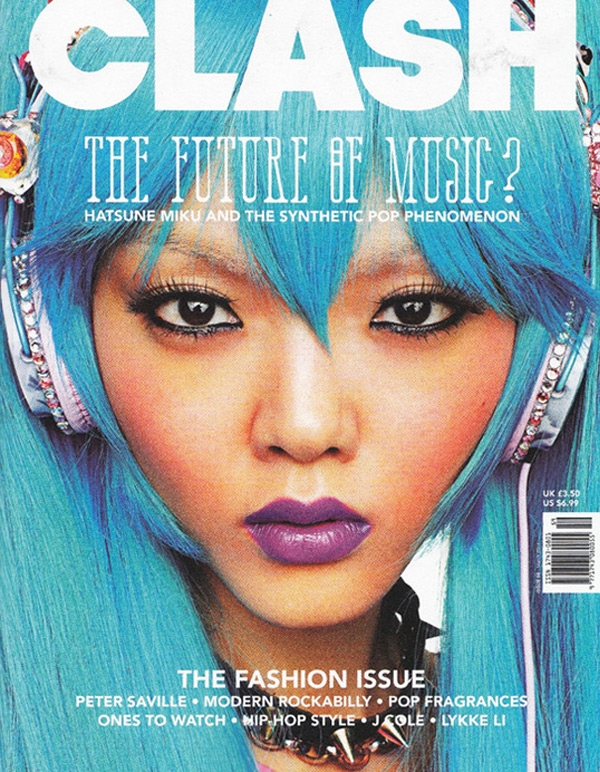 (Source)



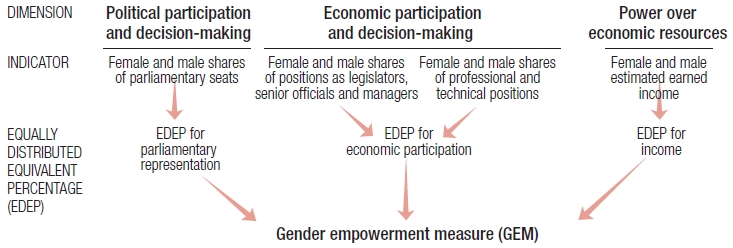

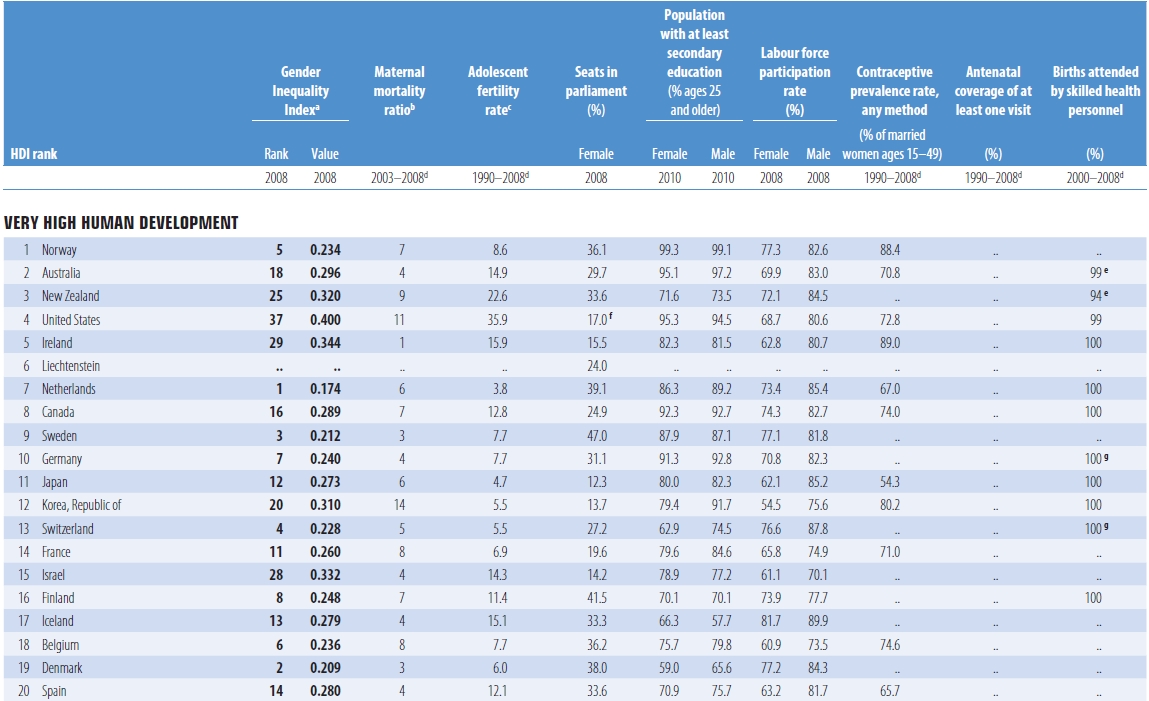

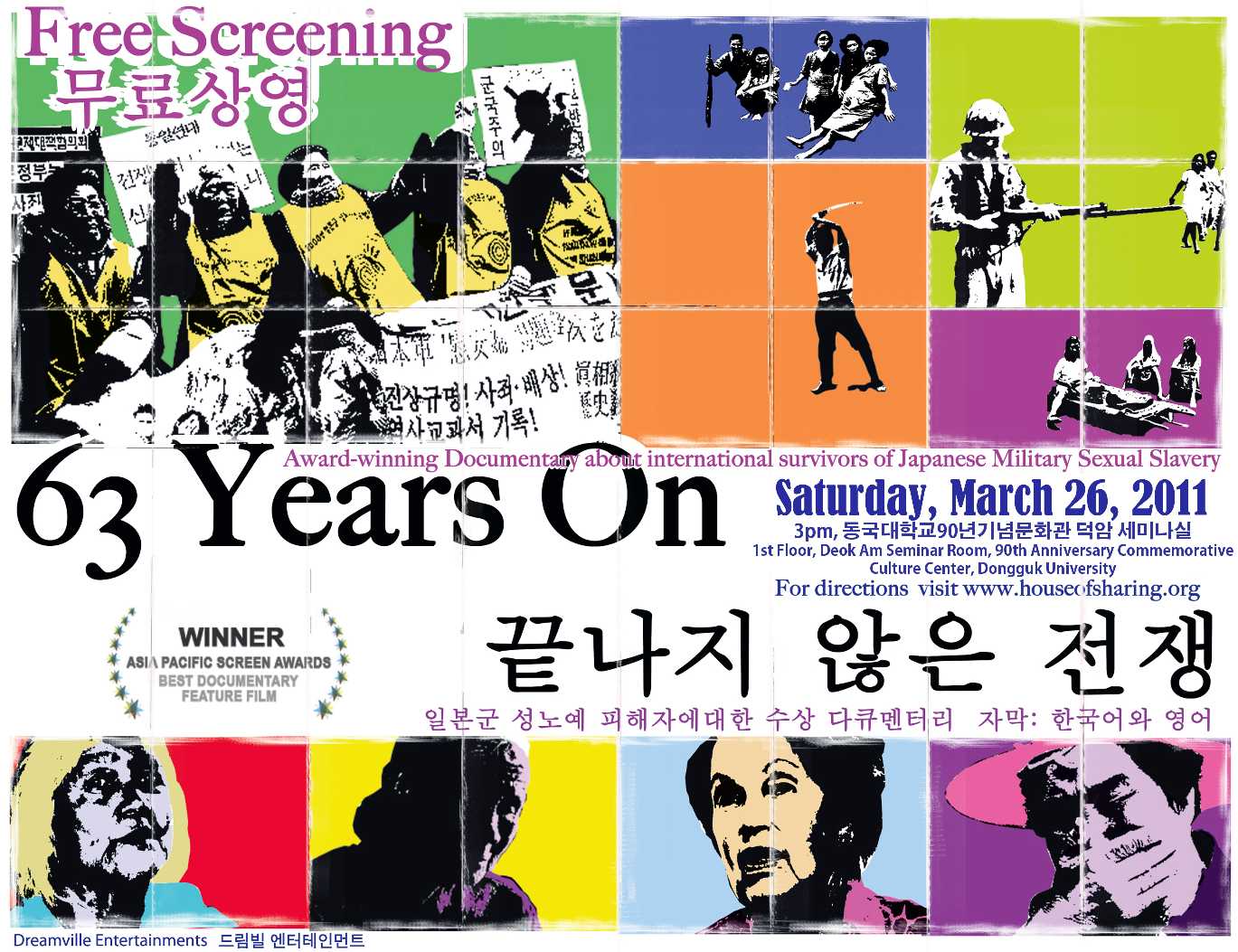
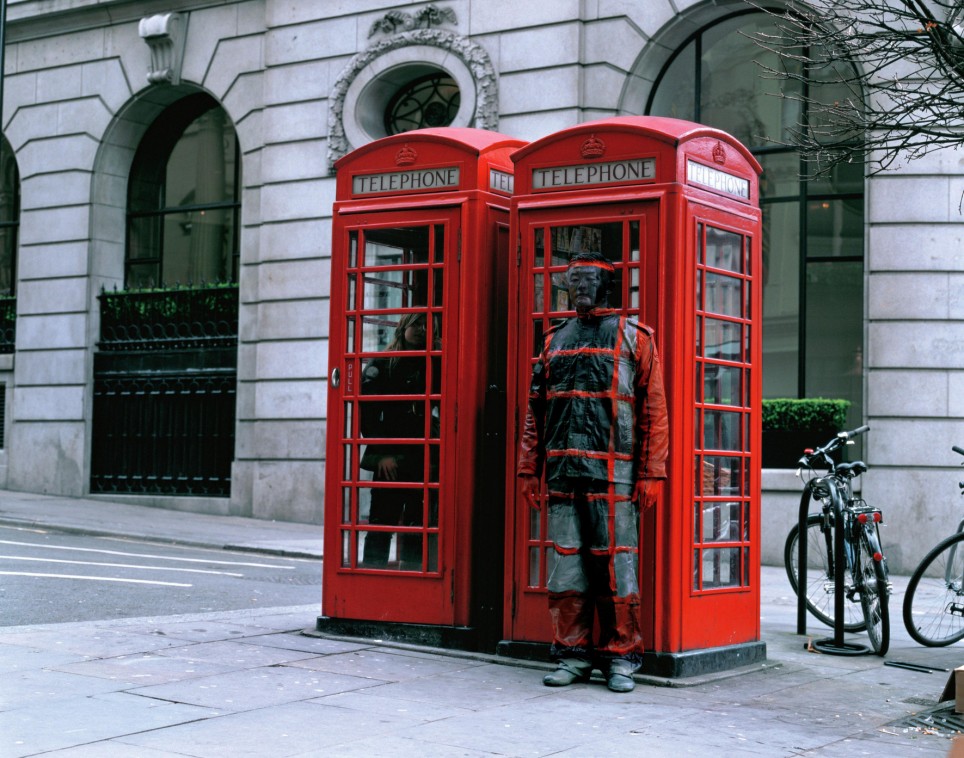
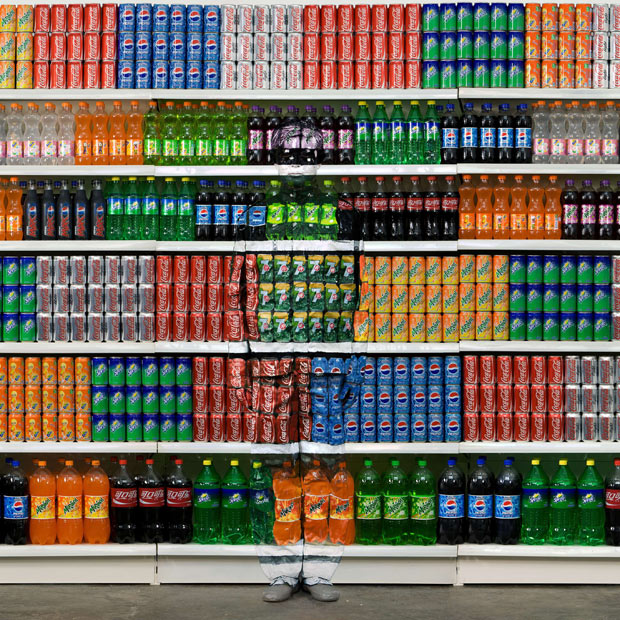


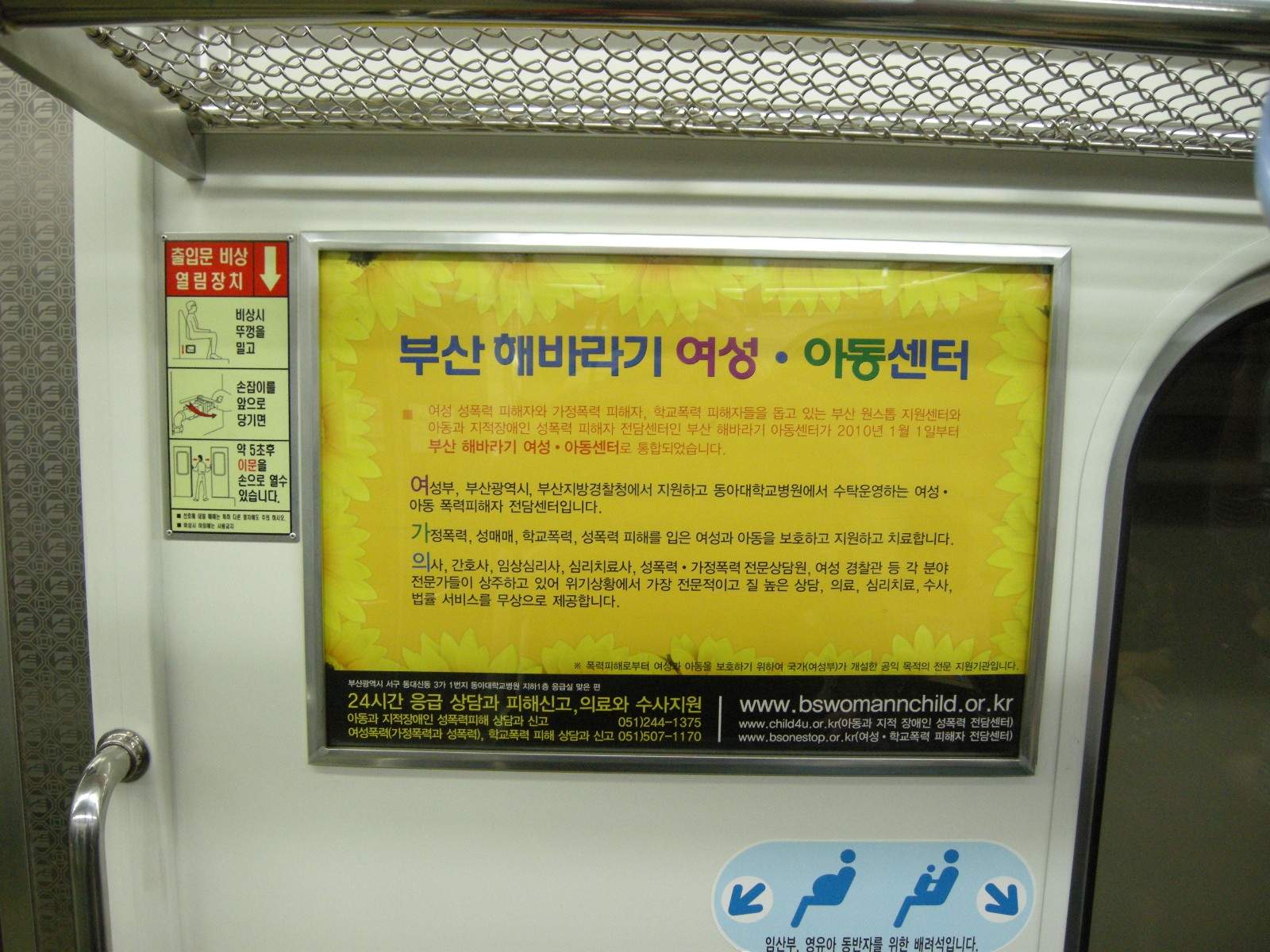

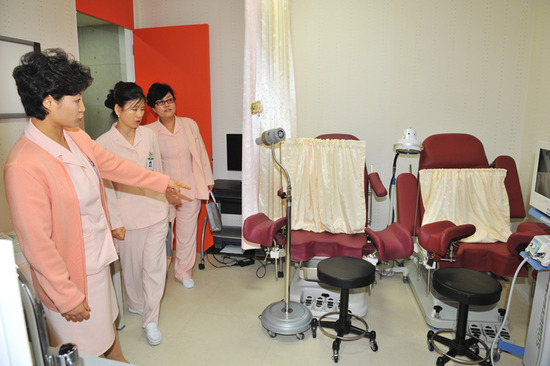
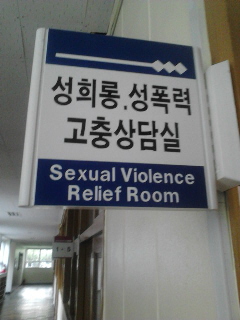
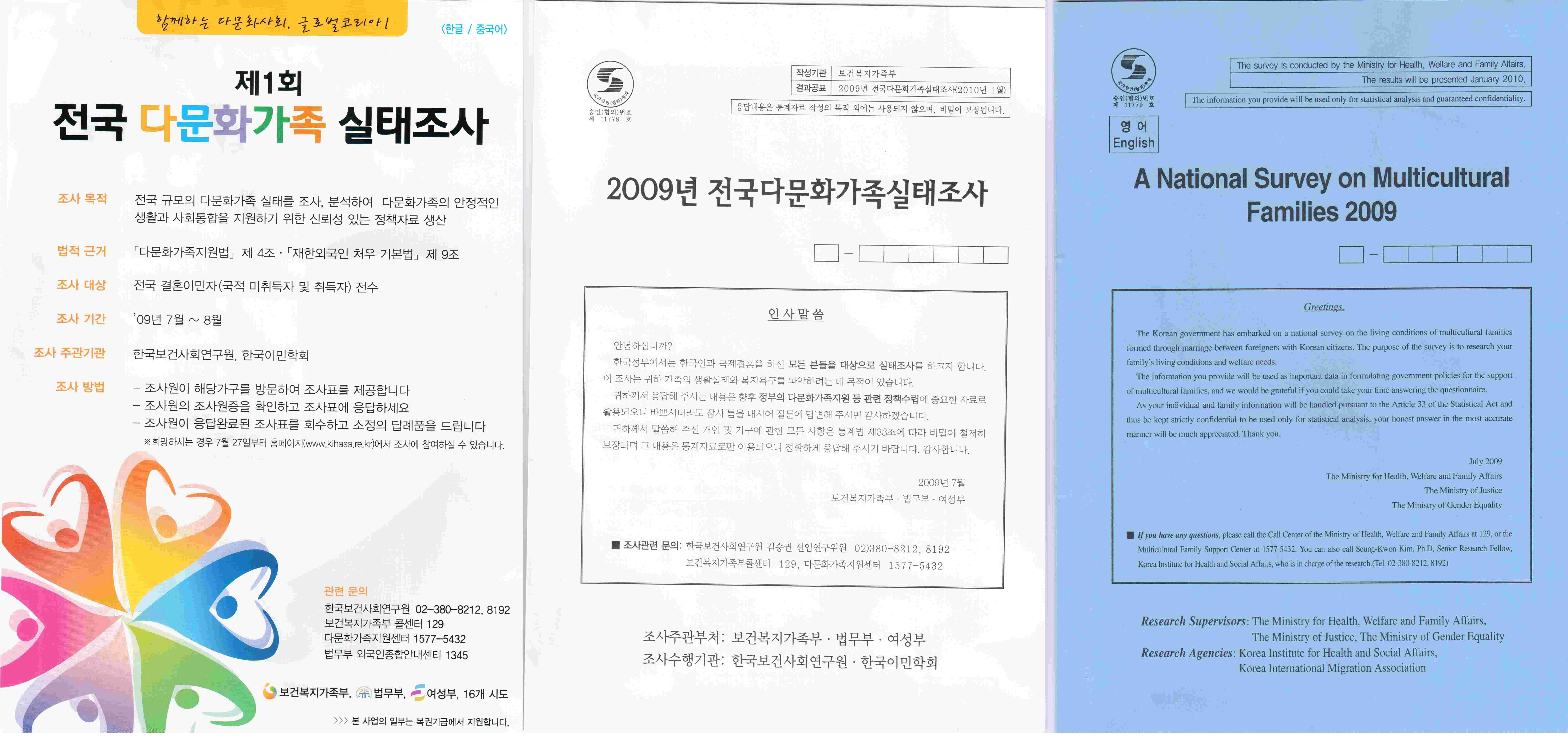
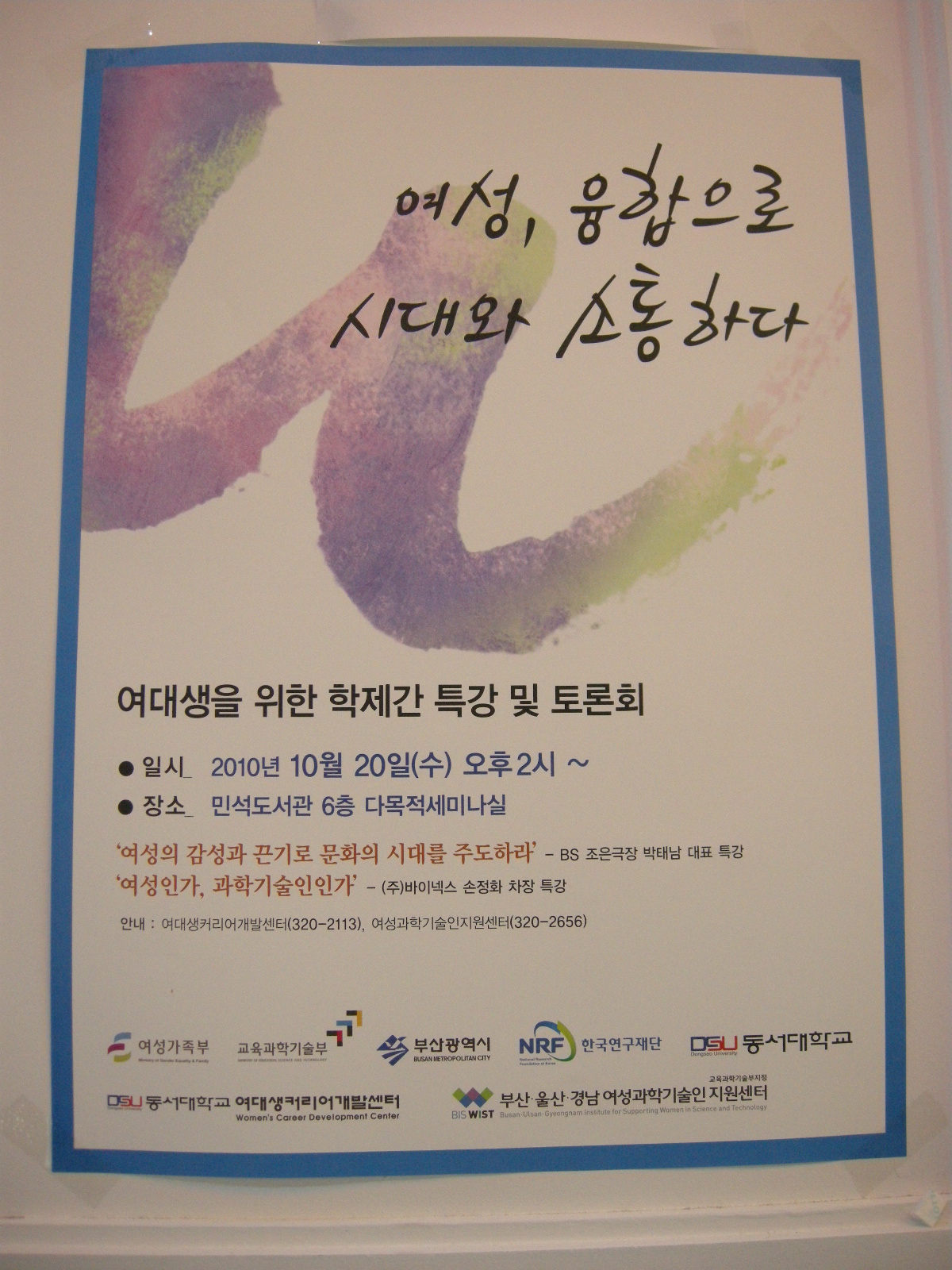





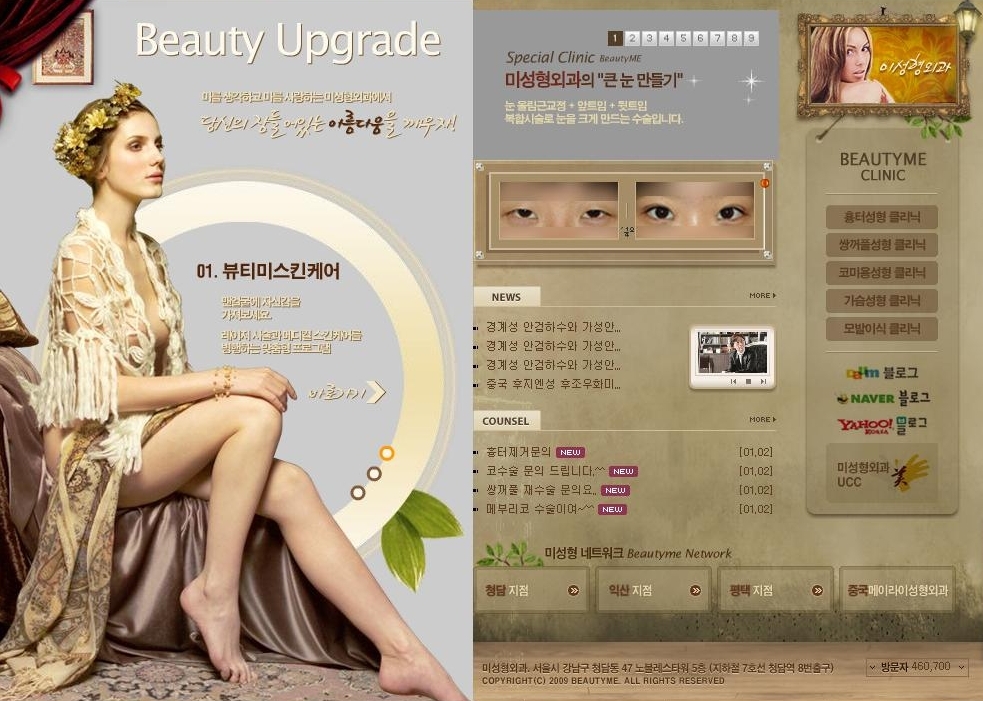
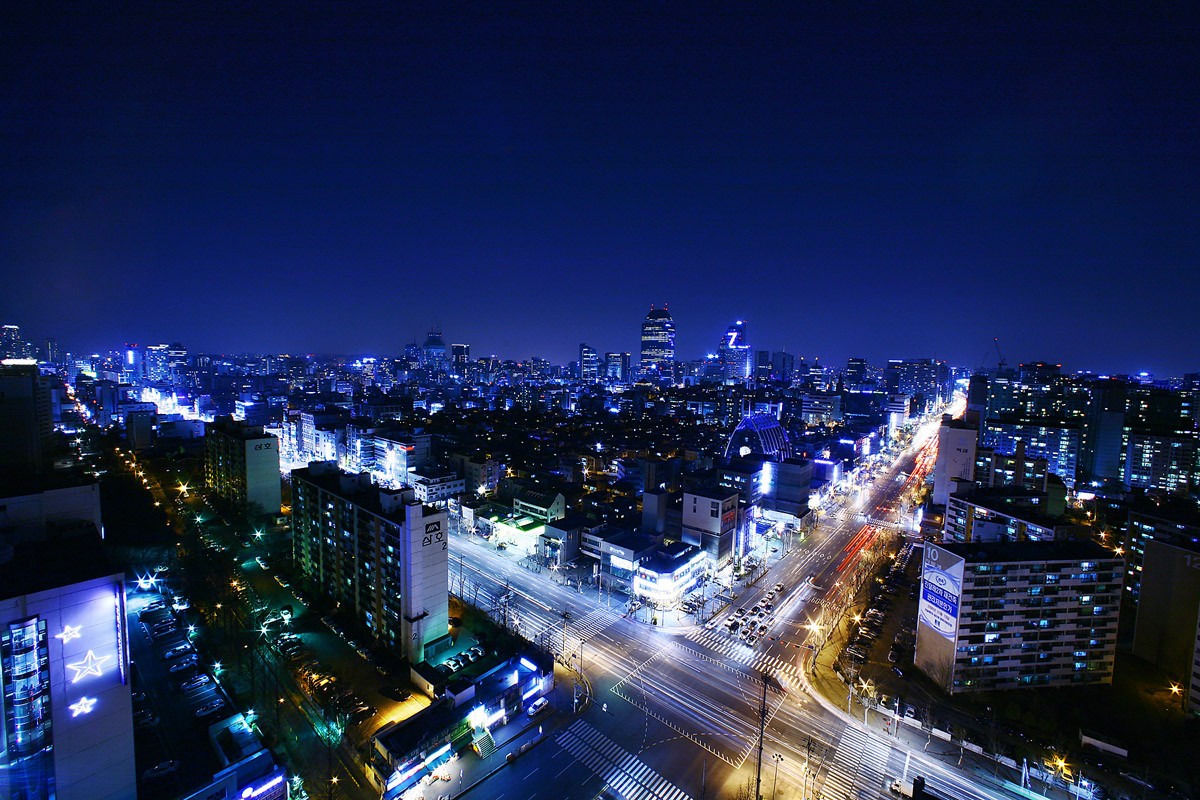
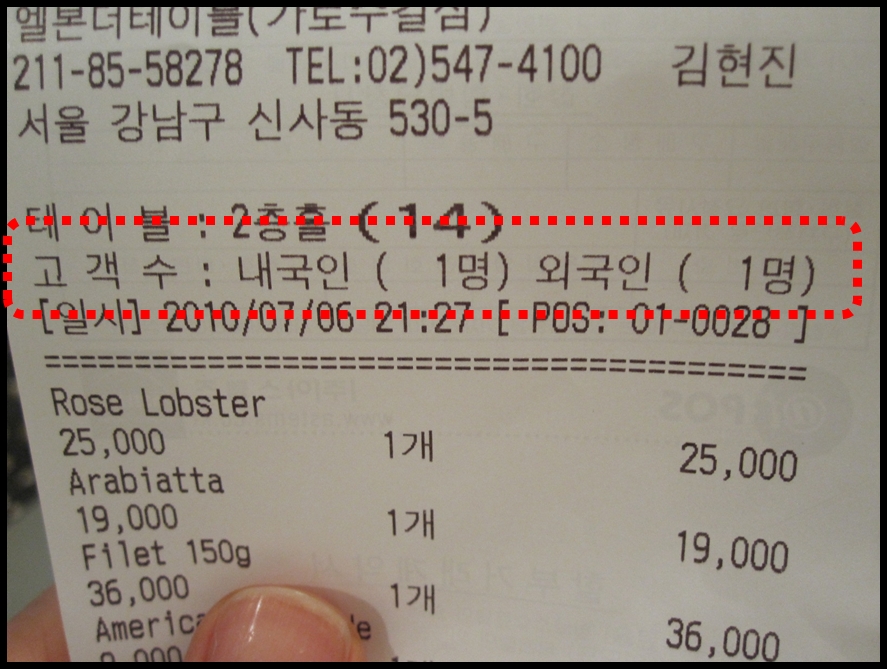
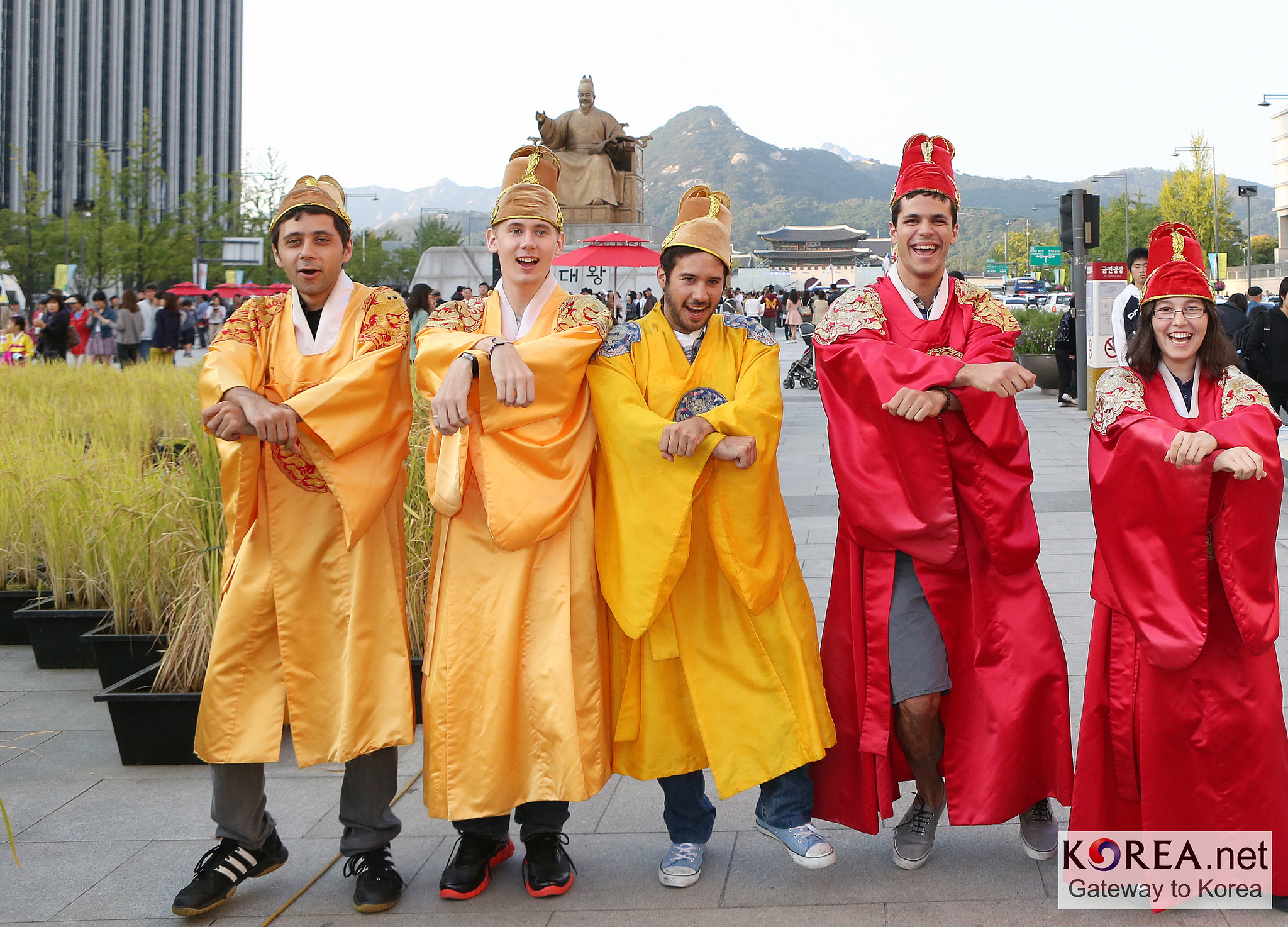
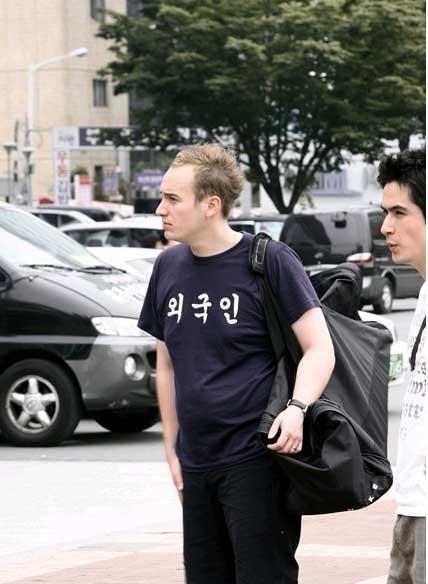
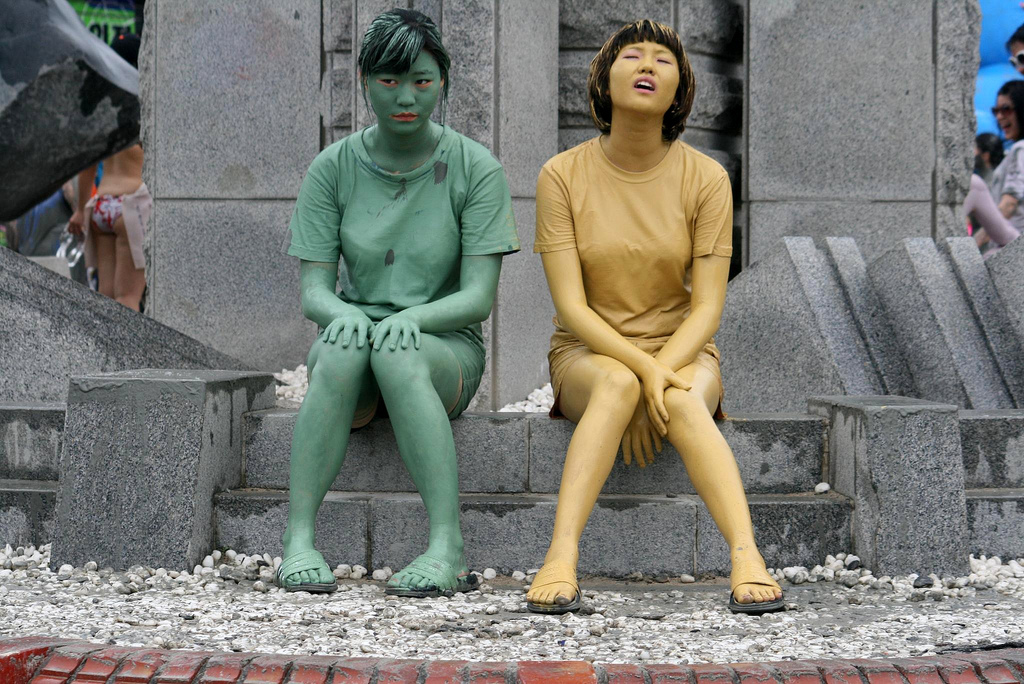


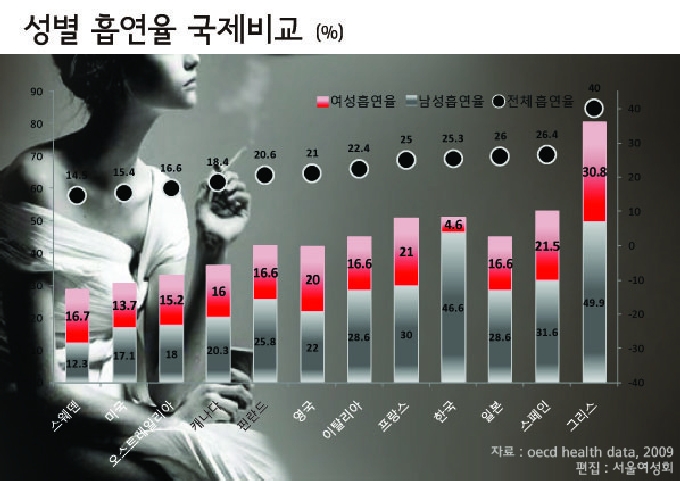
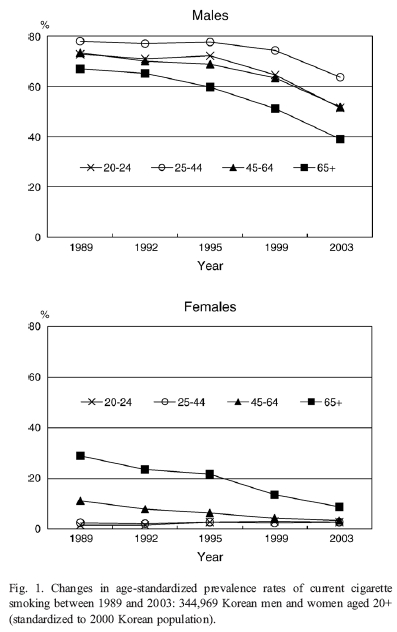
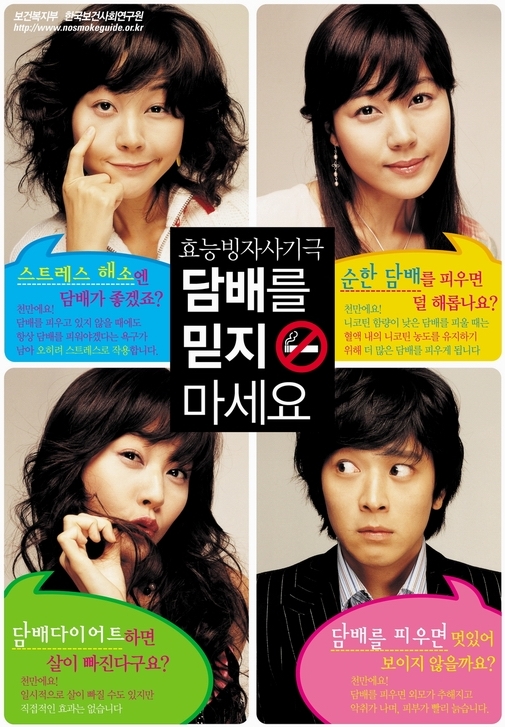

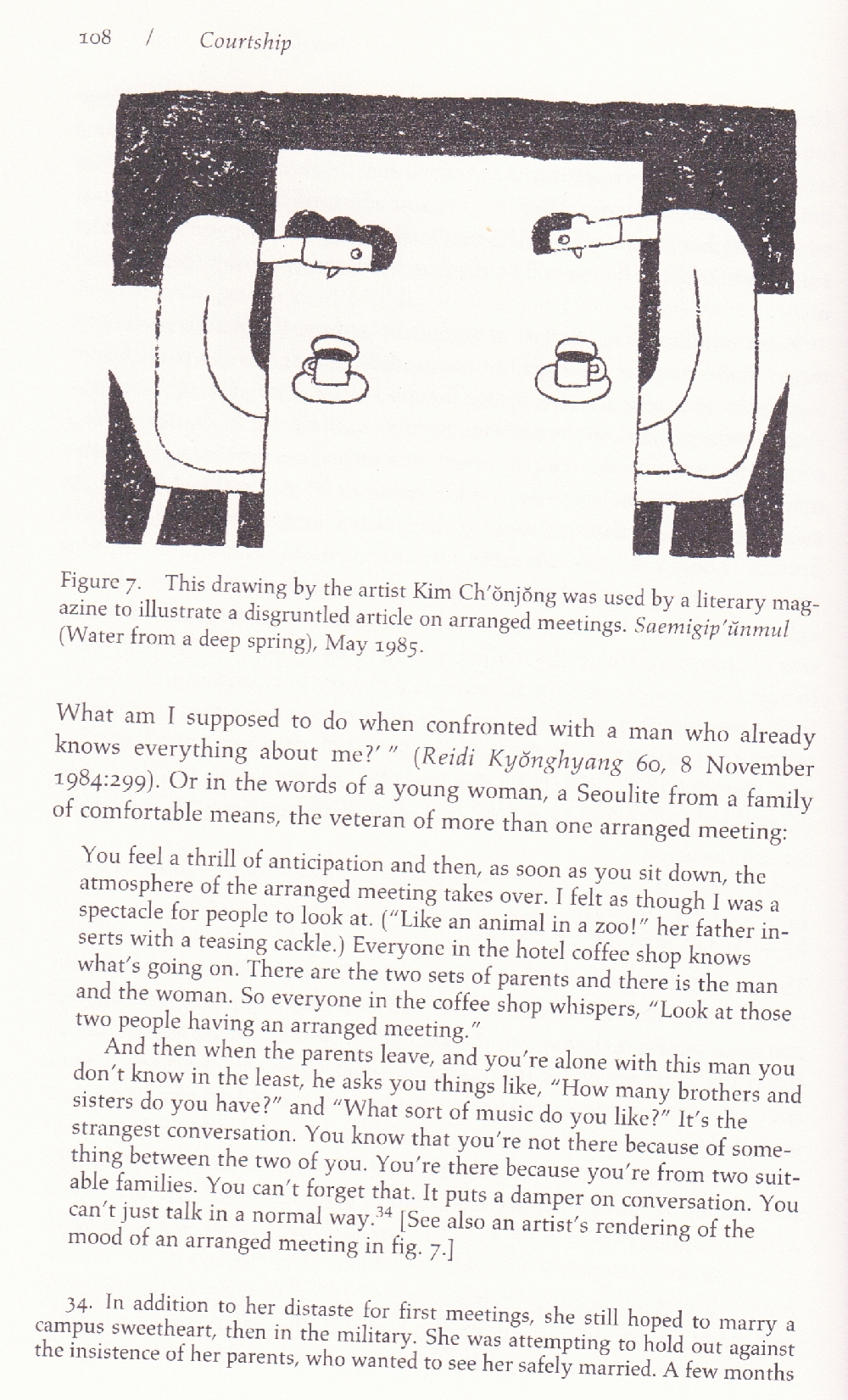


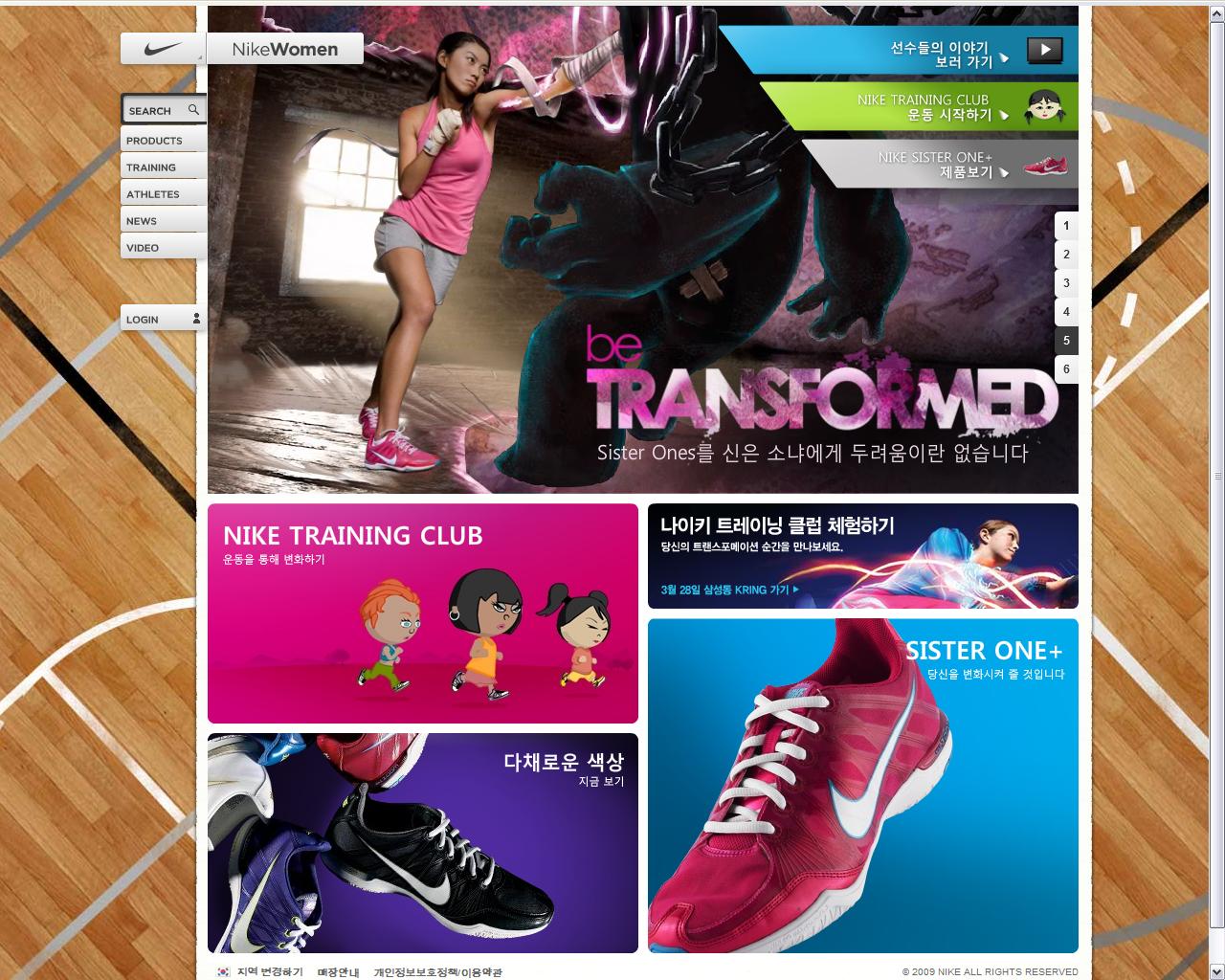
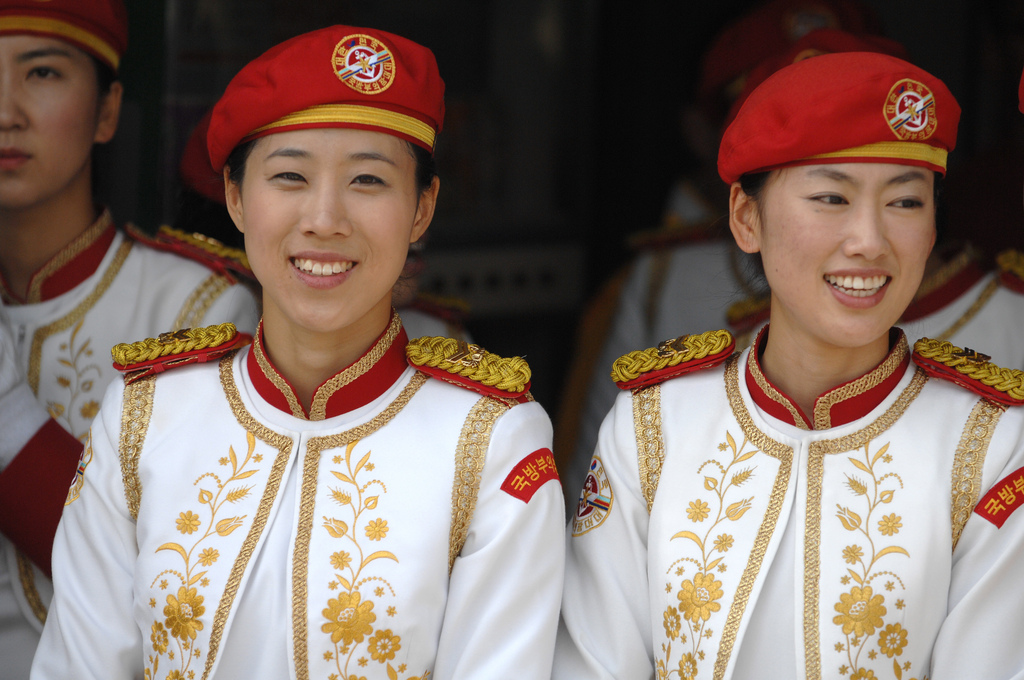


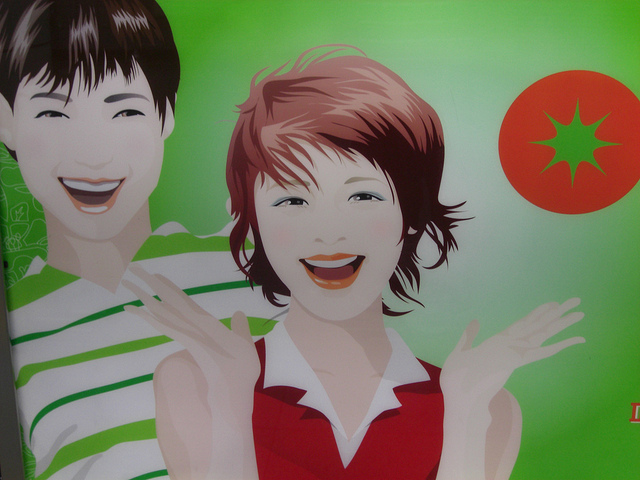

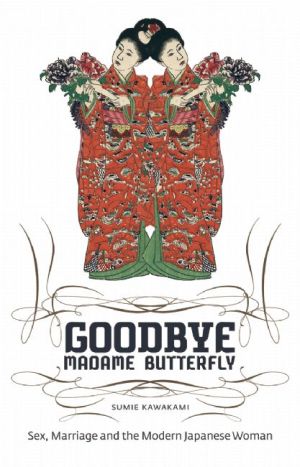

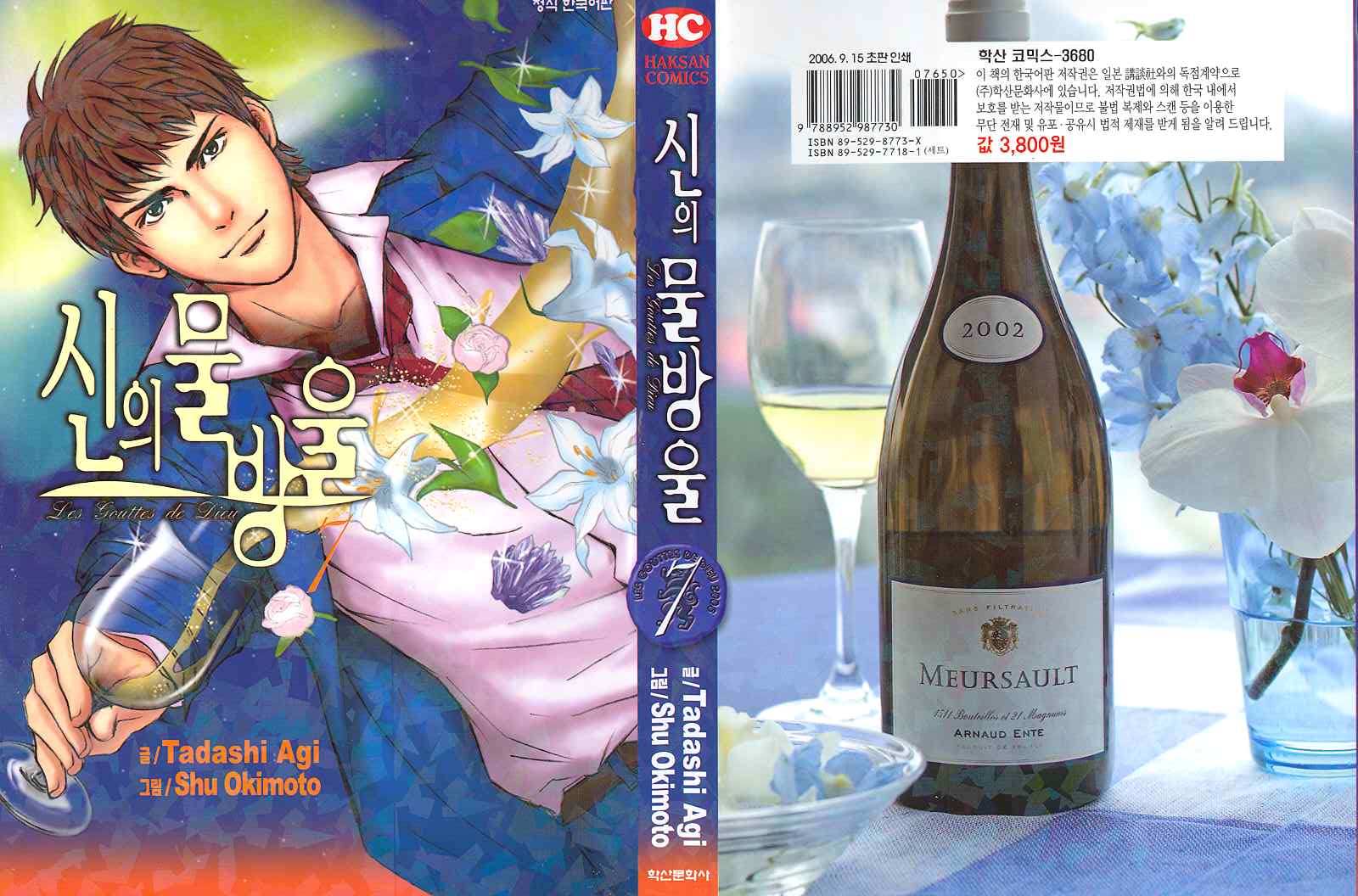



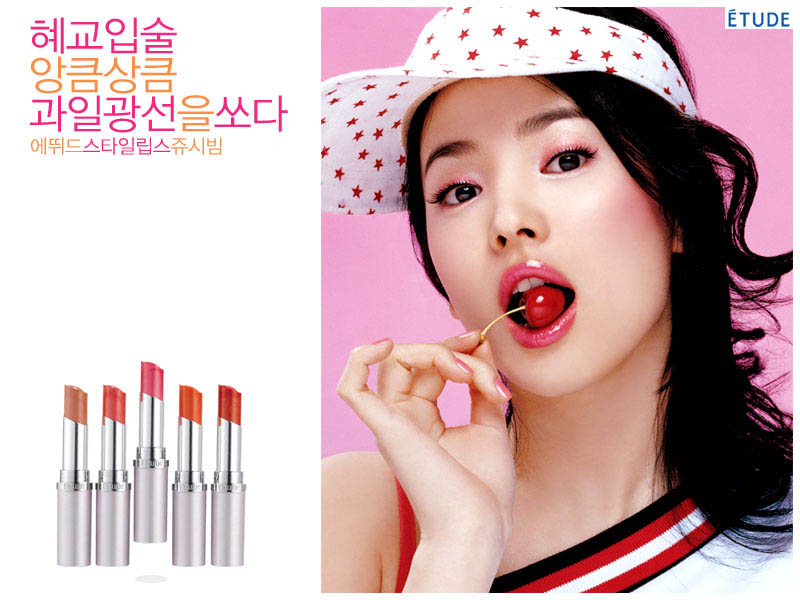


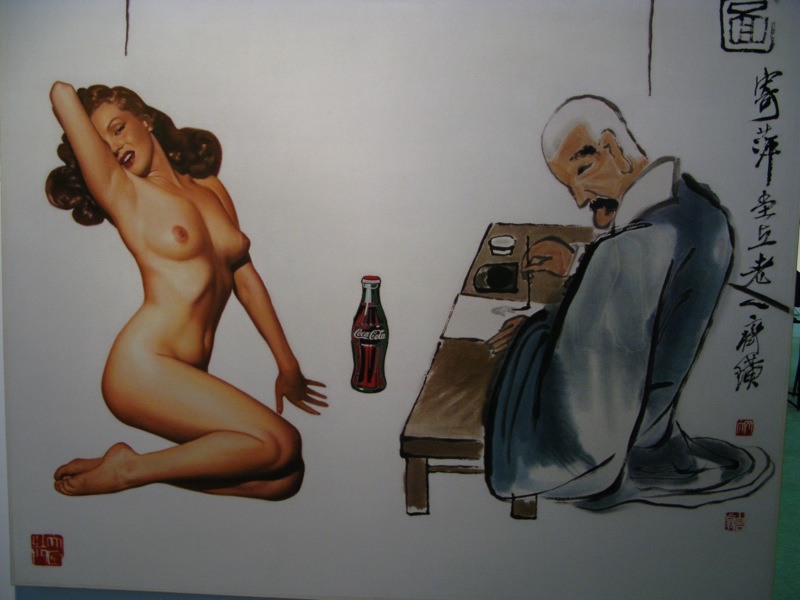

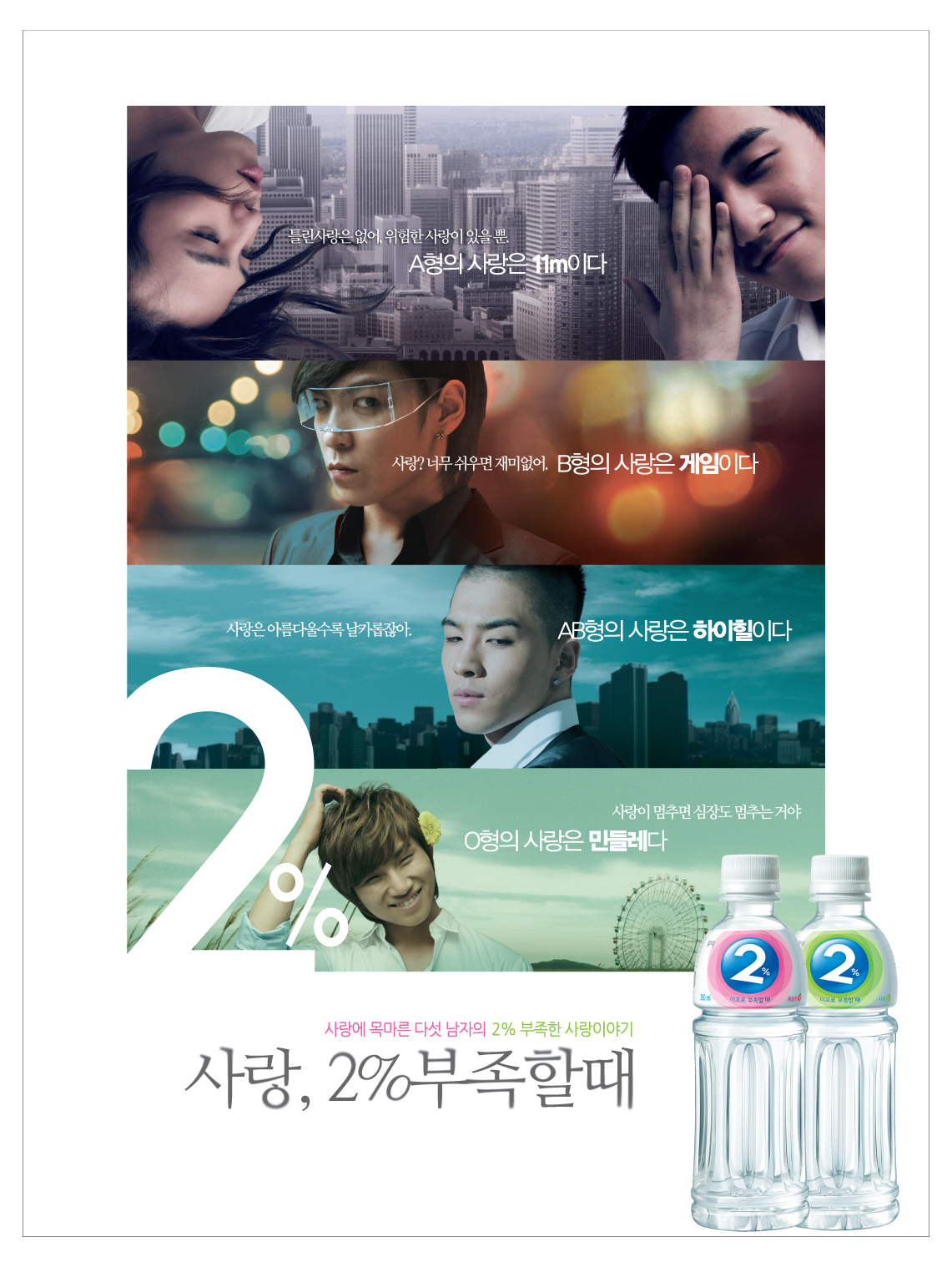
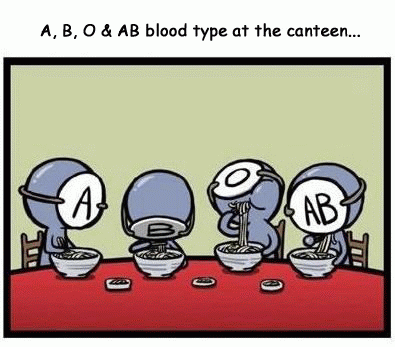 Four people, one with bloodtype A, one with B, one with AB, and one with O were sitting down having a meal together. Suddenly, “AB” stopped eating and got up and ran outside, and “O” decided to follow (him).

 The Grand Narrative