Maybe it’s just because they’re both wearing glasses, maybe it’s just because they’re both wearing pale clothes, but still — the resemblance between Nichkhun and Ham Eun-Jeong (함은정) here is just remarkable. What’s more, I don’t think that resemblance somehow makes them less masculine or feminine either, nor less attractive.
Okay, maybe — probably — it’s just me. And granted, I wouldn’t have given it a second glance if it didn’t have my favorite T-ara (티아라) member in it. Yet after first seeing it two weeks ago, failing to find it online, then carrying a camera around ever since, I was determined to post a picture here once I did finally find it again!
And then just five minutes before I did, I stumbled across the following, for which it seemed a wonderfully serendipitous accompanying image:
With my eternal gratitude to Kpopella – http://kpopella.org/2012/03/18/exploration-of-genders/ – for uploading that file, the series sounds very interesting, and so I’m very slowly downloading that first episode as I type this. Once I finally actually get the time to see it, perhaps next weekend, then I’ll let you know what it’s like, and hopefully the link will still be active.
In the meantime, have any readers already seen it, and/or know more information about it? What did you think?
Update: I’ve just read Kpopella’s rules, and they ask that no-one link to the files on Rapidshare themselves. So I’ve removed the one I had here, and please just copy and paste it – https://rapidshare.com/files/362557317/EoG01-450pKOR.avi instead – (and, just to be on the safe side, I’ve removed the link and given the full address for Kpopella above too).
The rationale, according to the official that thought of it, was that “the revealing outfits worn by the performers and their provocative dances could have a considerable impact on North Korean soldiers.”
Alas, nothing came of the idea. But the irony was palpable: in the 1970s, such revealing outfits were deemed subversive by the military government, with ruler-bearing policemen stopping women on the street to measure the length of their skirts (they would also cut men’s hair if it was too long).
This difference is humorously illustrated in Samsung’s 2007 commercial for the Anycall Miniskirt (애니콜 미니스커트), with Jun Ji-hyun (전지현):
It’s disappointing that it was set in the UK though, which never had such ‘fashion-police.’ Why not pick from the wealth of Korean video and imagery from that period? (Just look under “미니스커트 다속” for instance, literally “miniskirt control/supervision/clampdown.”)
My first thought was because the ad is already doing some subtle fashion-policing, through informing the Korean public of the new de facto rules. That would be much less subtle with authentic Korean examples though, and the ensuing social message, however refreshing, would be at odds with the cheerful tone of this one.
On the other hand, we can make allowances for creative license; perhaps the advertisers just wanted a swinging ’60s vibe. Also, it’s not like Koreans themselves aren’t afraid to poke fun at their old, ridiculous laws on miniskirt length (not least because they weren’t removed from the books until as recently as 2006), nor critique modern fashion and body-image ideals.
On the left, the black text reads “If it’s only the shape/appearance of LTE, then it isn’t available everywhere,” while on the right the pink reads “If it’s really LTE, then it’s available in every city.” The headline in the middle reads “But it’s different,” and finally the text at the bottom reads “The one and only LTE, in touch in every city nationwide. Automatic roaming in 220 countries worldwide.”
Personally, I think the execution is flawed—if the woman on the left is supposed to only have the shape and/or appearance of the real LTE (confusedly, “모양” means both), then shouldn’t both women actually look and be clothed exactly the same, with some indication that they’re different for some other reason (say, by having the women on the left scowling)?
Either way, the advertisement’s other message is that the woman on the right, with high-heels, a V-line face, impossibly-long (and uneven!) photoshopped legs, and a dress that only just covers her underwear, is quite literally the modern standard that all agasshis (young women) should adhere to. Jun Ji-hyun’s bobbies would be proud.
(For more posts in the “Korean Sociological Image” series, see here)
I wrote an article for Busan Haps this month, about a topic which many of you will recognize from my The Gender Politics of Smoking in South Korea series (Part 1, Part 2, Part 3, Newsflash, Part 4;Living as a female smoker in Korea). Rather than have anyone sift through those thousands of words just to find sources for the statistics I mention in the article though, let me make it easier by providing them all here instead (in order of their appearance):
• Here is the July 8 2010 Busan Metro article, with my translation.
• In that article, the OECD average male smoking rate of 28.4% (in 2007) was unsourced, but the same figure — albeit for 2008 — can be found at Asian Correspondent’stranslation of thisYonhap News report.
• Gallop Korea’s figure of “almost as many as 1 in 5” young Korean women smoking (technically 17%) comes from Gallop Korea: Investigating the Actual Condition of Smoking in South Korea, mentioned in footnote 28.
• That is also the source for the figure of 83.4% of Koreans disapproving of women smoking.
• Mathias Specht was the Korea Times reader who witnessed an old man slapping women in the face for smoking in March 2010.
• I’m No Picasso is an example of one expat female smoker who has changed her smoking habits because of the stigma against women smoking. More can be found in comments to the posts in my blog series.
• More on the “1989 National Health Promotion Law Enforcement Ordinance” can be found in the Globalization and Health article.
• C. Paul Dredge’s Smoking in Korea article, from the Vol. 20., No.4, April 1980 Korea Journal, can be downloaded as a PDF here (the March 1980 reference is a typo by me). For a change though, probably scrolling down Part 1 of my series is actually a much quicker way of finding the text I refer to.
Many girls dream of being princesses and many also imagine a fairy tale of their face gracing the cover of popular fashion magazines. Young artist, Tumblr user, and admitted Disney fan, Mary (Petite Tiaras) gives us a mashup of the best of both worlds by designing covers for popular fashion magazines, such as Vogue, Vanity Fair, and Elle, with Disney princesses as cover girls.
See there for more examples. A big fan of Peggy Orenstein’s Cinderella Ate my Daughter, I loved the uncannily accurate satire, and couldn’t help but compare some real Korean magazine covers, compiled together each month by Eiffel in Seoul:
Probably the biggest thing of note though, is the lack of Korean celebrities on any covers except Céci, which is a little disappointing. Lest the editors be accused of cultural imperialism though, Korean consumers actually tend to prefer Western models and celebrities, at least in women’s magazines.
Also, I was hoping that seasoned pop-culture commentator Alice Jeong Turnbull (5), would be more scared than drawn to them (especially that “edgy” allure cover), but instead she told me that they were “nice”. Still, I suppose that’s an improvement over the usual “pretty”!
Did you know that middle-aged sexual harassers often claim that they were just being affectionate, touching the victim simply as if they were their own daughters? Naively perhaps, I had no idea, so I didn’t give this commercial a second thought when it came out in 2005. But armed with that knowledge, I can certainly understand why it would have made so many women uncomfortable, as pointed out by Park Hee-jeong (박희정) in her article on the commercial that I’ve translated below, and which was echoed by numerous commenters.
Then it hit me. If all this was already well-known by the Korean public in 2005, then it takes no great leap of the imagination to see how middle-aged men’s sexual attraction to 15 and 16 year-old girl-group members could so quickly and readily be framed in the same terms just a couple of years later, albeit more as an avuncular (uncle) love rather than a paternal one for some reason.
Of course, that’s just scratching the surface of ajosshi (아저씨; middle-aged man) fandom, and I certainly don’t want to imply that middle-aged men’s interest in young girl-groups can’t be anything but sexual. Nor that when it is sexual though, that that’s fine for 20 and 30-somethings, but somehow wrong or “unnatural” when coming from older men. Either way, the crucial thing is that it’s acknowledged, and that the impact of —and consequent possible restrictions on—entertainment companies using underage performers to cater to this sexual interest are considered.
This “just like my daughter/niece” rationalization though, is a complete denial, and deserves further exploring: finding it in two different contexts can’t just be coincidence. In particular, I think that that it may—and I stress may—be much more common of Korean harassers than of those from other countries, and would appreciate it if readers could confirm or deny this.
Meanwhile, Park Hee-jeong’s article is more about the memories of such harassment the commercial evokes, and especially on the “beautiful flowering”-type gender socialization contained within the narration. I think she overstates the latter a little when she discusses how awkward the reality of puberty is for girls though, as it’s certainly no picnic for boys either, with other family members likewise invariably embarrassing them or making them feel uncomfortable as they develop. Also, when she implies that wet dreams are celebrated as a sign of manhood, then it’s clear that actually she knows very little about raising teenage boys. But still, it’s a very eye-opening short article, and thanks again to the reader that passed it on to me:
딸의미소는남성들의판타지일뿐삼성생명 TV광고 ‘인생은길다’ 딸편
A Daughter’s Smile is Only a Male Fantasy, Samsung Life Insurance ‘Life is Long’ Daughter Version
저녁 식사 자리, 등을 두드리는 아버지의 손길에 딸은 불편한 얼굴을 보인다. 알고 보니 처음 착용한 브래지어가 신경이 쓰였던 것이다. “장조림 많이 먹어라” 하며 다독이는 아버지의 말에 딸은 수줍게 미소를 짓는다.
As a father and daughter sit down to eat dinner, he gives her an affectionate pat on the back and says “Eat up!”. But we see that this makes her uncomfortable, as she is wearing her first bra, and later she gives an embarrassed smile to her father.
삼성생명의 TV광고 시리즈 ‘인생은 길다’ 중 딸 편의 내용이다. 화면이 진행되는 동안, 광고에서는 아버지의 목소리로 “딸의 인생은 깁니다. 어느새 여자가 될 것이고, 사랑을 하고, 결혼하고 엄마가 될 것입니다” 라는 나레이션이 흐른다.
In this commercial, part of the Samsung Life Insurance “Life is Long” series, the daughter is the focus. In the background, the father narrates “My daughter’s life will be long. Before I know it, she will be a woman. She will fall in love, she will get married, she will become a mother”.
Affectionately noticing how his daughter is developing
이 광고는 딸의 성장을 깨닫는 아버지의 마음을 다루고 있다. 훈훈하고 감동적이어서 ‘눈물까지 흘렸다’는 아버지들의 이야기도 들리는 걸 보면, 많은 남성들이 이 광고의 정서에 공감하고 있는 듯하다.
In this commercial, the father notices that his daughter is growing up. Seeing as many men have been so moved by it as to be almost crying, it is indeed a warm commercial that plays on one’s heartstrings.
그러나 한 켠에서 불편한 감정을 호소하는 여성들의 목소리도 흘러나오고 있다. S씨(28)는 광고를 보며 느꼈던 불편함을 이렇게 말한다. “브래지어를 한 등을 만지는 모습이나 움찔거리는 딸의 모습이 싫었어요. 그 상황에서 느꼈을 기분 나쁜 감정이 떠올라서. 실제였다면 그 상황에서 결코 딸은 웃지 못하죠.”
On the other hand, women are expressing feelings of awkwardness with this commercial. Miss S (28), said it made her uncomfortable, and that “I hated it when the girl shivered after being touched on the back by the father. That feels nothing but bad. Daughters wouldn’t be able to just laugh about it, yes?”.
우리 사회에서 딸들에게 성장, 특히 ‘성적인 성장’은 훈훈한 경험이 되지 못한다. 광고 속 딸도 브래지어를 한 등에 아버지의 손이 닿자 깜짝 놀란다. 십대 여성들에게 성적 성장은 부끄럽고 감추고 싶은 일처럼 되어있다. 브래지어 자체도 몸의 건강과는 상관없이 가슴을 보정하고 감추기 위한 것이지 않은가. 그런 면에서 브래지어를 착용하고 긴장하거나 누가 만지기라도 할까봐 안절부절 못하는 딸의 모습은 훈훈하기 보다는 차라리 안타까운 모습에 가깝다.
In our society, growing up, especially sexual development, is by no means a warm and wonderful experience for girls. In this commercial, even the daughter is shocked and surprised by the father touching her on the back. After all, the bra itself is for hiding and adjusting one’s breasts, regardless of how healthy one’s body is [James – I think this means it is taboo for women not to wear a bra in Korea]. Moreover, worrying about having one’s bra touched [James – Or noticed and/or pointed out?] is a source of tension and stress for girls, making the scene more something to be lamented than as an example of fatherly affection.
“딸같아서만진다”
“I touched her because she’s like my daughter”
여성들이 이 광고를 보면서 느끼는 불편함의 한 켠은 ‘몸을 만지는’ 행위에 있다. 우리 사회에서는 가족이라든가 친하다는 이유로 타인의 몸에 손을 대는 행위가 쉽게 용납이 되는 경향이 있다. 나이 지긋한 분이 성희롱 가해자로 지목되면 “딸 같아서 만진 건데 잘못이냐?”는 변명(?)이 나오는 것도 그런 이유다.
One reason women feel uncomfortable watching this ad is because of the act of the daughter’s body being touched. That is because our society approves of and/or grants permission to men touching them in a friendly manner, like they would their own family members. Indeed, when an older male is accused of sexual harassment, often he fastens on to the excuse that “Can’t I affectionately touch someone like my own daughter?”.
그러나 성장을 기뻐한다는 의도로 몸을 만지는 일들이 자식들의 입장에서는 기분 나쁜 일이 되기도 한다. P씨(30)는 초등학교 시절 가슴이 나오기 시작한 걸 흐뭇해하던 아버지가 맨 가슴을 만진 일에 상처를 받았다고 한다. “아버지야 나쁜 의도가 없으셨겠지만 기분이 나쁘고 싫었거든요. 기분 나빠하는 걸 귀엽게 여기는 게 더 싫고 화가 났지만, 별 수 없었죠.”
While one can touch children because you’re pleased with how they’re growing [James – I highly doubt this is meant in a pedophilic sense. But the next sentence definitely does sound strange though], from children’s perspective it can feel quite bad. Miss P (30) said that when she was in elementary school and her breasts had started appearing, her father touched them in a pleased way [James – as in, “Wow, my girl’s growing up!”] and that this [emotionally] hurt her. “My father didn’t mean anything bad by it, but I still felt bad and hated it. My father thought it was cute though, which just made me angry and hate it all the more, although I couldn’t do anything about it”.
“딸 같아서 만진다”는 말이 통용되는 사회에서 삼성생명의 광고는 많은 여성들에게 불편한 기억을 환기시킨다. 광고 속에서는 의도된 스킨십이 아니었지만, 불편해하는 딸의 모습을 아름답게 바라보는 시점 자체가 이미 여성들을 불편하게 만들고 있는 것이다.
“I just touched her like I would my daughter” is an excuse used so much in Korean society, that this Samsung Life Insurance commercial evokes many uncomfortable memories in women. In particular, having something that would in reality be so uncomfortable for the daughter, to be just cutely dismissed instead, already makes women feel uncomfortable. Even though the father’s intention was not skinship [James — i.e., not sexual. See #2 here for more on what “skinship” is].
광고의 마지막에 수줍은 미소를 짓는 딸의 모습은 그래서 불편할 뿐만 아니라 현실적이지도 못하다. 성적인 변화를 부끄러워하고 수줍어하는 십대여성의 모습을 아름답게 여기는 것은 남성들의 판타지일 뿐이다.
The commercial’s final scene with the girl shyly smiling is not just uncomfortable and awkward, but unrealistic. The notion that a teenage girls’ sexual development is beautiful is just a male fantasy, whereas in reality it is embarrassing and often full of shame.
무엇보다 딸의 성장을 대표할만한 것이 어째서 브래지어가 되어야 하는가. ‘여자’ ‘사랑’ ‘결혼’, 딸의 인생을 한정 짓는 말의 진부함은 더 말할 필요도 없다.
More than anything else, why on Earth is a bra considered so representative of daughters’ development? And there’s no need to limit her future to simply the old-fashioned goals of becoming a woman, of falling in love, and getting married either (source, right: unknown).
바 꿔서 생각해보자. 이를테면 처음으로 수염이 나거나, 첫 몽정을 한 아들을 두고, “어느새 사랑을 하고, 결혼을 하고, 아빠가 될 것입니다” 라며 흐뭇함을 느끼는 어머니의 모습은 쉽게 연상되는 이미지는 아닐 것이다. ‘아들의 성장’이 가지는 이미지는 성적 성장, 가정을 이루는 것 등에 국한되지 않기 때문이다.
Let’s try changing the sexes. Instead of a son’s first shave or wet dream being a sign of manhood, let’s imagine a mother sitting in front of her son thinking “Before I know it, he’ll fall in love, get married, and become a father”. Unlike daughters, when you think of sons growing up, you don’t only think of their sexual development and of them becoming parents themselves.
삼성생명의 ‘인생은 길다’ 시리즈 광고를 두고, 흔히 접할 수 있는 보통 사람들의 모습을 담고 있는 ‘리얼리티’ 광고라 한다. 그러나 그 리얼리티 속에 실제 딸의 성장과 느낌은 박제되어 있다.
Samsung Life Insurance’s “Life is Long” series is widely seen as very touching and realistic. But [hidden] in that [fabricated] reality are daughters’ real feelings and development (end).
Turn on a Korean TV, and you won’t be waiting long before you see a commercial with a Korean man in a relationship with a non-Korean woman. But for a long time, I was only aware of one ever produced with the opposite pairing, which I discussed back when it came out in July last year.
Since then, there has also been at least one music video produced that positively features a Korean woman with non-Korean men (not just the one man in this case!), which you read more about at Mixtapes and Liner Notes and Fanboy vs Fangirlhere, here, and here. But again, there’s many many more with the opposite pairing (see here, here, and here for examples). And as far as I know, no more commercials with Korean women hitting on non-Korean men.
It turns out though, that Lee Hyori (이효리) did so back in 2006 in a commercial for Anycall, a mobile phone brand. I must have seen it a hundred times on TV that year, but only ever the fifteen second version, in which the ethnicity of the lucky gentleman at the end was unclear. I would automatically have assumed he was Korean then, but he’s actually Caucasian (with a hint of Latino?), as you can see at 0:27 in the thirty second version above.
As always, I’d be happy to be proven wrong — again(!) — with any further examples of similar pairings. But I doubt I’ll ever receive enough to challenge this clear discrepancy in the Korean media’s representations of different genders and races, which is why I raise it here.
For any readers further interested in why that discrepancy exists, please read last year’s post for more background and many more links.
Update 1) As soon as I’d packed away my netbook and was walking home, I remembered that there was indeed one more example from last year, a promotional video for the 2010 G-20 Seoul Summit. It features a Korean woman and Caucasian man having a traditional Korean wedding, just like I had (the kiss is just for show though—traditional Korean weddings are really quite sombre affairs!):
Update 2) With thanks to Dan for passing it on, here’s a recent commercial for a smartphone, apparently with screen quality so good you’ll be able to see your foreign boyfriend’s bit on the side reflected in his sunglasses:
Until I saw that, I was wondering if the “positively” in the title was a little redundant. But now it seems more apt than ever!
(For more posts in the Korean Sociological Images series, see here)
Women – not men – were fired in droves at the start of the 2008 financial crisis. But was that as outrageously sexist as it sounds?
After all, they were the bulk of irregular workers back then, when Korea had a greater percentage of them than any other OECD country. Insecurity was a given, which is why the status and rights of irregular workers was a big political issue years before the crisis.
In such strained circumstances, it sounds almost churlish of women to complain about that arrangement.
But women were also the first to be fired during the the 1997 Asian Financial Crisis, back when Korea had the smallest number of irregular workers in the OECD. Indeed, it was generally only this newly emerging irregular work that was made available to women – especially mothers – once the Korean economy began to recover, and accordingly the Korean female workforce participation rate has stagnated at the lowest or near-lowest rate in the OECD ever since, and Korea has by far and away the largest gender wage gap.
Considering this, mere economic rationales of why women have again been treated so differently – badly – by employers in the latest financial crisis should be treated with a great deal of suspicion. In particular, they can’t explain why Korean companies are currently hiring roughly only one female graduate for every four male ones, as the following MK article makes clear:
“취업성차별” 여대생들의눈물 / “Sexual discrimination in hiring” [causes] female university students’ tears
31 October 2011
서울 소재 중상위권 대학 졸업반인 이 모씨(25ㆍ여)는 금융권 취업이 목표다. 그는 지난 7월부터 2개월간 한 증권회사 지점에서 인턴사원으로 일하며 우수한 평가를 받아 정규직 전환 1순위로 꼽혔다. 하지만 결과는 실패였다.
The goal of one Ms. Lee (25), member of the graduating class of an upper-mid-level Seoul university, is to get a job in finance. Starting last July, she did a two-month internship at a branch of a securities company, where her superb evaluations caused her to be considered the top choice to be given a permanent position. However, she was unsuccessful.
며 칠 후 이씨는 상사에게서 충격적인 말까지 들었다. “미안하지만 본부에서 남자만 뽑으라는 지시가 내려와 어쩔 수 없었다”는 것. 이씨는 “각 지점에서 매긴 인턴 성적은 여성이 훨씬 높았는데도 당시 정규직으로 입사한 여성은 단 한 명도 없었다”며 “다른 이유도 아니고 ‘여자’라서 꿈이 무너졌다고 생각하니 억울하다”고 토로했다.
A few days later, Ms. Lee even heard these shocking words from her superior: “I’m sorry, but we got instructions from headquarters to only hire men, so there’s nothing I could do.” Ms. Lee revealed, “Though at each branch, the ranked interns’ marks were much higher for women, at that time there was not a single woman among those hired as permanent employees. I think my dream was crushed for no other reason than that I’m a woman, and it’s not fair.” (source, right)
극심한 취업난 속에서 여대생들이 취업 문턱에서 좌절하며 눈물 짓고 있다. 여성 고학력화로 곳곳에서 여풍(女風)이 불고 있지만 채용시장에선 남성 지원자를 선호하는 성(性) 차별이 심각한 것으로 확인됐다.
Amid severe unemployment, female university students at the threshold of getting jobs are being frustrated and shedding tears. Through women’s increased high levels of education, “female wind” is blowing [female influence is making an impact] everywhere, but it has been confirmed that, in the job market, sexual discrimination in favor of male applicants is serious.
지 난달 31일 매일경제신문이 국내 10대 기업을 대상으로 지난해 대졸 신입 공채 합격자 남녀 비율을 조사한 결과 여성은 신입사원 10명 중 1~2명꼴로 나타났다. 여성 신입사원 비율을 평균 내보니 18.5%로 20%를 채 넘지 않았다.
On Oct. 31, the results of an investigation by the Maeil Kyungjae newspaper into the gender ratios of new university graduates hired by 10 major domestic companies last year found that women made up 1 or 2 of every 10 hires. They averaged the percentages of new female employees and found it was 18.5%, not even 20%.
기업별로 보면 롯데그룹이 27.5%로 가장 높았고, LG와 SK는 20%, GS는 18%, 한화는 17.1%였다. 현대ㆍ기아차는 10% 후반대로 나타났으며 현대중공업이 9.7%로 대졸 여성 신입직원 비율이 낮았다.
Broken down by company, Lotte Group was the highest at 27.5%, LG and SK were at 20%, GS was at 18%, and Hanhwa was at 17.1%. Hyundai Kia Motors was in the high teens, and Hyundai Heavy Industries had the lowest percentage of women among the recent university graduates they hired, at 9.7%.
최 근 대학생들 사이에 큰 인기를 끌고 있는 두산그룹 기업 이미지 광고 ‘사람이 미래다’에는 취업을 준비하는 여대생이 자주 등장하지만 해당 기업에 여자 신입사원 비중은 18.8%로 매우 낮은 것으로 알려졌다. 두산 관계자는 “업무 특성상 남자 비율이 압도적으로 높아 여성 신입사원 비중이 낮은 편”이라고 말했다. 한진은 대한항공 등 일부 계열사로 공개 범위를 제한했고, 삼성은 공개 자체를 거부했다.
Female college students looking for employment often appear in the corporate image advertisements of Doosan Group, which is gaining popularity among current university students, but it has become known that the ratio of female new employees at this company, at 18.8%, is very low. A Doosan official said, “The nature of this business is [requires] an overwhelmingly high percentage of men and so a pretty low ratio of women.” Hanjin limited the range [of information] made public to some subsidiaries like Korean Air, and Samsung refused to release any information.
통계청에 따르면 지난해 여성 대졸자는 27만1773명으로 남성 대졸자(26만8223명)를 10년 만에 처음 앞질렀다. 하지만 대졸 여성 실업자 수는 14만2000명으로 관련 통계 조사를 시작한 후 사상 최고치를 기록했다.
According to the National Statistical Office, the number of female university graduates last year, at 271,773, outstripped that of male graduates (268,223) for the first time in 10 years. However, the number of female graduates who were unemployed was 142,000, the highest on record.
결국 기업들이 여성 인재를 적극 채용할 수 있는 제도적 기반 마련에 미흡하다는 지적이 나오고 있다. 전문가들은 섬세함과 부드러움, 배려심, 소통 능력 등 여성만이 가진 강점에 주목해 기업이 경영전략 차원에서 인식을 바꿔야 한다고 강조했다. 김왕배 연세대 사회학과 교수는 “후기 산업사회로 넘어오면서 남성성을 상징하는 ‘하드웨어 소사이어티’보다 섬세함으로 대변되는 ‘소프트웨어 소사이어티’가 부각되고 있다”며 “소비자 욕구를 잘 잡아내는 기업이 살아남기 때문에 여성 인력 장점을 극대화할 필요가 있다”고 설명했다.
In the end, it is being noted that there is a lack of arrangements for institutional groundwork from which businesses can actively hire talented women. Experts have emphasized that businesses need to take notice of strengths that only women possess, like delicacy, softness, thoughtfulness, and communicative ability and so change their perceptions at the level of corporate strategy. Kim Wang-bae, a sociology professor at Yonsei University, explained, “As we become a post-industrial society, ‘software society,’ which represents delicacy, is becoming emphasized over ‘hardware society,’ which symbolizes masculinity. Because businesses that excel at capturing consumer demands survive, it is necessary to maximize the strengths of female personnel.” (end)
As always, news like this strongly challenges narratives of a glorious future of Korean grrrl power that pervade the English language media about Korea (see here for a discussion of the above video for instance). But I confess that I was still shocked at the figures above, although perhaps I shouldn’t have been when even an implicit advocate of women’s rights like Professor Kim Wang-bae above subscribes to the same delicate women / tough men worldview that Doosan Group does!
No, not pin-up girls, but pin-up grrrls. Let me explain the difference.
First, take another long hard look at Yoon Eun-hye’s (윤은혜) photoshoot for October’s Dazed and Confused, as one does. Because despite appearances, it was probably a tough sell. Would you invest 8000 won (US$7.24) in a magazine for just 7 revealing pictures of a celebrity, out of 255 pages? Even if there are no high-definition versions available on the internet?
Maybe. I did, but as you’ll see, I was looking for an interview of her. You can make jokes about my real motivations later.
I suspect then, that the photoshoot’s main purpose may not have been to sell more copies of that particular edition per se. Rather, it was looking to enhance Dazed and Confused’s brand through the ensuing publicity, thereby selling more magazines and being able to charge more for advertisements in the long-term. If so, then the massive attention the pictures have been getting in the media can be considered a success, in the process Eun-hye literally – if only fleetingly – embodying the Wikipedia definition of a pin-up girl as “a model whose mass-produced pictures see wide appeal as popular culture”. Even, in a hyperreal sense, in the absence of the physical pictures themselves.
Next, consider them in the context of a retrofad that has been sweeping movies and K-pop (or at least the female half of it) since at least Lee Hyori’s (이효리) U Go Girl of 2008. Again, while strict censorship and sexual conservatism likely confined any physical Korean pin-ups to seedy bars until the 1990s (I’ll consider “soju girls” separately shortly), pin-up girl chic is certainly becoming a recognizable part of Korean popular culture. It was no great surprise to see models copying them (source, right) on Korean television last year for instance, and I refuse to believe that it’s a mere coincidence that now there’s even an online clothes store with the pin-up name.
Vivent les femmes?
Well, that’s certainly a possibility, which I’ve very much underplayed in the last five years I’ve been writing about Korean gender issues. And not that I wasn’t correct to do so: knowing that baring breasts in magazines was one notable form of resistance to censorship in Francoist Spain in the 1970s, naively I projected that onto what were increasingly risqué Korea soju ads starting from about 2006, likewise equating more T&A in them with, well, sexual and political liberation (see here for a modern Arab equivalent). Thankfully, many readers soon disabused me of that notion, and I’ve been at pains to point out that the latter doesn’t automatically signify the former ever since.
A brilliant book, alas it is also 444 pages long, but fortunately a roughly 20 times shorter version(!) is available online here, which I strongly encourage you to read in full. Here’s just a taste of why it was so eye-opening:
In the same way that women surely saw their own reflection in the illustrated recruitment pin-ups of WWII, it seems that many similarly saw the Varga Girl not as an unattainable fantasy of the heterosexual male imagination, but an ideal they could both associate with and aspire toward. Contrary to contemporary assumptions that the Varga Girl (and Esquire magazine) were enjoyed by an exclusively male audience, we find her presence in such contexts where she would not only have been highly visible to women, but there as the result of what one can assume was her already existing popularity with a female audience. By the start of the war, women were certainly familiar with her; in the very same issue as the first Varga Girl, an Esquire reader-poll appeared that indicated nearly three-quarters of the “gentlemen’s magazine” subscriptions were in fact read by women, for whom the magazine’s illustrations were the number one attraction…. In fact, if one reads the magazine’s letters section, “The Sound and the Fury,” throughout the ‘40s, women’s letters were frequently published–many written solely to remind the male editors and readers that the magazine had a broad audience that included women, whose presence they should consider in features, cartoons, and advertisements.
Replacing the “iron rice bowl” of job security in urban China in the 1990s is the craze of creating the “rice bowl of youth”. Everywhere attractive young women have been sought to represent the shining image of “modernity”. Booming service, commercial, and entertainment industries post numerous age-, gender-, and, often, height-specific advertisements seeking women under the age of 25 and above 165 centimeters in height. Stylish, elegant, or sexy, young “Misses” are displayed in remodeled or newly built “modern” hotels, restaurants, department stores, travel services, night clubs, dance halls, and so on. As older state industries lay off women workers over 35, these modern young Misses, many with no particular education or technical skills, are entering the rising industries (mostly in the private sector, some with foreign investment) where their youth and beauty provide a ticket to incomes several times higher than those of their older sisters.
And in particular:
The creation of the rice bowl of youth is a “joint venture” of consumerism and capitalism that commodifies and objectifies women. Its contradictory aspects should not, however, be overlooked. Many a Miss Public Relations, Miss Shopping-guide and Miss Travel-guide is far from being a passively constructed “decorative” object for the fulfillment of her bosses’ utility needs and their male clients’ sexual fantasies. Rather, many are active players in the melodrama of modernity, who consciously manage their “profits” by a range of strategies, including frequent job changes to advance their position, and investing in various adult education programs to acquire new qualifications and skills [James – a surprising absence here is mention of cosmetic surgery]. Seizing the rice bowl of youth, many young women catapult themselves into lasting careers. The inherent modern values in this position, such as assertiveness and competitiveness, have been expressed prominently in young Misses’ pursuit of career development in a competitive job market. This gendered employment pattern with its inherent contradictions, in short, provides opportunities for young women’s social and economic advancement, even if it blocks employment access of older laid-off workers, and reinforces gender [James – and sexual] stereotypes.
For an alternative, much more critical view of that development in the Korean context, please read this post of Michael Hurt’s at Scribblings of the Metropolitician, and indeed I do think Whang slightly overstates her case. But the points have been made: dressing and posing sexily in commercial photographs isn’t necessarily exclusively for men, nor does a woman deserve scorn if she does so simply in order to advance her career. Also, that these are not mutually exclusive.
But as something to celebrate in a Feminist sense? That all sounds somewhat hollow, let alone just basic common-sense. Whereas last week I promised you a useful, refreshing perspective with this post.
Enter the pin-up grrrl, who exalts in her sex appeal to both men and women, whether as sexual object, subject, role model, or all three. And above all, she never strays out of character.
By these criteria, merely being featured in Korean pin-up girl chic isn’t quite enough. Just like www.pinupgirl.co.kr doesn’t actually sell anything even remotely pin-up girl themed, simply appropriating the risqué clothing, poses, and terminology of an earlier, quite literally foreign era is meaningless if the same women are infantilizing themselves in their next commercial, talkshow appearance, and/or photoshoot (update: or their Japanese promotions). Yet this is the norm in Korea, where so many female icons loudly touted as confident and independent are actually under the firm control of their management agencies (not even being able to use the internet or have cellphones, let alone go on dates), and where the fact that almost 3 out of 4 commercials feature celebrities means that the same women can be found endorsing just about anything (even competing brands).
Examples abound. At the same time that KARA (카라) were making waves for their “butt dance” (엉덩이 춤) choreography for Mister (미스터) below for instance (and which is a problematic song in itself, placing — for all its supposed female bravado — all romantic initiative in the hands of said “Mister”)…
…you were just as if not more likely to see them on Korean TV doing their childish commercials for Pepero (빼빼로):
More recently, Girls’ Generation’s (소녀시대) purported shift to a more mature, sexual, and empowering image with the release of their latest album The Boys is undermined by familiarnarratives of passivity in the lyrics to the Korean version of the song (but which are tellingly absent from the English one). In particular, while one member (Sunny) did claim that (hat tip to askbask):
“The lyrics’ [meaning] are up to the interpretation [of the listeners’]. Rather than just the simple meaning of girls giving boys support, it can be interpreted in many ways. The girls could be telling the boys that we’ll take the lead, giving off a more tough image. It could also be interpreted as girls telling the boys to get their act together and cheer up. (laughs) The song also aims to give courage to people, whether they’re girls or guys, who are tired out [by life].”
Nevertheless, as someone not just contracted to SM Entertainment, but also the niece of its founder, she is hardly in a position (or have the inclination) to claim otherwise. Moreover, even if for the sake of argument I allow that the lyrics are indeed open to interpretation, most likely the very next thing I’ll see Girls’ Generation in will still be an advertisement for one of the numerous brands they’ve endorsed above, piling on the cutesy aegyo. And even if I further concede that that’s because surely many of those endorsement contracts precede the release of The Boys, and will continue to apply for some time after it, you’d a) assume that if that was a genuine concern, then SM Entertainment could have scheduled things better so as not to undermine Girls’ Generations’ new image, and b) be hard-pressed not to recall that actually they were already supposed to have become “bad girls” with Run Devil Run nearly two years ago.
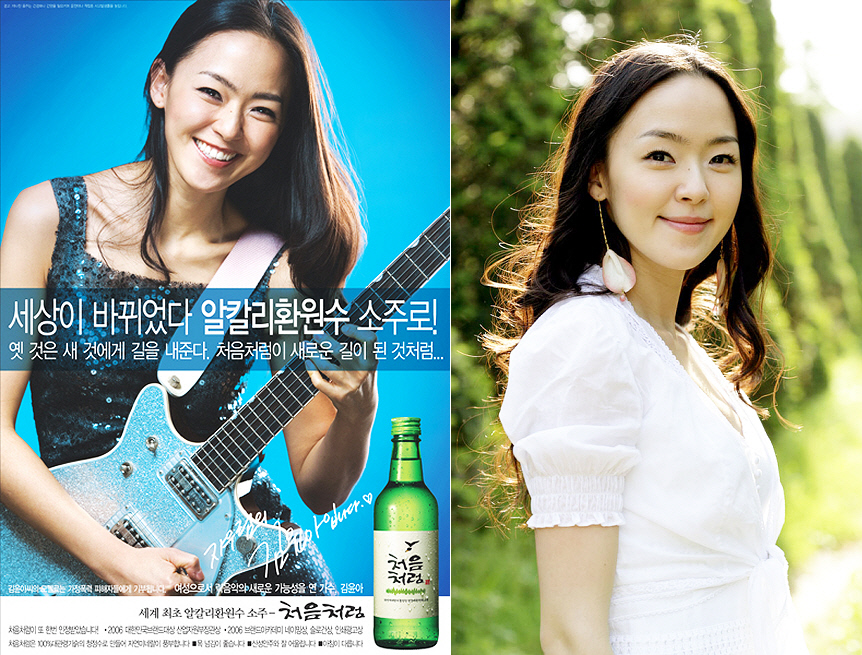
So again, it’s promoting and maintaining a pin-up grrrl image that is crucial. By which token we can also dismiss most soju girls too, even if they are indeed technically a kind of Korean pin-up. Because with very rare exceptions, such as Kim Yoon-ah’s (김윤아) example discussed here (the singer, not the skater), not only are soju ad formats usually extremely restrictive, but, for all their sexing-up in recent years, the models therein remain firmly ensconced within a virgin/vixen dichotomy, well illustrated by Jeong Ryeo-won (정려원) and Ha Ji-won (하지원) above (only three years apart btw; they changed really quickly!).
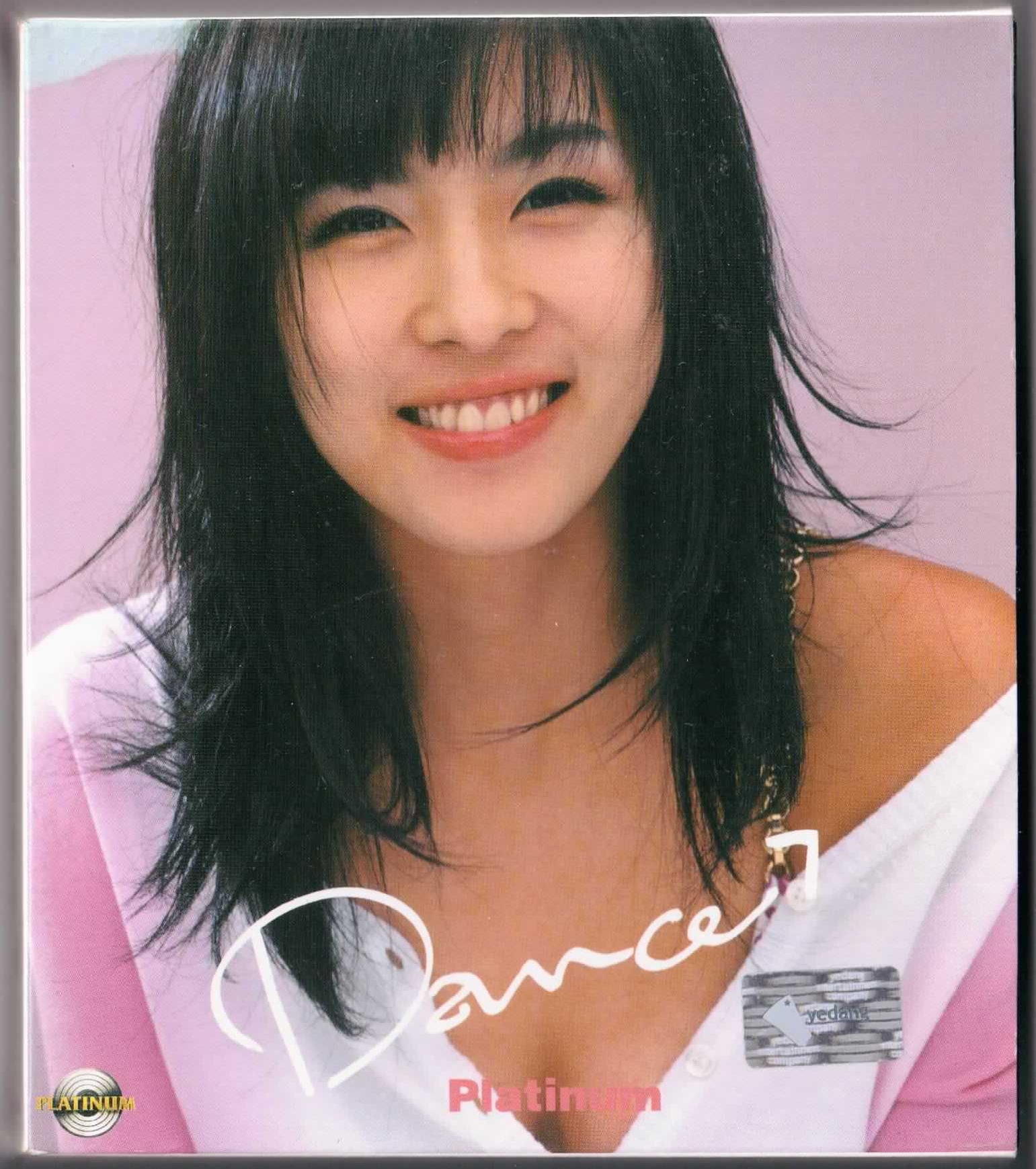
Which brings me back to Eun-hye’s pictures, which surprised me because I remember that she endorsed the Korean lingerie brand Vivian (비비안) back in 2008, yet somehow without actually wearing the lingerie at all (as you could see earlier in the post {source}; see here and here for the politics of Korean lingerie modelling behind that). So, I bought the magazine itself assuming that they would include an interview of her, in which, however lame, unreliable, and/or perfunctory, she explained her reasons for the sudden change. Not only was there no interview inside though, but to my chagrin (no, really) I soon discovered that actually she’s been talking her clothes off in public for years now (“have you seen this” indeed!). Which possibly explains why I can’t find any mention of why she did the photoshoot on the internet whatsoever, despite the ubiquity of “news” articles about it as mentioned (source, right).
So, the jury’s still out on Eun-hye at least (although I admit that I’ve yet to look for interviews about her earlier photoshoots), and I acknowledge that my relative lack of knowledge about Korean female celebrities means I may be unfairly and/or prematurely dismissing them, something I’m sure has also gone through many readers’ minds.
So, as you can see below, I’ve been trying to rectify this, looking for reliable interview sources of interviews of Korean singers. But this is harder than you may think, as Korea seems to lack any definitive music magazines. AstaTV, for instance, is literally just 105 pictures of mostly boy-bands for 11,800 won (US$10.44), a magazine format I’ve very surprised to still see around in 2011, while Junior is, well, very much for juniors. Alternatively, the very cheap – but thick – weekly Movieweek and Cine21 magazines are good sources for singers that have also acted, but naturally I’m frustrated not to find something much more music focused.
So, I would very much appreciate recommendations from readers, or if in future you could pass on any decent interviews and articles available on the internet (whether of men or women), in which they elaborate on the themes discussed in this post (I’ve included my translation of one I did find at the end of this post). Indeed, probably in just five minutes some of you will find something about Eun-hye’s Dazed and Confused photoshoot in that I couldn’t in two weeks.But even if so, you’d think that someone earnestly looking would surely have a much easier time of it?
And with that thought, I suddenly realized that I’ve been going about this all the wrong way, and in fact had been quite hypocritical. Because the onus is not on me to find pin-up grrrls by sifting through what, by this stage, looks like an increasingly homogenized, clone-like mass of female celebrities, but rather to highlight those ones who are already doing their darnedest to stand out themselves.
Yes, hereccentricities have put me off in the past too. No, I haven’t heard anything about her in at least a year either. But, just like that picture in that last link demonstrates (well, just about any picture of her really), you’d be hard-pressed to think of a well-known Korean woman quite so brazen (Update – Oops: actually she’s Korean-American, in which case Margaret Cho also instantly comes to mind. But she’s not quite so well-known in Korea itself).
If you personally have never heard of her though, then here is a quick biography of her below. Normally I’d be reluctant to copy and paste an entire article like this, but unfortunately there is increasingly less information about her available in English, and so this (originally from KBS somewhere) needs to be preserved before it’s lost when the long since defunct Pretty Korean Girls blog disappears (hey, beggars can’t be choosers!):
Since her performance of ‘Lost Dream’ in her underwear at the 2003 Venice Biennale, Nancy Lang was introduced to Korea, and she quickly appeared in magazines, on TV and on the Internet. Her showbiz philosophy that she would make money with art shouting “Cutie! Sexy! Kitty!” and “I Love Dollars” has raised controversy among art circles as well as the public.
Unconventional performance
Lang played the violin in the middle of a street wearing Victoria Secret lingerie and red high heels with kabuki style makeup. Her childhood dream was to become a violinist. And she realized the dream through art. Once, at the San Marco Piazza in Venice, she was held by the police for four hours, after which she became popular. Her performances thereafter continued to stand out. The New York born ethnic Korean is a US citizen. She only attended an international high school in Manila but her mannerisms and accent bear the hallmarks of a third generation Korean-American. Her Korean name is Park Hye-ryeong. But eyeing the world as her stage, she strategically changed her last name through help from a lawyer. “Lang” was the final choice among several names as it visually looked nice in typographic terms. Born into a well-to-do family, Lang however went through difficult times when her father died during her college years and her mother fell sick. At times, she couldn’t pay her tuition. But through the trials, she developed a clear sense of life and living.
The evolving Taboo Yogini
Multi-talented Lang’s unconventional character and provocative performances have grabbed the attention of the art, fashion and entertainment circles alike. In her trademark series ‘Taboo Yogini,’ characters such as a woman with a huge courtesan wig or a figure with a body of a robot and a head of a girl, rooster or dog appear. And invariably held in their hand is a powerful gun or a Louis Vuitton bag. In the backdrop is a car, a Chanel lipstick and other luxury brand logos. “Yogini” means an angel or a devil in the dictionary. Taboo Yogini, representing both good and bad, is a ceaselessly resurrecting spiritual being due to its persistent power and life energy. It is the symbol of Lang herself, her dreams, her wounds and her fight. The self-proclaimed ‘walking pop art’ doesn’t hide her love for brand name and elite goods. Last year at the Seoul Arts Center, the bikini clad Lang asked audience members to put oil on her body before going on to sing ‘Purple Scent’ to the tune of a karaoke machine. She pulled off another eccentric performance “Nancy Lang’s autograph session” during which she autographed her posterior as the inaugural artist of the Gwangju Biennale. The Taboo Yogini series is expected to evolve even more. In pursuit of breaking apart and assembling robots, Lang has only yet gathered the parts, and during the process she can let go of past regrets. Her work these days in fact show glimpses of her severing chains with the past and moving toward a fantastic future, portrayed by a wounded yogini and a guardian angel robot. If yogini was Peter Pan to Lang, the robot would be her Tinker Bell. It may be that she is inviting someone she can rely on in the future into her world filled with luxury goods.
Dreaming of Korea’s Takashi Murakami
Her work and lifestyle and her brutally candid and daring speech and actions invite criticism at times. But she doesn’t care. She confidently argues that, like a racehorse, she only runs toward a clear goal. She has firmly established herself as an artist reaching out to the public. Few others see art as showbiz as much as she does. But approaching show business with new ideas and works is a whole different realm. Her role model is Takashi Murakami, who successfully turned his character creations into art based on the animation, comics and games culture. Most of her works sell well and her name once topped the top online search word list. She knows what she wants, “I will become a world renowned artist who can influence the general public, and based on that foundation, I want to gain wealth and fame.” We wonder what she will show us next, as she brings along issues and controversies wherever she goes with her art.
Next, in the unlikely event that you’re not already convinced of her worthiness of the title of pin-up grrrl, then surely Psychedelic Kimchi’sinterview of her in 2006 will be sufficient, which I was very glad to still find five years after first reading it (and apologies for stealing that above image from it!). Especially as, unfortunately, that seems to be the sum total of the only substantive English sources remaining on her, although there is still her (pretty active) official Facebook page (albeit not accepting new Friend requests, or at least not mine; sniff), her (less active) Twitter account, and finally her personal website (but curiously blocked because of phishing attempts the day after I first found it!). And of course I would again be very grateful if readers could pass on anything else, as I would for any suggestions of any other candidates for Korean pin-up grrrls.
But one final thing before I do thank you though, is to draw attention to the origins of the term “grrrl” itself, lest people more familiar with it than I feel that I’m using it too liberally. In short, it comes from the Riot Grrrl underground Feminist Punk movement in the Pacific Northwest in the early-1990s, about which the New York Times wrote the following on the twentieth anniversary of its founding earlier this year:
Ms. Marcus, the author of “Girls to the Front,” agreed that it was part of a 20-year nostalgia cycle. But she added that “people are flocking to these reminiscences because there remains a tremendous hunger” for the kind of liberated, don’t give-a-damn femaleness “that was in full flower in the ’90s,” with nothing quite as potent since.
The fashion pendulum may have inevitably swung back to the ’90s, but riot grrrl, with its snarky cut-and-paste zines and carefully built micro-communities, prefigures a lot of youth culture today: targeted communication and social networking (although they did it with letters and flyers, not e-mails and Facebook messages); the lure of the handmade and the local — the craft marketplace Etsy could have been born in a riot grrrl meeting; and an attitude, evident in blogs like Jezebel and the Hairpin, that feminism can be fun.
And in particular, the original Riot Grrrl Manifesto included the following, in what was I’m sure a deliberate choice of double entendre:
BECAUSE we must take over the means of production in order to create our own moanings.
Why this is important is because of how in her book proper, Maria Buzek contrasts Andre Dworkin’s Beauty Hurts (1974; see it here) and Annie Sprinkle’s Anatomy of a Pin-up Photo (1991) above, then in her conclusion (pages 362-3) discusses Ann Magnuson’s Revenge of the Vargas Girl (1992) below, about which she says:
In “Revenge”, the artist poses in the guise of an elegant World War 2 Varga Girl but turns the artist’s airbrush gun – the medium through which Vargas created his fantasy women – back onto the world. Magnuson has associated her appropriation of the pin-up with the same bait-and-switch subversion as the riot grrrl movement, saying: “Women’s sexuality has been shunned; there’s no shame attached to being sexual. But then, why should frat boys be the only ones who get to appreciate a curvy figure? When the pin-up is allowed to speak (and has something to say), it changes the landscape”. But Mangnuson’s assertion that the tools of the pin-up’s male creator, in the hands of its dangerous spawn, can be easily turned against its creator’s or viewer’s potentially oppressive motives also serves as a metaphor for all of the Feminist pin-up imagery we’ve seen here. In this way, the pin-up’s ultimate “revenge” lies in the fact that, although it may have been created as a tantalizing but unreal object for the delectation of heterosexual men, the pin-up would also find ways to reject this role to reflect and encourage the erotic self-awareness and self-expression of real women.
I’ll leave it up to the reader to determine how and where Nancy Lang fits into that. Or, indeed, how Korean women who wear extremely revealing clothes on the red carpet do, as discussed in the following article from the Sports Chosun, found via Charles Tilly at the Marmot’s Hole. Normally, I’d reject such a tabloidish and vacuous source, but then you recall the difficulty of finding more “serious” sources, and besides which I’ve often pointed out how tabloidish even the mainstream Korean media is. Indeed, considering that such pictures are the newspaper’s unofficial focus, then it might actually be the best source on them(!), and to my surprise its choice of accompanying pictures is not only quite conservative (as Tilly also points out; in particular, it makes no mention of Kim So-yeon’s [김소연] notorious dress below, worn at the opening of the 2007 Busan International Film Festival), but to its credit it also extols the virtues of confident “older” women, usually at best considered completely asexual by most of the Korean media:
[WHY] 여배우들의 레드카펫 과다 노출, 왜 끊이지 않나 / Why is there no end to actresses’ excessive exposure on the red carpet?
김표향 기자 suzak@sportschosun.com / Reporter: Kim Pyo-hyang
이처럼 수위가 높은 ‘파격 노출’은 지금껏 없었다. 뜨거운 ‘노출 논란’의 주인공은 바로 신인배우 오인혜. 6일 부산국제영화제 개막식 레드카펫에 그녀가 등장하자 사람들은 충격으로 벌어진 입을 다물지 못했다. 겨우 가슴의 일부만을 아슬아슬하게 가렸을 뿐, 상반신의 대부분은 훤하게 드러냈다. 곧바로 그녀의 이름 앞에는 ‘노출 종결자’ ‘노출 폭격’이라는 단어가 붙었고, 인터넷과 SNS는 관련 내용으로 도배됐다. 전세계인의 애도 물결 속에 하루종일 검색어 1위였던 스티브 잡스도 이번만큼은 자리를 내줄 수밖에 없었다.
Never has there been exposure like this. In this “exposure controversy”, the leading figure is new actress Oh In-hye. As soon as she stepped out on to the red carpet at the opening ceremony of the Busan International Film Festival (BIFF) on the 6th, everyone was so shocked they couldn’t close their mouths. With a dress that only barely covered just part of her breasts, she was displaying almost her entire upper body. Immediately, prefixes like “Exposure Terminator [Killer/Best]” and “Exposure Bombshell” were attached to her name, and social network services inundated with them. While all day previously the world was in a wave of grief over Steve Job’s death, [in Korea at least?] his position as the most searched item couldn’t help but be replaced by Oh In-hye.
Image caption left – 제16회 부산국제영화제 개막식이 6일 부산 영화의전당에서 열렸다. 개막식에 앞서 거행된 레드카펫 행사에서 배우 오인혜가 등장하고 있다. 최문영 기자 deer@sportschosun.com / The opening ceremony of the 16th BIFF on the 6th at the [new] Busan Cinema Center. Actress Oh In-hye arriving at the red carpet event prior to the ceremony. Photographer: Choi Mun-yeong.
Image caption right – 조선명탐정: 각시투구꽃의 비밀’ 제작발표회에 나선 한지민. 스포츠조선DB / Han Ji-min at the Chosun Dynasty: Detective K production announcement (SportsChosunDB)
(Sources: unknown)
Image caption left – 백상예술대상 시상식을 찾은 민효린 (스포츠조선DB) / Min Hyo-rin at the Paeksang Arts Award Ceremony (SportsChosunDB)
Image caption right – 지난 해 열린 골든디스크 시상식을 찾은 남규리 (스포츠조선DB) / Nam Gyu-ri at the GoldenDisks Award Ceremony last year (SportsChosunDB)
여배우들의 파격 노출, 끊이지 않는 이유는? / What is the reason actresses keep exposing themselves so?
오인혜가 부산의 레드카펫을 휩쓸고 간 후, 개막식 자리에 참석했던 한 중견감독은 이런 말을 했다. “무명일수록 노출이 심하더라.” 여배우들이 레드카펫 노출을 선택하는 이유가 이 말 속에 들어 있다. 화제와 논란을 일으키며 사람들 입에 오르내리는 것. 그러면서 자연스럽게 인지도가 올라가기를 기대하는 것이다. 무명에 가까웠던 오인혜도 강렬한 첫 등장과 함께 사람들 머리에 그녀의 이름을 깊숙이 새겼다. 신인들에게 레드카펫 노출은 자신을 PR하는 가장 효과적인 전략인 셈이다.
After Oh In-hye overwhelmed the red carpet in Busan, an important producer attending the opening ceremony said the following: “The less famous, the more extreme the exposure”. Herein lies the reason so many actresses choose to wear such revealing costumes on the red carpet. As the controversy surrounding them grows, the more they will be on everyone’s lips. At the same time, you can naturally expect them to get a lot of name recognition. [Indeed] Oh In-hye was a virtual unknown, but with her intense first entrance has carved a deep impression on people’s minds. To new actresses, exposing themselves on the red carpet is definitely the most effective PR strategy.
반면에 신인이 아닌 배우들은 이미지 변신과 연기 활동을 위해 과감한 노출을 선택한다. 한지민과 민효린, 남규리는 공식석상에서 선보인 섹시한 드레스로 ‘첫사랑 소녀’ 같은 이미지에서 벗어날 수 있었다. ‘반전 몸매’ ‘베이글녀’라는 수식어와 함께 여성스럽고 고혹적인 매력이 보태졌고, 남성들은 물론 여성들에게도 호감도가 상승했다. 작품 선택의 폭이 넓어졌음은 물론이다.
On the other hand, for established actresses a bold, revealing dress statement can be used to change an image or [assist in some new] acting activity [like a comeback?]. By wearing sexy dresses, Han Ji-min, Min Hyo-rin, and Lam Gyu-ri could get rid of their “First Love” images. Now with the words “electrifying body” or “bagel girl” [James – I disagree: that latter is invariably a term applied by the media rather than deliberately sought, and indeed many women labelled with it actually reject it] they have a charming, feminine attractiveness added to their names, of course increasing their popularity among men and widening the acting roles available to them.
Image caption left – 2008년 청룡영화상 시상식의 김혜수 (스포츠조선DB) / Kim Hye-su at the 2008 Blue Dragon Awards (SportsChosunDB)
Image caption middle – 제16회 부산국제영화제 개막식이 6일 부산 영화의전당에서 열렸다. 개막식에 앞서 거행된 레드카펫 행사에서 배우 송선미가 등장하고 있다. 최문영 기자 deer@sportschosun.com / The opening ceremony of the 16th BIFF on the 6th at the [new] Busan Cinema Center. Actress Song Sun-mi arriving at the red carpet event prior to the ceremony. Photographer: Choi Mun-yeong
Image caption right – 2007년 대종상 시상식에 참석한 김수미 (스포츠조선DB) / Kim Su-mi at the 2007 Daejeong Film Awards (SportsChosunDB)
노출의 고수들은 뭐가 다른가? / What makes the experts different?
레 드카펫을 노리는 여배우들의 ‘워너비’는 단연 김혜수다. 관록과 여유, 고급스러움이 느껴지는 김혜수의 레드카펫 드레스는 여배우들에게 교과서나 다름 없다. ‘김혜수’ 하면 자연스럽게 파격적인 드레스가 떠오를 만큼 노출에 능하지만, 과감한 드레스를 입고 움츠러들거나 옷을 추스리느라 바쁜 여느 여배우들과 달리, 김혜수는 고개 숙여 인사할 때도 좀처럼 손으로 가슴을 가리지 않는다. 그 당당함과 자신감이 김혜수를 지난 10년간 ‘레드카펫의 여왕’으로 만들었다. 매번 베스트드레서로 뽑혀도 드레스 자체보다 김혜수가 더 빛나는 이유이기도 하다.
Of course, the model for red-carpet actresses is Kim Hye-su. She [not only] gives off an aura of dignity, composure, and refinement, [but in] the case of red-carpet outfits, is like a textbook for other actresses. She is very skilled in making her name synonymous with daring fashion statements, [for instance] unlike other actresses wearing revealing clothes, not only not shrugging, laughing, adjusting, and/or rearranging her clothes when she has to lean forward to greet someone [in order to not expose themselves further], but not even covering her chest up with her hand [James – as is the Korean custom]. [Indeed], it is not so much her outfits that have made her the “Red Carpet Queen” for the last 10 years, or why her dresses have been selected as the best at the award shows so many times, but rather it’s the way that she wears them.
올 해 부산국제영화제를 찾은 송선미도 지적인 이미지에 맞는 ‘지능적인’ 노출로 눈길을 끌었다. 가슴 부위가 세로로 깊게 파인 블랙 홀터넥 드레스로 우아함을 잃지 않으면서도 파격 노출에 성공했다. 세련된 포즈와 여유로운 표정도 단연 압도적이었다.
This year at the Busan International Film Festival, Song Sun-mi gave off an eye-catching “intellectual exposure” that suited her intellectual image. Over her breasts was a deep vertical cut in her black halterneck dress, which successfully showed off her body without detracting from her elegance. Of course, the combination of her sophisticated pose and composed expression was overwhelming.
중견배우 김수미도 공식석상에서 노출을 즐겨온 대표적인 여배우다. 김수미는 글래머러 스한 몸매를 강조한 과감한 드레스를 종종 선보였다. 그리고 근래에는 드라마에서 호피무늬 비키니까지 소화했다. 올해 제천국제음악영화제를 찾은 김부선도 상반신과 하반신이 분리된 독특한 드레스로 화제의 중심에 올랐다. 다소 난해한 컨셉트였지만, 사람들을 의식하지 않고 축제의 열기와 팬들의 환호를 마음껏 즐기는 그녀의 모습은 당당하고 아름다웠다. 나이를 무색하게 만드는 두 사람의 노출은 여배우의 자존심이 무엇인지를 몸으로 증명했다.
Kim Su-mi is a middle-aged actress who also enjoys showing off her glamorous [James – busty] body, often wearing daring dresses that emphasize it. In a recent drama for instance, she even wore a tigerskin pattern bikini, and what’s more it fitted her well too.
Also, at this year’s Jecheon International Film and Music Festival , Kim Bu-seon wore a unique dress that separated her upper and lower body into two halves, and which was on everyone’s lips. While its concept was a little difficult to understand, she was unconcerned, and was beautiful and confident reveling in fans’ passion and cheering for her [James – see above; source].
Both actresses showing of their bodies like this is testament to the fact that age is just a number!
(Source. Call me indulgent, but that dress really does have to be seen to be believed!)
때론 노출이 발목을 잡기도 / But sometimes exposure backfires
‘노출’에는 반드시 치밀한 전략과 계산이 필요하다. 자칫 무리수를 둘 경우, 배우 생활에 치명타를 입을 수도 있기 때문이다. 오인혜가 등장하기 전까지 파격 노출의 대명사처럼 인식됐던 한 배우는 그 덕분에 인지도는 올라갔지만 작품 활동에 있어서 보이지 않는 제약이 생겼다. 매번 비슷한 역할만 제안이 들어오고, 노출에 가려져 상대적으로 연기력까지 저평가 받고 있다. 털털하고 액티브한 이미지로 호감도가 높았던 한 배우 또한 레드카펫에서 선보인 파격 드레스가 화제가 되면서 오히려 원래의 건강한 이미지를 잃어버리고 말았다.
“Exposure” requires elaborate strategy and calculation. Even if it just barely excessive, it can permanently affect an actress’s career. Before Oh In-hye appeared on the red carpet for instance, there was one actress who became well-known for her own exposure but found the roles available to her severely restricted from then on – indeed, not only was she offered the same kind of ones again and again, but her exposure detracted from people’s evaluation of her acting ability in them. And in another case, an actress was well-liked for her free and easy and active image, but she lost her original healthy image when she wore a revealing dress on the red carpet.
James – I’m surprised the author doesn’t mention who, as she is so ready to directly comment on everyone else (albeit positively). Also, I’m afraid I don’t know what “healthy” means in this context either!
신 인일 경우, 이같은 노출은 더욱 조심해야 한다. 이미지가 생명과도 같은 연예계에서 ‘노출 전문’이라는 꼬리표가 평생 따라다닐 수도 있기 때문이다. 한 영화 관계자는 “레드카펫은 여배우들을 위한 것이라 해도 과언이 아닐 만큼, 여배우의 아름다움과 숨겨진 매력을 최고치로 보여줄 수 있는 자리다. 그만큼 사람들의 시선도 더 강하게 끌어당기고 이미지를 선명하게 새길 수 있다. 하지만 그것 때문에 오히려 역효과가 날 수도 있다”며 “노출로 논란을 일으킨 배우의 경우, 그 이미지가 워낙 강해서 전혀 새로운 역할에 캐스팅하기는 현실적으로 쉽지 않다”고 조언했다.
Meanwhile, new actresses have to be much more careful about this type of exposure, as they may be labelled an “exposure expert” and be unable to shake it off later, which would be disastrous in an industry where image is everything. Like someone in says, ” the red carpet is mainly for female actresses, and it is the best chance for them to show off their beauty and hidden charm. It’s also a good chance to get people’s attention, and to emphasize their image. However, that can have side effects. If an actress arouses too much controversy because of her exposure, then the reality is that she will be typecast in that corresponding role from then on”. (end)
A possible starting point for discussion: is Lee Hyori (이효리) also a pin-up grrrl, whom I’m sure many of you expected me to mention instead of Nancy Lang? That is, if any of you still have the energy to talk by this stage!^^
Update 1: Or how about the Brown Eyed Girls (브라운아이드걸스) instead? While I was pretty disappointed with them for endorsing “Juvis Diet” back in 2009 (see here and here for why), this recent post on them by Dana in Soko has definitely persuaded me to reconsider.
Update 2: The link to Dana in Soko has been fixed. Sorry!
Update 3: It’s not really worth translating, but for what it’s worth, Oh In-hye doesn’t regret her choice of dress! (Via: The Marmot’s Hole).
See here for the details. Alas, it’s not being given by me, but by Dr. Stephen Epstein, my far more capable and entertaining co-author (of this book chapter of the same name).
Unfortunately, work commitments mean I’ll be unable to attend personally. But if you’re in Seoul and free on Tuesday night yourself, then make sure you do!
Update: See here for a follow-up post at Gusts of Popular Feeling.
As any father can confirm, parenting is a grueling business. So much so, that it makes our testosterone levelsdrop like a stone for instance, a rather ironic outcome for the ultimate proof of ones’ virility. Also, not only do we gain weight by being too tired to exercise or eat properly after the birth, as you’d expect, but actually we gain weight even before it too, all the better to prepare for the rigors of carrying our offspring on our backs for the next few years.
Granted, that latter research actually comes from a few monkey species, rather than men per se. And reported weight gain in men may be due to a change of lifestyle rather than expectant fathers being biologically wired for it. But still, with serious concerns about future back problems from having to carrying my daughters in my right arm so much over the last few years (they cried if I put them in the left), then my money’s on it applying to humans too.
Why then, are our daily lives still saturated with images of onlywomen caring after children while traveling on public transport and in public spaces?
In hindsight, this is just bizarre. Surely I’m not just projecting when I say that, as the stronger, taller, and faster parent, it usually makes much more sense for me to keep an eye on my hyperactive kids as they try to run literally everywhere, while my wife watches over our bags? And whereas I’m increasingly struggling to carry them as they get older, she’s already just about reached her limits with our five year-old (in more ways then one!).
Which makes these humble pictures such a breath of fresh air. They may not look like much, especially at their low resolution here (my wife is still figuring out her new smartphone – sorry), but they are actually the first example of an image of a male rather than a female caregiver that I’ve ever seen in a subway – well, anywhere – in Korea. Taken in Daegu on my recent trip there, based on my impromptu survey over 2 weekends then I’d say a good 30-40% of signs for escalators had men rather than women (and in malls etc. also).
Can any Daegu-based readers confirm my estimate? Have any other readers seen any more with elsewhere in Korea? Either way, kudos to the Daegu Council and/or subway company for making an effort to ensure a mix of genders, and – to any readers not yet convinced – please see here for more on why this is genuinely such a big deal.
(For more posts in the Korean Sociological Images Series, see here)
This translation of part of this Korean article follows directly from Parts One, Two, Three, and Four. If you haven’t already, please read those first, as the author didn’t intend for any section to be a stand-alone post:
려한 조명과 환호 속의 착취 / Exploitation inside the bright lights and cheering
아이돌 시스템을 ‘착취’로 보는 데 모든 이가 동의하지는 않을 것이다. 이렇게 물을 사람도 있을 것이다. 고되고 불확실한 과정이라지만, 누가 강요한 것도 아니고 스스로 원해서 하는 일 아니냐고.
That the idol system is exploitative might not be a view that not everyone shares. There might also be people who ask this kind of question: though it is a difficult and uncertain process, isn’t it something they’re not forced to do and that they’re doing because they want to?
그렇다면 가혹한 입시제도도, 살인적 등록금도, 젊은이의 미래를 절망스럽게 만드는 비정규직도 별 문제가 아니다. 누가 대학 가라고, 누가 비정규직으로 일하라고 강요하던가. 선택이 제한된 사회에서 ‘자발적 선택’이란 얼마나 허망한 말인가. <한겨레신문>에 실린 한 아이돌 지망생의 말을 들어보자. 이 고등학생은 어렵사리 쌍꺼풀 수술을 한 후, 이제 코 성형을 목표로 편의점, 패스트푸드점, 주유소에서 아르바이트를 하고 있었다.
If so, then the rigorous university entrance exam system, murderous tuition fee, and the irregular work that fills a young person with despair aren’t really problems. Who forces them to go to university or do irregular work? In a society that has limited choices, how unreliable the expression ‘voluntary choice’ is! Let’s hear what one idol hopeful said, as reported in the Hankyoreh [newspaper]. After getting a double-eyelid surgery with [financial] difficulty, this high school student is now working part time at a convenience store, a fast food restaurant, and a gas station with the goal of getting nose surgery.
“어린 나이에 그토록 힘든 일을 감내해가며 연예인이 되고 싶은 이유가 뭐냐고, 이른바 ‘불공정 계약서’를 쓰고 젊음과 재능을 착취당하는 아이돌 얘기 못 들어봤느냐고 겁주는 소리를 했더니 그 친구가 말했다. ‘기자 언니, 솔직히 말해보세요. 나처럼 돈 없고 ‘빽’ 없고 성적도 그저 그런 애가 그럭저럭 대학 가면 그다음엔 뭐 있어요? 지금은 좀 힘들어도, 기획사에만 들어가면 나한테는 진짜 ‘기회’가 오는 거잖아요.” (<한겨레신문> “빽 없는 연예지망생 ‘성공시대’ 저무나” 2011. 6. 17)
“After I asked her scary things like what’s her reason for wanting to become a celebrity while enduring such difficulties at a young age, and hasn’t she heard of idols whose youth and talent were exploited after they signed so-called ‘unfair contracts,’ she answered me. ‘Reporter Onni, be honest. If a person like me, without money or connections, and whose grades are so-so, somehow goes to university, what is there after that? Even though it’s a little difficult now, you know that if I just get an agency, that is a real opportunity to me.'” (Hankyoreh, “End of the ‘Era of Success’ for would-be celebrities with no connections” June 17, 2011)
James – See “Teen Angst and the K-pop Machine” at SeoulBeats for more on the appeal of joining a talent agency
지난해 여성가족부는 청소년 연예인(지망생 포함)을 대상으로 설문조사를 했다. 그 결과를 보면, 미성년자 연예인들의 ‘자발적 선택’이 어떤 것인지 알 수 있다. 응답자의 36%가 하루 8시간 이상 초과근무를 하고, 41%가 야간과 휴일에도 일하고 있었다. 미성년자인 이들 중 10%가 신체 노출을 경험했다고 말했고, 그중 60%가 강요에 의해서라고 답했다.
Last year, the Ministry of Gender Equality and Family surveyed adolescent celebrities (including hopefuls). By looking at the results, we can see what kind of thing underage celebrities’ “voluntary choice” is. 36% of respondents worked more than 8 hours a day and 41% even worked on nights and weekends. Of these minors, 10% said they had experienced wearing revealing clothing, and of that group 60% answered that they did so under coercion.
앞의 <한겨레신문> 기사를 더 읽어 보면 이런 기회조차 평등하게 주어지지 않음을 알게 된다. “돈 없고 빽 없는” 아이들에게도 기회를 주는 듯했던 연예기획사들이 이제 돈과 배경을 갖춘 지망생을 선호하는 것이다.
If you read more of the Hankoryeh article mentioned above, you’ll learn that even this kind of opportunity is not given equally. Entertainment management agencies, which had seemed to give chances to children “without money or connections,” now choose hopefuls that combine money and background.
“‘형편이 어려운 아이들은 헝그리 정신 덕분에 빨리 성장하긴 하는데, 성공한 뒤에는 집안의 실질적 가장 노릇을 하기 때문에 계약서 관련 소송을 일으킬 확률이 높다’는 논리라고 한다. ‘반면 있는 집 아이들은 돈 문제에 민감하지 않고 ‘강남 키드’, ‘엄친아’ 이미지에 힘입어 광고계에서도 각광받는다’고 했다.”
“‘Though children in difficult circumstances develop quickly thanks to their hungry mentality, after succeeding, the chances of contract-related court cases arising is high, because they are effectively the heads of their household,’ is the reason a broadcast PD [Marilyn – I checked] gave. ‘On the other hand, children from homes that have money don’t care about money problems, and with their image as a “Kangnam kid” or “Mom’s friend’s son” [a perfect kid, to whom your mother is always unfavorably comparing you] they are in the spotlight in advertising too.’”
일부 아이돌 지망생이 일반인들은 상상하기 어려운 부를 얻는 것은 사실이다. 그렇다고 해서 아이돌 시스템이 정당화되는 것은 아니다. 이 체계는 피라미드 하층부 다수의 희생에 기초를 두고 있기 때문이다. 한국의 입시교육이 소수에게 혜택을 준다고 해서 절대 다수를 ‘들러리’로 희생시키는 행위가 정당화될 수 없듯 말이다.
It’s true that some idol-hopefuls make money that average people have difficulty imagining. That doesn’t mean that the idol system is justified. This is because it based on the sacrifices of the majority at the bottom of the pyramid. It is like how even though the Korean university entrance exam education benefits a minority, sacrificing the majority in supporting roles can never be justified.
당신이 아이돌의 팬이든 아니든 상관없다. 그들이 좇는 꿈이 칭찬할 만하다고 생각하면, 그 꿈이 행복한 결실을 맺도록 보살필 일이다. 만일 그 꿈이 철부지들의 몽상이라고 생각한다면, 입시와 오디션을 거치지 않아도 기쁘게 살 길을 마련해 주자. 그게 진정 ‘오빠’와 ‘누나’가 할 일이다.
It doesn’t matter if you are a fan of idols or not. If you think the dream that they are pursuing is worthy of praise, it is a matter of taking care of them so their dream has happy results. If you think that dream is a just a children’s fantasy, lets provide a way for them live joyfully even if they don’t pass the university entrance exam or audition. That is the duty of real “oppas” and “noonas.”
Image Caption 7: 아이돌 기획사는 창의적 재능을 갖춘 지망생을 원하지 않는다. 이상적인 후보는 정해 준 동작을 그대로 익혀 따르는 기계적 완벽성이다. 사진은 소녀시대의 ‘오!’ 뮤직비디오의 한 장면.
Image caption 7: Idol agencies don’t want hopefuls who possess creative talent. The ideal candidate is mechanical perfection at learning and copying the moves as they are given. In the picture, a scene from Girls Generation’s music video “Oh!”
(Thanks very much to Marilyn for translating Parts 4 and 5)
Update – See The Korea Herald for more on exploitation of minors in the Korean music industry.
Update 2 – The Marmot’s Holereports that “apparently there are hundreds of students from elementary to high school who are skipping class in favor of auditions in hopes of becoming a celebrity. National Assembly members are calling for measures that would ensure that these students receive the mandatory education like other students.”
This translation of part of this Korean article follows directly from Parts One, Two, and Three. If you haven’t already, please read those first, as the author didn’t intend for any section to be a stand-alone post:
아이돌: 꿈의비정규직? Idols: the irregularity [instability] of the dream?
오디션은 누구에게나 열린 평등한 기회가 아니다. 가장 중요한 것은 육체다. 기획된 노출 용도에 적합한, ‘규격’에 맞는 몸을 가져야 한다. 기획사는 창의적 재능을 갖춘 사람을 원하지 않는다. 가장 이상적인 자질은 기획사가 정한 동작을 완벽히, 기계적으로 따라하는 ‘길들이기 쉬운’ 신체다.
Auditions are not an equal opportunity open to everyone. The most important thing is [one’s] body. One must have a body that is suitable for the planned purpose of exposure and meets “the standard.” Agencies don’t want people who have creative abilities. The most ideal qualification is an “easy to tame” body that perfectly, mechanically copies the moves that the agency determines.
아이돌 지망생들은 1000대 1 가까운 경쟁을 뚫고 오디션을 통과해야 겨우 연습생 자격을 얻는다. 물론 다수가 교습소에서 춤과 동작을 배우고, 다이어트와 성형을 거치는 등 ‘선행 훈련’을 쌓는다. 그리고 이렇게 선발된 연습생 가운데 2~3%만이 그룹으로 활동할 기회를 얻는다.
Idol hopefuls have to beat nearly 1000-to-1 odds to pass the audition and just qualify as trainees. Of course, the majority study dance and movement at a [training] school, and pile up “prior training” like going through diets and surgery. Also, among trainees selected in this way, only 2-3% get the chance to be part of a [girl or boy] group.
연습생들이 고된 훈련과 불투명한 미래를 견디는 이유는 하나다. ‘내게도 기회가 올 수 있다’는 막연한 희망이 있기 때문이다. 그러나 이 ‘희망’은 대단히 잔인한 훈육 체계다. 연습생들에게 보상이 불확실한 노동을 지속하게 하고, 데뷔한 그룹에게는 ‘너를 대신할 사람은 널렸다’는 위협이 되기 때문이다. 아래 글은 이 점을 잘 지적하고 있다.
There is one reason that trainees endure intense training and an uncertain future. It is the vague hope that “I too can get an opportunity.” However, this “hope” brings with it a very cruel system of discipline. This is because trainees are made to continue to do work for which reward is uncertain, and they become a threat to groups that have made their debut, [who are told] “There are many people who can do this instead of you.” The excerpt below illustrates this.
“그룹을 꾸려 데뷔를 준비하는 것도 마음과 취향이 맞는 연습생끼리 어울려 이루는 것이 아니다. 소속사가 기획하는 그림에 따라 멤버가 추려지고, 그룹 안에서 맡아야 할 역할에 따라 지시된 이미지대로 움직여야 한다. 여기서 밉보이거나 엇나가면 이들을 자산으로 관리하는 기획사는 본보기로 멤버 가운데 하나를 탈락시킨다. 이런 으름장은 신인 연예인을 다스리는 효과적인 전략이다.” (이안, ‘원더걸스 선미 탈퇴로 비춰본 아이돌에 대한 허상’, <미디어오늘> 2010. 1. 26)
“The making and debut preparation of a group is also not something formed between like-minded trainees of similar tastes. Members are selected according to the image that the record company is planning. They must behave according to the image assigned to them as the role each must play in the group. If they anger [the agency] or go astray here, the agency that manages them like they are property can make an example of one of the members by eliminating him or her. This kind of threat is an effective strategy for controlling new celebrities.” (Lee Ahn, “Illusions about idols revealed by [Marilyn- in light of?] Wondergirls’ Sun-mi’s departure”, <Media Ohneul> 2010. 1. 26)
과거의 아이돌 그룹은 각 구성원이 뚜렷한 개성을 지니고 있었고, 서로 구분되는 역할을 했다. 그로 인해 한 명이라도 빠지게 되면 그룹 전체가 타격을 받곤 했다. 한 멤버의 탈퇴로 그룹이 해체되는 경우도 흔했다. 그러나 2000년대 후반에 나타난 아이돌 그룹은 비슷한 키에 비슷한 몸매를 갖고 있고, 그룹 내의 역할도 차별성을 갖지 않는다. 이제 구성원은 언제라도 대체될 수 있는 ‘규격부품’이 된 것이다.
In idol groups of the past, each member had a marked individuality and played a distinct role. As a result, if even one member left, the whole group was damaged. Groups often also broke up because of the withdrawal of one member. However, idol groups that appeared in the latter half of the 2000s have similar heights and figures, and their roles in the group are not distinct. Now, a member is a “standard part” that can be replaced at any time.
원더걸스의 경우, 현아와 선미가 탈퇴한 자리는 곧 다른 멤버로 채워졌고 아무 문제 없이 그룹이 운영되고 있다. 걸스데이 기획사 역시 지선과 지인의 탈퇴 발표 후 나흘 만에 새 멤버를 영입했다. 남성 아이돌 그룹 유키스 또한 기범과 알렉산더가 남긴 빈자리를 신인으로 보충해서 활동을 계속하고 있다. 결국 아이돌 시스템은 노동을 손쉽게 대체하기 위한 ‘연예계의 노동유연화’ 또는 ‘비정규직화’인 셈이다.
In the Wondergirls’ case, the openings left by HyunA’s and Sunmi’s departures were soon filled by other [new] members, and the group is operating with no problems. Girl’s Day’s agency also recruited new members within four days of the announcement of Ji Sun and Ji In’s departure. Male idol group U-KISS also filled open seats left by Kibum and Alexander with new faces and is continuing to work. Ultimately, the idol system is about “the flexibilization* of entertainment labor” or “irregularization” for the sake of easily replacing labor.
Caption: 아이돌 그룹의 특성은 몰개성과 획일화다. 표준화된 이미지와 역할분산은 멤버들을 ‘부품화’함으로써 언제라도 대체할 수 있게 만들어 준다. 원더걸스의 경우 다섯 명 가운데 두 명이 교체되었지만, 큰 타격 없이 활동을 계속하고 있다.
Caption: The standardization and lack of individuality of idol groups’ characteristics. Through componentization [making each member into a “part” that is responsible for a small aspect of the whole], a standardized image and the division of roles make members replaceable at anytime. In the Wondergirls’ case, two out of five members have been replaced, but the group is continuing to work without much damage. (end)
*Apologies for the long delay since Part Three, and thanks very much to Marilyn for helping me to catch up by translating this one. About some of the odd words in it, she adds that she:
…found a definition of “flexibilization” as leading to “a core group with unlimited full employment, and an increasingly larger group of short-term limited and or part-time employees who face severe employment risks, ultimately resulting in stress” and “componentization” is “not limited to software; through the use of subcontracting and outsourcing, it can also apply to business organizations and processes.”, but “irregularization” seems to not be a real word.
Opening my “Gender Advertisements in the Korean Context” lecture these days by talking about erections, I’m loath to end it on something as deflating as domestic savings rates. But then so often am I asked questions afterwards like…
Why are there such sharp distinctions in the ways men and women are presented in ads?
Why are women portrayed passively, weakly, dependent, childishly, and in awkward, unnatural poses to a much greater extent than men?
Why, despite being written about North American advertisements in the 1970s, does Gender Advertisements have such resonance in Korean advertisements today?
…that in my latest version for the 4th Korea-America Student Conference at Pukyeong National University (a highly-recommended 4-week exchange program by the way!), I decided to address the last by providing the data to backup my argument that it was largely because of a shared experience of housewifization. In the actual event though, the students wisely decided that they’d much rather get lunch than ask any more questions, so let me give a brief overview of that argument here instead:
In short, housewifization is the process of creating a labor division between male workers and female housewives that every advanced capitalist economy has experienced as it developed, essential and fundamental to which is the creation of a female underclass that acquiesces in this state of affairs, finding self-identity and empowerment in its consumer choices rather than in employment. Lest that sound like a gross and – for the purposes of my lecture – rather convenient generalization however, then let me refer you to someone who puts it much better than I could. From page 60-61 of this edition of The Feminine Mystique (my emphases):
The suburban housewife – she was the dream image of the young American woman and the envy, it was said, of all woman all over the world. The American housewife – freed by science and labor-saving appliances from the drudgery, the dangers of childbirth and the illnesses of her grandmother. She was healthy, beautiful, educated, concerned only about her husband, her children, her home. She had found true feminine fulfillment. As a housewife and mother, she was respected as a full and equal partner to man in his world. She was free to choose automobiles, clothes, appliances, supermarkets; she had everything that women ever dreamed of.
In the fifteen years after World War 2, this mystique of feminine fulfillment became the cherished and self-perpetuating core of contemporary culture.
And then this from page 197 of the 1963 edition:
Why is it never said that the really crucial function…that women serve as housewives is to buy more things for the house… somehow, somewhere, someone must have figured out that women will buy more things if they are kept in the underused, nameless-yearning, energy-to-get-rid-of state of being housewives…it would take a pretty clever economist to figure out what would keep our affluent economy going if the housewife market began to fall off.
Ironically, by 2009 more women would actually be working in the US than men. But rather than the result of enlightened attitudes, this was primarily because layoffs were concentrated in largely male industries like construction, and I am unconvinced that the above dynamic no longer applies there.
In Korea however, the exact opposite happened. Moreover, while by no means are modern Korean notions of appropriate gender roles a carbon-copy of those in the United States in the 1960s and 1970s, even if Korean womenthemselves are saying that the parallels between Mad Men and Korean workplaces are uncanny(!), the fact remains that in a society where consumerism was once explicitly equated with national-security, there also happens to be the highest number of non-working women in the OECD. It would be strange if the gender ideologies that underscore this decades-old combination were not heavily reflected in – nay, propagated by – advertising.
This is a simplification of course, one caveat amongst many being that the Korean advertising industry is actually heavily influenced by the Westernized global advertising industry (see this post on the impact of foreign women’s magazines in Korea for a good practical example of that). But, also raising the sociological issues of Convergence vs. Divergence, and the role of Base and Superstructure, the main purpose of my finishing my lecture with that explanation is to leave audiences with encouraging them to think for themselves, by giving them just a tantalizing hint of how deep the sociological rabbit hole goes.
Yes: it’s a cliche, but Gender Advertisements is very much a red pill. In particular, consider what greeted me at work just two days after giving the lecture:
I don’t know their names sorry (anyone?), but I was struck by the different impressions left by the man and the woman’s poses. Whereas he seems to be engaging the viewer’s gaze, the finger on his chin implying that he is actively thinking about him or her, in contrast the woman’s “bashful knee bend” and “head cant” make her appear to be merely the passive object of that gaze instead.
For more about those advertising poses, see here and here, especially on how they arguably make the person performing them subordinate in many senses, and – regardless of those arguments – the empirical evidence that women do them in advertisements much more than men. Indeed, while that advertisement was perfectly benign in itself of course, and you possibly nonplussed at my even mentioning it, just a little later that week I saw this similar image with Han Ye-seul (한예슬) and Song Seung-heon (송승헌) in a Caffe Bene advertisement, outside a branch opening close to my apartment:
A close-up:
Granted, the head cant helps frame the couple, and the ensuing contrast between the two models makes for a more interesting picture. But neither explains why it’s more often found on women than on men. Moreover, primed to look for more examples from then on, for the rest of July I saw plenty of advertisements featuring women by themselves doing a head-cant, and a few with men by themselves doing one. But when a man and woman were together?
Call it confirmation bias, but it became a slightly surreal experience constantly only ever seeing the woman doing it (it’s one thing to know about something like that in an abstract sense from academic papers, quite another to experience it for yourself). Here’s an example from a recent trip to Seoul:
A close-up:
Another with Lee Min-jeong (이민정) and Gong-yoo (공유) in Seomyeon subway in Busan:
One more with Wang Ji-won (왕지원) and Won-bin (원빈), commercials of which are playing on Korean TV screens at the moment:
Finally, with Jeong Woo-seong (정우성) and Kim Tae-hee (김태희):
(Source: unknown)
Only after 4 weeks(!) of looking, did I finally find a possible example of the opposite in Gwanganli Beach last Saturday (with Song Seung-heon {송승헌} and “Special-K girl” Lee Soo-kyeong {이수경}):
Having told you about the difficulty I had in finding such an ad though, then Murphy’s law dictates that you’ll probably see one yourself very soon; if so, please take a picture send it on, and I’ll buy you a beer next time we’re both in the same city. But it wouldn’t surprise me if I don’t actually hear from anyone until September!
Update 1: Literally just as I typed that last, the headline that “Women till stereotyped in TV ads” appeared in my Google Reader. I should feel vindicated, but I actually find the study described quite superficial, the conclusions meaningless without reference to that fact that roughly 75% of Korean advertisements feature celebrities. Still, I’ll give the National Human Rights Commission the benefit of the doubt until I see Korean language sources.
Update 2: The Korea Herald also has an article on the study, but it’s virtually identical.
I know, I know: trust me to nitpick about something as universally popular and adorable as Pororo. However, just like the classic How to Read Donald Duck (1972) revealed a pervasive imperialist ideology then propagated by Disney in that universally popular and adorable cartoon, so too does Pororo begin reveal some issues once you’re prepared to look past the cuteness. In this case, because of the stereotypical gender roles contained therein.
Just ask any parent in Korea, one of whom *ahem* first noticed these problems with the show *cough* over two years ago. But, with thanks to Marilyn for translating this article at Ildaro Women’s Journal, it’s always good to have a reliable Korean source, especially when one critiques something that usually only attracts glowingreports about its success overseas:
Loopy’s role in “Pororo The Little Penguin”? The set-ups of typical male and female characters in the cartoon is a shame
모 방송사의 예능 프로그램에서 강호동씨가 미션으로 곰인형 100개의 눈을 붙이는 장면이 나왔다. 담당VJ는 그에게 집에서 아이들과 잘 놀아 주냐고 질문했다. “나보다 뽀통령을 더 좋아해. 뽀통령 있으면 아빠 아는 체도 안 해.” 강호동씨의 답변에서 알 수 있듯이 지금 아이들 사이에서는 뽀로로가 최고의 인기 캐릭터이다.
On X network’s entertainer program, there was a scene in which Kang Ho-dong had a mission to attach 100 bear dolls’ eyes. The VJ asked if he was good about playing with his children at home. “They like President Po more than me. If President Po is there, they don’t even acknowledge Dad.” What we can know from Kang Ho-dong’s answer is that Pororo is the most popular character among children now.
아이들 세계를 지배하는 뽀로로의 영향력 / The influence of Pororo, who rules the world of children
<뽀롱뽀롱 뽀로로>는 2003년 (주)아이코닉스 엔터테인먼트에서 탄생하여, 교육방송 EBS를 통해 아이들에게 알려지기 시작했다. 12개월부터 미취학 아동 대상으로 방영된다. 현재는 3탄까지 제작됐으며 앞으로 4탄이 방송을 탈 날을 기다리고 있다. 1탄부터 3탄까지 전 시리즈는 세계 82개국에 수출됐으며, 특히 프랑스에서는 시청률 57.2%라는 놀라운 기록을 세웠다고 한다.
“Pororo The Little Penguin” was born at Iconix Entertainment in 2003 and began to become known among children through the educational channel EBS. It was broadcast to a target audience of preschoolers from the age of 12 months. Currently, the third season has been produced [aired] and the day the fourth will be aired is awaited. The first through third series have been exported to 82 countries around the world, and are said to have set a surprising record in France, especially, of 57.2% viewership.
뽀로로 캐릭터 상품으로 연간 벌어들이는 수입은 추신수 선수의 3배, 박지성 선수의 2배에 달하며, 2010년까지 누적합계 8천3백억 원에 달하는 것으로 알려졌다. 현재 소녀시대를 누르고 음반판매율 1위를 지키고 있는 것도 뽀로로이다.
The yearly income of Pororo the character as a product is three times that of [baseball] player Choo Shin-soo and reaches twice that of Park Ji-Sung, and it has become known that his accumulated earnings as of 2010 come to 830 billion Won [about $790 mil.]. The one currently defeating Girls’ Generation to remain number one in album sales is also Pororo.
어린이가 다쳐서 울 때 뽀로로 밴드를 붙여주면 울음 끝, 치아 닦기 싫어하는 아이에겐 뽀로로 치약 한 번 올려주면 반짝반짝 이를 닦는다. 이렇게 유아들의 세계를 지배하는 뽀로로의 영향력은 대단하다.
If a child who is hurt and crying is given Pororo bandage, the crying stops, and if a child who hates brushing her teeth is given Pororo toothpaste, she will brush until her teeth sparkle. The influence of Pororo, who rules the world of small children like this, is enormous.
성역할 고정관념 드러내는 등장인물들 / Characters who reveal gender-role stereotypes
하지만 <뽀롱뽀롱 뽀로로> 애니메이션 속에선 한 가지 아쉬운 점이 발견된다. 바로 만화에 등장하는 캐릭터의 특징이다.
However, there is one way in which the animated program “Pororo The Little Penguin” is discovered to be lacking. It is the characteristics of the characters who appear in the cartoon.
연등회에 등장한 뽀로로 캐릭터들. 뽀로로의 국민적 인기를 실감케 한다.
Caption, right: Pororo characters who appeared in the Lantern Festival. One can feel the national popularity of Pororo.
뽀로로, 에디, 포비, 크롱은 남성캐릭터이다. 루피와 패티는 여성캐릭터이다. 주인공 뽀로로는 궁금한 걸 못 참고, 도전과 모험에 앞장서는 호기심 많은 펭귄이다. 에디는 발명가를 꿈꾸는 꼬마여우이고, 포비는 마음 넓게 항상 다른 이를 도와주는 화가를 꿈꾸는 착한 곰이다. 패티는 명랑 활달하고 운동을 좋아하는 털털한 펭귄이며, 루피는 수줍은 많고 여성스럽고 요리 솜씨가 뛰어난 비버소녀이다.
Pororo, Eddy, Poby, and Crong are male characters. Loopy and Petty are female characters. The main character Pororo is a penguin who can’t stand not knowing something, who leads the way into challenges and adventures, and is very curious. Eddy is a little boy fox who dreams of being an inventor, and Poby is a friendly bear who always generously helps others and dreams of being an artist. Patty is an easy-going penguin who is bright, outgoing, and likes exercise, and Loopy is a very shy, feminine little beaver girl with excellent cooking skills.
<뽀롱뽀롱 뽀로로> 만화에 등장하는 남성캐릭터들은 ‘꿈꾸는 이상’이 있다. 모험가, 과학자, 화가를 꿈꾸며 노력하는 모습을 보인다. 타고 난 재능도 가지고 있다. 그러나 여성캐릭터인 루피와 패티는 앞치마를 두르고 맛있는 쿠키를 구워서 친구들에게 대접하는 꿈을 꾼다. 여성캐릭터를 꼭 ‘요리’와 연결시키는 이유는 무엇일까?
The male characters have “something more that they dream of.” They present themselves as working hard [to achieve] their dreams of being adventurers, scientists, and artists. They also have natural gifts. However, the female characters Loopy and Patty dream of putting on aprons and making delicious cookies to serve to their friends. Why must female characters be connected to “cooking”?
21세기의 여자아이들은 더 이상 부엌에서 요리하고, 다소곳이 앉아 바느질하는 것을 강요받는 사회에서 자라지 않는다. 남자아이와 동등한 자격으로 공부하고, 자신의 뜻을 펼칠 수 있다고 교육 받는다. 그러나 사회에서 요구하는 현실은 여전히 만화 속에 등장하는 전형적인 여성캐릭터인 것일까? 이런 애니메이션을 보고 자란 남자아이들은 당연히 여성이 요리를 해줄 거라고 기대할 것이고, 여자아이들은 그 모습에 자신의 모습을 비추어보며 살게 될 수도 있을 것이다.
21st century girls no longer grow up in a society that forces them to cook in the kitchen or sit modestly and sew. They study on equal terms with boys and are taught to speak their minds. But is the reality that is demanded by society still the one portrayed by the typical female characters in cartoons? Boys who grow up watching this kind of animation will naturally expect females to cook for them, and girls might grow up to reflect that image.
이런 캐릭터 설정은 어린 시절부터 성역할 고정관념을 아이들에게 심어줄 수 있다. 특히 만화 속 패티와 루피는 서로에게 질투를 느끼거나 오해를 해서 감정싸움을 만들기도 한다. 물론 실제로 아이들이 그런 감정에 빠질 수도 있다. 그러나 어린이들이 보는 프로에서 꼭 여성캐릭터 간의 감정싸움을 부각시켜 보여주면서 어릴 때부터 성별에 관한 편견을 가지게 할 필요는 없지 않을까.
The settings [of characteristics] of this kind of character can indoctrinate children into gender role stereotypes from a young age. In the cartoon, Patty and Loopy especially feel jealous of or misunderstand each other and so start emotional battles. Of course, in reality children can have those feelings. However, is there really a need for programs that children watch to make them have prejudices about gender from a young age by playing up and showing emotional battles between female characters?
미취학아동들은 그나마 사회시스템 속에서 길들여지는 고정관념으로부터 비교적 자유로운 시기이다. 그런데 만화에서 뽀로로는 항상 용감하게 도전하고, 에디는 우주선을 만들고 외계인을 만날 때, 루피는 예쁜 머리핀을 자랑하고 싶어 하고, 백설공주와 같이 되길 꿈꾸며 사과를 먹어야 할까?
Pre-schoolers are at least at an age that is relatively free from the taming stereotypes of the social system. But in the cartoon, while Pororo is always bravely challenging and Eddy makes a spaceship and meets an alien, does Loopy have to want to boast about a pretty hairpin and dream of becoming like Snow White while eating an apple?
아이들이 TV 속 뽀로로에게 열광할 때 나는 한편으로 걱정이 된다. 내 딸에게서 “엄마, 난 뽀로로 같은 용기 있는 남자와 결혼해서 맛있는 쿠키를 구울 거야.” 라는 말을 듣게 될까봐.
Part of me is worried when I see kids going crazy over TV’s Pororo. Worried that I may hear, “Mom, I’m going to marry a brave man like Pororo and make delicious cookies!” from my daughter. (end)
After revealing in my introduction that there’s more to Pororo than meets the eye, it was extremely tempting at that point to go on to discuss how what is actually a multi-million dollar industry has some curious, if superficial, parallels to some elements of K-pop. Wisely I demurred, but if you’ll indulge me here instead for a moment, then, with it being exported to over 110 countries, it is arguably just as much a part of the “second Korean Wave” as say, KARA or Girls’ Generation. Moreover, just like those groups are redoing most of their songs into Japanese for the sake of better marketability, diluting what Koichi Iwabuchi deftly calls their products’ “cultural odor” in the process, so too does the creator of Pororo refuse to incorporate more Korean elements into the cartoon, lest foreign audiences be put off. On top of that, there are even glowing accounts of Pororo’s popularity amongst overseas Koreans too, which—correct me if I’m wrong—were often considered (or at least portrayed) as important precursors to and/or agents in K-pop’s subsequent popularity amongst non-ethnic Koreans.
And having raised all those tangents, then it behooves me to also mention Pororo’s North Korean connections for anyone interested, which you can read about here and here. Also, in the interests of full disclosure, I should point out that a friend’s friend’s wife provides the voice of Harry, the humming-bird sitting on the wing above. Apologies for the ensuing lack of objectivity in the post!
(For all posts in the Korean Sociological Image series, see here)
If you reside in South Korea, you can donate via wire transfer: Turnbull James Edward (Kookmin Bank/국민은행, 563401-01-214324)
Noticed playing on the televisions on the KTX train, on my trip to Seoul on Wednesday.
Granted, technically it’s only one female athlete being described as a “beaut(iful) bird” (미녀새) here. And arguably that – or rather, beautiful soaring bird – is indeed an apt metaphor for any pole vaulter. Let alone Yelena Isinbayeva, “widely considered the greatest female pole-vaulter of all time”.
But still, can you imagine it actually being applied to a male pole vaulter? Or a male athlete of any sport ever, first and foremost, being described as “handsome”?
This translation of part of this Korean article follows directly from Part 1 and Part 2. If you haven’t already, please read those first, as the author didn’t intend for any section to be a stand-alone post:
‘비정규직 세대’의 이중착취 / The Double-Exploitation of the“Irregular Generation”
아이돌 바람을 일으킨 기획사 대표들에게는 몇 가지 공통점이 있다. 스스로 연예계에서 활동하며 발을 넓힌, 중장년층의 남자들이라는 것이다. 이들은 경제위기 이전에 사회에 진출해 상당한 부를 축적한 기성세대면서도, ‘비정규직 세대’와 취향을 공유할 수 있을 만큼 젊은 경우가 대부분이다.
The representatives of management companies that gave rise to the idol boom have many points in common. First, they are middle-aged men who developed their careers within the entertainment world by themselves, before the Asian Financial Crisis. Also, while they are an old generation with accumulated wealth, most are still young enough to share the tastes of the “irregular generation”.
다시 말해, 아이돌 기획자들은 무력한 남성들의 욕망을 이해할 만큼 젊고 영악한 ‘동료 남자’들인 동시에, 이 수요를 가공해 상품으로 내놓을 수 있을 만한 돈과 연줄을 지닌 사람들이다. 반면에 대다수 젊은 세대가 지닌 건 욕망과 (아르바이트로 모았을) ‘미니앨범’을 겨우 살 주머니 푼돈뿐이다.
In other words, management company representatives are young and shrewd enough to understand powerless men’s tastes, and have the money and connections to produce manufactured goods (idols) on demand. On the other hand, the thing which most of the young generation have is desire, but only enough pocket money (or money gained from part-time jobs) to buy mini-albums.
한국의 현재 청소년들은 꿈을 꿀 수 없는 불우한 세대다. 유치원 시절부터 학교, 학원, 과외로 이어지는 가혹한 경쟁체제 속에서 고통 받지만, 이들에게 준비된 미래는 없다. 소수의 ‘좋은’ 대학을 갈 경쟁력은 돈으로 길러지고, 운 좋게 입학 기회를 얻는다 해도 돈 없이는 학교에 다닐 수도 없고, 살인적인 ‘스펙’ 경쟁도 불가능하다. 졸업생을 기다리고 있는 것은 차별, 실업, 비정규직으로 이어지는 잔인한 현실이다.
Korean teenagers now are an generation of misfortune, which can’t have dreams. From when they’re in kindergarten, to attending school, hagwons, and receiving private tutoring, they suffer greatly from the competitive system into which they’re placed, yet despite that have no future to prepare for. They can use money to increase their chances of getting into one of the very few “good” universities, but even if they [are indeed] lucky enough to gain a place to one they may be unable to afford the fees, and [besides which] it would still be impossible to get killer “specs” [James – a good background]. Graduating students now face a merciless reality in which they have nothing but discrimination, unemployment, and/or irregular, unstable work to look forward to.
아이돌 그룹은 이 가엾은 세대에게 두 가지 의미의 ‘위안’을 준다. 하나는 암울한 현실을 잠시 잊을 수 있는 오락이고, 다른 하나는 ‘나도 아이돌이 될 수 있다’는 꿈이다. 하지만 이 ‘위안’은 기획사가 비정규직 세대를 피라미드형 착취구조로 이끄는 미끼에 지나지 않는다. 젊은 세대는 아이돌 음악을 사는 소비자인 동시에, 오디션에 참여해 ‘아이돌 예비군’인 연습생 자리를 채워주는 ‘인력풀’이다.
Idol groups give comfort to this hapless generation in two ways. One, is through giving some pleasure that allows them to forget their miserable reality for a moment, why the other is through fostering the belief that they too can become idols. But this “comfort” is nothing but bait for a pyramidal exploitation structure of them. [As] while the young generation purchase music as consumers, at the same time they also audition to become a labor pool of “idol reserves”.
이들은 기획사에 수익과 인력을 댈 뿐 아니라, 열광과 환호로 아이돌에게 매력적인 지위도 부여한다. 결국 ‘아이돌의 꿈’을 구성하는 부, 인기, 명성은 모두 비정규직 세대 자신들이 공급하는 것이다. 하지만 꿈의 주인공이 되는 것은 오직 기획사를 통해서만 가능하다.
While these idol reserves represent profit and a labor pool to the management companies however, to them themselves they are given an attractive position through widespread public adulation and passion for them. In the end, everything that an idols’ dreams are composed of – wealth, popularity, fame – are things that they provide for themselves. But although they are the central character in their dreams, these are still only possible through management companies.
Caption: 걸그룹 기획사가 가장 중요하게 여기는 것은 의도된 노출에 적합하고 손쉽게 대체될 수 있는 획일화된 신체다.
Image Caption: [When it comes to idols], The most important thing for management companies to consider are standardized bodies suitable for skin exposure and easily replaced (end).
James – My apologies in advance for any mistakes in the translation, which I admit that I (and then my long-suffering wife) struggled with much more than I did the first two parts. Much of my confusion though, stemmed from – to my mind – Kang’s abrupt shift here from talking about the “irregular generation” in the first half of the article (i.e. the target audience of girl groups), to the “young generation” that the girl-group members belong(ed) to in the second half. However, it does serve as a good introduction to Part 4’s discussion of their exploitation with the Korean music industry, which you can find here.
This translation of part of this Korean article follows directly from Part 1. If you haven’t already, please read that for the background:
An ‘Oppa Industry’ Founded on Powerless, Frustrated Men’s Desire / 무기력한 남자의 욕망에 기초한 ‘오빠 산업’
‘오빠’ 노래가 최근 처음 등장한 건 아니다. 하지만 여자 가수들이 약속이나 한 듯 동시에 ‘오빠’를 불러대는 모습은 과거에도 보기 드문 장면이었다. 대체 어떤 연유로 ‘오빠 강풍’이 불기 시작했을까?
This is not the first time that there have been Oppa songs. But, just as you’d expect, it was rare to find female singers [actually?] saying the word in past songs. [So] what on Earth was the origin of this Oppa Craze?
물론 ‘오빠’ 소리를 듣고 싶은 남자들이 많기 때문일 것이다. 걸그룹에 열광하는 남자팬들의 다수가 연애조차 하기 힘든 비정규직 세대라는 점을 기억할 필요가 있다. 이들이 걸그룹에 환호하는 이유는 소위 ‘초식남’이 만화주인공과 사랑에 빠지는 이유와 비슷하다. 그들에게 걸그룹은 ‘망가걸’의 실사판인 셈이다.
Of course, the reason is that there are many men that want to be called “Oppa”. We need to remember that the majority of enthusiastic male fans of girl-groups are a generation of men who work hard at irregular, [dead-end] jobs, and [so?] have difficulty even getting a date. The reason they cheer girl-groups is similar to the reason so-called “Herbivore Men” fall in love with the main characters in manhwa comic books: to them, girl groups members are like real-life versions of “Manga Girls”.
James: jumping ahead to a point I’ll make again in the conclusion, things like this mean we should be very wary of such sweeping statements about the demographics of K-pop fans, not least those made by myself. But I do find Kang’s arguments compelling overall.
한국 걸그룹이 외환위기 이후에 등장했다는 사실은 의미심장하다. 특히 한국 경제가 장기침체로 들어선 2000년대 후반 등장한 원더걸스나 소녀시대는 1990년대 후반의 에스이에스(S.E.S.)나 핑클 등의 ‘1세대 걸그룹’과 구별되는 특성을 보인다. 훨씬 어리고, 노출 정도가 크고, 몰개성적이며, ‘리드보컬’ 개념이 매우 약하거나 존재하지 않으며, 대규모 오디션과 ‘연습생’ 제도에 의존한다.
It is telling that Korean girl-groups first appeared after the Asian Financial Crisis of 1997-98. And [in turn] the Wondergirls and Girls’ Generation that appeared in the second half of the 2000s, after years of economic stagnation, can be distinguished from those “First Generation Girl-groups” such as S.E.S. and Fin.K.L. in several ways: they were way too young; they exposed their bodies a great deal more; they were de-indivualized, with the “lead vocal” concept not existing at all; and they depended on intensive audition-processes and practice and training-sessions.
James: Matt at Gusts of Popular Feeling has two great posts on the differences between the two generations of girl-groups here and here, and Mellowyel at Mixtapes and Liner Notes has an equally interesting post here that deals with those and other differences, including less stress on vocals by later groups. But while I certainly agree with all those differences, and would be the first to admit that many girl-group members are essentially faceless and interchangeable to all but their most ardent fans, nevertheless I think saying that they’re “de-individualized” puts it a little too strongly, masking an important point. Specifically, consider what Philip Vannini and Scott Myers wrote about manufactured Western bands a decade ago (in “Crazy About You: Reflections on the Meanings of Contemporary Teen Pop Music”, Electronic Journal of Sociology, available online here):
Producers’ control extends from songwriting to image-packaging and personality development. Any boy-band act is put together to appeal to various personalities and life outlooks of fans as each band includes a member portrayed as cute and sweet, one funny, one good-looking and mysterious, one creative and goofy, one talented and motivated, one dark and tough, and such. Bands are created with the consumers’ demand in mind…
Then compare what allkpop wrote about Korean girl-groups last year (the first source I could find sorry!):
Osen recently pointed out that cute members of female groups tend to generate widespread interest and bump up a group’s popularity singlehandedly. Every member has their own individual role in the group, and every group has a member in charge of being the ‘cute’ one. In Korea, fans call this certain member “Kui-yo-mi (귀요미),” meaning “the girl with the cute image (귀여운 이미지를 가진 이).” This member is in charge of garnering fanboy love with her cute/lovable/girly charm, which will result in a bigger fanbase for the group. In this report, Osen identified four girl group members that fit this role.
So sure, while many girl-groups are large, and some are getting larger all the time, who’s who in them does still have some relevance. (AKB48 they ain’t!)
Back to the article:
Caption: 한국 걸그룹은 ‘망가걸’의 실사판 이미지에 가깝다. 리본, 분홍, 천진한 표정이 드러내는 유아적 여성 이미지와 검은 눈썹에 금발을 한 인물의 탈국적성 등은 일본 만화캐릭터에서 보편적으로 발견되는 특성이다.
Caption: Korea girl-group members are close to being real-life Manga Girls. There’s the ribbon; the pink; and the naive, innocent expression, which combine to give an infantile image. Add black eyeliner and blond hair, and you’re left with an figure devoid of ethnicity, i.e. the universal Japanese manhwa character.
나머지는 ‘세대착취’ 부분에서 자세히 다루기로 하고, 우선 ‘어린 나이’와 ‘노출’에 대해 살펴보도록 하자. ‘롤리타 콤플렉스’라 불리는 소아성애는 약화된 남성성과 관련이 있다. 경제적 능력이 남성 권력의 토대인 가부장제 사회에서 경제력의 상실은 곧 남성성의 상실을 의미하게 된다.
I will talk more about the exploitation of this generation in detail later [in Parts 3-5]. First, let’s examine the issue of exposing the bodies of young people. [In short], there is a relationship between this pedophilia called the “Lolita Complex” and weakened male sexuality. And in a patriarchal society based on economic ability and male power, accordingly the loss of economic power equates with a weakening of male sexuality.
한국경제가 장기침체에 들어서며 어린 ‘2세대 걸그룹’이 등장했듯, 일본 역시 1980년대 경기침체를 겪으면서 ‘로리콘(ロリコン) 캐릭터’가 급부상했다. 한국 걸그룹과 일본의 ‘로리콘 캐릭터’의 속성은 동일하다. ‘어린 얼굴에 성인의 몸을 가진, 위협적이지 않은 성적 대상’이다. 약화된 남성들에게 성숙하고 당당한 여성은 감당할 수 없는 위협이기 때문이다.
When the Korean economy entered a period of long-term stagnation, the second generation of girl groups-appeared. Likewise, Japan also went through a period of long-term economic stagnation in the 1980s, and “Lolicon” characters quickly appeared. Korean girl-group [members] share many characteristics of these Lolicon characters. With childlike faces with adult bodies, they are non-threatening sex-objects. Because to weakened men, mature and confident women are too threatening.
<게으름뱅이 정신분석>의 저자 기시다 슈도 비슷한 맥락에서 성범죄를 분석한다. 그에 따르면, 성범죄자는 남성성이 넘치는 사람들이 아니다. 이들은 정상적인 교류상황에서는 성능력을 발휘할 수 없는 ‘고자’ 혹은 ‘불능남’이기 때문에, 여성을 위협해 무기력한 상태로 만들거나 아예 저항 능력이 없는 연소자나 장애인을 택해 범죄를 벌인다는 것이다.
Syu Kishida, author of “A Psychoanalysis of Lazy Bastards”, made similar lines of connection with sex-criminals. According to him [her?], sexual criminals are not [exactly] men overflowing with male sexuality. [Rather], because they are “eunuchs” or impotent men who can’t develop sexual ability through normal [life and] interaction, they prefer to threaten or make women powerless, or choose to commit sexual crimes against the young or disabled because those groups are unable to reject them.
스티븐 엡스타인과 제임스 턴블이 잘 정리했듯, 한국 걸그룹은 ‘순진’, ‘애교’, ‘수줍음’, ‘수동성’, ‘도발’ 등의 특성을 갖는다. 얼핏 보면 ‘순진’, ‘수줍음,’ ‘수동성’은 ‘(성적) 도발’과 대치되는 듯 보이지만, 사실은 모두 ‘도발’을 위한 장치일 뿐이다. 무기력한 남성을 도발하기 위해서는 순진하고, 여리고, 수동적인 여성 이미지가 필요하기 때문이다.
Stephen Epstein and James Turnbull summarized this well. Korean girl-groups’ shared characteristics are naivety, aegyo, shyness, passivity and sexual provocation. While at a glance those first personality traits seem to contradict the last, in fact all are simply a device for sexual provocation. To powerless men, a naive, weak, and passive image of women is required for this.
한국에 등장한 ‘꽃미남’, ‘화장하는 남자’, ‘초식남’은 일본이 앞서 경험한 현상이다. 그렇다면 한국 걸그룹이 해외에서 얻는 인기는 경기침체로 인한 ‘롤리타 콤플렉스’ 및 일본 ‘로리콘 캐릭터’의 보편화와 떼어 생각하기 어렵다.
Trends for men that have emerged in Korea, like “Flower-Beautiful-Men” (Kkotminam), “Cosmetics-wearing Men”, and “Herbivore Men” are all things that Japan has also experienced. On that basis, it’s very difficult not to think that there’s something in common with the popularity Korean girl-groups are gaining overseas [Japan surely?] and the popularity of the Lolita Complex and Lolicon characters there that arose with long-term economic stagnation (end).
James: I think Kang’s central point about the economic and consequent cultural parallels between Japan and Korea is valid, and that it’s certainly true that some Japanese men’s liking of the Lolita Complex and Lolicon characters would predispose them to also liking Korean girl-groups. But with this final paragraph, I think he extrapolates a little too much, for two or three reasons (source, right):
1) There are huge differences between Japanese Herbivore men and Korean Kkotminam (I’ve never heard of “Cosmetics-Wearing Men”), the latter of which would by no means be considered powerless. But I concede that Kang may simply have been pointing out yet more similarities with Japan here, rather than making a connection to those particular groups of men and male fans of Lolicon and Korean girl-groups per se.
2) More to the point then, has any actual research been done to confirm these alleged tastes in Lolicon and so on of Japanese male fans of Korean girl-groups? (While it does makes sense, like I said we should be very wary of taking it as a given, particularly considering the next point)
Which again demonstrates the need for more research into the demographics of Japanese K-pop fandom. Or perhaps it has already been done, and readers can point me in its direction? (Hint hint)^^ Meanwhile, see Part 3 on The “Irregular Generation’s” Double-Exploitation / ‘비정규직 세대’의 이중착취 to continue the discussion!
Caption: 일본 ‘로리콘’ 캐릭터. 1980년대 일본 경제침체가 심화되면서 ‘위협적이지 않은’ 어린 소녀를 성적 대상화하는 현상이 두드러졌다. ‘롤리타 콤플렉스’는 무기력한 남성의 정체성을 반영한다. 외환위기 이후 등장한 한국의 걸그룹 현상도 같은 맥락으로 볼 수 있다.
Caption: Japanese “Lolicon” characters. With the deepening economic stagnation in Japan in the 1980s [1990s?], the sexual objectification of unthreatening young girls became noticeable. This Lolita Complex reflected the identity of powerless men, as does the rise of Korean girl-groups.
If so, then let me direct you to an interview I gave last week for Deutschlandradio, on the economic factors behind the sexualization of minors in K-pop (I’m on at about 3:05).
Meanwhile, English speakers never fear(!), for I should have a newspaper article on the same subject coming out either this week or the next. And Part 2 of my translation of the “What did Depraved Oppas do to Girls’ Generation” article will be up tomorrow.
Update – With special thanks to Curtis for translating it, here is the short article that accompanied the radio report:
Economic Factors: Girlbands
Report by Malte Kollenberg and Fabian Kretschmer
(Girl- and boybands are an important part of the economy in South Korea. Source: plynoi)
South Korean boy- and girlbands are also internationally successful. A general music- and dance-style concept is created and from this concept a look is agreed upon. To acheive this look, the young band members go under the knife ever more frequently.
Pop music in South Korea is a major economic factor for the country. In 2009 the industry earned 30 million dollars, and according to government statistics, this number doubled in 2010. The most important market is the country itself, but Japan and the USA are also markets of interest. Korea’s largest record label, S.M. Entertainment, currently tours around the world with different bands in a Global-Audition-Tour.
Lavish Choreography
Girl- and boybands who present lavish choreography in large shows are typical for K-Pop – for example, the 13-member boyband Super Junior and Wondergirls. As is usual in the international music market, the bands are cast, and the musical style and looks of the artists are decided by the record label. Plastic surgery is generally accepted by South Korean society and is a standard in K-pop. From this arise greatly deliberated and perfectly coordinated images.
Yes, the Korean title to the article does indeed say “depraved” oppas, with exactly the same sexual connotations in both languages. But if it’s news of some potential K-pop scandal that drew you here though, then I fear you’ll be disappointed!
Instead, it’s actually about the negatives of the girl-group phenomenon. And, rather than by some sleazy tabloid journalist, in fact it’s written by academic Kang In-kyu, who spoke on Korean internet culture at a recent Korea Pop Culture conference at UC Irvine, which also included Stephen Epstein’s and my own presentation on girl-groups. Sure enough, Kang later refers to — and is clearly heavily influenced by — our work, but he also very much builds upon it, and we’re very happy to learn that the issue is beginning to get an airing in the Korean media.
Practically speaking however, unfortunately the article is also a little long, so I’ve split it into five parts to be put up over the next week or so (please consider this one just the introduction). But for the odd addition of my own words here and here though (indicated by square brackets), I’m afraid that also means I don’t really have the time to work on the style of the translation!
음흉한 ‘오빠들’, 소녀시대에 무슨 짓 한 건가 / What did Depraved Oppas do to Girls’ Generation?
아이돌, 착취사회의 경쾌한 합리화. 강인규 기자
Idols, the light-hearted rationalization of an exploitative society. By Kang In-kyu.
(‘순진’, ‘애교’, ‘수줍음’, ‘여림’ 등은 걸그룹의 주된 이미지 전략이다. ‘오빠’로 대표되는 수동적 여성성의 회귀는 무기력해진 남성의 욕망을 드러낸다. 사진은 소녀시대의 ‘오!’ 뮤직비디오의 한 장면)
(Opening image caption: Naivety, aegyo, timidity, fragility, and so on are girl-groups’ main image strategy. This representative Oppa phenomenon reveals men’s desire for a passive, regressive, and powerless women’s sexuality. Photo: scene from music video to Oh!, by Girls’ Generation)
참 이상한 일이었다. 한국 성평등 지수가 세계 최하위 수준이라는 사실을 몰라서가 아니다. 2010년 세계성평등도 조사에서 한국은 134개국 가운데 104위를 했다. 20대 여성 자살률은 경제협력개발기구(OECD) 평균의 두 배가 넘고, 50대 여성 행복지수는 세계에서 가장 낮다. 한국에서 여자로 태어나는 순간 차별과 불행을 피할 수 없다.
Something a little strange happened [recently]. [I mean, it’s] not that I didn’t already know that Korea has one of the lowest scores in the world for sexual equality. In 2010 [for instance], a survey found that of 134 countries examined, Korea came in 104th. It also had over twice the OECD average for suicides of 20-something women, and its 50-something women were the unhappiest in the world. Indeed, surely to be born female in Korea means it is impossible to avoid discrimination and bad luck.
그래도 이해할 수 없었다. 별안간 ‘오빠’ 바람이라니. ‘오빠 나 좀 봐’, ‘너무 부끄러워’, ‘몰라몰라’, ‘처음이야’, ‘떨려와요’, ‘동생으로만 생각하진 말아’, ‘난 울지도 몰라’, ‘나는 바본가 봐요’, ‘난 다 믿었어’. 아니, 믿을 사람을 믿어야지, 가정에서는 폭력, 사회에서는 차별을 재생산해 온 오빠를 믿는다니. 이 척박한 야만의 땅에서 한국 여성들은 차별과 고정관념에 맞서 끈질기게 싸워오지 않았던가. 내가 보기에, 이 난데없는 ‘오빠 바람’은 명백한 퇴행이었다.
Still, I didn’t understand. But then suddenly there was this “Oppa craze”. “Oppa, look at me”, “I’m so embarrassed”, “I don’t know, I don’t know”, “This is my first time”, “I’m light-headed”, “Don’t just think of me as a little sister”, “I don’t know if I’ll cry”, “I think I’m so foolish”,”I believe everything”. No, how dare you believe those oppas, who perpetuate sexual discrimination and domestic violence. Haven’t women been struggling tenaciously [for a long time] against prejudice and discrimination in this barren, barbarous land? In my opinion, this sudden Oppa craze is a clear regression.
(James – With thanks to the reader that made it and passed it on to me, above is a collection of segments from various girl-groups’ songs that show just how common the phrase “I don’t know” really is. Also, he poses the interesting question of if it’s usually the groups’ designated cute and innocent members that actually sing it)
대체 언제부터 오빠가 이렇게 믿음직스런 존재가 됐을까? 한국여성의전화 2009년 조사에 따르면, 데이트를 해 본 젊은 여학생 중 78%가 정서적 폭력을 경험한다. 결혼 후에는 절반이 남편, 즉 ‘옛 오빠’가 휘두르는 폭력과 학대를 겪는다는 게 2011년 여성가족부 ‘가정폭력실태조사’ 결과다(한국 남성이 아내에게 폭력을 행사하는 비율은 영국이나 일본의 다섯 배가 넘는다). 직장에서도 남성에 비해 38%나 적은 보수를 받아, OECD 평균 임금격차의 두 배를 훌쩍 넘는다(‘언니’들이 이런 차별을 지지하는 경우는 많지 않다). 복고가 유행하더니, 젊은 여성세대가 전통적인 ‘의존형’으로 회귀하기라도 한 것일까?
Since when (and how on Earth) did oppas suddenly become so trustworthy? According to a telephone survey of Korean women in 2009, of young [university?] students who had dated 78% had experienced emotional abuse. Also, according to the results of a 2011 “Domestic Violence Status Survey” by the Ministry of Gender Equality and Family (MOGEF), half of husbands had inflicted violence or abuse [on their wives] (this rate is 5 times higher those of Japan or the United Kingdom). And in the workplace too, women receive 38% lower wages then men, a gap more than twice as large as the OECD average (there are not many “Onnis” that support this!).
This trend of going back to the past, isn’t it just a regression, making a whole generation of young women dependent?
착각하지 말자. ‘오빠’ 바람이 보여주는 건 아저씨들의 욕망일 뿐이다. 어린 소녀들을 고용해 ‘오빠’ 노래를 부르게 하는 기획사 대표들 대다수가 남자고, 이 노래를 쓴 사람들 역시 예외 없이 남자다. 원더걸스의 대표곡 ‘텔미’와 ‘노바디’는 박진영이 곡과 가사를 썼고, 소녀시대의 히트곡 ‘소원을 말해봐,’ ‘오!’, ‘지(GEE)’, ‘훗’의 가사를 쓴 것도 유영진, 김정배, 김영후, 안명원/김영득, 이현규 등 모두 남자다.
Let’s not have any illusions here: the oppa craze just shows men’s desire. And [indeed], most of the entertainment company representatives who hire young girls to sing these oppa songs are men, as are – without exception – the writers. For instance, the iconic Wondergirls’ songs Tell Me and Nobody were written by JYP, and Girls’ Genertation’s hits Tell Me Your Wish, Oh!, Gee, and Hoot were written by Yu Yeong-jin, Kim Jeong-bae, Kim Yeong-woo, An Myeong-won, Kim Yeong-duk, and Lee Hyeon-gyu, who are all men.
물론 남자들이 여자 가수의 곡을 쓰는 경우는 흔하다. 여기서 지적하고 싶은 것은, 걸그룹이 외치는 ‘오빠’가 ‘동생’들의 욕망과 아무런 관계가 없다는 것이다. 그들은 중년 남자들이 쓴 남성적 욕망을 립싱크하고 있을 뿐이다. 하긴, 오빠만큼 오빠의 욕망을 잘 아는 사람이 또 있겠는가. 머리만한 리본을 달고 손으로 하트를 그리는, 얼굴은 아이고 몸은 어른인 반인반수 아니, ‘애교 소녀’. 남자들의 욕망은 이렇게 단순하다.
[But] of course, it’s not uncommon for men to write the lyrics to female singers’ songs. What I want to point out is that when girl-group members cry out “Oppa”, it has nothing to do with being a little sister; it is simply lip-synching men’s desire, as written by middle-aged men. [After all], nobody knows oppas’ desire better than oppas. And when girl-group members wear ribbons as big as their head, draw hearts with their hands, and have childlike-faces but the bodies of women, they are not some half girl-half women creature but instead “Aegyo Girl”. Men’s desires are that simple.
(걸그룹 기획사는 어린 멤버들의 신체를 거리낌 없이 사물화한다. ‘지(GEE)’ 뮤직비디오에서 소녀시대 멤버들은 쇼윈도의 마네킹으로 등장한다. 남자 출연자는 이 ‘인형들’을 보고, 만지고, 원하는 방식으로 재배치한다)
(Image caption above: Girl-group entertainment companies have no scruples about objectifying members’ bodies. Here in the music video to Gee, the members appear as mannequins in a shop window, while a male performer looks at them as if they were dolls, and moves them around and touches them however he wishes)
James – And on that note, Part 2 on An ‘Oppa Industry’ Founded on Powerless, Frustrated Men’s Desire / 무기력한 남자의 욕망에 기초한 ‘오빠 산업’ can be found here.
Of the two, Ariel Levy’s Female Chauvinist Pigs (2005) is by far the easier to read, taking just the trip home to finish. Feeling much more like a expanded version of the New Yorker article it was based on than a real in-depth examination of the subject though, unfortunately it has little that wasn’t much more thoroughly covered later in The Lolita Effect (2008) and Guyland (2008), and is not readily applicable to Korea. However, it will still be – ahem – a goldmine for pithy quotes, and for 16,500 won (US$15.19) a good choice for those who’ve never read a feminist text before.
In contrast, Maria Buszek’s Pin-Up Grrrls (2006) is a daunting 444 page tome, which in hindsight I am not surprised to have found second-hand for a mere 15,500 won (US$14.27): the cover and frequent photographs belie its rigorous academic approach. Moreover, as Korea lacks a tradition of pin-up girls (although perhaps it does still have a “pin-up culture” nonetheless?), then you’d think that it would be even less helpful than Levy’s book for gaining insights into Korean gender issues and popular culture.
But, reading the introduction in the bookstore, I was already intrigued as soon as page 4:
Contrary to the popular belief – held by many within, outside of, and even against the movement – that a “feminist pin-up” is an oxymoron, it is no more so than “feminist painting” of “feminist sculpture,” or “feminist porn” for that matter” these are all media and genres historically used and appreciated primarily by men, about which nothing is inherently sexist, but which have all been both kept from women and used to create images that inscribe, normalize, or bolster notion of women as inferior to men. While this fact has been recognized by many feminist thinkers – indeed, many such media and genres have been avoided by certain feminist artists for these very reasons – few would deny that the same have been and may be strategically used by women to subvert the sexism with which they have historically been associated. Yet the pin-up – because of its simultaneous ubiquity and invisibility, prurient appeal and prudery, artistry and commercialism – has not been so readily granted a feminist interpretation. The genre is a slippery one: it doesn’t represent sex so much as suggest it, and these politely suggestive qualities have as a result always lent it to a commercial culture of which feminists have justifiably been wary for its need to cultivate the kind of desire and dissatisfaction that leads to consumption.
And on my way to the checkout by page 6:
Freuh has articulated this desire succinctly in her writing on the relevance of sexuality to the feminist movement: “As long as I am an erotic subject, I am not averse to being an erotic object.” The problem with this conflation of subject/object is in constructing and representing a feminist identity that is both subversive and alluring….As Bell Hooks puts this conundrum: “It is has been a simply task for women to describe and criticize negative aspects of sexuality as it has been socially constructed in sexist society; to expose male objectification and dehumanization of women; to denounce rape, pornography, sexualized violence, incest etc. It has been a far more difficult task for women to envision new sexual paradigms to change the norms of sexuality.”
While acknowledging that it may indeed be a false dichotomy, nevertheless I too have long maintained that women being sexual objects in the media doesn’t necessarily preclude the models concerned from also being sexual subjects. But still, I simply had no idea how subversive pin-ups could be, or how, often used by the models for their own ends, they could indeed include flaunting their own sexuality.
In that vein, as Korean society continues to grapple with the issue of the increasingsexualization of young women and especially teenage girls in the media, it’s going to be very helpful to have examples of genuinely sexually-empowering images of women to inform critiques of that trend, or at least the intellectual tools to help better understand what constitutes such. Because frankly, for me personally it’s high time to move beyond simply repeatedly pointing out that what is often touted as female empowerment is in fact frequently forced upon unwilling participants, but without ever actually elaborating on what would be a positive alternative.
Meanwhile, has anybody already read either book, or any others by the same authors? Or do you already have some of your own ideas for images of women you’d like to see more of in the Korean media? For a quick introduction to my own thoughts, please see from slide #97 onwards in the lecture!



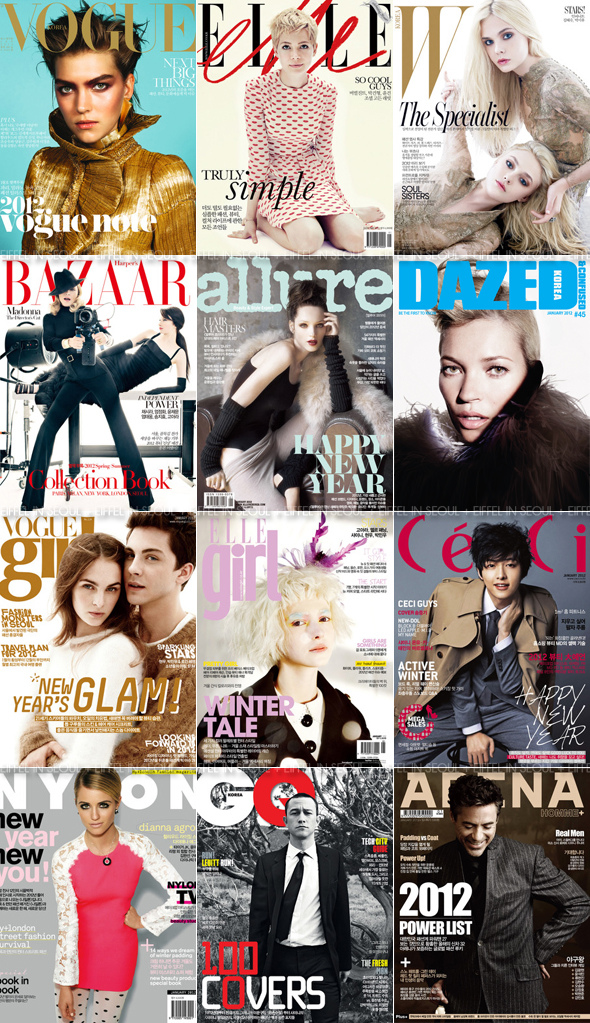


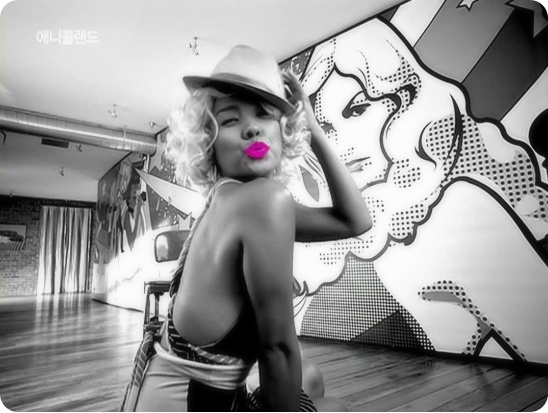


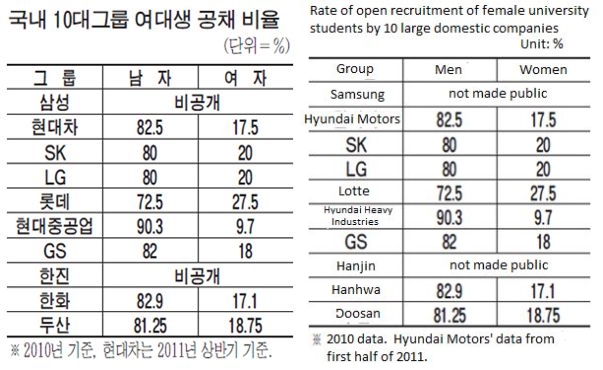


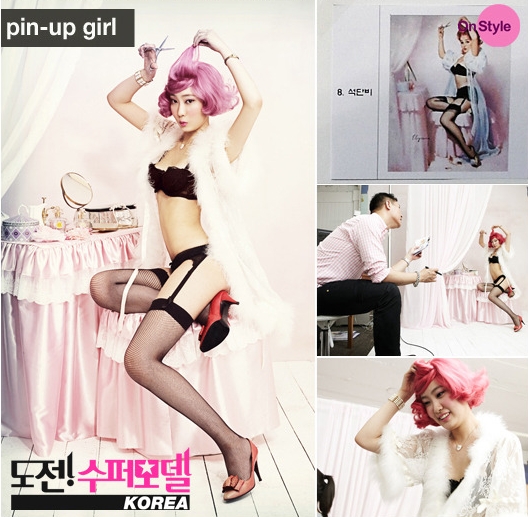
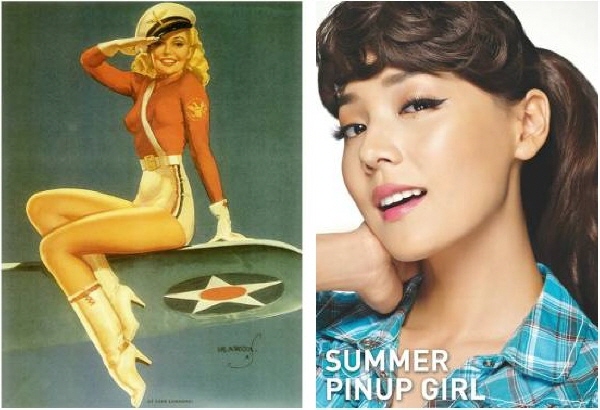
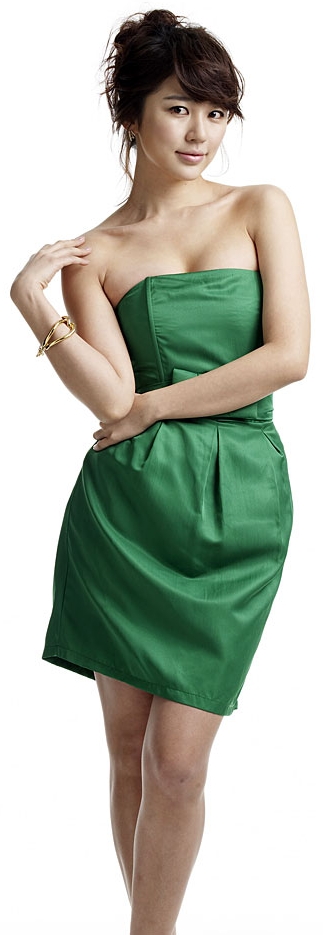
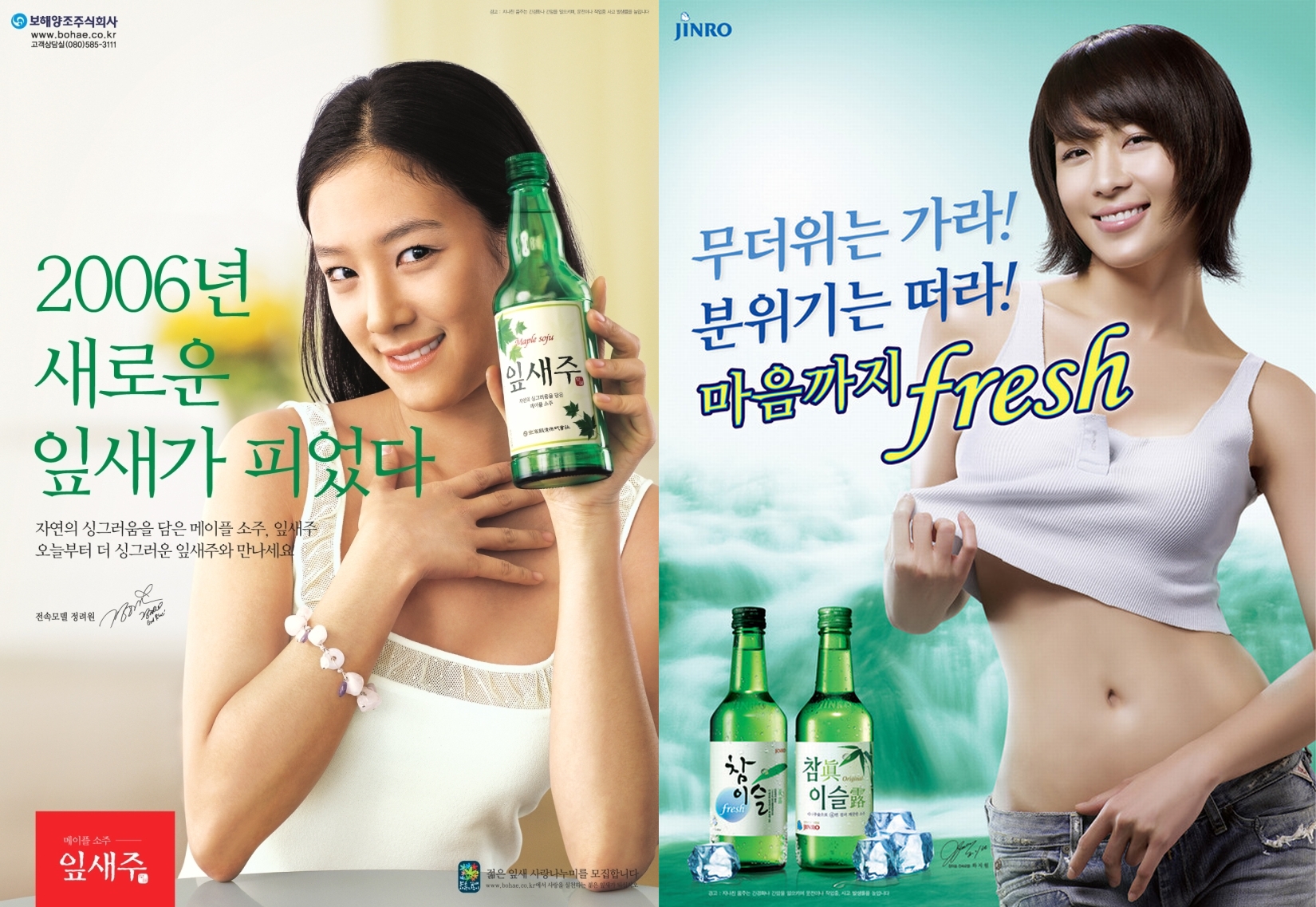


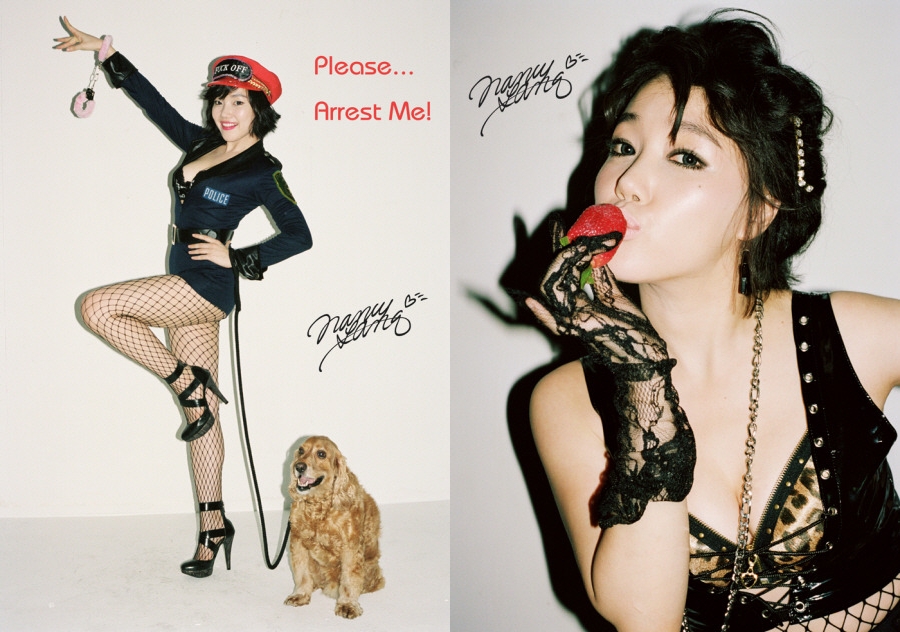
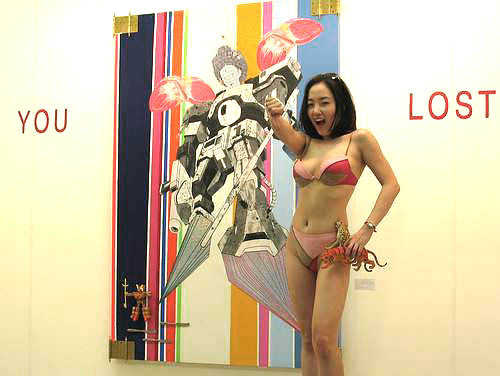
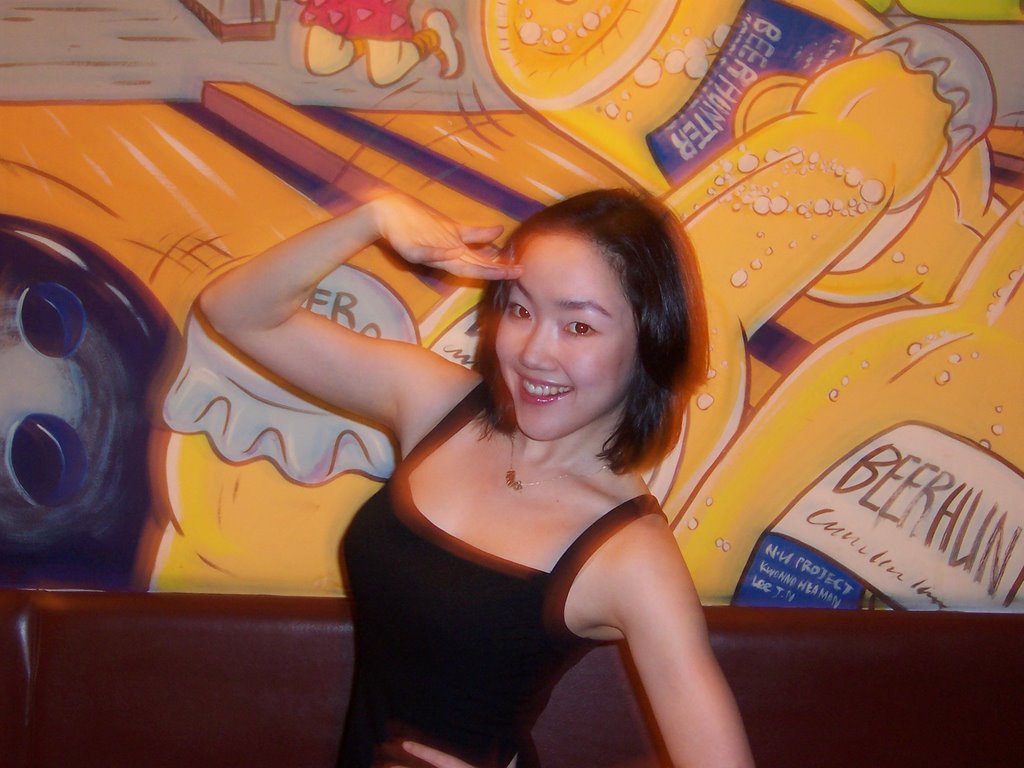


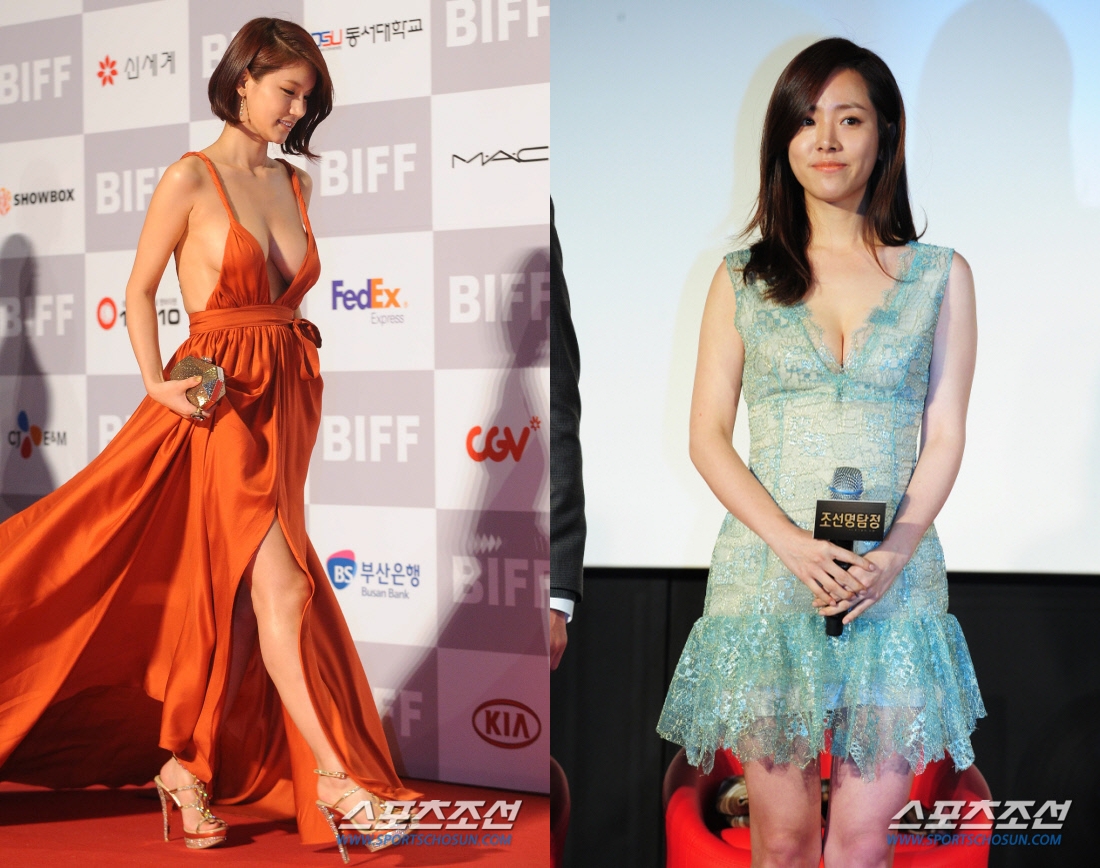
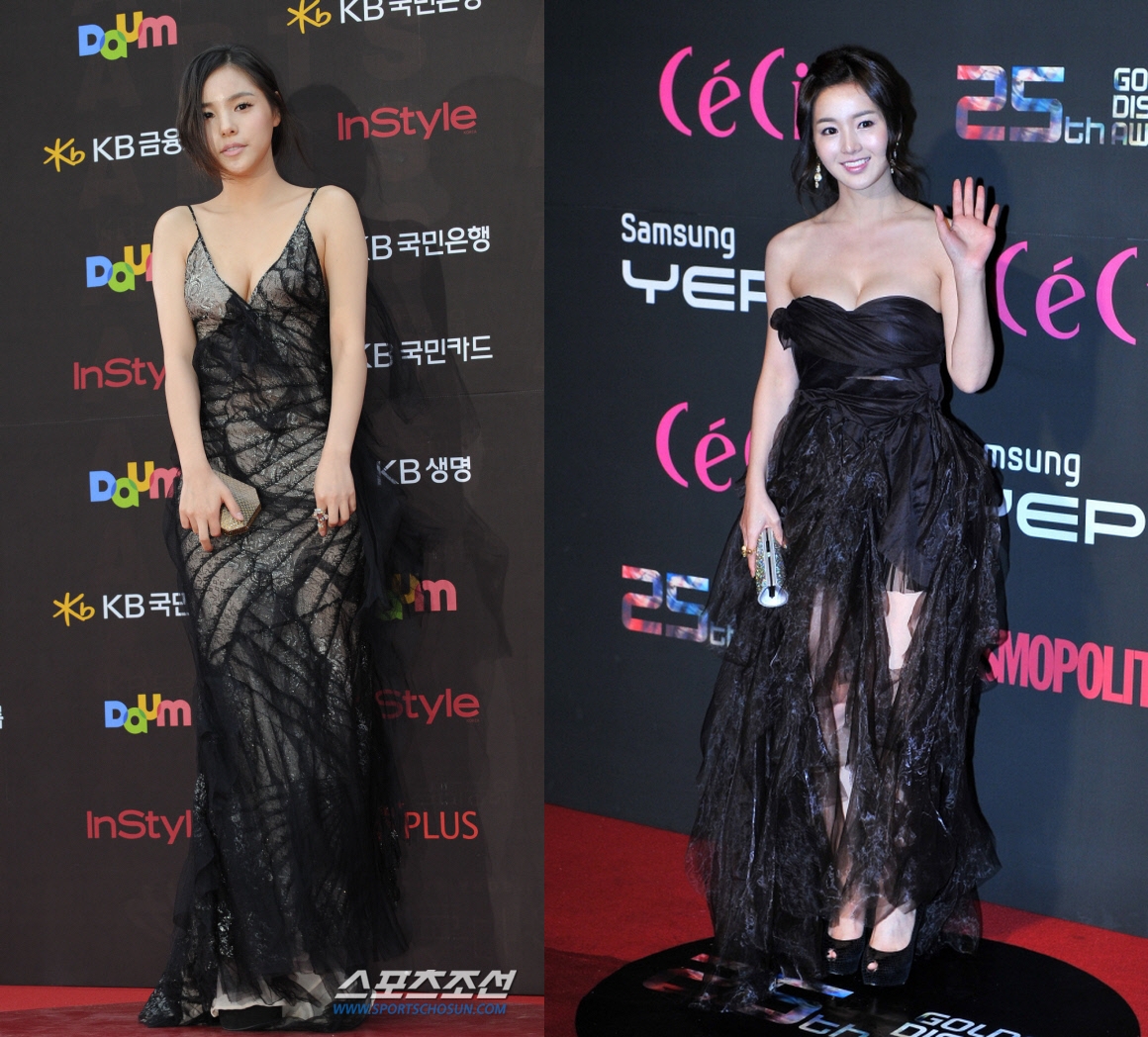

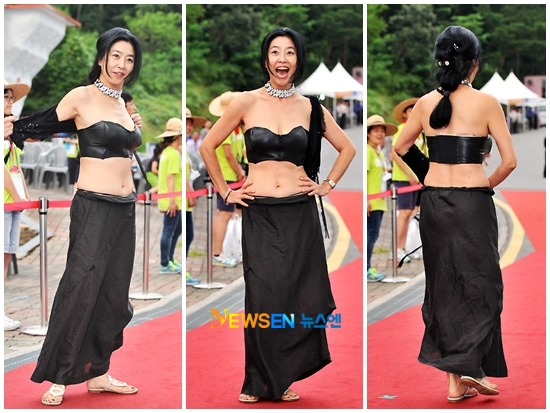


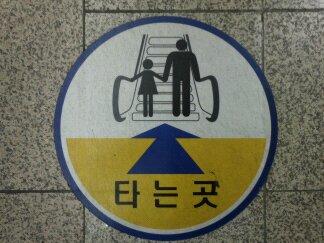

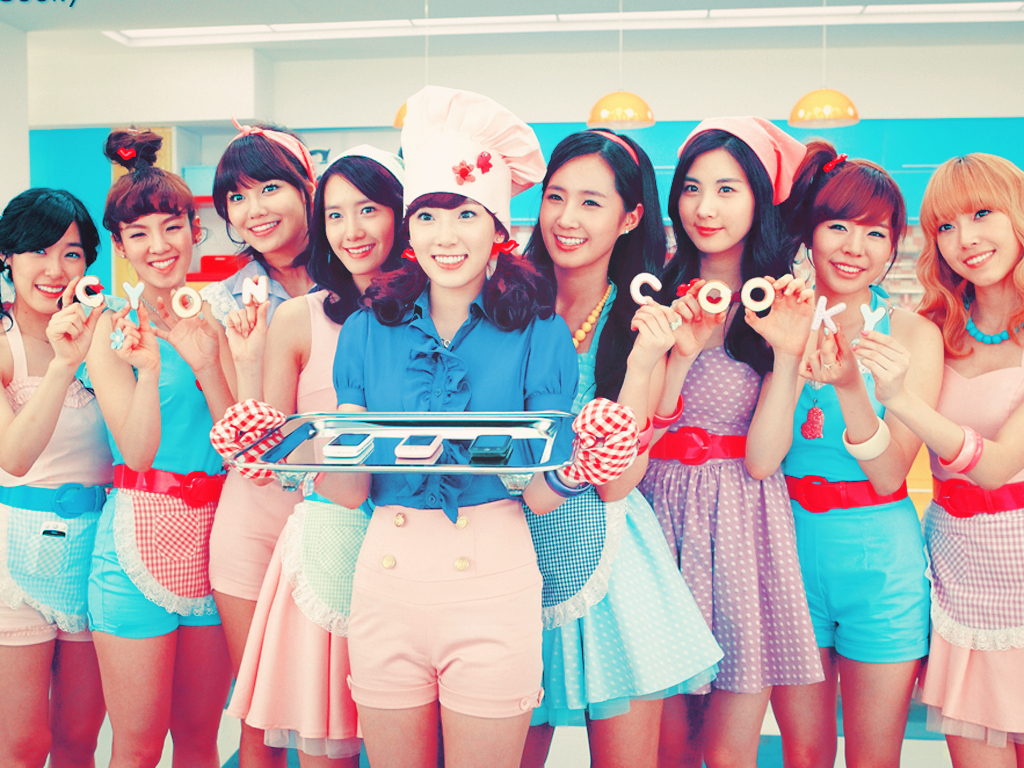

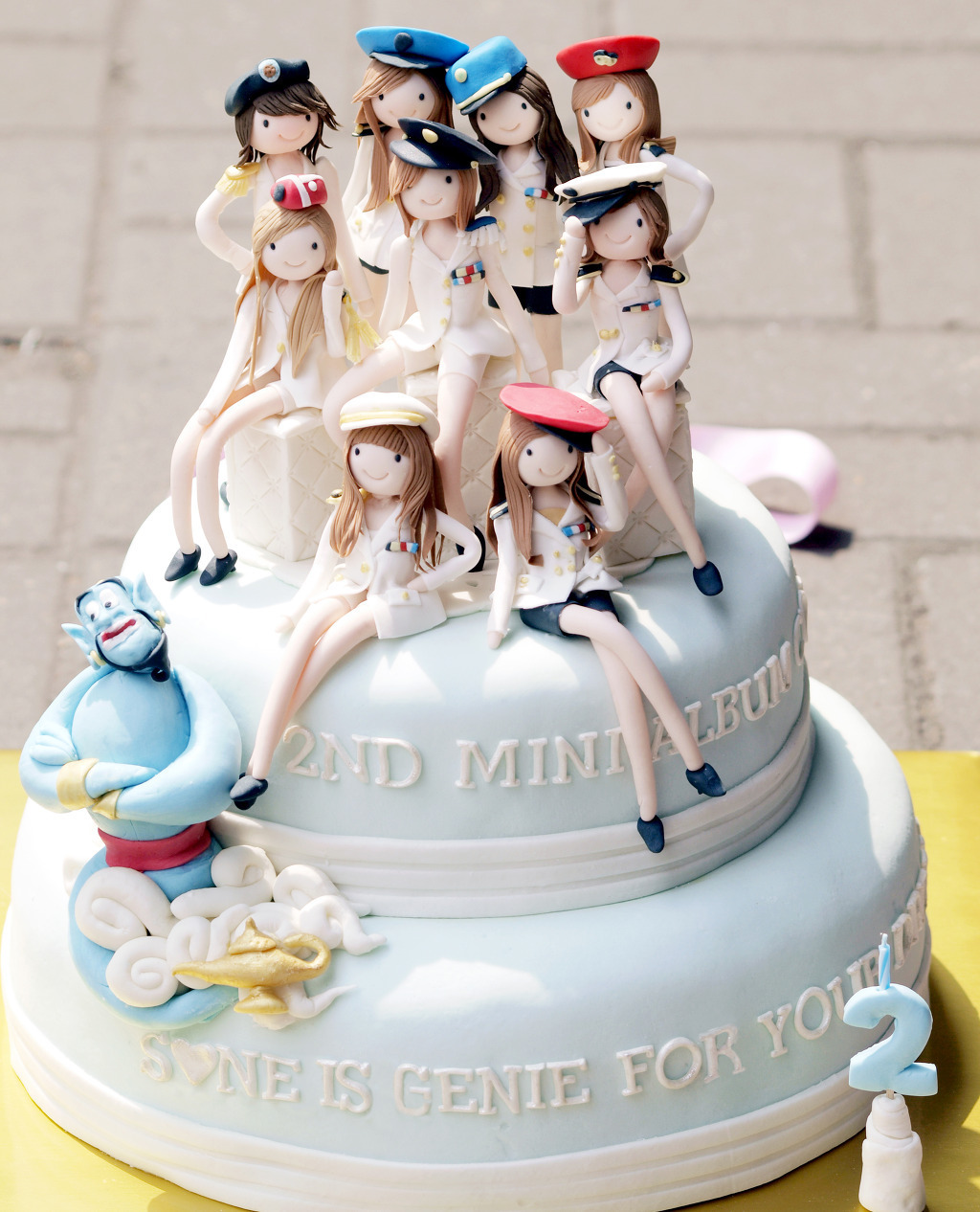

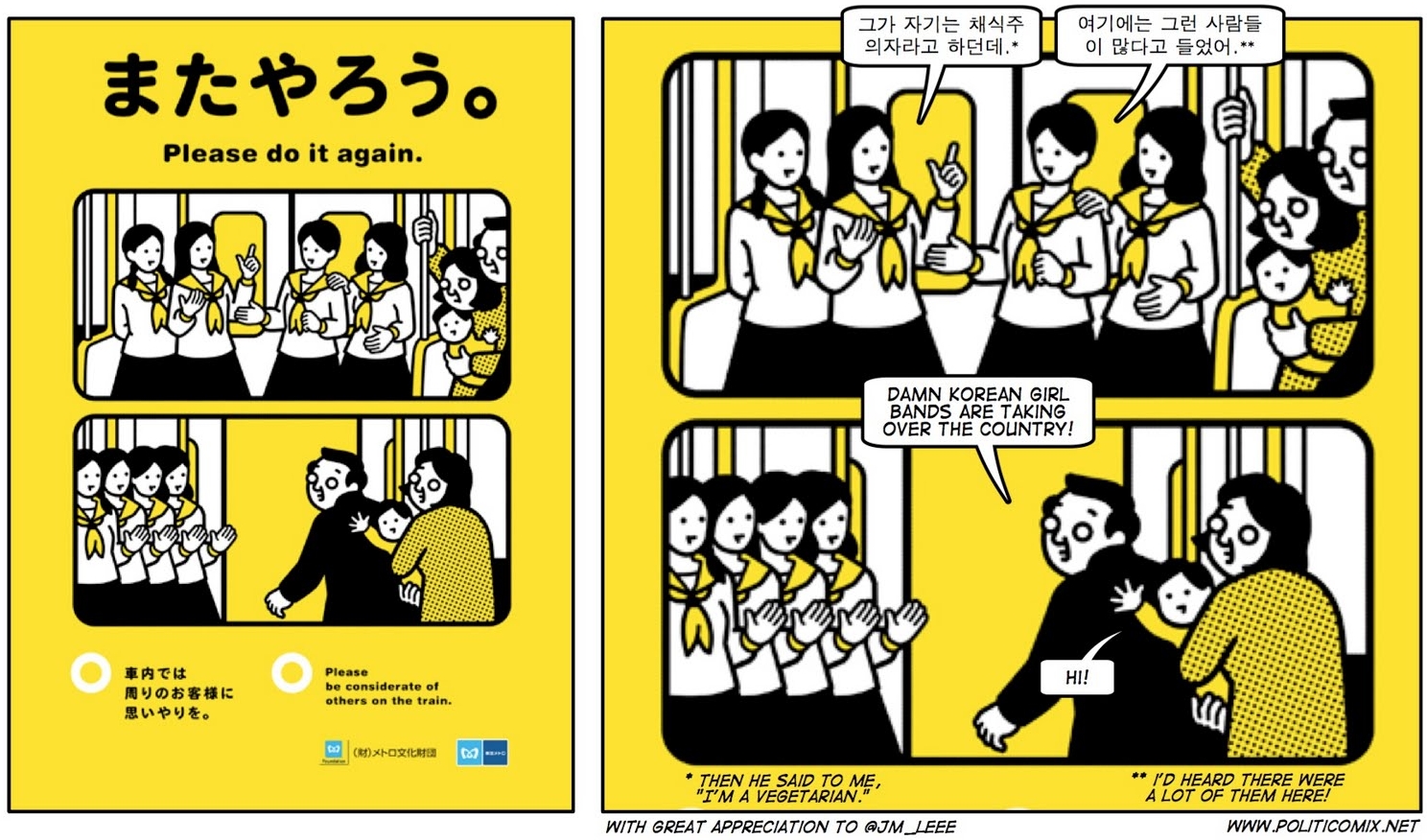
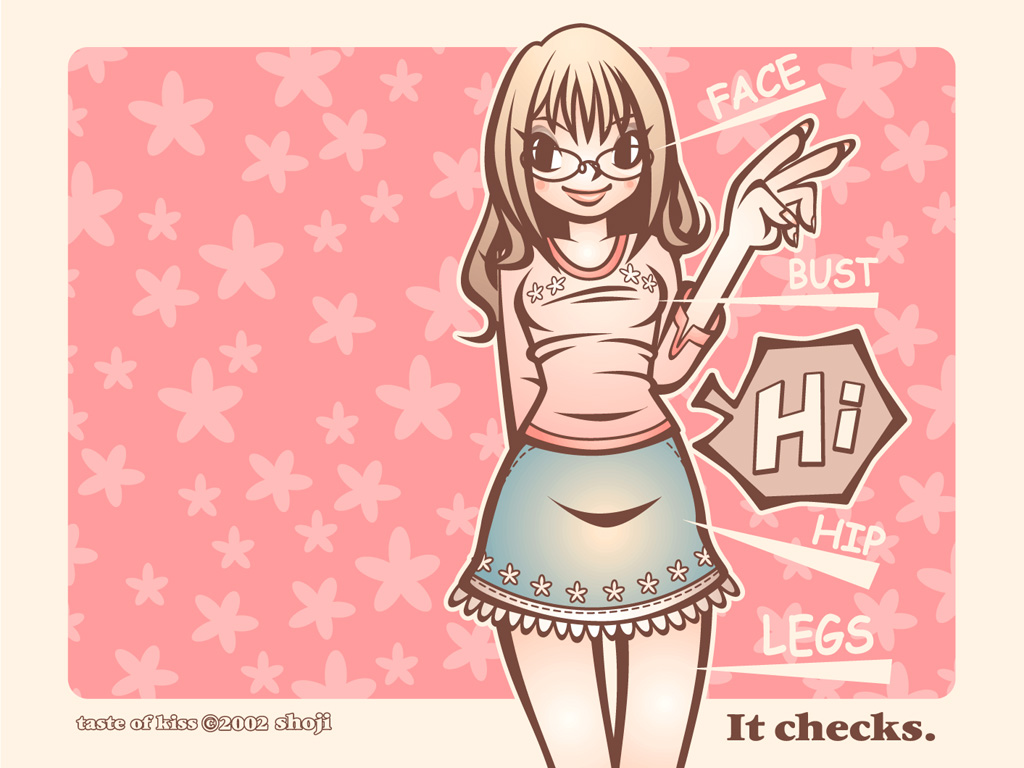



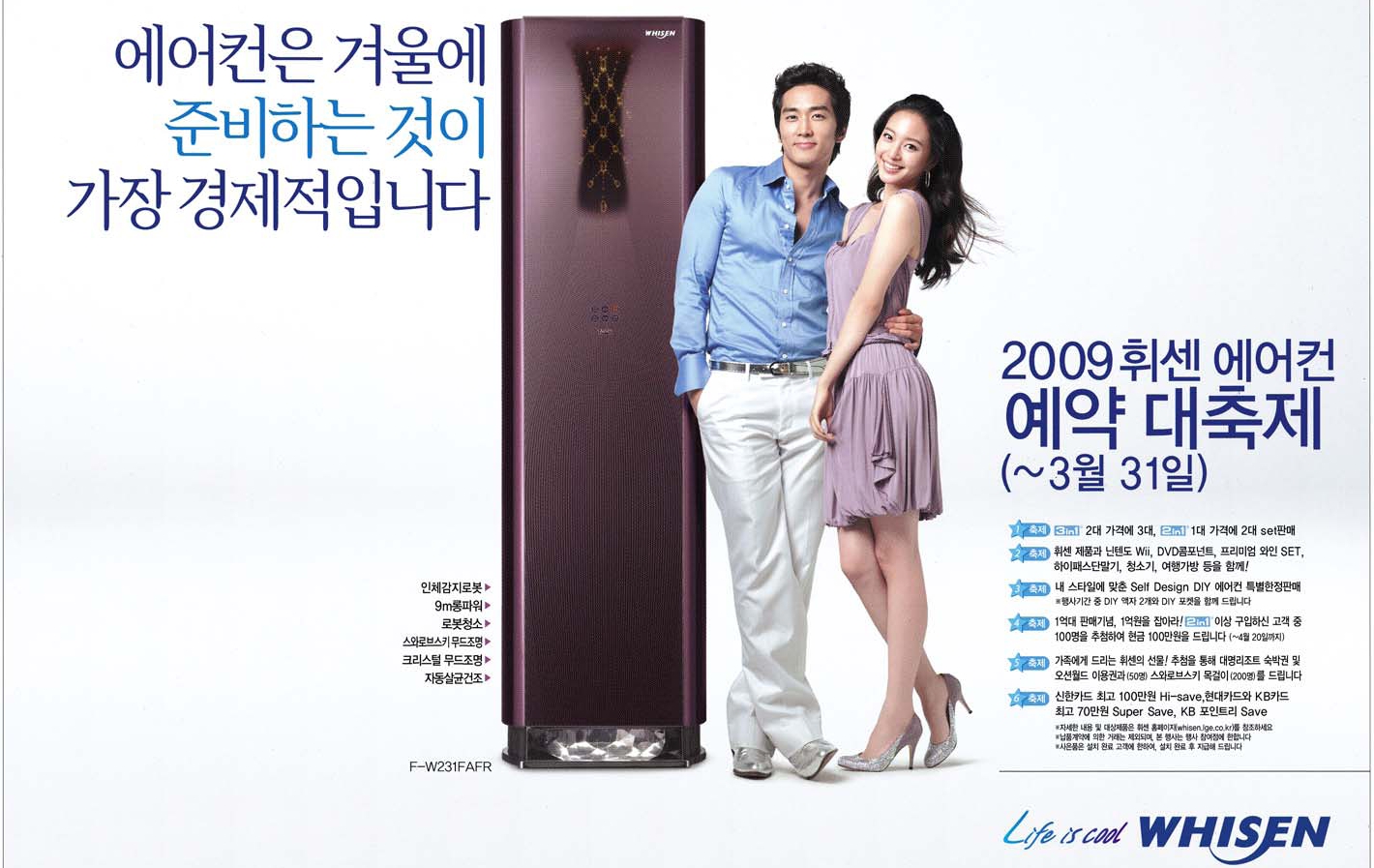

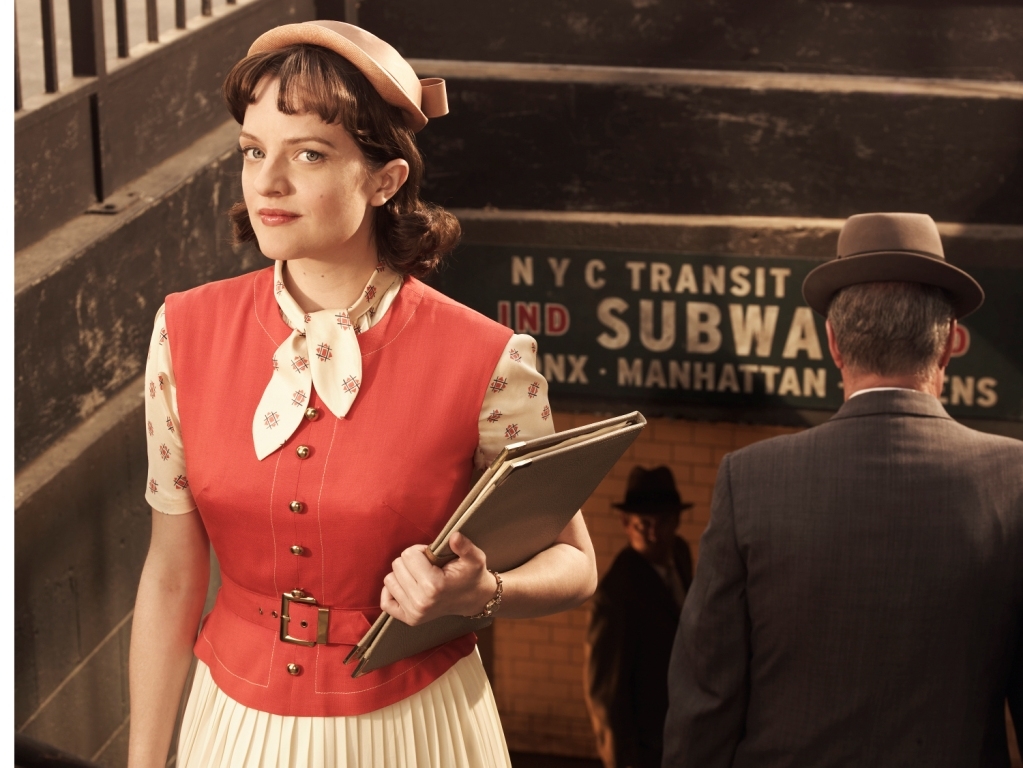




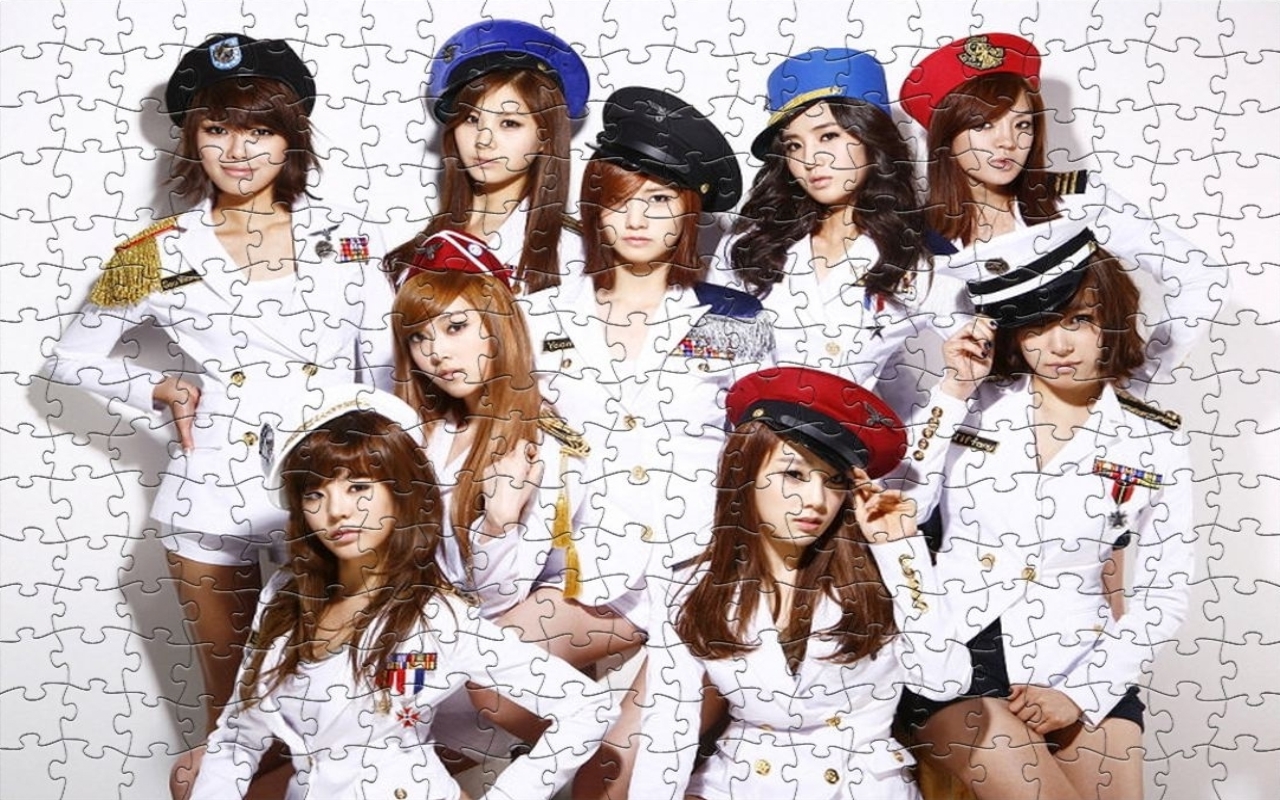
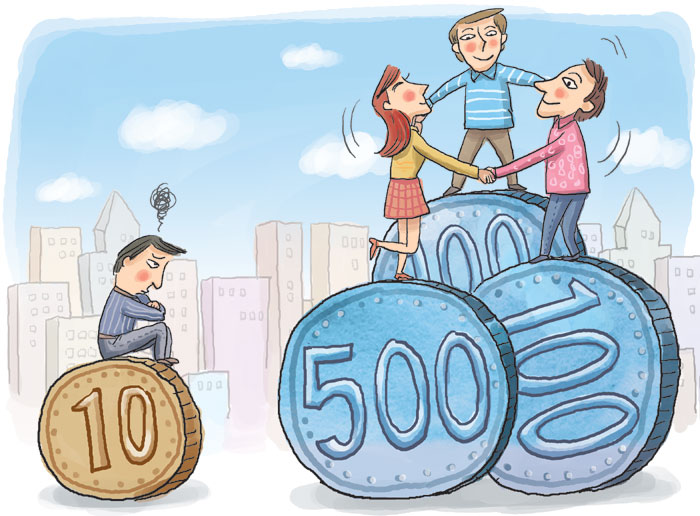
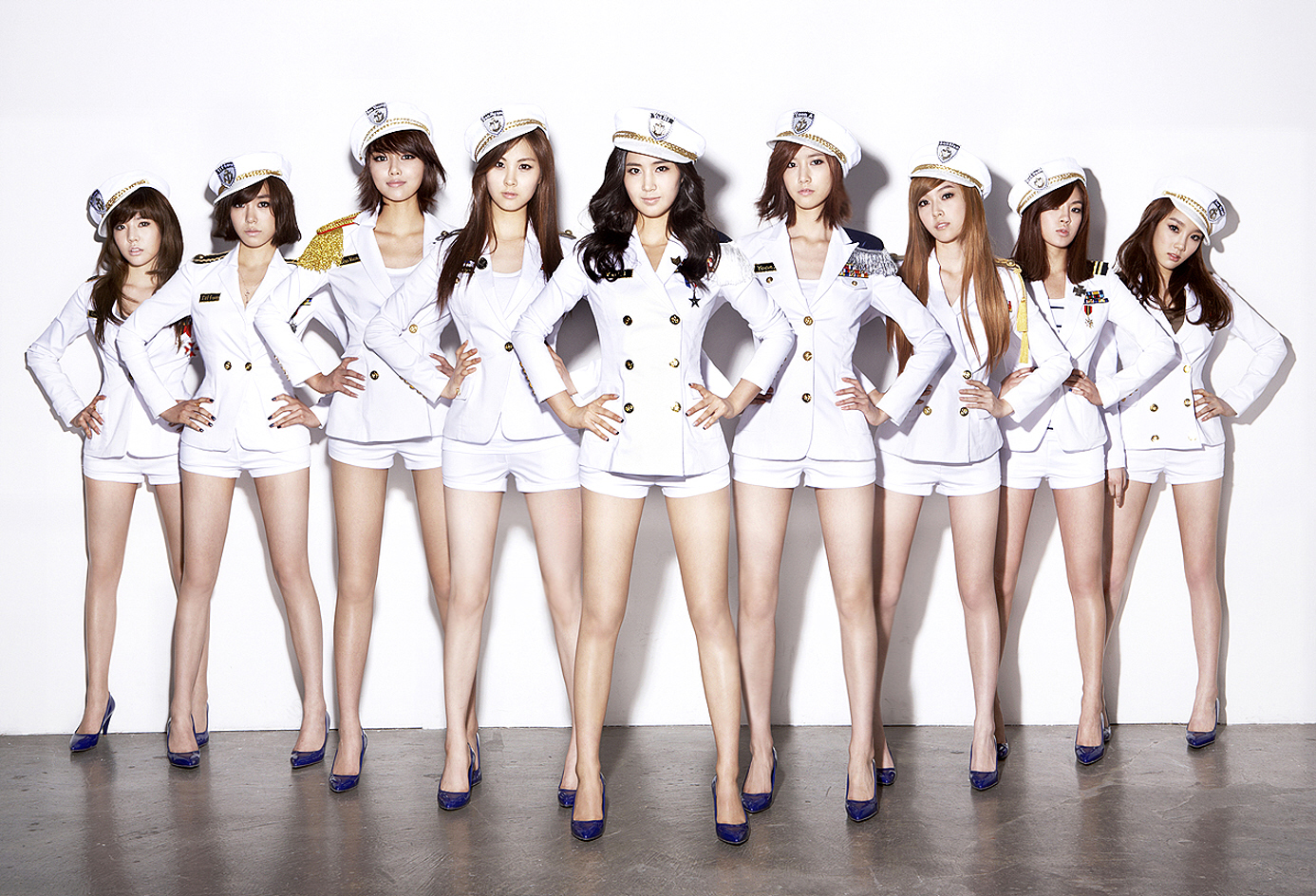



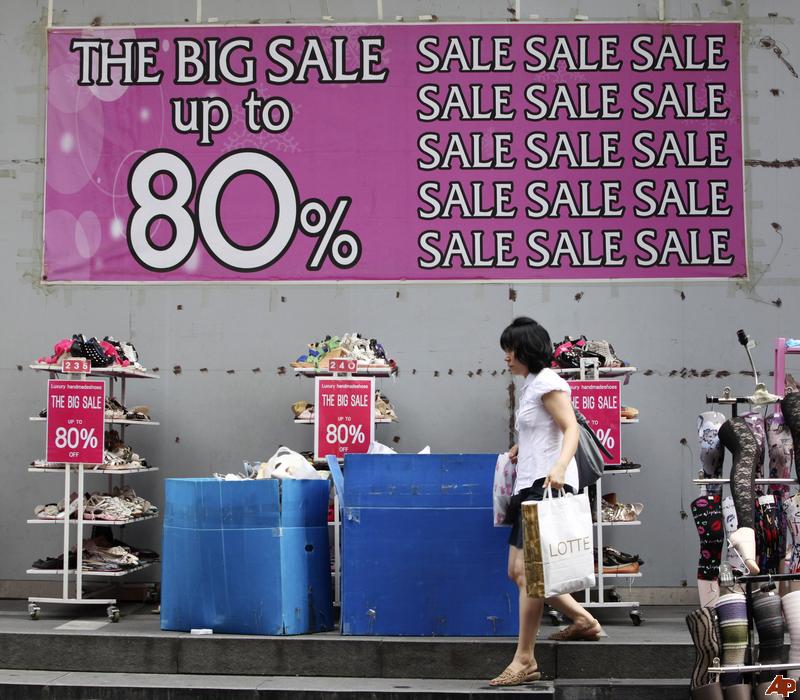
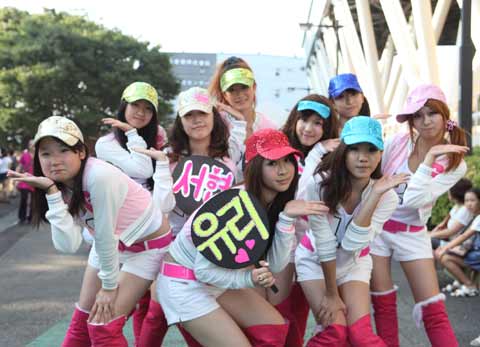


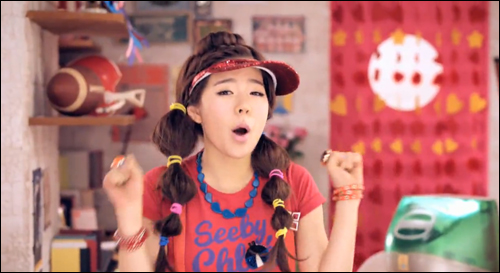
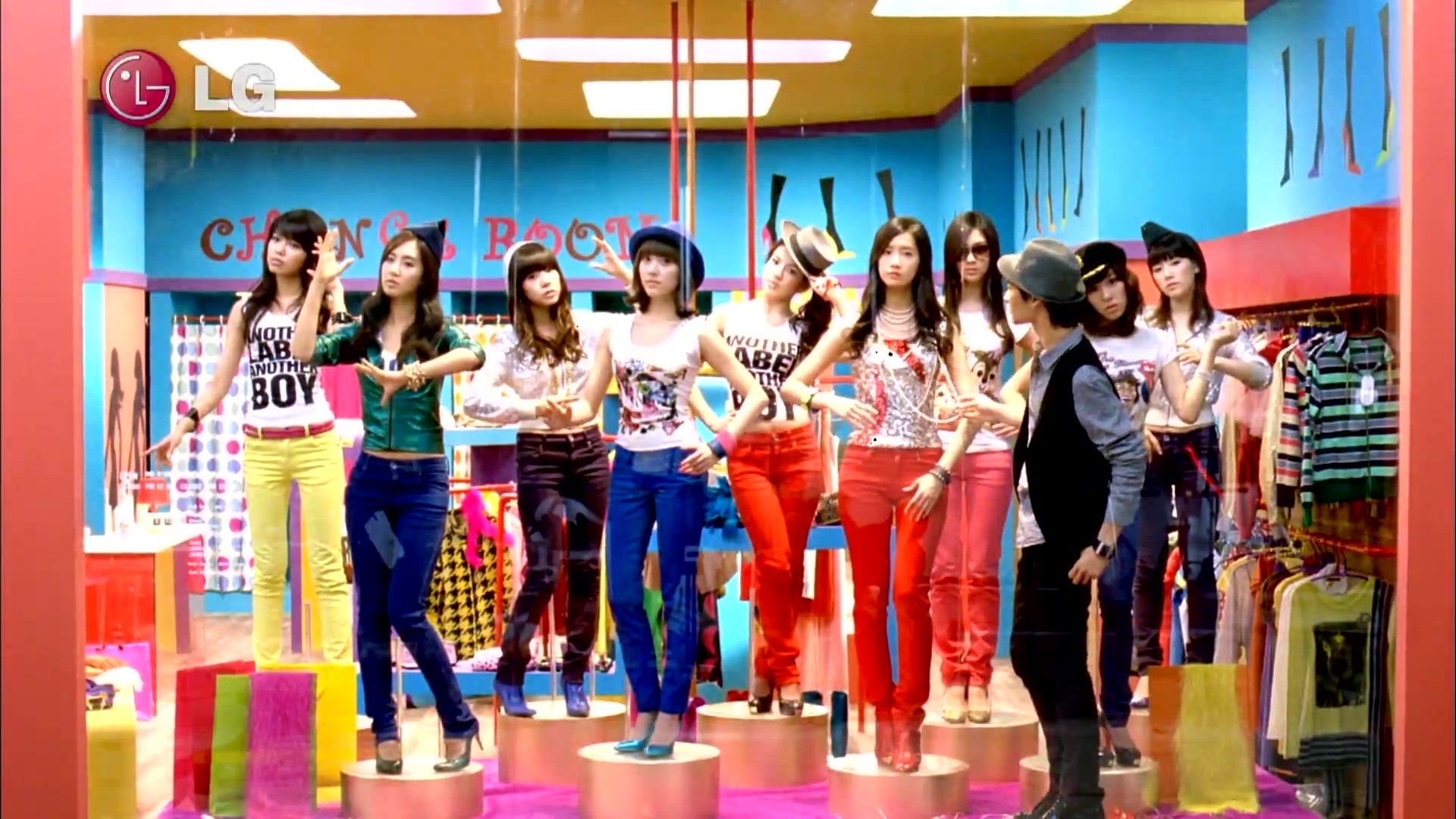


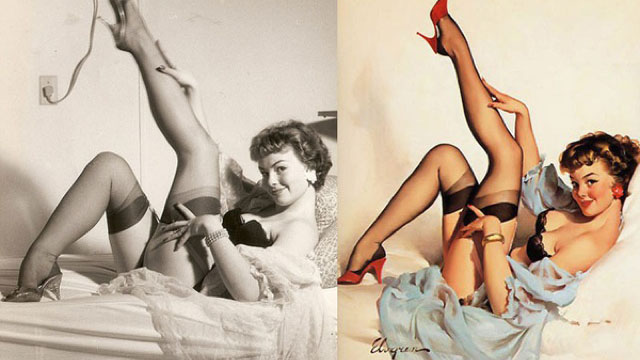
 The Grand Narrative