I’m going to start with 여신왕쥬 (Goddess Wang-ju), who doesn’t mince words about what impact they’ve had on her. Or, more precisely, about what impact they’ve had on Korean men, who constantly compare her to slim, big-busted K-pop stars.
That’s a sweeping generalization about the men of course (my apologies), but you’ll soon understand her need to rant once you listen. NSFW warning for the Korean swearing:
Wang-ju is a little difficult to pin down: she’s made hundreds of videos, on a wide variety of subjects. Generally though, she seems refreshingly outspoken, and funny, a combination which has won her hundreds of thousands of subscribers on YouTube, Facebook, and Afreeca TV.
Unfortunately, this video seems to be the only one a fan has added English subtitles to, so I’ll have to let readers know if I find any more (or please let me know!). In the meantime, for Korean speakers, here’s her most recent one on body-image, from two days ago:
Hello Grand Narrative readers! I’m reaching out for some help for a research project I’m working on about female empowerment trends in Korea and opportunities for brands to play in that space.
I’m looking for recent examples of brands, organizations and entertainment personalities empowering girls and females through products, campaigns, messages or services in Korea, similar to Nike’s SeoulWomen’s Race, Whisper’s #likeagirl campaign or femvertising campaigns abroad.
Unfortunately, these are hard to find as Korea hasn’t quite embraced the trend like other nations. As such, I’m also looking for the opposite — recent examples of who is doing it completely wrong and sending messages of conforming to male-informed and limiting traditional stereotypes?
Any help, examples, or opinions are greatly appreciated! Please email me at amynwilliams@gmail.com.
James: Alas, all the examples I can think of are quite old. Still, to get the ball rolling, and because I think its empowering aspects deserve to be much better known, let me take this opportunity to quickly mention the best, and possibly first and only well-executed one: Lotte Liquor’s ‘Think Casual’ campaign for Cheoum Cheoreom (“Like the First Time”) Cool soju, from back in Autumn 2009:
But it was different. That “Am I really your first?” question, and the men’s reactions? Those may seem pretty innocuous from a Western perspective, but they still got netizens riled-up. As did messages in posters like the one below, easy to reject as just another soju pin-up if you—ahem—didn’t take the time to read the text. Because ultimately, not only was the campaign breaking strong taboos on openly acknowledging this thing called sex, but it was directly challenging the double standards for women too.
(The text reads: “Q: When you travel with your boyfriend, which is cooler: admitting it to your parents, or lying and saying you’re going on a trip with your university friends? A: Think Casual”. Source: Naver blog, untitled.)
Rather than backtracking in the face of the ensuing negative publicity however, the advertisers were justifiably proud of what they were doing, as explained by Olga Fedorenko in her chapter “South Korean Advertising as Popular Culture” in The Korean Popular Culture Reader (2014, p. 356):
…[Uee’s] ‘cool shot dance’ achieved a viral popularity, young women recording their own versions and posting them online. Many other [netizens], however, were offended by what they saw as encouragement of promiscuity, noting that Uee looked “too easy,” that her coolness about sexual matters was inappropriate for her young age and “innocent face.” As I investigated the campaign, I was surprised to learn that the advertising team behind it included a few young and well-educated women who saw the ad as empowering and were hoping that young people, whom the ad targeted to broaden the traditional demographics of soju consumption, would perceive it the same way. In other words…they pushed for individual sexual freedom against oppressive norms, and the ‘Think Casual’ campaign became a site for negotiating parameters of female sexuality. The advertising agency took a leading a role in challenging patriarchal mores — reflecting the worldview of advertising workers, who saw themselves as representing the worldviews of the target consumers.
That said, things may have reached a tipping point. Because, given their overexposurein popular culture, Korean celebrities are very much considered role models, who are expected to follow high moral standards accordingly. With so many revealed to be in relationships now though, and getting caught spending their limited time together in hotels, it’s just getting too difficult to defend the notion that us mere mortals can’t or shouldn’t be able to do the same, or pretend that we haven’t always been doing so anyway.
But that’s a subject for another post. In the meantime, good or bad, please pass on more examples of femvertising to amynwilliams@gmail.com, and/or mention them here, even if you can’t remember all the details. (I’ll follow them up.) Also, if it emerges that there haven’t really been any femvertising campaigns in the last six years, or at least none as provocative as this one, then I’d be very interested in hearing your thoughts on why. Thanks!
Update: One more recent example of positive femvertising could be Zigbang’s campaign aimed at 20 and 30-somethings stuck living with their parents — something which again points to the need for evaluating empowerment in terms of its cultural context, and for preparing campaigns accordingly. But I still draw the line at anything that includes aegyo!
Many smart peopleloathe the word “problematic.” Others, because it’s “frequently used in progressive political settings among White People of a Certain Education,” or because they think they’re the best judges of what the rest of us should concern ourselves with. And maybe they have a point. I do often use the word; I am indeed White; I’ve had a “certain education” I guess; and, if it’s both “progressive” and perverse for someone like me to be troubled about body-image in Korea, then guilty as charged.
That is to say, I couldn’t give a rat’s ass about the dictates of any self-appointed arbiters of cultural criticism. So let me shout it from the rooftops, loud and proud: Korean comedy’s body-policing is damned problematic sometimes. This post, very much a #longread, is about several recent cases in point.
But before I got to work on what was all set to be my usual diatribe, I came across some comments made by Lizzie Parker of Beyond Hallyu, someoneI do pay attention to. Learning that she too dislikes the word, I realized with that great power of not giving a rat’s ass, comes great responsibility:
It’s such a cop out…problematic is just lazy-speak for ‘there is something bad about this and I can’t be bothered to figure out what’. It’s bad writing.
Lizzie’s comment was made in a different context, but it resonated with what I’d just been reading in Cultural Imperialism: A Critical Introduction by John Tomlinson (1991), and I’ll take my muses in whatever guises they appear, thank you very much. Specifically, it clicked because Tomlinson discussed scholars’ tendency to assume the nefarious impacts of Western consumer products on local cultures, but reluctance to explain the actual means by which those products (allegedly) do so. If I just confine myself to one illustrative example from the book here, about How to Read Donald Duck: Imperialist Ideology in the Disney Comic by Ariel Dorfman and Armand Mattelart (English ed.,1975; quoted in italics):
To service our ‘monoproduct’ economies and provide urban paraphernalia, we send copper, and they send the machines to extract copper and, of course, Coca Cola. Behind the Coca Cola stands a whole superstructure of expectations and models of behavior, and with it, a particular kind of present and future society and an interpretation of the past. (p. 97.)
So, imported cultural goods — Coke, Disney — somehow ‘contain’ the values of American consumer capitalism and offer an implicit interpretation of the good life. Still, we have yet to see how these cultural goods are supposed to transmit the values they contain and the social vision they ‘offer’. When the explanation comes, it is frankly disappointing:
The housewife in the slums is incited to buy the latest refrigerator or washing machine; the impoverished industrial worker lives bombarded with the images of the Fiat 125. [in the same way]….Underdeveloped peoples take the comics at second hand, as instruction in the way they are supposed to live and relate to the foreign power center. (p. 98)
When it comes to the crucial question of ideological effects, Dorfman and Mattelart can only offer an unproblematized notion of the manipulative power of the media text. They simply assume that reading American comics, seeing adverts, watching pictures of the affluent yanquí lifestyle has a direct pedagogic effect. (p. 44.)
Tomlinson may well be another White Person of a Certain Education, but his book is easily one of the most enlightening and well-explained cultural studies texts I’ve read in years, and provides an obvious solution to the challenge presented by Lizzie. Yet in my bid to look smart, I quote him at my peril. For now I’m obliged to demonstrate just how exactly Korean comedy teaches such harmful messages about body image, and why its constant, egregious examples can’t be dismissed as just harmless fun—all without patronizing Korean audiences in the process.
It’s a tall order. So, to set the stage, let’s see what happened when long-limbed Hani recently stepped onto that of Vitamin, a health-cum-variety show on KBS:
큰 키의 미녀가 한 계단 위에 올라서 있는 키 작고 통통한 여성들과 비교대상이 된다. 그리고 ‘못난이 삼형제’라는 자막이 버젓이 표시된다. 비웃는 패널들의 표정은 덤이다. 미스코리아 선발대회의 한 장면이 아니다. KBS 건강 프로그램 <비타민>에서 등장한 장면이다.
A tall beauty stands to the side; some short, tubby women stand on a step next to her to be compared. “The 3 Ugly Sisters” appears in the captions, with a shot of [the beauty’s?] fans laughing thrown in too. But this is not a scene from the Miss Korea contest. It’s from Vitamin, a health program on KBS.
미녀로 등장한 것은 대세로 떠오른 그룹 EXID의 하니이고, 못난이로 묶인 연예인들은 신봉선, 김숙, 김영희, 조혜련 등 개그우먼이다.
개그맨들의 단골 소재도 외모에 관한 것이다. 외모가 개성적이거나 뚱뚱한 개그맨은 자신의 얼굴이나 몸을 희화화해서 웃기기 일쑤다. 이런 현상은 예능에서 쉽게 찾아볼 수 있다. 예쁜 게스트들이 나오면 환호하고 상대적으로 외모가 떨어지는 개그맨들과 비교선상에 놓는다. 남자고 여자고 할 것 없이 같은 취급을 받는 것이다.
Comedians regularly use the subject of appearance for joke material. They will routinely make fun of their own bodies and faces if they are tubby, or in any way unique; examples are very easy to find in entertainment programs. So, if an attractive guest appears on their show, the guest will be cheered by the audience, and their bodies will be compared to the inferior ones of the comedians. This is done to both men and women.
<비타민>의 한 장면, 여성들의 키와 몸매가 비교당하는 장면이 공중파에서 버젓이 방영되고 있다 In a scene from Vitamin, women’s heights and bodies are openly compared on air.
외모에 관한 차별은 우리 사회에 뿌리 깊게 박혀 있다. 예쁘면 좋고, 못생기면 나쁘다는 식의 고정관념은 단순히 성형외과 광고에만 있지 않다. 이미 2015년 현재 TV속에서 벌어지고 있는 현실이다.
Discriminating against people on the basis of looks is something deeply rooted in our society. The notion that if you’re attractive, you’re good, and if you’re ugly, you’re bad, is not something that you only find expressed in advertisements for cosmetic surgery clinics. Rather, it is the reality of our television screens in 2015.
작년 여름 <1박2일>에서도 난데없는 외모 차별 논란이 일었다. 예쁜 여성들과 데이트하는 ‘상’과는 반대로 개그우먼들과 데이트해야 하는 ‘벌’이 주어졌기 때문이다. 많은 사람들은 이 장면을 두고 갑론을박을 벌였다. ‘분명한 외모 차별’ ‘여성의 성 상품화’라는 이야기부터 ‘외모가 부족한 남성 패널들이 같은 취급을 당하는 것은 왜 묵과하느냐’ ‘이정도는 용인 될 수준’이라는 이야기까지 설전이 벌어졌지만 결국 명확한 결론은 나지 않았다.
Last summer, some controversy arose over the body discrimination displayed on the show 1 Night, 2 Days. In one episode [aired July 27th; a clip is below — James], dates with attractive women were offered as prizes [to the all male cast] while dates with female comedians were provided as punishments, leading to charges that this was a clear case of both body discrimination and sexual objectification of women, as well as a double-standard in that the less desirable male comedians on the show weren’t treated in the same manner as the female ones were. This provoked a lot of heated discussion, but no clear conclusions.
그러나 이런 논란이 일어나는 것 자체가 아직까지 한국에서 외모를 두고 비난할 수 있는 환경이 얼마나 자연스럽게 이루어지고 있는지를 보여준다. 예능 프로그램에서 이영자나 이국주는 단순히 ‘잘 먹는’ 캐릭터가 아니라 ‘뚱땡이’ ‘과체중’이라는 캐릭터로 각인되어 있고 상대적으로 외모가 부족한 여성들은 예쁜 연예인들과 비교 선상에 놓이고 무시당해도 당연하게 받아들여야 한다. 그렇지 못하면 쿨하지 못한 것이 되기 때문이다.
The fact that this incident occurred shows that openly criticizing people on the basis of appearance is seen as natural in Korea. On entertainment programs, the comedians Lee Young-ja and Lee Guk-ju are not recognized simply as ‘characters that eat well,’ but are instead known as ‘fatties’ and for being overweight. [Also,] ordinary women that appear on the shows are unfavorably compared to pretty entertainers, and are expected to just roll with the criticisms and disrespect, lest they be considered uncool [and putting a damper on things].
이 같은 현상은 공개 코미디에서 더욱 심화되어 나타난다. 개성적인 외모가 주를 이루는 개그맨들은 외모를 무기로 코미디를 하려는 경향이 강하다 보니 이런 패턴에서 벗어나기가 쉽지 않다. 특히 개성적인 외모와 과체중의 소유자라면 그런 경향은 반복된다.
This trend is most evident in comedy programs. On them, it is the norm for comedians to take advantage of some very obvious bodily feature or aspect of their appearance to make jokes, and it is not easy to break out of this trend.
현재 <개그콘서트>에서도 ‘크레이지 러브’나 ‘속상해’ 같은 코너는 외모의 비교라는 전제를 두고 진행된다. ‘크레이지 러브’는 이 공식을 살짝 비틀긴 했지만 여전히 웃음 포인트는 박지선이 김나희에게 못생겼다고 독설을 퍼붓는 역설적인 형식으로 표현된다. ‘속상해’는 이 희화화의 대상을 여성에서 여장을 한 남자 정태호로 바꾸기는 했지만 외모 때문에 무시 당하는 노처녀라는 설정은 이전과 크게 다르지 않다.
One example on TV screens at the moment is Gag Concert, which has two regular skits called ‘Crazy Love’ and ‘I’m Hurt’ that are both based on comparing people’s appearances. In the former, the humor revolves around Park Ji-song berating Kim Na-hee for her ugliness, despite Park actually being the uglier of the two; while in the latter it’s about Jeong Tae-ho dressing as an old maid, who’s always ignored by suitors because of her ugliness.
이제까지 <개그콘서트>에서는 이런 코미디가 반복돼왔다. 단순히 못생긴 여성이 무시당한다는 설정보다 더 심각한 문제는 외모가 부족한 여성들이 잘생긴 남성에게 집착하며 눈치도 없어 남성들에게 쉽게 여겨지고 비아냥을 당해도 좋은 여성으로 묘사된다는 점이다.
This comedic theme is normal for Gag Concert. But more serious than unattractive women getting ignored, is the notion that if they obsess over attractive men, they can be treated tactlessly and thought little of, as if their only value is their potential for sarcasm and ridicule.
이는 코미디의 소재 부족을 여실히 느끼게 한다. 현재 <개그콘서트>는 예전에 비해 히트작이 나오지 못하고 있다. 코미디의 패턴이 반복되고 있는 와중에 그들의 웃음 포인트가 단순히 외모나 분장을 활용하는 것 이상으로 흐르지 못하고 있기 때문이다. 통렬한 풍자나 패러디는 물 건너 간지 오래다. 대표 코미디 프로그램인 <개그콘서트>가 이 정도면 다른 프로그램들은 더욱 심각하다. 단순한 패턴도 지겨워지는데 외모적인 특징으로 하는 1차원적인 개그는 어느 순간 불편한 지경에까지 이르렀다. 그들의 개성적인 외모가 개그맨이는 새로운 길을 열어주었을지는 모르지만 그 외모로 발산하는 에너지가 긍정적이지 못하다면 그들의 코미디에 마음 놓고 웃을 수는 없는 노릇이다.
This dramatically shows how lacking comedy is these days. Compared to the past, Gag Concert no longer has any really popular skits. Its humor is repetitive, relying on little more than laughing at costumes or appearance. It no longer has any biting satire or parody. [What’s more,] if a representative comedy program like Gag Concert is like this, you can imagine what other comedy programs are like. Their simplistic patterns are getting tedious, and the gags poking fun at some special aspect of people’s appearance have become uncomfortable and embarrassing. While that focus can open the door for comedians, as an audience it feels insincere to still laugh at such things.
외모가 예쁘면 물론 좋다. 그러나 누구나 다 예쁘게 태어나지는 않는다. 외모의 다양성과 개성을 존중하지 않고 단순히 ‘이렇게 생겨야 한다’는 고정관념 속에서 사람들은 지쳐간다. ‘강남 미인도’ 같은 풍자가 나오는 것이 이런 분위기와 무관하지 않다. 그러나 여전히 대한민국은 지금 ‘외모’ 하나만으로 사람을 판단하는 경향이 강하다. 단순히 못생긴 얼굴을 무시하는 경향이 문제가 아니다. 예쁜 얼굴이라 할지라도 ‘자연미인’이냐는 시험대에 놓인다. 예쁜 것을 원하면서도 성형을 한 얼굴이나 화장으로 달라진 얼굴에 뭔가 하자가 있는 것처럼 묘사되는 것은 아이러니다.
[Of course,] it’s good to look pretty. But not everybody is born that way. There is a great deal of variety among people really, and we are exhausted by strong prejudices in Korea against those that don’t live up to the ideal, which is partially related to the ‘Gangnam beauty’ stereotype. [See here for a classic satire of that by SNL Korea— James]. This is not just a problem of people being ignored if they have an ugly face though, because even if you’re pretty, you’ll always be on the judgement table over whether you’re a ‘natural beauty’ or not—it is such an irony that, even while judging people based on their appearance, we’ll criticize them if they use cosmetic surgery or cosmetics to look prettier.
단순히 못생긴 여성이나 남성에 대한 무시뿐 아니라 자연적으로 예쁘게 태어난 여성이나 남성에 대한 지나친 환호 역시 우리 사회가 외모 지상주의에 멍드는 현실을 여실히 나타내 준다.
The issue here is not just that ugly women and men are ignored, but that we so loudly cheer those of us that are naturally born attractive, showing how broken our present society is.
외모는 타고 난다. 성형한 외모가 아무 노력없이 얻은 것이라 비판할 수 있다면 자연미인 역시 그 외모를 가지려고 노력한 것은 아니다. ‘뚱땡이’ ‘못난이’ 등의 캐릭터가 버젓이 TV에서 통하고 그 외모로 사람을 평가하는 분위기는 김치와 한국인을 비하했다는 할리우드 영화 <버드맨>보다 훨씬 더 심각하게 생각해야 할 문제가 아닐까.
Our appearance is something that we’re born with. But if you criticize those who get cosmetic surgery to look attractive as doing it without any hardship or effort, [then you’re being hypocritical,] for natural Beauties didn’t expend any effort also. Surely the characters like ‘fatties’ and ‘uglies’ that appear on TV shows, and the atmosphere created by judging people so harshly on their appearance, are some things much more important to think about and criticize, than a character in a Hollywood movie saying that kimchi smells? (End.)
Ajummification
Woo Dong-gyoon’s article starts well with its raising of an important issue, but disappoints with its repetitive platitudes. Also, in a mental note not to repeat the same mistake myself, he probably makes few converts among Korean comedy fans with his sweeping denunciations of the entire genre. (Edit: In fairness, it’s more of an op-ed than an article really.)
His greatest and most surprising sins though, were ones of omission. First, what of the comedians jokingly imitating Hani’s (now famous)dance move?
Yes, in isolation it was all good fun, and yes, even Hani herself comes across as pretty goofy here, and shy and endearing on the episode overall. (The contrast with her on-stage presence is really quite remarkable.) In the context of body-shaming the comedians because they don’t match the very narrow height and weight range of typical girl-group members however, it adds insult to injury by suggesting that women of their ages and body-types couldn’t possibly be sexy either, the notion that they could get their groove on being self-evidently absurd.
If all this sounds familiar, that may be because I wrote about a very similar example nearly five years ago, in which Hyuna of 4Minute performed her own ‘sexy pelvic dance’ on the MBC variety show Quiz That Changes The World.Unfortunately, I’ve long since deleted the post sorry, and remaining copies of the full episode (#62, 10 July 2010) are behind paywalls, but I can tell you that after Hyuna performed:
First, then 51 year-old male singer KIm Heung-gook would get up and parody her:
(Source: KBS Conting. Technically, this is from an earlier part of the show, but you get the idea.)
(Update: I was able to find a low resolution copy of the episode here, from which I took the above screenshot.)
Then finally the 12 year-old daughter of retired footballer Yoo Sang-chul, the guest in the yellow t-shirt (the “13” in the video was likely her ‘Korean age’):
As you might expect, the episode quickly generated a lot of controversy for its sexualization of an adolescent girl. Alas, that ‘girl’ would actually be 18 year-old Hyuna, a bizarre blind spot that I went on to explore in my Reading the Lolita Effect in Korea series. More to the point here though, if viewers had few qualms about laughing to a 12 year-old thrusting her crotch in their faces, then presumably they’d have even less about the stereotypes of asexual, unattractive ajummas perpetuated by almost always only having 20-something women doing the sexy dances on such shows, every 30+ woman only the goofy parodies.
Rather than outrage though, I was strongly reminded of a (very) old skit by the UK comedian Ben Elton instead, in which he laments he can never be a great comedian because he lacks…
Big Tits
And it’s worth quoting him at length, because replace all the “big tits” below with “he/she’s fat/ugly/unsexy/too old” jokes, then I feel exactly the same way about the Korean comedy programs I’ve just described. From An Approach to Traditions of British Stand-up Comedy by Oliver John Double (PhD thesis, University of Sheffield, 1991, pp. 298-299):
In another of his routines, Elton makes a more political attack on clichéd comic style, satirizing the British tradition of smutty humor. A hypothetical situation comedy is described, which contains a number of covert references to breasts. Elton deconstructs these jokes, and adds ironic laughter:
I saw this sitcom, working title: Can You Show Me the Way to Oldham?. That was the first laugh: Oldham sounds a bit like “hold ’em” doesn’t it, very very funny, well done BBC, well worth sixty five quid a year license money I don’t think. I watched ’em all, Benny Hill…laugh? I nearly did, fantastic. And in this sitcom, there was Gloria, behind the bar, she’s a big woman, bring in the camera, steam up the lens, everybody loves it, big tits, best gag in the world, that’s the one for the British punter. In comes Tom, he’s an amicable northern stereotype, ‘e says, “By ‘eck, you don’t get many of those to the pound”, ‘e gets a laaauuuugh!! Nice one Tom, ‘cos she’s got big tits, oh ho ho ho ho! ‘E says, ‘By ‘eck, I wish I were her doctor’, yes Tom, second laugh, same pair o’ tits, I couldn’t believe it, it’s happening in front of me. ‘E says, “By ‘eck, no wonder they built the extension,” go on Tom, you’re winning, ‘e says, “By ‘eck, that’s the loveliest pair of…eyes I ever saw!”. Oh, amazing Tom, we thought he was gonna say “tits'” didn’t we? Faaantastic!
After ridiculing the simplicity of the joke-structures of breast innuendo humor, Elton then tackles the root of the problem. Jokes which make covert references to breasts rely on the idea that breasts are rude, naughty objects of desire, which cannot be overtly mentioned. Elton destroys this conception, by reincorporating the jokes from his hypothetical situation comedy in the context of a woman’s getting dressed in the morning. This robs the breasts of their naughty connotations, restoring their status as ordinary physiological features, and thus making the jokes laughably unfunny:
Come on girls, how do you get dressed in the morning, dear me ladies, you must die!! Bathroom mirror, up with the nightie, there’s my tits! Fuckin”ell, these are funny!! I’ll ‘ave a good laugh at my tits while I’m brushing my teeth! Ooh, I wish I were my doctor, ho ha ho ho ho!! I’m glad I built the extension, tee hee. These are the loveliest pair of… eyes I ever saw…! Fuck me, I nearly said I ‘ad big tits!!
Update — I was able to find a video of that first performance from 1981, but have to admit that it hasn’t aged well, partially because his delivery was much too fast (in fairness, he was only 22; he improved as he got older):
Elton’s skit clicked with me because in my experience, Korean comedy is very physical and slapstick, and seems to repeat many of the same childish jokes, as described above. Friends and colleagues I’ve discussed this with though, chosen because they’ve watched much more Korean comedy than me, say that my characterization is unfair, with sitcoms like High Kick, for instance, being just as sophisticated as the likes of Friends. And they’re probably right. Rather than discussing Korean comedy then, which I’ve already stated that I can’t and shouldn’t generalize, I think it’s more correct to say that, as a whole, Korean television is very comical, primarily because it has an unusually large number of variety programs—which include shows like Vitamin and Quiz That Changes The World:
“Much of Japanese television content, including even what is aired during [prime time], consists of ‘infotainment’ on subjects that range from science and diet to current affairs and travel. Rather than being broadcast as straightforward factual television, these shows are often bifurcated into segments that involve a panel of celebrities who discuss and interpret the informational content in an entertaining way. By cutting back and forth between factual and entertaining content, celebrities remain central to Japanese televisual discourse. As opposed to a continuum defined by fact and fiction, Japanese variety TV generally alternates between fact and celebrity.”
Yes, that quote was actually about Japan. But if I was so desperate for sources that I still used it in my recent conference paper on the disproportionate role of celebrities in Korean popular culture, then I’m just going to go right ahead and extrapolate from it here too. Because seriously, it does sum up Korean television rather well, and serves to suggest that the compulsion for panels of celebrities to “interpret informational content in an entertaining way” is a strong one, for which crude body-shaming and physical, slapstick jokes would be easy methods to rely on. (Not tomention racistjokes.)
Moreover, whatever the explanation, I suspect that all these examples are just the tip of the iceberg. For instance, in the very next episode of Quiz That Changes the World, Ga-hee opined that because she was tall, she preferred to date men over 183cm, prompting her and fellow tall guest Juilen Kang to line up against much older and shorter hosts Kim Gu-ra and Jo Hyung-gi. (Never fear: afterwards, she did some completely spontaneous sexy dances to make them feel better.) Also, here’s three more examples from 2012; another from this February; another from March; and God knows how many more I’d find if I actually watched the damn things…
I Should Really Be Doing More Interviews by Now, Dammit…
But do such examples have “a direct pedagogic effect” on Korean girls and women watching though? Or on Korean boys, on Korean men, or on pretty much anyone that watches them for that matter? Or do they instead see them as merely harmless fun, are fully aware of their damaging messages about body-image and sexuality, and reject them completely? After all, the second main take-away point of Tomlinson’s book, and which should surely be a mantra for all cultural-studies students, is the question of “who speaks?”, the necessity of acknowledging and analyzing (supposed) victims’ negotiation of ‘texts’ they’re confronted with being Tomlinson’s very next point:
Any advance in [an approach to cultural imperialism based on texts rather than institutions] is dependent on an analysis of the relationship between text and audience. This is something that, as Boyd-Barrett points out, few critiques of cultural imperialism have addressed (pp. 44-45):
The orthodox view of audiences in the West is now one that stresses the social context in which communications are received, and which stresses the individual’s capacity for active selection and selective retention. This view does not seem to have carried over sufficiently to Third World contexts….Individual capacity for psychological compartmentalization and rationalization is underestimated to an extraordinary degree. Much more attention needs to be given to the processes by which individuals and groups interpret, translate, and transform their experiences of foreign culture to relate to more familiar experiences.
(J.O. Boyd-Barrett “Cultural Dependency and the Mass Media”, in M. Gurevitch et al. (eds) Culture, Society, and the Media, London, Methuen, (1982, p. 193.)
In light of that, the second failing of Woo Dong-gyoon’s article on Hani and the 3 ugly sisters is that he doesn’t attempt this, not interviewing a single person. By extension though, it is also my own for relying on such articles, rather than scouring Korean academic journals and/or conducting my own ethnographic research, and consequently failing the challenge I set myself in the introduction. But this is just a blog sorry, academic Korean is tough, and the approximately $10 a year in donations I receive these days don’t allow for much fieldwork. (Yes, it does feel a little awkward and distasteful to mention that; but doing so could hardly lead to less donations, right?!) Given those constraints, I would be very interested in and grateful for readers’ own interpretations of any of the examples mentioned here, of what they know of Koreans’ interpretations of them, and/or for links or any other sources with more.
Also, necessity being the mother of invention, for your help in establishing a second means to fulfill the challenge. Because if Korean popular culture is actually just bursting with positive representations of non-skinny, non-tall, and/or 30+ women looking and feeling sexy, and rare proud girl-groups with larger than average members don’t feel compelled to slim down…then sure, maybe it’s all just harmless fun. If not though, then maybe, just maybe, those fat jokes are indeed—yes—problematic.
Ahem. But really, they’re just a very small part of my July interview with Colin Marshall for the Notebook on Cities and Culture podcast, where we also discuss:
…what Westerners find so unappealing about Korean plastic surgery; the associations of the “double eyelids” so often surgically created; why he used to believe that Koreans “want to look white”; the meaning of such mystifying terms as “V-line,” “S-line,” and “small face”; the uncommon seriousness about the Western-invented concept of the “thigh gap”; how corn tea became publicly associated with the shape of the drinker’s jaw; Korea’s status as the only OECD country with young women getting thinner, not fatter; Korean advertising culture and the extent of its involvement with the “minefield” of Korean irony; the prominence of celebrities in Korean ads, and why the advertisers don’t like it; how long it takes to get tired of the pop industry’s increasingly provocative “sexy concepts”; the result of Korea’s lack of Western-style reality television; how making-of documentaries about 15-second commercials make the viewers feel closer to the celebrities acting in them; why he doesn’t want his daughters internalizing the Korean sense of hierarchy; why an expat hates Korea one day and loves it the next; how much homework his daughters do versus how much homework he did; the true role of private academies in Korea, and what he learned when he taught at one himself; the issues with English education in Korea and the oft-heard calls for its reform; the parallels between English test scores and cosmetic surgery procedures; the incomprehension that greets students of the Korean language introduced to the concept of “pretending to be pretty”; and how to describe the way Korean superficiality differs from the Western variety.
Apologies in advance for not being much more succinct when I spoke (I’m, well…er..uhm…working on that), and by all means please feel free to ask me to clarify or elaborate on any of those topics.
Also note that Colin has interviewed over 30(?) other expats and Koreans, men and women, and Korea and overseas-based speakers for the Korean component of his series, all most of whom are much more articulate and entertaining than myself, so I strongly encourage you to browse his site. I myself was blown away by Brian Myers’ interview yesterday, which was full of insights and observations that all long-term expats will be able to relate to (and will be very useful listening for those thinking they may become one), and Bernio Cho’s is essential if you want to understand the Korean music industry better. And those are just the two I’ve listened to so far!
I was quoted in the Korea Times today, on “Korean primetime’s ‘lookism’ problem”. Due to my sloppy wording though, the fact that I was actually paraphrasing someone else(!) got lost in the final article. So, to give credit where credit’s due, and to use the opportunity to provide some helpful links to further reading, here’s my original email quote:
To be precise, it’s the 2nd half of the 2nd sentence (from “if what you’re watching” to “feeling ugly”) where I’m paraphrasing Sarah Grogan again (p. 112). But, without my making that clear, then it’s no wonder that reporter Kim Bo-eun didn’t realize, and so didn’t mention Grogran. My fault sorry, and, not just because I’m feeling guilty at the *cough* inadvertent plagiarism, naturally I highly recommend Grogans’ book, although frankly I’d wait to see if a third edition is coming out before you consider purchasing it yourself.
Next, my latest article for Busan Haps, where I debunk recent alarmist reports about—yes, really—a ‘Korean Obesity Epidemic’, especially among children. To quickly sum up my findings for you here, despite the definite improvements that can be made to Korean children’s health, they are actually only about average weight for the OECD (which I suppose is news for Korea), and Korean adults are still the 5th thinnest overall. Like with smoking however, it is both misguided and unhelpful to think in terms of overall rates rather than specific demographics, two extreme cases in point being young, urban women who are getting more underweight, and elderly, rural, poor women who do indeed tend to be (slightly) more obese than ‘average’. Something to consider the next time a columnist or show host lectures Korean women on eating less—which will probably be as soon as next week, in the run-up to Seolnal on the 18th (source, right: Entermedia).
Finally, another clarification. By “Korean television…really [standing] out with the sheer amount of programming time devoted to appearance and dieting”, I don’t mean shows explicitly devoted to those subjects as such (although I’m sure that, comparatively speaking, their numbers would still be quite high). Rather, it’s that those subjects pervade Korean programming content, with hosts on Korea’s disproportionately high number of variety and guest shows, for example, frequently commenting on especially female guests’ appearances, either by jokingly fat-shaming those that don’t fit the ideal, or by prompting ‘impromptu’ skits, dance performances, or testimonials about dieting and miracle fat-reduction products by those that do, to the extent that such body-policing becomes an integral component of the entertainment (Kim Bo-eun also mentions some examples in Korean comedy shows).
This is just my strong impression though, which I admit I can’t offer any content analysis to back-up, and which I doubt even exists anyway (would anyone like to do some with me?). If any readers have a different impression of Korean television then, and feel that I’m mistaken, by all means please tell me why!
This request comes from a friend of mine. So, you already know she’s awesome, and very deserving of your help!
Hi, my name is Marilyn, and I’m a graduate student researching the Korean Wave in the U.S. Specifically, I’m hoping to interview K-drama fans about why they like dramas, how they started watching them, etc. If you are a K-drama fan (even a casual one!), have lived all or most of your life in the U.S., are not of Korean descent, and have never lived in Korea, then I would really like to talk to you about K-dramas. Please email me at kdrama.research@gmail.com if you can help me out.
“Korea’s entertainment industry has become extremely popular abroad and conveys the image of a modern and attractive country. Watch any K-Pop video and you see plenty of skin and sexiness; but look into Korean culture as a whole, and you witness the dominance of traditional values. Does the way women are depicted in Korean popular culture tell us something about gender politics in Korean society? How persistent are traditional gender roles? Does the entertainment industry empower women or does it merely represent the reality of gender patterns in Korea’s conservative society? To answer these questions and more, we sat down with media specialist James Turnbull in Busan.”
A big thank you to the good folks of Korea and the World, for being such pleasant podcast hosts back in November. Unfortunately though, frankly I had a terrible cold at the time, so apologies in advance if I sometimes sound a little incoherent during the interview!
Either way, make sure to also check out the interviews of Robert Kelly, Daniel Tudor, and Andrei Lankov, with many more to be added in coming weeks.
Update: If you’re interested in hearing more about K-pop specifically, also check out the first episode of Anonymous Said, a new podcast series in which the host aims to “talk to anonymous guests each week, and together…comment on recent events in Korea, and the experiences the guests have from behind-the-scenes of entertainment and life here.” This blog gets a brief mention at 21:50 (squee!).
The reason I’ve been so busy in recent weeks, and unable to properly reply to all your comments and tweets sorry. But, I’m happy to finally announce I’ll be presenting in the 2014 Situations International Conference, “Culture and Commerce in the Traditional, Modern and Contemporary Asian Music Industries” this Friday at 3pm, and I’d be delighted if any readers could make it.
If you can’t make Friday though, never fear, for there’s a host of much more interesting presentations than mine on Saturday, and I’m happy to meet up after the conference on Sunday too. Please just say hi there, or give me a buzz here or on Facebook or Twitter.
As for my topic, consider it a direct extension of this post. I look forward to your questions and comments!
Hello everyone. Just to quickly let you know about an upcoming presentation not to be missed, some worthy causes, and some Youtubers that deserve more promoting.
First up, next Saturday (the 25th), Matt VanVolkenburg will be giving a presentation in Seoul for the 10 Magazine Book Club titled “From Explorers and Missionaries to Vagabonds and Potential Criminals: Two Hundred Years of Teaching English in Korea.”
If you’re unfamiliar with the name, let me add that he’s the author of the Gusts of Popular Feeling blog…which I’m sure will have you scrambling to check out the Facebook Event Page before you even finish this sentence!
99 Film‘s new queer movie “Butterfly” is being crowdfounded on GoodFunding aiming for 2 million won in donations (about 2 thousand dollars). 99 Film has used this method for other films (such as “20”) and they have been in general successful in getting their target funding goals.
About working in a (gay) host bar, see The Kimchi Queen for more (English) information, or go directly to GoodFunding for more information in Korean.
Rainbow Teen Safe Space will soon be launched. The project has been focusing on fund-raising activities so far. Now it is time for a new round of dealing with organizational issues. On July 13, we had a meeting to talk about a new organizational structure for this project to be a common cause of the LGBT human rights movement. We decided to set up the secretariat and hire a full-time staff to set out the street counseling program in September. The secretariat will share the office with Solidarity for LGBT Human Rights of Korea. We are also in preparation to form an advisory committee of experts in various areas such as law, medical care, counseling and human rights…
…We haven’t reached our fundraising goal yet. For the street counseling activities to start on a solid foundation, please join our fundraising effort for Rainbow Teen Safe Space project. If you, donors’ help come together, it would be such a great strength to all of us.
See the link for much more information about its activities, the video above for a quick introduction (it’s in English), or here for its fundraising website.
Finally, I’ve been asked to promote a couple of video producers. First, a small, Daegu-based organization called Stompy Ruffers Cultural Fusion, which “takes Korean culture and blends it with American culture to create some fun and exciting products/events.” See here for more information about them, or here for a selection of their videos—including the “How to Order Food at a Korean Restaurant” one above, which I think would be better titled “But we’re speaking Korean!” after the Japanese version, and which I’m I sure all too many expats in both countries can relate to (Update: Actually, the Korean video came first sorry!).
Last but not least, from Stephanie Rosier (whom I have to thank for this post), also based in Daegu, who has been making video blogs about Korean culture:
I talk about everything you can imagine really. The blogs are an average of 20 minutes long and usually include various photographs and short videos of my adventures here. I can speak Korean at a conversational level (or Topik level 4 to be exact) so I have been able to talk to, and make friends with a wide range of Korean people, from hair dressers to grandmothers, and learn about Korea from an insider’s perspective.
See here for the blogs, or the above video for her “Spring Video Project: Asking Korean People 한국 사람한테 물어보자: 봄 동영상 계획”.
If any readers also have any event, worthy cause, video, or just about anything else they’d like to promote, please just shoot me an email (but please add as many pictures and details as possible!) and I’ll add it here or in a later post.
My 8 year-old daughter Alice is really into comics these days, often hiding our home phone under her pillow to keep reading when she’s supposed to be asleep. To my chagrin, she couldn’t care less if the female characters have huge eyes though, and/or no noses. But yesterday, I noticed the above while she was watching the opening to the anime adaptation of Hidamari Sketch. It was a great opportunity to start teaching her about female characters’ typical poses too.
Cue 20 minutes of giggling at the bottoms in the Escher Girls blog, which ultimately had the whole family trying—and failing—to imitate some of the pictures (although I was pretty good myself actually). Naturally, we quickly skipped past some of the more inappropriate ones, and Alice still has no idea why female characters are so often drawn in a “boobs and butt” style. But at least she’s aware of the phenomenon now, and, with gentle prodding from me, will hopefully think more about it herself as she gets older.
For now though, she’s still very much a 8 year-old girl, and I can hardly fault her for that. Much of those 20 minutes were also spent by her and her 6 year-old sister Elizabeth saying “와! 예쁘다…” (Wow! They’re so pretty…), and today this post took a long time to write because she kept on stopping me to tell me all about the characters in Hidamari Sketch. Including Yoshinoya above, who’s supposedly a high school teacher (sigh)…
Former National Assembly Speaker Park Hee-tae is to be questioned over allegations of molesting a golf caddie, police said Saturday…
…Park admitted that there had been some physical contact, but maintained that he did not “cross a line.” He told a local daily that he poked the woman’s breasts with a finger once, adding that it was an act of adoration because she “felt like his granddaughter.” (My emphasis)
Read the link for more details, or The Korea Times. I mention it because a friend pointed out that they’ve heard that excuse on more than a few occasions in Korea, which rang a definite bell. Sure enough, a few years ago I translated an article by Ilda Women’s Journal writer Park Hee-jeong, who said exactly that in relation to the following commercial back in 2005:
“I touched her because she’s like my daughter”
여성들이 이 광고를 보면서 느끼는 불편함의 한 켠은 ‘몸을 만지는’ 행위에 있다. 우리 사회에서는 가족이라든가 친하다는 이유로 타인의 몸에 손을 대는 행위가 쉽게 용납이 되는 경향이 있다. 나이 지긋한 분이 성희롱 가해자로 지목되면 “딸 같아서 만진 건데 잘못이냐?”는 변명(?)이 나오는 것도 그런 이유다…
One reason women feel uncomfortable watching this ad is because of the act of the daughter’s body being touched. That is because our society approves of and/or grants permission to men touching them in a friendly manner, like they would their own family members. Indeed, when an older male is accused of sexual harassment, often he fastens on to the excuse that “Can’t I affectionately touch someone like my own daughter?”…
…“딸 같아서 만진다”는 말이 통용되는 사회에서 삼성생명의 광고는 많은 여성들에게 불편한 기억을 환기시킨다. 광고 속에서는 의도된 스킨십이 아니었지만, 불편해하는 딸의 모습을 아름답게 바라보는 시점 자체가 이미 여성들을 불편하게 만들고 있는 것이다.
…“I just touched her like I would my daughter” is an excuse used so much in Korean society, that this Samsung Life Insurance commercial evokes many uncomfortable memories in women. In particular, having something that would in reality be so uncomfortable for the daughter, to be just cutely dismissed instead, already makes women feel uncomfortable. Even though the father’s intention was not skinship. (My emphasis)
See my 2011 post for the full article and translation. Like I argued there, the prevalence of such attitudes in 2005 still goes a long way towards explaining the rise of “ajosshi-” or “uncle-fandom” just a few years later. Or, more specifically, why the media so quickly framed and celebrated middle-aged men’s interest in (then) underage female-performers as purely paternal or avuncular, despite the girls’ increasingly sexualized performances.
But that’s a very familiar topic with readers, so I’ll wisely stop there, and later this month I’ll make sure to write a follow-up post on the important challenges to those media narratives that have arisen since (suggestions as to what to add would be welcome). Also, boys’ performances have likewise become problematic, so it’ll be interesting to explore similar permissive media narratives about “ajumma-fandom“—or curious lack thereof.
Until then, what do you think? Do you feel older Korean men still have a palpable sense of entitlement to women’s bodies, however much it is rationalized as affection? Or is Park Hee-tae’s case an unfortunate exception?
Update: By coincidence, this issue has just been raised in a posting at Reddit’s TwoXChromosomes. An excerpt:
But [my Korean father] would act strangely at times. He commented in public and in private how large my breasts were, and how I could have grown up without him there, how the last time he’d seen me I was so small. He would often say teasingly that he wanted to feel my boobs and he would constantly try but I would be very self conscious and embarrassed and turn away.
I asked him to please stop and get angry. I even cried once because he was making me feel bad and humiliated. He also kept trying to sneak in when I was bathing and kept implying that he wanted to bathe me like when I was young. He would often try to see me when I was changing. I felt very conflicted and always refused. I felt revolted by the whole thing.
Anyway, I admitted to my grandmother that I had felt strange, and kind of traumatized by this behavior. She immediately responded with, “You’re wrong about this. This is normal behavior in South Korea, and you’re just seeing this in the wrong light because you’re American. Your father has a temper problem, but he’s a pure person. I’m one hundred percent sure that he just was being a loving father.”
Read the rest there, as well as the numerous comments. Again, there’s quite a debate as to how common such excuses and rationalizations are in Korea (or not).
Update 2: Clearing out my archives, I came across the following case from October 2007:
An appellate court gave the “not guilty” verdict to a father who had touched his 11-year-old stepdaughter’s breasts, saying it was a “sign of affection.”
Kim, 43, was married in 1996. He became the stepfather of his wife’s daughter, whom he treated as his own child. He had often showed her affection through touching, which the girl did not used to consider as unpleasant…
…However, the Seoul High Court only acknowledged the domestic abuse [of his wife]. He was given a two-year suspended jail term and 160 hours of community service. It ruled: “Kim’s act was a rather excessive sign of affection spurred by alcohol.”
The court made this decision based on the fact that the girl had not reached puberty yet and previously had not felt uncomfortable about such acts as sleeping next to her and touching her hips.
Instead, advertisers had to rely on sexual innuendo to manufacture outrage. Mirroring Korean entertainment management companies today, who regularly claim shock and surprise that pelvic thrusts could be considered anything but wholesome family entertainment, PR representatives would feign ignorance of double-entendres that every high school student already knew full well.
Or is it? That’s certainly a convenient narrative, and probably has a grain of truth too. As I begin to examine the impact of K-pop on Korean advertising over the last eight years or so, I fully expect to confirm what everybody already knows: that there’s more sexual themes over time, and that K-pop stars, especially women, wear a lot less clothes than other celebrity endorsers.
But does that necessarily mean that sexual innuendo used to be much more common in Korean ads, when standards were stricter? It isn’t mutually exclusive with wearing revealing clothing, and you could easily argue that more liberal attitudes would actually lead to using it more often. Indeed, now it could make an otherwise boring and routine “sexy” ad stand out, as could the strategic use of Konglish too.
Just something to bear in mind as you enjoy the following examples from 2006 and earlier, which caused quite a stir as people began to notice more and more ads like them. Some are so obvious that anyone can get the message; others, you’d need to be very familiar with Korean slang to notice them at all…which makes me wonder what examples may be right under my nose today. By all means, please let me know of any, and/or of some more older ones to add to this collection.
First then, the opening one by Lee Hyori for the vitamin C drink, Vita500 (as an aside, one of the few Korean vitamin C drinks which didn’t—doesn’t?—contain carcinogenic benzene; this being Korea, only foreign news outlets would name which ones were safe). As I explained when I first wrote about it, perhaps five years ago:
…notice the “따먹는 재미가 있다” line next to her face. Simply put, the first word (not to be confused with “다먹다,” or “eat all”) is a combination of “따다, ” which has many meanings but in this case “open; uncork” would be the most appropriate, and “먹다,” which is to eat; then the next word is “재미” meaning “fun, interest,” and a “가” which must attach to it because of the final word “있다,” or “to have.” So literally:
“The act of opening and eating [this] fun has”
Eating often means eating and drinking in Korean. Naturally, a better English translation would be:
“Opening and drinking [this] is fun.”
Still a little awkward, yes? But the point is, “따먹다” has another, entirely different meaning. For instance, a guy might say to his friends:
“그여자 봐? 난 따먹었어요”
Which means:
” You see that woman? I opened and ate her.”
“Eating” someone doesn’t have the same connotations in Korean, but you’re on the right track: “I fucked her” would be the most accurate translation, and so apparently Lee Hyori is saying “Fucking is fun” in the ad (End. Source, right: Kwang-Dong Pharmaceutical Co., Ltd).
Back when I first wrote about the ad, I could see nothing but the humor in it. Now, I have mixed feelings: I appreciate that that phrase is (was?) usually used in a conquest-like, objectifying way, which is why so many women felt insulted:
“Too Lewd!” Lee Hyori’s Subway Advertisement is Surprisingly Suggestive
인기가수 이효리가 모델로 등장한 한 식음료 제품 광고의 문구가 지나치게 선정적이라는 지적이 일고 있다.
A food product advertisement with popular singer Lee Hyori has been getting a great deal of attention for the use of a certain phrase in it.
이 광고는 K제약이 지하철 주요노선과 지면에 사용하고 있는 광고다. 네티즌들은 이효리가 등장한 광고 속에 ‘따먹는 재미가 있다’는 문구가 불쾌하다는 지적을 하고 있다. 해당 광고는 K제약이 지난 15일부터 병뚜껑을 따서 속을 확인하는 경품 행사를 홍보하기 위해 제작됐다 (source, left: dongA).
This advertisement by a medicine manufacturer* has been used on a major subway line in Seoul since the the 15th of March. Netizens have been indicating their displeasure with the phrase used by Lee Hyori in it to promote a competition that gives prizes to those who find marked bottletops.
(*Because of Korea’s draconian libel laws, the real name isn’t given, even though it’s blatantly obvious. This is standard practice for the Korean media.)
네 티즌 ‘구구콘’은 “난감한 지하철 광고”라는 제목으로 문제의 광고 사진을 한 인터넷 커뮤니티에 올렸다. 이에 네티즌 ‘sevenstarcider’는 “여자로서 정말 화가 나는 광고”라며 “광고 목적을 모르는 것은 아니지만 도가 지나쳤다”고 지적했다. 네티즌 ‘피부미인’도 “건강음료라는 생각보다 음란한 음료라는 생각이 먼저 든다”고 꼬집었다.
A netizen by the name of ‘Cuckoo-corn’ uploaded the above photo under the title “Strange, puzzling subway ad” to a community site about problem advertisements, and there ‘Sevenstarcider’ under the post title “An Ad That Really Makes Women Angry” wrote “it’s not that I don’t know the purpose of this ad, but that is just too much.” Also, netizen ‘Skinbeauty’ cynically wrote “my first thought is not that this is a health drink, but some kind of aphrodisiac instead.”
K 제약측은 이에 대해 “섹스 어필할 의도는 전혀 없었다”고 해명했다. 홍보팀의 한 관계자는 “광고대행사가 경품행사의 성격을 반영해 제안한 문구였다”며 “(성적으로) 이상하게 유추하는 사람들이 있지만 이효리씨의 건강미에 초점을 맞춘 것 뿐”이라고 설명했다.
About this advertisement, a representative of the PR company behind it explained that “there was absolutely no intention to use sex appeal in it,” that “the text is a simple reflection of advice about the promotion being advertised,” and finally that “while there are people who infer something sexual to it, Lee Hyori’s focus is only on the health and beauty benefits of the product.”
그동안 성적 연상효과를 노린 광고 문구들이 적지 않았던 탓에 ‘야한’ 광고가 다시 도마에 올랐다.
As there have been lot of advertisements with sexual innuendos in their text so far, this subject is again becoming controversial.
지 난해 배두나와 신하균이 모델로 나선 한 무선인터넷 광고는 “어,끈이 없네”, “밖에서 하니까 흥분되지” 등과 같은 대사로 시청자들의 비난을 샀다. 1990년대 모 아이스크림 광고에서는 여성 교관이 남성 훈련병에게 “줘도 못먹나”라고 말해 세간의 입방아에 오르내렸다. 90년대 후반에는 영화 ‘원초적 본능’의 여배우 샤론 스톤이 등장한 국내 정유회사 광고가 논란에 휩싸였다. 빨간 스포츠카에 올라탄 샤론 스톤이 “강한 걸로 넣어주세요”라고 말했기 때문.
For example, last year [2005], Bae Doo-na and Shin Ha-kyun appeared in an advertisement for a wireless internet company which included the line “Because [we] do [it] outside, [it’s] much more exciting!,” which generated a lot of complaints. Also, in the early 1990s, an advertisement for an ice cream company featured a female drill instructor saying to a new male recruit “I gave [it] to you to eat, but you can’t eat it [well]!,” and finally in the late-1990s a gasoline advertisement featuring Sharon Stone climbing into a red sports car had her saying “only put strong [things] inside.” (James: See below for the latter two).
광고주들은 섹스어필 의도성을 강하게 부인해왔다. 그러나 한 광고업계 종사자는 “광고 문구를 지을 때 섹스어필한 표현을 찾기 마련”이라고 귀띔했다 (source, right: *cough* Ilbe).
While in public advertising companies strongly deny that they use sexual innuendos in advertisements, an industry insider, speaking on condition of anonymity, revealed that of course they do in reality.
K제약 측은 올해 이효리가 출연하는 3편의 광고를 더 제작할 계획이다. 이효리는 지난 1월 K제약과 1년동안 계약금 8억원에 광고모델 출연계약을 맺었다.
In January, the medicine manufacturer signed a contract with Lee Hyori to appear in three more advertisements for the company over the next year, for the fee of 800 million won (End).
Now for some more examples, found via a list compiled by this blogger. Predating Youtube though, and with very little information given, sorry that I was only able to find half of them. Also, sorry that I’m struggling to see anything even remotely sexual in some of them, let alone funny; again, they defy shoehorning into some narrative about Korean media liberalization, which is why I haven’t placed this post into my “Korean Sociological Image” series. Hopefully though, the tuna fish commercial alone will more than compensate…
(Update, January 2022: My apologies again that some videos have been removed from YouTube since I wrote this in 2014. I have copies of them and am happy to share, but am wary of uploading them myself and getting copyright strikes sorry!)
“벗겨도 벗겨도 변함없고, 먹어도 먹어도 깊은 그 맛…”
“Even if you take it off, it’s the same. Even you eat and eat, that deep taste…”
“줘도 못 먹나?”
“I’m offering it. How come you can’t eat it?”
Via The Paris Match, a related eclair ad that had my wife ROTFL at the repeated references to how long and sweet it was, with all its creamy goodness.
“따 먹고 합시다!!!”
Just in case you miss the symbolism of the shellfish for the women’s tuna, and the peppers for the men’s, at the end they all say “Let’s open [it] and eat [it] and do it!”.
“난, 샤론 스톤, 본능적으로 강한 게 좋아요. 강한 걸로 넣어주세요”
“I’m Sharon Stone, I instinctively like something strong. Please put something strong in.”
“오늘도 촉촉하게 젖었습니다.”
“Today too I am wet”
“사람들이 저보고 너구리래요. 너구리가 뭐가 어때? 통통하고 맛만 좋은데…”
“People call me ‘Raccoon.’ What’s wrong with being a raccoon? It’s chubby and tasty…”
No innuendo here: the blogger just notes that Song Yun-ah has her legs open as the car approaches. Even I thought that this was reading a bit much into it though (she’s hardly spread-eagled, and the car is approaching from the wrong direction!), even if it does have an exploding fire-hydrant straight after the shot of her.
(남자 엉덩이를 때리면서) “줄 때 받자….”
(While hitting men’s bottoms): “Receive it when I give it to you…”.
Not to detract from the very real sexual harassment which women face every day, or that its victims are overwhelmingly women. But still: it’s difficult to see anyone accepting this commercial if the sexes were reversed.
Finally, see here and here for some more examples from 2009, and probably many readers will find this list inadequate without the following, supposedly banned ads. I’m not sure that either actually went to air though:
Thoughts?
If you reside in South Korea, you can donate via wire transfer: Turnbull James Edward (Kookmin Bank/국민은행, 563401-01-214324)
You know there’s a lot of celebrities in Korean ads. It’s probably why you recognize so many of them, even if you hate K-pop and Korean dramas.
For something so integral to the Korean media-cultural landscape though, it’s surprising that no-one seems to have worked out just how many Korean ads do have celebrities. Months of googling and poring over the books, and still the most recent systematic surveys I’ve found were done over a decade ago.
Maybe there’s just too many to count these days?
But numbers matter. To me, because I’ve long contended that the financial imperatives of K-pop are driving its increasing sexualization and sexual objectification (although these are not necessarily negatives), with knock-on effects for the Korean media as a whole. Specifically, that because entertainment management companies make more money from groups’ endorsements than their music, that “noise marketing” and ever more shocking “sexy concepts” are required to make them stand out from other groups. But frankly, I don’t think I’ve done my due diligence in confirming all the assumptions contained in that, nor addressed all the questions they raise. For instance:
Do entertainment management companies indeed make more money from endorsements than music?
Over time, (how) has the number of celebrities in ads changed? Are K-pop stars making up more and more of them? If so, since when?
Does getting attention through sexy concepts invariably lead to more advertising contracts? Can it actually discourage them instead, companies concluding that overly sexualized groups don’t have the appropriate image for their family-friendly brands? Or are companies only concerned about securing the most popular, most talked-about K-pop stars, regardless of what consumers are actually saying about them?
If so, why? Why are K-pop stars (presumably) so effective at raising sales, even if they have no conceivable relationship to the product(s)?
Have all Korean ads become more sexualized and objectifying over time, or just theirs? Do sexy concepts on stage have any relationship to what we actually see in their ads?
All those questions and more will answered in this series, although, again frankly, some answers will take much longer than others (and from my perspective, I’d be much more interested in hearing your own!). Long story short, it looks like—dammit—I’m going to have to stop complaining and do a systematic survey myself, and how and when I do that will depend on if my proposed paper on precisely that gets accepted for a K-pop conference in December (I’ll keep you posted).
For now, in this post I’ll present a summary of what numbers I have found, for the sake of providing a quick and accessible resource for readers, which can be added to as more sources come up. Part 2 will be a similar, much shorter one on the economics of K-pop, and Parts 3, 4, and 5 (and so on) will discuss all the various explanations I’ve found of why Koreans are so enamored with celebrities. Which, as I’ll explain in those, turns out to be something that extends back decades, and is eerily similar to—nay, a virtual carbon copy of—what goes on in Japan.
Sorry that my first long post in a while ends up as nothing more than a glorified bibliography though, which definitely wasn’t my intention. But this is proving to be a mammoth project, much better suited to an ongoing series. And I hope that readers appreciate the need for the stats, and that some may find them useful.
— A study of advertisements from The Chosun-ilbo and The New York Times throughout 2000
— More Korean ads had people in them (47%) than US ones (31.9%)
— Korean ads had a greater number of celebrities (24.1%) than US ones (9.9%; both figures out of all ads surveyed)
— Of those ads with celebrities, US ones had more product-relevant celebrities (77.4%) than Korean ones did (38.3%).
Son, T. W. (2001). Success of advertising depends on the appropriateness of celebrity use. Advertising Information (Korean), November, 440-450.
— Paek, p. 136, explains of this: “Of the TV commercials screened, about 32% of the ads included celebrity endorsers, and 59% of primetime TV commercials used celebrities as endorsers.” But he doesn’t provide any more information sorry.
— A very comprehensive survey, of 7728 unduplicated television commercials in 25 countries between February 2001 and December 2003. The Korean ones examined were on MBC, between 18:30-21:30, May 18-19, 2001; and on MBC/SBS/KBS 2 between 18.00-24.00, on October 22-November 14, 2001.
— This graph of the results (p. 10) is very revealing (click to make it larger):
The author, Carolus Praet of the Otaru University of Commerce, seems like the expert on celebrity advertising in this part of the world (see here for a list of his publications). Once I get a hold of his more recent “Korea As Number One: A Multi-country Study of Celebrity Advertising Around the World,” in Proceedings of the Korean Advertising Society (KAS) Far East International Conference in Advertising, pp. 367-375 (2012), I’ll add it here.
Hong Tack-Kim, “Characteristics, History, and Forecasts of Creativity in Korea,” in Korean Advertising: Facts and Insights, 218-274 (Seoul, KOBACO, 2007). As I type this, the PDF download isn’t working; see here for a cached version instead. It says:
— From page 272-273: “Some 2,000 television commercials are produced in Korea every year. Among those, commercials that use famous spokesmodels account for almost 70 percent. Most of these famous spokesmodels are celebrities.”
This reference comes via page 357 of Olga Federenko, “South Korean Advertising as Popular Culture,” in The Korean Popular Culture Reader, ed. by Kyung Hyun Kim and Youngmin Choe, Duke University Press 2014, pp. 341-362, who explains that “In the first decade of this century, 70-75% of Korean ads featured celebrities,” but adds in a footnote that—story of my life!—”Precise statistics are hard to find and most authors quote their estimates without providing sources.”
See also her 2012 PhD, “Tending to the ‘flower of capitalism:’ Consuming, producing and censoring advertising in South Korea of the ’00s” (download as a PDF here), in my view easily the best and most comprehensive guide to modern Korean advertising (albeit only just discovered while writing this sorry; I’ll return to it in a later post). She mentions endorsements and celebrities in passing throughout, but in footnote 22 of page 103 specifically she references Eom Nam-hyun, “FTC suggests guidelines to advertising in which celebrities appear,” Ad Starts 2009: 2009 Busan International Advertising Festival with Metro (English edition), page 10, as another example of one of those estimates. As its single, hard to find link makes me nervous, let me copy and paste it here just in case that is ever taken down:
Celebrity appearances in advertisements are a worldwide trend. It is said that 75% of Korean TV ads use celebrities as well as 70% of Japanese ads.
However, as for America, the percentage of commercials using celebrities or famous people in ads is only about 25%, which proves that in both Korea and Japan, using celebrities in ads is a general basis of the advertising creative strategy. Additionally, the celebrities’ high rate of TV commercial appearances leads into a prevailing trend in which the same celebrity shows up on several different commercials of different products.
For this, the FTC (Federal Trade Commission) re-established new guidelines for putting famous people and celebrities into ads which draw our attention.
According to the guidelines, celebrities in ads have to candidly convey their opinion on the products and their thoughts about their experience of using the product. Advertisers also must fully communicate with the celebrities about the ads. The interesting thing is that FTC asked the celebrities to be cautious about choosing ads in which they promote products.
It also stated that if the celebrities convey wrong information about products or alluring contents to the general public, the responsibility rests on them. Because of these guidelines, it is expected that celebrities will have difficulties when appearing in ads of a similar category of business and in ads of competing brands. / Nam-Hyun Eom, Doctorate Course of Advertising, Texas University.
— “Among the 2,000 commercials produced in Korea last year, 65 percent featured celebrities. In the U.S., United Kingdom and France, the rate is less than 10 percent.”
I think that’s where I got those figures for the France and the UK in one of my presentations. But, years after I first prepared the slide, now *cough* I’ve no idea where I got those figures for China and Brazil, or why I didn’t say the US was also 10%…
Either way, being unsourced, obviously I can no longer use it. Also, no offense to Hyun-bin above (he’s hardly the only offender), but I do remember why I chose his picture last month: his classic, terrible example of simply being a “beautiful person holding a bottle“…
Kim, Taesŏng, “서울시 “술 광고에 아이돌이 72%… 자제하라,” Han’guk ilbo / 한국일보, 12 December 2012, p. 11. Found via Roald Maliangkay, page 53, who wrote:
— “In 2012, the Seoul government urged advertisers to “exercise restraint” when a study found that idols were used in 72% of ads for alcoholic drinks.”
Specifically, it said:
“서울시는 특히 주류 광고를 통해 자주 노출되는 연예인 22명 중 17명(72%ㆍ중복 제외)이 아이돌이었고, 노출빈도 1위는 탤런트 김수현, 2위 공유, 3위 피겨 선수 김연아 순으로, 이들을 모델로 한 주류 광고가 청소년에게 상당한 영향을 미치고 있다고 분석했다.”
“In particular, Seoul city discovered that out of entertainers that frequently appear in alcohol advertisements, 17 out of 22 (72%; those that appeared in more than one advertisement were excluded) were idols. The most frequently appearing were talents Kim Soo-hyeon and Gong Yoo, and athlete Kim Yuna; having these people in alcohol advertisements has a huge influence on teenagers.”
I’m not sure how “idols” were defined by the authors though (I’ll discuss definitions in a later post), and the article confusedly begins by saying that only ads on free to air TV were studied, but then discusses results from cable TV too. Also, they lumped radio and TV commercials and newspaper ads all together, which are very different mediums.
However unreliable though, I was surprised that over 9 in 10 of those alcohol ads were for beer. I would have assumed that at least half would have been for soju?
— Finally, some very recent, but again unsourced statistics from a marketing company: “The use of celebrities in advertising varies enormously around the world. It’s highest in Japan and Korea, where over 40 percent of TV ads feature celebrities, and lowest in Ukraine, Sweden, and Canada, where the proportion is under 5 percent. It is 10 percent in the U.S., and 12 percent in the UK.”
And on that note, thanks to those complete geeks amongst you still reading(!), and please feel free to ask me for PDFs of any of the sources I’ve mentioned (I have about half of them). And if any readers know of any more sources, by all means pass them on, with my heartfelt appreciation!
Yes, I know. Korean bodylines again. Surely, I really do have some kind of fetishistic obsession with them, as my trolls have long maintained.
Perhaps. Mainly, it’s because I’ve been very busy giving this presentation about them at Korean universities these past two months. Even, I’m very happy to report, getting invited back to some, and finally—squee!—making a small profit too. S-lines, I guess, are now very much my thing.
Instead of feeling top of my game though, frankly I’m wracked by self-doubt. I constantly worry about coming across a real fashion-history expert in the audience, who will quickly reveal me to be the rank amateur I really am.
So, to forestall that day for as long as possible, here is the first of many posts this summer correcting mistakes in my presentation I’ve found, and/or adding new things I’ve learned. But first, because it’s actually been over a year since I last wrote on this topic, let me remind you of the gist:
2) Fashion and—supposedly immutable and timeless—beauty ideals for women change rapidly when women suddenly enter the workforce in large numbers, and/or increasingly compete with men. World War Two and the 1970s-80s are examples of both in Western countries; 2002 to today, an example of the latter in Korea.
3) With the exception of World War Two though, when the reasons for the changes were explicit, correlation doesn’t imply causation. Noting that bodylines happened to appear during a time of rapid economic change in Korea does not explain why they came about.
Maybe, simply because there’s nothing more to explain, and we should be wary of assuming some vast patriarchal conspiracy to fill the gap, and/or projecting the arguments of Naomi Wolf’s The Beauty Myth (1990) and Susan Faludi’s Backlash (1991) to Korea. Indeed, arguably it’s mostly increased competition since the Asian Financial Crisis that has profoundly affected the demands on job-seekers’ appearances, ofbothsexes. Also, the financial demands of the K-pop industry go a long way towards explaining the increased sexual objectification in the media in the past decade.
Which brings me to today’s look at the evolving meaning of “glamour” in American English, which I use to illustrate the speed of those changes in World War Two:
These are necessary generalizations of course, whereas the reality was that contradictory and competing trends coexisted simultaneously, which you can read about in much greater depth back in Part 4. But this next slide was just plain wrong:With that slide, I went on to give a few more examples to demonstrate how glamour, then meaning large breasts, soon came to mean just about anything. But then I read Glamour: Women, History, Feminism by Carol Dyhouse (2010), and discovered that the word has always been very vague and malleable (albeit still always meaning bewitching and alluring). Moreover, to my surprise, “breasts”—the first thing I look for in new books these days—weren’t even mentioned in the index. Nor for that matter, “glamour” in Breasts: A Natural and Unnatural History by Florence Williams (2013) either. Given everything I’ve said and written about them, I feel they deserved more attention that that (although Dyhouse does cover them in the chapter “Princesses, Tarts, and Cheesecake” somewhat), but certainly there was only ever a strong association with glamour at best. Also, my timing was wrong, for that association began as early as the late-1920s, and didn’t peak until after the war. (See the introduction or from page 134 of the dissertation Hollywood Glamour: Sex, Power, and Photography, 1925–1939, by Liz Willis-Tropea, 2008.)
For instance, take this excerpt from Uplift: The Bra in America by Jane Farrell-Beck and Colleen Gau (2002, page 103; my emphasis):
The War Production Board severely restricted the use of chromium-plated wire for civilian-use products. Brassiere manufacturers improved fasteners, but renounced wiring. Besides, glamour was not what brassieres were about in 1941-45. Posture, health, fitness, and readiness for action constituted the only acceptable raisons d’être for undergarments-at-war, dubbed “Dutiful Brassieres” by the H & W Company.
Women adapted their appearance to the wartime look, which deemphasized physical differences between the sexes, but they did not completely abandon adornments symbolizing femininity. While some adjusted to the disappearance of silk and nylon by going barelegged, others used leg makeup and some even painted on a seam line. Women emphasized their lips by favoring dark colors. The focus on breasts did not peak until later, but the sweatergirl look, popularized by Lana Turner and other movie stars, had its origins in the war years, and women competed in Sweater Girl contests as early as 1943.
In short, the trend is still there, and, “much of women’s social history [being] embedded in clothes, cosmetics, and material culture” (Dyhouse, p. 7.), remains fascinating for how, as a product of the era when cinema first began to have a profound impact on fashion, it set the standard of slim waists and large breasts that largely remains in Western—and global—culture today.
But covering all that in a stand-alone presentation, which I’ve really struggled to get down to an hour a half? In hindsight, it’s a poor, unnecessarily complicated choice to get my point about rapid change across.
Then I discovered the Bagel Girl had a precedent in the “Lolita Egg” (롤리타 에그) of 2003, which, as the following advertorial explains, likewise emphasized the childish features of female celebrities then in their early-20s—who would surely have preferred being better known as adults instead. While I genuinely despair that its authors and interviewees actually got paid for their work (you’ll soon see why!), it does demonstrate the remarkable historical continuity to medical discourses about “Western” and “Asian” women’s bodies, and of the incessant drive to infantilize their owners.
‘롤리타-에그’ 얼굴 뜬다…2000년대 미인은 ‘어린소녀+계란형’ The “Lolita Egg” Face …Beauties of the 2000s have ‘Young girl + Egg Shape’
이승재기자 sjda@donga.com, 조경복기자 kathycho@donga.com / By Lee Sung-jae and Jo Gyeong-bok
‘롤리타-에그 (Lolita-Egg)’형 얼굴이 최근 뜨고 있다 The ‘Lolita Egg’ Face Trend Has Been Booming Recently
1990년대 성숙한 미인상으로 각광받던 ‘계란(Egg)’형 얼굴의 연장선상에 있으면서도, 길이가 짧은 콧등과 좁은 턱, 넓은 이마 등 어린 아이의 이미지로 ‘롤리타 콤플렉스’(어린 소녀에 대한 성적 충동·롤리타는 12세 소녀를 향한 중년 남자의 광적인 사랑을 담은 블라디미르 나보코프의 동명 소설에 등장하는 소녀 이름)를 자극하는 ‘이중적 얼굴’이 주목받고 있는 것.
While the 1990s trend for mature, beautiful women with egg-like faces continues, now it has combined with a short nose-bridge, narrow chin, and wide forehead, reminiscent of a child’s. This ‘double face’ stimulates the ‘Lolita Complex’, based on the Lolita novel by Vladimir Nabokov (1955), about a middle-aged man’s insane love and sexual urges for a 12 year-old girl of the same name.
‘롤리타-에그’형의 대표는 탤런트 송혜교(21)와 가수 이효리(24)다. 또 드라마 ‘선녀와 사기꾼’(SBS), ‘노란손수건’(KBS1)에 이어 SBS ‘때려’에 출연 중인 탤런트 소이현(19)과 영화 ‘최후에 만찬’에 비행(非行) 소녀 ‘재림’으로 나오는 신인 조윤희(21)도 닮은꼴이다.
Representative stars with the Lolita Egg face shape are talent Song Hye-Kyo (21; Western ages are given) and singer Lee Hyori (24). Other women that resemble them include: the drama talent So Yi-hyun (19), who has appeared in Fairy and Swindler (SBS), Yellow Handkerchief (KBS1), and is currently starring in Punch (SBS); and movie rookie Jo Yoon-hee (21), who played the character Jae-rim in The Last Supper (2003).
조용진 한서대 부설 얼굴연구소 소장은 “이 얼굴형은 자기중심적이면서도 콧대가 높지 않아 ‘만만한’ 여성상”이라며 “경제 불황이 장기화하면서 퇴폐적이면서 유아적인 여성상을 찾는 동시에 수렁에서 구원해 줄 강력하고 성숙한 여성상을 갈구하고 있다는 표시”라고 분석했다.
Jo Yong-jin, head of the Face Research Institute affiliated with Hanseo University, explained “While this face shape is self-centered, the nose bridge is not high, making it a manageable female symbol,” and that “While the recession prolongs, people long for a decadent but childlike female symbol, but at the same time also strongly long for a mature female symbol to save them from the depths.”
롤리타 에그’ 얼굴의 특징 Unique Points about the Lolita Egg Face
얼굴선은 갸름하지만 전체적으론 둥그스름하고 부드럽다. ‘롤리타 에그’형은 90년대 채시라와 최진실에서 보듯 갸름한 듯하면서도 약간 네모진 미인형에 비해 특징이 적다. ‘어디선가 본 듯한’ 느낌을 주어 대중성이 강하다.
The face-line is slender, but overall it is roundish and soft. As you can see from images of Chae Shi-ra and Choi Jin-sil, in the 1990s the Lolita Egg face shape also looked slender, but compared to slightly square-faced beauties didn’t have many characteristics. It was massively popular, because it gave the feeling of a face you could see anywhere (source, right).
얼굴의 포인트는 코. 채시라 등의 코는 높으면서도 콧등이 긴데 반해 이 얼굴형은 콧등이 낮고 그 길이가 짧아 ‘콧대가 높다’는 느낌이 없다. 다만 코끝이 버선코 모양으로 솟아올라 비순각(鼻脣角·코끝과 인중 사이의 벌어진 정도·그림)이 90도 이상인 것이 특징. 코가 짧은 동양적 특징과 비순각이 큰 서양적 특징(한국인은 평균 90도가 채 못 되나 최근 120도까지 끌어올리는 성형수술이 유행이다)이 동시에 나타난다.
The point of the face is the nose. Compared with the cases of Chae Shi-ra and so on, whose noses are high and have long nose bridges, the nose bridge of a Lolita Egg face is low and short, so it doesn’t give the feeling of a high nose bridge. However, the tip of the Lolita Egg nose is marked for resembling the tip of a bi-son (a traditional women’s sock), soaring upward, and the philtrum is more than 90 degrees (see picture). A Lolita Egg face has a combination of this philtrum, which is a Western trait (Koreans typically have one less than 90 degrees; however, the trend in cosmetic surgery is to get one between 90 and 120 degrees) and a short nose, which is an Asian trait.
미고 성형외과 이강원 원장은 “다소 나이 들어 보이고 노동을 즐기지 않는 듯한 느낌을 주는 긴 코에 비해 짧고 오뚝한 코는 귀엽고 애교 있으며 아이 같은 이미지를 준다”고 말했다. 이런 코는 이미연의 두텁고 귀티 나는 코가 주는 ‘접근하기 어려운’ 느낌에 비해 ‘만인이 사랑할 수 있을 것 같은’ 느낌을 유발한다.
Migo CosmeticSurgery Clinic head Won Chang-un said “A long nose gives an impression of age and that one doesn’t enjoy one’s work, whereas a short but high nose gives one of cuteness and aegyo. A thick but elegant nose like that of Lee Mi-yeon’s [James—below] gives a cold, stand-offish impression, but a Lolita Egg one gives off one that the woman can be loved by all.
턱은 앞으로 다소 돌출했지만 턱의 각도가 좁아 뾰족한 느낌도 든다. 이는 일본 여성의 얼굴에 많이 나타나는 특징. 28∼32개의 치아를 모두 담기엔 턱이 좁아 덧니가 있는 경우가 많다. 어금니가 상대적으로 약해 딱딱한 음식을 씹는 것에는 약한 편.
[However], while the jaw of the Lolita Egg protrudes forward, it is narrow, giving a pointy feeling. This is characteristic of many Japanese women [James—see #3 here]. But because 28-32 teeth are crammed into such narrow jaws, there are also many cases of snaggleteeth. The molars also tend to be weak, making it difficult to chew hard food.
눈과 눈썹은 끝이 살짝 치켜 올라가 90년 대 미인상과 유사하나, 눈의 모양은 다르다. 90년대 미인은 눈이 크면서도 가느다란 데 반해 이 얼굴형은 눈이 크고 동그래 눈동자가 완전 노출되는 것이 특징. 가느다란 눈에 비해 개방적이고 ‘성(性)을 알 것 같은’ 느낌을 준다.
The end of the eyes and eyebrows raise up slightly at the ends, resembling the style of 1990s beauties, but the shape is different. Compared to that large but slender style, the Lolita Egg eyes are rounder and more exposed. This gives a feeling of openness and greater sexual experience.
얼굴에 담긴 메시지 The Message in a Face
‘롤리타 에그’형의 여성들은 남성들의 ‘소유욕’을 자극하는 한편 여성들에게 ‘똑같이 되고 싶다’는 워너비(wannabe) 욕망을 갖게 한다. 예쁘면서도 도도한 인상을 주지 않아 많은 남성들이 따른다. 이로 인해 이런 여성들은 선택의 여지가 많아 독점적으로 상대를 고르는 듯한 인상을 주기도 한다.
On the one hand, the Lolita Egg stimulates men’s possessiveness, whereas to women it turns them into wannabees. It’s a pretty face shape, but doesn’t give off a haughty, arrogant impression, proving very popular with men. Women who have it can pick and choose from among their many male followers (source right: unknown).
인상전문가 주선희씨는 “낮은 코는 타협의 이미지를 주는 데 반해 선명한 입술 라인은 맺고 끊음이 분명한 이미지가 읽힌다”며 “이런 얼굴은 남성을 소유한 뒤 가차 없이 버릴 것 같은 느낌을 주기 때문에 여성들이 강한 대리만족을 얻게 된다”고 말했다.
Face-expression specialist Ju Seon-hee said “A low nose gives an impression that the owner will readily give-in and compromise, whereas the clear lipline of a Lolita Egg gives an image of decisiveness,” and that women with the latter can gain a strong sense of vicarious satisfaction through using (lit. possessing) and then discarding men.”
최근 인기 절정의 댄스곡인 이효리의 ‘10 Minutes’ 가사(나이트클럽에서 화장실에 간 여자 친구를 기다리는 남자를 유혹하는 내용)에서도 나타나듯 “겁먹지는 마. 너도 날 원해. 10분이면 돼”하고 욕망을 노골적으로 강력하게 드러내는 이미지라는 것이다.
Like the lyrics of Lee Hyori’s song 10 minutes say (about a woman who seduces a man at a nightclub while he is waiting for his girlfriend in the bathroom), currently at the height of its popularity, “Don’t be scared. You want me too. 10 minutes is all we need”, this a strong and nakedly desiring image. (End)
For more on the negative connotations of “Asian” bodily traits, perpetuated by cosmetic surgeons and the media, please see here (and don’t forget Lee Hyori’s Asian bottom!). As for the infantilization of women, let finish this post by passing on some observations by Dyhouse, from page 114 (source, right; emphasis):
Nabokov’s Lolita was published (in Paris) in 1955: the book caused great controversy and was banned in the USA and the UK until 1958. Baby Doll, the equally contentious film with a screenplay by Tennessee Williams, starring Carroll Baker in the role of its lubriciously regressive, thumbsucking heroine, appeared in 1956. The sexualisation of young girls in the culture of the 1950s had complex roots, but was probably at least in part a male reaction to stereotypes of idealized, adult femininity. Little girls were less scary than adult women, especially when the latter looked like the elegant Barbara Goalen and wielded sharp-pointed parasols. Images of ‘baby dolls’ in short, flimsy nightdresses infantilized and grossly objectified women: they segued into the image of the 1960s ‘dolly bird’, undercutting any assertiveness associated with women’s role in the ‘youthquake’ of the decade.
Beats me. So, not to imply anyone else hasn’t made any original observations, but I’ve had nothing to add to this latest storm in a K-pop teacup. Blogging, after all, is all about the delicate art of knowing when to shut up.
Still, there’s always Korean commentaries that deserve much more exposure among English readers. One of which is this article by a team at News Jelly, who not only took the time to analyze the stats surrounding sexy concepts, but provided a handy interactive graphic too, with accompanying download links that just beg for the data to be spread much more widely. After all their hard work, passing it on here is the least I could do.
Here’s the first graph, of the numbers of girl-groups with sexy concepts (pink) vs. those without (orange):
The numbers of fan club members:
The cumulative number of Youtube visitors after MVs’ releases, up to February 2014:
The number of number 1 rankings on music shows:
The numbers of news reports about groups, up to one month after releasing a sexy concept:
Finally, digital download numbers, within 2 weeks after being released:
Of course, much more information about the statistics would still be useful though, such as how sexy concepts were defined (although which songs have them and which don’t is provided in some Excel files). And it would be good to have additional graphs of girl-groups’ commercial endorsements signed, television show invites received, and concert tickets sold, which I’d argue are much more useful barometers of their success than absurdlycheap (legal) downloads.
That said, the verdict is in: sexy concepts produce little more than hype, and management companies would be well advised to avoid them for the remainder of 2014.*
But we all know they won’t. Until the next controversy then, here’s my translation of the accompanying article:
(*Update: In hindsight, I was little too enthused about finding actual data — and tired from all the translating — to realize that its flaws meant there wasn’t enough to support that conclusion. For more discussion of those, see Asian Junkie or Reddit.)
여자가수의 꼬리표? 어디까지 벗을 것인가 This is Female Singers’ Label? How Much More Will They Take off?
2014년도 역시 걸그룹 선정성 논란은 잠잠해질 기미가 보이지 않는다. 속옷 같은 의상을 입고 엉덩이를 흔들거나 가슴을 쓸어 내리는 안무, 바닥에 엎드려 옷을 젖히고 노골적으로 처다 보는 눈빛을 보고 있으면 더 이상 그들의 음악은 들리지 않는다. 걸그룹 선정성 논란은 여전히 뉴스의 중심에 있다. 과연 그들은 무엇을 얻기 위해 그토록 선정적일까?
In 2014, the sexual controversies surrounding girl-groups show no signs of abating. With costumes that resemble underwear, dance moves involving shaking buttocks, stroking breasts, and flinging open clothes while staring into viewers’ eyes, it’s difficult to notice the music anymore.
Girl-groups are still at the center of the news. But what do they hope to achieve with such hyper-sexualized performances?
걸그룹 선정성 논란, 살 길은 섹시뿐? Girl-groups’ Sexuality Controversy: Is sexiness the only way for them to survive?
지난 2월, 걸그룹 스텔라는 사상 초유의 섹시 컨셉을 들고 컴백했다. 2011년 데뷔 이후 깜찍하고 발랄한 이미지였던 이들은 작정이나 한 듯 섹시를 들고 나왔다. 이후 스텔라는 각종 포털사이트의 실시간 검색어 1위를 차지했고 관련 기사는 쏟아졌다. 자극적인 안무와 뮤직비디오뿐만 아니라 음란물을 연상케 하는 사진과 영상은 폭발적인 관심을 불러일으킨 동시에 비난도 받고 있다.
실제 무명의 걸그룹이 단숨에 화제에 올라 가요차트 상위권에 오르는 모습을 자주 볼 수 있다. 섹시 컨셉은 음악성이나 뛰어난 외모가 아니면 주목받기 힘든 요즘 연예계에서 일약 스타덤에 오르기 위해 공공연한 전략으로 자리잡았다.
In February, Stellar made a comeback with a [for them] unprecedented sexy concept. But when they debuted in 2011, they had a cute and fresh one, so this change seems like a deliberate decision to sex up. Afterwards, they dominated the searches in portal sites, with a host of related articles spewing out. This wasn’t just due to the stimulating choreography and music video, but more to the pictures and videos that resembled pornography, which brought both great interest and a lot of criticism.
In reality though, you can frequently see middling girl-groups rise up the music charts almost overnight. Using a sexy concept is a well-known strategy for doing so in the entertainment world if your music’s quality isn’t high, and/or if you’re not exceptionally attractive.
뉴스젤리 소셜키워드 분석 결과 걸그룹과 관련 있는 소셜 키워드로 “티저, 섹시, 자극적, 노출, 공개하다” ‘와 같은 자극적이고 노출, 선정성과 관련된 단어들과 관련 있다. 여자가수이 음악으로 어필하는 것이 아닌 섹슈얼 이미지로 승부하는 모습이 기정사실화 되어 가고 있다.
News Jelly did an analysis of girl-groups and related keywords such as “teaser”, “sexy”, “stimulating/arousing”, “exposure”, “opening”, and others related to arousing exposure and sexuality. The results demonstrated beyond a doubt that the appeal of female singers is due to their sexual image rather than their music.
그렇다면 과연 여자가수들의 섹시 컨셉은 정말 효과가 있는 것일까? So, sexy concepts are really effective for female singers?
2011년부터 2014년 2월 현재까지 음원을 발표한 2~5년차 여자가수들의 섹시 컨셉 여부에 따른 음반 판매량과 언론 노출 정도를 측정해보았다*.
(*가온차트 디지털 음원지수, 유튜브 공식영상 조회수, 뉴스 노출수 자체조사)
에이핑크, 2NE1, f(x)와 같이 독특한 컨셉으로 이미지 메이킹에 성공한 걸그룹을 제외하고 음원을 발표한 모든 걸그룹이 섹시컨셉을 내세우고 있었다.
Our analysis looked at female singers who had been in the industry between 2-5 years, and examined downloadable music releases from [January?] 2011 to February 2014 to determine if there was a relationship between sales figures and sexy concepts or not.*
(*For data, The Gaon Digital Downloads Chart, official Youtube visitor numbers, and numbers of news stories about the respective groups were used.)
With the exceptions of Apink, 2NE1, and f(x), which have their own unique concepts, all [the] girl-groups [examined?] used sexy concepts.
Caption: This chart compares girl-groups with and without sexy concepts in 2012, examining [James — In order: Numbers of fan club members; Youtube visitors; Number of #1 rankings on TV music shows; Numbers of online news reports about the group, within one month after a song’s release; and number of downloads, within 2 weeks after a song’s release]. It shows that songs by girl-groups with sexy concepts were downloaded 7 million more times than songs by girl-groups without.
Caption: Looking at the results for 2013 though, only exceptionally revealing works have gotten the public’s attention; indeed, as time goes on the public seems tired of the excessive exposure war of the girl-groups. Whereas once it seemed a necessity or mission, now it seems to have overshadowed their music, and had a negative reaction.
Compared to the year before, there were close to twice as many girl-groups with sexy concepts. However, the results were different. Compared to girl-groups without them, [the differences are not that great], and in fact the number of downloads was less!
걸그룹이 섹시 컨셉을 내세워야만 살아남을 수 있는 것인가에 대해 일각에서는 가요 소비문화와 걸그룹 제작 환경에 비판의 목소리를 제기하고 있다.
기 획사 대표 A씨는 지난 2월 14일 CBS라디오 ‘김현정의 뉴스쇼’와의 전화 인터뷰에서 “요즘 가수의 주 수입원은 음원 판매와 방송을 통해 얻은 유명세로 이뤄지는 행사인데, 유명세를 타게 되면 행사 섭외도 많아지고 몸값이 올라가다 보니까 노출 경쟁이 더 치열해질 수밖에 없다”고 지적했다.
대중문화의 전반적인 흐름이 다양성을 즐기는 것이 아니라 더 강하고 자극적인 소비로 가고 있으며 가요 제작자나 가수들은 눈길을 끌기 위해 경쟁적으로 더 강한 섹시 컨셉을 카드로 제시한 것이다. 게다가 아이돌 그룹 한 팀을 데뷔시키려면 적게는 2~3억 원, 많게는 5~7억 원 정도가 들며 그렇게 만들어진 수백 팀 중에 한두 팀만 살아남는 ‘전쟁터’에서 두각을 나타내기 위해서는 “‘남들보다 더 특별한 것을 보여줘야 한다’는 강박증이 생길 수 밖에 없는 현실이다*. (2월 14일 CBS 김현정의 뉴스쇼 인터뷰 요약)
There are many critics of girl-groups that can only survive in the music industry through using sexy concepts.
On February 14th, “Mr. A,” an anonymous management company representative on the Kim Hyeon-jeong’s News Show on CBS Radio, stated in a phone interview that “These days, singers’ main source of income is through downloads of songs and appearances at events, but invites to those events only come once a group is already famous. This can’t but help increase the ferocity of the exposure wars between girl-groups.” [James — A translation of the interview is available on Reddit here.]
The mass media these days is not about providing variety but getting consumers’ attention through products’ shock value. In this ever more competitive environment, using sexy concepts is a card girl-groups must play. In addition, as each idol group costs in a range between 200 to 700 million won to bring to debut, and so few of them ultimately survive, Mr. A continued, “To survive groups must show ever more unique or shocking things.”
섹시 컨셉을 바라보는 대중의 이중적 태도에도 문제가 있다. 수많은 미디어가 섹시코드를 질타하면서도 반면 걸그룹의 선정성 논란을 더 부추기는 자극적인 기사내용과 사진, 제목으로 경쟁을 과열시키고 있다. 즉, 소속사와 걸그룹은 자신의 인지도를 높이기 위해 ‘섹시 경쟁’에 뛰어들고, 인터넷 언론은 그 ‘섹시 코드’로 방문자 숫자를 늘리고, 방송은 그 ‘섹시 코드’로 시청률을 높이며, 대중은 언론과 방송을 통해 섹시 컨셉을 비난하면서 소비하고 있다. .
물론 ‘퍼포먼스도 음악에 중요한 요소다. 하지만 그렇다고 맹목적인 여자가수들의 섹시 컨셉은 성공을 100% 보장하는 마법의 열쇠가 아니다. 연예인은 자신이 갖고 있는 이미지와 콘텐츠로 소비되는 만큼 무조건적인 섹시 컨셉과 자극적인 노이즈 마케팅은 자신의 정체성을 만들어 가고 롱런 하는데 큰 걸림돌이 되지않을까?
There is also a problem of the media’s double-standards. Many media sources criticize girl-groups’ sexy concepts on the one hand, but on the other stir-up sexual controversy with suggestive photos and article titles. Management companies take part in the “sexy wars” to increase girl-groups’ popularity; internet media use the “sexy code” to increase visitor numbers and hits, television broadcaster also use the code to increase viewer ratings; and and he public consumes the sexy concept at the same time as it criticizes them.
Of course, music and performances are still important factors. But adopting a sexy concept is not a magical key to a 100% success rate. Entertainers are consumed for their image and contents, so in the long run unconditionally using a sexy concept, noise-making strategy for their identity will surely be detrimental. (End)
Yes, it’s back on, and I promise that none of my relatives will be in hospital this time!
Once again, please see Disruptive Voices’ Facebook Event page for more details and RSVPs, or if you’re not on Facebook then please feel free to ask any questions in the comments here, and/or to just turn up to Bar Carmen in Itaewon on the day. (Note that it’s not on the main drag though, but on the other side of the hill: see here or here for maps.)
(Sources: left; right, “Bunch” by Amanda S. Lanzone)
And I’ll be the guest speaker! Please see Disruptive Voices’ Facebook Event page for more details and RSVPs, or if you’re not on Facebook then please feel free to ask any questions in the comments here, and/or to just turn up to Bar Carmen in Itaewon on the day. (Note that it’s not on the main drag though, but on the other side of the hill: see here or here for maps.)
Blogging-wise, unfortunately the timing is terrible sorry: my father-in-law is having a major operation in Seoul in a few days, and my wife will be attending to him, leaving me to look after our children until the night before the workshop. A demanding enough job even when we’re both here, that means that all my spare time will be spent on preparing my presentation (yes, they really do take that long!). So, apologies to readers, and I’ll get back to writing here as soon as I can.
Update, Saturday 22nd: PRESENTATION HAS BEEN CANCELLED — I’m not used to this sort of thing sorry, so I’ll just say it: I’m afraid my father-in-law’s condition has rapidly deteriorated, and there’s a possibility he may not make the night. I’ll keep you posted, but of course I can no longer give the presentation. Sorry everybody, and thanks for understanding.
Update, Sunday 23rd: To clarify sorry, the workshop itself is still going ahead.
My father-in-law is still in critical condition.
Update, Thursday 27th: There were some very scary moments, but I’m happy to say that father-in-law recovered earlier in the week, and is due to be discharged today :)
Take the title dates with a grain of salt: this brief post says that they actually come from 1982, 1976, and 1976 respectively, and the second at least is corroborated by very similar print advertisements appearing in 1976 newspapers. The writer gains further credibility by noting the names of the actors in the first (An So-yeong/안소영) and third ones (Yeon Gyu-jin/연규진 and Yeom Bok-soon/염복순), and by pointing out that the 1970s ones would have appeared in cinemas rather than on television—although as TV bans on contraceptive commercials weren’t actually lifted until2006, then presumably the same goes for the 1982 one too.
Here’s what Yeon Gyu-jin (love his expression!) and Yeom Bok-soon ‘say’ in the last one, although I confess I’m a little confused by the end caption that says it’s a “contraceptive pill that you don’t take” (먹지않는 피임야):
M: 이봐, 이봐, 첫 아기는 아들이야. / The first one has to be a son.
W: 어휴, 어휴 아들 좋아하네. 누구맘대로. 딸이 좋단 말이예요. / Tsk. You like boys, but it won’t happen. I like girls.
M: 글쎄 아들이라니까. / Well, I said I like boys.
W: 어휴, 어휴 딸이란 말이예요. / Well, I said I like girls.
M: 당신같은 딸 낳아 누굴 또 속 썩일려구. 어휴…. / If we get a girl like you, she’ll be a handful…
W: 그럼 자기 나 닮은 아들, 딸 어때요? Then, how about a boy and a girl that look like me?
M: 에이,,에이.. 그게 당신맘대로 할 수 있어? Is that something you can happen just because you want it to?
W: 그건 저한테 맡겨 주세요. 제가 자신있으니까요. You leave that up to me. I’m confident!
Celebrating 50 years of the pill in — where else? — a nightclub :) Source.
However charming the commercials may appear now though, any nostalgia for simpler times would be misplaced, as in reality Korea’s population polices were every bit as systematic and draconian as China’s back then. What’s more, the state tended to view the pill as a temporary or supplemental contraceptive at best, much preferring one-shot and permanent methods. In the 1960s, that would be the “patriotic” and “ideal” IUD; by the 1980s, sterilization.
In light of that, these pill commercials become all the more exceptional(?) and intriguing. I’d appreciate any additional information readers can provide about them.
Likewise, it’ll be interesting to see what contraceptive commercials appear — or rather don’t appear — on Korean screens in the future as the Park Geun-hye administration grapples with Korea’s ironic world-low birthrate. Because on the one hand, it is regrettable that the former Lee Myung-bak administration saw no need to defend women’s access to the pill, and it is preposterous that his (re)criminalization of abortion — which simply puts women’s lives at risk — is likewise viewed by his successor as a viable method of baby-making. But on the other, because of course Korea is now a democracy, and finally aired its first condom commercials on television in July last year, and with a firm sex-is-fun message at that (in contrast to the PSAs that were briefly allowed in October 2004). Here’s hoping there’ll be a lot more coming this year too! ;D
(For more posts in the Korean Sociological Image series, see here)
Sorry for the slow posting everyone, admittedly somewhat ironic during the semester break. I’ve just been busy with a lot of offline work recently, and unfortunately for you readers it’s still ongoing.
Also, I’ve been fulfilling a New Years’ resolution to spend much more time in the bedroom with my wife. As in, I’ll turn off my computer at 10pm and lie in bed reading books, while she calls English teachers from her desk alongside me (she’s a recruiter). Now four weeks into 2014, she only occasionally tells me to fuck off back to my study and make more money from writing, so all is good.
One of those books is Seeing Through Clothes by Anne Hollander (1980 ed.), picked up in NampoBookAlley. Bursting with revelations for — ahem — complete beginners to art-history, I was especially surprised to learn that the woman in Jan van Eyck’s Arnolfini Portrait above-right isn’t pregnant, despite the strong impression of that I’ve had for a good quarter-century or so. So, with apologies for not reading something more Korea-related on this occasion, please allow me to pass on what I’ve learned, starting with pages 109-110 (my emphasis):
Because of the desirable quality of a big female stomach for so many centuries [James — The shift in emphasis to the bosom would come in the late-seventeenth century], pregnancy was not represented in art by showing a distended belly, even in genre scenes. If an unmistakable indication of pregnancy were intended, it seems to have been customary to show an otherwise unwarranted disarrangement of clothing: stays unlaced a little from the bottom for example, or corsets left off entirely and extra loose folds of smock noticeable in front….The swelling abdomen was too conventional a female attribute to be useful for specific references to pregnancy. Giovanna Arnolfini, in Van Eyck’s famous double portrait, often thought to be pregnant, is in fact demonstrating how a young bride’s fashionable slim soldiers and chest might be set off by an equally chic abdominal swell, exaggerated on purpose to display the fur-lined green excesses of her gown. Her own desirability and her husband’s riches both show; a well-known mode of bourgeois female self-presentation.
In this particular style of dress, a woman’s belly provided the central accent point of her costume. It was the place where the balance was struck between elaborate headdresses and dragging skirt — or, for virgins, between a dragging skirt and a long mane of hair [James — Compare the right panel of the Dresden Triptych, by the same painter; source]. The domelike belly was not only erotically pleasing but elegant; it connoted elegance rather than fruitfulness. In the nude art that corresponds to this kind of fashion, it would also have done so.
More on those last points in a moment. First, given the common false conception (no pun intended) of a pregnant wife, again I was surprised that greater attention wasn’t given to that in the voluminous Wikipedia entry on the painting:
Although many viewers assume the wife to be pregnant, this is not believed to be so. Art historians point to numerous paintings of female virgin saints similarly dressed, and believe that this look was fashionable for women’s dresses at the time.[32] Fashion would have been important to Arnolfini, especially since he was a cloth merchant. The more cloth a person wore, the more wealthy he or she was assumed to be. Another indication that the woman is not pregnant is that Giovanna Cenami (the identification of the woman according to most earlier scholars) died childless,[33] as did Costanza Trenta (a possible identification according to recent archival evidence);[16] whether a hypothetical unsuccessful pregnancy would have been left recorded in a portrait is questionable. As mentioned above, some viewers have argued that the woman in the portrait is already pregnant, thus the protruding belly. Harbison, however, maintains her gesture is merely an indication of the extreme desire of the couple shown for fertility and progeny.[34]
The comparative approach I advocate for elucidating the meaning of the London panel is readily exemplified with reference to the female figure’s supposedly pregnant state. Documented as early as the Spanish royal inventory of 1700, this mistaken inference continues to be drawn by modern viewers seeing the picture for the first time. But among those familiar with Franco-Flemish works of the fifteenth century a consensus has developed that this is not the case, for virgin saints, who obviously cannot be pregnant, also appear gravid in many contemporary representations. The woman in the London panel has thus often been compared with the Saint Catherine in the right wing of Van Eyck’s Dresden Triptych, who is similarly portrayed (Fig. 48), as is the bride in the marriage vignette of Rogier’s Seven Sacraments Altarpiece (see Fig. 21) as well as the Virgin and one of her attendants in Israhel van Meckenem’s Marriage of the Virgin (see Fig. 50). And a protruding belly is seen in many female nudes, including again virgin saints, as in a depiction of the martyrdom of Saint Catherine in the Belles Heures (Fig. 49).[25] Whether or not this feature is explained by fifteenth-century perceptions of idealized feminine beauty, these images clearly reflect some contemporary Flemish convention whose precise meaning is no longer readily apparent.
Another revelation from Hollander is that nudes tend to be posed and/or presented as if they were still wearing the fashions of their era, which incorporated sexual standards and symbolism which may no longer apply today (e.g., those “erotically pleasing domelike bellies”). One consequence is that we “may even mistake an erotically intended image [of the past] for an idealized one — if it lacks the shapes, proportions, and details we are accustomed to responding to in contemporary life” (p. 88; this is given as an example). Another is the gravity-defying breasts of the Nude Maja on the cover I scanned; ironically, again something I’m only noticing for the first time (my emphasis; p. 91):
One of the most telling features on the nude maja’s body is that it seems to show the effect of corseting without the corset — which, on the other hand, is very definitely present in the dressed version. The high, widely separated breasts and rigid spine of the recumbent nude lady are as erotic as her pubic hair fuzz or sexy smile. Her breasts indeed defy the law of gravity; and her legs, accustomed to appearing through the lightweight and rather narrow skirts of the day [James — It was painted circa 1797-1800], are self-consciously disposed for effect, like those of a twentieth-century woman. It is the emphatic effect of her absent modish costume that makes her a deliberately sexual image.
And on that note, thank you for the indulgence of any art-history majors still reading, and I’d really appreciate any suggestions for further, much more recent reading on the links between historical and contemporary ideals of body image — or rather, the representations in popular-culture thereof (Ways of Seeing by John Berger {1972} is good of course, but frankly I found the final chapter on that to be its weakest, and of course it’s also old). Naturally, anything on Korea in particular, and for one I’d be interested in hearing if Visualizing Beauty: Gender and Ideology in Modern East Asia edited by Aida Yuen Wong (2012; source) is worth buying for instance, which I’ve been wavering about because it only has two chapterson Korea. Or are there any other possibilities, in Korean (but not this one!) or in English? Thanks!
Minji Kim, founder of the 몸매불문 나되기 / Real Beauty Doesn’t Hurt project, and whom many of you will remember from this post, is giving a presentation at Bar Carmen in Itaewon this Sunday. As explained at the Facebook event page:
Media has had a massive impact on ourselves and how we view and value ourselves. Even when we try to turn a blind eye or are fully aware of the internal system of “media” and all that it entails, the effects and subliminal messages are deeply massaged into our minds.
We live in a world that sends us all sorts of messages about the ‘perfect’ body. We are constantly receiving image related messages from different mediums, both within the media and our surrounding environments, indicating what society views as ‘beautiful’.
Naturally, instead of embracing and celebrating diversity in all body types, we concentrate on a dangerous notion of physical perfection.
While the media provide a necessary and valuable community service to society, the other reality is that media is responsible at times for misleading as well as perpetrating these ‘perfect’ images which are often than not digitally enhanced (airbrushed) and manipulated before final production.
Ladies, let’s join together to discuss how media has or hasn’t impacted your self-worth. Let’s also discuss the relationship(s) we have with our bodies, our relationships with others, etc.
There will be tea available (for free) and wine and beer for purchase (source, right).
Hope to share in this conversation/discussion with all of you~
And in Korean:
우리는 외형적 “완벽함”을 요구하는 사회에서 살고 있습니다. 미디어 외 여러 매체를 통해 우리 사회로부터 인정받는 전형적인 “미인”이 무엇인지, 나아가 여성으로서의 값어치를 외형으로 측정받는다는 메세지를 매일 일상 속에 끊임 없이 받고 있습니다.
이렇듯, 개개인이 가지고 있는 다양한 몸매를 존중하고 축복하지 못하고 우리는 미디어와 사회에서 제시하는 위험한 ‘완벽한 외모’를 쟁취하기 위해 힘을 쏟습니다.
미디어는 우리 사회에 여러 필요하고 가치있는 서비스 및 정보를 제공해주는 역할을 함과 동시에 포토샵 및 디지털 편집으로 왜곡된 “완벽한” 이미지들을 대중에게 강요하는 역할도 하고 있습니다.
여러분! 다른 여성들과 함께 <Media and Body Image> 에 대해 이야기 함께 나누면 좋겠습니다. 사회 속 미의 기준이 우리에게 어떻게 영향을 미쳤으며 미치고 있는지 나아가 우리의 미래를 위한 발걸음을 어떻게 나아갈 것인지 의논해봅시다.
See the link for further details, or alternatively the project’s blog or Facebook page (both in Korean).

 (Source: YouTube. See there for her secret method!)


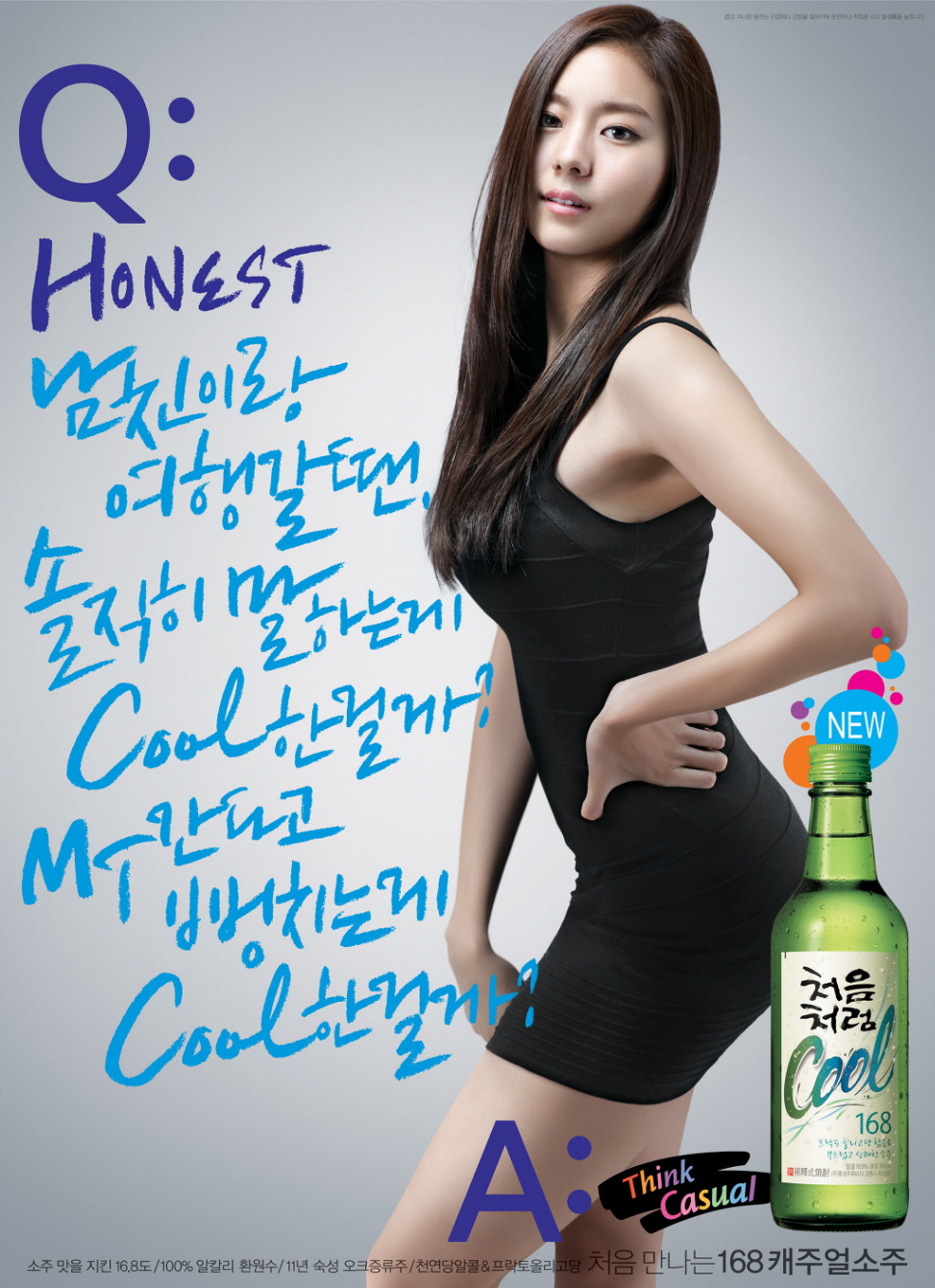
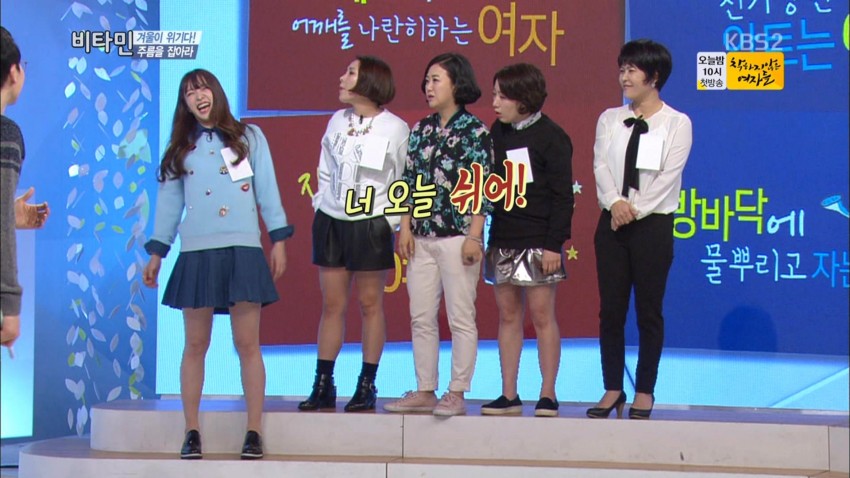
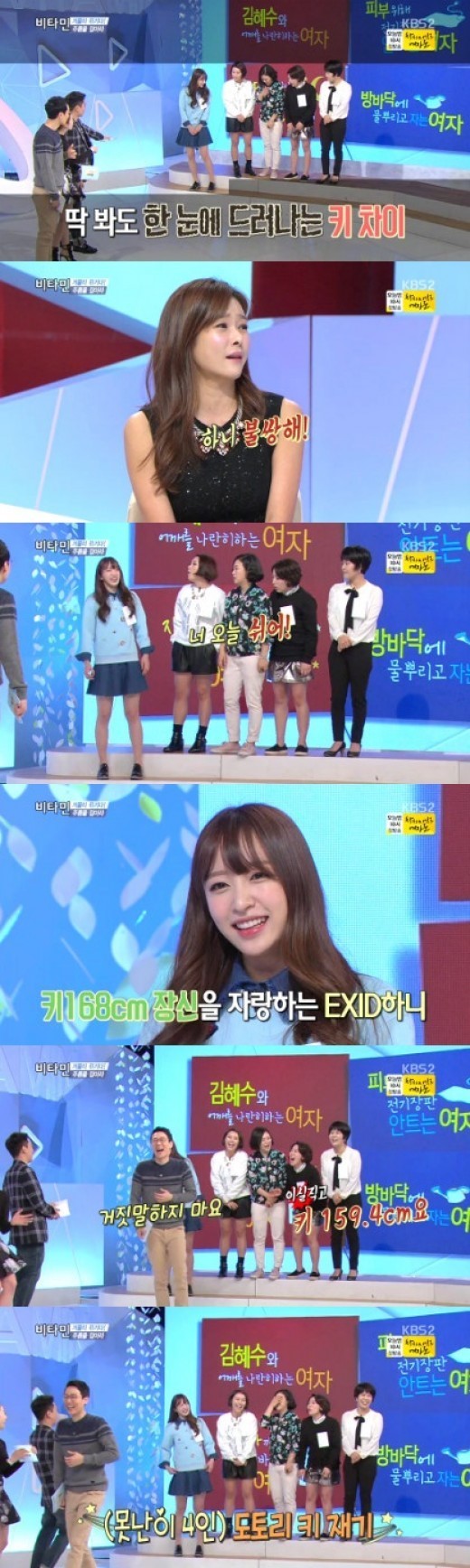
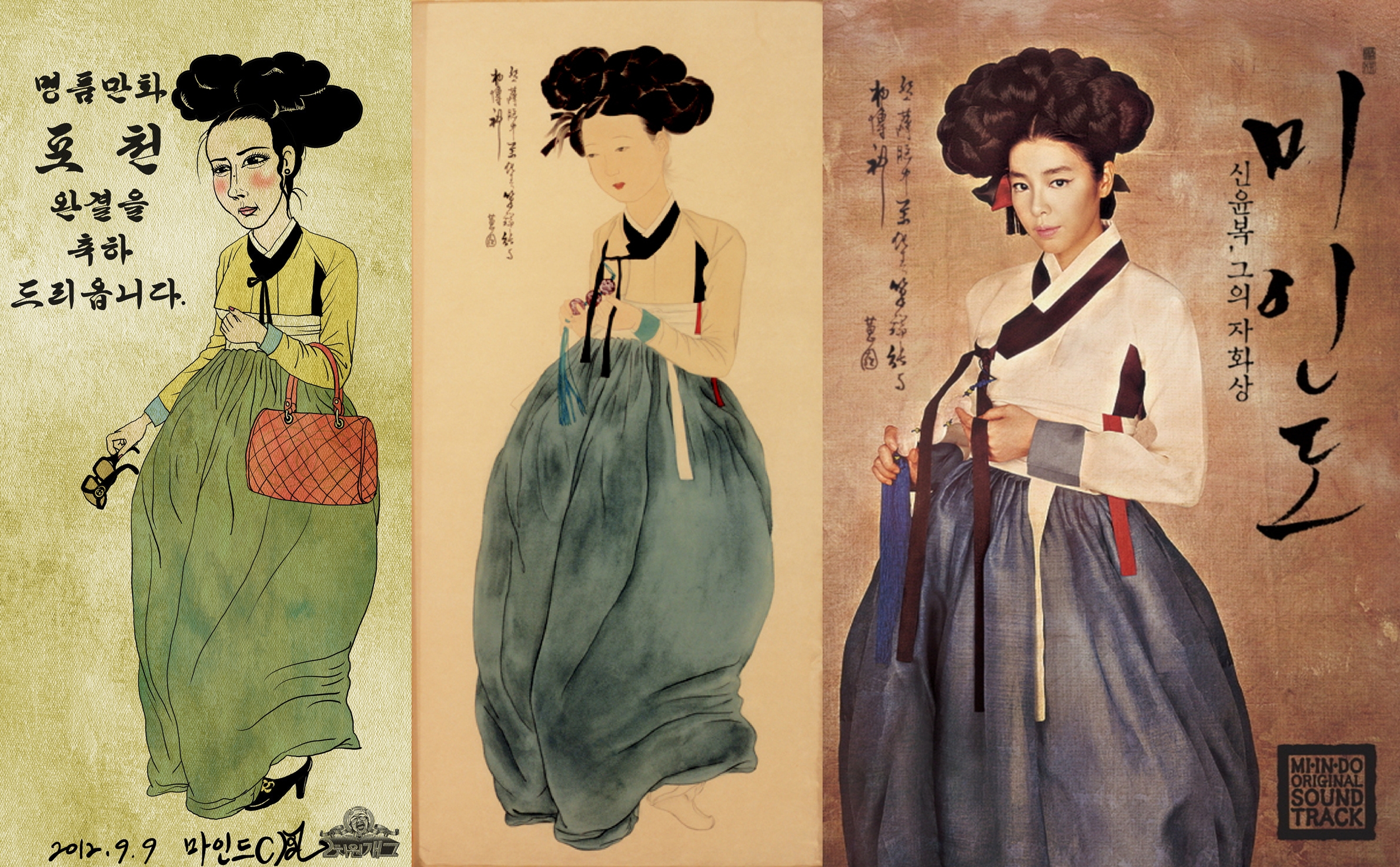
 same mistake myself, he probably makes few converts among Korean comedy fans with his sweeping denunciations of the entire genre. (Edit: In fairness, it’s more of an op-ed than an article really.)
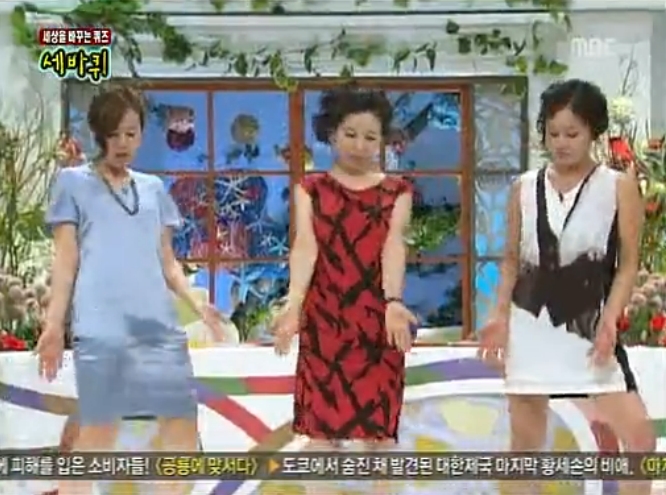


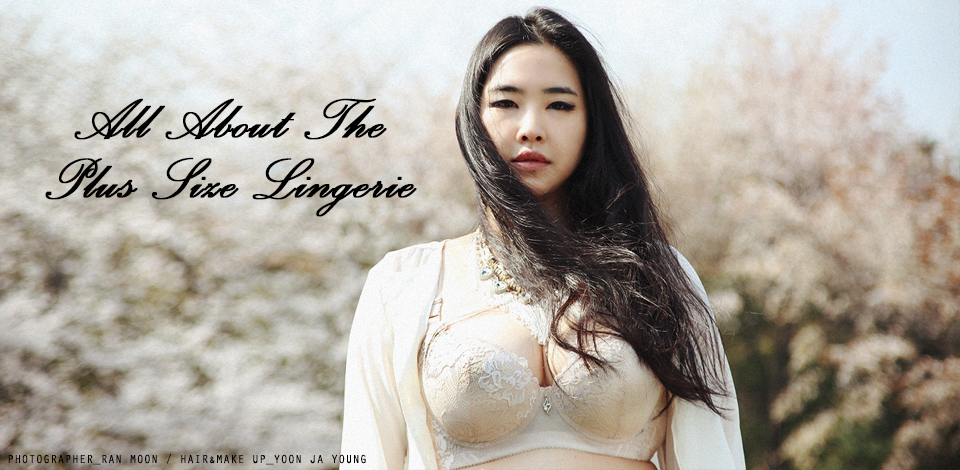



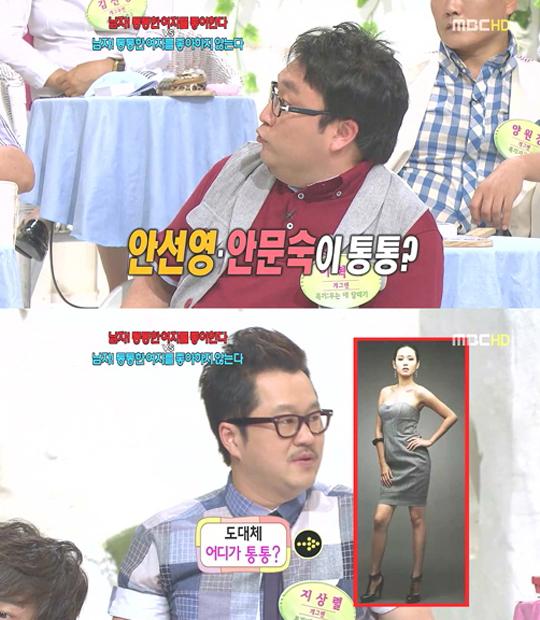
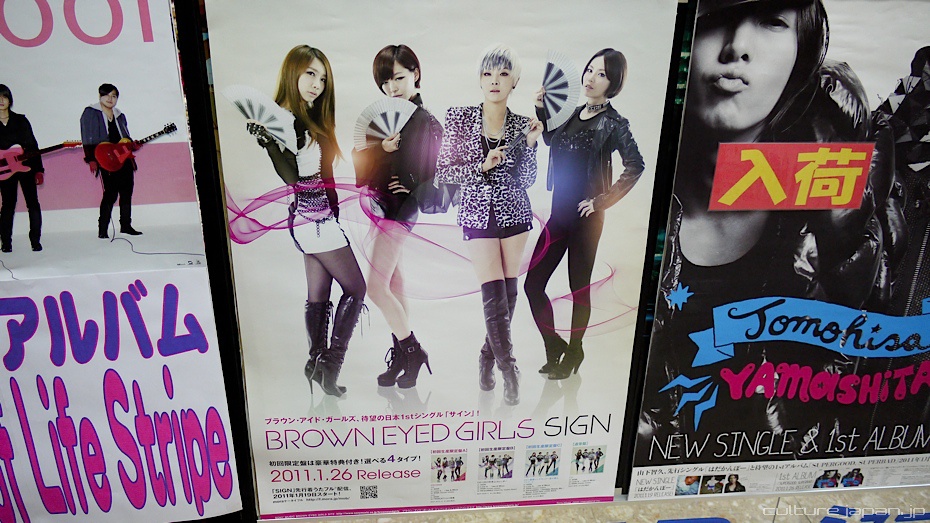

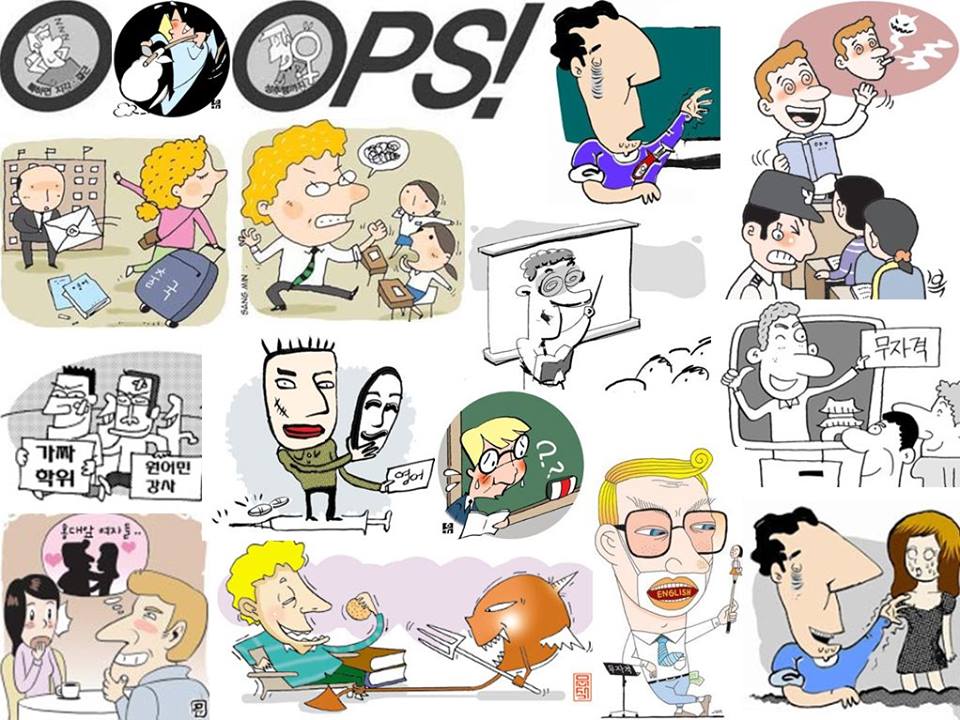


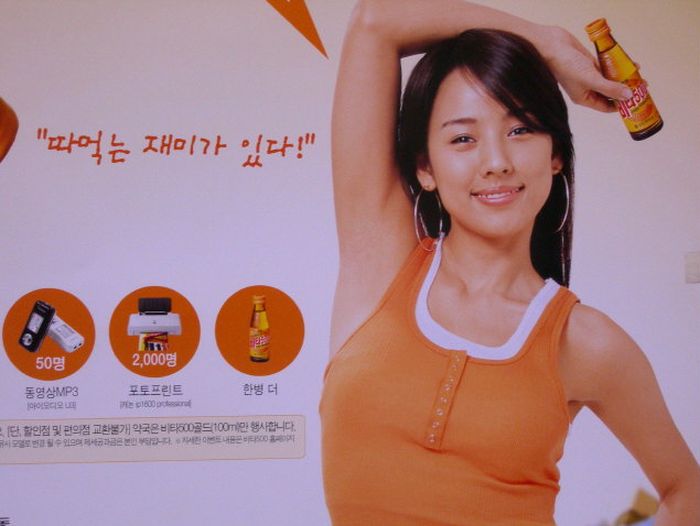


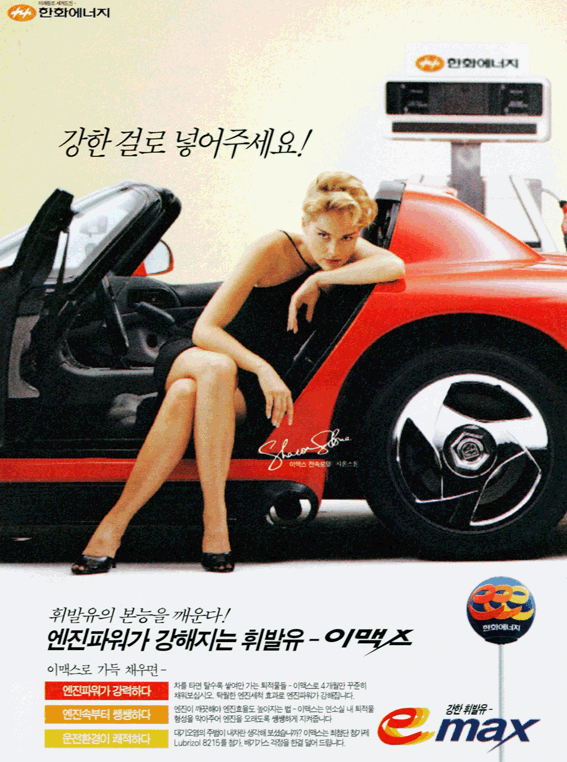
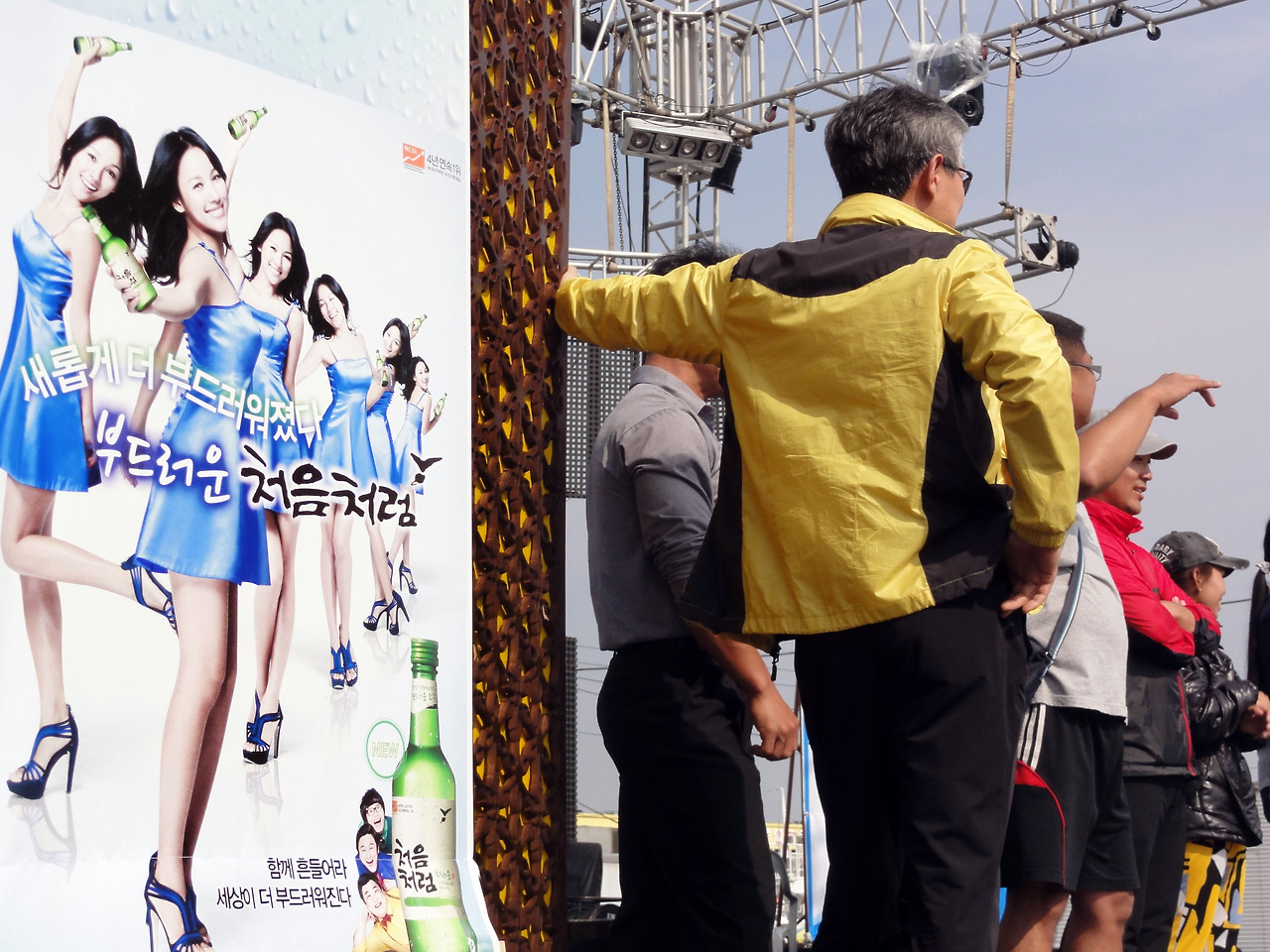
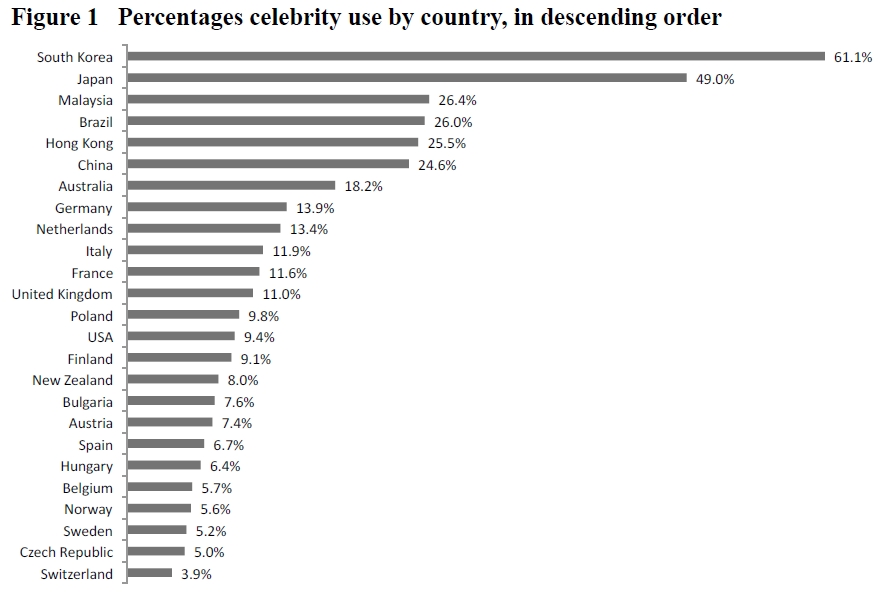

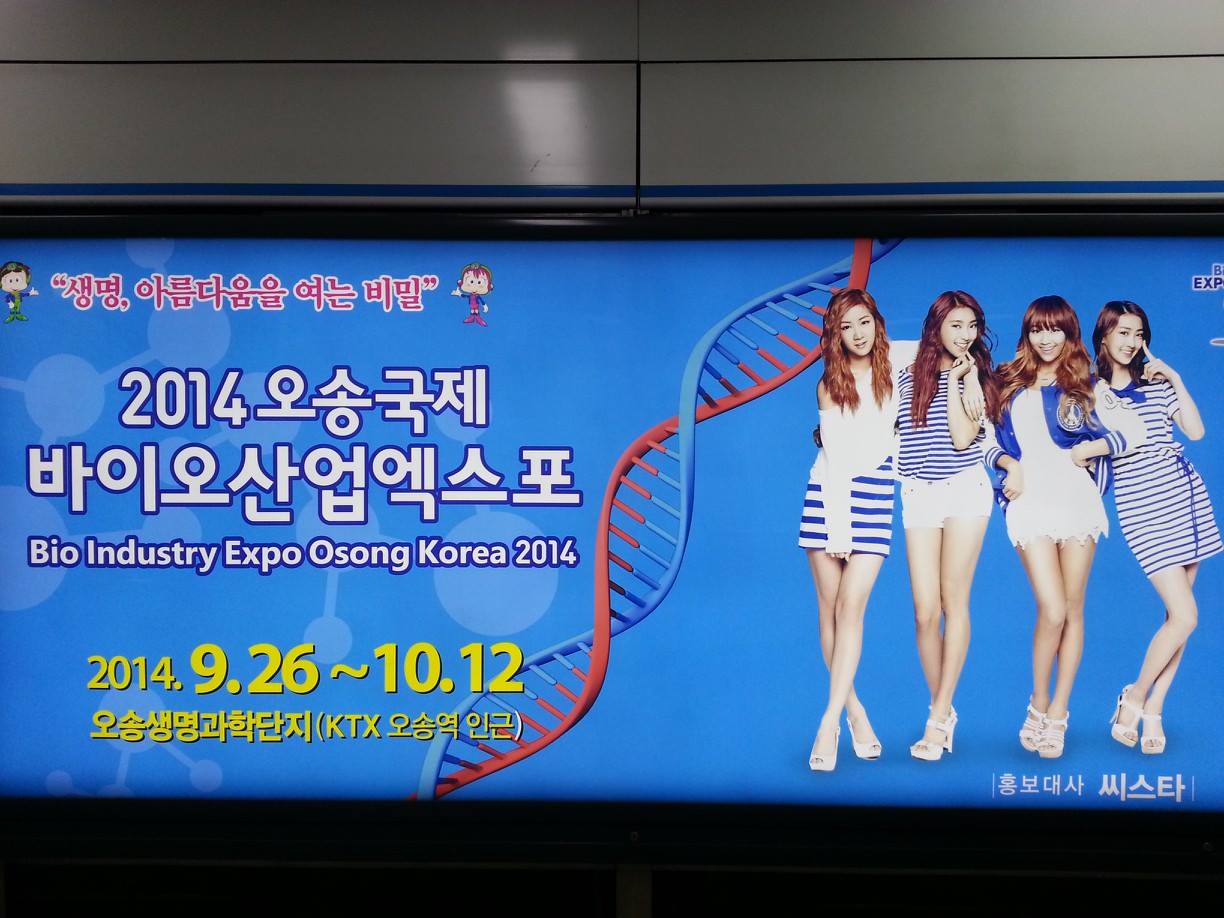


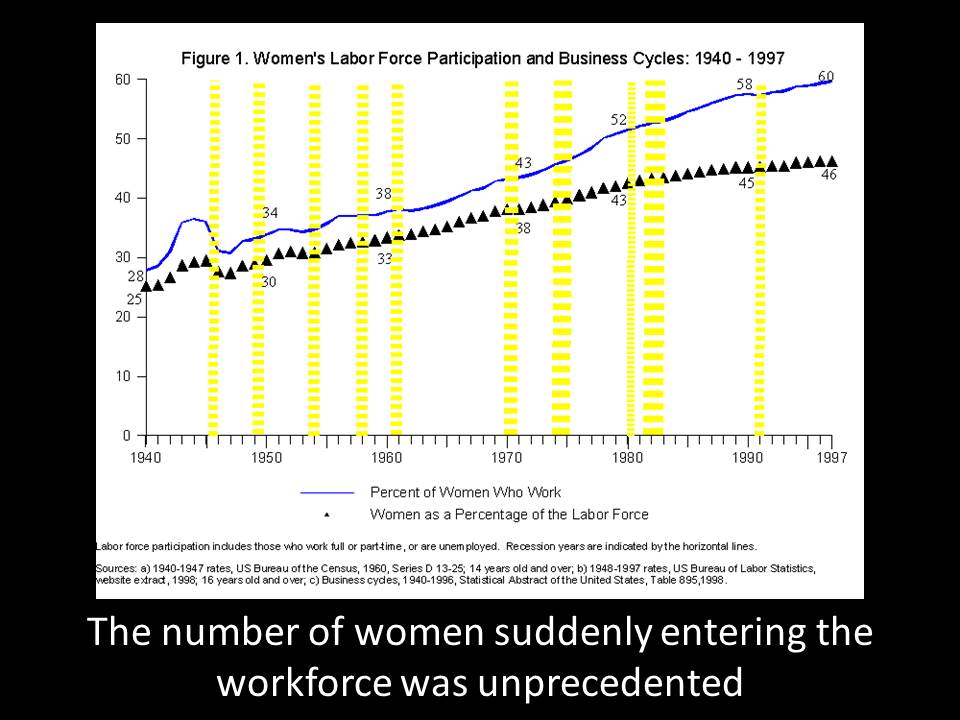
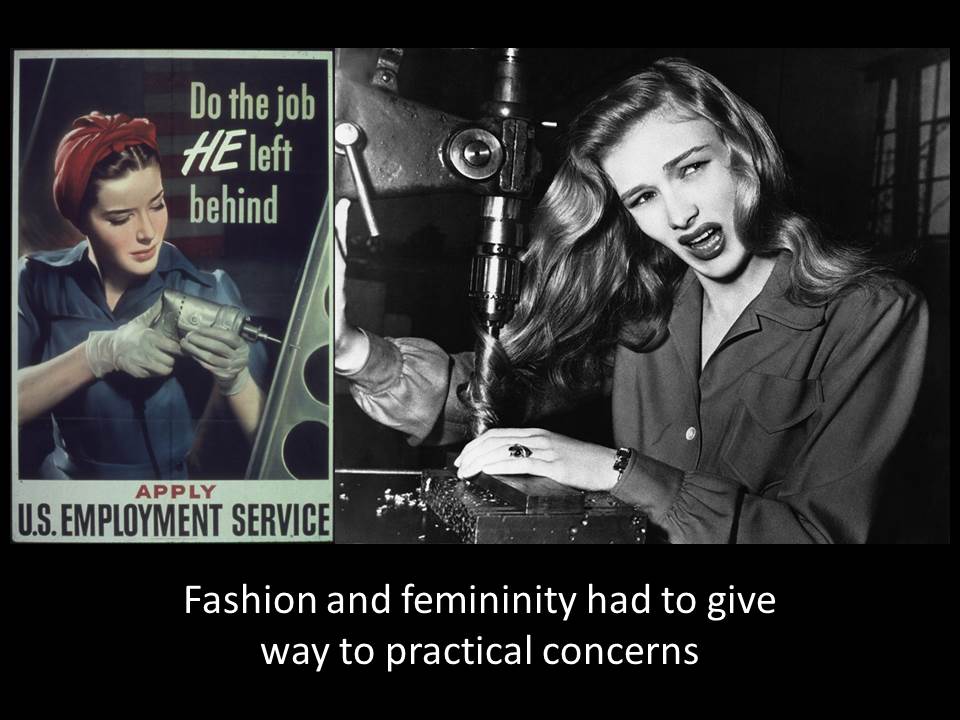
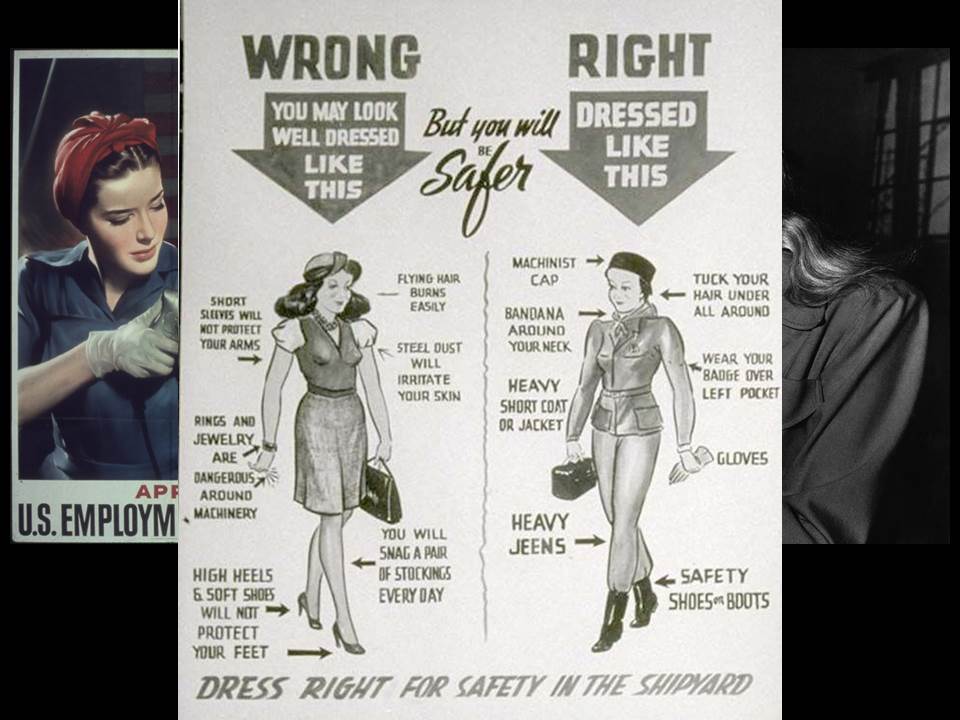
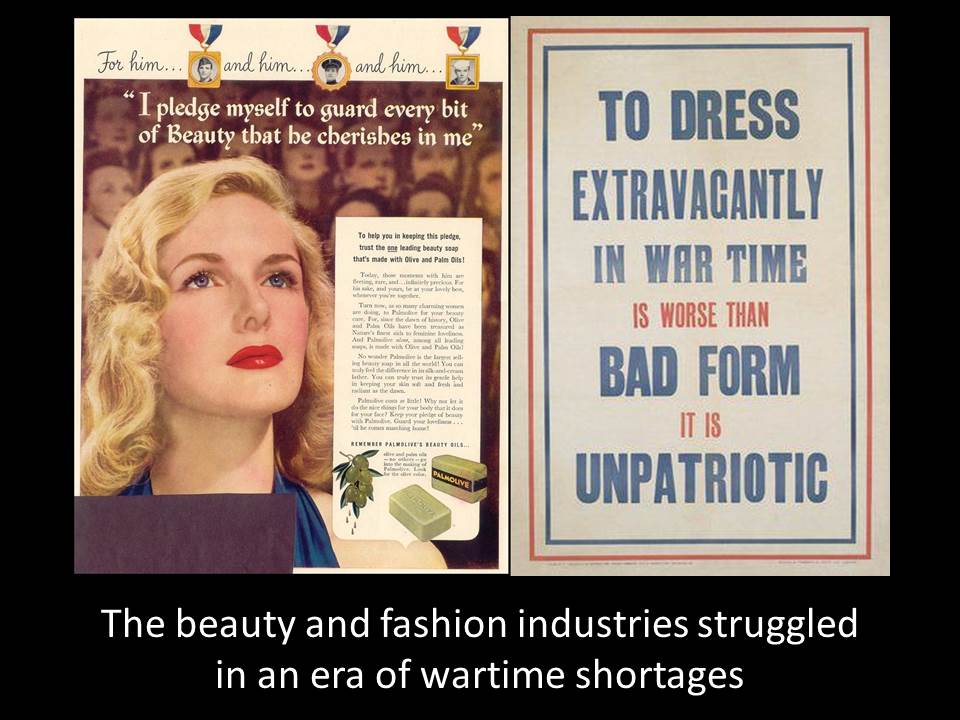
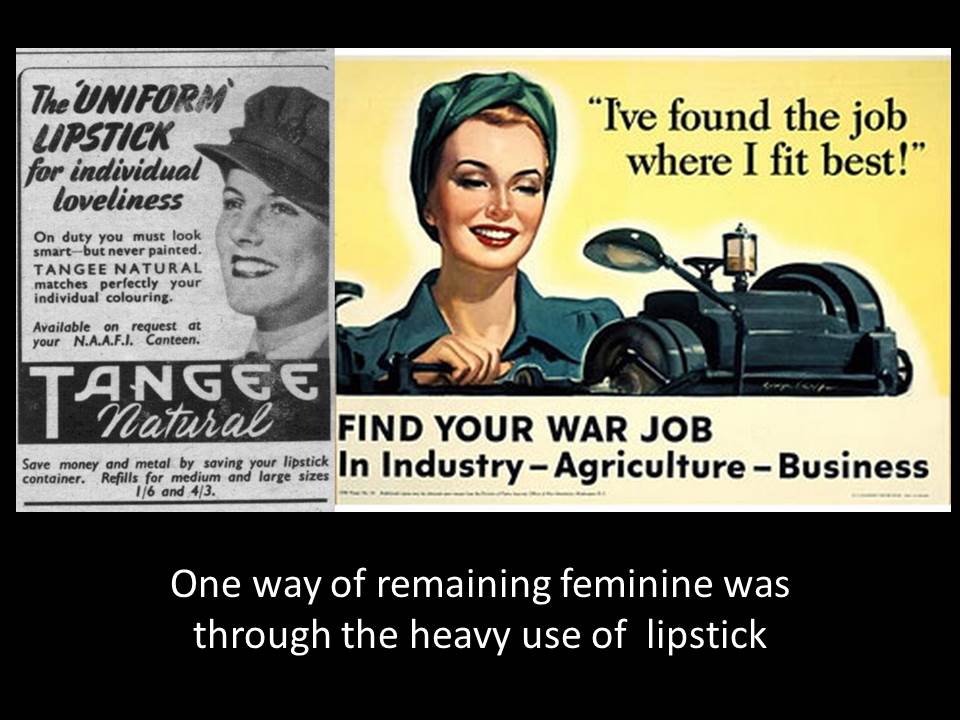

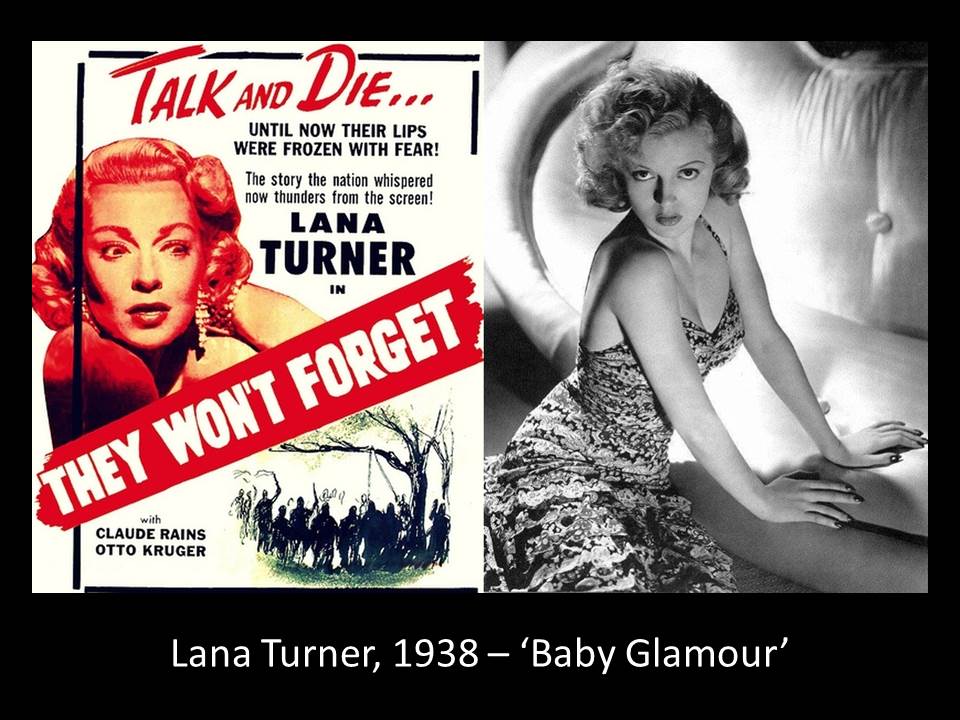
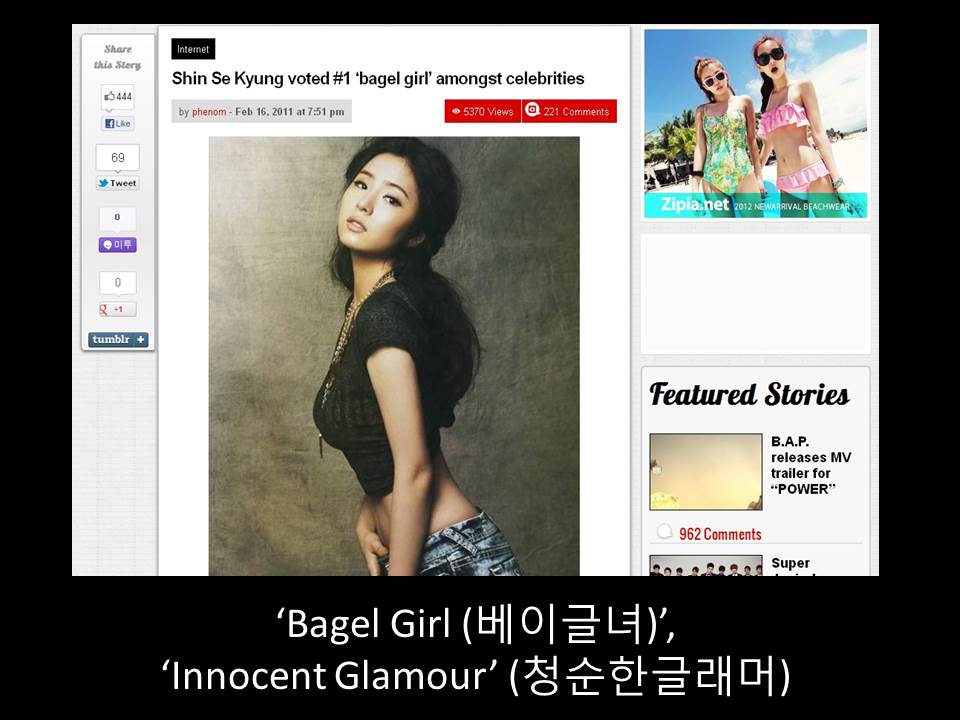
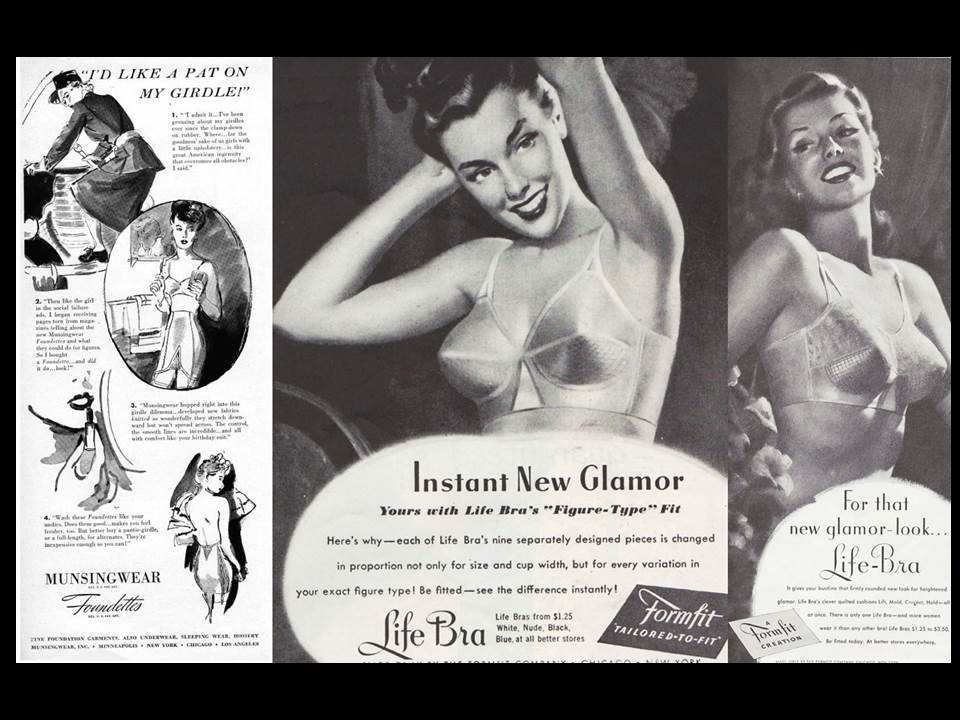
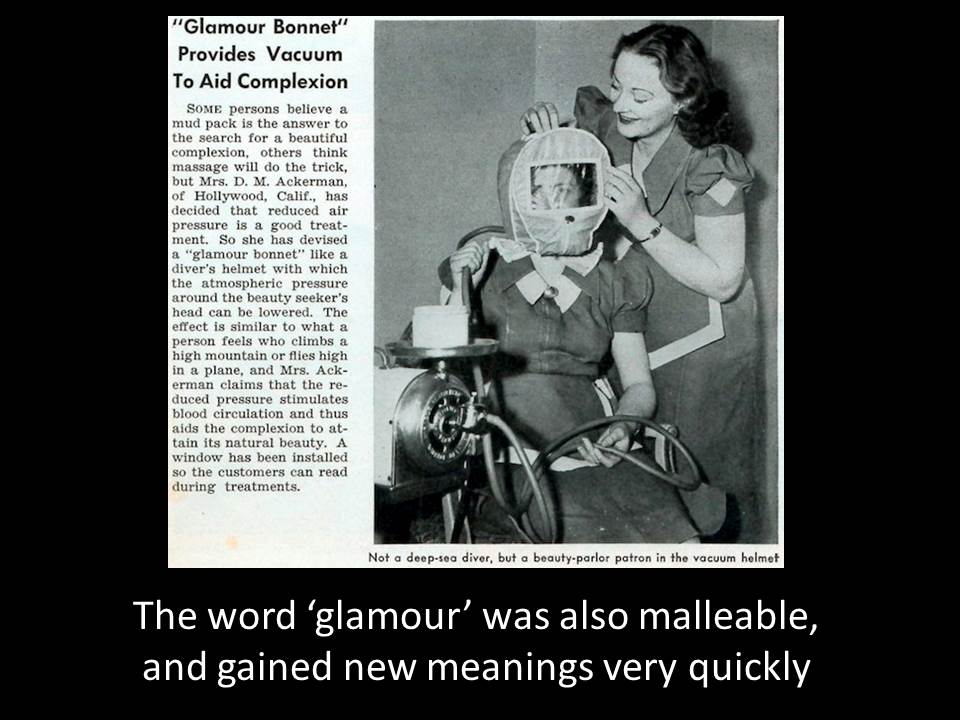



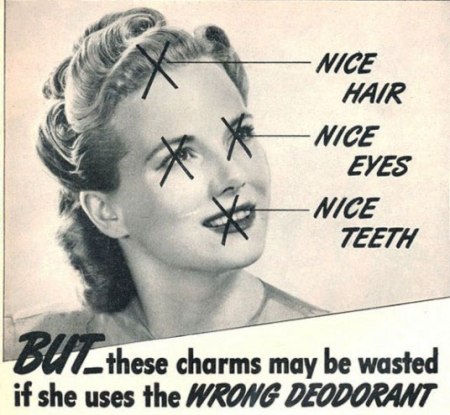 also looked slender, but compared to slightly square-faced beauties didn’t have many characteristics. It was massively popular, because it gave the feeling of a face you could see anywhere (
 On the one hand, the Lolita Egg stimulates men’s possessiveness, whereas to women it turns them into wannabees. It’s a pretty face shape, but doesn’t give off a haughty, arrogant impression, proving very popular with men. Women who have it can pick and choose from among their many male followers (source right: unknown).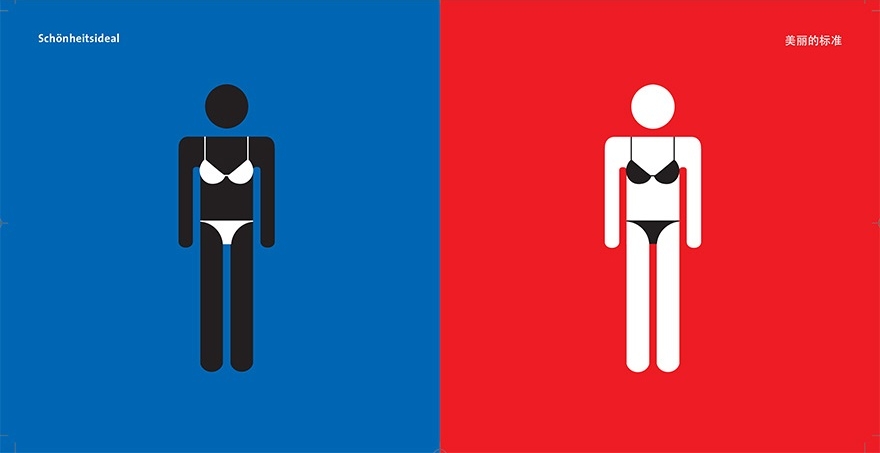

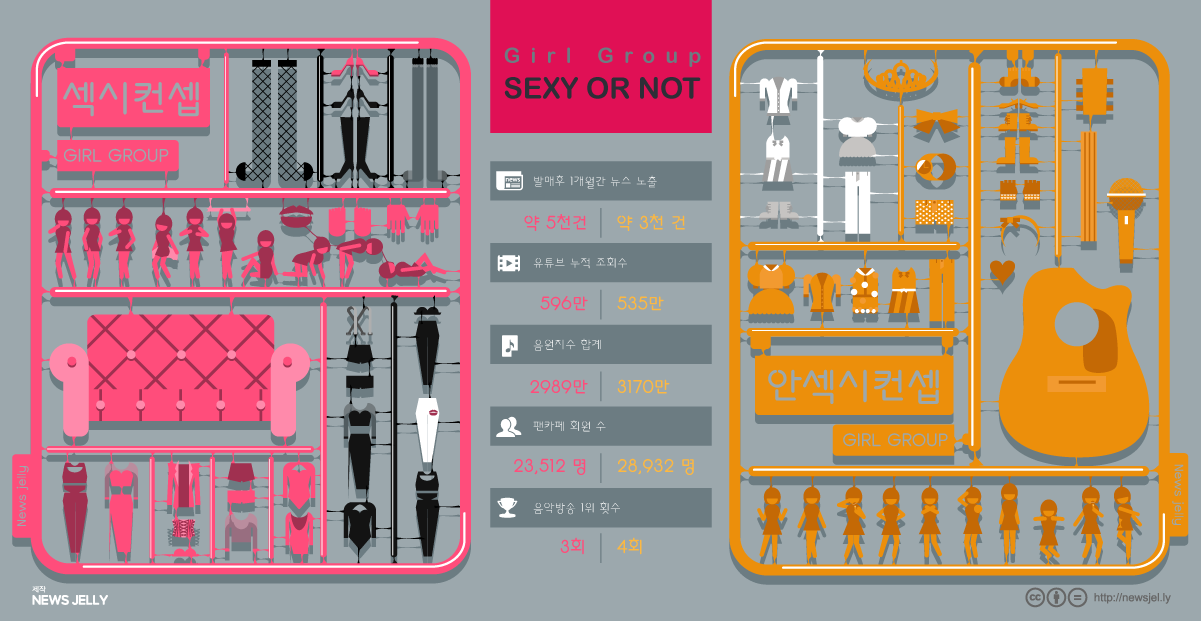

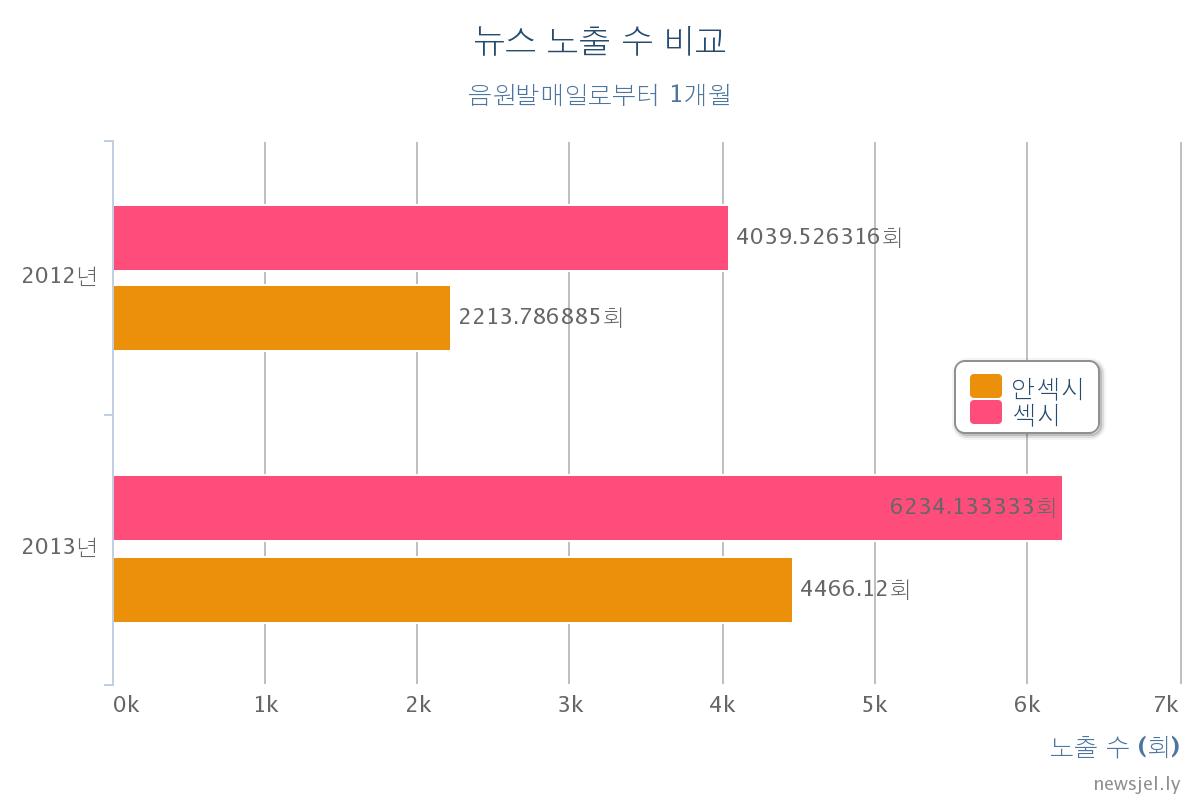
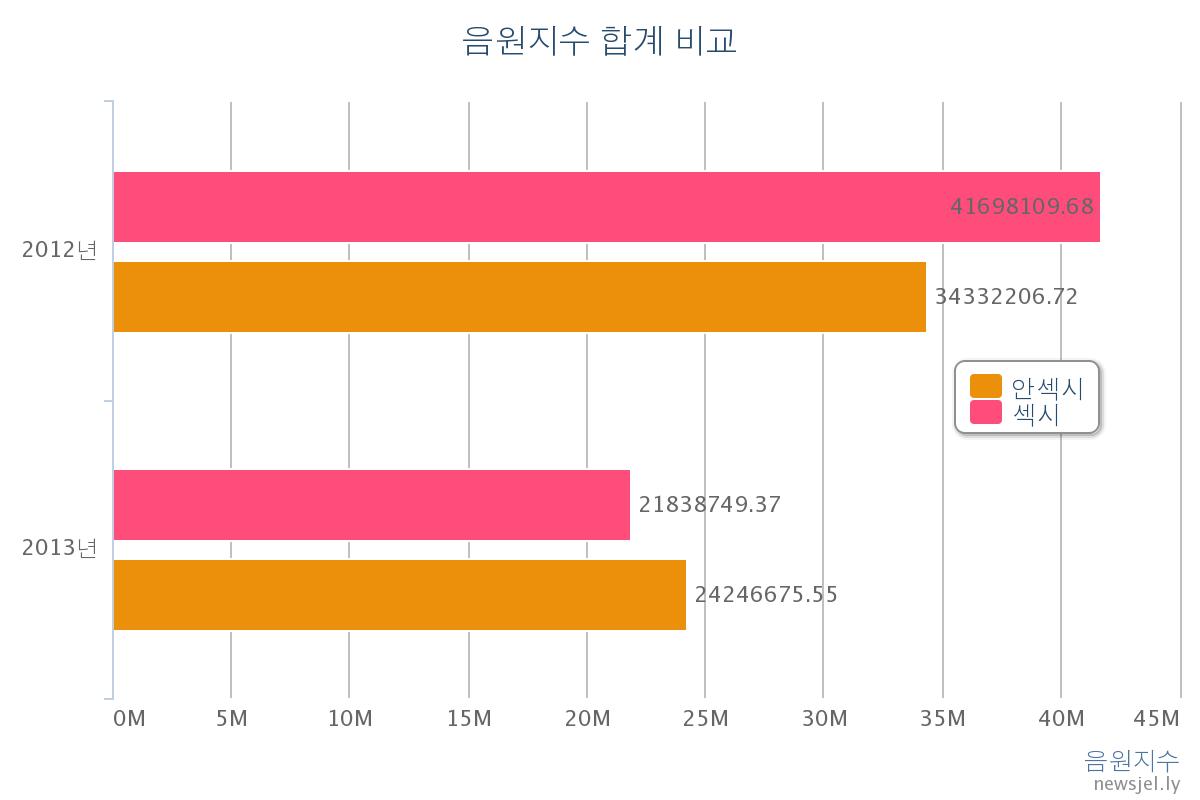

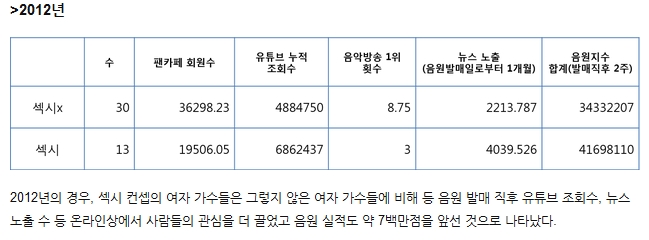
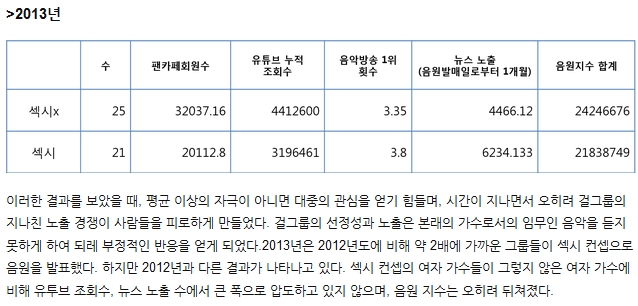


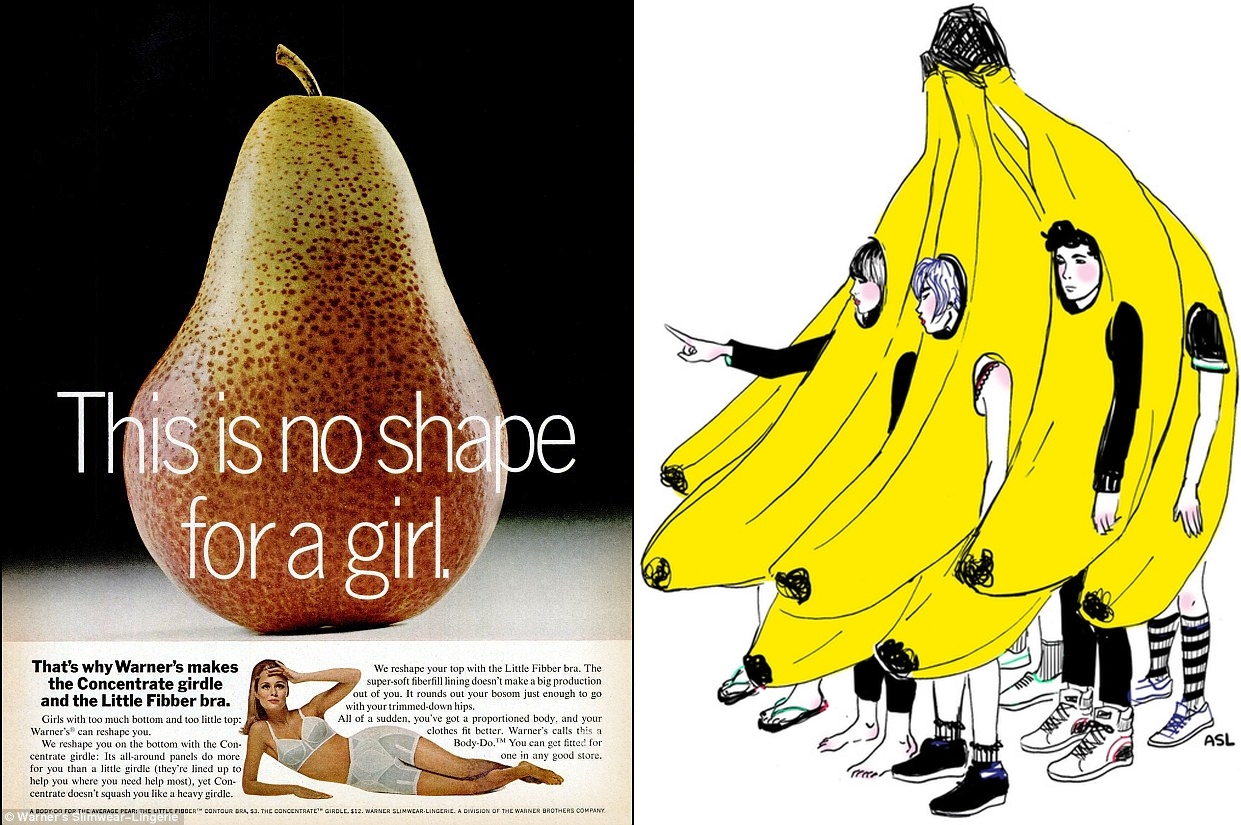



 The Grand Narrative
