What comes to mind when you hear that Korean(?) cosmetic brand Clio (클리오) hosts a biennial Clio Cosmetic Art exhibition? That it sounds more like a brand tie-in than a genuine attempt to encourage original and thought-provoking art? The purist in me couldn’t agree more, especially when you consider that some works in the 4th (2009) and 5th (2011) exhibitions were not just inspired by, but use the very same photos as Clio’s own advertisements, prominently featuring brand endorsers Kim Ha Neul (김하늘) and Lee Hyori (이효리) respectively.
When its at the behest of the advertiser itself, arguably the ensuing pop-art loses its edginess.
But art doesn’t have to be radical to look good. What’s more, when you combine the images with the women themselves, then the juxtapositions are like an intellectual wet dream, the afterglow of which has had me buzzing for the last week.
For which are the more real? The flesh-and-blood women in the Insa Art Center (인사아트센터) in Seoul’s Insa-dong district? Or Ha Neul and Hyori the mass-produced visual commodities, with which we are much more familiar?
But although the pictures did indeed persuade me to take down my handful of books on hyperreality and postmodernism, yet again I rejected them as unnecessarily abstruse, even for a geek like me. Also, Lee Hyori in particular (I’m less familiar with Ha Neul) is actually so down-to-earth and accessible that arguments that she’s merely a media creation can’t be sustained, one positive of Korean celebrity culture that I’ll be discussing in a lengthy post next week soon.
Until then, let me just pass on the art itself here, hoping to inspire more aficionados amongst you.
First, see here for a brief English introduction to the 5th exhibition, then the following graphic about it for a quick snapshot. If there’s anything on it you particularly like, click on the graphic itself to go to the Clio website, then on the specific artwork on the graphic there to get a quick (Korean) bio of the artist.
To any K-pop fans, see if you guess where you’ve seen Mari Kim’s work before:
For many more large and/or high-definition pictures of the art and exhibition hall itself, see here, here, here, or here (beware the automatic music in the last one). My favorite work is easily The Magic (also known as Masic) by Park Dae Cho (박대조) below (the one using the same photo as a Clio advertisement), which you can see a zoomable version of here:
Note though, that it’s actually a color-changing transparency in a light box rather than a static image, like most of Park Dae Cho’s works (which you can see more of on his blog):
That video doesn’t really do justice to it though, as it must really have been quite mesmerizing when viewed close-up. For the best equivalent, click on the following image:
As for those of you that share my love of juxtapositions, alas, there seems to be a conspiracy of exhibition-goers to avoid taking decent pictures of Lee Hyori standing next to this particular artwork in particular, this one always cutting it in half for example, or this one being so much more interested in the contents of Lee Hyori’s dress that he ruined the contrast. But decent, albeit smaller and/or watermarked versions can be seen here, here, or on Park Dae Cho’s blog itself.
Meanwhile, if you haven’t guessed already, Mari Kim (blog; Facebook; Twitter), not to confused with (the also – quite literally – cool) Miru Kim, is the artist behind 2NE1’s (투애니원) I am the Best (내가 제일 잘 나가) album cover, and the Hate Youmusic video:
Finally, unfortunately there was much less interest in the 4th exhibition with Kim Ha Nuel, but Dramabeans does have a good English introduction to it, and again Clio has a snapshot image, although without links to the artists this time:
See here, and here for more pictures of the exhibition, and here and here for more shots of juxtapositions.
What do you think? Please let me know, and I’d very much appreciate it if readers could pass on any more examples of interesting juxtapositions and/or celebrity-related Korean pop-art. I’d be especially interested in anything featuring men, as I’m curious if I’m only interested in the Clio exhibitions because they’re centered around two attractive women. I’m sure that’s not the only reason I like them (what do female readers think of them?), but probably it’s much more important than I’d like to admit!
Update – Sorry for forgetting to mention it in case you wanted to go, but unfortunately the 5th exhibition ended back in May. But see you at the 6th one in 2013! :D
1) Everything You Ever Wanted to Know About Circumcision in Korea
Whether you’re for or against male circumcision, there’s no sugarcoating some shocking facts about the practice in Korea.
First, consider why it is was taken up so enthusiastically after the Korean War. Not so much for its perceived health benefits, but more because it was seen a way to catch up with the medical practices of the developed world (i.e., the U.S.). Indeed, it was done so wholeheartedly that now more than 90% of Korean men between the ages of about 12 and 40 are circumcised, far higher than the U.S. rate.
Despite being world-leaders in numbers of procedures performed however, unfortunately Korean doctors are actually woefully ignorant about the practice, as Seamus Walsh explains at Asadal Thought:
What I find truly incredible is that the same misconceptions and outright false beliefs that were held about circumcision in the 50s – effects on sexual performance, prevention of STDs, cleanliness etc – are still so prevalent in Korea today, regardless of the fact that the rest of the developed world has moved on in its attitudes and knowledge, making such beliefs redundant.
Also, one of the journal articles he examines concludes that:
The mistaken and outdated notions of South Korean doctors about circumcision…seem to be a leading contributory factor to the extraordinarily high rate of circumcision [there].
Next, as most English teachers in Korea are probably well aware, Korean parents (painfully) get their sons circumcised in their early-teens rather than as babies. And finally, in what I regard as the most damning indictment of the practice, those parents often do so for no more compelling reason than the fact that all their sons’ friends are getting it done, as surveys of the parents make clear.
Update: By a wonderful coincidence, a related article from the Canadian medical website CMAJ appeared in my Google News Alerts as I was typing the above. Here’s what it says about South Korea:
…South Korea…may be the only country on earth where the majority of men are circumcised but not as infants, and do so for reasons unrelated to health, religion or aesthetics. According to one paper, almost 85% of males 16–39 years old are circumcised in South Korea, the vast majority around the age of 12 (BJUI1999;83:28-33).
No one can say for certain how the country came to embrace circumcision so quickly — the procedure was basically unheard of there in the 1940s — though the prevailing theory is that South Korean men were influenced by circumcised American soldiers during the Korean War in the 1950s. “Within a decade, South Koreans came to believe that practicing circumcision was ‘advanced and modern,’ just like the American soldiers,” US sexologist Robert Francoeur wrote (http://gkorea.nayana.com/s1.html). “If Americans did it, it must be good.”
In the 1960s, South Korea’s doctors made a big push for circumcision, launching a widespread media campaign promoting it as better for hygiene and health. Since then, the practice had become the cultural norm. “Korea has no religious background, it is nevertheless practiced during adolescence, largely initiated by peer pressure,” states the South Korean study. “Therefore, it has partly become a ‘rite of passage’ and is fully integrated into present Korea culture.”
(Taken by a friend of mine at Hongdae Station this summer. Is it still there?)
Just take a little time and browse some K-pop videos on YouTube. Odds are, on at least one video by a boy group, you’re going to see a comment along these lines:”See, this is why K-pop and Korea are superior to America! Because boys can look and act like this and not be accused of being gay!” This is hardly anything to celebrate. In fact, this is precisely the problem. People pretend that homosexuality doesn’t exist. It wouldn’t matter if a boy group member snogged his bandmates in public (ahem, Heechul), because it’s nothing. It’s just fanservice, they’re just close like brothers, is all. No way my oppas are gay! Even if an idol was to stand up on a table and scream at the top of their lungs that they were gay, it would mean nothing. This acceptance of behavior commonly pegged as gay in the West isn’t acceptance at all. It’s discrimination so strong it assumes that homosexuality doesn’t even really exist.
Maybe I’m just prejudiced by coming from New Zealand, where the only time men touch is when they’re fighting or playing rugby, and where if a guy doesn’t don’t like beer, cricket, or rugby then both the men and the women will think he’s gay, but still: I think the physical affection and pink clothes are something to celebrate. Also, please correct me if I wrong, but I’d argue that it’s overwhelmingly foreign audiences that are making such comments about Korean male singers, whereas the question of their sexuality wouldn’t be an issue in Korea itself.
I definitely agree with Megan though, that the corollary of allowing such a wide range of gender-bending (skillfully exploited by G-Dragon [지드래곤] throughout his career; hence the sticker above!) considerably narrows the range of what is regarded as genuinely homosexual behavior, although I think she’s putting it much too strongly when she says that people deny that possibility altogether (despite what the foreign media says, few Koreans now deny that homosexuals exist). Indeed, that that possibility is still very much open is evidenced by so many male celebrities making a lot of homophobic comments recently, lest their clothes and behavior cause people to question their sexual orientation (which to be fair, Megan also discusses).
(Source)
3) Science Blogging at its Finest
Remember last month, when one of my favorite blogs I09told you about a study published in the latest issue of Hormones and Behavior, that concluded that women’s facial features and estrogen levels correlate with their self-reported desire to have children? Since then, two science bloggers wrote even-handed critiques of the study, to which the author of it responded with a blog post of her own.
In short, this was the internet was invented for, and you can read more about those exchanges at a follow-up post at I09here.
4) The More Egalitarian the Society is, the More “Innate” Biological Differences Disappear
Back when I was an undergraduate student, I read The New Sexual Revolution by Robert Poole (1994), which would come to have a big influence on how I viewed the nature/nurture debate regarding differences between the sexes. As the introduction on Amazon explains:
In this controversial study of gender differences, Robert Poole outlines the recent research which has strongly challenged the notion that men and women would be equal if only they were brought up in the same way. The research has revealed that the brains of men and women are different in distinct ways and that it is these differences which account for much of the mental, emotional and psychological variation between the sexes.
To be sure, after four years of writing about gender issues I’m much more in the nurture camp now, and indeed I regularly make arguments about the influence of one’s environment in gender socialization myself. However, I do still think that there are some innate – not learned – differences between the sexes, especially men’s greater hand-eye coordination and spatial ability mentioned in the book’s introduction, which Poole suggested may be why men prefer playing computer games to women.
Then I read on Sociological Images about spatial ability tests given to two tribes in Northern India, the Karbi and the Khasi. As the post explains:
– The Karbi are patrilineal. Only the men own property, and they pass that property to their sons. Males get more education.
– Khasi society is matrilineal. Men turn their earnings over to their wives. Only women own property, which is passed along only to daughters. Males and females have similar levels of education.
And whereas the Karbi men were much better at spatial ability than the women, the difference between the Khasi men and women was negligible.
For sure, it’s just one study, and there are also methodological issues to consider. But if the result holds true, and the relationship can be confirmed by a wide range of other groups, then it will definitely force me to reassess some beliefs about male/female differences I’ve held dear for the last 17 years!
For the last two years, I’ve been referring readers wanting a good quick history of Korean LGBT issues to a paper by Professor Douglas Sanders of the University of British Colombia, a noted author on human rights and LGBT issues, and as it happens also the first openly gay person to speak at the UN. And I still will, but now I’ll also link to this post by Michael Hurt and Josh Forman at Groove Korea, which does a good job of filling in the last two years (and much more).
Well, not quite everything, but I did indeed just get interviewed about blogging by Gwangju Foreign Language Network (광주영어방송), which you’ll be able to listen to here at 6:15pm on Tuesday (I’ll add an MP3 file when it becomes available). It’s very short, but I’d be happy to expand upon anything mentioned in the interview here, or answer any other questions that readers may have.
For anyone that does listen to the interview, here’s the post about criticisms of Korean female – Caucasian male relationships that I mentioned, as it seemed to resonate with a lot of people.
Update – Unfortunately, WordPress.com doesn’t allow me to upload the WMA file that I was sent. Sorry!
Last week, I posted a translation of an article about sexual discrimination in the hiring practices of several major Korean companies, some only hiring one woman for every four men. As a follow-up, here’s a recent interview of a young woman looking for work, to give readers a better sense of what that discrimination means from job-seekers’ perspective. Naturally, the focus is on women, but much of what the interviewee describes applies to men too:
“여자신입사원들은지들이공주인줄알아” / “New female employees all think of themselves as princesses”
“엄마가 없는 형편에 정장 사주면서 꼭 취업하라고 했는데… 엄마 목소리 들으니까 눈물이 나.”
“My mom bought me a suit in our poor circumstances and told me I must get a job…hearing her voice makes me cry.”
13일 저녁 중곡동의 한 포장마차에서 혼자 술을 마시던 김선희(가명?24)씨는 전화기를 부여잡고 울고 있었다. 포장마차 테이블 넘어로 들려오는 그녀의 울음 섞인 대화에 가슴이 저릿해 몰래 엿들었다.
On the evening of the 13th at a food stand in Junggok-dong, Kim Sun-hee (false name, 24), drinking alone, was clutching a phone and crying. Her tearful conversation, audible beyond the food stand table, moved me so I secretly eavesdropped.
김해에서 서울로 상경해 수도권에 있는 사범대를 다니는 김씨는 대학졸업반이다. 그녀의 서울 생활만큼 취업은 녹록지 않았다. 전화 통화를 끝낸 그녀에게 말을 붙여 혼자 술을 마시게 된 사연을 들을 수 있었다.
Kim, who had moved from Gimhae to Seoul and who attends a college of education in the capital area, is a senior. Getting a job is not as easy as her life in Seoul. After she finished her conversation I approached her and heard the story of how she had come to be drinking alone.
“좀 청승맞죠? 근처에 사는데 오늘은 정말 너무 힘들어서 술이라도 안 마시면 화병 날 것 같았어요. 오늘 면접을 5군데 봤어요. 서울 남쪽, 북쪽 할 것 없이 면접보러 다녔어요. 긴장을 풀었다 놓으니까 정말 미치겠더라고요. 나중에는 (면접보면서) 헛소리까지 했어요. 제가 너무 긴장을 해서 눈을 못 마주치니까, 면접관이 사시냐고 물어보더라고요. 아마 떨어지겠죠.”
“Pitiful, aren’t I? I live in the area, and today was so hard, if I don’t at least drink alcohol I think I’ll get sick from repressing anger [hwabyeong]. Today I had 5 interviews. I went around north Seoul, south Seoul, everywhere, to interview. I kept going from nervous to calm, so I thought I’d go crazy. Later (as I was being interviewed) I was even talking nonsense. I was so nervous that I couldn’t make eye contact, so the interviewer asked if I was cross-eyed. I must have failed the interview.”
Image Caption: “하이킥 짧은 다리의 역습” 미 래의 88만원 세대 백진희가 인턴으로 취직을 하기 위해 면접을 보고 있다 /Future 880,000 won generation member Baek Jin-hee is interviewed for an internship in comedy program “High Kick: Short Legs’ Counterattack.”
취업하기위해춤과노래를권유하는사회/ A society that urges singing and dancing to get hired
대기업 인턴, 자격증, 교생실습, 알바까지 그녀의 대학 생활은 ‘낭만’이 아닌 ‘알바와 스펙쌓기’로 채워졌다. 1년의 휴학 기간 조차 그녀에겐 휴식이 아닌 이력서에 채울 경험을 쌓으면서 보냈다. 그렇게 열심히 대학 생활을 한 그녀였지만, 면접에서 쏟아지는 질문들은 그녀를 난처하게 만들었다.
Her university life, with its internship at a large company, certificates, teaching practice, and even part-time work, was filled with “accumulating part-time work and qualifications”, an activity which lacked romance. Even the one-year break she took from university was not a rest, and was spent gaining experiences to fill her resume. Though she had worked so hard during university, the hailstorm of questions at the interview landed her in difficulties.
“오늘 면접 본 회사에서는 대놓고 이런 말을 했어요. 회사는 일을 배우려고 하는 사람을 뽑는 곳이 아니고, 일을 잘 해서 성과를 낼 수 있는 사람을 뽑는다. 당신 같은 사람보다는 잘하는 사람 뽑고 싶다고… 기업은 이윤을 창출하는 곳이니까 안타깝지만 어쩔 수 없죠.”
“At the company where I interviewed today, they said this to my face: this company is not a place that hires people who intend to learn the work, it hires people who do this work well and so get results. We want to hire people who do better than someone like you. A business is a place that creates profit, so though it’s regrettable, it can’t be helped.”
그녀가 면접을 본 외국계 회사 중 한 곳은 면접에 들어가자마자 영어로 질문을 했다고 한다. 자기 소개를 하기 전부터 쏟아지는 영어 질문에 그녀는 적잖게 당황했다고 한다. 심지어 취업상담센터에서는 그녀가 쓴 이력서의 취미란을 ‘춤추기와 노래하기’로 고치라고 권유했다.
She said that at one of the foreign companies at which she interviewed, they started asking her questions in English as soon as she entered the interview [room]. This rain of English questions that came before she introduced herself flustered her more than a little. Furthermore, an employment counseling center urged her to amend her hobbies to “dancing and singing” on the resume she had made.
“지루한 사람으로 보일 수 있겠지만, 제 취미는 진짜 독서랑 요리예요. 그런데 취업상담센터에서는 회사 레크리에이션과 회식자리에서 잘 놀 수 있는 사람을 뽑을 수 있으니까 춤추기, 노래하기로 취미를 바꾸래요. 취업하는데 춤추고 노래까지 불러야 해요?”
“It might make me look boring, but my hobbies really are reading and cooking. But the employment counseling center said companies can choose people who can have fun during company recreation activities and office dinners so I should change my hobbies to dancing and singing. I’m [just] looking for a job – I even have to dance and sing?”
취업준비생들에게 이력서 취미란은 고민되는 항목이다. 평범하게 적으면 불이익을 받을 수도 있고, 막상 돋보이게 적으려고 해도 ‘색다른 취미’란 것이 없기 때문이다. 그래서 남자 취업준비생들 가운데 대부분은 취미란에는 축구와 등산을 적는 이들이 많다.
What they write down as hobbies on their resume is a cause for worry for job-seekers. That’s because if they write it in an average way, they could be at a disadvantage, but even if they try to write it so that they stand out, they don’t actually have an “unusual hobby.” So among male job-seekers, there are many who write down soccer and hiking as their hobbies. (source, right)
대놓고 신입사원에 대한 험담을 하는 회사도 있었다.
There are companies that badmouth new employees in their presence
“한 회사는 ‘요즘 여자 신입사원들은 뽑아 놓으면 지들이 공주인줄 알아. 밑바닥부터 시작할 생각을 해야지. 어디서 공주 행세야’라고 말하는 회사도 있었어요. 전 공주 소리 들어본 적도 없는데… 그래서 저는 (사장님께) 30분 먼저 출근해서 책상을 닦아 드린다고 말했어요. 책상이 깨끗하면 그 날 하루를 기분 좋게 시작할 수 있으니까요. 은근히 그런 거 바란다니까요. 기업 문화도 문제지만, 이 정도는 각오해야죠.”
“One company said, ‘These days, we hire new female employees and they think of themselves as princesses. They should expect to start at the bottom. Why are they acting like princesses?’ No one’s ever called me a princess … so I said (to the company president) that I would arrive at work 30 minutes early and clean his desk. Because if your desk is clean, you can start the day in a good mood. Because inwardly, that’s what they want. Business culture is also a problem, but you have to be prepared to do that much.”
눈물을 훔치는 그녀의 말 끝에서 안타까운 한숨이 흘러 나왔다. 기자와 김씨의 대화를 듣고 있던 4년차 직장인인 기자의 지인은 “회사는 외국계인데, 사장은 한국 사람이구나”라고 말했다.
As she finished speaking, wiping away tears, she sighed pitifully. An office worker in her 4th-year and acquaintance of this reporter who had been listening to our conversation said, “Ah, so it’s a foreign company, but the boss is Korean.”
화제 전환을 위해 그녀에게 선생님이 될 생각은 없냐고 물었다. 그녀는 실제로 교생실습을 하기도 했으며, 이번 학기를 마치면 교원자격증을 취득한다. 하지만 그녀가 선생님이 되는 길은 멀고도 험한 길이었다.
To change the subject, I asked her if she had thought of becoming a teacher. She had had actual teaching practice, and when she finished this semester she would acquire her teaching certificate [with which she can teach at some private schools and is eligible to take the test to work at public schools]. However, she said the path to becoming a teacher was long and rough.
“선생님 되고 싶죠. 과정이 힘든 것은 견딜 수 있어요. 하지만 대학 졸업 후에도 임용시험 준비한다고 부모님께 손 벌릴 수는 없잖아요. 그리고 사립학교 교사라도 되려면 몇 천만원을 내야 돼요. 저희 집에는 그렇게 큰 돈 없어요. 공립 학교는 준비하는데 몇 년 걸리고, 합격하기 어려워요. 만약 임용 시험에 실패하면 나이 27살에 이력서에 ‘임용 준비’ 이렇게 쓸 수 없잖아요. 그래서 선생님이 되는 것 포기하고, 일반 기업에 취업하려고 하는데 잘 안 되네요.”
“Yeah, I want to be a teacher. I can endure that the process is difficult. But even after graduating university, if I prepare for the [public school] teaching certification test, my parents can’t afford to pay for that. And if I want to become even a private-school teacher, I have to pay tens of millions of won [tens of thousands of dollars]. My family doesn’t have that much money. Preparing for a public school takes a few years, and it’s difficult to pass the test. If I fail the teaching certification test, I can’t put “teaching certification test preparation” on a resume when I’m 27, you know. So I gave up on becoming a teacher and intended to get a job in a regular business, but it’s not going well.”
그녀의유일한소망은 ‘직장인‘ / Her only wish is [to be] an ‘office worker’
“정치권에서 청년들이 취업을 못하는 이유는 열정과 창의력이 없기 때문이래요. 저는 한 직장에서 뼈를 묻을 만큼 열심히 할 자신 있어요. 열정도 있고, 창의력도 있어요. 그런데 취업을 못해요. 돈도 없어요. 이명박 대통령, 나경원 서울시장 후보가 청년들 일자리 만들어 준다고 하잖아요. 그 사람들이 어떻게 청년들 현실을 알아요. 돈 많고, 배부른 사람들인데…(이번 서울시장 재보궐 선거도)말이 아닌 진심으로 청년실업 문제 해결한다고 하면 청년들이 뽑아주겠죠. “
“Political circles say that the reason that young people can’t get jobs is because they have no passion or creativity. I’m confident that I can work hard enough to die at an office. I have passion and creativity. But I can’t get a job. I don’t have money, either. President Lee Myung-bak, the Seoul mayoral candidate Na Gyeong-won, you know they said they would create jobs for young people. How do those people know young people’s reality? They are people who have a lot of money, and whose stomachs are full but… (in this Seoul mayoral re-election too) if they sincerely say that they will solve the youth employment problem, young people will vote for them.”
그녀는 소위 말하는 ‘개념 찬 대학생’이다. 2008년 미국산 쇠고기 수입에 반대하는 촛불집회에 참여하기도 했고, 노무현 전 대통령의 추모식 때 자원봉사를 하기도 했다. 정치에 대한 얘기가 나오자 그녀는 한층 격앙된 목소리로 말을 이어갔다.
She is a so-called “thoughtful university student” [lit. “full of concepts,” but has more to do with being aware of your world and taking care of it].” She participated in the candlelight rallies against importing beef from the United States in 2008, and did volunteer work at former president Roh Moo-hyun’s memorial service. As the topic turned to politics, she went on in an increasingly agitated voice. (source, right)
“(이번 선거는) 꼭 투표할 거예요. 대학생들 중에서 투표 안 하고, 정치에 무관심한 것이 쿨한 줄 착각하는 학생들이 있어요. 사실 정치는 우리 삶과 연관되어 있기 때문에 정치에 무관심하면 나중에 자신한테 돌아와요. 부메랑처럼.”
“(In this election) I will definitely vote. There are some university students who don’t vote, and mistakenly think that not being interested in politics is cool. Actually, because politics is connected to our lives, if you are not interested in that, it will come back on you. Like a boomerang.
“서울에서 살기 너무 힘들어요. 전세금, 물가 비싸잖아요. 전 학교 다니면서 생활비를 다 벌어서 썼어요. 아르바이트를 쉰 적이 없었어요. 뭘 하려고 하면 돈이 필요하니까요. 정말 닥치는 대로 일했어요. 사실 대기업 가려는 이유도 돈 때문이잖아요. 연봉은 물론이고, 퇴직금도 두둑하잖아요. 대기업다니는 직장인들은 월급이 스쳐지나간다고 하잖아요. 통장에 찍힌 월급 명세서를 볼 때 유일하게 행복하대요. 제 희망연봉은 2200만 원이에요. 이 정도 (연봉) 못 받으면 서울에서 살기 힘들어요. 근데 대기업은 매번 떨어지니까, 눈을 낮춰서 일반 중소기업이라도 감사하게 생각하고 들어가려고 해요”
Living in Seoul is really hard. Prices and key-money leases are expensive. While going to school I made and spent all of my money for living expenses. I haven’t had a break from doing part time work. Because if I want to do something, I need money. I’ve really done any work I could. Actually, the reason I want to work at a major company is also because of money. Because of the salary, of course, and the pension is also generous. They say that the monthly pay of employees at major companies flashes by [comes regularly]. Their only pleasure is seeing their monthly pay statement stamped in their bankbook. The salary I would like is 22 million won [about 19,800 USD]. If I can’t get that much, living in Seoul will be hard. But because I keep failing to get into a major company, I plan to lower my standards and be thankful for and work at even an average mid-size company.
그녀는 면접관에게 “이 회사에서 뼈를 묻겠다고 말했다”고 했다. 한 직장에서 뼈를 묻을 정도로 오래 일하는 것이 가능하지도 않지만, 안타까운 것은 ‘뼈를 묻는다’는 절박한 표현을 써야하는 우리 사회의 암울한 취업 현실이었다. 안타까운 마음이 들어 그녀에게 ‘꿈’에 대해서 물었다.
She said she told an interviewer, “I will work until I die at this company.” It’s not possible to work at one office so long that you die, but the regrettable thing was the grim employment situation of our society, that must use the desperate expression “die [lit. “bury bones”].” Feeling pity, I asked her about her “dreams.” (source, right)
“취직해서 시집갈 수 있을 정도로 적금 들고, 집에 많지는 않지만 생활비 보내드릴 수 있을 정도로 사는 거예요. 소박하죠. 근데 이 꿈조차 이룰 수 없게 우리 사회가 막막해요. 취업을 하는 것도, 직장에서 안 잘리고 버티는 것도 어렵잖아요. 원래는 꿈이 거창했는데, 사회의 쓴 맛을 보니 소박한 꿈도 쉽지 않은 것을 알게 됐어요.”
“Getting a job so I can save enough money to get married, and living so that I can send money home – not a lot, but living expenses. Simple, aren’t they? But our society, that can’t let me realize even these dreams, puts me at a loss. Getting a job, and then not getting fired and enduring at a workplace are hard. Originally, my dreams were grandiose, but after being taught a bitter lesson by society, I found out that even simple dreams are not easy.
그녀는 1%가 아닌 99%다. 소위 ‘SKY’라는 일류 대학을 졸업하지 않았고, 자녀에게 수십억의 자산을 물려줄 수 있는 부유한 부모님 밑에서 자라지도 않았다. 또한 취업을 통해 ‘신분상승’이 이루어질 것이란 꿈도 꾸지 않는다. 그녀가 유일하게 소망하는 것이 있다면 ‘직장인’이 되는 것이다.
She’s one of the 99%, not the 1%. She didn’t graduate from one of the top-tier “SKY” universities, and she didn’t grow up with wealthy parents who could leave their children inheritances of billions [millions in USD]. Also, she doesn’t dream that, through getting a job, she can become “upwardly mobile.” If there’s one thing she wishes for, it’s becoming an “office worker.”
4년의 서울 생활이 그녀에게 안겨준 것은 학자금의 빚과 사회의 높은 문턱이었다. 한 시간이 조금 넘도록 얘기하면서 그녀는 틈틈이 눈물을 닦았고, 틈틈이 소주 반 잔을 입속에 털어 넣었다. 그리고 혼자 술을 마시던 그녀를 걱정해 한 걸음에 달려온 그녀의 친구 앞에 다시 눈물을 흘렸다.
What four years of life in Seoul have given her are student loan debts and society’s high threshold. While talking for a little over an hour, she wiped away tears from time to time and poured a half-glass of soju past her lips from time to time. Also, she cried again in front of her friend, who had come running without hesitation because of worry over her friend drinking alone.
‘아프니까 청춘이다’라는 말이 있다. 기왕이면 안 아픈 청춘이면 좋으련만, 우리 시대의 청춘 가운데 99%는 현실의 높은 벽에 부딪혀 아프고 절망한다. 20대라면 누구나 잠시 거쳐가는 성장통일까? 아니면 경쟁을 강권하는 우리 사회가 만들어 낸 어쩔 수 없는 아픔일까? 후자라면 ‘어디’를 점령해야 해결될 문제인지 고민해 볼 필요가 있지 않을까? 이런 저런 생각을 하는 동안 그녀는 “다음에 여기서 검은 정장을 입고 혼자서 술을 마시고 있으면 또 면접 떨어진 줄 아세요”라고 말하며 떠났다.
There is a saying [from the title of a recent book]: “Youth is pain [Lit: “it hurts so you are young”].” That said, a youth without pain would be nice, but 99% of our era’s youth are running into the high wall of reality and feeling pain and despair. Is it the fleeting growing pains that anyone in their 20s feels? Is it the unavoidable pain created by a society that compels competition? If it’s the latter, isn’t it necessary to think about where we need to take control of in order to fix this problem? While I was thinking about that, she said, “Next time, if I’m wearing a suit and drinking alone, know that I’ve failed an interview again,” and left. (end)
Update: See I’m no Picassso for an interesting follow-on post.
Pondering questions about excessive photoshopping in ads for a radio interview I’ll be doing next week, yesterday I would have said that Koreans are so accepting, even welcoming of it, that unfortunately little surprises me anymore.
Then I saw the alien that has replaced Lee Da-hae (이다해) on Charm Soju’s (참소주) website…
Update – Thanks to Paul Kerry for drawing my attention to these further examples, also available on the website:
Paul at least has seen them in a restaurant (example here), and Lee Da-hae’s endorsement deal also produced a lot of Korean news reports and blog entries back in September, so they’re certainly out there. Unfortunately though, I’ve been searching in vain for any mention of the Photoshopping in them. As they say, the silence is deafening!
Probably everybody reading knows a Korean person who married someone just one or two months after meeting them. Of the three women I know that did, all enrolled the services of a professional matchmaking marriage agency like Duo (듀오) above to find them, two just the week after they split up with their heartbroken long-term boyfriends.
Needless to say, that sits uncomfortably with modern Western notions of romance and marriage. Yet despite most readers’ distaste, not all such pairings are doomed to loveless failure, and indeed all three of those women I know seem perfectly happy with their new spouses. But what compels such hasty arrangements?
Also, a confession and a question: the third woman I mentioned was actually a very close Korean friend of mine, but I was so surprised and disappointed with her for getting an arranged marriage that I didn’t try to keep in touch when she moved to a new city afterwards (although we both became much too busy with our respective families anyway). Do you think I was too judgmental? Have any other readers also had their intelligent, confident, ambitious female friends suddenly surprise them with an arranged marriage like that? Did you stay friends afterwards, despite that “traditional” Korean elephant in the room? Please let me know!
2) Korean Gay Community Warns of Assaults on Twitter
According to reports on Twitter there seems to be a group of men in Jongro assaulting gay men at night. See Asian Correspondent for more information.
3) Koreans’ Teeth and Cosmetic Infantilization
Five times a week, I’m greeted with the above advertisement for my workplace as I leave the subway. It may sound a little harsh of me, but every time I see it, I can’t help but ponder why the advertisers didn’t choose a model with nicer teeth (rest assured they look much worse when they’re the size of your palm!).
Possibly, it was felt that a using a “real” person would be more appealing to potential students than an obvious professional model. But on the other hand, good teeth aren’t really a requirement even for Korean celebrities either, as this post by Johnelle at Seoulbeats makes clear. In it, she speculates that good affordable orthodontic treatments weren’t really an option for the current generation of 20 and 30-something celebrities, and/or that they didn’t correct them once the option to do so did become available because crooked teeth are a good sign of being a fabled “natural beauty”, in particular of not having undergone jaw surgery to obtain a V-line.
Without disputing those at all though, the news that some Japanese women are deliberately making their teeth look crooked (known as yaeba) suggests a third, strongly gendered possibility. As explained by Sociological Images (source, right):
Michelle Phan, who blogged about the trend, explained:
It’s not like here, where perfect, straight, picket-fence teeth are considered beautiful. In Japan, in fact, crooked teeth are actually endearing, and it shows that a girl is not perfect. And, in a way, men find that more approachable than someone who is too overly perfect.
Communication Studies professor Dr. Emilie Zaslow had something different to say. She argued that the trend represented a fixation with youth, the sexualization of girls, and pressure on women to infantilize themselves:
…the naturally occurring yaeba is because of delayed baby teeth, or a mouth that’s too small.
In other words, having a crowded mouth makes you look younger, like a girl instead of a woman.
In short, I’d argue that this possibility means that Korean men with crooked teeth are more likely to correct them than Korean women, and indeed that matches my own observations. But although it’s too early for confirmation bias to have an effect here(!), of course that result may simply reflect my being much more interested in women’s mouths than in men’s. So, what are readers’ own observtions? And if there is indeed a gender imbalance, can you think of alternative reasons for why that would be the case?
Related, Leanne of Hello Korea! laments the popularity of “Asian poses”, and how it perpetuates Orientalist stereotypes of childish East Asian poses (including among East Asians themselves). As she writes:
Now, to be fair, your common everyday Korean woman is not posing for a camera all the time, but it’s still disturbing that they do this stuff when a camera gets put in front of their face.
That really struck a chord with me, because, the same day I read that, I happened to be presenting the following video (albeit by an Asian-American I think) to an all-male class of computer-gaming students. Perennially bored and sleepy (the students that is), I thought a cute young woman imitating various feelings would spark some interest in studying English for a change. Indeed, it worked so well, I decided I’d do something similar for my other, mostly female classes…but, tellingly, soon gave up trying to find a cute young guy doing the same sort of video!
4) Korean Attitudes to Women Working While Pregnant
Msleetobe, of On Becoming a Good Korean (Feminist) Wife, discusses her realization that her Korean students and coworkers seem to find pregnant women essentially useless, or at least poor workers. While she is careful to not to generalize from that small group though, she also raises the important point that with so many pregnant women expected – or forced – to resign from their companies (see #2 here), then unfortunately very few Koreans actually get to meet anyone who could challenge that stereotype.
5)Police Arrest Individuals Behind Solbi’s Fake Sex Tape
Finally, it’s not related to Korea sorry, but do let me pass on this excellent In Our Time podcast on Eugène Delacroix’s 1830 painting Liberty Leading the People above, with a lot of discussion of how it has been appropriated as a Feminist symbol ever since. Which is kind of ironic, because as guest Tamar Garb of University College London especially points out, French women had almost all no rights at all at the time, and accordingly the woman depicted was definitely only intended to be an allegorical – and not Feminist – figure.
Women – not men – were fired in droves at the start of the 2008 financial crisis. But was that as outrageously sexist as it sounds?
After all, they were the bulk of irregular workers back then, when Korea had a greater percentage of them than any other OECD country. Insecurity was a given, which is why the status and rights of irregular workers was a big political issue years before the crisis.
In such strained circumstances, it sounds almost churlish of women to complain about that arrangement.
But women were also the first to be fired during the the 1997 Asian Financial Crisis, back when Korea had the smallest number of irregular workers in the OECD. Indeed, it was generally only this newly emerging irregular work that was made available to women – especially mothers – once the Korean economy began to recover, and accordingly the Korean female workforce participation rate has stagnated at the lowest or near-lowest rate in the OECD ever since, and Korea has by far and away the largest gender wage gap.
Considering this, mere economic rationales of why women have again been treated so differently – badly – by employers in the latest financial crisis should be treated with a great deal of suspicion. In particular, they can’t explain why Korean companies are currently hiring roughly only one female graduate for every four male ones, as the following MK article makes clear:
“취업성차별” 여대생들의눈물 / “Sexual discrimination in hiring” [causes] female university students’ tears
31 October 2011
서울 소재 중상위권 대학 졸업반인 이 모씨(25ㆍ여)는 금융권 취업이 목표다. 그는 지난 7월부터 2개월간 한 증권회사 지점에서 인턴사원으로 일하며 우수한 평가를 받아 정규직 전환 1순위로 꼽혔다. 하지만 결과는 실패였다.
The goal of one Ms. Lee (25), member of the graduating class of an upper-mid-level Seoul university, is to get a job in finance. Starting last July, she did a two-month internship at a branch of a securities company, where her superb evaluations caused her to be considered the top choice to be given a permanent position. However, she was unsuccessful.
며 칠 후 이씨는 상사에게서 충격적인 말까지 들었다. “미안하지만 본부에서 남자만 뽑으라는 지시가 내려와 어쩔 수 없었다”는 것. 이씨는 “각 지점에서 매긴 인턴 성적은 여성이 훨씬 높았는데도 당시 정규직으로 입사한 여성은 단 한 명도 없었다”며 “다른 이유도 아니고 ‘여자’라서 꿈이 무너졌다고 생각하니 억울하다”고 토로했다.
A few days later, Ms. Lee even heard these shocking words from her superior: “I’m sorry, but we got instructions from headquarters to only hire men, so there’s nothing I could do.” Ms. Lee revealed, “Though at each branch, the ranked interns’ marks were much higher for women, at that time there was not a single woman among those hired as permanent employees. I think my dream was crushed for no other reason than that I’m a woman, and it’s not fair.” (source, right)
극심한 취업난 속에서 여대생들이 취업 문턱에서 좌절하며 눈물 짓고 있다. 여성 고학력화로 곳곳에서 여풍(女風)이 불고 있지만 채용시장에선 남성 지원자를 선호하는 성(性) 차별이 심각한 것으로 확인됐다.
Amid severe unemployment, female university students at the threshold of getting jobs are being frustrated and shedding tears. Through women’s increased high levels of education, “female wind” is blowing [female influence is making an impact] everywhere, but it has been confirmed that, in the job market, sexual discrimination in favor of male applicants is serious.
지 난달 31일 매일경제신문이 국내 10대 기업을 대상으로 지난해 대졸 신입 공채 합격자 남녀 비율을 조사한 결과 여성은 신입사원 10명 중 1~2명꼴로 나타났다. 여성 신입사원 비율을 평균 내보니 18.5%로 20%를 채 넘지 않았다.
On Oct. 31, the results of an investigation by the Maeil Kyungjae newspaper into the gender ratios of new university graduates hired by 10 major domestic companies last year found that women made up 1 or 2 of every 10 hires. They averaged the percentages of new female employees and found it was 18.5%, not even 20%.
기업별로 보면 롯데그룹이 27.5%로 가장 높았고, LG와 SK는 20%, GS는 18%, 한화는 17.1%였다. 현대ㆍ기아차는 10% 후반대로 나타났으며 현대중공업이 9.7%로 대졸 여성 신입직원 비율이 낮았다.
Broken down by company, Lotte Group was the highest at 27.5%, LG and SK were at 20%, GS was at 18%, and Hanhwa was at 17.1%. Hyundai Kia Motors was in the high teens, and Hyundai Heavy Industries had the lowest percentage of women among the recent university graduates they hired, at 9.7%.
최 근 대학생들 사이에 큰 인기를 끌고 있는 두산그룹 기업 이미지 광고 ‘사람이 미래다’에는 취업을 준비하는 여대생이 자주 등장하지만 해당 기업에 여자 신입사원 비중은 18.8%로 매우 낮은 것으로 알려졌다. 두산 관계자는 “업무 특성상 남자 비율이 압도적으로 높아 여성 신입사원 비중이 낮은 편”이라고 말했다. 한진은 대한항공 등 일부 계열사로 공개 범위를 제한했고, 삼성은 공개 자체를 거부했다.
Female college students looking for employment often appear in the corporate image advertisements of Doosan Group, which is gaining popularity among current university students, but it has become known that the ratio of female new employees at this company, at 18.8%, is very low. A Doosan official said, “The nature of this business is [requires] an overwhelmingly high percentage of men and so a pretty low ratio of women.” Hanjin limited the range [of information] made public to some subsidiaries like Korean Air, and Samsung refused to release any information.
통계청에 따르면 지난해 여성 대졸자는 27만1773명으로 남성 대졸자(26만8223명)를 10년 만에 처음 앞질렀다. 하지만 대졸 여성 실업자 수는 14만2000명으로 관련 통계 조사를 시작한 후 사상 최고치를 기록했다.
According to the National Statistical Office, the number of female university graduates last year, at 271,773, outstripped that of male graduates (268,223) for the first time in 10 years. However, the number of female graduates who were unemployed was 142,000, the highest on record.
결국 기업들이 여성 인재를 적극 채용할 수 있는 제도적 기반 마련에 미흡하다는 지적이 나오고 있다. 전문가들은 섬세함과 부드러움, 배려심, 소통 능력 등 여성만이 가진 강점에 주목해 기업이 경영전략 차원에서 인식을 바꿔야 한다고 강조했다. 김왕배 연세대 사회학과 교수는 “후기 산업사회로 넘어오면서 남성성을 상징하는 ‘하드웨어 소사이어티’보다 섬세함으로 대변되는 ‘소프트웨어 소사이어티’가 부각되고 있다”며 “소비자 욕구를 잘 잡아내는 기업이 살아남기 때문에 여성 인력 장점을 극대화할 필요가 있다”고 설명했다.
In the end, it is being noted that there is a lack of arrangements for institutional groundwork from which businesses can actively hire talented women. Experts have emphasized that businesses need to take notice of strengths that only women possess, like delicacy, softness, thoughtfulness, and communicative ability and so change their perceptions at the level of corporate strategy. Kim Wang-bae, a sociology professor at Yonsei University, explained, “As we become a post-industrial society, ‘software society,’ which represents delicacy, is becoming emphasized over ‘hardware society,’ which symbolizes masculinity. Because businesses that excel at capturing consumer demands survive, it is necessary to maximize the strengths of female personnel.” (end)
As always, news like this strongly challenges narratives of a glorious future of Korean grrrl power that pervade the English language media about Korea (see here for a discussion of the above video for instance). But I confess that I was still shocked at the figures above, although perhaps I shouldn’t have been when even an implicit advocate of women’s rights like Professor Kim Wang-bae above subscribes to the same delicate women / tough men worldview that Doosan Group does!
As you’ll recall from last month’s article, about the Ministry of Health and Welfare (보건복지부; MOHW) once defining single mothers as having “low levels of education [and] impulsive sexual drives”, I promised to find out how recently that had been posted on the Ministry’s website, speculating that it was sometime within, say, the last decade or so.
You can imagine my surprise then, when Seunghee Han of the Korean Unwed Mothers Support Network (한국미혼모지원네트워크; KUMSN) informed me that wasn’t removed until as recently as May 2010. This was in response to Executive Director Heejung Kwon posting the definition on the Missmammamia (미스맘마미아) website, which prompted many mothers to write directly to the Ministry to complain.
Unfortunately however, the definition that has replaced it is also a little problematic, implying that most Korean single mothers are in their teens. Whereas that is certainly true of most Western countries though, and – if the 2008 Drama Little Mom Scandal (리틀맘 스캔들) above is any guide – may also be the Korean public’s perception, the reality is that most are in their late-twenties or early-thirties, as the following post on the KUMSN website makes clear:
(For a good introductory article to the plight of single mothers in Korea, see the New York Timeshere)
건강길라잡이사이트문제있습니다 / A Problem with the Health Guide Website
건강길라잡이는 보건복지가족부와 건강증진사업지원단에서 운영 중인 국민 모두의 건강증진을 위한 건강증진사업 홈페이지입니다. 그런데 여기에 쓰인 미혼모의 정의는 이상합니다.
The “Health Guide” is a website jointly run by the MOHW and the Management Center for Health Promotion for the public health of all citizens. However, the definition of single mothers on it is strange.
합법적이고 정당한 결혼절차 없이 임신중이거나 출산한 여자를 미혼모라고 정의내리고 있는데 마치 미혼 임신, 출산을 하면 모두 불법을 저지르고 있는 범죄인으로 여기고 있는 것 같습니다.
According to the definition, single mothers are women who are pregnant or who have given birth who have not gone through the legal and proper marriage procedures. Put this way, it sounds like all unmarried pregnant women or mothers have committed some sort of crime!
그리고 기본적으로 미혼모를 대부분 10대라 여기고 있습니다. 그러나 2010년 조사한 바로는 한 지역사회에 있는 미혼모의 경우, 평균 나이는 20대 후반 30대초반이라는 결과도 있었습니다.
Also, it basically says that most single mothers are in their teens, whereas according to the results of a survey of single mothers in one local area [James – unnamed] in 2010, most were in their late-twenties or early-thirties.
국민들의 건강을 증진하기 위해 유익한 정보를 제공하는 사이트에서도 이런 잘못된 정보를 제공하기 때문에 미혼모들에 대한 사회적인 인식이 더디게 바뀌고 있습니다. 잘못된 정보는 정정되어야 합니다.
Because there is wrong information even in a guide aimed at promoting citizens’ health, the public perception of single mothers is slow to change. This wrong information needs to be corrected.
And here is the section of the guide/website referred to:
10대임신과미혼모 / Teen Pregnancy and Single Mothers
미혼모 : 합법적이고 정당한 결혼절차 없이 임신중이거나 출산한 여자.
Single Mother: A pregnant woman or mother who has not gone through the correct and proper marriage procedures.
산업화 도시화 과정, 성에 대한 가치관이나 태도의 변화, 이성교재의 범위가 늘어남에 따라 미혼모의 수가 계속적으로 증가. 미혼모 중 약 25%는 10대.
Because of industrialization and urbanization, people’s sense of values about and attitudes towards sex are changing, and more people [James – I think it means unmarried people] are having sexual relationships. Accordingly, the number of single mothers is rising, and roughly 25% of those are in their teens.
(James – Before you quite rightly point out that 25% isn’t “most” single mothers, the guide contradicts itself just two lines further down)
미혼모에 대한 정확한 통계는 없으나 전국 출산력 조사결과 18~34세 미만의 미혼여성들 중 3.4%가 임신의 경험이 있는 것으로 추정.
While it is difficult to get accurate statistics about single mothers, based on the results of a national birthrate survey [James – unnamed] it is estimated that 3.4% of single women aged between 18 and under 34 have had the experience of being pregnant (source, right).
미혼모는 대부분 10대 임신으로 교육적 경제적 정도가 낮아 충분한 건강관리를 받을 수 없으며 부모로서의 발달과업을 달성할 수 없다.
As most single mothers are teenagers, with inadequate access to healthcare and low levels of education and earning ability, then they can not really succeed as parents.
신체적인 미숙과 영양부족으로 유산, 조산, 저체중아 출산 등 고위험 임산부와 고위험 태아 및 신생아가 된다.
Teenagers that are not fully physically developed, and/or are malnourished, are at high risk of having miscarriages, premature births, underweight children, and/or complications during their pregnancy.
미혼인 여성이 임신을 하면 임신한 결과를 인공유산과 분만 중 어느 쪽을 선택할 것인지를 결정해야 하고 분만을 할 경우는 자신이 키울 것인지 입양을 시킬 것인지를 결정해야 한다.
If a single woman becomes pregnant, her two options are having an abortion or delivering the baby. If she chooses the latter, then she has to decide if she will raise it herself or offer it for adoption.
우리나라의 경우 84.8%가 인공유산, 분만은 15.2%(김승권, 1992)
In Korea, 84.8% of women in such a situation choose to have an abortion, and 15.2% choose to deliver it. (Kim Sung-gwon, 1992)
Apologies for not being able to find the title of the book referred to for the last figure, but I’m afraid I’ll have to recover from the shock of seeing a 19 year-old source used before I start looking. Moreover, combine that with the sloppily-written, contradictory, and incorrect information provided earlier, then frankly – and ironically – it’s only as I type this that I realize how bad things must be for single mothers here.
Sure, call me melodramatic, and/or reading too much into what is most likely simply a hastily-written piece of work, but recall that it comes from an organization presumably charged with supporting single mothers, promoting their rights, and trying to overcome stereotypes. Yet if that’s the best that it can do, then I shudder to think of how other organizations and segments of society treat them, with the sterling exception of the KUMSN.
But to end on a lighter note: has anybody seen Little Mom Scandal, and/or know how sympathetic it was to single mothers? Please let me know!
(Thanks to Seunghee Han of the KUMSN for the information. And also to Marilyn for putting me in touch with her, and again for translating October’s much longer article!)
For those of you unaware of the latest storm in a K-pop teacup, Yoona (임유나) and Taeyeon (김태연) of Girls’ Generation (소녀시대) were heavily criticized by netizens last week for appearing tired and bored in an American MTV interview. But while that may well have been “unprofessional” of them though, Chloe of Seoulbeats points out that women tend to be called out on it much more than men, with the rudeness and unprofessionalism of Heechul (김희철) of Super Junior (슈퍼쥬니어) in particular usually simply dismissed as good harmless fun instead.
2) Why the Huge Disparity in Korean Rape Sentences?
I’ve never read Stars and Stripes before, naturally assuming it to be a little partisan. But if the following article is any guide, I’ve been misjudging it:
From a distance, it appears a travesty of justice has occurred.
In hearings held just 12 days apart in the same courtroom, the same three-judge Uijeongbu District Court panel sentenced a Korean man in his 20s to 3.5 years in prison for the rape of a U.S. soldier in her late teens, and sentenced a U.S. soldier in his 20s to 10 years in prison for the rape of a Korean girl in her late teens.
The disparity in prison terms prompted a flurry of emails and Internet message board posts suggesting that the soldier-rapist was unfairly punished for his crimes and that the Korean man who raped the female service member was given a relatively light sentence because the Korean judges were biased toward their countrymen or against the U.S. military.
But a closer look at the situation reveals that while some believe publicity surrounding the soldier’s rape of the Korean teenager might have played a role in the disparity, there were a number of other factors that could explain why one rapist was sentenced to almost three times as much prison time.
IN LATE September, the South Korean arm of IBM, an American computing multinational, put out an advertisement soliciting applicants for a round of job vacancies. The text was standard fare in every aspect except one: sexual minorities—gays, lesbians, bisexuals, and transgendered people—were to be given “extra points” in the screening process, according to Asia Kyeongjae, a South Korean financial newspaper.
Such a policy might raise eyebrows in many places….
But later:
IBM Korea thus looked to be at the cutting edge of South Korean social change. However, the firm is now backtracking and has changed the wording of its original advertisement. Public-relations staff say there was a misunderstanding and that the firm simply wants to offer equal opportunities to all.
Read the rest at the Economist. Whether because of a genuine mistake or negative publicity though, I think IBM Korea’s retraction will have done it no favors with more liberal Koreans.
See Asian Correspondent also for, sadly, parents and teachers’ opposition to The Seoul Office of Education’s attempts to safeguard gay students’ rights, and here for a good historical guide to Korean LGBT issues up to 2009 (source, above).
4) The “Good Girls Marry Doctors” Project
In its own words:
Many times, Asian parents in the diaspora have a sharpened sense of what family or society in the “home” country might expect of them. Even if they left Asia decades ago, the older community rules by which they grew up is what is replicated as a model of behavior for their daughters, even if things in the “home” country have changed quite a bit with the times. Most importantly, it is made clear to women in particular that they are the bearers of their culture, and that if they fail to impart tradition to the next generation, they will have failed in their duties. The stress this creates often leads to these girls loving and feeling totally loyal to their parents, but also feeling like their parents don’t necessarily understand them.
Read the rest at the F-Word Blog. But just to be clear though, the project is NOT about “backward” Asia-bashing:
…this project’s goal is not to chastise culture for limiting women’s choices, but rather we hope [it] will give strategies and ideas of how girls can find new ways of finding their own path while still being able to honor our cultural background.
(Not technically related to the above story sorry, but this book I stumbled across while looking for an accompanying image does look quite interesting!)
5) Ultrasound Images Posted Without Parents’ Knowledge
Which is more concerning than it probably sounds:
The images, which can be used to determine a child’s sex and check for abnormalities, were found to have been posted on a web page where anyone with a membership could see them.
MediNBiz, which began ultrasound imaging of fetuses in 2003, is the top-ranked company in its industry, with partnerships with some 300 hospitals, or more than 70% of birthing hospitals nationwide. An examination of its SayBebe website (saybebe.com) by the Hankyoreh found that 2.82 million fetus ultrasound images for 400 thousand members were posted on the site as of Nov. 2, with the mother’s name, the birth date, and the hospital where the child was born. The images were available for viewing by anyone with a membership.
Read the rest at the Hankyoreh. On the plus side, all images were immediately made private as a result of the newspaper’s investigation.
Finally, it behooves me to mention that today is “Bra Day” (브라데이) in South Korea, on which men are encouraged to buy lingerie for their girlfriends and/or or wives. See the helpful graphic above for an explanation of why November the 8th was chosen for it, and especially Brian in Jeollanamdo’s post for more on this and similar fabricated Korean consumer holidays.
Update – For any single readers traveling to Shanghai this week, don’t forget that the 11th is “Bachelor Day” there! (via: @AdamMinter)
Or in short, putting reactions to that Mr. Pizza (미스터피자) commercial under the magnifying glass. If you haven’t already then, make sure to read Stephen Epstein and Rumi Sakamoto’s article of the above title at Japan Focushere, and thanks very much to them for the mention.
To make these Korean Gender Reader posts more timely and readable for you, from now on I’ll be reducing the number of links in them from 5 to 10, which will allow me to put new posts up more often. I hope you all like the change, and, sure enough, the next KGR will be up on Tuesday evening!
1) Korean Men’s Group Demands Ban of Movie You’re my Pet (너는 펫)
The Korean Men’s Association has filed a petition for an injunction against the film, “You’re My Pet.”
The Korean Men’s Association posted a link on their homepage to a legal petition that will force “You’re My Pet” to cease from playing in theaters. They voiced that the film is degrading to men and the concept of a female “owner” and a male “dog” is sexist and inhumane. They also emphasize their point by asking how people would react if the role was reversed and it was a male owner and a female dog. They ended the note by saying that these kinds of concepts should not be treaded upon, even if it is for entertainment.
What do you think? Hat tip to @suzyinseoul and @john_F_power on Twitter for the story, and you can see here, here, here, and here for their own thoughts on it. Also, see here, here, here, and here for some discussion of the differences in the way the male and female actors are portrayed in the posters, which relates to some sexual overtones to the movie that are absent in the original manga.
2) In Korea, Pregnancy Can be a Career-killer
Which I’m sure readers are well aware of (see here if not), but it’s very different hearing it first hand. Make sure to read Groove Korea magazine here then (quickly jump to the last page), for an article by John Lincoln about how an excessive workload forced upon his pregnant wife likely caused their baby’s premature(?) birth, and also about the tactics her company used to effectively force her to resign thereafter.
Update – A much easier to read version is now available on the Groove Korea website here.
Sure, technically they may not be related (and see here and here if you’ve never heard of Slutwalk), but regardless it’s still great to hear a Korean male celebrity saying that preventing rape is men’s responsibility. As BadMoonRise explains of the above image:
This really caught me as a surprise.
I was watching Strong Heart (a Korean variety talk show)
Dana was talking about her experience in almost being kidnapped as a middle schooler. At the end of the story, one of the other guests asked KHJ “How do you think someone(women) can prevent sexual predators?”
and he responds “Men need to get their act together (a long the lines of “Men need to think clearly” as in “Men need to stop”)”
With apologies, after 45 minutes I’ve been unable to find a clip of that scene itself, although I did find the one of Dana that preceded it:
Badmoonrise reports that the other guests laughed in response to Kim Hyun-joong’s (김현중) comment, which sounds disappointing and confusing: like many people have said, what’s funny about it? But to play Devil’s Advocate, that may more be just have been because of the style of the show, where laughter and overacting is pretty much constant (especially after something as serious as Dana’s story).
Hat tip to I’m No Picasso, and to everyone on Twitter who *ahem* told me who “KJH” was. Also, if anyone knows of any more Korean celebrities – male or female – speaking out against victim-blaming for rape, please let me know.
Update – See Thrive for a more exact translation of what KJH said.
4) “In South Korea, Plastic Surgery Comes Out of the Closet”
A good introductory article from the New York Times, although personally I’m a little skeptical of the claims it makes. While I’ll grant that HDTV and netizens’ sleuthing means that celebrities can no longer hide it, I’m still unaware of any Korean celebrities loudly and proudly admitting that they had any procedures done, at least beyond minimal ones like double-eyelid surgery (but please correct me if you do know of any). Also, the NYT makes a big omission in not mentioning that Korea is one of the only two countries in the OECD where it is legal to require photographs on resumes (the other is Japan), and indeed this leads me to believe that greater acceptance and acknowledgment of cosmetic surgery is probably much more of a bottom-up phenomenon than the NYT makes out.
Update – Make sure to see Johnnie and Angela for some examples of the ensuing numerous Before and After advertisements.
5) Taiwan Legalizes Prostitution
Which sounds great, but most Taiwanese women’s rights groups are opposed. Whether that’s because of genuine concerns with the specific legislation though, or because – like many Korean women’s groups – they have a blanket opposition to prostitution, I’m afraid I can’t say, but I’m sure it’s covered in this 25 minute AlJazeeraEnglish documentary on it (please don’t be put off by the black screen below; it’s working):
I’ll update this post and let readers know later tonight, once I’ve had a chance to watch it myself!
Update – Fortunately, it’s more problems with the legislation than because of a blanket opposition. In brief, those problems include:
Prostitution is quite literally a mobile industry, and confining it to special zones ignores reality.
Brothels in Taiwan are actually quite spread out (often next to temples), and well integrated into their neighborhood economies. So zoning penalizes some and not others, and by no means just the prostitutes and pimps themselves.
Prostitutes and clients that give or receive sex services outside those zones will receive the same monetary fines. This not just ignores the huge income gap between them, but could be devastating for the prostitutes, who tend to be economically-disadvantaged.
Prostitutes themselves haven’t been consulted enough, and the legislation appears rushed.
While local governments will be charged with designating and running prostitution zones, all are opposed in a NIMBY sense (and echo the criticism that it’s rushed), and are widely considered much less capable and more vulnerable to corruption than the central government.
The legalization is not accompanied by an increase in welfare services and government resources available to deal with the side-effects of prostitution that would be brought to light (although that exposure would be a good thing in itself).
And finally, some groups worry that it would lead to an increase in trafficking and sex-tourism. But I’m a little doubtful of that myself, and indeed it’s also questioned by some people interviewed on the program, even though they’re still against the legislation as a whole.
No, not pin-up girls, but pin-up grrrls. Let me explain the difference.
First, take another long hard look at Yoon Eun-hye’s (윤은혜) photoshoot for October’s Dazed and Confused, as one does. Because despite appearances, it was probably a tough sell. Would you invest 8000 won (US$7.24) in a magazine for just 7 revealing pictures of a celebrity, out of 255 pages? Even if there are no high-definition versions available on the internet?
Maybe. I did, but as you’ll see, I was looking for an interview of her. You can make jokes about my real motivations later.
I suspect then, that the photoshoot’s main purpose may not have been to sell more copies of that particular edition per se. Rather, it was looking to enhance Dazed and Confused’s brand through the ensuing publicity, thereby selling more magazines and being able to charge more for advertisements in the long-term. If so, then the massive attention the pictures have been getting in the media can be considered a success, in the process Eun-hye literally – if only fleetingly – embodying the Wikipedia definition of a pin-up girl as “a model whose mass-produced pictures see wide appeal as popular culture”. Even, in a hyperreal sense, in the absence of the physical pictures themselves.
Next, consider them in the context of a retrofad that has been sweeping movies and K-pop (or at least the female half of it) since at least Lee Hyori’s (이효리) U Go Girl of 2008. Again, while strict censorship and sexual conservatism likely confined any physical Korean pin-ups to seedy bars until the 1990s (I’ll consider “soju girls” separately shortly), pin-up girl chic is certainly becoming a recognizable part of Korean popular culture. It was no great surprise to see models copying them (source, right) on Korean television last year for instance, and I refuse to believe that it’s a mere coincidence that now there’s even an online clothes store with the pin-up name.
Vivent les femmes?
Well, that’s certainly a possibility, which I’ve very much underplayed in the last five years I’ve been writing about Korean gender issues. And not that I wasn’t correct to do so: knowing that baring breasts in magazines was one notable form of resistance to censorship in Francoist Spain in the 1970s, naively I projected that onto what were increasingly risqué Korea soju ads starting from about 2006, likewise equating more T&A in them with, well, sexual and political liberation (see here for a modern Arab equivalent). Thankfully, many readers soon disabused me of that notion, and I’ve been at pains to point out that the latter doesn’t automatically signify the former ever since.
A brilliant book, alas it is also 444 pages long, but fortunately a roughly 20 times shorter version(!) is available online here, which I strongly encourage you to read in full. Here’s just a taste of why it was so eye-opening:
In the same way that women surely saw their own reflection in the illustrated recruitment pin-ups of WWII, it seems that many similarly saw the Varga Girl not as an unattainable fantasy of the heterosexual male imagination, but an ideal they could both associate with and aspire toward. Contrary to contemporary assumptions that the Varga Girl (and Esquire magazine) were enjoyed by an exclusively male audience, we find her presence in such contexts where she would not only have been highly visible to women, but there as the result of what one can assume was her already existing popularity with a female audience. By the start of the war, women were certainly familiar with her; in the very same issue as the first Varga Girl, an Esquire reader-poll appeared that indicated nearly three-quarters of the “gentlemen’s magazine” subscriptions were in fact read by women, for whom the magazine’s illustrations were the number one attraction…. In fact, if one reads the magazine’s letters section, “The Sound and the Fury,” throughout the ‘40s, women’s letters were frequently published–many written solely to remind the male editors and readers that the magazine had a broad audience that included women, whose presence they should consider in features, cartoons, and advertisements.
Replacing the “iron rice bowl” of job security in urban China in the 1990s is the craze of creating the “rice bowl of youth”. Everywhere attractive young women have been sought to represent the shining image of “modernity”. Booming service, commercial, and entertainment industries post numerous age-, gender-, and, often, height-specific advertisements seeking women under the age of 25 and above 165 centimeters in height. Stylish, elegant, or sexy, young “Misses” are displayed in remodeled or newly built “modern” hotels, restaurants, department stores, travel services, night clubs, dance halls, and so on. As older state industries lay off women workers over 35, these modern young Misses, many with no particular education or technical skills, are entering the rising industries (mostly in the private sector, some with foreign investment) where their youth and beauty provide a ticket to incomes several times higher than those of their older sisters.
And in particular:
The creation of the rice bowl of youth is a “joint venture” of consumerism and capitalism that commodifies and objectifies women. Its contradictory aspects should not, however, be overlooked. Many a Miss Public Relations, Miss Shopping-guide and Miss Travel-guide is far from being a passively constructed “decorative” object for the fulfillment of her bosses’ utility needs and their male clients’ sexual fantasies. Rather, many are active players in the melodrama of modernity, who consciously manage their “profits” by a range of strategies, including frequent job changes to advance their position, and investing in various adult education programs to acquire new qualifications and skills [James – a surprising absence here is mention of cosmetic surgery]. Seizing the rice bowl of youth, many young women catapult themselves into lasting careers. The inherent modern values in this position, such as assertiveness and competitiveness, have been expressed prominently in young Misses’ pursuit of career development in a competitive job market. This gendered employment pattern with its inherent contradictions, in short, provides opportunities for young women’s social and economic advancement, even if it blocks employment access of older laid-off workers, and reinforces gender [James – and sexual] stereotypes.
For an alternative, much more critical view of that development in the Korean context, please read this post of Michael Hurt’s at Scribblings of the Metropolitician, and indeed I do think Whang slightly overstates her case. But the points have been made: dressing and posing sexily in commercial photographs isn’t necessarily exclusively for men, nor does a woman deserve scorn if she does so simply in order to advance her career. Also, that these are not mutually exclusive.
But as something to celebrate in a Feminist sense? That all sounds somewhat hollow, let alone just basic common-sense. Whereas last week I promised you a useful, refreshing perspective with this post.
Enter the pin-up grrrl, who exalts in her sex appeal to both men and women, whether as sexual object, subject, role model, or all three. And above all, she never strays out of character.
By these criteria, merely being featured in Korean pin-up girl chic isn’t quite enough. Just like www.pinupgirl.co.kr doesn’t actually sell anything even remotely pin-up girl themed, simply appropriating the risqué clothing, poses, and terminology of an earlier, quite literally foreign era is meaningless if the same women are infantilizing themselves in their next commercial, talkshow appearance, and/or photoshoot (update: or their Japanese promotions). Yet this is the norm in Korea, where so many female icons loudly touted as confident and independent are actually under the firm control of their management agencies (not even being able to use the internet or have cellphones, let alone go on dates), and where the fact that almost 3 out of 4 commercials feature celebrities means that the same women can be found endorsing just about anything (even competing brands).
Examples abound. At the same time that KARA (카라) were making waves for their “butt dance” (엉덩이 춤) choreography for Mister (미스터) below for instance (and which is a problematic song in itself, placing — for all its supposed female bravado — all romantic initiative in the hands of said “Mister”)…
…you were just as if not more likely to see them on Korean TV doing their childish commercials for Pepero (빼빼로):
More recently, Girls’ Generation’s (소녀시대) purported shift to a more mature, sexual, and empowering image with the release of their latest album The Boys is undermined by familiarnarratives of passivity in the lyrics to the Korean version of the song (but which are tellingly absent from the English one). In particular, while one member (Sunny) did claim that (hat tip to askbask):
“The lyrics’ [meaning] are up to the interpretation [of the listeners’]. Rather than just the simple meaning of girls giving boys support, it can be interpreted in many ways. The girls could be telling the boys that we’ll take the lead, giving off a more tough image. It could also be interpreted as girls telling the boys to get their act together and cheer up. (laughs) The song also aims to give courage to people, whether they’re girls or guys, who are tired out [by life].”
Nevertheless, as someone not just contracted to SM Entertainment, but also the niece of its founder, she is hardly in a position (or have the inclination) to claim otherwise. Moreover, even if for the sake of argument I allow that the lyrics are indeed open to interpretation, most likely the very next thing I’ll see Girls’ Generation in will still be an advertisement for one of the numerous brands they’ve endorsed above, piling on the cutesy aegyo. And even if I further concede that that’s because surely many of those endorsement contracts precede the release of The Boys, and will continue to apply for some time after it, you’d a) assume that if that was a genuine concern, then SM Entertainment could have scheduled things better so as not to undermine Girls’ Generations’ new image, and b) be hard-pressed not to recall that actually they were already supposed to have become “bad girls” with Run Devil Run nearly two years ago.
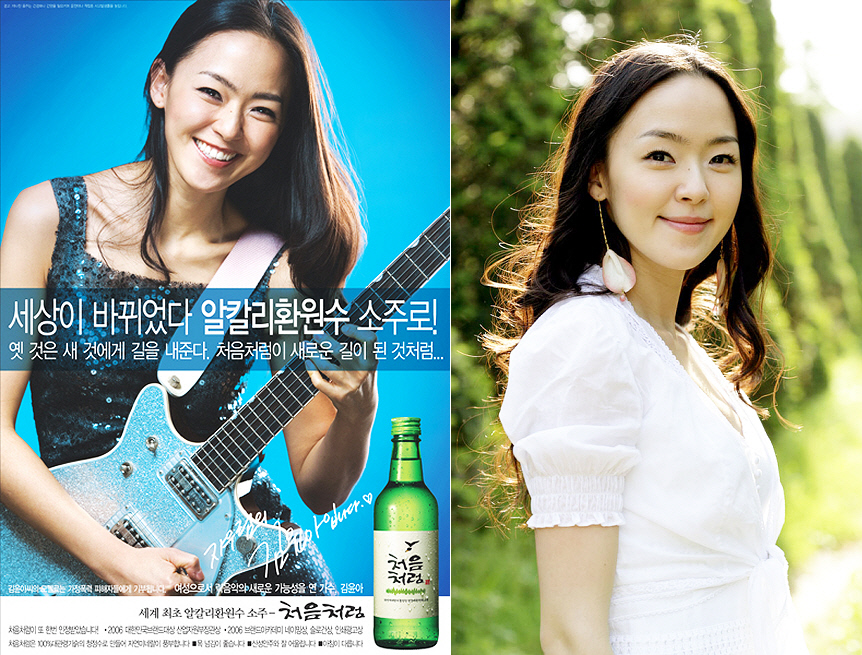
So again, it’s promoting and maintaining a pin-up grrrl image that is crucial. By which token we can also dismiss most soju girls too, even if they are indeed technically a kind of Korean pin-up. Because with very rare exceptions, such as Kim Yoon-ah’s (김윤아) example discussed here (the singer, not the skater), not only are soju ad formats usually extremely restrictive, but, for all their sexing-up in recent years, the models therein remain firmly ensconced within a virgin/vixen dichotomy, well illustrated by Jeong Ryeo-won (정려원) and Ha Ji-won (하지원) above (only three years apart btw; they changed really quickly!).
Which brings me back to Eun-hye’s pictures, which surprised me because I remember that she endorsed the Korean lingerie brand Vivian (비비안) back in 2008, yet somehow without actually wearing the lingerie at all (as you could see earlier in the post {source}; see here and here for the politics of Korean lingerie modelling behind that). So, I bought the magazine itself assuming that they would include an interview of her, in which, however lame, unreliable, and/or perfunctory, she explained her reasons for the sudden change. Not only was there no interview inside though, but to my chagrin (no, really) I soon discovered that actually she’s been talking her clothes off in public for years now (“have you seen this” indeed!). Which possibly explains why I can’t find any mention of why she did the photoshoot on the internet whatsoever, despite the ubiquity of “news” articles about it as mentioned (source, right).
So, the jury’s still out on Eun-hye at least (although I admit that I’ve yet to look for interviews about her earlier photoshoots), and I acknowledge that my relative lack of knowledge about Korean female celebrities means I may be unfairly and/or prematurely dismissing them, something I’m sure has also gone through many readers’ minds.
So, as you can see below, I’ve been trying to rectify this, looking for reliable interview sources of interviews of Korean singers. But this is harder than you may think, as Korea seems to lack any definitive music magazines. AstaTV, for instance, is literally just 105 pictures of mostly boy-bands for 11,800 won (US$10.44), a magazine format I’ve very surprised to still see around in 2011, while Junior is, well, very much for juniors. Alternatively, the very cheap – but thick – weekly Movieweek and Cine21 magazines are good sources for singers that have also acted, but naturally I’m frustrated not to find something much more music focused.
So, I would very much appreciate recommendations from readers, or if in future you could pass on any decent interviews and articles available on the internet (whether of men or women), in which they elaborate on the themes discussed in this post (I’ve included my translation of one I did find at the end of this post). Indeed, probably in just five minutes some of you will find something about Eun-hye’s Dazed and Confused photoshoot in that I couldn’t in two weeks.But even if so, you’d think that someone earnestly looking would surely have a much easier time of it?
And with that thought, I suddenly realized that I’ve been going about this all the wrong way, and in fact had been quite hypocritical. Because the onus is not on me to find pin-up grrrls by sifting through what, by this stage, looks like an increasingly homogenized, clone-like mass of female celebrities, but rather to highlight those ones who are already doing their darnedest to stand out themselves.
Yes, hereccentricities have put me off in the past too. No, I haven’t heard anything about her in at least a year either. But, just like that picture in that last link demonstrates (well, just about any picture of her really), you’d be hard-pressed to think of a well-known Korean woman quite so brazen (Update – Oops: actually she’s Korean-American, in which case Margaret Cho also instantly comes to mind. But she’s not quite so well-known in Korea itself).
If you personally have never heard of her though, then here is a quick biography of her below. Normally I’d be reluctant to copy and paste an entire article like this, but unfortunately there is increasingly less information about her available in English, and so this (originally from KBS somewhere) needs to be preserved before it’s lost when the long since defunct Pretty Korean Girls blog disappears (hey, beggars can’t be choosers!):
Since her performance of ‘Lost Dream’ in her underwear at the 2003 Venice Biennale, Nancy Lang was introduced to Korea, and she quickly appeared in magazines, on TV and on the Internet. Her showbiz philosophy that she would make money with art shouting “Cutie! Sexy! Kitty!” and “I Love Dollars” has raised controversy among art circles as well as the public.
Unconventional performance
Lang played the violin in the middle of a street wearing Victoria Secret lingerie and red high heels with kabuki style makeup. Her childhood dream was to become a violinist. And she realized the dream through art. Once, at the San Marco Piazza in Venice, she was held by the police for four hours, after which she became popular. Her performances thereafter continued to stand out. The New York born ethnic Korean is a US citizen. She only attended an international high school in Manila but her mannerisms and accent bear the hallmarks of a third generation Korean-American. Her Korean name is Park Hye-ryeong. But eyeing the world as her stage, she strategically changed her last name through help from a lawyer. “Lang” was the final choice among several names as it visually looked nice in typographic terms. Born into a well-to-do family, Lang however went through difficult times when her father died during her college years and her mother fell sick. At times, she couldn’t pay her tuition. But through the trials, she developed a clear sense of life and living.
The evolving Taboo Yogini
Multi-talented Lang’s unconventional character and provocative performances have grabbed the attention of the art, fashion and entertainment circles alike. In her trademark series ‘Taboo Yogini,’ characters such as a woman with a huge courtesan wig or a figure with a body of a robot and a head of a girl, rooster or dog appear. And invariably held in their hand is a powerful gun or a Louis Vuitton bag. In the backdrop is a car, a Chanel lipstick and other luxury brand logos. “Yogini” means an angel or a devil in the dictionary. Taboo Yogini, representing both good and bad, is a ceaselessly resurrecting spiritual being due to its persistent power and life energy. It is the symbol of Lang herself, her dreams, her wounds and her fight. The self-proclaimed ‘walking pop art’ doesn’t hide her love for brand name and elite goods. Last year at the Seoul Arts Center, the bikini clad Lang asked audience members to put oil on her body before going on to sing ‘Purple Scent’ to the tune of a karaoke machine. She pulled off another eccentric performance “Nancy Lang’s autograph session” during which she autographed her posterior as the inaugural artist of the Gwangju Biennale. The Taboo Yogini series is expected to evolve even more. In pursuit of breaking apart and assembling robots, Lang has only yet gathered the parts, and during the process she can let go of past regrets. Her work these days in fact show glimpses of her severing chains with the past and moving toward a fantastic future, portrayed by a wounded yogini and a guardian angel robot. If yogini was Peter Pan to Lang, the robot would be her Tinker Bell. It may be that she is inviting someone she can rely on in the future into her world filled with luxury goods.
Dreaming of Korea’s Takashi Murakami
Her work and lifestyle and her brutally candid and daring speech and actions invite criticism at times. But she doesn’t care. She confidently argues that, like a racehorse, she only runs toward a clear goal. She has firmly established herself as an artist reaching out to the public. Few others see art as showbiz as much as she does. But approaching show business with new ideas and works is a whole different realm. Her role model is Takashi Murakami, who successfully turned his character creations into art based on the animation, comics and games culture. Most of her works sell well and her name once topped the top online search word list. She knows what she wants, “I will become a world renowned artist who can influence the general public, and based on that foundation, I want to gain wealth and fame.” We wonder what she will show us next, as she brings along issues and controversies wherever she goes with her art.
Next, in the unlikely event that you’re not already convinced of her worthiness of the title of pin-up grrrl, then surely Psychedelic Kimchi’sinterview of her in 2006 will be sufficient, which I was very glad to still find five years after first reading it (and apologies for stealing that above image from it!). Especially as, unfortunately, that seems to be the sum total of the only substantive English sources remaining on her, although there is still her (pretty active) official Facebook page (albeit not accepting new Friend requests, or at least not mine; sniff), her (less active) Twitter account, and finally her personal website (but curiously blocked because of phishing attempts the day after I first found it!). And of course I would again be very grateful if readers could pass on anything else, as I would for any suggestions of any other candidates for Korean pin-up grrrls.
But one final thing before I do thank you though, is to draw attention to the origins of the term “grrrl” itself, lest people more familiar with it than I feel that I’m using it too liberally. In short, it comes from the Riot Grrrl underground Feminist Punk movement in the Pacific Northwest in the early-1990s, about which the New York Times wrote the following on the twentieth anniversary of its founding earlier this year:
Ms. Marcus, the author of “Girls to the Front,” agreed that it was part of a 20-year nostalgia cycle. But she added that “people are flocking to these reminiscences because there remains a tremendous hunger” for the kind of liberated, don’t give-a-damn femaleness “that was in full flower in the ’90s,” with nothing quite as potent since.
The fashion pendulum may have inevitably swung back to the ’90s, but riot grrrl, with its snarky cut-and-paste zines and carefully built micro-communities, prefigures a lot of youth culture today: targeted communication and social networking (although they did it with letters and flyers, not e-mails and Facebook messages); the lure of the handmade and the local — the craft marketplace Etsy could have been born in a riot grrrl meeting; and an attitude, evident in blogs like Jezebel and the Hairpin, that feminism can be fun.
And in particular, the original Riot Grrrl Manifesto included the following, in what was I’m sure a deliberate choice of double entendre:
BECAUSE we must take over the means of production in order to create our own moanings.
Why this is important is because of how in her book proper, Maria Buzek contrasts Andre Dworkin’s Beauty Hurts (1974; see it here) and Annie Sprinkle’s Anatomy of a Pin-up Photo (1991) above, then in her conclusion (pages 362-3) discusses Ann Magnuson’s Revenge of the Vargas Girl (1992) below, about which she says:
In “Revenge”, the artist poses in the guise of an elegant World War 2 Varga Girl but turns the artist’s airbrush gun – the medium through which Vargas created his fantasy women – back onto the world. Magnuson has associated her appropriation of the pin-up with the same bait-and-switch subversion as the riot grrrl movement, saying: “Women’s sexuality has been shunned; there’s no shame attached to being sexual. But then, why should frat boys be the only ones who get to appreciate a curvy figure? When the pin-up is allowed to speak (and has something to say), it changes the landscape”. But Mangnuson’s assertion that the tools of the pin-up’s male creator, in the hands of its dangerous spawn, can be easily turned against its creator’s or viewer’s potentially oppressive motives also serves as a metaphor for all of the Feminist pin-up imagery we’ve seen here. In this way, the pin-up’s ultimate “revenge” lies in the fact that, although it may have been created as a tantalizing but unreal object for the delectation of heterosexual men, the pin-up would also find ways to reject this role to reflect and encourage the erotic self-awareness and self-expression of real women.
I’ll leave it up to the reader to determine how and where Nancy Lang fits into that. Or, indeed, how Korean women who wear extremely revealing clothes on the red carpet do, as discussed in the following article from the Sports Chosun, found via Charles Tilly at the Marmot’s Hole. Normally, I’d reject such a tabloidish and vacuous source, but then you recall the difficulty of finding more “serious” sources, and besides which I’ve often pointed out how tabloidish even the mainstream Korean media is. Indeed, considering that such pictures are the newspaper’s unofficial focus, then it might actually be the best source on them(!), and to my surprise its choice of accompanying pictures is not only quite conservative (as Tilly also points out; in particular, it makes no mention of Kim So-yeon’s [김소연] notorious dress below, worn at the opening of the 2007 Busan International Film Festival), but to its credit it also extols the virtues of confident “older” women, usually at best considered completely asexual by most of the Korean media:
[WHY] 여배우들의 레드카펫 과다 노출, 왜 끊이지 않나 / Why is there no end to actresses’ excessive exposure on the red carpet?
김표향 기자 suzak@sportschosun.com / Reporter: Kim Pyo-hyang
이처럼 수위가 높은 ‘파격 노출’은 지금껏 없었다. 뜨거운 ‘노출 논란’의 주인공은 바로 신인배우 오인혜. 6일 부산국제영화제 개막식 레드카펫에 그녀가 등장하자 사람들은 충격으로 벌어진 입을 다물지 못했다. 겨우 가슴의 일부만을 아슬아슬하게 가렸을 뿐, 상반신의 대부분은 훤하게 드러냈다. 곧바로 그녀의 이름 앞에는 ‘노출 종결자’ ‘노출 폭격’이라는 단어가 붙었고, 인터넷과 SNS는 관련 내용으로 도배됐다. 전세계인의 애도 물결 속에 하루종일 검색어 1위였던 스티브 잡스도 이번만큼은 자리를 내줄 수밖에 없었다.
Never has there been exposure like this. In this “exposure controversy”, the leading figure is new actress Oh In-hye. As soon as she stepped out on to the red carpet at the opening ceremony of the Busan International Film Festival (BIFF) on the 6th, everyone was so shocked they couldn’t close their mouths. With a dress that only barely covered just part of her breasts, she was displaying almost her entire upper body. Immediately, prefixes like “Exposure Terminator [Killer/Best]” and “Exposure Bombshell” were attached to her name, and social network services inundated with them. While all day previously the world was in a wave of grief over Steve Job’s death, [in Korea at least?] his position as the most searched item couldn’t help but be replaced by Oh In-hye.
Image caption left – 제16회 부산국제영화제 개막식이 6일 부산 영화의전당에서 열렸다. 개막식에 앞서 거행된 레드카펫 행사에서 배우 오인혜가 등장하고 있다. 최문영 기자 deer@sportschosun.com / The opening ceremony of the 16th BIFF on the 6th at the [new] Busan Cinema Center. Actress Oh In-hye arriving at the red carpet event prior to the ceremony. Photographer: Choi Mun-yeong.
Image caption right – 조선명탐정: 각시투구꽃의 비밀’ 제작발표회에 나선 한지민. 스포츠조선DB / Han Ji-min at the Chosun Dynasty: Detective K production announcement (SportsChosunDB)
(Sources: unknown)
Image caption left – 백상예술대상 시상식을 찾은 민효린 (스포츠조선DB) / Min Hyo-rin at the Paeksang Arts Award Ceremony (SportsChosunDB)
Image caption right – 지난 해 열린 골든디스크 시상식을 찾은 남규리 (스포츠조선DB) / Nam Gyu-ri at the GoldenDisks Award Ceremony last year (SportsChosunDB)
여배우들의 파격 노출, 끊이지 않는 이유는? / What is the reason actresses keep exposing themselves so?
오인혜가 부산의 레드카펫을 휩쓸고 간 후, 개막식 자리에 참석했던 한 중견감독은 이런 말을 했다. “무명일수록 노출이 심하더라.” 여배우들이 레드카펫 노출을 선택하는 이유가 이 말 속에 들어 있다. 화제와 논란을 일으키며 사람들 입에 오르내리는 것. 그러면서 자연스럽게 인지도가 올라가기를 기대하는 것이다. 무명에 가까웠던 오인혜도 강렬한 첫 등장과 함께 사람들 머리에 그녀의 이름을 깊숙이 새겼다. 신인들에게 레드카펫 노출은 자신을 PR하는 가장 효과적인 전략인 셈이다.
After Oh In-hye overwhelmed the red carpet in Busan, an important producer attending the opening ceremony said the following: “The less famous, the more extreme the exposure”. Herein lies the reason so many actresses choose to wear such revealing costumes on the red carpet. As the controversy surrounding them grows, the more they will be on everyone’s lips. At the same time, you can naturally expect them to get a lot of name recognition. [Indeed] Oh In-hye was a virtual unknown, but with her intense first entrance has carved a deep impression on people’s minds. To new actresses, exposing themselves on the red carpet is definitely the most effective PR strategy.
반면에 신인이 아닌 배우들은 이미지 변신과 연기 활동을 위해 과감한 노출을 선택한다. 한지민과 민효린, 남규리는 공식석상에서 선보인 섹시한 드레스로 ‘첫사랑 소녀’ 같은 이미지에서 벗어날 수 있었다. ‘반전 몸매’ ‘베이글녀’라는 수식어와 함께 여성스럽고 고혹적인 매력이 보태졌고, 남성들은 물론 여성들에게도 호감도가 상승했다. 작품 선택의 폭이 넓어졌음은 물론이다.
On the other hand, for established actresses a bold, revealing dress statement can be used to change an image or [assist in some new] acting activity [like a comeback?]. By wearing sexy dresses, Han Ji-min, Min Hyo-rin, and Lam Gyu-ri could get rid of their “First Love” images. Now with the words “electrifying body” or “bagel girl” [James – I disagree: that latter is invariably a term applied by the media rather than deliberately sought, and indeed many women labelled with it actually reject it] they have a charming, feminine attractiveness added to their names, of course increasing their popularity among men and widening the acting roles available to them.
Image caption left – 2008년 청룡영화상 시상식의 김혜수 (스포츠조선DB) / Kim Hye-su at the 2008 Blue Dragon Awards (SportsChosunDB)
Image caption middle – 제16회 부산국제영화제 개막식이 6일 부산 영화의전당에서 열렸다. 개막식에 앞서 거행된 레드카펫 행사에서 배우 송선미가 등장하고 있다. 최문영 기자 deer@sportschosun.com / The opening ceremony of the 16th BIFF on the 6th at the [new] Busan Cinema Center. Actress Song Sun-mi arriving at the red carpet event prior to the ceremony. Photographer: Choi Mun-yeong
Image caption right – 2007년 대종상 시상식에 참석한 김수미 (스포츠조선DB) / Kim Su-mi at the 2007 Daejeong Film Awards (SportsChosunDB)
노출의 고수들은 뭐가 다른가? / What makes the experts different?
레 드카펫을 노리는 여배우들의 ‘워너비’는 단연 김혜수다. 관록과 여유, 고급스러움이 느껴지는 김혜수의 레드카펫 드레스는 여배우들에게 교과서나 다름 없다. ‘김혜수’ 하면 자연스럽게 파격적인 드레스가 떠오를 만큼 노출에 능하지만, 과감한 드레스를 입고 움츠러들거나 옷을 추스리느라 바쁜 여느 여배우들과 달리, 김혜수는 고개 숙여 인사할 때도 좀처럼 손으로 가슴을 가리지 않는다. 그 당당함과 자신감이 김혜수를 지난 10년간 ‘레드카펫의 여왕’으로 만들었다. 매번 베스트드레서로 뽑혀도 드레스 자체보다 김혜수가 더 빛나는 이유이기도 하다.
Of course, the model for red-carpet actresses is Kim Hye-su. She [not only] gives off an aura of dignity, composure, and refinement, [but in] the case of red-carpet outfits, is like a textbook for other actresses. She is very skilled in making her name synonymous with daring fashion statements, [for instance] unlike other actresses wearing revealing clothes, not only not shrugging, laughing, adjusting, and/or rearranging her clothes when she has to lean forward to greet someone [in order to not expose themselves further], but not even covering her chest up with her hand [James – as is the Korean custom]. [Indeed], it is not so much her outfits that have made her the “Red Carpet Queen” for the last 10 years, or why her dresses have been selected as the best at the award shows so many times, but rather it’s the way that she wears them.
올 해 부산국제영화제를 찾은 송선미도 지적인 이미지에 맞는 ‘지능적인’ 노출로 눈길을 끌었다. 가슴 부위가 세로로 깊게 파인 블랙 홀터넥 드레스로 우아함을 잃지 않으면서도 파격 노출에 성공했다. 세련된 포즈와 여유로운 표정도 단연 압도적이었다.
This year at the Busan International Film Festival, Song Sun-mi gave off an eye-catching “intellectual exposure” that suited her intellectual image. Over her breasts was a deep vertical cut in her black halterneck dress, which successfully showed off her body without detracting from her elegance. Of course, the combination of her sophisticated pose and composed expression was overwhelming.
중견배우 김수미도 공식석상에서 노출을 즐겨온 대표적인 여배우다. 김수미는 글래머러 스한 몸매를 강조한 과감한 드레스를 종종 선보였다. 그리고 근래에는 드라마에서 호피무늬 비키니까지 소화했다. 올해 제천국제음악영화제를 찾은 김부선도 상반신과 하반신이 분리된 독특한 드레스로 화제의 중심에 올랐다. 다소 난해한 컨셉트였지만, 사람들을 의식하지 않고 축제의 열기와 팬들의 환호를 마음껏 즐기는 그녀의 모습은 당당하고 아름다웠다. 나이를 무색하게 만드는 두 사람의 노출은 여배우의 자존심이 무엇인지를 몸으로 증명했다.
Kim Su-mi is a middle-aged actress who also enjoys showing off her glamorous [James – busty] body, often wearing daring dresses that emphasize it. In a recent drama for instance, she even wore a tigerskin pattern bikini, and what’s more it fitted her well too.
Also, at this year’s Jecheon International Film and Music Festival , Kim Bu-seon wore a unique dress that separated her upper and lower body into two halves, and which was on everyone’s lips. While its concept was a little difficult to understand, she was unconcerned, and was beautiful and confident reveling in fans’ passion and cheering for her [James – see above; source].
Both actresses showing of their bodies like this is testament to the fact that age is just a number!
(Source. Call me indulgent, but that dress really does have to be seen to be believed!)
때론 노출이 발목을 잡기도 / But sometimes exposure backfires
‘노출’에는 반드시 치밀한 전략과 계산이 필요하다. 자칫 무리수를 둘 경우, 배우 생활에 치명타를 입을 수도 있기 때문이다. 오인혜가 등장하기 전까지 파격 노출의 대명사처럼 인식됐던 한 배우는 그 덕분에 인지도는 올라갔지만 작품 활동에 있어서 보이지 않는 제약이 생겼다. 매번 비슷한 역할만 제안이 들어오고, 노출에 가려져 상대적으로 연기력까지 저평가 받고 있다. 털털하고 액티브한 이미지로 호감도가 높았던 한 배우 또한 레드카펫에서 선보인 파격 드레스가 화제가 되면서 오히려 원래의 건강한 이미지를 잃어버리고 말았다.
“Exposure” requires elaborate strategy and calculation. Even if it just barely excessive, it can permanently affect an actress’s career. Before Oh In-hye appeared on the red carpet for instance, there was one actress who became well-known for her own exposure but found the roles available to her severely restricted from then on – indeed, not only was she offered the same kind of ones again and again, but her exposure detracted from people’s evaluation of her acting ability in them. And in another case, an actress was well-liked for her free and easy and active image, but she lost her original healthy image when she wore a revealing dress on the red carpet.
James – I’m surprised the author doesn’t mention who, as she is so ready to directly comment on everyone else (albeit positively). Also, I’m afraid I don’t know what “healthy” means in this context either!
신 인일 경우, 이같은 노출은 더욱 조심해야 한다. 이미지가 생명과도 같은 연예계에서 ‘노출 전문’이라는 꼬리표가 평생 따라다닐 수도 있기 때문이다. 한 영화 관계자는 “레드카펫은 여배우들을 위한 것이라 해도 과언이 아닐 만큼, 여배우의 아름다움과 숨겨진 매력을 최고치로 보여줄 수 있는 자리다. 그만큼 사람들의 시선도 더 강하게 끌어당기고 이미지를 선명하게 새길 수 있다. 하지만 그것 때문에 오히려 역효과가 날 수도 있다”며 “노출로 논란을 일으킨 배우의 경우, 그 이미지가 워낙 강해서 전혀 새로운 역할에 캐스팅하기는 현실적으로 쉽지 않다”고 조언했다.
Meanwhile, new actresses have to be much more careful about this type of exposure, as they may be labelled an “exposure expert” and be unable to shake it off later, which would be disastrous in an industry where image is everything. Like someone in says, ” the red carpet is mainly for female actresses, and it is the best chance for them to show off their beauty and hidden charm. It’s also a good chance to get people’s attention, and to emphasize their image. However, that can have side effects. If an actress arouses too much controversy because of her exposure, then the reality is that she will be typecast in that corresponding role from then on”. (end)
A possible starting point for discussion: is Lee Hyori (이효리) also a pin-up grrrl, whom I’m sure many of you expected me to mention instead of Nancy Lang? That is, if any of you still have the energy to talk by this stage!^^
Update 1: Or how about the Brown Eyed Girls (브라운아이드걸스) instead? While I was pretty disappointed with them for endorsing “Juvis Diet” back in 2009 (see here and here for why), this recent post on them by Dana in Soko has definitely persuaded me to reconsider.
Update 2: The link to Dana in Soko has been fixed. Sorry!
Update 3: It’s not really worth translating, but for what it’s worth, Oh In-hye doesn’t regret her choice of dress! (Via: The Marmot’s Hole).
See here for the details. Alas, it’s not being given by me, but by Dr. Stephen Epstein, my far more capable and entertaining co-author (of this book chapter of the same name).
Unfortunately, work commitments mean I’ll be unable to attend personally. But if you’re in Seoul and free on Tuesday night yourself, then make sure you do!
Update: See here for a follow-up post at Gusts of Popular Feeling.
For readers’ sakes, wisely I’ve tended to avoid discussing my tastes in women’s body types on this blog. And don’t worry: I’m not going to start now.
But probably I’m deluding myself in thinking that they’re not already obvious from the images I use. Also, surely my occasional posts about hourglass figures are a dead giveaway. After all, why else would I argue that they’re universally-attractive, if not to feel smug about my own preferences?
Seriously though, while I do think there is solid evidence for that universal attraction, I’m always open to debating it, and would be the first to admit that such evidence is often misrepresented in the media. In turn, when it lacks any caveats and qualifications, at the very least it doesn’t challenge the public’s preexisting beliefs about body types. Say, those held by people in the fashion and clothing industries particularly, whose usual fashion advice for women with different body types is:
…”almost always aimed at getting women’s bodies, whatever shape they might be, to conform with the [ideal (skinny) hourglass figure]. The advice video below, sent in by Tara C. and aimed at women with “pear-shaped” bodies, does exactly this:
See Sociological Images for excerpts and commentary. And indeed, one additional way in which women are subtly(?) reminded that the hourglass figure is an ideal to be conformed to, is by altering the shape of the bottles of drinks aimed at them:
You’d think I would have noticed years ago, but then I’m afraid I don’t buy them. As for not noticing it in their advertisements however, I confess that possibly I was simply too fixated on the accompanying models’ navels to ever pay attention.
Apologies if that makes me sound crass. But unlike with Shin-se kyung (신세경) above, for some reason it genuinely took the less exposed example of f(x)’s Victoria (빅토리아) below for me to see the hourglass packaging for the first time:
Yet once I did, then suddenly I realized that you saw it on a lot of drinks aimed at women, whether explicitly “diet” ones or otherwise. In addition to the “G2” and the grape juice for instance, to the right of Victoria there’s the “Black Bean Thera Tea” endorsed by Lee Hyori (이효리) in the opening image (discussed in detail here). Then below those: “Matcho”, “I’m Bori”, and finally “Today’s Tea”, discussed way back in Korean Sociological Image #2.
And I could certainly go on. But on the other hand, I don’t want to exaggerate the extent of the trend either.
For starters, by no means are all or even most drinks aimed at women hourglass-shaped, and indeed in this image of the drinks section of what looks like a small supermarket, actually only those aimed at children have anything that even remotely resembles an hourglass shape. Also, there is possibly just as strong or even stronger a trend to make women’s drink bottles skinny rather than any specific shape, as explained here. Finally, making bottles more masculine-shaped may make them quite impractical to hold,* whereas hourglass shapes lend themselves to it.
Given the context of how deeply gendered drink marketing is though, then I’m not entirely convinced that practical considerations provide sufficient explanation for the gender imbalance in those drinks that do have “body shaped” bottles. It seems entirely possible, for instance, to add the contours of a six-pack to drink bottles aimed at men. Yet even in the unlikely event that readers have actually come across that(?), or something like it, it would still be the exception that proves the rule.
But whatever the reasons, and whether it’s a skinny or hourglass bottle (or, indeed, a skinny hourglass bottle!), it’s definitely yet another way in which advertisers try to subtly influence our body type ideals.
Something to bear in mind next time you find yourself in the drinks section!
*It’s only tangentially related, but you may find it interesting. Back when I was doing freshman calculus (yes, I was an astronomy major before I switched to East Asian Studies), once we looked at the the problem of what shape of Coke can would use the least amount of aluminum for the greatest volume of Coke contained, which – if I remember correctly – turned out to be a can the same diameter as its height. As the lecturer explained though, cans the shape of toilet rolls don’t exactly look cool, let alone fit in the hand well!
Update: Gotta love this alternative design by Chinese designer Le Jin!
It was just in 2008, for instance, that singer Ivy (아이비) was vilified in the media for the heinous crime of having sex with her boyfriend, so by those standards the Ministry’s comments were not particularly outlandish. And while Ivy did eventually rehabilitate her reputation, unfortunately Korean society is still far from accepting women being so sexually “open and impulsive”, let alone so blatantly so as to have a child out of wedlock.
Whatever the date though, when even the organization charged with helping unwed mothers once stigmatized them, then you can imagine how badly they fare in society today.
Despite that, abortion opponents seem to have quite a sanguine image of what it’s like to raise a child as a single mother. Which is what prompted this anonymous Korean woman, who kindly recently wrote on TGN about how and why she got an abortion, to post a link to thisimomNews article outlining how the reality is anything but. With thanks to Marilyn for translating it, here it is in full:
(Update – To my shock and disappointment, the Ministry’s appalling definition was actually on its website until as recently as May 2010)
‘동성애자’ 다음으로 차별 받는 집단 ‘미혼모 / Unwed Mothers Most Discriminated Group after Homosexuals
인식 개선 선행…정부지원 확대 /[With] improvement in perception as precedent. . . expansion of government aid
Image Caption: 최근 정치권을 중심으로 ‘미혼모’ 지원방안이 활발히 이루어지고 있다. 지난 3일 서울 여의도 국회에서는 ‘미혼모 지원정책 개선방안’ 포럼이 개최됐다 /Currently, political methods for supporting unwed mothers are actively becoming reality. On Aug. 3, at the National Assembly in Yeouido, Seoul, an “Unwed Mothers Support Measures Improvement” forum was held.
‘학력이 대체로 낮고, 불안정한 직업에 종사한다. 자취나 하숙을 하고, 성에 대한 가치관이 개방적이고 충동적이다. 사회경제적 상태가 낮고 부모와 떨어져 사는 사람’이라고 과거 보건복지부가 운영하는 웹사이트 건강길라잡이는 미혼모에 대한 정의를 이렇게 내렸다.
“Usually low levels of education, with an unstable job. Lives by herself or in a boarding house, has open and impulsive sexual values. A person whose socioeconomic situation is low, and who lives apart from her parents,” is how a website health guide operated by the past Ministry of Health and Welfare defined unwed mothers.
이처럼 사회의 부정적인 시선 탓에 미혼모에 대한 관심과 지원은 일부 사회복지시설을 제외하곤 전무후무한 것이 사실이었다.
Because of society’s negative views like these, it was true that, as for interest in and support for unwed mothers, a few social welfare facilities were the first and seemed like they would be the last.
특히, 1990년대 이후 정부와 시민단체 등의 노력으로 조손가정, 다문화 가정, 한부모 가정 등은 상당부분 인식개선이 이루어 졌으나 미혼모 가족만은 사회의 편견 속에 여전히 ‘눈총’의 대상이 되고 있다.
In particular, through the efforts of the government and civic organizations since the 1990s, perception of grandparent-grandchild families, multicultural families, and single-parent families has improved; among society’s prejudices, only unwed-mother families continue to be the target of stares.
때문에 형편이 좋지 않아 자립이 힘든 미혼모들은 자연히 입양을 생각하거나 권유받게 되고, 우리사회도 ‘낳아 기르는 쪽’ 보다는 입양을 암묵적으로 유도했다.
Because of that, unwed mothers, whose circumstances are not good and so have difficulty supporting themselves, think of adoption of their own accord or are induced to adopt, and our society also implicitly supports the “have and raise side” less than it does adoption.
사정이 이렇다 보니 지난해 우리나라의 해외입양아는 미혼모의 자녀가 90%를 차지한 것으로 나타났다. 그러나 최근 이들에 대한 지원방안이 정치권과 시민단체, 기업 등을 중심으로 활발하게 논의되면서 미혼모 가족에 대한 관심이 일고 있다.
Because of this situation, last year it emerged that 90% of internationally adopted children from our country were the children of unwed mothers. However, as ways to support them are currently being actively discussed in political circles, civic organizations, and businesses, interest in unwed-mother families is rising.
Image Caption: 던킨도너츠는 미혼모 정소향(21세) 씨를 정규사원으로 채용하면서 미혼모 채용에 적극 나서기로 했다 /By hiring unwed mother Jeong So-Hyang (21) as a permanent employee, Dunkin Donuts is actively taking a stand for the hiring of unwed mothers.
미혼모 인식 개선이 우선 / Improvement of perception of unwed mothers the priority
미혼모에게 가장 필요한 부분은 부정적인 사회의 시선이 관심과 보호의 시선으로 바뀌어야 하는 것이라고 전문가들은 지적했다.
Experts indicate that the most important thing unwed mothers must do is change negative societal views into feelings of interest and protection.
실제 지난 2009년 한국미혼모지원네트워크와 한국여성정책연구원이 실시한 ‘미혼모ㆍ부에 대한 한국인의 태도와 인식’ 설문조사에 따르면 미혼모는 동성애자 다음으로 가장 많은 차별을 경험한 집단으로 조사됐다.
In fact, according to the survey “Koreans’ attitudes toward and perception of unwed mothers and fathers,” carried out in 2009 by the Korean Unwed Mothers Support Network and the Korean Women’s Development Institute, unwed mothers were found to be the group that experienced the most prejudice, after homosexuals.
또한 설문에 참가한 2,000명 중 60% 이상이 미혼모에 대해 ‘판단력과 책임감이 부족한 사람’이라고 답변했다.
Also, of the 2,000 people who participated in the survey, over 60% answered that unwed mothers “are people who lack judgment and a sense of responsibility.”
김혜영 한국여성정책연구원 연구위원은 “미혼모의 경우 일종의 일탈자로 낙인 받고 있다”며 “미혼 부모에 대한 과감한 지원정책이 필요하다”고 지적했다.
Kim Hye-young, a senior researcher at the Korean Women’s Development Institute, said, “An unwed mother is branded as a kind of deviant. We need bold support policies for unwed parents.”
이영호 서울시 한부모가족지원센터장도 “우리사회는 다양한 가족이 있고 모든 가족은 행복할 권리가 있다”면서 “그러나 우리 사회에서 미혼모가 아기를 키우면서 자랑스럽게 또는 당당하게 양육의 경험을 공유하고 그 안에서 성장할 수 있을까란 의문이 들때가 많다”고 아쉬움을 드러냈다.
Lee Young-ho, head of the Seoul City Single Parent Family Support Center, also showed frustration: “There are diverse families in our society, and all families have a right to be happy. However, there are many times when I question whether unwed mothers, while raising their children, can proudly or confidently share their child-rearing experiences and develop in that [kind of environment], in our society.”
이에 최근 여성단체와 미혼모 보호 시설은 미혼모 인신 개선 사업을 적 극 펼치고 있다.
Accordingly, women’s organizations and unwed-mother shelters are currently actively engaging in a project to improve the perception of unwed mothers.
지난달 28일 서울시한부모가족지원센터와 20여 곳의 미혼모관련 단체들은 ‘미혼모지원단체협의체’를 발족하고 미혼모 인식 개선을 위한 다양한 논의를 시작했다.
On July 28, the Seoul City Single Parent Family Support Center and about twenty organizations for unwed mothers started the ‘Unwed Mother Support Organization Council” and began a variety of discussions designed to improve the perception of unwed mothers.
그 첫 번째 사업으로 사람들에게 부정적 이미지가 강했던 ‘미혼모’를 공모를 통해 ‘두리모’로 대체하기로 했다. 두리모란 ‘둥근’이라는 뜻과 둘이라는 숫자를 의미하는 방언 ‘둘레’가 조합된 것이다.
For their first project, they agreed through a public contest to replace “unwed mother”, which had a strong negative image, with “doo-ree mother.” “Doo-ree mother” combines the meaning “round” [doong-geun] with the regional dialect word dool-leh, which means “two people.”
정치권ㆍ기업, 미혼모 자립위해 노력 / Efforts by political groups, business for unwed mothers’ independence [ability to support themselves]
정치권에선 ‘미혼모 자립’을 위해 관련법을 정비하고, 토론회를 통해 다양한 의견을 청취하고 있다. 기업들도 미혼모를 우선 채용하는 등 이들의 자립을 위해 힘을 쏟고 있다.
Political groups are modifying laws in order for ‘independence for unwed mothers,’ and through panels, they are listening to diverse opinions. Through actions like prioritizing hiring unwed mothers, businesses are also devoting themselves to the cause of their independence.
특히 민주당 최영희 의원(국회 여성가족위원회)은 미혼모에 대한 지원을 확대하는 내용을 담은 ‘입양촉진 및 절차에 관한 특례법 전부개정안’ 등 관련법을 최근 국회에 제출하는 등 법 만들기에 앞장서고 있다.
Democratic Party Assemblywoman Choi Young-hee (National Assembly Gender Equality and Family Committee), in particular, is leading the way in making laws, some of which are currently submitted to the National Assembly, like “Overall Revision Bill for the Special Act Relating to Promotion and Procedure of Adoption,” the contents of which expand support for unwed mothers.
또한 지난 3일에는 한국미혼모가족협회·한국여성정책연구원와 공동주최로 ‘미혼모 지원정책 개선방안’ 포럼을 개최했다.
Also, on June 3, the Korean Unwed Mother Families Association and the Korean Womens Development Institute co-hosted the “Unwed Mothers Support-Policy Improvement Measures” forum.
이날 최 의원은 “해외입양의 90%가 미혼모의 자녀라는 점은 우리 사회의 아픈 현실을 반영하는 것”이라며 “직접 양육하기를 원하는 미혼모가 늘어나고 있는 만큼 양육비 지원을 현실화 하고 지역사회에서 안정적인 생활을 할 수 있도록 정부의 적극적인 지원이 시급하다”고 지적했다.
On that day, Assemblywoman Choi said, “That 90% of international adoption is the children of unwed mothers reflects our society’s painful reality. As the number of unwed mothers who want to raise their children themselves rises, the government’s active support is urgently needed to actualize aid for child-raising expenses for a stable life in a community.”
한편 이날 포럼에서 김혜영 한국여성정책연구원 박사는 ‘양육미혼모의 자립기반실태와 지원방안’에 대한 연구결과를 발표했다.
Also at this forum, Dr. Kim Hye-young, researcher at the Korean Women’s Development Institute, revealed the results of a study on the “Current State of Groundwork for Independence of and Ways to Support Unwed Mothers Raising Children.”
김 연구원은 “60%가 넘는 미혼모가 양육비와 교육비의 문제로 어려움을 겪고 있고, 80%이상은 월세와 같은 불안정적인 주거생활을 하는 것으로 나타났다”면서 “안정적인 자립기반 구축을 위해 미혼모 가족에 대한 조기 개입의 필요성과 함께 지원의 폭을 보다 확대할 필요가 있다”고 주장했다.
Dr. Kim said, “It showed that over 60% of unwed mothers are struggling because of the costs of child-rearing and education, and more than 80% live in unstable housing situations like [those requiring] monthly rent. In order to build stable foundations for independence, early intervention for unwed-mother families, together with an expansion of the range of support, is necessary.” (Source, right)
또 목경화 한국미혼모가족협회 대표도 “우리나라의 미혼모정책은 시설에만 초점이 맞춰져 있어 시설에서 벗어나 자립을 하려는 미혼모들은 빈곤 상황을 쉽게 개선하지 못하는 실정이다”고 지적했다.
Furthermore, Mok Gyeong-hwa, a representative from the Korean Unwed Mothers and Families Association, pointed out, “Policies regarding unwed mothers in our country only focus on facilities, so unwed mothers who want to break free from facilities and live independently can’t easily improve their state of poverty.”
최 의원은 이날 논의된 내용을 바탕으로 ‘한부모가족지원법 개정안’과 ‘국민기초생활보장법 개정안’을 제출할 예정이다.
Assemblywoman Choi will present the “Single-Parent Family Support Law Amendment” and “National Basic Living Security Law Amendment” based on the discussions of that day.
기업들도 미혼모 자립을 위해 적극적으로 나서고 있다. 던킨도너츠와 배스킨라빈스를 운영하는 비알코리아는 미혼모 시설인 사회복지법인 동방사회복지회와 함께 미혼모 고용지원 협약을 체결하고, 던킨도너츠 매장에서 파트타임으로 근무하던 미혼모 정소향(21세) 씨를 정식 사원을 채용했다
Businesses are also actively taking a stand for the independence of unwed mothers. BR Korea, which operates Dunkin Donuts and Baskin Robbins, together with the Eastern Social Welfare Society, a welfare corporation that is an unwed mother [support] facility, signed the Unwed Mothers Employment Support Agreement and recruited unwed mother Jeong So-hyang (21), who had been a part-time employee at a Dunkin Donuts shop, as a permanent employee.
1) Oh! Boy (오! 보이) Audition Reality Show Premieres
Does anybody else have misgivings about such a show being explicitly aimed at teens? And that its first two episodes featured high school students? After all, despite the feminine name, the “Lolita Effect” can certainly apply to boys too. Recall my summary of it from last December:
[The Lolita Effect] is the natural consequence of various industries’ (fashion, cosmetics, cosmetic surgery, diet-related, food, and so on) need to build, expand, and maintain markets for their products, which obviously they would do best by – with their symbiotic relationship with the media through advertising – creating the impression that one’s appearance and/or ability to perform for the male gaze is the most important criteria that one should be judged on. And the younger that girls learn that lesson and consume their products, the better.
Just replace “male gaze” with, say, “opposite sex’s gaze”, then I think Oh! Boy serves as a great example of “the younger that boys learn that lesson”.
2) Sexism in the Korean Literary Establishment?
Granted, it was published back in 1996, and Korean Modern Literature in Translation’scharge comes with many qualifications. But still: it’s just remarkable that less than 1 in 1o of the writers in Who’s Who in Korean Literature were women.
3) Pognae Baby Carriers Rock!
As Geek in Heels explains:
Baby carriers are big in Asia. This is especially the case in urban areas where there is limited space and the majority of the population choose to take public transportation rather than drive.
And where there is demand, there is supply. A great variety of quality supply, I might add.
The Pognae is one such baby carrier. Made in, and popularized in Korea, the Pognae is currently one of the most popular soft structured baby carriers in Asia and Europe.
Read the rest there. If pognae are not to your liking though, then consider modernized Korean podaegi (포대기) instead, discussed in the second half of this post.
Semi-related, see here and here for two Korea Herald articles on what single Korean men and women want from dating these days.
5) Everything You Ever Wanted to Know about Becoming a Stewardess in Korea
It’s easy to criticize an industry that – in Korea at least – so needlessly stresses age and appearance, and to consider the young women that aspire to it as hopelessly vain and naive. However, despite these stereotypes, not only do the limited options available to Korean women (see #6 below) arguably make stewardessing a rational, adventurous, and even quite rebellious career choice, but Korean airlines even require university degrees from applicants too (and some cabin crew actually have Ph.Ds!).
See the Korea Heraldhere for more information. Guaranteed, you’ll be much more sympathetic to Korean stewardesses (and hopefuls) after reading it!
6) Should Korean Firms Have Quotas for Women?
Full disclosure: I’ve been a firm advocate of these ever since I wrote an undergraduate essay on the subject back in *cough* 1996. But still, I do think Shin Dong-youb, management professor at Yonsei School of Business, makes a good case for them here. Certainly his opponent Kim Joon-gi, a professor at Yonsei Law School, lacks all credibility when he fails to mention how alleged gains in female employment through “informal government prodding” of companies, for instance, would prevent the same government encouraging the mass-firing of women again when it felt it was expedient, like it did in 1997 and 2008.
Having said that, one point Shin makes is that women are necessary to bring “feminine values”, such as “openness, diversity, sensitivity, emotional intelligence, nurturing, cooperation, horizontal community spirit, and innovation advantage” to the creative 21st Century economy. Not only do I find that notion repetitive and tiresome, but I’d question whether those are particularly “feminine” values at all, and would argue that the gender stereotypes they are based on not just flawed but actually positively unhelpful in getting women into the workplace. In particular, however modern-sounding, his argument sounds suspiciously like the logic that was used to justify giving women the vote in New Zealand in 1893(!), which, while successful (and the first in the world at that), was actually very much a backward step for New Zealand women, ossifying the Feminist movement there for at least the next 4 decades.
7) “The more feminine you look, the more children you want. Wait, what?”
Not strictly about Korea sorry, but long-term readers will recognize the above image from my post “Sex and the Red-Blooded Woman“, about how the redder a women’s cheeks, the sexier. Which is still quite a valid conclusion from the study discussed there, but for this post at I09 though, instead the image was used to illustrate a:
…study published in the latest issue of Hormones and Behavior, [that] concluded that women’s facial features and estrogen levels correlate with their self-reported desire to have children — where higher estradiol concentrations and more “feminine” facial features both correspond with higher maternal tendencies (i.e. wanting more kids, sooner).
As Io9 correctly points out however:
Of course, the findings of the paper are what they are: correlations. Correlation, as most of us know, does not imply causation. That said, correlative results do have a nasty habit of turning into soundbites…”The more feminine you look, the more children you want,” for example.
In the interest of cutting these types of soundbites off at the pass, Scientific American bloggers Scicurious and Kate Clancy have taken the liberty of engaging in a little pre-emptive debunkery.
8) The Constitutional Court Rules on the Vandom Case
Which if you’ve never heard of before, was Andrea Vandom’s petition to find mandatory in-country HIV tests for non-Korean non-citizens on E-2 visas unconstitutional. For more background, see the list of articles mentioned at the start of Matt’s usual thoroughly-researched post at Gusts of Popular Feeling.
Unfortunately, the petition was ultimately rejected. But, as Matt explains, some positive things did still emerge from the ruling.
9) Illict Sex in North Korea
As explained at Clever Turtles, there are a few things that should be kept in mind whenever reading stories “from” North Korea:
Pretty much all news comes through a few anti-North Korean activists who cultivate communication channels with dissidents inside North Korea and refugees who have recently run the border. Several of them have religious motivations and ties with the South Korean evangelical community, who remain the most actively interested audience for news from North Korea. This is transparently obvious in this article.
That said, it is an interesting window into the daily lives of the people of North Korea, and a reminder that they are no more or less than human.
For more commentary, and the article itself (“about how North Korea is becoming a pit of sexual decadence), see here.
10) Sex-trafficking Awareness Ads a Little too Graphic
Again not technically Korean sorry, but from Singapore, and definitely NSFW if viewed at full size. But in light of the fact that 1 in 4 sex-trafficking victims in the US are Korean (see #3 here), and this recent horrific Australian case involving Koreans, then certainly such shocking ads couldn’t do any harm to the anti-trafficking cause here:
아, 짱나! Why’d you always choose songs with such bloody strange lyrics?!!
While I’m very grateful to my long-suffering wife for her help, somebody had to redeem this song’s reputation among English speakers. For it definitely deserves praise for its empowering lyrics, especially when people may be put off from hearing the song at all through reviews like this, this, and this that don’t even consider them. Or translations like these that don’t give enough thought to resolving their ambiguity.
Yet who can blame those writers? With an official title of One More Chance (나 좀 봐줘), and lyrics that sometimes mention a guy, then it’s only natural to assume it’s basically about one more chance with that guy. In which case, SM Entertainment has done Dana & Sunday (다나 & 선데) a great disservice, for that English title doesn’t just dilute the song’s message, but positively subverts it.
If I’m going to argue that other people allowed their preconceptions to color their judgement of a song though, then first let me disclose my own, which I gained through readers’ emails like this one:
There seems to be 2 camps about the lyrics: It’s either stupid or the lyrics are quite ingenious. Is this a girl-anthem lite or is it a true empowerment song?
What I can only pick out is: “Amazon” “Adam & Eve” “Soju” “Bridget Jones” From the translations I have already read, there seems to be more metaphors than the usual k-pop songs.
And then from Jessica in the comments section to a post on underlying messages in girl-group songs:
…SM Ent just brought back one of their older K-pop groups, originally a 4 piece harmony group called The Grace as a duo.
I’m showing you this because the lyrics were written by SM Ent’s inhouse songwriter, Kenzie. Unlike her lyrics for Oh!’, though, the lyrics in this song seem pretty different and a bit strange compared to your average K-Pop single. I think they would be pretty interesting to dissect because at the moment I kind of feel like it could be a female-empowerment song, but the lyrics just don’t make any sense to me, even when translated! (Could be a bad translation? I don’t know..)
It’s not perfect in the translation department (“give me one more chance, my strength’s coming out” is pretty loosely translated, ha!), but the lyrics are pretty explicitly meant to be empowering. They complain about the emphasis on being pretty and acting feminine. I thought the bit about how she didn’t like to drink soju because it made her face look big (for those of you not in Korea, having a “small face” is a mark of beauty) and she’d prefer the (ungentrified, rural, masculine) unfiltered rice wine – which comes in a bigger cup. The lyrics also reject certain standards of masculine beauty, saying that they’re fine with guys with big heads (in this case, it’s NOT figurative and saying he’s full of himself but literally that his head is big and therefore unattractive) – albeit partially because it makes her look smaller by comparison! So yeah, it’s pretty straight up critique of Korea’s beauty culture and cult of femininity.
That said, what’s really problematic for me is that the video images don’t do anything to reinforce the girl power message. I mean, it’s a pretty lame video – there’s absolutely nothing to it beyond having them dressed up and dancing – but it also plays right into the mainstream image of women in Kpop. You could put in totally different lyrics about how they’re waiting for their 오빠 to come and rescue them and it’d work fine.
Indeed! It’s a shame. These are probably the only lyrics I’ve seen from a girl group outside of 2NE1 and (perhaps) 4Minute that are empowering, it’s just a shame that the music video is so conflicting. I think they should’ve atleast dressed them differently. I feel that this song would’ve been betetr suited to labelmate, f(x). I’d hardly say that the group is empowering, but you have unconventional (well, by typical Korean standards, I guess) beauties like Amber that could atleast give the lyrics *some* sort of meaning.
I’m more interested in the songwriters views over Dana and Sunday’s, though, who I’m guessing had no input with regards to the lyrics in this song. I have to wonder what Kenzie’s views really are; it seems she’s trying to raise the issues women have to deal with in Korean society, and yet she seems to have no problem writing songs such as Oh! for SNSD. If only I could have a discussion with this woman. haha
I’d still say it’s a step forward though, and it feels less like a contrived marketing ploy to me than say BoA’s ‘Girls On Top’, and I do commend Kenzie for not going down the typical lyrical route as seen in most ‘female empowerment’ pop songs and making some sort of statement, even if the words are lost on the poor video.
Only after reading those, I confess, did I really investigate who Dana and Sunday were (those threereviewsabove remain excellent introductions to them btw, and of course there’s also their Wikipedia page), and then get stuck into the video:
And in the interests of full disclosure, One More Chance happened to be the first song I’ve ever translated that I needed my wife’s ID to get the lyrics from Naver for, as it turned out that it had been banned for public broadcast for the heinous crime of mentioning alcohol, which you can read more about here or here (and more about increasing opposition to such inane censorship here, here, or here). Not that I seriously think that that biased me of course, although I did realize later that the song would make little sense without the alcohol in it.
But at the very least, I was clearly expecting a message of female empowerment in the lyrics, and – surprise, surprise – got one. Albeit only after giving up on it in frustration late last night, then realizing in the light of day that that narrative was the only way to resolve its many ambiguities. Was I just projecting though, reaching for a solution? Please judge for yourselves if the following explanations objectively justify that conclusion then, and why I ultimately think the song should actually be called Hear Me instead!
Update – With my eternal gratitude, reader Seamus Walsh has spent a great deal of time in the comments analyzing the lyrics himself, including noting many minor and some major mistakes with my translation. Starting here, please make sure to read those also!
아담의 갈비뼈를 뺐다고? 진짜 빼야 될 사람 난데
내 허리 통뼈 이대론 안 돼 웃지 마라 진짜 진지하다고
소주는 싫어 잔이 작아 얼굴 더 커 보이잖아
막걸리 가자 잔도 크고 양도 많아 내 스타일이야
오늘 끝까지 한번 달린다 Let’s Go
It’s said Adam’s rib was pulled out? Really, I’m the person who needs things taken out.
I can’t endure my big-boned waist as it is. Don’t laugh, I said I’m serious.
I hate soju, its little shot glass makes my face look bigger
Let’s go drink makkoli, its glass is big and holds a lot, that’s my style
Tonight, let’s run until the end, Let’s go
In line 2, “뼈” by itself means “bone”, and “통” means…well, it has 8 entries in my dictionary. But “통뼈” together is a euphemism meaning “big-boned” (e.g. “난 통뼈야!).
In line 4, I think there’s an unspoken “in order to drink” between “makkoli” and “let’s go” (e.g. “막걸리 먹으로 가자”), but my wife says that adding saying “[a drink]” with just “가자” is also common slang for emphasizing how much you really want to have that particular drink (not that our explanations are mutually exclusive of course).
Finally, in line 5 I think “tonight” makes much more sense than “오늘/today” for most non-alcoholics.
Next, there’s the (sort-of) chorus:
아마조네스 시대엔 내가 왕인데
남자가 언제부터 우릴 먹여 살렸니?
나! 나 좀! 놔줘! 먹여 살렸니
나! 나 좀! 놔줘! 먹여 살렸니
지금이 최고로 마른 건데 살쪘대
오늘만 마셔 낼부터 다이어트 쭉쭉 간다
나! 나 좀! 봐줘! 아 쭉쭉 간다
나! 나 좀! 봐줘! 아 기운 없어
In the Age of the Amazons, I am the queen
From when have men supported us?
Me! Please me! Let me go! When have men supported us…
Me! Please me! Let me go! When have men supported us…
I’m the thinnest right now, but people say I’ve become fat
I’ll only drink today, from tomorrow I’ll diet properly
Me! Please me! Pay attention to me! Ah…I’ll do it properly
Me! Please me! Pay attention to me! Ah…I have no energy
The first two lines are simple enough here, but the third and fourth are very vague and frustrating. Partially, that’s because I didn’t know “놓다” could mean “release” (I usually use it as “put”), but after that who or what are the “먹여 사렸니” referring to exactly? Other translators think the whole line means “Let me go, I can feed myself”, which is certainly logical, but then there’s not only no indication of the object and subject like I said, but the verb is in the past tense too. So, my wife thinks they’re actually just repeating line 2 really, but which is too long itself to repeat all of it.
In line 6, “쭉” will always be difficult to forget for me personally because the term “쭉쭉빵빵” was the precursor to “S-line”, although here it means “utterly/completely/entirely” rather than “a straight line [tall]”. Meanwhile, the “간다” means it’s something that’s going to happen in the future, as explained in depth in my discussion of T-Ara’s Like the First Time.
Finally, in lines 7 and 8, again other translators give – all together – “나 좀 봐줘” as “give me one more chance”, and sure enough, that’s the English name of the song too (although I don’t know who came up with that). But I’m going to have to dissent, as not only is “chance” not mentioned whatsoever (although I acknowledge there’s a [slim] possibility that it’s unspoken) but a verb plus ‘줘” means “please [do the verb] for me”, and so in this case “봐줘” would be “please look at me”, or indeed “please pay attention to me”. And this is corroborated by in the video when Dana says it again at 2:10 (see below), as she both looks at the viewer the entire time and is stared at intensely by Sunday, albeit only partially because Sunday does exactly the same when she says “Let me go” too, as in the fourth picture up.
However, if there was a (conjugated) verb before the “봐줘”, like, say, “해봐줘”, then that would be quite different, as the “봐” stops being “see” but becomes part of the form “[verb] + [try to do the verb]” (e.g. “해봐” means “try to do it”). But as you can see, there’s nothing.
Whether it’s “give me one more chance” or “pay attention to me” though, saying “Ah [as in “sigh”]…I have no strength” straight afterwards is still a bit of a contradiction.
(Author’s screencapture)
브리짓존스는 짝을 만났지
내가 걔보다 뭐가 못해?
선배들 얘기, 솔직히 반대
‘눈을 낮춰야 남자가 보여?’ 흥!
좋은 녀석이 있어 머리가 좀 사실 많이 크지
그 옆에 서면 내 얼굴 진짜 작아 보이더라구
그것 땜에 만난다는 건 아냐, 진짜
아담이 이브, 만난 정돈 아니고
죽도록 걔한테 목매는 나도 아닌데
나! 나 좀! 봐줘! 자꾸 생각나
나! 나 좀! 봐줘! 자꾸 생각나
Bridget Jones met her other half, right?
What can’t I do compared to her?
My seniors’ stories, honestly I disagree
Do I have to lower my standards to meet men? Hmmpth!
I have a boyfriend, actually his head is quite big
People say that next to him my face looks small
That’s not the real reason I met him
We not close like Adam and Eve were
I’m never going to be so in love with a guy
Me! Please me! Pay attention to me! This consumes me
Me! Please me! Pay attention to me! This consumes me
Easy enough to translate, but frustratingly vague towards the end. First, the “걔” in line 2 means “그” or “that”, in this case Bridget Jones, mentioned in line 1. Then in line 6, “더라구” is slang for “더라도”, which I scanned an explanation of (from p. 150 of 100 Korean Grammar Patterns/한국어 문형 표현 100) for you below (basically, it’s used for emphasis when you’ve telling someone about something you’ve directly experienced, but the listener hasn’t).
In lines 10 and 11 though, we’ve already established that the first part means “pay attention to me”, but the while the “자꾸 생각나” easily translates to (literally) “frequently think” or “unceasingly think”, what is the singer thinking about exactly? Late last night, my wife and I thought it was about the guy mentioned earlier, but (again) that’s a contradiction. If the next verse was about a guy though, as it certainly appears at first glance, then it could retroactively be about him though, but…well, we’ll get to that.
For now then, if we just take for the sake of argument that it isn’t about a guy, then it must be about the issue of people saying she just chose to date him because he made her face look smaller, or the wider issue of paying attention to her, letting her do her own thing. In which case, as that is the main theme of the song, then I think my own rendition of it as “this consumes me” is quite eloquent(!), even if I do only say so myself.
Of course, the lyricist may be just have been having an off-day too…
Show me! Show me! 어쩜 좋니
토크는 안 끝나고 우린 더욱 아쉽고
이 밤을 불태워버릴 우리만의 100분 토론
나! 나 좀! 놔줘! Yo! 100분 토론
나! 나 좀! 놔줘! 100분 토론
난 먹고 자고 울고 웃고 사랑하고
다 저울질하고 때로는 미워하고
오 매일 매일 난 큰 꿈을 꾸고 있는데
이 놈의 통 큰 갈비뼈를 빼서라도 날아갈 거라고!
Show me, show me, how
We got more to say, it’s sad that we have to stop
Our 100 minutes of talking will burn this night
Me! Please me! Let me go! Yo! 100 minutes of talking
Me! Please me! Let me go! 100 minutes of talking
I want to eat, sleep, cry, laugh, and love
I hate having to weigh everything up
Oh! Every day I dream a big dream
Even if I have to take out this big rib of mine, I will fly!
Ironically for all the time spent on the translations of previous verses, I didn’t really see have any problems of note in translating that. And by coincidence, it’s here that the fundamental message of the song becomes clear too.
Just a few lines ago, the singer was talking about her (literally) big-headed boyfriend, so it’s only natural to assume that she is still talking about him in this verse. But just think back to the situation: she opened the song talking to her (probably female) friend, she suggested that they go get a drink together…and until there’s anything to suggest otherwise, then she’s still talking to that friend here. So no, she isn’t sad about having limited time to talk to her boyfriend, and she certainly doesn’t want “one more chance” to be with him.
Indeed, only when you remove that assumed longing for a guy from the song, does it finally begin to make some sort of sense.
Unfortunately, the last verse below has (to my mind) a throwaway line about love which potentially confuses it, but again only if you have the preconceived notion that the song is about love between a man and a woman. Love her friend listening to her though, platonically or otherwise, and there’s nothing to be confused about.
아마조네스 시대엔 내가 왕인데
남자가 언제부터 우릴 먹여 살렸니?
나! 나 좀! 놔줘! 먹여 살렸니
나! 나 좀! 놔줘! 먹여 살렸니
아담이 이브, 만난 정돈 아니고
죽도록 걔한테 목매는 나도 아닌데
왜 자꾸 자꾸 네가 생각나니 이상해
들어봐 온 가슴이 그렇게 말해 이게 사랑이래 I got you baby
나! 나 좀! 봐줘! 자, 기운 내서
나! 나 좀! 봐줘! 가는 거야
나! 나 좀! 봐줘! 자, 기운 내서
나! 나 좀! 봐줘! 자, 가는 거야
In the Age of the Amazons, I am the queen
From when have men supported us?
Me! Please me! Let me go! When have men supported us…
Me! Please me! Let me go! When have men supported us…
We’re not close like Adam and Eve were
I’m never going to be so in love with a guy
Why am I so consumed like this? It’s strange
Try listening to me, my whole heart is saying this is love, I got you baby
Me! Please me! Pay attention to me! Cheer up!
Me! Please me! Pay attention to me! I’m going to go
Me! Please me! Pay attention to me! Cheer up!
Me! Please me! Pay attention to me! I’m going to go
And on that note, “Pay attention to me!” doesn’t roll of the tongue very easily, so I hereby retroactively change all instances of that to “Hear me!” instead, and submit that as a new song title!
What do you think? Am I simply projecting my own narrative onto the song, or am I onto something? As always, I defer to readers’ greater knowledge of the group and/or Korean abilities. Perhaps especially the latter in this case, as my epiphany about how much the song has been misinterpreted is so dependent on my alternate translation of just a few lines. On the other hand, from what I’ve read they’ve been known for grrrl-power from the outset, so surely the burden of proof is more on those who claim that this is such an uncharacteristic romantic love-song?
Update – Again, and especially if you’ve read this far, please make sure to read Seamus’s comments also!
(For more Korean song translations, please see here)
Actually, the brief 2011 Chinese Film Festival itself finished nearly two weeks ago sorry. But I’m much more concerned with the poster, one of the best I’ve ever seen.
I’d really like to know who designed it, but unfortunately all I can make of that name in the bottom-right corner is “환영” – not the last syllable, and searches of my various guesses have come to naught, Indeed, it actually might not be a name at all, as “환영” by itself means both “illusion” and “welcome”.
Can anybody can make out the full name, and/or clarify? Any help would be much appreciated!^^
Update – With thanks to Paul Carver for passing the links on, the illustrator’s name is 윤환영 (I guess the last syllable was actually a sort of symbol or signature?), and an interview of him and more of his works can be seen here and here respectively.
“Speed”, as the New York Timesrecently intoned, is an “obsession” of Koreans. It’s a cliche, like most labels the foreign media applies to them, but it’s one of the few I’d generally agree with.
Another is that they’re hardworking. While they don’t work quite as many hours as foreign observers tend to think, nobody can deny that they’re always prepared to roll their sleeves up when the boss demands it.
Perhaps then, their boss should consider reviving the 1980s custom of having employees doing traditional national gymnastics together (googminchaejo; 국민체조) before the start of work? For when it comes to losing weight by themselves, Koreans’ obsession with speed easily trumps the resolve they have when they’re on the job.
In short, Korea is simply bursting at the seams with ads promising quick fixes.
To be fair though, I haven’t lived outside of Korea for 11 years, so I can’t reliably claim there’s any more of them here than in, say, the US. The one study I’m aware of that did compare diet ads in both countries however, found that US ones tended to promote more active ways of losing weight, whereas Korean ones tended to promote the idea that if one simply ate, drank, applied, or even sat on the advertised product or service, then that perfect body was simply guaranteed.
That isn’t mere hyperbole. Technically neither foods nor medicines, dieting-related products are a little-regulated, legal gray area in Korea, essentially allowing manufacturers to pretty much make up any claims about them that they like.
It is no wonder then, that Koreans consume them in droves. And I can empathize: once a former gym addict concerned with bulking up, ironically now I have a good 10kg to lose. But with two children, I lack the time, energy, and enthusiasm I had for exercising in my twenties. If only I could just drink something like “Fat-Down” instead, or even this beer (well, actually I have started drinking that). Or sit in this special seat all day. Or use this when I shower. Or, indeed, wear shoes that automatically toned my fat ass just by my walking to and from the subway station each day…
Alas, the online Reebok store lists only 5 male versions to 47 female ones, and they’re all a little pricey for me. Perhaps, just like Coke Zero (which has replaced Pepsi in my Black Russians) was so named because men associate the word “diet” with women too much, the disparity is because Reebok felt that men would ultimately reject the idea. And who can blame them? For as just those examples above (and especiallytheseones) demonstrate, all aimed at women, to say that US advertisements tend to promote active methods of losing weight, Koreans passive ones, is a little simplistic. Instead, it would be much more accurate to say that in both countries, it’s the active methods that get promoted to men, the passive ones to women.
Despite half the population not buying them though, toning shoes are the fastest growing shoe market in Korea at the moment, with ReeTones alone making up half of Reebok’s total sales.
It was with great interest then, that I recently read that the US Federal Trade Commission (FTC) had ordered Reebok to refund 25 million dollars to (gullible) US purchasers of its EasyTone (이지톤) sneakers, finding that its notorious assvertising claims were nothing more than hot air. Would Reebok Korea also be providing refunds? What about other Korean companies offering similar products? Would this be a wake-up call for Korean consumers? What do they think about the news? Read on to find out.
First, from Money Today (머니토다에), taking up from when it starts talking about the effect on Korea:
우리나라에서도 리복은 지난 5월 이지톤 토닝화의 몸매 보정 효과를 대대적으로 홍보하며 판매에 들어갔다. 때문에 업계에서는 공정거래위원회가 어떤 조치를 취할지 주목하고 있다.
In Korea too, there has been an immense marketing drive for EasyTone shoes since May, so the industry has taken a great deal of interest in what measures the FTC would enact.
국내시장에서는 리복 뿐 아니라 뉴발란스, 르까프, 스케쳐스, 휠라, 머렐 등에서 몸매 보정기능을 강조한 토닝화를 시판중이며 시장도 매년 급성장 중이다. 업계 추산에 따르면 국내 신발시장의 전체 규모는 약 4조원. 그중 워킹화와 토닝화 시장 규모는 연간 6000억~7000억원, 브랜드만 총 20여 개다. 매년 40~50%대의 폭발적인 성장세를 보이고 있다.
In the domestic market, it is not just Reebok that sells toning shoes, but also New Balance, Sketchers, Fila, and Merrel, and this market is rapidly growing. According to industry estimates, the size of the entire Korean shoe market is 4 trillion won (US$3.37 billion), of which walking shoes and toning shoes make up 6-7 billion won. More than 20 brands sell them, and each year the market for them has seen explosive growth of 40-50%.
업계 관계자는 “걷기열풍과 함께 워킹화와 토닝화 수요가 2~3년 전부터 급격히 증가하기 시작했다”며 “최근 들어 기능성 운동화는 브랜드별 전체 신발 매출의 70% 이상을 차지할 정도로 잘 나간다”라고 말했다. 그는 이어 “그간 업체들의 광고가 국내 소비자들의 구매의욕을 자극해왔기 때문에 이번 미국 공정위의 조치는 국내시장에도 상당한 영향을 미칠 것”이라고 내다봤다.
An industry insider said “With the new walking craze, the demand for walking and toning shoes started dramatically increasing from 2 to 3 years ago”, and that “these days, sales of ‘functional shoes’ make up over 70% of the total sales of those companies that sell them”. Accordingly, “because [Korean] shoe advertisements [likewise] stimulate Korean consumers’ desire to purchase them, the FTC’s decision is expected to have a considerable effect [on the Korean market]”.
리복 코리아는 미국에서 문제가 된 광고를 그대로 가져와 쓰지는 않았으나 토닝화의 몸매 보정 효과를 홍보해왔기 때문에 국내 광고도 논란이 일 것으로 예상된다. 리복 코리아는 미스코리아 출신 이하늬씨를 광고모델로 기용하고 “움직이는 것만으로 바디라인이 살아납니다”라는 홍보문구를 내걸며 몸매 보정 효과를 강조해왔다.
While the problematic US advertisements were not used in Korea, as the marketing here has likewise emphasized the toning effects of the shoes, Reebok Korea is expected to come under a lot of criticism. [Specifically], Rebook Korea hired former Miss Korea (2006) Lee Ha-nui to emphasize their [claimed] toning effects, using the catchphrase “Just by moving, you’ll get a bodyline”.
(James – I’m not so sure that the US advertisements weren’t used in Korea. Not only were untranslated versions widely available on the Korean internet from the outset, but many – like the example below – were indeed translated [albeit not literally: “S-line” isn’t English], including the notorious one of a [faceless] women’s breasts griping about all the attention her newly toned buttocks were getting)
국내에서는 2~3년 전부터 걷기 열풍이 불면서 리복, 프로스펙스, 뉴발란스, 르까프, 휠라 등이 기능성 신발을 내놨다. 이 시장은 2005년 500억원에서 지난해 6000억원(삼성경제연구소 추정치)으로 5년 만에 10배 이상 커졌다. 이 가운데 대표적인 기능성 신발이 토닝화다. 토닝화는 올들어 워킹화와 러닝화에 밀리기는 했지만 기능화 시장의 성장을 주도했다.
As a walking craze has developed over the last 2-3 years, a number of companies have started producing functional shoes, including Reebok, Prospecs, New Balance, LeCaf, and Fila. According to estimates by the Samsung Economic Research Institute (SERI), the market has grown from 50 billion won in 2005 to 600 billion won in 2010, more than a ten-fold increase in only 5 years.
Of these functional shoes, toning shoes are representative [most popular?], their sales still trailing those of walking and running shoes but leading the growth of the functional shoe market.
국내 한 백화점에서 12만9000~16만9000원에 팔리고 있는 리복 이지톤 시리즈는 지난해 리복 매출의 50%를 차지했다. 리복의 과장광고가 미국 당국의 제재를 받았다는 사실이 알려진 뒤 온라인상에서는 “미국에서 허위광고로 거액을 물게 됐다는데 국내에서는 환불을 해주지 않느냐”는 소비자들의 주문이 이어지고 있다. 리복 코리아 측은 국내 광고 중단이나 환불에 대한 공식 입장을 내놓지 않은 채 “아직 내부적으로 대응방안을 논의하는 중”이라고만 밝혔다. 미국의 유명한 기능화인 스케쳐스도 FTC 조사를 받고 있는 것으로 알려졌다.
In Korean department stores, EasyTone sell for between 129,000 and 169,000 won, and last year made up 50% of Reebok’s total sales. Online, Korean consumers have been asking “In America, Reebok had to pay back a lot of money for its false advertising. Will we receive refunds too?”. But as of yet, Reebok Korea has made no official announcement as to whether its Korean advertisements will be suspended, other than to say “We are still formulating a plan on how to deal with this domestically”.
[Meanwhile], in the US the FTC is also investigating the famous functional shoe manufacturer Sketchers.
스케쳐스 국내 판매업체인 LS네트웍스 관계자는 “미국 스케쳐스에 대한 FTC 조사는 아직 진행 중인 것으로 알고 있다”며 “올해부터 본사 차원에서 토닝화보다는 워킹·러닝 겸용화를 주력 상품으로 밀고 있다”고 말했다.
Sketchers are sold in Korea via LS Networks. A person in the industry said they were aware of the FTC investigation, and that “from last year, Sketchers head office has focused its efforts more on combination walking and running shoes than on toning shoes”.
리복은 지금 한국에서도 몸매 보정 효과를 스타를 앞세워 홍보하며 판매에 들어갔기 때문에 공정거래위원회가 소비자 보호를 위해서 미국처럼 어떤 조치를 취할 지 궁금해지네요. 지금 엄청 잘 팔리고 있잖아요.
Because of exaggerated advertisements, Rebook has had to refund 30 billion won in Korean money, and suspend such advertisements for them. Look at the CBS report below [available on the blog], LOL. The expensive price of the shoes was unnecessary. Um…
In Korea too, because Reebok has used stars to wax lyrical about the toning effects of the shoes, I wonder what measures will be taken here. They’ve been selling unbelievably well these days.
사실 리복 뿐인가요?
벌써 여러 브랜드에서 난리가 났죠. 이런 토닝화는 뉴 밸런스 및 스케처스, 아식스,프로스펙스 등 많은 업체에서 생산되고 있으며 켤레당 좀 비싼 편에 속하죠.
Is it just Reebok? No, already many brands are involved in the boom, like New Balance, Sketcher, Asics, Prospecs, and so on. All of their toning shoes are really expensive too, yes?
미국에서 는 FTC 발표에 대해서 뉴 밸런스는 아무 말도 없었고 논평 요청에 응하지 않았지만 스케처스는 지난 8월 미 증권관리위원회(SEC)에 대한 보고에서 FTC가 ‘쉐이크 업’ 등 자사 토닝화 광고를 조사하고 있다고 밝 혔다네요.
과학적 기능이 아주 조금 들어갔다가 뻥튀기고 되어 나온 걸까요?
저도 스케쳐스 이전 버젼이 있는 데요. 꽤 편하거든요. 어떤 효과가 있는 지는 아직도 못느끼고 있지만 ㅎㅎ :)
암튼 과대 광고로 돈 벌 생각만 한 기업주들은 이번에 제대로 사과하셔야 할 듯하네요. 소비자들도 너무 믿으면 안될 것 같아요.
In America, New Balance made no statement about the FTC’s decision, but Sketchers said that toning shoe advertisements were [already?] under investigation in the August report of the Securities and Exchange Commission (SEC), in a shake-up of the industry.
Have the scientific functions of the shoes been completely exaggerated?
I have an old version of Sketchers toning shoes. They’re actually really comfortable. [Although] I haven’t noticed any benefit from them yet… LOL :)
Anyway, if companies make exaggerated claims in ads, only thinking about making money, then they should properly apologize. And consumers shouldn’t be so gullible.
일단 돈 조금 더 벌려다가 기업 이미지 나빠지고 고객들에게 미움 받고 돈도 돌려줘야 할 판이 되어 버렸네요.
토닝화 중에서 리복이랑 아식스가 제일 이쁘던데,,,,,음…..그게 과학의 값이 아니라 스타 광고와 디자인 값이었나봐요. 일반 운동화와 별 차이가 없다면 가격을 더 내려야 할 듯…한국 리복은 여전히 광고하고 온라인 샵 할인판매 하던데요?
By the way, I heard a civil suit is in progress [in America?]. In Korea too, there will be many people planning to do the same…um…
For starters, the shoe companies were making a little more money, but are now getting a bad image and receiving a lot of hatred from consumers, so they have to pay the consumers back.
Out of toning shoes, I think Reebok’s and Asics’ are the prettiest…um…but I guess the high prices were not for anything scientific in them, but their star ads and their design. If there’s no difference with normal exercise shoes though, then their price should be lowered. How on Earth can Reebok Korea still have ads for them and sell them on their online shop?
앞으로~~~~
한국은 어찌 처리 하려나?? 궁금해집니다.
아식스스포츠, 리복, 나이키, 뉴발란스, 푸마, 프로스펙스, 르까프, 스케쳐스 등등 너무 많은 브랜드의 기능화들,,,,
소비자에게 양심을 지키고 있을 지 기대됩니다.
From now on…
What will happen in Korea? I’m curious.
Asics, Reebok, Nike, New Balance, Puma, Prospecs, LeCaf, Sketchers…there’s so many brands selling functional shoes…I look forward to them keeping their conscience towards consumers
환불 보상 TIP: 현재 리복 코리아는 말이 없지만 리복 본사 사이트에 가셔서 구입한 영수증 등의 자료를 영어로 문서화해서
구입을 증명할 경우 보상 받을 수 있다고 합니다. *^_^* 아래 동영상 < sbs 5분 경제 >맨 마지막부분에서 언급합니다.
동영상 03분 50초 정도 맞추세요.
“일단 우리 소비자들도 리복 본사 홈페이지에 들어가면, 인터넷을 통해서 환불 접수를 할 수 있습니다.
다만 영어로 구매를 증명해야하고, 또 번거로운 절차를 밟아야 하는데, 리복 코리아측.
소비자들의 궁금증에 대해서 제품을 판매할 때처럼 적극적으로 책임있는 답변 내놔야 하겠습니다.”
Here’s a tip for getting a refund: at the moment, Reebok Korea hasn’t said anything about it, but if you go the main [English] Reebok site, and convert your proof of purchase documents into English, then you can receive one. *^_^* See the “SBS 5 Minute Economy” news video here [like the last one, stubbornly resisting embedding or recording sorry!] at about 3:50 for more information. As it says:
“First, Korean consumers have to go to the English Reebok site [James – or via the FTC itself here]. From there, they can apply to receive a refund. However, this is a troubling and annoying procedure, as it has to be done entirely in English.
Producers that so aggressively sold such shoes, should be equally proactive and aggressive in fulfilling their responsibilities to consumers”. (end)
As I type this a week after the news first broke, unfortunately both the Korean media and consumers seem relatively aloof, with only a handful of stories about it, and fewer still going beyond simply stating the facts of the US case: those 3 above cover pretty much everything I’ve been able to find about the impact on Korea. While that was disheartening, I do think the FTC’s shake-up of the industry means toning shoes’ days are numbered. And that if manufacturers continue to pretend US rulings didn’t occur, then ultimately Korean consumers will express their displeasure with their wallets.
On the other hand, I also find the blogger’s (and SBS news reporters’) sentiments a little naive: with 2/3rds of EasyTones sold outside of the US (and I’d wager a good many of those in Korea), as explained in The Consumeristhere and here, then, ironically, Reebok may be just as concerned about the Korean government’s reaction as it was the FTC’s. In which case, it’s no wonder that Reebok Korea hasn’t even acknowledged the FTC ruling, and I certainly don’t expect them to do even that unless Korean consumers force them!
What do you think will happen next? Anybody have EasyTone shoes (hey, we’ve all bought stupid things!), or know somebody that does?
Update: As I’ve learned from this comments thread, satire and irony is much more common in Korean popular culture than I gave it credit for. However, they’re also definitely used and expressed in very different ways by Koreans and Westerners, as this comment there makes clear.
Update 2: Consider this quick observation about sarcasm too.
To put it mildly, Koreans don’t often use satire and irony in their popular culture. And when non-Koreans do? Hell, that can even getthemdeported.
Which explains many of the Korean reactions to the video above, at first sight part of a US-made documentary dismissing Korean claims of cultural theft by foreigners. But actually, it’s one of a series of commercials by the Korean company Mr Pizza (미스터피자). Not only hilarious in their own right, I’m struggling to think of any similar Korean send-ups of real-life examples of excessive, often downright looney Korean nationalism. Or at least by as prominent a source as Jeong Woo-hyeon (정우현), chairman of the company since 1989.
Granted, some things Koreans are proud of only appear absurd in translation. But then there are cases like this completely serious claim that Christmas trees the world over are Korean, for instance, and that consequently the world owes Korea royalties. Live in Korea, and one hears of similar things every other week, let alone faces a daily deluge of related advertisements and government and NGO campaigns.
Indeed, many of these are referenced and joked about in the commercial, which is part of what makes it so funny. For starters, take the man at the beginning holding a placard saying “도둑” (thief): no big deal to most foreign observers, it encourages a double-take by those who expected it to say “독도” (Dokdo) instead. A little later, many of the images on the college dropout’s computer and on his walls are well-known on the Korean internet (especially that map). And so on.
As of yet though, unfortunately the campaign doesn’t seem to have been picked up by the Korean media. While I expect it will be eventually (as I type this, a duplicate YouTube video has nearly 100,000 views, and many more comments), it has to be said that, expats aside, it will have the most appeal to Korea’s more cosmopolitan consumers, who are more likely to think out of the box. But that’s a good start, and indeed one of them is busy emailing her friends about it in the next room, many of whom are overcoming their instinctive defensiveness and ultimately enjoying it just as much she did!^^
(Many thanks to dogdyedblack, both for passing on the video and his astute observations.)

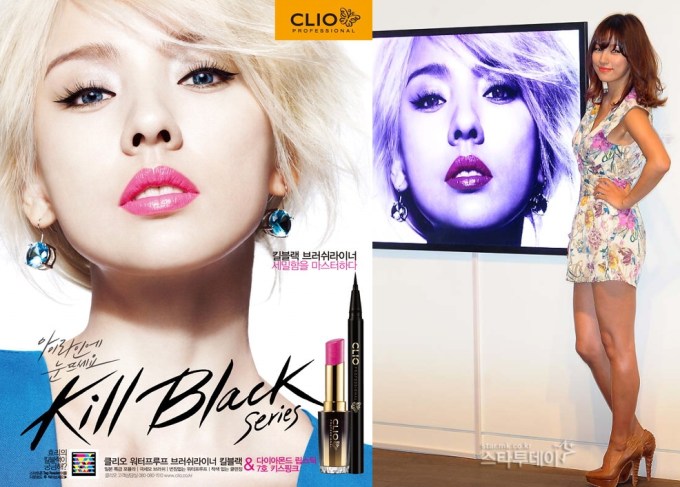 (Sources: left, right)
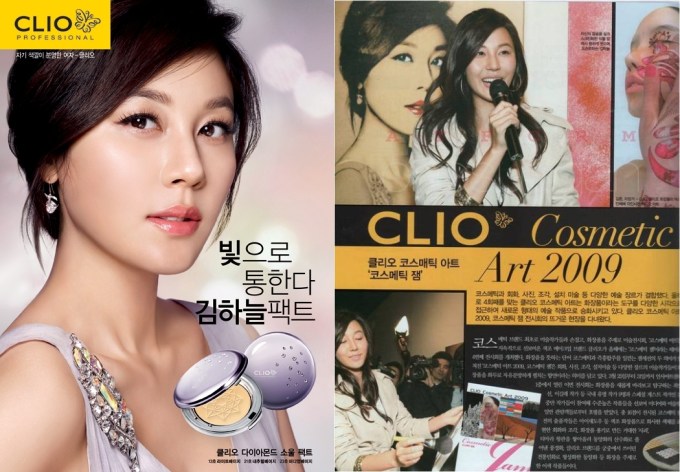 (Sources: left, right)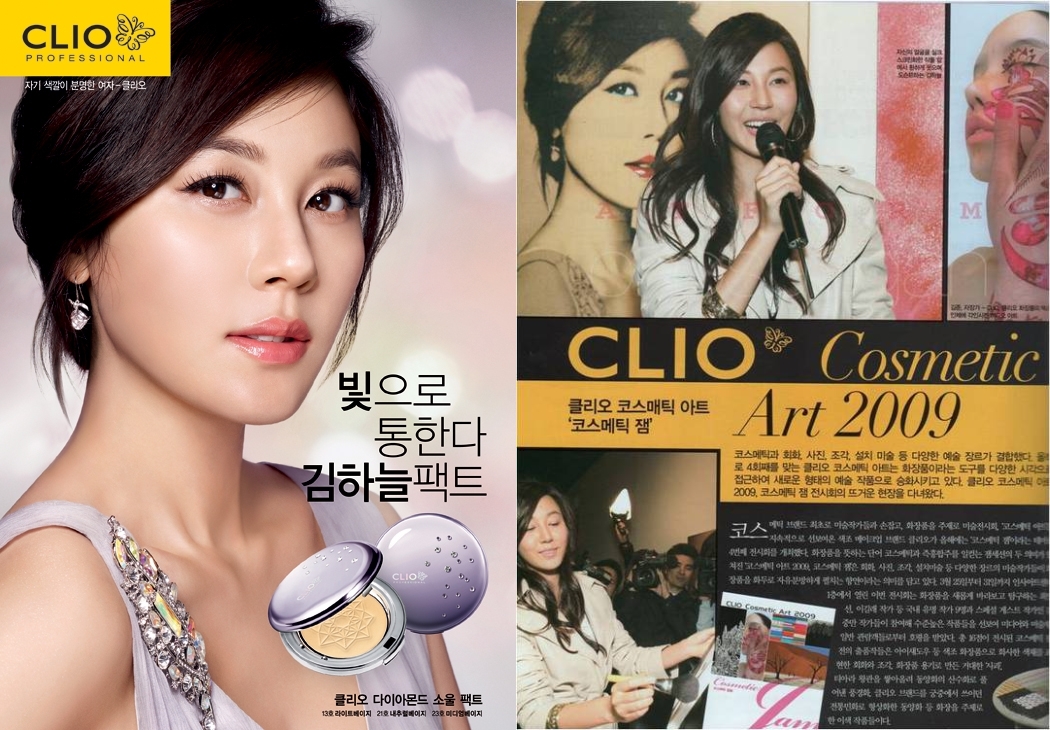
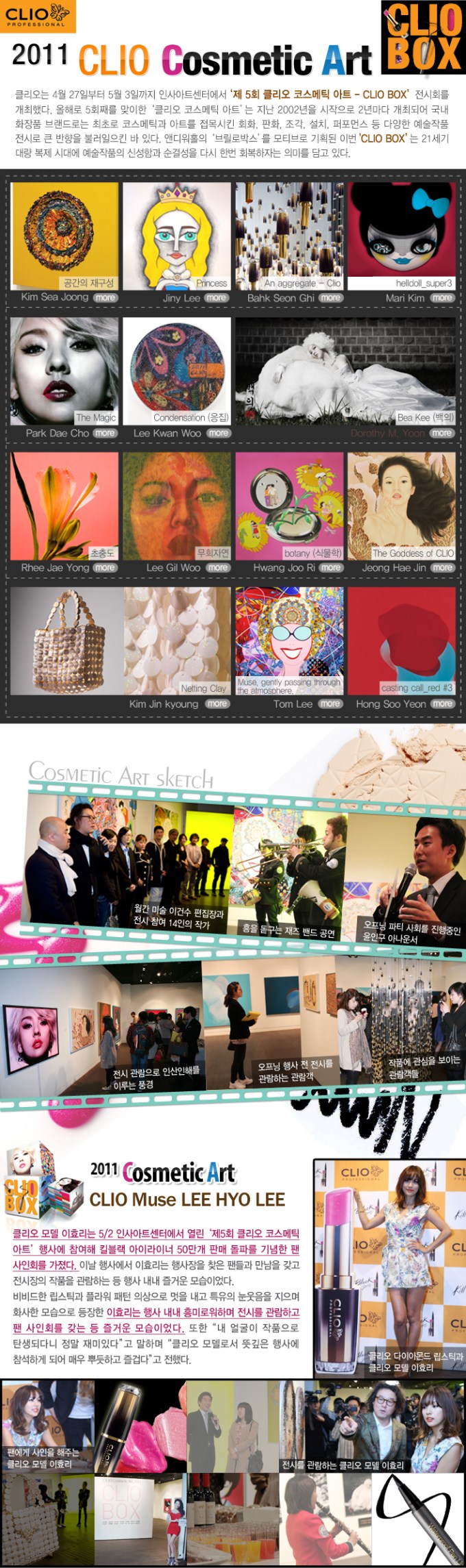 (Source)
 (Source)
 (Source)
 (Source)
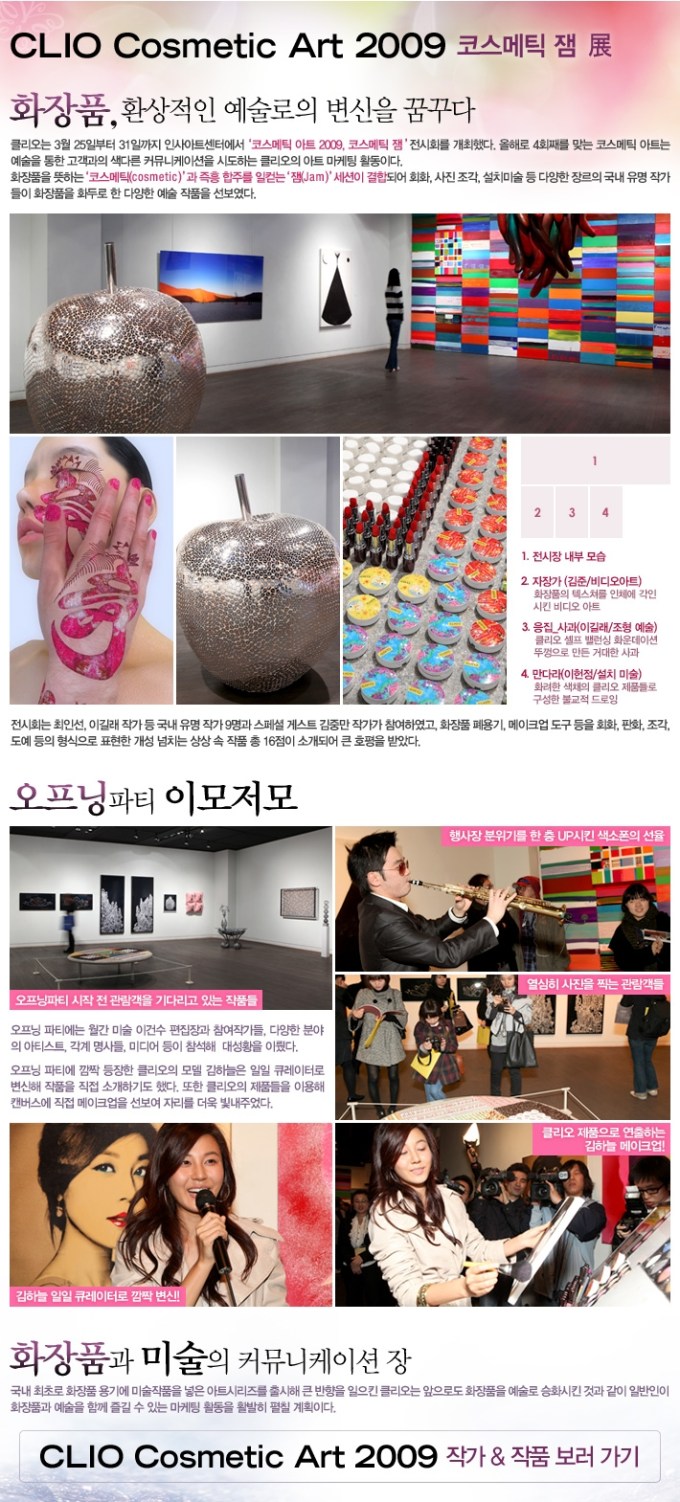 (Source)


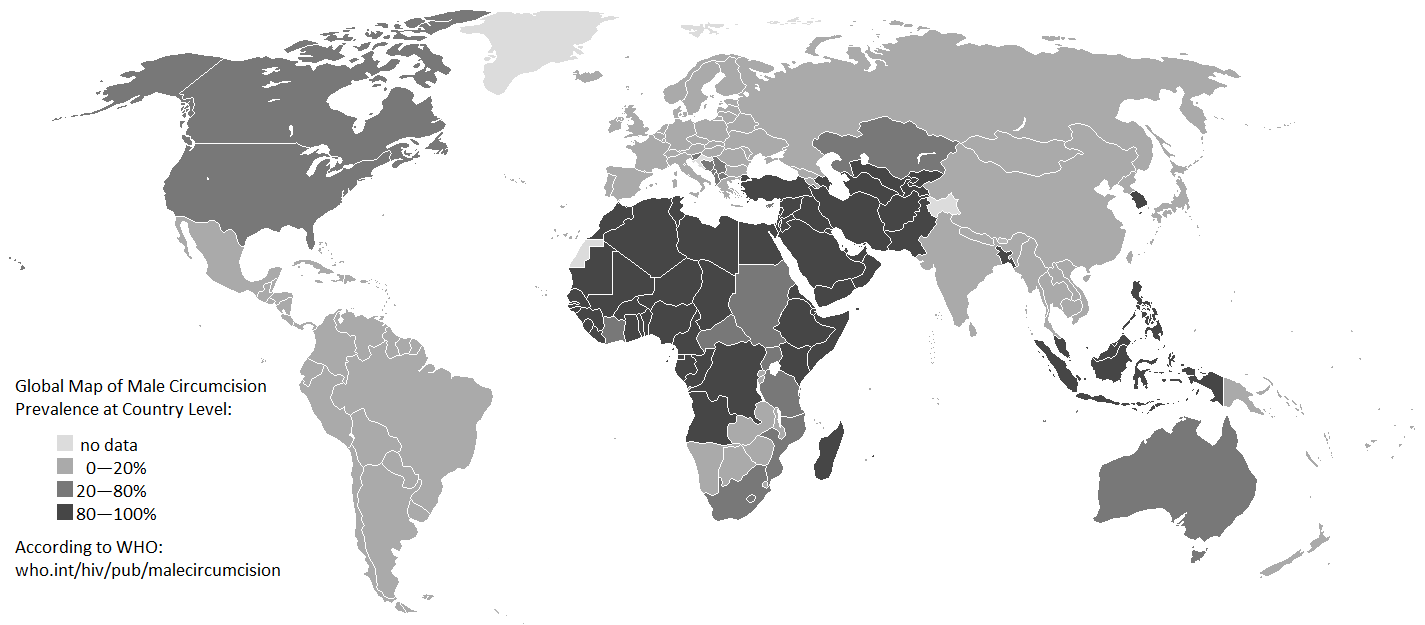
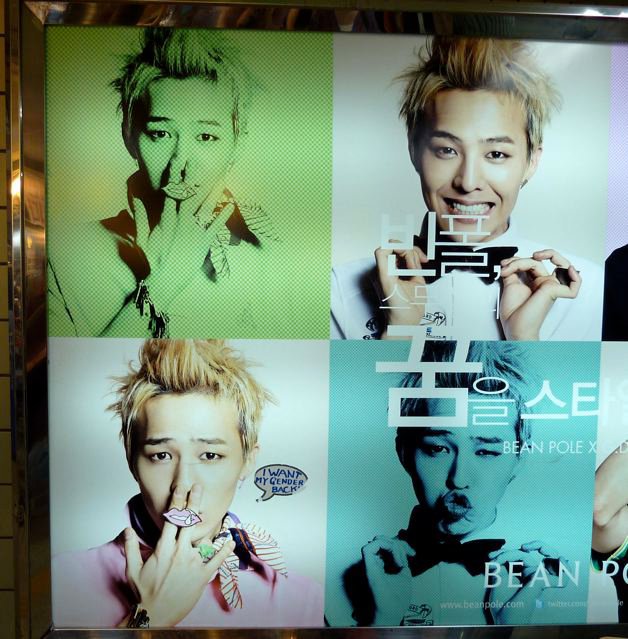

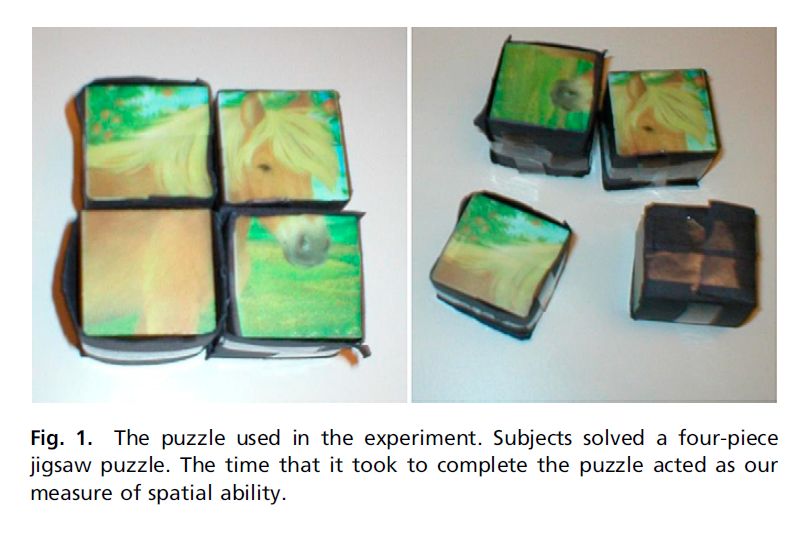


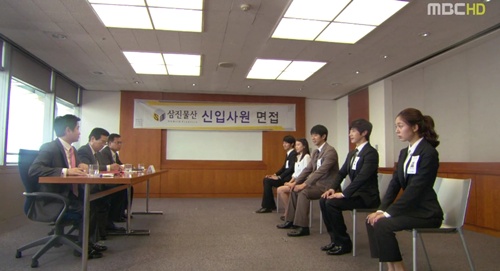

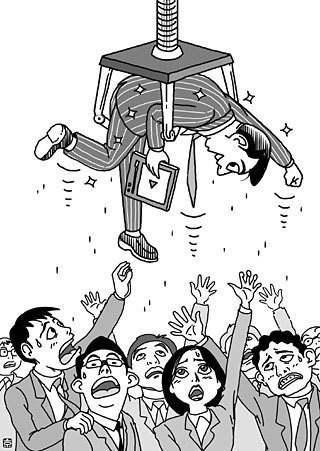
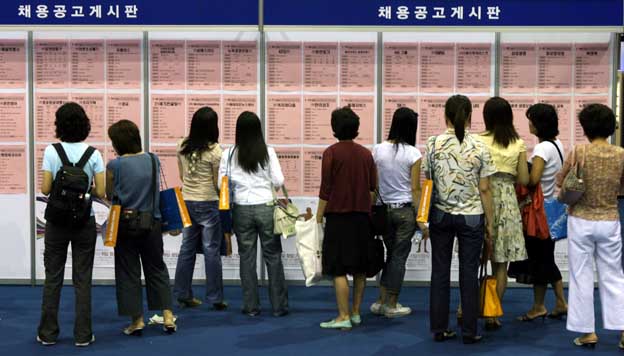
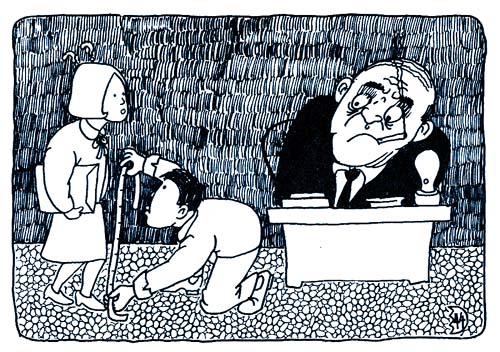

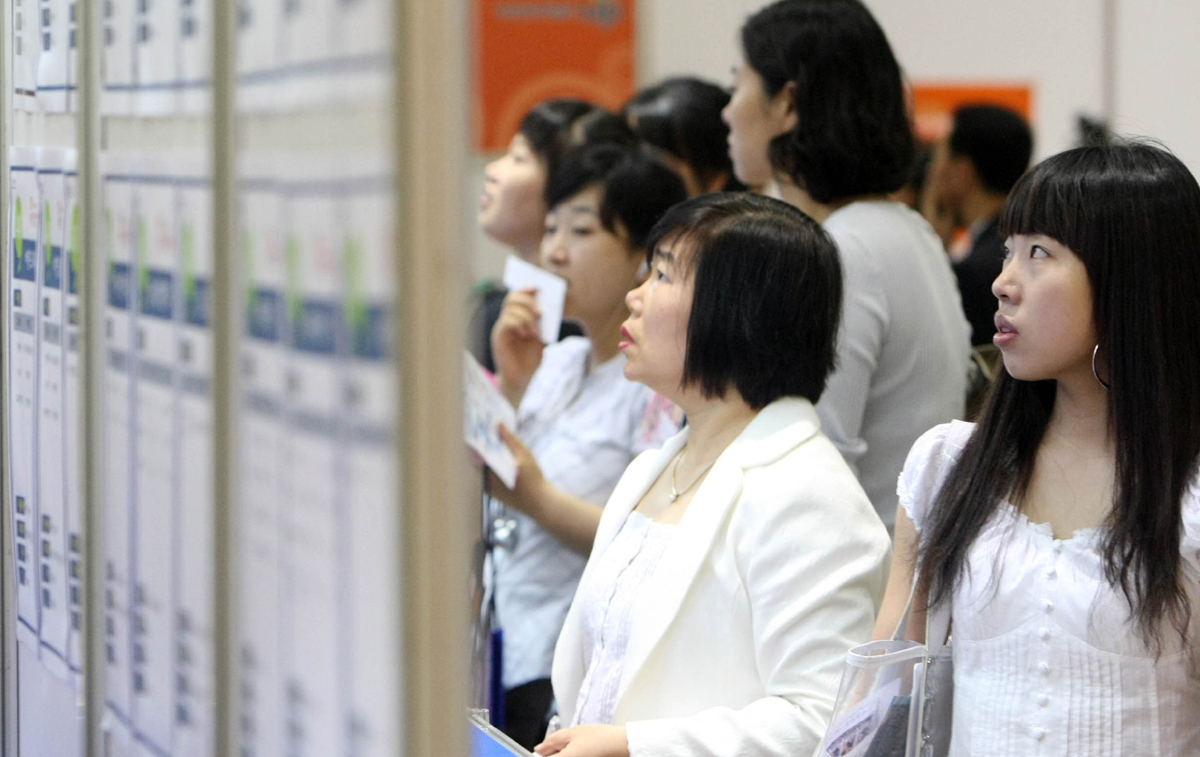


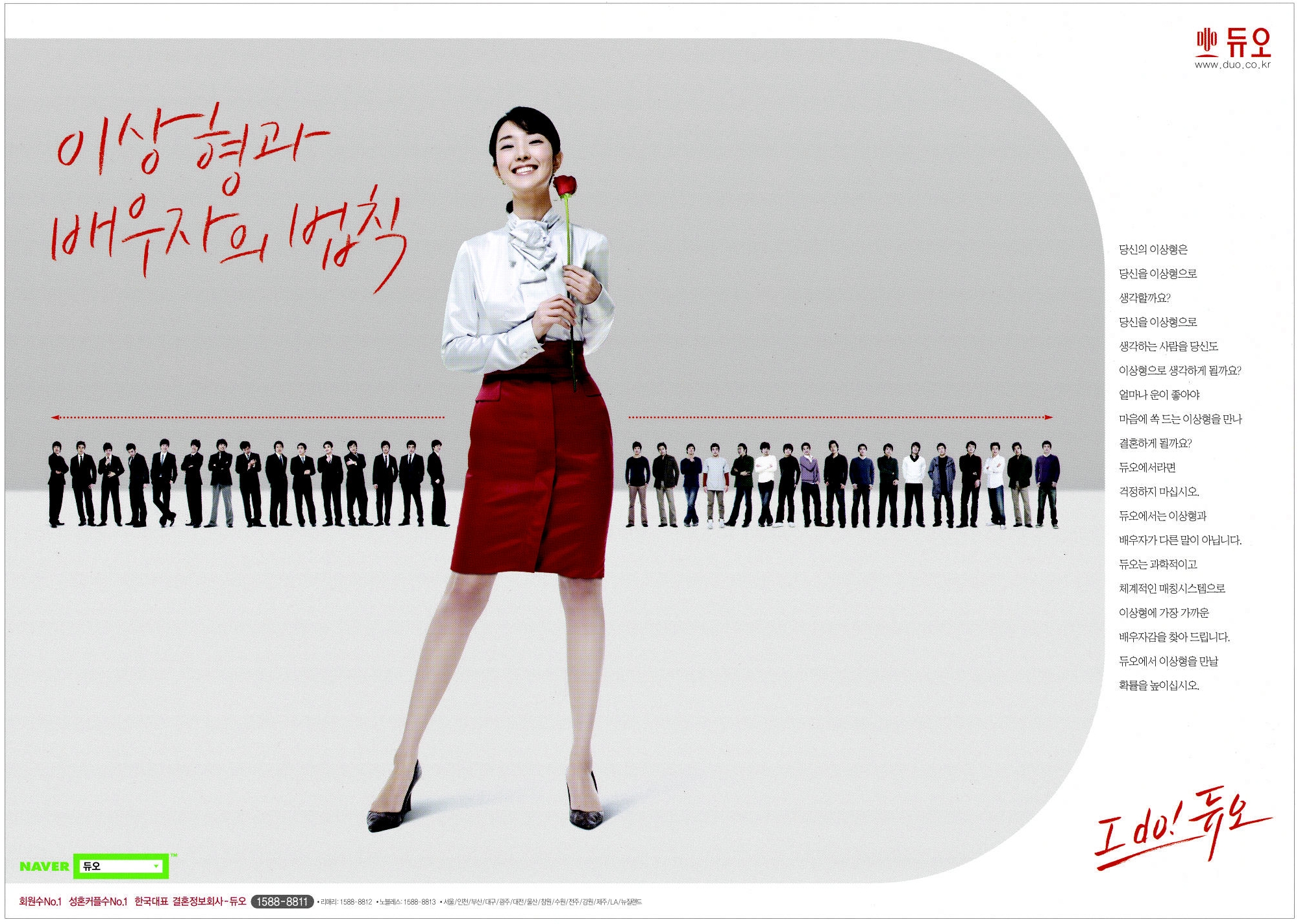
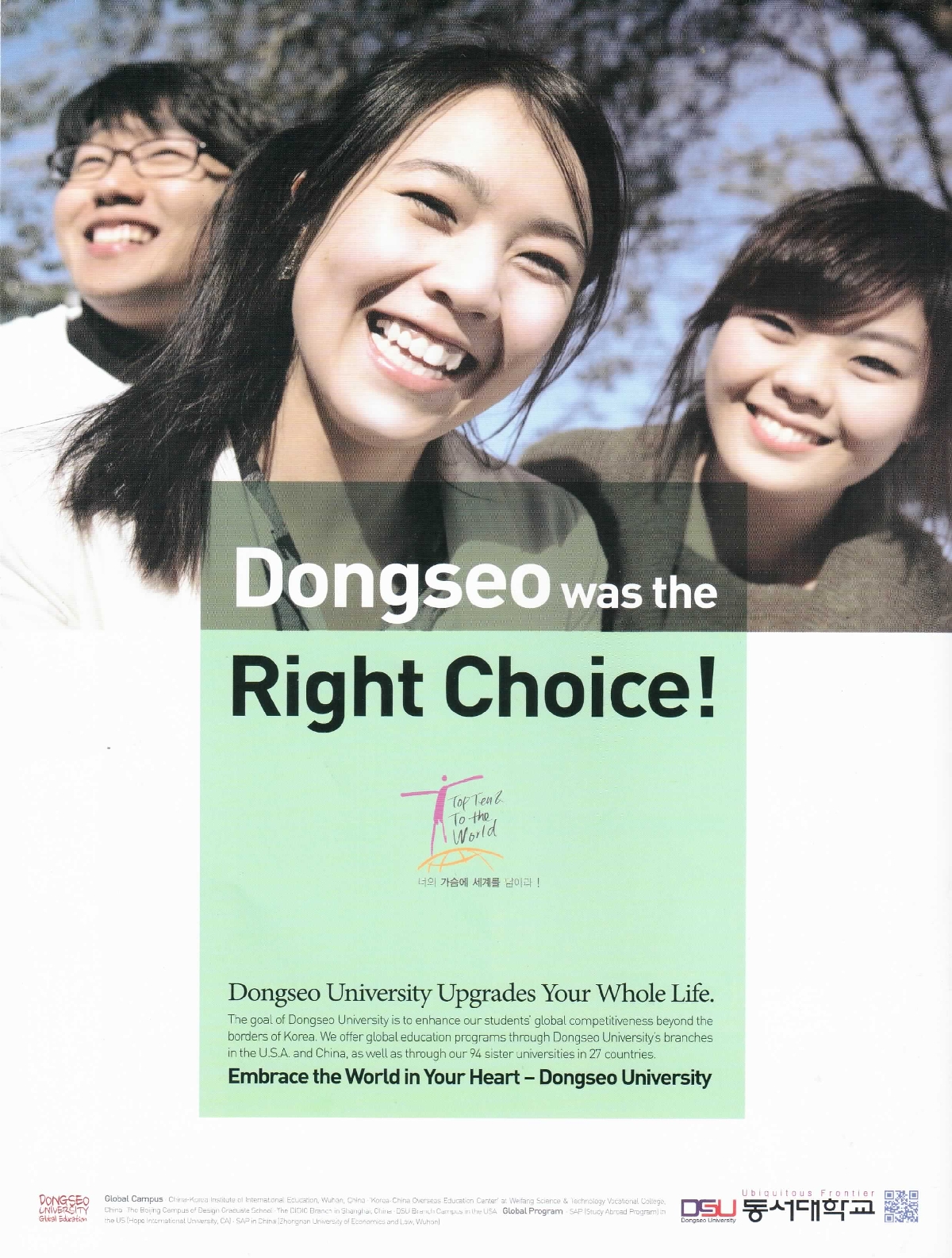

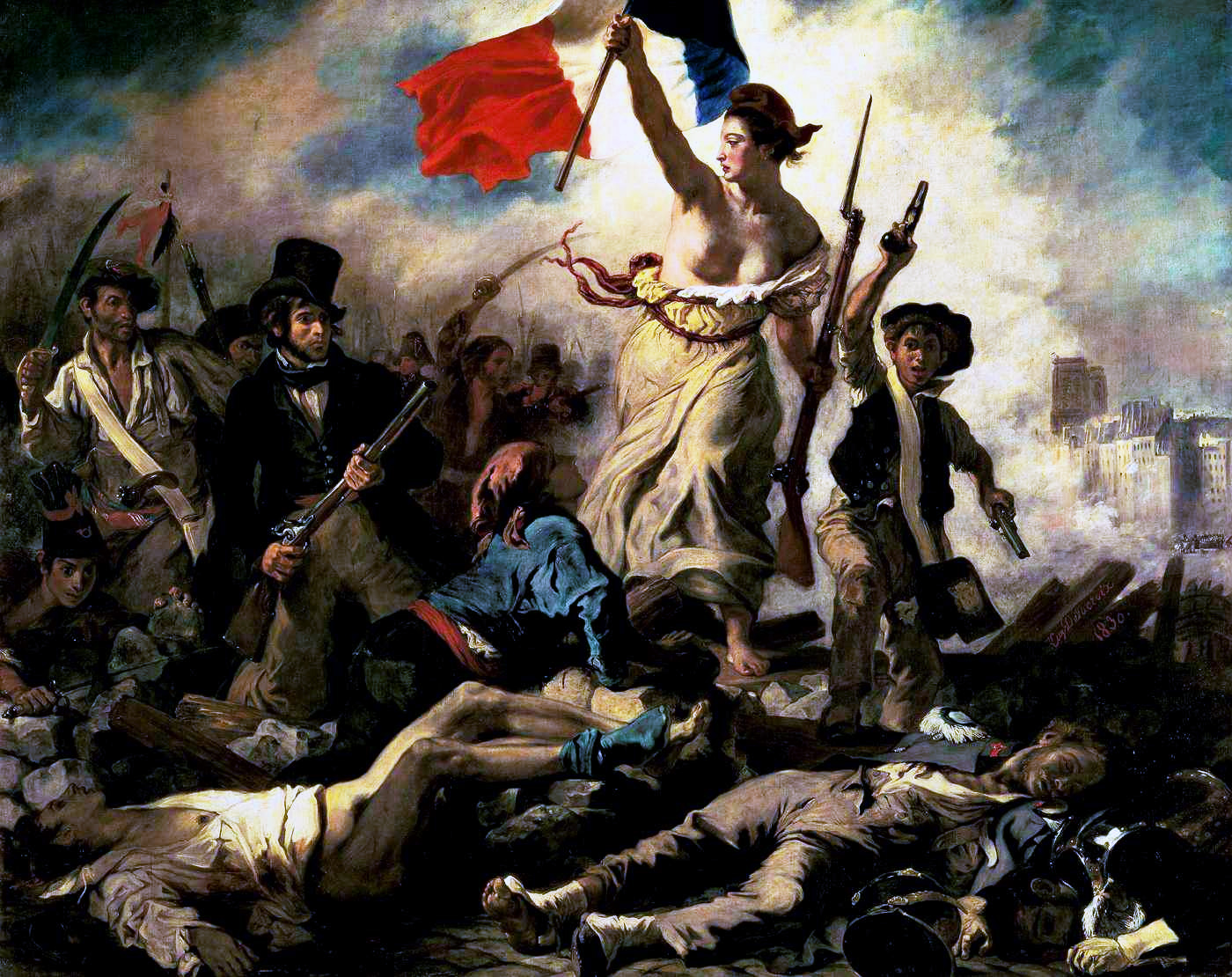


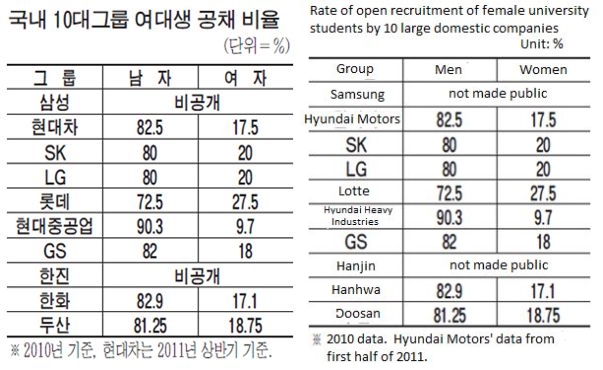




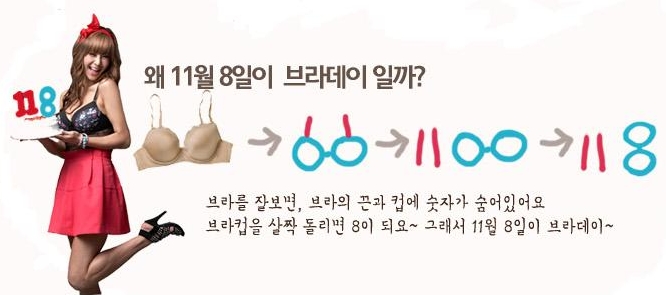


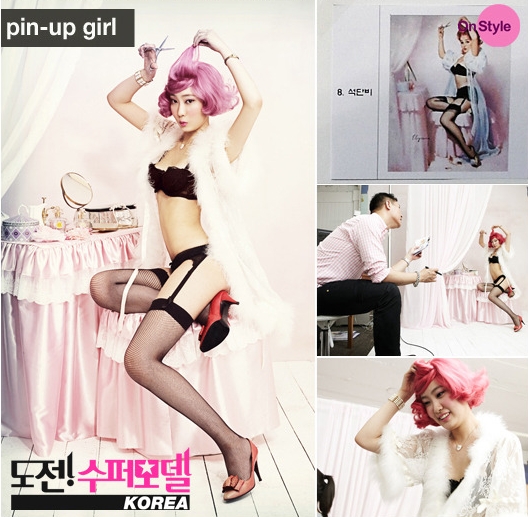
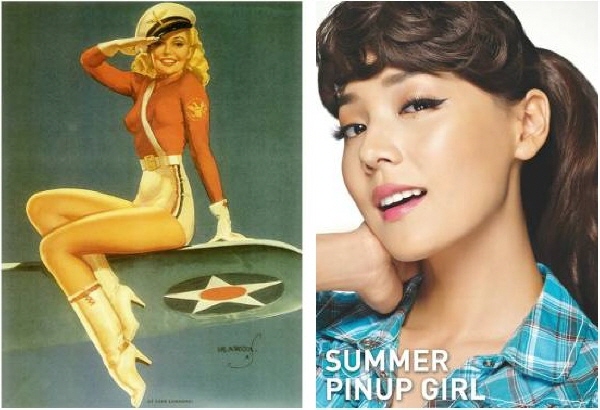
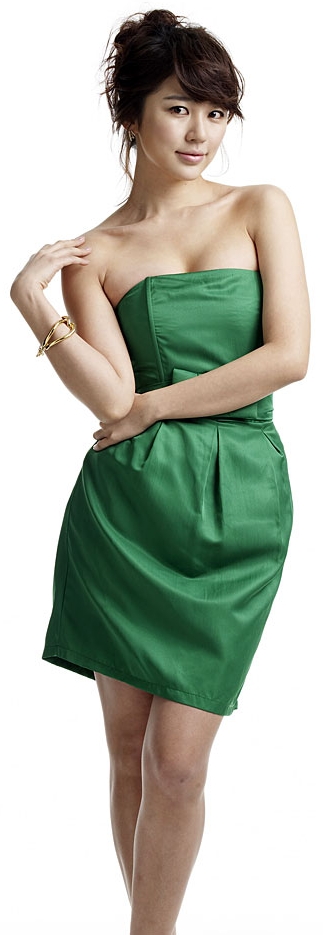
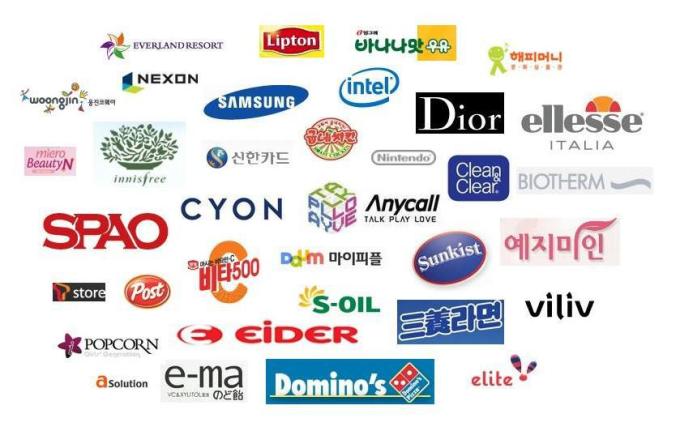
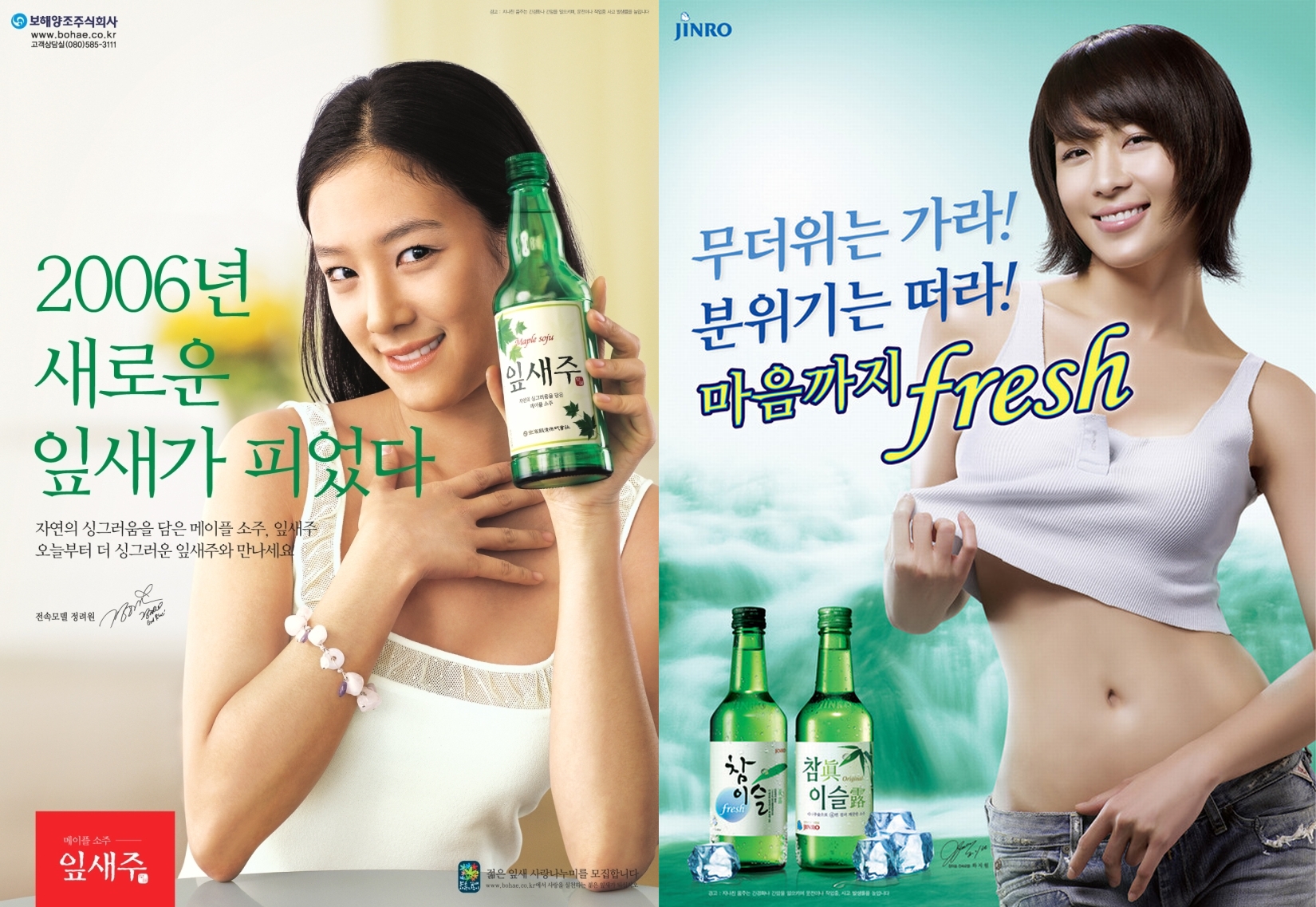



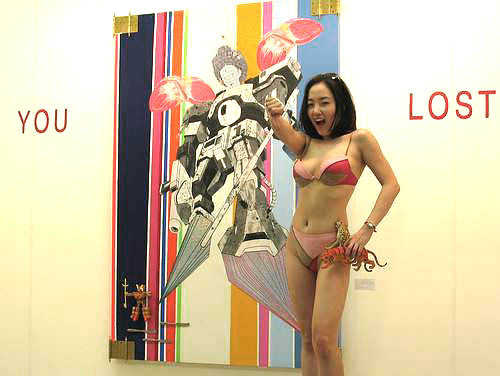
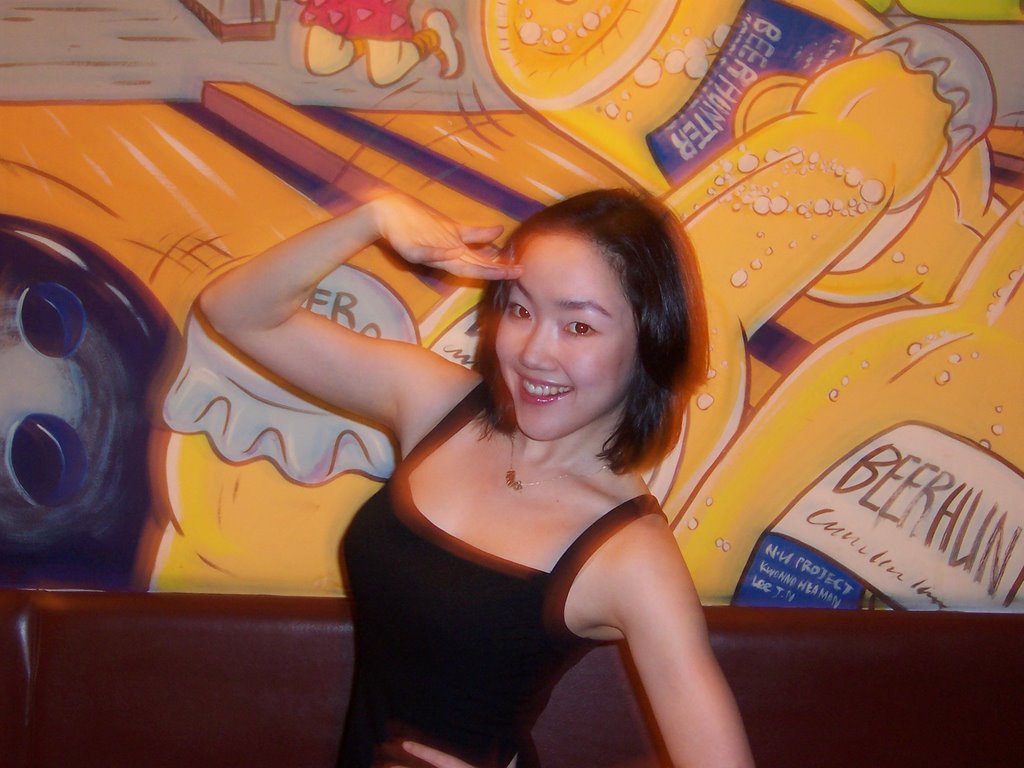





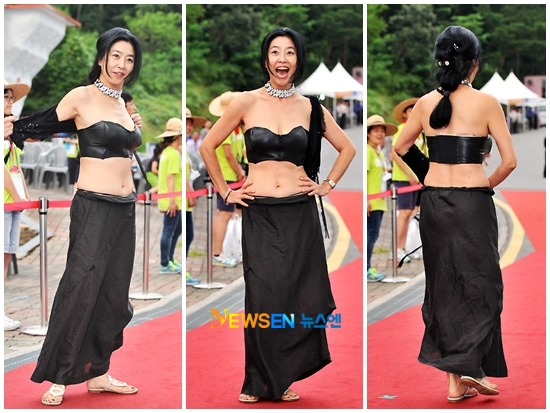







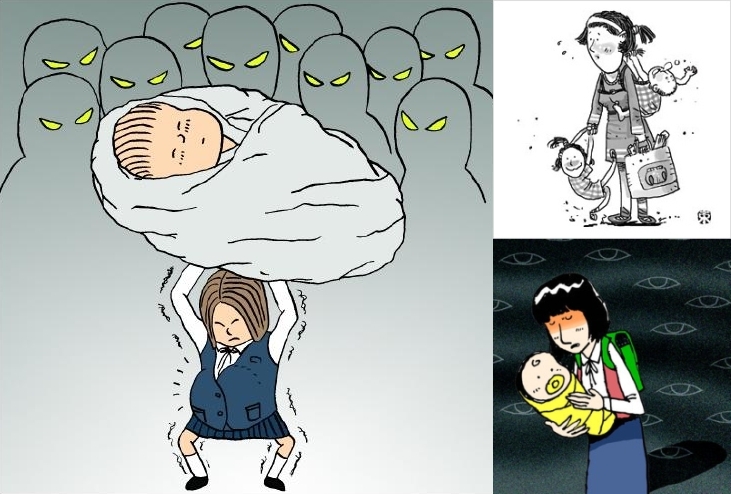
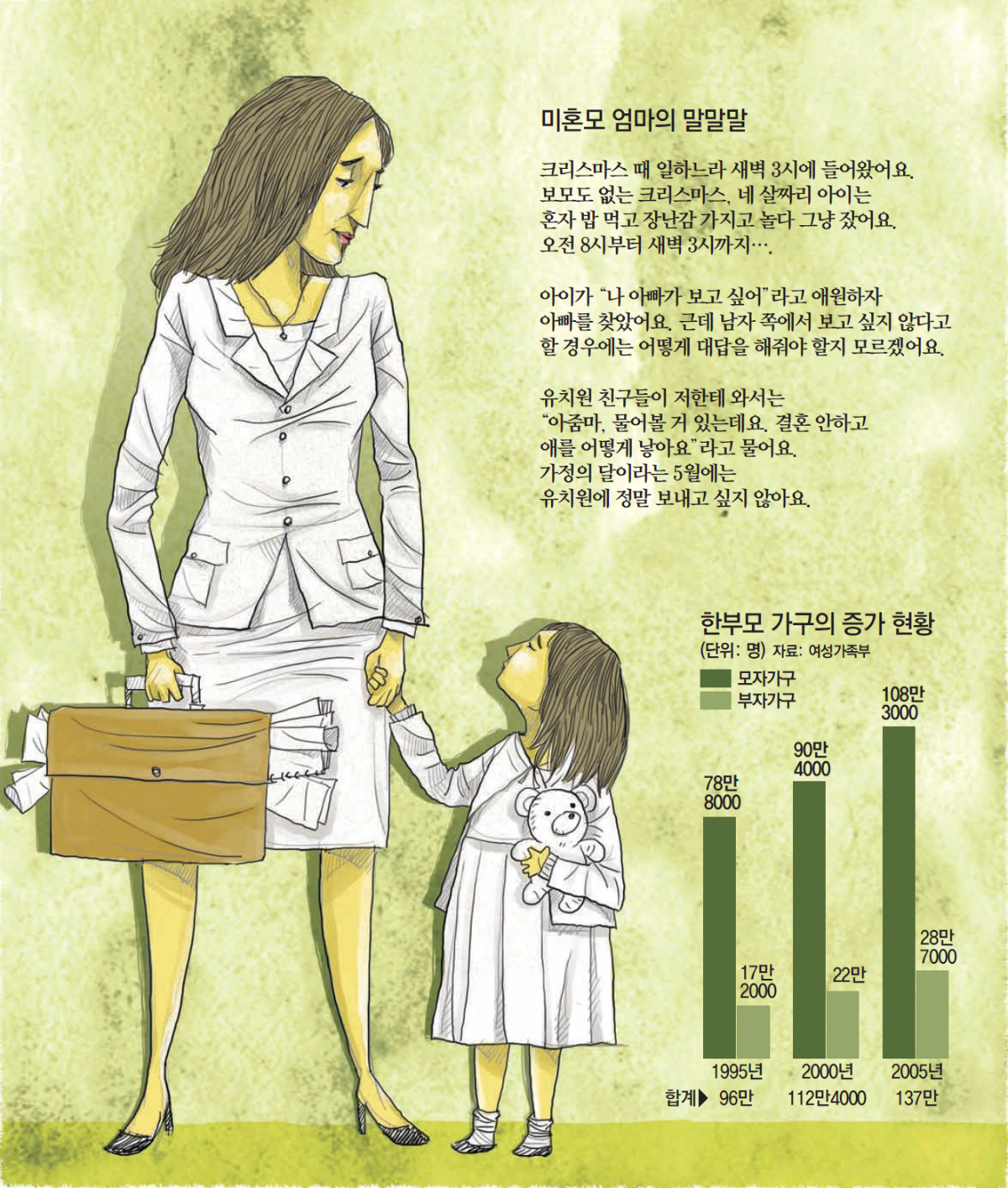
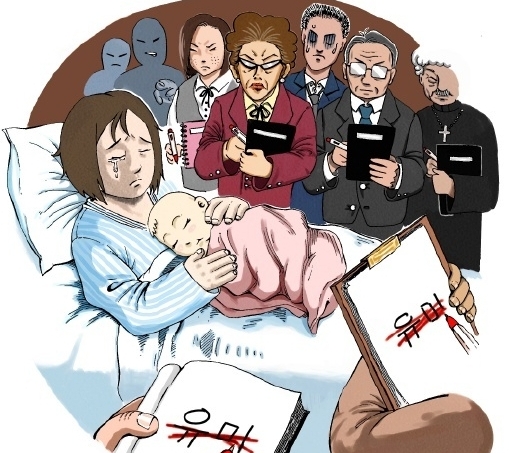


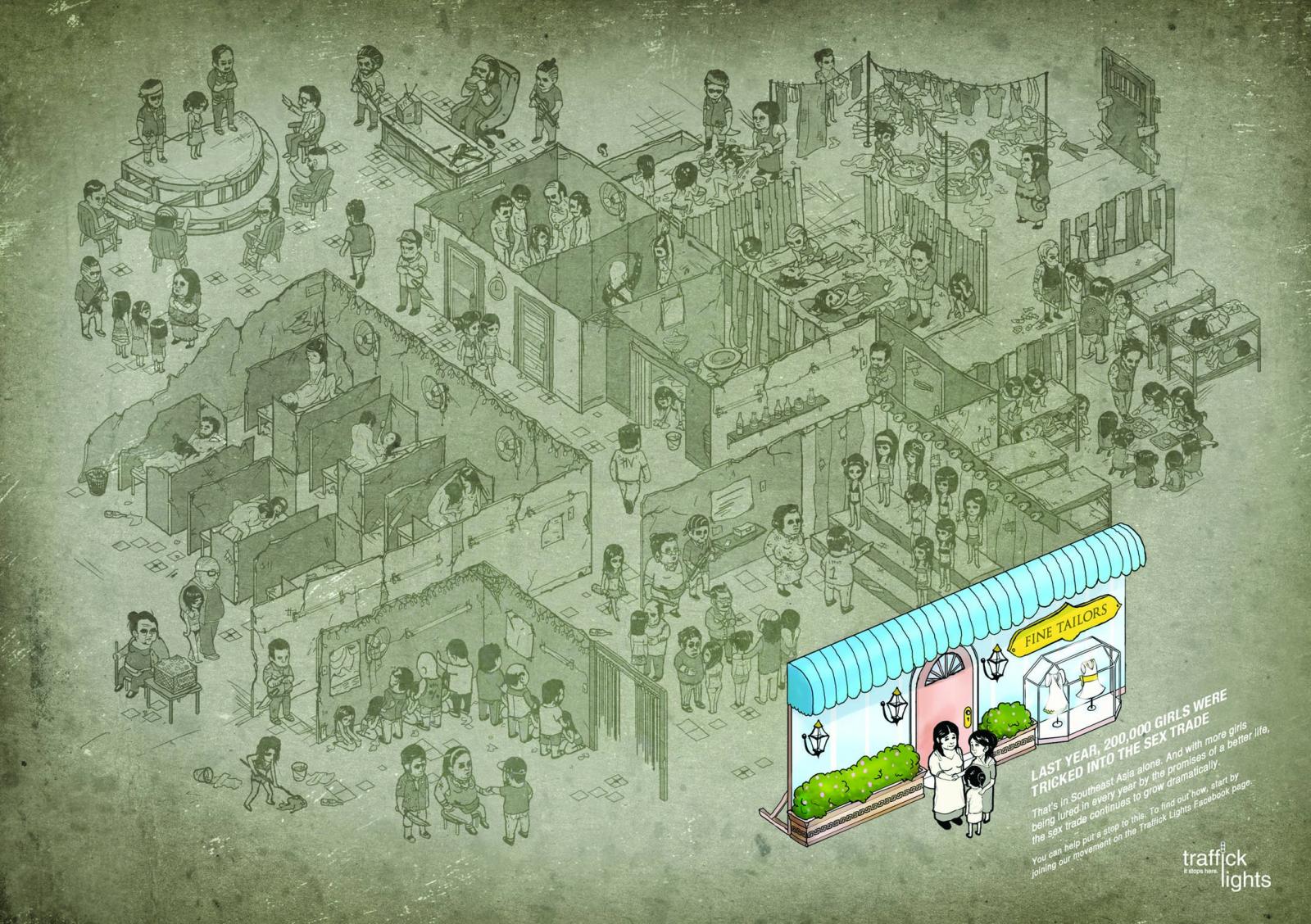



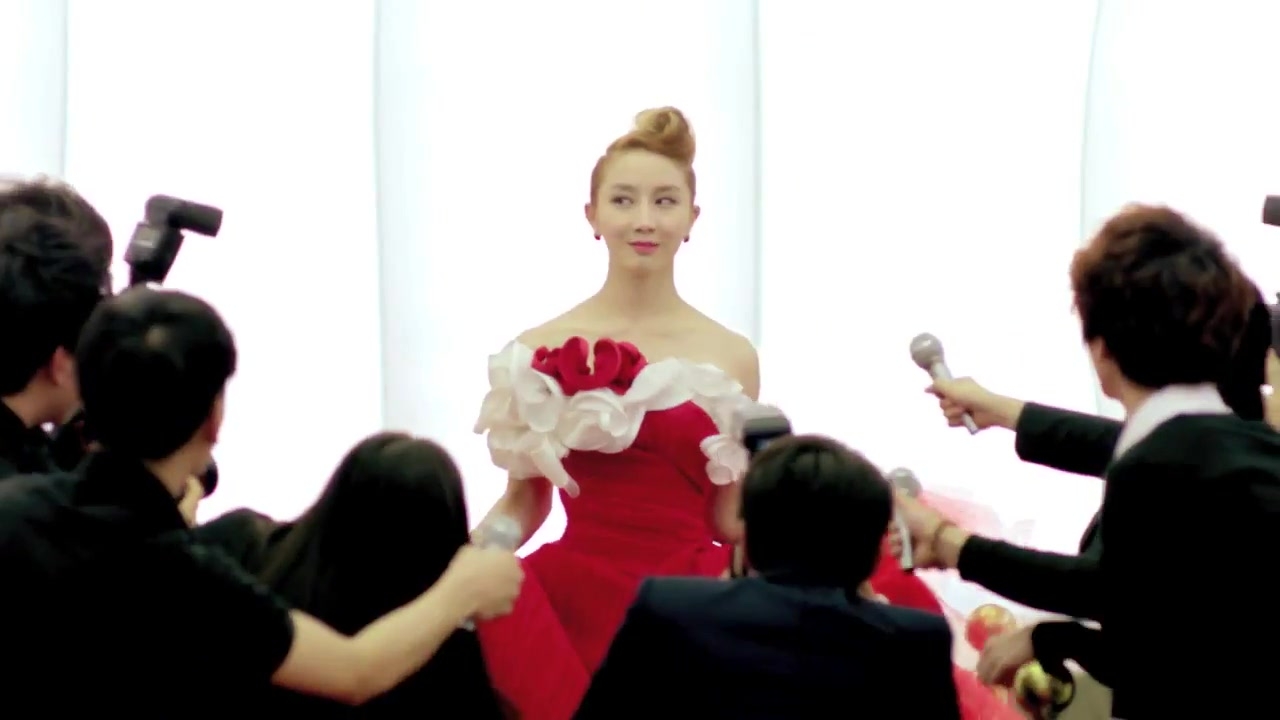





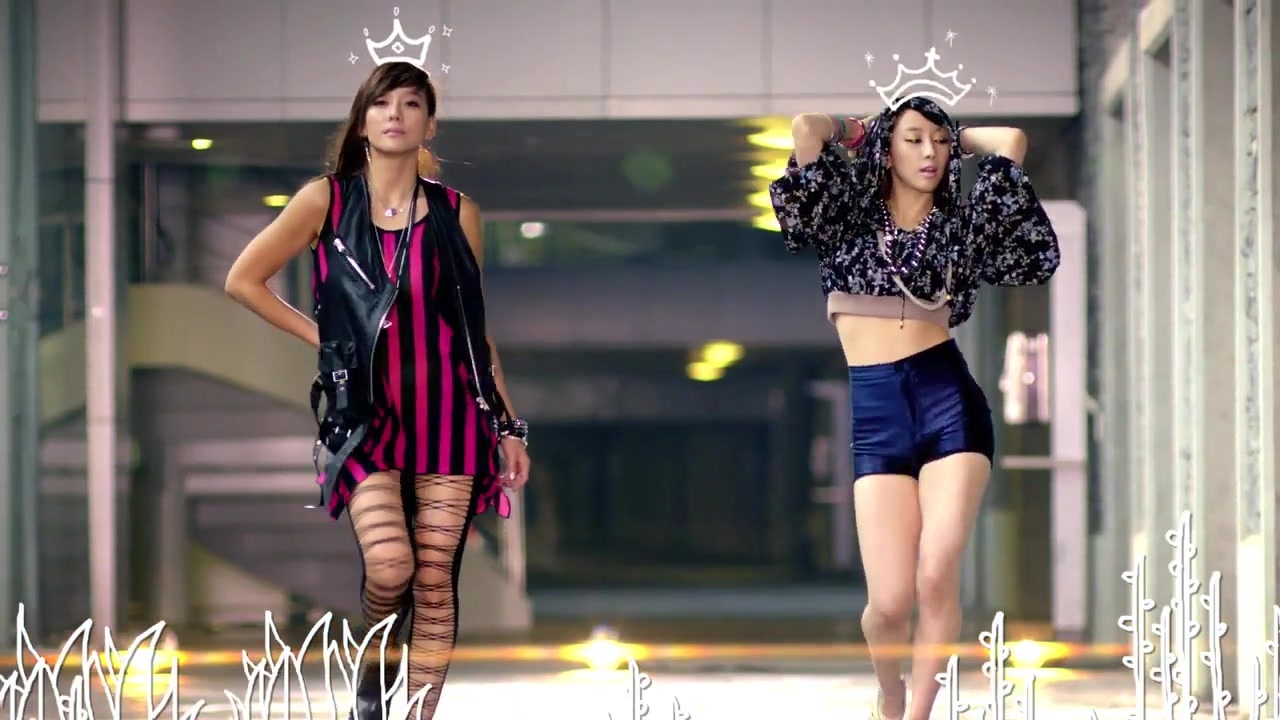




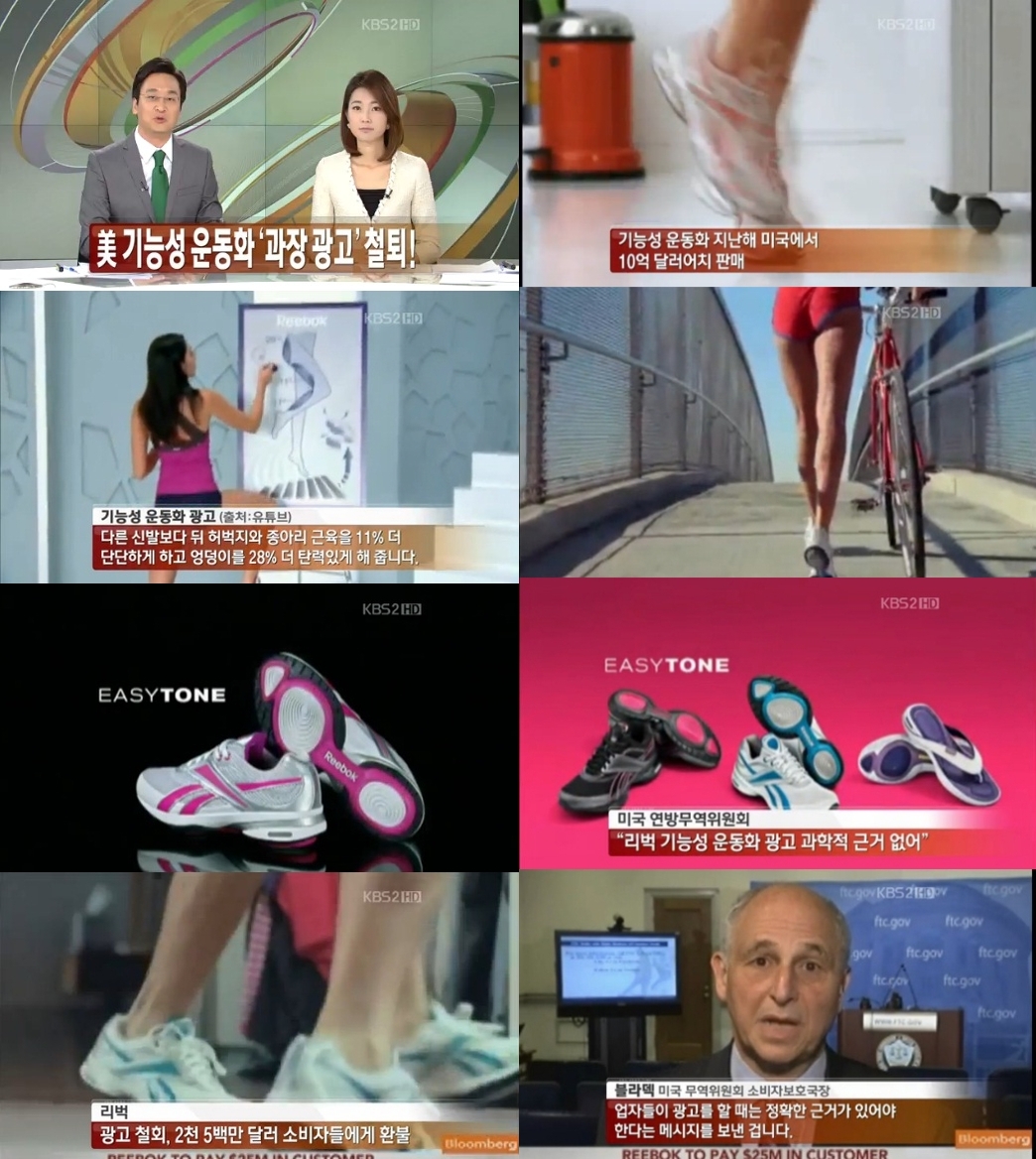

 The Grand Narrative