If you’ve been following my The Gender Politics of Smoking in South Korea series (Part 1, Part 2, Part 3, Newsflash, Part 4, Korea’s Hidden Smokers), you’ll know that there’s a huge stigma against women smoking here. This leads to chronic under-reporting by female smokers, which in turn leads to the government and media regularly giving female smoking rates as low as 2-4%. In reality though, best estimates put the rate among young women at roughly 20%, pointing to a looming health crisis.
Even if the coming presidential election brings more enlightened officials to the Ministry of Health and Welfare (보건복지부) however, which has previously overwhelmingly focused on—and been accused of exaggerating—reductions in the male smoking rate, there’ll still remain the problem of finding out how many young Korean women actually smoke.
Or will there? With my thanks, let me pass on a reader’s partial solution:
My coworker, the assistant haksaengbu (학생부) at my high school, made a list of students caught smoking. This is at a small-town girls high school, with 330 students age 15-18 in western years. So far this year (since 2 March) 14% of the students have been caught smoking, with 9.5% of the academic (moongwha; 문과) students caught and 25% of the vocational (sanggwha; 상과) students caught.
I would think that 14% would be the absolute minimum possible average in Korea, considering that we’re in a fairly conservative area and teachers can still punish students (though it’s pretty inconsistent and haphazard). Considering that those are only the ones who’ve been caught and there’s almost nothing in the way of lunchtime and after-school supervision, I’d guess that the amount who smoke on a daily basis is 50% higher and the ones who’ve tried it on occasion is double that.
In any event, if you wanted some incontrovertible statistics about teenage girls smoking in rural Korea based on a sample size in the hundreds there you go!
Later, they added:
If you’d like the breakdown it was 21 out of 226 moonghwa students and 26 out of 106 sangwha students. I believe a couple of the sangwha students have dropped out/gone awol/transferred.
What do you think? How does this compare to readers’ own schools?
If you reside in South Korea, you can donate via wire transfer: Turnbull James Edward (Kookmin Bank/국민은행, 563401-01-214324)
Sorry for the slow posting everyone: alas, I’m so busy with all my offline projects these days that my planned posting schedule for 2012 is already proving unsustainable. But in the meantime, the news stories just keep coming!
A much more serious topic than it may sound, this article from Ilda Women’s Journal will definitely give you a renewed appreciation for the goals of the Slutwalk (잡년행진) movement.
Once it does though, unfortunately you’ll probably find yourself pretty frustrated with it too. For the author only really gives platitudes about the need for change, rather than provide any details about who those boys were, what they said exactly, and the sex-education program her and her colleagues were involved in.
But still, she’s right to be concerned about the messages children are receiving about sexuality when any elementary school boys both approve of and chastise attractive women for wearing revealing clothes. Let alone disallow “ugly” ones from wearing them:
“못생긴 애들 핫팬츠 입지 말라”는 아이들 Children That Say “Ugly Girls Shouldn’t Wear Hot Pants”
‘여성의 노출’을 바라보는 십대들의 시선 Teenagers’ Views on Women Who Wear Revealing Clothes
So Yeong-mi, August 2010
(일다의 독자위원인 서영미님은 현재 십대들과 함께하는 성교육 프로그램을 진행하고 있습니다―Editor)
Editor: Ilda reader So Yeong-mi is currently involved in a sex-education program aimed at teenagers.
“선생님, 질문 있어요. 왜 여자애들은 그렇게 짧은 반바지를 입어요?”…“여자애들이 핫팬츠 좀 못 입게 해주셨으면 좋겠어요!”…“?????????”
“Teacher, I have a question. Why do women wear such short shorts?”…”If young women didn’t wear hot pants, that would be good.”
이게 도대체 무슨 문제란 말이지? 최근 들어 두 번이나 받은 질문이다. 고등학교 청소년 남자 아이들을 만났을 때 한번, 그리고 초등학교 남자아이들과 교육하면서 한번. 성장기 자신의 몸의 변화나 성관계, 임신/출산에 관련한 질문들이 대부분인 편이라 이 질문이 유독 기억에 남았다. 같은 반 여자아이들이 핫팬츠를 입지 말았으면 좋겠다니 이 무슨 말인가?
Why on earth are they saying and asking these things? This has happened to me twice recently. Once, from teenage boys at a high school, and the other from boys at an elementary school. Most of the questions I get are normal ones about their development, changes to their body, sexual relationships, pregnancy and childbirth and so on, but I especially remembered these. Why are boys saying that girls in their classes shouldn’t wear hot pants?
James – Because of the mention of female classmates, I’m assuming the boys were in mixed-schools then? But So Yeong-mi doesn’t mention how the girls reacted to such questions, an omission which hopefully means she taught the boys and girls separately.
뜬금없는 질문이 궁금해 스무고개 하듯 계속해서 질문을 주고받으며 질문한 의도를 파악하려 애썼다. 질문자는 한 명이었지만 반 아이들 모두가 동의하고 있었고 별로 웃기지도 않은 질문에 아이들은 자지러졌기 때문이다. 질문을 받은 내가 자신들 생각대로 웃어넘기지 않고 진지하게 계속 물으니, 나중엔 아이들도 제법 진지하게 맞받아쳤다. 그리하여 나온 결론은 같은 반 여자아이들은 핫팬츠를 입으면 안 된다는 것!
I was very curious why these questions came out of the blue, so I sort of played 20 Questions with the students to find out. Only 1 student [in each case?] asked, but all the other students thought it was hilarious, and they expected me to laugh along with them. I wanted to get to the bottom of that, and so later when they gave me feedback it emerged that they felt that girls in their classes shouldn’t wear hot pants.
모자와 핫팬츠는 다르다? What’s the Difference Between Hot Pants and Hats?
“오크가 그런 걸 입는 게 말이나 돼요?” “Would Orcs Wear Hot Pants?”
판타지 소설이나 롤플레잉 게임에 주로 등장하는 괴물, ‘오크’족. 쭉쭉빵빵 몸매도 좋고 능력도 좋은 미녀캐릭터들에 비해 볼품이 없어 쉽게 무시당하고 힘만 센 캐릭터. 아이들의 설명에 의하면 이랬다. TV에서 연예인들이 입는 것과는 다르다는 것. 그건 당연히 ‘봐줄 만하다’는 것이다. 핫팬츠뿐만 아니라 미니스커트에도 역시 강한 불만을 표했는데, 이번에는 또 다른 이유를 제기했다.
As the students explained, in fantasy novels and role-playing games the monster that appears the most frequently is the orc. Unlike beautiful female characters, with great abilities and voluptuous bodies (and usually useless armor – James), orcs are essentially faceless characters that can easily be disregarded. What entertainers wear on TV is different though, and, of course, it’s worth watching.
But it’s not just hot pants that the boys had problems with girls wearing, but also miniskirts. They gave a second reason for that.
“옷이 그러면 그렇고 그런 거 아니에요? 위험할 수도 있잖아요.”
“Doesn’t wearing clothes like that say something about you? And it’s dangerous too!”
아이들은 여성인 내게 “선생님도 그런 옷을 입냐”며 “도대체 왜”냐고 야단이었다. 한 학생이 모자를 쓰고 있기에 “너는 왜 모자를 쓰고 있냐” 물으니 “그냥 좋아서”라고 가볍게 얘기했다. 그럼 “핫팬츠나 미니스커트를 선택해서 착용하는 것은 무엇이 다르냐” 물으니 “그건 당연히 다르다”고 소리친다. 적절한 대답이 없을 때 아이들은 대개 화를 낸다.
The students asked me, a woman, “Do you wear clothes like that?”, and, in a critical tone, “Why on Earth do women wear those?”. So, to one student who was wearing a hat I asked “Why are you wearing that hat?”, to which he casually replied “Because I like it”. So then I asked “How is that different to choosing hot pants or a miniskirt”, and got the retort that “Of course it’s different!”, the student becoming angry that he didn’t really have a proper answer.
그날 종일은 아이들과 좀 더 많은 시간을 들여 ‘개인의 취향’에 대한 이야기를 나누었다. 서로의 취향을 존중하고 이해해야 하는 이유를 찾아보며 남/녀를 탈피한 다양한 관계 속에서 역할활동까지 해봤다. 그러나 그 날의 아이들에게는 이미 모자와 핫팬츠의 ‘선택’이 다르지 않다는 것을 이해시키는 것이 어려워 보였다. 너무나 견고한 그들만의 ‘패션철학’이 놀라울 따름이었다.
I spent all day with the students, and shared a story about personal tastes with them. Then we did roleplaying, breaking away from normal man/woman and girl/boy ones, in order to better understand and respect each other’s personal tastes. It was difficult to make them understand that wearing hot pants was a choice, no different to wearing a hat, and I was very surprised in how unwavering some of their attitudes to fashion were.
우연히 비슷한 시기에 만난 이 집단 아이들만의 문제였을까. 교육이 끝난 후 평가시간에 이 에피소드를 털어놓으니 유난히 남자아이들 교육을 진행할 때 그런 질문이 많이 나온다는 실무자들의 의견이 있었다. 예쁜 사람이 입으면 괜찮고, 아니면 안 괜찮고, 짧은 옷을 입으면 위험하고 야한 어떤 것이라는 10대 초반의 아이들의 논리. 고등학생 이상의 청소년 들을 만났을 때만 해도 성인과 비슷하게 생각해나가는 시기여서 그런가 생각했는데, 초등학생들에게서까지 강한 불만으로 표출되어 나오니 그냥 웃어넘길 일이 아니라는 생각이 들었다.
I wondered if this way of thinking was just confined to the groups of students I taught, so afterwards I asked other sex-ed teachers involved in the program, and they confirmed that they get similar questions and opinions from especially male students. The logic of boys in their early teens was that if pretty girls wear hot pants and so on it’s okay, but if they’re not pretty then it’s not, and that [in either case] such clothes are both too revealing and dangerous.
Now, if I’d asked high school students and so on, who think like adults, then I wouldn’t have been surprised, but once I learned that even elementary school students are saying such things then I realized that this was no laughing matter.
고 민지점은 성인들이 갖고 있는 편견이나 고정관념들이 고스란히 아이들에게도 답습된다는 것이다. 또한 그 연령이 대폭 낮아졌다는 사실도 놀랄만한 일이다. 그 어린 학생들마저도 ‘여성’의 몸을 검열하고 있다는 사실에 주목하지 않을 수가 없는 것이다.
Children are picking up adults’ prejudices and biases, although it is surprising that they’re doing so at such a young age. And we can’t help but notice that even these children too think the female body is something to inspected and evaluated.
우리가 어떤 일을 할 수 있을까 What can do we do about this?
노출이 많은 옷을 입은 여성과 그렇지 않은 여성을 간단하게 이분화 시키고, 거기에 아름다움이라는 가치를 연결시킨 잣대로 평가하는 것은 아이들도 어른들과 크게 다르지 않았다. 다만 아이들의 용어로 표현하고 있을 뿐이었다. 이를 우스갯거리로 사용하는 아이들을 보고 있자니 솔직히 조금 화가 나기도 했다. 그리고 그와 동시에 우리 스스로 반성해야 될 때가 아닌가 생각해보게 됐다.
Children splitting women into simply those who wear very revealing clothes and those that don’t, and judging their value only in terms of their appearance, is little different from what adults do. But although the children just used these terms jokingly, to be honest I still got a little angry with them.
Yet at the same time, we really need to examine ourselves too.
대중매체에 대한 비판을 하려던 차에 최근 10대 청소년 연예인들을 상대로 60%가 신체 노출이나 과도한 성적 행위 장면을 강요했다는 기사들을 보게 되었다. 한 언론과의 인터뷰에서 가수 이은미는 음악성 보다 외적인 면에 더 관심을 갖는 사회 분위기를 우려하며, 성적인 면이 강조된 걸그룹의 노래, 의상, 춤에 환호하는 이 사회를 ‘몰상식의 극’이라고 표현했다. “초등학교를 졸업한지 몇 년 되지 않은 아이들을 벗겨놓고 대 놓고 섹시하다고 박수를 치거나, 꿀벅지, 꿀복근 같은 용어들을 사용하는 대중문화를 보면 소름이 끼친다.”는 것.
(Source: unknown)
I was about to blame the mass media, as recently I’ve read reports which say that 60% of female teenage entertainers have claimed to have sometimes been forced to wear revealing clothes and/or do sexual dances and so on. And in an interview of the singer Lee Eun-mi(James – Not one of those teenage entertainers; she was born in 1968), she said she was worried about a society that considered external appearance more important than musical quality for singers, where girl groups’ sexual dances, songs, and outfits where cheered…she used the term “thoughtless/careless”. She said “I freak out at the thought that just a few years after they graduate from elementary school, young male and female entertainers are being praised for taking off their clothes and being talked about in terms of their ‘honey thighs‘ or six-packs.
쏟 아지는 대중매체의 벗기기 논란은 새삼 어제오늘 일도 아니건만, 아무 손쓰지 않고 있었음에 반성하게 된다. 상품화되고 대상화되고 있는 여성들의 문제를 공공연히 문제 삼지 않았던 것이 일상생활에까지 주변 사람을 대상화하고 외모로써 평가하는 지금의 일을 만든 게 아닌가 하는 생각에서다.
But these trends in the media didn’t just appear overnight – they were allowed to flourish by the public’s inattention and lack of concern. This way, we have come to consider the commercialization and objectification of women as a normal part of our daily lives.
아 이들의 생각을 넓게 펼쳐주진 못할망정 오로지 외모로써 사람을 평가하는 우리 사회에서 우리가 어떤 일을 할 수 있을지 함께 고민해봤으면 좋겠다. 우리가 그동안 무심코 내뱉었던 말들이 아이들에게 어떤 영향을 미치게 될지 생각해보면서 말이다. 문제가 수면으로 드러난 지금이야말로 왜곡된 미와 과장된 외모 중심의 평가들로부터 벗어나 아이들에게 더 많은 관심을 가져야 할 때다. 아이들뿐만 아니라 사실은 우리 모두를 위해서 말이다.
It’s difficult to broaden children’s minds, but we do have to make an effort to stop judging each other on our appearances. We have to consider what has been the effect on our children of this focus, this excessive emphasis on appearance. Not just for them, but for society as a whole (end).
My post title aside, I don’t mean to generalize about all Korean boys, and given the author’s vagueness then what she says about them really needs to be taken with a grain of salt. So, to get a better overall picture, I’d really appreciate anything any teachers can tell me about what their own young students have ever said about such things (alas, it’s been a while since I’ve taught children or teenagers myself).
And to end on a positive note, was anyone else reminded of the above semi-response to such sentiments? Now I have a renewed sense of appreciation for that too!^^ (See here for a discussion of the song’s lyrics and meaning)
In sixty short years, South Korea went from being one of the poorest countries in Asia to having the world’s 13th largest economy. Korean students have some of the highest test scores in the world, and a higher rate of acceptance into American Ivy Leagues than any other foreign country. But Korea also leads the world in two not quite so stunning ways- the highest rate of plastic surgery per capita, and a higher suicide rate than any other developed nation.
So. What’s life like for a Korean student? In one of the most competitive societies in the world, how does one find their place? What does it take to achieve your aspirations and goals? Our documentary will take a look at the lives of five Korean teenagers on the verge of either reaching- or losing- their dreams. The film will follow the students during the most stressful time of their lives- their last year of high school. After studying for roughly sixteen hours each day, their futures boil down to one last exam. On November 10th, 2011, thousands of high school seniors will take a nine hour test that for many, will determine their economic and social status for the rest of their lives.
For my own experiences with some of the issues raised in the video, please see here. And thanks very much to Gag Halfrunt for passing the video on.
Update 1: Also of interest is “Tackling Korean Education’s Faults” at Korea Real Time.
When I first came to Korea in 2000, I soon got used to the notion that people should use nopimmal (높임말; respectful language) to their obvious “superiors”, such as their parents and bosses. But also to friends, even if they were just a year or two older? Call me a cultural imperialist, but I still balk at the notion that such people are genuine friends, and God knows what they’d make of the usually whiskey-fueled language my late friend and I, then twice my age, would use with each other (let alone what we usually talked about).
Still, it came as a real shock to hear students using it to some of their classmates at my university, even though the recipients were only just a few months older (I asked). In fairness, that didn’t happen at all at my wife’s university when she was a student, but suffice to say that I’m no longer particularly surprised when I hear of “seniors” taking advantage of “juniors” in various forms at Korean universities. And especially not on “Membership Training” (MT), which as you probably know involves a lot of drinking and various orientation and initiation rituals, as explained in the following report:
(As translator Marilyn notes, makjang means “extreme, in a negative way”, and is usually used to describe dramas where crazy things happen. Meanwhile, with thanks to SuzyinSeoul, the “OT” in the title means “Orientation Training”, one’s first MT)
막장 OT? ‘학내 성희롱’의 문제 보아야 / Makjang OT? The problem of “school sexual harassment” must be considered
성희롱문제의 사각지대에 놓인 학생간 성희롱 / Sexual harassment among students is an unseen part of the problem of sexual harassment
얼마 전 인터넷 상에서는 서울 소재 모 대학의 신입생환영회가 논란이 되었다. 지난달 26일 인터넷 포털사이트 게시판에 “대학교 오리엔테이션, 이래도 되는 건가요?”라며 오른 글이 시작이었다.
Recently, the welcoming ceremony for new students at X University in Seoul has become a controversy on the Internet. It was started by a post, titled “At a university orientation, is this really okay?” and put up on an Internet portal site’s message board on the 26th of last month [February].
성적수치심느끼게하는 ‘게임’ 시킨선배들 / Seniors who make games that cause [juniors] to feel sexual shame
글 쓴이는 몇 장의 사진과 함께 “오리엔테이션에서 선배들이 후배들에게 성적으로 부담스럽거나, 수치심을 느낄 수 있는 행동들을 많이 시킨다”고 고발했다. 사진 속에는 남녀 신입생들이 몸을 밀착시키고 성행위를 연상시키는 동작을 취하는 모습들이 담겨 있었다. ‘게임’을 명목으로 강요된 것이었다. 글쓴이에 따르면, 술자리에서는 “정말 심한” 벌칙들도 많았다고 한다.
The writer of the post put up several pictures and charged, “At orientation, seniors force their juniors to do sexually embarrassing or shameful things.” In the pictures, new male and female students press their bodies against each other and make sexually suggestive movements. This was coerced under the pretext of a “game.” According to the post’s writer there are also many “really severe” penalties at drinking parties.
(한 포털사이트에 성적 수치심을 느끼게 하는 ‘게임’을 강요하는 ‘신입생 오리엔테이션’ 문화를 고발한 글이 올라와 논란이 일었다.)
(Caption [to above image]: A post charging that a “new-student orientation” culture forces the playing of “games” that cause sexual shame was put up on a portal site and became a controversy.)
문제의 사진들은 ‘막장 OT’라는 이름이 붙어 여러 게시판들로 퍼져나갔고, 몇몇 언론에서도 이 사건을 보도하면서 관련 학교와 학생들에게 비난이 가해졌다. 이후 사건은 해당 학교 총학생회가 사과문을 게시하는 선으로 마무리되었다.
The pictures were named “Makjang OT” and spread to several message boards, and as several media outlets reported on this story as well, the school and students involved were subjected to criticism. After that, the student government at the university brought the incident to a close by posting a written apology.
이 사건은 인터넷 여론이 흔히 그렇듯 사건의 선정성에만 초점이 맞춰져, 관련 대학을 공격하거나 폄하하는 데에만 치중되었다는 인상을 준다. 그리고 논란의 열기는 금방 식었다.
As usual, public opinion on the Internet has focused on the sexual aspects of the story and so given the impression that it has only concentrated on attacking or disparaging the university in this area. Also, the heat of the controversy cooled down immediately.
이 사건이 문제인 것은 건전해야 할 대학 내 행사에서 선정적인 행위를 했기 때문이 아니다. 선배들의 권위를 내세워 신입생들에게 원하지 않는 성적인 행위를 강요했다는 점이 본질적인 문제다. 명백한 학내 성희롱이다.
The problem in this matter is not that there were sexual actions at university events that should be wholesome. The essential problem is that seniors asserting their authority forced new students to do sexual actions they didn’t want to do. This is unmistakable school sexual harassment.
‘하늘같은’ 선배앞작아지는신입생들 / New students that shrink in front of ‘god-like’ seniors
이제 막 대학을 들어온 신입생과 ‘선배’들 사이에는 막강한 권력관계가 작동한다. 대학생활에서 선배는 어떤 면에서 교수보다 더 어려운 존재다. 더구나 신입생 오리엔테이션은 이제 막 대학을 입학해 어리둥절하고 동기들과도 서먹할 때 치러지니 1학년들은 선배들 앞에서 심리적으로 위축되기 쉽다. 더구나 ‘전통’이라고 우기니 ‘참아야 되나’ 헷갈리기까지 할 것이다.
These days there is a strong power-imbalance operating between students who have just started university and their “seniors.” In university life, relationships with seniors are more difficult than those with professors in every way. Moreover, new-student orientations happen when students, having just started university, are dazed and still unfamiliar with their peers, so it is easy for first-year students to shrivel psychologically in front of their seniors. Furthermore, seniors insist that it’s “tradition” so students become confused and think “Maybe I have to endure this?”
성희롱은 권력관계 안에서 일어난다. 이러한 속성 때문에 남학생이 많은 과, 권위주의적이고 위계질서가 강하게 잡혀 있는 과일 수록 신입생 환영회 때 이러한 ‘게임’을 즐기는 경향이 강해지고 ‘게임’의 강도도 높아질 것이라 추측할 수 있다.
Sexual harassment arises inside power-imbalances. Because of this attribute, it can be supposed that the more male students a department has and the more authoritarian and the stronger the hierarchical structure in the department, the stronger the tendency to enjoy this kind of “game” and the more intense the “games” are at new-student welcoming events.
시대가 변화한 부분이 있으니, 아마도 이러한 신입생 환영행사는 일반적으로 행해지는 수준의 것은 아닐 것이다. 그러나 아주 극단적인 예만도 아닌 것 같다. 관련 게시물들의 누리꾼 댓글에서도 비슷한 경험을 털어놓는 것을 심심치 않게 발견할 수 있다. 남성에게 구강성교를 해주는 여성의 모습을 연상시키는 동작을 하는 남학생들이 찍힌, 모 체육대학의 신입생 오리엔테이션 사진을 올린 이도 있었다.
Though there is the element of the changing times, this kind of new-student welcoming event probably isn’t common. However, it doesn’t seem to be an extreme example, either. In the replies of the visitors to the message boards in question as well, it is not hard to find confessions of similar experiences. There were also pictures from the new-student orientation at X Sport University [a university for athletes and coaches] which show male students making movements suggestive of women giving oral sex to men.
대학사회, 성희롱문제제기여전히어려워 / In university culture, making sexual harassment complaints difficult as ever
이번 사건을 문제제기한 학생은 학내 게시판이 아닌, 포털사이트를 이용해 글을 올렸다. 이는 문제의 ‘게임’이 ‘전통’으로 굳어질 수 있었던 배경과 관련된다.
The student who reported this incident used a non-university portal site to put up his/her post. This is related to the setting in which the “game” in question was allowed to become “tradition.”
지난 해 1월, 소위 ‘명문대생‘이 1학년 여학생들을 성추행한 사건이 논란을 일으켰다. 당시 한 피해자가 익명게시판을 통해 문제제기 하자 다른 피해자들이 나타나면서 피해자는 20여명까지 불어났다.
In January of last year, an incident in which so-called “students of a prestigious university” sexually molested first-year female students engendered controversy. At that time, a victim made her complaint on an anonymous message board; other victims then came forward, until their number reached around 20 women.
왜 20여명에 달하는 피해자들은 성추행을 당하고도 입을 다물고 있을 수밖에 없었을까. 여전히 성희롱‧성폭력은 대학 사회 내에서도 쉽게 공론화하기 어려운 문제이기 때문이다.
Why is it that though the number of victims who were sexually molested reached about 20, they couldn’t do anything but keep quiet? It is because even in university society, it is still difficult to publicly discuss sexual harassment and sexual violence.
‘명문대생‘ 성추행 사건이 문제가 되었던 당시, 취업전문 포털사이트 ‘커리어’가 이틀간 대학생 768명을 대상으로 진행한 설문 조사에 따르면, 전체 여성 응답자 중 33.3%가 대학생활 중 ‘성희롱이나 성추행을 당했다’고 답했다.
When the “students of a prestigious university” incident became a problem, the job portal site “Career” surveyed 768 university students over the course of two days, and found that 33.3% of female respondents said they “have been sexually molested or harassed” during university life.
주된 가해자(복수응답)는 78.0%가 ‘선배’였다. 흔히 학내성희롱의 주된 가해자로 떠올리게 되는 ‘교수’를 지목한 대답은 33.3%였다. 대응방법을 묻는 질문에는 응답자의 66.5%가 ‘그냥 참고 넘겼다’고 답했다. 대응하지 않고 그냥 넘어간 이유는 ‘가해자와의 관계를 유지하기 위해서(66.9%)’가 가장 컸다.
The main perpetrators (more than one response possible) were “seniors,” at 78.0%. “Professors”, who usually come to mind as the main perpetrators when one thinks of university sexual harassment, were pointed at by 33.3% of responses. When asked how they dealt with it, 66.5% of respondents chose, “just bore it and moved past it.” The biggest reason that they just let it go was, “To maintain a relationship with the perpetrator,” at 66.9%.
이렇듯 학생과 학생 사이에 발생되는 성희롱은 학내 성희롱 문제에 있어서 실질적으로 큰 비중을 차지하며 문제제기 하기도 어렵다. 그런데 교사와 교사, 교사와 학생 간 성희롱의 경우 성희롱 관련법의 규제의 대상이 되는 반면, 학생 간에 벌어지는 성희롱문제는 제외되고 있다. 따라서 학칙에 의존할 수밖에 없다.
Though this kind of student-on-student sexual harassment makes up a relatively large part of in-university sexual harassment, it is also hard to make a complaint. Unlike in the case of sexual harassment between professors, or between professors and students, [public] regulations leave out sexual harassment that occurs between students. Therefore, there is no choice but to rely on the school’s rules.
그러나 성희롱을 ‘전통’으로 미화할 수 있는 대학사회에 이러한 미온적인 처치가 얼마나 큰 변화를 이끌어낼 수 있을까.
However, in a university culture that glamorizes sexual harassment as “tradition,” how big are the changes we can hope to effect to this kind of mediocre situation?
앞서 언급한 설문조사에서 전체 응답자 중 51.3%만이 성희롱 문제해결을 위한 대학 내 전담기관이나 담당자가 있다고 답했다. 대학사회에서 학생간의 성희롱이 사각지대에 놓여 있다는 사실을 이를 통해서도 유추해볼 수 있다. 관련 대책이 시급해 보인다.
In the survey mentioned above, only 51.3% of all respondents said that there was a special organization or officer for dealing with sexual harassment in their university. Through this, as well, we can infer the fact that sexual harassment between students in university culture is not well-recognized. Relevant measures appear to be urgently needed.
A disclaimer: I’ve never attended MT or even talked about it with students, so, students’ normal proclivities aside, I’m sure many or even most events are perfectly fine, and indeed Joe SeoulMan – ironically the source of one of the above images – has an account of a very nice, almost heartwarming one here. On the other hand, Extra! Koreaargues that “it’s well-known among Koreans that sexual harassment is widespread at MTs”, and there’s certainly enough news stories in the Korean media to back that up.
What do you think? Have any readers attended MT themselves? Would you say that sexual harassment is indeed widespread at them, or is that just an impression created by the Korean media and *cough* bloggers, who tend to focus on the negatives?
I have two daughters: Alice, born in June 2006, and Elizabeth, born in August 2008. Fortunately, Elizabeth at least is just fine in the girl-power department, and is “second-sex” to no-one. Rather, it’s my own sex-life that comes a far-distant second to catering to her demands 24/7, but let’s not go there.
Alice however, will regularly stroll down the toy aisle at the supermarket, and loudly proclaim that she doesn’t like the black and blue cars and trucks on one side because “they’re for boys”, to which I’ll have to gently remind her—yet again—that she actually has many she regularly plays with at home. She’s also started constantly posing and asking if she’s pretty, and it’s honestly starting to feel tiresome, almost pedantic to always reply “Yes, and strong and smart too!”.
This literally came to a head yesterday morning when she used those smarts to look for the clip-on earrings that her well-meaning but misguided kindergarten had given her for Children’s Day, eventually devising an elaborate system of stools and chairs to climb to the top of the chest of drawers and see if we’d hidden them there. Very proud of herself for finding them, she jumped on my face at 6:00am to wake me up and show them off (source, right).
I didn’t scold her though (at least not for the earrings), as nothing could faze me after seeing what had been done to the poor girls that grace Sonyunara.com (소녀나라; “Maiden Country”), which I’d found the night before while researching this post. Seriously, just take a look for yourself.
But in just a few years, will Alice and then Elizabeth also be among the alleged wave of middle and even elementary school students spending 30 minutes a day applying makeup? Hell no. But will they want to? Probably. Is that a bad thing? That depends. And why are so many students doing it now in particular?
[Today’s World] Even Elementary Schools Raise Hands in Surrender at Wave of Students Using Make-up…
• 지나친 ‘얼짱 신드롬’… ‘걸그룹’들이 큰 영향 줘… 등교시간에도 30분씩 화장 / Excessive “Best-Face Syndrome”…Girl groups’ big influence…Even at school, spending 30 minutes at a time applying cosmetics
• 학칙 있으나마나… 화장하는 아이들 워낙 많아… 쉬는 시간 화장실은 파우더룸 / Whether or not there’s school regulations…Children are putting far too much on…In break times, the toilets become powder rooms
• 식약청의 경고… “어린이들은 피부 약해 트러블 생길 위험 크다”/ The Korean FDA warns…”Children’s skin is weak, and there is a big danger of problems developing”
• “그 틴트(입술에 색을 내는 화장품의 일종) 나도 발라 볼래” / “Let me put on that tint too (tint: a kind of cosmetic that gives color to lips)”
“와~오렌지색 되게 예쁘다” / “Wow~the orange is really pretty”
경 남지역 여자 중학교에 근무하는 국어교사 김모(34)씨는 며칠 전 교실에 들어서자마자 한숨이 나왔다. 학생들이 각자 화장품 파우치(작은 가방)를 꺼내놓고 ‘신제품 품평회’를 벌이고 있었다. 한 학생의 파우치 속엔 파우더, BB크림, 틴트, 아이라이너, 마스카라, 매니큐어 등이 가득 들어 있었다.
A few days ago, Kim Mo, a 34 year-old Korean teacher at a middle school in Gyeongsang Nam-do, walked into a classroom and saw something that took her breath away. In the classroom, there were children with a makeup pouch each (a small bag) and had taken everything out of them to have a “new makeup show”. In one student’s case, her pouch had been full of such things as powder, BB Cream, tint, eyeliner, mascara, and a manicure set.
화장한 학생들 얼굴도 제각각이었다. 어떤 학생은 파우더를 발라 얼굴이 뽀얗고, 어떤 학생은 액(液)을 발라 쌍꺼풀을 만들고 아이라인까지 그렸다. 틴트를 발라 입술이 빨간 학생들도 여러 명이었다.
Of the students who had put the makeup on, their faces were all different. Some had used powder to make their faces milky-white, while some had used a liquid to give themselves double-eyelids, even going so far as to use eyeliner. Several had also applied tint to their mouths and now had red lips.
쉬는 시간이면 이 학교 화장실은 ‘파우더룸’으로 변한다. 10여명의 학생들이 거울 앞에서 머리를 만지거나 화장을 한다. 서로 눈썹이나 아이라인을 그려주는 것도 흔한 모습이다.
If it’s break time, the toilets change into powder-rooms. Around 10 students will gather in front of the mirror and fix their hair or apply cosmetics. Drawing eyebrows on each other with eyeliner is a common scene.
김 교사도 처음엔 화장이 학칙에 위배되기 때문에 화장한 학생들이 눈에 띌 때마다 “화장을 하지 마라”고 했다. 클렌징폼을 건네주며 “당장 세수하고 오라”고 하기도 했다. 소지품을 검사해 화장품을 압수하기도 여러 번. 그래도 나아질 기미가 보이지 않자 요즘엔 “어린 나이에 화장하면 피부에 안 좋다”며 달래고 설득한다.
At first, Kim would tell students using cosmetics that they were against school rules, that they shouldn’t use them, and would immediately give them cleansing foam to clean the cosmetics off. She also checked to see if students had any cosmetics and would confiscate them if they did. As there was no sign of improvement however, then these days instead she tries to persuade them that “if you put on cosmetics when you’re young, then your skin won’t be good”.
김 교사는 “화장하는 애들이 워낙 많아 쫓아다니면서 일일이 지적하기도 힘들 정도”라며 “전쟁도 이런 전쟁이 없다”고 말했다.
Kim says “Chasing after students that use too much cosmetics while pointing out everything [that’s bad about using cosmetics?] to them is so exhausting”, and that “it’s such a battle”.
학생들은 백화점 화장품 코너에서도 주요 고객으로 떠올랐고, 화장품 회사들은 인기 캐릭터를 그린 상품을 쏟아내고 있다.
Students have risen to become the main customers at cosmetics corners at department stores, and cosmetics companies are having popular [manhwa?] characters on their products.
◆화장 붐에 두 손 든 교사들 / Teachers Raise Their Hands in Despair at Cosmetics Boom
교사들은 “화장하는 학생이 한 반에 몇 명이라고 세기 힘들 정도”라고 말한다.
Teachers say “there’s so many students using makeup in each class, it’s difficult to count them all”.
서울의 한 중학교 1학년 담임교사는 “학생들끼리 마스카라나 아이라이너를 생일 선물로 주고받을 정도로 화장에 대한 관심이 많다”며 “초등학생 때부터 화장을 시작해 피부가 어른처럼 엉망인 애들이 갈수록 많아진다”고 말했다.
One homeroom teacher for a first-grade middle-school class [for students roughly 13-14 years old] said “Students are interested enough in mascara and eyeliner to give them to each other for birthday presents”, and that “There are many students that, starting to wear makeup in elementary school, are ruining their skin like adults”.
학 부모들은 걱정이다. 중학교 2학년 자녀를 둔 김순옥씨는 작년부터 딸아이가 각종 화장품을 사 모으는 것을 보고 깜짝 놀랐다. 김씨의 딸은 바쁜 등교시간에도 30분씩 스킨·로션 등 기초 화장품부터 BB크림, 파우더까지 정성껏 바른다. 김씨가 야단을 치며 화장을 못하게 했더니 딸은 “화장을 안 하면 부끄러워서 학교에 못 가겠다”고 반항했다. 김씨는 “딸아이가 사춘기여서 그러려니 했지만 공부에 대한 집중력이 떨어지는 것 같아서 걱정”이라고 말했다.
Parents of students are worried. Kim Soon-ok, a mother of a 2nd grade middle school student [14 or 15 years old], has been very surprised at how her daughter has been buying and collecting all kinds of makeup since last year. Despite being busy, every school day she spends 30 minutes at a time applying everything from toner, lotion, and other basic cosmetics to BB cream and powder. Kim says that she scolded her daughter to make her stop using it, but her daughter resisted and replied that “If I don’t wear makeup, I’ll be embarrassed and won’t be able to go to school”. She added that “although this sort of thing is natural for a girl entering puberty, I worry that her ability to concentrate on her studies is decreasing”.
이처럼 학생들의 화장 문제가 심각해지자 얼마 전 식약청은 교육청과 학교에 색조 화장품 등의 사용을 자제하게 해달라는 요청문을 보내기도 했다. 식약청 화장품정책과 양준호 사무관은 “어린이들은 어른보다 피부가 약해 립스틱이나 매니큐어 등 색조 화장품을 사용하면 피부 트러블이 생길 수 있어 조심해야 한다”고 말했다.
Accordingly, the FDA sent schools and the Ministry of Education a letter requesting that they restrict student’s use of color make-up, and so on. Yang Jun-ho, and official within in the FDA’s Cosmetics Policy Department, said “Children’s skin is weaker than that of adults, and so if they use lipstick, manicures, or color makeup they have a [greater?] chance of skin problems developing, and should be careful”.
◆과도한 ‘얼짱 신드롬’ / Excessive “Best-Face Syndrome”
성적이 상위권이거나 모범적인 아이들이 화장하는 경우도 늘고 있다. 이처럼 학생들 사이에 화장이 널리 유행하는 현상에 대해 전문가들은 ‘얼짱 신드롬’과 10대 멤버들이 많은 ‘걸그룹’이 큰 영향을 미치고 있다고 분석한다. 건국대 이동혁 사범대 교수는 “요즘 10대들은 과거 세대보다 자신을 잘 포장해서 당당하게 드러내려고 하는 성향이 강하다”며 “그런 학생들의 특성이 외모를 중시하는 사회적 분위기와 어우러져 나타나는 현상 같다”고 말했다. 한국청소년활동진흥원 김용대 부장은 “예뻐지고 싶어하는 것은 사춘기 여학생들의 자연스러운 특징이지만 화장을 통해 자기만족을 추구하려는 청소년의 집단적 현상은 심각한 문제가 아닐 수 없다”고 말했다.
Even model students with high grades and rankings are increasingly using makeup. An expert on this phenomenon attributes this “beauty-face syndrome” to the influence of girl groups with members in their teens. Professor Lee Dong-hyuk of the Education Department of Konkuk University says “compared to past generations, these days social trends mean that teenagers attach a lot of importance to their appearance and want to show them off.” And Kim Young-dae, head of the Korea Youth Work Agency, says “it is a natural trait of female students entering adolescence to want to look pretty, but this mass of girls trying to find satisfaction and fulfillment through make up is a serious problem”.
While the headline clearly exaggerates a little by mentioning elementary school students, only then to talk about middle school ones, that’s probably one of the better articles I’ve read in the notoriously tabloid Korean media (update: apparently that same tabloid media has considerably lowered my standards!^^). Is the popularity of makeup among students as recent as the article suggests though? Let’s discuss that in a moment. First, let’s see what Meenakshi Durham has to say about cosmetics in The Lolita Effect itself, the book that inspired this ongoing series (p. 126):
Studies have suggested that little girls enjoy emulating fashion trends, using makeup, and attracting boy’s attention by wearing skimpy clothes. In social settings where girls are not going to be penalized or targeted for these behaviors, it’s easy to see how these things could be completely harmless, fun, or even empowering. Clothing and makeup aren’t problematic.
While I wasn’t joking earlier about what I saw on Sonyunara, reading that the night before was the real reason I didn’t (visibly) react negatively to seeing my daughter wearing earrings: children are always going to emulate what they see adults and/or other role models doing. Rather, it’s how we adults react to that that is the problem:
It’s the corollary assumption—that youth is sexy, that little girls are sexy, and that because of that they can be seen as having the same sexual awareness as adults—that’s of real concern. The problem is not with children, but with adults: with marketers who knowingly sell products and images with powerful sexual overtones to young girls, and with adults who then interpret girls’ bodies as sexually available. And there’s a larger, social problem, too, in that because of the increased sexualization of girlhood, children are engaging in sexual activity at younger and younger ages. This has fallout that is expensive both to the kids and to society as a whole.
At first, that probably sounds much more relevant to the US and other Western countries than it does to “sexually conservative” Korea. But you may be surprised. Not so much that Korean children too are engaging in sexual activity at younger and younger ages of course, albeit not quite at the rates of their US counterparts, but rather that the Korean age of consent is 13 (see here then here), and that Korea has a huge teenage–prostitutionproblem, known as wonjo gyojae (원조 교제).
Moreover, not only is this exacerbated by the extremely low age of consent ensuring that many clients are not prosecuted, let alone teachers that have sexual relationships with their students, but until very recently, the Korean public – with important exceptions such as music columnist Kim Bong-hyeon and Professor Sooh-ah Kim at Seoul National University (see abstract below) – was generally reluctant to acknowledge the increasing sexualization of particularly girl groups’ clothing and choreography in recent years, what effects that might have on teenagers, and, however indirectly and/or or marginally, on sustaining demand for the teenage-prostitution industry.
And if they were reluctant to discuss the music videos, then naturally there was a similar reluctance to discuss the same in ads featuring teenage members of girl groups:
As discussed elsewhere, Korean entertainment companies have strong incentives to sexualize both girl and boy’s groups clothing and choreography in order to help them stand out from other groups, and they also have financial incentives for groups to endorse as many products as possible; in a symbiotic relationship, this naturally combines well and perpetuates the Korean advertising industry’s heavy reliance on the use of celebrities. Consequently, not only does the number of ads featuring girl group members likely show a direct relationship to the proliferation of girl groups in recent years, but also they too are increasingly sexualized, and – crucially – naturally have messages that resonate with teenage girls. After all, this is the heart of the Lolita Effect: that especially cosmetic and fashion companies want younger and younger girls to embrace the notion that hypersexual body display and obtaining a narrowly defined physical ideal are at the core of – nay, the only things required for – social and romantic success, and that these can best be achieved through purchasing those companies’ products.
This logic, of course, is nothing new. But, if you can forgive my naivety, I’ll never cease to be amazed at the audacity at some of the ensuing advertisements. On the far left in the school uniform advertisement above for example (discussed in more detail here), Victoria of the group f(x) is praised for her height, thinness, and, well, large breasts and buttocks (all of which is contained in “쭉쭉빵빵”, the old term for “S-line“). Meanwhile, in another one further up the page (this one) fellow group member Sulli (17) says “Romance will start in a semester without pimples”, and in the video below that she proclaims the efficacy of using skincare products to get your man over other methods such as: getting cosmetic surgery to get double eyelids; working on getting shiny, billowing hair; or even getting an S-line.
Granted, correlation doesn’t mean causation, and one additional factor may be the considerable relaxing of many rules about school uniforms over the past decade (skirt lengths are 10-15cm shorter than in 2000 for example, which—sigh—the Korean Federation of Teachers Association says “can make students more vulnerable to crimes”). But…naah. Provided the report is accurate, then of course middle school girls are suddenly wearing make-up because all these girl groups are suddenly endorsing them. It would simply be a bizarre coincidence otherwise.
(Source: unknown)
What to do about it? Beyond educating children on the hows and whys of advertising and/or forcibly taking their cosmetics off them, I’m open to suggestions. One think I certainly don’t think will work though, is complaining to the companies themselves, which have a strong vested interest in making their products appeal to young girls as explained. Indeed, this was recently indirectly demonstrated by Iconix Entertainment, the producer of the very popular Korean cartoon Pororo the Little Penguin (뽀롱뽀롱 뽀로로) above, which, despite the pleas of Korean parents, besieged by their children demanding breads and cakes like those in the show, politely declined to depict the characters eating healthier meals (I believe the characters are also on all manner of junk foods). And God knows how they would have reacted to my own suggestion that pink Loopy above, the only female character in the first season, do something other than constantly make said breads and cakes for the boys.
For more on the trails and tribulations of being a feminist parent, then I recommend following Baby Gender Diary on Twitter here, in their own words “A Mother and Father. Tweeting about our 3 year old girl and 6 month old boy and how people treat them differently”, and/or purchasing Cinderalla Ate My Daughter by Peggy Orenstein, next in my own wishlist. Or, for more posts in the “Reading The Lolita Effect in Korea” series, please see below.
The “Reading the Lolita Effect in South Korea” series:
Has anyone been paying close attention to teenage girls’ legs recently?
If so, then please answer a question for me, as they’re the darnedest things to find once you actually have a legitimate reason to look: until their recent break, had female school students still been required to wear skirts this winter, while their male classmates got to wear pants? Or did Korean schools show some flexibility because of the unusually cold weather?
Mostly I ask because as my eldest daughter approaches school age, it’s just one of many things to consider as my wife and I decide whether to send our daughters to a Korean school, to homeschool them, or—in our dreams—to send them to an expensive international school. But whatever we ultimately decide, it’s interesting to compare attitudes towards uniforms in the U.K. for instance, where most schools have in practice allowed girls to wear pants for a long time now. On the other hand, they’ve only legally been required to do so as recently as lastyear, and only then because it was judged to violate the rights of transsexual students.
Next, to someone more interested in gender issues and social trends, they could be seen as something that both physically prepares girls for and/or socializes them into wearing skirts simply for the sake of being fashionable later. But considering that young U.S. women for instance, who don’t wear uniforms at school, still freeze to death outside nightclubs every winter just as readily as their U.K. and Korean counterparts, then that may be making too much of it.
I’m on much firmer ground though, when I say that school uniform advertisements at least, epitomize how Korean girls are socialized to be notoriously obsessive about their appearance:
(Source: unknown)
To be precise, it’s the fact that such advertisements exist at all. For unlike in the UK, Australia, and New Zealand where I went to school, and where parents buy—and can only buy—their children’s school uniforms directly from their schools, in Korea there has actually been a free market for them since 1983. Or in other words, for any specific school there’s a range of companies competing to sell their brand of its uniforms to students, complete with their own individual stores and with sometimes marked differences in quality and price.
One obvious problem with this is that it completely works against one of the major purposes of having a school uniform in the first place, which is to minimize the visible differences between wealthy and poor students.
Another is that school uniform advertisers naturally use the same methods as clothes companies do for most any kind of clothes: buy their brand, and you will be successful both among your peers and with the opposite sex.
Granted, that latter hardly sounds heinous. And just like everywhere else, many Korean girls will make their uniforms as revealing as possible if they’re too conservative for their liking. Moreover, in this excellent quick guide to the school uniform industry at An Acorn in the Dog’s Foodhere, Paul Bailey argued in January 2009:
Another thing I noticed from the English-language sites reporting on [this] is that they all feature an advertisement of celebrities promoting a particular line of school uniforms, and this ad always features a girl group. Looking through the first few pages of image results on Naver, it looks like there might actually be more advertisements featuring boy bands — but I guess a group like the Wonder Girls or Girls’ Generation is more recognizable to the average reader. In his write-up, James mentions that it was only by accident that he learned how students buy their uniforms through these retailers instead of through their school. Never having worn a school uniform, that was also my assumption before arriving in Korea, but upon exploring my neighborhood I turned up three school uniform vendors – Ivy Club, Smart and Skoolooks – located within four blocks of my apartment. Between those vendors, one featured posters of only boy bands and the other two advertise with both male and female celebrity models. Interesting, then, to see what images have been used online.
And I’ve no reason to disagree with any of his observations. But with the benefit of hindsight from several years of writing and lecturing about advertisements since, I’ve noticed that the majority of ads featuring boy-bands from back then clearly seemed to be aimed at girls rather than boys, as in the large pink example with boy-band Shinee and an unidentified female model above. Which again, is only natural…but then the ones featuring girl groups seemed to be aimed at girls too.
Take these recent ones with girl-group f(x) for example, in which the group members are almost always the most prominent models in them, even though the ad technically is also selling boys’ uniforms (update: this ad is a good comparison):
Sure, in Korea’s overwhelmingly celebrity-driven advertising culture, then of course they’re going to be the most prominent things in the ads. And I also concede that some of the ads in this post are among the most blatant, deliberately chosen to make a point. But whether the models in a uniform ad are exclusively male, exclusively female, or a mix of both, there seems to be a noticeable lack of comparable ads featuring boys getting the approving looks of female admirers. And which, when you think about it, is just plain bizarre really.
As long term readers will recall though, the practice of celebrities endorsing uniforms was actually banned by the Ministry of Educational Science and Technology (MEST) 2 years ago (see #7 here), and indeed I mentioned that a rare positive step in my recent lecture in Boston. I was very surprised and embarrassed then, to find that they’d started again almost literally the day I got back, which is what ultimately prompted this post. As it turns out, not only were they actually not banned at all, school uniform companies merely being asked to stop in order to decrease the burden on consumers during the economic crisis, but my hope that someone within MEST thinking that middle-school girls had better things than their S-lines to worry about now seems particularly naive.
And on that note, let me leave you with the facts on the original decision to temporarily cease star endorsements back in 2009, courtesy of Marilyn:
Idols stars in school uniform ads, now “take off the uniform”
새 학기가 시작되면서 강력한 호황을 누리는 의류업계가 있다. 바로 교복업계다. 마치 경쟁이라도 하듯 인기 아이돌 가수들을 광고 모델로 쓰며 학생 소비자들의 시선을 잡아 끄는 교복 광고는 그 동안 10대 팬들에겐 ‘오빠, 누나’의 브로마이드를 한 장이라도 더 받을 수 있는 통로였으며, 스타들에겐 아이돌의 이미지를 더욱 견고하게 할 수 있는 ‘꿈의 CF’였다.
As a new semester begins, there is a clothing industry that is thriving powerfully – the school uniform industry. As school uniform ads, which, as if they were competing, grab and lead the attention of student consumers while using popular idol singers as advertising models, have been a way for teenage fans to get even one more poster of their ‘oppa, noona’, to stars they have been “dream TV commercials” that could make an idol’s image even more solid.
그러나 최근 들어 TV 광고에서 교복을 입은 아이돌 스타들의 모습을 보기가 힘들어졌다. 어느 채널을 돌려도 이젠 긴 다리로 뛰어 다니며 십대답지 않은 ‘교복 간지’를 뿜어내는 아이돌들을 찾기는 힘들다.
However, it has recently become rare to see an idol star wearing a school uniform in TV commercials. No matter which channel you turn to, it is difficult to find an idol running around on their long legs while exuding ‘school uniform chic’ that is unlike a teenager.
바로 지난 달 1일 교육과학기술부(이하 교과부)와 교복 업체들 간에 이뤄진 간담회 결과, 교복 업체들은 ‘가격 인하 노력 전개’, ‘디자인 변경 자제’, ‘사회공헌 활동 강화’ 등과 더불어 ‘유명 연예인을 동원한 과도한 광고 및 판촉 활동 자제’의 지침을 지킬 것을 요구 받았기 때문이다.
It is because on the first of last month [Feb. ’09], the result of the discussion between the Ministry of Educational Science and Technology (MEST) and school uniform companies was that the uniform companies were asked to follow the guidelines of ‘a price reduction effort campaign’, ‘abstention from design change’, ‘strengthening of social contribution activities’, etc., along with ‘abstention from advertisements and promotional activities that excessively employ famous entertainers.’
이에 교복업체들은 현재 자율적인 협의를 거치고 향후 ‘스타 모델 기용’을 더 이상 지속하지 않기로 결정한 상황이다. 그렇다면 교과부가 ‘스타 모델 기용’을 반대하는 권고안을 내놓은 이유는 무엇이며, 이러한 권고를 수용한 교복업체들의 ‘스타 모델’에 대한 생각은 무엇일까? 또한 이번 교복업계의 결정에 따라 아이돌 스타들의 전유물로 여겨졌던 교복 광고 시장은 어떻게 변하게 되는 것일까?
Following that, school uniform companies recently underwent an autonomous discussion and decided that, from now, ‘star model employment’ will no longer continue. So, what is the reason that the MEST put forth a recommendation that opposes ‘star model employment’, and what might school uniform companies who accept this recommendation think about ‘star models’? Also, how might the school uniform advertising market, once considered monopolized by idol stars, change according to this decision by the school uniform industry? (Source, right)
교과부 “빅 모델이 교복값 부추긴다.” VS. 교복업계 “1000원 미만 정도”
MEST: “Famous models drive up school uniform prices” vs. school uniform industry: “Less than ₩1,000 or so”
교과부를 비롯해 다수의 고객들이 교복 빅 모델 사용을 반대하는 결정적인 이유는 하나다. 스타 모델 기용으로 인해 발생하게 되는 개런티가 교복값에 그대로 반영돼 교복값 상승을 더욱 부추긴다는 것. 그러나 이러한 일반적인 생각에 대해 교복업체들은 하나같이 ‘No’라고 대답하고 있다.
There is one deciding reason that the MEST and a majority of customers oppose the use of famous models for school uniforms: a star model’s fee is directly reflected in the price of school uniforms so it contributes to their further rise. However, school uniform companies, together as one, have answered “no” to this common thought.
최근 매일경제 스타투데이와의 전화 통화에서 업계관계자들이 주장한 ‘스타모델로 인해 추가되는 교복값’은 한 벌당 300원에서 1000원 정도. 그러나 현재 국내에는 제품원가와 관련해 심의를 담당하는 기관이 없기 때문에 그 정확한 비용적 수치를 알기는 어렵다.
Recently, in a phone call with Maeil Kyungjae Star Today, industry sources claimed that the ‘school uniform price additions caused by star models’ are about ₩300 to ₩1,000 per uniform. However, because there are currently no domestic organizations responsible for the review of the production costs of goods, it is difficult to know the exact figure.
업계 관계자들은 “다른 의류업체들이 스타들을 모델로 기용하는 것과 다를 것이 없고 또 실제로 스타 모델이 교복 가격에 미치는 영향도 미미하다”면서 “오히려 교복 가격을 1000원 정도 깎아주고 빅 모델들을 계속 쓰는 게 우리에게는 더 효과적”이라고 말한다. 브랜드 이미지를 강화하기 위해 스타 모델들을 쓰는 것 보다 더 좋은 방법을 찾기 힘들기 때문이다.
Industry sources said, “It is no different from other clothing industries using stars as models and also, actually, the influence caused by star models on school uniform prices is slight” and, “Instead, it’s more effective for us to discount the school uniform price by ₩1,000 and continue to use famous models.” This is because it is difficult to find a better way to strengthen a brand image than using star models.
Because of monopolies in the school uniform industry, using famous models is an important way of entry for new companies
그러나 스타모델에 대한 보다 구체적인 효과와 관련해선 교복업체들마다 조금 다른 의견을 보이고 있는 것도 사실이다.
It is also true, however, that each school uniform company expresses slightly different opinions concerning the more specific effects of star models.
1995년 송혜교를 시작으로 자사 광고에 스타들을 모델로 기용한 스마트는 “회사 내부적으로 빅 모델들 때문에 특별히 큰 효과를 본다고 생각지는 않는다”는 입장을 가지고 있다. 스마트 마케팅팀의 손정주 대리는 “스타 모델 사용의 목적은 직접적인 수익 창출이라기 보다 우리 브랜드의 이미지 형성을 위한 것”이라며 “또 워낙 스타 모델들을 쓰는 것이 일반화된 교복 광고계에서 타 경쟁 브랜드와의 차별성을 두고 스타와 브랜드 간의 연상작용을 위해 하는 측면이 크다”고 말했다. 예를 들어 샤이니를 보면 스마트를 연상케 하는 이미지적 과정을 중요한 마케팅 수단의 하나로 보는 것이다.
Smart, which started using stars as models in its advertisements with Song Hye-kyo in 1995, believes that, “Within our company, we don’t believe that we see especially big results because of famous models.” Smart marketing deputy section chief Sohn Jeong-joo said, “The goal of using star models, more than the direct creation of profit, is the development of our brand,” and added, “Also, using star models in a school uniform advertisement differentiates us from competitor brands, and the aspect of doing it for the association between the star and the brand is considerable.” For example, the visual process of being reminded of Smart when one sees Shinee is seen as an important marketing tool.
하지만 업계에 처음으로 발을 디디는 신생업체의 생각은 다르다. 교복업계에 진입한 지 4년여 만에 메이저 기업으로 성장한 스쿨룩스 측은 “사용하지 않는 것 보다는 훨씬 낫다”는 입장이다. 스쿨룩스의 한 관계자는 “물론 빅 모델 기용 이외에 다양한 영업, 마케팅 기법들이 혼합되면서 수익이 창출되는 것이므로 스타 모델이 수익적 성과를 결정한다고 단정지을 수는 없다”면서도 “브랜드 인지도를 높이는데 효과적인 것만큼은 사실이다”라는 의견을 밝혔다.
However, the opinion of a new business first entering in the industry is different. The position of School Looks, which has grown into a major business in the four years since it entered the school uniform industry, is that, “It’s a lot better than not using them.” A source from School Looks said, “Of course, because in addition to using famous models, diverse sales and marketing techniques are blended while creating profit, we can’t conclude that star models determine our revenue results,” but, “it’s a fact that it raises brand awareness enough to be effective.”
스쿨룩스는 업계에 처음 진입할 때부터 장근석, 유아인 등의 아이돌 스타들을 광고 모델로 썼고, 2007년부터 현재까지 빅뱅을 전속 모델로 쓰고 있다. 이와 관련해 스쿨룩스의 관계자는 “특히 빅뱅의 경우 대중들에게 잘 알려지지 않았던 데뷔 시절부터 써왔는데, 브랜드 이미지를 강화하려는 교복 광고주와 대중들에게 얼굴을 알려야 하는 아이돌들에게 교복 광고는 특히나 효과가 큰 윈윈전략의 하나로 통한다”고 말했다.
Since it entered the industry, School Looks has used idol stars like Jang Geun-seok and Yoo Ah-in as advertising models, and from 2007 to the present they have had the exclusive use of Big Bang as models. A School Looks source involved with this said, “Especially in Big Bang’s case, we’ve used them as models since their debut when they weren’t well-known to the public; a school uniform ad is known as an especially effective win-win tactic for a school uniform advertiser that wants to strengthen its brand image and idols who need to make their faces known.”
School uniforms companies “will conform to public sentiment”
그러나 결과적으로 교복 광고의 빅 모델들에 대한 국민 정서가 좋지 않고, 나라 경제가 전체적으로 악화되고 있는 상황에서 교복업체들은 교과부의 권고를 수용하고 스타 모델을 더 이상 쓰지 않는 방향으로 가닥을 잡을 예정이다. 실제로 지상파 교복 광고도 지난 달 들어 모두 중단됐으며 팬 사인회 등의 프로모션도 현재 끊겨있는 상태다.
However, in the end public opinion about famous models in school uniform ads is not good, and in a situation in which the country’s economy is worsening on the whole, school uniform companies plan to accommodate the MEST’s recommendation and move in the direction of no longer using star models. School uniform ads have actually ceased since last month, and promotions such as autograph signing parties are currently suspended.
그렇다면 학생들을 소비 계층으로 하는 교복의 특성상 아이돌 스타들이 광고료를 대폭 낮추고 광고를 찍을 수는 없을까? 이와 관련해 소속사들 측은 “아이돌의 이미지 상 교복광고를 긍정적으로 볼 수도 있겠지만, 결과적으로 수익을 창출해내는 한 기업의 광고라는 점에서 가격붕괴를 시키면 다른 광고에서 분명히 문제가 발생할 것”이라는 의견이다. 따라서 추후 광고 방법에 관련된 구체적인 논의는 업체별로 계속될 것으로 보인다.
So, because students are the main consumers of school uniforms can’t idol stars sharply lower their fees and shoot the commercials? About this, star management agencies’ opinion is, “We might have a positive view of school uniform ads as far as the idol’s image goes, but in the end, if we drop our advertising appearance fees for one business that needs to make a profit, there will obviously be a problem with other advertisements.” Thus, in the future we will continue to see detailed discussion in each company about advertisement methods.
이렇게 브랜드 교복 업체들의 주장대로 교복 한 벌에 들어가는 비용이 ‘단 몇 천원’에 불과하다 하더라도 몇 억대에 이르는 광고 모델료와 지상파 광고를 위해 지출되는 10억대에 이르는 거품이 사라질 수 있다면 서민들의 부담을 조금이라도 덜어줄 수 있다는 것만큼은 확실한 것이 아닐까? 교복광고와 관련된 권고안이 실행된 지 한 달 남짓, 시장의 자유 경쟁을 저해하고 교복 광고에만 유난히 날카로운 잣대를 들이댄다는 일부의 불평 속에서 사라질 스타 모델 교복 광고가 광고 시장과 교복 시장에 어떤 바람을 불러 일으킬 지는 더욱 두고 볼 일이다.
Even if the added cost to one uniform is ‘only a few thousand Won,’ as brand school uniform companies claim, if the advertisement model fees that reach a few hundred million and the extra billion spent on TV advertisements disappeared, isn’t it certain that would be enough to lift, in however small a way, the burden on ordinary people? Star model school uniform advertisements will disappear as a result of complaints like facing the hindrance of free market competition and especially strict standards just for school uniform advertisements. At over one month since the recommendations were carried out, it even more remains to be seen how this will affect the advertising market and school uniform market (end).
So, it looks like celebrity endorsements will continue. Do you think they have an influence on what we wear later in life? Was, or is, cost ever an issue to you or your parents? Alas, not having worn one since 1993, then I’ve had a lot of catching up to while writing this article, and so would really appreciate any more recent information!^^
(For more posts in the Korean Sociological Images series, see here)
Much to my regret later, I never properly met any Koreans in New Zealand before I first came here.
But by coincidence, a Korean woman replaced me in my last flat after I left. And as my ex-flatmates soon gleefully reported, she was the perfect flatmate, paying her share of the rent without ever actually spending so much as a single night there.
Glee rapidly turned to genuine concern though, as she completely disappeared a week after moving her stuff in, not answering her cell-phone at all for 2 weeks.
Alas, once she was back from her trip home(!), she explained she was actually living with her Korean boyfriend at his place. But, lest she be caught with him by her parents back in Korea somehow, she needed a separate address and home phone number, and a pretend bedroom just in case they made a surprise visit.
And once they were in the loop, then naturally that was fine with her flatmates, and she would end up spending less than, say, 4-5 hours a week there for the next 6 months.
Of course, I’m sure she had good reasons for what she did. And even 10 years later, openly cohabiting is a big taboo in Korea, testament to which is the fact Korean portal sites like Naver require age verification for you to search for anything related to donggeo, “동거”, the Korean word for cohabitation, placing it on a par with pornography and so on.
Granted, along with pregnancy, couples are generally forgiven if they have already made arrangements to marry, or at least do so shortly after being discovered. But as a Seoul-based friend who wrote his MA thesis on them frequently lamented, that means it can be near impossible just to find cohabiting couples, let alone ones willing to talk about their experiences with a researcher.
Still, that’s not to say that they don’t exist, and fortunately amorous Yonsei University couples at least don’t seem to need to go to quite such extremes to hide their living arrangements, as the third of four articles on the “Sex and the University” theme from the Yonsei Chunchu (연세춘추) campus newspaper explains. Not really giving any background on the subject though, if you haven’t already then I recommend reading this short introductory article I wrote for the Korea Times before starting here, and it also has a list of links to many other related posts for anyone further interested.
Update: Strangely, the internet searches work fine if you add an extra term, and hence there’s unrestricted access to info about the 2007 movieLive Together (donggeo-donglak; 동거동락) in the opening image for instance, which sounds great to watch in bed with your partner interesting. Anybody seen it already? It’s also known as Happy Together, and yes, that is indeed a dildo mosaiced out at 0:42.
And without any further ado, thanks again to Marilyn for translating the article:
지금 사랑하는 사람과 살고 있나요? Are you living with the person you love?
원주캠, 신촌캠, 신림동 고시촌…요즘 젊은 세대들의 동거문화를 엿보다
Wonju campus, Shinchon campus, Sillim-dong gosichon [area where there are many people studying for Civil Service or other exams] – a look at the young generation’s cohabitation culture
『개인의 취향』, 『풀하우스』, 『옥탑방 고양이』….
모두 미혼남녀의 동거를 소재로 한 드라마들이다. 이런 드라마들은 동거생활의 알콩달콩한 면면을 보여주며 화제를 불러일으켰다. 미디어의 영향일까. 동거를 바라보는 대학생들의 시선은 관대한 편이다. 실제로 성의식 설문에 응답한 우리대학교 학생 중 43.6%가 “동거를 할 의향이 있는가”를 묻는 문항에 “그렇다”고 답했다. 그러나 동거에 대해 긍정적으로 생각한다는 것과 진짜 동거를 하는 것은 다른 법. 직접 학생들을 만나 실제 대학생들의 동거생활과 이에 대한 인식을 들어봤다.
Personal Preference, Full House, Attic Cat – all dramas about unmarried men and women cohabiting. These dramas have caused a stir by portraying the cute side of cohabitation. Does the media have influence [on us]? University students’ views on cohabiting are on the tolerant side. When asked, “Are you interested in cohabiting with a partner?”, 43.6% of students at our university who participated in a survey about attitudes toward sexuality said “yes.” However, there is a difference between having positive views of cohabitation and actually cohabiting. We met students and heard about real students’ experiences and perception of cohabitation.
Cohabitation in Maejiri, known about even though they don’t talk about it
우리대학교 원주캠퍼스의 경우 학생 대부분이 타지방생이다. 그래서 통학생은 거의 없고 대부분 기숙사에 살거나 인근 지역인 ‘매지리’에서 자취한다. 상황이 이렇다보니 매지리에는 동거에 관해 다소 관대한 분위기가 형성돼 있다. 동거 사실을 공공연히 밝힐 정도는 아니지만 동거족이 많은 것은 알 사람들은 아는 사실이다. 실제로 매지리의 한 아파트에서 남자친구와 살고 있는 전아무개(23)씨는 친구들에게는 굳이 동거 사실을 숨기지 않는다고 말했다. 매지리에서 동거는 크게 문제시되는 사안이 아니기 때문이다. 그녀가 살고 있는 아파트에서 만난 김아무개(24) 커플은 완전한 동거 형태는 아니었지만 ‘거의’ 함께 살고 있다. 김씨는 기숙사생이지만 남자친구의 방에서 지내며 기숙사에는 거의 들어가지 않는다. 매지학사의 경우 기숙사비가 비싸지 않은 데다 집으로부터 의심을 피할 수 있기 때문에 들어가 살지 않더라도 일단 신청해두는 것이다. 김씨는 “이런 원주캠퍼스의 특징이 비교적 자유로운 동거 생활이 가능한 분위기를 조성하는 것 같다”고 말했다.
Most of the students at our university’s Wonju campus are from other areas. There are almost no students who commute from home, and most live in a dormitory or live independently in ’Maejiri’, a neighboring area. Because of that, an atmosphere of tolerance toward cohabitation has developed in Maejiri. It’s not to the point where people publicly reveal their cohabitation, but it is an open secret that many people are doing it. One Ms. Jeon (23), who actually lives in an apartment complex in Maejiri with her boyfriend, says that she doesn’t feel the need to hide the truth from her friends. She says it’s because in Maejiri living together is not a very problematic issue. In the same apartment complex, a Ms. Kim (24) and her partner are not quite in a cohabitation situation but are “almost” living together. Ms. Kim lives in a dormitory, but stays at her boyfriend’s place and hardly ever goes to the dorm. In the case of the Maeji school, a place where the dormitory fee is not expensive, students enter the dorm to avoid suspicion from home, so even though they don’t live there, it’s important to apply. Ms. Kim said, “One special feature of the Wonju campus is that it seems to create an atmosphere in which comparatively free cohabitation is possible.”
Sinchon, where it occurs but they care about others’ opinions
그렇다면 신촌캠퍼스의 상황은 어떠할까. 우리대학교 뿐 아니라 인근에 여러 대학이 밀집해있는 신촌의 경우 대학생들의 수 자체가 클 뿐 아니라 대학 간 커플도 종종 보인다. 그러나 동거를 대하는 학생들의 태도는 앞서 살펴본 매지리와는 사뭇 다르다. 신촌의 동거 커플들은 동거를 한다는 사실에 대해서는 크게 심각하게 받아들이지 않았다. 그러나 상대적으로 매지리에 비해 타인의 시선을 의식하고 있었다. 이아무개(22)씨는 여자친구와의 동거를 진지하게 고민해봤다고 했다. 그러나 그는 동거를 좋지 않게 보는 사람들의 시선이 신경 쓰여 망설이다 결국 단념했다. 지방에서 올라온 김아무개씨(21)는 그와는 조금 다른 경우로, 현재 신촌에서 여자친구와 함께 살고 있다. 김씨는 “처음엔 혼자 살았는데 어느 때부터 여자친구가 놀러오는 빈도가 잦아졌고 얼마 안가 동거를 제안하게 됐다”고 말했다. 그러나 둘 다 집에는 전혀 알리지 않았고 그것이 반드시 필요한 절차라고는 생각지 않는다고 했다.
So then how is it done in Sinchon? In Sinchon, where not only our university but several others are clustered, not only is there a large number of students, but also couples who go to university are often visible. However, the students’ attitude towards cohabitation is quite different than that seen in Maejiri above. Sinchon’s cohabitating couples don’t take living together very seriously. Compared to Maejiri, though, they were more conscious of others’ views. One Mr. Lee (22) has seriously considered cohabiting with his girlfriend. But because some of the people whose views he cares about think that cohabitation is not good, the plans fell apart and he finally gave up. A Mr. Kim (21), who came from outside of Seoul, was in a slightly different situation; he is currently living with his girlfriend in Sinchon. He said, “At first I lived alone but at some point my girlfriend started coming over a lot and not much later I asked her to move in with me.” However, he said the two have certainly not told their families, and he doesn’t think that it’s absolutely necessary to do so.
Sillim-dong, where there are many cohabitating couples who’ve made promises for the future [about marriage]
신림동 고시촌은 함께 살며 고시를 준비하는 동거족들이 많은 지역이다. 이진아(25)씨는 자신의 고시촌 입주 당시를 회상하며 “큰 문화적 충격에 휩싸였었다”고 말했다. 동거하고 있는 커플들이 생각보다 너무 많았기 때문이었다. 주위 몇 집만 둘러봐도 동거 중인 커플들을 쉽게 볼 수 있다는 것이다. 이씨는 “공부에 전념하느라 연애할 여력이 없을 것 같은데 의외의 현상이었다”고 말했다. 또 다른 고시촌 거주 고시생인 김지영(28)씨도 비슷한 얘기를 전했다. 김씨는 “결혼을 약속한 남자친구와 함께 살며 공부하는 친구가 있다”며 “고시공부로 인한 외로움을 달래고 경제적인 부담도 줄이려는 것”이라 말했다. 김씨는 “같이 고시를 준비하는 고시촌 동거 커플들은 특히 장래를 약속한 사이가 많은 것 같다”고 덧붙였다.
The Sillim-dong gosichon is an area where there are many people cohabiting while preparing for major exams. While recalling moving into the gosichon, Lee Jin Ah (25) said, “It was a big cultural shock.” It was because there were many more cohabiting couples than she had thought. It’s that looking around at just a few of the nearby houses, she can find many cohabiting couples. Ms. Lee said, “It seemed like they would be too busy studying to have energy for romantic relationships so it was an unexpected situation.” At another gosichon residence, Kim Ji Young (28), who is preparing for an exam, also had a similar story. She said, “I have friends who are studying while living with boyfriends they have promised to marry,” and “It soothes the loneliness caused by studying for a major exam, and lessens the financial burden too.” She added, “It seems that many of the couples cohabiting in the gosichon and preparing for a major exam together have made special promises about the future to each other [are engaged].”
A simply surreal video making the rounds at the moment. As explained by Lisa at Sociological Images, it:
…beautifully illustrates the socialization of children into particular kinds of worship. With hand motions, body movements, and facial expressions, this child is doing a wonderful job learning the culturally-specific rules guiding the performance of devotion.
Which led to a great deal of discussion at that site. But I’ll confine myself here to echoing Jason’s comment that it simply reminds him of his son picking up his own behaviors such as sweeping, and that the young girl:
…certainly isn’t worshiping here, but is just mimicking her parents and the other people around her. I can guarantee she has no concept of a deity.
But what has all that got to do with K-pop, let alone Meenakshi Durham’s The Lolita Effect? Well, because after reading all that, it was very interesting comparing my daughters’ own reactions to KARA’sLupin just half an hour later. First, those of four and a half year-old Alice:
Then with her two and a half year-old sister Elizabeth:
Granted, perhaps you had to be there…and in which case I probably would have removed my dirty laundry from the floor first (sorry). But I didn’t notice it myself, because at the time I was simply transfixed.
You see, along with dozens of other K-pop music videos, Alice and Elizabeth must have watched and “danced” to Lupin at least 20 times before that night. But that was the first time that Alice at least seemed to demonstrate that she not only remembered it, but actually knew it very well, and was performing repetitive actions that were recognizably part of the same dance…which she’d demand to do seven more times before going to bed.
Unfortunately for my paternal pride though, in hindsight she was neither simply copying the music video nor giving her own original interpretation of it: as confirmed by her teacher later, she’s preparing for a Christmas performance at her kindergarten soon, and—yes—she’ll be dancing to Lupin.
So what’s the big deal? After all, while I’m still translating the lyrics myself (or at least I was until my “study” got invaded), they seem harmless enough:
But what if the kindergarten teachers had chosen Mister instead?
Or something by the Wondergirls perhaps? Two weeks from now, might I have looked on in abject horror as my 4 year-old kept thrusting her bottom out at me while singing I’m So Hot?
(See here for the video; the owner has disabled embedding)
No, because first, no matter how much WonderBaby’s appearances on national television could be construed as widespread public acceptance of that sort of thing, my wife confirms that many other Korean parents would also have complained well before then.
But second, and most importantly, actually Alice has already been thrusting her bottom out at me like the Wondergirls, for about three months now.
Seriously: several times a day, she’d suddenly run up to me giggling when I was at my desk, quickly thrust her bottom out at me a few times, then she’d run away in hysterics. Fortunately, she seems to have largely grown out of it now, but not through any discouragement on my part, which just seemed to make doing it all the more amusing for her.
Why did she start in the first place? I’ve no idea, as although she could have seen that dance move virtually anywhere, she wouldn’t have had any idea what it represented, or what adults would think of it. Perhaps one of her teachers overreacted to her or one of her classmates doing it or something, after which it became fun.
But whatever the reason, does that mean that it’s hypocritical to have any misgivings about Wonderbaby then?
Hell no. But to counter the argument that it’s just clean harmless fun, let’s be very specific about what the problems with her dancing to So Hot on national television are exactly. I can identify two main ones.
First, there’s the fact that Wonderbaby quite literally invites the viewer to view her as a sexual person. Of course, she probably has virtually no idea of the meanings of what she’s singing, let alone the consequences. In which case, one might already reasonably ask what she’s doing there in the first place, and in cases like this it is usually this naive, unknowing projection of sexuality that adults tend to be most concerned with. As explained by Durham in The Lolita Effect:
…the signals that girls send out about their sexuality, often naively, in response to the prevailing media and marketing trends, [are] signals that adults fear will attract harmful sexual attention. As the columnist Rosa Brooks lamented in the Los Angeles Times, “old fashioned American capitalism…is busy serving our children up to pedophiles on a corporate platter”….
….These charges open up quite a can of worms. Can marketers in fact “serve” children up to pedophiles? Is there any real danger in young girls wearing low-cut, skimpy, or “trashy” clothes, or is this just a harmless fashion trend designed to raise parental hackles, like so many others in the past? Could it even be seen as a feminist moves towards embracing a femininity or “girliness” scorned by previous generations and linking it to power rather than passivity? (p. 69)
I’ll return to the last point later. But before I do, from the outset I want to put paid to the notion that even children that young are completely neuter and/or are unaffected by sex in the media:
For children to take an interest in sex is not out-of-the-ordinary or scandalous. Even toddlers “play doctor” to explore each others’ bodies and mimic intercourse, though scholars are still debating what constitutes “normal” sexual behavior in young children. Sex is a part of life, so it is bound to surface in different ways at different developmental stages; it is not cause for alarm unless there is harm or abuse involved. Of course, sexuality needs to be dealt with in ways that are appropriate for the age and maturity of the child, the cultural and social context, and above all, the ethical implications of the situation, but sex per se cannot reasonably be viewed as harmful to minors. (p. 68)
And in particular:
The conventional wisdom is that interest in sex escalates as children approach adolescence; this is a biological viewpoint that connects the hormonal shifts and physical maturation of puberty with an increased interest in sex. But now sexuality marks preadolescence and childhood, too, and for many adults, this is justifiable cause for alarm. In today’s world, children as young as eight report worrying about being popular with the opposite sex; first graders describe being sexually-harassed by classmates; and by middle school, kids are steeped in sexual jargon, images, and exploration. Sex educator Deborah Roffman argues that little girls start wanting to look good for others at age four….(p. 65)
Very few—if any—cultures have found ways of adequately and appropriately dealing with the inconvenient fact of child sexuality (let alone the media) but surely Wonderbaby’s example doesn’t help. Nor do the music videos discussed below with slightly older girls either, but which I only realized thanks to Barry Raymond, a friend of mine that used to live in Korea (and now with 3 daughters himself):
No, that’s not them: rather, it’s a screenshot from the music video for Bang! (뱅!) by After School (애프터스쿨), which I translated back in June. One of my favorite Korean songs, I was originally a little miffed when Barry criticized it because the inclusion of the young girls, to which I replied on Facebook:
I’m usually quite wary of that too Barry, especially in Korea, where people are generally very reluctant to admit that things like that can be problematic. But in this particular case I think their presence is fine personally, because they’re gone within the first 20 seconds or so, and don’t perform any dance moves that can be considered remotely sexual. So they’re clearly supposed to be decorations at the beginning, considered quite separate to the grown-up (sexual) women of the group.
His response:
The lyrics and dancing that make up the song and video are all about sex. To place a child at the beginning of that exploits them in a sexual way. How would you feel about a child appearing at the beginning of Bad Romance or some other Lady Gaga song. It’s a girl group exploiting itself on the basis of sexuality, at least in this song. That is their choice, don’t force it upon the clearly underaged girls that appear in the video or try to make it appealing to an underage audience.
Me:
Hmmm, you may well have a point there, which I admit I wouldn’t have considered if you hadn’t brought up imagining the same in Bad Romance; I wonder if that shows just how used to that sort of thing I am here?
(15 year-old f(x) band member Sulli in Oh! Boy Magazine; source)
And finally, albeit admittedly after my asking if I could post it here at some point(!):
According to Wikipedia… See More’s typology of child pornography, the type described as posing involves (allow me to paraphrase) ‘deliberately posed pictures (video) of children fully clothed, partially clothed etc. where the context and/or organization suggests sexual interest’.
The”Bang” video places two clothed girls wearing the exact same attire as the older models at the beginning of the video. The girls dance alongside the older models where the older models are dancing in a sexually provocative manner (the younger girls are not in my opinion dancing in a sexually provocative manner). It should also be noted that while the girls wear the same outfits as the older models the fitting of their outfits is not alarmingly provocative although the same outfit on the older models is certainly sexually provocative. So we have a situation where several sexually provocative models are juxtaposed with what appears to be virtually identical under-aged girls. This to me would constitute a context of sexual interest where the line between the older models and the younger models is intentionally blurred.
Further to this context would be the lyrics….and the title of the song, “After School” along with the school oriented marching parade uniforms. To me this video is unambiguous contextualized sexual exploitation of children.
Is judging the Korean media and Korean music videos with an assessment system developed by the Paedophile Unit of the London Metropolitan Police merely imposing a Western value system on Korea? You decide, although I’d wager that in fact the Korean police have a very similar system.
Either way, not much later one of After School’s subgroups – Orange Caramel – did the same again with their music video for A~ing (아잉):
For the sake of providing sufficient warning of the slightly NSFW image coming up in a moment, let me take the opportunity here to point out that it’s not so much the lyrics and dance moves that are the issue this time (see here for a video with them), but more having a child in a music video “sugar-coated with sexual undertones,” with an “obviously pedobaittastic tone,” and with “kinky cosplay lolita outfits”, all as noted by Johnelle at SeoulBeats. And so much so, that this next screenshot…
…instantly reminded of this next image, which I’ve had on my hard drive for years, from God knows where. Not looking very closely at the small print before then, I’d always assumed that it was the cover of an erotic fiction book, but it actually turns out to be a poster for a pornographic cartoon:
(Source: unknown)
Continuing with A~ing though, just in case you think Johnelle and I are exaggerating:
And in particular, these costumes, which—correct me if I’m wrong—seem to serve no other purpose than to have one’s breasts spill out of them:
All good wholesome stuff. So, like Johnelle notes, what’s with having a little girl dressed up in the same kind of vinyl red riding hood get-up as the women at the end?
So, does all the above mean I’m advocating that girls should never be allowed to appear in sexually-themed music videos (and so on) then? Yes, I guess so.
But how to set a minimum age for that? After all, the upshot of everything I’ve written so far that any age limit would be somewhat arbitrary and artificial.
If I did have to to set an age though (and it would be very unrealistic not to have one), then I’d say that the age of consent would be the most logical choice. Unfortunately however, in Korea that happens to be as low as 13 (see here and here), even though the age at which one can view and perform in sexually-related material and/or have reliable access to contraception is 18.
Yeah, I don’t see the reason for the huge discrepancy in age limits either…which is not quite the same as arguing that any of them should be 13.
But that’s a subject for another post. In the meantime, one argument against any age limit on appearances is that the average age at which girls begin to menstruate has been dropping steadily since 1850, so much so that – in developed countries at least – they now enter puberty between the ages of 8 and 13. It would be a pity to deny girls the right to express their ensuing sexuality in popular culture, especially with female sexuality in general being repressed and/or literally viewed as evil for so much of human history.
Yet the notion that the feminist sexual empowerment of girls and women is what primarily motivated the appearances of Wonderbaby, the girls in the After School videos, the tight pants of 15 year-old Sulli, and 16 year old Bae Su-ji’s pose above is simply absurd, and indeed there is solid evidence that most young female entertainers are in fact pressured to wear their supposedly empowering skimpy clothing (and dance provocatively) rather than doing so out of choice. But although such arguments have still been made in Korea nevertheless, the overwhelming public attitude is to stick one’s head in the sand and deny the existence of teenage sexuality at all (let alone child sexuality), as this Korean commentator complains himself.
And in a sense, this is the official Korean government position too, if the article “Swept up by Girl Groups” by Jeong Deok-hyun is anything to go by. You can find it on pages 44-48 of the March 2010 edition of Korea Magazine, the official magazine of the Korean Culture and Information Service (downloadable here), and about this specific part on page 48…
“The shadow of recession and nostalgia: Some are so surprised by the elder generations’ enthusiasm for girl groups that they cannot help but mention the Lolita complex. Nevertheless, that would be an example of an exaggerated principle that remains from the past authoritarian era. In the course of shifting from a masculine-dominated era to one of feminine equality, the imposing frames of age and gender are being slowly torn down. The time has come in pop culture where a man in his 40s can cheer for teenage girl groups without being looked at suspiciously.”
…my friend Dr. Stephen Epstein, Director of the Asian Studies Institute at Victoria University wrote to me:
The logic here is almost comical: the empowerment present is not that it brings young women to a heightened sense of their own possibilities in the world (which is mentioned nowhere in the piece), but rather that pop culture commodification of sexuality has reached the point that middle-aged men now have the privilege of ogling teenage girls in bands without fear of embarrassment. Now that’s what I call empowerment….
But again—and this bears repeating—its not girls’ sexuality itself that is the problem. Rather it is that:
…the expression of girls’ sexuality seems to be possible only within an extremely restrictive framework. Girls’ sexuality, it seems, has to comply with the markers of sexuality that we recognize, and it cannot be manifested, recognized, or mobilized in other, potentially more empowering and supportive, ways.
This is a form of mythmaking. When a concept as complicated, multilayered, and diverse as sex is reduced to expression through a single channel – the one involving lacy lingerie, skintight clothing, and the rest of what Ariel Levy calls “the caricature of female hotness” – it has to be seen as construction or a fabrication, in which the complexities of the subject are flattened into a single, authoritative dimension, and in which all other possibilities are erased.
So it is important to think about the ways in which girls are being coached to aspire to “hotness” by popular culture, and how the commercialized definitions of “hot” offer beguiling but problematic representations of sex that limit its vast and vital potential. (pp. 70-71, emphasis in original).
And that is the second major problem with WonderBaby’s appearance: how it already sets her on that path, and/or provides an example for others to follow. And while that is by no means a problem confined to Korea – Durham’s book alone is testament to that – it is taken to extremes here. As like I explain in Part 1, it is near impossible for a young aspiring female singer or actress to advance her career without doing “sexy dances” on numerous talk shows and entertainment programs:
And yet strangely, when 30-somethings (and above) do the same it is usually only as part of a big joke, as if they were suddenly neuter. Moreover, whenever a girl group’s music video features sexy dancing and lyrics that aren’t exclusively designed for a male gaze, then they have a very good chance of being banned from television, as anyone with even just a passing familiarity with K-pop can attest to.
But on a final note, one frequent complaint I have about most articles and blog posts on this subject is that they rarely explain why this is the case, nor why younger and younger women and girls are becoming more involved over time. And indeed, for all its popularity, even Durham isn’t as clear about this as I would like either, and I had to read her book several times to figure out what she actually means by “The Lolita Effect” exactly.
In short, it is the natural consequence of various industries’ (fashion, cosmetics, cosmetic surgery, diet-related, food, and so on) need to build, expand, and maintain markets for their products, which obviously they would do best by – with their symbiotic relationship with the media through advertising – creating the impression that one’s appearance and/or ability to perform for the male gaze is the most important criteria that one should be judged on. And the younger that girls learn that lesson and consume their products, the better.
Simplistic? You bet, and I’d be the last person to deny the role of a whole host of other factors, including – for one – the fact that basic biology makes women’s physical attractiveness a muchmore important factor in choosing a mate for men than vice-versa.
But do consider that: there is not a single country that did not also experience “housewifization” as a consequence of development; that in economic terms at least Korea is now officially the most consumerist country in the world, and much more so than the US (no, really); that comsumerism was explicitly conflated with national-security and anti-communism by the Park Chung-hee (박정희) regime of 1961-1979 (and very much still is); and finally that Korean women played a crucial role in that last, as that last link makes clear.
Given all that, then is anyone surprised that Korean women the thinnestin the developed world, yet actually consider themselves the fattest, and act and spend accordingly?
Correlation not always implying causation be dammed. And if nothing else, I hope I have at least persuaded you of that link with this long post!
With thanks to reader Marilyn for translating it, here is the second of four articles on that theme that were recently published in the Yonsei Chunchu (연세춘추) campus newspaper:
대학생들, 신중하게 즐겨라, 섹스 칼럼니스트 박소현 인터뷰
University students, enjoy cautiously! Interview with sex columnist Park So Hyun
현재 「일간스포츠」에 ‘처녀들의 수다’라는 칼럼을 연재하고 있는 박소현 칼럼니스트의 원래 직업은 방송작가다. 연애칼럼으로 시작해 자연스레 섹스에 관련된 칼럼을 쓰고 있다. 저서로는 『쉿! She it!』『남자가 도망쳤다』가 있다. 섹스에 대해 거리낌없이 글을 쓰지만 보수적인 집안에서 자라 지금도 필명으로 활동하고 있다. 박 칼럼니스트에게 대학생들의 연애와 섹스에 대해 물어봤다.
Park So Hyun, whose column “Single Girls’ Talk” currently appears in ‘Ilgan Sports’, originally wrote for TV programs. After starting with a dating column, she now naturally writes a column related to sex. Shh! She it! and He Escaped are among her writings. Though she writes openly about sex, she grew up in a conservative household and so even now uses a pen-name. We asked Ms. Park about the love and sex lives of university students.
Q: In a study, considerable numbers of students said that sex is essential to dating. Do you think that sex is essential to dating?
A. 동의합니다. 그렇다고 사귀면 무조건 해야 된다는 이야기는 아니고, 상대에 대한 마음의 깊이에 따라 신중하게 결정하는 과정이 뒷받침돼야겠죠. 섹스를 원하는데 사회의 기준을 따르느라 ‘하면 안 된다’라고 생각하거나 이를 억지로 참는 건 좋지 않다고 생각해요. 하지만 20대 초중반에는 성욕과 사랑을 구분하는 게 어려울 수 있어 섹스가 관계를 그르치게 되는 경우가 많을 수 있어요. 그러니 연애가 성숙해지고 나서 신중하게 결정하는 것이 필요해요.
A: Yes, I think so. However, that’s not saying that it’s something you absolutely must do when dating, and it must be supported by a careful decision-making process according to the strength of your feelings toward your partner. I think wanting sex but following society’s norms and thinking “Having sex is not allowed”, or suppressing it forcefully, is not good. However, in our early to mid-20’s, separating sexual desire from love can be difficult so there can be many cases in which sex ruins a relationship. Therefore, dating requires making decisions carefully after becoming mature.
Q: Because of worries about sex, magazines are overflowing with information about sex that even goes as far as advice about technique. Do you think that this kind of information is helpful to university students?
A. 저도 가끔 의뢰가 들어오면 잡지에 글을 쓰기도 하는데, 그런 정보들에는 트렌드가 담겨있어요. 물론 테크닉이나 내 애인은 어떤 걸 좋아할지를 참고할 수는 있겠지만 결국 성적 문제는 자기 기준, 자기 인생관에 결부되는 문제예요. 트렌드보다 자신이 더 중요하죠.
A: If a commission comes in, I also sometimes write for magazines; that kind of information includes (is made up of?) trends. Of course, technique or what my partner will like can be taken into consideration, but in the end sexual problems are problems linked to personal standards and outlook. One’s self is more important than trends.
Q: When you’ve looked at the tendencies of young people today have there been any amazing or surprising points?
A. 정말 사회가 많이 개방적으로 변한 것 같다고 생각이 든 게, 혼전섹스나 동거 같은 것이 많이 자유로워진 것 같아요. 전 30대 후반인데 제가 학교 다닐 때만 해도 그런 얘기 자유롭게 못했었거든요. 놀라웠죠. 책임이 뒷받침돼야 한다는 사실만 기억한다면 괜찮다고 생각해요.
A: The thing that makes me think that society seems to have really become more open is that things like premarital sex and living together seem to have become much more natural. I’m in my late 30s and even just when I was going to school, we couldn’t speak freely about that kind of thing. It’s surprising. If you just remember the fact that responsibility needs to underlie it (it needs to be backed up by responsibility?), I think it’s okay.
Q: Is there any advice you would like to give to university students?
A. 제가 처음 칼럼을 쓰기 시작할 때는 예전에 실패했던 경험들을 반성하는 느낌으로 많이 썼어요. 20대는 정말 실수할 수밖에 없는 시기라고 생각해요. 제가 자주 하는 말 중에 “나쁜 섹스는 빨리 잊어라”라는 말이 있는데 연애나 성관계에서의 실수와 자기 인생을 너무 깊게 연관 짓지 않았으면 좋겠어요. 물론 실수를 통해 깨닫는 바는 있어야 하겠죠. 하지만 그 실수에 얽매이지 말고 털고 일어나라는 거예요. 그리고 다시 한번 말하자면, 신중해야 해요. 저도 한때 남자들과 많이 자봤다는 걸 자랑스럽게 생각한 적도 있지만 결혼하고 나서 돌이켜보니 그렇게까지 할 필요가 있었을까하는 생각이 들어요. 자기감정, 욕구에 솔직해 자유롭게 관계를 가지는 것도 좋지만 절제할 줄 아는 미덕도 있잖아요. 그때는 멋있어 보이고 즐거울 수 있지만 뭐든지 얻는 게 있으면 잃는 게 있기 마련이에요. 가벼운 생각으로 결정했을 때는 후회가 반드시 뒤따를 수 있다는 것을 명심했으면 좋겠어요.
A: When I first started to write my column, I often wrote with a feeling of self-reflection on my past failed experiences. I think that our 20s are a time when we really can’t help but make mistakes. “Forget bad sex fast” is among the things I often say, and I hope that they don’t make (feel?) a connection between their mistakes in dating or sexual relationships and their lives too strongly. Of course, through mistakes we have to come to some realizations. But don’t get tied up in the mistake, let it go and get back up. And to repeat myself, you have to be cautious. For a time I also thought with pride about the fact that I’d slept with many men, but after marriage, when I looked back, I wondered if going that far was necessary. Being honest about your personal feelings and desires and having relationships freely is good, but there is also the virtue of self-control. At that time I looked cool and could have a good time, but if there’s anything to gain there’s certain to be something to lose. I hope they keep in mind that if a decision is made without much thought, regret can certainly follow.
Well, sex and Yonsei University to be precise, with 4 articles on that theme being published in the latest Yonsei Chunchu (연세춘추) campus newspaper, providing valuable insights into modern Korean students’ sexual experience and attitudes.
Unfortunately for the authors though, Yonsei happens to be a notoriously Christian university. And so according to my anonymous informer, they were actually punished for them in some way.
Details are sketchy at the moment, but the main problem appears to have been a sex survey sent to all students, with the first article below discussing the results. Perhaps the board of trustees was shocked and embarrassed that 1 in 3 Yonsei students are quite happy having one-night stands or something?
연세인, 당신의성의식은어떤가요? 대학생성의식은개방으로황새걸음, 사회적인식은아직도뱁새걸음
Yonsei students, how is your awareness of sexual issues? While university students’ awareness is progressing by leaps and bounds, Korean society is still only making baby steps
가장 기본적이고 보편적인 욕구인 동시에 가장 은밀하기도 한 것, 바로 ‘성(性)’이다. 아직 성적인 이야기를 스스럼 없이 털어 놓을 수 없는 한국 사회에서 연세인들은 성에 대해 어떠한 생각을 갖고 있는지 「연세춘추」에서 알아봤다. 설문조사는 이메일을 통해 지난 9월 13일에서 10월 4일까지 약 3주간 진행됐으며 1천287명의 학생들이 이에 답했다.
Sex is the most basic, universal desire, but at the same time it’s also the most private one. And in a society in which people still feel unable to speak frankly and openly about sexual matters, how to find out Yonsei students’ thoughts on them? So, the Yonsei Chunchu conducted an email survey for 3 weeks between the 13th of September and the 4th of October, and received 1,287 replies from students.
성경험의 유무를 묻는 질문에 거의 절반에 해당하는 49.5%의 학생들이 “있다”고 답했다. 또한 “있다”고 답한 응답자 중 72.5%가 08학번 이상이라고 답해 고학번이 높은 비중을 차지한 것을 볼 수 있었다. 이에 대해 ‘행복한 성문화센터’ 배정원 소장은 “사회적 분위기 자체가 달라져 성관계를 맺는다는 것이 쉽게 받아들여지고 있다”며 “예전에는 공개적으로 등장하지 않았던 혼전 성관계가 대중매체에서 자연스럽게 나오면서 사람들이 이에 대해 대수롭지 않게 생각하게 됐다”고 말했다.
또한 우리대학교 성희롱·성폭력 상담실 이정화 교수는 “실제로 성경험이 있는 학생들의 숫자도 늘어났지만 그 사실을 드러내놓고 이야기 할 수 있게 여건이 변한 탓도 있다”고 말했다. 이러한 사실은 “성경험이 있음에도 주변사람들에게 거짓말을 한 적이 있다면 그 이유는 무엇인가”라는 문항에서도 찾을 수 있다. “주변의 인식 때문에”라는 답변을 33.0%의 학생들이 선택한 반면 “사생활에 대해 말하기 싫어서”를 택한 학생은 40.8%로 가장 많았다. 이 교수는 이 결과에 대해 “성관계를 가졌다고 해서 안 좋은 낙인이 찍히거나 이상하게 보는 분위기가 아니기 때문에 주변의 인식의 문제보다 ‘이건 내 사생활’이라는 의식이 더 크게 작용한 것”이라고 분석했다.
On the question of it they had sexual experience, almost half of students (49.5%) replied that they had, of whom 72.5% entered Yonsei University in 2008 or earlier. About this, Bae Jeong-won, head of the Happy Sex Culture Center said “the social atmosphere is changing, and nowadays people are becoming much more accepting of [premarital] sexual relationships”, and that “in the past, you never saw premarital sexual relationships depicted in the mass media. But as they’ve naturally started appearing, people have come to think that they’re nothing to really get concerned about.”
Also, Professor Lee Jeong-hwa of the university sexual harassment and sexual violence consultation center said “because society is changing, the number of people who openly admit to having sexual experience is increasing”. And about that, one of the questions in the survey was “have you ever lied about your sexual experience, and if so, what was the reason?” [James – I think “have you ever pretended you didn’t have sexual experience when you did?” is more accurate], and 33% of those that replied that they had did so because of what others would think of them, whereas 40.8% replied that they did because they didn’t want to talk about their private life. About those results, Professor Lee said “respondents were more concerned about keeping their private life private than being stigmatized and/or branded by those around them”.
사회는 ‘보수’지만나는 ‘개방’
Society is conservative, but I am liberal
이런 분위기에도 불구하고 학생들은 한국 사회를 보수적이라고 평가했다. 전체 응답자의 67.0%가 한국 사회의 성개방 정도에 대해 보수적이라고 답해 아직 사회 전체적으로는 개방적이지 않다고 생각하고 있었다. 이에 비해 자신의 성개방 정도에 대한 평가는 개방적이라는 답변이 41.1%로 보통이라고 답한 26.8%와 보수적이라고 답한 32.0%보다 많은 비중을 차지했다.
Despite this [changing] atmosphere, students think Korean society is still conservative, and on the question of sex in particular, 67% of the total replies that is was conservative and not yet liberal. Of themselves in contrast, 41.1% considered themselves to have liberal attitudes towards sex, 26.8% were middle of the road, and 32.0% considered themselves conservative.
As for skinship [James – Basically, physical affection towards a boyfriend or girlfriend], does that go all the way to sex? Are one-night stands only for when you don’t have a boyfriend or girlfriend?
자신은 개방적이라는 연세인의 생각은 다른 문항에서도 나타났다. 스킨십의 허용 범위를 묻는 질문에서 “성관계”라고 답한 응답자가 55.9%로 가장 많았고 “키스까지 가능하다”는 응답이 20.6%로 그 뒤를 이었다. 지난 2004년 7월 「연세춘추」 연애에 관한 설문조사에서 스킨십의 허용범위를 묻는 질문에 “키스까지 가능하다”는 응답이 54.3%로 가장 많았던 것과도 달라진 결과다. 또한 연애를 함에 있어서 성관계의 중요도를 묻는 질문에는 “꼭 필요한 것”이라는 응답이 37.0%를 차지한 데 비해 “절대 안된다”고 답한 연세인은 13.2%에 불과했다.
연세인들은 이성친구가 과거 성경험이 있는 것에 대해서도 높은 관용도를 보였다. 이성친구의 성경험에 대한 관용도를 묻는 설문 문항에서 “괜찮다”는 응답이 49.4%로 “안된다”고 답한 26.8%보다 월등히 많았다.
모텔에 가는 것에 대한 수용 수준은 “괜찮다”는 응답이 45.9%를 차지해 “안된다”고 답한 32.1%보다 많았다. 또한 원나잇스탠드에 대해서도 애인이 있는 경우에는 “절대 안된다”는 응답이 65.1%, “괜찮다”는 응답이 5.8%에 불과했지만, 애인이 없는 경우에는 “절대 안된다”가 32.9%, “괜찮다”가 33.1%로 큰 차이를 보였다.
The fact that Yonsei students are now quite liberal about sex also emerged from a different question. To the question of how much physical affection they permitted, most (55.9%) said “all the way to sex”, while 20.6% only limited it to kissing. In a similar survey given by the Yonsei Chunchu in July 2004 though, as many 54.3% said they would limit it to kissing, and on the additional question of how important sex is for a relationship, 37.0% replied that it was essential, whereas 13.2% said they would absolutely not have sex [James – presumably before marriage that is]. (source, right)
On the question of how they would react if they discovered their boyfriend or girlfriend had sexual experience prior to meeting them, Yonsei students also showed a high level of acceptance: 49.4% saying it was okay, with 26.8% saying it wasn’t.
As for if they were happy to go to a love motel to have sex, 45.9% said that was fine, with 32.1% disagreeing. And if they had a partner already, 65.1% would never have a one-night stand with someone else, whereas 5.8% replied that it was okay. If they were single though, 32.9% would still never have a one night stand, but 33.1% were fine with it.
학생들 따라가지 못하는 성교육
Sex education is not keeping pace with students’ needs
이렇듯 젊은 대학생들은 점점 개방적으로 변화하고 있지만 성교육은 이를 쫓아가지 못하고 있다. “지금까지 받아온 공식적인 성교육이 충분했다고 생각한다”는 문항에 과반수를 훌쩍 넘는 85.6%의 연세인이 “아니다”라고 답했다. 또한 가장 실용적이고 도움이 되는 성지식의 출처를 묻는 질문에 “공식적인 성교육”이라고 답한 응답자는 13.4%로 대중매체와 관련 책 항목에 밀려 세 번째를 차지했다. 이에 도지연(생명공학·09)씨는 “문화가 개방적으로 빠르게 변하는데 비해 성교육은 제자리걸음인 것 같다”며 “성교육 자체가 보수적이라 실생활에서 활용이 불가능하다는 것이 문제”라고 결과에 동의했다.
이 같은 결과에 배 소장은 “상담을 받아 보면 학생들의 성지식이 턱없이 부족하다는 것을 느낀다”며 “학생들은 성에 관한 정보를 점점 더 많이 접하고 있는데 그에 비해 성교육은 충분하지 않아 잘못된 지식을 갖게 될 위험성이 매우 큰 것이 문제”라고 비판했다. 나아가 이 교수는 “사실 성관계를 맺는 과정에 대해서는 인터넷 같은 데에 충분히 개방돼 있고 접하기가 쉽지만 중요한 것은 의사소통인데 이것이 공식적인 성교육에서 매우 부족하다”고 말했다.
In light of all this, as university students become more liberal about sex, then sex education is not really following suit. In response to the question of “has the sex education you have received up until now been satisfactory”, 85.6% replied that it hadn’t, and only 13.4% replied that it was the most practical and helpful source of information for them, well behind the mass media and sex-related books. Second-year biotechnology student Do Ji-hyeon agreed, and said that “even though culture is changing and rapidly liberalizing, sex education remains the same,” and that “as it is taught conservatively, it doesn’t really meet students’ practical needs”.
Similarly, Happy Sex Culture Center head Bae said “from consultations we’ve had with students, we get the feeling that their knowledge about sexual matters is woefully inadequate”, and that “because sex education is also inadequate, and because students are getting information for themselves instead, then there is a danger that they will be misinformed.” Professor Lee Jeong-hwa of the university consultation center agrees, and says that “it’s easy enough to find information on the internet about the process of sex [James – does she mean the basic biology of it?]. But the important thing is communication, and in this sense public sex-education is severely lacking”. (end)
To play Devil’s advocate for Yonsei punishing the authors for giving the survey to students, of course we don’t know how severe that punishment was as of yet; Yonsei’s religiosity is by no means uncommon for Korean universities (my own has similar requirements for Chapel attendance in order to graduate, regardless of one’s religion); the punishment probably pales in comparison to effectively expelling a student for being gay like this one is; it has the oldest LGBT group of any Korean university; and, as Part 3 will reveal (see here for a sneak peek), it even has mandatory sex education classes. Indeed, in the light of the last in particular, then the fact that there was any punishment at all is very surprising and confusing, and I’d be very grateful if any Seoul-based readers can send me any further information about that (and please feel free do so anonymously if you prefer).
Meanwhile, what did you think of the survey? Do you think the results are actually of any use, given that only 1,287 students out of nearly 30,000 replied? Has anyone heard of similar surveys and/or mandatory sex education classes at other Korean universities?
Regardless, thanks again to the person who sent me all the articles, and – writing this next week now – here is Part 2!
On the one hand, it is by no means considered feminine on adults, nor has it ever been historically. Indeed, far from rejecting it, these days many young men positively embrace pink as a sign of rebellion against the gruff, dull rural roots of their parents. As The Joshing Gnome puts it:
Many young guys who grew up in this world find that it’s just not them. What recourse do they have but to declare loudly and pinkly to the world ‘I am not what my parents are.’ They’re showing people they’re young, they’re modern, they’re not dissolute drunken bums (and how would one know if not for their outfits?) and they’re urbane. If my two choices of apparel are white pants, a pink shirt, and ‘wax’ in my hair or slippers, track pants, a motorcycle and a case of the soju rosies, then I have to say I would be right there with these preening young men foppin’ it up.
And lest that sound like exaggeration, bear in mind that most Koreans lived in villages until the late-1970s. Hence I’ve also made a similar argument for their wearing of (usually pink or pastel) “couple clothes” myself, such a visible sign of affection possibly being a stark rejection of the model of their own parents’ often arranged marriages.
But I haven’t been married for so long though, that I don’t realize that it could just as easily be because men will simply do anything to get laid.
And if that requires caving in to their partners’ wishes to both look cute together and show off their status as a couple, then why not? After all, cuteness is already a strong cultural prerogative in Korea, much like the equivalent in many Western countries is to be ‘Xtreme’ and too cool for school.
But for every 5 male university students I see wearing pink clothes, I might see 1 or 2 men in their 30s, 40s or even older also doing so. How then, could pink ever be considered intrinsically cute here?
Probably because, on the other hand, Koreans do maintain a pink/blue divide for children. And while this is by no means a phenomenon confined to Korea of course, that they do so despite all the above is a telling demonstration of the points made by Korean artist JeongMee Yoon (윤정미) through her Pink and Blue Projects like the above, which were:
…initiated by my five-year-old daughter, who loves the color pink so much that she wanted to wear only pink clothes and play with only pink toys and objects. I discovered that my daughter’s case was not unusual. In the United States, South Korea and elsewhere, most young girls love pink clothing, accessories and toys. This phenomenon is widespread among children of various ethnic groups regardless of their cultural backgrounds. Perhaps it is the influence of pervasive commercial advertisements aimed at little girls and their parents, such as the universally popular Barbie and Hello Kitty merchandise that has developed into a modern trend. Girls train subconsciously and unconsciously to wear the color pink in order to look feminine…
…Today, with the effects of advertising on consumer preferences, these color customs are a worldwide standard…The saccharine, confectionery pink objects that fill my images of little girls and their accessories reveal a pervasive and culturally manipulated expression of femininity” and a desire to be seen.
Currently, her work is being exhibited at The Santa Barbara Museum of Art, which is hosting “the first major American showing by contemporary Korean artists living in Korea”: see the Los Angeles Timesfor more details (via KoreAm). Also, you can see her own website for more examples (and a fuller explanation) of her work.
But does the pink/blue divide largely come from overseas, as Yoon implies? And if so, how and why exactly?
Unfortunately, I don’t personally know enough about Korean fashion history to answer. My gut instinct though, is to reject the notion of cultural imperialism: in my post Giving the Consumer What She Wants? for instance, I demonstrate that far from the plucky Korean magazine industry being at the mercy of evil multinational companies, in fact Korean consumers were very active and willing agents in its Westernization.
But on the other hand, this wouldn’t be the first time Koreans have wholeheartedly – and rather unthinkingly – adopted some aspect of Western culture despite local tradition. Male circumcision for instance, was virtually unknown in Korea before the Korean War, but now it probably has the highest rate of it in the non-Muslim and non-Jewish world. And yet despite being world leaders, both doctors and the general public display a profound ignorance of the practice, most simply associating circumcision with industrialization and improved living standards.
What do you think is responsible?
Meanwhile, please see my post Sex and the Red Blooded Woman for the sake of comparison, in which I discuss how the general redness of most cosmetics at least do have definite biological bases, unlike our clearly heavily socialized ones for clothing!
A recent advertisement for the Pagoda chain of language institutes noticed by Matt of Gusts of Popular Feeling, who notes that the attraction “is clearly for women to get close to, to have one on one communication with, and to have almost direct contact with the male foreign teacher.”
In any other context this would be unremarkable, but unfortunately the Korean media is notorious for presenting foreign male – Korean female relationships either negatively or not at all (although this is slowlyimproving). So this advertisement really stands out for the rare, quite literal closeness of the models in it, albeit not necessarily in a romantic sense.
I’ve already discussed Bailey’s article in depth in an earlier post however, so let me just quickly highlight three points from it here:
Younger women are pursuing English-language learning for three major reasons. The first reason is to enhance their career prospects….The second purpose is to engage in travel, either for vacation purposes or for ryugaku. The third motivation is to actualize what Kelsky calls ”eroticized discourses of new selfhood” by realizing romantic and/or sexual desires with Western males. (pp.105-6)
Next:
…the visual pairing of Japanese women with white males invokes a set of social and professional properties that are radically differentiated from a hegemonic array of gender-stratifying ideologies. This metonymy relies on the properties of the white male signifier being defined in relation to a historical gendered Occidentalist imaginary as an ”agent of women’s professional, romantic and sexual liberation”. (p. 106)
And finally:
This [advertising] trend valorizes and celebrates female erotic subjectivity and positions the white male as an object of consumption for sophisticated, cosmopolitan female consumers. (p. 106)
And see that post or the article itself for more. Note that the latter was actually written in 2003 though, so I would appreciate it if any Japan-based readers could confirm if that is still in fact a trend there, and especially if you could pass on some examples. Also, I should stress that this is but one Korean example, and indeed possibly the first of its kind too, so it’s a little premature to argue that Korean language school advertisements are now going to be following the same logic that Bailey identifies. In particular, it definitely shouldn’t be taken as confirmation that Korean women are especially attracted to Western males either, a fallacy which unfortunately many expats (both male and female) seem to subscribe to.
Personally, I’d be much more interested in finding any advertisements featuring foreign female teachers instead, as the corollary of demonizing their male, mostly Caucasian, counterparts in the media in general seems to be hypersexualizing Caucasian women. Alas, I haven’t taught in an adults language institute since 2004, so please help me: is this trend mirrored by Korean language school advertisers? Why or why not?
Meanwhile, Matt did also see an advertisement aimed at Korean male students, to whom the message appears to be “to take the intensive program and, moving beyond healthy competition, to be better than the (male) native speaker, to beat him, to be stronger than him”:
Which is certainly quite a contrast! See the comments thread on Matt’s post for more commentary on both.
Update 1 – By coincidence, a commercial with a hint of an interracial relationship I saw as soon as I finished this post. Perfectly innocuous in itself, unfortunately the Korean media is almost completely devoid of anything with a reversal of the sexes:
Vodpod videos no longer available.
Update 2 –Brian in Jeollanam-do remembered this Wall Street Institute advertisement from March last year:
See Brian’s blog for more commentary, and Page F30 for the original images, including the clumsily added correction to the atrocious English a few weeks later.
(For all posts in the Korean Sociological Images series, see here)
In yesterday’sKorea Times. Long-term readers may recognize the topic from this brief report I gave on it back in January, but, as I’ll explain, I’m very glad I decided to take a second look at the science involved:
Why do so many East Asian children wear glasses? Because they don’t get enough exposure to sunlight, according to a study released by the Australian Research Council’s Centre of Excellence in Vision Science earlier this year. Which may well prove to be a damming indictment of education cultures that confine huge numbers of children to institutes when they’re not at school (source, left: unknown).
Rates of myopia (short-sightedness) have dramatically increased in East Asia over recent decades. To pick the best-known example, data on male conscripts in the Singaporean army shows that 40 years ago, roughly 25% of Singaporean children finishing high school had myopia, but now that figure is closer to 90%, despite students being healthier and taller overall. Similar rates are found in Hong Kong, Taiwan, and Guangzhou Province in China.
These general figures belie what is actually a very real threat to public health. Beyond simply consigning 9 in 10 students to eyewear, according to Dr. Ian Morgan of the Vision Centre, up to 20% of students in those regions are in the “high myopia” category, which translates into a roughly 50/50 chance of going completely blind by the time they are middle-aged. Governments across the region are expressing serious concern.
Previous popular explanations for the worsening vision included East Asian children spending more time at their desks and computers (“near work activity”, when the focus of vision is within a short range over an extended period) these days, or alternatively that there is a special East Asian genetic susceptibility. Both theories have been demolished by researchers at the Vision Centre, who compared myopia rates of 6 year-old children of Chinese origin in Singapore and Sydney.
In brief, only 3% of those in Sydney suffered from myopia, compared to 30% in Singapore. That there was any difference undermines a genetic explanation, but whereas most people might have expected it to be accounted for by the latter’s greater amount of near work activity, to researchers’ surprise in fact Sydney children did more, which suggested that the myopia must be triggered by some other environmental factor. Eliminating all other variables, the critical factor appeared to be that Sydney children were spending far more time outdoors. To be precise, 13-14 hours a week compared to 3 or 4.
While the exact mechanism between sunlight exposure and preventing myopia is still to be determined, the researchers believe that the neurotransmitter dopamine is responsible: known to inhibit eyeball growth, sunlight causes the retina to release more of it.
Evolved to literally keep an eye on the horizon, humans are naturally long-sighted (with short eyeballs), but our eyeballs lengthen as we grow and become more accustomed to near work activity. Myopia occurs when the eyeball has grown too long, meaning that the focus of light entering it falls short of the back of the eyeball, requiring corrective lenses to correct it.
That Singaporean children don’t get enough exposure to sunlight may sound counterintuitive, but in fact the hot and sticky climate makes children more inclined to spend time in air-conditioned environments indoors, and just like in many East Asian countries with more agreeable climates there is also a relative lack of parks and open spaces. Regardless, culture is undoubtedly the biggest factor. Australia is well known as a sporty outdoor country and after-school institutes are almost unheard of. In contrast, many East Asian children’s 6-day school and institute schedules deprive them of sleep to levels that would be considered borderline child abuse in Australia, sapping them of the time, energy or inclination to play outdoors in the sun.
There are additional medical problems associated with a lack of sunlight. Light skins are very popular among many East Asian women, evidenced by the plethora of “skin-whitening” pills, lotions and creams available in cosmetics stores, and in Korea it is already a common sight this spring to see women making sure to cover their faces with books and handbags as they cross a sunlit street, even if just for a few seconds.
While there is nothing at all wrong or unhealthy with this in itself – quite the opposite – the sun is avoided to excess by South Korean women. A 2004 endocrinology study by Severance Hospital in Seoul showed that the nation’s women are seriously deficient in Vitamin D, making them more likely to suffer osteoporosis later in life. In fact they posted the lowest Vitamin D levels of all 18 nations surveyed, with 88.2% of the women surveyed failing to reach a healthy threshold (source, right: the Korea Times).
While it is possible to absorb Vitamin D through food, the surest way is through exposure to a few rays of sunlight every day, and Korean women would be well advised to ask themselves if ultra-pallid skin is really worth the price of full health. Just as Korean parents might wonder if higher TOEIC scores are really worth the price of their children’s long-term health (end).
I confess, I struggled with the science in this article. No, not because it was out of my field of expertise: as it so happens, not only do I have very bad eyesight myself (-7.5 for those of you who know what that means), and so am intimately familiar with diagrams of long and short eyeballs and so on from countless visits to opticians, but in fact my original major at university was astronomy too (no, really), and I learned so much about optics instead of actually looking at stars that I ended up dropping that major altogether!
More then, because the authors of the articles I linked to in my original post proved to be much less concerned with how sunlight prevents myopia as explaining that it had been discovered that it did, and so what proved to be the key information about the effect of dopamine on inhibiting the growth of the eyeball was missing from them. Fortunately though, I eventually found it in this press release by the Vision Center itself, and suddenly everything clicked. But without it, those articles and the dozen more I pored over while researching this post simply don’t make sense, and although it’s tempting to forgive those authors that lacked a science background especially, some advice from my (last) high school physics teacher seems apt here: if you can’t explain something to someone else, then odds are you don’t understand it yourself.
Words I’ve lived by for the past 16 years. Meanwhile, my frustrations with science reporting aside, see here for more information on the Severance Hospital study demonstrating Korean women’s severe Vitamin D deficiencies. And I’m too harsh really: this radio interview of Dr. Ian Morgan is still useful and interesting despite everything.
Update) Unfortunately, as parents’ angry complaints against this proposal for a 10pm curfew on hagwon teaching indicate, the norm of keeping children indoors studying until as late as 12:30am(!) five to six nights of the week isn’t going to change anytime soon.
(Movie poster for “The Longest 24 Hours,” (기다리다미쳐, 2007), a lighthearted look at military service from the perspective of conscripts’ girlfriends; also known as “Crazy4wait.” Source:여자도 모른는 여자이야기)
It’s been quite a while, so to remind readers, in Part One of this series I argued that a virtual gender apartheid existed in modern Korea, with women excluded from economic and political life here to an extent much more reminiscent of Middle Eastern countries than what one would expect in a modern liberal democracy. If that sounds like mere hyperbole to new readers, then sure, it probably would to me too(!), but by all means examine the evidence given there, to which I would now add that Korea has the lowest number of working women of all developed countries also, and that spousal rape isn’t even a crime here (see #2 here).
(Update, February 2014: Part One has since been deleted sorry)
How to explain this? Well, naturally many specific elements of Korean women’s disadvantaged position in Korean society are no great mysteries: decades of salaryman male-breadwinner forms of employment for instance, explain a great deal about the lack of women in senior positions in companies (a parallel is how the Cultural Revolution four decades ago resulted in an “intellectual skills gap” that still affects the Chinese economy), and deeply hierarchical and sexist Neo-Confucianism has had a profound influence on Koreans’ worldviews, even extending to how men’s and women’s bodies are perceived and valued differently, and from which it is no great leap of the imagination to see echoes of in – amongst other things – the widespread use of doumi (도우미) or female “assistants” and scantily-clad “narrator models” (나레이터 머델) here to sell mundane household items or open even the humblest of new stores and restaurants respectively.
(With apologies to Michael Hurt for the use of the top image, but like he says, despite their ubiquity most doumi are embarrassed by their jobs and very reluctant to have their photos taken; after half an hour of looking (in Korean!), this is the only similar one I could find. Bottom image taken from shytiny)
But both those and many other factors commonly cited are by no means confined to Korea, and while going into greater detail would undoubtedly tease out plausible reasons why Korean women are worse off than, say, their counterparts in Japan or even China (hardly well-known for gender equality in themselves), here I am more concerned with the systematic nature of women’s exclusion in Korea. Ergo, however cliched it sounds, this series is all about seeing the forest rather than the trees.
With that in mind, based on my readings of especially Kwon (2001) and Moon (2005) and on my own nine years’ experience of the militarism that is still inherent to many Korean institutions (especially schools) in particular, then I laid the blame for that exclusion squarely on the continuation of and widespread public acceptance of the universal male conscription system, and all that that entails: nothing else seems adequate to explain so widespread and pervasive a phenomenon.
Again, that may well sound somewhat exaggerated at first: after all, South Korea is by no means the only country in the world to have conscription, and while I’d venture that a cross-country comparison would undoubtedly demonstrate at least a tendency towards lower levels of women’s empowerment in those countries that had it, that the “feminist paradises” of Sweden and Norway also have it, for instance, shows that any link would by no means be clear-cut. But then for most of the brief history of South Korea the military has had a uniquely pervasive role in society, one not revealed by any casual comparisons with other military regimes, and this really needs to be fully appreciated and understood before some of my more outlandish sounding claims about the effects of conscription on gender roles here can be assessed objectively. Hence, while it will take us far in time and space from what would normally come under the rubric of “Korean gender issues” – and which explains the 9 month hiatus, for unfortunately my beginning to write the series coincided with my wanting to examine more “traditional” aspects of that subject – I realized that the Korean military itself needed to be studied first, and so Part Two was about its origins in the Japanese colonial state, again much greater in size, scope and ambitions than a simple conflation with its European and US counterparts would suggest.
This post continues where that left off, focusing on the short-lived Japanese colonial state of Manchukuo (Manchuria region, 1932-1945), which eventual nreturnees to Korea among the 720,000 Korean immigrants there (from 1932-1940) and a sizable proportion of the South Korean bureaucracy, armed forces, and police of the 1950s and 1960s had some first-hand experience of living in and working for. In particular, Manchukuo was where president Park Chung-hee (1963-1979) above (source) spent most of his formative years as an officer in the army (even going so far as to sign an oath of loyalty to it in his own blood), and, as we shall see, is what he would effectively recreate in South Korea in the 1960s and 70s.
Okay, first the big picture: what were Japanese motives in occupying what was to become Manchukuo? Well, primarily because it greatly expanded the Japanese imperial empire, still much smaller, weaker, and younger than its European and American counterparts as explained in Part Two. But more practically speaking, it also provided:
A bridgehead for the invasion of China, well connected by rail and road links to Korea even before the 1930s
A buffer-zone between the USSR and both the more developed and crucial colony of Korea, and indeed there would be several clashes between the two on the Machukuo border in the late 1930s
An important source of particularly mineral resources in its own right, without which the later invasion of Southeast Asia wouldn’t have been possible
And finally, an escape valve to ease Japanese (and Korean) domestic agrarian population pressures and poverty, exacerbated by the depression.
(The Prewar Expansion of the Japanese Empire. Source: Wikipedia)
The 2008 movie The Good, The Bad, The Weird (좋은 놈, 나쁜 놈, 이상한 놈) in the poster above happens to be set there, and by all accounts it is fun to watch, but unfortunately its depiction of life there in the 1930s as Korea’s version of the Wild West is probably exaggerated at best. While it’s true that the Chinese Warlord Eraas a whole is not exactly well known for the stability or internal coherence of its various regimes, and that things would have been quite chaotic around the period when warlord Zhang Xueliang withdrew his forces from the region and ceded it to the elite Kwangtung Japanese Imperial Army after the Mukden Incident of September 18 1931, that strategic retreat was largely dictated by forces beyond his control, such as Chiang Kai-Shek being unable to provide assistance. In fact, his regime was far more coherent than most of that era, being able to effectively wipe out opium-trafficking and internal corruption in the previous decade for instance. Moreover, much of the state bureaucracy was bequeathed to the new Japanese colonial state, and as soon as April of 1932, it was one of the most controlled, regimented regimes in Northeast Asian history.
Don’t worry if that was all above your head: suffice to say that Manchukuo state organs were in many senses grafted onto the preexisting ones of Zhang Xueliang’s regime, but with the crucial difference that recent events meant that there were no longer any substantial non-state actors like a business or landed class to impede them in instilling notions of loyalty and nationalism in their new pool of workers and soldiers.
And whom were by no means unwilling victims of the process either. For example, writing about the Korean “Truth Commission on Forced Mobilization under the Japanese Imperialism (sic)” in 2006, Michael Breen said:
The Truth Commission on Forced Mobilization under the Japanese Imperialism (sic) announced on Monday that 83 of the 148 Koreans convicted of war crimes were victims of Japan and should not be blamed….
[But they] were not tried as soldiers or POW camp guards who had done their jobs. They were tried for over-zealousness, for decisions and actions over and above the call of duty. They were the thugs, the brutes, the monsters, the most horrible of the ”horrible people”….By what authority does the Truth Commission have to remove their individual responsibility with its class act defense of nationality? Such skewed morality led to the crimes against the lowest class– ”prisoners” — in the first place. People who committed crimes against humanity are not innocent by virtue of being Korean any more than Japanese who brutalized Koreans are innocent by virtue of being Japanese.
….[the Truth Commission] should recognize that the idea that Koreans were all unhappy citizens of imperialism bar a few collaborators is a myth. Koreans were Japanese citizens, and it did not occur to many to support the allies against their own country. Ask anyone who lived in that period, and they will tell you that the political correctness of the post-colonial generation is distorted.
They will also tell you that from 1937-42, Koreans in the Japanese army were volunteers — who included King Kojong’s son, an army general — and that large-scale forced conscription only started in 1944. The Commission should know that those rounding up comfort women were Koreans and those torturing people in police stations were mostly Koreans. Koreans, in other words, were more ”horrible” to Koreans in many cases than the Japanese were. The solution to this dilemma is to accept the notion of individual responsibility.
And according to Suk-Jung Han in his July 2005 Japan Focus article “Imitating the Colonizers: The Legacy of the Disciplining State from Manchukuo to South Korea,” similar senses of citizenship were instilled in new Manchukuo citizens by means of:
State-Sponsored Confucianism
Mourning Rituals and Ancestor Worship
State-foundation Gymnastics
Anti-Communist Rallies
A combination which will probably sound very familiar to those of you even with just the most basic of knowledge of South Korea’s history. Indeed, as Han’s article is only 14 pages long and very readable in its own right, rather than provide a detailed discussion of what you many of you will go on to read there regardless, it’s probably wiser if I just provide some excerpts here, starting with:
The legacy of Manchukuo can be seen in numerous “naturalized” events in South and North Korea. So-called “national ceremonies,” such as paying a one minute silent tribute to the war dead in front of monuments, marching, lectures on the “current emergency situation”, movie-showing, poster making, student speech contests, rallies, big athletic meetings, and so on- largely related to anti-communism, and all too familiar to South Koreans for several decades from the 1950s- were originally national events of Manchukuo in the 1930s.
For state-sponsored Confucianism, some crucial clues as for how South Korea has come to be known as “More Confucian than China”:
South Koreans grew accustomed to the Confucian ideology of loyalty and filiality (choong-hyo) stressed by Syngman Rhee’s regime (1948-1960) as well as Park Chung Hee’s (1961-1979). The post-liberation ideology was different from the Confucianism of the Chosun dynasty, which had been not only the official ideology but also the basis of ethics and cosmic philosophy. The former was less intense than the latter. But Confucianism was still influential in the post-liberation era. Important Confucian concepts, like loyalty to the nation, were instilled in students. It was Manchukuo that energetically patronized Confucianism. Manchukuo differed from mainland China where Confucianism was severely attacked by the May 4th intellectuals and their heirs. Also, Manchukuo differed from Japan in the 1930s when Shinto was deployed as the state religion.
About the importance of mourning rituals and ancestor worship, which might sound outlandish to many outside of Korea, but intimately familiar to anyone who’s ever experienced either of the two biggest occasions of the year Seollal or Chuseok in an actual Korean home, and learned first-hand just how morbid they can be, at least symbolically:
Although monuments for the war dead began to supplement Confucian shrines as the site of important ceremonies, the mourning ceremony, either for ancestors or soldiers, was long essential to Confucian practice inside and outside the home. In April, 1935, officials and army officers attended a great mourning ceremony (zhaohunji, shokonsai), held at the newly built monument in the capital. The assembly, opening ceremony, invocation of the spirits, enshrining of the dead, offering of food, and tributary speech solemnly proceeded. This was simply one example of numerous mourning ceremonies of subsequent years, particularly after the outbreak of the Sino-Japanese war.
The mourning ceremony for dead officials, policemen and soldiers was an important an event, next only to one worshipping Confucius. Although prewar Japanese society also had ceremonies for the war dead at Yasukuni shrine, they were not equal to those in Manchukuo. In Japan, all the war dead (except those who died in hospitals, rather than at the front) were enshrined at Yasukuni. Ceremonies for all were held there at fixed dates. In Manchukuo, by contrast, ceremonies were held at numerous places and at various times. Each ministry of the central government, central police board, army district, province, and county office organized a committee for constructing monuments. Monuments and plazas for the war dead were built across the nation.
(Offerings of food and drink at a temporary mini-shrine devoted to the spirits of dead ancestors, to whom male members of the family must bow to in ceremonies on Seollal and Chuseok. Source: DiscoverKorea)
For state-foundation gymnastics:
Most middle-aged and older South Koreans remember Jaegun gymnastics from the 1960s. “Jaegun chejo shiijak (let’s start Jaegun gymnastics), one, two, three, four!” The song was broadcast in the early morning across the country in the 1960s following Park’s military coup. [9] Most family members woke up to this song-like command and practiced Jaegun gymnastics, still practically asleep. Jaegun, meaning reconstruction (of the state or nation), was the catch phrase of Park’s regime. Several other songs about Jaegun were written and propagated for citizens and students to memorize. The model for Jaegun gymnastics was the Jianguo (state foundation or construction of the nation) gymnastics of Manchukuo. Jianguo and Jaegun had the common Chinese character of foundation or construction (“jian” in Chinese, “gun” in Korean). Jianguo was the essential word in Manchukuo, from “Jianguo spirit”, “Jianguo celebration day” to “Jianguo University” and “Jianguo exercise.” Hence, construction and reconstruction were the key words for Manchukuo and South Korea.
And still as big a part of the collective Korean psyche that there are still many references to it in popular culture, even that explicitly catering to young people that would barely remember it, if at all. One recent example of which was in a commercial for an eyeliner, as I discuss here:
Also of note:
In Manchukuo, exercise and sanitation were important fields in which the regime invested. There were special weeks of exercise and street cleaning. During this time, the human body came under the jurisdiction of the state. One month after its foundation, the regime prepared an athletic meeting….Imitating the German fascists, the rulers of Manchukuo were interested in the physical training of citizens….Through sports, Manchukuo sought international approval, for which the regime was so thirsty.
This importance of this will become apparent in later posts when I discuss Korea’s population control policies of the 1960s and 1970s, only marginally less rigorously pursued and personally invasive than their Chinese counterparts, and a good illustration of which is the withdrawal troops from the DMZ at the height of tensions with North Korea in order to implant IUDs and perform (voluntary, but rather highly encouraged) sterilizations on citizens in remote rural areas and islands. No, really.
South Koreans became sick and tired of anti-communist rallies (bangongdaehue) or “Great gathering for destroying communists” (myulgongdaehue) under Syngman Rhee’s and Park Chung Hee’s regimes. Old folks and housewives were led by officials of city districts and neighborhood districts, and students led by teachers gathered in great stadiums and shouted anti-communist phrases. Again, the model was Manchukuo. In prewar Japan, of course, there was mass mobilization (through such organizations as the Military reservist association and National youth association). After the Manchurian Incident, in particular, jingoism spread among news media, magazines, movies, and literature. According to Louise Young, however, neither government repression nor market pressures can entirely explain the enthusiasm in the 1930s. It was voluntary. Journalists of Asahi or Mainichi supported the army, because they had conviction (Young 1998: 79). Also, the main enemy in Japanese society was not necessarily communist Russia (although it may have been for the Japanese army). Hence, there were no anti-communist rallies in Japan. By contrast, there were myriad anti-communist rallies in Manchukuo. Also, Manchukuo had many more occasions for rallies. Manchukuo was a pioneering place of maximum mobilization, summoning people day and night. The fascist gatherings of Germany and Italy flowed to both North Korea and South Korea through Manchukuo.
Hell, for all its anti-Japanese rhetoric, even at least one of South Korea’s national holidays (until 2005) ultimately comes from Manchukuo too:
In 1936, “tree-planting day” was added. There were other celebrations such as, those for Japan’s withdrawal from the League of Nations, the entry of Japanese soldiers to Manchuria, the visit of Japanese royal family members, and the abolition of Japanese privilege, even one for the founding of the post office.
For a little more on the national-security mania of South Korean military regimes, see here, but that will be the main topic of *cough* a much bigger Part Four.
But let me stop this post here, for Han’s section on “Inheritors in the 1970s,” in which South Korea sounds like a carbon copy of all the above, really needs to be read in its entirety, and my amount of copying and pasting has already become a little excessive. Apologies for that, and I don’t like looking lazy either, but I confess that the question of how to summarize an article that most readers would go on to read regardless proved such a stumbling block for me that it’s taken me nine months to return to it. And that was despite the fact that the next post in the series will be about something I read in 1997 which – in no uncertain terms – was such a revelation to me that without having done so I literally wouldn’t be in Korea or even East Asia today too, let alone have started this blog (but hence its title). Better then, to be a little lazy in this one post then to procrastinate any longer!
Update:One more reason unfettered access to student loans is so important is because only 60 out of 400 Korean universities allow students to pay their tuition with credit cards. For more on why these odd rules exist, and on Korean student loan rates and information in general, see here.
Why do Koreans generally stay at home until marriage? With some figures on the numbers of different household types in Korea now at hand, then I’ve recently been re-examining that question, but still see no reason to change my view that the combination of high rents and low wages is primarily responsible, or at least much more so that universal panacea for inquisitive foreigners otherwise known as “Korean culture.” But there are other factors of course. Consider this from Monday’s Korea Times:
Student Loan Plan Shelved
By Bae Ji-sook, Staff Reporter
A plan to allow students to get loans without their parents acting as guarantors has been scrapped, the Ministry of Education, Science and Technology said Sunday.
The National Assembly recently withdrew the measure since Korean civil law does not allow adolescents to make legal decisions on their own, the ministry said.
The initial plan aimed to help students who were unable to get loans because their parents were divorced or were from single parent families.
”If necessary, we will seek a revision of respective civil laws. Since its purpose is to help poor students pursue higher education, student loans should be available to more students, without barriers,” a ministry spokesman said.
Why do I suggest that this might be a victory? Well, because while the scrapping of the plan is certainly a tactical defeat so to speak, given the ministry’s apparent attitude as revealed by that last statement of theirs, then it does look like that university students will ultimately be given the opportunity to secure loans without the approval of their parents.
That students necessarily should take up the offers of loans is of course debatable, and I speak from bitter experience when I say that eighteen and nineteen year-olds of any country are not exactly well-known for their prudence and financial sophistication when given sudden access to lots of money, to be paid back in some distant future. But the only way for young adults to leave the family nest against the wishes of their parents, the move by implication meaning that they’d be – heaven forbid – openly engaging in premarital sex, as opposed to the present-day subterfuge in love-hotels that maintains their (and thus their family’s) reputations? That is of course by having the funds to do so, and sometimes an adult’s simply got to do what an adult’s go to do, debt, reputation or otherwise.
Personally, my father and I are very glad that student loans were available to me as a 19 year-old myself back in New Zealand, as we were literally very close to blows by that point, and it was simply essential for our relationship that I move when I did. Fourteen years later, both that and many other aspects of my life are much much better as a result, so much so that even if I could go back in time I’d still make the move, even with knowledge of my struggling with a mountain of debt today before me. But with no loans available, and so having to have had stayed at home instead? I shudder to think.
On a final note, I have a question for readers, particularly those with Korean partners and/or friends and/or students who are young enough to be university students themselves and/or remember how the Korean student loan system operates. Do all students currently require parental approval, regardless of their age? Obviously that would have quite an impact on their ability to leave home! Or is there a cut-off point, after which even the Korean state acknowledges them to be an adult, and responsible enough for his or her own financial decisions? My wife didn’t get loans herself, which I’m thankful for, but with that and her university days being so long ago then unfortunately she can’t remember how they operate exactly, so I’d be grateful for any information.
Ready for a quick quiz? Name three of your high school teachers. Now. No, don’t think, just say the first names which come into your head.
Finished? Okay, assuming you had one, I’m going to wager at least one of them was a particularly attractive member of the opposite sex. And what’s more, that your memories of him or her are much more vivid than those of the others too. Or am I just projecting?
Being in my thirties myself, then most of my teachers are nothing but a complete blur, and only for a select few can I still remember both faces and names. But my memories of one particular female teacher? Sigh. I’ll wisely restrain myself here, but I could wax lyrical about both her and what I learned in her classes, and the contrast between the quality and quantity of those memories and those of the male teachers I remembered — also excellent teachers, and of majors I later took up at university too — is simply too great to pass off as being due to other, asexual factors. But jokes about blood being diverted from the brain aside, what impact did that have on my learning?
According to this study in Thursday’s Korea Times, in fact it may well have hindered it. As author Thomas Dee demonstrates, based on test scores and self-reported perceptions by teachers and 25,000 eighth-grade students, simply having a teacher of the opposite sex harms a student’s academic progress, attractive or otherwise. In brief:
…having a female teacher instead of a male teacher raised the achievement of girls and lowered that of boys in science, social studies and English. Looked at the other way, when a man led the class, boys did better and girls did worse.
The study found switching up teachers actually could narrow achievement gaps between boys and girls, but one gender would gain at the expense of the other. Dee also contends that gender influences attitudes. For example, with a female teacher, boys were more likely to be seen as disruptive. Girls were less likely to be considered inattentive or disorderly.
In a class taught by a man, girls were more likely to say the subject was not useful for their future. They were less likely to look forward to the class or to ask questions. Dee said he isolated a teacher’s gender as an influence by accounting for several other factors that could affect student performance…
For the record, as there was no variable for a teacher’s attractiveness in the study then the jury remains out on the role of particularly attractive teachers, and Dee is also careful to point out that he is not advocating single-sex schooling, largely just passing on the correlations he noticed without really speculating as to the reasons. To buttress his point that “in a class taught by a man, girls were more likely to say that the subject was not useful for their future” though, I recommend reading this recent study from The Economist, which found the decidedly non-PC result that both men and women were prepared to take considerable cuts in pay at a first job provided that their boss was a man (although of course it wasn’t presented like that to test subjects!). But for some of the (naturally) many criticisms of Dee’s study then please read the article itself, and unfortunately those will have to do too, a suspicious absence of the article at the Korea Times website leading to me finding out that the article is in fact three years old, and so that link (to USA Today) above is the only one I could find that isn’t now dead. My misguided faith in the KT’s reliability as a timely and current news source aside, the subject does still have a certain timeless quality about it, and got me thinking about how the same dynamics operate for adult learners, my just so happening to be writing about marrying a former student of mine at about the same time as I first read that too. Surely they would be even stronger, given that students are more sexually experienced, and can and *cough* do sometimes consummate their relationships with their teachers?
Discussing the same subject here in 2007, Gord Sellar writes:
My first year in Korea, my roommate, a guy who spoke Korean pretty well, advised me that I needed to find a female teacher. Not a sleeping dictionary, mind you — his point was that the teacher didn’t need to be a girlfriend. All that was necessary was that I find an attractive female teacher, because having an attractive instructor of the opposite sex brings out approval-seeking behavior, and in the context of language study, if increased mastery of the language triggers praise from the teacher (as it should), then an autocatalytic cycle will be launched: you’ll study hard because your teacher will praise you, and that will make you study even harder.
And having an attractive female Korean teacher myself for over a year, then I can personally vouch for the effects of this, even though I was engaged at the beginning of that period and married towards the end, and didn’t for a moment seriously entertain that there was any chance of us getting together even if we’d both been single. My mind did tend to wander, however, when her back was turned, and which I was inordinately pleased that year to discover sometimes happened with me and my own female (adult) students, one of them naively both passing on her and her classmates’ Cyworld addresses one day and assuming that my Korean was much worse than it was (source, right: akstn88님의블로그).
Fond memories of reading descriptions of my (then) firm, apparently delicious-looking buttocks aside though, you don’t need your wife to be an ex-recruiter to be aware of the blatant racial, sexual and ageist-discrimination that occurs within the ESL industry here, and young college graduates are definitely not only chosen for their relative naivety and willingness to accept bad conditions. Nor — with the proviso that I acknowledge that I’m indirectly justifying discrimination here, but will continue for the sake of argument — can university deans and institute owners be entirely blamed for what the majority of students (or their parents) seem to want, and I’ve personally been on the wrong end of that many times, most notoriously at a place at which students and management blatantly favored the short, shuffling Asterix-like figure among us four foreign teachers, simply on the basis that he drank with his students almost every night. That he: looked closer to fifty than his actual age of thirty-five; often came to class in the same clothes he’d slept in; was regularly to be found passed out on a dirty couch in the hallway next to the staffroom, where he’d be mistaken by students as a homeless guy who’d wandered in for the warmth; and that his lesson prep consisted of grabbing whatever random piece of paper with ten questions about some subject was closest to hand, hastily scribbled years ago in five minutes…all this could not dim his alcohol-fueled stardom. To put it mildly, it was just a tad demotivating to us other teachers to have our teaching ability, qualifications, experience, and hard work constantly thrown in our faces, and so no foreign teachers (but for Asterix) ever ended up renewing their contracts there.
But let’s return to my great buttocks, or more specifically the motivations of the Korean women that I’d wager make up at least 70% of adult language students, or at least of those with the ability and/or inclination to join native speaker’s classes. Speaking about Japanese women specifically, but with observations that could just as readily be applied here, Keiron Bailey notes in Marketing the eikaiwa wonderland: ideology, akogare, and gender alterity in English conversation school advertising in Japan (Environment and Planning D: Society and Space 2006, volume 24, pages 105-130) that:
…there has been a rapid growth in the private English conversation school (eikaiwa) industry in Japan since the 1970s. Inside these eikaiwa, the participants are predominantly women and, in terms of skill and enthusiasm, these women are better students than their male counterparts. Younger women are pursuing English-language learning for three major reasons. The first reason is to enhance their career prospects, either by working for one of the increasing number of foreign-owned companies in Japan, or by moving to an English-speaking country. This trend has been augmented by economic geographies of internationalization that involve a reconfiguration of the Japanese labor market and that have created a demand for more workers with English-language-skills and, simultaneously, by the continuing recalcitrance of domestic social, cultural, and economic institutions to change in ways that reflect the desires of these younger women. The second purpose is to engage in travel, either for vacation purposes or for ryugaku. The third motivation is to actualize what Kelsky calls ”eroticized discourses of new selfhood” by realizing romantic and/or sexual desires with Western males. (pp.105-6, my emphasis)
Before going on, as you can probably see where this is headed, I should point that I am not for a moment suggesting that any more than a very, very small minority of Korean women learning English are there merely for the sake of hooking up with their foreign male teachers. I have to admit though, that I am certainly guilty of suggesting things like that in my first few years in Korea, although in my defense (and I’m sure many male readers can relate) it was very easy and natural to do so given my, well, immediate and much greater dating successes among women here than back in New Zealand. But there is definitely something to the stereotype, my wife and Korean female friends — most of whom were former students of mine — confirming that many Korean women (and indeed some of them too) do indeed ask about the attractiveness and dating availability of the male teachers, and to point out that those aren’t usually their primary concerns about a male teacher doesn’t mean they’re completely irrelevant.
How might this be exploited by the ESL industry? Well in Japan, to return to Bailey’s journal article:
In this paper I examine the visual promotions of a range of eikaiwa. Through a semiological analysis I argue that these schools seek to create a social space, or a destination, that is designed to appeal to this younger generation of Japanese women with professional, relationship, marriage, or studying abroad aspirations. I argue that the eikaiwa market the activity of English conversation as an eroticized, consumptive practice. Through a complex and heterodoxical engagement with a set of gendered ideological formations, the eikaiwa seek to invoke desire, or yearning (akogare), on the part of these female consumers. They do so by embedding this activity into a logonomic system in which the visual pairing of Japanese women with white males invokes a set of social and professional properties that are radically differentiated from a hegemonic array of gender-stratifying ideologies. This metonymy relies on the properties of the white male signifier being defined in relation to a historical gendered Occidentalist imaginary as an ”agent of women’s professional, romantic and sexual liberation”. However, simultaneously, the symbolic power of the coupling of white male signifiers with Japanese women relies on compliance with a pervasive and highly heteronormative ideology of complementary incompetence.
This logonomic system is supported by an array of nonvisual aspects including the gendered meaning ascribed to English-language use in modern Japan, in which its user is positioned as cosmopolitan, mobile, and desirable. At the same time, the female agency depicted by the eikaiwa articulates with a growing consciousness of female consumer agency, manifested in domestic Japanese product and services advertising and in other social and cultural formations. This trend valorizes and celebrates female erotic subjectivity and positions the white male as an object of consumption for sophisticated, cosmopolitan female consumers. The eikaiwa promotions seek to recruit female clients by actualizing and deepening their akogare through the medium of English-language instruction and use and an associated symbology. (p. 106, my emphases)
Don’t be put off by the postmodernist jargon: I don’t like it either, but while a little heavy in places, the article is still readable (albeit for article in academic journals that is!), and overall a fascinating look at this particular aspect of the Japanese ESL industry. Unfortunately whatever link I downloaded if for free from months ago has since disappeared though, so please just email me if you’d like a copy.
But why do I quote that article, apart from it being interesting in its own right? Well, I do admit this post has considerably evolved in the telling, and so after making the jump from a study about the effects of a teacher’s gender on children (my only originally intended topic) to what effects both that and their attractiveness might have on adults, then looking at that article was a logical next step. But now having presented the gist of it, what to make of it?
Upon reflection then, for me it has served to highlight the stark differences between the two countries, for despite the same sexual dynamics also operating in the ESL industry here as I’ve demonstrated, with all the mania about maintaining pure “bloodlines,” and hence still grudging public tolerance rather than acceptance (let alone condoning) of foreign male – Korean female sexual relationships and marriages, then you simply won’t find any Korean advertisements like the above, anywhere. Ever. Like I explain and give examples of in a post on a related topic here, there’d likely to be a public outcry. My own personal lesson from writing this post then? A cynical reaffirmation of this pervasive xenophobic streak, and a telling visual sign of it. Or not, as the case happens to be!
But this is probably not news to readers familiar with Korea; perhaps more so to Japan-based readers, who thought they could make the same claims about interracial relationships there? Regardless, apologies if you were expecting more of an examination of the practical role the sex of a teacher plays in the internal dynamics of the ESL classroom here. But never fear, for that earlier post of Gord’s I linked to provides an excellent examination of that, and so one which I wisely decided not to try and improve on!
Update, April 2009: In hindsight, I didn’t cover this subject thoroughly enough here, leaving some questions unanswered. For a more comprehensive overview, see this article I wrote for the Korea Times.
Update 2, June 2013: And for a much more up-to-date overview, see this article I wrote for Busan Haps.
If I’d been asked this question yesterday, then I too would have answered that it was because they were always hunched over their books, or staring at computer screens. But the surprising result of this Australian study was that those are only correlated but not causative factors.
In fact, it’s because they don’t get enough exposure to sunlight.
I confess, before I read the details of the survey, I was very sympathetic to such a result: young Korean women, for instance, have among the lowest Vitamin D levels in the world because of avoiding the sun for the sake of light skins, and given how the required behavior and body images that lead to such extremes are inculcated very early in Korean children’s lives, then if a lack of sunlight does indeed lead to myopia (short-sightedness) I’d wager money on rates being higher among Korean teenage girls than boys. Not much higher, no, but I’d still expect a statistically significant difference between them.
But technically the study never looked at Korean children specifically. And while Korea certainly shares other developed East Asian countries’ skyrocketing rates of myopia among children — virtually all my middle-school students wear glasses or contact lenses, and I bet yours do too — I was confused when I heard that the study was primarily based on Singaporean children.
How on Earth do children that live on the equator not get enough sun?
Actually, partially it’s precisely because they live there. As head researcher Dr. Ian Morgan explains in an Australian radio interview, the heat meant that:
The children in Singapore were spending about three hours a week outside, so very, very limited periods of time outside, excluding the school hours. Basically they went to school, they went home, they did their homework and then they watched television and that was life.
But this issue of climate wouldn’t apply so much to children in other East Asian countries, where the same education culture of going to school during the day and then cram schools in the evenings prevails, although that does also mean that they’re not outdoors much of course. But how to tease apart the effects of that lifestyle from a lack of sunlight specifically? Things like diet, and, say, the not insignificant fact that Korean children get the least sleep in the world, would presumably have some effect too.
Here’s the key part of the radio interview that reveals how and why researchers did that. Without it, basic summaries of the study like this and this that are all over the news wires are good introductions, but raise more questions than answers really:
DR IAN MORGAN:….we have been able to compare the prevalence of myopia in Chinese kids in Singapore, as compared to kids of Chinese origin growing up in Sydney. And at the age of six, the kids in Singapore — the Chinese kids in Singapore are ten times more myopic than the kids of Chinese origin in Australia.
INTERVIWER: But did the Singaporean children spend more time in near-work activity than the Sydney children?
DR IAN MORGAN: If anything, they spent a little bit less and this is what led in part to us looking for what other factors could be important. And the striking difference that came across was that these kids — remember they’re matched for age and they’re matched for ethnicity, they’re all of Chinese origin. The kids of Chinese origin in Sydney were spending a lot more time outdoors than the kids of Chinese origin in Singapore.
For more details, including the debunking of alternative theories that there is some genetic susceptibility to myopia among East Asian populations, and why it is specifically light intensity that is important, then I highly recommend reading the radio interview in full.
I don’t have the time to translate anything myself unfortunately, but it’ll be interesting to see how the Korea media interprets the results of this study. While it would be just one of a very long list of serious social and health problems among young Koreans resulting from Korea’s after-school institute or hagwon (학원) culture, and so unlikely to lead to any huge changes overnight, all the various English-language articles on the study point out that governments across the region already do have serious concerns about the issue. So, this may well provide just enough of a shove for Korean schools to, say, provide more outdoor physical education and field trips for students. Granted that it’s rather cold at the moment though!
Western journalists don’t often write about sex in South Korea. But when they do, they just love to mention how “conservative” it is. As if sexuality wasn’t really the immense concept it is. And, as if Korea, just like the journalists’ own societies, couldn’t actually be progressive in some aspects of it despite being conservative in others.
It frankly annoys then, that the advertising of contraception here does fit the stereotypes. As does what it reveals about attitudes towards its users, especially if they’re women.
The first frustration is that contraceptive commercials were banned from television until as late as January 2006. What’s more, it wouldn’t be until July 2013 that condoms actually graced Korean screens. This was especially ironic considering exceptions had already been made for the sake of HIV/AIDS prevention campaigns that played in October 2004.
The delay is interesting, and deserves further investigation; possibly, some de-facto restrictions against condom commercials remained. Either way, contraceptive pill manufacturers at least soon took advantage of the lifting of the ban, starting with this commercial by Mercilon four months later, and now nobody bats an eye seeing the pill on television or at the cinema. (Opening image source: The Hankyoreh.)
Originally, the first half of this post was devoted to that commercial, as public statements by the actress, 22 year-old SNU student Kim So-mi (김소미), appeared to indicate a false ignorance of the pill, as well as making sure to distance herself from the sexually-active women the commercial was aimed at:
하지만 정작 김씨는 광고를 찍으면서 피임약에 대해 처음으로 알게 됐다고 털어놨다
However, Kim said that she only learned about the pill for the first time while shooting the commercial.
피임약 광고로 자신의 얼굴이 알려지더라도 이중적 시각으로 자신을 보지 말기를 당부하는 것도 잊지 않았다. 어디까지나 광고모델일 뿐이라는 것이다.
Even if her face was known from the pill ad, she did not forget to ask her not to see herself in a double perspective. It’s just an advertising model.
Being slut-shamed by from someone actually endorsing contraceptives will always feel bizarre. Yet it spoke to my own anecdotal experience that all too many Korean women feigned ignorance of contraception for the sake of their reputations, the corollary of which was not insisting on condom use and relying wholly on their male partners to “take care of things.” Which, to many readers of the original post, sounded even more bizarre and outrageous than Kim So-mi did, not least because they were hearing it from a non-Korean man rather than from a Korean woman. But later I would confirm those uncomfortabletruthsthroughnumerousKoreansources.
In hindsight however, her statements may be open to interpretation, and only came from one source. Add that the commercial itself is unfortunately no longer available (alas, I didn’t know how to save videos in 2008) then I didn’t need to think twice about removing that commentary, and consequently the comments (sorry). But the second half of the post was my summary of this survey on “condom-related behaviors and attitudes among Korean youths”, at the time one of the most rigorous and recent available (albeit based on data collected in 2003), and as the PDF is again no longer publicly available then I’m happy to keep that summary below for the benefit of readers.
Here goes (with only a little editing of the original post):
27% of men 7.8% of women had sex before the age of 18
“Contrary to the reported Korean situation, there are no significant gender differences in the rate of premarital sex and age at first intercourse compared to that in many other liberal, developed societies.”
“Compared to other [developed] societies, although there are fewer sexually experienced youths under 18 in Korea, there has nevertheless been an increase in premarital sex and a substantial lowering of the age at first sexual intercourse….the rate for females has risen more rapidly than that for males.”
For an excellent discussion of public attitudes to teenage sexuality in the 1990s that provide a backdrop to those results, I highly recommend reading this post at Gusts of Popular Feeling, and it’s clear that little has changed over a decade later. Moreover, it’s just a thought, but in the almost complete absence of any information or adults talking to them about sex (although I admit there have been some improvements since this post was first written), then I invite readers to speculate about just whom exactly might be providing young Koreans with most of their sexual role models instead:
In December 2005, there had been 3,829 cumulative reported cases of HIV/AIDS, of which males accounted for 90.7%. Of the new HIV infections among Korean women in 2004, all were attributed to heterosexual contact.
By August this year, the total had risen to 5717, with almost exactly the same proportions of men to women. The survey notes that with such relatively low numbers, if women “were able to ensure that their partners use condoms consistently and properly, [then] HIV/AIDS would be prevented effectively.” They’re not, as we shall see, but on the positive side it should be noted that the majority of Koreans no longer see HIV/AIDS as a mere foreign, gay disease that doesn’t affect them.
According to previous research, mostly conducted in the five years before this survey, “the percentage of consistent condom use among young people as well as in the general population was relatively lower than in other countries. It was found that only 18.6% of never married, sexually active young people aged 18-29 used condoms consistently…[and]…the reported condom use at first sexual intercourse was 18.7% for men and 13.4% for women. The reported condom use of high school students was much lower at 10%.”
Personally, I’m surprised that that last figure was even as high as 10%, given that vending machines in public toilets and from older friends would be about the only place high school students would obtain them. But of greater note already, albeit not a hugely significant statistical difference in this particular case, is the I think counter-intuitive finding (to Westerners) that more men than women reported using condoms the first time they had sex. Indeed, this disparity continued afterwards:
“More men (17.3%) than women (13.6%) reported having consistent condom use with a steady partner…for other partner types, consistent condom use was less reported by women than by men. For experience with condoms, more men than women reported having used condoms.”
Why? Partially it is because Korean men are much more sexually active:
50.4% of the single 19-30 year-old subjects reported having had sexual intercourse, but this disguises huge differences between men and women (67.3% and 30% respectively).
“Men reported a higher proportion of sexual experiences with two or more multiple partners during the previous 12 months than women did (57.2% vs 41.0%).”
“Single men were four times more likely to be [sexually] experienced than women.”
“According to a recent study, the median age at first sexual intercourse for Korean men (21.0 years) was three years lower than that for Korean women, even though men marry, on average, later than women do….This difference may be interpreted as an indication that young men have sex with prostitutes or older experienced women. About 13% of young men age 20-29 reported that their sexual partners were prostitutes.”
And this in turn led to them being much more confident and knowledgeable about using them than Korean women:
“Men were more likely to agree somewhat or completely that condoms protected against HIV and other STDs.”
“Compared with women…men reported a higher level of self-efficacy in condom use when they were drunken.”
But this is of course only half the story, and somewhat of a chicken (sperm?) before the egg one at that. For if you haven’t guessed already, the survey concludes that:
…these gender differences in sexual initiation and experience can be explained by strong, gender-based, double standards and values in the traditional culture. Single women in Korea are still expected to be passive and virgins at marriage. Although Korean women’s level of education and participation in the labor force has rapidly risen (albeit the latter still at the lowest levels in the OECD – James), the imposed attitudes on their expected social roles have not dramatically changed yet. Korean society still places emphasis on women’s virginity at marriage and women are supposed to be initiated into sex by their husbands.
And thus:
Premarital sex may be a more serious concern to women because of their vulnerability….young sexually experienced females reported that they had been pressured by their boyfriends or other men to have sex as a proof of their love and been forced not to use a condom at first intercourse.
Which makes Durex’s depiction on the right of its…er…penetration of the Korean market in August this year (source, right:The Korea Times) not a particularly accurate reflection of current Korean sexual mores, and unfortunately the women in it are less likely to be supposed role models as chosen simply because every public event in Korea requires scantily-clad females known as “narrator models.” More seriously though, the survey clears up a great deal of almost instinctive confusion I and I think many readers would have had recently over newspaper headlines such as “Women Inactive in Preventing Unwanted Pregnancy,” and “Korean Women Say Birth Control is Men’s Responsibility“, although I must confess that I never expected to be so, well…true, especially as my female Korean friends have all stated that they have to contend with Korean men often refusing to wear condoms, which unfortunately probably says much more about my choice of Korean female friends than it does of Korean men and women as a whole.
But I’m not merely covering all my bases when I say that it’s not all doom and gloom for Korean men and (especially) women, for I have seen teenage sex education centers, for instance, pop up around Busan since I first moved here, and, just like so many other Korean issues on which Koreans only appear to be unanimous and monolithic in their opinions to non-Korean speakers, the notion that contraception is solely a man’s responsibility is hardly a universally accepted and uncontested notion among young Koreans especially, as this blog post (for one) demonstrates (again, let me know if you’d like a translation). Moreover, and to put this post and myself to bed, while I may occasionally sound like a broken record when I point out this next (but someone has to), I think I’ve more than adequately demonstrated that increasingly sexual images of women in commercials and advertisements in recent years can and are having an effect on these double-standards also. Combined with knowledge that the English-language media and books on Korea especially tend to have a considerable lag behind trends in Korea then, it’s going to be very interesting to see the results of any similar survey in the future. Watch this space.
Korean women taking responsibility for contraception…only in the movies?
Back to 2014 now, if you’re after more recent surveys, there are many more translated and discussed in the “contraception“, “sexual relationships“, and “teenage sexuality” categories here (all of which come under the voluminous “Korean sexuality” one), but probably the most recent is this one conducted in 2012. Unfortunately though, no mention is made of its methodology, so the results must be taken with a grain of salt. But if any readers would like to help me rectify that by going through the original 260- page Korean report with me, I’d be very grateful!
If you reside in South Korea, you can donate via wire transfer: Turnbull James Edward (Kookmin Bank/국민은행, 563401-01-214324)
Back in July, I wrote a lengthy post* on the reasons behind and implications for Korean society of the high numbers of “weekend couples” (주말부부) and “lonely geese fathers” (외기러기) here, the latter generally referring to fathers who remain in Korea to work while their families live overseas for the sake of the children’s eduction. Back then, no statistics on the numbers of either seemed to be available, so I speculated that the combination of both meant that a total of perhaps one in fifteen to one in ten Korean teenagers lived in a different city to their father most of the time (source, left: James Kim; CC BY-SA 2.0).
But it turns out that perhaps I underestimated that number: according to this recent survey of single women, effectively teenagers in this particular sense, for Koreans tend to live at home until marriage (although this is more for economic rather than the cultural reasons usually cited: see here and here), as many as one in eight Korean families have “at least one immediate family member living apart from the rest”. True, on the one hand that figure will include also university students living away from home, but then they are not common as I explain in those two posts linked to above, and on the other it wouldn’t contain the “international” lonely goose fathers I mention above either, so ultimately I’d wager that 90% or more of those one in eight immediate family members referred to would indeed be fathers working in different cities during the week.
There are some other interesting points made in that survey, but as it doesn’t mention the numbers and methodology (par for the course for most Korean newspapers unfortunately), then I’d take them with a grain of salt. But I think that the figures for geese families would be pretty consistent whatever the sample size.

 Estimated reading time: 3 minutes. Photo by Irina Iriser from Pexels.



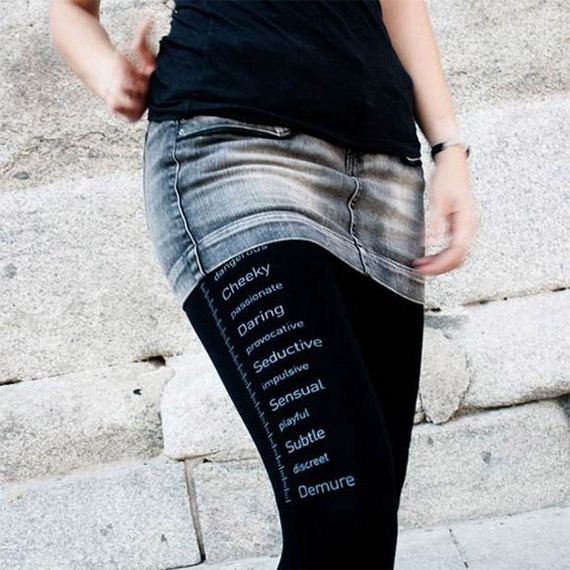





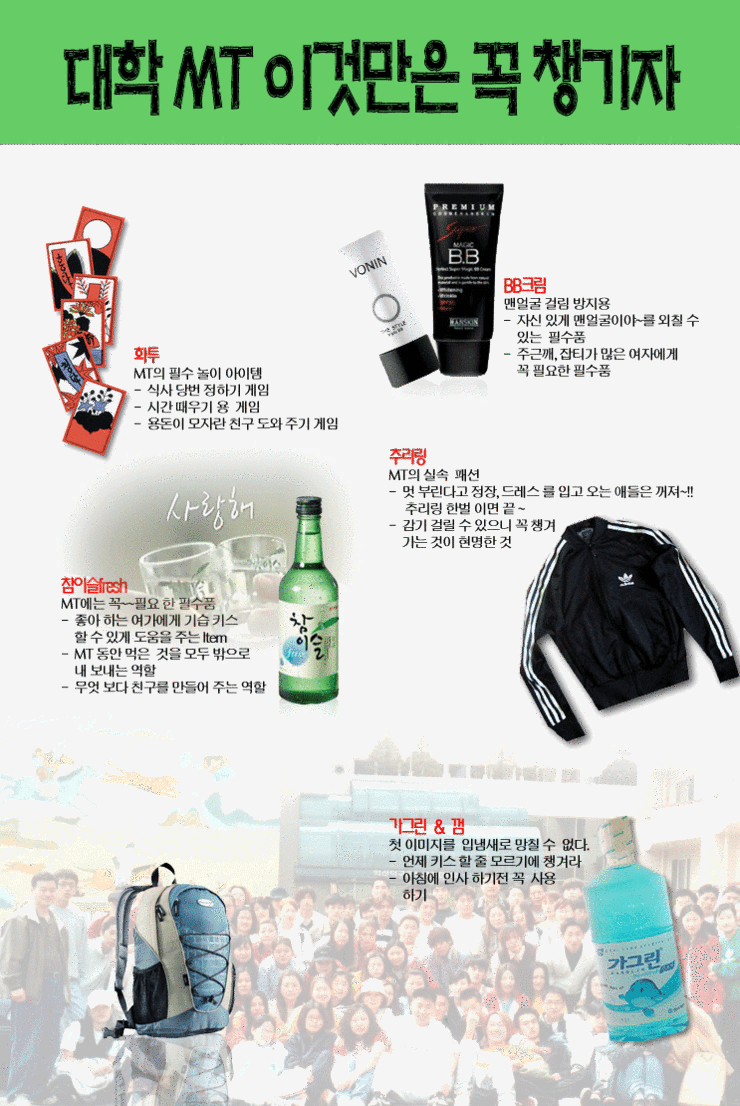
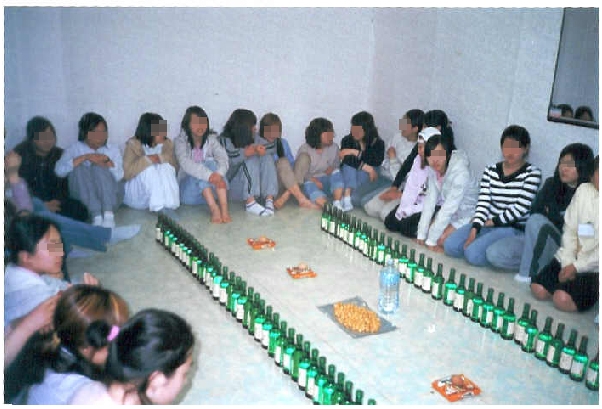



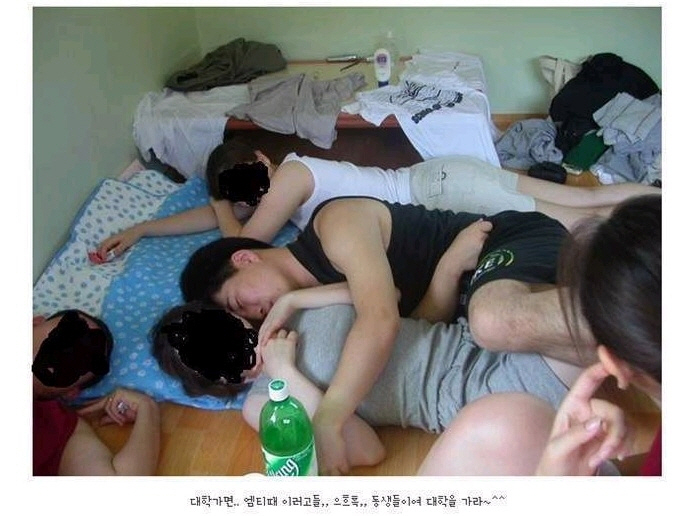
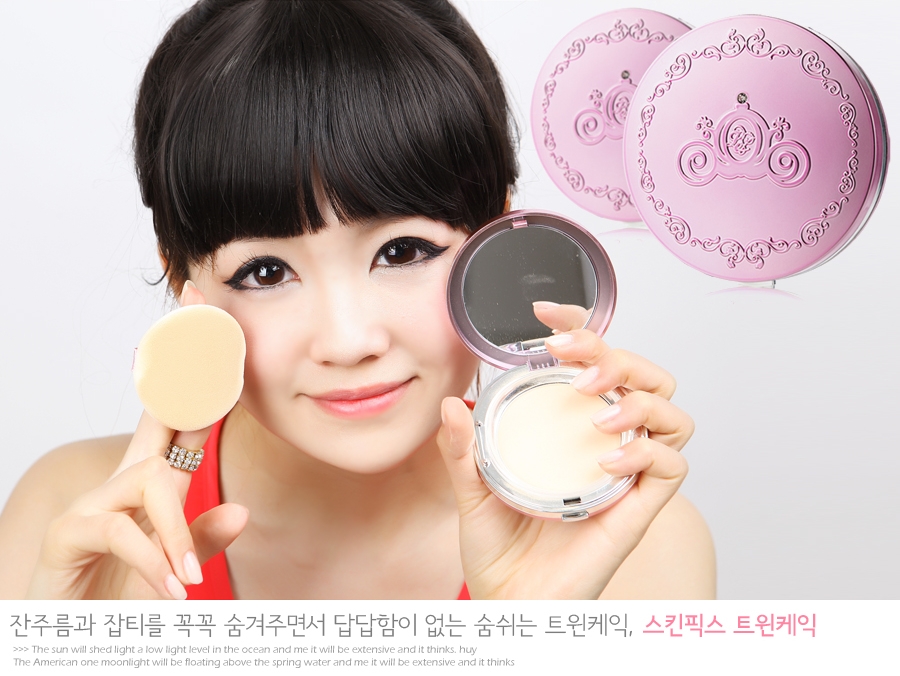
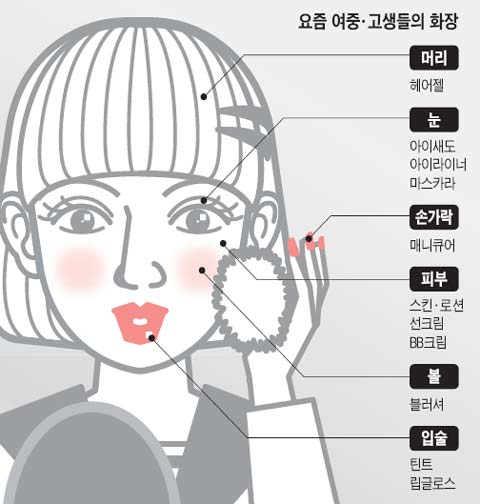
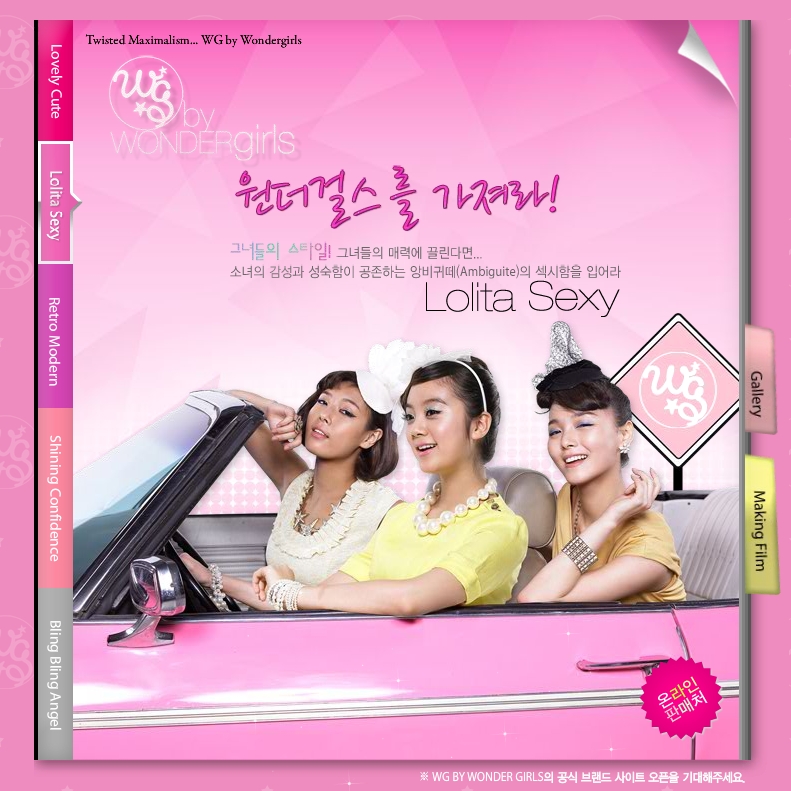




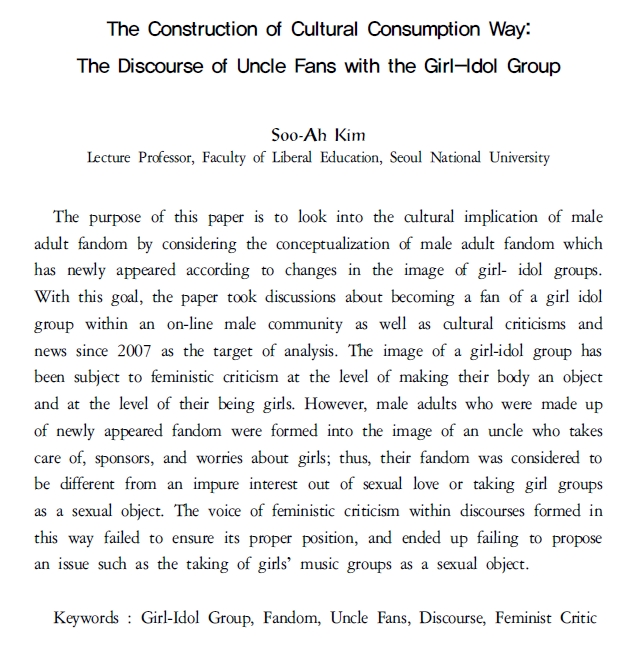


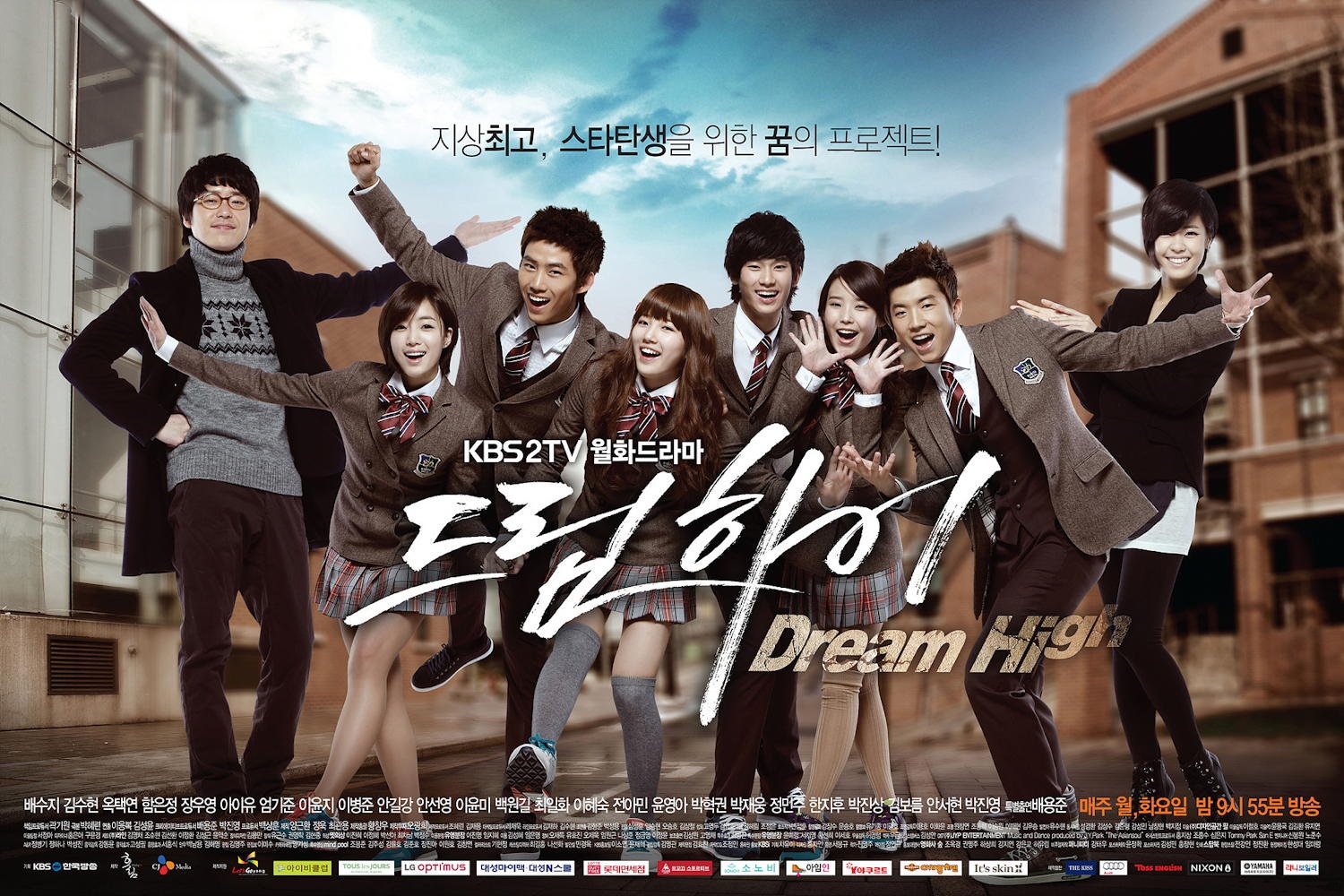


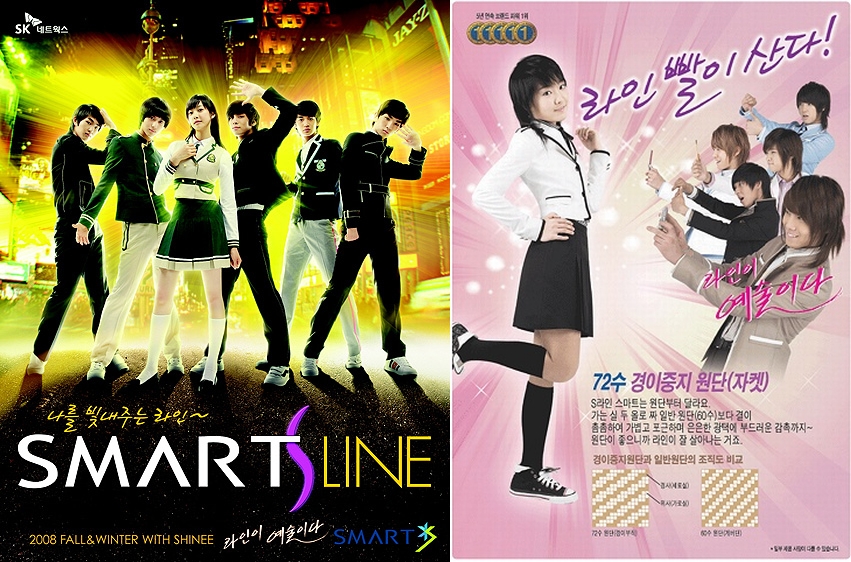
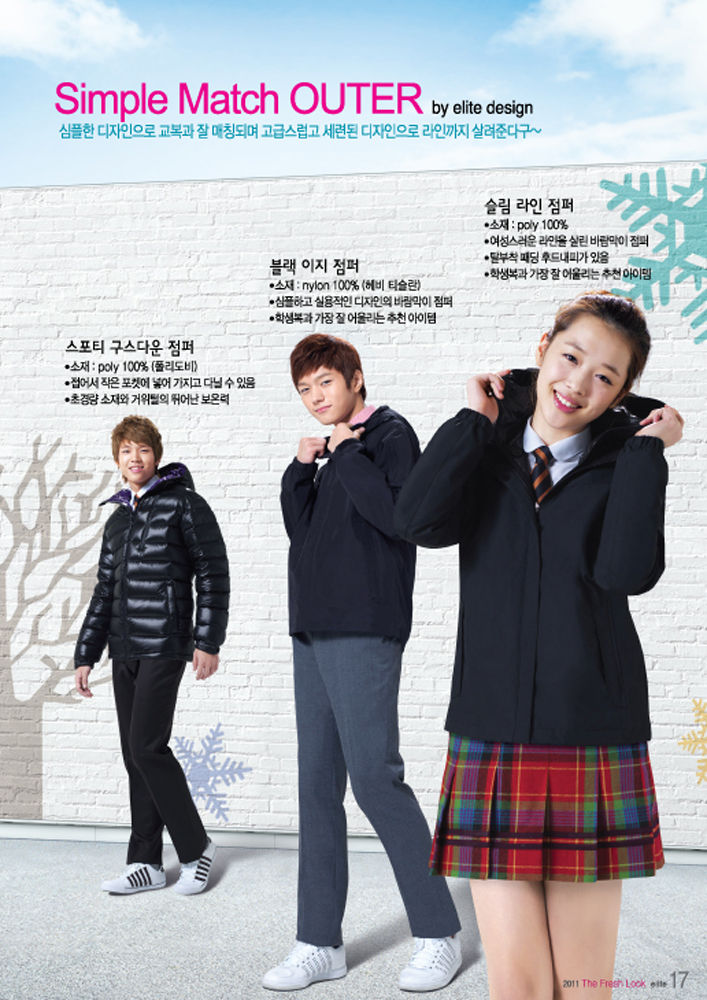


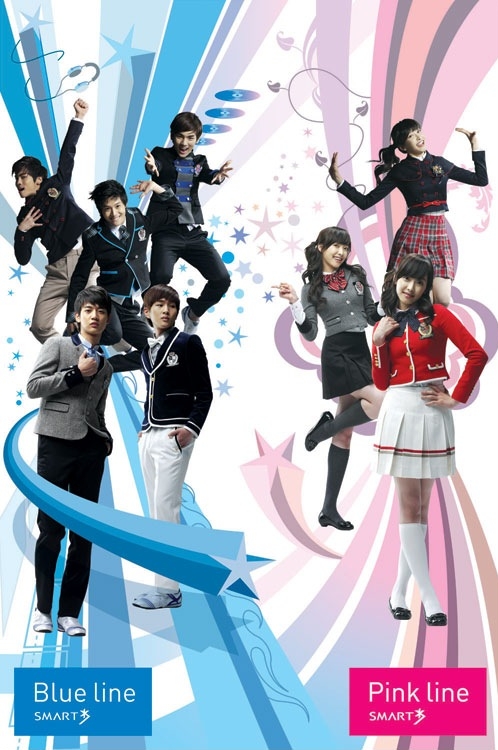







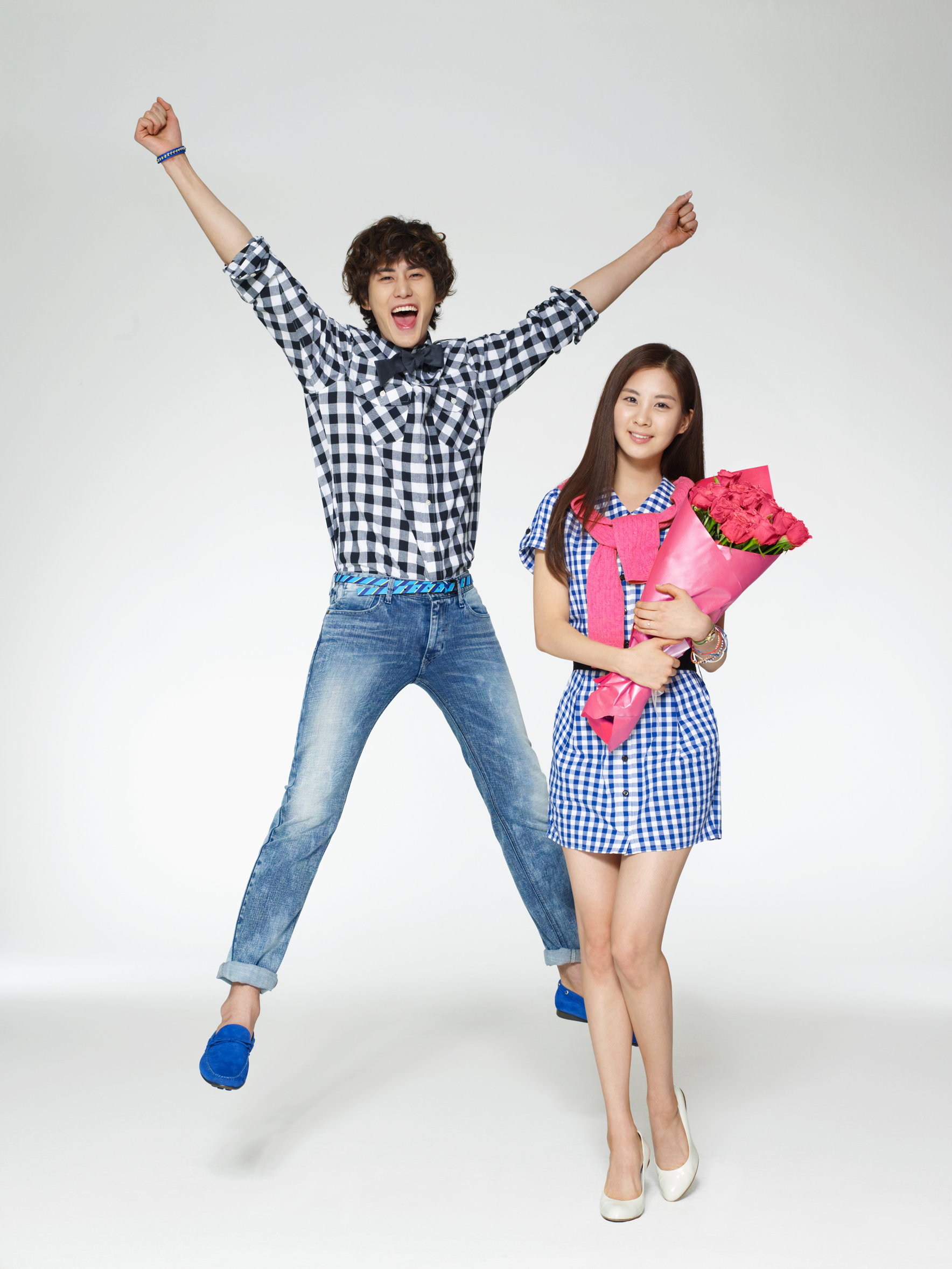
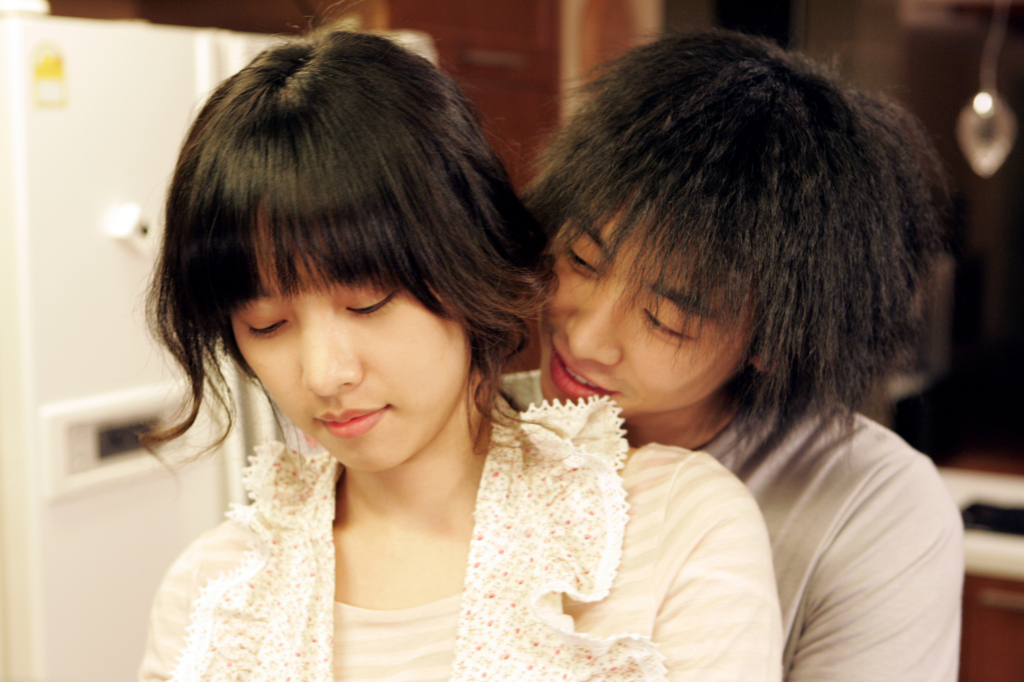







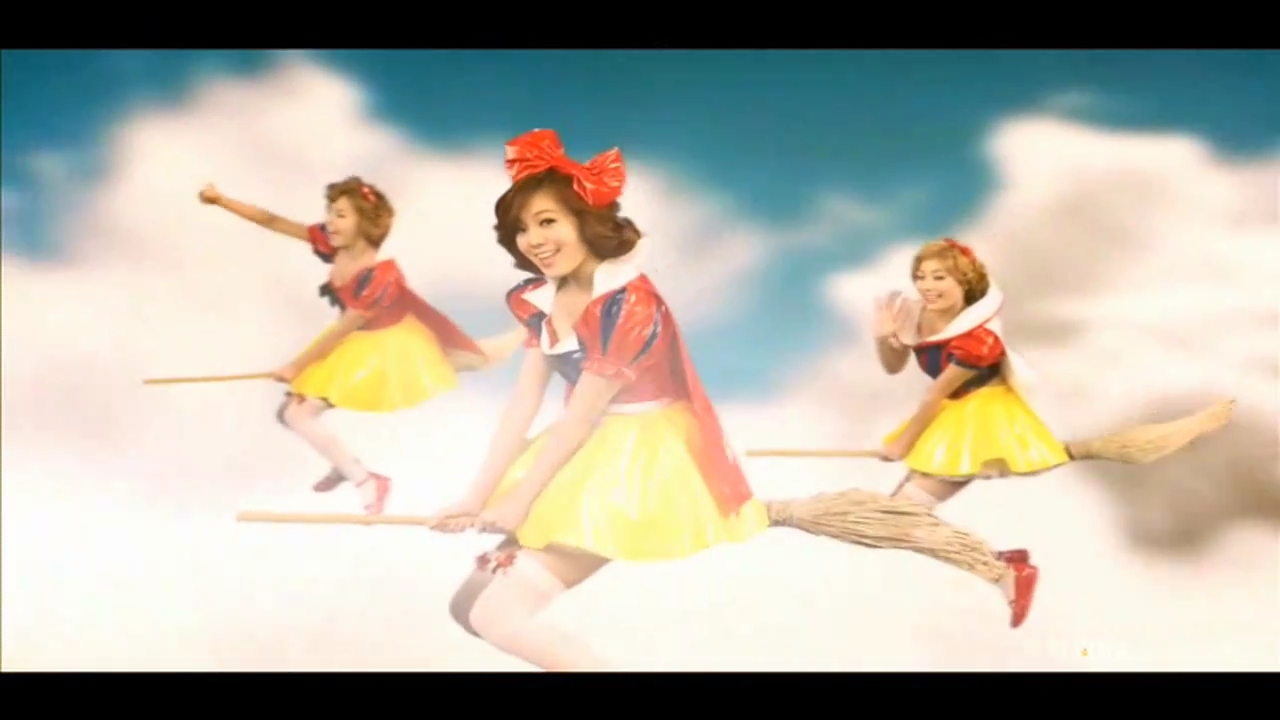













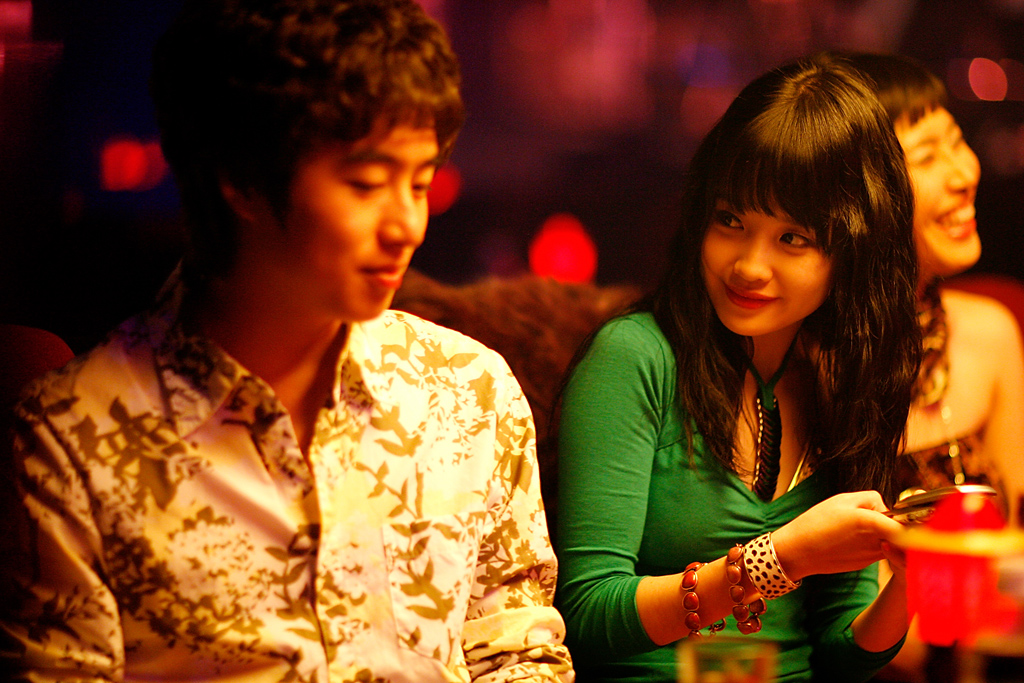
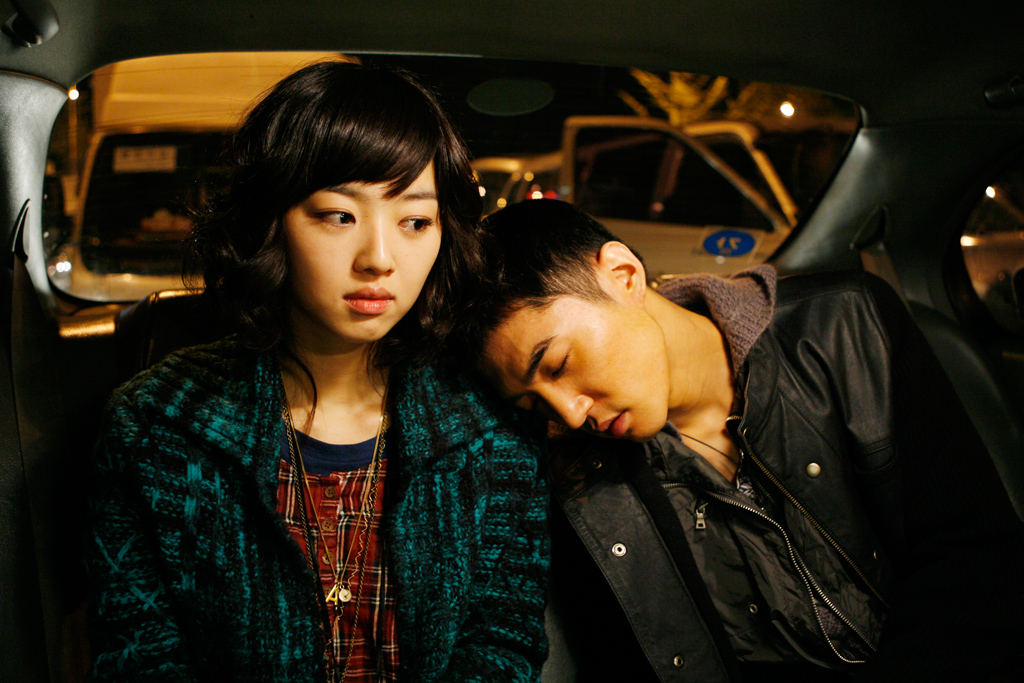

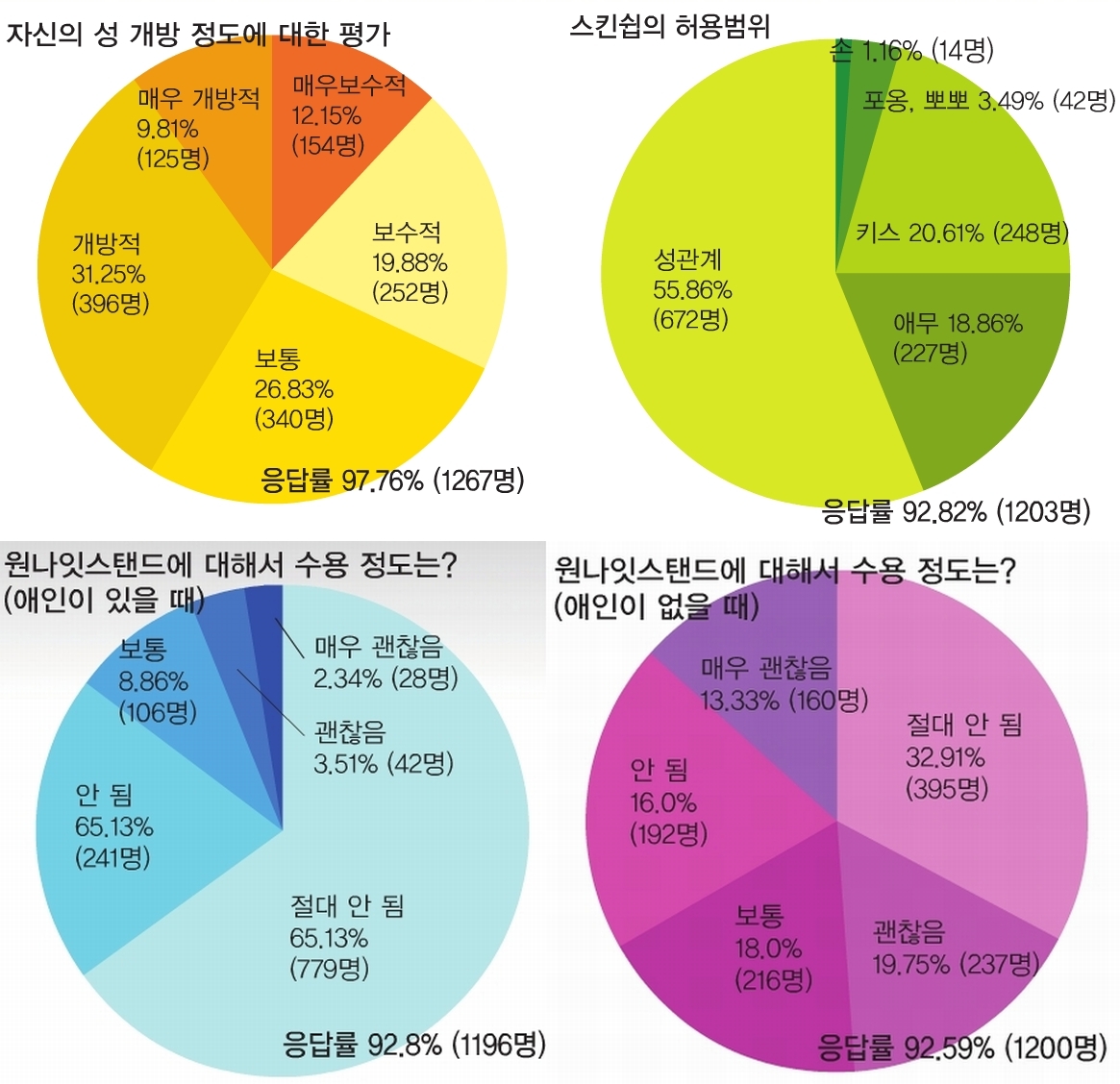

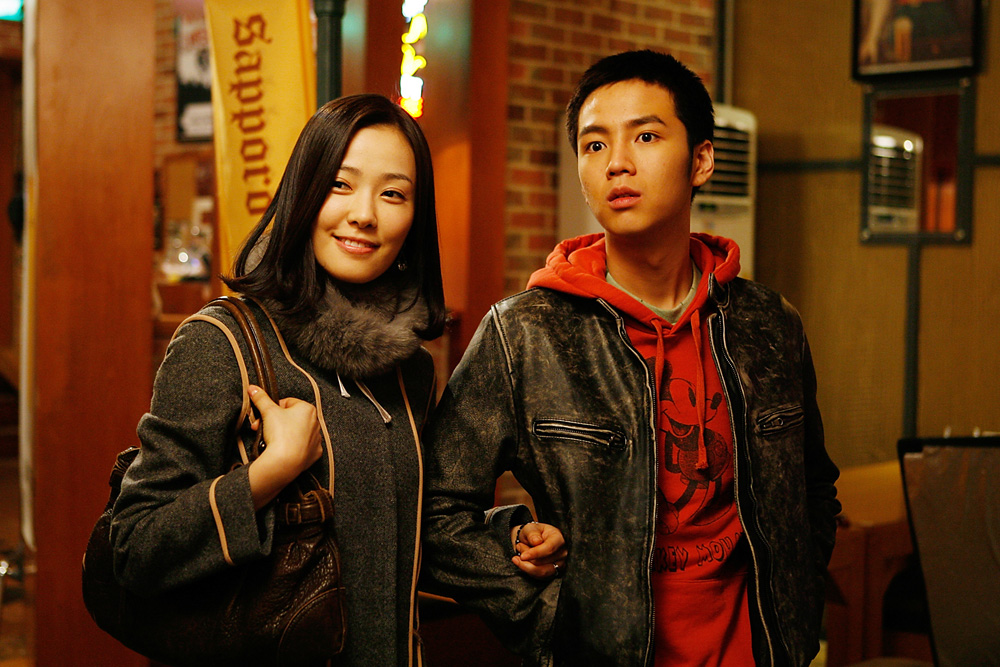




 While it is possible to absorb Vitamin D through food, the surest way is through exposure to a few rays of sunlight every day, and Korean women would be well advised to ask themselves if ultra-pallid skin is really worth the price of full health. Just as Korean parents might wonder if higher TOEIC scores are really worth the price of their children’s long-term health (end).
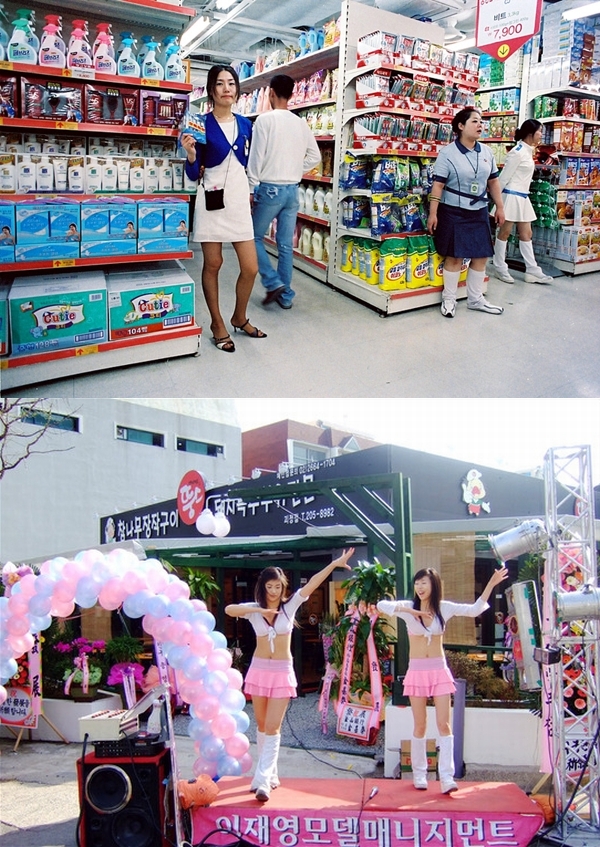


 (The Prewar Expansion of the Japanese Empire.


 And having an attractive female Korean teacher myself for over a year, then I can personally vouch for the effects of this, even though I was engaged at the beginning of that period and married towards the end, and didn’t for a moment seriously entertain that there was any chance of us getting together even if we’d both been single. My mind did tend to wander, however, when her back was turned, and which I was inordinately pleased that year to discover sometimes happened with me and my own female (adult) students, one of them naively both passing on her and her classmates’ Cyworld addresses one day and assuming that my Korean was much worse than it was (source, right:
 (Updated, January 2014)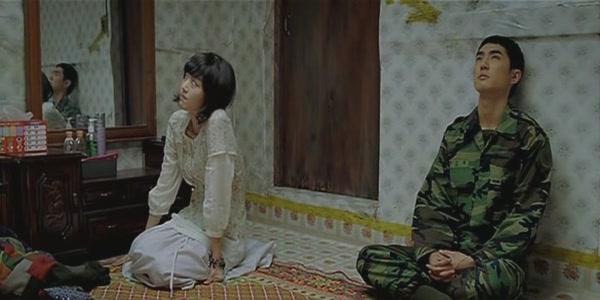



 Korean women taking responsibility for contraception…only in the movies?
 The Grand Narrative