Normally, I’d reserve something like this for the next Korean Gender Reader. But then as a friend aptly put it, this video is “totally fucking reprehensible”, and deserves highlighting. And indeed, if it’s not removed from Youtube soon, then we’ll both be contacting ArirangWorld to complain about it.
A quick language note before you begin watching though: a mistake many Korean learners make, including myself, is to complement someone by saying “건강해 보여요”, or literally “healthy [you] look”, not realizing that “healthy” often has connotations of being fat in Korea. And as you’ll soon see, this is carried to simply absurd proportions in the video.
Update 1: I wrote the following in 2 comments on the ArirangWorld YouTube channel. Or rather, I tried to, as although they registered in the comment count, they never actually appeared. Creating a new account and trying again, for some reason still only the 2nd paragraph squeaked through. Sigh.
As the author of thegrandnarrative.com, the most well-read English language source for information on Korean gender issues, almost every day I learn of the often tragic consequences of the incredibly damaging messages about health, weight, and body image that the Korean media promotes, and have very real concerns about raising my two young daughters here. Will they never exercise, because videos like “Twist in Figures” tell them that toned, healthy legs are unattractive? Will they too, like fully HALF of Korean high school girls, end up so malnourished and anemic from dieting that they are unable to give blood?
I implore ArirangWorld to remove this video immediately, and suggest that an alternative video outlining Korea’s problems in this regard, but also – crucially – demonstrating what positive steps various groups, organizations, and individuals are doing to correct these, would be a far better way of promoting Korea to the outside world.
For more on the shocking statistic about high school girls, see here. And you may also find this advertisement from 2009 interesting:
Update 2: The video has been made private. Which does mean that it can’t be watched at least, but on the other hand choosing to do that rather than simply deleting it could be construed as refusing to admit how problematic it was. Certainly ArirangWorld has yet to make any kind of formal apology for it.
If anyone would still like to see it, then I did save the video before it was made private, but unfortunately at 55MB it’s much too big to send via email. I can send it via Skype though, so please feel free to add me to your list of contacts and request it (my id is “Jtur001”).
Update 3: Although I’d wager I’m a much more pleasant middleman than most(!), you can now avoid me and download the video directly here.
Update 4: See here for the Korea Studies community’s reaction to the video.
(For all posts in the Korean Sociological Image series, see here)
Part 2 in the series from the Seoul Shinmun, kindly translated by Marilyn; for Part 1 and a wider discussion of what “Host Bars” are exactly, see here. Meanwhile, yes, I realize that those are actually Japanese hosts above, but then I’m afraid images of their less brazen Korean counterparts are rather harder to come by!^^
새벽 2시강남 ‘호빠’선무슨일이… “누나, ‘민짜’ 원해? 있기야있지”… 여성탈선 ‘무법지대’ / What’s going on in a Kangnam ‘ho-bba’ at 2 a.m…“Noona, do you want ‘minjja’? Of course we have it!”…A lawless area of female deviance
지난달 말 서울 논현동 유흥가. 새벽 2시 무렵 우성아파트 사거리 일대를 지나 한쪽 골목으로 들어서자 현란하게 네온사인을 밝힌 유흥주점이 줄지어 나타났다. 이 중에서 룸살롱과 호스트바가 ‘1, 2부 형식’(저녁에는 룸살롱, 새벽에는 호스트바)으로 운영된다는 K업소를 찾았다.
At the end of last month in Seoul’s Nonhyeon-dong adult entertainment district, after passing the area around the Woo-seong Apartment Complex intersection at about 2 a.m. and entering an alley to one side, adult entertainment bars with flashy neon signs appeared in rows. Among these, we went to ‘K’ business, which was being operated as a room salon and host bar in a ‘1, 2 part form’ (room salon in the evening, host bar late at night).
(Photo caption: Entrance to Seoul Samseong-dong host bar at 1 p.m. on the 18th. Four young men who look like hosts are saying goodbye to two women)
내부로 들어서자 문 열린 객실 틈으로 40대 중년 남성들과 업소 아가씨들이 섞여 앉아 술잔을 기울이는 모습이 눈에 들어왔다. 바로 옆방에서는 20대 초반으로 보이는 앳된 남성들이 30~40대 여성들에게 입으로 안주를 먹여 주거나 윗옷을 벗고 춤을 추는 등 낯뜨거운 광경이 펼쳐졌다. 같은 공간에 남녀 접대부들이 섞여 있는 모습이 낯설었다. 이 가게의 1부 영업을 관리한다는 한 실장은 “1, 2부를 확실히 구분지어 영업한다. 업소 아가씨들이 남성 접대부들과 같이 일하는 것을 불편하게 여겨 그만두는 일이 잦기 때문”이라고 귀띔했다.
Upon entering, through the crack of an opened door middle-aged men in their 40s and the business’ young women sitting together and pouring drinks could be seen. In the very next room, baby-faced men who looked like they were in their early 20s feeding snacks to women in their 30s or 40s or taking off their shirts and dancing, and other embarrassing scenes could be observed unfolding. Male and female hosts mixing in the same space was unusual. A director who runs this business’ first part said “We run the two parts very separately. It is because the business’ young women consider it uncomfortable to work with male hosts and so often quit.”
(Map of host bars in Gangnam-3-Gu)
팁은시간당 3만원안팎/ Tips around ₩30,000 per hour
이곳에서는 양주 한병에 기본 18만원을 내야 한다. 고급 호스트바에 비해 상대적으로 저렴해 일부 주부들과 회사원 사이에 ‘부담 없이 놀기 좋은 장소’란 입소문이 난 곳이다. 5분 남짓 기다리자 ‘모델’, ‘보이’ 등으로 불리는 ‘박스’(10명 안팎의 호스트들로 꾸려진 팀)가 일렬로 들어왔다. ‘선수’(호스트를 지칭하는 은어)들은 업소에 상주하지 않고 손님이 찾을 경우 다른 곳에서 대기하다가 전화를 받고 오는 일명 ‘보도’ 형태로 운영되고 있었다. 남성 호스트에게 지불되는 팁은 시간당 3만원. 비교적 ‘저렴한’ 가격 때문에 오후 9시 이후에는 주부와 회사원, 새벽에는 여대생부터 유흥업소 종사자들까지 다양한 부류의 여성들이 찾는다고 했다.
Here, one must pay at least ₩180,000 for a bottle of Western alcohol. Compared to top-level host bars, this is relatively cheap so it has gained a reputation among ordinary housewives and office workers as a “good place to have fun without a burden.” After waiting over 5 minutes, a “box” (a team of 10 or so hosts) called “Model”, “Boy”, [Marilyn – I guess these are names of different box –?]and so on entered in a row. “Seonsu” (the designated slang term for hosts [lit. “players”, as on a sports team]) who aren’t stationed at a business but are standing by so that when customers visit they receive a phone call and come, are managed as “bodo.” Male hosts receive a tip of ₩30,000 per hour. Because of the comparatively “cheap” price, housewives and office workers after 9pm, and at dawn, diverse types of women from university students to adult entertainment business professionals said they come here.
선수들 가운데는 고교생 티를 벗지 못한 앳된 얼굴도 보였다. “화끈한 준이에요.”, “끝나게 노는 현우예요.” 이런 투의 자기소개가 이어졌다. 두 명을 ‘초이스’한 뒤 이야기를 나눴다. (source, below)
Among the seonsu, there were babyfaces who haven’t yet shed their high school student look. “I am Wild Joon”, “I am Hyeon-woo who plays hard.” The self-introductions continued in this kind of tone. Two people talked with us after “choice” [Marilyn – choosing ceremony?].
“더 어린 친구는 없나?”
“You don’t have any younger friends?”
누나 ‘민짜’(미성년) 좋아해? 있기야 있지. 아까 두 번째 애도 올해 수능 봤어.”
“Does noona like minjja (underage)? Of course we have it! The second kid just now also took the college entrance exam this year.”
4년째 호스트 생활을 하고 있다는 20대 남성 A씨는 “미성년자는 주로 업소보다 보도에 많다.”면서 “간혹 여자 손님 중에 미성년자도 있다.”고 털어놨다.
Mr. A, a man in his 20s who has been a host for four years, confessed, “There are usually more underage at bodo than at businesses.”
이른바 ‘2차’가 가능한지 물었다. “에이, 알면서…. 누나가 맘에 들어 해서 좋아. 근데 이게 시간당 계산되는 거라서….”
This reporter asked if the so-called “second stage” were possible. “Come on, you already know … I like noona so that’s fine. But it’s an hourly-calculated thing, so…”
일부룸안에서즉석성매매까지/ As far as prostitution on the spot in some rooms
한 20대 선수는 눈치를 살피며 말꼬리를 흐렸다. 2차 비용에 대한 이야기인 듯싶어 “50만원 정도면 어때?”라고 물었더니 고개를 끄덕였다. 간혹 룸 안에서 즉석 성매매가 이뤄지는 경우도 있다고 했다.
A seonsu in his twenties trailed off while watching for a reaction. It seemed to be talk about the price of a second stage, so this reporter asked “How about ₩500,000 or so?” and he nodded. He said there are sometimes cases in which on-the-spot prostitution occurs in a room.
그는 이어 “경찰 단속이 뜨면 내가 웨이터라고 말하거나 누나랑 아는 사이라고 하면 돼.”라며 손님으로 가장한 취재진을 안심시켰다.
He then gave comfort to the reporter disguised as a customer, saying, “If the police come in, all I have to do is say I’m a waiter or that noona and I know each other.”
한참을 ‘놀다’ 일어서려는 취재진에게 한 선수가 투정 부리듯 말했다. “누나, 단속은 걱정 안 해도 돼요. 다 방법이 있어요.”
To the reporter who had “played” for a good while and was standing up to leave, a seonsu complained, “Noona, you don’t have to worry about a crackdown. Everything has a solution.”
(Links to be provided as posts go up: Part 1, Part 3, Part 4)
On a recent episode of Thinking Allowed, a BBC4 radio show and podcast, host Laurie Taylor talked to Kate Fisher and Simon Szreter about their new book Sex Before the Sexual Revolution, an “illuminating exploration of intimate life in England between 1918 and 1963, which involved them speaking frankly and in depth to almost a hundred people about their sex lives in the period”. Fascinating in its own right, my ears immediately pricked up upon hearing the following at 16:10 (source, below right):
Laurie Taylor:
Let’s turn to some things you found out as a result of your, I mean, very sensitively conducted conversations…I mean, Kate, one of the things is about this, this…the notion is that people were utterly ignorant about sex before marriage. Does the research bear this out?
Kate Fisher:
Yes and no. This is a world in which sexual info is increasingly available, but it’s still one in which parents are reluctant to talk to their children, where schools don’t…er…give away information until after 1944, and even still, that’s fairly limited. So people are having to piece things together, listen to jokes, overhear other people…
But what’s particularly striking, is the ways in which women in particular, even when they did come across information, they were careful to not find out too much. They wanted to maintain a sense of ignorance in order to…
Laurie Taylor:
Yes, particularly working-class women though, yes…this idea that they should be innocent…
Kate Fisher:
They should be innocent and indeed they saw innocence as part of an attractive naivety…Their attractiveness was bound up with appearing naive, and innocent, and sort of coy.
Not that I want to overstate those of course. But I do think it’s no coincidence, and it’s certainly got my intellectual juices flowing. In particular, over whether UK society at the time had its own equivalent to aegyo (애교), and, regardless, how much such notions of female sexuality underscore it (albeit very much in combination with financial dependence on male breadwinners).
Food for thought anyway!^^ Meanwhile, for a glowing review of the book itself, see The Guardianhere (I’m sold!), and to listen to the full interview, scroll to 11:35 here, or alternatively you can download the whole podcast here (it’s the February 16 episode).
Update – Naturally, the point that most got my attention in the interview of the authors was also mentioned in the book review:
The book’s three sections – “What was sex?”, “What was love?” and “Exploring sex and love in marriage” – take us through the whole cycle of the interviewees’ awareness of sex, from the rudimentary and often non-existent provision of sex education, through courtship, petting, birth control, marriage and parenthood. The social context is clearly delineated, but even the woeful ignorance of the young about sex – “the profound and beautiful ignorance of sex”, as one respondent calls it – is examined with great subtlety. “For women of all classes, the preservation of innocence and modesty was a complex cultural accomplishment in which many around them had to play their protective role and with which they had to comply. It was an enduring positive element of their self-identity, instilled into them by their parents, especially their mothers.”
Well, I’d be lying if I said I didn’t always enjoy seeing attractive women in their underwear. But I can still certainly understand objections to the way in which Reebok appropriated The No Pants Subway Ridein Taiwan last month. Like commenter Riff complained:
Oh, lovely, thanks, my fellow Asian women, for perpetuating our cute-sexy-I’m-so-innocent-make-me-squeal stereotype, which somehow just gets worse when a whole crowd of you clones take off your pants for an advertisement to capitalize on the sexualization of women in Asia. Great job, girls. Continue being cute.
And Doug:
As usual for East Asia, they’ve taken the wacky and fun American version, and made it aggressively sexual and really creepy.
And Jedd Oliver noted that the original Chinese-language marketing indicated that Reebok was very much taking advantage of the “liberating the lower body” slogan of the unisex, New York-based Improv Everywhere original. Which strongly reminded me of the following point about the way the advertising industry sometimes deals with feminist criticism:
…some advertisers, aware of the objections of the feminist movement to traditional images of women in ads, have incorporated the criticism into their ads, many of which now present an alternative stereotype of the cool, professional, liberated women…Some agencies trying to accommodate new attitudes in their campaigns, often miss the point and equate ‘liberation’ with a type of aggressive sexuality and very unliberated coy sexiness (G. Dyer, Advertising as Communication, 1982, pp. 185-186)
But to play devil’s advocate, Reebok hasalready been using such “assvertising” for its EasyTones for a long time, as have other companies with similar products (which as you can see above, includes the obligatory reference to one’s “S-line” in Korean versions). So, while I remain dismayed that, yet again, something that uses false advertising to encourage women not to exercise has become so popular, arguably this campaign is just a flesh and blood version of what people have already been seeing on subway trains for years.
Ho-bba, jeong-bba, d-bba (all forms of host bars) yesterday, and now this. Frankly, it’s becoming difficult to keep track of all the ways brothel-owners easily circumvent Korea’s asinine prostitution laws.
3) KoreAminterviews Lisa Lee, founder of Thick Dumpling Skin, “the new community website focused on Asian Americans, eating disorders and body image”
Or are they? While I’d like to report on good news if and whenever possible, I’m not sure that the recent revelation that the Korean “sandwich generation” – those financially responsible for both children and parents – isn’t as big as expected is quite enough to compensate for Korea’s coming demographic crunch. As, indeed, the World Street Journal tacitly admits in its conclusion to its own report:
After 2016, though, things start to get really, really rough for South Korea. That’s when the working-age population starts to fall. Then, the number of people saving and paying taxes and contributing to the asset base will start to decline while the number of people drawing from the asset base will start to rise.
Hopefully he will actually go, thereby drawing some much needed attention to the plight of fatherless Korean-Filipino children there.
As Robert Neff mentions, as of last year Koreans have replaced Americans as the biggest group of foreigners to visit the Philippines. And a 2009 Korea Timesarticle also explains that the rise in numbers of Kophinos is:
…a product of the mindset of Koreans who were visiting the Philippines to enjoy life but not to get married to Filipino women. Enjoying life, of course, means hitting strip bars, paying for sex and getting temporary Filipina girlfriends.
They never think of marrying Filipino women and just enjoy their lives here, she said.
But, for some Filipino women, they consider relationships with foreigners as their ticket out of poverty. Unfortunately, this often turns out to be wishful thinking as Korean men quickly abandon the women after a night of sex or when they learn they are pregnant.
Son explained that the Korean cultural history of disapproving of mixed marriages has been a factor in the abandoning of Filipino children.
While it’s slightly old, this December 2009 JoongAng Daily article provides an excellent summary of the dismal state of sex education in Korea, and which unfortunately is probably little different today. The caption to the picture on the right, for instance, mentions that “most of the nation’s practical sex education programs are only available outside the classroom”, and later the article discusses how progressive teachers’ efforts are frequently thwarted by parents’ complaints that showing students how to use the pill or put on condoms correctly, say, simply encourages them to be promiscuous.
Sigh.
8) Life at a Korean University
Strictly speaking, not a gender issue, but of course a knowledge of Korean university life is essential for understanding Korean 20-somethings. See here for a handy quick guide by The Three Wise Monkeys then, with 1 bad – but many good – anecdotes from the related “MT” (membership training) mentioned by Joe Seoulmanhere.
Meanwhile, the Hankyoreh reports that, unfortunately, living costs for university students are skyrocketing these days. And, to make things worse, they’re being excessively targeted by Christian evangelicals while on campus!
Although it’s a little difficult to keep track of all the pilot schemes that preceded this, Hanpolis provides a good summary of them in a September article here. And like that says, already the plan then was to have 75% of the city under the “U-Seoul Children Safety Zone” by 2014.
With one daughter of mine just 2 years from starting school, I’m beginning to take a great interest in this, and am wondering if other cities are going to follow suit. And especially because of the rape of a middle school girl by 4 of her classmates in Busan last month, which occurred just a couple of subway stops from my apartment.
Two years after actress Jang Ja-yeon (장자연) committed suicide over being forced by her management companies to have sex with various entertainment, media, and business executives, the revelation that 50 handwritten letters have emerged in which she names them – 31 in all – has rocked the Korean public. Like the Wall Street Journal explains:
Reaction on Internet forums and micro-blogging site Twitter show that people are seething. An unverified list of the men purportedly identified in the letters has been widely circulated via Twitter, causing concerns that some can be falsely accused.
And the police who originally investigated are under fire for glossing over the case. South Korea’s media, who dropped the story shortly after rumors spread that some of the industry’s leading executives had liaisons with Ms. Jang, is also under scrutiny.
See there and Global Voicesfor excellent summaries, the latter of which discusses some of those reactions on Twitter in more detail. Also, Omona! They Didn’t has a quick list of some of those names, as well as the International Forensic Science Laboratory’s refutation of claims that the letters were fabricated.
Meanwhile, actress Yoo In-na (유인나), who rose to prominence after her supporting role in the popular drama High Kick Through The Roof (지붕뚫고 하이킥), has alleged that she was sexually harassed by her former entertainment agency CEO. And Asian Correspondent has translated an article that says that according to the National Human Rights Commission (국가인권위원회), “cases of sex discrimination and sexual harassment have increased 25-fold in the past eight years, from 13 cases in 2002 to 336 cases in 2010”.
Host Bars? I’d always assumed they were one-off novelties, largely created for the purpose of perpetuating Westerners’ sexual stereotypes of the Japanese. Any Korean versions would surely be even more rare and exotic.
It turns out, actually they’re a booming industry, in both Japan and Korea. There’s hundreds of establishments just in the wealthier parts of Seoul alone.
Not to be confused with the unfortunately named “Ho Bar” chain in Hongdae, they’re known as ho-bba (호빠) in Korea (“host clubs” in Japan), which translator Marilyn strongly suspects the name is a play on obba (오빠) or (lit. “older brother”, but often used romantically). Just like a friend of hers said the jeong (정) in the more upmarket jeong-bba (정빠) version is short for jeong-teong (정통), or “authenticity/legitimacy”.
Intrigued, I was a little disappointed that the following article in the Seoul Shinmun, the first in a series of four, provides little more than basic statistics. Fortunately however, a quick search produced:
The Moonlight of Seoul (2008; 비스티 보이즈) above, an “up close and personal view into the host bar scene”
No Regrets (2006; 후회하지 않아), which features a gay-identified host (and happens to be the first Korean movie to show full-frontal male nudity)
In light of that last, perhaps the current boom isn’t quite as recent or as unprecedented as the following article suggests. What do you think? Have any readers been to themselves?
Update: with thanks to commenters for passing them on, From Noona With Love has a mini-interview with a former Busan host-bar worker here, and the drama JungleFish (정글피쉬) also featured a character that worked at a host-bar.
What’s going on at a Kangnam host bar at 2am? / 10,000 female customers daily… housewives, teens rapid increase is “deviation”
서울 강남에 독버섯처럼 돋아난 호스트바(속칭 호빠)가 탈선의 온상이 되고 있다. 18일 경찰 및 업계에 따르면 강남 일대 최소 100곳의 합·불법 호빠에 하루 평균 1만여명의 여성 손님이 오고, 이들 가운데 상당수는 성(性)을 구매한다. 이는 지난해 11월 24일부터 지난 17일까지 호빠 밀집지역인 논현·서초·청담동 등에 대한 본지의 탐문 취재에서도 확인됐다. 복수의 업소 관계자의 증언을 종합하면 강남지역 호빠의 전체 매출액은 연간 3000억원 이상으로 추산된다. 하지만 대부분의 업소들이 무허가 영업이나 속칭 ‘2부 영업’을 하고 있기 때문에 세무당국에 매출이 포착되지 않고 있다.
Kangnam, in Seoul, is becoming a hotbed of deviation in which host bars (popularly known as ho-bba) sprout like poisonous mushrooms. According to police and the industry on the 18th, in the Kangnam area at least 100 ho-bba, legal and illegal, are visited daily by an average of 10,000 female customers, a considerable number of whom purchase sex. This has been confirmed by this paper’s investigative coverage of areas with many ho-bba like Nonhyeon-dong, Seocho-dong, Cheongdam-dong, and others, from Oct. 24 of last year through Jan. 17. Putting together the testimony of several industry sources, the total yearly sales of Kangnam-area ho-bba are estimated at ₩300 billion. However, because most businesses operate without a license or are “two-part businesses”, these sales are not being detected by tax authorities.
(Table caption: Progress of crackdown on female sex-purchasing * Purchasing of sex and procuring of prostitution {unit: people})
Around 100 places thriving … 300 billion in sex sales
업소 관계자들은 강남·서초·송파구 등 ‘강남 3구’에만 100여곳의 호빠가 성업 중이라고 입을 모았다. 탐문취재 결과 ‘정빠’(고급 호빠)는 D, P, B 등 5곳으로 조사됐고, ‘일본식 호빠’(일명 아빠방·정빠에서 밀려난 25~30대 후반 남성이 고용된 호스트바)는 R, V, B 등 10여곳 정도 파악됐다. ‘디빠’(덤핑 바·저렴한 가격의 호빠)와 ‘퍼블릭’(성매매까 지 이뤄지는 호빠)은 M, S, G 등 각각 3곳이었다. 특히 현장 확인 결과 무허가나 업종을 바꿔 불법 영업을 하고 있는 곳도 5곳이나 되는 것으로 드러났다. 이처럼 업소가 늘어나면서 지하철 2호선 강남역 일대에만 1300~2000명의 남성들이 정빠 등 호스트바에서 일하는 것으로 조사됐다. 호스트바의 인원, 매출, 위치 등 구체적 실태가 확인된 것은 처음이다.
Industry sources unanimously said the hundred or so ho-bba that can be found just in “the three Kangnam boroughs” – Kangnam, Seocho, and Songpa – are thriving. Investigative coverage found five jeong-bba (high-level ho-bba), including “D”, “P, and “B”, and it is estimated there are about ten “Japanese-style ho-bba” (also known as “dad rooms”; host bars that hire men ousted from jeong-bba, from the ages of twenty-five to late thirties), including “R”, “V”, and “B”. There were three each of “D bba” (dum-ping bar – a low-price ho-bba) and “public” (ho-bba in which prostitution occurs), including “M”, “S”, and “G”. The results of the special site check revealed that there are also five businesses without a license or that have changed their type of business into an illegal one. It was found that, as this type of business increases, between 1,300 and 2,000 men work at jeong-bba or other host bars just in the Kangnam Station area on subway line 2. This is the first time the specific, actual conditions of host bars, like the number of people involved, sales, location, and so on, have been confirmed.
지난 17일, 20대 일반여성들이 자주 찾는다는 논현동의 S호스트바에서 5시간 동안 여성 고객 숫자를 세어 본 결과 시간당 평균 5명 안팎이 업소를 찾았다. 보통 오후 10시부터 다음 날 오후 2시 무렵까지 문을 여는 점(16X5)을 감안하면 하루 80명 안팎의 여성들이 이곳을 찾는 것으로 추산된다. 경찰 관계자는 “개인적으로 알고 있는 업소만 100곳이 넘고, 고객도 1만명이 넘는다.”면서 “여성 손님의 30% 정도가 2차를 나가는 것으로 알고 있다.”고 전했다
On the 17th at Nonhyeon-dong’s “S” host bar, where average women in their twenties often go, counting the number of female customers for five hours showed that about five people per hour visit the business. Considering that it is usually open from 10pm to 2pm the next day, it is estimated that around 80 women visit this place every day. A police source said, “Just the number of places I personally know exceeds 100, and there are more than 1,000 customers,” and added, “I know that about 30% of female customers go out for a second stage.”
More than 10% [go to] “second stage”… every year rapid increase in number caught
업계 관계자들 역시 “업소당 하루 평균 100명 안팎의 손님이 찾아오고, 10명 중 한두 명은 2차를 나간다.”며 “2차는 고급 호빠인 정빠보다 보도(전화로 부르는 접대부)와 디빠 등에서 주로 이뤄진다.”고 털어놓았다. 이를 반영하 듯 돈을 주고 성을 사다 적발되거나 성을 알선한 여성 성매매 사범의 숫자도 2006년 2636명, 2007년 7161명, 2008년 9411명, 2009년 1만 3414명으로 해가 갈수록 증가하고 있다. 특히 유흥업소 여성들이 주요 고객이었던 이전과 달리 최근에는 가격이 싼 ‘보도방’과 ‘아빠방’을 위주로 10대와 가정주부 고객이 급증한 것으로 드러나 심각성을 더하고 있다. 경찰 관계자는 “물증찾기가 힘들어 단속이 어렵다.”고 말했다.
Industry sources also said, “Every day an average of roughly 100 customers come to each business, and one or two out of every ten people go on to a second stage,” and confessed, “The second stage usually takes place with a bodo (a host contacted through the phone) or at a D-bba, rather than at a high quality jeong-bba.” Reflecting this, the number of sexual commerce offenses in which women are caught paying for sex or procure sex for others is increasing every year – from 2,636 people in 2006 to 7,161 people in 2007, 9,411 people in 2007, and 13,414 people in 2009. The seriousness grows as it is revealed that, different from most female customers of adult entertainment businesses in the past, currently the number of teenage and housewife customers, mainly at low-priced “bodo rooms” and “dad rooms”, is quickly increasing. A police source said, “It is hard to find evidence so crackdowns are difficult.”
Apologies for the continued slow posting folks, but I have several good excuses, one of which involves spending a lot of time in doctors’ waiting rooms. Unlike most normal people however, that’s actually something I look forward to(!), as it gives me the opportunity to peruse the hundreds of advertisements in the notoriously thick women’s magazines there.
Like Laedygyeonghyang (레이디경향; Lady Trend) for instance, which at 8200 won (US$7.32) a pop, is normally much too expensive to buy just for the sake of a few pictures. But then I saw the February edition, and was hobbling to the nearest bookstore literally as soon as my bandages were changed (the nurses had to call me back inside for my injection).
You see, February to March being the start of the school year in Korea, then the first 30 pages or so had 6 full page advertisements for children’s schoolbags. And all of those aimed at girls stressed how attractive or pretty they would make them look, whereas all of those aimed at boys stressed how they could help them achieve their dreams, their appropriateness for rough and tumble play, and so on. Perpetuating gender stereotypes in a manner much more reminiscent of the 1960s and ’70s than something you’d expect to see in 2011, this was really quite shocking, and an indictment of how – in terms of socializing children at least – advertising has definitely regressed in recent years.
Unfortunately, the magazine was no longer available, but as you can see above I did manage to find at least the 2 K-SWISS (케이스위스) ones online later (the other 4 were from HEAD {헤드}). Paraphrasing just a little, the Korean on the girl’s ad reads “What style shall I choose today?!”, while that on the boy’s reads “Through [this bag’s] strength/firmness and lightness, achieve children’s dreams!”. Sigh.
Update 1 – Of course, those messages were pretty obvious from just the visuals. And given that, the fact that Caucasian models were used, and that K-SWISS is an American company, then I was curious as to if this was in fact an American ad that had been used in other markets, with just the text translated. A quick check of its main website though, shows that only the Asian branches had kids’ lines, but which still leaves the possibility that they’re generic ads for the East Asian region.
Have any readers based there seen their own local versions? Or – wherever you are – any other children’s ads like these?
Update 2 – With my thanks to the staff of Dr. Lee’s Orthopaedic Clinic, I was allowed to take the magazine home to scan. While my memory had been a little faulty – the advertisements for school bags were in the first 100 pages, not 30; there were also advertorials for them later; and there were 3 advertisements from other companies that were fine – I’d made no mistake about the HEAD ones:
The title on the left reads “Adventurous Children”, and that on the right “Romantic Children”. In the next ones they (literally) say “Imagining Children” and “Dreaming Children”, which technically speaking is fine I suppose, but then just look at what each child is imagining…
(For more posts in the Korean Sociological Images series, see here. Or, for more on the Korean women’s magazine industry specifically, please see here)
See here for the details. Alas, with just 1 hour available then there’ll be little opportunity to do more than summarize what I’ve already written in my “Gender Advertisements in the Korean Context” posts unfortunately (see the right sidebar), but hopefully my very visual presentation will be a much more fun introduction to the topic then reading those tens of thousands of words would be. And it’ll be great to finally meet Seoul-based readers, and to hear your own opinions face to face.
What’s more, it’ll also be my birthday next Tuesday. So you have to come!
A Korean version of “Kiss of the Spider Woman“, a theatrical adaptation of Argentine playwright Manuel Puig’s novel, will take to the stage from Feb. 11 to April 24.
Set in a cell in Buenos Aires in 1976, the play revolves around two inmates _ the revolutionary Valentin and homosexual Molina. The play has sparked controversy over the relationship between the two main characters, but it has been widely produced in film and musical form. The musical version swept seven Tony Awards in 1992, receiving rave reviews both from critics and fans.
Lee Ji-na directs the Korean adaptation. She has built her reputation with the play “The Vagina Monologues” and musicals “Hedwig and the Angry Inch” and “Gwanghwanmun Yeonga”. “I will create new characters suited to each actor”, said Lee.
2) Fatherhood in the ROK
Over at Busan Haps, writer and fatherRoy Early talks about the challenges of raising a kid abroad; which as I can personally attest to, are (usually) much greater than raising a child at home.
3) How to deal with ajoshi, or middle-aged Korean men
Found via her recent column in the New York Times on the shortage of single men there, how can one not love Patricia Park’s observations about Korean life:
All day I patiently swallow the comments ajoshi make about my appearance, my bad Korean (even though, ironically, we can carry on whole conversations in the language and we understand each other 100%), how ethnic Koreans who move to America are “living the good life” (aka they sold out), or how I should be able to buy the more expensive item because I am “rich” because I am from America. The taxi ajoshi grumble about how you (as the customer) inefficiently stood on the wrong side of the street and so they are forced to do a U-turn. They get mad if you are going somewhere (still in central Seoul) that they don’t feel like going.
At night, all that piled up frustration gets released in the drunken cab ride back to my apt, and there have been moments where I have shouted back things like: “Eat well and live well!” (the K-equivalent to “F— you”), “I’m writing down your ID# to report you to the authorities!”, “Why else do you think Korean men have fallen in popularity?” and just, simply, “Why are you so mean?”
Needless to say, these tactics hardly work, and they only alienate you from the ajoshi. I learned this the hard way. I’m still learning; I’m still pissing off ajoshi who piss me off left and right. Because even though my father is an ajoshi, forty years of living in America has softened him up and he lets his children have opinions about things. But hopefully you can learn from my mistakes with the following tutorial.
For that tutorial, by no means only relevant for Korean-American women, see her blog New Yorker in Seoulhere. Also, see here for why you might find landlords refusing to rent to you in areas with lots of coffeeshops and sooljeep (술집)!
EVERY foreign correspondent has stories that get under his or her skin—the ones for which the only hope of securing enough column-inches is to write a book. For Richard Lloyd Parry, who has spent 15 years in Tokyo for two British newspapers, the Independent and then the Times, it was one which linked his homeland with his adopted home: the death of Lucie Blackman, a 21-year-old Briton who was killed in Japan in 2000.
All of the review is interesting, but these last parts in particular caught my eye:
…shocking are the failings of the policing and judicial system. Mr Lloyd Parry partly blames the prejudices of the Japanese police about the foreign women who work in the [hostess] trade for their failure for so long to catch a serial rapist who used chloroform and knockout drugs to subdue his victims and filmed himself raping them…(source, above)
“People Who Eat Darkness” may fuel a Western prejudice that Mr Lloyd Parry himself tries to counter: that such crimes are peculiarly “Japanese”—perpetrated by desperate, repressed men infatuated with a myth about Caucasian sexual availability. Already, her case is often confused with the rape and murder of another British woman, Lindsay Hawker, in 2007. But in fact, violent crime is far rarer in Japan than elsewhere. The “Japaneseness” may lie in the illusion of safety which induced the two women to let their guard down. It is not Japan that is weird and terrifying, nor is it the Japanese alone who “eat darkness”; it is simply “people”.
Fortunately no comparable Korean cases quickly come to mind, but then there are definitely similarmyths about Caucasian women here, and as I type I can vaguely recall something about the death of a female English teacher(?) in Itaewon at about the same time that also wasn’t investigated properly (but not to be confused with thiscase). Does anybody know more about that?
6) Why the crackdown on “Kiss Rooms” (키스방)?
In a follow-up to the last article on them (see #5 here), Asian Correspondent explains why the owners of these brothels are only being prosecuted for their advertising, not for what goes on inside them.
7) Korean lesbian film Ashamed (창피해) plays at Berlin International Festival
While the film “pushes the envelope for same-sex eroticism, a narrative first in South Korean cinema” according to Variety, surprisingly I can find little information about it in English other than this synopsis at Dramabeans, and this (albeit interesting) comment at Asian Media Wiki. Can anybody add anything?
8) Most divorcees dodge child support payments
Some basic, albeit shocking figures from the Chosun Ilbo:
Some 64 percent of divorcees ordered by a court to pay child support fail to do so, government statistics show. And of them, 70.4 percent fall behind out of spite rather than because they do not have the money…
…countries like Sweden and Germany try to avoid such problems by making the government pay first and then collect the money from the divorced parent.
Does anyone know how these compare internationally?
(“Some forms of prostitution – in particular [these] ‘pan pan’ teenage amateurs – were the direct result of the presence of GIs as sources of income and images of liberation.” Source)
9) Feminism and the Cold War in the U.S. Occupation of Japan, 1945 – 1952
An essential article for anyone looking at the origins of the current “Yellow Fever” stereotype, and which I’m sure has many parallels to the Korean experience after the Korean War:
It was within this context of the American project to civilize and democratize a racially inferior other that Japanese women as gendered subjects emerged as centrally important figures. Seen by the occupation authorities as victims for centuries of “Oriental male chauvinism,” Japanese women embodied feudal tradition, backwardness, and lack of civilization. As helpless women of color, they became ideal candidates for American salvation and emancipation. The occupier’s zeal for liberation of Japanese women from indigenous male domination was all-consuming and multifaceted. MacArthur granted suffrage to Japanese women and praised their “progress” under U.S. tutelage as setting an example for the world. Other male occupiers “emancipated” Japanese women by initiating various constitutional and legal changes and policies. Following a familiar colonial trope of heterosexual rescue and romance, some American men expressed their desire to save Japanese women in more personal ways: Earnest Hoberecht, a correspondent for United Press International, advocated kissing as a path to liberation’ Raymond Higgins, the military governor stationed in Hiroshima, married his Japanese maid to “save” her from the aftermath of the atomic bomb and her abusive husband.
Well. It has long been my observation that some of the best and most trenchant observations on East-West relations come from those who have – or have had – East-West relations. Which is to say: you might just have a keener appreciation for the different ways in which China and, say, the United States resolve differences if you’re an American who’s had to resolve who gets to do the dishes with your Chinese partner. Obviously, there’s limits to this kind of wisdom, but you sort of get my point. The regrettable thing, though, is that this kind of thinking is seriously devalued, if not outright ignored, by most so-called “serious” thinkers about China and the West (many of whom are in such relationships).
So today, Valentine’s Day, Shanghai Scrap is going to strike a blow in favor of changing that. Enter Christine H. Tan [above], author of the relatively new but already much celebrated Shanghai Shiok! blog to discuss East-West relation(ship) blogs…
Meanwhile, I know of and have linked to many Korean-Western relationship blogs here, but I confess I’ve lost track since writing this magazine article on the subject last year. Does anybody know of a convenient list of them somewhere?
Sorry for the slow posting folks, but I’m only just over a bad flu, and now I’m seriously behind on some other projects I’m working on. My punishment, I suppose, for confidently predicting I’d be posting more than ever this month!
I’ll be posting normally again just as soon as I can then, but in the meantime The Vagina Monologues will be returning to Busan this weekend, and if you’re in town then I heartily recommend going. I went last year and thoroughly enjoyed it, and please don’t be put off if you’re a guy: it wasn’t at all the man-hating fest I was worried that it might be (quite the opposite), and probably about a third or 4/10s of the audience were also men.
It’s playing at 6:30 p.m Sunday the 27th in Vinyl Underground in Kyungsung, and please make sure to go early. I was very very luck to get a seat last time(!), and I think some people even had to be turned away.
For further details, see Busan Haps. As for performances outside of Busan, I did bookmark some information about ones in Seoul and/or Jeonju(?) a little while ago, but those links seem to have disappeared. Can any readers help?
Update – Here’s some information about what’s happening in Seoul, via HiExpat.com. Please click there for further details (source, right):
A team of volunteers led by Kathryn Bokyung Park and Bre-Shae Pittman will be hosting a series of events in Seoul throughout February, March and April. On Feb. 26, from 9 p.m. to 1 a.m., V-Day Seoul will host a silent auction featuring art pieces depicting the artists’ own ‘vagina monologues’ at “The Alley,” a new gallery and restaurant in Market Alley, Itaewon. On March 12, from 6 p.m. to 10 p.m., there will be a burlesque themed event featuring Frills and Thrills Burlesque Revue at Naked Bar and Grill in Hongdae. The even will also include a date auction and specialty drinks. The campaign will cumulate with the annual benefit performance of the Vagina Monologues on April 16 and 17.
Update 2 – 10Magazine has some information about this weekend’s event in Seoul.
Update 3 – And now there’s a performance in Jeju too. From a posting at Dave’s ESL Cafe:
On Saturday, February 26th at 8pm there will be a special one-time only performance of The Vagina Monologues at the Haebyun Concert Hall on the coastal road. The show stars several of the most amazing and beautiful (foreigner)women on Jeju island. It is 5,000 won at the door with additional donations accepted. 90% funds raised from Jeju’s 2011 performance will be donated to “Right for Women in Jeju” while the other 10% will go to Women and Girls of Haiti.
Admittedly not my usual sort of post, but then this news hit very close to home:
FAIL: Foam floor mats banned in France, Belgium. Shouldn’t we all know about this?
I actually love these mats. They were great to give some cushion to a crawling baby or unsteady toddler. I was even going to do a post on these being must-haves. Then a couple weeks ago I received news from family and friends in Europe that these were pulled off the market in Belgium and now France because they leached ammonia and formamide, a a toxic chemical. Other EU countries are expected to follow suit. Not surprisingly, while this was headline news in Europe, it barely registered in the US other than on a couple of blogs. I must say that I take all consumer petitions and outcries with a pinch of salt, but when you actually have a government entity admitting to it, then I take notice. So I did some additional research to see what this was all about before chucking them to the curb…
Suffice to say, the author found very good reason to indeed chuck them to the curb, as I have just done to my own daughters’ small hand-held ones.
Known as noliebang maetuh (놀이방매트; playroom mats) and/or puhjul maetuh (퍼즐매트; puzzle mats) in Korean, after that my next thought was to see the reaction of Korean parents and the Korean government to the European ban. But while my wife was at pains to point out that the former are well aware of the dangers of the Ethylene-vinyl acetate (EVA; 에틸렌초산비닐수지) that they’re made of, that a quick browse of advertisements for them shows that they carried many warning labels about EVA accordingly, and indeed that she paid extra for our own floor mat because it wasn’t made out of it, unfortunately a search of Naver and Google for specifically formamide (포름아미드) plus 놀이방매트 or 퍼즐매트 produced no relevant hits whatsoever. Like in the US, it seems it just didn’t register here.
Please help rectify this by passing on this news to anyone with children and/or in regular contact with them, although I admit I can just imagine the reaction of principals and kindergarten owners to the suggestion that they throw away all the mats in their buildings and invest in expensive non-EVA ones. Probably best then, would be for the news to be translated into Korean, but, well, frankly I’m much too busy myself for the next few weeks (and am much much better at doing it the other way round).
Any takers? Any other suggestions on how to publicize the news in Korea?
Yeah, I eat sitting cross-legged on my kitchen bench all the time too.
Fearing they hadn’t already made things quite awkward enough for Shin Min-a (신민아) in their latest entirely unconvincing “slice of regular life” photoshoot however, Giordano decided to go one better with this next shot. But which I have to admit, did at least get my attention:
Alas, for all her efforts in keeping that smile on her face despite her right leg cramping however, So Ji-sub (소지섭) just doesn’t seem interested. But then probably I wouldn’t be either given how loose she seems to be with her affections: she’s so enraptured with Tiger JK, for instance, that’s she’s content to sit perched on a ladder to listen to him playing his guitar:
Or that she has mixed feelings about appearing in the photoshoot in the first place. Which, in hindsight, is one of the most bizarre I’ve ever seen, as her purpose in it seems not to be so much to model the clothing herself, as to be a validation of the 3 men’s own clothing choices through her sexual interest in them.
Granted, the second shot should have made that obvious, but then the 3 men are widely considered among the sexiest male celebrities in Korea, about whom some female commentators on Omona! They Didn’t, for instance, had few inhibitions describing what they would like to do with them after seeing these pictures.
Lest anyone feel I’m reading too much into the photoshoot though, then I’ll finish here by inviting readers to imagine replacing Shin Min-a with a man in the first, third, and fifth images above (and Tiger JK and Jung Woo-sung with a woman in the third and fifth respectively), and would argue that it’s so difficult to – and even harder to find actual examples – because advertisements are overwhelmingly designed for a male gaze. And which, what with seeing 500-1000 a day of them, can’t help but have socialized even the most media-savvy of us into thinking that eating spaghetti while sitting cross-legged on a kitchen bench, wedged between a gas range and toaster, is a normal and appropriate thing for women to do.
For much more on the male gaze, and many more Korean examples, see the “Erving Goffman’s ‘Gender Advertisements’ in the Korean Context” section in my sidebar, especially the following posts:
It’s been a long time since I’ve thought much about the Wonder Girls (원더걸스).
To be precise, not since writing theseposts back in April 2008. And in which I was pretty critical of manager JYP’s (박진영) overly sexual marketing of them, and especially of the Korean public’s collective refusal to acknowledge that. After all, band member Ahn So-hee (안소희) was only 15 at the time.
Maybe too critical though, and since then I’ve written much more nuanced posts on the issues that that raised, partially in response to reading excellent alternative perspectives by Gord Sellar and Matt at Gusts of Popular Feeling. But still, I did feel vindicated when So Hot came out just a few weeks later, especially as it was advertised on mainstream Korean portal sites with GIFs of the music video like these on their front pages. One of which, like Matt wrote, comes from the same point (0:17) as a breathy “Oh! Oh!” in the track, and “if you looped it, you’d have a porn soundtrack.”
Feeling a little smug then, and not particularly liking any of their songs either – they’re generally much too slow for my tastes – I’ve deliberately avoided listening to the Wondergirls ever since. Yet nearly 3 years later, not only do I suddenly find that, like them or not, I have to research them, but literally just as I started MellowYel at Mixtapes and Linear Notes wrote a compelling post in which she argues that, basically, “most South Korean girl group concepts since 2007 have been determined by the Wonder Girls”, and that this points to JYP being simply “great at finding formulas that work”. And she’s by no means the first person to make those arguments to me either, although she is the first to pass on such convincing evidence.
So hey, while I’ll always consider JYP a sexist pig, I can still acknowledge his musical and marketing skills. And in light of those, then it’s high time for me to reconsider the Wondergirls, and I’d be very interested in and would appreciate hearing readers’ own takes on So Hot to start. Particularly on what you think it’s about really, as it seems so narcissistic that it may even be a satire, especially considering the comic elements in the video.
Having just praised JYP’s marketing skills though, then I’m really surprised at the poor quality of the official one available:
For the sake of getting the gist, here’s another one with subtitles, although there’s a few basic mistakes with the English:
Finally, the lyrics themselves, most of which are so easy that they could be featured in lower-intermediate Korean textbooks at least. Certainly they’d make for more interesting classes than discussions of temple visits and making kimchee that are the normal fare:
왜 자꾸 쳐다보니 왜에에
내가 그렇게 예쁘니 이이
아무리 그렇다고 그렇게 쳐다보면
내가 좀 쑥스럽잖니 이이
내가 지나갈 때 마다 아아
고갤 돌리는 남자들 을을
뒤에서 느껴지는 뜨거운 시선들
어떻게 하면 좋을지 이이
Why do you look at me so often? Why~?
Am I that pretty?
No matter how pretty I am, if you look at me like that
Here, the frequent “니” endings are a short, informal version of the very formal “~ㅁ니까” ones for asking questions, which is why I added a question mark to them in lines 1 and 2. Line 4 though, is a little more complicated, because there’s a “잖” (short for “잖아”) in the “쑥스럽다” (“embarrassed”), which is used a lot in daily speech when the listener (albeit only an equal or someone of lower status) already knows well – or should know well – what the speaker is saying, as explained in my scan of pages 130-131 from 한국어 문형 표현 100 below (a wonderful book, which teaches Korean learners the differences between 100 commonly confused grammar points). Having that in a question form though, sounds really strange, and so my wife and I think the nuance of the “잖니” ending is effectively that of a tag question, i.e. “지”. It also implies that she’s really talking to herself too.
Before that, in line 3 the “아무리 그렇다고” basically means “no matter [the previous sentences]”. Then in line 7, “고갤” (short for “고개를”) literally translates as “scruff off the neck”, which can be misleading in this video in particular because, in English, “to take something by the scruff of the neck” means to completely control it (i.e. precisely what the girls in the video seem to be doing of the men), whereas it really just means “head”.
Next, in line 8, the “지” in “좋을지” is very strange, and I’m not sure that it is a actually a tag question, as I first thought. Either way, my wife assures me that here at least it basically means “~ㄹ까”, an ending you use when you’re asking someone’s opinion, which means she’s literally asking “what is good?”. Hence my “what’s best to do?”.
Finally, although the chorus is very short and easy, I’ll add it separately below, just to make it easier to find. In it, I’ve translated “너무” as “so”, as even though the dictionary gives “too”, in my experience it’s used as “very” (or, indeed, “so”) just as often. I was a little confused by “너무 매력 있어” in line 2 though, because I’ve always learned that “매력” meant “attractiveness”, with “매력적이다” meaning “attractive”. By itself, “매력(이) 있어”, literately “attractiveness have” seems fine too, but what on Earth is the “very’ before that doing there? Is “매력” a noun, an adjective, or what?
It didn’t seem very important, so I gave up and just went with “I’m so attractive”!
First in line 3 – “익숙해 질 때도 된 것 같은데” – I confess I don’t know what the “도” (again? also? too?) is doing there exactly, and am open to suggestions, but meanwhile I was “cough” happy to notice the past tense marker “ㄴ” in “된”, giving, literally, “get useㅇ to it – time – 도? – has come – I guess”.
Next, in line 7, “나놨지” had me completely stumped, and no wonder: my wife explained it was a combination of “낳다” (to be born) and “놓다” (to be put). Knowing that, and with the mother mentioned at the beginning, then I think the intention was “Why did my mother make me like this”, as indeed most other translations have put it. That was really tempting, but then at the very least my awkward “Why did my mother give birth to me like this?” does sort of acknowledge the “born” element to the sentence for learners. And, who knows? Maybe the original Korean does indeed more mean she was born the way she was (due to genes), as opposed to being made a certain way (which in English, implies more one’s personality has).
Finally, line 8 is made easier if you know there’s an unspoken “모르겠다” at the end. And as for “피곤하게”, I identified it as a causative construction, as discussed by commenter dogdyedblack here.
Moving on then, next there’s just an extended version of the chorus again:
My beautiful legs [are a] little [like] Ha Ji-won’s
What should I do to make things good? I guess everybody loves me
Oh no, please leave me alone
All the boys be loving me, girls be hating me
They will never stop, cause they know I’m so hot hot
(Helpful picture of Go So-young’s “sexy eyes”. Source)
First up, in lines 1 & 2, I’m a little confused as to why “this spotlight” (이 스포트라이트), which is modified by the relative clause “that follows me” (날 따라 다니는), is later described as chasing her (쫓아오지, with the “지” probably being a tag question), which seems to be unnecessary repetition; but it’s there, so hence the awkward English.
Next, the “어야” ending at the end of line 3 had me stumped for a while, as while it’s clearly not the same as the “이야” described on page 181 of Korean Grammar for International Learners (KGIL), as discussed in the last song translation, I wasn’t entirely sure that it was the very basic “~어/아/야 하다” form, which means having to do something. Eventually though, I discovered something on pages 307-308, which not only doesn’t require a “하다”, but connects it much better to the next sentence:
Line 4 after that has the wonderful “이놈의”, which means “damn”, and the final “원” in it is rarely found in written form, but basically means “sigh”. The meaning of the “지” in “시그러들다” though (to wither), I confess left my wife and I completely stumped.
Finally, at first I though the “어쩌면” in line 7 was simply the dictionary definition of “어쩌다” (1 – occasionally; 2) accidentally, unexpectedly) plus “면” (usually “if”), but my wife told me that the full phrase “어쩌면 좋아” means “What should I do to make [it, things] good”, which makes it very similar to the “어쩌지” of the last song translation (see #3 here for more on that).
And but for one final round of the chorus, that’s that!
(Likewise, of one of Ha Ji-won’s “beautiful legs”. Source)
I′m so hot 난 너무 예뻐요
I′m so fine 난 너무 매력 있어
I′m so cool 난 너무 멋져
I’m so so so hot hot
I’m so hot, I’m so pretty
I’m so fine, I’m so attractive
I’m so cool, I’m so cool
I’m so so so hot hot
As always, thanks in advance for pointing out any mistakes, and or giving alternate translations – I really learn a lot from them. And with this particular song, like I said I’m a little stumped as to what its about really, so thanks also for any insights you can give me!
I don’t often post Chinese art on this blog, but still: there needs to be more acknowledgment of AXA Direct’s (AXA 다이렉트) debt to Chinese artist Liu Bolin for their recent ad. Hell, it even has old-style British telephone boxes too:
Update: see here for the making-of an upcoming female version of the ad, and this next picture probably gives a much better impression of Liu Bolin’s skills:
I am tired of feeling so fucking vulnerable in Korea. I am tired of inappropriate bosses and groups of drunk guys who yell awful things in the street. I am tired of guys who think No means Maybe! or Just keep trying! I’m tired of fighting with men about wearing condoms. I’m tired of the fucking cat-and-mouse game where even if they do wear one, you have the exhausting task of making sure they keep it on. I’m tired of men who don’t respect my personal space and try shit with me that they would never attempt with a Korean women. I’m tired of taxi drivers who hit on me and give me their business card, men who leer and intimidate me. I’m tired of feeling like there’s a significant group of people out there who don’t view me as an equal, and it’s because I’m foreign. I’m tired of people expecting that I should be fucking pleased by the “attention”. I’m tired of the people who pass this shit off as a “cultural difference”. I am tired of feeling so fucking vulnerable in Korea.
See here for a follow-up on the condoms issue, and here for more on groping and street harassment in Korea.
Update: a recent survey of 1500 men and women by the Korea Transport Institute and the Korean Women’s Development Institute found that “about 26 percent of the women said they experienced sexual harassment on buses and 21 percent on the subway, compared to 2.3 percent and 2.4 percent of men respectively”.
One of the things that grabbed me, while reading this book, was how much of the stuff Westerners in Korea complain about, that Japanese were complaining about back in the colonial era.
An example of this is clothing. Japanese anthropologists especially liked to complain about Koreans’ clothing, which if you will think back to the early 20th century was quite different from what most people wear today–it was mostly white ramie fiber clothing. Because it was all-white, it tended to get dirty quite easily, and as a result, according to those Japanese anthropologists…Koreans, especially women, tended to avoid any kind of exercise or physical activity as it presented the risk of dirtying their white clothing
And which reminded him of comments made by many expats including myself, that Korean women don’t tend to exercise very hard in gyms here. Granted, a lot can change in 100 years of course, but still: modern Korean attitudes to exercise may have deeper roots than we think (Source above: Gord Sellar).
In Japan, the courts normally give custody to one parent after a marriage breakdown and it is up to that parent if they let the other parent have any access.
Many separating couples come to amicable agreements, but it is not unusual for one parent to be cut out of their children’s lives forever.
And the article gives the example of one foreign father who, as things stand, will effectively never see his children again, and the numbers of similar cases are growing with the rising number of marriages to foreigners.
But without any other evidence though, then observers should resist the temptation to assume that custody rulings are automatically made in favor of the Japanese parent. And although there is definite pressure for change, note that the system does have some logic, being based on “the expectation that families should largely work things out for themselves”, rather than “the state enforcing agreements on access and child-support payments” (source, right: BBC).
Does anybody have more information on how foreign parents usually fare, and/or know what the Korean system is like? And speaking of the latter, now 1 in 10 Korean marriages are with foreigners.
Police have begun a harsh crackdown on “kiss rooms” and other varieties of prostitution that until now existed under legal loopholes.
The Ilsan Police Station in Gyeonggi-do announced on January 20 that it conducted a two-day crackdown on the 17th and 18th against kiss rooms and internet prostitution in Ilsan New City, and arrested without detention 32 people, including 38-year old “B”, the owner of a kiss room, on charges of [their advertising] violating the law on the protection of teenagers (청소년보호법).
As hinted at there, this seems to be very arbitrary use of the law, as it’s difficult to so much as step out of one’s apartment in Korea without coming across numerous advertisements for brothels. Or, indeed, peacefully sitting by the river in beautiful Jinju in September 2003, enjoying your last morning there before moving to Busan later that afternoon…only to be suddenly presented with this business card by a passing local:
6) South Korea: online haven for gays
When Suh Eun-pil was being harassed at school last year because of rumors he was gay, the internet was one of the few places he felt safe. One website in particular, called Rateen, provided a haven from critical eyes and verbal abuse.
Suh began visiting Rateen regularly, and six months later his life had completely changed — for the better.
On a recent Friday afternoon, Suh, 18, was surrounded by friends, everyone chatting and laughing. The small group of friends — all whom met through Rateen — was planning a social event for gay and lesbian teens, with games, prizes and special speakers…
The doctor…put me on Accutane. Hella cheaper than the states but the health oversight is SHITTY. Accutane carries a lot of serious health risks and I researched quite a bit on my own because the derm didn’t tell me dick about it. All he asked was, “Are you married?” No. “Then no problem. You can take this.” I’m guessing that question was to assess if there was any reason to warn me about the dangers of getting pregnant while on the drug. The US has the iPledge program, Korea has the ‘Let’s believe that unmarried women are practicing abstinence, so there’s no reason to discuss this and that’s that thankyouverymuch’ program.
For the record, she does mention that this may just be her dermatologist, but she’d probably agree – and have the experiences to back-up – that such attitudes exist throughout the Korean medical establishment. But note that this frequently doesn’t apply toforeign women though, whom hospital staff often assume that their visit is simply because they want the morning-after pill, and it can take a lot to convince them otherwise (see here and here as to why).
Apologies for not providing the lyrics for Girls’ Generation’s (소녀시대) 2010 hit Oh!(오!) as promised, but then I’m much too addicted to DJ Areia’s remix of this one at the moment. And just like that of Oh!, which instantly got me into mainstream K-pop despite a whole decade of simply loathing it, this one has rendered an otherwise mediocre song into, well, something magical for me.
Music quality aside though, a much more striking parallel with Oh!is its narrative of helplessness, passivity, and sexual desire but both inexperience and inability to act on it, in turn very similar to Like the First Time (처음처럼) by T-ara (티아라) and Breathe (비리드) by Miss A (미쓰에이) as already discussed in previous posts. Which is not to say that all songs by Girls’ Generation or those other groups are like that of course, and in particular I’ve heard that Run Devil Run and Hoot! are quite different. But still, jumping ahead to the conclusion of a project I’m working on at the moment, there does seem to be a definite paucity of song themes for popular Korean girl groups these days.
Alternatively, you could argue that this isn’t really an official song of theirs at all, but rather part of an Asia-wide marketing campaign for Intel’s 2nd Generation Core™ processors, and in which case it should possibly be viewed more as something aimed at a very techie audience, and therefore assumed to be a largely male one. If so, then that might also explain all the obvious double entendres in it, which although not surprising in themselves (Koreanadvertising and popularculture are full of them), are most definitely aimed at men here.
Either way, but for their regulation hot pants (which have less sexual connotations in Korea than they do in Western countries anyway), actually you might never have realized this from the music video itself, in which all 9 women appear even more cute and innocent than normal. Those of you who would still like to maintain that rather naive image of them then (and there’s an awful lot of you, both in Korea and in Western countries!), by all means feel free to watch the video with DJ Areia’s remix below, followed by the slow – nay, appalling – original under that, as well as all the screenshots provided courtesy of this 26MB(!) zip file from Red and Rosy. As for the lyrics though…well, read them at your peril!
Update: I’ve rewritten some of the lyrics in response to a commenter’s suggestions, many of which require a great deal of extra explanation. Rather than add those explanations to the post though (which would mean completely rewriting it), I’ve indicated the changes with an asterisk, with a number next to that to indicate what part of this comment to refer to for the explanation:
One Two Three Four, I want to tell you all my honest feelings, I want them to be discovered (*2)
Yes, oh, come come come to my sweet, moist lips
Tic Tac Toe, Oh, you make me hot and giddy…Despite myself, I’ve deeply fallen and melted for you (*4,6)
First up in what turns out to be the chorus, in line 1 the “게” in”짜릿하게” make the word look like an adverb, which would give…er….”tinglingly”, but following theadvice of commenters on the last translation then I’ve wisely tried to sever the mental link I’ve long had between “-게” forms and adverbs (especially as “짜릿하다” could just as well be “thrilling” say). Meanwhile, “어머나” is an expression of surprise that is almost exclusively used by women, the closest English equivalent I could think of being “Oh my!”, although in practice it’s usually said very quickly (and so just “Oh!” might be better).
Next, in line 3, “들켜버릴래” is a combination of “들키다” (to be found out, discovered, caught etc.), “버리다” (literally to throw away, but when added to another verb gives a sense of relief and/or completeness in finishing the act”, and then “~ㄹ래” (to want to do the verb). And so after all that, then, “I want to tell you all my honest feelings” seems more than sufficient, but nevertheless the Korean includes the superfluous “들려줄래”, or “I want them to be discovered”. Possibly it just makes the words flow better, and indeed there does seem to be a lot of nonsense words in the song as a whole for that reason.
Finally, line 5 – “Tic Tac Toe 오 아찔하게 네게 푹 빠져버린걸 녹아버린걸” – is literally “Tic Tac Toe – oh – dizzily – to you – fall + 버리다 + thing – melt + 버리다 + thing”. As you can see, I thought “dizzily” was fine in this case (although probably “I’m dizzy” is okay), but really don’t understand why the fall and melt parts were in the “~ㄴ걸” (thing) form.
This is the first time I’ve had this feeling My Deep Love Core
My face is getting hotter and hotter, and at this moment I can’t breathe. What should I do? (*3, 5)
I’m trembling
Boy boy boy boy bo bo bo boy boy boy boy
I don’t know what to do no matter how much I agonize (*see below)
No matter how I think through it over again and again, I’m just not sure. I truly have no idea, from just imagining [it], how to do my first kiss (*7)
Just wait a minute?
Boy boy boy boy bo bo bo boy boy boy boy
Don’t hesitate my love, get into my core
An awkward verse.
My first problem was with “어쩌지” in line 2, which I mistook for “어쩐지”. That means “so that’s why!”, which made no sense here. Once I realized my mistake though, “어쩌지” wasn’t in my dictionary, and so I turned to my long suffering wife, who said it means “what am I going to do?”.
Next was “고민고민 해봐도 모르겠어” in line 5, which, although I’m sure my translation of “Even though I worry and worry about this, I just can’t solve it” is fine, I was stuck on it for a while because it doesn’t seem to make much sense in the context of the song (learners, note there’s a missing “아무리” at the beginning).
*(Update: with thanks to commenter dogdyedblack, probably “I don’t know what to do no matter how much I agonize” is better).
Both were a doddle though, compared to line 6, “상상만으론 정말로 하나도 오 how to do my first kiss”, literally “imagination – only – through – as for – really – through – one more again – oh”. But my wife said that there should be a “모르겠다” after “하나도”, and that together “하다도 모르겠다” means “I really don’t know”, and with that knowledge and the context then we cobbled “I can’t really do it only in my imagination, I have to do for real, oh how to do my first kiss”. I admit that that might not be the final word though!
Finally, the English “just a minute” in line 7 seems very strange next to the “don’t hesitate” in line 9, but that is definitely what both say. Perhaps the English in line 7 is just something essentially random by the song writers, which happens all the time in K-pop, but then much of the English in the rest of the song suggests otherwise. Get into her core indeed…
Ahem. Anyway, next is the chorus again:
One Two Three Four 짜릿하게 어머나
One Two Three Four 너를 원해 이미 난
One Two Three Four 솔직한 내 맘을 다 들켜버릴래 다 들려줄래
촉촉촉 오 달콤한 내 입술에 Come Come Come 천천히 그래 다가와
Tic Tac Toe 오 아찔하게 네게 푹 빠져버린걸 녹아버린걸
One Two Three Four Oh, how exciting
One Two Three Four, I already want you
One Two Three Four, I want to tell you all my honest feelings, I want them to be discovered
Yes, oh, come come come to my sweet, moist lips
Tic Tac Toe, Oh, you make me hot and giddy…Despite myself, I’ve deeply fallen and melted for you
내 맘 속 visual 너무 완벽해
네 가지 고민 언제 어디서 무엇을 어떻게만 빼고 헤매고 있어
Core Core Core Core Co Co Co Core Core Core Core
우물쭈물 하단 놓칠지 몰라
망설임 the end 여길 봐 두근두근 pop pop 들리지 어때
Core of my love
Core Core Core Core Co Co Co Core Core Core Core
지금이야 바로 start! jump into love core
[When I imagine the scene of our first kiss in my mind, with images pulled from the movies, comics and TV programs I have watched ever since I was little] the visual images in my mind are so perfect (*9)
But for 4 kinds of things not to worry about – when, where, what and how – I’m puzzled
Core Core Core Core Co Co Co Core Core Core Core
If you keep hesitating, you might miss [lose] me
Hesitation, the end, look [listen] here: how is the throb throb pop pop sound [of my heart]?
Core of my love
Core Core Core Core Co Co Co Core Core Core Core
Yes, of course, start right now, jump into love core
The final verse already, unfortunately much of it is completely non-nonsensical. Starting with line 1: “내 맘 속 visual 너무 완벽해” which gives “Inside my heart the visuals are perfect”, which means…well, God knows, but probably alludes to the functions of the chip more than it continues the romantic narrative of the song. But anyway, note that “맘”, short for “마음”, really means something between heart and mind (a phrase difficult to sing well), and in my experience “너무” means “very” just as often as the dictionary definition of “too [much]”.
Next, my wife said that “가지” in line 2 is just another form of the counter word “게”, or “thing”, but I beg to differ: my dictionary gives “a kind, a sort; a variety”. But which is not to say that line 2 – “But for 4 kinds of things to worry about – when, where, what and how – I’m puzzled” – actually makes any sense of course.
After that, line 4 was really tough. But then my wife told me that “하단”, was short for “하다가는”, which fortunately was in KGIL. Which I’ll let you read for yourself (p.280):
As for the rest of line 4, naturally I’m assuming that it’s the object of the female narrator’s affections that shouldn’t hesitate rather than vice-versa, as clearly she doesn’t want to make the first move despite what she repeatedly says she wants him to do to her core. The same goes for line 5, although note that she does say “look here” (“여길 봐”) when “listen to this” would be better, with the “this” surely being her heart.
Finally, the “이야” in line 8 was interesting, which, seeing as I still have my KGIL next to me as I type this and have already cleared the junk off my scanner, I may as well give you page 181 of too (but sorry that I can never seem to get the book straight!):
Note that KGIL gives 4 more meanings for “이야” depending on what comes immediately after it by the way, but if you want to know those too, then buy the damn book yourself already fortunately none of those apply here.
Finally, there’s the chorus again, the first part of which is repeated twice, and with the addition of 3 extra English lines:
One Two Three Four 짜릿하게 어머나
One Two Three Four 너를 원해 이미 난
One Two Three Four 솔직한 내 맘을 다 들켜버릴래 다 들려줄래
Take you higher / oh my love ooh yeah
visual dreams / 느껴봐 beating of my heart
One Two Three Four 짜릿하게 어머나
One Two Three Four 너를 원해 이미 난
One Two Three Four 솔직한 내 맘을 다 들켜버릴래 다 들려줄래
촉촉촉 오 달콤한 내 입술에
Come Come Come 천천히 그래 다가와
Tic Tac Toe 오 아찔하게 네게 푹 빠져버린걸 녹아버린걸
ooh yeah visualize my love oh yeah
One Two Three Four Oh, how exciting
One Two Three Four, I already want you
One Two Three Four, I want to tell you all my honest feelings, I want them to be discovered
Take you higher / oh my love ooh yeah
visual dreams / try feeling the beating of my heart
One Two Three Four Oh, how exciting
One Two Three Four, I already want you
One Two Three Four, I want to tell you all my honest feelings, I want them to be discovered
Yes, oh, come come come to my sweet, moist lips
Tic Tac Toe, Oh, you make me hot and giddy…Despite myself, I’ve deeply fallen and melted for you
ooh yeah visualize my love oh yeah
Sigh: if only all song translations could be so quick and easy! Still, I have many more to do this month nevertheless, and so expect at least 2 or 3 a week in addition to other posts, starting with So Hot by the Wonder Girrls (원더걸스) on Wednesday or Thursday Sunday, followed by Can’t Nobody by 2NE1 (투애니원) on Friday next week.
Meanwhile, apologies to Girls’ Generation fans, but Oh! will have to wait until next week I’m afraid, as one Girls’ Generation song a week is probably more than enough for many people!
Yeah, I know: a 3000 word post on gender issues this ain’t. But then I’ve always been a real sucker for high-definition images of women’s faces, and like fashionista Effiel in Seoul, simply loved singer Sandara Park’s (박산다라) expressions in these ones the instant I saw them. So I thought I’d make an exception!
Has anyone been paying close attention to teenage girls’ legs recently?
If so, then please answer a question for me, as they’re the darnedest things to find once you actually have a legitimate reason to look: until their recent break, had female school students still been required to wear skirts this winter, while their male classmates got to wear pants? Or did Korean schools show some flexibility because of the unusually cold weather?
Mostly I ask because as my eldest daughter approaches school age, it’s just one of many things to consider as my wife and I decide whether to send our daughters to a Korean school, to homeschool them, or—in our dreams—to send them to an expensive international school. But whatever we ultimately decide, it’s interesting to compare attitudes towards uniforms in the U.K. for instance, where most schools have in practice allowed girls to wear pants for a long time now. On the other hand, they’ve only legally been required to do so as recently as lastyear, and only then because it was judged to violate the rights of transsexual students.
Next, to someone more interested in gender issues and social trends, they could be seen as something that both physically prepares girls for and/or socializes them into wearing skirts simply for the sake of being fashionable later. But considering that young U.S. women for instance, who don’t wear uniforms at school, still freeze to death outside nightclubs every winter just as readily as their U.K. and Korean counterparts, then that may be making too much of it.
I’m on much firmer ground though, when I say that school uniform advertisements at least, epitomize how Korean girls are socialized to be notoriously obsessive about their appearance:
(Source: unknown)
To be precise, it’s the fact that such advertisements exist at all. For unlike in the UK, Australia, and New Zealand where I went to school, and where parents buy—and can only buy—their children’s school uniforms directly from their schools, in Korea there has actually been a free market for them since 1983. Or in other words, for any specific school there’s a range of companies competing to sell their brand of its uniforms to students, complete with their own individual stores and with sometimes marked differences in quality and price.
One obvious problem with this is that it completely works against one of the major purposes of having a school uniform in the first place, which is to minimize the visible differences between wealthy and poor students.
Another is that school uniform advertisers naturally use the same methods as clothes companies do for most any kind of clothes: buy their brand, and you will be successful both among your peers and with the opposite sex.
Granted, that latter hardly sounds heinous. And just like everywhere else, many Korean girls will make their uniforms as revealing as possible if they’re too conservative for their liking. Moreover, in this excellent quick guide to the school uniform industry at An Acorn in the Dog’s Foodhere, Paul Bailey argued in January 2009:
Another thing I noticed from the English-language sites reporting on [this] is that they all feature an advertisement of celebrities promoting a particular line of school uniforms, and this ad always features a girl group. Looking through the first few pages of image results on Naver, it looks like there might actually be more advertisements featuring boy bands — but I guess a group like the Wonder Girls or Girls’ Generation is more recognizable to the average reader. In his write-up, James mentions that it was only by accident that he learned how students buy their uniforms through these retailers instead of through their school. Never having worn a school uniform, that was also my assumption before arriving in Korea, but upon exploring my neighborhood I turned up three school uniform vendors – Ivy Club, Smart and Skoolooks – located within four blocks of my apartment. Between those vendors, one featured posters of only boy bands and the other two advertise with both male and female celebrity models. Interesting, then, to see what images have been used online.
And I’ve no reason to disagree with any of his observations. But with the benefit of hindsight from several years of writing and lecturing about advertisements since, I’ve noticed that the majority of ads featuring boy-bands from back then clearly seemed to be aimed at girls rather than boys, as in the large pink example with boy-band Shinee and an unidentified female model above. Which again, is only natural…but then the ones featuring girl groups seemed to be aimed at girls too.
Take these recent ones with girl-group f(x) for example, in which the group members are almost always the most prominent models in them, even though the ad technically is also selling boys’ uniforms (update: this ad is a good comparison):
Sure, in Korea’s overwhelmingly celebrity-driven advertising culture, then of course they’re going to be the most prominent things in the ads. And I also concede that some of the ads in this post are among the most blatant, deliberately chosen to make a point. But whether the models in a uniform ad are exclusively male, exclusively female, or a mix of both, there seems to be a noticeable lack of comparable ads featuring boys getting the approving looks of female admirers. And which, when you think about it, is just plain bizarre really.
As long term readers will recall though, the practice of celebrities endorsing uniforms was actually banned by the Ministry of Educational Science and Technology (MEST) 2 years ago (see #7 here), and indeed I mentioned that a rare positive step in my recent lecture in Boston. I was very surprised and embarrassed then, to find that they’d started again almost literally the day I got back, which is what ultimately prompted this post. As it turns out, not only were they actually not banned at all, school uniform companies merely being asked to stop in order to decrease the burden on consumers during the economic crisis, but my hope that someone within MEST thinking that middle-school girls had better things than their S-lines to worry about now seems particularly naive.
And on that note, let me leave you with the facts on the original decision to temporarily cease star endorsements back in 2009, courtesy of Marilyn:
Idols stars in school uniform ads, now “take off the uniform”
새 학기가 시작되면서 강력한 호황을 누리는 의류업계가 있다. 바로 교복업계다. 마치 경쟁이라도 하듯 인기 아이돌 가수들을 광고 모델로 쓰며 학생 소비자들의 시선을 잡아 끄는 교복 광고는 그 동안 10대 팬들에겐 ‘오빠, 누나’의 브로마이드를 한 장이라도 더 받을 수 있는 통로였으며, 스타들에겐 아이돌의 이미지를 더욱 견고하게 할 수 있는 ‘꿈의 CF’였다.
As a new semester begins, there is a clothing industry that is thriving powerfully – the school uniform industry. As school uniform ads, which, as if they were competing, grab and lead the attention of student consumers while using popular idol singers as advertising models, have been a way for teenage fans to get even one more poster of their ‘oppa, noona’, to stars they have been “dream TV commercials” that could make an idol’s image even more solid.
그러나 최근 들어 TV 광고에서 교복을 입은 아이돌 스타들의 모습을 보기가 힘들어졌다. 어느 채널을 돌려도 이젠 긴 다리로 뛰어 다니며 십대답지 않은 ‘교복 간지’를 뿜어내는 아이돌들을 찾기는 힘들다.
However, it has recently become rare to see an idol star wearing a school uniform in TV commercials. No matter which channel you turn to, it is difficult to find an idol running around on their long legs while exuding ‘school uniform chic’ that is unlike a teenager.
바로 지난 달 1일 교육과학기술부(이하 교과부)와 교복 업체들 간에 이뤄진 간담회 결과, 교복 업체들은 ‘가격 인하 노력 전개’, ‘디자인 변경 자제’, ‘사회공헌 활동 강화’ 등과 더불어 ‘유명 연예인을 동원한 과도한 광고 및 판촉 활동 자제’의 지침을 지킬 것을 요구 받았기 때문이다.
It is because on the first of last month [Feb. ’09], the result of the discussion between the Ministry of Educational Science and Technology (MEST) and school uniform companies was that the uniform companies were asked to follow the guidelines of ‘a price reduction effort campaign’, ‘abstention from design change’, ‘strengthening of social contribution activities’, etc., along with ‘abstention from advertisements and promotional activities that excessively employ famous entertainers.’
이에 교복업체들은 현재 자율적인 협의를 거치고 향후 ‘스타 모델 기용’을 더 이상 지속하지 않기로 결정한 상황이다. 그렇다면 교과부가 ‘스타 모델 기용’을 반대하는 권고안을 내놓은 이유는 무엇이며, 이러한 권고를 수용한 교복업체들의 ‘스타 모델’에 대한 생각은 무엇일까? 또한 이번 교복업계의 결정에 따라 아이돌 스타들의 전유물로 여겨졌던 교복 광고 시장은 어떻게 변하게 되는 것일까?
Following that, school uniform companies recently underwent an autonomous discussion and decided that, from now, ‘star model employment’ will no longer continue. So, what is the reason that the MEST put forth a recommendation that opposes ‘star model employment’, and what might school uniform companies who accept this recommendation think about ‘star models’? Also, how might the school uniform advertising market, once considered monopolized by idol stars, change according to this decision by the school uniform industry? (Source, right)
교과부 “빅 모델이 교복값 부추긴다.” VS. 교복업계 “1000원 미만 정도”
MEST: “Famous models drive up school uniform prices” vs. school uniform industry: “Less than ₩1,000 or so”
교과부를 비롯해 다수의 고객들이 교복 빅 모델 사용을 반대하는 결정적인 이유는 하나다. 스타 모델 기용으로 인해 발생하게 되는 개런티가 교복값에 그대로 반영돼 교복값 상승을 더욱 부추긴다는 것. 그러나 이러한 일반적인 생각에 대해 교복업체들은 하나같이 ‘No’라고 대답하고 있다.
There is one deciding reason that the MEST and a majority of customers oppose the use of famous models for school uniforms: a star model’s fee is directly reflected in the price of school uniforms so it contributes to their further rise. However, school uniform companies, together as one, have answered “no” to this common thought.
최근 매일경제 스타투데이와의 전화 통화에서 업계관계자들이 주장한 ‘스타모델로 인해 추가되는 교복값’은 한 벌당 300원에서 1000원 정도. 그러나 현재 국내에는 제품원가와 관련해 심의를 담당하는 기관이 없기 때문에 그 정확한 비용적 수치를 알기는 어렵다.
Recently, in a phone call with Maeil Kyungjae Star Today, industry sources claimed that the ‘school uniform price additions caused by star models’ are about ₩300 to ₩1,000 per uniform. However, because there are currently no domestic organizations responsible for the review of the production costs of goods, it is difficult to know the exact figure.
업계 관계자들은 “다른 의류업체들이 스타들을 모델로 기용하는 것과 다를 것이 없고 또 실제로 스타 모델이 교복 가격에 미치는 영향도 미미하다”면서 “오히려 교복 가격을 1000원 정도 깎아주고 빅 모델들을 계속 쓰는 게 우리에게는 더 효과적”이라고 말한다. 브랜드 이미지를 강화하기 위해 스타 모델들을 쓰는 것 보다 더 좋은 방법을 찾기 힘들기 때문이다.
Industry sources said, “It is no different from other clothing industries using stars as models and also, actually, the influence caused by star models on school uniform prices is slight” and, “Instead, it’s more effective for us to discount the school uniform price by ₩1,000 and continue to use famous models.” This is because it is difficult to find a better way to strengthen a brand image than using star models.
Because of monopolies in the school uniform industry, using famous models is an important way of entry for new companies
그러나 스타모델에 대한 보다 구체적인 효과와 관련해선 교복업체들마다 조금 다른 의견을 보이고 있는 것도 사실이다.
It is also true, however, that each school uniform company expresses slightly different opinions concerning the more specific effects of star models.
1995년 송혜교를 시작으로 자사 광고에 스타들을 모델로 기용한 스마트는 “회사 내부적으로 빅 모델들 때문에 특별히 큰 효과를 본다고 생각지는 않는다”는 입장을 가지고 있다. 스마트 마케팅팀의 손정주 대리는 “스타 모델 사용의 목적은 직접적인 수익 창출이라기 보다 우리 브랜드의 이미지 형성을 위한 것”이라며 “또 워낙 스타 모델들을 쓰는 것이 일반화된 교복 광고계에서 타 경쟁 브랜드와의 차별성을 두고 스타와 브랜드 간의 연상작용을 위해 하는 측면이 크다”고 말했다. 예를 들어 샤이니를 보면 스마트를 연상케 하는 이미지적 과정을 중요한 마케팅 수단의 하나로 보는 것이다.
Smart, which started using stars as models in its advertisements with Song Hye-kyo in 1995, believes that, “Within our company, we don’t believe that we see especially big results because of famous models.” Smart marketing deputy section chief Sohn Jeong-joo said, “The goal of using star models, more than the direct creation of profit, is the development of our brand,” and added, “Also, using star models in a school uniform advertisement differentiates us from competitor brands, and the aspect of doing it for the association between the star and the brand is considerable.” For example, the visual process of being reminded of Smart when one sees Shinee is seen as an important marketing tool.
하지만 업계에 처음으로 발을 디디는 신생업체의 생각은 다르다. 교복업계에 진입한 지 4년여 만에 메이저 기업으로 성장한 스쿨룩스 측은 “사용하지 않는 것 보다는 훨씬 낫다”는 입장이다. 스쿨룩스의 한 관계자는 “물론 빅 모델 기용 이외에 다양한 영업, 마케팅 기법들이 혼합되면서 수익이 창출되는 것이므로 스타 모델이 수익적 성과를 결정한다고 단정지을 수는 없다”면서도 “브랜드 인지도를 높이는데 효과적인 것만큼은 사실이다”라는 의견을 밝혔다.
However, the opinion of a new business first entering in the industry is different. The position of School Looks, which has grown into a major business in the four years since it entered the school uniform industry, is that, “It’s a lot better than not using them.” A source from School Looks said, “Of course, because in addition to using famous models, diverse sales and marketing techniques are blended while creating profit, we can’t conclude that star models determine our revenue results,” but, “it’s a fact that it raises brand awareness enough to be effective.”
스쿨룩스는 업계에 처음 진입할 때부터 장근석, 유아인 등의 아이돌 스타들을 광고 모델로 썼고, 2007년부터 현재까지 빅뱅을 전속 모델로 쓰고 있다. 이와 관련해 스쿨룩스의 관계자는 “특히 빅뱅의 경우 대중들에게 잘 알려지지 않았던 데뷔 시절부터 써왔는데, 브랜드 이미지를 강화하려는 교복 광고주와 대중들에게 얼굴을 알려야 하는 아이돌들에게 교복 광고는 특히나 효과가 큰 윈윈전략의 하나로 통한다”고 말했다.
Since it entered the industry, School Looks has used idol stars like Jang Geun-seok and Yoo Ah-in as advertising models, and from 2007 to the present they have had the exclusive use of Big Bang as models. A School Looks source involved with this said, “Especially in Big Bang’s case, we’ve used them as models since their debut when they weren’t well-known to the public; a school uniform ad is known as an especially effective win-win tactic for a school uniform advertiser that wants to strengthen its brand image and idols who need to make their faces known.”
School uniforms companies “will conform to public sentiment”
그러나 결과적으로 교복 광고의 빅 모델들에 대한 국민 정서가 좋지 않고, 나라 경제가 전체적으로 악화되고 있는 상황에서 교복업체들은 교과부의 권고를 수용하고 스타 모델을 더 이상 쓰지 않는 방향으로 가닥을 잡을 예정이다. 실제로 지상파 교복 광고도 지난 달 들어 모두 중단됐으며 팬 사인회 등의 프로모션도 현재 끊겨있는 상태다.
However, in the end public opinion about famous models in school uniform ads is not good, and in a situation in which the country’s economy is worsening on the whole, school uniform companies plan to accommodate the MEST’s recommendation and move in the direction of no longer using star models. School uniform ads have actually ceased since last month, and promotions such as autograph signing parties are currently suspended.
그렇다면 학생들을 소비 계층으로 하는 교복의 특성상 아이돌 스타들이 광고료를 대폭 낮추고 광고를 찍을 수는 없을까? 이와 관련해 소속사들 측은 “아이돌의 이미지 상 교복광고를 긍정적으로 볼 수도 있겠지만, 결과적으로 수익을 창출해내는 한 기업의 광고라는 점에서 가격붕괴를 시키면 다른 광고에서 분명히 문제가 발생할 것”이라는 의견이다. 따라서 추후 광고 방법에 관련된 구체적인 논의는 업체별로 계속될 것으로 보인다.
So, because students are the main consumers of school uniforms can’t idol stars sharply lower their fees and shoot the commercials? About this, star management agencies’ opinion is, “We might have a positive view of school uniform ads as far as the idol’s image goes, but in the end, if we drop our advertising appearance fees for one business that needs to make a profit, there will obviously be a problem with other advertisements.” Thus, in the future we will continue to see detailed discussion in each company about advertisement methods.
이렇게 브랜드 교복 업체들의 주장대로 교복 한 벌에 들어가는 비용이 ‘단 몇 천원’에 불과하다 하더라도 몇 억대에 이르는 광고 모델료와 지상파 광고를 위해 지출되는 10억대에 이르는 거품이 사라질 수 있다면 서민들의 부담을 조금이라도 덜어줄 수 있다는 것만큼은 확실한 것이 아닐까? 교복광고와 관련된 권고안이 실행된 지 한 달 남짓, 시장의 자유 경쟁을 저해하고 교복 광고에만 유난히 날카로운 잣대를 들이댄다는 일부의 불평 속에서 사라질 스타 모델 교복 광고가 광고 시장과 교복 시장에 어떤 바람을 불러 일으킬 지는 더욱 두고 볼 일이다.
Even if the added cost to one uniform is ‘only a few thousand Won,’ as brand school uniform companies claim, if the advertisement model fees that reach a few hundred million and the extra billion spent on TV advertisements disappeared, isn’t it certain that would be enough to lift, in however small a way, the burden on ordinary people? Star model school uniform advertisements will disappear as a result of complaints like facing the hindrance of free market competition and especially strict standards just for school uniform advertisements. At over one month since the recommendations were carried out, it even more remains to be seen how this will affect the advertising market and school uniform market (end).
So, it looks like celebrity endorsements will continue. Do you think they have an influence on what we wear later in life? Was, or is, cost ever an issue to you or your parents? Alas, not having worn one since 1993, then I’ve had a lot of catching up to while writing this article, and so would really appreciate any more recent information!^^
(For more posts in the Korean Sociological Images series, see here)
I won’t bore you with the details, but just a quick note to let you know that after receiving some atrocious service from WordPress.com recently, I’ve decided to host this blog myself from now on.
Yes, I’m surprised it took me so long too.
Apologies in advance for any problems that may arise as I go to town playing with new themes and plugins make the transition over the next week or so then, and for those of you that subscribe to the RSS feed, please note that the old thegrandnarrative.wordpress.com one will no longer work once I’ve finished sorry. Those of you that already use the thegrandnarrative.com one though, shouldn’t have any problems.
Meanwhile, I’ll still be posting as normal, and if anyone can recommend a web hosting service and/or give any advice about making the transition from WordPress.com to WordPress.org, then that would be really appreciated!
As we all know, if you’re a real man, then you couldn’t care less about what painkiller to use.
But to be precise, the ad actually says dansoonhan men (단순한남자). Which usually translates as “simple” in English, but probably best would be “straightforward” in this case.
Forgive me though, for still considering myself just as smart (dokdokhae;똑똑해) as the woman in the ad. After all, I too wear glasses sometimes.
How am I supposed to choose a painkiller then? Or – heaven forbid – straightforward women for that matter?
Alas, the ad gives no clue:
Methods of choosing a painkiller – Men vs. Women
Straightforward men [choose] without thinking.
As for smart women…because it’s a liquid, its effects are fast. This is EZN6.
Liquid Form…[They need to] think about if it will decrease the burden on the stomach or not
[They need to] carefully think about if it contains caffeine or not
And at the very least, it certainly doesn’t discourage the notion that looking after one’s body is really something only women should do. Unlike most products that are marketed very differently to each sex though (see here, here, here, here, and here for more Korean examples), the irony here is that there’s now a wealthofevidence to suggest that painkillers that work on one sex can be ineffective or even increase pain on the other. In the near-future, there may well be completely different painkillers developed for men and women.
And when they are, then yes: I’d wager that they’re going to be pink and blue too.
When that day arrives though, do you think Daewoong Pharmaceutical (대웅제약) will simply come up with 2 versions of the ad, each only featuring one sex? Or will ads for men continue to emphasize simplicity, but those for women stressing how they’d have even more things to consider?
Sorry for the lack of posts recently, and the very short notice with this one, but in an hour from now (7:45pm Korean time) I’ll briefly be on 101.3 TBS eFM’s evening show, talking about the title topic. For the details, see here, and note that unfortunately you can only listen live on Internet Explorer sorry.
Update – Well, that was a little embarrassing: because of a miscommunication, technical problem, and/or a last minute editorial decision, I didn’t actually get called in the end!
But for anyone still interested in the subject though, then I was going to mention that while on the one hand the stigma surrounding divorce is certainly disappearing over time, with 1 in 4 marriages now involving a divorcee and in particular both the numbers of women remarrying and their rate of increase outstripping those of men, on the other hand the profoundly gendered effects of the recent economic crisis here have left Korean women more financially reliant on their husbands than ever, as explained at #2 here, here, and #15 here.
Meanwhile, see here for more information on both the high rates and the practicalities of getting a divorce in Korea, and here for more on the hoju or family-registry system (호주), which had a huge role in drawing attention to people’s marital status (or parents’ status) and consequently being able to discriminate against them on that basis. Moreover, although that has recently been abolished, one final point I was going to make was that unfortunately that’s just one of many superfluous things corporations take into account in their hiring practices, as demonstrated here, at #8 here, here, here, and here, and so it’s probably going to take a while before Korean business culture catches up with the social reality.


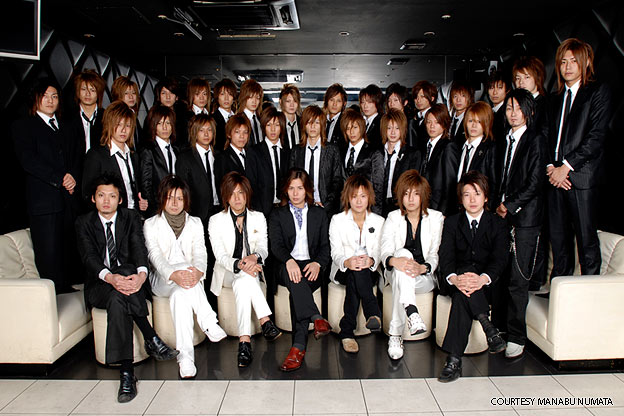
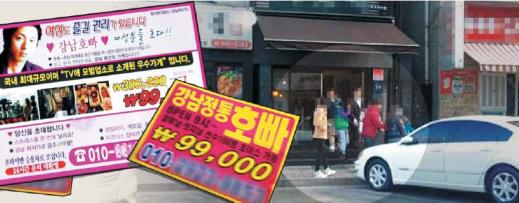
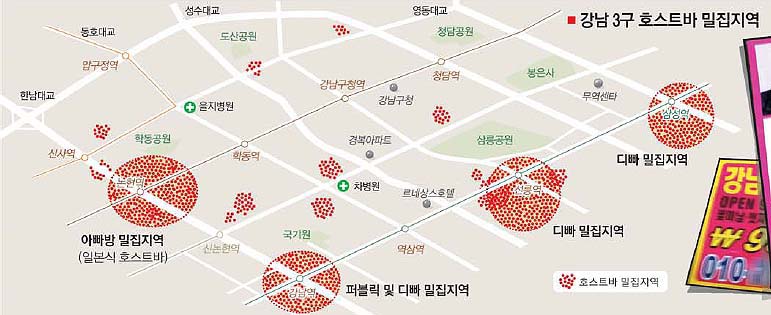
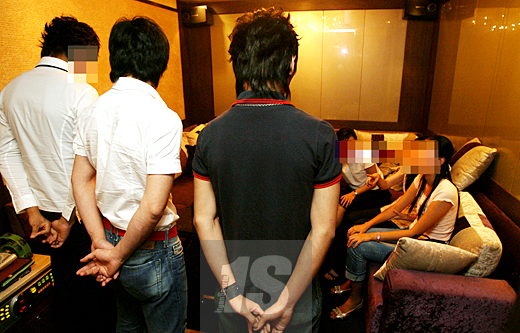


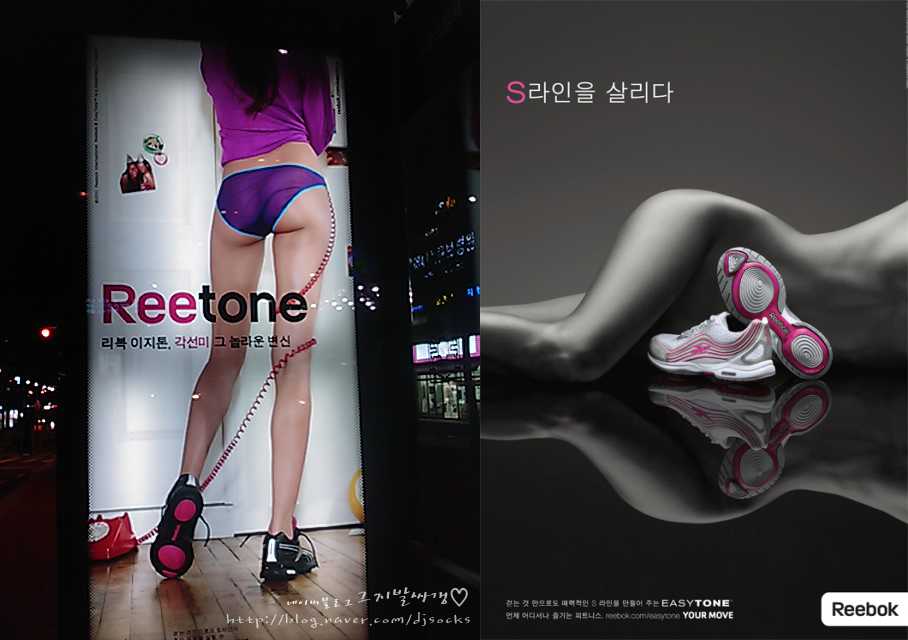



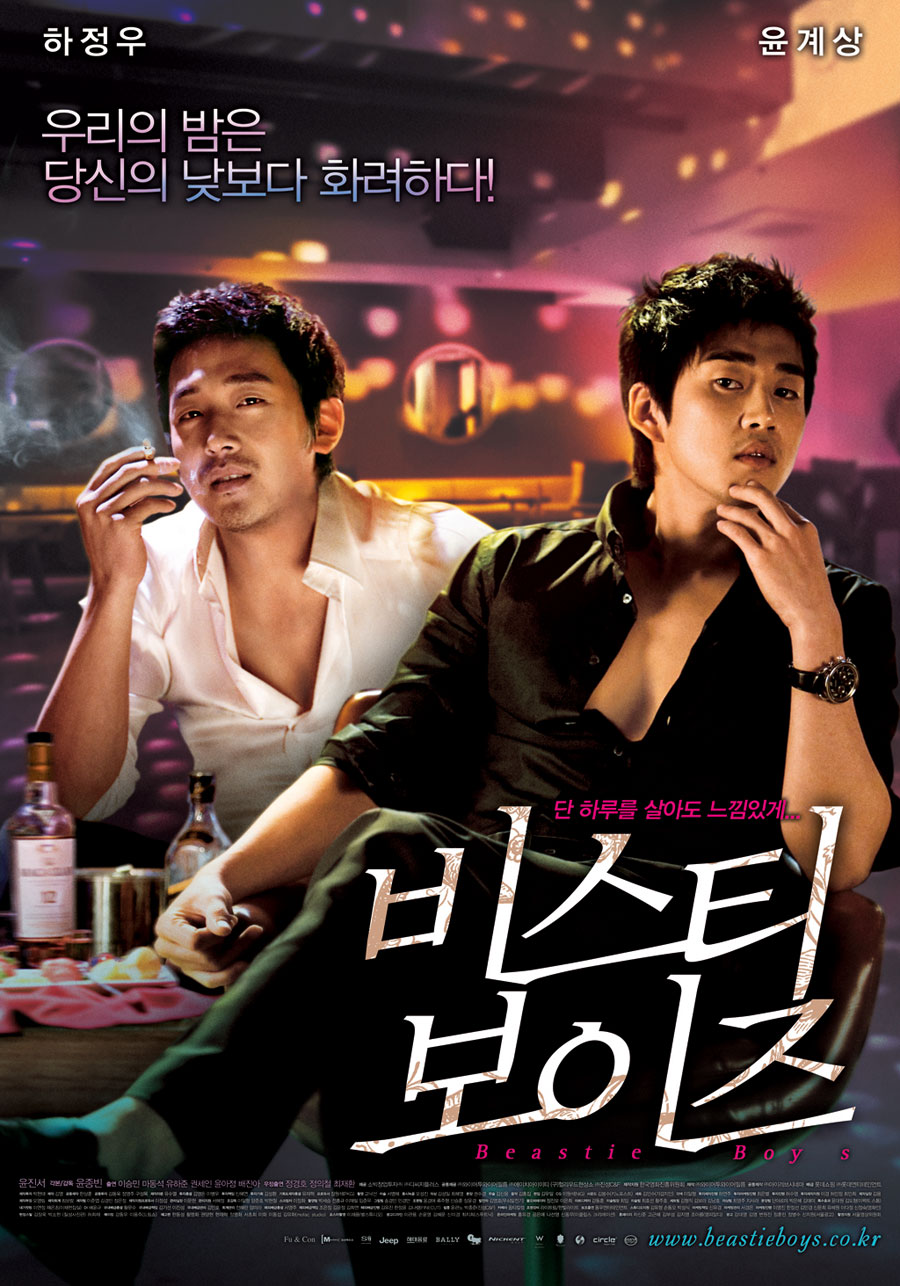
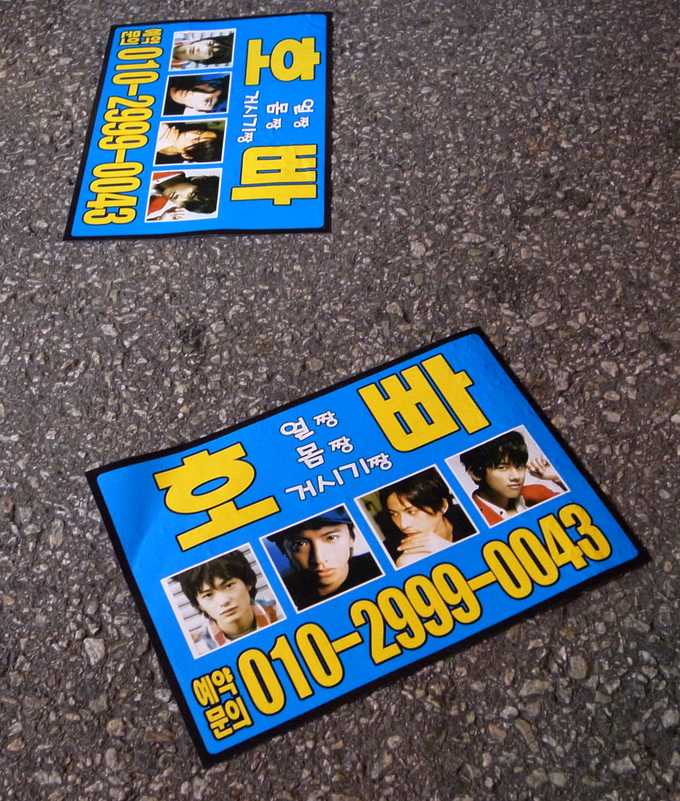
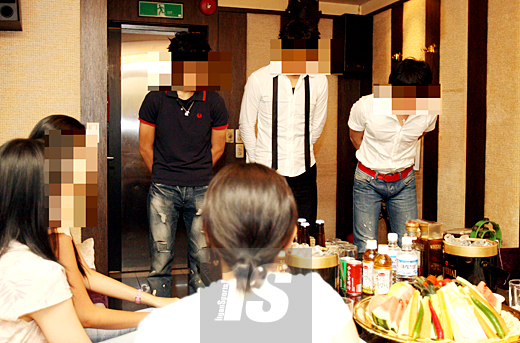
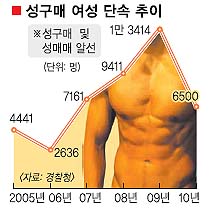
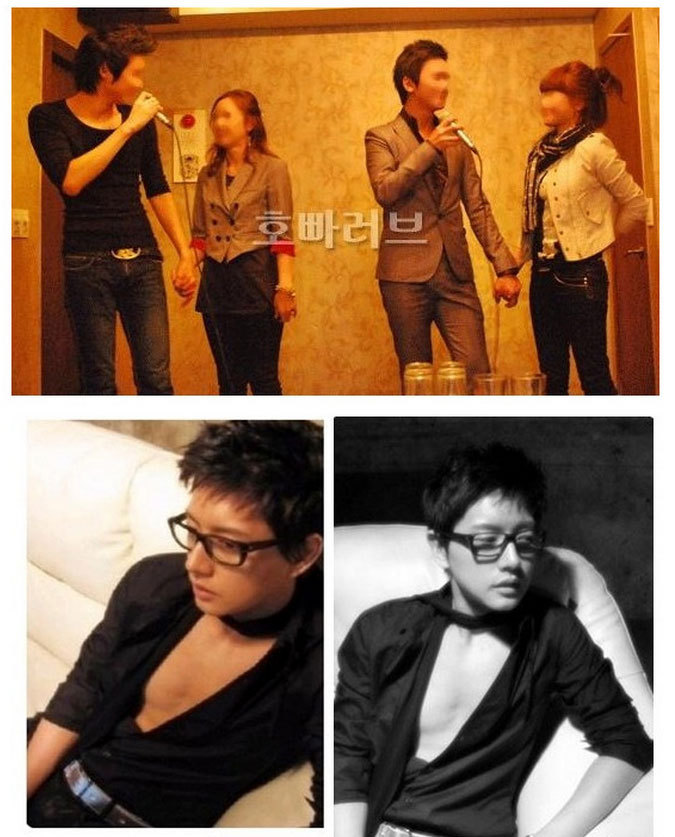
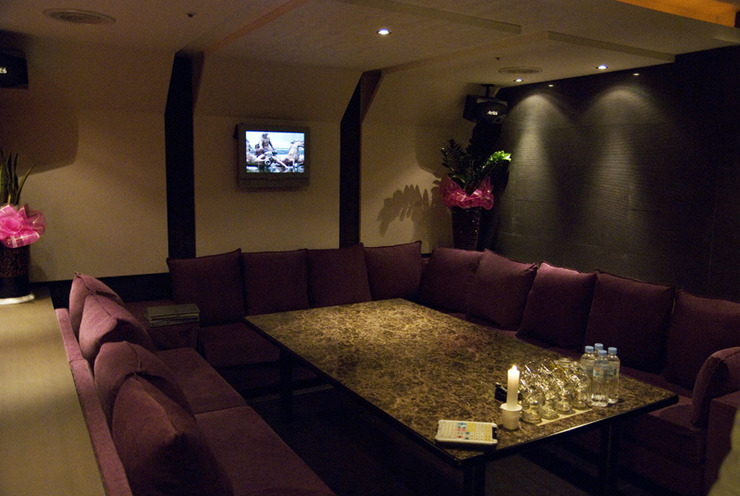
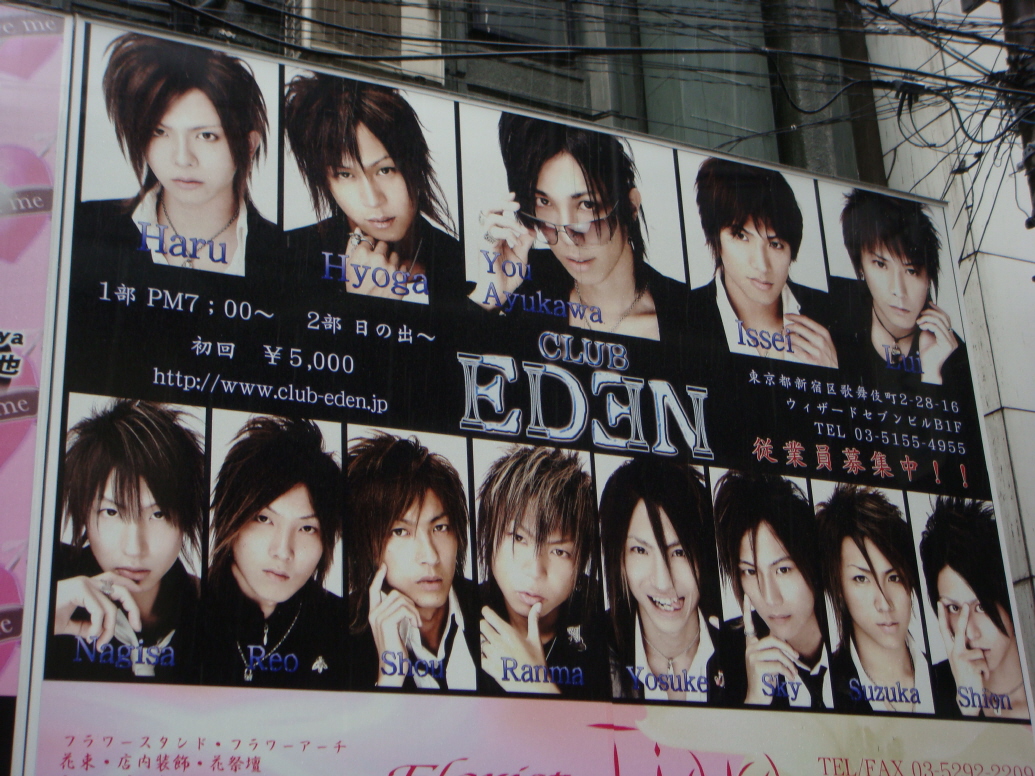
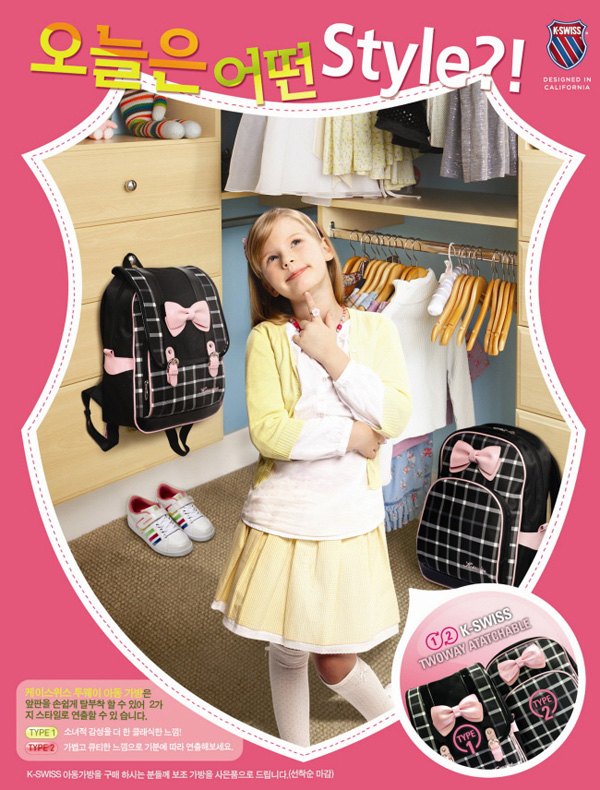
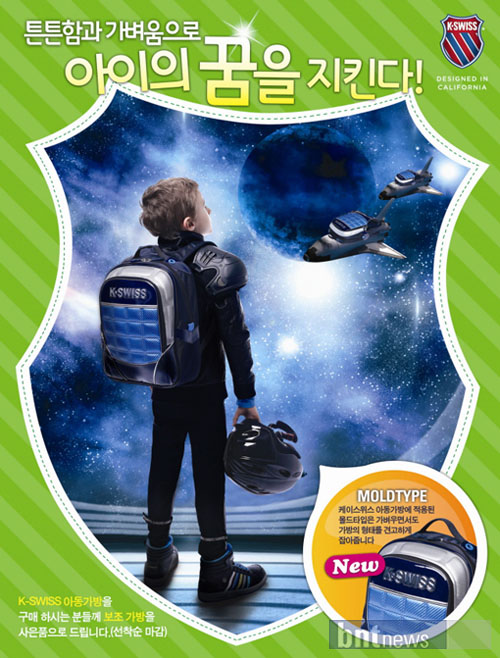
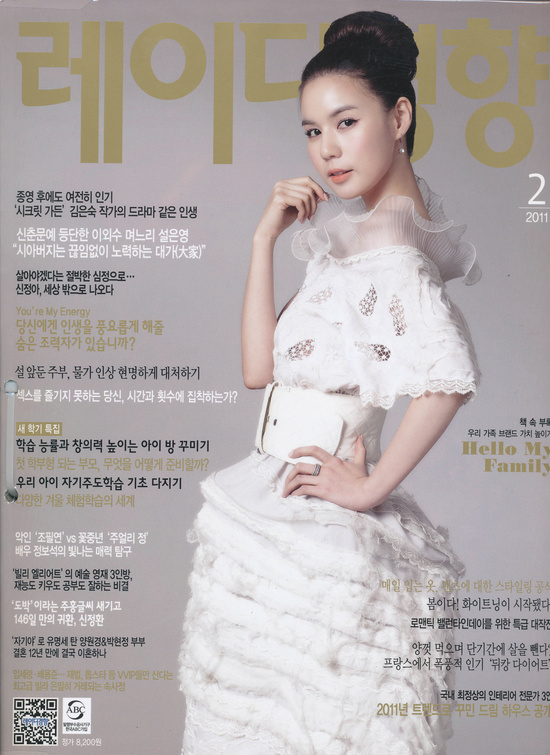
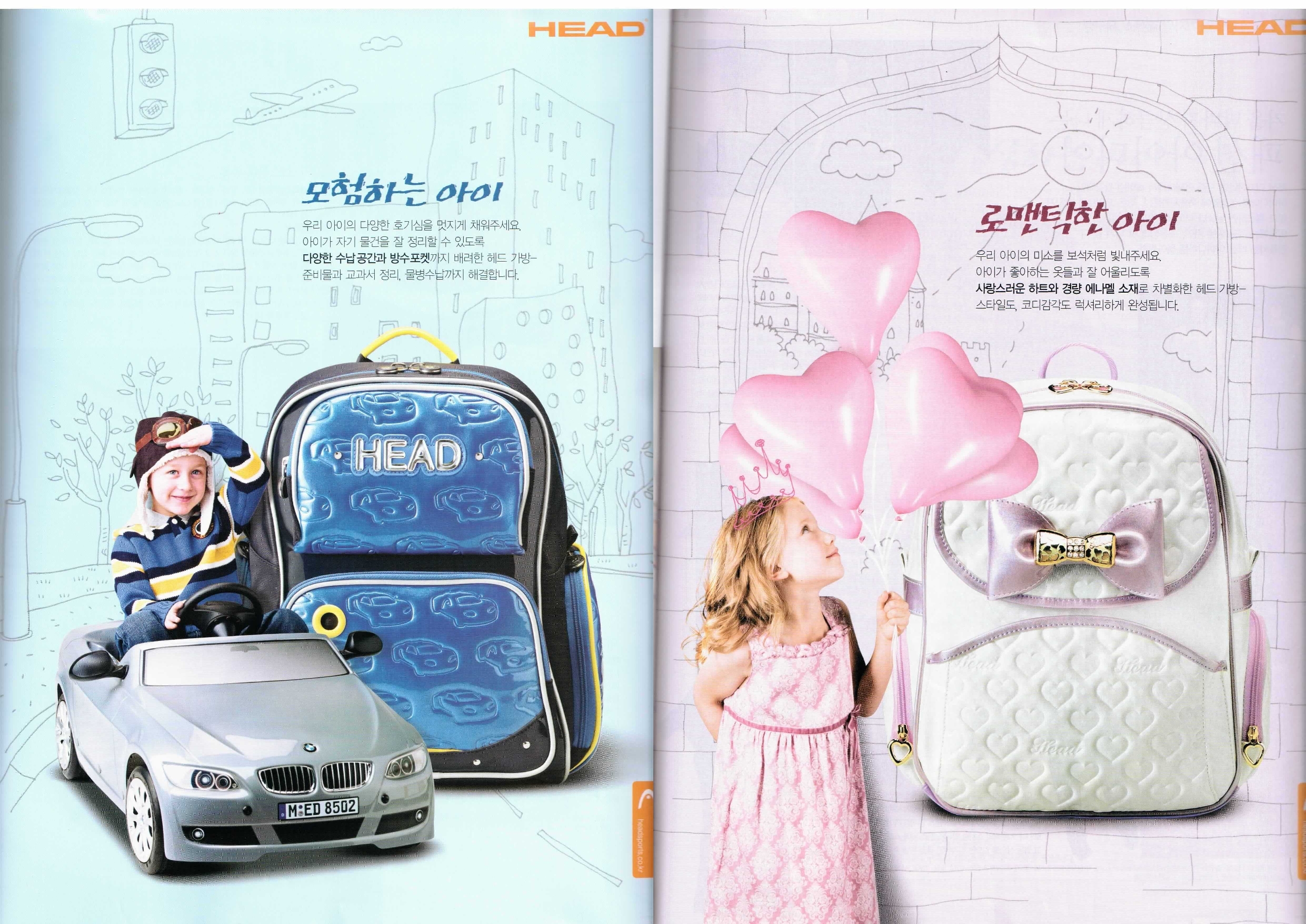
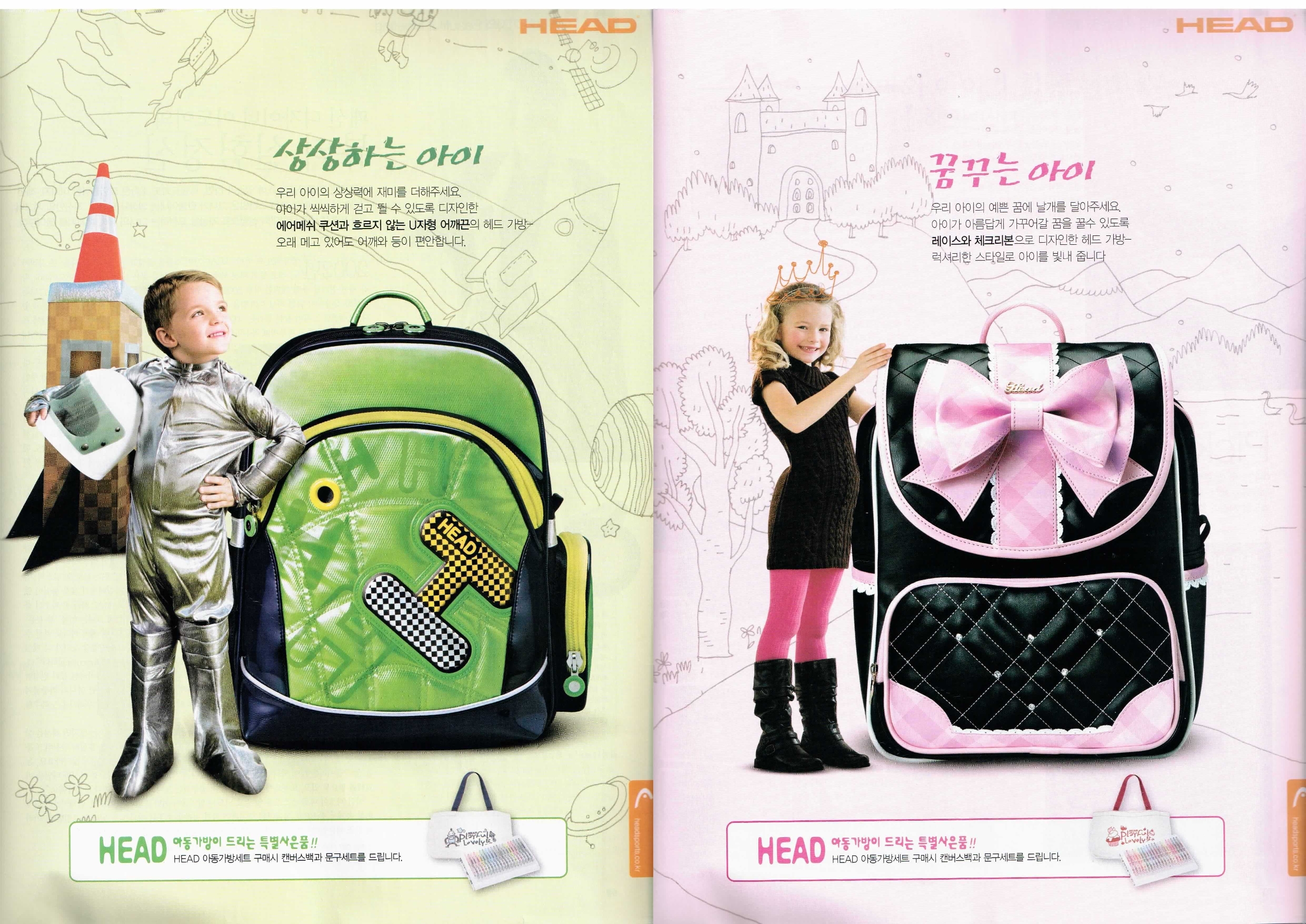
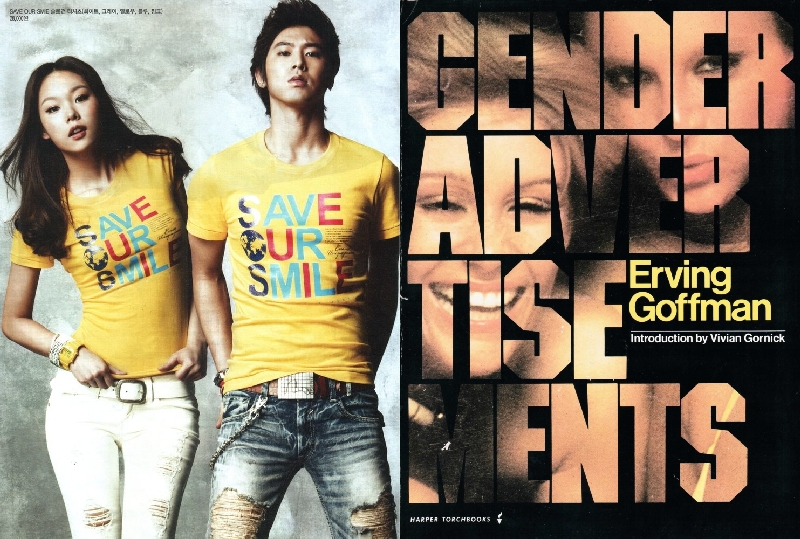
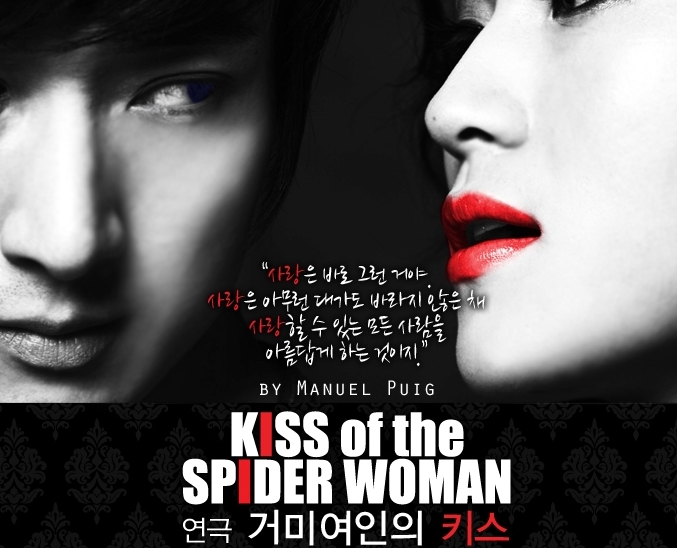



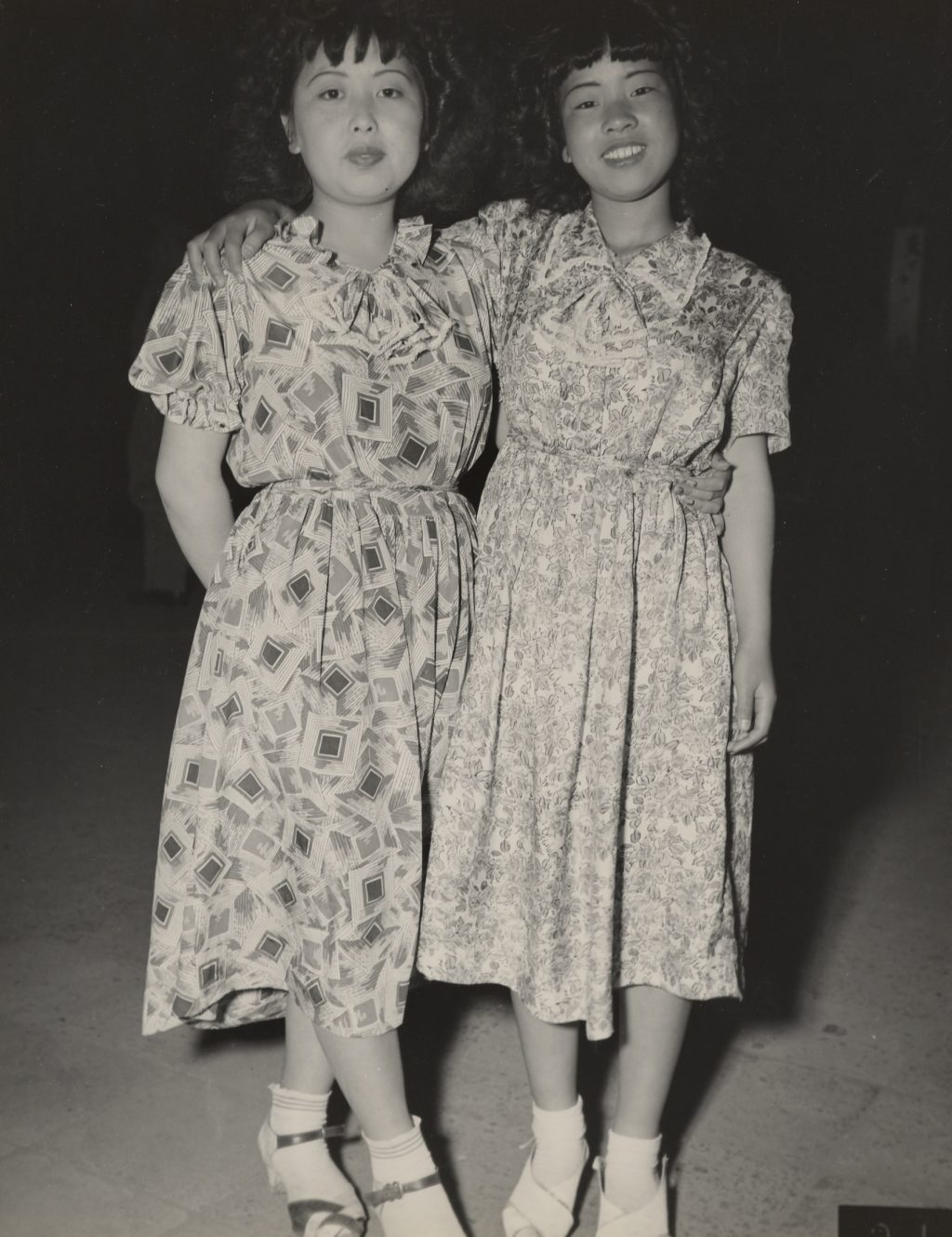



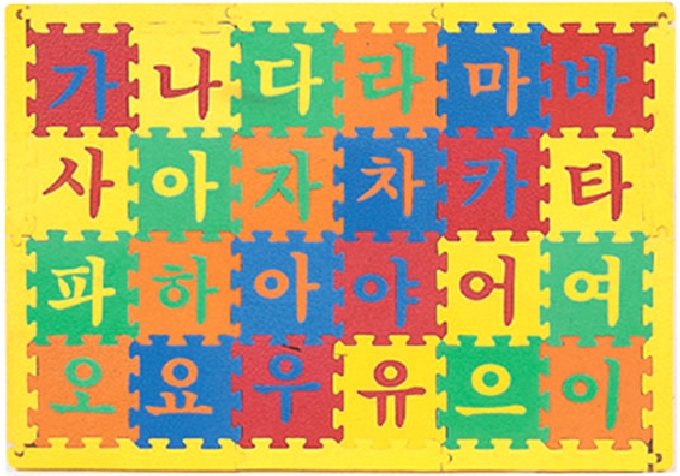
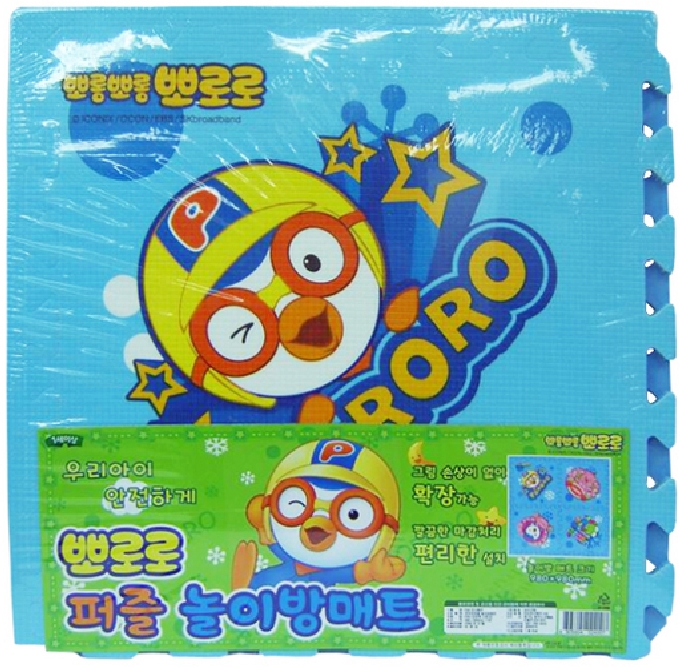


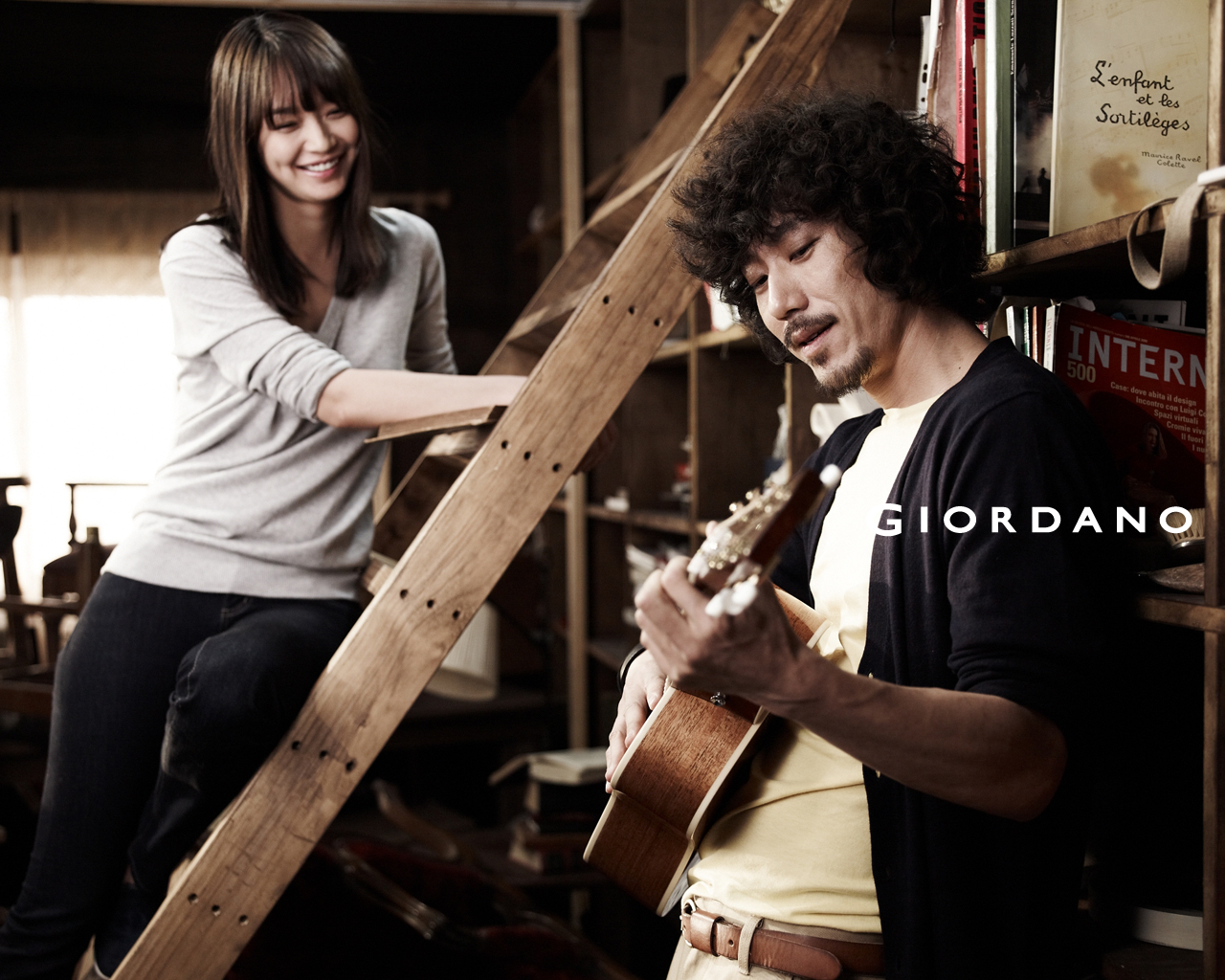


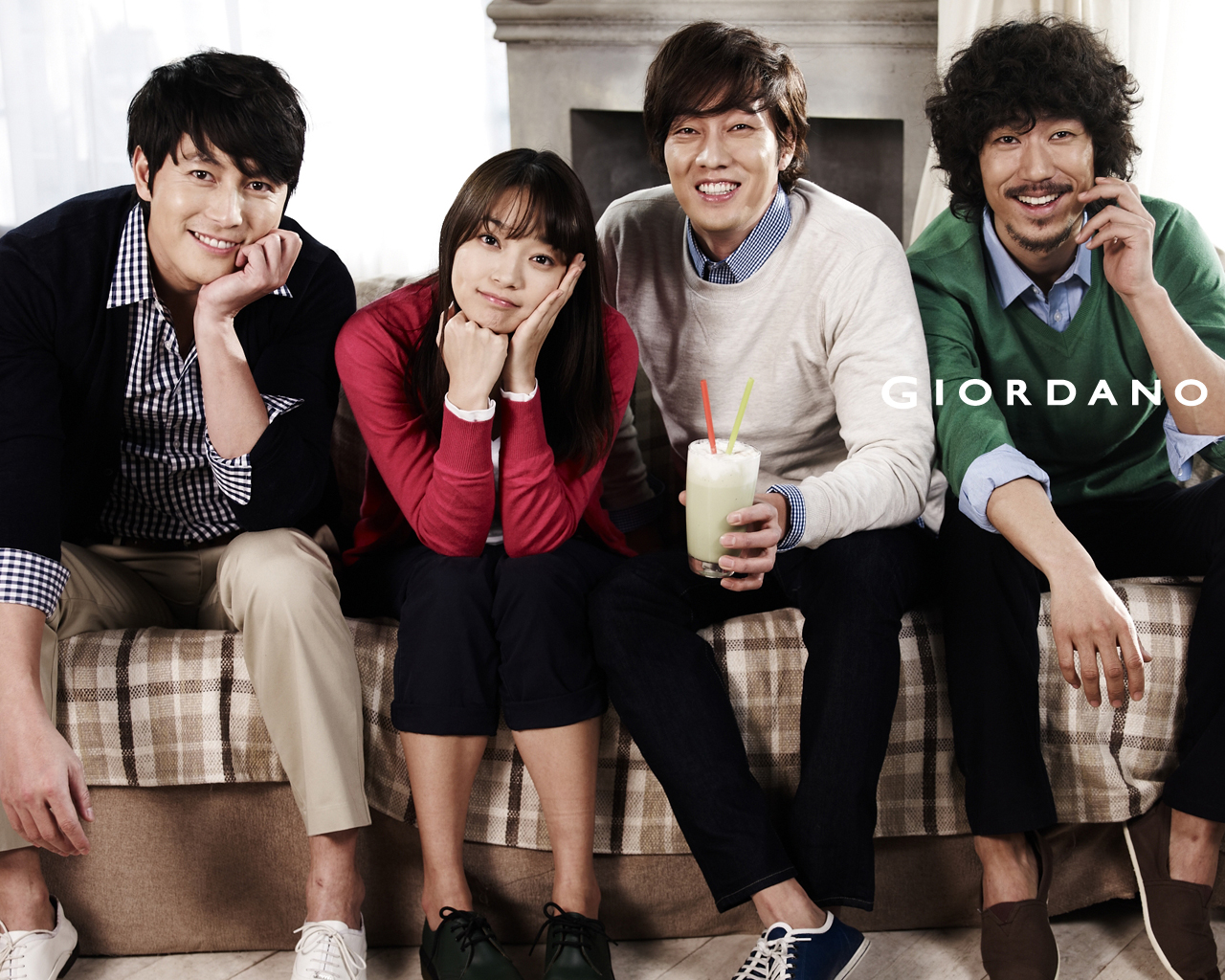



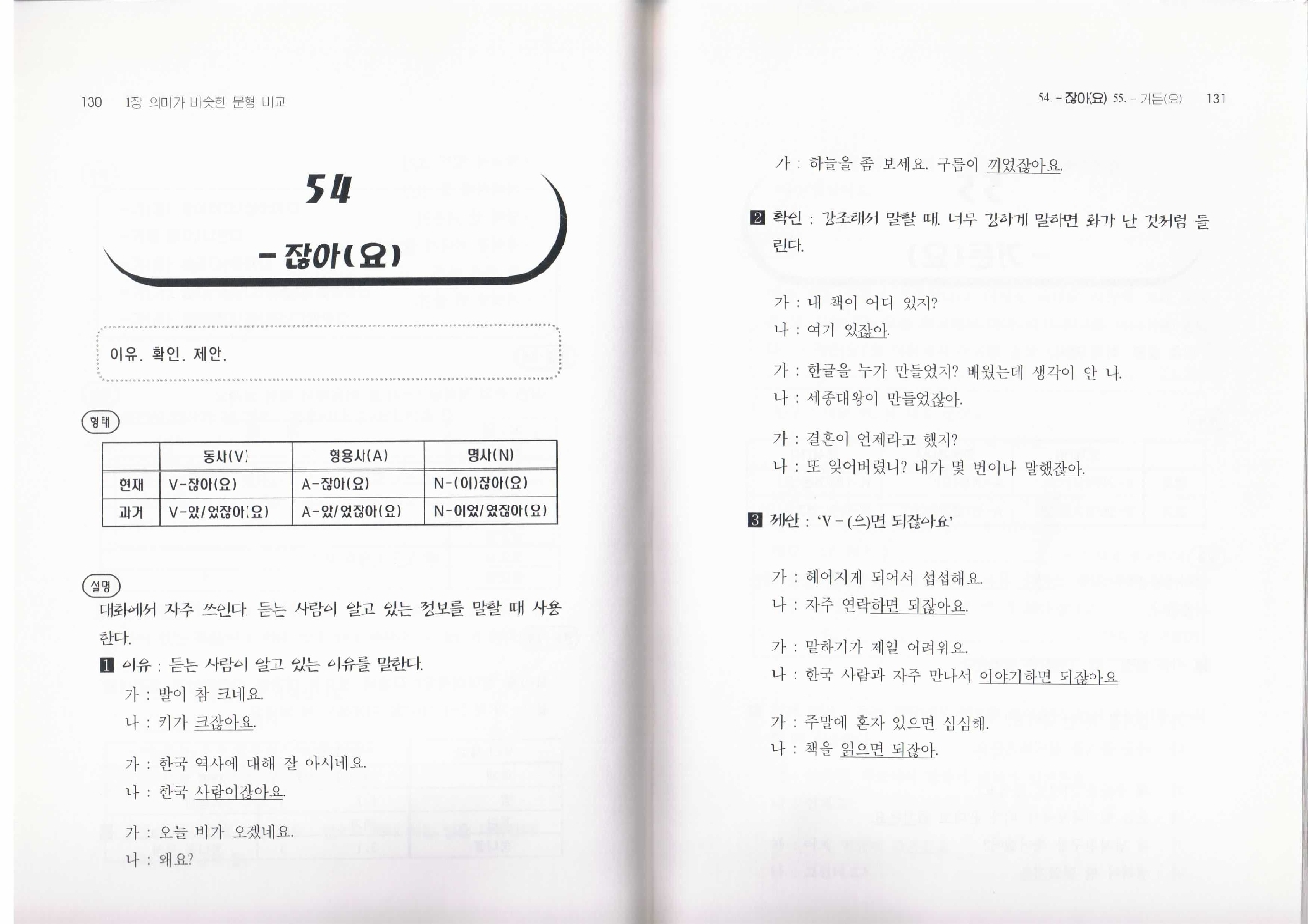
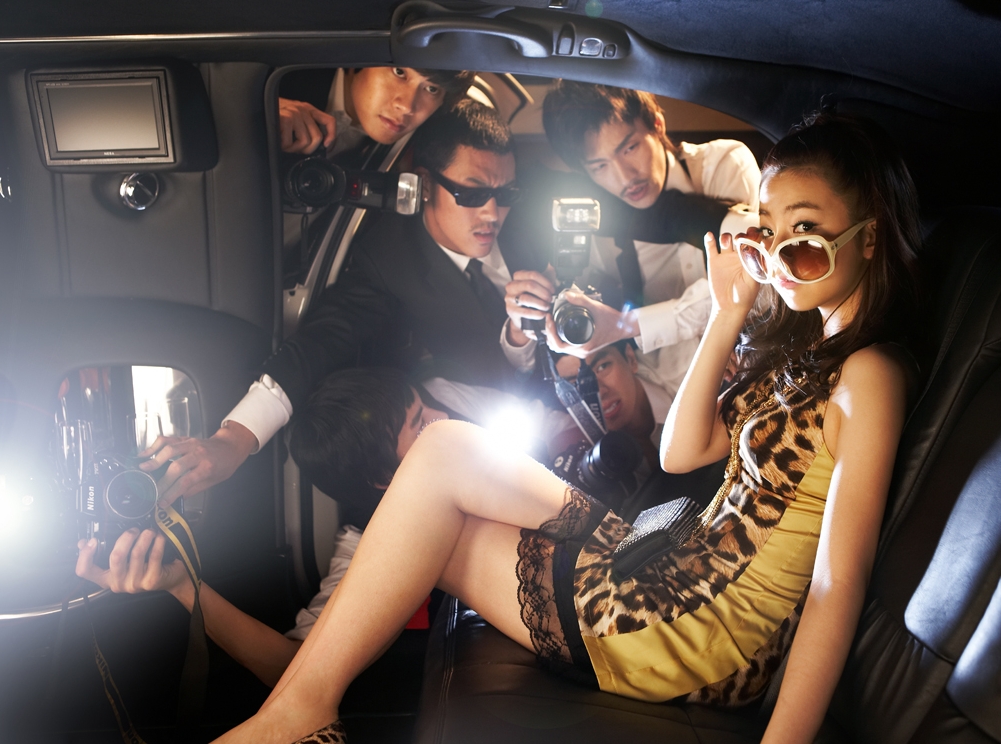
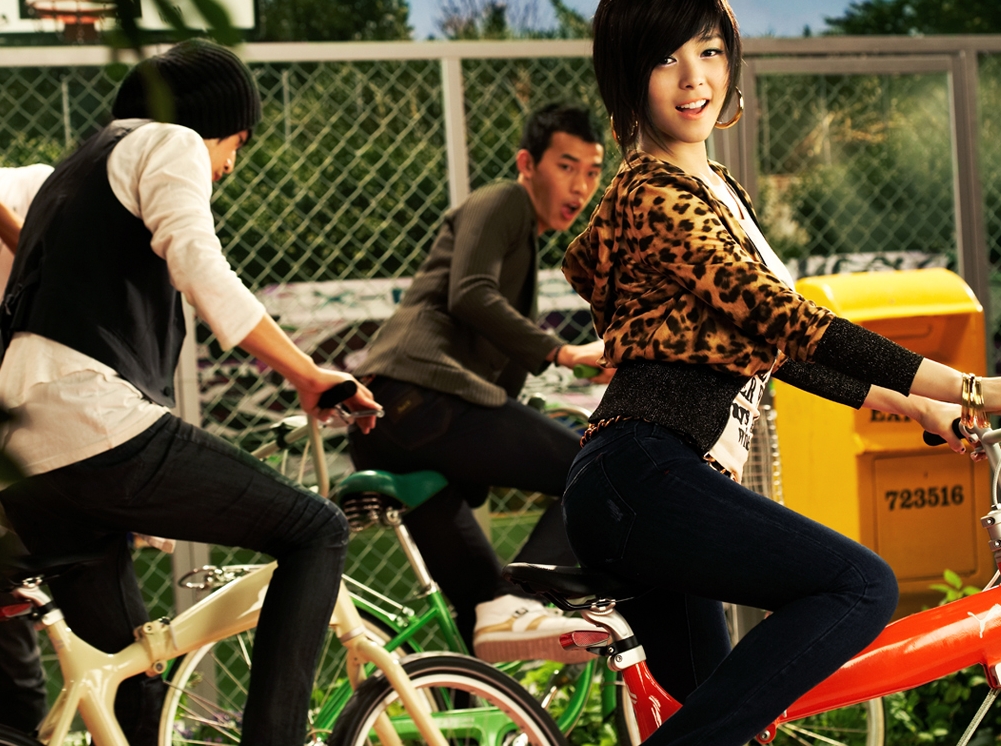

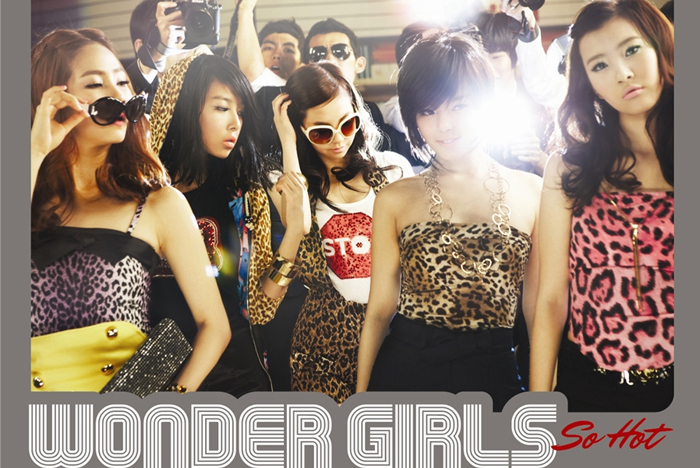


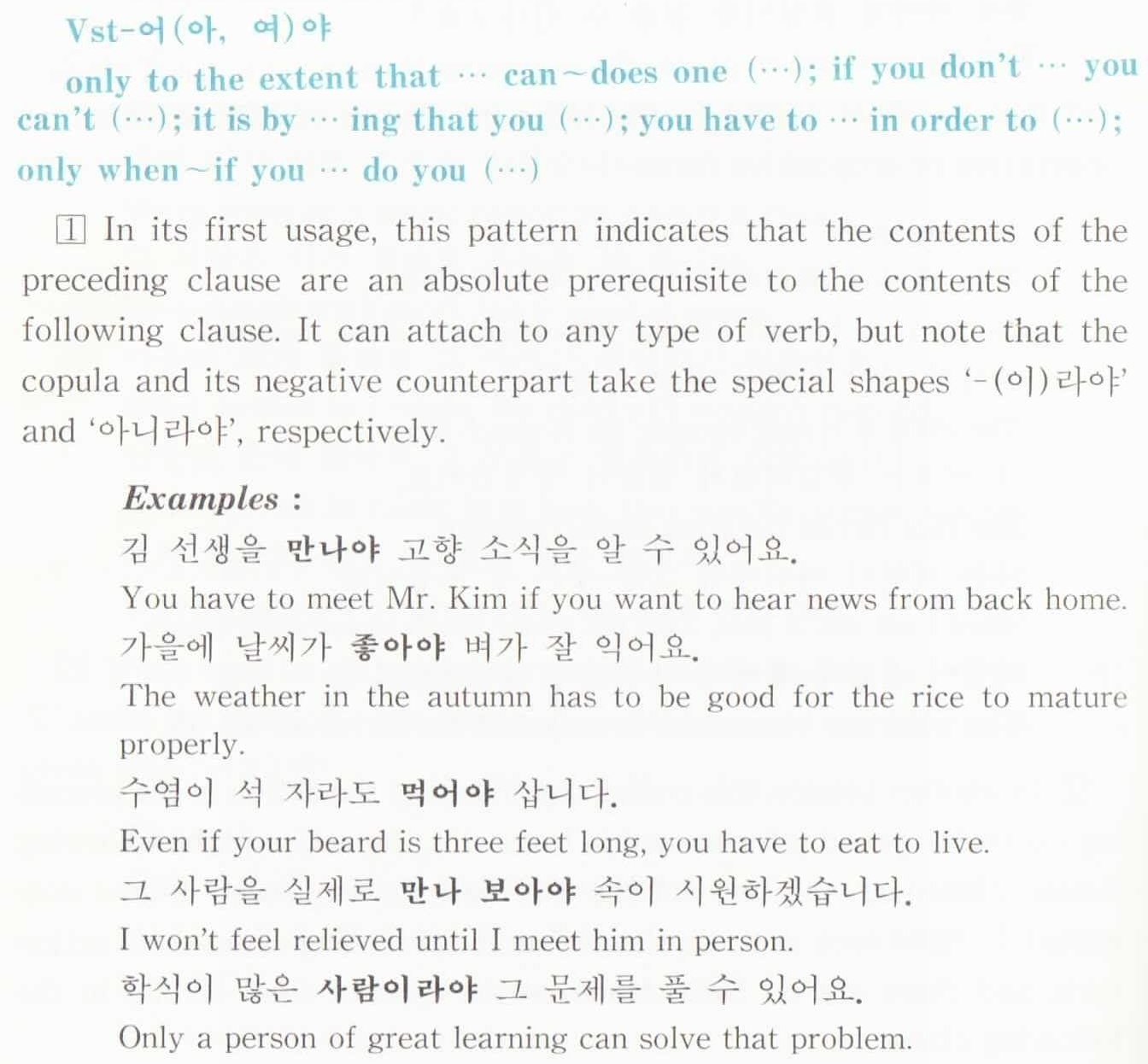
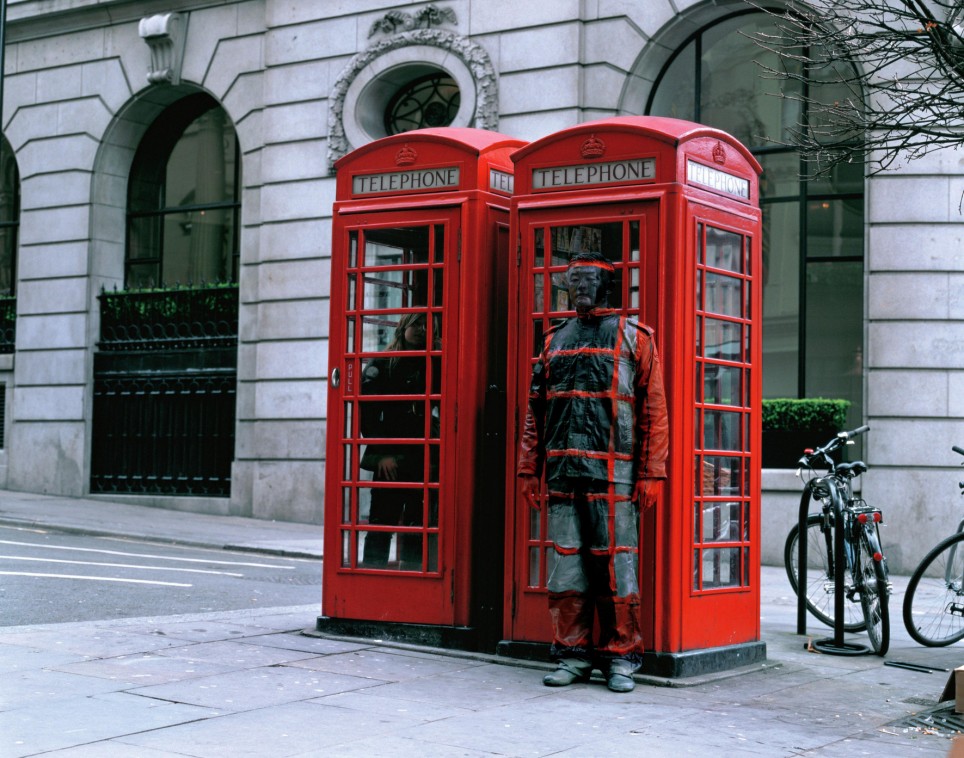

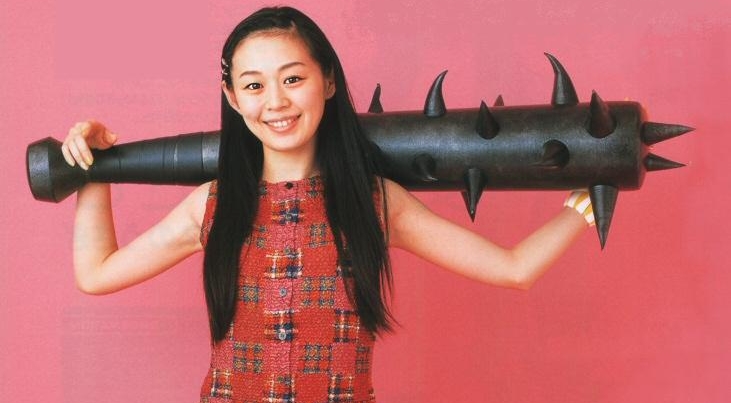
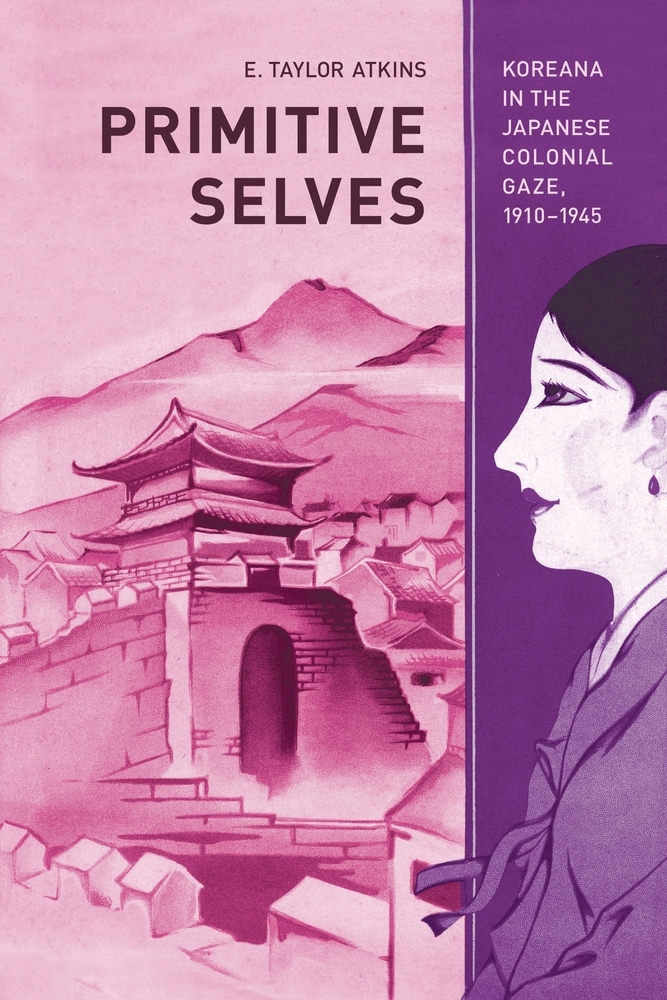
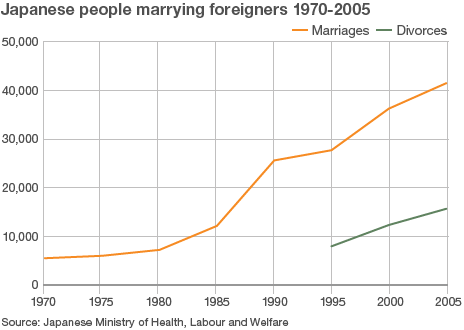
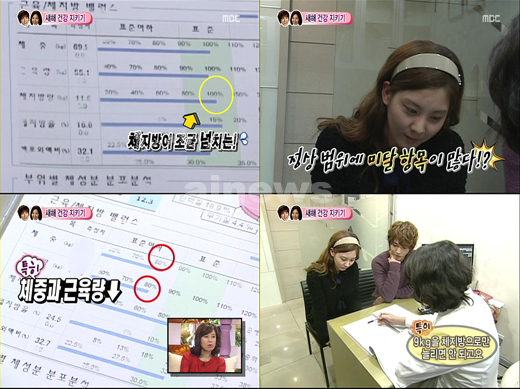



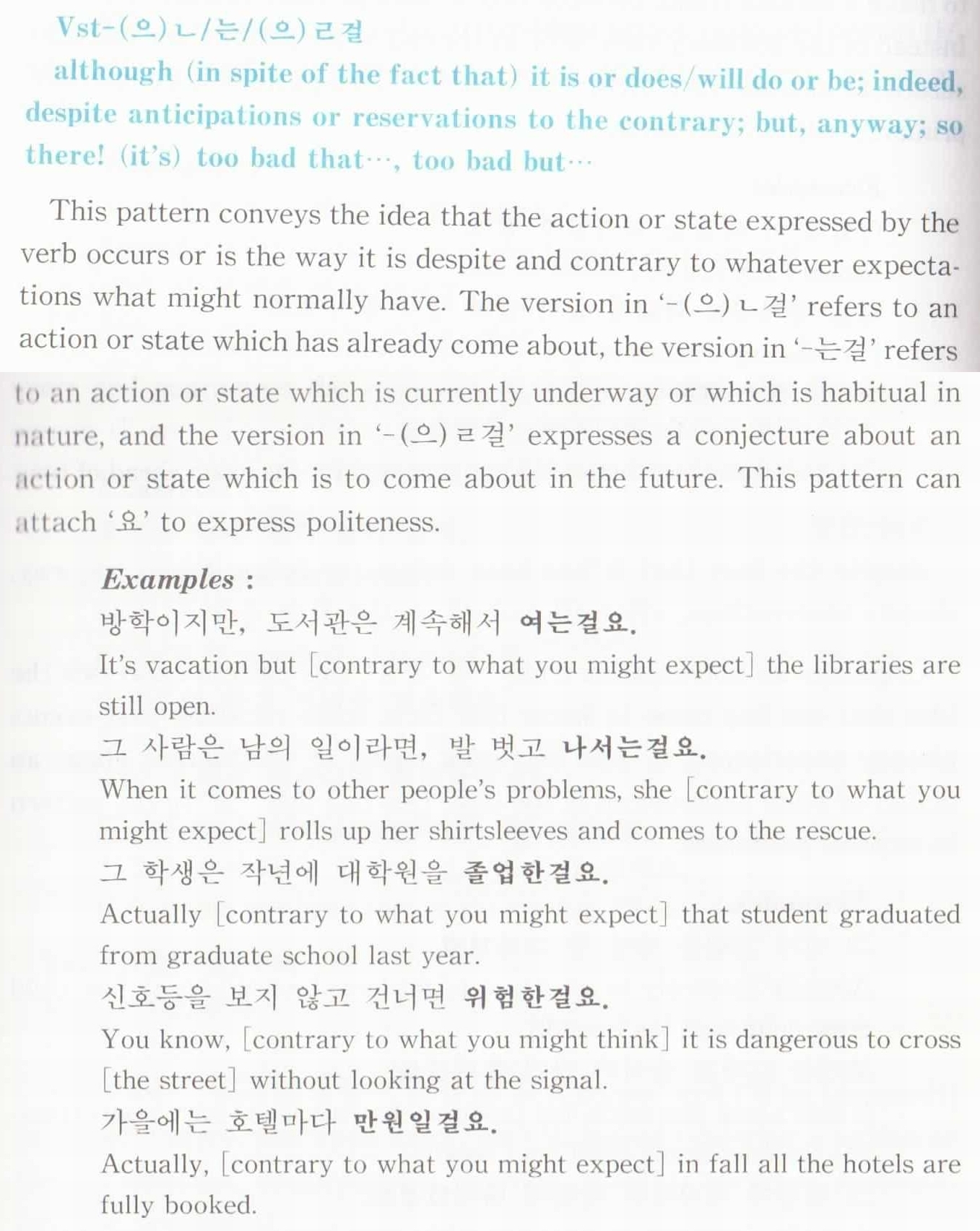





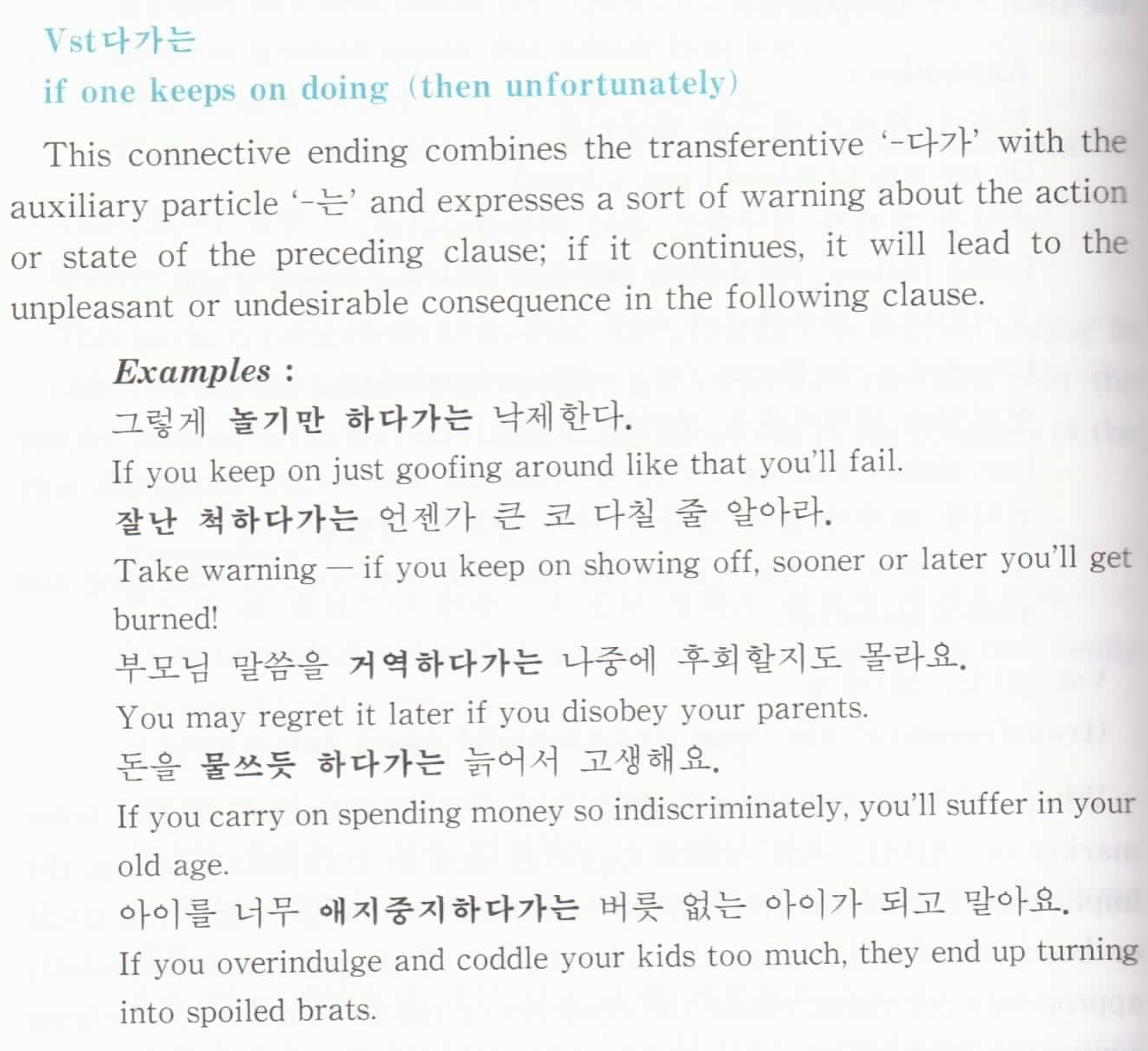


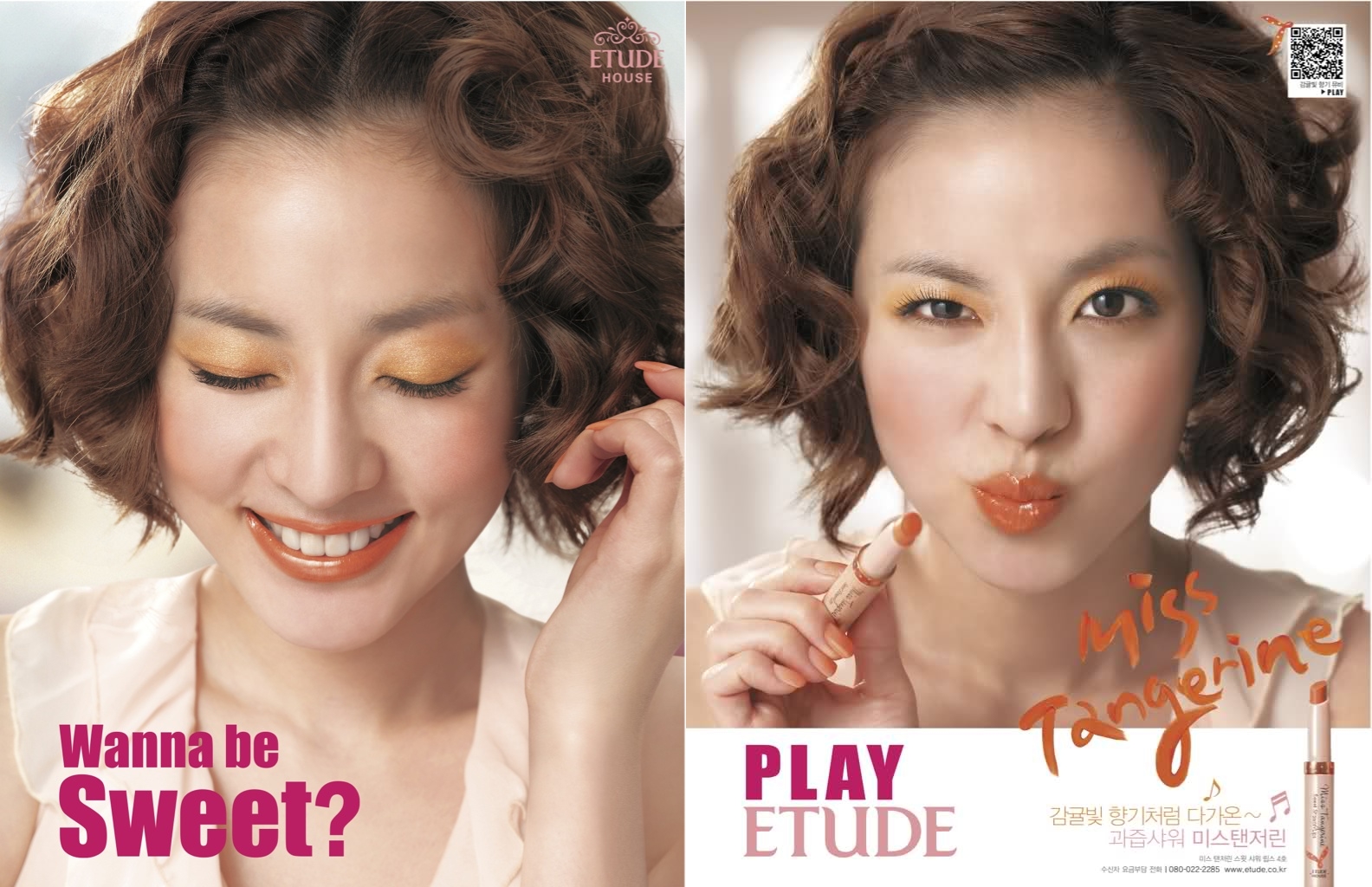
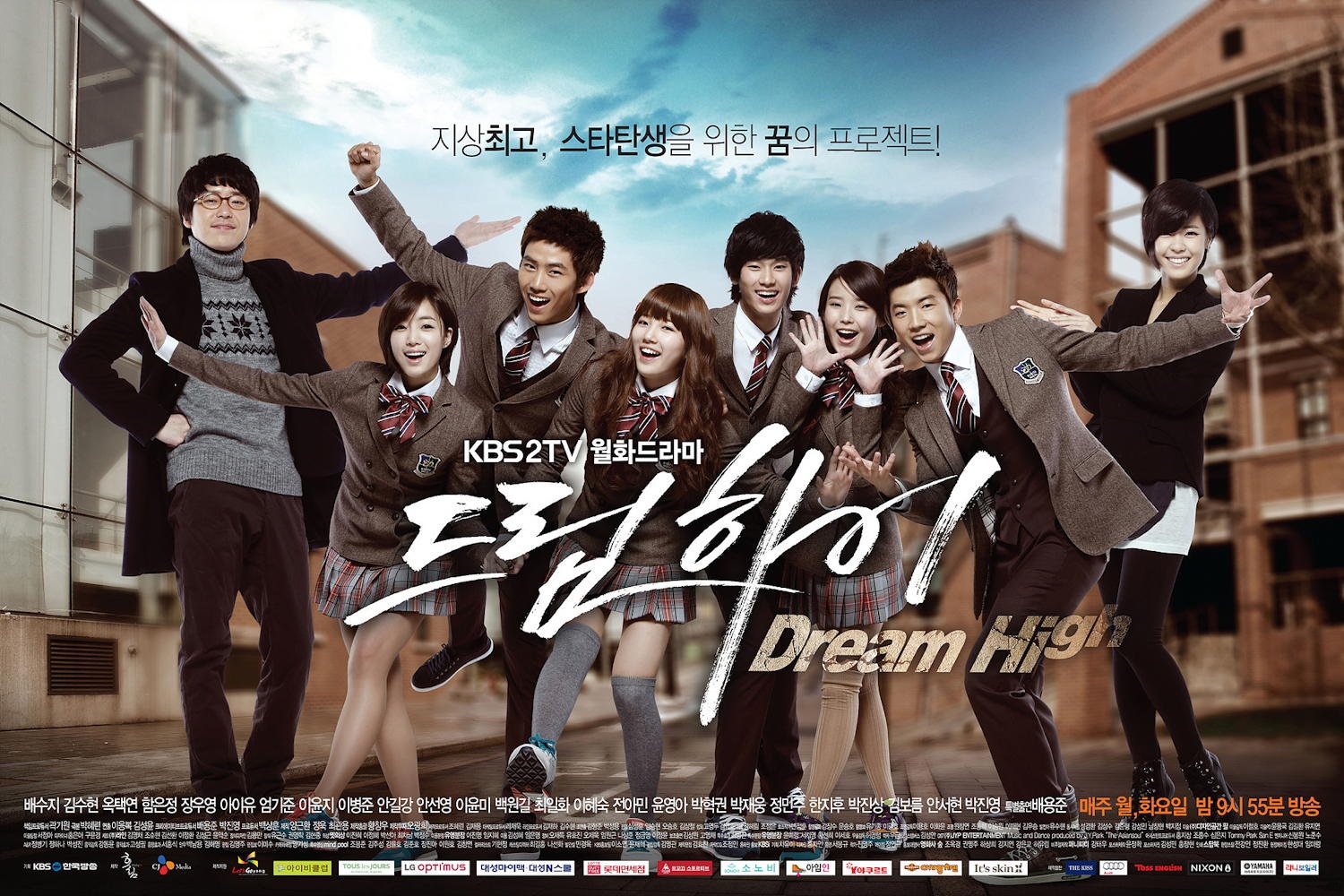
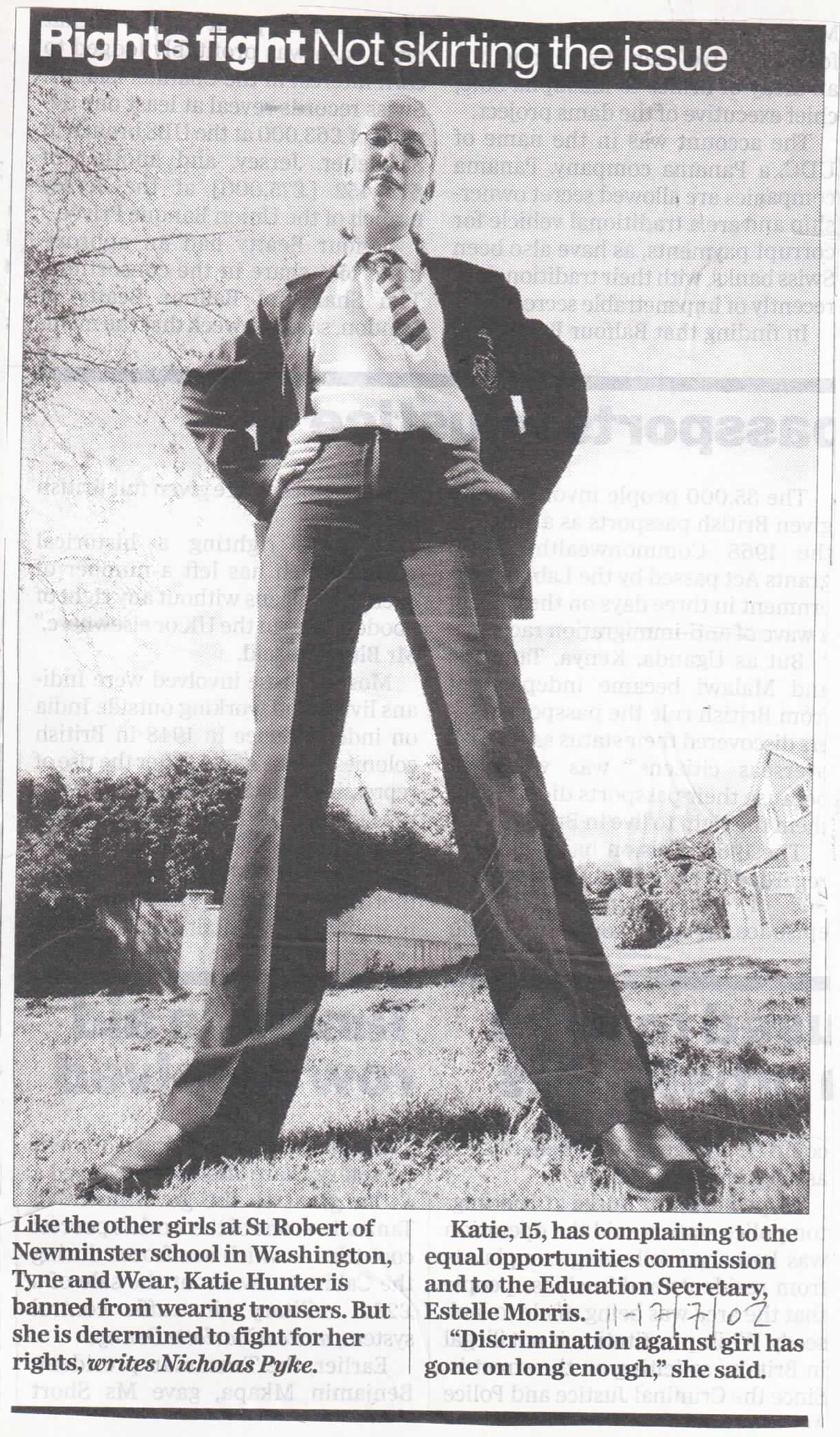

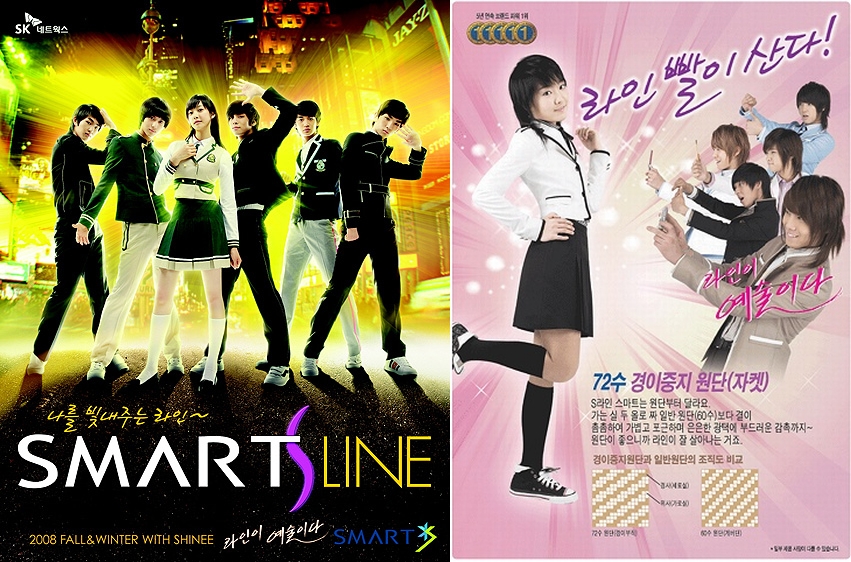
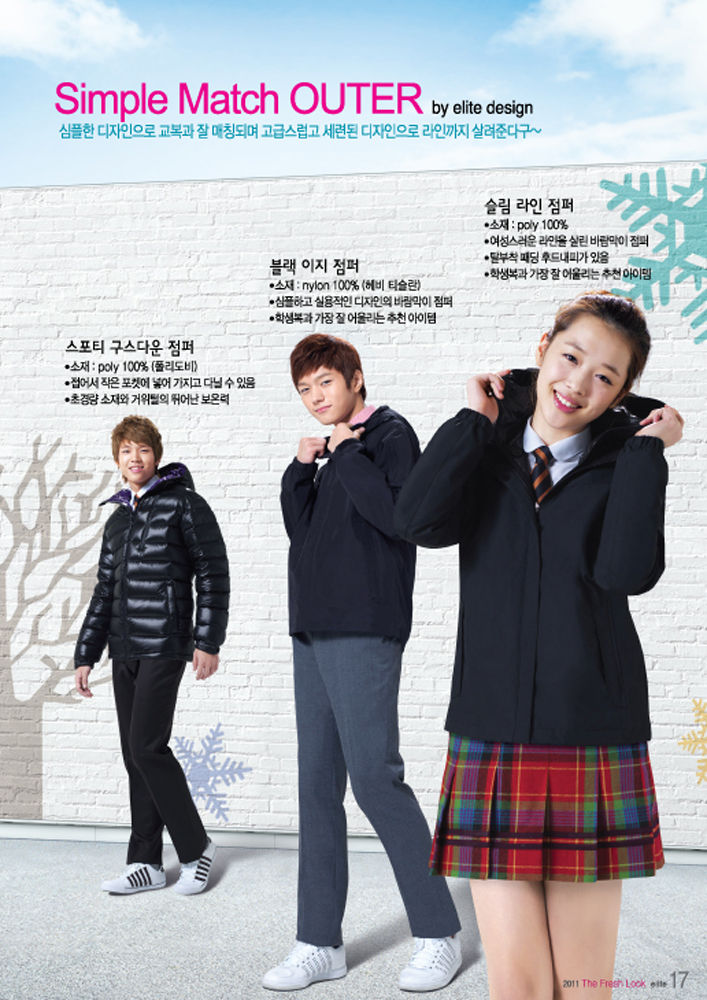

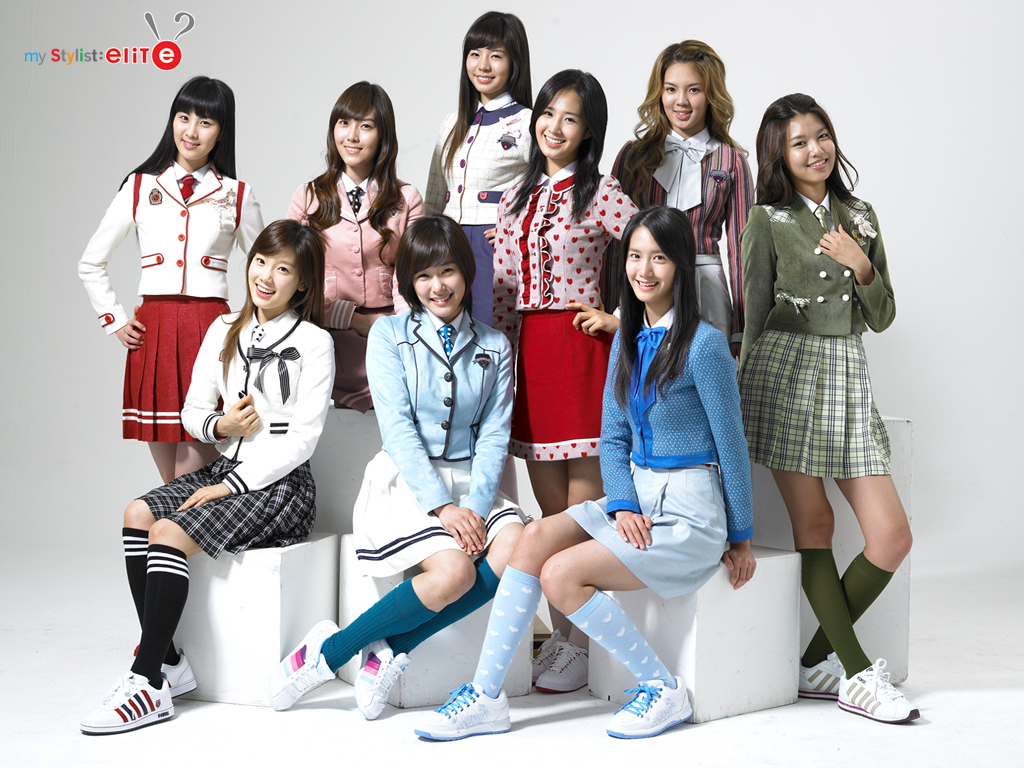
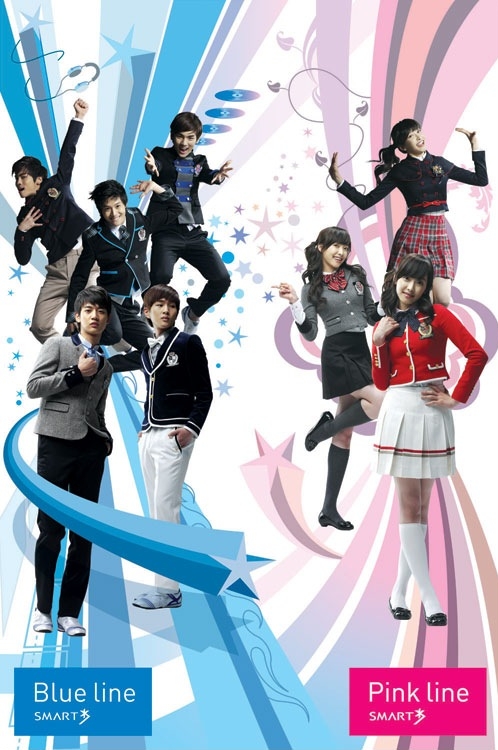


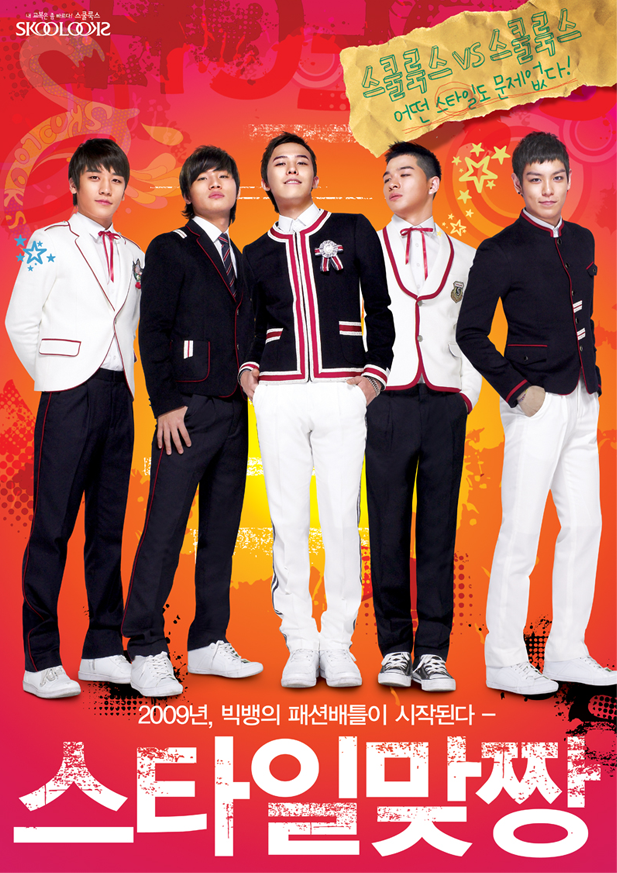


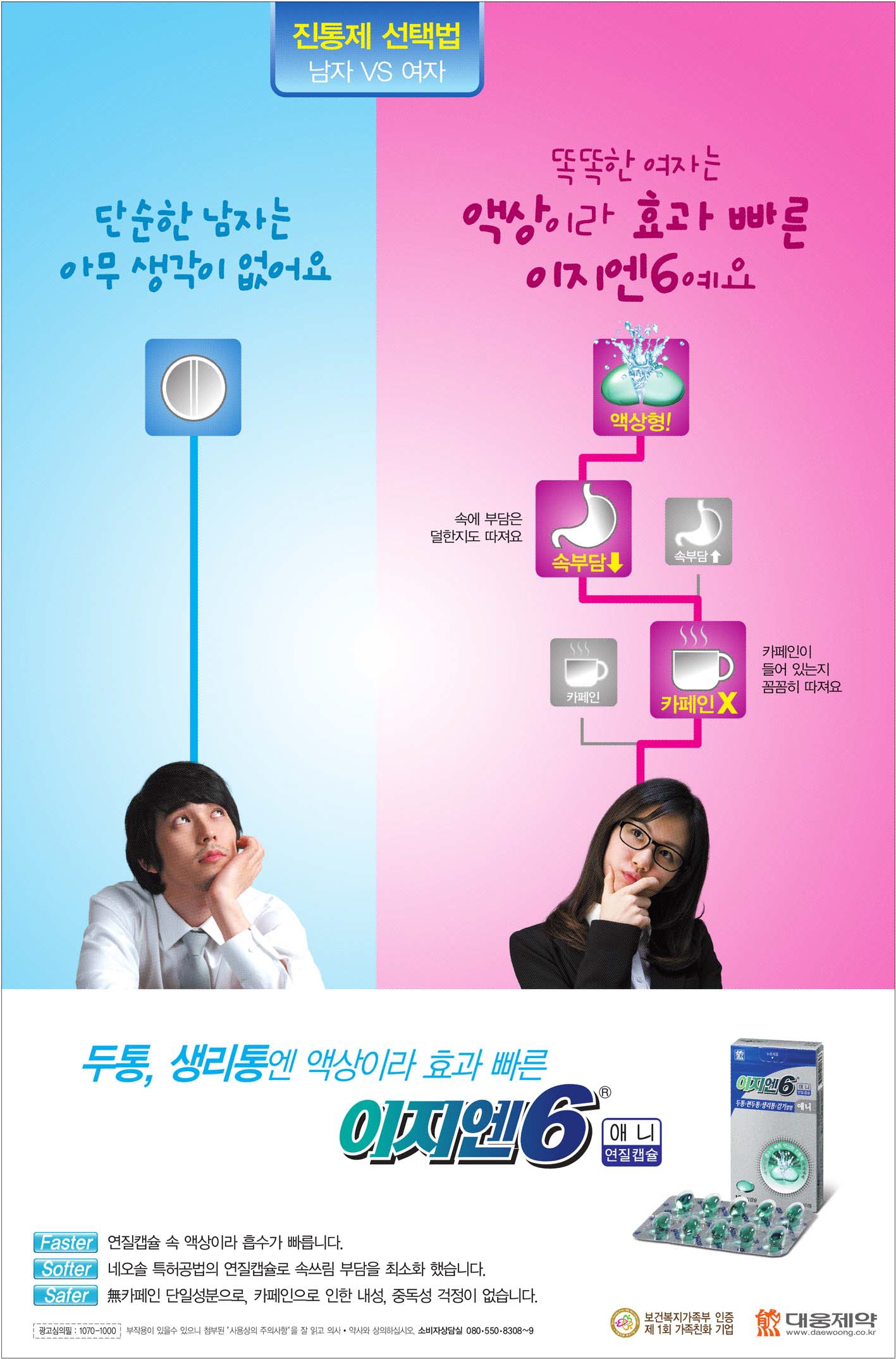

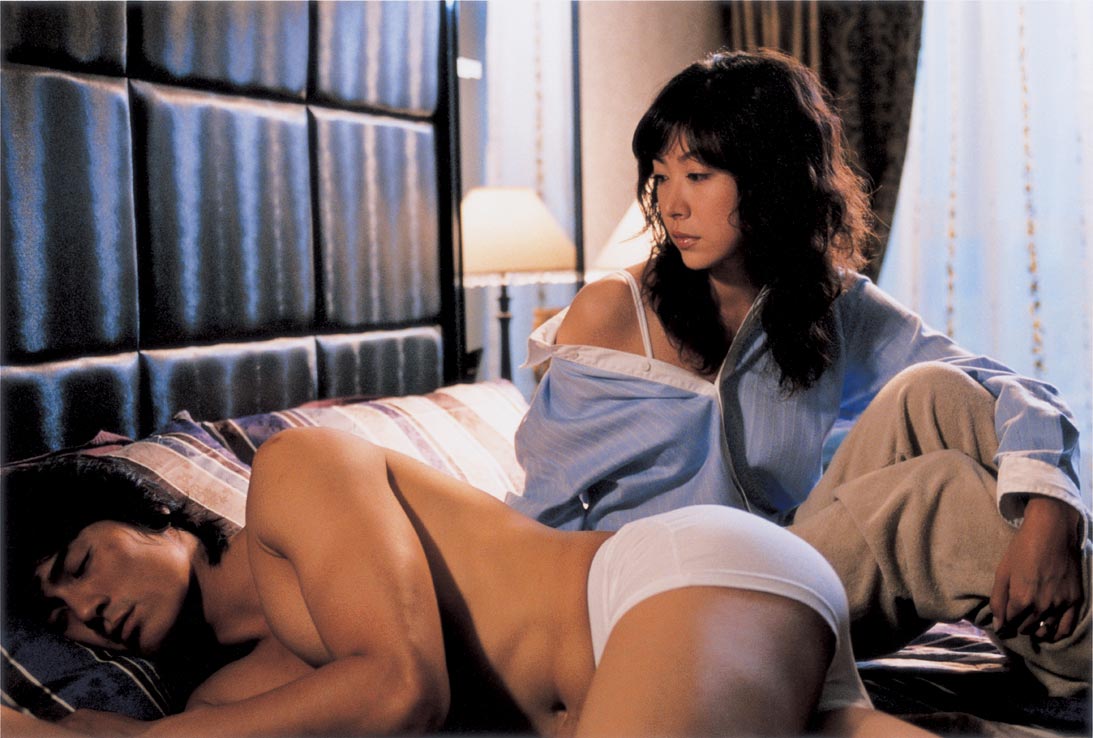
 The Grand Narrative


