Estimated reading time: 9 minutes. Photo by Maria Talks on Unsplash.
So, it’s been a minute.
Why? Believe me, I could list all the reasons. Perhaps sometime in the future, I will. But those of you that have stuck around all this time, you deserve my endless gratitude(!), not my navel-gazing. And besides, I don’t feel much connection to the person and writer I was a year ago, so there’s really no need to go over the transformation process. The new me doesn’t waste your time, and gets straight to the point.
The main point of this post then, is to celebrate the example set by a Korean husband who, wanting to understand his wife and her body and needs better, loudly and proudly bought the Korean translation of The Origin of the World: A History of the Vagina (버자이너 문화사 – 교양과 문화로 읽는 여성 성기의 모든 것) by Jelto Drenth (2004; trans. by Kim Myeong-nam, 2006). And also, to present this six-foot, multicolored glowing uterus below too—the quite literal sign from the universe that inspired me to finally buy the book for myself!
TIL that many simple, everyday things like monkey bars in playgrounds, and standing desks, were originally born out of eugenic concerns with white people’s postures.
What surprises might an examination of Korean “figure correction” services also provide?
Estimated reading time: 10 minutes.
Full disclosure—I’m not actually answering that question I pose. Or at least, not for now. Sorry. Instead, this meta post is about reveling in the asking. Then, passing on to you the mind-blowing BBC podcast episode about the “posture police” that helped me remind me of the value of that, plus a myriad of sources to help come to some answers. I’ll also give a shoutout to my favorite fashion history YouTuber.
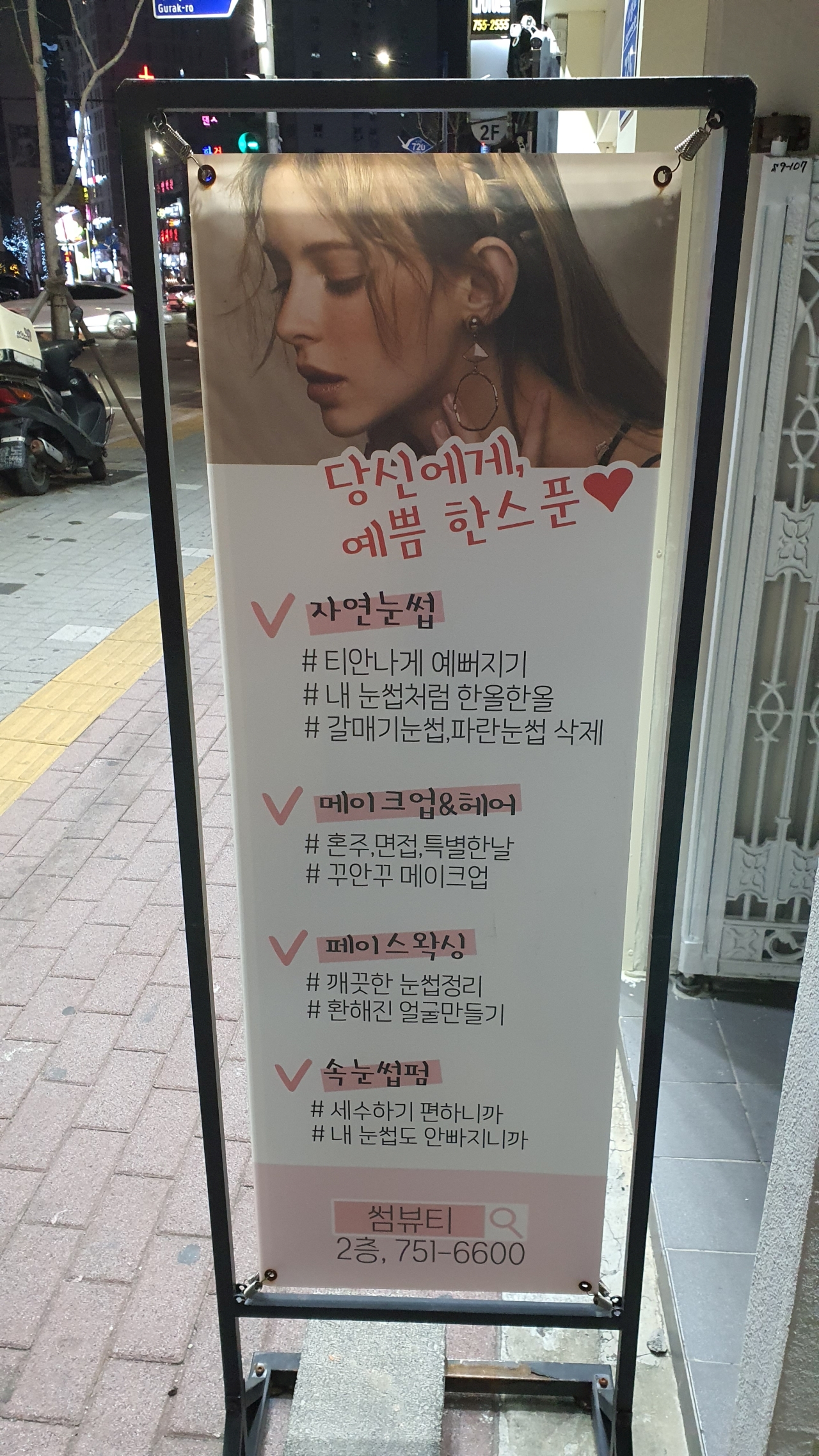
But first, how I got to them, starting with the visceral unease I felt when I first saw the ad below. It was just too much, even by Korean standards. It simply begged commentary.
Or did it? What was there to say exactly?
I’m not at all against the “체형교정,” or “figure correction” services this clinic provides. Actually, I could do with a consultation for my back myself.
But that figurehead-like ‘after’ shot, the model’s impossibly high heels conveniently hidden? That however uncomfortable and painful that pose looks to hold for more than a moment, it’s still presented as an ideal?
For readers unfamiliar (long-term readers, please bear with me a moment), those manufacturers’ pseudo-scientific justifications for their ensuing schema for women’ bodies, developed only to disguise that their flaws were wholly invented, somehow became the accepted wisdom for how women viewed themselves. Which I saw uncanny parallels to in the Korean craze for inventing various “lines/라인” for women’s bodies 10-20 years ago. Then, it was
astonishing to see how brazenly companies would compete for their new, eponymous lines to sink into in the public consciousness. Venus lingerie claiming that women’s breasts were a “V-line” for instance, Yes lingerie that they were a “Y-line.”
Hanging over this trend was the inconvenient fact that most women neither needed nor wanted exciting new names for their body parts, which would invariably be found wanting compared to those photoshopped versions in the ads. Hence most lines, mercifully, were quickly forgotten. But some did indeed stick, a V-line neck becoming a standard offering by cosmetic surgeons today for instance, and just a few days ago my female students told me that their summer plans included working on their “bodylines.” In fact, in the 2020s, it seems just about everything to do with a woman’s body has become a generalized “line.”
But these subjects, I’ve already covered in depth. You could argue I’m merely projecting too, and overemphasizing mere semantic similarities.
Either way, I could have just tweeted the ad, and all those links.
For both you long-term and hopefully new, interested readers though, who I need to provide extra value to if I’m (very) belatedly going to transition this blog into a paying, subscriber-based newsletter, simply linking to stuff you’ve probably read before felt woefully insufficient.
But again, what to add though? An in-depth look at the growth of the figure-correction industry? Now ubiquitous, but which I’m not sure I’d even heard of 5 years ago? Interesting to learn more about, for sure, but probably lacking English sources. So, not really worth, as a busy divorced dad, the huge time investment I’d need to spend on all the translations.
“For liposuction and fat transplantation, Model-Line Clinic, Busan.”
Hence I sat on this post for a year, leaving it half-finished. And, frankly, dozens like it before and since, for the same reason that I didn’t feel I knew enough about the subject to add that value, so fresh research was needed first. All culminating in my recent hiatus.
Then finally, in just the last two weeks, they all suddenly starting making sense again.
All of which I was too daunted by to even begin to parse here. But just thinking about them all together for the first time now, persuaded me to buy 운동하는 여자: 체육관에서 만난 페미니즘 / A Woman Who Exercises: Feminism Meets the Gymnasium by 양민영 / Lee Min-yeong. Which I’m finding surprisingly well-suited to my Korean level, and has already thrown me headfirst into an equally deep dive on the sexualization of Korean (female) basketball players’ uniforms, which I’ll link to here once I emerge.
More specifically, the breakthrough is my suddenly beginning to see the links between all of those. A grand narrative coalescing as it were, rather than feeling overwhelmed all the time. That maybe just through osmosis, I do know my shit. That I’m worth $2-$5 a month, if only I can put those thoughts into words on paper on a regular basis. And, crucially, stop with all the navel-gazing already!
On that note, may I first present the “The Politics of the Body,” the 16 June episode of the BBC 4 radio show and podcast Thinking Allowed, hosted by sociologist Laurie Taylor. The ultimate impetus for this post, his interview of Beth Linker, Associate Professor in the Social Sciences at the University of Pennsylvania, about her new book Slouch: Posture Panic in Modern America (2024), which I will happily throw money at once the paperback comes out, is a fascinating examination of aspects of everyday life we take for granted—which nicely dovetailed with my sense there was—is—something to be said about those figure correction ads.
Beth Linker’s full interview, from 1:45 to 16:50, I can’t possibly do justice to with my transcripts of brief sections. But hopefully they’ll suffice give a taste.
First, from 5:45-7:10:
Laurie Taylor:
“Then you actually get posture exams in the early 20th-Century, [they] became mainstays in the military, workplace, and schools…and there’s a thing called the ‘American Posture League,’ which was formed in 1914. Tell me about the League, and what beliefs it promoted.”
Beth Linker:
“Yes, the American Posture League was formed by Jessie Bankcroft, head of public schools in New York City…the first order of business was to standardize posture…they developed tools by which to measure posture…, so they used what’s called a schematograph—an overhead projector where you get posture tracings. Eventually they adopt camera technology. And they begin to use this technology in the military, in public schools, and universities to physically examine every person, and then, they develop grading systems for everybody’s posture. Standard grades then became A, B, C, D—D being the worst….and they also developed posture contests.”
Next, from 10:08-11:00:
Laurie Taylor:
“Slouching has been linked to an offensive discourse about so-called ‘primitive people,’ but you found out that the rise of eugenics in the early 20th-Century prompted scientists to worry that bad posture could lead to a backward slide in human progress. Tell me a little bit more about this development and about ‘race betterment’ projects.” (Source, right: Penn Arts & Sciences.)
Beth Linker:
“The white educated class, again, very much worried that, if they lacked physical fitness, that other non-white peoples would become stronger and overtake them and their better physical form. The end of that quote that you had you could hear good posture requires drill, which requires a certain kind of intellect and a will, which still puts white people as superior.”
And finally, from 16:02-16:45:
Beth Linker:
“…it was assumed that your outward appearance indicated inward ability and morality.”
Laurie Taylor:
“That’s not denying posture therapy can be a powerful tool when used to alleviate existing back pain. But…in a way, we’ve got to salvage that thought, haven’t we, from the rather long, troubled history of ‘posture panic.'”
Beth Linker:
“I am not opposed to, you know, standing desks…to anything that people do to improve their well-being. I am more trying to get us to think more critically about when we say to someone ‘Oh, you should stand up straight,” what do we mean by that, and what do we think that that’s going to improve?”
And finally for this post, let me take advantage of the opportunity to give a shoutout to my favorite fashion history YouTuber, SnappyDragon. Swayed by the image above that reigned supreme on the sidebar I had then, a year ago the model’s pose in the figure correction ad reminded me ofthebustle, leading me to the following two videos of hers. For the second, I’ll wrap up this post by leaving you with several screenshots I took before I developed my colossal writer’s block—but again, I highly recommend watching both in full.
So, I finally have the elevator pitch about what feminism is.
Pursuing equality of opportunity. For all sexes and sexual orientations.
It’s crude, but I think it’d do. In the moment, there’d probably be so little time to work with whoever might be asking, and so much hostility from some, that my priority would be getting them to acknowledge any inequality even exists at all.
First then, I’d broach that different sexes paying different prices for essentially the same product or service, or the same price for an inferior version of them, is obviously unfair.
(I wouldn’t waste any more time on anyone who couldn’t even concede that.)
I’d want to tread carefully next though. Maybe my inquirer wouldn’t know—or hadn’t deigned to know—that there are so many examples of this ‘pinktax’ out there, so named because it’s overwhelmingly women that suffer from them.
Here the old me, unsure about how to make that case in such a limited time, would probably jump the gun by explaining how just being angry about that discrimination, and wanting to do something about it, absolutely makes someone a feminist in his book.
The new me though, knows a case for that would need to actually be made first, and also how toxic that f-word is to so many people outside his circles—especiallyinKorea. So, he would confine himself to providing one or two quick examples, and consider that a solid achievement for two minutes. Surely it would be more effective to let his inquirer put two and two together themselves about them later, he’d reason, than beat them over the head with their obvious takeaways.
Take these two handy recent Korean examples for instance, courtesy of an April 22, 2024 contribution to the “중앙로365” column in the Busan Ilbo by Byeon Jeong-hee, standing representative of the ‘Salim’ Women’s Human Rights Support Center (my emphasis). Both also happen to be about issues dear to my heart, for reasons I’ll explain in a moment:
얼마 전 부동산에도 ‘핑크택스(Pink Tax)’ 현상이 일어나고 있다는 기사를 읽었다. ‘여성 전용’ 원룸이나 ‘여성 안심 구역’에 위치한 부동산 매물의 월세나 보증금이 다른 매물에 비해 비싸게 책정되어 있다는 것이다. 부동산 정보 플랫폼에서 제공한 자료에 따르면 서울 주요 10개 대학 중 원룸 월세는 이화여자대학교가 월 71만 원으로 가장 비쌌는데, 대부분 여성 전용 원룸 밀집 지역이었다. 부산에서도 부산대 인근 여성 전용 원룸과 일반 원룸을 비교한 결과, 별도 보안 장치가 추가된 것이 아님에도 불구하고 여성 전용 원룸의 월세가 약 20만 원 비쌌다는 취재 결과가 있었다. 때문에 주로 여성들이 느끼는 범죄에 대한 두려움이나 안전에 대한 불안을 이용한 마케팅이자 핑크택스라는 지적이다.
“Not long ago, I read an article saying that the ‘Pink Tax’ phenomenon was occurring in real estate….The monthly rent or deposit for real estate properties located in ‘female-only’ studio apartments or ‘female-safe zones’ are set at a higher price compared to other properties. According to data provided by a real estate information platform, among the 10 major universities in Seoul, Ewha Womans University had the highest monthly rent at 710,000 won per month, and most of them were concentrated areas of studio apartments exclusively for women. In Busan, as a result of comparing women-only one-rooms and regular one-rooms near Pusan National University, the results showed that the monthly rent for women-only one-rooms was about 200,000 won more expensive even though there were no additional security devices. Therefore, it is pointed out that it is a marketing and pink tax that mainly exploits women’s fear of crime or anxiety about safety.”
This may come as a surprise. For a long time Korea has had a reputation as a safe country, and in many respects it still is—the homicide rate is extremely low by international standards. However, it has also long been one of the few places in the world where women are actually more likelyto be murderedthan men. And, since the 2016 murder of a woman in a public toilet in Gangnam especially, the perception that Korea is a safe country for women is, I suspect, one largely only felt by short-term visitors, relying on outdated, frequently sanitized (or naive) sources.
It’s no wonder then, that among all demographics, it’s women living alone who are most anxious about these developments, so are prepared to pay extra not to have to worry about them. Indeed, so anxious that their fears are now being exploited by landlords and realtors, as Byeon points out.
I do however, completely acknowledge that she is vague about her sources, and provides none of their data. Indeed, the ‘Salim’ Women’s Human Rights Support Center, which Byeon represents, is actually an anti-sex work organization, which makes me wary of potential hyperbole in her claims (this is my unfortunate experience with such organizations). So, I’ll endeavor to find those sources and data myself for a follow-up post.
I can get lightbulbs changed if I need to, and the toilet unblocked too.
I don’t need to call Dad!
But I also acknowledge I don’t really have any doubts about their veracity, based on my deep dive into Remark Vill serviced apartments’ advertising campaign with then 32 year-old Im Se-mi in 2020 above. Because, although it first drew my attention through the cloying, traditional, initializing gender roles it portrayed (Could my interlocutor in the elevator seriously imagine a man being asked to say those things? Could anyone?), it also left me with a heavy sense of just how unsafe women felt even back then, the grim, more recent statistics in all those links above being just the tip of the iceberg of those I outlined in that earlier post.
Plus, in an equally deep follow-up the next year, I recounted what I learned from two must-read books about how adding safety features for women, real or otherwise, were often implemented entirely for financial reasons (giving the impression of gentrifying a neighborhood say), so frequently didn’t substantively improve women’s safety at all. Also, I learned how various Korean government policies often financially discriminate against single femalehouseholds specifically.
But of course my new elevator friend and I would never get that far. And I’d want to save them the embarrassment too, of getting into knots arguing that Korea’s consistently terrible gender gap…is because of Korean women choosing to have babies. We’re only talking about how much money women may or may not have to spend on safety features compared to men, and why, I’d remind them, not how much money they may or may not have in the first place. And, instead of quibbling about either, we could surely agree that is very not cool that women have to pay extra for the privilege of safety men take for granted, let alone be scammed over it (I might want to avoid that scary ‘p-word’ though). We could then talk next about what men and women should do to remedy that. In other words, be feminists, although I wouldn’t want to say that word yet either—I wouldn’t want them to realize they’ve been tricked yet.
Or, we could just move onto the next example (my emphasis again):
우리나라에서는 2018년부터 이러한 핑크택스에 대한 문제 제기가 있었다. 한 유명 아웃도어 브랜드에서 여성용 패딩의 충전량이 남성용의 절반밖에 되지 않지만 같은 가격에 판매되고 있다거나, 유명 패션 온라인 스토어에서 뒷주머니와 밴딩 처리 등을 없앤 여성용 슬랙스가 남성용보다 비싸게 판매되어 논란이 일었다. 같은 가격의 옷임에도 여성용으로 출시된 옷은 주머니가 너무 작거나 옷의 마감 처리가 허술하게 되어 있다는 취재가 이어졌다. 미용실에서 머리 커트 가격이 성별에 따라 다르게 책정되어 있는 것도 꾸준히 지적되어 왔다. 한국소비자원 사이트에 따르면 서울 지역 여성 커트 1회 평균 가격은 2만 1308원으로 남성 1만 1692원에 비해 약 1.82배 비싼 것으로 나타났다.
“In Korea, issues regarding the pink tax have been raised since 2018. Controversy arose when a famous outdoor brand said that women’s padding had only half the amount of padding as men’s but was sold at the same price. And, at a famous fashion online store, women’s slacks with no back pockets or banding were sold more expensively than men’s. Even though the clothes were the same price, there were continued reports that the clothes released for women had too small pockets or poor finishing. It has also been consistently pointed out that haircut prices at beauty salons are set differently depending on gender. According to the Korea Consumer Agency website, the average price of one haircut for women in Seoul is 21,308 won, which is about 1.82 times more expensive than 11,692 won for men.”
This last one is meaningful to me, because I recall hearing on the radio as a student in Auckland, New Zealand in the late-1990s, that hairdressers were complaining about having to charge the same prices for men and women. Which made complete sense to me then—women tended to have longer hair, and so took more time.
I’d stress this first. That this opinion was reasonable, based on the information I had available at the time. That it wasn’t stupid at all, and that I’m not about to judge someone for having an opinion that I once did.
(Only now, in my 40s, have I finally learnt it’s easier to persuade people by praising their intelligence and common sense first rather than by implying they have neither. Who’d have thought??)
Only then would I explain that when I actually asked women about haircuts much later though (another secret way to trick people into becoming feminists, I hear), did I realize how unfair differential pricing would be to them. Because have women ever really been completely “free” to get short hair cuts, and men long ones? How about right now then, after an attack on a woman in Jinju in November 2023, targeted because her short hairstyle made her look like a feminist to her attacker?
Perhaps that could lead to a discussion about everything else appearance-wise women are expected or required to spend their time and money on?
Perhaps. But the new me knows when to end when the going’s good ;)
Please register here, and see here for more details.
Here’s a quick summary from the latter:
[Dr. So-Rim Lee from the University of Pennsylvania] will discuss remedy (koch’ida), a term she uses to refer to changing one’s appearance through medical interventions—including plastic surgery, cosmetic injections, among others—to make life better. Remedy is much broader than medical discourse alone; Lee’s current book project contends that remedy is a critical cultural ethos, a teleological narrative, a social performance of subjectivity, and a material praxis of embodiment where state biopolitics and individual desire for belonging are inextricably entangled. From the postwar 1950s to the 1970s, remedying the body primarily signified rehabilitating disabled bodies; its grammar was integral to the narrative of nation-building under developmental dictatorship by way of remaking a healthy, re/productive national body marked by continued economic development. However, with the emergence of middle-class consumer culture and rapidly changing mass mediascape in the 1980s-1990s, remedying the body through plastic surgery became normalized in various print media as a gendered, individualized, and hyper-visible consumption practice undertaken by women for upward mobility. Perusing teen pictorials, feminist magazines, newspapers, and films, this work-in-progress talk explores how the consumerist discourse of remedy in post-authoritarian South Korea was keenly entwined with the discursive marginalization of different yet intersecting strata of women—specifically, housewives and working-class young women/teens.
See you there!
If you reside in South Korea, you can donate via wire transfer: Turnbull James Edward (Kookmin Bank/국민은행, 563401-01-214324)
(Also available as an in-person lecture at 6PM, Monday, November 13 at The Institute of Fine Arts, 1 East 78th Street, New York.)
Estimated reading time: 3 minutes. Image source (cropped): NYU The Institute of Fine Arts newsletter. NSFW images follow.
For the sake of shorter, more impactful and easy-to-remember announcements, I’m posting about notices about webinars and virtual lectures (that I’m able to attend) separately from now on.
Sorry that this one comes so last minute, but as far as I know registration for the webinar is available right up until the event itself:
“As part of the Institute of Fine Arts’ (Instagram, Facebook, Linkedin, X/Twitter) ongoing tradition of inviting contemporary artists to speak about their practices in the Duke House Lecture Hall, this year’s Artists at the Institute Lecture Series invites four artists who explore the body as a site of confrontation. The body is continuously subjected to political, social, and aesthetic judgments both within and outside of the art historical canon. Whether it be through the ongoing battle with reproductive rights or the modification of the body in digital and social media, this phenomena proves to be omnipresent. Contemporary artists are constantly grappling with conceptions of corporeality, and each artist brings a diverse approach to what this means to them. This year’s series is committed to uplifting the voices of women working in representational practices across a range of media, styles, and backgrounds. Through feminist, cross-cultural, and art historical methods, these artists challenge the contours of corporeal form, transcending the limitations and restrictions that have bound the female body to the canonical canvas, and imagining how such liberation might transform aesthetics.”
Sources: NYU Institute of Fine Arts Instagram & Newsletter.
“For our second installment of Artists at the Institute, Visions of Corporeality, lecture series we are excited to welcome Misha Japanwala. Misha Japanwala (b. 1995, London, England and raised in Karachi, Pakistan) is a Pakistani artist and fashion designer, whose work is rooted in the rejection and deconstruction of shame attached to one’s body, and discussion of themes such as bodily autonomy, gender based violence, moral policing, sexuality and censorship.” (Instagram, homepage.)
“In our second installment of this series, Misha will touch upon what it means to be a Pakistani woman familiar with the historical objectification, commodification and control exerted on marginalized bodies by societies and systems enveloped in patriarchy.”
And as a reward for those you still reading, please click here to register for the next virtual lecture I’ll be announcing tomorrow: “Remedy, Mobility, and the Feminized Consumption of Beauty in Post-Authoritarian South Korea,” a virtual talk featuring So-Rim Lee from the University of Pennsylvania, and presented by the Korean Studies Research Network. In South Korean time, that event will be on Thursday, November 16, again at 8am.
Less than 20 years ago, Korean women could get assaulted for publicly smoking. Less than 2 days ago, a short-haired woman in Jinju did get assaulted for the same, real reason—openly defying restrictive gender norms.
Estimated reading time: 3 minutes. Image sources (adapted): @TheKpopProf on X/Twitter and @cottonbro at Pexels.
An academic friend has asked for help for her students, who are having trouble finding participants for surveys they need to conduct as part of their coursework.
If you’re eligible, both surveys are completely anonymous, and each should just take just a few minutes to complete.
The first is about how women feel about the way women and young girls are portrayed in anime/hentai. Your nationality is not important, but it is open to women and non-binary participants only.
The second is about smoking habits and perceptions of men and women smoking in Korea, and is open to all Korean smokers, although Korean ability is not required.
Alas, I don’t think I’ve written anything much at all about anime. But back between 2010-2013, I did write the long series below about the gender politics of smoking in Korea, prompted by an incident in the news about a young woman getting physically attacked on the street for openly doing so. So I can certainly understand what prompted the line of questioning in that survey, and am very interested in learning from the students about how much things have changed in the last 10 years.
Fortunately, cases of women getting assaulted in Korea for smoking now seem like ancient history. But then it was never really about smoking, was it? The real reason female smokers were assaulted back then was for openly defying restrictive gender norms and roles. And, sadly, as more and more women are brave enough to do so in other aspects of Korean social life, it seems the rates of assault against them are only increasing in response. Most recently, with a woman in Jinju this week being attacked for having short hair.
I really didn’t intend to sound so cynical. And I’m not—preventing such crimes starts with undermining the attitudes behind them, and determining how prevalent they are helps towards that. So, thanks in advance for your help with the surveys, and please feel free to share them with your networks!
Is contemporary Korean dance always as hypnotic as this? Have I been wholly misjudging it all these years?
Actually, if you’re at all knowledgeable, please reserve your answers for the comments. Better that most readers approach the video with no preconceptions like I did, puzzled at the notification from an unfamiliar YouTube channel on my phone. Better still, that first they turn off the lights, get close to their screens, plug in their headphones or ear buds, are slightly sleepy, drunk, or high…and be ready for their jaws to hit the floor:
The choreographer and performer is Jinyeob Cha (차진엽) founder of Collective A, an interdisciplinary dance performance group, and who is probably best known for having been the director of the choreography for the opening and closing ceremony of the 2018 Pyeongchang Winter Olympic Games. But the reason I personally was subscribed to her channel was because in March 2022, London Korea Links wrote about her and Collective A’s performance there of “MIIN: Body to Body,” in which Cha:
“…examines perceptions of beauty and femininity beyond societal norms and traditions.”
“Accompanied by a hypnotic soundscape created by two acclaimed musicians based in Seoul, Eun-yong Sim, from Korean Avant-rock band Jambinai, and haihm, an electronic musician, six female dancers flit between precise, discreet, feminine poses and aggressive, erratic movements to embody all aspects of a woman.”
“Miin (미인) is a Korean word meaning ‘beautiful person’, but is more often used as a synonym for ‘beautiful woman’. This work challenges the meaning of ‘beauty’ and encourages women to embrace their bodies as they are without succumbing to unrealistic expectations.”
She’d slipped my mind though, because this was the first upload on her channel in a year. There seems to be little information specifically about the “원형하는 몸: round1” (“Body Go-round: round 1”) performance in English available too (or at least that I could find), which is surprising because it was actually first performed in 2021. What I could find then, was a quick explanation in the blurb to another UK performance in September 2022, that explained it was:
“…a genre-bending, mixed reality, dance spectacle inspired by the process of melting to evaporation in the water cycle.”
“Looming above the stage, a giant ice formation slowly melts as performers respond to the process of circulation and transition through dance. Each drop shaping the sound and visual landscape of the stage influences the interaction of each body in the space.”
And in Korean, a blurb from the tumblbug page used to raise funds for it, that at least hints at feminist themes:
차진엽 작업의 중심은 한 인간으로서의 인간성, 여성으로서의 여성성을 둘러싼 몸의 안과 밖을 연결하기 위해 몸을 둘러싸고 있는 세상에 관심을 두며, 몸/몸짓 을 통해 끊임없이 존재에 대해 질문한다. 이는 곧 예술행위를 통해 자기 자신의 본질적 가치를 찾아가는 여정이며 collective A의 궁극적인 모토이다.
The center of Cha Jin-yeop’s work focuses on the world surrounding the body in order to connect the inside and outside of the body surrounding humanity as a human being and femininity as a woman, and constantly questions existence through body/gesture. This is a journey to discover one’s own intrinsic value through artistic activities and is the ultimate motto of collective A.
And finally, a in-depth making-of video on her channel, in which she likely expands on those themes at some point:
Only “likely” though, because of her background (so…very likely!), and because I haven’t had the chance to watch myself yet sorry—powerpoints for tomorrow’s lectures beckon. But please do let me know if you’re interested but can’t speak Korean, and I’ll watch properly and translate the relevant segments as soon as I can. (I’m interested too!)
In the meantime, why not check out more of her performances on her YouTube channel? ;)
If you reside in South Korea, you can donate via wire transfer: Turnbull James Edward (Kookmin Bank/국민은행, 563401-01-214324)
Today I learned that Vitamin-D, produced in the skin through exposure to sunlight, is vital for staving off depression. But various lifestyle and physiological changes complicate the effects of supplements on postmenopausal women, let alone applying recommendations from studies based on men.
Estimated reading time: 5 minutes. Photo by Alonso Reyes on Unsplash.
Oh, the photo? Well, free-to-use images of Korean women avoiding the sun seem surprisingly hard to come by. Which is ironic, considering how many I can see doing so at I type this, assiduously touching up their SPF makeup as they wait for the crosswalk lights. (My apartment overlooks a busy intersection.) Some will even spend 1-2 minutes fiddling with awkward parasols at each side of the road too, all for the sake of avoiding 10 seconds of sun exposure as they cross it.
“Skincare as self-care starts with skin protection and preventative maintenance. Koreans take sunscreen more seriously than do people in any other place I’ve ever been on earth. ‘The people of the entire nation wear sunscreen all year round with a devotion bordering on religious fervor,’ writes Korean dermatologist Hae Shin Chung. On average, 90 per¬cent of Korean women and 56 percent of men apply sun¬screen at all times, compared to the 30 percent of women and 14 percent of men who wear sunscreen in the United States. Chung came to the United States to advance her experience specifically because it’s rare to encounter skin cancer patients in Korea. In the U.S., skincare—compared to makeup or haircare—accounts for 20 percent of the beauty market; in Korea, it’s 50 percent of the market. And prevention—in the form of sunscreen and its various form factors—is the biggest segment.”
“It’s not unusual to see men and women carry sun umbrellas to shield themselves from the sun on bright days. Staying out of direct sunlight is culturally and even governmentally supported. During the muggy, sun-drenched summers in Seoul, the city puts up giant umbrellas or erects sun shade sails over the sidewalks at intersections, helping block pedestrians from being in the sun while awaiting a traffic light change. Going to outdoor pools felt like entering a weird vortex, because no one seemed to wear swimsuits to swim. Koreans covered their bodies by wearing rash guards as swimsuits, sometimes with full-length pants, giant sun visors, and a thick coating of pasty white sunscreen.”
So, when my image search led me to a Korean model looking just fabulous in the Mexican sun instead, I didn’t need to think twice. Less obviously out of place though, is that my clickbait statistic actually comes from 2006 (sorry), which my 17 year-old daughter especially likes to remind me wasn’t “just a few years ago.” Yet a whole decade later, it didn’t seem out of place to the authors of the source I actually found it from. And in 2021 too, another study found Vitamin D deficiencies in a very similar 89% of 20-45 year-old Korean, female nurses specifically. I’ll wager that today then, although one or two other countries may well have surpassed Korea in terms of female vitamin-D deficiency rates, not least because the Korean Wave has been so successful in promoting Korean beauty ideals overseas, that unfortunately Korea will almost definitely remain in the top 3. (Photo, right: Movie Review: Our Body/아워 바디, 2019.)
Still, until the 2023 article “The Difference between Serum Vitamin D Level and Depressive Symptoms in Korean Adult Women before and after Menopause: The 5th (2010–2012) Korean National Health and Nutrition Examination Survey” by Sumi Lee et. al. (Korean J Health Promot 2023;23(1):18-27) randomly appeared in my feeds, the link between vitamin-D levels and depression hadn’t really registered, frankly.
(Because, yes, there may well be 1.8x more female than male patients being treated for it in Korea at the moment. But there’s many, good, non vitamin-D related reasons for that.)
Open-access, and just 10 pages, I highly encourage interested readers to download the article for yourself. But for those of you too busy to, I’ll pass on the most relevant passages:
“When dividing all adult women based on their menopausal status, premenopausal women tended to show decreased rates of depressive symptoms experience as serum vitamin D levels increased; however, it was not the same case in postmenopausal women. After confirming this trend, all female participants were divided into two groups; and the relationship between serum vitamin D concentration and experience of depressive symptoms was analyzed using multivariate logistic regression.”
“As a result, in premenopausal women, the increase in serum vitamin D was associated with the reduced prevalence of depressive symptoms. On the contrary, in postmenopausal women, the increase in serum vitamin D was associated with the increased prevalence of depressive symptoms….”
This division is significant and useful because it’s the first such age-differentiated study of its kind of Korean women. And, alluding to my mention of men in the lede, seeing how of course that division is not experienced by them (who just show a direct, inverse relationship between vitamin-D and depression symptoms, across all age levels), this points to a much narrower applicability of studies of men than researchers may have previously realized.
As for possible explanations of the division, the authors mention the wide variety of effects of decreased estrogen levels among older women, including a decreased ability to produce vitamin-D:
“Postmenopausal women show a major characteristic of decreased estrogen, which causes 80% of women to undergo physical, hormonal and mental changes. Several studies have shown that estrogen is strongly related to the pathogenesis of mental illness, including emotion and behavior control especially in older women, when they reach menopause….”
“Decrease in estrogen is also related to a decrease in serum vitamin D. During menopause, women experience thinner skin and lower ability to produce vitamin-D, in addition to reduced intestinal absorption of vitamin D and decreased vitamin D hydroxylation in the liver and kidneys. Vitamin-D reportedly reduces depressive symptoms in postmenopausal women by controlling the concentration of the neurotransmitter, serotonin, which increases the production of sex hormones and reduces the frequency of depression-associated receptors, within the pituitary gland in the brain….”
The combinations of various supplements used to counter those further complicate matters. Including—I think implied—an excess of vitamin-D:
“Postmenopausal women with low serum vitamin D may have experienced related symptoms, which could have increased the use of dietary supplements, including vitamin-D, or treatments for depression. This tendency may have disturbed the association between serum vitamin-D concentration and depressive symptoms, and eventually showed a different trend in premenopausal women.”
Finally, now in my late-40s myself, I can confirm that the changes my own body is undergoing are no joke (photo, right, by Michael Amadeus on Unsplash). But Korean society’s negative judgments and stereotypes about my particular demographic group pale compared to those reserved for ajumma, which have a palpable effect on their levels of depression:
“Postmenopausal women had a higher mean age; therefore, they had a high percentage of underlying chronic diseases, and were likely to belong to low-activity groups. Depressive symptoms are subjective problems affected by various physical and social factors, which can cause emotional instability combined with stress of chronic diseases, lack of confidence due to social and environmental changes, and reduced activity due to physical changes. These conditions in postmenopausal women were found to affect the rate of depression experience and have a greater impact than serum vitamin D concentration, resulting in different results from other groups in postmenopausal women. In this study, we tried to adjust for these factors by using social characteristics, underlying chronic disease and exercise and activity data.”
Well, we don’t, actually. But for those who want to learn more about why not, and laugh themselves silly in the process, Nipple War 3 (젖꼭지 3차대전) is available for streaming on indieground until July 30!
“Nipple World War 3″ it should really say, otherwise the “3” makes no sense. After appearances in over 30 film festivals though, the misguided English title has stuck, so I’ll roll with it.
It’s very crude and slapstick too. But I’m not complaining about that either.
For there’s nothing subtle about the absurd double standards regarding male and female nipple exposure, in Korea or anywhere else for that matter. But it’s only relatively recently it’s become a real issue here, as explained by Jo Yeong-joon in hercolumn about the 2021 film yesterday at Oh My Star:
2019년쯤이었나. 여성 연예인들의 노브라가 사회적인 이슈가 된 적이 있었다. PD 출신인 백시원 감독도 당시 방송에서 이 문제를 다루는 방식을 놓고 상사와 의견을 나눈 적이 있었다고 한다. 당시에 상사는 두드러지는 여성의 젖꼭지에 모자이크를 처리하라고 했지만 취지에 옳지 않다고 생각한 감독은 극 중 인물처럼 적극적인 행동을 하지는 못했지만 속으로 불편함 감정을 느꼈다고 한다. 이 영화 <젖꼭지 3차 대전>은 그런 사실적 상황 속에서 태어나게 되었다. 코미디적 연출과 다양한 상황을 제시하기 위해 결과적으로 많은 부분이 각색되고 픽션화되기는 했지만 당시에 경험했던 사회에 만연해 있던 은근한 성차별에 대해 들여다보고자 한 것이다.
“Was it around 2019, when female celebrities not wearing bras in public became a social issue? [The ‘no-bra‘ movement?] Director Baek Si-won, a former producer, said that the ‘problem’ of a woman not wearing a bra came up in a program she was working on at the time; after discussing with her boss about how to deal with it, she followed his instructions to use mosaics to cover the women’s prominent nipples. But she was uncomfortable with doing so, and, although she didn’t object quite as actively as the characters do in her short film, it was from that real example that Nipple War 3 came about. Indeed, although much of the film is heavily dramatized and fictionalized for the sake of comedic affect, and for presenting a wider variety of scenes and situations, the intention in doing so was to better highlight the subtle sexism and double standards that were—still are—experienced every day in Korean society.”
영화는 연예인의 젖꼭지가 도드라지는 방송 화면을 모자이크 하라는 마정도 부장(정인기 분)에 맞서 자신의 의견을 피력하는 용 피디(최성은 분)의 모습을 다루고 있다. 영화의 구조도 그리 복잡하지 않다. 서로 다른 의견을 가진 두 사람이 총 세 차례에 걸쳐 부딪히는 것이 뼈대의 전부다. 대신 각각의 지점이 (영화의 표현을 빌리자면 세 번의 대전) 던지는 문제의 화두는 모두 다르다. 갈등의 중심에 놓인 매개는 여성의 젖꼭지 하나이지만, 감독은 이 과정을 통해 여성의 특정한 신체 부위가 드러나는 것에 (실제로는 여성의 자유와 권리, 평등을 보장하는 일에) 반감을 가지는 이들의 주장이 얼마나 차별적이고 비합리적인지를 드러내고자 한다.
“[As can be seen the opening scene above, which has English subtitles], the movie deals with Producer Yong (played by Choi Seong-eun) who disagrees with her manager Ma Jeong-do (played by Jeong In-gi) when he asks her to mosaic out a female celebrity’s prominent nipples under her t-shirt. From then, the film is structured around people with different opinions having an argument (having a ‘battle,’ to borrow the parlance of the film) a total of three times, each on a different aspect of women’s nipples—the central characters if you will. Through this variety of situations and arguments, Director Baek wants to make that it clear that only allowing men to expose certain parts of their body is extremely discriminatory and irrational, and ultimately fundamentally undermines their guarantees of freedom, rights, and equality.” (My emphasis and slight embellishments—James)
I’d just love to translate the full column. But unfortunately copyright is a thing, translation apps and plugins are more than adequate, and the reality is that if you don’t understand the Korean yourself, then you’ll struggle to make much sense of the film dialogue either, which has no Korean or English subtitles. (Sorry—I’m disappointed too.) I would like to highlight just a few more points from her column though, just in the remote case that you’re not already convinced to watch the film whenever and in whatever language you do get the chance:
Part of the the reason for Yong’s clash with her manager is because of the ambiguity of the Korea Communications Commission’s regulations. While they do say male and female genitalia [and pubic hair] are strictly forbidden, the criterion for excluding female nipples—and only female nipples—are far more open to interpretation. In the film, this is highlighting by showing a screenshot of topless African women from a previously-aired documentary, but one of Venus’s nipples in the famous Sandro Botticelli painting being mosaiced in another. Not only are—James here again—these examples probably real, but they also raise the element of racial hypocrisy and double standards, which are by no means confined to Korea.
Amidst all their handwringing about some women not wearing bras for their health and/or comfort, few self-appointed guardians of Korean morals seem to recall that even exposing navels on TV was technically banned when singer Park Ji-yoon‘s song Coming of Age Ceremony (성인식) was released in 2000, resulting in said body part sometimes getting mosaiced (or—James—I’m guessing, covered in a mesh, like in the second video below.) Similarly, singer Kim Wan-seon had the same problems with her ripped jeans in the late-1980s and early-1990s.
The film is absolutely not intended to inflame Korea’s “gender wars.” It’s a comedy. The men are not at all universally portrayed as dogmatic, conservative sexists, nor the women as universally progressive and beyond reproach. In particular, Ma is clearly very much in a bind, Yong is somewhat stubborn and self-righteous, and her male assistant is completely sympathetic and helpful to her cause.
Tired of feminazis pushing their nipples in your face? Don’t understand the big deal? Recall that female newsreaders couldn’t even wear glasses on Korean TV until 2018…
Honestly, with this topic I feel a personal connection to my first few years in Korea, in the early-2000s. Which I realize sounds…let’s generously say “somewhat odd.” But that’s when I was single just like now, but unlike now coming home after midnight a lot. And often when I did, I wouldn’t be sleepy, but would be somewhat at a loss with no computer, no 1500+ books, nor yet to be invented smartphone. So I’d turn on the TV to suddenly find…Las Vegas cabaret shows featuring topless dancers. Naturally, their breasts would be misted over. Only, there was so much dancing involved, so many breasts, and so many cuts between different dancers and different cameras, that the hapless censors (misters?) just couldn’t keep up. So,the misted circles would quite literally be chasing the dancers’ breasts across the TV.
If I’d had a cat, its eyes would have popped out of its head. But it’s probably best I didn’t then—I probably would have injured it, rolling around on the floor laughing too much. And, having just arrived from New Zealand, where I’d rarely had to think about censorship at all, I’ve continued laughing at its hypocrisy and ridiculousness ever since.
Much kudos to director Baek Si-won for continuing that tradition then, while also providing some much needed social commentary that won’t make any viewer feel like they’re being made fun of—or laughing too much to care even if they did.
It’s tough impressing guests at my cocktail parties these days.
By definition, all of them are already bibliophiles—why else would I invite them? But that also means some guests don’t so much as bat an eyelid at my paltry 1500+ tomes, no matter how strategically I arrange their titles.
Hitherto my main trump card, and source of cultural capital, suddenly being exposed as neither smart nor well-read has become a real source of concern. And, when I do sense a guest’s moment of realization is finally arriving, my cats, trained to pose for Instagram, can only distract them for so long.
(From 28:10) “Into the Twentieth Century, I write about the culture of…Japanese modernism, as expressed in these two icons, the mobo and the moga, and the era of what’s called ‘Erotic Grotesque Nonsense.’ One of the arguments I make in the book, is that if you went to Japan in the 1910s, ‘20s, and ‘30s, you would recognize a lot of the forms of entertainment, because they were…at least originally, they came from other parts of the world, particularly North America and Europe. But they also looked different. Scholars call this ‘vernacular modernism.’ Where [something is] part of a global movement, but is articulated in very specific ways in specific places and for specific reasons. And so, even though these people look like flappers and dandies…and they evoke some of the same moral panic, they also were challenging very specifically Japanese norms and were fulfilling particular Japanese needs.”
I hear your thoughts, all half-dozen or so of you still reading: what grown adult only hears of vernacular modernism for the first time in their late-40s? How can I even call myself a man? Have I no shame at all??
“How could he string me along like that? I really thought he would have more books…(Sigh) Men can be such pigs…”. Photo (cropped) by Killian Pham on Unsplash.
But I’ll be way ahead of any guests voicing the same, already reaching for their raincoats and umbrellas. For I’ll use a cunning trick on them I’ve learned from a local book club I recently joined.
In those meetings, which are twice a week. we read our own books silently for an hour, then have a quick bathroom break, then go around in turns quickly summarizing our books, before finally posing a related question to the other members to answer. The ensuing discussions generally last until we’re kicked out of the various coffee shops. And—you guessed it—the most interesting and lively conversations tend to spring from questions that actually have no relationship to people’s books at all. So too, given how obvious my need for constant validation is, you can also guess that a not inconsiderable amount of my free time between meetings is spent preparing the most popular questions. Then, on procuring related books I can bring along to feign they just spontaneously came to me from my casual, cursory hour’s reading.
So, I will distract and impress my more discerning cocktail party guests not with big words, but by posing the first titular question: How were Korean new women and modern girls different…to their equivalents in other countries? Other than so many of their new fashions, beauty products, consumer goods, new education and employment opportunities, new beliefs about family life, sexuality, and women’s rights, being so closely associated with, forced by, enabled through, and/or utterly tainted by the Japanese colonial regime that is?
“Interesting questions James,” my guests will reply, stumped. “We misjudged you. Let’s bring your cats back for some more cute photos, then brainstorm some ideas. Oh, you already have a whiteboard and markers set up in the next room you say?”
Yes, I’m vastly overgeneralizing. But I know you too are intrigued by the prospect of learning the extent of the similarities and differences between Korean women and their Taiwanese and Manchurian counterparts in the 1920s and ’30s, let alone between those living in other colonial regimes. Indeed, the party will only just be getting started.
Left: “The various types of ‘girls’ in the 1920s to 1930s”; scan, 예쁜 여자 만들기, p. 245. Right: Actor Hideko Takamine, Japanese White Powder Foundation advertisement, 1930s; via The Flapper Girl.
Unfortunately, my desire to learn from my guests’ answers will be so genuine, that I’ll quickly forget all my pretensions to aloofness and sophistication. So, when we move on to the next question, I’ll be quite unable to restrain my joy at recently (re)discovering an exceptional background source, and wanting to repay by sharing. Namely, albeit again vastly overgeneralizing, one that elaborates on how Korean women’s rights were put on the backburner in the first half of the Twentieth Century for the sake of focusing on liberation from the Japanese, then in the second half for the sake of democratization—which has basically informed just about everything I’ve ever written about Korean feminism here for the last 16 years. That is, Colonial Modernity in Korea, edited by Gi-Wook Shin and Michael Robinson (1999), and more specifically Chapter 7. “The Price of Legitimacy: Women and the Kunuhoe Movement, 1927–1931” by Kenneth M. Wells. Fortunately, much of the chapter is available via Google Books, including the following four pages (192-193, and 203-204) that will surely persuade you to buy your own copy:
But only embarrassed by myself to myself, because clearly I’m already way past being worried about my reputation among you, my dear readers. And glad to have had the opportunity to recommend a book too you, or more generally to have shared something useful and/or interesting. Because no matter how long I sometimes take to get there, that, after all, is always the point.
“Pretty weird guy, but…yeah, that does sound like a good book. I must order it post haste.” Photo by Brooke Cagle on Unsplash.
On which note, so what if, technically speaking, I haven’t actually had a single guest in my home since moving in six months ago? Or that my toasting my cats with Pepsi lime zero and cheap whiskey every other evening for, say, not vomiting over my meager possessions that day, doesn’t exactly qualify as my hosting “lavish cocktail parties” either? These are mere minutiae in the pursuit of great art. Or, indeed, of great books!
Knowingly or unknowingly, how do you think you react differently to people depending on their sex?
Estimated reading time: 5 minutes. Photo by leah hetteberg on Unsplash.
“When you’re communicating with someone, but don’t know if they’re a man or woman, you feel a little guarded. You can’t help it. Until you can resolve their identity, your conversation is stilted and awkward, because you just can’t be yourself. ”
Or something like that—I can’t remember when and where I read it, but it resonated with my experience of chatrooms in the early days of the internet, or phone calls before Caller ID. Over the next decade, as realistic-sounding, AI-based chatbots become increasingly common in customer service roles, along with all their inherent gender biases and stereotypes, I expect younger generations will also experience the same moments of confusion and hesitation I did.
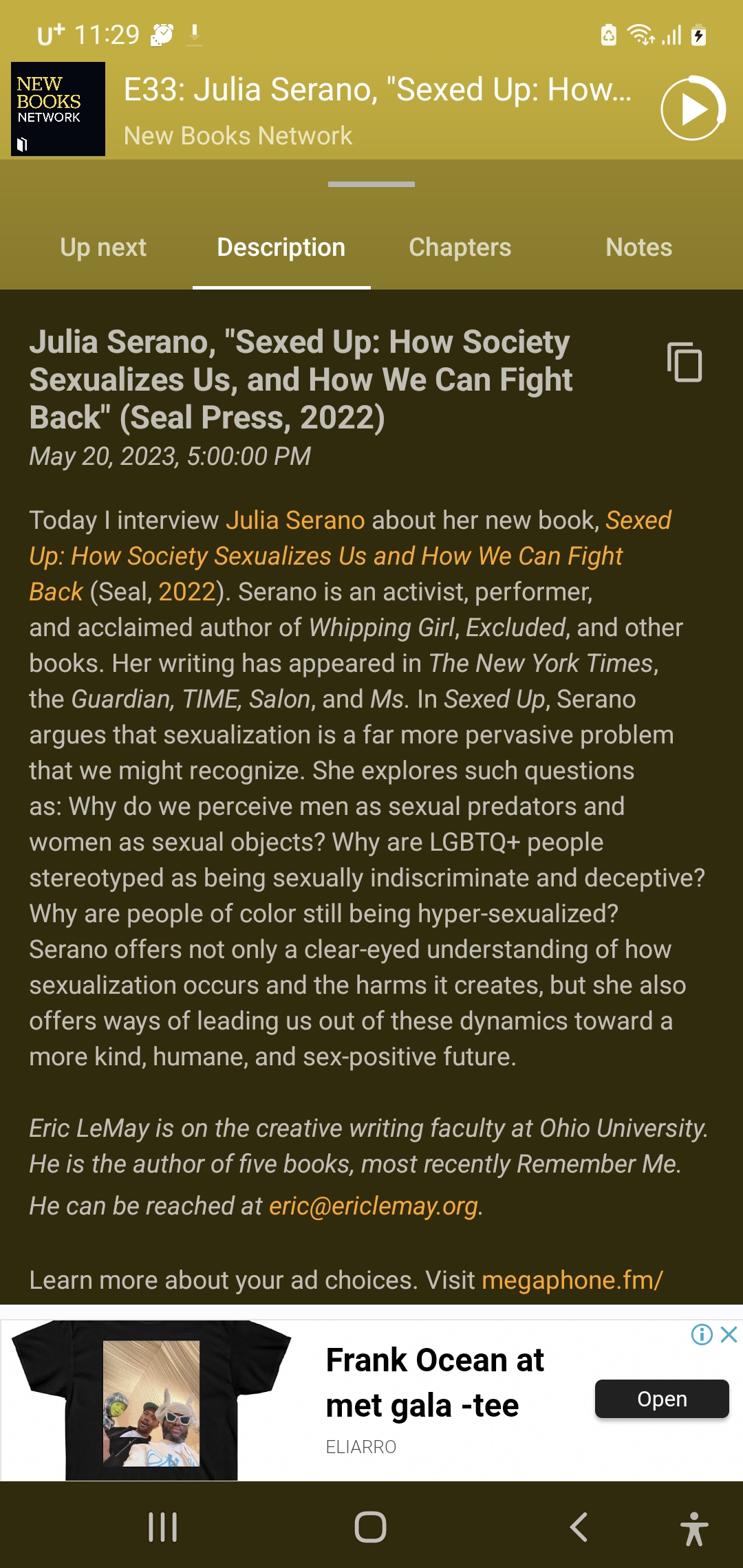
Or will they? Is it just me that sees sex first, and reacts to that? Do moments of ambiguity mean I actually behave and talk fundamentally differently around men and women, once their identity is resolved? I’ve often wondered. So, I was interested recently when I was listening to a New Books Network interview of Julia Serano, a transsexual woman, about her, well, new book, Sexed Up: How Society Sexualizes Us and How We Can Fight Back (2022), and learned that it was her experience that people reacted to their perception of her sex before anything else. Listen from 15:40 to see how, or read below:
“When I was about to begin my [male to female] transition, I really didn’t know what personally to expect, other than I figured there’d be this period of time where I’d be in, like, a gender limbo, when people wouldn’t be able to figure out if I was a boy or girl. And I had a couple of instances like that, but much to my surprise, almost always people would make the determination that I was male or female [for themselves]. It’s just that their determinations often differed from other people in the exact same room. So I describe a lot of anecdotes I had, including…having a conversation, for instance, where someone who knew me as male before I transitioned and wasn’t aware that I was transitioning, introduced me to…another man, who—he was very flirty with me. And I could tell, because of what I was going through at the time, that he was reading me as female, but, like, my friend didn’t pick up on that…because from my friend’s perspective, we all obviously knew that we were [just] three guys talking together. And there’d be a lot of situations like that where people would read me as one way or the other, and they’d really believe whatever their initial determination was, that’s what they believed and that’s how they viewed me, and it was really hard a lot of times to convince people in the other direction.”
“….The conclusion I came out of [those experiences], is that first and foremost, we don’t really see people—we see men and women. And that’s kind of how we’re socialized to see the world, and becomes really unconscious…and, you know, the fact that we automatically categorize people as male or female, obviously this has implications for trans people, and for non-binary people—it creates a lot of obstacles in our lives. But more generally, if we categorize people [like this], it really shapes a lot of the assumptions that we place on people, and it results in us filtering out other aspects of their person…like once I transitioned, there were aspects of my person that people couldn’t really see any more, that they used to react to.”
The title of the book, not to mention its description, is actually a little misleading—the book is no prudish, anti-sex tirade. Instead, it’s more her observations and thoughts about sexualization, objectifiction, sex and gender roles, socialization, pornography, and so on based on her experiences before and after transitioning. In other words, fascinating, and more than enough to decide I couldn’t wait for a paperback version to come out.
As for my own answers to the various questions I’ve raised? Actually I completely disagree with Serano that we’re socialized to see people’s sexes first. Women, in particular, who didn’t immediately register someone as a man, and weren’t more wary of the potential danger a man represented, were more likely to be a victim of violence, and less likely to pass on their genes. Also, with the exception of asexuals, our well-documented, subconscious reactions to other’s heights, signs of youth, indicators of wealth, and other attractiveness criteria demonstrate that most people can’t help but immediately consider others as potential mates or rivals, even if we don’t consciously frame them as such.
Or, very, very consciously once suddenly becoming single again, at a frequency that surprises even myself…
But I stress that to acknowledge these gut reactions, usually so short-lived to even notice them, doesn’t mean they aren’t easily overcome. Nor should they ever provide excuses for boorish behavior. For instance, I’m acutely aware that many men dominatewomen’s personal spaces, whether through being unaware or through deliberately taking advantage of their male privilege to do so. So, when I’m around women, I constantly try to check myself from manspreading, and so on. Also, befriending mostly women for most of my adult life, because of reasons, I’ve often questioned if I talked and behaved differently around them, and if there were subjects that I wouldn’t broach with them that I would with men, and vice-versa?
Recently starting to make more male friends again because I suddenly have a social life now, I’m leaning towards that I actually treat everyone pretty much the same. Which is to say I don’t actually have ‘friends’ so much as “like-minded folks [that] fill very specific needs,” at varying levels of closeness, with whom their sex is only one of many factors influencing how I behave around them and what we talk about. And which in my experience is much less important than nationality—at least amongst Westerners.
So, although I haven’t met any yet, I don’t think I would feel compelled to ‘assign’ any openly genderfluid or non-binary people at all. And, to those I am fortunate to meet, I can only apologize in advance for not lacking the restraint to want to immediately ask you all these questions too. Including the most important one:
Wasit necessary for Jane Austen to avoidconversations between men in her novels? Well??
“I want to tell you a story about my body and my sexuality. But it’s going to be so revealing and embarrassing for me, that I can say it only once. So please listen carefully.”
If you can please indulge me, I just want to say I’m very proud of myself for ordering Bodies and Women ‘몸과 여자들’ by Lee Seo-su. It will be the first novel I’ll have read entirely in Korean!
I was instantly sold on it by reviewsthat mention its intimate coverage of beauty ideals, gender socialization and body-shaming in schools, sexual assault, pregnancy, sex in marriage, pervasive sexual objectification, and the male gaze.
However, there’s also the matter of the other members in The Grand Narrative Book Club,* who are much more knowledgeable and well-read than myself, and have often already read the original Korean versions of the translated novels we discuss. Because while I count myself lucky that I’m never the most interesting person in the (Zoom) room, does the fact I’m the dumbest really need to be so obvious?
In 2023 then, I want to work on disguising that. Starting by getting into the habit of reading novels in their original Korean myself.
Unfortunately, Bodies and Women will not be turning up in the club anytime soon. Lee Seo-su seems to be a relatively new writer, with a discussion in Korean Literature Now about of one of her short stories being all I could find out about her in English. So, although I could translate those persuasive reviews for you here, really any translation add-on for your favorite browser should more than suffice. Instead, hopefully I will find many interesting things in the book itself to pass on later.
Sorry. I did say this post was an indulgence!
However, with that my writer’s block does seem to be cured now too, so it served its purpose. Let me offer some humor too, as a parting gift—but also, a reminder of precisely why those reviews were so persuasive, and books like it so necessary. For I shit you not: these two sponsored ads on Facebook, I saw back to back after googling “몸과 여자들” the hour previously:
Again frankly, probably the juxtaposition is a complete coincidence. After the book itself, googling “몸과 여자들” in fact mostly brings up images of women perusing fine male specimens. But more to the point, during the evening rush hour, Korean advertisers on Facebook deliberately target men with ads for lingerie etc., which they won’t buy, but which do persuade them to swipe left to be rewarded with more lingerie models, then with ads for oh-so-masculine power tools and gaming equipment which they might.
Also, ever since I hit my mid-40s I’ve been inundated with ads for libido and erectile dysfunction treatments, and doubt it’s just me. I don’t mean to laugh at anyone or their partners who actually need to avail themselves of such products, especially since I’ll probably be joining their ranks sooner rather than later (sigh). But many prove just as creepy as campy. For instance, this one where the model’s head was cut off, in stark contrast to when a different advertiser used the same stock photos of her to advertise diet products to women:
Then there’s these screenshots from yet another ad in my feed today, from which I’ll let you form your own conclusion to this post to!
*Finally, the book for January’s meeting on Wednesday the 18th is Cursed Bunny by Bora Chung (2017), translated by Anton Hur (2021); I’ll put up an official notice soon. Sorry for not doing so earlier, which is my fault for not realizing that I may not be the only person out there who hasn’t actually read it yet!
Potential customers are put off by unequal sex ratios, and Duo already has more female customers than male ones. So what gives?
Estimated reading time: 4 minutes.
I know, I know—I’m not even divorced yet, and I’m already looking at marriage agencies. But the reality is that Duo’s latest campaign ads are just impossible to avoid on Korean public transport at the moment. And the obvious emphasis on attracting female customers in them, for a service ostensibly about providing those women with as many romantic encounters with male suitors as their finances allow, should give everyone misgivings. For it’s not like correcting an excess of male customers is the motivation.
This concern may still sound odd. “Sweet,” I’d wager, is what usually comes to mind when most people see Duo ads. Indeed, I only did a double-take at this one at all because I happened to be reviewing my translations of a lavishly-illustrated, feminist Korean book about paintings of nude women (as any normal person does on the subway), and, glancing up, was immediately struck by how unlike those paintings the ad was. For actor Lee Shi-won/이시원‘s look back at the viewer doesn’t exactly scream pandering to the male gaze. Nor did all the other Duo ads on the subway carriage I could see from my seat, some of which just had Lee alone, and only one of which had model Noh Seong-Su/노성수 looking back with her.
Then my stop was coming up. And you don’t exactly need to have read Erving Goffman’s GenderAdvertisements to be realize what the ‘relativesizes‘ of Lee and Noh in these ads signify in the ads I saw once I stood up:
But so what? What is the issue exactly, about Duo prioritizing women?
Well, the last time I checked in 2020, Duo had more female than male customers then, at a ratio of something like 6 to 4 or 5.5 to 4.5.
I don’t know if this ratio was affected by the pandemic. But regardless, more women competing for fewer men clearly disadvantages them. That extra level of competition also incentivizes charging women more for the same services offered men. Which indeed Duo, and most of the over 1000 other registered agencies out there, do so with a gusto.
So, although Duo clearly retains the financial resources for its latest massive campaign, I speculate that it may actually represent a doubling-down on financially discriminating against young women. And, given Duo’s position as a industry leader and model, I have concerns about what this will have on Korean dating, gender roles, and marriage norms.
Not convinced? Really, it’s only a matter of degree. Please see my in-depth investigation from 2020 for a plethora of evidence on how that sexual discrimination has in fact been occurring for decades. And don’t let me forget the influence on body-image either: just a few months ago, one agency focusing on wealthy clients, with nearly half a million customers, came under fire for its strict financial criteria for admitting men, but only requiring a members’ vote of 3.6/5 on appearance alone to admit women. I also invite readers to consider that demanding women pay more to date men than vice-versa,* and deliberately skewing their customers’ sex ratios to justify this, is surely yet another form of “pinktax” that perpetuates the gender gap.
*(I realize that the norm in Korea is for men to pay on dates; no social issue that is interesting isn’t complicated!)
Recently waylaid by a broken toe, my audacious jogging and weight-loss plans in tatters, the following home-truths about the the male gaze, female gaze, and double standards hit painfully close to home this summer. Or am I just projecting?
Those of you who also followme on social media, may recognize them from back in June. Guilty as charged—I’ve been neglecting this blog due to self-imposed minimum word limits on content I post here, unnecessarily depriving you of interesting content and me of interesting responses. No longer!
…not ignoring the critical writing which points out that women can gain erotic pleasure from the beautiful, muscular male body (Smith 2007), it does seem that women desire characteristics in men that are very different from the features that men seem to value in women. I constantly see Stepford-esque couples in which the wife is stunningly beautiful, and obviously committed to a regime of diet, exercise and beauty treatments, while the husband is a Homer Simpson. While the wife is still devoted to her husband I always wonder: if the situation were reversed, and the wife were to become fat, would the husband be equally devoted to her? Indeed, one of the recent British films to address this very issue was The Full Monty in which a group of out-of-shape, unemployed men organised an amateur strip show which was a resounding success, obtaining a standing ovation from the female audience. I agree with Susan Bordo who asks, if it were a team of out-of-shape women performing in a strip regime would they be similarly applauded by an audience of men? (Bordo 1999: 174). It does appear to be the case that men do not objectify their bodies to the same extent as women and certainly do not function under the tyranny of slenderness to the same extent. I once met a man who was obese – not moderately fat, but obese – who continually referred to himself as a ‘big guy’ and told me in detail about his job as a security guard at the psychiatric hospital in which he was required to ‘provide the muscle’. I wondered how this muscle was provided given that all I could see was fat and no muscle at all, but this didn’t seem to occur to this particular ‘big guy’. In short, there is a general acceptance in normative, heterosexual culture of male mass, bulk, excess flesh, or indeed anything which exceeds the taught and toned….
It is also not fair to say that men are excused the sin of fatness or bulkiness only in heteronormative culture. Although…
But first, let me extend my warm thanks to Professor CedarBough Saeji (a.k.a. @TheKpopProf) for her invitation to talk on this topic to her class last week. Next, to her students also for their many interesting questions and observations, given to me both in person and as they live-tweeted the event!
As there were too many tweets to respond to individually afterwards however, and because most were related to some key points I’d ended up having to rush over because I’d wasted far too much time showing videos of time constraints, I decided to clarify them in a long thread instead. Please click to read, and, because the more in the discussion the merrier, please feel free to respond yourself, either on Twitter or in the comments section below.
Finally, seeing as we’re on the subject of talks, let me also remind everyone that if you too would like me to give one to your own class or organization, whether in person or via Zoom, then I’ll probably jump at the chance if our schedules work out. So please get in touch! :)
If you reside in South Korea, you can donate via wire transfer: Turnbull James Edward (Kookmin Bank/국민은행, 563401-01-214324)
Needless objectification, and a power trip from being called Oppa. WHY do advertisers assume cishet men genuinely prefer these?
Estimated reading time: 7 minutes. In case of any lingering doubts that it’s the same model, check out the wisps of hair on her right.
“You’re a man in his 40s, aren’t you?” reads the offending ad’s headline. Ouch. I scroll social media for the dopamine hits thank you very much, not to be reminded of how much my knees hurt.
I also really, really don’t like being pegged as someone who’d prefer to see a woman’s body without her face either. But it’s what the ad says which is more repugnant, so let’s address that first.
The product being advertised is a diet supplement. (Yes, I thought it was for something to help with “men’s stamina” too.) At the top, the text about it extols, “I only took a packet a day and it took care of everything. I levelled up from being called an uncle to an oppa! These days, it’s time for men to take care of their diets too!”. Then, the headline next to the model, “You’re a man in his 40s, aren’t you?” and “We will ensure you’ll never be called ajeossi again!”
I’m not judging the implied huge age gap with the model. One sex being used to sell products to another will always be a thing too, however absurd it feels in this particular case. What I do have a beef with, is encouraging myself and my fellow ajeossis to crave being calling Oppa by women, especially those like her who are much younger than ourselves.
Although we’d like to pretend it really wasn’t all that long ago we were dancing to Wax‘s classic in nightclubs in our 20s, when the word had more innocent and romantic connotations, really we know most women now find the word distasteful at best. We also know they especially resent how all too many older male colleagues, acquaintances, friends, and bosses, taking advantage of their male privilege, will sometimes demand they perform infantilizing aegyo to them at company dinners and so on—which will invariably include demands to call them Oppa.
The men who still ask women to do so regardless then, only to claim it was just harmless fun later, are being completely disingenuous. The only reason any man does so in 2022 is to get his ego boosted, and to put the younger women being asked in their place. Behavior which whoever at Sery Box and/or enigmatic shopping site 형만믿어 responsible for the ad would know full well, and absolutely shouldn’t be encouraging.
To give a recent for instance, in a surreal scene from an episode of the Omniscient Interfering View talkshow in February last year, veteran, internationally acclaimed actor Moon So-ri calmly explained she didn’t call her four year-older husband Oppa because its cute connotations made the woman using it seem childish, whereas she wanted a relationship of equals. One male panelist’s tactless, boorish response to her thoughtful comments? To ask her to call him Oppa instead. When she refused, he demanded a flustered young K-pop star do so in Moon’s place, ultimately forcing Moon to cover for her to save her further embarrassment.
문소리배우가 오빠라는 단어가 가진 젠더권력 존나 알아듣기 쉽고 친절하게 설명해줬는데 애초에 들을 생각도 이해할 마음도 없는거 너무 한남과의 대화 그자체임 https://t.co/d3S5WPIT1x
The top tweet: “Actor Moon So-ri explained the gender politics of the word in an easy-to-understand and non-accusatory manner. He was just such a typical sexist han-nam though, with no intention of listening to or trying to understand her whatsoever.”
On top of all that, the model is headless. No pun intended.
While having bodies or their various parts presented in isolation isn’t inherently bad in itself, and is a practice that people rightfully tend to judge in context, the cumulative effect on the people it’s usually done to day in day out—e.g, women overwhelmingly more than men, and obese people in news reports about them—is to dehumanize them in the minds of observers, even if they belong to the group being objectified themselves. It’s also been demonstrated that if my fellow ajeossis and I consider a woman attractive, we’d also be much more likely to respond to her returning our gaze instead. The implied enthusiastic consent to our interest through a wide smile can be a pretty big deal too.
All of which begs the question of why, if Sery Box and/or 형만믿어 clearly had access to the same stock photos of the same model that Centheal and/or 하태핫태 responsible for the left ad had, did they not also select one with her smiling face?
I’m no photographer or graphic designer, but I refuse to believe there’s anything particularly significant in terms of aesthetics or layout that would compel the choice they did make. Even just raising the bottom of the image just enough to show a smile would have made a big difference.
I’m overanalyzing, I know. Numerous surveys have revealed that Korean internet ads in particular have gotten distinctly smuttier over the past decade, and the Oppa ad is really nothing special in that regard. Less a patriarchal conspiracy, than simple laziness.
Yet there’s something to the juxtaposition nonetheless.
But if you could please bear with me a just a moment longer before elaborating, there remains the task of confirming the gender divide in the two ads first. So again, the offending one is indeed explicitly aimed at men, and the link it takes you to only features two images of a woman—Kim Tae-hee—among the many more of main celebrity endorser Lee Jung-jae, as well as numerous images of muscled men. Most of Sery Box‘s products are actually aimed at women however, and feature Kim Tae-hee and various other female celebrities (with absolutely no men) in their advertising on their various webpages for those.
During rush hour, when men are glued to Facebook on their phones, Korean shopping mall target men with ads like these. The logic being, the images on the left will get their attention, even though they’re not interested in actually buying women’s clothes. Then, when they invariably look away, the next things they will see are the ads for products they will be interested in buying on the right. Image source: The PR News.
In contrast, the left ad (now below) is advertising a fortified extract of garcinia cambogia (가르시니아 캄보지아 추출물) sold by Centheal. Although there’s nothing on their website to explicitly indicate they’re targeting it only at women, only female models are featured, and the logo on the packaging has a woman’s waist incorporated into it. There’s also a “WomaNature” mentioned, although I’ve been unable to pin down what that refers to. Meanwhile, the screenshot actually being saved by me in February 2021, just before the Korean New Year, the text at the top reads “With Seollal approaching, let’s enjoy holiday food with worrying about it.” Then, next to the model, “This Seollal, don’t become like one of those people who’s put on weight from staying indoors all day due to Covid. Instead, take care of your body [even] while eating all that [holiday] food. [Take advantage of this] half-price discount event to celebrate the holiday.”
Finally, let me post the other ad again for the sake of that juxtaposition:
I’m writing here today because personally, seeing them together, I was instantly reminded of a surreal experience I had in 2010, when I innocently switched tabs between Elle Korea‘s photoshoot of Lee Hyori, and then MSN Korea’s article about it (which I’ve presented in GIF form below). Someone at the latter, an ostensible news site, had apparently found the body of then Korea’s biggest sex symbol inadequate:
That particular juxtaposition sparked the beginnings of my own learning journey over the next decade about Korea’s many, many problems with female body-image. Whereas writing about this more recent pairing, has forced me to think deeply about, first, the modern connotations of the word Oppa, which frankly I wasn’t originally going to mention at all (I wasn’t joking about my intense dislike of cishet men being pigeonholed as preferring headless women); and second, what other baggage from my formative years in Korea I absolutely need to jettison over the next decade if I want to continue my quest to properly understand Korean misogyny—which “Call me Oppa” ultimately is.
I hope you too find what’s revealed by the juxtaposition featured today, just as telling and motivating to learn more about as I have.
…Science says she’d be foolish not to take advantage of them.
“Eyebrows have a huge impact on the impression you make”? Estimated reading and viewing time: 5 minutes
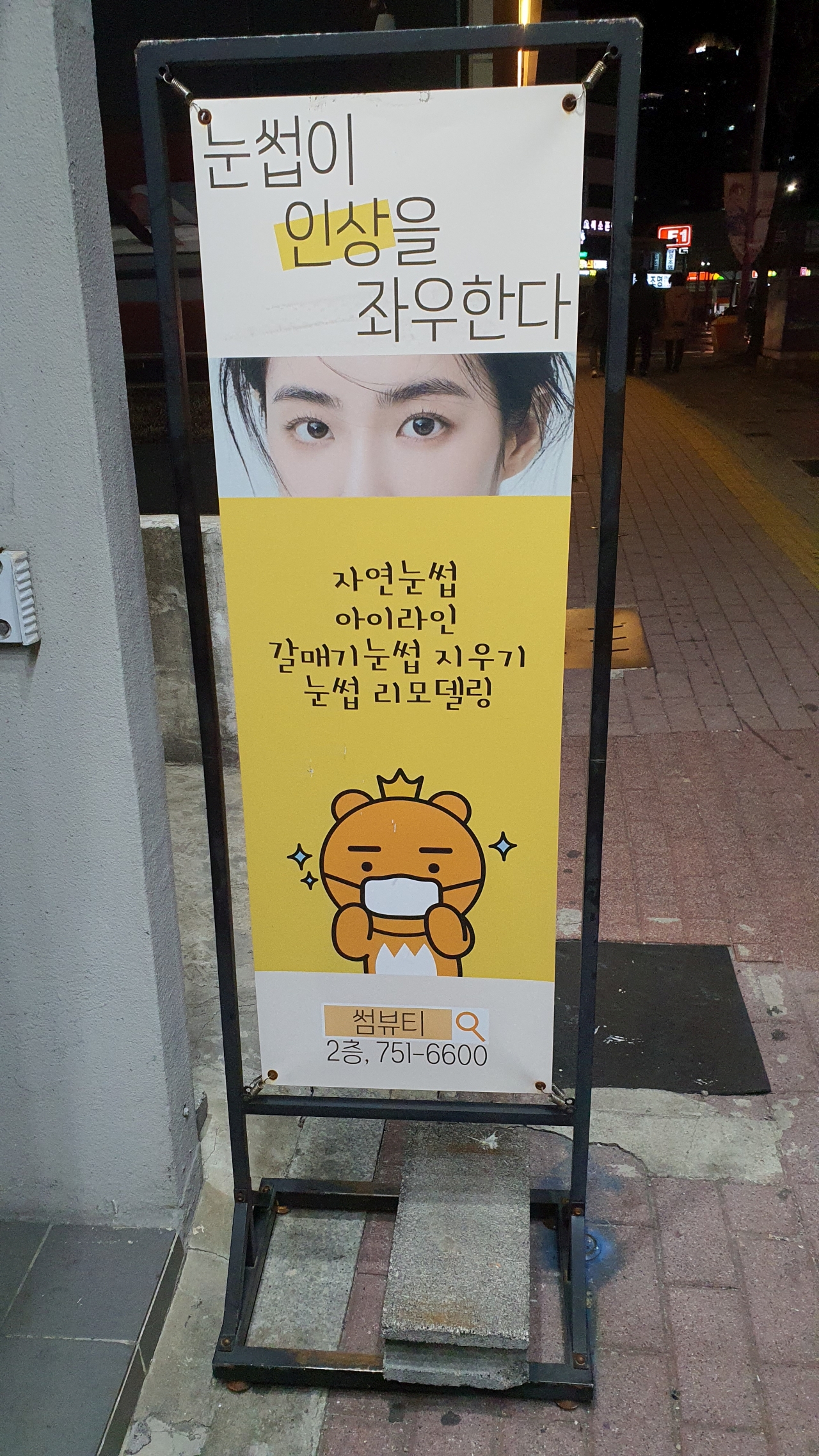
This image is from the back of a beauty parlor’s standee. The front, which I saw first, likewise featured an attractive woman. But that woman? I didn’t give her a second thought as I approached the parlor. There was nothing to make her stand out from the hundred or so other attractive women in ads I’d already seen on my walk that night. Whereas the woman on the back, who seemed to return my interest rather than avert her eyes? Of course that would elevate her above her rivals. But did you know that dopamine was the reason why? Which attractive women will trigger in cishet men’s brains only if they stare back?
All is explained in this one minute video from the Psychology TikToks channel, part of a 2010 lecture on human sexual behavior by Stanford University biology and neurology professor Robert Morris Sapolsky. But I encourage you to click on the video of the full lecture below that instead, which I’ve timed to start at 43:55 to help give you some quick context before that clip begins at 45:10:
Granted, no source is mentioned, maybe because it was in the syllabus (but see here for a student’s extensive notes), and I’ve been unable to find any possible candidates; I’ll keep looking. Another issue is that Sapolsky didn’t immediately follow his point with how cishet women reacted to attractive and ugly men returning their gaze (let alone anyone else on the LGBTQ spectrum), as I’m sure that’s what everyone in his audience was wondering. Or was that actually covered by a later comment about switching the genders?
Also granted, whatever your gender and sexual orientation, you too may prefer the back picture, for reasons that have nothing to do with dopamine. If so, having some additional chemical motivation isn’t mutually exclusive with sharing them. For instance, from an advertiser’s perspective, that picture surely ties in with the parlor’s various eyebrow-related services much better than the essentially random one on the front does. Noteworthy too is how, in discussions about the male gaze, examples of women staring back are frequently praised by women for having agency by “being aware of,” “controlling,” and “challenging” that gaze. In fact, as you can see from the links at the bottom of the post, I’ve written tens of thousands of words doing so myself, and wince at the memory of how much caffeine—not dopamine—was involved.
It’s also in those posts that I’ve expressed my anger and frustration with commentators on the female gaze who take it as a given that myself and all other cishet men actually prefer passive, compliant women we can lord over. Say, because that’s the image of women the male-dominated mainstream pornography industry, well known to be a bastion of feminist representation, overwhelmingly provides us with.
And I’m still angry and frustrated, frankly. Imagine if I likewise gave a one hour talk on what, say, cishet women want in men, without providing any evidence whatsoever that I’d asked a single one of them. It would be classic mansplaining.
It brings a certain satisfaction then, to learn that if some commenters won’t apply the same standards to themselves, there is at least now (potential) scientific proof that cishet men aren’t necessarily the domineering brutes that they describe them as ;)
It’s in this context that I present my translation of the following subway poster for the Busan Human Rights Center for your interest, and their suggestions of typical cases of discrimination and human rights violations. Most, of course, would be depressingly familiar occurrences in any country. But others, much more commonplace in Korea then elsewhere. In particular, Korea’s pervasive hierarchy and elitism is evident in unnecessary questions about which university you went to, as well as absurd enquiries about your parents’ and grandparents’ backgrounds. So too, when blatant discriminationagainst womenremains rampant despite protections, when photographs are required on resumes, and when society remains obsessed with (female) bodyweightandappearance, can Korean women especially continue to expect hiring decisions based on their appearance.
Most notably and depressingly of all however, the Busan Human Rights Center only makes recommendations to offending companies and institutions, not prosecuting them or assisting you in doing so. In fairness, I stress I only know of the Center through its website; prosecution may never have been its intended purpose, which other institutions and services may exist to fulfill, and doesn’t diminish its potential role in education, awareness, and/or the value of gentle pressure and public shaming it can bring to bear on offenders. Still, it also instantly brings to mind the well-known National Human Rights Commission of Korea, launched to much fanfare 10 years ago but rendered toothless since.
My translation, starting from the top:
구직, 채용, 면접, 시험에서 받은 If these ever happen to you while looking for a job, being recruited, during an interview, or while in an exam or test…
인권침해 Human Rights Violations
사소한 것이라도 부산광역시 인권센터에 알려주십시오 No matter how trivial or small it seems, please inform the Busan Human Rights Center
Row by row:
업무와 상관없는 특정종교 선발 Choosing candidates based on religion, with no relation to the job
과도한 사적정보 요구 (아빠직업, 엄마 직업, 할아버지 재산, 이모부 고향) Excessive demands for personal information (e.g., parents’ jobs, size of grandfather’s estate, uncle’s hometown)
장애 (장애인 출입이 불가능한 채용시험장) Disability (Recruitment Test Center has no disabled access)
동성애자 아니죠? You’re gay, aren’t you?
채용여부 묵묵부답 Left hanging about your recruitment status
시험 주에 화장실 가려면 시험포기 각서 쓰라 Having to sign an agreement that you fail a test if you need to leave for a bathroom break
노동조합이 생기면 가입할 겁니까? If there was a union, would you join it?
업무와 상관없는 나이제한 Age restrictions that have nothing to do with the job
그 나라 출신은 안 됩니다 You’re not from X country…
서류반납 거절 Refusal to return documents
압박면접을 빙자한 막말 Unnecessary blunt remarks and rudeness for the sake of a pressure interview
업무와 상관없는 학력차별 Choosing candidates based on educational background, with no relation to the job
이번 선거에서 누굴 지지합니까? Who are you voting for in the election?
출산 후에도 회사 다닐 거예요? Are you going to continue working after giving birth?
외모에 대한 노골적 평가 (모델선발하나?) Blatantly evaluating you based on your appearance (Are you choosing a model?)
Finally:
취업과정에서 다양한 인권침해가 발생하고 있습니다. 그러나, 구직자들은 부당한 질문들과 불법한 차별에 대해 제대로 대응하자 못하고 있는 현실이기도 합니다. 부산광역시 인권센터는 구직과정의 인권침해 사례들을 수집하고 개선방안을 관련 기관에 권고할 예정입니다.
Various human rights violations [can] occur in the employment process. However, the reality is that job seekers are not always well equipped to properly respond to unfair questions and cases of illegal discrimination. The Busan Human Rights Center will collect such cases and recommend improvement measures to related organizations. (End.)
Have you or anyone you know experienced any of these yourself in Korea? Please let me know in the comments.
Update:
A Facebook friend asked for clarification about what exactly my issue with the Busan Human Rights Center was, given that even the National Human Rights Commission of Korea can only make recommendations, as is the case with most national human rights institutes worldwide. Here’s my response:
My issue is that if I was a victim of discrimination in New Zealand say, and encountered a poster for a similar institution, I would fully expect its stress to be on my potential to prosecute, that the center would be geared around my doing so (even if all it could really do was offer lawyers’ contact details), and that possibly even the center itself would be able to advocate for me if I was financially disadvantaged.
That said, I admit have no knowledge or experience of the legal system there, or in Korea. Possibly, my assumptions about rights centers in Western countries are hopelessly naive. But either way, whatever the country, if the best I could hope for from working with one was a sternly worded email to my former employer, then I’m not sure I would bother.
I do still mention in the post the valuable roles such centers can have, even if they don’t/can’t prosecute offenders themselves. But whether human rights centers in Korea can’t help with prosecuting because that was never their purpose, and/or whether it’s because many forms of discrimination aren’t even illegal, then either way the poster served to highlight the latter to me, and why I post it for others. I assume too, that if a comprehensive anti-discrimination *was* passed, then human rights centers would be given the remit and resources to take bolder measures against infractions when notified by the public.
If you wannabe my lover, you gotta get with my books.
Or, if you just want to be my friend (your loss!), I’ll settle for a shared love of books in general.
Just as in a romance though, a relationship on that basis can still entail a bittersweet mix of passion and frustrated longing. Specifically, as my own taste in books has rarely meshed with my friends’, I’ve found there’s only so much I can wax lyrical about my latest conquests when they’re so unlikely to ever read them themselves. And with 52 books read in 2021, plus a goal of 72 in 2022, that’s of lot of pent-up passion not to have an outlet for.
But you already know where it’s going to go now.
As I type this, I’m loving If I Had Your Face by Frances Cha, “a fierce social commentary about gender roles, class divisions and, yes, plastic surgery in South Korea.” I’ve been especially struck by how realistically Cha depicts the daily lives and conversations of the four main young(ish) Korean female characters, much more so than in previous Korean or Korea-related fiction I’ve encountered. “Finally,” I said to myself, “I’ve found characters in a book talking just like my Korean friends and I talk!”
Yet we’re not in our 20s or early-30s either. Beyond the swearing and sex talk that I love so much, does Cha indeed portray their lives realistically? It’s been especially difficult for someone with my background to tell, slowing down my reading with so many nagging thoughts and questions.
Then something occurred to me in the shower. It’s a popular book, making Time’s list of 100 must-read books in 2020 for instance, meaning there’s many of you out there with your own opinions, insights, and maybe even your own nagging questions. So why not share them with each other on Zoom?
I’m envisaging something very intimate and informal, cameras on, with a maximum of 12 participants (but in practice probably much fewer than that). To ensure it’s as safe a space as possible, I’ll screen all attendees as much as I’m able, the Zoom link will be invite only, and once it’s started I’ll be very busy behind the scenes to ensure things run smoothly.
Just for that last reason alone, I want to be clear that this will be a discussion, and definitely not any kind of lecture, webinar, or even dominated by me. While in my duties as host I will have prepared many hopefully interesting questions and potential talking points to raise if necessary, I strongly encourage—nay, demand—everyone attending to come up with at least couple of their own (please!).
For those amongst you who are interested but haven’t read the book yet, I’m thinking that by Thursday, January 27 is plenty of time to order, read, and digest it, and that 7pm on that evening (Korean time) is both late enough to drink eat first, and early enough to get a discussion of a decent length in before people get tired. We could also decide the next month’s book then too.
If you’re interested in attending, please leave a comment below (your email address will only be visible to me) or contact me, and I’ll get in touch in a group email closer to the date. Any thoughts, suggestions, and advice for running a book club would also be very welcome.
See you on Zoom!
If you reside in South Korea, you can donate via wire transfer: Turnbull James Edward (Kookmin Bank/국민은행, 563401-01-214324)
What’s it like to meet someone who embodies a purpose? How do you cope when that person moves on?
“The moment I wanted to stop, is the moment I started running.” Estimated reading time: 5 minutes. Spoilers for first half of film. Source, all images: Naver Movies.
What main character Yun Ja-yeong (Choi Hee-seo) does stop at the beginning of this film is studying for years alone in her small, dingy apartment for the civil service examinations, the path to securing a rare stable job in Korea. Her goal was—is—depressingly normal, shared by as many as half a million young Koreans at a time.
What makes Ja-yeong different to them is that she’s done nothing else since graduating. That she chose this path despite having attended a prestigious university, which would have made her a shoo-in for most other jobs. But now she’s too old for those at 31, which also means she kept at her goal long after most would have wisely given up. Her inexplicable failure is further compounded by her briefly-seen boyfriend pointing out that she has no life or ambitions outside of studying and passing. (After some unenthusiastic sex, he leaves her for precisely this reason. She seems surprised—already we’re not.) Even her fateful decision not to take the latest round of exams is taken more out of apathy and resignation than resolve about what to do next.
But when the enormity of having wasted her entire adult life does hit her, it hits hard. She collapses in tears in a local park, the cheap convenience store food she lives off tumbling down the steps.
Then as if in a vision, the figure of jogger Gang Hyeon-ju (Ahn Ji-hye) suddenly materializes to hand her dropped items back to her, before vanishing out of her life again just as quickly. Looking poised, confident, athletic, and driven in her expensive athleisure wear, she is everything Ja-yeong is not.
Drawn like a moth to the flame, over the next few weeks Ja-yeong watches YouTube videos about jogging and struggles to put them into practice, shuffling and wheezing around a school track in old sneakers and clothes, all for the sake of a chance to meet Hyeon-ju again. She must also get a job—it’s implied that her mother (a much too young for the role Kim Jeong-yeong) has been paying all her rent and living expenses all this time, but, bitterly disappointed with Ja-yeong’s decision, may not do so indefinitely.
Finding the job search difficult because of Korea’s blatant ageism however, middle-school friend Min-ji (Noh Susanna) takes pity on Ja-yeong and manages to get her a basic, entry-level admin job in the company she works at. Yet she’s awkward there, unable to relate to her much younger coworkers, nor sharing their ambition. You sense that her time there will be short.
Then she does find Hyeon-ju. Soon, Hyeon-ju’s brought her into her large jogging club, then later lets her go on group runs with her and two other male members once she’s improved. Yet for all the viewer’s anticipation of their meeting again, the development of their relationship is glossed over, the focus going on Ja-yeong’s ensuing physical and mental transformation instead. Suffice to say, she becomes every bit as confident of herself and proud of her body as Hyeon-ju. This reflects in her job too, where she realizes the opportunities that are open to her, and even plans on a career.
Yet still her mentor remains frustratingly private. Only after running together for months does Ja-yeong even learn that she works in the publishing industry, and is a fledgling author.
That admission does presage a greater level of intimacy to follow, with more sudden phone calls from Hyeon-ju for personal midnight and sunrise runs together, and invites to drink at her place. In the first, after pointedly asking Ja-yeong what her sexual fantasies are, a very drunk Hyeon-ju strips to her underwear due to the heat. It sounds cliched, and is, but despite yourself you also yearn for them to begin a sexual relationship then—not only because of the camera’s focus on their bodies throughout this deeply sensual film, which makes it feel somewhat inevitable, but also simply for the opportunity to learn anything about Hyeon-ju at all. What makes her tick? What is she getting out of their relationship? What made her take Ja-yeong under her wing, a seeming basket-case who chased after her literally bawling her eyes out the second time she saw her, a complete stranger?
It doesn’t happen. Nor in the next visit, when Ja-young, concerned she’s missing their group runs and not answering her phone, waits outside her door until Hyeon-ju stumbles home drunk. Ja-young knows the reason is because her novel was rejected by a publisher, but doesn’t reveal this. Then after more drinks together inside, Hyeon-ju, in a rare moment of vulnerability, asks if she wants to read it—but Ja-yeong has already passed out.
Two minutes later of screentime later, Hyeon-ju’s dead, hit offscreen by a car during their next run together. It’s strongly implied she stepped in front of it deliberately.
Believe me, I debated over whether to reveal that spoiler.
I plead that after her death, exactly halfway in, Our Body feels like a different film entirely, impossible to discuss further without mentioning the circumstances that precipitated the change. For in that second half, the focus moves to her job, where Ja-young must deal with the conflicting demands of her grief, office politics, and her mother’s and friend’s expectations. Suddenly, she is every young Korean woman, chafing at her assigned place in a deeply hierarchical, status-obsessed, and sexist society.
Watch the film primarily for that last element, and you’ll be rewarded; I’ll wrap up my brief review here for so as not to spoil it.
But do not necessarily expect to be able to answer the question many other reviewers raise, of if Ja-young wants to be Hyeon-ju, be with Hyeon-ju, or both.
If forced, I’d argue the former. Primarily, because despite her growing confidence, Ja-yeong never initiates contact beyond that desperate chase at the beginning. Indeed, perhaps because Hyeon-ju comes across as somewhat of a ghostlike figure throughout, aloof and distant to the end, never giving Ja-young much to grasp on to with which to develop any potential platonic or romantic desire. Yet being the intense focus of the main character for all that, for this reason the underdevelopment of Hyeon-ju’s own story is my main frustration with this otherwise softly subtle, thoughtful film. So too that of Ja-yeong’s middle-school sister Hwa-yeong (Lee Jae-in), whom you suspect by the film’s end is the only other character who has any real sense of how Ja-yeong has changed and what she’s going through—but those conversations Ja-yeong needs with her never happen.

 Estimated reading time: 9 minutes. Photo by Maria Talks on Unsplash.



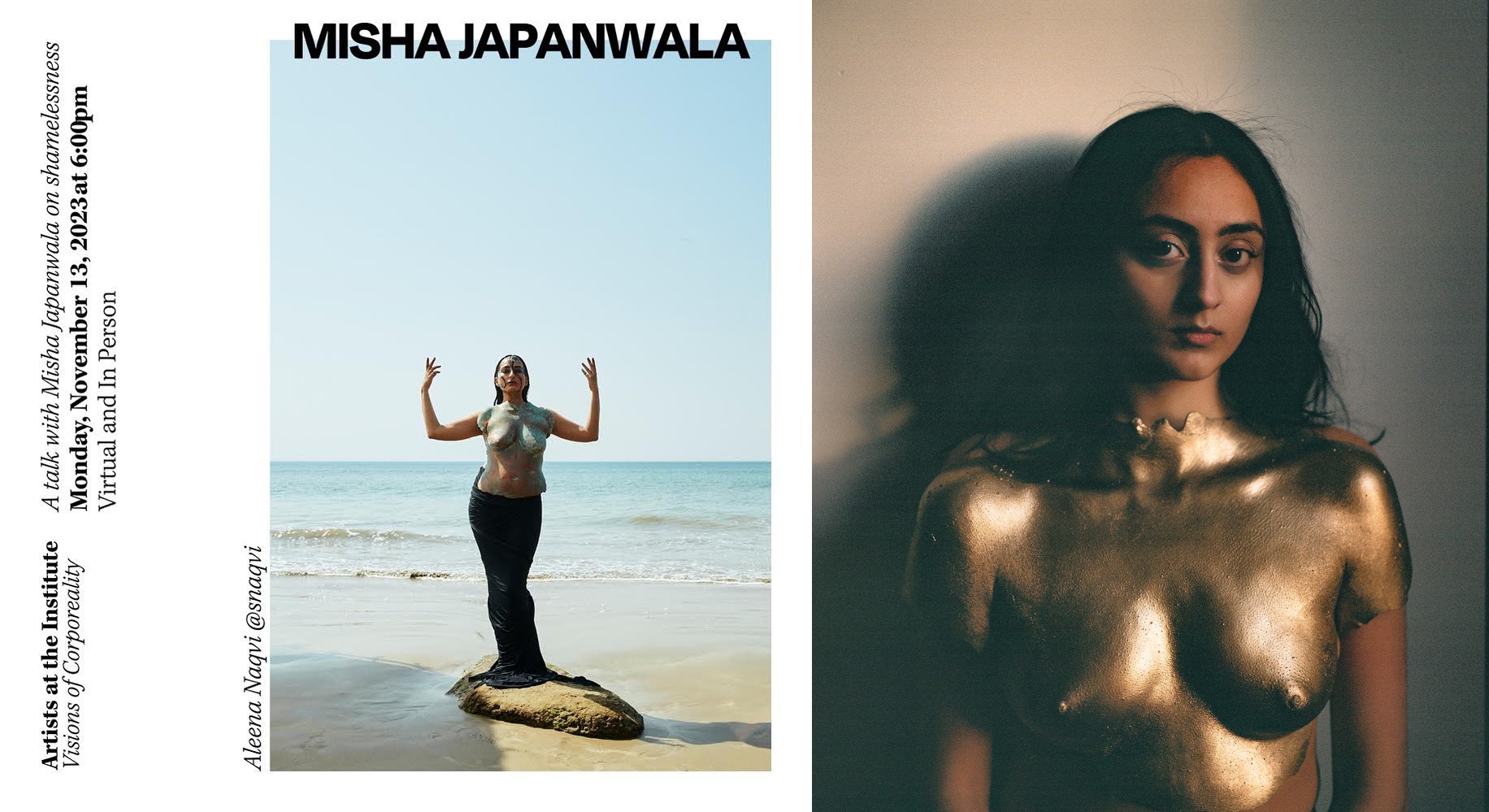

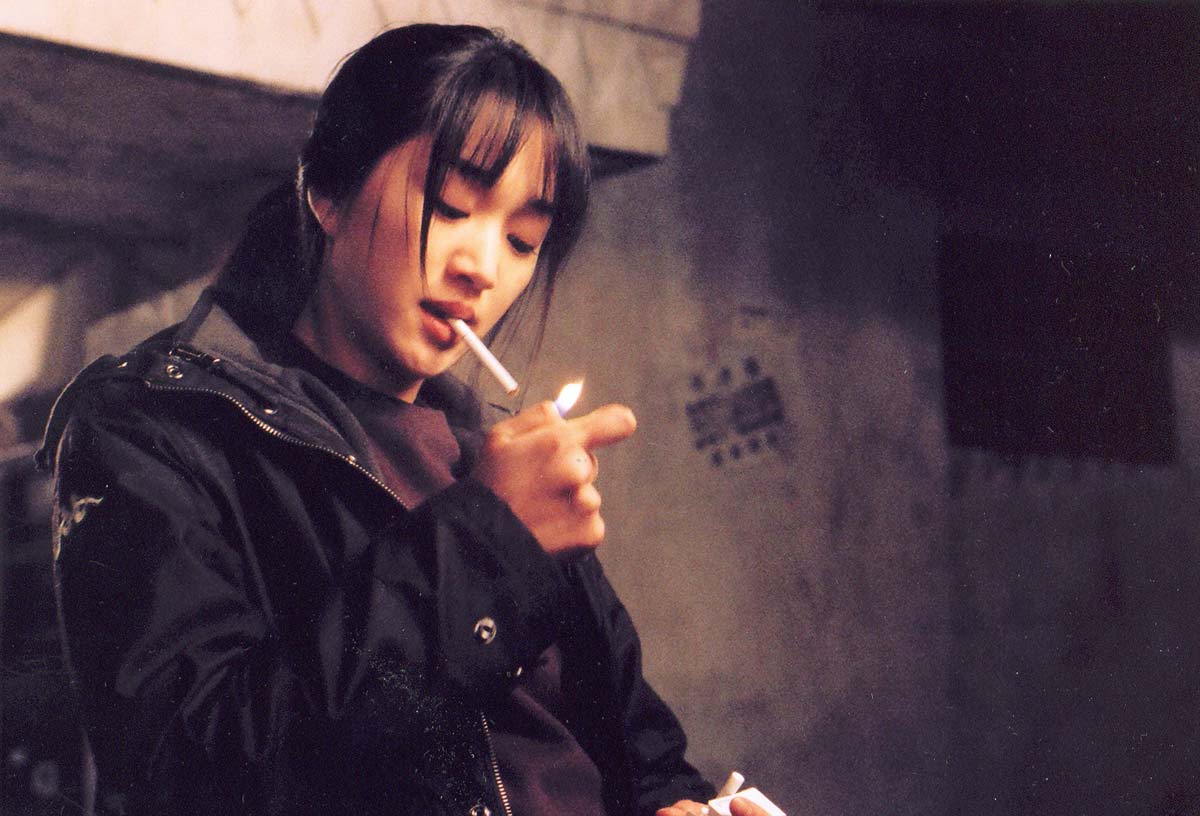
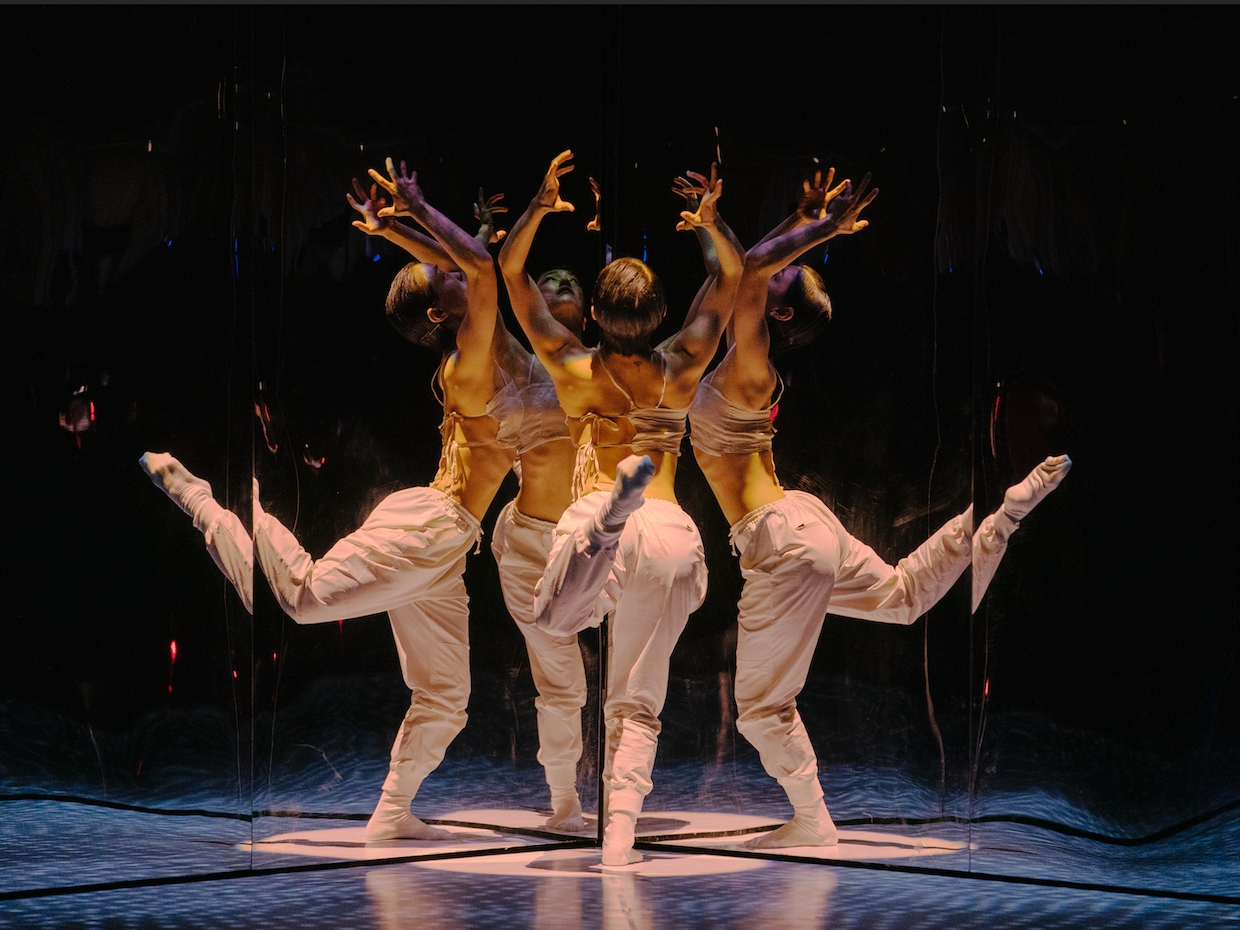
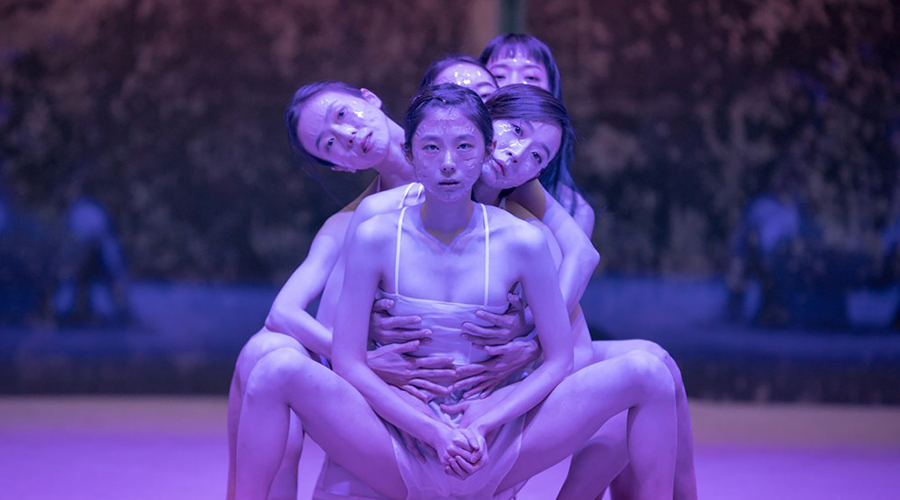
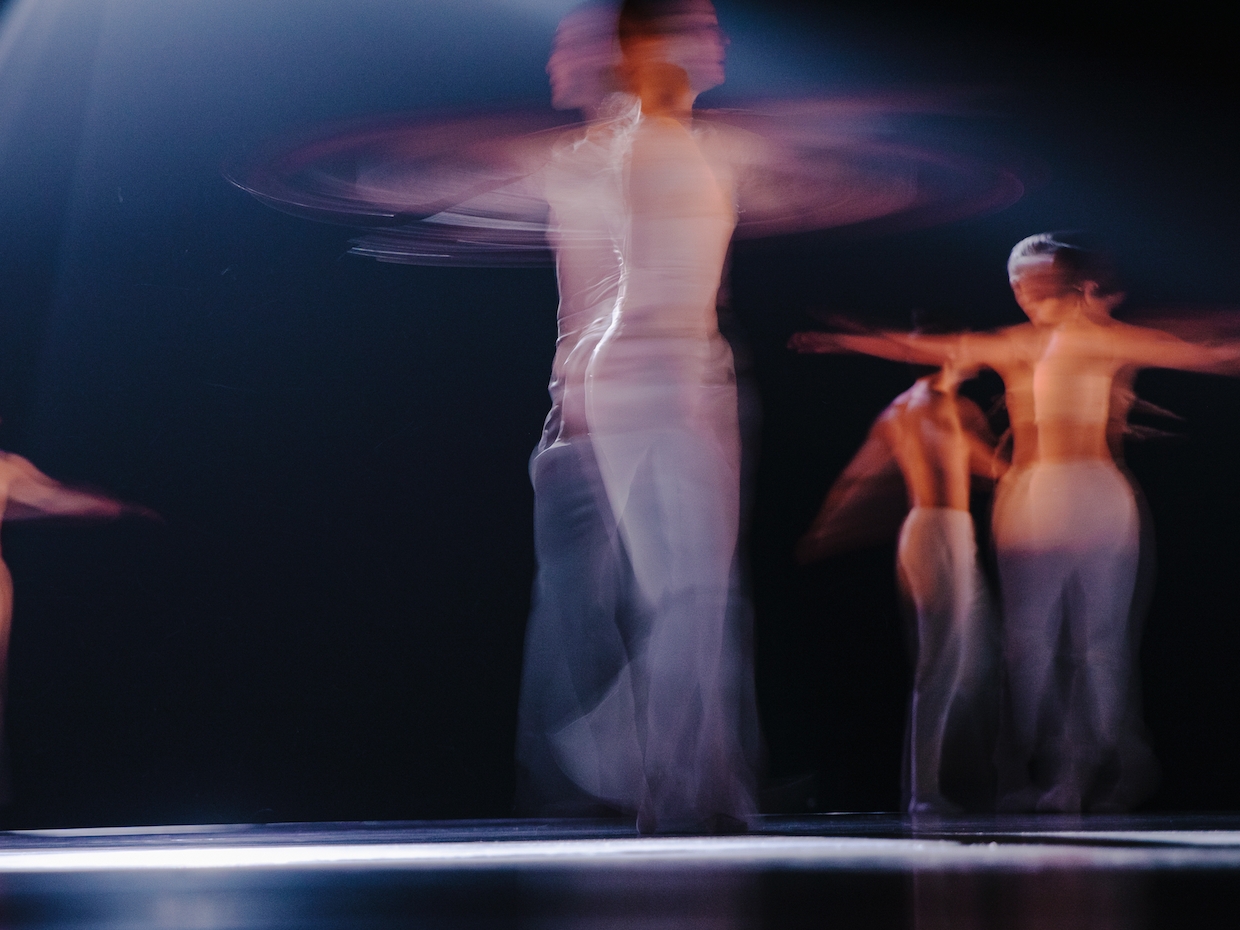

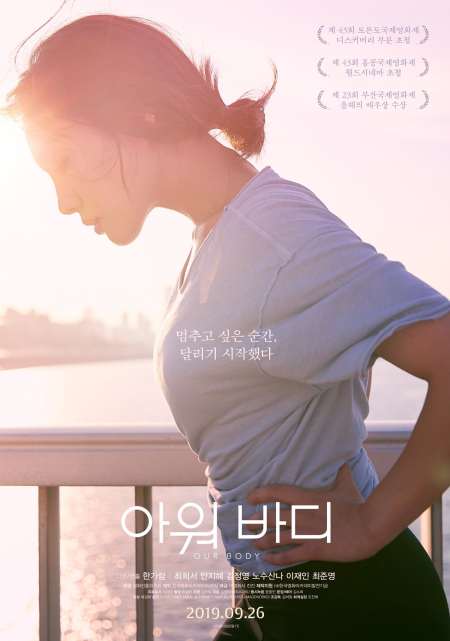

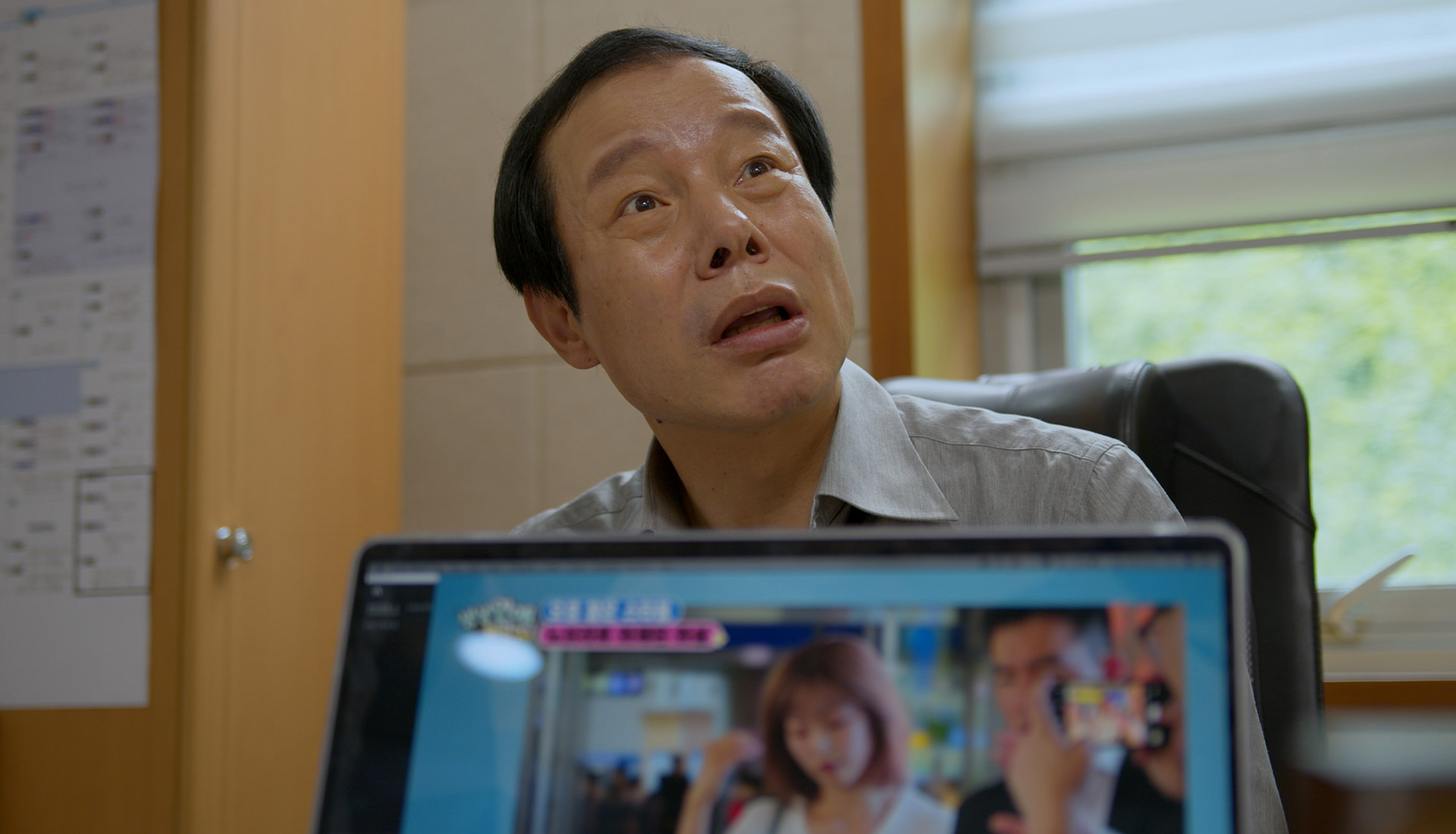

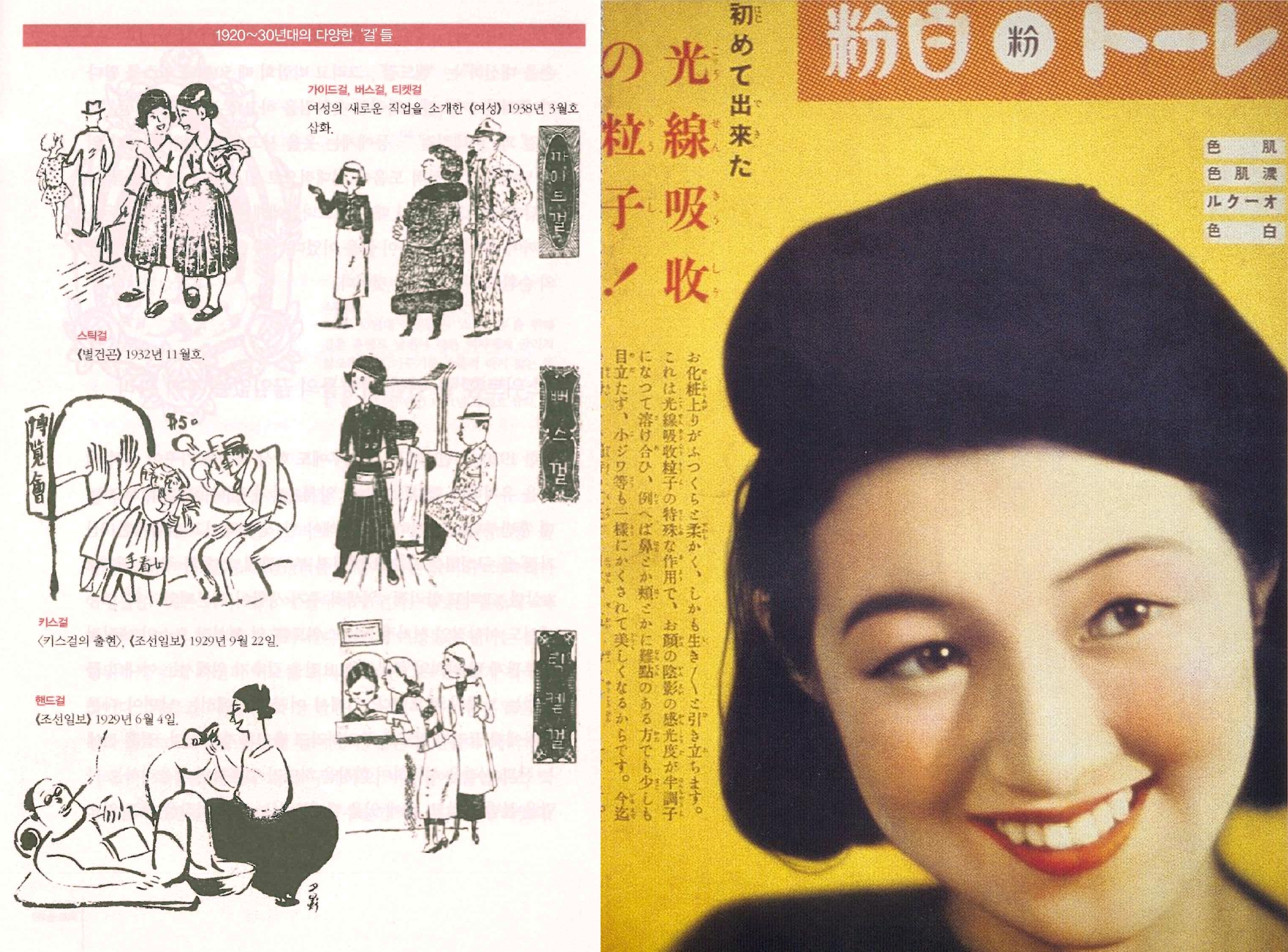
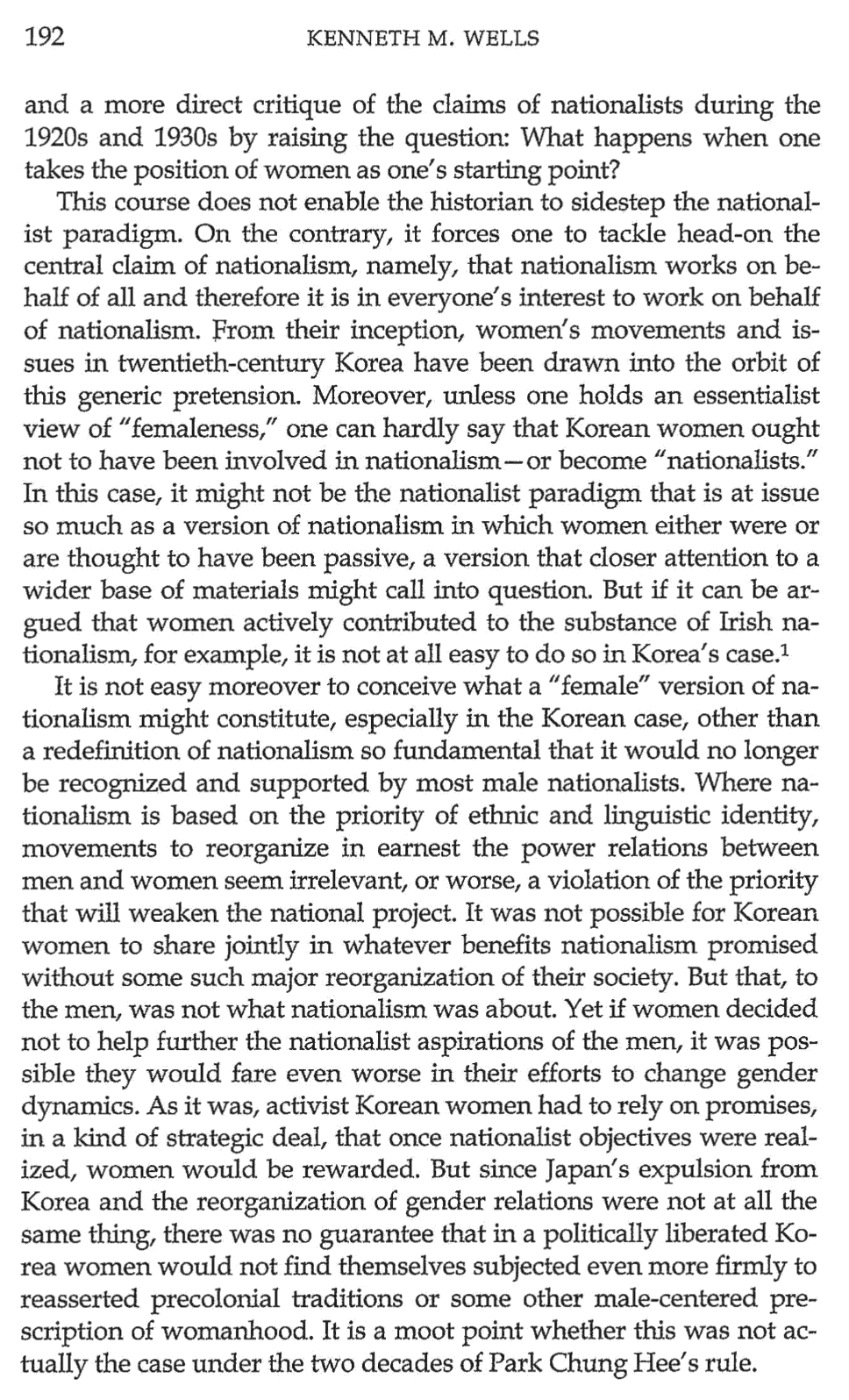
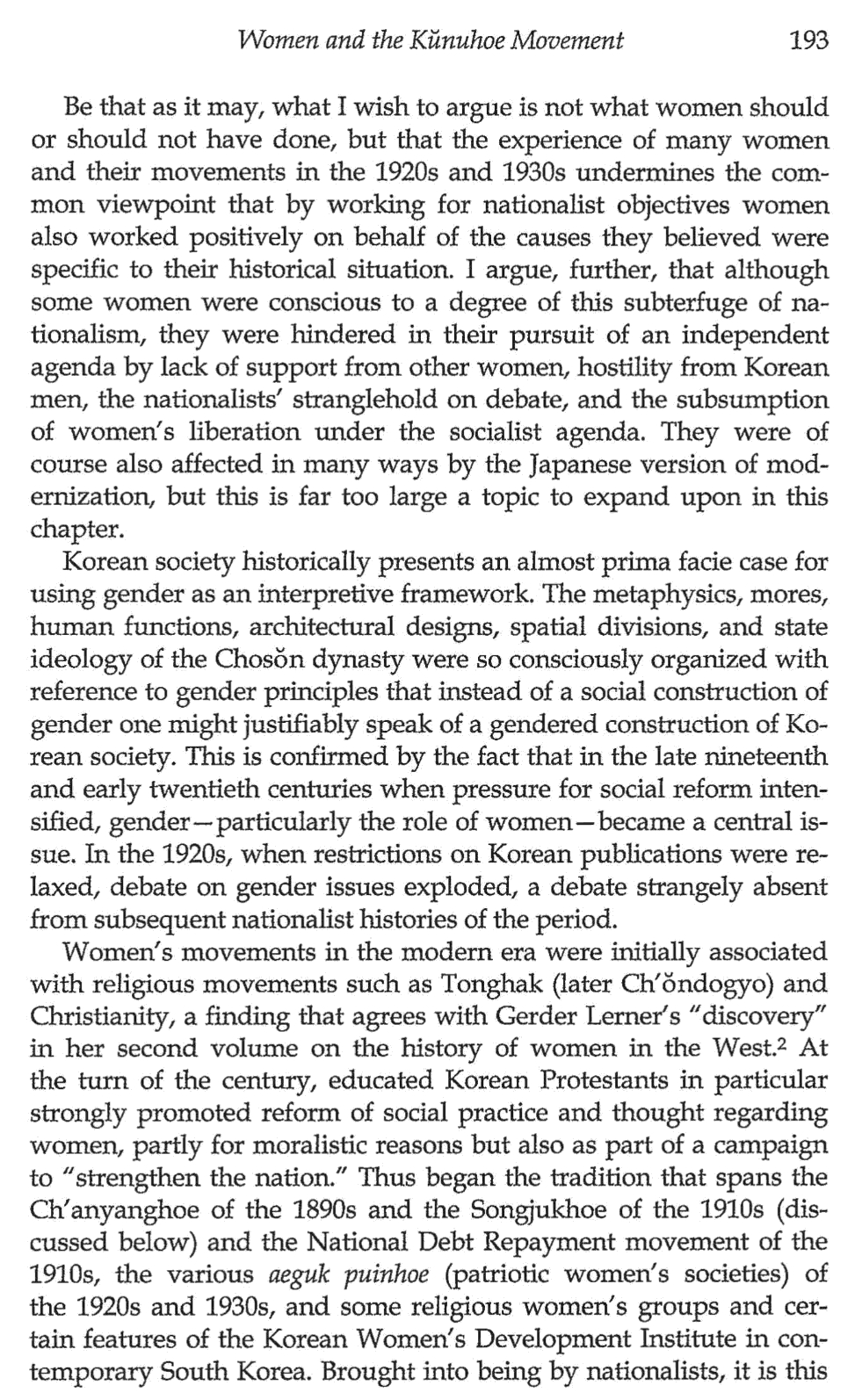
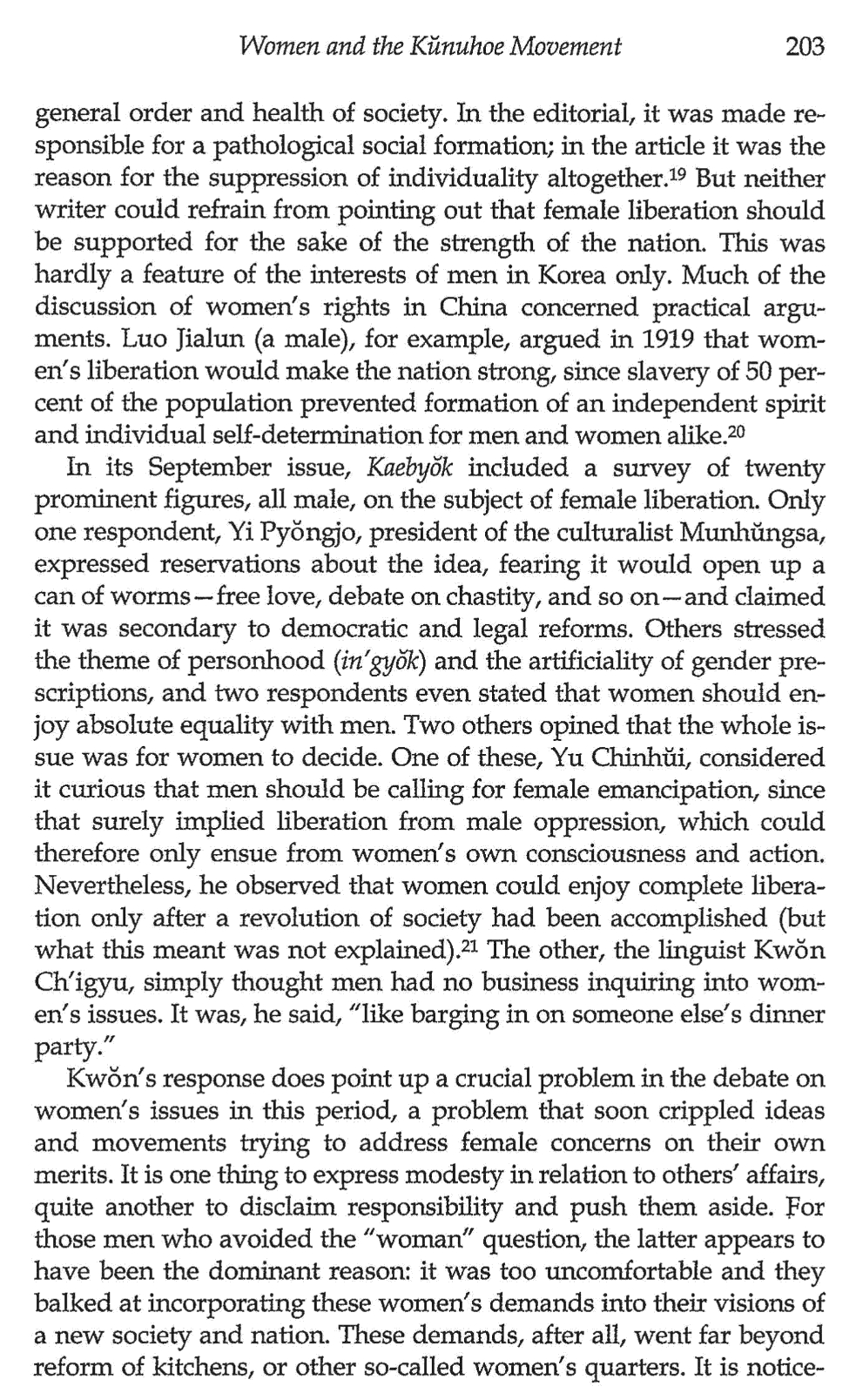
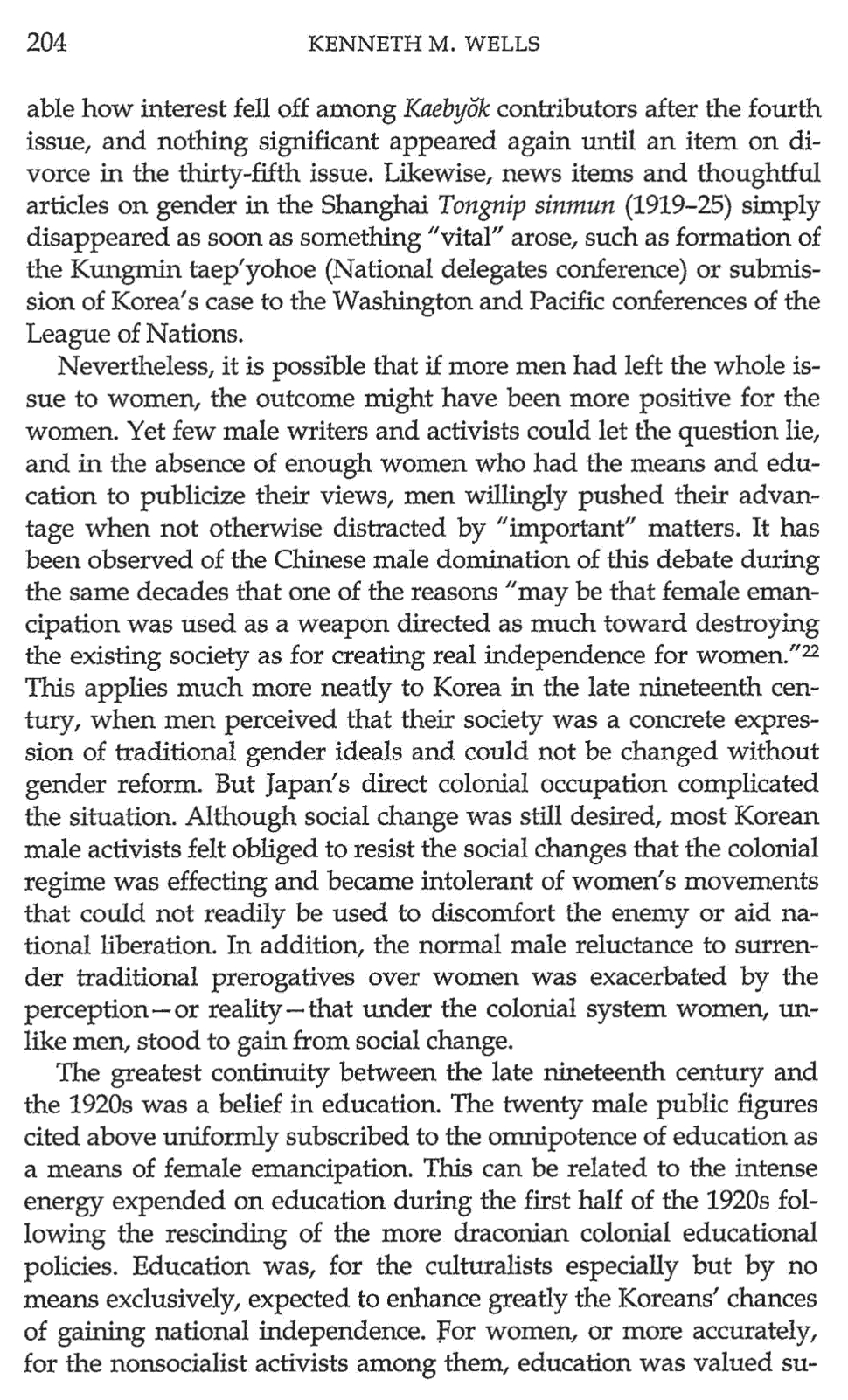

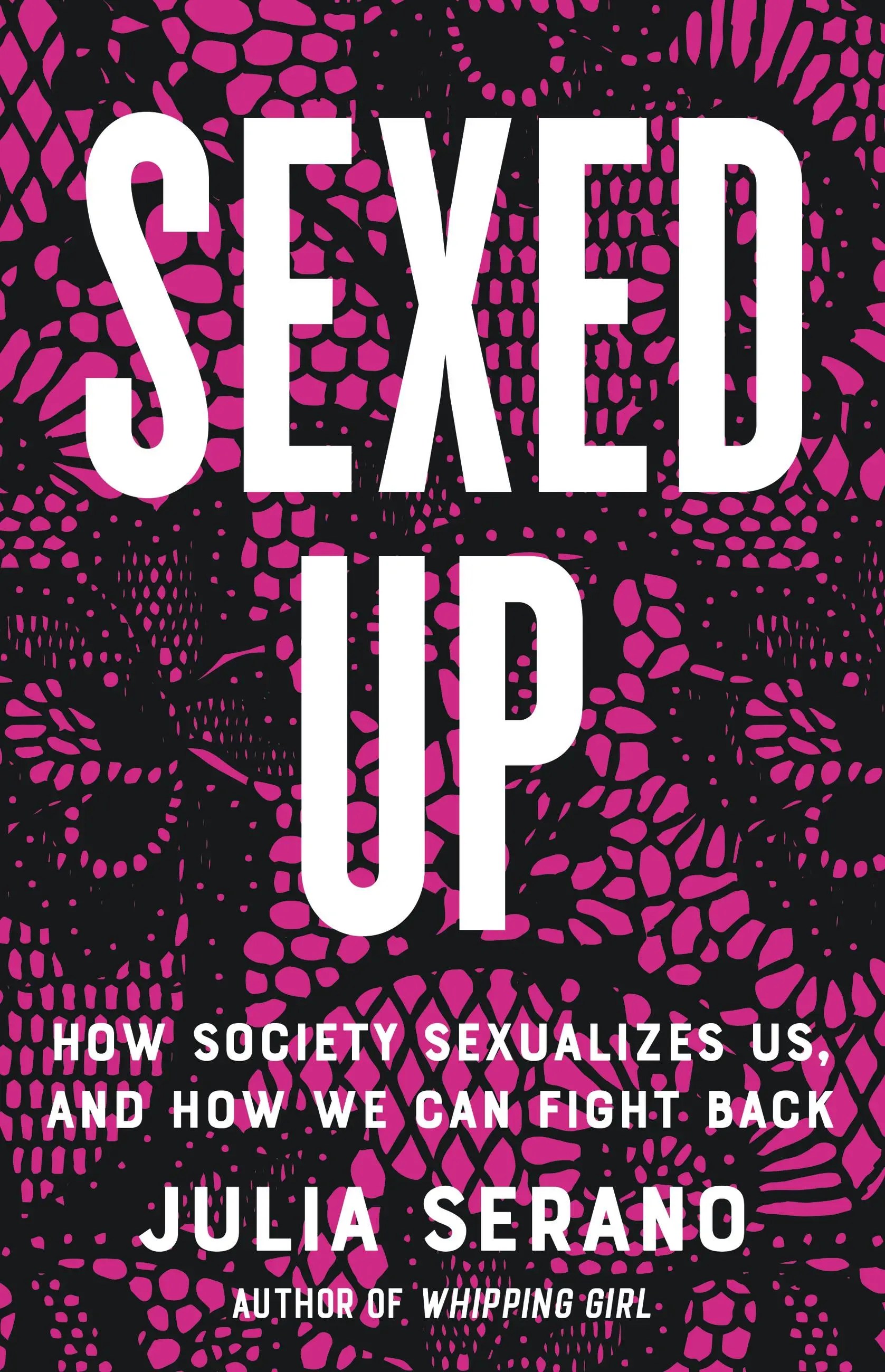

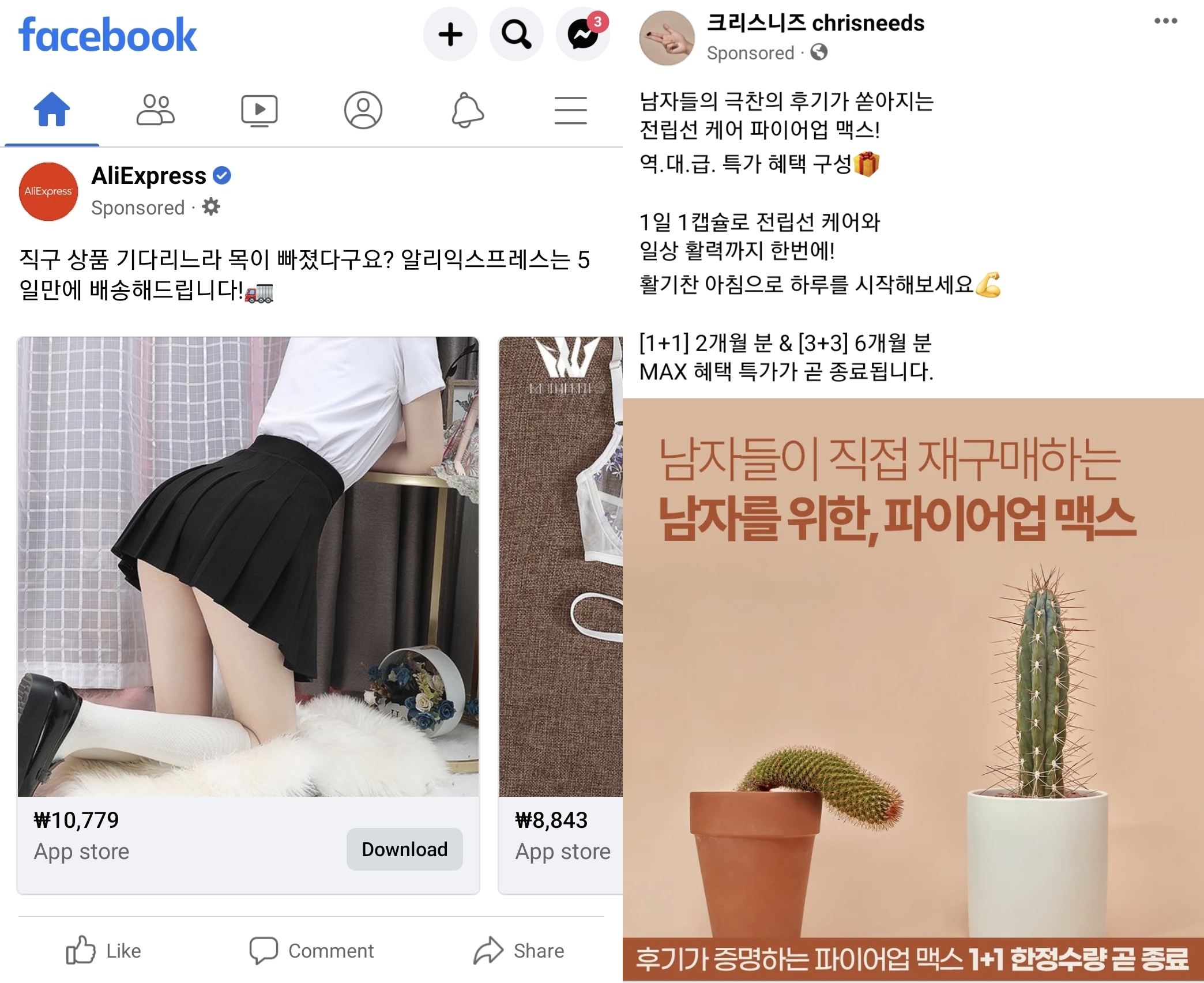
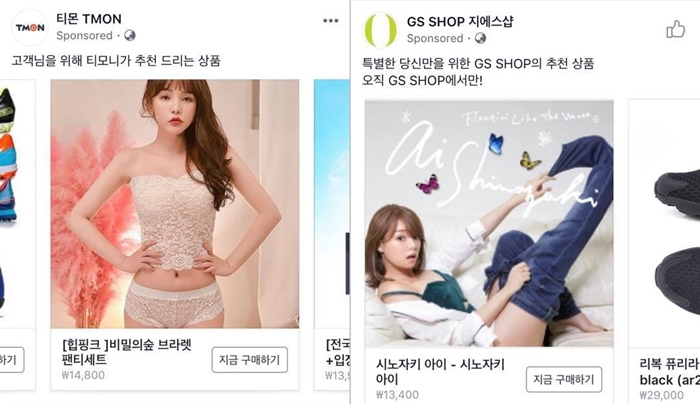


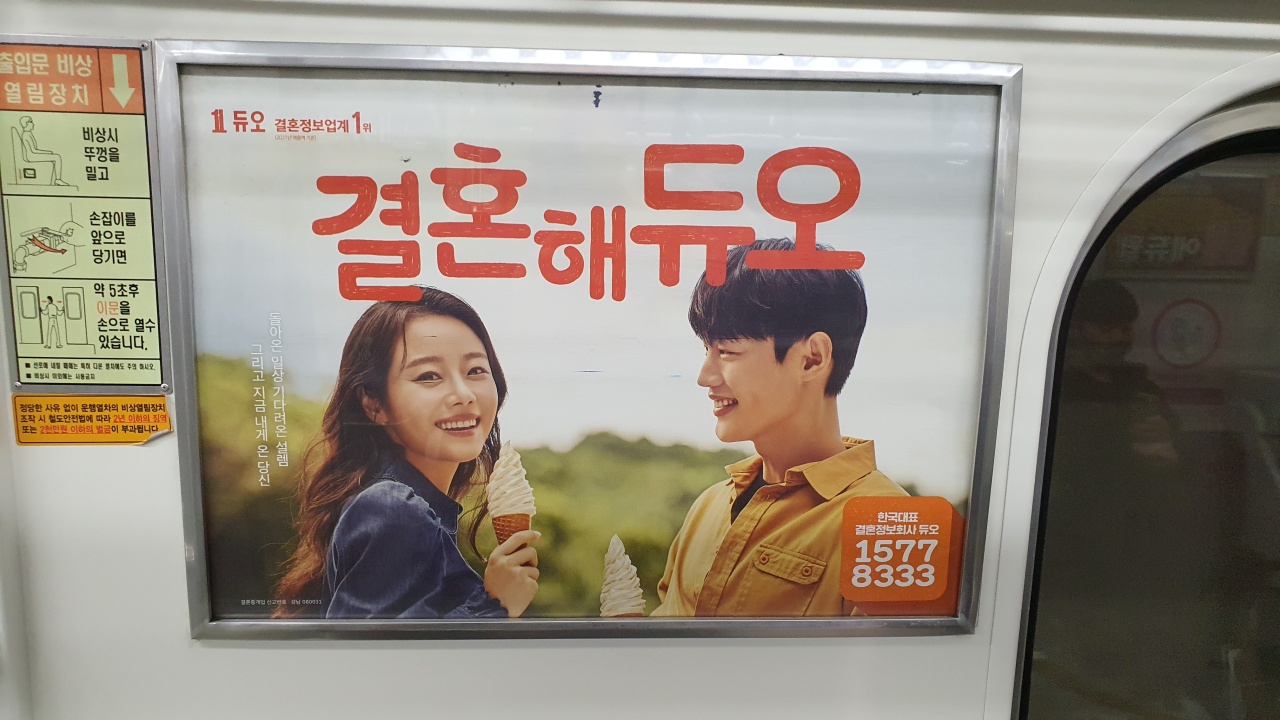


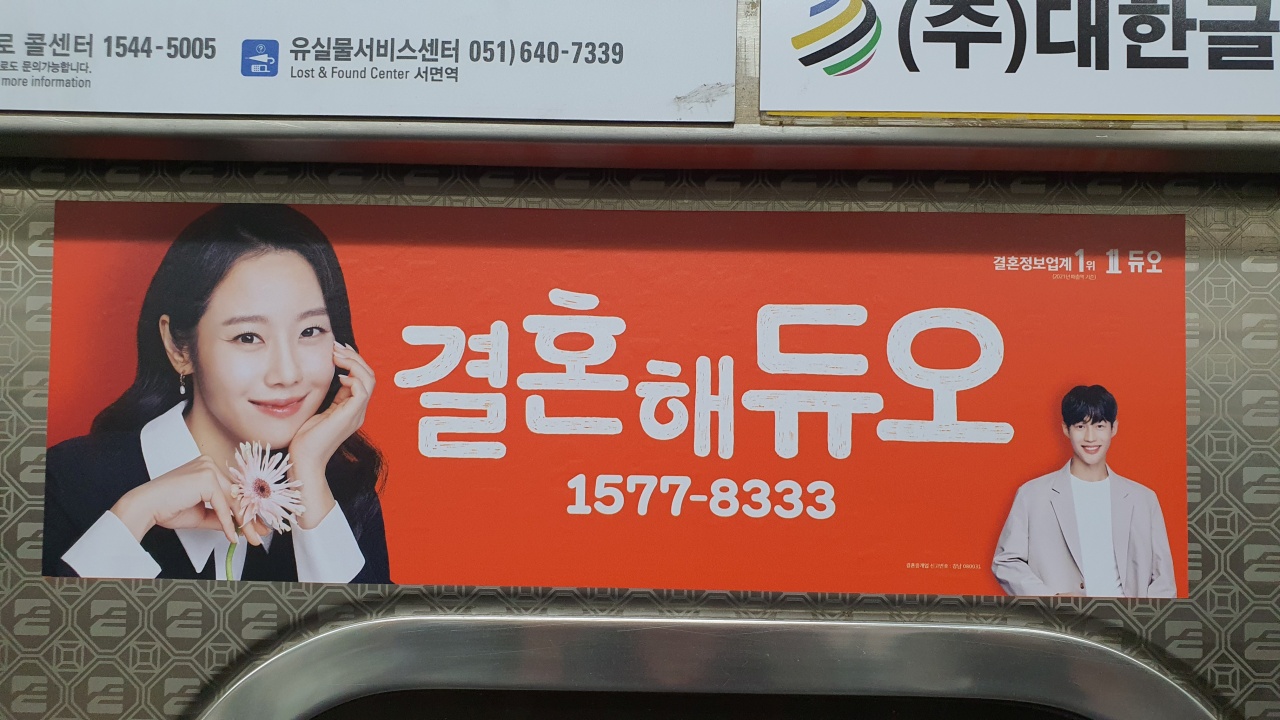
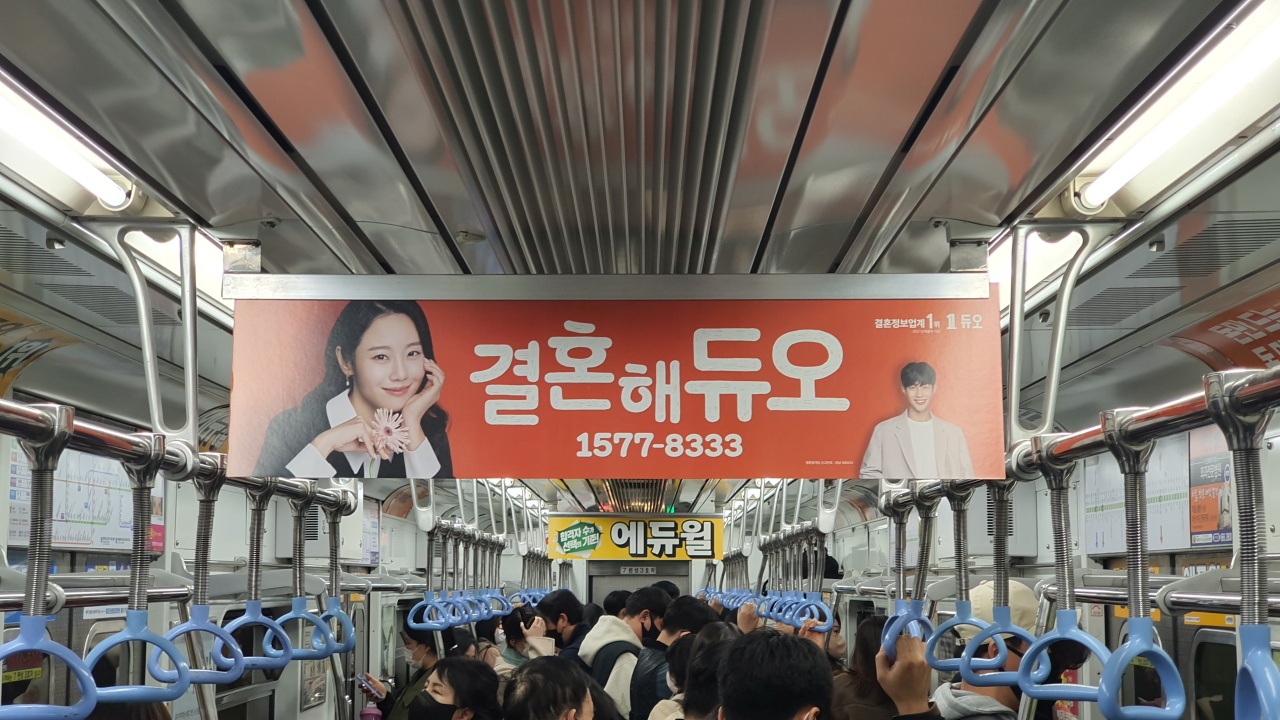

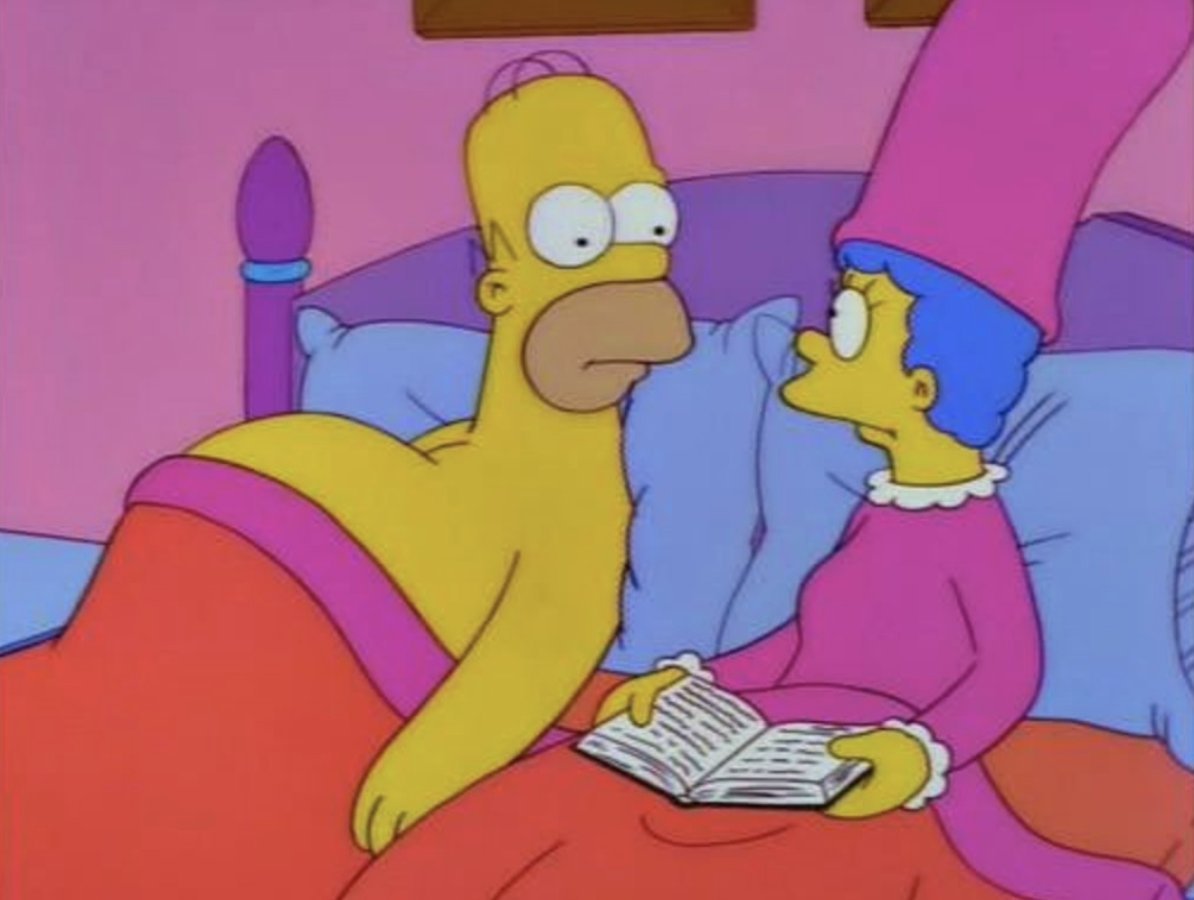
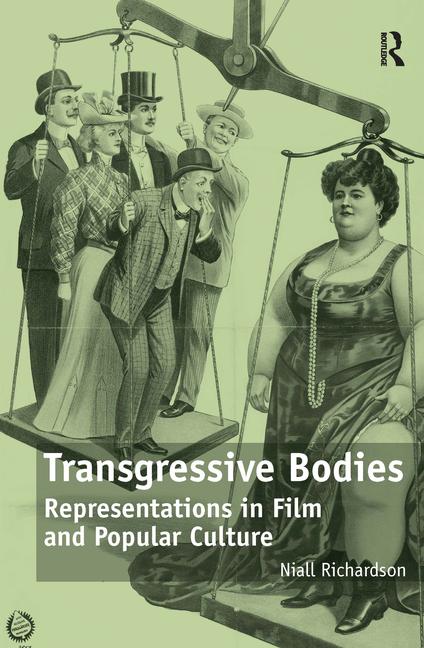

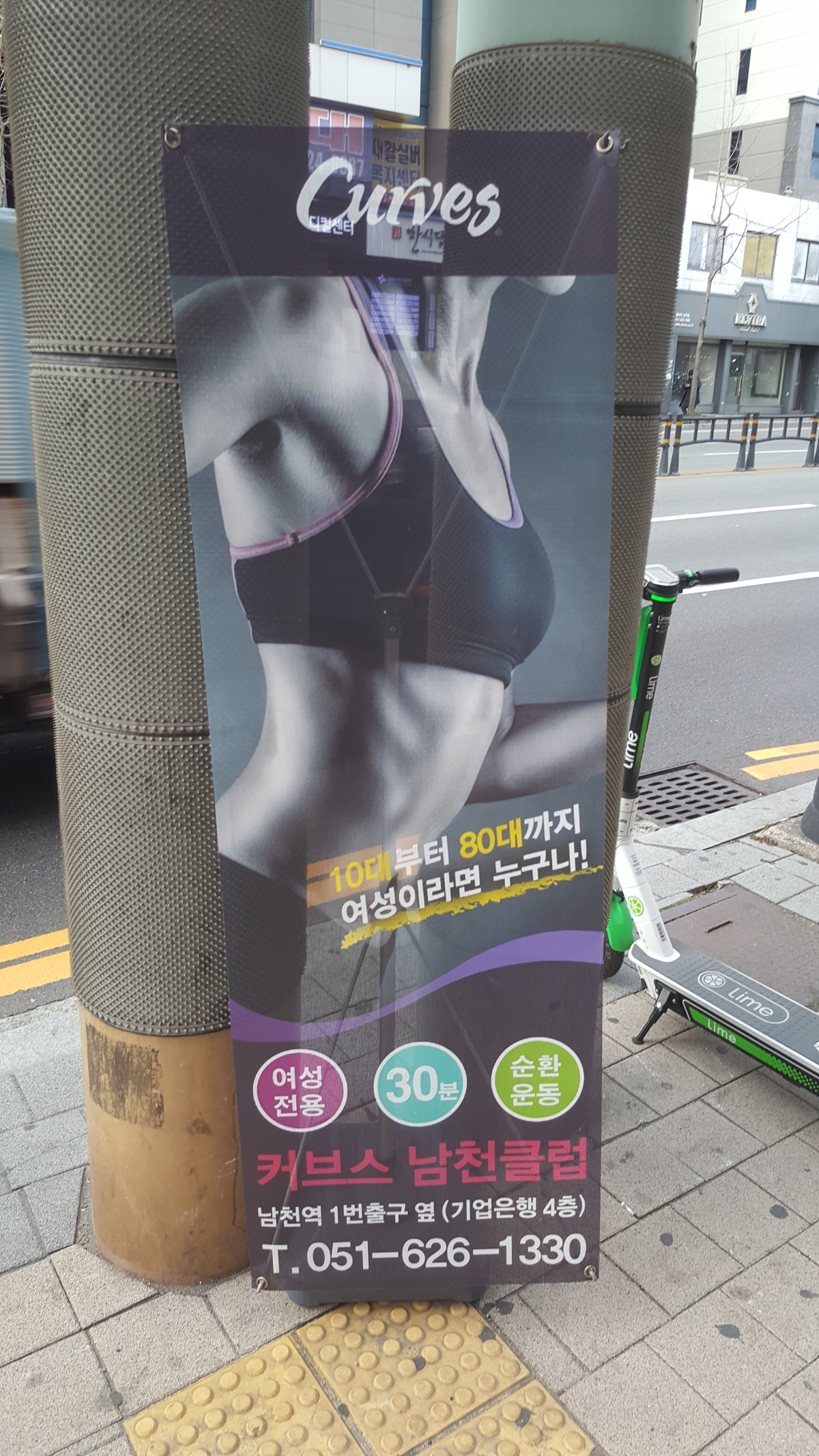
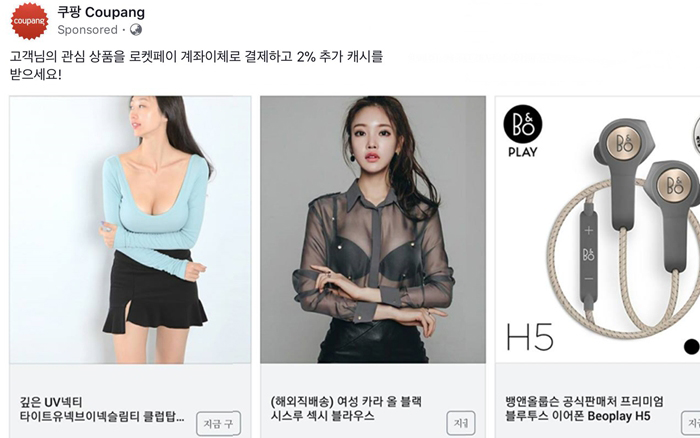

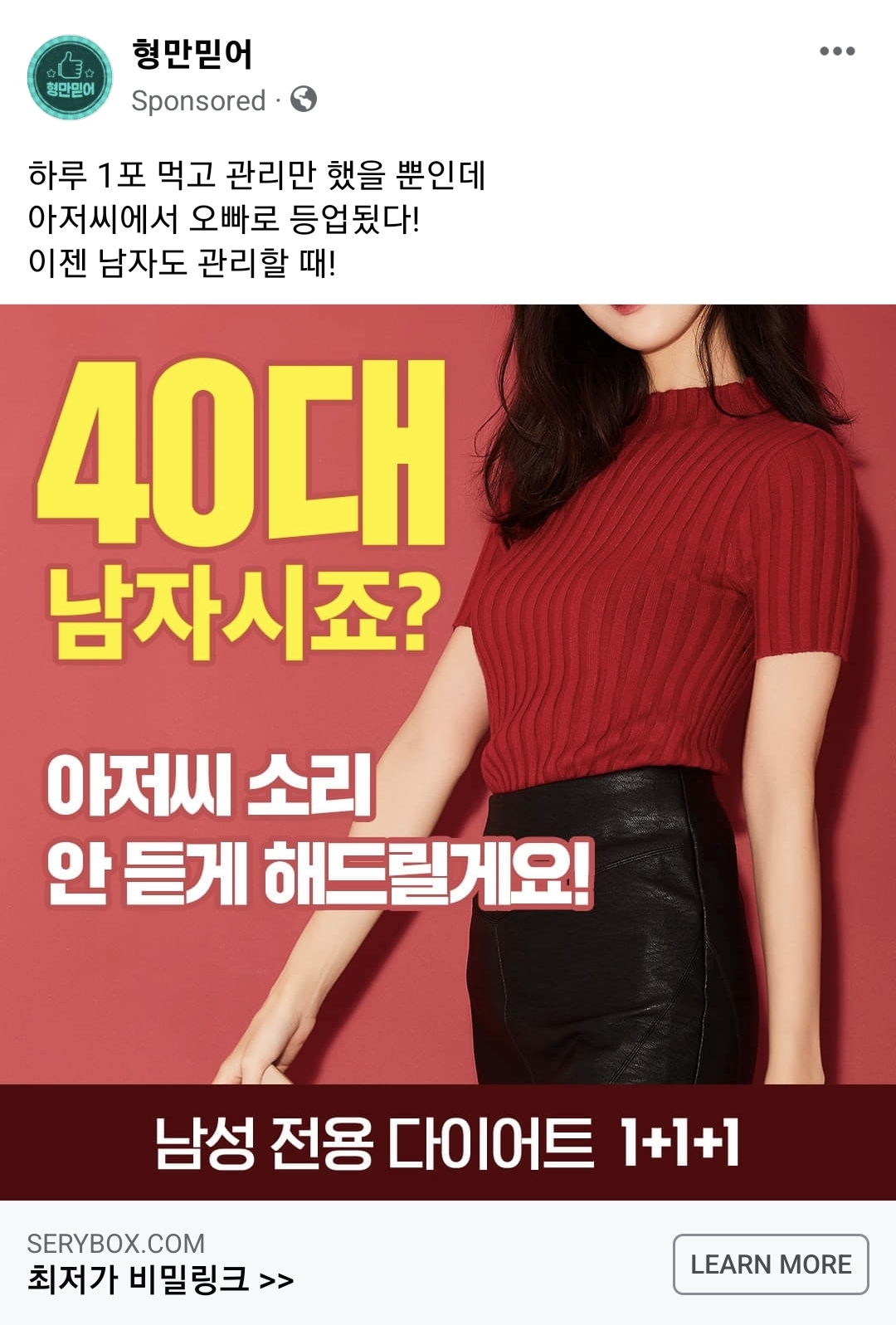

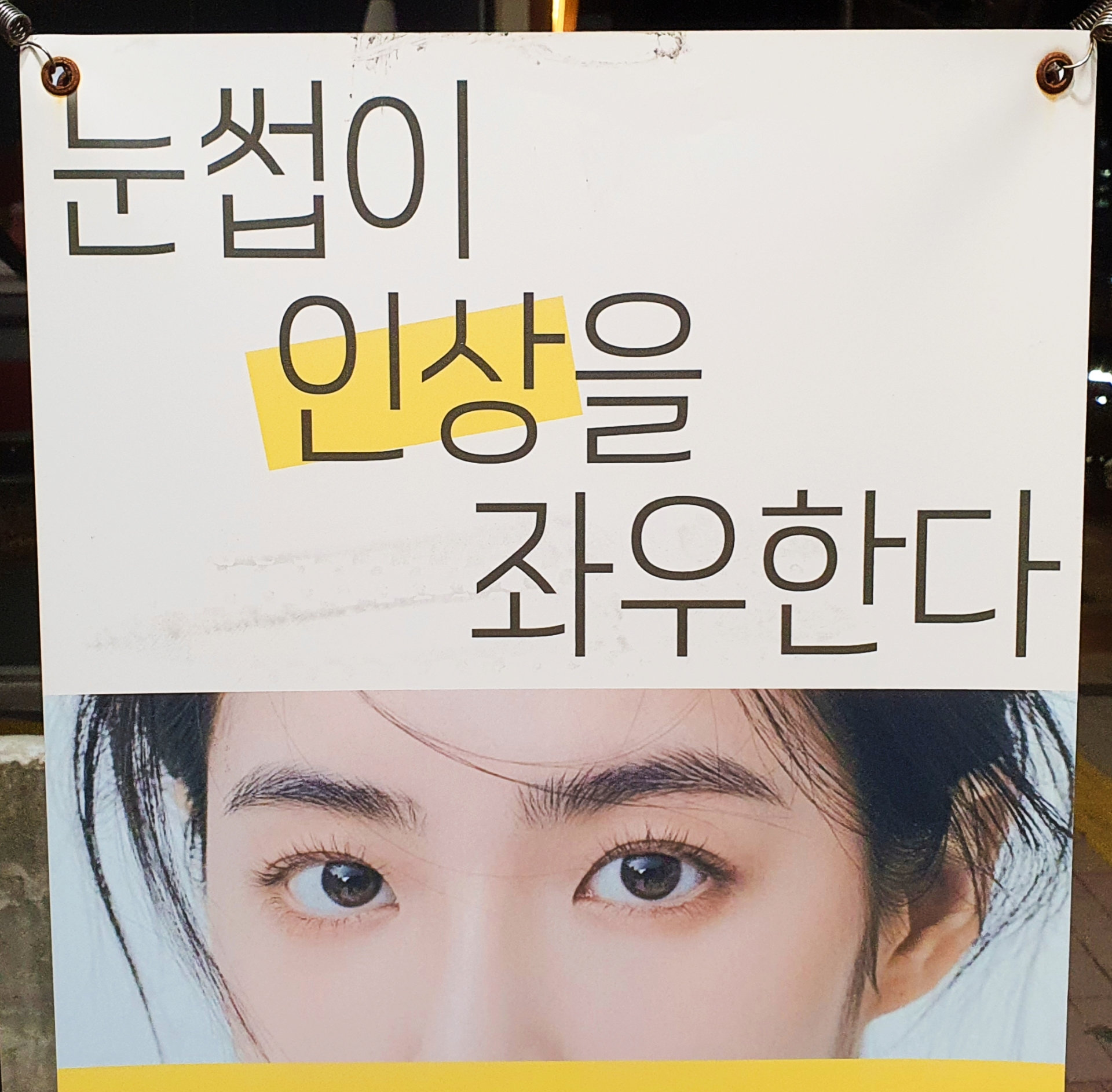
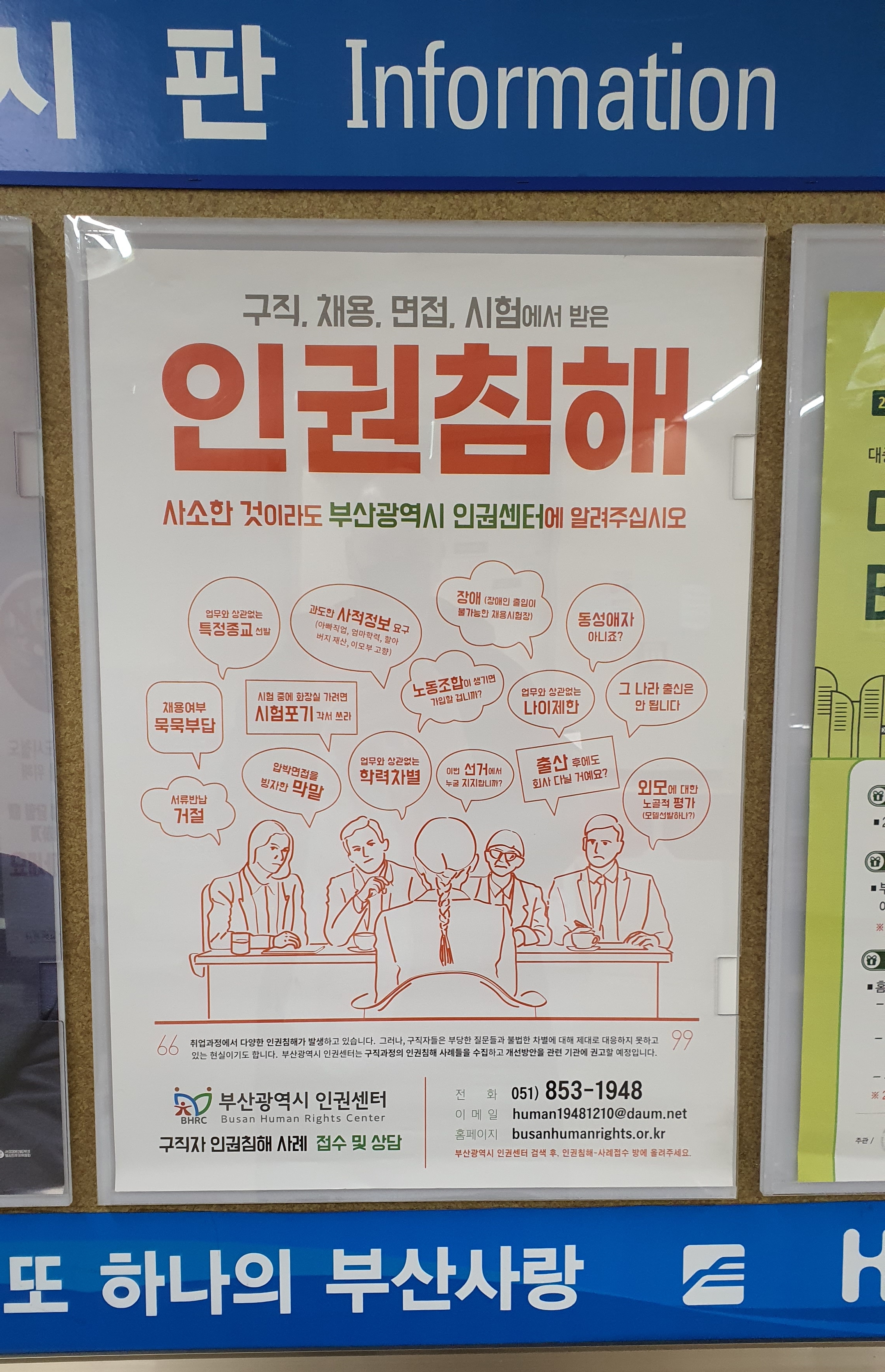

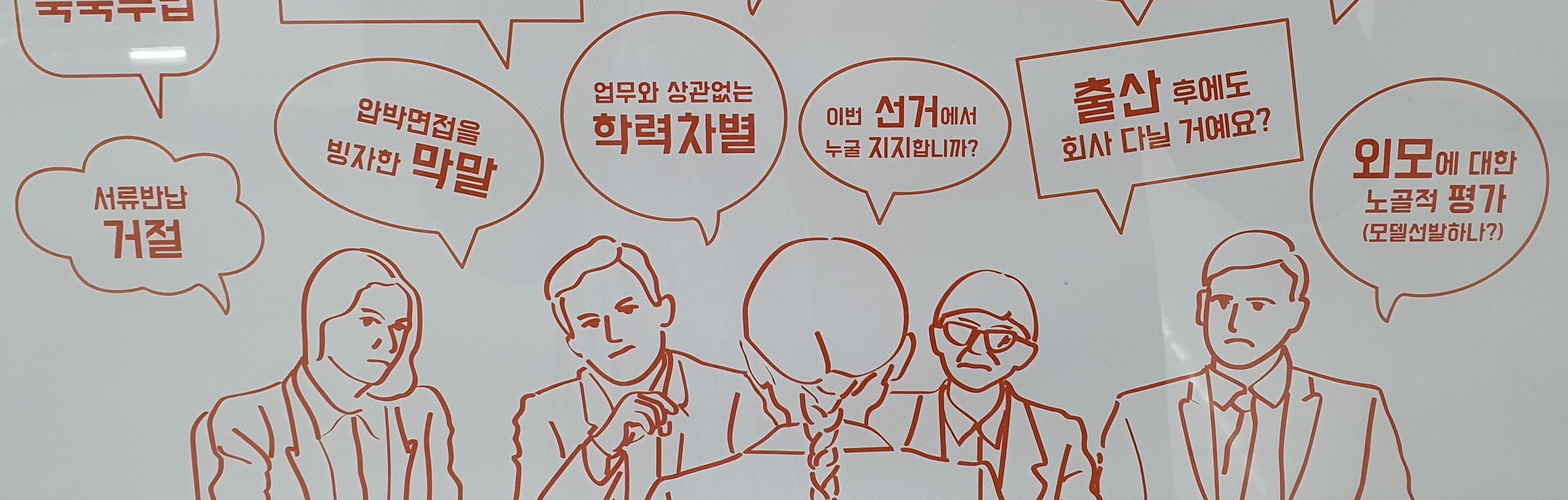

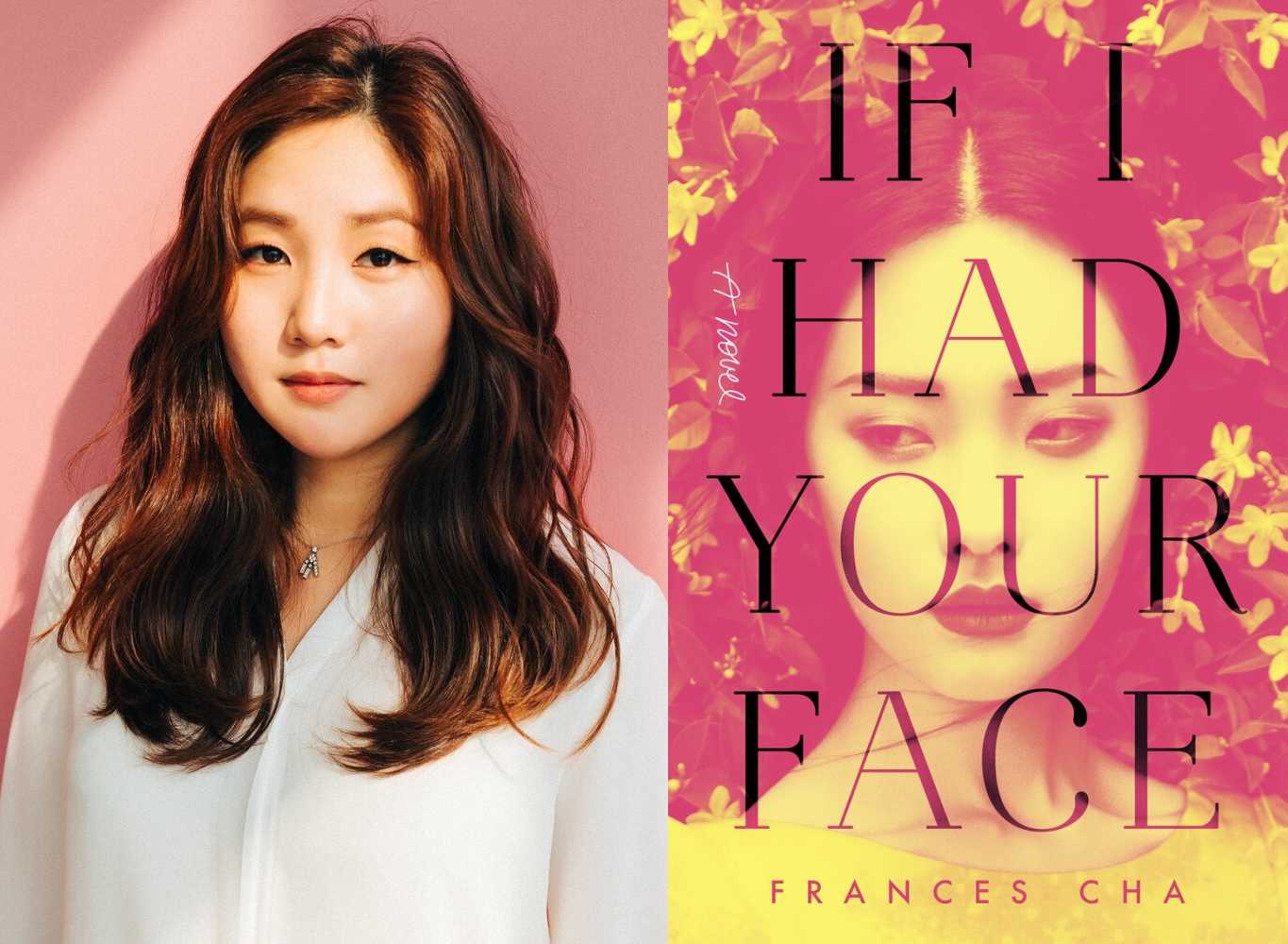
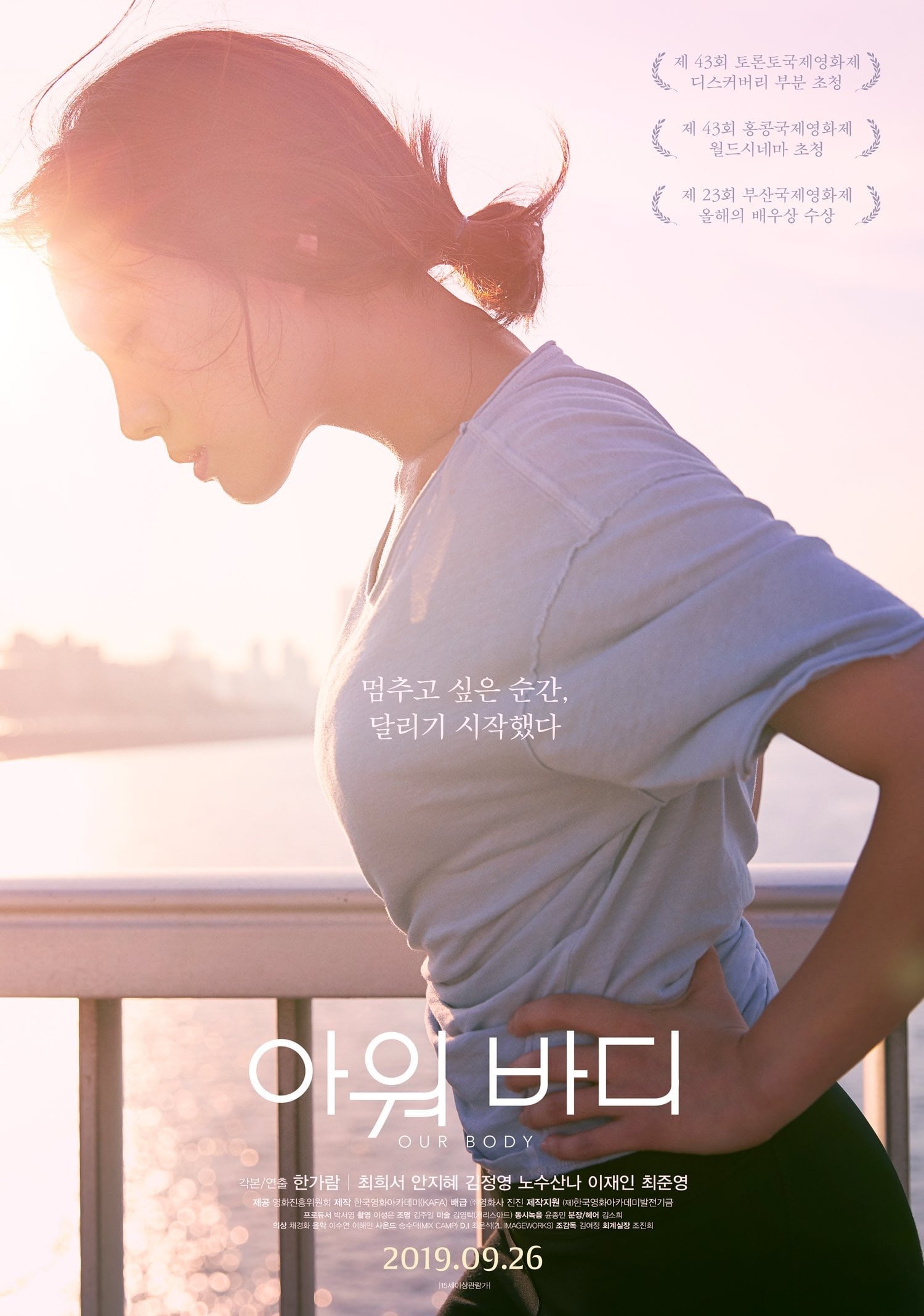
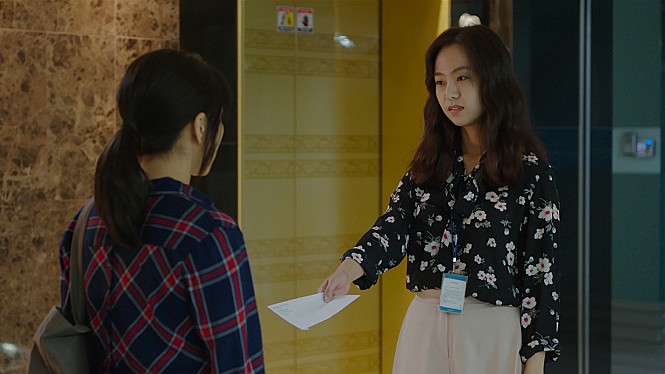

 The Grand Narrative