Go clothes shopping in East Asia at the moment, and it seems impossible to avoid all the red underwear. But it’s not because of Valentine’s Day. It’s because red is considered a lucky color by the Chinese, and the Lunar New Year’s celebration is just around the corner.
Unlike loud red clothes, red underwear will suit any wardrobe. Those whose Chinese Zodiac falls in the coming year for instance, when ironically they’ll need extra luck, can don it without revealing their age. So too Mahjong Players in Macau, who hope to leave their opponents seeing a different kind of red.
All these associations explain why “Triumph, the biggest underwear-maker in Asia, says its sales of red items are usually ten times higher than usual in Singapore and Malaysia around the Lunar New Year,” according to the following 2015 BBC report (0:35):
But it’s not just those countries with large Chinese populations that fall for red—Japanese stores alsohave big promotions. And Valentine’s Day can still be a very big deal: as the then Director of Triumph, Doy Teo above brightly noted, Lunar New Year’s fell very close to Valentine’s Day that year, making red underwear not just a good romantic gift. They will be even closer together this year.
Buying red on such an occasion seems a natural fit for young Korean consumers especially. Consider how Valentine’s Day has already been expanded into 11 other monthly holidays on various romantic themes, each with their own colors. Other non-native holidays, most notably Christmas, are not so much family occasions as rare opportunities to escape parents and spend time with partners or friends. “Couple clothes” arepopular, and worn all year-round. Red is the color of the “Red Devils” soccer supporters, who the Korean media already portrays as young women in red, skimpy clothing. And in particular, red has many of the same lucky connotations in Korean culture too. As explained by Jang Jang-sik, Research Institute Director at the National Folklore Museum of Korea, it’s traditionally been worn by soldiers or those doing something dangerous, gifted to students doing exams, and there is a folk belief that it helps women who are finding it difficult to conceive a son:
국립민속박물관 장장식 학예연구관은 “전쟁이나 위험지역으로 떠날 때나 도박판에 갈 때도 붉은 속옷을 입는다”며 ” ‘수험생이 붉은 속옷을 입거나 지니고 있으면 합격한다’ ‘아들을 못 낳는 여자가 아들을 낳은 여자 속옷을 입으면 아들을 낳을 수 있다’는 속설도 있다”고 했다.
There’s also a tradition of buying it for good luck from newly-opened stores. It rapidly sold out at the opening of Shinsegae’s Centum City branch in Busan in 2009 for instance, as well as at the opening of the Hyundai Department Store in Pangyo, Seongnam in 2015 (below), and at the re-opening of a Lotte Mall in Busan last July (video below):
Where then, is all the red underwear for lovers this Valentine’s Day?
To everyone’s relief, I have not done extensive field research in Korean lingerie stores to confirm its absence. The stores’ websites however, display no more red underwear than usual, nor do they have any red-themed promotions. Also, unlike couple outerwear, couple underwear has always been relatively expensive and limited in options in Korea, as I discovered before one frustrating anniversary recently. As friends later pointed out, if something’s only for each other to see, then what on Earth is the point?
But if lingerie stores are not even bothering to offer much in way of red at all, on a combined Lunar New Year’s and Valentine’s when it should sell more than ever, there must be some alternative, non-romantic connotations that the color has in Korea.
A tradition of buying red lingerie for one’s mother would certainly fit the bill.
…I write the Your Money column for the New York Times — all about anything and everything that hits you in the wallet. I write often about families and money — how not just dollars but also wisdom and values are taught and passed between generations.
On that note, over the years Korean-American friends of mine have told me about a tradition where new college graduates (or teenagers or college students or even some older adults getting their first paychecks at a new, prestigious workplace) buy a gift for their parents after they start their first full-time jobs. I’ve heard about everything from handing the entire paycheck over in cash to buying red thermal underwear for both parents or lingerie for their mothers.
And I was further intrigued by the answer provided by Dr. Barbara Wall, then Research Assistant in Korean Studies at the Asien-Afrika-Institut in Hamburg:
…if you search for first salary 첫월금+ present 선물 many of the results you get mention red underwear 빨간 내복. I am no underwear expert, but what people say is that the custom of wearing “modern” underwear in Korea started only in the 1960s at which time underwear was a luxury item. Dyeing nylon at that time was not easy and worked best with red. That is said to be the reason for the red underwear as symbol of filial piety. Red is also said to have the ability of blocking everything “evil”…
There is an old saying that one should buy red “long johns” for one’s parents after receiving the first paycheck from your first job. People tend to give other gifts to show appreciation to their parents, but the red long johns have an explanation. Back in the day, when floor heating was not as prevalent as it is now, people wore long underwear at night. Red-colored underwear was more expensive than the other drab colors offered at the time and therefore more desirable. Anyone who still observes this belief will probably buy red boxers, briefs, bras or panties for their parents.
NumerousKoreansourcesconfirm. In addition to the information provided in the video below (apologies to region-blocked Korean viewers), it’s interesting to note that in 2009, over a quarter of respondents would buy red underwear for their parents upon receiving their first paycheck.
We must address the red elephants in the room too. “Underwear” is a wide-ranging term. Buying red thermal underwear for your parents, or long johns, is a far cry from buying sexy lingerie for them; as the Korean sources suggest, I’d wager children’s gifts are almost entirely the former. Also, even in Hong Kong, where the latter is supposedly all the rage, less than 1% of Chinese female undergraduates actually preferred that bra color:
Source: Sujoung Cha and Kristina Shin, “Hong Kong Chinese Breast Cathexis and Brassiere Design Preferences”, The Research Journal of the Costume Culture. 2011. Aug, 19(4): 780-793.
I also couldn’t help but notice that 60% preferred black. Because in An Intimate Affair: Women, Lingerie, and Sexuality (2007), although author Jill Fields frustratingly doesn’t mention red at all, she does have a groundbreaking (albeitcontroversial) chapter on the connotations of black lingerie in the US, which she tied to stereotypes of African-Amercian hypersexuality. Not only do those obviously not apply to Hong Kong however, but Chinese lingerie-makers themselves boggle at the differences in consumer preferences between borders. Which suggests it’s misguided to assume Pan-Asian similarities in tastes:
Guanyun workshops operate their own online stores in addition to producing wholesale stock for other brands. They are increasingly looking to sell overseas, which now only accounts for about a tenth of the county’s yearly output. But understanding the preferences of foreign customers remains an obstacle, according to [lingerie manufacturer] Lei. “There’s a huge gap in the aesthetics of different countries,” he explains. Sexy cop costumes are popular in Brazil, which Lei says is because Brazilians don’t like the police; French maid costumes don’t sell well in Poland because, he theorizes, the two countries don’t have a good relationship; and Japanese customers love any and all seductive outfits. The lingerie tastes of most European countries — except France and Italy — are still riddles to him. “Every collection that we deliberately designed has failed in their markets,” Lei says. “Germany borders France, right? But their taste is the most difficult thing for me to figure out.”
What do you think then, does explain Koreans’ distaste for red underwear this Valentine’s? Lingering unsexy associations with parents? Associations of red with the psuedo-communist North? Or some other reasons? Please let me know in the comments!
Related Posts:
Underwear a secret gift between lovers? Meet the traditional Chinese dudou (Speaking of China)
My name is Mary Perez, and I’m a Documentary Photography student living in the UK. I am traveling to South Korea at the end of February to produce a photo series on Korea’s military and the ways in which the need for conscription manifests itself in today’s society.
I am looking for men currently serving (or have recently served) and girlfriends/family of military men, to introduce myself to and discuss the project with.
Contact me (15011313@students.southwales.ac.uk) if you or someone you know would like to participate, or if you know someone who will be serving in the near future. I’m a keen student and would appreciate any research sources that you’d also like to pass my way.
안녕하세요! 제 이름은 Edward Glayzer입니다. 저는 미시간주립대학교 인류학과의 박사과정생이고, Grand Narrative의 오래된 독자이기도 합니다. James Turnbull씨는 제가 서울에 와서 한국의 성불평등에 대한 학위논문 연구를 시작할 때부터 많은 도움을 주셨고, 또한 이렇게 연구대상자 모집을 공고할 수 있게 해주셨기에 감사하다는 말씀 전하고 싶습니다.
제 연구는 한국 사회의 성불평등에 관한 광범위한 주제들을 더 잘 이해하기 위한 것이며, 이를 위해 한국인들의 데이트와 결혼 의식에서 일어나는 물질적 교환을 살펴봅니다. 제 연구는 또한 남성과 여성의 소득 불평등이 어떻게 상품 소비를 통한 친밀함의 표현에 영향을 미치는지를 다룹니다. 이 연구의 유일한 참여조건은 “다른 한국인과 데이트를 해본 대한민국 국적의 성인”입니다.
독자 여러분의 의향이나 내주실 수 있는 시간에 따라 두 가지 참여방법이 있습니다. 이 중 하나 혹은 둘 다 자원해주신다면 매우 감사할 것입니다.
다른 하나는 1:1 대면 인터뷰이며, 보통 한 시간에서 한 시간 반 정도 걸립니다. 저는 현재 약혼녀와 서울 강남구에서 거주 중이지만, 독자 분을 만나기 위해서 기꺼이 다른 곳도 방문할 의사가 있습니다! 시간 내주시기 어렵다면 스카이프 인터뷰 역시 가능합니다.
혹시 제 연구에 대해 질문이 있으시거나 인터뷰 일정을 잡고 싶으시다면, eglayzer@gmail.com로 메일 주시기 바랍니다. 카카오톡도 가능하며, 아이디는 eglayzer입니다.
♥
Hello Grand Narrative Readers,
My name is Edward Glayzer. I am Doctoral Candidate from the department of Anthropology at Michigan State University and a longtime reader of The Grand Narrative. Since moving to Seoul to begin my dissertation research on Korean gender inequality, James Turnbull has been extremely helpful and kind enough to post this call for research subjects.
My research looks at gift-giving practices that take place during dating and marriage rituals among native South Koreans as a way of better understanding larger issues on gender inequality in South Korean society. My research will also address how the unequal access to income between men and women affects the expression of intimacy through the consumption of commodities. The only requirement for participation in this study is to be an adult of Korean nationality and have spent time dating other Koreans. (To clarify, any sexuality is welcome—James)
There are two possible levels of involvement that you may have depending on your availability and inclination. Volunteering for either one, or both, is extremely helpful to me and I would be in your debt.
The second involves a one-on-one interview that usually takes 1 hour to a 1 ½ hours. I am currently living with my fiancé in Gangnam, Seoul, but am more than willing to travel throughout Korea in order to meet with you! If your time is very limited, a Skype interview would also be possible.
If you have any questions about my research or if you would like to schedule an interview, please email me at eglayzer@gmail.com. You can also find me on Kakao by searching for eglayzer.
Thank you for your help,
Edward Glayzer M.A., Doctoral Candidate, Michigan State University, Department of Anthropology.
From the moment Korean schoolchildren start developing, and their hormones start raging, Korea’s school uniform codes give them a daily reminder that girls’ bodies should be hidden and controlled.
Estimated reading time: 17 minutes. Image sources: left, “How much do you really know me?” by VisualValor/大前, used with permission; right, Mike Rowe, (CC BY-NC 2.0).
More than half of Korean men think revealing clothes lead to rape. Almost as many Korean women do too.
Those and other harrowing statistics (English, Korean) come from a survey of 7,200 adults aged 16 to 64 conducted by the Ministry of Gender Equality and Family last year. In 2013, a survey of 200 South Gyeongsang Province police officers by the Korea Women’s Development Institute found similar results.
When I was much younger, I assumed results like this were simply due to ignorance. Surely, changing people’s minds was just a matter of presenting the facts? That even as far back as 1996 for instance, Korean Women’s groups, lawyers, and academics had thoroughly debunked any supposed links between clothing and sexual assault?
Well, we all know the answer to that. But only once I came across “This Article Won’t Change Your Mind” by Julie Beck in the Atlantic, about the bases of the post-truth era. did it finally click why:
…[People] will occasionally encounter information that suggests something they believe is wrong. A lot of these instances are no big deal, and people change their minds if the evidence shows they should—you thought it was supposed to be nice out today, you step out the door and it’s raining, you grab an umbrella. Simple as that. But if the thing you might be wrong about is a belief that’s deeply tied to your identity or worldview—the guru you’ve dedicated your life to is accused of some terrible things, the cigarettes you’re addicted to can kill you—well, then people [will] do all the mental gymnastics it takes to remain convinced that they’re right.
Ergo, if it is just common sense that a short skirt or exposed bra strap can lead to rape? And feels so intuitive and self-evident to so many people, despite any evidence whatsoever beyond confirmation bias? Then those beliefs must be deeply tied to self-identities indeed. Fundamental even, to how they understand and perform sex and gender roles. Which are not things people generally react well to being told they’ve been getting wrong all their lives.
Especially not by, say, slutty man-hating feminazis insisting on the abstract ‘truth’ of surveys over their own, average-Joe’s lived experience.
So where then, do their victim-blaming notions of sex and rape come from? Their beliefs in male entitlement to sexual access to women’s bodies, upon which those are based?
In short, from everywhere, which is how come those beliefs are held so strongly.
Among the many methods and messengers, one is undoubtedly the romanticized depiction of dating violence in Korean dramas. Another is inadequate, heteronormative, marriage and biology-focused sex education, which teaches girls not to be alone with their permanently sexed boyfriends, lest he demand sexual compensation for paying for their date. Another is the government and media encouraging the exposure of women’s and girls’ bodies for softpower, nationalist, and militarycauses, but discouraging it when it’s of their own accord. Linked to which is women being told to cover up on public transport to prevent upskirt photos, rather than potential perpetrators warned not to take them. And yet another, which will be the focus here, are the double-standards and victim-blaming inherent to Korea’s school uniform rules. They’re such a big deal because, when kids start developing, and when their hormones start raging, they teach fresh young minds how to deal “appropriately” with both—and what punishments girls and women will receive if they don’t learn that lesson.
For those unfamiliar, here’s a taste of what Korean school uniforms are like:
Korean school uniforms have actually had quite a chequered history over the past decade. In the late-2000s to early-2010s, the focus was on their increasing cost, which was partially fueled by retailers’ habit of hiring K-pop stars to promote them; ultimately, the industry announced a voluntary moratorium on celebrity hires, which lasted for about two years. At about the same time, there was a great deal ofcontroversy overgirls wearingshorter and shorter skirts, which was tied to the liberalization of students’rights (more on this later). Annual “naked graduation ceremonies” started hitting the news too, where students would attack their no longer needed, much-hated uniforms with knives and scissors. And then, in late-2015, Korean entertainment mogul JYP came under fire for girl-group TWICE’s overly-sexual and body-shaming advertisements for Skoollooks, which surprised because, JYP’s characteristic, pimp-like demeanor aside, their messages were little different from those which preceded them:
Compare Skoolooks’ 2015 ad with JYP and Momo of Twice (source: Instiz) with Smart’s 2008 ad with Shinee and Victoria of f(x) (source: Soompi).
But what of the boys in that history? If they’re mentioned at all, they’re framed as victims, being so distracted by the girls’ uniforms that they’re unable to concentrate—along with their male teachers. Another strong theme is adults stressing how vulnerable the girls are on their commutes, simply for wanting to be fashionable by wearing their skirts high.* Peruse the links, and you sense a collective throwing of hands in the air, as girls are reminded again and again that everything that happens to them is their fault…alongside repeated, titillating, pictures of their offending legs.
(*Related: A recent Al Jazeera report discusses how Japanese schoolgirls are indeed more vulnerable to harassment than adult women, for whom the harassment drops once they graduate and stop wearing school uniforms. But this is because schoolgirls are perceived as less assertive and more vulnerable, and has nothing to do with the make-up of their uniforms per se.)
By coincidence, an ad from an unidentified retailer that popped up the day before publication. The text in the photo reads: A 3D-level bodyline, a 3D design which fits your body perfectly; Capture men’s hearts with the tulipline, a skirt which shows off your body; Control the length of your skirt freely; A very good figure zipper, shows off your good-looking clothes. Source: 라니@ComfortnLullaby. (Update: Shortly after publication, Korea Exposé published a more detailed look at the advertisement.)
Yet all these points are already depressingly familiar from similar discussionsin English–speaking countries. And all of the above links happen to be in English too. So, I want to add something new to the English discussion of Korean uniforms by translating segments of some (mostly) recent Korean-language articles on the subject. Centered around this one:
속옷 입지 않으면 벌점… 황당한 학교 / Absurd Schools Punish Students For Not Wearing Underclothes
Written by Song Min-seo, edited by Son Ji-eun, OhmyNews, 26.02.2017
…지난 2016년 ‘청소년인권행동 아수나로’에서는 온라인을 통해 여성 청소년을 억압하는 서울시 소재 학교의 교칙들에 대한 설문 조사를 실시했다. 200여 건의 응답은 하나같이 학교보다는 수용소를 연상시키는 해괴한 교칙들과 사례들을 담고 있었다. 이 글에서는 해당 설문 내용을 바탕으로, 여성 청소년에게 가해지는 제재와 차별에 대해 다루어 보고자 한다.
…In 2016, the NGO “Asunaro: Action for Youth Rights of Korea” conducted on an online survey of Seoul school students about the ways in which their schools discriminate against and curtail the rights of female students. More than 200 responses revealed a series of bizarre rules and practices more reminiscent of concentration camps than of modern schools. In this article, I would like to discuss what sanctions and discrimination against women and youth emerged from the questionnaire.
The first part deals with restrictions on hairstyle and length, and discusses a case of a teacher in a school in Gyeonggi Province, who admonished a student with short hair for looking like a boy, telling her it wasn’t feminine enough and that men wouldn’t like her. Then later:
…복장 규제 또한 여전히 나아진 것 하나 없이 잔재한다. 치마 끝이 무릎 밑 몇 센티미터, 혹은 위 몇 센티미터에 오는지 재는 것은 빈번하고, 일정한 기간을 두고 복장을 대대적으로 검사하는 학교도 있었다. 한 학교는 여학생을 의자 위에 세워 놓고 교사가 자를 들고 치마 길이를 잰다. 이 행위는 학생들의 의사를 전혀 묻지 않은 채 강제적으로 이루어지고, 심지어 남교사도 참여한다. 응답자는 이 행위에 수치심을 느꼈다고 말한다.
…[Despite the Seoul City Council’s Students’ Rights Ordinance of 2011], uniform regulations showed little to no improvement also. Requirements that skirt lengths come to a minimum of a few centimeters above the knee, or even below the knee, were very common, and some schools regularly checked them. For those checks, all the girls in the classroom are required to stand on their chairs while the teacher measures the length of the skirts [This is discussed in several of the videos above—James]. This check is compulsorily, with no concern given to the students’ opinions or feelings at all, even if it’s a male teacher doing the checking. Respondents said that they felt very embarrassed and ashamed by these checks.
♥
Let’s pause from the article for a moment with news about one such inspection:
“왜 이렇게 짧아” 교복 들어 올린 교사 ‘강제추행’ / “Why is Your Skirt So Short?” Lifting a Student’s Skirt Ruled ‘Indecent Act by Force/Compulsion’
지난 2013년 서울의 한 고등학교. 교사 56살 박 모 씨는 교실에서 자기소개서를 쓰고 있던 한 여학생에게 다가가 왜 이렇게 치마가 짧냐며 교복 치마를 들어 올렸습니다.
이 과정에서 여학생의 속바지가 드러났고, 박 씨는 강제추행 혐의로 재판에 넘겨졌습니다.
박 씨는 단지 복장 불량을 지적하려고 치마 끝자락을 잡아 흔들었을 뿐 추행하려는 의도가 없었다고 주장했습니다.
하지만, 1, 2심 모두 유죄로 보고 벌금 5백만 원을 선고했습니다.
공개된 교실에서 16살 여학생의 치마를 들어 올린 것은 객관적으로 볼 때 성적 수치심을 일으키는 행위라는 겁니다.
또 강제추행죄는 꼭 동기나 목적이 있어야 성립하는 것은 아니라고 판단했습니다.
피해 여학생이 치마를 살짝 건드린 것이라며 처벌을 원치 않는다고 진술했지만 받아들여지지 않았습니다.
처음 조사에서 속바지가 훤히 비쳐 수치스러웠다고 진술했기 때문에, 합의 과정에서 진술을 바꾼 것으로 판단한 겁니다.
대법원 역시 상고를 기각하고 박 씨에게 강제추행죄를 적용해 벌금형을 확정했습니다.
In a Seoul high school in 2013, a 56 year-old male teacher identified only as “Mr. Park” grabbed the skirt of a female student who was writing a self-introduction letter, lifting it as he accused the student of having a skirt that was too short. In the process, the student’s underwear was exposed, and Mr. Park was accused of causing an “Indecent Act by Force/Compulsion.”
In his defense, Park insisted that he did not intend for the student to expose herself, but only to grab and shake the end of the skirt to point out that it was too short. However, it was judged that raising a girl’s skirt in a classroom in front of others is always an act of sexual shaming, regardless of the intent or motivation. Consequently, he was found guilty in both his first sentencing and by the Supreme Court in his appeal, receiving a fine of 5 million won.
♥
Back to the article:
여학생이 무조건 교복 치마만 착용하도록 여학생의 바지 착용을 교칙으로 금지한 학교도 있다. 19세기도 아닌 21세기에, 학교 밖 여성들은 자유롭게 원하는 옷을 입는데, 학교만이 아직도 여성에게 바지를 착용하지 못하게 하는 19세기에 머물러 있는 것이다.
Some schools prohibit schoolgirls from wearing pants, only allowing them to wear school uniform skirts. But this is the 21st century, not the 19th, and away from our schools girls and women can wear what they want freely. Why do schools seem so firmly entrenched in the past?
♥
And another break already sorry, because this pants vs. skirts issue was a big deal for me back in 2011, when I was concerned that my daughters would ultimately have no choice but to attend a skirts-only Korean middle school (my eldest daughter was starting elementary school then). Fortunately, we ultimately found an underfunded but otherwise lovely multicultural school for them, which among its many other benefits doesn’t actually have a uniform. But reading the above suddenly got me was curious as to how many Korean schools still insist [only] their female students freeze every winter:
교사 ‘성차별’ 발언 등 여학생 인권침해 여전 / Teachers Are Still Violating Female Students’ Rights Through Sexist Language and Verbal Attacks
…여학생에게 치마교복만 입도록 할 경우 성차별적 관행이 될 수 있다는 점에서 여학생의 바지 교복 선택권을 보장해야 한다는 내용도 담았다. 2015년 서울교육청 학생생활규정 점검 결과 ‘치마와 바지 선택권 조항’이 있는 학교 비율은 중학교 73%(281교), 고등학교 59%(189교)에 그쳤다.
…it was stated that girls should have the right to choose school uniforms because it is a sex discrimination practice if girls are allowed to wear skirt school uniforms. According to the Seoul City Education Office, in 2015 the ratio of schools with optional skirts or pants was only 73 percent (281 schools) of middle schools and 59 percent (189 schools) among high schools.
Note that this only refers to Seoul schools, and that the Seoul City Council Students’ Rights Ordinance of 2011 was only followed to varying degrees by schools in the rest of the country; consequently, the nationwide figures are likely to be lower. Continuing:
‘여학생다움’을 강조한 두발, 복장 기준의 개선도 필요하다고 봤다. 여학생과 남학생에게 상이한 기준을 적용한 용의복장 규정 여부를 점검해야 한다는 내용이다. 상담 사례에 따르면 학교평판을 이유로 여학생은 춥더라도 치마만 입어야 한다는 교칙이 있는 학교도 있었다.
I [the author] think that it is necessary to improve dress codes, which currently seem to be focused on female students. It is necessary to check for double-standards. According to a case heard by the Seoul Metropolitan Office of Education’s Students’ Rights Center for instance, one school had a rule that girls should wear only skirts “because of the school’s reputation.”
♥
Back to the main article:
학교 안의 여성들은 스타킹의 색깔마저도 하나하나 통제당한다. 이상한 점은, 스타킹 색에 관한 규제가 학교마다 통일되지 않았다는 점이다. 어떤 학교는 검은색만을, 어떤 학교는 살색만을 신게 한다. 그러나 이유는 같다. ‘야해 보이기 때문’이다. 스타킹 색마저도 성적 대상화의 소재가 되는 것이다.
The color of girls’ stockings is controlled by schools too. What is strange is that the rules for those aren’t uniform [no pun intended—James], but vary widely depending on the school. Some schools demand black stockings only, some schools demand flesh-colored ones. But in each case, the justification is the same: “It has to be dull.” It seems even stockings’ colors are considered a potential source of sexual objectification and sexualization.
응답자 A의 학교에서는 카디건을 허리에 묶는 것을 금지하는 교칙이 있었다. 허리 라인이 드러나서 선정적으로 보인다는 것이 근거라면 근거였다. 이 교칙은 여학생에게만 해당되었고, 당연하게도 여학생의 반발을 샀다. 그러자 학교가 취한 조치는 교칙을 없애는 것이 아닌 남학생에게도 똑같은 규칙을 적용하는 것이었다.
One respondent to Asunaro’s survey had a school rule that prohibited cardigans from being taken off and tied around the waist, as this was considered to draw attention to and sexualize the wearers’ waistlines. Of course, this rule only applied to girls, who complained a lot about it. In response, the school didn’t just eliminate the rule, but decided to apply it to boys as well.
머리부터 발톱까지… 그것도 모자라 속옷도 통제 / From Student’s Heads to Their Toenails…Even the Underwear They Can Wear is Controlled
여성 청소년의 속옷까지 통제하는 학교. 변화하지 않는 교칙으로 학교 안 청소년들은 억압받고 있다 / Schools Even Control Female Adolescent Girls’ Underwear. Unchanging School Rules Are Pressuring Female Students. Source: jackmack34@Pixabay.
학교는 여학생의 속옷에 관해서도 교칙을 만들어 규제한다. ‘흰색속옷, 티셔츠, 나시만 허용’, ‘작년까지는 셔츠 속에 나시 입는 것 금지, 현재는 무채색이고 프린팅 없는 티만 가능하고 꼭 입어야함. 브라만 차고 셔츠 입어도 벌점’. ‘브라 등 속옷 입지 않으면 벌점’.
Schools regulate female students’ underwear with such rules as “Only white underwear, t-shirts, and vests are allowed” at one school; at another, “Until last year, wearing vests under shirts was prohibited. Now, you have to wear a vest or t-shirt over your bra [and under your shirt], otherwise you get punished. But only black or white t-shirts are permitted, with no prints on them”; and at another “You get punished if you don’t wear a bra or other type of underwear.”
이상한 것은, 이런 교칙이 있는 대부분의 학교에서는 남학생에 관한 속옷 규제는 없는 경우가 많았다. 여학생만이 더운 여름에도 티셔츠(심지어 프린팅도 색도 없는), 나시, 브래지어를 껴입어야 하는 상황이다. 게다가 이러한 교칙들이 존재하는 이유를 물으면 ‘성범죄 유발 가능성이 있기 때문’이라고 답한다. 성범죄의 잘못이 가해자가 아닌 피해자에게 있는 것이라고 말하는 것과 같다.
Strangely, in most schools with these rules, there was usually no underwear regulation for boys. Only girls have to wear t-shirts (even with their colors regulated), vests, and bras, even in the hot summer months. In addition, if you ask what these rules are for, the answer is they’re because of the increased possibility of sex crimes without them. It’s like when such crimes occur, that it’s the victims’ faults, not the perpetrators’.
♥
A quick addition to those rules:
바지교복 금지·생리공결제 미준수…학교 ‘여학생 인권’ 실종 / Prohibiting Pants, Not Provided Mandated Menstrual Leave…Schools Are Violating Female Students’ Rights
불합리한 교칙으로 불편을 겪는 여학생도 있다. 서울 B고등학교는 여학생의 경우 무조건 검정구두에 흰 양말을 신어야 한다. 혹한기에만 한시적으로 운동화를 허용하기도 했으나 학교가 정한 디지인만 신을 수 있다. 이 학교에 다니는 한 여학생은 “차가운 구두를 신고 미끄러운 길을 걸을 때면 다칠까봐 불안하다”고 토로했다.
There are other ways in which female students suffer from unreasonable uniform requirements. At one high school in Seoul, girls could only white socks with black shoes, or, for a very limited time in winter, sneakers specially designed by the school. A girl at the school said, “I’m worried about getting hurt in my cold shoes when I walk on icy roads.” [I’m guessing she’s referring to the black shoes?—James.]
♥
The next section of the main article deals with rules about cosmetics, and the sexual language used and/or stereotypes raised by teachers as they punish the students that flout them. That doesn’t just happen when enforcing cosmetics rules of course, and indeed is so often mentioned by the above articles above that I may cover it in a separate post later. But for now, the article concludes:
학교는 이처럼 아주 당연하게, 청소년을 보호 또는 교육한다는 허울 좋은 명목으로 자신이 원하는 자신의 모습을 직접 결정할 권리를 앗아간다. 이러한 학교에서 여성은 누군가에게 자신의 몸이 통제당하는 것이 이상한 일이 아니라고, 당연하다고 생각할 수밖에 없다. 학생의 모습, 학생의 표본을 교사의 권력과 폭력적인 언어로 규정하는 이상하고 작은 낡고 폐쇄적인 사회, 이런 작은 사회 안에 밀어넣어지는 여성들. 그들이 “내 몸은 내가 알아서 할게!”라고 외칠 수 있게끔 더 많은 여성청소년인권에 관한 지지와 관심이 필요하다.
Schools have to decide for themselves if they want to be known for “protecting” or for educating youth. In the meantime, the young women in them can not help but think how strange it is that their own bodies are so controlled by others. This is such a strange, small-minded, old, and closed society that judges the appearance of its students so, that allows for teachers to abuse their powers to this extent, and that so readily restrains women with such rules and such violent language. We need more support for and concern about the human rights of women and youth so that they can grow to stand up as independent adults who can say, “I will be the one to take care of my own body!”.
It’s not all doom and gloom though. Let me end with a segment about a school where the students’ rights ordinance has been fully implemented, and what positive changes it has brought to the school’s educational culture:
“교복 위 패딩 안돼”…‘학생인권’ 관심 늘었지만 갈 길 멀어 / “No Padding Allowed in Uniforms”…Interest in Students’ Rights Has Increased But Still Has Far to go
…조례가 교육 현장에서 잘 안착해 의미를 보여주고 있는 사례도 있다. 서울 금옥여자고등학교에는 ‘금옥인권위원회’라는 이름의 동아리가 있다. 소속 35명의 학생들은 차별금지와 의사표현의 자유, 학습에 관한 권리 등 조례 속 정신을 녹여낸 6개의 소위원회에서 활동한다. 이민혁 담당교사는 “학생인권, 장애인권, 여성인권, 아동학대예방 등 학생들의 관심사에 따라 자발적인 소위원회를 꾸려가고 있다”며 “고등 교육과정을 마친 학생들이 졸업 뒤 사회 구성원이 되어서도 조례로부터 시작한 관심을 지속하길 바란다”고 전했다.
There are cases where the students’ rights ordinance has been fully implemented and is beginning to have a real influence. For example, there is a club named “Geumok Human Rights Committee” in Geumok Women’s High School in Seoul. Of the 35 students that belong to it, there are further grouped into six subcommittees that focus on different areas of the ordinance, including such as discrimination prevention, freedom of expression, and the right to learning. Geumok Women’s High School teacher Lee Min-hyeok said of them, “We are making voluntary subcommittees based on students’ interests, such as student rights, disability rights, women’s human rights, and child abuse prevention.” I hope the students continue fighting for these causes after they graduate.”
이 교사는 “학생인권소위원회의 경우 최저시급, 근로계약서 작성법 등 청소년노동권을 비롯해 ‘휴식권’(조례 10조)을 주제로 야간자율학습에 관한 토론을 진행했다”며 “차별받지 않을 권리에 주목한 장애인권소위원회는 근처 중학교에서 ‘장애 이해교육’을 진행할 만큼 내실 있는 활동을 펼쳤다”고 말했다. “서울 남영동의 경찰청 인권보호센터(옛날 대공분실)를 동아리 학생들과 함께 방문한 적이 있습니다. 권리침해로부터 보호받을 권리, 양심·종교의 자유 등 조례 내용을 마중물로 근현대사 교육까지 진행할 수 있었죠.”
Lee continued, “In the case of the Student Human Rights Subcommittee, we recently had a discussion night on the theme of the minimum wage. Another subcommittee on disability rights was able to carry out activities that increased their understanding of disability education and came up with ideas that will be utilized at nearby junior high schools.[An unidentified student] said, “With my clubmates, I visited the Human Rights Protection Center of the National Police Agency in Namyeong-dong in Seoul, and learned a lot about my rights of protection, my rights of freedom of conscience and religion, and so on.”
인권동아리 단장으로 활동한 금옥여고 3학년 김조은양은 “보통 학생은 억압받는 게 당연하다고 여기는데, 조례 제정을 씨앗으로 삼아 우리의 의무와 권리에 대해 생각해볼 수 있었다”며 “성별, 나이, 장애로 차별받지 않는 사회를 꿈꾸게 됐고 조례 등 정책의 중요성도 깨닫게 됐다”고 전했다.
Kim Jo-eun, a third grade student at the school and former president of the club, said, “Students these days think it is normal to be oppressed. But using the rights ordinance as a spark, I began to learn about my human rights. I could dream of a society in which I was not oppressed, and I realized the importance of policies such as ordinances that could make that happen. “
조례를 통해 학교 문화를 민주적으로 바꾸는 사례도 있지만 갈 길은 여전히 멀다. 2015년 11월27일 서울시의회 교육위원회 장인홍 의원이 공개한 ‘(서울시교육청 관내) 중·고등학교 학교규칙 점검 결과’에 따르면, 중·고교 702곳 가운데 87%(609곳)는 여전히 교칙에 두발 길이·염색·파마 등에 관한 엄격한 규제를 두고 있다.
There are more cases where a school’s culture has become more democratic through the students’ rights ordinance, but there is still much to be done. According to a inquiry published by the Seoul Metropolitan City Council on November 27, 2015, 87 percent (609) of the 702 middle and high schools examined still had strict regulations on the dyeing and perming of hair, and so on.
♥
Let me conclude by returning to Beck’s article in the Atlantic that inspired this post. After noting that group discussions are much more effective than lectures for changing hearts and minds, she concludes herself that:
“One real advantage of group reasoning is that you get critical feedback,” McIntyre [a research fellow at the Center for Philosophy and History of Science at Boston University] says. “If you’re in a silo [like Facebook], you don’t get critical feedback, you just get applause.”
But if the changes are going to happen at all, it’ll have to be “on a person-to-person level,” Shaw says.
He tells me about a patient of his, whose family is involved in “an extremely fundamentalist Christian group. [The patient] has come to see a lot of problems with the ideology and maintains a relationship with his family in which he tries to discuss in a loving and compassionate way some of these issues,” [former cult member Daniel Shaw] says. “He is patient and persistent, and he chips away, and he may succeed eventually.”
“But are they going to listen to a [news] feature about why they’re wrong? I don’t think so.”
When someone does change their mind, it will probably be more like the slow creep of Shaw’s disillusionment with his guru. He left “the way most people do: Sort of like death by a thousand cuts.”
And on that note, please do share this post with friends, family members, and/or coworkers that you wouldn’t usually—if just one changes their mind, then the last two weeks(!) spent on it will have been worth it. And who knows? Maybe that person’s influence will ultimately lead to a school changing its uniform rules too.
Please also note that I’ve never taught in a Korean school, and haven’t taught Korean teens in over seven years, so I would really appreciate any feedback on anything in this post, especially if you have any recent experience at/with either. Thanks!
If you reside in South Korea, you can donate via wire transfer: Turnbull James Edward (Kookmin Bank/국민은행, 563401-01-214324)
Wait for each other, or split up? It’s a dilemma as old as the military itself. In its modern Korean form, young couples have to decide if they will stay together for his 21-24 months of compulsory military service, with family members and friends competing for his few days of leave. And if they do stay together, lonely and miserable? She’ll worry that he’ll come back a patriarch, and/or have visited prostitutes; he’ll worry that she’ll sleep with his friends, and will wait in dread for a Dear John text.
To counter conscripts’ isolation, one measure developed by the military in 2015 was the provision of sharedmobile phones. But they have limited functionality, and the Korean military still stands out for conscripts’ very limited ability to get in touch with people off-base, offering nothing like the level of contact most young couples would be used to. Physical visits are impractical too, most conscripts being sent to the DMZ, and/or far away from their hometowns or any other urban centers.
Which makes the following KT commercial so poignant:
For non-Korean speakers: both his mom and his girlfriend think the unknown number is just spam, so they hang-up when he calls. With the “olleh Love of Country Plan” though, now his girlfriend can see exactly who it is…only to hang up on him anyway because she’s on a date.
Never fear however, for she happily answers him the next time round. Perhaps the date didn’t go so well?
(Chrome users: Is this showing as grey in your browsers too, or just for me? The video is definitely there!)
I was confused by the phone plan at first, which seemed to offer no more than a glorified caller-ID. Pause the video to read the fine print though, and you can see it also offers 200 minutes of free calls and 200MB of data per month, provided the conscript obtains a “Love of Country Card” first. With that, it explains, he can call from KT phones on bases, from public phones, and even do video calls on a smartphone, and his nearest and dearest will be informed it’s him too. (Presumably, he would have to input a special number on the card first, like with old-style international phone cards.) And good for them.
(Note: The commercials are from early-2015, before the military started providing nerfed mobile phones to conscripts; I don’t know if this service is still available sorry.)
(Update: Thanks to Eames (@Eames29), who tells me it is:)
But the commercials got me thinking. I suddenly realized, I see military couples so rarely in Korean pop culture, and military girlfriends even less so. I wondered, is there a shared bond there in the collective Korean female psyche so to speak, that isn’t getting the attention it deserves? Or, with 250,000 men conscripted every year, and probably tens of thousands of them deciding to soldier on with their girlfriends, are military girlfriends’ experiences as diverse as the women themselves? Is it just me that has been overlooking them in Korean pop culture? Or, is it that, being so normalized and unremarkable, no one thinks to give them any attention at all?
I’d wager the latter. Despite their ubiquity, my Korean wife and friends can’t think of any specific terms for “military girlfriend” or “military couple,” and can’t think of any movies or dramas that focus on them either.* I myself can only think of one movie: the slightly old but still very watchable and relatable Crazy Waiting (기다리다 미쳐), a.k.a. The Longest 24 Months or Going Crazy Waiting, an intertwined story about four military couples, but which stresses the girlfriends’ perspectives (I’ll write a review in a later post in this series):
Yet our ignorance hardly settles the matter. One purpose of this post then, is just to throw all those questions out there, and to ask readers to share their own pop culture suggestions. As well as their own experiences of being in military relationships, and/or of people they know.
The second is to stress the importance of simply asking those questions at all.
One needs to take seriously the complicated militarized experiences of women as prostitutes, rape victims, mothers, wives, nurses, and feminist activists in order to make full sense of what happens when women are permitted in limited numbers to soldier in still-militarized militaries. To invest one’s curiosity solely in women as soldiers is to treat the militarization of so many other women as normal.
p. 293
This focus is relevant to Korea too. Where, as I wrote in Part 1…
…but I’ve yet to see much media attention on present-day military prostitutes (as opposed to comfort women for Japan and then for the USFK), let alone military mothers, wives, and girlfriends.
Continuing with Enloe:
If we adopt the mainstream media’s fascination with women-as-soldiers, and thus devote only meager attention and thought to all other militarized women, we will, by our own very inattention, I think, perpetuate militarized officials’ capacity to manipulate many women’s hopes and fears and skills. Any militarized government’s manipulative capacity has relied on most people not being interested in military wives; on most people holding as “trivial” the mixed feelings of military girlfriends; on most people turning military mothers, wartime rape victims, and military prostitutes into either abstract nationalist icons or objects of shame and exclusion. Inattention is a political act.
…Women who serve militaries’ needs differently usually do not see themselves as bound together by their shared womanhood or even by their shared militarization. In fact, some militarized women will see their own respectability, income, or career chances thrown into jeopardy by the actions of other militarized women. Mothers of soldier-sons, for instance, do not have any automatic political affinity with women soldiers. A woman who is a military wife may go to considerable lengths to not ask about the women who work in the discos around his base. Feminists working to help women soldiers overcome the institutional barriers of sexual harassment and homophobia inside the military may not give much thought at all to women as militarized mothers, wives, and prostitutes.
…Military officials and their civilian supporters go to great lengths in order to ensure that each of these groups of women feels special and separate.
p. 294, emphases in original; bold emphases mine
Next, a rallying cry for this series, condensing thousands of my own words:
…militaries and their supporters in both government and the general public have needed not only women, flesh and blood creatures. They have also needed ideas, especially ideas about femininity. Just as important to the maintenance of military life as has been the ideology of manliness, just as important as parades, alliances, and weaponry, have been certain feminized ideas—”the fallen woman,” “patriotic motherhood,” “marital fidelity,” “racial purity,” “national sacrifice,” and sexualized “respectability.” Sometimes militaries even have needed a very particular version of the idea “liberated woman.”
p. 295
And finally, in the strange event that you’re not yet having a braingasm yourself, and aren’t emailing me begging me to use my photo-to-pdf app on the five-page essay:
Precisely because the U.S. Military has become so physically and ideologically influential in today’s [2002] post-Cold-War world, we do need, I think, to pay special heed to American manipulation of ideas about women and to the appeal that those militarized ideas have for so many women. In the late-1990s the American armed forces provided not only traveling trainers, but their own formulas for AIDs prevention and peacekeeping…Each one of these international training programs is providing a site for the export of American ideas about what should be expected of a man, what should be expected of a woman—not just of a woman in uniform, but a woman in a soldier’s home and a woman in a militarized off-base disco.
p. 296; bold emphases mine
And if that’s the case for the U.S. military overseas, why not for the Korean military in its own country? An institution that affects a far greater proportion of both men and women than the U.S. military ever will of U.S. citizens?
Please send me your thoughts. And, has anyone else seen Crazy Waiting BTW? Let’s (re)watch it in the next two weeks for my review! :D
“Couple in Ewha on their last date before he left for military service, in September, 2007,” by feetmanseoul; used with permission.
*Update) With thanks to Bunny Bones who commented on the blog’s Facebook page, there is a word for military girlfriends: “고무신/곰신” (go-mu-shin/gom-shin), which literally means “wearing rubber shoes,” but comes from the expression “고무신 거꾸로 신다,” (go-mu-shin goh-gguro shin-da), or “wearing rubber shoes the wrong way.” There’s also a term for military girlfriends whose boyfriends have finally returned: “꽃신” (ggot-shin), literally “wearing flowers.”
The first term did ring a bell for my wife (I’ve yet to ask my friends), but not “wearing flowers.” That’s probably because, Bunny Bones explained, it’s from 규찌툰 (Gyuzzi-toon), a now defunct but still very much available webtoon about a military couple.
Now I sense that, outside of rare mainstream film and TV portrayals, there may be a whole wealth of alternative pop-culture representations of military couples and girlfriends out there. And if so, I’d be very happy to be proven wrong about their invisibility!
Today’s post is a collection of encouraging images and words from the incredibly woke students of the Ewha University Women’s Committee (이화여성위원회/@ewhalovewom), which were used in their 16th Feminism Festival.
I hope you’re inspired by them, and I’d love to hear of any similar examples, and/or of anything else you’d like translated. Especially if they’re related to my birthday International Women’s Day that is coming up in a couple of weeks, and will help spread the word about Korean events :)
The title of the festival poster reads “Becoming a slut.” (Lit. “The technology/method of weaving/making a slut.”)
A word for a “male slut” doesn’t exist. If you search for it on Google, you’ll only find “transvestite.”
“Slut”: there’s no more powerful word for criticizing women. It has the power to destroy them. In practice, it is used in so many ways to attack women.
We are going to think about that at this festival. Everyone’s situation is different, but we need to talk more about the words “slut” and “prostitute,” and to redefine them. When even the most trivial things about women are used to attack them as sluts, rather than avoiding the word shouldn’t we instead reconsider the images the word evokes?
Although what we have written is not eloquent, please enjoy reading it.
If you don’t look naturally at the many varied forms of women’s lives, but only look at them through one twisted lens, then that is a form of misogyny. In the end, it’s not that people hate women living alone or studying abroad per se. I think it’s more that people look suspiciously at women who are not under the protection of their families, calling them sluts.
“Nobody can avoid being accused of being a slut.” (Hee-da)
How can it be convincing when you say that “The cause of sexual violence has nothing to do with women’s exposure” on the hand, but on the other hand say to women “Don’t wear such revealing clothes”?
“DON’T DO THAT. Don’t do that!” (Yeol-mae)
If you talk about women working as tenpro* by just using that label, as if they were just numbers rather than real women with real names, then you’re dehumanizing them and indirectly criticizing them. Instead, we can talk about why they became tenpro, and how come that kind of profession exists.
“Even if they are numbered, their names are not numbers.” (Bam-cha)
*This means “high class prostitute”; am embarrassed to say this was the first time I’d ever heard of this surprisingly common word.
A teacher and a prostitute. Or, a prostitute and a teacher. I hesitate at the point where these two subjects meet. But the more I hesitated, the more I thought I should write about this. This is about my fear and insincerity when I met a prostitute.
“This is about those things.” (Sung-hyeon.)
To victims of sexual violence, people commonly recommend saying that they were virgins. They have to prove that [they didn’t deserve it a little by showing that] they are not bitches, they are not women who exploit their sexual attractiveness, they are not women who just play around and don’t listen to people, and that they are not the kind of women who deserve to get raped, and so on.
“Our society’s S-line.” (Rumble.)
To a woman, labeling her a “prostitute” is like a warning to other women, which forces those other women to act modestly and appropriately. Ultimately, it functions to control women.
This one, a test for whether you’re a saint, a kimchi-girl, or a slut, looks like a lot of fun, but formatting it for this post looks a little difficult sorry. But I’ll happily try if anyone asks.
Underneath, people are encouraged post about taboos and unwritten rules they’ve heard. The three examples at the top read:
“Don’t go on a working holiday to Australia, people might misunderstand [your reasons for going].”
Apologies that the festival was actually held two years ago BTW, as eagle-eyed readers will already have spotted. But those images still resonate, which is probably why they somehow surfaced in my Twitter feed last week. So too this tweet below, which I think is speaking about stereotypes of passive Korean women, but am not sure if it’s critiquing them or perpetuating them sorry (even my wife struggled with its meaning). Hence this post, just in case in was the latter!
Wasting money on frivolous Western things, gaining financial independence, following their hearts instead of the wishes of their families, and not making enough babies.
All these criticisms of Korean “modern girls” in the 1930s sound eerily like those of “beanpaste girls” today. In so doing, they have much to teach us about the causes of misogyny, and why their stories resonate so deeply with its victims over 80 years later.
Take 강심바 (@kang_simba)* for instance, who begins describing the caricatures above as:
미친놈의 전통적 여혐국가. 1930년대 조선일보 만평. 나는 처녀입니다 돈만많으면 좋아요 나는외국유학생하고 결혼하고자합니다 나는문화주택만지어주는이면 일흔살도 괜찮아요 만평 제목은 ‘여성 선전시대가 오면’.
“Fucking asshole men’s traditional misogyny. A cartoon from The Chosun Ilbo in the 1930s…”
And then:
이 만평은 이미 화제였던 듯한데 반응은 대개 그시절에도 된장녀가 있었군요, 수십년후를 소름끼치게 예언헀네요 이다.
“Even back then, stereotypes like the ones in this cartoon were controversial. Wow, there were even labels like today’s “beanpaste girl.” It was prophetic.”
But what does it say exactly? Not recognizing some of the hanja characters, I consulted Lee Yeong-ah’s description in her 2011 book, Making Pretty Women (예쁜 여자 만들기). From left to right, the legs read:
Ahn Seok-yeong “If the Age of Woman Comes (2)”, The Chosun Ilbo, January 12, 1930.
1) Any guy is okay for me if he buys me a piano.
2) Any guy is okay for me if he builds me a house. Even a 70-year old.
3) I’m still single.
4) I want to marry a man who has been overseas to study.
5) I love chocolate. Only that one box.
6) I didn’t pay my rent. Please help me.
7) I am a virgin. [But] I like anyone who has lots of money.
8) I am hysterical. You have to understand this.
(p. 242)
Naturally, Lee finds the criticisms unfair, arguing that the cartoon says just as much about the cartoonist and the men who laugh at it as it does about the women so caricatured:
안석영의 이 만문만화는 “물질을 매개로 한 자유연애와 자유결혼의 속내를 ‘선전propaganda’이라는 상상의 장치를 통해 드러낸 작품이다. 만화 속 여성들은 자신의 몸을 내걸고 남성들에게 돈, 선물, 집, 사치품 등을 요구한다. 안석영은 이 만문만화에서 아마도 당시의 상품화한 연애와 결혼을 돈만 밝히는 허영심 강한 여성들의 책임으로 돌리고자 한 듯하다. 그러나 남성들은 어떤가? 위의 그림에서 여성은 다리만으로 표현되어 있다. 프레임 안은 남성들의 시선이 머문 지점이다. 즉 남성들은 여성들의 영혼이나 지성이 아니라 몸과 다리만을 보고 있었던 것이다. 그런 점에서 남성들 역시 왜곡된 연애나 결혼에서 ‘결백’을 주장하기 어려울 듯하다.
(p. 243)
In this cartoon, Ahn Seok-yeong uses an imaginary device called “propaganda” to criticize modern girls by showing their real, very materialistic feelings and motivations behind their embrace of free love and free marriage. The women in this cartoon are asking for money, gifts, presents, luxury items, and so on by using their bodies. It seems that Ahn criticizes the women for being greedy, blaming them for self-objectifying themselves for love and marriage. But what about the men? In the cartoon, the women are faceless. It only shows their legs, as the objects of the male gaze. In other words, men are only looking at women’s bodies, and are unconcerned with their personality and intelligence. In that regard, surely men are equally culpable for a distorted, perverted view of love and marriage?
Lee goes onto describe that, spearheaded by modern girls, the 1920s and 1930s were very much the period when Korea’s modern notions of free love, sexuality, and marriage were first formulated. (As well as the tendencies to judge women in terms of their appearance, and men in terms in their earning power.) Much closer to American flappers than their relatively conservative, usually less financially-independent Japanese counterparts, such notions were especially radical in Korea, where arranged marriages were the norm—and, alas, continued to be for many decades thereafter.
In the early 20th century, “love” and “love marriage” were new concepts in Korea. When arranged marriage—determined by one’s inherited class and financial status—was the only legitimate way to form a heterosexual union, women’s sexuality were confined in heterosexual relationships for procreation only, and love had no place in it. People of a lower class, who usually freely mingled with each other more than those in the upper class freely mingled with each other, no doubt fell in love and got married; however, middle and upper-class women had no right to assert their will in a matrimonial process. Therefore, the goal of new women’s contestation was not only to change the customary practice of marriage but also to bring a fundamental shift in people’s way of thinking about heterosexual unions. The women of the 1920s sought to overcome the prescriptive definition of women’s sexuality through writing publicly about their personal lives. Without a doubt, their demands were heavily criticized as immoral by elite male. Even today’s scholars criticize their demands as “too individualistic and extreme” and their approach to women’s liberation as “bourgeois feminism” that were said to turn blind eyes to class oppression operating within a gender structure.
(p. 2)
What fascinates the most though, are againthe uncanny parallels between the subsequent backlash and modern misogyny. For more on those specifically, see “How Women Are Represented within the Patriarchal Nationalism in (neo) Colonial Times” by Yewon Lee, who describes how critiques of modern girls first arose as a result of the increasing militarization of Korea’s Japanese colonizer:
Western thoughts such as the concept of natural rights of the individual and equality among man and woman were denied in the ’30s, and the so called “Old women” that stands in the opposite of the “New women” [신여성] that used to be criticized as old fashion, submissive, and dependent were reevaluated as those who retain the virtue of the past tradition. On the other hand, the “modern girls” who voiced their subjectivity on issues such as sexuality were blamed to be ‘selfish’ and ‘morally corrupted.’ This is not irrelevant with the fact that the Japanese colony was conducting a war that goes beyond their capacity and needed all the resources it can pull, thus, needed the women to become the ‘strong mothers’ to give birth and raise the ‘strong soldiers’ and be ideologically loyal enough to send their son’s willingly to war. This is the well known explanation of why the discourse of “New women” suddenly shifted to a conservative one in the 1930’s.
(pp. 9-10)
In particular, she argues that Korean men made them the scapegoats for forces over which neither sex had any control:
…not only did the discourse change due to the need of the Japanese colonialism but also it reflects the frustration of the colonized. Many of the Korean men were forced to join the army against their will. There was not much they can do when their mothers, sisters, wives, and lovers were harassed and mobilized as comfort women during the war. The sense of helplessness and powerless the colonized men had to put up with as the rule of the colonization harshens, made them in needs of a object, the women of the nation, to be kept under their control and for times to take out their anger. Thus, the women were safe from reproach as long as they were labeled as the ‘mother’ that gives birth and raise the child of the nation; however, once they insist on their rights as a woman they become an object of criticism. Thus discussions about women’s subjectivity on sexuality and gender equality almost disappear in the public scene by this time.
(pp. 10-11.)
And with that criticism, came a host of body and/or lifestyle labels and ideals for women to aspire to, and/or stereotypes to be criticized for. For an instance of the latter, take the “stick girl” at the top left of the left image below, so-called because her much older partner uses her body as a walking cane. Whether she’s with him for love or money, I imagine that the cartoonist’s real issue is less with the age disparity than with the woman’s brazen freedom and sexual agency. Because would he have criticized a similar marital union arranged between two families of the same class, with the woman getting pregnant shortly thereafter?
Left: “The various types of ‘girls’ in the 1920s to 1930s”; scan, 예쁜 여자 만들기, p. 245. Right: Actor Hideko Takamine, Japanese White Powder Foundation advertisement, 1930s; via The Flapper Girl.
Either way, the parallels continue, for this label-making has been a strong trend in the last decade too. Also, whereas those feelings of helplessness and powerless are now because of “Hell Joseon” rather than colonial rule, nevertheless they still get channeled by the media into anger against young women, supposedly for taking over “men’s jobs” while the men suffer their mandatory military service. Writing in 2007 though, well before some important developments in Korea’s demographics (an excess of teenage boys turning into men) and labor market (more young women doing irregular and part-time work), instead Yewon Lee stresses the strong anti-Americancomponents to the misogyny she witnessed. Her paper is worth reading for that alone, and I’d be very interested in hearing readers’ opinions on how important that component remains nearly ten years later.
So, I encourage readers to check out both papers (actually conference presentations), which deserve to be much better known. Unfortunately PDFS are no longer available online, so please contact me if you’d like me to email them.
* Note: The twitter account @kang_simba was public at the time of publication; it has since been set to private.
Update) A must read is “Sweet Dream” at Gusts of Popular Feeling, about the strong critique of modern girls in the form of—sigh—Korea’s oldest surviving movie.
What’s more, while the monthly pill was to become prescription only, the morning-after pill was to be made over the counter.
That made no sense, whatever one’s feelings about either pill. And indeed, there were no sudden new medical reasons provided to justify the changes. Instead, as I wrote this January:
…it was a transparent attempt to forge a compromise between the competing financial interests of the Korean Medical Association and the Korean Pharmaceutical Association. And a blunt demonstration that women’s health and sexual freedom were the least of the government’s concerns.
Fortunately though, it backed down in the face of outrage, and because the outgoing Lee Myung-bak Administration resolved it was not worth creating a political headache for Park Geun-hye’s presidential campaign. Also fortunately, Park Geun-hye hasn’t tried again since gaining power. A surprise, frankly, given her continuation of Lee Myung-bak’s equally bizarre and women-unfriendly policy of (re)criminalizing abortion in order to raise the birthrate. (And in practice, only serving to make abortion services much more expensive and difficult to find.)
Four years later, she still hasn’t. And it’s wonderful that the monthly pill remains over the counter.
Alas, that doesn’t mean the government hasn’t been busy. Earlier this week, it decided that the morning-after pill would remain prescription only. As the Korea Bizwire reports:
The Ministry of Food and Drug Safety revealed that after a comprehensive review of contraceptives’ actual usage statistics, side effects, and general public awareness, it would continue to categorize emergency contraceptives as ethical drugs.
Ethical drugs, also referred to in Korea as ETC drugs, are defined as drugs that require a doctor’s prescription for usage, and the Ministry of Food and Drug Safety revealed that the decision to keep emergency contraceptives under the category of ETC drugs was due to serious concern over the possible abuse of these contraceptives by the public.
On the other hand, the ministry will maintain its categorization of regular contraceptive pills, which are to be taken prior to sexual intercourse, as over-the-counter (OTC) drugs.
Recent trends show that the production and imports of emergency contraceptive pills are both increasing – growing from 2.8 billion won to 4.4 billion won in 2014 and then 4.2 billion won in 2015 – according to a study on contraceptives’ actual usage statistics, side effects, and general public awareness conducted between 2013 and 2015 by the Korea Institute of Drug Safety & Risk Management on 6,500 individuals of both genders between 15 and 59 years of age.
And yet, the study also found that only 44 percent of females in the study had accurate knowledge about emergency contraceptive pills, such as their side effects.
[Emergency contraceptive pills have] a high risk of side effects compared to regular OTC contraceptive pills in that the drastic hormonal change could be a considerable burden on the female body.
The Korea Heraldadds that only “36 percent of female teenagers were accurately informed about the drug and its possible side effects” (as opposed to the 44% of women mentioned above). Unlike in 2012 though, now it appears that the Ministry has Korean women’s and teenagers’ health very much in mind.
I call bullshit.
This is dubious, retroactive justification of a decision made entirely on ideological grounds.
First, consider the track-record of the Park Geun-hye administration, which is unusually beholden to conservative vested interests. In the absence of (sufficient) political pressure from the Korean Pharmaceutical Association, and/or the ever-dwindling pool of young female voters, it would be extremely unlikely to ever make such a female-friendly, sexually-progressive move as increasing access to the morning-after pill.
Next, recall that under-18s aren’t actually allowed to access information about contraception on the internet, in which case that figure of 36 percent could even considered a positive. (Search on portal sites, and a social security number login will be required.)
Sure enough, just this week Fusion offered a damming rebuttal of those, via an article on why US universities don’t offer the morning-after pill to students:
…Medication abortion is really, really safe. Since 2000, more than 1.5 million women in the U.S. have used it to terminate early pregnancies. While the pill can cause side effects such as nausea, fever, and cramping, it has an adverse effect rate of only 0.2 percent. That’s way less than adverse effect rate for the asthma inhaler Advair (27 percent), the antidepressant Wellbutrin (22.3 percent), the anti-anxiety drug Xanax (13.9 percent), and the cholesterol medication Lipitor (12.9 percent).
And just two months ago, the FDA revised its label of the abortion pill mifepristone to match the evidence-based protocols already being utilized by physicians nationwide—a protocol that allows for the drug to be given up to seventy days into a pregnancy, instead of forty-nine days and states that a smaller dose can be given to efficiently terminate a pregnancy.
But I’m clearly biased in favor of over the counter access, for just about every non-invasive/non-surgical contraception really, so please let me know what you think. Also, let me pass on the following video report for Korean speakers, although it doesn’t add much to the English articles already linked sorry (unless readers spot something I missed?):
Update:
Claire Lee at the Korea Herald has just penned a must-read on the angry response of Korean women and Korean women’s-rights groups, and the utter uselessness of visiting doctors for the morning-after pill. Not least, because of the frequent slut-shaming involved.
Alas, I wasn’t actually referring to what I hope is (or will be) Pleasure Lab’s great popularity with Seoulites though. Rather, to successive Korea governments’ utter failure at raising the birthrate, primarily due to their ideological inability to regard educated, working women as a) people, and b) men’s equals. But, if you’d rather not be reminded that sex often leads to babies though, and would really, really like to visit Pleasure Lab for yourself, then head over to Taz to read more about it in German, and/or Maxine Builder’s article in English at The Establishment. Please let everyone know in the comments what it’s like too (of course, anonymously if you prefer).
What are you waiting for? There’s still many cold winter nights to go before spring, especially in Seoul! ;)
Have you heard? Women in Oregon can get hormonal contraceptives directly from pharmacies now, without having to go to a doctor for a prescription first. And in California, they’ll be able to do so from March, whatever their age.
Which is great news. But with health and reproductive rights being such a quagmire in the US, it will be a long time before that’s the case in the other 48 states. Indeed, some supporters think the new legislation will even slow down that extension of access, due to the lengthy FDA approval process required for converting prescription contraceptives to over-the-counter products.
Whatever happens, I was struck by the stark contrast to Korea, where the monthly contraceptive pill has been available over-the-counter for 48 years. As Jordan McCutcheon explains, in her recent article “12 ways Korea ruined me for the US” for Matador Network (my emphasis):
Before I left to go abroad, I was told my insurance wouldn’t cover a year’s worth of birth control at one time (shocker). In Korea, birth control is over the counter, and it’s cheap. I asked for the active ingredient in the medicine I took at home, and the pharmacist found a similar brand. So, for ₩8,000 ($7) I can buy as much as I want whenever I want because I’m a woman who knows what’s good for my body, and what it doesn’t need is another US male politician regulating my right to not reproduce.
Also, there were alarm bells in mid-2012, when the KFDA announced bizarre plans to make monthly pills require a prescription, but morning-after pills over-the-counter. (Basically, the opposite of the existing situation.) But there was no medical justification provided. Instead, it was a transparent attempt to forge a compromise between the competing financial interests of the Korean Medical Association and the Korean Pharmaceutical Association. And a blunt demonstration that women’s health and sexual freedom were the least of the government’s concerns.
Fortunately though, it backed down in the face of outrage, and because the outgoing Lee Myung-bak Administration resolved it was not worth creating a political headache for Park Geun-hye’s presidential campaign. Also fortunately, Park Geun-hye hasn’t tried again since gaining power. A surprise, frankly, given her continuation of Lee Myung-bak’s equally bizarre and women-unfriendly policy of (re)criminalizing abortion in order to raise the birthrate. (And in practice, only serving to make abortion services much more expensive and difficult to find.)
In the meantime then, Korea remains one of the few developed countries where the monthly pill is over-the-counter. Which makes we wonder: in terms of attitudes towards and use of the pill, in what other ways does Korea stand out?
With that in mind, I was struck by the emphasis on appearance in the following recent commercial.
The voiceover says “My body? ‘A.’ My personality? ‘A.’ My style? ‘A.’ [The reason for?] my success? Alesse contraceptive pills,” followed by the text also mentioning it’s a good treatment for acne.
Should women with “normal” bodies try something else then? What about those with only so-so fashion sense?
That can’t compare with the Koreanness of this next one though, with its mention of “bagel girls” and use of aegyo:
So much so, it may actually be a satire: its title is “Pill Ads These Days,” and I can’t find any mention of the company.* Either way, it stresses that even women who look great in a white one-piece, women on a diet, women with great bodies, and women who do aegyo with their boyfriends…all get mood swings and PMT. And all of which can be solved by rearranging their cycles with the pill.
Which I’m sure is indeed empowering. Yet, watching these, you could be forgiven for forgetting that the pill is sometimes used to prevent pregnancy too.
Or is that just me? Please let me know your own thoughts in the comments, about these commercials, how they compare to pill commercials overseas, and/or about contraceptives in Korea in general. And if I’ve been reading too much into these two examples too—no matter how much fun I’ve had doing so! ;)
Just in case though, I’m happy to point out that Mercilon’s commercials at least, do seem to acknowledge that they can be used for that thing called sex too (which is also fun):
Update 1: According to Stuff, there’s a strong possibility the pill is going to be made (more) over-the-counter in New Zealand also. Most commenters are supportive of the move, and question just how useful and necessary visits to GPs are. For instance, according to “BenzyY”:
In my experience, doctors tend not to provide any real advice or counselling about the use of the pill anyway. When you first start taking it they tell you to read the information leaflet. That is all. And once you’re on it, all they do is harass you about your weight and medical history, and when asked about spotting, imply that boyfriends/partners/husbands have been cheating and have given you an STI.
Bring on pharmacy visits.
Meanwhile, the author of Vintage Ads was stuck at “how condom ads [in Western countries] have changed from ‘prevent pregnancy’ to ‘prevent disease’ over the years.” I wonder then, if these Korean pill ads are so coy about their pregnancy prevention because of Korean sensibilities, or whether they’re more a reflection of recent, international trends in contraceptive advertising?
*Update 2, August 2019: “Pill Ads These Days” was the title of the original video, which has since been taken down from YouTube. The title of its replacement—매력적인 그녀의 하필 그날! 빵 터지는 이야기!—is (I think)”Attractive women getting THAT day! A story that bursts with a bang!”.
I’ve been asked to pass on the following by Dr. Daniel Nehring, a British sociology lecturer:
My project looks at the experiences of Korean-Western couples currently living in Korea, of any sexual orientation. It involves conversational interviews of approximately one hour, covering various aspects of everyday life in a transnational relationship; I interview the Western participants in English, while my Korean (female) colleague interviews the Korean participants in Korean. I work according to the code of ethical conduct of the British Sociological Association, so participation is confidential and anonymous, which includes not divulging one partner’s responses to the other(!). I am looking for participants aged 25 to 45 who are settled in Korea and currently live in a long-term transnational relationships. I could meet participants in a place of their choice; alternatively, the interview(s) could take place on Skype. I would be happy to answer any further questions about my research; my e-mail address is d.nehring@worc.ac.uk.
I’d add that I’ve had the pleasure of meeting Daniel several times, and that he has conducted similar projects in Mexico and China; see here for one of his journal articles on the latter, which is still ongoing, while the Mexican interviews ultimately became part of a book.
With the decriminalization of adultery in February, Koreans seem more open about sex than ever before. But advertisers are slow to challenge traditional gender roles.
That Korean youth would include my two daughters, just off-camera in these pictures I took at a local bus stop. And the shameless hussy would be cheerleader Park Ki-ryang (a.k.a. “The Baseball Goddess”), intent on hooking-up with SNL writer and comedian Yoo Byung-jae in their ads for 여기어때 (Yogi-oddae, “How about here”), a motel-finding app. For someone whose first Korean girlfriend had a 10pm curfew, and who arrived in Korea the same year singer Baek Ji-young was disgraced for unknowingly being taped whilehaving sex, it was remarkable to see something so brazen.
Ironically though, they were gone from Busan bus stops the next day; I wondered if they had indeed been too much for the Korean public. But I couldn’t find any news about any complaints or controversy, and found another ad in my local university district the day after that:
19일 관련업계에 따르면 인터넷서비스업체 위드웹이 운영하는 여기어때가 방송작가 겸 방송인으로 활동 중인 유병재를 앞세운 광고를 ‘tvN’ 등 케이블 채널을 통해 이날부터 방송하기 시작했다. 유병재는 최근 대형 연예기획사인 YG엔터테인먼트와 전속계약을 체결하며 주목받고 있다.
유병재의 광고 파트너로는 ‘야구여신’으로 불리는 롯데자이언츠 인기 치어리더 박기량이 낙점됐다. 유병재와 박기량이 등장하는 광고는 ‘불타는 청춘을 위하여’라는 주제로 숙박업종에 걸맞게 ’19금’ 위주로 내용이 구성된다. 관련 광고방송은 이날부터 유튜브 등 동영상사이트를 통해 검색이 가능하다.
위드웹 관계자는 “지난 4월 개그맨 유상무가 등장하는 첫번째 광고를 내보낸데 이어 이번이 방송광고 2탄”이라며 “광고는 숙박앱을 주로 이용하는 20대와 30대 젊은층의 공감대를 이끌어내고 웃음을 제공하는 내용으로 구성됐다”고 말했다.
According to an industry spokesperson, Yogi-oddae, run by the internet service company Withweb, started airing the commercials with Yoo Byung-jae…on cable TV channels such as tvN from the 19th of June. [He] is getting a lot of attention recently, due to signing with YG Entertainment. [The same entertainment company that has signed the likes of 2NE1 and Big Bang—James].
His partner in the commercials is Park Ki-ryang…the theme is “For The Burning Youth,” and, appropriately for the motel industry, have adult content. They can also be found on YouTube.
A spokesperson from Weedweb explained that, “This is the second series of commercials for this accommodation app; the first series with gagman Yoo Sang-moo aired in April. They are designed to get the attention of 20 and 30-somethings, and make them laugh.”
(A few hours before finishing this post, all of the bus stop ads were back up. Clearly, someone at Yogi-oddae is just winding me up.)
Based on the bus stop ads, I looked forward to a cheeky take on Korean sexual double-standards, akin to Korea’s first (and I still think only) example of femvertising from 2009. Instead, Park Ki-ryang is much more indirect than those suggested, and grossly overdoes the childishness and the aegyo:
(For non-Korean speakers: in the first, she needs somewhere to wash up; then, she had a nightmare about ghosts, and doesn’t want to be alone; they’re watching (presumably) a sex scene in the movie, and she asks “Is that possible?”; she says it’s late and the taxi is on a more expensive rate, which means the ride would cost 50,000 won, comparable to a night at a cheap to mid-range motel; and finally, her favorite male perfume is his own smell. For Korean speakers, here’sboth discussing the making of the commercials.)
That said, my wife, very much in the target demographic, actually found them quite funny. I warmed to them too, the more I watched, as every guy can relate to that feeling of sudden realization that he’s getting some that evening. But therein lies the problem: not only do the commercials celebrate traditional dating roles, but they’re all done entirely from Yoo Byung-jae’s perspective.
This emphasis on male consumers was indirectly confirmed by Etoday:
지난 19일 공개한 TV CF 5편의 에피소드 중 ‘응원 편’과 ‘꿍꼬또 편’이 박기량의 섹시함을 익살스럽게 표현해냈다는 평가다. 20~30대 남성팬들에게 큰 호응을 얻고 있으며 CF 영상은 여기어때 유튜브 채널을 통해 빠르게 확산되고 있다.
People say that out of the 5 commercials released on the 19th, Park Ki-ryang’s sexiness is humorously expressed and well shown in the cheerleader and ghost dream versions especially. This has had a big effect on male 20 and 30-something fans in particular, who have been rapidly spreading the commercials via YouTube.
Yogi-oddae is in stiff competitionwith Ya-nolja, a similar, much older company that has also recently launched its own app, and its previous advertisements were much tamer. So, however much I want to read into the campaign, it’s difficult not to conclude that Yogi-oddae was just exploiting the hype surrounding the decriminalization of adulteryin February. Nothing wrong with jumping on that bandwagon of course, but it does frustrate with not delivering on its promise of a shameless hussy. (Not unlike Ashely Madison, which turns out to be a rather unreliable source for would-be Korean adulterers.)
I do concede that they’re just commercials though, and that I’ve got nothing but praise for the advertisements. It’s just that it would be nice to see a Korean advertiser place challenging gender stereotypes at the core of a campaign again. Not in a haphazard, conflicting fashion like in this one, or, like Durex Korea, by occasionally copying positive foreign examples, but quickly returning to its normal, very laddish themes thereafter. I’m also confused by the bizarre lack of attention to female consumers in the commercials, which seems to be an increasingly common trend.
But my biases are clear, and perhaps I’ve misjudged how positively Korean women would respond to it. What do you think of them? Or this example by American cosmetics manufacturer Benefit?
As pointed out by Lizzie at Beyond Hallyu (see also: Branding in Asia), it’s much more daring, yet again it ultimately falls short (my emphases):
This change in attitudes can be seen no more clearly than in this advert. A few years ago even the hint at the idea of a woman having the agency to initiate a sexual encounter with a stranger would have been scandalous. But this is not just a woman, it’s a married woman and it’s not just a hint, it’s a full-on kiss scene which takes up a third of the commercial’s one minute long run.
Clearly the ad is an example of a massive shift in attitudes surrounding women’s relationship with sexuality that has occurred in recent years in Korea. We’ve seen that lately on shows like Witch Hunt where even female idols have been hinting at the fact they may actually have a sex life.
(James: That’s Girls’ Generation on the right, shortly before some of their members—and seemingly every other K-pop idol—either started publicly dating, or admitted that they’d been doing it all along. Source: unknown.)
But even so, condoning adultery is still a bit of an iffy move on Benefit’s part and I’m not entirely sure how this is supposed to entice female viewers. Perhaps this is supposed to make women feel empowered to make their own sexual decisions but I can’t help but feel it serves mostly just to reinforce the idea that women are liars.
Alternatively, it could be Benefit trying to show how in touch they are with the social issues in South Korea. Or maybe it’s just intended as a clever gimmick to show how long-lasting and non-smudging the tint is.
Intentions good or otherwise, the cynic in me sees this as nothing more than a half-hearted attempt at female ‘sexual empowerment’ in order to sell more lipstick.
I agree about the K-pop stars dating of course, best symbolized to me by Suzy, “The Nation’s First Love,” being caught going to hotels with Lee Min-ho after less than a month of dating, and it’s true that celebrities have a disproportionaterole in sparking—or legitimating—new social trends in Korea. But, for us mere mortals, has there been “a massive shift in attitudes surrounding women’s relationship with sexuality” though? (My emphasis.) I’m not so sure, and would cite such things as: the female celebrities receiving the brunt of fans’ anger for all those dating ‘scandals’; the government restricting access to the pill for the sake of shoring up doctors’ incomes; the ongoing (re)criminalization of abortion, in order to increase the birth rate (but effectively only making it more inaccessible and expensive for the poor); and Korea’s curious lack of politicians willing to stick their neck out for those and other progressive issues, epitomized by Seoul Mayor Park Won-soon backtracking on his support for LGBT rights.
Which, by coincidence, was also mentioned by journalist and author Daniel Tudor, in an interview for The Hankyoreh that appeared as I was finalizing this week-long post:
The New Politics Alliance for Democracy is basically just the shadow of the Saenuri Party. [In most democracies] if you’re progressive, you care about social minorities, weak people, poor people in society. You care about women’s equality, maybe gay rights, you care about things like that. But I don’t see much of that [in Korea]. These two parties are dominating the Korean political scene.
What do you think? How would you assess shifts in attitudes surrounding women’s relationship with sexuality? What criteria should we use? Please let me know, so that I can finally begin working on my follow-up to Korean Sociological Image #89: On Getting Knocked up in South Korea(!) :D
Addendum: Eagle-eyed readers may have noticed the name Yoo Sang-moo being mentioned as launching Yogi-oddae’s campaign back in April, not Park Ki-ryang and Yoo Byung-jae. For the sake of completeness, he was indeed hired, along with freelance model Bae Da-bin (a.k.a. Lisa Bae), and their own versions of the commercials were talked about in the media in the same heady terms as those by their replacements a month later, with no indication that their endorsements would only be temporary. I suspect they were just quickly and quietly let go then, because:
a) Yang Sang-moo looked just a little too goofy in his commercials;
b) At nearly 35, he was towards the upper limits of the target market, and had too much of an age gap with 21 year-old Bae Da-bin (whereas Park Ki-ryang and Yoo Byung-jae are 23 and 28 respectively);
And finally c), because the popularity of Yoo Byung-jae and especially Park Ki-ryang was just too great to pass up.
Which again points to the campaign being very haphazard, rather than a concerted attempt to smash the patriarchy :(
Addendum2: Just for readers’ interest, here’s two fun videos about using the Ya-nolja app, found in passing while researching this post. Have any readers also used it, or Yogi-oddae?
(For more posts in the Korean Sociological Image Series, see here)
Two back-to-back YouTube commercials for SK Telecom’s “T Roaming” Service, which have a blatant double standard:
In the first, actor Son Ho-jun freaks out when his girlfriend tells him she’s going on an overseas trip with her old college friends. First, he asks if any men are coming with her, but relaxes when she reminds him that she went to a women’s college. Only to freak out again when he learns she’s going to Italy:
My immediate reaction? Whatever your gender or sexuality, if your partner can’t trust you not to bang your friends or the natives when you’re more than a few days away from each other, then in my book that’s your excuse to move on and do precisely that.
But I’ll grant that it’s just a commercial, and that Son Ho-jun’s reactions are exaggerated for comedic effect. Also, provided you’re not too clingy, there’s nothing wrong at all with staying in touch while your partner’s away.
The double-standard lies in the huge contrast with the second commercial, which shows what Ho-jun would need the roaming service for when he’s overseas: access to a translation app, without which he doesn’t realize the local women are throwing themselves at him.
Or, once he does realize that “With T Roaming, [he] can translate, take pictures, and do anything [he likes]”, that he can set up his own harem:
Again, it’s innocuous in itself, and I’m all for taking advantage of technology to make sure people don’t miss out on any potential liaisons. Given the selling point of the first commercial though, it’s a bizarre choice of follow-up.
Instead, I would have plumped for a more provocative, much more memorable version with his girlfriend and foreign men, showing Ho-jun exactly what she thinks of insecure boyfriends who want to keep electronic tabs on her.
Or, if that was indeed deemed too provocative, then simply two more commercials with the sexes reversed. As the only extra costs would have been the additional male actors and the extra shooting time, then you really have to wonder why not.
Because without those versions, these ones not only seem entirely aimed at men, but it’s very difficult not to contrast his Korean girlfriend’s childishness in the first—and lack of an angry response to his question about her male friends—with the boldness and confidence of the foreign women in the second. It’s also difficult not to place the commercials in the Korean media’s long history of depicting foreignwomen assexual conquests, but foreign men as somethingto defendKorean women against. (Although this has been improving in recent years.)
What do you think?
(For more posts in the Korean Sociological Image Series, see here)
First up, I wouldn’t usually make an announcement about an event in far-off New York, but I have no hesitation in making an exception for friend and fellow Korean Popular Culture Reader contributor Dr. Olga Fedorenko, who’s lecturing at the Korea Society on Tuesday evening. As the FB event page and Korea Society website explain:
Advertising in South Korea is often referred to as a “flower of capitalism.” Rather than calling attention to the inherent links between commercial advertising and capitalism, this clichéd metaphor presents advertising as a wholesome, creative medium of public good and positive contribution to society. South Korean’s consume advertising as a product of popular culture and celebrate it for the humanist societal ideals it often promotes, instead of viewing it as an intrusive commercial message. Dr. Fedorenko explores the origins of such attitudes toward advertising through some notable contemporary examples, and considers challenges of using advertising for public good in the twenty-first century South Korea.
As I type this I’m unsure if her lecture will be recorded unfortunately, but it probably will—most Korea Society lectures are made into podcasts, and increasingly online videos are provided too. Either way, I’ll provide a link once her’s is/are ready later this week.
Update: Here is the video. It is also available as a podcast here or here.
Hello Grand Narrative readers! I’m reaching out for some help for a research project I’m working on about female empowerment trends in Korea and opportunities for brands to play in that space.
I’m looking for recent examples of brands, organizations and entertainment personalities empowering girls and females through products, campaigns, messages or services in Korea, similar to Nike’s SeoulWomen’s Race, Whisper’s #likeagirl campaign or femvertising campaigns abroad.
Unfortunately, these are hard to find as Korea hasn’t quite embraced the trend like other nations. As such, I’m also looking for the opposite — recent examples of who is doing it completely wrong and sending messages of conforming to male-informed and limiting traditional stereotypes?
Any help, examples, or opinions are greatly appreciated! Please email me at amynwilliams@gmail.com.
James: Alas, all the examples I can think of are quite old. Still, to get the ball rolling, and because I think its empowering aspects deserve to be much better known, let me take this opportunity to quickly mention the best, and possibly first and only well-executed one: Lotte Liquor’s ‘Think Casual’ campaign for Cheoum Cheoreom (“Like the First Time”) Cool soju, from back in Autumn 2009:
But it was different. That “Am I really your first?” question, and the men’s reactions? Those may seem pretty innocuous from a Western perspective, but they still got netizens riled-up. As did messages in posters like the one below, easy to reject as just another soju pin-up if you—ahem—didn’t take the time to read the text. Because ultimately, not only was the campaign breaking strong taboos on openly acknowledging this thing called sex, but it was directly challenging the double standards for women too.
(The text reads: “Q: When you travel with your boyfriend, which is cooler: admitting it to your parents, or lying and saying you’re going on a trip with your university friends? A: Think Casual”. Source: Naver blog, untitled.)
Rather than backtracking in the face of the ensuing negative publicity however, the advertisers were justifiably proud of what they were doing, as explained by Olga Fedorenko in her chapter “South Korean Advertising as Popular Culture” in The Korean Popular Culture Reader (2014, p. 356):
…[Uee’s] ‘cool shot dance’ achieved a viral popularity, young women recording their own versions and posting them online. Many other [netizens], however, were offended by what they saw as encouragement of promiscuity, noting that Uee looked “too easy,” that her coolness about sexual matters was inappropriate for her young age and “innocent face.” As I investigated the campaign, I was surprised to learn that the advertising team behind it included a few young and well-educated women who saw the ad as empowering and were hoping that young people, whom the ad targeted to broaden the traditional demographics of soju consumption, would perceive it the same way. In other words…they pushed for individual sexual freedom against oppressive norms, and the ‘Think Casual’ campaign became a site for negotiating parameters of female sexuality. The advertising agency took a leading a role in challenging patriarchal mores — reflecting the worldview of advertising workers, who saw themselves as representing the worldviews of the target consumers.
That said, things may have reached a tipping point. Because, given their overexposurein popular culture, Korean celebrities are very much considered role models, who are expected to follow high moral standards accordingly. With so many revealed to be in relationships now though, and getting caught spending their limited time together in hotels, it’s just getting too difficult to defend the notion that us mere mortals can’t or shouldn’t be able to do the same, or pretend that we haven’t always been doing so anyway.
But that’s a subject for another post. In the meantime, good or bad, please pass on more examples of femvertising to amynwilliams@gmail.com, and/or mention them here, even if you can’t remember all the details. (I’ll follow them up.) Also, if it emerges that there haven’t really been any femvertising campaigns in the last six years, or at least none as provocative as this one, then I’d be very interested in hearing your thoughts on why. Thanks!
Update: One more recent example of positive femvertising could be Zigbang’s campaign aimed at 20 and 30-somethings stuck living with their parents — something which again points to the need for evaluating empowerment in terms of its cultural context, and for preparing campaigns accordingly. But I still draw the line at anything that includes aegyo!
But, “Although you leave everything (to men), don’t leave the responsibility for contraception (to men)”? For something encouraging women to empower themselves in one aspect of their lives, it’s a bizarre assertion of traditional gender roles in others.
Frankly then, while I was happy to see the ad at first (what’s not to like about women being more assertive in the bedroom?) I came to understand the opposition to it. Especially Korean Womenlink’s criticism that “It is regrettable that the Ministry described contraception as a conflict between men and women while the poster was designed to promote contraception.”
Fortunately, it’s since since been withdrawn. But I do hope there’ll be another, more thoughtful attempt to get the message across soon. If so, I recommend the text focuses on shared responsibility, and replacing the image with something like this one. What do you think?
Update: See the Korea Herald for more information and context. It says new posters will be coming as soon as next week!
(Update: Sorry for the lack of English subtitles. Since writing this post, one of the show participants/actors in the commercial left Korea in disgrace due to a sex-scandal, and the original video was made private. You can still find a good English translation and explanation here though).
An extended commercial for Yoplait ‘Yopa’ yogurt, featuring five quick, humorous stories of foreign men in relationships with Korean women.
It’s unremarkable in itself, and frankly not all that funny, although I did love hearing the “Do you want to eat noodles at my place and go?” line again at 1:10. But that’s precisely the point: by making no big deal of the men’s ethnicities, and showing Korean women dating, living with, and even—heaven forbid—explicitly wanting to have sex with them, the commercial helps to normalize such relationships among the Korean public. Whereas just last year, one Korean television station effectively portrayed entering into a relationship with a foreign man as a sex crime—adding to the Korean media’slong history of depicting them as sexual deviants and rapists, from whom weak and gullible Korean women need protecting.
Starring five men from the Abnormal Summit show, who form part of “a panel of eleven non-Korean men, living in Korea, who debate [in Korean] on various topics and Korean culture, through the eyes of a foreigner,” this marks just the third commercial in the last ten years that has positively presented such relationships (that I’m aware of; see Korean Sociological Image #47 and #65 for the other two). In contrast, there have been numerous ones with positive depictions of Korean men in relationships with foreign women, especially during and after the Misuda show of 2006-2010 (in many ways a female equivalent of Abnormal Summit), although there’s also been a strong tendency to portray the women as sexual conquests (especially in K-pop).
Do any readers know of any more examples, whatever the sexes? Do you think we’ll have to wait another four years for another commercial like this one?
(For more posts in the Korean Sociological Image Series, see here)
Yet just fouryearsearlier, only Seoul was remotely close to that figure, with one in five. That wasn’t expected to rise to one in four until 2030, let alone the rest of country.
It’s a remarkable rise (one of the fastest in the world), and companies have been responding with such things as smaller food portions, more home-delivery services, and smaller appliances. And then there’s the start-up Zigbang (pron. jeekbang) founded in early-2012, which takes the hassle, legwork, and pitfalls (ㅋㅋㅋ) out of finding studio apartments through real estate agents by arranging everything online instead. If you’ve taken the subway recently, probably you’ve seen their ad above, featuring comedian Kim Ji-min (source: Platum).
Much more interesting though, are the ads you probably haven’t seen. Covering everything from the hassles of long commutes and living with one’s parents in your 20s and 30s, to gaining independence and sexual liberation, they provide an interesting look at some of the push and pull factors behind this singles trend. Most are amusing, and some are very, very Korean too. Here’s a small selection from Zigbang’s Facebook page:
I think the text is badly chosen: literally, it says,”Do you want to eat noodles and go?”, which would mean the object of her affections is already at her place, whereas “Do you want to go eat noodles at my place?” would make much more sense (update: actually, the line is from a movie—see below). But either way, the double-entendre is obvious, and if not then a helpful Korean “R18” symbol makes it clear.
Which is interesting in its own right, and a good counterexample to my recent post on Sookmyung Women’s University students being given a dresscode. Because whereas our natural reaction to such news may be to label Korean society as sexually conservative, or to shoehorn narratives of progression onto to it because of these ads, really there’s abundant evidence of both. Also, even if one does find some definitive, profoundly conservative aspect of Korean sexuality, it can be very modern in others—just like everywhere else.
Even more remarkable though, is that those last two yahan ads made it from the confines of Facebook to Seoul subway stations, all the better to corrupt Korean youth. Here’s two photos of them by reader Thibault Deckers, whom I have to thank for inspiring this post:
Ads don’t necessarily reflect a change in social attitudes of course, nor necessarily spark one, but I think the sheer numbers of single households are surely having effects. One recent article found that 70% of 30-somethings prefer their own company for instance, and I too have noticed that my students will no longer react in horror upon learning that I always go to the cinema alone (I prefer sitting in the front row).
What changes have readers noticed? I’d be especially interested to hear about knock-on changes in attitudes towards cohabitation, given how difficult it was to find a reader to find interviewees for his MA thesis on that just a few years ago (as in so scared of being found out that they would frequently cancel, not that they didn’t exist). Or do you think this is all exaggerated, not least by companies like Zigbang?
Update 1) I forget to mention that despite Zigbang’s focus on 20-30 somethings, most people living alone in Korea remain middle-aged professional men, and elderly women living in poverty. Likely, the latter don’t use Zigbang at all, but it would be interesting to know how much of its business comes from the former, despite being ignored in its marketing.
Update 2)With thanks, a clarification to that confusing line about noodles. It’s from the 2001 movie One Fine Spring Day:
Searching for Storytellers for Naughty Storytelling Event
Are your friends always telling you how they look forward to hearing your crazy stories? Are you a fan of The Moth or Risk and have always wanted to get up on stage and tell a true story? Now’s your chance! In mid-October, I’m hosting a naughty storytelling event called The Naughty Yarn at HQ Bar in the Kyungsung area of Busan. I’m looking for people to tell true stories themed around sexuality or dating. Naughty storytelling is a sex-positive event and meant to embrace and playfully examine the ways we navigate our sexual lives. This show is not an open mic; I’m taking story pitches and am looking for eight to ten performers for the evening. If you’re interested, your story must:
*
Be true (this is storytelling, not erotica!)
Have a narrative arc (no rambling or anecdotes!)
Be eight minutes long at the maximum
If you think this is something you’d like to do, please send a short paragraph or two giving a summary of your story to thenaughtyyarn@gmail.com. Thanks!
Let me be honest: Good Chinese Wife is not something I would normally read.
Susan’s ex-husband was Chinese; my wife is Korean. Susan’s relationship goes from friends to engaged in less than two minutes; we lived together for years, and had lots of wild sex before I proposed. Their marriage rapidly turned sour; we just celebrated our tenth anniversary. They married, had a child, and divorced way back in the 1990s; I’m really only interested in Chinese attitudes towards dating, sex, and marriage in the 2010s. And so on.
I’m still grateful for receiving a reviewer’s copy, organized by Jocelyn Eikenburg of the Speaking of China blog (see here for many more bloggers’ reviews). But first impressions? I expected it to be very outdated, and that it would have little to offer readers with Korean partners.
I was dead wrong, on both counts.
Good Chinese Wife begins in Hong Kong in the mid-1990s, where Susan is doing a graduate degree (she previously spent a year there as an exchange student in 1990). Then in her early-twenties, she soon becomes smitten with Cai, an older mainlander from Wuhan. She starts tutoring him English in her dorm room; unbeknownst to her, other students consider them already dating. This prompts him to open up and explain he’s already been married and has a child, revealing all as a prelude to showing he is now interested in dating Susan. Because in China, Cai explains, “couples traditionally only date if they plan to marry.”
This sounded very antiquated. But as it turns out, dating in China is still not at all like in the West, nor even Korea. In Behind the Red Door: Sex in China (2012), Richard Burger explains that even in the big cities, “serial dating” is frowned upon as immoral or promiscuous. Instead, “most Chinese women still believe it is best to date only man and to marry him. Once the man invites her on a second or third date, he is indicating that he’s serious, that he is hoping for an exclusive relationship, and that marriage might be on the cards.” Whereas for women, inviting her to meet her parents “means she expects to marry him, and Chinese men understand this arrangement.” What’s more, the average age of marriage for Chinese men was only 24 in 2010; for women, 22 (in Korea, 31.8 and 28.9 respectively).
So, I understood Cai. And, being head-over-heels ever since they’d met, why Susan quickly accepted his proposal, before so much as a kiss—it sounded sweet. Her frankness about her feelings and mistakes is also a definite charm, especially for someone who likewise fell very easily in love at that age.
But that’s only 36 pages into the book. For the remaining 300, sympathy turns to constant frustration and exasperation with Susan’s rushing into marriage, then her frequent acquiescence towards her increasingly controlling and abusive husband. These feelings are only amplified by knowing that she’s doomed to fail.
In an interview, Susan says her problems were more because “He told me from the get-go that he had certain conditions for our marriage. Those are things I ignored or thought I could eventually get him to change. That should have been my red flag, not the [6 months] in which we became engaged and married.” (Likewise many happily-married Koreans, for whom such whirlwind courtships are also common, would surely bristle at the suggestion that they should have taken things slower.)
I disagree. From Cai’s belief that women are especially “dirty” in the summer, once all but physically forcing an exhausted Susan to bathe in a rat-infested bathroom, to his bizarre, surprisingly submissive relationship with eccentric professor friend ‘Japanese Father’ (“He thinks it’s not good [for us] to have sex relations more than once a week”), most of Susan’s later issues with Cai could have been discovered if they’d spent (much) more time together before the wedding day—and/or resolved if an expensive wedding wasn’t already looming over them.
Still, it does make for a good page turner. There is also merit in studying a bad relationship to learn what to avoid, and much about this one that will already be familiar to those with Korean, Japanese, and Taiwanese partners. New and expecting parents in Korea, for example, will sympathize with Susan’s expectations to conform to man yue, the belief that mothers shouldn’t bathe or go outdoors in their first month—it mirrors the Korean one of sanhoojori. Also, for those couples planning to move to a Western country, her discussion of Cai’s difficulties with adjusting to life in San Francisco will be very beneficial. Her avoidance of tiresome Orientalist stereotypes is especially welcome, with her ex-parents-in-law coming across as old-fashioned but lovely, and Chinese men portrayed no better or worse than Western ones.
That said, I am reminded of a book for couples I once flicked through, which encouraged them to discuss their expectations of marriage in great detail before committing. With checklists ranging from beliefs about circumcision and determining which cities were best for both partners’ careers, to dividing the housework and setting dating policies for potential teenage children, that approach would be much too calculating for most couples. Marriage, after all, is ultimately about making a scary but exciting leap of faith with someone. But when partners come from such wildly different backgrounds, and bring such different expectations into marriage? Susan’s experience teaches readers that for international couples in particular, perhaps they really should learn the answers to those questions sooner rather than later.
One minor quibble was all the hyperbole. Not to diminish Susan’s genuine fears for herself and her son at times, but did it lead me to expect a story involving forged passports and bribed border guards(!). Also, I disliked the format of numerous short chapters, with so little happening in some that they felt like diary entries. But that is just a personal preference.
The verdict? Good Chinese Wife is well worth the US$14.99 cover price (16,410 won at What the Book), and a definite eye-opener about the value of reading more about relationships in this part of the world, especially with such limited options for reading about Korean ones specifically. Please do leave your suggestions (and reviewer copies!) for more like it, and/or for blogs.

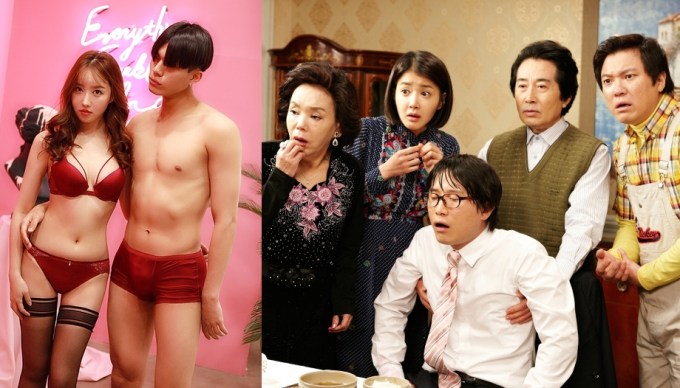 Estimated reading time: 8 minutes. Image sources, edited: Summer Yolo Shop, KoBiz.
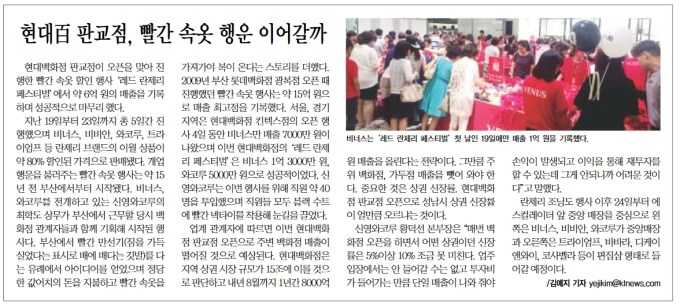 Source: Korean Fashion + Tex News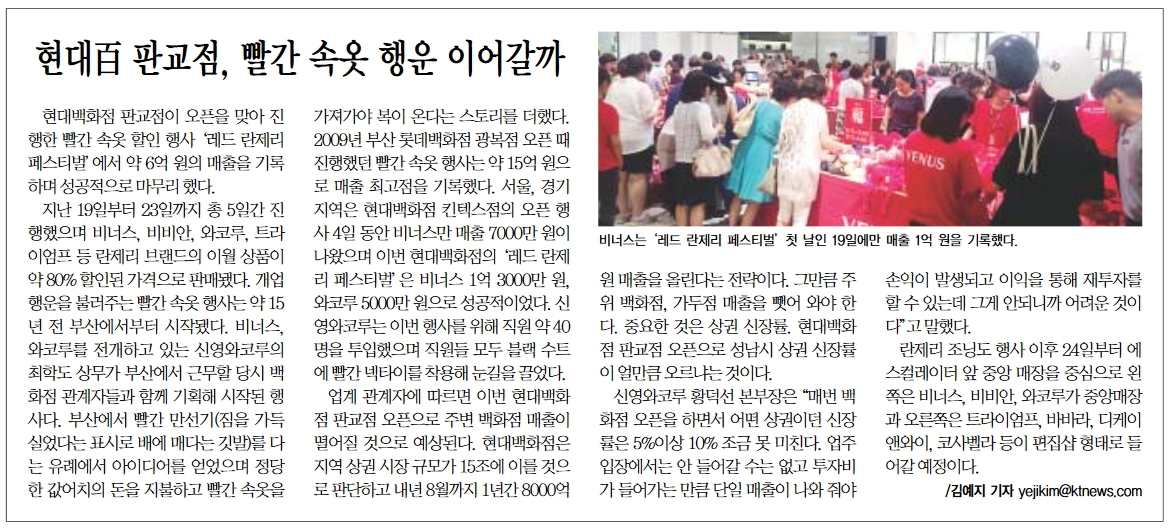
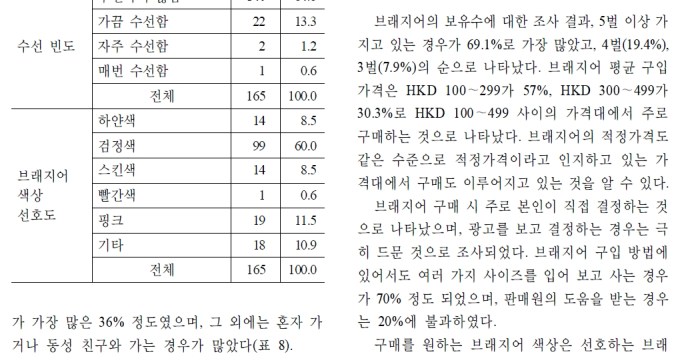 Source: Sujoung Cha and Kristina Shin, “Hong Kong Chinese Breast Cathexis and Brassiere Design Preferences”, The Research Journal of the Costume Culture. 2011. Aug, 19(4): 780-793.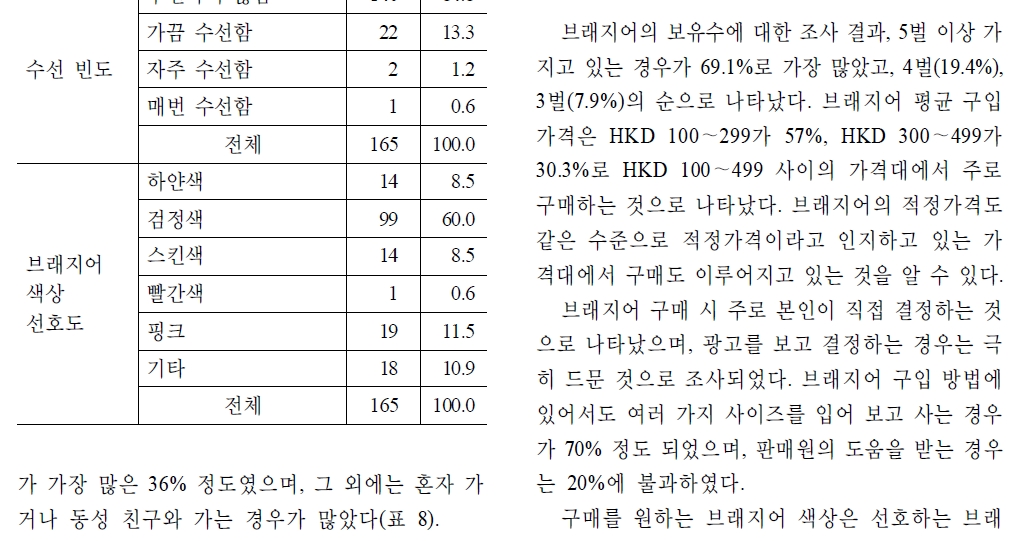



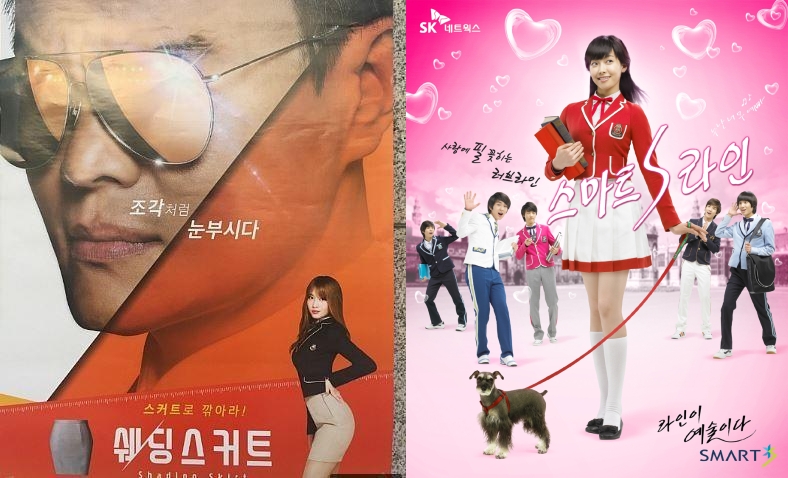


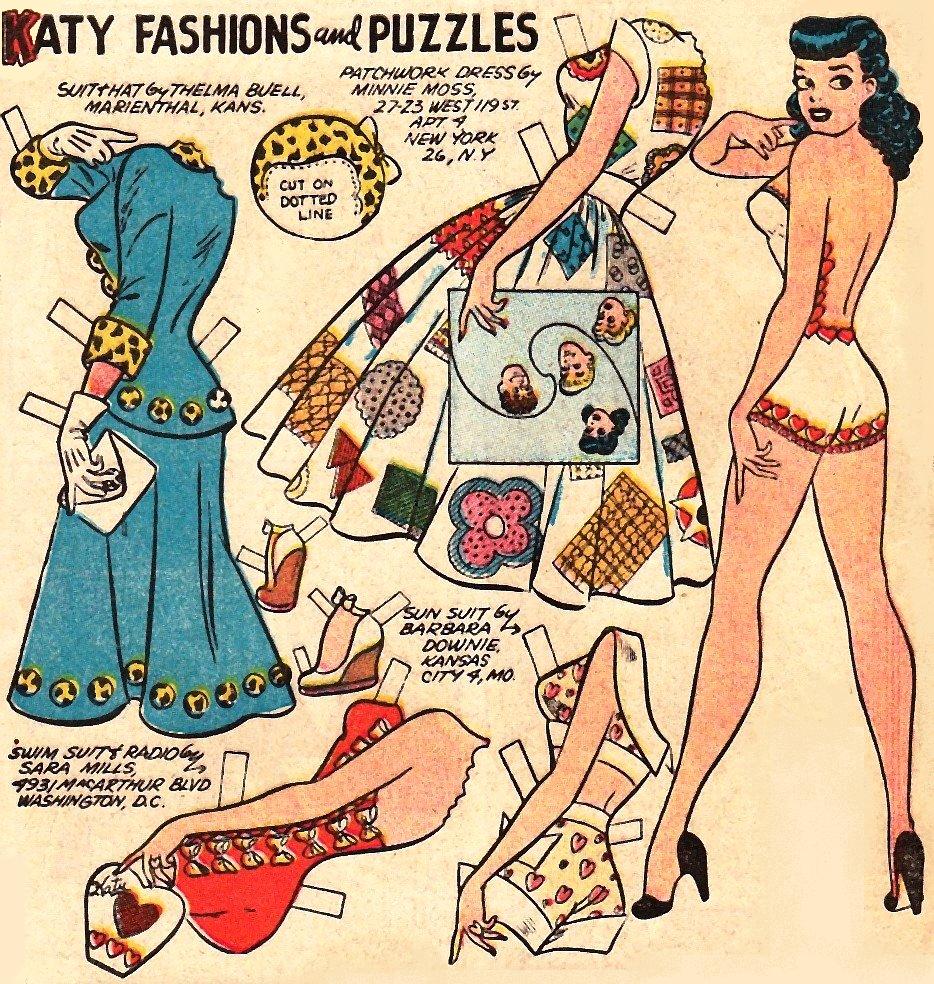


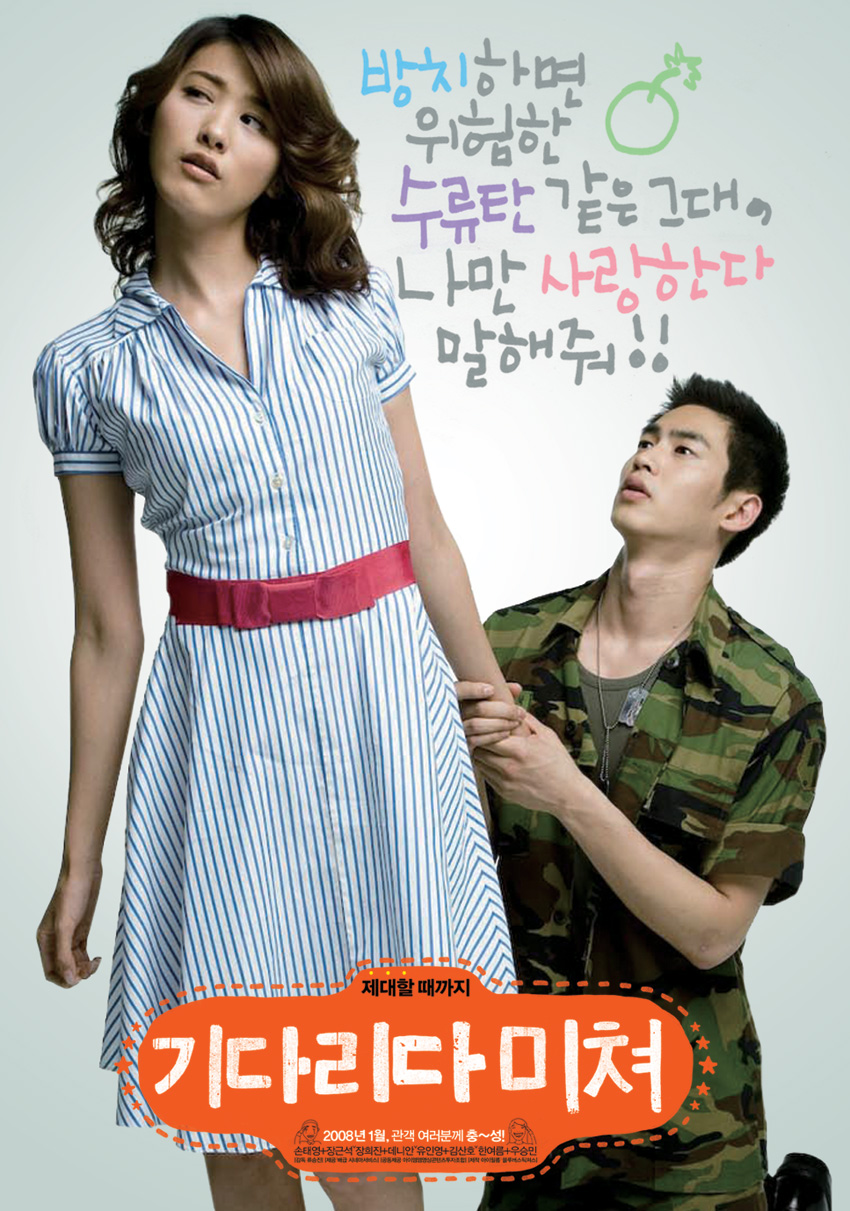
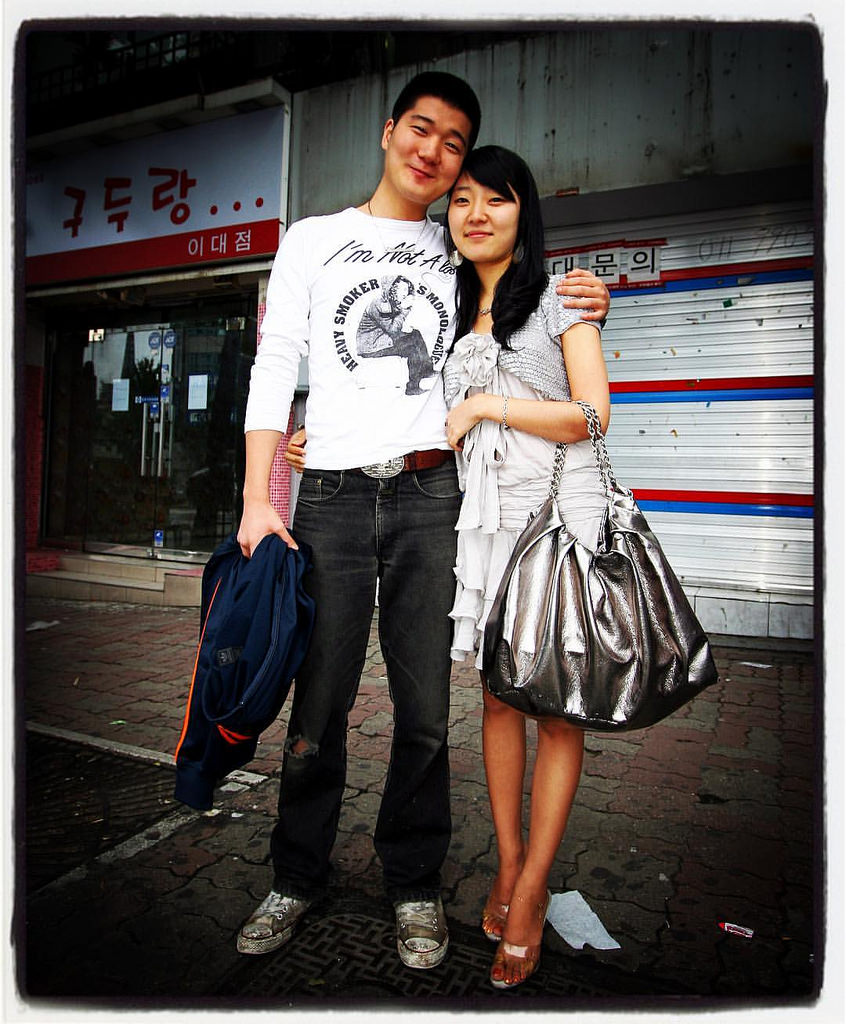

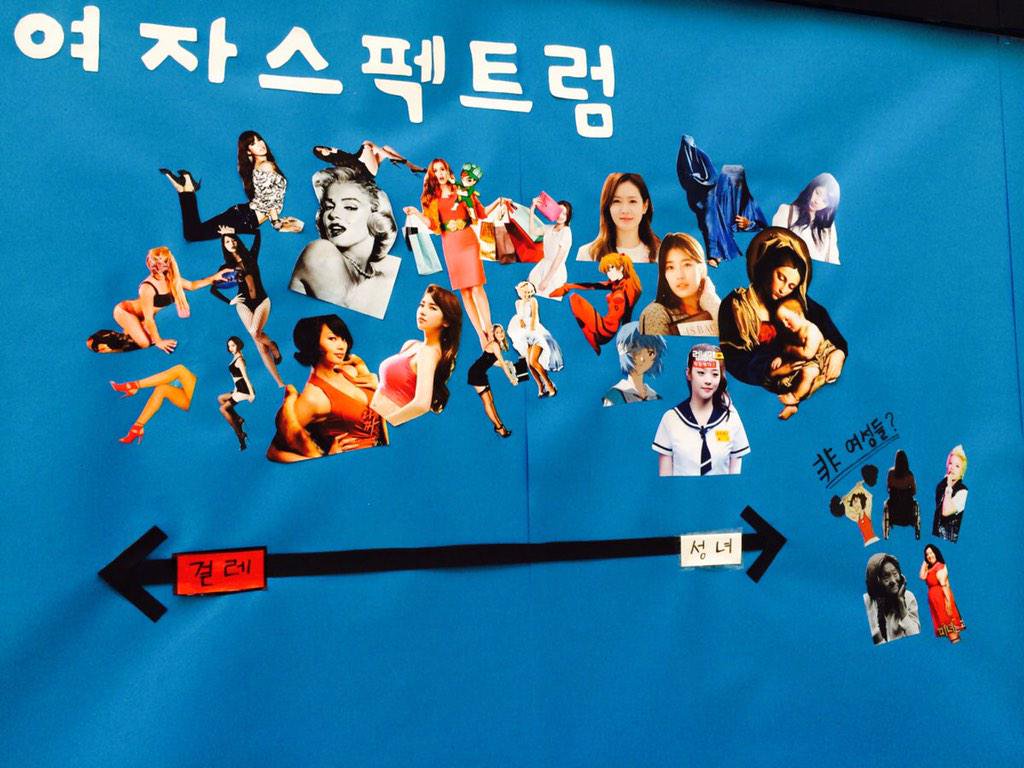

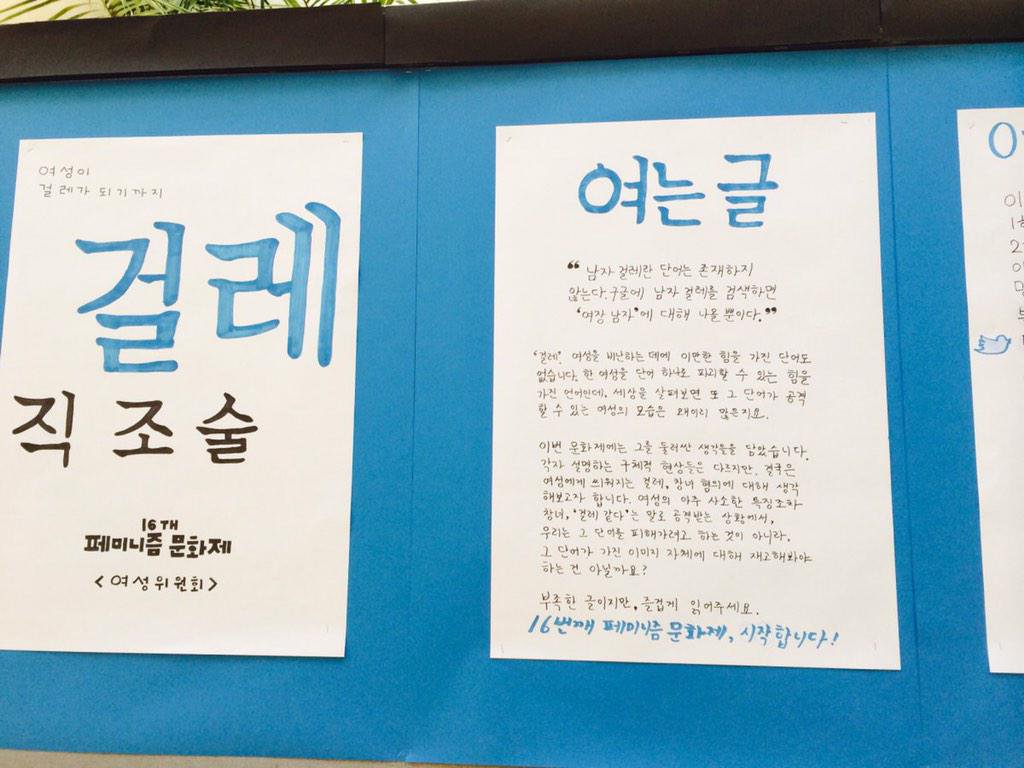

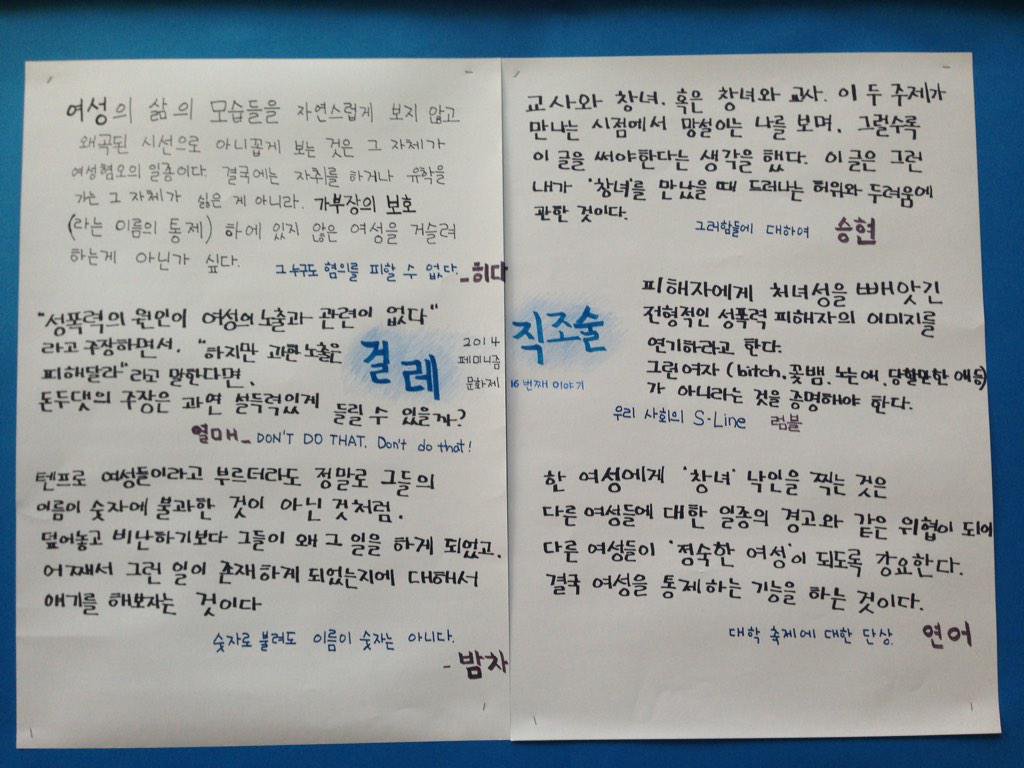


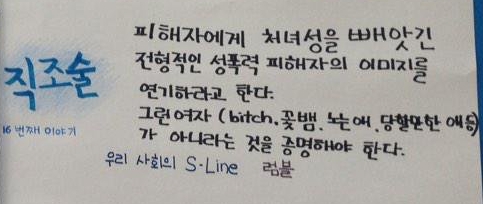
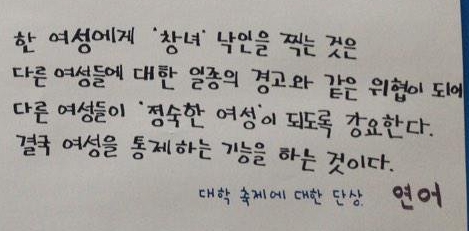

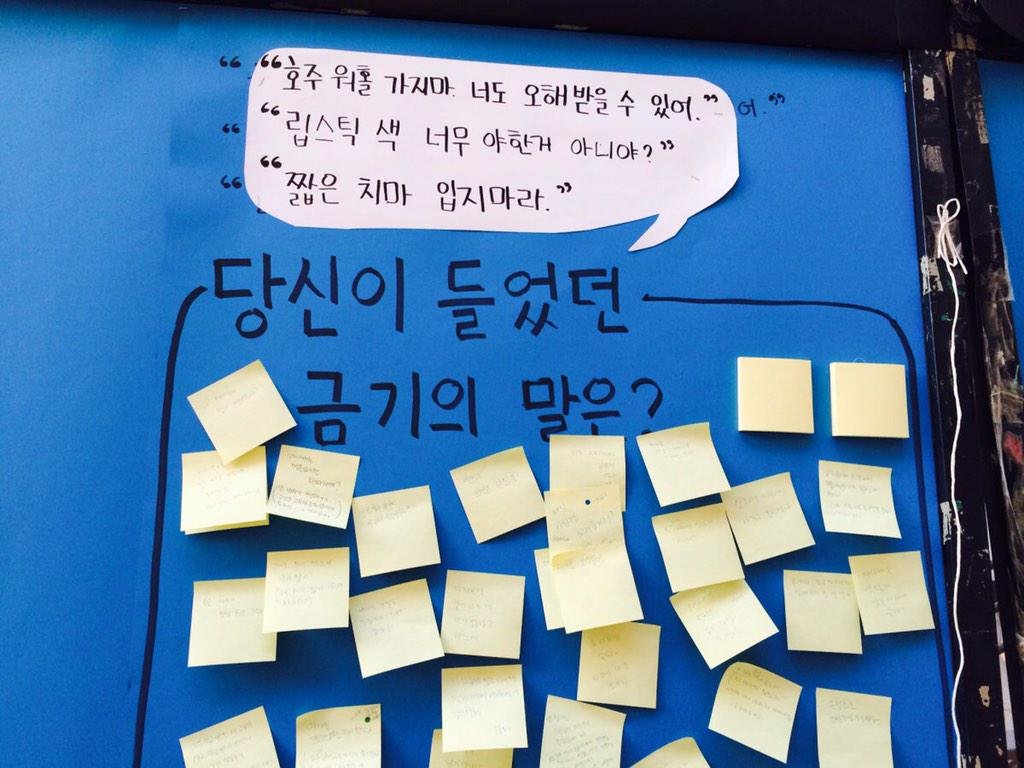
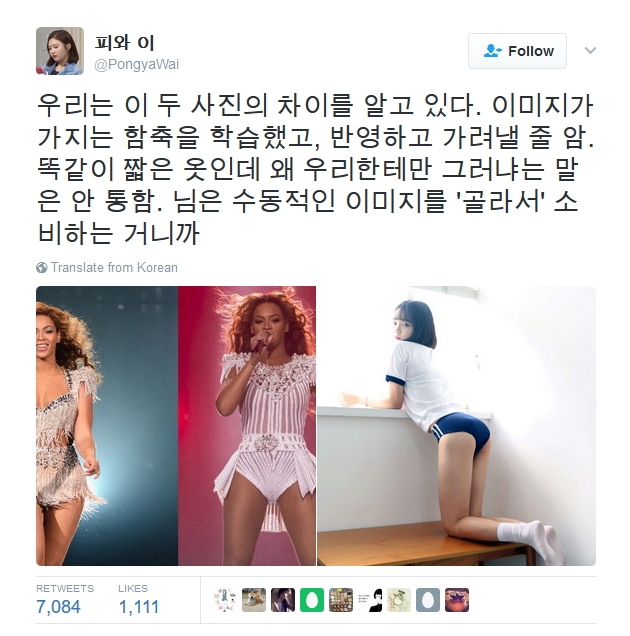
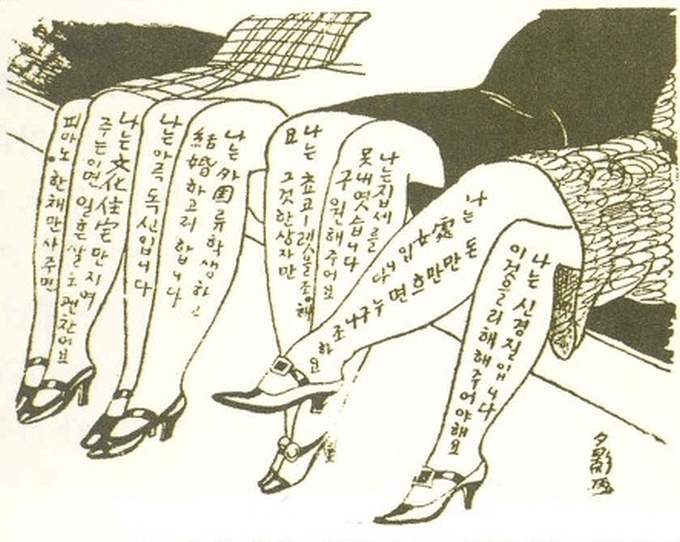
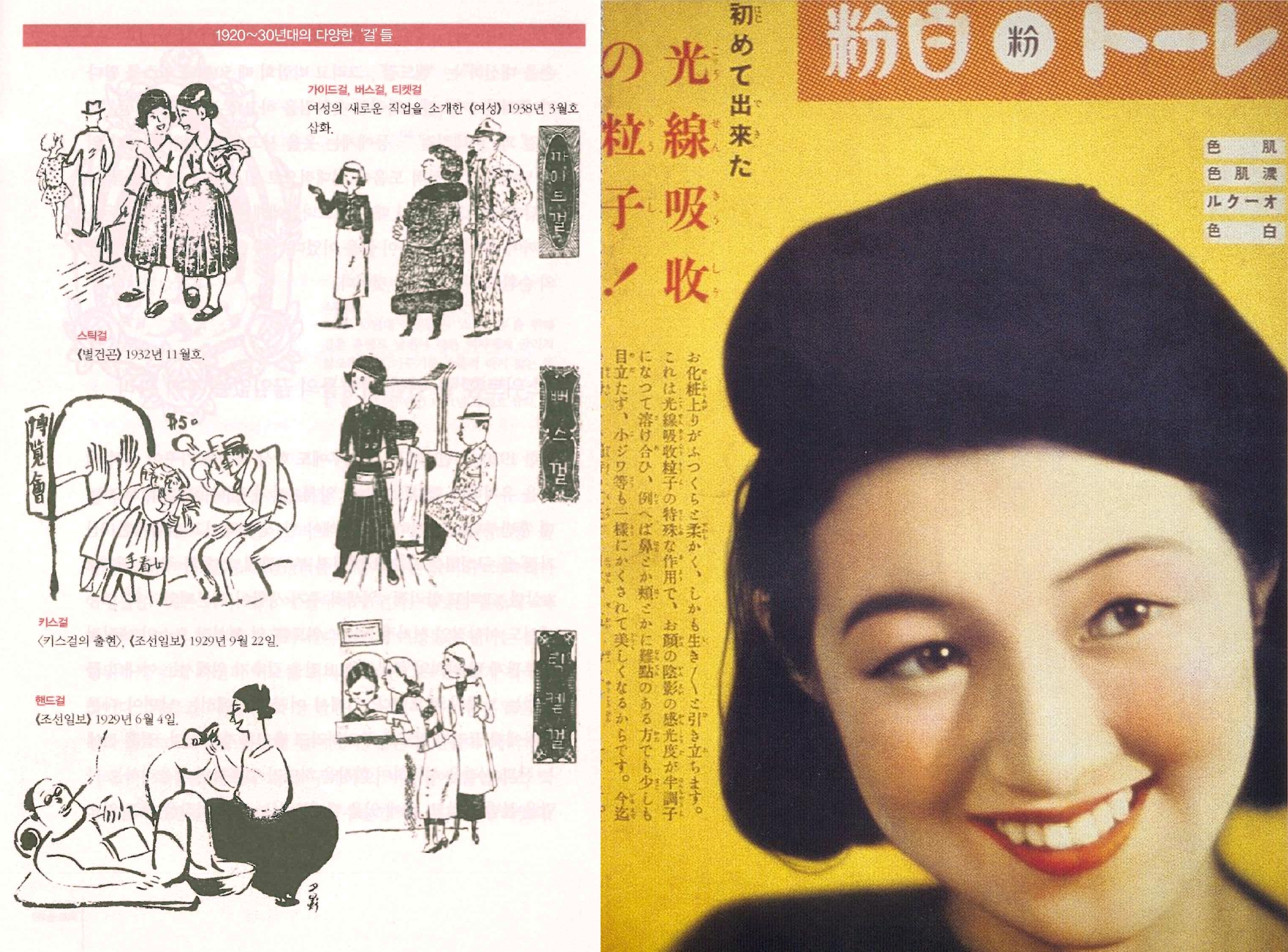



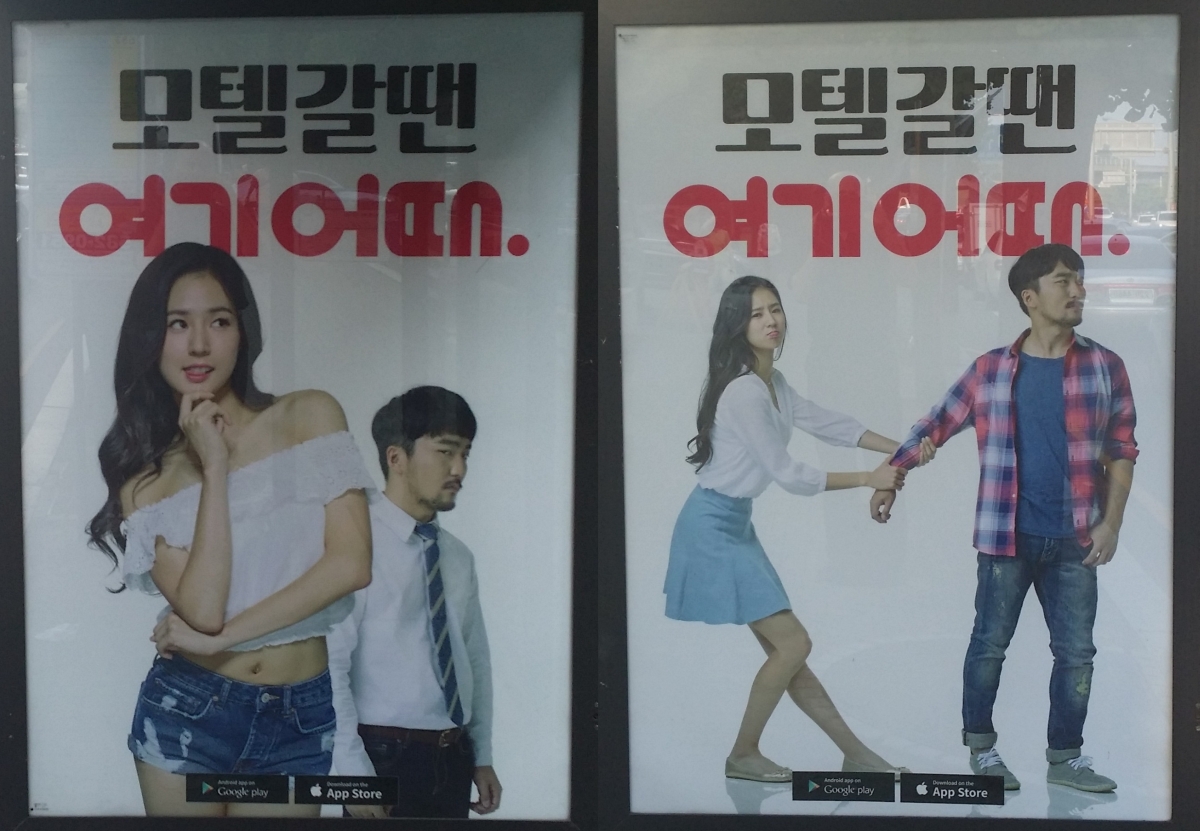
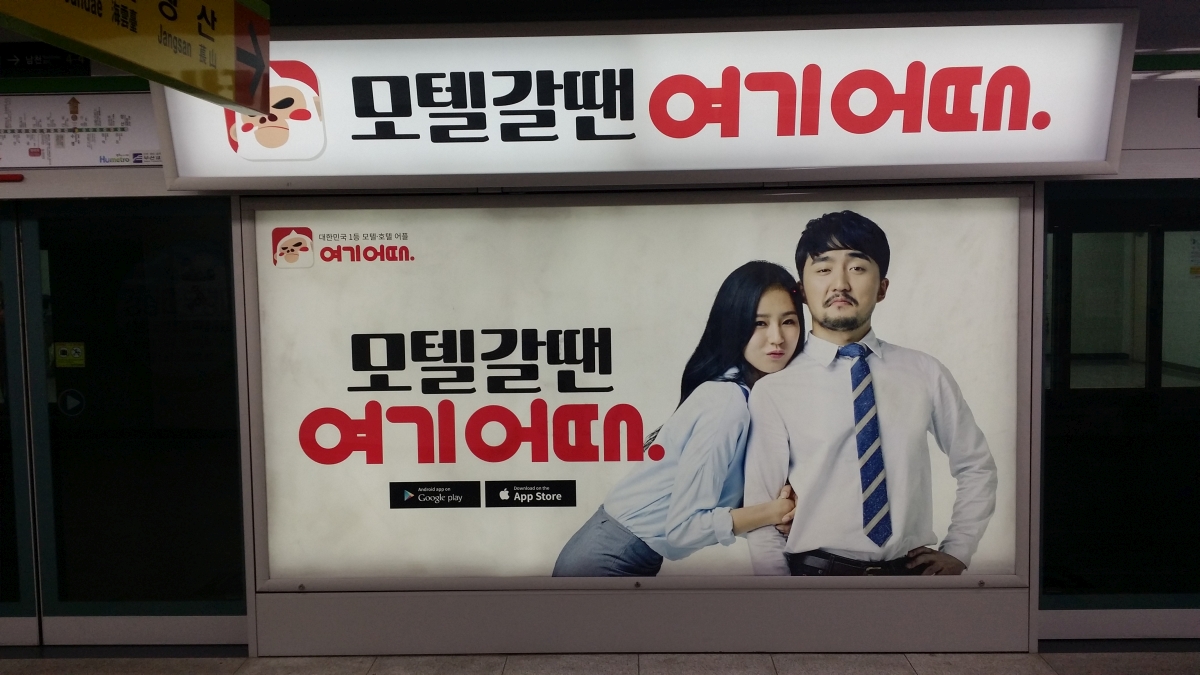
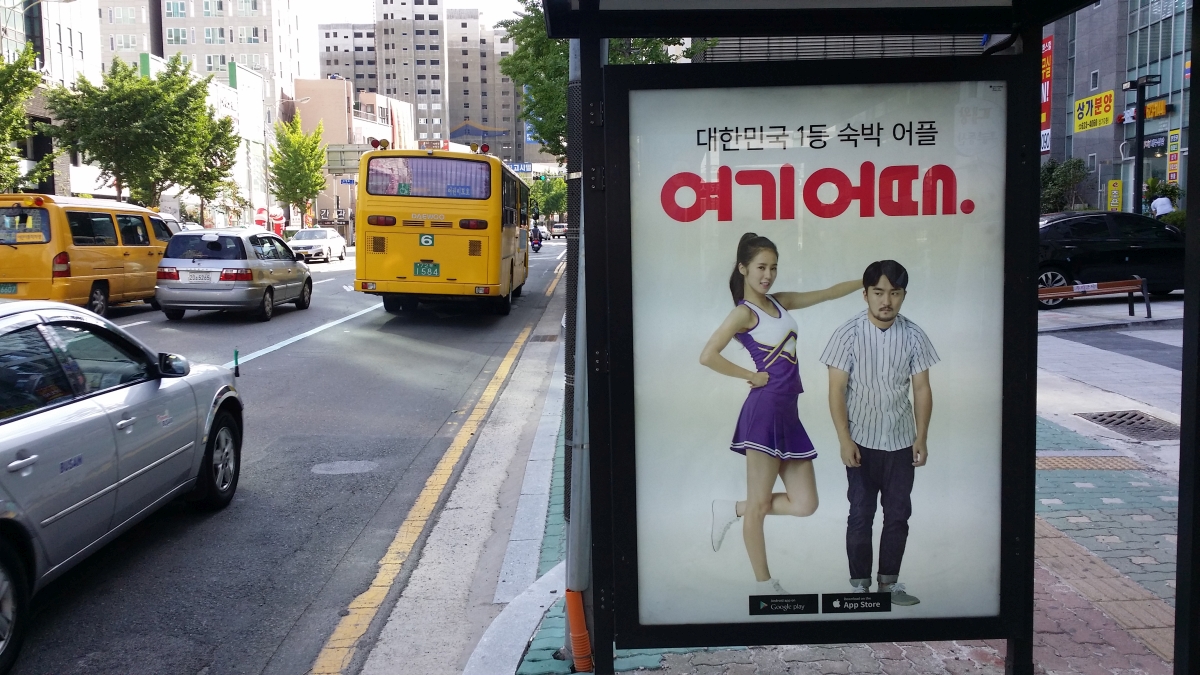





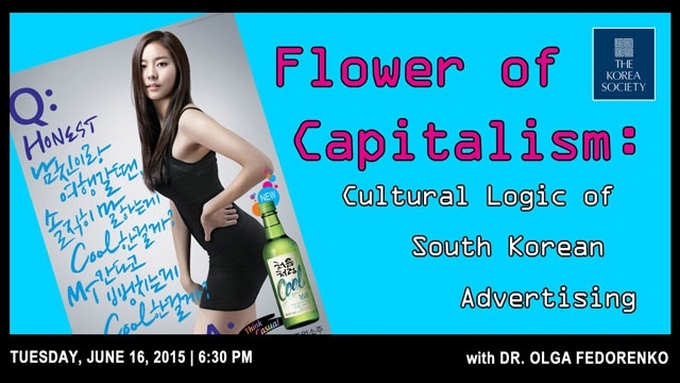
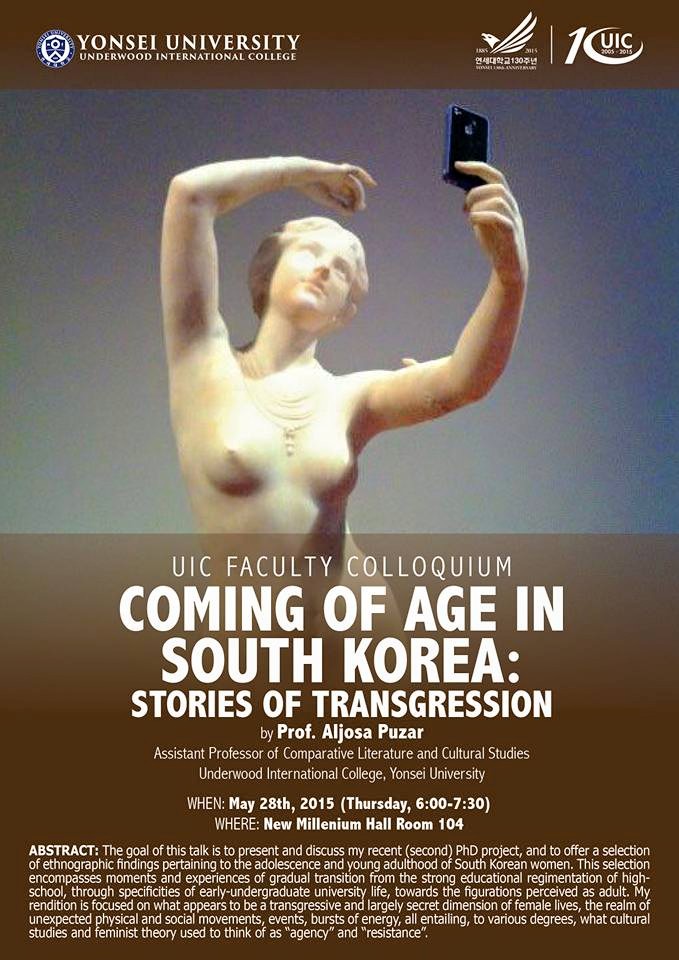

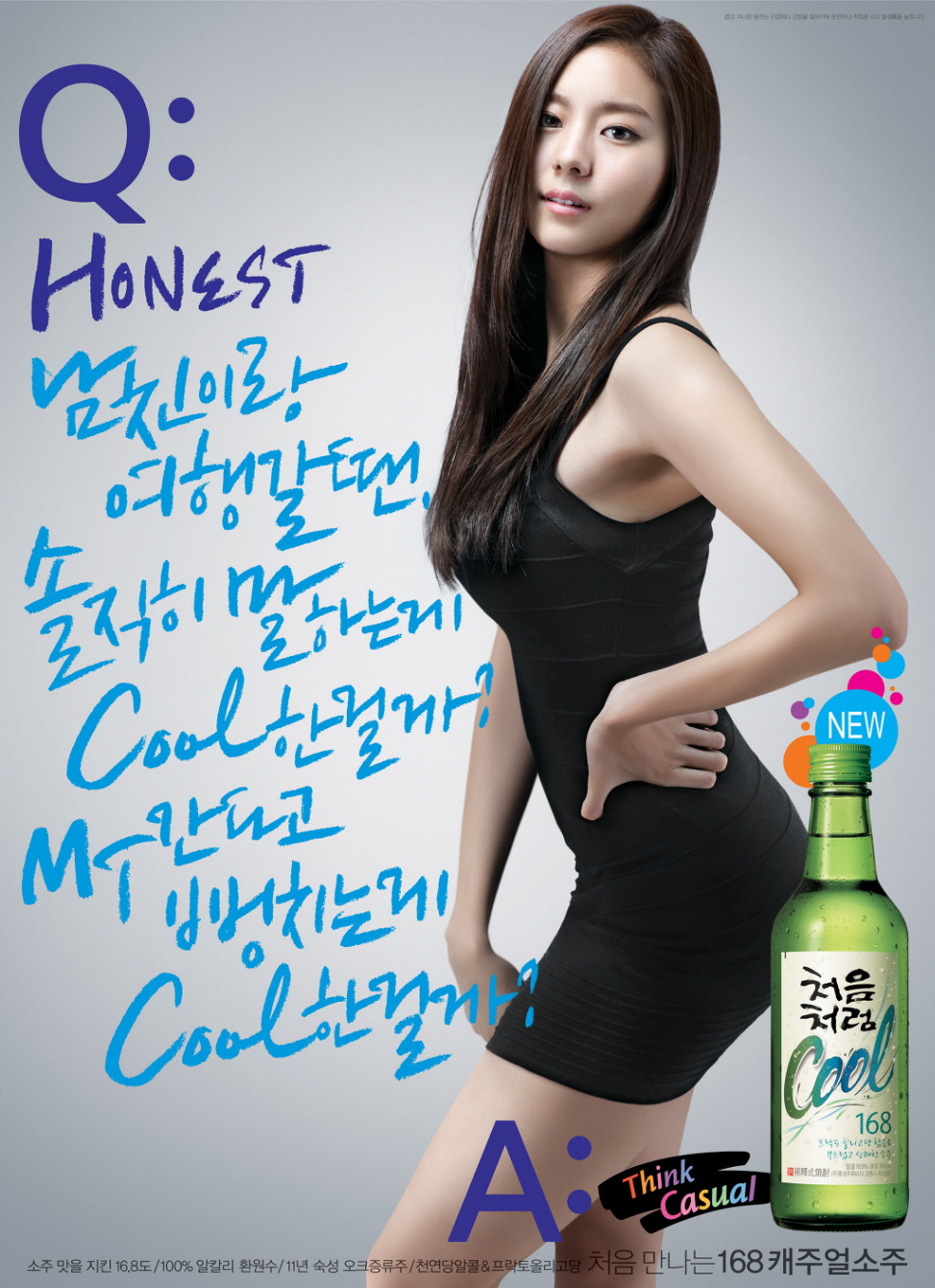
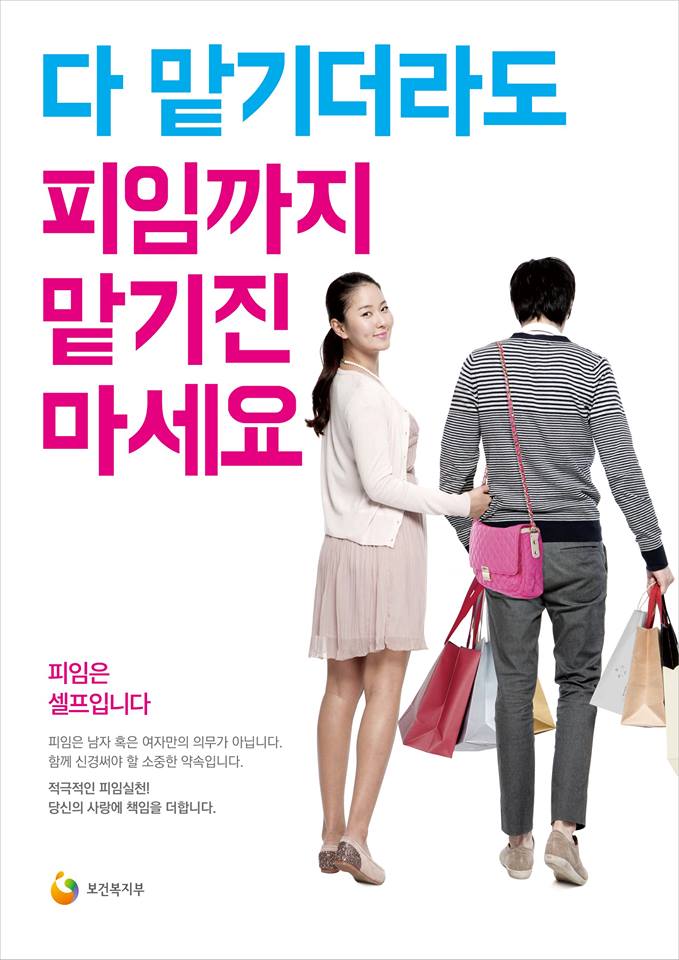








 relationship, and that marriage might be on the cards.” Whereas for women, inviting her to meet her parents “means she expects to marry him, and Chinese men understand this arrangement.” What’s more, the average age of marriage for Chinese men was only 24 in 2010; for women, 22 (
 The Grand Narrative


