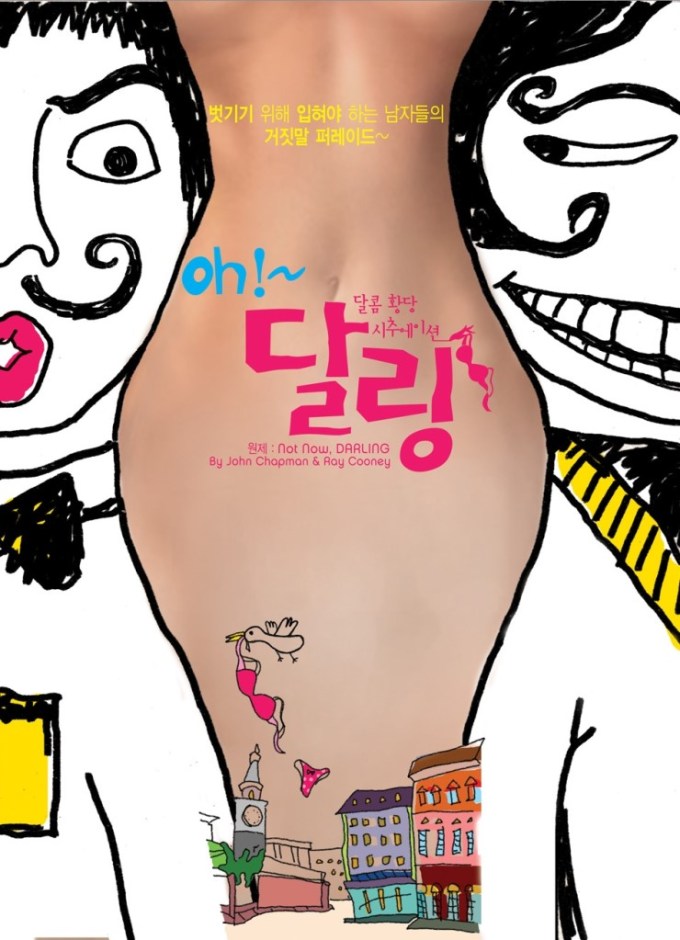
Quick Hit: Sex Survey of 6000 Korean University Students

(Source)

A maddeningly short article, and — as per usual — completely devoid of any mention of the survey’s methodology. But if the result about men’s and women’s sexual knowledge holds true (and I’ll do some further investigation next month to check), it puts a definite twist on Koreans’ belief that contraception should only be men’s responsibility!

남자 대학생 50% ‘성경험’… 여대생은? 50% of Male University Students Have Sexual Experience. As for Female University Students…?

The Kyunghyang Shinmun, May 13 2012

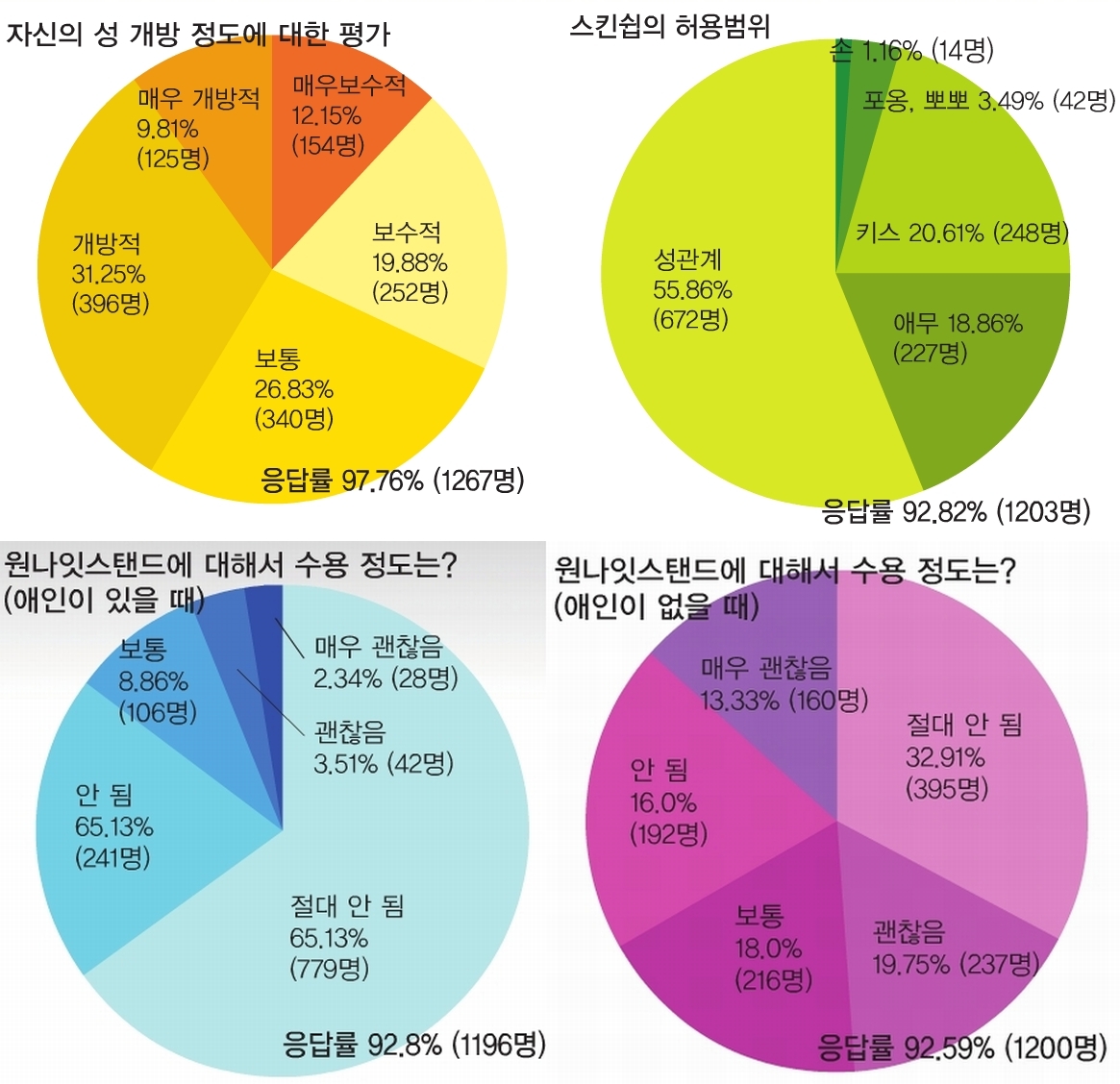
우리나라 남자 대학생 2명 중 1명은 성관계 경험이 있지만 성에 대한 지식수준은 여학생들에 비해 낮은 것으로 나타났다. 이화여대 건강과학대학교 신경림 교수팀은 보건복지부 연구사업으로 지난해 5~11월 전국 대학생 6000명을 대상으로 ‘대학생의 성태도 실태조사에 관한 연구’를 한 결과 이와 같이 나타났다고 11일 밝혔다.

In Korea, 1 in 2 male university students have had sexual experience, but female university students are much more knowledgeable about sex. That’s one of the results of a nationwide survey of 6000 university students conducted between May and November last year by a team led by Professor Shin Gyeong-Rim of the Ehwa University Health Science College and the Ministry of Health and Welfare, which were announced on the 11th.

성경험이 있다고 응답한 대학생은 남학생이 50.8%로 여학생 19%보다 압도적으로 많았다. 연구팀은 이러한 차이는 남녀의 성에 대한 욕구, 태도, 가치의 차이와 더불어 군대 등의 이유로 남학생의 나이가 여학생에 비해 상대적으로 많고 군대의 성문화에 노출됐기 때문으로 보고 있다.

Many more men (50.8%) said that they had had sexual experience than the women (19%). The research team commented that the differences in [levels of?] sexual desire, attitudes to sex, and value placed on sex were due to the men’s greater ages and their exposure to sexual culture during their compulsory military service.

(Source)

성지식은 ‘생식생리, 성심리, 임신, 피임·낙태, 성병, 성폭력’ 등 6개 영역 중 5개 영역에서 남학생에 비해 여학생의 점수가 높았다. 이는 남학생이 여학생보다 성지식이 더 많을 것이라는 고정관념을 깨는 결과로, 올바른 성지식 정도는 여학생이 더 높다는 것을 반영한다.

“Reproductive physiology, sexual psychology [James — a bit specialized surely?], pregnancy, contraception & abortion, STDs, and sexual violence” — in 5 out of these 6 areas examined, women scored higher than men [James — which one did the guys beat the girls on?]. This shatters the widely-held belief that men are more knowledgeable about sexual matters.

대학생의 성교육 관련 실태 및 요구도를 조사한 결과 초·중·고교 때는 대부분 성교육을 받은 경험이 있지만, 대학 때의 성교육 경험은 20.3%로 비교적 저조한 편이었다. 성관련 강좌 참여 희망도에 대해서는 33.6%의 대학생이 참여하겠다고 답했다.

Seeing how this reality is related to sex education, the survey found that while most survey participants had received [some form of] sex education in elementary, middle, and/or high school, only a relatively low 20.3% had at university. But if lectures on it were offered however, only 33.6% said that they would attend them (end).

For comparison’s sake, see here for a (much longer) survey of Yonsei University students in 2010.

(Thanks to Robert Koehler for passing on the link)

Challenging Stereotypes about Abortion

(Source)

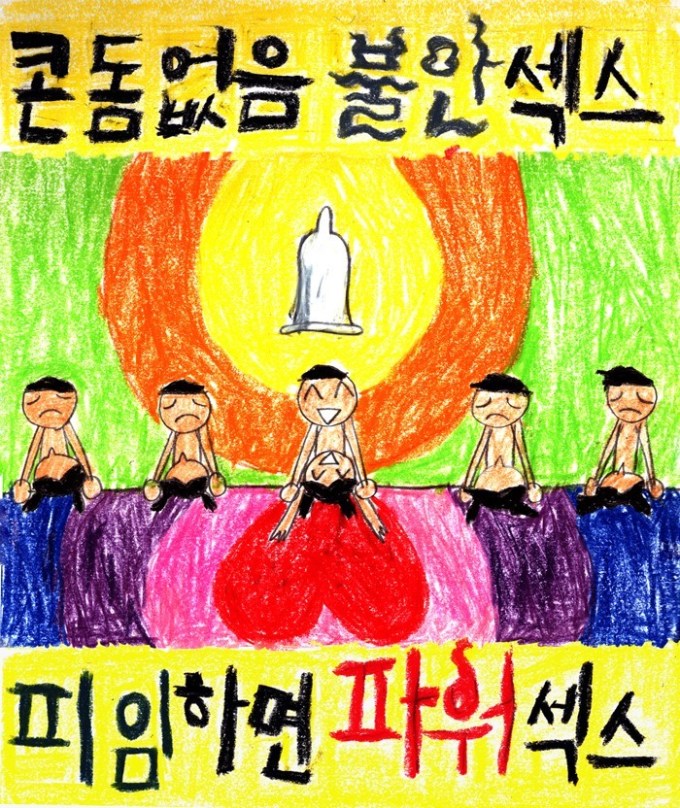
Okay, maybe I have overdone it a little with that above image. Because I certainly I don’t mean to appear flippant about the subject of abortion.

But hear me out — something just snapped in me when I saw the unnecessarily sombre cover (and tone) of Womenlink’s new book on abortion below. Because in reality, most abortion patients and their partners report feeling more relieved than depressed and regretful, despite what you usually read about them in the media.

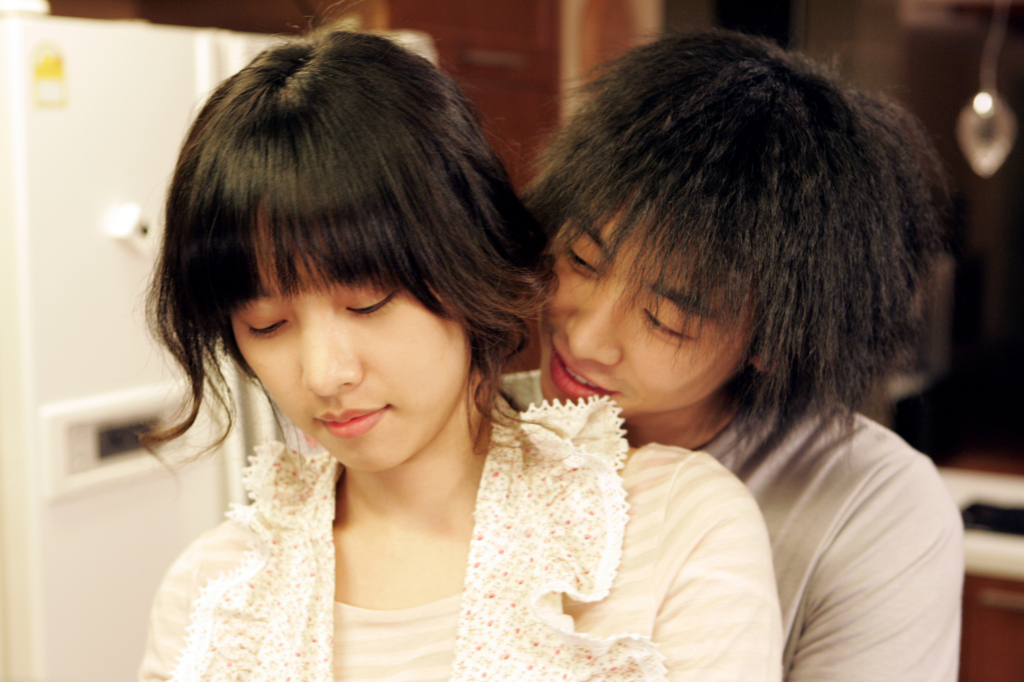
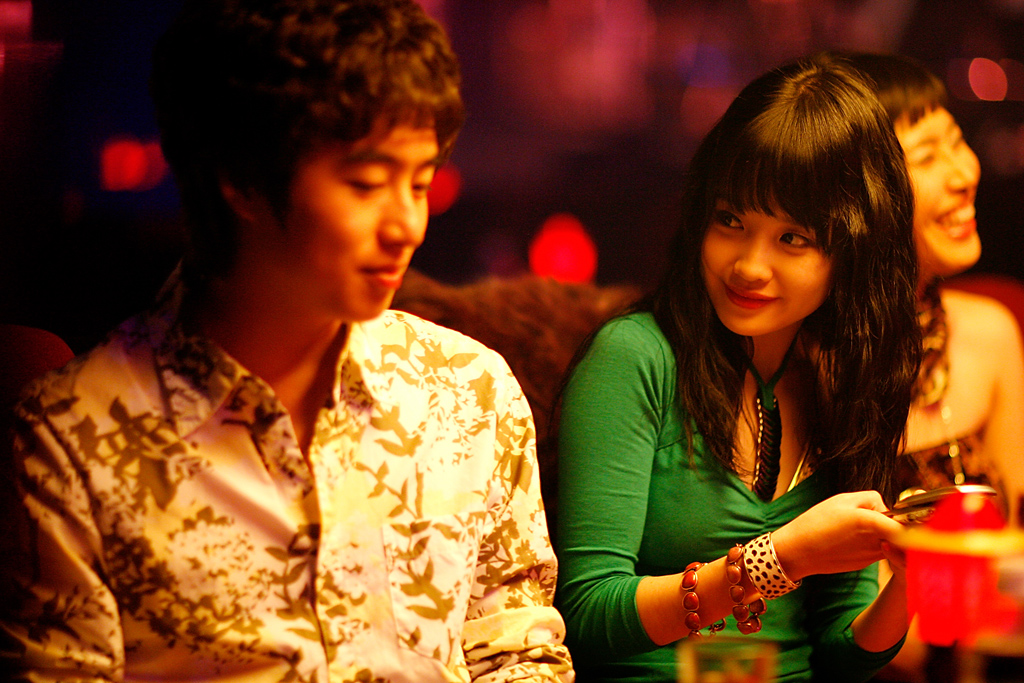
So, the humor of the Yoda-like, oddly-appropriate Engrish above felt like a very welcome antidote. As did the additional images of happy couples you’ll find throughout this post, used in lieu of much harder to find “relieved” (안심했다? 안심이다?) ones.

Also, it was ironic that something that set out to challenge stereotypes would confirm so many of my own in the process. Namely, that all too many Koreans are forced to seek abortions because of a lack of basic knowledge about contraception, and that women are still wary of keeping condoms on hand and/or insisting their partners use them, lest they “be regarded as a slut or an experienced and impure woman” (which in turn leads to the perception that contraception is only men’s responsibility).

But don’t get me wrong — these are minor quibbles really, and otherwise I have nothing but praise for the book!

(Source)

‘낙태’ 사회적 배경을 이야기하는 이유, The reason why we talk about the social background of ‘abortion’

Ildaro, November 15th 2011

민우회, 낙태 사례집 <당신이 생각하는 낙태는 없다> 발간 의의, The Significance of the Publication of Womenlink’s Abortion Casebook There’s no such thing as the abortion you’re thinking of

필자 회색연필님은 비혼 페미니스트 방송 ‘야성의 꽃다방’ 활동가로, 현재 대학원에서 보건학을 전공하고 있습니다. [편집자 주]

The author, Grey Pencil, is a graduate student in health science and activist who is part of the unmarried feminist radio program “Wild Nature’s Flower Tea Room.” [Editor’s Note]

낙태 금지한 형법은 위헌‘ 헌법재판소 공개 변론, Constitutional Court public proceeding ‘for the criminal law that prohibits abortion’

지 난 10일 헌법재판소에서는 ‘낙태죄’의 위헌 여부를 두고 첫 공개 변론이 열렸다. 이번 소송은 2010년 부산에서 인공임신중절시술을 시행한 혐의로 기소된 조산사가 ‘낙태를 금지하는 형법 조항은 임부의 인간으로서의 존엄과 가치, 행복추구권, 평등권, 신체의 자유, 사생활의 자유, 혼인과 가족생활의 존엄 등을 침해하여 위헌’이라며 소송을 청구한 것에서 시작됐다.

On November 10, the first public arguments over criminal abortion began at the Constitutional Court. This case began after a midwife who was indicted on the charge of carrying out a procedure to terminate a pregnancy in Busan in 2010 filed suit, saying, “The criminal law clause that prohibits abortion violates a pregnant woman’s dignity and value as a human, her right to pursue happiness, right to equality, bodily freedom, privacy, and the dignity of her marriage and family life, and thus is a violation of the constitution.”

형법 270조 1항(업무상 동의낙태죄)은 임산부의 동의를 얻어 낙태시술을 한 의사, 조산사 등을 형사처벌하도록 규정하고 있다.

Criminal Law Article 270 Clause 1 (Professional Abortion with Consent) stipulates that doctors or midwives who receive the pregnant woman’s consent and perform an abortion will receive a criminal penalty.

이날 변론에서 청구인과 법무부는 낙태죄의 실효성 여부와 임산부의 자율권 침해 여부 등 쟁점을 두고 첨예한 의견 대립을 보였다. 청구인 측은 임부의 자기결정권을 주장했고, 법무부 측은 태아의 생명권 존중을 내세웠다.

At the proceeding on this day, the claimant and the Ministry of Justice showed sharply conflicting opinions on the issues of the effectiveness of the abortion law and the violation of the autonomy of pregnant women.  The claimant’s side insisted on the right to self-determination of a pregnant woman, and the Ministry’s side advocated respect for the right to life of a fetus.

현재 대한민국에서 낙태(인공임신중절)는 ‘불법’이다. 그러나 지난 몇 십년 간 낙태는 암암리에 이뤄져왔고, 사회적으로 큰 문제가 되지 않았다. 그러나 ‘저출산 문제’가 대두되면서 정부는 낙태율을 줄이기 위해 지금까지 쉬쉬하던 ‘불법’ 행위를 집중적으로 단속하기 시작했다. 그리고 작년, 낙태 근절 운동을 벌여온 프로라이프 의사회의 고발로 몇몇 병원과 조산원이 검찰에 고발돼 징계를 받으면서, 낙태를 둘러싼 찬반 논쟁이 촉발되었다.

Currently, abortion (the artificial termination of a pregnancy) is “illegal” in the Republic of Korea.  However, for the past few decades abortion has been done in secret, and it hasn’t become a big societal problem.  As the low birth rate problem comes to the fore, however, the government has begun to intensively crack down on this formerly covered-up “illegal” activity in order to reduce the rate of abortions.    Also, last year, as several hospitals and maternity clinics were reported to prosecutors and punished through the accusations of a pro-life medical association that has campaigned for the eradication of abortion, controversy has been sparked surrounding the pros and cons of abortion (source, right).

이러한 시점에서 한국여성민우회는 낙태의 당사자이면서도 정작 논쟁에서는 배제되었던 여성들의 목소리를 모으기 시작했다. 그렇게 모인 22명의 여성의 이야기를 엮어 올 가을, 낙태 관련 사례집 <당신이 생각하는 낙태는 없다> 발간되었다.

At this time, Korean Womenlink began to gather the voices of women, who, though they are the actual people whom abortion directly concerns, had been excluded from the argument.  The stories of women gathered like this were woven together and this autumn, the abortion casebook “There’s no such thing as the abortion you’re thinking of” was published.

여성들이 말하는낙태란 무엇인가’, What women say “abortion” is

사 례집은 낙태 경험이 있는 여성들을 인터뷰하고, 그 내용을 바탕으로 총 22명의 여성들의 이야기를 낙태 결정의 순간과 낙태를 하는 순간, 낙태 그 이후의 경험들 그리고 피임에 관련된 부분과 상대(남성)의 이야기 등으로 구분하여 엮었다.

Women who’ve had an abortion were interviewed, and from that material, a total of 22 women’s stories are divided up into the moment they decided to get an abortion, the moment they got it, their experiences afterwards, and a section about birth control and their (male) partner’s story, and these parts are woven together in the casebook.

사례집에 실린 각양각색의 배경을 가진 22명의 여성들의 이야기는 모두 다 다르면서도 같았다. 낙태를 하게 된 상황이나 상대에 대한 생각 등은 모두 다 달랐지만, 다들 ‘낙태는 어쩔 수 없는 선택이었다.’는 점과 ‘다른 여성들에게 힘이 되고 싶다’는 마음은 같았다. 그랬기에 이 어려운 이야기들을 선뜻 나서서 이야기할 수 있었던 것이리라 생각한다.
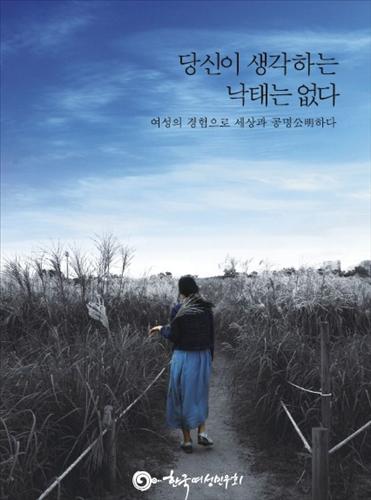
The stories of the 22 women of various backgrounds in the casebook are all different yet the same.  The situation in which they chose abortion or their thoughts about their partners are different, but all of them had the same feeling that, “Abortion was the only option,” and, “I want to be a source of strength to other women.”  I think that may be the reason that they were able to come forward and tell their difficult stories willingly (Caption, right: 한국여성민우회에서 발간한 낙태 관련 사례집 <당신이 생각하는 낙태는 없다>; The abortion-related casebook published at Womenlink {source}).

태아를 생명권으로 보아 생명을 우선시하느냐, 아니면 산모의 선택을 존중하느냐는 논쟁은 단순히 ‘낳을 것인가, 낳지 않을 것인가’의 ‘낙태’ 행위에만 초점이 맞춰져 있다.

The debate over whether to put life first out of consideration for the right to life of a fetus, or to respect the choice of a pregnant woman, is focused into the act of abortion as simply, “have the baby, or not.”

보건의료학적 측면에서 보면 태아=생명이기 때문에 낙태는 비난받아야 한다는 결론이 난다. 그런데 보통 보건영역에서 정책을 결정할 때 단순히 건강만을 위한 것 외에도 사회경제적 요인도 같이 고려하여 판단한다. 여성의 낙태 문제 역시 보건 영역에 속하는 것으로 볼 수 있지만 희한하게도 ‘낙태’만큼은 사회-경제적 요인은 간과하여 판단하고 있다. 윤리적인 이슈가 이미 형성되어 있어, 낙태 행위 그 자체만을 놓고 이야기하려 하는 것이다.

From a health-care perspective, because a fetus = life, one comes to the conclusion that abortion must be criticized.  However, in the usual domain of health care, when making policy decisions, other socioeconomic factors besides simple health must be considered when making a judgment. Women’s abortion question could of course be considered in the domain of health care, but strangely, only in abortion’s case, socioeconomic factors are being ignored when making a judgment.   The ethical side of the issue is already formed in people’s minds, so the casebook attempts to discuss the act of abortion itself.

그렇기에 이번에 민우회에서 발간한 낙태 사례집은 이러한 ‘낙태’ 행위만을 보지 않고, 낙태를 둘러싼 ‘사회적’ 배경이 그녀들에게 어떤 영향을 미쳤는지를 당사자들의 목소리를 통해 잘 보여주고 있다는 점에서 큰 의미를 갖는다고 본다.

That’s why the abortion casebook that Womenlink published doesn’t just look at the act of abortion, it shows what kind of effect the societal background that surrounds abortion has on these women through the voices of the people involved; for this reason, it is meaningful.

흔히, 낙태를 하는 사람들은 ‘성적으로 문란하다.’, ‘순결하지 못하다.’, ‘미혼 여성들이 많을 것이다.’라고 생각하는데, 사례집에서 드러난 바로는 그렇지 않았다. 모두 우리 주변에서 볼 수 있는 평범한 사람들이었고, 비혼 여성이 많을 것이라는 생각과는 달리 오히려 기혼 여성들의 낙태경험이 많았다.

Commonly, people that have an abortion are thought of as “sexually promiscuous,” “impure”, or “probably mostly unmarried women,” but according to the casebook, that isn’t true.  They are all average people we can see around us, and different from the unmarried women that were expected, many married women had experiences with abortion.

(Source)

혼인 유무를 떠나, 그들에겐 낙태는 어쩔 수 없는 ‘강요된 선택’의 문제였다. 기혼 여성의 경우, 육아를 둘러싼 경제적, 사회적 여건에 때문에 낙태를 선택할 수밖에 없었지만, 자식들을 기르면서도 마음의 상처를 안고 살아간다. 비혼의 경우 역시 크게 다르지 않다. 역시 젊은 나이라 경제적인 기반 등 아이를 낳아 기를 준비가 되어있지 않을뿐더러, 사회적 ‘낙인’ 때문에 산부인과에서도 애초부터 아이를 낳을 선택권이 주어지지 않는 경우가 많았다.

Whether or not they were married, abortion was an unavoidable “forced choice” to them.  For married women, because of the economic and social conditions surrounding raising a child, they couldn’t choose anything but abortion, but they live with that pain in their heart even as they raise their other children.  Unmarried women are also not very different.  They are young, of course, and so lack a financial base, so not only are they not prepared to have and raise a child, but there are many cases in which, because of their social label, they are not even given the right to choose to have the baby, even at an ob-gyn.

사례집에 실린 여성들 모두, ‘낳고 싶었지만 낳을 수 없는 상황’이 문제였다고 이야기한다. 낙태는 개인의 기호가 담긴 선택이 아니라 사회가 강요한 ‘선택’이었던 것이다. 사회는 저출산을 문제 삼으면서도 왜 여성들이 아이를 낳지 않으려하는지를 보지 않고 그저 낙태를 선택한 여성에게만 손가락질 한다.

The women in the casebook all say the problem was that they “wanted to have the baby but couldn’t in that situation.”  Abortion was not a matter of personal preference, but a “choice” forced by society.  Even as society makes an issue of the low birth rate, it doesn’t ask why women don’t want to have children, it just points the finger at women who have chosen abortion.

임신은 남녀가 함께 관여해서 발생하는 문제이고, 해결 역시 남녀가 같이 풀어야 될 문제이다. 하지만, 원치 않은 임신이 닥쳤을 때, 결국 책임지는 사람은 ‘여성’이 된다. 그렇기 때문에 여성에게는 임신이 갖는 의미가 굉장히 크다. 그럼에도 불구하고 사회는 이러한 임신의 문제가 단순히 여성이 10개월짜리의 고생으로 인식되고, 거의 대부분의 여성들이 감당하는 향후 20년간의 양육문제는 인식조차 하지 않는다.

Pregnancy is a problem that occurs with both men and women’s participation, and its solution should also be an issue that a man and woman resolve together.  However, when an unwanted pregnancy happens, the woman becomes the person who takes responsibility.  Because of this, pregnancy is very significant for women.  Despite this, society considers this issue of pregnancy as simply 10 months of hardship for a woman, and doesn’t even recognize the following 20 years of raising the child that is mostly done by women (source, right).

이로 인해, 임신 사실 조차 달갑지 않은 여성들도 많을 것이다. 미혼의 임신은 순결이데올로기와 맞물려 미혼모라는 이유만으로 손가락질 당하고, 그 자식마저도 편견으로부터 자유로울 수 없다. 그 뿐 아니라 경제적인 뒷받침도 미비하다. 기혼 여성이라도 크게 다르지 않다. 육아는 전업주부든, 직장여성이든 누구에게나 가벼운 문제가 아니다.

For this reason, there will be many women to whom the very fact of their pregnancy is unwelcome.  Unwed pregnancy is [negatively] connected to the ideology of purity, and so they are scorned just for being unwed mothers, and even their children are not free from prejudice.  Not only that, economic support is also inadequate.  Even married women are not much different.  Child-rearing is not an easy problem for anyone, full-time homemaker or career woman.

직 장여성의 경우는 더 버거운 문제이다. 임신과 동시에 직장에서는 그만두기를 강요당하고, 출산 이후 재취업이 쉽지 않아 임신을 더 꺼리게 만든다. 그 뿐인가, 맞벌이가 대세인 요즘에도 탁아시설 등의 인프라는 갖춰주지도 않고 여성 개개인에게 모성만을 강요하여 워킹맘이 슈퍼맘이 되도록 요구한다. 이런 상황에서 사회적으로나 경제적으로나 열악한 상황일 경우 누가 낳아 기르려고 하겠는가.

In career women’s case, it is a more unmanageable problem.  When pregnant, they are forced to quit, and re-entering the workforce after giving birth is not easy, so they are reluctant to become pregnant.  Not only that, even in this time in which dual-income families are the general trend, infrastructure like day-care facilities are not provided and each woman is pressured to be maternal, and so working  moms are asked to become super moms. In this kind of situation, when both the social and financial situations are inadequate, who would want to have and raise a child?

(Source)

남자들도 수술대에 앉아 본다면…If men also tried sitting on that operating table

무엇보다 낙태에 대한 정부의 태도가 여성을 재생산의 측면에서 보고 있다는 점은 무례하고 후진적이다. 출산율을 올리기 위해 낙태를 금지하는 정책을 편다는 것은, 여성을 자아실현 등의 욕구가 있는 한 개인이 아니라, 아이를 낳는 존재로서  ‘관리’해야 하는 대상으로 간주하는 것이다.

More than anything, the government’s attitude towards abortion looks at women from a reproductive aspect, which is disrespectful and backwards.  Implementing a policy that prohibits abortion in order to raise the birth rate is considering women not as individuals with desires like that of self-realization, but as beings that give birth and thus objects [in the sense that they are the targets of an action] that need to be managed

과거의 인구조절정책을 봐도 그렇다. 인구가 많았던 시절에는 낙태를 쉬쉬했으며, 남녀 모두 정관수술이나 난관수술 등을 권장하고 강요했다. 그러던 정부가 20~30여년이 지난 지금, 이제는 출산률을 올리기 위해 ‘낙태’를 금지하겠다는 것이다.

Past population-control policies show this as well.    At the time when the population was large, abortion was done quietly, and men and women were encouraged or compelled to have vasectomies or tubal ligations.  Twenty or thirty years have passed and now the government that did that has resolved to prohibit abortion in order to raise the birth rate.

사실, 낙태를 반대하는 입장에서는 ‘낙태는 피임만 잘 하면 줄일 수 있다’고 말하는데 나는 일부는 동의한다. 사례들을 살펴봐도 남녀 모두 피임법을 잘 몰랐던 경우가 많았다. ‘피임’이라는 개념 자체를 몰라서 덜컥 임신이 된 경우들도 있었고, ‘질외사정법’이던가 ‘체온주기법’과 같은 피임 성공률이 낮은 방법을 사용하고 있었다는 점이다.

In truth, I agree in part with the anti-abortion position that says, “We can reduce abortions just by using birth control well.”  Looking at the casebook, there were many instances in which neither the man nor the woman knew much about birth control.  There were cases in which they didn’t know of the very concept of “birth control” and so unexpectedly became pregnant, and also those who were using types of birth control with a low success rate, like the “withdrawal method” or the “body-temperature cycle method.”

(Source)

최근에 성교육이 많이 보급되었다고 하지만, 위의 사례들을 보면 아직도 성교육이 부족하다는 생각이 든다. 한편으로, 피임이 완벽히 성공할 것이라는 우리의 생각과는 달리 실제로 100% 피임은 불가능하다는 사실도 인정해야 한다.

Sex education has become quite widespread these days, but looking at the cases above, one gets the impression that sex education is still deficient.  On the other hand, different from our belief that birth control will be perfectly effective, we must recognize the fact that 100%-effective birth control is not truly possible.

성관계 시 작용하는 남녀 간의 권력구도 역시 짚고 넘어갈 필요가 있다. 사례들을 보면 여성이 피임도구 사용에 대해 이야기할 수 없는 상황이 많았다. 피임 성공률이 가장 높은 콘돔을 사용하자고 이야기 할 때 ‘헤픈 여자’, ‘경험 있는 순결하지 못한 여자’로 치부될까봐 말하지 못하거나 남성 쪽에서 콘돔 사용을 꺼려한다는 이유로 사용하지 못하는 식이다.

There is also a need to deal with the power structure between a man and woman who start to have sex. Among the cases, there were many in which the woman was in a situation in which she couldn’t talk about using birth control.  She couldn’t say anything because she was afraid that if she suggested using a condom – the birth control with the highest success rate -she would be regarded as a “slut” or an “experienced and impure woman”, or she didn’t use a condom because the man was reluctant to (source, right: unknown).

자신이 준비되지 않았음에도 불구하고 남성의 요구를 차마 거절하지 못하고 성관계를 맺은 사례도 많았다. 그리고 심지어 부인에게 정관수술 했다고 거짓말하는 남편들도 있었다.

There were also many cases in which the woman couldn’t bear to refuse the man’s demand and so had sex even though she wasn’t ready. There were even men who lied and told their wives that they had had vasectomies.

이처럼 가부장제하에서 ‘순결이데올로기’와 맞물린 남녀 간의 권력구도가 여성에게 상당히 불리하게 작용함을 알 수 있었다. 그러나 사례집에서 나타난 여성의 임신 상황에 대처하는 남자들의 태도는 미숙하기만 했다. 걱정해주고 함께 고민하는 남자들도 있었지만, 나 몰라라 하고 사라지는 경우도 적지 않았다. 그런 남성을 만난 어떤 여성은 ‘남자들도 그 수술대에 앉아 보면 좋겠다.’고 말한다. 오죽하면 그런 이야기를 했을까 싶다.

In this way, we see that in a patriarchal system, the power structure between men and women, which is connected to the “purity ideology,” is considerably disadvantageous to women.  However, in the casebook, the attitude of the men who are dealing with the women’s pregnancies is merely one of inexperience.  There were men who were anxious and who worried with the woman, but there are also not a few instances in which the man did nothing and disappeared.  One woman who met a man like that said, “I wish that men would try being on that operating table.”  She must have had a hard time, for her to say that.

낙태, 말할 있게 하라, Make it possible to talk about abortion

아직도 우리사회에서는 낙태에 대한 인식이 좋지 않다. 사례집의 몇몇 사례들에서 이야기한 ‘낙태 경험’에서 심지어 낙태를 시술하는 의료인까지도 사회적 통념의 틀을 벗어나지 못하고 있음을 잘 보여준다.

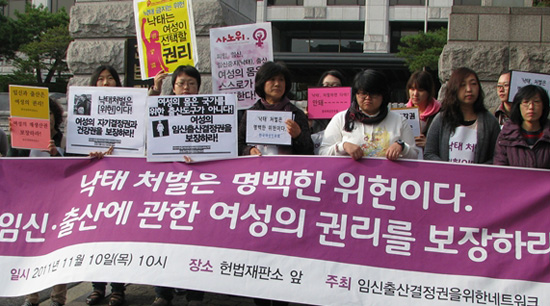
In our society, the perception of abortion is still not good.  The “abortion experience” section of several of the cases in the casebook shows that even some of the doctors who perform abortions can’t think outside the box of societal norms (Caption, above: 임신출산결정권을 위한 네트워크는 헌번재판소 공개변론일에 맞추어 ‘낙태 처벌 반대’를 주장하며 집회를 가졌다; A network for pregnancy and childbirth decision-making rights holds a gathering and argues for “opposition to abortion punishments” to address the public proceedings at the Constitutional Court).

낙태를 결심하고 병원을 찾은 여성들 역시 죄책감에 시달리고 말 못할 비밀을 갖게 되는데, 미혼이니 당연히 낙태를 선택할 것이라 생각한 의사며, 헤픈 여자라는 시선으로 싸늘하게 대한 간호사의 태도는 그들에게 낙태에 대한 부정적인 인식을 더욱 강화하게 만든다. 낙태는 축복받을 일도 아니지만, 어떤 측면에서는 ‘시선의 폭력’이라는 생각이 든다. 그리고 이런 식의 ‘낙인’들이 낙태 경험을 가진 여성을 더욱 더 말할 수 없는 존재로 만들어버린다.

Women who decide to have an abortion and find a hospital suffer from a sense of guilt and acquire a secret they can’t tell, of course, and while there are doctors who think that it’s natural to get an abortion because a woman is unmarried, the attitude of nurses who consider them sluts and treat them coldly further reinforces to them the negative perception of abortion.  Abortion isn’t a blessed event, but in some ways, this [attitude] seems like a “violence of perception”.  Also, those kinds of labels make women who’ve had abortions more unable to speak.

(Source)

사실, 국내에서 낙태에 대한 정확한 수치를 파악조차 하기 힘들다고 한다. 국가에서 의료인과 일반 여성들을 대상으로 인공임신중절 실태조사를 했지만, 생각보다 적은 수로 나온다. 그만큼 낙태는 음성적으로 행해져왔고, 대책을 세우기도 쉽지 않은 상황이다. 여성의 낙태 경험을 이야기 할 수없는 사회적 분위기가 낙태를 ‘비현실적인 것’으로 만들어버린다. 하지만 낙태는 여성에게 ‘일어날 수 있는 사건’이다.

Truthfully, it is said to be difficult to even figure out the exact number of domestic abortions. Research on the artificial termination of pregnancy has been done targeting the country’s health care providers and average women, but the numbers were smaller than expected.  Abortion has been done that secretly; also, it is not easy to establish measures.  The social atmosphere in which women can’t talk about their abortion experiences has made abortion an “unreal thing.”  However, abortion is an event that can happen to women.

낙 태 경험을 드러냄으로써 낙태가 단순한 것이 아니라 복잡한 상황 속에서 내린 매우 어려운 선택이었고 큰 고통이었음을 세상에 이야기하는 것이 중요한 의미가 있다는 생각이 든다. 나 역시도 사례집을 읽기 전까지는 낙태를 경험했던 내 친구가 겪었을 고통을 깨닫지 못했으니까. 내 주변에는 낙태 경험이 없다고 생각했었다. 적어도 사례집을 읽기 전까지는 친구가 내게 낙태 경험을 이야기했다는 사실 조차 기억하고 있지 못했다.

Through the disclosure of experiences with abortion, it occurs to me that abortion is not a simple thing, but a very difficult choice made in a complicated situation, and telling of that great pain to the world has important meaning.  That’s because before reading the casebook, I too did not realize the pain that my friend who had an abortion went through.  I had thought that no one around me had had an abortion.  Before reading the casebook, at least, I hadn’t even remembered the fact that my friend had told me she’d had an abortion.

(Source)

몇년 전, 방학이라 한동안 연락이 끊어졌던 친구가 개강 후 만난 내게 가볍게 ‘애 떼러 갔다 왔다’고 웃으며 이야기했던 적이 있었다. 그 당시의 나는 ‘아, 그랬구나’ 대수롭지 않게 넘겼지만, 사례집을 읽으면서 뒤늦게 그 친구가 내게 그렇게 이야기하기까지 얼마나 힘들었을지, 웃음 뒤에 숨겨진 그 친구의 아픔을 이제야 이해하고 공감할 수 있었다. 이런 낙태 경험을 공유함으로써 어쩌면 여성들끼리의 연대가 형성되고, 또 그렇게 여성들이 뭉칠 필요가 있지 않을까 하는 생각이 든다. 그런 의미에서 이 사례집 발간은 연대의 시발점이 되지 않을까 싶다.

A few years ago, a friend who I hadn’t been in contact with during a [university] break said to me, when we met after the start of classes,  “I went to have a baby removed,” lightly and with a smile.  “Oh, I see,” I said, passing over it as not a big deal, but while reading the casebook, I can finally understand and sympathize, belatedly, with how hard it must have been for her to tell me that, and the pain that was hidden behind her smile.   I think that through sharing these kinds of experiences, solidarity may be formed between women, and that women standing together in that way might be necessary.   In this kind of meaning, the publishing of the casebook could become a starting point for solidarity.

인간은 사회적 동물이기에 사회가 인간에게 미치는 영향력은 굉장하다. 그 맥락에서 낙태를 여성 개인의 한 문제로 볼 수 없을 뿐더러, 여성 개인의 문제로 국한시켜서 책임을 지울 수도 없다. 낙태를 금지(pro-life)냐 허용(pro-choice)이냐로 먼저 따지기 전에, 낙태를 둘러싼 입체적인 사회적 배경을 먼저 읽어야 할 것이다.

Because humans are social animals, the influence that society has on people is tremendous.  In that context, not only can we not look at abortion as an individual woman’s problem, but we also can’t limit it to an individual woman’s problem and thus saddle her with the responsibility.  Before quibbling over being pro-life or pro-choice, we need to first read about the multi-dimensional, societal background that surrounds abortion.

(Many thanks to Marilyn for the mammoth translation)

Learning From Korean Family Planning Advertisements of the 1960s-1980s

…American military officers helped make abortion the population control tool of choice in those Asian countries where they wielded influence, first in Japan in the late 1940s and 1950s, then South Korea in the 1960s. USAID, America’s aid agency, provided Jeeps for mobile clinics which roamed South Korea performing abortions. At one point, a quarter of the country’s health budget was going on population control and the number of abortions hit an all-time record in Seoul, where, in 1977, there were 2.75 abortions for every live birth. “What would have happened if the government hadn’t allowed for such easy abortion?” asks one sociologist. “I don’t think sex-selective abortion would have become so popular.”

(Review of Mara Hvistendahl’s Unnatural Selection: Choosing Boys Over Girls, and the Consequences of a World Full of Men, @The Economist)

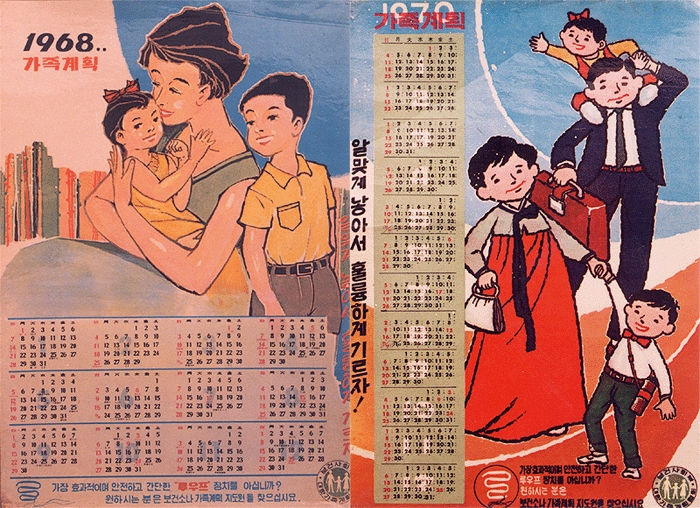
Apropos of the above quote, let me present some government advertisements of the period to give you a better impression of that amazing zeal for population control back then. Also, that whereas couples were encouraged to have two children in the 1970s, and not to favor boys over girls, that this would be reduced to only one child by the 1980s. Messages about the sex-ratio were invariably diluted.

Obviously, these would come to play a huge role in today’s world-low birthrate, the difficulty many Korean men are now having in finding wives (although fortunately the sex-ratio among newborns has since been normalized), and the ensuing massive influx of overseas brides. Less obviously, they defy stereotypes about Koreans’ squeamishness when it comes to sexual matters, as I’ll explain.

But first, some context. All 30 or so advertisements I’ve been able to find were produced by the Planned Parenthood Federation of Korea (대한가족계획협회; now known as the Planned Population Federation of Korea {PPFK; 인구보선복지협회}) and/or the now defunct Ministry of Health and Social Affairs (보건사회부), and can be found here, here, here, and here, as well as (best) on the PPFK’s website.

(Text, both calenders—”Did you know that the most effective, safest, and simplest device is the loop (IUD)? People who want one, please go to a welfare or family planning center.” Black headline, right calender—”Let’s have the proper number of babies, and raise them well!”)

Formed in April 1961 just before the coup, the PPFK would soon have the strong support of the military government. But according to Seungsook Moon in Militarized Modernity and Gendered Citizenship in South Korea (2005; pp. 81-2), its activities wouldn’t really take off until the 1970s, which possibly explains its rather uninspired efforts above (but note though, that the government itself was extremely active in population control well before then):

The modernizing state had to launch aggressive propaganda for family planning because the idea of contraception was foreign to most Koreans, who tended to believe that having many children meant good luck and that every child would bring his or her own food into the world….

….The state…worked closely with the PPFK to change the public perception of birth control, establishing a department of public relations in 1970 to make the idea and practice of contraception familiar to the populace. The PPFK increasingly relied on mass media (radio, television, newspapers, magazines and education texts of its own) to disseminate positive images and information about families with a small number of children. To encourage popular participation, the PPFK organized popular contests of various kinds, ranging from posters, songs, and slogans to stories of personal experiences by mothers and wives concerning contraception.

A fascinating book, it’s difficult not to quote much more here, as the next few pages make it clear that Korea’s population policies were just as systematic and draconian as China’s. In light of what is revealed in Hvistendahl’s more recent book though, it is strange that it doesn’t also discuss abortions, but it does mention that while IUDs insertions were offered freely in the 1960s (with the Marine Corps mobilized to provide them to isolated islanders), and considered the “patriotic” and “ideal” form of contraception (but with the pill also introduced in 1968 to alleviate their effects, in stark contrast to Japan), by the second half of the 1970s it would be female sterilization that was offered and aggressively applied, becoming “what can only be described as a sterilization mania” by the 1980s. Between 1982 and 1987, over 2 million Korean women would be sterilized, a “semiforced mass sterilization” that “led to abrupt reductions in the fertility rate and the rate of population growth in the 1980s” (p. 85).

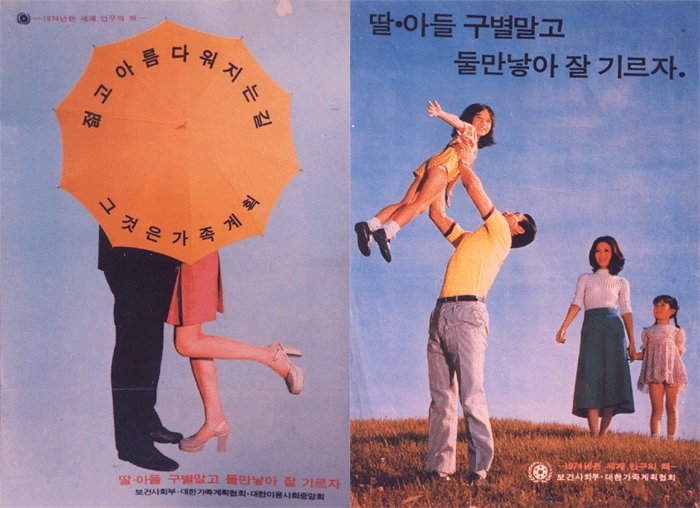
(Left, umbrella—”The path to youth and beauty is family planning.” Both posters—”Don’t discriminate between boys and girls, have only two children and raise them well.” {This slogan can be seen on many 1970s posters}.)
(Left, headline—”Which method is good?”; cup—”Family planning consultations”; man, text —”I’ll do it”; text, bottom—”1975 is International Women’s Year.” Right, 19th Family Weekly Magazine May 5-12 1974—”The World has One Destiny”; “NCC=The National Council of Churches in Korea.”)

This poster on the left above is particularly interesting, and not just because that was the year that March 8—which *cough* happens to be my birthday—was made International Women’s Day (alas, I was born a year later). Rather, it’s because of the guy saying “I’ll do it”, which couldn’t help but remind me of young Koreans’ surprising attitude that contraception is exclusively men’s responsibility (as indeed the Japanese think too). However, women were overwhemingly the focus of population control drives back then (Moon notes that only 1 vasectomy was performed for every 10 IUD insertions, although I think the ratio to female sterilizations would have been more useful), and women’s organizations co-opted or specifically created by the state to carry them out, so it seems anachronistic to see a connection between young Koreans’ attitudes today and those of their parents at the same age.

Indeed, this one on the left below turns out not to be about family-planning at all, but rather women’s rights:

(Left, headline—”We are all [the same] human”; Man (clockwise from hat)—”Family registry rights, parental rights, inheritance, children, estate”; Text—”Women’s Family Law Change Committee”. Right, arrow—”The path to a Gross National Income of of $1000 in 1981″; Text, below—”[Previous 1970s’ slogan]”.)

Next, before moving on to posters from the 1980s, note that sterilization campaigns would come to be complimented by various economic incentives (p. 85):

In 1981, confronting negative economic growth for the first time since 1982, along with a decrease in the number of sterilization acceptors, the state issued “Countermeasures to Population Growth.” These measures were characterized by incentives to a family with one or two [James – ?] children; priority in getting housing loans and business loans, monetary support of low-income families, and free medical service for the first visit. During the 1980s, variations of these kinds of incentives were introduced almost every year.

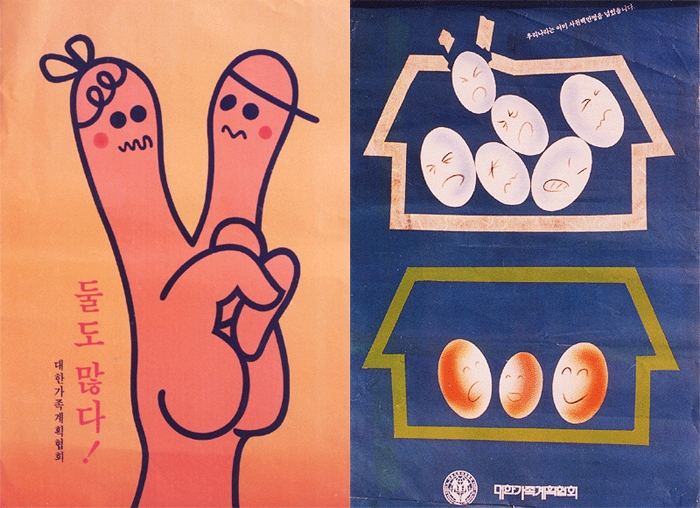
(Left—”Two children is many too!”. Right—”Korea’s population has already exceeded 40 million”.)

And here are two posters with sons, and then two with daughters. But note that, confusedly, there were also some with two children like those in the 1970s though, and that clearly the government and PPFK were still very much concerned about the sex-ratio.

However, like I said that message was surely somewhat diluted by having some posters featuring and explicitly praising having a son, and it would be interesting to do a content analysis to determine the ratio of those that depicted sons to daughters, two children, or (preferably) a sex-neutral image like the eggs above:

(Left—”One family, full of love. One child, full of health”. Right, headline—”Because of one son”; Text—”Overpopulation is everybody’s responsibility”.)

(Top—”A blessing of one child, loved strongly”. Bottom—”Raise one daughter well, and you won’t envy [those who have] ten sons”.)
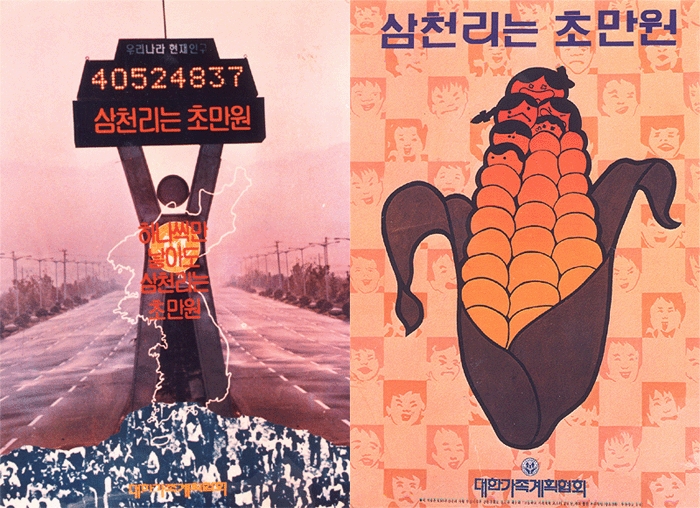
(Left, sign—”Korea’s current population: 40,524,837, Korea is overflowing”; Text in map—”Even if you only have one child, Korea is overflowing”. Right—”Korea is already overflowing”.)

Finally, please note that these posters are just a handful of those available on the PPFK website, and which in turn must be a small sample of all that were produced. But in combination with what I’ve learnt from Militarized Modernity, they’ve still lead me to an interesting conclusion. Which is that, bearing in mind Koreans’ reputation for procrastination, yet doing things with outstanding zeal and efficiency once they set their minds to them (albeit usually precisely because of putting them off for so long), sexual matters are no exception, despite Koreans’ conservative reputation. Moreover, and intriguingly, it appears that young Korean couples of the 1970s and 1980s were likely to have been much better educated and informed than their children are now.

Assuming it does exist, what on Earth happened in the 1990s and 2000s to account for this curious generation gap? And why, even though technically adults rather than children were the target of government campaigns in the 1970s and 1980s, is sex education in Korea today so appalling?

Korean Sociological Image #65: First Commercial to Positively Feature a Korean Woman with a Non-Korean Man? (2006)

(Source: Paranzui)

Turn on a Korean TV, and you won’t be waiting long before you see a commercial with a Korean man in a relationship with a non-Korean woman. But for a long time, I was only aware of one ever produced with the opposite pairing, which I discussed back when it came out in July last year.

Since then, there has also been at least one music video produced that positively features a Korean woman with non-Korean men (not just the one man in this case!), which you read more about at Mixtapes and Liner Notes and Fanboy vs Fangirl here, here, and here. But again, there’s many many more with the opposite pairing (see here, here, and here for examples). And as far as I know, no more commercials with Korean women hitting on non-Korean men.

It turns out though, that Lee Hyori (이효리) did so back in 2006 in a commercial for Anycall, a mobile phone brand. I must have seen it a hundred times on TV that year, but only ever the fifteen second version, in which the ethnicity of the lucky gentleman at the end was unclear. I would automatically have assumed he was Korean then, but he’s actually Caucasian (with a hint of Latino?), as you can see at 0:27 in the thirty second version above.

As always, I’d be happy to be proven wrong — again(!) — with any further examples of similar pairings. But I doubt I’ll ever receive enough to challenge this clear discrepancy in the Korean media’s representations of different genders and races, which is why I raise it here.

For any readers further interested in why that discrepancy exists, please read last year’s post for more background and many more links.

Update 1) As soon as I’d packed away my netbook and was walking home, I remembered that there was indeed one more example from last year, a promotional video for the 2010 G-20 Seoul Summit. It features a Korean woman and Caucasian man having a traditional Korean wedding, just like I had (the kiss is just for show though—traditional Korean weddings are really quite sombre affairs!):

Update 2) With thanks to Dan for passing it on, here’s a recent commercial for a smartphone, apparently with screen quality so good you’ll be able to see your foreign boyfriend’s bit on the side reflected in his sunglasses:

Until I saw that, I was wondering if the “positively” in the title was a little redundant. But now it seems more apt than ever!

(For more posts in the Korean Sociological Images series, see here)

“Single Mothers are Ignorant Whores”: Update

(Source)

As you’ll recall from last month’s article, about the Ministry of Health and Welfare (보건복지부; MOHW) once defining single mothers as having “low levels of education [and] impulsive sexual drives”, I promised to find out how recently that had been posted on the Ministry’s website, speculating that it was sometime within, say, the last decade or so.

You can imagine my surprise then, when Seunghee Han of the Korean Unwed Mothers Support Network (한국미혼모지원네트워크; KUMSN) informed me that wasn’t removed until as recently as May 2010. This was in response to Executive Director Heejung Kwon posting the definition on the Missmammamia (미스맘마미아) website, which prompted many mothers to write directly to the Ministry to complain.

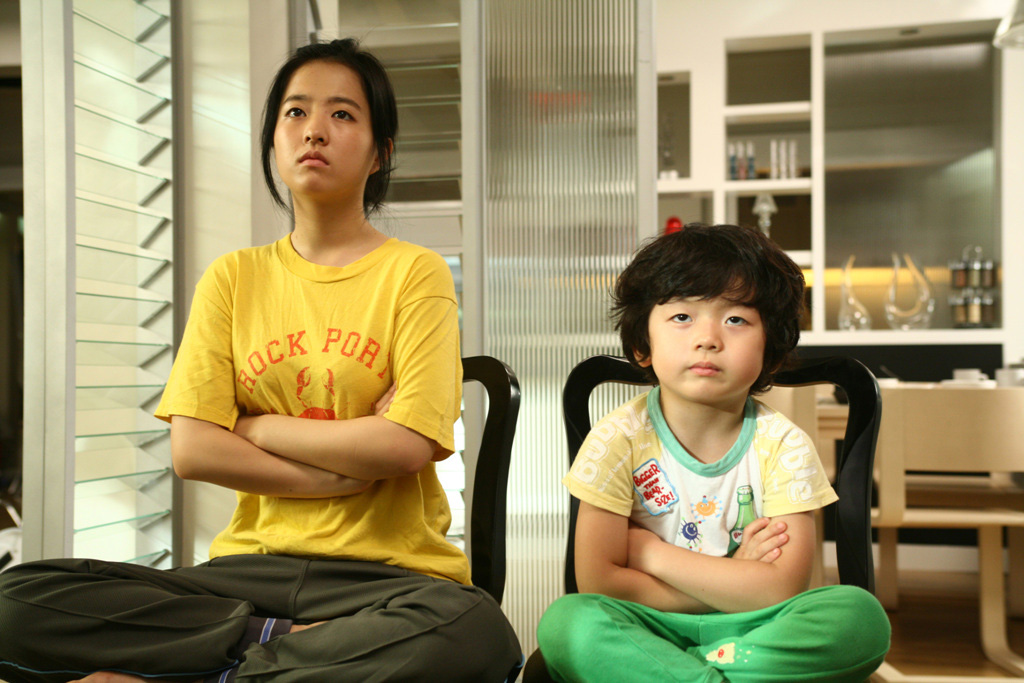
Unfortunately however, the definition that has replaced it is also a little problematic, implying that most Korean single mothers are in their teens. Whereas that is certainly true of most Western countries though, and – if the 2008 Drama Little Mom Scandal (리틀맘 스캔들) above is any guide – may also be the Korean public’s perception, the reality is that most are in their late-twenties or early-thirties, as the following post on the KUMSN website makes clear:

(For a good introductory article to the plight of single mothers in Korea, see the New York Times here)

건강길라잡이사이트문제있습니다 / A Problem with the Health Guide Website

건강길라잡이는 보건복지가족부와 건강증진사업지원단에서 운영 중인 국민 모두의 건강증진을 위한 건강증진사업 홈페이지입니다. 그런데 여기에 쓰인 미혼모의 정의는 이상합니다.

The “Health Guide” is a website jointly run by the MOHW and the Management Center for Health Promotion for the public health of all citizens. However, the definition of single mothers on it is strange.

합법적이고 정당한 결혼절차 없이 임신중이거나 출산한 여자를 미혼모라고 정의내리고 있는데 마치 미혼 임신, 출산을 하면 모두 불법을 저지르고 있는 범죄인으로 여기고 있는 것 같습니다.

According to the definition, single mothers are women who are pregnant or who have given birth who have not gone through the legal and proper marriage procedures. Put this way, it sounds like all unmarried pregnant women or mothers have committed some sort of crime!

그리고 기본적으로 미혼모를 대부분 10대라 여기고 있습니다. 그러나 2010년 조사한 바로는 한 지역사회에 있는 미혼모의 경우, 평균 나이는 20대 후반 30대초반이라는 결과도 있었습니다.

Also, it basically says that most single mothers are in their teens, whereas according to the results of a survey of single mothers in one local area [James – unnamed] in 2010, most were in their late-twenties or early-thirties.

국민들의 건강을 증진하기 위해 유익한 정보를 제공하는 사이트에서도 이런 잘못된 정보를 제공하기 때문에 미혼모들에 대한 사회적인 인식이 더디게 바뀌고 있습니다. 잘못된 정보는 정정되어야 합니다.

Because there is wrong information even in a guide aimed at promoting citizens’ health, the public perception of single mothers is slow to change. This wrong information needs to be corrected.

(Source)

And here is the section of the guide/website referred to:

10임신과미혼모 / Teen Pregnancy and Single Mothers

미혼모 : 합법적이고 정당한 결혼절차 없이 임신중이거나 출산한 여자.

Single Mother: A pregnant woman or mother who has not gone through the correct and proper marriage procedures.

산업화 도시화 과정, 성에 대한 가치관이나 태도의 변화, 이성교재의 범위가 늘어남에 따라 미혼모의 수가 계속적으로 증가. 미혼모 중 약 25%는 10대.

Because of industrialization and urbanization, people’s sense of values about and attitudes towards sex are changing, and more people [James – I think it means unmarried people] are having sexual relationships. Accordingly, the number of single mothers is rising, and roughly 25% of those are in their teens.

(James – Before you quite rightly point out that 25% isn’t “most” single mothers, the guide contradicts itself just two lines further down)

미혼모에 대한 정확한 통계는 없으나 전국 출산력 조사결과 18~34세 미만의 미혼여성들 중 3.4%가 임신의 경험이 있는 것으로 추정.

While it is difficult to get accurate statistics about single mothers, based on the results of a national birthrate survey [James – unnamed] it is estimated that 3.4% of single women aged between 18 and under 34 have had the experience of being pregnant (source, right).

미혼모는 대부분 10대 임신으로 교육적 경제적 정도가 낮아 충분한 건강관리를 받을 수 없으며 부모로서의 발달과업을 달성할 수 없다.

As most single mothers are teenagers, with inadequate access to healthcare and low levels of education and earning ability, then they can not really succeed as parents.

신체적인 미숙과 영양부족으로 유산, 조산, 저체중아 출산 등 고위험 임산부와 고위험 태아 및 신생아가 된다.

Teenagers that are not fully physically developed, and/or are malnourished, are at high risk of having miscarriages, premature births, underweight children, and/or complications during their pregnancy.

미혼인 여성이 임신을 하면 임신한 결과를 인공유산과 분만 중 어느 쪽을 선택할 것인지를 결정해야 하고 분만을 할 경우는 자신이 키울 것인지 입양을 시킬 것인지를 결정해야 한다.

If a single woman becomes pregnant, her two options are having an abortion or delivering the baby. If she chooses the latter, then she has to decide if she will raise it herself or offer it for adoption.

우리나라의 경우 84.8%가 인공유산, 분만은 15.2%(김승권, 1992)

In Korea, 84.8% of women in such a situation choose to have an abortion, and 15.2% choose to deliver it. (Kim Sung-gwon, 1992)

(Source)

Apologies for not being able to find the title of the book referred to for the last figure, but I’m afraid I’ll have to recover from the shock of seeing a 19 year-old source used before I start looking. Moreover, combine that with the sloppily-written, contradictory, and incorrect information provided earlier, then frankly – and ironically – it’s only as I type this that I realize how bad things must be for single mothers here.

Sure, call me melodramatic, and/or reading too much into what is most likely simply a hastily-written piece of work, but recall that it comes from an organization presumably charged with supporting single mothers, promoting their rights, and trying to overcome stereotypes. Yet if that’s the best that it can do, then I shudder to think of how other organizations and segments of society treat them, with the sterling exception of the KUMSN.

But to end on a lighter note: has anybody seen Little Mom Scandal, and/or know how sympathetic it was to single mothers? Please let me know!

(Thanks to Seunghee Han of the KUMSN for the information. And also to Marilyn for putting me in touch with her, and again for translating October’s much longer article!)

Ministry of Health and Welfare: “Unwed Mothers are Ignorant Whores”

(Source)
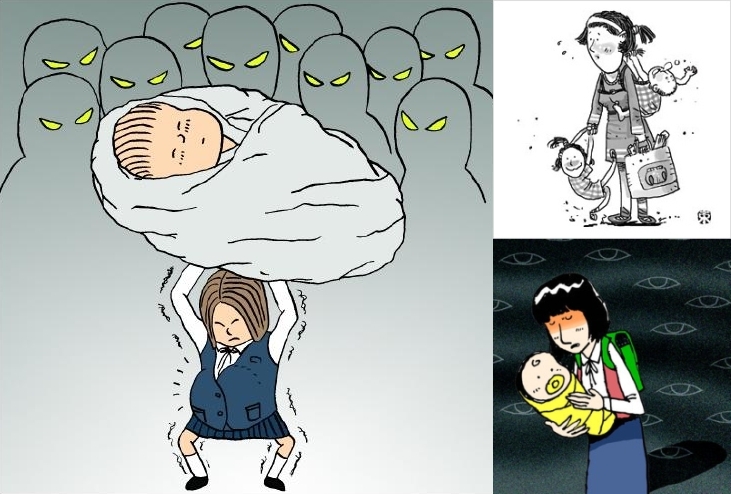
What? It said that? In 2011??

No, hopefully not so recently, especially with the increasing criminalization of abortion since last year. But as you’ll soon see, the Ministry of Health and Welfare (보건복지부) certainly did once define unwed mothers as such, and I’d wager within at least the last decade.

It was just in 2008, for instance, that singer Ivy (아이비) was vilified in the media for the heinous crime of having sex with her boyfriend, so by those standards the Ministry’s comments were not particularly outlandish. And while Ivy did eventually rehabilitate her reputation, unfortunately Korean society is still far from accepting women being so sexually “open and impulsive”, let alone so blatantly so as to have a child out of wedlock.

Whatever the date though, when even the organization charged with helping unwed mothers once stigmatized them, then you can imagine how badly they fare in society today.

Despite that, abortion opponents seem to have quite a sanguine image of what it’s like to raise a child as a single mother. Which is what prompted this anonymous Korean woman, who kindly recently wrote on TGN about how and why she got an abortion, to post a link to this imomNews article outlining how the reality is anything but. With thanks to Marilyn for translating it, here it is in full:

(Update – To my shock and disappointment, the Ministry’s appalling definition was actually on its website until as recently as May 2010)

‘동성애자’ 다음으로 차별 받는 집단 ‘미혼모 / Unwed Mothers Most Discriminated Group after Homosexuals

인식 개선 선행…정부지원 확대 /[With] improvement in perception as precedent. . . expansion of government aid

Image Caption: 최근 정치권을 중심으로 ‘미혼모’ 지원방안이 활발히 이루어지고 있다. 지난 3일 서울 여의도 국회에서는 ‘미혼모 지원정책 개선방안’ 포럼이 개최됐다 /Currently, political methods for supporting unwed mothers are actively becoming reality.  On Aug. 3, at the National Assembly in Yeouido, Seoul, an “Unwed Mothers Support Measures Improvement” forum was held.

‘학력이 대체로 낮고, 불안정한 직업에 종사한다. 자취나 하숙을 하고, 성에 대한 가치관이 개방적이고 충동적이다. 사회경제적 상태가 낮고 부모와 떨어져 사는 사람’이라고 과거 보건복지부가 운영하는 웹사이트 건강길라잡이는 미혼모에 대한 정의를 이렇게 내렸다.

“Usually low levels of education, with an unstable job. Lives by herself or in a boarding house, has open and impulsive sexual values.  A person whose socioeconomic situation is low, and who lives apart from her parents,” is how a website health guide operated by the past Ministry of Health and Welfare defined unwed mothers.

이처럼 사회의 부정적인 시선 탓에 미혼모에 대한 관심과 지원은 일부 사회복지시설을 제외하곤 전무후무한 것이 사실이었다.

Because of society’s negative views like these, it was true that, as for interest in and support for unwed mothers, a few social welfare facilities were the first and seemed like they would be the last.

특히, 1990년대 이후 정부와 시민단체 등의 노력으로 조손가정, 다문화 가정, 한부모 가정 등은 상당부분 인식개선이 이루어 졌으나 미혼모 가족만은 사회의 편견 속에 여전히 ‘눈총’의 대상이 되고 있다.

In particular, through the efforts of the government and civic organizations since the 1990s, perception of grandparent-grandchild families, multicultural families, and single-parent families has improved; among society’s prejudices, only unwed-mother families continue to be the target of stares.

때문에 형편이 좋지 않아 자립이 힘든 미혼모들은 자연히 입양을 생각하거나 권유받게 되고, 우리사회도 ‘낳아 기르는 쪽’ 보다는 입양을 암묵적으로 유도했다.

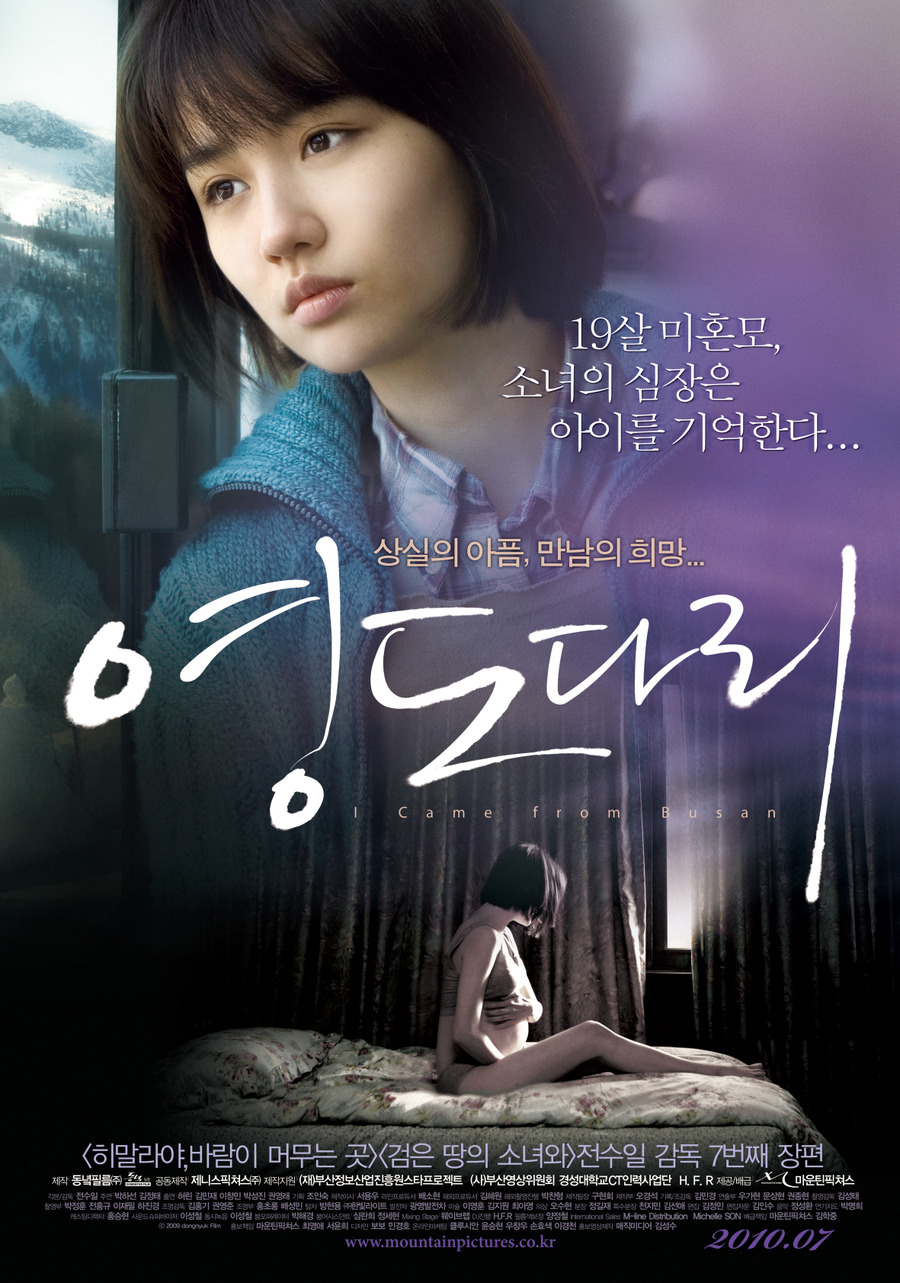
(I Came From Busan, 2009. Source)

Because of that, unwed mothers, whose circumstances are not good and so have difficulty supporting themselves, think of adoption of their own accord or are induced to adopt, and our society also implicitly supports the “have and raise side” less than it does adoption.

사정이 이렇다 보니 지난해 우리나라의 해외입양아는 미혼모의 자녀가 90%를 차지한 것으로 나타났다. 그러나 최근 이들에 대한 지원방안이 정치권과 시민단체, 기업 등을 중심으로 활발하게 논의되면서 미혼모 가족에 대한 관심이 일고 있다.

Because of this situation, last year it emerged that 90% of internationally adopted children from our country were the children of unwed mothers.  However, as ways to support them are currently being actively discussed in political circles, civic organizations, and businesses, interest in unwed-mother families is rising.

Image Caption: 던킨도너츠는 미혼모 정소향(21세) 씨를 정규사원으로 채용하면서 미혼모 채용에 적극 나서기로 했다 /By hiring unwed mother Jeong So-Hyang (21) as a permanent employee, Dunkin Donuts is actively taking a stand for the hiring of unwed mothers.

미혼모 인식 개선이 우선 / Improvement of perception of unwed mothers the priority

미혼모에게 가장 필요한 부분은 부정적인 사회의 시선이 관심과 보호의 시선으로 바뀌어야 하는 것이라고 전문가들은 지적했다.

Experts indicate that the most important thing unwed mothers must do is change negative societal views into feelings of interest and protection.

실제 지난 2009년 한국미혼모지원네트워크와 한국여성정책연구원이 실시한 ‘미혼모ㆍ부에 대한 한국인의 태도와 인식’ 설문조사에 따르면 미혼모는 동성애자 다음으로 가장 많은 차별을 경험한 집단으로 조사됐다.

In fact, according to the survey “Koreans’ attitudes toward and perception of unwed mothers and fathers,” carried out in 2009 by the Korean Unwed Mothers Support Network and the Korean Women’s Development Institute, unwed mothers were found to be the group that experienced the most prejudice, after homosexuals.

또한 설문에 참가한 2,000명 중 60% 이상이 미혼모에 대해 ‘판단력과 책임감이 부족한 사람’이라고 답변했다.

Also, of the 2,000 people who participated in the survey, over 60% answered that unwed mothers “are people who lack judgment and a sense of responsibility.”

김혜영 한국여성정책연구원 연구위원은 “미혼모의 경우 일종의 일탈자로 낙인 받고 있다”며 “미혼 부모에 대한 과감한 지원정책이 필요하다”고 지적했다.

(Sources: left, top-right, bottom-right)

Kim Hye-young, a senior researcher at the Korean Women’s Development Institute, said, “An unwed mother is branded as a kind of deviant.  We need bold support policies for unwed parents.”

이영호 서울시 한부모가족지원센터장도 “우리사회는 다양한 가족이 있고 모든 가족은 행복할 권리가 있다”면서 “그러나 우리 사회에서 미혼모가 아기를 키우면서 자랑스럽게 또는 당당하게 양육의 경험을 공유하고 그 안에서 성장할 수 있을까란 의문이 들때가 많다”고 아쉬움을 드러냈다.

Lee Young-ho, head of the Seoul City Single Parent Family Support Center, also showed frustration:  “There are diverse families in our society, and all families have a right to be happy.  However, there are many times when I question whether unwed mothers, while raising their children, can proudly or confidently share their child-rearing experiences and develop in that [kind of environment], in our society.”

이에 최근 여성단체와 미혼모 보호 시설은 미혼모 인신 개선 사업을 적 극 펼치고 있다.

Accordingly, women’s organizations and unwed-mother shelters are currently actively engaging in a project to improve the perception of unwed mothers.

지난달 28일 서울시한부모가족지원센터와 20여 곳의 미혼모관련 단체들은 ‘미혼모지원단체협의체’를 발족하고 미혼모 인식 개선을 위한 다양한 논의를 시작했다.

On July 28, the Seoul City Single Parent Family Support Center and about twenty organizations for unwed mothers started the ‘Unwed Mother Support Organization Council” and began a variety of discussions designed to improve the perception of unwed mothers.

그 첫 번째 사업으로 사람들에게 부정적 이미지가 강했던 ‘미혼모’를 공모를 통해 ‘두리모’로 대체하기로 했다. 두리모란 ‘둥근’이라는 뜻과 둘이라는 숫자를 의미하는 방언 ‘둘레’가 조합된 것이다.

For their first project, they agreed through a public contest to replace “unwed mother”, which had a strong negative image, with “doo-ree mother.” “Doo-ree mother” combines the meaning “round” [doong-geun] with the regional dialect word dool-leh, which means “two people.”

(Source)
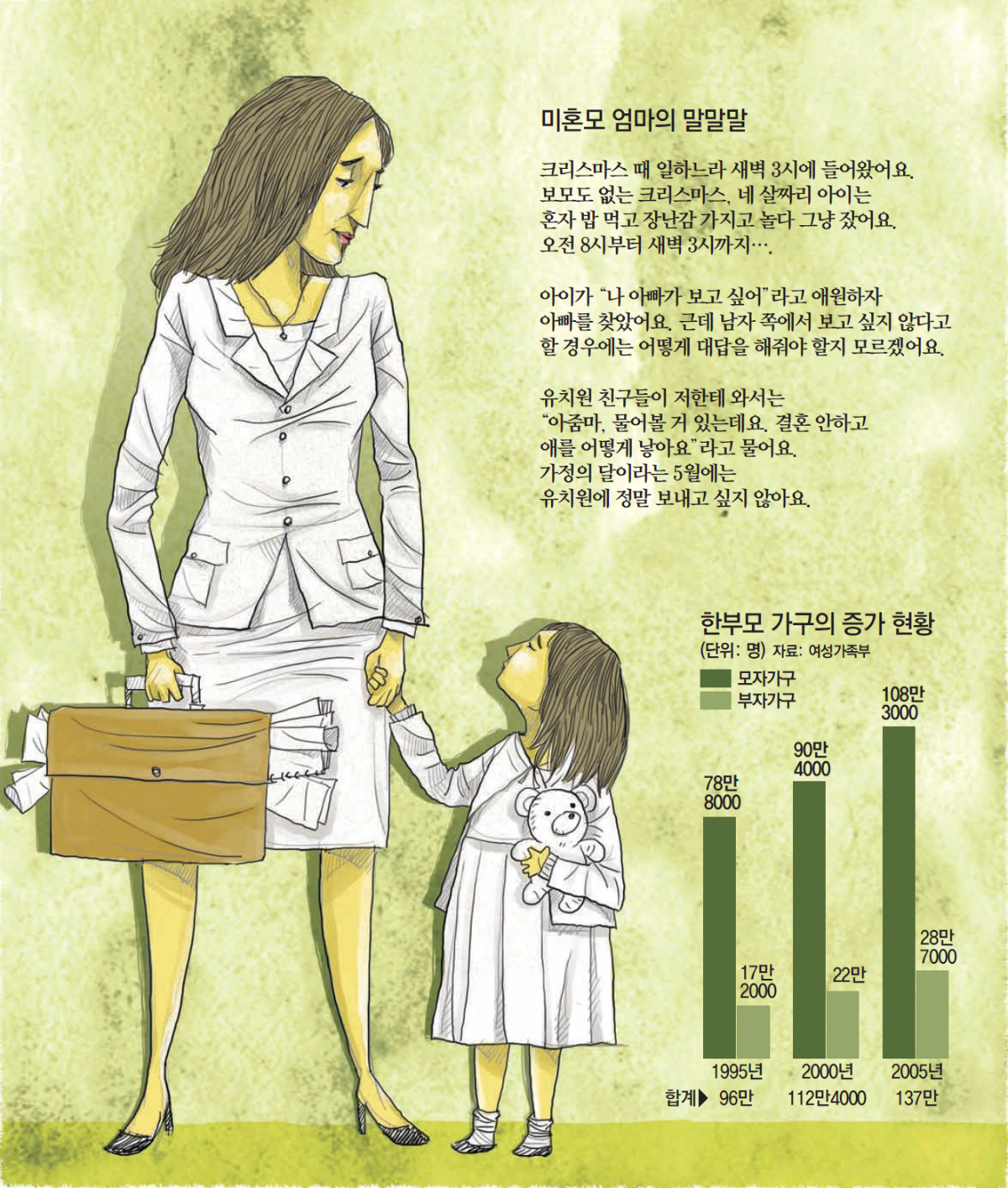
정치권ㆍ기업, 미혼모 자립위해 노력 / Efforts by political groups, business for unwed mothers’ independence [ability to support themselves]

정치권에선 ‘미혼모 자립’을 위해 관련법을 정비하고, 토론회를 통해 다양한 의견을 청취하고 있다. 기업들도 미혼모를 우선 채용하는 등 이들의 자립을 위해 힘을 쏟고 있다.

Political groups are modifying laws in order for ‘independence for unwed mothers,’ and through panels, they are listening to diverse opinions.  Through actions like prioritizing hiring unwed mothers, businesses are also devoting themselves to the cause of their independence.

특히 민주당 최영희 의원(국회 여성가족위원회)은 미혼모에 대한 지원을 확대하는 내용을 담은 ‘입양촉진 및 절차에 관한 특례법 전부개정안’ 등 관련법을 최근 국회에 제출하는 등 법 만들기에 앞장서고 있다.

Democratic Party Assemblywoman Choi Young-hee (National Assembly Gender Equality and Family Committee), in particular, is leading the way in making laws, some of which are currently submitted to the National Assembly, like “Overall Revision Bill for the Special Act Relating to Promotion and Procedure of Adoption,” the contents of which expand support for unwed mothers.

또한 지난 3일에는 한국미혼모가족협회·한국여성정책연구원와 공동주최로 ‘미혼모 지원정책 개선방안’ 포럼을 개최했다.

(Source)
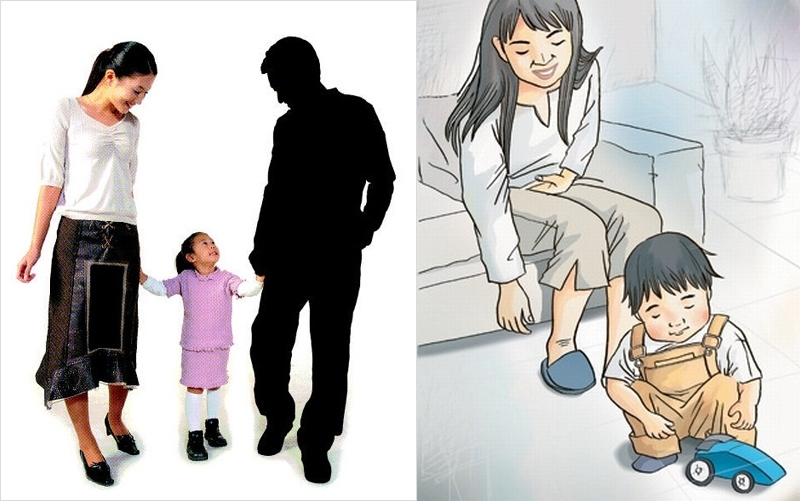
Also, on June 3, the Korean Unwed Mother Families Association and the Korean Womens Development Institute co-hosted the “Unwed Mothers Support-Policy Improvement Measures” forum.

이날 최 의원은 “해외입양의 90%가 미혼모의  자녀라는 점은 우리 사회의 아픈 현실을 반영하는 것”이라며 “직접 양육하기를 원하는 미혼모가 늘어나고 있는 만큼 양육비 지원을 현실화 하고 지역사회에서 안정적인 생활을 할 수 있도록 정부의 적극적인 지원이 시급하다”고 지적했다.

On that day, Assemblywoman Choi said, “That 90% of international adoption is the children of unwed mothers reflects our society’s painful reality.  As the number of unwed mothers who want to raise their children themselves rises, the government’s active support is urgently needed to actualize aid for child-raising expenses for a stable life in a community.”

한편 이날 포럼에서 김혜영 한국여성정책연구원 박사는 ‘양육미혼모의 자립기반실태와 지원방안’에 대한 연구결과를 발표했다.

Also at this forum, Dr. Kim Hye-young, researcher at the Korean Women’s Development Institute, revealed the results of a study on the “Current State of Groundwork for Independence of and Ways to Support Unwed Mothers Raising Children.”

김 연구원은 “60%가 넘는 미혼모가 양육비와 교육비의 문제로 어려움을 겪고 있고, 80%이상은 월세와 같은 불안정적인 주거생활을 하는 것으로 나타났다”면서 “안정적인 자립기반 구축을 위해 미혼모 가족에 대한 조기 개입의 필요성과 함께 지원의 폭을 보다 확대할 필요가 있다”고 주장했다.

Dr. Kim said, “It showed that over 60% of unwed mothers are struggling because of the costs of child-rearing and education, and more than 80% live in unstable housing situations like [those requiring] monthly rent. In order to build stable foundations for independence, early intervention for unwed-mother families, together with an expansion of the range of support, is necessary.” (Source, right)

또 목경화 한국미혼모가족협회 대표도 “우리나라의 미혼모정책은 시설에만 초점이 맞춰져 있어 시설에서 벗어나 자립을 하려는 미혼모들은 빈곤 상황을 쉽게 개선하지 못하는 실정이다”고 지적했다.

Furthermore, Mok Gyeong-hwa, a representative from the Korean Unwed Mothers and Families Association, pointed out, “Policies regarding unwed mothers in our country only focus on facilities, so unwed mothers who want to break free from facilities and live independently can’t easily improve their state of poverty.”

최 의원은 이날 논의된 내용을 바탕으로 ‘한부모가족지원법 개정안’과 ‘국민기초생활보장법 개정안’을 제출할 예정이다.

Assemblywoman Choi will present the “Single-Parent Family Support Law Amendment” and “National Basic Living Security Law Amendment” based on the discussions of that day.

기업들도 미혼모 자립을 위해 적극적으로 나서고 있다. 던킨도너츠와 배스킨라빈스를 운영하는 비알코리아는 미혼모 시설인 사회복지법인 동방사회복지회와 함께 미혼모 고용지원 협약을 체결하고, 던킨도너츠 매장에서 파트타임으로 근무하던 미혼모 정소향(21세) 씨를 정식 사원을 채용했다

Businesses are also actively taking a stand for the independence of unwed mothers.  BR Korea, which operates Dunkin Donuts and Baskin Robbins, together with the  Eastern Social Welfare Society, a welfare corporation that is an unwed mother [support] facility, signed the Unwed Mothers Employment Support Agreement and recruited unwed mother Jeong So-hyang (21), who had been a part-time employee at a Dunkin Donuts shop,  as a permanent employee.

June 16, 2011.

Reporter: Cheon Won-gi (천원기, 000wonki@hanmail.net)

“University Students’ Sex Culture is Out of Control”

(Source)

I warn you: while entertaining, this article is just sensationalist tabloid trash really. Which is precisely why so many Koreans read it back in July, and now you can too!^^

하룻밤후기에 인증샷까지막가는 대학생 性문화

As far as a confirmation shot after “one night”… university students’ sex culture is out of control

  • 하룻밤 성관계 맺고 “홈런쳤다” 글 올려 / Have a one-night stand and post “hit a home run”
  • 여성을 외모 따라 엘프·휴먼·오크…게임 캐릭터에 비유 / Women described as game characters – elf, human, orc – according to their bodies
  •  만남에서 잠자리까지…온·오프라인 강좌도 / From first meeting to bed . . . on- and off-line courses

사생활 존중 안중에 없는 기형적 대인관계 우려 /Concern about abnormal personal relationships in which respect for privacy is ignored

일부 대학생들의 성(性)문화가 ‘막장’으로 치닫고 있다. 이성과의 성관계 장면을 인터넷에 올리고, 거액을 주고 성관계 맺는 법을 가르쳐주는 학원에 다니는가 하면, 스마트폰을 이용해 하룻밤 파트너를 찾아다니고 있다. 최근 문제가 된 고려대 의대생들의 동기 여학생 성추행 사건도 이 같은 ‘막장 성문화’의 한 단면을 보여준 셈이다.

The sexual culture of some university students is headed for extremes. Some post sex videos on the Internet and pay a fortune to go to academies that teach how to get sex, while others use their smartphones to look around for one-night partners.  The current problem of the Korea University medical students’ sexual molestation of a female classmate also shows an aspect of this same “extreme sexual culture.”

(Source)

성관계 후기 남기고 인증샷까지 / As far as posting a confirmation shot post-sex

지난 8일 대학생 회원이 대부분인 인터넷 포털사이트의 한 카페. ‘블루’라는 아이디를 가진 회원은 “두 번째 부킹에서 만난 이날의 홈런녀는 K대 법학과 2학년. 간단히 술 마시고 모텔에 갔습니다. 집에 데려다 준 후 전화번호 삭제”라는 글을 올렸다. 글 아래에는 여학생이 벗어놓은 것으로 보이는 속옷 사진이 첨부되어 있었다. 홈런녀의 ‘홈런’은 성관계를 의미하는 은어. 이 회원이 남긴 글은 ‘홈런 후기’, 속옷 사진은 ‘홈런 인증’에 해당한다고 한다.

July 8th, on an Internet portal site’s cafe whose members are mostly university students.  A member with the ID “Blue” posted, “Today’s home run girl, the second I met though booking [process, found in some clubs, in which waitstaff drag women over to meet male patrons], is a second-year law student at K University.  We briefly drank alcohol and then went to a motel.  Erased her number after taking her home.”  At the bottom of the post there is an attached picture of undergarments that look like a female student took them off.  The “home run” in “home run girl” is slang for sex.  They say the post that this member left represents “post-home run”, and the underwear picture is “home run confirmation.”

이 카페의 다른 글에는 이성과 어떻게 만났는지, 모텔에 갈 때까지의 과정, 상대 여성의 나이와 신체 사이즈는 물론 학교·전공까지 상세히 적혀 있었다. 사실성을 부각시키기 위해 글의 말미에는 사진이 붙어 있다. ‘인증샷’이라고도 하는 이 사진 중에는 성관계 후 자고 있는 이성의 모습은 물론 가슴, 성기, 얼굴 등이 그대로 노출되어 있는 것도 있다. 심지어 ‘구장 입장권'(모텔 신용카드 영수증)을 첨부하는 회원도 있다. 이런 ‘인증샷’ 아래에는 “대박이다” “부러워요” “저도 가르쳐주세요” 등 수백개의 댓글이 달린다. 글을 남긴 회원은 부러움을 받는 동시에 이들 세계의 ‘영웅’이 되는 것이다. 이들 카페에는 전혀 알지 못하는 회원들끼리 나이트클럽으로 ‘사냥’을 떠나자는 글도 쉽게 찾아볼 수 있다.

In other posts in this cafe, there is of course how they met the other person, the process leading to the motel, and the female partner’s age and size, and also as far as school and major are written in detail.  To highlight the reality, pictures are attached to the end of the post.  Among these pictures, also called “confirmation shots,” there are of course the woman’s post-sex sleeping form, and also their breasts, genitals, and faces as they may be exposed.  There are members who even attach the “stadium ticket” (motel credit card receipt).  Below these “confirmation shots” there are hundreds of replies like, “Awesome,” “I envy you,” and, “Teach me too.”  The member who posted this is being envied, and he is becoming the “hero” of these people’s world at the same time.  In their cafe, it is also easy to find posts in which members who don’t know each other at all invite each other to go “hunting” in a nightclub.

서울의 한 사립대 경영학과 4학년인 최모(26)씨는 “친구들과 일주일에 한 번 정도 ‘원나잇’을 즐기기 위해 클럽에 간다”며 “누가 홈런을 많이 치는지 경쟁을 하고 카페에 글도 남긴다”고 했다.

(Source)

A Mr. Choi (26), fourth-year business management student at a private university in Seoul, said, “About once a week I go to clubs with my friends to enjoy a one-night stand.  We compete to see who can hit the most home runs, and leave posts in cafes.”

다른 포털사이트에서도 유사한 카페를 쉽게 찾을 수 있다. 인기 카페는 회원이 5만명을 넘는다. 글 내용에 ‘계절학기’ ‘수강신청’ ‘취업’이라는 단어가 자주 등장, 대학생 회원이 대부분이라는 사실을 알 수 있다. 남성 회원이 많지만 일부 카페는 여성만 회원으로 받고 있으며, 여성이 올린 ‘인증샷’과 ‘후기’도 가끔씩 찾아볼 수 있다.

It is easy to find similar cafes on other portal sites.  Popular cafes have more than 5,000 members.  At the frequent appearance of phrases like “vacation school”, “course registration”, and “getting a job,” one can know that most of the members are university students. There are many male members, but some cafes accept only women as members, and “confirmation shots” and “post-[home run]” uploaded by women can sometimes be found.

이런 카페들은 대부분 2008년 이후 개설됐으며 최근 회원이 급속히 늘어나고 있다. 한 인기 카페의 경우 글과 사진의 절반이 올해 올라온 것이었다. 특히 카페의 글에는 은어가 많아 기성세대들이 이해하기가 어려울 정도. 처음 보는 이성과 전화번호를 교환했을 경우엔 ‘#-close’, 키스를 했다면 ‘k-close’ 라고 칭하고, 성관계를 했을 경우 ‘F-close’ 라고 표시한다. ‘홈런’과 달리 성관계를 하지 못하고 돈만 쓰고 나왔을 경우엔 ‘내상’이라는 용어를 쓴다.

Most of these kinds of cafes have been opened since 2008, and these days the number of members is rapidly rising. In one popular cafe’s case, half of the posts and pictures were posted this year.  In cafe posts, especially, there is so much slang in the posts that the older generation will find them hard to understand. Exchanging phone numbers with the other person is “#-close”, kissing is termed “k-close”, and sex is indicated by “F-close.”  In contrast to “home run”, when they don’t have sex and leave after just spending money, the term “nae-sahng” is used [Marilyn – language exchange partner thinks this may be the opposite of 외상 (wae-sahng) which means to buy something on credit; so basically it would be paying for something now but not getting it].

상대 여성을 지칭한 용어도 노골적이다. 얼굴과 몸매가 뛰어난 여성은 ‘엘프(요정이란 의미)’, 평범한 여성은 ‘휴먼(사람이란 의미)’, 외모가 떨어지는 여성을 ‘오크(괴물이란 뜻)’로 표현하는 식이다. 인터넷 게임에 등장하는 캐릭터 이름으로 이성관계를 게임에 비유하고 있는 것. 지난해 대학을 졸업한 회사원 정모(29)씨는 “후배들과 모이면 무슨 얘기를 하는지 알아들을 수가 없다”며 “같은 20대인데도 세대 차이가 느껴진다”고 했다.

There terms used for the female partner are also frank.  In their style of expression, women with outstanding faces and bodies are “elves”, average women are “humans”, and women with below-average appearances are “orcs.”  This is comparing relationships with the opposite sex to a game, through names of characters from Internet games.  A Mr. Jeong (29), who graduated from university last year, said, “When I get together with my juniors [younger people from the same school], I can’t understand what they’re saying.  Even though we’re all in our 20s, I feel a generational gap.”

(Sources: left, right)

스마트폰, 막장 성문화 부채/ Smartphones, fanning the flames of extreme sexual culture

최근 보급되고 있는 스마트폰은 막장 성문화의 주요 도구로 이용되고 있다. 스마트폰의 보급률과 인터넷 카페 게시물의 증가 시기가 일치하고, 선정적 게시물도 최근 집중적으로 늘어나고 있는 것. 스마트폰을 가지고 있는 대학생의 수는 지난 1월 기준으로 50%를 돌파했다. 스마트폰에는 고화질의 카메라 기능이 있을 뿐 아니라 인터넷 기능까지 있어 손쉽게 사진을 찍고 글을 올릴 수 있는 것이다.

Smartphones, popular these days, are being used as the main tools of extreme sexual culture.  The distribution rate of smart phones coincides with the age of rising numbers of Internet cafe posts, and suggestive posts, especially, are currently rising.  The number of university students who have smart phones has risen 50% since January.  Smartphones have not just a high-definition camera, but also Internet access, so one can easily take a photo and make a post.

여기에 이성과의 즉석 만남을 가능하게 해 준 애플리케이션이 등장하면서 스마트폰은 일회성 성문화를 더욱 부추기고 있다. 인터넷 카페 등에는 ‘하데로 홈런친 이야기’ ‘1㎞ 홈런 인증’ 등의 글을 쉽게 찾을 수 있다. 하데(하이데어)와 1㎞는 즉석 만남을 주선하는 스마트폰의 애플리케이션이다. 이용자가 100만명이나 되는 이런 애플리케이션은 반경 1㎞ 안에 있는 가입자들의 목록을 보여주고, 전혀 모르는 불특정 다수의 사람들이 쪽지를 교환할 수 있는 프로그램이다. 대학생 김모(26)씨는 “여자들에게 만나자는 쪽지를 쭉 돌리다 보면 한두 명 답이 온다”면서 “만나는 과정이 쉬울수록 그날 밤을 같이 보낼 확률도 높다”고 했다. 이런 애플리케이션의 보급으로 소셜네트워크서비스(SNS) 시대의 연애, 즉 소셜데이팅(Social Dating)이란 용어가 탄생했지만 건전한 교제보다는 ‘하룻밤 교제’에 사용되는 사례도 적지 않은 것이다.

Moreover, with the appearance of apps that make possible impromptu meetings with members of the opposite sex, smartphones are further encouraging one-off sexual culture.  In sites like Internet cafes, it is easy to find posts like, “story of a home run through Ha-deh” and “1km  home run confirmation.”  Ha-deh (ha-ee-dey-uh [hi there]) and 1km are smartphone applications that arrange impromptu meetings.  Apps like this, which have 1 million users, are programs that show a list of members within a radius of one kilometer and allow random, unknown people to exchange messages. University student Mr. Kim (26), said, “If I keep sending out messages to girls saying, ‘Let’s meet,’ I get answers from one or two people.  The easier it is to meet, the higher the chance that we will spend that night together.”  Through the popularity of this kind of app, dating in the era of social network service (SNS), or “Social Dating” was born, but there are fewer instances of it being used for healthy relationships than for “one-night relationships.”

성관계 가르치는 학원 / Academies that teach sex

비뚤어진 성문화는 새 직업도 만들어냈다. 할리우드 영화 ‘미스터 히치(Mr. Hichi)’와 우리나라 영화 ‘시라노 연애조작단’에 나오는 이른바 연애 컨설턴트다. 연애 컨설턴트는 연애를 못하거나 짝사랑에 잠 못 이루는 남녀를 구제해 주는 직업으로 1980년대 미국에서 처음 시작된 것으로 알려져 있다.

Warped sexual culture has also generated new jobs.  They are so-called dating consultants, like in the Hollywood movie Hitch and the Korean movie Cyrano Agency.  Dating consultants, beginning in the United States in the 1980s, are known as jobs for saving men or women who are bad at dating or can’t fulfill their one-sided love.

그러나 우리나라에선 연애 컨설턴트의 역할이 변질돼 길거리와 클럽에서 이성을 유혹하는 법, 단 한 번의 만남으로 성관계를 갖는 방법 등을 가르치고 있다.

However, dating consultants’ role in Korea is degenerate and involves teaching methods like ways to seduce the opposite sex on the street or in a club, and how to get from the first meeting to sex in just one shot.

‘픽업 아티스트’라고도 불리는 이들은 남성 전용 인터넷 카페에서 주로 활동한다. 자칭 ‘연애 고수’ ‘작업의 달인’들이 픽업 아티스트이다. 이들은 주로 대학생 회원들을 상대로 돈을 받고 ‘비법’을 가르친다. 통상 온라인 수강료는 30만원, 오프라인 수강료는 150만원쯤 한다. 단과반과 종합반으로 나뉠 뿐 아니라 1박 2일 동안 집중 교육을 받는 ‘부트캠프(신병훈련소)’까지 있다. 길거리에서 여성을 유혹하는 ‘헌팅이론’, 나이트클럽에서 이성을 유혹하는 ‘클럽이론’, 즉석 만남에서 잠자리까지 이르는 방법을 가르치는 ‘홈런이론’ 등 학과목도 다양하다. 픽업 아티스트 A씨는 “20대 초반 대학생들이 주요 수강생”이라며 “말하는 법부터 (전화)번호 따는 법, 홈런치는 법까지 다 가르쳐준다”고 했다. 그는 또 “직접 제작한 교재를 사용하는데, 강의를 듣고 나면 인생이 180도 바뀔 것”이라고 주장했다.

(Source)

These people, also known as “pickup artists,” are mainly active on men’s Internet cafes.  The self-styled “dating masters” and “come-on experts” are pickup artists. They mainly receive money from and teach the “secret method” to university students.  Usually, tuition for online is 300,000 won and for offline is about 1.5 million won.  They are not just split up into specialized courses and comprehensive courses, but there are even two-day/one-night “boot camps” for intensive instruction.  There is a variety of subjects, like “hunting theory”, which is how to seduce a woman on the street, “club theory”, for how to seduce the opposite sex in a night club, and “home run theory”, which teaches how to get from a first meeting to bed [in one shot].  Pickup artist “A” said, “Students are mainly university students in their early 20s.  I teach everything from how to speak, to how to get a (phone) number, to how to hit a home run.”  He also claimed, “I use teaching materials that I made myself; after attending my lecture your life will turn around 180 degrees.”

전문가들은 막장 성문화에 대해 대인관계의 왜곡은 물론 사생활 침해 등 우리 사회에 많은 부작용을 가져올 수 있다고 경고한다. 서강대 사회학과 전상진 교수는 “즉흥성에 의존한 인간관계가 젊은이들 사이에서 이뤄지고 있다”며 “깊숙한 관계가 되기 위해선 인간관계의 친밀도가 필요한데 젊은이들 사이에선 인터넷 기술 등의 발달로 인스턴트 섹스의 갈망이 커지고 있다”고 했다. 전 교수는 또 “인증샷 등을 볼 때 개인의 사생활을 지켜줘야 한다는 생각도 느슨해지고 있다. 기형적이고 불구 상태의 대인관계가 사회에 만연할까 우려스러울 정도”라고 했다.

Experts warn that extreme sexual culture could have side effects like distortion of personal relationships and of course violation of private life. Sogang University sociology professor Jeon Sang Jin said, “Relationships that depend on off-handednss are happening between young people. For a deep relationship, a level of [emotional] closeness is necessary, but between young people, with the development of things like Internet technology, the desire for instant sex is growing.”  Professor Jeon added, “When we see things like confirmation shots, our belief that personal privacy must be protected loosens.  I wonder if personal relationships’ abnormal and deformed state will spread in society, to an alarming level.”

Writers: Seok Nam-jun (namjun@chosun.com); interns Seo Sang-hee (4th year Chung-ang University student) and Kim Hyeon-gyeong (4th year Ehwa Women’s University student)

(Thanks very much to Marilyn for the translation)

Share

Getting an Abortion in Korea

(Source: Unknown)

Update, September 2014: This recent Groove magazine article on abortion is a must-read.

Update, August 2014: Please note that this post is nearly three years old, and that the author left Korea before it was written. I’m happy to pass on the name and address of the specific clinic she used, but unfortunately it may no longer be there, or may no longer be performing abortions.

Instead, I recommend listening to this May 2014 interview of another woman who had an abortion here, and contacting the producers of that podcast if you’d like any more information.

Thanks again to this university student for taking the time to write about her recent experience. Naturally, she’d like to remain anonymous, but she’d be happy to answer any questions readers may have in the comments (provided they’re not too intrusive):

……For me it started when I didn’t get my period. I was a bit worried as two weeks ago, during intercourse, my boyfriend’s condom slipped and so we had to change in the middle to a new one. Anyways, the pregnancy test kit came out with two visible lines. I was surprised and was stunned for about two minutes. Then, reality hit me: I didn’t cry, I immediately called my boyfriend, and we talked about this together, which I think was, for me, a better way to relax and calm down than crying.

We accessed the situation and decided to get an abortion, as we were both university students and thus didn’t have any ability to support ourselves. For me, having a baby in Korea meant that any chances of you getting a professional job was over, and I just couldn’t face that, not only because of my dreams but also because of the huge demands that my parents bore to put me in college. Even if we had the baby, I reasoned, we wouldn’t be able to raise him/her in a high-quality environment, as both of us would probably be working at low paid jobs w/ long hours just to support our family. We began to search up abortion clinics in our area and was lucky to find one with ease.

However, due to the government regulating abortions with more severity, we were worried about the price of an abortion. We searched up and found that (I was 4 weeks pregnant, or 2 weeks past from the initial fertilization) about 3 yrs ago, before the minister of health had said that stupid comment about abortion and fertility rates, it was about 400,000 won for women who were 4 weeks pregnant like me. But, more current searches showed that it could now be anywhere from 1 to 2 million won – basically it depends on what the hospital says, as there is no set price, and with the new regulations doctors can lose their license if it’s proved that they’ve done it more than 3 times. We were very stressed over this issue, as prices tend to skyrocket with each passing week (source, right).

Anyways, we entered the clinic, and I got an ultrasound. The doctor said that the fetus at that stage was too small, and that I should visit the next week. I was initially skeptical as I wasn’t sure if the doctor was telling the truth or if she wanted me to pay a bit more, but I had no choice, and did as the doctor told me. The following week I re-visited the clinic but this time a different doctor checked the fetus. And what she said made me upset. Basically, she told me that I shouldn’t have such a loose lifestyle, that I should care more about contraception, why I had waited so long before coming to visit, and so on and so forth. But I had no choice, since if I go to a different clinic I have to pay for the ultrasound again. After that dismal lecture, I went to discuss the pay and other things with another person (I don’t know what her job is exactly-maybe some sort of consultant?). The pay was 800,000 won, which was a relief. The consultant explained everything: how I shouldn’t eat anything 6 hrs before the operation, how I might not be able to have a baby ever again, how much it costs, what the aftereffects were, how I needed my boyfriend (who’s a bit older than I was) to act as a guardian and so I needed him to come with me on the day of the operation, and so forth.

During the next day, we desperately raised some money; I was worried as well not because of the money but because of the guilt. I tried to assuage my feelings – after all, a 5 week old baby doesn’t have its cerebrum developed yet; it doesn’t have feelings – but it was a bit hard. But in the end, the day came, and I went to the clinic, signed everything (the abortion was to be called a missed abortion, and since it’s outlawed I can’t demand any sort of papers from them), paid (in cash), and got ready for the operation. When I went into the operation room, it frightened me. There was this bed, and there was a little metal bowl right under it-that’s when it hit me the most that something that could potentially grow into a being with feelings would be erased forever, never to appear again, and it made me quite sad, but I had no choice – I couldn’t back out. They strapped me onto the bed, and I was knocked out. The next thing I remember is being back in the little ward (it’s very small-about the size of a small elevator, and is for one person only) with my boyfriend right next to me; apparently I had just cried, hugged the nurse and said “sorry” and “thank you”, and then had thrown up. After about 30 minutes of lying down and talking with my boyfriend, the dizziness subsided, the cramp in my stomach had went away, and I walked out of the ward. The lady at the counter said that I had to re-visit about 2 days from now, and then every 3~4 days to check up for the next two weeks (the price was all included in the initial payment) and gave me some medicine.

Overall, it was not that much of a traumatic experience, but I won’t ever be able to forget the little bowl. It saddens me even now (end).

(Source)

See here and here for two more accounts of getting an abortion, in Seoul and Busan respectively, and here for more context on the criminalization of abortion in Korea in recent years (or, technically, the sudden enforcement of existing laws, after being ignored for 60 years).

Update: See here for a thoughtful response to this post by Roboseyo.

Update 2:  And here for another by Angry K-pop Fan. Just to clarify something mentioned in both though, while my wife, for instance, was once unfortunate enough to come across a very judgmental pharmacist when buying the pill, that was over a decade ago. Indeed, as Gomushin Girl and many other commenters here have pointed out, that is extremely rare these days (especially in the cities), and regardless they did (and do) still sell it nevertheless, unlike some US pharmacists that refuse to for religious reasons.

Seniors Routinely Sexually Harass Juniors during “Membership Training”?

(Source)

When I first came to Korea in 2000, I soon got used to the notion that people should use nopimmal (높임말; respectful language) to their obvious “superiors”, such as their parents and bosses. But also to friends, even if they were just a year or two older? Call me a cultural imperialist, but I still balk at the notion that such people are genuine friends, and God knows what they’d make of the usually whiskey-fueled language my late friend and I, then twice my age, would use with each other (let alone what we usually talked about).

Still, it came as a real shock to hear students using it to some of their classmates at my university, even though the recipients were only just a few months older (I asked). In fairness, that didn’t happen at all at my wife’s university when she was a student, but suffice to say that I’m no longer particularly surprised when I hear of “seniors” taking advantage of “juniors” in various forms at Korean universities. And especially not on “Membership Training” (MT), which as you probably know involves a lot of drinking and various orientation and initiation rituals, as explained in the following report:

(As translator Marilyn notes, makjang means “extreme, in a negative way”, and is usually used to describe dramas where crazy things happen. Meanwhile, with thanks to SuzyinSeoul, the “OT” in the title means “Orientation Training”, one’s first MT)

(Sources: left, right)

막장 OT? ‘학내 성희롱’의 문제 보아야 / Makjang OT?  The problem of “school sexual harassment” must be considered

성희롱문제의 사각지대에 놓인 학생간 성희롱 / Sexual harassment among students is an unseen part of the problem of sexual harassment

얼마 전 인터넷 상에서는 서울 소재 모 대학의 신입생환영회가 논란이 되었다. 지난달 26일 인터넷 포털사이트 게시판에 “대학교 오리엔테이션, 이래도 되는 건가요?”라며 오른 글이 시작이었다.

Recently, the welcoming ceremony for new students at X University in Seoul has become a controversy on the Internet.  It was started by a post, titled “At a university orientation, is this really okay?” and put up on an Internet portal site’s message board on the 26th of last month [February].

성적 수치심 느끼게 하는게임시킨 선배들 / Seniors who make games that cause [juniors] to feel sexual shame

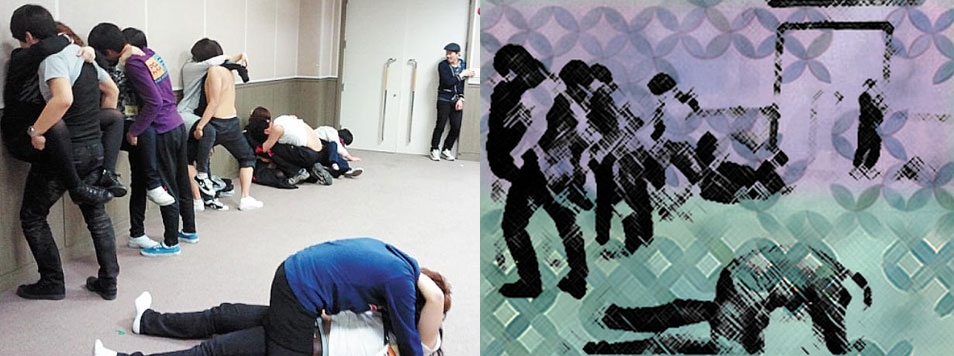
글 쓴이는 몇 장의 사진과 함께 “오리엔테이션에서 선배들이 후배들에게 성적으로 부담스럽거나, 수치심을 느낄 수 있는 행동들을 많이 시킨다”고 고발했다. 사진 속에는 남녀 신입생들이 몸을 밀착시키고 성행위를 연상시키는 동작을 취하는 모습들이 담겨 있었다. ‘게임’을 명목으로 강요된 것이었다. 글쓴이에 따르면, 술자리에서는 “정말 심한” 벌칙들도 많았다고 한다.

The writer of the post put up several pictures and charged, “At orientation, seniors force their juniors to do sexually embarrassing or shameful things.”  In the pictures, new male and female students press their bodies against each other and make sexually suggestive movements.   This was coerced under the pretext of a “game.”   According to the post’s writer there are also many “really severe” penalties at drinking parties.

(한 포털사이트에 성적 수치심을 느끼게 하는 ‘게임’을 강요하는 ‘신입생 오리엔테이션’ 문화를 고발한 글이 올라와 논란이 일었다.)

(Caption [to above image]: A post charging that a “new-student orientation” culture forces the playing of “games” that cause sexual shame was put up on a portal site and became a controversy.)

(Source)

문제의 사진들은 ‘막장 OT’라는 이름이 붙어 여러 게시판들로 퍼져나갔고, 몇몇 언론에서도 이 사건을 보도하면서 관련 학교와 학생들에게 비난이 가해졌다. 이후 사건은 해당 학교 총학생회가 사과문을 게시하는 선으로 마무리되었다.

The pictures were named “Makjang OT” and spread to several message boards, and as several media outlets reported on this story as well, the school and students involved were subjected to criticism.  After that, the student government at the university brought the incident to a close by posting a written apology.

이 사건은 인터넷 여론이 흔히 그렇듯 사건의 선정성에만 초점이 맞춰져, 관련 대학을 공격하거나 폄하하는 데에만 치중되었다는 인상을 준다. 그리고 논란의 열기는 금방 식었다.

As usual, public opinion on the Internet has focused on the sexual aspects of the story and so given the impression that it has only concentrated on attacking or disparaging the university in this area. Also, the heat of the controversy cooled down immediately.

이 사건이 문제인 것은 건전해야 할 대학 내 행사에서 선정적인 행위를 했기 때문이 아니다. 선배들의 권위를 내세워 신입생들에게 원하지 않는 성적인 행위를 강요했다는 점이 본질적인 문제다. 명백한 학내 성희롱이다.

The problem in this matter is not that there were sexual actions at university events that should be wholesome.  The essential problem is that seniors asserting their authority forced new students to do sexual actions they didn’t want to do.  This is unmistakable school sexual harassment.

(Source)

하늘같은선배 작아지는 신입생들 / New students that shrink in front of ‘god-like’ seniors

이제 막 대학을 들어온 신입생과 ‘선배’들 사이에는 막강한 권력관계가 작동한다. 대학생활에서 선배는 어떤 면에서 교수보다 더 어려운 존재다. 더구나 신입생 오리엔테이션은 이제 막 대학을 입학해 어리둥절하고 동기들과도 서먹할 때 치러지니 1학년들은 선배들 앞에서 심리적으로 위축되기 쉽다. 더구나 ‘전통’이라고 우기니 ‘참아야 되나’ 헷갈리기까지 할 것이다.

These days there is a strong power-imbalance operating between students who have just started university and their “seniors.”  In university life, relationships with seniors are more difficult than those with professors in every way.  Moreover, new-student orientations happen when students, having just started university, are dazed and still unfamiliar with their peers, so it is easy for first-year students to shrivel psychologically in front of their seniors.  Furthermore, seniors insist that it’s “tradition” so students become confused and think “Maybe I have to endure this?”

성희롱은 권력관계 안에서 일어난다. 이러한 속성 때문에 남학생이 많은 과, 권위주의적이고 위계질서가 강하게 잡혀 있는 과일 수록 신입생 환영회 때 이러한 ‘게임’을 즐기는 경향이 강해지고 ‘게임’의 강도도 높아질 것이라 추측할 수 있다.

(Source)

Sexual harassment arises inside power-imbalances.  Because of this attribute, it can be supposed that the more male students a department has and the more authoritarian and the stronger the hierarchical structure in the department, the stronger the tendency to enjoy this kind of “game” and the more intense the “games” are at new-student welcoming events.

시대가 변화한 부분이 있으니, 아마도 이러한 신입생 환영행사는 일반적으로 행해지는 수준의 것은 아닐 것이다. 그러나 아주 극단적인 예만도 아닌 것 같다. 관련 게시물들의 누리꾼 댓글에서도 비슷한 경험을 털어놓는 것을 심심치 않게 발견할 수 있다. 남성에게 구강성교를 해주는 여성의 모습을 연상시키는 동작을 하는 남학생들이 찍힌, 모 체육대학의 신입생 오리엔테이션 사진을 올린 이도 있었다.

Though there is the element of the changing times, this kind of new-student welcoming event probably isn’t common. However, it doesn’t seem to be an extreme example, either.  In the replies of the visitors to the message boards in question as well, it is not hard to find confessions of similar experiences.  There were also pictures from the new-student orientation at X Sport University [a university for athletes and coaches] which show male students making movements suggestive of women giving oral sex to men.

(Source)
대학사회, 성희롱 문제제기 여전히 어려워 / In university culture, making sexual harassment complaints difficult as ever

이번 사건을 문제제기한 학생은 학내 게시판이 아닌, 포털사이트를 이용해 글을 올렸다. 이는 문제의 ‘게임’이 ‘전통’으로 굳어질 수 있었던 배경과 관련된다.

The student who reported this incident used a non-university portal site to put up his/her post. This is related to the setting in which the “game” in question was allowed to become “tradition.”

지난 해 1월, 소위 ‘명문대생‘이 1학년 여학생들을 성추행한 사건이 논란을 일으켰다. 당시 한 피해자가 익명게시판을 통해 문제제기 하자 다른 피해자들이 나타나면서 피해자는 20여명까지 불어났다.

In January of last year, an incident in which so-called “students of a prestigious university” sexually molested first-year female students engendered controversy.  At that time, a victim made her complaint on an anonymous message board; other victims then came forward, until their number reached around 20 women.

왜 20여명에 달하는 피해자들은 성추행을 당하고도 입을 다물고 있을 수밖에 없었을까. 여전히 성희롱‧성폭력은 대학 사회 내에서도 쉽게 공론화하기 어려운 문제이기 때문이다.

Why is it that though the number of victims who were sexually molested reached about 20, they couldn’t do anything but keep quiet?  It is because even in university society, it is still difficult to publicly discuss sexual harassment and sexual violence.

(Source)

‘명문대생‘ 성추행 사건이 문제가 되었던 당시, 취업전문 포털사이트 ‘커리어’가 이틀간 대학생 768명을 대상으로 진행한 설문 조사에 따르면, 전체 여성 응답자 중 33.3%가 대학생활 중 ‘성희롱이나 성추행을 당했다’고 답했다.

When the “students of a prestigious university” incident became a problem, the job portal site “Career” surveyed 768 university students over the course of two days, and found that 33.3% of female respondents said they “have been sexually molested or harassed” during university life.

주된 가해자(복수응답)는 78.0%가 ‘선배’였다. 흔히 학내성희롱의 주된 가해자로 떠올리게 되는 ‘교수’를 지목한 대답은 33.3%였다. 대응방법을 묻는 질문에는 응답자의 66.5%가 ‘그냥 참고 넘겼다’고 답했다. 대응하지 않고 그냥 넘어간 이유는 ‘가해자와의 관계를 유지하기 위해서(66.9%)’가 가장 컸다.

The main perpetrators (more than one response possible) were “seniors,” at 78.0%.  “Professors”, who usually come to mind as the main perpetrators when one thinks of university sexual harassment, were pointed at by 33.3% of responses.  When asked how they dealt with it, 66.5% of respondents chose, “just bore it and moved past it.”  The biggest reason that they just let it go was, “To maintain a relationship with the perpetrator,” at 66.9%.

이렇듯 학생과 학생 사이에 발생되는 성희롱은 학내 성희롱 문제에 있어서 실질적으로 큰 비중을 차지하며 문제제기 하기도 어렵다. 그런데 교사와 교사, 교사와 학생 간 성희롱의 경우 성희롱 관련법의 규제의 대상이 되는 반면, 학생 간에 벌어지는 성희롱문제는 제외되고 있다. 따라서 학칙에 의존할 수밖에 없다.

Though this kind of student-on-student sexual harassment makes up a relatively large part of in-university sexual harassment, it is also hard to make a complaint.  Unlike in the case of sexual harassment between professors, or between professors and students, [public] regulations leave out sexual harassment that occurs between students.  Therefore, there is no choice but to rely on the school’s rules.

(Source)
그러나 성희롱을 ‘전통’으로 미화할 수 있는 대학사회에 이러한 미온적인 처치가 얼마나 큰 변화를 이끌어낼 수 있을까.

However, in a university culture that glamorizes sexual harassment as “tradition,” how big are the changes we can hope to effect to this kind of mediocre situation?

앞서 언급한 설문조사에서 전체 응답자 중 51.3%만이 성희롱 문제해결을 위한 대학 내 전담기관이나 담당자가 있다고 답했다. 대학사회에서 학생간의 성희롱이 사각지대에 놓여 있다는 사실을 이를 통해서도 유추해볼 수 있다. 관련 대책이 시급해 보인다.

In the survey mentioned above, only 51.3% of all respondents said that there was a special organization or officer for dealing with sexual harassment in their university.  Through this, as well, we can infer the fact that sexual harassment between students in university culture is not well-recognized.  Relevant measures appear to be urgently needed.

Writer: Park Hee-jeong (박희정), 3 March 2011.

(Source)

A disclaimer: I’ve never attended MT or even talked about it with students, so, students’ normal proclivities aside, I’m sure many or even most events are perfectly fine, and indeed Joe SeoulMan – ironically the source of one of the above images – has an account of a very nice, almost heartwarming one here. On the other hand, Extra! Korea argues that “it’s well-known among Koreans that sexual harassment is widespread at MTs”, and there’s certainly enough news stories in the Korean media to back that up.

What do you think? Have any readers attended MT themselves? Would you say that sexual harassment is indeed widespread at them, or is that just an impression created by the Korean media and *cough* bloggers, who tend to focus on the negatives?

(Thanks again to Marilyn for the translation)

Share

Sex and the University, Part 4: A Scared 19 Year-Old’s Ob-Gyn Experience

(Source: Dramabeans)

With thanks to Marilyn for translating it, allow me to present the fourth and final article in the Sex and the University series:

겁많은 스무살 기자의 산부인과 검진 체험기 / A scared 20 year-old reporter’s ob-gyn exam experience (19 in Western age)

대한산부인과학회는 지난 5월 ‘퍼플리본 캠페인’을 시작했다. 올해부터 매년 5월 셋째 주에 진행될 예정인 이 캠페인은 여성암 중 사망률 2위를 차지하고 있지만 비교적 잘 알려지지 않은 자궁경부암에 대해 알리고 검진율이 낮은 20~30대 여성들의 관심을 유도하기 위한 것이다. 김상운 사무총장은 “많은 여성질환들이 젊을 때부터 정기검진을 하면 예방효과가 크다”며 대학생들도 산부인과 검진을 받을 것을 권했다. 그러나 이러한 필요성에도 불구하고 많은 여대생들이 병원을 찾기를 꺼린다. 산부인과는 임신한 여성들만 찾는 다는 인식이 미혼 여성들로 하여금 산부인과 문턱을 넘는 일을 어렵게 만들기 때문이다.

Last May, the Korean Society of Obstetrics and Gynecology started the “purple ribbon” campaign.   This purposes of this campaign, planned to take place during the third week of May from this year [2010] on, are to raise awareness of cervical cancer, which, though the second deadliest of cancers that only affect women, is not well known, and to increase interest among women in their 20s and 30s, who rarely get screenings.  Secretary-general  Kim Sang-woon said, “If many female patients get regular screenings from a young age, there will be great preventative effects,” and recommended that university students get ob-gyn exams as well.  However, despite such necessity, many female college students are reluctant to visit a clinic.  This is because the belief that only pregnant women go there makes entering the ob-gyn’s office difficult for unmarried women.

(Source)

이런 상황에 놓인 여대생들을 대표해 10학번 새내기 기자가 직접 산부인과를 방문해 검진을 받아보기로 했다. 미혼여성을 대상으로 한 가장 기본적인 검진은 초음파 검사와 혈액검사라고 한다. 기자는 인터넷을 통해 신촌의 산부인과를 수소문한 끝에 신촌역 근처 S산부인과로 결정했다. 방문 전 인터넷사이트의 예약 게시판에 평소 생리통이 심했던 기자의 고충을 적고 예약을 완료했다.

Representing college women put in this kind of situation, this freshman reporter, who entered university in 2010, agreed to personally visit an ob-gyn and get an exam.  It is said that the most basic exam for unmarried women is an ultrasound and a blood test.  After asking around about Sinchon-area obstetrician-gynecologists on the Internet, I chose ‘S’ Obstetrics-Gynecology, near Sinchon Station.  Before going, I wrote on the appointment board on the clinic’s website that my problem was severe menstrual pain and booked my appointment.

예약한 날짜가 다가와 초조한 마음으로 병원을 찾았다. 산부인과와의 인연은 20년 전 태어나며 맺었던 것이 마지막이라 그곳에서 무슨 일이 생길지 도무지 감이 잡히지 않았다. 잠시 기다리자 접수대에서 이름이 호명됐고 전문의와 오늘 받을 검진의 기본적인 사항에 대한 이야기를 나눴다. 혈액검사는 난소암 유무를 가리기 위한 것이고, 초음파 검사는 자궁에 근종이나 난소에 혹이 있는지를 알아보기 위한 것인데 항문 또는 질을 통해 검사한다고 했다. 검진 받는 여성의 성관계 여부에 따라 추가적인 암 검사가 더해진다. 그렇게 접수를 마치고 이유 모를 공포에 휩싸여 호명되기를 기다렸다. 내 나이 꽃다운 스무살, 산부인과에 있다는 사실만으로도 이미 부인과 질병에 걸려버린 느낌이라 불안감은 점점 더 증폭됐다 (source, below).

The appointment date approached and I went to the clinic with an anxious heart.  My last connection to the ob-gyn had been made when I was being born twenty years ago, so I had no clue what was about to happen there.   After waiting a moment, my name was called by the front desk and I talked with the specialist [prob. the doctor] about the basics of the exam I would receive that day.  The specialist said the blood test would detect ovarian cancer, and the ultrasound would check for uterine fibroids and ovarian cysts; the exam would be done through the anal passage or vagina.  Contingent upon the sexual activity of the woman receiving the exam, additional cancer screenings are added.   In that manner, I completed my registration and then, filled with fear without knowing why, I waited for my name to be called.  I am a 20-year-old in the bloom of youth, but just the fact that I was at the ob-gyn gave me the feeling that I already had a gynecological disease, and my discomfort continued to increase.

먼저 초음파 검사를 받기 위해 탈의실로 가 아래를 모두 벗고 발목까지 오는 긴 치마를 입었다. 두려운 마음으로 검진실 문을 열자 특이한 모양의 의자가 보였다. 치과 의자처럼 생겼는데 다리를 벌려 고정하는 받침대가 추가된 형태였다. 좋지 않은 예감이 든다. 예감적중, 간호사가 의자에 누워 다리를 벌리라고 한다. 겁에 질려 검사가 아프냐고 묻자 간호사는 태연하게 “불편할 수 있어요”라고 대답한다.

First, in order to get the ultrasound exam, I went to a changing room, took off all of my lower-body clothing and put on a long skirt that reached to my ankles.  Fearfully, I opened the exam room door and saw a specially-shaped chair.  It looked like a dentist’s chair but with the addition of a rack to which spread legs could be fastened.  I had a bad feeling about that.  My feeling was right – the nurse told me to lay down on the chair and spread my legs.  Scared, I asked if the exam would hurt; the nurse calmly answered, “It may be uncomfortable.”

이윽고 냉철한 표정의 여의사가 들어와 초음파 검사 도구를 항문에 집어넣는다. 간호사 말대로다. 아프지는 않지만 확실히 ‘불편’했다. 마치 배변을 보고 있는 듯한 느낌이 몰려왔다가 사라졌다. 윤활제를 바른 탓에 시원한 느낌이 들었다. 기분이 묘하다. 이 와중에 그나마 여의사라 다행이라는 생각을 한다.

(Sources: left, right)

Before long, the female doctor entered with a dispassionate expression and put the ultrasound exam instrument in my anal passage.  It was as the nurse had said.  It didn’t hurt, but it was certainly uncomfortable.  A strong feeling that I was about to have a bowel movement came and disappeared.   Because of the lubricant spread [on the instrument], there was a cool sensation.  I felt strange.  At that time, I thought it was at least fortunate that it was a woman doctor.

누워서 눈앞의 스크린을 보자 나의 자궁과 난소가 보인다. 혹이나 다른 이상은 발견되지 않았다. 스크린을 보던 의사가 “생리하실 때 아플 것처럼 생긴 자궁이네요”라고 말했다. 산부인과에 온 목적이 해결되는 감동적인 순간, 내 몸에는 전혀 이상이 없으며 단지 ‘자궁 모양’ 문제였음을 깨닫는다. 산부인과에 진작 왔으면 불안에 떨지 않아도 되었을 것을. 며칠 뒤에는 “난소암 혈액검사 결과, 정상입니다”라는 간략한 문자가 도착했다. 모든 검사 종료, 이제야 안도했다.

(Source)
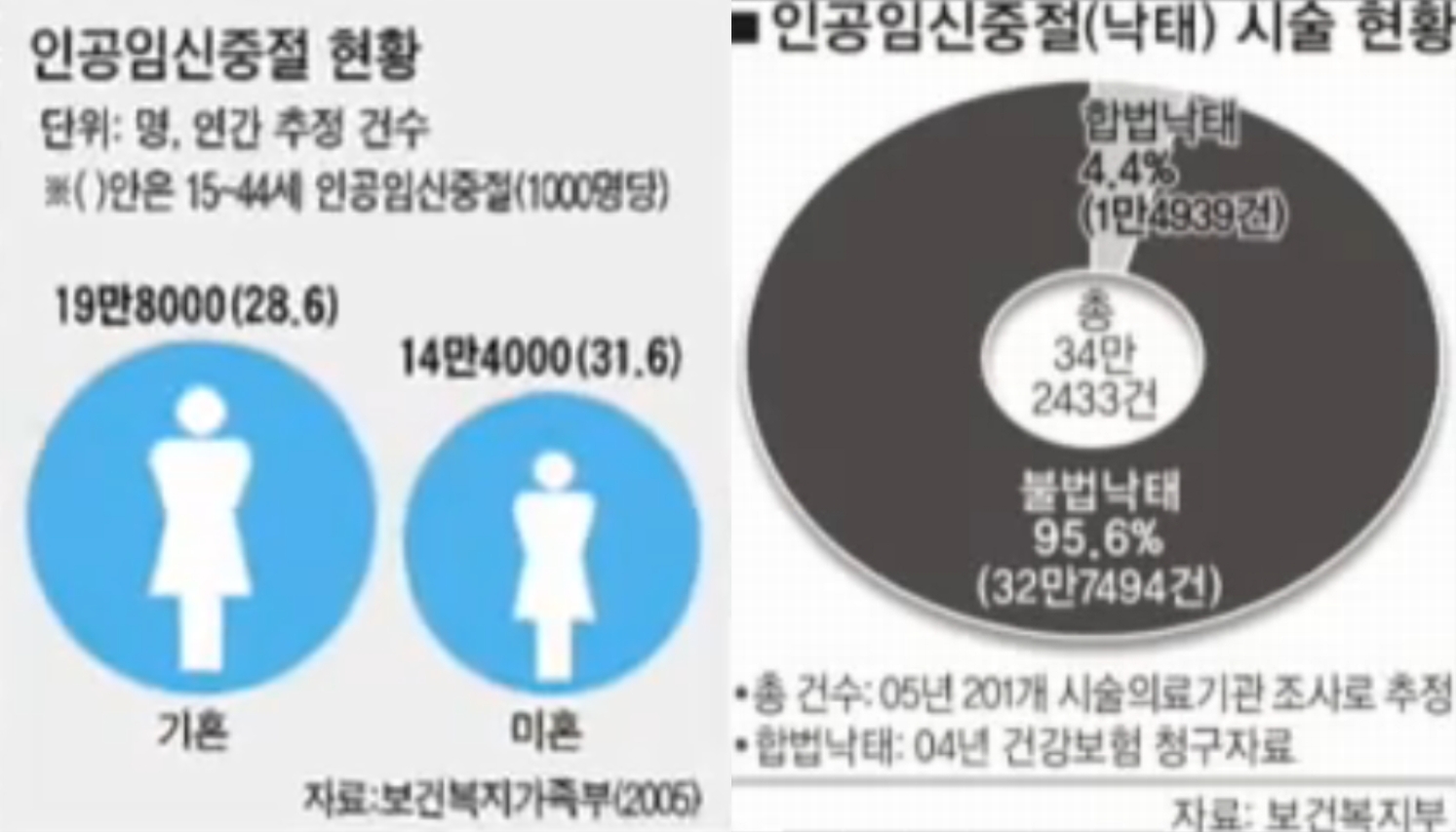
As I lay and looked at the screen in front of me, my cervix and ovaries were visible.  No cysts or other irregularities were detected.  The doctor, looking at the screen, said, “Your cervix looks like it would hurt during menstruation.”  At this emotional moment in which my purpose for coming to the ob-gyn was resolved, I realized that there was nothing wrong with my body, only a problem with “cervix shape.”  Also, that had I come to the ob-gyn earlier, I wouldn’t have needed to be anxious [about the pain].  A few days later, the brief text message, “Your ovarian cancer blood test results were normal” arrived.   At the end of all the exams, I finally felt relieved.

스무살 기자에게 산부인과 검사는 약간의 수치와 6만원이라는 비용을 수반한다는 점에서 그리 유쾌한 경험은 아니었다. 하지만 자신의 몸을 위해 한 번은 가볼 필요가 있는 것 같다. 기자의 경우 마침 결과가 좋아 적어도 5년 동안은 다시 이 경험을 하지 않아도 되겠다 싶어 안심했다. 그러나 부인과 질병에 가족력이 있거나 성관계 경험이 있을 경우 1년에 한 번씩은 산부인과에 가는 것이 좋다고 하니, 참고하면 되겠다.

Considering the slight shame and the 60,000 Won fee, the ob-gyn exam was not a very pleasant experience for this 20 year-old reporter.  However, it does seem that going once is necessary, for the sake of one’s body.  I felt relieved that I wouldn’t have to have this experience again for at least five years because the results happened to be good in my case.  Just know that if you have a family history of gynecological diseases or have sexual experience, though, they said that going to the ob-gyn once a year is good (end).

(Source)
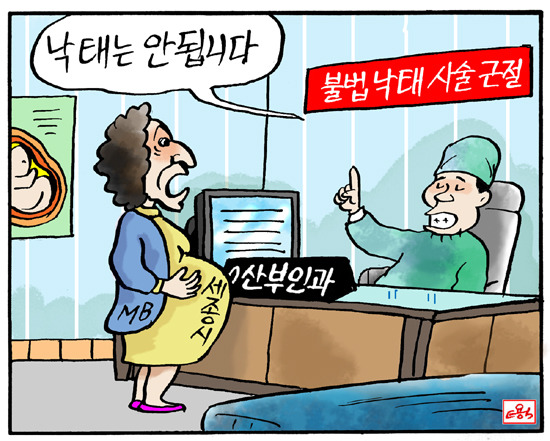
A little disappointed with the reporter’s plan not to lose her virginity in the next 5 year however, a genuine waste of one’s youth(!), then let me end on a rather more lecherous note via the above image, found in passing while preparing this post. Indeed, with a cover that says “Reasons Women Have To Get On Top“, the book sounds intriguing, and now I feel like doing some translating of my own next week!^^

(For more in the Sex and the University series, please see Parts 1-3 on students’ levels of sexual experience and activity, on an interview with a sex columnist, and on students’ cohabitation culture respectively)

Korean Sexuality: Still Awaiting a Revolution?

(The Beast and the Beauty, 2005. Source)

On a recent episode of Thinking Allowed, a BBC4 radio show and podcast, host Laurie Taylor talked to Kate Fisher and Simon Szreter about their new book Sex Before the Sexual Revolution, an “illuminating exploration of intimate life in England between 1918 and 1963, which involved them speaking frankly and in depth to almost a hundred people about their sex lives in the period”. Fascinating in its own right, my ears immediately pricked up upon hearing the following at 16:10 (source, below right):

Laurie Taylor:

Let’s turn to some things you found out as a result of your, I mean, very sensitively conducted conversations…I mean, Kate, one of the things is about this, this…the notion is that people were utterly ignorant about sex before marriage. Does the research bear this out?

Kate Fisher:

Yes and no. This is a world in which sexual info is increasingly available, but it’s still one in which parents are reluctant to talk to their children, where schools don’t…er…give away information until after 1944, and even still, that’s fairly limited. So people are having to piece things together, listen to jokes, overhear other people…

But what’s particularly striking, is the ways in which women in particular, even when they did come across information, they were careful to not find out too much. They wanted to maintain a sense of ignorance in order to…

Laurie Taylor:

Yes, particularly working-class women though, yes…this idea that they should be innocent…

Kate Fisher:

They should be innocent and indeed they saw innocence as part of an attractive naivety…Their attractiveness was bound up with appearing naive, and innocent, and sort of coy.

Which as you’ve probably already guessed, has striking parallels with the attitudes of Korean women today.

Not that I want to overstate those of course. But I do think it’s no coincidence, and it’s certainly got my intellectual juices flowing. In particular, over whether UK society at the time had its own equivalent to aegyo (애교), and, regardless, how much such notions of female sexuality underscore it (albeit very much in combination with financial dependence on male breadwinners).

Food for thought anyway!^^ Meanwhile, for a glowing review of the book itself, see The Guardian here (I’m sold!), and to listen to the full interview, scroll to 11:35 here, or alternatively you can download the whole podcast here (it’s the February 16 episode).

Update – Naturally, the point that most got my attention in the interview of the authors was also mentioned in the book review:

The book’s three sections – “What was sex?”, “What was love?” and “Exploring sex and love in marriage” – take us through the whole cycle of the interviewees’ awareness of sex, from the rudimentary and often non-existent provision of sex education, through courtship, petting, birth control, marriage and parenthood. The social context is clearly delineated, but even the woeful ignorance of the young about sex – “the profound and beautiful ignorance of sex”, as one respondent calls it – is examined with great subtlety. “For women of all classes, the preservation of innocence and modesty was a complex cultural accomplishment in which many around them had to play their protective role and with which they had to comply. It was an enduring positive element of their self-identity, instilled into them by their parents, especially their mothers.”

Sexual Harassment in the Workplace & the 2001 Equal Employment Opportunity Law: What Still Needs to be Done

(Source)

With thanks very much to Marilyn for the translation of the following article from Ildaro (일다), I’ll quickly let it speak for itself:

고용불안 속, 직장내 성희롱 위협 커져

In the midst of employment instability, the threat of workplace sexual harassment increases

고용평등상담실 10년, 여성노동의 현실과 미래를 말한다(2)

10th year of the Equal Employment Counseling Office, discussing female employees’ present and future

[편집자 주] 2001년 남녀고용평등법 4차 개정으로 고용평등상담실 지원제도가 도입된 지 10년이 되었습니다. 민간단체들의 고용평등상담실은 그동안 여성노동자들의 실질적 보호장치로 기능해왔으며, 여성노동자들이 처한 현실을 사회에 고발하는 창구역할을 해왔습니다. 일다는 여성노동자회와 함께 고용평등상담실에 접수된 상담사례를 통해 IMF 경제 위기 이후 후퇴 일로를 걷고 있는 여성노동의 현실과 과제를 살펴보고자 합니다. 필자 황현숙님은 현재 서울여성노동자회 회장을 맡고 있습니다.

우 리 사회의 성폭력 문제는 온 국민이 알게 된 끔찍한 아동 성폭행, 유명 정치인의 성희롱 등으로 자주 언론에 오르내리는 이슈가 되었다. 직장내 성희롱으로 고용평등상담실의 문을 두드리는 여성들의 호소 또한 가벼운 성적 농담이나 접촉을 넘어서 심지어는 강간에 이르는 경우조차 발생되고 있다. 직장내 성희롱은 그 자체가 미치는 정신적․신체적 악영향, 노동환경의 악화뿐만 아니라 일자리 자체까지 위협받게 된다는 데에 그 심각성이 있다.

[Editor’s note] It’s been 10 years since the Equal Employment Counseling Office support system was introduced through the 4th Amendment to the 2001 Equal Employment Opportunity Law.  During that time, the Equal Employment Counseling Offices of private organizations have been functioning as female workers’ practical safeguards and have acted as liaisons that report to society the realities that female workers encounter. Through the case consultations received in the Equal Employment Counseling Office, Ilda and the Women Workers Association intend to look at the realities and problems of women workers, who are losing ground after the 1997 Asian Financial Crisis.   Author Hwang Hyun-sook  is the current head of the Seoul Women Workers Association.

Through incidents of horrible child molestation, a famous politician’s sexual harassment, and others of which the entire nation is aware, our society’s problem with sexual violence has become an issue that often comes up in the press.  According to the complaints of women workers who’ve knocked on the Equal Employment Counseling Office’s door because of sexual harassment, there are also cases occurring that surpass light sexual jokes or touching to go as far as rape.  Workplace sexual harassment itself not only has bad mental and physical effects and worsens work environments, but is even of such a magnitude that jobs themselves [of victims] may be threatened.

(Source)

일자리 위협으로 이어지는 직장내 성희롱

“과장이 ‘피곤하지?’라며 손, 팔을 주물러 너무 불쾌하여 늘 가슴을 조이며 지냈어요. 어느 날 허벅지를 만지기도 하여 우울증에 시달리다가 문제제기를 하였더니 그 후 재계약을 하지 않겠다는 통보를 받았어요. 성희롱으로 실직하게 된 것 같아 너무 억울해요.”(2009년 상담사례, 계약직)

“사 장님이 자꾸 만나자고 하면서 ‘옆에 오면 가슴이 떨린다. 만나면 안고 싶고 무릎을 베고 누워 얘기도 하고 싶고 즐기고 싶다. 나를 받아 줄 수 없냐.”고 하더라고요. 남자에 대해 관심이 없다고 거절했더니, 부장을 통해 퇴사하라는 통보를 받았는데……“(2009년 상담사례, 2개월 근무)

성희롱 가해자가 사업주, 상사 인 상담은 매년 75~85% 가량이다. 가해자가 인사권을 직접 가지고 있는 경우가 많아 성희롱을 거부하거나 문제제기했을 경우에는 직. 간접적인 괴롭힘으로 스스로 그만두게 하거나 권고사직, 심지어 다른 사유를 들어 해고하는 사례들도 나타난다. 그래서 성희롱이 발생해도 공론화하기 어렵고 이를 은폐하도록 가해자가 권력을 행사하기도 한다.

Workplace sexual harassment extending to job threats

“My manager would ask, ‘Are you tired?’ and massage my hands and feet; it was so uncomfortable and I always went around feeling anxious.  One day he even touched my thigh and so while suffering from depression, I made a complaint; because of that I received notice that my contract wouldn’t be renewed.  I became unemployed because of sexual harassment – it’s so unfair.” (2009 counseling case, contract worker)

“The president of the company often asked me out and said ‘When you come near me my heart pounds.  If we go out I want to hold you, put my head in your lap and talk, and have fun.  Can’t you accept me?’  I refused, telling him I wasn’t interested in men, and through the general manager I received notice that I was to resign…” (2009 case consultation, working for 2 months)

Every year, about 75-85% of the consultations are ones in which the perpetrator of sexual harassment is the business’ owner or victim’s boss.  There are many cases in which the perpetrator is directly in charge of the company’s human resources.  Because of this, when the victim has rejected the perpetrator’s advances or made an official complaint, there have been cases in which the perpetrator may cause her to quit though direct or indirect harassment, urge her to resign, or even find grounds to fire her.  Therefore, even though sexual harassment occurs, making it public is difficult and the perpetrator often exerts his authority to conceal it.

(Source: unknown)

성희롱의 온상, 회식자리 남성중심 문화

“입 사한지 1주일 만에 본사 간부급 직원들과 회식자리가 있었어요. 간부들이 버릇인양 손잡기, 어깨동무하기, 허리 감싸기, 끌어안기, 볼 부비기……. 마치 간부들을 위해 여직원들이 대접하는 자리 같았는데 어렵게 입사하여 그만둘 수도 없고 어찌해야 할지……” (2007년 상담사례, 정규직)

“회 식 2차로 노래방에 끌려가다시피 갔어요. 술 마신 남직원들이 안으려고 해서 피했는데, 갑자기 뒤에서 끌어안더니 들었다놓았다하는데 과장, 계장 모두 묵인하고, 계장은 블루스를 추자고 하더라고요. 그래서 울면서 집에 왔는데 동기들도 다른 구청이나 동사무소 근무하면서 회식자리 성희롱 때문에 너무 힘들어 해요. 블루스를 춘 여직원한테는 잘해주고, 안 추면 욕하고 못살게 군다고 하더라고요.” (2007년 상담사례, 공무원)

회 식문화가 변하는 곳도 생겨나고 있지만, 회식자리에서의 성희롱은 지금도 일상적으로 일어나고 있다. 회식자리는 직장내 위계적 관계의 연속으로 상사의 기호에 맞추어야 하고 그의 요구에 따라야 하는 업무의 연속처럼 진행된다. 우리 사회의 남성 중심적인 문화, 위계질서가 이어지는 회식 문화는 여성들의 고용환경을 악화시키는데 일조하고 있다.

The hotbed of sexual harassment, office dinner male-centric culture

“I was at an office dinner with head office management-level employees only a week after joining the company.  The executives had habits of holding my hand, putting their arms around my shoulders and waist, hugging me, pressing their cheeks against mine…   It was like a place for the female employees to serve executives; it was hard to get a job here so I can’t quit and [don’t know] what to do…”  (2007 case consultation, regular employee)

“I went to the second [drinking-heavy] part of our office dinner like I was being dragged.  Male employees who were drinking were trying to hug me so I avoided them; suddenly I was embraced from behind and picked up and put down.  The manager and section chief overlooked everything, and the section chief asked me to slow-dance with him.  So I came home crying; also my peers who work at other district offices or dong offices have a really hard time because of sexual harassment at office dinners.  They say the female employees who slow-danced are treated well, and if you don’t dance they curse and treat you badly.” (2007 case consultation, government employee)

There are places where office dinner culture is changing, but sexual harassment at office dinners happens regularly even now. Office dinners progress similar to the  business itself, in which one must adjust to the preferences of a superior ahead of one in the workplace’s hierarchical relationships, and follow his demands.  Our society’s male-centric culture and hierarchy-connected office dinner culture lead to the worsening of women’s working conditions.

(Source)

친밀한 관계가 질곡인 영세소규모사업장 성희롱

“5 명도 안 되는 회사에서 근무한지 2개월인데 사장이 아침부터 술을 먹자고 하고, 남자친구랑 몇 번 하냐고 묻고 ‘나랑 애인 같은 거 하자’는 소리를 자꾸 해요. ‘이런 소리 들으려고 일하는 거 아니다’라고 말하면 무릎 꿇고 안한다고 하면서도 술만 마시면 또 그러니 일자리가 아니라 고문받는 자리 같아요.”(2008년 상담사례)

“연 말에 사장이 송년회를 가자고 해서 부담스러웠지만 가게 되었어요. 결국 2차까지 가게 되었는데 노래방에서 강제로 키스를 하고 옷 속으로 손을 넣어 몸을 만졌어요. 거부하면서 강하게 밀쳤더니 “난 사장이고, 넌 경리야”, “너 내일부터 나오지 마.”라는데, 다시 직장을 알아보면서 화도 나고 얼굴 보는 것도 두렵고 생각할수록 화가 나고 억울해요.“(2008년 상담사례, 사업주와 2명 근무)

영세소규모사업장의 성희롱은 가해자가 사업주인 경우가 많아 실질적인 법적 조치가 어려운 점, 성희롱 예방교육 특례조항 적용 사업장이라 예방교육이 실시되지 않는다는 문제점이 있다.

업 무적으로 둘만이 접촉하는 경우가 많아 사업주의 부당한 성적 요구나 사적인 친밀감을 성적 언행으로 표시하는 경우도 잦다. 성희롱을 거부하면 바로 그만두라는 통보를 받는 노동권 위협의 문제도 크지만, 매일 가까운 곳에서 얼굴을 마주쳐야 하니 버티고 싶어도 버티기 어렵다는 어려움이 있다.

Sexual harassment in a small business bound by close relationships

“I’ve been working for 2 months at an office that doesn’t even have 5 people in it; from the morning on the president suggests drinking together, asks me how many times I do it with my boyfriend, and keeps saying ‘Let’s date or something’. When I say, ‘I don’t work in order to listen to this kind of noise’, even though he gets on his knees and says he won’t do it [anymore], when he drinks, he gets like that again, so it’s like a torture chamber, not a workplace.” (2008 case consultation)

“At the end of the year, the president wanted to have an end-of-the-year party, so I went though it was annoying.  I ended up going to the second part and at a karaoke room he forcibly kissed me and put his hands under my clothes and touched me.  I refused him and pushed him hard so he said ‘I’m the president and you’re the bookkeeper’ and ‘From tomorrow, don’t come in [to work] anymore.’  I’m looking for another job and I feel angry and afraid of seeing his face, and the more I think about it, the angrier I get and the more unfair it feels.”  (2008 case consultation, office with company president and two people)

There are many cases in which the perpetrator of sexual harassment in a small business workplace is the business owner, so real legal measures are a challenge, and they are workplaces to which the Sexual Harassment Prevention Education Exception Clause applies, so there is the problem of prevention education not being implemented.

There are many cases in business in which two people only have contact with each other, so cases in which the business’ owner expresses his unjustified sexual demands or personal feelings of intimacy through sexual speech and behavior also frequently occur.  If victims rebuff the sexual harassment, the labor rights-threatening problem of immediately receiving notice to quit is serious, but there is also the drawback that because they have to see the other person’s face nearby every day, even though they want to endure it [keep working], enduring it is difficult.

(Source)

늘어나는 서비스직, 늘어나는 고객에 의한 성희롱

“고객센터에서 근무하고 있는데 외주업체 소속 강사가 메신저로 ‘만나자, 남자친구와 몇 번 했냐는 등의 말과 스킨십을 하는데 법적으로 어떻게 처리할 수 있을까요?” (2009년 상담사례, 텔레마케터)

“노 인돌보미 일을 하고 있는데, 고객이 70세인데 전직 교장이래요. 첫날부터 자꾸 몸을 밀착해오고 ‘젊은 사람이 곁에 있으니 내가 다시 남성이 되는 느낌이다’, 어제는 노골적으로 ‘아랫도리가 되살아난다’며 치근대 괴로워요. 어떻게 해야 할지…….“(2009년 상담사례, 45세)

고 용형태와 업무 방식이 다양해지면서 업무상 맺는 관계의 폭도 다양하고 복잡해졌다. 협력업체나 거래처 직원, 대인서비스직의 성희롱도 다양하게 나타난다. 그리고 간병이나 노인돌봄 같은 사회서비스 일자리가 늘어남에 따라 재가 돌봄서비스에 종사하는 여성들의 성희롱 피해상담도 늘어나고 있다.

Increasing service-industry workers, increasing sexual harassment by customers

“I work in a customer service center.  A supervisor [actually she uses the word for “lecturer” but I think that’s a mistake] affiliated with our subcontractor says things on Messenger like ‘Let’s go out’, ‘How many times have you done it with a boyfriend?’ and so on, and does skinship [touching like they’re in a relationship].  How can I deal with this using the law?” (2009 case consultation, telemarketer)

“I work in elder care.  My patient is 70 years old and says he used to be a school principal. From the first day he has often pressed up against me and said ‘Because there’s a young person at my side I feel like I’m becoming a man again’ and yesterday, saying bluntly, ‘My lower body is coming back to life”, he made pass at me; I’m really upset.  [I don’t know] what to do…” (2009 case consultation, 45-year-old)

As types of employment and ways of conducting business are diversifying, the range of relationships formed through business is also diversifying and becoming complicated. Sexual harassment of employees of subcontractors or clients, and personal service workers also presents itself in various ways.  Also, in line with the increase in social service positions like nursing or elder care, sexual harassment victim counseling for women working in in-home care is also increasing.

(Source)

성희롱은 사적인 일?

“남자 동료가 수시로 농담을 하면서 뽀뽀하자, 너도 밤일 할 줄 아냐는 등 수치심을 갖도록 하여 회사에 제기하였는데, 개인의 일이라고 개인적으로 대응하라고만 하는데……”(2009년 상담사례)

직 장내 성희롱은 안전한 환경에서 일할 노동권과 직접 관련이 있다. 그래서 남녀고용평등법에서도 직장내 성희롱을 금지하고 있을 뿐만 아니라, 사업주의 의무로 △직장 내 성희롱의 예방을 위한 교육 실시△성희롱 행위자에 대하여 징계나 이에 준하는 조치를 취할 것△피해자에게 해고나 다른 불이익 조치를 하지 말 것을 규정하고 있다. 그런데도 성희롱이 발생하여 이를 사측에 문제제기하면 위의 상담사례처럼 개인적인 일로 치부해 버리는 문제들이 여전히 일어나고 있다.

Sexual harassment is personal business?

“A male coworker often makes jokes and says, ‘Let’s kiss’, ‘Do you too know how to do night work [sex]?’ and other things to humiliate me so I made a complaint to the company.  They said it was personal business and just told me to deal with it privately…” (2009 case consultation)

Workplace sexual harassment is directly related to the employee’s right to work in a safe environment.  Therefore, the Equal Employment Opportunity Law not only prohibits workplace sexual harassment, it also stipulates, as the business owner’s duty, 1) implementation of education for the prevention of sexual harassment in the workplace, 2) disciplinary action, or taking steps in accordance with disciplinary action, against the perpetrators of sexual harassment, 3) not firing or taking other disadvantageous action against victims.  However, when sexual harassment occurs and is reported to the management, problems with it just being regarded as personal business, as in the case consultation above, are still coming up.

(Source)

고용평등상담실 통해 가해자의 공식사과와 징계 등 확보하기도

“부 원장님이 간호사들에게 안마를 해달라고 하거나 성적인 얘기도 잦아 힘들었어요. 며칠 전에는 맨발로 제 다리를 쓰다듬었는데 징그럽고 수치스러운 느낌 때문에 정신과 상담까지 받았어요. 그런데 고용평등상담실에서 도와주셔서 부원장은 공개사과와 감봉처분에, 병원 전체에 성희롱예방교육까지 실시하게 되었답니다!”

“과장님 성희롱 때문에 괴로웠는데 상담실에서 도와주셔서 공개사과도 받고 가해자는 다른 근무지로 전출되어 얼굴보지 않고 근무할 수 있게 되었어요!”

직 장내 성희롱 자체가 노동환경을 악화시키고, 이를 문제제기하면 해고나 불이익이 따르기도 한다. 그러나 다른 여직원들을 위해서라도 그냥 있을 수 없다며 이에 맞서 문제를 제기하는 여성들 또한 늘어나고 있다. 이렇듯 권리를 확보하게 되는 사례도 많았지만, 일자리 자체의 불안정이 갈수록 커지면서 적극적인 대응을 주저하는 경우도 많은 안타까움이 있다.

Securing perpetrators’ public apology, disciplinary action, etc., through the Equal Employment Counseling Office

“The vice director frequently asked the nurses to give him massages or talked about sex, so it was difficult.  A few days ago he stroked my leg with his left foot; because of the nasty and shameful feeling, I even got psychiatric counseling.   But the Equal Employment Counseling Office helped me so the vice director’s public apology and pay docking measure, and even sexual harassment prevention education for the whole hospital were implemented!”

“I suffered because of my manager’s sexual harassment, but the Equal Employment Counseling Office helped me so I received a public apology and the perpetrator was transferred to a different workplace so I don’t see his face and I’ve become able to work!”

Workplace sexual harassment itself has a negative effect on a work environment, and if one reports it, dismissal or disadvantages often follow.  However, the number of women saying that, for the sake of other women workers, they can’t just [let it] be and accordingly, making complaints, is rising.  In this way there have been many cases that secured rights, but regrettably, as the instability of jobs themselves increases, there are many cases in which [victims] hesitate to take assertive action.

(Source)

직장내 성희롱 문화? 이젠 바뀌어야

직장내 성희롱을 겪으면 그만두라고 할까봐 참고 견디거나, 문제제기하면 결국 피해자가 그만두게 되는 상황이 더 이상 반복되지 않도록 해야 한다. 지난 해 여성노동자회 고용평등상담실에 접수된 성희롱 발생 사업장의 78%가 성희롱예방교육을 실시하지 않은 것으로 파악되었다. 그러므로 사업장에서는 형식적이지 않은 예방교육 실시해야 하고 사내에서 발생하는 성희롱에 대하여 조사와 조치, 재발방지 대책 등을 마련하여 실시해야 한다.

그 리고 정부는 이런 사항들이 실질적으로 이루어지도록 적극적인 행정지도·감독을 해야 한다. 또한 남성 중심적이 아닌 성인지적 관점의 성희롱 인정, 영세사업장장의 성희롱 예방교육 지원 확대, 돌봄서비스노동의 성희롱 실태조사와 예방교육 및 대책 등을 마련해야 한다. 이를 통해 우리 사회와 직장 전반의 남성 중심적인 문화가 변화될 때 직장내 성희롱에 대한 인식과 대책의 변화 또한 이끌어낼 수 있을 것이다.

Workplace sexual harassment culture?  Needs to change now

We need to make it so that situations in which, if one experiences workplace sexual harassment, they hold back and endure it because they’re afraid of being told to quit, or in which if they report it, they end up quitting, are no longer repeated. Last year, 78% of the workplaces reported to the Women Worker’s Association’s Equal Employment Counseling Center for sexual harassment were places where sexual harassment prevention education had not been implemented.  Therefore, in the workplace, prevention education that is not cursory needs to be implemented, and for sexual harassment that occurs in-house, research, action, recurrence prevention measures, etc., need to be arranged and implemented.

The government needs to use assertive administrative guidance and supervision to make these remedies become reality.  Also, recognition of sexual harassment from a gender-sensitive perspective that is not male-centric, securing support for sexual harassment prevention education for the owners of small businesses, research, prevention education, and measures regarding the sexual harassment of care-industry workers, etc., have to be arranged. When, through these, both our society’s and all workplaces’ male-centric culture changes, they will also be able to lead to changes in the understanding of and countermeasures for workplace sexual harassment.

Share

Sex and the University, Part 3: University Students’ Cohabitation Culture

(Live Together, 2007. Source)

Much to my regret later, I never properly met any Koreans in New Zealand before I first came here.

But by coincidence, a Korean woman replaced me in my last flat after I left. And as my ex-flatmates soon gleefully reported, she was the perfect flatmate, paying her share of the rent without ever actually spending so much as a single night there.

Glee rapidly turned to genuine concern though, as she completely disappeared a week after moving her stuff in, not answering her cell-phone at all for 2 weeks.

Alas, once she was back from her trip home(!), she explained she was actually living with her Korean boyfriend at his place. But, lest she be caught with him by her parents back in Korea somehow, she needed a separate address and home phone number, and a pretend bedroom just in case they made a surprise visit.

And once they were in the loop, then naturally that was fine with her flatmates, and she would end up spending less than, say, 4-5 hours a week there for the next 6 months.

(Source)

Of course, I’m sure she had good reasons for what she did. And even 10 years later, openly cohabiting is a big taboo in Korea, testament to which is the fact Korean portal sites like Naver require age verification for you to search for anything related to donggeo, “동거”, the Korean word for cohabitation, placing it on a par with pornography and so on.

Granted, along with pregnancy, couples are generally forgiven if they have already made arrangements to marry, or at least do so shortly after being discovered.  But as a Seoul-based friend who wrote his MA thesis on them frequently lamented, that means it can be near impossible just to find cohabiting couples, let alone ones willing to talk about their experiences with a researcher.

Still, that’s not to say that they don’t exist, and fortunately amorous Yonsei University couples at least don’t seem to need to go to quite such extremes to hide their living arrangements, as the third of four articles on the “Sex and the University” theme from the Yonsei Chunchu (연세춘추) campus newspaper explains. Not really giving any background on the subject though, if you haven’t already then I recommend reading this short introductory article I wrote for the Korea Times before starting here, and it also has a list of links to many other related posts for anyone further interested.

Update: Strangely, the internet searches work fine if you add an extra term, and hence there’s unrestricted access to info about the 2007 movieLive Together (donggeo-donglak; 동거동락) in the opening image for instance, which sounds great to watch in bed with your partner interesting. Anybody seen it already? It’s also known as Happy Together, and yes, that is indeed a dildo mosaiced out at 0:42.

And without any further ado, thanks again to Marilyn for translating the article:

지금 사랑하는 사람과 살고 있나요? Are you living with the person you love?

원주캠, 신촌캠, 신림동 고시촌…요즘 젊은 세대들의 동거문화를 엿보다

Wonju campus, Shinchon campus, Sillim-dong gosichon [area where there are many people studying for Civil Service or other exams] – a look at the young generation’s cohabitation culture

『개인의 취향』, 『풀하우스』, 『옥탑방 고양이』….

모두 미혼남녀의 동거를 소재로 한 드라마들이다. 이런 드라마들은 동거생활의 알콩달콩한 면면을 보여주며 화제를 불러일으켰다. 미디어의 영향일까. 동거를 바라보는 대학생들의 시선은 관대한 편이다. 실제로 성의식 설문에 응답한 우리대학교 학생 중 43.6%가 “동거를 할 의향이 있는가”를 묻는 문항에 “그렇다”고 답했다. 그러나 동거에 대해 긍정적으로 생각한다는 것과 진짜 동거를 하는 것은 다른 법. 직접 학생들을 만나 실제 대학생들의 동거생활과 이에 대한 인식을 들어봤다.

Personal Preference, Full House, Attic Cat – all dramas about unmarried men and women cohabiting.  These dramas have caused a stir by portraying the cute side of cohabitation.  Does the media have influence [on us]?  University students’ views on cohabiting are on the tolerant side.  When asked, “Are you interested in cohabiting with a partner?”,  43.6% of students at our university who participated in a survey about attitudes toward sexuality said “yes.”  However, there is a difference between having positive views of cohabitation and actually cohabiting.  We met students and heard about real students’ experiences and perception of cohabitation.

(Source)

매지리 동거족, 말하지 않아도 알아요

Cohabitation in Maejiri, known about even though they don’t talk about it

우리대학교 원주캠퍼스의 경우 학생 대부분이 타지방생이다. 그래서 통학생은 거의 없고 대부분 기숙사에 살거나 인근 지역인 ‘매지리’에서 자취한다. 상황이 이렇다보니 매지리에는 동거에 관해 다소 관대한 분위기가 형성돼 있다. 동거 사실을 공공연히 밝힐 정도는 아니지만 동거족이 많은 것은 알 사람들은 아는 사실이다. 실제로 매지리의 한 아파트에서 남자친구와 살고 있는 전아무개(23)씨는 친구들에게는 굳이 동거 사실을 숨기지 않는다고 말했다. 매지리에서 동거는 크게 문제시되는 사안이 아니기 때문이다. 그녀가 살고 있는 아파트에서 만난 김아무개(24) 커플은 완전한 동거 형태는 아니었지만 ‘거의’ 함께 살고 있다. 김씨는 기숙사생이지만 남자친구의 방에서 지내며 기숙사에는 거의 들어가지 않는다. 매지학사의 경우 기숙사비가 비싸지 않은 데다 집으로부터 의심을 피할 수 있기 때문에 들어가 살지 않더라도  일단 신청해두는 것이다. 김씨는 “이런 원주캠퍼스의 특징이 비교적 자유로운 동거 생활이 가능한 분위기를 조성하는 것 같다”고 말했다.

Most of the students at our university’s Wonju campus are from other areas. There are almost no students who commute from home, and most live in a dormitory or live independently in ’Maejiri’, a neighboring area. Because of that, an atmosphere of tolerance toward cohabitation has developed in Maejiri.  It’s not to the point where people publicly reveal their cohabitation, but it is an open secret that many people are doing it.  One Ms. Jeon (23), who actually lives in an apartment complex in Maejiri with her boyfriend, says that she doesn’t feel the need to hide the truth from her friends.  She says it’s because in Maejiri living together is not a very problematic issue.  In the same apartment complex, a Ms. Kim (24) and her partner are not quite in a cohabitation situation but are “almost” living together. Ms. Kim lives in a dormitory, but stays at her boyfriend’s place and hardly ever goes to the dorm.  In the case of the Maeji school,  a place where the dormitory fee is not expensive, students enter the dorm to avoid suspicion from home, so even though they don’t live there, it’s important to apply. Ms. Kim said, “One special feature of the Wonju campus is that it seems to create an atmosphere in which comparatively free cohabitation is possible.”

(Source)

존재하지만 눈치 보이는 신촌

Sinchon, where it occurs but they care about others’ opinions

그렇다면 신촌캠퍼스의 상황은 어떠할까. 우리대학교 뿐 아니라 인근에 여러 대학이 밀집해있는 신촌의 경우 대학생들의 수 자체가 클 뿐 아니라 대학 간 커플도 종종 보인다. 그러나 동거를 대하는 학생들의 태도는 앞서 살펴본 매지리와는 사뭇 다르다. 신촌의 동거 커플들은 동거를 한다는 사실에 대해서는 크게 심각하게 받아들이지 않았다. 그러나 상대적으로 매지리에 비해 타인의 시선을 의식하고 있었다. 이아무개(22)씨는 여자친구와의 동거를 진지하게 고민해봤다고 했다. 그러나 그는 동거를 좋지 않게 보는 사람들의 시선이 신경 쓰여 망설이다 결국 단념했다. 지방에서 올라온 김아무개씨(21)는 그와는 조금 다른 경우로, 현재 신촌에서 여자친구와 함께 살고 있다. 김씨는 “처음엔 혼자 살았는데 어느 때부터 여자친구가 놀러오는 빈도가 잦아졌고 얼마 안가 동거를 제안하게 됐다”고 말했다. 그러나 둘 다 집에는 전혀 알리지 않았고 그것이 반드시 필요한 절차라고는 생각지 않는다고 했다.

So then how is it done in Sinchon?  In Sinchon, where not only our university but several others are clustered, not only is there a large number of students, but also couples who go to university are often visible.  However, the students’ attitude towards cohabitation is quite different than that seen in Maejiri above.  Sinchon’s cohabitating couples don’t take living together very seriously.  Compared to Maejiri, though, they were more conscious of others’ views.  One Mr. Lee (22) has seriously considered cohabiting with his girlfriend.  But because some of the people whose views he cares about think that cohabitation is not good, the plans fell apart and he finally gave up.  A Mr. Kim (21), who came from outside of Seoul, was in a slightly different situation; he is currently living with his girlfriend in Sinchon.  He said, “At first I lived alone but at some point my girlfriend started coming over a lot and not much later I asked her to move in with me.”  However, he said the two have certainly not told their families, and he doesn’t think that it’s absolutely necessary to do so.

(Source)

장래 약속한 동거커플 많은 신림동

Sillim-dong, where there are many cohabitating couples who’ve made promises for the future [about marriage]

신림동 고시촌은 함께 살며 고시를 준비하는 동거족들이 많은 지역이다. 이진아(25)씨는 자신의 고시촌 입주 당시를 회상하며 “큰 문화적 충격에 휩싸였었다”고 말했다. 동거하고 있는 커플들이 생각보다 너무 많았기 때문이었다. 주위 몇 집만 둘러봐도 동거 중인 커플들을 쉽게 볼 수 있다는 것이다. 이씨는 “공부에 전념하느라 연애할 여력이 없을 것 같은데 의외의 현상이었다”고 말했다. 또 다른 고시촌 거주 고시생인 김지영(28)씨도  비슷한 얘기를 전했다. 김씨는 “결혼을 약속한 남자친구와 함께 살며 공부하는 친구가 있다”며 “고시공부로 인한 외로움을 달래고 경제적인 부담도 줄이려는 것”이라 말했다. 김씨는 “같이 고시를 준비하는 고시촌 동거 커플들은 특히 장래를 약속한 사이가 많은 것 같다”고 덧붙였다.

The Sillim-dong gosichon is an area where there are many people cohabiting while preparing for major exams.   While recalling moving into the gosichon, Lee Jin Ah (25) said, “It was a big cultural shock.”  It was because there were many more cohabiting couples than she had thought.  It’s that looking around at just a few of the nearby houses, she can find many cohabiting couples.  Ms. Lee said, “It seemed like they would be too busy studying to have energy for romantic relationships so it was an unexpected situation.”  At another gosichon residence, Kim Ji Young (28), who is preparing for an exam, also had a similar story.  She said, “I have friends who are studying while living with boyfriends they have promised to marry,” and “It soothes the loneliness caused by studying for a major exam, and lessens the financial burden too.”  She added, “It seems that many of the couples cohabiting in the gosichon and preparing for a major exam together have made special promises about the future to each other [are engaged].”

(Source)

(Part 1, Part 2, Part 4)

Sex and the University: Part 2

(Sources: left, right)

With thanks to reader Marilyn for translating it, here is the second of four articles on that theme that were recently published in the Yonsei Chunchu (연세춘추) campus newspaper:

대학생들, 신중하게 즐겨라, 섹스 칼럼니스트 박소현 인터뷰

University students, enjoy cautiously! Interview with sex columnist Park So Hyun

현재 「일간스포츠」에 ‘처녀들의 수다’라는 칼럼을 연재하고 있는 박소현 칼럼니스트의 원래 직업은 방송작가다. 연애칼럼으로 시작해 자연스레 섹스에 관련된 칼럼을 쓰고 있다. 저서로는 『쉿! She it!』『남자가 도망쳤다』가 있다. 섹스에 대해 거리낌없이 글을 쓰지만 보수적인 집안에서 자라 지금도 필명으로 활동하고 있다. 박 칼럼니스트에게 대학생들의 연애와 섹스에 대해 물어봤다.

Park So Hyun, whose column “Single Girls’ Talk” currently appears in ‘Ilgan Sports’, originally wrote for TV programs.  After starting with a dating column, she now naturally writes a column related to sex.  Shh! She it! and He Escaped are among her writings.  Though she writes openly about sex, she grew up in a conservative household and so even now uses a pen-name.   We asked Ms. Park about the love and sex lives of university students.

(Source)

Q. 설문조사에서적지않은수의학생들이연애에서성관계는필수적이라고답했습니다. 연애에서섹스가필수적이라고생각하시는지?

Q: In a study, considerable numbers of students said that sex is essential to dating.  Do you think that sex is essential to dating?

A. 동의합니다. 그렇다고 사귀면 무조건 해야 된다는 이야기는 아니고, 상대에 대한 마음의 깊이에 따라 신중하게 결정하는 과정이 뒷받침돼야겠죠. 섹스를 원하는데 사회의 기준을 따르느라 ‘하면 안 된다’라고 생각하거나 이를 억지로 참는 건 좋지 않다고 생각해요. 하지만 20대 초중반에는 성욕과 사랑을 구분하는 게 어려울 수 있어 섹스가 관계를 그르치게 되는 경우가 많을 수 있어요. 그러니 연애가 성숙해지고 나서 신중하게 결정하는 것이 필요해요.

A: Yes, I think so.  However, that’s not saying that it’s something you absolutely must do when dating, and it must be supported by a careful decision-making process according to the strength of your feelings toward your partner.  I think wanting sex but following society’s norms and thinking “Having sex is not allowed”, or suppressing it forcefully, is not good.  However, in our early to mid-20’s, separating sexual desire from love can be difficult so there can be many cases in which sex ruins a relationship.  Therefore, dating requires making decisions carefully after becoming mature.

(Source)

Q. 잡지를보면성관계에서의고민에서테크닉에대한조언까지성에대한정보가넘쳐나는데, 대학생들에게이런정보가도움이된다고생각하시는지?

Q: Because of worries about sex, magazines are overflowing with information about sex that even goes as far as advice about technique.  Do you think that this kind of information is helpful to university students?

A. 저도 가끔 의뢰가 들어오면 잡지에 글을 쓰기도 하는데, 그런 정보들에는 트렌드가 담겨있어요. 물론 테크닉이나 내 애인은 어떤 걸 좋아할지를 참고할 수는 있겠지만 결국 성적 문제는 자기 기준, 자기 인생관에 결부되는 문제예요. 트렌드보다 자신이 더 중요하죠.

A: If a commission comes in, I also sometimes write for magazines; that kind of information includes (is made up of?) trends.  Of course, technique or what my partner will like can be taken into consideration, but in the end sexual problems are problems linked to personal standards and outlook. One’s self is more important than trends.

(Source)

Q. 요즘젊은사람들의경향을봤을신기하거나놀라웠던점이있다면?

Q:  When you’ve looked at the tendencies of young people today have there been any amazing or surprising points?

A. 정말 사회가 많이 개방적으로 변한 것 같다고 생각이 든 게, 혼전섹스나 동거 같은 것이 많이 자유로워진 것 같아요. 전 30대 후반인데 제가 학교 다닐 때만 해도 그런 얘기 자유롭게 못했었거든요. 놀라웠죠. 책임이 뒷받침돼야 한다는 사실만 기억한다면 괜찮다고 생각해요.

A: The thing that makes me think that society seems to have really become more open is that things like premarital sex and living together seem to have become much more natural.  I’m in my late 30s and even just when I was going to school, we couldn’t speak freely about that kind of thing.  It’s surprising.  If you just remember the fact that responsibility needs to underlie it (it needs to be backed up by responsibility?), I think it’s okay.

(Source)

Q. 대학생들에게해주고싶은조언이있다면?

Q: Is there any advice you would like to give to university students?

A. 제가 처음 칼럼을 쓰기 시작할 때는 예전에 실패했던 경험들을 반성하는 느낌으로 많이 썼어요. 20대는 정말 실수할 수밖에 없는 시기라고 생각해요. 제가 자주 하는 말 중에 “나쁜 섹스는 빨리 잊어라”라는 말이 있는데 연애나 성관계에서의 실수와 자기 인생을 너무 깊게 연관 짓지 않았으면 좋겠어요. 물론 실수를 통해 깨닫는 바는 있어야 하겠죠. 하지만 그 실수에 얽매이지 말고 털고 일어나라는 거예요. 그리고 다시 한번 말하자면, 신중해야 해요. 저도 한때 남자들과 많이 자봤다는 걸 자랑스럽게 생각한 적도 있지만 결혼하고 나서 돌이켜보니 그렇게까지 할 필요가 있었을까하는 생각이 들어요. 자기감정, 욕구에 솔직해 자유롭게 관계를 가지는 것도 좋지만 절제할 줄 아는 미덕도 있잖아요. 그때는 멋있어 보이고 즐거울 수 있지만 뭐든지 얻는 게 있으면 잃는 게 있기 마련이에요. 가벼운 생각으로 결정했을 때는 후회가 반드시 뒤따를 수 있다는 것을 명심했으면 좋겠어요.

A: When I first started to write my column, I often wrote with a feeling of self-reflection on my past failed experiences.  I think that our 20s are a time when we really can’t help but make mistakes.  “Forget bad sex fast” is among the things I often say, and I hope that they don’t make (feel?) a connection between their mistakes in dating or sexual relationships and their lives too strongly. Of course, through mistakes we have to come to some realizations.  But don’t get tied up in the mistake, let it go and get back up.  And to repeat myself, you have to be cautious.  For a time I also thought with pride about the fact that I’d slept with many men, but after marriage, when I looked back, I wondered if going that far was necessary.  Being honest about your personal feelings and desires and having relationships freely is good,  but there is also the virtue of self-control.  At that time I looked cool and could have a good time, but if there’s anything to gain there’s certain to be something to lose.  I hope they keep in mind that if a decision is made without much thought, regret can certainly follow.

(Part 1, Part 3, Part 4)

Rubber Soul 2010

( Sources: left, unknown; right, Rubber Soul 2010 )

Apologies for the late notice, and also to Roboseyo for swiping his own post on the event:

December 4 is World AIDS Day.  Starting at 9PM, in Hongdae, at Ting Tings, Club TA, Club FF and DGBD, you can attend parties at all four spots for a 15000 won cover.  All the cover fees go to Hillcrest AIDS center in South Africa.

You can learn more at the Facebook event page, or at the Rubber Soul Blog.

And don’t forget that there’s a prize for the best condom costume!^^

Sex and the University: Part 1

(Source)

Well, sex and Yonsei University to be precise, with 4 articles on that theme being published in the latest Yonsei Chunchu (연세춘추) campus newspaper, providing valuable insights into modern Korean students’ sexual experience and attitudes.

Unfortunately for the authors though, Yonsei happens to be a notoriously Christian university. And so according to my anonymous informer, they were actually punished for them in some way.

Details are sketchy at the moment, but the main problem appears to have been a sex survey sent to all students, with the first article below discussing the results. Perhaps the board of trustees was shocked and embarrassed that 1 in 3 Yonsei students are quite happy having one-night stands or something?

연세인, 당신의성의식은어떤가요? 대학생성의식은개방으로황새걸음, 사회적인식은아직도뱁새걸음

Yonsei students, how is your awareness of sexual issues? While university students’ awareness is progressing by leaps and bounds, Korean society is still only making baby steps

가장 기본적이고 보편적인 욕구인 동시에 가장 은밀하기도 한 것, 바로 ‘성(性)’이다. 아직 성적인 이야기를 스스럼 없이 털어 놓을 수 없는 한국 사회에서 연세인들은 성에 대해 어떠한 생각을 갖고 있는지 「연세춘추」에서 알아봤다. 설문조사는 이메일을 통해 지난 9월 13일에서 10월 4일까지 약 3주간 진행됐으며 1천287명의 학생들이 이에 답했다.

Sex is the most basic, universal desire, but at the same time it’s also the most private one. And in a society in which people still feel unable to speak frankly and openly about sexual matters, how to find out Yonsei students’ thoughts on them? So, the Yonsei Chunchu conducted an email survey for 3 weeks between the 13th of September and the 4th of October, and received 1,287 replies from students.

(Source)

연세인 2 1, “나는성경험이있다

1 in 2 Yonsei students have sexual experience

성경험의 유무를 묻는 질문에 거의 절반에 해당하는 49.5%의 학생들이 “있다”고 답했다. 또한 “있다”고 답한 응답자 중 72.5%가 08학번 이상이라고 답해 고학번이 높은 비중을 차지한 것을 볼 수 있었다. 이에 대해 ‘행복한 성문화센터’ 배정원 소장은 “사회적 분위기 자체가 달라져 성관계를 맺는다는 것이 쉽게 받아들여지고 있다”며 “예전에는 공개적으로 등장하지 않았던 혼전 성관계가 대중매체에서 자연스럽게 나오면서 사람들이 이에 대해 대수롭지 않게 생각하게 됐다”고 말했다.

또한 우리대학교 성희롱·성폭력 상담실 이정화 교수는 “실제로 성경험이 있는 학생들의 숫자도 늘어났지만 그 사실을 드러내놓고 이야기 할 수 있게 여건이 변한 탓도 있다”고 말했다. 이러한 사실은 “성경험이 있음에도 주변사람들에게 거짓말을 한 적이 있다면 그 이유는 무엇인가”라는 문항에서도 찾을 수 있다. “주변의 인식 때문에”라는 답변을 33.0%의 학생들이 선택한 반면 “사생활에 대해 말하기 싫어서”를 택한 학생은 40.8%로 가장 많았다. 이 교수는 이 결과에 대해 “성관계를 가졌다고 해서 안 좋은 낙인이 찍히거나 이상하게 보는 분위기가 아니기 때문에 주변의 인식의 문제보다 ‘이건 내 사생활’이라는 의식이 더 크게 작용한 것”이라고 분석했다.

On the question of it they had sexual experience, almost half of students (49.5%) replied that they had, of whom 72.5% entered Yonsei University in 2008 or earlier. About this, Bae Jeong-won, head of the Happy Sex Culture Center said “the social atmosphere is changing, and nowadays people are becoming much more accepting of [premarital] sexual relationships”, and that “in the past, you never saw premarital sexual relationships depicted in the mass media. But as they’ve naturally started appearing, people have come to think that they’re nothing to really get concerned about.”

(Source: Extreme Movie)

Also, Professor Lee Jeong-hwa of the university sexual harassment and sexual violence consultation center said “because society is changing, the number of people who openly admit to having sexual experience is increasing”. And about that, one of the questions in the survey was “have you ever lied about your sexual experience, and if so, what was the reason?” [James – I think “have you ever pretended you didn’t have sexual experience when you did?” is more accurate], and 33% of those that replied that they had did so because of what others would think of them, whereas 40.8% replied that they did because they didn’t want to talk about their private life. About those results, Professor Lee said “respondents were more concerned about keeping their private life private than being stigmatized and/or branded by those around them”.

사회는보수지만나는개방

Society is conservative, but I am liberal

이런 분위기에도 불구하고 학생들은 한국 사회를 보수적이라고 평가했다. 전체 응답자의 67.0%가 한국 사회의 성개방 정도에 대해 보수적이라고 답해 아직 사회 전체적으로는 개방적이지 않다고 생각하고 있었다. 이에 비해 자신의 성개방 정도에 대한 평가는 개방적이라는 답변이 41.1%로 보통이라고 답한 26.8%와 보수적이라고 답한 32.0%보다 많은 비중을 차지했다.

Despite this [changing] atmosphere, students think Korean society is still conservative, and on the question of sex in particular, 67% of the total replies that is was conservative and not yet liberal. Of themselves in contrast, 41.1% considered themselves to have liberal attitudes towards sex, 26.8% were middle of the road, and 32.0% considered themselves conservative.

(Source)

스킨십은성관계까지, 원나잇은애인이없을?

As for skinship [James – Basically, physical affection towards a boyfriend or girlfriend], does that go all the way to sex? Are one-night stands only for when you don’t have a boyfriend or girlfriend?

자신은 개방적이라는 연세인의 생각은 다른 문항에서도 나타났다. 스킨십의 허용 범위를 묻는 질문에서 “성관계”라고 답한 응답자가 55.9%로 가장 많았고 “키스까지 가능하다”는 응답이 20.6%로 그 뒤를 이었다. 지난 2004년 7월 「연세춘추」 연애에 관한 설문조사에서 스킨십의 허용범위를 묻는 질문에 “키스까지 가능하다”는 응답이 54.3%로 가장 많았던 것과도 달라진 결과다. 또한 연애를 함에 있어서 성관계의 중요도를 묻는 질문에는 “꼭 필요한 것”이라는 응답이 37.0%를 차지한 데 비해 “절대 안된다”고 답한 연세인은 13.2%에 불과했다.

연세인들은 이성친구가 과거 성경험이 있는 것에 대해서도 높은 관용도를 보였다. 이성친구의 성경험에 대한 관용도를 묻는 설문 문항에서 “괜찮다”는 응답이 49.4%로 “안된다”고 답한 26.8%보다 월등히 많았다.

모텔에 가는 것에 대한 수용 수준은 “괜찮다”는 응답이 45.9%를 차지해 “안된다”고 답한 32.1%보다 많았다. 또한 원나잇스탠드에 대해서도 애인이 있는 경우에는 “절대 안된다”는 응답이 65.1%, “괜찮다”는 응답이 5.8%에 불과했지만, 애인이 없는 경우에는 “절대 안된다”가 32.9%, “괜찮다”가 33.1%로 큰 차이를 보였다.

The fact that Yonsei students are now quite liberal about sex also emerged from a different question. To the question of how much physical affection they permitted, most (55.9%) said “all the way to sex”, while 20.6% only limited it to kissing. In a similar survey given by the Yonsei Chunchu in July 2004 though, as many 54.3% said they would limit it to kissing, and on the additional question of how important sex is for a relationship, 37.0% replied that it was essential, whereas 13.2% said they would absolutely not have sex [James – presumably before marriage that is]. (source, right)

On the question of how they would react if they discovered their boyfriend or girlfriend had sexual experience prior to meeting them, Yonsei students also showed a high level of acceptance: 49.4% saying it was okay, with 26.8% saying it wasn’t.

As for if they were happy to go to a love motel to have sex, 45.9% said that was fine, with 32.1% disagreeing. And if they had a partner already, 65.1% would never have a one-night stand with someone else, whereas 5.8% replied that it was okay. If they were single though, 32.9% would still never have a one night stand, but 33.1% were fine with it.

학생들 따라가지 못하는 성교육

Sex education is not keeping pace with students’ needs

이렇듯 젊은 대학생들은 점점 개방적으로 변화하고 있지만 성교육은 이를 쫓아가지 못하고 있다. “지금까지 받아온 공식적인 성교육이 충분했다고 생각한다”는 문항에 과반수를 훌쩍 넘는 85.6%의 연세인이 “아니다”라고 답했다. 또한 가장 실용적이고 도움이 되는 성지식의 출처를 묻는 질문에 “공식적인 성교육”이라고 답한 응답자는 13.4%로 대중매체와 관련 책 항목에 밀려 세 번째를 차지했다. 이에 도지연(생명공학·09)씨는 “문화가 개방적으로 빠르게 변하는데 비해 성교육은 제자리걸음인 것 같다”며 “성교육 자체가 보수적이라 실생활에서 활용이 불가능하다는 것이 문제”라고 결과에 동의했다.

이 같은 결과에 배 소장은 “상담을 받아 보면 학생들의 성지식이 턱없이 부족하다는 것을 느낀다”며 “학생들은 성에 관한 정보를 점점 더 많이 접하고 있는데 그에 비해 성교육은 충분하지 않아 잘못된 지식을 갖게 될 위험성이 매우 큰 것이 문제”라고 비판했다. 나아가 이 교수는 “사실 성관계를 맺는 과정에 대해서는 인터넷 같은 데에 충분히 개방돼 있고 접하기가 쉽지만 중요한 것은 의사소통인데 이것이 공식적인 성교육에서 매우 부족하다”고 말했다.

(Source)

In light of all this, as university students become more liberal about sex, then sex education is not really following suit. In response to the question of “has the sex education you have received up until now been satisfactory”, 85.6% replied that it hadn’t, and only 13.4% replied that it was the most practical and helpful source of information for them, well behind the mass media and sex-related books. Second-year biotechnology student Do Ji-hyeon agreed, and said that “even though culture is changing and rapidly liberalizing, sex education remains the same,” and that “as it is taught conservatively, it doesn’t really meet students’ practical needs”.

Similarly, Happy Sex Culture Center head Bae said “from consultations we’ve had with students, we get the feeling that their knowledge about sexual matters is woefully inadequate”, and that “because sex education is also  inadequate, and because students are getting information for themselves instead, then there is a danger that they will be misinformed.” Professor Lee Jeong-hwa of the university consultation center agrees, and says that “it’s easy enough to find information on the internet about the process of sex [James – does she mean the basic biology of it?]. But the important thing is communication, and in this sense public sex-education is severely lacking”. (end)

(Source)

To play Devil’s advocate for Yonsei punishing the authors for giving the survey to students, of course we don’t know how severe that punishment was as of yet; Yonsei’s religiosity is by no means uncommon for Korean universities (my own has similar requirements for Chapel attendance in order to graduate, regardless of one’s religion); the punishment probably pales in comparison to effectively expelling a student for being gay like this one is; it has the oldest LGBT group of any Korean university; and, as Part 3 will reveal (see here for a sneak peek), it even has mandatory sex education classes. Indeed, in the light of the last in particular, then the fact that there was any punishment at all is very surprising and confusing, and I’d be very grateful if any Seoul-based readers can send me any further information about that (and please feel free do so anonymously if you prefer).

Meanwhile, what did you think of the survey? Do you think the results are actually of any use, given that only 1,287 students out of nearly 30,000 replied? Has anyone heard of similar surveys and/or mandatory sex education classes at other Korean universities?

Regardless, thanks again to the person who sent me all the articles, and – writing this next week now – here is Part 2!

Korean Sociological Image #52: Are Celebrities Removing the Stigma of Lingerie Modelling?

After writing about double-standards in the objectification of men’s and women’s bodies in the Korean media last month, this month I was looking forward to wrapping that up. Finally, I thought, I’d be able to remove the prominent “Abs vs. Breasts” folder on my Firefox toolbar.

Alas, I’ve decided some more context is needed first. Which by coincidence, also allows me to get rid of the even more embarrassing “Lingerie” folder in the process.

But while the topic sounds facetious perhaps, having overwhelmingly Caucasian models in lingerie advertisements has definite effects on how Koreans perceive both Caucasians’ and their own bodies and sexuality. If you consider what Michael Hurt wrote in his blog Scribblings of the Metropolitician back in 2005 for instance:

…One thing that I also notice is that in underwear and other commercials that require people to be scantily-clad, only white people seem to be plastered up on walls in the near-buff. Now, it may be the sense that Korean folks – especially women – would be considered too reserved and above that sort of thing (what I call the “cult of Confucian domesticity”). Maybe that’s linked to the stereotyped expectation that white people always be running around all nasty and hanging out already, as is their “way.” Another possibility has to do with the reaction I hear from Korean people when I mention this, which is that white people just “look better” with less clothes, since Koreans have “short leg” syndrome and gams that look like “radishes.” The men are more “manly” and just look more “natural” with their shirts off…

Then I’m sure you’ll appreciate that while that artificial dichotomy between “naturally” nude, more sexual Caucasians (and by extension, all Westerners) and more modest, virginal, pure Koreans is neither new, solely confined to Korea, nor wholly a construct of the Korean media, at the very least this odd feature of Korean lingerie advertisements certainly helps sustain it. And that dichotomy has largely negative effects on all Westerners here, especially women.

( Caucasian models used for the first erect nipple ever featured in a Korean ad {see here also}. Source: Metro, July 8 2010, p. 7. )

Already having discussed the evidence for and consequences of the sexualization of Caucasian women in great depth last September however, then let me just quickly summarize relevant points from it here:

Empirical studies have shown that Korean women’s magazines have a disproportionate numbers of Caucasian female models in them, with some even have more Caucasian models than Korean ones overall. Unfortunately though, none of those studies made any distinction between lingerie and non-lingerie advertisements.

Before laws banning foreign models were lifted in 1994, many Korean female porn stars were also lingerie models, which discouraged female models from lingerie modeling. This fact only really became public in June 2008 however, which explains why those earlier studies didn’t take it into account (or Michael Hurt back in 2005).

Of course, there have always been exceptions, with the Yes’ company especially having no qualms about using Korean models. But for other companies, they are usually anonymous, with either their heads not being visible or them literally covering themselves up by whatever means available. See the examples below from Korean lingerie company StoryIS’s website for instance, or #3 here, where the Korean female models look simply absurd hiding under large hats and sunglasses.

Update: I forgot to mention lingerie infomercials, on which it’s common to see Caucasian models wearing the lingerie alongside fully-clothed Korean models carrying the lingerie on coathangers.

Moreover, when female celebrities are used, they are invariably fully-clothed. And so much so in fact, that it’s no exaggeration to say that they may not have been actually wearing the advertised lingerie at all considering that you couldn’t actually see it.

( Sources: left, right )

But that was over a year ago. At the end of that post though, I did note a (then) recent advertisement by Shin Min-a that you could see it in, and simply had no idea that it was just the beginning of a veritable flood of celebrity lingerie photoshoots thereafter. Finally noticing by the following summer though, by its end I had: Ivy (in the opening image); Shin Min-a (again); Park Han-byul; Seo-woo; Girls’ Day; Gong Hyo-jin; Song Ji-hyo; LPG; Min Hyo-rin; Lee Si-yeong; Shin Se-Kyeong; and Yoon Eun-hye in that infamous “Lingerie” folder.

Then I discovered a Korean blog on lingerie while researching this post, and from just one post there I learned that I had to add at least Baek Ji-young, Lee Hyori, Seo In-young, Hyuna, Hyo-min, and Yu-jin to that list also…by which point I frankly gave up keeping track. And belatedly realized that, of course, Korean celebrities have actually been modeling lingerie for far longer than just the past year (I’d completely forgotten about this example for instance).

But still, I think it’s no coincidence that I would notice so many photoshoots in such a short space of time. And for that reason, would argue that the most recent ones at least should definitely be seen in the wider context of Korean entertainment companies’ ever-increasing need for the greater exposure (no pun intended) and differentiation of their celebrities in order to maximize profits. Recall what I wrote of the ensuing objectification of male singers for instance:

…whereas it’s mostly young girl-groups that have sprung up in the past year or so (see here for a handy chart), likewise Korean male singers have to adapt to the Korean music industry’s overwhelming reliance on musicians’ product endorsements, appearances on variety shows, and casting in dramas to make profits (as opposed to actually selling music). This encourages their agencies to make them stand out and differentiate themselves from each other by coming up ever more sexual lyrics and/or performances and music videos: namely, more abs from the guys, let alone feigned fellatio, feigned sex on beds, or even virtual rapes of audience members on stage during performances.

Regardless of the motives however, on the positive side surely these photoshoots can not but help to remove the stigma associated with the industry in Korea? And, once that’s been achieved, then that will in turn begin to (at least slightly) challenge that hypersexual Caucasians vs. chaste Koreans dichotomy as mentioned earlier.

( Source )

But in reality, perhaps things will not be quite as quick or as simple as that. For while I merely bookmarked those photoshoots as they came up in K-pop blogs, in hindsight I should also have been making the following distinctions between them:

  1. Advertisements for lingerie companies in which just the lingerie is worn
  2. Advertisements for lingerie companies in which the lingerie is hidden partially or completely under clothing
  3. Photoshoots for men’s or women’s magazines like Maxim and Cosmopoltian
  4. Korean Gravia photoshoots

And from what I can tell now, most of the them seem to be #3, with Ivy’s opening newspaper cover probably being the most prominent exception (and what prompted this post). Hoping to find an authoritative Korean perspective on all that as I begin working on this post then, probably by no coincidence – I guess wasn’t the only person to notice this trend – Yahoo! Korea linked to what appeared to be precisely that the next day, and so I happily translated it that same night.

In the light of the next day though, I was simply stunned at its terrible quality, and after trying to edit it to some level of coherence but abjectly failing, gave up on the post in disgust; regularly complaining about Korean portal sites, then I should have known better really. But 3 weeks later, I realize that it would be a pity to waste all that time spent translating, and that at the very least fans of Hwang Jung-eum (황정음) and High Kick Through the Roof (지붕킥) may still like it. And who knows? You may be able to gain some insights from it that I missed.

But if not, then let me end this post here by apologizing in advance if I have possibly conflated Caucasians with Westerners too often and too readily in this post, but which is frankly difficult to avoid in a post focused on the former, but raising issues that still have large effects on the latter. And to better understand that, at the suggestion of a reader I now have Imperial Citizens: Koreans and Race from Seoul to LA by Nadia Kim (2008) sitting on my desk, which will be my reading for my flight to Boston next week!^^

황정음 속옷화보, 득보다 실이 많은 노출

Hwang Jung-eum Loses More than She Gains by Showing Her Body

황정음이 속옷 화보를 찍었네요. 그동안 깜찍하고 귀여운 얼굴만 보다가 섹시하고 볼륨감 있는 그녀의 노출 사진을 보고 조금 놀랐어요. 노출 정도가 생각보다 파격적이고 아찔하기 때문이에요. 황정음은 이번 노출이 처음이라고 하는데요. 처음치고는 너무 도발적이고 과감한 노출이에요. 그만큼 몸매에 자신 있었기 때문이겠죠. 요즘 속옷 화보는 신세경, 한예슬도 찍었고 TV광고에도 나오고 있는데, 노출이 심한 편이 아니죠. 몸매 노출보다 속옷에 더 비중을 뒀기 때문이에요.

Wow, Hwang Jung-eum has done a lingerie photoshoot. So far, we’ve only ever really seen her small, cute face, so I was a little surprised by her sexy, curvaceous body in these photos. Because she showed so much more than I thought, I’m really a little light-headed too. This is the first time she’s showed so much of her body like this, and it’s much more provocative than I would have expected for her first time; I guess she was confident about her body. These days, Shin Se-kyeong and Han Ye-seul have appeared in lingerie photoshoots and television advertisements, and [yet] in those the amount of exposure tends not to be so serious. In those, the focus is more on the lingerie than their bodies.

속옷 광고 화보는 잘 나가는 여자 톱스타들만 찍는다고 하죠? 고소영, 송혜교, 김남주, 김태희 등 당대 톱스타들도 유명 속옷 광고를 찍었어요. 그런데 이들의 속옷 광고는 S라인만 자랑할 뿐 노출이 거의 없습니다. 말 그대로 속옷을 광고한 화보였고 몸매 자랑을 한 것이 아니었어요. 보통 무명 연예인들이 속옷 광고를 찍을 때는 노출 수위가 높아집니다. 그런데 나중에 유명 배우가 된 뒤 이런 노출 화보로 굴욕을 당하기도 합니다. 모델 시절 속옷만 입고 해맑게 웃고 있는 홍수아의 속옷 화보도 한 때 인터넷에서 화제가 되기도 했어요. 그리고 수애, 오윤아도 데뷔 전 속옷 화보에 출연한 경험이 있고요.

Only women who are already well on the route to becoming top-stars do lingerie advertisement photoshoots, yes? Go So-young, Song Hye-gyo, Kim Nam-joo, Kim Tae-hee, and others [at] that age have all appeared in lingerie advertisements for famous brands. However, in those showing off and exposing their S-lines is almost completely absent. Indeed, there are virtually none that show off the model’s body. Take more common ones featuring unknown models however, and the level of exposure goes up markedly. And if that woman becomes famous later, then this might come back to haunt her. For instance, Hong Soo-ah appeared in one wearing just lingerie and a bright smile, and this become a hot internet topic later. And Soo-ae and Oh Yoon-ah also have the experience of modeling lingerie before becoming famous.

그런데 일부 스타의 경우 지나친 노출 속옷을 찍어 구설수에 오르기도 했죠. 가수 아이비도 얼마 전 속옷 화보를 찍었는데, 노출이 너무 파격적이라 네티즌들의 입방아에 오르내리기도 했어요. 속옷 모델이라 어느 정도의 노출은 당연하지만 플레이보이 잡지를 연상케 하는 놰쇄적인 느낌이 너무 강했기 때문이죠. 속옷보다 아이비의 몸매가 더 시선을 끌었으니 주객이 전도된 경우라 할 수 있어요.

( Source )

In some stars’ cases, showing far too much in lingerie photoshoots gave rise to them being the subjects of malicious gossip and rumors. For instance, a little while ago Ivy [above] was in one. Because she showed so much of her body, a lot of netizens were gossiping about her. And while of course lingerie models have to show at least little of their bodies, in her case it was so much that it reminded you of Playboy magazine. Even though the photoshoot was supposedly for  showing off the underwear, it seemed to be showing off Ivy’s body far far more.

그렇다면 황정음의 경우는 어떨까요? 황정음의 속옷화보도 아이비에 버금갈 정도에요. 한번도 노출을 하지 않다가 왜 이렇게 파격적인 노출을 했는지 모르겠네요. 가슴이 훤히 드러난 사진을 보면 깜찍함은 온데 간데 없고 섹시함이 풍기는데 그리 귀티나는 이미지는 아니에요. 섹시미가 보이긴 보이는데, 인위적인 느낌이 든다고 할까요? 그리고 가슴이 드러난 사진은 뽀샵 흔적이 너무 강하네요.

If so, what to make of the case of Hwang Jung-eum? It’s very similar to Ivy’s. She’s never done anything like this before, so I don’t know why she suddenly appeared in such a revealing photoshoot. Her breasts are very exposed, she’s lost her cuteness, and while she gives off some sexiness she’s not very elegant-looking. Moreover, don’t you feel her sexiness is a little artificial? And there are signs that her breasts have been heavily photoshopped too.

요즘 ‘자이언트’ 촬영하면서 체중이 6kg 늘었다고 하는데, 다리를 보니 ‘말라깽이’ 그 자체네요. 보정작업 흔적이 역력한데 소속사는 촬영 후 보정을 하지 않았다고 합니다. 눈에 빤히 보이는 거짓말이죠. 황정음만 하는 것이 아니라 모든 모델이 뽀샵을 하는데, 왜 굳이 하지 않았다고 하는지 모르겠네요.

These days, while shooting for the drama Giant she gained 6kg, but her legs remain extremely thin. There are obvious signs that this was compensated for in the photos then, but her agency says this didn’t happen. But you can tell this is a lie. And it’s not like Hwang Jung-eum is the only model that gets photoshopped, so I have no idea why her agency would so adamantly deny it.

황정음 속옷 화보는 신세경과 비교해 보면 알 수 있어요. 신세경의 속옷 화보는 드레스에 속옷이 보일듯 말듯한 신비주의 컨셉으로 찍었어요. 이는 신세경의 청순미와 신비주의 컨셉이 딱 맞아 떨어진 절묘한 사진에요. 사실 이런 화보가 여배우에게 좋은 이미지를 남길 수 있어요. 물론 노출이 무조건 나쁘다는 것은 아니지만 황정음의 노출 화보는 그동안 쌓아놓은 깜찍 이미지를 한꺼번에 날릴 수 있는 위험한 화보에요. 지금 황정음은 나름 톱스타기 때문에 굳이 노출 화보를 찍을 이유가 없어요.

If we compare Hwang Jung-eum’s photoshoot with Shin Se-kyeong’s then I think we can learn the reason. The concept of Shin Se-kyeung’s photoshoot is a mysterious and subtle one that has the lingerie under the dress, leaving us always guessing as to whether we can see it or not. This mysterious and innocent-beauty concept is well suited to her image, and in fact it does no harm to any female actor. In contrast, while of course showing off one’s body is not bad per se, Hwang Jung-eum has long cultivated a very cute image and there is a danger that she’s ruined it all at once with this photoshoot. And seeing as she’s sort of a top star already now, then I don’t know the reason why she did it.

황정음은 ‘지붕킥’ 이후 돈과 인기를 한번에 거머쥔 스타인데, 화보촬영으로 돈을 더 벌려한 것은 아니라고 봅니다. 그렇다면 배우로서 깜찍, 엉뚱 이미지를 벗기위한 노출이라고 볼 수 있는데요. 한 번에 너무 파격적인 노출을 하다보니 그녀의 속옷 화보를 보고 당황스러운 사람이 많을 겁니다. 같은 속옷 화보를 찍어도 배우에 따라 그 느낌이 다른데, 황정음은 신세경, 한예슬과는 달리 ‘싼티’가 좀 풍기네요. 소속사는 다양한 모습의 황정음이 있다고 봐달라며 절대 이미지 변신을 위한 파격적인 시도는 아니라고 강조했는데요. 사진은 아찔한데 어떻게 그냥 일반적인 화보로 봐달라는 건지 모르겠네요.

( Source )

Hwang Jung-eum suddenly gained a lot of money and popularity through appearing in High Kick Through the Roof, so she didn’t do this photoshoot for the sake of money. Perhaps then, it was in order to lose her cute image gained through acting, even though many people will be confused by it because it is so revealing? But different actresses can do the same kind of lingerie photoshoots [James: this contradicts all the above, as they are quite different] and give off quite different impressions, and unlike Shin Se-kyeung or Han Yae-sul, Hwang Jung-eum comes across as very cheap. However, her agency stress that this photoshoot was absolutely not done to change her image, just to show a different side of her. Yet how can anyone claim it is just your average, run-of-the-mill lingerie photoshoot?

‘ 자이언트’에서 황정음은 가수 이미주로 출연하고 있는데, 주상욱과의 키스신으로 얼마전 남친 김용준이 키스장면을 보며 담배를 물고 있는 사진이 화제가 되기도 했지요. 이번 속옷 화보 촬영에 김용준은 쿨하게 응원을 해주었다고 하는데, 황정음의 노출사진이 수많은 남자들에게 공개되는데 쿨한 반응을 보였다니 의외네요. 주상욱과의 키스신보다 속옷 화보가 낫다고 본 건가요?

In Giant, Hwang Jung-eum plays the singer Lee Mee-ju, and in reaction to one scene in which she kisses her partner (actor Ju Sang-wook) her real-life boyfriend (singer Kim Young-jun) posted a spoof picture of himself biting a cigarette in anger at seeing it on the internet. And in reaction to her photoshoot, he was very cool about it, which was surprising: who would be so cool about having his girlfriend exposed to so many other men? Did he really think that that was better than the kiss scene?

여자 연예인들에게 화보촬영은 자신의 가치를 드러낼 수 있는 아주 좋은 기회죠. 해마다 여름만 되면 너도 나도 비키니 몸매를 자랑하는 것도 자신의 상품성을 과시(?)하는 것이라고 볼 수 있어요. 황정음도 자신의 상품적 가치를 더 높이기 위해 이번 속옷 화보를 찍었을 겁니다. 그러나 이번 속옷화보 촬영은 황정음에겐 득보다 실이 많을 것 같네요. ‘지붕킥’으로 대박스타가 된 그녀는 정극 ‘자이언트’에서 연기력 논란을 빚기도 했는데, 배우로서 연기로 승부하는 것보다 노출로 승부한다는 느낌을 줄 수 있기 때문이에요. 그런데 그 노출이 인위적인 뽀샵으로 귀티보다 ‘싼티’가 나는게 더 문제가 아닐까요?

Photoshoots are a good opportunity for female entertainers to demonstrate their worth. Just like every summer we can see women showing off their bodies in bikinis, which also is like demonstrating their product value [James: that’s literally what it says]. But Hwang Jung-eum did the photoshoot to increase her worth. However, through doing so she actually lost more than she gained, because while she became a big star through High Kick Through the Roof, now she is appearing in the much more conventional drama Giant, in which her acting abilities have been questioned. In light of this, then at the very least the photoshoot seems very badly-timed, and surely not appearing elegant but instead literally overexposed and heavily photoshopped is in fact much more of a problem for her than a benefit?

‘지붕킥’에서 깜찍한 춤과 애교 연기로 하루 아침에 벼락스타가 된 것에 대해 황정음을 곱지 않은 시선으로 보는 사람들도 많습니다. ‘잘 나갈 때 조신하게 행동해라’는 말과 달리 황정음은 노출화보를 찍는 등 오히려 더 오버하고 있는 듯 합니다. 벤츠를 타면서도 노출 화보를 찍은 황정음을 곱게 보는 사람은 많지 않아요. ‘자이언트’를 통해 정극 연기 도전을 하는 황정음은 오직 연기력으로 배우 수명을 오래가게 할 수 있는 길을 찾아야 합니다. 노출 화보는 황정음에게 독이 될 수 있으니까요.

Through her cute dancing and aegyo in High Kick Through the Roof, Hwang Jung-eum became famous almost literally overnight, which many people seem to resent. Rather than following the old adage to behave well while one is in the spotlight however, rather this photoshoot of hers is just too much, and there are not many people who would have done while already rich enough to drive a Mercedes Benz. With Giant, Hwang Jung-eum was presented with a challenge that she could have used to increase her acting ability and sustain a long acting career. Unfortunately, she seems to have squandered it with this photoshoot. (end)

( Source )

p. s. Not related to Korea, but you may also enjoy the post Lingerie as liberating? from Sociological Images on a woman (in an advertisement) feeling “hot” as a result of wearing lingerie, only then to cover it up with a burqa

(For all posts in the Korean Sociological Images series, see here)

Share

Newsflash: Korean Doctor Sent to Jail for Performing Abortion, Korean Woman Fined for Planning to Have One

( Source: Dramabeans )

Yes, those really did happen in the last couple of months.

Perhaps it was naive of me to be so shocked and surprised however? After all, according to the Korea Herald, “about 30 [doctors] have been brought to the court over the past 5 years, mostly resulting in probation or fines”, so presumably this latest case technically isn’t the first time a Korean doctor has been incarcerated for performing an abortion (for 1 year, with probation for 2 years). And then the Lee Myung-bak Administration did signal it would begin enforcing Korea’s long-ignored abortion laws over a year ago too, in a vain and wholly misguided effort to increase the record-low birthrate, so prosecutions had to emerge sooner or later.

Still, I’d be surprised if this wasn’t the first time a pregnant woman has been fined for just planning an abortion, and according to the law she could even face having her baby in jail herself if she tries again. And the fact that she was charged as a result of her husband informing the police? It sounds positively Dickensian.

Seriously, is he physically confining her to their home as I type this? Is she still allowed to divorce him, or has she been stripped of that right too?

My second surprise was that, yet again, I didn’t actually learn of this important news via any English-language media, but rather via the following humble-looking video passed on to me by a Facebook friend, who in turn found it via her friend Heejung Paik of Gwangju Womenlink (광주여성민우회). Simply a very brief overview of Korean’s draconian abortion laws in the global context rather than a discussion of the cases themselves though, I’ve just translated those parts relevant to Korea below:

From 0:21-0:39:

2010년 3월, 멕시코 165명의 여성 낙태로 수감중

멕시코 구아나후아토주 여성, 최대 35년형 낙태로 선고

2010년 9월, 한국의사 낙태시술로 징역 1년 선고

In March of 2010, in Mexico 165 women were incarcerated for having abortions.

One of those women, in the state of Guanajuato, got the maximum sentence of 35 years.

In September of 2010, a Korean doctor was sentenced to 1 year in jail for performing an abortion.

Next, two visuals from 1:04-1:20 (apologies for the poor quality):

On the left:

Estimated number of abortions performed annually (in brackets, the number of 15-44 year-old women out of 1000 that had abortions)

Married: 198,000 (28.6/1000)

Unmarried: 144,000 (31.6/1000)

Source: Ministry of Welfare and Family Affairs (2005; now defunct)

On the right:

Out of 342,433 abortions,  4.4% (or 14,939) were legal, and 95.6% (or 327,494) were illegal.

Estimation based on 2005 survey of 201 abortion clinics, and 2004 health insurance records of legal abortions.

Source: Ministry of Social Welfare

From 1:50-1:58:

유교적인 조선시대에서조차 낙태한 여성이 처벌받은 기록이 없다

Even in the Confucian Joseon Dynasty there is no record of any punishment for abortion

( Source )

From 2:17-2:35:

강간, 근친 상간 또는 임부의 건강 보호를 이유로만 낙태가 가능한 나라 (멕시코, 브라질, 수단, 대한민국 등 17개국)

한국보다 낮은 등급의 국가는 전체의 약 27%에 불과하며,

이란, 아프가니스탄, 리비아 등의 국가가 속해있다.

현재 OECD 국가 20개 중 한국보다 낙태시술이 어려운 나라는 단  2개국뿐이다.

There are 17 countries that allow abortion only in the case of rape, incest and if the health of mother is threatened (Mexico, Brazil, Sudan, South Korea, and so on)

Altogether, only 27% of countries provide less abortion rights than Korea, including Iran, Afghanistan, and Libya.

At present, out of the 20 countries in the OECD, there are only 2 in which it is more difficult to obtain an abortion than Korea.

Finally, from 3:09-3:16:

2010년 10월, 한국에서는 낙태를 한 여성이 남편의 고발로 검찰에 기소되어 벌금형을 선고 받았다.

In October 2010, a Korean woman was fined after her husband informed the police of her intention to have an abortion.

( Source )

And on that note, apologies for not providing details about the cases myself in this post, but as I finishing typing this at 1:30am (albeit with a final edit over a coffee 9 hours later) then my translations of Korean articles on those will have to wait until later this weekend sometime next week I’m afraid. Hence the “newsflash” in the title!

Until then though, is anyone aware of any English-language articles on them that I may have missed? And how do you personally feel about the news?

Share

Yes, Old Korean People Have Sex Too…

( Source )

But perhaps as you’d expect, they’re generally not using protection. A quick report from The Daily Focus on Wednesday:

Number of STD Cases Among Old People Rising

While the national total number of STD cases has dropped overall, the numbers of people aged 65 and over contracting STDs has risen sharply, it emerged on the 28th.

The Health Insurance Review and Assessment Service presented its “Current Situation Regarded STD Treatment Recipients” report to Assemblywoman Son Sook-mee of the National Assembly Health Welfare Committee, according to the data of which the number of cases of people aged 65 and older receiving treatment for STDs was 44,000 in 2007 and 64,000 in 2009, a rise of 43% in just 2 years.

In 2007, people 65 years and older accounted for 4.0% of all cases of people treated for STDs, but this has risen to 5.5% as of March this year.

Little information to go on unfortunately, but Seoul residents may be interested in placing that into the context of the prostitution culture around Jongmyo Park in Jongno, which caters to the thousands of male retirees that spend their days there. From story #13 in a “Korean Gender Reader” post from March last year:

Prostitution Answers Sexual Needs of Senior Citizens?

The first time I visited in Jongmyo Park in Seoul in 2000, naturally I remarked on the hundreds of mostly male retirees there to my friend visiting from Japan, who rightly pointed out that they “didn’t particularly have much to do nor anywhere in particular to do it,” so why not play Korean chess all day there? In hindsight though, many would much rather be doing something else, and it’s almost surprising that it took so long for prostitutes to encroach on this captive and – let’s call a spade a spade – somewhat desperate market.

Here, the Korea Times reports on the ensuing problems of unsafe sex, the sale of fake Viagra and “men’s stamina” products, and the general increasing seediness of the area. You can also read discussions about it at ROK Drop and The Marmot’s Hole.

One surprising omission in the Korea Times article though, was the fact that the area between Jongmyo and Tapgol Park is also “packed full with gay bars and hotels catering to gay clients”, as noted by regular commenter Gomushin Girl.  Still it does end with the pertinent point that:

…the social atmosphere of viewing senior citizen’s sexual desire as a nasty matter has worsened the situation. “Sexual desire is a desire not only shared among young people but also old people. But our society is sill stuck in the obsolete Confucian-based perception that labels desire as an undesirable state, playing a major hurdle in setting a sound sexual culture for the aged,” said Prof. Lim Choon-sik at Hannam University’s social welfare department.

( Source )

And accordingly, probably the most notable if not the only “recent” Korean film to depict the sexuality of the aged – Too Young to Die (죽어도 좋아; 2002) – was heavily censored. As noted at KoreanFilm.org:

The filmic career of this independent digital feature about an elderly couple in love has followed an unusual arc. It began at the pinnacle of respectability, being selected to screen in the Critics’ Week section at the 2002 Cannes International Film Festival. After receiving a number of very positive reviews, it went on to be selected for the Toronto International Film Festival’s showcase of Korean cinema, and then received a special grant from the government-supported Korean Film Commission to help finance the film’s transfer to 35mm film for a release in Korea. Then, alas, the film was submitted to the nation’s Media Ratings Board, where it was judged unfit for public viewing and banned from release in ordinary theaters.

Too Young To Die is based on the true story of Park Chi-gyu and Lee Soon-ye, a man and woman in their early seventies who met, fell in love, and then rediscovered sex. The couple, who play themselves in the movie, seem little different from a couple in their twenties. They tease each other, fret about their hair, take snapshots of themselves, argue over trifles, and leap into bed with unabashed frequency. Indeed, watching them forces you to rethink all your stereotypes of what it is to be old.

In particular, as Gomushin Girl mentioned in the context of the excessive censorship of women’s sexuality in general:

…the key scene of fellatio was darkened and shortened significantly before it could be released. I would suggest that it was not just the fact that the couple was elderly that made the sex scenes so controversial, but the gusto and relish that the woman took in the acts.

Which raises the question of if there have been any other depictions of aged sexuality in Korean popular culture in the past 8 years (positive or otherwise), as perhaps that experience put directors off? If you know of any, then please let know, but regardless I’d wager that we’re likely to see more soon; after all, with Korea rapidly becoming the most aged society in the world, then audiences (and rating boards) can only become more sympathetic to the subject over time.

In the meantime, can anyone think of any areas in other Korean cities where retirees and prostitutes regularly meet?

Share

Creative Korean Advertising #24: Will They? Won’t They?

Apologies for the slow posting folks: last week, I developed a “swellbow” from writing at my computer for too long, and it’s made sleeping a little difficult, let alone blogging. And I could mention the heatwave and my daughter’s kindergarten closing for 2 weeks too, but you get the idea!

Hence my original intention here just to pass on the deceptively innocent advertisement above, which had me burst out laughing at its crude sexual symbolism. But in hindsight it is also noteworthy both for having a woman initiating a relationship (possibly the first of its kind?), and for being part of a creative multimedia campaign featuring tantalizing hints of various episodes in various couples’ dating lives, which you’re then encouraged to find out more about by using the electronic tags on the bottles to download the “full stories” directly to your smart phone. Take a look for yourself:

Yes, my curiosity was especially piqued by the one involving kissing too, and it’s difficult to believe now that you only began seeing that in Korean advertisements just last year.  Regardless, fortunately the full stories are also available at the company website and now Youtube, and ironically that particular one ends up being more charming than anything else:

I hope you enjoyed them, and for anyone that missed the humor in the very first advertisement, then take a closer look at o:19 specifically. Lest you feel I’m reading too much into that however, then let me draw your attention to similar examples here, here, here, and here also!^^

(For more posts in the Creative Korean Advertising series, see here)

Share