Nice to find this card in Daiso, while looking for some stocking fillers for my daughters. It reads: “Like a powergirl, always be confident! Spread/Brace your shoulders, be strong/cheer up! Yay!”
Merry Christmas, Powergirls everywhere! And Powerboys too! :)
Humbert called Lolita ”the ideal consumer, the subject and object of every foul poster.” Damon Trent sounded the same theme while writing about ”the new Lolitocracy” in Spy Magazine last year. ”In the last five years, our own civilization has developed a bit of a thing for teen-age girls” and girls know it. Indeed, he added, ”every man woman, and child among us has become a vile, pustulating pedophile.”
In this stew of allegorical, sociological, high-minded speculation, you’ve got to admire Groucho Marx’s ineluctably moral position on the novel: ”I am going to put off reading ‘Lolita’ for six years, till she’s 18.”
(“Think Tank; ‘Lolita’ Turns 40, Still Arguing for A Right to Exist,” by Sarah Boxer, The New York Times, August 1998)
Sorry for the long break everyone, and I hope the following translation compensates, easily the longest and most academic (in style) I’ve ever worked on. By this anonymous blogger, I was sold as soon as I saw Theodor Adorno mentioned, as it’s very rare to find commentary on Kpop that reference any theories of popular culture. It’s also a good introduction to Girl’s Day too.
That said, unfortunately the blogger uses many terms very vaguely and interchangeably, and his(?) analysis of their hit Twinkle Twinkle could easily be a third of its length. However, admittedly I’ve yet to work on Part 2 where he discusses a Maxim photoshoot, compares Twinkle Twinkle to their previous songs, and looks at their additional hit Hug Me Once, or indeed Part 3 on Adorno, so I’m hoping his writing becomes more concise later.
Also, please note that: a) it was written in August 2012, when Girl’s Day was a five-member group (Woo Ji-hae would leave for personal reasons in October), and nearly a year before their hit Female President was released; and b) that it was originally a single, stand-alone post, which I’ve only split into three parts here because of its length:
대중음악 속에 파고들기 시작한 롤리토크라시의 성상품화: 걸스데이를 중심으로 Lolitocracy’s Sexual Objectification Taking a Hold of Popular Music: Girl’s Day as a Case Study
1. 서론 / Introduction
최근 ‘은교’라는 영화가 출시되어 세간에 이목을 끌고 있다. 70대 노시인과 10대 소녀의 성적인 탐욕을 그리고 있는 이 영화는 대중의 많은 관심을 받으며 개봉 전부터 영화계를 뜨겁게 달아올리고 있다. 이 영화가 이렇게 개봉 전부터 세간을 떠들썩하게 할 수 있는 이유는 영화 <해피엔드>의 정지우 감독이 연출을 맡았기 때문이기도 하지만 무엇보다도 이 영화의 주제가 우리 사회에서 금기시 되고 있는 ‘롤리타 콤플렉스’를 노골적으로 다루고 있기 때문이다. 아직 성적으로 성숙하지 못한 소녀에 대한 성애(性愛)적 욕망은 점점 개방적이고 다원화되는 문화 산업에서조차 다소 금기시되어온 주제였기에 이러한 영화의 대담한 발상은 ‘기존의 금기를 깨는 발칙한 상상의 즐거움’을 대중에게 선사하며 대중들의 관심을 사로잡은 것이다.
Recently, the movie A Muse/Eun-gyo has been gaining a lot of public attention. About a man in his seventies who develops a strong sexual desire for an adolescent girl, it became a hot topic even before its release. Partially, this was because it was directed by Jung Ji-woo, who also worked on Happy End(1999), but primarily it was because it frankly deals with the taboo subject of the Lolita complex. This was bold, even for a culture industry with diversifying [but generally] slowly opening views towards the notion of sexual desire towards adolescent girls, and it titillated the public by breaking that taboo (source, right).
하지만 이러한 대중들의 반응을 단순히 이 영화의 ‘금기를 깨는 발칙함’때문이라고 보기엔 뭔가 부족하다. 일반적으로 대중 상업영화 속에서 성에 대한 주제, 특히 이번 은교의 경우처럼 사회적으로 금기시 되는 성적 주제를 다루는 영화의 경우 언제나 개봉과 함께 여러 곳에서 그 윤리성으로 인해 비판의 목소리가 높아져왔다. 하지만 이번처럼 가장 직접적으로 금기시된 이러한 성을 다룬 영화에서 조차 비판의 목소리는 예전처럼 높지 않다. 또한 요 근래 여러 가지 아동성폭행사건으로 인해 대중들의 의식이 높아진 상태에서도 이러한 영화에 대한 우려 섞인 목소리조차 나오지 않고 있다는 점은 매우 주목할 만한 것이다. 비록 작은 하나의 예이지만 이러한 대중들의 반응은 우리 사회에서 성 개방풍조와 함께 “성이 윤리를 수반하는 문제”라는 사실이 점점 희석되고 있는 모습을 반영하고 있는 것이다.
However, the simple breaking of taboos is not enough to account for the public reaction. Generally, whenever films with sexual themes are released, and especially cases like Eun-gyo in which taboos are broken, many ethical concerns and criticisms are raised. However, despite this movie breaking a stronger taboo than most, and despite the heightened public awareness and concern about the sexual abuse of children in recent years, the criticism of the movie has been muted compared to past cases. This reflects Korean society’s sexual liberalization, increasingly fluid sexual ethics, and diminishing sense of sexual responsibility.
이러한 양상은 특히 대중가요, 그 중에서도 2000년대 후반부터 시작된 걸 그룹 열풍에서 가장 두드러진다. 아직 중, 고등학생 티를 채 벗지도 못한 청소년이 무대 위에 올라가 짧은 바지를 입고 춤을 추고 노래하는 모습은 더 이상 낯선 장면이 아니다. 소속사들은 데뷔와 함께 멤버들이 ‘미성년’임을 강조하는 보도를 연신 내보내며 ‘나이 어린’ 걸 그룹을 적극 홍보한다. 대중들도 이런 모습에 더 이상 주저하거나 꺼리지 않는다. 이러한 아이돌에 대해 대중과 언론은 “섹시하다”라는 표현을 서슴지 않는다. 도발적인 춤을 추고 ‘오빠’라고 외치는 걸 그룹에 대해 대중들은 환호하고 열광한다. 우리나라의 모든 걸그룹이 롤리타 신드롬에 기반을 두고 있다는 것은 비약이겠지만 지금 현 대중 걸 그룹계에서는 최소한 ‘미성년’의 코드는 절대적이며 또한 이러한 코드가 단순히 어린 아이에 대한 ‘귀여움’에 그치지 않는다는 것은 부인하기 힘들다.
This aspect is also noticeable in popular songs, especially since the girl-group wave began in the late-2000s. Seeing high school students dancing on stage dressing in very short pants is no longer unusual. As soon as management companies debut a new girl-group they send out press releases emphasizing the members’ young ages, and the public doesn’t seem to mind. [Indeed], the public and media do not hesitate to describe them as “sexy,” and cheer them for doing provocative dances and shouting “Oppa.” Certainly, not all Korean girl-groups excessively rely on the Lolita syndrome, but its use is widespread, and it is hard to deny that this “underage code” is simply about cuteness.
이러한 대중 문화속의 롤리타 콤플렉스에 관한 논문은 이전에도 이번이 처음이 아니다. 하지만 기존까지의 원더걸스나 문근영을 중심으로 한 롤리타 콤플렉스에 관한 논의의 경우, 노래나 작품 중심의 해석에 초점을 맞추어 암묵적으로 제시되는 롤리타 성상품화의 조짐에 주목하는 정도에 그치는 한계가 있었다. 이 논문에서는 기존의 논문들에서 더 나아가 노래와 춤에 대한 해석과 더불어 그룹의 변화 양상과 연예활동을 통해서도 드러나는 미성년에 대한 성애를 자극하는 요소들, 또한 그것을 이용하는 연예기획사들의 성 상품화의 전략을 살펴보는 것을 목표로 하여 구체적인 예를 통해 접근할 것이다. 이러한 구체적인 예로 걸 그룹 중 아동성애적 요소가 두드러지는 걸스데이를 설정하였으며 특히 걸스데이의 대표곡 ‘반짝반짝’, ‘한번만 안아줘’ 와 그 뮤직비디오, 그 외기타 연예활동을 통해 어떻게 이러한 방식의 성 상품화가 드러나고 있는지 살펴볼 것이다.
What I will discuss today is not the first time the Lolita complex has been seen in popular culture. However, in discussions of it in relation to The Wondergirls or [former “the nation’s little sister“] Moon Geun-young, there have been implicit limits in previous analyses of noticeable Lolita-related sexual objectification in their songs and other cultural products. Unlike those, in this post I will not only analyze the songs and dances of the girl-group Girl’s Day, I will also look into the group’s different concepts and show how they encourage sexual interest in underage girls, providing concrete examples to demonstrate their management company’s sexual objectification strategy. I will give particular attention to the music videos to Twinkle Twinkle and Hug Me Once.
또한 이 논문의 후반부에서는 아도르노의 문화산업론을 기반으로 하여 이러한 걸그룹의 문제점에 비판적으로 고찰해볼 것이다. 앞으로 살펴볼 걸스데이의 예에서 드러나는 바와 같이 걸그룹 시장의 양상은 획일화와 배타적인 시장체계, 단순 소비를 위한 제작등과 같이 아도르노가 주장한 대중문화의 특성과 많은 부분에서 일치한다. 그렇기에 롤리타 콤플렉스의 문제와 더불어 그것을 상품화하는 문화산업의 작용이 구체적으로 어떻게 드러나는지 아도르노의 관점을 기반으로 살펴보고, 마지막으로 현대 대중 걸 그룹문화의 롤리토크라시 문제점을 제시함으로 논문을 정리할 것이다.
Later, I will give a critical analysis of the problems and issues raised by girl-groups based on Theodor Adorno’s theories of popular music and the culture industry. As we will see, the example of Girl’s Day demonstrates the commonalities between the present day girl-group market and features or traits of popular culture that were argued by Adorno, including standardization, an exclusive market system, and production only for simple consumption. Accordingly, I will address the problems of the Lolita complex and look in detail into how the culture industries objectify that, based on Adorno’s views. Finally, I will summarize the post by outlining the problems of today’s girl-group culture’s lolitocracy (source, right).
2. 본론 / Body
(1)걸스데이와롤리타신드롬 / Girl’s Day and the Lolita Syndrome
먼저 걸스데이에 대해 간단히 알아보자. 5인조 여성그룹인 걸스데이는 2010년 당시 이미 포화상태에 이른 걸 그룹 시장의 후발주자로 출발하였음에도 유튜브와 기타 소셜미디어를 통해 대중들의 주목을 받으며 비교적 순탄한 데뷔를 하게 된다. 하지만 얼마 지나지 않아 붉어져 나온 가창력 논란과 더불어 5명의 멤버 중 2명의 멤버의 급작스러운 탈퇴는 걸스데이를 시작부터 위태롭게 한다. 하지만 이러한 악조건 속에서 걸스데이는 포기하지 않고 새로운 도전을 감행하게 되는데, 2009년 새로운 멤버 2명을 영입하고 새로운 음악적 양식으로 전환함에 따라 기존의 이미지를 쇄신하여 새롭게 대중들에게 다가서게 된다. 걸스데이는 새로운 멤버 교체 이후 두 번째 미니앨범 ‘반짝반짝’을 시작으로 ‘한번만 안아줘’, ‘너, 한눈 팔지 마’ 등 솔직한 가사와 친숙한 멜로디의 곡을 차례로 히트시키며 치열한 걸 그룹 시장에서 자신만의 입지를 확보하며 빠르게 성장하게 되고, 2011년 18회 한국문화예술시상에서 신인상을 수상하는 쾌거를 이루게 된다. 또한 걸스데이의 인기는 최근까지 계속되어, 2012년 4월 18일에 내놓은 정식 세 번째 앨범인 everyday2가 발매하는 동시에 주요 차트에서 상위권에 랭크되어 걸스데이의 인기가 한번의 쇼로 끝나지 않음을 증명해주고 있다.
First, let’s learn the basics about Girl’s Day. A late-runner, they arrived in September 2010 when the girl-group market was already saturated, but through the use of YouTube and other forms of social media their debut was moderately successful. However, not only was their singing ability soon called into question, but two members suddenly and unexpectedly withdrew, placing the future of the group in jeopardy.
So, they were quickly replaced, and Girl’s Day resolved to change their musical style and image and approach the public with a new face. Soon afterwards they released their second mini-album, and with their back-to-back hits Twinkle Twinkle, Hug Me Once, and Don’t Let Your Eyes Wander, which all featured honest lyrics and familiar melodies, they fully established themselves in the highly competitive girl-group market, winning Female Rookies of the Year at the November 2011 18th Republic of Korea Entertainment Arts Awards. Their popularity has continued in 2012, releasing their third mini-album Everyday2 on 18 April, and its high chart rankings prove Girl’s Day is no mere flash in the pan.
걸스데이가 이렇게 걸 그룹의 홍수와 여러 악조건 속에도 살아남을 수 있었던 데에는 물론 멤버교체와 걸스데이 각 멤버의 노력을 빼놓을 수 없겠지만 가장 지대한 영향을 끼친 것은 새 멤버교체 이후 두 번째 앨범인 ‘반짝반짝’의 히트라고 말할 수 있을 것이다. 2011년 3월 16일 쇼 케이스에서 컨셉 사진으로 먼저 공개된 이 앨범은 17일 엠넷 엠카운트 다운을 시작으로 이틀 후인 19일 벅스뮤직, 네이버 뮤직, 싸이월드 배경음악 실시간 차트에서 1위를 차지했으며, 그 외 멜론, 소리바다, 도시락 등에서도 10위권 내에 진입하는 기염을 토했다. ‘반짝반짝’의 흥행 행진은 여기서 멈추지 않았다. ‘반짝반짝’은 이후에도 주요 지상파 방송차트에서 지속적으로 높은 순위로 랭크됨은 물론이고, 다음 앨범을 위해 활동을 중단한 후에도 노래음원이 주요 순위 체계에서 상위 10위권 안에 기록되는 등 빠른 속도로 변화하는 대중음악 시장에서 이례적인 모습을 보여주며 걸스데이를 주요 걸 그룹 반열위에 올려놓았다.
Of course, while Girl’s Day survived this perfect storm of a debut partially through the efforts and abilities of its members, the main reason was the wholly unexpected popularity of Twinkle Twinkle. Promotional concept pictures were first released on Showcase on March 16, 2011, then on the 17th it was made available for download on MNet MCountdown, then Musicbox, Naver Music, Cyworld Background Music Chart on the 19th. It reached number one on all of them, and made it to the top ten on Melon, Soribada, and Lunchbox. Later, of course it had a high ranking when it was performed on the major television music shows, and remained in the top ten in the charts despite Girl’s Day ceasing their promotions in order to prepare for their next album. This popularity was very atypical for a new group, and placed them among the elite girl-groups.
하지만 이러한 ‘반짝반짝’의 흥행 신화는 음악적인 양식을 완전히 버리고 ‘롤리타 신드롬’ 시장에 편입함으로써 가능한 것이었다. 걸스데이의 성공 요인인 ‘반짝반짝’은 기존의 걸스데이의 음악적 색과는 완전히 다른 롤리타적인 성애를 자극하는 장치들로 가득 차있는, 그당시 걸그룹 시장의 ‘어림’의 경쟁에 합류하기 위한 전환점이었다는 것이다.
That said, the big hit myth of Twinkle Twinkle was a complete reversal of their previous musical style, and was only possible because they decided to run with the Lolita syndrome concept, employing a number of devices to stimulate a Lolita-like sexual desire. The song marks a turning point in the groups’ attempts to [employ youth to compete in the girl-group market].
James: Forgive me for stating the obvious, but I recommend actually watching(!) the Twinkle Twinkle music video before continuing (the one above has English and Hangul subtitles). Also, make sure to check out reviews at McRoth’s Residence, KPop Reviews, and Yellow Slug Reviews (I’d appreciate any more recommendations), all of which emphasize an excessive use of aegyo and/or how much of a break it was from their previous work.
(2)걸스데이의 ‘반짝반짝’ / Girl’s Day’s Twinkle Twinkle
우선 걸스데이의 성공의 시발점이 된 ‘반짝 반짝’이라는 작품을 살펴봄으로써 이러한 요소가 어떻게 드러나는지 살펴보자. 먼저 가사를 보면, 반짝반짝의 가사는 음악적인 반복되는 선율에 따라 A-B-C-A-B-D-B 형태로 이루어져 있다. 가사의 전체적인 내용은 ‘오빠’, 또는 ‘너’로 지칭되는 대상과의 사랑을 나누는 가사 속의 화자, 주체에 관한 내용으로 가사 전체는 ‘다가가고 싶지만 사랑의 아픔이 두려워 다가가는 것이 쉽지 않다’는 메시지가 주를 이루고 있으며 대상이 좋기는 하지만 어떤 이유인지 쉽게 다가가기 힘들다는 내용이 담겨져 있다.
Let’s look into what factors were responsible for the popularity of Twinkle Twinkle, the starting point of Girl’s Day’s success. First, if we look at the lyrics, they are very repetitive, following an A-B-C-A-B-D-B rhythm. Looking at them as a whole, the narrator often professes her love for someone referred to as “you,” or “Oppa,” but the song has the basic message that she wants to approach him, yet is scared of possible heartbreak, so it is not easy to do so. Or in other words, she likes the subject, but for some reason can’t act on it.
가사 속 중심적인 의미를 구성하는 이 ‘이유’는 가사 B 부분을 보면 알 수 있다. 가사 속의 화자는 ‘슬쩍슬쩍 바라보지마 .반짝반짝 내 입술 바라보지마. 좋아하는 우리사이 멀어질까봐. 멀어질까 두려워.’라는 가사를 통해 화자의 입술을 ‘훔쳐보는’ 대상으로 인해 화자와 대상과의 관계가 멀어질까 두렵다는 언급을 하고 있다. 즉, 노래 속 화자에게 사랑 속 힘든 이유는 대상이 화자의 입술을 바라보는 행위의 함의, 즉 육체적인 ‘스킨십’에 대한 부담감 내지는 거부감 때문으로 해석할 수 있으며 가사 속에서 이러한 대상에 대해 ‘사이가 멀어질지도 모른다’라고 경고하면서도 또 친밀한 관계를 유지하고자 하는 주체의 다소 모순되는 마음이 표현되고 있다.
If we look at the main, “B” part of the lyrics we can see the reason. Here, the narrator says to the subject, “Don’t peek at me. Don’t steal a glance at my twinkling (glistening) lips. I’m afraid that if we fall in love, we may end up driving each other apart.” Or alternatively, the reason falling in love is so difficult for the narrator is because if she does she would feel pressured to have a physical relationship with him before she is ready (so, something that may ultimately drive them apart), and this is manifested in her discomfort at him looking at her lips. On the other hand, the irony is that she actually does want a more romantic, more physical relationship with him.
이러한 식의 가사는 다른 여타의 사랑 노래에서 충분히 발견할 수 있는 부분으로써 문제가 되지 않는다. 하지만 이 노래의 배경과 기타 요소들을 종합해 보면 그 내용이 단순한 성인 연인들의 사랑 노래만으로는 해석할 수 없음을 보게 된다.
This kind of love story can be found in many other songs, and it’s not a problem in itself. However, given the music video’s setting and other factors, it can’t be described as a simple love song between two adults.
‘반짝반짝’에서 걸스데이는 기존의 앨범에서 추구했던 이미지와 완전히 상반된 교복의상의 컨셉를 가지고 온다. 또한 뮤직비디오의 배경도 ‘girl’s day school’ 이라는 팻말이 보이는 학교건물을 연상시키는 무대로, 노래의 주체가 고등학생임을 강조하고 있다. 또한 가사의 대상이 ‘오빠’로 지칭되고 있으며 이 오빠로 지칭되는 인물이 뮤직비디오 상에서도 고등학생이 아닌 다소 노숙한 인물로 묘사된다는 점과 걸스데이의 2011년 기준 평균나이는 만 19.2세로, 80년대 생인 두 명의 멤버를 제외하면 모두 고등학생과 중학생이었다는 점과 ‘반짝반짝’ 활동 당시 언론을 통해 ‘어린 청소년’의 컨셉을 중심으로 활동을 했다는 사실을 종합해 볼 때 노래 전체 가사는 미성년과 성인 사이의 사랑에 대해서 다루고 있음을 짐작할 수 있으며 가사 B에 해당하는 부분을 연인들 사이의 다툼으로 보기 어렵게 만든다.
With Twinkle Twinkle, Girl’s Day completely move away from their previous image of being the objects of desire, to a schoolgirl concept instead. In the music video, there is a stage a building reminiscent of a school, and “Girl’s Day School” can be seen written on a noticeboard in the background; the song emphasizes that the narrator is a high school student. The Oppa she calls and refers to, however, is not a high school student but much more mature and experienced. Add that the average age of the Girl’s Day members at the time the song came out was 19.2; that, but for two members born in the ’80s, three were of high school or middle-school age [James — Middle school is a bit of a stretch, as the three youngest members were nearly 18, nearly 19, and 19 when the song came out; Korean children attend high school from roughly 16 to 18, although 17-19 is certainly possible]; and that they promoted themselves in the media and on shows and so on through a “youthful adolescent” concept, then we can infer that the whole song is about love between an adult and a minor, and that the “B” section of the lyrics are not some ordinary lovers’ lament or spat.
가사 속에서 가사 B의 내용은 가사의 배경과 함께 이전 원더걸스에 관련한 롤리타 콤플렉스에 관한 논평에서와 언급된 것처럼 성적인 대상으로써의 미성년의 존재를 상기시키는 역할을 하고 있다.
The “B” section of the lyrics, combined with the setting of the music video, reminds us of the existence of underage girls being used as a sex object, as was mentioned in previous discussions [James — I think posts on his blog] about the the Wonder Girls and the Lolita complex.
입술을 훔쳐보는 노래 속의 대상은 육체적인 욕망을 추구함으로써 가사 속 화자에게 ‘싫어질지 모른다’라는 협박을 받으면서도 반대로 노래 내의 화자에게 여전히 매력적인 존재로 묘사된다. 이러한 존재는 가사 속에서 미성년 성애에 대한 사회 문화적인 억압기제(예컨대 대중적인 의식과 법적인 제제)에 대한 부담감을 그저 ‘연애에서 일어날 수 있는 사소한 다툼, 기호의 차이’등으로 치환함으로써 타부(taboo)시 되었던 미성년 성애로부터 생기는 죄책감과 부담감들을 완화시키는 것이다. 가사 속 대상은 화자에게 법적인 처벌에 대한 위협을 받지 않는다. 그저 연애에서 발생할 수 있는 사소한 문제인 것처럼 화자는 ‘애교 섞인’ 투정을 부리고 있다. 이러한 식의 치환은 성인 감상자가 느끼게 될 이러한 죄책감의 존재를 허상이라고 인식시키게 되고 감상자로 하여금 심리적인 안정을 구현하며 미성년을 성애의 대상으로써의 추구하는 것을 자연스럽게 받아들이도록 한다.
The Oppa acts on his physical desire by peeking glances at her lips, and even though she warns him not to because of what a romantic relationship may bring, she still describes him as attractive. His existence in the song overcomes society’s cultural taboos and legal restraints against relationships with minors by portraying events as just a typical, trivial tiff between two people in a budding romantic relationship. There is never any mention or notion of him receiving some form of legal punishment. Also, the narrator trivializes it by just reacting with aegyo. This substitution helps adult admirers to dispel any guilt they may have about the pursuing of minors, and to rationalize it as natural.
또한 대상의 사랑을 원하면서도 또한 부끄러움 내지는 소극적인 태도를 취하고 있는 가사 속 주체는 유행하고 있는 미성년의 상품적 이미지, 즉 “가시적으로 드러나는 귀여움”, “풋풋한 여동생들이 단체로 발산하는 ‘대놓고 드러내지 않는 쎅시함’” 을 겨냥한 것으로 직접적인 Sex appeal이 아닌 ‘한 발 물러서는’ 어설픈 어필로 롤리타에 대한 남성 대중의 무의식적 욕망을 자극하는 것이고 볼 수 있다.
The narrator, who wants the Oppa’s love but is embarrassed and adopts a passive attitude in the lyrics, also uses an image that sexually objectifies minors, which is common among girl-groups at the moment; in other words, cuteness combined with an obviously exploited but unspoken sex-appeal. This faux modesty stimulates men’s unconscious desires for Lolitas.
<그림1> 걸스데이의 ‘반짝반짝’ 컴셉사진. 다양한 방식으로 변형된 교복이 그 당시 앨범컨셉이었다.기본적인 형태에서 벗 어나 섹슈얼리티를 강조하기 위한 변형들이 눈에 띈다. (사진출처: “걸스데이 반짝반짝”, 구글) Caption 1: Girl’s Day Twinkle Twinkle photo, demonstrating the altered, more sexualized school uniforms concept (source).
이러한 롤리타 콤플렉스를 겨냥한 장치들은 가사 이외의 다른 부분에서도 예외가 아니다. 앞에서 언급한 바와 같이 의상이나 무대 면에서도 이러한 아동성애적인 요소를 공략한 부분이 잘 드러난다. ‘반짝반짝’에서 나오는 교복 컨셉의 의상은 여학생 교복이라는 기본적인 형식을 취하지만 다양한 변형을 통해 섹슈얼리티를 강조하고 있다. ‘반짝반짝’에서 멤버들의 의상을 살펴보면 교복의 전형적인 모양을 본뜨되 상의의 아랫부분을 잘라 맨살을 드러낸다든지, 치마를 줄이거나 핫팬츠 형태로 축소시켜 신체 부위를 과도하게 노출시키고 있으며 몸에 달라붙는 옷으로 몸의 실루엣을 강조함으로써 멤버들의 여성성을 높이는 역할을 하고 있다. 이런 식의 변형된 교복은 학생, 미성년의 상징인 ‘교복’의 이미지를 섹슈얼리티의 일환으로 바라볼 수 있게 하는 시선을 제시함으로써 그전까지 존재하던 터부(taboo)를 깨 남성대중에 존재하는 소녀에 대한 성애적인 욕망을 자극하고 앞에서 언급한 바와 같이 가사를 통해 ‘죄책감의 기제’를 약화시킴으로써 감상자로 하여금 이러한 롤리타적인 욕망을 죄책감 없이 소비하도록 끌어들인다.
This use of the Lolita complex is not only found in the lyrics. As mentioned earlier, it is shown in the music video’s school setting and the performers’ school uniform concept, the latter of which emphasizes sexuality through various means. For example, the tops [of two members] are cropped to reveal their navels, their skirt lengths are raised so high as to resemble hot pants, and they’re skin-tight to better emphasize their feminine silhouettes. With uniforms being such symbols of underage students, this provides a means of sexualizing the clothes. In doing so, it breaks taboos towards and stimulates men’s sexual desire towards minors. As mentioned earlier, it weakens the sense of guilt surrounding viewing and sexualized minors, and makes them into a product to be consumed.
As always, I appreciate readers pointing out any errors in the translation (which I admit there may be more of than usual), and I’ll try to have Part 2 and Part 3 ready on Monday the 30th and the 6th respectively. Until then, Merry Christmas and Happy New Year, and I hope you all like the return to the old blog theme!
Sorry for the slow posting everyone—I’ve had a bad cold for over two weeks. But, serendipitously, it’s a great time to be thinking about Miss A again, their second album Hush being releasedjust afew hoursago.
Sure enough, I’ve just learned about the connections between their 2012 song I Don’t Need a Man and Independent Women by Destiny’s Child, through translating the following music column. I completely overlooked them when I compared Miss A’s song to Bloom by Ga-in, and it’s made me keen to learn more about the genealogy of the seven new songs coming up too, especially as JYP is no longer composing them.
Unfortunately though, letting us know about those connections proves to be just about the only thing of interest in the column, and in hindsight they were also pointed out by many other commentators last year, who discussed them in much greater depth. So, after I post my translation, I’ll do my best to sum-up that earlier commentary, for the sake of readers like me who are also only just now learning of the ties to Destiny’s Child.
But first, to refresh your memory (with just the Korean, Romanized, and English lyrics):
The music video itself:
Here’s Destiny’s Child Independent Women:
Here are the lyrics alone:
Technically, those last two were Part 1, and here’s Part 2 below, which is why (duh) Miss A’s mini-album was called Independent Women Part 3. But beyond this sole video, I’ve been unable to find any more information about Part 2 specifically, so would appreciate it if any readers can help out.
Finally, here’s a video of Destiny’s Child reuniting to perform the song at the last Superbowl. Also, see Sociological Images for a response to misguided complaints of Beyoncé’s (alleged) sexual objectification in her performance, which I applied to K-pop here:
Which brings us to the (curiously-titled) column:
고민없는이야기는고민없이들어야할까 / Do We Have to Listen to a Story Without Worry…Without Worry?
— 음악칼럼 ‘블럭의 한 곡 들여다보기’가 연재됩니다. 필자 ‘블럭(bluc)’님은 음악웹진 스캐터브레인의 편집자이자 흑인음악 매거진 힙합엘이의 운영진입니다. [편집자 주]
— This is the music column “Let’s Check out a Song with Bluc.” Bluc is a writer for webzine Scatterbrain and the manager of black music magazine Hiphop LE.
데스티니스차일드의오마주 / A Homage to Destiny’s Child
“남자 없이 잘 살아”는 2012년 10월에 미스에이(Miss A)가 EP(Extended Play, 미니앨범) [Independent Women Part III]를 발표하면서, 첫 싱글로 선택하여 활동했던 곡이다. 곡은 나쁘지 않은 흥행 성적을 거두었고, 생각보다 크지는 않았지만 가사 내용으로도 나름의 주목을 받았다.
In October last year, “I Don’t Need a Man” was released as the lead track of Miss A’s extended play mini-album, “Independent Women Part III.” It was moderately popular, and the lyrics also received some attention, although not as much as I expected.
음반 보도자료에서는 이 곡을 “당당하고 독립적인 여성상을 그린 서던힙합 곡”이라고 소개했다. 근데 정말 이 곡은 홍보 내용 그대로일까?
The music media portrayed introduced the song as “Southern [US] hip-hop style with bold and independent women.” But do the contents live up to the PR hype?
우선 앨범 제목(Independent Women Part III)이 다소 뜬금없이 파트 3으로 건너뛰는 이유에 대해서 찾아보니, 이전에 미국 3인조 알앤비 걸그룹 데스티니스 차일드(Destiny’s Child)가 “Independent Women” 이라는 이름의 곡을 Part 1과 2라는 이름으로 발표한 바 있다. 말하자면 이번 앨범의 컨셉을 데스티니스 차일드의 오마주 격으로 쓴 것이다. 전후 이야기를 알고 보니 원곡들의 가사와 의도를 따라 “남자 없이 잘 살아”라는 곡을 만든 이유, 동시에 타이틀 곡으로 밀게 된 이유를 어느 정도 짐작할 수 있다.
Frist, the album title — Independent Women Part III — comes a little out of the blue. Researching the reason for it, I learned it came from the “Independent Women” Part 1 and Part 2 songs of Destiny’s Child, a former US girl’s R&B group — this album concept was written as a homage to them. From this, I was able to make a guess as to why Miss A followed the lyrics of the original Destiny’s Child song(s) and why they made “I Don’t Need a Man” the title track.
그러나 미안한 이야기지만 데스티니스 차일드의 원곡은 그렇게 감수성을 지닌 곡이 아니다. 2000년에 발표된 영화 <미녀 삼총사>의 OST인데, 영화는 세 명의 천사라고 불리는 사립탐정들이 사건을 해결해 나가는 내용이다. 극중 세 여성은 당당하고 진취적인 캐릭터이다. 그런 맥락을 따라 OST 중 하나로 “Independent Women”이라는 곡을 쓴 것이다.
However, although I hate to say this, the original Destiny’s Child song is not very inspiring or moving. It was made in 2000 for the movie Charlie’s Angels, about three private detectives who solve crimes. Their characters are all bold and take the initiative, and the song “Independent Women” followed accordingly.
영화 자체가 할리우드 특유의 가부장적 남성성이나 여성의 시각적 상품화를 벗어난 것이 아니기 때문에, OST 수록곡 역시 영화가 지닌 감수성에서 크게 벗어나지 않는다. 그나마 강인한 캐릭터에 어느 정도 틀을 맞춰가다 보니 “남자 없이 잘 살아”와 비슷한 내용의 가사가 나오게 된 것이다.
Because the movie just has the typical Hollywood patriarchal male sexuality and visual objectification of women, likewise the songs in the soundtrack don’t stray very far from that vibe. Nevertheless the lyrics of “Independent Women” do match the actresses’ strong characters and the later lyrics of “I Don’t Need a Man” to a certain extent.
“당당하고독립적인여성상”이란무엇일까 What is the form of a bold, independent woman?
사실 원곡의 가사와 비교해보면 “남자 없이 잘 살아”의 절반 정도는 번안에 가깝다. 원곡과 이 곡 모두 들었을 때 뚜렷한 상이 떠오르지 않는 일차적이고 추상적인 문구들로 채워져 있다. 그래서 가사는 다소 유치하게 느껴진다. 그리고 “나는 함부로 날 안 팔아”, 혹은 “잘나진 않았지만 자신감은 넘쳐”, “남자 믿고 놀다 남자 떠나면 어떡할 거야” 등 한 발짝 빼는 듯한 뉘앙스로 수세적인 표현들이 이어진다.
About half of the lyrics of “I Don’t Need a Man” closely follow those of “Independent Women.” When you listen to both songs, no clear images emerge, as they are full of vague, abstract lines. So, to a large extent the lyrics sound childish. Also, lines like “I won’t sell myself short,” “I’m not the best but I’m full of confidence,” and “If you just mindlessly attach yourself to a man, what will you do if he leaves?” and so on stand out for their defensiveness.
그 결과, 곡은 독립적인 여성을 표방하려는 시도는 좋았으나 일종의 편견을 드러내고 있다. 남녀간의 관계만이 ‘관계’인가? 하는 질문부터 해볼 수도 있겠으나 생략하고, ‘독립적인 여성상’이라고 했을 때 단순히 경제력만 이야기하고 있다는 점, 동시에 그 경제력이 남성에 비해 낮다는 전제만을 깔고 있다는 점에서 그러하다. 남자가 작사해서 그렇다고는 말하지 않겠다. 혼자 작사했는지 혹은 멤버들의 의견이 반영되었는지도 모르는 일이고, 그렇게 생각하는 것도 일종의 선입견이 될 수 있으니까.
As a result, although it’s a good attempt at propounding the notion of independent women, it shows certain biases. First, are relationships between men and women the only ones to be concerned about? I could start with that question, but will pass. Instead, also note that when the song talks about independent women, it’s simply in terms of their economic power, and moreover this economic power is always compared to that of men’s and implied to be lower. I’m not saying that this is because the lyrics were written by a man, as we don’t know if he wrote the song alone, or if he incorporated the group members’ opinions. But either way, it does show this bias.
아쉬운 것은, 별 고민이 느껴지지 않는 가사이다. 우리 사회 전반적인 인식의 수준에 비춰보았을 때 이 곡은 큰 문제는 없지만, 나름의 반향을 일으킬 수도 있을 것이다. 그러나 그것은 정확한 위치가 없는 반쪽짜리 반향일 뿐이다. 독립적인 여성상을 메인 테마로 세운 것은 좋았다. 흔히 가부장제 사회에서 이야기하는 ‘수동적, 피지배적, 감정적, 도구적’인 여성에서 벗어난 것도 좋다. 하지만 자신감 넘친다고 말하면서도 어딘가 부족해 보이는 자존감이 아쉬운 것이다. 어쩌면 ‘남자 없이 잘 사는 여자’ 역시 성공과 물질, 외적 조건을 중시하는 기존 사회가 요구하는 여성상의 변형 판이 아닐까.
Unfortunately, the lyrics prove to be shallow. If you consider our society’s general knowledge [of feminism, the position of women etc.], this is not a big problem, but it does mean that the song, which was intended to rock the boat, only caused a few ripples.
[Still],it is good that it ran with the theme of independent women, and challenged common images of passive, controlled, sensitive, and objectified women in our patriarchal society. Also, it puts a spin on societal norms that require women to emphasize success and consumption. However, while it is good that the lyrics were overflowing with confidence, at the same time the protagonist(s) don’t have enough self-respect.
마지막으로, 이 곡은 서던 힙합(미국 남부에서 발생하여 유행하는 곡 스타일) 곡이라고 하기에는 다소 무리가 있다. 물론 서던 힙합이라고 할 수 있는 BPM(음악속도)과 분위기를 지니고 있기는 하나, 풀어내는 방식은 팝 곡이라고 할 수 있다. 안무 속에 잠시 남부에서 유행했던 춤 스타일들을 차용하였기에 서던 힙합이라고 했을 가능성도 크다. 그러나 이 춤도 사실 2000년대 후반에 유행했던, 시기가 좀 지난 춤이다. 개인적으로는 이래 저래 아쉬움이 많은 곡이다.
Finally, it is difficult to claim that this is Southern US Hip-hop. Certainly, it has the atmosphere and BPM of the genre, but it comes across as pop — there’s a strong possibility that it’s called hip-hop only because of the style of dance (and, being popular in the late-2000s, that would make the dance style in the video quite old). [Either way], personally I have a lot of regrets about this song. (End)
And now on to (hopefully) more incisive commentary. But first, a reminder of what made Destiny’s Child—and still makes Beyoncé—so distinctive:
This hardworking act of [Destiny’s Child] could be guaranteed a fair share of [their huge sales] because Beyoncé took a major role in songwriting and production. On The Writing’s On The Wall, for instance, she wrote and co-produced 17 tracks with beat architects Shek’spere and Timbaland, helping to create the Destiny’s Child trademark sound of bass rhythms, baroque samples, and daring vocal harmonies, a cross between TLC and Kraftwerk. By the time of 2001’s Survivor, Beyoncé had graduated to sole producer on most tracks. Despite disruptive line-up changes, the group remained consistently at the top of the charts. Much of this was due to Beyoncé’s leadership and innate sense of what was appropriate for them….
….Within a few years Beyoncé had ‘done a Diana Ross’ and embarked upon a widely successful solo career…I wasn’t surprised—the young woman I met [in 2000] was determined and focused, her single-minded approach tempered by a Southern-style grace….
…Second singer Kelly Rowland didn’t fare too badly either…Destiny’s Child had learned from the experience of their idols The Supremes, retaining control and living out the message of independence that they preached in their songs.
As such icons, I’d really like to like their music. Alas, I don’t, and glossed over references to them a year ago because I much preferred to read about Miss A and Ga-in instead. Also, because what girl-group with a bit of spunk isn’t glibly compared to one from the ‘girl-power era‘ these days?
The front woman of 2NE1, the undisputed queens of the wildly popular Korean subgenre known as K-Pop, CL (aka Chaelin Lee) launched her solo career this summer with the single “The Baddest Female.” The lithe and spunky ballerina–meets–Fly Girl careers in and out of English and Korean, rapping and singing about gold chains, B-boys, and private planes. The accompanying video racked up around 1 million views on YouTube in less than 24 hours, but despite that success, CL vows not to Beyoncé her bandmates to the curb, citing personal exploration as the impetus for stepping out on her own. Where have we heard that one before?
(Source. In fairness, I too just compared Ailee to Beyoncé in my latest K-pop review for Busan Haps. But I can — and will — justify that in a later post!)
That aside, I’m certainly paying attention now. While I can’t pretend that the following is an exhaustive look at the debates about both songs, from what I have read I’ve found that people who compare them generally make one of two arguments.
The first, is that any sense of feminist empowerment gained from Miss A’s song is a form of false consciousness. After all, you cant help but note it was written by a man, namely JYP himself; that it seems to be about nothing but men; and, some claim, that it even seems to be directed towards men too. Whereas men are only notable for their absence in Independent Women.
The main obstacle to real female empowerment messages in Kpop is that these “feminist messages” are coming from idols whose every statement, performance and lyric comes from the minds of men. All the directors of note are men, all but a slight few of the songwriters are men, the entertainment companies are all run by men. See the trend? I wonder right now, honestly, if a strong-willed Korean girl who wants to write songs and speak out on gender inequality in her country would even be heard—that is just wrong.
2NE1 is a group I respect very much because a lot of their music comes from a place of female empowerment, not specifically male bashing or placing too much emphasis on others instead of self. I like that, and think it is the right way to go — but if that message stopped selling records, would they tell YG to shove it and keep screaming female empowerment because they believe strongly in what they are doing and their message? More importantly, would they be ABLE to keep going without Teddy Park writing those messages into their songs?
The start isn’t going to happen until someone starts caring more about the message than being a world famous idol. Somebody has to lay the groundwork in Kpop for real empowering feminist theory — not just sing a half-feminist message without knowing a God damn thing about the subject in order to sell records. Otherwise, all we’ll ever see from Kpop is a girl group come out with a song like this one every now and again…
Less hollow girl power anthems targeted at consumers, and more sincere female empowerment statements are needed for Korea. Especially if an artist is going to scream female empowerment on one single, and then go right back to dropping a feminist message to go to whichever new message their writers deign to have them cover on the next. Consistency is needed so much more than a girl power message that is just going to get lost as soon as a group moves onto the next promotional cycle.
I make many of the same points about the need for a consistent feminist message in my Whoare theKorean Pin-up Grrrls series, and couldn’t help but note with sadness that 2NE1 are the only girl-group that come close to having one among the 14 most popular girl-groups at the moment.
That said, the second argument often made is that Miss A’s effort is actually very apt for, and even radical in its Korean context, where unmarried women tend to have much more restricted, much more dependent lives than their Western counterparts. Rebecca at Kpop for Noobcakes has written a lot about this, and is especially good—see under the screenshot—at linking it to specific scenes in the music video:
…family approval is…extremely important in finding a suitable life partner, and surely contributes to the aspirations to date a wealthier or more influential man.
Taking this in mind, this music video really goes against what Korean culture has to say about dating, while still maintaining the values of Korean society as a whole. Koreans are very work focused, and believe that the only way to be successful is to work hard. This music video’s goal is to tell women that as long as they work hard they should feel good about themselves. The first few lines of the first verse are about how proud she is about living paycheck to paycheck providing for herself, and paying her own rent.
She goes on to talk about how most Korean women (and men) live with their parents until marriage. That’scertainlytrue, although also note that Korea has one of the highest rates of growth of single households in the world (with more of them now than in both the US and Australia), albeit most of them being middle-aged men and elderly women rather than Sex and the City-esque singles (my emphases):
Since it’s so hard to rent a space by oneself, many young men and women live with their parents. This is acceptable in Korean society, because like other Asian societies, Korea has just recently transitioned from a “clan” or “family” first mentality. As a result, young women have a tendency to rely on their parents for the purchase of items, as shown in Jia’s first verse. The girl with the Kangaroo card [above] keeps sucking up to her father to get items that she wants…
…As media themselves, Miss A go in a Lipstick Feminism direction, and don’t give up traditionally feminine items throughout most of the music video as they are allowed to wear dresses and makeup. They even have giant beauty products dispersed throughout the video. It’s their lack of reliance on a man to purchase items for themselves and their disinterest in the dating scene that goes directly against the theme of most K-pop music videos and Korean dramas.
So, is I Don’t Need a Man by, about, and for men, or is it Independent Women’s kid-Korean cousin? Both arguments have merits really, and they’re not mutually exclusive either. But I’m tending towards the latter view, as it centers on Korean women’s increasing financial power and reflection of that in their consumption choices, for which they’ve been victims of a popular social and media backlash ever since the 1990s, and especially from the late-2000s (see my Revealing the Korean Body Politic series—Part One, Two, Three, Four, Five; also here and here—for more information).
I think that there’s an effort to portray Miss A’s members as criticizing feminine consumption in Korea (note that they’re lecturing the ladies getting their hair done, etc., and are always positioned well ahead of background couples and women who are actually engaging in consumption) in “I Don’t Need a Man.” I don’t know that it’s visually as clear and effective as it could be, but it *is* there.
Which is also, as noted above, a problem—it positions Miss A as “good” through their disengagement in feminine habits, while “bad” women allow men to support them and fund their consumption of material goods. It also doesn’t acknowledge that many women (and men) *enjoy* getting their hair and nails done, dressing stylishly, or shopping, in a way that is independent of how it equips them for the male gaze…It also gets a little confused in its capitalist critique, constantly mentioning that it’s better to have a small salary from satisfying work than lots of money through other means, but also mentions things like owning ones own car, which for most young Koreans would be a bit of a luxury purchase. Even a decent used car will probably cost you more than many luxury handbags (which you can also get used).
To be clear, I don’t think that Miss A’s song is a fantastic manifesto, but I don’t think it’s nearly as problematic as [another commenter was] making it out to be. Particularly in a place like Korea, where marital/dating status really does define women, singing clearly and distinctly about financial emancipation from (male) lovers and parents is . . . well, kind of awesome. And I don’t think in Korea that a song that did not relate that emancipation to gender would be either convincing or very meaningful. That particular kind of *not* needing is significant (source, above).
I would just add that my impression is that people are more critical of I Don’t Need a Man than Independent Women because it seemed have a greater emphasis on consumption. So, it was with a certain surprise and irony that I read the following at Snippets of Stories, albeit written by someone who is also a complete beginner on Beyoncé and Destiny’s Child:
I am extremely ignorant when it comes to Beyoncé, especially compared to most of y’all reading this, but the thing I find most fascinating about her work is the materialism of it. Pretty much every song I can think of off the top of my head — again, we’re talking the most frequently played songs, my knowledge is pretty shallow — relies on very specific, recognizable details of ownership and consumption to get the message across. Such as the car keys and suitcases in “Irreplaceable,” the “come pick up your clothes” line* of “Me, Myself and I,” the discussions of what can and can’t be bought in “Independent Women (Part I)” and “Bills, Bills, Bills,” the Dereon jeans in “Single Ladies (Put a Ring on It),” and “Tennis shoes, don’t even need to buy a new dress” in “Crazy in Love.”
And on that note, let me again defer to readers—probably most of you!—more knowledgeable than myself. Also, my apologies to any of you that expected a post on Hush—I too would have preferred to complete this one two weeks ago (sniff!), and I’ll try to give their new album a proper look soon. But first, my promised post on A’s Doll House!
Update: Aaaaand…as I searched for that final illustration above, I discovered I’d completely missed the excellent “Is this feminism? A critical look at miss A’s I don’t need a man” at J-Popping, which references and considerably expands upon “[Op-Ed] Questioning miss A’s ‘I Don’t Need a Man’: Are They Truly Independent?” at allkpop. Enjoy!
Basically, because its Korean readers wanted and expected foreign cover models. No matter how many commenters may try to shoehorn narratives of racism and cultural imperialism into those preferences.*
Meanwhile, related to the second half, Carol Dussere, a commenter in the Every Expat in KoreaFacebook group noted:
When I first moved to Korea in 1988, all of the models used in sexy ads on the subway were non-Asians. It definitely carried the message to Korean men that non-Asian women were readily available.
This confused me, as I read years ago (and have often repeated since) that restrictions against foreign models weren’t lifted until as late as 1994. Checking, I found the following on page 103 of “Neo-Confucian Body Techniques: Women’s Bodies in Korea’s Consumer Society” by Taeyon Kim, Body & Society, June 2003 vol. 9 no. 2 97-113:
In June 1994, changes in laws allowed the Korean advertising industry to use foreign models and celebrities, which led quickly to a sharp increase in the use of foreign models to sell domestic wares.
This is repeated on page 7 of “Perpetuation of Female Beauty Stereotypes through Korean Mass Media: Emancipation or Objectification of Women?” by Jee, Min-Joo. and Oh, Byoung-il. in a paper presented to the annual meeting of the American Sociological Association in 2006 (although both are based on Byun, Eun-mi {1997}, ‘Foreign Supermodels Emerge as Fashion Stars on TV Commercials’, in Korea Newsreview Vol. 26{5}: p. 32-3). However, it didn’t necessarily mean that Carol was wrong, and indeed I also found the following, tantalizing line in “Gender Role Portrayals in American and Korean Advertisements” by Roxanne Hovland et. al., in Sex Roles, December 2005, Volume 53, Issue 11-12, pp 887-899:
The use of foreign models in advertisements has been popular since the Korean government lifted restrictions on the use of foreign models in 1989.
And only then did I really notice the continuation of the “Neo-Confucian Body Techniques” article, which resolves everything quite nicely (right: French actress Sophie Marceau advertising LG cosmetics in 1989; source):
No longer were only foreign products sold to Koreans with a foreign face, now even domestic products were marketed to Koreans by the likes of Cindy Crawford, Meg Ryan, and Claudia Schiffer.
When I have time, I’ll try to find some Korean language sources to confirm, and to pinpoint the exact year of the law changes (but even if they do confirm it was 1989 rather than 1988, Carol can certainly be forgiven for her ever so slight inaccuracy 25 years later!). Until then, I’d appreciate any extra information readers can provide, and/or any comments on my article.
*Of course, racism and cultural imperialism are indeed factors to consider here. I’m just a little tired of patronizing, contradictory assumptions of passivity and unwillingness on the part of (especially female) Korean consumers if they enjoy foreign cultural products (are they *forced* to buy them somehow?), and/or that they’re somehow being duped by Caucasian men on Madison Avenue when they do so.
“Males do not represent two discrete populations, heterosexual and homosexual. The world is not to be divided into sheep and goats. It is a fundamental of taxonomy that nature rarely deals with discrete categories… The living world is a continuum in each and every one of its aspects.
While emphasizing the continuity of the gradations between exclusively heterosexual and exclusively homosexual histories, it has seemed desirable to develop some sort of classification which could be based on the relative amounts of heterosexual and homosexual experience or response in each history […] An individual may be assigned a position on this scale, for each period in his life. […] A seven-point scale comes nearer to showing the many gradations that actually exist.”
Sexual Behavior in the Human Male (1948) pp. 639, 656.
And, although the scale itself is now considered insufficient to cover all sexual expressions, obviously that sentiment was/is just as true for females. Sure enough, the scale also featured prominently in Sexual Behavior in the Human Female (1953; Wikipedia).
Why do I mention all this? Because, even if just for a few minutes, and even if you’re only prepared to admit it to yourself, this superb 2006 performance by then 20 year-old Jeong Hyeon-Min (정현민) is seriously going to make many, many readers reconsider where they lie on that scale exactly…
Jump ahead to 2:30 for his rendition of Lee Hyori’s 10 Minutes, which you can compare below:
As you can see in the video, Hyeon-Min deservedly won that “sexy dance” competition, and gained a lot of media attention for it at the time (he was reportedly the only male in it). Unfortunately however, those appear to have been his fifteen minutes of fame, as I’ve been unable to find anything more about him since.
Instead, see here, here, and here for much more on androgyny and/or cross-dressing in K-pop, with many more recent, higher video quality examples. Also, please feel free to add more in the comments here too, although I suspect none will compare to the quality and skill of Hyeon-Min’s! :D
Hello everyone, I’m James. I’m 37, male, cisgender, and heterosexual. And I love pink.
It started innocently enough. As “The Korean Gender Guy”™, some splashes of it seemed appropriate here and there. Hence the pink hyperlinks and image borders on the blog in recent months.
Then, as a father of two young daughters, I realized I needed to embrace it for their sakes. On the one hand, to demonstrate that it’s not just a girls’ color, so they in turn would be more open to the blue side of the toy aisle. On the other, to make it so uncool, unfeminine, and/or ugly in their eyes that they’d be put off it for the remainder of their childhoods and adolescence, with all the gender socialization that comes with it.
Mostly this meant things like fighting over rare pink game tokens, and drawing a lot of pink planets and rockets for “Extra Burn!”™ our own handmade, much improved version of snakes and ladders. Later, whenever it was an option, pink would also become the default choice for things we bought when out shopping together, like a kitchen tray, or Xylitol gum that came in a pink shiny bag.
Still, there was nothing that couldn’t be forgiven for a guy living with three females. But done so often, it soon became automatic, even for things just for myself. Before I knew it, I’d be leaving for work with my cute pink umbrella, pink socks under my black work pants, pink-tinted sunglasses still in my bag (bought in New Zealand, but which I’d been assured were “just too dam gay” to wear there); pink folders for my class plans; phone with pink cover, and neon-pink headphones for my MP3 player. On the subway, I’d take advantage of the wifi to check on the delivery progress of a pink suitcase I’d just bought online, rationalizing my choice by telling myself that the color would make it easier to spot at airports.
So, when the inevitable confrontation came, from a visibly uncomfortable male friend, I admit I shared his double-take. In my case though, I realized I looked…well, just fabulous actually, and wondered what else I could add.
Something drastic had to happen soon. Otherwise, who knows what depths of depravity I would have sunk to?
Fortunately, a reality check was recently provided by Lotte Chilsung through Song Hye-Gyo, who reminded me that I was the wrong sex to enjoy “Icis 8.0,” their latest bottled water…
Squarely aimed at women in their 20s and 30s, alas, I’ve been unable to find a source explaining the rationale behind its pink-centered marketing campaign, and am especially confused about how a pH of 8.0 would be pink exactly (my understanding is that it would actually be blue?). However, I did find the following article on very similar examples of gendered marketing, which I think provides some insights. That is to say, it’s clearly an advertorial on the one hand, but on the other I think no exaggeration or misrepresentation of their marketers’ rationales either, the sheer bullshit required to market something like water to just one sex being nothing short of astounding. Yet, in hindsight, utterly predictable too.
“여자들만 드세요” 여성전용 식음료 제품들 ‘눈길’ “Women Only”: Eye-catching food and drink products exclusively for women
여자의 손길을 얼만큼 많이 받느냐에 따라 생사여부가 결정되는 곳이 식음료 시장이다. 관련 기업들은 여성의 감성을 자극하기 위하여 장동건, 정우성, 알렉스 등 한 시대를 풍미하고 있는 ‘훈남’들을 광고 모델로 내세운다. 하지만 정작 여자의 마음은 남자보다 여자가 더 잘 아는 법이다. 이를 반영하듯이 최근 ‘I’m Woman!’을 선언한 여성전용 컨셉 제품들이 잇따라 출시되고 있어 눈길을 끌고 있다.
The food and drink marketplace is where products with a woman’s touch will succeed or fail. Some companies have used currently popular handsome men like Jang Dong-gun, Jung Woo-Sung, and Alex Chu to appeal to women. However, in real life, women know women’s hearts and minds much better than men. With this in mind, several companies have launched products following an “I’m a Woman!” concept.
파나블루 ‘슈어’ – 피부에 좋은 미네랄 성분, 여자 손에 맞는 용기 디자인, Pink & Purple 컬러.
Panablu’s “Sure” — [A water drink] with mineral components good for the skin, and in a pink and purple container that fits perfectly into women’s hands.
국내1호 해양심층수 기업 파나블루(http://www.panablu.co.kr / 대표 설동환)는 올 여름 여성을 위한 뷰티(Beauty)워터 ‘슈어(SURE)’를 출시했다. 슈어는 물의 성분부터 용기 디자인까지 철저하게 여성을 형상화 한 제품이다.
Panablu is the first domestic company to sell mineral water sourced from the ocean depths, with company representative Sol Dong-Hwan explaining that Sure was launched this summer for women’s beauty. From the mineral components to the container design, it is a product thoroughly designed for women.
슈어는 세계 최고 깊이인 수심 1500m의 해양심층수로 여자 피부에 좋은 미네랄이 일반 먹는샘물 제품 보다 10배 이상 함유되어 있는 ‘여자의 물’이다. 용기 디자인도 여성의 S 라인과 바다의 물결을 형상화 한 아름다운 곡선이 물병 전체를 감싸고 있다. 하지만 이 곡선은 단지 미(美)를 표현한 것만은 아니다. 신비스러운 여자의 신체 비밀도 담겨 있다. 이 물결 무늬는 20~30대 여성 300명을 대상으로 실시 한 ‘보틀 핸드프린팅 테스트(bottle hand printing test)’의 결과로 여자 손에 가장 편안한 그립감을 안겨줄 수 있게끔 디자인 된 것이다.
Sure water is taken from a depth of 1500m under the sea, the greatest depth of any mineral water source, and this “women’s water” contains 10 times more minerals that are good for women’s skin than regular bottled waters. Also, the curve of the bottle beautifully captures both the swell of sea waves and women’s S-lines. However, it doesn’t just visually capture their beauty — it also holds the secrets to their mysterious bodies [James: *Cough*, *Splutter*]. It was tested on 300 women in their 20s and 30s in a “bottle hand printing test,” and they selected it as the most convenient and comfortable to grip and hold.
파나블루 마케팅팀 이만 팀장은 “먹는샘물 시장 조사 결과 휴대용 물을 구입하는 소비자 가운데 80% 이상이 여성이었다”면서 “이에 맞춰 슈어는 여성 몸에 꼭 맞는 물의 성분과 그립감 뿐만 아니라 기본 색상도 그동안 생수 제품에 많이 사용되어 왔던 블루(Blue)계열 대신 핑크앤퍼블(Pink & Purple)톤을 채택하게 되었다”고 말했다.
Panablu marketing team manager Lee Man said, “The results of a survey of the bottled water market showed that over 80% of consumers were women,” and that “Sure is not just a product with a grip and components perfectly designed for women’s bodies, but so too were the colors pink and purple chosen rather than the blue which most bottled waters have.”
하이트맥주 ‘S’ – 여자를 위한 저(低)도수, 저칼로리, 식이섬유 첨가로 장 운동 촉진까지
Hite “S Beer” for Women — Low alcohol level, low calories, added fiber, designed to aid bowel movements
하이트맥주는 올 여름 여대생 홍보대사를 대대적으로 모집하는 등 ‘여성’과 ‘S라인’에 컨셉을 맞춘 여성전용 맥주 ‘S맥주’의 마케팅 활동을 대폭 강화했다. S맥주는 식이섬유 첨가, 저 칼로리, 저 도수, 매혹적인 에메랄드 빛깔 용기, S라인 모양의 전용 잔 등 여러모로 여성을 닮은 맥주다.
This summer, Hite Beer recruited female university students on a grand scale to market “S Beer,” a beer designed for women combining the concepts of “woman” and “S-line.” S Beer as added fiber, low calories, low alcohol content, a seductive emerald bottle, with glasses in S-line shapes that resemble women’s bodies in many ways.
[James: These are the glasses referred to (has anyone seen one in real life?). In contrast to those claims about them, much of the early marketing for the product — when this article was written — seemed to center on how much women’s bodies could resemble the bottles rather than vice-versa, such as on the left above.]
S맥주에는 여성에게 꼭 필요한 식이섬유가 다량으로 함유되어 장 운동을 촉진시키고 체형관리에 도움을 준다. 칼로리도 100ml당 40~50kcal인 다른 맥주와 달리 30kcal로 낮춰 다이어트 하는 여성도 부담 없이 마실 수 있도록 했다. 평소 술을 잘 못하는 여성을 고려해 알코올 도수도 4.0%로 낮췄다.
S Beer has a large amount of the fiber absolutely essential for women, and through aiding bowel movements helps them to maintain their figures. Whereas most beers have 40-50 kcal per 100ml, this has been reduced to 30 kcal in S Beer, allowing even women on diets to drink it freely. Also, the alcohol content has been reduced to 4.0%, making it suitable for women who can’t usually drink.
이 외에도 국내에서는 처음으로 용기 전체에 매혹적인 에메랄드 컬러를 적용해 세련된 느낌을 표현했다. 가장 눈에 띄는 것은 S맥주의 전용 잔으로 ‘S라인’으로 날씬하게 굴곡진 여체를 형상화 한 점이 특징이다.
In addition, S Beer is the first domestic beer to have a seductive, emerald-colored bottle, giving off a sophisticated feeling. But the most notable thing are the exclusive glasses, slender and curved in the shape of a woman’s S-line.
Paris Baguette’s “Royal Pudding” — With a small, clear glass container, just drop it in your handbag…high portability, low calories
파리바게뜨는 2030 여성들을 위한 유럽식 프리미엄 디저트 ‘로얄푸딩’을 출시했다. ‘로얄푸딩’은 신선한 우유와 달걀, 카라멜 시럽이 독특한 맛의 조화를 이루는 제품이다. 입안에 넣는 순간 여느 푸딩에서 맛 볼 수 없는 부드러움과 달콤함을 느낄 수 있다. 하지만, ‘로얄푸딩’은 달콤한 맛에 비해 칼로리는 낮다. 80g 제품 한 개 당 칼로리는 140kcal로 일반 테이크 아웃 카페라떼의 칼로리(300kcal) 보다 저 열량을 자랑한다.
Paris Baguette has launched its premium, European-style desert “Royal Pudding,” aimed at 20 and 30-something women. Royal Pudding is a product with a taste that has achieved a unique harmony of fresh milk, eggs, and caramel syrup. Unlike most puddings, you can taste the softness and sweetness as soon as you put in your mouth. Yet despite that sweetness, it is low in calories. It boasts only 140kcal per 80g, whereas a takeout cafe latte has 300kcal [James: Granted. But how big would that latte be?].
‘로얄푸딩’의 용기는 작고 귀여운 숙녀를 닮았다. 그래서 여성들의 큰 호응을 얻고 있다. 한 손에 잡히는 투명하고도 깜찍한 용기는 시각적 만족감과 함께 핸드백 속에도 부담 없이 들어가 휴대의 편리함을 높였다.
The Royal Pudding container resembles a small, cute lady, so it has a wide appeal to women. Conveniently fitting in one hand, the small, cute container is highly portable. It can be simply dropped in a handbag and carried without a thought.
Daesang WellLife “Dr. Chlorella S” — A chlorella product for women, an easy, effective medicine for constipation and skin beauty
대상웰라이프의 ‘닥터클로렐라S’는 외부 이동이 많고 바쁜 커리어 우먼을 위한 여성전용 클로렐라 제품으로 성분부터 형태까지 여성을 중심에 두고 만든 건강기능식품이다. 닥터클로렐라S에는 ‘락츄로스’가 첨가되어 직장인 여성에게 많이 나타나는 스트레스로 인한 만성 소화불량과 변비를 해소하는데 도움을 준다. 또한 각종 식물성 영양성분을 비롯한 식이섬유질이 들어있어 업무에 지친 직장인 여성들의 피부 건강을 회복하는데도 효과적이다.
From its mineral components to its shape, Daesang WellLife’s Dr. Chlorella S is a chlorella product with many health functions centered on career women who are often on their feet. Dr. Chlorella S contains added lactulose, which helps relieve the stress and chronic digestion problems and constipation which many career women suffer from. It also has many vegetable nutrients and added fiber which is effective for recovering the health of tired women workers’ skin.
닥터클로렐라S의 포장은 개별 낱개 형식으로 가볍고 부피가 작아 여성들이 시간과 장소에 구애 받지 않고 복용할 수 있도록 구성되어 있다. 또한 제품의 형태도 목 넘김과 소화 시킬 때 부담이 적고 장에서의 흡수가 빨라 여성들이 선호하는 과립형으로 만들었다.
Dr. Chorella S consists of small, light pills that are easy to take wherever and whatever you’re doing [James — It also came in powdered form]. The shape makes them easy to swallow, with the granules inside, which are quickly absorbed in the intestines, making them women’s preferred choice.
[James — Judging by the lack of news articles and blog posts after 2009, Dr. Chlorella S was a failure. I’m guessing, because it wasn’t pink? ㅋㅋㅋ]
파나블루 마케팅팀 이만 팀장은 “전통적으로 여성 소비자들에게 성공한 브랜드는 향후 브랜드 확장을 할 때 비교적 쉽게 안착할 수 있었다”면서 “식음료 시장에서 브랜드 확장이 활발하게 이뤄지고 있다는 점을 감안한다면 여성전용 식음료 제품은 앞으로도 꾸준히 출시 될 것”이라고 말했다.
Lee Man, the Panablu marketing team manager, said “Brands that were traditionally successful with female consumers could relatively easily reach them when they wanted to expand,” and that “In the food and drink product, many brands are actively considering women-targeted products. Expect to see many more of them in the future.” (End)
Before I forget, sorry again for the slow posting everyone, but I was very busy at work, and caught a frustrating, lingering cold. Meanwhile, have any readers encountered similar gendered campaigns for unisex products, in Korea or overseas? Also, how do any parents among you deal with your children’s attitudes to pink and blue? Please let me know!
p.s. I wasn’t joking about my own, “pink strategy” in the introduction, or about any of my purchases. I really do think I look fabulous with them! :D
Update: I forgot to mention these his and her “V-line” face-shapers, the ads for which can be seen almost on every other website at the moment (if you live in Korea).
Also, management company E-tribe contracted their girl-group Dal Shabet to endorse the product. Such endorsements by Korean Wave stars likely play a strong role in the propagation of Korean beauty ideals overseas:
Please see here and here if this is the first you’ve heard of “alphabetization” though, with the latter link focusing on Western historical parallels and the Y-line specifically. Alternatively, see here for more on the physically impossible X-line!
(For more posts in the Korean Sociological Image series, see here)
Sorry for the lack of posts everyone. I’ve been absentmindedly researching many, not realizing that I hadn’t put pen to paper for a while. To remedy that, here’s some interesting links that add new information to previous posts of mine, but which didn’t really justify separate updates by themselves:
Like most articles praising the rapid rise of the Korean digital music market and the supposed success of Korean anti-piracy efforts, this article completely fails to mention how absurdly cheap Korean digital tracks are, as noted by Bernie Cho in the opening quote.
Music in Korea used to cost 73 won per download before the changes. That has now risen to 110 won, which is still less than one-tenth what iTunes costs.
Gangnam Style only earned 3.6 million won in online royalties in Korea, coming from 2.86 million downloads and 27.32 million streams, which works out to an average of about 10.7 won per download and 0.2 won per stream.
However, in the US, Psy received the equivalent of 2.8 billion won for 2.9 million downloads.
Meanwhile, one estimate says that the average indie musician earns just two-to-three-million won a year (about the same as most expat English teachers make per month).
Streaming accounts for 74 percent of online music spending in Korea (probably because of Korea’s ubiquitous broadband wifi), and downloads continue to fall. In contrast, in the rest of the world downloads dominate, making up 71 percent of the online market.
Leah of The Lobster Dance is featured in a (heavily-commented)Tofugu article about the usage of the word “gaijin,” which she has used in the past but now rejects. It begins:
Gaijin (外人, short for 外国人), or “foreigner” in Japanese, is a complicated word that means a lot of different things to a lot of different people.
Some people take the word lightly; when the Tofugu team was in Japan and a roller coaster we were riding unexpectedly malfunctioned, we joked that it was because the ride wasn’t designed to hold the weight of our giant gaijin bodies.
But for some people in Japan, “gaijin” can be a hurtful and alienating word. It can mean refusal of service at businesses, a barrier to entry for housing, or even threats of harassment or violence.
I thought that I’d reach out to some bloggers living in Japan to see what their thoughts on the word “gaijin” were. I got a lot of great, varied, and nuanced responses.
See “Korean Sociological Image #46: The Language of Exclusion” for a similar discussion surrounding the Korean term waegookin, or “foreigner,” with links to many other posts on the subject in the Korean blogosphere (as of 2010).
The ad features a startlingly lifelike computer-generated rendering of the revered martial-arts star, who died four decades ago. It has sparked ire among fans, who argue that Mr. Lee was a teetotaler and abstained from drinking alcohol for most of his life.
Critics see Mr. Lee’s personal stance as incongruous with an endorsement for a brand whose blended Scotches sell for more than $200 a bottle.
Johnnie Walker has defended the ad, saying it worked closely on it with Shannon Lee, Mr. Lee’s daughter.
Ms. Lee, meanwhile, told the Journal that while her father wasn’t a drinker, he didn’t think drinking was immoral. She also thought the video would be an “innovative way to get my father’s ideas out.”
See Scene Asia for the rest, or my “Raising the Dead: The Future of Advertising?” for a much better example featuring Audrey Hepburn, and many others in the comments (readers made me realize using dead celebrities in ads was surprisingly common). As for this example, I share The Ethical Adman’s criticisms that “there’s something really disturbing about dead celebrities being recreated to sell brands,” and that “it seems like the ultimate violation of a person’s integrity, at a time when they cannot even defend themselves.”
Most of all, I think it was incredibly hackneyed to use a teetotaler to sell alcohol, no matter how famous he was. And I just can’t believe how incredibly bad the CGI is, despite the accolades.
What’s more, according to the Korea Times, now they’re more common than ever. Some excerpts (source, above-right):
Celebrity couples such as actor Jang Dong-gun and his wife Ko So-young, and Kim Seung-woo and Kim Nam-joo, have admitted they walked down the aisle with the brides pregnant.
Actress Kim Bu-sun goes as far as to say she approves of premarital pregnancy.
“My premarital pregnancy was the best thing that ever happened to me,” Kim says. “If my daughter becomes pregnant, I will host a party in her honor.”
She believes people should embrace single mothers, whom she considers a minority in need of attention and care.
Nice to hear, considering the Ministry of Health and Welfare defined unwed mothers as “ignorant whores” as recently as 2010 (technically, it was “low levels of education [and] impulsive sexual drives”). Continuing:
But premarital pregnancy is now humdrum, even among people who are not stars.
In a survey that consultancy Duo Wed conducted between June 1 and June 14, one-third of 374 newlyweds questioned said the bride was pregnant when they married.
Of these couples, 92.1 percent said their babies were unexpected.
Read the link for the rest. Note that this doesn’t mean Koreans are necessarily becoming more tolerant of cohabiting couples however (and who face a lack of suitable accommodation anyway), nor of pregnancies that don’t lead to marriage.
7. This Dude’s Response To Female Crotch Sweat Shame Is Perfect
See Bust for more. Fortunately, I haven’t seem any similar products advertised here yet, and perhaps that’s because there will never be a market for them, as Korean women generally don’t sweat as much as those of other races. This was discussed in my 2010 “Hot Sweaty Korean Women” post, about a rare Korean commercial that did feature a Korean woman sweating:
Please note I also made some overgeneralizations about Korean (women’s) exercise and gym culture in that post though, and would write it very differently today. But on the plus side, readers soon corrected my mistakes, and it (hopefully) remains useful for the journal study on Korean attitudes to dieting it references.
The government is vowing stronger punishment on sex offenses. As a start, the Justice Ministry has rewritten the law to allow law enforcement authorities to investigate and prosecute sex criminals without a complaint filed from the victim.
But were loose laws ever much of a problem because the majority of our obtuse police officers are regressive enough to claim that some female victims simply had it coming?
The Korea Women’s Development Institute recently quizzed some 200 police officers in South Gyeongsang Province cities over their thoughts on sex crimes against women and the results were disturbing.
About 54 percent of the respondents supported the view that women who wear revealing clothing are somehow culpable in any attacks on them. Around 37 percent of them felt the same about women who drink and 21 percent about women walking alone at night. And 24 percent said they found it difficult to believe a victim when they don’t report the incident right away.
Read the rest at the link. Meanwhile, I’ll try to find the original KWDI report on the survey and/or related news article, and translate it for you by sometime next week.
Also, for anyone interested in the Korean Slutwalk (잡년행진), see here for information about the last two years’ events. I’ve been unable to find any information about this year’s, but do hope that one will go ahead. After all, as the police officers’ attitudes above indicate, unfortunately it’s needed more than ever…
If so, do you carry a condom in your handbag these days?
Because not so long ago, academic research on the subject said you probably didn’t — Korean women were just too scared of being slut-shamed for it, leading to popular attitudes that contraception was overwhelmingly — or even exclusively — men’s responsibility. Further contributing to that stigma, bans on contraceptive commercials weren’t lifted until as recently as 2006, although (bland) public campaigns promoting condom use had been made two years earlier for the sake of HIV/AIDS prevention.
Since then though, surveys show that attitudes among young Koreans are changing, and there’s been some alarmist articles about how much casual sex they’re having these days. Also, I often see commercials for the pill on television (especially MNet, a music channel) and in women’s magazines. But for condoms? I haven’t seen any personally, beyond minimalist ones in newspapers and magazines.
So, I was very happy to learn from a reader that he just saw two Durex ones on television, both of which encourage women to be very prepared:
And the men too:
What’s more, they’re both based on Sticky Tape below, Iggy Cerda-Salas’s winning entry for Durex at the MOFILM London 2012 Awards, which only had a male version. Add that these are the only videos on Durex Korea’s Youtube account, and that its Facebookpages were also only set up recently, then it appears that they were specifically created for the Korean and/or Northeast Asian market.
Or in other words, Durex Korea at least now feels that there’s a definite market for their product among Korean women, and that they’ll no longer be so embarrassed if they’re caught with them.
Here’s hoping sales go well!
But have any readers seen any previous Korean commercials or ads by other condom manufacturers? Did women feature in those too?
(Related: See Korean Sexuality: Still Awaiting a Revolution? for more on the curious parallels between Korean women’s *previous* attitudes to contraception and those of their UK counterparts in the 1950s.)
(Update: Durex Korea has just confirmed that these are Korea’s first condom commercials)
(Update, June 2014: Unfortunately, these commercials proved to be just a one-off, with no real attempt to engage with female consumers and challenge double-standards. Sigh.)
CGI technology has brought the late Audrey Hepburn back to the screen, as she stars in a TV advertisement for the chocolate company, Galaxy. Hepburn’s sons, Sean Ferrer and Luca Dotti, said regarding the project: “Our mother often spoke about her love of chocolate and how it lifted her spirit, so we’re sure she would have been proud of her role as the face of Galaxy.”
It made the author a little queasy, and reminded her(?) of “Pat Metheny’s rant on ‘musical necrophilia,’” which is “the technique of overdubbing on the preexisting tracks of already dead performers.” For those more interested in the likely impact on entertainment and politics as the technology becomes more widely available though, I recommend the 2008 short story “Fenneman’s Mouth” available at the science-fiction podcast Escape Pod, which explores the making of a newGroucho Marx (1890-1977) movie, and then the rewriting of a senator’s comment on television.
While not too big on the action, it did get me thinking about the plausibility of the story. While I understand the concept of manufactured memories, I think that if we were aware of the technology that could alter videos to that advanced degree, it will spawn a contingent that will publicly question, research, and often discredit every video that is produced. It’s happening right now with still photographically, like when the blogosphere was quick to research and discredit Iran’s missile launch photos.
I love this story from a sci-fi and personal perspective….You’ve got a story where a group of people create a new piece of technology and use it originally for entertainment purposes, but during the course of the story the technology changes the face of politics as we know it…
Against that, Meercat commented that the technology was already very much in use:
Granted, we are led to believe the characters have improved the technology to the point that it appears real, but current real-life animation, sophisticated voice over, etc. does the same thing. These things have been used for several years to sell products, complete films and I would guess even fabricate more than a few factual accounts. A couple of years ago, a product, Coca-cola I think, had a series of advertisements featuring Bing Crosby and other dead celebrities. It was pretty rough, but the concept and execution is there.
Indeed, it is in this sense that one of the first links to this part of the world emerges. For according to Joe Joseph in The Japanese: Strange But Not Strangers (1993), print advertisements of dead celebrities were used there for many decades (pp.112-3; source, right):
Japan first began hoovering up American film stars in the 1950s, a golden age when America stood for baseball, hamburgers, Hollywood, and everything else that a still poor Japan yearned for. Some of the starts from that golden age are still winking from commercials and hoardings across Japan, even though they died years ago. Irritatingly for the estates of these actors, Japanese law does not oblige Japanese firms to pay royalties for ‘portrait rights’ of dead stars. So James Dean promotes just about everything in Japan from hygienic rubber gloves to high-tech robots. He is infinitely obliging. You only have to ask and he will personally endorse your noodle restaurant or petrol station. Marilyn Monroe’s face also peers out of the unlikeliest posters in the unlikeliest places.
I would be grateful if any readers can tell me if that is still the case, and/or whether they were also used in Korea (I haven’t seen any in the last thirteen years here). Either way, the second link emerges in that given that Korea is a society not just lagging in implementing legislation on advertisers disclosing the use of Photoshop, but arguably one that positively embraces its use, then I fully expect Koreans to be at the forefront of using such technology in the future.
And soon. Recall how quick and easy it already is to do extensive digital manipulation of video — not just images — these days, as demonstrated in the following video (hat tip to maitretya). It takes no great leap to see how dead celebrities could be used instead of living actors:
And that video was from 2010, just after a similar technology was used for a Georgia coffee commercial (see here for a discussion and more examples):
But while there is definite cause for concern, especially given that the Korean media and advertisers already present physically-impossible, computer-generated body shapes for consumers to aspire to, I shouldn’t deny that there are also benefits to photo and video-manipulation, or that retouching has existed just as long as both technologies themselves. These considerations are well covered in the following short Off Book video (which in turn is further discussed at PetaPixel):
Accordingly, I’m more fascinated than left queasy by the Audrey Hepburn commercial, and particularly enthused by the similarities to an SF story I read just five years ago. For those of you similarly inspired by such a connection, I highly recommend Sociology Through Science Fiction (1974), edited by John Milsted and Martin Greenberg, for further reading if you can ever get a hold of a copy (see a review here), or “Expanding the Sociological Imagination: Teaching Sociology with Speculative Fiction” at The Sociological Cinema for something (much) more recent and accessible.
Thoughts? Any more examples, or suggestions for further reading?
Update: John from Daejeon provides some great — and really quite old — examples here. In hindsight, the Galaxy commercial only stands out for its technological sophistication, not its concept.
Why then, does seeing this picture of her get me so hot and bothered?
Blame the 30-minute subway rides to work as I pass it everyday. After two weeks of those, I’ve realized there are several questions raised by that label of hers, which I’d love to hear your thoughts on (source, right: Guerrilla Feminism):
1) In Korea, has a male celebrity in his late-teens (or older) ever been explicitly marketed as “innocent”?
To be clear, I’m not saying that their general image can’t be innocent. For instance, as described by Bethany at Seoulbeats, this has certainly been the case for Lee Taemin (and, at 19 now, is something he’s trying to shake off):
Many K-pop fans probably also remember cutie pie Taemin debuting at the age of 15, all fresh-faced and adorable. But while he was the youngest member of SHINee, he also boasted the slickest dance moves onstage and in their music video for “Replay,” which still remains my favorite SHINee song to date. Taemin has been pegged as the cute member of SHINee since his debut days, and even though he has taken on a sexier, more mature look in “Lucifer” and more currently, “Sherlock,” noona fans still remember the days of innocent Taemin. It’s lucky that Taemin had such good hyungs who took care of him so diligently — looking at you, Key. He also graduated high school not long ago…
And, of course, such innocent images have indeed been exploited and/or manufactured by advertisers; in Taemin’s case, by cosmetic company Etude House for one, with appropriately cutesy taglines. But explicitly identifying a young male celebrity as innocent, to the extent that there’s a “soonsoohan;순수한” next to his name like next to Suzy’s? Although I’d be happy to be proven wrong (and I do acknowledge the over-generalizations I may be making in this post), I have the strong suspicion that’s a gendered divide which advertisers and the public simply aren’t prepared to cross.
To buttress that point, consider the following thought experiment:
2) Can anyone imagine the sexes reversed in the opening ad?
Alone or with other women, it goes without saying that women are indeed regularly depicted—or explicitly described—as “chic” in advertisements. Or, in any one of any number of other mature, positive terms. But mix the sexes up, and the tendency is to reaffirm gender stereotypes and roles.
Usually, this is subtle, like in the ways described in my Gender Advertisementsin theKorean Context posts. In the opening ad though, it is explicit, the young and innocent females providing the binary opposite to the man’s chicness, thereby affirming his greater sophistication (for a similar example, see this vintage lego ad, ironically usually lauded for its gender neutrality). Which is fine in itself, but to see the sexes reversed is so uncommon as to be jarring, and all the more memorable for it.
3) Is this gender stereotype more prevalent in Korea than elsewhere?
With the provisos that (sexual) innocence will always be treasured more in females than in males, as the latter will always have concerns about the paternity of their children; and that, as Brian in Jeollanam-doput it, everything in Korea “tries to be cute, in the same way everything in the States is “Xtreme” and too cool for school,” I’d wager this is indeed the case. Consider how:
Stressing the cuteness, innocence, and (supposed) asexuality of young female celebrities is the modus operandi — i.e., key to deflecting criticism — of “ajosshi fandom” and “uncle fandom.”
Not only is there also a “The Nation’s Little Sister” out there in addition to Suzy being “The Nation’s First Love,” but: a) There are no male equivalents; and b) Technically, Suzy is actually the thirdfirst love!, with JYP, well-known for experimenting until a concept is shown to work, arguably more responding to this clear media-driven and/or public demand for one rather than deliberately over-promoting Suzy per se.
As a commenter at Netizen Buzz explains (my emphasis; source, right: 윤삼의 블로그):
ppl always complaint that Suzy get too much spotlight, too much articles. But it’s funny that when there’re some articles/ objects about other members, nobody cares. I think it’s not Suzy’s fault to make other members become underrated. it’s just that fans ( specially K-fans) don’t love them enough. If everybody don’t love Suzy so much, she won’t be get so many CFs, drama invitations. You have to understand that they want Suzy to be in their dramas, CFs, not others. So we can’t say “Instead of using Suzy, why don’t we use Min/Jia/Fei?” And JYP can’t do nothing with it. And why ppl kept hating on her? She has to work with a murderous schedule, but she never complaint about anything. Just keep working so hard and share her money to her unnies, but still she get so many hates. You guys always think that’s not fair for others but I think that’s not fair for Suzy too.
And on that note, again I acknowledge any generalizations I may have made in this post (difficult to avoid with something ultimately based on just one ad!), and am happy to learn of exceptions. But even happier though, to learn of your own thoughts on those questions!
Update 1: An April 13 Netizen Buzz headline says “Suzy takes the lead as the star with the most CFs in 2013 with 22.”
Update 2: See KpopStarz for the November 2013 rankings of the various contenders for the title of “Korea’s Little Sister” over the last five years.
(For more posts in the Korean Sociological Image series, see here)
Students at Sungkyunkwan University has created this poster, among many others to point out all the gender discrimination happening with common phrases said between friends and colleagues. The centered text in red reads “WHY do we have to listen to these things” / “WHY do we have to deal with these phrases” (translation open to interpretation)
some of the background text deals with homophobia, rape culture, negative gender stereotypes and heteropatriarchy.
Every time I the conversation of feminism or conversation of gender and sexuality in Korean, it makes me feel good. Because my Korean is very limited, I love adding new words to my dictionary, especially about these things.
Just recently I learned that the Korean translation of Women’s studies is 여성학.. I havent found the equivalent translation for Women’s and Gender studies but Im leaning towards something like 성(sexuality)과 여성학 .?
This is in marked contrast to the South, where a thin figure and big breasts have become symbols of beauty.
According to defectors, if a woman appears well-endowed in the North, people think she is intentionally and lewdly stressing her femininity, and she can easily come to be regarded as a slut. You have an atmosphere that doesn’t allow women to wear revealing clothing, and the North is still a male-dominated society.
One defector from Hoeryong said she had a work friend with large breasts who often ate chives because she’d heard they make your boobs smaller. She added that she was surprised upon learning that women in the South actually have operations to make their breasts bigger.”
Alas, The Joongang Ilbo provides nothing to verify those claims. But, I see no reason why the defectors would lie, and negativestereotypes of large-breasted women are by no means confined to North Korea. Also, who would ever question that “a thin figure and big breasts have become symbols of beauty” in the South?
Fortunately though, Liminality did, who in a must-read response shows that however much the Korean beauty industries and media promotesuch an ideal, and however much East Asian-women may have a genetic predisposition towards small breasts, cosmetic surgery patients at least hardly consider themselves lacking in that department. In fact, quite the opposite:
Per capita, far more breast surgery operations are performed in European and North and South American countries than in Korea (or Asia)
Despite having the highest per capita number of cosmetic surgery operations overall, Korea only came 22nd in the number of breast surgery operations performed per capita
Of those operations, Koreans had slightly less augmentation and lift operations than their counterparts in the US and Brazil, and slightly more reduction surgeries (source, above; reproduced with permission)
Similar attitudes may exist in Japan too, where even lingerie maker Wacoal was surprised by the number of women who told told them they wanted a bra that made their breasts look smaller, and then by the huge popularity of the—yes, really—’Bra That Makes Big Breasts Look Small’ design they developed in response. Also, Japanese mail order fashion magazine Bellemaison has developed a ‘Chest Line Cover’ (see second image below) that “promises to be a cool alternative to wearing a real camisole as Japan prepares for another hot summer made even hotter with another year of power rationing,” which I’m sure readers of both sexes can confirm would probably be just as big a hit in Korea.
But readers don’t need me to tell them that showing cleavage is still a big taboo in Korea, or that there’s a big disconnect between ordinary Koreans’—and even models’—attitudes to fashion, body image, and sexuality and what you may see on Korean TV. And I can’t claim any special expertise on ordinary North Koreans’ attitudes either.
However, when I read that original post at The Marmot’s Hole, by coincidence I’d also just finished The Home Front and Beyond: American Women in the 1940s by Susan M. Hartmann (1983), in which she explains that the massive social dislocations of that decade—in particular, women suddenly entering the workforce in large numbers—were responsible for big changes in women’s fashion there, as well as preferred breast sizes. And, as it happens, North Korea is also going through a very turbulent period at the moment, with power relations between the sexes undergoing especially dramatic change:
Imagine going to work every day and not getting paid. Then, one day, you’re told there’s no work to do — so you must pay the company for the privilege of not working.
This is the daily reality facing Mrs. Kim, a petite 52-year-old North Korean. Her husband’s job in a state-run steel factory requires him to build roads. She can’t remember the last time he received a monthly salary. When there are no roads to build, he has to pay his company around 20 times his paltry monthly salary, she says.
“He had to pay not to work for about six months of last year,” Mrs. Kim told NPR, sighing. “You have to pay, even if you can’t afford to eat. It’s mandatory.”
So she is the one who must keep the family alive, as her husband wrestles with this state-sanctioned extortion.
Welcome to the Orwellian world of work in North Korea. In this reclusive country, profound social change is happening beyond the view of the outside world. The demands of politics have dramatically redrawn gender roles, forcing women to become the breadwinners.
The NPR goes on to mention that one major consequence of that emasculation is skyrocketing domestic violence, against which speculating about ensuing changes in fashions can admittedly sound frivolous. But those have changed regardless—indeed, by government decree. First, in July last year:
Supreme leader Kim Jong-un appears to be loosening the government’s grip on how women dress by allowing them to wear pants, platform shoes and earrings, ABC News reported.
Previously, pants were only permitted as uniforms for females in the factories or the fields — and not for making a fashion statement.
“If caught, sometimes they would cut your pants right there in public to make it into a skirt,” Park Ye-Kyong, who defected to South Korea in 2004, told ABC News.
That doesn’t mean North Korean women don’t enjoy preening, Park added.
“Yes, we were hungry but desire to look beautiful lies in any woman,” she said.
In addition, the next month a 20 year-ban on women riding bicycles was lifted. Ostensibly imposed for women’s safety, numeroussources also mention its supposed incompatibility with juche, related educational television promoting “the idea of a woman wearing a skirt while riding a bicycle [being] contrary to socialist custom.” (See NK News{source, right} for more on North Korean ideals of women). Moreover, in 2009 Human Rights Watch also noted that:
…the ban on pants and bicycles for women is symptomatic of a range of other, often-overlooked, problems.
Across North Korea’s conservative, male-dominated society, there is discrimination against women, a knowing disregard for the consequences of such policies, and an opportunistic manipulation of power by police officers trying to make easy money by preying on an undervalued and underprivileged population.
In light of that, most likely the lifting of the bans was mainly simple populism on the part of a new leader, as well as — despite those state gender ideologies described above — a reluctant concession to the new realities of female breadwinners. Sure enough, in typical North Korean fashion (pun intended), just 5 months later the ban on women riding bicycles would actually bereinstated. Also, while technically they can still keep their pants on, in practice opportunities for women to beautify themselves remain limited, with both sexes punished for straying from officially-sanctioned hairstyles; sharp divisions in what is permissible for married and unmarried women; and a general lack of (beauty-related) resources overall, including such simple things as hairdryers.
Perhaps, things are not changing in North Korea as much as they first appear?
Yet in South Korea at least, it’s true that the last 15 years have seen a vast increase in the numbers of women competing with—and increasingly displacing—men for irregular and part-time work, despite the (extremely low) overall female workforce participation rate remaining unchanged. This has spawned quite a backlash, and—à la The Beauty Myth (1991)—a rapid increase in (overwhelmingly female) objectification in popular culture. So, while again I stress my ignorance and lack of knowledge with anything North-Korea related, it’s not unreasonable to suppose that, surely, the sudden large influx of women into the workforce may also be having some sort of impact there.
Either way, reading about similar experiences elsewhere can inform an understanding of what’s happening in both countries. So, with the obvious—but still necessary—caveat that of course both countries are very different to the US in the 1940s, for the remainder of this post let me try to pass on some of what I’ve learned about what happened there.
First, it’s important to get a sense of the numbers (pp. 77-8):
The female labor force grew by 6.5 million during the war
In 1944, 37% of all adult women were reported in the labor force, but nearly 50% of all women were actually employed at some time during that year
The greatest changes took place among married women
1 in 10 married women entered the work force during the war, representing over 3 million of those 6.5 million new female workers (3.7 million, according to Marilyn Yalom in A History of the Wife {2002; p. 320})
2.89 million were single, the rest widowed or divorced
So, for the first time in US history there were more married women than single women in the workforce.
Note however, that the war resulted in many more marriages than there would have been normally — approximately 1 million more, according to Yalom. Moreover, wives of absentee husbands were twice as likely to seek jobs, with half of all servicemen’s wives being in the labor force
The percentage of wives that worked grew from 13.9 in 1940 to 22.5 in 1944 (Yalom says 15 in 1940 to over 24 in 1945)
The percentage of women with children that worked grew from 7.8 in 1940 to 12.1 in 1944
By 1945, half of all working women were over 35; slightly more than 1 in 4 were 45 or older
The typical female worker had shifted from younger and single to older and married, a pattern which was maintained in the postwar years
As Hartmann elaborates throughout her book, these figures represent an ensuing era of relative opportunity and freedom for many women (including sexual freedom; see Pin-Up Grrrls {2006} by Maria Busnek, pp. 213-224; see below also), even if it was usually simple economic necessity that compelled them to work in the first place (and usually at tedious, menial, and unfulfilling work at that). Accordingly, it definitely set the stage for second-wave feminism in the 1950s and ’60s, and deserves the place it’s gained in the Western historical imagination.
However, it’s also true that despite the huge public and private need for women to enter the workforce, that need was still considerably tempered by both sexes’ preexisting gender and racial ideologies, with both official propaganda and popular culture glamorizing women’s work and stressing its patriotic importance on the one hand, yet emphasizing its strictly temporary nature on the other. Not least, to nervous male workers and servicemen, who: lacked our knowledge that the war would lift the US out of the Depression (source, right); were very much judged by their ability to provide for their families, in an era where many simply couldn’t (note that one big difference between the Depression and the current financial crisis is that many people were literally starving during the former); and who sometimes had genuine difficulties with employment after demobilization, particularly in the shrinking war industries in which the women had been recruited (Hartmann, p. 63).
Buszek summarizes the contradictions of this era well (pp. 214-5):
And in particular:
Despite the huge demand for workers, and the ultimate, relative flexibility both employers and male employees would demonstrate in incorporating Caucasian women into their midst, African-American women remained largely unwelcome (e.g., 10 months after Pearl Harbor, there were fewer than 100 out of 3000 women in Detroit war industries). So, while the numbers of them working did increase from 1.5 million in 1940 to 2.1 million in 1944, their share of the female labor force actually dipped from 13.8 to 12.5. By 1950, their employment patterns were very similar to those of 10 years earlier, albeit partially because by then their husbands were making more money. (Hartmann, pp. 60, 78-9)
Partially, the huge numbers of wives that entered the workforce is because there were previously bans against them by many companies, let alone being against social convention; even schools discriminated against them. It’s amazing how quickly bans were dropped once the need for labor arose though, with some previously hostile managers coming to express a “preference for married women as more stable and conscientious than their single sisters” (pp. 59-60). And this provides encouraging news for Korea, which unfortunately still largely retains those conventions, and where as recently as 2009 I was working for a company that — yes, really — fired women upon marriage (source, right).
Nevertheless, there remained extreme public and private ambivalence about working mothers. Officially seen as more of a social problem than something to be encouraged, officials did recognize “that financial need compelled some mothers to work and that in localities with severe labor shortages production goals would requite the employment of mothers,” and urged employers not to discriminate against them (p.58). But on the other hand, the government would also constantly remind them that homestay mothers were essential for children’s development; popular culture was full of stories of child neglect; and daycare provision, while expanded, was ultimately completely inadequate, paling behind that which was provided in the UK, and prompting frustrated managers of some defense plants to set up their own (Yalom, pp. 324-6).
But, lest we forget, this post is about breasts. And changes in women’s fashions which came with the contradictions involved with entering the workforce, with women having to confront rampant sexual harassment on the one hand, and often being blamed for the “distraction” they posed, but on the other relishing their newfound freedoms (Buszek, pp. 216-7):
However, the combination of war-time shortages and women’s entrance into the workforce meant that people suddenly became used to women in functional, masculine clothing and with more practical hairstyles, and that women’s fashions became more simplified, comfortable, less overtly sexual, and changed less frequently than before. So, when you learn that popular culture stressed the exact opposite, for example…
That female workers were still “glamorous” and feminine despite their new roles (Hartmann, p. 199)
As were female sport stars, women’s sports enjoying a lot of popularity while their male counterparts were occupied (p. 194)
Lingerie manufacturers coped with wartime shortages and new demand by producing much practical bras, yet these coincided with pinup photographs that emphasized their subjects’ breasts (Jill Fields, An Intimate Affair: Women, Lingerie and Sexuality, 2007, p. 106). As explained in Part 3 of this series, this ultimately led to the fashion for large and uplifted breasts that remains to this day.
…then it is very easy and natural — indeed, this is my very strong impression from the books discussed here, although exact page references are suddenly proving maddeningly elusive(!) — to argue that this alternate ideal was imposed by, for want of a better word, the patriarchy, to encourage women to enter the workforce yet at the same time remind them that their place there was unnatural and temporary. And, to be clear, not for a moment am I arguing that this wasn’t very much the case (source, right).
However, as Hartmann explains on p. 198 below (echoed by the other sources), it’s also true that women themselves were just as passionate about preserving their femininity (indeed, they would understandably revel in impractical but much more feminine fashions once war rationing ended):
In particular, and especially in light of the new opportunities open to them as mentioned, I think it’s both overly dogmatic and patronizing to dismiss choosing to use those feminine adornments as mere false consciousness and women’s own mindless incorporation of patriarchal values. Also, although it’s true that the period was rife with pop psychology theories (it was conveniently claimed that women like boring, monotonous work much more than men for instance) it’s very unlikely that men and women rationalized and articulated their choices and concerns in such patriarchal terms. Even if those did operate on a subconscious level, and patriarchy is still the only thread which can bring otherwise disparate developments in the period together, surely men did not think, for example, that if they saw more big-breasted women in popular culture, emphasizing the differences between the sexes as increased use of lipstick did in the workplace, that this would make them feel more secure in their jobs.
In addition, while changes in attitudes were certainly quick, they didn’t happen overnight, Jill Fields (p. 106) noting that “uplift” and “separation” trends in bras for instance, which accentuated the projection of the breast silhouette, had actually already started back in the 1930s. Finally, if you’re confused like I am, because I just noted above that bras actually became more practical during wartime, and am now stating that women could simultaneously be censured and praised for wearing distracting clothes, that’s because contradictory and competing trends coexisted simultaneously, the 1940s being just as messy, complicated, and contradictory as modern life.
And on that note, thank you very much for bearing with me in this admittedly equally messy, complicated, and contradictory post, the result of me personally trying to understand what patriarchy means in practice as well as theory. And, with the proviso that my relief — and frankly joy — at discovering historic parallels (and especially English-language historiography!) to modern North and South Korean developments should make me wary of projecting too much, and not blind me to the significant differences, I’m very happy to have pointers towards further study, and very much welcome readers’ own suggestions! (source, right)
Update: See Fit, Feminist, and (almost) Fifty for “the medical condemnations of women’s cycling [which are] fascinating for what they tell us about what people thought (and maybe still think?) about women’s athletic capabilities and potential.”
Update 2: “Saudi daily al-Yawm cited an unnamed official as saying women can now ride bikes in parks and recreational areas. According to the official, the ruling stipulated that women must wear a full-body abaya, be accompanied by a male relative, and stay within certain areas. They are allowed to bike for recreational purposes only, not as a primary mode of transportation.” (Aljazeera)
The other day Kim Young-hee (26) smoked in public instead of a cafe. She took out a cigarette impulsively while waiting for the bus home after a few drinks with her friends.
“I was a bit tipsy and felt like a puff. After I lit the cigarette, a random middle-aged man came up to me and started shouting as if I had done something very bad. He said, ‘I will slap your face if you don’t throw your cigarette away right now.’ He called me ‘dirty little woman.’”
She still thinks it was ridiculously unfair for him to reproach her because the man was also holding a cigarette…
See The Korea Times for more stories of similar incidents, and my The Gender Politics of Smoking in South Korea series (Part 1, Part 2, Part 3, Newsflash, Part 4, Korea’s Hidden Smokers) for more context. As explained in the latter (see the article in the last link for a summary of the series), the stigma against women smoking leads to massive under-reporting by them, resulting in official figures of roughly 2-5% of Korean women smoking, against best estimates of roughly 20% (see here for a handy international comparison). What’s more, the previous government was accused of deliberately downplaying the figures to stress its success in lowering the (admittedly more pressing) high male smoking rate, and while technically I haven’t seen the same accusations leveled at the outgoing Lee Myung-bak Administration, I haven’t found any official acknowledgement of how problematic its figures are either.
Meanwhile, since my last post in the series was published nearly a year ago, probably the biggest developments have been the Seoul City Council’s continuing efforts to implement its 2011 plans to increase the number of public areas being designated smoke-free to 1/5th of the city by 2014 (smoking on sidewalks was already banned in 2010); and also efforts by some companies, both public and private, that have gone so far as to make being a non-smoker a prerequisite for promotion. For more details on both of those, see “Getting Tough: Korean Smokers Passed Over for Job Promotions” by Bobby McGill at Busan Haps, who also notes that (source, right: sungjinism):
The central government is doing what it can while avoiding Korea’s third-rail of politics, the “sin tax”. Few things more quickly turn the public against you here than raising taxes on Korean’s beloved cigarettes and alcohol. And the evidence shows that aside of potentially costing elected officials their jobs, it does little to curb smoking anyway.
The last time the government raised taxes on cigarettes was in 2004 by 354 won (30 cents) when 52 percent of the male population was smoking. The rate dropped a paltry seven points to 45 percent by 2007, but then increased the three subsequent years hitting 48.3 percent in 2010 before leveling off back at the current 45 percent.
I’d agree that the government is avoiding the sin tax, but disagree that that 2004 tax hike constitutes evidence against its effectiveness: a raise of 354 won being moot when just last year, packs were still at “the very smoker-friendly price of 2,700 won each” (US$2.53 as I type this). Moreover, in November “The International Tobacco Control Policy Evaluation Project’s team of some 100 health experts from around 20 countries” said that “it is imperative for South Korea to raise taxes on tobacco products,” and also 50% of respondents in a December 2010 survey by The Ministry of Health and Welfare “said that they would seriously consider quitting if the price was at least 8,000 won per pack.”
What do you think, about any of the above? Especially those among you that smoke yourselves? Personally, when I hear of women getting threatened, even slapped in the face for smoking in 2013, I’m very skeptical about news of improvements. But I realize that that is likely much more a manifestation of general misogyny than being anti-smoking per se, with Nathan McMurray of Korea Law Today, for instance, being much more optimistic about changing attitudes:
Reducing smoking is a process that will require the collective willpower of the entire country, because it is a habit so deeply ingrained in the culture. However, positive strides have been made to reduce the number of male smokers. In fact, since I have been in this country, I have noticed that the perception/acceptance of smoking has morphed into something different than it used to be.
Either way, let me conclude by passing on some further reading I’ve come across in the past year. First, specifically gender and smoking-related, which show that — of course — it’s by no means just Korea where the number of female smokers is soaring (source, right: Jude Lee; CC BY 2.0):
It plays with the idea that a woman’s body is a canvas; a thing that is often viewed or regarded as a tool, an asset, a means to an end. Still. There’s the acknowledgment that we can choose how to construct our own image. However much anxiety is involved in the process.
As often discussed on TGN, Korean beauty, dieting, and clothing companies are constantly promoting idealized body shapes for women to aspire to. And, although they’re just following the universal logic of creating new perceived wants and needs in the minds of consumers, their alacrity — and audacity — in doing so can still be nothing short of remarkable sometimes.
With new “lines” appearing almost as quickly as the girl-groups used to endorse the ensuing products or services though, it’s easy to lose sight of the utilitarian, utterly reductionist view of women that this alphabetization process relies on.
This post is about some recent stark reminders of both. Easy to dismiss as frivolous, or mere semantics, it’s also about what’s occurring in Korea today nevertheless has strong historical precedents in North America and Europe in the 1920s-1950s. Which, as Jill Fields explains in An Intimate Affair: Women, Lingerie, and Sexuality (2007, pp. 80-81), “not only affected women’s everyday experience of their bodies, but also transformed the construction of feminine identity,” sparking public discourses and expectations surrounding women’s bodies that endure to this day.
What’s more, not only is what’s best for women never the main concern —
There is ample feminist discussion about shifting cultural definitions of what the female form is supposed to look like in order to be the most appealing to a (predominately) male gaze….intimate apparel was often marketed as scientifically advantageous to women’s health, but the sexual function of breasts was always the bottom line. Binding them down, lifting them up, pushing them together – none of this had anything to do with encouraging the natural state of a woman’s breasts. No wonder women’s liberationists threw their bras in the trash can.
— but the Korean case also coincides with a rapid increase in (overwhelmingly female) objectification in popular culture; and highly visible, palpable resistance from men against (largely only perceived) increased economic competition from women. Bearing a striking resemblance to — à la The Beauty Myth (1991) — what occurred in North America and Europe in the 1980s, the combination proves as fascinating as it is alarming.
A Woman’s Body as a Canvas
The first reminder comes from Rob Walkers’ discussion of what makes Hello Kitty so attractive to consumers, in his book Buying In: The secret dialogue between what we buy and who we are. Because however indirect, if you replace “Hello Kitty” with “women’s bodies,” and “consumers” with “advertisers,” an eerie — and disturbing — parallel emerges (2008 ed., p.18, emphases added; source, right):
A perceptive study of the Hello Kitty phenomenon by Tokyo-based cultural scholar Brian J.McVeigh suggests an interesting theory that is implied by his paper’s title: “How Hello Kitty Commodifies the Cute, Cool, and Camp.” While he notes factors like “accessibility” and consistency, the most compelling factor he isolates is “projectability.” Hello Kitty’s blank, “cryptic” simplicity, he argues, is among her great strengths; standing for nothing, she is “waiting to be interpreted,” and this is precisely how an “ambiguous”—and, let’s be frank: meaningless—symbol comes to stand for nostalgia to one person, fashionability to another, camp to a third, vague submissiveness to a fourth….Belson and Bremner return to this theme repeatedly in their book on he business of Hello Kitty. “What makes Hello Kitty so intriguing is that she projects entirely different meanings depending on the consumer,” they write. The cat is “an icon that allows viewers to assign whatever meaning to her that they want.”
If that parallel remains too indirect for some however, recall Dramabeans’ comment (#21 here) about the “Love Your W” event in 2008, “W” being one of the numerous letters used for women’s breasts. The similarities are obvious (emphases added):
…while this practice is seemingly frivolous on the surface, it actually belies much more pernicious trends in society at large, when you have celebrities vocally espousing their alphabet-lines and therefore actually objectifying themselves as a conglomeration of “perfect” body parts rather than as whole, genuine people. You wanna know why plastic surgery is such a big deal in Korea, why actresses don’t eat, why there’s an obsession with thin? It’s because we’re all just Latin letters waiting to be objectified as a beauty ideal rather than living, breathing people with flesh on our bones and brains in our heads.
Why, Oh Why, Does it Need to be Called a “Y-line”?
The next reminder (hat tip to @holterbarbour) was by learning of the simply absurd “Y-line,” via Mundipharma Korea’s ads for gynobetadine, a vaginal cleanser:
Mundipharma Korea are a little coy about what a Y-line is exactly, placing Choi Yeo-jin (최여진) in several Y-shaped poses, and with copy and advertorials speaking of bold, confident — “당당한” — Y-lines. But given the product, and that all those “Y”s center at her crotch, then it’s safe to say that, yes, the term does indeed refer to a vagina.
Which sounds like something from TheOnion.
But to play Devil’s advocate, is it merely a euphemism, rather than a line per se? The ad is, after all, just for a cleanser, not — thank God! — labiaplasty (NSFW) or anything like that. And if so, is it really all that different to similar terms and usage in, say, English-speaking countries? For, as recently explained in “The Myth of the Vajazzled Orgasm”at Nursing Clio (emphasis added):
The popular emphasis on the vagina is certainly on the rise. The explosive popularity of the Vagina Monologues, now regularly performed on college campuses, made many more comfortable with the V word. Social critic Naomi Wolf has recently argued for the existence of the “mind-vagina” connection. Commercials coyly refer to the letter V for various feminine products and sitcoms and singers laud their own embrace of the vajayjay as a way of indicating equal sexual footing with men. “Designer” vaginas are also part of this new emphasis. Cosmetogynecology is one of the fastest growing types of cosmetic surgery.
On top of that, the Y-line appears not to be an invention of Mundipharma Korea at all, as this cartoon (at least) predates its August ad campaign:
Yet while acknowledging those, you also have to acknowledge the context. Because whoever was ultimately responsible for the term, it’s safe to assume that they were influenced by the alphabetization trend. And it’s clearly in that commercially-driven, objectifying sense that the term is being used here.
Moreover, just like all the other lines, bear in mind that it’s just one version of the Y-line that has been co-opted by one company (and perhaps others) to sell its product, against which it must compete with other versions used by other companies to sell their own.
But which version — if any — will stick in consumers’ minds? And, like the “V-line,” will it ultimately become so normalized a part of popular culture, so accepted an expectation of women, that one day classrooms will be full of girls working on their own?
The contenders include, first, a Y-line lift promoted by a hospital specializing in the procedure (as either a compliment or alternative to the V-line — it’s a little confusing sorry):
Next, as breasts, from the line between them. I’d previously assumed that it was invented by the lingerie company Yes’, but it’s also used by others, as well as by cosmetic surgeons:
And finally(?) the buttocks.Now, forgive me if it sounds facetious, but I’ve examined many examples, and never once seen a “Y” in them. Again, you really have to wonder at the mindset of companies — and consumers — that do:
Did I say only two stark reminders of the absurdity and audacity of the Korean alphabetization trend? A third was discovering all those other ludicrous examples of Y-lines. Yet, however natural it may be to mentally assign something so absurd and asinine in another culture as distinctive to it, by no means is this trend only Korean, or even East Asian. Rather, as numerous examples from An Intimate Affair make clear, in fact they’re almost as old — and universal — as mass-production, mass-media, and marketing themselves.
While I can’t begin to do justice to those examples here, two are particularly illustrative, and will hopefully encourage you to purchase your own copy of the book(!). First, the figure classification schemes invented by corset manufacturers in the 1920s (a scan; click to enlarge it):
Fortunately, the next page is available at Google Books:
This strongly reminded of the following video on how “pear”-shaped women should dress to look like they actually have hourglass-figures, spawning 159 comments at Sociological Images (also see here on subtle Korean encouragements through hourglass-shaped drink bottles):
In turn, that video gave me the impression that Western beauty, dieting, and clothing companies are more concerned with extorting women to conform to a narrow range of preexisting, publicly accepted body types rather than creating their own, then encouraging women to gain those instead. Can any overseas-based readers confirm? And/or recommend books and websites, so that a male reader, 13 years based in Korea, can find out?
(Update 1: Although it’s not specifically about women, or fashion, a reader suggests Our Aesthetic Categories: Zany, Cute, Interesting by Sianne Ngai, released last October. Based on the tworeviews I’ve read, it sounds fascinating).
(Update 2: See Glamor Daze for an illustrated guide to “dressing for your body shape” from a Spencer Corsetry catalogue).
Despite that particular, potential difference however, from the 1930s to the 1950s Hollywood, the fashion industry, and — to a lesser extent — economically-threatened men would all influence the second example of “glamour” for their own ends, with the ensuing popular notions of the concept displaying a malleability and responsiveness remarkably similar to that of modern Korean lines. Indeed, although the English definition of the term has continued to considerably evolve since, ironically it’s (the main) one of those from that era — glamour as large breasts — that would enter the Korean lexicon as “글래머,” from which the appalling, infantilizing term “Bagel Girl/베이글녀” derives.
(Sources: left, right. Surely not a coincidence, does anybody know who chose Ga-in’s wardrobe for Bloom?)
Again only snippets which can not do the book justice, but which probably already exceed what counts as fair use for a website nevertheless, here are some selected excerpts to give a hint of all that. First, from page 105, about the context of assuaging the fears of un(der)-employed men during the Depression, and then of soldiers during World War Two:Next, from page 109 on the quite literal embodiment of glamour in breasts (and why I mentioned Lana Turner in my recent Busan Haps article on Ga-in’s Bloom):
Next, although frankly I don’t fully understand the final paragraph here, hopefully page 110 gives you an impression of how glamour came to shift from body parts to inanimate items of clothing (hence “Sweater Girls“) and so on, as also revealed in the illustrations below:Update: Given my love for Maria Buszek’s Pin-up Grrrls (2006), it seemed a pity not to add the conclusion to the chapter on the next page (actually page 112) also:
An advertisement for a Sweater Girl course(!) from 1954:
With my new copy of The Beauty Myth arriving at my door literally as just before I type this, I should wisely reacquaint myself with it before proceeding further. But, of course, others have already made the same connection(s) that I have, including Tess Hellgren in her (oft-quoted by me) 2011 Exposé piece “Explaining Underweight BMI and Body Dissatisfaction among Young Korean Women” (pp. 7-8):
…recent gendered shifts in Korean society offer another potent explanation for the trend in female body image. In the past thirty years, Korean society has undergone significant political and economic transformations, democratizing and industrializing at an incredible pace — and offering an extreme expansion of societal opportunities for women.19 Specifically since the 1980s, Korean women have seen an important increase in university attendance; today, 72% of South Korean women attend college, the highest rate of any country. According to feminist theory, this recent upsurge in female societal empowerment may be associated with an oppressive backlash in media portrayals of gender ideals. As explained in the work of Jaehee Jung and Gordon Forbes, historical data suggest that societal shifts toward gender equality are often accompanied by increased media portrayal of unrealistic gender norms as a reactive “tool of oppression” by mainstream society. Jung and Forbes cite the examples of both Europe and the United States: In the 1870s, it was during Europe’s industrialization and nascent women’s movement that accounts of anorexia nervosa first appeared, and the thinnest women in American fashion magazines appeared at the same time as momentum built for women’s rights in the 1920s and the 1970s. According to these scholars, the case of Korea is particularly striking due to the restrictive patriarchal nature of the country’s traditional Confucian culture, in which women’s familial and societal subordination is rigidly emphasized. Linking media portrayals to South Korea’s recent expansion of overall female opportunities, this feminist argument offers another potential explanation for the rise in body dissatisfaction and low BMI among Korean women in recent years.
Is something along these lines the only way to account for the combination of both an increased alphabetization/objectification of and backlash against women in the 2000s? Or is it that simply imposing a convenient narrative where none really exists?
Please let me know what you think. And, as a reward to Seoul-based readers who have read this entire post, let me give you advance notice of a presentation I’ll be giving on this topic for the 10 Magazine Book Clubon Sunday March 10, the weekend following International Women’s Day. As I type this there’s only 22 more seats available, so please put your name down if you’re (fairly) certain you’ll attend, and I look forward to carrying on this conversation with some of you there! :)
And to help, she watched adult videos from many different countries, finding “that the porn from third world countries fit the most with [her] personal tastes.” Accordingly, Bloom (피어나) has many bed scenes, and—yes really—features her masturbating on her kitchen floor.
In contrast, Miss A‘s (미쓰에이) I Don’t Need a Man (남자 없이 잘 살아) speaks for itself, and the video is so family-friendly that my daughters (demand to) dance to it several times a day.* So to many, it might seem like a much more appropriate, softly-softly feminist anthem for “sexually conservative” Korea. Not least, by those who think the pornification of the media has already gone far enough, and/or that imitating porn stars isn’t something that should be celebrated.
To the latter, I would suggest that they actually take a look at the music video. Because while it is certainly erotic, it is by no means mere sexual titillation masquerading as art, nor is it provided exclusively for the male gaze. On the contrary, as Dana D’Amelio explains in a must-read at Seoulbeats (see this follow-up also):
Essentially, what Ga-in does is take female sexual desire, wrest it from the men who have manipulated it to their own device, and put it back in female hands. Ga-in’s sexuality is something that women can get behind, and that’s something you can’t much say for the rest of K-pop; that she herself is portrayed as taking pleasure as much as she is giving it is unique, fresh, and deeply relatable to female viewers.
Dana and fellow Seoulbeats writer Mark both compare Bloom to Kim Hyuna’s (김현아) Ice Cream (아이스크림), which is just as sexually-explicit as Bloom, but wasn’t banned by the Ministry of Gender Equality and Family. Arguably, precisely because it didconform to the male gaze and pervasive double-standards of K-pop.
In light of those, the sooner songs like Bloom rock the K-pop boat, the better. And for that reason, I’m going to wager that Bloom will have much more longevity than not just (frankly) vacuous songs like Ice Cream, but also, as explained below, those ostensibly empowering ones like I Don’t Need a Man that actually seem to be about nothing but men. Yet which, unfortunately, now seem to be the dominant from in pop music worldwide:
Lucy O’Brien, author of She-Bop: The Definitive History of Women in Rock, Pop and Soul, thinks the continuing importance of image and presentation is to blame. The key thing that ossified gender roles, she suggests, was MTV, which changed popular culture, leaving feminist punk bands such as the Slits and the Raincoats behind. “Image became the big thing, and angry women who didn’t care about it didn’t really fit that picture,” O’Brien says. There was a brief window of opportunity for women who didn’t fit the MTV template in the early 1990s, she suggests, a time when bestselling artists such as Sinead O’Connor ripped up pictures of the Pope on TV, and Tori Amos sang about her experiences of rape (though, equally, O’Connor’s greatest success came with her most MTV-friendly moment, Nothing Compares 2 U). But then came the Spice Girls, appropriating the vocabulary of riot grrrl, and proclaiming “Girl Power”, but within the conventional model of the pop group manufactured by men for young girls. “Everything became sophisticated and sanitised after that, and the industry has never got over it,” O’Brien says.
Which brings me to today’s translation, found via Lost in Traffic Lights. Here’s her summary of it (emphasis in original):
…the main difference is…while Bloom talks about how a woman views herself, free from social constructs and how people view her. However, while Miss A’s “I don’t need a man” looks like it’s gunning for female empowerment, at the end it’s still feeding into a discourse that men made for a “good girl” or a “sensible woman” in Korea.
I see this a lot actually. On the internet, there’s always a guy-or a male figure-who argues that “all women do is buy luxury bags and leech off men blah blah blah” and the women are like “but we don’t. A lot of us don’t. I am special because I’m not like those other girls. I don’t buy luxury bags, I pay for my own stuff” and so on. But at the end of the day though, isn’t that gunning for another gold star from the men who criticize us?
For much more on that theme, see Nabeela’s review of the song (and especially the comments), and — for starters! — here, here, here, here, here, here, and here for more information about the “beanpaste girl” (된장녀/dwenjang nyeo) and “ladygate” discourses being referred to.
As for the translation, frankly I and my long-suffering wife found it exhausting, and there were many parts we found difficult, so we apologize in advance for any mistakes. Also, there’s much to query in both the author’s generalizations and his details, starting with the confusion in the first part as to whether he’s talking about the music video (far above) or a stage performance (e.g. below, on SBS a few days before the article was published), and indeed although he mentions a part where she supposedly pretends to look into a mirror, I can’t find that in either video. But these don’t detract from the author’s main points, and I hope you’ll all agree that comparing Bloom with I Don’t Need a Man is very valuable and worthwhile.
가인이 피워낸 100%짜리 여자의 욕망 / 100% Women’s Desire Blooms With Ga-in
Naver News, October 17 2012; 강명석 칼럼 / Column by Gang Myeong-seog (two@10asia.co.kr; Twitter).
붉은빛 스웨터를 입는다. 다리에는 가터벨트를 착용한다. 혀 끝으로 입술을 핥는다. 가슴을 내민다. 의자에 앉은 채 허리를 뒤로 젖힌다. 손이 온 몸을 훑는다. 가인의 신곡 ‘피어나’의 무대는 남성들에게 온갖 야한 상상을 불러일으킨다. 그러나, 정작 무대 위의 남성 댄서들은 무표정하다. 그들은 로봇처럼 동작을 소화할 뿐 가인의 춤에 반응하지 않는다. 가인은 그들과 한 번도 정면으로 눈을 맞추지 않는다.
She wears a red sweater. On her legs she has a garter belt. She licks her lips with the tip of her tongue. She sticks her breasts out. She arches her back while sitting in a chair. She touches her whole body with her hands.
Ga-in’s new song “Bloom” provokes all sorts of bawdy male fantasies. But those men actually on the stage with her are expressionless, behaving like robots that don’t even notice her dance. She, in turn, never looks any of them in the eye.
대신 가인의 시선은 무대 정면을 향한다. 정면을 바라본 채, 가인은 다양한 포즈들을 취한다. ‘피어나’의 안무는 동작과 동작을 하나의 흐름으로 연결하지 않는다. 대신 섹시한 느낌을 주는 각각의 포즈들을 취할 수 있도록 구성됐다. 댄서들이 사라지고, 가인 혼자 정면을 바라보며 여러 포즈를 취하는 무대 후반의 구성은 가인의 시선이 누굴 향한 것인지 짐작케 한다. 남자들이 사라져도, 가인은 자신의 섹시함을 표현하는 것을 멈추지 않는다. 마치 거울 앞에 선 자신을 보는 것처럼.
Rather, Ga-in looks directly at us, while adopting various poses. In “Bloom,” the choreography isn’t seamless. Instead, each scene is defined by and constructed around a different pose, each providing a very sexy, sensual feeling.
Later in the performance, in which Ga-on looks ahead while continuing to do various poses, making people wonder who she is actually looking at. Then, the dancers disappear again, but Ga-in doesn’t stop expressing her sexiness. She continues as if she’s looking at herself in the mirror.
(Source: Unknown)
Caption: 가인은 남자들의 판타지를 자극하는 방식의 ‘피어나’를 통해 오히려 가장 주체적인 여성상을 그려낸다 / Rather than stimulate male fantasies, Ga-in provides a very independent symbol for women in “Bloom.”
가인, 타인이 아닌 나를 위한 섹시 / Ga-in: The Sexiness is For Me, Not For Others
거의 모든 여성 가수에게 섹시한 댄스는 타인의 시선을 끌기 위한 장치다. 걸그룹이 곡에서 악센트를 줘야할 부분마다 다리를 벌리는 춤을 추곤 하는 것이 그 예다. 섹시함이 콘셉트 그 자체라 해도 좋을 ‘피어나’도 당연히 시선을 끈다. 그러나, ‘피어나’는 특정 동작을 강조하며 시선을 끄는 포인트 춤이 없다. 대신 모델이 계속 포즈를 취하는 듯한 동작들이 이어진다.
Almost all female use a sex dance as a means to attract people’s attention. For example, girl-groups will often emphasize spreading their legs apart in their dance routines. Naturally, “Bloom” could also be seen in this vein. However, “Bloom” doesn’t have ‘point dances’ which are only used for the specific purpose of getting people’s attention; instead, the poses adopted are more similar to the ones real models use.
가인의 소속사 로엔엔터테인먼트 관계자에 따르면 ‘피어나’의 안무에도 원래 포인트 춤이 포함돼 있었지만, 그 포인트를 빼고 지금처럼 다양한 포즈 중심의 안무를 요구한 사람이 바로 가인이었다. 그 결과 ‘피어나’의 안무는 타인에게 어필하는 것이기도 하지만, 그 이전에 여성이 섹시한 표정과 포즈를 마음껏 해보는 구성이 됐다. 또한 ‘피어나’의 뮤직비디오는 황수아 감독이, 가사는 작사가 김이나가 맡았다. 두 여성은 그들의 시선에서 섹시함을 표현한다. 뮤직비디오에 가인의 베드신이 등장하지만, 가인과 관계를 갖는 남자의 얼굴도 제대로 안 나온다. 대신 카메라는 희열을 느끼는 가인의 표정을 잡는다. <김이나의 가사로 표현한다면, 남자는 ‘내가 선택한’ 존재고, 그가 사랑스러운 것은 나를 ‘high’하고 ‘fly’하도록 만들었기 때문이다. 남자가 어떤 매력을 가졌는지는 묘사하지 않는다. 중요한 것은 남성이든 섹시함이든 여성 자신의 욕망이 선택한 결과라는 점이다.
According to a representative of Loen Entertainment, originally the choreography did have point dances, but these were removed and replaced at Ga-in’s insistence. As a result, the choreography appeals not just to other people [men?], but has as many sexual poses and expressions as it could have too [James – That sentence sounds strange in Korean also]. Also, the director of the music video, Hwang Su-ah, and lyricist, Kim Ee-na [both women], express sexiness from their own perspectives. In the music there is Ga-in’s bed scene, but we can’t really see the face of the guy she’s with [James – The screenshot below would be the closest you get]. Instead the camera focuses on her expression of joy and ecstasy. According to Kim Ee-na’s lyrics, “This is the guy I chose,” and the reason is because he makes Ga-in “fly high.” Crucially, why she finds the man attractive is not described; rather, the important thing is that it’s her sexual desire that is paramount here.
전체적인 윤곽은 남성의 판타지를 충족시키지만, 그 디테일은 섹시함이 ‘(타인의)시선 따윈 알게 뭐니’라고 노래하는 여성의 욕망을 드러낸다. 이 절묘한 공존은 이 곡의 구성원들의 독특한 조합 때문일 것이다. 안무, 가사, 뮤직비디오는 여성이 주축이지만, 프로듀싱과 작곡은 각각 남성인 프로듀서 조영철과 작곡가 이민수가 맡았다. 이들 중 가인을 제외한 네 명의 남녀는 아이유와 브라운 아이드 걸스를 제작한 바 있다. 아이유는 귀여운 여성에 대한 남성 판타지의 극단이었고, 브라운 아이드 걸스는 섹시함에 터프함을 가미한 강한 여자들이었다.
While the whole character of this song fulfills men’s fantasies, contained in the details is a depiction of sexiness and women’s desire that poses the question, “Who cares about the gaze of others?”. This exquisite coexistence is the result of the unique combination of the people involved in its production: the choreographer and lyricist are women, but the producer, Jo Yeong-cheol, and the composer, Lee Min-su, are men [James – What happened to the director Hwang Sun-ah?]. Moreover, in addition to Ga-in’s songs, these men and women have produced songs for the IU and the Brown Eyed Girls. IU projects a cute image that is an extreme men’s fantasy [James – Actually, this cute image is exaggerated and/or very outdated], while the Brown Eyed Girls’ image is a mixture of tough and strong women.
가인은 이 네 남녀의 정확한 한가운데다. 남성들에게 확실히 어필할 수 있는 섹시한 콘셉트는 남성 스태프가 짠 틀일 것이다. 그러나 여성 스태프는 그들의 시선으로 섹시함을 표현했다. 여성도 성관계에서 오는 육체적, 정신적 쾌감에 대한 욕망이 있고, 그 욕망을 드러내자 가인은 가련한 소녀도, 남성의 시각적 만족만을 위한 쇼걸도 아닌 무대를 지배하는 주인공이 된다. ‘피어나’는 주체적인 여성에 대한 시각을 무엇을 보여주느냐가 아니라 어떻게 보여주느냐로, 바깥의 시선에서 내면의 욕망의 문제로 옮긴다.
Ga-in is positioned firmly in the center of these 4 men and women. Her sex appeal, which definitely appeals to men, would have come from the male staff; the women’s perspective on sexiness, from the female staff. Women too, find sexual relationships physically and mentally pleasurable, and here Ga-in owns the stage with that desire, rather than being turned into a miserable girl or a showgirl for the male gaze for it.
“Bloom” moves the question of what are independent women from not what they show, but how they show it. Or in other words, from outside appearances to inner perspectives.
미스에이, 타인이 만들어놓은 좋은 여자의 기준 / Miss A Conform to the Standards of Good Women Defined by Others
그래서, 미스에이의 ‘남자 없이 잘 살아’가 ‘피어나’와 완벽한 대비를 이루는 것은 흥미롭다. 박진영이 작사한 ‘남자 없이 잘 살아’의 여성은 ‘내 돈으로 방세 다 내’고, ‘내 차 내 옷 내가 벌어서 산’다. ‘남자 믿고 놀다 남자 떠나면 어떡할’거냐는 걱정을 하기 때문이다. 가사만 보면 ‘남자 없이 잘 살아’는 주체적이고 독립적인 여성을 칭송하는 것처럼 보인다. 그러나 남에게 폐 끼치지 않는 인생은 남자 역시 필요하다.
So, “Bloom” and “I Don’t Need a Man” provide a perfect, very interesting contrast. The lyrics to “I Don’t Need a Man”, written by JYP, say “I pay the rent with my own money,” “I bought this car and these clothes with my my own money,” and that “If you trust and fool around with a man and then he leaves, what will you do?”, which is a constant worry of women.
If you only look at the lyrics to the song, they do praise self-reliant and independent women. [Although] men, too, need a way of life that isn’t dependent on others.
Caption: 반면 ‘남자 없이 못 살아’를 발표한 미스에이는 타인의 시선에 의해 결정되는 여성의 단면을 보여준다 / On the other hand, with “I Don’t Need a Man,” released by Miss A, they show a side of women defined by others
그리고, 이런 경제생활이 당당한 여성의 기준은 타인의 시선이다. ‘남자없이 잘 살아’의 뮤직비디오에서 멤버들이 콧수염을 붙여보거나, 이두박근을 강조하는 것은 우연이 아니다. 미스에이가 노래하는 독립적인 여성은 사실상 남성들이 요즘 ‘개념녀’라고 말하는 이상적인 여성이다. ‘피어나’가 남성들에게 어필하는 코드로 여성의 욕망을 말한다면, ‘남자 없이 잘 살아’는 당당한 여성을 어필하면서 ‘된장녀’와는 정반대인 ‘개념녀’라는 남성의 욕망을 말한다.
Also, these financially confident women are conforming to the standards of others. In “I Don’t Need a Man,” it is no accident that the members of Miss A stick on a fake mustache or emphasize their biceps. The independent women that they are singing about are actually the gaenyeomnyeo, or “good girls,” that men say are their perfect women these days.
While “Bloom” appeals to men while also articulating female desire, “I Don’t Need a Man” provides an image of confident women and also the good girl image that males desire, an opposite of the dwenjang-nyeo, or “bean-paste girl” one.
(“miss A I Don’t Need A Man Chibiby,” by jinsuke04)
‘피어나’는 타인의 시선 대신 내면의 욕망을 더 적극적으로 드러내는 여성의 목소리를 반영하고, ‘남자 없이 못 살아’는 남자, 또는 사회가 원하는 좋은 여성의 기준을 더욱 더 강화한다. 출산과 결혼을 선택하지 않는 여성에 대한 논의가 사회적 화두로 떠오르고, 인터넷에서는 남녀가 수많은 문제들로 논쟁을 하는 이 시점에서 두 곡의 등장은 어떤 징후처럼 보인다. 많은 남자들은 명품 백을 사느냐 마느냐에 따라, 결혼할 생각이 있느냐 없느냐에 따라 ‘개념녀’와 그렇지 않은 여성을 가른다.
Rather than emphasizing the male gaze, “Bloom” reflects more the inner desires and voices of women, whereas “I Don’t Need a Man” does more men and/or society’s standards for women. These two songs are a reflection of how many women choosing not to get married and/or have children has become a hot topic of debate in Korean society, and of the discussion, arguments, and problems as many men and women discuss that on the internet. In which many men are dividing women into good girls or beanpaste girls, or who want to get married or not, [simply] according to whether they buy brand-name bags or not.
반면 많은 여성들은 타인에게 폐 끼치지 않는 한 돈을 쓰고 싶은 곳에 욕먹지 않고 쓸 권리와 결혼과 출산을 하지 않을 자유에 대해 말한다. 주체적인 욕망과 타인의 시선이 정한 기준 안에 들어오는 것 사이의 대립. 남녀 모두 주체적인 여자에 대해 말하는 것 같지만, 그 층위는 전혀 다르다. ‘피어나’가 예상치 못했던 카운터펀치인 이유다. 인터넷에서 끝없이 반복되던 남녀의 가장 중요한 논쟁점이 흥미로운 방식으로 수면 위로 떠올랐다. 그것도 모두가 답 없는 논쟁을 할 때, 여성의 욕망을 놀라울 만큼 잘 드러내면서 남성도 즐길 수 있는 판타지의 접점을 만들면서 말이다.
But as long as women do not trouble others with their spending choices, then they have a right not to be sworn at and criticized by others, and the freedom not to choose marriage or children. [However], there is a contradiction between the desire for self-reliance and the standards set by the male gaze. Men are women are talking about the same self-reliant women, but the amount of what they say about them are totally different.
This is the reason why “Bloom” has a surprising counter-punch. The most important thing men and women are unceasingly arguing about on the internet [James – What is that?? Sex?] arose in an interesting and amusing way. That is, in an argument which has no answers, this song provides a rare point of contact in which women can enjoy their desires just as much as men have their fantasies fulfilled.
강하거나, 세거나, 독특한 여성 걸그룹들의 노래들이 하나의 흐름을 형성한 지금, ‘피어나’가 대중음악 시장에서 얻는 반응은 지금 이런 목소리에 대한 수요를 알 수 있는 척도가 될 수도 있을 것이다. 그것은 반대로 ‘남자없이 잘 살아’에 대한 반응도 마찬가지일 것이다. 지금 우리는 주류 대중음악, 또는 걸그룹으로 대표되는 아이돌 시장에서 여성을 표현하는 방식이 아주 조금은 달라진 순간을 보고 있다. 그게 결과적으로 누구의 목소리가 더 크게 멤돌지는 알 수 없지만 말이다.
Now, bold, strong, and unique girl-groups are forming a new trend, and how well “Bloom” does commercially will demonstrate how much of a demand there is for this new voice. The same goes for “I Don’t Need a Man.” Now, in popular music, we are seeing the beginning of a new phase in the way women express themselves. Ultimately, whose voice will be loudest? (end)
*Truth be told, I let my daughters watch Bloom as well, which isn’t that explicit at all really; they love the song and pastel colors, and at 4 and 6, they’re much too young to understand what’s really going on anyway. And I hope that their happy childhood memories of it spur a renewed interest in it much later, just like mine of She-Bop (1984) did for me!
Update: While I’m at it, see here for 10 more songs about female masturbation.
Update 2, November 2013: With the benefit of a year’s hindsight, Gang Myeong-seog and I were much too harsh in our critique of I Don’t Need a Man, which definitely has its merits. See here to learn more.
Update 3, March 2014:Here’s another article about more recent songs about female masturbation (or that mention it in passing).
Out of all this week’s stories, up tomorrow in the Korean Gender Reader, probably one of the most important — but also the most under-appreciated — is the news that Lee Hyori (이효리) will no longer be doing any commercials for products that conflict with her animal rights, environmental, and/or vegetarian beliefs.
This excludes her from working with so many companies, that her agency had to clarify that she hadn’t given up modelling or endorsements altogether.
Certainly, she’s already well known — and liked — for being so outspoken and sassy, which is very rare for female celebrities here. But this is still a significant step, because it’s difficult to think of any other Korean celebrity explicitly rejecting the endorsement culture upon which their agencies so heavily depend. Let alone someone who was once the country’s biggest sex-symbol.
Moreover, while she’s open to charges of hypocrisy, as it’s undoubtedly much easier to take an ethical stance on endorsements after years of making millions from them, she did at least acknowledge this contradiction in a recent interview, and at only 33 could have continued to do them for decades. Also, with “We can’t help but be subjected to the power of the companies when we sign a contract. Hara, please don’t forget my words,” her tweet of advice to Goo Ha-ra (구하라), one of her replacements as a soju model, she indirectly criticized companies’ excessive power over their endorsers — recall Ivy (아이비) being sued for an completely non-existent sex-tape for instance, or Choi Jin-sil (최진실) being sued for going public about being a victim of domestic abuse, and then being sued againafter she committed suicide — and/or entertainment agencies’ willingness to enter into such arrangements regardless. And, albeit perhaps unfairly, has put the onus on much younger celebrities to be more discerning with their own choices (or, rather, to challenge their agencies’ choices).
Can anybody think of any other Korean celebrities that have made similar ethical stands and/or critiques of the media and entertainment industries? I admit I don’t have much time to follow Korean celebrity news, and would be happy to learn that Lee Hyori isn’t as exceptional as I thought!
(Update: Also, if anybody come across a Korean source that places Lee Hyori’s decision in that above context, that would also be appreciated. Unfortunately, apparently they’re just as rare!)
Young Korean women—not men—are the only demographic in the OECD that are getting moreunderweight than obese.
Call me making a mountain out of a molehill, but diet-drink companies being allowed to donate their product to teens, out of supposed concerns for their heath? And plastering their classrooms with ads of heavily photoshopped women in the process? Those may just have something to do with that:
청정원 홍초가 수험생 여러분을 응원합니다 / Chung Jung Won’s HongCho Cheers For Students Taking University Entrance Exams
by Kim Jong-hoon (김종훈), Asia Today, November 4 2012
대상은 자사의 브랜드인 ‘청정원’ 홍초가 수능시험을 앞둔 고3 수험생을 응원하기 위해 오는 7일까지 서울시내 20여개 학교를 찾아 다니며 홍초 2만여개를 무료로 나눠줄 계획이라고 4일 밝혔다.
On Sunday, Daesang’s brand Chung Jung Won [English website here] announced that to support 3rd year high school students about to take their university entrance exams, they would visit 20 high schools in Seoul before the 8th (the day of the exams) and donate 20,000 bottles of HongCho to students (source, right).
청정원측은 오랜 시험준비로 지친 수험생들이 좋은 컨디션으로 시험을 볼 수 있도록 응원하기 위한 마음으로 기획 된 행사라고 설명했다. 수능이 끝난 이후에도 홍초를 내세운 다양한 마케팅 활동으로 그간 고생이 많았던 수험생들을 지원할 계획이다.
Chung Jung Won explained that this is an event for tired students that have been preparing for the exams for such a long time, so that they can be in good condition on the exam day. Also, that even after the exams, the company plans to continue supporting those students that have suffered so much, through various HongCho marketing events.
한편, 홍초는 피로회복 등에 도움이 되는 기능성 원료인 콜라겐과 헛개나무 농축액, 그리고 식이섬유를 풍부하게 함유하고 있는 건강기능성 음용식초다.
HongCho is a healthy vinegar drink that includes collagen, liquids extracted from the Oriental Raisin Tree, and a lot of fiber, and is very helpful for recovering from tiredness. (end.)
Diet drinks: Include calorie-free and low-calorie versions of sodas, fruit drinks, energy drinks, sports drinks, and carbonated water, consistent with definitions reported by the National Cancer Institute and U.S. Food and Drug Administration food labeling guidelines. Diet drinks do not include 100% fruit juice or unsweetened teas or coffees.
However, a quick perusal of the Chung Jung Won website demonstrates that it is explicitly being marketed as a “body-changing” drink, with—especially after photoshopping—exceptionally tall and skinny Jun Ji-hyun (전지현) endorsing it most recently (that’s Kim Hee-sun/김희선 from 2010 above). Also, the following website screenshot (from 2011) and commercial show that the body-changing theme is no mere Konglish accident:
Meanwhile, girl-group Kara (카라) are promoting the drink in Japan, with much the same theme. Which is ironic, considering that these are the same women who admitted that they can’t even drink water on the (frequent) days that they’re required to wear revealing clothing:
What do you think? Have any Korea-based readers had similar promotions at their own schools? How about overseas? Are concerns and issues different there? I know that in the US for instance, it is more sodas that are considered a problem, and that if students drank HongCho instead that would probably be considered a blessing. From TIMEback in March (my emphasis):
If some public-health advocates have their way, sodas could become the cigarettes of food. Doctors already dislike the sugary drinks for their teeth-dissolving properties and for the role they may play in childhood obesity. There’s a constant struggle to get soda vending machines out of public schools, with administrators often forced to choose between losing sponsorship money from big soda companies and dealing with overcaffeinated, less healthy kids. Given the sheer size of the American soda industry—9.4 billion cases of soft drinks were sold in the U.S. in 2009—it’s not a war that will end anytime soon. Especially if a certain C word starts getting thrown around.
Update: From the picture, I got the impression that is was only girls’ schools that were targeted, but technically the advertorial (I can’t bring myself to call it a news report) only mentions 20 unnamed schools, and is repeated verbatim across newspapers.
Update 2: It’s not really related to the original post, but if you read that TIME magazine article above, you may also be interested in the recent findings that one of the main reasons for US children’s obesity is that they’re eating away from home so often, and (of course) that they’re mostly eating junk food when they do.

 Nice to find this card in Daiso, while looking for some stocking fillers for my daughters. It reads: “Like a powergirl, always be confident! Spread/Brace your shoulders, be strong/cheer up! Yay!”

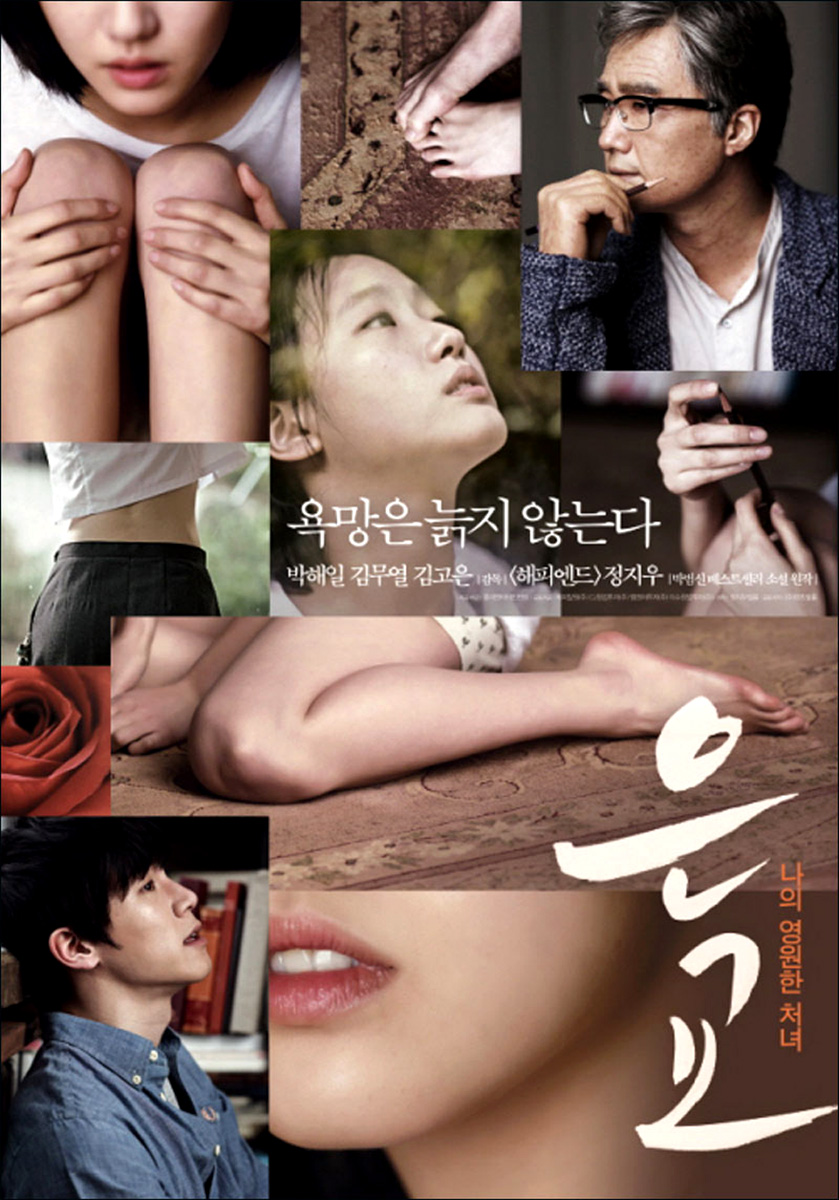
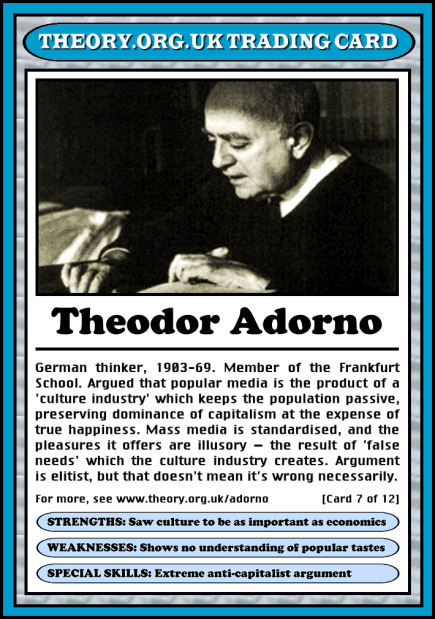

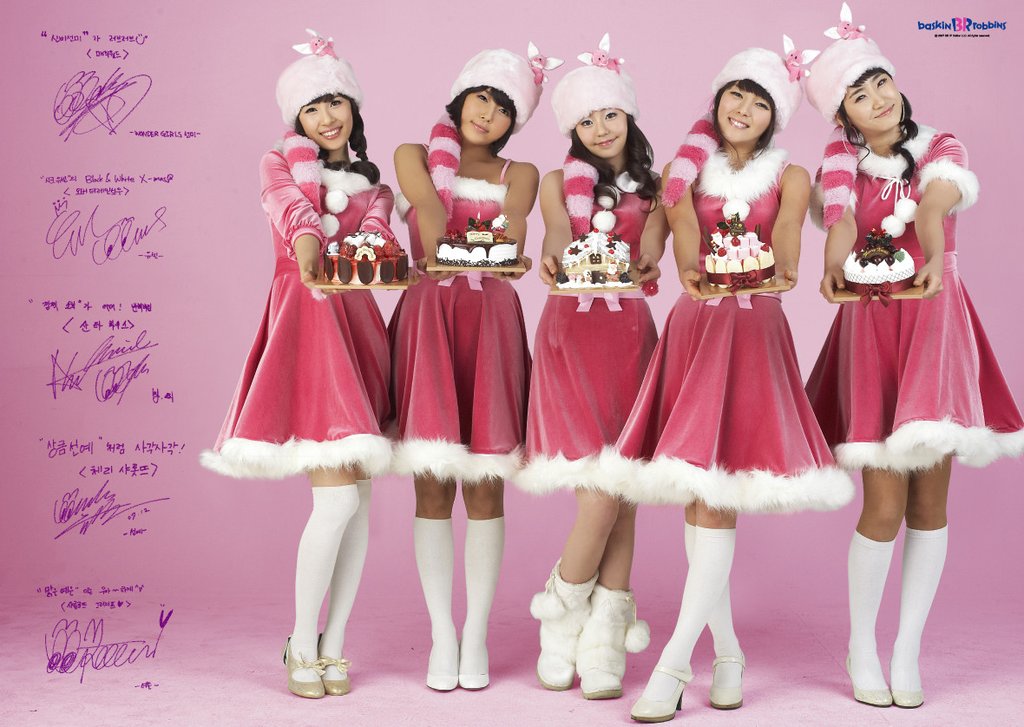
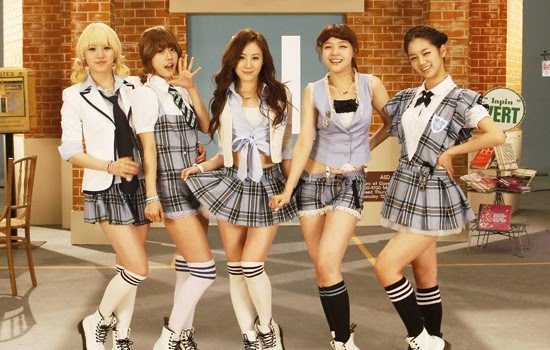


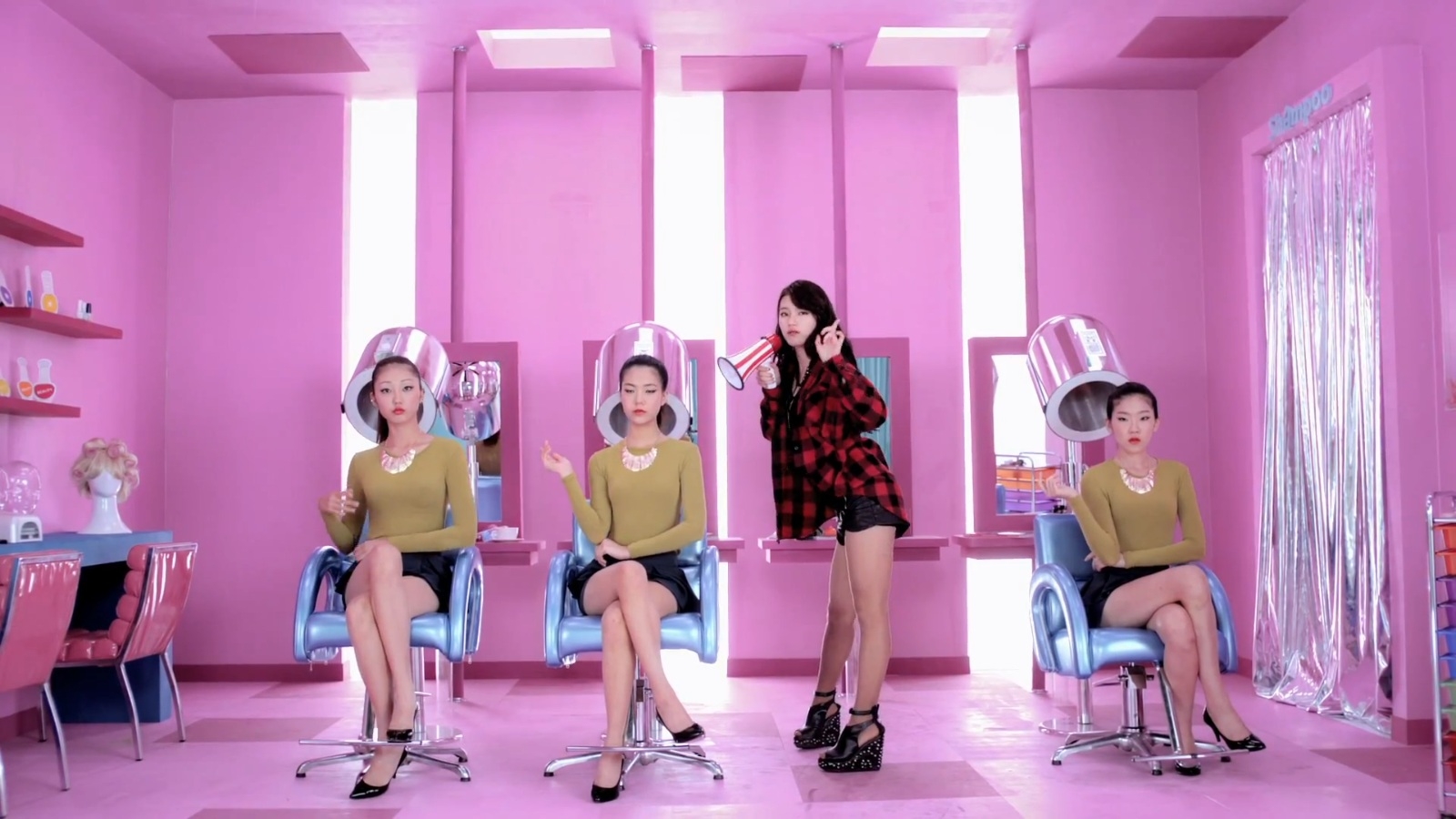
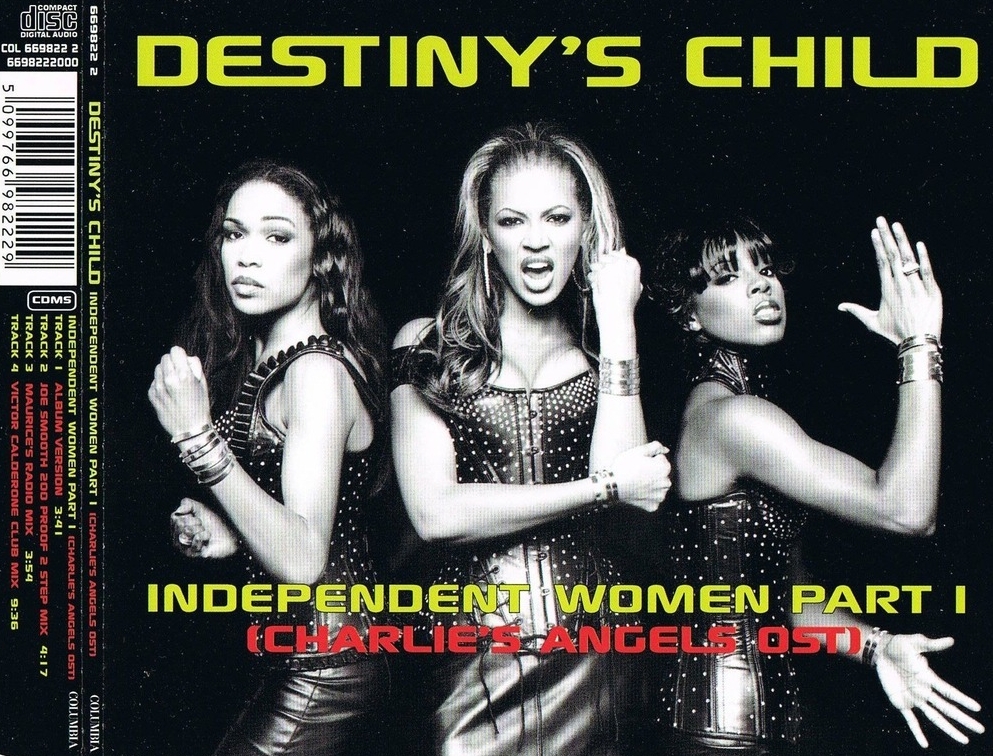
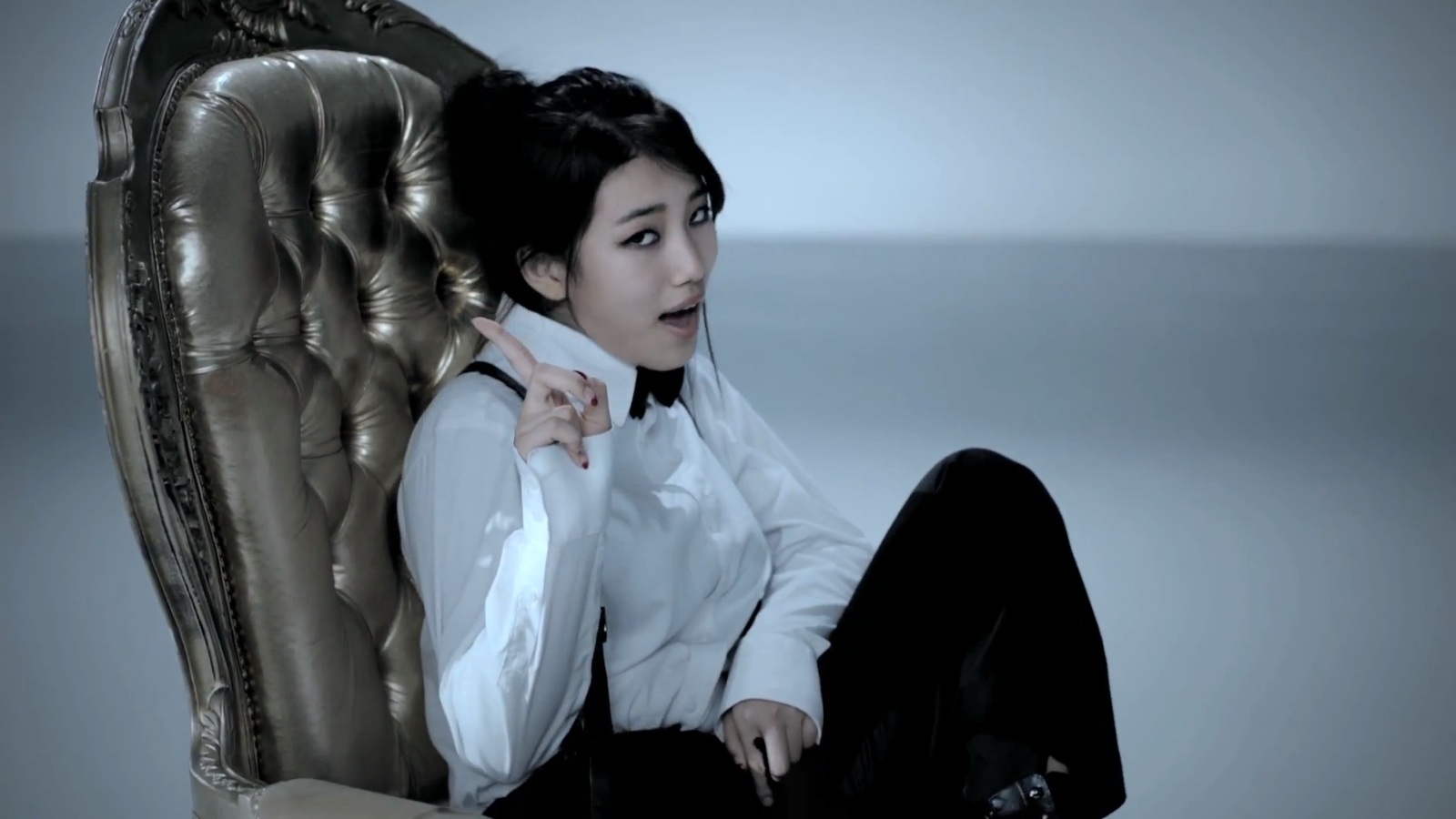
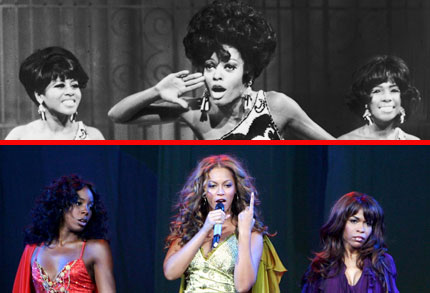

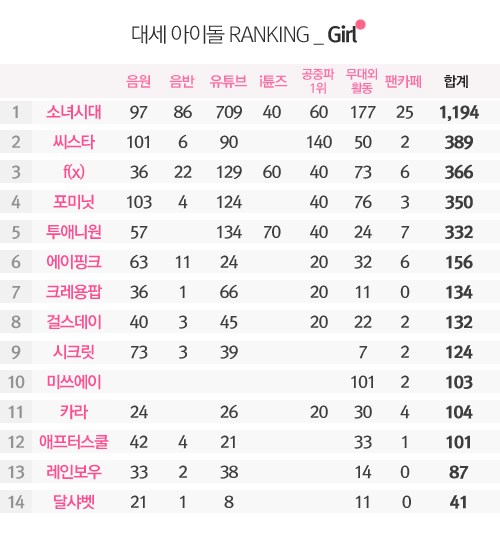
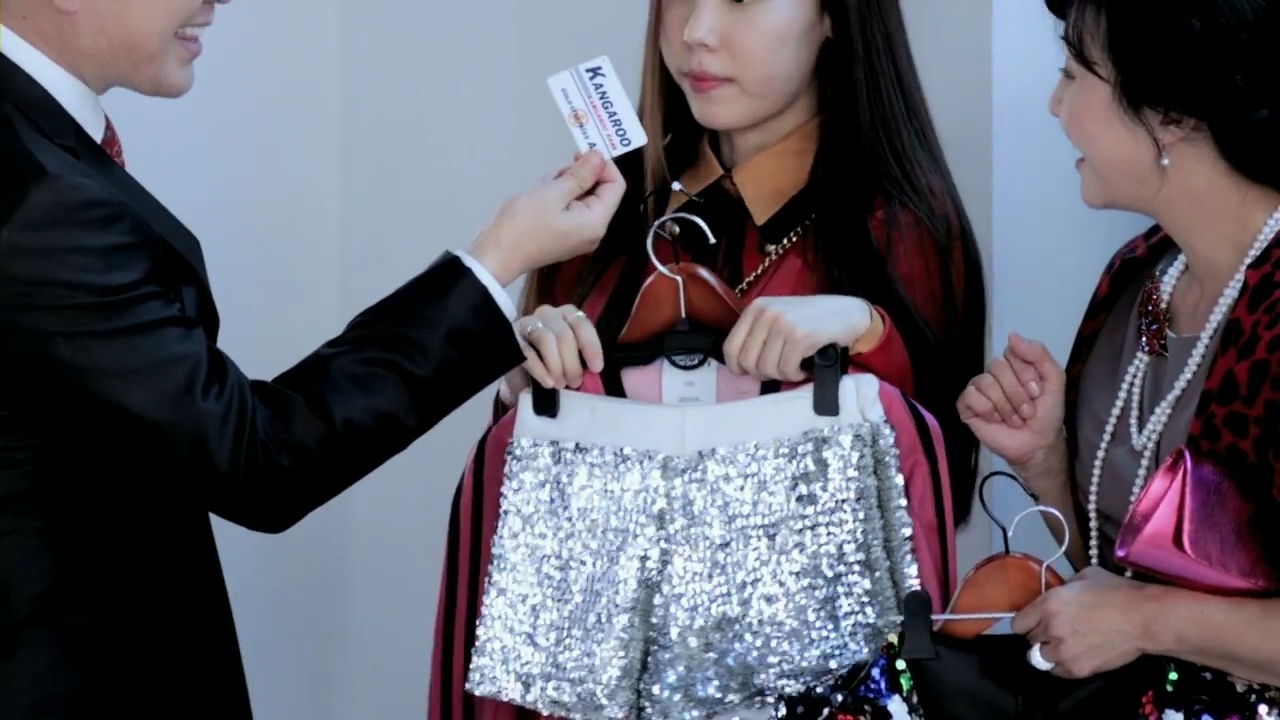
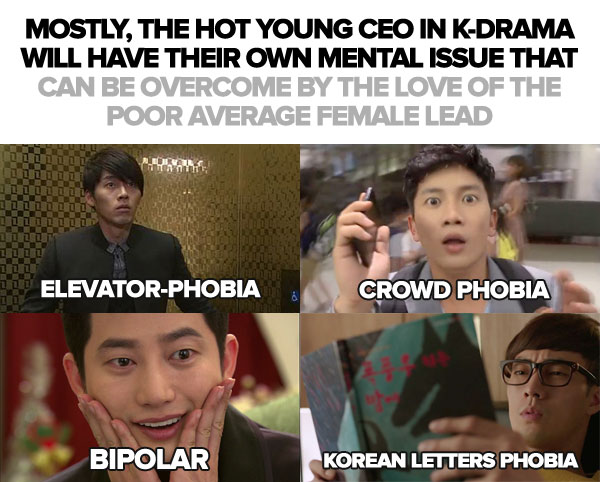

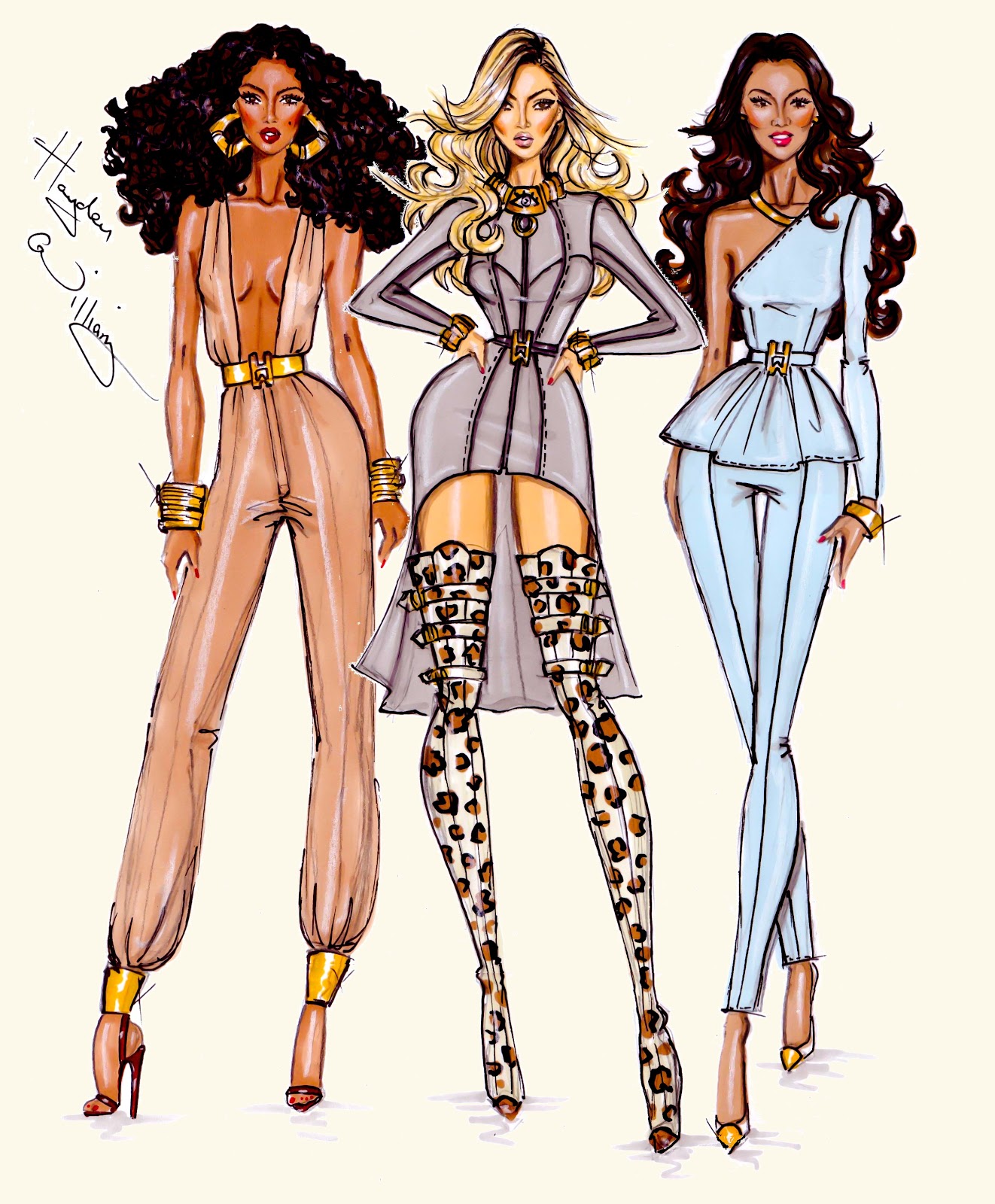

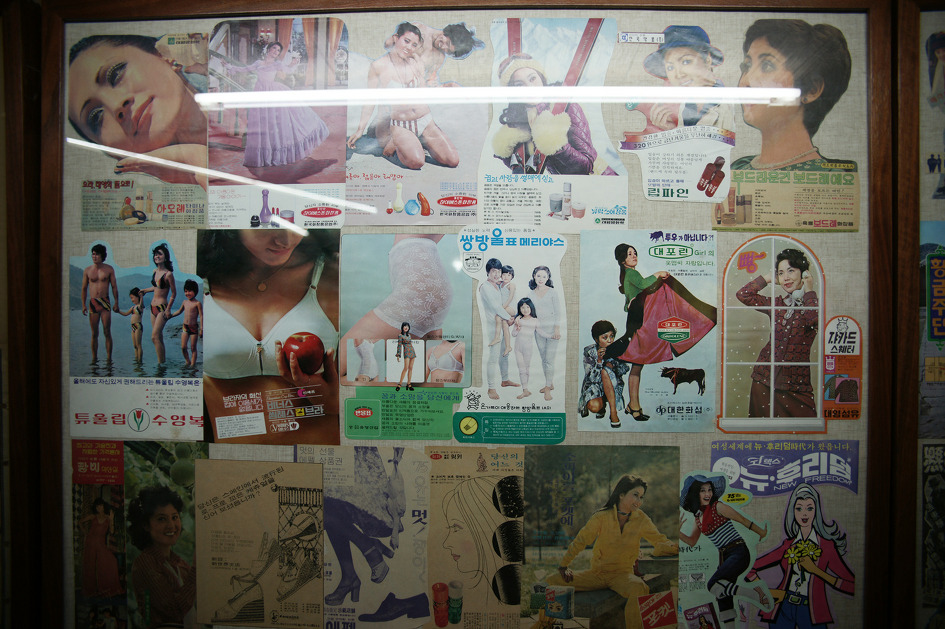
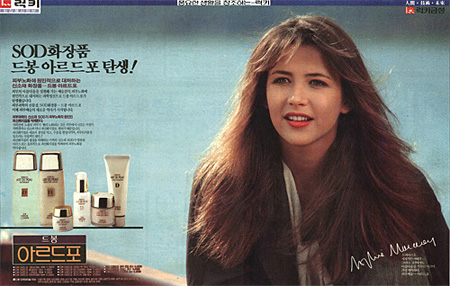
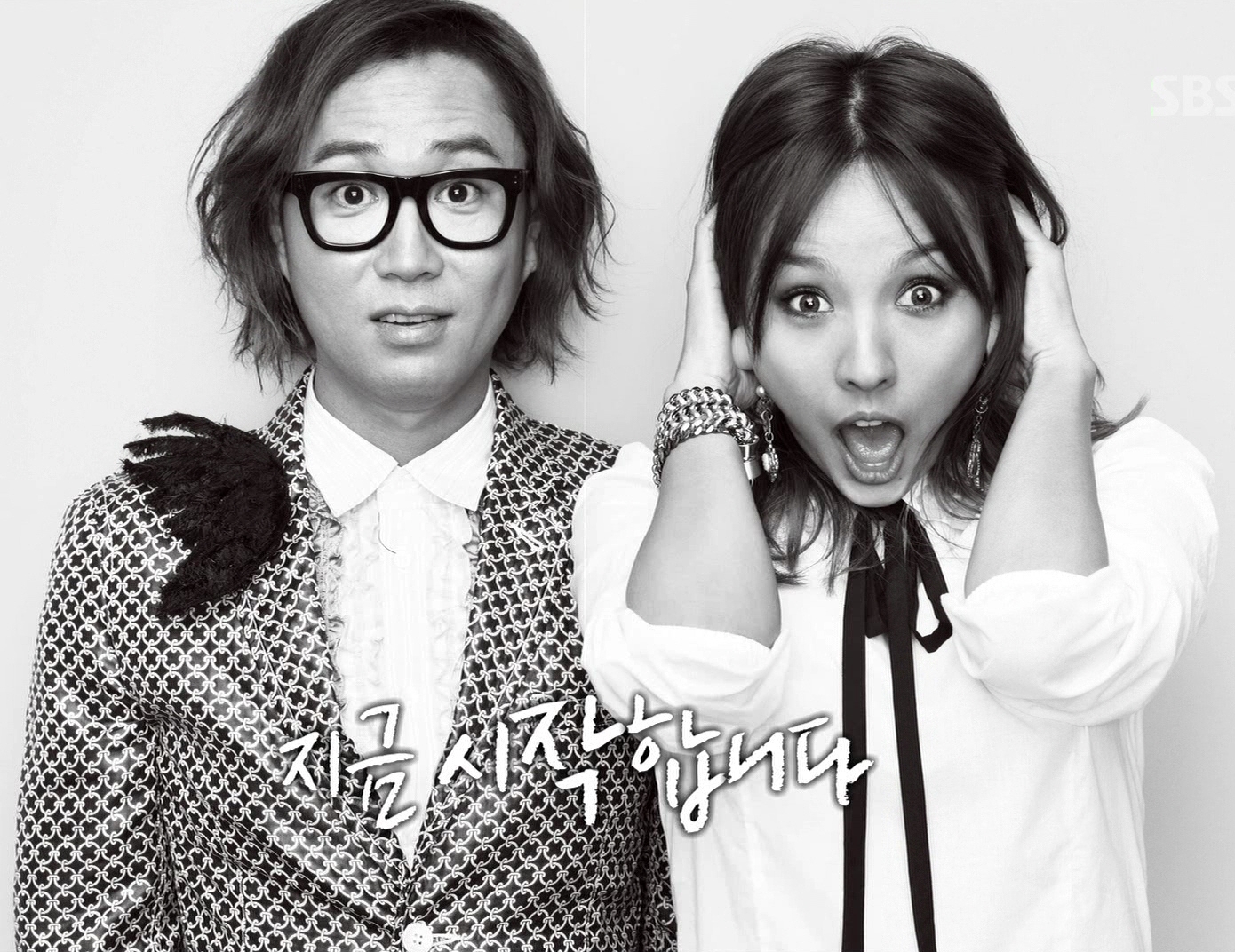
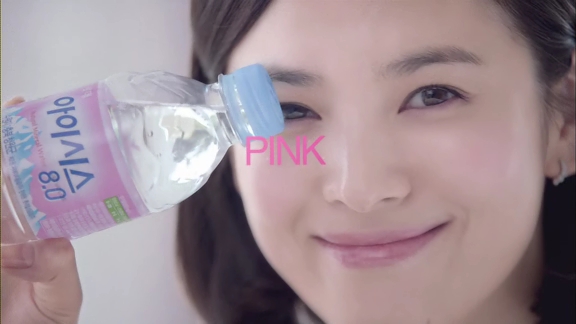


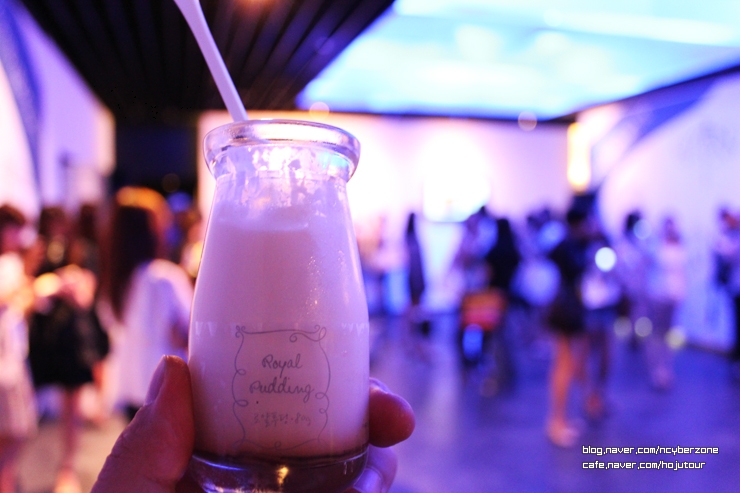


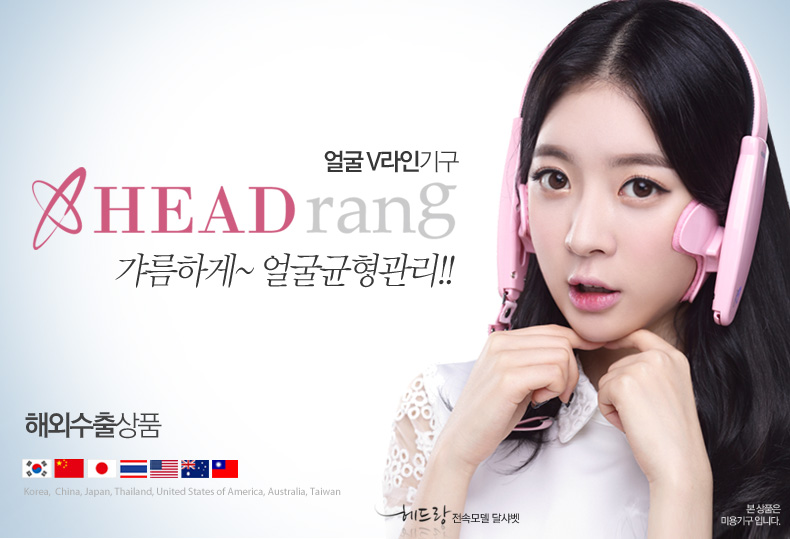
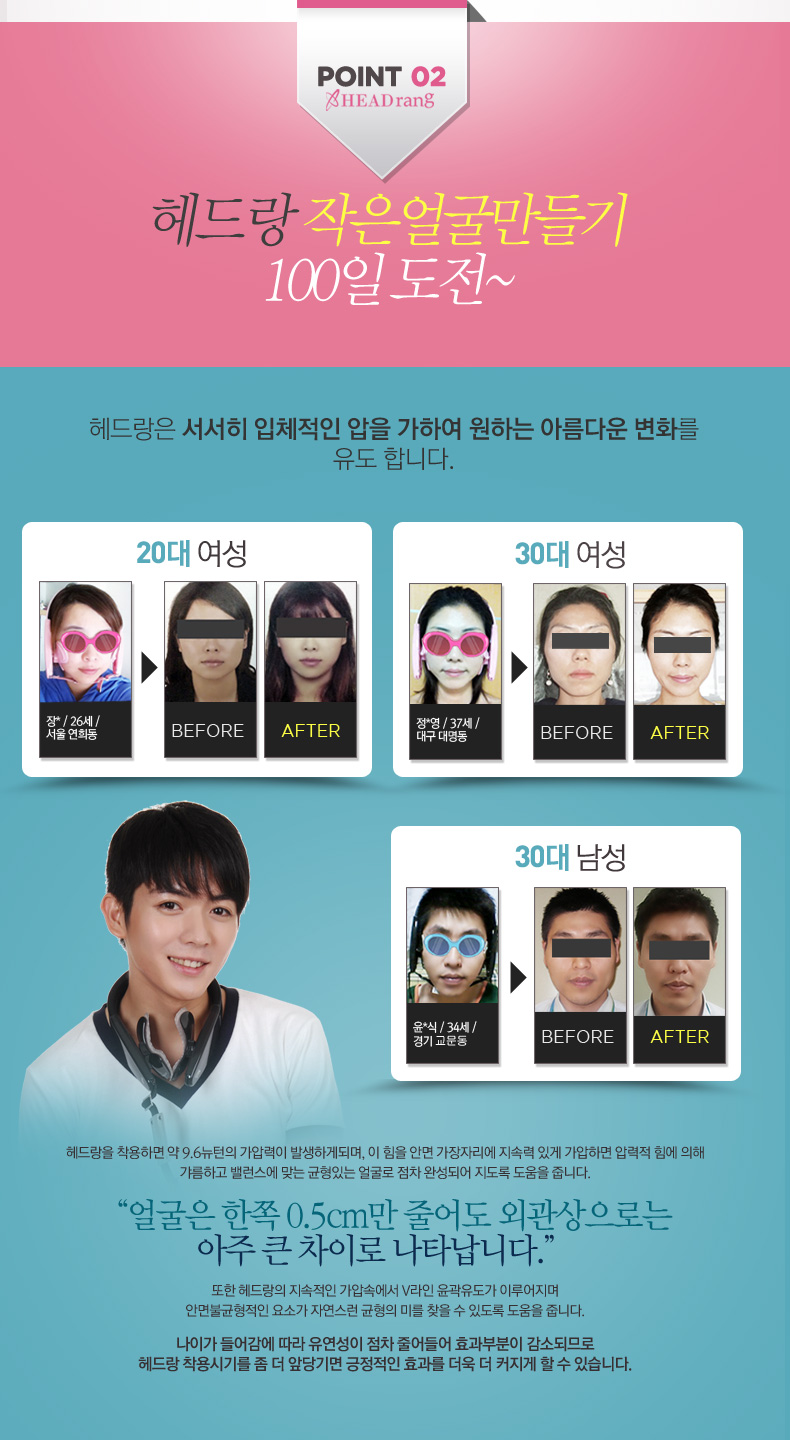


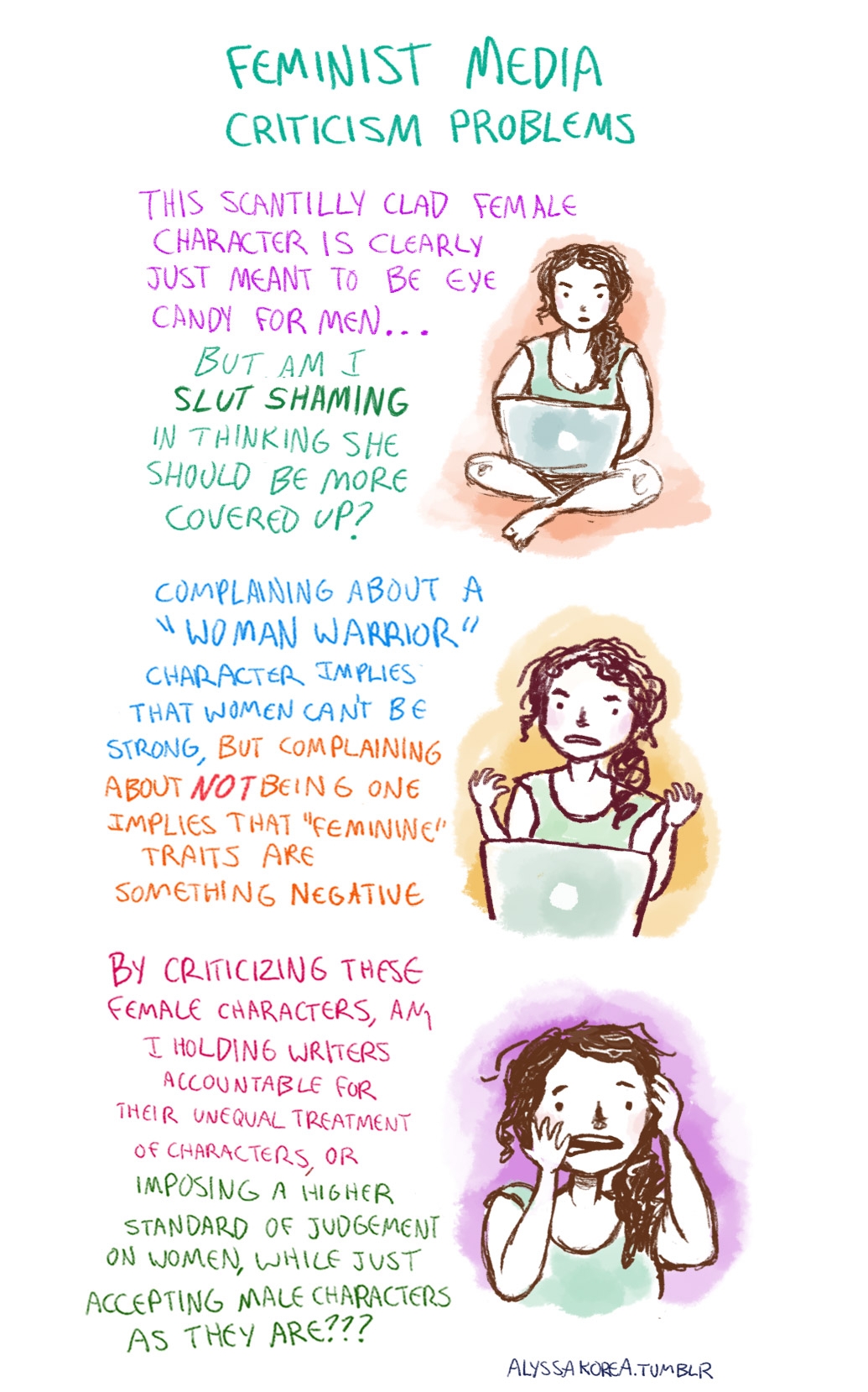
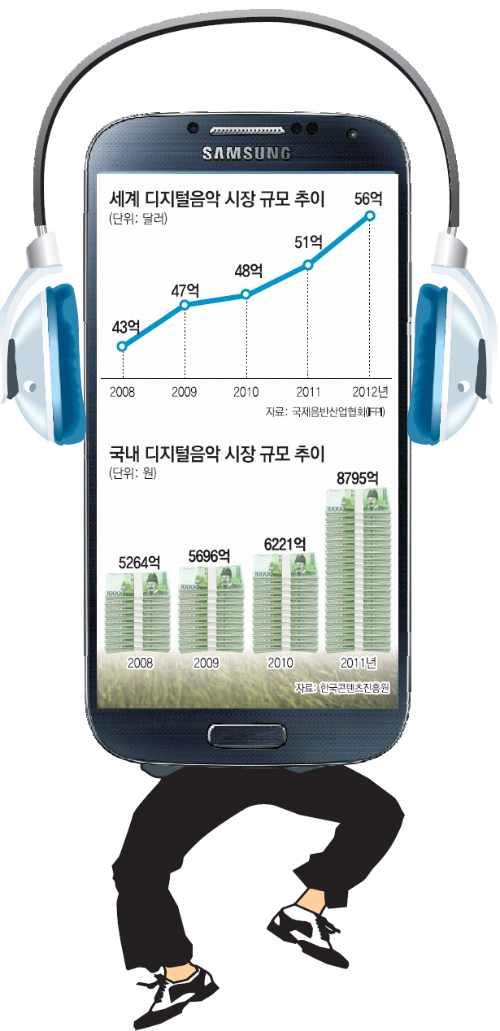
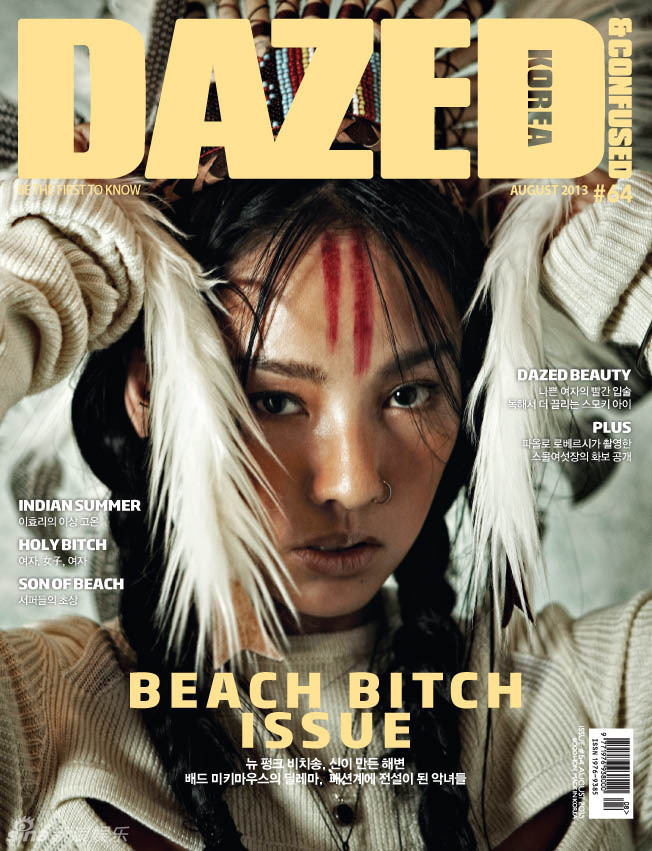


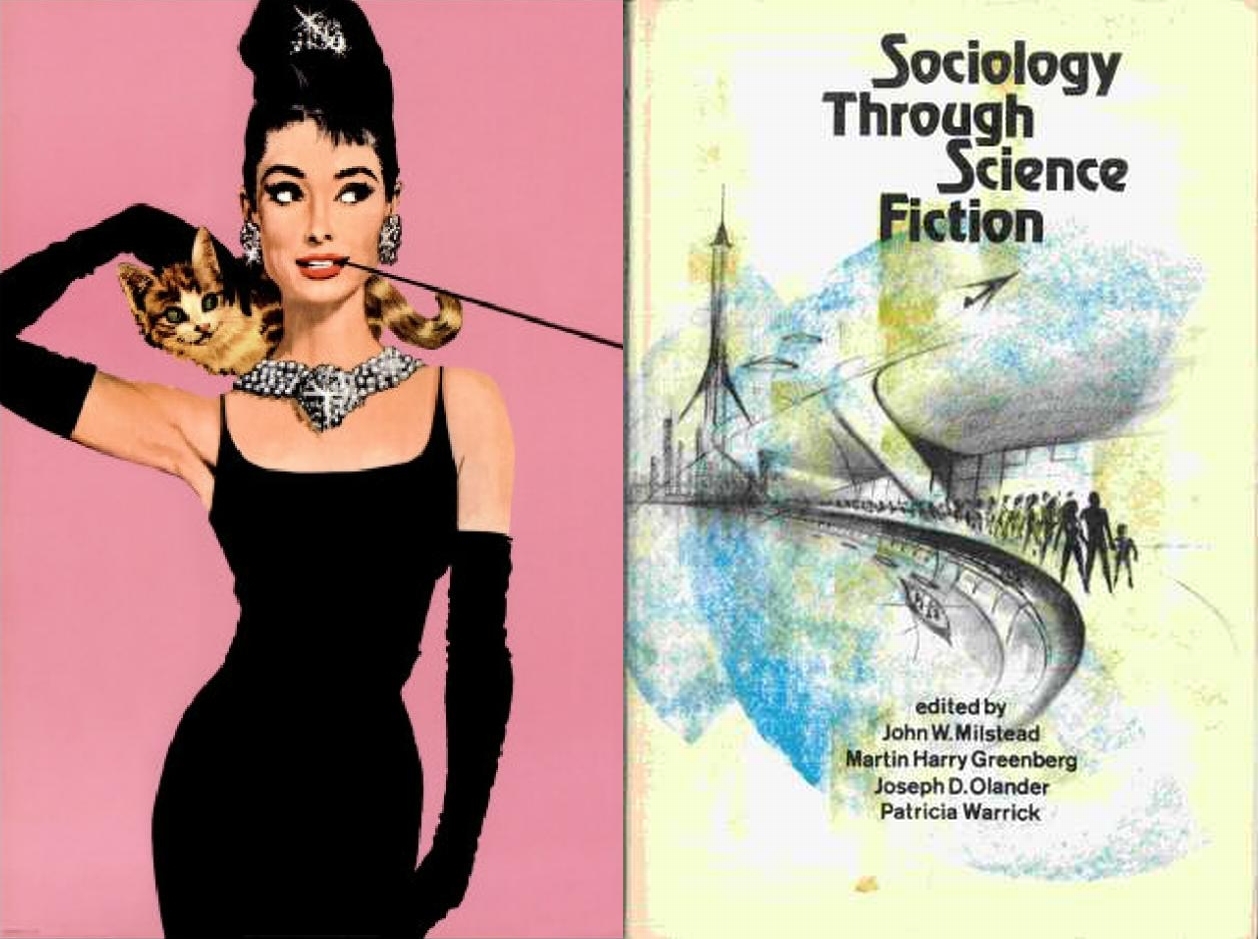

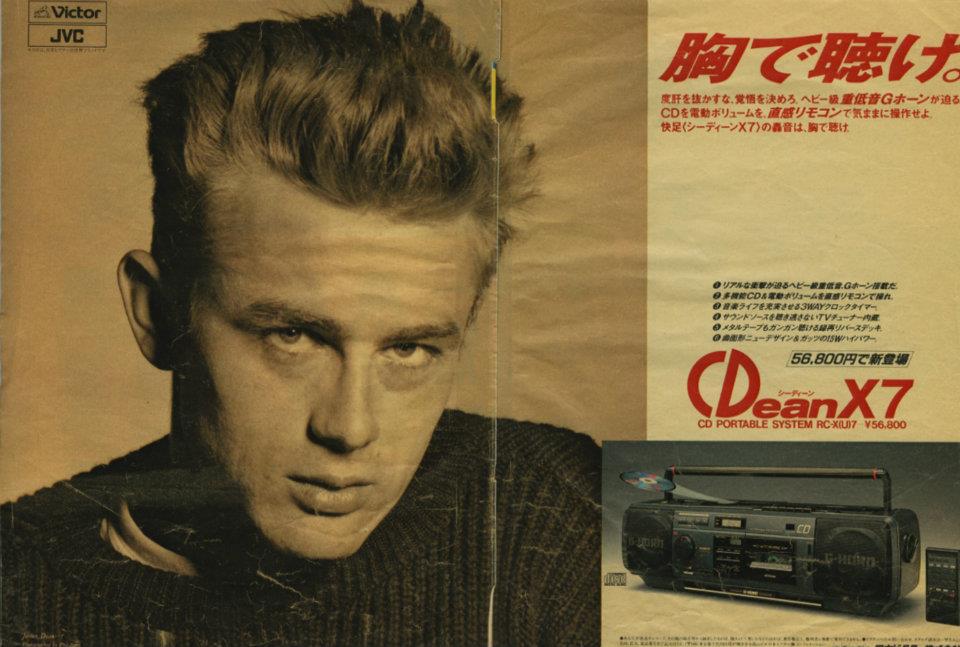
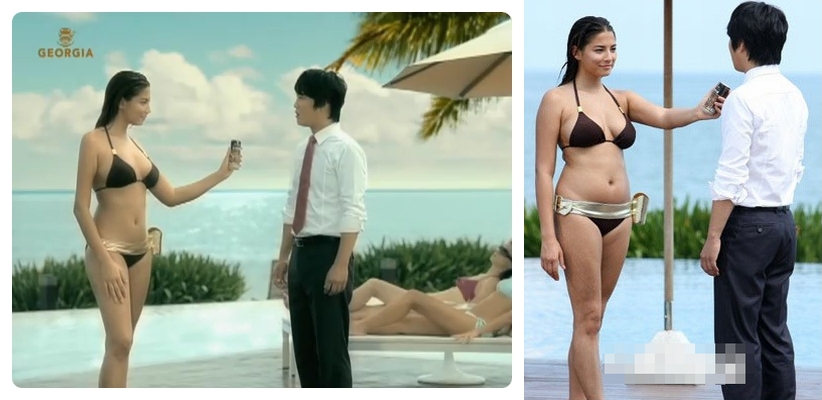
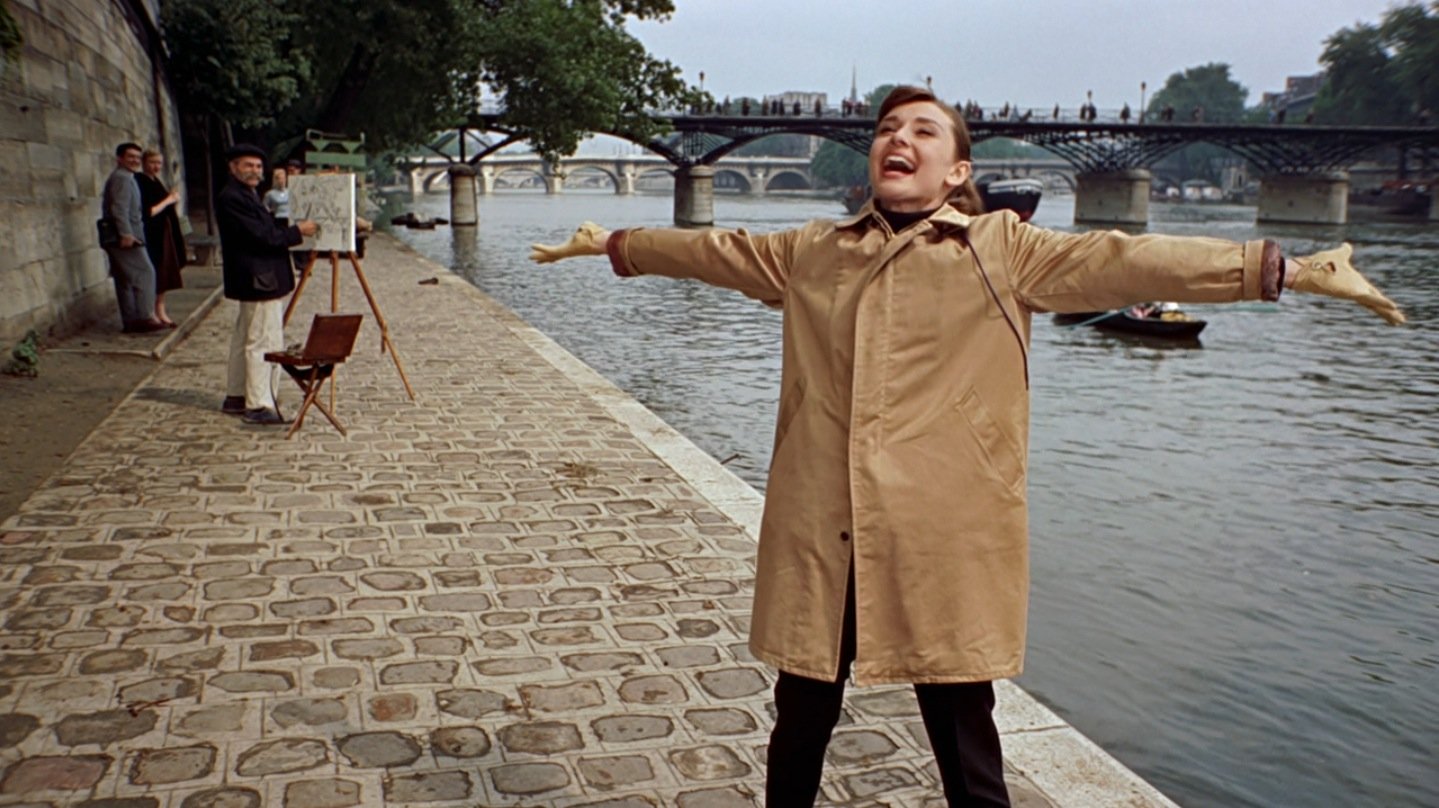
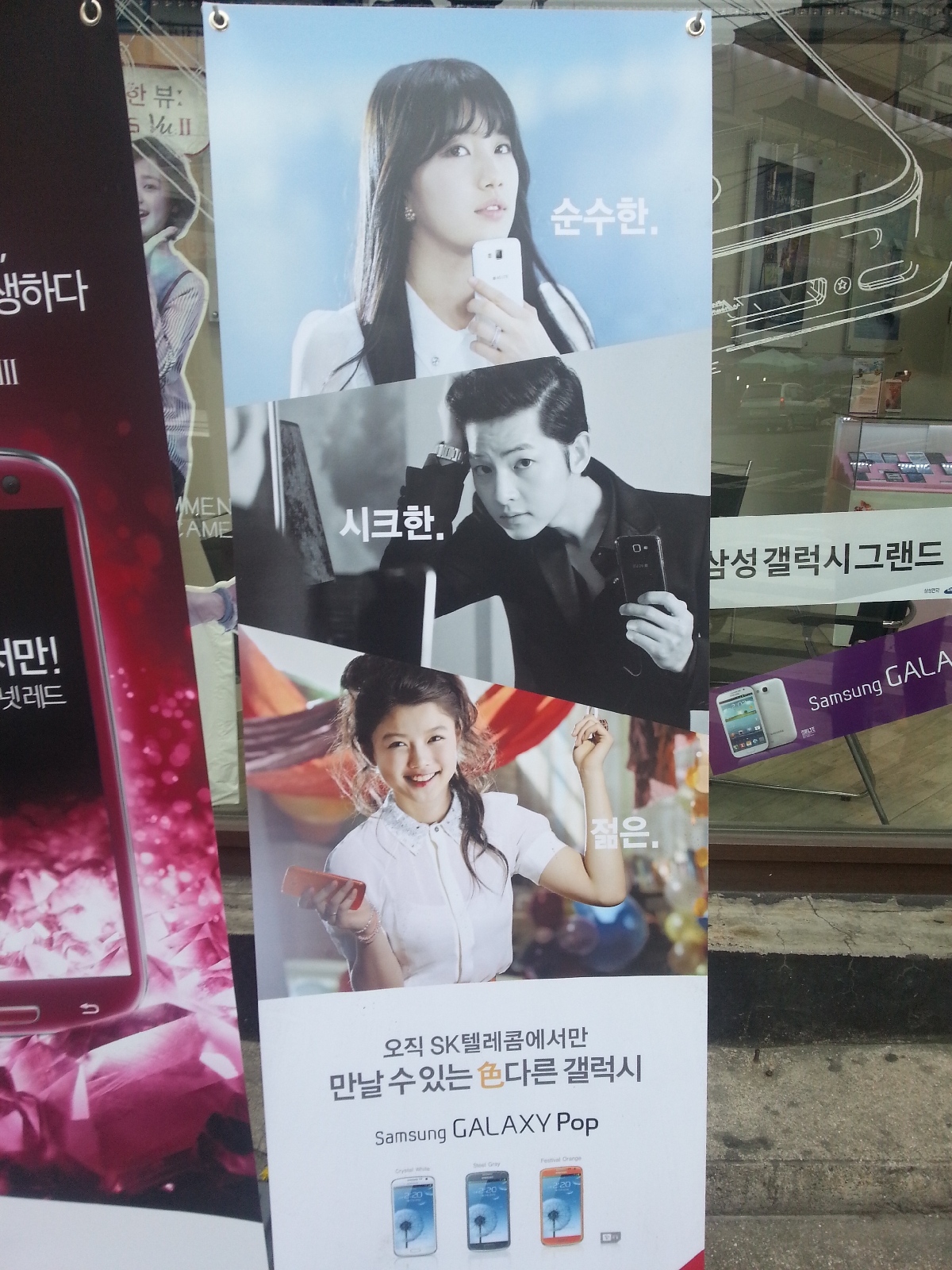

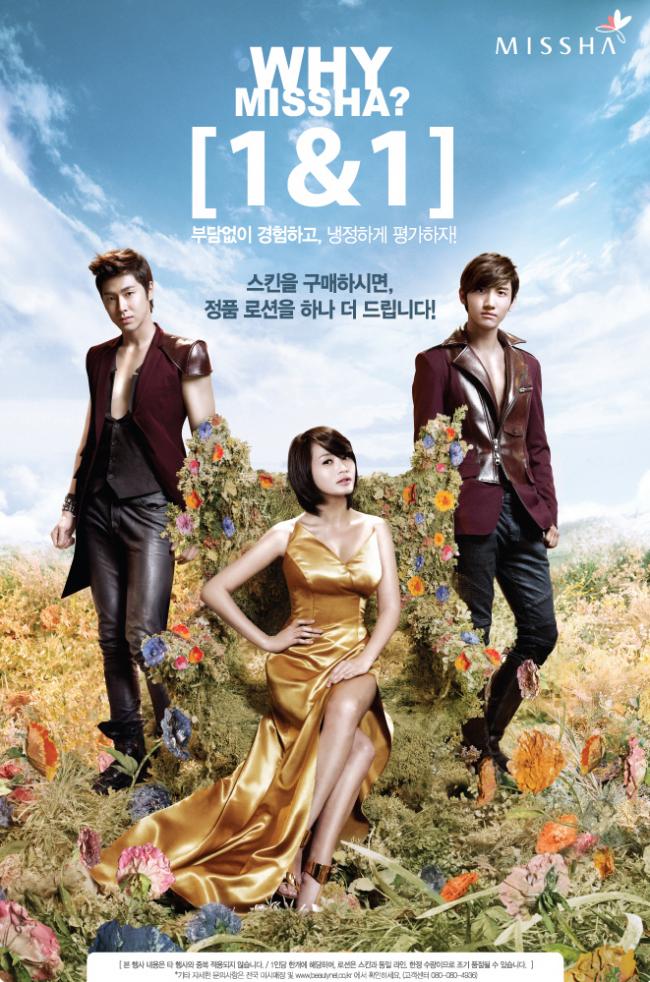
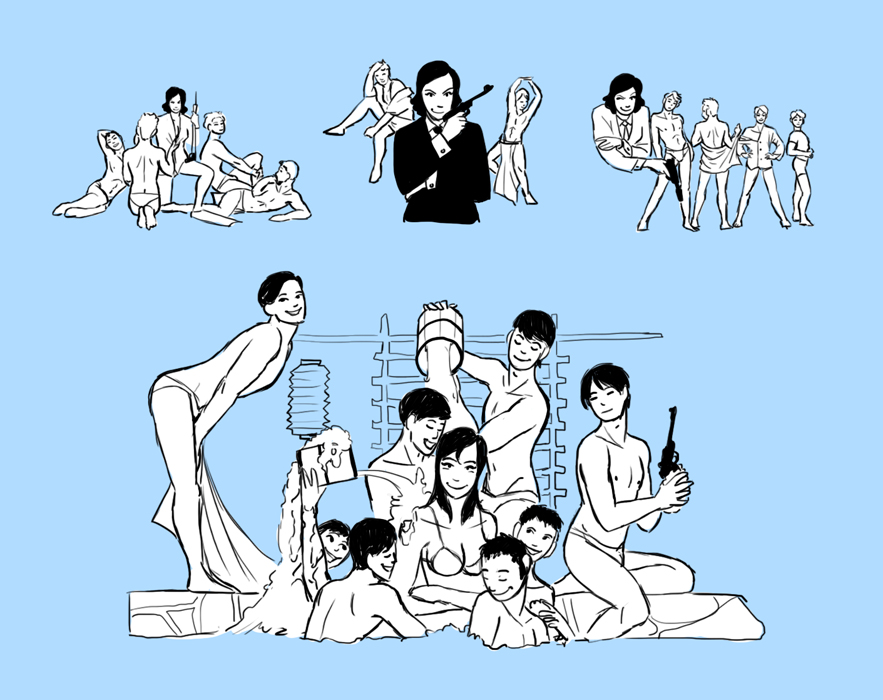
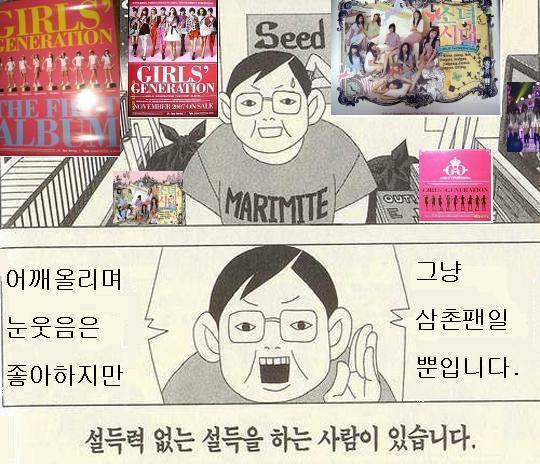
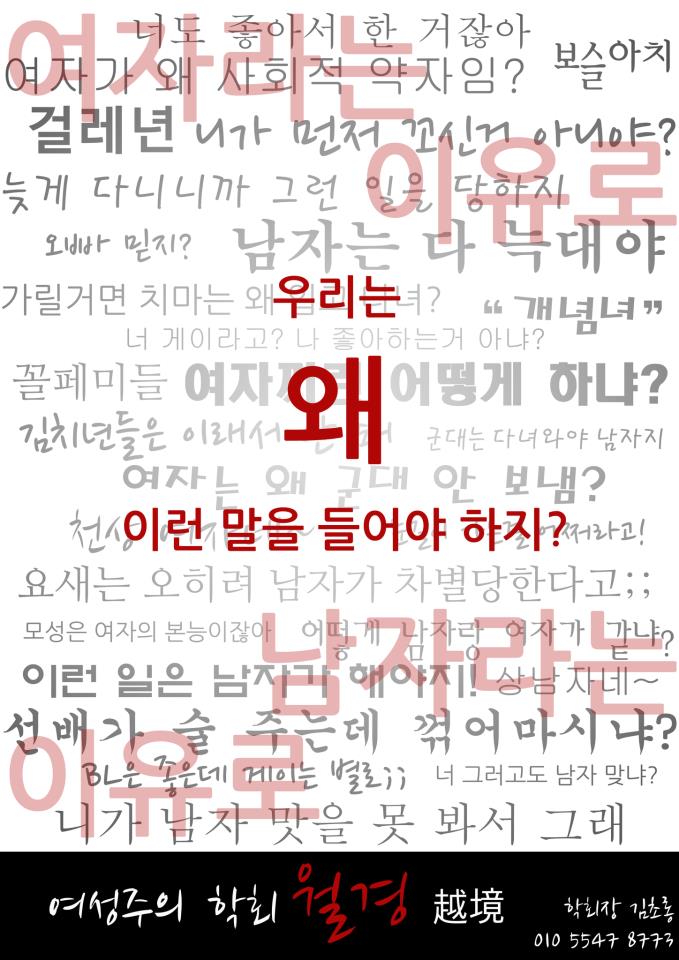

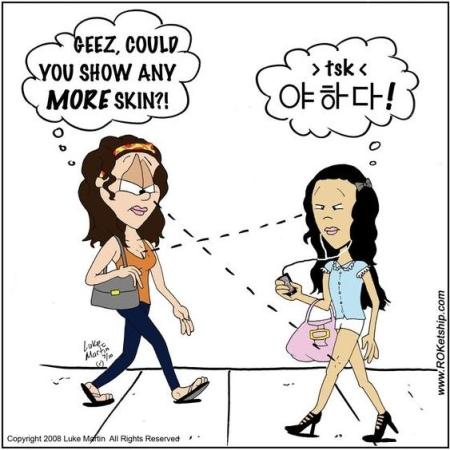

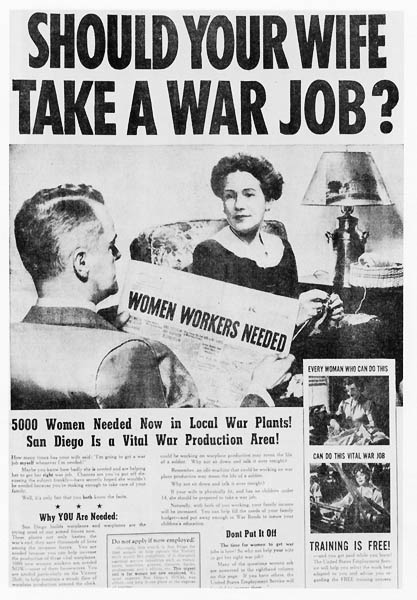
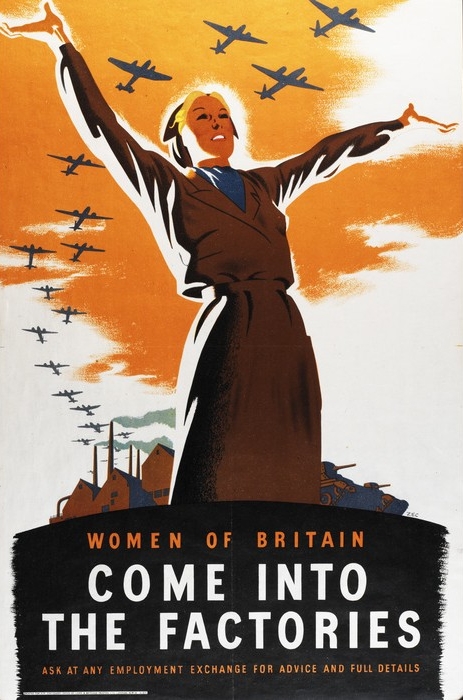

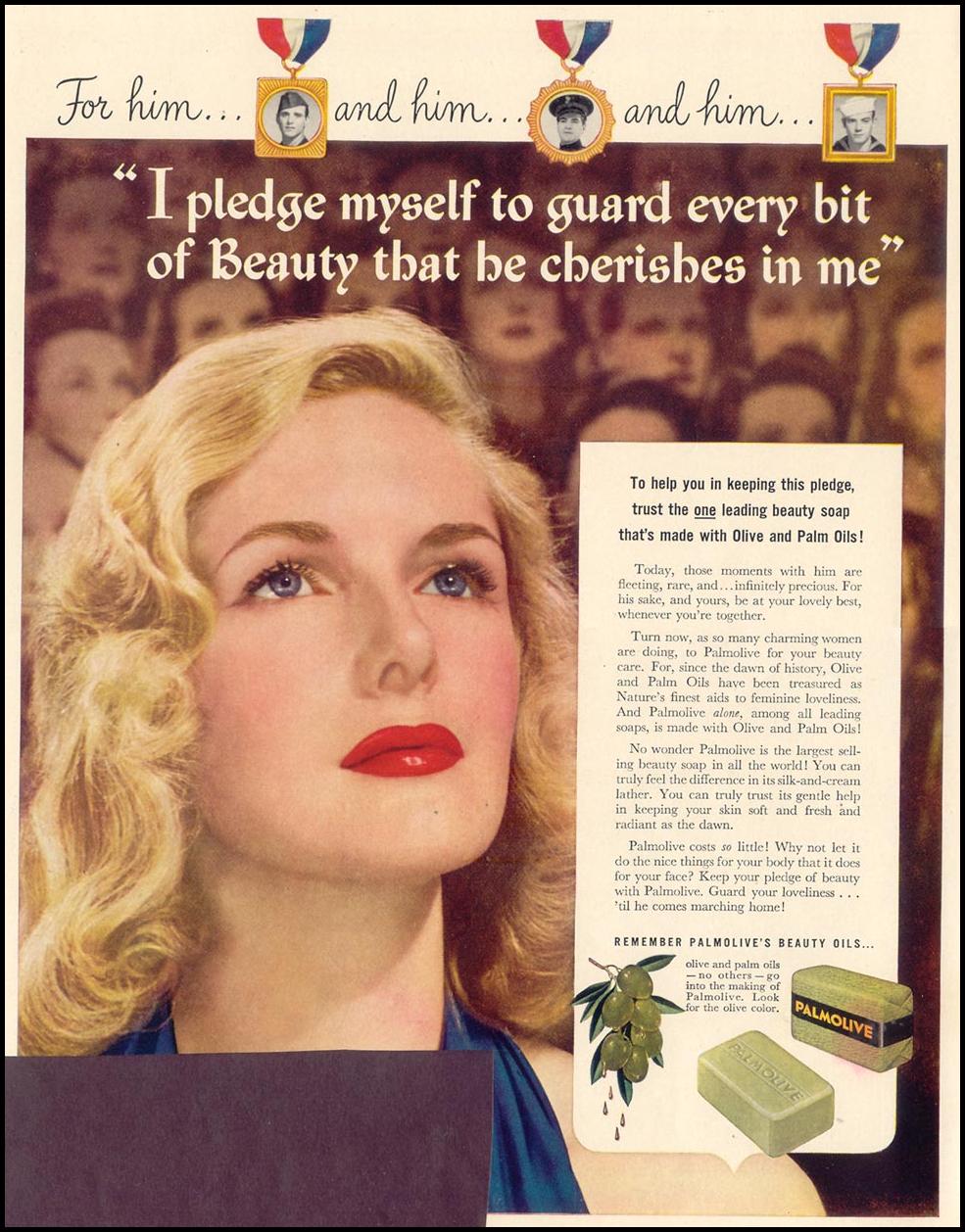
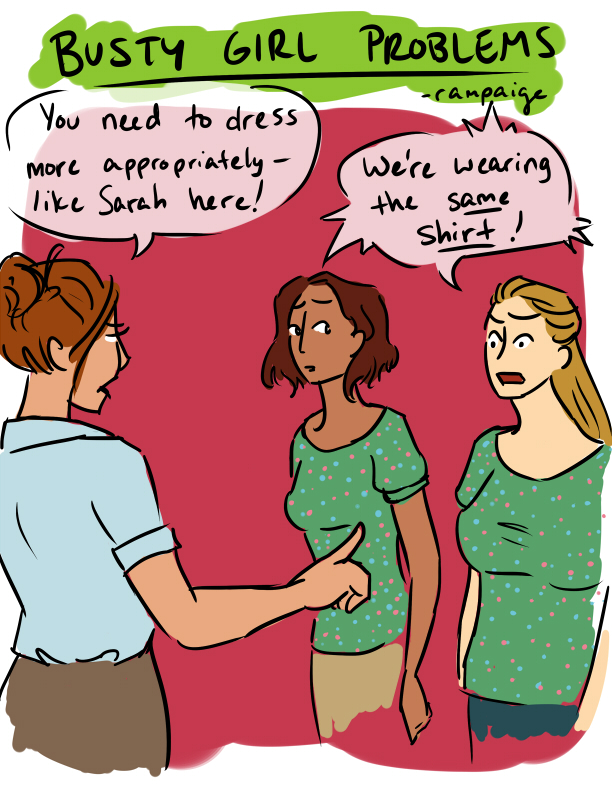
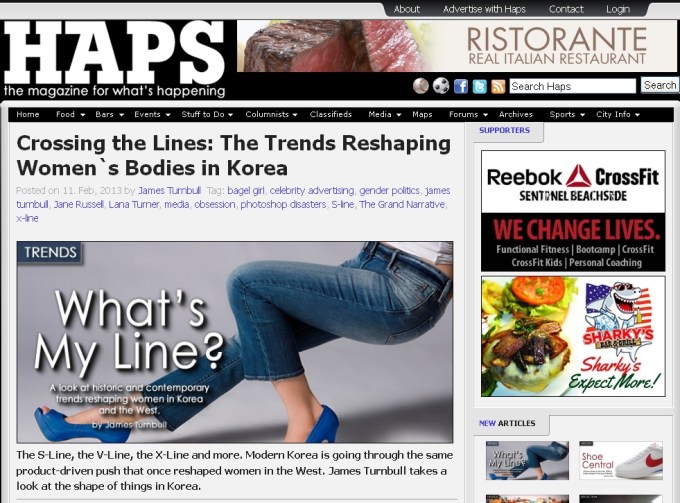

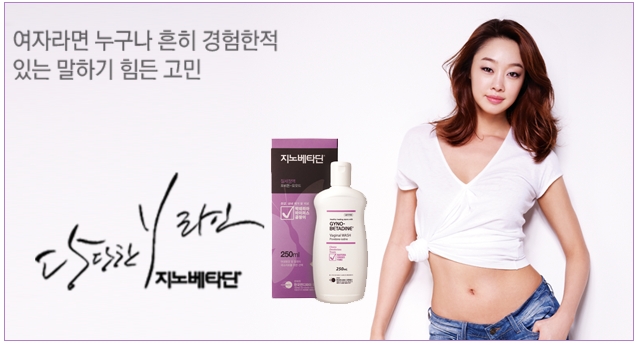

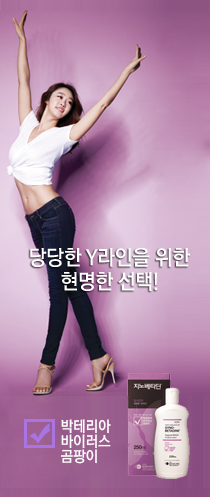
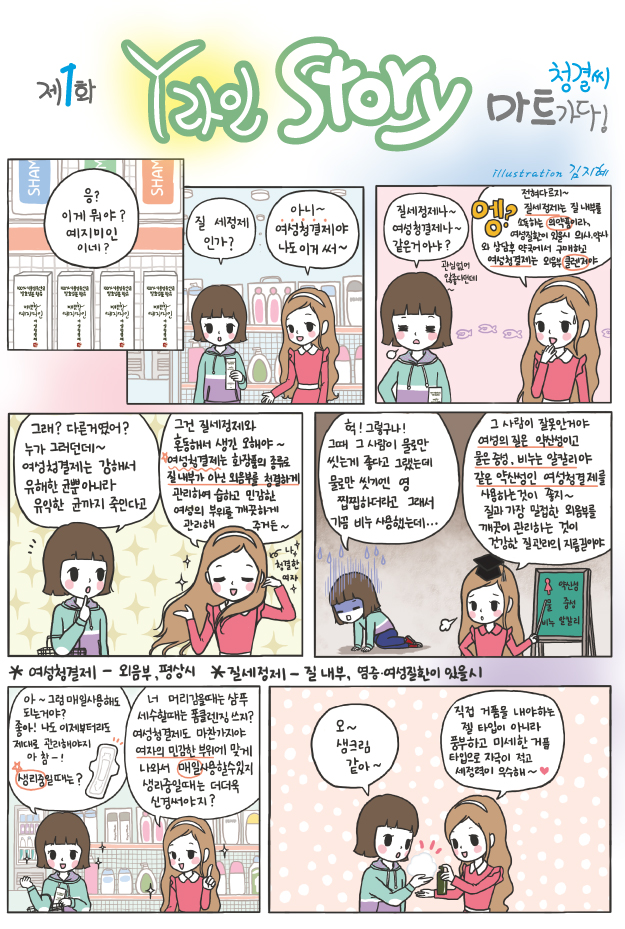
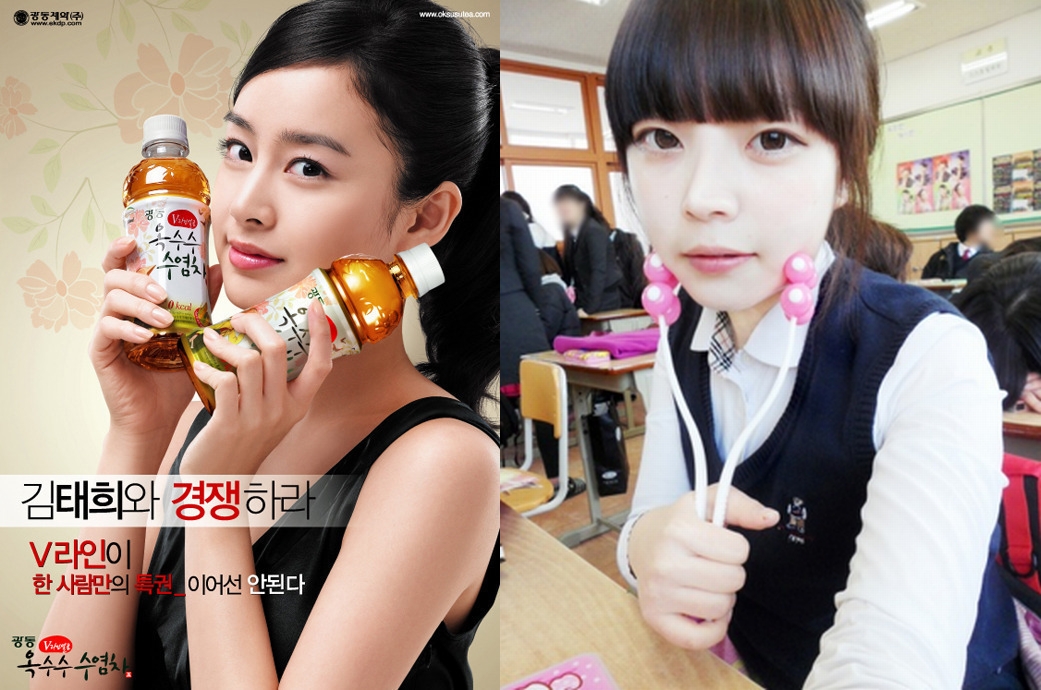


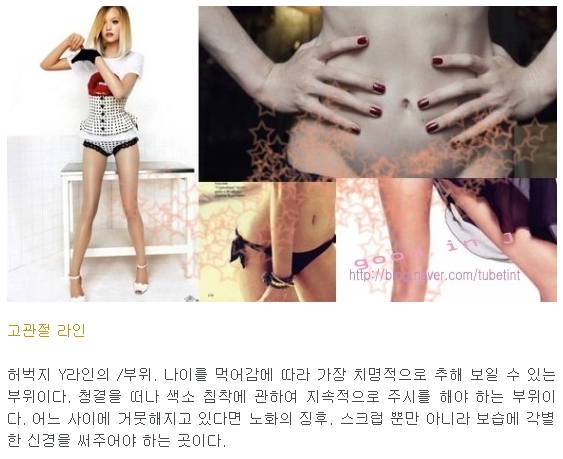
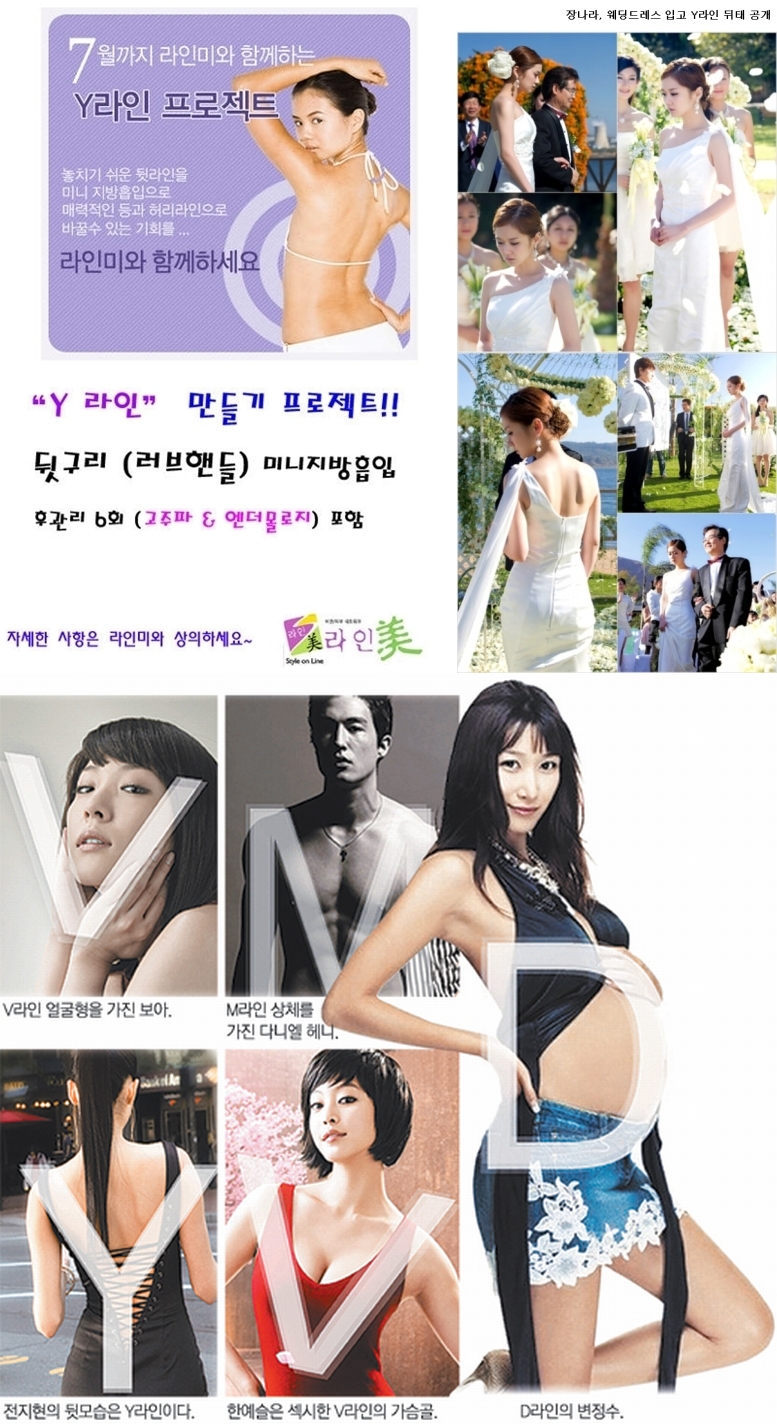
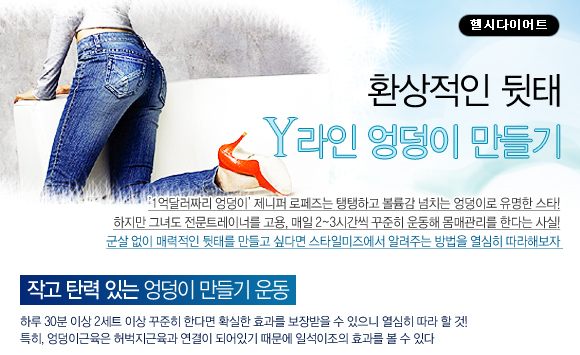

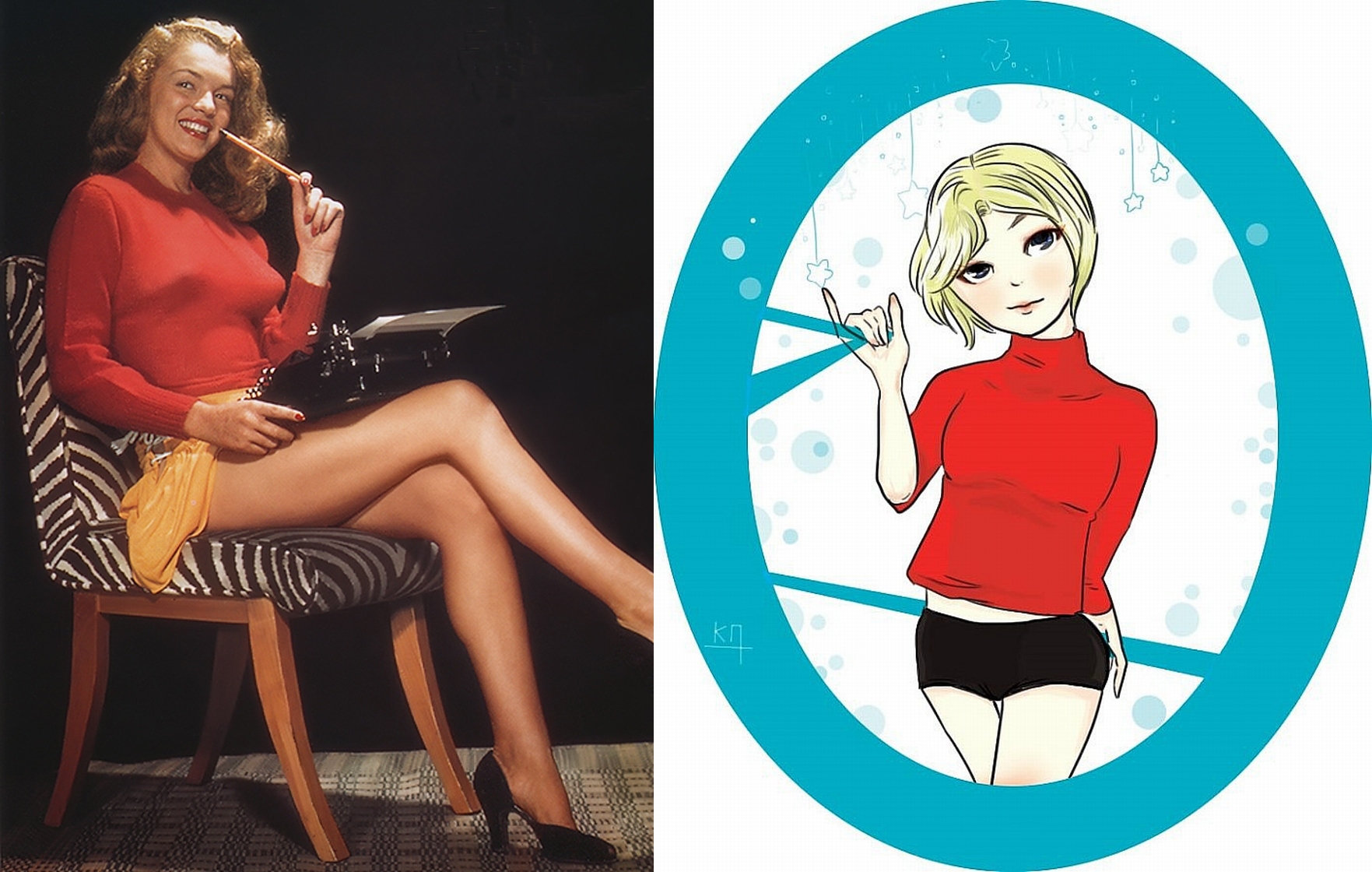
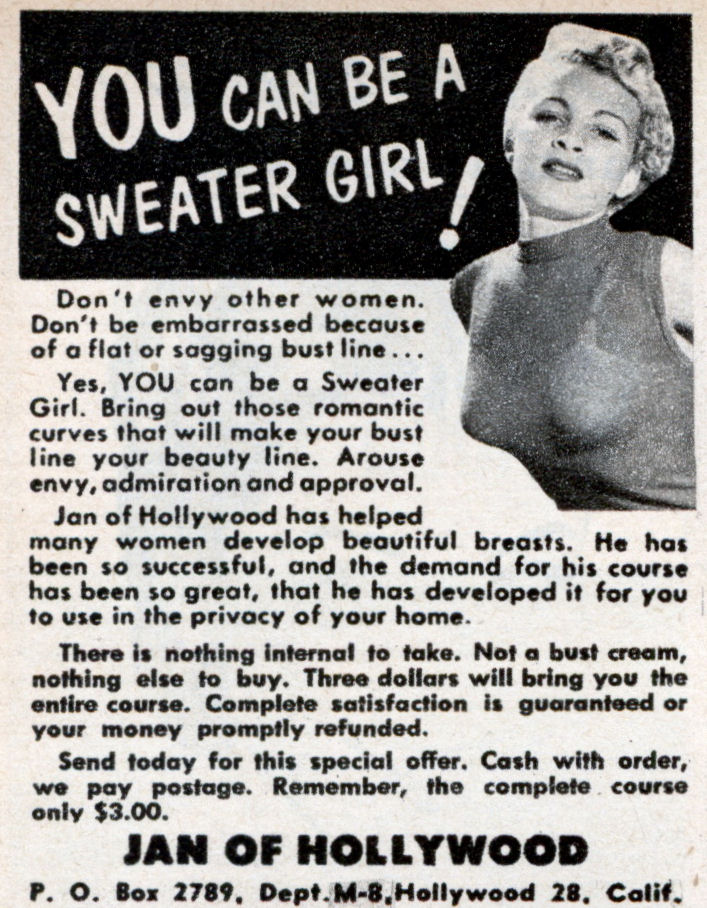

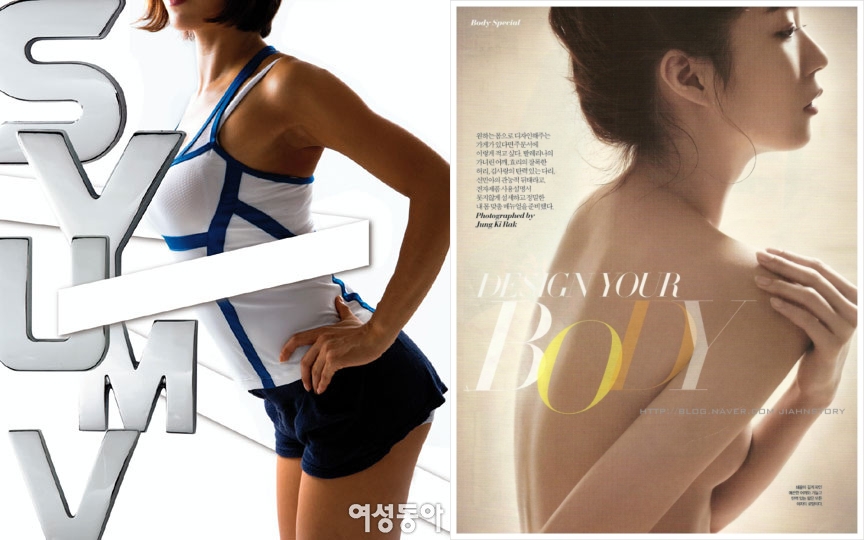

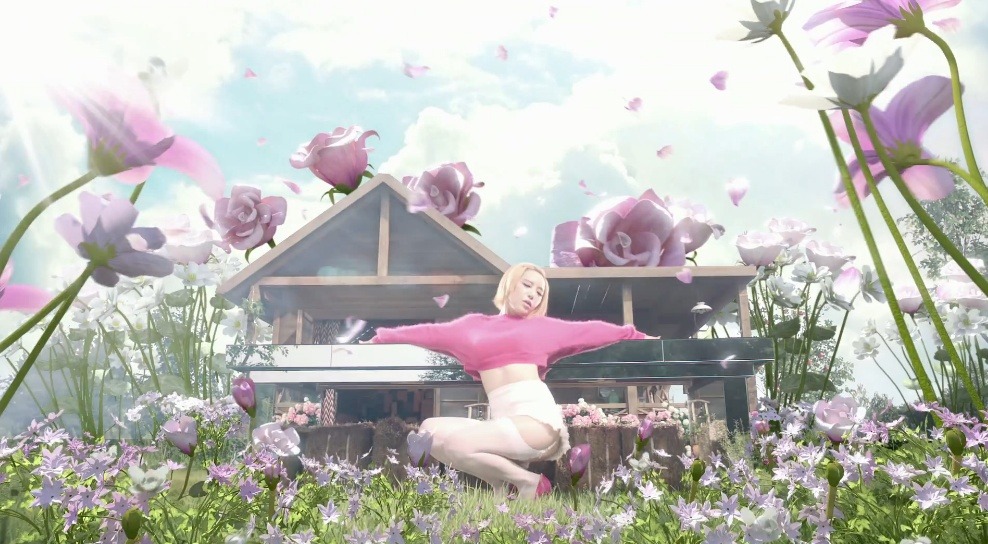

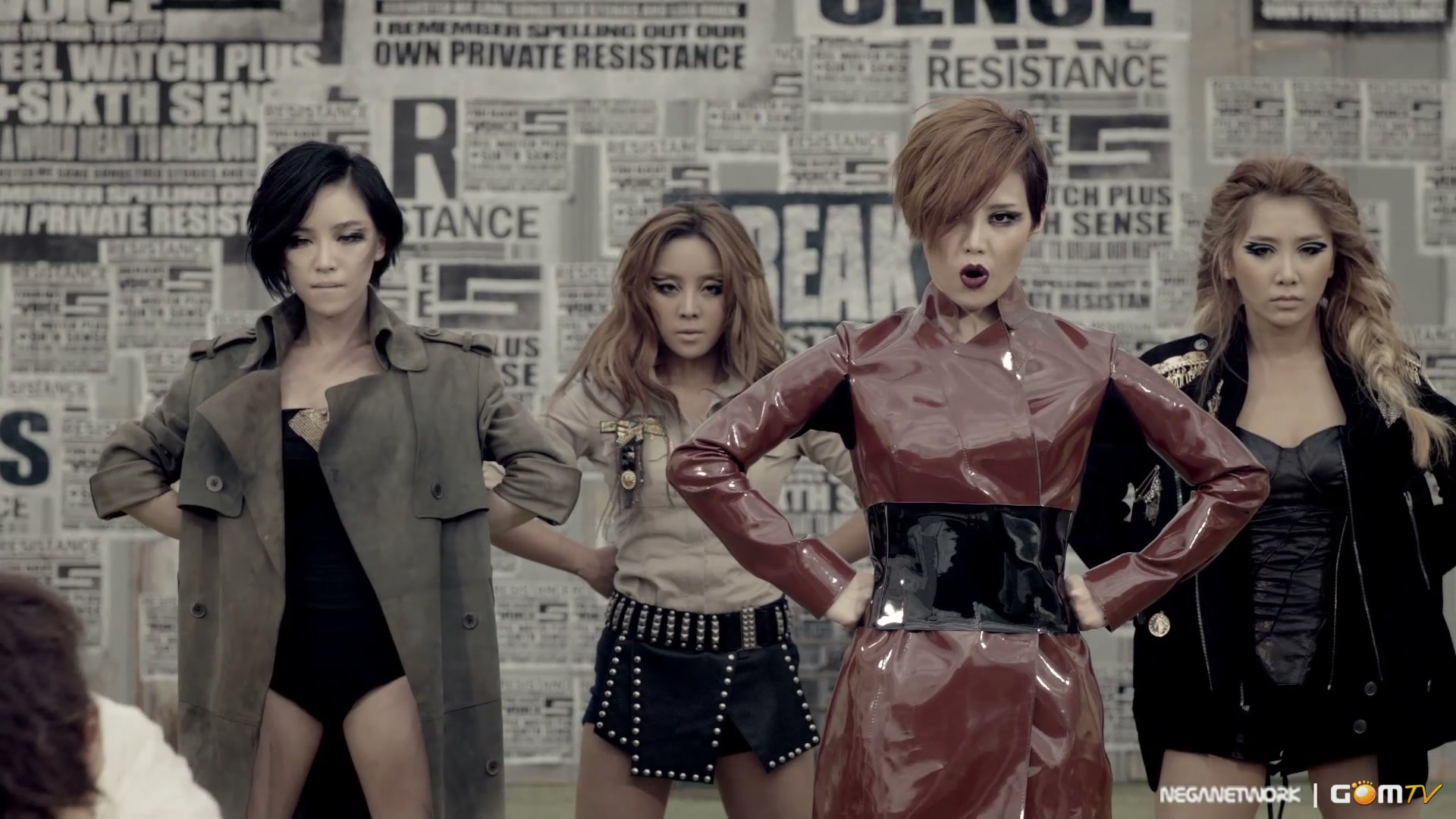
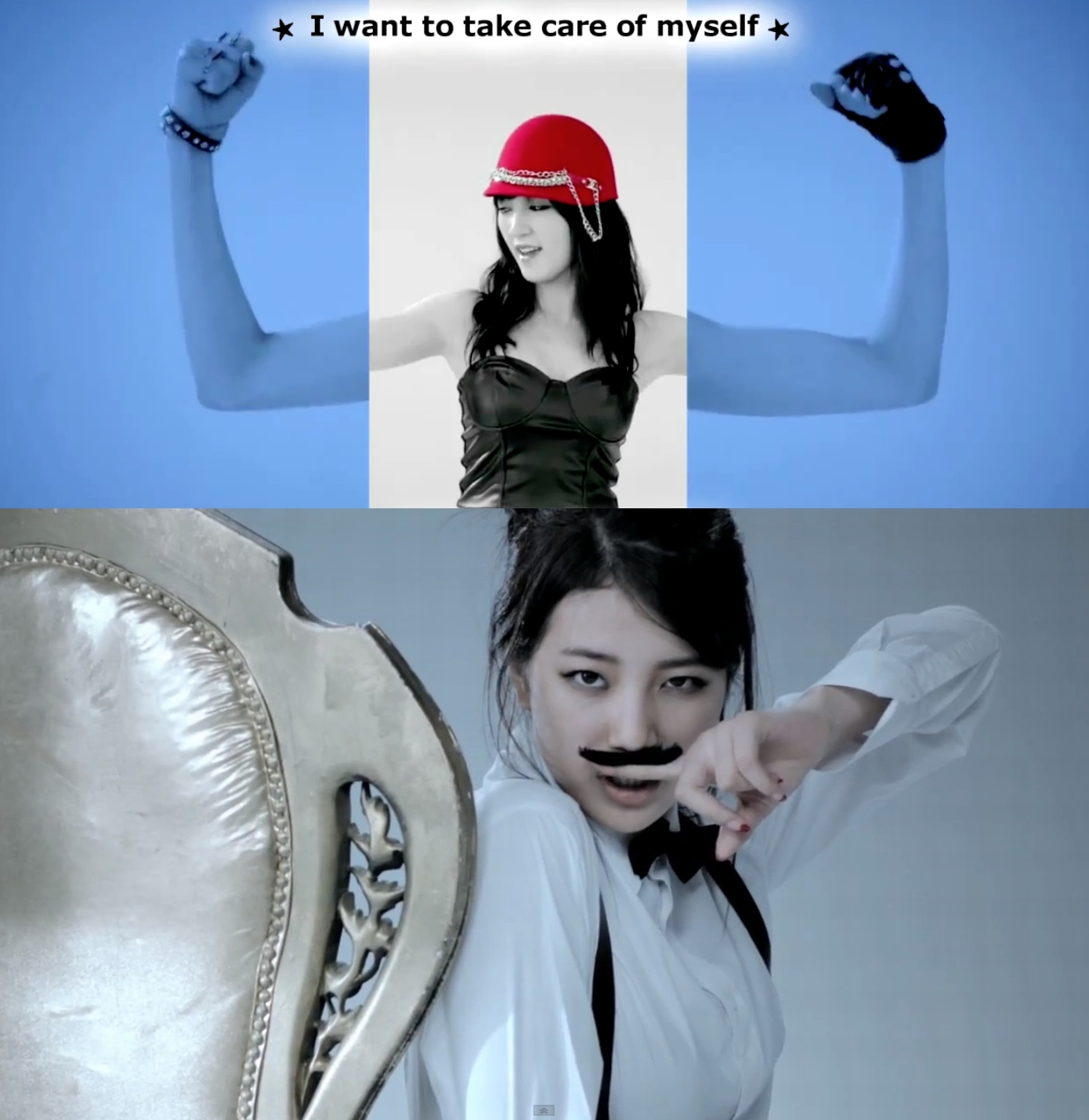

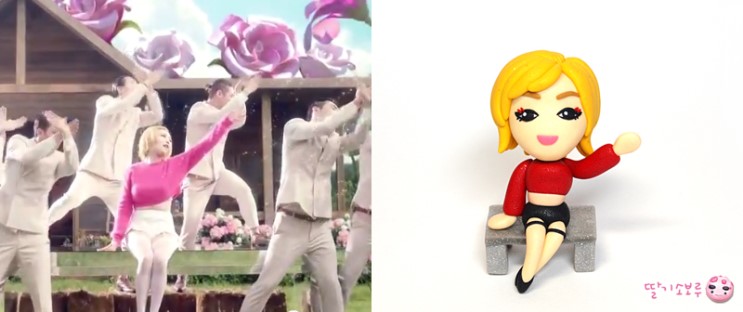
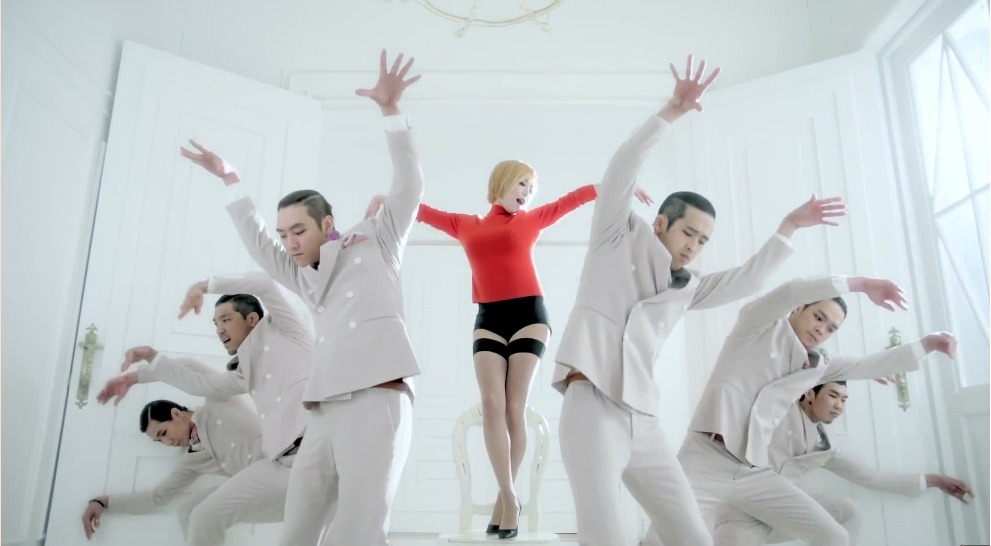


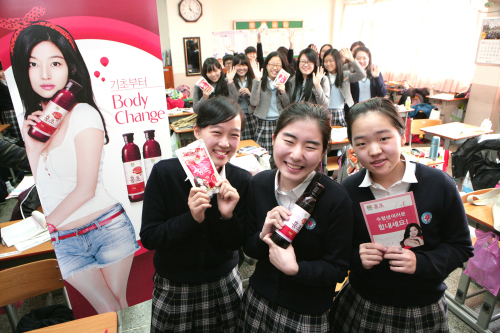
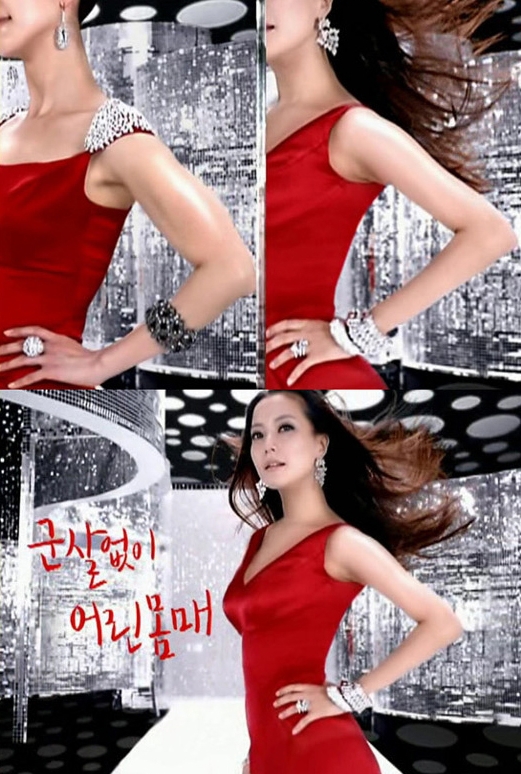


 The Grand Narrative