Sigh. I beg to differ on Cup Noodles being a “diet food” made for “people who want to get themselves into shape”, but it’s no great surprise that that’s how they’re being marketed in Korea.
Nor that it’s a Caucasian female model who loses her skirt either, rather than Korean model Jang Yun-ju (장윤주) who’s the one actually endorsing it:
Both familiar themes of Korean advertising, for more on body image in Korea see especially Korean Sociological Image #57 and this follow-up, or #18, 27, and 52 for more the sexualization of Western (especially Caucasian) women in the Korean media, and here for some of the negative effects of that.
Meanwhile, of course I do realize that Korea is by no means the only country where noodles are sometimes marketed as a diet food. But the campaign is very different to what you would see in New Zealand for instance, where my sister – who found the ad here – tells me that, these days, instant noodles are increasingly being marketed to children instead. And as for the falling skirt advertisement, that “would immediately be set upon and torched by militant lesbians”!
Also, as it happens I’ve actually liked Jang Yun-ju ever since I read this, and so consider it both ironic and a pity that such an atypical Korean model agreed to be part of something that displays some of the worst habits of the Korean advertising industry. Moreover, she’s also one of the rare Korean models not ashamed of doing lingerie advertisements (although their numbers have been increasing recently), which again raises the question of what a Caucasian woman is doing, well, bending over on that lamppost instead of her.
What do you think? Has anybody actually seen the ad themselves?
Update: I’m glad I’m not the only one that noticed that it’s male passersby that seemed to most appreciate the ad, whereas women can be seen walking by in embarrassment!
Followers of K-pop blogs will already be well aware of thislatest storm in a teacup of course, but it’s always interesting to see what ordinary Koreans themselves read about such things. Accordingly, here’s my (very literal) translation of an article from yesterday’s Metro newspaper, which millions would have read on their morning commute:
Restrictions Imposed on 18+ Controversial “Wide Leg Spread Dance”
Three groups with underage members all do suggestive dances as if they’d planned them together
Demands for a review of regulations on suggestive outfits and poses on music programs
While the three girl groups that are showing off their so called “wide leg spread dance” are being regulated by broadcasters, controversy has arisen about suggestive choreography.
Appearing on Music Bank on KBS2 on the 8th, 4Minute (making a comeback that night), RaNia, and the Brave Girls have become very controversial for the suggestiveness of their performances.
While performing their new song Mirror Mirror, 4Minute members get on the floor on their knees, spread their legs, and repeatedly open and close them:
With support from overseas producer Teddy Riley, new 7-member group RaNia debuted with Dr. Feel Good. Sporting a striking lingerie and garter belt look, one mesmerizing dance move involved only moving their legs and pelvises repeatedly. And Brave Brother-produced 5-member group Brave Girls gave off a similar sexual attractiveness with their debut song Do You Know:
(Update, August 2013:Unfortunately the Youtube videos have long since been deleted for copyright violations, but both the “Dr. Feel Good” and “Do You Know” performances can still be seen here and here respectively. In their place, above is RaNia’s original uncensored MV for the former)
Giving the same performances on 2 other broadcasters’ music programs last weekend, the controversy increased. In the end, Music Bank, SBS’s The Music Trend, and MBC’s Show! Music Core all demanded changes to the dances and outfits and imposed restrictions on them. The reason is that programs that a lot of teenagers watch can not have outfits which expose too much of the body, and/or dances that bring to mind sexual acts.
In particular, it is not just the nature of the outfits and the choreography that is the problem, but that many of the performers are underage. In 4Minute, Hyuna (18) and So-hyun (16); in RaNia, Di (19), Joy (20), T-ae (16), and Xia (16); and in Brave Girls, Yu-jin (?) and Hye-ran (?) are all underage.
(James: Most of the ages given in the article are wrong, whether using the Korean or the “international” system: instead, I’ve provided their international ages, with sources given in their links, although I’ve been unable to find any sources for the ages of the Brave Girls members. I remain confused about why some are described as “underage” though, because clearly many aren’t at all, even with the {incorrect} ages given in the original article)
The result of analysis reveals that this is the result of following the dance moves of sexy pop stars. Before there were national girl groups, it was Lady Gaga that garnered a lot of controversy for the wide spread leg dance and sexually suggestive choreography of her Born This Way music video:
About this, an [anonymous] person in the broadcasting industry said, “While people say that Lady Gaga’s dances and dance moves are unique and individual, they say that Korean singers aren’t like that” and that “it’s a pity that in this era of spreading K-pop to the world, we have such anachronistic rules” (end).
Like me, you’re probably aghast at the Metro’s low writing standards and sloppy fact-checking. But that’s quite normal for Korean tabloid newspapers (and, alas, many of their mainstream counterparts too), so much more of interest personally was the author’s point that “before there were national girl groups, it was Lady Gaga that garnered a lot of controversy”, indirectly confirming my own (and many others’) observation that although of course there have always been Korean girl-groups previously, it’s only been in the last 4 years or so that there’s been such a glut of them. And also that, following the model set by The Wondergirls (원더걸스), they’re generally much much racier than their predecessors were.
Other than that, I’m a little tired of references to Lady Gaga whenever a girl group comes up with a suggestive dance move, but that’s hardly unique to the Korean media. Also, it’s curious that the anonymous person in the broadcasting industry felt that Korean girl groups must follow her example to “spread K-pop to the world,” because although this does play to Occidentalist stereotypes of hypersexualWesternaudiences somewhat, it also marks the culmination of a 180-degree turn against what used to make K-pop appealing to East-Asian audiences, and which presumably influenced music producers. As Rowan Pease explains in her chapter “Korean Pop Music in China: Nationalism, Authenticity, and Gender” in Cultural Studies and Cultural Industries in Northeast Asia: What a Difference a Region Makes (2010):
In 2003, the Korean National Tourism Office [a major investor in the Korean wave] conducted a Hanliu tourism survey in China, Taiwan, and Hong Kong exploring attitudes to Korean culture, publishing the results online…
….It compared the impact of Korean culture with that of four “competitor” countries (the U.S., Japan, Taiwan, and Hong Kong), and in the process revealed much about Korea’s own political and nationalist concerns, particularly in relation to Japan and America. Six of the eleven options for respondents to the category “reasons I like Korean culture” reflect this preoccupation: “less sexual than Japanese culture,” “less sexual than American culture,” “less violent than Japanese popular culture,” “less violent than American popular culture,” “decreased interest in American culture,” and “decreased interest in Japanese culture.” One other echoes Straubhaar’s notion of cultural proximity: “similar in culture.” Certainly, Korea’s own music media censorship laws (which even in 1997 prohibited the displaying of body piercings, navels, tattoos, “outfits which might harm the sound emotional development of youth,” and banned violent or political lyrics), meant that Chinese TV stations could buy in Korean music videos and music TV shows knowing that they were unlikely to upset local censors. However, these questions also reflected a perception that Korea acts as a defender against excessive Westernization and as a guardian of Confucian values within East Asia. (pp. 155-156)
Which long-term readers may remember from my translation of the lyrics to Bad Girl, Good Girl (배드걸 굿걸) by Miss A (미쓰에이), probably the most erotic Korean girl group music video I’d ever seen until these latest ones came out:
Alternatively, the above view of Chinese, Taiwanese, and Hong Kong tastes may well be outdated, and “the world” in the newspaper article shouldn’t automatically be taken to mean Western audiences: after all, 2 members of Miss A are Chinese, and the group was originally designed to be overwhelmingly aimed at the Chinese market. What do you think?
Meanwhile, see here, here, here, and here for the latest developments in this “Wide Leg Spread Dance” controversy (yes, I love saying that too!). And today’s edition of the Metro newspaper also happens to have an interview of RaNia in which they discuss the dance, but I’m afraid I don’t have time to translate it at the moment sorry. Any takers?^^
Of course, I’ve never been sexually harassed on an overnight bus myself. But then I’ve never seen it happen nor heard anyone ever complaining about it either, nor have any of my female friends (Korean or Western). Are things really as bad as this article makes out?
[Why] 불 꺼진 심야고속버스, 술 취한 손이 내 가슴을…An express night bus with the lights off, a drunken hand on my breast
性추행·만취 난동 끊이지 않는 ‘달리는 범죄 사각지대’로, 유일한 안전요원은 운전기사 / [Becoming] a ‘running blind spot of crime’ with constant sexual molestation, intoxicated disturbances, and the driver the sole security officer
지난 12일 자정 무렵 광주발(發) 서울행(行) 심야 우등 고속버스 안. 버스가 출발한 지 10분 만에 한 여성이 소리를 질렀다. 막 고속도로에 진입한 버스는 갓길에 멈춰 섰다. 비명을 지른 20대 여성은 운전기사에게 자리를 바꿔달라고 했다. 여성 승객은 얼굴만 붉힐 뿐 이유를 얘기하지 않았다. 버스에 빈자리가 없어 운전기사는 여성 승객의 요구를 들어줄 수 없었다.
Inside the premium express night bus from Gwangju to Seoul around midnight on the 12th. Just ten minutes after the bus departed, a woman screamed. The bus, which had just entered the expressway, came to a stop on the shoulder of the road. The twenty-something woman who had screamed asked the bus driver to change her seat. She would not say the reason why, and she was only blushing. There were no empty seats on the bus so the bus driver could not grant her request (source, right).
고속버스가 다시 출발한 지 10분 정도가 지나자 또다시 비명이 들렸다. 버스는 재차 갓길에 멈췄다. 이 여성은 운전기사에게 “옆자리에 앉은 남자가 가슴을 만졌다”고 말했다. 술에 취한 듯 보이는 남성은 잠든 척했다. 이후 남성의 성추행은 한 차례 더 이어졌고, 고속버스는 예정에 없이 고속도로 갓길과 휴게소에 3차례 정차한 후 목적지인 서울에 도착했다. 50대 남성은 도착 후 유유히 사라졌고, 20대 여성 승객은 얼굴을 가린 채 울면서 황급히 자리를 떴다.
The bus had been back on the road for about ten minutes when a scream was heard again. The bus stopped on the shoulder for the second time. The [same] woman told the bus driver, “The man sitting next to me touched my breast.” The man, who looked drunk, pretended to be asleep. After this, the man’s sexual molestation happened once more, and after the bus had made three unplanned stops on the expressway shoulder and a rest stop, it reached its Seoul destination. The fifty-something man calmly disappeared after arrival, and the young female passenger left her seat hurriedly, crying with her face covered.
심야 고속버스에서 성추행·흡연·난동 등이 빈번히 일어나고 있다. 늦은 밤 편히 휴식을 취하며 빠른 시간에 목적지에 가려는 이들이 선호하는 심야 고속버스가 ‘달리는 범죄의 사각지대’가 된 셈이다. 문제는 술에 취해 조용한 버스 안에서 고성방가를 일삼고 성추행까지 저질러도 제지할 방법이 마땅치 않다는 것이다.
In the express night bus, sexual molestation, smoking, and other disturbances occur frequently. This bus, preferred by people who want to relax comfortably late at night while quickly getting to their destination, has become a‘running blind spot of crime.’ The problem is that though someone becomes intoxicated and sings loudly in the quiet bus, or even commits sexual molestation, there is no suitable method of restraining them.
심야 고속버스는 출발과 동시에 전등을 끈다. 승객들의 취침을 위해 소등하는 것이 운전기사들에게는 의무처럼 돼 있다. 버스 안이 어두워 성추행이나 도난을 당해도 주변에서는 범행을 목격하기가 힘들다. 동부익스프레스 관계자는 “회사 모든 버스에 블랙박스를 설치했지만, 버스 내부는 인권 침해 소지가 있어 촬영하지 않는다”고 했다. 설사 버스 내부를 촬영할 수 있다고 하더라도 버스의 출발과 동시에 소등을 해 범행 현장 촬영은 불가능하다.
The lights are turned off in an express night bus as soon as it departs. Putting out the lights so passengers can sleep has become like a duty for drivers. Because the inside of the bus is dark, even if one is sexually molested or stolen from, those nearby have trouble seeing the criminal behavior. A source from Dongbu Express said, “The company installed a black box in all the buses, but because it is a possible civil rights violation, we don’t film inside the bus.” Even if he had said they could film inside the bus, the lights are turned off after departure so filming the crime would be impossible.
심야 고속버스에서 범행이 일어날 경우 제지할 사람이 없다는 것도 문제로 지적된다. 운전기사가 유일한 안전요원이다. 버스 안에서 소란이 일어나거나 범죄가 발생하면 운전기사는 달리는 고속버스를 갓길이나 인근 휴게소에 세워야 한다. 한 버스 운전기사는 “취객이 버스 안에서 성추행을 일삼는 경우가 많다”며 “피해 여성이 항의하면 어쩔 수 없이 고속도로 순찰대에 연락해 조치를 한다”고 했다. 고속도로 치안을 담당하는 고속도로순찰대가 도착하기 전까지 정시에 목적지에 도착하기 위해 달려야 하는 고속버스는 갓길이나 인근 휴게소에서 멈춰야 한다. 고속도로순찰대 관계자는 “심야 고속버스에서 종종 신고가 들어와 톨게이트나 휴게소로 출동해 범인을 인근 지구대에 인계한다”며 “순찰대가 30㎞마다 하나 정도 있다”고 했다.
Another problem that has been noted is that there is no one to stop criminal behavior that arises on the express night bus. If a disturbance arises or a crime is committed inside the bus, the driver must stop the express bus on the side of the road or at a nearby rest stop. One bus driver said, “There are many cases in which drunken passengers sexually molest others several times inside the bus,” adding, “if the female victims complain, we have no choice but to contact the highway patrol station and take action.” Before highway patrol,which is responsible for public order on the highway, arrives, the express bus that should keep moving in order to reach its destination at a fixed time has to stop on the shoulder or at a nearby rest stop. A highway patrol source said, “We sometimes receive reports from express night buses so we go to a toll-gate or rest stop and then we hand the criminal over to a nearby small police station,” and noted, “There’s highway patrol station every 30 kilometers or so.”
고속버스 운전기사는 취객에 대한 승차 거부를 할 수 있다. 그러나 심야 고속버스에서 술에 취한 승객을 보는 것은 어렵지 않다. 복수의 고속버스 운전기사들은 “취객들에 대한 단속은 절실하지만 승객을 한명이라도 더 태워야 하는 회사의 입장이 우선시되면서 승차거부를 하는 경우는 거의 없다”고 했다.
Express night bus drivers can refuse service to passengers. However, it is not difficult to find drunken passengers on these buses. Several [Marilyn – not sure if “several” is right; two Korean friends said it seems the reporter made a writing mistake with the word he used] express bus drivers said, “[The need for] crackdowns on drunken passengers is desperate, but the company’s position that every passenger counts is a priority so there are almost no cases of refusing service.”
고속버스와 경쟁 관계인 KTX·새마을호 등 철도의 경우 국토해양부 소속 철도특별사법경찰대 대원들이 심야시간 등 취약시간에 직접 열차에 탑승한다. 이들에겐 수갑·포승·가스분사기 등의 용품과 함께 범인을 현장에서 체포할 수 있는 권한이 있다.
In the cases of the KTX, Saemaeul, and other railway companies that are the economic competitors of express buses, officers from the Railway Special Judicial Police, part of the Ministry of Land, Transport and Maritime Affairs, are on board late at night and at other vulnerable times. They have the authority to arrest criminals on-the-spot with necessities like handcuffs, policeman’s rope, and tear gas guns. (end)
With thanks again to Marilyn for translating it, that was the most read article on Navera few weeks ago. Personally, I thought that stopping 3 times without alerting the authorities was unbelievably negligent of the first bus driver, and while fortunately it sounds like that’s not company policy, there’s no indication that he or she was punished for doing so either. Also, in one of the few other news stories on this subject I could find, it was actually the bus driver himself(!) that was accused of harassment in a separate incident in December 2010 (click on the picture above for a link to a Korean news video with a transcript), the video footage of which suggests that although Dongbu Express may well not film inside buses because of potential civil rights violations, curiously other companies don’t seem to have any such qualms.
Meanwhile, if anyone would like more information on sexual harassment in Korea, please see here for more on groping and general street harassment specifically, or here and here for more on sexual harassment in Korean workplaces.
(Update: as YouTube flags me for copyright violations if I post the video there, then please see here or here instead)
Thank you to everyone who’s emailed me about Japanese child star Ashida Mana dancing to KARA’sMister on a Japanese talk show. For anyone interested in some context, issues raised, and why I think it’s problematic, then please first read Part 2, all of which was written in response to my one of my own daughters doing something similar at her kindergarten. Frankly, it was eerie how much Ashia reminded me of her.
Meanwhile, here’s the “Butt Dance” (엉덩이 춤) being referred to, with handy English subtitles:
Next, assuming that you’re read that earlier post, then consider these additional observations from Meenakshi Durham’s The Lolita Effect, which seem particularly apt here:
…Increasingly, adult sexual motifs are overlapping with childhood — specifically girlhood, shaping an environment in which young girls are increasingly seen as valid participants in a public culture of sex.
In some ways, this is not a new idea: in the 1932 short film “Polly Tix in Washington”, a four year-old Shirley Temple played a pint-sized prostitute. Sashaying around in lacy lingerie and ropes of pearls, she announced “Boss Flint Eye sent me over to entertain you…but I’m expensive!”. Critics have commented on the overt lewdness of this and other films the toddler was case in as part of the “Baby Burlesks” series, which were designed for adult viewers and included frequent scenes of little girls in diapers aping the sexual behaviors and attitudes of much older women. In latter films too, Temple projected an “oddly precocious” sensuality, as the film historian Marianne Sinclair has observed — in fact, the acclaimed novelist Graham Greene was sued for commenting on it a film review. (pp. 115-116)
Indeed, Temple herself later described the series as a cynical exploitation of her childish innocence. Appearing from 3:16 below, you’ll soon see why:
But why is it deeply disturbing when 4 year-old Shirley Temple assumes sexual poses and all but blurts out that she’s interested in having sex with the “men”, whereas it’s supposedly as kawaii as hell for 6 year-old Ashida Mana to do, well, almost exactly the same thing? Granted, some actual kissing is involved in the former, but then I’d argue that the majority of viewers would still find the film at least a little concerning without it. In contrast, I’d wager most of us have much more mixed feelings about Ashida Mana, and I’m curious as to why.
With me, I think it’s through seeing my daughter Alice in Ashida, and knowing that she’s completely unaware of the implications of what she’s saying, instead simply having fun and/or fulfilling her natural urge to mimic the behavior of adults. But which is not quite the same as saying it would have been okay for her dance to the much more sexual Mister rather than Lupin at her kindergarten however, let alone for any child do it on national television simply for our titillation.
But other than that, I’ve pretty much said all I can myself in that earlier 3400(!) word post, so I’d really appreciate hearing your own thoughts!^^
The “Reading the Lolita Effect in South Korea” series:
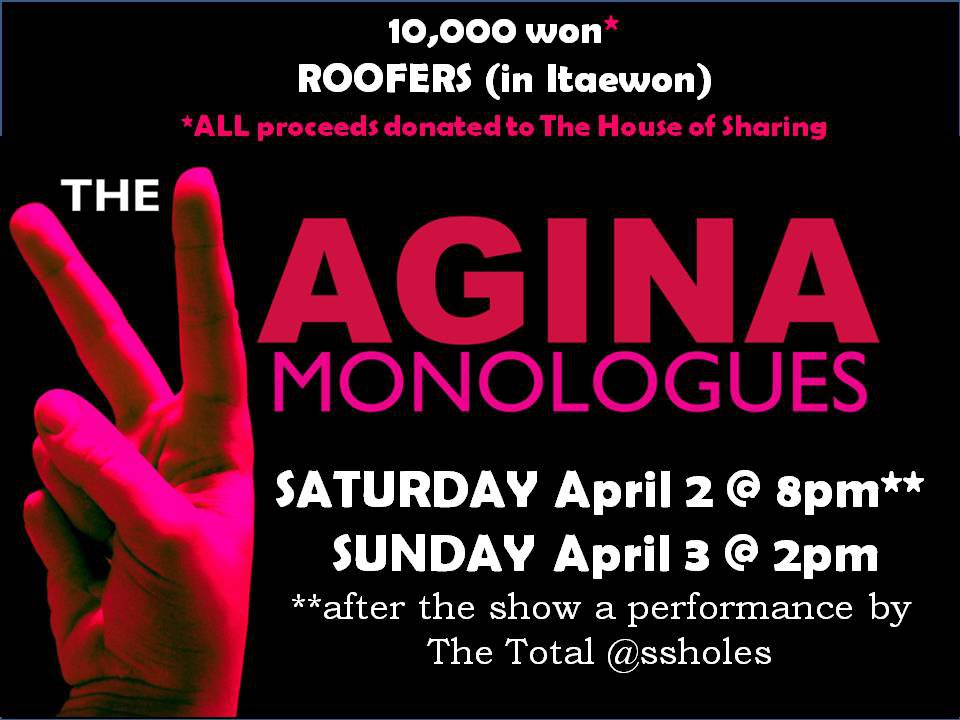
Just another quick reminder of V-Day-related events happening in Seoul and Jeonju this weekend: please click the images for further details. And, like Chris in South Koreasays, don’t ever complain about not getting enough vaginas in your life!
If there was only one statistic that best sums up contemporary Korean society, then that would be its “Gender Empowerment Measure” (GEM). Calculated by the UNDP, it is:
…an indicator of women’s degree of participation in political and economic activity and the policy-making process, using for its evaluation factors such as the number of female legislators, the percentage of women in senior official and managerial positions, the percentage of women in professional and technical positions, and the income differential between men and women (source).
Or, to put it graphically (see here for more details):
And why Korea’s GEM is so revealing is not just because of its abysmal ranking, which, at 68th out of 179 countries surveyed, is bested even by developing countries such as Kyrgyzstan, the Dominican Republic, the Philippines, Vietnam, Moldova, Botswana, and Nicaragua. Rather, it’s because that rank is so out of sync with its other rank of 25 in the Human Development Index (HDI), which measures a country’s standard of living. Surely, as I explained two years ago, there is no greater testament to the palpable gender apartheid here, than the fact that Korea does such a good job of educating and taking care of the health its citizens, only then to effectively exclude fully half of them from political and economic power?
(Source: unknown)
Mentioning this in a conference paper I’m writing on Korean girl groups however, as one does, earlier today my coauthor quite reasonably asked me if a more up to date ranking wasn’t available?
Alas, no. But there did appear to have been some recalculating of the 2008 figures done, with the first thing I saw from my search giving Korea a new ranking of, well, 20th best in the world:
Needless to say, I did a double-take. And indeed, as most of you have probably already guessed, actually the GEM has been abolished. Instead, Korea now has a ranking of 20 in what’s called the “Gender Inequality Index” (GII), calculated according to the following criteria:
What to take away from this? Well first, if I do say so myself, that it’s a pretty interesting thing to end up with, having originated from a paragraph that just one line earlier discusses Girls’ Generation’s signature hot pants.
But more seriously, I do want to stress the incredible achievements that Korea has made in terms of affordable, quality healthcare, well-illustrated by a recent anecdote from Ask a Korean! on a Korean stroke victim in New York, who quite rationally choose to fly 13 hours back to Korea rather than be treated in a hospital there. And it’s also indicative of how dangerous it can still be for women to give birth in many parts of the world, with 1 in 16 new mothers dying in Sub-Saharan Africa for instance, that the UNDP has good reason to think that the Maternal Mortality Ratio needs to be considered in any worldwide measure of gender inequality.
Nevertheless, while budding Canadian politicians, for example, are already taking advantage of their country’s new ranking behind Japan (yet another new paragon of feminist virtue) to say it’s all the government’s fault, it’s probably Korea jumping from 68th to 20th that should be getting the most attention. After all, albeit with apologies to long-term readers for the frequent mention, it does have: among the lowestfemale workforce participation rates in the OECD; the lowest rate of employment for educated women in the OECD (in fact, Korea is the only country in the OECD where the more educated the woman, the less likely she is to be employed); the largest gender wage gap in the OECD; only 13.7% of its legislators women; and a President that encouraged the mass firing of women to get over the latest financial crisis.
At the very least then, Korea’s example seriously questions the applicability of the GII to developed countries. But can readers can think of any other issues raised?
With thanks to Marilyn for translating it, allow me to present the fourth and final article in the Sex and the University series:
겁많은 스무살 기자의 산부인과 검진 체험기 / A scared 20 year-old reporter’s ob-gyn exam experience (19 in Western age)
대한산부인과학회는 지난 5월 ‘퍼플리본 캠페인’을 시작했다. 올해부터 매년 5월 셋째 주에 진행될 예정인 이 캠페인은 여성암 중 사망률 2위를 차지하고 있지만 비교적 잘 알려지지 않은 자궁경부암에 대해 알리고 검진율이 낮은 20~30대 여성들의 관심을 유도하기 위한 것이다. 김상운 사무총장은 “많은 여성질환들이 젊을 때부터 정기검진을 하면 예방효과가 크다”며 대학생들도 산부인과 검진을 받을 것을 권했다. 그러나 이러한 필요성에도 불구하고 많은 여대생들이 병원을 찾기를 꺼린다. 산부인과는 임신한 여성들만 찾는 다는 인식이 미혼 여성들로 하여금 산부인과 문턱을 넘는 일을 어렵게 만들기 때문이다.
Last May, the Korean Society of Obstetrics and Gynecology started the “purple ribbon” campaign. This purposes of this campaign, planned to take place during the third week of May from this year [2010] on, are to raise awareness of cervical cancer, which, though the second deadliest of cancers that only affect women, is not well known, and to increase interest among women in their 20s and 30s, who rarely get screenings. Secretary-general Kim Sang-woon said, “If many female patients get regular screenings from a young age, there will be great preventative effects,” and recommended that university students get ob-gyn exams as well. However, despite such necessity, many female college students are reluctant to visit a clinic. This is because the belief that only pregnant women go there makes entering the ob-gyn’s office difficult for unmarried women.
이런 상황에 놓인 여대생들을 대표해 10학번 새내기 기자가 직접 산부인과를 방문해 검진을 받아보기로 했다. 미혼여성을 대상으로 한 가장 기본적인 검진은 초음파 검사와 혈액검사라고 한다. 기자는 인터넷을 통해 신촌의 산부인과를 수소문한 끝에 신촌역 근처 S산부인과로 결정했다. 방문 전 인터넷사이트의 예약 게시판에 평소 생리통이 심했던 기자의 고충을 적고 예약을 완료했다.
Representing college women put in this kind of situation, this freshman reporter, who entered university in 2010, agreed to personally visit an ob-gyn and get an exam. It is said that the most basic exam for unmarried women is an ultrasound and a blood test. After asking around about Sinchon-area obstetrician-gynecologists on the Internet, I chose ‘S’ Obstetrics-Gynecology, near Sinchon Station. Before going, I wrote on the appointment board on the clinic’s website that my problem was severe menstrual pain and booked my appointment.
예약한 날짜가 다가와 초조한 마음으로 병원을 찾았다. 산부인과와의 인연은 20년 전 태어나며 맺었던 것이 마지막이라 그곳에서 무슨 일이 생길지 도무지 감이 잡히지 않았다. 잠시 기다리자 접수대에서 이름이 호명됐고 전문의와 오늘 받을 검진의 기본적인 사항에 대한 이야기를 나눴다. 혈액검사는 난소암 유무를 가리기 위한 것이고, 초음파 검사는 자궁에 근종이나 난소에 혹이 있는지를 알아보기 위한 것인데 항문 또는 질을 통해 검사한다고 했다. 검진 받는 여성의 성관계 여부에 따라 추가적인 암 검사가 더해진다. 그렇게 접수를 마치고 이유 모를 공포에 휩싸여 호명되기를 기다렸다. 내 나이 꽃다운 스무살, 산부인과에 있다는 사실만으로도 이미 부인과 질병에 걸려버린 느낌이라 불안감은 점점 더 증폭됐다 (source, below).
The appointment date approached and I went to the clinic with an anxious heart. My last connection to the ob-gyn had been made when I was being born twenty years ago, so I had no clue what was about to happen there. After waiting a moment, my name was called by the front desk and I talked with the specialist [prob. the doctor] about the basics of the exam I would receive that day. The specialist said the blood test would detect ovarian cancer, and the ultrasound would check for uterine fibroids and ovarian cysts; the exam would be done through the anal passage or vagina. Contingent upon the sexual activity of the woman receiving the exam, additional cancer screenings are added. In that manner, I completed my registration and then, filled with fear without knowing why, I waited for my name to be called. I am a 20-year-old in the bloom of youth, but just the fact that I was at the ob-gyn gave me the feeling that I already had a gynecological disease, and my discomfort continued to increase.
먼저 초음파 검사를 받기 위해 탈의실로 가 아래를 모두 벗고 발목까지 오는 긴 치마를 입었다. 두려운 마음으로 검진실 문을 열자 특이한 모양의 의자가 보였다. 치과 의자처럼 생겼는데 다리를 벌려 고정하는 받침대가 추가된 형태였다. 좋지 않은 예감이 든다. 예감적중, 간호사가 의자에 누워 다리를 벌리라고 한다. 겁에 질려 검사가 아프냐고 묻자 간호사는 태연하게 “불편할 수 있어요”라고 대답한다.
First, in order to get the ultrasound exam, I went to a changing room, took off all of my lower-body clothing and put on a long skirt that reached to my ankles. Fearfully, I opened the exam room door and saw a specially-shaped chair. It looked like a dentist’s chair but with the addition of a rack to which spread legs could be fastened. I had a bad feeling about that. My feeling was right – the nurse told me to lay down on the chair and spread my legs. Scared, I asked if the exam would hurt; the nurse calmly answered, “It may be uncomfortable.”
이윽고 냉철한 표정의 여의사가 들어와 초음파 검사 도구를 항문에 집어넣는다. 간호사 말대로다. 아프지는 않지만 확실히 ‘불편’했다. 마치 배변을 보고 있는 듯한 느낌이 몰려왔다가 사라졌다. 윤활제를 바른 탓에 시원한 느낌이 들었다. 기분이 묘하다. 이 와중에 그나마 여의사라 다행이라는 생각을 한다.
Before long, the female doctor entered with a dispassionate expression and put the ultrasound exam instrument in my anal passage. It was as the nurse had said. It didn’t hurt, but it was certainly uncomfortable. A strong feeling that I was about to have a bowel movement came and disappeared. Because of the lubricant spread [on the instrument], there was a cool sensation. I felt strange. At that time, I thought it was at least fortunate that it was a woman doctor.
누워서 눈앞의 스크린을 보자 나의 자궁과 난소가 보인다. 혹이나 다른 이상은 발견되지 않았다. 스크린을 보던 의사가 “생리하실 때 아플 것처럼 생긴 자궁이네요”라고 말했다. 산부인과에 온 목적이 해결되는 감동적인 순간, 내 몸에는 전혀 이상이 없으며 단지 ‘자궁 모양’ 문제였음을 깨닫는다. 산부인과에 진작 왔으면 불안에 떨지 않아도 되었을 것을. 며칠 뒤에는 “난소암 혈액검사 결과, 정상입니다”라는 간략한 문자가 도착했다. 모든 검사 종료, 이제야 안도했다.
As I lay and looked at the screen in front of me, my cervix and ovaries were visible. No cysts or other irregularities were detected. The doctor, looking at the screen, said, “Your cervix looks like it would hurt during menstruation.” At this emotional moment in which my purpose for coming to the ob-gyn was resolved, I realized that there was nothing wrong with my body, only a problem with “cervix shape.” Also, that had I come to the ob-gyn earlier, I wouldn’t have needed to be anxious [about the pain]. A few days later, the brief text message, “Your ovarian cancer blood test results were normal” arrived. At the end of all the exams, I finally felt relieved.
스무살 기자에게 산부인과 검사는 약간의 수치와 6만원이라는 비용을 수반한다는 점에서 그리 유쾌한 경험은 아니었다. 하지만 자신의 몸을 위해 한 번은 가볼 필요가 있는 것 같다. 기자의 경우 마침 결과가 좋아 적어도 5년 동안은 다시 이 경험을 하지 않아도 되겠다 싶어 안심했다. 그러나 부인과 질병에 가족력이 있거나 성관계 경험이 있을 경우 1년에 한 번씩은 산부인과에 가는 것이 좋다고 하니, 참고하면 되겠다.
Considering the slight shame and the 60,000 Won fee, the ob-gyn exam was not a very pleasant experience for this 20 year-old reporter. However, it does seem that going once is necessary, for the sake of one’s body. I felt relieved that I wouldn’t have to have this experience again for at least five years because the results happened to be good in my case. Just know that if you have a family history of gynecological diseases or have sexual experience, though, they said that going to the ob-gyn once a year is good (end).
A little disappointed with the reporter’s plan not to lose her virginity in the next 5 year however, a genuine waste of one’s youth(!), then let me end on a rather more lecherous note via the above image, found in passing while preparing this post. Indeed, with a cover that says “Reasons Women Have To Get On Top“, the book sounds intriguing, and now I feel like doing some translating of my own next week!^^
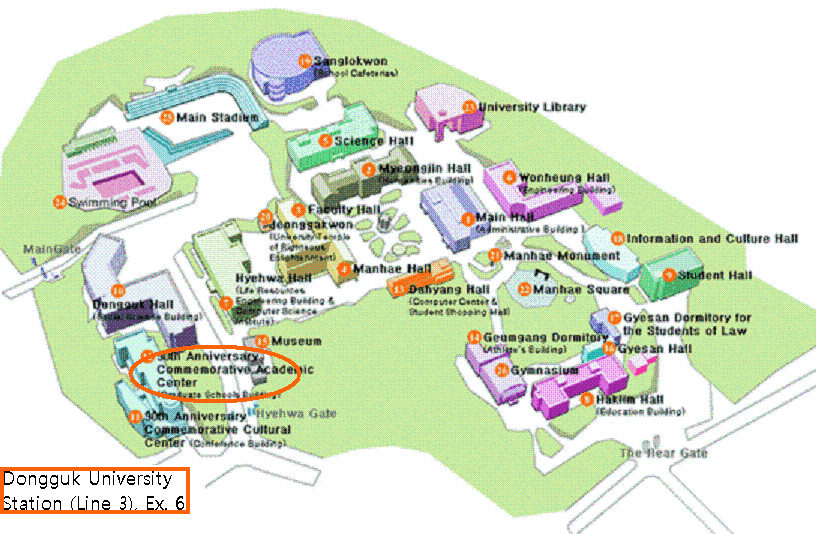
With thanks to Shannon Heit for passing it on, this Saturday at Dongguk University in Seoul there will be a free screening of “63 Years On”, a documentary about the Comfort Women. Starting at 3pm, see the Facebook event page or this press release for further details, and here for a campus map. Also, please note that it does have English subtitles.
Update 1:Ask a Korean! reports that, sadly, a former Comfort Woman just passed away today. That leaves only 73 registered ones still alive.
Update 2: For anyone further interested in the topic of Comfort Women, consider also grabbing a copy of Behind Forgotten Eyes, an award-winning 2007 documentary (via @ornamentity).
Two very interesting events this weekend, at both ends of the country!^^
First, this Saturday at 4pm, there will be a performance of “The Vagina Monologues” at Changwon Women’s Development Center, with an after-party to follow: see here for details and further links. And again, guy or girl, I highly recommend it, especially if you’re already in the neighborhood and missed Busan’s performance in February.
Next, this Sunday at 12pm, Michael Hurt will be launching his “The Fashion of the Korean Street” photography exhibition at Cafe Bene, just outside exit #5 of Chungmuro Station in Seoul. Just his name alone surely being enough to persuade The Grand Narrative readers to go(!), please see his Facebook event page or his blog for further details.
Part 2 in the series from the Seoul Shinmun, kindly translated by Marilyn; for Part 1 and a wider discussion of what “Host Bars” are exactly, see here. Meanwhile, yes, I realize that those are actually Japanese hosts above, but then I’m afraid images of their less brazen Korean counterparts are rather harder to come by!^^
새벽 2시강남 ‘호빠’선무슨일이… “누나, ‘민짜’ 원해? 있기야있지”… 여성탈선 ‘무법지대’ / What’s going on in a Kangnam ‘ho-bba’ at 2 a.m…“Noona, do you want ‘minjja’? Of course we have it!”…A lawless area of female deviance
지난달 말 서울 논현동 유흥가. 새벽 2시 무렵 우성아파트 사거리 일대를 지나 한쪽 골목으로 들어서자 현란하게 네온사인을 밝힌 유흥주점이 줄지어 나타났다. 이 중에서 룸살롱과 호스트바가 ‘1, 2부 형식’(저녁에는 룸살롱, 새벽에는 호스트바)으로 운영된다는 K업소를 찾았다.
At the end of last month in Seoul’s Nonhyeon-dong adult entertainment district, after passing the area around the Woo-seong Apartment Complex intersection at about 2 a.m. and entering an alley to one side, adult entertainment bars with flashy neon signs appeared in rows. Among these, we went to ‘K’ business, which was being operated as a room salon and host bar in a ‘1, 2 part form’ (room salon in the evening, host bar late at night).
(Photo caption: Entrance to Seoul Samseong-dong host bar at 1 p.m. on the 18th. Four young men who look like hosts are saying goodbye to two women)
내부로 들어서자 문 열린 객실 틈으로 40대 중년 남성들과 업소 아가씨들이 섞여 앉아 술잔을 기울이는 모습이 눈에 들어왔다. 바로 옆방에서는 20대 초반으로 보이는 앳된 남성들이 30~40대 여성들에게 입으로 안주를 먹여 주거나 윗옷을 벗고 춤을 추는 등 낯뜨거운 광경이 펼쳐졌다. 같은 공간에 남녀 접대부들이 섞여 있는 모습이 낯설었다. 이 가게의 1부 영업을 관리한다는 한 실장은 “1, 2부를 확실히 구분지어 영업한다. 업소 아가씨들이 남성 접대부들과 같이 일하는 것을 불편하게 여겨 그만두는 일이 잦기 때문”이라고 귀띔했다.
Upon entering, through the crack of an opened door middle-aged men in their 40s and the business’ young women sitting together and pouring drinks could be seen. In the very next room, baby-faced men who looked like they were in their early 20s feeding snacks to women in their 30s or 40s or taking off their shirts and dancing, and other embarrassing scenes could be observed unfolding. Male and female hosts mixing in the same space was unusual. A director who runs this business’ first part said “We run the two parts very separately. It is because the business’ young women consider it uncomfortable to work with male hosts and so often quit.”
(Map of host bars in Gangnam-3-Gu)
팁은시간당 3만원안팎/ Tips around ₩30,000 per hour
이곳에서는 양주 한병에 기본 18만원을 내야 한다. 고급 호스트바에 비해 상대적으로 저렴해 일부 주부들과 회사원 사이에 ‘부담 없이 놀기 좋은 장소’란 입소문이 난 곳이다. 5분 남짓 기다리자 ‘모델’, ‘보이’ 등으로 불리는 ‘박스’(10명 안팎의 호스트들로 꾸려진 팀)가 일렬로 들어왔다. ‘선수’(호스트를 지칭하는 은어)들은 업소에 상주하지 않고 손님이 찾을 경우 다른 곳에서 대기하다가 전화를 받고 오는 일명 ‘보도’ 형태로 운영되고 있었다. 남성 호스트에게 지불되는 팁은 시간당 3만원. 비교적 ‘저렴한’ 가격 때문에 오후 9시 이후에는 주부와 회사원, 새벽에는 여대생부터 유흥업소 종사자들까지 다양한 부류의 여성들이 찾는다고 했다.
Here, one must pay at least ₩180,000 for a bottle of Western alcohol. Compared to top-level host bars, this is relatively cheap so it has gained a reputation among ordinary housewives and office workers as a “good place to have fun without a burden.” After waiting over 5 minutes, a “box” (a team of 10 or so hosts) called “Model”, “Boy”, [Marilyn – I guess these are names of different box –?]and so on entered in a row. “Seonsu” (the designated slang term for hosts [lit. “players”, as on a sports team]) who aren’t stationed at a business but are standing by so that when customers visit they receive a phone call and come, are managed as “bodo.” Male hosts receive a tip of ₩30,000 per hour. Because of the comparatively “cheap” price, housewives and office workers after 9pm, and at dawn, diverse types of women from university students to adult entertainment business professionals said they come here.
선수들 가운데는 고교생 티를 벗지 못한 앳된 얼굴도 보였다. “화끈한 준이에요.”, “끝나게 노는 현우예요.” 이런 투의 자기소개가 이어졌다. 두 명을 ‘초이스’한 뒤 이야기를 나눴다. (source, below)
Among the seonsu, there were babyfaces who haven’t yet shed their high school student look. “I am Wild Joon”, “I am Hyeon-woo who plays hard.” The self-introductions continued in this kind of tone. Two people talked with us after “choice” [Marilyn – choosing ceremony?].
“더 어린 친구는 없나?”
“You don’t have any younger friends?”
누나 ‘민짜’(미성년) 좋아해? 있기야 있지. 아까 두 번째 애도 올해 수능 봤어.”
“Does noona like minjja (underage)? Of course we have it! The second kid just now also took the college entrance exam this year.”
4년째 호스트 생활을 하고 있다는 20대 남성 A씨는 “미성년자는 주로 업소보다 보도에 많다.”면서 “간혹 여자 손님 중에 미성년자도 있다.”고 털어놨다.
Mr. A, a man in his 20s who has been a host for four years, confessed, “There are usually more underage at bodo than at businesses.”
이른바 ‘2차’가 가능한지 물었다. “에이, 알면서…. 누나가 맘에 들어 해서 좋아. 근데 이게 시간당 계산되는 거라서….”
This reporter asked if the so-called “second stage” were possible. “Come on, you already know … I like noona so that’s fine. But it’s an hourly-calculated thing, so…”
일부룸안에서즉석성매매까지/ As far as prostitution on the spot in some rooms
한 20대 선수는 눈치를 살피며 말꼬리를 흐렸다. 2차 비용에 대한 이야기인 듯싶어 “50만원 정도면 어때?”라고 물었더니 고개를 끄덕였다. 간혹 룸 안에서 즉석 성매매가 이뤄지는 경우도 있다고 했다.
A seonsu in his twenties trailed off while watching for a reaction. It seemed to be talk about the price of a second stage, so this reporter asked “How about ₩500,000 or so?” and he nodded. He said there are sometimes cases in which on-the-spot prostitution occurs in a room.
그는 이어 “경찰 단속이 뜨면 내가 웨이터라고 말하거나 누나랑 아는 사이라고 하면 돼.”라며 손님으로 가장한 취재진을 안심시켰다.
He then gave comfort to the reporter disguised as a customer, saying, “If the police come in, all I have to do is say I’m a waiter or that noona and I know each other.”
한참을 ‘놀다’ 일어서려는 취재진에게 한 선수가 투정 부리듯 말했다. “누나, 단속은 걱정 안 해도 돼요. 다 방법이 있어요.”
To the reporter who had “played” for a good while and was standing up to leave, a seonsu complained, “Noona, you don’t have to worry about a crackdown. Everything has a solution.”
(Links to be provided as posts go up: Part 1, Part 3, Part 4)
On a recent episode of Thinking Allowed, a BBC4 radio show and podcast, host Laurie Taylor talked to Kate Fisher and Simon Szreter about their new book Sex Before the Sexual Revolution, an “illuminating exploration of intimate life in England between 1918 and 1963, which involved them speaking frankly and in depth to almost a hundred people about their sex lives in the period”. Fascinating in its own right, my ears immediately pricked up upon hearing the following at 16:10 (source, below right):
Laurie Taylor:
Let’s turn to some things you found out as a result of your, I mean, very sensitively conducted conversations…I mean, Kate, one of the things is about this, this…the notion is that people were utterly ignorant about sex before marriage. Does the research bear this out?
Kate Fisher:
Yes and no. This is a world in which sexual info is increasingly available, but it’s still one in which parents are reluctant to talk to their children, where schools don’t…er…give away information until after 1944, and even still, that’s fairly limited. So people are having to piece things together, listen to jokes, overhear other people…
But what’s particularly striking, is the ways in which women in particular, even when they did come across information, they were careful to not find out too much. They wanted to maintain a sense of ignorance in order to…
Laurie Taylor:
Yes, particularly working-class women though, yes…this idea that they should be innocent…
Kate Fisher:
They should be innocent and indeed they saw innocence as part of an attractive naivety…Their attractiveness was bound up with appearing naive, and innocent, and sort of coy.
Not that I want to overstate those of course. But I do think it’s no coincidence, and it’s certainly got my intellectual juices flowing. In particular, over whether UK society at the time had its own equivalent to aegyo (애교), and, regardless, how much such notions of female sexuality underscore it (albeit very much in combination with financial dependence on male breadwinners).
Food for thought anyway!^^ Meanwhile, for a glowing review of the book itself, see The Guardianhere (I’m sold!), and to listen to the full interview, scroll to 11:35 here, or alternatively you can download the whole podcast here (it’s the February 16 episode).
Update – Naturally, the point that most got my attention in the interview of the authors was also mentioned in the book review:
The book’s three sections – “What was sex?”, “What was love?” and “Exploring sex and love in marriage” – take us through the whole cycle of the interviewees’ awareness of sex, from the rudimentary and often non-existent provision of sex education, through courtship, petting, birth control, marriage and parenthood. The social context is clearly delineated, but even the woeful ignorance of the young about sex – “the profound and beautiful ignorance of sex”, as one respondent calls it – is examined with great subtlety. “For women of all classes, the preservation of innocence and modesty was a complex cultural accomplishment in which many around them had to play their protective role and with which they had to comply. It was an enduring positive element of their self-identity, instilled into them by their parents, especially their mothers.”
Host Bars? I’d always assumed they were one-off novelties, largely created for the purpose of perpetuating Westerners’ sexual stereotypes of the Japanese. Any Korean versions would surely be even more rare and exotic.
It turns out, actually they’re a booming industry, in both Japan and Korea. There’s hundreds of establishments just in the wealthier parts of Seoul alone.
Not to be confused with the unfortunately named “Ho Bar” chain in Hongdae, they’re known as ho-bba (호빠) in Korea (“host clubs” in Japan), which translator Marilyn strongly suspects the name is a play on obba (오빠) or (lit. “older brother”, but often used romantically). Just like a friend of hers said the jeong (정) in the more upmarket jeong-bba (정빠) version is short for jeong-teong (정통), or “authenticity/legitimacy”.
Intrigued, I was a little disappointed that the following article in the Seoul Shinmun, the first in a series of four, provides little more than basic statistics. Fortunately however, a quick search produced:
The Moonlight of Seoul (2008; 비스티 보이즈) above, an “up close and personal view into the host bar scene”
No Regrets (2006; 후회하지 않아), which features a gay-identified host (and happens to be the first Korean movie to show full-frontal male nudity)
In light of that last, perhaps the current boom isn’t quite as recent or as unprecedented as the following article suggests. What do you think? Have any readers been to themselves?
Update: with thanks to commenters for passing them on, From Noona With Love has a mini-interview with a former Busan host-bar worker here, and the drama JungleFish (정글피쉬) also featured a character that worked at a host-bar.
What’s going on at a Kangnam host bar at 2am? / 10,000 female customers daily… housewives, teens rapid increase is “deviation”
서울 강남에 독버섯처럼 돋아난 호스트바(속칭 호빠)가 탈선의 온상이 되고 있다. 18일 경찰 및 업계에 따르면 강남 일대 최소 100곳의 합·불법 호빠에 하루 평균 1만여명의 여성 손님이 오고, 이들 가운데 상당수는 성(性)을 구매한다. 이는 지난해 11월 24일부터 지난 17일까지 호빠 밀집지역인 논현·서초·청담동 등에 대한 본지의 탐문 취재에서도 확인됐다. 복수의 업소 관계자의 증언을 종합하면 강남지역 호빠의 전체 매출액은 연간 3000억원 이상으로 추산된다. 하지만 대부분의 업소들이 무허가 영업이나 속칭 ‘2부 영업’을 하고 있기 때문에 세무당국에 매출이 포착되지 않고 있다.
Kangnam, in Seoul, is becoming a hotbed of deviation in which host bars (popularly known as ho-bba) sprout like poisonous mushrooms. According to police and the industry on the 18th, in the Kangnam area at least 100 ho-bba, legal and illegal, are visited daily by an average of 10,000 female customers, a considerable number of whom purchase sex. This has been confirmed by this paper’s investigative coverage of areas with many ho-bba like Nonhyeon-dong, Seocho-dong, Cheongdam-dong, and others, from Oct. 24 of last year through Jan. 17. Putting together the testimony of several industry sources, the total yearly sales of Kangnam-area ho-bba are estimated at ₩300 billion. However, because most businesses operate without a license or are “two-part businesses”, these sales are not being detected by tax authorities.
(Table caption: Progress of crackdown on female sex-purchasing * Purchasing of sex and procuring of prostitution {unit: people})
Around 100 places thriving … 300 billion in sex sales
업소 관계자들은 강남·서초·송파구 등 ‘강남 3구’에만 100여곳의 호빠가 성업 중이라고 입을 모았다. 탐문취재 결과 ‘정빠’(고급 호빠)는 D, P, B 등 5곳으로 조사됐고, ‘일본식 호빠’(일명 아빠방·정빠에서 밀려난 25~30대 후반 남성이 고용된 호스트바)는 R, V, B 등 10여곳 정도 파악됐다. ‘디빠’(덤핑 바·저렴한 가격의 호빠)와 ‘퍼블릭’(성매매까 지 이뤄지는 호빠)은 M, S, G 등 각각 3곳이었다. 특히 현장 확인 결과 무허가나 업종을 바꿔 불법 영업을 하고 있는 곳도 5곳이나 되는 것으로 드러났다. 이처럼 업소가 늘어나면서 지하철 2호선 강남역 일대에만 1300~2000명의 남성들이 정빠 등 호스트바에서 일하는 것으로 조사됐다. 호스트바의 인원, 매출, 위치 등 구체적 실태가 확인된 것은 처음이다.
Industry sources unanimously said the hundred or so ho-bba that can be found just in “the three Kangnam boroughs” – Kangnam, Seocho, and Songpa – are thriving. Investigative coverage found five jeong-bba (high-level ho-bba), including “D”, “P, and “B”, and it is estimated there are about ten “Japanese-style ho-bba” (also known as “dad rooms”; host bars that hire men ousted from jeong-bba, from the ages of twenty-five to late thirties), including “R”, “V”, and “B”. There were three each of “D bba” (dum-ping bar – a low-price ho-bba) and “public” (ho-bba in which prostitution occurs), including “M”, “S”, and “G”. The results of the special site check revealed that there are also five businesses without a license or that have changed their type of business into an illegal one. It was found that, as this type of business increases, between 1,300 and 2,000 men work at jeong-bba or other host bars just in the Kangnam Station area on subway line 2. This is the first time the specific, actual conditions of host bars, like the number of people involved, sales, location, and so on, have been confirmed.
지난 17일, 20대 일반여성들이 자주 찾는다는 논현동의 S호스트바에서 5시간 동안 여성 고객 숫자를 세어 본 결과 시간당 평균 5명 안팎이 업소를 찾았다. 보통 오후 10시부터 다음 날 오후 2시 무렵까지 문을 여는 점(16X5)을 감안하면 하루 80명 안팎의 여성들이 이곳을 찾는 것으로 추산된다. 경찰 관계자는 “개인적으로 알고 있는 업소만 100곳이 넘고, 고객도 1만명이 넘는다.”면서 “여성 손님의 30% 정도가 2차를 나가는 것으로 알고 있다.”고 전했다
On the 17th at Nonhyeon-dong’s “S” host bar, where average women in their twenties often go, counting the number of female customers for five hours showed that about five people per hour visit the business. Considering that it is usually open from 10pm to 2pm the next day, it is estimated that around 80 women visit this place every day. A police source said, “Just the number of places I personally know exceeds 100, and there are more than 1,000 customers,” and added, “I know that about 30% of female customers go out for a second stage.”
More than 10% [go to] “second stage”… every year rapid increase in number caught
업계 관계자들 역시 “업소당 하루 평균 100명 안팎의 손님이 찾아오고, 10명 중 한두 명은 2차를 나간다.”며 “2차는 고급 호빠인 정빠보다 보도(전화로 부르는 접대부)와 디빠 등에서 주로 이뤄진다.”고 털어놓았다. 이를 반영하 듯 돈을 주고 성을 사다 적발되거나 성을 알선한 여성 성매매 사범의 숫자도 2006년 2636명, 2007년 7161명, 2008년 9411명, 2009년 1만 3414명으로 해가 갈수록 증가하고 있다. 특히 유흥업소 여성들이 주요 고객이었던 이전과 달리 최근에는 가격이 싼 ‘보도방’과 ‘아빠방’을 위주로 10대와 가정주부 고객이 급증한 것으로 드러나 심각성을 더하고 있다. 경찰 관계자는 “물증찾기가 힘들어 단속이 어렵다.”고 말했다.
Industry sources also said, “Every day an average of roughly 100 customers come to each business, and one or two out of every ten people go on to a second stage,” and confessed, “The second stage usually takes place with a bodo (a host contacted through the phone) or at a D-bba, rather than at a high quality jeong-bba.” Reflecting this, the number of sexual commerce offenses in which women are caught paying for sex or procure sex for others is increasing every year – from 2,636 people in 2006 to 7,161 people in 2007, 9,411 people in 2007, and 13,414 people in 2009. The seriousness grows as it is revealed that, different from most female customers of adult entertainment businesses in the past, currently the number of teenage and housewife customers, mainly at low-priced “bodo rooms” and “dad rooms”, is quickly increasing. A police source said, “It is hard to find evidence so crackdowns are difficult.”
Sorry for the slow posting folks, but I’m only just over a bad flu, and now I’m seriously behind on some other projects I’m working on. My punishment, I suppose, for confidently predicting I’d be posting more than ever this month!
I’ll be posting normally again just as soon as I can then, but in the meantime The Vagina Monologues will be returning to Busan this weekend, and if you’re in town then I heartily recommend going. I went last year and thoroughly enjoyed it, and please don’t be put off if you’re a guy: it wasn’t at all the man-hating fest I was worried that it might be (quite the opposite), and probably about a third or 4/10s of the audience were also men.
It’s playing at 6:30 p.m Sunday the 27th in Vinyl Underground in Kyungsung, and please make sure to go early. I was very very luck to get a seat last time(!), and I think some people even had to be turned away.
For further details, see Busan Haps. As for performances outside of Busan, I did bookmark some information about ones in Seoul and/or Jeonju(?) a little while ago, but those links seem to have disappeared. Can any readers help?
Update – Here’s some information about what’s happening in Seoul, via HiExpat.com. Please click there for further details (source, right):
A team of volunteers led by Kathryn Bokyung Park and Bre-Shae Pittman will be hosting a series of events in Seoul throughout February, March and April. On Feb. 26, from 9 p.m. to 1 a.m., V-Day Seoul will host a silent auction featuring art pieces depicting the artists’ own ‘vagina monologues’ at “The Alley,” a new gallery and restaurant in Market Alley, Itaewon. On March 12, from 6 p.m. to 10 p.m., there will be a burlesque themed event featuring Frills and Thrills Burlesque Revue at Naked Bar and Grill in Hongdae. The even will also include a date auction and specialty drinks. The campaign will cumulate with the annual benefit performance of the Vagina Monologues on April 16 and 17.
Update 2 – 10Magazine has some information about this weekend’s event in Seoul.
Update 3 – And now there’s a performance in Jeju too. From a posting at Dave’s ESL Cafe:
On Saturday, February 26th at 8pm there will be a special one-time only performance of The Vagina Monologues at the Haebyun Concert Hall on the coastal road. The show stars several of the most amazing and beautiful (foreigner)women on Jeju island. It is 5,000 won at the door with additional donations accepted. 90% funds raised from Jeju’s 2011 performance will be donated to “Right for Women in Jeju” while the other 10% will go to Women and Girls of Haiti.
It’s been a long time since I’ve thought much about the Wonder Girls (원더걸스).
To be precise, not since writing theseposts back in April 2008. And in which I was pretty critical of manager JYP’s (박진영) overly sexual marketing of them, and especially of the Korean public’s collective refusal to acknowledge that. After all, band member Ahn So-hee (안소희) was only 15 at the time.
Maybe too critical though, and since then I’ve written much more nuanced posts on the issues that that raised, partially in response to reading excellent alternative perspectives by Gord Sellar and Matt at Gusts of Popular Feeling. But still, I did feel vindicated when So Hot came out just a few weeks later, especially as it was advertised on mainstream Korean portal sites with GIFs of the music video like these on their front pages. One of which, like Matt wrote, comes from the same point (0:17) as a breathy “Oh! Oh!” in the track, and “if you looped it, you’d have a porn soundtrack.”
Feeling a little smug then, and not particularly liking any of their songs either – they’re generally much too slow for my tastes – I’ve deliberately avoided listening to the Wondergirls ever since. Yet nearly 3 years later, not only do I suddenly find that, like them or not, I have to research them, but literally just as I started MellowYel at Mixtapes and Linear Notes wrote a compelling post in which she argues that, basically, “most South Korean girl group concepts since 2007 have been determined by the Wonder Girls”, and that this points to JYP being simply “great at finding formulas that work”. And she’s by no means the first person to make those arguments to me either, although she is the first to pass on such convincing evidence.
So hey, while I’ll always consider JYP a sexist pig, I can still acknowledge his musical and marketing skills. And in light of those, then it’s high time for me to reconsider the Wondergirls, and I’d be very interested in and would appreciate hearing readers’ own takes on So Hot to start. Particularly on what you think it’s about really, as it seems so narcissistic that it may even be a satire, especially considering the comic elements in the video.
Having just praised JYP’s marketing skills though, then I’m really surprised at the poor quality of the official one available:
For the sake of getting the gist, here’s another one with subtitles, although there’s a few basic mistakes with the English:
Finally, the lyrics themselves, most of which are so easy that they could be featured in lower-intermediate Korean textbooks at least. Certainly they’d make for more interesting classes than discussions of temple visits and making kimchee that are the normal fare:
왜 자꾸 쳐다보니 왜에에
내가 그렇게 예쁘니 이이
아무리 그렇다고 그렇게 쳐다보면
내가 좀 쑥스럽잖니 이이
내가 지나갈 때 마다 아아
고갤 돌리는 남자들 을을
뒤에서 느껴지는 뜨거운 시선들
어떻게 하면 좋을지 이이
Why do you look at me so often? Why~?
Am I that pretty?
No matter how pretty I am, if you look at me like that
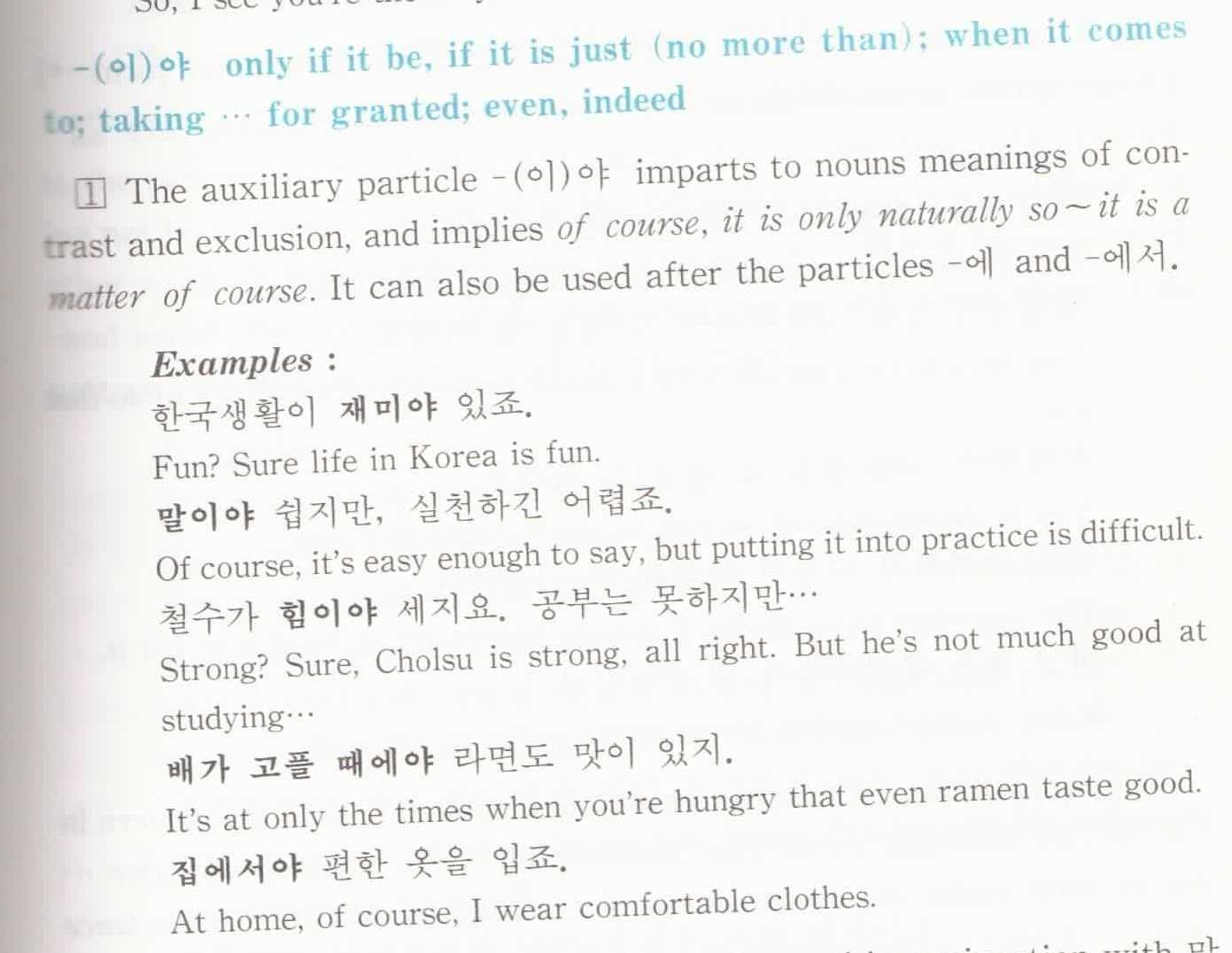
Here, the frequent “니” endings are a short, informal version of the very formal “~ㅁ니까” ones for asking questions, which is why I added a question mark to them in lines 1 and 2. Line 4 though, is a little more complicated, because there’s a “잖” (short for “잖아”) in the “쑥스럽다” (“embarrassed”), which is used a lot in daily speech when the listener (albeit only an equal or someone of lower status) already knows well – or should know well – what the speaker is saying, as explained in my scan of pages 130-131 from 한국어 문형 표현 100 below (a wonderful book, which teaches Korean learners the differences between 100 commonly confused grammar points). Having that in a question form though, sounds really strange, and so my wife and I think the nuance of the “잖니” ending is effectively that of a tag question, i.e. “지”. It also implies that she’s really talking to herself too.
Before that, in line 3 the “아무리 그렇다고” basically means “no matter [the previous sentences]”. Then in line 7, “고갤” (short for “고개를”) literally translates as “scruff off the neck”, which can be misleading in this video in particular because, in English, “to take something by the scruff of the neck” means to completely control it (i.e. precisely what the girls in the video seem to be doing of the men), whereas it really just means “head”.
Next, in line 8, the “지” in “좋을지” is very strange, and I’m not sure that it is a actually a tag question, as I first thought. Either way, my wife assures me that here at least it basically means “~ㄹ까”, an ending you use when you’re asking someone’s opinion, which means she’s literally asking “what is good?”. Hence my “what’s best to do?”.
Finally, although the chorus is very short and easy, I’ll add it separately below, just to make it easier to find. In it, I’ve translated “너무” as “so”, as even though the dictionary gives “too”, in my experience it’s used as “very” (or, indeed, “so”) just as often. I was a little confused by “너무 매력 있어” in line 2 though, because I’ve always learned that “매력” meant “attractiveness”, with “매력적이다” meaning “attractive”. By itself, “매력(이) 있어”, literately “attractiveness have” seems fine too, but what on Earth is the “very’ before that doing there? Is “매력” a noun, an adjective, or what?
It didn’t seem very important, so I gave up and just went with “I’m so attractive”!
First in line 3 – “익숙해 질 때도 된 것 같은데” – I confess I don’t know what the “도” (again? also? too?) is doing there exactly, and am open to suggestions, but meanwhile I was “cough” happy to notice the past tense marker “ㄴ” in “된”, giving, literally, “get useㅇ to it – time – 도? – has come – I guess”.
Next, in line 7, “나놨지” had me completely stumped, and no wonder: my wife explained it was a combination of “낳다” (to be born) and “놓다” (to be put). Knowing that, and with the mother mentioned at the beginning, then I think the intention was “Why did my mother make me like this”, as indeed most other translations have put it. That was really tempting, but then at the very least my awkward “Why did my mother give birth to me like this?” does sort of acknowledge the “born” element to the sentence for learners. And, who knows? Maybe the original Korean does indeed more mean she was born the way she was (due to genes), as opposed to being made a certain way (which in English, implies more one’s personality has).
Finally, line 8 is made easier if you know there’s an unspoken “모르겠다” at the end. And as for “피곤하게”, I identified it as a causative construction, as discussed by commenter dogdyedblack here.
Moving on then, next there’s just an extended version of the chorus again:
My beautiful legs [are a] little [like] Ha Ji-won’s
What should I do to make things good? I guess everybody loves me
Oh no, please leave me alone
All the boys be loving me, girls be hating me
They will never stop, cause they know I’m so hot hot
(Helpful picture of Go So-young’s “sexy eyes”. Source)
First up, in lines 1 & 2, I’m a little confused as to why “this spotlight” (이 스포트라이트), which is modified by the relative clause “that follows me” (날 따라 다니는), is later described as chasing her (쫓아오지, with the “지” probably being a tag question), which seems to be unnecessary repetition; but it’s there, so hence the awkward English.
Next, the “어야” ending at the end of line 3 had me stumped for a while, as while it’s clearly not the same as the “이야” described on page 181 of Korean Grammar for International Learners (KGIL), as discussed in the last song translation, I wasn’t entirely sure that it was the very basic “~어/아/야 하다” form, which means having to do something. Eventually though, I discovered something on pages 307-308, which not only doesn’t require a “하다”, but connects it much better to the next sentence:
Line 4 after that has the wonderful “이놈의”, which means “damn”, and the final “원” in it is rarely found in written form, but basically means “sigh”. The meaning of the “지” in “시그러들다” though (to wither), I confess left my wife and I completely stumped.
Finally, at first I though the “어쩌면” in line 7 was simply the dictionary definition of “어쩌다” (1 – occasionally; 2) accidentally, unexpectedly) plus “면” (usually “if”), but my wife told me that the full phrase “어쩌면 좋아” means “What should I do to make [it, things] good”, which makes it very similar to the “어쩌지” of the last song translation (see #3 here for more on that).
And but for one final round of the chorus, that’s that!
(Likewise, of one of Ha Ji-won’s “beautiful legs”. Source)
I′m so hot 난 너무 예뻐요
I′m so fine 난 너무 매력 있어
I′m so cool 난 너무 멋져
I’m so so so hot hot
I’m so hot, I’m so pretty
I’m so fine, I’m so attractive
I’m so cool, I’m so cool
I’m so so so hot hot
As always, thanks in advance for pointing out any mistakes, and or giving alternate translations – I really learn a lot from them. And with this particular song, like I said I’m a little stumped as to what its about really, so thanks also for any insights you can give me!
Sorry for the lack of posts recently, and the very short notice with this one, but in an hour from now (7:45pm Korean time) I’ll briefly be on 101.3 TBS eFM’s evening show, talking about the title topic. For the details, see here, and note that unfortunately you can only listen live on Internet Explorer sorry.
Update – Well, that was a little embarrassing: because of a miscommunication, technical problem, and/or a last minute editorial decision, I didn’t actually get called in the end!
But for anyone still interested in the subject though, then I was going to mention that while on the one hand the stigma surrounding divorce is certainly disappearing over time, with 1 in 4 marriages now involving a divorcee and in particular both the numbers of women remarrying and their rate of increase outstripping those of men, on the other hand the profoundly gendered effects of the recent economic crisis here have left Korean women more financially reliant on their husbands than ever, as explained at #2 here, here, and #15 here.
Meanwhile, see here for more information on both the high rates and the practicalities of getting a divorce in Korea, and here for more on the hoju or family-registry system (호주), which had a huge role in drawing attention to people’s marital status (or parents’ status) and consequently being able to discriminate against them on that basis. Moreover, although that has recently been abolished, one final point I was going to make was that unfortunately that’s just one of many superfluous things corporations take into account in their hiring practices, as demonstrated here, at #8 here, here, here, and here, and so it’s probably going to take a while before Korean business culture catches up with the social reality.
With thanks very much to Marilyn for the translation of the following article from Ildaro (일다), I’ll quickly let it speak for itself:
고용불안 속, 직장내 성희롱 위협 커져
In the midst of employment instability, the threat of workplace sexual harassment increases
고용평등상담실 10년, 여성노동의 현실과 미래를 말한다(2)
10th year of the Equal Employment Counseling Office, discussing female employees’ present and future
[편집자 주] 2001년 남녀고용평등법 4차 개정으로 고용평등상담실 지원제도가 도입된 지 10년이 되었습니다. 민간단체들의 고용평등상담실은 그동안 여성노동자들의 실질적 보호장치로 기능해왔으며, 여성노동자들이 처한 현실을 사회에 고발하는 창구역할을 해왔습니다. 일다는 여성노동자회와 함께 고용평등상담실에 접수된 상담사례를 통해 IMF 경제 위기 이후 후퇴 일로를 걷고 있는 여성노동의 현실과 과제를 살펴보고자 합니다. 필자 황현숙님은 현재 서울여성노동자회 회장을 맡고 있습니다.
우 리 사회의 성폭력 문제는 온 국민이 알게 된 끔찍한 아동 성폭행, 유명 정치인의 성희롱 등으로 자주 언론에 오르내리는 이슈가 되었다. 직장내 성희롱으로 고용평등상담실의 문을 두드리는 여성들의 호소 또한 가벼운 성적 농담이나 접촉을 넘어서 심지어는 강간에 이르는 경우조차 발생되고 있다. 직장내 성희롱은 그 자체가 미치는 정신적․신체적 악영향, 노동환경의 악화뿐만 아니라 일자리 자체까지 위협받게 된다는 데에 그 심각성이 있다.
[Editor’s note] It’s been 10 years since the Equal Employment Counseling Office support system was introduced through the 4th Amendment to the 2001 Equal Employment Opportunity Law. During that time, the Equal Employment Counseling Offices of private organizations have been functioning as female workers’ practical safeguards and have acted as liaisons that report to society the realities that female workers encounter.Through the case consultations received in the Equal Employment Counseling Office, Ilda and the Women Workers Association intend to look at the realities and problems of women workers, who are losing ground after the 1997 Asian Financial Crisis. Author Hwang Hyun-sook is the current head of the Seoul Women Workers Association.
Through incidents of horrible child molestation, a famous politician’s sexual harassment, and others of which the entire nation is aware, our society’s problem with sexual violence has become an issue that often comes up in the press. According to the complaints of women workers who’ve knocked on the Equal Employment Counseling Office’s door because of sexual harassment, there are also cases occurring that surpass light sexual jokes or touching to go as far as rape. Workplace sexual harassment itself not only has bad mental and physical effects and worsens work environments, but is even of such a magnitude that jobs themselves [of victims] may be threatened.
“과장이 ‘피곤하지?’라며 손, 팔을 주물러 너무 불쾌하여 늘 가슴을 조이며 지냈어요. 어느 날 허벅지를 만지기도 하여 우울증에 시달리다가 문제제기를 하였더니 그 후 재계약을 하지 않겠다는 통보를 받았어요. 성희롱으로 실직하게 된 것 같아 너무 억울해요.”(2009년 상담사례, 계약직)
“사 장님이 자꾸 만나자고 하면서 ‘옆에 오면 가슴이 떨린다. 만나면 안고 싶고 무릎을 베고 누워 얘기도 하고 싶고 즐기고 싶다. 나를 받아 줄 수 없냐.”고 하더라고요. 남자에 대해 관심이 없다고 거절했더니, 부장을 통해 퇴사하라는 통보를 받았는데……“(2009년 상담사례, 2개월 근무)
성희롱 가해자가 사업주, 상사 인 상담은 매년 75~85% 가량이다. 가해자가 인사권을 직접 가지고 있는 경우가 많아 성희롱을 거부하거나 문제제기했을 경우에는 직. 간접적인 괴롭힘으로 스스로 그만두게 하거나 권고사직, 심지어 다른 사유를 들어 해고하는 사례들도 나타난다. 그래서 성희롱이 발생해도 공론화하기 어렵고 이를 은폐하도록 가해자가 권력을 행사하기도 한다.
Workplace sexual harassment extending to job threats
“My manager would ask, ‘Are you tired?’ and massage my hands and feet; it was so uncomfortable and I always went around feeling anxious. One day he even touched my thigh and so while suffering from depression, I made a complaint; because of that I received notice that my contract wouldn’t be renewed. I became unemployed because of sexual harassment – it’s so unfair.” (2009 counseling case, contract worker)
“The president of the company often asked me out and said ‘When you come near me my heart pounds. If we go out I want to hold you, put my head in your lap and talk, and have fun. Can’t you accept me?’ I refused, telling him I wasn’t interested in men, and through the general manager I received notice that I was to resign…” (2009 case consultation, working for 2 months)
Every year, about 75-85% of the consultations are ones in which the perpetrator of sexual harassment is the business’ owner or victim’s boss. There are many cases in which the perpetrator is directly in charge of the company’s human resources. Because of this, when the victim has rejected the perpetrator’s advances or made an official complaint, there have been cases in which the perpetrator may cause her to quit though direct or indirect harassment, urge her to resign, or even find grounds to fire her. Therefore, even though sexual harassment occurs, making it public is difficult and the perpetrator often exerts his authority to conceal it.
(Source: unknown)
성희롱의 온상, 회식자리 남성중심 문화
“입 사한지 1주일 만에 본사 간부급 직원들과 회식자리가 있었어요. 간부들이 버릇인양 손잡기, 어깨동무하기, 허리 감싸기, 끌어안기, 볼 부비기……. 마치 간부들을 위해 여직원들이 대접하는 자리 같았는데 어렵게 입사하여 그만둘 수도 없고 어찌해야 할지……” (2007년 상담사례, 정규직)
“회 식 2차로 노래방에 끌려가다시피 갔어요. 술 마신 남직원들이 안으려고 해서 피했는데, 갑자기 뒤에서 끌어안더니 들었다놓았다하는데 과장, 계장 모두 묵인하고, 계장은 블루스를 추자고 하더라고요. 그래서 울면서 집에 왔는데 동기들도 다른 구청이나 동사무소 근무하면서 회식자리 성희롱 때문에 너무 힘들어 해요. 블루스를 춘 여직원한테는 잘해주고, 안 추면 욕하고 못살게 군다고 하더라고요.” (2007년 상담사례, 공무원)
회 식문화가 변하는 곳도 생겨나고 있지만, 회식자리에서의 성희롱은 지금도 일상적으로 일어나고 있다. 회식자리는 직장내 위계적 관계의 연속으로 상사의 기호에 맞추어야 하고 그의 요구에 따라야 하는 업무의 연속처럼 진행된다. 우리 사회의 남성 중심적인 문화, 위계질서가 이어지는 회식 문화는 여성들의 고용환경을 악화시키는데 일조하고 있다.
The hotbed of sexual harassment, office dinner male-centric culture
“I was at an office dinner with head office management-level employees only a week after joining the company. The executives had habits of holding my hand, putting their arms around my shoulders and waist, hugging me, pressing their cheeks against mine… It was like a place for the female employees to serve executives; it was hard to get a job here so I can’t quit and [don’t know] what to do…” (2007 case consultation, regular employee)
“I went to the second [drinking-heavy] part of our office dinner like I was being dragged. Male employees who were drinking were trying to hug me so I avoided them; suddenly I was embraced from behind and picked up and put down. The manager and section chief overlooked everything, and the section chief asked me to slow-dance with him. So I came home crying; also my peers who work at other district offices or dong offices have a really hard time because of sexual harassment at office dinners. They say the female employees who slow-danced are treated well, and if you don’t dance they curse and treat you badly.” (2007 case consultation, government employee)
There are places where office dinner culture is changing, but sexual harassment at office dinners happens regularly even now. Office dinners progress similar to the business itself, in which one must adjust to the preferences of a superior ahead of one in the workplace’s hierarchical relationships, and follow his demands. Our society’s male-centric culture and hierarchy-connected office dinner culture lead to the worsening of women’s working conditions.
“5 명도 안 되는 회사에서 근무한지 2개월인데 사장이 아침부터 술을 먹자고 하고, 남자친구랑 몇 번 하냐고 묻고 ‘나랑 애인 같은 거 하자’는 소리를 자꾸 해요. ‘이런 소리 들으려고 일하는 거 아니다’라고 말하면 무릎 꿇고 안한다고 하면서도 술만 마시면 또 그러니 일자리가 아니라 고문받는 자리 같아요.”(2008년 상담사례)
“연 말에 사장이 송년회를 가자고 해서 부담스러웠지만 가게 되었어요. 결국 2차까지 가게 되었는데 노래방에서 강제로 키스를 하고 옷 속으로 손을 넣어 몸을 만졌어요. 거부하면서 강하게 밀쳤더니 “난 사장이고, 넌 경리야”, “너 내일부터 나오지 마.”라는데, 다시 직장을 알아보면서 화도 나고 얼굴 보는 것도 두렵고 생각할수록 화가 나고 억울해요.“(2008년 상담사례, 사업주와 2명 근무)
영세소규모사업장의 성희롱은 가해자가 사업주인 경우가 많아 실질적인 법적 조치가 어려운 점, 성희롱 예방교육 특례조항 적용 사업장이라 예방교육이 실시되지 않는다는 문제점이 있다.
업 무적으로 둘만이 접촉하는 경우가 많아 사업주의 부당한 성적 요구나 사적인 친밀감을 성적 언행으로 표시하는 경우도 잦다. 성희롱을 거부하면 바로 그만두라는 통보를 받는 노동권 위협의 문제도 크지만, 매일 가까운 곳에서 얼굴을 마주쳐야 하니 버티고 싶어도 버티기 어렵다는 어려움이 있다.
Sexual harassment in a small business bound by close relationships
“I’ve been working for 2 months at an office that doesn’t even have 5 people in it; from the morning on the president suggests drinking together, asks me how many times I do it with my boyfriend, and keeps saying ‘Let’s date or something’. When I say, ‘I don’t work in order to listen to this kind of noise’, even though he gets on his knees and says he won’t do it [anymore], when he drinks, he gets like that again, so it’s like a torture chamber, not a workplace.” (2008 case consultation)
“At the end of the year, the president wanted to have an end-of-the-year party, so I went though it was annoying. I ended up going to the second part and at a karaoke room he forcibly kissed me and put his hands under my clothes and touched me. I refused him and pushed him hard so he said ‘I’m the president and you’re the bookkeeper’ and ‘From tomorrow, don’t come in [to work] anymore.’ I’m looking for another job and I feel angry and afraid of seeing his face, and the more I think about it, the angrier I get and the more unfair it feels.” (2008 case consultation, office with company president and two people)
There are many cases in which the perpetrator of sexual harassment in a small business workplace is the business owner, so real legal measures are a challenge, and they are workplaces to which the Sexual Harassment Prevention Education Exception Clause applies, so there is the problem of prevention education not being implemented.
There are many cases in business in which two people only have contact with each other, so cases in which the business’ owner expresses his unjustified sexual demands or personal feelings of intimacy through sexual speech and behavior also frequently occur. If victims rebuff the sexual harassment, the labor rights-threatening problem of immediately receiving notice to quit is serious, but there is also the drawback that because they have to see the other person’s face nearby every day, even though they want to endure it [keep working], enduring it is difficult.
“고객센터에서 근무하고 있는데 외주업체 소속 강사가 메신저로 ‘만나자, 남자친구와 몇 번 했냐는 등의 말과 스킨십을 하는데 법적으로 어떻게 처리할 수 있을까요?” (2009년 상담사례, 텔레마케터)
“노 인돌보미 일을 하고 있는데, 고객이 70세인데 전직 교장이래요. 첫날부터 자꾸 몸을 밀착해오고 ‘젊은 사람이 곁에 있으니 내가 다시 남성이 되는 느낌이다’, 어제는 노골적으로 ‘아랫도리가 되살아난다’며 치근대 괴로워요. 어떻게 해야 할지…….“(2009년 상담사례, 45세)
고 용형태와 업무 방식이 다양해지면서 업무상 맺는 관계의 폭도 다양하고 복잡해졌다. 협력업체나 거래처 직원, 대인서비스직의 성희롱도 다양하게 나타난다. 그리고 간병이나 노인돌봄 같은 사회서비스 일자리가 늘어남에 따라 재가 돌봄서비스에 종사하는 여성들의 성희롱 피해상담도 늘어나고 있다.
Increasing service-industry workers, increasing sexual harassment by customers
“I work in a customer service center. A supervisor [actually she uses the word for “lecturer” but I think that’s a mistake] affiliated with our subcontractor says things on Messenger like ‘Let’s go out’, ‘How many times have you done it with a boyfriend?’ and so on, and does skinship [touching like they’re in a relationship]. How can I deal with this using the law?” (2009 case consultation, telemarketer)
“I work in elder care. My patient is 70 years old and says he used to be a school principal. From the first day he has often pressed up against me and said ‘Because there’s a young person at my side I feel like I’m becoming a man again’ and yesterday, saying bluntly, ‘My lower body is coming back to life”, he made pass at me; I’m really upset. [I don’t know] what to do…” (2009 case consultation, 45-year-old)
As types of employment and ways of conducting business are diversifying, the range of relationships formed through business is also diversifying and becoming complicated. Sexual harassment of employees of subcontractors or clients, and personal service workers also presents itself in various ways. Also, in line with the increase in social service positions like nursing or elder care, sexual harassment victim counseling for women working in in-home care is also increasing.
“남자 동료가 수시로 농담을 하면서 뽀뽀하자, 너도 밤일 할 줄 아냐는 등 수치심을 갖도록 하여 회사에 제기하였는데, 개인의 일이라고 개인적으로 대응하라고만 하는데……”(2009년 상담사례)
직 장내 성희롱은 안전한 환경에서 일할 노동권과 직접 관련이 있다. 그래서 남녀고용평등법에서도 직장내 성희롱을 금지하고 있을 뿐만 아니라, 사업주의 의무로 △직장 내 성희롱의 예방을 위한 교육 실시△성희롱 행위자에 대하여 징계나 이에 준하는 조치를 취할 것△피해자에게 해고나 다른 불이익 조치를 하지 말 것을 규정하고 있다. 그런데도 성희롱이 발생하여 이를 사측에 문제제기하면 위의 상담사례처럼 개인적인 일로 치부해 버리는 문제들이 여전히 일어나고 있다.
Sexual harassment is personal business?
“A male coworker often makes jokes and says, ‘Let’s kiss’, ‘Do you too know how to do night work [sex]?’ and other things to humiliate me so I made a complaint to the company. They said it was personal business and just told me to deal with it privately…” (2009 case consultation)
Workplace sexual harassment is directly related to the employee’s right to work in a safe environment. Therefore, the Equal Employment Opportunity Law not only prohibits workplace sexual harassment, it also stipulates, as the business owner’s duty, 1) implementation of education for the prevention of sexual harassment in the workplace, 2) disciplinary action, or taking steps in accordance with disciplinary action, against the perpetrators of sexual harassment, 3) not firing or taking other disadvantageous action against victims. However, when sexual harassment occurs and is reported to the management, problems with it just being regarded as personal business, as in the case consultation above, are still coming up.
“부 원장님이 간호사들에게 안마를 해달라고 하거나 성적인 얘기도 잦아 힘들었어요. 며칠 전에는 맨발로 제 다리를 쓰다듬었는데 징그럽고 수치스러운 느낌 때문에 정신과 상담까지 받았어요. 그런데 고용평등상담실에서 도와주셔서 부원장은 공개사과와 감봉처분에, 병원 전체에 성희롱예방교육까지 실시하게 되었답니다!”
“과장님 성희롱 때문에 괴로웠는데 상담실에서 도와주셔서 공개사과도 받고 가해자는 다른 근무지로 전출되어 얼굴보지 않고 근무할 수 있게 되었어요!”
직 장내 성희롱 자체가 노동환경을 악화시키고, 이를 문제제기하면 해고나 불이익이 따르기도 한다. 그러나 다른 여직원들을 위해서라도 그냥 있을 수 없다며 이에 맞서 문제를 제기하는 여성들 또한 늘어나고 있다. 이렇듯 권리를 확보하게 되는 사례도 많았지만, 일자리 자체의 불안정이 갈수록 커지면서 적극적인 대응을 주저하는 경우도 많은 안타까움이 있다.
Securing perpetrators’ public apology, disciplinary action, etc., through the Equal Employment Counseling Office
“The vice director frequently asked the nurses to give him massages or talked about sex, so it was difficult. A few days ago he stroked my leg with his left foot; because of the nasty and shameful feeling, I even got psychiatric counseling. But the Equal Employment Counseling Office helped me so the vice director’s public apology and pay docking measure, and even sexual harassment prevention education for the whole hospital were implemented!”
“I suffered because of my manager’s sexual harassment, but the Equal Employment Counseling Office helped me so I received a public apology and the perpetrator was transferred to a different workplace so I don’t see his face and I’ve become able to work!”
Workplace sexual harassment itself has a negative effect on a work environment, and if one reports it, dismissal or disadvantages often follow. However, the number of women saying that, for the sake of other women workers, they can’t just [let it] be and accordingly, making complaints, is rising. In this way there have been many cases that secured rights, but regrettably, as the instability of jobs themselves increases, there are many cases in which [victims] hesitate to take assertive action.
직장내 성희롱을 겪으면 그만두라고 할까봐 참고 견디거나, 문제제기하면 결국 피해자가 그만두게 되는 상황이 더 이상 반복되지 않도록 해야 한다. 지난 해 여성노동자회 고용평등상담실에 접수된 성희롱 발생 사업장의 78%가 성희롱예방교육을 실시하지 않은 것으로 파악되었다. 그러므로 사업장에서는 형식적이지 않은 예방교육 실시해야 하고 사내에서 발생하는 성희롱에 대하여 조사와 조치, 재발방지 대책 등을 마련하여 실시해야 한다.
그 리고 정부는 이런 사항들이 실질적으로 이루어지도록 적극적인 행정지도·감독을 해야 한다. 또한 남성 중심적이 아닌 성인지적 관점의 성희롱 인정, 영세사업장장의 성희롱 예방교육 지원 확대, 돌봄서비스노동의 성희롱 실태조사와 예방교육 및 대책 등을 마련해야 한다. 이를 통해 우리 사회와 직장 전반의 남성 중심적인 문화가 변화될 때 직장내 성희롱에 대한 인식과 대책의 변화 또한 이끌어낼 수 있을 것이다.
Workplace sexual harassment culture? Needs to change now
We need to make it so that situations in which, if one experiences workplace sexual harassment, they hold back and endure it because they’re afraid of being told to quit, or in which if they report it, they end up quitting, are no longer repeated. Last year, 78% of the workplaces reported to the Women Worker’s Association’s Equal Employment Counseling Center for sexual harassment were places where sexual harassment prevention education had not been implemented. Therefore, in the workplace, prevention education that is not cursory needs to be implemented, and for sexual harassment that occurs in-house, research, action, recurrence prevention measures, etc., need to be arranged and implemented.
The government needs to use assertive administrative guidance and supervision to make these remedies become reality. Also, recognition of sexual harassment from a gender-sensitive perspective that is not male-centric, securing support for sexual harassment prevention education for the owners of small businesses, research, prevention education, and measures regarding the sexual harassment of care-industry workers, etc., have to be arranged. When, through these, both our society’s and all workplaces’ male-centric culture changes, they will also be able to lead to changes in the understanding of and countermeasures for workplace sexual harassment.
Much to my regret later, I never properly met any Koreans in New Zealand before I first came here.
But by coincidence, a Korean woman replaced me in my last flat after I left. And as my ex-flatmates soon gleefully reported, she was the perfect flatmate, paying her share of the rent without ever actually spending so much as a single night there.
Glee rapidly turned to genuine concern though, as she completely disappeared a week after moving her stuff in, not answering her cell-phone at all for 2 weeks.
Alas, once she was back from her trip home(!), she explained she was actually living with her Korean boyfriend at his place. But, lest she be caught with him by her parents back in Korea somehow, she needed a separate address and home phone number, and a pretend bedroom just in case they made a surprise visit.
And once they were in the loop, then naturally that was fine with her flatmates, and she would end up spending less than, say, 4-5 hours a week there for the next 6 months.
Of course, I’m sure she had good reasons for what she did. And even 10 years later, openly cohabiting is a big taboo in Korea, testament to which is the fact Korean portal sites like Naver require age verification for you to search for anything related to donggeo, “동거”, the Korean word for cohabitation, placing it on a par with pornography and so on.
Granted, along with pregnancy, couples are generally forgiven if they have already made arrangements to marry, or at least do so shortly after being discovered. But as a Seoul-based friend who wrote his MA thesis on them frequently lamented, that means it can be near impossible just to find cohabiting couples, let alone ones willing to talk about their experiences with a researcher.
Still, that’s not to say that they don’t exist, and fortunately amorous Yonsei University couples at least don’t seem to need to go to quite such extremes to hide their living arrangements, as the third of four articles on the “Sex and the University” theme from the Yonsei Chunchu (연세춘추) campus newspaper explains. Not really giving any background on the subject though, if you haven’t already then I recommend reading this short introductory article I wrote for the Korea Times before starting here, and it also has a list of links to many other related posts for anyone further interested.
Update: Strangely, the internet searches work fine if you add an extra term, and hence there’s unrestricted access to info about the 2007 movieLive Together (donggeo-donglak; 동거동락) in the opening image for instance, which sounds great to watch in bed with your partner interesting. Anybody seen it already? It’s also known as Happy Together, and yes, that is indeed a dildo mosaiced out at 0:42.
And without any further ado, thanks again to Marilyn for translating the article:
지금 사랑하는 사람과 살고 있나요? Are you living with the person you love?
원주캠, 신촌캠, 신림동 고시촌…요즘 젊은 세대들의 동거문화를 엿보다
Wonju campus, Shinchon campus, Sillim-dong gosichon [area where there are many people studying for Civil Service or other exams] – a look at the young generation’s cohabitation culture
『개인의 취향』, 『풀하우스』, 『옥탑방 고양이』….
모두 미혼남녀의 동거를 소재로 한 드라마들이다. 이런 드라마들은 동거생활의 알콩달콩한 면면을 보여주며 화제를 불러일으켰다. 미디어의 영향일까. 동거를 바라보는 대학생들의 시선은 관대한 편이다. 실제로 성의식 설문에 응답한 우리대학교 학생 중 43.6%가 “동거를 할 의향이 있는가”를 묻는 문항에 “그렇다”고 답했다. 그러나 동거에 대해 긍정적으로 생각한다는 것과 진짜 동거를 하는 것은 다른 법. 직접 학생들을 만나 실제 대학생들의 동거생활과 이에 대한 인식을 들어봤다.
Personal Preference, Full House, Attic Cat – all dramas about unmarried men and women cohabiting. These dramas have caused a stir by portraying the cute side of cohabitation. Does the media have influence [on us]? University students’ views on cohabiting are on the tolerant side. When asked, “Are you interested in cohabiting with a partner?”, 43.6% of students at our university who participated in a survey about attitudes toward sexuality said “yes.” However, there is a difference between having positive views of cohabitation and actually cohabiting. We met students and heard about real students’ experiences and perception of cohabitation.
Cohabitation in Maejiri, known about even though they don’t talk about it
우리대학교 원주캠퍼스의 경우 학생 대부분이 타지방생이다. 그래서 통학생은 거의 없고 대부분 기숙사에 살거나 인근 지역인 ‘매지리’에서 자취한다. 상황이 이렇다보니 매지리에는 동거에 관해 다소 관대한 분위기가 형성돼 있다. 동거 사실을 공공연히 밝힐 정도는 아니지만 동거족이 많은 것은 알 사람들은 아는 사실이다. 실제로 매지리의 한 아파트에서 남자친구와 살고 있는 전아무개(23)씨는 친구들에게는 굳이 동거 사실을 숨기지 않는다고 말했다. 매지리에서 동거는 크게 문제시되는 사안이 아니기 때문이다. 그녀가 살고 있는 아파트에서 만난 김아무개(24) 커플은 완전한 동거 형태는 아니었지만 ‘거의’ 함께 살고 있다. 김씨는 기숙사생이지만 남자친구의 방에서 지내며 기숙사에는 거의 들어가지 않는다. 매지학사의 경우 기숙사비가 비싸지 않은 데다 집으로부터 의심을 피할 수 있기 때문에 들어가 살지 않더라도 일단 신청해두는 것이다. 김씨는 “이런 원주캠퍼스의 특징이 비교적 자유로운 동거 생활이 가능한 분위기를 조성하는 것 같다”고 말했다.
Most of the students at our university’s Wonju campus are from other areas. There are almost no students who commute from home, and most live in a dormitory or live independently in ’Maejiri’, a neighboring area. Because of that, an atmosphere of tolerance toward cohabitation has developed in Maejiri. It’s not to the point where people publicly reveal their cohabitation, but it is an open secret that many people are doing it. One Ms. Jeon (23), who actually lives in an apartment complex in Maejiri with her boyfriend, says that she doesn’t feel the need to hide the truth from her friends. She says it’s because in Maejiri living together is not a very problematic issue. In the same apartment complex, a Ms. Kim (24) and her partner are not quite in a cohabitation situation but are “almost” living together. Ms. Kim lives in a dormitory, but stays at her boyfriend’s place and hardly ever goes to the dorm. In the case of the Maeji school, a place where the dormitory fee is not expensive, students enter the dorm to avoid suspicion from home, so even though they don’t live there, it’s important to apply. Ms. Kim said, “One special feature of the Wonju campus is that it seems to create an atmosphere in which comparatively free cohabitation is possible.”
Sinchon, where it occurs but they care about others’ opinions
그렇다면 신촌캠퍼스의 상황은 어떠할까. 우리대학교 뿐 아니라 인근에 여러 대학이 밀집해있는 신촌의 경우 대학생들의 수 자체가 클 뿐 아니라 대학 간 커플도 종종 보인다. 그러나 동거를 대하는 학생들의 태도는 앞서 살펴본 매지리와는 사뭇 다르다. 신촌의 동거 커플들은 동거를 한다는 사실에 대해서는 크게 심각하게 받아들이지 않았다. 그러나 상대적으로 매지리에 비해 타인의 시선을 의식하고 있었다. 이아무개(22)씨는 여자친구와의 동거를 진지하게 고민해봤다고 했다. 그러나 그는 동거를 좋지 않게 보는 사람들의 시선이 신경 쓰여 망설이다 결국 단념했다. 지방에서 올라온 김아무개씨(21)는 그와는 조금 다른 경우로, 현재 신촌에서 여자친구와 함께 살고 있다. 김씨는 “처음엔 혼자 살았는데 어느 때부터 여자친구가 놀러오는 빈도가 잦아졌고 얼마 안가 동거를 제안하게 됐다”고 말했다. 그러나 둘 다 집에는 전혀 알리지 않았고 그것이 반드시 필요한 절차라고는 생각지 않는다고 했다.
So then how is it done in Sinchon? In Sinchon, where not only our university but several others are clustered, not only is there a large number of students, but also couples who go to university are often visible. However, the students’ attitude towards cohabitation is quite different than that seen in Maejiri above. Sinchon’s cohabitating couples don’t take living together very seriously. Compared to Maejiri, though, they were more conscious of others’ views. One Mr. Lee (22) has seriously considered cohabiting with his girlfriend. But because some of the people whose views he cares about think that cohabitation is not good, the plans fell apart and he finally gave up. A Mr. Kim (21), who came from outside of Seoul, was in a slightly different situation; he is currently living with his girlfriend in Sinchon. He said, “At first I lived alone but at some point my girlfriend started coming over a lot and not much later I asked her to move in with me.” However, he said the two have certainly not told their families, and he doesn’t think that it’s absolutely necessary to do so.
Sillim-dong, where there are many cohabitating couples who’ve made promises for the future [about marriage]
신림동 고시촌은 함께 살며 고시를 준비하는 동거족들이 많은 지역이다. 이진아(25)씨는 자신의 고시촌 입주 당시를 회상하며 “큰 문화적 충격에 휩싸였었다”고 말했다. 동거하고 있는 커플들이 생각보다 너무 많았기 때문이었다. 주위 몇 집만 둘러봐도 동거 중인 커플들을 쉽게 볼 수 있다는 것이다. 이씨는 “공부에 전념하느라 연애할 여력이 없을 것 같은데 의외의 현상이었다”고 말했다. 또 다른 고시촌 거주 고시생인 김지영(28)씨도 비슷한 얘기를 전했다. 김씨는 “결혼을 약속한 남자친구와 함께 살며 공부하는 친구가 있다”며 “고시공부로 인한 외로움을 달래고 경제적인 부담도 줄이려는 것”이라 말했다. 김씨는 “같이 고시를 준비하는 고시촌 동거 커플들은 특히 장래를 약속한 사이가 많은 것 같다”고 덧붙였다.
The Sillim-dong gosichon is an area where there are many people cohabiting while preparing for major exams. While recalling moving into the gosichon, Lee Jin Ah (25) said, “It was a big cultural shock.” It was because there were many more cohabiting couples than she had thought. It’s that looking around at just a few of the nearby houses, she can find many cohabiting couples. Ms. Lee said, “It seemed like they would be too busy studying to have energy for romantic relationships so it was an unexpected situation.” At another gosichon residence, Kim Ji Young (28), who is preparing for an exam, also had a similar story. She said, “I have friends who are studying while living with boyfriends they have promised to marry,” and “It soothes the loneliness caused by studying for a major exam, and lessens the financial burden too.” She added, “It seems that many of the couples cohabiting in the gosichon and preparing for a major exam together have made special promises about the future to each other [are engaged].”
A simply surreal video making the rounds at the moment. As explained by Lisa at Sociological Images, it:
…beautifully illustrates the socialization of children into particular kinds of worship. With hand motions, body movements, and facial expressions, this child is doing a wonderful job learning the culturally-specific rules guiding the performance of devotion.
Which led to a great deal of discussion at that site. But I’ll confine myself here to echoing Jason’s comment that it simply reminds him of his son picking up his own behaviors such as sweeping, and that the young girl:
…certainly isn’t worshiping here, but is just mimicking her parents and the other people around her. I can guarantee she has no concept of a deity.
But what has all that got to do with K-pop, let alone Meenakshi Durham’s The Lolita Effect? Well, because after reading all that, it was very interesting comparing my daughters’ own reactions to KARA’sLupin just half an hour later. First, those of four and a half year-old Alice:
Then with her two and a half year-old sister Elizabeth:
Granted, perhaps you had to be there…and in which case I probably would have removed my dirty laundry from the floor first (sorry). But I didn’t notice it myself, because at the time I was simply transfixed.
You see, along with dozens of other K-pop music videos, Alice and Elizabeth must have watched and “danced” to Lupin at least 20 times before that night. But that was the first time that Alice at least seemed to demonstrate that she not only remembered it, but actually knew it very well, and was performing repetitive actions that were recognizably part of the same dance…which she’d demand to do seven more times before going to bed.
Unfortunately for my paternal pride though, in hindsight she was neither simply copying the music video nor giving her own original interpretation of it: as confirmed by her teacher later, she’s preparing for a Christmas performance at her kindergarten soon, and—yes—she’ll be dancing to Lupin.
So what’s the big deal? After all, while I’m still translating the lyrics myself (or at least I was until my “study” got invaded), they seem harmless enough:
But what if the kindergarten teachers had chosen Mister instead?
Or something by the Wondergirls perhaps? Two weeks from now, might I have looked on in abject horror as my 4 year-old kept thrusting her bottom out at me while singing I’m So Hot?
(See here for the video; the owner has disabled embedding)
No, because first, no matter how much WonderBaby’s appearances on national television could be construed as widespread public acceptance of that sort of thing, my wife confirms that many other Korean parents would also have complained well before then.
But second, and most importantly, actually Alice has already been thrusting her bottom out at me like the Wondergirls, for about three months now.
Seriously: several times a day, she’d suddenly run up to me giggling when I was at my desk, quickly thrust her bottom out at me a few times, then she’d run away in hysterics. Fortunately, she seems to have largely grown out of it now, but not through any discouragement on my part, which just seemed to make doing it all the more amusing for her.
Why did she start in the first place? I’ve no idea, as although she could have seen that dance move virtually anywhere, she wouldn’t have had any idea what it represented, or what adults would think of it. Perhaps one of her teachers overreacted to her or one of her classmates doing it or something, after which it became fun.
But whatever the reason, does that mean that it’s hypocritical to have any misgivings about Wonderbaby then?
Hell no. But to counter the argument that it’s just clean harmless fun, let’s be very specific about what the problems with her dancing to So Hot on national television are exactly. I can identify two main ones.
First, there’s the fact that Wonderbaby quite literally invites the viewer to view her as a sexual person. Of course, she probably has virtually no idea of the meanings of what she’s singing, let alone the consequences. In which case, one might already reasonably ask what she’s doing there in the first place, and in cases like this it is usually this naive, unknowing projection of sexuality that adults tend to be most concerned with. As explained by Durham in The Lolita Effect:
…the signals that girls send out about their sexuality, often naively, in response to the prevailing media and marketing trends, [are] signals that adults fear will attract harmful sexual attention. As the columnist Rosa Brooks lamented in the Los Angeles Times, “old fashioned American capitalism…is busy serving our children up to pedophiles on a corporate platter”….
….These charges open up quite a can of worms. Can marketers in fact “serve” children up to pedophiles? Is there any real danger in young girls wearing low-cut, skimpy, or “trashy” clothes, or is this just a harmless fashion trend designed to raise parental hackles, like so many others in the past? Could it even be seen as a feminist moves towards embracing a femininity or “girliness” scorned by previous generations and linking it to power rather than passivity? (p. 69)
I’ll return to the last point later. But before I do, from the outset I want to put paid to the notion that even children that young are completely neuter and/or are unaffected by sex in the media:
For children to take an interest in sex is not out-of-the-ordinary or scandalous. Even toddlers “play doctor” to explore each others’ bodies and mimic intercourse, though scholars are still debating what constitutes “normal” sexual behavior in young children. Sex is a part of life, so it is bound to surface in different ways at different developmental stages; it is not cause for alarm unless there is harm or abuse involved. Of course, sexuality needs to be dealt with in ways that are appropriate for the age and maturity of the child, the cultural and social context, and above all, the ethical implications of the situation, but sex per se cannot reasonably be viewed as harmful to minors. (p. 68)
And in particular:
The conventional wisdom is that interest in sex escalates as children approach adolescence; this is a biological viewpoint that connects the hormonal shifts and physical maturation of puberty with an increased interest in sex. But now sexuality marks preadolescence and childhood, too, and for many adults, this is justifiable cause for alarm. In today’s world, children as young as eight report worrying about being popular with the opposite sex; first graders describe being sexually-harassed by classmates; and by middle school, kids are steeped in sexual jargon, images, and exploration. Sex educator Deborah Roffman argues that little girls start wanting to look good for others at age four….(p. 65)
Very few—if any—cultures have found ways of adequately and appropriately dealing with the inconvenient fact of child sexuality (let alone the media) but surely Wonderbaby’s example doesn’t help. Nor do the music videos discussed below with slightly older girls either, but which I only realized thanks to Barry Raymond, a friend of mine that used to live in Korea (and now with 3 daughters himself):
No, that’s not them: rather, it’s a screenshot from the music video for Bang! (뱅!) by After School (애프터스쿨), which I translated back in June. One of my favorite Korean songs, I was originally a little miffed when Barry criticized it because the inclusion of the young girls, to which I replied on Facebook:
I’m usually quite wary of that too Barry, especially in Korea, where people are generally very reluctant to admit that things like that can be problematic. But in this particular case I think their presence is fine personally, because they’re gone within the first 20 seconds or so, and don’t perform any dance moves that can be considered remotely sexual. So they’re clearly supposed to be decorations at the beginning, considered quite separate to the grown-up (sexual) women of the group.
His response:
The lyrics and dancing that make up the song and video are all about sex. To place a child at the beginning of that exploits them in a sexual way. How would you feel about a child appearing at the beginning of Bad Romance or some other Lady Gaga song. It’s a girl group exploiting itself on the basis of sexuality, at least in this song. That is their choice, don’t force it upon the clearly underaged girls that appear in the video or try to make it appealing to an underage audience.
Me:
Hmmm, you may well have a point there, which I admit I wouldn’t have considered if you hadn’t brought up imagining the same in Bad Romance; I wonder if that shows just how used to that sort of thing I am here?
(15 year-old f(x) band member Sulli in Oh! Boy Magazine; source)
And finally, albeit admittedly after my asking if I could post it here at some point(!):
According to Wikipedia… See More’s typology of child pornography, the type described as posing involves (allow me to paraphrase) ‘deliberately posed pictures (video) of children fully clothed, partially clothed etc. where the context and/or organization suggests sexual interest’.
The”Bang” video places two clothed girls wearing the exact same attire as the older models at the beginning of the video. The girls dance alongside the older models where the older models are dancing in a sexually provocative manner (the younger girls are not in my opinion dancing in a sexually provocative manner). It should also be noted that while the girls wear the same outfits as the older models the fitting of their outfits is not alarmingly provocative although the same outfit on the older models is certainly sexually provocative. So we have a situation where several sexually provocative models are juxtaposed with what appears to be virtually identical under-aged girls. This to me would constitute a context of sexual interest where the line between the older models and the younger models is intentionally blurred.
Further to this context would be the lyrics….and the title of the song, “After School” along with the school oriented marching parade uniforms. To me this video is unambiguous contextualized sexual exploitation of children.
Is judging the Korean media and Korean music videos with an assessment system developed by the Paedophile Unit of the London Metropolitan Police merely imposing a Western value system on Korea? You decide, although I’d wager that in fact the Korean police have a very similar system.
Either way, not much later one of After School’s subgroups – Orange Caramel – did the same again with their music video for A~ing (아잉):
For the sake of providing sufficient warning of the slightly NSFW image coming up in a moment, let me take the opportunity here to point out that it’s not so much the lyrics and dance moves that are the issue this time (see here for a video with them), but more having a child in a music video “sugar-coated with sexual undertones,” with an “obviously pedobaittastic tone,” and with “kinky cosplay lolita outfits”, all as noted by Johnelle at SeoulBeats. And so much so, that this next screenshot…
…instantly reminded of this next image, which I’ve had on my hard drive for years, from God knows where. Not looking very closely at the small print before then, I’d always assumed that it was the cover of an erotic fiction book, but it actually turns out to be a poster for a pornographic cartoon:
(Source: unknown)
Continuing with A~ing though, just in case you think Johnelle and I are exaggerating:
And in particular, these costumes, which—correct me if I’m wrong—seem to serve no other purpose than to have one’s breasts spill out of them:
All good wholesome stuff. So, like Johnelle notes, what’s with having a little girl dressed up in the same kind of vinyl red riding hood get-up as the women at the end?
So, does all the above mean I’m advocating that girls should never be allowed to appear in sexually-themed music videos (and so on) then? Yes, I guess so.
But how to set a minimum age for that? After all, the upshot of everything I’ve written so far that any age limit would be somewhat arbitrary and artificial.
If I did have to to set an age though (and it would be very unrealistic not to have one), then I’d say that the age of consent would be the most logical choice. Unfortunately however, in Korea that happens to be as low as 13 (see here and here), even though the age at which one can view and perform in sexually-related material and/or have reliable access to contraception is 18.
Yeah, I don’t see the reason for the huge discrepancy in age limits either…which is not quite the same as arguing that any of them should be 13.
But that’s a subject for another post. In the meantime, one argument against any age limit on appearances is that the average age at which girls begin to menstruate has been dropping steadily since 1850, so much so that – in developed countries at least – they now enter puberty between the ages of 8 and 13. It would be a pity to deny girls the right to express their ensuing sexuality in popular culture, especially with female sexuality in general being repressed and/or literally viewed as evil for so much of human history.
Yet the notion that the feminist sexual empowerment of girls and women is what primarily motivated the appearances of Wonderbaby, the girls in the After School videos, the tight pants of 15 year-old Sulli, and 16 year old Bae Su-ji’s pose above is simply absurd, and indeed there is solid evidence that most young female entertainers are in fact pressured to wear their supposedly empowering skimpy clothing (and dance provocatively) rather than doing so out of choice. But although such arguments have still been made in Korea nevertheless, the overwhelming public attitude is to stick one’s head in the sand and deny the existence of teenage sexuality at all (let alone child sexuality), as this Korean commentator complains himself.
And in a sense, this is the official Korean government position too, if the article “Swept up by Girl Groups” by Jeong Deok-hyun is anything to go by. You can find it on pages 44-48 of the March 2010 edition of Korea Magazine, the official magazine of the Korean Culture and Information Service (downloadable here), and about this specific part on page 48…
“The shadow of recession and nostalgia: Some are so surprised by the elder generations’ enthusiasm for girl groups that they cannot help but mention the Lolita complex. Nevertheless, that would be an example of an exaggerated principle that remains from the past authoritarian era. In the course of shifting from a masculine-dominated era to one of feminine equality, the imposing frames of age and gender are being slowly torn down. The time has come in pop culture where a man in his 40s can cheer for teenage girl groups without being looked at suspiciously.”
…my friend Dr. Stephen Epstein, Director of the Asian Studies Institute at Victoria University wrote to me:
The logic here is almost comical: the empowerment present is not that it brings young women to a heightened sense of their own possibilities in the world (which is mentioned nowhere in the piece), but rather that pop culture commodification of sexuality has reached the point that middle-aged men now have the privilege of ogling teenage girls in bands without fear of embarrassment. Now that’s what I call empowerment….
But again—and this bears repeating—its not girls’ sexuality itself that is the problem. Rather it is that:
…the expression of girls’ sexuality seems to be possible only within an extremely restrictive framework. Girls’ sexuality, it seems, has to comply with the markers of sexuality that we recognize, and it cannot be manifested, recognized, or mobilized in other, potentially more empowering and supportive, ways.
This is a form of mythmaking. When a concept as complicated, multilayered, and diverse as sex is reduced to expression through a single channel – the one involving lacy lingerie, skintight clothing, and the rest of what Ariel Levy calls “the caricature of female hotness” – it has to be seen as construction or a fabrication, in which the complexities of the subject are flattened into a single, authoritative dimension, and in which all other possibilities are erased.
So it is important to think about the ways in which girls are being coached to aspire to “hotness” by popular culture, and how the commercialized definitions of “hot” offer beguiling but problematic representations of sex that limit its vast and vital potential. (pp. 70-71, emphasis in original).
And that is the second major problem with WonderBaby’s appearance: how it already sets her on that path, and/or provides an example for others to follow. And while that is by no means a problem confined to Korea – Durham’s book alone is testament to that – it is taken to extremes here. As like I explain in Part 1, it is near impossible for a young aspiring female singer or actress to advance her career without doing “sexy dances” on numerous talk shows and entertainment programs:
And yet strangely, when 30-somethings (and above) do the same it is usually only as part of a big joke, as if they were suddenly neuter. Moreover, whenever a girl group’s music video features sexy dancing and lyrics that aren’t exclusively designed for a male gaze, then they have a very good chance of being banned from television, as anyone with even just a passing familiarity with K-pop can attest to.
But on a final note, one frequent complaint I have about most articles and blog posts on this subject is that they rarely explain why this is the case, nor why younger and younger women and girls are becoming more involved over time. And indeed, for all its popularity, even Durham isn’t as clear about this as I would like either, and I had to read her book several times to figure out what she actually means by “The Lolita Effect” exactly.
In short, it is the natural consequence of various industries’ (fashion, cosmetics, cosmetic surgery, diet-related, food, and so on) need to build, expand, and maintain markets for their products, which obviously they would do best by – with their symbiotic relationship with the media through advertising – creating the impression that one’s appearance and/or ability to perform for the male gaze is the most important criteria that one should be judged on. And the younger that girls learn that lesson and consume their products, the better.
Simplistic? You bet, and I’d be the last person to deny the role of a whole host of other factors, including – for one – the fact that basic biology makes women’s physical attractiveness a muchmore important factor in choosing a mate for men than vice-versa.
But do consider that: there is not a single country that did not also experience “housewifization” as a consequence of development; that in economic terms at least Korea is now officially the most consumerist country in the world, and much more so than the US (no, really); that comsumerism was explicitly conflated with national-security and anti-communism by the Park Chung-hee (박정희) regime of 1961-1979 (and very much still is); and finally that Korean women played a crucial role in that last, as that last link makes clear.
Given all that, then is anyone surprised that Korean women the thinnestin the developed world, yet actually consider themselves the fattest, and act and spend accordingly?
Correlation not always implying causation be dammed. And if nothing else, I hope I have at least persuaded you of that link with this long post!
With thanks to reader Marilyn for translating it, here is the second of four articles on that theme that were recently published in the Yonsei Chunchu (연세춘추) campus newspaper:
대학생들, 신중하게 즐겨라, 섹스 칼럼니스트 박소현 인터뷰
University students, enjoy cautiously! Interview with sex columnist Park So Hyun
현재 「일간스포츠」에 ‘처녀들의 수다’라는 칼럼을 연재하고 있는 박소현 칼럼니스트의 원래 직업은 방송작가다. 연애칼럼으로 시작해 자연스레 섹스에 관련된 칼럼을 쓰고 있다. 저서로는 『쉿! She it!』『남자가 도망쳤다』가 있다. 섹스에 대해 거리낌없이 글을 쓰지만 보수적인 집안에서 자라 지금도 필명으로 활동하고 있다. 박 칼럼니스트에게 대학생들의 연애와 섹스에 대해 물어봤다.
Park So Hyun, whose column “Single Girls’ Talk” currently appears in ‘Ilgan Sports’, originally wrote for TV programs. After starting with a dating column, she now naturally writes a column related to sex. Shh! She it! and He Escaped are among her writings. Though she writes openly about sex, she grew up in a conservative household and so even now uses a pen-name. We asked Ms. Park about the love and sex lives of university students.
Q: In a study, considerable numbers of students said that sex is essential to dating. Do you think that sex is essential to dating?
A. 동의합니다. 그렇다고 사귀면 무조건 해야 된다는 이야기는 아니고, 상대에 대한 마음의 깊이에 따라 신중하게 결정하는 과정이 뒷받침돼야겠죠. 섹스를 원하는데 사회의 기준을 따르느라 ‘하면 안 된다’라고 생각하거나 이를 억지로 참는 건 좋지 않다고 생각해요. 하지만 20대 초중반에는 성욕과 사랑을 구분하는 게 어려울 수 있어 섹스가 관계를 그르치게 되는 경우가 많을 수 있어요. 그러니 연애가 성숙해지고 나서 신중하게 결정하는 것이 필요해요.
A: Yes, I think so. However, that’s not saying that it’s something you absolutely must do when dating, and it must be supported by a careful decision-making process according to the strength of your feelings toward your partner. I think wanting sex but following society’s norms and thinking “Having sex is not allowed”, or suppressing it forcefully, is not good. However, in our early to mid-20’s, separating sexual desire from love can be difficult so there can be many cases in which sex ruins a relationship. Therefore, dating requires making decisions carefully after becoming mature.
Q: Because of worries about sex, magazines are overflowing with information about sex that even goes as far as advice about technique. Do you think that this kind of information is helpful to university students?
A. 저도 가끔 의뢰가 들어오면 잡지에 글을 쓰기도 하는데, 그런 정보들에는 트렌드가 담겨있어요. 물론 테크닉이나 내 애인은 어떤 걸 좋아할지를 참고할 수는 있겠지만 결국 성적 문제는 자기 기준, 자기 인생관에 결부되는 문제예요. 트렌드보다 자신이 더 중요하죠.
A: If a commission comes in, I also sometimes write for magazines; that kind of information includes (is made up of?) trends. Of course, technique or what my partner will like can be taken into consideration, but in the end sexual problems are problems linked to personal standards and outlook. One’s self is more important than trends.
Q: When you’ve looked at the tendencies of young people today have there been any amazing or surprising points?
A. 정말 사회가 많이 개방적으로 변한 것 같다고 생각이 든 게, 혼전섹스나 동거 같은 것이 많이 자유로워진 것 같아요. 전 30대 후반인데 제가 학교 다닐 때만 해도 그런 얘기 자유롭게 못했었거든요. 놀라웠죠. 책임이 뒷받침돼야 한다는 사실만 기억한다면 괜찮다고 생각해요.
A: The thing that makes me think that society seems to have really become more open is that things like premarital sex and living together seem to have become much more natural. I’m in my late 30s and even just when I was going to school, we couldn’t speak freely about that kind of thing. It’s surprising. If you just remember the fact that responsibility needs to underlie it (it needs to be backed up by responsibility?), I think it’s okay.
Q: Is there any advice you would like to give to university students?
A. 제가 처음 칼럼을 쓰기 시작할 때는 예전에 실패했던 경험들을 반성하는 느낌으로 많이 썼어요. 20대는 정말 실수할 수밖에 없는 시기라고 생각해요. 제가 자주 하는 말 중에 “나쁜 섹스는 빨리 잊어라”라는 말이 있는데 연애나 성관계에서의 실수와 자기 인생을 너무 깊게 연관 짓지 않았으면 좋겠어요. 물론 실수를 통해 깨닫는 바는 있어야 하겠죠. 하지만 그 실수에 얽매이지 말고 털고 일어나라는 거예요. 그리고 다시 한번 말하자면, 신중해야 해요. 저도 한때 남자들과 많이 자봤다는 걸 자랑스럽게 생각한 적도 있지만 결혼하고 나서 돌이켜보니 그렇게까지 할 필요가 있었을까하는 생각이 들어요. 자기감정, 욕구에 솔직해 자유롭게 관계를 가지는 것도 좋지만 절제할 줄 아는 미덕도 있잖아요. 그때는 멋있어 보이고 즐거울 수 있지만 뭐든지 얻는 게 있으면 잃는 게 있기 마련이에요. 가벼운 생각으로 결정했을 때는 후회가 반드시 뒤따를 수 있다는 것을 명심했으면 좋겠어요.
A: When I first started to write my column, I often wrote with a feeling of self-reflection on my past failed experiences. I think that our 20s are a time when we really can’t help but make mistakes. “Forget bad sex fast” is among the things I often say, and I hope that they don’t make (feel?) a connection between their mistakes in dating or sexual relationships and their lives too strongly. Of course, through mistakes we have to come to some realizations. But don’t get tied up in the mistake, let it go and get back up. And to repeat myself, you have to be cautious. For a time I also thought with pride about the fact that I’d slept with many men, but after marriage, when I looked back, I wondered if going that far was necessary. Being honest about your personal feelings and desires and having relationships freely is good, but there is also the virtue of self-control. At that time I looked cool and could have a good time, but if there’s anything to gain there’s certain to be something to lose. I hope they keep in mind that if a decision is made without much thought, regret can certainly follow.
Apologies for the late notice, and also to Roboseyo for swiping his own post on the event:
December 4 is World AIDS Day. Starting at 9PM, in Hongdae, at Ting Tings, Club TA, Club FF and DGBD, you can attend parties at all four spots for a 15000 won cover. All the cover fees go to Hillcrest AIDS center in South Africa.

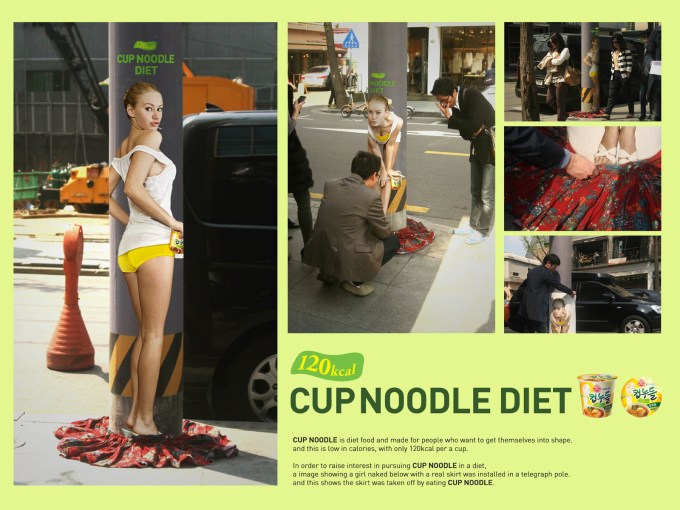 (Source: Ads of the World)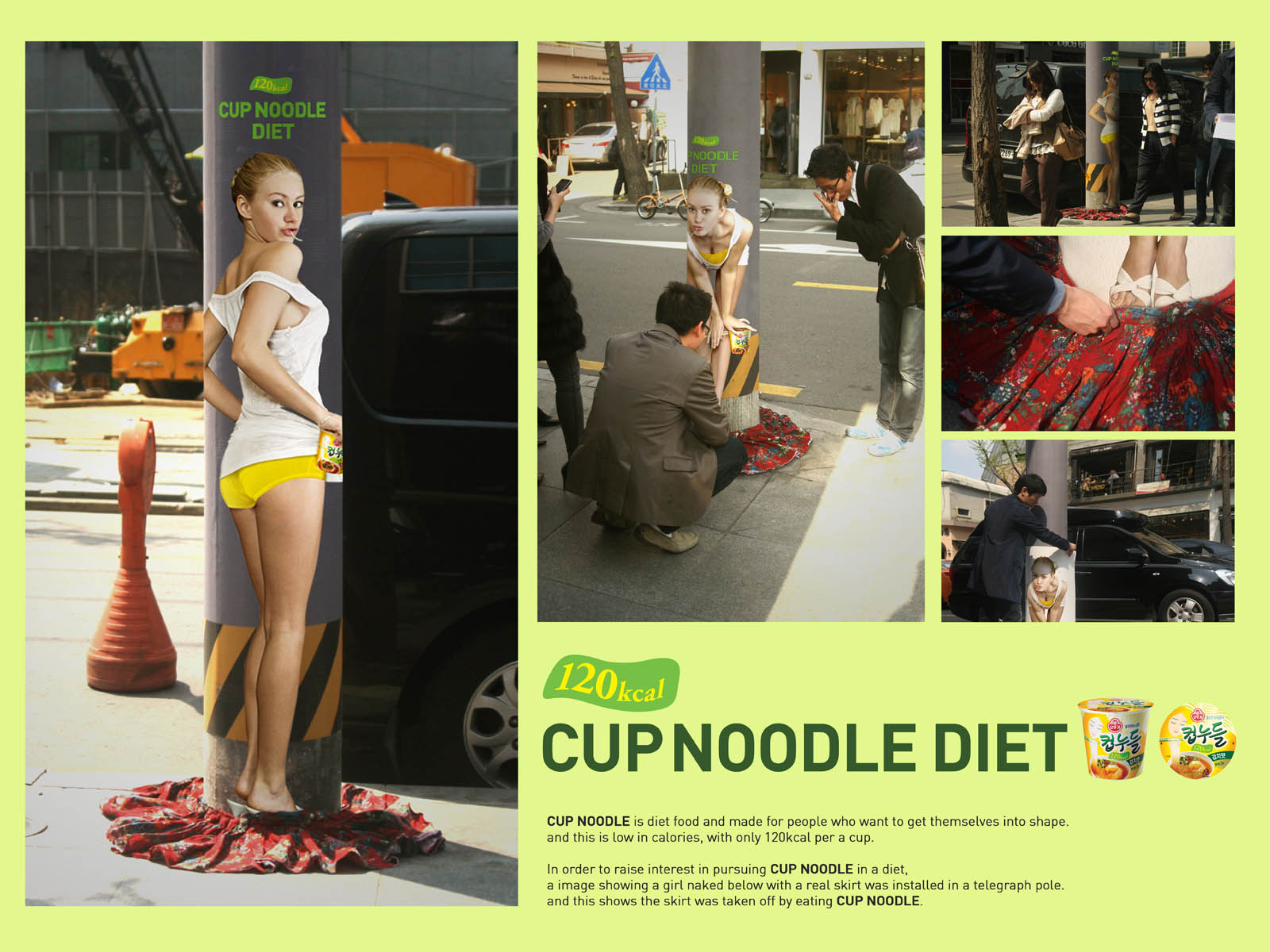
 (Source)
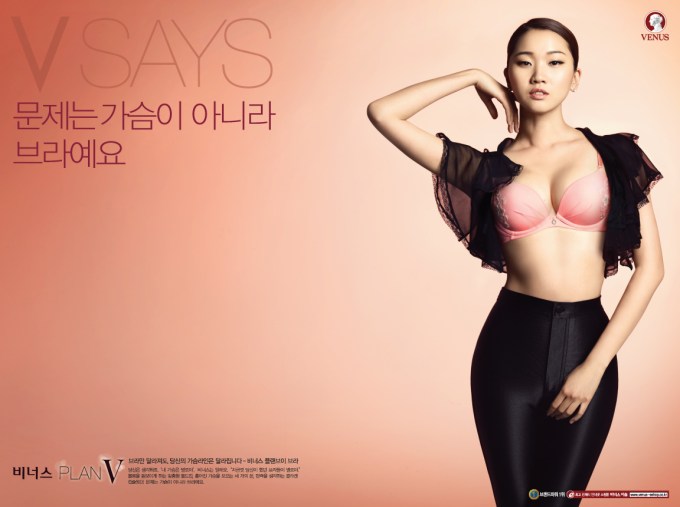 (Source)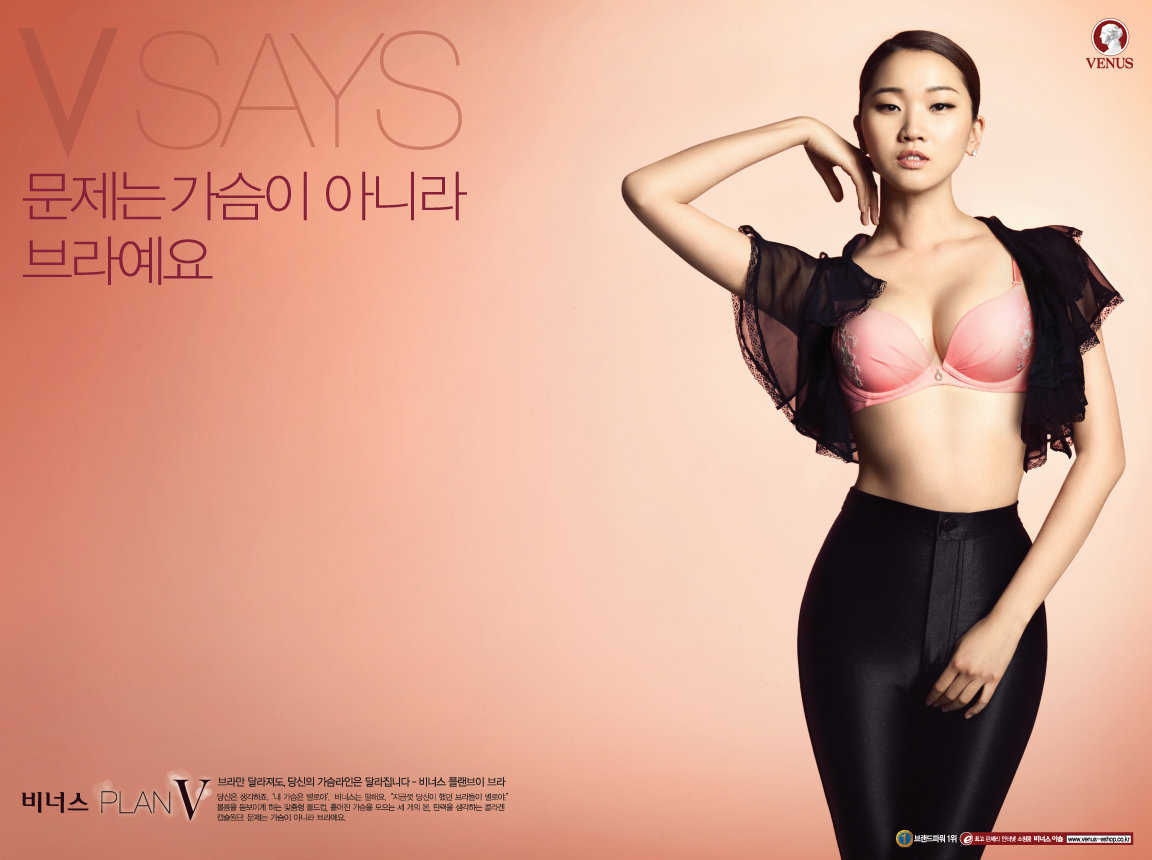


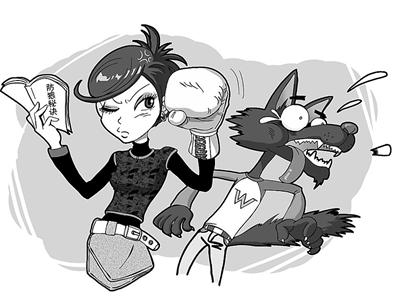


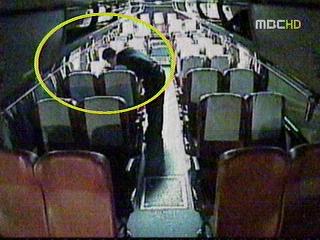



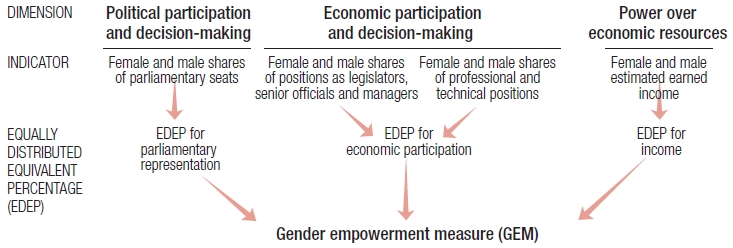

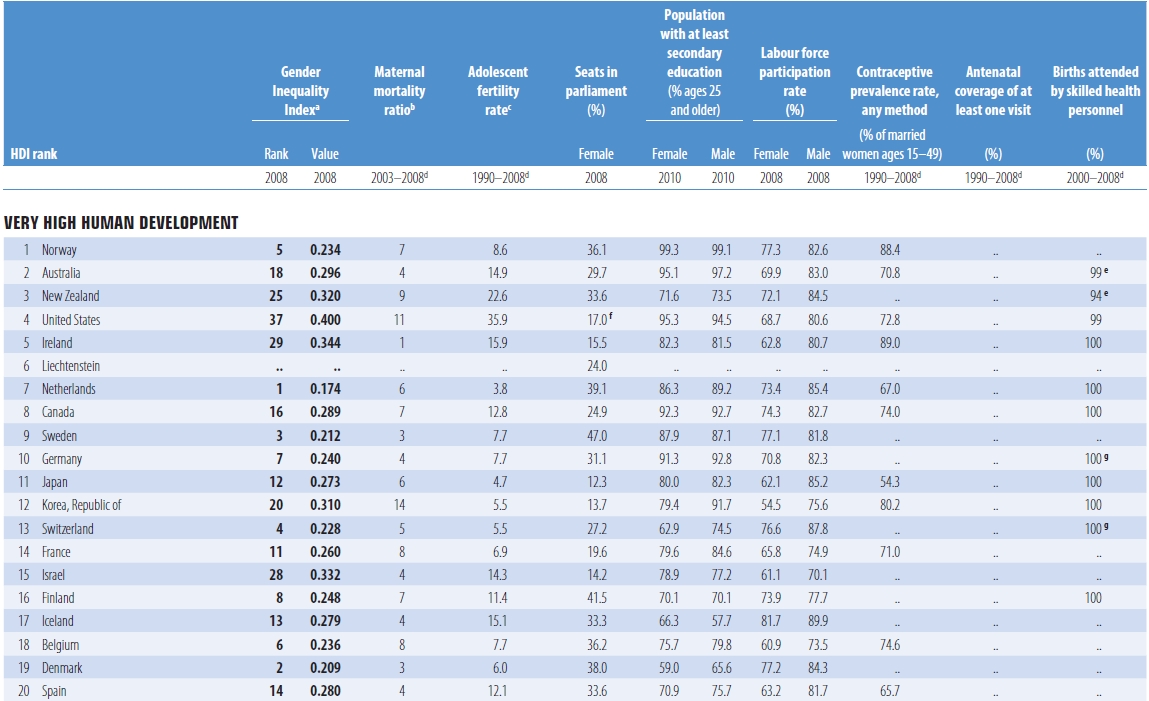





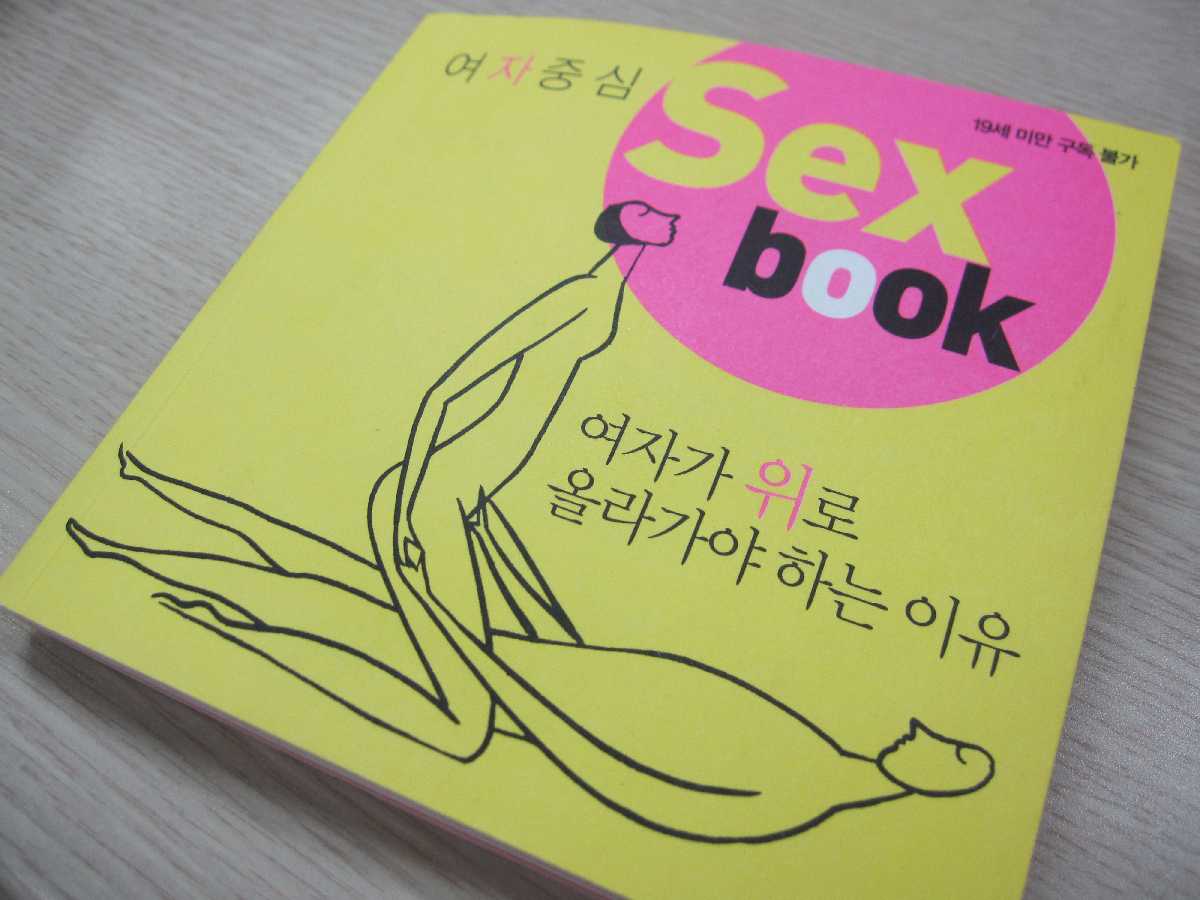
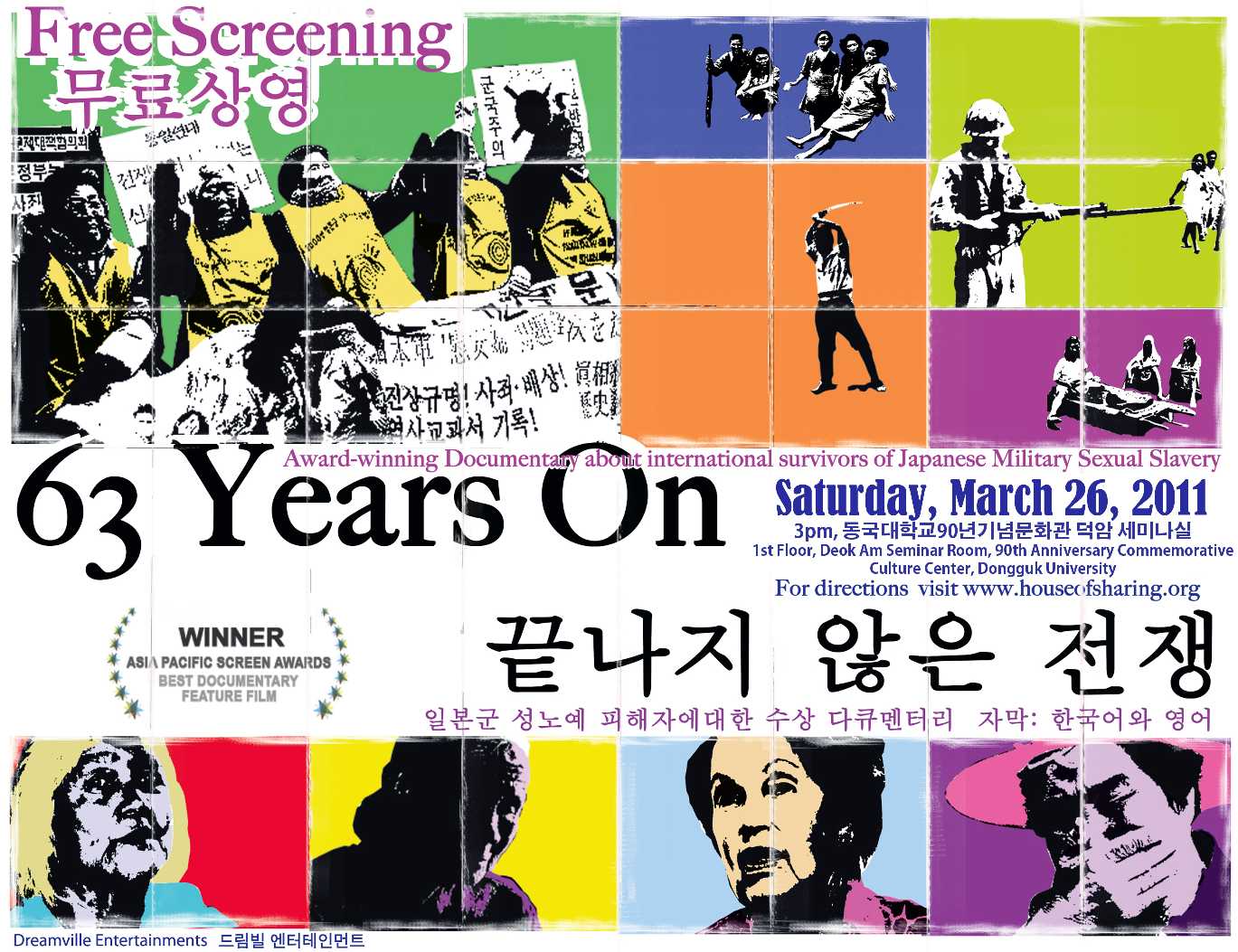
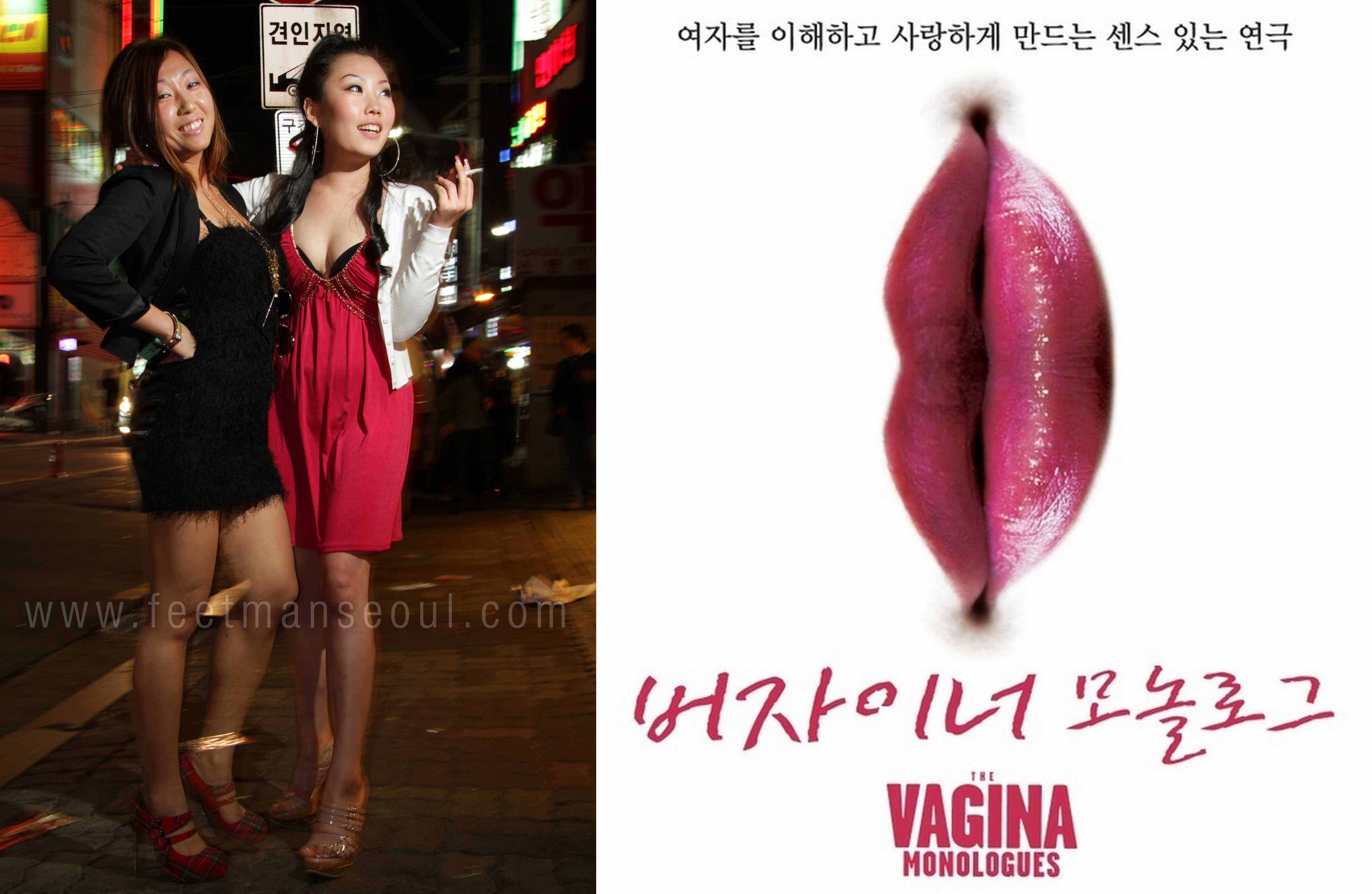
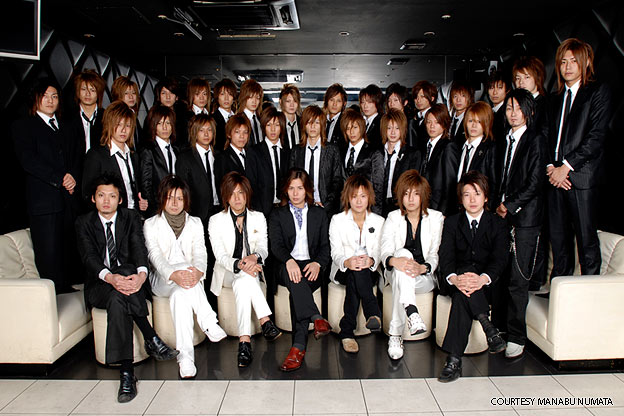

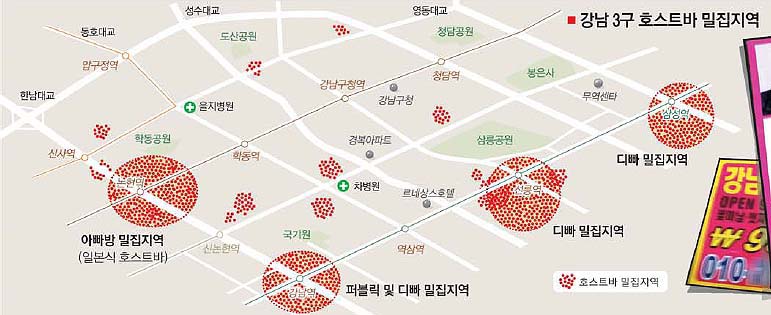



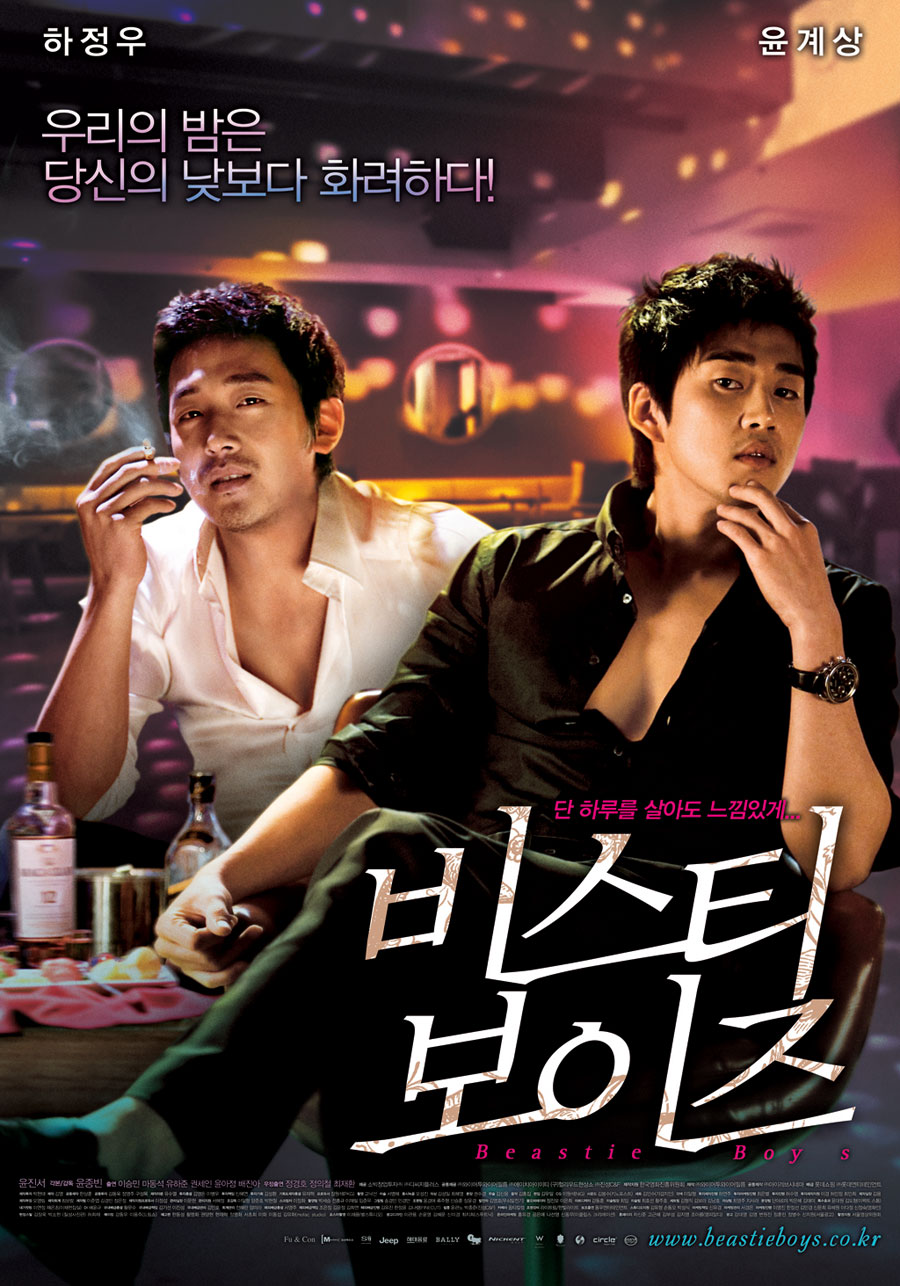
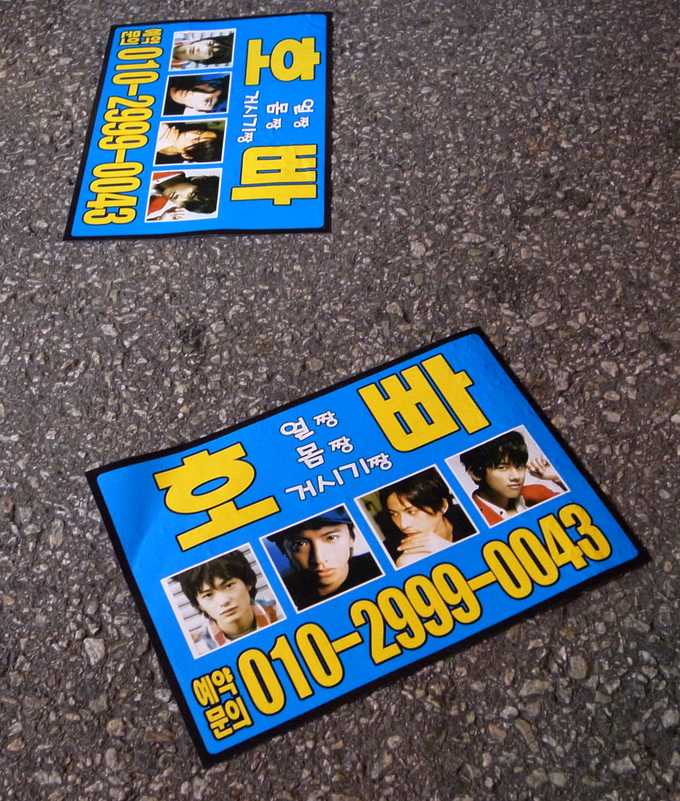
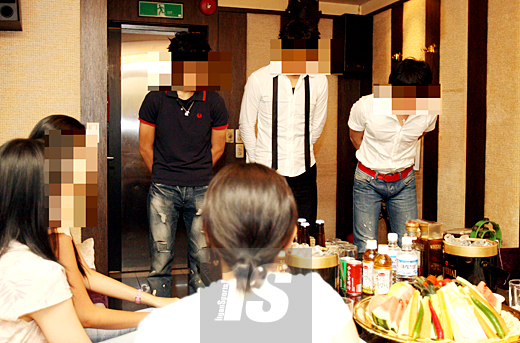
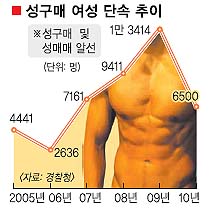
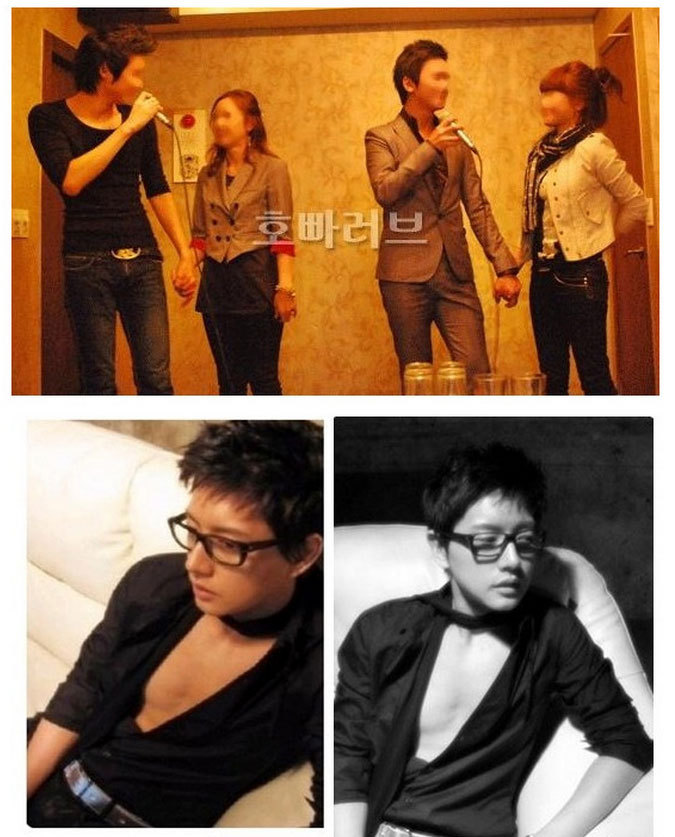
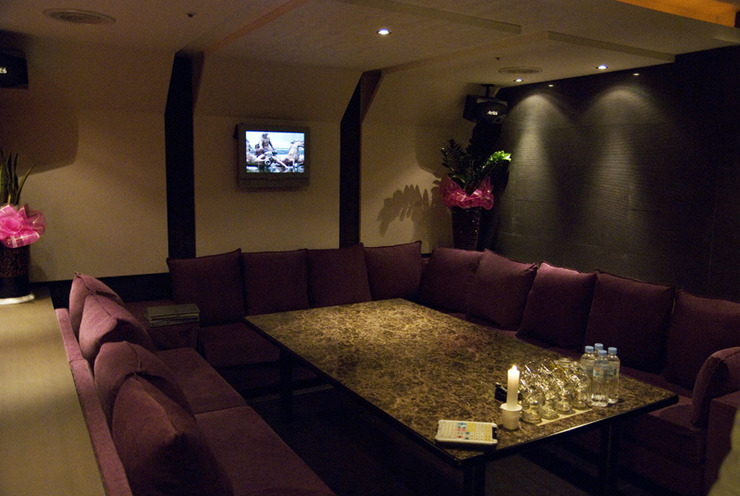
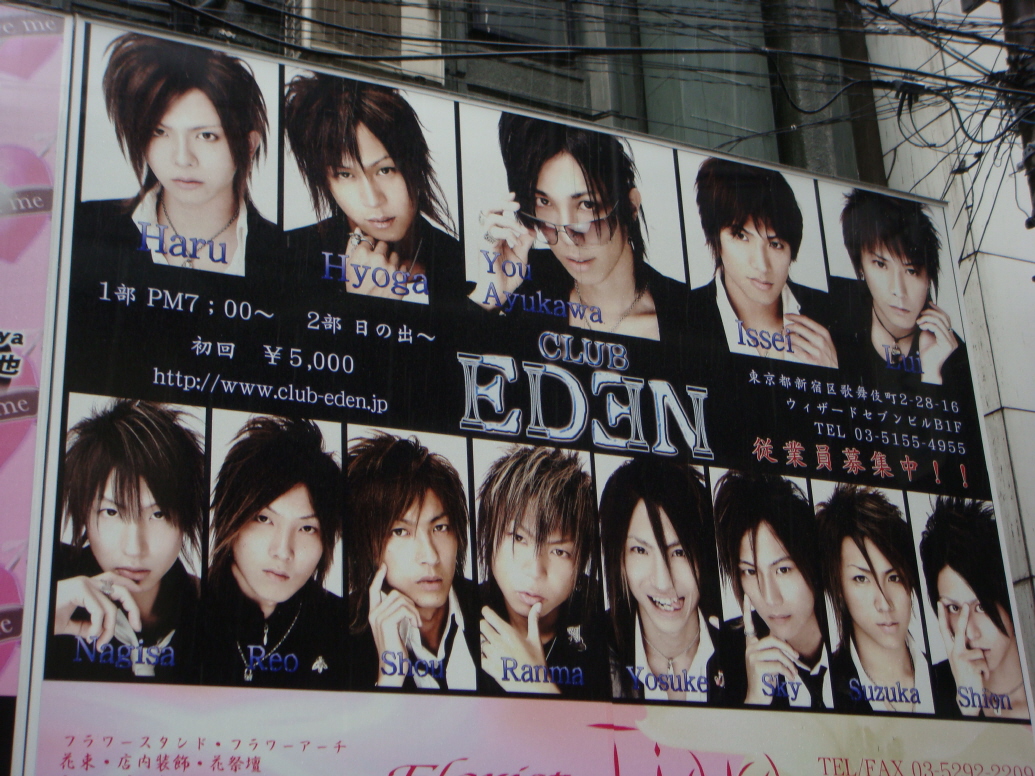





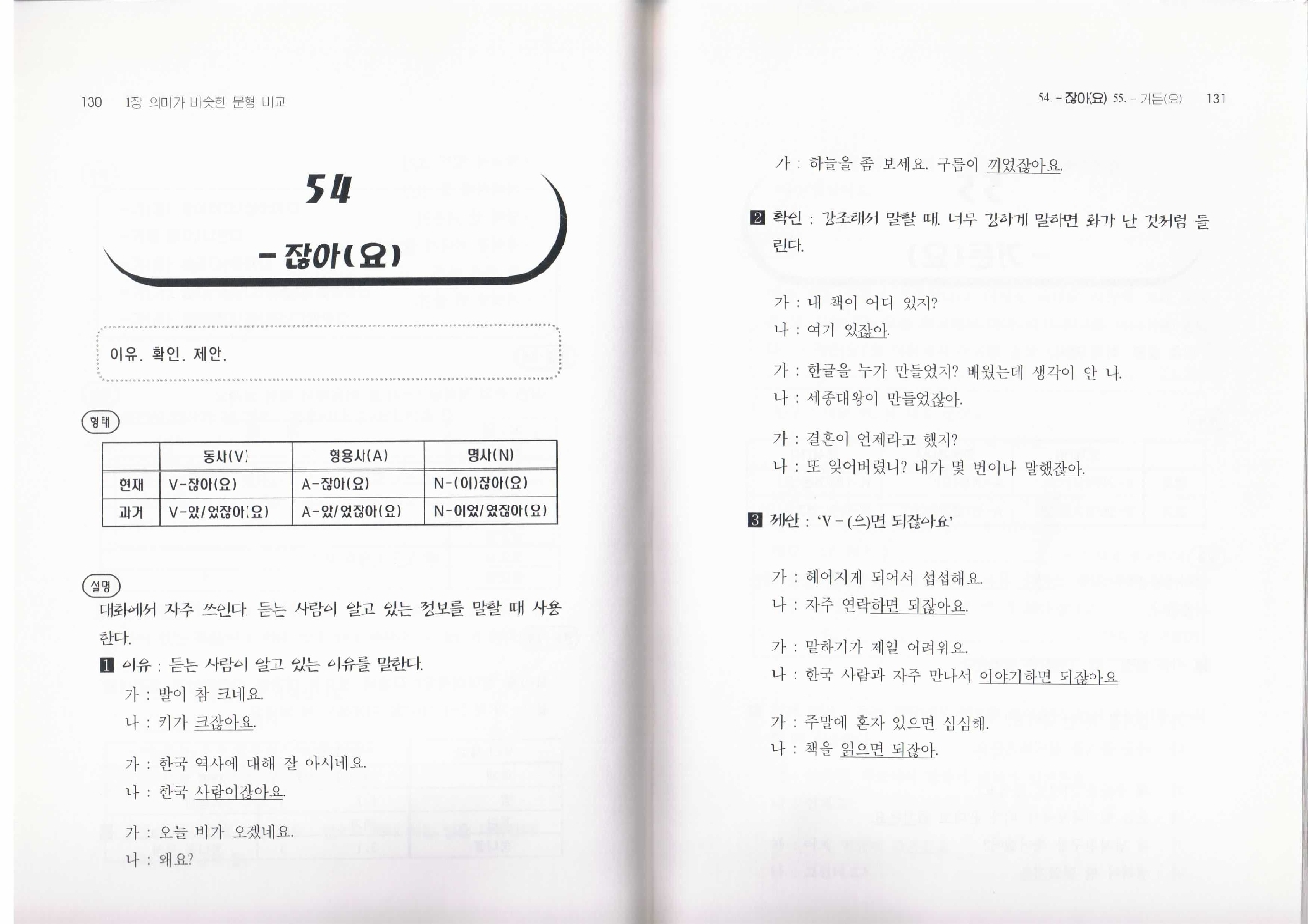
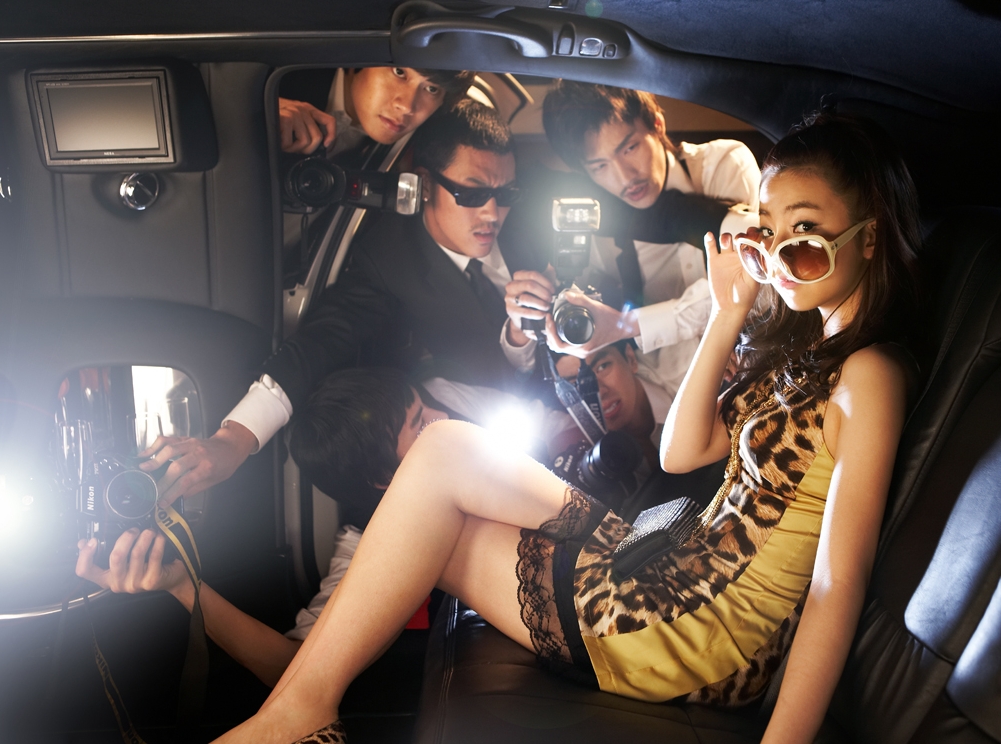
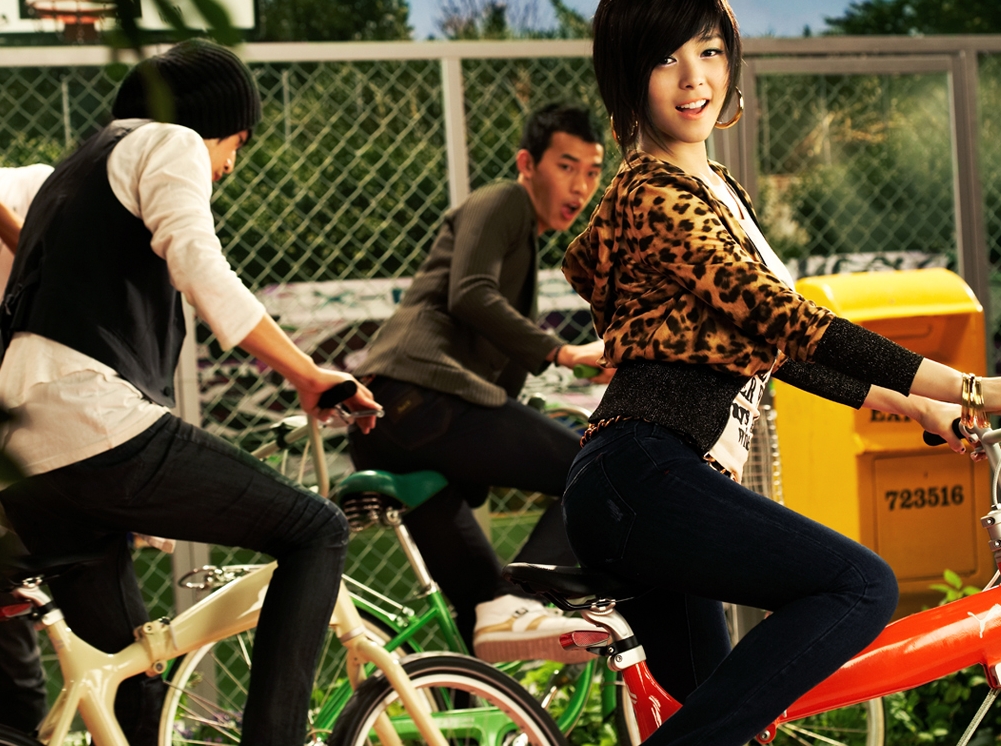




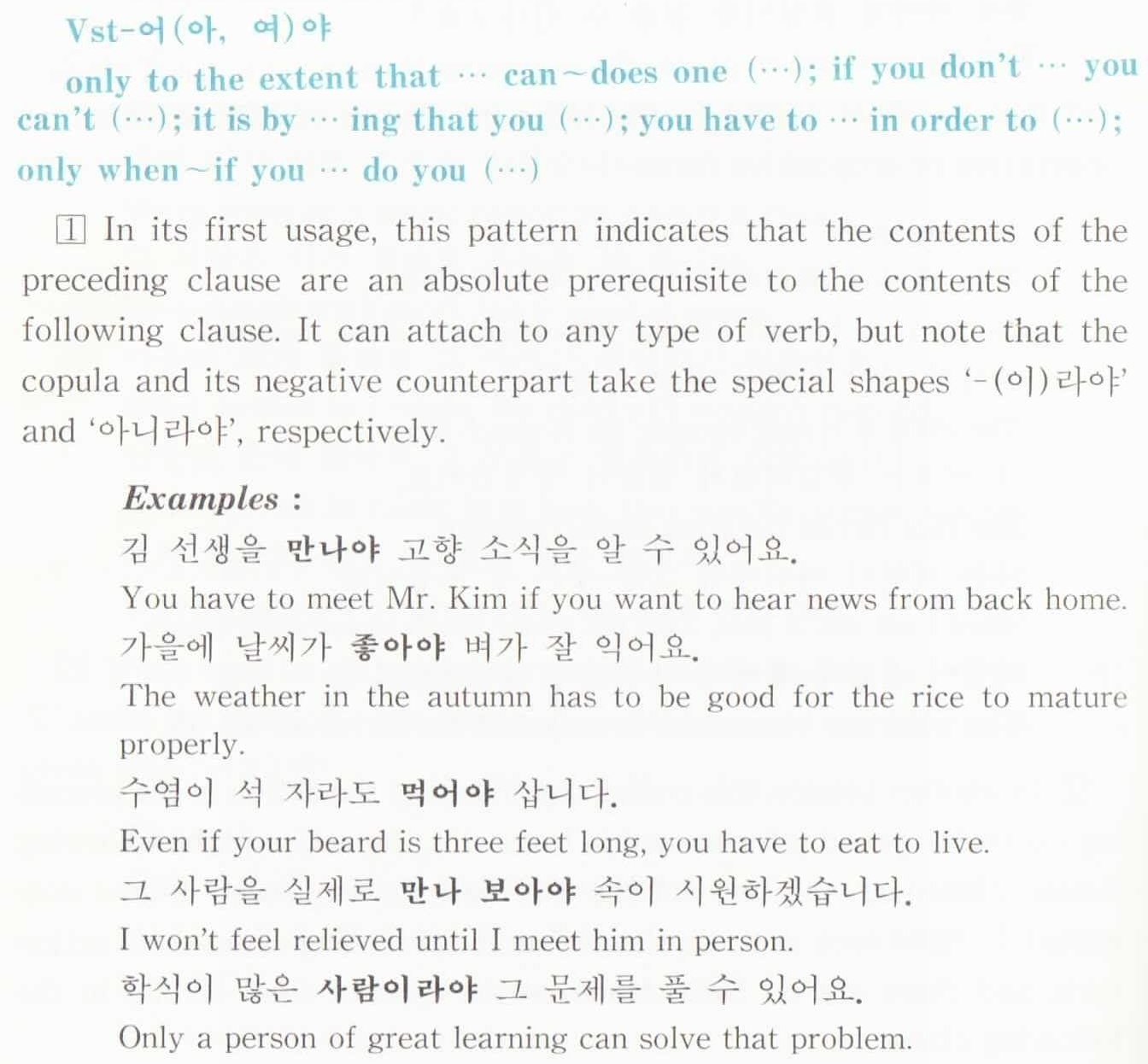
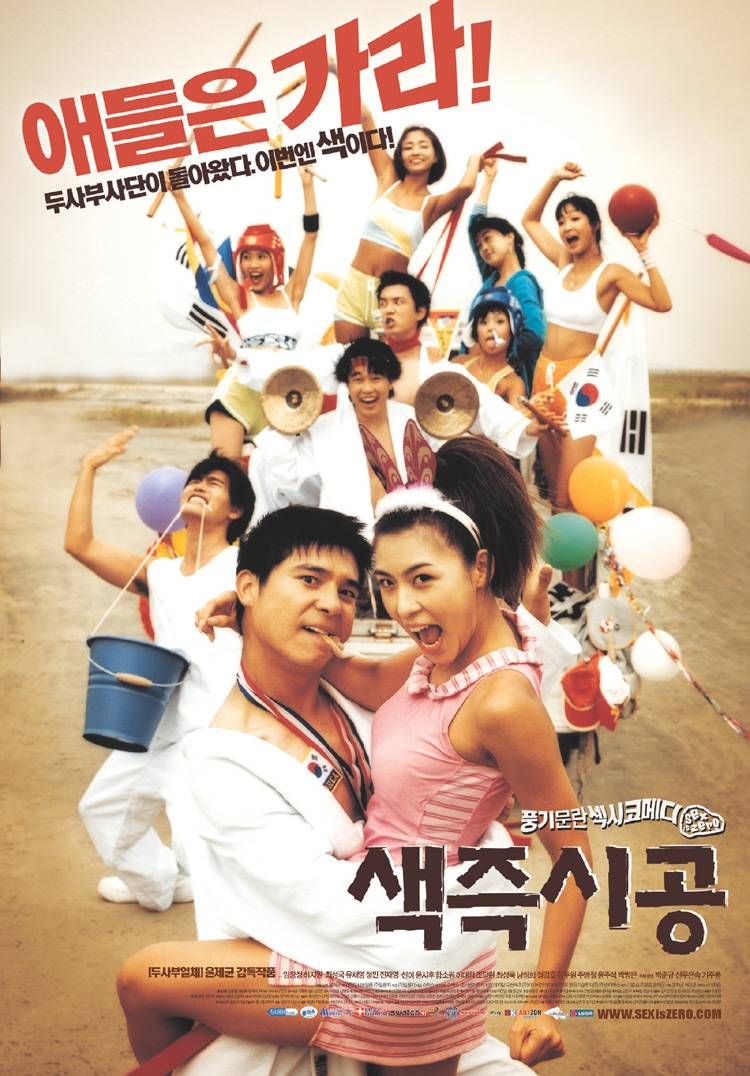
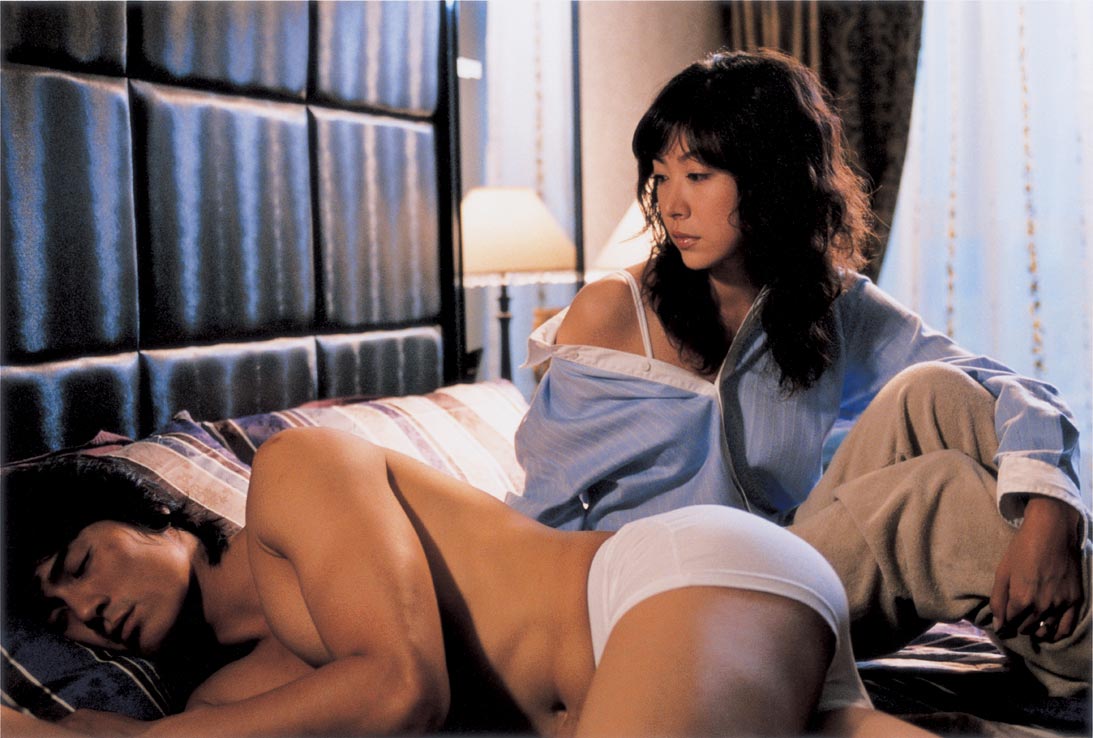
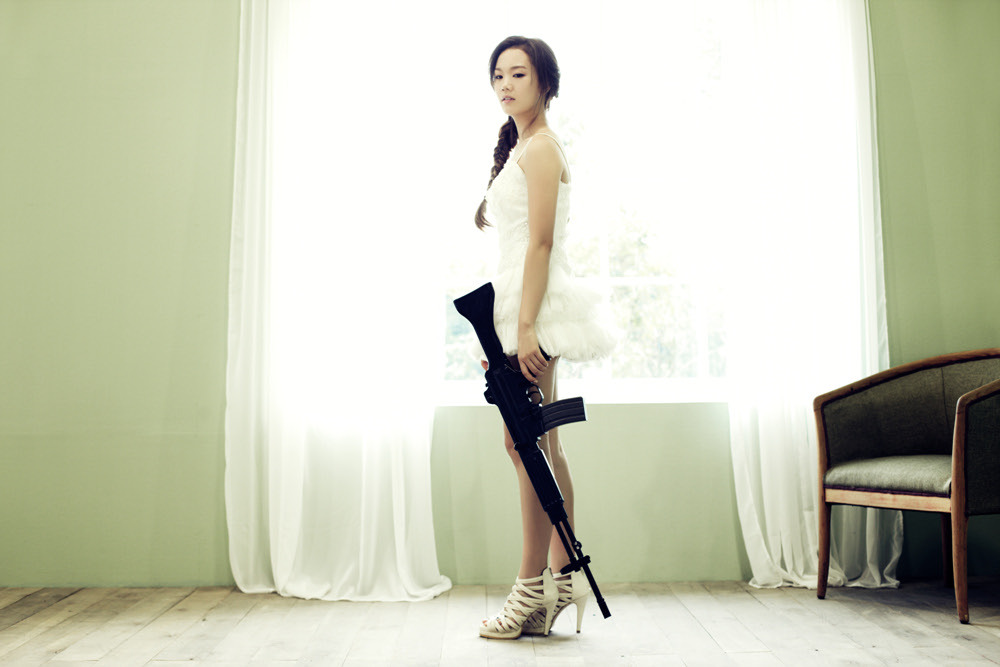




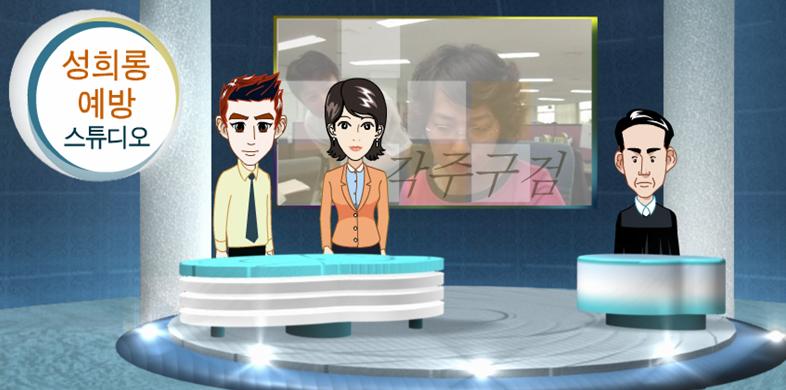

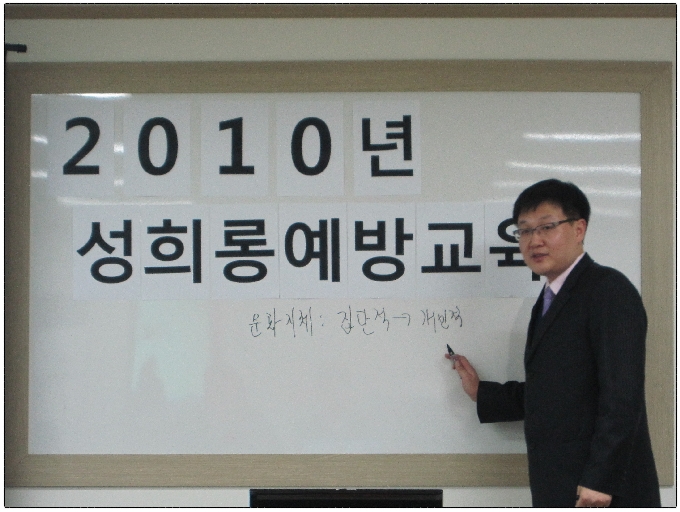








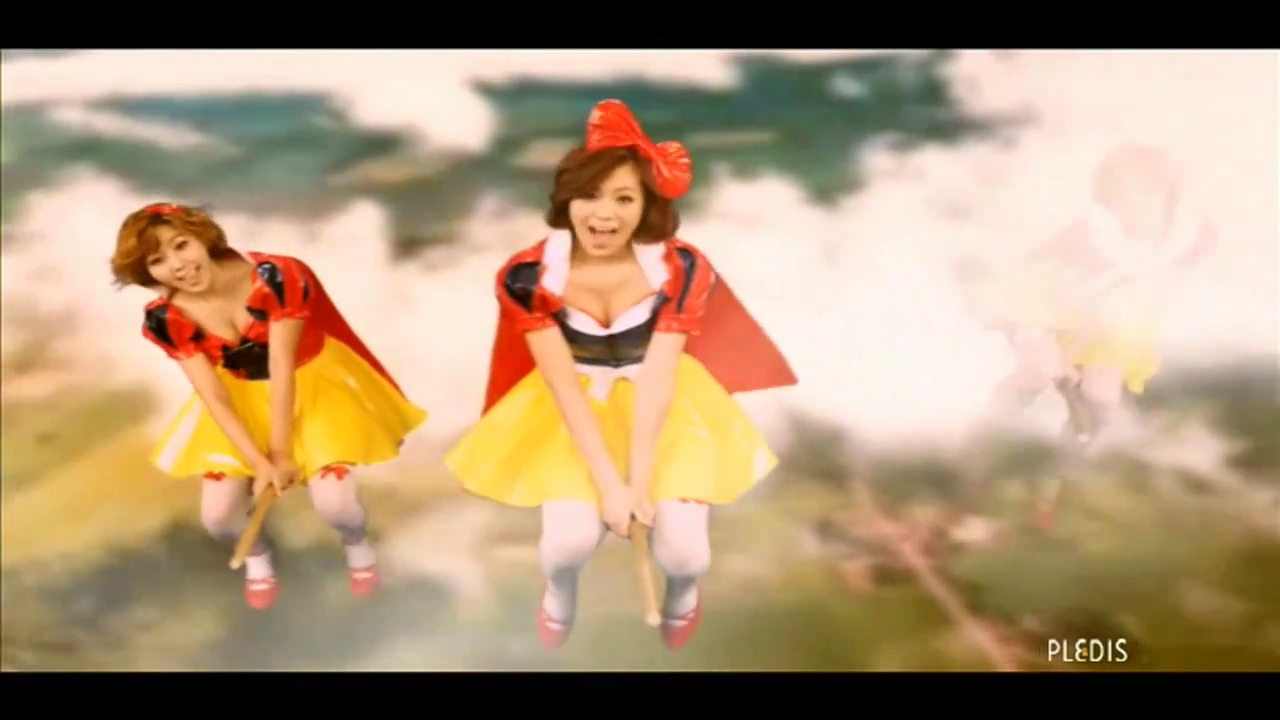
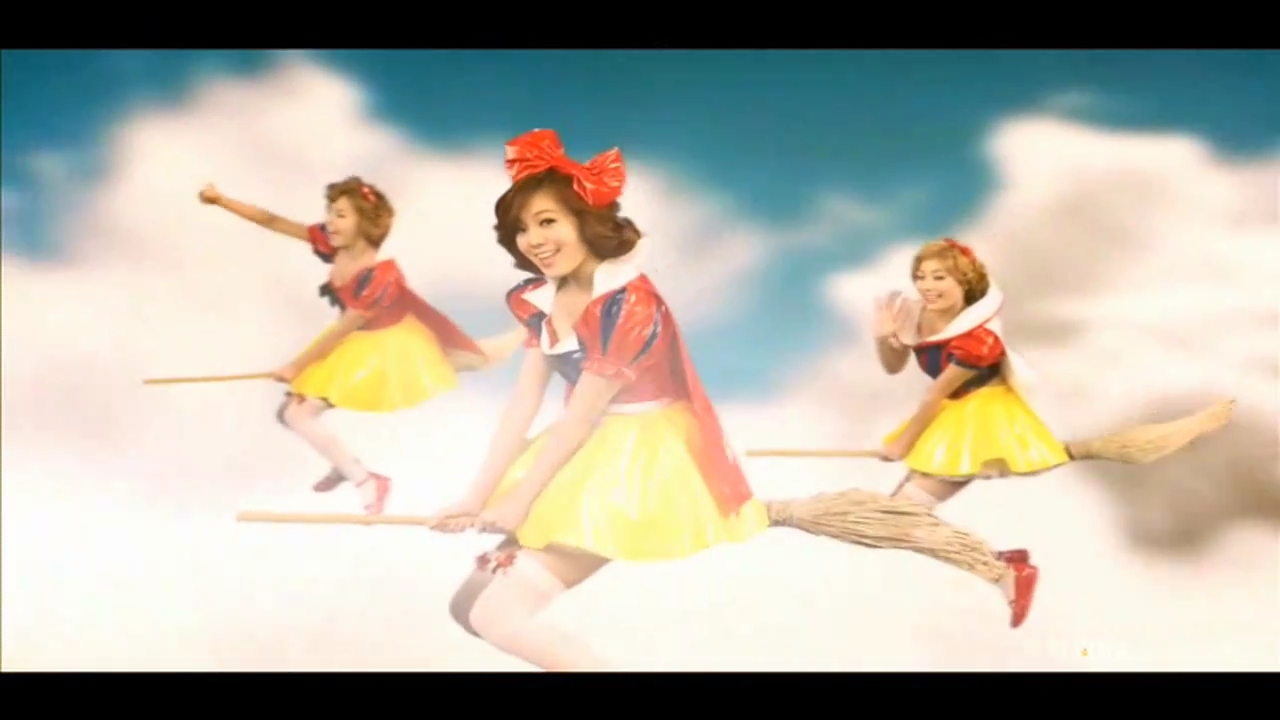


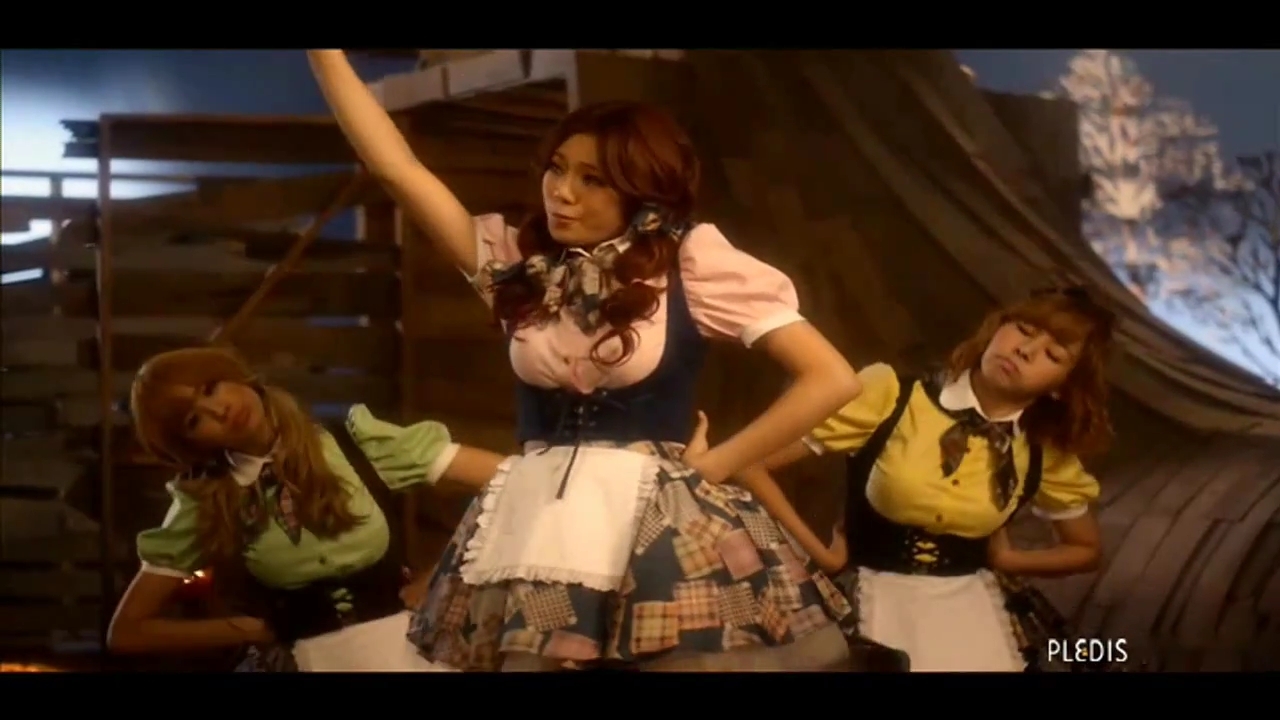





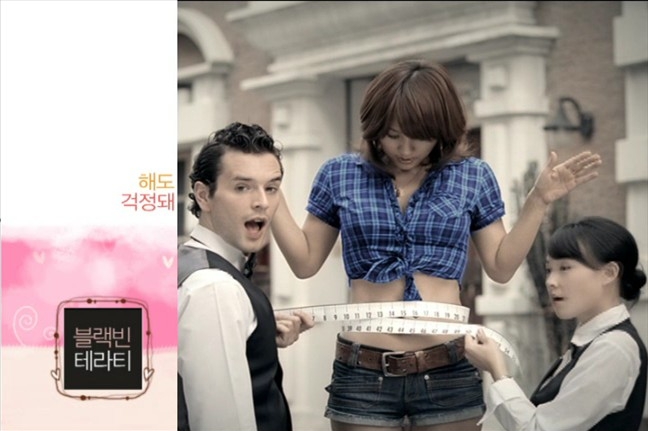




 The Grand Narrative