This translated article is maddeningly short on details, and the author writes as if sexual attractiveness and musical ability were mutually exclusive. But it’s good for learning some of the names out there.
Can any readers tell me any more about any of the bands mentioned, or recommend any grrrl-power songs of theirs to translate? :)
성상품화판치는가요계, 걸밴드의비애 / Girl Bands’ Disillusionment as Sexual Objectification Reigns Supreme over the Music World
Nate News via StarIN, 15/11/2012, by Cho Woo-yeong
여성록밴드 ‘런어웨이즈’(Runaways)를 아는가. 런어웨이즈는 1970년대 후반 미국 록 음악계의 견고한 남성 카르텔에 당당히 도전장을 내밀었던 10대 걸밴드다. 이들은 당시 여성의 자유와 해방, 저항 정신의 아이콘이었다.
Do you know the US Girl Rock Band “The Runaways”? They were a group of teens that set it upon themselves to boldly challenge the firm male cartel of the US rock world in the late-1970s. At the time, they were an icon of female liberation, resistance, and rebellion.
기성음반 제작자들은 런어웨이즈의 저항 의식을 철저히 상업화했다. 결국 이들은 자신 스스로 무대에서 옷을 벗는 등 성적 상품화되는 데 익숙해져 버렸다. 약 3년간의 활동기 동안 런어웨이즈는 해방을 부르짖으면서 정작 자신들은 해방될 수 없었던 역설을 노래했다. 그들은 결코 자유롭지 않았던 셈이다.
(Cherry Bomb, their signature 1976 hit which went to #1 in Japan)
Their seasoned record producers would strongly promote this image of them. [However], ultimately the group became used to taking off their clothes and sexually objectifying themselves. Doing this for about 3 years, while singing about independence they would also sing about [the irony of] how they lacked that independence themselves. In the end, they had never been free.
30여년이 지난 지금, 대한민국 록 음악계는 어떨까. 음반 제작자들의 마인드와 환경은 변했을지 몰라도 대중의 인식은 크게 달라지지 않았다. 록은 여전히 남자들의 전유물이다. ‘자우림’ 김윤아, ‘체리필터’ 조유진 같은 몇몇 여성 멤버가 팀의 보컬을 맡아 인기를 끌고 있으나 홍일점일 뿐이다.
Roughly 30 years have passed since then — what is the Korean rock industry like? [Unfortunately], while the minds of producers and the environment has changed, the public’s remains largely the same. Rock will always be a man’s world. Kim Yun-ah of Jaurim, Cho You-jeen of Cherry Filter, and others like them are popular vocalists of their groups but are also the only female members in them [source, right].
국내에서 온전한 여성 밴드는 다섯 손가락으로 꼽을 수 있다. 홍대 인디신서 현재 이름이 알려진 여성 밴드는 스윙즈, 와인홀비너스, 스윗 리벤지(Sweet revenge), 러버 더키(Rubber Duckie), 니아(NIA) 정도다. 최근에 씨엔블루·FT아일랜드 소속사에서 내놓은 에이오에이(AOA)가 인기를 끌고 있지만 이들은 아이돌 밴드에 가깝다. 상업적으로 최소한의 수익을 담보한 걸그룹 색깔을 포기하지 못했다.
Domestically, the number of all-female rock bands can be counted on just one hand. Well known in Hongdae at the moment are Swingz, Wind Hold Venus, Sweet Revenge, Rubber Duckie, and NIA. Also, recently CNBlue and FT Island’s management company [FNC Entertainment] has been promoting the popular AOA, but they are very similar to a typical idol band — FNC couldn’t give up on getting at least a minimum profit from them.
이들 모두 밴드로서의 기본인 작사·작곡 능력과 악기 연주 실력을 갖췄다. 웬만한 남성 밴드 못지않다. 특히 KBS2 ‘톱밴드2’에 얼굴을 내비친 스윙즈는 3차 예선까지 올랐다. 660팀 가운데 49강이었다. 다소 부족한 경험과 긴장 탓에 중도 탈락의 고배를 마셨으나 심사위원 신대철과 김도균으로부터 “떨어지기 아까운 밴드”라는 칭찬을 받았다.
All these bands have the skills necessary to be described as such (writing lyrics, composing songs, and being able to play instruments), and are just as good as their all-male counterparts. In particular, Swingz came to prominence through competing in Top Band 2 on KBS2, coming 49th out of 660 teams and making it to the 3rd round, but ultimately failing through inexperience and nerves. Judges Shin Dae-chul and Kim Do-kyun complimented them and said it was a pity they didn’t make it further in the competition.
James — Over at Koreanindie, Dahee confirms that Swingz were betrayed by their nervousness (see here for more on their performance in earlier rounds). Yet a much more interesting — if controversial — choice of Top Band 2 group to discuss might have been Rubber Duckie instead, who Dahee alleges suffered from the judges’ own stereotypes of female musicians on the one hand, but who Lightinthemind alleges emphasized their “charm and cuteness and looks” rather than their musical ability on the other:
Dahee: Right away I’m struck with the bad choice of songs for Rubber Duckie. Their vocals aren’t strong enough for the cover song, and it doesn’t really show off their charms very well. And then Shin Dae Chul starts talking about how some of the judges whispered amongst themselves before their performance that “The guitar is a man’s instrument”(!!!), and how hard it is to find a good female guitarist. I cannot believe he is saying this. The guitarist kind of looks like she wants to sock him in the face. And then he compliments her on her skills, saying “I didn’t know you’d be so good,” meaning he didn’t expect much from her BECAUSE SHE’S A WOMAN. Ugh. Sorry, Shin, but you’re officially on my shit list now. Maybe it’s this kind of attitude that stops women from taking up the electric guitar in the first place, ever thought of that? I wonder if Rubber Duckie has to deal with this kind of bullshit on a regular basis? This also makes me wonder why there isn’t a female judge. Would it have been so hard for them to get someone like Kim Yoon Ah on the panel?
Lightinthemind: Urgh… I have double feelings here. No, triple-way feelings. First, I like their attempt to pull off another song which is not as sweet as their own. Unfortunately it wasn’t so successful but at least they tried. Second, I also liked the guitar solo and can agree with Shin Dae Chul that to find women playing guitar on this level is a rarity. And it is not a thing of feminism here. Just a fact. How many really famous females guitarist do we know? Can you name? And third, the thing that I don’t like in girlish bands. If you take advantage of your charm and cuteness and looks, don’t pretend that you weren’t expecting all these compliments from other musicians and that attitude towards you. ‘That’ means “oh, such pretty young girls, let’s enjoy their young bright faces cause they won’t be able to compete here anyway’’. Sorry again, but this sweety image these groups are taking is hurting my teeth. That is why I was relieved when they took the Sixpence None the Richer cover. Hope that they would concentrate on really doing music rather than entertaining with their looks.
For the record, a September 2010 interview in the now defunct Neh Magazine (p.16) also fixates on their looks — but that may or may not be the fault of the interviewer rather than Rubber Duckie themselves. Either way, alleged prejudiced judges and/or allegedly exploiting one’s looks would certainly disrupt author Cho Woo-yeong’s breezy narrative here, which is possibly why Rubber Duckie weren’t also interviewed (although I concede they may simply have been unavailable).
Continuing:
스윙즈는 “그럼에도 사람들의 선입견을 바꾸기는 아직 어렵다”고 고충을 털어놨다. ‘걸(Girl)’ 밴드에 대한 대중의 편견 때문이다. 걸밴드가 무대에 오르면 대부분 사람은 ‘너희가 해 봐야 얼마나 잘하겠어’라는 생각부터 머릿속에 떠올린다. 아무리 실력이 좋아도 ‘어? 좀 하네’ 식의 반응이 돌아온다. 스윙즈는 “남성 밴드들보다 두 배 세 배 더 연습했다. 인정받지 못하는 서운함보다 보이지 않는 벽이 존재한다는 사실에 부담감이 크다”고 말했다.
Swingz lamented that “Rather than that setback, we’re more saddened that the public’s preconceptions about girl rock bands haven’t changed. When we step on stage, people think ‘Let’s see how good they are,’ but no matter our ability they will still think we’re ‘just okay’ [at best].” They continued “Compared to male bands, we have to practice two to three times more. But it’s not that the public doesn’t acknowledge us that really gets us down — it’s the unseen barriers thrown in the way [of female performers].”
아쉬운 점은 이들이 단지 여성이라는 이유로, 무대 매너나 음악적 역량이 아닌 성적 매력이 얼마 만큼 있느냐가 먼저 평가되는 현실이다. ‘홍대 여자 싱어송라이터’에서 ‘홍대 여신’이란 중의적인 의미의 대명사로 굳어진 요조·타루 등 미모의 여성 가수들 인기와 달콤한 노래가 이러한 편견을 더했다. 우리 사회가 얼마나 여성 가수의 외모에 민감한지를 단적으로 드러내는 대목이다.
What’s regretful is that, as female performers, they are judged more on their sexual attractiveness and charms than their stage manners and musical ability. The sweet songs and popularity of pretty female singers Yozoh and Taru, who were originally known as ‘Hongdae female singer-songwriters,’ have added to this sentiment through their transformation into ‘Hongdae goddesses’ instead. That female singers have to be so careful about their appearance like this directly exposes a flaw of our society.[source, right]
스윙즈는 “우리가 아무리 혼신의 힘을 다 해도 결론은 항상 ‘예뻐요’라는 목소리가 들려온다”며 “물론 그 역시 팬분들의 소중한 응원이지만 기왕이면 ‘연주 멋졌어요’라는 말을 듣고 싶다”고 바랐다.
Swingz said “No matter how much work we put in, in the end we just hear cries of ‘You’re so pretty!’,” and wished that, “Although of course we do find our fans’ support valuable, we really want them to say “That was a great performance!’ instead.”
세상이 바뀌었지만 일부 우리 정서에는 남존여비 사상도 뿌리깊게 박혀 있다. 스윙즈는 “걸밴드는 호사가들의 입방아에 오르내리기 쉽다”고 한숨을 내쉬었다. 공연이 끝난 후 뒤풀이 때 맥주 한 잔 마셨을 뿐인데 다음날 ‘술고래’가 돼 있다. 다른 남성 밴드 멤버와 친해져 차(茶)도 마시고 늦은 시간까지 함께 연습이라도 했다가는 ‘두 사람이 그렇고 그런 사이’라는 소문이 돌아 활동에 타격을 받기 십상이다.
The world has changed, but this patriarchal system is deeply embedded in our unconscious. Swingz sighed “Girl bands are an easy target of gossipers. If we have one beer after a hard performance, we’re labelled alcoholics. If we go out late and have a friendly cup of tea with a member of a male band, we’re hit with all sorts of rumors about our relationship.” [source, left]
윤정주 여성연예인인권지원센터 소장은 “그간 여성의 선정적인 콘셉트를 내세워 돈을 벌려는 일부 기획사와 그를 쫓는 대중·미디어의 책임이 크다”고 지적했다. 음악적 실력보다 성적 매력을 부각하는 기획사와 이를 자극적으로 확대·재생산하는 미디어가 여성에 대한 대중의 인식을 가볍게 하고 있다는 설명이다.
Yun Jeong-ju, head of the Female Entertainers’ Human Rights Support Center [below; source], pointed out that “The media has a big responsibility for management companies making money through using sexy concepts with women and for the public following that trend.” The widely-held notion that sexual attractiveness is more important than music ability is heavily encouraged by the media.
대중이 다양한 장르의 가수들을 주목하기 어려운 상황에서 이러한 악순환은 반복된다. 윤 소장은 “록 장르 자체가 우리나라에서는 비주류인데다 남성성이 강한 분야여서 여성들이 진출하기 어렵다”면서 “그들이 ‘섹시 가수’에 밀려 미디어 속에서 배제되고 있는 현실이 더 높은 장벽”이라고 말했다.
This leads to a viscous circle whereby [female] singers from varied genres [beyond K-pop] get ignored by the public. Yun continued “In Korea, rock isn’t mainstream and is dominated by men; it’s difficult for women to get ahead in that world,” and that “The media creates a high barrier for [female] singers by placing them [so far] behind sexy ones.” (end)
As always, I appreciate any corrections, and thanks from my long suffering wife to some of my FB and Twitter followers for help with some questions I had while I was working on the translation!
“This bizarre prize giveway ad, with a Hyundai car and hidden-treasure puzzle, circa 1985, features an ‘anti-communism’ prize – first prize, Hyundai car; second prize, set of steak knives; third prize is your fired….oops wrong contest – the first prize is a “anti-communist” Hyundai vehicle and the second prize is a “unification” prize….down the list there’s a Mount Paekdu prize and Mt. Kumgang prize. A really weird one.”
This reminded me of the “Consumption is Virtuous” (소비가 미덕이다) slogan I once read in a Korean newspaper from the late-1970s, back when economic development was explicitly conflated with national security. Previously, I’ve overemphasized how much that sentiment still applies today, not realizing that government and the media actually began to criticize (alleged) overconsumption by the 1990s, in what were really just thinly disguised attacks on women’s new economic rights and freedoms (and important precursors to the “beanpaste girl” {된장녀} stereotypes of the 2000s). This ad though, demonstrates how things were indeed very different just a few years earlier.
Or does it? Moreska, whose Flickr feed is a treasure-trove of retroKoreana, points out how strange it is — so it may have been the exception rather than the rule, even before Korea democratized in 1987. Can any Korean history buffs help out?
(For more posts in the Korean Sociological Image series, see here)
Pornography is art, sometimes harmonious, sometimes dissonant. Its glut and glitter are a Babylonian excess. Modern middle-class women cannot bear the thought that their hard-won professional achievements can be outweighed in an instant by a young hussy flashing a little tits and ass. But the gods have given her power, and we must welcome it. Pornography forces a radical reassessment of sexual value, nature’s bequest of our tarnished treasure.
Camille Paglia, Vamps & Tramps, 1994.
For reasons of space and propriety, an opening quote that didn’t make it to my latest article for Busan Haps. But, without denying for a moment that there’s been a lot of gratuitous T&A in K-pop this summer, withmanymoreexamples in just the few weeks since this article was written, I think Paglia’s quote brings a healthy dose of realism to the discussion, and frames the one on Beyoncé’s Super Bowl halftime show in the conclusion nicely. Please click on the image to see what I mean.
For much more on the concept of sexual objectification, why it can sometimes be positive, and why consent is so important for determining that, please see here. Also, a must-read is Peter Robinson’s “Naked women in pop videos: art, misogyny or downright cynical?” in The Guardian from last week, which raises many of the same issues (and is a reminder that the “pornification” of K-pop still has quite a long way to go).
“Korean International Adoption: From Militarization and Neocolonialism Towards Human Rights” with special guest lecturers Tobias Hübinette and Jane Jeong Trenka
August 11th (Sun), 5-7:30pm at Haechi Hall (Seoul Global Culture & Tourism Center, Myeongdong, M Plaza – 5th floor). Korean interpretation will be provided. Attendance is free but all collected donations will be given to the Korean Unwed Mothers’ Families Association.
“한국해외입양: 군대화와 신식민주의 개념에서 인권으로” 토비아스 휘비네트교수와 제인정트렌카 작가 특강
날짜: 8월 11일 (일) 5시부터 7시반까지, 장소: 해치홀 (서울글로벌 문화와 광관센터, 명동 엠프라자 5층). 한국어 통역 제공. 입장료 무료. 모금은 한국미혼모가족협회에게 기부.
Over at Korean Circle and Squares, Emanuel Pastreich has scanned some pages of the Korean ethics textbook currently used in Korean elementary schools. He comments that the very existence of such an old-fashioned class is remarkable (as part of the daily program no less), and was especially struck by the efforts to address multicultural issues and the children of “multicultural families.” For example, the page above-right:
…relates a diary entry by Jeonghyeon, an elementary school student whose mother is Vietnamese. Jeonghyeon says she has no memories of her Vietnamese grandmother and grandfather and seems not to actually live in that complex multicultural family. Nevertheless, it is a tremendous improvement to create this space in which multicultural kids can exist within the official textbooks.
Click on the image for more examples. Also remarkable about them is how, just 5 years ago, textbooks stressed how important it was that Korea remain ethnically homogenous instead. As described by Matt of Gusts of Popular Feeling in December 2008:
Korea’s ethics textbooks are to change, however — in part due to Hines Ward’s first visit to Korea after being named MVP in the Superbowl in 2006 — and North Korea, which has taken these ideas to frightening extremes, was not happy:
The words themselves take a knife to the feeling of our people, but even more serious is that this anti-national theory of “multiethnic, multiracial society” has already gone beyond the stage of discussion. Already, they’ve decided that from 2009, content related to “multiracial, multiethnic culture” would be included in elementary, middle and high school textbooks that have until now stressed that Koreans are the “descendents of Dangun,” “of one blood line” and “one race,” and to change the terms “families of international marriage” and “families of foreign laborers” to “multicultural families.” This is an outrage that makes it impossible to repress the rage of the people/race.
More recently, these issues again gained prominence with the election of Ms. Lee (born Jasmine Bacurnay in the Philippines) to South Korea’s National Assembly in April last year, the first naturalized citizen — and the first nonethnic Korean — to do so. As Choe Sang-hun wrote in The New York Times, public opinion is still is still far behind official policy:
And this year, for the first time, South Korea began accepting multiethnic Korean citizens into its armed forces. Before, the military had maintained that a different skin color would make them stand out and hurt unity.
But if government support has improved, Ms. Lee says, popular sentiment seems to have cooled. Korean men who sponsored foreign women as brides, only to find themselves abandoned by women who exploited them to immigrate to and work in South Korea, have organized against the government’s multicultural policy. Meanwhile, low-income Koreans accuse migrant workers of stealing their jobs.
The government itself stands accused of fostering xenophobia by requiring foreigners who come to South Korea to teach English to undergo H.I.V. tests, but not requiring the same of South Koreans in the same jobs. Last year, an Uzbek-born Korean made news when she was denied entry to a public bath whose proprietor cited fear of H.I.V. among foreigners.
The Korean media also has some way to go, Matt noticing (in 2010) the headline “Korean Women’s DNA is Different” for instance:
Well now, I guess that may explain why Roboseyo “personally was told “foreign blood and Korean blood together has problems” [by] one of the nurses at a blood clinic[.]” It all makes sense now – Koreans’ DNA is different. What a simple, obvious explanation.
Actually, while the article tells us that “Questions arise each time Korean female athletes accomplish great things on the world stage,” it (sadly) does not follow up on the promise of the headline, instead dwelling on more mundane cultural and social influences. Mind you, the fact that “Korean women’s DNA is different” was a headline on the front page of a newspaper should go to show that the idea of genes and bloodlines was dominating the writer (or editor)’s thinking, and that they figured others would agree.
Fortunately, my Korean wife and I have met very few Koreans (openly) expressing that idea of pure genes and bloodlines, and fewer still that harassed us for mixing them. Also, as one of those “muliticultural families,” we’ve benefited from our youngest daughter jumping ahead in the waiting list for a place in a state-run kindergarten (albeit something which “ordinary” Korean parents may justifiably resent), and both our daughters receive a great deal of friendly attention when we’re out with them (not so much when they’re just with me — you’d never guess they had a Korean mother). Part of that is likely because half-Korean celebrities were very much in vogue a few years ago, but this popularity may now be waning.
How about any readers in interracial relationships or multicultural families? What positive or negative experiences have you had specifically because of this bloodlines-based view of nationalism, and/or related government policies?
I’d like to like Misogyny Drop Dead by Planningtorock, but agree with a commenter that its more “experimental” and “obscure” than something you can actually dance to.
As for that “problem” though, the author definitely has a point. Just type “trance” into a Youtube search and see for yourself:
Thoughts? Any more quality K-pop (or covers or remixes) out there that should be much better known? Would you say the objectifying imagery is simply because — I assume — most of the DJs are male? Or some other reason?
*Update: Link is just about the regional Wellington competition sorry. Any sources on the national competition would be appreciated.
If you are a person living in Korea, you are likely to have had your weight or appearance commented on. “You have gained/lost weight!” is a customary greeting. Dieting is the most common topic for daily conversations. Ads promote unrealistic beauty standards for both women and men. Worse, if you don’t look like them, you are likely to be discriminated against or dismissed as some who needs to get some work done. Self-love is prohibited unless you look like a Barbie doll. There are voices and messages everywhere, both internally and externally, that arouse insecurity around your looks. Body-policing is a common practice.
Overwhelmingly obsessed with thinness, I dare to call Korea an eating-disordered society. I know this because I have been struggling with eating disorders for 9 years, now marching on the road to recovery. Living here, staying on the recovery-track is extremely difficult because all the internal eating-disordered voices and negative self-talk, which I have worked so hard to detach myself from, become real external voices to attack my vulnerable psychological wounds. On the other hand, recovering from eating disorders in this country is double-strengthening my immunity to these eating-disordered voices. I am well-aware of how self-destructive and unproductive these voices are, and how I can protect myself from them.
But, what about those who haven’t been consoled? So many Korean people, especially women of all ages, believe there is no other way to be loved or socially recognized without dieting or getting plastic surgery. Men believe women should naturally look like the ready-made Barbie dolls in fashion magazines or entertainment shows when they are in fact extremely unrealistic. I guarantee there is not a single woman in this country who hasn’t felt insecure about her looks or body parts. Under such circumstances, women and men are likely to fall victims of eating disorders. Statistical data can’t speak for the reality because people are not even aware that these voices are ‘disordered’ voices. Obsession with thinness, extreme dieting, judging others by appearance and feeling insecure about their natural looks feel too ‘normal’ for people to acknowledge them as problems. Walking on the streets, I would hear fat talk or negative self-talk 99% of the time. These voices kill me, even more so to realize that there are so many souls who are suffering from from-mild-to-severe forms of eating disorders but are not even aware of it (Source above — unknown; source, below).
The need for body image activism in Korea is dire, for the consequences of continuing the eating-disordered talks in public are obviously disastrous, both for individuals and the society. So, I have brought the Operation Beautiful campaign to Korea to counter the prevailing negative self-talks. I have been posting about it on my (Korean) blog Your Stage is the World, Not the Scale, along with my personal stories of overcoming struggles with distorted body image as well as critiques on dieting ads that make one feel insecure. I am working on compiling these stories to publish a book under the title, Surviving Eating Disorders Where Barbie Dolls Reign Supreme (but I think this will take decades). Currently, I am planning workshops for improving body image, to create safe space to talk about struggles with negative body image, to promote body diversity (healthy-at-every-size approach) and media literacy. I don’t want to force people to stop dieting and start loving themselves immediately. Instead, the most ultimate goal for all these activities is to give people agency over their own bodies and self-esteem, which will allow people to see what really matters and what is there to enjoy in life regardless of how they look.
The movement is only fresh. I am aware that social change doesn’t come easily or fast. However, I have a strong faith that by transforming ourselves, we can transform the society we live in. We individuals construct the society; we are not to be constructed by it. We are active agents. I want to tell my stories to you and listen to yours. I am collecting personal stories of struggles with negative body image or external pressure to conform to the unrealistic standards of beauty. Then, I want to open up off and online discussions on how we want to redefine beauty that suits us healthily. Hopefully, we can remind each other how beautiful our bodies are just the way they are; encourage each other to love our own bodies instead of fitting ourselves to someone else’s standards to get approval.
Please share your thoughts, stories, comments, anything you want to say about this movement. Thank you!
Sorry for the lack of posts everyone. I’ve been absentmindedly researching many, not realizing that I hadn’t put pen to paper for a while. To remedy that, here’s some interesting links that add new information to previous posts of mine, but which didn’t really justify separate updates by themselves:
Like most articles praising the rapid rise of the Korean digital music market and the supposed success of Korean anti-piracy efforts, this article completely fails to mention how absurdly cheap Korean digital tracks are, as noted by Bernie Cho in the opening quote.
Music in Korea used to cost 73 won per download before the changes. That has now risen to 110 won, which is still less than one-tenth what iTunes costs.
Gangnam Style only earned 3.6 million won in online royalties in Korea, coming from 2.86 million downloads and 27.32 million streams, which works out to an average of about 10.7 won per download and 0.2 won per stream.
However, in the US, Psy received the equivalent of 2.8 billion won for 2.9 million downloads.
Meanwhile, one estimate says that the average indie musician earns just two-to-three-million won a year (about the same as most expat English teachers make per month).
Streaming accounts for 74 percent of online music spending in Korea (probably because of Korea’s ubiquitous broadband wifi), and downloads continue to fall. In contrast, in the rest of the world downloads dominate, making up 71 percent of the online market.
Leah of The Lobster Dance is featured in a (heavily-commented)Tofugu article about the usage of the word “gaijin,” which she has used in the past but now rejects. It begins:
Gaijin (外人, short for 外国人), or “foreigner” in Japanese, is a complicated word that means a lot of different things to a lot of different people.
Some people take the word lightly; when the Tofugu team was in Japan and a roller coaster we were riding unexpectedly malfunctioned, we joked that it was because the ride wasn’t designed to hold the weight of our giant gaijin bodies.
But for some people in Japan, “gaijin” can be a hurtful and alienating word. It can mean refusal of service at businesses, a barrier to entry for housing, or even threats of harassment or violence.
I thought that I’d reach out to some bloggers living in Japan to see what their thoughts on the word “gaijin” were. I got a lot of great, varied, and nuanced responses.
See “Korean Sociological Image #46: The Language of Exclusion” for a similar discussion surrounding the Korean term waegookin, or “foreigner,” with links to many other posts on the subject in the Korean blogosphere (as of 2010).
The ad features a startlingly lifelike computer-generated rendering of the revered martial-arts star, who died four decades ago. It has sparked ire among fans, who argue that Mr. Lee was a teetotaler and abstained from drinking alcohol for most of his life.
Critics see Mr. Lee’s personal stance as incongruous with an endorsement for a brand whose blended Scotches sell for more than $200 a bottle.
Johnnie Walker has defended the ad, saying it worked closely on it with Shannon Lee, Mr. Lee’s daughter.
Ms. Lee, meanwhile, told the Journal that while her father wasn’t a drinker, he didn’t think drinking was immoral. She also thought the video would be an “innovative way to get my father’s ideas out.”
See Scene Asia for the rest, or my “Raising the Dead: The Future of Advertising?” for a much better example featuring Audrey Hepburn, and many others in the comments (readers made me realize using dead celebrities in ads was surprisingly common). As for this example, I share The Ethical Adman’s criticisms that “there’s something really disturbing about dead celebrities being recreated to sell brands,” and that “it seems like the ultimate violation of a person’s integrity, at a time when they cannot even defend themselves.”
Most of all, I think it was incredibly hackneyed to use a teetotaler to sell alcohol, no matter how famous he was. And I just can’t believe how incredibly bad the CGI is, despite the accolades.
What’s more, according to the Korea Times, now they’re more common than ever. Some excerpts (source, above-right):
Celebrity couples such as actor Jang Dong-gun and his wife Ko So-young, and Kim Seung-woo and Kim Nam-joo, have admitted they walked down the aisle with the brides pregnant.
Actress Kim Bu-sun goes as far as to say she approves of premarital pregnancy.
“My premarital pregnancy was the best thing that ever happened to me,” Kim says. “If my daughter becomes pregnant, I will host a party in her honor.”
She believes people should embrace single mothers, whom she considers a minority in need of attention and care.
Nice to hear, considering the Ministry of Health and Welfare defined unwed mothers as “ignorant whores” as recently as 2010 (technically, it was “low levels of education [and] impulsive sexual drives”). Continuing:
But premarital pregnancy is now humdrum, even among people who are not stars.
In a survey that consultancy Duo Wed conducted between June 1 and June 14, one-third of 374 newlyweds questioned said the bride was pregnant when they married.
Of these couples, 92.1 percent said their babies were unexpected.
Read the link for the rest. Note that this doesn’t mean Koreans are necessarily becoming more tolerant of cohabiting couples however (and who face a lack of suitable accommodation anyway), nor of pregnancies that don’t lead to marriage.
7. This Dude’s Response To Female Crotch Sweat Shame Is Perfect
See Bust for more. Fortunately, I haven’t seem any similar products advertised here yet, and perhaps that’s because there will never be a market for them, as Korean women generally don’t sweat as much as those of other races. This was discussed in my 2010 “Hot Sweaty Korean Women” post, about a rare Korean commercial that did feature a Korean woman sweating:
Please note I also made some overgeneralizations about Korean (women’s) exercise and gym culture in that post though, and would write it very differently today. But on the plus side, readers soon corrected my mistakes, and it (hopefully) remains useful for the journal study on Korean attitudes to dieting it references.
I’ve just been asked to pass on the following. The organizers apologize for the last minute notice:
International Day of Protest against violent Abuse and Murders of Sex Workers 세계 성노동자 폭행 및 살해에 대한 항의의 날
On July 19th, 2013, people are gathering in 35 cities across the globe to protest against violence against sex workers.
Following the murders of Dora Özer and Petite Jasmine on the 9th and 11 of July 2013, sex workers, their friends, families, and allies are coming together to demand an end to stigma, criminalisation, violence and murders. In the week since the two tragedies occurred, the feelings of anger, grief, sadness and injustice – for the loss of Dora and Jasmine, but also for the senseless and systemic murders and violence against sex workers worldwide – have brought together people in 35 cities from four continents who agreed to organise demos, vigils, and protests in front of Turkish and Swedish embassies or other symbolic places. JOIN US on Friday the 19th at 3 pm local time and stand in solidarity with sex workers and their loved ones around the world! Justice for Dora! Justice for Jasmine! Justice for all sex workers who are victims of violence!
In a few hours I’ll be on Busan e-FM’s Let’s Talk Busan again, this time talking about gay marriage. You can listen on the radio at 90.5, online here (please note that you’ll have to download Windows Media Player 10 first), or via an archived version here later in the week.
For any readers who didn’t already know, I’m all for it, although I’m not very confident about seeing the issue on the political radar in Korea for at least another 15 years, and actual law changes not for another 15 after that. But I’ve often noted the extraordinary pace of change in Korean society too, so here’s hoping I’m proven wrong!
The government is vowing stronger punishment on sex offenses. As a start, the Justice Ministry has rewritten the law to allow law enforcement authorities to investigate and prosecute sex criminals without a complaint filed from the victim.
But were loose laws ever much of a problem because the majority of our obtuse police officers are regressive enough to claim that some female victims simply had it coming?
The Korea Women’s Development Institute recently quizzed some 200 police officers in South Gyeongsang Province cities over their thoughts on sex crimes against women and the results were disturbing.
About 54 percent of the respondents supported the view that women who wear revealing clothing are somehow culpable in any attacks on them. Around 37 percent of them felt the same about women who drink and 21 percent about women walking alone at night. And 24 percent said they found it difficult to believe a victim when they don’t report the incident right away.
Read the rest at the link. Meanwhile, I’ll try to find the original KWDI report on the survey and/or related news article, and translate it for you by sometime next week.
Also, for anyone interested in the Korean Slutwalk (잡년행진), see here for information about the last two years’ events. I’ve been unable to find any information about this year’s, but do hope that one will go ahead. After all, as the police officers’ attitudes above indicate, unfortunately it’s needed more than ever…
Paul Valery wrote of feeling in imminent danger of poetry. IQ seeks to find those works from English language writers, artists and creators in South Korea which make us feel just that – the imminent danger of a work. We hope to gather up the bits of what is imminent in our community, and put them together in one space to share.
The editors of IQ have all lived in S. Korea for a number of years, and coming from creative backgrounds, have sorely missed a space to go to in order to share and consume exciting new work. We believe in the creative community of English speakers in S. Korea, and want to create a space to encourage interaction and exchange.
IQ publishes poetry, fiction, lyrical works of nonfiction and just about any kind of art. The journal is also seeking reviews and interviews relating to the arts. The website will go live with contributions in early August.
The editor can be reached at editor@imminentquarterly.com. Guidelines for submissions can be found on the main site.
Please submit. Please enjoy.
James — Posted for a friend. Please also note that “IQ is not limited to foreign writers and artists in South Korea, only. The theme is not (necessarily) foreign or Korean. Korean artists working in English are more than welcome, as are artists from every nationality living within South Korea.”
For all their passion, home-grown fans are not paying enough for K-Pop.
The CD industry is stagnant, and digital music sites are seen as vastly underpriced, with some charging just a few cents a song.
Bernie Cho, head of music distribution label DFSB Kollective, says online music sellers have dropped their prices too low in a bid to compete with pirated music sites….
….With downward pressure on music prices at home, “Many top artists make more money from one week in Japan than they do in one year in Korea.”
With many implications for the Korean music industry, and raising many questions about the curious preferentialtreatment givenKorean fansover international ones, I’ve been quoting Bernie ever since. So too Sony Pictures chief Michael Lynton and Paramount Vice Chairman Rob Moore on movies, the latter of whom suggested that cultural differences are the main reason that Koreans illegally download so much more of them than the Japanese:
…governments around the world are subsidizing and promoting the ubiquity of high speed broadband to make their economies more efficient and competitive. With this increase in speed, content will travel that much more easily on the Internet. But without restraints, much of that content will be contraband.
I’ve already seen it happen in South Korea, which has one of the most highly developed broadband networks in the world. But piracy has also become so highly developed there that we and virtually every other studio has recently had to curtail or close down our home entertainment businesses. It’s hard to sell a legal DVD when it can be stolen without any repercussions.
…Paramount is holding back the release of “Iron Man 2” in Japan for several weeks, having little fear about the country being swamped with bootleg copies of the film.
However, when it comes to Korea, it’s a different story. “For better or worse, there are certain countries — notably like Korea — where it’s culturally acceptable to download movies online pretty much right away,” said Moore. “By the third week of a movie’s release, you’re starting to see a large part of the audience who will start consuming the film online. It’s why Korea has almost no home video business anymore.”
Given Lynton and Moore’s frustrations, readers — and myself — can be forgiven for accepting that culture must have something to do with it, and that this would necessarily apply to music too. However, I’ve just finished reading Ian Condry’s brilliantHip-Hop Japan: Rap and the Paths of Cultural Globalization (2006), a must-read for all Japanese and — yes — Korean music fans (I’ll explain in a review later this month), who adds two crucial economic and technological reasons that few outsiders to Japan would be aware of:
Two other aspects that distinguish Japan’s music market are rental CD shops and low rates of online piracy. These characteristics further demonstrate that abstract markets do not operate separately from their concrete settings. In Japan, recorded music sale rose steadily during the postwar period, peaked in 1998, and then began a sharp decline that continued through 2004. The start of the decline coincided with the emergence of Napster in 1999, but there are reason to think that online piracy offers only a partial explanation for the decline in sales. As I discuss elsewhere, online piracy is less prevalent in Japan than in the United States. In Japan, most young people access the Internet using cell phones, which as yet tend to have neither broadband connections not substantial hard drives. In addition, ubiquitous CD rental shops make it relatively easy and inexpensive to sample new music without relying on unauthorized downloads. CD prices are high in Japan, generally between ¥2,500 and ¥3000 (US $23-27), but renting a CD is very cheap, generally around ¥300 ($3). The widening availability of CD burners contributes to this “sneaker net” for passing around music and also limits the attractiveness of online file sharing. This suggests that the lack of online piracy arises less from a national respect for copyright than from the combination of a business setting in which rental shops make it easy for consumers to sample music cheaply and a technology environment dominated by Internet-ready cell phones that make downloading over peer-to-peer networks unfeasible.
(pages 190-191; my emphasis)
Written well before smartphones had made their debut, clearly that description is a little dated. Indeed, by 2012, the Recording Industry Association of Japan estimated that only 1 in 10 music downloads were legally purchased, prompting the Japanese government to introduce harsh fines and jail times* for — uniquely — the illegal downloading (rather than the more usual uploading) of content, which in turn provoked an attack on government websitesby Anonymous.
However, the Japanese are notorious for stubbornly sticking to outdated technology. Common-sense dictates that looking only at digital downloads would give a very skewed impression of the Japanese music market, which is still the second biggest in the world.
“The Japanese market is very different from the rest of the world,” said Mr. Minewaki [CEO of Tower Records Japan]…
….While global sales of physical CDs have been plunging under pressure from the digital download market, Japanese CD sales bucked this trend in 2012 with a 9% rise from a year earlier, according to the Recording Industry Association of Japan. Tower Records Japan is majority-owned by Japan’s largest wireless carrier NTT DoCoMo Inc.
Mr. Minewaki said CDs continue to do well in Japan because of legal constraints that curbs rapid discounting, a lag in consumers switching from feature phones to smartphones, and the popularity of rental CD shops where consumers can rent then copy music, a cheaper alternative than buying songs or albums online.
But the compact disc business isn’t completely immune to the marching popularity of digital downloads…
Meanwhile, here in Korea, I don’t think I’ve even touched a CD in the last year. Although I do have hundreds, being 37 years old and all…
How about yourself? Are CD rental stores also still around in Japan?
*Like most articles praising the rapid rise of the Korean digital music market and the supposed success of Korean anti-piracy efforts, this article completely fails to mention how absurdly cheap Korean digital tracks are, as noted by Bernie Cho in the opening quote.
If so, do you carry a condom in your handbag these days?
Because not so long ago, academic research on the subject said you probably didn’t — Korean women were just too scared of being slut-shamed for it, leading to popular attitudes that contraception was overwhelmingly — or even exclusively — men’s responsibility. Further contributing to that stigma, bans on contraceptive commercials weren’t lifted until as recently as 2006, although (bland) public campaigns promoting condom use had been made two years earlier for the sake of HIV/AIDS prevention.
Since then though, surveys show that attitudes among young Koreans are changing, and there’s been some alarmist articles about how much casual sex they’re having these days. Also, I often see commercials for the pill on television (especially MNet, a music channel) and in women’s magazines. But for condoms? I haven’t seen any personally, beyond minimalist ones in newspapers and magazines.
So, I was very happy to learn from a reader that he just saw two Durex ones on television, both of which encourage women to be very prepared:
And the men too:
What’s more, they’re both based on Sticky Tape below, Iggy Cerda-Salas’s winning entry for Durex at the MOFILM London 2012 Awards, which only had a male version. Add that these are the only videos on Durex Korea’s Youtube account, and that its Facebookpages were also only set up recently, then it appears that they were specifically created for the Korean and/or Northeast Asian market.
Or in other words, Durex Korea at least now feels that there’s a definite market for their product among Korean women, and that they’ll no longer be so embarrassed if they’re caught with them.
Here’s hoping sales go well!
But have any readers seen any previous Korean commercials or ads by other condom manufacturers? Did women feature in those too?
(Related: See Korean Sexuality: Still Awaiting a Revolution? for more on the curious parallels between Korean women’s *previous* attitudes to contraception and those of their UK counterparts in the 1950s.)
(Update: Durex Korea has just confirmed that these are Korea’s first condom commercials)
(Update, June 2014: Unfortunately, these commercials proved to be just a one-off, with no real attempt to engage with female consumers and challenge double-standards. Sigh.)
…whenever claims of female empowerment or sexual expression are made of girl groups, just a little investigation reveals the conspicuous absence of the voices of the girls themselves. Rather, you find that it’s the entertainment companies speaking for them…
I do apologize for quoting myself. But it’s not often that K-pop makes you laugh so hard:
After Girl’s Day held their comeback showcase with the uber-sexy Female President song and choreography, some expressed concerns about the group’s change in image becoming perhaps too sexual.
Their label said,
“They got so much love from ‘Expectation’ that it’s true we were at first burdened about this new song and choreography. Since we worked so hard, the members were confident in the new song, but they’re so happy because the reaction was better than expected. We’re so thankful for the interest.”
Regarding the sexy choreography and concept, the label said, “After the suspenders dance, now it’s the nine-tailed fox dance. It’s the point choreography of the new song, so they worked on it for a long time. They’re not burdened at all by the skin exposure. They’re just happy to have a new image. They’re working hard with the determination to look even sexier when promoting ‘Female President’. As the members are working hard and passionately, please watch over them fondly.”
(Allkpop; original unsourced, but it appears to be a translation of thisNewsen article)
Amusement turned to consternation though, when I read the following, harrowing account of what really happened at one of their recent promotions (my emphases; source, right):
…Girl’s Day performed right under the sun and lighting equipment for eight straight songs. By the second song, Sojin practically fainted back stage and Minah could barely stand on her own…
After their stages, the journalists asked questions and one of them asked what they would promise their fans if they won #1. The host asked the girls to do their promise early and do it by jumping into the water ㅋㅋㅋㅋ Ridiculous. The girls obviously looked distressed and Minah kept looking at the staff section, looking like she was asking her CEO what they should do. The girls were drenched in sweat and it was obvious that they just wanted to finish up and go home early but the CEO and the host forced the girls to go ahead with the promise anyway…
….I guess the problem was that once they were done greeting their fans, the girls could not walk at all… They tried to get out of the pool but it was obvious they had no strength left in their bodies. Minah was practically crawling out of the water because her legs had no strength and Sojin had to be supported by her manager… Meanwhile fans and journalists were taking pictures of this, of course [but making them appear erotic and consensual]…
Tellingly, those scenes where they were coerced into jumping into the water have been edited out of videos of the event (out of those I’ve been able to find). But their tiredness is still evident afterwards. For example:
(Update: Billboard Korea disingenuously claims that the Girl’s Day members “surprised viewers at one point when they jumped into the pool… in their hot pink ensembles.”)
For more, read the full article at Netizen Buzz. Technically, their lack of consent to the swimming at that promotion is unrelated to the girl on girl action, the panties fashion, or the stripping in the MV to Female President, and I don’t bemoan anyone for enjoying any of that. But personally, it’s completely overshadowed by what happened above, which just speaks volumes about the coercive relationship between Girl’s Day and their management company, Dream Tea Entertainment. Add that all the skin in the MV is gratuitous anyway, then I have no qualms about also labeling that negative sexual objectification, as defined by the criteria outlined in the previousposts in the series.
The irony though? The lyricsto the chorus at least are relatively empowering.
As Amy at YAM Magazine puts it, the title may be a misnomer, but it’s still a song…
…to empower girls to not sit around waiting for guys to give the first step, but to go for it saying “you love him,” and to go and “kiss him first”…
Commenters to a review at McRoth’s Residence disagree, including Kyungmi, who is “angered” by how “bland” they are. While her opinions necessarily carry more weight than my own, and my knowledge of K-pop is hardly exhaustive, I’m still struggling to think of more examples of girl-groups’ songs promoting such boldness in taking relationships to the next level, compared to a plethora of ones that promote passivity instead. In particular, compare Female President’s:
Come on come on oh oh oh
Come on come on oh oh oh
You go first and say you love him
Now is the time, you can start first
We have a female president
Why so serious? What’s the problem?
If a girl kisses first, she gets arrested or what?
Get it yourself, goddammit. I’m not a fucking mindreader.
And about the lyrics in general:
So as I said, people are apparently touting this as a sexualized, female empowerment song or whatever. In the music video’s comments, there are those commenting about how this is about women gaining control of their sexuality and shit.
But to me, it’s the exact opposite. It’s either saying, “Men need to be more rapey and force themselves on us because we’re wearing slutty clothes” OR “It’s not socially acceptable for us to make the first move because that would be slutty, so here’s our whining about not being aggressive enough to demand dick, we’re still waiting on you.”
Getting back to Female President, again I acknowledge the irony of empowering lyrics accompanying a song so negatively objectifying, and would be very happy to learn that there’s actually many more out there in K-pop that encourage women to be more assertive in their relationships (not just empowering in general though — I already know of many of those). Also, I fear that again it’s appropriate to quote myself, as I can never stress enough that…
…it’s not the place of this author—a slightly fat, bald, middle-aged man—to tell any young female singer or consumer what they should and shouldn’t consider empowering.
But to argue that the “saddest fact” about this song is that the lyricists Nam Gi-sang (남기상), Gang Jeon-myeong (강전명), and Daniel R. are men though?
That’s sexist.
(Update: Dana’s “‘Female President’ Has Nothing To Do With A Female President” at Seoulbeats is a must-read.)
Research Project Korea is urgently looking for an English-to-Korean translator for a one-off translation job.
In May, leading German news magazine DER SPIEGEL published a deeply flawed and heavily biased cover story about the alleged failure of the German prostitution law. (see here) The article, published in German and English, is since being used by anti-prostitution activists and politicians as “evidence” that the German prostitution law lead to an increase in human trafficking in Germany, although official statistics by the federal criminal police (BKA) show the opposite is true.
A Korean sex worker has informed me that several Korean newspapers recently published articles about the SPIEGEL report, which jeopardises the ongoing review of Korea’s Anti-Sex Trade Law by the Korean Supreme Court. We are therefore looking for a translator who will translate a detailed critique, written by Sonja Dolinsek and myself, in which we debunk the claims of the SPIEGEL report, to make it available to Korean audiences.
Does legal prostitution really increase human trafficking in Germany? | Feminist Ire
The text has 17,382 characters (with spaces), equalling 316 lines. You can view the article here.
Please contact Matthias Lehmann at yongsagisa[at]gmail[dot]com and include a sample of your work and a quote of how much you would like to be paid. We are planning a fundraiser to be able to pay for the translation.
Research Project Korea examines the impact of Korea’s Anti-Sex Trade Law on sex workers’ human rights. If this is the first time you visit our blog, please read the About page or our guest post on The Grand Narrative.
Slip up just once while you’re promoting your new album, and give me your honest opinion of your costumes, your choreography, or your lyrics. Tell me what input you had in them. Tell me if you ever rejected those that Starship Entertainment provided for you.
Or did you waive that right when you signed your contracts?
Because several things are going to happen in the next few weeks: some people are going to slut-shame you for the lewdness of your performances, and some people are going to raise concerns about your sexual objectification. Some people might even do both.
And whatever they say, the issue of your consent will be the elephant in the room.
First, because it’s both misogynistic and asinine to slut-shame you if you’re actually projecting a creation of your management company, rather than expressing your own sexuality and personality. Second, because as discussed back in April, there is both negative and positive (or benign) objectification, and the presence or absence of the consent of the person(s) involved is crucial for determining which is which:
According to Martha Nussbaum (1995; opens PDF) then: ‘In the matter of objectification context is everything. … in many if not all cases, the difference between an objectionable and a benign use of objectification will be made by the overall context of the human relationship (p. 271); ‘… objectification has features that may be either good or bad, depending upon the overall context’ (p. 251). Objectification is negative, when it takes place in a context where equality, respect and consent are absent.
On positive objectification, “dissident feminist” Camille Paglia is very much on point (my emphases in bold):
Early on, I was in love with beauty. I don’t feel less because I’m in the presence of a beautiful person. I don’t go [imitates crying and dabbing tears], “Oh, I’ll never be that beautiful!” What a ridiculous attitude to take!–the Naomi Wolf attitude. When men look at sports, when they look at football, they don’t go [crying], “Oh, I’ll never be that fast, I’ll never be that strong!” When people look at Michelangelo’s David, do they commit suicide? No. See what I mean? When you see a strong person, a fast person, you go, “Wow! That is fabulous.” When you see a beautiful person: “How beautiful.” That’s what I’m bringing back to feminism. You go, “What a beautiful person, what a beautiful man, what a beautiful woman, what beautiful hair, what beautiful boobs!” Okay, now I’ll be charged with sexual harassment, probably. I won’t even be able to get out of the room!
We should not have to apologize for reveling in beauty. It is not a trick invented by nasty men in a room someplace on Madison Avenue….It is so provincial, feminism’s problem with beauty. We have got to get over this.
Granted, Paglia is unfairly homogenizing and stereotyping feminism, as my own favorite feminist scholar explains:
Few issues have caused more debate within feminism’s history than the sexualized representation of women….Feminist activists and scholars have long tangled with the issue of whether images liberate women from or enforce traditional patriarchal notions of female sexuality. From Laura Mulvey’s psychoanalytical constructions of the “masculine gaze” to Andrea Dworkin and Catherine MacKinnon’s longstanding appeals to broaden both cultural and legal definitions of pornography, there is a wide and influential range of contemporary feminist discourse on the ways in which women are manipulated and victimized through various cultural representations. These have led to a popular stereotype of the “feminist view” (if there ever were such a monolith) of the sexualized woman as a consistently negative one. However, the history and evolution of the women’s movement problematizes this stereotype, as women have actively demanded the right to act as free and discerning sexual subjects even as they may be interpreted or serve as another’s object of desire.
Be that as it may, in my experience there are precious few commentators on K-pop that heed Paglia’s imperative, let alone make any consent-based distinctions between negative and positive objectification. I’m especially frustrated with Korean commentators who, caveats about my article-searching skills aside, tend to view increasing sexual objectification — and/or sexualization — as a blanket evil, SISTAR usually only getting a mention as one, interchangeable example in a roll-call of groups at the forefront of thesepernicioustrends. Certainly, I’ve yet to find someone who bothered to find out if equality, respect and consent are indeed absent in your relationship with Starship Entertainment.
Then I remembered that if you want something done properly, you have to do it yourself.
So, I became your biggest fanboy, spending the last two weeks poring over all your interviews and TV appearances. Whereas I used to think that they were just mindless trash, and that you weren’t free to speak openly, I finally — belatedly — realized I could no longer simply assume either.
But ten plus hours of videos, and numerous reading later? No offense SISTAR, but now I know they’re mindless trash.
I’ve learned, for instance, that: Bora has a mole on her left ear (32:37); Hyorin met her first love when she was in her second year of high school (7:10); all of them just love Las Vagas (7:00); there is an unofficial rule that band members can secretly start going out on dates once they approach 1000 days since their debut, but as of 973 days neither Hyorin nor Bora had (15:20); Hyorin has a pet snake; Soyou prepared for Christmas, 2011 by listening to a lot of carols (1:55); Dasom‘s mother is a big fan of the host of YHY’s Sketchbook (4:35); and so mindlessly on and on…
I would have watched more, but stopped paying much attention after watching one show that had you all spitting gum at a target for five minutes. Then I quit altogether when I came across another that opened with a pig shitting, as if to taunt me. Because suddenly I realized, what on Earth was I doing? How was that pig shit really any different to the contents of all those other programs? (Source, right).
But, most of all, I was giving up out of frustration at how many interviewers and TV show hosts would waste their precious time with you by almost always asking the same sort of inane questions, with the same predictable “Awww-we-love-you-[insert city/country/name of show]-guyz” type answers.
True: I am highlighting the most inane, the most vacuous, the most trivial parts of them. This may be patronizing and unfair: after all, some people are interested in such things, I’d probably bemore interested myself if they were about, say, Lee Hyori, and providing them is an integral part of creating and sustaining a fanbase. Also, the Sketchbook one is interesting in another way — albeit a negative one — for the disproportionate attention given to the handful of samchon (uncle) fans in the audience (5:50; that will have to be another post!). And I did learn one thing, albeit via the Soompi blog, rather than a video — that perhaps you’re forced to wear short skirts sometimes:
SISTAR’s Soyu recently revealed her dislike of short stage outfits.
On the June 1 episode of “Beatle’s Code: Season 2,” Soyu honestly talked about the late controversies behind the group’s outfits.
Soyu stated, “It is a little upsetting, it might be a good thing in a way. Even if we wear the same hot pants as other girl group members, when we wear them people call it racy. We think it’s because we have a healthy image so we try to think of it in a good way.”
When asked if she liked wearing short skirts/dresses, Soyu answered, “I really hate wearing short skirts/dresses. Sometimes there are rude people who take photos from below us. There are even people who touch us with their hands.”
I’d add that sometimes PR people or press conference organizers will take advantage of this, only providing high stools for female celebrities to sit on (source, above-right). But Soyu, did you mean you would wear something different given the choice? Or that you just don’t like the perving? Why, oh why, didn’t the interviewer just ask?
And that was the best I got for ten hours work. (Readers will surely understand why I’ll refrain from the addressing the post to SISTAR from this point!) But in hindsight, perhaps it was naive of me to expect anything more than frequently tantalizing — but always unsatisfying — hints, for several reasons.
First, because I’ve already discussed the problem of Korean language sources in my ongoing Who arethe KoreanPin-up Grrrls? series. As always, I welcome readers’ suggestions for critical Korean commentary on K-pop; of course do know of, have read, and have translated some here; and acknowledge that my inability to find as much as I’d like doesn’t necessarily mean that there’s not more of it out there.
But frankly? As someone whose idea of a good time is to Google “성 상품화” after a couple of Black Russians, that caveat is sounding increasingly hollow and unnecessary.
Second, because for all the associations with the Korean idol and Japanese jumisho systems, as I’ll discuss in a moment, things are really little different for Western performers:
Women have always felt the pressure to look decorative or pleasing, but within pop and rock, when the star is the focus of a mass gaze, this expectation is increased tenfold. In the face of the pop orthodoxy that a woman is there first and foremost to look attractive, female artists have consistently had to negotiate the Image issue. “There’s always what we call the Cleavage Question,” said singer Suzanne Vega. “How much to show, when to show it, if at all.”
While Cleavage was the main sexual barometer of the 80s, when pop was in its infancy, with 20s vaudeville blueswomen and 40s jazz swingers, focus was on the Leg. With 50s dream babes the emphasis may have been on the Derriere, as opposed to the fetishizing of the Hair in the 60s. Whatever the focus, the acceptability of women in pop has rested on their ability to read and wear the codes, to promote whatever body part is fashionable at the time.
An early shot from Kate Bush’s 1978 publicity campaign has her looking full-lipped and big-eyed, wearing a clinging vest, her nipples showing through. When asked about her image at the time, Bush insisted that she didn’t feel exploited. “I suppose the poster is reasonably sexy just ’cause you can see my tits,” she continued matter-of-factly. “But I think the vibe from the face is there….Often you get pictures of females showing their legs with a very plastic face. I think that poster projects a mood….I’m going to have trouble because people tend to put the sexuality first. I hope they don’t. I want to be recognized as an artist.”
Some years later, at the time of her third or fourth album, the penny dropped. “I was very naive and I was very young,” she said of the early photo sessions which led to her being one of the most popular ‘wank’ images to grace student bedrooms. “It was all very new to me and, in the first year, I learned so many lessons about how people wanted to manipulate me.”
(Update: I really wanted to mention — but felt that the post already had more than enough quotes — “Selling an image: girl groups of the 1960s” by Cynthia J. Cyrus in Popular Music, May 2003, as the similarities between Korean girl-groups of today and US and UK girl-groups of the 1960s are simply astounding. Please email me if you’d like a copy, or of any of the other journal articles mentioned here.)
Third, because it’s by no means only Korean reporters and TV hosts that are restricted in what they can ask Korean stars. As John Seabrook revealed in “Factory Girls: Cultural technology and the making of K-pop” in last October’sNew Yorker, for instance:
Half an hour before the Anaheim show, I was backstage, on my way to meet Tiffany and Jessica, the two members of Girls’ Generation born and brought up in the U.S., who are both in their early twenties. An S.M. man was guiding me through the labyrinth of dressing rooms, where various idols, mainly guys, were having their hair fussed over and their outfits adjusted. There was a lot of nervous bowing. My minder hustled me along, telling me what questions not to ask the Girls. “Was it sad to say goodbye to your friends who didn’t make it?” he said. “Do you have a boyfriend?” He paused. “This is all going to Korea, and it’s a little different there,” he said. “So if we could stay away from the personal questions like boyfriends.”
(Update: Gag Halfrunt provides a second example in the comments)
Finally, because I watched Nine Muses of Star Empire (2012), an 82 minute documentary about Nine Muses’ life and training under management company Star Empire Entertainment, directed by Lee Hark-joon.
Or rather, I watched the 47 minute version that played on BBC World in mid-February (available here; it doesn’t embed well sorry), which byall accounts turned it into much more of a “journalistic exposé” than was originally intended, and certainly — deservedly — portrays Star Empire Entertainment in a very negative light. While SISTAR’s Starship Entertainment is of course a completely different company, I still probably wouldn’t even have bothered with their interviews if I’d first seen Nine Muses’ PR Manager (3:15) schooling them in exactly what to say at theirs, or their CEO (10:15) personally choosing — how empowering! — outfits that showed off their honeythighs:
That said, I do encourage readers to check out twointerviews of the director, particularly in the latter link where he says:
Q) In the documentary the managers can be seen deciding on the girls’ outfits, songs and choreography. Do the girls have any say in their group’s concept, or is everything decided on for them?
A) The girls’ and boys’ band concept is decided by the agency. However, not all successful bands are like that. As they adjust to the music industry, they start composing their own songs and have more of a voice in their concept. In the documentary, the girls are told by managers: “If you become a star, your opinion is law. If you think you are treated unfairly, become a star.” What the manger said is cruel but it shows a reality.
Next, I insist readers check out at least Part One of — and especially the much longer comments to — W. David Marx’s series at néojapanisme on the Japanese jumisho system that the Korean idol system is based on, and which it’s clearly still very similar to. (The introductory chapter to Idols and Celebrity in Japanese Media Culture{2012} is also helpful, as is Googling “idol” and “Seoulbeats“; here’s a good starting post). Assuming that you have, then it’s an opportune moment to stop and take stock here:
It’s difficult to find material on SISTAR specifically
There is great variation in different management companies’ relationships with their employees/groups/artists. Star Empire Entertainment, T-ara’s CoreContents Media, and KARA’s DSP Media would be at one end of the scale, and probably 2NE1’s YG Entertainment and The Brown Eyed Girls’ Nega Network at the other.
These relationships — i.e., level of groups’ freedom, autonomy, and involvement in their work — change over time, as indicated by director Lee Hark-joon above. To wit, SM Entertainment has reportedly improved in recent years, and just this week JYP announced that he no would no longer insist on having his name mentioned at the beginning of songs, and would allow his artists more freedom with composer choices
Not being able to ask artists tough questions doesn’t preclude us from making informed guesses about their relationships with their management companies. Moreover, unfiltered news and confessions does appear all the time, After School’s UEE admitting just last week that their CEO effectively forced them to do (painful) pole dances in their latest MV for example, and CL on the right (source; edited) mentioning back in March that she refused her company’s requests for her to get cosmetic surgery before her debut (something YG would later do a complete 180 on). Likewise, I hope SISTAR will be more — er — revealing in the future too.
But where does all that leave the question of how to determine sexual objectification in K-pop?
Recall that in the last post, I provided some criteria on sexual objectification devised by various feminist scholars, and concluded that most purported examples in K-pop (and specifically, SISTAR’s Gone Not Around Any LongerMV and TV performances) didn’t meet those. Commenter ‘dash’ however, to whom I’m eternally grateful, pointed out that because of the levels of coercion involved in the idol system, then most likely idols did meet those criteria, even if — the main thrust of my post — sexy dancing and showing skin aren’t necessarily sexually objectifying — or rather, negatively sexually objectifying — in themselves.
To refresh readers’ memories, here are the seven specific criteria devised by Nussbaum, plus three more provided by Rae Langton:
instrumentality: the treatment of a person as a tool for the objectifier’s purposes;
denial of autonomy: the treatment of a person as lacking in autonomy and self-determination;
inertness: the treatment of a person as lacking in agency, and perhaps also in activity;
fungibility: the treatment of a person as interchangeable with other objects;
violability: the treatment of a person as lacking in boundary-integrity;
ownership: the treatment of a person as something that is owned by another (can be bought or sold);
denial of subjectivity: the treatment of a person as something whose experiences and feelings (if any) need not be taken into account.
reduction to body: the treatment of a person as identified with their body, or body parts;
reduction to appearance: the treatment of a person primarily in terms of how they look, or how they appear to the senses;
silencing: the treatment of a person as if they are silent, lacking the capacity to speak.
Applying academic theories to the real world is often messy and unsatisfying, but to conclude that we just don’t know if SISTAR are coerced by Starship Entertainment, so we just don’t know if #3, #7, and #10 apply, so we just don’t know if they’re negatively sexually objectified or not? It just felt galling, as if the last two weeks had been a complete waste.
It also presented quite an impasse, which took another two weeks to overcome.
For a while, it was tempting to leave it just at that, as you could argue that objective definitions are actually unnecessary, and/or seeking them misguided. After all, you’d think devising some for pornography would be much easier, but my (layperson’s) impression is that despite laws distinguishing between its many forms, and despite various coda used by law enforcement agencies to police, say, child porn (for example, the COPINE scale), we’re actually no closer to having objective definitions of it than when Supreme Court Justice Potter Stewart famously said in 1964 that it was hard to define the hard-core stuff, but that he knew it when he saw it (note it was later regretted and retracted however).
Perhaps, that vagueness is partially because the world’s first peer-reviewed academic journal on pornography won’t even be launched until next year?
In contrast, Buszek’s quote in the introduction is a reminder that academic work on objectification has a long pedigree, and is indeed the primary means — and likely will remain the primary means — by which we discuss “the ways in which women are manipulated and victimized through various cultural representations.” And who could doubt it the necessity of doing so, after watching the following video?
Not what it may seem, Escher Girls describes it as:
A video about the straight cis male gaze in cinema (and video games), examples of it, and talking about how even when men are sexualized on screen, it’s still as active agents and not as a collection of body parts where the camera zooms in and cuts to various secondary sex characteristics. Not a new concept, but the video is still interesting, even as just food for thought.
I also think having it deconstructed visually like he does, helps one pay a little more attention to how the world around us is constructed via the media we consume, in even small subtle ways, like where the camera focuses, pans, and zooms in on, and the difference between cuts that show pieces of the body versus full face & body shots.
….Also, this doesn’t mean it’s NEVER a thing to do, sometimes it can be used very effectively, and increases the understanding of a scene…but it’s when it becomes the norm of depicting women in all situations…
So, after two weeks of banging my head against a brick wall, it finally occurred to me to Google PDF files with “sexual objectification” in the title. In just — ahem — five minutes of looking, I came across the solution in the form of “Sexual Objectification of Women: Advances to Theory and Research” in The Counseling Psychologist 39(1), 2011, pp. 6-38 by Dawn Szymanski, Lauren Moffitt, and Erika Carr, as I was immediately struck by how their five core — but very interrelated — criteria of a “sexually objectifying environment” were eerily similar to life in a management company:
A) Traditional gender roles exist
The first thing that came to mind upon reading this were the traditional gender roles perpetuated by a significant number — butbyno meansmajority — of songs and MVs by girl-groups, buttressed by the ridiculousdouble-standards of Korean censors. But, while that’s certainly something worth exploring, it’s more appropriate to focus on the environment in which management company employees work in.
Especially as this is a concept originally devised for places like Hooters (pp. 21-22):
Specific to the workplace, [one researcher] used the term gender role spillover to refer to the carryover of these traditional gender roles into work environments where they are irrelevant or inappropriate. This phenomenon is more likely to occur when gender role is more salient than work role and/or gender ratios are highly skewed, because under many circumstances, individuals use gender role stereotypes to guide behavior, especially in male-female interactions. In particular, gender role spillover occurs when women (more than men in similar occupational roles) are expected to project their sexuality through behavior, appearance, or dress. When gender role spillover occurs, the effects may be magnified when women hold jobs where one aspect is reminiscent of a sex object (i.e., cocktail waitress). In this position, women are likely to be targets of unwanted sexual attention but may (inaccurately) attribute the way they are treated to their job rather than to their gender. A dynamic is then set up where men are expected to take the role of sexual initiator. One potential outcome is a sexualized work environment where sexual remarks, seductive clothing, and sexual advances are tolerated and encouraged.
(Update: See here for more on Hooters in Korea {source, above})
B) A high probability of male contact exists (physically speaking, a male-dominated environment)
Here, the authors’ meaning is the greater numbers of men compared to women in the environment in question; lacking that data, this cannot be confirmed or denied in the case of Korean management companies. But we can guess — and this is confirmed by Nine Muses of Star Empire — that the female idols do have considerable contact with the same few men, and…
…the extent of contact with men [is] a key predictor of incidence of harassment, number of different types of harassment, sexual comments, sexual categorical remarks, and sexual materials for women. Thus, contact with men may serve as a mediator between women and sexual objectification (SO). Frequent contact with men may create a more sexualized environment, which in turn allows for more SO experiences. (pp. 22-23)
Next, consider the disproportionate power of those men:
C) Women typically hold less power than men in that environment
This can be taken as a given. But Seabrook puts it well, and the combination he describes is covered well in the comments to Part One of the jumisho series at neojaponismé:
When you replicate the American entertainment business, and add the Confucian virtue of rigid respect for elders to the traditionally unequal relationship between artists and suits, the consequences can be nasty.
I’d also add that although men can and do write, direct, and/or produce — for want of a better word — feminist songs and MVs, and that although those intended for heterosexual men can be willingly embraced by women (of all sexualities) nevertheless, the example of lyricist Kim Eana (and others) points to the common-sense conclusion that the more women in the industry, the more feminist and/or positively-objectifying songs and MVs will likely be produced.
D) A high degree of attention is drawn to sexual/physical attributes of women’s bodies
Environments where women are required, often by specifications of a uniform, to reveal and emphasize their bodies are clearly sexually objectifying. Additionally, wearing tight or revealing clothing may facilitate self-objectification, as women constantly review their appearance and the fit of their clothing in the surrounding mirrors. Supporting this notion, [one study] found that women in fitness centers who wore tight and fitted exercise clothing (gym tops and gym pants) placed greater emphasis on their appearance attributes and engaged in more habitual body monitoring than women who wore looser clothing (T-shirts and sweatpants). Relatedly, [other researchers] found that the attention focused on women’s bodies in fitness centers leads women to self-objectify more. (p. 23)
E) The approval and acknowledgement of male gaze
…girl watching is a “targeted tactic of power” where men use gaze to demonstrate their right to physically and sexually evaluate women. The activity serves as a form of playing a game among some men; however, the targeted woman is generally understood to be an object, rather than a player, in the game. Thus, from a male point of view, “acts such as girl watching are simply games played with objects: women’s bodies”. The effects of male gaze on women may be intensified by the accompaniment of sexually evaluative commentary. (p. 24; source, right)
And with that, I could finally conclude my month-long inquiry. Which in short, is that I now more or less agree with dash(!), the commenter that started me on it. Or in full, that:
Given everything we know about the idol system, it is fair to assume that management companies are sexually objectifying environments
Consequently, it fair to assume that female performers do not always consent to the sexual objectification asked of them
Consequently, it is negative sexual objectification
And crucially, if the management companies and/or performers feel that these assumptions are incorrect and unfair, that the onus is on them to prove us feminist whiners wrong
Yes, you can argue that that’s a lot of assumptions. And/or that, because the first set ivory tower criteria from the last post didn’t work in the real world, that I’ve merely gone and replaced them with another. Both criticisms are fair. Also, I acknowledge the very very broad range of topics above, and am aware of the many exceptions, over-generalizations, and just plain simple mistakes involved in covering them all. I welcome and appreciate readers pointing them out to me, and look forward to discussing them in the comments.
Yet most of all, I’m happy that I now longer feel so stymied, so…inadequate when talking about objectification in K-pop because I feel I won’t ever been able to hear enough about it — or indeed, anything about it — from the singers themselves.
Of course, the drudgery of religiously scanning news reports and interviews for their voices — i.e. to make assumptions into facts — is still essential, and, having recognized that, motivated fanboying is something I definitely plan to continue doing in the future. But spending hours toiling over, say, all 114 pages of the SISTAR tag on allkrap allkpop for those slip-ups before you can feel you can even write? Really, us feminist whiners can do much better than that.
And SISTAR, so can you too. Give it to me indeed.
You know what I mean!
Update: The dynamics of guest-host interactions on Korean talk-shows are a little more subtle than I gave them credit for in this post. See “Goo Hara is Allegedly Rude because ‘MCs Gotta MC’” at Seoulbeats to learn more.
p.s. Like this post? Did it keep you occupied for half an hour? Please consider making a small donation, to help me write more of them — I’ve only had one two so far this year! ㅠㅠ
Groove Magazine, the leading English ex-pat magazine here in Seoul, is putting together a sensitive story about abortion in Korea, the when/where/how, legality, and social issues. If you or someone you know has had an abortion in Korea and would be willing to tell the story, please contact us immediately. While all women would be welcome, we are particularly interested in hearing about a Korean woman’s experience!
Anonymity is guaranteed should you need it, and you will only ever be talking to one female writer, Shelley DeWees. Please consider assisting us in bringing this important issue to light!
If you’re interested, please contact Shelley at shelley.groovekorea@gmail.com
To those of you in the south of the country, I hope to see you all at Busan’s Second Annual Drag Prom this Saturday night, which promises to be a much bigger event — at 3 locations instead of just 1! — than last year’s. (Seriously, please say hi!) Check out Busan Haps or the Facebook event page for further details, and please note that you absolutely don’t have to wear costumes to attend!
Speaking entirely too frankly, I’d just *ahem* love to dress like this at the drag prom, especially like him/her on the far left. But, alas, I’m just too attached to my goatee to shave it off, and besides which don’t have any wigs (nor, indeed, a mini-skirt)…

 (Jia of Rubber Duckie; source)
 Nate News via StarIN, 15/11/2012, by Cho Woo-yeong
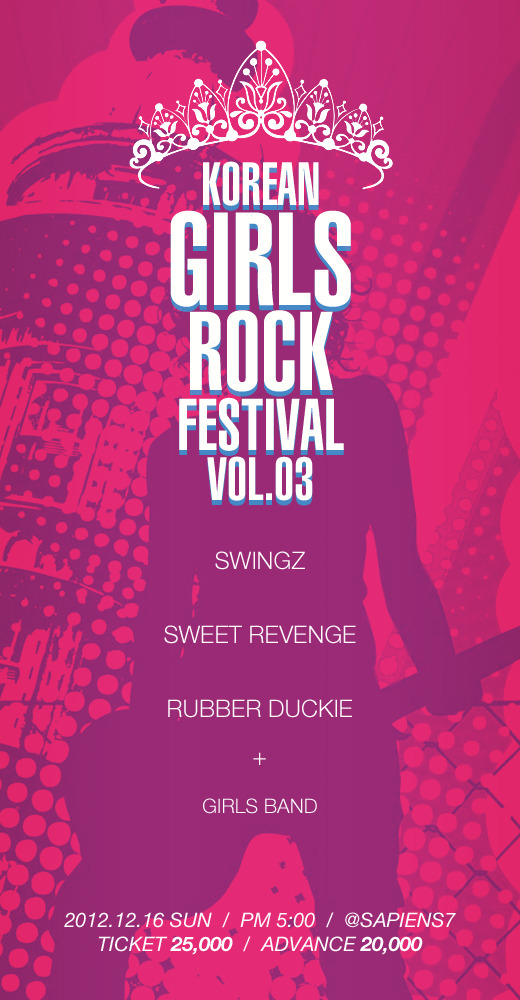 Roughly 30 years have passed since then — what is the Korean rock industry like? [Unfortunately], while the minds of producers and the environment has changed, the public’s remains largely the same. Rock will always be a man’s world. Kim Yun-ah of Jaurim, Cho You-jeen of Cherry Filter, and others like them are popular vocalists of their groups but are also the only female members in them [source, right].
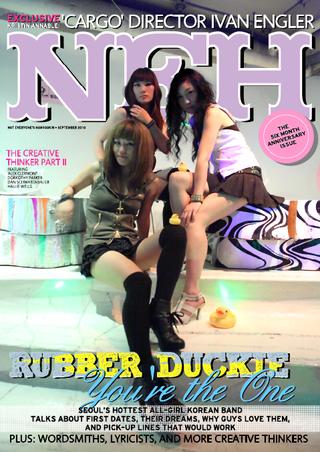 For the record, a September 2010 interview in the now defunct Neh Magazine (p.16) also fixates on their looks — but that may or may not be the fault of the interviewer rather than Rubber Duckie themselves. Either way, alleged prejudiced judges and/or allegedly exploiting one’s looks would certainly disrupt author Cho Woo-yeong’s breezy narrative here, which is possibly why Rubber Duckie weren’t also interviewed (although I concede they may simply have been unavailable).
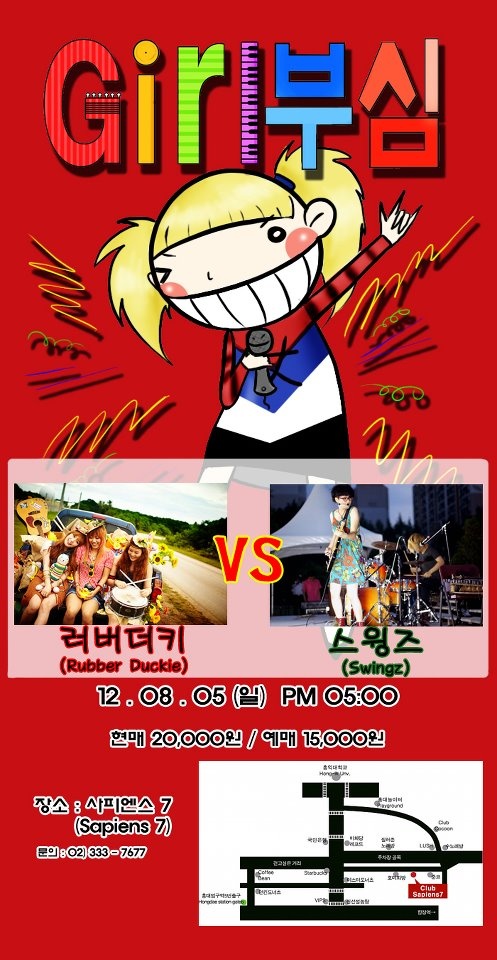 아쉬운 점은 이들이 단지 여성이라는 이유로, 무대 매너나 음악적 역량이 아닌 성적 매력이 얼마 만큼 있느냐가 먼저 평가되는 현실이다. ‘홍대 여자 싱어송라이터’에서 ‘홍대 여신’이란 중의적인 의미의 대명사로 굳어진 요조·타루 등 미모의 여성 가수들 인기와 달콤한 노래가 이러한 편견을 더했다. 우리 사회가 얼마나 여성 가수의 외모에 민감한지를 단적으로 드러내는 대목이다.
 The world has changed, but this patriarchal system is deeply embedded in our unconscious. Swingz sighed “Girl bands are an easy target of gossipers. If we have one beer after a hard performance, we’re labelled alcoholics. If we go out late and have a friendly cup of tea with a member of a male band, we’re hit with all sorts of rumors about our relationship.” [source, left]
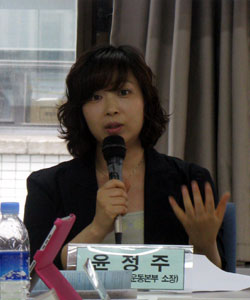 대중이 다양한 장르의 가수들을 주목하기 어려운 상황에서 이러한 악순환은 반복된다. 윤 소장은 “록 장르 자체가 우리나라에서는 비주류인데다 남성성이 강한 분야여서 여성들이 진출하기 어렵다”면서 “그들이 ‘섹시 가수’에 밀려 미디어 속에서 배제되고 있는 현실이 더 높은 장벽”이라고 말했다.
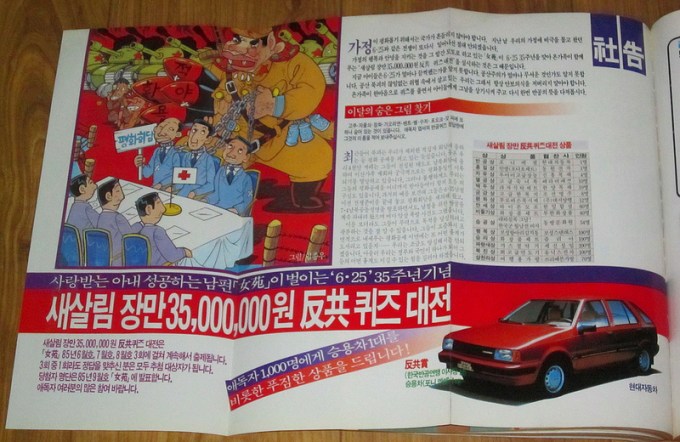
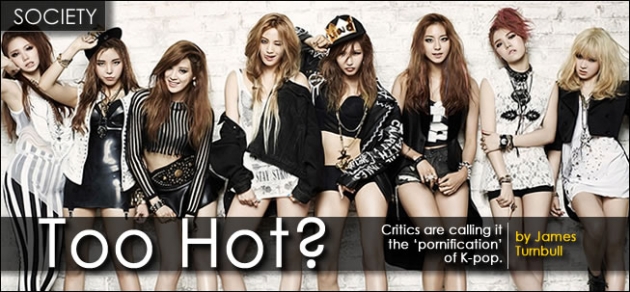
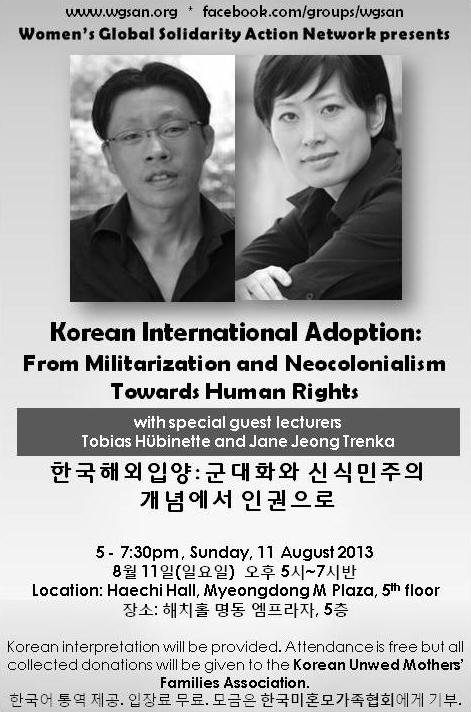

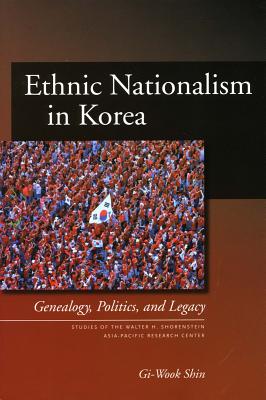
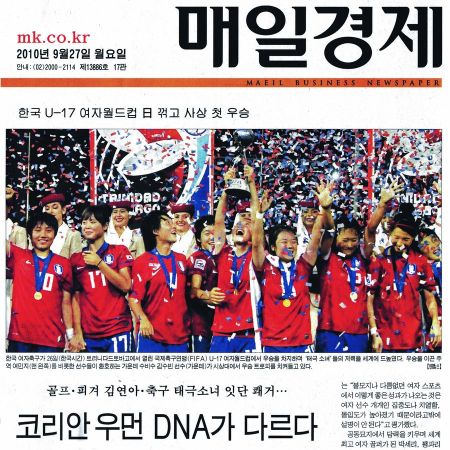
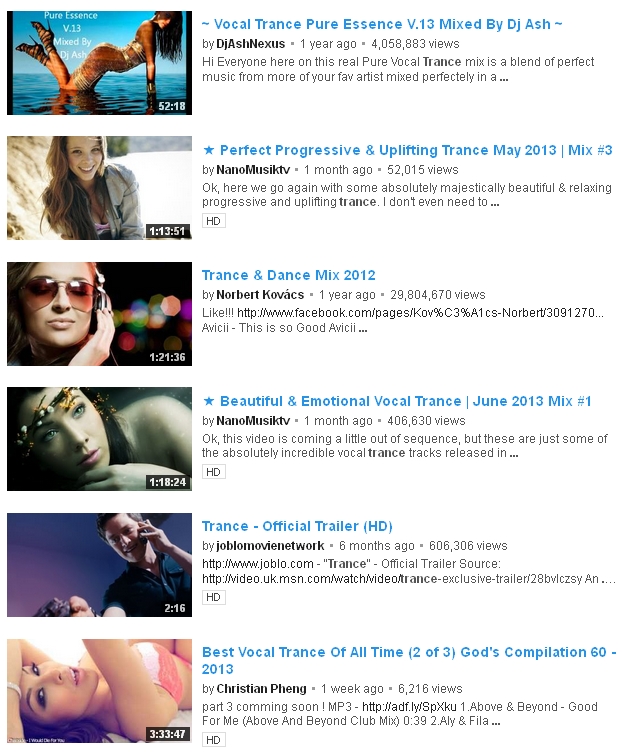



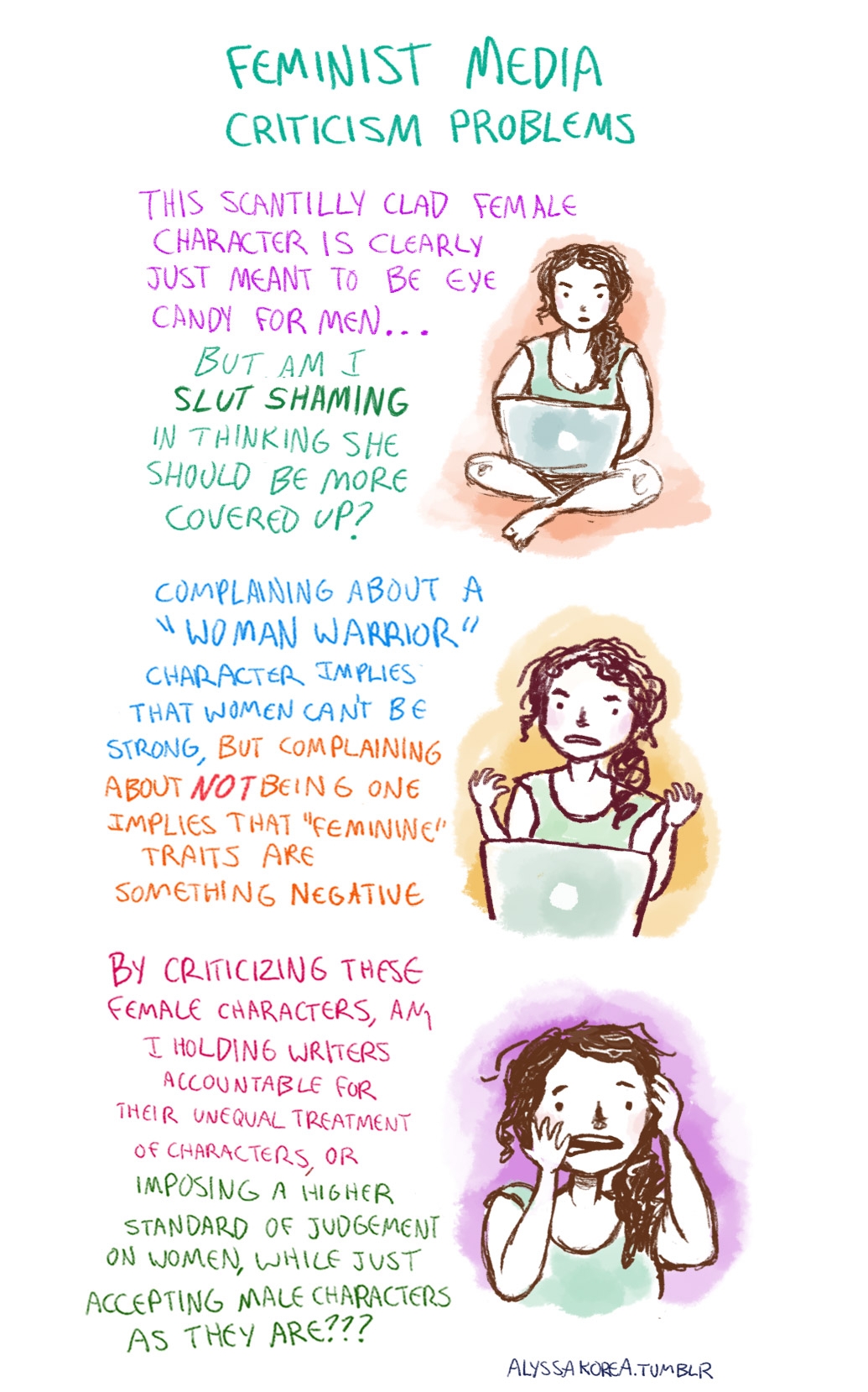
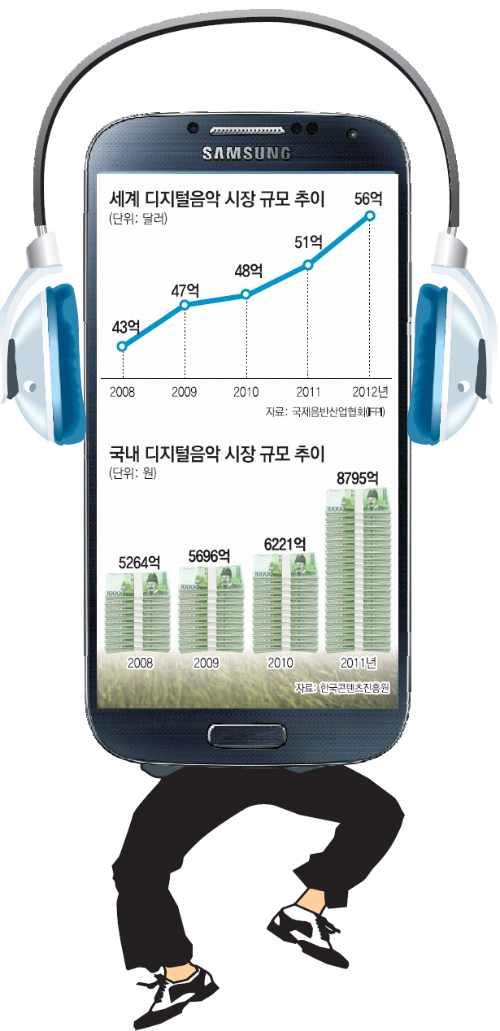
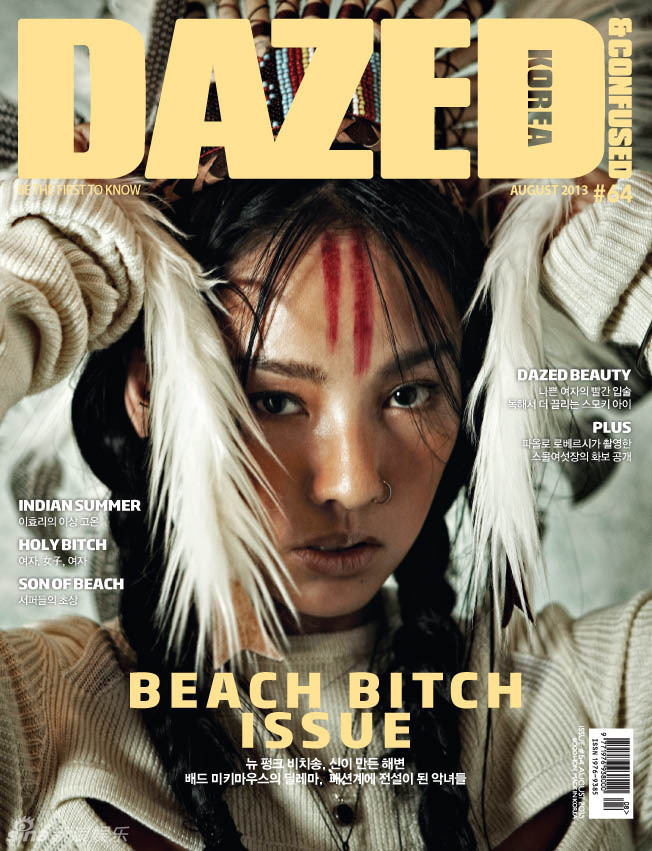






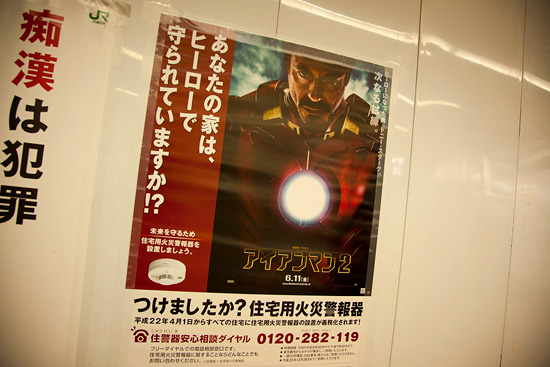
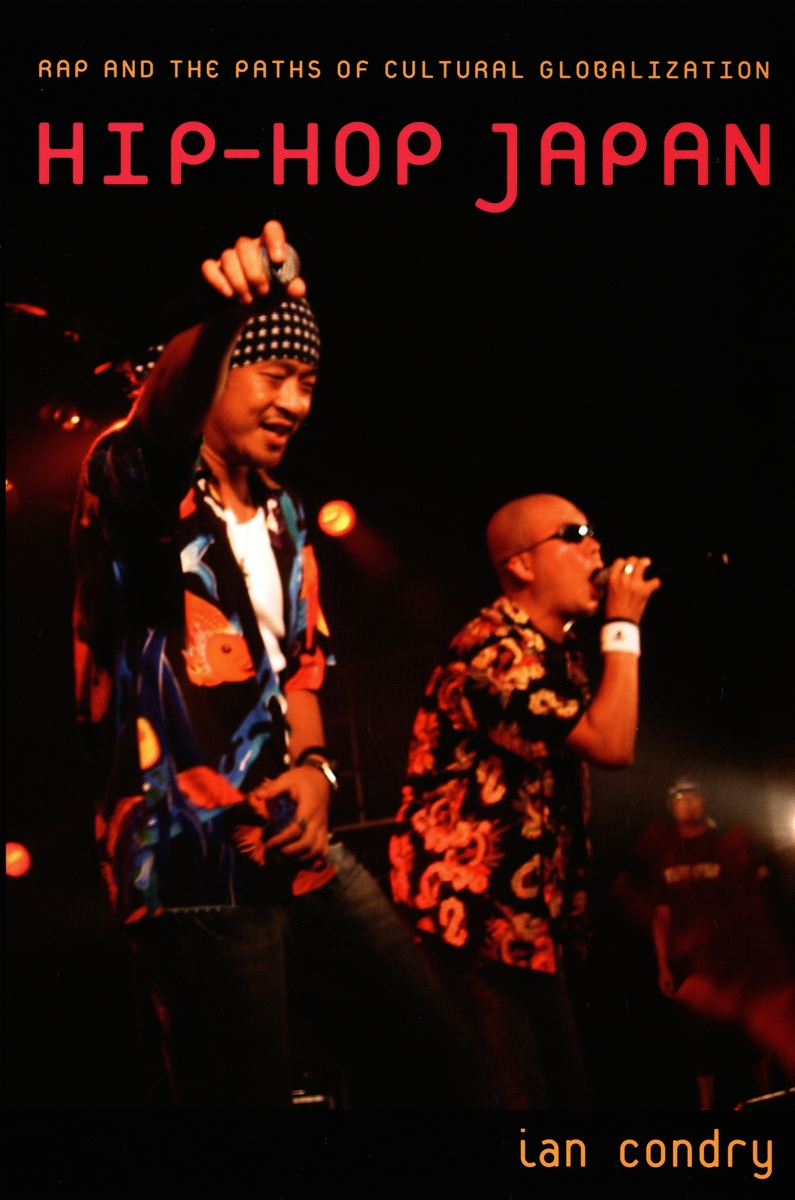


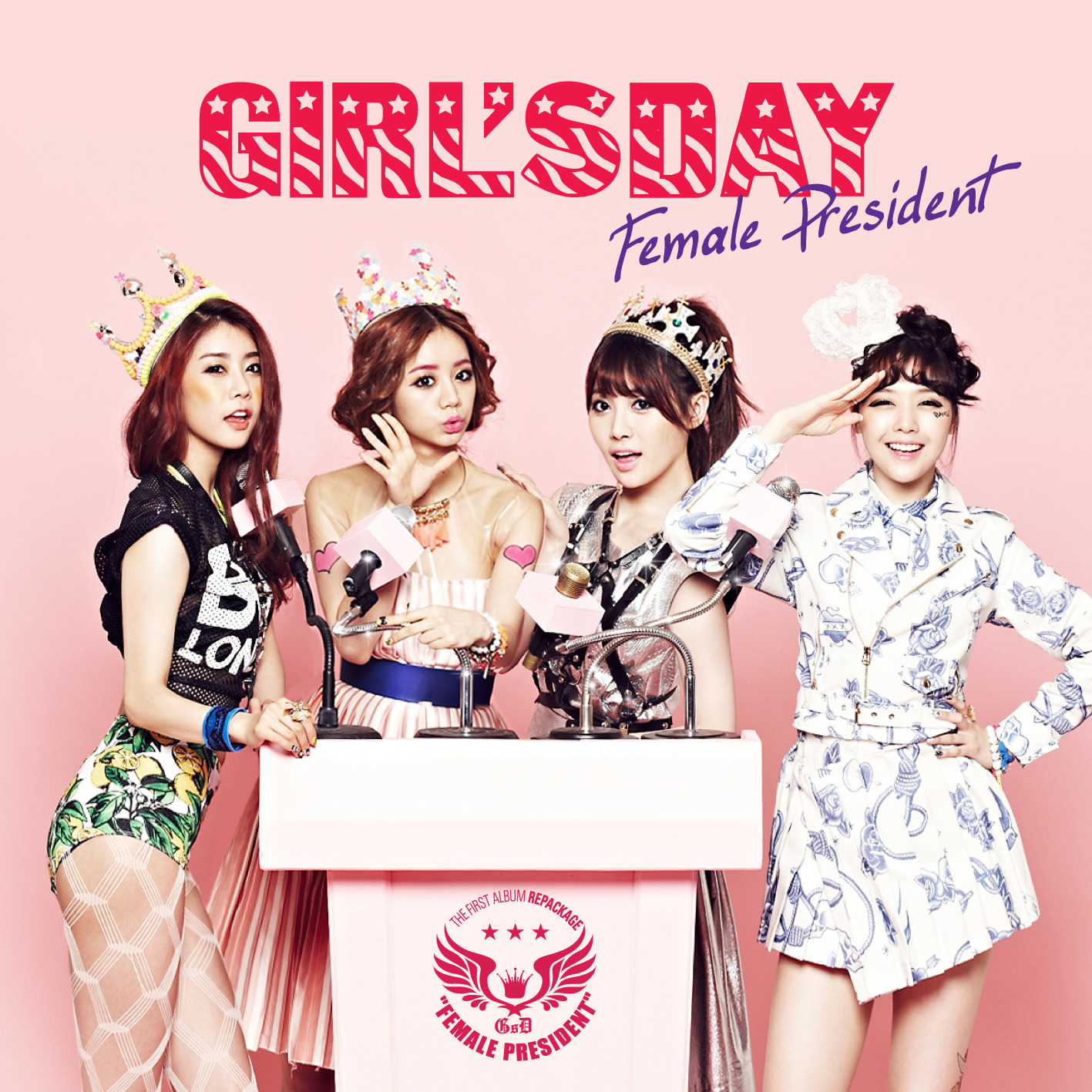





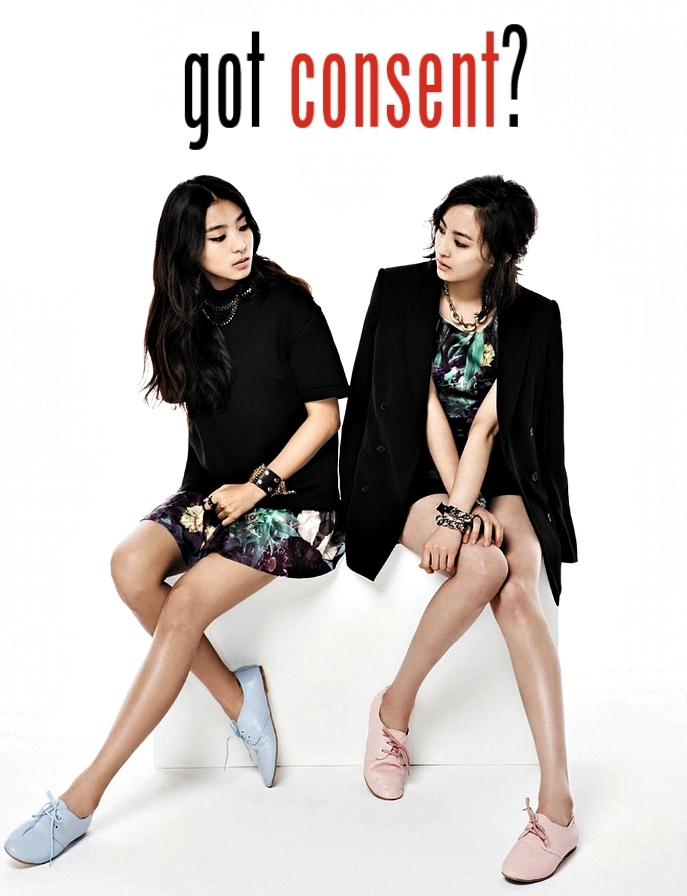
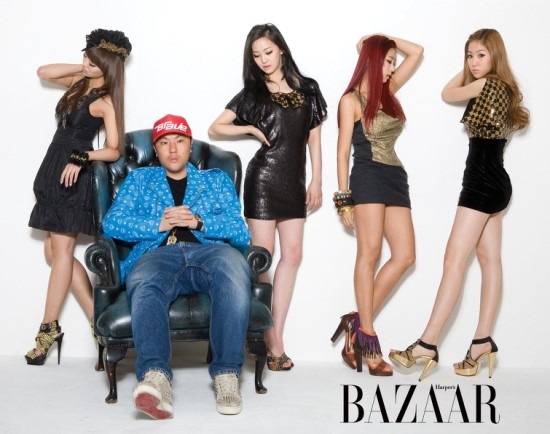

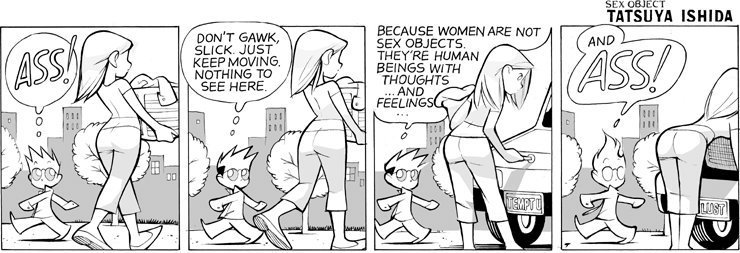

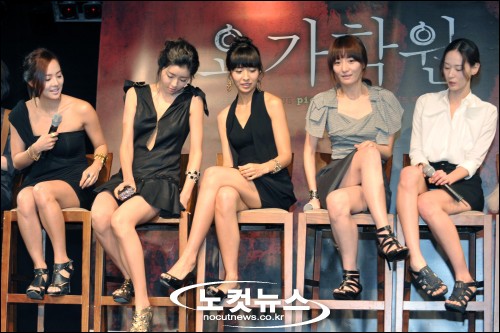

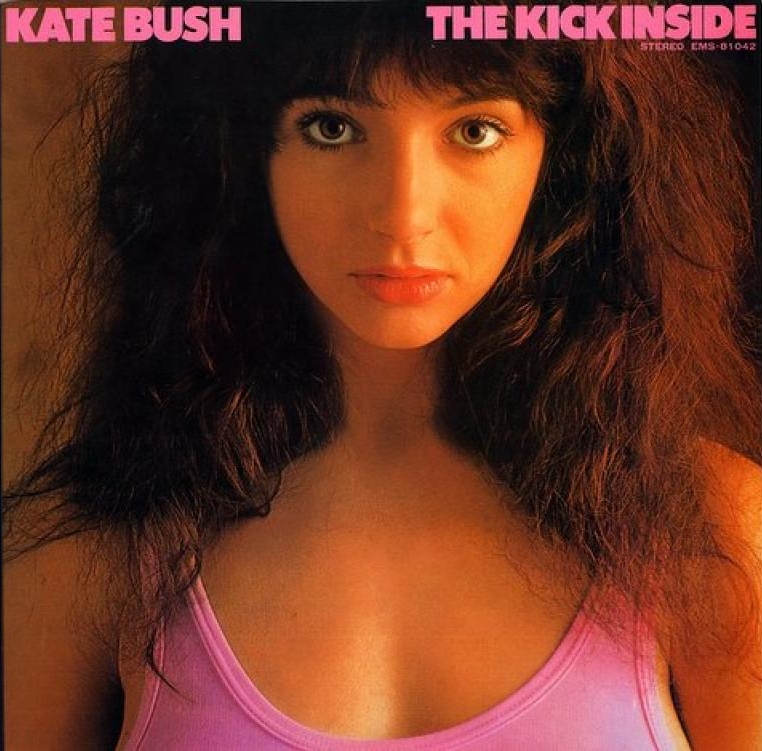
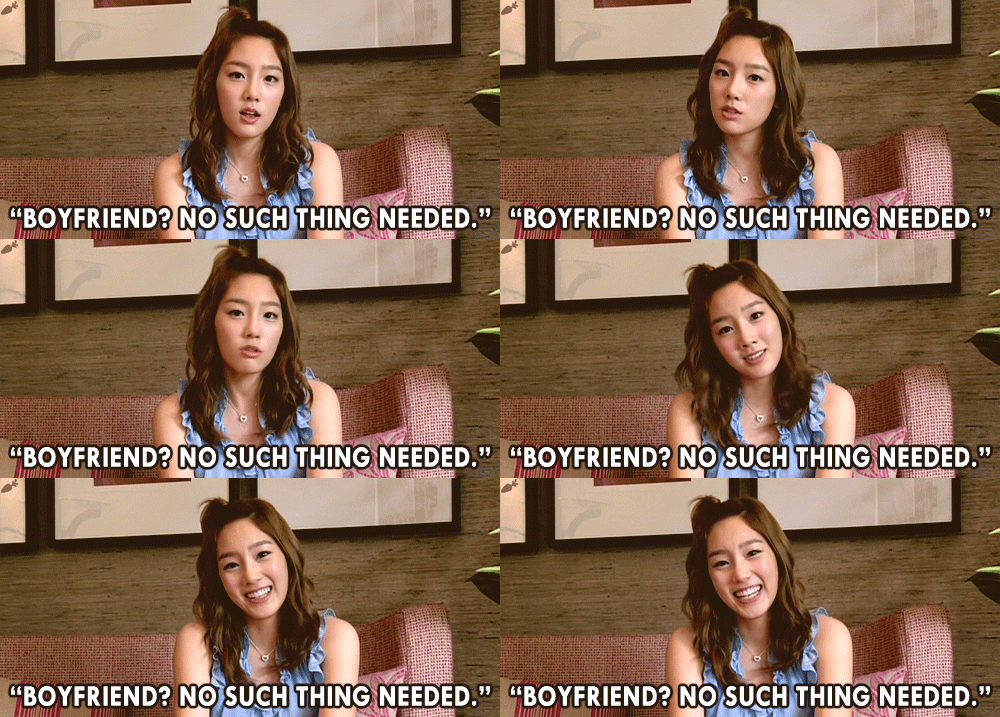
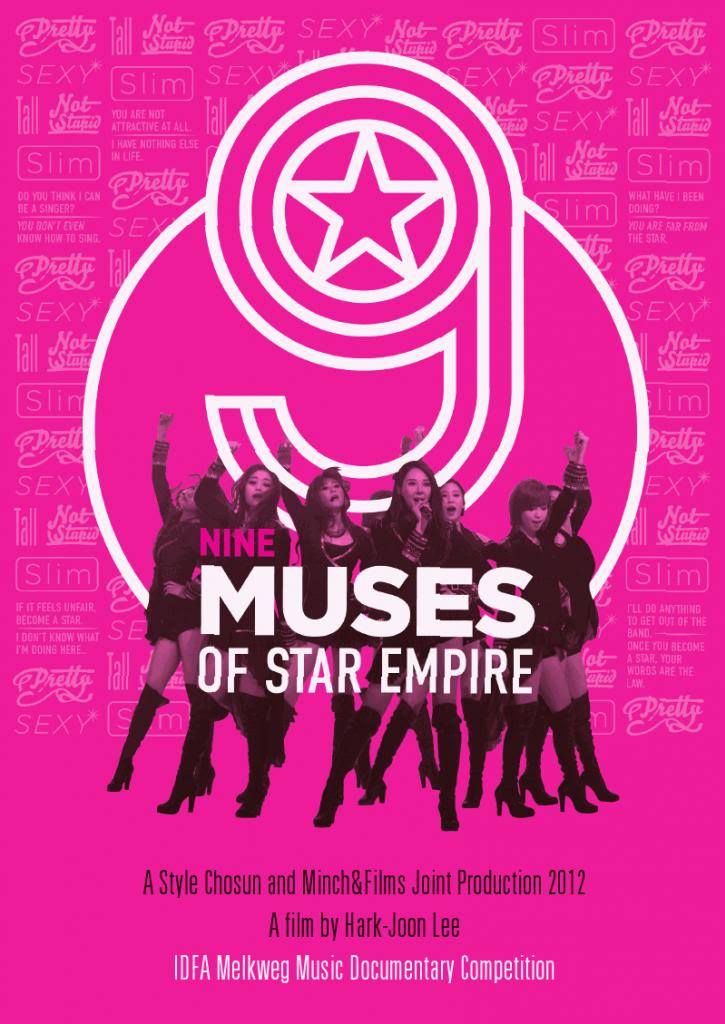
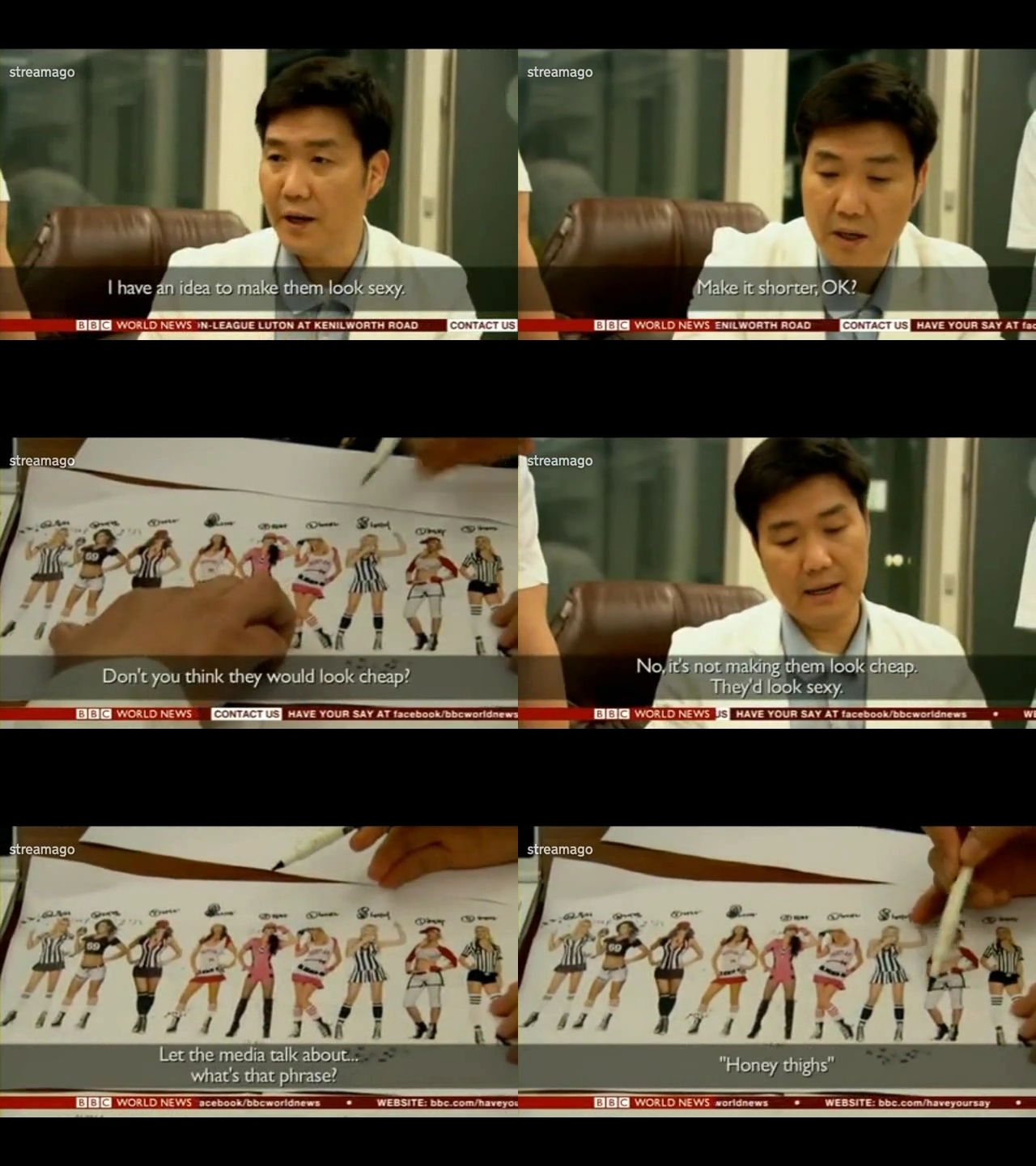



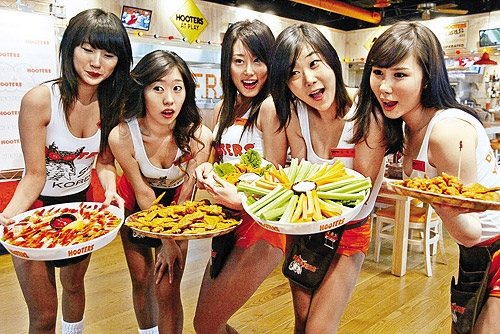
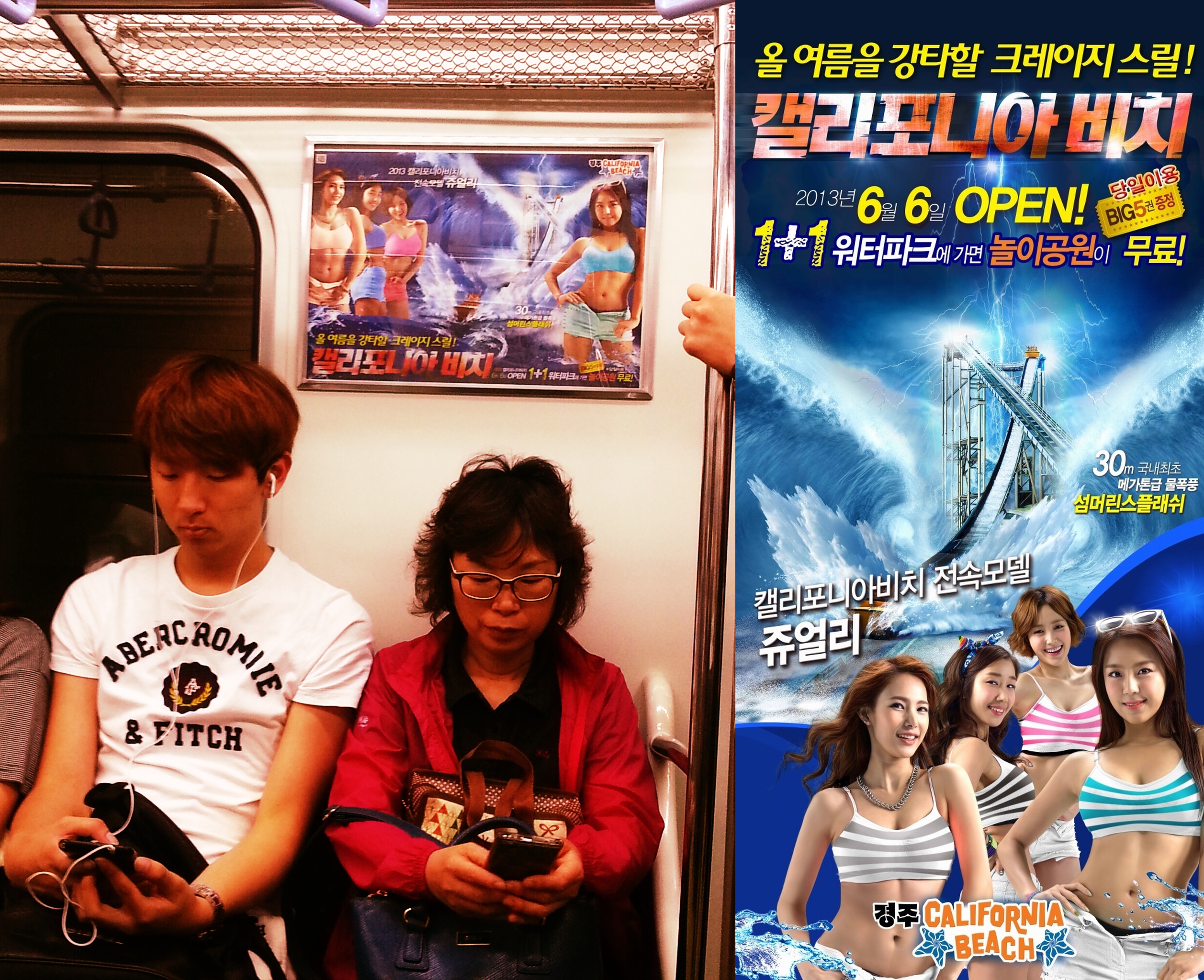





 The Grand Narrative