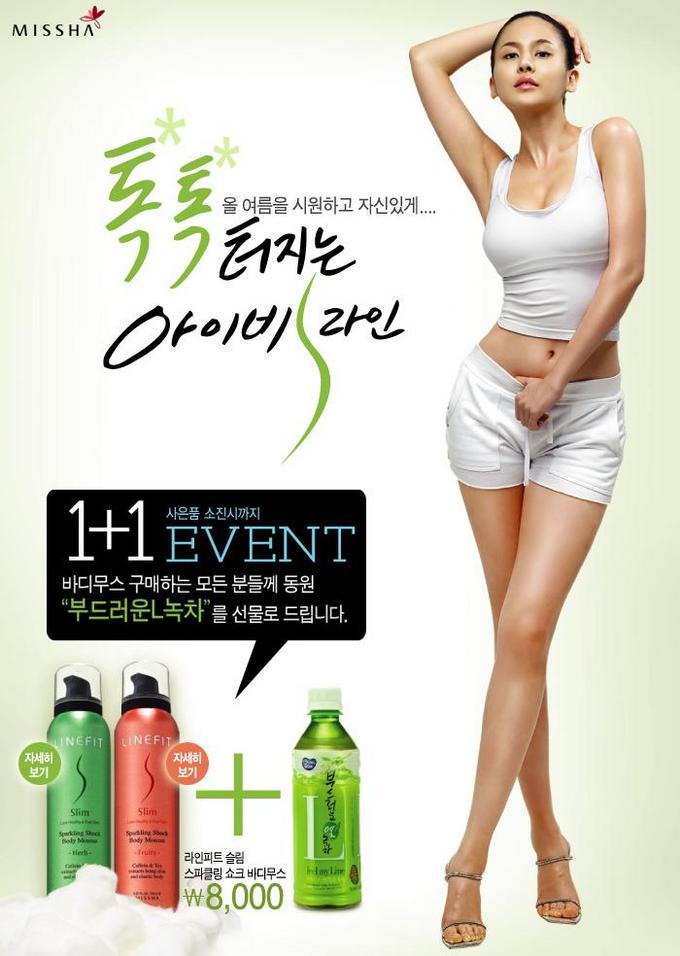
If you are a person living in Korea, you are likely to have had your weight or appearance commented on. “You have gained/lost weight!” is a customary greeting. Dieting is the most common topic for daily conversations. Ads promote unrealistic beauty standards for both women and men. Worse, if you don’t look like them, you are likely to be discriminated against or dismissed as some who needs to get some work done. Self-love is prohibited unless you look like a Barbie doll. There are voices and messages everywhere, both internally and externally, that arouse insecurity around your looks. Body-policing is a common practice.
Overwhelmingly obsessed with thinness, I dare to call Korea an eating-disordered society. I know this because I have been struggling with eating disorders for 9 years, now marching on the road to recovery. Living here, staying on the recovery-track is extremely difficult because all the internal eating-disordered voices and negative self-talk, which I have worked so hard to detach myself from, become real external voices to attack my vulnerable psychological wounds. On the other hand, recovering from eating disorders in this country is double-strengthening my immunity to these eating-disordered voices. I am well-aware of how self-destructive and unproductive these voices are, and how I can protect myself from them.
But, what about those who haven’t been consoled? So many Korean people, especially women of all ages, believe there is no other way to be loved or socially recognized without dieting or getting plastic surgery. Men believe women should naturally look like the ready-made Barbie dolls in fashion magazines or entertainment shows when they are in fact extremely unrealistic. I guarantee there is not a single woman in this country who hasn’t felt insecure about her looks or body parts. Under such circumstances, women and men are likely to fall victims of eating disorders. Statistical data can’t speak for the reality because people are not even aware that these voices are ‘disordered’ voices. Obsession with thinness, extreme dieting, judging others by appearance and feeling insecure about their natural looks feel too ‘normal’ for people to acknowledge them as problems. Walking on the streets, I would hear fat talk or negative self-talk 99% of the time. These voices kill me, even more so to realize that there are so many souls who are suffering from from-mild-to-severe forms of eating disorders but are not even aware of it (Source above — unknown; source, below).
The need for body image activism in Korea is dire, for the consequences of continuing the eating-disordered talks in public are obviously disastrous, both for individuals and the society. So, I have brought the Operation Beautiful campaign to Korea to counter the prevailing negative self-talks. I have been posting about it on my (Korean) blog Your Stage is the World, Not the Scale, along with my personal stories of overcoming struggles with distorted body image as well as critiques on dieting ads that make one feel insecure. I am working on compiling these stories to publish a book under the title, Surviving Eating Disorders Where Barbie Dolls Reign Supreme (but I think this will take decades). Currently, I am planning workshops for improving body image, to create safe space to talk about struggles with negative body image, to promote body diversity (healthy-at-every-size approach) and media literacy. I don’t want to force people to stop dieting and start loving themselves immediately. Instead, the most ultimate goal for all these activities is to give people agency over their own bodies and self-esteem, which will allow people to see what really matters and what is there to enjoy in life regardless of how they look.
The movement is only fresh. I am aware that social change doesn’t come easily or fast. However, I have a strong faith that by transforming ourselves, we can transform the society we live in. We individuals construct the society; we are not to be constructed by it. We are active agents. I want to tell my stories to you and listen to yours. I am collecting personal stories of struggles with negative body image or external pressure to conform to the unrealistic standards of beauty. Then, I want to open up off and online discussions on how we want to redefine beauty that suits us healthily. Hopefully, we can remind each other how beautiful our bodies are just the way they are; encourage each other to love our own bodies instead of fitting ourselves to someone else’s standards to get approval.
Please share your thoughts, stories, comments, anything you want to say about this movement. Thank you!
Sorry for the lack of posts everyone. I’ve been absentmindedly researching many, not realizing that I hadn’t put pen to paper for a while. To remedy that, here’s some interesting links that add new information to previous posts of mine, but which didn’t really justify separate updates by themselves:
Like most articles praising the rapid rise of the Korean digital music market and the supposed success of Korean anti-piracy efforts, this article completely fails to mention how absurdly cheap Korean digital tracks are, as noted by Bernie Cho in the opening quote.
Music in Korea used to cost 73 won per download before the changes. That has now risen to 110 won, which is still less than one-tenth what iTunes costs.
Gangnam Style only earned 3.6 million won in online royalties in Korea, coming from 2.86 million downloads and 27.32 million streams, which works out to an average of about 10.7 won per download and 0.2 won per stream.
However, in the US, Psy received the equivalent of 2.8 billion won for 2.9 million downloads.
Meanwhile, one estimate says that the average indie musician earns just two-to-three-million won a year (about the same as most expat English teachers make per month).
Streaming accounts for 74 percent of online music spending in Korea (probably because of Korea’s ubiquitous broadband wifi), and downloads continue to fall. In contrast, in the rest of the world downloads dominate, making up 71 percent of the online market.
Leah of The Lobster Dance is featured in a (heavily-commented)Tofugu article about the usage of the word “gaijin,” which she has used in the past but now rejects. It begins:
Gaijin (外人, short for 外国人), or “foreigner” in Japanese, is a complicated word that means a lot of different things to a lot of different people.
Some people take the word lightly; when the Tofugu team was in Japan and a roller coaster we were riding unexpectedly malfunctioned, we joked that it was because the ride wasn’t designed to hold the weight of our giant gaijin bodies.
But for some people in Japan, “gaijin” can be a hurtful and alienating word. It can mean refusal of service at businesses, a barrier to entry for housing, or even threats of harassment or violence.
I thought that I’d reach out to some bloggers living in Japan to see what their thoughts on the word “gaijin” were. I got a lot of great, varied, and nuanced responses.
See “Korean Sociological Image #46: The Language of Exclusion” for a similar discussion surrounding the Korean term waegookin, or “foreigner,” with links to many other posts on the subject in the Korean blogosphere (as of 2010).
The ad features a startlingly lifelike computer-generated rendering of the revered martial-arts star, who died four decades ago. It has sparked ire among fans, who argue that Mr. Lee was a teetotaler and abstained from drinking alcohol for most of his life.
Critics see Mr. Lee’s personal stance as incongruous with an endorsement for a brand whose blended Scotches sell for more than $200 a bottle.
Johnnie Walker has defended the ad, saying it worked closely on it with Shannon Lee, Mr. Lee’s daughter.
Ms. Lee, meanwhile, told the Journal that while her father wasn’t a drinker, he didn’t think drinking was immoral. She also thought the video would be an “innovative way to get my father’s ideas out.”
See Scene Asia for the rest, or my “Raising the Dead: The Future of Advertising?” for a much better example featuring Audrey Hepburn, and many others in the comments (readers made me realize using dead celebrities in ads was surprisingly common). As for this example, I share The Ethical Adman’s criticisms that “there’s something really disturbing about dead celebrities being recreated to sell brands,” and that “it seems like the ultimate violation of a person’s integrity, at a time when they cannot even defend themselves.”
Most of all, I think it was incredibly hackneyed to use a teetotaler to sell alcohol, no matter how famous he was. And I just can’t believe how incredibly bad the CGI is, despite the accolades.
What’s more, according to the Korea Times, now they’re more common than ever. Some excerpts (source, above-right):
Celebrity couples such as actor Jang Dong-gun and his wife Ko So-young, and Kim Seung-woo and Kim Nam-joo, have admitted they walked down the aisle with the brides pregnant.
Actress Kim Bu-sun goes as far as to say she approves of premarital pregnancy.
“My premarital pregnancy was the best thing that ever happened to me,” Kim says. “If my daughter becomes pregnant, I will host a party in her honor.”
She believes people should embrace single mothers, whom she considers a minority in need of attention and care.
Nice to hear, considering the Ministry of Health and Welfare defined unwed mothers as “ignorant whores” as recently as 2010 (technically, it was “low levels of education [and] impulsive sexual drives”). Continuing:
But premarital pregnancy is now humdrum, even among people who are not stars.
In a survey that consultancy Duo Wed conducted between June 1 and June 14, one-third of 374 newlyweds questioned said the bride was pregnant when they married.
Of these couples, 92.1 percent said their babies were unexpected.
Read the link for the rest. Note that this doesn’t mean Koreans are necessarily becoming more tolerant of cohabiting couples however (and who face a lack of suitable accommodation anyway), nor of pregnancies that don’t lead to marriage.
7. This Dude’s Response To Female Crotch Sweat Shame Is Perfect
See Bust for more. Fortunately, I haven’t seem any similar products advertised here yet, and perhaps that’s because there will never be a market for them, as Korean women generally don’t sweat as much as those of other races. This was discussed in my 2010 “Hot Sweaty Korean Women” post, about a rare Korean commercial that did feature a Korean woman sweating:
Please note I also made some overgeneralizations about Korean (women’s) exercise and gym culture in that post though, and would write it very differently today. But on the plus side, readers soon corrected my mistakes, and it (hopefully) remains useful for the journal study on Korean attitudes to dieting it references.
The other day Kim Young-hee (26) smoked in public instead of a cafe. She took out a cigarette impulsively while waiting for the bus home after a few drinks with her friends.
“I was a bit tipsy and felt like a puff. After I lit the cigarette, a random middle-aged man came up to me and started shouting as if I had done something very bad. He said, ‘I will slap your face if you don’t throw your cigarette away right now.’ He called me ‘dirty little woman.’”
She still thinks it was ridiculously unfair for him to reproach her because the man was also holding a cigarette…
See The Korea Times for more stories of similar incidents, and my The Gender Politics of Smoking in South Korea series (Part 1, Part 2, Part 3, Newsflash, Part 4, Korea’s Hidden Smokers) for more context. As explained in the latter (see the article in the last link for a summary of the series), the stigma against women smoking leads to massive under-reporting by them, resulting in official figures of roughly 2-5% of Korean women smoking, against best estimates of roughly 20% (see here for a handy international comparison). What’s more, the previous government was accused of deliberately downplaying the figures to stress its success in lowering the (admittedly more pressing) high male smoking rate, and while technically I haven’t seen the same accusations leveled at the outgoing Lee Myung-bak Administration, I haven’t found any official acknowledgement of how problematic its figures are either.
Meanwhile, since my last post in the series was published nearly a year ago, probably the biggest developments have been the Seoul City Council’s continuing efforts to implement its 2011 plans to increase the number of public areas being designated smoke-free to 1/5th of the city by 2014 (smoking on sidewalks was already banned in 2010); and also efforts by some companies, both public and private, that have gone so far as to make being a non-smoker a prerequisite for promotion. For more details on both of those, see “Getting Tough: Korean Smokers Passed Over for Job Promotions” by Bobby McGill at Busan Haps, who also notes that (source, right: sungjinism):
The central government is doing what it can while avoiding Korea’s third-rail of politics, the “sin tax”. Few things more quickly turn the public against you here than raising taxes on Korean’s beloved cigarettes and alcohol. And the evidence shows that aside of potentially costing elected officials their jobs, it does little to curb smoking anyway.
The last time the government raised taxes on cigarettes was in 2004 by 354 won (30 cents) when 52 percent of the male population was smoking. The rate dropped a paltry seven points to 45 percent by 2007, but then increased the three subsequent years hitting 48.3 percent in 2010 before leveling off back at the current 45 percent.
I’d agree that the government is avoiding the sin tax, but disagree that that 2004 tax hike constitutes evidence against its effectiveness: a raise of 354 won being moot when just last year, packs were still at “the very smoker-friendly price of 2,700 won each” (US$2.53 as I type this). Moreover, in November “The International Tobacco Control Policy Evaluation Project’s team of some 100 health experts from around 20 countries” said that “it is imperative for South Korea to raise taxes on tobacco products,” and also 50% of respondents in a December 2010 survey by The Ministry of Health and Welfare “said that they would seriously consider quitting if the price was at least 8,000 won per pack.”
What do you think, about any of the above? Especially those among you that smoke yourselves? Personally, when I hear of women getting threatened, even slapped in the face for smoking in 2013, I’m very skeptical about news of improvements. But I realize that that is likely much more a manifestation of general misogyny than being anti-smoking per se, with Nathan McMurray of Korea Law Today, for instance, being much more optimistic about changing attitudes:
Reducing smoking is a process that will require the collective willpower of the entire country, because it is a habit so deeply ingrained in the culture. However, positive strides have been made to reduce the number of male smokers. In fact, since I have been in this country, I have noticed that the perception/acceptance of smoking has morphed into something different than it used to be.
Either way, let me conclude by passing on some further reading I’ve come across in the past year. First, specifically gender and smoking-related, which show that — of course — it’s by no means just Korea where the number of female smokers is soaring (source, right: Jude Lee; CC BY 2.0):
Young Korean women—not men—are the only demographic in the OECD that are getting moreunderweight than obese.
Call me making a mountain out of a molehill, but diet-drink companies being allowed to donate their product to teens, out of supposed concerns for their heath? And plastering their classrooms with ads of heavily photoshopped women in the process? Those may just have something to do with that:
청정원 홍초가 수험생 여러분을 응원합니다 / Chung Jung Won’s HongCho Cheers For Students Taking University Entrance Exams
by Kim Jong-hoon (김종훈), Asia Today, November 4 2012
대상은 자사의 브랜드인 ‘청정원’ 홍초가 수능시험을 앞둔 고3 수험생을 응원하기 위해 오는 7일까지 서울시내 20여개 학교를 찾아 다니며 홍초 2만여개를 무료로 나눠줄 계획이라고 4일 밝혔다.
On Sunday, Daesang’s brand Chung Jung Won [English website here] announced that to support 3rd year high school students about to take their university entrance exams, they would visit 20 high schools in Seoul before the 8th (the day of the exams) and donate 20,000 bottles of HongCho to students (source, right).
청정원측은 오랜 시험준비로 지친 수험생들이 좋은 컨디션으로 시험을 볼 수 있도록 응원하기 위한 마음으로 기획 된 행사라고 설명했다. 수능이 끝난 이후에도 홍초를 내세운 다양한 마케팅 활동으로 그간 고생이 많았던 수험생들을 지원할 계획이다.
Chung Jung Won explained that this is an event for tired students that have been preparing for the exams for such a long time, so that they can be in good condition on the exam day. Also, that even after the exams, the company plans to continue supporting those students that have suffered so much, through various HongCho marketing events.
한편, 홍초는 피로회복 등에 도움이 되는 기능성 원료인 콜라겐과 헛개나무 농축액, 그리고 식이섬유를 풍부하게 함유하고 있는 건강기능성 음용식초다.
HongCho is a healthy vinegar drink that includes collagen, liquids extracted from the Oriental Raisin Tree, and a lot of fiber, and is very helpful for recovering from tiredness. (end.)
Diet drinks: Include calorie-free and low-calorie versions of sodas, fruit drinks, energy drinks, sports drinks, and carbonated water, consistent with definitions reported by the National Cancer Institute and U.S. Food and Drug Administration food labeling guidelines. Diet drinks do not include 100% fruit juice or unsweetened teas or coffees.
However, a quick perusal of the Chung Jung Won website demonstrates that it is explicitly being marketed as a “body-changing” drink, with—especially after photoshopping—exceptionally tall and skinny Jun Ji-hyun (전지현) endorsing it most recently (that’s Kim Hee-sun/김희선 from 2010 above). Also, the following website screenshot (from 2011) and commercial show that the body-changing theme is no mere Konglish accident:
Meanwhile, girl-group Kara (카라) are promoting the drink in Japan, with much the same theme. Which is ironic, considering that these are the same women who admitted that they can’t even drink water on the (frequent) days that they’re required to wear revealing clothing:
What do you think? Have any Korea-based readers had similar promotions at their own schools? How about overseas? Are concerns and issues different there? I know that in the US for instance, it is more sodas that are considered a problem, and that if students drank HongCho instead that would probably be considered a blessing. From TIMEback in March (my emphasis):
If some public-health advocates have their way, sodas could become the cigarettes of food. Doctors already dislike the sugary drinks for their teeth-dissolving properties and for the role they may play in childhood obesity. There’s a constant struggle to get soda vending machines out of public schools, with administrators often forced to choose between losing sponsorship money from big soda companies and dealing with overcaffeinated, less healthy kids. Given the sheer size of the American soda industry—9.4 billion cases of soft drinks were sold in the U.S. in 2009—it’s not a war that will end anytime soon. Especially if a certain C word starts getting thrown around.
Update: From the picture, I got the impression that is was only girls’ schools that were targeted, but technically the advertorial (I can’t bring myself to call it a news report) only mentions 20 unnamed schools, and is repeated verbatim across newspapers.
Update 2: It’s not really related to the original post, but if you read that TIME magazine article above, you may also be interested in the recent findings that one of the main reasons for US children’s obesity is that they’re eating away from home so often, and (of course) that they’re mostly eating junk food when they do.
Tonight at 7pm I’ll be on Busan e-FM’sLet’s Talk Busan again, this time talking about Korean beauty standards and cosmetic surgery. You can listen on the radio at 90.5, or online here (please note that you’ll have to download Windows Media Player 10 first), and I’ll add a link to the archived version once it becomes available.
Sorry to those of you who tuned in 2 weeks ago, only to hear me speak for just a couple of minutes in total: 7 guests was far too many. But I’m happy to report that there’ll just be 3 of us this time!
…[the character of] Chi-Yong’s mother sees marriage as a way to achieve social advancement and material prosperity, as it was in the Victorian era. These ambitions have come to the forefront in Korea since the 1970s, due to rapid economic development and consequent aspirations to class mobility and consolidation during the last thirty years. This novel [Marriage/결혼 by Kim Su-hyeon, 1993] is a good illustration of how, given the pace of change of change in Korea, everybody has a different point of view on marriage, depending on their gender, class, and generation. The issue of communication across generations has become a serious matter. Generation is an important attribute of identity in Korea, like race in the United States. (My emphases.)
(So-hee Lee, “The Concept of Female Sexuality in Popular Culture” in Under Construction: The gendering of modernity, class, and consumption in the Republic of Korea, ed. by Laurel Kendell, 2002; page 146 of 141-164)
With apologies to So-hee Lee for variously attributing that quote to either her editor, to Hyun-Mee Kim, or to Nancy Abelmann over the years, it still very much applies 10 years later. It’s also why studying and living in Korean society can be so exciting sometimes.
For someone who’s been writing about the place for over 5 years though, it means that many of my posts need updating. Let alone mercifully deleted as reader feedback, further research, and greater use of Korean sources have exposed gaping holes in my knowledge and confident preconceptions. And from a practical standpoint too, links will die, embedded videos will get deleted, and my theme will always highlight recent posts at the expense of older ones, no matter how good they may be after going through my culling process.
With all that in mind, once a month I’ll be highlighting posts from the corresponding month in previous years. Not all of them of course (hey, I’ll still like some material to work with in September 2013 and 2014), and to some there’s no new news to add; I include them just to draw attention to for new and old readers, especially as they’ve since been slightly edited for this post with the benefit of several year’s of hindsight. Others though, I’m adding a great deal of new news and commentary below, as you’ll see.
Alas, not really my own article, but about Grace Duggan’s for Bust Magazine. While I’d often criticized the body-labeling craze in South Korea previously, I didn’t realize just how offensive this particular term was until she pointed it out (source, right):
Sexualizing young women for having childlike features sets off all kinds of alarms, regardless of whether or not they are over 18. The “bagel girl” label does more than infantilize women. It compartmentalizes them by applying two irreconcilable ideals: looking like a baby and a full-grown woman at the same time.
Granted, that may make it sound no more harmful than any other “line.” But, as I explain in a later comment, in the context of how it’s actually used it ends up sounding almost pedophilic:
…there’s nothing wrong with looking young per se.
But consider who the label is applied to: not, say, women in their 30s and 40s and older, for whom – let’s be real – wanting to look younger than they are is understandable (hell, for a 35 year-old guy like me too), but rather it’s women barely on the threshold of adulthood that are being praised for looking like children. And, not to put too fine a point on it, what the FUCK is great about a 21 year-old looking younger than she is? And when her body is simultaneously praised for being developed? That is a seriously flawed ideal to aspire to, and, moreover – as I hint at in the post – it’s no coincidence that it occurs in an environment with strong expectations of childish behavior from women too. Indeed, the end result strongly reminds me of child and teenage female manga characters, with personalities appropriate for their age, but somehow the sex drives and physiological development to act on them of women 10-15 years older.
Meanwhile, by coincidence just yesterday I finished the excellent An Intimate Affair: Women, Lingerie, and Sexuality by Jill Fields (2007), which explains how the word “glamour” — where the “gul/글” in Bagel Girl comes from — came to be closely associated with large breasts by Hollywood in the 1930s to 1950s. Something I’d previously chalked up to a Japanese and then Korean mistranslation of the word, see the above pages for more on that, or all of Chapter 3 on brassieres at Google Books here.
Thanks again to the (necessarily anonymous) reader who wrote about her experiences, and I’ve had dozens of inquires about the Seoul clinic she used since. Please just email me if you ever need to know the details yourself.
Once someone points out the “head cant” to you, it just can’t be unseen. Usually inoffensive in itself though, and frequently done simply for photographic and stylistic reasons (which I’ve under-acknowledged in the past), it’s the fact that it’s overwhelmingly women it that makes it problematic. Just one of a number of typical poses for women in ads, ultimately it serves to reinforce gender stereotypes.
Probably, that’s why these recent Giordano ads stood out to me: in the example above for instance, Shin Min-a (신민아) is the one in control, staring at the viewer, while So Ji-sub (소지섭) is distracted (it’s usually the guys that are presented as more focused). And, desperately seeking examples of pro-feminist advertisements for a TED presentation I may be giving next month, in which I have to — grrr — conclude with a positive message rather than just criticize, this made me realize that feminists and advertisers don’t necessarily have to be at odds with each other. Just a sense of balance by the latter would be a huge step forward.
Really about “lewd” advertisements, 2 years later (this June) I translated another article about how their numbers had surged 3 times over the previous 12 months. With no apparent sense of irony, just about every news site that reported on that had so many examples themselves that the text was difficult to read.
One of my most popular posts, anybody (especially men) who thinks street harassment isn’t a problem should just reflect on the opening cartoon, let alone female readers’ comments about their own negative experiences.
A short, harmless commercial for Shinhan Bank at first glance. But, once you take the time to analyze it, it has a clear message that men do the thinking at Shinhan while the women simply look good. Indeed, it’s such a classic example of gender stereotyping that I’m still using it in presentations today.
Here’s the slide I would present after providing that analysis:
But in the next presentation, I’ll be updating it with the recent news that the banking industry still has the largest gender pay gap in Korea, with women making an average of only 57% of what men make.
Again one of my most popular posts, ironically soon after writing it trends in the Korean entertainment and music industries meant that Koreans would replace Caucasians in many of the modelling roles that sustained those Occidentalist stereotypes. Also, in my own (admittedly limited) experience, there’s far fewer Korean male – Western (invariably Caucasian) female pairings in popular culture now, after a spate of them in the years after Misuda first appeared. (There were never very many of the opposite.)
When I read on Yahoo! Koreathis week about pregnant Hollywood star’s “D-lines”, for a moment I did try to hold my tongue about seeing the label.
After all, this, for example, is just an advertisement for an event for expecting mothers (albeit one where likely body-shaping products are promoted); these D-line fashion shows were surely perfectly harmless; many of those Hollywood stars were indeed glowing, as was pregnant Moon So-ri (문소리) in Cosmopolitan last year; and finally, yes, I can see the humorous side — it is often applied to extremely obese men.
But although the Western media too promotes pampered celebrity mothers-to-be as ideals to follow, and I can certainly accept that pregnant women overseas may likewise feel under some indirect pressure to watch their weight, that post is about how pregnant Korean women were dieting as early as the late-1990s. One can only shudder at what things are probably like now.
Suddenly, talk of D-lines sounds a lot less funny.
One of my first attempts to grapple with the origins of the kkotminam phenomenon (꽃미남; lit. flower-beauty-man), which culminated in this piece by friend and ANU professor Roald Maliangkay 2 years later.
By coincidence, both of us will be quoted in a related news article to be published next week. Watch this space! (Update: and here it is!)
And indeed there was. Unfortunately however, attitudes didn’t change with it, so fathers feel compelled by management to either ignore it entirely or to come back to work early, despite it only being 3 days (source right: unknown).
Note though, that the “paternity leave” in the original article I translated was a bit of a misnomer, it really meaning time off for a child’s birth. “Real,” paid paternity leave has been available since 2001 (or possibly 1995), but sources vary on specifics. Sung So-young in the Korean Joongang Daily, for instance, wrote in April 2011 that:
According to Korean law, all employees with a child under the age of 3 are eligible to take a year off to care for their children. Up to 1 million won ($919) in salary is provided monthly.”
But that is contradicted by a slightly later report in the Chosun Ilbo, which states that:
…those on leave can get up to 40 percent of their salary, or a minimum of W500,000 and a maximum of W1 million, and parents can take leave until the child is 6 years old.
And both in turn are contradicted by Lee Hyo-sik’s earlier report in the March 4 2011 Korea Times, which says:
Regardless of income levels, both male and female salaried workers are currently given 500,000 won per month during parental leave. This is expected to go up to one million won next year.
As for the maximum age of the children in order to be eligible, the same article states that it was 6 rather than 3. This is confirmed by an earlier February 2010 article by Kwon Mee-yoo, again in the Korea Times, which stated:
The Ministry of Labor passed a revision on Wednesday to the Act on Equal Employment and Support for Work-Family Reconciliation, or the Employment Equity Act for short, which will expand the range of workers eligible for parental leave. Now parents with preschoolers under six years old can benefit.
The leave allows employees to take a certain number of paid days off from work to care for their children. The parents can also take unpaid leave if they use up all of their paid days. This includes maternity, paternity and adoption leave. Currently, at private firms only workers with children 3 years old or less qualify for the leave.
Surprisingly, parents with adopted children weren’t eligible before this revision, and still, “only those who gave birth to or adopted children after Jan. 1, 2008 [were to be allowed] parental leave,” despite those (then) 2 to 6 year-olds obviously being of age. Which all sounds very tight-fisted, although logical during the worst of the financial crisis.
Kwon Mee-yoo also notes that it was in 2008 that the government increased the age restriction for (only) public servants, allowing them “to take time off for parental purposes if their children were under 6 years old.” I’ll assume that it previously only applied if their children were under 3 years old, like Kwon notes was the case for employees at private firms.
Finally, quibbles over details aside, Sung So-young’s and Lee Hyo-sik’s articles in particular remain excellent discussions of why Korean fathers are forced to avoid taking paternity leave, despite wanting to spend much more time with their kids. Against that though, just like in most other countries there’s still a pervasive attitude that childcare is primarily women’s work, with insidious manifestations in our daily lives.
And on that note, have a good weekend, and the Korean Gender Reader post will be up on Sunday!
When crusty old Confucians will slap them in the face for smoking, then surely women will tend to smoke in private, and keep mum about it if anyone asks. That’s just common sense.
But, as discussed in previous posts in this series (Part 1, Part 2, Part 3, Newsflash, Part 4, Korea’s Hidden Smokers, How Many Teenage Girls Are Smoking?), that still seems to escape many journalists and researchers, who work under the assumption that very few Korean women smoke (officially, just 2.8% in 2010 for instance, against 42.6% of men). Whereas in reality, previous best estimates put the figure at 17% for young women, pointing to a looming health crisis.
So, how to convince the Korean government to take action? Especially when successive administrations have been accused of exaggerating their successes in reducing the male smoking rate, while ignoring the indirect evidence for rising female one?
What’s needed is irrefutable proof. To get that, one reader suggested installing highly sensitive smoke detectors in the toilets of schools and universities, where many young women hide to smoke, while another, thinking of a rough minimum rate for teenage girls, to simply look at the number that were caught by their teachers (14% at his school). A third, probably most reliable option is to test for nicotine in their urine, via the medical tests given to every middle and high-school student, and, as explained in the recently-released article “Relationship Between BMI, Body Image, and Smoking in Korean Women as Determined by Urine Cotinine: Results of a Nationwide Survey” in the Asian Pacific Journal of Cancer Prevention (Volume 13, 2012; 1003-1010), a group of researchers from various universities have indeed focused on pee, albeit that of women aged 19 and over in the 2008-2009 Korea National Health and Nutrition Examination Survey instead.
Very readable at just 8 pages, half of which are tables or references, I highly recommend downloading the PDF (just email me for a copy if the link stops working). For readers without the time though, let me pass on the abstract here instead (click on it to make it bigger), then some highlights:
— Unfortunately, the sampling method, explained on page 1004, is very poorly explained, and I think has some crucial typos. But in sum, out of 4,600 households in the survey, 5,485 women above the age of 19 “were selected for further analysis because complete data concerning their socioeconomic and health factors and body-related variables were available.” How many 19+ women were in the original household survey though, and how and why extra information about these 5,485 of them was available (e.g., were they randomly selected for further tests?), is not provided.
— Urinary cotinine “is widely used as a biomarker for smoking because of its high sensitivity and specificity,” the level of 50 ng/mL used here being a widely accepted cut-off level for indicating active, rather than passive smokers.
— Here are the figures by age bracket, with their standard errors. Unfortunately, I lack the statistical background to understand the discrepancies between reported and “analyzed” rates sorry (for example, 158 out of 704 is actually 22.4%):
19-29: 158 smokers out of 704 (23.1%, 2.0%)
30-39: 178 smokers out of 1075 (17.3%, 1.3%)
40-49: 134 smokers out of 1046 (13.5%, 1.2%)
50-59: 97 smokers out of 1001 (9.3%, 1.0%)
60-69: 70 smokers out of 919 (7.5%, 1.1%)
70+: 87 smokers out of 740 (12.1%, 1.5%)
— Overall, 14.5% of the participants smoked, just under 1 in 7. Note that the article mentions that the reported rate in 2011 was 7.0%, which arguably more indicates how useless official figures are than a sudden dramatic jump from the 2.8% of 2010 (both figures are from the OECD).
— The article does an excellent job of breaking the figures down by age, income, occupation, and marital status, demonstrating that the notion of an “overall” or “average” female (or male) smoking rate is misguided and unhelpful anyway. Please see previous posts in the series for more discussion of that.
— Finally, the focus of the article is on the relationship between smoking rates and the difference between subjects’ Body Mass Index (BMI) and Subjective Body Perception (SBP), and found that that was indeed:
…the most important factor determining female smoking behavior. Women with low BMI who perceived themselves as normal or fat were most likely to smoke; these results suggested that subjective body recognition plays as important a role as objective physical measures such as BMI in smoking behavior. Moreover, in women who were never married, divorced or widowed, underweight BMI was highly correlated with smoking. Thus, it is necessary to educate the public to have a correct self-body perception and a good understanding or the relationship between smoking and weight issues in order to reduce female smoking. In particular, women who were never married and had low BMI were especially susceptible to smoking and require special attention and preventative care (p. 1009).
Unfortunately, those educators will have their work cut out for them: Korea is the only developed country in the world where women in their 20s and 30s are getting thinner rather than more obese (and, accordingly, are the slimmest), yet a 2010 study would find that 2/3rds of female university students still overestimated their own weight (and, tellingly, all of those 2/3rds were actually either normal or underweight).
Update: Interestingly, the notion that cigarettes put off hunger was once used to sell cigarettes to men as well as women. I wonder when and why that stopped?
See The Asia-Pacific Journal for the article. Covering many of the themes discussed on the blog, and much more besides, expect to see me linking to it for many years to come!
Another week, another group of perfectly healthy women fat-shamed on Korean television. Yes, even Son Ye-jin too, no matter how disarmingly attractive she looks above.
It was such a pleasant surprise then, to see the following denouncement from Entermedia reproduced in the entertainment and celebrity sections of Daum and Yahoo! Korea too. The first time I’ve ever comes across a lengthy critique about the male gaze and impossible body ideals alongside, well, numerous examples of exactly those, the optimist in me hopes that this represents some kind of turning-point. Or, at the very least, a consensus that the offending programs clearly overstepped a line, even by the Korean media’s standards!
손예진 몸매 논란, 무엇이 문제일까 / Controversy About Son Ye-jin’s body; What is the Problem?
by Bae Guk-nam, Entermedia, July 2 2012
– 손예진이 통통하면 이득보는 사람들 / There are people that profit from Son Ye-jin being fat
– 미디어, 이 땅의 여성들 말라깽이 강박증 환자로 내몰아 / The media encourages Korean women to be obsessed with thinness
처음 제 귀를 의심했습니다. 다음에는 설마 그럴까라는 생각을 했습니다. 그리고 파급 효과가 엄청나다는 인식에 이르렀습니다. 바로 여성 몸매를 제시한 세 개의 방송 프로그램을 보면서 느낀 제 반응과 생각입니다. 그리고 세 개의 프로그램을 보면서 여성 몸매에 대한 매스미디어와 일부 남성의 편견에 찬 시선의 현주소를 알 수 있었지요. 그러한 시선은 이 땅의 수많은 여성들로 하여금 몸에 대해 과도한 집착을 하게 할 뿐만 아니라 육체에 대한 불만과 취약성, 결핍을 끊임없이 느끼게 만들어 지극히 정상적인 자신의 몸에 대해 비정상으로 바라보게 만드는 병폐를 심화시키는 문제를 야기 시키고 있다는 것도 절감하게 됐습니다.
At first, I doubted what I was I really seeing. Then I thought “Really? OMG”, and realized how much of a controversy would be raised. That was my reaction when I saw three recent programs about women’s bodies.
While watching, I got to know the reality of the deep prejudice with which the mass media and some men viewed women’s bodies. I realized that through this, Korean women don’t just get excessively attached to their body image, but are also disempowered through continuously feeling frustrated with their bodies, and coming to feel that theirs are abnormal .
여성의 몸에 대한 미디어와 남성의 시선, 그리고 그 병폐를 적나라하게 노출시킨 방송이 바로 지난 6월23일 방송된 MBC < 세바퀴 > 입니다. 이날 방송에서’남자들이 통통한 여자를 좋아한다는 말이 사실인가?’라는 설문에 대한 이야기를 나누던 중 이혁재는”출연진 중에서는 안선영과 안문숙 정도가 통통한 것 같다. 이경애는 통통한 게 아니고 고도비만이다”라고 말해 충격을 주더니 지상렬은 통통의 기준이 되는 연예인이 “손예진이다”라고 답해 출연자 뿐만 아니라 시청자들을 경악하게 만들었습니다. 헬스 트레이너 숀리는 여기에서 더 나아가 “조여정, 송혜교를 통통하다고 하는데, 저는 예전부터 그런 몸을 좋아했다”라며 안방 시청자의 몸매에 대한 인식에 대한 생각을 다시 한번 하게 만들었지요.
The problems of this media and male gaze were very evident in the June 23rd episode of World-Changing Quiz Show, broadcast on MBC [James — see here and here for Part 1 and 2]. On that show, the discussion topic for the panel was “Is it true that men like fat women?”, and comedian Lee Hyeok-jae (male) not only remarked that two female members of the panel — comedians Ahn Sun-young and Ahn Moon-sook — were fat (literally, he said “Fat like them you mean?)” , but that a third— Lee Kyong-ae — was extremely so, shocking other panel members and the audience. Then comedian Ji Sang-ryul (male) opined that among women in the entertainment industry, Son Ye-jin was the standard [James – upper limit?], further adding to everyone’s astonishment. Finally, health trainer Sean Lee mentioned that people say that Jo Yeo-jung and Song Hye-gyo are fat, but that he has liked such body types for a long time, again making viewers at home dwell on the subject of fatness.
6월25일 방송된 KBS < 안녕하세요 > 에선 46Kg의 몸무게를 유지하라는 남편 때문에 고민이라는 한 여성이 출연했습니다. 남편이 연애시절부터 마른 여자를 좋아해 75Kg체중을 46Kg으로 만들어 결혼했다는 황은미씨는 “결혼한 지금도 46kg의 체중을 유지하라는 남편의 감시를 받고 있다. 매일 배가 어느 정도 나왔는지 남편에게 검사를 받는다”며 몸무게 대한 남편의 기준을 완화해 달라고 부탁을 했고 이에 황씨 남편은 “(애프터스쿨) 유이씨 정도면 좋겠다. 나이가 좀 있으니까 양보해서 48kg 유지해라”라고 답했습니다.
Then on the 25th, a woman called Hwang Un-mi appeared on Hello! on KBS, describing the suffering she’s endured because of her husband demanding she stay at a weight of 46kg. He’s liked thin women ever since they started dating, so she went from 75kg to 46kg before she they got married, and she said that “Since then, he still insists I stay at 46kg, and checks my belly thickness every day to make sure.” When she asked her husband on the show for some relaxing of his standards, he replied “I like a body like that of Uee’s from After School. But seeing as you’re older, I’ll let you go up to 48kg.”
6월19일 방송된 tvN’화성인 바이러스’에는 압박붕대로 얼굴에서 발끝까지 온몸을 감으면서 생활하는 일명 ‘미라녀’김유정씨가 출연했지요. 압박붕대로 체중 10kg 감량에 성공했다는 김유정씨는 “3~4년간 계속 압박붕대를 감다 보니까 요령을 터득하게 됐다. 살 많은 곳을 세게 감을수록 (다이어트)효과가 좋다”며 다이어트를 위해 몸에 사용하는 압박붕대는 복부 4개를 비롯해 23개에 달한다는 충격적인 설명을 태연스럽게 했습니다.
이 세 개의 프로그램은 여성의 몸에 대한 남성의 시각과 그리고 미디어의 행태, 그 결과의 양태를 단적으로 보여준 것입니다.
And earlier, on the 19th, “Human Mummy” Kim Yu-jeong appeared on Martian Virus on TvN [James — this show highlights strange and unusual people], who wraps herself in pressure bandages from head to toe in order to lose weight. She matter-of-factly explained “I’ve successfully lost 10kg this way, and have figured it out while I’ve been doing it over the last 3-4 years. It’s very effective if you have a lot of weight to lose,” and that she applied 4 pressure bandages to her abdomen each time, and 23 on her body overall.
These three programs clearly showed the male gaze on women’s bodies, and the media’s views on them too.
대상을 바라보는 방식은 우리가 알고 있는 그리고 우리가 인식하고 있는 것과 깊은 관련이 있습니다. 여성의 몸매에 대한 것도 마찬가지입니다. 안선영 안문숙 손예진 조여정 송혜교등이 통통하다고 바라보는 이혁재 지상렬 그리고 숀리의 언급은 상당수 남성들의 여성의 몸에 대해 바라보는 방식을 드러냈다고 봅니다. 이상적인 여성의 몸매마저 통통하다고 인식하는 이러한 남성들의 여성의 몸에 대한 문제 있는 시선은 방송, 신문, 인터넷 등 매스미디어를 통해 확대재생산되고 수많은 사람들에게 여성의 몸매를 바라보는 인식의 토대를 마련해줍니다.
The way we see things is deeply related to what we already know and what we recognize. And it’s same with women’s bodies.Through the mass media, the problematic viewpoints of these male entertainers, who believe even those women with ideal bodies are fat, has spread extensively. This has laid the groundwork for how many people view women’s bodies (source, above).
매스미디어와 상당수 남성들은 끊임없이 여자 연예인으로 대변되는 몸매의 이상형을 제시하며 수많은 여성들에게 몸매에 대한 채워지지 않는 욕망을 자극시키고 있습니다. 이혁재 지상렬로 대변되는 일부 남성들과 매스미디어는 현실에서 좀처럼 존재할 수 없는 완벽한 이상형의 여성 몸매 제시를 통해 여성의 정상적인 몸매 더 나아가 손예진 송혜교 등으로 대변되는 이상화된 몸매마저도 비정상으로 치부하고 있습니다. 이 때문에 수많은 여성들은 정도의 차이는 있지만 자신의 몸매에 대해 부족과 결핍을 느끼게 만듭니다.
Through female entertainers, the mass media and many men present women’s ideal body types, and this creates a lot of anxiety and anguish for women about their own bodies. Men like Lee Hyeok-jae and Ji Sang-ryul consider ideal women’s bodies like those of Son Ye-jin’s and Song Hye-gyo’s as abnormal, while at the same time presenting as ideals body types and shapes that are impossible in real life. And while some women will be closer to those ideals than others, all will still inadequate and lacking.
여성의 몸에 대한 상당수 남성들의 시선과 매스미디어의 응시 방식은 수많은 이땅의 여성들의 몸에 대한 인식에 크나 큰 영향을 줍니다.’여성은 그녀 자신의 모든 것을 관찰해야만하고 또 그녀가 무엇을 할 수 있는가를 생각해야만 한다. 왜냐하면 스스로가 다른 사람에게 궁극적으로는 남성에게 어떻게 비춰질 것인가 하는 문제가 여성의 삶의 성공 여부를 결정짓는 가장 중요한 관건이기 때문이다. 여성 자신의 스스로 존재에 대한 느낌은 다른 사람에 의해 내려지는 그녀에 대한 평가에 의해 보완되어져야만 하는 것이다’라고 존 버거가 ‘Ways of Seeing’ 에서 설파한 것처럼 여성의 몸에 대한 남성의 시선은 몸매에 대한 여성의 인식과 태도에 지대한 영향을 미칩니다.
The way most men look at women’s bodies, and the way the mass media presents them, has a big influences on the way women themselves view them. Like John Berger said in Ways of Seeing [James — on the second page of Chapter 3 {p. 46} in my 1972 Penguin edition]:
She has to survey everything she is and everything she does because how she appears to others, and ultimately how she appears to men, is of crucial importance for what is normally thought of as the success of her life. Her own sense of being in herself is supplanted by a sense of being appreciated as herself by another.
(James — Ways of Seeing was originally a documentary, which is now available online; see here and especially here for more information. It’s the second episode that is most relevant here)
매스미디어의 여성의 이상적 몸매의 강요에 가까운 현실는 남성의 여성에 대한 왜곡된 몸매의 시선을 강화시키고 그 결과 수많은 이 땅의 여성들을 자신의 육체와의 비정상적인 전쟁으로 내몰리고 있습니다. 물론 이 전쟁의 진정한(?) 승자는 여성도 남성도 아닌 여성의 몸에 대한 끊임없는 결핍의 이데올로기를 설파해 막대한 이윤을 창출하는 뷰티산업, 성형외과, 광고, 매스미디어 등이지요.
This reality of the mass media promoting [impossible] ideals of women’s body shapes distorts how men view women’s bodies, and in turn this encourages women to fight against their own bodies. The real winners in this war are not men, nor women, but rather the beauty, cosmetic surgery, advertising and mass media industries that make vast profits from propagating an ideology of an unceasing dissatisfaction with oneself.
여성 몸매의 이상형이라고 할수 있는 손예진 송혜교 마저 통통하다고 말하는 지상렬 등으로 대변되는 여성의 몸매에 대한 남성의 시선과 매스미디어의 응시 방식은 아내의 46Kg의 몸매 유지를 요구하고 애프터스쿨의 유이의 몸매를 이상적 몸매로 꼽아 아내마저 제2의 유이로 만들려는 남성들을 더욱 더 확대재생산합니다. 그리고 이 때문에 정상 체중인데도 아침엔 다이어트용 시리얼에 저지방우유, 점심엔 채소와 밥 반공기, 저녁엔 아무것도 먹지 않고 운동 2시간을 하는 주부들과 압박붕대 20여개로 감싼 기괴한 모습으로 다이어트를 하는 20대 여성들이 양산되고 있습니다.
[It is the callous environment in which entertainers can describe female celebrities like Son Ye-jin and Song Hye-gyo as fat that is at least partially responsible for the husband that demanded his wife have a body like Uee’s]. And it’s also because of that that both housewives and women in their 20s, all of healthy weights, will only diet cereal with low fat milk for breakfast, for lunch just vegetables and half a bowl of rice, and nothing for dinner, yet exercise for 2 hours. Some will even also go the extremes of wrapping themselves with 20 pressure bandages.
여성 몸매에 대한 남성의 문제 있는 시선과 여성들의 완벽한 몸매를 지속적으로 강요하는 방송 등 매스미디어의 행태는 이 땅의 수많은 여성들을 이상화된 몸에 대한 과도한 집착을 초래하고 자신의 몸에 대한 끊임없는 불만과 결핍을 불러옵니다. 그리고 급기야 정체성과 자기실현을 왜곡된 방향으로 유도하며 정신없는(mindless) 몸매(body)만을 만드는 육체와의 전쟁터로 내 몰고 있습니다. 이제 여성의 몸매에 대한 문제 있는 미디어의 행태와 남성의 시선은 교정돼야합니다.
손예진씨, 당신은 결코 통통하지 않습니다!
Men’s problematic gaze of women’s bodies, and the mass media’s encouragement of women to desire impossible perfect body types, only leads to unhealthy obsessions and unceasing dissatisfaction. Furthermore, they induce a distortion of women’s identity and self-realization, and creates a war in which women only fight to have a good body, not a good mind or spirit. This problematic men’s gaze and mass media’s attitude needs to be corrected.
“Is it true that your hair grows if you have ‘dirty thoughts’?” (2002)
When so many websites struggle to open under the weight of smutty ads, it’s difficult not to think that the Korean internet used to be a much more innocent place.
At the very least, you’d assume exceptions would be made for articles specifically about such ads.
With no apparent sense of irony however, not only does thewebsite today’s article comes from feature camel toes, nude women, and couples in flagrante delicto, but some media companies will even censor photographs in news stories while keeping similar accompanying advertisements intact. Most recently and notoriously perhaps, some websites pixelated the breasts of “Bikini Girl” and her supporters for instance, but not the heaving bosoms used to advertise cosmetic surgery clinics:
Given that, and given how difficult it was to find a news website that didn’t plaster today’s article with such ads, I was very surprised to find that the normally quite alarmist Ministry of Gender Equality and Family found that only 5.5% of registered media companies had them on their websites.
Partially, that low number is explained by the very narrow definitions used, as outlined in the article. But if you take a look at the top of the following table (not — as per usual — mentioned until the final paragraph), which lists total registered media companies, total active sites, total sites with advertisements, and total sites with harmful advertisements respectively, you soon realize that that 5.5% is derived from 176 of 3216 total registered media companies. As a proportion of the 2,158 sites with advertisements however, which is surely a more appropriate measure, it jumps to 8.2% (although that still sounds much too low to me).
Finally, of special interest is how MOGEF calls for (and has recently helped implement) self-regulation by internet companies rather than imposing its own regulation system, which may come as some surprise considering how actively it censors Korean music. But despite its reputation however, in reality MOGEF has very limited powers (and only 0.12% of the total government budget), which I think plays a big role in the zealousness with which it monitors K-pop.
여성가족부 ‘19금광고’ 언론사들고발검토 / Ministry of Gender Equality and Family Affairs Considering Prosecuting Media Companies for “18 and Over Advertisements”
‘유해 광고’ 올해들어 3배 늘어… “자율규제기구 설치 촉구, 광고주 심의 요청” / 3 times more ‘harmful advertisements’ compared to last year…”We strongly recommend advertisers consider establishing a self-regulatory system”
by 최훈길/Choi Hoon-gil
선정적인 내용이 담긴 언론사의 인터넷 광고가 작년에 비해 3배 가량 증가한 것으로 조사됐다. 여성가족부는 언론사의 자율 규제를 우선 촉구하되, 해당 언론사에 대한 고발도 검토하고 해당 광고주에 대한 심의 요청도 추진하기로 했다.
A survey has shown that media companies display 3 times more sexually suggestive internet advertisements compared to last year. The Ministry of Gender Equality and Family (MOGEF) recommends that media companies self-regulate themselves, and is considering prosecuting both offending media companies and advertisers themselves.
여성가족부가 11일 발표한 ‘인터넷 신문의 청소년 유해광고 유통 현황 모니터링 결과’에 따르면, 올해 유해성 광고는 176개(5.5%)로 작년 유해성 광고 62개(2.5%)보다 3배가량 늘었다. 한 인터넷 신문은 성인용품 사이트 등 청소년 유해 매체물 광고를 성인 인증 없이 게재해 정보통신망법을 위반했다. 유해성 광고는 네트워크 광고의 일종으로, 상당수가 의료쪽 광고이며 문구나 이미지가 선정적이어서 ‘혐오 광고’로도 불린다.
On the 11th of June, MOGEF announced the results of their survey “The present situation of the circulation of internet newspapers’ harmful advertisements among teenagers”, according to which there were 176 sites with harmful ads (5.5%) among those surveyed, roughly 3 times more than last years’ 62 (2.5%) [James — considering the different numbers of sites examined, proportionately there were really only 2.2 times as many]. Among other advertisements harmful to teenagers, one internet newspaper had an advertisement for a sex products site that could be accessed without age verification, which violated the Information and Communications Network Law. Harmful advertisements are a kind of internet advertisement called “disgusting advertisements” [James – called that by who?]; the majority have sexually-suggestive images and terms and/or refer to sexually-related medical procedures.
176개 인터넷 신문 중 20개 인터넷 신문이 전체 유해성 광고물(915건)의 50.3%(406건)을 노출하고 있었다. 여성 가족부는 해당 언론사 실명을 공개하지 않았다. 청소년매체환경과 관계자는 “인터넷 점유율이 높은 곳들이 유해성 광고가 많았고 스포츠, 연예 신문들이 많았다”며 “고발을 검토하는 인터넷 언론사는 종이 신문을 발행하지 않는 곳으로 잘 알려진 언론사는 아니다”라고 설명했다.
Out of the 176 internet newspapers that were found to have harmful advertisements, 20 had more than half of their total advertisements, 406 out of 915 (50.3%), taken up by them. MOGEF didn’t reveal the offending media companies’ names. An official in the Division of Youth Media Environment of MOGEF said: “The internet sites which had the highest number of harmful advertisements were sports and entertainment sites, and those with a lot of traffic,” and added that “the news sites which we are considering prosecuting are not well-known and don’t publish physical newspapers.”
해당 유해 광고의 내용은 성행위·성기표현 문구(21.2%)가 가장 많았고, 성적욕구 자극문구(17.7%), 가슴 부위 노출(17.4%), 성행위·성기 관련 묘사(15.8%), 허벅지·둔부 노출(14.5%) 순이었다. 해당 광고주는 성기능 식품(21.%) 관련 업체가 가장 많았고, 비뇨기과(17.3%), 건강보조식품(15.6%), 성기능 개선용품(12.8%), 성형외과(6.8%) 광고주 순이었다.
Of the harmful advertisements, 21.2% — the highest — had expressions related to sex acts or genitalia, 17.7% had expressions designed to arouse sexual desire [James — e.g. “할래/Do you want to do it?], 17.4% exposed the breasts, 15.8% had descriptions of sex acts or genitalia, and 14.5% exposed the thighs or buttocks. Of the advertisers themselves, 21% were selling sexual function products [James — like Viagra?], 17.3% urology services, 15.6% health assistance products, 12.8% products designed to improve sexual performance [James — how are those different to “sexual function products”?], and 6.8% cosmetic surgery procedures.
여성가족부는 작년과 비교해 유해 광고는 늘었지만 법 위반 언론사들이 대폭 감소한 것을 감안해, 언론사에는 우선 자율 규제를 촉구하겠다는 입장이다. 청소년매체환경과 관계자는 “작년에 34개 언론사가 법을 위반했는데 올해에는 다 시정됐다”며 “언론사들을 직접 규제하기 보다는 인터넷신문협회 등에 자율규제기구인 인터넷신문광고심의위원회의 설치를 촉구하겠다”고 밝혔다.
Although MOGEF points out that the numbers of harmful advertisements have increased since last year, the fact that there are actually less media companies breaking the law also needs to be taken into consideration, so first MOGEF is going ask media companies to regulate themselves. The official in the Division of Youth Media Environment continued: “The 34 media companies that broke the the Information and Communications Network Law last year have all since rectified their mistakes,” and so “a self-regulatory system is preferable to direct regulation, and we demand that the Korean Internet Newspaper Association and so on establish an internet newspaper advertisement consideration committee.”
이 관계자는 “이번에 법 위반으로 적발된 언론사에도 시정 조치를 우선 요구하고, 시정이 안 될 경우 형사고발을 할 것”이며 “유해성 광고를 의뢰하는 광고주 사이트에 대해서는 방송통신심의위원회에 유해성 심의 요청을 할 것”이라고 말했다. 언론사에 대한 형사 고발 검토와 광고주에 대한 심의 요청은 올해 처음으로 시행되는 조치다.
Also: “In this case, first we demand that measures are taken to rectify the mistakes of offending media companies, and if this is not done we will consider prosecuting them,” and forward their harmful advertisements to the Korean Communications Standards Commission for consideration. These steps are being enforced this year for the first time.”
한편, 이번 조사는 지난 3월7일부터 5월21일까지 문화체육관광부에 등록된 3216개 인터넷 신문(지난 2월말 기준)의 메인 페이지 및 10개 기사면을 점검한 것이다. 여성가족부는 작년에도 해당 조사를 했으며, 조사 이후 한국인터넷신문협회와 한국온라인신문협회는 ‘인터넷신문광고 자율규제 가이드라인’을 제정한 바 있다. 청소년매체환경과 관계자는 “낙인 효과를 고려해 이번에는 언론사 이름을 비공개로 했다”며 “올해 하반기나 내년에 또 조사를 할 것”이라고 말했다.
The survey, of 3216 sites registered with the Ministry of Culture, Sports, and Tourism (as of February) was conducted the 7th of March to the 21st of May this year, and examined the main pages and 10 [random?] posts of each. Last year’s survey was conducted by MOGEF, after which the “Internet Advertisements Self-regulation Guidelines” were established with the Korean Internet Newspaper Association and the Korean Online Newspaper Association [James — ironically, Firefox blocks the latter as a dangerous site!]. The official in the Division of Youth Media Environment of MOGEF explained that “because of the harm to their reputations that would come with naming the offending media companies, that information shall be kept private”, and that “a similar survey will be completed in the second half of this year.” (end)
If you’ve been following my The Gender Politics of Smoking in South Korea series (Part 1, Part 2, Part 3, Newsflash, Part 4, Korea’s Hidden Smokers), you’ll know that there’s a huge stigma against women smoking here. This leads to chronic under-reporting by female smokers, which in turn leads to the government and media regularly giving female smoking rates as low as 2-4%. In reality though, best estimates put the rate among young women at roughly 20%, pointing to a looming health crisis.
Even if the coming presidential election brings more enlightened officials to the Ministry of Health and Welfare (보건복지부) however, which has previously overwhelmingly focused on—and been accused of exaggerating—reductions in the male smoking rate, there’ll still remain the problem of finding out how many young Korean women actually smoke.
Or will there? With my thanks, let me pass on a reader’s partial solution:
My coworker, the assistant haksaengbu (학생부) at my high school, made a list of students caught smoking. This is at a small-town girls high school, with 330 students age 15-18 in western years. So far this year (since 2 March) 14% of the students have been caught smoking, with 9.5% of the academic (moongwha; 문과) students caught and 25% of the vocational (sanggwha; 상과) students caught.
I would think that 14% would be the absolute minimum possible average in Korea, considering that we’re in a fairly conservative area and teachers can still punish students (though it’s pretty inconsistent and haphazard). Considering that those are only the ones who’ve been caught and there’s almost nothing in the way of lunchtime and after-school supervision, I’d guess that the amount who smoke on a daily basis is 50% higher and the ones who’ve tried it on occasion is double that.
In any event, if you wanted some incontrovertible statistics about teenage girls smoking in rural Korea based on a sample size in the hundreds there you go!
Later, they added:
If you’d like the breakdown it was 21 out of 226 moonghwa students and 26 out of 106 sangwha students. I believe a couple of the sangwha students have dropped out/gone awol/transferred.
What do you think? How does this compare to readers’ own schools?
If you reside in South Korea, you can donate via wire transfer: Turnbull James Edward (Kookmin Bank/국민은행, 563401-01-214324)
Via 10 Confessions, here is a short but quite rare “expo on the focus of the mass media and internet news sites on superficial looks of the entertainers in the industry, and how this trend needs to change.” Sorry that it’s all in Korean, but 10 Confessions provides a good (English) description of it, and it’s the least I can do to pass on the videos themselves (especially after spending half an hour looking for them!).
To see the segment, jump ahead to 2:30 in the first video. It lasts until 4:10 in the second.
For readers’ sakes, wisely I’ve tended to avoid discussing my tastes in women’s body types on this blog. And don’t worry: I’m not going to start now.
But probably I’m deluding myself in thinking that they’re not already obvious from the images I use. Also, surely my occasional posts about hourglass figures are a dead giveaway. After all, why else would I argue that they’re universally-attractive, if not to feel smug about my own preferences?
Seriously though, while I do think there is solid evidence for that universal attraction, I’m always open to debating it, and would be the first to admit that such evidence is often misrepresented in the media. In turn, when it lacks any caveats and qualifications, at the very least it doesn’t challenge the public’s preexisting beliefs about body types. Say, those held by people in the fashion and clothing industries particularly, whose usual fashion advice for women with different body types is:
…”almost always aimed at getting women’s bodies, whatever shape they might be, to conform with the [ideal (skinny) hourglass figure]. The advice video below, sent in by Tara C. and aimed at women with “pear-shaped” bodies, does exactly this:
See Sociological Images for excerpts and commentary. And indeed, one additional way in which women are subtly(?) reminded that the hourglass figure is an ideal to be conformed to, is by altering the shape of the bottles of drinks aimed at them:
You’d think I would have noticed years ago, but then I’m afraid I don’t buy them. As for not noticing it in their advertisements however, I confess that possibly I was simply too fixated on the accompanying models’ navels to ever pay attention.
Apologies if that makes me sound crass. But unlike with Shin-se kyung (신세경) above, for some reason it genuinely took the less exposed example of f(x)’s Victoria (빅토리아) below for me to see the hourglass packaging for the first time:
Yet once I did, then suddenly I realized that you saw it on a lot of drinks aimed at women, whether explicitly “diet” ones or otherwise. In addition to the “G2” and the grape juice for instance, to the right of Victoria there’s the “Black Bean Thera Tea” endorsed by Lee Hyori (이효리) in the opening image (discussed in detail here). Then below those: “Matcho”, “I’m Bori”, and finally “Today’s Tea”, discussed way back in Korean Sociological Image #2.
And I could certainly go on. But on the other hand, I don’t want to exaggerate the extent of the trend either.
For starters, by no means are all or even most drinks aimed at women hourglass-shaped, and indeed in this image of the drinks section of what looks like a small supermarket, actually only those aimed at children have anything that even remotely resembles an hourglass shape. Also, there is possibly just as strong or even stronger a trend to make women’s drink bottles skinny rather than any specific shape, as explained here. Finally, making bottles more masculine-shaped may make them quite impractical to hold,* whereas hourglass shapes lend themselves to it.
Given the context of how deeply gendered drink marketing is though, then I’m not entirely convinced that practical considerations provide sufficient explanation for the gender imbalance in those drinks that do have “body shaped” bottles. It seems entirely possible, for instance, to add the contours of a six-pack to drink bottles aimed at men. Yet even in the unlikely event that readers have actually come across that(?), or something like it, it would still be the exception that proves the rule.
But whatever the reasons, and whether it’s a skinny or hourglass bottle (or, indeed, a skinny hourglass bottle!), it’s definitely yet another way in which advertisers try to subtly influence our body type ideals.
Something to bear in mind next time you find yourself in the drinks section!
*It’s only tangentially related, but you may find it interesting. Back when I was doing freshman calculus (yes, I was an astronomy major before I switched to East Asian Studies), once we looked at the the problem of what shape of Coke can would use the least amount of aluminum for the greatest volume of Coke contained, which – if I remember correctly – turned out to be a can the same diameter as its height. As the lecturer explained though, cans the shape of toilet rolls don’t exactly look cool, let alone fit in the hand well!
Update: Gotta love this alternative design by Chinese designer Le Jin!
“Speed”, as the New York Timesrecently intoned, is an “obsession” of Koreans. It’s a cliche, like most labels the foreign media applies to them, but it’s one of the few I’d generally agree with.
Another is that they’re hardworking. While they don’t work quite as many hours as foreign observers tend to think, nobody can deny that they’re always prepared to roll their sleeves up when the boss demands it.
Perhaps then, their boss should consider reviving the 1980s custom of having employees doing traditional national gymnastics together (googminchaejo; 국민체조) before the start of work? For when it comes to losing weight by themselves, Koreans’ obsession with speed easily trumps the resolve they have when they’re on the job.
In short, Korea is simply bursting at the seams with ads promising quick fixes.
To be fair though, I haven’t lived outside of Korea for 11 years, so I can’t reliably claim there’s any more of them here than in, say, the US. The one study I’m aware of that did compare diet ads in both countries however, found that US ones tended to promote more active ways of losing weight, whereas Korean ones tended to promote the idea that if one simply ate, drank, applied, or even sat on the advertised product or service, then that perfect body was simply guaranteed.
That isn’t mere hyperbole. Technically neither foods nor medicines, dieting-related products are a little-regulated, legal gray area in Korea, essentially allowing manufacturers to pretty much make up any claims about them that they like.
It is no wonder then, that Koreans consume them in droves. And I can empathize: once a former gym addict concerned with bulking up, ironically now I have a good 10kg to lose. But with two children, I lack the time, energy, and enthusiasm I had for exercising in my twenties. If only I could just drink something like “Fat-Down” instead, or even this beer (well, actually I have started drinking that). Or sit in this special seat all day. Or use this when I shower. Or, indeed, wear shoes that automatically toned my fat ass just by my walking to and from the subway station each day…
Alas, the online Reebok store lists only 5 male versions to 47 female ones, and they’re all a little pricey for me. Perhaps, just like Coke Zero (which has replaced Pepsi in my Black Russians) was so named because men associate the word “diet” with women too much, the disparity is because Reebok felt that men would ultimately reject the idea. And who can blame them? For as just those examples above (and especiallytheseones) demonstrate, all aimed at women, to say that US advertisements tend to promote active methods of losing weight, Koreans passive ones, is a little simplistic. Instead, it would be much more accurate to say that in both countries, it’s the active methods that get promoted to men, the passive ones to women.
Despite half the population not buying them though, toning shoes are the fastest growing shoe market in Korea at the moment, with ReeTones alone making up half of Reebok’s total sales.
It was with great interest then, that I recently read that the US Federal Trade Commission (FTC) had ordered Reebok to refund 25 million dollars to (gullible) US purchasers of its EasyTone (이지톤) sneakers, finding that its notorious assvertising claims were nothing more than hot air. Would Reebok Korea also be providing refunds? What about other Korean companies offering similar products? Would this be a wake-up call for Korean consumers? What do they think about the news? Read on to find out.
First, from Money Today (머니토다에), taking up from when it starts talking about the effect on Korea:
우리나라에서도 리복은 지난 5월 이지톤 토닝화의 몸매 보정 효과를 대대적으로 홍보하며 판매에 들어갔다. 때문에 업계에서는 공정거래위원회가 어떤 조치를 취할지 주목하고 있다.
In Korea too, there has been an immense marketing drive for EasyTone shoes since May, so the industry has taken a great deal of interest in what measures the FTC would enact.
국내시장에서는 리복 뿐 아니라 뉴발란스, 르까프, 스케쳐스, 휠라, 머렐 등에서 몸매 보정기능을 강조한 토닝화를 시판중이며 시장도 매년 급성장 중이다. 업계 추산에 따르면 국내 신발시장의 전체 규모는 약 4조원. 그중 워킹화와 토닝화 시장 규모는 연간 6000억~7000억원, 브랜드만 총 20여 개다. 매년 40~50%대의 폭발적인 성장세를 보이고 있다.
In the domestic market, it is not just Reebok that sells toning shoes, but also New Balance, Sketchers, Fila, and Merrel, and this market is rapidly growing. According to industry estimates, the size of the entire Korean shoe market is 4 trillion won (US$3.37 billion), of which walking shoes and toning shoes make up 6-7 billion won. More than 20 brands sell them, and each year the market for them has seen explosive growth of 40-50%.
업계 관계자는 “걷기열풍과 함께 워킹화와 토닝화 수요가 2~3년 전부터 급격히 증가하기 시작했다”며 “최근 들어 기능성 운동화는 브랜드별 전체 신발 매출의 70% 이상을 차지할 정도로 잘 나간다”라고 말했다. 그는 이어 “그간 업체들의 광고가 국내 소비자들의 구매의욕을 자극해왔기 때문에 이번 미국 공정위의 조치는 국내시장에도 상당한 영향을 미칠 것”이라고 내다봤다.
An industry insider said “With the new walking craze, the demand for walking and toning shoes started dramatically increasing from 2 to 3 years ago”, and that “these days, sales of ‘functional shoes’ make up over 70% of the total sales of those companies that sell them”. Accordingly, “because [Korean] shoe advertisements [likewise] stimulate Korean consumers’ desire to purchase them, the FTC’s decision is expected to have a considerable effect [on the Korean market]”.
리복 코리아는 미국에서 문제가 된 광고를 그대로 가져와 쓰지는 않았으나 토닝화의 몸매 보정 효과를 홍보해왔기 때문에 국내 광고도 논란이 일 것으로 예상된다. 리복 코리아는 미스코리아 출신 이하늬씨를 광고모델로 기용하고 “움직이는 것만으로 바디라인이 살아납니다”라는 홍보문구를 내걸며 몸매 보정 효과를 강조해왔다.
While the problematic US advertisements were not used in Korea, as the marketing here has likewise emphasized the toning effects of the shoes, Reebok Korea is expected to come under a lot of criticism. [Specifically], Rebook Korea hired former Miss Korea (2006) Lee Ha-nui to emphasize their [claimed] toning effects, using the catchphrase “Just by moving, you’ll get a bodyline”.
(James – I’m not so sure that the US advertisements weren’t used in Korea. Not only were untranslated versions widely available on the Korean internet from the outset, but many – like the example below – were indeed translated [albeit not literally: “S-line” isn’t English], including the notorious one of a [faceless] women’s breasts griping about all the attention her newly toned buttocks were getting)
국내에서는 2~3년 전부터 걷기 열풍이 불면서 리복, 프로스펙스, 뉴발란스, 르까프, 휠라 등이 기능성 신발을 내놨다. 이 시장은 2005년 500억원에서 지난해 6000억원(삼성경제연구소 추정치)으로 5년 만에 10배 이상 커졌다. 이 가운데 대표적인 기능성 신발이 토닝화다. 토닝화는 올들어 워킹화와 러닝화에 밀리기는 했지만 기능화 시장의 성장을 주도했다.
As a walking craze has developed over the last 2-3 years, a number of companies have started producing functional shoes, including Reebok, Prospecs, New Balance, LeCaf, and Fila. According to estimates by the Samsung Economic Research Institute (SERI), the market has grown from 50 billion won in 2005 to 600 billion won in 2010, more than a ten-fold increase in only 5 years.
Of these functional shoes, toning shoes are representative [most popular?], their sales still trailing those of walking and running shoes but leading the growth of the functional shoe market.
국내 한 백화점에서 12만9000~16만9000원에 팔리고 있는 리복 이지톤 시리즈는 지난해 리복 매출의 50%를 차지했다. 리복의 과장광고가 미국 당국의 제재를 받았다는 사실이 알려진 뒤 온라인상에서는 “미국에서 허위광고로 거액을 물게 됐다는데 국내에서는 환불을 해주지 않느냐”는 소비자들의 주문이 이어지고 있다. 리복 코리아 측은 국내 광고 중단이나 환불에 대한 공식 입장을 내놓지 않은 채 “아직 내부적으로 대응방안을 논의하는 중”이라고만 밝혔다. 미국의 유명한 기능화인 스케쳐스도 FTC 조사를 받고 있는 것으로 알려졌다.
In Korean department stores, EasyTone sell for between 129,000 and 169,000 won, and last year made up 50% of Reebok’s total sales. Online, Korean consumers have been asking “In America, Reebok had to pay back a lot of money for its false advertising. Will we receive refunds too?”. But as of yet, Reebok Korea has made no official announcement as to whether its Korean advertisements will be suspended, other than to say “We are still formulating a plan on how to deal with this domestically”.
[Meanwhile], in the US the FTC is also investigating the famous functional shoe manufacturer Sketchers.
스케쳐스 국내 판매업체인 LS네트웍스 관계자는 “미국 스케쳐스에 대한 FTC 조사는 아직 진행 중인 것으로 알고 있다”며 “올해부터 본사 차원에서 토닝화보다는 워킹·러닝 겸용화를 주력 상품으로 밀고 있다”고 말했다.
Sketchers are sold in Korea via LS Networks. A person in the industry said they were aware of the FTC investigation, and that “from last year, Sketchers head office has focused its efforts more on combination walking and running shoes than on toning shoes”.
리복은 지금 한국에서도 몸매 보정 효과를 스타를 앞세워 홍보하며 판매에 들어갔기 때문에 공정거래위원회가 소비자 보호를 위해서 미국처럼 어떤 조치를 취할 지 궁금해지네요. 지금 엄청 잘 팔리고 있잖아요.
Because of exaggerated advertisements, Rebook has had to refund 30 billion won in Korean money, and suspend such advertisements for them. Look at the CBS report below [available on the blog], LOL. The expensive price of the shoes was unnecessary. Um…
In Korea too, because Reebok has used stars to wax lyrical about the toning effects of the shoes, I wonder what measures will be taken here. They’ve been selling unbelievably well these days.
사실 리복 뿐인가요?
벌써 여러 브랜드에서 난리가 났죠. 이런 토닝화는 뉴 밸런스 및 스케처스, 아식스,프로스펙스 등 많은 업체에서 생산되고 있으며 켤레당 좀 비싼 편에 속하죠.
Is it just Reebok? No, already many brands are involved in the boom, like New Balance, Sketcher, Asics, Prospecs, and so on. All of their toning shoes are really expensive too, yes?
미국에서 는 FTC 발표에 대해서 뉴 밸런스는 아무 말도 없었고 논평 요청에 응하지 않았지만 스케처스는 지난 8월 미 증권관리위원회(SEC)에 대한 보고에서 FTC가 ‘쉐이크 업’ 등 자사 토닝화 광고를 조사하고 있다고 밝 혔다네요.
과학적 기능이 아주 조금 들어갔다가 뻥튀기고 되어 나온 걸까요?
저도 스케쳐스 이전 버젼이 있는 데요. 꽤 편하거든요. 어떤 효과가 있는 지는 아직도 못느끼고 있지만 ㅎㅎ :)
암튼 과대 광고로 돈 벌 생각만 한 기업주들은 이번에 제대로 사과하셔야 할 듯하네요. 소비자들도 너무 믿으면 안될 것 같아요.
In America, New Balance made no statement about the FTC’s decision, but Sketchers said that toning shoe advertisements were [already?] under investigation in the August report of the Securities and Exchange Commission (SEC), in a shake-up of the industry.
Have the scientific functions of the shoes been completely exaggerated?
I have an old version of Sketchers toning shoes. They’re actually really comfortable. [Although] I haven’t noticed any benefit from them yet… LOL :)
Anyway, if companies make exaggerated claims in ads, only thinking about making money, then they should properly apologize. And consumers shouldn’t be so gullible.
일단 돈 조금 더 벌려다가 기업 이미지 나빠지고 고객들에게 미움 받고 돈도 돌려줘야 할 판이 되어 버렸네요.
토닝화 중에서 리복이랑 아식스가 제일 이쁘던데,,,,,음…..그게 과학의 값이 아니라 스타 광고와 디자인 값이었나봐요. 일반 운동화와 별 차이가 없다면 가격을 더 내려야 할 듯…한국 리복은 여전히 광고하고 온라인 샵 할인판매 하던데요?
By the way, I heard a civil suit is in progress [in America?]. In Korea too, there will be many people planning to do the same…um…
For starters, the shoe companies were making a little more money, but are now getting a bad image and receiving a lot of hatred from consumers, so they have to pay the consumers back.
Out of toning shoes, I think Reebok’s and Asics’ are the prettiest…um…but I guess the high prices were not for anything scientific in them, but their star ads and their design. If there’s no difference with normal exercise shoes though, then their price should be lowered. How on Earth can Reebok Korea still have ads for them and sell them on their online shop?
앞으로~~~~
한국은 어찌 처리 하려나?? 궁금해집니다.
아식스스포츠, 리복, 나이키, 뉴발란스, 푸마, 프로스펙스, 르까프, 스케쳐스 등등 너무 많은 브랜드의 기능화들,,,,
소비자에게 양심을 지키고 있을 지 기대됩니다.
From now on…
What will happen in Korea? I’m curious.
Asics, Reebok, Nike, New Balance, Puma, Prospecs, LeCaf, Sketchers…there’s so many brands selling functional shoes…I look forward to them keeping their conscience towards consumers
환불 보상 TIP: 현재 리복 코리아는 말이 없지만 리복 본사 사이트에 가셔서 구입한 영수증 등의 자료를 영어로 문서화해서
구입을 증명할 경우 보상 받을 수 있다고 합니다. *^_^* 아래 동영상 < sbs 5분 경제 >맨 마지막부분에서 언급합니다.
동영상 03분 50초 정도 맞추세요.
“일단 우리 소비자들도 리복 본사 홈페이지에 들어가면, 인터넷을 통해서 환불 접수를 할 수 있습니다.
다만 영어로 구매를 증명해야하고, 또 번거로운 절차를 밟아야 하는데, 리복 코리아측.
소비자들의 궁금증에 대해서 제품을 판매할 때처럼 적극적으로 책임있는 답변 내놔야 하겠습니다.”
Here’s a tip for getting a refund: at the moment, Reebok Korea hasn’t said anything about it, but if you go the main [English] Reebok site, and convert your proof of purchase documents into English, then you can receive one. *^_^* See the “SBS 5 Minute Economy” news video here [like the last one, stubbornly resisting embedding or recording sorry!] at about 3:50 for more information. As it says:
“First, Korean consumers have to go to the English Reebok site [James – or via the FTC itself here]. From there, they can apply to receive a refund. However, this is a troubling and annoying procedure, as it has to be done entirely in English.
Producers that so aggressively sold such shoes, should be equally proactive and aggressive in fulfilling their responsibilities to consumers”. (end)
As I type this a week after the news first broke, unfortunately both the Korean media and consumers seem relatively aloof, with only a handful of stories about it, and fewer still going beyond simply stating the facts of the US case: those 3 above cover pretty much everything I’ve been able to find about the impact on Korea. While that was disheartening, I do think the FTC’s shake-up of the industry means toning shoes’ days are numbered. And that if manufacturers continue to pretend US rulings didn’t occur, then ultimately Korean consumers will express their displeasure with their wallets.
On the other hand, I also find the blogger’s (and SBS news reporters’) sentiments a little naive: with 2/3rds of EasyTones sold outside of the US (and I’d wager a good many of those in Korea), as explained in The Consumeristhere and here, then, ironically, Reebok may be just as concerned about the Korean government’s reaction as it was the FTC’s. In which case, it’s no wonder that Reebok Korea hasn’t even acknowledged the FTC ruling, and I certainly don’t expect them to do even that unless Korean consumers force them!
What do you think will happen next? Anybody have EasyTone shoes (hey, we’ve all bought stupid things!), or know somebody that does?
In fashion-crazy South Korea, so many young women refuse to trade their high heels for flip-flops at [Haeundae] beach that green Astroturf runways are installed so they won’t wobble and fall…
…[Kim Na-young, a 23-year-old fashionista in skyscraper spiked heels] “They’re a little uncomfortable,” she said. “But they make you look taller in your swimsuit.”
Like most overseas news about Korea, that’s surely an exaggeration: I jog along nearby Gwangalli Beach several times a week, but rarely see any women wearing high-heels on the sand itself, let alone while in a swimsuit. But I guess at least Kim Na-young does, and I’m curious as to how she came to believe that she had to dress – and presumably diet – like a model 24/7 in order to be attractive.
“It’s all diet advertisements’ fault!” I’m sure you expect to me to say, and indeed I do think they play a huge role. But let’s not forget HyunA’s latest MV not all of them are created equal, with Post’s latest ones for Light up (라이트업) cereal being especially egregious. For not only do they promote the idea that being tall and ultra-skinny is the only attractive body shape for women, but also that having one is absolutely necessary for one’s career:
Most of that is self-explanatory, but let me add the dialogue for completeness’s sake (note that it’s normal to address someone by their position in Korean workplaces):
(Average) Kim Sa-rang: 과장님, 오늘 회의 몇 시 예요? Department head, what time is the meeting today?
(Presumably slim) Woman in background: 안녕하세요 과장님! Hello Department head!
Department head: 하…. Haaa…
(Average) Kim Sa-rang: 과장님? Department head?
Department head: 몰라! 하… (Dismissively) I don’t know! Haaa….
Voiceover: 방심했었다면, light up! 통쌀로 칼로리는…Light 다이어트는 up! If you’ve been inattentive about your body, light up! Made with unpeeled rice, light up has few calories…light diet up!
Department head: 하…뭘 드셨길래? Light up? Light up? Haaa…what did you eat? Light up? Light up?
(New slim) Kim Sa-rang: 자신감 up! Confidence up!
To play Devil’s advocate, being attractive is always going to help one’s career, but that’s just about the only defense that can be made of this ad. In particular, note the women it (and others in the series) present as unattractive:
In the ad in the top left and bottom right, supposedly the unnamed model is much too fat to consider wearing a bikini, as is the woman in the background in the bottom left. And as for Kim Sa-rang, the entire ad concept relies on her being unattractive at the top right, but transformed after eating the cereal into what you see in the bottom-left, despite the inconvenient fact that she (presumably) had exactly the same body in both shots.
Other problems with the ad include the confusing insertion of a fox’s tail on the Department head (as far as I know, foxes have a female image in Korean culture), and how he’s portrayed as such a, well, complete dickhead. This is further stressed in a slightly longer version of the ad:
Department head (from where the original version ends):
여성여러분 다이어트는 뭘까요? Women, what’s a diet?
남친이 영화를 볼때 옆구리 살을 확 잡을때… When you’re watching a movie with your boyfriend and he grabs your waist…
하지마 너 하지마임마! 하지말라구! Don’t, you idiot! I said don’t! [James – in cutesy slang]
짜증나시죠? 릴랙스하세요… It’s annoying worrying about it, right? Please relax…
Light Up! 자신있게 권해 드립니다! I strongly recommend you Light up!
On a final note though, I should mention that of course is it not only the Korean media that promotes the notion that only tall and skinny is attractive. Indeed, in fact the very first thing the ad reminded me of was a New Zealand Listener review of the forgettable 1996 movie The Truth About Cats and Dogs, which pointed out that only in Hollywood would Janeane Garofalo ever be considered homely and unattractive (and which the whole movie was based on).
In sixty short years, South Korea went from being one of the poorest countries in Asia to having the world’s 13th largest economy. Korean students have some of the highest test scores in the world, and a higher rate of acceptance into American Ivy Leagues than any other foreign country. But Korea also leads the world in two not quite so stunning ways- the highest rate of plastic surgery per capita, and a higher suicide rate than any other developed nation.
So. What’s life like for a Korean student? In one of the most competitive societies in the world, how does one find their place? What does it take to achieve your aspirations and goals? Our documentary will take a look at the lives of five Korean teenagers on the verge of either reaching- or losing- their dreams. The film will follow the students during the most stressful time of their lives- their last year of high school. After studying for roughly sixteen hours each day, their futures boil down to one last exam. On November 10th, 2011, thousands of high school seniors will take a nine hour test that for many, will determine their economic and social status for the rest of their lives.
For my own experiences with some of the issues raised in the video, please see here. And thanks very much to Gag Halfrunt for passing the video on.
Update 1: Also of interest is “Tackling Korean Education’s Faults” at Korea Real Time.
It’s said that the fashion industry has favored skinnier and skinnier female models over the years because it’s dominated by gay men, right?
But since when are all, or even most gay men attracted to such androgynous figures? In reality, their tastes are just as diverse as heterosexuals’, and you don’t need my own experience of living with gay prostitutes to know that. Or that one’s sexuality doesn’t preclude an aesthetic appreciation of healthy curves either.
On the other hand, it’s also true that there’s a price to be paid for challenging the waiflike norms for models in the fashion industry, the corollary of which would be that it attracts people who share those norms. But how did those norms arise in the first place? And again: why the trend towards thin?
Taking for granted a symbiotic relationship between fashion and consumerism, then a better explanation for both is the constant financial imperative of related cosmetics, clothing, and dieting companies to create false needs in the minds of consumers, all the better to sell new products to them that (supposedly) help them fulfill those needs.
I concede that that may sound simplistic, even conspiratorial. But take the classic Korean example of the “X-line” for instance: a body-shape completely impossible outside of Photoshop, but which creators Amore-Pacific will sell products to help you attain nevertheless, aided by articles like this from the Korea Times that cheerfully reported that the X-line was hugely popular among young Korean women.
Despite the only “evidence” for that coming from Amore-Pacific itself.
Are these women both personification and culmination of the trends mentioned above? It’s certainly tempting to think so (and just between you and me, I do). But it’s also true that while Girl’s Generation, for instance, have indeed endorsed beauty products, even going so far as to prominently display one in a music video, they’ve also endorsed pizzas and fried chicken. So if there is a relationship between those celebrities’ weights and consumerism, in Korea it’s clouded by management companies relying heavily on endorsements – any endorsements – to make profits.
Nor are they often challenged, let alone by celebrities themselves.
Which is why it was so exceptional last week for Uee of After School to not only reveal that she was eating enough, but to also pass on the common-sense that:
Many people starve themselves when they are on a diet, but that doesn’t help. You have to eat well in order to lose weight more easily.
And on that note, hopefully you can appreciate why I felt some context was necessary before passing on the news (UEE EATS FOOD! READ ALL ABOUT IT!). But is she indeed the first celebrity to speak out like that? Or can any readers think of any others? By all means, please prove me wrong!
Update 1 – While she’s not quite as well-known, I forgot about the example set by Koyote’sShin-ji last year (see #7 here).
Update 3 – And to Seri, for mentioning Hwang Jung-eum. She’s not exactly my favorite celebrity, as she’s endorsed Sketcher’s completely useless “Shape-ups”, but I suppose that’s no worse than UEE reveling in the attention given to her “honey thighs”.
Update 4 – YG Entertainment’s exclusive trainer, Hwang Sung Chan, briefly discusses Park Bom’s diet here. While it’s good that he mentions how the media often distorts information about celebrities’ diets, widely reporting that she only ate watermelon rather than a lot of watermelon for instance, unfortunately he doesn’t give any details about what she does eat.
With apologies to the guinea pigs that were the first to receive it, but I’m constantly updating my public lecture on gender and Korean advertising as I get more practice with it—and indeed I’ve just realized I’ve been making a big oversight by not mentioning Koreans’ exceptionally tolerant attitudes towards photoshopping in it previously. Deciding to remedy that in the latest version then, naturally I decided to include one of the most notorious recent examples: singer G.Na‘s ubiquitous advertisements for “Juvis Professional Diet“, which I discussed here. Surely, I thought, there was no greater demonstration than making such an attractive woman look like a virtual alien (or at least her legs).
Then I opened today’s paper…
If you reside in South Korea, you can donate via wire transfer: Turnbull James Edward (Kookmin Bank/국민은행, 563401-01-214324)
Call me paranoid, but usually I quickly turn the page when I see newspaper ads like this on my commute. After all, as the only foreigner, I’ll already be the only guy on the subway carriage red-faced and sweating at this time of year. And I don’t want to fulfill stereotypes of oversexed Western males by blatantly staring at singer G.Na‘s legs either.
But, dammit, there’s something wrong with them here. Rather than hearing me harp on about unnecessary photoshopping though, it was with great relief that I found some rare critical Korean commentary on this ad. Or at least, so I thought before I began translating properly…
지나 신이내린 몸매, 포토샵을 거부한 아찔한 비주얼 G.Na’s God-given Body Doesn’t Need Photoshop
활발한 활동을 하고 있는 가수 지나가 하루가 다르게 예뻐지는 모습을 보이고 있습니다. 원조 베이글녀 이제니도 안 부러울 정도의 글래머스한 몸매를 가진 지나는 신세경에 이어 가장 매력적인 여성에 속하기도 한데요. 여기에 타고난 가창력은 더욱더 지나를 빛나게 하는 부분이 아닐까 합니다.
G.Na, a very active singer, is becoming prettier every day. Counted as one of the most attractive women [in Korea?] after Shin Se-kyung, with her glamorous body she has no need to be jealous of original Bagel Girl Jenny Lee. Add the singing ability she was born with too, and she shines all the more.
[James – for what a “Bagel Girl” is, see here. Also, bear in mind that “glamorous” actually means “voluptuous” in Korean. And say “Jeena”, not “Jee-en-ay” like I first did!]
현재는 인기를 끌었던 Black & White 활동을 마치고 자신의 가창력을 그대로 보여줄 수 있는 후속곡 ‘벌써 보고 싶어’로 활동 중인데요. 역시 댄스곡이나 발라드 곡 모두를 다 완벽히 소화해 내는 지나의 모습을 보면 정말 뛰어난 솔로 가스로서 능력을 타고난 가수가 아닐까 생각합니다. 그리고 이런 인기 덕분인지 지나는 프로농구 챔피언결정전 5차전에까지 초청받아 시구하는 등 나날이 달라지는 위상을 실감하고 있습니다.
Having just finished the song Black and White [above], which is gathering a lot of popularity, G.Na is continuing to demonstrate her singing ability with her next song, I Already Miss You. Able to adopt [new] styles like dance and ballad music perfectly, if you see [hear?] her you will have no doubt that she was destined to become a brilliant solo singer. Indeed, because of her popularity she was even invited to make the ceremonial opening pitch at a pro-baseball championship game [below], and her image is soaring.
그런데 이런 지나가 최근에 가장 완벽한 몸매를 드러낸 모습이 있어 화제가 되었죠. 그것도 무보정 몸매로 있는 그대로의 환상적인 모습을 보여줘 감탄사를 연발하게 만들었습니다. 이 사진은 일명 직찍 사진으로 광고촬영 중에 지나의 모습을 그대로 담아 낸 사진인데요. 지나의 완벽한 몸매에 정말 감탄사가 절로 나올 정도로 아찔함을 주는 모습이라고 할 수 있습니다.
By the way, showing her most perfect body has become a bit of an issue, right? So perfect that it needs no corrections, seeing her fantasy-like body makes people exclaim in rapid succession. And indeed in this everyday, unaltered picture of her doing her advertisement photoshoot, we just see her appearance how it is. But her body is so perfect and mesmerizing that she makes people automatically exclaim.
하지만, 이런 지나의 무보정 사진과 과연 정식으로 광고에 사용된 사진이 얼마나 다를까 궁금해지는데요. 최근에 지나의 모습이 공개되었는데 역시나 별반 다를 것 없는 모습에 또 한 번 놀라게 되고 말았습니다. 정말 포토샵을 거부한 몸매라고 받게 할 수 없는데요. 워낙 타고난 몸매 종결자이다 보니 실제로 쓰인 광고 사진과 별반 다를 게 없더군요.
But I was curious as to how much the photos used in the advertisement differed from the untouched ones. And again I was surprised at how they’re not particularly different…surely this can be called a body that rejects photoshop? As she was born with this “terminator” body, the final picture actually used in the advertisement doesn’t really have any differences.
[James – “Terminator”, as in a person, is some new Korean slang. I think by itself it means someone is so good that he or she is the final, “terminating” word on the issue. Update: with thanks to Milton at The Marmot’s Hole, a much better explanation is that “In slang, a 종결자 is some who is the absolute best at something. You can affix it to other words besides 몸매, like 색시종결자 In this case, it means that G.Na has the absolute best body.”]
일단 왼쪽 사진은 포토샵을 하지 않은 지나의 몸매 그대로 모습이고 오른쪽이 최종 사진 보정을 해서 공개된 사진 컷입니다. 보여지는 표정의 각도가 조금은 다른 스타일이지만 무보정 상태의 지나와 보정 상태의 지나가 별반 다를 게 없는 것을 확연히 느낄 수 있는데요. 왜 지나의 몸매가 찬사를 받는지 알 수 있는 부분이 아닐까 합니다.
On the right is a untouched picture of G.Na, on the left is the final one that was released, with photoshop corrections. The angle and her expression are a little different, but otherwise I get a definite feeling that there was little photoshopping done. Now we see why G.Na receives such praise for her body.
그러나 지나는 광고 촬영 외에는 주로 이런 스타일의 옷은 잘 입고 다니질 않죠. 몸매가 뛰어나지만, 사람들이 색안경을 끼고 몸으로만 승부한다는 비난을 하기 때문에 많은 상처를 받았기 때문인데요. 최근에 오락프로나 다른 방송에 나오는 지나의 모습을 보면 상체를 거의 노출한 적이 없을 정도입니다. 그래서 말이지만 지나가 글래머스한 몸매를 가지고 있다고 해서 왜 비난을 하는 일은 그만두었으면 하는데요. 이번 가창력도 어느 정도 인정받은 가수이기 때문에 이제는 실력으로 승부하는 지나의 모습으로 바라봐 주었으면 좋겠다는 생각입니다.
By the way, with the exception of this advertisement photoshoot, G.Na doesn’t really wear these kinds of clothes. Her body is amazing, but she has been hurt by many people having a prejudice about it, thinking that that is all she is good for. Because of this, whenever she appears on comedy shows or other programs, she always wears clothes that cover most of her upper body. So, I wish people would stop criticizing her for having a glamorous body, and think that as her singing abilities have been acknowledged, people should respect her as a singer (end).
Writing ability aside, the author does have a point about the Korean media’sobsession with G.Na’s breasts. Indeed, it strongly reminds me of journalist Amanda Hess’s classic article With Great Cleavage Comes Great Responsibility, in which she argues that ultimately it’s not really busty women’s clothes that people have a problem with. Rather, it’s large breasts themselves that are somehow considered “indecent”.
On the other hand, I beg to differ on the relative lack of photoshopping by Juvis (see here for a close-up of the last image if you’re still not convinced yourself). It speaks volumes about Koreans’ attitudes to photoshop, I’m tempted to say, that someone would consider that to be a sign of an attractive body, rather than simply one that required no photoshopping at all. Fortunately for such (over)generalizations however, actually many Korean netizens agree with me, or at least on G.Na and this particular photoshoot.
Meanwhile, does anybody else recall this ad from Juvis that I wrote about 2 years ago?
To those that still maintain I’m reading too much into things, I now rest my case!
Update: As a commenter on blogger Michael Hurt’s Facebook pointed out, the ad above is actually about:
…a special treatment program to fix bowed legs. The girl who endorses [it] was famous for her bowed legs as much as her pretty face, but seems ok now due to the treament. Many Korean girls are interested in this kind of program thank to the ‘girl group’ phenomenon since few years ago.
Technically speaking then, the ad isn’t advocating excessively skinny legs. On the other hand though, it’s hardly discouraging them either, and Juvis has a strong track record of doing so in other ads too. (Like the one with G.Na.)

 (Source)
 Overwhelmingly obsessed with thinness, I dare to call Korea an eating-disordered society. I know this because I have been struggling with eating disorders for 9 years, now marching on the road to recovery. Living here, staying on the recovery-track is extremely difficult because all the internal eating-disordered voices and negative self-talk, which I have worked so hard to detach myself from, become real external voices to attack my vulnerable psychological wounds. On the other hand, recovering from eating disorders in this country is double-strengthening my immunity to these eating-disordered voices. I am well-aware of how self-destructive and unproductive these voices are, and how I can protect myself from them.
 The need for body image activism in Korea is dire, for the consequences of continuing the eating-disordered talks in public are obviously disastrous, both for individuals and the society. So, I have brought the Operation Beautiful campaign to Korea to counter the prevailing negative self-talks. I have been posting about it on my (Korean) blog Your Stage is the World, Not the Scale, along with my personal stories of overcoming struggles with distorted body image as well as critiques on dieting ads that make one feel insecure. I am working on compiling these stories to publish a book under the title, Surviving Eating Disorders Where Barbie Dolls Reign Supreme (but I think this will take decades). Currently, I am planning workshops for improving body image, to create safe space to talk about struggles with negative body image, to promote body diversity (healthy-at-every-size approach) and media literacy. I don’t want to force people to stop dieting and start loving themselves immediately. Instead, the most ultimate goal for all these activities is to give people agency over their own bodies and self-esteem, which will allow people to see what really matters and what is there to enjoy in life regardless of how they look.
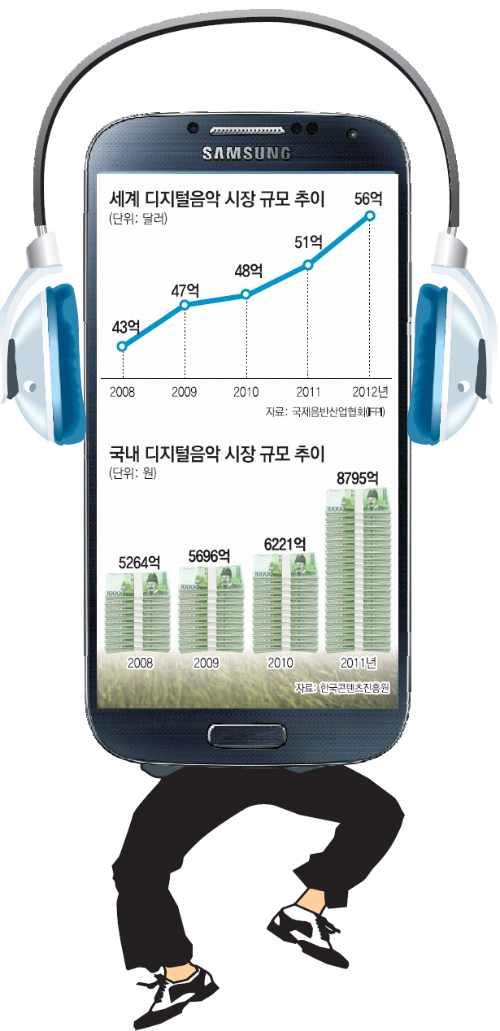
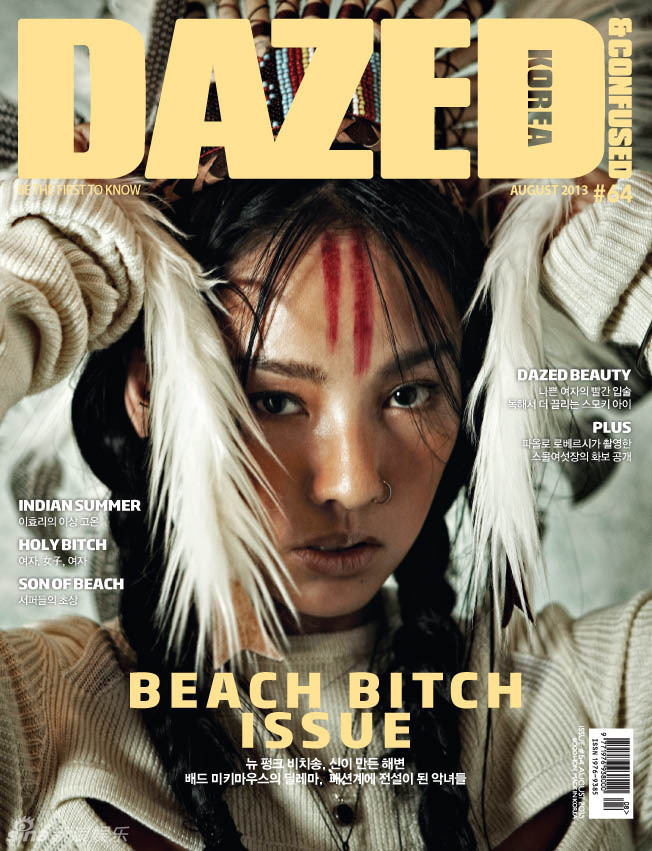



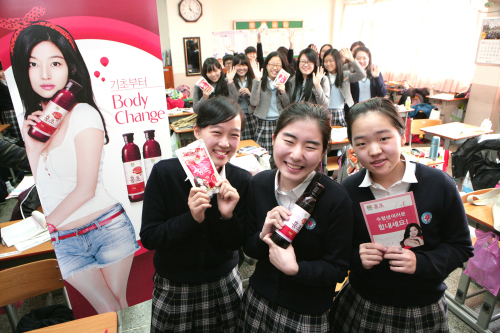





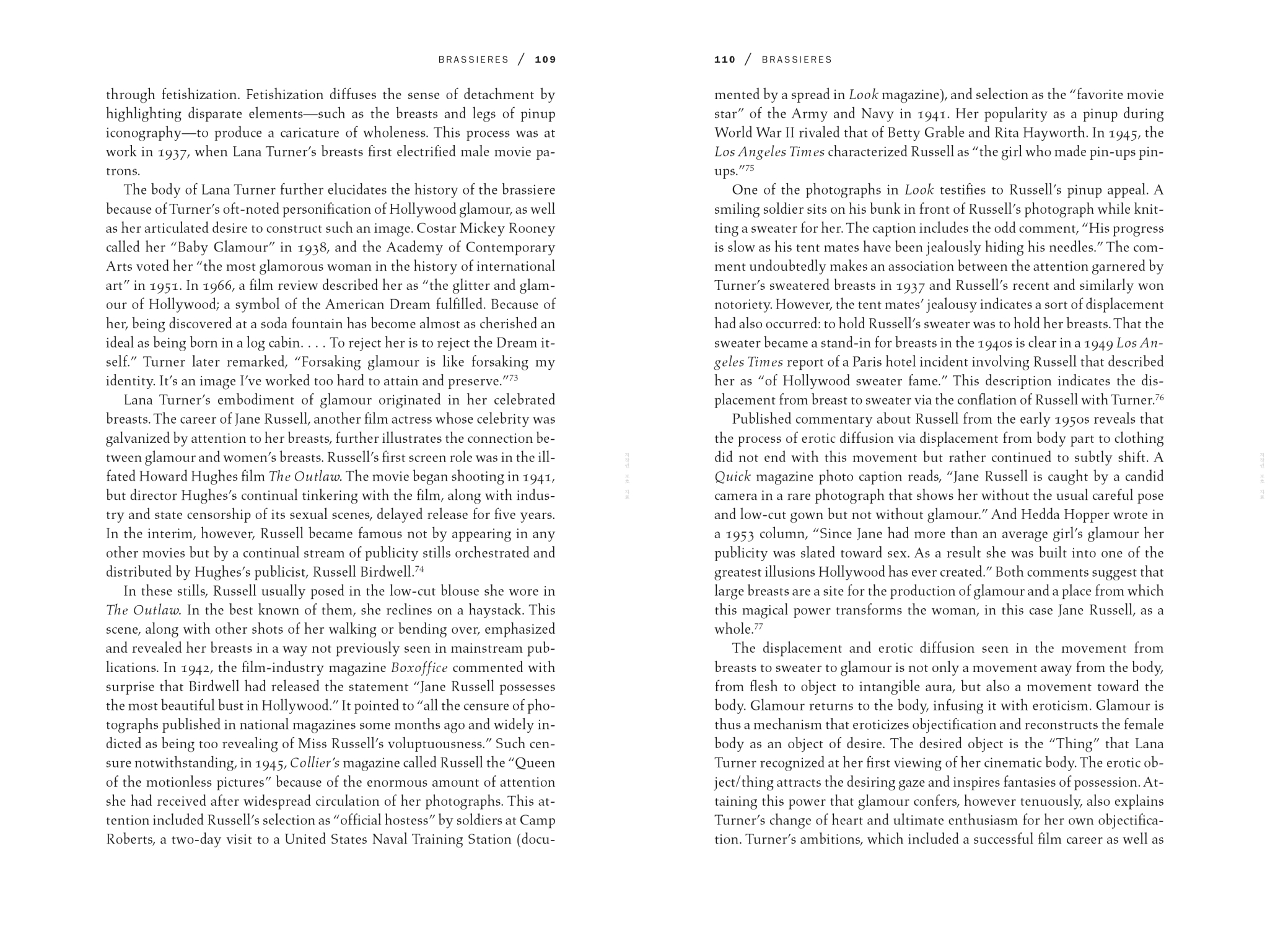


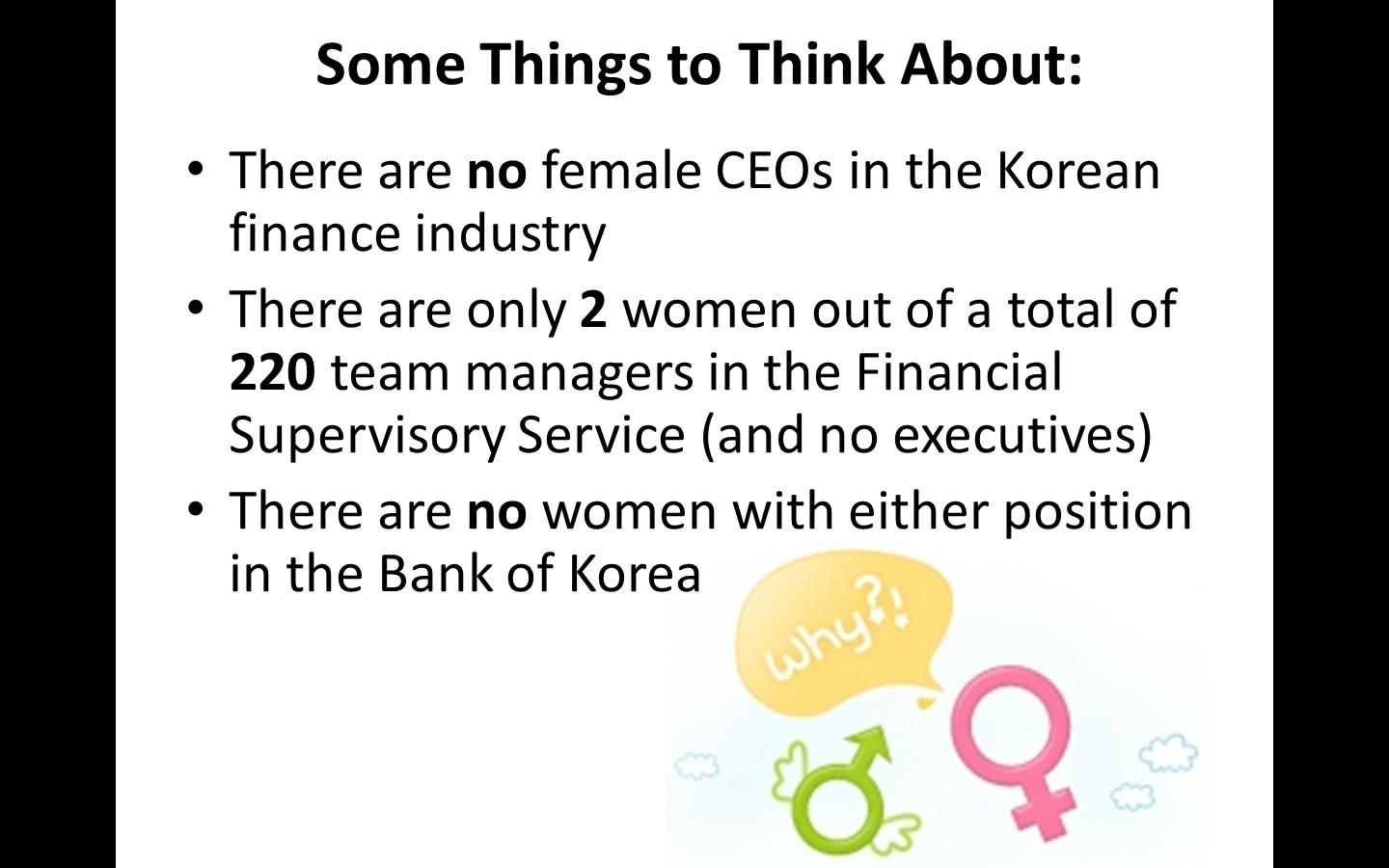
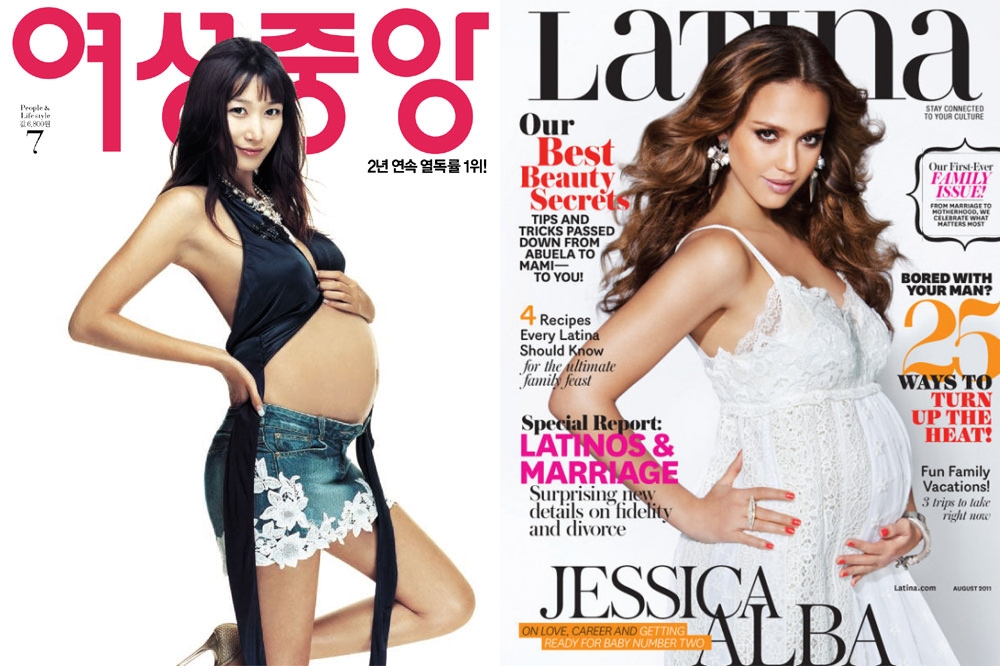


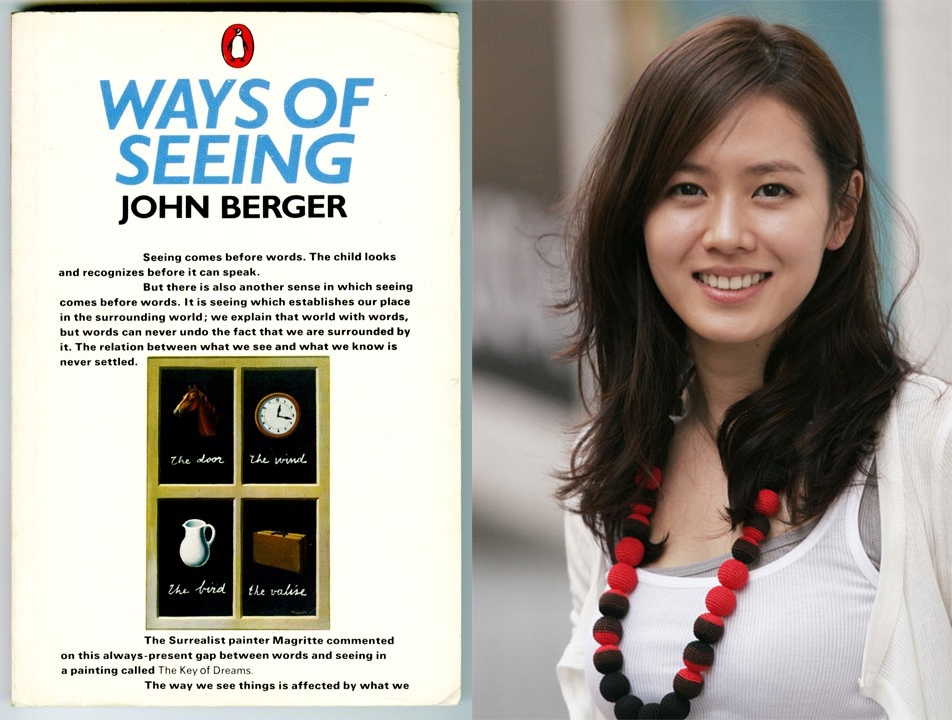
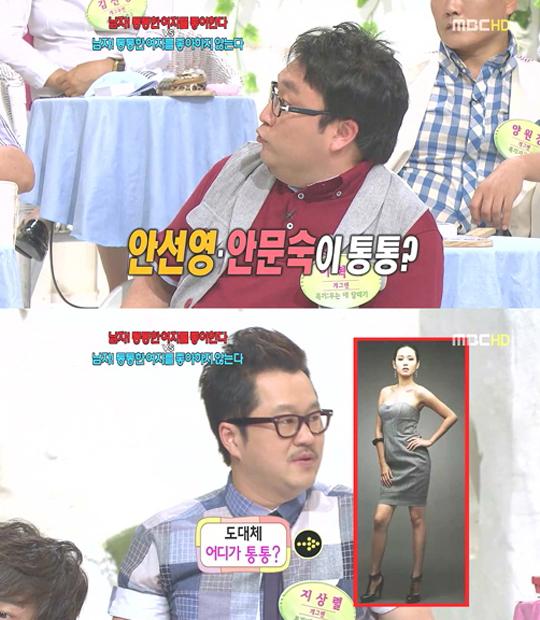



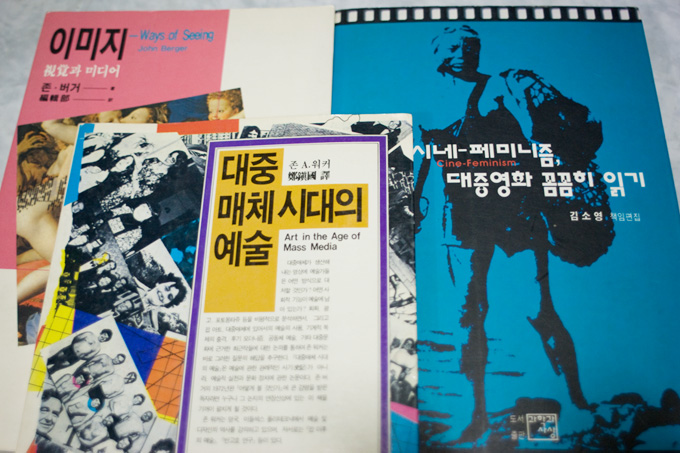

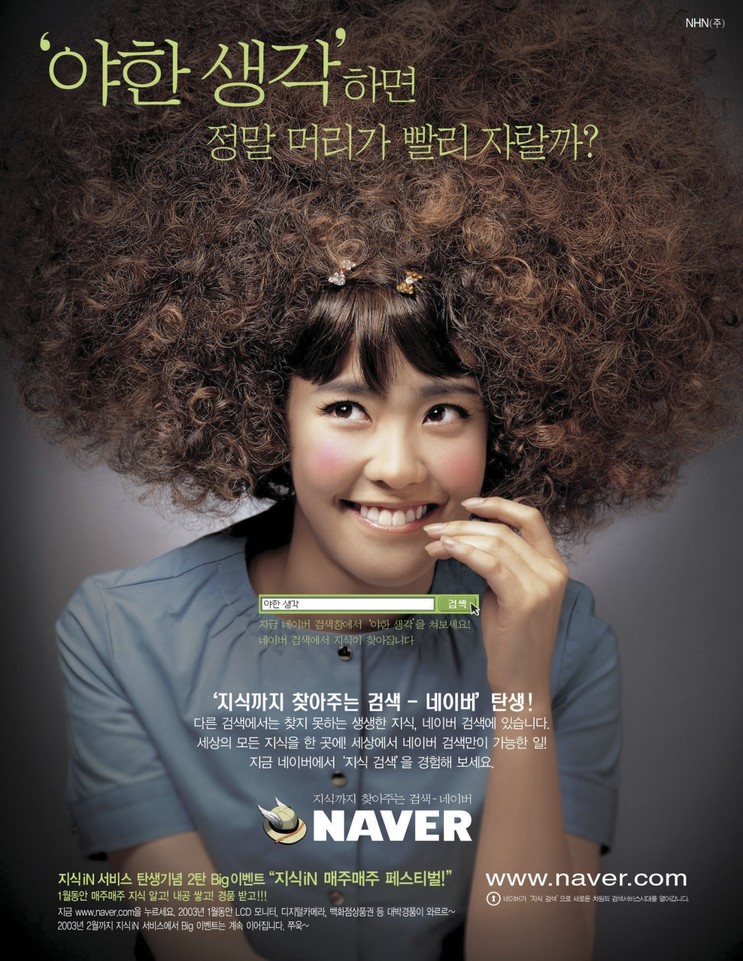
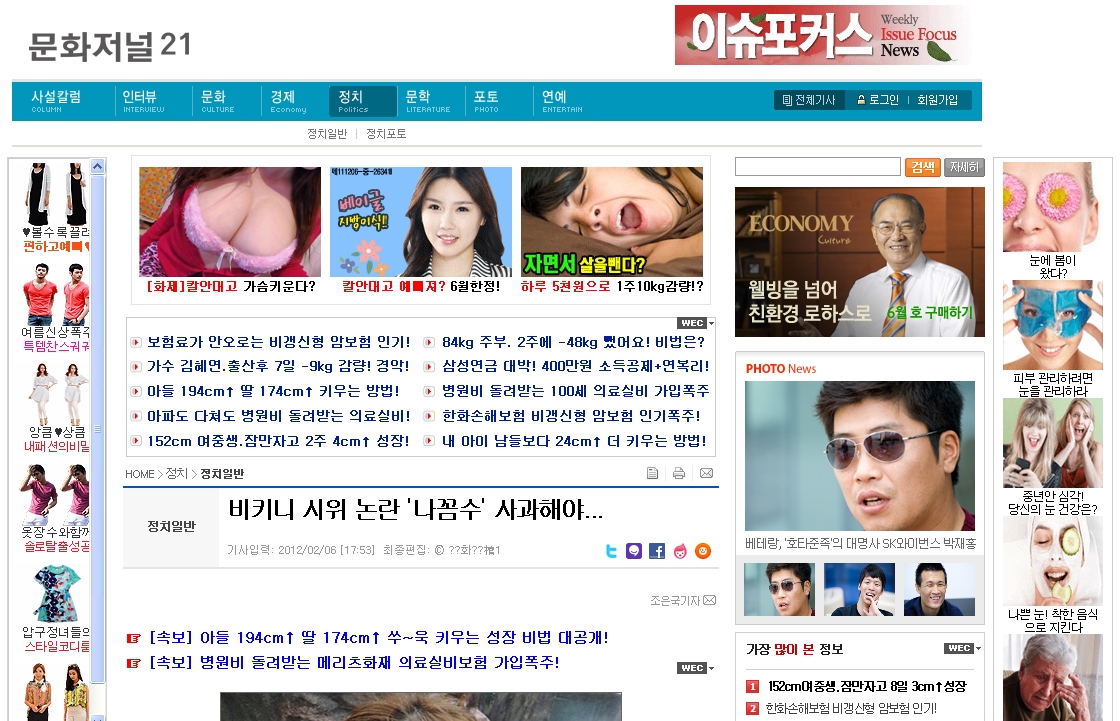
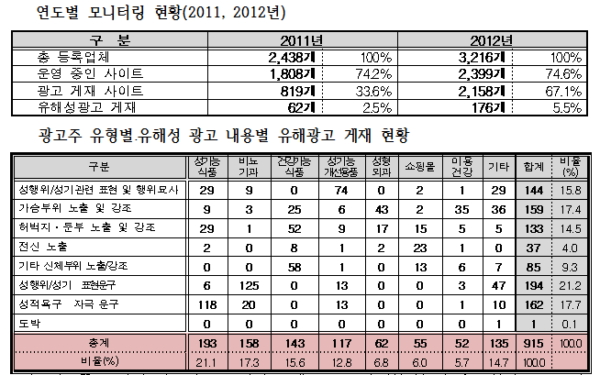

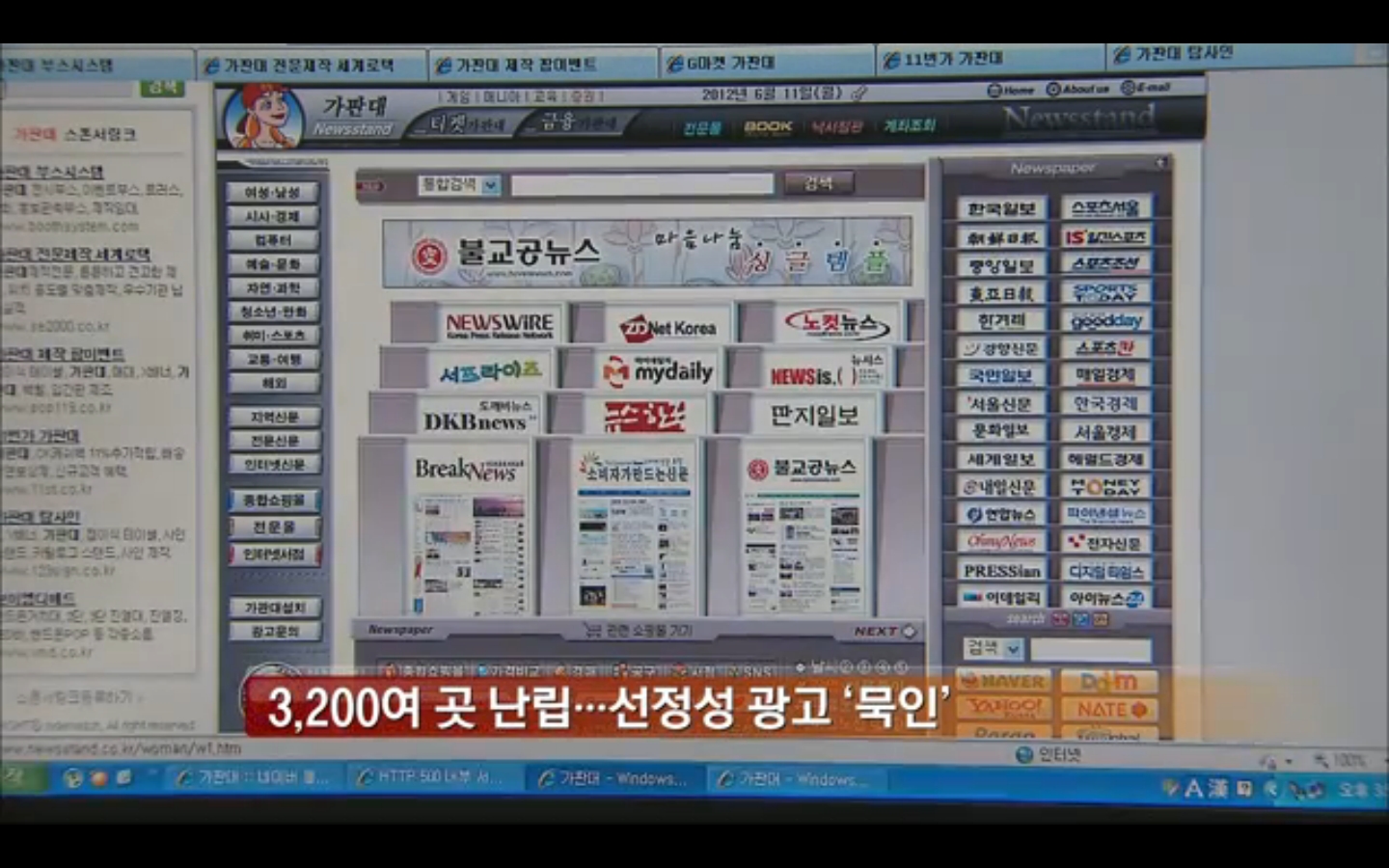
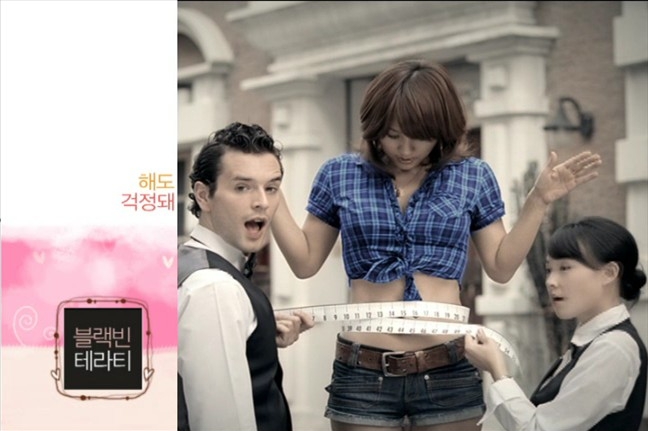


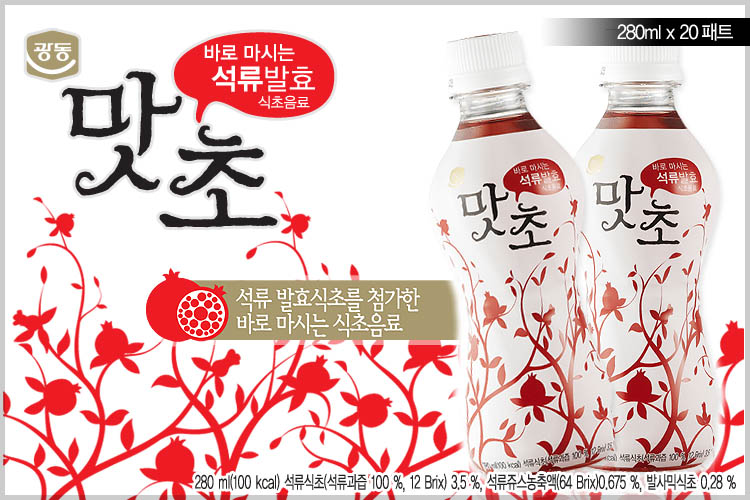
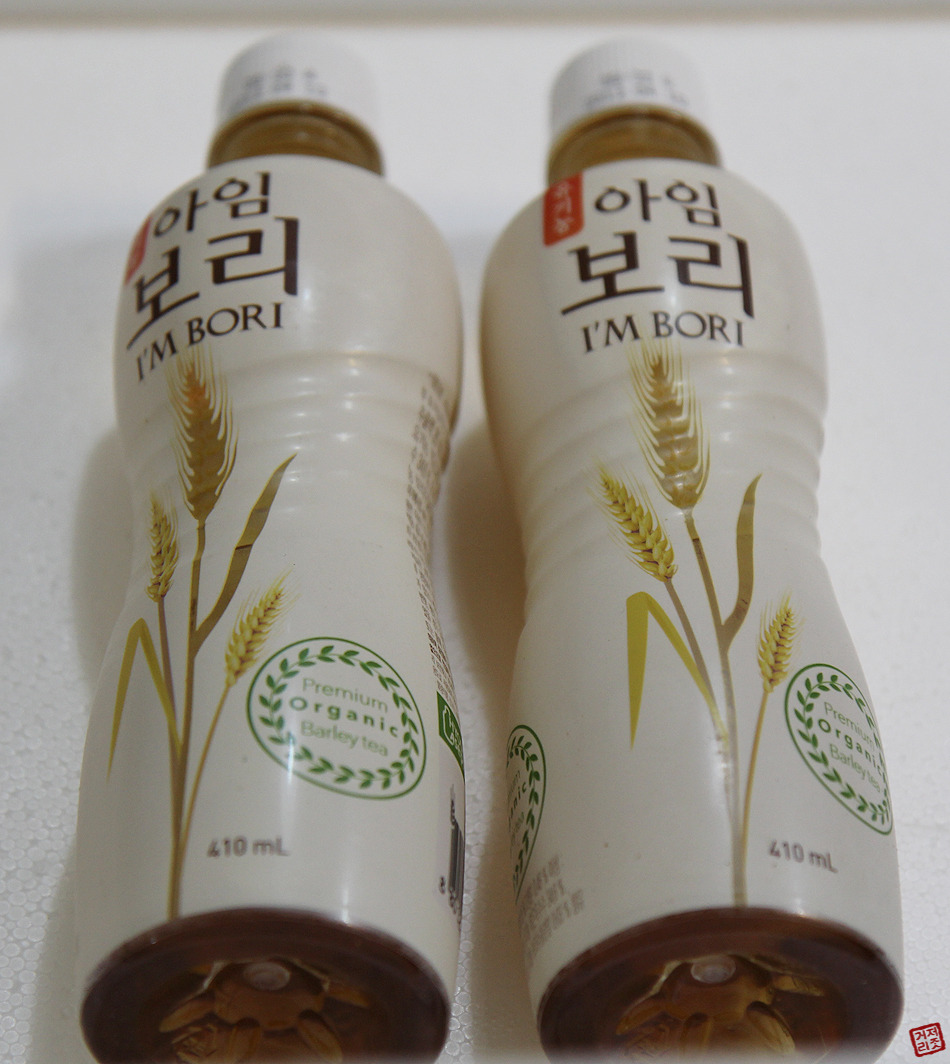
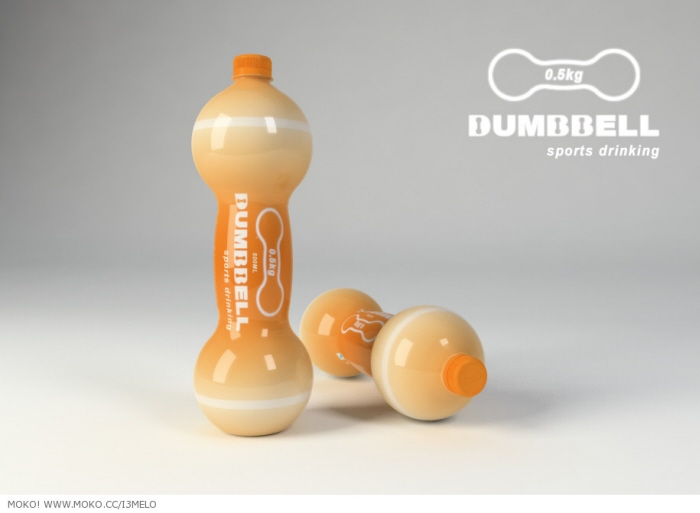

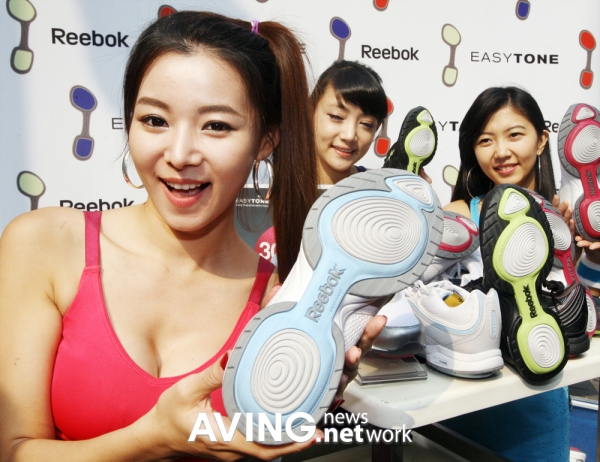
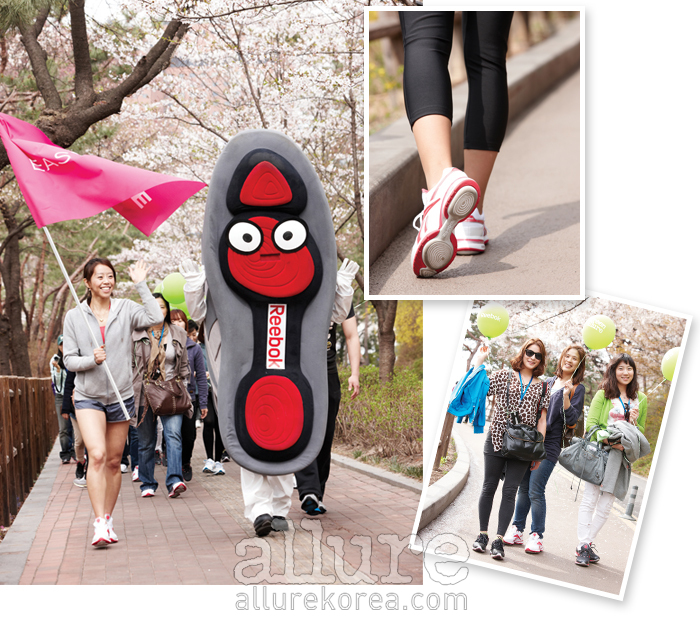

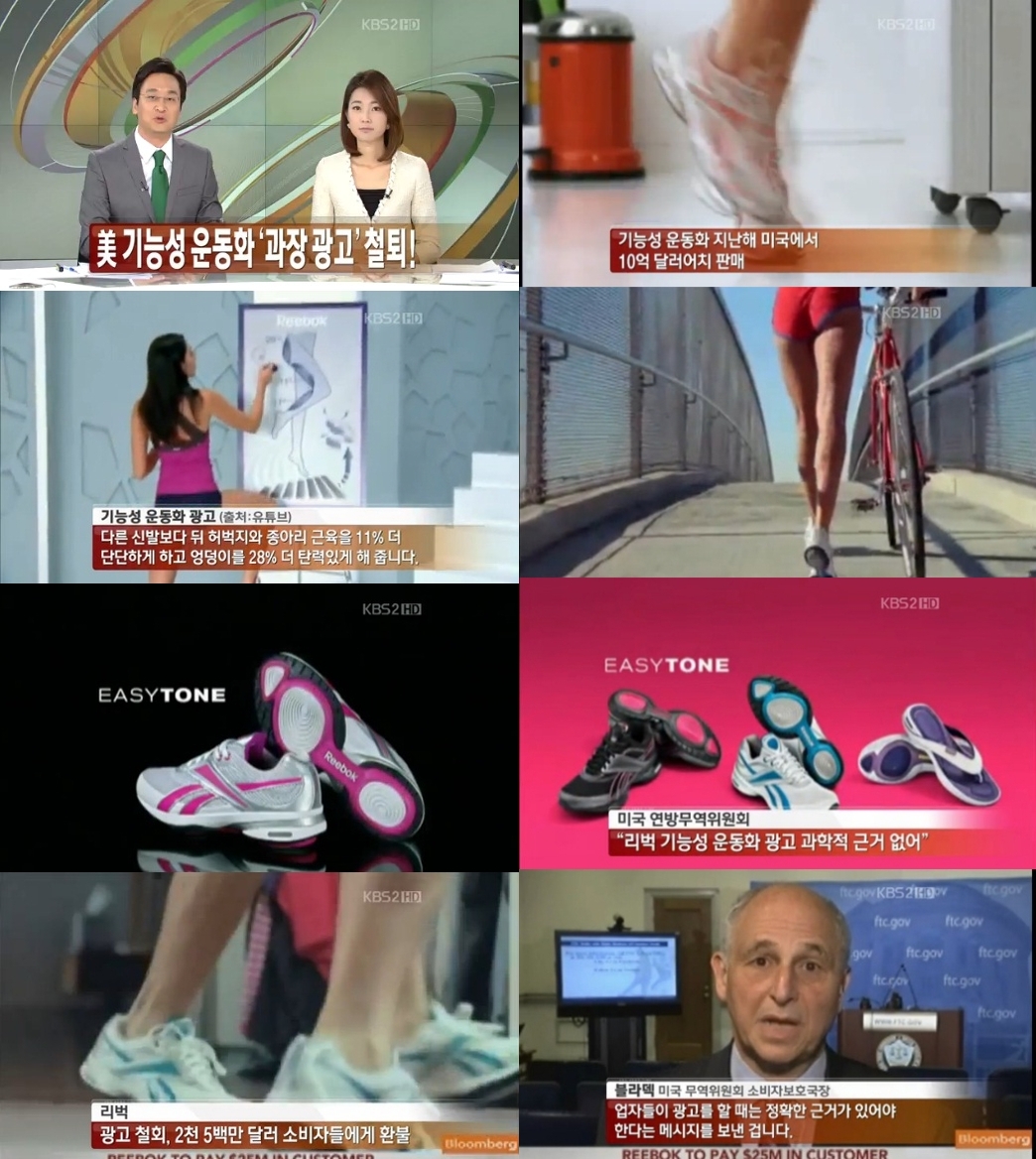
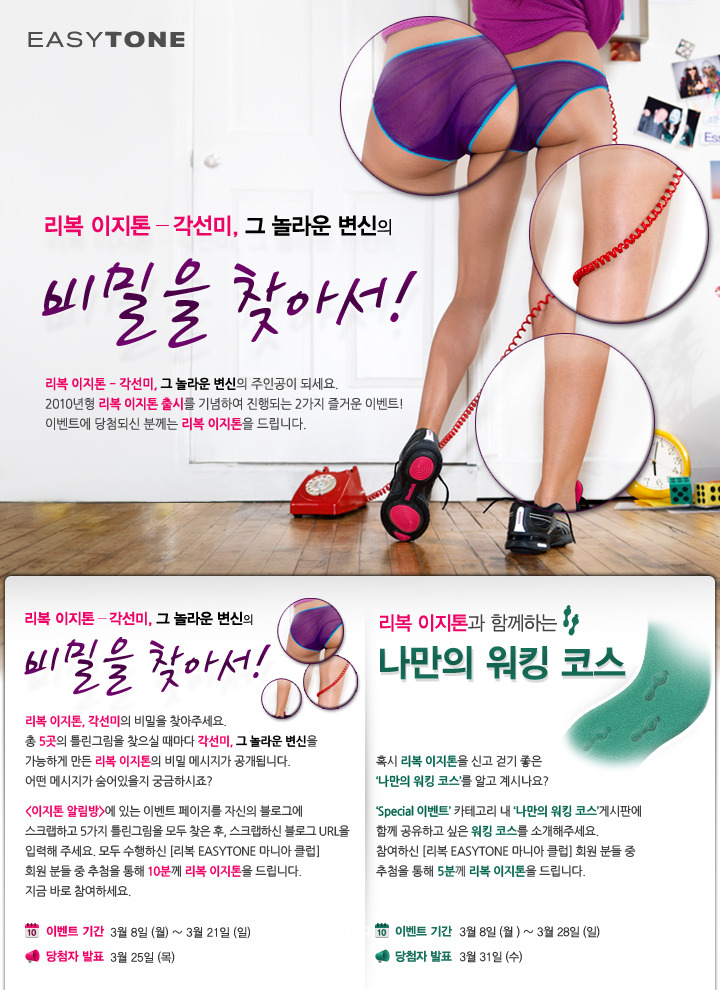
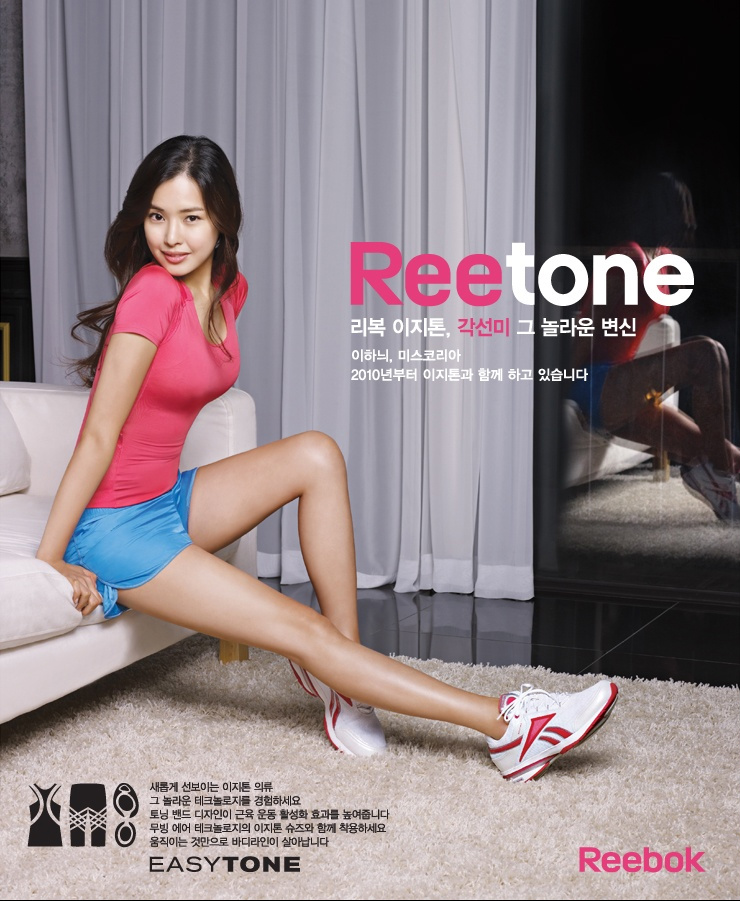
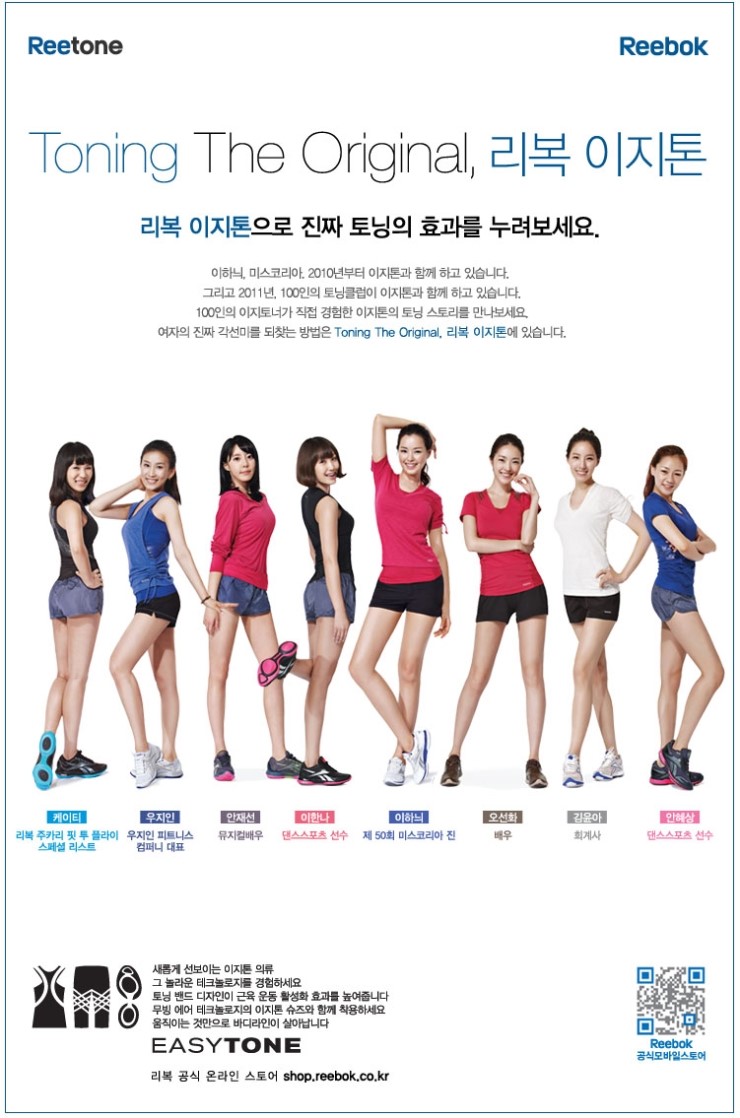
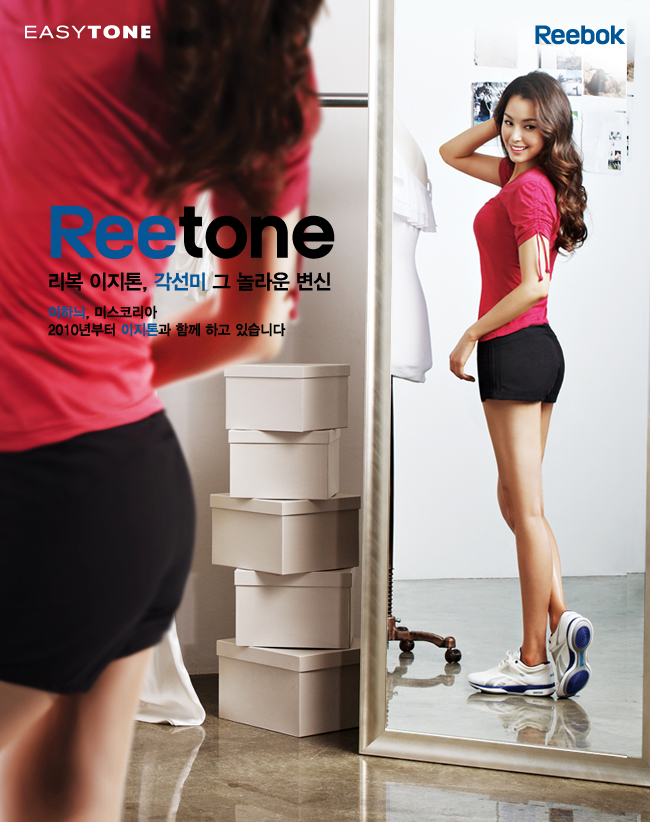




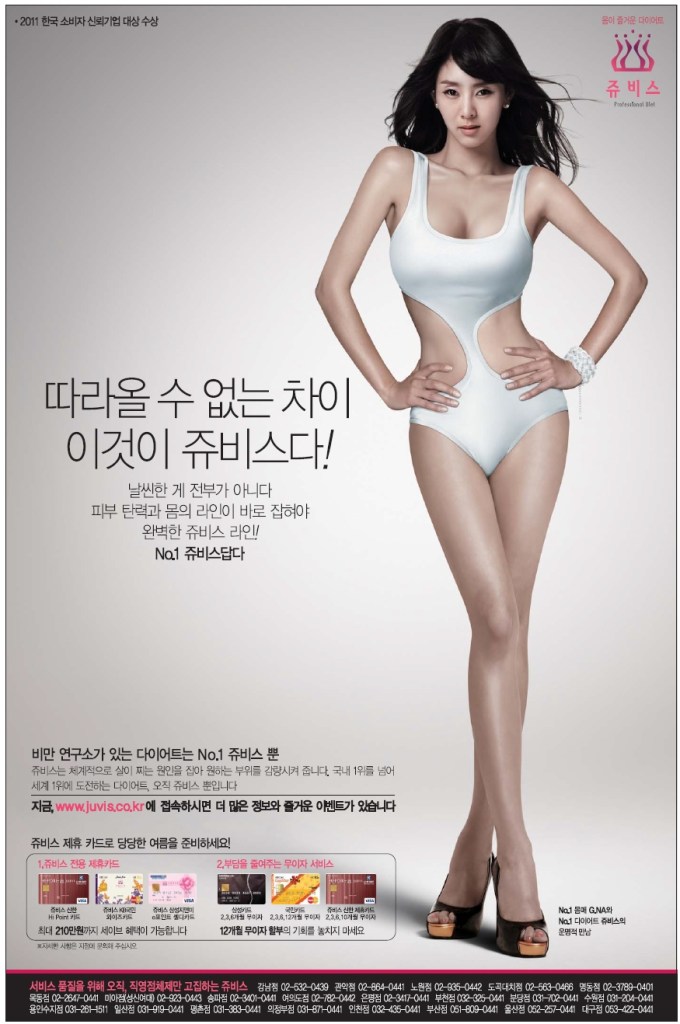



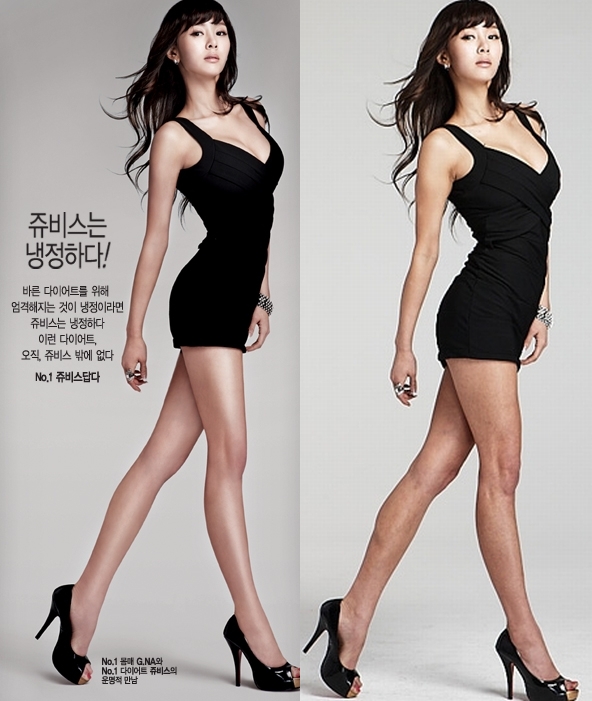

 The Grand Narrative