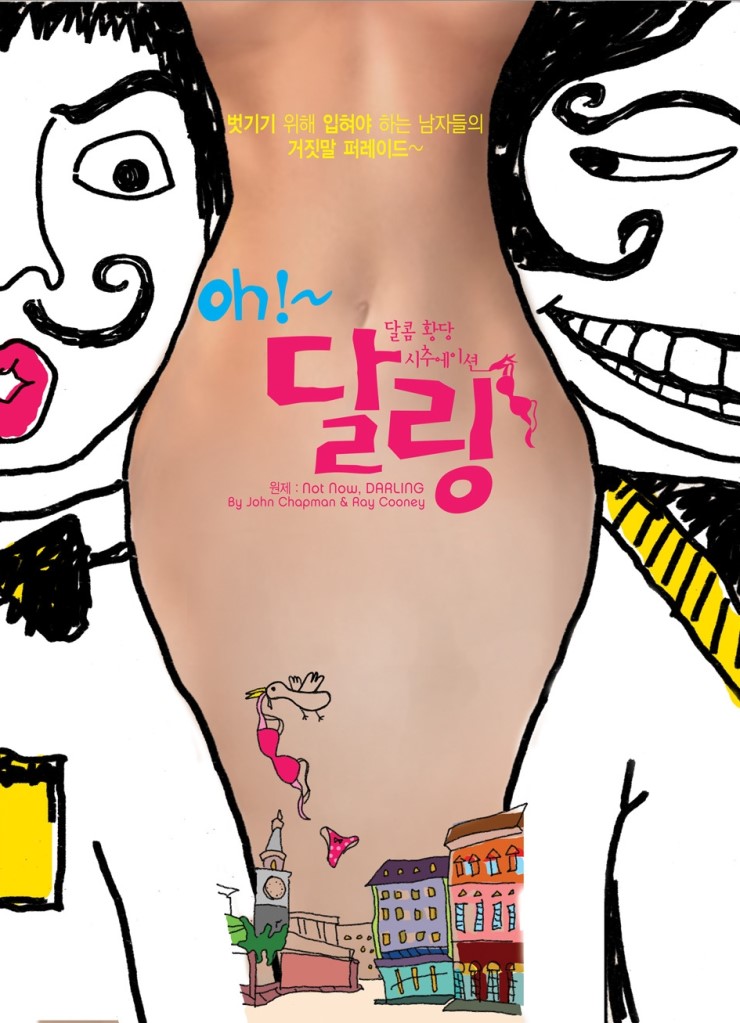
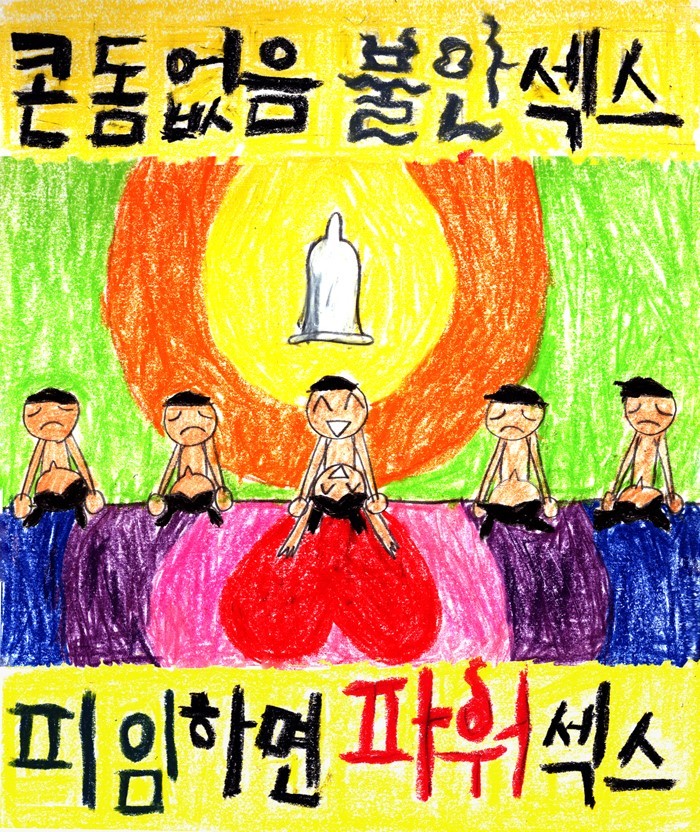
Korean Poster: ETIQUETTE FOR MEN AT NIGHT

(Source)

Via Tales of Wonderlost, who also passes on a translation by Opress-Crackatron3000:

Protesting sexual harassment and violence against women

ETIQUETTE FOR MEN AT NIGHT

1. Remember that your presence can be threatening to women walking alone at night

2. If a woman is walking in front of you alone at night, slow down. You walking quickly or speeding up can be and in most cases is threatening

3. If you’ve been drinking and are drunk, go straight home.

4. Do not pick a fight or aggravate women walking at night

5. Do not take off your clothes or publicly urinate

6. Be careful to make sure you do not touch or hit someone, even on accident.

7. If, late at night, you come to a situation in which you and a woman have to ride an elevator together, let her go up first and wait for the elevator to come back down.

8. If there’s a woman in a public restroom (There are Korean public restrooms with no gender or sex markings that are open to all people), wait for her to finish and come out first before using the restroom.

9. Report broken streetlights to the police

10. Tell other men about these rules and that they have a responsibility to not threaten women walking at night

Please share as much as possible!

Related Post: Groping in Korea: Just How Bad Is It?

From the Archives: Bagel Girls, Banking, and Babies!

(Source)

…[the character of] Chi-Yong’s mother sees marriage as a way to achieve social advancement and material prosperity, as it was in the Victorian era. These ambitions have come to the forefront in Korea since the 1970s, due to rapid economic development and consequent aspirations to class mobility and consolidation during the last thirty years. This novel [Marriage/결혼 by Kim Su-hyeon, 1993] is a good illustration of how, given the pace of change of change in Korea, everybody has a different point of view on marriage, depending on their gender, class, and generation. The issue of communication across generations has become a serious matter. Generation is an important attribute of identity in Korea, like race in the United States. (My emphases.)

(So-hee Lee, “The Concept of Female Sexuality in Popular Culture” in Under Construction: The gendering of modernity, class, and consumption in the Republic of Korea, ed. by Laurel Kendell, 2002; page 146 of 141-164)

With apologies to So-hee Lee for variously attributing that quote to either her editor, to Hyun-Mee Kim, or to Nancy Abelmann over the years, it still very much applies 10 years later. It’s also why studying and living in Korean society can be so exciting sometimes.

For someone who’s been writing about the place for over 5 years though, it means that many of my posts need updating. Let alone mercifully deleted as reader feedback, further research, and greater use of Korean sources have exposed gaping holes in my knowledge and confident preconceptions. And from a practical standpoint too, links will die, embedded videos will get deleted, and my theme will always highlight recent posts at the expense of older ones, no matter how good they may be after going through my culling process.

With all that in mind, once a month I’ll be highlighting posts from the corresponding month in previous years. Not all of them of course (hey, I’ll still like some material to work with in September 2013 and 2014), and to some there’s no new news to add; I include them just to draw attention to for new and old readers, especially as they’ve since been slightly edited for this post with the benefit of several year’s of hindsight. Others though, I’m adding a great deal of new news and commentary below, as you’ll see.

Please let me know what you think!

2011

Alas, not really my own article, but about Grace Duggan’s for Bust Magazine. While I’d often criticized the body-labeling craze in South Korea previously, I didn’t realize just how offensive this particular term was until she pointed it out (source, right):

Sexualizing young women for having childlike features sets off all kinds of alarms, regardless of whether or not they are over 18. The “bagel girl” label does more than infantilize women. It compartmentalizes them by applying two irreconcilable ideals: looking like a baby and a full-grown woman at the same time.

Granted, that may make it sound no more harmful than any other “line.” But, as I explain in a later comment, in the context of how it’s actually used it ends up sounding almost pedophilic:

…there’s nothing wrong with looking young per se.

But consider who the label is applied to: not, say, women in their 30s and 40s and older, for whom – let’s be real – wanting to look younger than they are is understandable (hell, for a 35 year-old guy like me too), but rather it’s women barely on the threshold of adulthood that are being praised for looking like children. And, not to put too fine a point on it, what the FUCK is great about a 21 year-old looking younger than she is? And when her body is simultaneously praised for being developed? That is a seriously flawed ideal to aspire to, and, moreover – as I hint at in the post – it’s no coincidence that it occurs in an environment with strong expectations of childish behavior from women too. Indeed, the end result strongly reminds me of child and teenage female manga characters, with personalities appropriate for their age, but somehow the sex drives and physiological development to act on them of women 10-15 years older.

(Source)

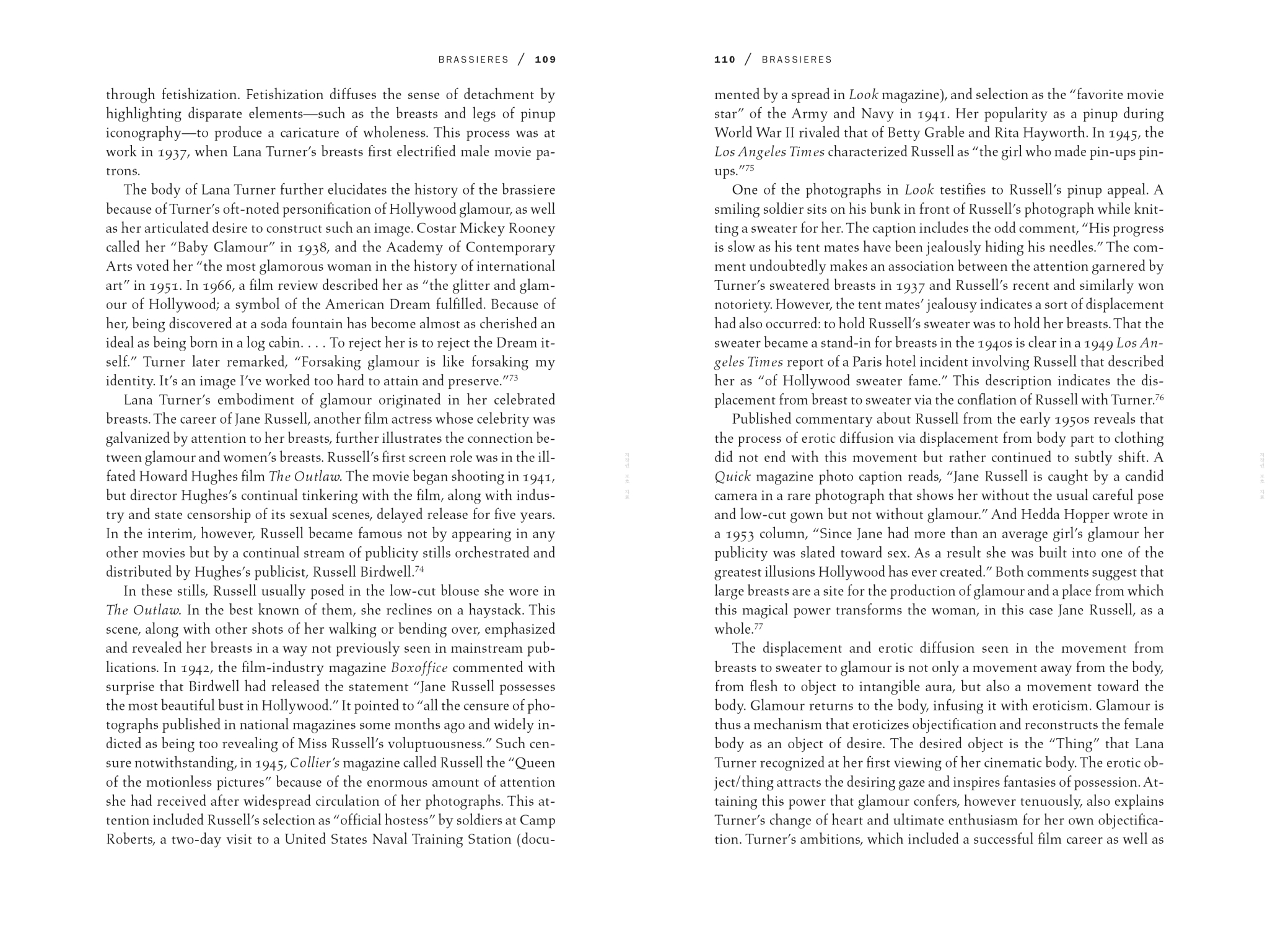
Meanwhile, by coincidence just yesterday I finished the excellent An Intimate Affair: Women, Lingerie, and Sexuality by Jill Fields (2007), which explains how the word “glamour” — where the “gul/글” in Bagel Girl comes from — came to be closely associated with large breasts by Hollywood in the 1930s to 1950s. Something I’d previously chalked up to a Japanese and then Korean mistranslation of the word, see the above pages for more on that, or all of Chapter 3 on brassieres at Google Books here.

If I do say so myself, I’m very proud of the way I describe my feelings when child singers do aegyo:

…cutesy aegyo is bad enough coming from a 21 year-old singer, but simply surreal when you see it done by a 14 year-old.

Yes, surreal, not merely awkward and inexperienced: essentially, you’re watching a child pretending to be an adult pretending to be a child.

Thank you very much.

Thanks again to the (necessarily anonymous) reader who wrote about her experiences, and I’ve had dozens of inquires about the Seoul clinic she used since. Please just email me if you ever need to know the details yourself.

(Source)

2010

Once someone points out the “head cant” to you, it just can’t be unseen. Usually inoffensive in itself though, and frequently done simply for photographic and stylistic reasons (which I’ve under-acknowledged in the past), it’s the fact that it’s overwhelmingly women it that makes it problematic. Just one of a number of typical poses for women in ads, ultimately it serves to reinforce gender stereotypes.

Probably, that’s why these recent Giordano ads stood out to me: in the example above for instance, Shin Min-a (신민아) is the one in control, staring at the viewer, while So Ji-sub (소지섭) is distracted (it’s usually the guys that are presented as more focused). And, desperately seeking examples of pro-feminist advertisements for a TED presentation I may be giving next month, in which I have to — grrr — conclude with a positive message rather than just criticize, this made me realize that feminists and advertisers don’t necessarily have to be at odds with each other. Just a sense of balance by the latter would be a huge step forward.

Really about “lewd” advertisements, 2 years later (this June) I translated another article about how their numbers had surged 3 times over the previous 12 months. With no apparent sense of irony, just about every news site that reported on that had so many examples themselves that the text was difficult to read.

One of my most popular posts, anybody (especially men) who thinks street harassment isn’t a problem should just reflect on the opening cartoon, let alone female readers’ comments about their own negative experiences.

(Source: unknown)

2009

A short, harmless commercial for Shinhan Bank at first glance. But, once you take the time to analyze it, it has a clear message that men do the thinking at Shinhan while the women simply look good. Indeed, it’s such a classic example of gender stereotyping that I’m still using it in presentations today.

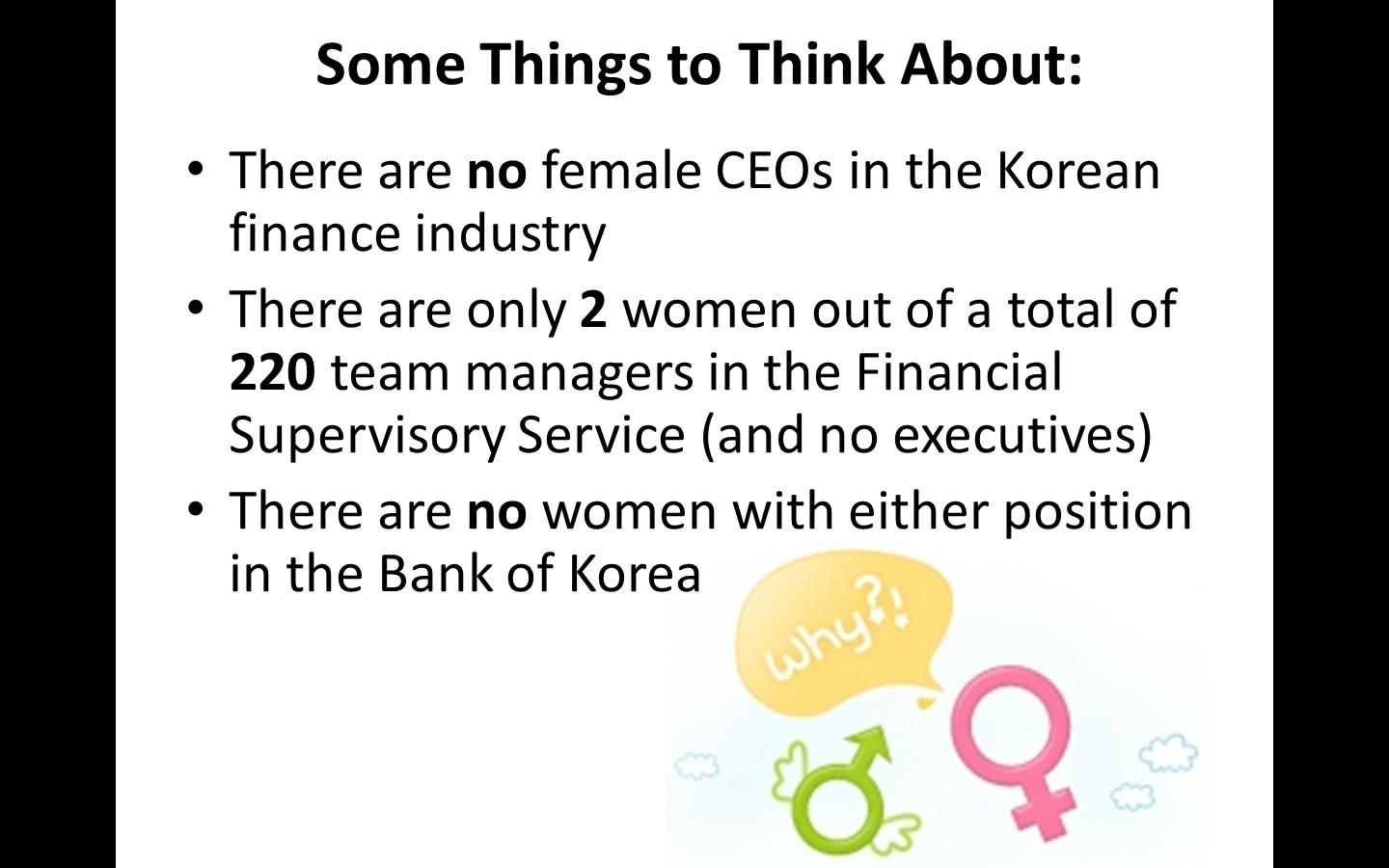
Here’s the slide I would present after providing that analysis:

But in the next presentation, I’ll be updating it with the recent news that the banking industry still has the largest gender pay gap in Korea, with women making an average of only 57% of what men make.

Not that I’m against skin by any means. But these remain very sweet ads!

Again one of my most popular posts, ironically soon after writing it trends in the Korean entertainment and music industries meant that Koreans would replace Caucasians in many of the modelling roles that sustained those Occidentalist stereotypes. Also, in my own (admittedly limited) experience, there’s far fewer Korean male – Western (invariably Caucasian) female pairings in popular culture now, after a spate of them in the years after Misuda first appeared. (There were never very many of the opposite.)

However, of course many of the stereotypes still do remain.

(Sources: left, right)

2008

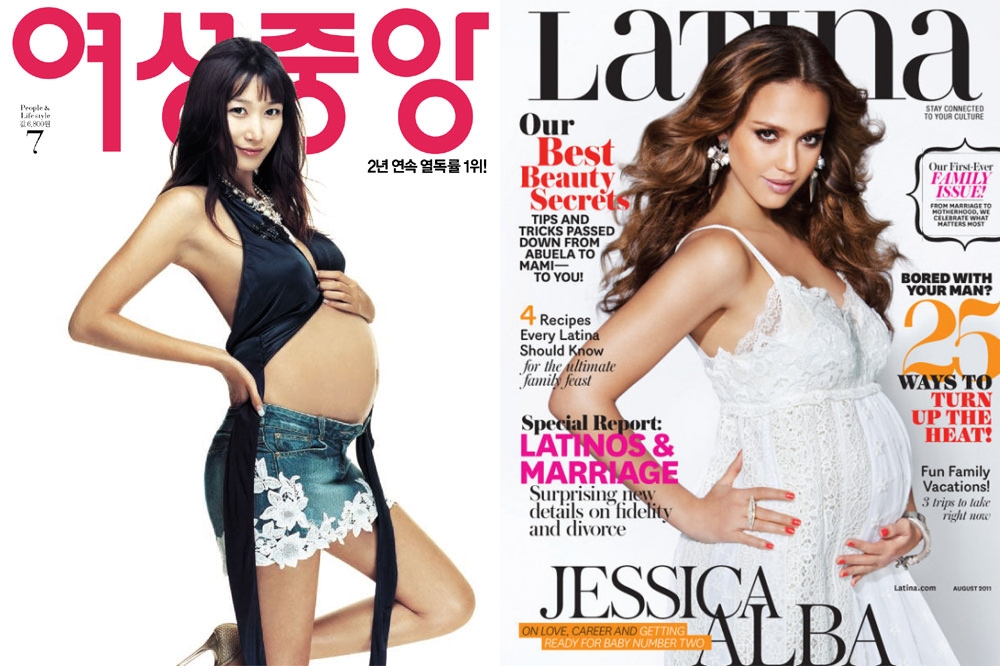
When I read on Yahoo! Korea this week about pregnant Hollywood star’s “D-lines”, for a moment I did try to hold my tongue about seeing the label.

After all, this, for example, is just an advertisement for an event for expecting mothers (albeit one where likely body-shaping products are promoted); these D-line fashion shows were surely perfectly harmless; many of those Hollywood stars were indeed glowing, as was pregnant Moon So-ri (문소리) in Cosmopolitan last year; and finally, yes, I can see the humorous side — it is often applied to extremely obese men.

But although the Western media too promotes pampered celebrity mothers-to-be as ideals to follow, and I can certainly accept that pregnant women overseas may likewise feel under some indirect pressure to watch their weight, that post is about how pregnant Korean women were dieting as early as the late-1990s. One can only shudder at what things are probably like now.

Suddenly, talk of D-lines sounds a lot less funny.

One of my first attempts to grapple with the origins of the kkotminam phenomenon (꽃미남; lit. flower-beauty-man), which culminated in this piece by friend and ANU professor Roald Maliangkay 2 years later.

By coincidence, both of us will be quoted in a related news article to be published next week. Watch this space! (Update: and here it is!)

2007

And indeed there was. Unfortunately however, attitudes didn’t change with it, so fathers feel compelled by management to either ignore it entirely or to come back to work early, despite it only being 3 days (source right: unknown).

Note though, that the “paternity leave” in the original article I translated was a bit of a misnomer, it really meaning time off for a child’s birth. “Real,” paid paternity leave has been available since 2001 (or possibly 1995), but sources vary on specifics. Sung So-young in the Korean Joongang Daily, for instance, wrote in April 2011 that:

According to Korean law, all employees with a child under the age of 3 are eligible to take a year off to care for their children. Up to 1 million won ($919) in salary is provided monthly.”

But that is contradicted by a slightly later report in the Chosun Ilbo, which states that:

…those on leave can get up to 40 percent of their salary, or a minimum of W500,000 and a maximum of W1 million, and parents can take leave until the child is 6 years old.

And both in turn are contradicted by Lee Hyo-sik’s earlier report in the March 4 2011 Korea Times, which says:

Regardless of income levels, both male and female salaried workers are currently given 500,000 won per month during parental leave. This is expected to go up to one million won next year.

As for the maximum age of the children in order to be eligible, the same article states that it was 6 rather than 3. This is confirmed by an earlier February 2010 article by Kwon Mee-yoo, again in the Korea Times, which stated:

The Ministry of Labor passed a revision on Wednesday to the Act on Equal Employment and Support for Work-Family Reconciliation, or the Employment Equity Act for short, which will expand the range of workers eligible for parental leave. Now parents with preschoolers under six years old can benefit.

The leave allows employees to take a certain number of paid days off from work to care for their children. The parents can also take unpaid leave if they use up all of their paid days. This includes maternity, paternity and adoption leave. Currently, at private firms only workers with children 3 years old or less qualify for the leave.

Surprisingly, parents with adopted children weren’t eligible before this revision, and still, “only those who gave birth to or adopted children after Jan. 1, 2008 [were to be allowed] parental leave,” despite those (then) 2 to 6 year-olds obviously being of age. Which all sounds very tight-fisted, although logical during the worst of the financial crisis.

Kwon Mee-yoo also notes that it was in 2008 that the government increased the age restriction for (only) public servants, allowing them “to take time off for parental purposes if their children were under 6 years old.” I’ll assume that it previously only applied if their children were under 3 years old, like Kwon notes was the case for employees at private firms.

Finally, quibbles over details aside, Sung So-young’s and Lee Hyo-sik’s articles in particular remain excellent discussions of why Korean fathers are forced to avoid taking paternity leave, despite wanting to spend much more time with their kids. Against that though, just like in most other countries there’s still a pervasive attitude that childcare is primarily women’s work, with insidious manifestations in our daily lives.

And on that note, have a good weekend, and the Korean Gender Reader post will be up on Sunday!

What’s Wrong With Marrying First-born Sons?

(Source; edited)

As every Korean woman looking for a husband knows, hapless first-born sons are best avoided. After all, customarily moving in with — or very close to — his parents, she would just have too many responsibilities for their care, let alone arguments with his overbearing mother:

The old lady often follows her daughter-in-law around, criticizing every bit of housework. They compete for the attention of their son/husband. In addition, because the old lady went through the same process when younger, she feels entitled to make her daughter-in-law’s life miserable. (Here is an old post touching upon this subject.)

Of course, not all eldest sons’ households would be so bad, let alone that of Ask a Korean’s who wrote that. Or would they? In Japan at least, with very similar living arrangements to Korea, they’re so stressful that married Japanese women living with in-laws are three times more likely to suffer a heart attack than those just living with their husbands.

(Source; edited)

Perhaps it’s no wonder then, that “not a first-born son” was one of the common “specs” (스펙) for a husband in this recent list I translated?

But, despite everything I’ve written above, I’d always thought that their extra responsibilities were simply a cultural preference, and one rapidly eroding at that. So, it came as a real surprise to learn they were so formalized as to be enshrined in the government’s social welfare policy, as explained in passing in this recent Hankyoreh article about an elderly woman who committed suicide after losing her eligibility for benefits (my emphasis):

…According to the Ministry of Health and Welfare and Geoje City Hall in South Gyeongsang province, Lee was stripped of her National Basic Living Security assistance qualification because a confirmation study of recipients conducted in June revealed that her son-in-law’s income had increased.

This is to say, the “sustenance allowance” in accordance with support obligation standards (lineal blood relatives or spouse) had been exceeded [James – by a grand total of 7000 won (US$6.18)]. The recently increased income of her daughter and son-in-law, who work for a subcontractor of a major corporation, was about 8 million won a month.

The “mandatory sustenance allowance” is computed by taking the income of the lineal blood relative or spouse, removing a total equal to 130% of the minimum cost of living for a family obligated to support a relative, and multiplying that by 15% in the case of a daughter (30% in the case of a son)…

…When beneficiaries lose their qualification, they also lose their housing assistance, stipend and medical benefits. The standards determining family members who must provide support is tied to a contrived system that dumps the state’s responsibility onto the family.

(Source)

If any readers familiar with the Korean social welfare system could elaborate on this, or any other gendered aspects of it, I would be very grateful. Unfortunately, all I can further bring to the discussion is my copy of The Politics of Social Welfare Policy in South Korea: Growth and Citizenship by Myungsook Woo (2004), a very top-down and theoretical overview that lacks mention of anything at the grass-roots level, let alone of gender. But of course it does still have some insights though, which I’ll pass on in a later post!

Korean Gender Reader

(Source)

Some good news and bad news: after announcing earlier this year that monthly birth-control and morning-after pills were to be reclassified as prescription-only and over-the-counter respectively (i.e., the opposite of the current situation), the KDFA has just postponed its decision for 3 years.

Officially, the reason is because “there has to be careful consideration when overturning a classification system that has been retained for decades,” and because the extra time will allow the KDFA to “carefully monitor” the (supposed) side effects of the morning-after pills and also (unnecessarily) better educate the public on the side-effects and correct usage of monthly birth-control ones. But the more likely explanation is that the government was unnerved by the opposition to the reclassification of the month birth-control pill in particular, especially just before the election. In contrast, the opposition to the morning-after pill is mainly by religious conservatives, who would be very unlikely to vote for a different party.

One interpretation of such a long postponement is, of course, that the proposal will be quietly shelved in 3 years, although a negative of that would be a continued lack of access to the morning-after pill. But the realist in me thinks otherwise: as I explain in this Busan Haps article, the curious proposed simultaneous restriction and liberation of access to contraception has nothing to do with any dangers or women’s own needs or concerns, and everything to do with financial pressures within and between the Korean medical and pharmaceutical industries as Korea’s demographic crunch begins to bite. Those are not going to go away any time soon, particularly if the present conservative administration is reelected under Park Geun-hye — recall that her predecessor’s biggest solution to the declining birth rate and women’s inability to combine careers and children was simply to (re)criminalize abortion.

The conservative media’s framing of the contraception debate supports this pessimistic view: this article in the Korean Joongang Daily, for instance, explains that if reelected the government will continue to stress the opposition of “government officials, doctors, experts, women’s rights activists, religious groups and other civic organizations” to making the morning-after pill OTC, while simultaneously downplaying the far greater support for the status quo with the monthly birth-control pill. (And, possibly, support for making the morning-after pill over-the-counter too; I am unsure how much that has sorry.)

In sum, the combination of the (re)criminalization of abortion and now the proposed restriction of the monthly contraceptive-pill points to a “War on Women” every bit as real as the GOP’s one in the US, and which deserves to be far more widely known outside of Korea. Although, admittedly, I don’t know Park Geun-hye’s own personal beliefs on women’s reproductive rights, I do have genuine concerns that the Korean election of 2012 will be a eerie parallel of that of my native UK in 1979, when, to paraphrase my mother, “Millions of women voted for her simply because she was a woman, who then proceeded to crap all over them.” Certainly, her mere nomination as presidential candidate is already being widely described in feminist, empowering, and riding the crest of a wave of “women rising to the top” type terms, whereas I say that remains to be seen.

(Source)

Meanwhile apologies for the lack of posts, but my first week of the new semester proved to be much busier than expected. Usually, I try to have at least 2 posts in between each Korean Gender Reader, but I decided I’d rather post (hopefully) much better quality ones next week than rush them this time!

Update: By coincidence, the birth control pill ad I used to open this post with is for the Mercilon brand, which is several readers’ favorite, and which they were stocking up on because it is unavailable in the US. But of course every woman is different, so if Mercilon is not for you then please see The Wanderlust Diary and/or Kimchiowner’s Blog for a list of available brands, and the process of buying them.

Announcements

Care to visit some of Korea’s grandest museums? Help me to get there, get it written, then get it to you! (Kickstarter Project)

The Meet Market: White Party, Saturday September 1 (The Kimchi Queen)

Gay Friends in Seoul Meetup, Sunday September 2: Movie Night & Potluck (The Kimchi Queen)

Body Image/Health:

“Fat for an Asian:” The Pressure to be Naturally Perfect (XoJane)

Fukuoka Girls: Don’t You Wish You Were Cute Like Me? (Japan Realtime)

Doojoon’s Reaction to an Overweight Fan and the Blame Game (Seoulbeats)

Doojoon’s Faux Pas: The result of trainees’ social isolation? (Seoulbeats)

The politics of veils, ‘polleras’ and mini-skirts (Aljazeera)

Female Boxers: From disgust to admiration (The F-word)

Is Korea’s drug policy working? (The Korea Herald)

Censorship:

Production Firm Charged Over R-Rated Eminem Gig (The Chosunilbo)

Ratings board says it was lied to about Eminem show (The Korea Herald)

The Constitutional Court rules on the “real name” law and a controversial abortion law (Korea Law Today)

Crime:

More sex offenders could be castrated; Critics say castration doesn’t address psychological origins of sexual violence (The Hankyoreh)

Push for chemical castration in wake of sexual offenses (Korea Joongang Daily)

Chemical castration to see wider use (The Korea Times)

Is chemical castration effective in preventing sex offenses? (The Korea Times)

Picture of the Day: Korean Self Defense Gadgets (ROK Drop)

Gov’t to toughen measures against potential sex criminals (The Korea Times)

Anklet-wearing murderer of housewife lived alone, having no friend (The Korea Times)

Stupid talk about rape: Not just an American thing (The Marmot’s Hole)

Breaking News: A second ‘Na-young Case’ in the making? (The Marmot’s Hole)

Dating/Relationships/Marriage:

A North Korean love story: Defectors to marry in group ceremony (The Star; Isn’t Moonies style!)

Stressed men drawn to heavy women (BBC)

Shall We Dance? Yes…But Not in Public (Speaking of China)

New Zealand experience suggests “marriage equality” will win where “gay marriage” or “same-sex marriage” will not (Kiwipolitico)

LGBT/Sexuality:

An Expat`s Guide to Going to the Gyno in Korea (Busan Haps)

The Flip-flop over Foreskin (Nursing Clio)

Gayspeak: 끼탑 and 땍마 (The Kimchi Queen)

Campaign aims to kick Korean prostitutes out of Australia (The Korea Times)

China AIDS patients topple gate of gov’t office (The Huffington Post)

Eight things you didn’t know you could do with human sperm (io9)

Film Review: Stateless Things/줄탁동시 (The Kimchi Queen)

Reply 1997 Shin Wonho PD: “The real reason for putting in homosexuality…” (Omona They Didn’t)

Read: Behind the Red Door — Sex in China, by Richard Burger (Shanghaiist)

Miscellaneous:

Can men be feminists? (New Statesmen)

Men Explain Things to Me: The origins of the term “mansplaining” (Guernica)

Politics/Economics/Workplaces:

Young South Koreans face jobless woes with ‘graduate glut’ (My Sinchew)

Joblessness ruining young people’s health (The Hankyoreh)

Japan’s Graduates Face Tough Job Market (Japan Realtime)

Japanese Police Women To Go Up To 10% Of Force….by 2023 (Japanesesubculture)

Pop Culture:

GD’s “One of A Kind”: Musings on Looking For Meaning Kpop (Idle Revelry)

Korean Culture Through K-pop 102: Pass the Soju (Seoulbeats)

Pronunciation Tips: Practicing the aegyo intonation (Hangukdrama and Korean)

Idols Striving for Perfection: It’s a Hard-Knock Life (Seoulbeats)

Pregnancy/Abortion/Childbirth/Demographics/Parenting/Education/Multiculturalism:

Girl Commits Suicide After Being Bullied in KakaoTalk Chatroom (Korea Bang)

One Chinese child too many – 27-year old woman forced to abort 7-month fetus (The East Asia Gazette)

Constitutional Court deems abortion a criminal offense (The Hankyoreh)

Deaths of only children present social challenge in China (Want China Times)

Out-of-wedlock babies on the rise (The Korea Herald)

Breastfeeding flash mob in the heart of Singapore (Channel News Asia)

Chinese Government defends college policy favoring boys (Global Times)

South Koreans Balk at Saturdays Without School (Bloomberg Businessweek)

Teachers’ rights to be better protected (The Korea Times)

(Links are not necessarily endorsements)

Essential Reading: “Multiple Exposures: Korean Bodies and the Transnational Imagination”

(Sources — left: unknown; right)

See The Asia-Pacific Journal for the article. Covering many of the themes discussed on the blog, and much more besides, expect to see me linking to it for many years to come!

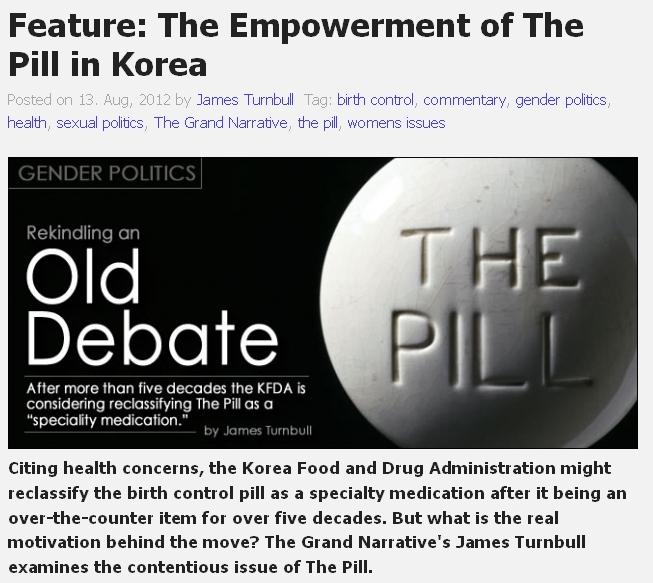
Quick Hit: “The Empowerment of the Pill in Korea”

Thanks very much for the comments on my earlier post on Korean OBGYN clinics, which I incorporated into a brief edit of my latest BusanHaps article. Just click on the picture to read.

Here’s hoping the KDFA makes the correct decision at the end of August!

Korean Sociological Image #72: Girl-group performances for the military

In the commercial above, a conscripted soldier is happy that his girlfriend is coming to visit him. What really gets him and his buddies running though, in a play on the faster downloading speeds of KT’s 4G LTE network, is the arrival of a girl-group on his army base.

With 300-350,000 new conscripts annually, one of the longest conscription periods in the world, and a grisly — but improving — record of bullying and abysmal living conditions, keeping the troops entertained can safely be assumed to have long been a big concern of the South Korean military. Accordingly, televised visits by girl-groups and entertainers have become a recognizable part of Korean popular culture (although they originally performed for US soldiers). Here’s an example with actress Shin Se-Kyung (신세경), performing on an army base as part of the very popular Infinity Challenge (무한도전) show last year (episode 269, aired October 1):

For those many more conscripts not lucky enough to have pretty female celebrities come to their own base though, the blog Sorry, I was drunk provides an interesting, *very frank* insider account of what they thought of girl-groups, as well as prostitution, cheating on partners, Caucasian girlfriends, and marriage. Here’s what the author wrote about the former:

…I knew Korean guys, especially sexually deprived conscripts, liked female celebrities (duh, right?), but I didn’t know how bad that affection was. I learned that Korean conscripts in general are obsessed with K-Pop girl groups, in particular Girls’ Generation. By obsessed, I mean really obsessed. A good example of this is rapper Psy’s description of his military service.

In this show, Psy says he was made to stand guard while watching the TV so he could alert senior conscripts that Girls’ Generation was on it. While it wasn’t that extreme in my unit, it was quite normal to see guys flock to the TV whenever GG or other good looking female celebrities were on air. Every Friday and Saturday, when the major networks have those “music” shows parading group after group, entire units would stay glued to the TV. Guys would watch the same music video or performance repeatedly so they could oggle at the girls. Their bare legs exposed, sexy dancing, and terrible music (not a secret among conscripts either), it was pretty obvious there was only one reason for these “musicians” to exist. These girls are glorified strippers, covered in the thin veil of “music” so it doesn’t seem as creepy and sad as going to a strip club. For conscripts, it’s usually the only form of sexual gratification they’re allowed while on base.

See also:

(For more posts in the Korean Sociological Image series, see here)

If you reside in South Korea, you can donate via wire transfer: Turnbull James Edward (Kookmin Bank/국민은행, 563401-01-214324)

Korean Sociological Image #71: “Specs” for the perfect Korean wife or husband

(Source: Slutwalk Korea)

When I lived abroad in Korea, I spent a lot of time doing work in cafes. Probably a 100 or more during my 2 years there. As such, I eavesdropped on thousands of conversations. And nearly every one of those conversations was about two topics: complaints re studying English and complaints re losing weight.

(Patricia Park, Korean Bodega, June 15)

Maybe I’m just nostalgic for my bachelor days, but it’s conversations about “specs” (스펙) that I’ve really noticed myself. A Korean term for the criteria used to evaluate a potential spouse on, it’s also my experience that it’s almost exclusively used by women, although that may just be because there’s usually more women than men at my local Starbucks.

Either way, in February Kim Da-ye at the Korea Times argued that looking at marriage this way is a relatively new phenomenon, and that it’s “matchmaking companies that rate spouse seekers by specs [that] have fueled [such] materialism.” And, as if to bolster that point, Donga-Reuters would report on exactly the same phenomenon emerging in China after I’d already begun writing this post.

But as discussed below, matchmakers have been encouraging such pragmatism for decades, so they can hardly be described as driving that change in outlook. Rather, it’s economic factors that are responsible, as Kim later acknowledges in her article:

…today’s buzzword “Sampo” generation (삼포세대) …indicates a 30-something who has given up dating, marrying and giving birth because of the lack of financial means…

Contrast the “880,000 won generation”, which generally refers to 20-somethings. Continuing:

….What’s interesting about such preferences for the partner’s economic qualification is that they don’t come from conservative parents or rigid social structure but independent, young individuals….

….The near obsession with fine lifestyle is a contrast to the attitude of the baby boomer generation, many of whom used to say that they can start from a small rented room….

When asked why the younger generation isn’t willing make such a humble start, Lee, a single woman in her mid-30s working at a media firm, said, “Back then, amid fast economic growth, people had hoped that they would be able to climb up the social ladder and afford a bigger place in the future. Nowadays, people feel that if they start in a small room, they will be stuck there for the rest of their lives.”

The high cost of getting married naturally leads to some couples to be heavily indebted after the honeymoon ends. In addition to the Sampo generation, another phrase linked to both the economy and marriage has emerged — “honeymoon poor.”

And Kim — whose article is still very informative overall — gives several examples of engaged couples’ fights over money, some of whom ultimately break up. Yet those would not be out of place in popular discourses of marriage in, for example, the 1980s, when women’s magazines were similarly promoting the virtues of arranged ones. Presumably, at the behest of their advertisers:

(Source: Google Books)

Passage Rites Made Easy [A 1982 Korean book by Ko Chonggi] describes marriage through an arranged meeting as more “rational” behavior than simply falling in love because the candidates for romance and matrimony have already been carefully scrutinized by parents and matchmakers. Korean women’s magazines also emphasize the value of prior screening in choosing a mate, suggesting by the frequency with which they address this topic that their youthful readership is by no means convinced of the merits of matchmade matrimony:

Today, with the trend towards frankness in sexual matters, talk of “arranged meetings” or “matchmade marriage” might sound excessively stale. Even so, in marriage the conditions of both sides enter into things. Matchmade marriage, where you can dispassionately investigate these considerations beforehand, has some advantages that cannot be ignored (“The Secrets of a Successful Arranged Meeting,” Yong Reidi, 3 March 1985: 347).

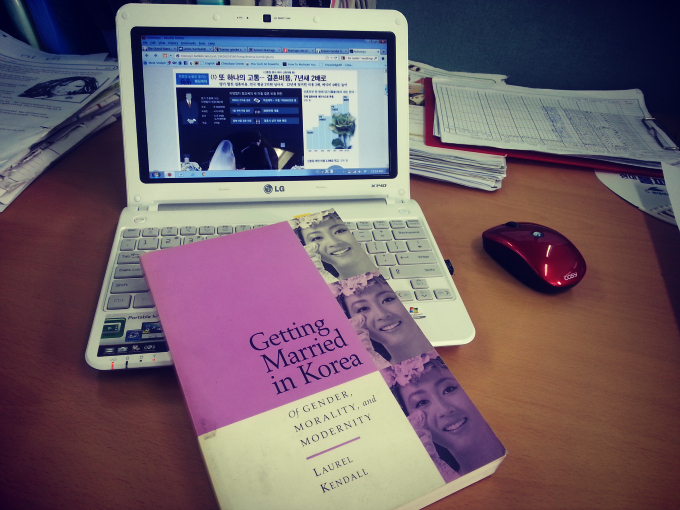
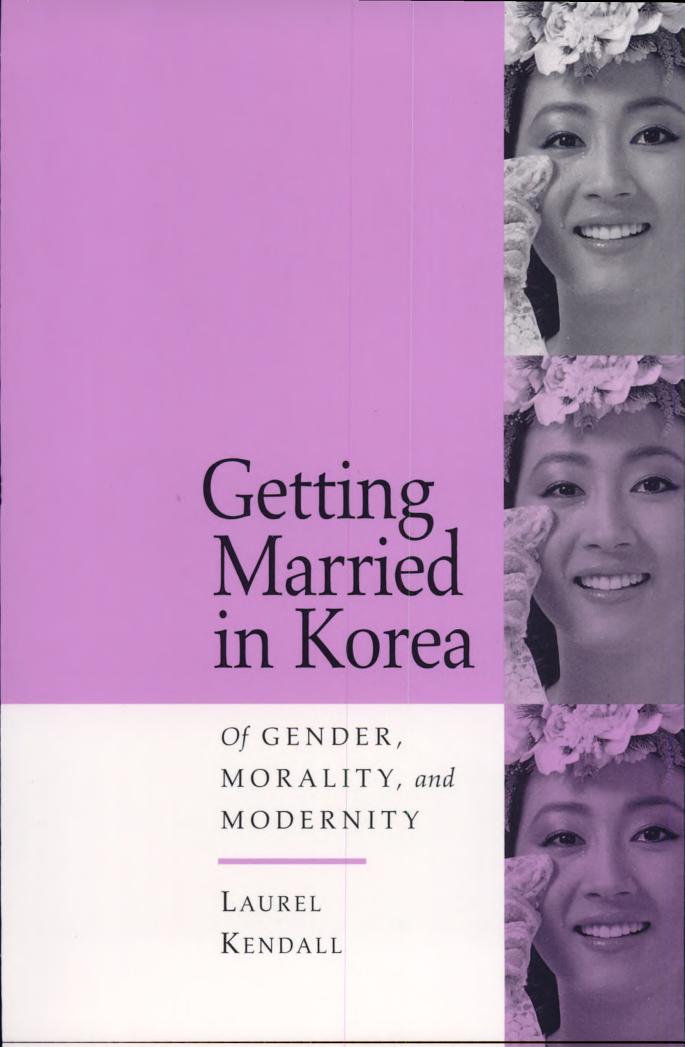
From pages 89-90 of Getting Married in Korea: Of Gender, Morality, and Modernity (1996), by Laurel Kendall, the next page sounds a little ironic 18 years later:

The evolution of Korean courtship practices provides one excellent example of how notions of progress, of an enlightened “now” versus a repressive “then”, mask the particular disadvantages for women in new forms of matrimonial negotiations, be they “matchmade” or “for love” — a mask which sometimes slips in angry conversation or social satire. Through courtship and through all of the talk about getting married, notions of ideal “man” and “woman”, “husband” and “wife”, “son-in-law” and “daughter-in-law” are constructed, reinforced, and resisted….

….In Korean popular discourse, the evils of old-fashioned matrimony, in which near-children were forced by the will of their elders to marry total strangers, have been replaced by more enlightened practices. The “old days” are still on the horizon of living memory, but are recalled as from an utterly vanished time. In confessing that he never saw his wife’s face until his wedding night, the writer Cho P’ungyon states [in 1983] with a touch of hyperbole that “Today’s young people would consider this laughable and the faint-hearted might swoon away, but in my day these procedures were considered natural.”

(Source: Korea Portal)

The difference being that in 2012, financially-strapped singles can no longer afford to be so dismissive (nor Japanese ones either). Moreover, while they’re not marrying complete strangers perhaps, many Koreans do marry people they’ve only known a few weeks, as discussed in an earlier post. Also, some mild social coercion can indeed be involved, as Gomushin Girl explained:

It’s important to differentiate between different kinds of matchmaking arrangements…lots of Koreans use services that are similar to eHarmony, It’s Just Dinner, and other similar paid and unpaid services. Just like in the US, there’s free and paid computer matching sites, and more expensive and comprehensive personalized dating services. These offer a great deal of flexibility, and allow you to reject partners at many stages of the process – the worst consequence being that the agent in charge of finding you matches will decide you’re too picky, and start sending you “lower quality” matches. You’re free to meet multiple people at once, and they’re basically meant to facilitate dating.

However, 선 (Seon) matches are pretty different. Most of the time the people proposing the arrangement are close family or friends (of your parents), and parties are expected to make up their minds pretty quickly. Delaying too long or changing your mind after the first few dates is strongly frowned upon, and may even cause major social riftts. This means that women especially are pressured to marry people before they’re comfortable with them, and even if they’re not really what they’re looking for. Seon is serious, and you’re expected to commit yourself pretty quickly.

It’s also expected to override existing social relationships. My Korean host mother once called me up to ask if I’d go down to Busan to meet a friend’s son, who was interested in a seon meeting with me. I told her I’d just started dating someone, and her response was essentially, “That’s wonderful! When can you come to Busan?”

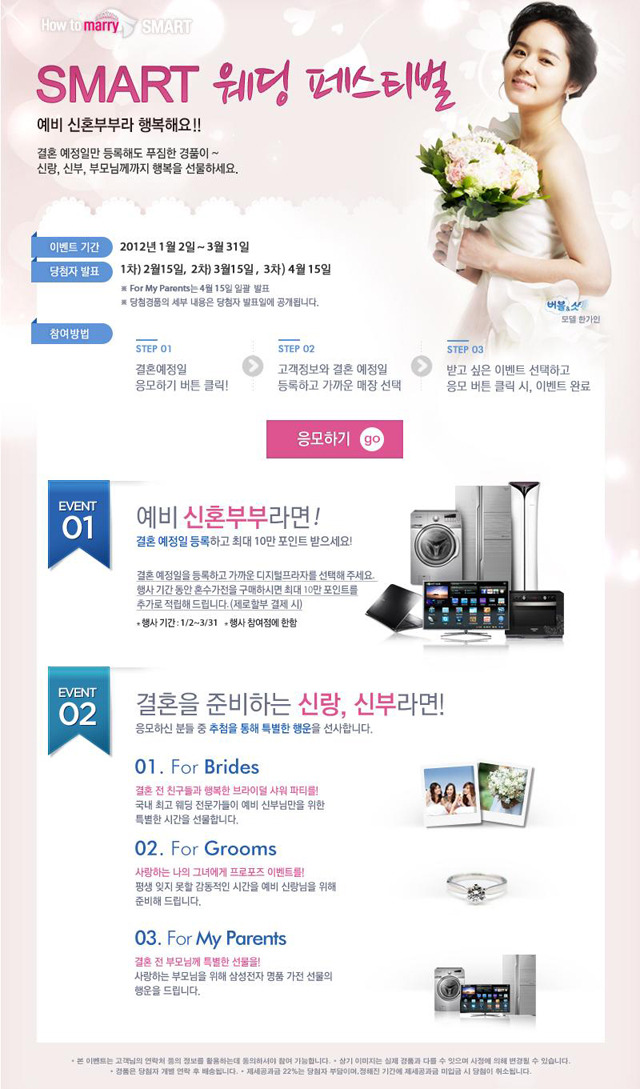
(Source: Sinbustory)

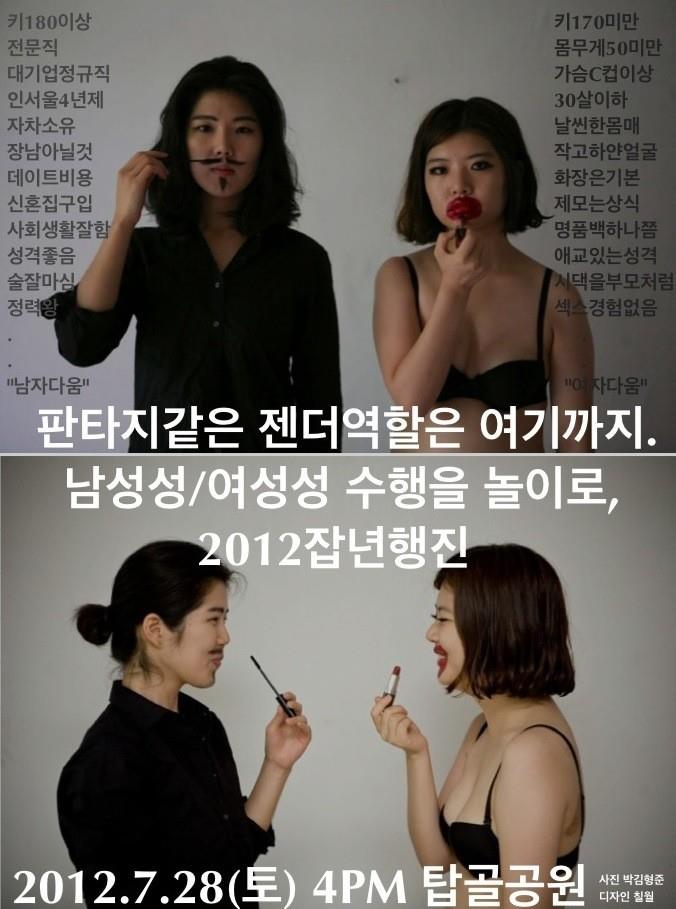
And on that note, let me leave you with a translation of the image that prompted this post, a poster for last week’s Slutwalk in Seoul. The slogan reads, roughly, “Let’s stop these fantasy gender roles now. Let’s play at being ‘masculine’ and ‘feminine’, 2012 Slutwalk Korea.” Many of the specs it mentions would be shared by people the world over, but there are also some quintessentially Korean ones:

For the “man” (literally, it says “manliness”):

  • 키180이상 Over 180cm in height
  • 전문직 A professional
  • 대기업정규직 Regular worker at a big company
  • 인서울4년제 Went to a 4-year university in Seoul
  • 자차소유 Owns a car
  • 장남아닐것 Not a first-born son
  • 데이트비용 Pays for everything on a date
  • 신혼집구입 Buys a home after marriage
  • 사회생활잘함 Good social skills
  • 성격좋음 Good personality
  • 술잘마심 A good drinker
  • 정력왕 Good sexual stamina

For the woman (“womanliness”):

  • 키170미만 Under 170cm tall
  • 몸무게50미만 Under 50 kg
  • 가슴C컵이상 A C-cup or over
  • 30살이하 30 or under
  • 날신한몸매 Thin body
  • 작고하얀얼굴 Small and white face
  • 화장은기본 Always wears make-up
  • 제모는상식 Shaves legs and underarms
  • 명품백하나쯤 Have at least one brand-name handbag
  • 애교있는성격 Have aegyo
  • 시댁을부모처럼 Treats parents-in-law like her own parents
  • 섹스경험없음 Be a virgin

Are there any others readers would add? Especially Korean ones?

(For more posts in the Korean Sociological Image series, see here)

Korean Sociological Image #70: “The Healthy Man-Meat Ham”

(Source)

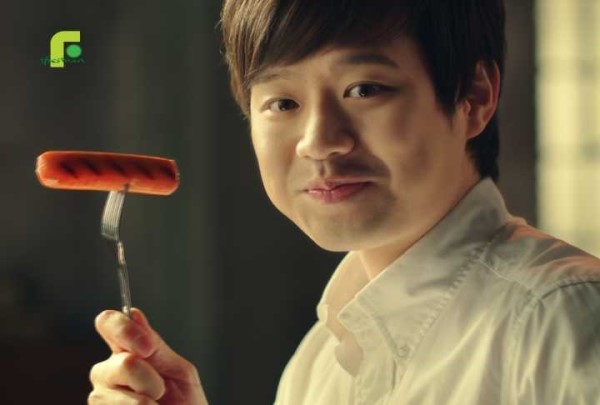
Alas, the irony here is probably unintentional: Koreans actually say “the water is good” (물이 좋다) when there’s lots of hot bodies around, not that it’s a meat market. So, if you want a real satire on that theme, go see Kara’s wonderful effort for Cob Chicken instead, back when male objectification in Korean ads was really taking off.

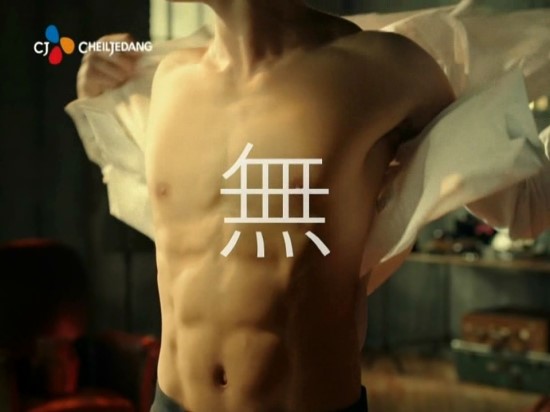
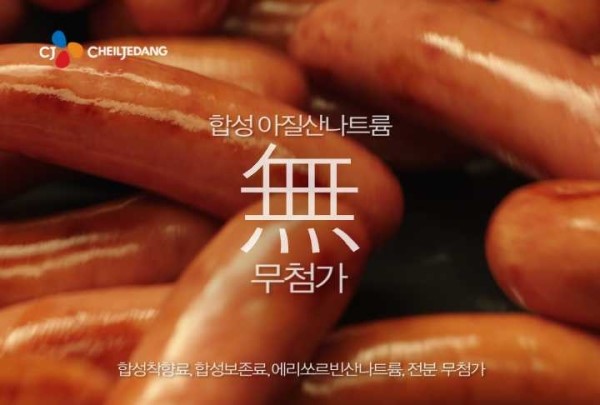
Still this commercial does make me laugh. Especially when the meat in question is miniature hot-dog sausages:

The actor is Cheon Jeong-myeong, and the company is CJ Freshian. The text reads:

사람들은 더할수록 완성된다고 믿는다 People believe that the more you add to something, the more complete it will be

하지만 더 건강한 햄은 But as for the healthy ham

빼고, 빼고, 빼고 Remove, Remove, Remove

(無) 합성아질산나트륨, 무첨가 No added sodium nitrate

(Source)

“無”, or “moo/무”,  literally means “no, not, nothing”, but here it’s also a clever pun because the Chinese/Hanja character looks like a six-pack. The usual choice though, would be “王”, or “wang/왕” , or the Korean one ““chocolate abs” (choco-lat-bok-gun/초콜릿복근) that was made popular in early-2010.

Continuing, the voiceover says:

합성착향료, 합성보존료, 에리쏘르빈산나트륨, 전분 무첨가 No added flavorings, preservatives, sodium erythorbate (an antioxidant), or flour

필요없는 것을 빼고 Remove things that are not needed

맜있게, 더 건강하게, 프리시안 더건강한 햄 Deliciously, more healthily, Freshian the healthy ham

(Source)

For comparison, see the discussion at Korean Sociological Image #35, about Lotte Chilsung’s (롯데칠성음료) 2010 commercials for “Hot 6iX” (핫식스), which featured both men’s and women’s shirts bursting open:

(For more posts in the Korean Sociological Image series, see here)

Quick Hit: Cheongju Sex-Education Camp for Teens

(Source)

Sex-education is still so severely neglected in the Korean education system, and still so stuck in the 1980s, that it’s easy to think that things will never change. Especially with an administration so opposed to women’s reproductive rights.

But it’s not all doom and gloom though, and a quick internet search reveals what seems to many camps like this across Korea each summer:

청주시, 속리산 유스타운에서 청소년 성교육 캠프 실시 / Teenage Sex-Education Camp Held at Sokrisan Youthtown, Cheongju

Newswire, 18 July 2012

청주시(한범덕 시장)는 7월 18일부터 19일까지 청주시 소재 중학교 남녀학생 62명과 함께 속리산 유스타운에서 1박 2일간 청소년기에 알아야 할 올바른 성가치관의 정립과 성행동에 대한 책임의식 고취, 청소년들의 건강한 성문화 정착을 위해 청소년 성교육 캠프를 마련했다.

From 18th to the 19th of July, 62 boys and girls from a middle school in Cheongju will attend a two day, one night sex-education camp at Sokrisan Youthtown. Its purpose is to promote healthy sex-culture among teens by instilling correct sexual values and a sense of responsibility about sexual acts.

이번 사업은 청주시여성발전기금 6백만원을 지원하여 인구보건복지협회 충북지회부설 청주성폭력상담소(소장 엄정옥) 주관 하에 청주시내에 소재한 중학교 남녀 학생 62명을 대상으로 청소년들이 직접 참여하여 눈으로 보고 체험할 수 있는 프로그램으로 운영하게 된다.

This event is organized by the Cheongju Women’s Helpline Consultation Center (Manager: Ohm Jeong-ok), part of the Cheongju branch of the Planned Population Federation of Korea, and was provided with 6 million won by the Cheongju Women’s Development Center. It will give 62 Cheongju male and female middle-school students a chance to experience things directly and see them with their own eyes.

전체 62명을 6개조 모둠으로 구성하여 지도교사(성교육전문가)의 진행 하에 모둠별 집단 프로그램, 신체관련 모형 만들기, 눈으로 보는 성교육(임신·출산·낙태·피임방법·성병)과 청소년 성폭력 예방 동영상을 시청하고 서바이벌게임과 황톳길체험, 별빛 성축제를 통하여 또래 간 친화와 화합의 시간을 갖는다.

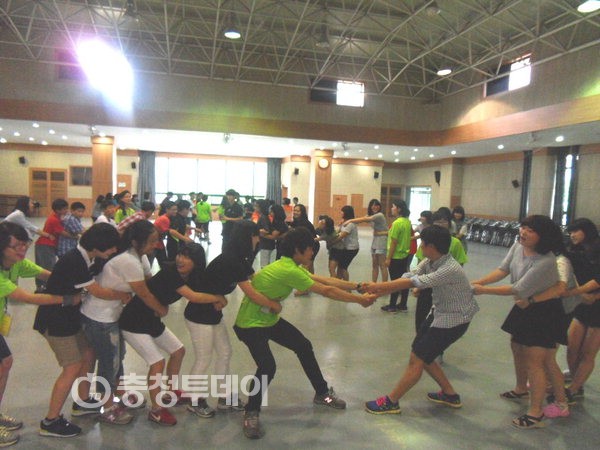
The 62 students will be in split into 6 groups, each under the control of a teacher specializing in sex-education. They will progress through various programs, including: making body shapes [James – possibly that’s what they’re doing in the picture below, taken later]; receiving visual education [James – ?] related to pregnancy, childbirth, abortion, contraception, and STDs; watching teenage sexual violence prevention videos; doing survival games; going hiking; and making friendships through a “Starlight Sex Festival”.

(Source)

또 성개방화·성상품화로 인해 다양한 청소년 성문제가 사회문제로 확산되고 있고 급속한 산업화로 인한 잘못된 정보의 홍수 속에서 자칫 일탈의 길로 접어 들기 쉬운 청소년기에 이들의 눈높이에 맞는 성교육 캠프활동을 통하여 올바른 성가치관을 심어주고 성행동에 대한 책임의식을 함양하여 문제를 스스로 예방하고 대처할 수 있는 성적 의사결정 능력을 키우기 위한 일환으로 마련됐다.

Because of greater sexual liberalization [James — meant in a negative sense, i.e. greater exposure to sex in the media and earlier and more frequent sexual experience], teenagers have various sexual problems, which are becoming society’s problems. But because of industrialization [James – the rise of the internet?] there is a lot of incorrect information about sex out there, and it is very easy for teens to take the wrong path. Through an age-appropriate program, this event is designed to instill correct sexual values, to promote sexual responsibility, and to help students themselves prevent sexual problems and make decisions.

청주시 관계자는 “청소년 성문제는 개인의 문제가 아니라 우리사회 전체의 책임이므로 이번 행사가 청소년들에게 올바른 성 가치관을 정립할 수 있는 좋은 기회가 되길 바란다”고 밝혔다.

A Cheongju city official said: “Teenage sexual problems are not just person problems, but all society’s responsibility. I hope this event gives teenagers a good opportunity to gain correct sexual values.”

Increasing Numbers of Single Households in Korea: Lessons from Eric Klinenberg’s “Going Solo”

(Source)

From Office Hours, a sociology podcast I regularly listen to:

This week we talk with Eric Klinenberg about his new book, Going Solo: The Extraordinary Rise and Surprising Appeal of Living Alone. Also be sure to check out Klinenberg’s New York Times article, One’s a Crowd.

Although Korea isn’t covered specifically, there’s a lot discussed that is very relevant to it, so I think readers will still find it very interesting. Personally, I really started paying attention after I heard the following 5 minutes in:

…but affluence, and prosperity, that’s not enough. We know that because there’s parts of the world where there’s lots of wealth, but very little living alone. So for instance, in Saudi Arabia, where almost no-one lives alone…and the reason for that is another big driver of living alone is women’s independence: women’s economic independence, and also their capacity to control their own lives, and control their own bodies. When women enter into the paid labor market, and gain sexual independence…personal independence…they are able to delay marriage (and now, people delay marriage longer than ever), they’re also able to get out of marriages that aren’t working. Through divorce, without worrying about sentencing themselves to a lifetime of poverty or having to move back in with their families. So, this is a BIG part of the story I tell…

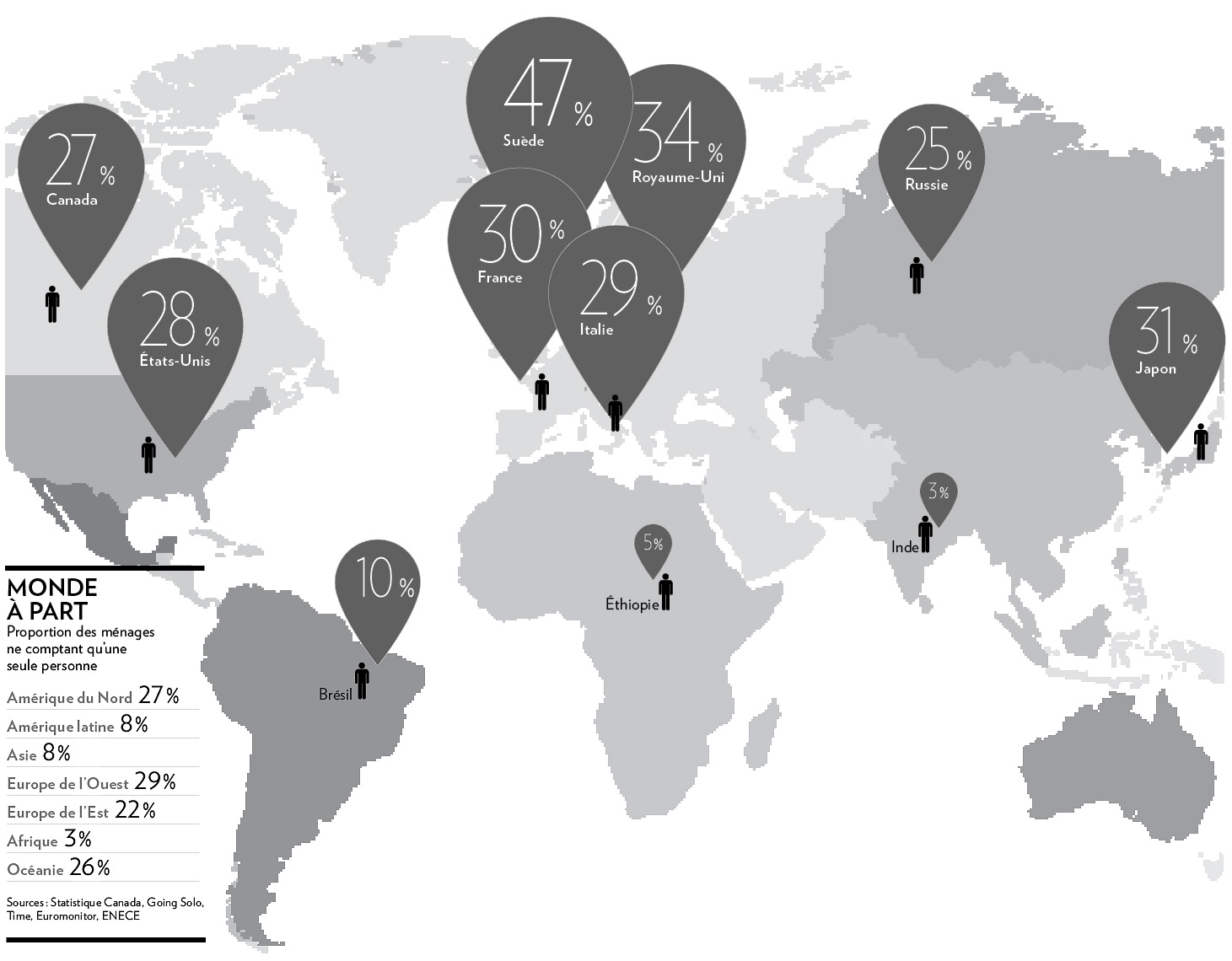
See here and here for some reviews of the book, and here’s a quick comparative map of national rates from La Presse:

Unfortunately, I’ve been unable to find a base national rate for South Korea, but in January 2009 the Seoul Development Institute did find that 20.4% of Seoul households involved people living alone, and which was expected to rise to 25% by 2030. For more information and discussion, see the Korea Herald here, or in passing in the following posts (the last is at the blog Asadal Thought):

Sex and the University, Part 3: University Students’ Cohabitation Culture

Why are Korean and Japanese Families so Similar? Part 2: Couples Living With Their Parents After Marriage

Why Do Young Koreans Live With Their Parents?

How Many Unmarried Koreans Live Away From Their Parents?

The Race of Single People

Horror Stories(?) About Korean OBGYN Clinics

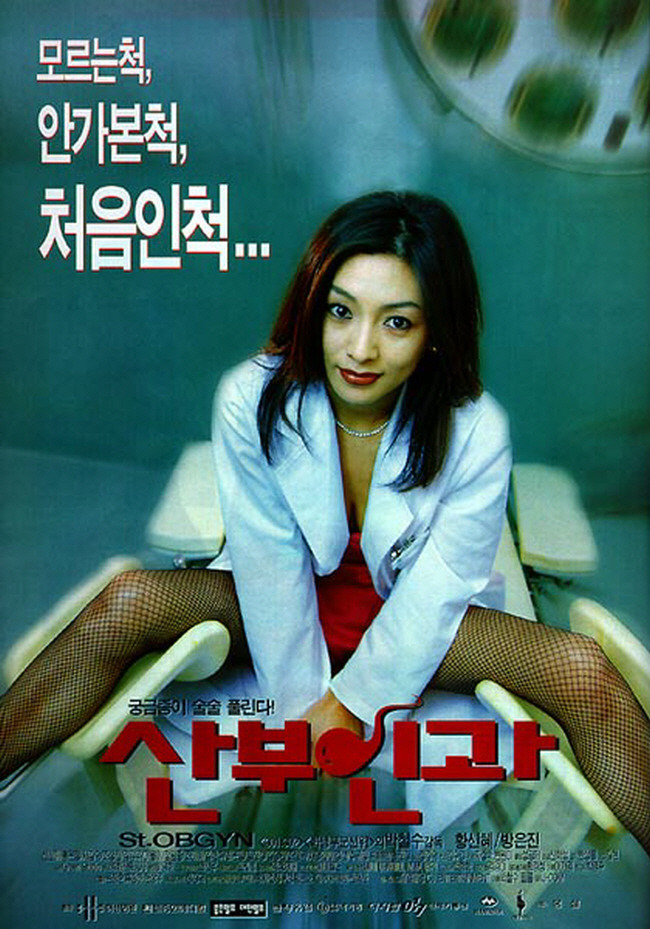
(“Pretend not to know”, “Pretend not to go”, “Pretend it’s the first time”. Push! Push! {1997}. Source)

This was the most read society news story on Naver last week, undoubtedly because of the recent announcement that the pill is to be made prescription only (a similar article was #5), which will naturally require more visits to OBGYNs. I have my own article about that coming out in Busan Haps next month (update: here it is!), but in the meantime see here, here and here for further details, as well as Korean Gender Reader posts from June.

Without discounting the genuine negative experiences outlined below, for the sake of balance let add that my wife has had no problems with those OBGYNs she’s dealt with since her first pregnancy, nor this 19 year-old student who wrote about her first visit to a clinic for her university newspaper (although it’s true she was given some strange and/or unnecessary tests). Also, it seems somewhat naive of patients to be surprised at questions about their sexual experience, and a little churlish of them to complain about them.

Update — in addition to many helpful, practical reader comments on this post below, and on the previous one about the student’s visit, let me recommend this one by a friend on Facebook:

…to be honest, I think most women expect a trip to the gyno to be awkward, that’s par for the course. However, many of the questions mentioned in the article were definitely way out of line. I’ve come across some less than sensitive (aka prejudiced and or judgmental) docs here.. I just assumed their overly-direct statements/questions were just a translation issue. Obviously not!

One disheartening aspect of women’s clinics is that you have to speak to a nurse (or sometimes just the receptionist) first, often in crowded reception area, to explain why you’re there. They often ask for all your symptoms, check your weight and blood pressure and when you had your last period in front of countless strangers. One clinic I went to had an LCD screen with the waiting patients listed in order of their turn.. including the reason why there were there… So much for privacy! It just adds another layer of humiliation to an already uncomfortable situation.

That being said- there are some amazing gynos here. I hope these problems can be properly addressed- no one should have to feel ashamed in front of their doctor. The danger here is that women will stop seeing doctors about their gynecological/sexual health out of fear of embarrassment and risk greater health problems.

“성경험 유무는 왜…? 굳이 그것까지” 굴욕의 진료, 산부인과

“Why do they ask about sexual experience? Is that really necessary?” Humiliating Treatment at OBGYN Clinics

엄지원 / Uhm Ji-won, The Hankyoreh, 2 July 2012

여성이 불편한 산부인과 / Women find gynecology clinics uncomfortable
접수대부터 진료·시술까지 / From reception to treatment and surgery
의료진 노골적 발언에 민망 / OBGYNs make suggestive, embarrassing comments
사전피임약 처방전 필요한데… / The pill requires a prescription…
여성들 심리적 부담 커 고민 / Psychological pressure on women increases
환자 배려 의료지침 등 필요 / OBGYNs need guidance on bedside manners

지난 6월 정부는 사전피임약을 전문약으로 분류하는 약사법 개정안을 발표했다. 이 법안이 국회에서 통과되면 여성들이 산부인과를 찾을 일이 더 많아질 수 있다. 이를 두고 여성들은 산부인과에 가는 것 자체가 눈치 보이는 사회 분위기를 지적한 바 있다.

This June, the government announced that it was considering amending the Drugs, Cosmetics, and Medical Instruments Law to reclassify the pill as a prescription medicine. If passed by Congress, it will mean women will have to visit OBGYN clinics much more often. In light of this, women have been pointing out the [bad] atmosphere at them.

한국여성민 우회가 산부인과 진료 경험이 있는 여성 210명을 상대로 설문조사한 결과는 ‘외부의 시선’ 못지않게 산부인과 진료 자체에 대한 여성들의 두려움이 실제로 광범위하게 퍼져 있다는 사실을 확인해준다. 설문 특성상 응답자의 신상과 구체적인 피해 일시·장소 등을 밝히진 않았지만, 여성들은 산부인과에서 겪은 수치와 불편을 설문지에 빼곡히 적었다.

Korean Womenlink conducted a survey of 210 women who had received treatment at OBGYN clinics, and the results confirmed not just the endurance of public stereotypes that all women visiting OBGYN clinics had STDs, but also that women’s fears in visiting them were well-founded. The survey was anonymous, and respondents were asked to provide no details of the times or places in which they’d been made to feel embarrassed or humiliated, but many still felt compelled to write a great deal about their negative experiences.

(Source)

신지은(가명·36)씨는 얼마 전 산부인과에서 느낀 굴욕감이 생생하다. 아이를 낳고 정기검진차 방문한 신씨에게 의사는 은근히 ‘수술’을 권했다.

Shin Ji-eun (not her real name), 36, vividly remembers visiting a clinic for a regular check-up after her child was born, where the doctor implied she should have surgery:

“출산을 한 뒤니 부부관계를 오래 유지하고 싶으면 이참에 수술을 하라”고 말했다. 그가 권한 것은 여성 성기를 성형하는 수술이었다. “배려인지 희롱인지 알 수 없는 제안”이었다고 신씨는 말했다.

“After having a baby, and seeing as you’re already here, you should have surgery on your genitals for the sake of your married life”, the doctor said [James – what kind of surgery isn’t specified]. “I didn’t know whether to take it as a joke or a serious suggestion” Ji-eun said.

실제로 설문조사에 응한 여성들은 진료가 시작되는 접수대에서부터 낙태경험 또는 성경험을 묻는 수치스런 질문을 받았다고 증언했다. 어느 여성은 “진료 접수 때 ‘냉이 많아져서 병원에 왔다’고 했더니, 접수대 간호사가 큰 소리로 ‘성병이네요’라고 말해 매우 불쾌했다”고 적었다.

Respondents to the survey reported being asked embarrassing questions about their sexual experience and having abortions even as soon as arriving at the reception desk. One woman said “I went to the OBGYN clinic because I was having a heavy vaginal discharge, and the nurse at the desk loudly said ‘Oh, you must have an STD!’, which mortified me.”

진료 시작 뒤에도 수치심을 주는 의료진의 발언이 이어졌다고 응답자들은 적었다. 특히 “성경험이 있느냐”고 묻는 의료진의 태도가 당혹스러웠다고 여성들은 밝혔다. 어느 여성은 “성경험이 없다”고 답했다가 “검사할 때 번거롭다. 솔직히 말하라”는 의사의 말을 들었다. “그 뒤로 가급적 산부인과에 가지 않는다”고 이 여성은 밝혔다.

The shaming experiences continue after treatment starts too, because of doctors’ comments. In particular, after being asked if she had sexual experience, and replying that she didn’t, one woman found her doctor’s reply – “Be honest. Otherwise the examination will be more complicated” – perplexing, and said she’d rather not visit an OBGYN again.

(Source)

의료진이 성경험 여부를 묻는 것은 관련 진료에 필수적인 정보이기 때문이다. 그러나 성경험이 있든 없든 “왜 그런 정보가 필요한지 사전 설명 없이 다짜고짜 물어 불쾌했다”는 게 처음 산부인과를 방문한 여성들의 이구동성이다. 여성민우회 조사를 보면, 산부인과 방문 당시 성경험이 있었던 경우는 69.5%, 없었던 경우는 29.5%였다.

Before being treated, patients need an explanation of why being asked about their sexual experience was necessary. Without that, many women reported, they felt very embarrassed on their first visits to clinics.

Of the respondents, 69.5% had prior sexual experience, and 29.5% didn’t.
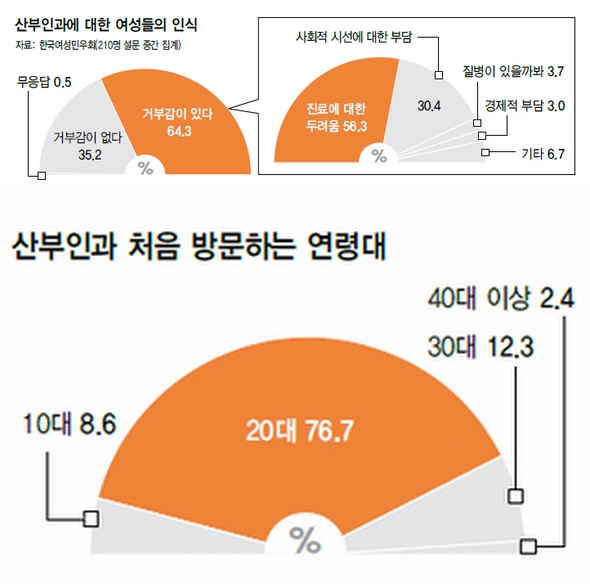
Top Left — Of 210 Respondents: 35.2% had no negative experiences, 64.3% did, and 0.5% didn’t reply.

Top Right — Of the 64.3% of women who reported negative experiences: 56.3% were related to fears and anxieties about their treatment; 30.4% to public perceptions [of OBGYN patients]; 3.7%  to questions about STDs; 3.0% to costs of treatment; and 6.7% to other things.

Bottom — Age at first visit to an OBGYN

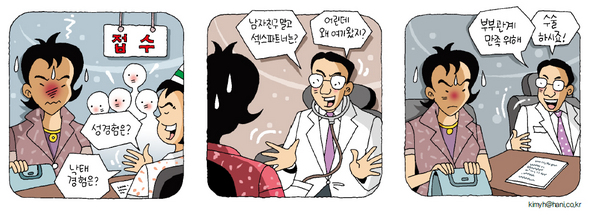
자궁경부암 검사를 받으러 갔던 어느 여성은 “결혼 안 했으면 처녀막이 상할 수 있으니 검사하지 말라”는 의사의 말을 들었다. 자신을 배려하는 듯하면서도 ‘처녀성’ 운운하는 발언에 수치심을 느꼈다고 응답자는 적었다. “몇번 경험해봤나”, “최근엔 언제였나”, “첫 경험이 언제인가”, “남자친구 말고 섹스 파트너가 있나” 등을 아무렇지 않게 묻는 일은 점잖은 축에 속했다. 이들이 기록한 의료진의 어떤 발언은 그대로 옮기기에 민망할 정도다.
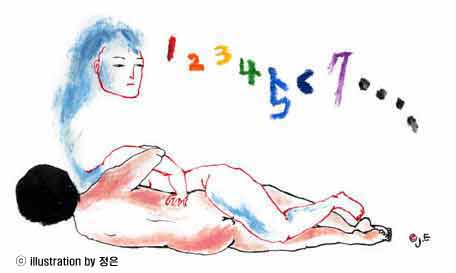
One woman who visited in order to be examined for cervical cancer was asked if she was married, “because if you haven’t, then you shouldn’t receive an examination that will break your hymen”; while possibly the doctor was just being considerate about her virginity, the woman still felt ashamed and embarrassed. Other embarrassing questions, like “How many times have you had sex?”; “When was the last time you had sex?”; “When did you lose your virginity?”; and “Do you have another partner in addition to your boyfriend”, don’t even begin to compare to what some doctors asked patients, which they reported were too shameful to write down in their surveys (source, right).

“성기 모양이 참 예쁘다. 남편이 함부로 하지 않는가 보다.” “가슴이 작아서 사진이 찍히려나 모르겠네.” “어린데 왜 산부인과에 왔을까?” 심지어 체모가 많은 것을 보고 “남편이 좋아했겠다”는 이야기를 들은 경우도 있었다.

“Your vagina is very pretty. Your husband wasn’t as rough as most men”; “Your breasts are so small I’m not sure they will even show in the mammogram”; ” You’re so young, why are you visiting an OBGYN?” and even, after seeing that a patient had lots of pubic hair, commenting that “Your husband must like it” are among some of the stories about doctors that respondents did provide.

환자보다 의사 중심으로 꾸며진 진료 환경에 대한 여성들의 성토도 이어졌다.

In general, respondents felt that the treatment environment was designed with doctors rather than patients in mind.

다리를 위로 향한 채 눕게 돼 있는 산부인과의 ‘진료의자’를 응답자들은 ‘굴욕의자’, ‘쩍벌의자’로 부르며 불쾌감을 표시했다. 한 여성은 “진찰대에 다리를 벌리고 올라가는 것 자체가 매우 불쾌해 다시 가고 싶지 않다”고 적었다.

(Source)

Women showed how upset they were by describing the treatment chair, in which patients lie with their legs in stirrups, as the “Chair of Shame”, or the “Spreadeagle Chair”. One woman wrote “I never want to go in that chair again. Having to spread my legs like that is very upsetting.”

자궁암 검사를 위해 병원을 찾았던 여성은 “의사가 들어오기 전 속옷을 벗고 다리를 벌린 채 준비했고 뒤이어 들어온 의사는 아무 설명도 없이 진료도구를 질 내부에 집어넣어 검사했다”고 불쾌감을 드러냈다.

Another woman who went to a hospital to be checked for cervical cancer wrote “Before the doctor came, I took off my underwear and got up and spread my legs, and when he arrived he just quickly put an instrument inside me, without any warning or explanation.”

‘진정으로 산부인과를 걱정하는 의사들 모임’의 최안나 대변인은 “산부인과 진료는 특히 예민한 분야이므로 성경험 여부 등 구체 정보가 왜 필요한지, 진료 과정은 어떻게 진행될 것인지 상세히 설명하고 의견을 구하는 건 당연한 절차”라며 “산부인과의 진료 서비스가 많이 나아지고 있다고 해도 여전히 일부 환자 눈높이에 부족한 점이 있다”고 말했다.

Choi Ahn-na, a spokesperson for the Korean Gynecological Physicians’ Association (GYNOB) [James — a notoriously anti-abortion group of OBGYNs. See here for more information about them] explained that “Gynecology and Obstetrics are very sensitive branches of medicine, for which it is both normal and essential for OBGYNs to have detailed information about patients, as this determines both the treatment type and how it’s administered. However, while OBGYNs have improved their services a great deal, it is also true that remaining weak spots need to be dealt with, as well as how things looks from patients’ perspectives.”

(Source)

여성민우회는 이달 중 1000여명에 대한 실태조사 최종 결과 분석이 끝나면 전문의·보건전문가 등과 간담회를 열어 환자를 배려하는 산부인과 의료 지침을 만들어 배포하는 등 ‘산부인과 바꾸기 프로젝트’를 이어갈 계획이다.

Continuing its “Transform OBGYN Clinics Project” [James — Yes, this is the first time it’s been mentioned in the article], this month Womenlink is following-up by surveying 1000 women. After analyzing the results with health specialists, it will produce and distribute a guide for OBGYNs for dealing with patients.

김인숙 한국여성민우회 공동대표는 “왜 여성들이 산부인과에 가는 데 부담감을 느끼는지 구체적으로 확인해 앞으로 더 나은 산부인과 진료 문화를 만들어 갈 것”이라고 밝혔다.

Kim In-sook, a co-spokesperson of Womenlink, said “We will determine exactly why women feel so stressed about going to clinics, with the aim of making a better and more welcoming environment for them there.”

<한겨레>는 ‘여성이 불편한 산부인과’를 ‘여성이 행복한 산부인과’로 바꾸기 위한 제보와 의견을 받아 관련 보도를 이어갈 예정이다.

(Editor): In order to make women feel comfortable with visiting OBGYN clinics, The Hankyoreh will continue to receive and report on women’s opinions and experiences of them.

Shocking Report: Foreigners Dating Koreans Conspiracy! — 충격보기: 외국인과 교제음모!

This video is a parody of the ridiculous, offensive video “The Shocking Reality About Relationships With Foreigners” which aired on South Korea’s MBC TV network in May 2012. Click here to see the original video with English subtitles.

“Harmful” Advertisements Surge 3-fold in Online Korean News Media

(Source)

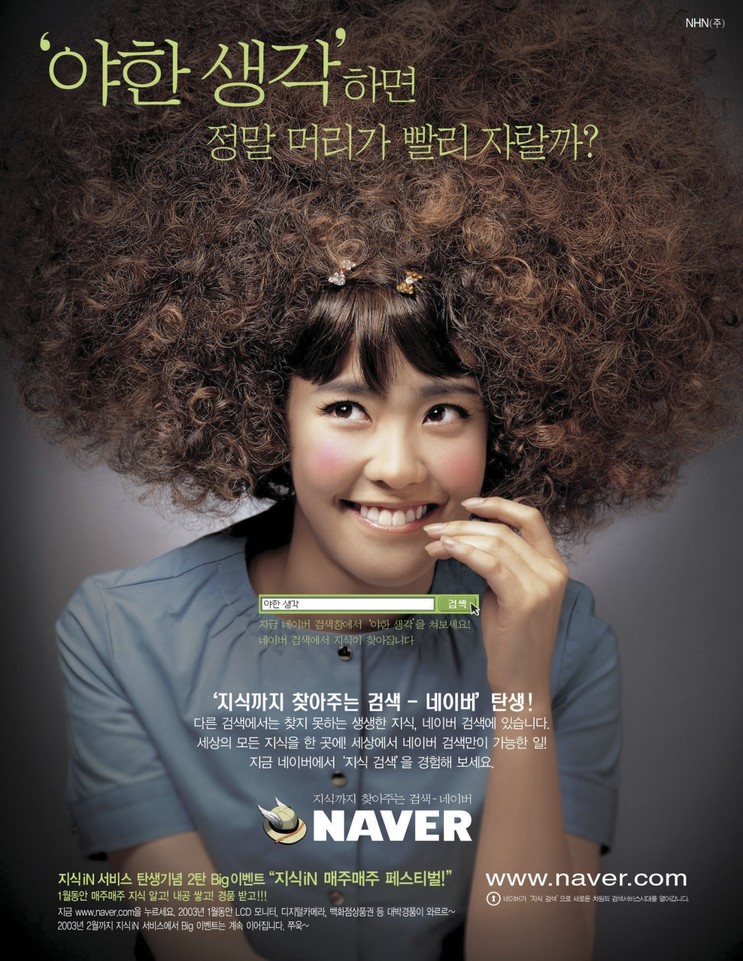
“Is it true that your hair grows if you have ‘dirty thoughts’?” (2002)

When so many websites struggle to open under the weight of smutty ads, it’s difficult not to think that the Korean internet used to be a much more innocent place.

At the very least, you’d assume exceptions would be made for articles specifically about such ads.

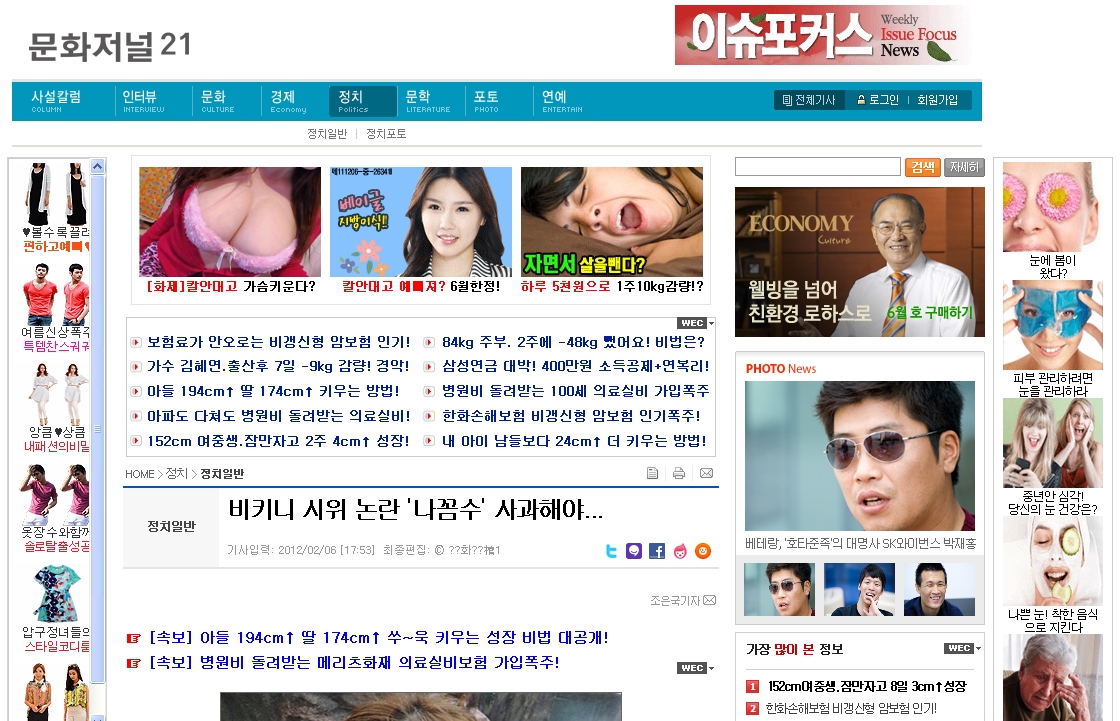
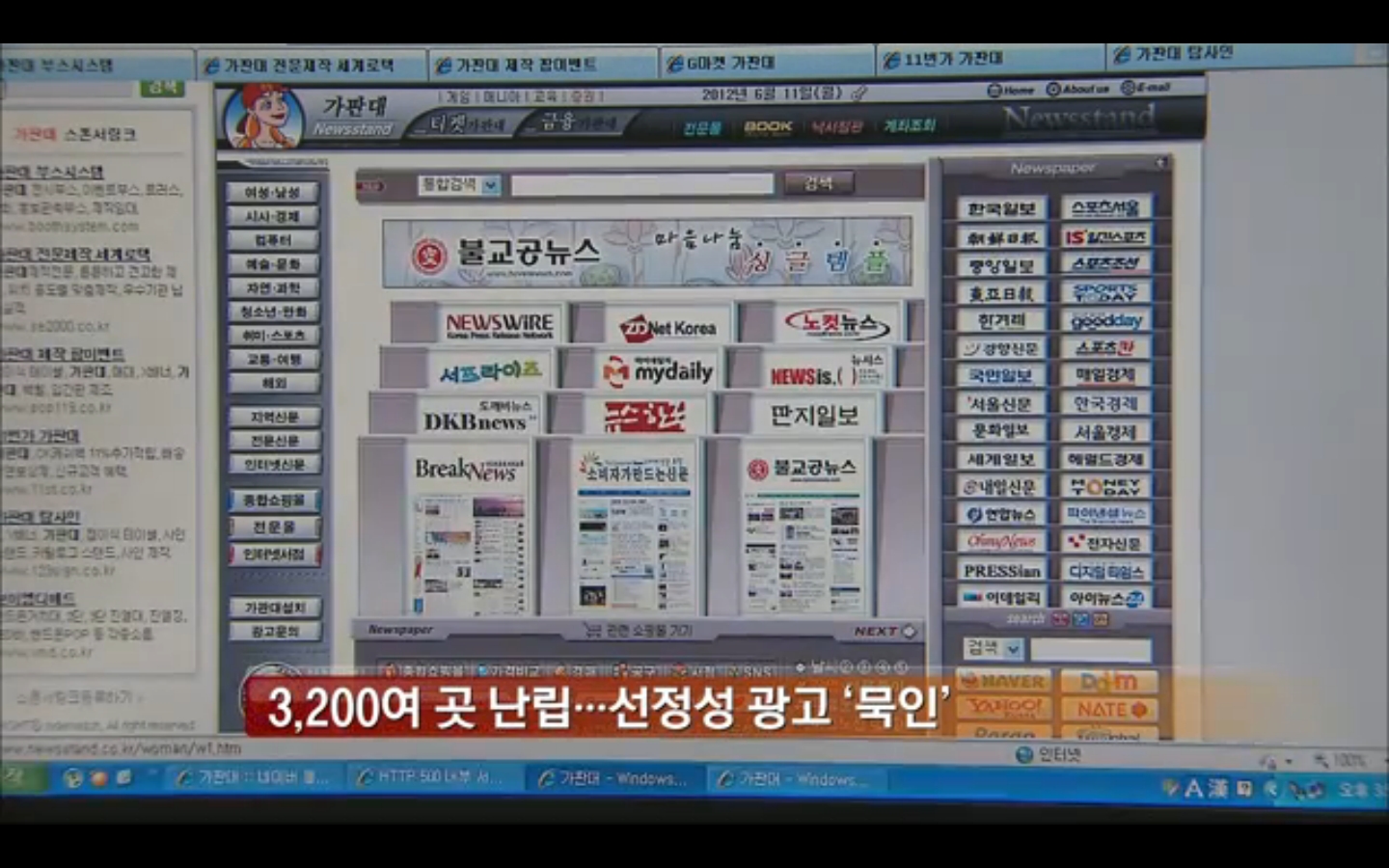
With no apparent sense of irony however, not only does the website today’s article comes from feature camel toes, nude women, and couples in flagrante delicto, but some media companies will even censor photographs in news stories while keeping similar accompanying advertisements intact. Most recently and notoriously perhaps, some websites pixelated the breasts of “Bikini Girl” and her supporters for instance, but not the heaving bosoms used to advertise cosmetic surgery clinics:

Given that, and given how difficult it was to find a news website that didn’t plaster today’s article with such ads, I was very surprised to find that the normally quite alarmist Ministry of Gender Equality and Family found that only 5.5% of registered media companies had them on their websites.

Partially, that low number is explained by the very narrow definitions used, as outlined in the article. But if you take a look at the top of the following table (not — as per usual — mentioned until the final paragraph), which lists total registered media companies, total active sites, total sites with advertisements, and total sites with harmful advertisements respectively, you soon realize that that 5.5% is derived from 176 of 3216 total registered media companies. As a proportion of the 2,158 sites with advertisements however, which is surely a more appropriate measure, it jumps to 8.2% (although that still sounds much too low to me).

Finally, of special interest is how MOGEF calls for (and has recently helped implement) self-regulation by internet companies rather than imposing its own regulation system, which may come as some surprise considering how actively it censors Korean music. But despite its reputation however, in reality MOGEF has very limited powers (and only 0.12% of the total government budget), which I think plays a big role in the zealousness with which it monitors K-pop.

여성가족부 ‘19 광고’ 언론사들 고발 검토 / Ministry of Gender Equality and Family Affairs  Considering Prosecuting Media Companies for “18 and Over Advertisements”

‘유해 광고’ 올해들어 3배 늘어… “자율규제기구 설치 촉구, 광고주 심의 요청” / 3 times more ‘harmful advertisements’ compared to last year…”We strongly recommend advertisers consider establishing a self-regulatory system”

by 최훈길/Choi Hoon-gil

선정적인 내용이 담긴 언론사의 인터넷 광고가 작년에 비해 3배 가량 증가한 것으로 조사됐다. 여성가족부는 언론사의 자율 규제를 우선 촉구하되, 해당 언론사에 대한 고발도 검토하고 해당 광고주에 대한 심의 요청도 추진하기로 했다.

A survey has shown that media companies display 3 times more sexually suggestive internet advertisements compared to last year. The Ministry of Gender Equality and Family (MOGEF) recommends that media companies self-regulate themselves, and is considering prosecuting both offending media companies and advertisers themselves.

(Source)

여성가족부가 11일 발표한 ‘인터넷 신문의 청소년 유해광고 유통 현황 모니터링 결과’에 따르면, 올해 유해성 광고는 176개(5.5%)로 작년 유해성 광고 62개(2.5%)보다 3배가량 늘었다. 한 인터넷 신문은 성인용품 사이트 등 청소년 유해 매체물 광고를 성인 인증 없이 게재해 정보통신망법을 위반했다. 유해성 광고는 네트워크 광고의 일종으로, 상당수가 의료쪽 광고이며 문구나 이미지가 선정적이어서 ‘혐오 광고’로도 불린다.

On the 11th of June, MOGEF announced the results of their survey “The present situation of the circulation of internet newspapers’ harmful advertisements among teenagers”, according to which there were 176 sites with harmful ads (5.5%) among those surveyed, roughly 3 times more than last years’ 62 (2.5%) [James — considering the different numbers of sites examined, proportionately there were really only 2.2 times as many]. Among other advertisements harmful to teenagers, one internet newspaper had an advertisement for a sex products site that could be accessed without age verification, which violated the Information and Communications Network Law. Harmful advertisements are a kind of internet advertisement called “disgusting advertisements” [James – called that by who?]; the majority have sexually-suggestive images and terms and/or refer to sexually-related medical procedures.

176개 인터넷 신문 중 20개 인터넷 신문이 전체 유해성 광고물(915건)의 50.3%(406건)을 노출하고 있었다. 여성 가족부는 해당 언론사 실명을 공개하지 않았다. 청소년매체환경과 관계자는 “인터넷 점유율이 높은 곳들이 유해성 광고가 많았고 스포츠, 연예 신문들이 많았다”며 “고발을 검토하는 인터넷 언론사는 종이 신문을 발행하지 않는 곳으로 잘 알려진 언론사는 아니다”라고 설명했다.

Out of the 176 internet newspapers that were found to have harmful advertisements, 20 had more than half of their total advertisements, 406 out of 915 (50.3%), taken up by them. MOGEF didn’t reveal the offending media companies’ names. An official in the Division of Youth Media Environment of MOGEF said: “The internet sites which had the highest number of harmful advertisements were sports and entertainment sites, and those with a lot of traffic,” and added that “the news sites which we are considering prosecuting are not well-known and don’t publish physical newspapers.”

(Source)

해당 유해 광고의 내용은 성행위·성기표현 문구(21.2%)가 가장 많았고, 성적욕구 자극문구(17.7%), 가슴 부위 노출(17.4%), 성행위·성기 관련 묘사(15.8%), 허벅지·둔부 노출(14.5%) 순이었다. 해당 광고주는 성기능 식품(21.%) 관련 업체가 가장 많았고, 비뇨기과(17.3%), 건강보조식품(15.6%), 성기능 개선용품(12.8%), 성형외과(6.8%) 광고주 순이었다.

Of the harmful advertisements, 21.2% — the highest — had expressions related to sex acts or genitalia, 17.7% had expressions designed to arouse sexual desire [James — e.g. “할래/Do you want to do it?], 17.4% exposed the breasts, 15.8% had descriptions of sex acts or genitalia, and 14.5% exposed the thighs or buttocks. Of the advertisers themselves, 21% were selling sexual function products [James — like Viagra?], 17.3% urology services, 15.6% health assistance products, 12.8% products designed to improve sexual performance [James —  how are those different to “sexual function products”?], and 6.8% cosmetic surgery procedures.

여성가족부는 작년과 비교해 유해 광고는 늘었지만 법 위반 언론사들이 대폭 감소한 것을 감안해, 언론사에는 우선 자율 규제를 촉구하겠다는 입장이다. 청소년매체환경과 관계자는 “작년에 34개 언론사가 법을 위반했는데 올해에는 다 시정됐다”며 “언론사들을 직접 규제하기 보다는 인터넷신문협회 등에 자율규제기구인 인터넷신문광고심의위원회의 설치를 촉구하겠다”고 밝혔다.

Although MOGEF points out that the numbers of harmful advertisements have increased since last year, the fact that there are actually less media companies breaking the law also needs to be taken into consideration, so first MOGEF is going ask media companies to regulate themselves. The official in the Division of Youth Media Environment continued: “The 34 media companies that broke the the Information and Communications Network Law last year have all since rectified their mistakes,” and so “a self-regulatory system is preferable to direct regulation, and we demand that the Korean Internet Newspaper Association and so on establish an internet newspaper advertisement consideration committee.”

(Source)

이 관계자는 “이번에 법 위반으로 적발된 언론사에도 시정 조치를 우선 요구하고, 시정이 안 될 경우 형사고발을 할 것”이며 “유해성 광고를 의뢰하는 광고주 사이트에 대해서는 방송통신심의위원회에 유해성 심의 요청을 할 것”이라고 말했다. 언론사에 대한 형사 고발 검토와 광고주에 대한 심의 요청은 올해 처음으로 시행되는 조치다.

Also: “In this case, first we demand that measures are taken to rectify the mistakes of offending media companies, and if this is not done we will consider prosecuting them,” and forward their harmful advertisements to the Korean Communications Standards Commission for consideration. These steps are being enforced this year for the first time.”

한편, 이번 조사는 지난 3월7일부터 5월21일까지 문화체육관광부에 등록된 3216개 인터넷 신문(지난 2월말 기준)의 메인 페이지 및 10개 기사면을 점검한 것이다. 여성가족부는 작년에도 해당 조사를 했으며, 조사 이후 한국인터넷신문협회와 한국온라인신문협회는 ‘인터넷신문광고 자율규제 가이드라인’을 제정한 바 있다. 청소년매체환경과 관계자는 “낙인 효과를 고려해 이번에는 언론사 이름을 비공개로 했다”며 “올해 하반기나 내년에 또 조사를 할 것”이라고 말했다.

The survey, of 3216 sites registered with the Ministry of Culture, Sports, and Tourism (as of February) was conducted the 7th of March to the 21st of May this year, and examined the main pages and 10 [random?] posts of each. Last year’s survey was conducted by MOGEF, after which the “Internet Advertisements Self-regulation Guidelines” were established with the Korean Internet Newspaper Association and the Korean Online Newspaper Association [James — ironically, Firefox blocks the latter as a dangerous site!]. The official in the Division of Youth Media Environment of MOGEF explained that “because of the harm to their reputations that would come with naming the offending media companies, that information shall be kept private”, and that “a similar survey will be completed in the second half of this year.” (end)

Goodbye Madame Butterfly, Hello Sexless Marriage

See here for my latest Busan Haps article, a review of Sumie Kawakami’s Goodbye Madame Butterfly: Sex, Marriage and the Modern Japanese Woman. Any readers have similar horror stories about sexless Korean marriages to share?

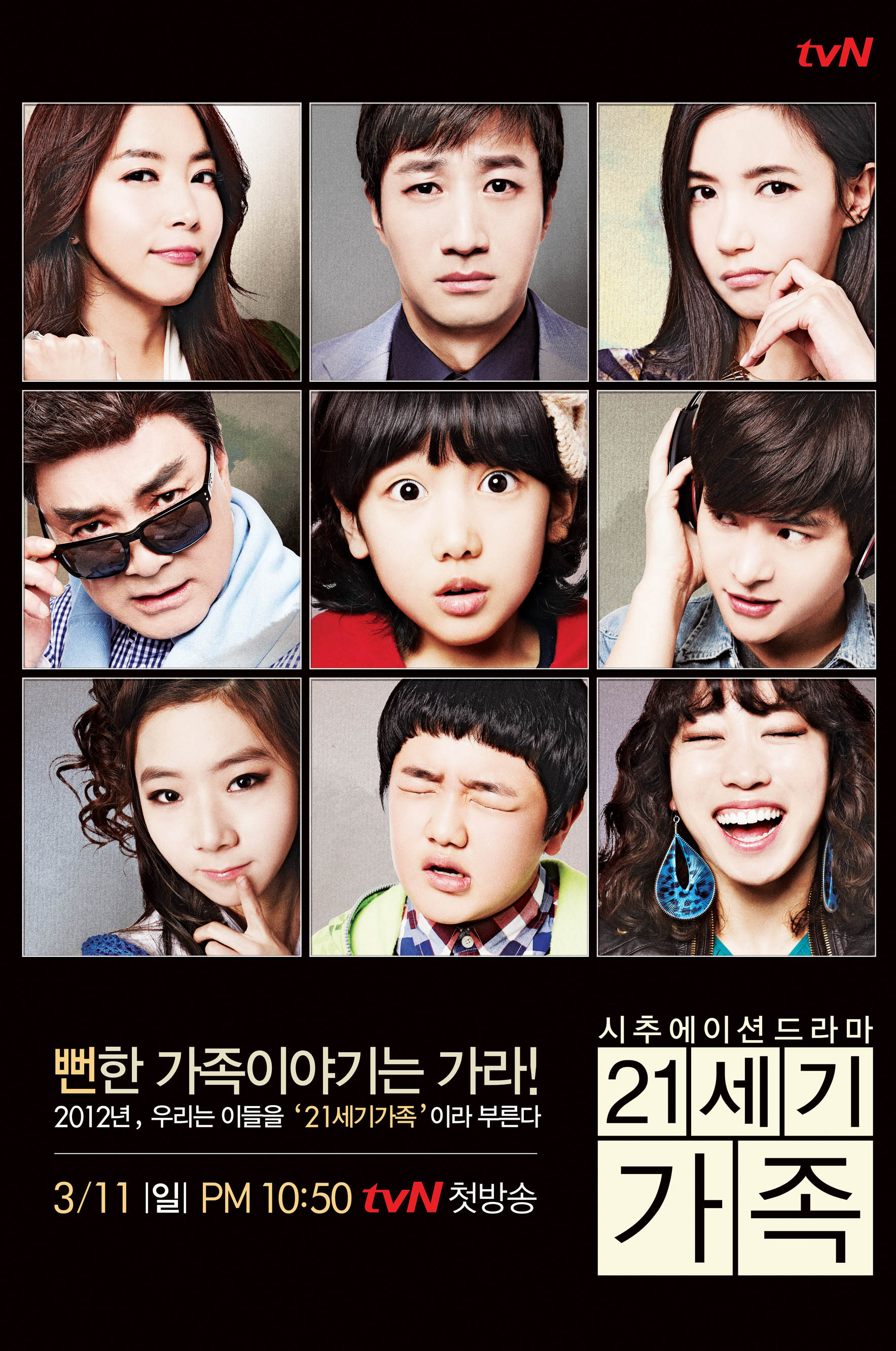
Must See Korean TV: 21st Century Family (21세기가족)

(Source)

Thank you very much to Maria, whose synopsis instantly sold me on this recent drama:

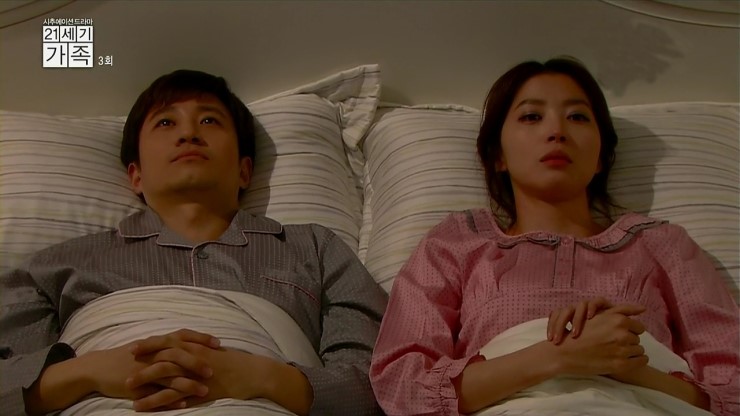
…I’ve seen a lot of Korean dramas and they almost always find a way to disappoint me in the way they portray women, sexuality or both. This little drama is quite refreshing. Unusual in that it’s only 8 episodes long, it openly talks about issues like teenage sex, puberty, the difficulty married couples have getting sex regularly, and even one episode about viagra. To be fair, I have taken the last nearly 9 months away from watching dramas, so maybe things have heated up out there when I wasn’t looking. But this is the first time I’ve seen sexually related issues being dealt with so frankly and humorously…

If you think it already sounds a lot like Modern Family, you’d be quite right — it’s explicitly modeled on it, albeit without a gay family. See here for a helpful family tree, starting with Lee Deok-hwa (이덕화) playing the father role that Ed O’Neill does in the US original, and DramaTic for some historical context on Korean sitcoms, which helps you better understand what makes this one so different. In particular:

…the word comedy [was removed] from the show’s promotion to avoid all the implications it brings to the table, at least in Korea – namely, the idea that sitcoms should all be about a relentless succession of mindless gags punctuated by the good old laugh track. It’s an intelligent expedient, which highlights this show’s priorities better than any trailer or presentation would. This, in other words, is a back-to-basics approach, while at the same time exploring different answers to the usual formula.

(Source)

Perhaps it’s no surprise that it’s so easy to find with English subtitles then — I just watched episode 1 here, and although frankly I found it a little slow after all that build-up, it was still quite enjoyable. Also, crucially, it only had precisely one cringe-worthy moment for me, when Oh Yoon-ah (오윤아) behaves quite childishly in the police-station towards the end. Considering how routinely women behave that way in most Korean dramas, making me turn the TV off in disgust within 5 minutes of watching, it was very refreshing not to see it for a whole 40 minutes here.

Anybody else seen the show, and/or like a detailed episode by episode discussion (à la Dramabeans) over the next 8 weeks? Please let me know!

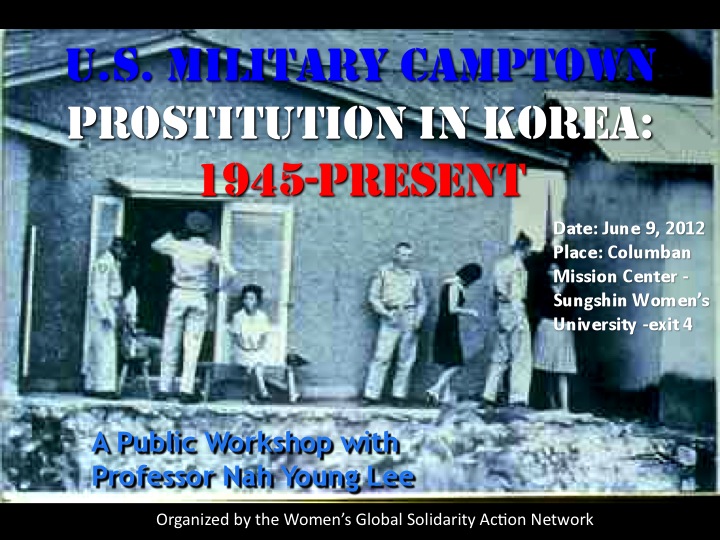
Workshop: “U.S. Military Camptown Prostitution in Korea: 1945-Present”

I’ve been asked to pass on the following:

As you may or may not know, the House of Sharing International Outreach Team has recently regrouped under the name, Women’s Global Solidarty Action Network. Our new expanded goals include focusing on issues of sexual slavery, trafficking women and the “comfort women” issue. This Saturday (June 9th), we will be hosting a workshop under the title “U.S. Military Camptown Prostitution in Korea: 1945-Present”. The workshop will be given by Professor Nah Young Lee.

To get to the center, take line 4 to the Sungshin Women’s University Entrance (성신여자대학교입구) stop. Go out exit 4 and a building with a traditional Korean roof (hanok) will be in front of you. Go into the building and up to the second floor. Please note the center is very close to exit 4, and not on the University’s campus.

For more information, email womens.global.solidarity@gmail.com, visit the Facebook event page, or contact Shannon at 010-4534-1553.

Quick Hit: Sex Survey of 6000 Korean University Students

(Source)

A maddeningly short article, and — as per usual — completely devoid of any mention of the survey’s methodology. But if the result about men’s and women’s sexual knowledge holds true (and I’ll do some further investigation next month to check), it puts a definite twist on Koreans’ belief that contraception should only be men’s responsibility!

남자 대학생 50% ‘성경험’… 여대생은? 50% of Male University Students Have Sexual Experience. As for Female University Students…?

The Kyunghyang Shinmun, May 13 2012

우리나라 남자 대학생 2명 중 1명은 성관계 경험이 있지만 성에 대한 지식수준은 여학생들에 비해 낮은 것으로 나타났다. 이화여대 건강과학대학교 신경림 교수팀은 보건복지부 연구사업으로 지난해 5~11월 전국 대학생 6000명을 대상으로 ‘대학생의 성태도 실태조사에 관한 연구’를 한 결과 이와 같이 나타났다고 11일 밝혔다.

In Korea, 1 in 2 male university students have had sexual experience, but female university students are much more knowledgeable about sex. That’s one of the results of a nationwide survey of 6000 university students conducted between May and November last year by a team led by Professor Shin Gyeong-Rim of the Ehwa University Health Science College and the Ministry of Health and Welfare, which were announced on the 11th.

성경험이 있다고 응답한 대학생은 남학생이 50.8%로 여학생 19%보다 압도적으로 많았다. 연구팀은 이러한 차이는 남녀의 성에 대한 욕구, 태도, 가치의 차이와 더불어 군대 등의 이유로 남학생의 나이가 여학생에 비해 상대적으로 많고 군대의 성문화에 노출됐기 때문으로 보고 있다.

Many more men (50.8%) said that they had had sexual experience than the women (19%). The research team commented that the differences in [levels of?] sexual desire, attitudes to sex, and value placed on sex were due to the men’s greater ages and their exposure to sexual culture during their compulsory military service.

(Source)

성지식은 ‘생식생리, 성심리, 임신, 피임·낙태, 성병, 성폭력’ 등 6개 영역 중 5개 영역에서 남학생에 비해 여학생의 점수가 높았다. 이는 남학생이 여학생보다 성지식이 더 많을 것이라는 고정관념을 깨는 결과로, 올바른 성지식 정도는 여학생이 더 높다는 것을 반영한다.

“Reproductive physiology, sexual psychology [James — a bit specialized surely?], pregnancy, contraception & abortion, STDs, and sexual violence” — in 5 out of these 6 areas examined, women scored higher than men [James — which one did the guys beat the girls on?]. This shatters the widely-held belief that men are more knowledgeable about sexual matters.

대학생의 성교육 관련 실태 및 요구도를 조사한 결과 초·중·고교 때는 대부분 성교육을 받은 경험이 있지만, 대학 때의 성교육 경험은 20.3%로 비교적 저조한 편이었다. 성관련 강좌 참여 희망도에 대해서는 33.6%의 대학생이 참여하겠다고 답했다.

Seeing how this reality is related to sex education, the survey found that while most survey participants had received [some form of] sex education in elementary, middle, and/or high school, only a relatively low 20.3% had at university. But if lectures on it were offered however, only 33.6% said that they would attend them (end).

For comparison’s sake, see here for a (much longer) survey of Yonsei University students in 2010.

(Thanks to Robert Koehler for passing on the link)

Revealing the Korean Body Politic, Part 2: Kwak Hyun-hwa (곽현화), Pin-up Grrrls, and The Banality of Sex and Nudity in the Media

(Sources: left, right)

Apologies for the irregular posting everyone — I’ve been really busy for the last month or so, and to top it all off I’m recovering from a bad flu as I type this too. But fortunately the end of the semester is close, and I’m eager to get stuck into the two blog series I plan to devote myself to this summer.

One is looking at the evidence for double-standards in Korean censorship, while this one is about examining the public and media’s policing of — and consequent narratives about — “appropriate” displays of nudity and sexual subjectivity, set against a recent potential backlash against changing gender relations. In hindsight just two different elements of the same investigation, the former focuses on K-pop in 2011 and this one on political protests in 2012.

As you’ll recall from Part 1 though, one problem with looking at anything explicitly political is that partisan reporting gets in the way, which means we need to consider as many sources as possible to be objective, and especially not just rely on English-language sources. So, let me start that by presenting my translation of a post by a blogger known as “비춤” (or on Twitter as @RainyDance01), which was originally posted on his or her blog Rainy Dance, then later reposted at Mediaus. About the photo on the right (source) of comedian turned model, singer, and actress Kwak Hyun-hwa (see Part 1 for the details), as you’ll see I think the blogger’s heart is in the right place, but unfortunately some of their reasoning dodgy at best, and evidence seemingly pulled out of thin air:

곽현화식 투표독려? 누드가 일상이 되면 식상하다  / Does Kwak Hyun-hwa’s Style Promote Voting? When Nudity Becomes Routine, it Becomes Boring

10 April 2012

국회의원 총선거를 코앞에 두고 투표율을 올리고자 수많은 유명인들이 투표 독려에 나서고 있습니다. 소설가 이외수씨는 투표율 70%가 넘으면 머리카락을 싹둑 자르겠다고 밝혔고, 안철수씨 또한 70%를 넘으면 미니스커트를 입고 율동에 노래를 부르겠다고 밝혔지요. 이렇듯 저마다 자신의 공약을 내세워 투표독려에 나서고 있습니다. 이들의 공약은 대중에게 소소한 재미와 더불어 투표참여의 의미를 되새겨주고 있는데요. 거창하진 않지만 자신만의 방식으로 사회적 메시지를 전달하는 유명인들의 모습은 새로운 문화가 되고 있는 느낌입니다.

Just before the general elections, many famous people are doing various things to encourage more people to vote. For example, novelist Lee Wae-soo has pledged to cut his trademark long hair if the voting rate exceeds 70%, while Ahn Cheol-soo has promised to dance wearing a mini-skirt (see below). While these may sound just trivial and fun, they do remind voters about the meaning and importance of voting. Also, while their ultimate impact may not be all that great, they point to a new trend of famous people spreading social messages.

그런데 같은 목표를 지향하더라도 그 방법 탓에 오히려 대중의 반감이 우려되는 경우도 있는데요, 개그우면 곽현화의 경우가 그렇습니다. 곽현화는 투표독려를 위해 자신의 미투데이에 ‘총선거 D-3, 우리가 대한민국의 주인이다! 투표로 보여줍시다’라는 내용이 적힌 종이를 들고 있는 상반신 누드 사진을 올렸습니다. 그 의도야 건설적이지만 이면에는 새로울 것이 없는, 우리의 식상해진 문화 코드가 선명하지요.

However, while they all have the same target, some celebrities’ methods may actually make voters more apathetic. One such case is that of comedian Kwak Hyun-hwa. In her case, she uploaded a photo on her me2day blog in which she is holding a sign in front of her nude upper body. The sign said “It’s 3 days to go before the elections. We are the owners of Korea! Let’s show this by voting!”. But while the intention was constructive, on the other hand this method is hardly original, and shows the paucity of our culture.

자신의 의사를 표현하는 방법에 옳고 그름을 규정하기는 어렵습니다. 하지만 그녀가 지금까지 보여온 행보를 본다면 아름다운 취지보다는 이면의 가십거리가 더욱 부각될 수밖에 없겠지요.  폭소클럽 출연당시 가슴노출이 심한 드레스를 입고 출연해 노출논란의 불을 지핀 이래로, 그녀는 꾸준히 노출의 길을 걸어왔었지요. 섹시화보가 누출되어 세간에 화제가 되기도 했으며, 지나치게 선정적인 앨범 이미지컷으로 눈총을 받기도 했습니다.

It’s difficult to judge what the best or most “correct” way of expressing oneself is. But looking at Kwak Hyun-hwa’s past history up until now, it’s difficult not to conclude that this stunt of hers was more aimed at creating gossip and attention about herself than anything noble. When she was on the comedy Foxclub for example [James — she quit in 2009], she used to create a lot of controversy by wearing a lot of revealing dresses, and since then has continued on a similar path. For instance, she has done a very sexy photoshoot, and received criticism for her provocative and suggestive images for her album.
(James: I’m not judging — and/or defending — Kwak Hyun-hwa in any sense, but just for the record: while she’s certainly done sexy photoshoots, and you can judge her album pictures for yourselves, I think it’s unlikely that she regularly wore a lot of revealing dresses on Foxclub. If she had, then presumably there’d be far more “노출” videos and photos of her on that show available than just those from one short skit back in 2008)

올 초에는 개그맨 동료들과 선정적인 포즈로 찍은 사진이 이슈가 된 바 있는데요. 비난이 잇따르자 이에 대한 반감으로 자신의 미투데이에 바나나를 먹는 야릇한 표정의 사진을 올려 더 큰 역풍을 일으키기도 했지요. 하지만 그녀는 떳떳하게 말합니다. ‘’성적인 감정을 일으켰다고 해서 지탄하는 것은 마녀사냥이다. 의도를 떠나서 개그맨 전체를 싸잡아 욕하는 성급한 일반화의 오류를 범하지 말아 달라’

Earlier this year, some pictures of Kwak Hyun-hwa in pretend sexual poses with some her comedian colleagues became an issue [James — they can be seen here]. In response to the criticism that followed, on her blog she posted pictures of herself with a perverted expression on her face while eating a banana [James — was the author too embarrassed to be more specific?], which led to even more criticism. But in response to that, she boldly replied, “Just because something is arousing doesn’t mean it should be criticized — to do so is nothing but a witchhunt. And whatever the intention(s), don’t make the mistake of making rash generalizations about all comedians.”

(Source)

과연 그녀를 바라보는 냉랭한 시선은 성급한 일반화의 오류일까요. 사실 벗는 것은 여자에만 국한된 것은 아닙니다. 남자도 벗습니다. 초콜릿복근이니 식스팩이니 하며 매력을 뽐내는 남성들도 얼마든지 있지요. 하지만 남성의 매력을 규정하는 잣대에서 ‘벗는 것’의 비중은 상대적으로 크지 않습니다. 지적인 남자, 자상한 남자와 같이 이 시대의 여성이 매력을 느끼는 아이콘은 상대적으로 많은 편이지요. 그래서 벗는 것으로 일관하는 남자는 오히려 역풍을 맞기도 합니다. 여담이지만 한때 1박2일에선 이수근이 숱한 노출을 보이며 빈축을 사기도 했습니다.

Well, is looking at her coldly and making a rash generalization really a mistake here? Of course, it’s not just women that take their clothes off — men do too. To show off their attractiveness, they expose their chocolate abs, their six packs [James – actually, those are the same thing], and so on. But relatively speaking, taking clothes off isn’t as important for men as it is for women; because in this day and age, there are many ways in which women can find their male icons attractive — they can be intellectual or kind. It would be bad if men only took their clothes off. When Lee Su-geun showed too much of his body on an episode of 2 Days & 1 Night for instance, people didn’t like it.

(James…)

반면 여성들에겐 유독 섹시미 혹은 백치미가 강조되지요. 5살 유아부터 70대 할머니까지 섹시하다는 말은 일상어처럼 사용되고 있습니다. 드라마에선 홀로 당당한 일어서는 여성의 이야기는 그다지 성공적이지 못합니다. 여전히 신데렐라의 환상이 더 잘 팔리는 시나리오지요

On the other hand, for women being sexy or being stupid but cute is emphasized. From when they are just girls of 5 to when they are grandmothers in their 70s, the word “sexy” is part of daily life for women. In dramas, the strong, confident woman that succeeds through her own efforts is never a popular story, whereas the Cinderella fantasy is a scenario that always sells well.

이 시대의 남성들은 여성의 매력을 이 한 가지로 국한하고 있는 걸까요, 혹은 여성이 자신 있게 내세울 수 있는 매력은 이 한 가지뿐일까요. 양성평등의 가장 큰 위협은 이렇듯 일방적으로 여성의 섹시함을 강요하는 작금의 문화가 아닐까 싶습니다.

Is this because men of this day and age set limits to women’s sexiness [as just showing off their bodies], or because this is the only sexiness which women can show off confidently? I think this culture of emphasizing just this one side to women’s sexiness is today’s biggest threat to sexual equality.

이 시대의 청년들에게 닮고 싶은 사람을 떠올려보라면, 남성 쪽에선 다양한 매력이 쏟아져 나올 수 있겠지요, 안철수, 안성기, 조국, 손석희, 유재석 등 다양한 분야의 사람을 떠올릴 수 있습니다. 헌데 닮고 싶은 여성상을 물었을 때 우리 사회의 한축을 담당하고 있는 여성을 얼마나 떠올릴 수 있을까요. 그 자리에 섹시아이콘만이 남아 있다면 우리사회가 얼마나 건강하지 못한지를 반증하는 것이겠지요.

(Source)

These days, when teenagers are asked who are their role models, boys mention men who are attractive in many different ways and from many fields of life, such as Ahn Cheol-soo, Ahn Sung-ki, Kuk Cho, Son Seok-hee (above), Yoo Jae-Seok, and so on. In contrast, although there’s many women to choose from, girls just name sexy icons. I think this shows how unhealthy our society is.

(James: Other than their fathers, I don’t believe for a moment that teenage boys mention men in their 50s or older as their role-models, even when they want to impress whoever’s asking)

곽현화는 좋은 취지에서 누드시위를 했습니다. 하지만 그 이면에는 이 땅에서 쉽게 주목받고자 하는 여성의 식상한 방법론이 새삼스럽습니다. 우리 사회의 쓸쓸한 단면이겠지요.

Kwak Hyun-hwa [may have?] had good intentions, but her method was unoriginal and was just a way of getting noticed. This too is a sign of how unhealthy our society is (end).

(Source)

What do you think? Again, I find the blogger’s logic — and especially notions of male and female desire — flawed, but at the very least I am now very interested in finding out more about Kwak Hyun-hwa. Not because I think she has any musical talent though (frankly, I hated Psycho above), nor because I naively think her “nude” photo was anything but completely self-serving. Rather, because:

She deserves a lot of credit for reinventing herself as a model, singer, and actress after being best known as a slightly chubby (by Korean entertainment standards) comedian.

Whatever her musical abilities, it was especially brave of her to even attempt to become a solo singer in her late-20s (old age by K-pop standards).

She’s a maths graduate of Ehwa Women’s University, and has even published a textbook for middle-schoolers (see below), so she’s probably quite smart. And I’m not being facetious when I say that many men and women may not be able to see past her cleavage to realize that (related, make sure to read the classic With Great Cleavage Comes Great Responsibility).

What solo celebrity’s public actions and statements aren’t motivated by self-interest? Which is not to say that they’re always cold and calculating of course, but still: it seems a strange criteria to dismiss someone as a person for (after all, heaven forbid that someone use their sex-appeal to advance their career), and is simply an ad-hominem method of devaluing that style of getting a political message across.

As for its effectiveness, for its stated purpose of encouraging people to vote that is? Well, determining things like that is what this whole series is about, but in the meantime let me pass on Tom Megginson’s take on a similar recent political campaign by Mexican politicians (my emphasis):

Jezebel’s Erin Gloria Ryan is a little cynical about the use of “boobies” to get attention, but I applaud any effort in which women take back ownership of their bodies by using our primal fascination to deliver messages of solidarity for social change.
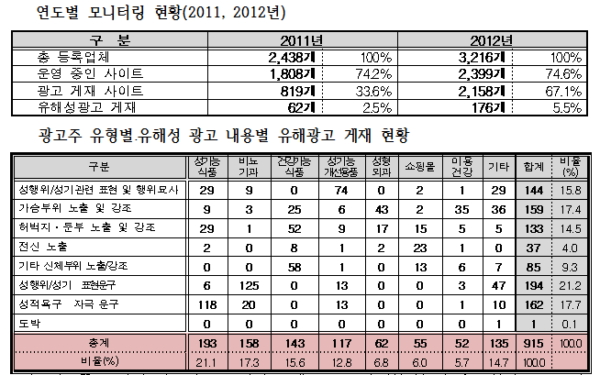
(Source)

• And finally, remember when Lee Hyori recently publicly admitted that she has sexual feelings and experience? Judging by the reactions of K-pop fans, that was quite exceptional, and indeed I joined in praising her for it in Part 1. But to take a more detached perspective, that this was news at all is really quite an indictment of the sex-only-for-display-nature of Korean entertainment. For remember that we’re not just talking about a 33 year-old woman here, but one who was also Korea’s number one sex-symbol for much of the 2000s. It simply beggars belief that she has ever had to be coy about her sexual subjectivity.

Why do I mention that? Because despite the attention given it, Lee Hyori’s admission pales in comparison to Kwak Hyun-hwa’s stunts with bananas and her comedian friends. And recall that by my own definition, I shouldn’t have to seek-out pin-up grrrls, but rather they should do their darnedest to make me aware of them. In which case, Kwak Hyun-hwa more than qualifies!

And on that definitive note, what is coming in Part 3? Well, frankly a little disappointed with the blog post I translated, next I’ll try make sure to do something more substantial, namely this newspaper report on reasons for the recent “ladygate” phenomenon; i.e., the emerging backlash I mentioned. Thanks to Robert Koehler for the link.

The Revealing the Korean Body Politic Series:

Quick Hit: Is there STILL a stigma against lingerie modeling in Korea?

(Source; edited)

Whenever I give lectures about Korean advertising, I always try to stress how quickly it’s changing. As both a reflection and driver of changes in Korean society itself, it’s one of the reasons why studying it is so interesting.

Who can believe, for instance, that the first kiss in a Korean ad was as recently as 2009?

So, next Monday I was going to mention that one reason you used to see so few Korean women modeling lingerie was because many pornography actors used to do it, giving it a certain stigma (and in turn sustaining stereotypes about the foreign, overwhelmingly Caucasian women used in their place). Yet these days, so many female singers and actresses are doing it as a means of sexing-up their image, and/or getting themselves noticed, that I’ve argued that surely the stigma no longer exists, at least at the celebrity level.

(Source)

But this is a familiar topic to most readers, and I do apologize for the repetition. It’s just that, today, it was reported that Core Contents Media (CCM) had turned down a lucrative lingerie-modelling contract for soon to debut girl-group Gangkiz (갱키즈), as such advertisements “wouldn’t fit [their] musical color and image” (“제안은 감사하지만 갱키즈 음악적 색깔, 이미지와 맞지 않다고 판단한 결정이었다”). Ironically though, most of the reports were accompanied by pictures from a recent bedroom photoshoot of theirs, including one which has one member’s shirt nearly falling off, slightly exposing her bra; one with another member lying expectantly on a bed, her shirt only just held together by a single, strategically-chosen button;  and then of course the opening picture with Lee Hae-in (이해인) above.

One seriously had to wonder what image CCM felt needed to be protected exactly.

On the other hand, while it’s certainly possible that CCM was just seeking attention for Gangliz, that attention could easily prove counterproductive once CCM’s hypocrisy was exposed. So perhaps they they did genuinely have concerns about the effects of “official” lingerie modelling on Gangkiz’s reputation.In which case, just what is the difference between that and exposing lingerie while modelling something else, and/or as part of a random photoshoot? Do Korean models and consumers really make such artificial distinctions?

I decided to refer back to the original article about pornography actors giving lingerie modelling a stigma to get a clearer picture. Partially because it’s been a couple of years since I last read it, and partially because, frankly, I had concerns that I misunderstood it the first time back in 2008, and have been misinforming readers ever since. In particular, there was the distinct possibility that the main reason there were so few Korean lingerie models was simply because it was just too “sexy” for them, and indeed that is still potentially — nay, probably — a very big influence here (they’re not mutually exclusive).

(Source)

To my relief though, I hadn’t misunderstood anything, although it did turn out to be nude models rather than pornographic actors. But — with no offense to the translator, who probably normally makes far fewer mistakes than I do — I did notice a big mistranslation of the following paragraph (from this original Korean article):

홈쇼핑 속옷 모델의 원조는 누드 모델이었다. 90년대 말 S씨 등 스타 누드모델 10여명이 속옷 모델로 나와 방송을 타면서 화제를 모았다. 하지만 그녀들은 “얼굴을 가려달라”고 요구하는 등 몸을 사리는 일이 많았다. 그래서 점점 출연 횟수가 줄었고, 2000년 이후 케이블 TV에서는 국내 속옷 모델이 거의 자취를 감췄다.

Which was translated as:

Home shopping underwear models started as nude models. At the end of the 1990s [Miss] S and over 10 other star nude models caused a stir by moving into underwear modelling on home shopping programs. But they were able to get a lot of work when their attractive faces and bodies came into demand. So more and more of them started showing up, and after 2000 almost all underwear models on cable TV were Korean.

But unfortunately the last two sentences, were, well, completely wrong. Here’s my version:

…programs. However, they [not only] demanded that their faces be covered while were on the air, [but] they were also shy and reluctant to show off their bodies. So, gradually they started appearing less and less, until by 2000 there virtually no Korean women modelling home-shopping on cable TV.

In the translator’s defense, the original Korean article was badly written and confusing (e.g., were those 10 nude models the only Korean lingerie models?), and didn’t respond to the obvious question raised of why on Earth the nude models became shy about lingerie modelling, which I speculate was because of the controversy and fame their presence on TV created. Nor does it mention the fact that there have actually been plenty of Korean women on lingerie homeshopping shows since 2000, albeit fully-clothed and holding the lingerie on coat-hangers while their foreign counterparts alongside them wore it (which is really quite surreal to watch).

But still: hiding their faces? That does explain a lot about how, over a decade later, there are online lingerie stores on which not a single Korean model shows her face, or lingerie fashion shows in which the Korean women (but not the Korean men or foreign women) hide themselves under hats and sunglasses (see #3 here). In hindsight, it’s amazing that this still occurs as late as 2012, and especially that celebrity models haven’t had more of an impact on the industry yet, despite what I recently wrote about their surprisingly strong influence in Korea. I guess that the stigma is stronger than I expected then, and hence some of these women much braver than I gave them credit for.

(Sources: left, right)

For more on related issues raised by the ensuing disproportionate number of Caucasian models in Korea, see this recent post at Seoulbeats, which also discusses their growing numbers in K-pop music videos. As for me though, it’s back to updating my Powerpoint! :)