In Just Two Minutes, My Eyes Were Opened to Why Resolving the Comfort Women Issue is so Necessary for Japan’s #MeToo

Estimated reading time: 5 minutes. Image by Jr Korpa on Unsplash.

For sixteen years, I’ve maintained a strict policy of never covering anything related to the “comfort women” issue. I already have my fair share of trolls, thank you very much, so don’t need to add Japanese and Korean ultra-nationalists to the mix.

With this convenient out-of-sight, out-of-mind attitude though, I recently realized I’ve been missing a crucial connection to present discourses about sexual violence today, especially in Japan.

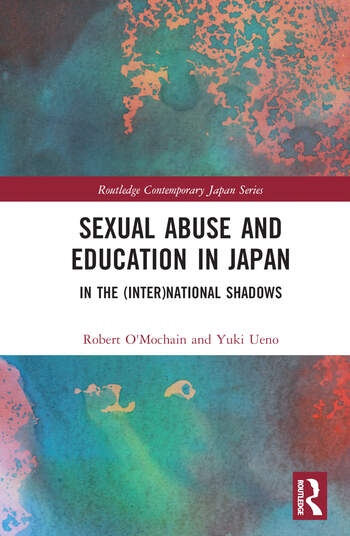
It just took two minutes, taken from the New Book Network’s podcast interview of Robert O’Mochain and Yuki Ueno about their book Sexual Abuse and Education in Japan: In the (Inter)National Shadows (Routledge, 2022):

“The fixation with depicting comfort women as fake victims has repercussions for survivors of sexual assault today. Even if victims of abuse are not aware of comfort women issues, they are aware of the danger of being labeled a higaisha-buru (“fake victim”), and in the book we show how the association of ideas between ex-comfort women, and fake victims, and contemporary women who report sexual assault, is still a factor in the silencing of women, who have a right to report sexual assault, but…they remain in the shadows.

And, I think a good illustration of how this is relevant still today, is something that happened in 2020. There were prominent members of the main political party, the LDP, and there was an event there on a program that was looking at (unintelligible Japanese term?) through comfort women issues, and when the issue was under discussion a member of the House of Representatives, Sugita Mio, she made the comment “Women can lie as much they want.” Now she did issue an apology later for saying [that], but she wasn’t censured by her party for the comment. They actually refused to receive a petition against her then, when it came to the LDP headquarters…she is still around—she continues to exert influence as a lawmaker in the Diet. And the comment [about the refusal?] was “Why do you report it?”, so it’s part of public discourse. So I think it indicated there’s a determination there amongst ultra-conservative groups to depict ex-comfort women as fake victims, to cast doubt on their oral evidence, and that will affect all sexual assault survivors. I think that’s an important question that we’re exploring in the book.”

(Robert O’Mochain speaking,16:24-18:33)

Unfortunately for those of you who likewise now want to get their hands on said book, I think I speak for most of us when I say US$160$204 is slightly out of our price range ㅠㅠ. So too, even US$44$50 for a copy of Voices from the Contemporary Japanese Feminist Movement edited by Emma Dalton and Caroline Norma (Palgrave Macmillan, 2022) that I’ve long had my eye on, when you realize it’s only 141 pages long!

I therefore recommend the podcast interview again then, for more on links to the relative failure of Japan’s #MeToo movement (also Lile Otaki Donohue’s article in Trinity Women & Gender Minorities Review for an excellent 8-page summary and comparison with other countries), and the Daiwa Foundation’s video below for short interviews of the contributors to Voices:

Finally, it’s my birthday next week on—yes, really—International Women’s Day(!), so I think one source on Japan’s #MeToo movement even I can indulge myself on is the self-explanatory Black Box: The Memoir That Sparked Japan’s #MeToo Movement by Ito Shiori :)

Has anyone read any of those books? Or have any other recommendations? Can any Japanese speakers please help with the term I couldn’t make out in the podcast at 17:25? Thanks!

Related Posts:

If you reside in South Korea, you can donate via wire transfer: Turnbull James Edward (Kookmin Bank/국민은행, 563401-01-214324)

Manufacturing Consent?: Socializing Migrant Brides to Korea into Becoming Docile, Obedient ‘Baby-Making Machines’

“Women in South Korea are on Strike Against Being ‘Baby-Making Machines’” headlines a must-read article by Hawon Jung in last week’s New York Times, a role migrant women are expected to perform most of all. Here are two insidious ways in which they are socialized into doing so.

Estimated reading time: 7 minutes. Image source: YouTube.

My neighborhood of Gwangalli Beach is one of the most popular and internationally famous tourist spots in Korea. It is also one of Busan’s busiest nightlife areas. It is not, in my general experience, positively teeming with middle-aged, male farmers, the main customers of international marriage brokers. So why do they bother posting their ads here?

I realize the placement has got nothing to do with Gwangalli really—the ads get spammed just about everywhere in Korea. It’s just that whenever I see them a few blocks behind its trendy bars and nightclubs, I can’t help but laugh at the incongruity with their surroundings. Then pause as I remember the frequent abuse of those overseas brides by either the brokers and/or their new spouses and families, and feel guilty. The metaphor for the harmless-sounding, but ultimately racist, sexist, and objectifying “gendered nationalism” and “gendered multiculturalism” that lurks just behind the glitz and glamour of the Korean Wave, almost suggests itself.

That’s not quite why I paused when I saw the ad on the left in October 2021 though. It was because it was the first I’d ever seen that mentioned “Domestic” (국내) and “North Korean (refugees)” (북한) options in addition to the usual “Vietnam(ese)” (베트남) ones. Possibly, I’d stumbled on an ad for a rare international marriage broker which had also arranged marriages between ethnic Koreans before the pandemic (note that over 70 percent of North Korean refugees are women). But it’s much more likely it was a recent development, forced by international travel restrictions.

Then I paused again a few days ago when I saw that new version on the right, for three reasons.

First, because of the “Women” (여성) that had been tacked on to the new, but also quite usual “International” (국제). Not because it was a surprise that international marriage brokers only supplied brides from overseas, but because of what the “Women” being omitted from “Domestic” and “North Korean” implied: that the same brokers were now also in the business of finding North Korean grooms. Which again implied desperation, considering how neglected they’d been up to that point: as of mid-2020, there were 20-30 agencies that specialized in supplying North Korean brides, against none that specialized in supplying their male counterparts.

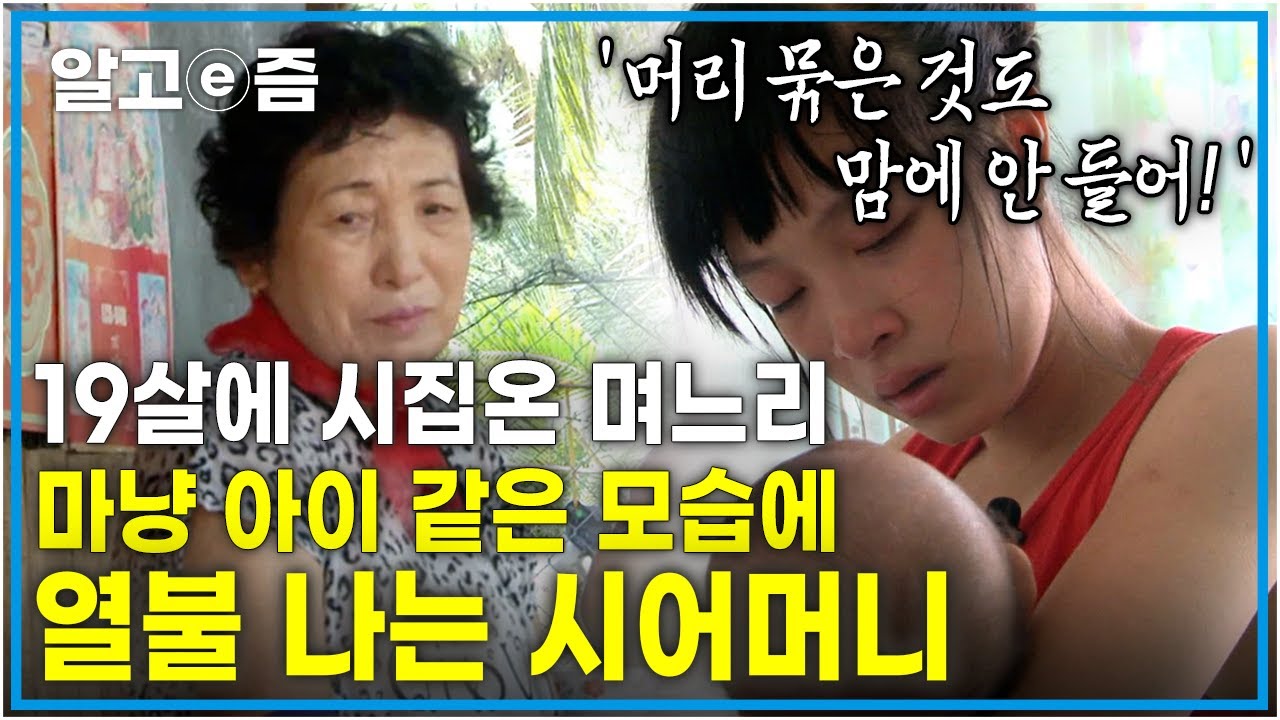
And I do mean “supply.” Because next, I’d actually already noticed an ad exactly like it back in May 2022. (With a different number; sorry that I don’t know how many brokers are behind these ads.) Only this time, I was seeing it again after just learning of a problematic episode of the documentary program Algorithm (알고e즘) that screened earlier in January, which featured a 34 year-old Korean husband’s (and parents’) relationship with his 21 year-old Vietnamese wife:

As Professor Michael Hurt of the Korea National University of Arts described it, it was “stealthily ideological.” Specifically (quoted with permission):

If this ain’t human trafficking, I don’t know what is. All the cutesy piano music and pizzacato plucking can’t shoehorn this episode into anything looking like a heartwarming narrative. The closer you look and the more questions are asked, the more this looks like outright human trafficking. Of course this “daughter-in-law“ who is 21 married to a man obviously [much older] isn’t adjusting well to life in a poor Korean household. And they keep trying to frame things as normal mom and daughter-in-law friction, but the real answer to every single conflict in the show—especially when they make a quite performative trip to Vietnam, with mom in tow—is the obvious fact that she looks like a human trafficking victim. Because that’s what she is.

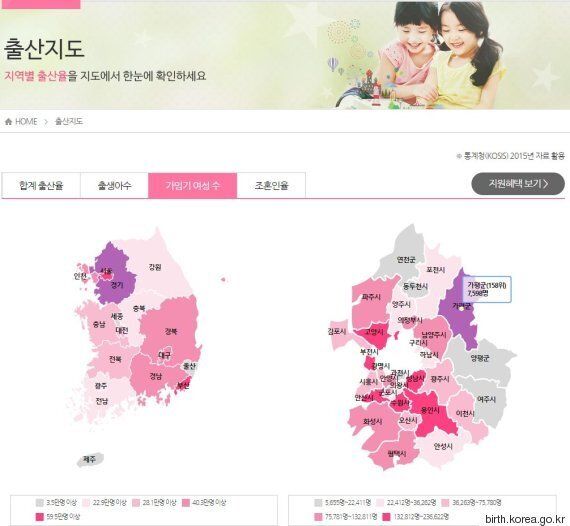
Going further, I’d argue that framing is also about putting migrant wives in their place—as docile, obedient ‘baby-making machines’ for the Korean state. Please hear me out. Combating Korea’s world-low birthrate, most acute in rural areas, is precisely why the international marriage agency was encouraged to develop in the first place. Next, recall that Korean women are already well aware that’s how the Korean state regards them themselves; with migrant brides from much poorer countries, there’s even less pussyfooting about their designated role. Indeed, this mentality even pervades government programs designed to help their integration. Consider as evidence the following abstracts to two academic articles on the topic, and their eerie similarity to what was occurring in the documentary (Right: “Women of Childbearing Age Map” briefly released on Korean government website in December 2016, before being withdrawn due to controversy):

This paper focuses on the role of Multicultural Family Support Centers (MFSCs) to explain the gender, race and cultural hierarchies inherent in South Korea’s system of multiculturalism. Since the 1990s the South Korean state has played an active role in facilitating marriage migration and influencing the reproductive and caregiving decisions of female marriage immigrants. This is reflected in immigration and welfare policies that incentivize migrant wives to have children and provide disproportionate power to Korean husbands. Over the past decade the Korean government has invested heavily in MFSCs. These centers cater exclusively to migrant wives with courses focused on the acquisition of the Korean language and culture. The teachers are generally older Korean women while students are migrant wives from developing countries. The version of Korean culture taught to migrant wives emphasizes traditional Confucian family roles and that a wives’ role is to focus on managing the home and supporting her husband and children. I present two case studies of cultural and cooking classes provided by a MFSC where I volunteered. The classes illustrate that multiculturalism in South Korea is focused on assimilation with limited expectation that Korean husbands and in-law families should adapt to migrant wives. Instead, migrant wives are expected to acquire a strong understanding of how to behave and understand their place in a traditional Korean family structure. I provide migrant wives’ perspectives on these classes and explain why they have limited opportunity to influence or respond to the expectations of the Korean state and in-law families.

“Multiculturalism in South Korea: putting migrant wives in their place” by Stella Jang in Social Identities, September 2022 (my emphases).

Next (for a summary article, see the Gender & Society blog):

In this article, I investigate how gendered nationalism is articulated through everyday practices in relation to immigrant integration policy and the intersectional production of inequality in South Korea. By using ethnographic data collected at community centers created to implement national “multicultural” policy, I examine the individual perspectives and experiences of Korean staff and targeted recipients (marriage migrants). To defend their own “native” privileges, the Korean staff stressed the gendered caretaking roles of marriage migrants and their contribution to the nation as justification for state support. The migrants, while critical of the familial responsibilities imposed on them in Korea, underscored their gendered value to the nation (as mothers to “Korean” children) to offset their subjugated position. The diverging perspectives of the two groups are informed by “everyday” nationalism, generated through constantly gendered terms and effects. Bringing together the literature on nationalism and migration through a focus on reproductive labor, I expose how national boundaries are drawn through quotidian practices of gendered nationalism, with significant implications for gender and ethnic hierarchies.

“Gendered Nationalism in Practice: An Intersectional Analysis of Migrant Integration Policy in South Korea” by Sojin Yu in Gender & Society, November 2020 (my emphasis).

Finally, while admittedly only indirectly related to socialization, an interesting third reason I paid attention to the ad was because the Algorithm documentary reminded me of an episode of Marriage Hell (결혼 지옥) on MBC the month before. In that, the show’s producers and hosts were widely criticized for including scenes of domestic abuse as well as the sexual harassment of a minor, and for failing to intervene in either. Their inaction also revealed a gap in legislation regarding the use of minors in the entertainment industry, as whereas child actors are covered by long-standing legislation regarding their mental and physical well-being, those same protections do not extend to non-(child) actors in their brief appearances on reality programs.

Source: MBC.

Frankly, as MBC is notoriously racist and trashy, at first I thought that just like Marriage Hell, Algorithm was also produced by that channel. Actually, it was produced by educational channel EBS, that turns out to not at all be as tied to the government as I first thought: according to Wikipedia, “though nominally a public broadcasting entity, it gets most of its yearly budget from advertisements and sales revenue”—which may explain the tone of that program. Either way, I wonder if a better quality documentary on migrant women’s experiences might have been produced by an actual public/national broadcaster like KBS? One in the which the documentary makers didn’t just sit back and deliberately highlight 21 year-old Jjeonti Huin’s (쩐티후인느) complete isolation, but actively helped her to overcome it?

What do you think?

Related Posts:

If you reside in South Korea, you can donate via wire transfer: Turnbull James Edward (Kookmin Bank/국민은행, 563401-01-214324)

“저의 몸과 저의 섹슈얼리티에 대한 이야기를 해보려고 합니다. 이것은 실로 부끄러운 고백이어서 저는 단 한 번밖에 말하지 못할 것 같습니다. 그러니 가만히 들어주세요.”

Estimated reading time: 4 minutes. Image sources: Aladin, NamuWiki.

I want to tell you a story about my body and my sexuality. But it’s going to be so revealing and embarrassing for me, that I can say it only once. So please listen carefully.”

If you can please indulge me, I just want to say I’m very proud of myself for ordering Bodies and Women ‘몸과 여자들’ by Lee Seo-su. It will be the first novel I’ll have read entirely in Korean!

I was instantly sold on it by reviews that mention its intimate coverage of beauty ideals, gender socialization and body-shaming in schools, sexual assault, pregnancy, sex in marriage, pervasive sexual objectification, and the male gaze.

However, there’s also the matter of the other members in The Grand Narrative Book Club,* who are much more knowledgeable and well-read than myself, and have often already read the original Korean versions of the translated novels we discuss. Because while I count myself lucky that I’m never the most interesting person in the (Zoom) room, does the fact I’m the dumbest really need to be so obvious?

In 2023 then, I want to work on disguising that. Starting by getting into the habit of reading novels in their original Korean myself.

Unfortunately, Bodies and Women will not be turning up in the club anytime soon. Lee Seo-su seems to be a relatively new writer, with a discussion in Korean Literature Now about of one of her short stories being all I could find out about her in English. So, although I could translate those persuasive reviews for you here, really any translation add-on for your favorite browser should more than suffice. Instead, hopefully I will find many interesting things in the book itself to pass on later.

Sorry. I did say this post was an indulgence!

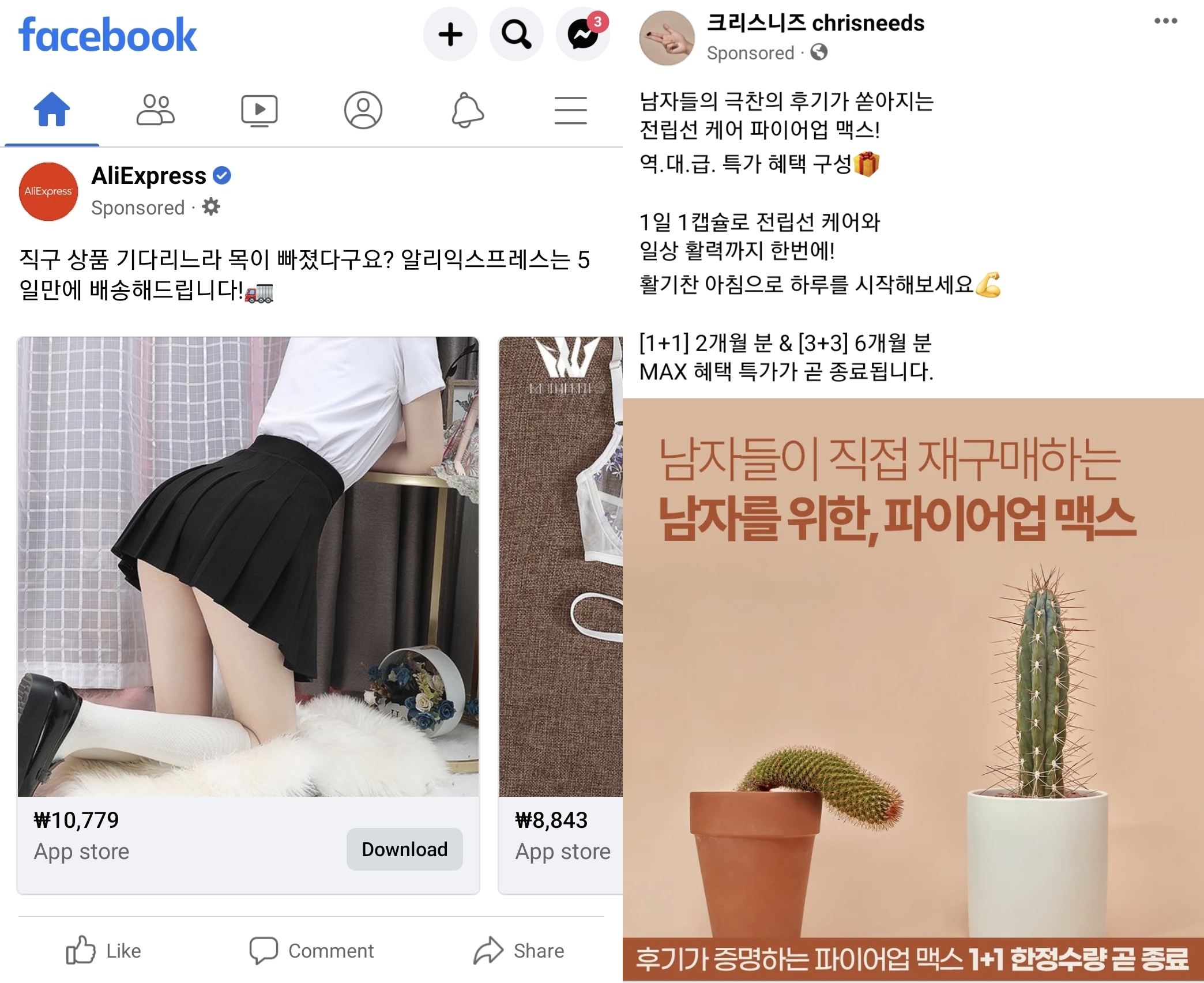
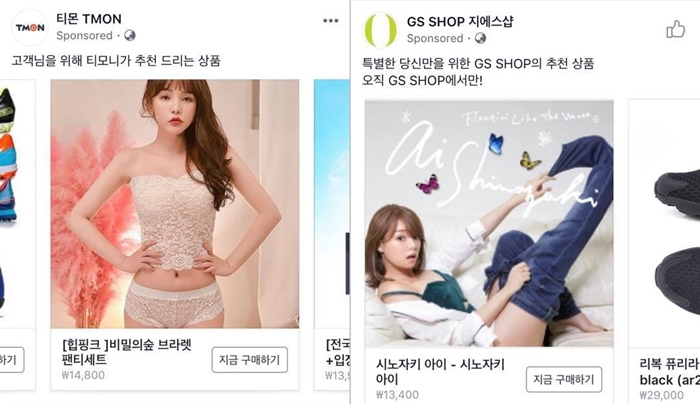
However, with that my writer’s block does seem to be cured now too, so it served its purpose. Let me offer some humor too, as a parting gift—but also, a reminder of precisely why those reviews were so persuasive, and books like it so necessary. For I shit you not: these two sponsored ads on Facebook, I saw back to back after googling “몸과 여자들” the hour previously:

Again frankly, probably the juxtaposition is a complete coincidence. After the book itself, googling “몸과 여자들” in fact mostly brings up images of women perusing fine male specimens. But more to the point, during the evening rush hour, Korean advertisers on Facebook deliberately target men with ads for lingerie etc., which they won’t buy, but which do persuade them to swipe left to be rewarded with more lingerie models, then with ads for oh-so-masculine power tools and gaming equipment which they might.

Also, ever since I hit my mid-40s I’ve been inundated with ads for libido and erectile dysfunction treatments, and doubt it’s just me. I don’t mean to laugh at anyone or their partners who actually need to avail themselves of such products, especially since I’ll probably be joining their ranks sooner rather than later (sigh). But many prove just as creepy as campy. For instance, this one where the model’s head was cut off, in stark contrast to when a different advertiser used the same stock photos of her to advertise diet products to women:

Then there’s these screenshots from yet another ad in my feed today, from which I’ll let you form your own conclusion to this post to!

*Finally, the book for January’s meeting on Wednesday the 18th is Cursed Bunny by Bora Chung (2017), translated by Anton Hur (2021); I’ll put up an official notice soon. Sorry for not doing so earlier, which is my fault for not realizing that I may not be the only person out there who hasn’t actually read it yet!

Related Posts:

If you reside in South Korea, you can donate via wire transfer: Turnbull James Edward (Kookmin Bank/국민은행, 563401-01-214324)

Why is Korea’s Largest Marriage Agency Only Targeting Women?

Potential customers are put off by unequal sex ratios, and Duo already has more female customers than male ones. So what gives?

Estimated reading time: 4 minutes.

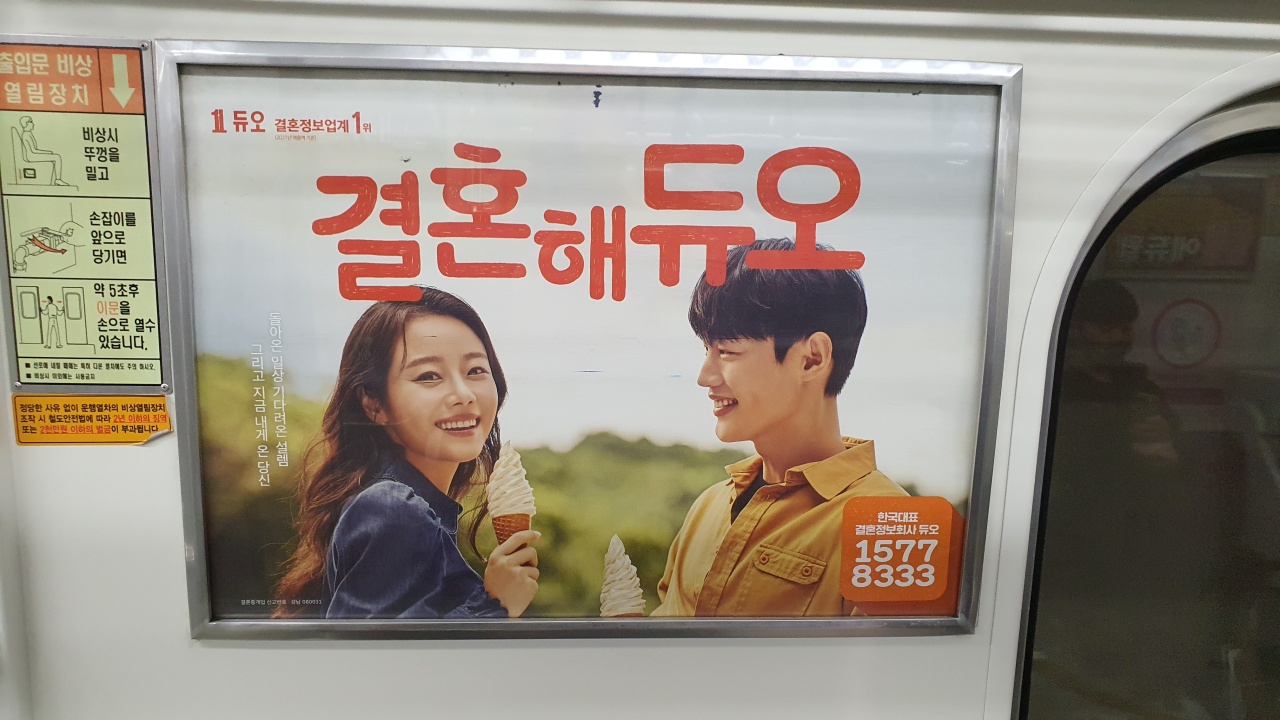
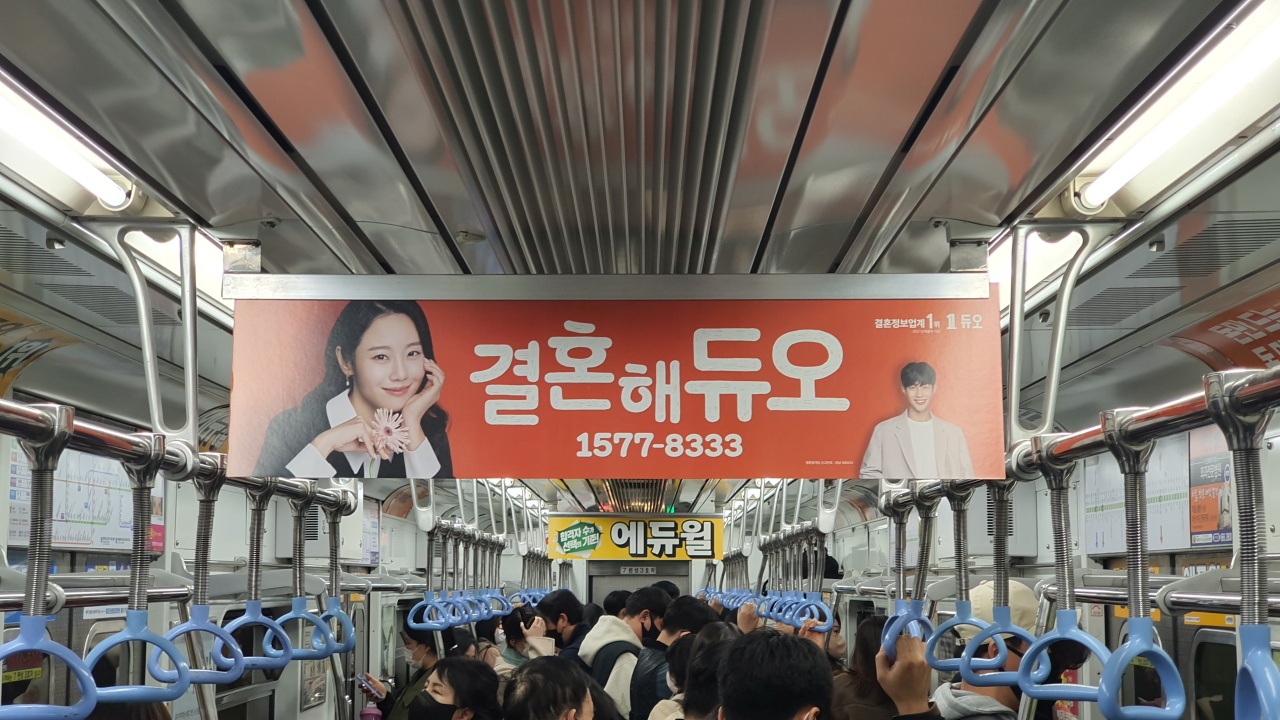
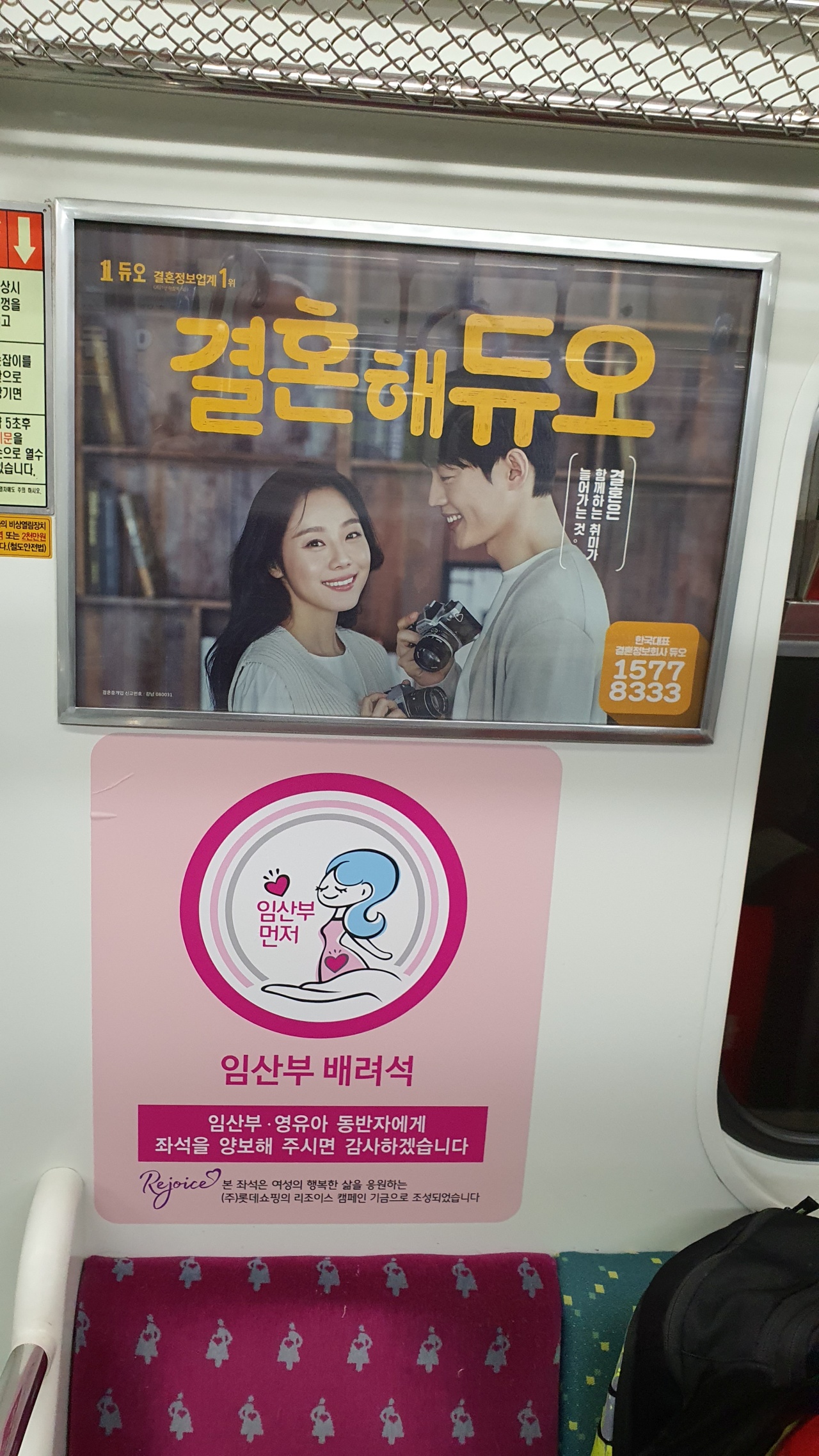
I know, I know—I’m not even divorced yet, and I’m already looking at marriage agencies. But the reality is that Duo’s latest campaign ads are just impossible to avoid on Korean public transport at the moment. And the obvious emphasis on attracting female customers in them, for a service ostensibly about providing those women with as many romantic encounters with male suitors as their finances allow, should give everyone misgivings. For it’s not like correcting an excess of male customers is the motivation.

This concern may still sound odd. “Sweet,” I’d wager, is what usually comes to mind when most people see Duo ads. Indeed, I only did a double-take at this one at all because I happened to be reviewing my translations of a lavishly-illustrated, feminist Korean book about paintings of nude women (as any normal person does on the subway), and, glancing up, was immediately struck by how unlike those paintings the ad was. For actor Lee Shi-won/이시원‘s look back at the viewer doesn’t exactly scream pandering to the male gaze. Nor did all the other Duo ads on the subway carriage I could see from my seat, some of which just had Lee alone, and only one of which had model Noh Seong-Su/노성수 looking back with her.

Source: Duo.

Then my stop was coming up. And you don’t exactly need to have read Erving Goffman’s Gender Advertisements to be realize what the ‘relative sizes‘ of Lee and Noh in these ads signify in the ads I saw once I stood up:

But so what? What is the issue exactly, about Duo prioritizing women?

Well, the last time I checked in 2020, Duo had more female than male customers then, at a ratio of something like 6 to 4 or 5.5 to 4.5.

I don’t know if this ratio was affected by the pandemic. But regardless, more women competing for fewer men clearly disadvantages them. That extra level of competition also incentivizes charging women more for the same services offered men. Which indeed Duo, and most of the over 1000 other registered agencies out there, do so with a gusto.

Moreover, Duo, already experiencing massive drops in sales in the mid and late-2010s, almost made none at all in 2021 thanks to the pandemic, as marriages and childbirths, still inexorably tied together in Korea, dropped precipitously. Which, once again, was something the subway carriage wasn’t subtle about reminding me:

So, although Duo clearly retains the financial resources for its latest massive campaign, I speculate that it may actually represent a doubling-down on financially discriminating against young women. And, given Duo’s position as a industry leader and model, I have concerns about what this will have on Korean dating, gender roles, and marriage norms.

Not convinced? Really, it’s only a matter of degree. Please see my in-depth investigation from 2020 for a plethora of evidence on how that sexual discrimination has in fact been occurring for decades. And don’t let me forget the influence on body-image either: just a few months ago, one agency focusing on wealthy clients, with nearly half a million customers, came under fire for its strict financial criteria for admitting men, but only requiring a members’ vote of 3.6/5 on appearance alone to admit women. I also invite readers to consider that demanding women pay more to date men than vice-versa,* and deliberately skewing their customers’ sex ratios to justify this, is surely yet another form of “pink tax” that perpetuates the gender gap.

*(I realize that the norm in Korea is for men to pay on dates; no social issue that is interesting isn’t complicated!)

RELATED POSTS

If you reside in South Korea, you can donate via wire transfer: Turnbull James Edward (Kookmin Bank/국민은행, 563401-01-214324)

Pornography Actors are People too. Greater, not Less Access to Their Work Will Help Remind the Korean Public of That.

In response to a former Korean pornography actor’s shame preventing them from dating, I like to think that if they were monogamous with me, and didn’t behave in real life the ways they’d been required to in their videos, then I wouldn’t mind their past at all. But that’s all very easy to say when an opportunity to meet is so unlikely to ever occur. If it did, would I turn out to be a hypocrite? Would you?

Estimated reading time: 4 minutes. Source left, Namu Wiki. Source right, Joshua Gandara on Unsplash.

In Korea, something pretty big was cut from Boogie Nights, Paul Thomas Anderson’s classic portrait of the 1970s LA porn industry. But it wasn’t what you might think.

Instead, it was the three-minute scene where Julianne Moore, playing pornography actor Maggie/”Amber Waves,” tries and fails to get visitation rights to her son. Not only is it an extraordinary performance by Moore, but it also shows a very human side to the industry, providing a profoundly dark, thoughtful counterpoint to the glamour, sex, drugs, and tension that defines the rest of the movie. It was easily the most memorable scene from when I first watched the movie in New Zealand in 1998, and why I was virtually apoplectic when I suddenly realized it was just not there at all when I watched it again in Korea two years later.

Seeing the headline “Adult actress Seo Ha-hee looks for genuine love through tears” the same day as tributes to 25 years since the release of Boogie Nights then, I felt a duty to highlight her story. Yet it’s not really a news item per se, but rather a few slides from Insight’s Instagram account about her appearance (and lamentation) on a new Disney+ show; as Netizen Buzz has already translated the comments, the least I could do is translate the captions in a moment below.

But if felt insufficient.

Looking ahead then, eventually I’d like to cleave through the mass of (contradictory, hypocritical, patronizing, completely ineffectual) censorship laws in an attempt to determine exactly how South Korea remains one of the few developed countries where pornography is largely illegal. In particular, considering just how simple it is to download pornography from overseas, I’m especially intrigued by how the legal domestic Korean pornography industry continues to exist at all, when even pubic hair may not be shown on it (let alone genitalia) and the sex is so obviously simulated. Is the hospitality industry literally its only consumer, given that even in 2022, Korean hotels, motels, and yogwans still invariably have a few cable Korean pornography channels available on their TVs?

Either way, as Kelsey the Korean points out in her recent video above (from 6:08), while there’s a great deal about mainstream pornography that’s objectionable, it’s not like Korean censorship laws are achieving their stated aim of protecting the sexual morals of Koreans from it. If anything, she alleges, they may in fact be no small factor in their utter corruption and distortion. The lack of healthier homegrown options, I tend to agree, may indeed play no small role in channeling many young men to what (illegal) Korean pornography has become notorious for instead—an ongoing spy-cam epidemic.

Yes, healthy feminist pornography does exist—provided you’re prepared to pay for it, to help ensure the working conditions and salaries which make it such. And, seeing how much damage Korean censorship laws seem to have done in promoting unhealthy alternatives, then why not unblock access to other options?

In that sense of changing hearts and minds about pornography, would you say Seo Ha-ni’s “confession” below is a step in the right direction? Or do you think her shame about her former profession, so great that she hadn’t been prepared to date at all in the last five years, merely perpetuates stereotypes? Please let me know in the comments!

Source, all images: Insight @Instagram.

“I’m looking for a man who can understand what it’s like [/not worry about] to be [dating] a [former] pornography actor.”

A woman sheds tears in her quest to find true love.

[Insight reporter Gwon Gil-yeo]

Many people claim their loved one’s pasts are not important.

But if it were you, to what extent would that be true?

An interesting new dating reality program tests whether you can really fully understand/[not worry about/forgive] your true love’s past.

Released on Disney+ on 5 October, Pink Lie is a show in which one cast member each episode confesses lies they’ve been living under, in order to find true love from people who accept them for who they are.

In the first episode, Seo Ha-ni (36) drew attention for having formerly worked as a pornography actor.

For the last five years, she has run a candle manufacturing workshop. She describes herself as a candle artist, never revealing her past as a pornography actor.

She has performed at a high level in the industry, appearing in such movies as The Purpose of Reunion 2 and Private Tutor: Advanced Course (NSFW). [James—Rather confusedly, the former has no sex or nudity, and indeed is even available on YouTube.]

Seo Ha-ni, who cried while talking about her past, said “[Because of my former job], men [constantly] send me photos of their genitals or nude body shots on social media.”

This has meant she’s never been comfortable in romantic relationships.

Source: Insight

“I’m always worried that someone will recognize me in public,’ Seo Ha-ni said. “So, I’ve never held hands with a boyfriend while walking among the cherry blossoms. I’ve never had fun in water with a boyfriend in the summer, never walked together in the Autumn leaves, and never gone skiing with someone in the winter.”

In fact, Seo Ha-ni has [been so nervous she has] avoided men completely, confessing she has not been in a relationship in a whopping six years.

There is a lot of interest in her case, and everyone is anxious for her to find true love with someone without prejudice.

[James: The remaining two slides just explain a little more about the show.]

Meanwhile, three other women and four men appeared in the first episode.

They were: Han Ba-reum (33), a researcher at Samsung Electronics’ Future Technology Research Center; Han Da-on (31), a beauty company marketer; Kang Da-hae (26), an intern at a fashion company; Hong Ha-nu (32), CEO of Hallyu Entertainment; Park Han-gyeol (25), a wedding video company CEO, and Mo Chan-sol (29), an elementary school gym teacher.

Although they disclosed their age and occupation, in fact, just like Seo Ha-ni [at first], they were all lying.

According to the rules of the show, they must not reveal their lies [until their turns in later episodes].

MCs singer Kim Hee-chul, actor Lee Sun-bin, and YotuTuber RalRal all expressed their curiosity about what truths were hidden by the cast.

Episodes 1 and 2 of Pink Lie were released on 5 October, which single episodes to be released once a week on Wednesdays. (END)

Related Posts

If you reside in South Korea, you can donate via wire transfer: Turnbull James Edward (Kookmin Bank/국민은행, 563401-01-214324)

If You Understand Korean, Please Don’t Miss Out: “After Me Too” (애프터 미투, 2021) is Screening October 6-9!

Estimated reading time: 3 minutes.

The clincher:

가장 도발적인 작품은 소람 감독의 ‘그레이 섹스’다. 흑백으로 구분할 수 없는 회색지대처럼 성폭력은 아니지만 그렇다고 즐거운 섹스도 아닌 성 경험을 말한다. 여성의 성적 욕망 자체에 조명을 비추는 작품이기도 하다. 내가 무엇을 원하는지 정확히 알아야, 피해 아니면 가해라는 이분법의 언어를 벗어나 자신이 느끼는 혼란과 모호함의 정체를 붙들 수 있다고 말하는 듯 하다. ‘미투’ 운동에 대한 다큐멘터리라기보단 말 그대로 ‘미투 그 이후’, 새로운 장으로 넘어가기 위한 고민이다. 네 작품 중 가장 마지막으로 배치됐지만, 매끈한 결론 대신 오히려 생각할 거리를 안고 극장을 나서게 한다.

“The most provocative [of the four mini-documentaries] is director Soram’s Grey Sex. It refers to sexual experiences that can be considered to be in a grey area—not outright sexual assault, but not exactly pleasurable, enjoyable sex either. It is also a work that shines on a light on the nature of women’s sexual desire itself. It seems to be saying that if you know exactly what you want, you can break free of the binary, dichotomous language of victim and aggressor, thereby taking control of and overcoming any confusion and ambiguity you may feel. Rather than a documentary about the ‘Me Too’ movement per se [like the previous mini-documentaries], it’s literally ‘After #MeToo,’ illuminating a path on how to move on to a new chapter. By being placed last of the four, rather than providing a smooth conclusion to the documentary as a whole, it give viewers something to think about as they leave the theater.”

See here for more information about this documentary as a whole, or these two trailers:

Not going to lie, I’m expecting a few curious looks when I attend myself later this week. Will I be the only non-Korean person in the theater? The only man?*

What if that curiosity leads to—horror of horrors—someone actually striking up a conversation afterwards, forcing me to brush off my rusty spoken Korean skills as I explain why I came?

The peculiarities of my glorious visage aside, it would seem odd I was there. After all, my job is actually almost entirely devoid of office politics, because of reasons. True, there’s interacting with my young Korean students, which I admit will indeed always be overshadowed by my privilege of being a middle-aged cishet white man, not to mention the power over them which comes with conferring grades. Yet if you really knew anything my utterly lowly job, you’d laugh at the notion that such power was sufficient to seriously consider abusing it.

(Update—In hindsight, I realize my privilege in being a middle-aged cishet white man may have clouded my judgement about the lack of office politics. Sigh.)

Then there’s dating (etc.), which I’ve recently become painfully aware I haven’t pursued in nearly 22 years. Those few genuine offers I’ve received in all that time, that I like to pretend weren’t entirely just wishful thinking on my part (but do know I always turned down with nothing but grace and respect), don’t provide much of a foundation to navigate the choppy sexual politics of dating in the 2020s.

Gaining one then, is one good enough reason alone to watch this documentary. As is learning about the subject in general. There’s also simply showing financial (and moral) support for a worthy cause, which not everyone who feels the same way has the privilege to bestow. And finally, there’s reading that paragraph at the start of this post, through which I discovered that one of four mini-documentaries contained within speaks so profoundly to what I’ve read recently about #Metoo in these two excellent books, which I’ll be discussing at a later date:

I completely share your frustrations though, that in Busan at least, Korea’s second-biggest city, in CGV cinemas it will only play for a total of 12 times over 4 days, As in, literally only a single theater, let alone having no subtitles available.** Still, for those of you with the Korean ability and time, I do hope you consider supporting it by attending.

Who knows, maybe I’ll see you in Seomyeon? ;)

*(To my surprise, as I type this there’s only a 56%-44% women to men split among people who’ve pre-purchased tickets at CGV. Finally, this feature of Korean cinema websites actually proved interesting!)

**Update—Actually, it screened for much longer than expected, and did include Korean subtitles. Both of which were great of course, but it still seems odd not to mention the subtitles on the movie’s information page.

If you reside in South Korea, you can donate via wire transfer: Turnbull James Edward (Kookmin Bank/국민은행, 563401-01-214324)

Making Sense of the NewJeans “Cookie” Controversy

A reading list for everything you ever wanted to know about the sexualization of minors in K-pop

Estimated reading time: 3 minutes.

The best thing you can read to make sense of it, actually, is Haley Yang’s article in Tuesday’s Korea JoongAng Daily, which is an excellent primer—and a model example of how to convey a great deal of information in just a few hundred words.

Also highly recommended is Choi Yoon-ah’s short article in the Hankyoreh, about the sexual exploitation of minors in the industry.

If you do have the luxury of time however, and a feeling that all of this sounds very familiar, then please allow me present some of my own longform posts (and book chapter) on the same topics, going back all the way to 2010:

Source: YouTube.

But why stop there? For even more reading, I’d also like to mention Meenakshi Gigi Durham’s The Lolita Effect: The Media Sexualization of Young Girls and What We Can Do About It, the 2008 book that inspired the above series. And which, tragically, is clearly more relevant than ever.

Next, for some context on the farce that is ADOR’s denial of any sexual overtones to Cookie whatsoever, check out the collective mania surrounding 4Minutes’ “leg spread dance” in Mirror Mirror when it was released in 2011.

Source: RedandRosy
Finally, my apologies that these links are so old; K-pop no longer being to my taste from about 10 years ago, I could no longer sustain the motivation and hard work required to speak with any sort of authority on it—and have a huge amount of respect and admiration for those that still do. For the same reason, I’m very much behind on my own reading. So, I plan to rectify that, starting with From Factory Girls to K-Pop Idol Girls: Cultural Politics of Developmentalism, Patriarchy, and Neoliberalism in South Korea’s Popular Music Industry by Gooyong Kim (2018). Anyone already read it? What did you think? Any other recommendations? Please let me know in the comments!

If you reside in South Korea, you can donate via wire transfer: Turnbull James Edward (Kookmin Bank/국민은행, 563401-01-214324)

*Looks Anxiously at Stomach, at Svelte Wife, Then Back at Self*

Estimated reading time: 3 minutes.

Recently waylaid by a broken toe, my audacious jogging and weight-loss plans in tatters, the following home-truths about the the male gaze, female gaze, and double standards hit painfully close to home this summer. Or am I just projecting?

Those of you who also follow me on social media, may recognize them from back in June. Guilty as charged—I’ve been neglecting this blog due to self-imposed minimum word limits on content I post here, unnecessarily depriving you of interesting content and me of interesting responses. No longer!

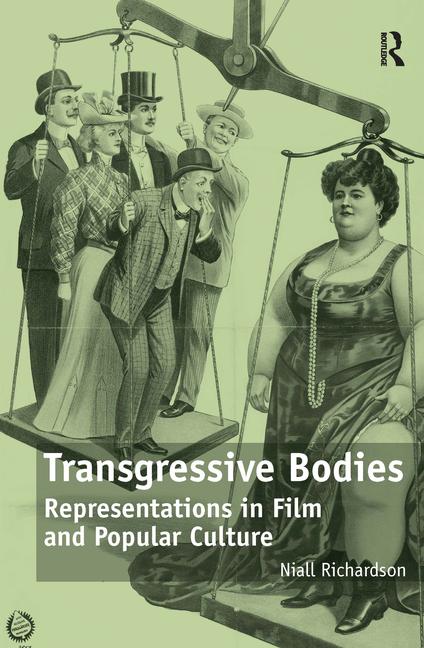
So, from Niall Richardson in Transgressive Bodies: Representations in Film and Popular Culture (2010, page 78):

…not ignoring the critical writing which points out that women can gain erotic pleasure from the beautiful, muscular male body (Smith 2007), it does seem that women desire characteristics in men that are very different from the features that men seem to value in women. I constantly see Stepford-esque couples in which the wife is stunningly beautiful, and obviously committed to a regime of diet, exercise and beauty treatments, while the husband is a Homer Simpson. While the wife is still devoted to her husband I always wonder: if the situation were reversed, and the wife were to become fat, would the husband be equally devoted to her? Indeed, one of the recent British films to address this very issue was The Full Monty in which a group of out-of-shape, unemployed men organised an amateur strip show which was a resounding success, obtaining a standing ovation from the female audience. I agree with Susan Bordo who asks, if it were a team of out-of-shape women performing in a strip regime would they be similarly applauded by an audience of men? (Bordo 1999: 174). It does appear to be the case that men do not objectify their bodies to the same extent as women and certainly do not function under the tyranny of slenderness to the same extent. I once met a man who was obese – not moderately fat, but obese – who continually referred to himself as a ‘big guy’ and told me in detail about his job as a security guard at the psychiatric hospital in which he was required to ‘provide the muscle’. I wondered how this muscle was provided given that all I could see was fat and no muscle at all, but this didn’t seem to occur to this particular ‘big guy’. In short, there is a general acceptance in normative, heterosexual culture of male mass, bulk, excess flesh, or indeed anything which exceeds the taught and toned….

It is also not fair to say that men are excused the sin of fatness or bulkiness only in heteronormative culture. Although…

Unfortunately, the book itself is ridiculously expensive; fortunately, all of this particular chapter is available on Google Books, so I encourage interested readers to continue there.

What do you think?

Related Posts:

If you reside in South Korea, you can donate via wire transfer: Turnbull James Edward (Kookmin Bank/국민은행, 563401-01-214324)

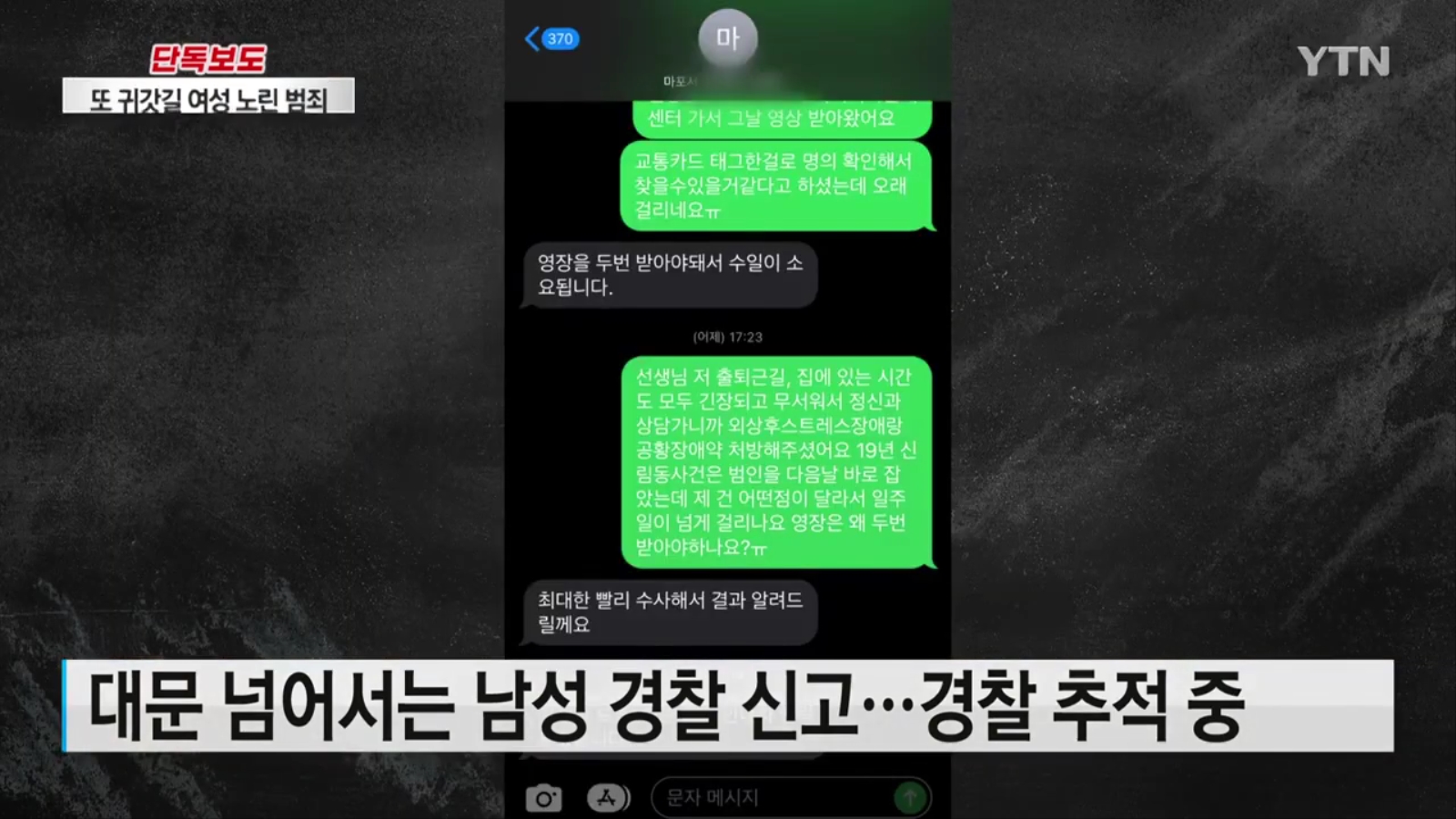
Another Attempted Sexual Assault by a Stalker Caught on CCTV

Estimated reading and viewing time: 6 minutes.

Two years after chilling CCTV footage showed a woman being stalked to her home, only escaping sexual assault by a hair’s breadth as her front door closed behind her on her would-be attacker, another case has just occurred in a different area of Seoul.

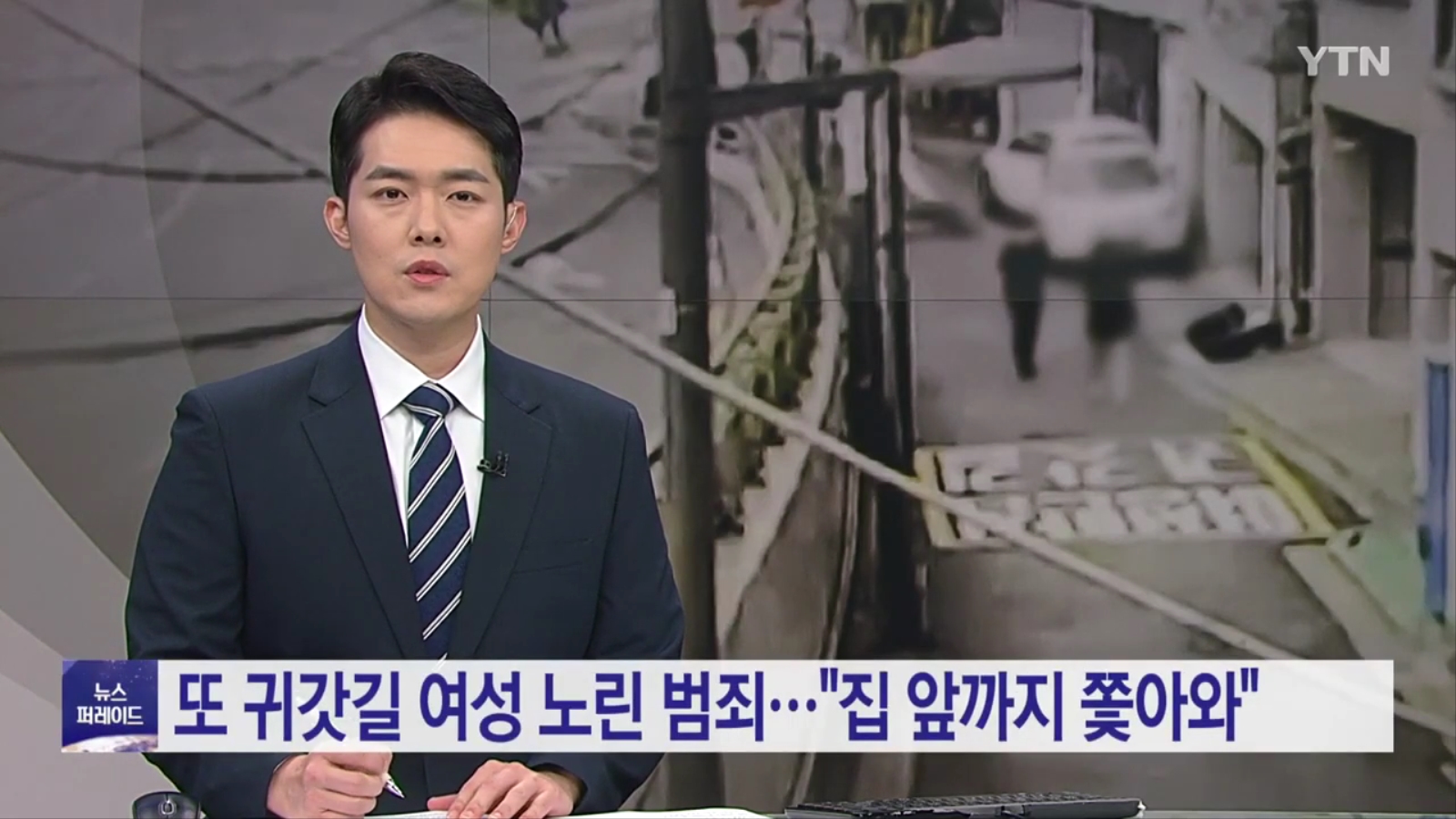
To my surprise, I’ve encountered no English-language news about it in the 3 weeks since the news broke. So, to compensate and raise greater awareness, I’ve translated the transcript of a YTN news report about it for you below. Following that, for context I’ve also included a chronological list of related news articles about stalking in Korea and recent law changes in the ‘Related Posts’ section:

[Exclusive] Another targeting of a woman on her way home… “He followed me all all the way to my front door!”

YTN, Wednesday June 15

Anchor:

새벽 시간대 한 남성이 홀로 걷는 여성을 뒤쫓아 집까지 따라 들어가려다 달아난 사건이 일어났습니다.

여성이 수상한 낌새를 눈치채지 못했다면 더 큰 범죄로 이어질 뻔한 상황이었는데요.

YTN이 관련 영상을 확보했습니다. 김혜린 기자의 단독 보도입니다.

During the early morning hours, a man followed after a woman walking home alone, ultimately running after her all the way to her home.

If she hadn’t sensed something suspicious was up, there’s no telling what might have happened.

YTN has gained a copy of the relevant security camera footage. Here is an exclusive report by reporter Kim Hye-rin.

[Reporter]

검은색 티셔츠를 입은 남성이 여성의 뒤를 바짝 쫓습니다.

곁눈질로 돌아봐도 아랑곳하지 않고 쫓아가는 남성.

두려움을 느낀 여성이 멈춰 서서 뒤를 돌아보자, 그제야 여성을 뒤쫓던 게 아니라는 듯 인근 건물로 향합니다.

여성이 다시 가던 길을 가자마자 이번엔 여성을 쫓아 전속력으로 달립니다.

여성이 사는 주택 대문까지 남성의 미행은 계속됐습니다.

[피해 여성 :골목길 시작되고 조금 더 걸어갔는데 그 남자가 진짜 저를 너무 바짝 쫓아오는 거예요.]

A man in a black t-shirt follows the women closely.

Even though he only ever seems to give her side-glances, he pursues her relentlessly.

When the woman, feeling scared, stops and turns around, he heads to a nearby building and acts as if he was not following her at all.

But as soon as she starts walking again and turns into another street he starts running after her.

In fact, he didn’t stop following her until she’d made it home.

[Female Victim: Once I walked into the alley I wanted to get away from him by walking a little further head, but he just kept following me closely.]

지난 6일 새벽 6시 반쯤, 남성은 서울 마포구 대흥역 개찰구에서 20대 여성 A 씨의 단독주택까지 도보로 10분 거리를 미행했습니다.

현관문을 열고 들어서는 순간 주택 대문을 넘어서는 남성을 발견한 A 씨.

현관문을 재빨리 닫은 뒤 경찰에 신고했지만, 사건 발생 열흘이 다 되도록 남성을 잡았단 소식은 없었습니다.

개찰구에서 교통카드를 찍은 명의자를 확인하는 데에 며칠이 걸린다는 경찰의 답변만 받았을 뿐입니다.

혹시나 남성이 다시 찾아오진 않을까 공포에 떨어야 했던 A 씨는 결국 정신과 상담까지 받았습니다.

[피해 여성 : 스트레스도 심하고 신경이 계속 곤두서 있고, 계속 긴장이 되어 있고…. 제 사건은 일주일이 넘도록 안 잡히고 있고. (경찰은) 영장을 두 번 받아야 해서 수일이 소요된다 이런 말씀을 하시는데 어제 답변을 받고 답답해서….]

The ordeal began at around 6:30am on Monday the 6th of June, when the man followed the female victim in her 20s for about 10 minutes from the ticket gate of Daeheung Station in Mapo-gu, Seoul to her detached house.

Once she made it to her home, he even climbed over(?)/went through(?) the front gate. The victim quickly closed her front door on him and reported the incident to the police, but there was no news until the man was arrested 10 days later.

Rather, after making the report, all the victim heard was that it would take a few days to check the station’s ticket gate records to determine which transportation card the man used and determine his identity.

(James—I think saying there was “no news” is slightly misleading, because as you’ll see below the victim was very much in communication with the police. Also, by no means would I ever default play Devil’s Advocate for them, but it’s not like they could *ignore* the legal requirement for two warrants before gaining access to those records, and in the screenshot of their texts with the victim below they do say they’ll notify her as soon as possible of any results of the investigation.)

Consequently, the victim, who had to remain in fear in the meantime that the stalker might come again, ultimately had to receive counseling.

[Victim: I’m under a lot of stress, my nerves are constantly on edge, and I’m still nervous. Nothing’s happened in my case in over a week. “Police: We have to get two warrants, which takes days.” Victim: The police told me this yesterday, which left me so frustrated.]

지난 2019년에는 서울 신림동 원룸에 사는 여성을 따라가 집에 침입하려 한 30대 남성이 붙잡히기도 했습니다.

이 남성은 원룸에는 들어가지 못했지만 공동 주택 현관문에 이미 들어온 상황이라 주거 침입죄가 적용됐습니다.

문제는 집에 침입해 강력 범죄가 발생하지 않는다면 범죄 의도만으론 강하게 처벌할 수 없다는 점입니다.

신림동 원룸 사건 역시 재판부조차 성폭력 의도를 의심했지만, 남성은 징역 1년의 처벌을 받는 데에 그쳤습니다.

[이은의 / 성폭력 전문 변호사 : 따라가서 문을 열려고 했던, 사실 의도야 뻔해 보이기는 하지만 그 의도를 단정하거나 입증할 수 없는 상황(이라 의도를 처벌하기는 어렵지만,) 강간을 하기 위해 따라갔는지는 정확히 알 수 없으나 침입을 하기가 쉬운 대상이기 때문에 그 사람을 따라간 거는 확실하잖아요.]

현실적으로 범죄 의도만 놓고 처벌을 강화하긴 어렵지만 최소한 주거 침입죄에 대해선 형량을 높여야 한다는 목소리가 나오고 있습니다.

YTN 김혜린입니다 (khr0809@ytn.co.kr).

In 2019, a man in his 30s was caught on CCTV trying to enter the one-room apartment of a women living in Sillim-dong, Seoul that he had been following.

Although he was unsuccessful, he was charged with trespass as he had already entered the apartment building itself.

(JamesHere, it is curious—well, startling really—that the news report does not mention that the stalker was only prosecuted in response to overwhelming public pressure, nor that it was the catalyst for a recent law change forcing more active responses by police. Either way, given that the most recent victim had to remain in fear of a repeat encounter for so long, and that the stalker will still only be charged with trespass at most, clearly still much more needs to be done.)

A problem with such offenders is that unless an actual break-in or other crime actually occurs, prosecution is difficult when based on suspected criminal intent alone.

Consequently, in the Sillim-dong case, the man was only sentenced to one year in prison despite the judges having strong suspicions that he intended to sexually assault the victim.

[Lee Eun-euo, a lawyer specializing in sexual assault cases: In the Sillim-dong case, the man had clearly determined the inebriated woman walking home alone to be an easy target, so the criminal intention was obvious. But in addition to being difficult to prosecute based on intention alone, it is unclear whether rape or robbery was the goal.]

Realistically, it remains difficult to strengthen punishment based on criminal intent alone. But there are voices that call for at least harsher sentences on trespassing to be made.

YTN Kim Hye-rin reporting (end).

Related Posts:

  • Raped, assaulted, nowhere to find help: Foreign women speak out about their experiences of sexual violence in Korea (14/01/2022, The Korea Times)
  • S. Korea will now immediately detain stalkers who threaten their victims (16/12/2021, The Hankyoreh)
  • Police again draw fire for inadequate response to stalking case (13/12/2021, Yonhap)
  • Stalking in Korea (01/12/2021, r/korea@reddit)
  • Daily reports of stalking sharply increase after implementation of anti-stalking law: police (18/11/2021, The Korea Herald)
  • Stalking perpetrators to face up to 5 years in jail under new law (21/11/2020, The Korea Herald)
  • New law strengthens punishment for stalkers, expands reach (21/10/2021, The Korea Herald)
  • 9 out of 10 stalking suspects go unpunished (24/04/2021, The Korea Herald)
  • Korean law 101 stalking and protective measures (14/10/2020, 안현주 변호사 Hyunjoo Ahn@YouTube)
  • Policeman arrested for housebreaking, attempted rape (18/10/2019, The Korea Times)
  • It’s attempted rape, not just trespassing: K-stalker in viral video gets charge changed as South Korean police bow to public outrage (31/05/2019, South China Morning Post)
  • Court to decide arrest of ‘Sillim-dong CCTV’ rape suspect (31/05/2019, The Korea Herald)
  • Stalking crimes rise with lax punishment (05/11/2018, The Korea Herald)
  • “Another day, another story on South Korean media portraying violence against women as if it’s something romantic or playful” (16/08/2018, Hawon Jung @allyjung)
  • “Cute Lines for Cute Girls”: Street Harassment Framed as Fun (02/02/2013)

If you reside in South Korea, you can donate via wire transfer: Turnbull James Edward (Kookmin Bank/국민은행, 563401-01-214324)

Recent Studies Show it’s Hands-On Fathers That Have More Children, NOT Fictitious Alpha Males. The Implications for Raising Birthrates are Clear.

One recent study demonstrates the more of their fair share of housework and childcare fathers do, the more children they’ll probably have; another, the many entrenched workplace and social welfare practices that prevent Korean men from doing so. Loudly challenging the stereotypes and gender norms that discourage them, however, should be a no-brainer for policymakers.
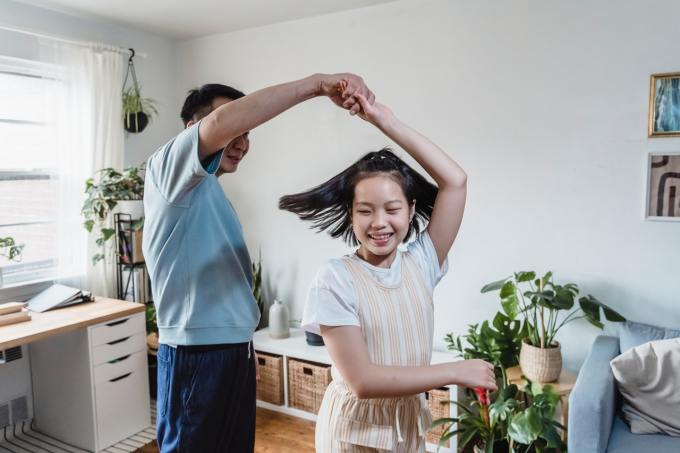
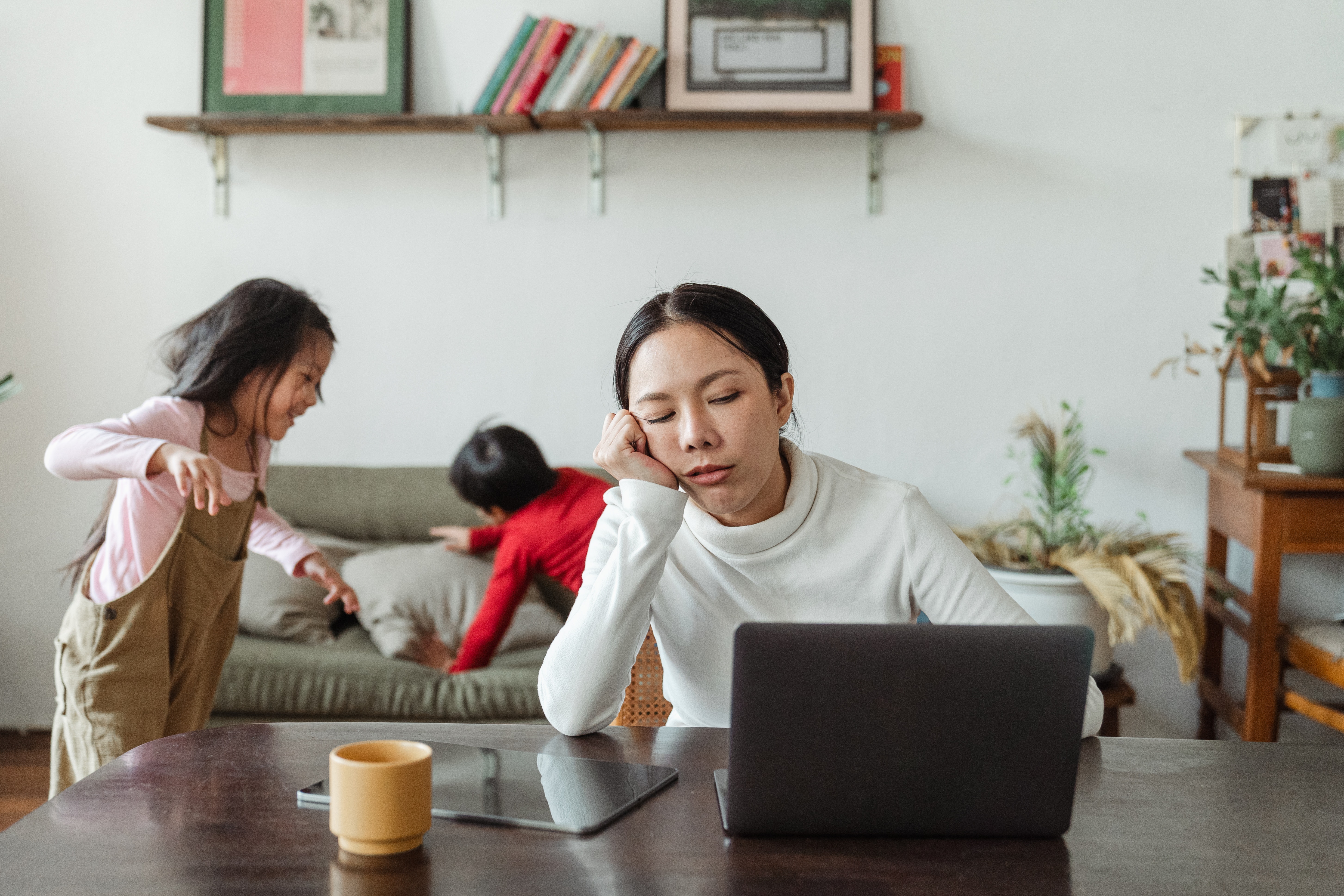
Estimated reading time: 11 minutes. Photo by Annushka Ahuja from Pexels.

A lot of things have to come together, for a successful dating, sex, or family life.

Sadly, those combinations elude most young South Koreans. Which is not to say you won’t still see plenty of couples out on dates in this warm weather, popping into love hotels, or families out for a stroll. But when you do, as @publiusterence points out in this insightful Twitter thread, notice also their expensive haircuts, clothes, smartphones, handbags, watches, strollers, and cars. Then you realize: some of the very best things about being human, which the vast majority of us deeply, instinctively aspire towards, are simply “becoming a privilege for the middle class and above.”

No wonder everyone else is so angry.

There are a host of familiar, intractable reasons for this increasing bifurcation of Korean life. Too familiar, really. Who amongst you hasn’t already read how the economy in Korea is so polarized for instance, that singles say they simply lack the time and money to go on dates or have sex, let alone ever getting married and owning a home? Or how heavily the importance and costs of education (PDF) weigh on the decision to have children? Which only married people can even ponder really, so daunting remain the stigmatization and legal problems suffered by single mothers, as well as the strong taboos against having children if the parents have no intention to marry?

Is it any surprise that on the day of writing, a poll revealed that over half of 20-somethings don’t plan to have children after marriage?

And so depressingly on.

Photo by Alex Green from Pexels

Yet some of those reasons may also feel familiar, and personally and painfully so, because you’re in a similar position yourself—only you’re not in Korea. Which further begs the questions: to what extent are Korea’s own cultural and gender norms responsible for Korea’s world-low birthrate? Or, are they simply due to late-stage capitalism? How to tease the effects of each apart?

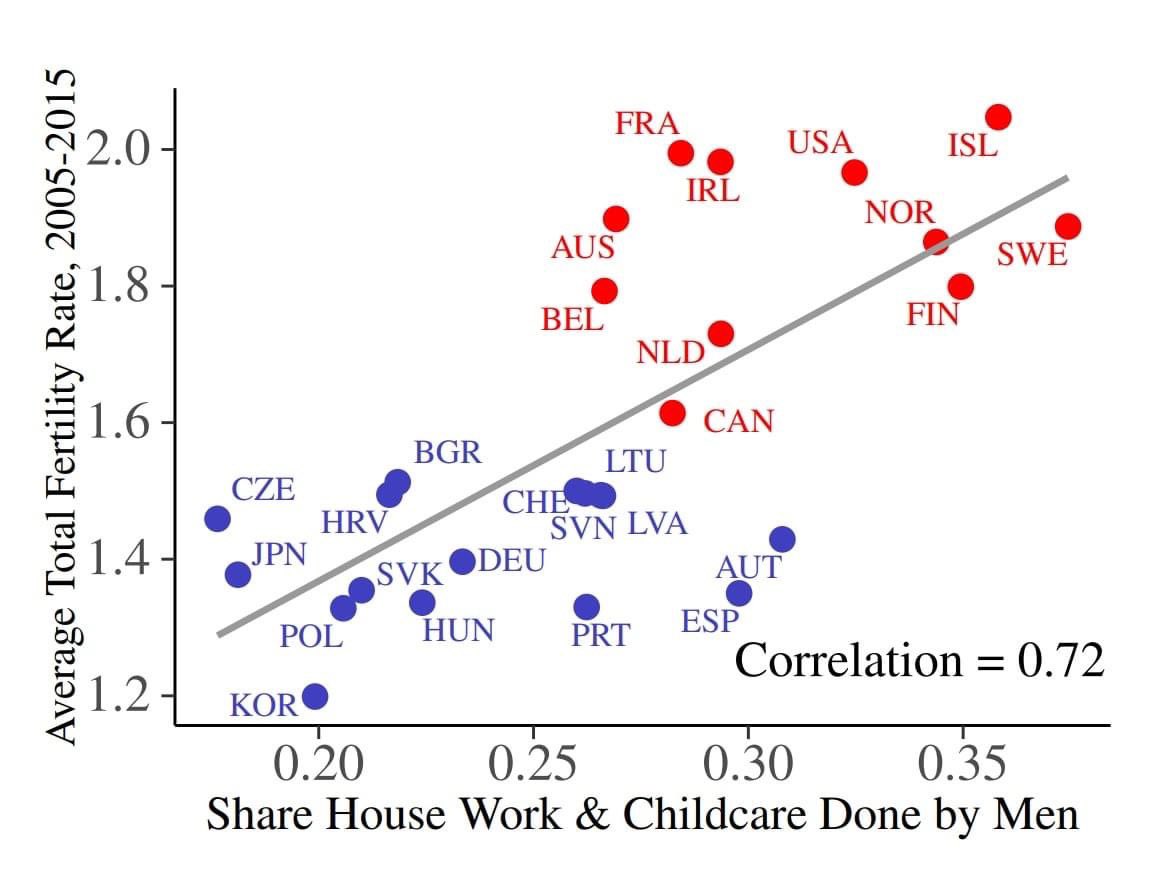
Such inquiries slide easily into a longstanding, ongoing sociological debate known as “convergence vs. divergence,” over whether the demands of capitalism force societies to adapt economically inefficient social, cultural, and gender norms as they develop, thereby making advanced capitalist societies resemble each other more over time, or whether some norms will endure regardless. Which is what makes the following graph, spreading rapidly on Korean Twitter, so interesting:

Source: Figure 16, “The Economics of Fertility: A New Era,” p. 32. Note that “Men” should more accurately say “Fathers.”

From the April 2022 “The Economics of Fertility: A New Era” by Matthias Doepke, Anne Hannusch, Fabian Kindermann, and Mich`ele Tertilt, a manuscript in preparation for the upcoming Handbook of Family Economics, unfortunately Korea is little mentioned specifically in the 129 page (but still fascinating) document. However, one of two potential takeaways is the seeming endurance and overwhelming influence of Korean cultural and gender norms. The dominant narrative projected by English-language commentators on Korean society after all, not least by myself, is that Korea remains a fundamentally sexist society. As BBC journalist Simon Maybin puts it in his August 2018 article, “Why I Never Want Babies,” with an iconic quote on this issue which I’ve often said myself (but am relieved to now have a much more reliable source for!):

A culture of hard work, long hours and dedication to one’s job are often credited for South Korea’s remarkable transformation over the last 50 years, from developing country to one of the world’s biggest economies.

But Yun-hwa says the role women played in this transformation often seems to be overlooked.

“The economic success of Korea also very much depended on the low-wage factory workers, which were mostly female,” she says.

“And also the care service that women had to provide in the family in order for men to go out and just focus on work.”

Now women are increasingly doing jobs previously done by men – in management and the professions. But despite these rapid social and economic changes, attitudes to gender have been slow to shift.

“In this country, women are expected to be the cheerleaders of the men,” says Yun-hwa.

Korean Sociological Image #92: Patriotic Marketing Through Sexual Objectification, Part 1

More than that, she says, there’s a tendency for married women to take the role of care-provider in the families they marry into.

“There’s a lot of instances when even if a woman has a job, when she marries and has children, the child-rearing part is almost completely her responsibility,” she says. “And she’s also asked to take care of her in-laws if they get sick.”

The average South Korean man spends 45 minutes a day on unpaid work like childcare, according to figures from the OECD, while women spend five times that.

“My personality isn’t fit for that sort of supportive role,” says Yun-hwa. “I’m busy with my own life.”

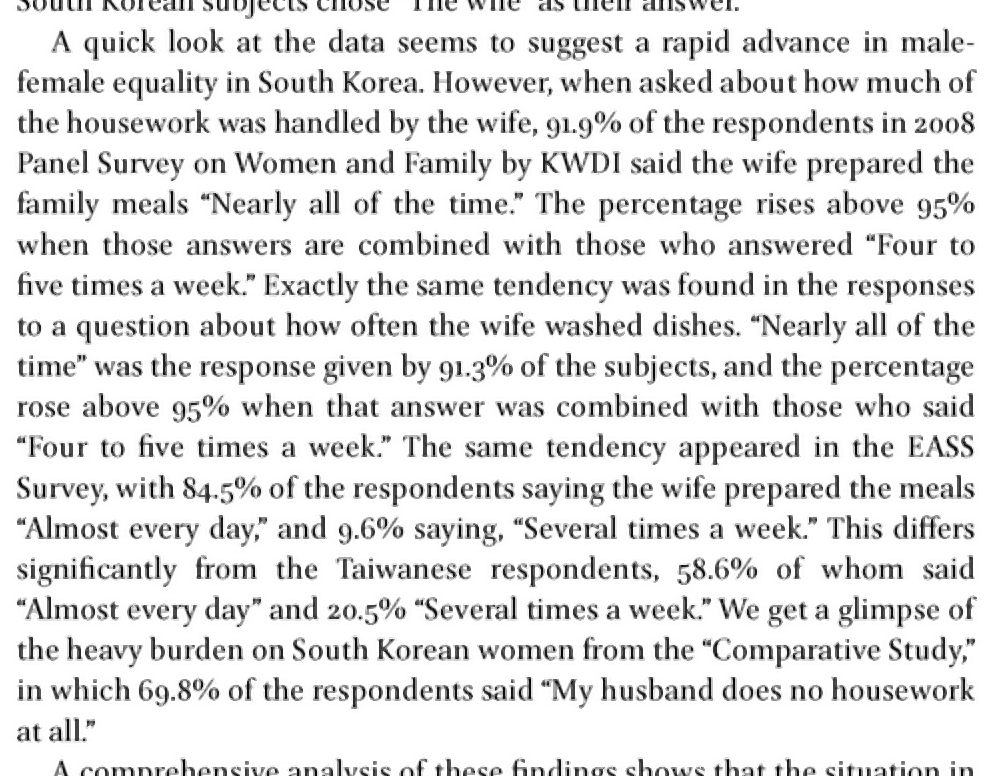
Also, for your interest, and because far more people need to be aware of Kaku Sechiyama’s excellent book, Patriarchy in East Asia: A Comparative Sociology of Gender (2015), here is his summary (p. 164) of Korean surveys from a decade earlier. As a reviewer noted, “it is in Korea (South and North) where motherhood is most pronounced, as is a household division of labor by gender”:
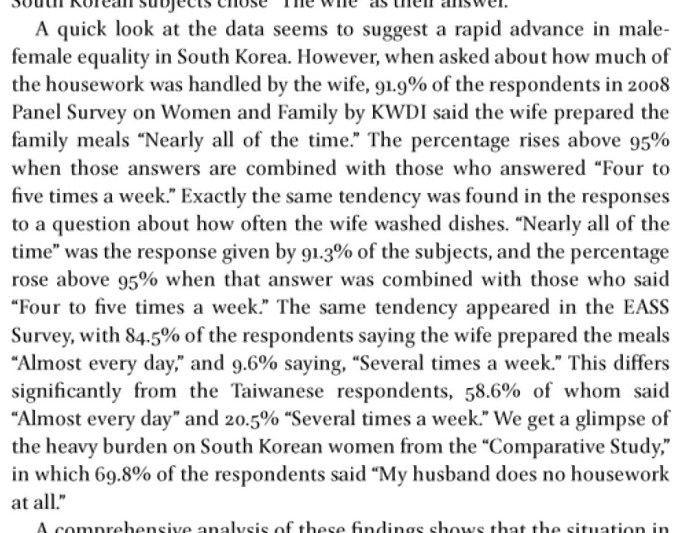
However, @publiusterence’s example also suggests looking beyond the headlines, as well as our preconceived stereotypes. For in addition to demonstrating that even in the progressive, supposed feminist utopias of Scandinavian countries, fathers still only do a third of the housework and childcare as mothers, a second, slightly contradictory potential takeaway is that regardless of the country, having fathers pull their weight more will invariably increase the fertility rate.

Source: Figure 16, “The Economics of Fertility: A New Era,” p. 32. Note that “Men” should more accurately say “Fathers.”

Does that make it also a potential point of convergence between capitalist societies? Admittedly, to posit it as such may seem misguided, as considering childcare and housework to be primarily mothers’ responsibilities is the very definition of a gender norm in itself. But the alternative, writing off all Korean fathers as simply lazy and sexist, is not exactly fair. Nor does it offer much in the way of solutions.

Instead, surely it is more helpful to point out the many structural factors that prevent Korean fathers from doing more work at home (whether they actually want to or not), as well as to point out practical steps that can overcome those.

Addressing the elephant in room first however, that last—let alone this post’s title—is not meant to imply that Korean policymakers aren’t already well aware of those many structural factors. Also, that they defy easy fixing, simply by virtue of not having already been done so. For an excellent summary of them, I recommend the second recent study, “Revisiting the Gender Revolution: Time on Paid Work, Domestic Work, and Total Work in East Asian and Western Societies 1985–2016” by Man-Yee Kan, Muzhi Zhou, Kamila Kolpashnikova, Ekaterina Hertog, Shohei Yoda, and Jiweon Jun in Gender & Society released just a month before that graph. Some highlights (my emphases):

Since the 2010s, the Korean government has introduced a series of family policies such as paid parental leaves, subsidized childcare services, and flexible working to help women and men to balance work and life. Public and social expenditure in Korea increased from five percent in 1990 to ten percent in 2012, but the figures were lower than the OECD average. Yet some scholars have classified the welfare regimes in Korea and Japan as [our “Conservative” type], given the fact that the governments in these countries work closely with businesses and corporations in providing social insurance and pension schemes; the result is a high degree of stratification among occupations and between the employed and the non-employed.

The reason for this was the Asian Financial Crisis of 1997, after which Korea underwent a revolutionary shift from having the most job for life, male breadwinner, “salarymen” in the world to having the most part-time and irregular workers in the OECD, as well as having one of the highest rates of self-employment. The important distinction is that those fortunate enough to secure “regular” jobs in large corporations make much more money and have far more fringe benefits than everyone else (hence all that money spent on children’s education; going to the right schools and universities is a must to secure such jobs). Also, as you can imagine, women make up most of the irregular workers.

Photo by Ketut Subiyanto from Pexels.

Continuing:

Our findings suggest that cultural norms interact with institutional contexts to affect the gender convergence in time use, and gender relations might settle at differing levels of egalitarianism. Furthermore, policies relying on family ties and women’s traditional gender responsibility for care provision, as in the case of Japan, Korea, and Southern European countries, will hinder progress in gender equality.

And today I learned:

In Japan and Korea, the gender gaps in paid and unpaid work time are large but the gap in total work time is relatively small; the gender convergence in paid and unpaid work time has been extremely slow and has even stalled.

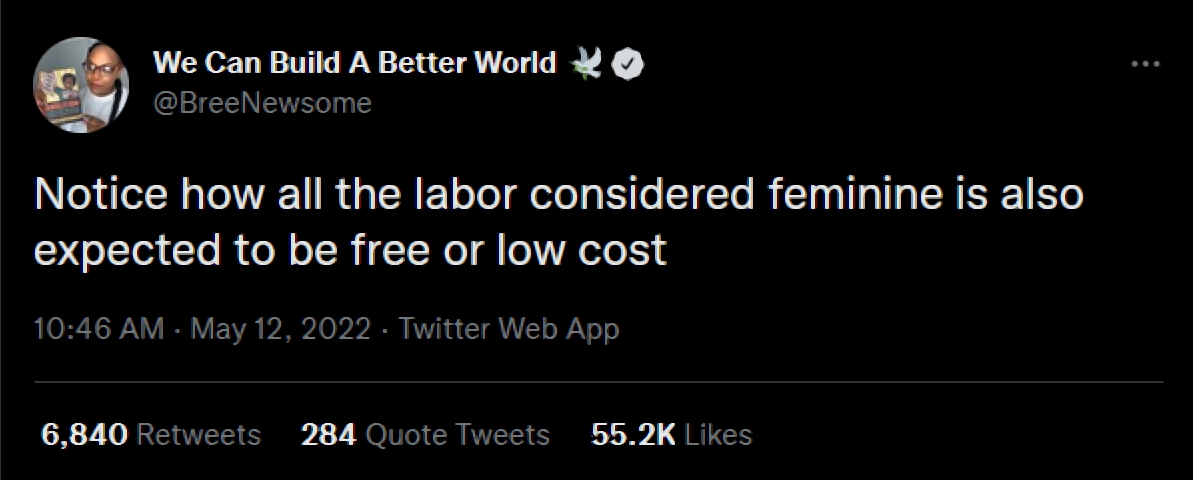
Source: @BreeNewsome

Finally:

These findings reveal that policies relying on families as a key source of care provision, including those of Southern European countries, Japan, and Korea, prevent women from increasing labor market work and reducing their share of domestic labor. In addition, the persistently long work hours in Japan and Korea have created barriers for men to committing time in domestic work.

And yet, even if you can’t change the long working hours, the universal male military conscription, the general homosociality of Korean life, and so depressingly on overnight, something that can be put in motion is a clear, explicit, widespread government campaign at raising awareness about that graph, following by loud, well-publicized efforts at removing the outdated gender roles and stereotypes from our daily lives that sustain them.

This may sound somewhat naive, and certainly isn’t a magic bullet. Of course, various initiatives of this nature have already been going on for decades too. However, deepening them and enlarging their scope would be still relatively cheap, and uncontroversial. Moreover, given the direct correlation between fathers’ share of housework and childcare to the birthrate, what’s to lose for governments that have already spent billions on trying to raise the latter, to little effect?

Indeed, if as a selection of books recently reviewed in the Atlantic show, “social and political shifts are usually the result of sustained, unseen work,” then there is still far more that needs to be done before those shifts become visible:
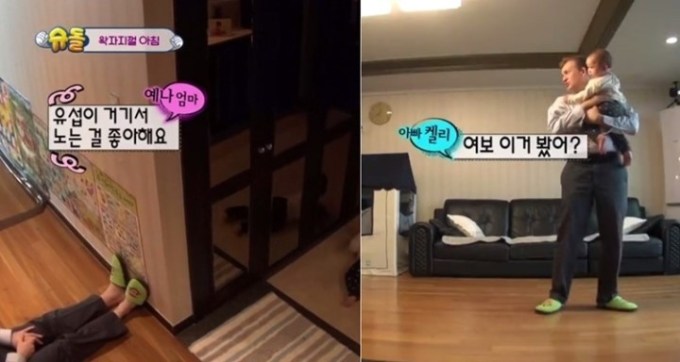
Source: Wikitree via Naver.

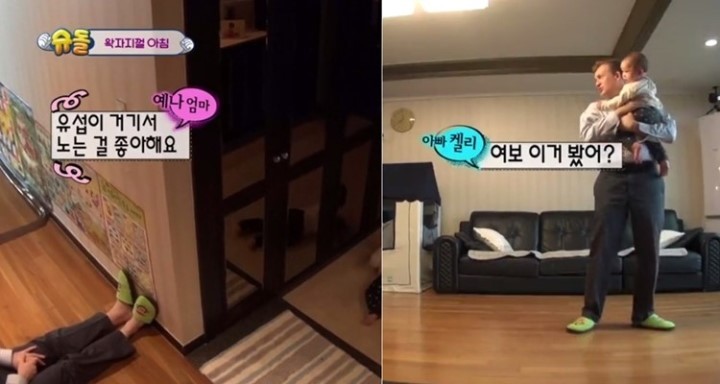
For instance, when translating foreign language programs and films into Korean subtitles, government-television broadcasters shouldn’t be allowed to depict women usually using honorific speech (존댓말) to men and men usually informal language (반말) to women, an extremely common practice that is done regardless of the status of the characters and despite no such distinctions being made in the original language. (It was even done in The Return of Superman to BBC Dad and his wife here in Busan.) Likewise, private broadcasters who do should also be named and shamed.

In case it’s not immediately clear why, pop culture gatekeepers’ dogged determination in making sure that one sex is always portrayed as higher status than the other, is not exactly a good basis upon which to discuss a more egalitarian division of home responsibilities. A clear commitment by policymakers to do away with this practice then, would surely be helpful. Likewise, and finally, also a commitment to use gender neutral terms concerning childcare and housework standard practice for all government departments’ communications with the public. Because again, what possible harm could it do?

Source: YouTube.

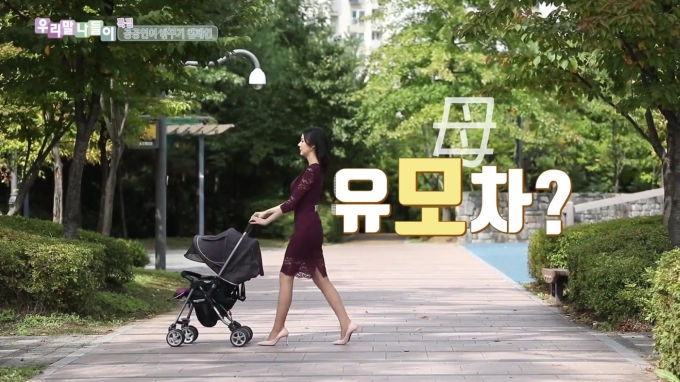
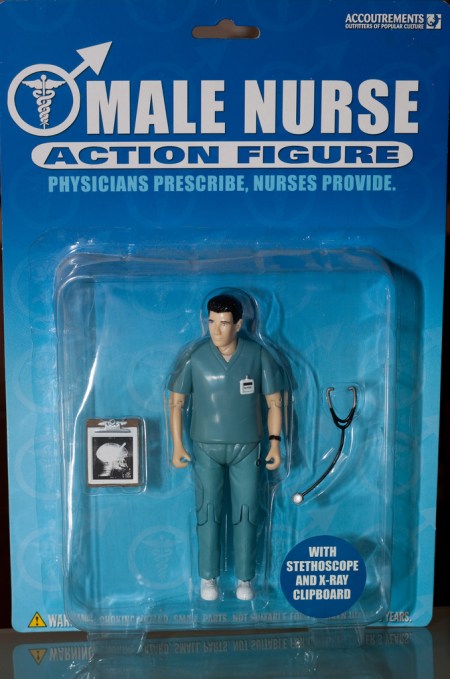
I’ve written about this before, most recently in 2019 about a new term for stroller that removes the notion that it’s a mother that should be pushing it. Sadly however, I’ve yet to encounter that new term personally, as An Hyae-min also laments in their April 24 “Mabu News” column for SBS News. Some excerpts to finish with:

우리나라의 성차별 언어는 얼마나 될까요? 한국어는 독일어와 프랑스어처럼 성별이 박혀있는 언어보다는 상대적으로 성중립적이기 쉬운 언어 구조를 가지고 있습니다. 하지만 그럼에도 불구하고 한국어 곳곳에서 성차별적 언어를 어렵지 않게 발견할 수 있어요. 2018년 여성가족부가 조사한 <일상 속 성차별 언어 표현 현황 연구> 결과를 보면, 성차별 언어 표현을 한 번이라도 접해본 사람의 비율은 응답자의 90%가 넘는 수치를 기록했습니다. 특히 성역할에 관한 차별 표현이 91.1%로 가장 많았어요. 여성을 지칭할 때만 ‘여’ 자를 따로 붙이는 ‘여배우’, ‘여의사’, ‘여경’ 같은 단어들이 그런 예가 되겠죠.
“How sexist is the Korean language? Actually, Korean tends to be relatively gender-neutral compared to gender-studded languages ​​like German and French. Yet despite this, you can easily find many sexist terms in Korean. According to the results of a study conducted by the Ministry of Gender Equality and Family in 2018 on the status of sexist language expression in daily life, the proportion of people who have encountered sexist language at least once a day was recorded by more than 90% of the respondents. In particular, the expression of discrimination regarding gender roles was the highest at 91.1%. Examples of such words would be ‘actress’, ‘female doctor’, and ‘female police officer’, where the reference to the person’s sex is used only when referring to women who perform those roles [not the ‘default’ of men who do].” (Source, right: Geoffrey Fairchild; CC BY 2.0)

가족 호칭에서도 남편 쪽의 친척에게는 ‘도련님’, ‘아가씨’로 높여 부르지만 아내 쪽은 ‘처남’, ‘처제’로 부르고 있죠. 남성과 여성을 병렬적으로 배치할 경우에 ‘남녀노소’, ‘아들딸’, ‘남녀공학’ 등 남성이 먼저 위치하지만 비하하는 표현을 사용할 땐 ‘연놈’과 같이 여성을 지칭하는 말이 먼저 오기도 하고요. 심지어 여성이 앞에 와 있는 Ladies and Gentlemen을 ‘신사숙녀 여러분’으로 뒤바꿔 번역하기도 하죠.

“Even in family titles, relatives on the husband’s side are called ‘bachelor’ and ‘agassi/unmarried woman‘, but on the wife’s side they are called ‘brother-in-law’ and ‘sister-in-law’. Also, when men and women are placed in parallel in a neutral term, men are mentioned first, such as in ‘man and woman’, ‘son and daughter’, and ‘co-education’—even the English ‘Ladies and Gentlemen’ is reversed in Korean. But when using derogatory combined expressions, words referring to the women come first, such as in ‘Yeonnom.'”

● 유모차 → 유아차
: 여성(母)만 포함되어있는 단어로 평등육아 개념과 맞지 않음. 아이가 중심이 되는 유아차가 성중립 언어라고 할 수 있음.

● 스포츠맨십 → 스포츠정신
: 스포츠를 하는 누구나 가져야 하는 스포츠정신에 남성(man)만 포함되어있는 단어는 성평등에 어긋남.

● 자매결연 → 상호결연
: 상호 간의 관계 형성의 사회적 의미를 ‘자매’라는 여성적 관계로 표현. 여성에 대한 인격적 편향성을 높일 수 있다는 점에서 차별적 표현

● Stroller → Baby Car: A word that contains only women (母) does not fit the concept of equal parenting. A child-centered infant car can be said to be a gender-neutral language.

● Sportsmanship → Sports spirit : A word that contains only men in the spirit of sports that everyone who plays sports should have is against gender equality.

● Sisterhood relationship → Mutual relationship : Expressing the social meaning of mutual relationship formation as a feminine relationship called ‘sister’. Discriminatory expression in that it can increase personal bias toward women

이러한 성차별적 표현을 바꾸기 위한 노력은 곳곳에서 보입니다. 위에 정리해 둔 건 서울시 여성가족재단에서 2018년부터 진행하고 있는 성평등 언어 사전의 일부 내용들이에요. 서울시에선 시민들과 함께 성중립 언어 개선안을 만들어서 공표하고 있죠. 국립국어원에서는 가족 호칭에 대해서 아내 쪽 친척을 남편 쪽 친척의 호칭처럼 ~님으로 부르는 방식을 권고하기도 했어요.

“Efforts to change these sexist expressions are everywhere. Listed above are some of the contents of the Gender Equality Language Dictionary, which the Seoul Gender Equality and Family Foundation has been running since 2018. The Seoul Metropolitan Government is working with citizens to create and announce a gender-neutral language improvement plan. The National Institute of the Korean Language also recommended that relatives on the wife’s side be called with the honorific ‘nim’, just like relatives on the husband’s side.”

가장 보수적인 언어가 통용되는 법령 용어에서도 성차별적 언어 표현을 성중립 언어로 대체하고 있습니다. 법 조문에는 여전히 ‘미망인’과 같이 성차별적 표현이 있거든요. 이를 바꿔보려고 한국법제연구원이 법률을 전수 조사해서 차별 언어를 검토하기도 했습니다. 지난달엔 법무부 디지털 성범죄 전문위원회에서 ‘성적 수치심’이라는 단어를 성 중립적 용어로 변경하라고 권고한 일도 있었고요.

“Even in statutory terminology, which is used in the most conservative languages, sexist language is being replaced by gender-neutral language. There are still sexist expressions such as ‘widow’ in the law. To change this, the Korea Legislative Research Institute conducted a full investigation of the law to examine the language of discrimination. Last month, the Ministry of Justice’s Digital Sex Crimes Committee recommended that the word ‘sexual shame’ be changed to a gender-neutral term.”

Korean Sociological Image #61: Stereotypical Gender Roles in Pororo

RELATED POSTS

If you reside in South Korea, you can donate via wire transfer: Turnbull James Edward (Kookmin Bank/국민은행, 563401-01-214324)

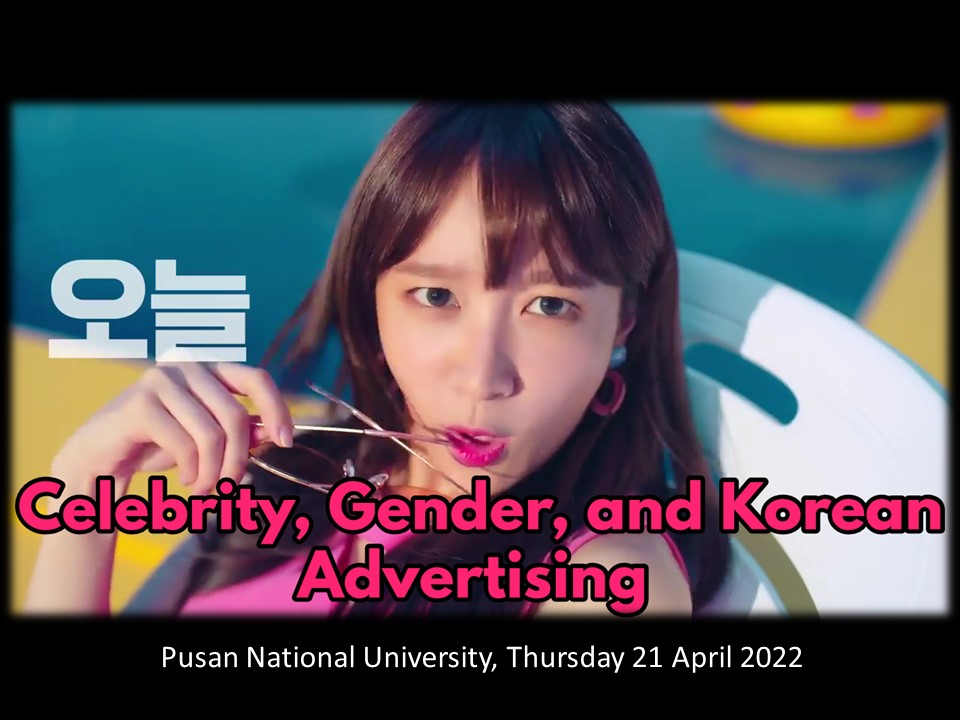
How Korean Celebrity, Gender, and Advertising Intersect—Some Quick Key Points

Estimated reading time: 7 minutes.

But first, let me extend my warm thanks to Professor CedarBough Saeji (a.k.a. @TheKpopProf) for her invitation to talk on this topic to her class last week. Next, to her students also for their many interesting questions and observations, given to me both in person and as they live-tweeted the event!

As there were too many tweets to respond to individually afterwards however, and because most were related to some key points I’d ended up having to rush over because I’d wasted far too much time showing videos of time constraints, I decided to clarify them in a long thread instead. Please click to read, and, because the more in the discussion the merrier, please feel free to respond yourself, either on Twitter or in the comments section below.

Finally, seeing as we’re on the subject of talks, let me also remind everyone that if you too would like me to give one to your own class or organization, whether in person or via Zoom, then I’ll probably jump at the chance if our schedules work out. So please get in touch! :)

If you reside in South Korea, you can donate via wire transfer: Turnbull James Edward (Kookmin Bank/국민은행, 563401-01-214324)

If She’s Got Bette Davis Eyes…

…Science says she’d be foolish not to take advantage of them.

“Eyebrows have a huge impact on the impression you make”? Estimated reading and viewing time: 5 minutes

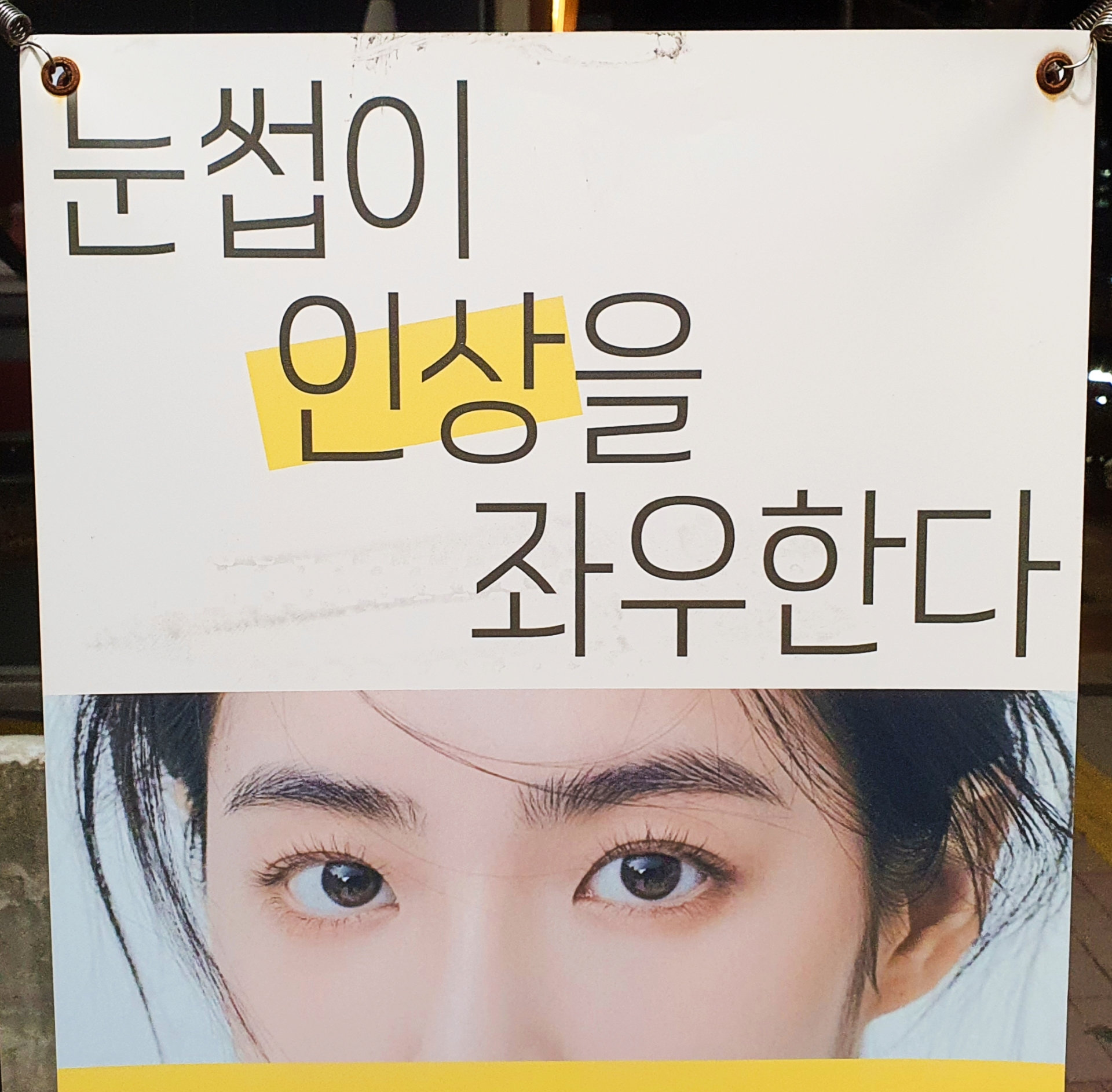
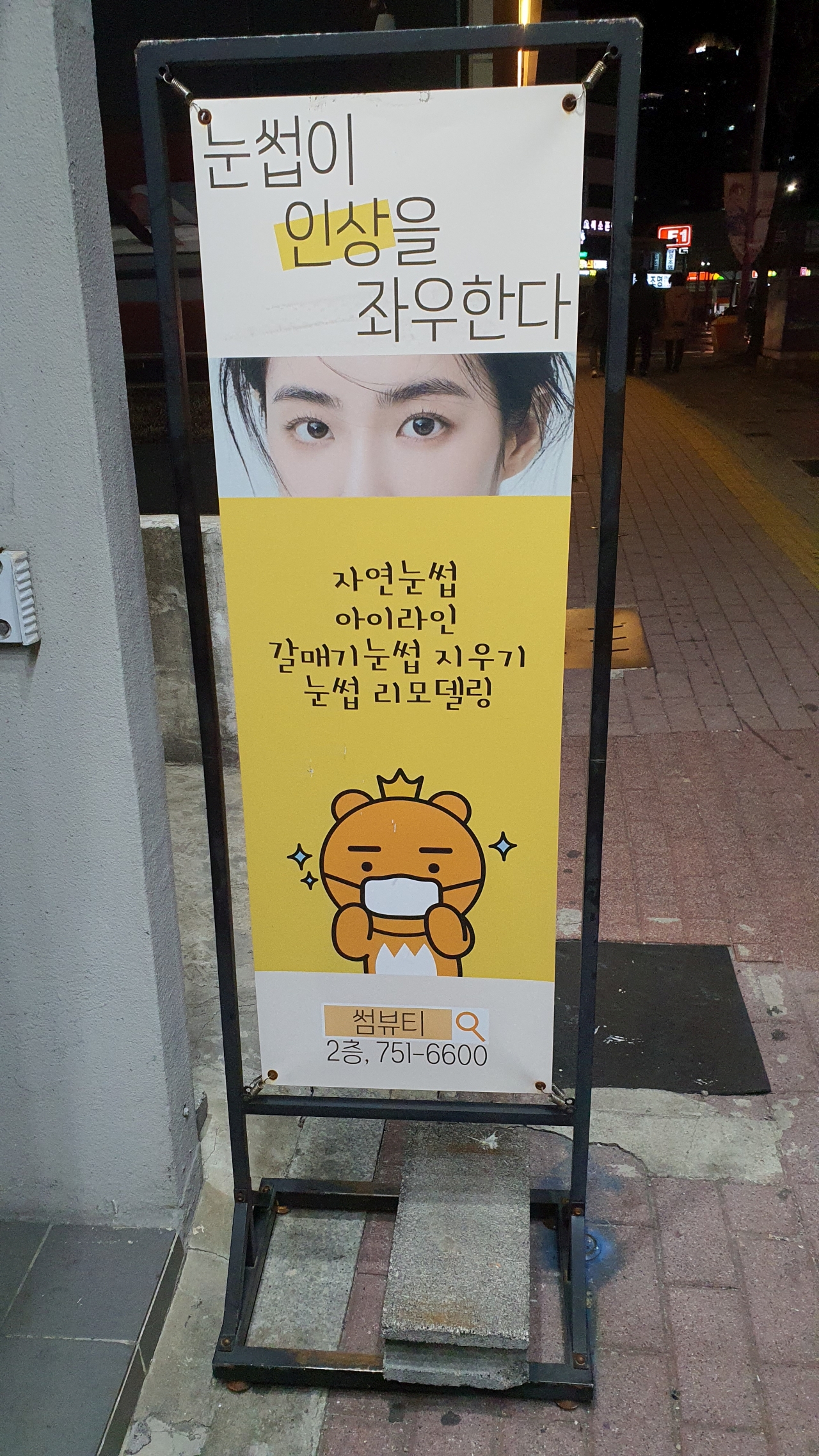
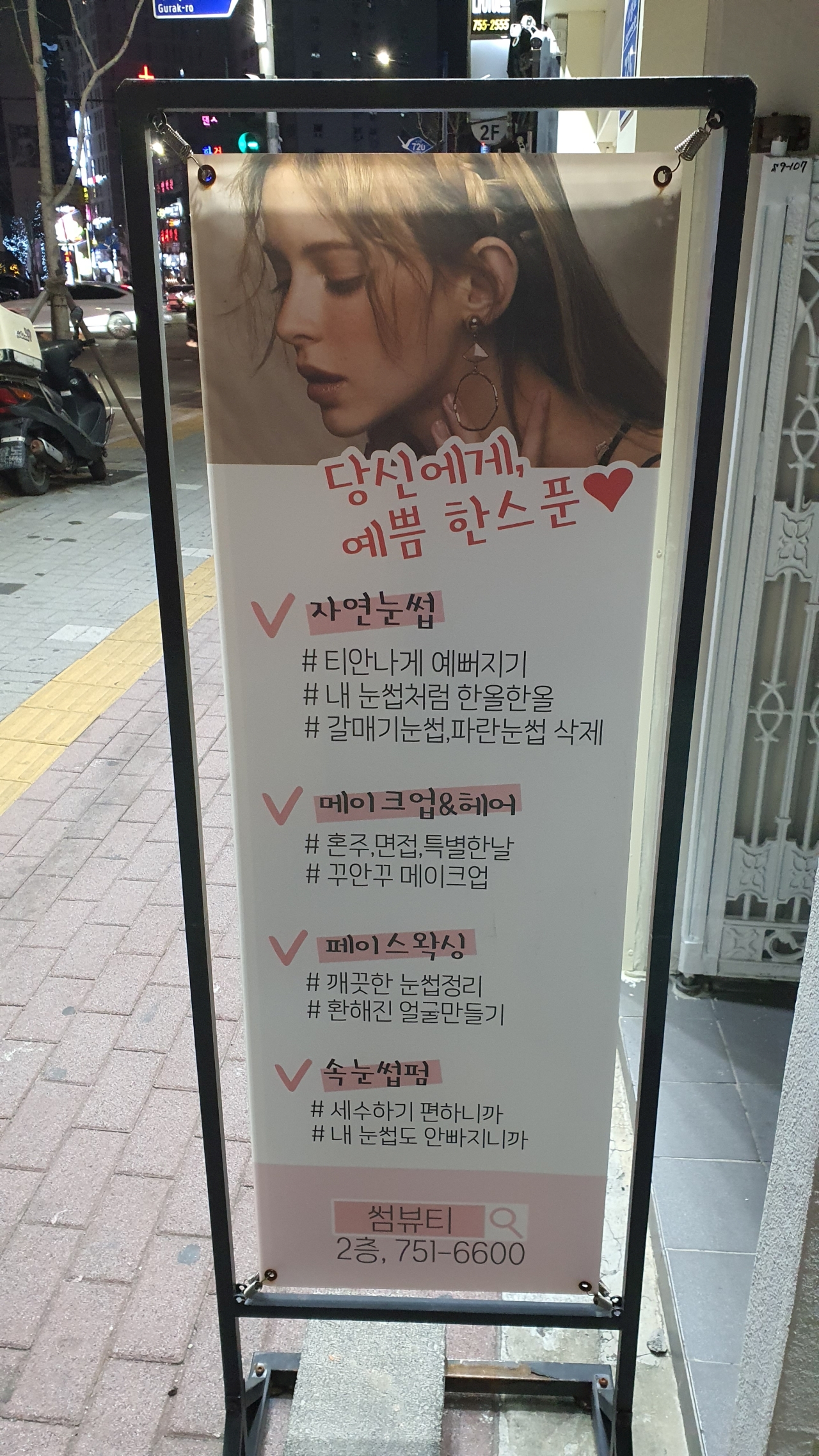
This image is from the back of a beauty parlor’s standee. The front, which I saw first, likewise featured an attractive woman. But that woman? I didn’t give her a second thought as I approached the parlor. There was nothing to make her stand out from the hundred or so other attractive women in ads I’d already seen on my walk that night. Whereas the woman on the back, who seemed to return my interest rather than avert her eyes? Of course that would elevate her above her rivals. But did you know that dopamine was the reason why? Which attractive women will trigger in cishet men’s brains only if they stare back?

All is explained in this one minute video from the Psychology TikToks channel, part of a 2010 lecture on human sexual behavior by Stanford University biology and neurology professor Robert Morris Sapolsky. But I encourage you to click on the video of the full lecture below that instead, which I’ve timed to start at 43:55 to help give you some quick context before that clip begins at 45:10:

Granted, no source is mentioned, maybe because it was in the syllabus (but see here for a student’s extensive notes), and I’ve been unable to find any possible candidates; I’ll keep looking. Another issue is that Sapolsky didn’t immediately follow his point with how cishet women reacted to attractive and ugly men returning their gaze (let alone anyone else on the LGBTQ spectrum), as I’m sure that’s what everyone in his audience was wondering. Or was that actually covered by a later comment about switching the genders?

Also granted, whatever your gender and sexual orientation, you too may prefer the back picture, for reasons that have nothing to do with dopamine. If so, having some additional chemical motivation isn’t mutually exclusive with sharing them. For instance, from an advertiser’s perspective, that picture surely ties in with the parlor’s various eyebrow-related services much better than the essentially random one on the front does. Noteworthy too is how, in discussions about the male gaze, examples of women staring back are frequently praised by women for having agency by “being aware of,” “controlling,” and “challenging” that gaze. In fact, as you can see from the links at the bottom of the post, I’ve written tens of thousands of words doing so myself, and wince at the memory of how much caffeine—not dopamine—was involved.

It’s also in those posts that I’ve expressed my anger and frustration with commentators on the female gaze who take it as a given that myself and all other cishet men actually prefer passive, compliant women we can lord over. Say, because that’s the image of women the male-dominated mainstream pornography industry, well known to be a bastion of feminist representation, overwhelmingly provides us with.

And I’m still angry and frustrated, frankly. Imagine if I likewise gave a one hour talk on what, say, cishet women want in men, without providing any evidence whatsoever that I’d asked a single one of them. It would be classic mansplaining.

It brings a certain satisfaction then, to learn that if some commenters won’t apply the same standards to themselves, there is at least now (potential) scientific proof that cishet men aren’t necessarily the domineering brutes that they describe them as ;)

Related Posts:

If you reside in South Korea, you can donate via wire transfer: Turnbull James Edward (Kookmin Bank/국민은행, 563401-01-214324)

The Hidden Roots of Korea’s Gender Wars

Universal male conscription and rampant discrimination against working mothers will always grab headlines, but a recent ruling against segregated seating in study rooms is a stark reminder of the pervasive homosociality behind the friction

Estimated reading time: 5 minutes. Photo by cottonbro from Pexels.

After university, Korean men and women have fewer friendships with each other than their counterparts in English-speaking countries do. At least, that’s my own personal experience, and I’d wager good money most of yours too.

Under-30s especially though, will make me want to hold on to my wallet. Koreans that age have known nothing but rapidly declining marriage and birth rates, a staggering rise in the number of single households, and ongoing economic precarity. In their wake, lifestyles and social norms that were centered around marriage and male breadwinner systems are undergoing a paradigm shift.

But change is never easy, nor universally welcomed. In particular, Korea’s ‘gender wars‘ are one troubling symptom of the transistion process. One of their main catalysts, misplaced anger over mandatory military service for men, will continue to buttress homosociality, by disrupting male university student’s relationships with female students who remain, as well as by subtly enabling male, age-based privilege when those men return, and by providing them with old-boy networks they will rely on for the rest of their lives. Not unrelated, long working hours for both sexes and a second shift of domestic and family responsibilities for women reinforce the notion of separate spheres.

17-Year-Old Tzuyu: “A Special Gift for Korean Men [who’ve completed military service].”

Yet these are only the broad swathes of the many roots of the phenomenon. Not so headline-grabbing, but no less impactful for all that, is that most Korean schools are single sex, with only a third of high schools in Seoul being coeducational for instance. Indeed, many schools prevent students from dating or even socializing with the opposite sex too.

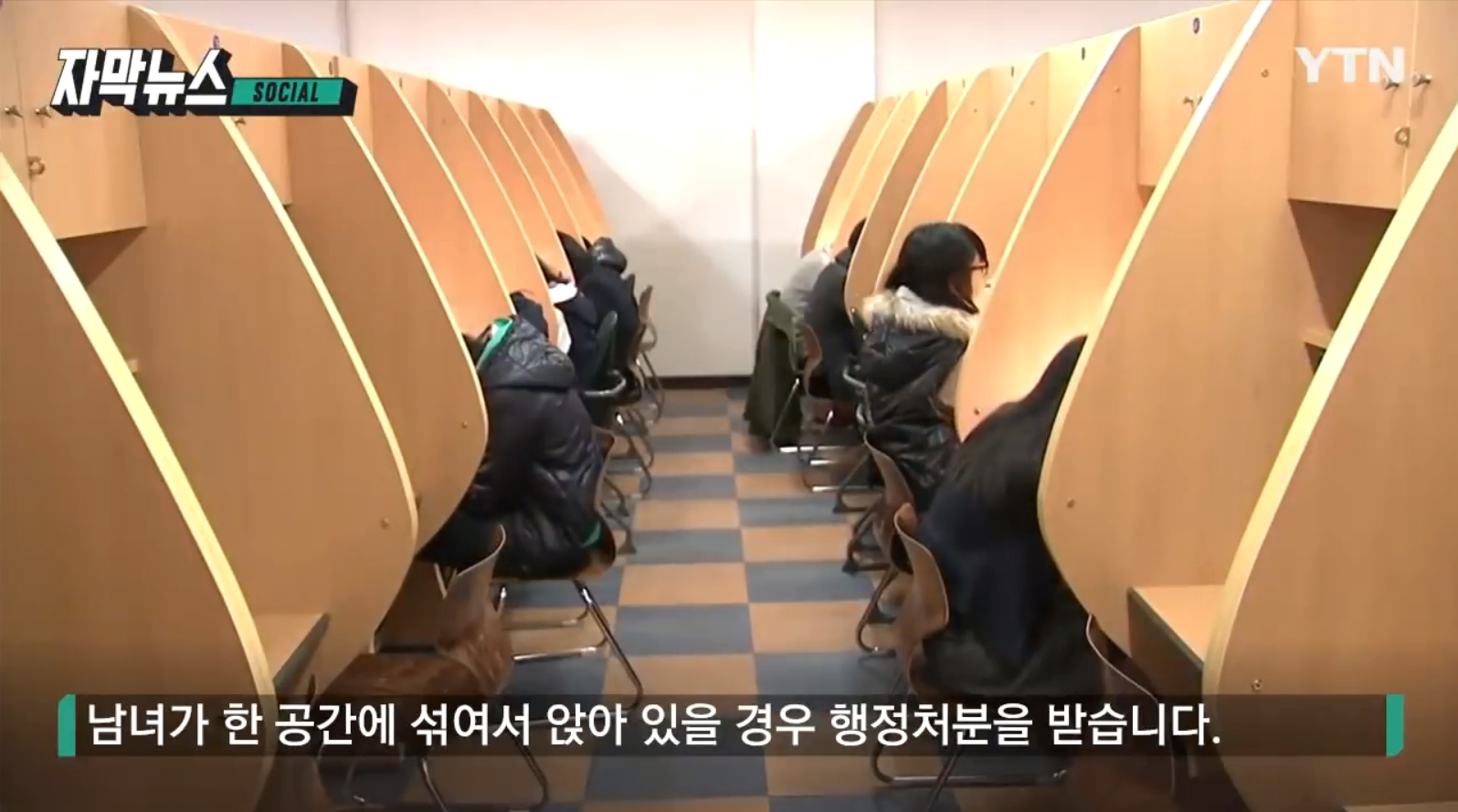
A task in which they may have long been aided, it turns out, by a law requiring “study rooms” (독서실) to be segregated by sex, under the eye-rolling rationale that mixing them together is more likely to lead to sex crimes. (And a belief which is still taught in sex-education classes today.) As YTN just reported on Valentine’s Day however, this requirement has now been ruled unconstitutional:

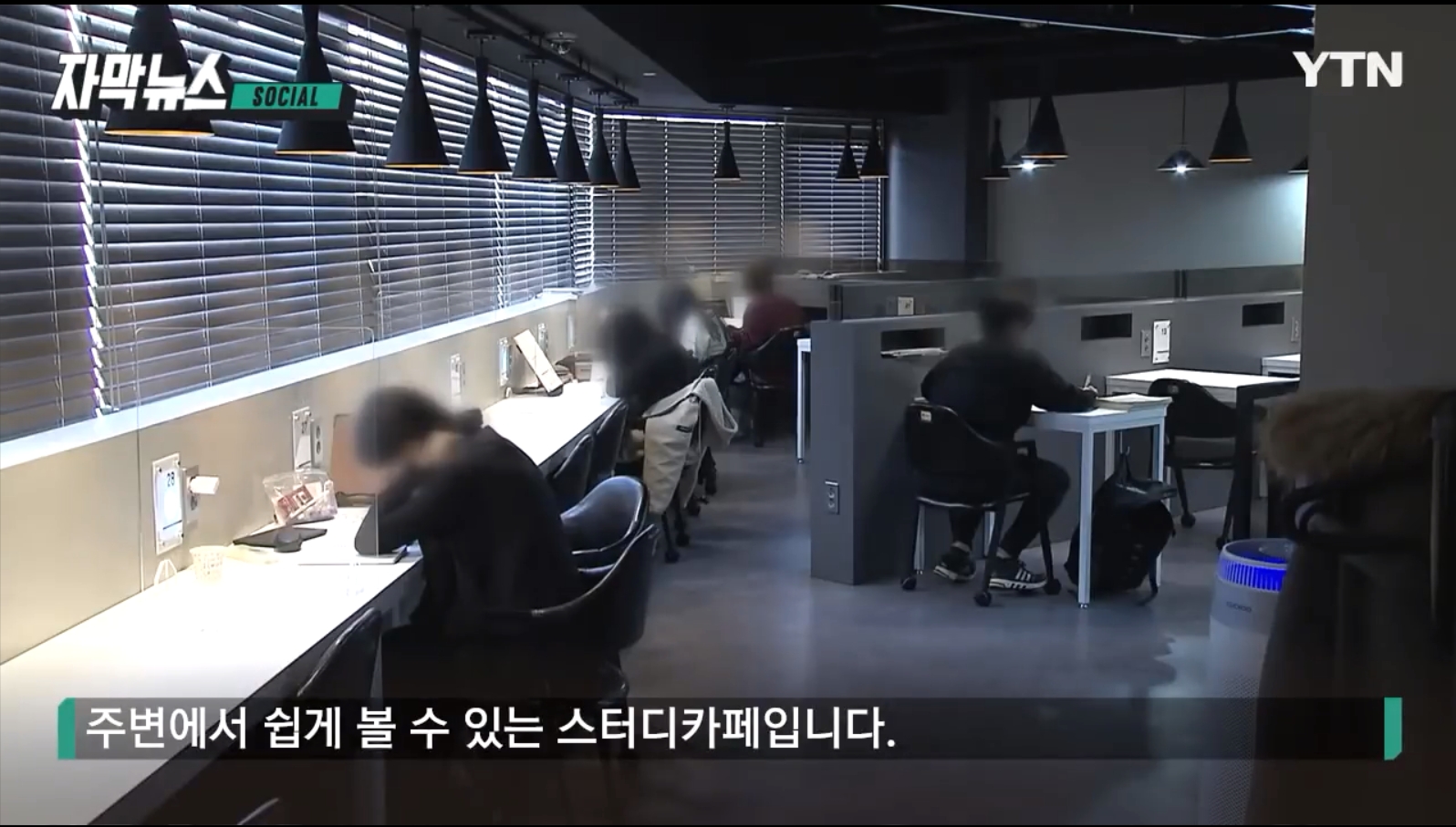
I’ll translate the report in a moment below. But first, study rooms, for those unfamiliar, are like libraries where all the bookshelves have been replaced by rows of separate cubicles. Designed to be equally quiet, and with the sole purpose of studying, I’ve also been told by a friend that they were where teenagers especially “told their parents they were going when they were actually going on dates, since you were expected to be incommunicado while you’re there.” They’re also much cheaper and have been around much longer than “study cafes” (스터디카폐), which range much more widely in price and quality but in which you either have tables and desks to work at and/or can hire a separate room where noise is not a problem, and will likely have a range of snacks, coffees, and soft drinks available to purchase. For obvious reasons, both study rooms and cafes are primarily associated with school and university students, but they’re also commonly used by older adults, especially the half a million Koreans studying for civil service exams at any one time—which just goes to show how ubiquitous and common a part of daily life they are in Korea.

Unfortunately and finally, the report is frustratingly vague. Among the many obvious questions it doesn’t provide an answer to are: if the original law (or 1995 amendment?) covered all private educational intuitions, or if it only applied to study rooms and why; if it had been enforced at all before 2017 or if that was in fact the first and last time; why only 16 regional educational boards (out of how many?) incorporated it into their own ordinances; why the Jeonju Office of Education suddenly decided to enforce it; and so on. If any readers can help fill in any these blanks, I would be very grateful!

“This is a study café, which can easily be found in any neighborhood.”

주변에서 쉽게 볼 수 있는 스터디카페입니다.

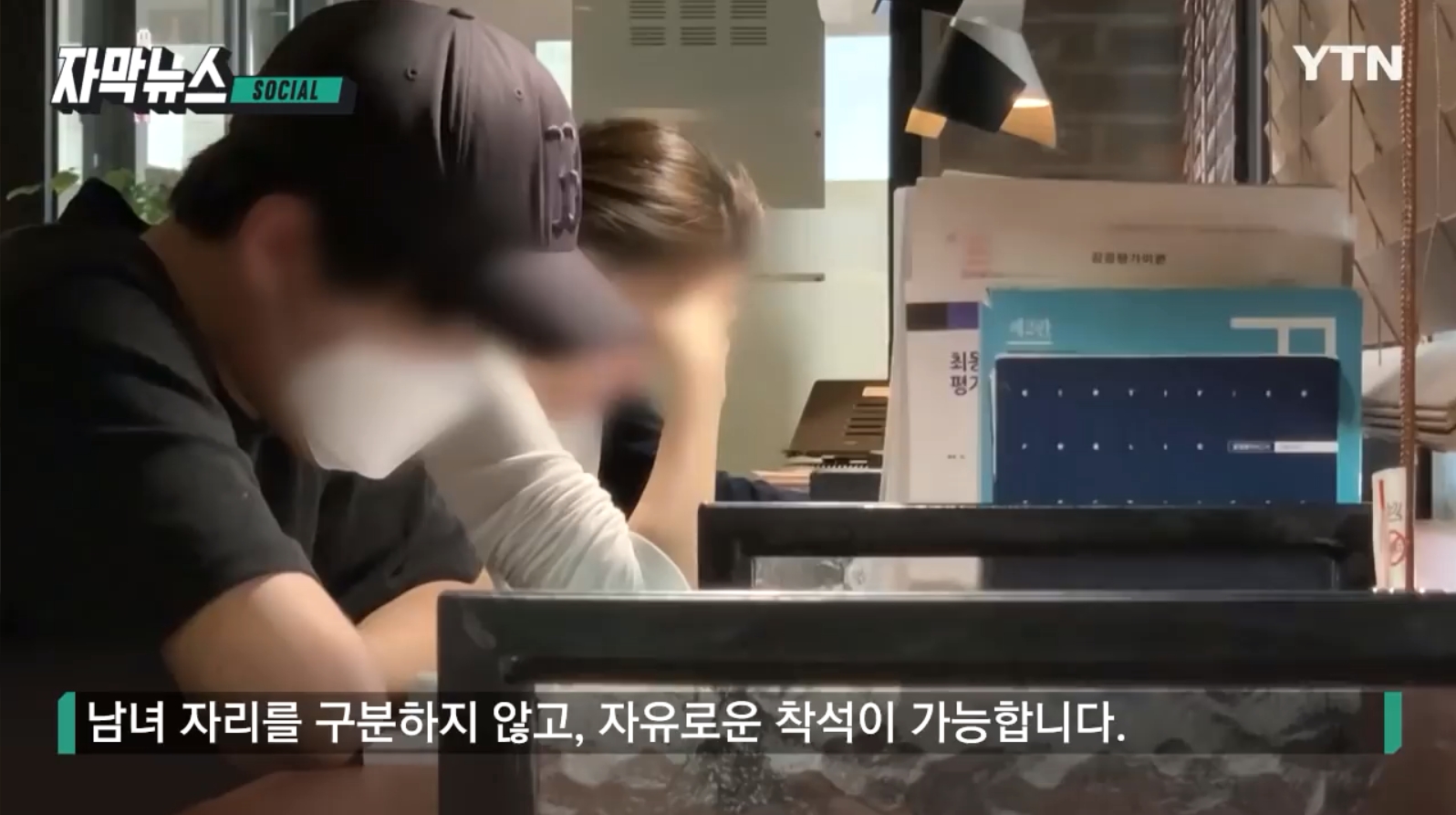
남녀 자리를 구분하지 않고, 자유로운 착석이 가능합니다.

공공도서관, 공동주택 열람실도 마찬가지입니다.

하지만 독서실은 다릅니다.

남녀가 한 공간에 섞여서 앉아 있을 경우 행정처분을 받습니다.

This is a study café, which can easily be found in any neighborhood.

You’ll notice there is free seating, with no designated areas for men and women.

The same is true for public libraries and community reading rooms in apartment complexes.

But study rooms are different.

If men and women sit together in them, the owners will be subject to administrative sanctions and penalties.

“You’ll notice there is free seating, with no designated areas for men and women.”

근거는 지난 1995년에 개정된 학원법 시행령입니다.

성별에 따라 좌석을 구분해야 한다고 규정했고, 이 조항 등을 기초로 16개 시·도 교육청은 조례에 남녀 좌석구분을 못 박았습니다.

지난 2017년 12월 이 조례를 근거로 전주교육지원청은 한 독서실 업체에 열흘간 운영정지처분을 내렸습니다.

현장점검결과 열람실 내 성별 좌석 구분 배열이 준수돼 있지 않고, 한 공간에 남녀가 섞여 앉아 있었다는 겁니다.

이에 대해 독서실 측은 해당 조례가 직업수행의 자유를 침해하는 위헌적 규정이므로, 행정처분 역시 무효라고 주장하며 소송을 냈습니다.

This is due to the Education Academy Act, which was amended in 1995. [But the broadness of the Act is not given, nor why it was only being enforced in study rooms—James.]

It stipulates that seats should be divided according to sex. Based on this provision, 16 metropolitan and provincial offices of education have incorporated it into their own ordinances.

On this basis, in December 2017 the Jeonju Office of Education ordered a study room to suspend operation for ten days.

As a result of an on-site inspection, it had found that men and women were sitting together.

In response, the study room filed a lawsuit arguing that the sexual segregation requirement was invalid, as it infringed upon the constitutional right to freedom to practice one’s profession.

“[However], if men and women sit together in [study rooms], the owners will be subject to administrative sanctions and penalties.”

1심과 2심이 엇갈리는 치열한 법리 다툼 끝에 대법원은 독서실 혼석 금지 조례는 위헌이라고 결론지었습니다.

재판부는 헌법에서 보장하는 직업수행의 자유와 독서실 이용자의 행동 자유권을 지자체가 조례를 통해 과도하게 침범했다고 지적했습니다.

이어, 혼석을 금지해 성범죄를 예방한다는 입법 목적도 남녀가 한 공간에 있으면 성범죄 발생 가능성이 커진다는 불합리한 인식에 기초한 것이므로 정당성을 인정하기 어렵다고 설명했습니다.

대법원이 전북도 조례에 대해 위헌 결정을 내린 만큼 지난 2017년 먼저 관련 조례를 삭제한 충청남도를 제외한 나머지 15개 지자체는 조례개정이 불가피할 전망입니다.

YTN 김우준입니다.

After a fierce legal battle that went to a second trial, the Supreme Court agreed that the sexual segregation requirement was unconstitutional.

The Court pointed out that through the ordinance, the local governments excessively violated the freedom of occupation guaranteed by the Constitution and the freedom of action of users of the study room.

The Court further explained that the original purpose of the ordinance, to prevent sex crimes by reducing the opportunities for men and women to mix, was irrational and could not be used as justification to continue it.

As a result of the Supreme Court’s ruling that ruled that sexual segregation was unconstitutional, the remaining 15 metropolitan and provincial offices of education that incorporated the provision will be forced to revise it. One of the original 16 offices, that of Chungcheongnam-do, already removed the relevant ordinance in 2017.

Kim Woo-jun from YTN reporting. (End.)

Update:

An excellent article by Choi Jae-hee from The Korea Herald entitled “From study cafes to ride-sharing, Koreans seem to prefer same-sex environments. Why?” helped fill in some of those blanks. Specifically (but I highly recommend reading it in full):

[The Supreme Court’s] judgement was in favor of a local operator of a private reading room facility who was slapped with a 10-day business suspension from a local educational authority for breaking a gender segregation rule set by the North Jeolla Province’s education office.

The rule in question is the article 3 of the “Ordinance on the Establishment and Operation of Private Educational Institutes,” which stipulates that seats in studying spaces at private educational facilities should be divided by gender. It was introduced in 2009 largely to deter sex crimes and ensure a better study environment, officials said.

Unlike study cafes, which are categorized as a space leasing businesses or a restaurant/rest area business, reading rooms are regarded as private academies and thus are subject to the ordinance.

Related Posts:

If you reside in South Korea, you can donate via wire transfer: Turnbull James Edward (Kookmin Bank/국민은행, 563401-01-214324)

Local Rights Center Only Makes *Recommendations* to Companies that Discriminate; Highlights South Korea’s Urgent Need for Comprehensive Anti-Discrimination Law

Estimated reading time: 4 minutes. Source: MART PRODUCTION from Pexels

Korea, notoriously, lacks a national, all-embracing, intersectional anti-discrimination law. Ten attempts have been made to pass one since 2007, all failing largely due to the political power of conservative religious groups, opposed to the inclusion of protections for LGBTQ individuals; an 11th is currently in limbo due to the imminent presidential election. Adding insult to injury, racial, ethnic and sexual minorities also lack protection in the constitution, which only prohibits discrimination on the basis of sex, religion, and social status, and so haven’t been covered by the various laws prohibiting those specific forms of discrimination enacted since.

It’s in this context that I present my translation of the following subway poster for the Busan Human Rights Center for your interest, and their suggestions of typical cases of discrimination and human rights violations. Most, of course, would be depressingly familiar occurrences in any country. But others, much more commonplace in Korea then elsewhere. In particular, Korea’s pervasive hierarchy and elitism is evident in unnecessary questions about which university you went to, as well as absurd enquiries about your parents’ and grandparents’ backgrounds. So too, when blatant discrimination against women remains rampant despite protections, when photographs are required on resumes, and when society remains obsessed with (female) body weight and appearance, can Korean women especially continue to expect hiring decisions based on their appearance.

Most notably and depressingly of all however, the Busan Human Rights Center only makes recommendations to offending companies and institutions, not prosecuting them or assisting you in doing so. In fairness, I stress I only know of the Center through its website; prosecution may never have been its intended purpose, which other institutions and services may exist to fulfill, and doesn’t diminish its potential role in education, awareness, and/or the value of gentle pressure and public shaming it can bring to bear on offenders. Still, it also instantly brings to mind the well-known National Human Rights Commission of Korea, launched to much fanfare 10 years ago but rendered toothless since.

My translation, starting from the top:

구직, 채용, 면접, 시험에서 받은 If these ever happen to you while looking for a job, being recruited, during an interview, or while in an exam or test…

인권침해 Human Rights Violations

사소한 것이라도 부산광역시 인권센터에 알려주십시오 No matter how trivial or small it seems, please inform the Busan Human Rights Center

Row by row:

업무와 상관없는 특정종교 선발 Choosing candidates based on religion, with no relation to the job

과도한 사적정보 요구 (아빠직업, 엄마 직업, 할아버지 재산, 이모부 고향) Excessive demands for personal information (e.g., parents’ jobs, size of grandfather’s estate, uncle’s hometown)

장애 (장애인 출입이 불가능한 채용시험장) Disability (Recruitment Test Center has no disabled access)

동성애자 아니죠? You’re gay, aren’t you?

채용여부 묵묵부답 Left hanging about your recruitment status

시험 주에 화장실 가려면 시험포기 각서 쓰라 Having to sign an agreement that you fail a test if you need to leave for a bathroom break

노동조합이 생기면 가입할 겁니까? If there was a union, would you join it?

업무와 상관없는 나이제한 Age restrictions that have nothing to do with the job

나라 출신은 안 됩니다 You’re not from X country

서류반납 거절 Refusal to return documents

압박면접을 빙자한 막말 Unnecessary blunt remarks and rudeness for the sake of a pressure interview

업무와 상관없는 학력차별 Choosing candidates based on educational background, with no relation to the job

이번 선거에서 누굴 지지합니까? Who are you voting for in the election?

출산 후에도 회사 다닐 거예요? Are you going to continue working after giving birth?

외모에 대한 노골적 평가 (모델선발하나?) Blatantly evaluating you based on your appearance (Are you choosing a model?)

Finally:

취업과정에서 다양한 인권침해가 발생하고 있습니다. 그러나, 구직자들은 부당한 질문들과 불법한 차별에 대해 제대로 대응하자 못하고 있는 현실이기도 합니다. 부산광역시 인권센터는 구직과정의 인권침해 사례들을 수집하고 개선방안을 관련 기관에 권고할 예정입니다.

Various human rights violations [can] occur in the employment process. However, the reality is that job seekers are not always well equipped to properly respond to unfair questions and cases of illegal discrimination. The Busan Human Rights Center will collect such cases and recommend improvement measures to related organizations. (End.)

Have you or anyone you know experienced any of these yourself in Korea? Please let me know in the comments.

Update:

A Facebook friend asked for clarification about what exactly my issue with the Busan Human Rights Center was, given that even the National Human Rights Commission of Korea can only make recommendations, as is the case with most national human rights institutes worldwide. Here’s my response:
 
My issue is that if I was a victim of discrimination in New Zealand say, and encountered a poster for a similar institution, I would fully expect its stress to be on my potential to prosecute, that the center would be geared around my doing so (even if all it could really do was offer lawyers’ contact details), and that possibly even the center itself would be able to advocate for me if I was financially disadvantaged.
 
That said, I admit have no knowledge or experience of the legal system there, or in Korea. Possibly, my assumptions about rights centers in Western countries are hopelessly naive. But either way, whatever the country, if the best I could hope for from working with one was a sternly worded email to my former employer, then I’m not sure I would bother.
 
I do still mention in the post the valuable roles such centers can have, even if they don’t/can’t prosecute offenders themselves. But whether human rights centers in Korea can’t help with prosecuting because that was never their purpose, and/or whether it’s because many forms of discrimination aren’t even illegal, then either way the poster served to highlight the latter to me, and why I post it for others. I assume too, that if a comprehensive anti-discrimination *was* passed, then human rights centers would be given the remit and resources to take bolder measures against infractions when notified by the public.
 
(#95 in the Korean Sociological Images series)

Related Posts:

If you reside in South Korea, you can donate via wire transfer: Turnbull James Edward (Kookmin Bank/국민은행, 563401-01-214324)

February Book Club Meeting: “Love in the Big City” by Sang Young Park, Thursday 24th 7:00pm

Estimated reading time: 3 minutes.

Hello everyone! For February’s book club meeting on Zoom, we’re reading Love in the Big City by Sang Young Park (2021), translated into English by Anton Hur and recently released in paperback. As described by publisher Grove Atlantic in the US (published by Tilted Axis Press in the UK):

Love in the Big City is the English-language debut of Sang Young Park, one of Korea’s most exciting young writers. A runaway bestseller, the novel hit the top five lists of all the major bookstores and went into nine printings. Both award-winning for its unique literary voice and perspective, and particularly resonant with young readers, it has been a phenomenon in Korea and is poised to capture a worldwide readership.

Love in the Big City is an energetic, joyful, and moving novel that depicts both the glittering nighttime world of Seoul and the bleary-eyed morning-after. Young is a cynical yet fun-loving Korean student who pinballs from home to class to the beds of recent Tinder matches. He and Jaehee, his female best friend and roommate, frequent nearby bars where they push away their anxieties about their love lives, families, and money with rounds of soju and ice-cold Marlboro Reds that they keep in their freezer. Yet over time, even Jaehee leaves Young to settle down, leaving him alone to care for his ailing mother and to find companionship in his relationships with a series of men, including one whose handsomeness is matched by his coldness, and another who might end up being the great love of his life.

A brilliantly written novel filled with powerful sensory descriptions and both humor and emotion, Love in the Big City is an exploration of millennial loneliness as well as the joys of queer life, that should appeal to readers of Sayaka Murata, Han Kang, and Cho Nam-Joo.

For glowing reviews. see Asymptote, Electric Literature, NPR, The New York Times, and you may also be interested in an interview of Park by Hur at Words without Borders, as well as Hurs’ reflections at Literary Hub on translating a bestselling queer Korean novel as a gay Korean man. Alternatively, if videos are more your thing, then check out an author talk at The Korea Society, a conversation between Park and Alexander Chee and an interview of Park by Hur at LTI Korea, and, of course, Books and Bao’s excellent quick review below:

For purchasing the book, try Aladin in Korea (hardback), or publishers Grove Atlantic (US) and Tilted Axis Press (UK).

If you’re interested in attending, please contact me via email, or leave a comment below (only I will be able to see your email address), and I will contact you a week or so before the event. To keep the meetings small and informal, and to help me ensure they’re as safe a space as possible, there’s a limit of 12 participants including myself, so please get in touch early to ensure your place (and give you time to order and read the book!).

See you on Zoom!

If you reside in South Korea, you can donate via wire transfer: Turnbull James Edward (Kookmin Bank/국민은행, 563401-01-214324)

Why I Choose the Term “Sex Work” Over “Prostitution”—and You Should Too

Because most sex workers themselves do (duh). But if you’re looking for a deeper explanation, Revolting Prostitutes: The Fight for Sex Workers’ Rights, just out in a Korean translation, would be a great place to start.

Estimated Reading Time: 4 minutes. Sources: Aladin, mikoto.raw Photographer from Pexels.
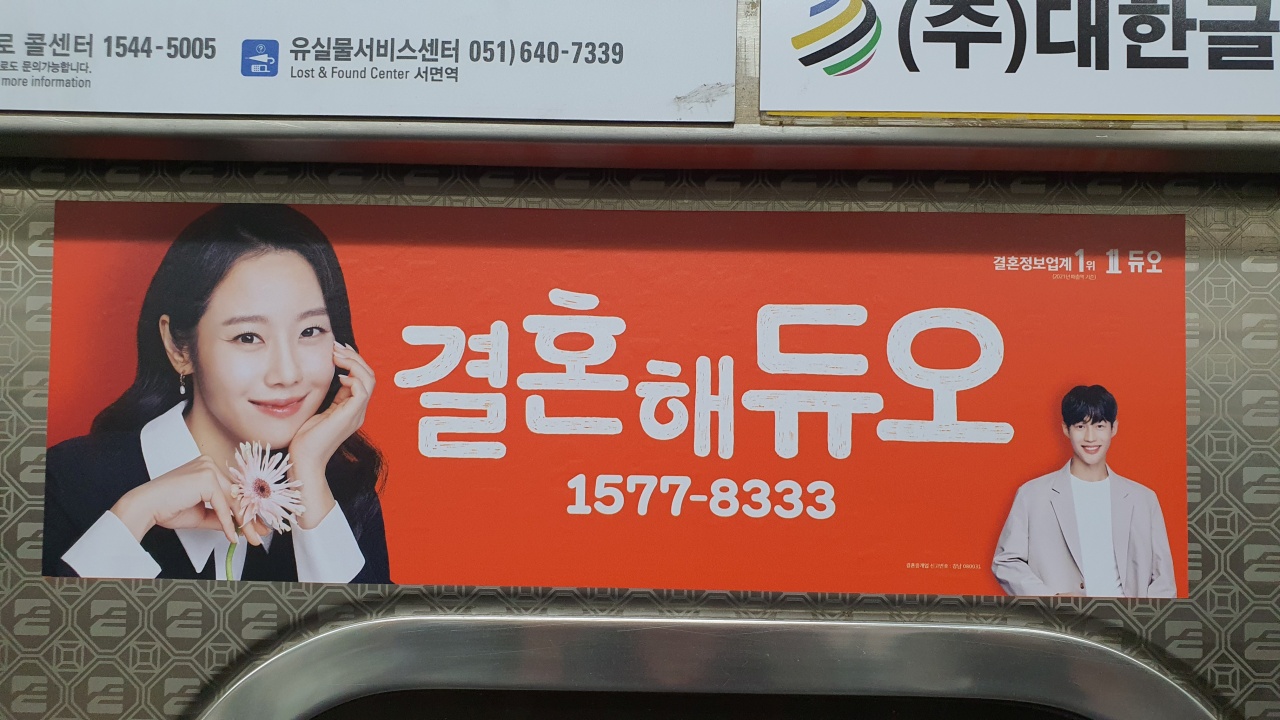
Once upon a time, I lived with male sex workers in a red-light district in New Zealand, shortly before sex work’s decriminalization there. Truthfully, the experience was no great eye-opening introduction to LGBTQ politics and sex workers’ rights. They were under no obligation to provide one, and were much too busy working, taking drugs, and partying to care anyway, even when they saved time by doing all three simultaneously. Mostly then, what I did learn was how to dance half-naked to Cher’s latest hit on the DJ equipment in our living room, which also happened to have hundreds of thousands of dollars’ worth of Eastern Orthodox iconography of saints hanging on its walls. (It’s a long story.) Under their judgmental eyes, I’d hear a great many confessions from my newfound friends and flatmates over the next 18 months, including letting go of their tough, affected exteriors for a moment and letting me know how much it bothered them that I—who should know better—called them “prostitutes.” Of course I stopped immediately, just like it’s basic respect to automatically defer to people’s preferred pronouns today.

Sadly, since moving to Korea and settling down, I only occasionally dance half-naked in the living room now. (My teenage daughters are somewhat less sad about that.) Also, recent events notwithstanding, I’m a lot less likely to find amphetamines lying around on the floor than I did back then too. Which is a pity, because I needed the energy. For a long time, I was just too sleep-deprived and focused on nappies and piggy-backs to give much thought to sex work. Just between you and me, I may even have been too tired to remember to use the s-word for a while.

Then I started this blog. Although I can’t claim to have personally met sex workers and activists as a result of my eye-catching, shamelessly stolen byline, I have met people who know many well. Again, I learned that worldwide, terms that focus on the job, rather than historical terms that stigmatize with their connotations of criminality and immorality, are generally preferred by sex workers themselves. So I’ve been at pains to use “sex work(er)” ever since. (In Korean, “성노동[자],” rather than the generic “성매매.”)

You may be surprised then, to learn at the visceral reaction you can receive at calling members of a profession what they actually want to be called, as recently explained by Hankyoreh columnist Han Seung-eun:

성노동이라는 단어를 쓸 때면 손끝에서 미세한 진동이 느껴진다. 오랜 시간 성매매를 둘러싼 긴장과 대립을 간접 경험하며 생긴 반응이다. 성매매가 아닌 성노동이라고 표현하는 순간, 이어질 문장들은 사라지고 납작한 메시지만 수신된다. ‘당신은 성매매가 얼마나 성차별적이고 폭력적인지 인정하지 않는군요. 어떻게 성을 사고파는 일을 노동이라 표현하죠? 그 현장이 얼마나 참혹한지 몰라서 하는 말인가요? ’나는 금기가 된 단어를 사용하는 일보다, 그 금기로 인해 더 많은 논의가 이어지지 못하는 현실을 두려워하기로 했다.

When I use the term “sex work,” I feel a slight tingling in my fingertips. I get this physical sensation as an indirect reaction to the tension and confrontation I’ve been feeling for a long time whenever I choose how to discuss the selling of sexual services. You see, as soon as I choose the term “sex work” instead of “prostitution,” all nuance gets lost and I get these dogmatic, stock responses of “Don’t you know how sexually discriminatory and violent it is? How can you describe the buying and selling or sex as just ‘work’? Don’t you realize how horrendous and gruesome it is?” The word was so taboo, that I was scared of using it at all lest it just close the conversation down completely.

Of course, things are more complicated than that. It’s no secret that that those who support the abolition of the sex trade generally prefer the p-word instead. To use the s-word is to declare your politics.

Are things really all that more complicated though? Just on its own objective merits, the p-word has very little to recommend it, as that last link makes clear.

More to the point, I feel compelled to reiterate that if sex workers think of themselves as workers, then I’m inclined to believe they have good reasons for that. Not so much, to listen to sex work abolitionists—or anyone else—who claim to know the wants and needs of a group better than members of a group themselves.

I stress I’m no expert. But I’ve just found an opportunity to learn more. Through Han Seung-eun’s column (actually a review) appearing in my feed today, I learned of the book Revolting Prostitutes: The Fight for Sex Workers’ Rights (2018) by Juno Mac and Molly Smith, which by all accounts provides a very balanced, nuanced argument for decriminalization (alas, Nordic Model Now! disagrees). Now updated in a 2020 edition, I’m glad to have been made aware of it and to have learned that a Korean translation has recently been released, and the least I could do is to also let you know about it too.

Please check out publisher Verso for ordering information. Unfortunately for Korea-based readers, even with a sale on at the moment the time and cost of sending a paperback from the UK are prohibitive. However, it is very cheap to buy on Aladin.

What are you waiting for?

If you reside in South Korea, you can donate via wire transfer: Turnbull James Edward (Kookmin Bank/국민은행, 563401-01-214324)

Announcing the First Book of The Grand Narrative Book Club: “If I Had Your Face” by Frances Cha, Thursday 27 January 7:00pm

Estimated reading time: 3 minutes.

If you wannabe my lover, you gotta get with my books.

Or, if you just want to be my friend (your loss!), I’ll settle for a shared love of books in general.

Just as in a romance though, a relationship on that basis can still entail a bittersweet mix of passion and frustrated longing. Specifically, as my own taste in books has rarely meshed with my friends’, I’ve found there’s only so much I can wax lyrical about my latest conquests when they’re so unlikely to ever read them themselves. And with 52 books read in 2021, plus a goal of 72 in 2022, that’s of lot of pent-up passion not to have an outlet for.

But you already know where it’s going to go now.

As I type this, I’m loving If I Had Your Face by Frances Cha, “a fierce social commentary about gender roles, class divisions and, yes, plastic surgery in South Korea.” I’ve been especially struck by how realistically Cha depicts the daily lives and conversations of the four main young(ish) Korean female characters, much more so than in previous Korean or Korea-related fiction I’ve encountered. “Finally,” I said to myself, “I’ve found characters in a book talking just like my Korean friends and I talk!”

Yet we’re not in our 20s or early-30s either. Beyond the swearing and sex talk that I love so much, does Cha indeed portray their lives realistically? It’s been especially difficult for someone with my background to tell, slowing down my reading with so many nagging thoughts and questions.

Then something occurred to me in the shower. It’s a popular book, making Time’s list of 100 must-read books in 2020 for instance, meaning there’s many of you out there with your own opinions, insights, and maybe even your own nagging questions. So why not share them with each other on Zoom?

I’m envisaging something very intimate and informal, cameras on, with a maximum of 12 participants (but in practice probably much fewer than that). To ensure it’s as safe a space as possible, I’ll screen all attendees as much as I’m able, the Zoom link will be invite only, and once it’s started I’ll be very busy behind the scenes to ensure things run smoothly.

Just for that last reason alone, I want to be clear that this will be a discussion, and definitely not any kind of lecture, webinar, or even dominated by me. While in my duties as host I will have prepared many hopefully interesting questions and potential talking points to raise if necessary, I strongly encourage—nay, demand—everyone attending to come up with at least couple of their own (please!).

For those amongst you who are interested but haven’t read the book yet, I’m thinking that by Thursday, January 27 is plenty of time to order, read, and digest it, and that 7pm on that evening (Korean time) is both late enough to drink eat first, and early enough to get a discussion of a decent length in before people get tired. We could also decide the next month’s book then too.

If you’re interested in attending, please leave a comment below (your email address will only be visible to me) or contact me, and I’ll get in touch in a group email closer to the date. Any thoughts, suggestions, and advice for running a book club would also be very welcome.

See you on Zoom!

If you reside in South Korea, you can donate via wire transfer: Turnbull James Edward (Kookmin Bank/국민은행, 563401-01-214324)

Even When it’s to Businessmen, it’s Still Evil to Advertise Your Hotel with What Feels Like a Male POV Dating Sim. Here’s Why.

Tell me Korea has a huge gender pay gap, without telling me Korea has a huge gender pay gap

“Would you like to dance with me?” Estimated reading time: 7 minutes.

Most gendered marketing, I get. Obviously, when it’s for products or services related to physical differences, like bras or medicines. So too when, assuming equal access, it’s primarily one sex that purchases them, whatever the combination of nature and nurture responsibility for that. But it’s a risky strategy for companies. Only focusing on one sex can easily lead to an overreliance on crude stereotypes in advertisements. As the example of “boobs and burgers” Carl’s Jr. in the US suggests, any company that willingly alienates half its potential market deserves intense scrutiny of how its male leadership and managers treat women behind the camera. And don’t get me started on what anyone in favor of “pinking and shrinking” thinks of them.

About the staff behind Korean travel-app Tripbtoz, I reserve making any judgements for the moment. Because I confess, I like—no, love—their commercial for Westin Josun Seoul. The background track alone, Summer of Our Lives by Waykap (ft. Emmi), is legitimately sensual in its own right. In combination with model Chae Yu-jin‘s dancing and sultry stares, mesmerizing.

But of course I would think that. The commercial is so squarely aimed at cishet men, to describe it merely as a classic example of the male gaze feels insufficient:

Just prior to watching, by coincidence I’d been reading “Privileging the Male Gaze: Gendered tourism landscapes” in Annals of Tourism Research (October 2000),* in which authors Annette Pritchard and Nigel Morgan persuasively argue that “the language and imagery of [tourism] promotion privilege the male, heterosexual gaze above all others.” While it’s not an empirical study, so not definitive “proof” as such, making the radical assumption for the moment that that bias does exist helps us formulate several uncomfortable, revealing questions we could ask of the commercial.

What it is, is a teaching moment.

Source: “How BTS is redefining art for the female gaze” by Michelle Fan.

First, we could ponder how difficult it would be to find a commercial with a male model in place of Chae. Certainly, in keeping with the theme of Pritchard and Morgan’s focus on transnational tourism imagery, catering to the foreign hetero female gaze has become a significant element of the Korean Wave. But specifically, a commercial featuring a young man strutting his stuff in a hotel for his female partner? Whatever the nationalities of the intended audience?

I suspect the world yet awaits. Yet even if enterprising, lusty readers do find an example, that exception would prove the rule: that no-one’s wanting for videos of scantily clad young women in luxurious surroundings appealing to the fantasies of middle aged businessmen. That in contrast to how awkward an equivalent video with a male model might feel due to its rarity, ones with women are so normalized and routine as to be boring.

In fact, I only clicked on this otherwise unwelcome YouTube ad break at all due to the background music.

Next, could it be not in fact be aimed at women? The idea being that, through showing Chae’s enjoyment of the many luxurious services the five-star hotel has to offer, many women would now just love to be in her shoes? (This may even be the advertisers’ genuine intention, a point I’ll return to a moment.)

If so, it’s strange how we never actually see what those services would look like from a female guest’s perspective. Instead, through the exclusion of anybody but Chae in our field of view, we’re only given that of her besotted paramour as she leads him into their shared room and bed, or acknowledges his admiring glance in the bathroom or corridor.

Should what she’s expecting of him from those glances isn’t already obvious enough, background lyrics like “Give it to me like you know you should now baby” help further clarify.

Is he necessarily a businessman? It’s true I have no figures on the sex ratio of business travelers, who would surely make up the bulk of guests at Korean 5-star hotels during a pandemic. But given that only 5.2 percent of Korean executives are women, only 3.6 percent of Korean CEOs are, and that Korea had the highest gender wage gap in the OECD prior to it (and only widened since), then it’s a safe assumption. It’s further reinforced by the use of the honorific language of “시” (as in “저랑 춤 추실래요?” instead of the more equal but still polite “나랑 춤 출래요”) in the “Would you like to dance with me?” of the opening image. While it is simply a polite way to ask, it’s much more likely to used by a younger woman to an older man than vice versa (make of that what you will), and also the level of politeness older businesspeople would be accustomed to.

Despite appearances however, women may actually have been the target. That the overwhelming majority of media is produced through the perspective of a supposed “average” cishet (usually white) man’s point of view, to the extent that it’s widely assumed to be an objective neutral, is painfully clear to anyone familiar with the concept of the male gaze. So, it’s entirely possible that the—very likely—men at Tripbtoz and Westin Josun Seoul responsible for the commercial may genuinely have been aiming it at women, and had no idea of how seeped in their own vision of luxury their notion of what women really wanted was. (The evidence from Tripbtoz’s YouTube channel is mixed.)

But whomever it was aimed at, the commercial is primarily about conveying a sense of luxury, and further questions could be asked about how gendered and sexualized life for the one-percenters is portrayed in Korean advertising as a whole. Specifically, I’m thinking of the eerily similar messages provided by Korean Air’s “Color of Perfection” campaign from 2007:

Designed to showcase “a refreshed image of a sophisticated, modern and creative airline,” complete with a specially-composed background track that likewise got people’s attention in its own right, unfortunately for Korean Air it was overshadowed by the image below in its print ad. Which, while unremarkable in East Asian markets, was wildly misinterpreted in Europe and North America:

Ironically for all the fellatio jokes however, perhaps that overshadowing is also why so few people noticed that in the accompanying commercial, cringingly unsubtle ejaculation imagery was provided by a champagne cork popping from a man’s crotch:

(NSFW image appearing in a moment.)

I’m no prude, and am all for fellatio and ejaculation when done well. What’s at issue is how the women are portrayed compared to the men. Of the three men you see, all of them are fully clothed. Of the seven women you see, two are virtually half-naked, one is on her back in (potentially nothing but) ultra-feminine high heels, another shows off her luscious red lips as the camera lingers on them, and another is the flight attendant waiting upon a male passenger. Of the two that remain, the first stands in front of a sculpture of a disembodied female torso—as if it wasn’t already clear enough that to Korean Air, “luxury” means ready access to women’s bodies, available to serve a wide variety of men’s needs.

I’ll let Pritchard and Morgan explain this conception of it is crucial (my emphases):

Kinnaird and Hall (1994:214) comment that tourism advertising and the myths and fantasies promoted by marketers are dependent upon shared conceptions of gender, sexuality and gender relations and that women are often used to promote the exoticized nature of destinations:

Sexual imagery, when used to depict the desirability of places in such a way, says a great deal about the gendered nature of the marketing agents and their fantasies…the sexual myths and fantasies extolled in the tourism promotion lead to the construction of these ideas in the hearts and minds of tourists (Kinnaird and Hall 1994:214).

Again, in themselves, these two cherry-picked commercials provide no proof of anything. But there are many more examples to choose from Korean tourist imagery for those who care to look, let alone from other areas of advertising. Sexualized imagery of haenyeo in the 1970s used to promote sex tours to Jeju to Japanese businessmen for instance. Or colonial-era postcards depicting kisaeng for the purposes of promoting the gigantean sex industry for the world-biggest number of colonial officials in Korea then. Segueing into my favorite musical genre, Korea is no stranger to electronic dance music’s notoriously sexualized aesthetics either, peddling only very narrowly-defined cishet male fantasy that is part and parcel of a deeply sexist industry—and which in Korea also has an additional Occidentalist element through its widespread theft of pictures of non-Korean models, who are unlikely to sue Korean nightclubs for copyright infringement from overseas. And so on.

(It’s Miranda Kerr.) Source: MS-Photograph; (CC BY 2.0).

Are any of the above examples offensive, or sexist? That’s not for me to decide for anybody. But in my experience, cases like them rarely generate any outrage. Most likely, because feminist activists generally have far more pressing concerns than a hotel gently indulging middle-aged businessmen’s fantasies. Possibly, also because it would be counterproductive to scream “sexism” about things most men would consider inoffensive, and maybe even like.

You tell me.

I feel on more certain ground though, in lamenting that were it not already bad enough that Korean women are so financially disempowered that luxury hotels might not even bother advertising to them. Or, when they do, that in the process their advertisements would so actively perpetuate the gender and sexual stereotypes underpinning that status quo.

I am not naïve about how companies perceive their social responsibilities. But in Korea in fact, they hold them more dearly than most. So perhaps appealing to that sense of duty could result in change? Combined with demonstrating the financial benefits to be gained from adding more women’s and sexual minorities’ voices to advertising campaigns?

Please let me know your thoughts!

RELATED POSTS

If you reside in South Korea, you can donate via wire transfer: Turnbull James Edward (Kookmin Bank/국민은행, 563401-01-214324)

One Quick Thing You Absolutely Must Read to Understand Modern East Asia

Estimated reading time: 3 minutes. Original image source: The Chosun Ilbo, August 2015. For a discussion, see here.

It’s not often that one brief book chapter helps your whole degree make sense overnight. Even less often that someone will rescue a nearly 30 year-old, long since out of print tome from obscurity and offer that chapter as a free download.

Let me thank Shuyi Chua of the Education University of Hong Kong then, for providing a scan of Manuel Castells’ “Four Asian tigers With a Dragon Head: A comparative analysis of the state, economy, and society in the Asian Pacific Rim,” from R. Appelbaum & J. Henderson (eds.), States and development in the Asian Pacific Rim (1992). Not only did it give me one of my first genuine Eureka moments at university, but it’s still so relevant and helpful today that it took pride of place in my recent presentation above, and hence my finding Chua’s link.

(It’s probably still technically illegal to offer it publicly though, which is why I’ve never done so myself. So take advantage while you can!)

Let me also thank Professor Michael Free and his students at Kangwon National University, for the opportunity to wax lyrical about some of my favorite topics to them. If anyone reading would also like me to present to their students sometime in person or via Zoom, if for no other reason than to remind them that it’s not just you that gets excited about your subjects, please give me a buzz.

Finally, a big apology to everyone for not writing for so long. With so little physical social interaction over the summer, and with even what face-to-face contact I do get now almost entirely confined to my family and students, then frankly the weeks and months somewhat blurred into one another, making it difficult to pay much attention to the deadlines I set myself on the (always too many) posts I have in the pipeline. Inspired by my work on the presentation now though, I will try very hard to have one of my longer and more thought-provoking ones ready for you next week.

Until then!

If you reside in South Korea, you can donate via wire transfer: Turnbull James Edward (Kookmin Bank/국민은행, 563401-01-214324)

The Korean Conscription System Promotes a Servile, Subordinate, Sexually-Objectifying View of Women. Here’s How.

Turning Boys Into Men? Girl-groups and the Performance of Gender for South Korean Conscripts, Part 7

Estimated reading time: 9 minutes. Source, right (cropped): Streetwindy via Pexels.

The contents of Everyday Sexism (2014) by Laura Bates, a UK-focused collection of public submissions and statistics on the myriad of ways women experience sexism on a daily basis, will be depressingly familiar to anyone who already considers themselves a feminist. Having accidentally ordered the book though, I could hardly not read it. Besides, I reasoned, what cishet middle-aged white guy wouldn’t still have a lot to learn about the topic?

So I persevered. And sure enough, there were many things which gave me pause, especially the accounts of sexual harassment experienced by female university students. Partially, because I’d been blissfully unaware of that sort of thing when I was a student myself. Primarily though, because they strongly reminded me of an incident at the “morale-raising” YG Military Festival held in Yanggu County in Gangwon Province on 5 October 2019, at which the female university students hired to be doumi (lit. “help-elegant-beauties”) were forced to wear revealing clothes for the soldiers. From the news reports below, which discuss that in the context of how routine it is to provide sexualized performances by professional performers and/or K-pop girl-groups at such events, it’s easy to see how choices like these can encourage a somewhat objectified, servile view of women among the (usually) very young, impressionable Korean men that go through the male conscription system. Many do overcome that socialization experience, of course. But the consequences for all Koreans of those that don’t would fill many, many chapters in a Korean version of the Everyday Sexism book.

Screenshot, SBS News.

My translated excerpts of various reports about the incident, starting with one from Wikitree:

YG 밀리터리 페스타는 양구군이 장병들 사기 진작을 위해 지난해부터 개최한 것이다. 이벤트 경기, VR 체험, 먹거리 시장, 가수 공연 등이 열린다. 네일 케어, 피부 관리, 타로점 체험 부스도 있다. 이번 축제에는 육군 2사단과 21사단 장병 2300 명이 참가했다.

The festival has been held since [2018] by Yanggu-gun to boost morale among soldiers, featuring competitive games, VR experiences, food stalls, and performances by singers and girl groups. There are also “experience booths” [really stalls/tables] for nail care, skin care, and tarot readings. This year, about 2,300 soldiers from the 2nd and 21st Divisions attended the festival.

논란은 체험 부스에서 일어났다. 머니투데이에 따르면 행사 대행업체 측이 행사장으로 가는 버스 안에서 여자 알바생들에게 흰색 짧은 테니스 치마와 몸에 달라붙고 가슴 부분이 파인 옷을 제공했다. 알바생들은속옷이 비치고 노출이 심한 옷이었다“, “조금만 움직여도 가슴이 훤히 드러났다라고 전했다. 이어행사 담당자는군인들이 쑥스러워하니 직접 데려오라‘, ‘군인들에게 적극적으로 대하라 지시했다라는 말도 덧붙였다. 이들은 피부 관리 부스에서 군인들에게 직접 마스크팩을 붙여주는 일을 했다.

The controversy took place over the experience booths. According to Money Today, on the bus going to the venue the event agency provided the female part-time workers with only short white tennis skirts and tight-fitting, lowcut tops to wear. The women complained, “They were so tight you can see my underwear through them,” and “Even if I moved only a little, my chest would be completely exposed.” They added, “The event manager instructed, ‘As the soldiers will be embarrassed, [especially those wanting you to put [skincare-type] facemasks on them], please approach them proactively and encourage them as you escort them into the booths.”

Some additional information from that report by Money Today:

알바생 A씨는사전에 알려준 의상보다 파이고 조금만 움직여도 배가 드러날 정도로 상의 길이가 짧았다알바생들이 속옷이 비치고 노출이 심해 민소매 티셔츠를 요청했지만 아무 조치가 없었다 주장했다. 일부 알바생은 노출이 부담스러워 따로 챙겨온 외투를 걸쳤다고 한다.

One part-time worker complained that, “The clothes were much shorter and tighter than what we were told about, exposing my stomach even if I moved just a little,” and that “Even though we asked for sleeveless t-shirts because our underwear was visible, nothing was done about it.” It is said that some of the workers wore a separate coat over the clothes because of embarrassment.


행사 대행업체 측은요즘 학생들이 많이 입는 테니스 치마일 이라며일부러 노출이 심한 의상을 제공한 것이 아니다라고 해명했다. 행사 스태프는 여성이 25, 남성이 15 정도였는데, 대행업체 측은원래 남자 직원들은 힘쓰는 일을 주로 하고 여자 직원은 차를 따라주는 행사 도우미 역할을 맡는 관행을 따랐을 이라고 설명했다.

A person from the event agency responsible for the clothes said, “It was just a tennis skirt like many students wear these days,” and that “We did not provide any clothes deliberately designed to overexpose the workers’ bodies.” They further explained that 25 women and 15 men were hired, but that “It’s customary that men have to do a lot of hard work, whereas women just have to be helpers and do things like pouring tea.”

Confusingly, in the video of the event above, many doumi can be seen wearing other clothing, which is not addressed by the anchors in the brief SBS News segment below that. Yet why should they? Whether through chance, smarts, and/or previous experience with doumi companies, that some of the women had alternate clothes on hand doesn’t negate the fact that those without had no other options.

Professional entertainment group Waveya (not a K-pop group) performing at a middle school in 2012.

On the other hand, if it’s the norm to hire young women in high-waisted skirts and low-cut tops for just about anything in Korea, including performances at schools, then the comment about no additional exposure being intended may well be true, if somewhat obtuse. That being said, I’m just as confused as you as are as to how men putting up tables and chairs somehow justifies forcing women to wear revealing clothes while serving tea. It’s also frustrating that the reporter didn’t challenge that non-explanation.

Policing the Student Body: Sookmyung Women’s University students told to cover up

I see reason for optimism though, in that the issue of consent was the hook that made the incident newsworthy, especially given that this must-read by a professional doumi gives the strong impression that such incidents are routine. Had I been writing a news report myself, I might have continued by comparing students’ own festivals and events, which also regularly create controversy for their sexual overtones, but, crucially, at which the offending clothes are worn by choice. (Or perhaps not necessarily; the ensuing sensationalist reports are hardly deep, and now Everyday Sexism compels me to reconsider them.) However, the main reason for the news reports was more likely the harm caused to the military’s image, Asiae raising in their own report another controversial incident that occurred at a different military festival the year before:

난해 814 유튜브에는피트니스 모델 @군부대 위문공연이라는 제목의 영상이 올라왔다. 영상 피트니스 모델은 각선미를 강조하는 자극적인 동작을 선보였다.

해당 공연 사회자가지금부터 기본포즈 4가지를 보여드리겠다 자세를 요구하자 선수는 뒤돌아서 엉덩이를 자세로 머리를 넘겼다.

나이가 어떻게 되냐 사회자의 질문에 “21살입니다라고 답하자 장병들의 환호가 이어졌다.

On August 14 [2018], a video titled “Fitness Model @ Military Consolation Performance” was posted on YouTube by the military. The model’s dance was quite sexualized, involving showing off body parts like her legs. At one point, she proclaimed “I will show you four basic poses now,” turning around to thrust her buttocks at the audience with her head down, her face visible underneath. To the cheers of the men watching, she answered “I’m 21!” when they loudly asked her age.

해당 영상을 접한 누리꾼들은여성 성상품화가 지나쳤다“, “위문공연을 이런 방법으로만 해야 하냐 분통을 터뜨렸다.

당시 청와대 국민청원 게시판에는성상품화로 가득찬 군대위문공연을 폐지해주세요라는 제목의 글과 함께 해당 영상이 첨부되기도 했다.

Netizens who saw the video on YouTube were angered, commenting that “The sexual objectification of the woman was excessive,” and questioning if such sexualized dances “were really the only way morale boosting performances could be done?”. Later, citing the video, a petition to abolish precisely those was posted on the Blue House’s public petition bulletin board [which the government has to respond to if it receives more than 200,000 signatures].

파문이 커지자 해당 부대는 영상을 삭제 조치했다. 부대는당시 공연은 민간단체에서 주최하고 후원한 것으로 부대 측에서는 공연 인원과 내용에 대해 사전에 없었으나, 이번 공연으로 인해 상품화 논란 일어난 대해 사과의 말씀을 드린다 했다.

그러면서앞으로 외부단체에서 지원하는 공연의 경우에도 상급부대 차원에서 사전에 확인하여 유사한 사례가 재발하지 않도록 하겠다 덧붙였다.

As the controversy grew, the military unit that uploaded it deleted the video. A spokesperson said, “As the performance was organized and provided by a private company, we could not have known what the contents would be. Nonetheless, we apologize for the “controversy over sexual objectification” this performance has caused. They added, “To prevent recurrences in future, we will check the contents of performances provided by external organizations in advance.”

Here’s part of the offending video, a blurred news report about it and other similar performances, and an unblurred compilation:

Given how family-friendly the atmosphere appears in the video of the 2019 YG Military Festival earlier, reporters raising that “fitness” performance may seem unfair, let alone my adding the compilation video in which other performers quite literally spread their legs in soldiers’ faces (I’ll let you find those scenes yourself). Similarly, in light of recent news about how important performing for the military years ago was for the sudden popularity of K-pop girl-group Brave Girls, and how devastating the loss of such opportunities due to the pandemic have been for other girl-groups, then it may seem that only a stereotypical feminist spoilsport could find any fault with that mutually-beneficial system, especially considering how tame most of the K-pop girl-groups’ performances are.

Actually, so long as universal male conscription continues, I’m not at all against performances—which is not to say there aren’t some issues that still need to be addressed with them, as examined in previous posts in this series. And yet, note that the family-friendly video is just one perspective produced by the local county government, which isn’t going to linger on the women’s bodies; unlike, say, the fancam below of New Heart, a professional cheerleading/dance team hired to perform at the 2018 festival. Also, just because this particular festival was relatively tame, that doesn’t mean something that raises more than just eyebrows may feature at the next one, let alone at more private performances on bases.
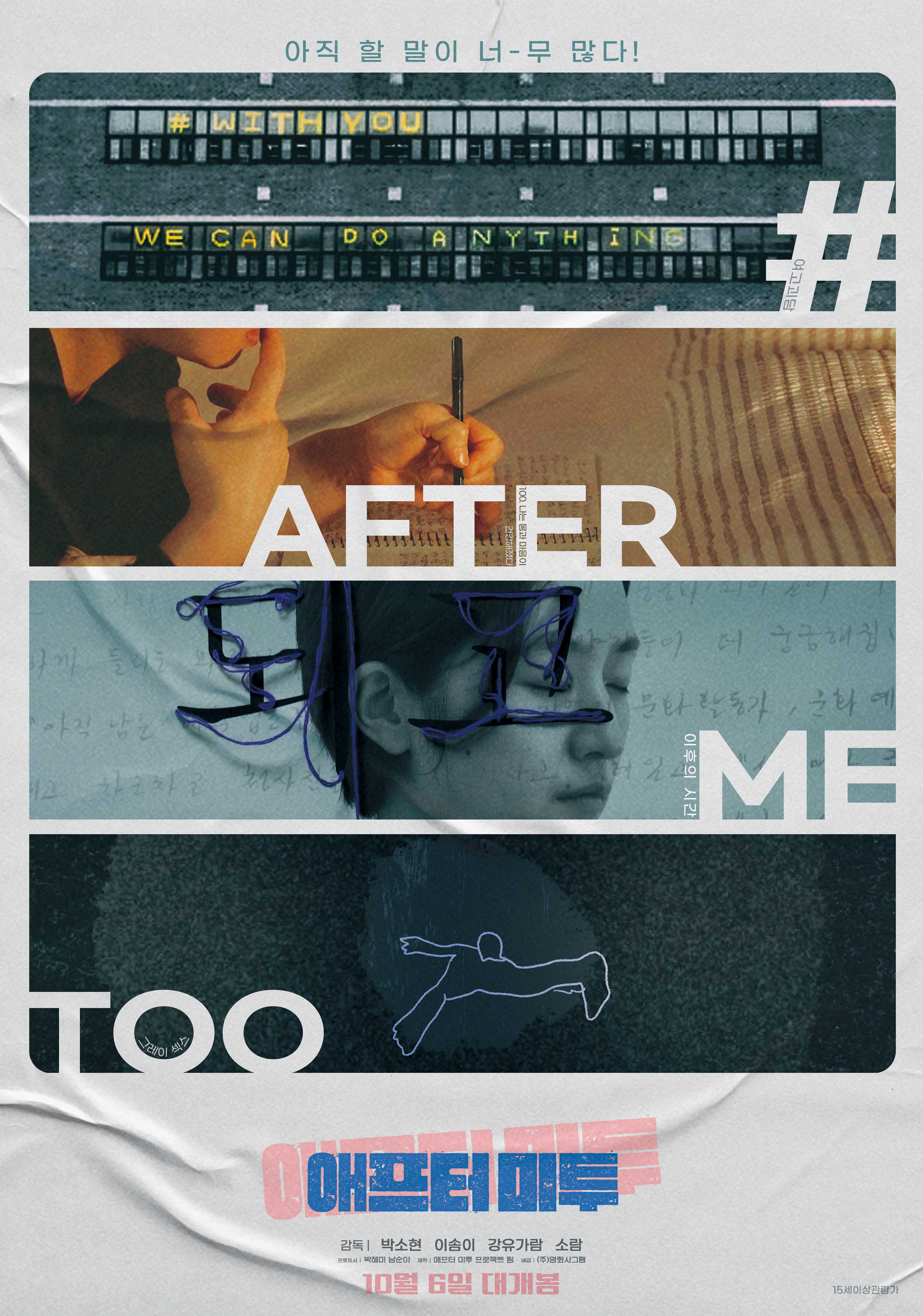
Indeed, a distinction needs to be made between performances by girl-groups and those by cheerleaders, fitness models, and so on. The former are more likely to perform in larger, more public venues; to be filmed; and to have reputations their management companies have to consider—considerations which don’t apply to private entertainers. Moreover, considering what we’ve seen of private entertainers’ performances so far, you do have to wonder what happens when no-one’s filming.

Ergo, this is no one-off. Engendering a sexually-objectified and servile view of women is fundamental to the Korean universal male conscription system. Don’t believe me? Just take the word of that military spokesperson. Not only does their feigned surprise, patronizing, disingenuous claim of ignorance, and passing of blame feel very, very familiar, but it’s surely revealing—pun intended—that their concern is over the controversy generated. Not the coercion, nor the revealing clothes.

Continuing:

위문공연의 선정성 문제는 국정감사에서도 제기 있다. 채이배 바른미래당 의원은 지난해 1026 국회 법제사법위원회 군사법원에 대한 국정감사에서군 위문공연의 문제를 지적하고 가이드라인 마련을 요구했다.

The issue of the sexual suggestiveness of morale-raising performances for the military has also been raised at the state administration. On October 26, 2018, the [since dissolved] Barunmirae Party [now former] lawmaker Chae Yi-bae pointed out the problem and demanded that guidelines be prepared during an audit of the military court of the National Assembly Legislative Judicial Committee.

의원은여성을 성상품화하는 위문공연을 폐지하라는 청와대 청원도 올라온 있다. 사과도 하시고 유사사례 방지하겠다고 약속하셨는데, 과연 방지할 있을지는 의문이라면서국방부 훈령 지침을 살펴보니 위문공연관련 가이드라인이나 지침이 없다 지적했다.

Representative Chae said, “There has also been a petition from the Blue House to abolish morale-raising performances that sexually objectify women. I apologize for them and promise to work to prevent similar cases. But it is doubtful if this is possible, as there are no relevant guidelines or procedures in place.”

한편 위문공연의 상품화 논란이 커지자 육군은 올해 1 외부단체 공연을 추진할 부대별 심의위원회를 꾸려 공연 내용을 미리 심의하겠다고 밝혔다.

However, in response to the controversy, the military announced that from January 2019 it would set up a deliberation committee for each unit to ascertain the contents of performances in advance when provided by outside companies and organizations.

If only that had extended to all companies and organizations involved, not just those providing performances. But, to finish with Money Today’s conclusions about the original incident—which may have sounded like hyperbole in isolation, whereas now:

전문가들은 군인 사기 증진을 위해 여성을 성적 대상화하는 인식을 바꿔야 한다고 지적했다.

Experts pointed out that in order to increase military morale, the perception of sexual objectification of women should be changed.

윤김지영 건국대 몸문화연구소 교수는여성을 눈요깃거리, 위안거리로 내세워야만 남성 군인의 사기가 증진된다고 여기는 것은 시대착오적이고 성차별적인 생각이라며행사 도우미의 불편한 의상이 문제가 없다는 주장도 결국 남성주의적 관점이라고 비판했다.

Yoon Kim Ji-young, a professor at Konkuk University’s Institute of Body & Culture, said, “It is an anachronistic and sexist idea to consider that the morale of male soldiers is enhanced only by putting women as an eye-catching and comforting object.” She criticized it as a masculine perspective.

허민숙 국회입법조사처 보건복지여성팀 입법조사관은군장병도 불편하고 내키지 않았을 가능성이 높다최근 젊은 남성은 여성과 동등한 관계에 익숙한 세대인데 진정한 사기 증진 방법을 고민하지 않고 낡은 관행을 답습한 점이 아쉽다 지적했다.

Heo Min-sook, a legislative investigator of the Health and Welfare Women’s Team at the National Assembly Legislative Investigation Department, said, “It is highly likely that military soldiers are also uncomfortable and reluctant.” I am sorry for that,” he pointed out.

Sources: left, right.

For further reading, I highly recommend Sex Among Allies: Military Prositution in U.S.-Korea Relations (1997) by Katherine Moon and Militarized Modernity and Gendered Citizenship in South Korea (2005) by Seungsook Moon. The former, for the obvious links to the long history of girl-groups entertaining foreign and then Korean troops; and the latter, on how the gender roles and rigid hierarchy learned during military service utterly pervade Korean institutions from schools to workplaces, frequently reducing well-educated and capable women in the latter to making coffee and cleaning tables.

That doumi exist at all I’d argue, and in such great numbers, are a partial cause and effect of that last. So for the sake of completeness, in my next post, I’ll provide a full translation of an article about their origins (from 2006, I don’t think anybody will be worried about the copyright!).

Meanwhile, pondering what a Korean version of Everyday Sexism would look like is what led me to writing this post. For the sake of more like it, what other issues specific to Korea do think should be covered, which wouldn’t be in the original UK version? Please let me know in the comments!

Turning Boys Into Men? Girl-groups and the Performance of Gender for South Korean Conscripts:

Related Links:

If you reside in South Korea, you can donate via wire transfer: Turnbull James Edward (Kookmin Bank/국민은행, 563401-01-214324)