Estimated reading time: 3 minutes. Original image source: The Chosun Ilbo, August 2015. For a discussion, see here.
It’s not often that one brief book chapter helps your whole degree make sense overnight. Even less often that someone will rescue a nearly 30 year-old, long since out of print tome from obscurity and offer that chapter as a free download.
Let me thank Shuyi Chua of the Education University of Hong Kong then, for providing a scan of Manuel Castells’ “Four Asian tigers With a Dragon Head: A comparative analysis of the state, economy, and society in the Asian Pacific Rim,” from R. Appelbaum & J. Henderson (eds.), States and development in the Asian Pacific Rim (1992). Not only did it give me one of my first genuine Eureka moments at university, but it’s still so relevant and helpful today that it took pride of place in my recent presentation above, and hence my finding Chua’s link.
(It’s probably still technically illegal to offer it publicly though, which is why I’ve never done so myself. So take advantage while you can!)
Let me also thank Professor Michael Free and his students at Kangwon National University, for the opportunity to wax lyrical about some of my favorite topics to them. If anyone reading would also like me to present to their students sometime in person or via Zoom, if for no other reason than to remind them that it’s not just you that gets excited about your subjects, please give me a buzz.
Finally, a big apology to everyone for not writing for so long. With so little physical social interaction over the summer, and with even what face-to-face contact I do get now almost entirely confined to my family and students, then frankly the weeks and months somewhat blurred into one another, making it difficult to pay much attention to the deadlines I set myself on the (always too many) posts I have in the pipeline. Inspired by my work on the presentation now though, I will try very hard to have one of my longer and more thought-provoking ones ready for you next week.
Until then!
If you reside in South Korea, you can donate via wire transfer: Turnbull James Edward (Kookmin Bank/국민은행, 563401-01-214324)
Turning Boys Into Men? Girl-groups and the Performance of Gender for South Korean Conscripts, Part 7
Estimated reading time: 9 minutes. Source, right (cropped): Streetwindy via Pexels.
The contents of Everyday Sexism (2014) by Laura Bates, a UK-focused collection of public submissions and statistics on the myriad of ways women experience sexism on a daily basis, will be depressingly familiar to anyone who already considers themselves a feminist. Having accidentally ordered the book though, I could hardly not read it. Besides, I reasoned, what cishet middle-aged white guy wouldn’t still have a lot to learn about the topic?
So I persevered. And sure enough, there were many things which gave me pause, especially the accounts of sexual harassment experienced by female university students. Partially, because I’d been blissfully unaware of that sort of thing when I was a student myself. Primarily though, because they strongly reminded me of an incident at the “morale-raising” YG Military Festival held in Yanggu County in Gangwon Province on 5 October 2019, at which the female university students hired to be doumi (lit. “help-elegant-beauties”) were forced to wear revealing clothes for the soldiers. From the news reports below, which discuss that in the context of how routine it is to provide sexualized performances by professional performers and/or K-pop girl-groups at such events, it’s easy to see how choices like these can encourage a somewhat objectified, servile view of women among the (usually) very young, impressionable Korean men that go through the male conscription system. Many do overcome that socialization experience, of course. But the consequences for all Koreans of those that don’t would fill many, many chapters in a Korean version of the Everyday Sexism book.
The festival has been held since [2018] by Yanggu-gun to boost morale among soldiers, featuring competitive games, VR experiences, food stalls, and performances by singers and girl groups. There are also “experience booths” [really stalls/tables] for nail care, skin care, and tarot readings. This year, about 2,300 soldiers from the 2nd and 21st Divisions attended the festival.
논란은체험부스에서일어났다. 머니투데이에따르면행사대행업체측이행사장으로가는버스안에서여자알바생들에게흰색짧은테니스치마와몸에달라붙고가슴부분이파인옷을제공했다. 알바생들은 “속옷이비치고노출이심한옷이었다“, “조금만움직여도가슴이훤히드러났다“라고전했다. 이어 “행사담당자는 ‘군인들이쑥스러워하니직접데려오라‘, ‘군인들에게적극적으로대하라‘고지시했다“라는말도덧붙였다. 이들은피부관리부스에서군인들에게직접마스크팩을붙여주는일을했다.
The controversy took place over the experience booths. According to Money Today, on the bus going to the venue the event agency provided the female part-time workers with only short white tennis skirts and tight-fitting, lowcut tops to wear. The women complained, “They were so tight you can see my underwear through them,” and “Even if I moved only a little, my chest would be completely exposed.” They added, “The event manager instructed, ‘As the soldiers will be embarrassed, [especially those wanting you to put [skincare-type] facemasks on them], please approach them proactively and encourage them as you escort them into the booths.”
Some additional information from that report by Money Today:
One part-time worker complained that, “The clothes were much shorter and tighter than what we were told about, exposing my stomach even if I moved just a little,” and that “Even though we asked for sleeveless t-shirts because our underwear was visible, nothing was done about it.” It is said that some of the workers wore a separate coat over the clothes because of embarrassment.
A person from the event agency responsible for the clothes said, “It was just a tennis skirt like many students wear these days,” and that “We did not provide any clothes deliberately designed to overexpose the workers’ bodies.” They further explained that 25 women and 15 men were hired, but that “It’s customary that men have to do a lot of hard work, whereas women just have to be helpers and do things like pouring tea.”
Confusingly, in the video of the event above, many doumi can be seen wearing other clothing, which is not addressed by the anchors in the brief SBS News segment below that. Yet why should they? Whether through chance, smarts, and/or previous experience with doumi companies, that some of the women had alternate clothes on hand doesn’t negate the fact that those without had no other options.
Professional entertainment group Waveya (not a K-pop group) performing at a middle school in 2012.
On the other hand, if it’s the norm to hire young women in high-waisted skirts and low-cut tops for just about anything in Korea, including performances at schools, then the comment about no additional exposure being intended may well be true, if somewhat obtuse. That being said, I’m just as confused as you as are as to how men putting up tables and chairs somehow justifies forcing women to wear revealing clothes while serving tea. It’s also frustrating that the reporter didn’t challenge that non-explanation.
I see reason for optimism though, in that the issue of consent was the hook that made the incident newsworthy, especially given that this must-read by a professional doumi gives the strong impression that such incidents are routine. Had I been writing a news report myself, I might have continued by comparing students’ own festivals and events, which also regularly create controversy for their sexual overtones, but, crucially, at which the offending clothes are worn by choice. (Or perhaps not necessarily; the ensuing sensationalist reports are hardly deep, and now Everyday Sexism compels me to reconsider them.) However, the main reason for the news reports was more likely the harm caused to the military’s image, Asiae raising in their own report another controversial incident that occurred at a different military festival the year before:
On August 14 [2018], a video titled “Fitness Model @ Military Consolation Performance” was posted on YouTube by the military. The model’s dance was quite sexualized, involving showing off body parts like her legs. At one point, she proclaimed “I will show you four basic poses now,” turning around to thrust her buttocks at the audience with her head down, her face visible underneath. To the cheers of the men watching, she answered “I’m 21!” when they loudly asked her age.
Netizens who saw the video on YouTube were angered, commenting that “The sexual objectification of the woman was excessive,” and questioning if such sexualized dances “were really the only way morale boosting performances could be done?”. Later, citing the video, a petition to abolish precisely those was posted on the Blue House’s public petition bulletin board [which the government has to respond to if it receives more than 200,000 signatures].
파문이커지자해당부대는영상을삭제조치했다. 부대는 “당시공연은민간단체에서주최하고후원한것으로부대측에서는공연인원과내용에대해사전에알수없었으나, 이번공연으로인해 ‘성상품화논란‘이일어난데대해사과의말씀을드린다“고했다.
As the controversy grew, the military unit that uploaded it deleted the video. A spokesperson said, “As the performance was organized and provided by a private company, we could not have known what the contents would be. Nonetheless, we apologize for the “controversy over sexual objectification” this performance has caused. They added, “To prevent recurrences in future, we will check the contents of performances provided by external organizations in advance.”
Here’s part of the offending video, a blurred news report about it and other similar performances, and an unblurred compilation:
Given how family-friendly the atmosphere appears in the video of the 2019 YG Military Festival earlier, reporters raising that “fitness” performance may seem unfair, let alone my adding the compilation video in which other performers quite literally spread their legs in soldiers’ faces (I’ll let you find those scenes yourself). Similarly, in light of recent news about how important performing for the military years ago wasfor thesuddenpopularity of K-pop girl-group Brave Girls, and how devastatingthe loss of such opportunities due to the pandemic have been for other girl-groups, then it may seem that only a stereotypical feminist spoilsport could find any fault with that mutually-beneficial system, especially considering how tame most of the K-pop girl-groups’ performances are.
Actually, so long as universal male conscription continues, I’m not at all against performances—which is not to say there aren’t some issues that still need to be addressed with them, as examined in previouspostsinthisseries. And yet, note that the family-friendly video is just one perspective produced by the local county government, which isn’t going to linger on the women’s bodies; unlike, say, the fancam below of New Heart, a professional cheerleading/dance team hired to perform at the 2018 festival. Also, just because this particular festival was relatively tame, that doesn’t mean something that raises more than just eyebrows may feature at the next one, let alone at more private performances on bases.
Indeed, a distinction needs to be made between performances by girl-groups and those by cheerleaders, fitness models, and so on. The former are more likely to perform in larger, more public venues; to be filmed; and to have reputations their management companies have to consider—considerations which don’t apply to private entertainers. Moreover, considering what we’ve seen of private entertainers’ performances so far, you do have to wonder what happens when no-one’s filming.
Ergo, this is no one-off. Engendering a sexually-objectified and servile view of women is fundamental to the Korean universal male conscription system. Don’t believe me? Just take the word of that military spokesperson. Not only does their feigned surprise, patronizing, disingenuous claim of ignorance, and passing of blame feel very, very familiar, but it’s surely revealing—pun intended—that their concern is over the controversy generated. Not the coercion, nor the revealing clothes.
The issue of the sexual suggestiveness of morale-raising performances for the military has also been raised at the state administration. On October 26, 2018, the [since dissolved] Barunmirae Party [now former] lawmaker Chae Yi-bae pointed out the problem and demanded that guidelines be prepared during an audit of the military court of the National Assembly Legislative Judicial Committee.
Representative Chae said, “There has also been a petition from the Blue House to abolish morale-raising performances that sexually objectify women. I apologize for them and promise to work to prevent similar cases. But it is doubtful if this is possible, as there are no relevant guidelines or procedures in place.”
However, in response to the controversy, the military announced that from January 2019 it would set up a deliberation committee for each unit to ascertain the contents of performances in advance when provided by outside companies and organizations.
If only that had extended to all companies and organizations involved, not just those providing performances. But, to finish with Money Today’s conclusions about the original incident—which may have sounded like hyperbole in isolation, whereas now:
…전문가들은군인사기증진을위해여성을성적대상화하는인식을바꿔야한다고지적했다.
Experts pointed out that in order to increase military morale, the perception of sexual objectification of women should be changed.
Yoon Kim Ji-young, a professor at Konkuk University’s Institute of Body & Culture, said, “It is an anachronistic and sexist idea to consider that the morale of male soldiers is enhanced only by putting women as an eye-catching and comforting object.” She criticized it as a masculine perspective.
Heo Min-sook, a legislative investigator of the Health and Welfare Women’s Team at the National Assembly Legislative Investigation Department, said, “It is highly likely that military soldiers are also uncomfortable and reluctant.” I am sorry for that,” he pointed out.
For further reading, I highly recommend Sex Among Allies: Military Prositution in U.S.-Korea Relations (1997) by Katherine Moon and Militarized Modernity and Gendered Citizenship in South Korea (2005) by Seungsook Moon. The former, for the obvious links to the long history of girl-groups entertaining foreign and then Korean troops; and the latter, on how the gender roles and rigid hierarchy learned during military service utterly pervade Korean institutions from schools to workplaces, frequently reducing well-educated and capable women in the latter to making coffee and cleaning tables.
That doumi exist at all I’d argue, and in such great numbers, are a partial cause and effect of that last. So for the sake of completeness, in my next post, I’ll provide a full translation of an article about their origins (from 2006, I don’t think anybody will be worried about the copyright!).
Meanwhile, pondering what a Korean version of Everyday Sexism would look like is what led me to writing this post. For the sake of more like it, what other issues specific to Korea do think should be covered, which wouldn’t be in the original UK version? Please let me know in the comments!
Turning Boys Into Men? Girl-groups and the Performance of Gender for South Korean Conscripts:
So many of you recently responded to hearing about Erica Vogel’s amazing open-access book, which taught me so much about a community that frankly I didn’t know existed, as well as a great deal about Korean immigration and religion in the process, that I couldn’t not tell you about her upcoming talk about her book (registration link):
TALK SUMMARY
Peruvian migrant workers began arriving in South Korea in large numbers in the mid-1990s, eventually becoming one of the largest groups of non-Asians in the country. Migrant Conversions shows how despite facing unstable income and legal exclusion, migrants have come to see Korea as an ideal destination, sometimes even as part of their divine destiny. Faced with a forced end to their residence in Korea, Peruvians have developed strategies to transform themselves from economic migrants into heads of successful transnational families, influential church leaders, and cosmopolitan travelers. Set against the backdrop of the 2008 global financial crisis, Migrant Conversions explores the intersections of three types of conversions—monetary, religious, and cosmopolitan—to argue that migrants use conversions to negotiate the meaning of their lives in a constantly changing transnational context. As Peruvians carve out social spaces, they create complex and uneven connections between Peru and Korea that challenge a global hierarchy of nations and migrants. Exploring how migrants, churches, and nations change through processes of conversion reveals how globalization continues to impact people’s lives and ideas about their futures and pasts long after they have stopped moving or after a particular global moment has come to an end.
SPEAKER BIO
Erica Vogel is Associate Professor of Anthropology at Saddleback College in Mission Viejo, California. She is a cultural anthropologist who conducts fieldwork in South Korea, Peru, and Mexico looking at issues of globalization, migration, religious conversion, and transnational flows between Asia and Latin America. She is the author of Migrant Conversions: Transforming Connections Between Peru and South Korea (UC Press 2020). Her current project is funded by a grant from Mellon/ACLS and is called “K-Pop in Mexico: Creating and Consuming Globalization through La Ola Coreana.”
As personal testament to the book’s quality, this is actually the second talk of hers I’ll happily attend, despite them probably being almost identical. Hope to see you there! :)
If you reside in South Korea, you can donate via wire transfer: Turnbull James Edward (Kookmin Bank/국민은행, 563401-01-214324)
One of my favorite Korean YouTubers starts a new series
Estimated reading time: 3 minutes. Photo by @thiszun from Pexels
“What is he, man or mouse? Is he interested in nothing more than tea and the wider issues of life? Has he no spirit? Has he no passion? Does he not, to put it in a nutshell, fuck?”
Those who wish to know should read on. Others may wish to skip on to the last chapter which is a good bit and has Marvin in it.
Douglas Adams, So Long, and Thanks for All the Fish, Chapter 25.
With that, Douglas Adams finally addresses readers’ burning questions about Arthur Dent, the main character of his classic Hitchhiker’s Guide to the Galaxy series. Reach the same point in the fourth book, and you’d be asking too. Why indeed, describe a cishet man meeting women he was interested in, some of whom felt a mutual attraction for him, only to tell us nothing whatsoever about what happened next? For three whole books?
Those 1980s readers’ frustrations mirror my own with Korean pop culture today. Dramas in particular often fall flat for me because the adult characters seem to have relationships but never sex.
No, I don’t need to see them in bed necessarily. Nor does sex have to be the plot’s focus. Just have them acknowledge it’s a thing. Talk about its associated problems and pleasures sometimes. Admit experience and desire. Make bawdy jokes. You know, like normal adults do, including asexuals.
Don’t, and I just can’t relate to the characters at all.
I could continue with my feelings about other elements of Korean pop culture, such as being unable to find much interest in or desire for K-pop idols presented for our sexual objectification who are not allowed to actually have sex themselves. But you get the idea. You may also find my very limited experience quite unlike your own, and actually know plenty of Korean dramas, say, in which the characters don’t shy away from talking about about one-night stands, contraception, consent, and so on. If so, then do please let me know.
Which brings me to why I’m so excited about YouTuber Daisy’s latest video below. Many years ago, I finally found the relatable, adult stories I was seeking not in dramas, but in the monthly manhwa compendium PopToon instead—only then for it to cease publication just a few months later. Heartbroken, I refused to make the transition to webtoons. But, she’s finally persuaded me to take the plunge, and I hope you’ll find something of interest in her video too, and/or in later ones in the series (note she includes fluent English CC subtitles):
Ironically, I didn’t actually like any of her suggestions here, mostly because I’m not a fan of the sharp, angular drawing style in most of them. But I am looking, so please send me your own recommendations!
If you reside in South Korea, you can donate via wire transfer: Turnbull James Edward (Kookmin Bank/국민은행, 563401-01-214324)
The word “sensual” has always been a favorite of mine, once I learnt it was brimming with sex. Even just to say it can feel like a carnal act, if you let it. Close your eyes, linger on the syllables as you would on the face of a lover, and the tip of your tongue teases you with memories of all the places it’s been—and hints at the pleasures still left to explore.
Foods that can similarly be luxuriated over then, lend themselves to sensual advertising. Take ice-cream. I don’t eat it like you see in the ads, and neither do you. But I get them. Being allergic to dairy, so not eating my first ice cream until I was seventeen, I really do relish the soy variety when it makes one of its rare appearances in supermarkets here.* I even have a bottle of Kahlua saved specially for just such occasions.
Not unlike Kahlua or even sex itself though, too much of the same thing can easily become boring and routine. That you and I can both roll our eyes at the notion of orgasming over ice cream, only points to how advertisers sexing it up is so routine as to be mindless cliché. Just so routine in fact, that by 2019 Baskin Robbins Korea seemed to have forgotten they were doing it at all, and were forced to withdrawandapologize for an ad where they’d replaced the usual woman with an 11-year-old girl wearing cosmetics.
[There is a] powerful, symbiotic relationship between women and carnality, as indicated by the preponderance of erotic narratives in advertising addressing women. This is particularly overt in the advertising of products that are depicted as being endowed with the power to enable women to experience intense quasi-sexual pleasure from their consumption. Examples of such product categories includechocolate, luxury ice cream, biscuits, and shampoo. This is a world that reflects a perception of women as ‘consummate consumers’ who are ruled by their bodies and, as such, are less able than men to resist the lure of carnal pleasures (Belk 1998; Belk and Costa 1998).
Source: Pauline Maclaran and Lorna Stevens (2004),”Special Session: Gender and the Erotics of Consumption”, in GCB – Gender and Consumer Behavior Volume 7, eds. Linda Scott and Craig Thompson, Madison, WI: Association for Consumer Research, Pages: 1 to 14. (Download)
But I sense EXID fans are getting a little frustrated by this point. Posting an infamous, bawdy, 2012 Japanese commercial for Gligo’s Dororich Creamy Cafe Jelly in a moment is hardly going to help either.
There is a method behind my madness. First, I needed to take advantage of my recent purchase of a book on Sappho to establish some cultural capital, in the hope I’d have at least a shred of credibility remaining by the end of this post. For what male feminist/feminist ally would ever admit to being utterly transfixed by this?
I hear and share your numerous objections. Accept it not so much as an ad though, but for the sort porn it is, complete with five gravure idols (NSFW), addictive Benny Hill-like music, and blatant masturbation and ejaculation symbolism, and it’s so over the top that I can’t help but revel in its hilarity.
The Korean media couldn’t make that concession however. Take one of the first reporters to cover it:
“CF 영상 자체가 에로틱하다는 것이 그 이유다. 밝은 조명에 우유와 젤리가 섞이는 장면, 청순한 외모의 여성들 뿐이지만 남성들의 마음을 자극하는 요소는 다분하다.” (Herald Economy)
The reason the CF [is gaining tremendous popularity among Japanese men] is because it’s erotic. The scene in which milk and jelly are mixed in bright light, and only women with pure and fresh appearance, all these are enough to stimulate men’s hearts.
Contradicting themselves, even more stimulating elements were listed; alas, those did not include the symbolism of the spurting cream. Later reporters (or their cautious editors), if they mentioned the cream at all, only caused themselves more embarrassment in their Kakfaesque refusal to acknowledge the completely obvious:
“게다가 우유를 상징하는 하얀 액체가 이 소녀들에게 날아들어 묘한 상상을 자극하게 하고 있어 일각에서는 비난이 쏟아지고 있다.” (The Chosunilbo)
“In addition, it is criticized because the scene in which white liquid that symbolizes milk is being poured over the girls is triggering strange imaginations.”
““And white liquid that seems to be milk is continuously being sprayed.”
I realize there may be official or unofficial rules in the Korean news media regarding acknowledging explicit content, even symbolism. Absence of evidence is not evidence of absence either, and it would remain a blessing to find an official news source that, in reporting on this commercial, hadn’t patronized its readers over something so trivial.
Be that as it may, the next reason, and finally, is because now you know exactly what went through my mind when I saw EXID’s commercial for Lotte’s Goo Goo ice-cream a few years later:
I only didn’t write about it at the time, because I expected the media and fans to immediately be all over it. Gligo’s Dororich Creamy Cafe Jelly commercial, after all, made quite the splash in social media when it came out. It took balls, I thought, for Lotte to be so brazen about the origins of its own very literal money shot.
But, crickets. Whereas some reporters did point out the new, sexualized direction for Goo Goo’s advertising, most merely gushed about the endorsement choices intheirtypicaladvertorials. Social media too, or at least in respect to this commercial, seemed surprisingly reticent on the subject of ejaculation, and to have completely forgotten about the Creamy Cafe Jelly. By the time I realized people just weren’t talking about it, the moment for laying a world exclusive claim to this cosmic connection had passed.
I was loathe to end without a conclusion too. Perhaps on such an indecorous subject though, in which the innuendos came thick and fast as I typed (believe me, it’s harder to avoid them easier to just go with the flowget them off your chest roll with them), there wasn’t one to be made?
Still, the sexy ads and commercials will continue regardless, symbols of orgasming will always be an indelible part of that, and sex and K-pop are synonymous. Indeed, after the 2012 Japanese inspiration, then EXID’s 2015 sequel, 2018 saw JooE of Momoland step up in her commercial for Baker 7. Or rather, her “mother” and gardener:
I invite readers to offer any more examples, and to come to their own conclusions about them. To prepare for the 2021 follow-up, what do you think needs to be said about sexualization in ads, and about the gender imbalance in those selling chocolate, ice cream, biscuits, and shampoo? Is it necessarily bad if they depict orgasms? Please let me know in the comments!
*If you too are desperate for soy milk ice-cream in Korea, try specialist cafes and CU convenience stores. Supermarkets in my area have sometimes stocked it over the years, but always discontinued it after just a few months.
If you reside in South Korea, you can donate via wire transfer: Turnbull James Edward (Kookmin Bank/국민은행, 563401-01-214324)
There’s just something about the Fuse Seoul underwear featured in this ad. Why do so many women want to get their hands on it?
One big reason is that despite appearances, the underwear is actually for women, produced by a company not shy about picking and choosing from features standard for menswear to offer women more comfortable options. As CEO Kim Su-jeong explained shortly after the company’s founding in October 2018:
“앞으로도 다양한 체형의 모델을 기용하고, 그동안 남성들만 누리던 ‘의복혜택’을 여성복에도 적극 도입할 것”이라고 설명했다.
“We will continue to use models of various body types and actively introduce the ‘clothing benefits’ that only men have enjoyed so far.”
…퓨즈서울은 단순히 스타일을 넘어서 그동안 남성복에게만 적용되어왔던 자켓 안주머니, 히든 스트레치밴딩, 넉넉한 바지주머니와 밑위길이를 여성사이즈에 맞게 제작하여 품절대란을 일으키기도 한 바 있다고 업체 측은 전했다.
…the company goes beyond just a style, reporting that they’ve been unable to meet the demand for their clothes with jacket inner pockets, hidden stretch banding, generous trouser pockets, and rise lengths appropriate for the wearer’s size, all features which are usually only found in menswear.
Further elaborating on her motivations in an interview in July 2020 (source, right):
“점점 여성복 사이즈가 줄어들고 있어요. 지난 5년간 눈에 띄게 보이는 현상입니다. 예전에는 27인치가 M사이즈였는데, 지금은 27인치가 L사이즈가 됐습니다. 브랜드마다 사이즈도 다릅니다. 왜 여성복은 규격이 일정하지 않은지, 여성복 디자이너로서 그 이유를 알고 싶었어요.
“The size of womenswear has definitely been decreasing over the past five years. Previously, 27 inches was considered a medium size, but now 27 inches is considered a large. Different brands have different sizes too. As a womenswear designer, I wanted to know how and why the standards were constantly changing.
어느날 남동생 옷을 입었는데 정말 편했습니다. 남자 형제가 있는 사람들은 대부분 남성복이 얼마나 편한지 알 겁니다. 그 때부터 남성복을 연구하기 시작했습니다. 남성복은 여성복에 비해 사이즈 혼란도 변동도 거의 없습니다. 브랜드가 달라도 규격은 거의 같아 편하게 구매할 수 있습니다.”
One day, I was wearing my brother’s clothes, and they were really comfortable. Most people with brothers will know how comfortable menswear is. From then on, I began to study menswear. Compared to womenswear, menswear shows little confusion or change in size. Even with different brands, the sizes and specifications are almost the same, so you can easily purchase what you need.”
Another reason is because they’re tired of the tropes surrounding the advertising of women’s underwear, which this ad completely upended:
Source: @Harang_0601, in response to a since deleted tweet that featured the images below:
Translation: “I can’t even think of the model as a woman, I thought this was an advertisement for men’s underwear…That just goes to show how much usual women’s underwear advertisements are shot for a male gaze, and how women are so used to that… Only tears remain.”
Translation: This the difference between gazing and being the subject of the gaze… One the left is a harmless and passive pose for the male-gaze, whereas the right model has a strong stare back at the viewer. What to make of the exposure of women’s bodies also varies greatly depending how the picture was taken and viewers’ points of view.
On their own Twitter account, Fuse Seoul themselves stressed their deliberate attempt at machismo:
Translation: The aim with thisPrince Gwanghae–themed pictorial was to go beyond simple mirroring by using a macho image, formerly considered exclusively for men, in a female photoshoot. But please note this wasn’t intended to be a critique of any specific vendor.
Translation: I think that when a woman becomes a king, she can not only become a more effective politician, but can also become a more vicious king.
In hindsight, it should have been obvious that another reason for the attention was that the model, dressed as male royalty and posed with all the confidence and machismo of a typical men’s underwear ad, is a woman herself, a crossfit trainer known as Shark Coach, a.k.a. Shark Lee and Lee Yun-ju (Instagram, Twitter, YouTube). Here’s a video of her preparing for the photoshoot:
Yet throughout much of the research and writing of this piece, frankly I was completely mistaken about Shark Coach’s sex.
One reason is because Korean male celebrities were featured in ads for bras as long ago as the early-2010s. Albeit not so much wearing them, as promoting the idea that if women purchase a brand and style he endorses, “it might even be him who one day helps them take it off.” Another is that Korean men’s clothing company Uncoated, for one, uses a female model to model its underwear. So it wouldn’t be too much of a leap for a progressive women’s clothing company like Fuse Seoul to likewise reverse the sexes in its own ads.
That being said, more relevant are two biases behind my mistake. First, a benign one: due to underwear reviews by YouTuber Daisy, a late-20s Korean woman I’ve long subscribed to who covers everything from cosmetics to sex toys on her channel (In Korean, but she writes her own English and Japanese CC translations), I’ve become very persuaded that the distinctions between men’s and women’s underwear aren’t quite as distinct as those I grew up with. So, again, I wasn’t at all fazed to see a man model “women’s” underwear:
(But because it would be strange to include those reviews but nothing about the Fuse Seoul underwear, here is one I’ve been able to find.)
(And here’s Kim Su-jeong on why this underwear is such a big deal.)
I can’t in good conscience not also mention and highly-recommend “natural-size” model and YouTuber Cheedo a.k.a. Park Lee-sul too, who I’ve also long been a subscriber to (but who provides no English subtitles unfortunately). Despite rarely discussing underwear specifically, she has a lot to say about the escape the corset corset and no-bramovement, further convincing me of the changes to women’s fashions underway. Actually, you may recognize her from a BBC video about that:
But the main reason for my mistake, of course, is because I thought Shark Coach looked like a man.
I don’t doubt for a minute that many of you did too, and I don’t feel embarrassed about it. But on the other hand, just a few days ago Shark Coach herself complained on Youtube about being constantly misgendered. And it’s precisely such gender stereotyping and rushes to judgement that Fuse Seoul is encouraging people to avoid.
But what do you think of the ad? Will you buy the underwear, or any of their other gender-neutral clothes? How to address the many remainingdouble–standards (NSFW) in just the advertising of underwear alone?
Rare, 1970s English-language alcohol commercial for overseas audiences is a cringeworthy example of gendered self-Orientalism*
Estimated reading time: 7 minutes.
Featuring actors Yu Ji-in and Shin Yeong-il, it’s her timidity that strikes me most about this 1975 commercial for Jinro ginseng wine. For in that era of draconian but well-publicized birthrate-reduction policies, monthly pill commercials were widely seen in cinemas alongside those for alcohol. And they weren’t exactly known for their blushing brides:
Probably, the explanation is that the wine commercial was never actually seen by domestic audiences. It’s also unlikely there’s anything deeper to its sexual exotification of Korea, and its presenting of ginseng wine as the means to help relax nervous virginal women on their wedding nights, other than an unimaginative creative team stuck with trying to advertise an obscure drink to foreign audiences.
But which foreign audience exactly? Why, despite the contents of the voiceover, show the bride as being the most in need of relaxing? Why have Korean advertisers been so reluctant for the last 50 years to run their English copy and concepts by native speakers first, especially for ads exclusively aimed at them?
Alas, the answers will have to remain a mystery. Nonetheless, the commercial remains an interesting, albeit slightly distasteful footnote in Korea’s history of portraying itself to outsiders, particularly considering the government was actively promoting sex tourism to Japanese trade officials and businessmen at the same time. So, for readers’ interest, and to ensure the information is not lost, I’ve also included my translation of a 1974 article I have been able to find about Jinro’s attempts to sell the drink overseas, and would be grateful if any readers could add any further links or background (meanwhile, the Jinro website itself notes that the company’s first export was a shipment of soju to Korean soldiers in Vietnam in 1968):
진로 인삼주 본격개발 Jinro Begins Full-scale Development of Ginseng Wine
올수출목표 1백만불낙관 Optimistic Export Target Set at 1 Million Dollars
소주메이커인 진로주조(대표 장학엽)는 일본산토린과 기술제휴를 맺은데이어「런던드라이진」과도 가계약을맺는등 본격적인 인삼주개발에 박차를가하고 주류수출에 밝은전망을 보여주고 있다.
Soju maker Jinro Brewery (CEO: Jang Hak-yeob) has signed a contract for an alcohol-technology sharing alliance with Santorin, Japan, and a provisional contact with a UK maker of ‘London Dry Gin.’ This is expected to spur the development of ginseng wine and brighten prospects for the exporting of alcoholic beverages.
11일 동사에의하면 지난해 인삼주30만달러를 수출한데이어 올해엔 1백만달러를 목표로 세워놓고 이를위해 재래식 인삼주외에도 새로운 신제품을개발,생산키로 했다.
On the 11th, the company reported that it had exported 300,000 dollars of ginseng wine last year, and had set a goal of exporting 1 million dollars this year. To this end, it decided to develop and produce new products in addition to conventional ginseng wines.
이에따라 진로주조는 작년12월 일본의 산토린과 기술제휴를 맺었고 오는2월안으로 위스키베이스 인삼주12만달러를 수출할 예정이고 연내 40만달러를계획하고 있다.
Accordingly, Jinro Brewery made an alcohol-technology sharing agreement with Santorin of Japan in December of last year, and plans to have exported $120,000 of whiskey-based ginseng wine by February and $400,000 by the end of this year.
In addition, a provisional contract was signed with “London Dry Gin” to produce Gin-based ginseng wine from April, and to export 100,000 dollars worth to European and Southeast Asian markets.
In addition, it was decided that a low-strength ginseng wine (15%) aimed at women would go on sale as soon as its testing phase was over. Meanwhile, exports of conventional ginseng liquor, which hit $300,000 last year, are on course for $500,000 this year.
그런데 진로는 현재 남아연방,「브라질」,「네덜런드」등 18개국과 거래하고있어 올수출목표1백만달러달성은 어렵지않을것으로내다보고 있다.
Jinro is currently trading with 18 countries, including South Africa, Brazil, and the Netherlands, and expects that it will not be difficult to achieve this export target of $1 million. (End.)
“Jinro ad, published in The Korea Times, Nov. 1, 1974.” Source: Korea Times Archives (used with permission).
*UPDATE: In a thread in the Critical Korean Studies Facebook group, I was asked what I meant by “self-Orientalism.” Here’s my (slightly edited) reply:
…[I just used the term] to indicate that men and women tend to get orientalized in very different ways, whether by themselves or others, and that this is an example of that.
First, “self-Orientalism” refers to how in this case it’s Koreans orientalizing themselves—”…the exotic East”, “…profound love and mystery unique to Korea” etc.—rather than Westerners doing it to them. The term only occurred to me while writing, but I quickly confirmed that it’s a concept that’s already been well covered by scholars, and that that’s the term they use for it. (Here’s one article about a recent Japanese example you may find interesting).
As for “gendered,” I admit that’s much vaguer….Specifically, I chose it because I was reminded of Scott Burgeson’s “Gendered Multiculturalism,” by which I took to mean a gender lens was absolutely necessary to understand Korean multiculturalism, because men and women were treated and considered so differently by it (marriages to “foreign brides” warmly encouraged, but relationships with foreign men discouraged etc.). Similarly, although I admit this isn’t a very strong example of it, the woman(‘s body) is explicitly described as a “mystery” in the commercial, and it’s difficult not to further associate that with the exoticism and mystery of Korea mentioned in the same breath. In that vein, mysterious and exotic women—and the promise of their sexual availability—have indeed been a strong component of the advertising of Korea to non-Koreans since at least the 1920s, by Koreans and non-Koreans alike. In contrast, selling the possibility of sex with Korean men probably didn’t really begin in earnest until the first Korean Wave with the BaeYong-joonmania, and hence gender (or technically, biological sex) is an important thing to bear in mind when studying it.
I hope that clears things up! :)
If you reside in South Korea, you can donate via wire transfer: Turnbull James Edward (Kookmin Bank/국민은행, 563401-01-214324)
Somewhat late to the party, I learned there’s actually a wealthofinformation about Lee Kuan Yew’s eugenicist streak out there. Which just goes to show it’s also been 20+ years since I studied Singapore in any great depth.
But I wonder now too, if Korean policymakers ever had similar motivations?
I don’t have the answers, and I’m not saying a concern with Korean brides’ education was necessarily a thing. But it’s going to be interesting finding out ;)
If you reside in South Korea, you can donate via wire transfer: Turnbull James Edward (Kookmin Bank/국민은행, 563401-01-214324)
If queer women say they love the MV to Anda’s Touch, this cishet man is going to listen. Not to self-appointed gatekeepers who insist women are only about the feels.
Estimated reading time: 20 minutes. Source, all screenshots: YouTube
Face-sitting. A woman’s point-of-view shot as Anda kneels in front of her crotch. Women making out in the background. Anda admiring another woman’s vagina, beaming at the viewer in anticipation. The complete absence of any men. Anda lying in bed as another woman appears on top of her. Spinning the bottle. Anda loving all of it, as the MV to Touch relentlessly serves-up its women to its sensual, strikingly objectifying queer female gaze.*
Yet as any lesbian perusing heterosexual porn can attest, simply replacing the sex of an objectifier does not necessarily a queer female anthem make. To many seekers of queer content, authenticity is more important, and in this respect the MV seems lacking. The lyrics are gender-neutral. Live performances lacked any sapphic elements. Before it came out, none of Anda’s other songs or MVs had any queer themes, nor have any since. If she is queer, then she’s yet to come out publicly, nor given any other indication of that beyond this MV.
In short, it may have been nothing more than a gimmick, aimed at drawing attention to a catchy but otherwise lackluster song.
I can appreciate that desire for authenticity. In spite of that, Touch is still for queer women’s gazes.
Why? Because queer women said so.
Touch would be no hit. But the reaction from queer women, of which the above represents just the tip of the iceberg, was overwhelmingly positive. Whereas any haters were remarkably silent for the internet.
That doesn’t mean queer women seeing it for the first time have to like it. It’s sweaty, it’s crude, it’s bush league compared to guaranteed queer female film classics like Carol and A Portrait of a Lady on Fire. But as a cishet man, I don’t need to think twice about prioritizing the feelings and reactions of the queer women who have actually opined on it. So, no matter however shallow it may be, it is still on the same spectrum as those. It’s there.
I wasn’t content with simply relying on fan reactions to determine if any future queer-looking media text spoke to the queer female gaze or not though. I wanted some sort of framework anyone could apply, or a list of questions to ask. So, I googled.
I wasn’t completely naive when I did that. I did expect there to be much less out there than for the heterosexual male gaze (henceforth, “male gaze”).
I definitely didn’t expect that discussions about the heterosexual female gaze (henceforth, “female gaze”) had only really taken off in the lastfew years though, not that on the queer female gaze (or lesbian gaze) still barely at all. That over forty years after Laura Mulvey got the ball rolling with the men, that writer and director Jill Solowaycould plausibly claim that “[M]edia that operates from the nexus of a woman’s desire is still so rare. We’re essentially inventing the female gaze right now” (my emphasis). And especially not that, during that process of invention, Soloway and just about every other commentator on the female gazes would be so concerned about stressing that women are all about the feels, that they would forget that women do also like looking too, whether at men or at women. Let alone that men who look at women can also have feelings too.
If only I was exaggerating. Ultimately, I had to come up with those questions myself. (Skip to the end if you’d like to read them now.)
*Update: It’s been pointed out to me that my notion of the term ‘queer female gaze’ perhaps has some issues. To clarify then, my specific meaning by it is “the gaze of all people who identify as women, who are (not necessarily exclusively) sexually attracted to people who also identify as women.” I hope that clears up those issues, but am happy to be educated as to if any remain, or if my clarification has inadvertently raised new ones.
Extraordinary claims require extraordinary evidence, and I’ll provide truckloads throughout this series. But what am I claiming exactly? So that there’s no confusion, let me devote this opening post to outlining the gist of my arguments, and provide some definitions.
In so doing, I repeatedly accuse commentators on the female gazes for making sweeping generalizations…only to lay myself wide open to the charge that I’m doing exactly the same about them. So, I will provide some examples here as I go along, which may mean some some repetition in later posts. But that’s no biggie: I encourage readers to take absolutely nothing of what I say at face value, and I am happy to provide dozens of links in the comments now for anyone who doesn’t want to wait for them until later posts.
First, it can be a surprise to learn that commentators on the female gazes often devote a lot of time to the male gaze first. But it makes sense: the male gaze is much better known, and it helps in forming a contrast. Unfortunately, that also means there’s already a natural tendency to stress differences rather than similarities.
Next, it turns out there’s actually two male gazes evident in many of those discussions.
First, there’s the literal male gaze, which refers to how cishet men look sexually at women, and the perspective which is prioritized to the exclusion of almost all others in the media. In my experience, this is what the overwhelming majority of people think of as the male gaze, unless they’re educators or writers, and is the definition of male gaze I’ll overwhelmingly be using too.
Next, there’s the abstract, academic male gaze (henceforth, “Male Gaze”). To explain what it means, consider the source: Mulvey’s book chapter “Visual Pleasure and Narrative Cinema” in 1975, which I’m sure you’re all of aware of and many of you may even have read too.
But, if you are one of those who’ve read it, then I’ll wager…only once or twice perhaps? As a freshman, many years ago?
Because even if I’m really only just projecting, please do check out it again now, and admit it—it’s dense. Despite what it’s best known for, it’s mostly devoted to extremely esoteric, psychological topics like ‘phallocentricism’ and ‘fetishistic scopophilia.’ Colleagues of mine, who’ve assigned it as tutorial readings at the beginnings of their careers, have learned the hard way from their student evaluations to avoid it later.
Frankly, most of it is entirely above my head, as is much of the voluminous scholarship it’s given rise to.
That is not necessarily a criticism, or even a problem—we all use many concepts to understand the world without understanding all their nuts and bolts. As Lindsay Ellis diplomatically puts it below (2:44), the chapter really shouldn’t be considered “so much as a holy text as a jumping-off point.”
However, it does mean there’s a very abstract, academic Male Gaze of all that scholarship out there. And in my experience, one that’s frequently used interchangeably with the literal male gaze by non-academic writers. This leads to a lot of confusion, and, given the authority with which the Male Gaze comes, can easily come to dominate our understanding of the former.
Or, in other words, something about the abstract concept that may sound—and indeed be—perfectly reasonable in a Film or Gender Studies journal, but absurd if it was spoken of in a non-academic context about living, breathing, flesh and blood cishet men, nonetheless easily can and often does get done so anyway.
Take queer feminist critic Rowan Ellis‘s very first line on the subject in Bitch Flicks for instance, that it means “(t)he sexual objectification of passive female characters.” She doesn’t follow my m/M convention, so which gaze was she referring to? If her comment is about the Male Gaze, then that sounds very plausible—it sounds very much like something a Gender Studies scholar would say, and which I’m not knowledgeable enough to critique. But was that the type of gaze Ellis was referring to? Only by specifically asking ourselves that question and looking can we determine, indirectly through her saying the concept under discussion “can be seen literally as a gaze,” can we resolve that she was indeed referring to the Male Gaze—and realize just how easy it would be to take away from her original comment that men’s literal sexual gaze is inherently objectifying.
Or take the panel above from M.Slade‘s cartoon in Everyday Feminism entitled “Am I a Queer Woman Looking Through the Male Gaze?”. Again, I think it’s the Male Gaze, but it’s much more unclear this time.
Either way, it’s true that perhaps most readers wouldn’t need reminding of Suzannah Weiss‘s rare caveat, also in Everyday Feminism, that the Male Gaze “is not necessarily the perspective of most men, but rather, society’s notion of a ‘normal’ man’s perspective” (my emphases), and it’s patronizing of me to imply they would. I hope so. Given my professed ignorance, I’m not going to claim that Ellis or Slade are necessarily wrong about the Male Gaze either, or that a hell of a lot of men do indeed negatively objectify women. And yet somehow, a hell of a lot of commentators on the female gazes genuinely do seem to believe that cishet male desire is nothing but that overwhelming urge to objectify. The Male Gaze is the male gaze as it were. And again, because as I’ll demonstrate, I’m only confident in making that accusation because they literally say so. And/or, indirectly by outright denying that women can objectify too.
Perhaps they arrive at that position because, as Alina Cohen explains in The Nation, much like ‘white privilege’ and ‘heteronormative,’ the term ‘male gaze’ is “utilized mostly by those who seek to destroy the phenomenon it identifies.” I’d put it even stronger: absolutely no-one reading this has ever used it in a positive or even neutral sense until now, myself included. Indeed, it comes across as so utterly tainted in my readings, that I completely understand why commentators would feel compelled to distance female desire from it—and to ignore, dismiss, or vilify those women who exhibit the “male” traits they associate with it, as I’ll give an example of a little later below.
Absolutely Everything a Woman Creates is the Female Gaze
À la The Onion’sclassic article about “empowerment,” further adding to all the confusion is that the female gaze has recently become somewhat of a catch-all buzzword. As Cohen puts it, the term “simply functions according to its users’ needs,” to the extent “when women direct films, take photographs, make sculpture, and even write books or articles, they’re often said to be harnessing [it].”
Just about every link in this post leads to many examples of the many fruits of all the discussions now being had about what difference the sex of the person behind the lens makes. Important and overdue questions are being raised about what it means to be a male artist of the female nude in the #MeToo era too. But all these conversations are diminished by numerous touteddefinitive female gazephoto collections sharing no more commonality than having been taken by women, and with few obvious differences with how men would have approached their subjects either.
Even photo collections by men have been exhibited as examples of the female gaze too. Which actually isn’t as absurd as it sounds—another topic to be raised in this series is to what extent men, with sufficient input from women, can create content for the female gaze, as well as cishet people for queer content—but it does go to show how the term can mean just about anything.
On top of that, in the last two years especially, it seems that every other commentator on the female gazes—and almost every reviewer of Lady on Fire(!)—uses the terms not just in a literal sense, but also to describe the movement to challenge the aforementioned erasure of women in general, WOC, queer women, and so on in popular culture, and especially their under-representation in its production. (The “Female Gaze,” I’ll call it.) I’m 100 percent on board with that, but it doesn’t help when that meaning is used interchangeably with its literal one.
To better understand why commentators on the female gazes (and hence male gaze) make the calls they do, I’ve really tried hard to place myself in their shoes. I’ve noticed over 99 out of 100 of them identify as women (prove me wrong). That they’re justifiably outraged about the under-representation of women, their stories, and their ways of seeing the world in popular culture. That they’re sick and tired of the camera encouraging both men and women to look at the latter through an objectifying, domineering, leering lens.
But now, they have a chance to do something about that by writing or talking about the female gazes, or even by making their own media texts themselves.
Sources left and below: unknown. Source right: @maryneelahaye.
They have very limited time or space to do so though. People will surely understand if they make some necessary generalizations about men in the process, who are not even their focus.
Unfortunately, sometimes those generalizations really do go too far. Time and time again, confident, matter-of-fact declarations about all cishet men and male desire get provided that are often no more than caricatures.
To complain about that may seem like I’m just making a typical, unhelpful “not all men” retort. But I’m really not. Its not deflecting the conversation, because the women themselves are already talking about men. Also, it’s not missing the point, because like them, I only talk about men with the aim of better understanding the female gazes. For if those are defined largely in opposition to stereotypes of men, then those of women are surely going to be just as crude and useless, utterly failing to account for the likes of awkward, lascivious Touch fans.
It’s time to start pointing fingers.
The Burden of Proof
Re-enter Soloway, whose keynote address on the female gaze at the 2016 Toronto International Film Festival occupied the top spot in google searches until articles about Lady on Fire recently displaced it. Soloway, who “now identifies as a gender non-conforming queer person,” and is the award-winning creator of the immensely popular Transparent TV series, which has been “a major force in bringing discussions of trans rights to the mainstream,” was clearly a well-liked, very motivating speaker at the festival. This, despite shitting on so many women so quickly into her address (5:15-6:55):
The opposite of the male gaze, if taken literally, would mean visual arts and literature depicting the world and men from a feminine point of view, presenting men as objects of female pleasure.
So, okay, I guess in it’s most simple that would be like, Magic Mike if it were written, directed and produced by a woman.
I remember when they tried to sell us that, thirty years ago culture was all WOMEN! HERE’S PLAYGIRL AND CHIPPENDALES!!!???
And so many women were so happy to have anything, something, that they dutifully bought Playgirl—hairy man laying across the centerfold, soft penis, ooooooh.
Groups of women, going to Chippendales, screaming, laughing hooting….
Anyway okay that’s one version of the female gaze that we have been offered:
“Hey ladies! Here’s your fuckin’ fireman calendar!” But it’s kinda –- naaaahhh. Pass. We don’t want that. NOT BUYING IT.
Unfortunately for Soloway’s breezy narrative, at one point 2 million women were buying Playgirl every month, and readership only dropped in the wake of the conservatism of the 1980s (as did that of men’s adult magazines). If she was so quick to just write them all off as desperate, as well as fans of Magic Mike and the Chippendales, I don’t need to ask what she would make of Touch fans.
Was she unaware? Unlikely, given her expertise. Why then, would she make such insulting claims? Why did no-one in the Q&A call her out on them?
K-pop can be pretty bawdy sometimes, and that’s precisely why some fans like it. But ogling isn’t mutually exclusive with enjoying it for more ‘noble’ reasons, nor does it preclude other fans genuinely only liking it for the music. Source: lalalalyssaa
As a sometime guest lecturer myself (invite me to your campus!), I’m painfully aware of how presentations encourage overgeneralizations and hyperbole that speakers may regret later. Also, with the benefit of hindsight, her talk—much of which actually consists of the reading of a poem—is very much an example of the call to arms-type Female Gaze. So, I can completely understand the emotional reaction of the audience, and normally I’d very much give her the benefit of the doubt.
Not Soloway. Again, there’s her prominence to consider, and her ensuing position as the very first person many people listen to about the subject. There’s her own invitation to scrutinize her, by virtue of how earlier in that keynote address, she wasn’t shy about her hope that it would anchor her name to the female gazes, like Laura Mulvey’s is to the men’s. There’s the stream of consciousness-like feel to her talk that emerges from such scrutiny, so replete is it with bizarre, dubious claims, including such sophistry as “I mean, what is gang rape? It is men wanting to have sex in the same room as one another, but using [a slut] so they don’t have to name and own their own desire for each other.” But most of all, and ultimately the only reason I’m so focused on her instead of ignoring her entirely, there’s the fact that most other commentators on the female gazes generally agree with her that women don’t ogle or objectify—and share the utter bullshit she spouts about men’s gazes and sexuality that’s required to take that position.
I realize that’s quite a statement to leave you hanging on. My apologies. Those commentators will be covered in later posts. For now, I invite you to watch Soloway’s talk for yourself (or even better and quicker, the stark transcript), and ask you what actual evidence she presents for her many confident comments about “chismales.” Or, what proof Ellis provides for this one:
As a queer woman it might seem to any men who are attracted to women, that I would love images of half naked oiled up women, because they do. But while they may just see the object of their desire, I have to also see myself. So when I see sexualized women on screen who are given no agency, plot or power, I don’t get anything positive from that. It feels unbelievably naive and worrying that someone who is for all intents and purposes a pliant sexual object could be genuinely and maturely desirable.
Er…I don’t love images of half-naked oiled-up women. I didn’t when I was still a virgin. Alas, since then I’ve actually never encountered any half-naked, oiled-up women to help change my mind. (Sigh.) But my experience has taught me that a good grip is needed for most positions. That lotions, cosmetics, perfumes, and (within reason!) even showers can be a turn-off too, because they stop women feeling and smelling like women (yes, perish the thought—smell and touch can be important to men too). So, I’m going to take a wild guess that oiling women up wouldn’t help with either.
Image: ‘Effy in Beijing (for American Apparel),’ 2014, by Monika Mogi. Another example of the female gaze from Girl on Girl, but which inexplicably aligns exactly with my own tastes. Source: Maiden Noir.
Nor do I get anything positive from sexualized women on screen who are given no agency, plot, or power—my fetish is for the exact opposite. For sure, if I was single, and encountered a nubile and willing “pliant sexual object,” then I probably wouldn’t kick her out of bed. But I’d much prefer an assertive and confident woman who took some initiative—which is why I married one.
Do all cishet men share my tastes? Absolutely not. But I’d venture I know a hell of lot more about their desires than Ellis does. Because I’m a cishet man? Yes, of course, but absolutely not only. Rather, because I’ve actually asked other men about their tastes too. A lot. Whereas Ellis gives no indication of having asked so much as one.
Can you imagine what social media would do to me if I said something so crude and stereotypical? That fat wallets say, turned absolutely all women on—and without having asked even a single one of them?
I may have said a lot of controversial stuff so far, but nothing remotely as absurd or disingenuous. All I’ve said about women’s tastes specifically is that they like looking too, and even that—which shouldn’t even be controversial—has been based only on what women have said themselves. I’ve been very careful about that.
Why do Ellis and her colleagues not realize their own hypocrisy? Where does their confidence and certainly about what men want come from? Where, for that matter, does yours?
To make the revolutionary claim that women do ogle men and/or each other however, doesn’t necessarily mean they do so in the same ways as cishet men, or to the same degrees. For example, in 2015 Esther Yu, Editor in Chief of the feminist site Arco Collective, wrote in one of the rare more nuanced takes on the female gazes out there, that:
“…there are no ‘tits or ass’ for hetero women—no single feature on the male body that concentrates desire with as much intensity and density as the woman’s breast does for the hetero man. There are, of course, lots of sexually charged zones on men’s bodies, but it’s nearly impossible to point to a part of the anatomy that both excites desire and stands in as a marker of that desire as efficiently as the breast. Its presence means sex, even if any given instance of its image does not itself incite desire. It is culturally iconic—an icon of sex and of male sexual pleasure.
What women find sexy about men’s bodies is more diffuse. The hands, the naked back and chest, the eyes, and the forearm are all usual suspects. But men’s bodies don’t seem to be accessible for female desire in the same way. Even the penis doesn’t signify properly as a locus for female desire because it is at least as iconic of men’s sexual aggression as it is of the possibility for female pleasure.”
Indeed, in this series I’ll also discuss transmen’s and transwomen’s experiences of changing libidos, sexualities, and desires in their new bodies, which strongly suggest that these differences are fundamental. Still, let me say it again for those in the back—that there are differences between women and men, possibly big differences, that still doesn’t mean that women don’t ogle, a lot. Or wouldn’t ogle, were they not socially sanctioned for doing do.
Questions to Ask if Something Qualifies for the Female Gaze(s)
For understanding the female gazes, all these issues raised would seem to present quite the conundrum. They don’t, really. Queer fans of Touch, or other MVs like it, aren’t going to stop loving them simply because gatekeepers think they can’t or shouldn’t. That said, this series is about finding the female gazes. It’s about being proactive, not simply waiting around to hear whatever Twitter has to say about any given media text. Specifically, it’s about formulating a series of questions with which to judge if something is aimed at cishet women, queer women, or neither. By all means, if anyone who is neither a cishet woman or a queer woman makes a determination based on those questions, but members of those groups overwhelmingly decide otherwise, then that person should do a major rethink. But the point remains that anyone can ask those questions.
If that accessibility sounds like the height of cishet male privilege, then, again, I feel that’s more than a little hypocritical: over 99 percent of commenters on something being male-gazey identify as women, and no-one seems to have a problem with that. No, I’m not being defensive, you’re being defensive. And yes, there’s a lot more uncomfortable truths like that to come in this series. All for the sake of challenging what you and I thought we knew about male and female desire.
Did I say “finding” the female gazes though? I lie. I think I’ve already found the necessary questions, which really aren’t that complicated:
Does the text present (wo)men in a sexualized manner?
Does it present an authentic, believable (queer) relationship between characters, and/or “humanize” them?
Is it produced by and/or explicitly for (queer) women?
I know—many of you may be already be ROTFL at the first. So let me clarify:
The brackets are for the queer female gaze; without them they’re for the female gaze.
The questions are in order of importance.
The first question is a necessary condition to qualify for the female gazes. Certainly, as discussed, some commentators argue that the terms can just refer to sorely underrepresented, female ways of seeing the world in general (the Female Gaze) not just of other men or women in a sexual sense, and I greatly respect that. But consider that most people familiar with the term “male gaze” consider it to be nothing but sexual. So, not to also include a sexual component in the equivalent female concepts would be unnecessarily confusing and hypocritical. (And again, it is very telling about their notions of male and female sexuality that so many commentators are just fine with that.)
“Sexualization” is a broad, amorphous term, and its manifestations are hardly confined to tight clothes, sexual poses, shirtless guys, and gratuitous skin. Any situation, body part, or object can be sexualized. This glance at 0:21 is. The reading of this note in Atonement was too. The smell of my wife. (You get the idea.) Touch, meanwhile, is sexualized in a “traditional” sense. But the infamous armpit scene in Lady on Fire is hardly subtle either, no matter how deep and meaningful is the relationship of the characters involved.
But to claim sexualization is a necessary component of the gaze is not to claim that all those texts are equally queer. Nor that—let me nip this asinine notion in the bud immediately—pornography aimed at heterosexual men say, is somehow queer simply by virtue of sexualizing women. (Which is not to say that some lesbians can’t or don’t like some male-gazey heterosexual pornography.)
These questions are only a guide!!
This series is about justifying those questions, exploring their implications, and finally applying them to Touch and other texts in the future. Part Two, which will hopefully up next week (but probably not frankly, considering this one took me two years!), will be about those many more claims that men are all about looks and women are all about feels, and why they’re wrong.
Until then, if I’m wrong about anything above, which is entirely possible for a cishet man writing about these subjects, then please do let me know!
If you reside in South Korea, you can donate via wire transfer: Turnbull James Edward (Kookmin Bank/국민은행, 563401-01-214324)
It’s a dirty job, publicly shaming yourself into finally writing about a subject that you’re passionate about and have been working on for years. But someone has to do it!
The MV for Touch by Anda, released in 2015, is as queer and objectifying as they come. Naturally, I fell in love at first sight, and just had to review it.
I’m not a woman though—neither a lesbian, a heterosexual, nor any other on the glorious spectrum. So, before I got started, I needed to hit the books. But no sweat, I reasoned. The concept of the male gaze has been around since 1975. It’s well-known enough that no-one who’s already woke has to explain it to another. Surely over forty years later, I thought, there would be just as extensive a literature on what women want? With helpful lists of clear criteria to guide even the most hapless of cishet male reviewers?
You can already guess the answers. But, absorbing what was out there proved addictive. And, as some of you may recall, I did eventually feel that I had enough of a handle on it to write a review.
Only to delete it in consternation as I realized the queer female gaze was a much broader, much more contentious subject than I’d first imagined. In fact, one requiring an epic series to do it justice. Humbled, I resolved to keep researching and gathering all the information that would be necessary, not putting pen to paper again until I was absolutely certain I’d covered all my bases. I duly created a second “Anda + Queer Female Gaze” folder on my Firefox toolbar, and set to work.
That was over two years ago.
That folder now has three hundred bookmarks in it, with thirty more bookmarks added today in the wake of the recent release of Portrait of a Lady on Fire.
All of a sudden, adding to that morass finally made me realize what a fool I’ve been. All this time, the effortless collecting and reading of articles has been an albatross around my neck, providing an easy out from the harder work of actually writing.
And, if I wasn’t going to start just as soon as I had that epiphany, then when? And if making such a public commitment wasn’t motivation enough to actually see it through too, then what would be?
I admit, a strange post. But if it gets the job done. I also felt it would be more helpful to explain than just ghosting you until the 27th, chosen for when I’ll hopefully no longer be teaching from home.
Thank you very much for indulging me then, and I’ll be back here soon. And please stay safe!
(p.s. If you can’t wait, you can still catch me on Twitter or Facebook!)
Update 1, Monday, April 27: All completed, but it needs some ruthless editing after a good night’s sleep, so I’ve postponed publication until Wednesday. Sorry for the slight delay!
Update 2, Wednesday, April 29: Arrrgh! Sorry *again*, but real life has intervened in the form of sudden urgent editing projects from my boss, and my post still needs a *lot* more work than I thought it did on Monday.
TBH, I think it’s going to be controversial—I really want to challenge people’s assumptions about the male & female gazes—so I really want to make sure I get it right. Let me just call it for *next* Mon then, with my promise to do my best to make it worth the wait. Thanks!
If you reside in South Korea, you can donate via wire transfer: Turnbull James Edward (Kookmin Bank/국민은행, 563401-01-214324)
Women dominate the clientele at Korean marriage agencies, which is often used to justify extra costs for joining. But this differential pricing goes well beyond just sex, both reflecting and shaping consumers’ notions of the “perfect” wife too. And it seems she’s neither highly-educated, highly-earning, nor even over 32.
Korea’s largest matchmaking-agency Duo, on the rebound after experiencing massive reductions in sales in recent years, claims to be voicing “the inner minds and concerns of young Koreans” in its latest series of ads. With this particular one though, its “Am I just being too picky?” subhead seems hilariously out of touch. As if young Koreans did have the financial resources to marry, but were just too stuck-up to consider looking for a spouse on the internet. Because damn millennials ruin everything, right?
It’s so awkward, it immediately reminded me of this ham-fisted, Singaporean governmentbirthrate campaign ad that came out in the 1980s, which Asian Studies students have been laughing at ever since:
But my source didn’t find Duo’s ad so funny, accusing them of gaslighting:
“What amazing gaslighting. Those marriage agencies don’t have many female customers, so they resort to harmful gaslighting tactics.”
Actually, it was difficult to avoid the male version of the ad with the same caption. Yet the wider accusation about marriage agencies begged investigation. Surely there was something much more substantial behind the barbed tweet, I sensed, than merely snapping at one single ad?
My first searches did little to support that gut feeling. In fact, it turned out that until a few years ago, Duo used to have more women than men. Then in the early-2010s the numbers of men signing up starting rising, and by 2014 there were more men than women in both Duo and second-place rival Gayeon. These shifts can be seen quite clearly below in the table for Duo and Gayeon and graph for Duo respectively:
At the time, Bae Joon-yong at the Chosun Ilbo accounted for the shift by the (alleged) rise of “herbivore men,” whom he defined as men rejecting dating in their 20s, but still open to marriage once they hit their 30s. Statistics speak louder than buzzwords however, and its difficult to argue with Namuwiki’s contention that the increasingly high numbers of female fetuses aborted in the late-1980s were responsible, with the ensuing lonely men coming of marriage age. Especially when those numbers are presented in graphical form:
Unfortunately, very little information exists for the 2016 to 2019 period. But we are just talking about statistics from three years ago. It would only be natural to assume that the trend for more men continued.
So imagine my surprise at learning that it appears to have completely reversed. In fact, the sex ratios have already returned to their female-dominated 2006 levels.
First, consider this December 2018 interview of an anonymous former matchmaker by Na Jin-hee at the Segye Ilbo (my emphasis):
—결혼정보업체 회원의 성비는 어떤가?
“예전에 비하면 많이 나아졌다지만 여전히 여성 회원이 남성보다 훨씬 많다. 메이저 회사는 여성 대 남성 비율이 6:4에서 5.5:4.5 정도로 추정된다. 영세 회사는 훨씬 더 차이가 크다. 8:2에서 9:1까지 가기도 한다.
남자 수가 적으니 자연히 남자 회원에게 서비스가 훨씬 많다. 전문직 남성의 경우 가입비를 할인받거나 아예 내지 않는다. 만남 횟수도 훨씬 많이 제공된다.”
—What is the sex ratio of customers at marriage agencies?
“The ratios have greatly improved, but there’s still many more women than men. Larger agencies estimate female to male ratios of 6:4 to 5.5:4.5. But the differences are much greater at smaller agencies. Sometimes they’re as high as 8:2 or even 9:1.
As there are fewer men, they naturally receive preferential service. “Professional” men [e.g., lawyers, doctors, and Samsung employees] receive discounts on membership fees, or may have them waived altogether. They get many more dates arranged [than women do] too.”
…애초에 남녀 성비가 맞지 않아 결혼 성사가 어렵다는 비판도 있다. 결혼정보업체의 여성회원 비율이 남성보다 상당히 높은 건 업계의 공공연한 비밀이다. 익명을 요구한 업계 관계자에 따르면 영세 업체일수록 이 같은 현상은 심해져 여성 비율이 90%에 이르기도 한다고 전해진다.
◆Fake, “part-time” customers used because of unequal sex ratios…Agencies say “Shhh!”
…There is also criticism that the very first step to finding a spouse—meeting new people—is difficult because of the unequal sex ratios.
The fact that marriage information agencies have considerably higher numbers of women than men is an open secret. According to industry officials who asked for anonymity, it is even worse at smaller companies, where the proportion of women may be as high as 90 percent.
By all means, this does not constitute proof. The claims of writers who use such cliched devices as “common knowledge” and “anonymous industry sources” should always be taken with a grain of salt, especially those who won’t acknowledge earlier sources that flatly contradict their claims. Be that as it may, in June 2019 Pyo Ju-yeon at Newsis offered slightly more evidence for the new ratio at Gayeon at least, in the form of “[an unspecified disclosure on the 16th by] the Korean marriage agency industry”:
대부분 회사들은 가입 금액에서 남녀 차등을 두고 있다. 차등이 가능한 이유는 성비가 맞지 않기 때문이다. 여성회원이 남성 회원보다 많기 때문이다. 가연의 경우 여성과 남성비중이 55대45정도다. 듀오의 경우에도 비슷한 수준이다. 이 때문에 결혼정보업계에서는 연애할 때는 ‘여성우위’, 결혼할때는 ‘남성우위’라는 말을 하기도 한다.
Most marriage agencies have different signing-up charges for men and women. The difference is possible because the sex ratio of customers is skewed, with far more women than men. In Gayeon, the ratio of women to men is 55 to 45; in Duo, it is similar. For this reason, people in the industy use the term “female advantage” to describe the dating scene, and “male advantage” for when looking for a spouse.
In addition, in a detailed breakdown of Gayeon members’ “specs” provided by a November 2019 article for the Asia Business Daily, Choi Shin-hye noted that the agency claimed a 53 women to 47 men ratio for first-time members in December 2018.
More authoritative NGO and governmental sources would be ideal, but they too prove lacking: their concerns with marriage agencies are overwhelmingly focused on the abuse of overseas brides instead. (As always, my apologies if I’m missing obvious Korean search terms, and my eternal gratitude to any readers who can pass on further sources.) Therefore, until proven otherwise, the claim still stands. Moreover, again the correlation with changes to the birth sex ratio decades earlier—specifically, the dramatic efforts made to curb the imbalance between 1994-1997—begs us to see causation.
But this opens up many more questions.
First, what of other agencies? While Duo and Gayeon are synonymous with the industry in Korea, they’re only the 2 largest of over 1000 agencies registered with the Ministry of Gender Equality and Family (as of 2016), and the sex ratios at smaller rivals may be completely different. For instance, two agencies that cater to “VIP” clients—N. Noble and Noblesse Soohyun—explicitlyaim for a 50:50 ratio, and both succeeded in doing so in 2017 and 2018. Indeed, the latter prominently displays its ratio on its website, ironically allowing all to see that in fact its streak is now over:
What’s more, click on that “view details” button, and it emerges that the 52-48 male to female ratio is only an average for 2016 to 2019, disguising the fact that the number of female clients dropped precipitously last year:
Why these agencies for one-percenters are bucking the trend, we can only speculate in the absence of any further sources (again, sorry). So too, about the truth of those alleged 8:2 and even 9:1 female to male ratios at all those unnamed smaller agencies. Just like—let’s face it—@bobduryeo’s tweet, these assertions of “common knowledge” may be no more than the thoughtless perpetuation of baseless stereotypes.
Noblesse Soohyun’s exceptional candor, however, is something we can grapple with. Which raises the next question of why any marriage agency would make maintaining a 1:1 ratio a unique selling point.
Why else, if not for problems associated with unequal ratios at other agencies?
The main problem with them is obvious: the more unequal the ratio, the more difficult it is for one sex to find potential partners, as pointed out by Gwak Jong-hyeon’s advertorial for N. Noble in Newsfreezone earlier this month:
결혼정보회사를 가입할 때 확인해야 하는 객관적 지표는 성혼율과 회원수, 회원들의 수준, 남녀회원의 성비 등이다. 어느 하나 빼놓지 않고 중요하지만, 특히 남녀회원 성비가 균등한지, 오랜 기간 유지돼 왔는지를 잘 확인해야 한다. 성별이 한 쪽으로만 치우쳐 있다면, 만남 자체가 어려울 수 있다.
이러한 가운데, 노블레스 결혼정보회사 엔노블이 수년간 50:50의 균형 있는 남녀회원 성비를 유지하며 다채롭고 깊이 있는 만남을 주선해 높은 성혼율을 기록하고 있다.
The crucial things to check when joining a marriage agency are the sex ratio of customers, the number of customers, and the rate of marriages. But while all of these are so important that issues with any one can’t be overlooked, it is the sex ratio that is most crucial, and needs checking for how long it has been maintained too. For if there are problems with this, then getting the desired meetings can be difficult.
In light of this, Noblesse marriage agency N.Noble [James—I’m suddenly confused too] stands out for maintaining a balanced sex ratio for many years, for arranging a variety of in-depth, meaningful meetings between customers, and for enjoying high success rates.
But that overarching problem spells two big consequences. First, that some agencies simply lie about their ratios, and then they use a variety of subterfuge, tricks, and legal loopholes to avoid compensating (mostly female) customers when their (mostly male) dates’ specs are not what they were told, or when those men fail to show up to arranged meetings at all.
Frankly, I can’t begin to summarize the plethora of articles about those scams and how to avoid them, many of which are sensationalist and provide no sources, like Na Jin-hee’s mentioned earlier (translation). But I can certainly recommend Choi Seo-hee’s comprehensive May 2019 article on the topic at KBS News (it’s the only one I found that mentioned agencies exploiting legal loopholes), and the google translation is more than adequate. Namuwiki’s guide (translation) is also a good starting point, with many further links.
It seems @bobduryeo was onto something after all. Just not on the causes of all the gaslighting.
Making much more of an impact, however, is the second consequence: not having enough men to choose from is used to justify higher prices for female customers—anotherunofficial extra tax for women if you will, like those for maintaining their appearance and wardrobe and for finding safe accommodation. And then, to add insult to injury, the higher prices are usually not just for women in general, but are especially for those who don’t fit very traditional notions of what constitutes a “good” wife.
결혼정보회사의 수익모델은 남녀를 소개해주고, 남녀 모두로부터 서비스비용을 받는 방식이다. 이때 대부분의 업체들은 남성보다 여성에게 약간 더 비싼 금액을 받고 있는 것으로 확인됐다.
16일 결혼정보회사 업계에 따르면 듀오는 150만원에 5회, 가연은 99만원에 5회 소개를 가장 기본적인 서비스로 운영하고 있다. 물론 이 금액은 가장 기본 가입비다. 듀오나 가연 등 다소 대중적인 결혼정보회사들도 1000만원이 넘는 상품을 판매하기도 한다.
…그렇다보니 업계에서 공공연하게 여성의 가입비가 더 비싸게 책정되고 있다. 만약 가입비가 같다면 만남의 횟수가 다르게 제공된다는게 이 업계 ‘불문율’이다. 결혼정보업체들은 계약서 상에는 남녀 같은 금액을 적어도, 무료 소개 횟수를 남성에게 더 부여하는 방식으로 가격에 차등을 두고 있다. 이때 ‘조건’이 좋은 남자는 무료 소개 횟수가 훨씬 더 많아진다.
Marriage agencies’ profits come from the charging of customers for arranging introductions. But most companies charge women more than men.
According to [an unspecified disclosure on 16 June 2019 by] the Korean marriage agency industry, Duo charges 1.5 million won (US$1,268) for arranging 5 meetings, while Gayeon charges 990,000 won (US$837) for the same. But of course, those fees are only for the most basic of services. Most of the larger agencies offer a variety of packages, some of which cost over 10 million won (US$8,451).
…[Because of the unequal sex ratios], it can be more expensive for women to sign up. Or alternatively, if the sign-up fees and number of arranged meetings are the same, men will be rewarded with more free referrals, particularly if they have good specs.
Spotted in a Seoul bookstore: “If I study for ten more minutes, my [future] wife’s face will change”; “If I study for ten more minutes, my [future] husband’s job will change.” Source: Jinvas, left, right; edited.
And here’s how agencies’ traditional gender norms have an impact:
재미있는 점은 여성의 경우 조건이 좋을수록 가격이 비싸진다는 점이다. 남성의 경우 학력이나 소득이 높을수록 횟수가 증가하지만, 여성의 경우 그 반대다.
이렇게 가격이 책정되는 이유는 간단하다. 결혼정보회사들이 자체 기준으로 남성은 자신보다 조건이 약간이라도 낮은 여자를 선호한다고 판단하기 때문이다. 고학력, 고소득 여성의 경우 매칭이 가능한 남성 인력군이 더 적어져, 소개가 쉽지 않다고 보기 때문에 더 비싼 가격을 물린다는 이야기다.
또 여성의 경우에는 나이가 많아질수록 가격이 비싸진다. 역시 계약서 상에는 같은 금액을 내더라도 무료 소개 숫자를 줄이거나 없애는 방식으로 가격을 차등화하고 있다. 예를 들어 28살 여성이 200만원을 내고 소개 받는 횟수 5회를 계약한다면, 32살의 경우에는 4회, 35살이 넘어가면 3회에 계약을 할 수도 있다
Curiously, the better quality of specs for a female customer, the higher her fee and the fewer meetings she will be able to have. Whereas for men, the opposite is true.
The reason is simple: marriage agencies believe men prefer women who have worse specs than themselves. So marriage agencies will struggle to find men willing to meet highly-educated, high-earning women.
In addition, things become more expensive for women the older they get. Once again, one difference is through reducing or eliminating the numbers of free referrals. For example, whereas a 28 year-old woman may pay 2 million won (US$1,689) to get 5 free referrals, a 32 year-old woman may only get 4 for the same price, and 3 for a 35 year-old woman.
Pyo Ju-yeon goes on to mention that female customers often get told they’re “a little old” once they reach 32, are gaslighted about what they can expect for their money at that age, and that costs rise substantially for women once they reach 35. Alternatively, some agencies simply refuse female applicants over that age whatsoever, although they may still be able to signup for the same agencies’ separate services for divorcees. (For the sake of perspective, as of 2017 the average marriage age for Korean women was 30.2, and for men 32.9.)
Ironically for one of the most highly-educated populations in the world, unfortunately that distaste for highly-educated, high-earning women is very much a thing, and is one major reason why so many young Korean women now shun marriage. (Indeed, such women were stigmatized in 2012 too. And even as far back as in 1998 also, as that excellent resource on the right from then discusses in detail.)
It also leads to three further interesting, concluding questions that I’d like to pose to readers.
First, do you think agencies like Duo and Gayeon are merely responding to traditional Korean gender norms, and have little ability or incentive to challenge prejudices against (especially) women who don’t conform to those? Or alternatively, are they actively complicit in perpetuating those gender norms for the sake of profit? Or both?
Whatever your opinion, there’s a surprising parallel in the form of major pornography portal sites, in which the categorizations used and forms of content offered have a big impact on how the public and the media come to think about and frame pornography and sexuality. In other words, rather than, say, feminist porn being the norm, the degradation and exploitation of women is seen as normal and acceptable because that’s supposedly what both men (and women) want.
According to whom? That would be the pornography portals. Why? Because they make more money if consumers think that way.
Do marriage agencies then, have similar impacts on their own customers’ feelings about what makes the “perfect” spouse? Do Duo and Gayeon, which like to tout their large customer bases and tens of thousands of successful matches, have any impact on how Koreans as a whole think of marriage and gender roles? Or is their impact strictly limited to only their customers, who arguably are already well aware of the agencies’ very traditionally-gendered categorizations and notions of married life, and who already—by virtue of signing-up with those agencies—largely share their values?
To ultimately judge complicity, it would be interesting to do further research on how and if costs for women decreased in those few short years male customers became the majority. Or, on determining if marriage agencies were so—cough—wedded to traditional gender norms that they still made signing-up for women more expensive nonetheless?
Never to be repeated? A Duo advertisement from 2008. Source: All4MAC.
Finally, something I really wanted to find the answer for you here, but couldn’t sorry. Why do you think Korean marriage agencies “naturally” tend to have more female members, to the extent that that cohort of extra male customers in the 2010s seems to have been no more than the exception the proved the rule? Is the same true in other countries?
Please let me know in the comments below, or on Facebook or Twitter!
If I was advertising literally anything to university students, “Don’t Worry Mom!” would probably be the very last headline I’d use. But until recently, this ad for Remark Vill serviced apartments really did tower over the Pukyong and Kyungsung University district, a small but popular nightlife district in Busan.
Its paternalism rankled immediately. In particular, it had the exact opposite message to this campaign by the accomodation-finding app Zigbang, which trumpeted the independence and sexual freedom for women which comes with leaving home. And it just feels odd for any real estate service to target potential customers’ parents, rather than the customers themselves.
Upon further reflection however…it still rankled. Because as can be better seen in the full version, she’s also in one of the numerous, surprisingly awkward and uncomfortable poses almost only ever seen on women in ads. For sure, that’s hardly something to break the pitchforks out for in itself. Yet, as sociologist Erving Goffman pointed out in Gender Advertisements (1979), such nuances do subtly diminish the women involved. As whereas men’s usually more natural poses render them literally much more ready for action, and are thereby more authoritative looking, actor Im Se-mi above would have to uncross her legs in order to be able to do, well, anything. Or in Goffman’s own words about the similar ‘bashful knee bend,’ her pose “can be read as a foregoing of full effort to be prepared and on the ready in the current social situation, [as] the position adds a moment to any effort to flight or flee. Once again one finds a posture that seems to presuppose the goodwill of anyone in the surround who could offer harm.”
Pose like Lee Min-jung on the left, and it’s difficult even just to keep your balance. Stand more naturally like Gong Yoo instead, and you’re much quicker to spring into action.
But one should pause after somehow arriving at phrases like “flight or flee” after pondering a sweet, innocuous-looking ad. Also, Korean mothers (and fathers) have good reason to be concerned about their daughters’ safety when living alone. The 2016 Gangnam murder case, in which a 23 year-old woman was stabbed to death in a public toilet for simply being a woman, is still very fresh in people’s minds. Korea’s spycam epidemic continues unabated, which is a big concern for women when using motels and public toilets. In May 2019, a security video shows a woman literally only just avoiding a stalker forcing himself into her apartment as she closed the door behind her. Moreover, before the video went viral, he was originally only going to be charged with trespassing, characteristic of a justice system widely considered to be very dismissive of women’s sexual harassment and violence claims.
Naturally, daughters themselves are worried about the safety of their accommodation too. According to a recent study by the Seoul Metropolitan Government that surveyed 3,000 single-person households, 11.2 percent of female respondents cited safety as the number one difficulty living alone, against 0.8 percent of men. Also, according to a research paper by Kang Ji-hyun, a professor of criminology at the University of Ulsan, young women living alone are more than 11 times more likely to suffer from home invasion than men. Consequently, according to D. M. Park at The Korea Bizwire, they “have to pay relatively high housing costs [compared to men] as they prefer houses in safe locations and with security facilities, as well as additional money for anti-crime goods.” This difference is ignored in Korean social welfare and housing policies, as is the reality that women also make less money than men to pay those extra costs. One woman interviewed for the article described it as yet another ‘pink tax’ for women, being an example of the extra money women sometimes have to pay for a swathe of services and consumer items that men don’t, including what they have to put into grooming for their jobs.
The Daeyeon Remark Vill apartments advertised are symbolic of this: while the buildings won a special prize for their security features upon completion in 2017, nowhere on the Remark Vill website are the rental prices of any of their apartments in Korea listed—suggesting that they’re very expensive indeed (and, despite the area, unlikely to be actually aimed at university students). Moreover, given the dire job circumstances of Koreans in the late-20s and early-30s at the moment, even 32 year-olds like Im Se-mi might require parental assistance to live there. Who could possibly gripe about an ad then, that appeals to both potential female tenants and their parents?
A couple of subway stops from the Daeyeon Remark Vill apartment buildings, an alleyway for “women to go home safely” that is “specially patrolled by police.” It’s the first I’ve ever encountered in Korea, but likely only because I have the male privilege of never needing to look for them. How common are they?
But I was reluctant to let this one go. I would have loved to have deferred to what Korean women thought of the ad, if only I could have found any opinions they’d offered. In their absence, I had to rely on my gut. And that told me that if something instantly rankles, there’s usually a good reason for it.
After all, recall how odd “Don’t Worry Mom!” sounded?
Just because daughters would share parents’ concerns about their safety, doesn’t necessarily mean the ad should be targeted towards the latter. Someone—a single copywriter perhaps, or maybe a whole creative team—made a conscious decision to do so. And, sure enough, even if this particular ad is relatively harmless, just a cursory investigation shows the campaign as a whole is rife with traditional gender stereotypes.
The smoking gun comes from the Remark Vill homepage itself. On it, there are four themed commercials available to watch. Two of them—about the gym facilities and various safety measures, conveniences, and business services available to tenants respectively—you don’t need my translations for. The “Mom’s Relief” one below however, is simultaneously sweet and cringey, for you sense that you would never have a 32 year-old man portrayed in the same manner. And under that, the “Teasing” one, which—spoilers!—suggests that the formerly virginal daughter is now free to invite male guests for casual sex.
Yes, really.
Unless you’re targeting parents like myself, who is very cool with that, it’s probably wise not to run a campaign tugging at parents’ heartstrings, only to present those parents who do visit your website with a reminder of how much wild sex your daughter will soon be having in your absence. Indeed, at your expense too.
Maybe, just maybe, the “Don’t Worry Mom!” campaign was ill-conceived in more ways than one.
But I’m getting ahead of myself. Here’s the “Mom’s Relief” commercial:
And my translation of the captions:
Mom, you’re bringing that up again?
I’m taking care of things myself now!
I can get lightbulbs changed if I need to, and the toilet unblocked too.
I don’t need to call Dad!
In fairness, of course there are many young people in any country who have to rely on others for simple household tasks; even back in 2009, when the single-household rate was much lower, there was already a plethora of such services available in Korea. My experience of the reporting on the trend, however, is that it tends to stress the alleged lack of adulting by female customers. And as for advertising, if the fact that a 32 year-old not knowing how to change a lightbulb or unblock a toilet doesn’t strike you as embarrassing enough—and who still doesn’t know after leaving home, the Remark Vill staff replacing the role of her long-suffering father—I invite you to consider how unlikely and unnatural-seeming it would be to have a male actor in Im Se-mi’s place.
The next screenshots reveal she gets her laundry and cleaning done by others too. Nothing wrong with that, and great if you can afford it, but—if she can’t even change a lightbulb, could she do those herself either? You really have to wonder.
(Ironically, earlier posts from the Remark Vill Facebook page actually include tips for such things as unblocking toilets by yourself—which just goes to show how much of a step backward this particular campaign is.)
There are copying and fax services available on the first floor.
I don’t need to go out at night.
If I want, there’s even cleaning or laundry services.
I can even borrow an umbrella when it’s raining.
Don’t worry!
But still, please come over often.
They don’t make kimchi for me here…
[You’ll come] Right?
I’ve got to admit, that’s pretty damn cute. Then I remember…
SHE’S THIRTY-TWO.
And on that note, on with the “Teasing” commercial:
And the captions:
It’s so good to be home!
What do you think? It’s good, right?
This is the first time I’ve had a man come over.
There is a state of the art security system in this building…
[…So] No unwanted visitors can come in [the building].
The building staff receive everything for me, like mail and deliveries.
If something dangerous happens…
A quick response from the security office is just a phone call away.
Technically, that the male viewer is the first to come to her apartment may only mean precisely that. But the hint of previous inexperience, combined with the desire suddenly awakened by his presence, sounds very familiar:
From Stephen Epstein’s and my chapter “Girls’ Generation? Gender, (Dis)Empowerment, and K-pop” in the Korean Popular Culture Reader (2014), alas, K-pop ages very quickly. Most of the 100 songs we analyzed for it, the young women of 2020 would only have vague memories of hearing as girls.
Perhaps it’s time Remark Vill realized they’ve grown up now too?
Meanwhile, the morning-after pill requires a prescription. This was reaffirmed by the government in 2016, citing, with incredible hutzpah, precisely that low rate of usage of the monthly pill as evidence that Korean women were simply too ignorant about contraception not to abuse emergency contraception.
Ignorant or not however, in practice OBGYNs were moralizing rather than educating those patients that sought it, as discussed by Claire Lee in the Korea Herald:
Jeong Yu-jin (31) said there was no benefit to her in visiting her gynecologist to obtain the drug, as the doctor gave no explanation on birth control as well as the pills. “It just cost me more time and more money,” she said. “With or without a prescription, it’s very hard for women to access accurate information about the drug and its effects. So why not just make it an OTC drug and at least allow us to access it as soon as possible?”
In order to avoid getting a “scolding” from doctors and unwanted attention from visitors and nurses, she visited different clinics every time she needed the drug, Jeong said.
“I think this notion of ‘unwed women are supposed to be sexually inactive,’ still prevails in Korea,” she said.
The duplicity ran deeper still. Prior to the decision, the Ministry of Food and Drug Safety itself admitted that “As the drug is known to be effective up to 72 hours after unprotected sex, the requirement of a doctor’s prescription may deter prompt access to the pills and reduce its effect.” However, it caved in response to pressure from religious groups and the Korean Society of Obstetrics and Gynecology, the latter of which long arguing that the overuse of morning-after pills can cause “serious side effects” to women—despite the WHO considering them “very safe and posing no risk of overdose.”
One of those reasons a prescription may deter prompt access to pills is because of simple logistics: just imagine a scared teen, with few breaks between busing to cram school after cram school, trying to find a dispensing clinic on a weekend. The other is because of Korean medical staff’s notorious disregard for privacy. As I wrote about in 2012, on her very first visit to a gynecologist in 2000 my then girlfriend-now-wife was asked my name, contact details, occupation, and intentions towards marriage. Likewise, many of you still suffer such indignities as having to loudly explain your intimate medical issues in busy waiting rooms, and/or being complimented on the prettiness of your vagina during examinations.
In addition to insufficient information, 22.5% of physicians recognized that there was a psychological issue with regards to women visiting clinics or hospitals to obtain ECP prescriptions. The fact that 51% of physicians had been asked to prescribe ECP without recording personal information, underscores the need for a policy to further improve ECP access in Korea. The fact that the survey indicates that 17% of physicians found ECP access difficult, suggests the need for greater and improved access.
There are issues with that statement: what personal information is normally required exactly? The morning-after pill is not covered by the national health insurance system, so the usual social security number wouldn’t be necessary. Also, how did the physicians respond to the request? Could they comply, or do tax-related and/or various other laws prevent it? What are the laws regarding the anonymity of minors (albeit only compromising 5.7 percent of patients)? And so on.
There are broader problems with the article too. One, that the survey respondents were not necessarily representative of all physicians, the authors acknowledge. Another, that physicians have vested financial interests in maintaining prescription-only access to the morning-after pill, they don’t. Nor that physicians themselves are in large part responsible for the “negative and false perception[s] about the safety of emergency contraceptive pills” that they cite as the biggest issue restricting women’s access to it.
The physicians’ honesty about their patients’ privacy concerns is remarkable, considering.
Hopefully, answers to some of those questions raised will be available from Korean-language sources. Until then, let’s end with how we began: if slut-shaming wasn’t a thing, why would Korean women be too scared to even have their names recorded in a OBGYN’s appointment book? Hopefully, this evidence of that will change some minds—or at least shut them up!
Long time no see everyone, and sorry for the wait.
We’re all busy these days, so I won’t waste your time with explaining why. Suffice to say I no longer have long blocks of time free to really delve into a subject like I used to. Don’t worry: that doesn’t mean I won’t be writing marathon, heavily-researched posts anymore, or never finishing the—ahem—half-dozen series I have ongoing. Just that I can’t spend Herculean, lunch to dinner sessions on posts like I used to. Instead, I have to take advantage of a free half an hour here, an hour there, and…TBH, I’ve been struggling to make the transition. But I’ll get there.
In the meantime, there’s one more change I’m going to have to make, which has been a long time coming. The issue is I’m always reading, listening, and watching Korean feminism, sexuality, and pop-culture-related things, but I don’t share them because, time aside, I usually just don’t have much to add to them. That compulsion is such a 2007 blogging mindset though. (Yeah, that’s how long I’ve been doing this.) Also, that I’ve been spending an hour per day posting to Twitter and Facebook for many years has blinded me to the fact that many readers of mine aren’t actually on either (sorry). So, from now I’ll making lots of short posts, drawing your attention to the interesting and useful, with only minimal commentary from me if necessary. Meanwhile, I’ll still be working on the marathon posts in the background.
That said, most of those things I’m reading, listening, and watching these days are—yay me?—all in Korean, which, sans translating everything, are not necessarily the easiest things to pass on to non-Korean speakers. But again, I’ll see what I can do.
Which brings me to the video of the title, an April 2018 talk in Seoul for Sebasi (like a Korean TED) by sexual assault victim and now education and rights activist Winnie Li, author of Dark Chapter.
Frankly, I’d never heard of her before this Saturday, when I had to attend a TEFL conference at my university. But at that conference, attendees were told there was a mandatory viewing session of a video about preventing sexual harassment.
You can imagine most people’s reactions: in Korea, such videos are typically cringeworthy, patronizing, and terribly-translated cartoons. Instead, we got the presentation below…which by no means is about sexual harassment prevention.
What exactly it is about though, I’ll have to frustrate you by not saying, because I want you to be as shocked and amazed as I was. But I do promise that no matter how busy you are, it will easily the best use of 17 minutes you’ll make this week.
After you’ve watched, please let me know what you think in the comments. And make sure to check out Winnie Lee’s own blog too!
(Note that the talk is all in English, with Korean subtitles.)
If you reside in South Korea, you can donate via wire transfer: Turnbull James Edward (Kookmin Bank/국민은행, 563401-01-214324)
When men are objectified, it’s often as a male-power fantasy, whereas women are usually objectified as passive objects of a cishet male gaze. Where do you think these ads for a Korean gym fit in?
I stopped outside this Jeju City gym for the terribly photoshopped, giraffe-like figure of the man alone.
Then I noticed the banner of the woman behind me, presumably aimed at encouraging female customers to join. The contrast between his cockiness and her languid pose, seductively pulling down her leggings, immediately reminded me of this classic Shortpacked comic by David Willis:
What do you think? Are these gym ads an example of false equivalence?
Technically, the guy is pulling his pants down too—which took me a long time to notice, because it feels less integral to the concept as added after the fact, unlike the woman who was instructed to pose seductively from the get-go.
Or am I just saying that because I’m a cishet guy, instinctively feeling competitive and so immediately drawn to his pecs? Whereas cishet women reading first noticed his open crotch?
Please let me know in the comments below, or on Facebook or Twitter!
Alas, I don’t have the guts to read Eun Ha-seon’s book while I’m on the subway, the only time I get to read these days, so it will be a while before I can pass on her insights sorry. But I hope to give you some excerpts from Choi Seung-beom’s book soon!
If you reside in South Korea, you can donate via wire transfer: Turnbull James Edward (Kookmin Bank/국민은행, 563401-01-214324)
It’s difficult to feel much outrage over the inclusion of genuine couple-talk like “I’m having my period” and “Do you want to make love tomorrow?” in Korean textbooks for foreign brides. But “Korean men like women who speak in cutesy aegyo“? “Your spouse’s greater financial power and living standards must be respected”??
My translation of the following article, as I’ve yet to see any mention of the news in the English-language media. Unfortunately, Korean libel and defamation laws being so draconian, no source actually provides the titles of the offending books, nor the names of their publishers; this makes it impossible to determine what different language editions were published, or which say what exactly. What some of them do appear to say however, is very telling:
“이주여성용 한국어 교재는 가부장제 가이드북?”
“Migrant woman’s teaching materials for learning Korean are patriarchy guidebooks?”
Yonhap, August 26 2019, by Intern Reporter Kim Min-ho (nowhere@yna.co.kr; Kakaotalk: okjebo)
“한국에 온 지 얼마 되지 않아 친정집을 도와달라 하거나 직업을 갖는다고 하면 안 된다”, “한국에서 결혼하면 바로 자녀를 가져야 한다”(한국어-베트남어 교재), “한국에서 결혼한 여성이 술이나 담배를 하면 절대로 안 된다”(한국어-몽골어 교재)
“You should not ask for help for your parents or get a job as soon as you arrive in Korea,” “If you get married in Korea, you should have children immediately” (Korean-Vietnamese textbook), “Women who get married in Korea should absolutely not drink or smoke” (Korean-Mongolian textbook).
베트남어, 필리핀어, 몽골어 등 사용자에게 기초 한국어를 소개한 회화책에 ‘한국 생활에서 신부가 유의할 점’이라는 제목으로 달린 부록의 내용이다. ‘국제결혼을 한 이주여성과 한국인을 위해 집필됐다’고 소개된 이들 책이 왜곡된 사실과 차별적 시선을 담고 있다는 비판이 나온다.
These suggestions are to be found in a suplementary chapter entitled “Tips about Korean Life for Brides” found in various different language versions of a conversation book that introduces basic Korean to Vietnamese, Filipino, and Mongolian readers. These books, aimed at migrant women and overseas brides of Korean men, have been criticized for containing distorted facts and sexually discriminatory views.
이들 한국어 교재는 한국 남성이 좋아하는 여성상을 ‘부모와 자녀를 잘 부양하는 여성’, ‘애교 있게 말하는 여성’ 등으로 표현하기도 했다.
These Korean textbooks extol the virtues of “women who take good care of their parents [in-law]” and “women who speak in cutesy aegyo,” claiming that those traits are what Korean men prefer. (Right: 필리핀어-한국어 회화책 일부, 촬영 김민호; Part of Filipino-Korean conversation book, shot by Kim Min-ho.)
한국 유학 3년 차인 베트남인 A(23)씨는 베트남어-한국어 회화책 속 내용에 대해 “이주여성은 인형이 아닌데 자신의 행복을 비롯해 많은 걸 포기해야 하는지 모르겠다”며 “이 책대로라면 한국에 오면 인간답게 살지 못할 텐데 책을 읽고 한국에 오고 싶을 외국 여성은 없을 것 같다”고 말했다.
A Vietnamese woman “A” (23), who has been studying in Korea for three years, said, “A migrant woman is not a doll. I’m not sure [living or getting married in Korea] should mean I have to give up a lot of things, including my happiness.” She added, “According to this book, I shouldn’t live like a human being if I come to Korea. I don’t think there will be any foreign women at all who would want to come here after reading such a book.”
부록에 담긴 한국 생활 안내뿐 아니라 본문에 실린 한국어 예시문도 비판 대상이다.
“오늘은 생리 날이에요”, “내일 사랑을 나누면 어떠세요?”(한국어-벵골어 회화책)
인도 일부 지역과 방글라데시에서 사용하는 언어인 벵골어-한국어 회화책에는 남녀의 성적 관계에 대한 직접적인 표현이 등장한다.
In addition to “Tips about Korean Life for Brides” in the supplementary chapter, some Korean sample sentences in the body of the book have been criticized. [In particular], in the book for speakers of Bengali, a language which is widely spoken in Bangladesh and parts of India, there are very blunt and direct expressions about sexual relationships between men and women, such as “I’m having my period today” and “Do you want to make love tomorrow?”.
‘yu_hy****’라는 아이디를 쓰는 트위터 이용자는 “한국 남성은 자존심이 강한 편이다”, “배우자의 현재 경제력과 생활 수준을 존중해야 한다” 등의 표현이 담긴 벵골어 회화책 사진을 올리며 “‘한국 가부장제에서 살아남기’라는 부제가 붙어야 할 것 같다”고 비판했다.
The Twitter user ‘yu_hy ****’ posted a picture of the offending page of the book, which also included such sample sentences as “Korean men tend to have a lot of self-esteem and pride” and “Your spouse’s current financial power and living standards must be respected” [James—I feel that a “greater” is strongly implied at the beginning of that sentence]; they felt a subtitle to the book title “Surviving the Korean patriarchy” should be attached to it. (Left: 벵골어-한국어 회화책 일부[트위터 캡처; Part of Bengali-Korean conversation book, from Twitter capture.)
남녀 성관계에 대한 직접적이고 세부적인 표현은 결혼 이주여성이 주로 보는 동남아권 언어를 다룬 교재에는 종종 등장하는 반면 서구권 언어-한국어 교재에서는 발견하기 쉽지 않다는 점이 대조적이다.
프랑스어나 일본어 사용자를 대상으로 한 한국어 회화책을 보면 사랑과 연애에 관한 표현을 싣더라도 ‘좋아해요’, ‘당신을 사랑해요’ 등으로만 표현됐다.
[Moreover], while such direct sex-related expressions are common in language books for South and Southeast Asian readers [from poor countries], who would primarily be foreign brides, they are not easily found in Korean textbooks [intended for speakers from rich countries.] If you look at Korean conversation books for French or Japanese speakers, the only expressions covering relationships that can be found in those are things like “I like you” or “I love you.”
필리핀 결혼이주여성의 한국 정착 생활을 지원하는 비영리법인 ‘아이다 마을’의 현제인(49) 대표는 “이주여성을 한명의 인간으로 보지 않는 시선이 한국어 교재에도 반영된 것”이라며 개선을 촉구했다.
이들 교재를 펴낸 출판사 관계자는 “수정이 필요한 내용이 담긴 것을 인지하고 있으며 수정을 한 것도 있고 앞으로 할 부분도 있다”면서 “팔려나간 책을 회수하는 것은 어렵겠지만 조금씩 고쳐나가고 있다”고 해명했다.
Hyeon Jae-in (49), president of Aida Village, a non-profit organization that supports Filipino married immigrant women in South Korea, called for improvements in the Korean textbooks.
The publisher responded to the criticisms that, “We are aware of the content that needs to be corrected, and we have made some corrections and minor changes and are in the process of reviewing other parts”, but “It is difficult to recover sold books.”
이 출판사가 차별적 내용을 담았다고 자체 판단해 내용 수정을 한 인도네시아어-한국어 회화책은 성적 관계 묘사를 싣지 않고 전화 사용법, 약국 이용법 등 실생활에 필요한 대화를 중심으로 구성했다. 또 ‘한국 생활 중 신부가 유의할 점’이란 제목의 부록도 삭제했다.
The publisher further noted that it had already removed offending content on its own initiative from the Indonesian-Korean conversation book, and that included Korean necessary for daily life such as phone usage and visits to the pharmacy, without that covering sexual relationships. The “Tips about Korean Life for Brides” in the appendix was also removed. (End)
If you reside in South Korea, you can donate via wire transfer: Turnbull James Edward (Kookmin Bank/국민은행, 563401-01-214324)
You’ll appreciate then, why this recent fourth sighting of a condom on Korean screens was so important. And the hints its presence gives about the novel approach of the Senseday contraceptive pill commercial in which it can be found:
Released on June 19, a spokesperson for Yuhan (which produces the Senseday pill) said about the appearance of the condom:
…“피임은 남녀가 함께 하는 것임에도 콘돔 광고는 전무하고, 피임약 광고도 여성들에게만 피임을 권장하는 식으로 흘러가는 것이 아쉬웠다”며 “둘이 함께 책임지는 성숙한 피임 문화에 대해 화두를 던지고 싶었다”고 전했다.
…[R]egardless of whether it’s men or women using the contraceptives, it is lamentable that there is no condom advertising at all, and that contraceptive pill advertising stresses only women’s responsibility for contraception. With this commercial, we want to raise the notion that contraception is the responsibility of both partners, and encourage the development of a more mature contraceptive culture.
Journalist Kim Jeong-min at the JoongAng Ilbo notes it follows a pill commercial released in March by Mercilon (produced in Korea by Alvogen Korea), which too is a breakaway from the cutesy pill commercials of the past:
비슷한 시기에 공개된 두 광고는 과거의 피임약 광고와는 여러모로 달라 화제를 모으고 있다. ‘어떤 내가 되고 싶은지’ 고민하는 주체적 여성상을 내세운 점, 피임약 광고 최초로 남성용 피임 도구인 콘돔이 등장한 점 등에서다. 기존 피임약 광고가 수줍은 20대 여성의 이미지를 강조(2013년 머시론 광고 ‘스무살의 서툰 사랑’ 등)하거나 피임을 여성의 몫으로 표현한 것과는 다른 문법이다.
Both commercials…are gaining attention for being very different from the contraceptive pill advertisements of the past. [Mercilon’s] cry of “Whatever I want to be” stressing women asserting themselves and being independent as they think about their future, combined with the first appearance of…condoms [in Senseday’s commercial], present very different messages to that of existing contraceptive pill commercials that feature shy, bashful 20-somethings (such as Mercilon’s “Clumsy 20’s Love” from 2013 below) and/or which perpetuate the notion that contraception is women’s sole responsibility. [James—Alas, generally Korean women believe it is actually men’s sole responsibility, as noted earlier.]
An inaccuracy: the first appearance of a condom on Korean TV was in 2013, not counting a pre-ban HIV/AIDs prevention campaign in 2004. But I share Kim Jeong-min’s optimism about the potential for a sea change in Korean contraceptive advertising. Both because Yuhan and Alvogen are competing more vigorously now, due to various changes made to their licensing agreements as Kim goes on to explain, and because she wasn’t kidding about how twee Korean contraceptive pill commercials used to be. As I noted as recently as 2016, if you didn’t know any better then it was entirely possible to watch them and assume that the pill was actually a medicine, and had nothing whatsoever to do with sex and pregnancy:
“…Korea remains one of the few developed countries where the monthly pill is over-the-counter. Which makes we wonder: in terms of attitudes towards and use of the pill, in what other ways does Korea stand out?
With that in mind, I was struck by the emphasis on appearance in the following recent commercial:
The voiceover says ‘My body? ‘A.’ My personality? ‘A.’ My style? ‘A.’ [The reason for?] my success? Alesse contraceptive pills,” followed by the text also mentioning it’s a good treatment for acne.
Should women with only “normal” bodies try something else then? What about those with only so-so fashion sense?
That can’t compare with the Koreanness of this next one though, with its mention of “bagel girls” and use of aegyo:
So much so, it may actually be a satire: its title [in the original 2016 video was] “Pill Ads These Days,” and I can’t find any mention of the company. Either way, it stresses that even women who look great in a white one-piece, women on a diet, women with great bodies, and women who do aegyo with their boyfriends…all get mood swings and PMT. And all of which can be solved by rearranging their cycles with the pill.
Which I’m sure is indeed empowering. Yet, watching these, you could be forgiven for forgetting that the pill is sometimes used to prevent pregnancy too.”
What do you think? How do they compare to contraceptive pill and condom commercials in your own countries? Please let me know in the comments!
Many thanks to Menelik Lee (@LiMing6859), for all their hard work translating a long interview of me by Yiyi Zhang for Qdaily last year.
As you’ll see, unfortunately a lot of nuance is lost when going from English to Chinese to English again. The misunderstandings and factual mistakes multiply too, which crop up even when interviewers and interviewees share the same native language. Most are very, very minor though, which is a real testament to Menelik’s skills, so I’ve only corrected or clarified the most glaring ones [indicated in brackets]. Please pass on your rants or raves, or let me know if you’d like any further information about anything mentioned in the interview. Thanks!
An Englishman Who Writes a Feminist Blog in South Korea: Sex, Gender, and the Elephants in the Room.
Almost 20 years ago, Englishman James Turnbull was just starting his life in Korea. [W]hile traveling through the wild open countryside in his boss’s car [during one of his first jobs there], “I don’t know where it sprang from, but suddenly a hotel appeared in the middle of this vast emptiness.”
Just like every person that harbors a sense of wonderment for the culture of a foreign land, Turnbull immediately blurted out, “What’s that? [What tourist would come here, in the middle of nowhere?]” He learned from his boss that the establishment [actually] functioned like the much-fabled love hotels of Japan.
He soon discovered that in Korea such establishments are actually [common in rural areas, not just the cities]. These unassuming structures facilitate both the sex trade and the secret trysts of [lovers]. They have arisen because premarital sex is still heavily stigmatized in Korean society. However, unlike Japan, Korea’s “love hotels” lack neon signs and themed playrooms. If asked about such things the proprietors will simply evade the question.
“Everyone pretends they don’t exist, but you can tell they have a bad reputation. Anyway, it’s always been something that [just] shouldn’t be discussed.”
After having lived in Korea for 18 years, with a family and two kids of his own now, Turnbull looks back and realizes that the problems surrounding sex and gender in this culture are just like that little hotel in the wilderness. They’re arresting, painfully obvious, yet everyone turns a blind eye and carries on regardless.
In his 7th year in Korea, Turnbull launched The Grand Narrative, a blog sharing and analyzing Korea’s sex, gender and pop culture from the viewpoint of an English author.
Besides blogging, he also holds down a full-time job at Busan’s Dongseo University. He spends so much of his spare time and energy maintaining and updating his blog, it’s almost a kind of volunteer work at this point. Over time, his blog has gained the approval of the mainstream—[most recently, he was quoted for several stories for CNN in 2018]—and Turnbull became something of an authority on Korean feminism and pop culture in Western media. Occasionally, he has even been invited to give guest lectures at Seoul National University and other higher education institutions.
But most of the time he stays in his own wheelhouse, silently typing away under the glow of his computer monitor. Over the past 11 years, he has written hundreds of articles on topics ranging from sex and K-pop, to the politics of body image, from gender in advertising, to abortion and contraception. In the world beyond his writings, the transformations wrought by the Korean women’s rights movement have moved with breath-taking speed.
“This has been the product of the last decade or so of painstaking labor, maybe it’s time to talk about it a little.” Turnbull tells Qdaily.
The first [post] about women’s issues on The Grand Narrative was posted in 2007. [From his Korean female friends, Turnbull learned that when they] graduated and entered the job market the problems they ran into came thick and fast. One of the most prominent issues was the fact that as soon as they fell pregnant they were laid off.
“As soon as a woman has a child she is forced to leave work; after a year it’s basically impossible to go back. The hierarchy in Korean companies is very strict, those who have worked there the longest always have the final say and the most opportunities for advancement. When a Korean woman is married with kids, she simply can’t keep up professionally.” Turnbull also speaks about the low birth rate. Because all women have to face this decision, many women from this generation have decided to simply forego having children.
The BBC reports that because of this, Korea has developed a new social phenomenon: the Sampo Generation. “Sampo” means to abandon three things: relationships, marriage, and children.
Before graduating and coming to Korea, Turnbull [had already had some experience of fitting into] different cultures. Thanks to his parents, he moved from the UK to New Zealand, then to Australia, and from there back to the UK again. [In just three years], he attended six different secondary schools in three separate countries, “it was pretty crazy.”
One may say that the cultural differences between these three countries are small when compared to Korea, but they each have unique values and lifestyles. [When he was a teenager,] every time Turnbull questioned an [adult in New Zealand and Australia about some aspect of their countries, and even in the UK if they knew he’d lived overseas], the answer was always the same: “This is just the local culture.” This answer was rolled out like a panacea. No matter what the situation, no matter the problem, it could be used to explain it away. But when he seriously thought about it, he realized that adults were simply using this because they had nothing else to say. “I’d had enough,” he recalls.
So by the time he got to Korea, he simply couldn’t [let “culture” be used] to explain everything away. “It’s not [unlike] a fish in water, unable to sense the water. Some things are [genuinely unusual and noteworthy, only considered normal by people who’ve known nothing else].”
In his conversations, Turnbull found that many Koreans harbored a strong sense of nationalism [too], and so talking about the negative aspects of the country [with a foreigner met a lot of resistance]. However, this did not mean that they [themselves] were satisfied with everything that was going on.
“If there’s something in Korea that you don’t like, there’s a very good chance a lot of Koreans aren’t happy with it either.” And this is something the [English-language media often chooses not to cover]. Many debates [are to be found on the Korean internet and social media platforms], and the English-language media has trouble [relaying] these trends, so they [can give versions] of Korean sexual culture that are extremely superficial.
“When reporting on cultures outside of Asia, readers generally won’t afford you much credibility or value as a reference if you don’t understand the local language. But when it comes to Asia—China, Japan and Korea—the majority of the [Western experts or reporters] have a very limited understanding of the local languages and cultures, yet the audience is really forgiving—it’s a very strange double standard.”
Turnbull provides an example. In 2013, the South Korean Ministry for the Interior introduced “Pink FemaleParking Spaces,” with extra room for the exclusive use of women. In no time, this news was plastered over mainstream media pages around the world. Almost all of them claimed that the policy demonstrated prejudice against female drivers because the spaces implied that the women wouldn’t be able to park properly without them.
“[To be more specific, one report quoted an anonymous sourcethat claimed that the larger spaces were necessaryfor ‘unskilled women drivers.‘ However, ultimately that source appeared to have been made up.”] Turnbull says that, in actual fact, the spaces were created because the vast majority of child care duties are born by women, and the policy provided larger spaces for them to use prams when they go shopping—[as most of the Korean media accurately reported.]
“There’s obviously [still] a problem here: the idea that the role of primary carer is naturally filled by women. But it’s a completely separate issue to what the [overseas] media were saying. [Had overseas media outlets just taken a little more time to investigate, or, you know, spoken to someone who actually spoke Korean, then this ‘crazy Korea’ news story, which just plays to Orientalist stereotypes, would never have gotten off the ground.”]
Between the cracks of cultural misunderstanding, Turnbull saw his chance. Having been an English teacher for far too long, he was anxious to prove himself and open up further professional opportunities. As a result, when he first began writing about Korean culture, it soon transformed into writings about sex and feminism.
“Turnbull’s blog has continued to focus on female representation in Korean popular culture, including advertisements, soap operas, music videos, and more.” Source, right.
Turnbull’s blog was in its infancy ten years ago, but even just five to six years ago there was [almost] no one else doing the same thing. [“That doesn’t necessarily mean I was writing well, or that I was particularly knowledgeable—just that I was the only one writing about these specific topics. I’m quite serious when I say that, for a long time, I really was pretty much the only person on Earth writing about Korean feminism IN ENGLISH on the INTERNET.”] For the longest time, when opening Google’s search engine, Turnbull’s blog was the first thing listed under “Korea” and “feminism.”
According to Turnbull, he grew up in a very left-wing family, among piles of his father’s psychology and sociology textbooks. At university, he also spent his time on feminist research and sociology projects.
His foreign identity also opens the door for dialogue to some degree. “The reality is, if someone is truly interested in your culture, you’ll also be curious to find out where that interest comes from.”
Furthermore, in a Korean society that has always considered [open discussions of] sex to be taboo, Turnbull exists like a wanderer, beyond the normal customs and social networks of everyday Korean life. Thus, those around him [tend to be] happier to share their views on this topic [compared to how open they would be sharing them with a native Korean], disregarding his age and social position, they can trust him to be discrete. “It’s precisely because you’re a foreigner, people don’t have the same kinds of psychological barriers—they can pour their hearts out.”
This makes everything sound free and easy, but the reason he focused his gaze on women’s issues is because the urgency of the problems they still face simply cannot be overlooked.
“One day, a colleague rushed over to ask me a question: can abortions affect your health?” Upon further inquiry, he found out that this woman had had eight previous abortions, because she had never used—[and wasn’t even aware of]—any contraceptive methods. “I was totally shocked. To this very day, the lack of [adequate sex educationin Korea] is astounding.”
As a non-academic, much of Turnbull’s understanding of social phenomena comes from his personal experience. His blog articles are written from the first-person perspective, but when compared to other news articles about the same events, he’s [often] much quicker than they are to cite authoritative sources.
From his perspective, feminism has never existed in isolation, and sex and gender issues are important because they are intimately connected to the everyday lives of all people.
Before becoming an English teacher at a university, Turnbull worked in a regular [Korean] company for almost two years. The hierarchical culture of humiliation in Korean workplaces really took him by surprise. “Every week our department head would make everyone stand up, and castigate each and every [employee] about every aspect of their work [regardless of how good it was]. On some level he had no choice, [because] angry or not, this was [just] how things were done.”
The sense of hierarchical oppression permeates most of everyday life, and in such a stratified society, standing up for oneself can make things even more difficult.
Despite himself, after coming to Korea, Turnbull says he can’t help pondering social stratification and rebellion. This is especially reflected around issues of sexual misconduct. “In Korea, if an older family member wants to hug you, you can’t refuse even if you want to. As a child or a young person, there are many people who can order you to do something even if you don’t like it.”
Once you’re a little older, this evolves into a power disparity between the sexes, “If a boy likes you, you just have to accept it, you can’t complain about it. Because of this, men don’t understand what constitutes “consent,” and women who reject others feel guilty.”
This attitude engenders deep seated emotional resentment, and Korean society is thus plagued by gendered violence and frequent sex crimes by spurned lovers. According to survey results released in 2017 by the Korean Institute of Criminology, 80% of males surveyed admitted to having previously abused a romantic partner.
“This is why I feel so surprised and proud that in the space of just a few years so many young women have come out to demonstrate. Because in Korea just doing that can be incredibly difficult.” He says that many demonstrators have to cover their faces, but the effects are deep and far reaching. Korea is undergoing a dramatic change towards gender equality and sexual minorities.
According to QZ, the watershed moment for the Korean women’s movement came in 2016. A woman was brutally murdered in a public bathhouse not far from the entrance to Gangnam Metro Station, one of Seoul’s busiest transport hubs. Following the incident, women came out onto the streets to protest sexual violence, and women’s rights groups stepped up their online activism. With the global acceleration of the #MeToo movement this year, Korea’s feminist wave has also picked up pace.
South Korea has one of the highest rates of tertiary education in the world, meaning that most young people will attend university. However, without a proportional level of demand in the job market, the youth unemployment rate is almost 10%—that’s three times higher than the global average. After graduating, most people can only find work in convenience stores and coffee shops, relying on the lowest paid positions to make a living. Still others choose to delay graduation despite the fact that there are no more classes for them to take.
Against this backdrop, [a vocal minority of] young men are blaming young women for having stolen all their opportunities. What’s more, some are beginning to question [compulsory] military service, claiming that it is unfair on men and are now seeking compensation.
In 2014, according to a South Korean National Statistical Office report, in the last four years there was a historic reversal in employment rates of males and females aged 20 or older. The female employment rate exceeded that of males for the first time since records began. “A female tornado” is one of the terms being used to describe what has become the latest hot topic.
Turnbull believes it is a term deliberately employed to cause agitation—the disparity in male and female employment rates is actually only 2.1%. However, the male groups of society have reacted swiftly and with mortal urgency in a massive backlash. Some men’s rights organizations have even called for the abolition of the Ministry of Gender Equality and Family. In fact, according to a World Economic Forum 2015 report on Global Gender Inequality, South Korea still ranks 115th out of 145 countries. In the “economic participation and opportunities” categories, South Korea is 125th.
Issues of gender equality are always fiercely debated, and the ongoing economic stagnation throws that much more fuel upon the fire. But lines are not only being drawn between the gender camps. In a universally anxious social atmosphere, people will always seek to set up a common adversary to set off against their own in-groups. Turnbull provides an example: this year, over 500 Yemeni refugees were detained on Korea’s Jeju Island, sparking mass public protests. Unlike trends seen before in most other countries, where opposition to refugees is strongest among older generations, in Korea the exact opposite is the case. Against all expectations, younger people are the heart of the movement.
“Middle-aged, white, male, heterosexual; I’m pretty much a member of the most hated group on the planet.” Turnbull jokes during the interview.
Upon first finding Turnbull’s blog, not all readers are supportive. “The main reason they hate me is because of my identity.”
“No one wants to hear about Korean feminism from a middle-aged white dude.” And Turnbull admits that this wariness is not without good reason [James—I put it much more strongly during the interview: when studying and writing about what—who—I do, there are many conceptual and practical issues stemming from my privileged background; I can only always be aware of them and strive to overcome them as best as I can, most notably by relying on as many native Korean sources as possible, and especially on Korean women themselves]. In his first few years in Korea, he [admits he naively and arrogantly] thought that he’d already come to understand everything about the country [partially because, unlike most expats, he’d already studied Korean history and society at university], and was more than ready to lecture others about it. But soon enough, he came to realize that he had been very wrong about this. “I’ve probably deleted about half of my previous articles, just because they no longer reflect my current opinions [and/or later proved to be completely wrong, as often pointed out by my female readers—many of the most vocal of whom would become my best friends later!].”
But the internet has a long memory. A little over a month ago, he received an email, a 3000-word polemic referencing a 10-year-old piece he had already deleted [9 years ago!].
[A significant proportion of those that take] issue with his work are [Asian-American women]. Turnbull mentions a slang term, “yellow fever,” used to describe white men with a [fetishistic] preference for [East] Asian women. [Because of it], many Asian-American women [regularly] have to face [sexual stereotyping and harassment from white men] in their everyday lives, and so talking about sex in Korea as he does often brings him under [immediate] suspicion [of being no different to those men]. [The vast majority of those that actually read his work soon see that he is not, but] some have penned vicious attacks against him, and still others have posted fake pictures of him online. [James—I feel compelled to add that a significant proportion of my fans are Asian-American women too! :) But the actual question was about my trolls, and I wasn’t going to lie. It just is how it is.]
Turnbull’s blog used to provide a popular space for discussion. In the comments section people would air their views, and readers from all over the world would have lively debates with one another. But with the sudden onset of the social media age, people had a great many more ways of accessing news, and the number of hits and comments his blog received decreased significantly—[although] thankfully, the number of attacks decreased accordingly as well.
Nowadays, Turnbull seems to occupy an awkward position. He occasionally attends LGBTQ marches or feminist demonstrations [in Korea], but only rarely. “As a middle-aged white guy [who sticks out like a sore thumb at these], I don’t really want to [draw people’s attention away from the issues the activists are demonstrating about].”
Even today, he can’t envision things as he did when he was starting out. That he could, through his blog, make the outside world believe that a foreigner could be more than just an English teacher.
He even laughingly tells us that these days a decent number [MOST!] of the hits on his blog come from people searching for porn. Unfortunately, most rarely stick around to read the articles!
If you reside in South Korea, you can donate via wire transfer: Turnbull James Edward (Kookmin Bank/국민은행, 563401-01-214324)
Sorry for the long break everyone, which was because of reasons. But I’m happy to say I do have an epic post in the works. And, while you’re waiting for that, I’m delighted to help a former student publicize this event in Seoul this weekend (하단으 보세요):
#FEMALEPLEASURE
– 5 cultures, 5 women, 1 story
A documentary about female sexuality and autonomy in the 21st century – film screening and discussion
An event organized through: Lecturing Program of the Robert Bosch Foundation in Asia (German Foundation)
#FEMALEPLEASURE portrays five courageous and smart women, breaking the silence imposed by their archaic-patriarch societies and religious communities. With incredible strength and positive energy, Deborah Feldman, Leyla Hussein, Rokudenashiko, Doris Wagner, and Vithika Yadav are fighting for sexual liberation and autonomy for women, beyond religious rules and cultural barriers.
#FEMALEPLEASURE shows the universal mechanisms at work that determine the position of women until today, spanning cultures, religions and continents: from Japan and India and the Somali muslim diaspora to the Hasidic community in New York and the Catholic clergy in Europe.
What can we learn from them? What do we have to talk about in Korea? How can men and women establish fruitful understanding and mutual respect?
On this day we will gather to see the movie and share a safe space to talk about important questions and feelings related to the topic in Korea. Everyone interested is welcome! 😊
When? Saturday, 1st June, 1pm – 4.30pm
Where? Hankuk University of Foreign Studies, Main Building, Room 329
Language: Korean & English
Contribution: 3000WON – we organize Pizza & Drinks 😊
#FEMALEPLEASURE는 구시대적인 가부장 사회와 종교 커뮤니티들에 의해 강요되는 침묵을 깨뜨린 용감하고 똑똑한 다섯 명의 여성을 보여줍니다: Deborah Feldman, Leyla Hussein, Rokudenashiko, Doris Wagner, and Vithika Yadav. 이들은 놀라울 만큼 강인한 모습과 긍정적인 에너지를 통해 종교 율법이나 문화 장벽을 뛰어넘어 여성의 성적 자율성을 위해 싸우는 중입니다.
#FEMALEPLEASURE는 또한 일본, 인도, 소말리아 이슬람 디아스포라 에서 뉴욕의 하시디즘 커뮤니티와 유럽의 카톨릭 성직자들에 이르기까지 문화, 종교, 대륙 전반에 걸쳐 여성의 지위를 결정해 온 보편적인 메커니즘이 무엇인지 보여줍니다.
우리는 이들에게서 무엇을 배울 수 있을까요? 한국과 관련해서는 어떤 이야기들을 해야 할까요? 또 남성과 여성은 어떻게 해야 유익한 이해관계를 확립하고 서로를 존중할 수 있을까요?
함께 모여 영화를 감상한 후에 이 주제와 관련된 한국의 중요한 이슈, 궁금증 혹은 감정을 편하게 공유하는 시간을 가질 예정입니다. 관심 있는 사람은 모두 환영입니다! 😊
언제? 6월 1일 토요일, 1:00 – 4:30 (오후)
어디서? 한국외국어대학교 본관 329호
language: 한국어 & 영어
참가비: 3000원 – 피자와 음료 제공에 사용됩니다 😊
If you reside in South Korea, you can donate via wire transfer: Turnbull James Edward (Kookmin Bank/국민은행, 563401-01-214324)

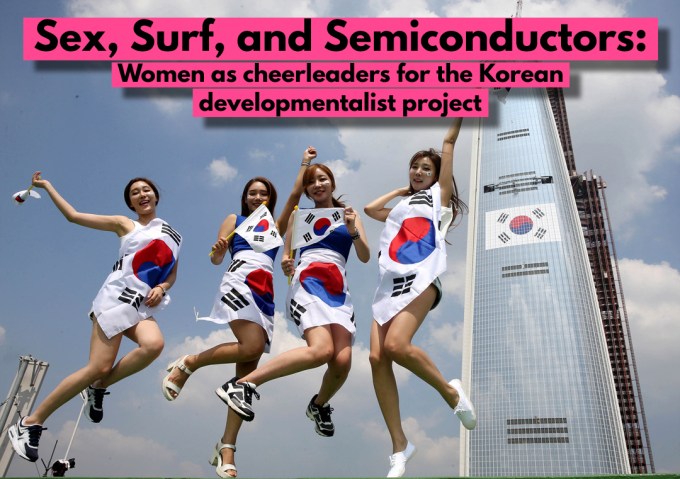 Estimated reading time: 3 minutes. Original image source: The Chosun Ilbo, August 2015. For a discussion, see here.

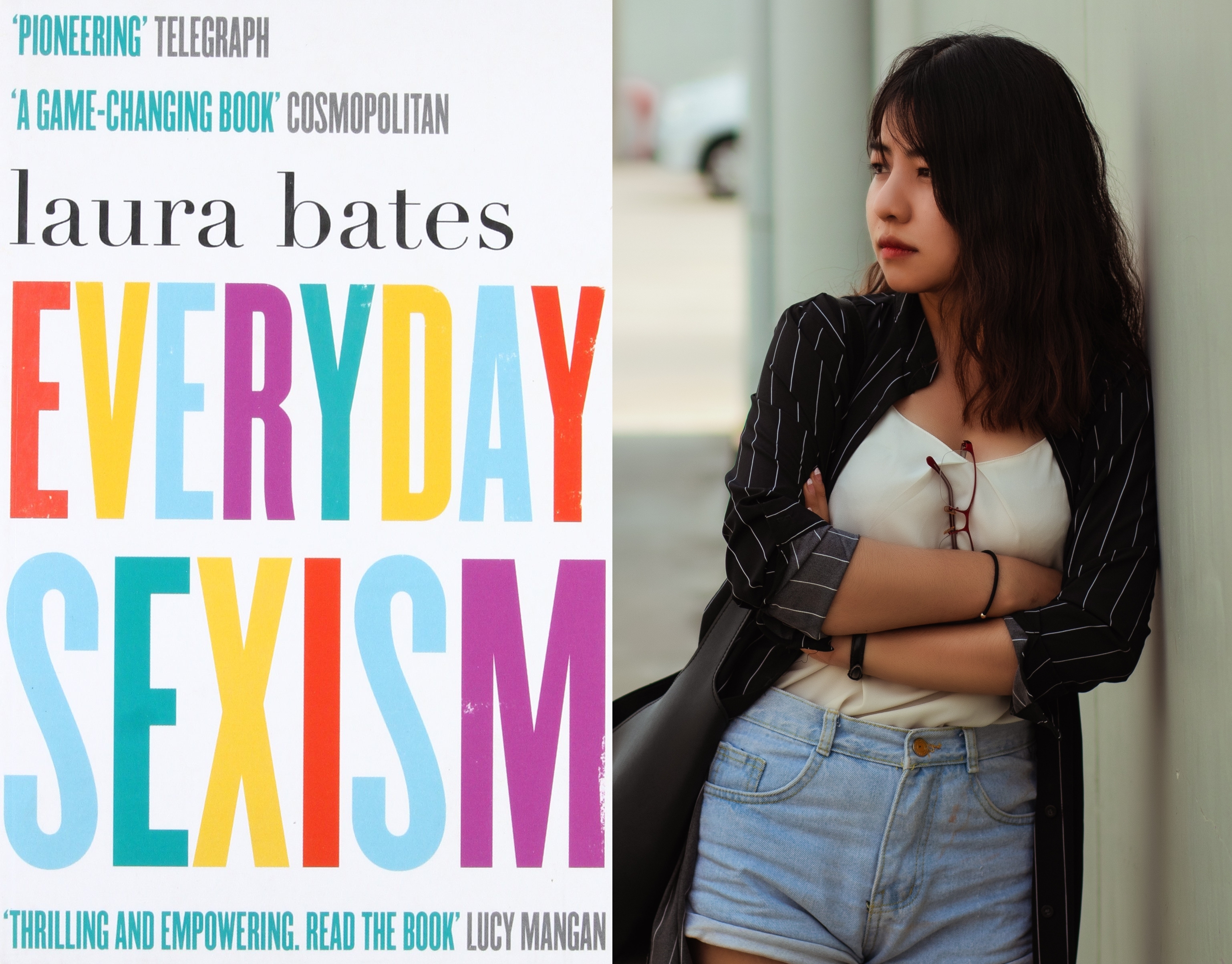
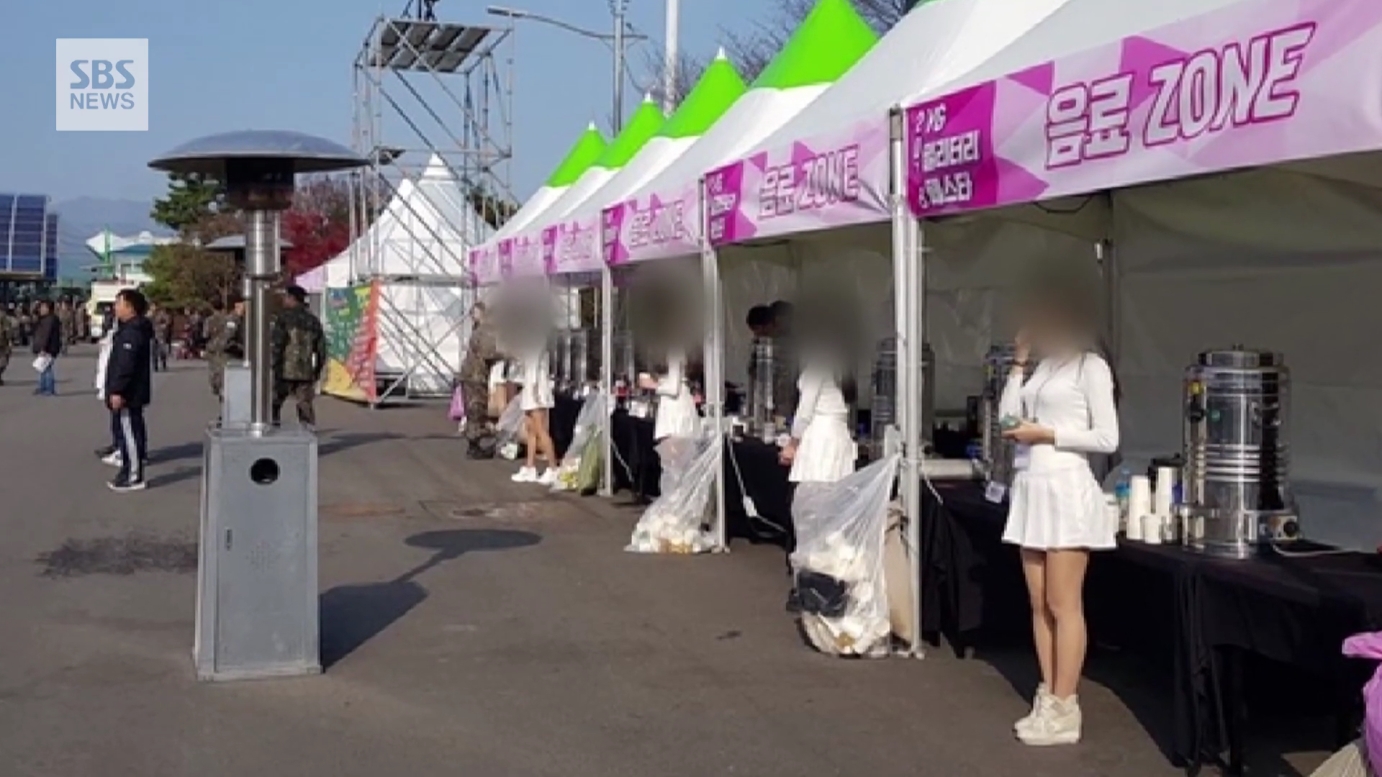

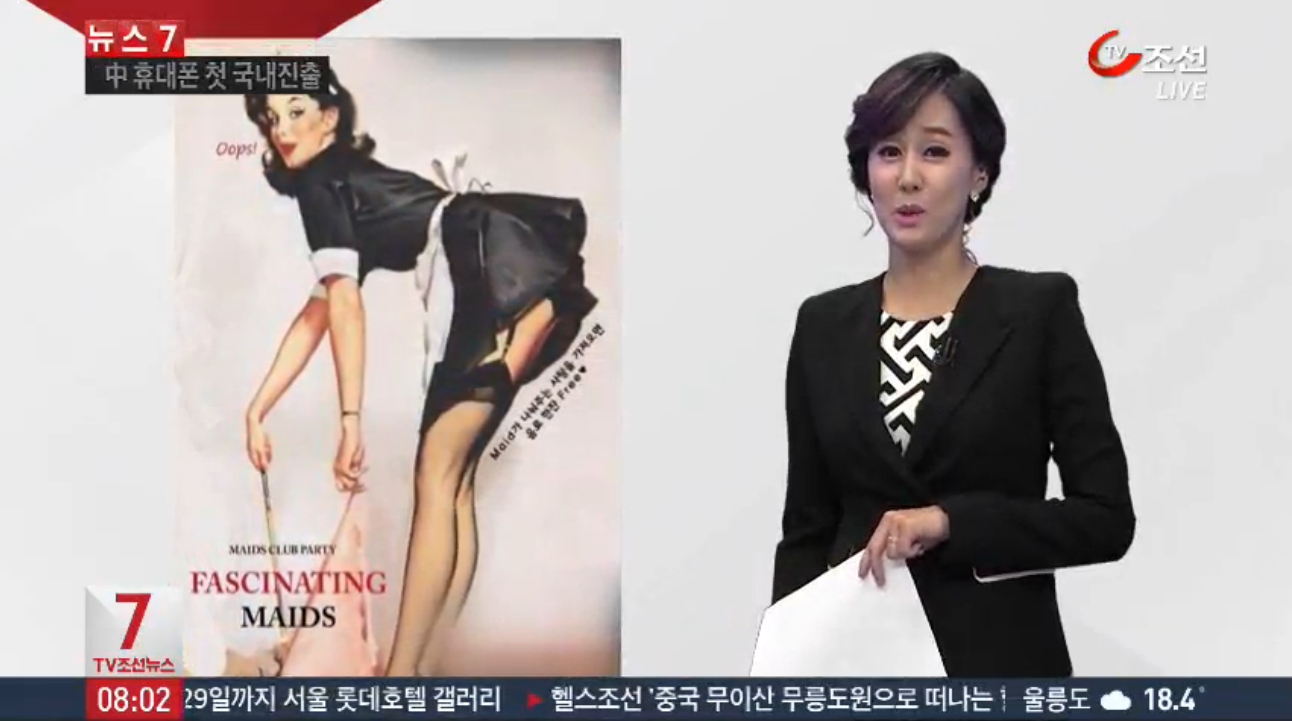

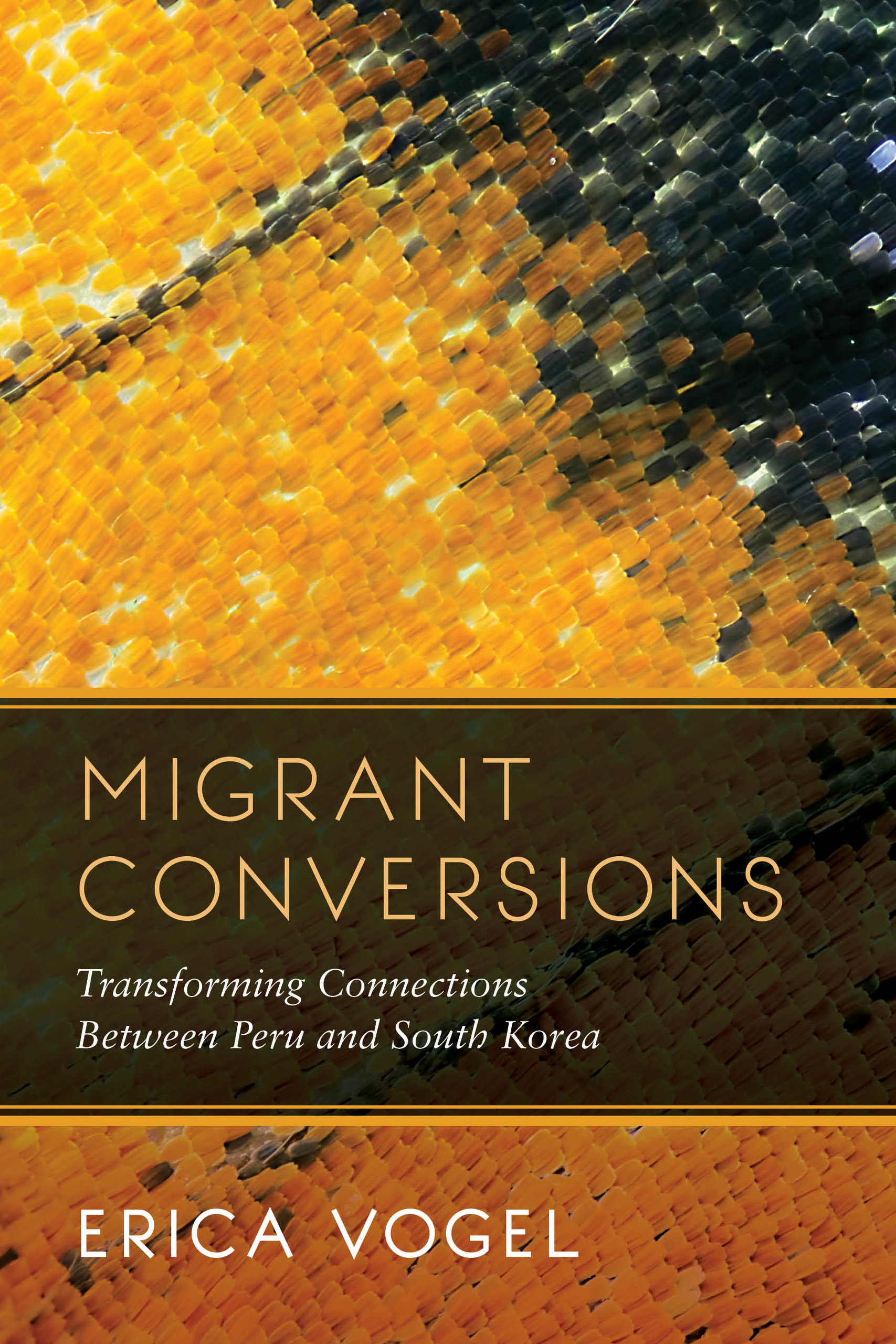

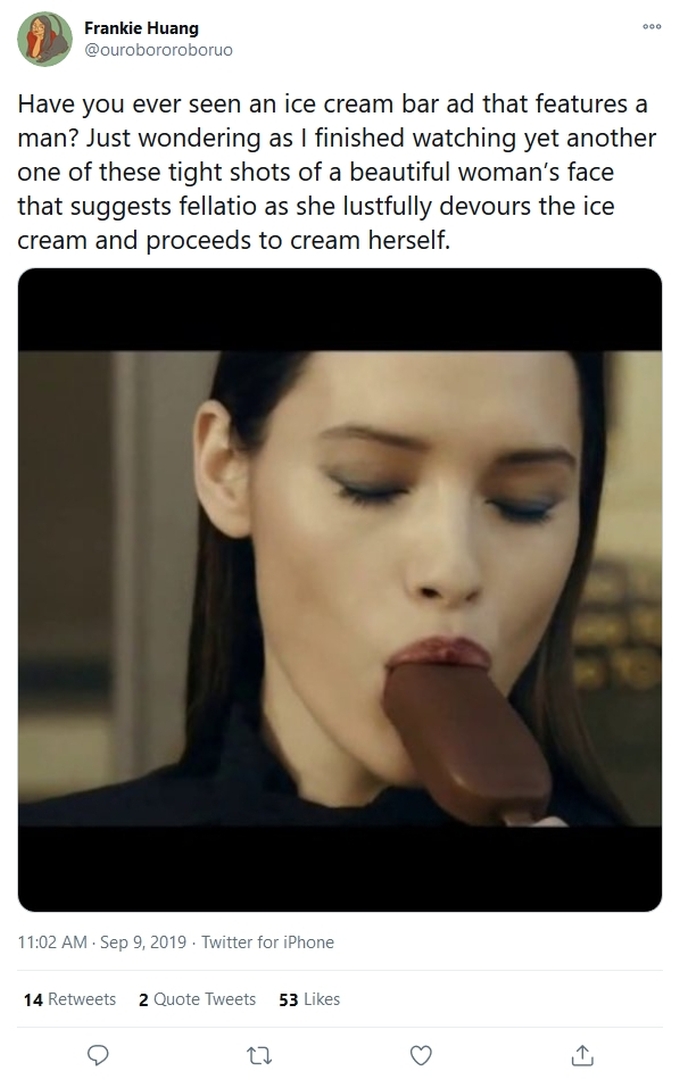



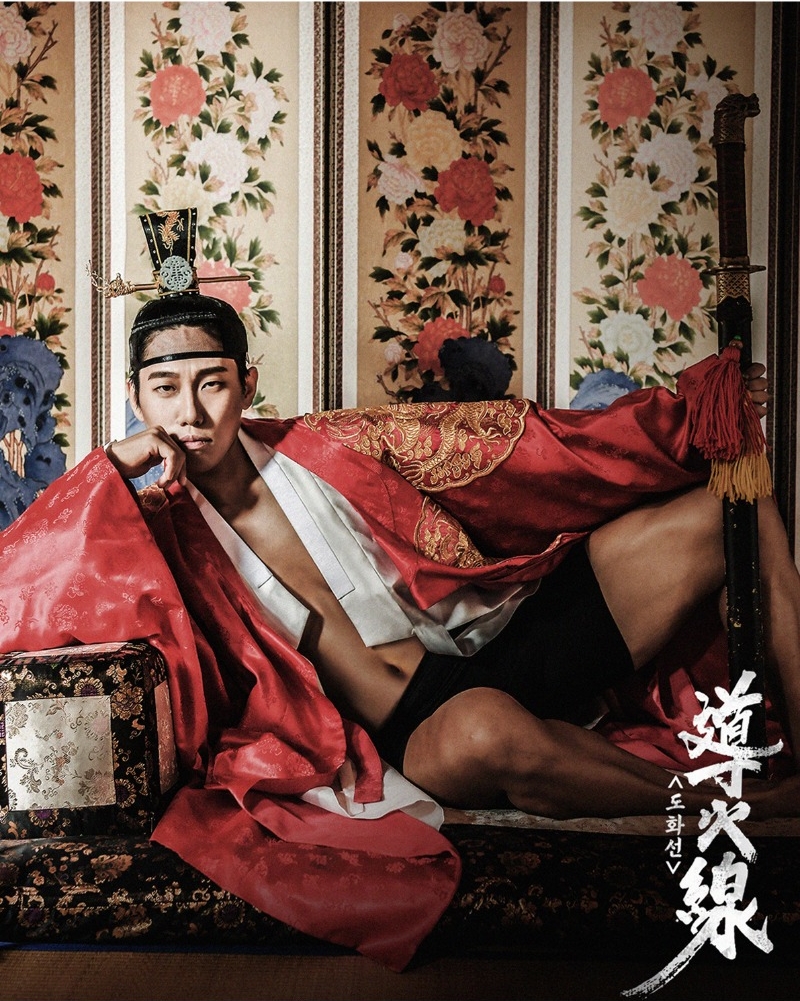
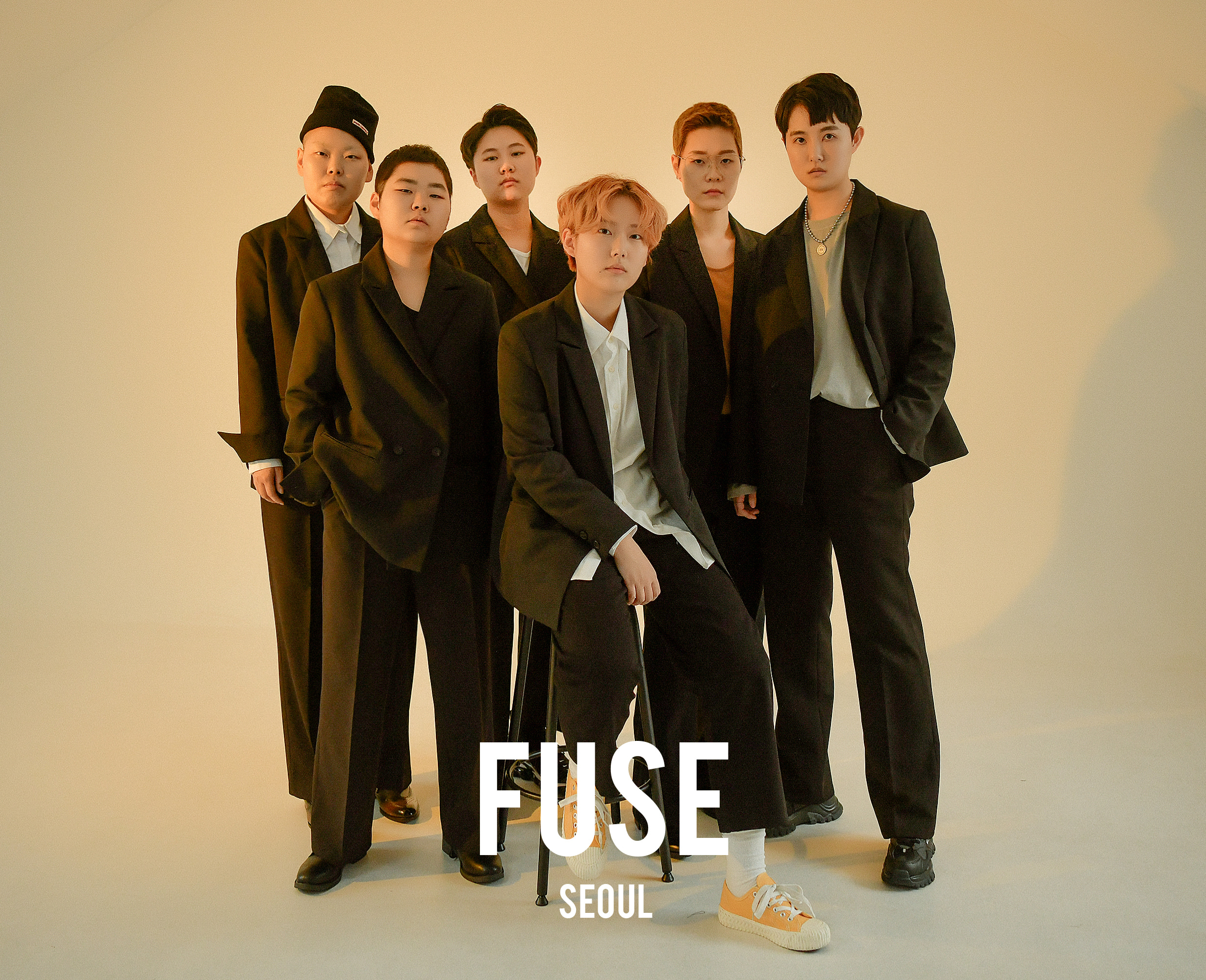


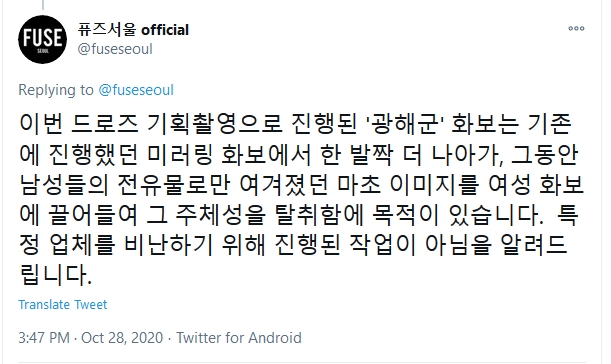


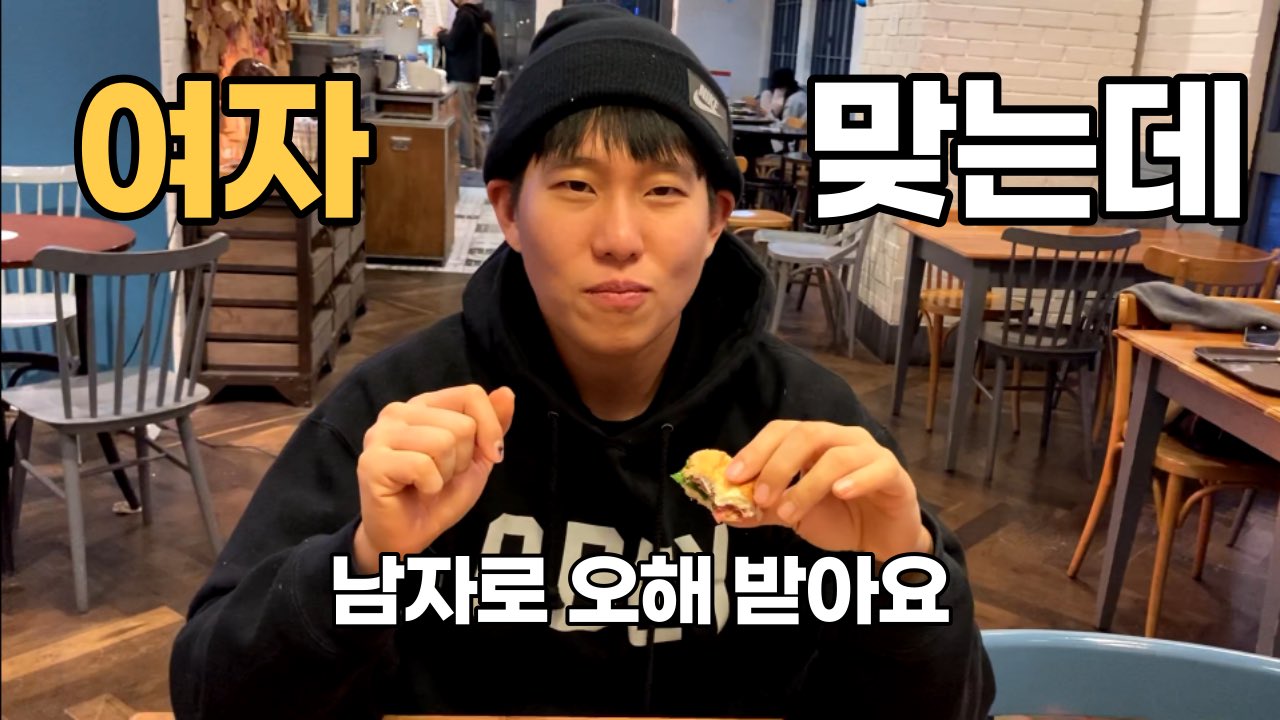


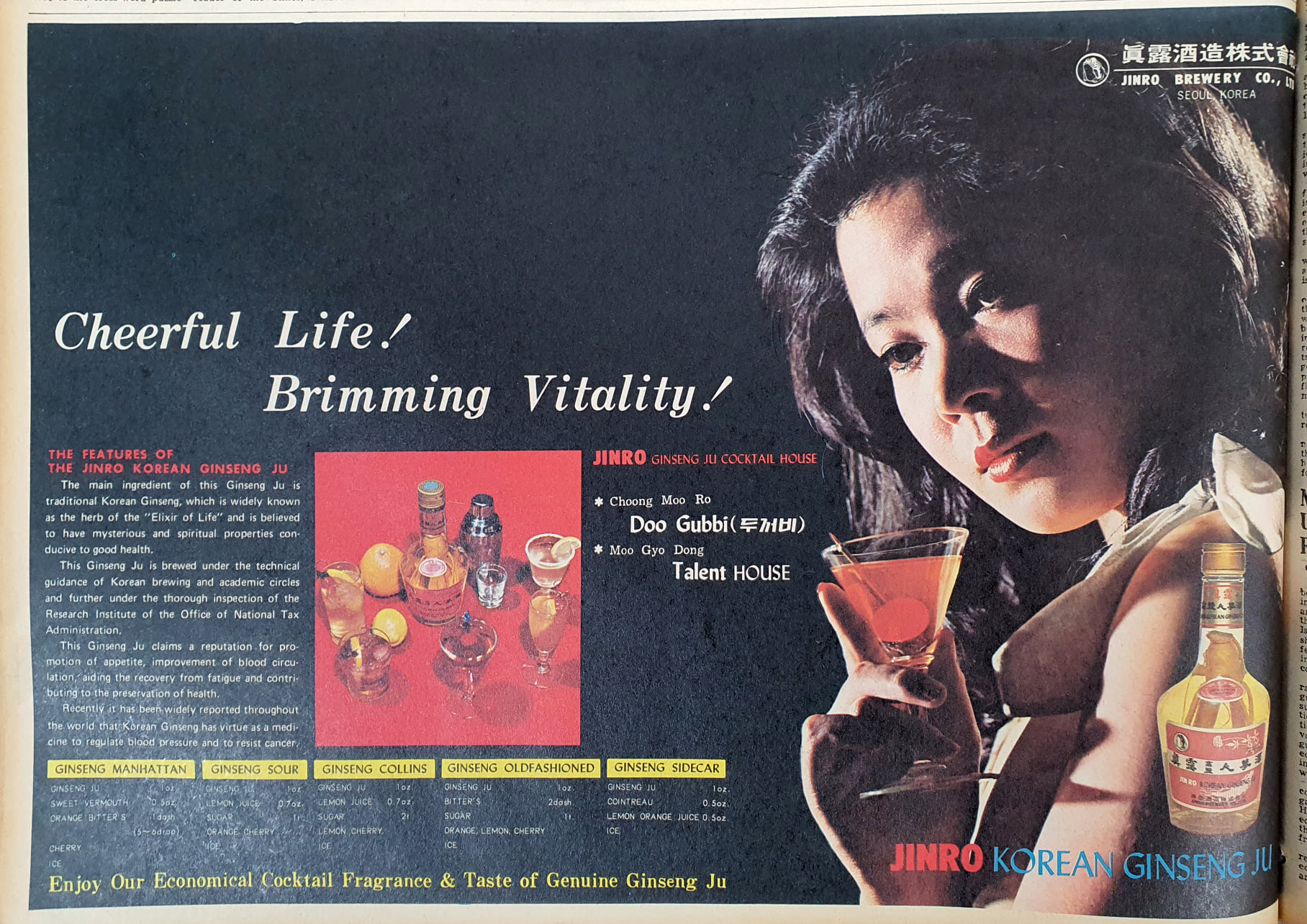
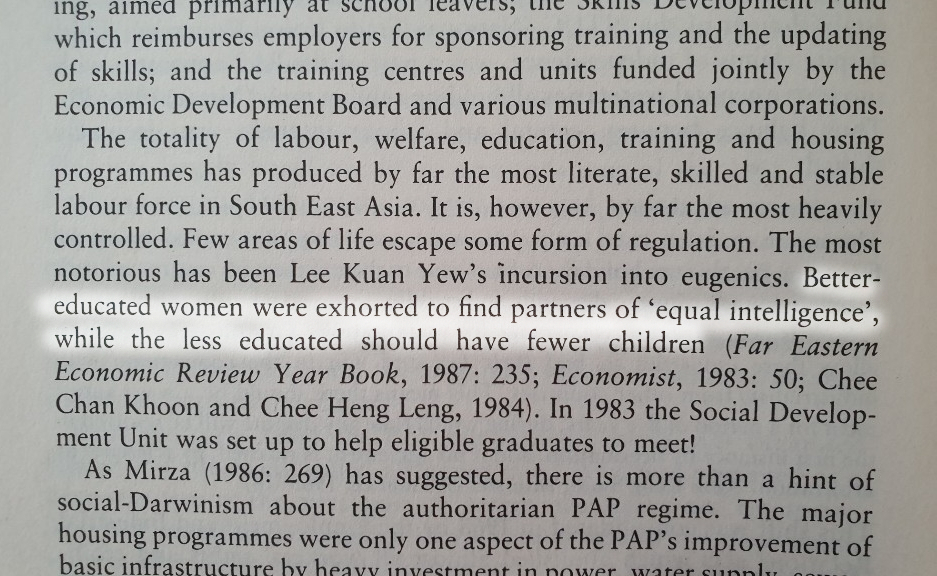

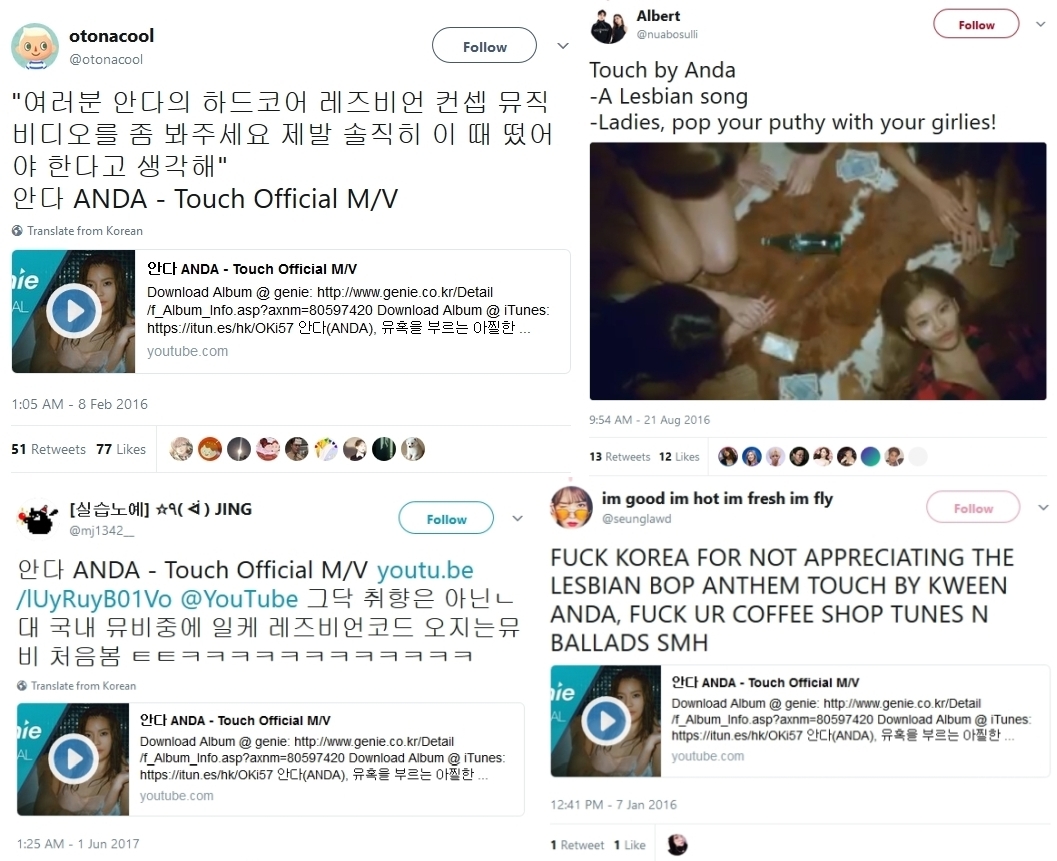
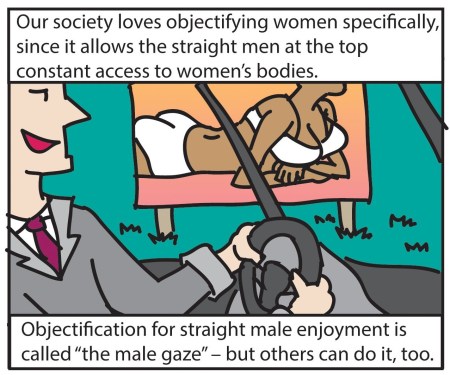

 (In
(In 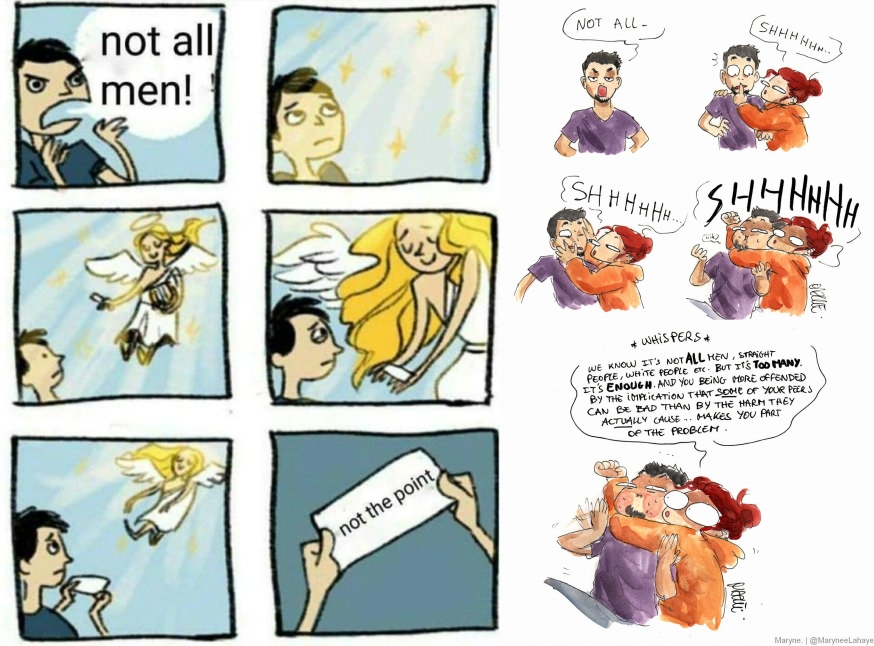

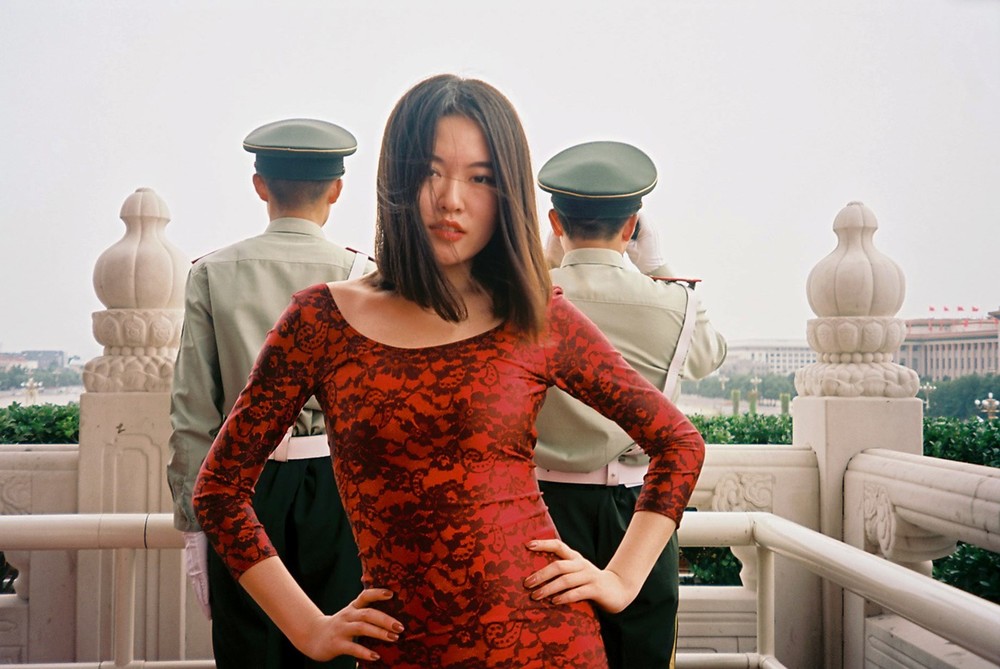



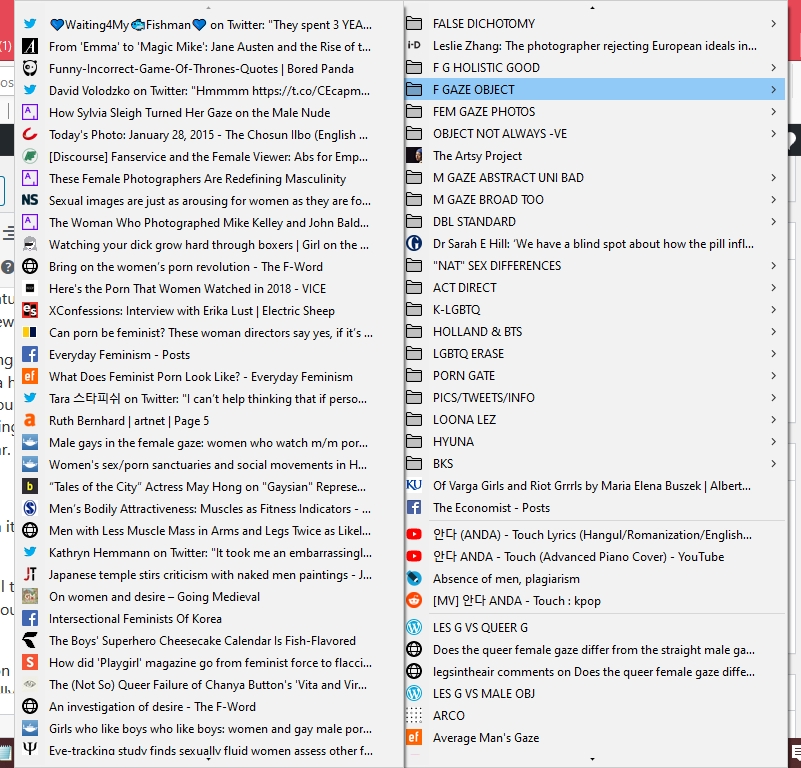

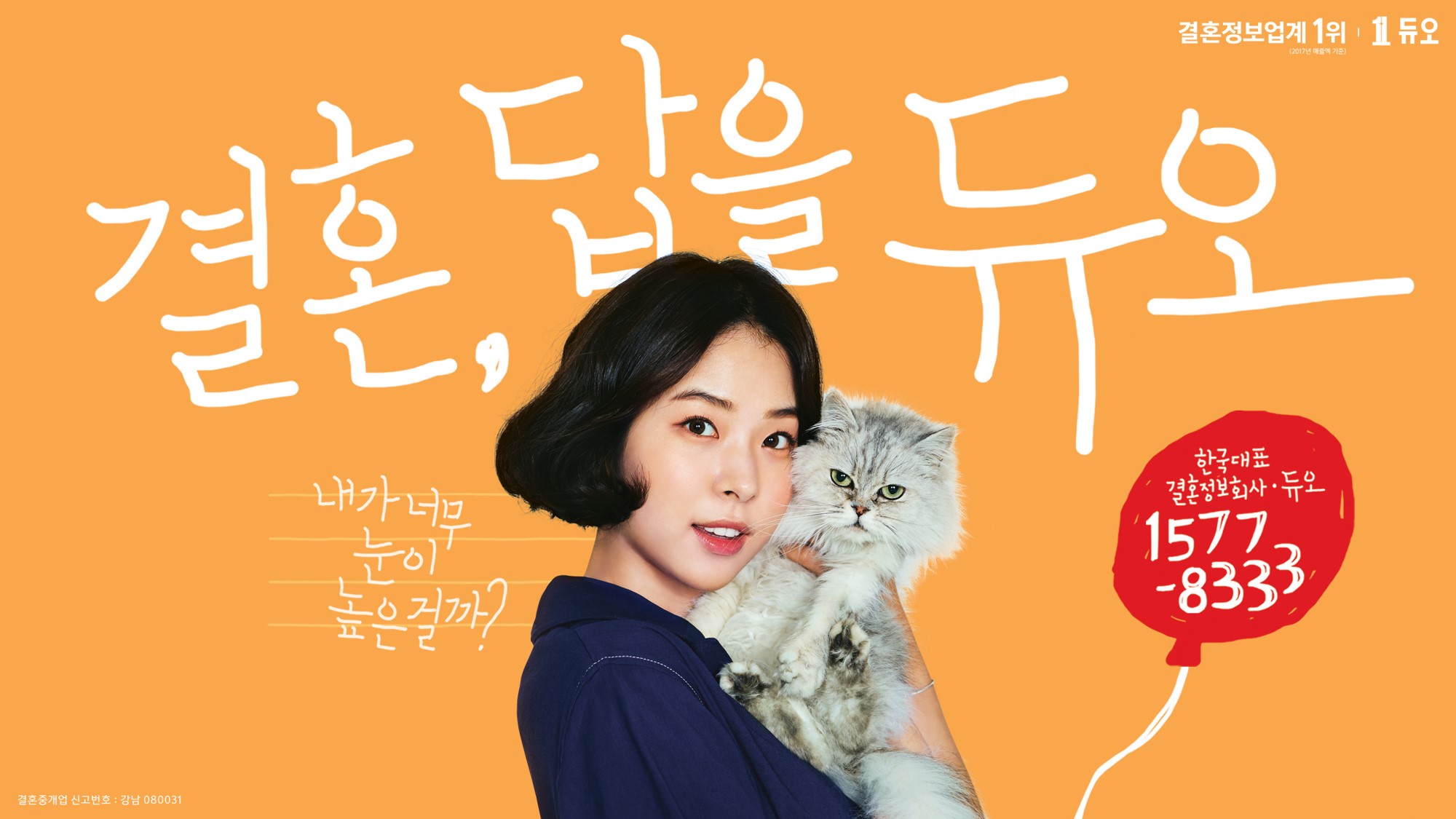
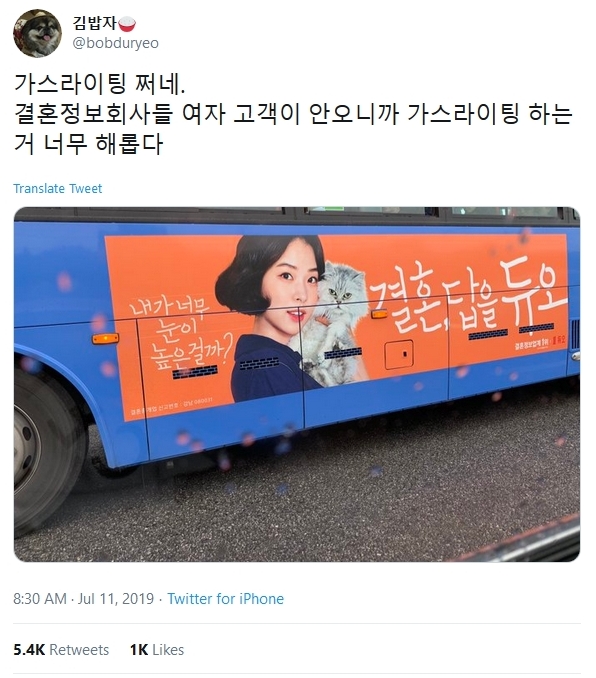
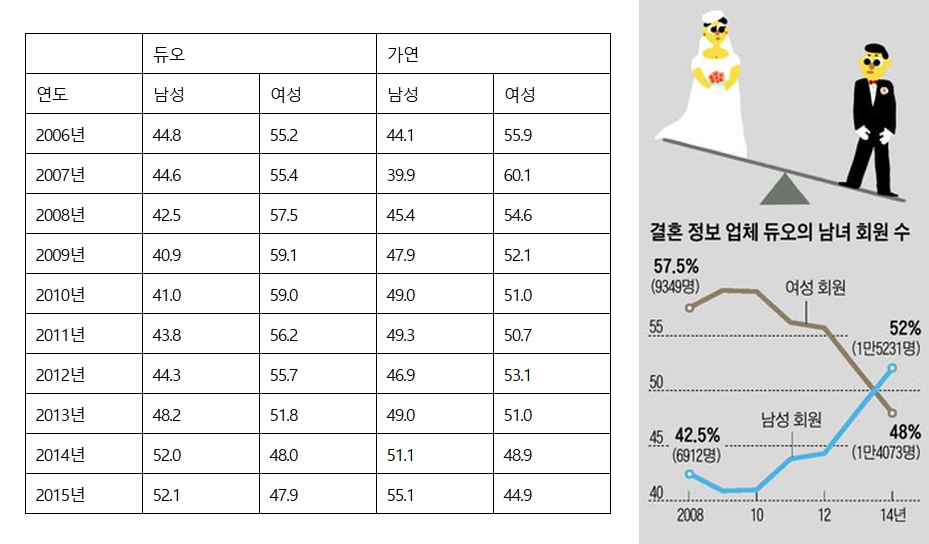
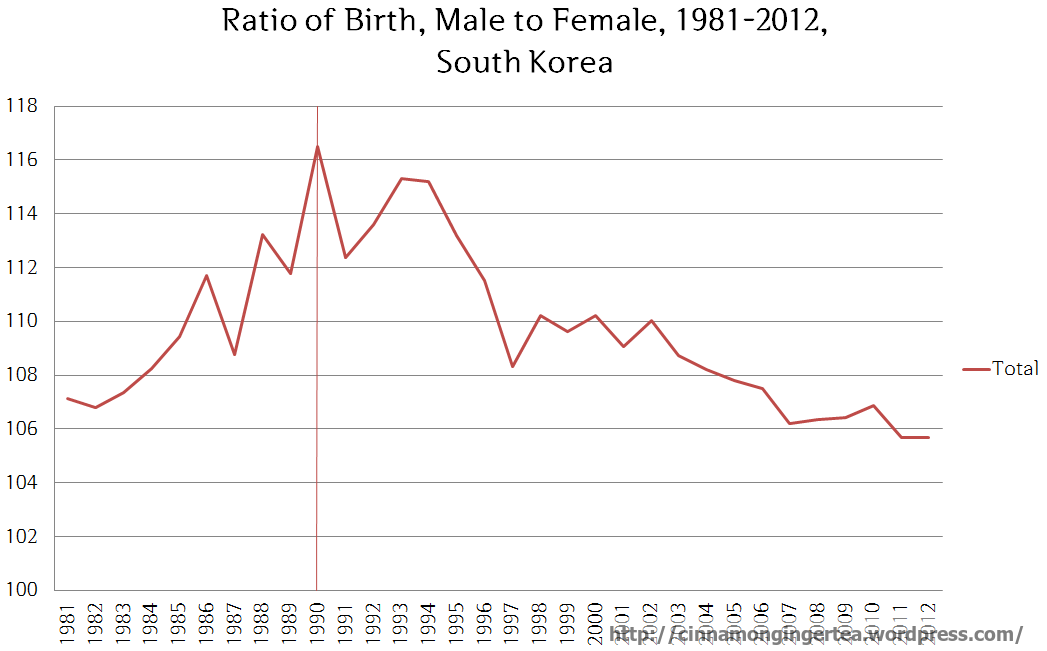
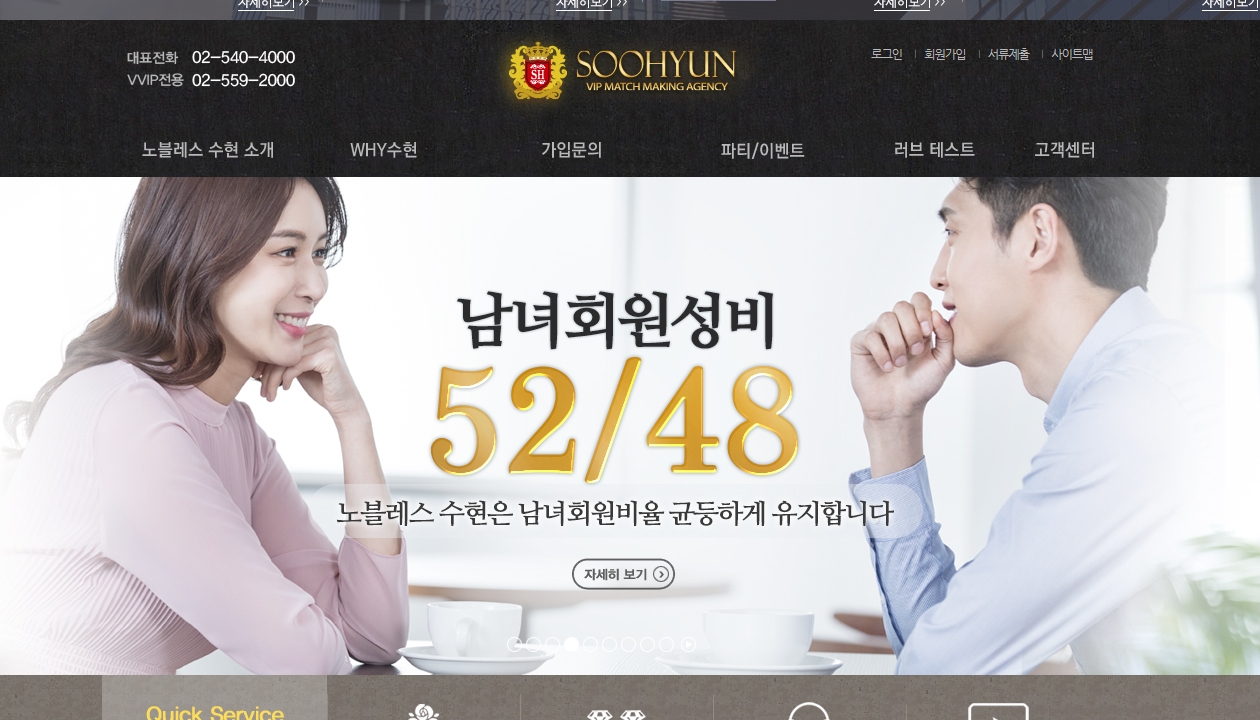
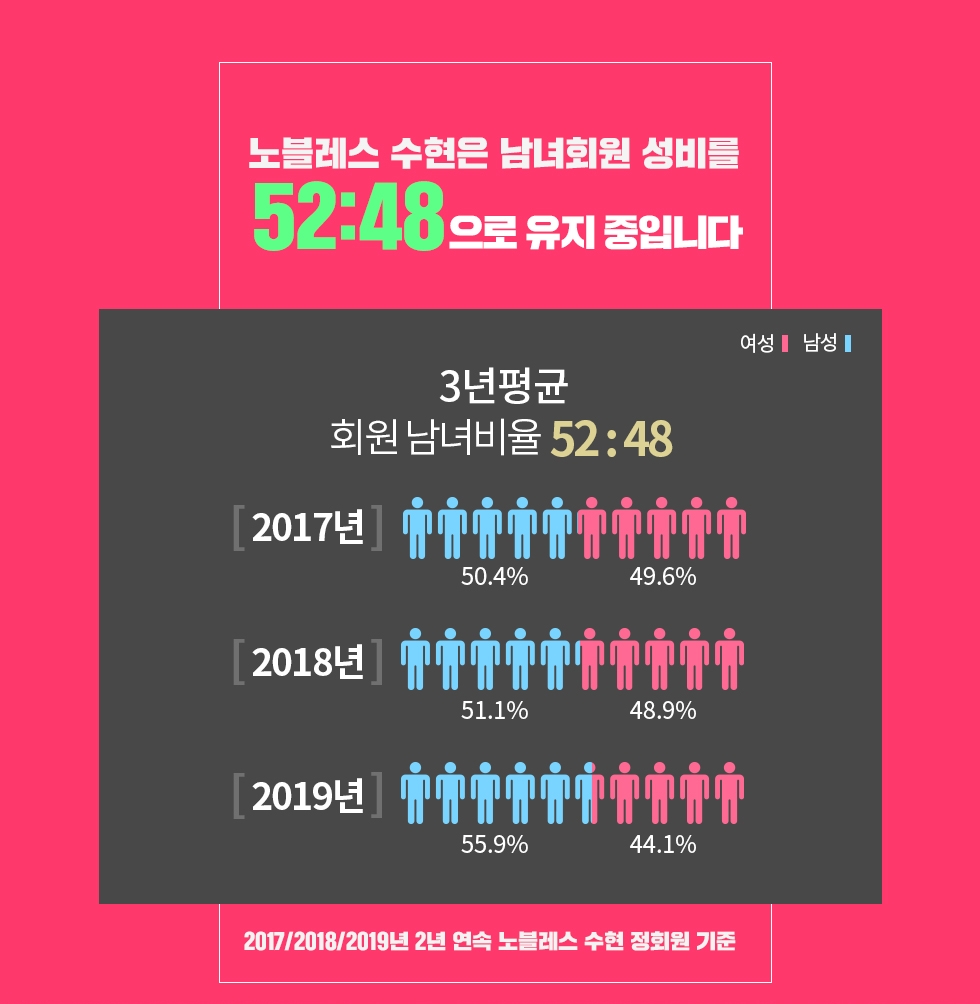

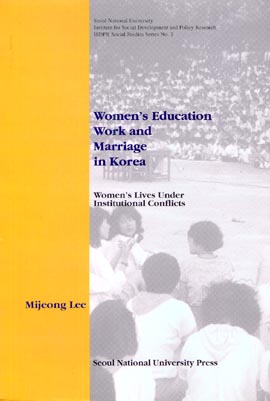
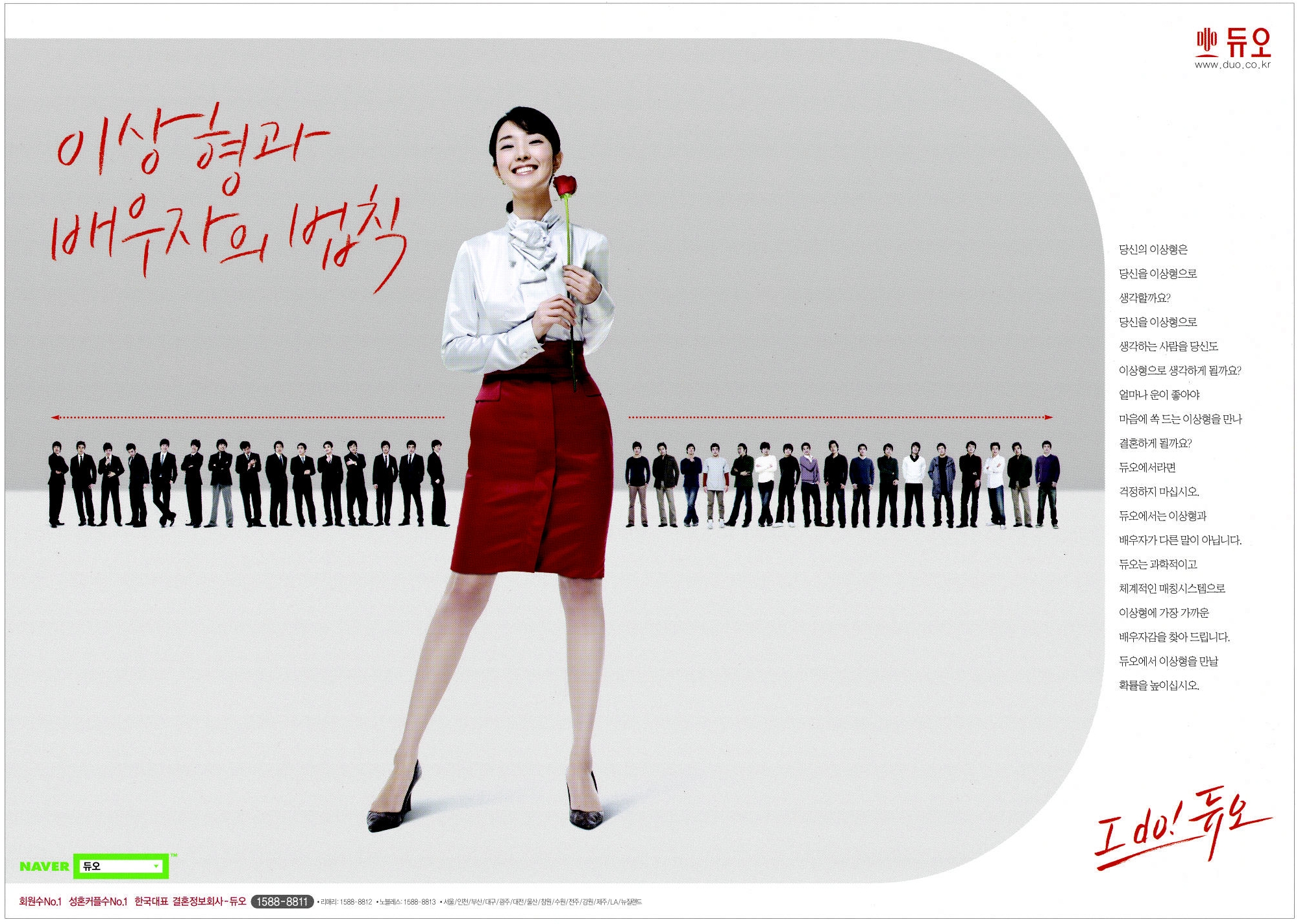









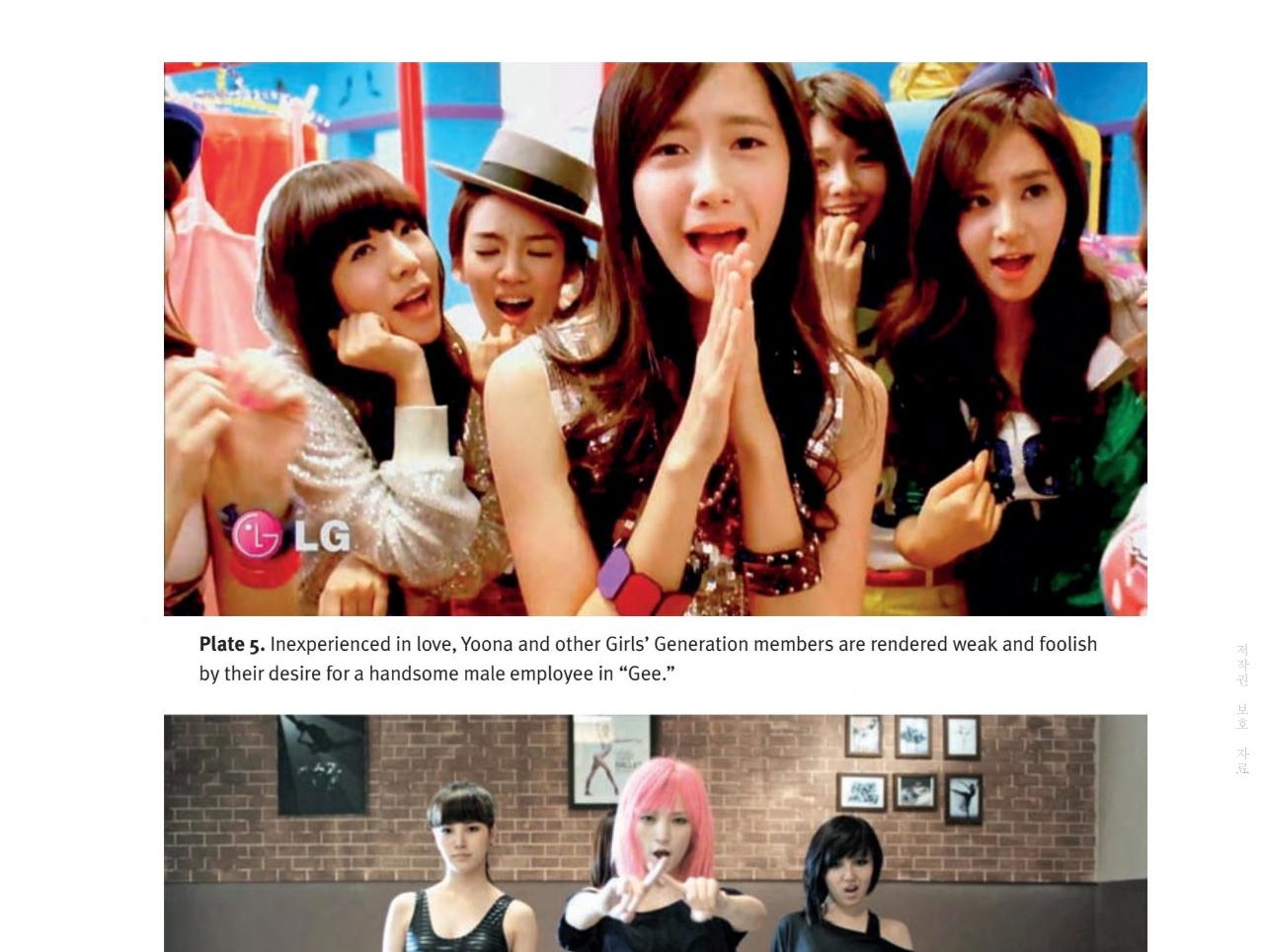




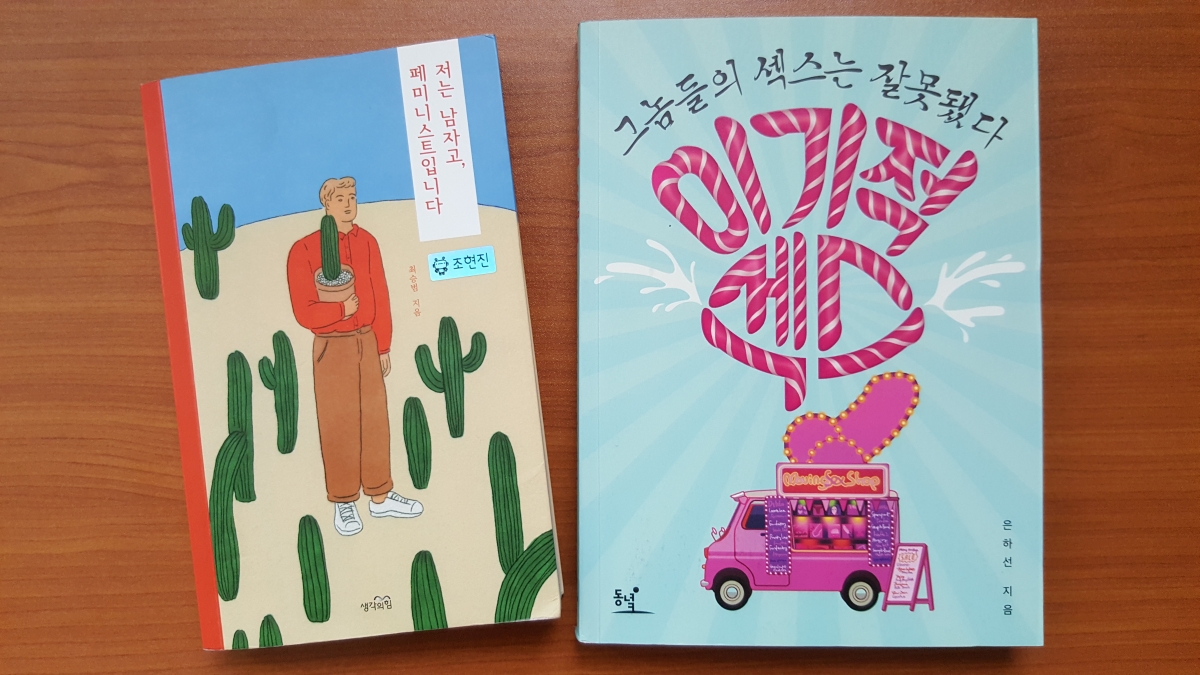
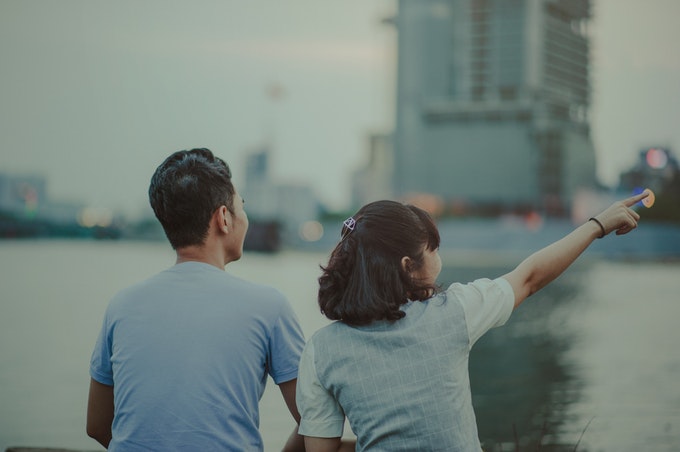
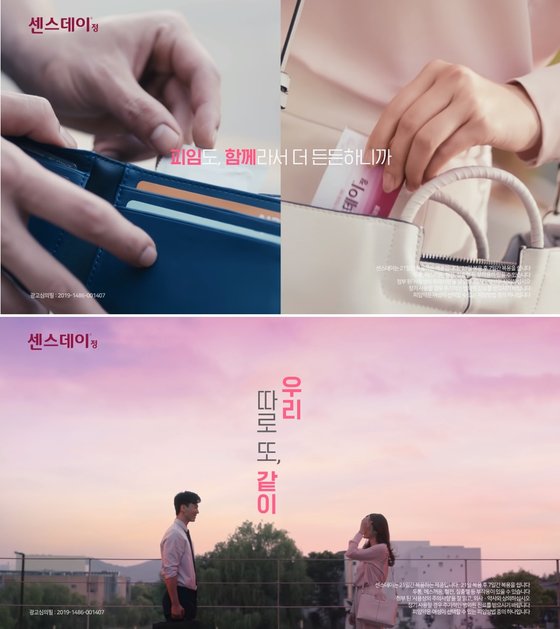
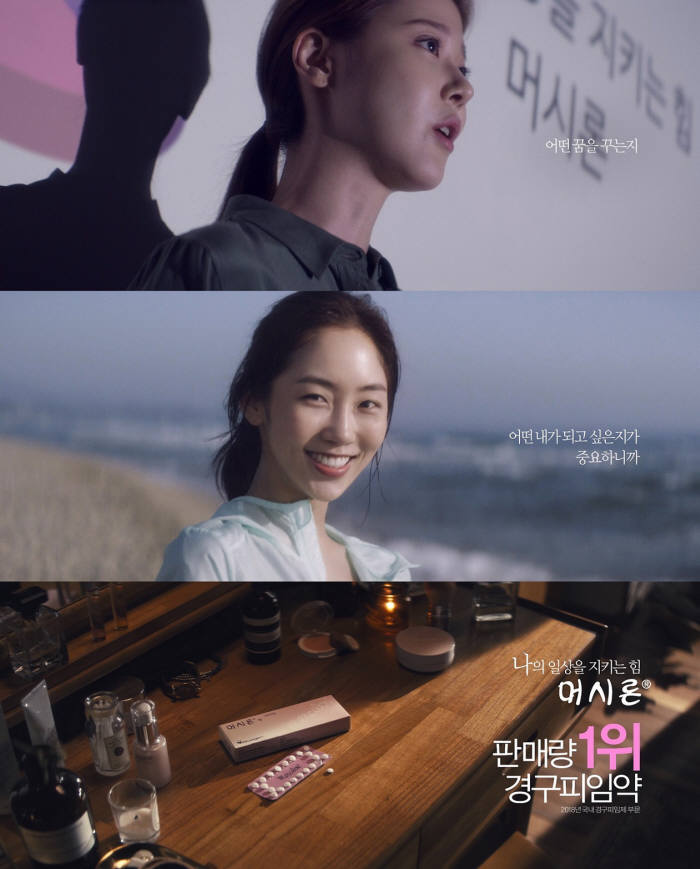


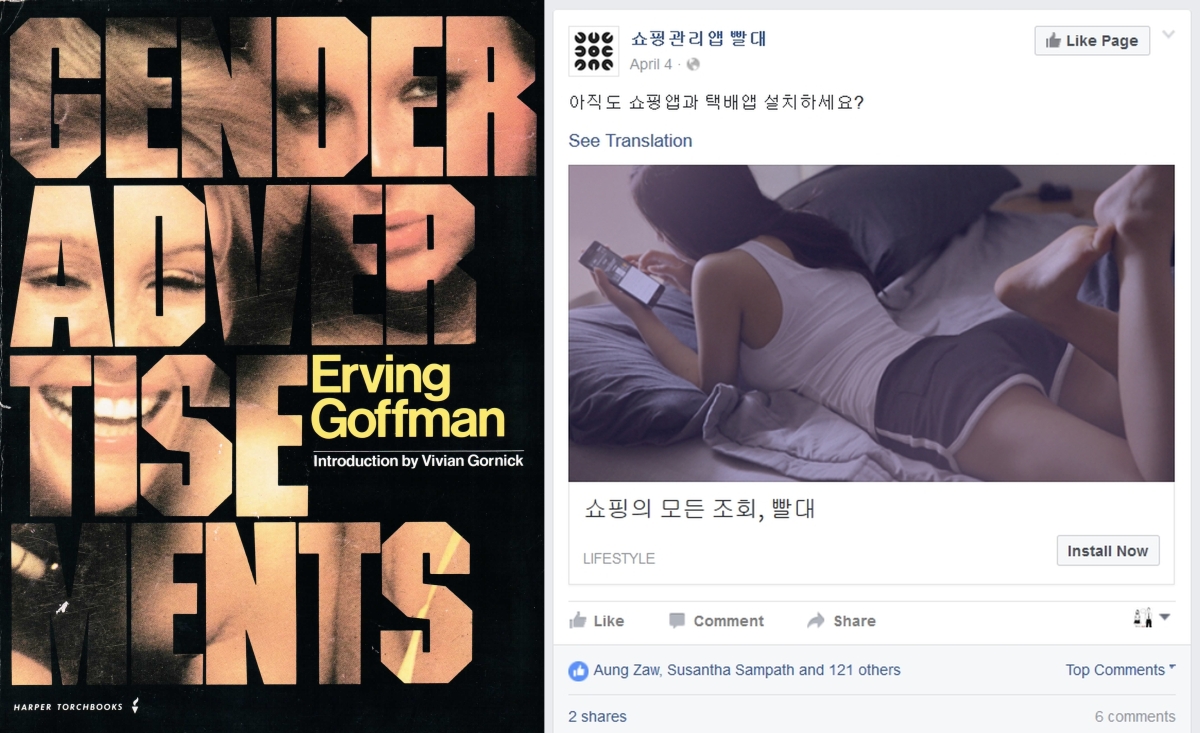

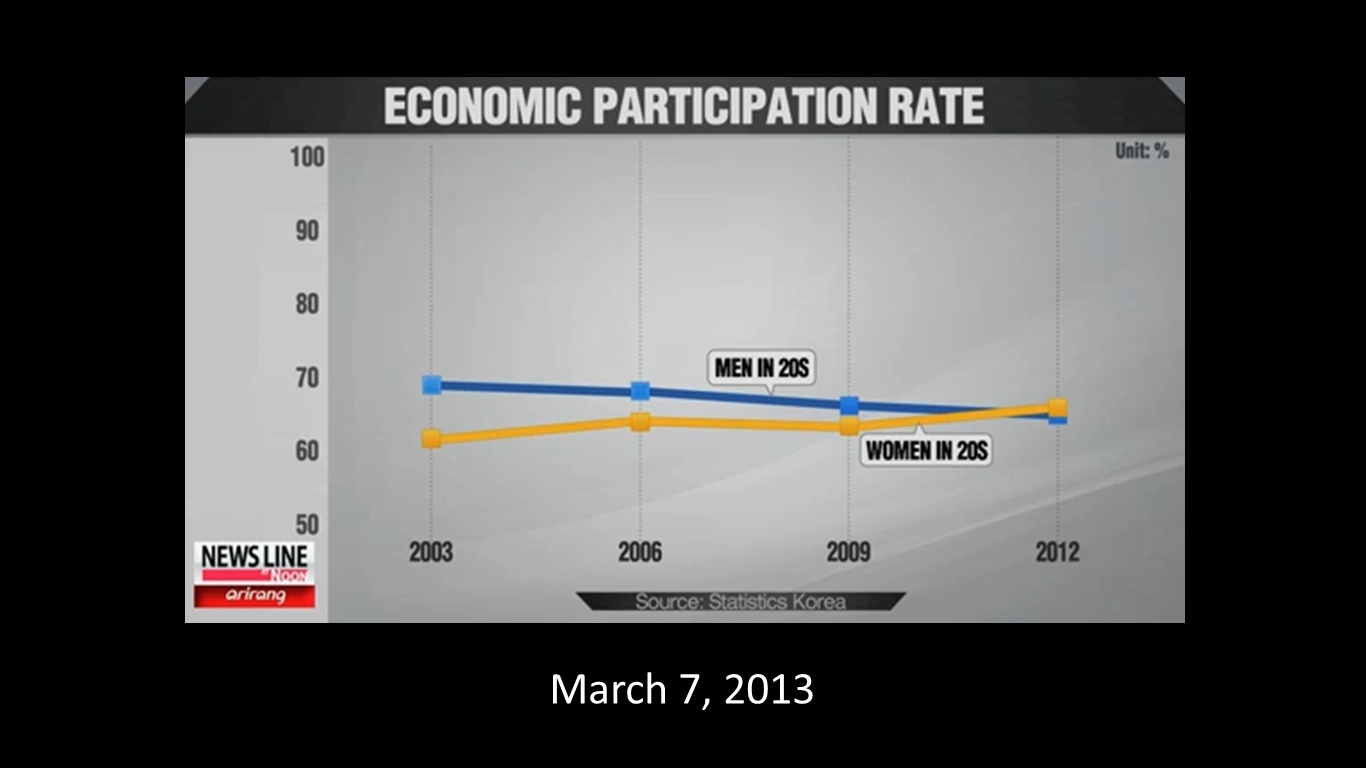


 The Grand Narrative